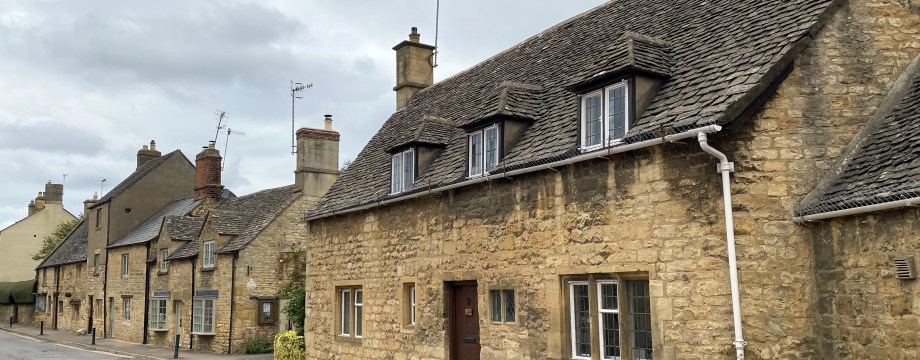
The Cotswolds towns owe their picturesque and well-preserved quality to sheep. Until the introduction of cotton into markets, wool and linen were the primary textiles for clothing for most people. And in the middle ages, the best wool came from England, and the best wool in England came from the Cotswolds due to the fine quality produced by the specific variety of sheep unique to the region. “Even the name Cotswolds is thought to be derived from sheep. “Cots” means sheep enclosure and “wolds” are the gentle hills.” (From here.)
The premium price for Cotswolds wool was such that merchants in the region’s towns could afford moderate to grand houses made of the local, honey-colored limestone. And fund “wool churches” that were more substantial and ornate than churches in similar-sized towns elsewhere in the country.
But then, starting in the 1600s, cotton from colonies established by the British, Dutch, and French East India Companies became more practical and more fashionable than wool, and the wealth of the Cotswolds towns declined precipitously. As a result, the towns lost their wealth and became backwaters and this backwater status preserved the honey limestone houses, manors, town halls, and churches that may otherwise have been changed or built over to fit new architectural styles or building methods over the subsequent several centuries.
As tourism became a thing in the 19th century, the bucolic Cotswolds countryside and its preserved and picturesque towns became popular destinations, and the region gradually developed an economy based on tourism and experienced a rebirth (culminating, of course, in the visit by WolfeStreetTravel). The wealth is back, but it’s just not from wool anymore.
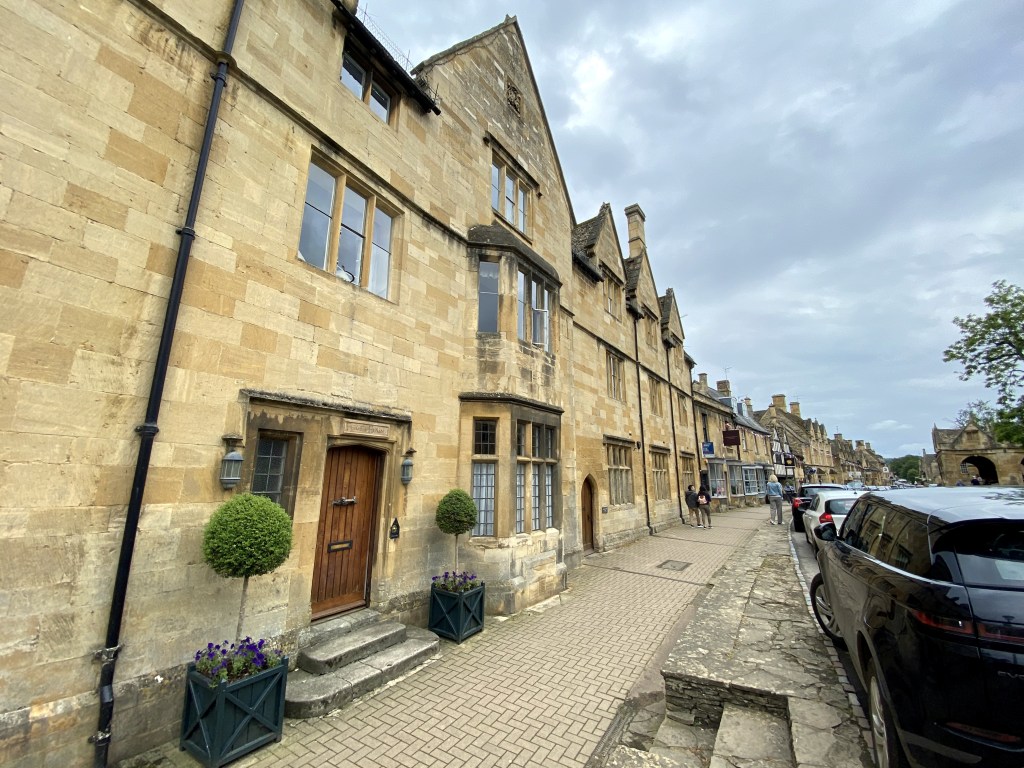
On our first full day in the Cotswolds, we drove about 10 min from Broadway to Chipping Campden, where characteristic Cotswolds charm was exemplified in fine fashion. Considered the “jewel in the crown of the Cotswolds” (no doubt only by the Chipping Campden Chamber of Commerce), the town has served as a wool market since the 15th century, and is famous for its High Street.
Center of town on High Street:

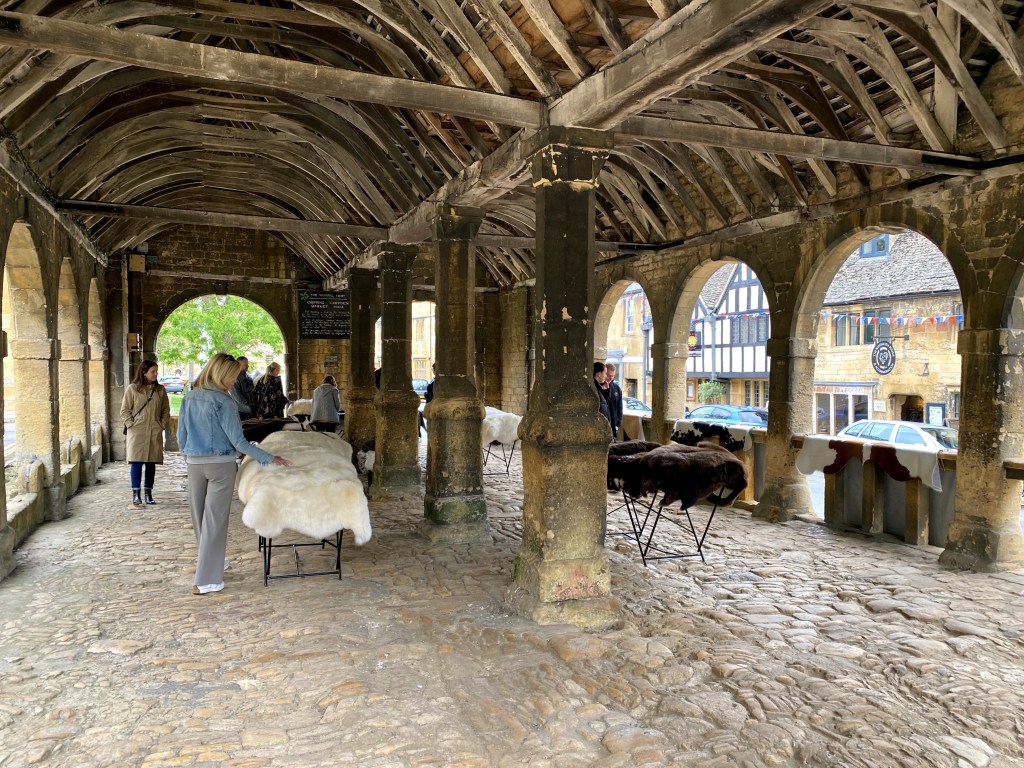
The town’s still-operating, 1627 Market Hall commissioned by Sir Baptist Hicks, who will continue to pop up as we poked about town.

In the Market Hall, you can buy your sheep and sheep accessories from the Cotswolds version of Hank Hill.
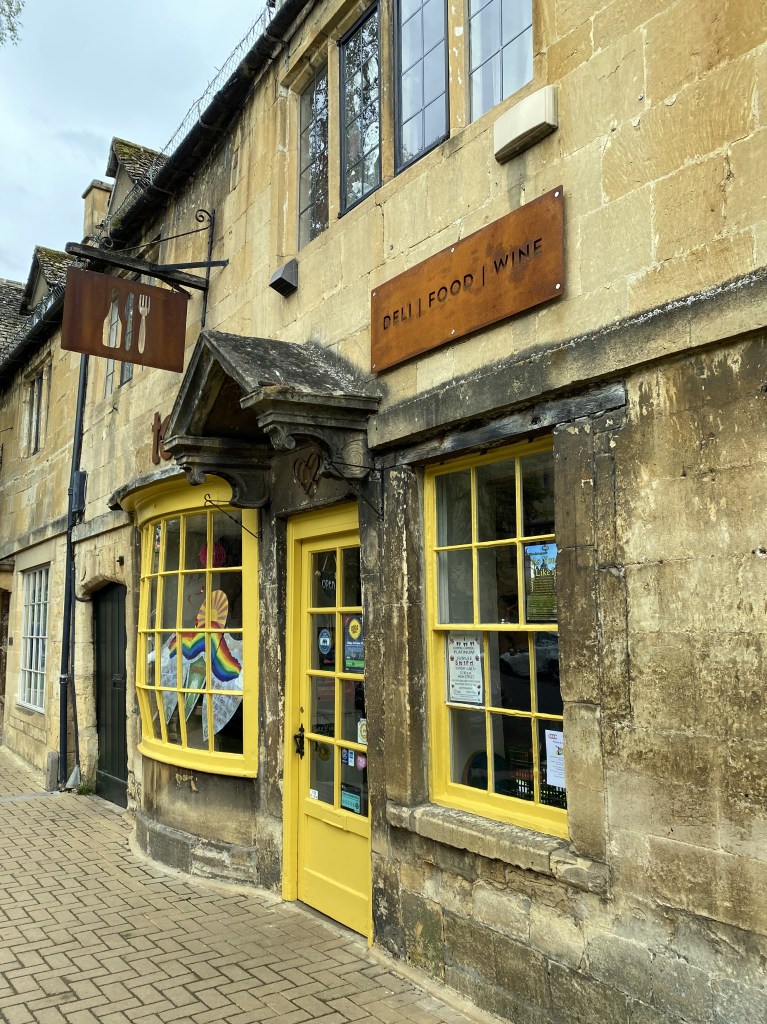
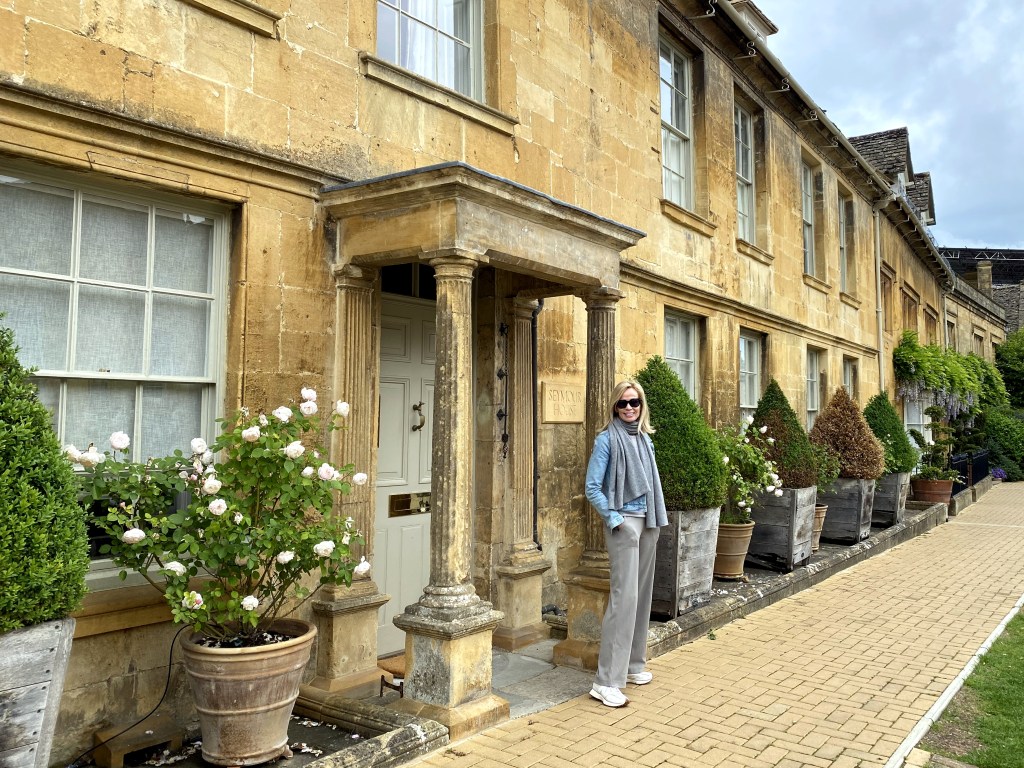
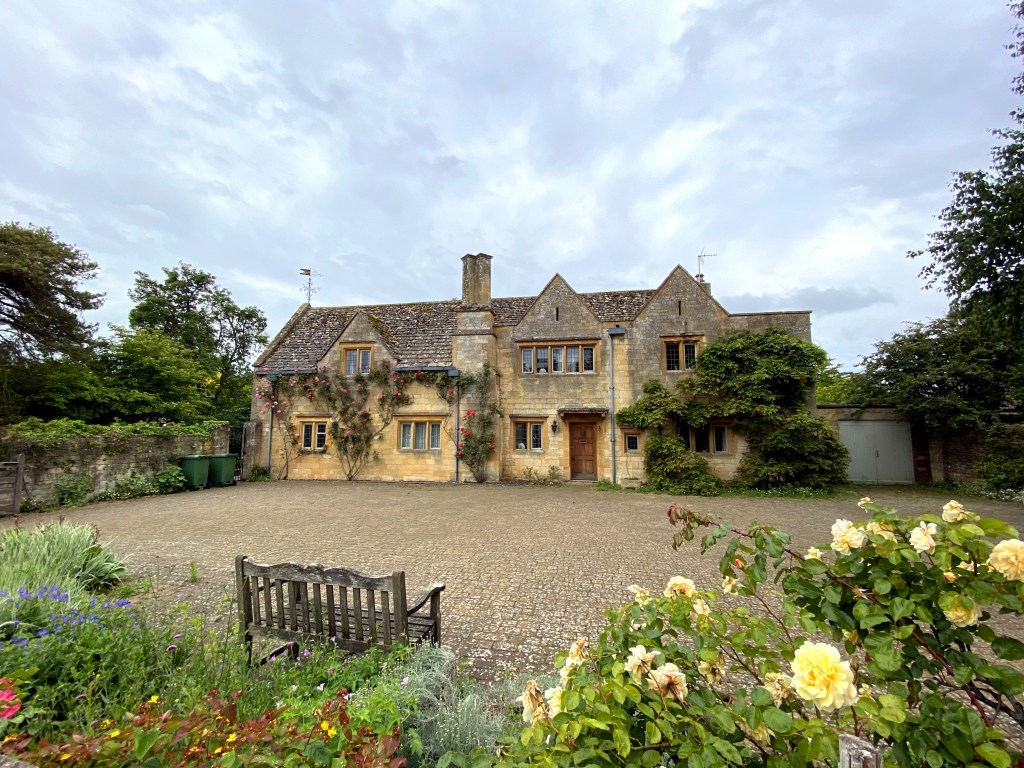
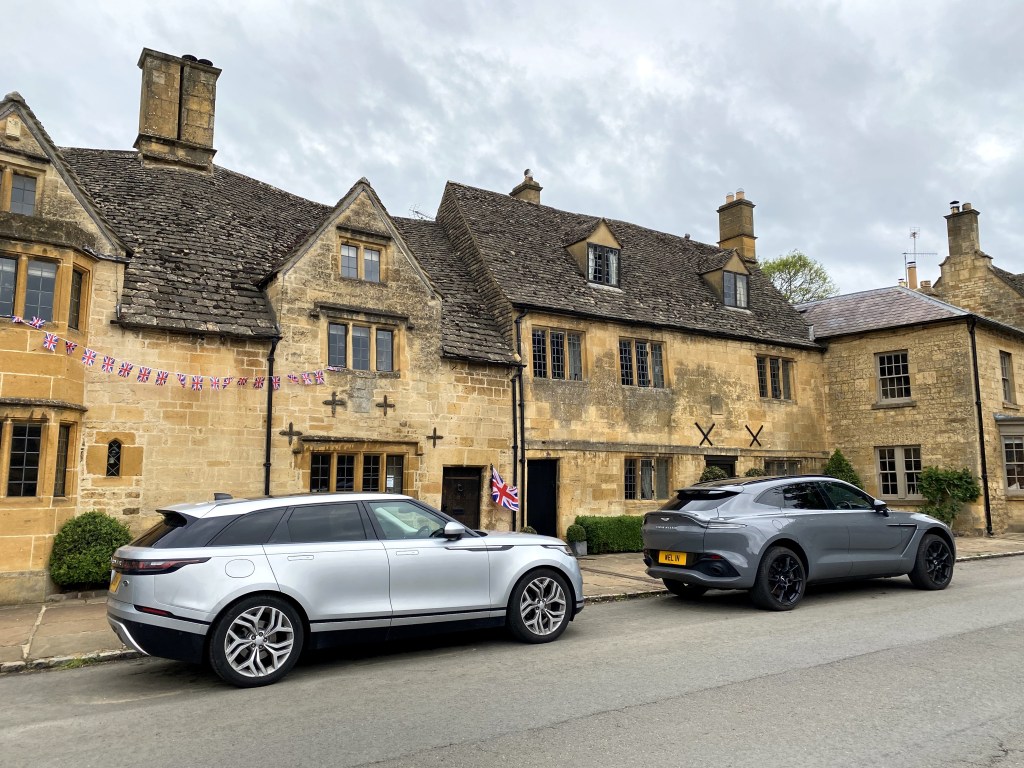
Scenes around town:


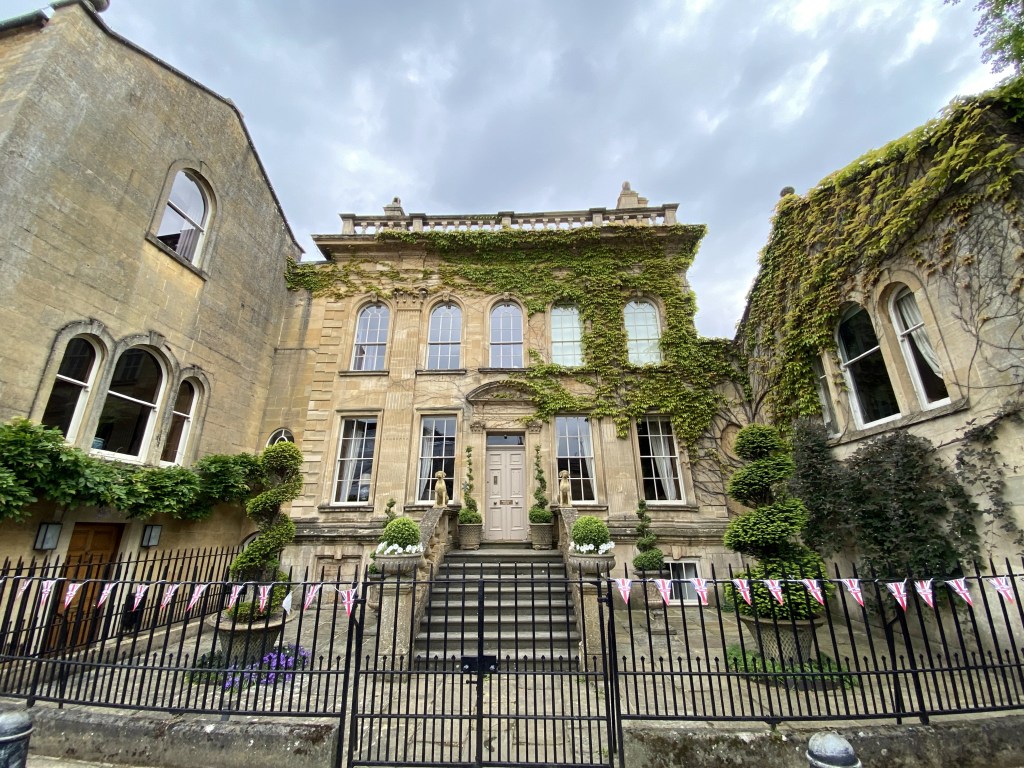
What’s behind the hedge:

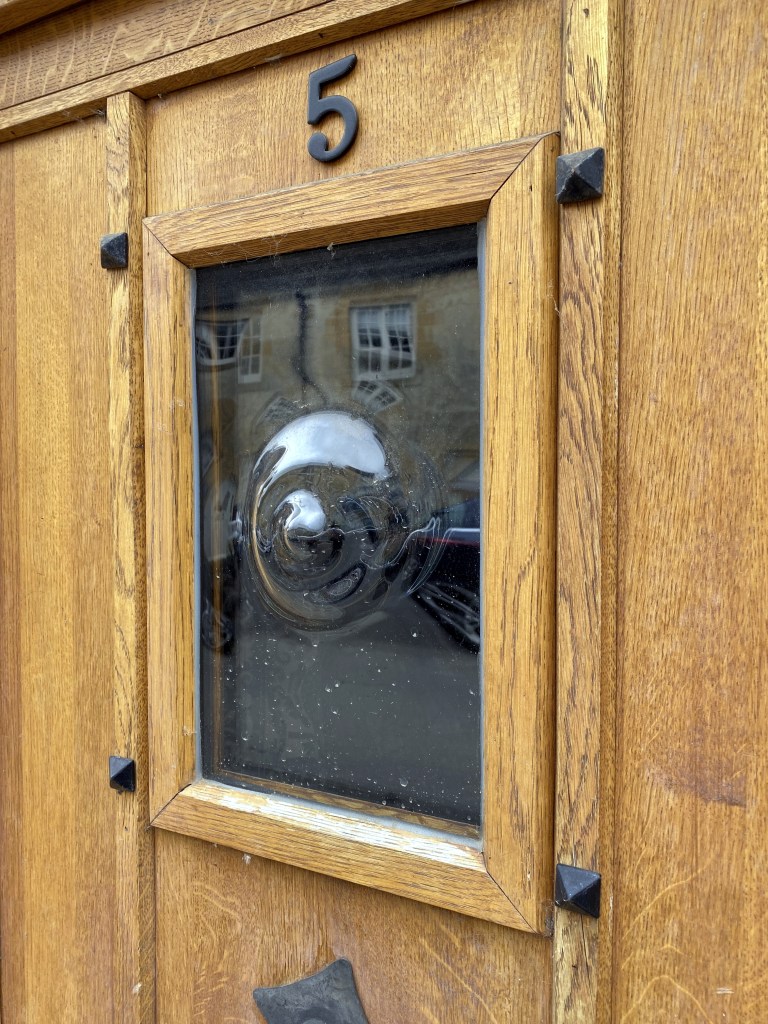
Bulls eye window on one of the houses.
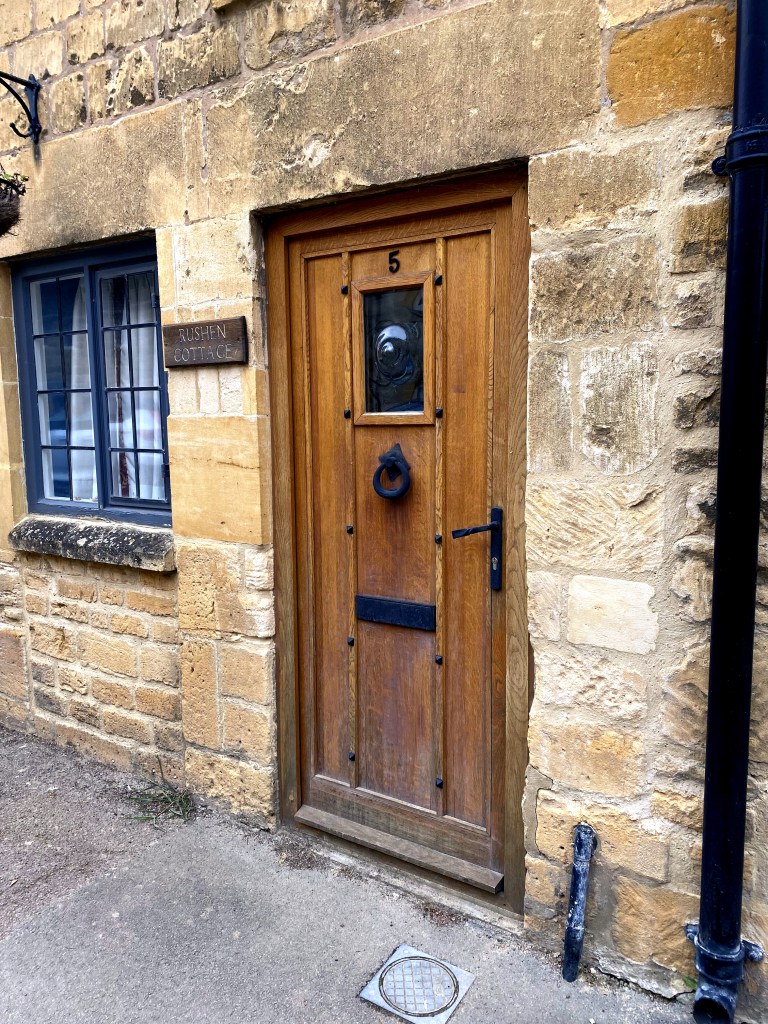
“In mediaeval times the way window glass was made was similar to blowing. A blob of molten glass was picked up on a pontil, and spun rapidly to form a disk. The flatter, outer, bits of glass were used for fine windows, the bit in the middle would be remelted for the next try. Sometimes the bit in the middle was not remelted, but sold off cheap for low status buildings. These often went into front doors, to admit light, but not give a clear view into the house.” (From here.)
The town’s wool church, the Church of St. James:


Built in the 16th century, but incorporating the elements of a Norman church that dates from 1180:

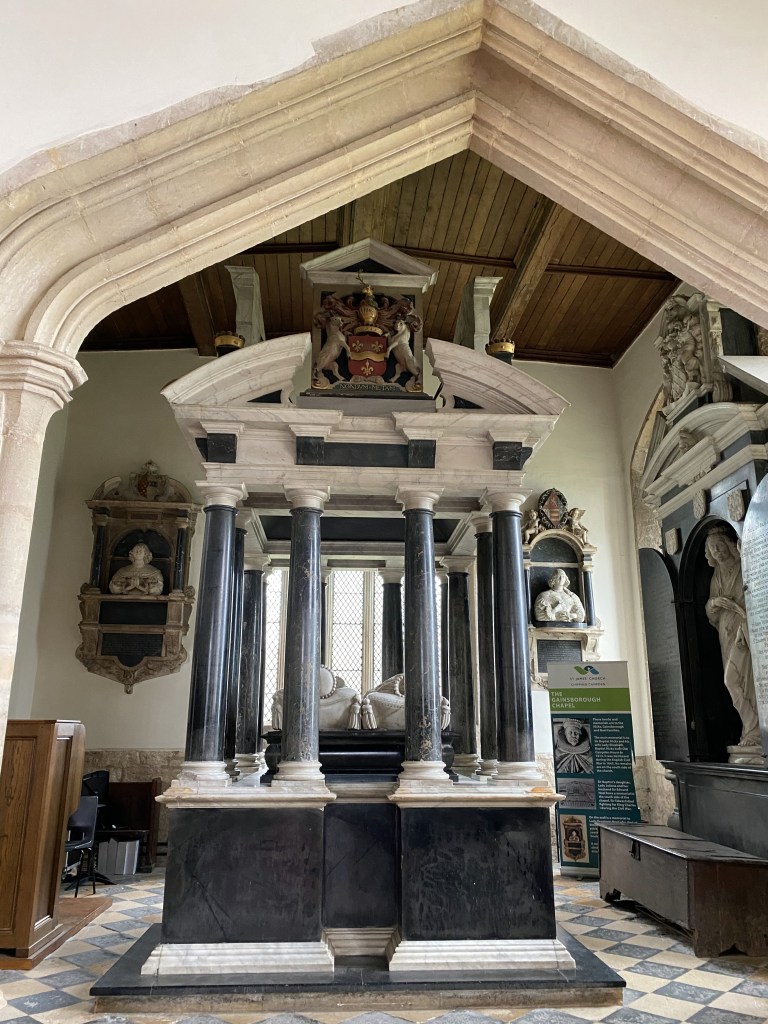
The elaborate tomb of Sir Baptist Hicks – his second appearance – and his wife.

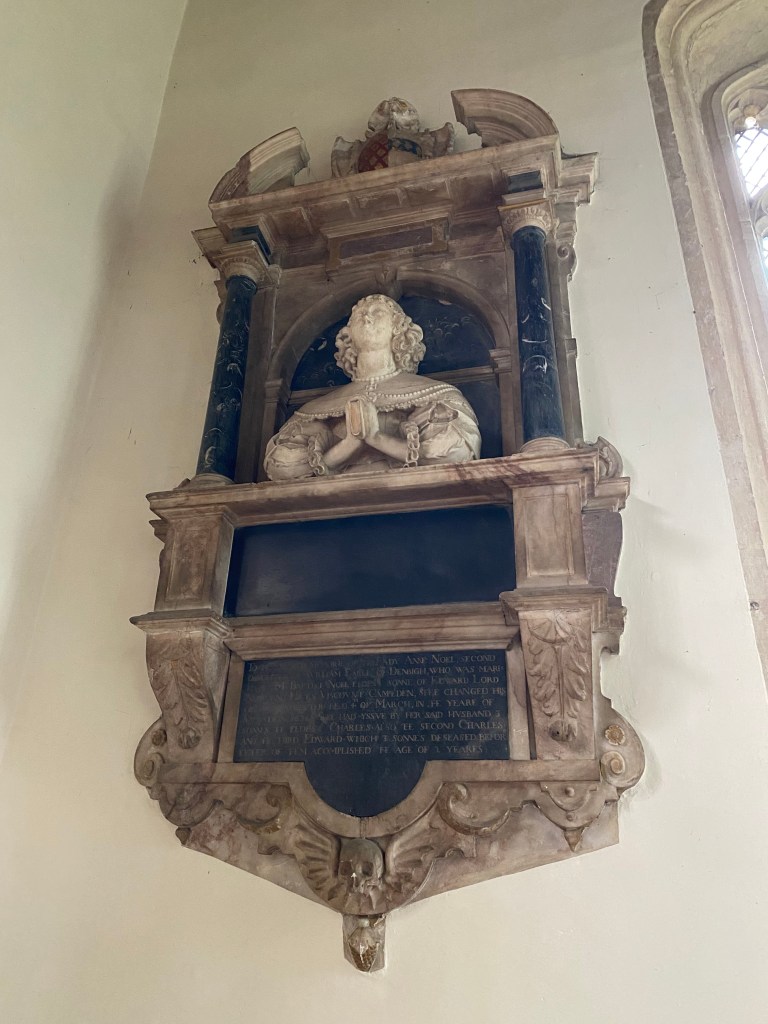
And “a memorial to Lady Penelope Noel who died of blood poisoning as a result of pricking her finger whilst sewing.” For reals.
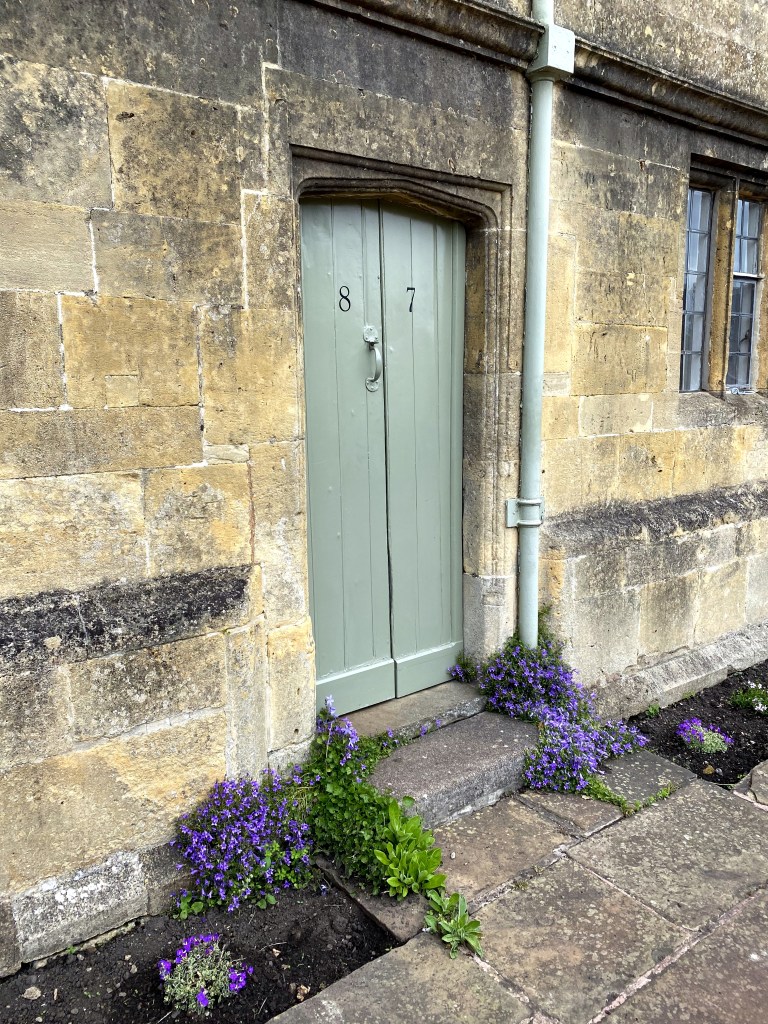
The town’s almshouses just down the street from the church, built in 1612 by Sir Baptist Hicks (of course).


The town’s cool Eight Bells pub.

Back on High Street to head to the car and on to our next town:
 WolfeStreetTravel