
After the charm overload of Cotswolds villages – the priority for one half of WolfeStreetTravel – we finally pivoted Welsh castles – the priority for the other half, as noted in the trip overview post. After overnighting at Palé Hall on the Welsh / English frontier, we headed further west to visit our first castle: formidable Harlech.

An absolutely stupendous introduction to our Welsh castlepalooza. “UNESCO considers Harlech, with three others at Beaumaris, Conwy, Caernarfon, to be one of ‘the finest examples of late 13th century and early 14th century military architecture in Europe.’“ (Our next two castles to hit after Harlech were, indeed, Caernarfon and Conwy, so great news for us!)

There are freakin’ medieval castles (examples from previous travels here and here) and even Renaissance castles (examples here and here) all over Europe. Why are Welsh castles so special? Two primary reasons:
- They were built at the absolute apex of medieval castle building in the 13th century, immediately before the introduction of gunpowder, which led to the demise of medieval castle as an effective defensive tool
- They (generally) were not subject to the siege gun assaults or later, more modern bombing campaigns that damaged or destroyed many other European medieval castles
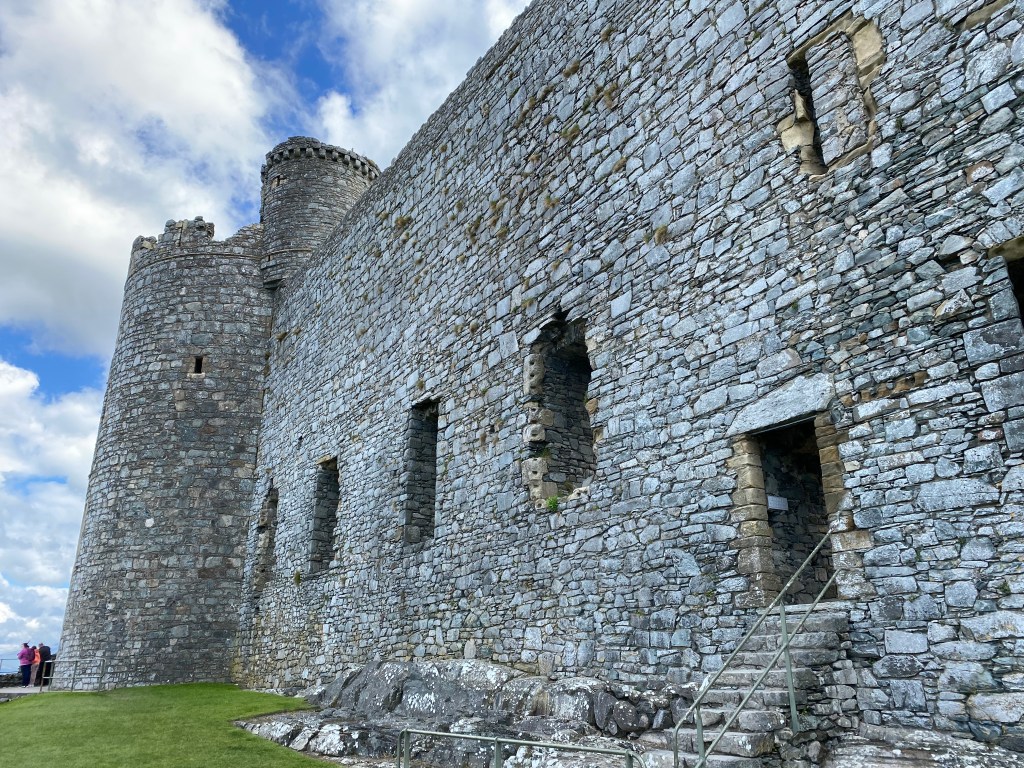
As a result, you can wander around Wales and experience the best preserved, most quintessentially “castle-y” castles in the world.

Most of the famous Welsh castles were all directed to be built by one man: Edward I. He may be known to the world as Longshanks or The Hammer of the Scots (a moniker he liked so much that it’s on his tomb in Westminster Abbey (“Scottorum malleus”)), but his real passion was to subjugate Wales. During his reign, he invaded Wales, ultimately conquering most of the region.

Harlech was one of four castles Edward I directed to be constructed in Snowdonia, in the north of Wales to create his “ring of stone” to consolidate English rule in the area and address the inevitable insurgencies that would follow the conquest.

Harlech was built under the supervision of James of Saint George, a military architect from Savoy (notable only because James also served as the military architect of Caernarfon and Conwy castles we’d see later.
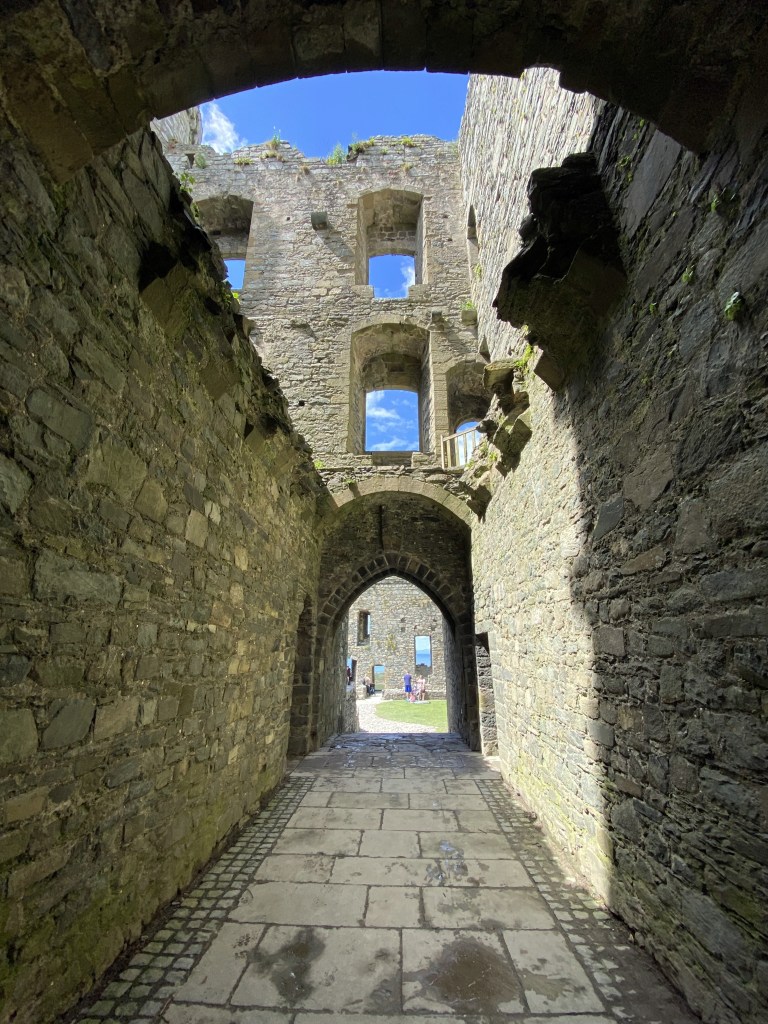
“Harlech was established with a garrison of 36 men: a constable, 30 men, including 10 crossbowmen, a chaplain, a smith, carpenter and stonemason, and Master James was rewarded by being made the constable of Harlech from 1290 to 1293.“

Harlech was besieged five times over 500 years, trading hands along the way:
- English garrisons defensed against the native Welsh in the early 1300s
- The Welsh captured Harlech and they themselves were besieged by the English in the early 1400s
- A Lancastrian garrison defended Harlech against the Yorkists in the late 1400s during the War of the Roses


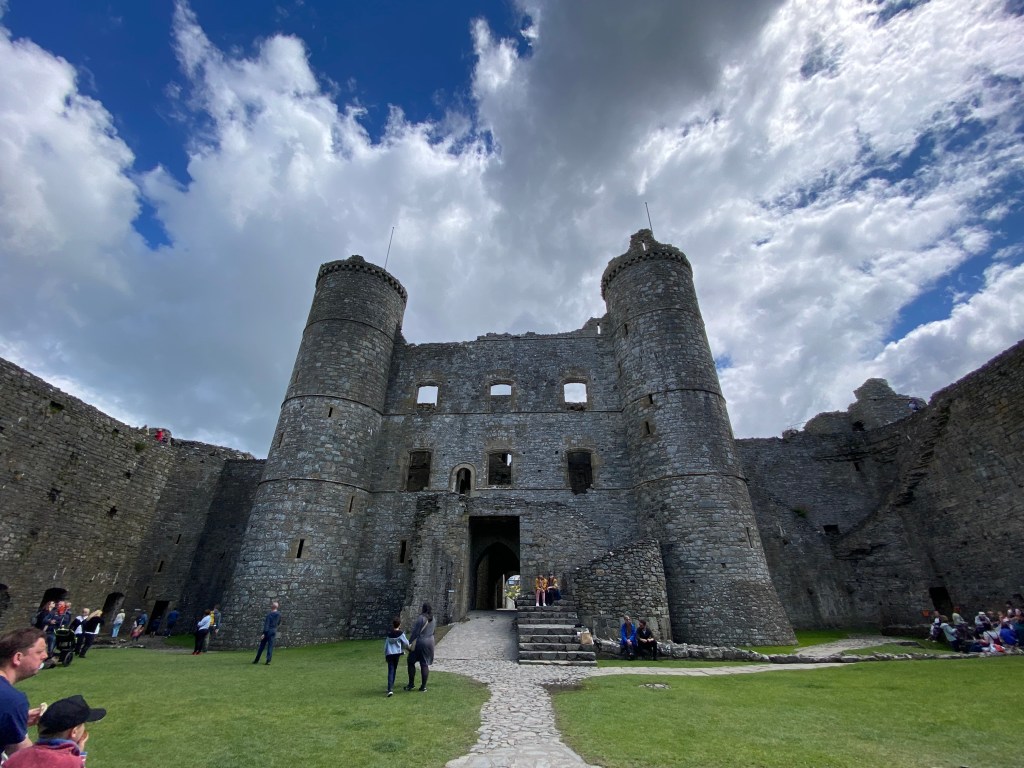
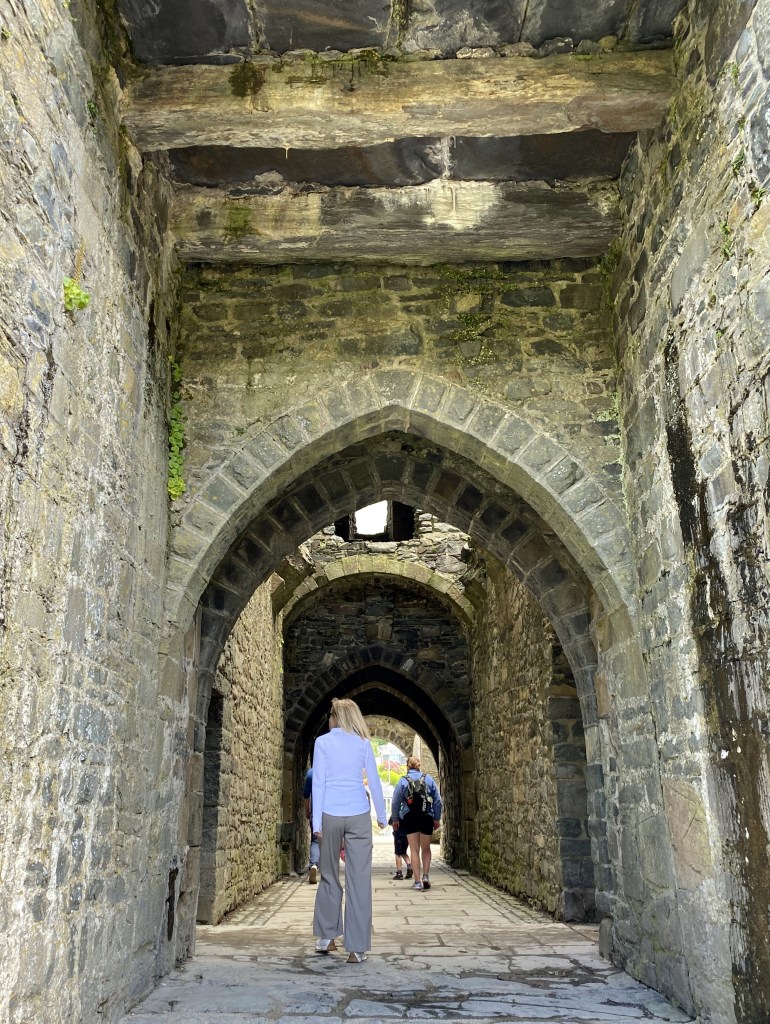
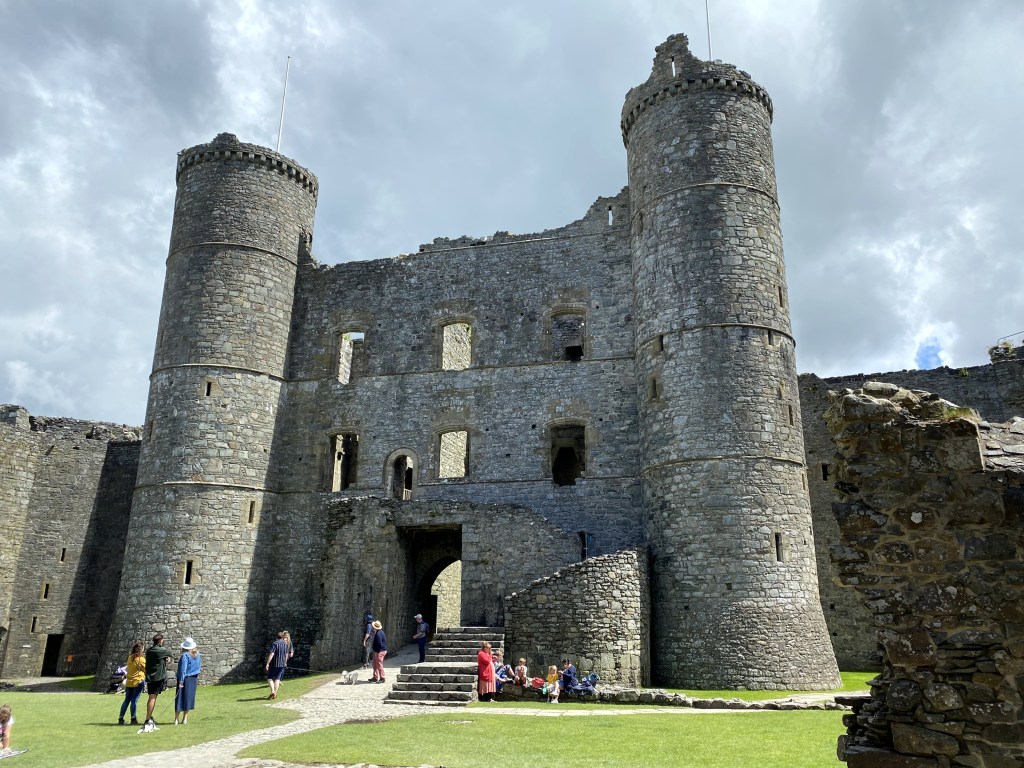
Master James’ now-classic concentric fortifications design, with fortified gatehouse serving as a castle-within-a-castle for layered defense:

A view north into Snowdonia (and our next destination) from the top of one of the gatehouse towers:

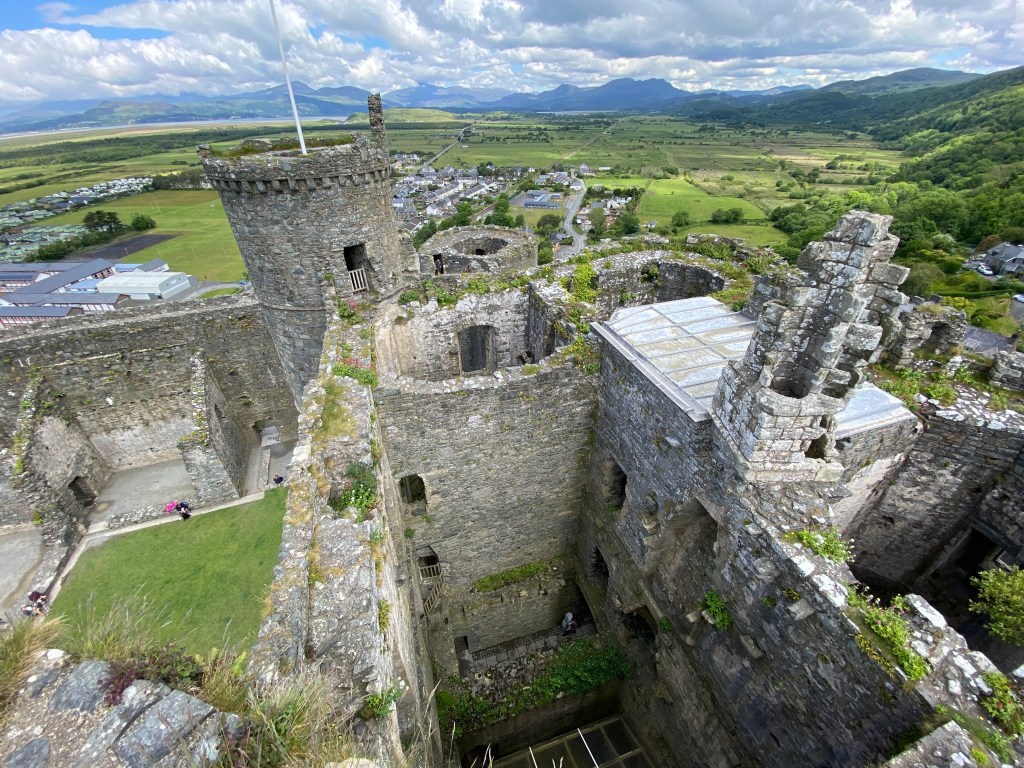
Harlech’s tiny town below the castle:




That’s it for Castle 1 of WolfeStreetTravel’s 2022 Welsh Castlepalooza. And Castle 2 lies less than an hour’s drive north. . .

 WolfeStreetTravel