Protected: The Slow Roll: San Sebastián – Gastronomy
Final? Post on Trip Planning and Itineraries
With the widespread availability of COVID vaccines in the US starting in April and the dramatic and steady increase in vaccinations by June, we were feeling bullish once again about travel this summer. Most importantly, about resurrecting our ill-fated South of France road trip planned for Labor Day 2020. This discarded trip was sadly documented in the last “trip planning and itineraries” post here, as well as on our subsequent post on the consolation to the consolation prize that took its place. Last year sucked.
So, this past June – full of vaccinated confidence and excitement – we booked three sets of flights to reassert our road trip through Languedoc, Provence, and beyond.
Then, of course:

The f’ing Delta variant is screwing everything up.
So, here’s where things stand as of this morning:
- France has opened their borders to Americans if you’re vaccinated. No worries here. We are, so we’re good.
- We have a non-stop, round-trip flight on United from Dulles to Paris on Friday evening, August 27. We can upload images of our vaccination cards to United to meet the French entry requirement above, so, no worries – we’re still good there.
- We have a separately booked, one-way flight on Air France from Paris to Montpellier. Air France requires passengers to have the French passe sanitaire (health pass) to board. This is a QR code that gets screened in order to enter restaurants, museums, flights, etc. We do not have this. So, some worries – we’re not good here.
- But! France announced on August 9 that a new program has been established to issue health passes to non-EU travelers to France if you submit a completed application, photo of vaccination card, photo of passport, and photo of plane reservations. We did so on August 11.
- It’s now August 22 and we have not received anything. We still have time, but, as is attested by the previously planning posts, we (one of us, anyway) like all variables to be locked down before we travel. As a result, we’re consumed with this lack of a health pass. There’s a real possibility that we’ll get to Paris and not be able to board our internal flight south.
But all is not lost. The French government website for the health pass program for non-EU residents was updated this past Thursday to clarify that they’re only processing applications for travelers currently in the country or who will be arriving by today. Hopefully, the next processing window will include August 28.
In addition to potentially receiving French health passes in the next few days, we have the following backup plans:
- Take COVID tests 2 days before we leave, like we did for Turks and Aruba, and present the negative tests to a health care professional at Paris CDG airport to get health pass QR codes.
- Take COVID rapid antigen tests in the airport itself after landing in Paris to accomplish the same. These are available at CDG in the public area, so even if we don’t have tickets yet, we could access this. We have a 6-hour layover there because the only direct flight from Paris to Montpellier was in the early afternoon, so would be able to swing this, timewise.
- Present our vaccination cards to board instead of a QR pass and hope for the best. This has worked at restaurants and other venues, based on research on the interwebs, but not always. And the Air France web site cites the requirement for the passe sanitaire, not just proof of vaccination.
We like Option 2 and will likely exercise this if we don’t get a QR code before we leave. However, the ones you get from proof of a negative test are only valid for 72 hours, which would mean repeating the process every 3 days while we’re there. Def would rather get the permanent one now . . .
So, the trip. In brief, we’ll:
- Rent a car in Montpellier, on the Mediterranean coast, and drive all over the place in both the Languedoc and Provence regions of the South of France, a la the epic Micronations Road Trip,
- End up on the Atlantic coast in San Sebastian, Spain, for a few days,
- Drop the car off across the French border in Biaritz to avoid an even more mammoth drop fee than we’re already facing simply by dropping it at another location in the same country,
- Fly back to Paris, then fly back home.
As explained in our previous trip planning post, Google My Maps served a pivotal function in planning (and then replanning) this trip. The result was this useful mess:
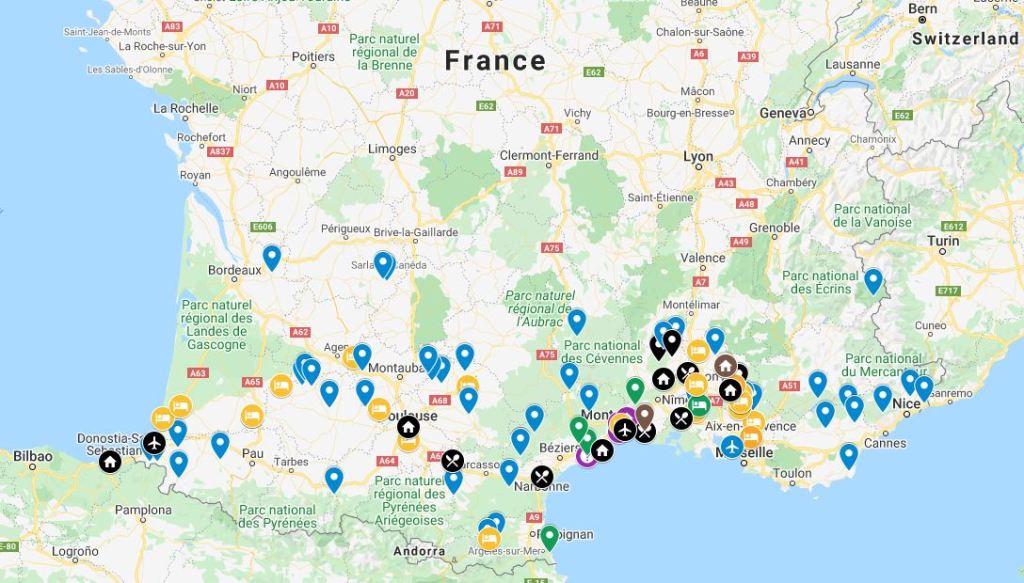
The previous post explained the the pin colors and icons used on the map. The end result, though, is the distilled-down itinerary for this here trip, which is represented by the black pins. If we blow up the South of France portion of the map, we can see these icons more clearly:
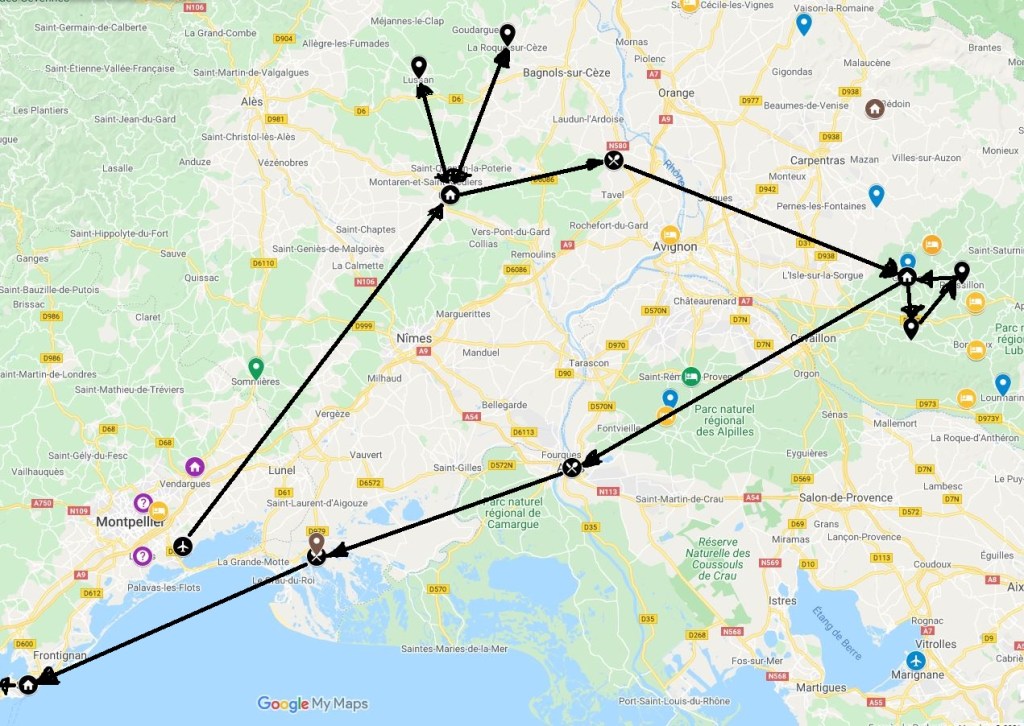
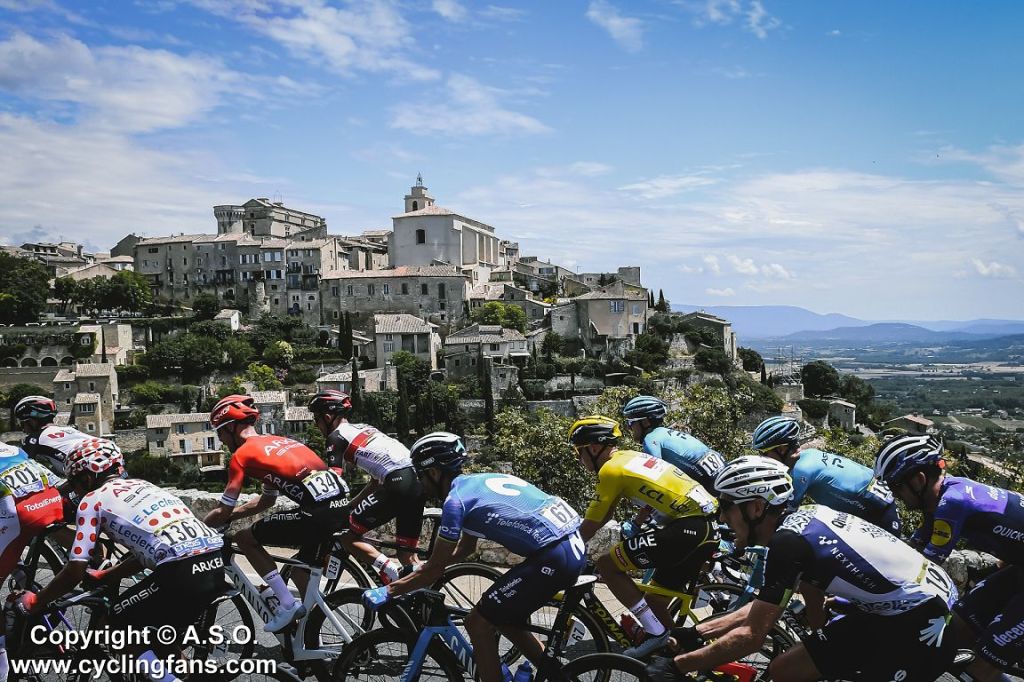
The little houses are towns we’re staying in (Uzes for 4 nights, Gordes for 3 nights, Sete for 2 nights, in that order). The plain black pins are other Les Plus Beaux Villages de France (“the most beautiful villages of France”) that we’ll day trip to from our base towns. If you watched the Tour de France this year, btw, you would have seen the peloton ride through both Uzes (Stage 12) and Gordes (Stage 11).
The little knife and fork guys are stopovers on the longer trips between base towns.
We chose to stay in Sete (extreme lower left) for a couple of days simply because one of us thought that, if we’re so freakin’ close to the Mediterranean, then we should at least spend some time there. So we are.
From Sete, we head northwest to Toulouse for the night (we booked this totally cool castle turret in the middle of town on Air B&B only to have this unceremoniously cancelled on us without explanation a couple of weeks later). We still haven’t booked a replacement; since the stop in Toulouse is just to break up a 7-hour drive from Sete, France, to San Sebastian, Spain, and because there don’t appear to be any particularly charming places to lock in (other than our ill-fated castle turret), we’ll just deal with this when we’re over there.
From Toulouse, we’ll drive the same distance as the day before, but to the southwest, to San Sebastian, just over the border in the Basque region of Spain. We’ll spend 4 days there – the center of gravity of the world’s gastronomic dining scene, where there’s higher density of Michelin-starred restaurants than anywhere else on Earth. There’s also pintxo, which holds an equal appeal for us.
An interactive version of the full itinerary-planning map is here:
To get back home, we’ll have to find another COVID testing station in Spain to secure the required negative test results to reenter the US. We assume that won’t be a problem, but then, there’s this recent article in the New York Times: “Blindsided Abroad: Vaccinated but Testing Positive on a Trip to Europe,” with anecdotes of travelers in our situation having to quarantine due to a positive result from a test taken to get back to the US.
Definitely some risks, but definitely still worth it. We’re looking forward to busting out of here.
Protected: July 4th in Middleburg
A Slight Detour
A post this morning decidedly not about travel. Instead, a wildly entertaining one on words, albeit not one of our creation. In addition to our well-established reputation as cartography geeks (and our lesser-known, but related, verve for vexillology), we’re also word nerds. (For any in doubt, we would simply point to this finely curated collection here.)
All of this simply to provide thin context for this morning’s post, pasted verbatim from an Opinion piece by John Ficara in today’s Washington Post:
“Opinion: How I wound up with a wound from heteronyms”
“The English language has something to confuse or annoy just about anyone — the mysteries of who and whom usage, the e.g. vs. i.e. standoff, the polarizing Oxford comma. I have a long-standing, personal problem with heteronyms — words that are spelled the same but don’t sound alike. Allow me to explain with a little story.
In order to graduate from the graduate program at my university, every student was required to take part in a group discussion of heteronyms. My group asked me to take the lead which, alas, went over like a lead balloon.
I now know that when trying to perfect one’s thinking for the perfect presentation on heteronyms, you must project confidence in your project and be content with the content. I was not.
Shy by nature, I do not live to give live presentations. Nor am I very articulate, so it’s always been difficult for me to articulate my points.
The teacher, as if able to intimate my most intimate fears, knew this. Like a food fighter at a buffet, he immediately began to buffet me with criticisms. He raised minute points every minute. I made a futile attempt to object to being made the object of his ridicule. I told the teacher his conduct was unacceptable and this was no way to conduct a class. He told me my arguments were invalid and I was being an emotional invalid.
As he continued to tear into me, I shed a tear.
I’m normally reluctant to attribute a negative attribute to anyone, but as I wicked away the moisture on my cheek with a tissue, I decided my teacher was a wicked man. There is no good excuse to excuse cruelty.
Meanwhile, the class took sides, and a row broke out in the back row.
Sensing I was sailing against the wind, I tried to wind up my presentation as quickly as possible.
Afterward, some classmates and I made a deliberate plan to meet so we could deliberate on what went wrong. They agreed that my big mistake was to just stand in front of the class and read what I had read. Technically, it isn’t plagiarism, but it also isn’t appropriate to appropriate others’ work.
They also agreed that my opening was poor, arguing I should have used my entrance to entrance my audience.
As this record indicates, and as history will record, my interest in heteronyms continues. But thanks to that cruel teacher, I wound up with a wound that remains to this day.”
As noted in the Post: “John Ficarra was the editor of Mad magazine from 1985 to 2018.” Indeed.
The author also narrates the piece with a killer Brooklyn accent, which you can access from the same link to the Washington Post article.
(And, after we published the post, this excellent, directly applicable addendum from Yvonne!)
A Post Featuring Both European Borders AND Boundary Stones: Be Still Our Hearts
As anyone who follows this blog knows, we’re weirdly enthralled with all things cartographic in Europe. Plus, we have a comparable passion for Old Town Alexandria – the undisputed best small town in America – which includes our fair city’s retrocession from the District of Columbia in the 19th century. A local cartographic legacy that is still represented by extant boundary stones in Virginia delineating the original borders of the District.
Imagine our nerdy elation upon reading a news article in today’s New York Times that involves both!
Regarding boundary stones, recall this image from our Alexandria, DC, post celebrating the anniversary of our fair city’s retrocession:

Now, compare that image with this one of the 1819 boundary stone on the Franco-Belgian border from this morning’s article:

You can read the full New York Times article here, but the essence is captured by this paragraph:
“Apparently frustrated by a 200-year-old stone border marker, a Belgian farmer dug it out and moved it about seven feet into French territory, local officials told French news media, thus slightly enlarging his own land as well as the entire country of Belgium.”
Nice!
The Fountain of Couth
Can fountains be considered couth or uncouth? Maybe? Whatever. The ones that we’ve encountered are both cool and compelling, if not couth (and WolfeStreetTravel always likes a pun, no matter how tortured it may be).
One of the common denominators to travel in Europe is the ubiquity of cool and compelling public fountains. Not decorative fountains serving as atmospheric – but nonfunctional – water features, like Trevi Fountain. We’re talking about fountains that serve as public drinking water sources in city and village squares all over the continent. We find them weirdly appealing and compelling (and sometimes gratifying, as was the case in the heat of the Southern Italy summer while biking through parched Puglia).
Because we don’t anticipate getting back into Europe for the next 6 months or more, we figured this would be a logical time to finally post the collection of cool-ass fountains that we’ve been aggregating by theme for several years into a single post. Again, weirdly appealing to us, with an emphasis on weird. What more can we say? So, we’re taking a quick break from posting on the Southeast Asia trip to finally put this one up on the site.
Thematically, you first got your stern- and angry-looking dude-with-additional-features-style public water fountains:
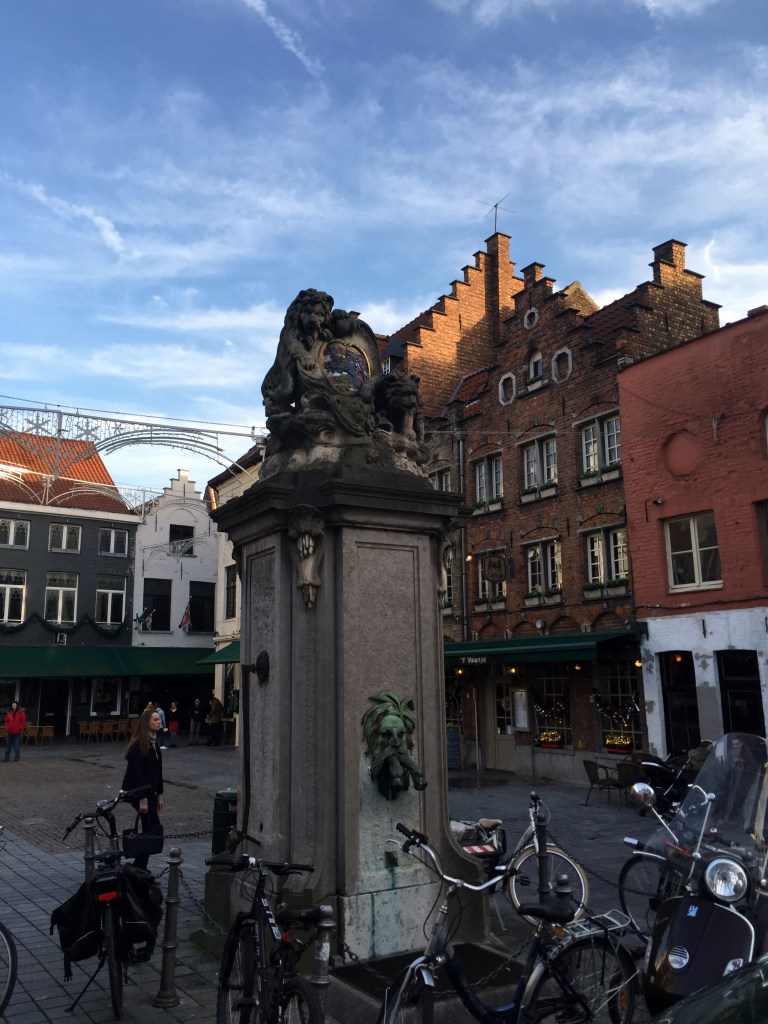
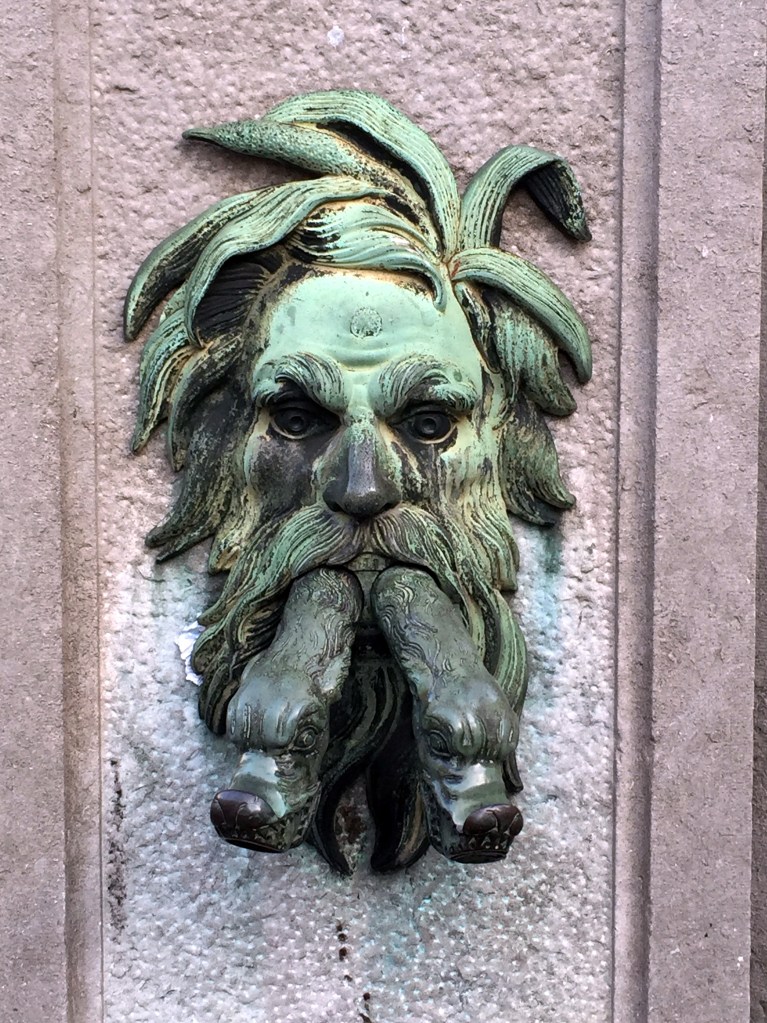
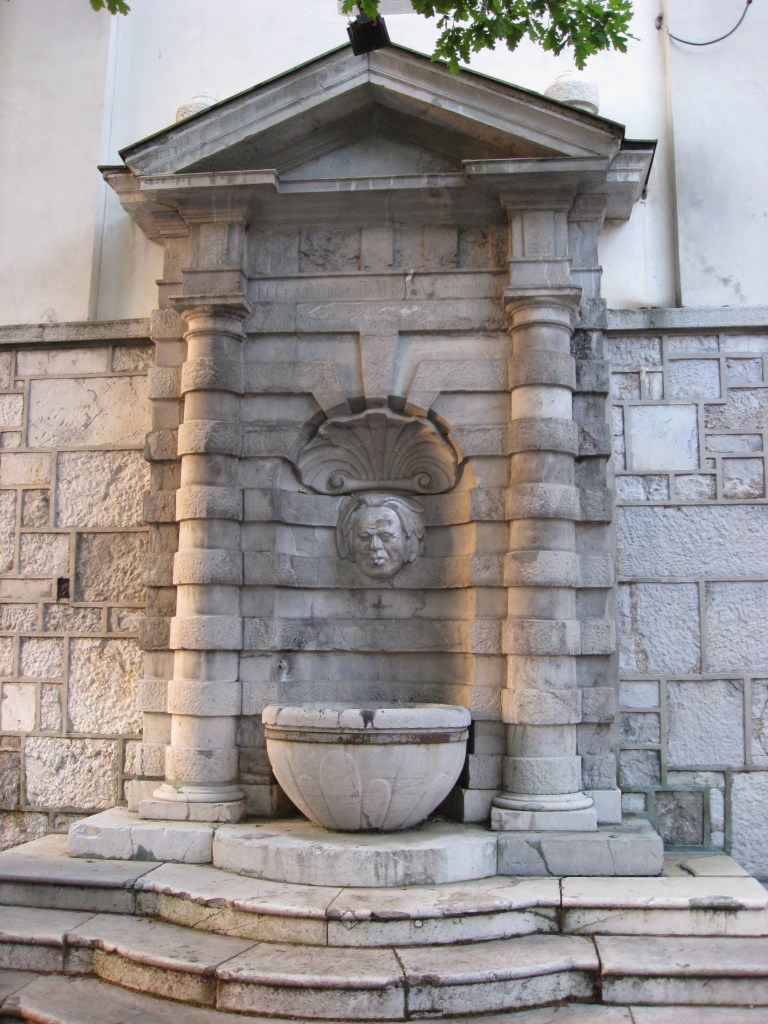


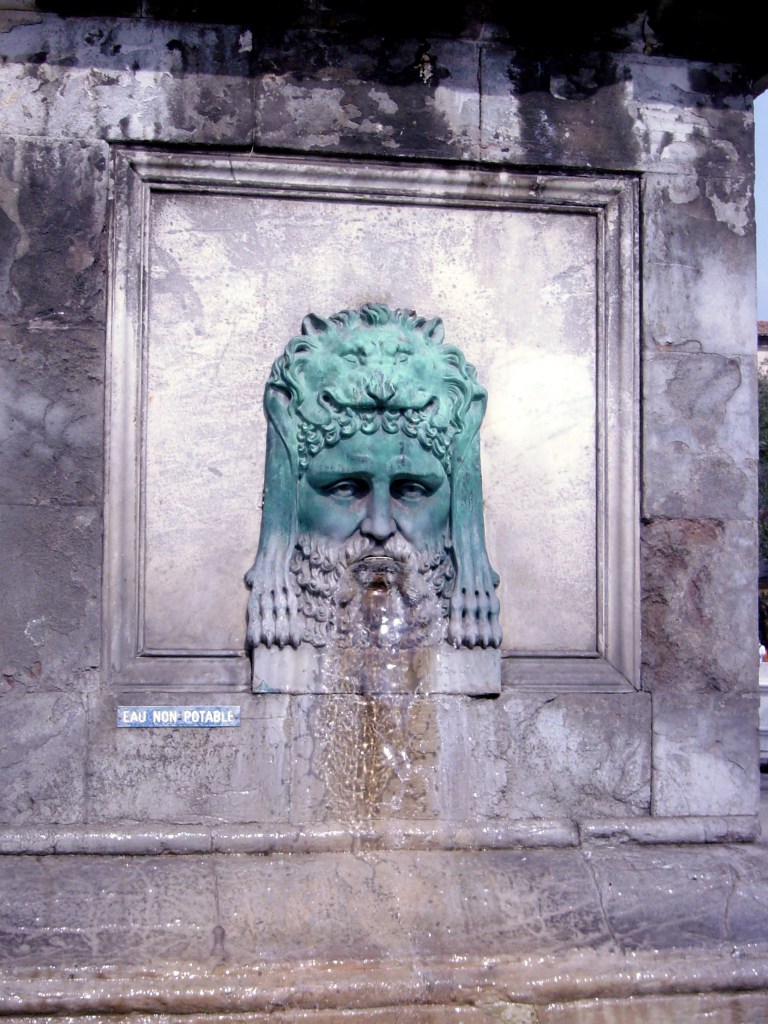
1. It’s cool as shit and very Gaulish / Celtic
2. It’s an iconic image from our very first European trip
(We’ll acknowledge that this one isn’t actually a drinking water fountain, per se, considering the non-potable sign, but it’s absolutely included due to the reasons noted above.)

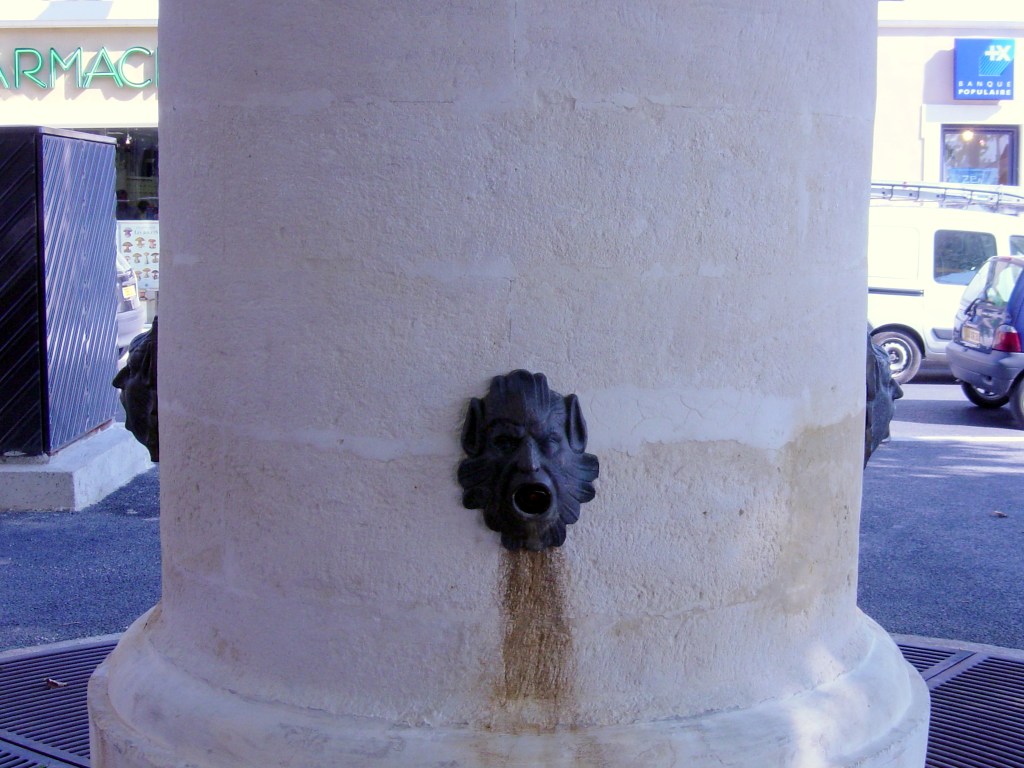

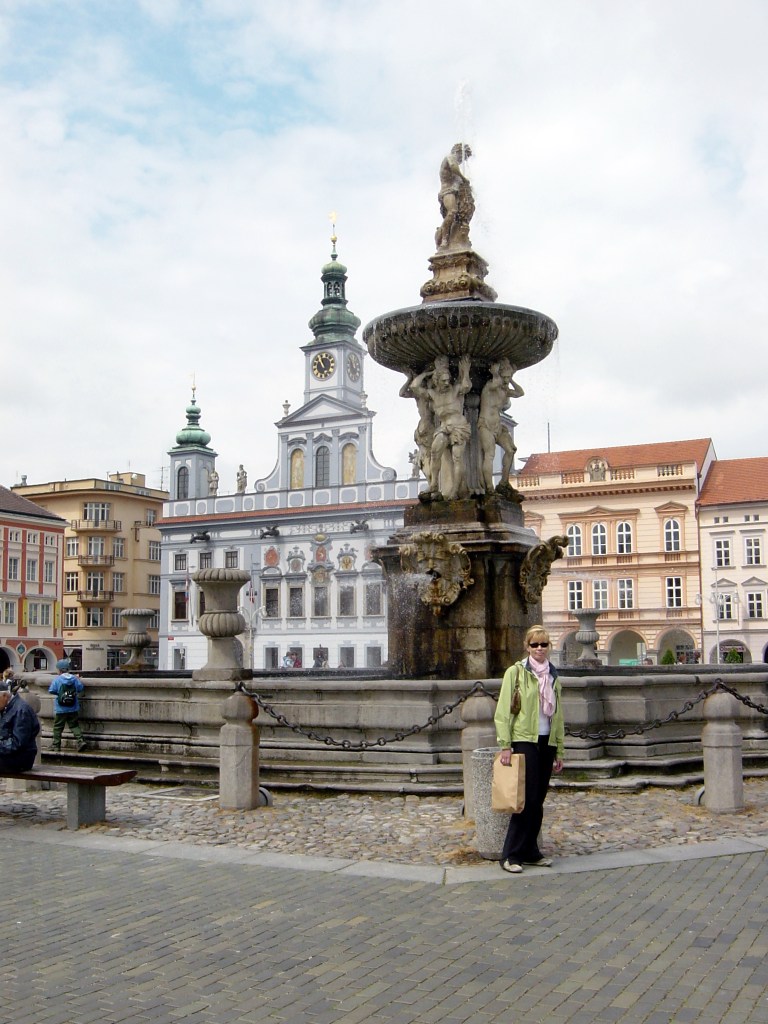

You got your lady fountains:
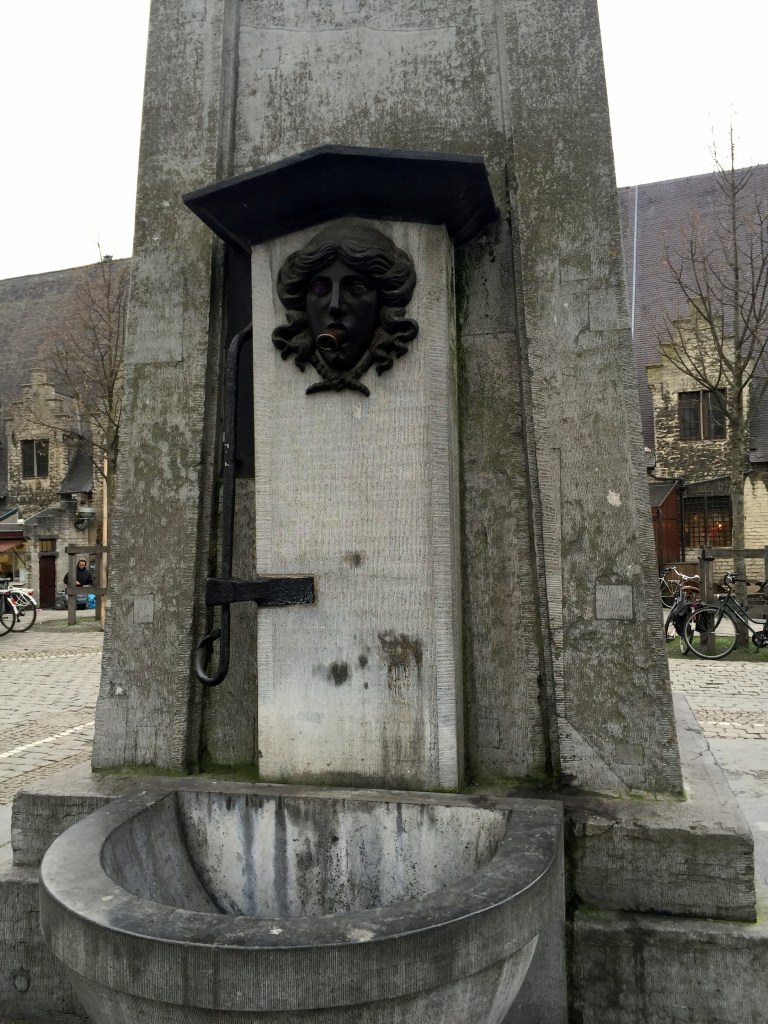


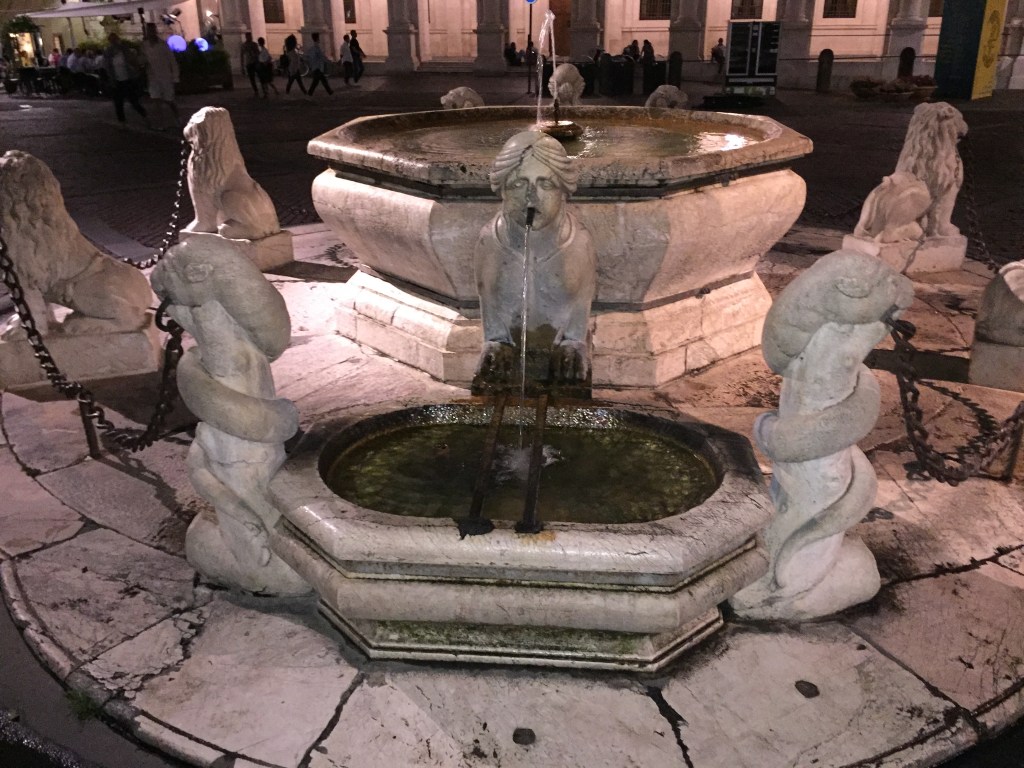
You got your creature fountains:


You got your always-popular lion fountains:
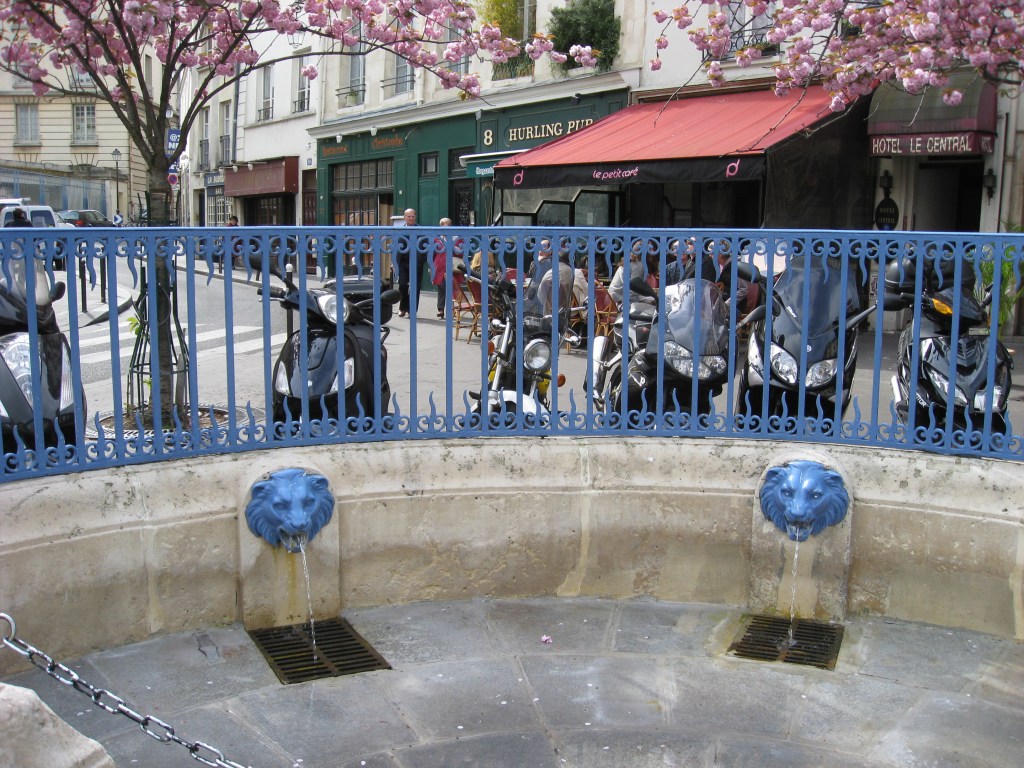


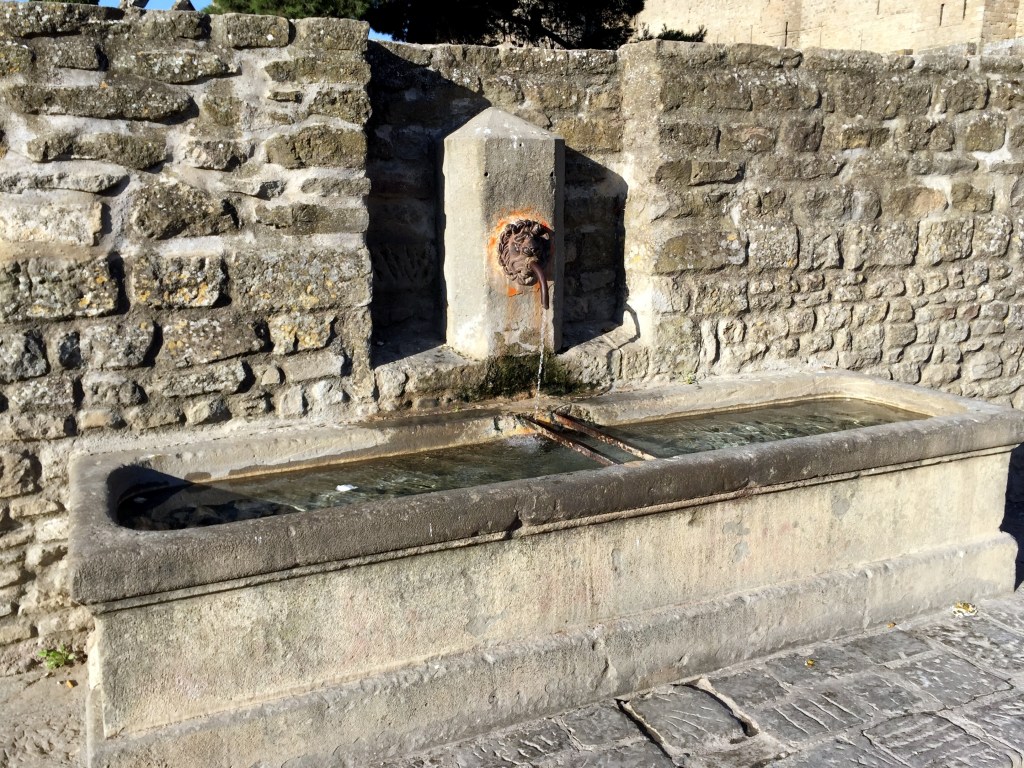

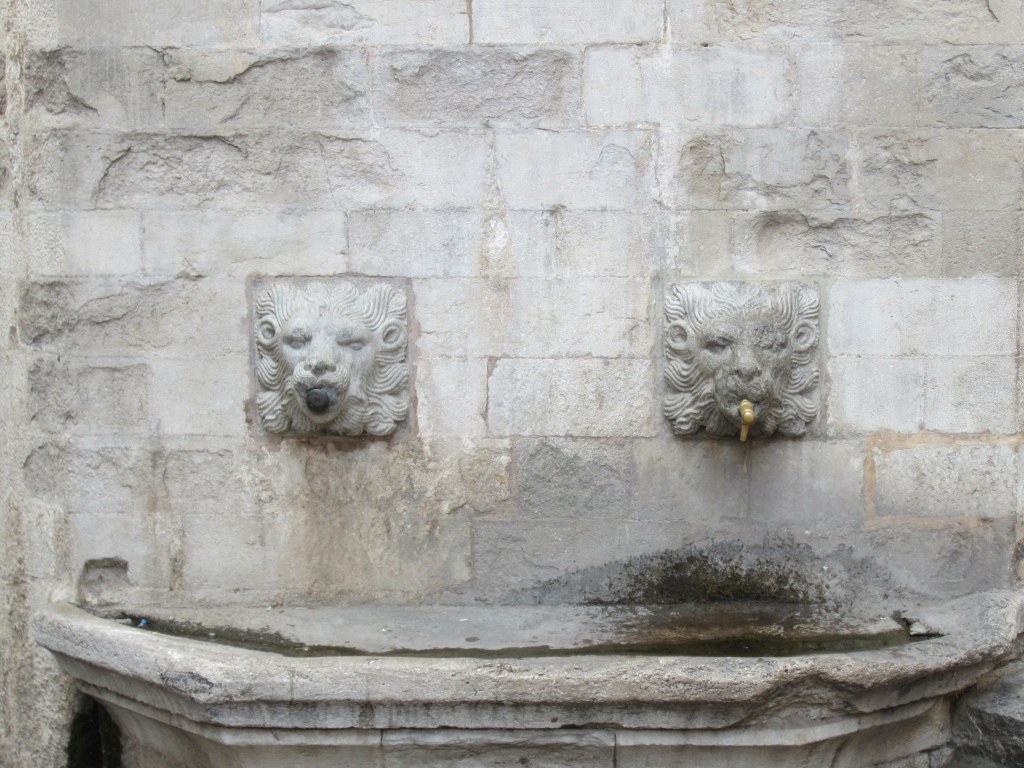
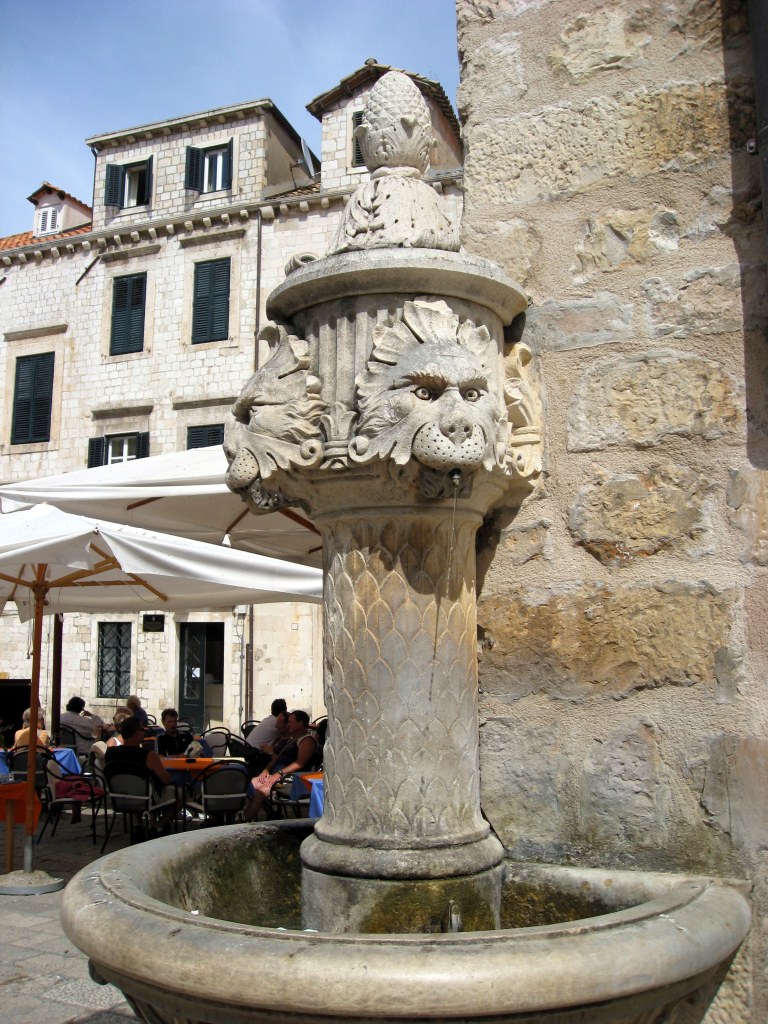
And, your lion / creature hybrid?
Finally, you got your truly utilitarian water fountains out in the country – in this case on rides in Italy and Spain.


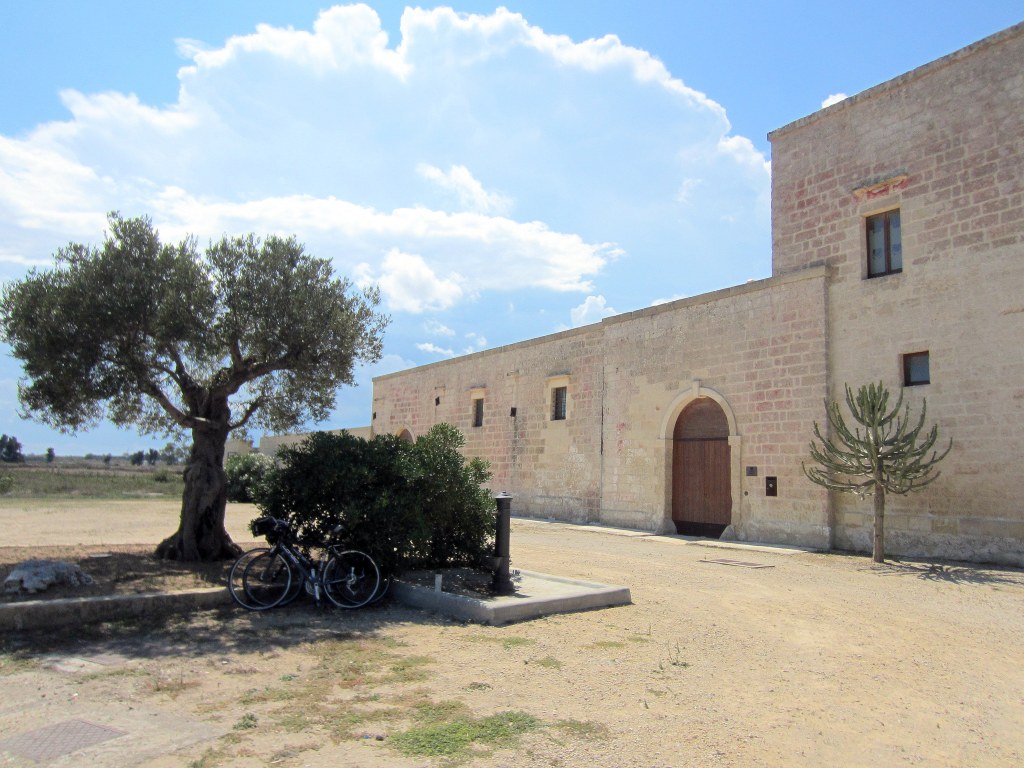

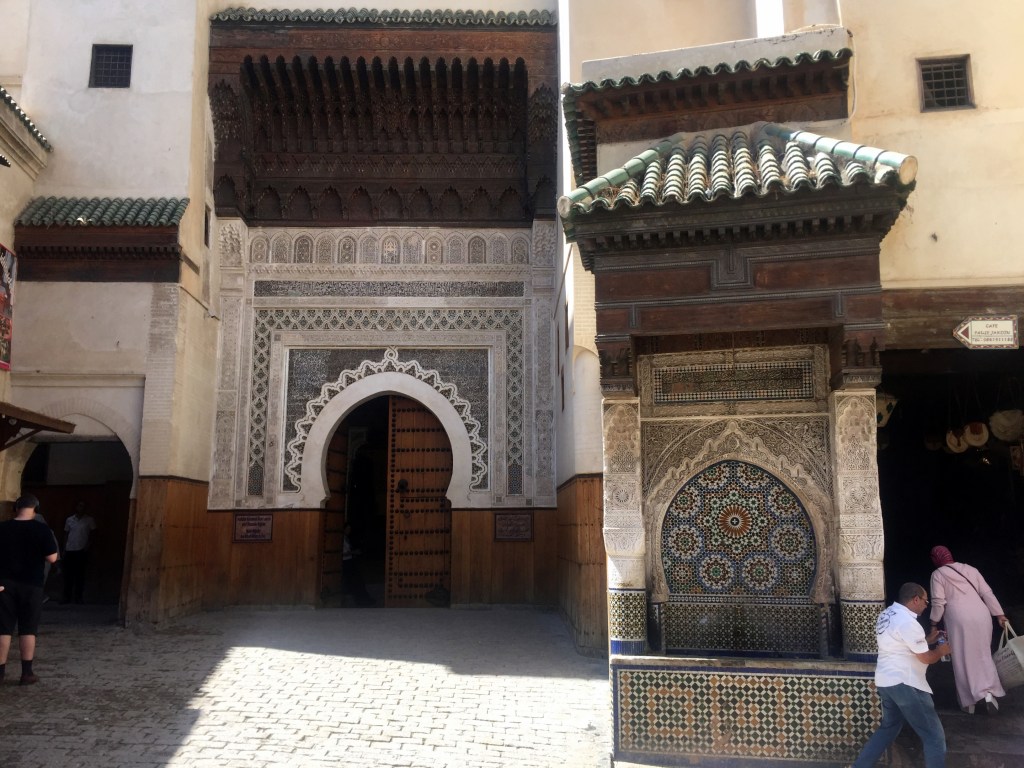
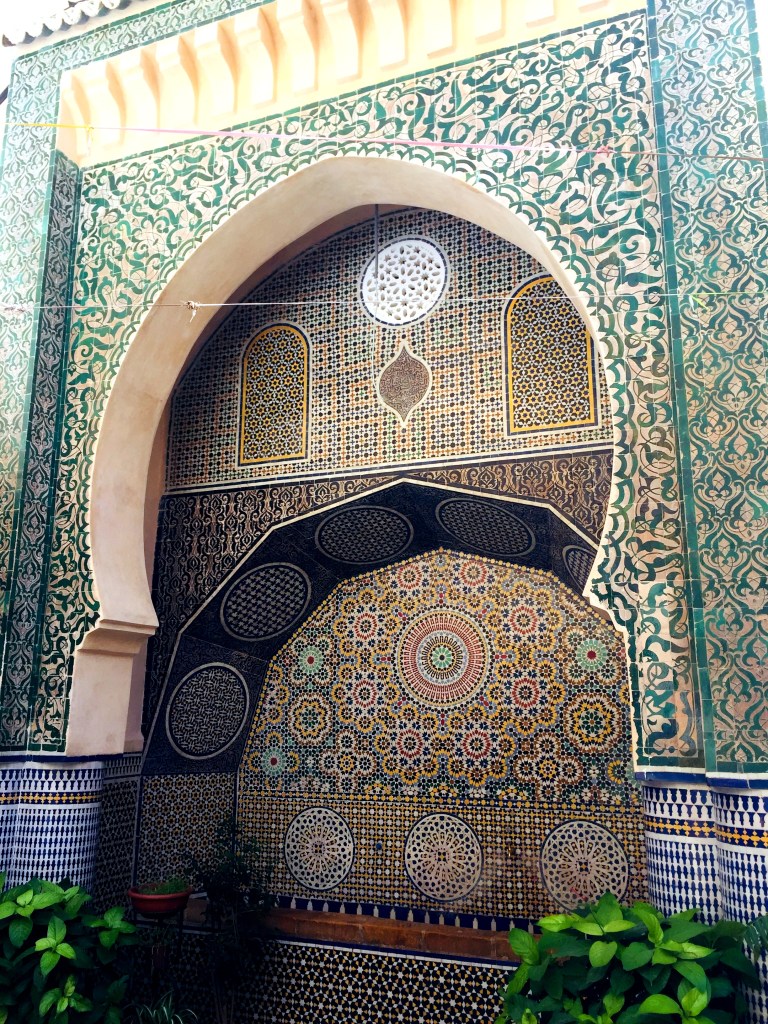
And now for something completely different: Moroccan public water fountains. We thought we’d expand the theme of awesome European water fountain sculptures to the same function, but different approach, in Morocco, home to the “I shipped my pants” advertising campaign. Here, the public water fountains are all about the mosaic tile.


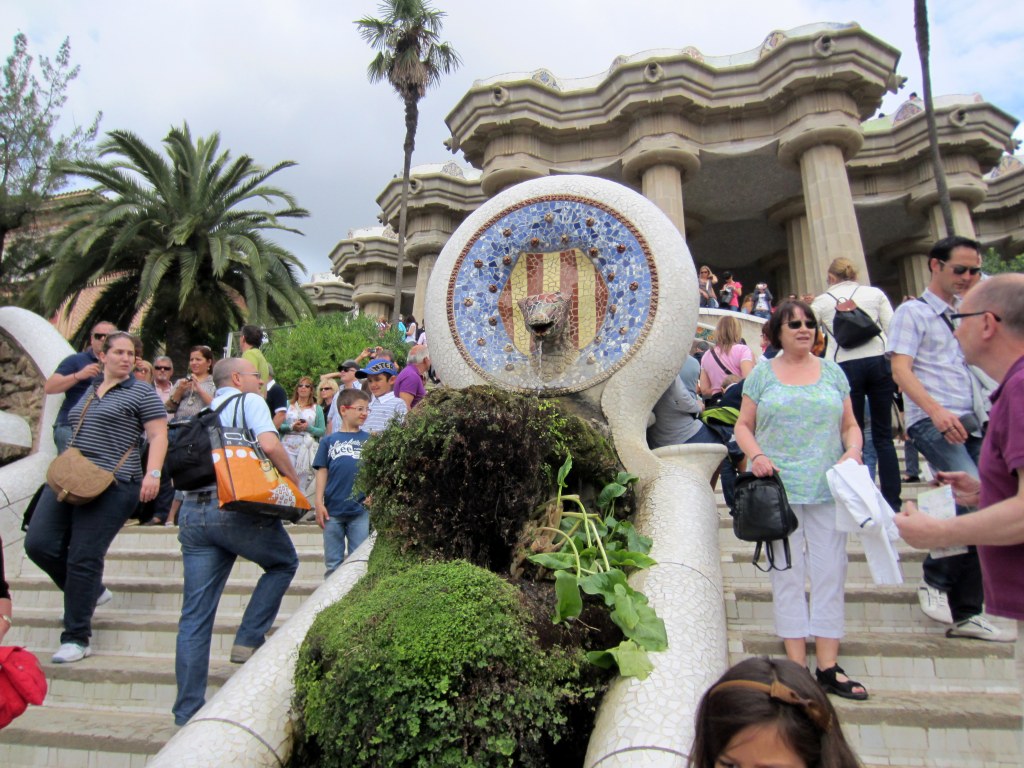
Further expanding the theme, here’s a couple of NON-potable water fountains, deviating from our original theme to a few decorative fountains. That are cool enough to qualify for the post: Antoni Gaudi’s tiled animal fountains, unique to Barcelona’s Parc Güell.


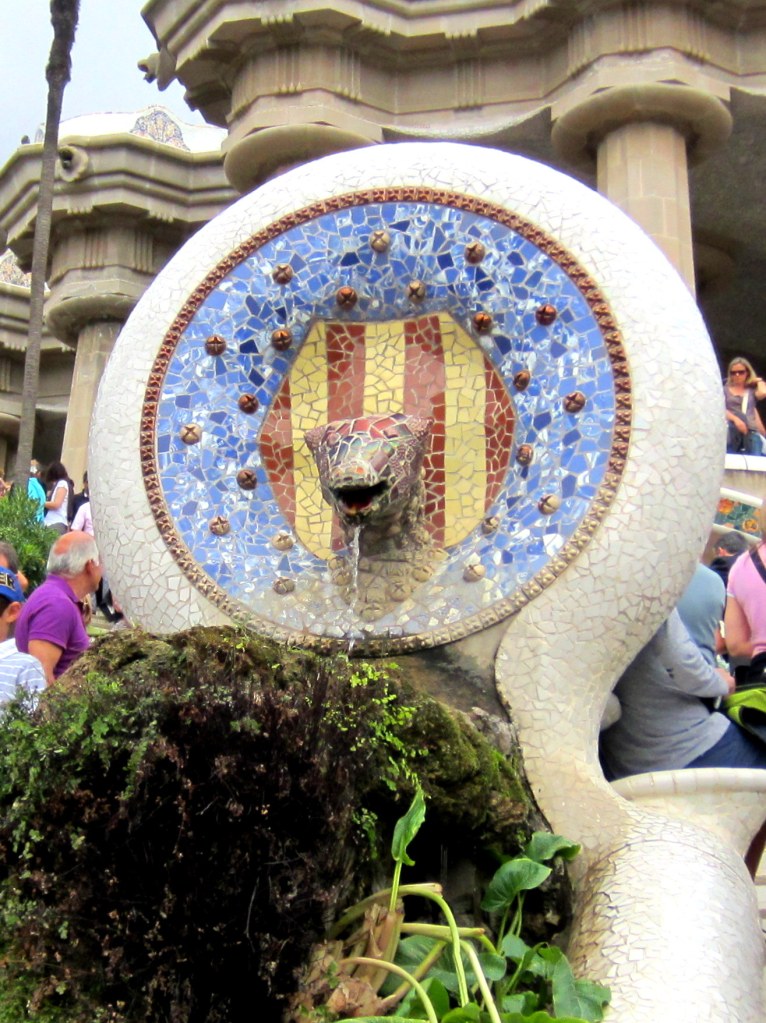
And finally, a further expansion to the drinking fountain theme – a stretch beyond which we really can’t expand further without diluting the original theme to oblivion.


And finally, a contribution from home: the weirdest freakin’ fountain-type sculpture in the DC metro area, as far as we’re concerned:

There are a series of these creepy fish dudes along Ohio Drive Bridge downtown, otherwise known as the Tidal Basin Bridge:


We’ve never known what they were, but whenever we bike or walk over this bridge, we’re always weirded out by them. Other than that awareness, though, we didn’t know anything else. But in posting this, we did find a Washington Post article that explains these, and why the dude’s a fish. “The bronze sculptures on the Ohio Drive SW bridge at the Tidal Basin were commissioned about 1987 in honor of Jack Fish’s forthcoming retirement from the Park Service. They are more correctly called grotesques, because they don’t have the rainspout that defines a gargoyle.” Jack Fish was director of the National Park Service’s National Capital Region until 1988.
So, they’re technically not the European city square drinking water fountains that we’re enamored with, but they’re thematically similar enough to include here.
Christmas 2020: Turks and Caicos
After canceling four international trips this year (Cartagena, Columbia, over Memorial Day; Normandy, France, over July 4; the South of France over Labor Day; and Mayakoba, Mexico, over Veterans Day [the last being the only one of these trips fruitlessly planned after the pandemic began]), we finally escaped over Christmas. After evaluating multiple options (which already were limited by the dozens of countries that refused to accept dirty Americans), we targeted the Turks and Caicos. This selection was made based on three factors:
- Direct flight from Dulles, which limited our exposure
- Turks and Caicos’ requirement that all visitors submit negative test results for the ‘VID, taken within 5 days of arrival, in order to even board a plane there
- As a Caribbean island, our time spent there would be almost entirely outside, further limiting our risk
With this plan in mind, we booked cancelable flights to Turks and Caicos in mid-November, immediately after cancelling our Veterans Day trip, but waited until the last minute to actually book a hotel. We were still concerned that additional shutdowns could occur at the end of December, exposure risks could increase unacceptably, or that we’d test positive.
Although the December surge as a result of Thanksgiving gatherings was a significant concern, we did receive our negative COVID PCR tests on Friday, December 18. After some final, thoughtful consideration of risks versus reward, we pulled the trigger Friday evening on lodging, and flew out Sunday morning, December 20.
The reward definitely merited the risk:
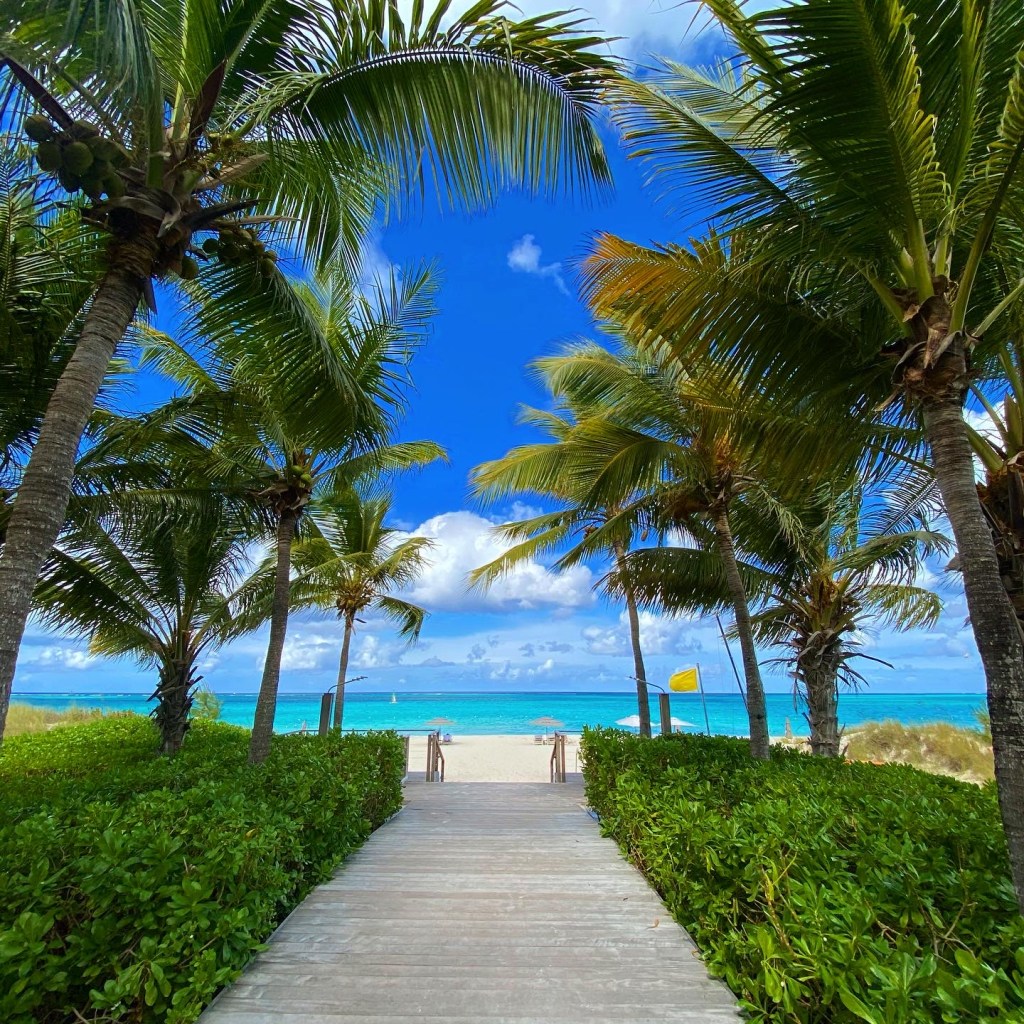


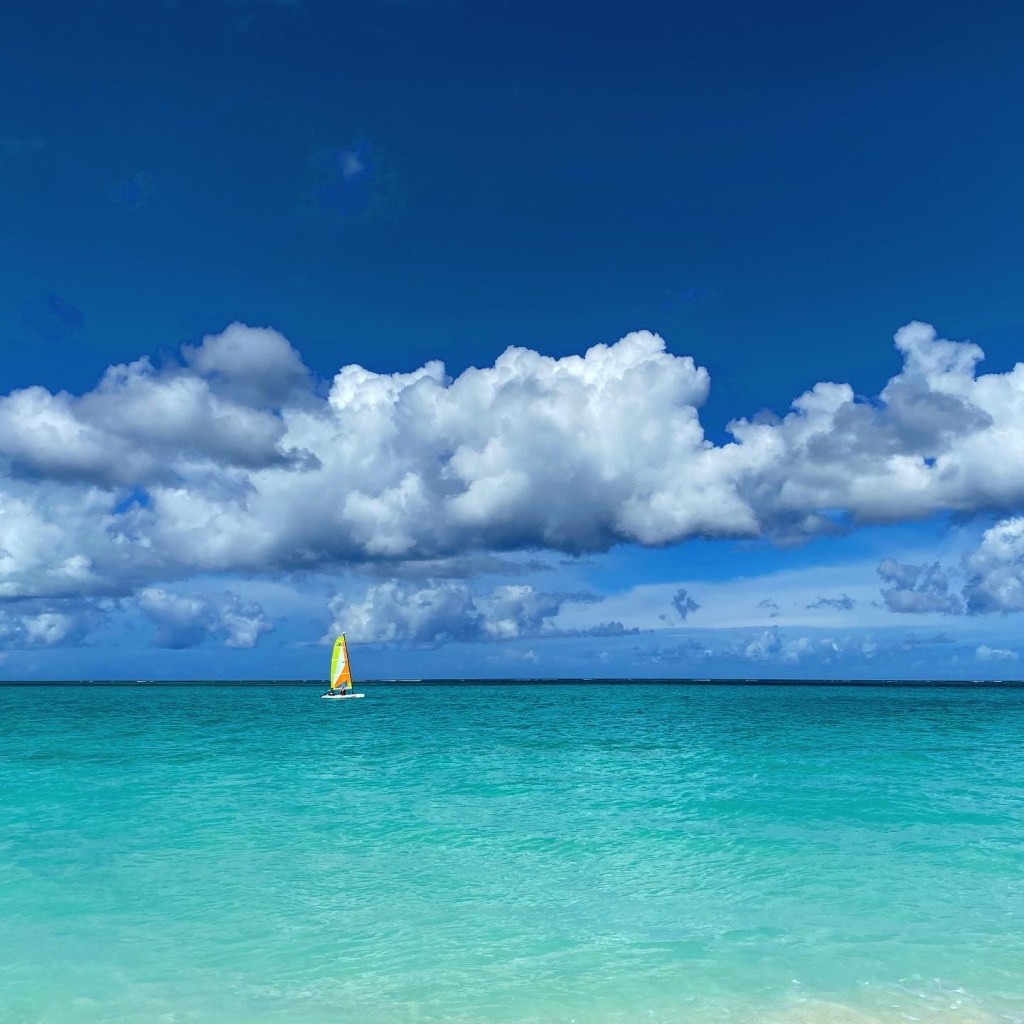
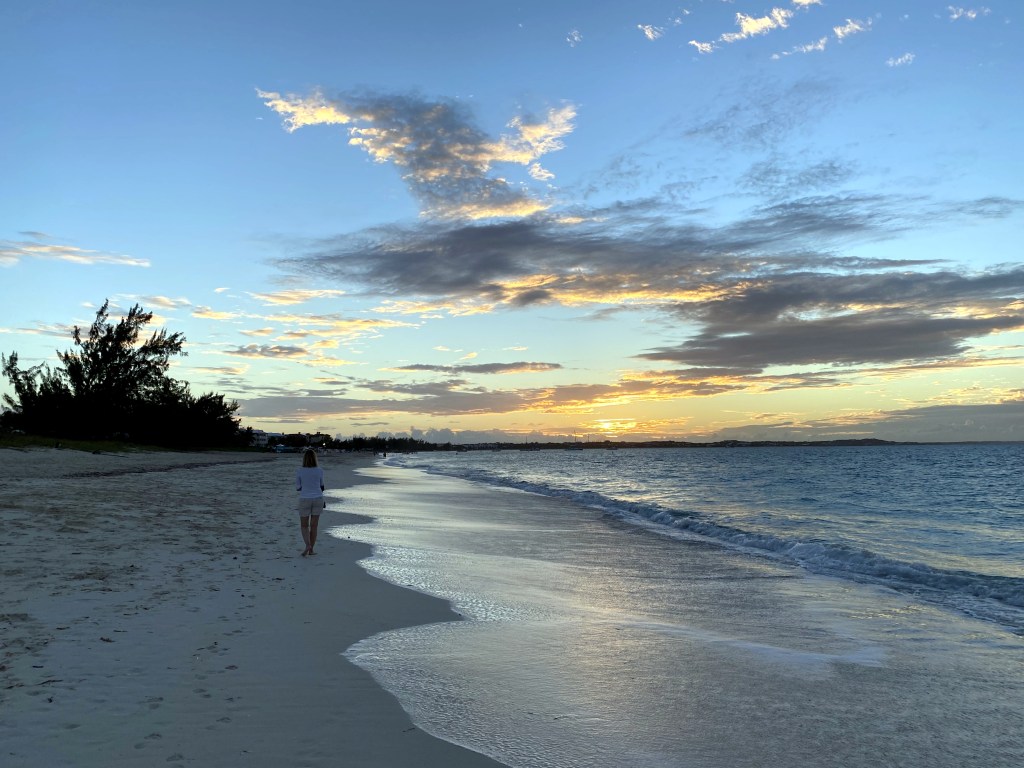
Sunset on Grace Bay our first evening on Providenciales, Turks and Caicos:
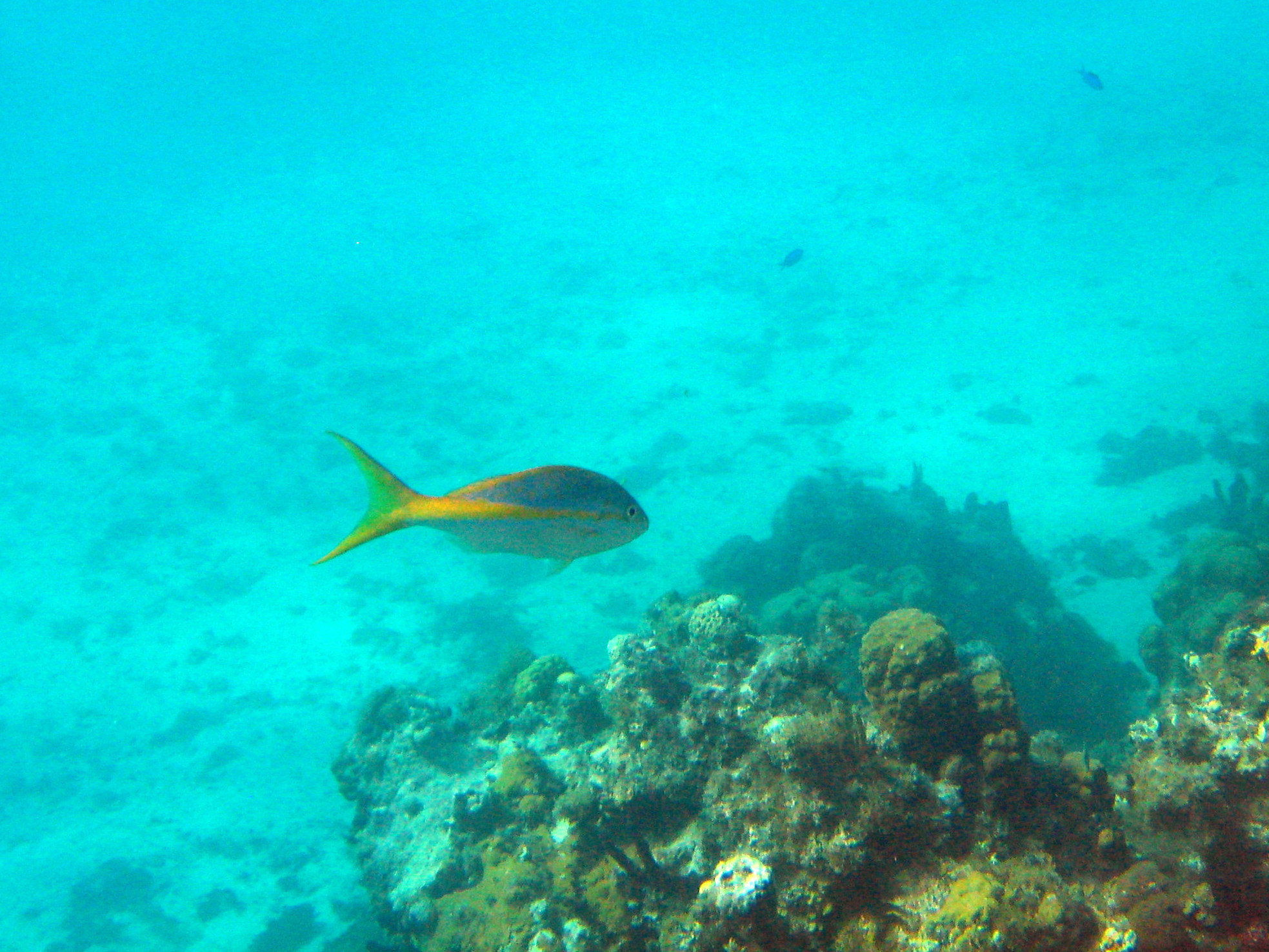
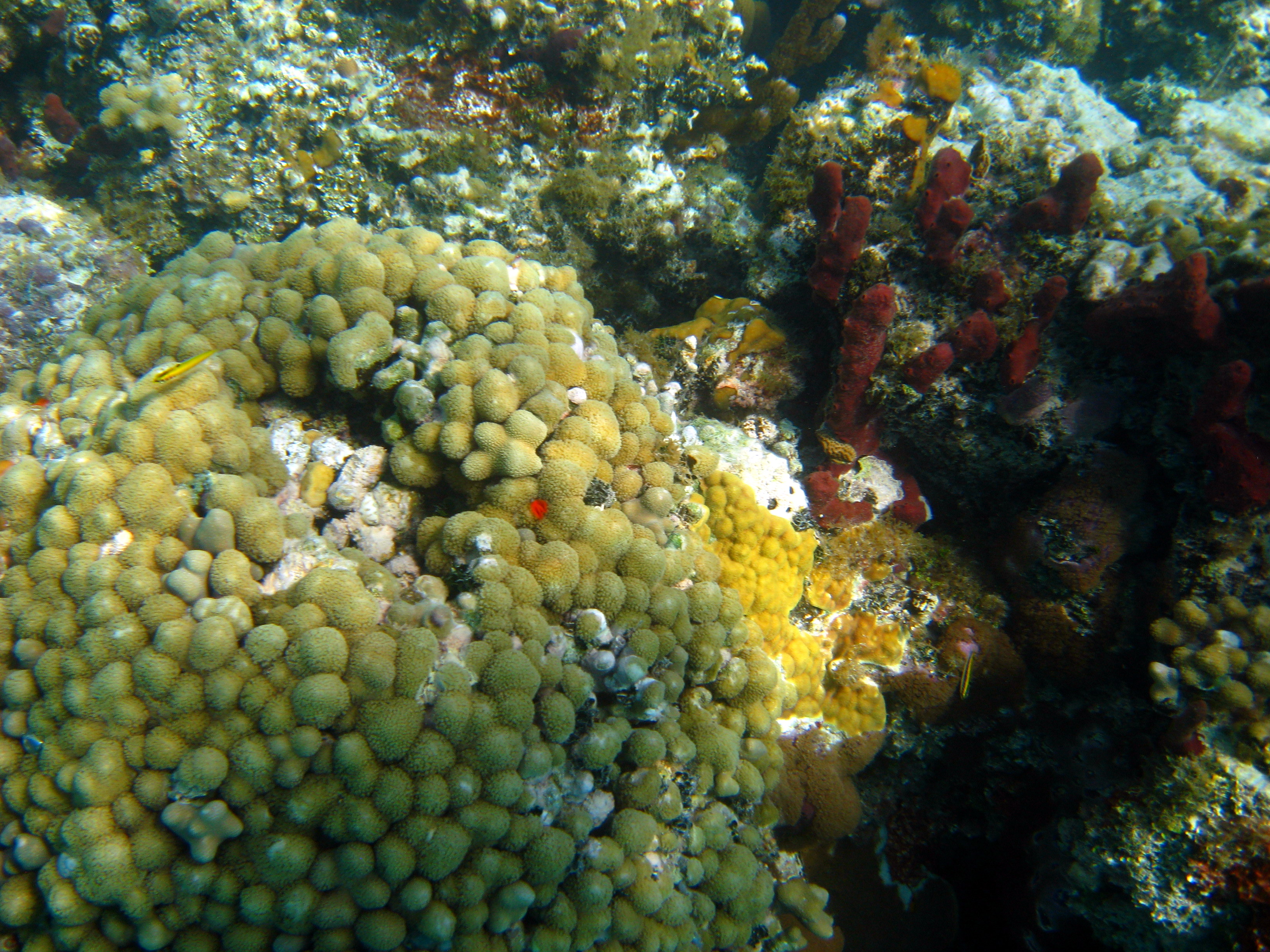
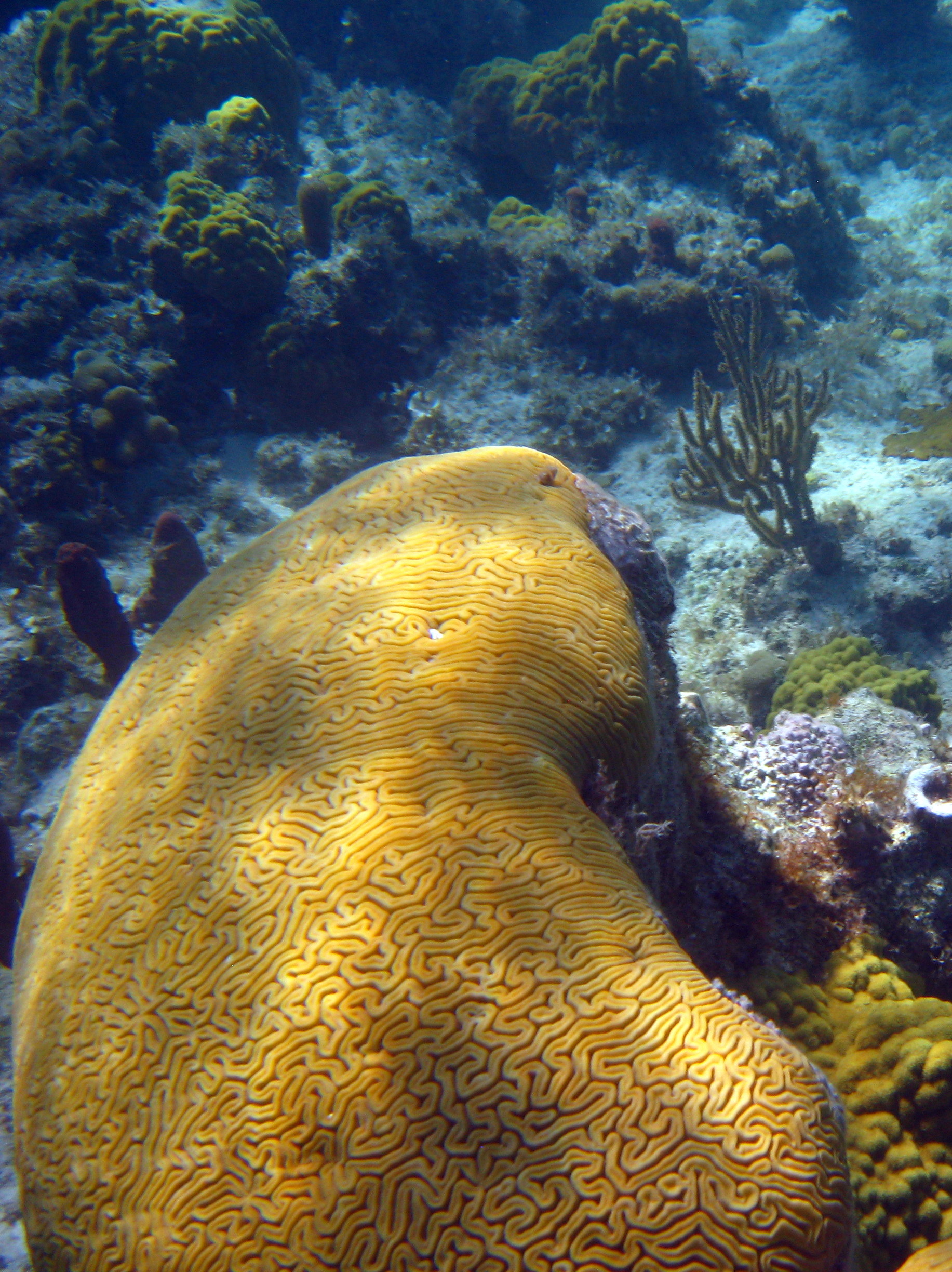
No Caribbean trip is complete without a little bit of snorkeling. On Wednesday, we hit Coral Garden, featuring a cool green sea turtle and puffer fish:
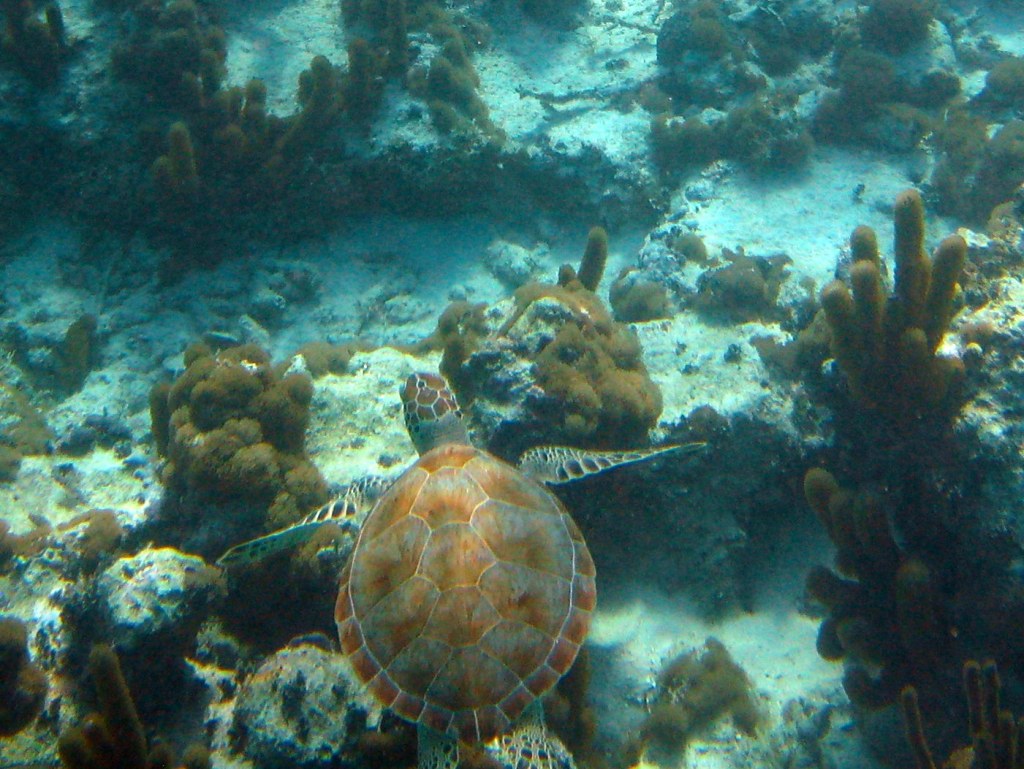

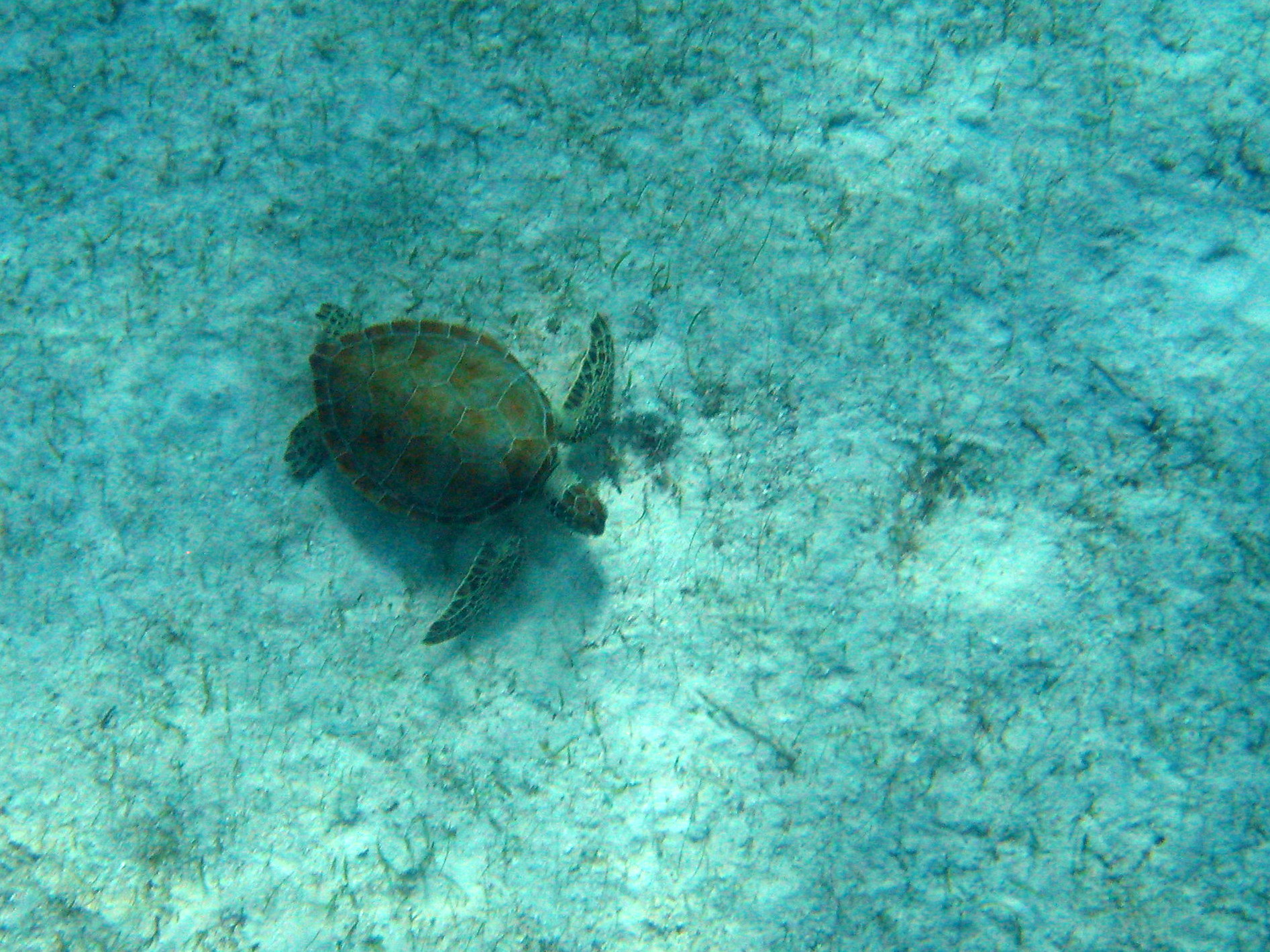


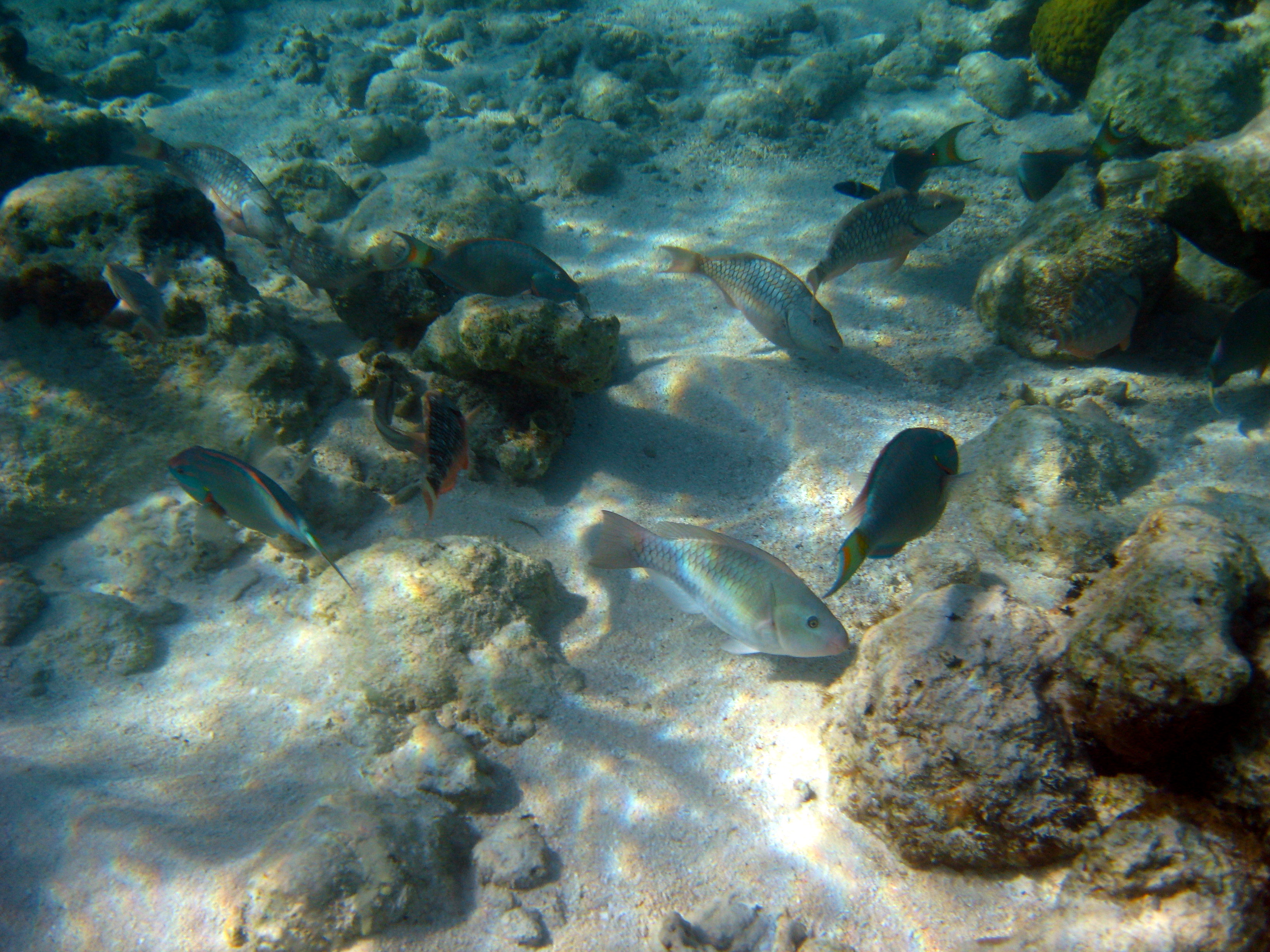
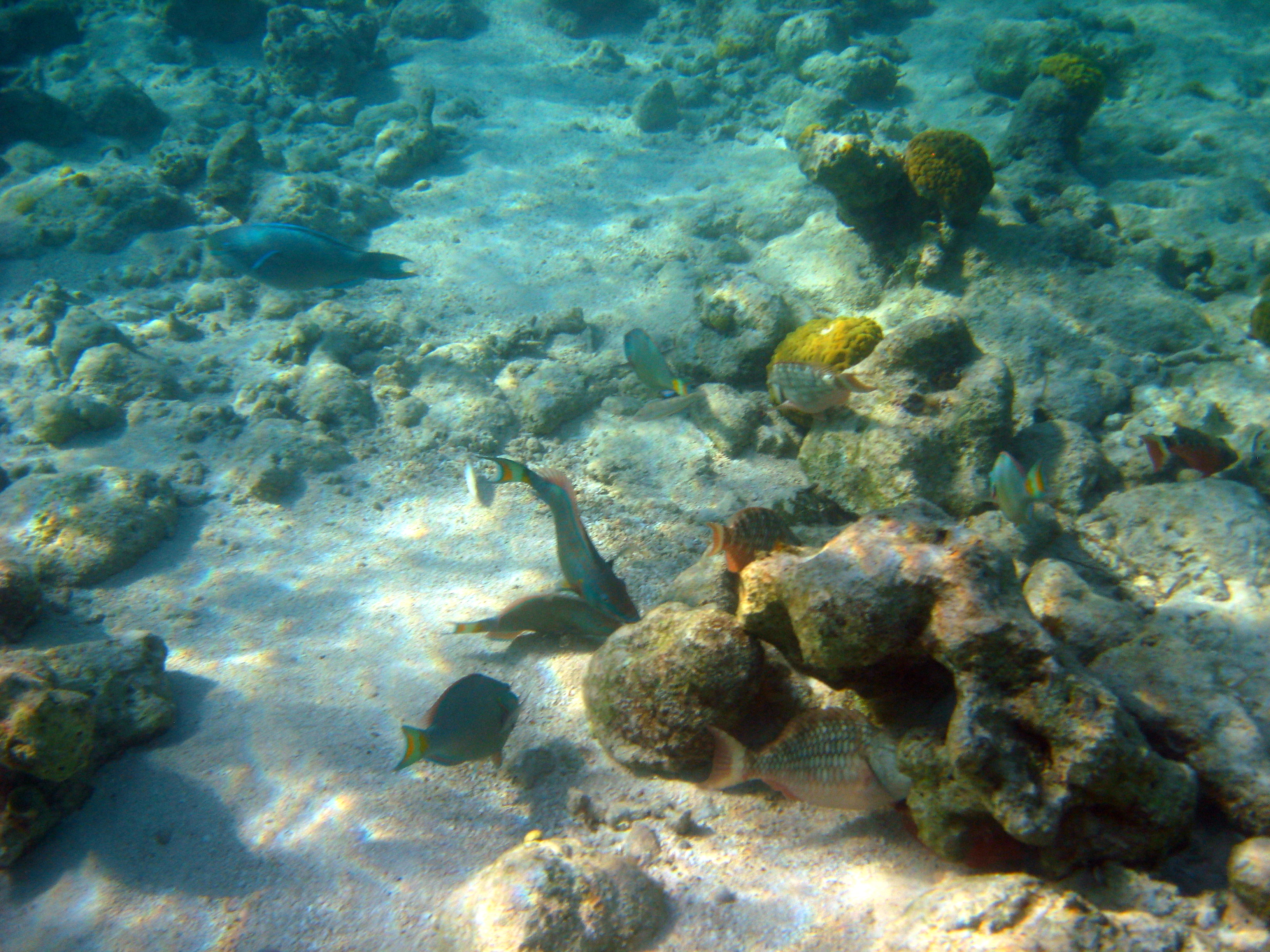

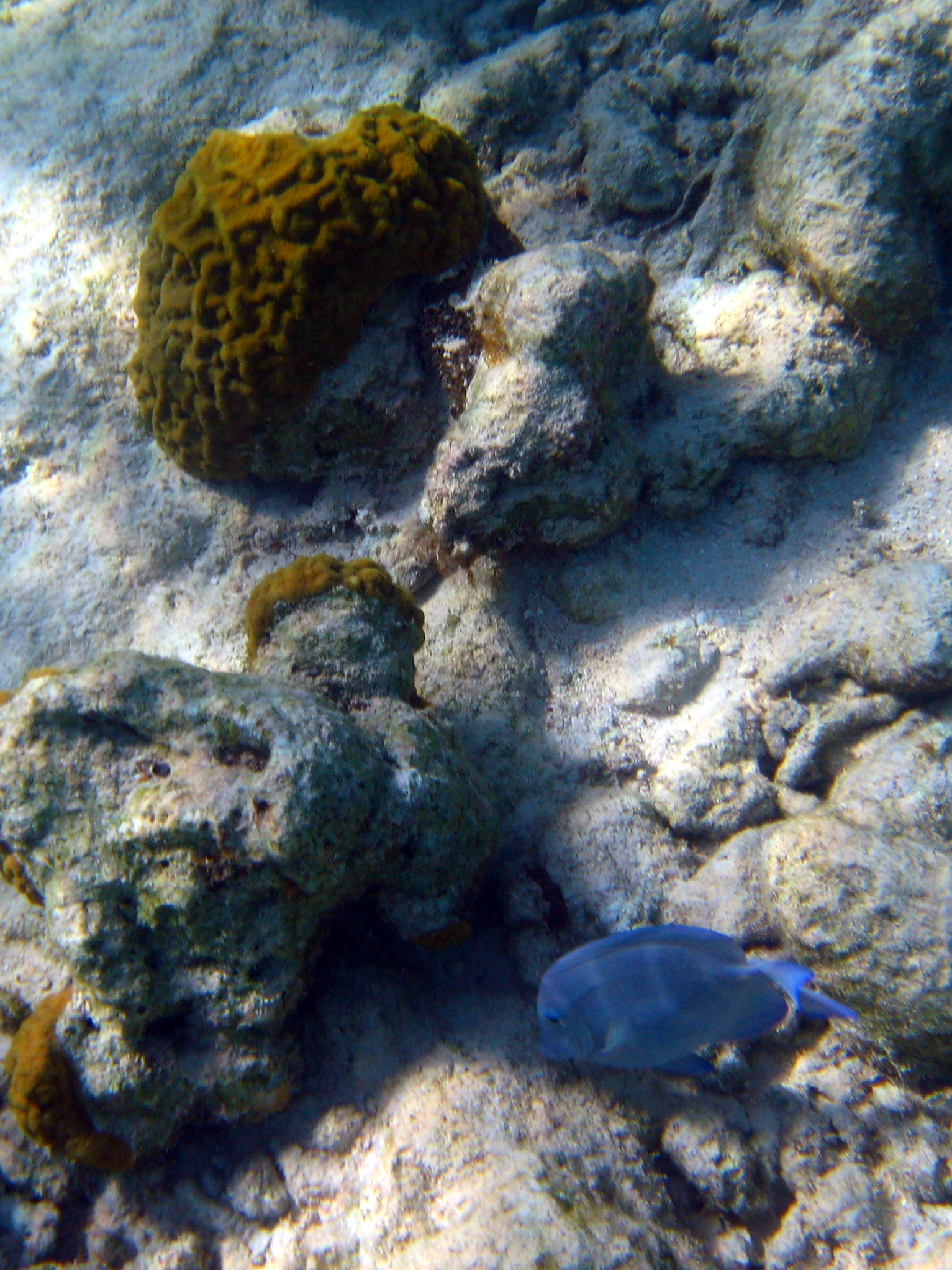
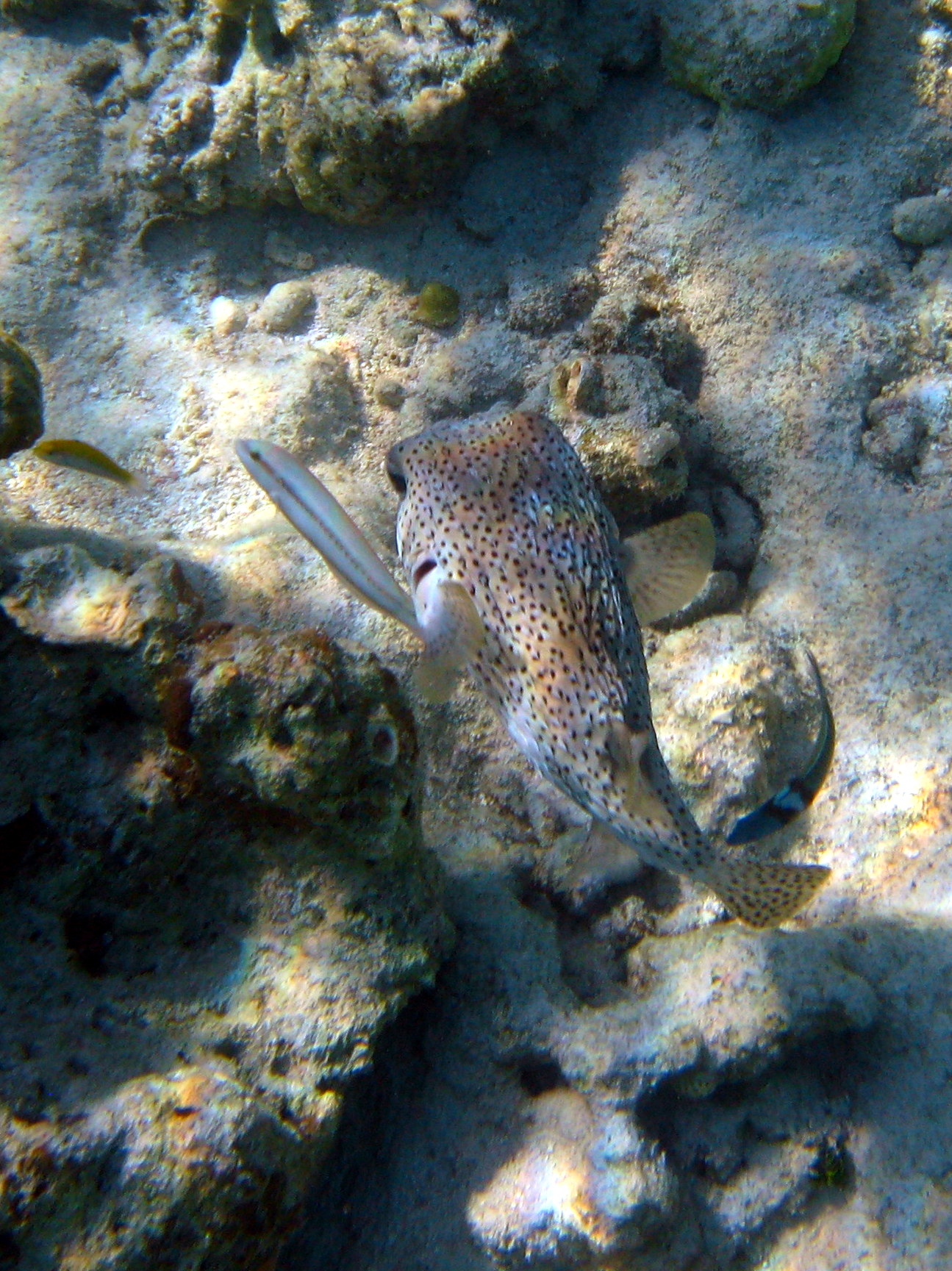


Providenciales is a sandy scrub island, versus the mountainous peaks of St. Lucia, for example. But we found a high point one evening at the Magnolia Wine Bar, with an entirely different sunset backdrop to the beach views we had been enjoying.


The extreme eastern tip of the 5-mile long Grace Bay beach:


Heading back west, toward home:


Christmas Eve:
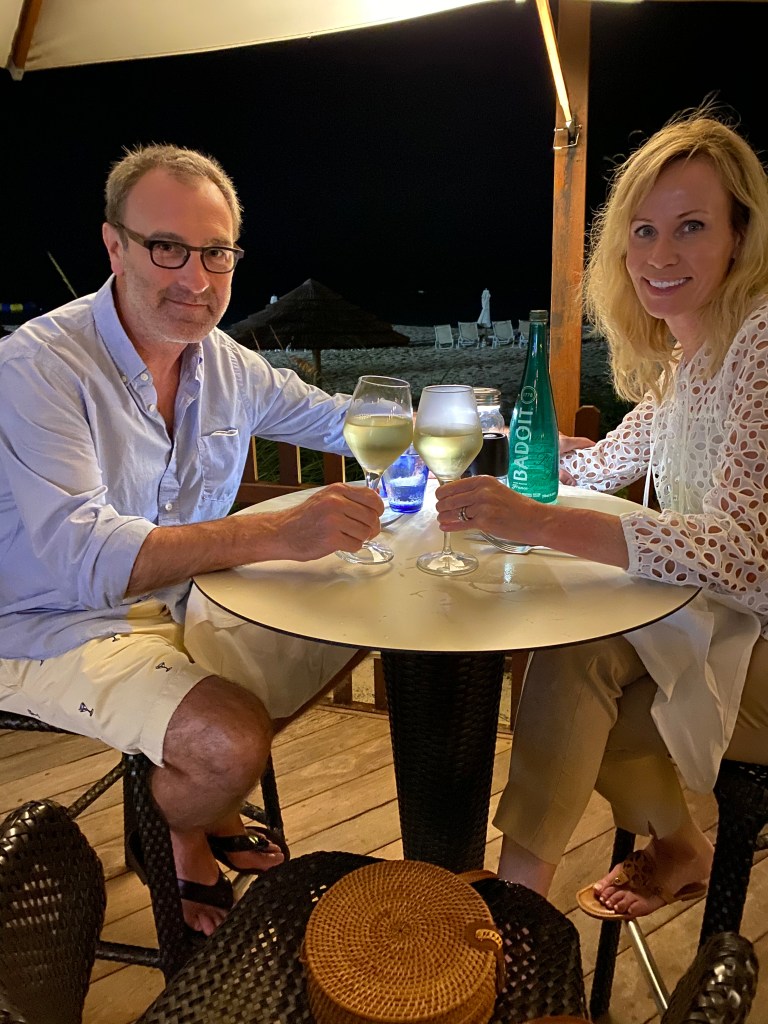
These treats were scarfed up later in the evening with absolutely no regard to Santa’s interests:

The tradition of the traveling Christmas stockings continues! These babies have been everywhere, including Christmas in Laos last year.

Christmas morning;

And more snorkeling on Christmas day – this time farther west, at Smith’s Reef.
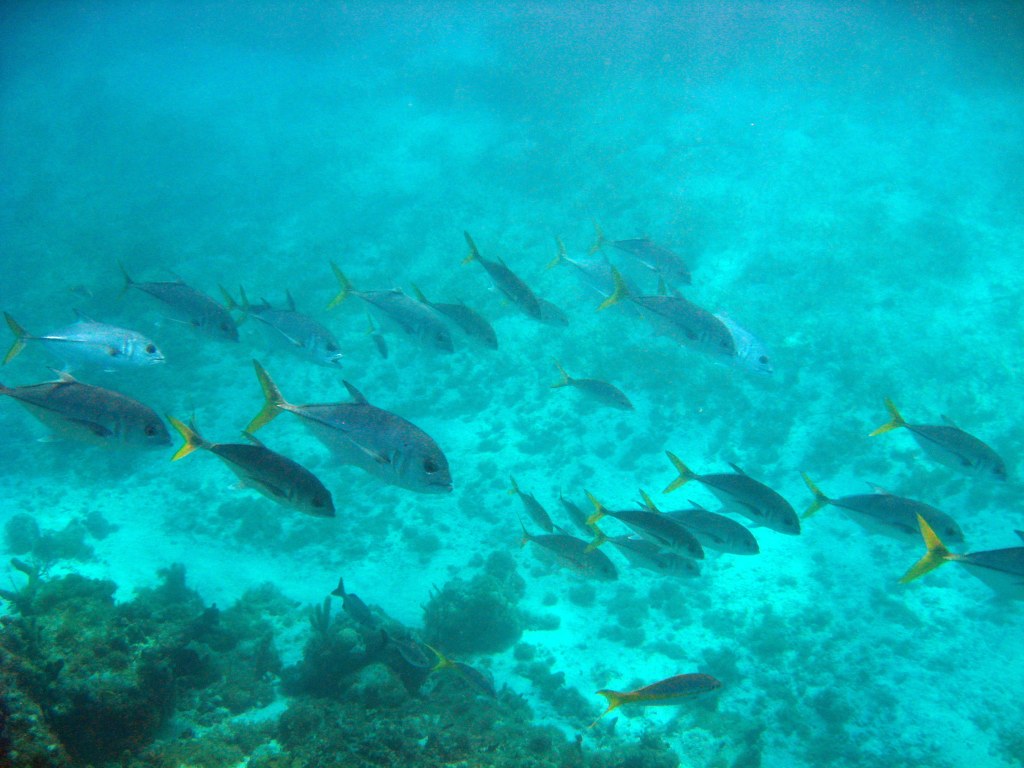







Christmas night at Infiniti – definitely the best meal we experienced the entire week.


A little beach buddy patiently waiting by our table for a treat that never came 😦


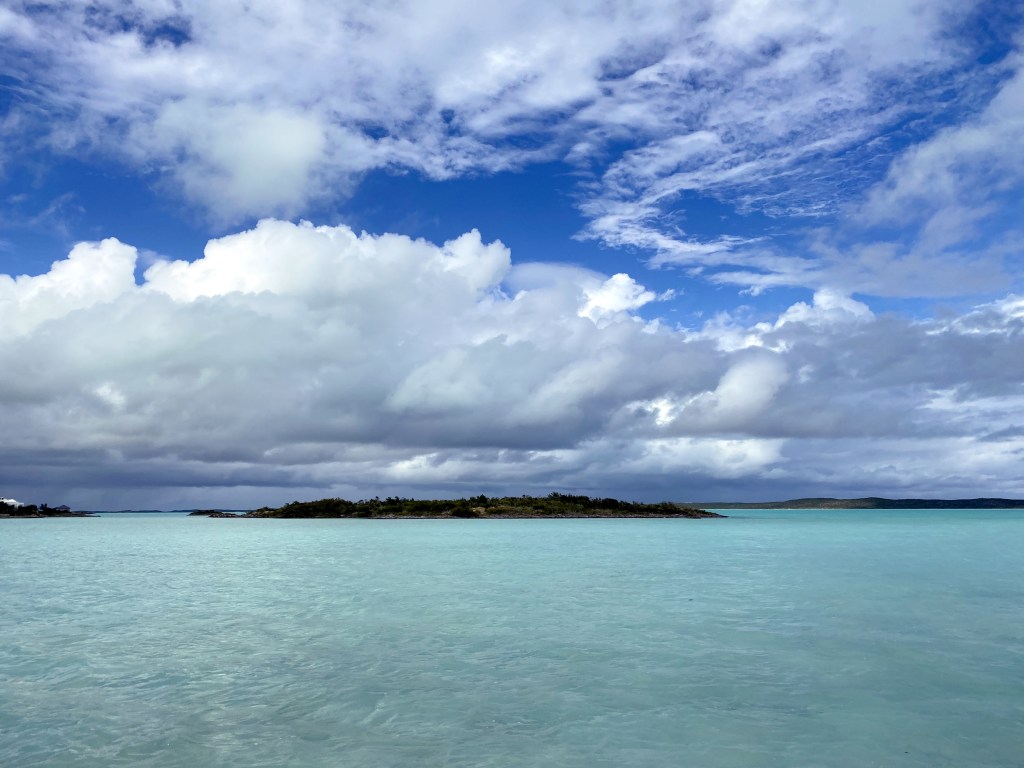
The unbelievably turquoise waters of Chalk Sound on the south side of the island.

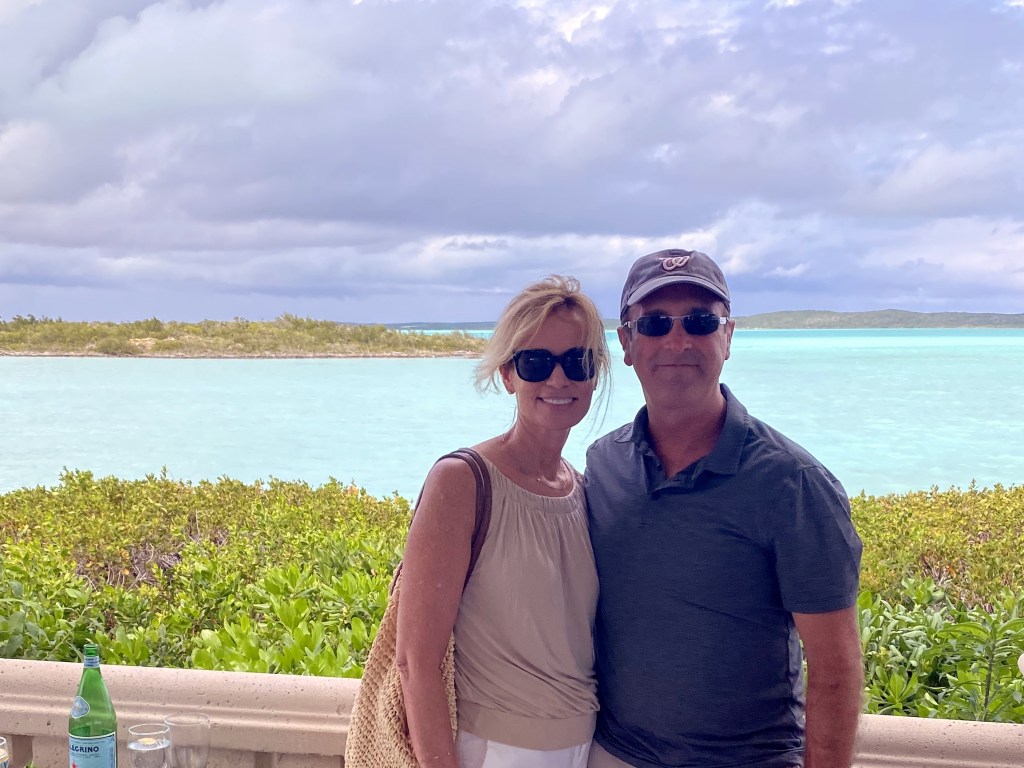

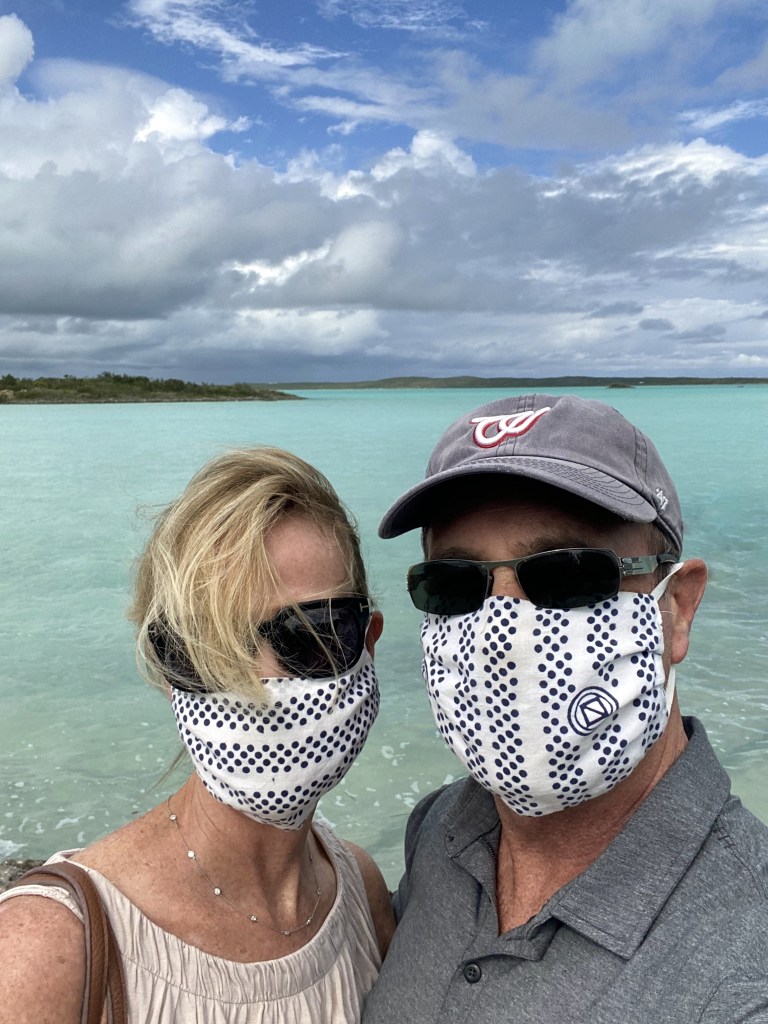
Aaaand, the 2020 version of the same selfie (featuring Sandy’s masks):
Night falls on the beach bar and pool at our place:

We were fortunate to finally get away, and look forward to resuming travels this spring with the advent of the vaccines!
Old Town’s Alley Houses
The narrowest house in Old Town (and reportedly the narrowest house in the country) is located on the 500 block of Queen Street and is known as the Spite House. It gets way too much attention, given a relatively unknown competitor three blocks away from us on Prince. (Nonetheless, it made it into one of our previous posts . . .)
The place even rated a story in the New York Times, from which we’ve quoted its origins: “The house, 7 feet wide, about 25 feet deep and a whopping 325 square feet in two stories, is a tiny landmark on Queen Street in the Old Town district in Alexandria, Va., just across the Potomac from Washington. Structurally, it’s more of an enclosed alley than a house the brick walls of older houses on either side form the painted brick walls in the living room. It’s called the Spite House by some because John Hollensbury, the owner of one of the adjacent houses, built it in 1830 to keep horse-drawn wagons and loiterers out of his alley. Indeed, the brick walls of the living room have gouges from wagon-wheel hubs.”
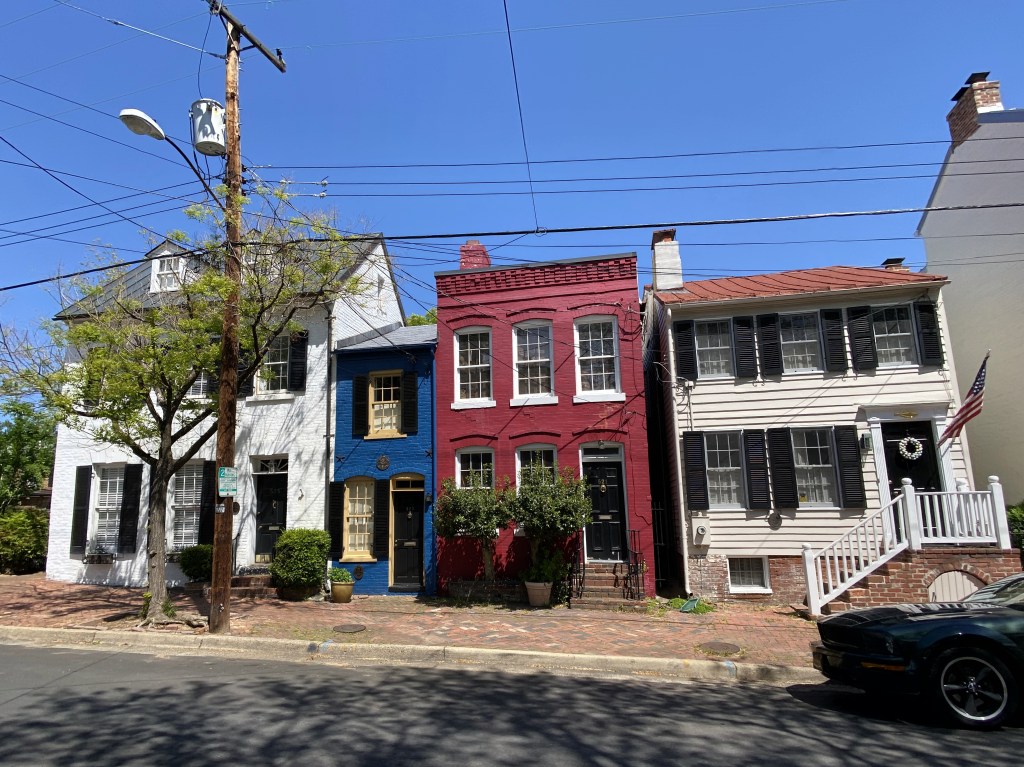
The article cites the Spite House’s 7-foot width. It’s actually wider than that. How do we know? We freakin’ walked over and measured it one day. It’s 7′ 6.5″ wide.
We measured it because we were convinced the tiny house closer to us on Prince Street was actually narrower and should be getting the spotlight that was always the freakin’ Spite House. Here’s the Prince Street house:
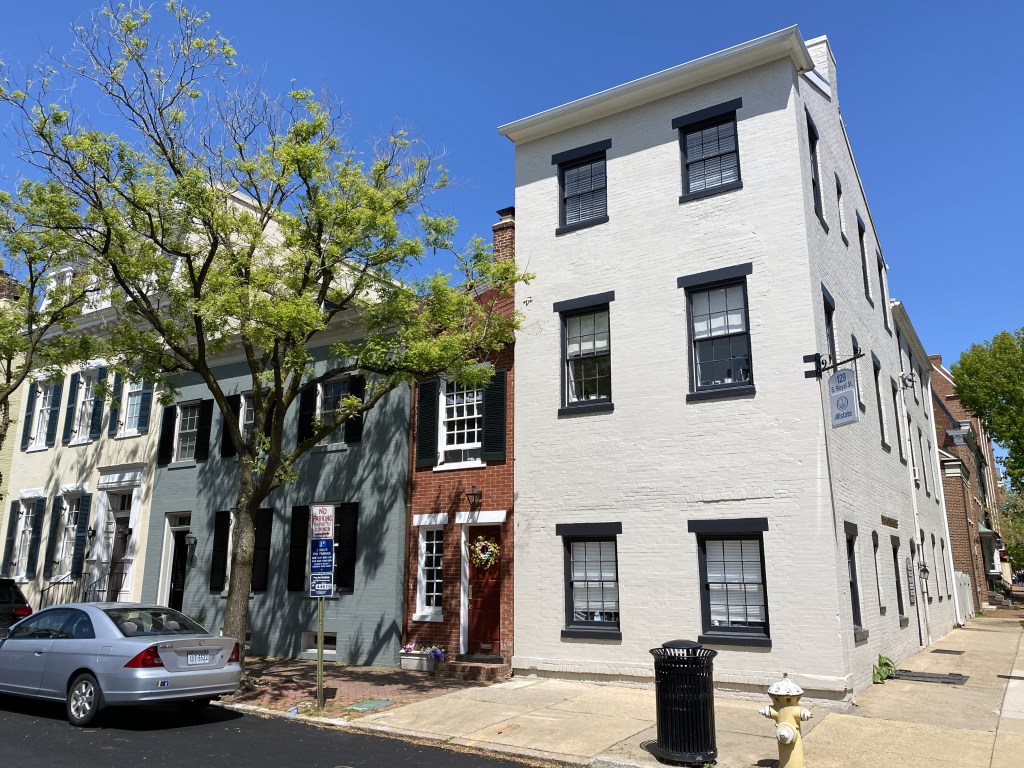
It clocks in at 8′ 1.5″ wide. Wider than Hollensbury’s house by 7 inches. We’re surprised and annoyed, but numbers don’t lie.
Here they are, side by side:
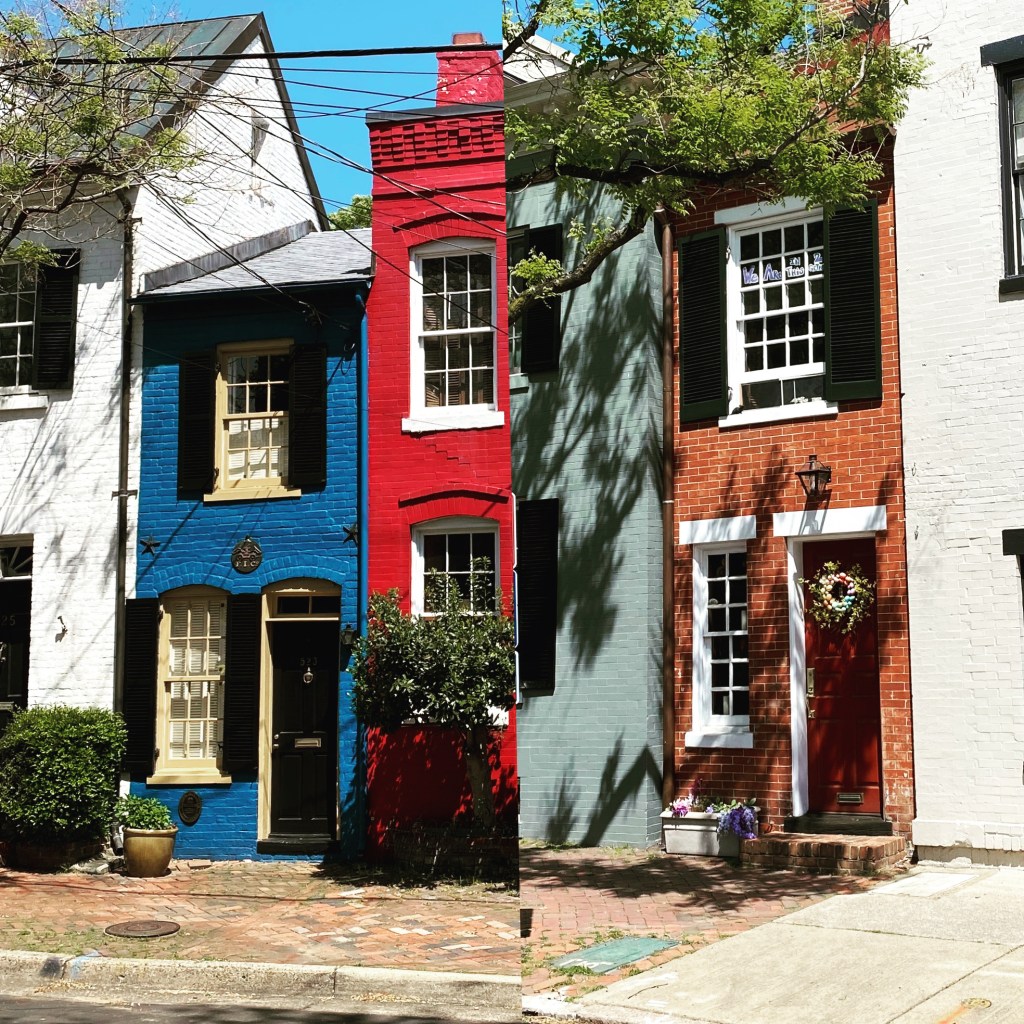
Unlike the Spite House, the house on Prince wasn’t built out of spite, but as a means to generate rent revenue. According to our copy of “Historic Alexandria Virginia Street by Street: A Survey of Existing Early Buildings” the house was “built before 1883, when Samuel H. Janney bequeathed to his son, Henry, the rents accruing from ‘the three-story brick house and the small two-story brick house adjoining thereto on the northwest corner of Prince and Royal.'”
Although the little Prince (Street) wasn’t built out of spite, it does share an attribute with the Spite House that few other town houses in Old Town do – it’s an alley house. A house built in what previously was a narrow alley between two larger houses, and that may use one or both sides of the houses on either side of the alley, instead of having independent sides, separate from the other houses.
This was brought to our attention in this article last week by Sarah Dingman in Alexandria Living magazine, which identified this as one of only three other alley houses in Old Town, in addition to the Instagram favorite, the Spite House.
Another of the alley houses can be found 11 blocks west of the little guy above, on the 1400 block of Prince Street:
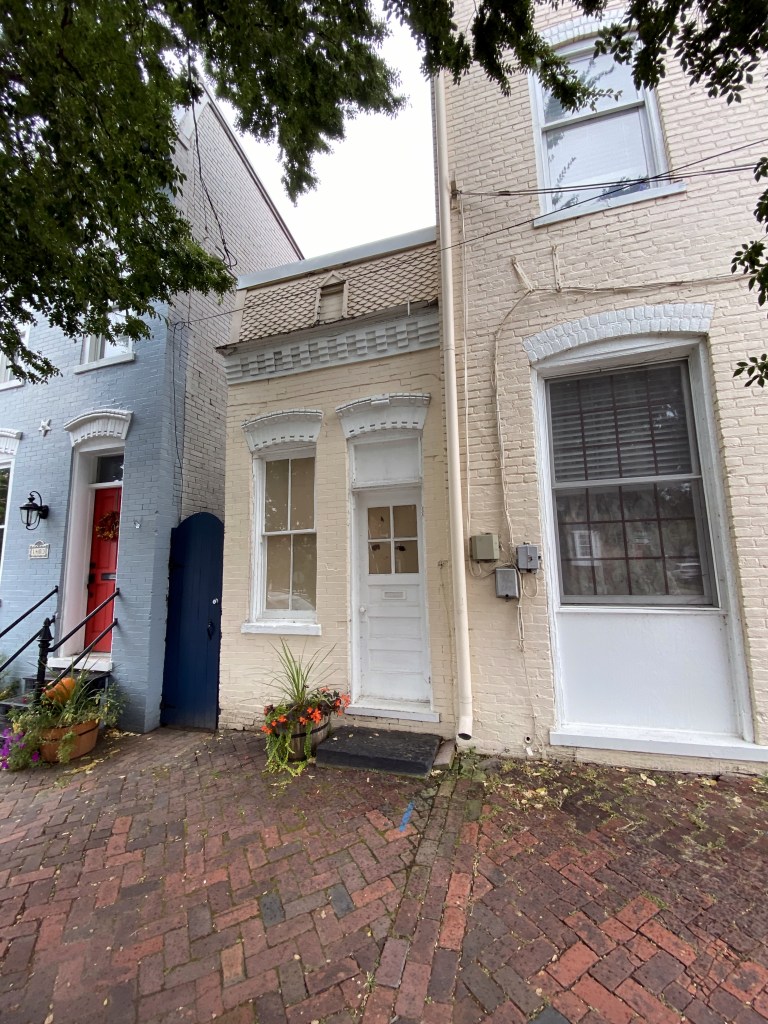
From the Alexandria Living article:
“It is unique from the other spite houses in that it is only one story tall. The home is a little more than 8-feet wide and has been incorporated into the home next to it.
The same color as the building to the east — the rear of 131 S. West St., which houses Christ House — it almost blends in. It also looks like a miniature replica of the buildings to its left. Note in the photo below the similar framing above the front door and window.
This alley house is the youngest alley house, built between 1891 and 1895 according to Sanborn Fire Insurance maps.”
The final alley house is a boutique shop on the 200 block of King, right in the middle of the shopping and restaurant district:
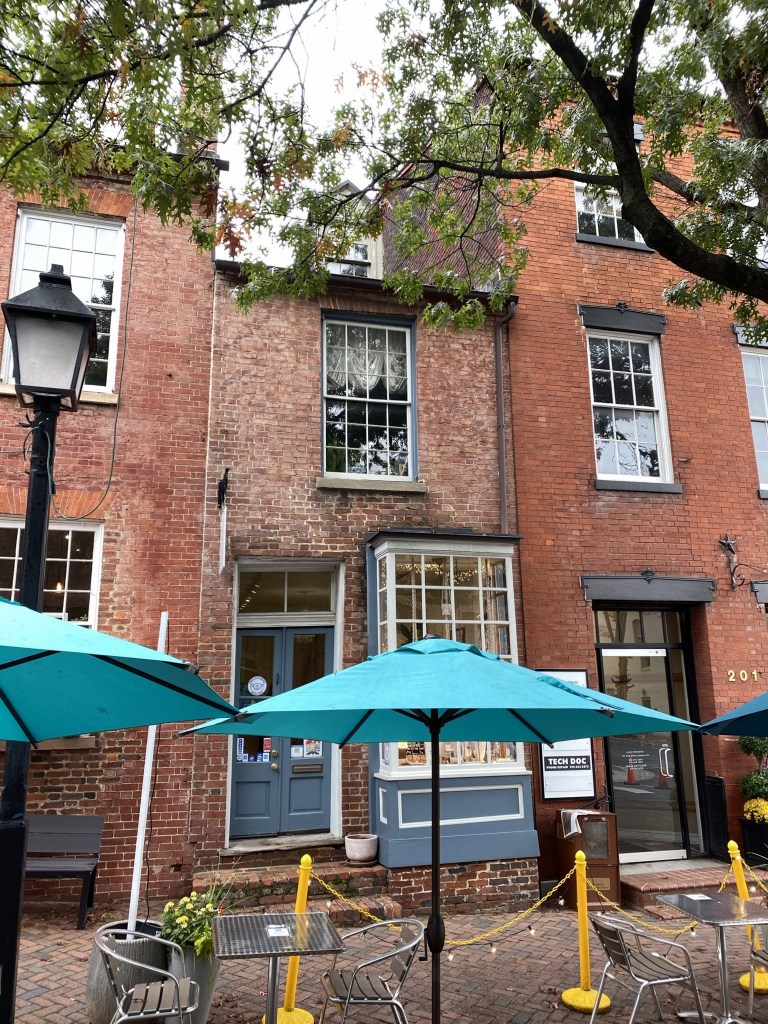
More from the Alexandria Living article:
“Only a couple blocks up from the water, it is commonly passed by but not noticed as one of the alley houses. [We can vouch for this.]
This alley house is relatively wide, measuring 11 feet wide (as measured by Old Town Home blog). The house was built around 1812.
In 1994 the residence, which was located above a then-Birkenstock shoe store, was a total of four rooms, including the bathroom and a kitchen, didn’t have space for a washing machine.”
Definitely puts our small house into perspective!
Traveling in 2020
There’s a header image on one of our blog pages depicting our shelf of travel books from a few years ago:

Enticing portals to exotic locales and far away places in normal times!
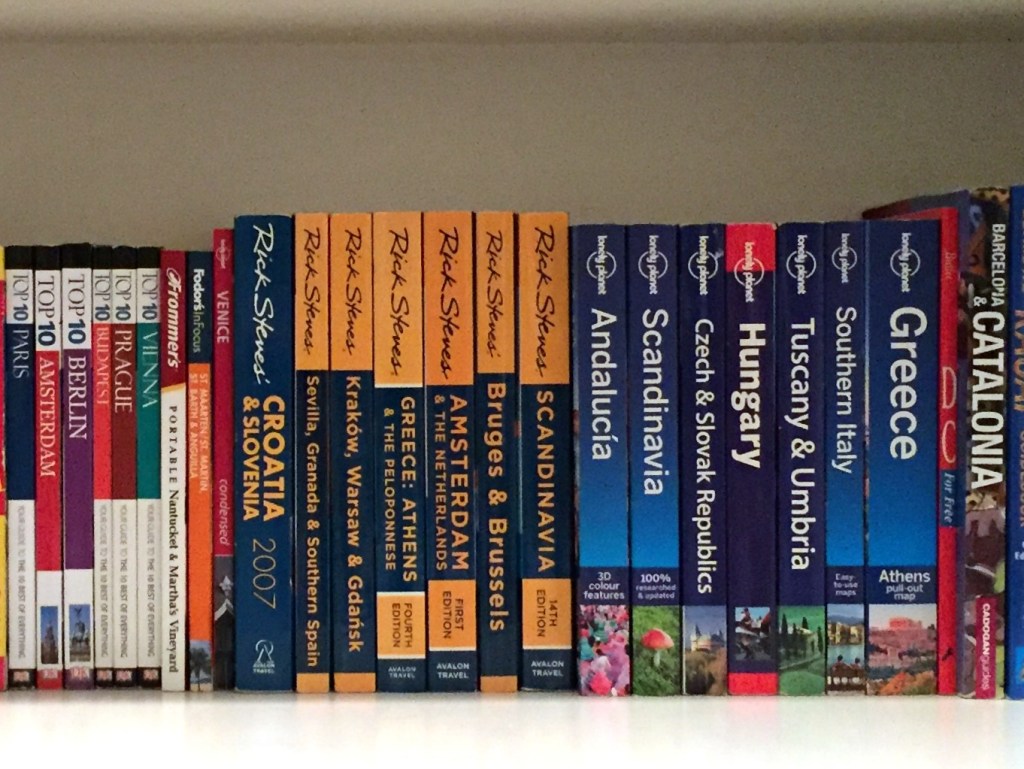
And now:
Just saw this awesome post on Reddit – totally captures this year for us . . .
