
WolfeStreetTravel is on a road trip roll. The latest – over the Memorial Day period – took us back to the UK, where previously we had only visited London a couple of times. We knew there was more to experience than just the capital, so we flew over in May, grabbed a car, and headed to points west in England, and then on to Wales.
Here’s the route for the trip, starting at the ~4:30 spot and moving counterclockwise:
After landing, we headed a couple hours’ west of London to the north end of the Cotswolds (after brief stopover in Oxford on the way out from Heathrow), then further west to Wales, into Gwynedd and Conwy County in the north and to Pembrokeshire in the south. Completing the loop, we headed east back to England and the southern and middle sections of the Cotswolds. Then, ultimately, back to London, once more.
Three themes drove planning for this circular road trip:
1. Visiting the villages of the Cotswolds in England:

In the interactive map above, the amber houses icons denote the Cotswolds villages we visited.
2. Laying siege to the largest and best-preserved medieval Norman castles in the world – all located in Wales, largely thanks to Edward I:

The black castle icons on the interactive map above denote the Welsh castles we attacked.
3. Finally, throughout the 16-day trip, we took advantage of the UK’s amazing National Trails system, which transit in and out of farms and fields and along the most amazing oceanside cliffs, and hiked everywhere we could:

The green hiker icons on the map above denote the hiking locations in England and Wales.
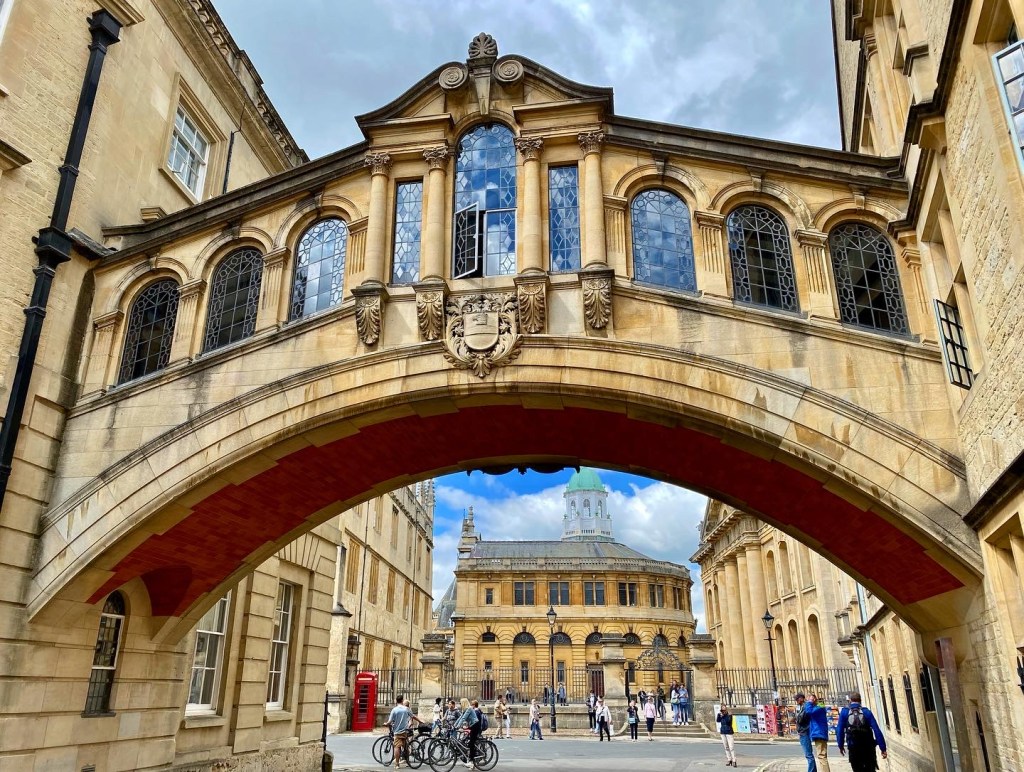
Similar to the morning of our arrival in the Netherlands for our bike trip there, we hit the ground running in London. Immediately after deplaning in Heathrow, we picked up our rental car (manual, with the steering wheel on the wrong side, of course, increasing the difficulty level of driving to 11), drove an hour to Oxford, and hopped on bikes for a 2-hour tour of the city and surrounding countryside. Excellent plan (other than the fact that it didn’t go as planned, which we’ll explain in a future post)!

Then, on to our first segment of the Cotswolds. We based ourselves out of Broadway, in the northern end of the region:
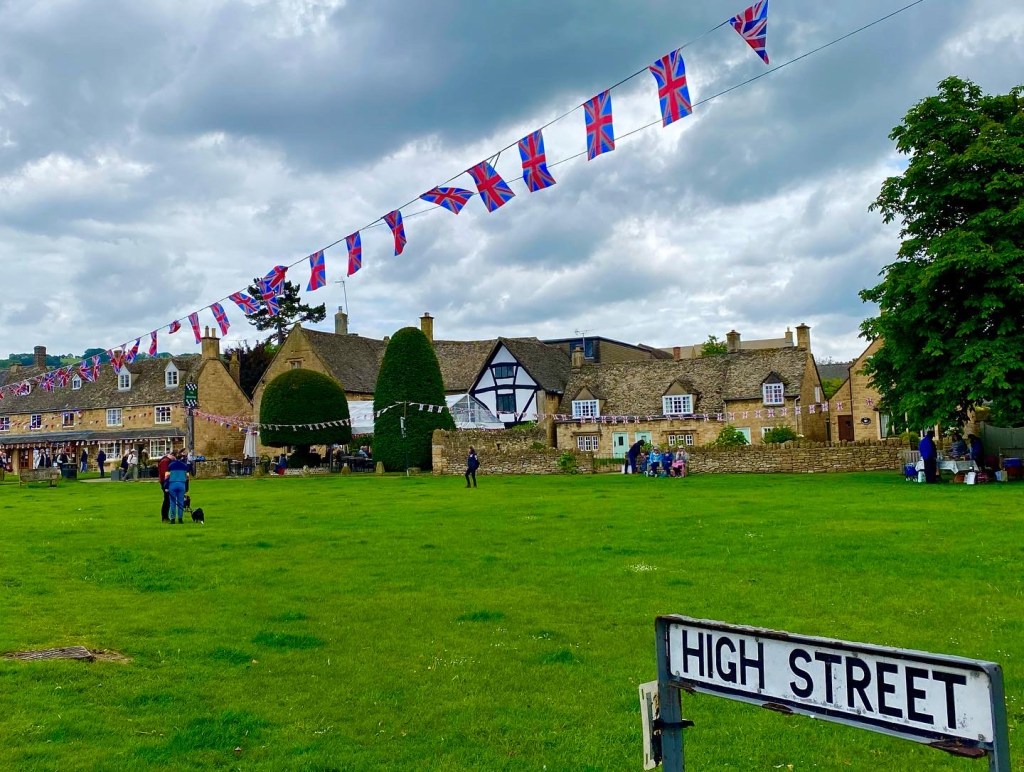
Although we didn’t know it when we planned the trip months ago, we would be there during Queen Elizabeth II’s Platinum Jubilee, so every town was totally decked out for the occasion, including Broadway:

(While we experienced the provincial celebrations out in the hinterlands of small villages, our relatives, the Band o’ Brandts, were in the thick of it in London at the same time, at the peak of the jubilee.)
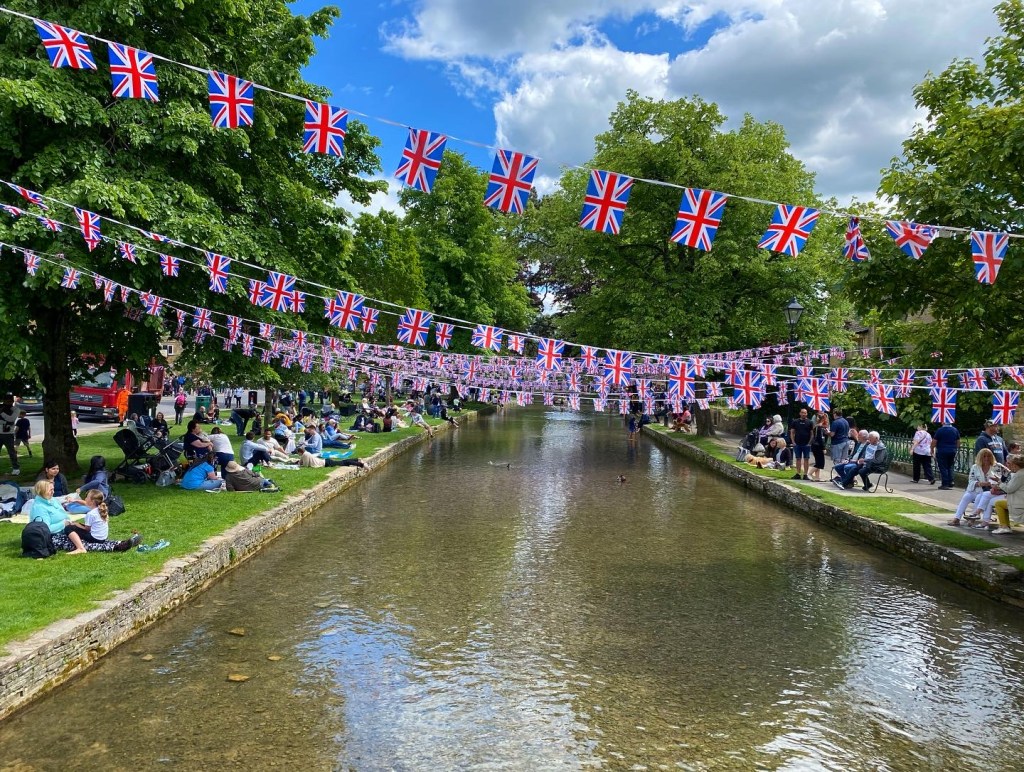
More jumbles of jubilee at Bourton-on-the-Water, our second Cotswolds village:
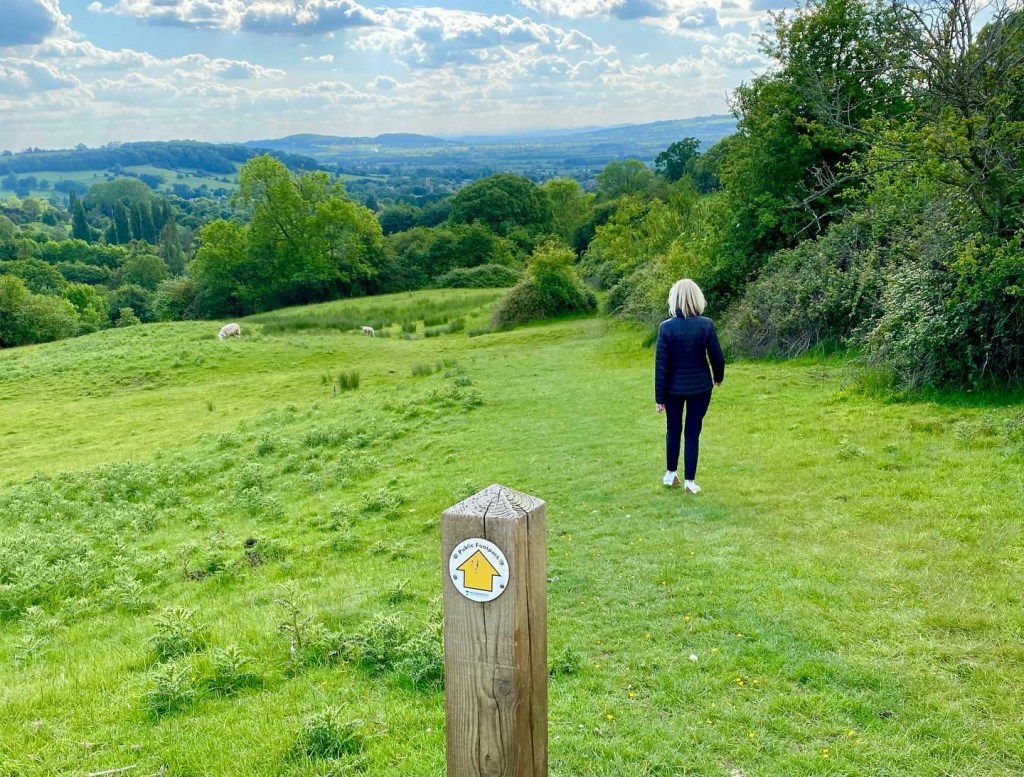
A little hiking across the countryside around Broadway and then to the iconic Victorian folly of the area, Broadway Tower:

And a post-hike lunch in town of our first (of many – many!) fish and chips on the trip during the jubilee – Cod Save the Queen!

The wool market capital of the northern Cotswolds, Chipping Campden:

The winner of the most charming village of our trip, Stanton:

And nearby Snowshill, repleat with traditional British phone box and village pub:

The paired villages with grisly names but tons of charm – Lower Slaughter:

And Upper Slaughter:
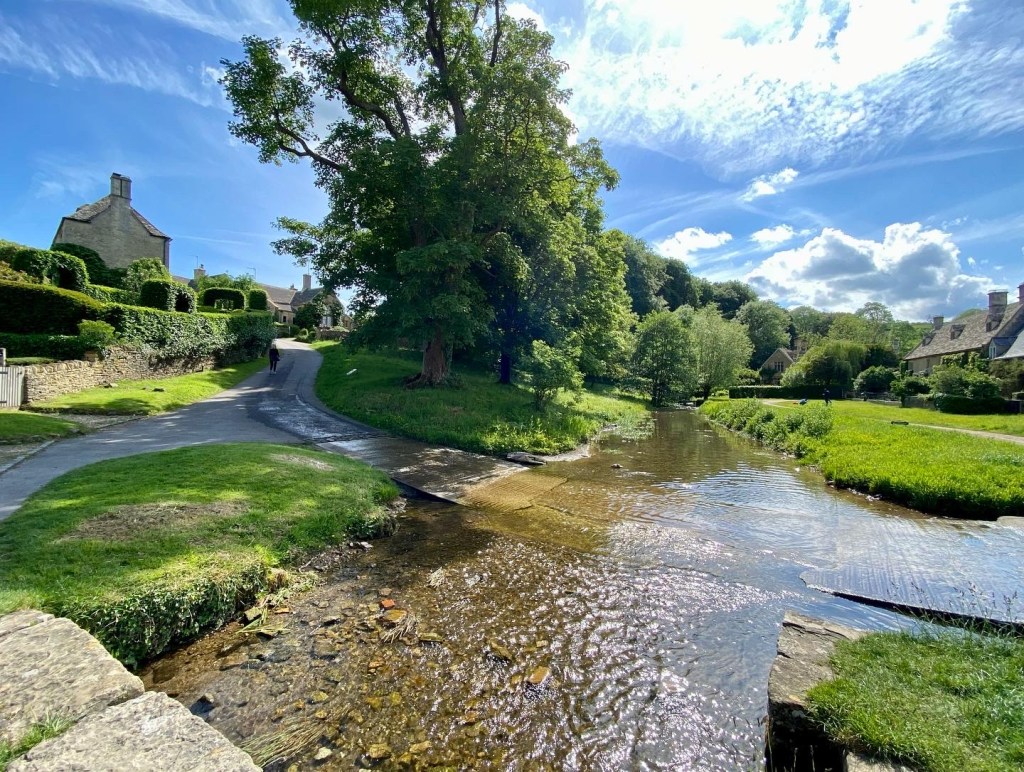
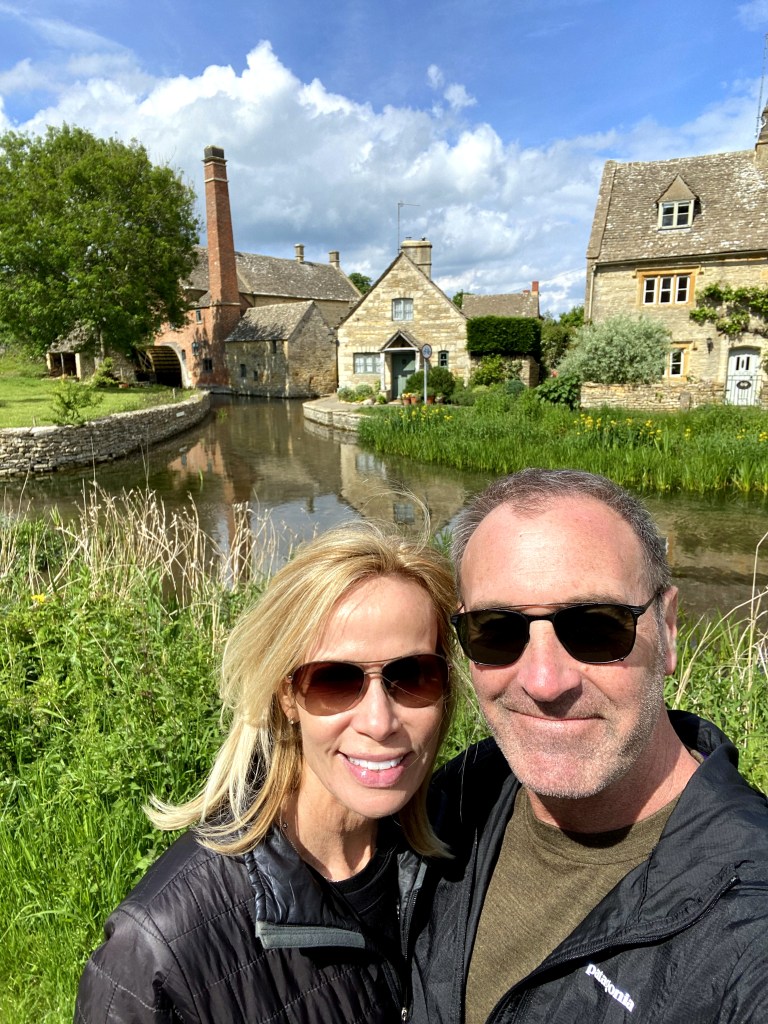
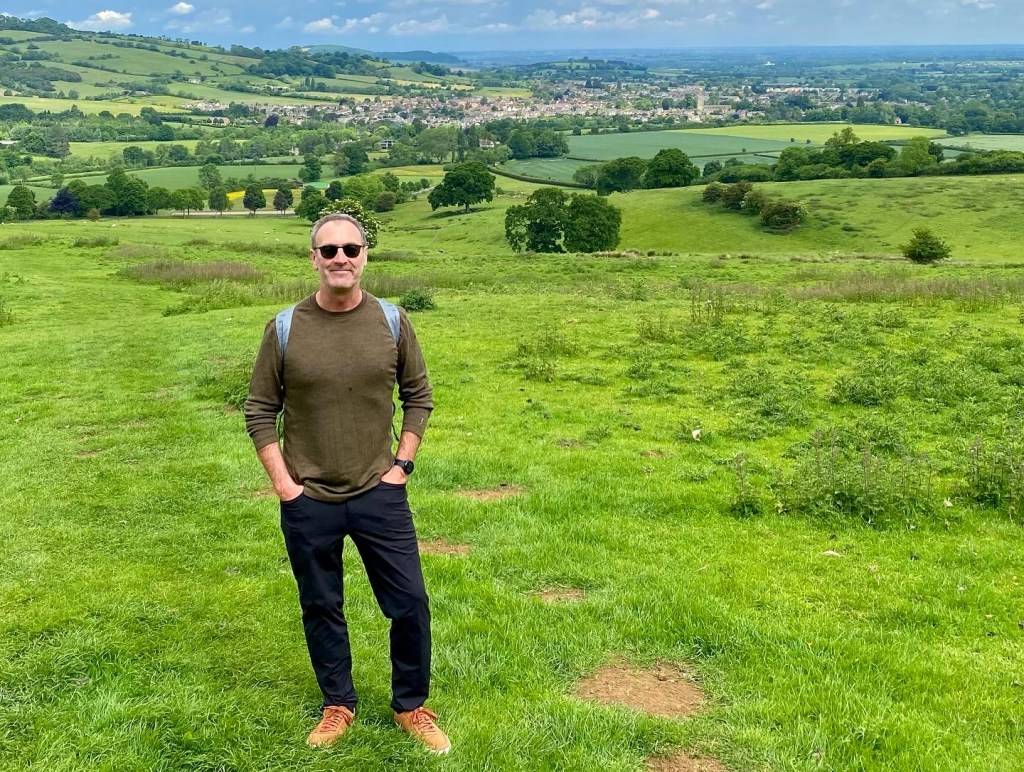
A spectacular hike from the town of Winchcombe to the Neolithic barrow at Belas Knap the day before we moved on to Wales:

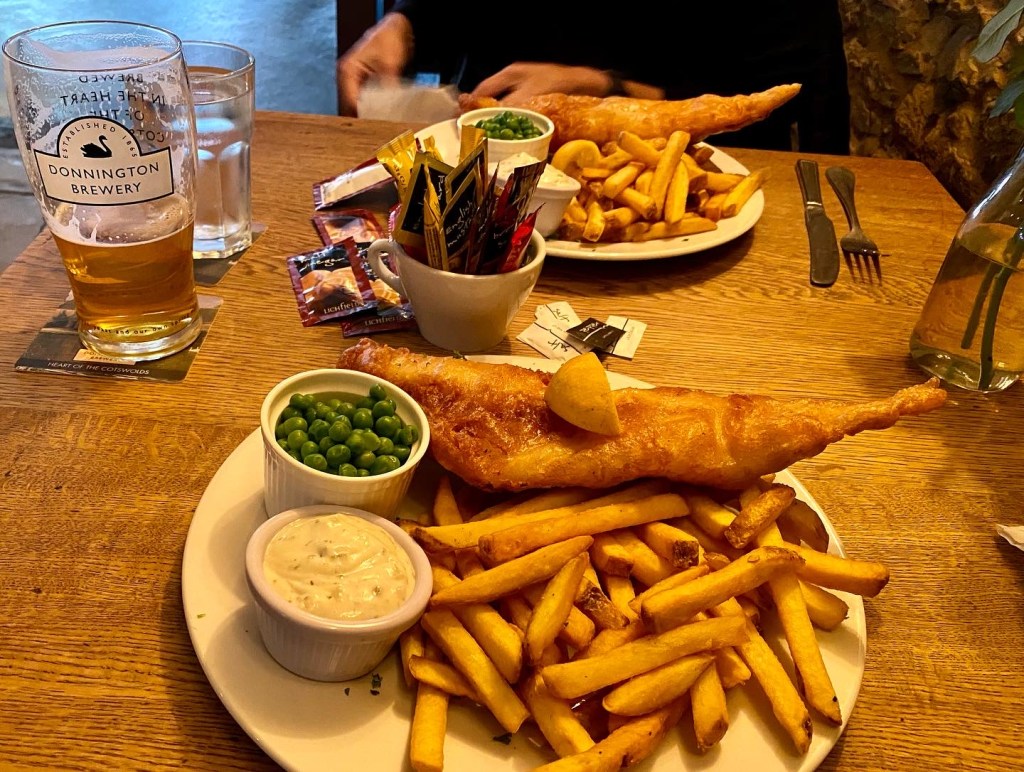
And then lunch. Cod works in mysterious ways. . .
A stopover at Palé Hall for a change of venue before hitting our first Welsh castle in Gwynedd:

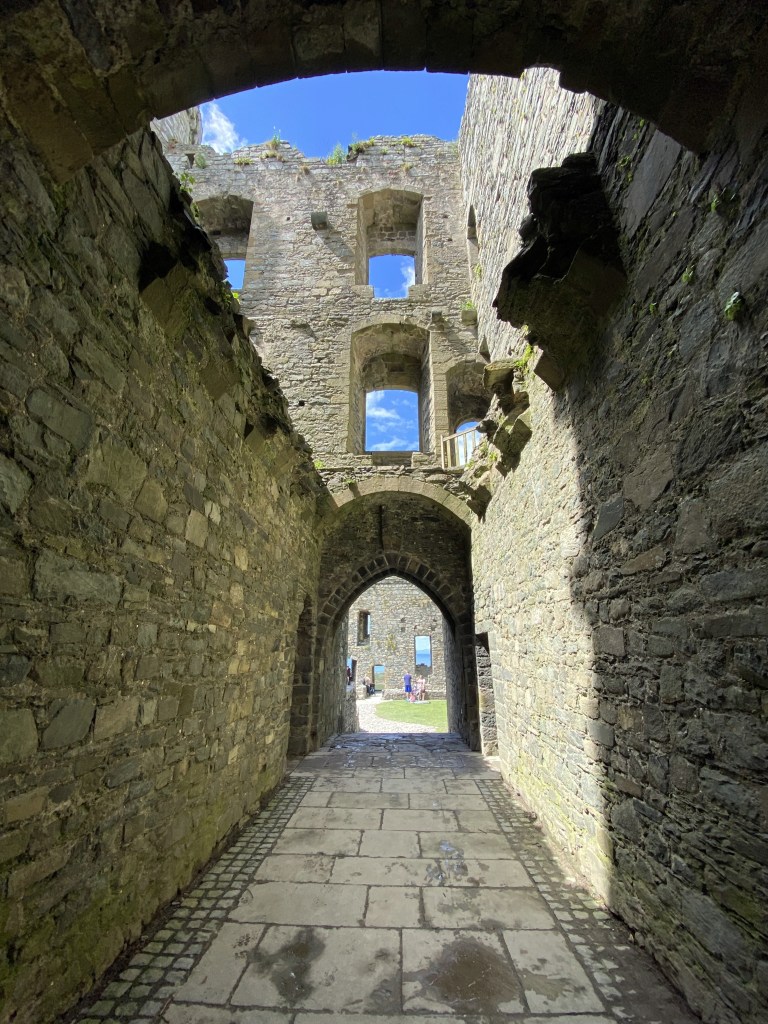
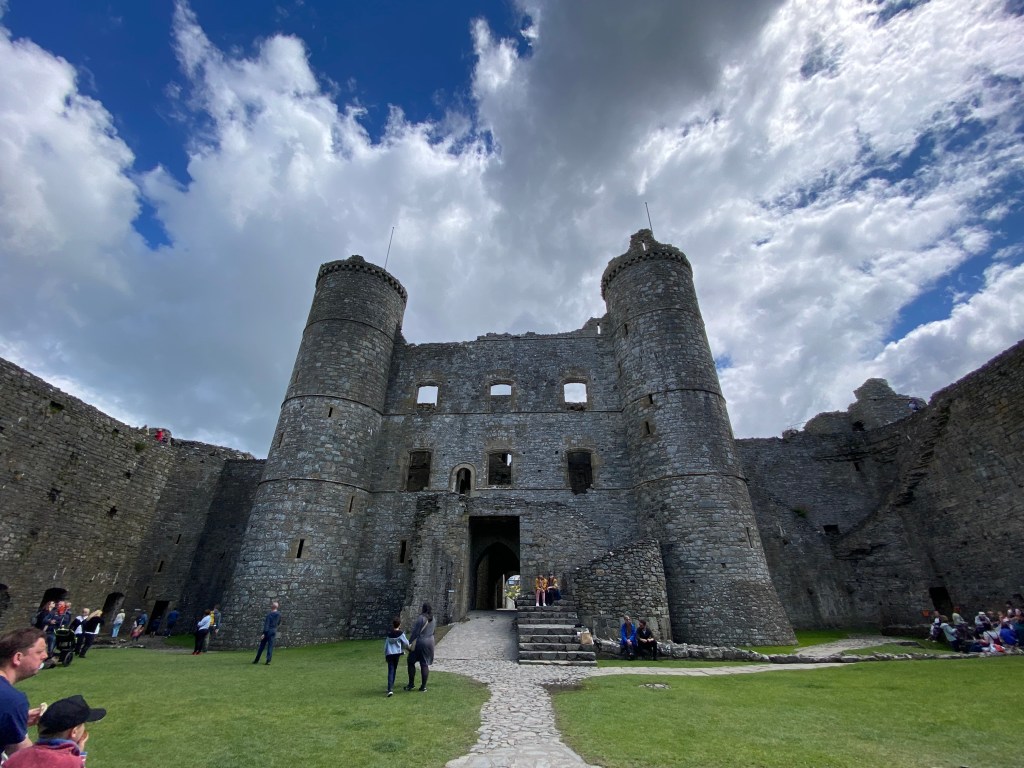
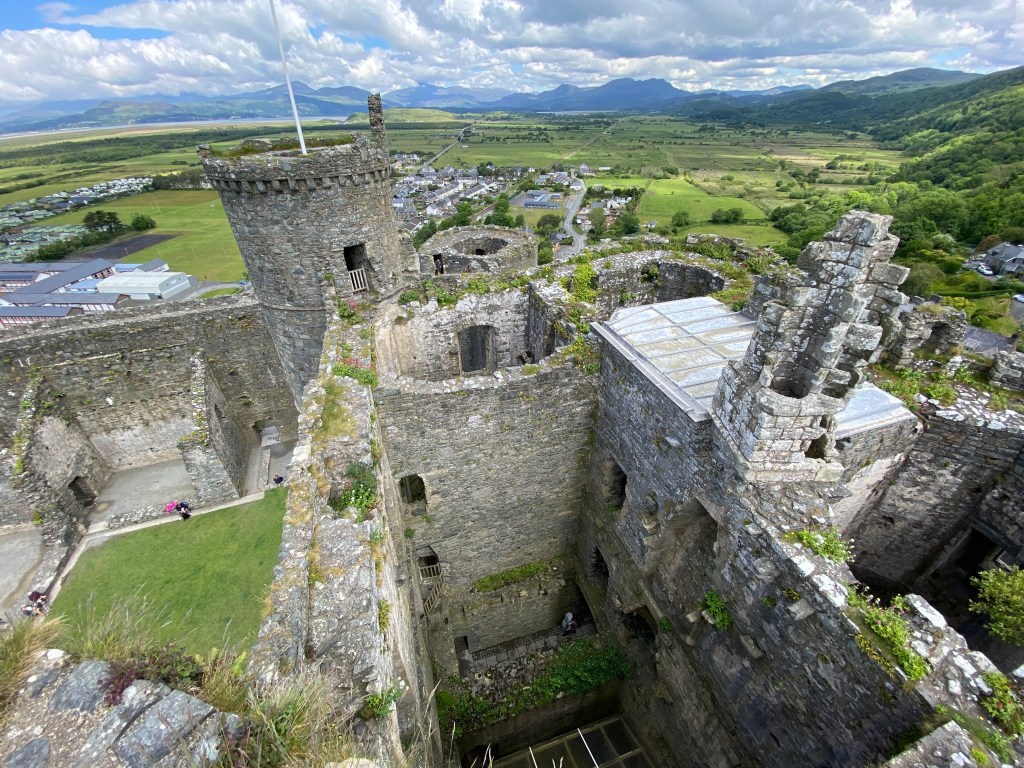
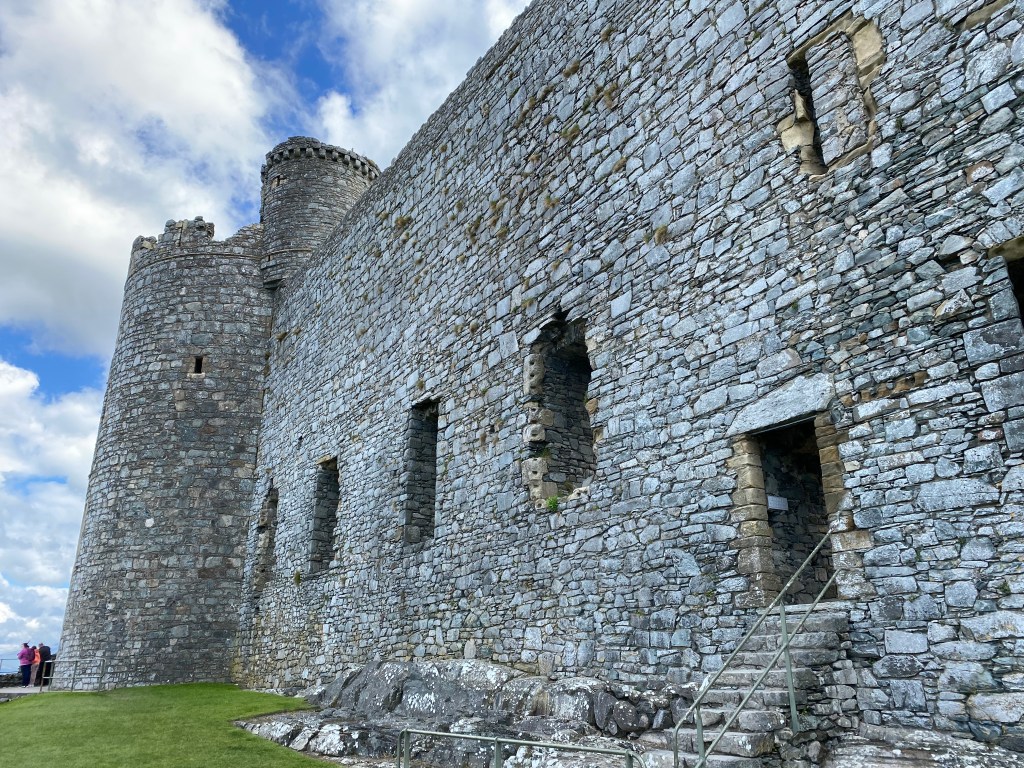
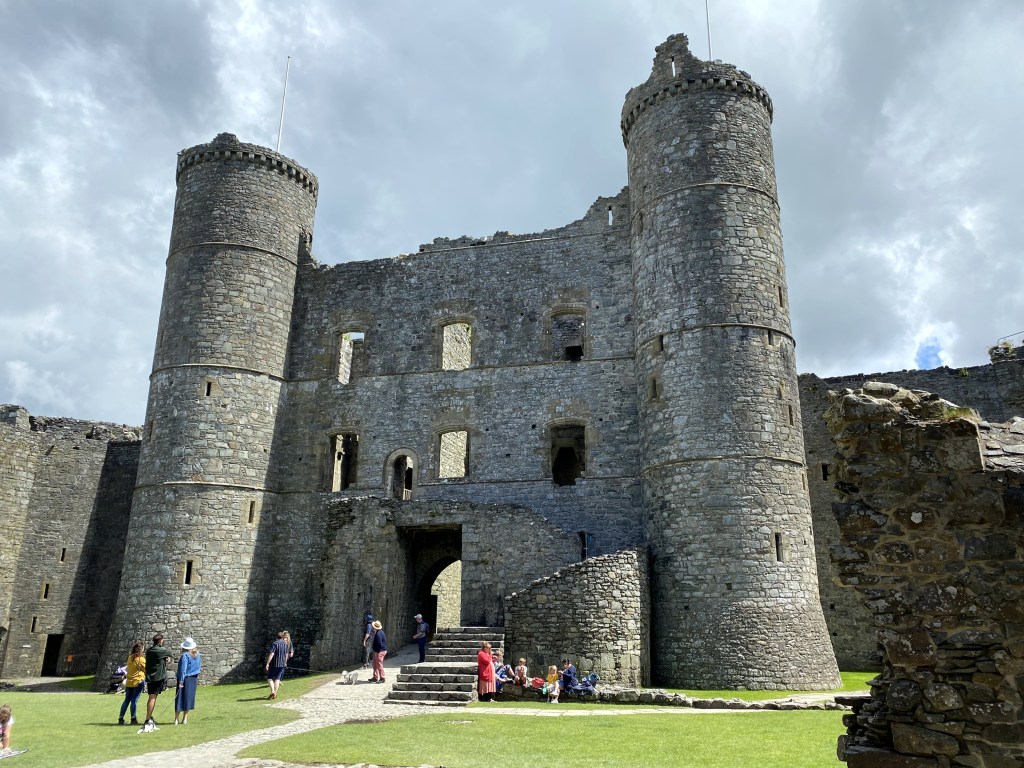
The first stop on WolfeStreetTravel’s 2022 Welsh Castlepalooza Tour, and the epitome of Norman military engineering: Harlech Castle, built by the English as part of Edward I’s campaign to subdue the Welsh:

Then a beeline north to Caernarfon Castle, the center of Edward I’s “ring of iron” and birthplace of Edward II, the first Prince of Wales:

And to our third abode, where you needed to traverse a guardian garrison of lambs to enter:
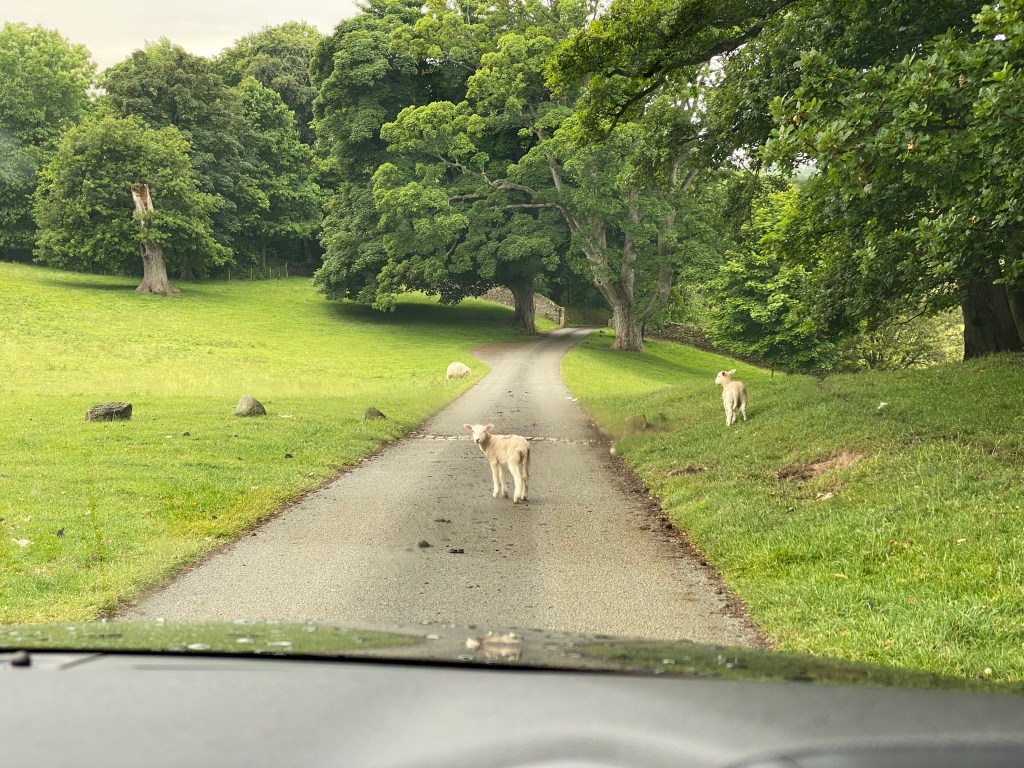
Our base in Conwy and another vaguely unsettling name – Bodysgallen Hall:

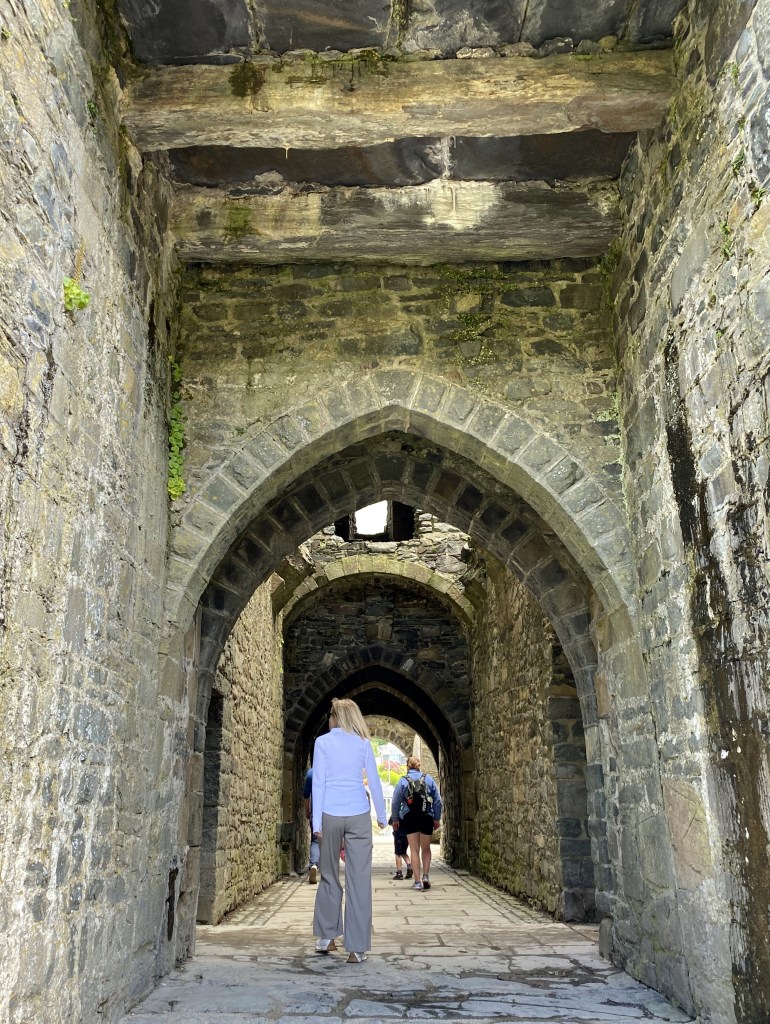
Our favorite castle on the trip: Conwy Castle, which abutted the adjacent village of Conwy, with its fully intact medieval town wall:
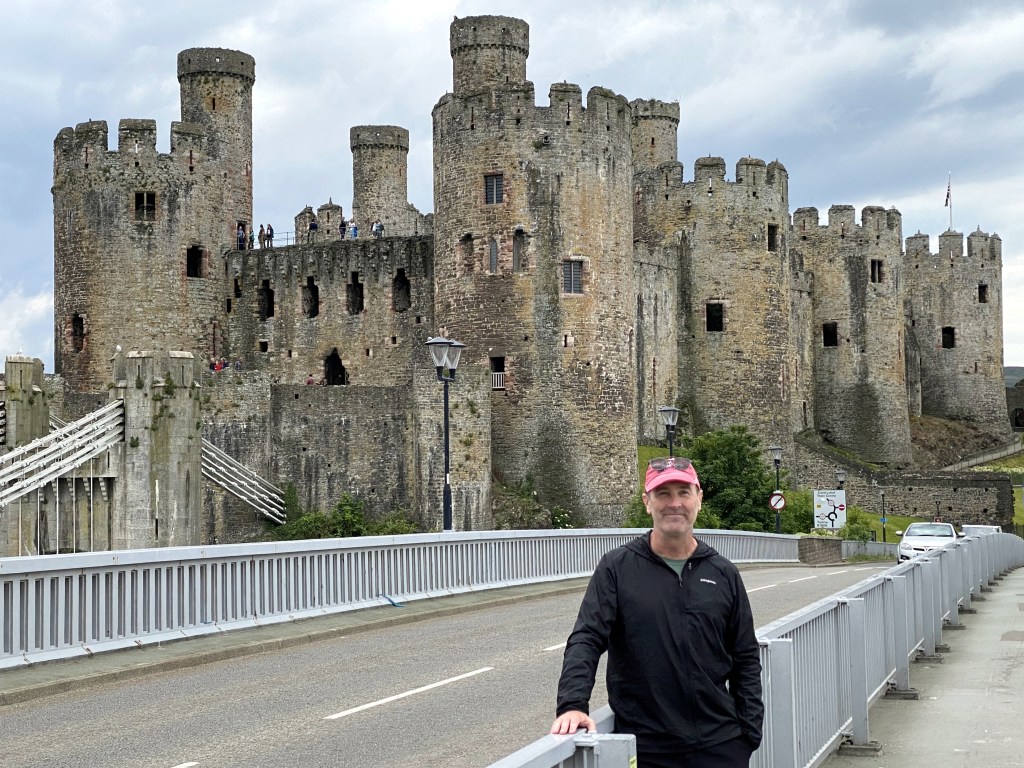
A hike up to and around the treeless limestone mass of Great Orme on the north coast of Wales with great 360-degree views, including the town at its base, Llandudno:

And a post-hike lunch in town: the best fish and chips of the trip and a celebration in Wales of “One Nation under Cod!”

Not satisfied with visiting castles, we had to stay in one too, when we headed south to Pembrokeshire: the 12th-century Roch Castle:

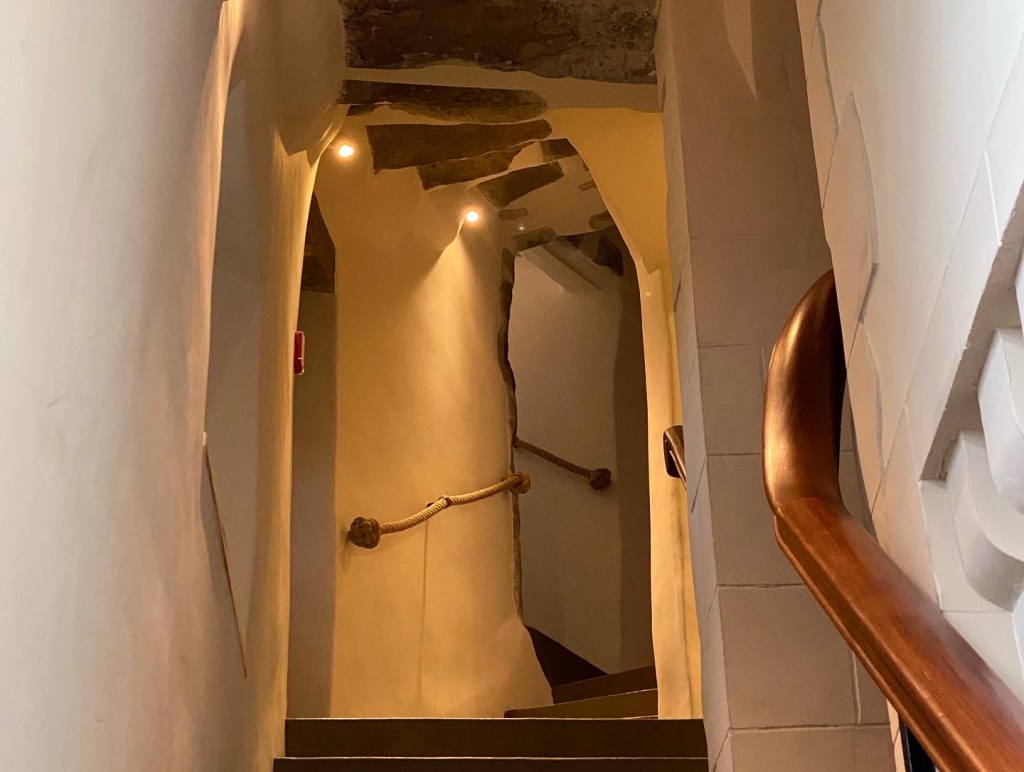
Spectacular hike along the entire periphery of St. Annes Head on the Pembrokeshire coast:

The weirdly sited St. David’s Cathedral, sunk in a depression so low, you can’t see the cathedral tower from anywhere in town:

And then to a lunch of. . . oh my Cod! Again?!
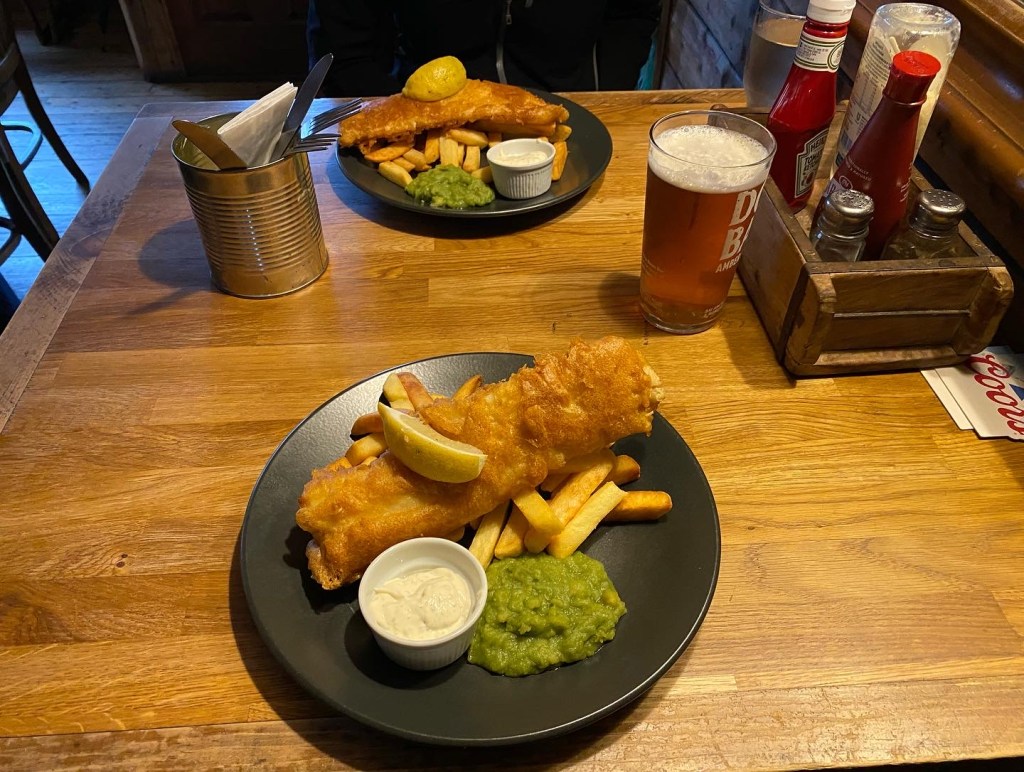
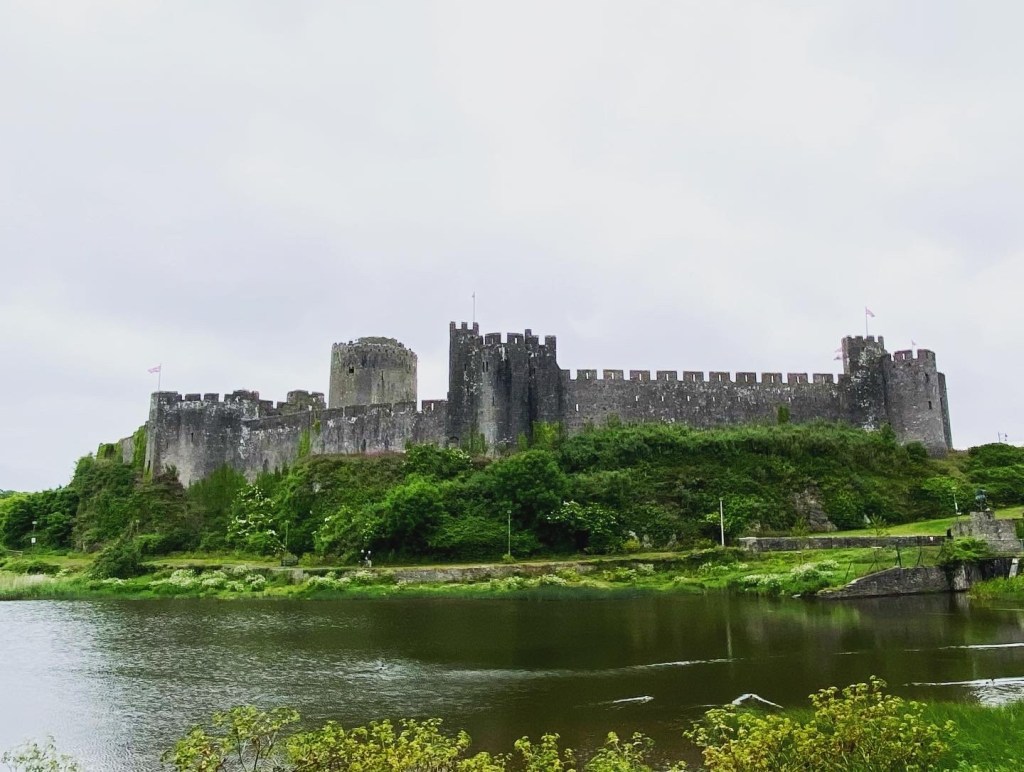
The penultimate castle on the WolfeStreetTravel 2022 Castlepalooza tour: Pembroke Castle, home in the 12th century to William Marshal, “the best knight that ever lived:”
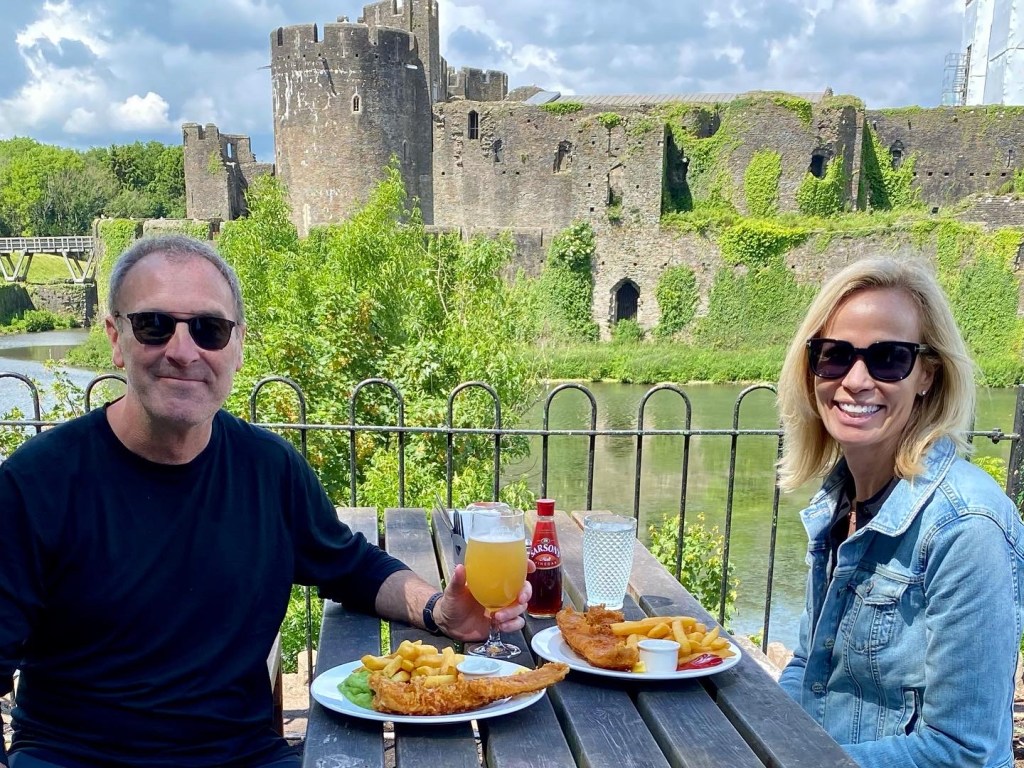
And the final fortification (thanks be to Cod!): Caerphilly Castle just north of Cardiff, on our way to Bath in the southern Cotswolds:
The Roman, then Georgian, Baths of Bath:


An unplanned but really enjoyable stop at Stonehenge on the way from Bath to our last stay in the Cotswolds:

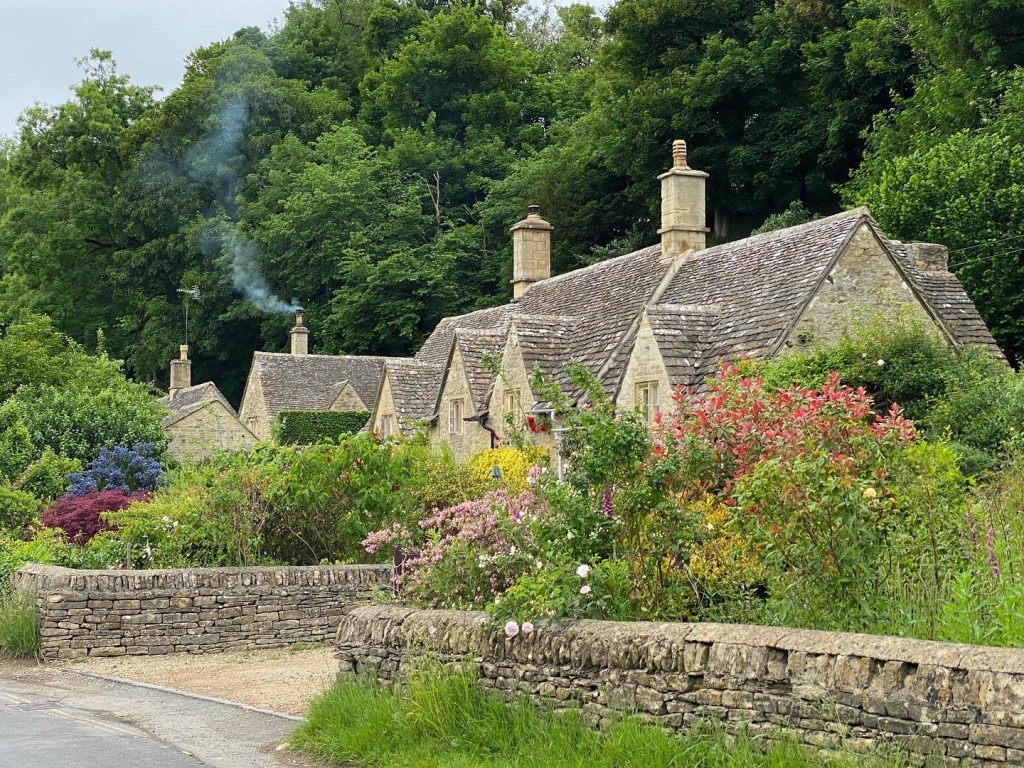
The ridiculously Thomas Kinkade-y village of Bibury:

And another sheep-intense hike between the tiny villages of Southrop and Eastleach:

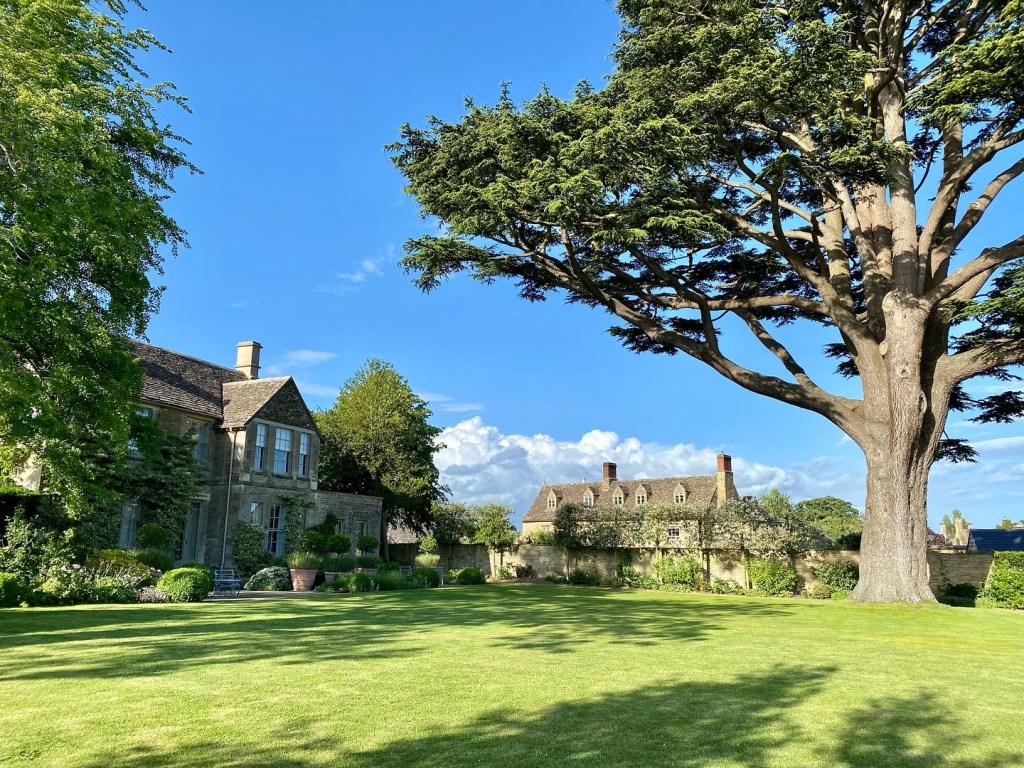
Our last base in the Cotswolds: a village within a village (and a Cotswold cottage of our own, to boot):


After 2 solid weeks on the road in our trusty Peugeot, we returned the car that served us so well during the trip before we headed into London proper. Between the manual transmission, the steering wheel on the wrong side, and having to drive for 2 weeks on the wrong side of the road, this baby was a true Danger Chariot.

In London, we probably put in around the same mileage walking around each day as we did on each of our Cotswold and Wales walks, including logging a lot of miles transiting Hyde Park and Kensington Gardens, below:

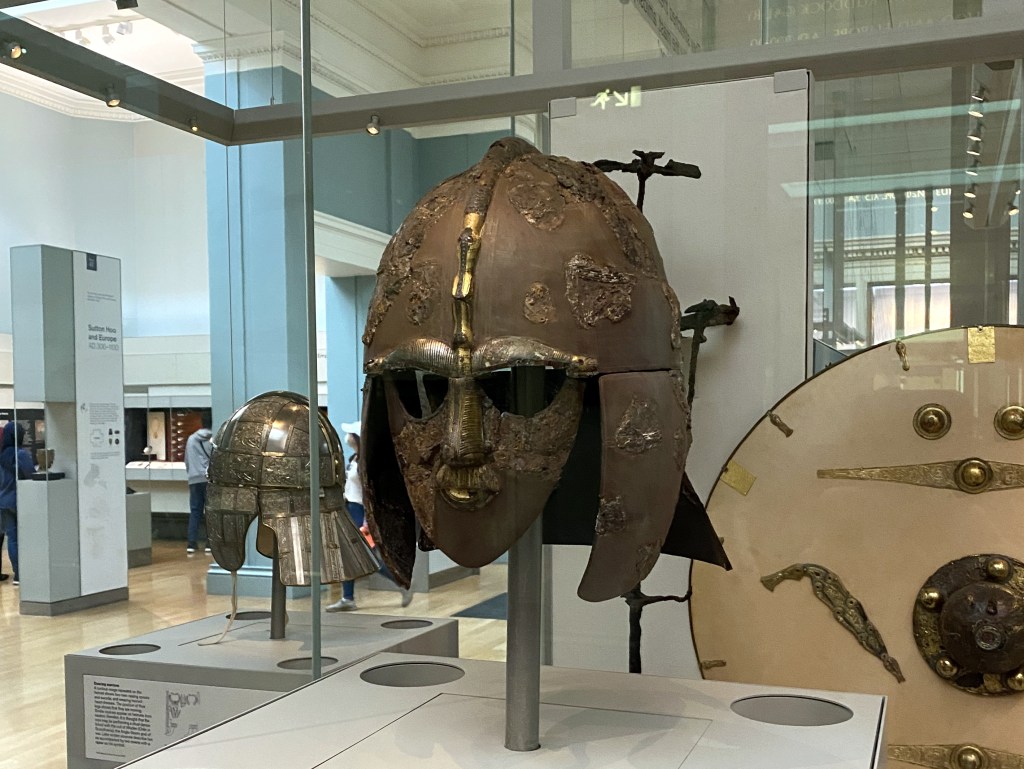
And as a counterpoint to the Welsh castles, we paid a quick visit to the British Museum solely for their Anglo Saxon collection from the Sutton Hoo, including the iconic helmet from the burial mound:
And then, only 36 hours before we were set to fly back and maybe 10 hours before we were going to get tested, the US announced the end of the COVID testing requirements to re-enter the US. Perfect timing!
We’ll be posting overdue stuff from last fall’s Cinque Terre and Return to Tuscany road trip next, and will follow up with Cotswolds and castles posts after.
So help us Cod.











 WolfeStreetTravel