Monthly Archives: June 2026

Pacific Northwest to American Southwest: Trip Overview

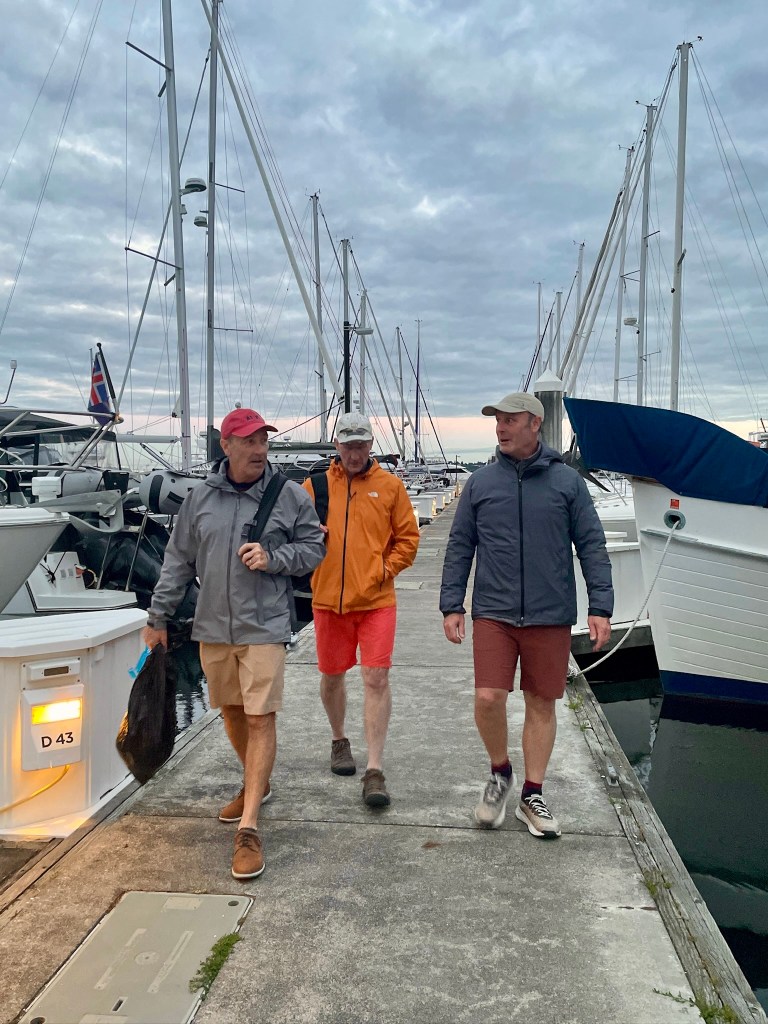
Our second trip this year turned out to be domestic – no new countries this time. Instead, we headed to Seattle and points north in Washington for our niece Gracie’s graduation and then to the American Southwest to hike and experience some iconic national parks – a longtime goal. Our original itinerary included the following:

Pacific Northwest for 6 days:

  • 2 days in Seattle
  • 3 days in Bellingham

Travel day from Bellingham to overnight stay in Las Vegas to pick up a car

American Southwest for 10 days:

  • Zion for 4 days
  • Bryce for 3 days
  • Lake Powell for 3 days

Travel day from Lake Powell (Page, AZ) to overnight stay in Las Vegas then fly home

But discussions with relatives in Tucson convinced us to nix the Lake Powell leg due to extreme temperatures. Then, during our stay in the Bellingham area, discussions with the Bostons and Seattles convinced us to add Page, AZ, back for a day so we could visit Lower Antelope Canyon. So, we lopped off a day in Zion and added a day in Page for the second stage of the trip:

American Southwest for 7 days:

  • Zion for 3 days
  • Antelope Canyon for 1 day
  • Bryce for 3 days

Trip is off to a good start! On arrival at SEATAC, we were picked up by the CEO of Crooked Spoon in his tricked out ice cream truck:

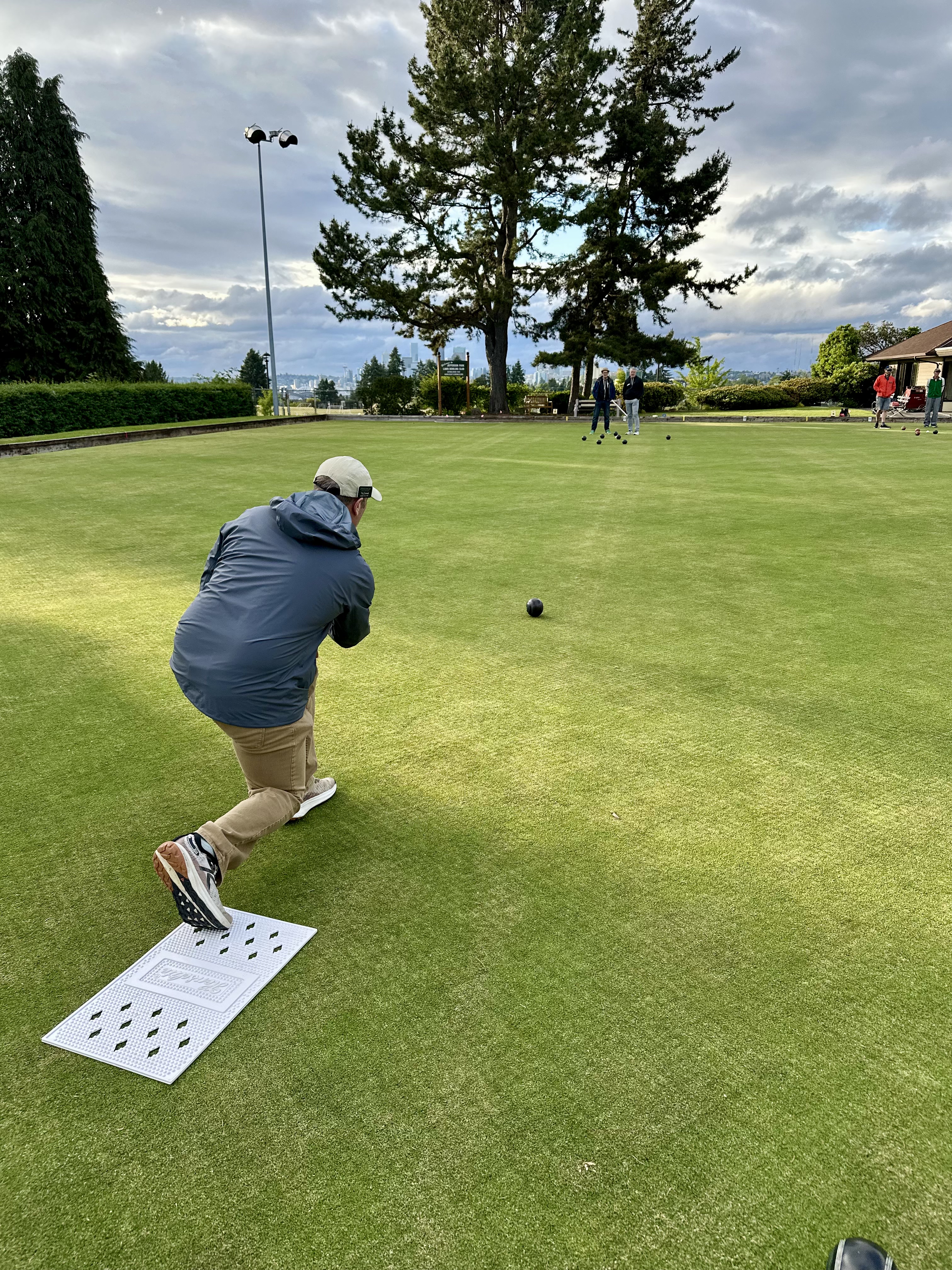
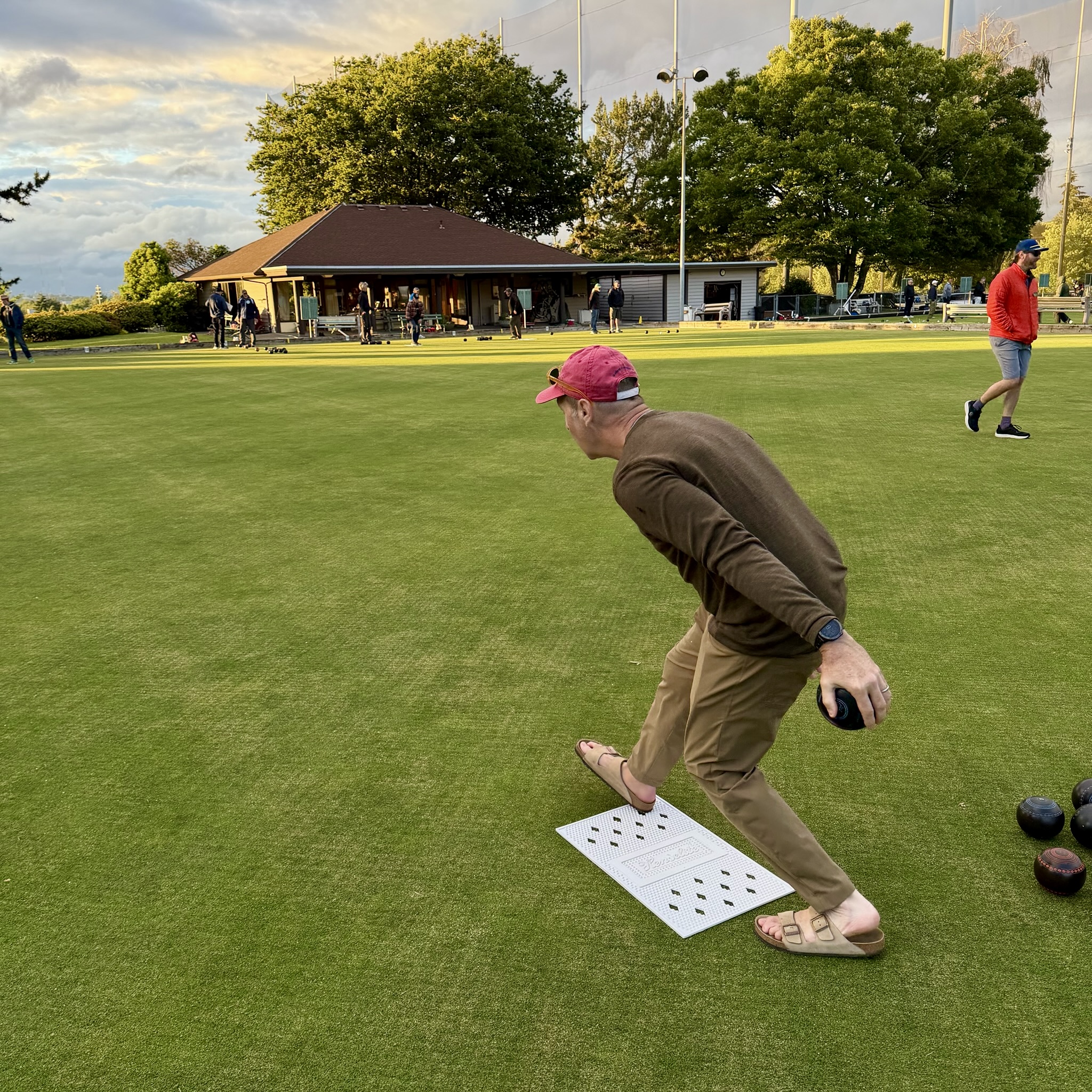
A little lawn bowling that evening – very cool. Played with oblong balls that arced when you rolled them, so it was like putting on a green with a rise on it.
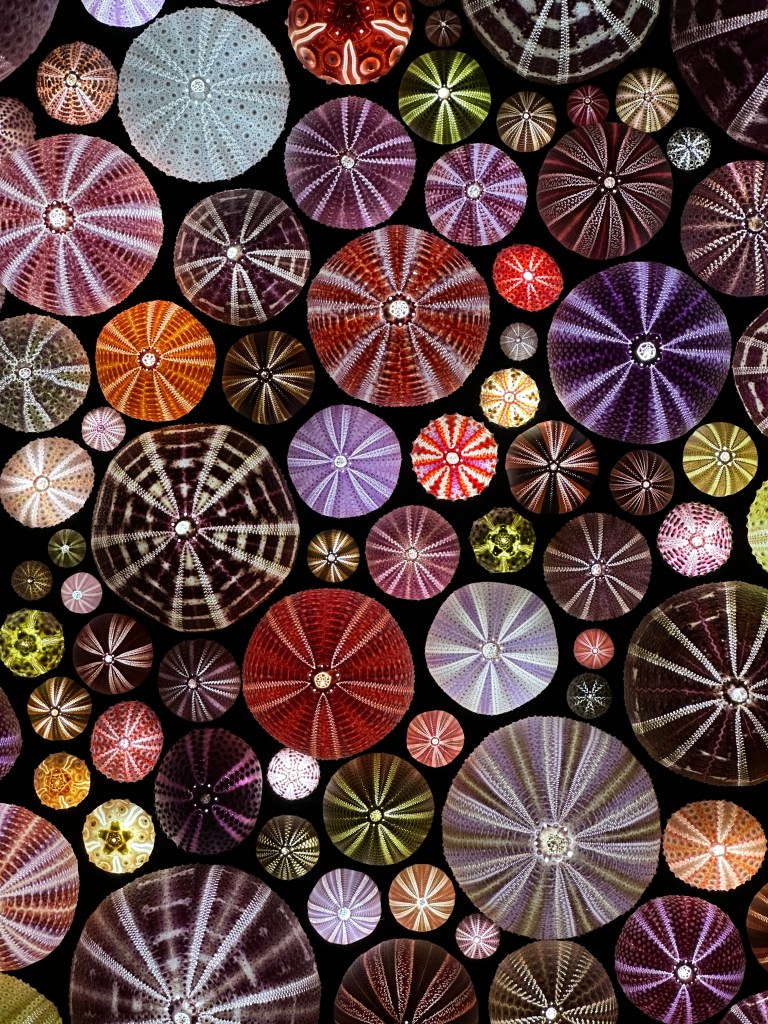
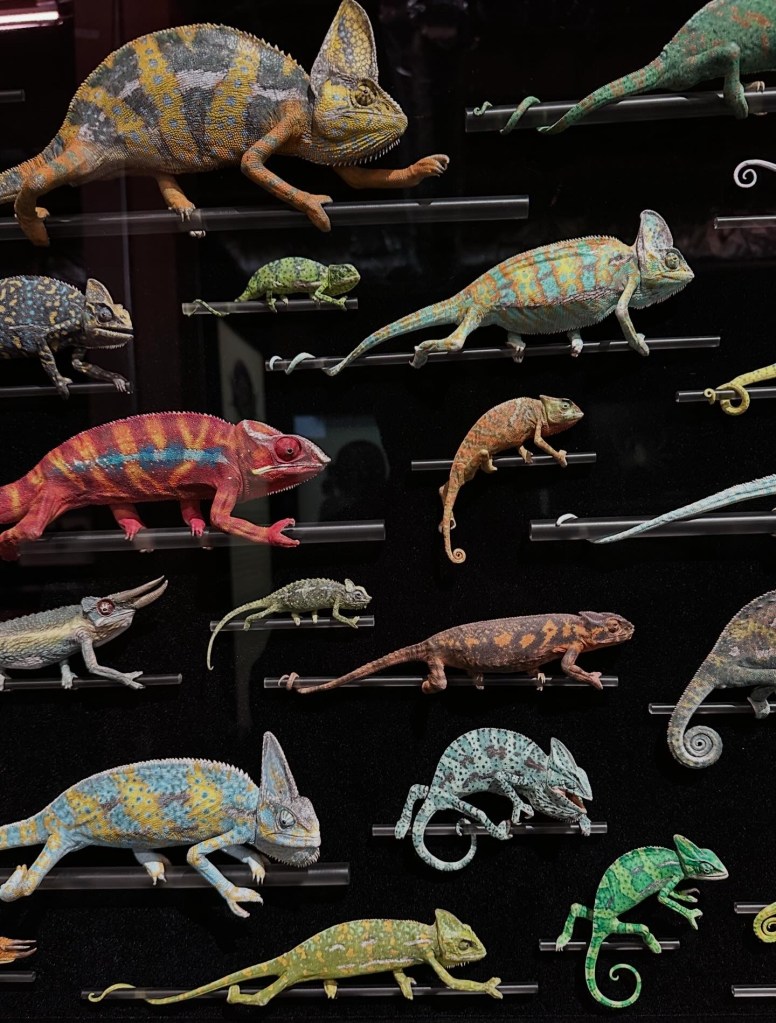
The Extraordinary Creatures exhibit in Seattle, featuring real organisms and their real colors. A cool convergence of nature and art.
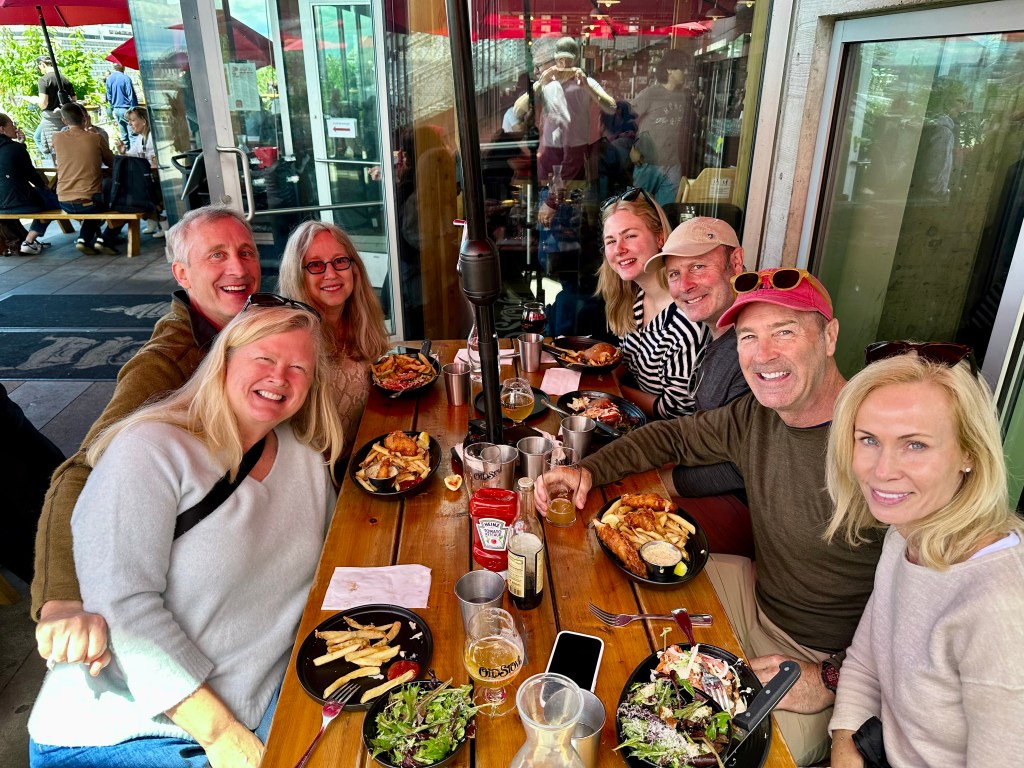
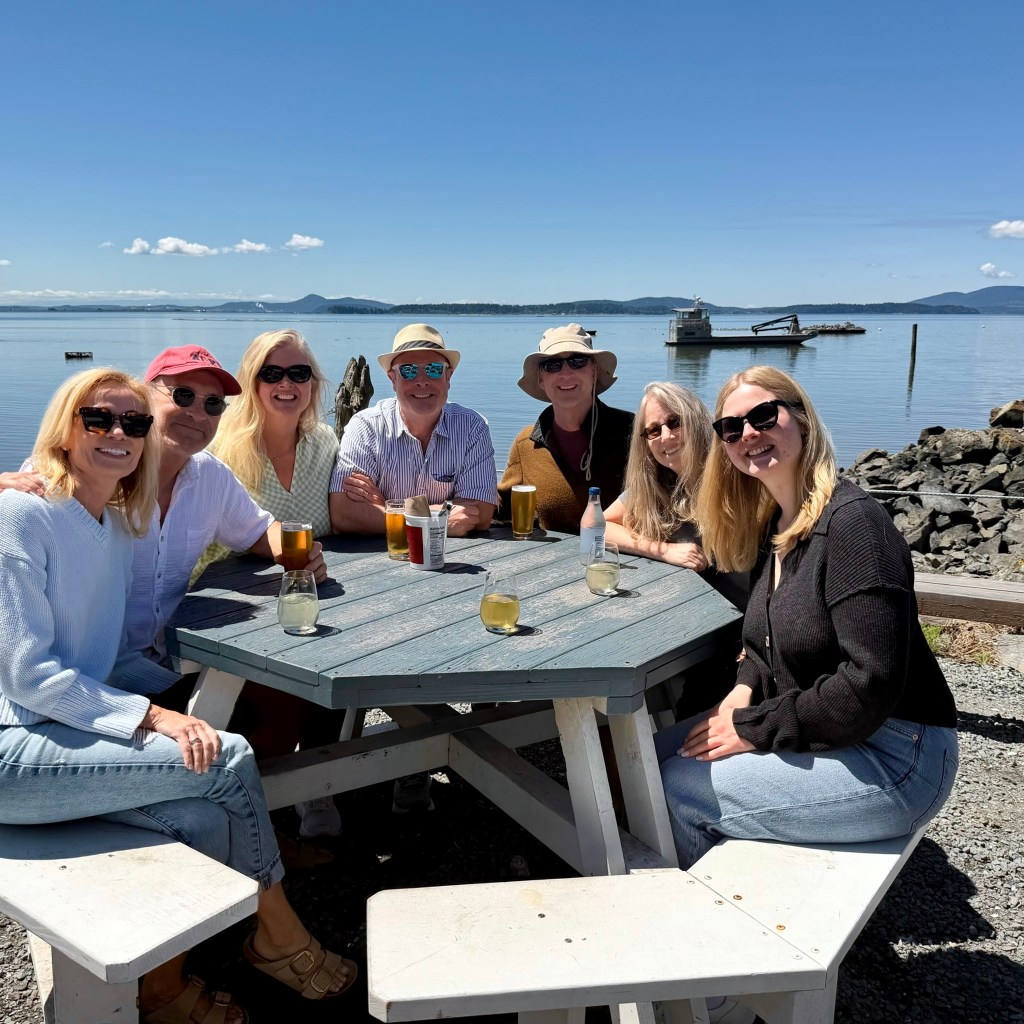
Brew pub group lunch after in Seattle:
Then a sail to Bainbridge Island on Tim and Anne’s boat:
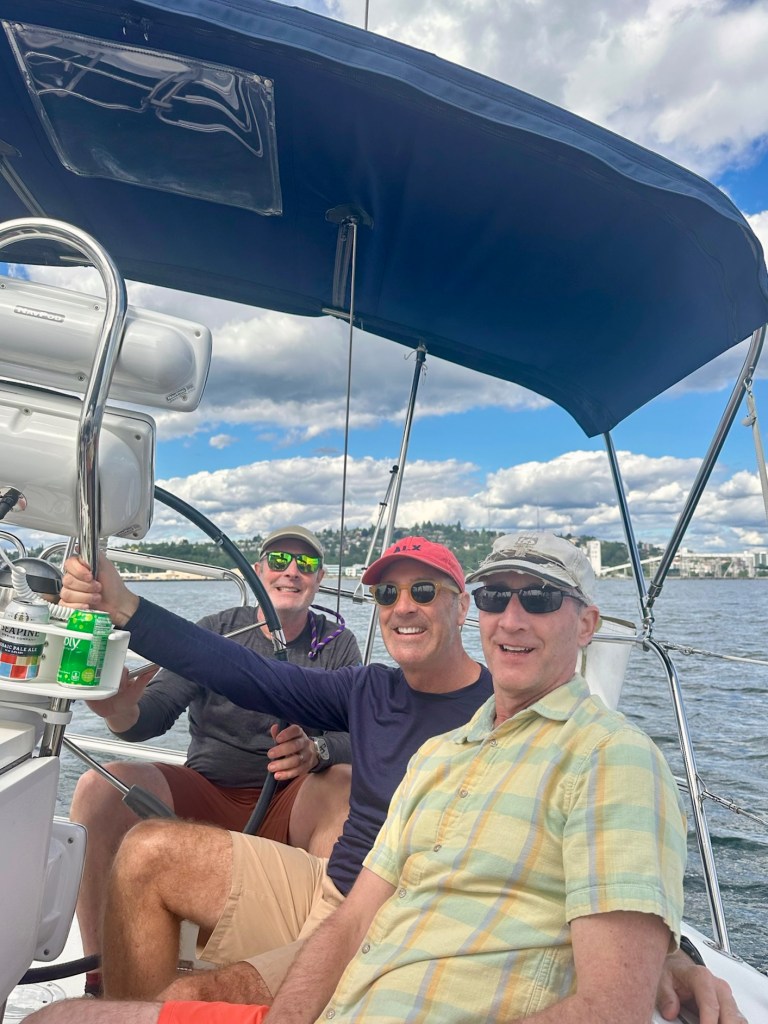
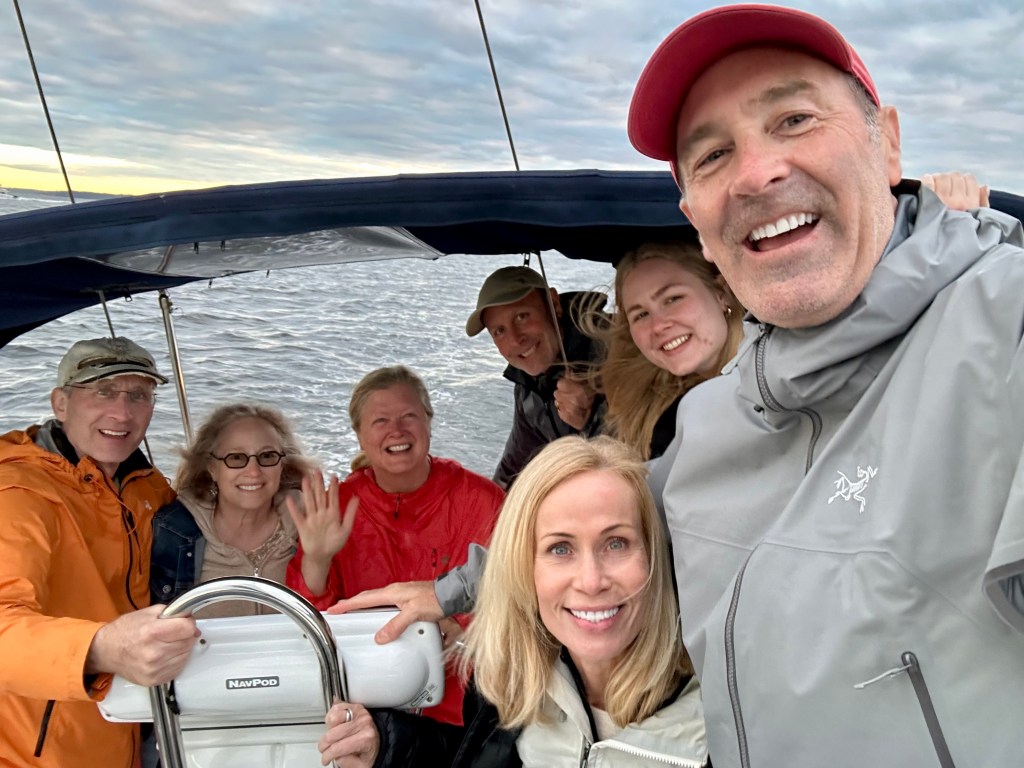
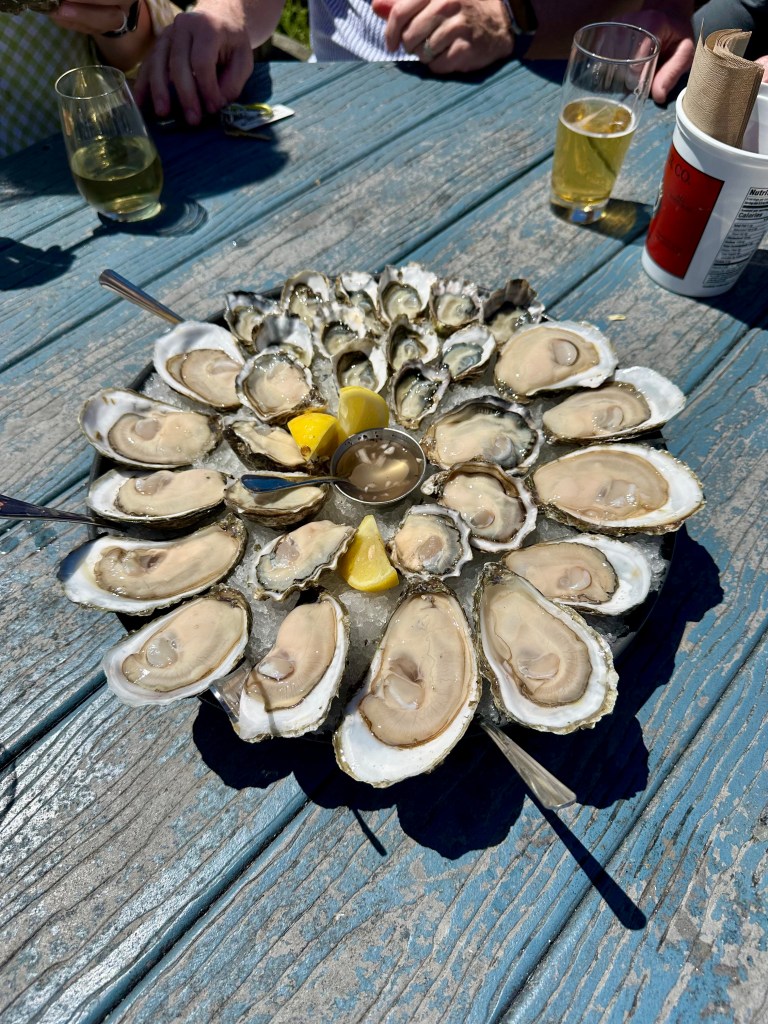
The next day, a drive up to Bellingham for the graduation, with a stop at Taylor Shellfish Farms for a buttload of oysters and ceviche.
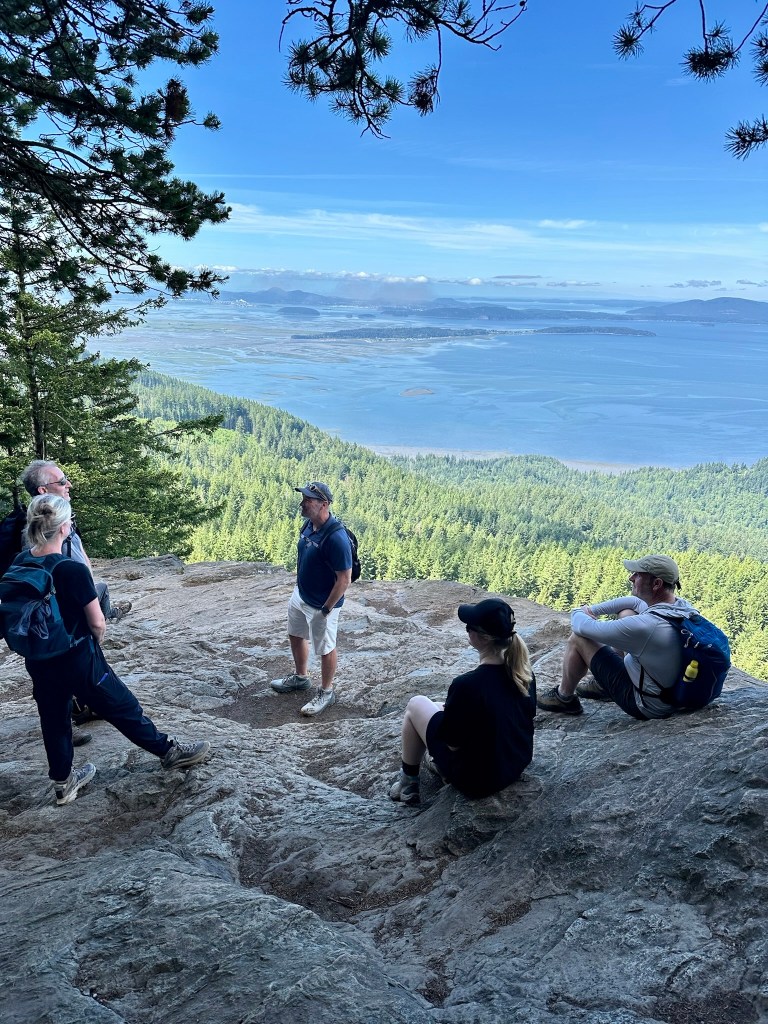
Hike up to Oyster Dome:
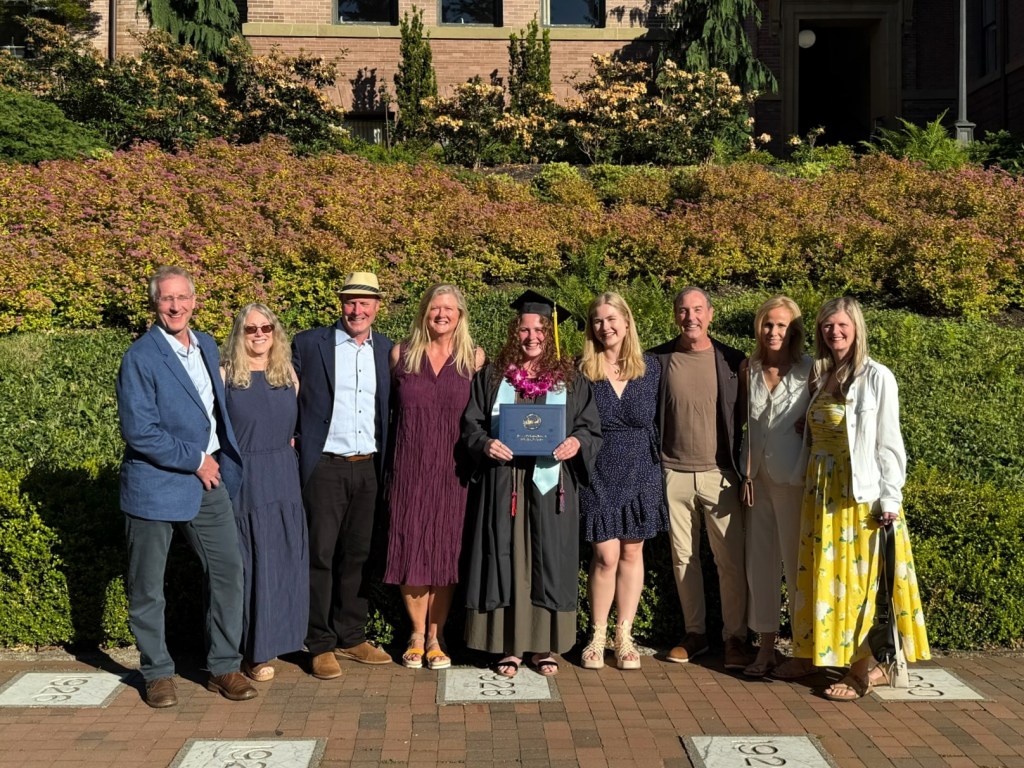
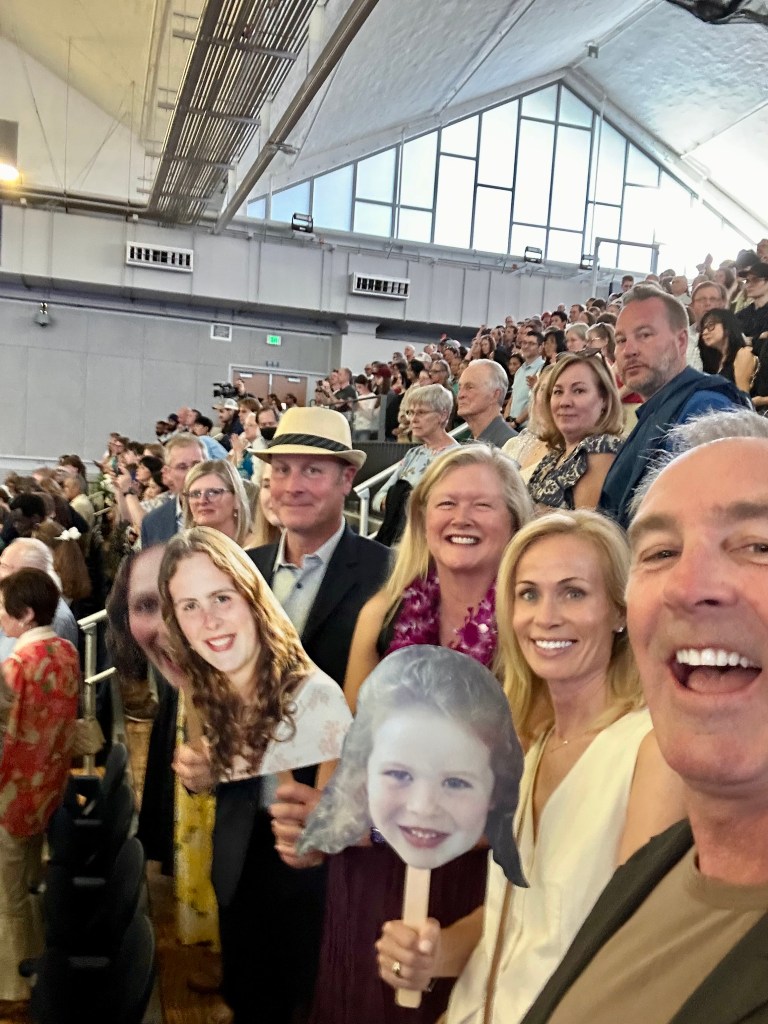
The graduation itself:
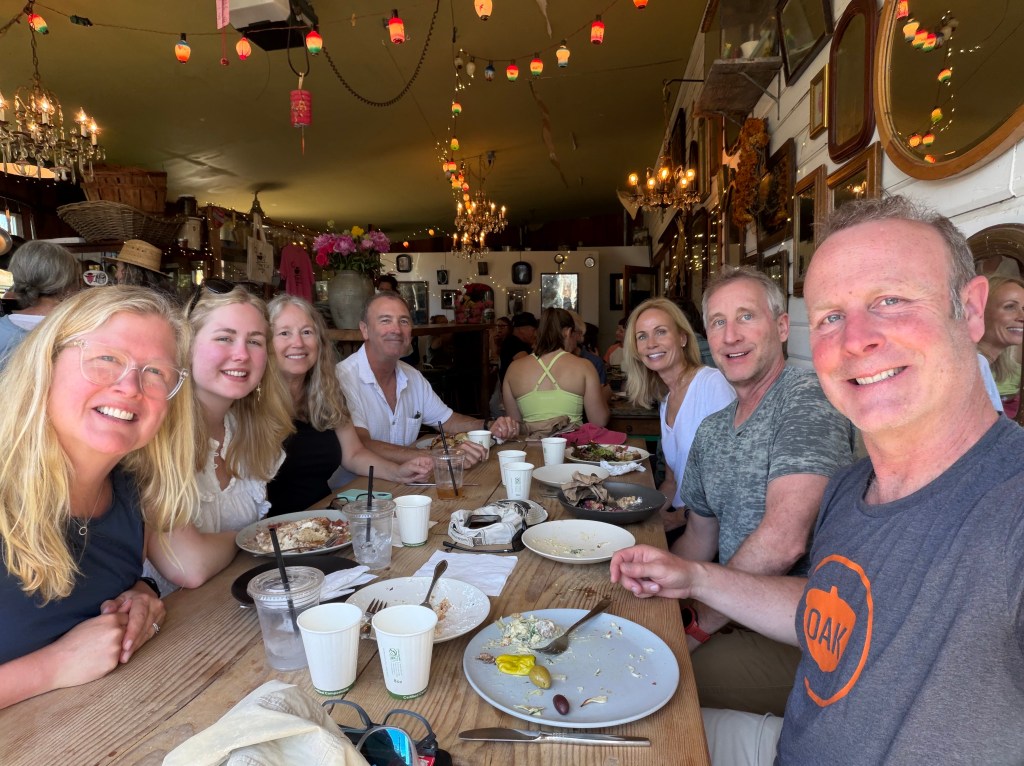
A final lunch in Bow Edison before we head to Vegas for the start of the second stage of the trip and the Bostons head home:
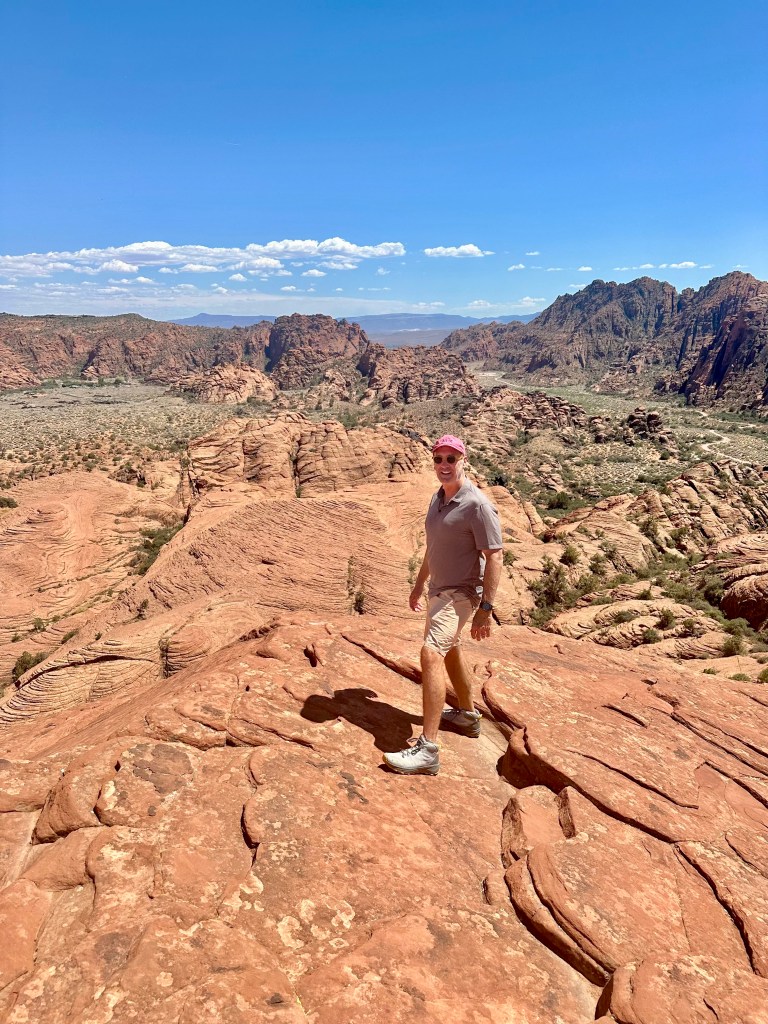
First ~hiking stop on the way from Vegas to Zion – Petrified Sand Dunes at St. George, a recommendation by the Seattles, who have St. George Frequent Flier status:
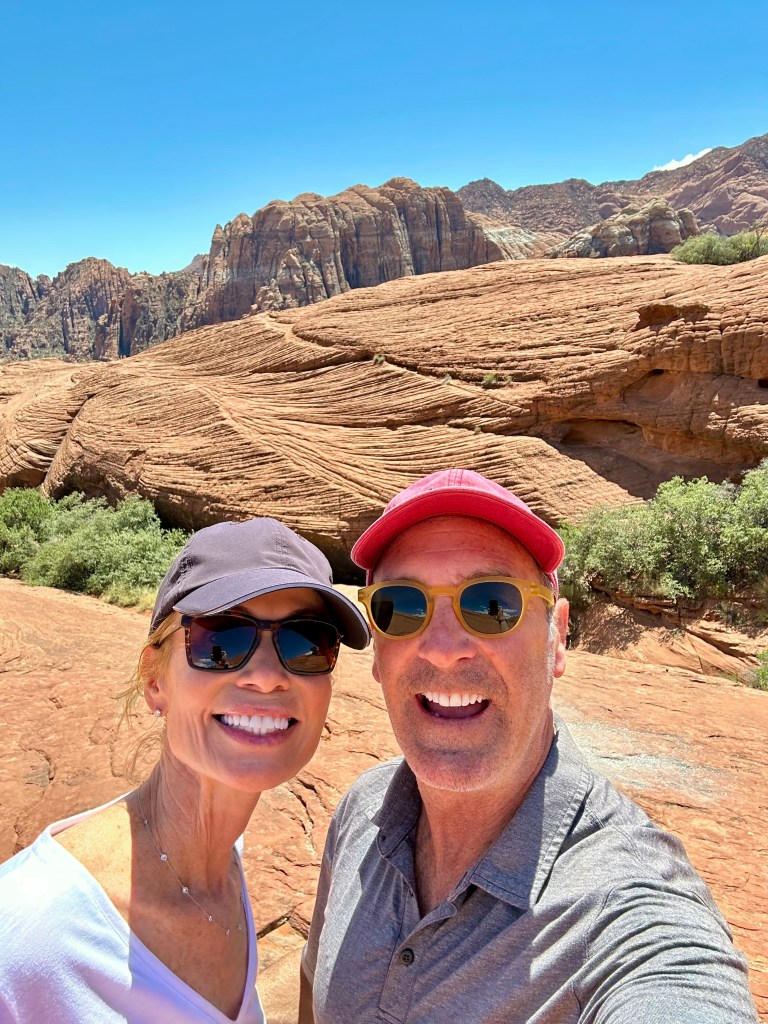
Very cool first taste of American Southwest landscape:
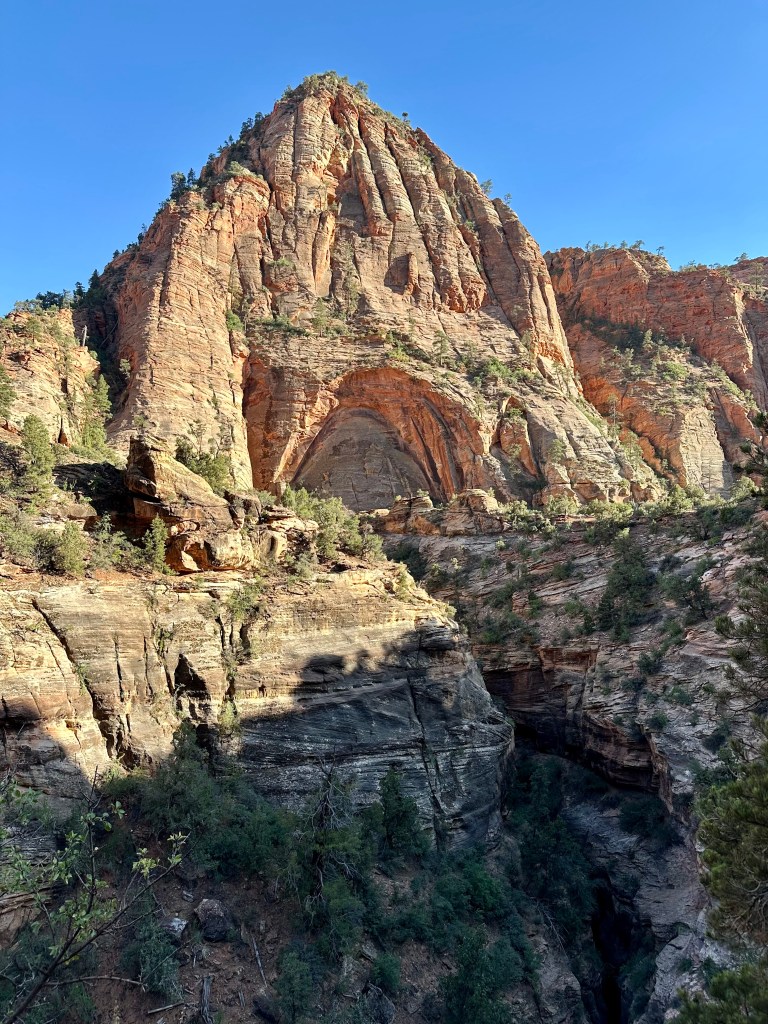
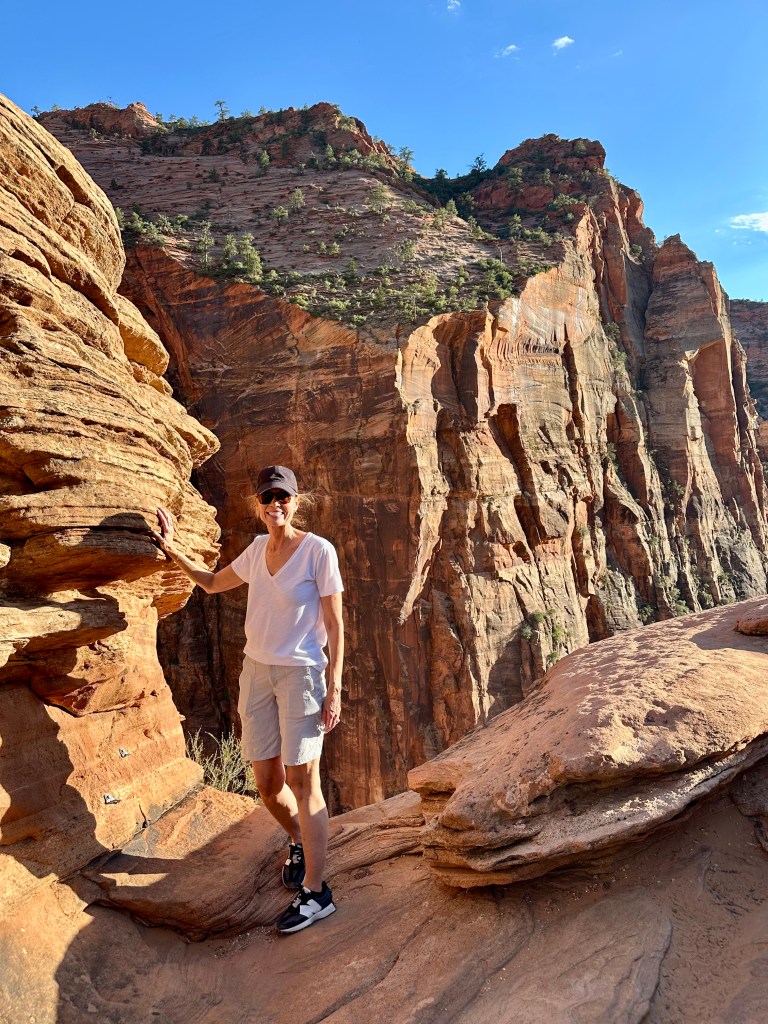
After arriving at Zion and chilling at our place for a bit in the late afternoon, we headed out to the first ~hike (~ aren’t really hikes – they’re more like decent walks), Canyon Overlook near sunset (but not too near, inasmuch as the Zion restaurants all close at 9 and we didn’t want to starve). The Grand Arch:
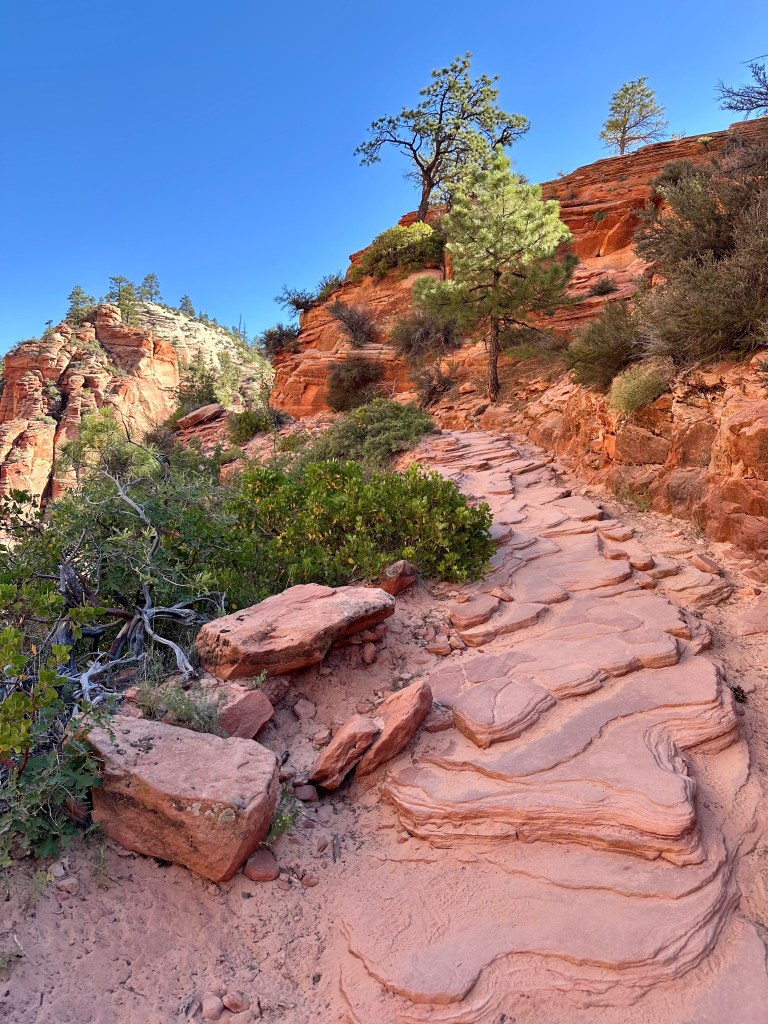
The next morning, we eBiked to the first of our real Zion hikes – Scout’s Lookout and Western Rim trail:
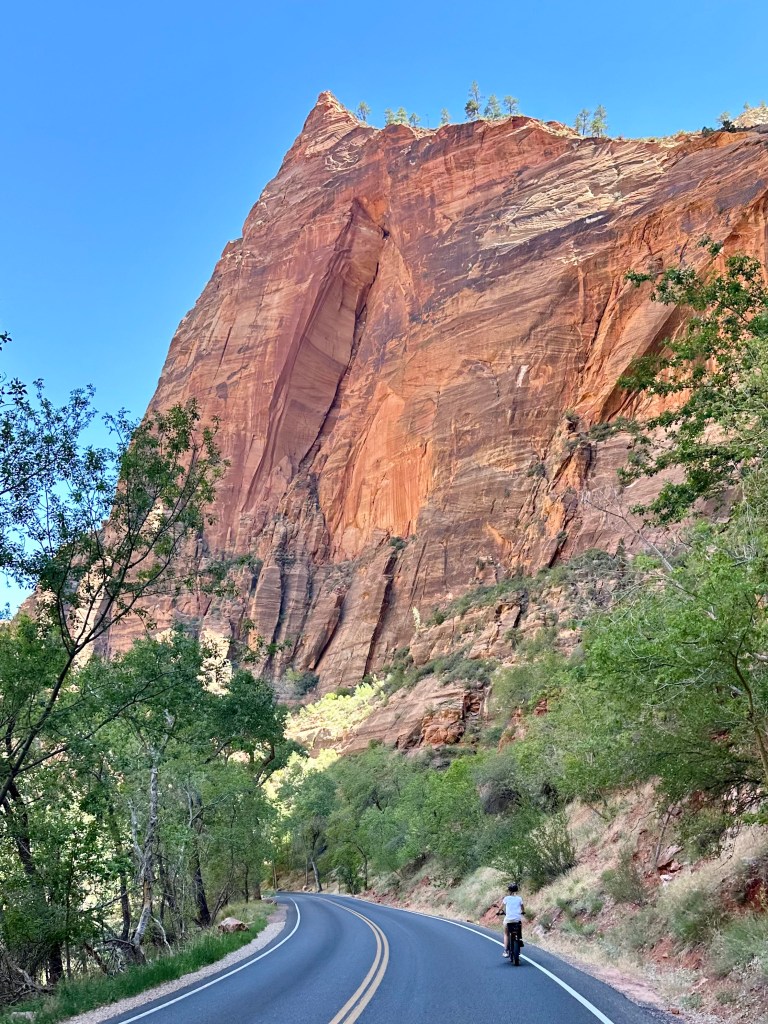
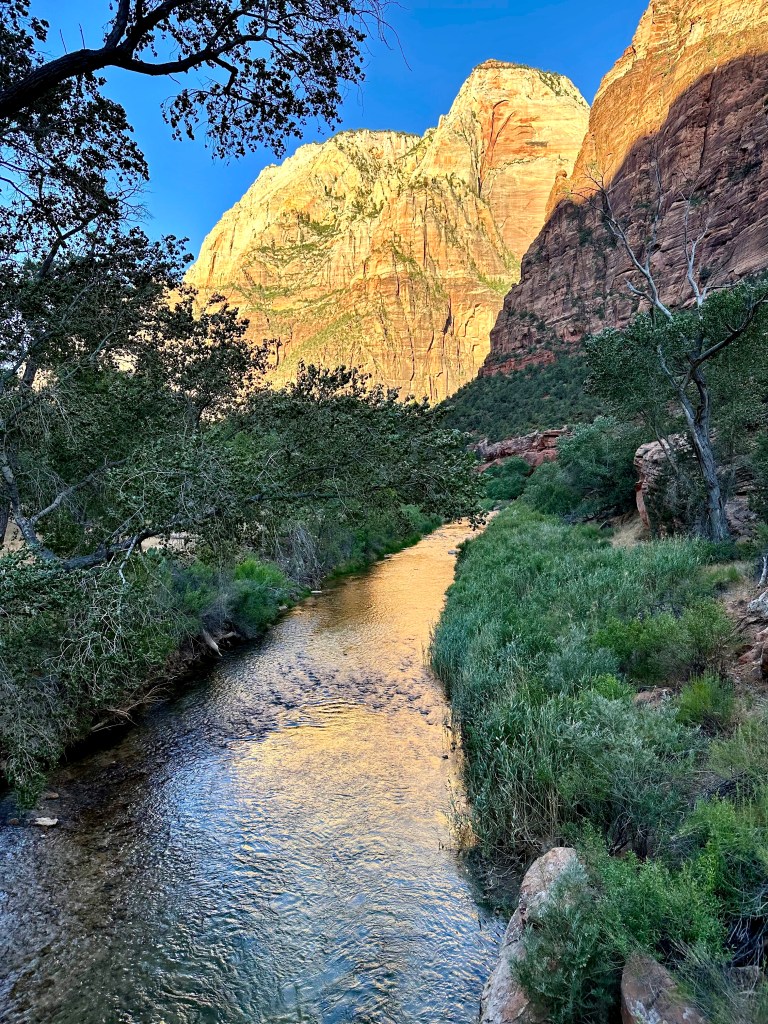
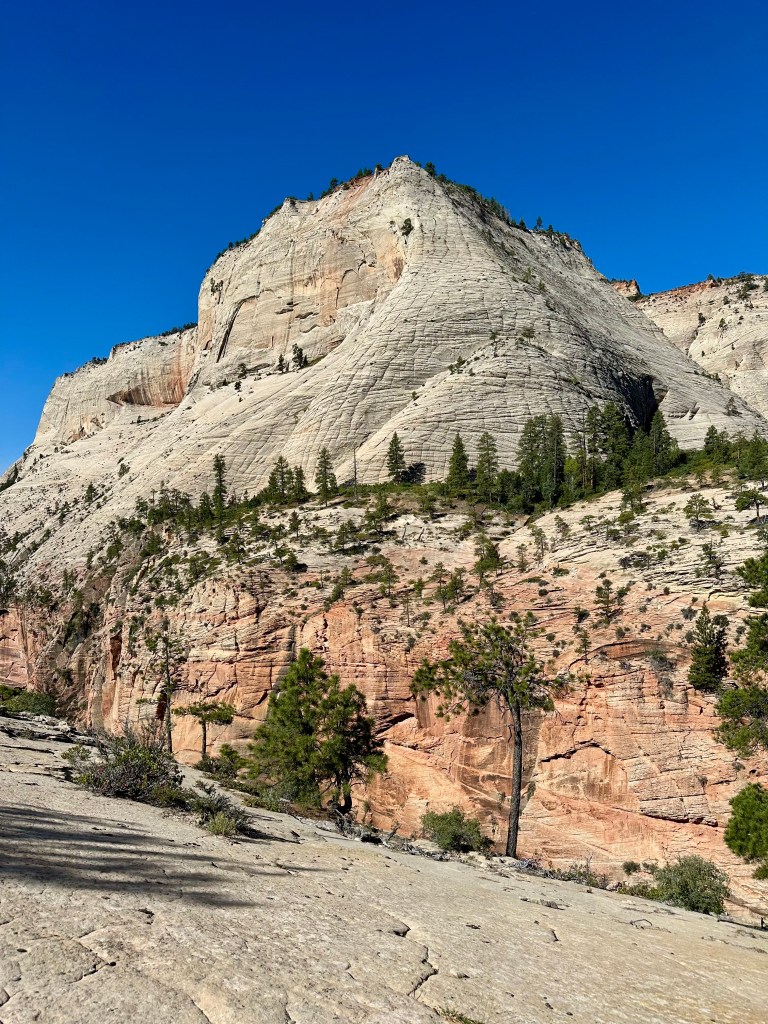
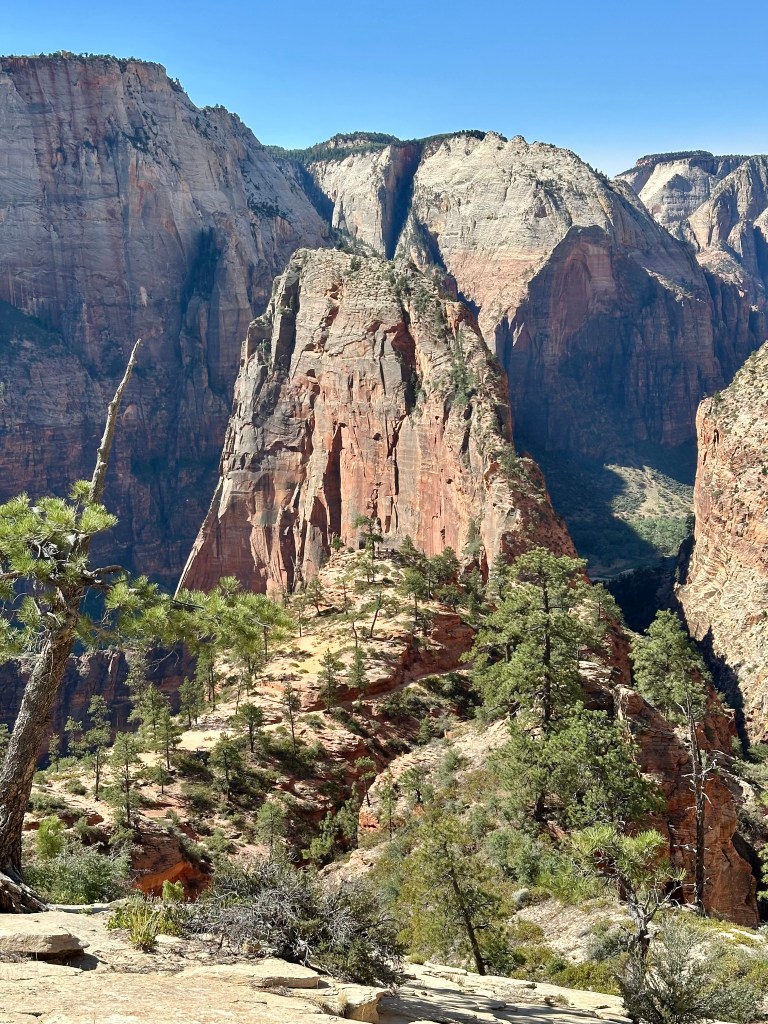
A view of Angel’s Landing, which we did not do:
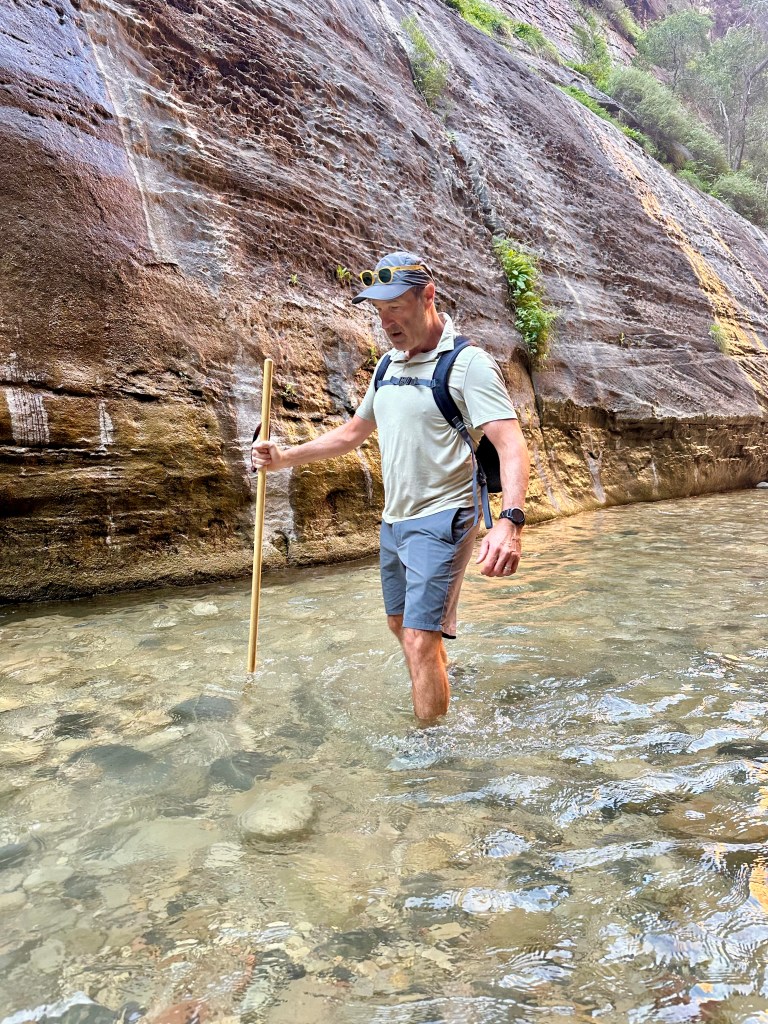
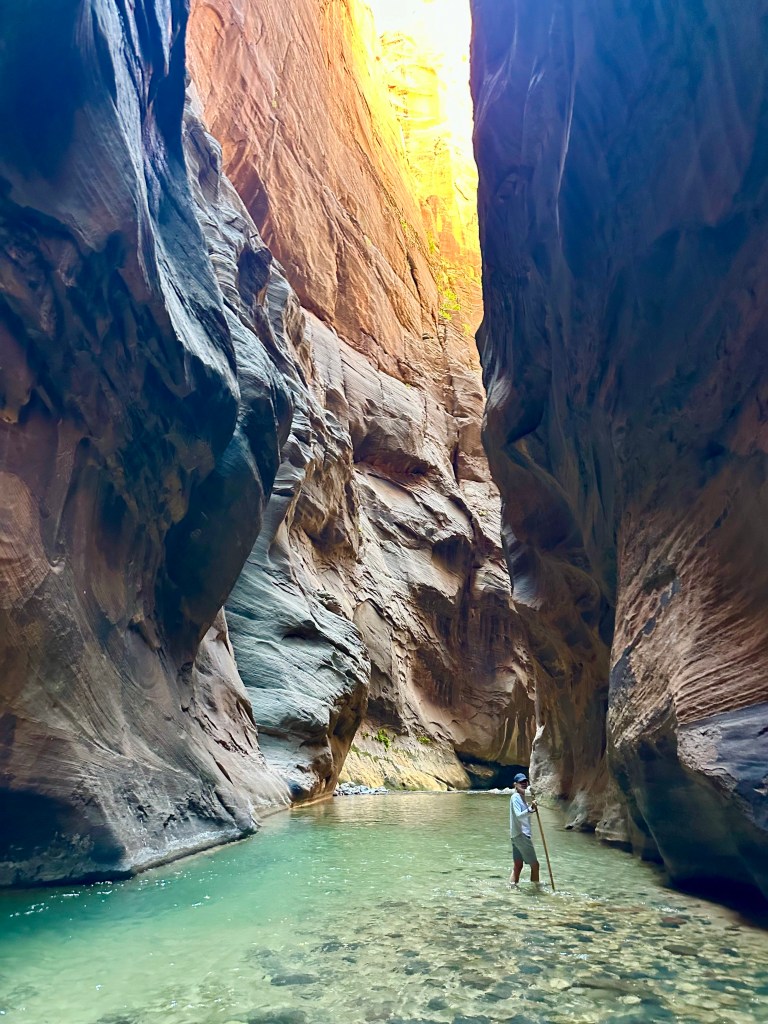
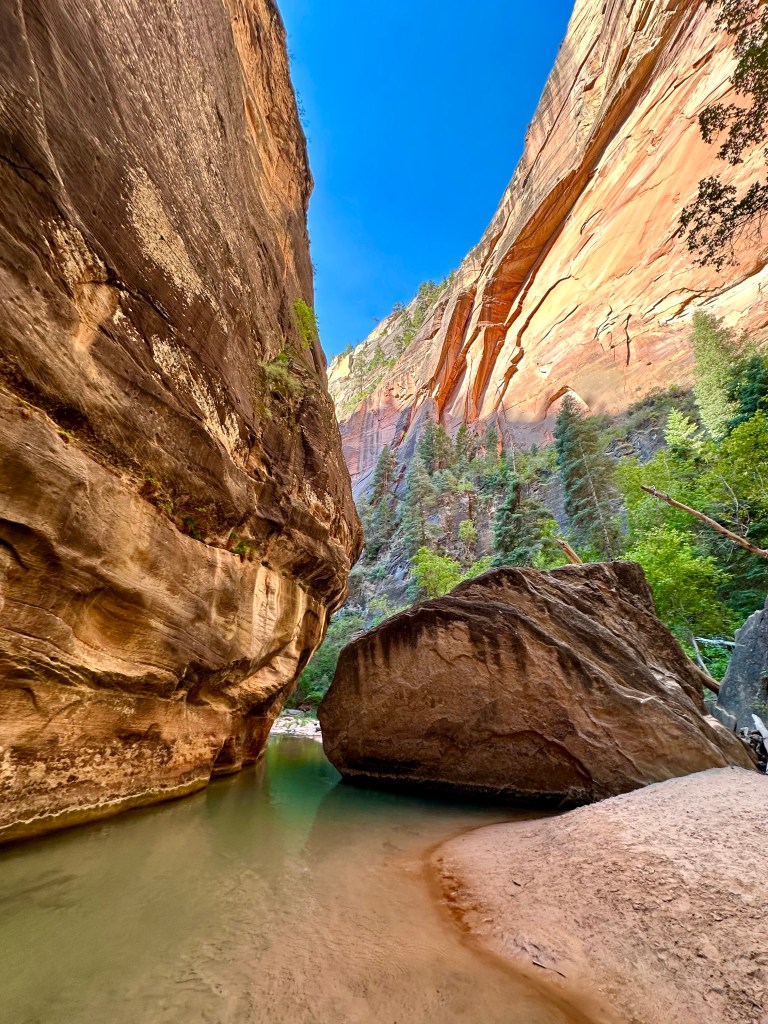
The second hike (and best of the entire trip); 11-mile out-and-back trek / wade through The Narrows:
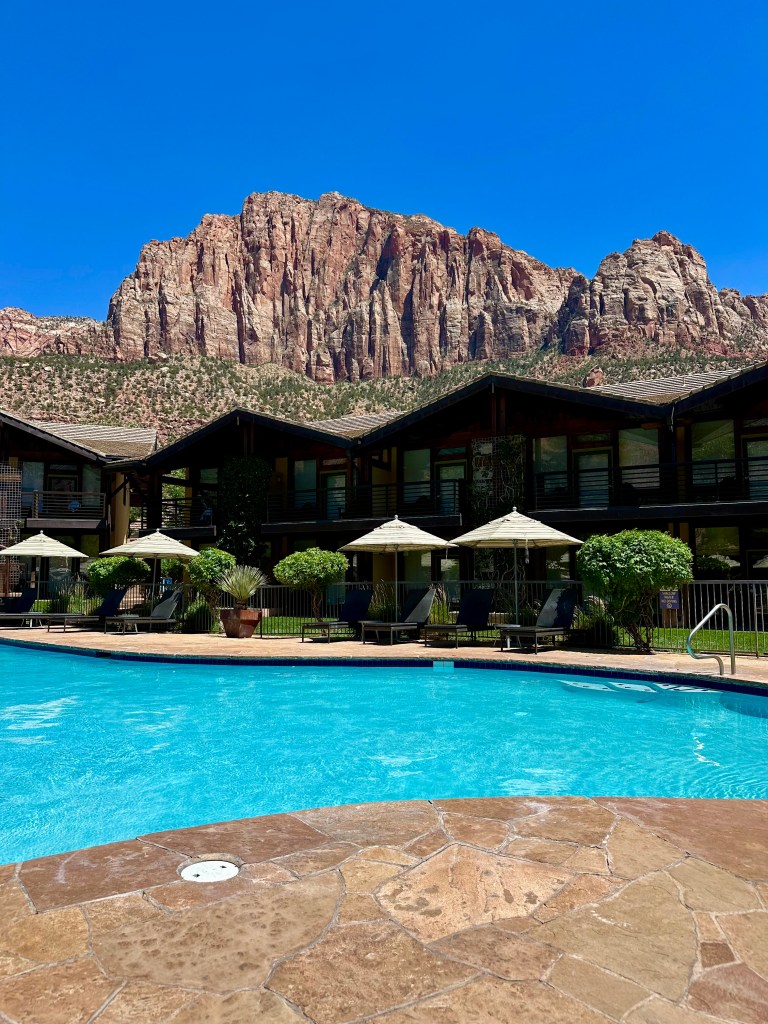
Weather in Zion reached >90 degrees, so we ensured that we booked a place with a pool; the iconic view behind it was an unexpected added bonus:
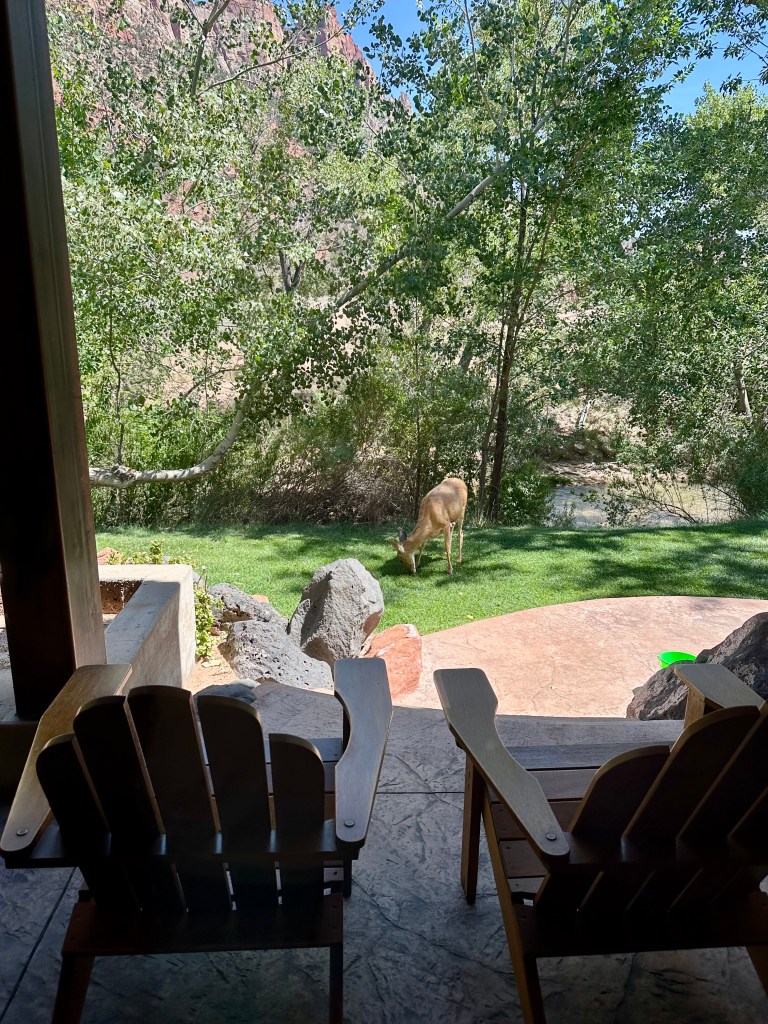
And the place came with resident wildlife for morning coffee entertainment:
Then, a drive southeastward to Page, AZ, and a Navajo tour of Lower Antelope Canyon:
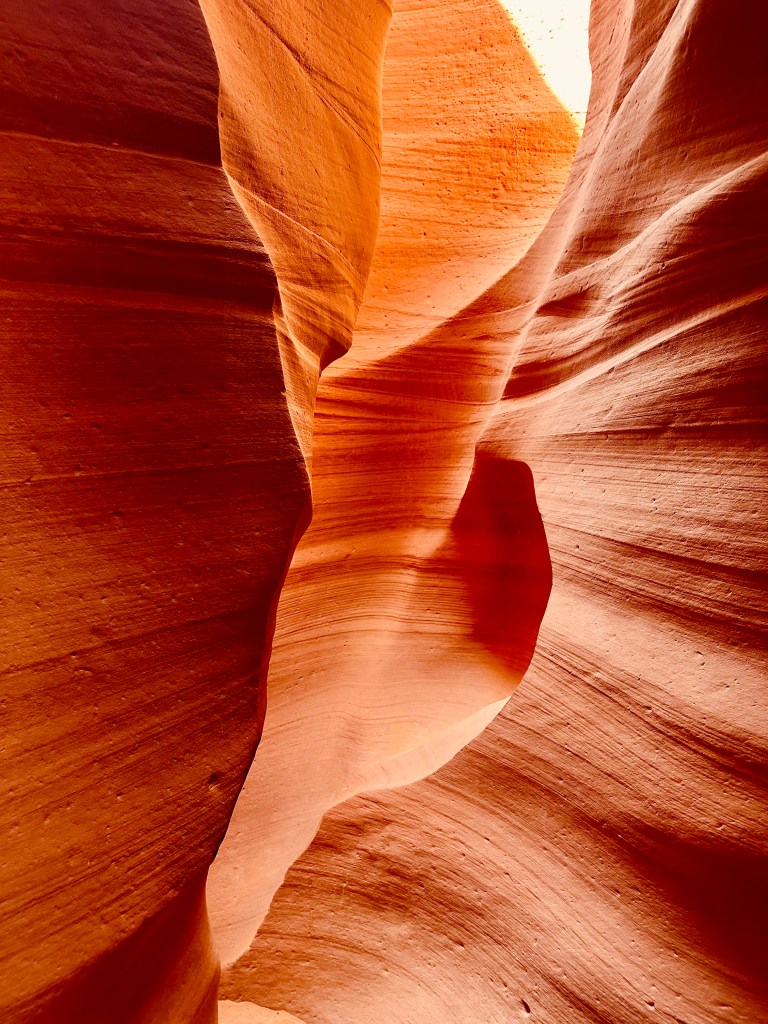
Pretty amazing and a good last-minute addition to the trip.
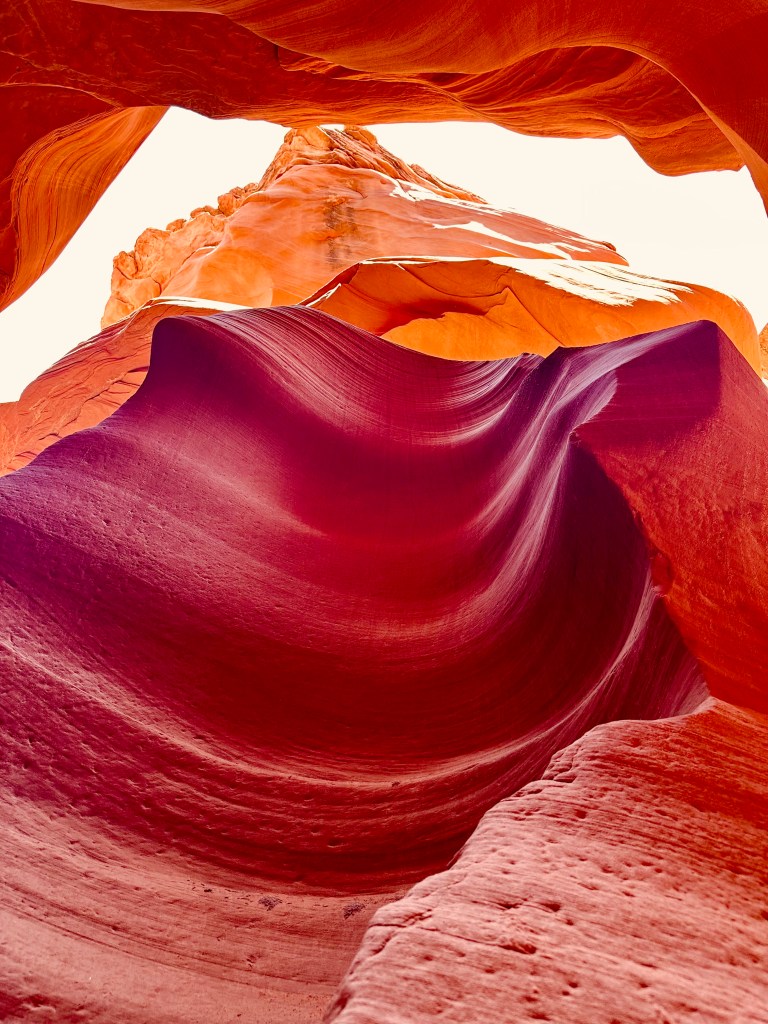
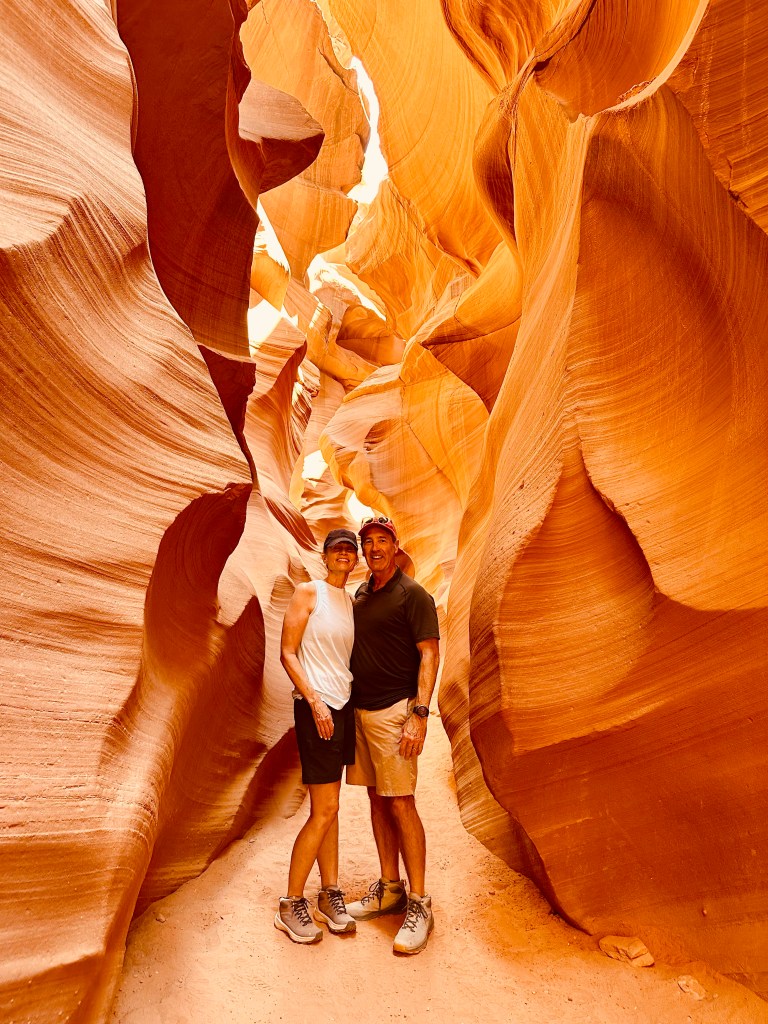
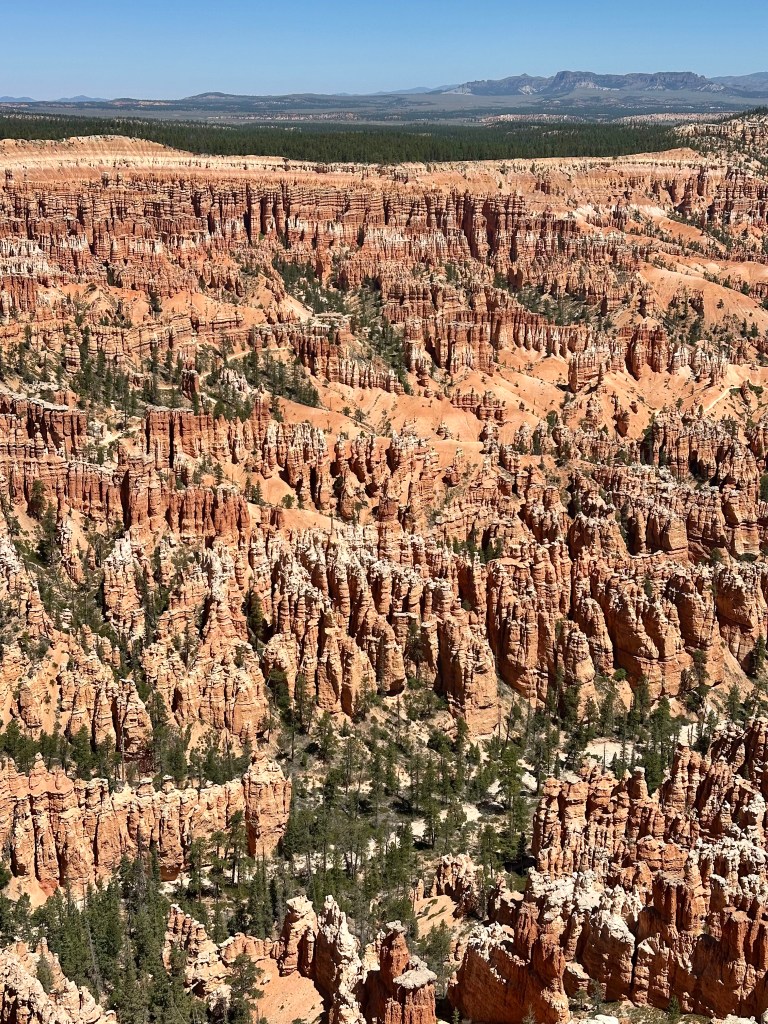
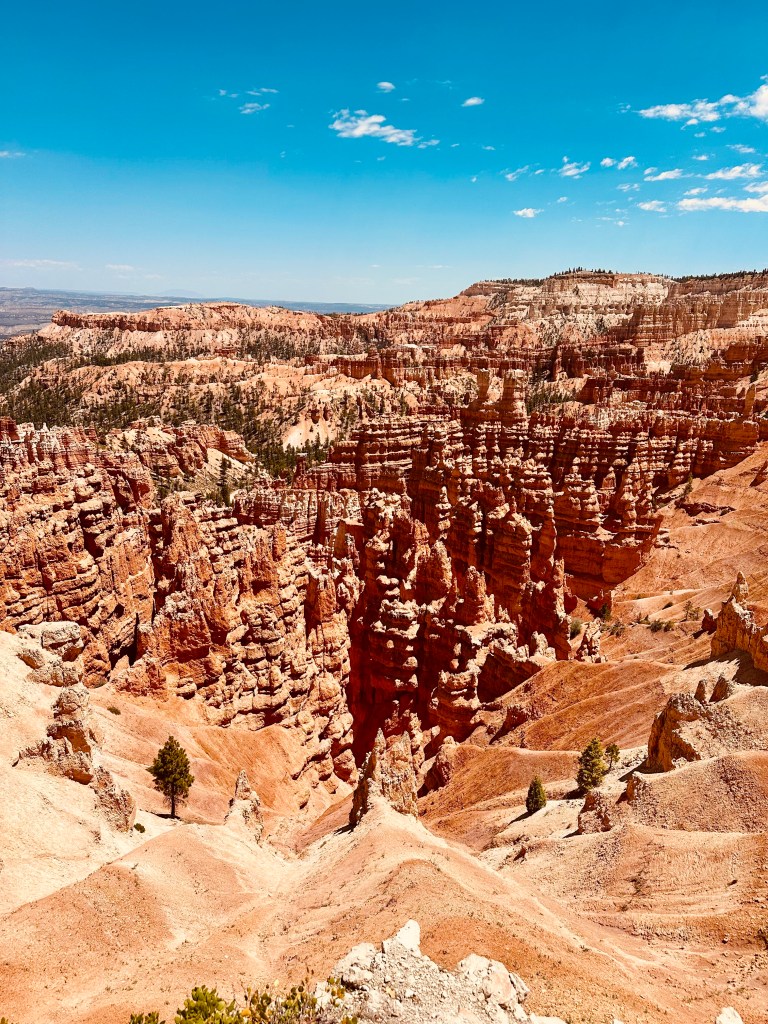
But then we had to drive back northwestward to our next park destination: Bryce Canyon, featuring its iconic hoodoos eroded rock formations:
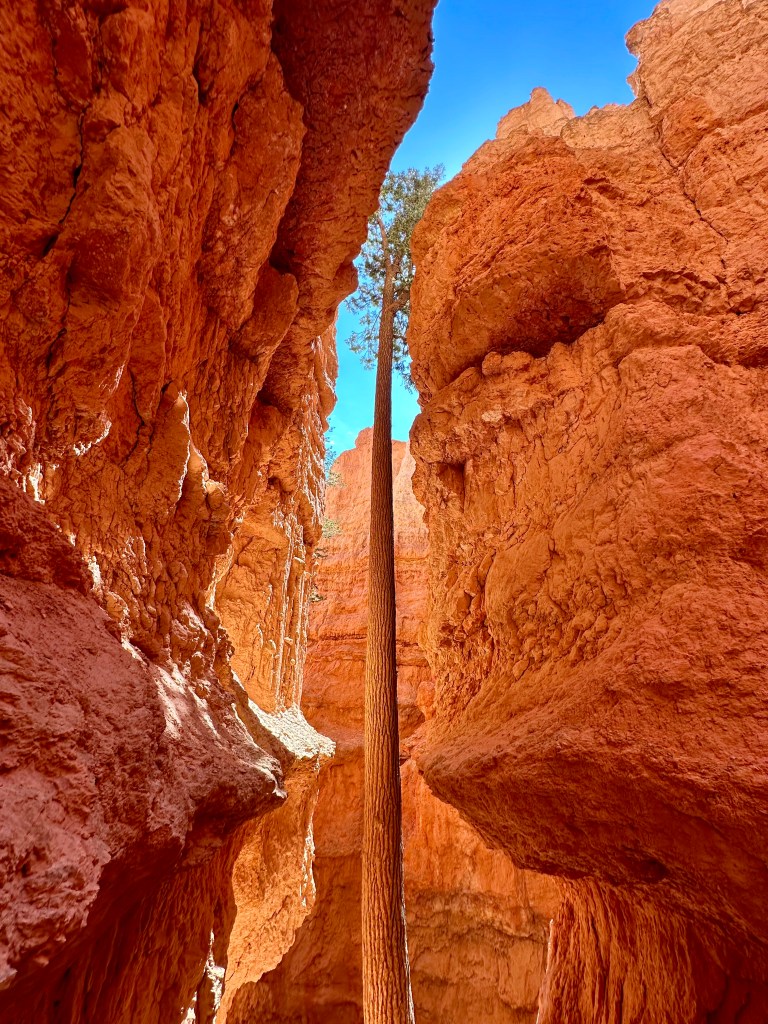
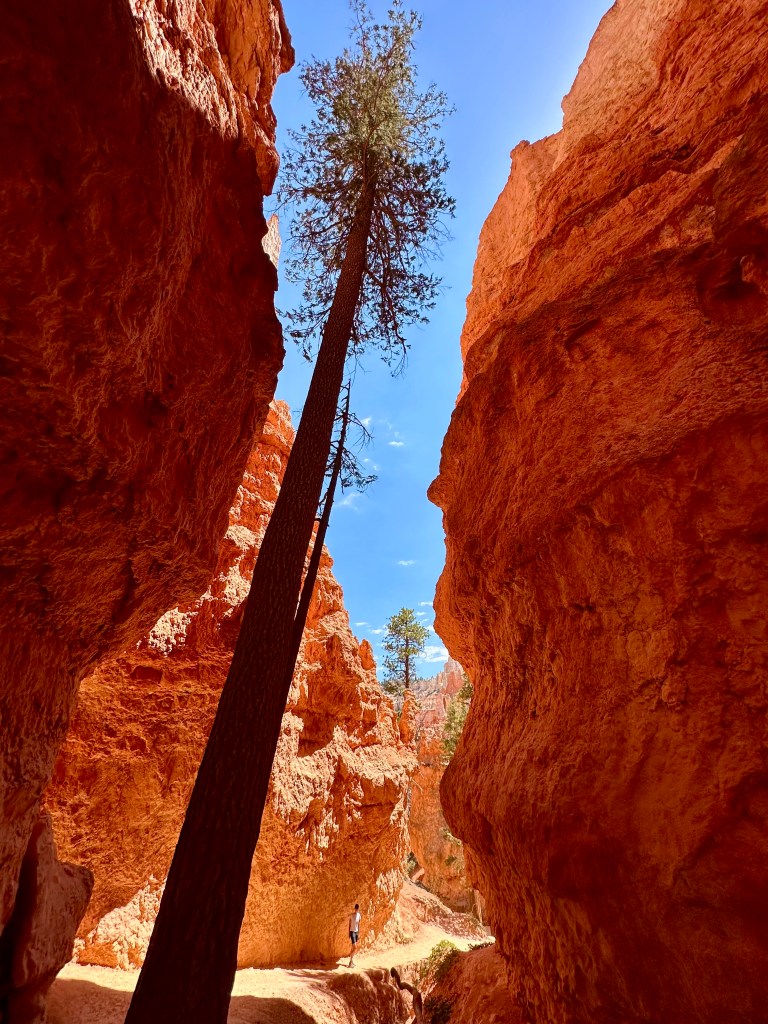
And crazy, isolated, unbelievably tall Douglass Firs, growing where no tree should be:
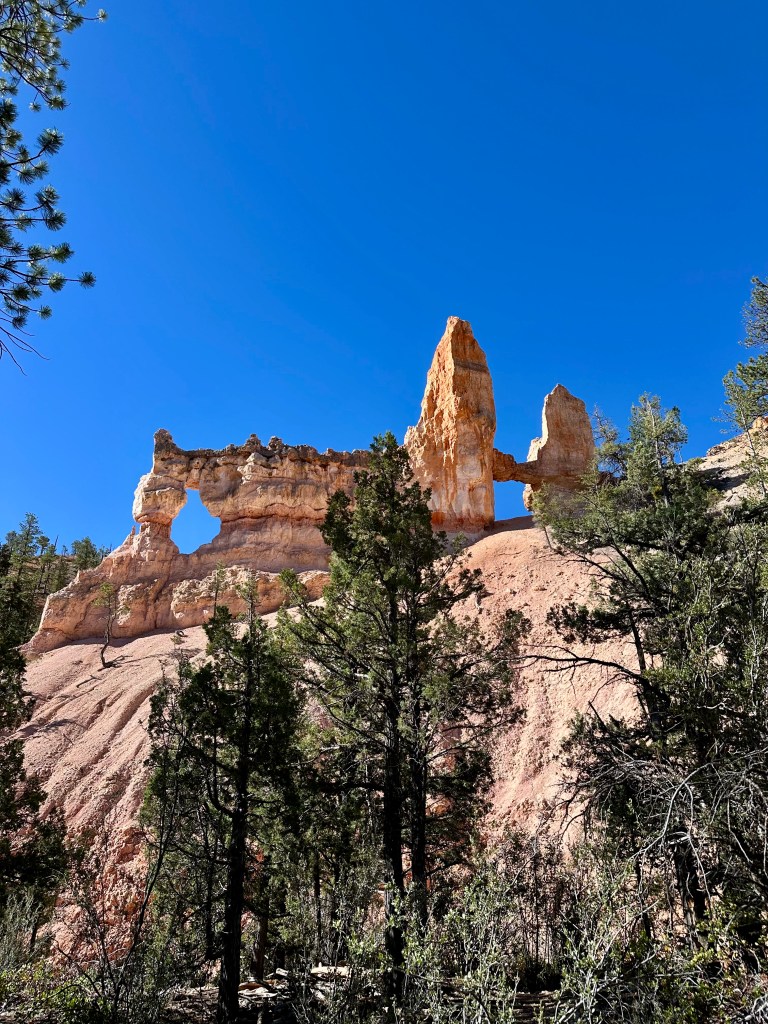
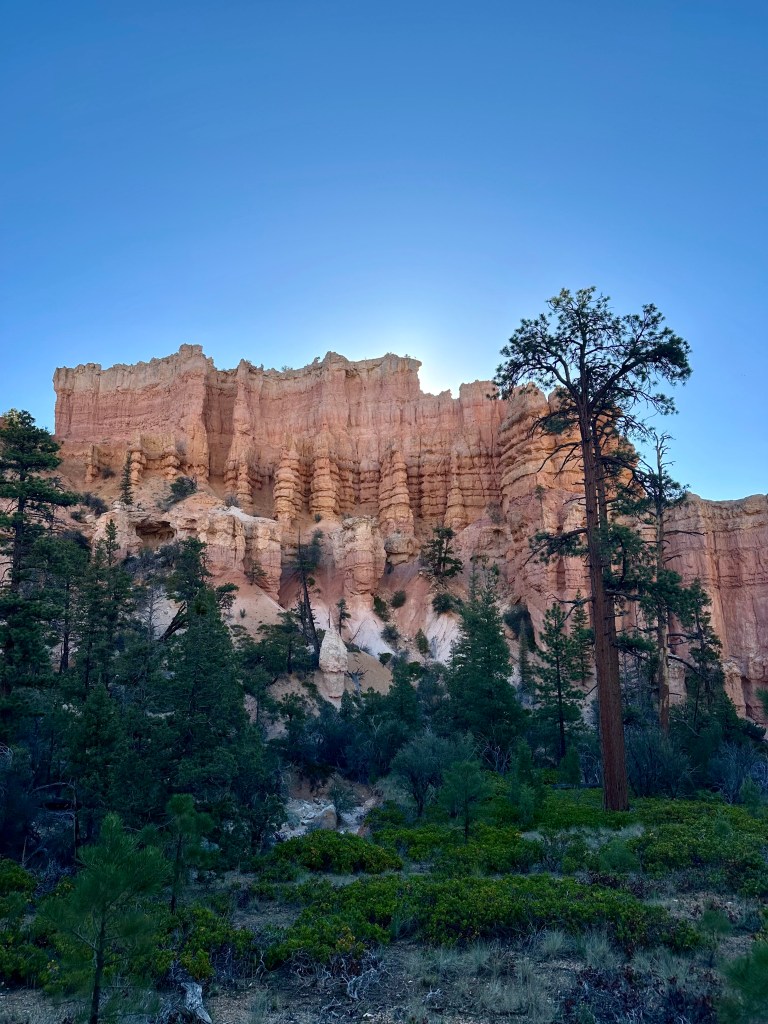
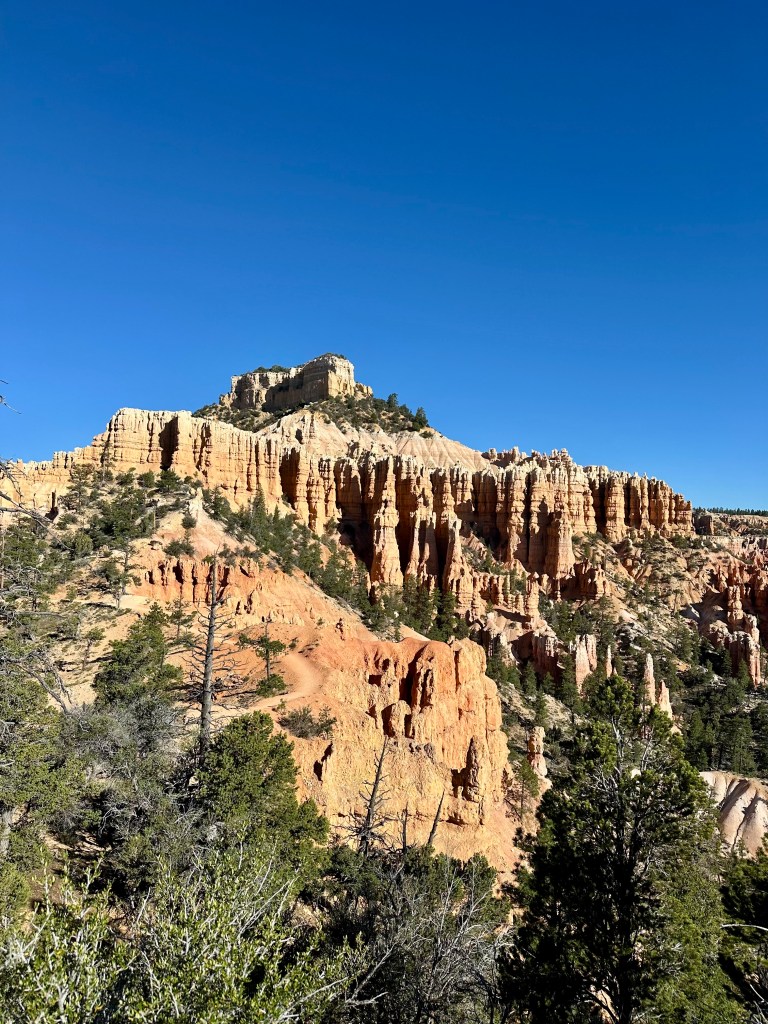
Our highlight there was an 8-mile loop hike from Fairlyland Point, with a 7:00 AM start to secure one of the very few parking spaces at the trailhead:
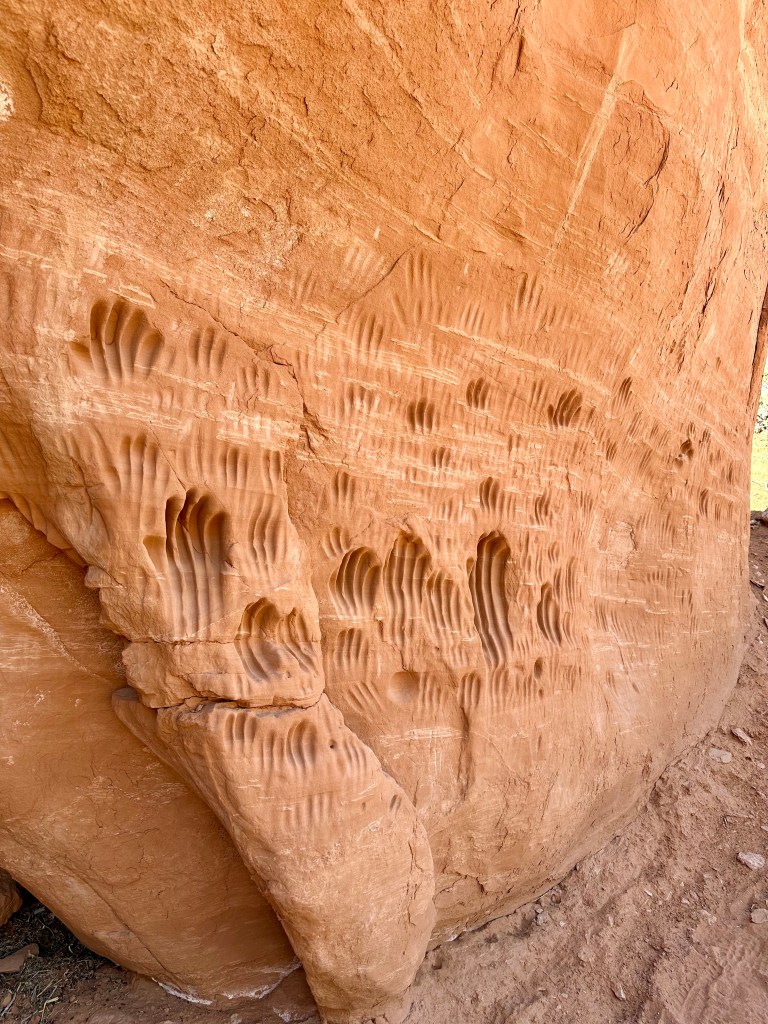
The next day, we intended to head to a very cool slot canyon outside of the park that seemed to offer an appealing combination of the grandeur of The Narrows at Zion with the sculpted walls of Lower Antelope Canyon. But the dirt road to reach the trailhead included an uphill sandy portion that our rental could not pass, despite repeated attempts. So, we headed instead to Utah’s Kodachrome Basin State Park:
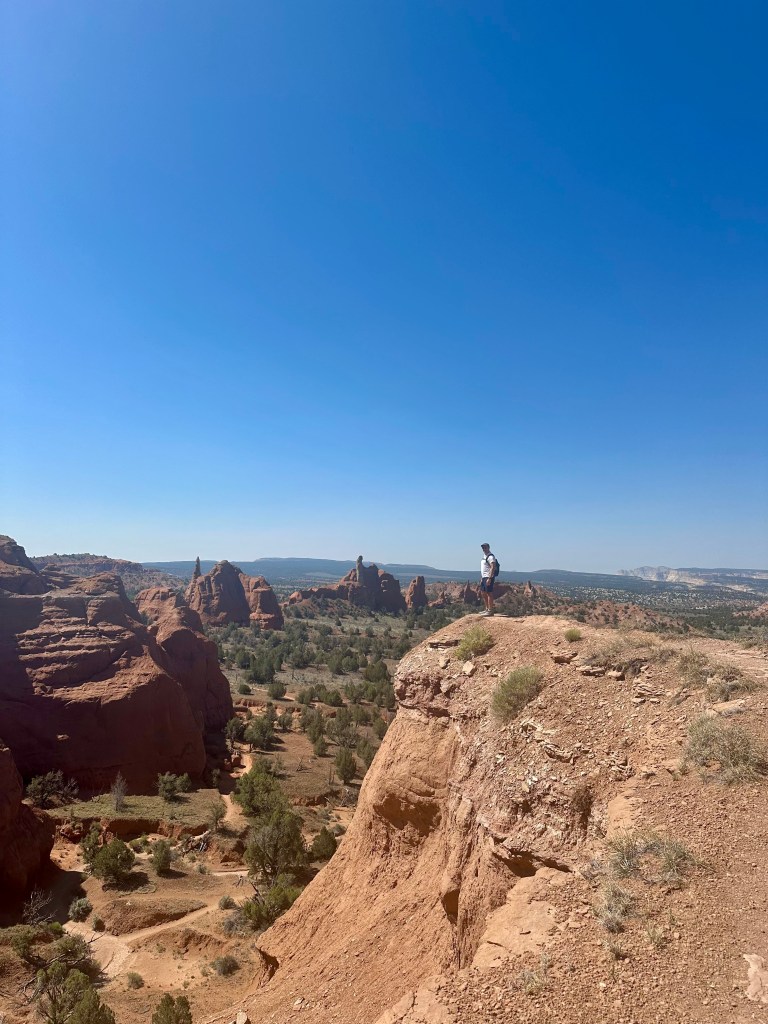
Awesome hand sculptures into the sandstone that we were hoping were Indian and centuries old. Nope. A range we later consulted said that they were from bored ranchers and settlers in the 19th century. Still pretty wild.
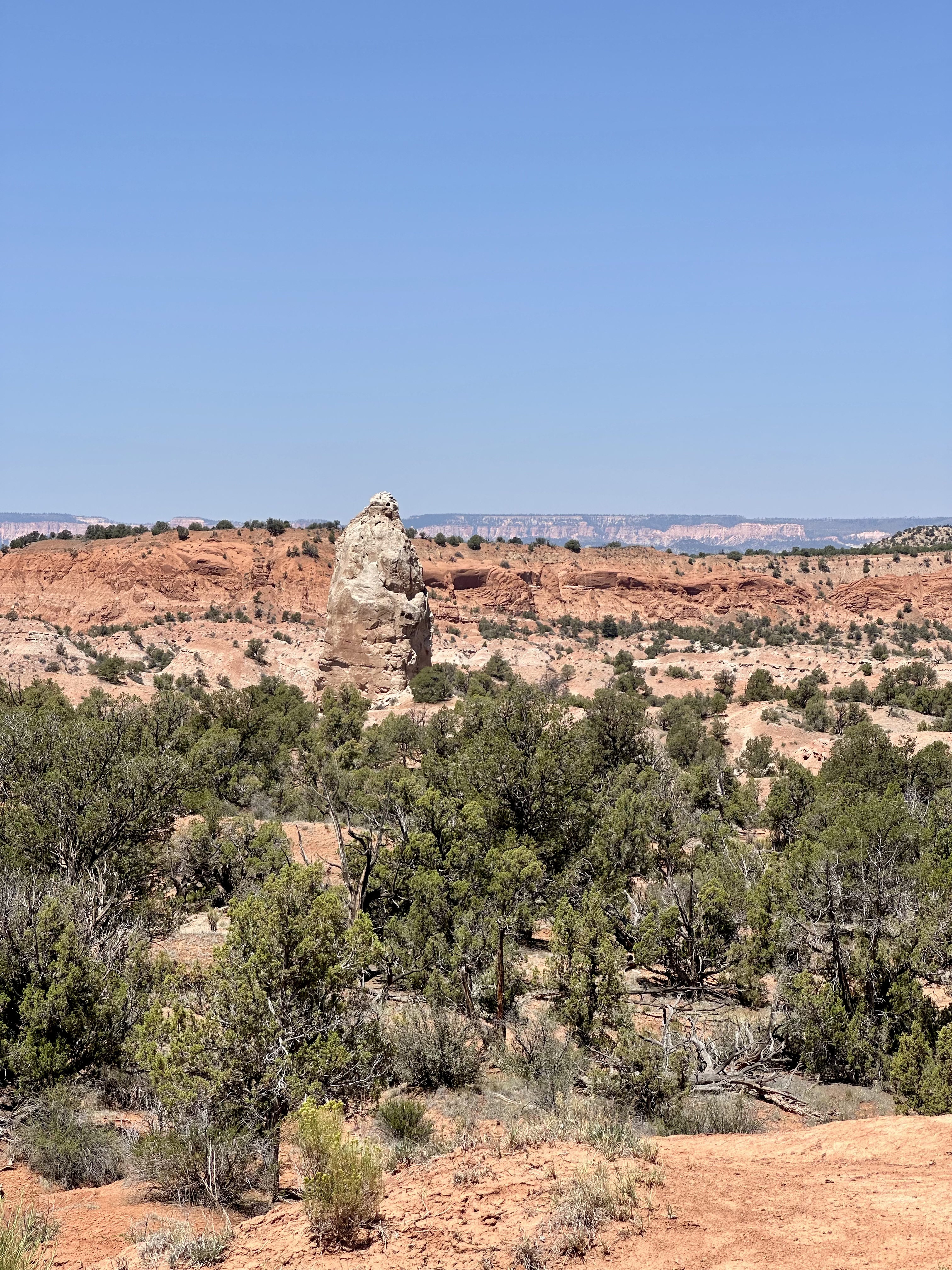
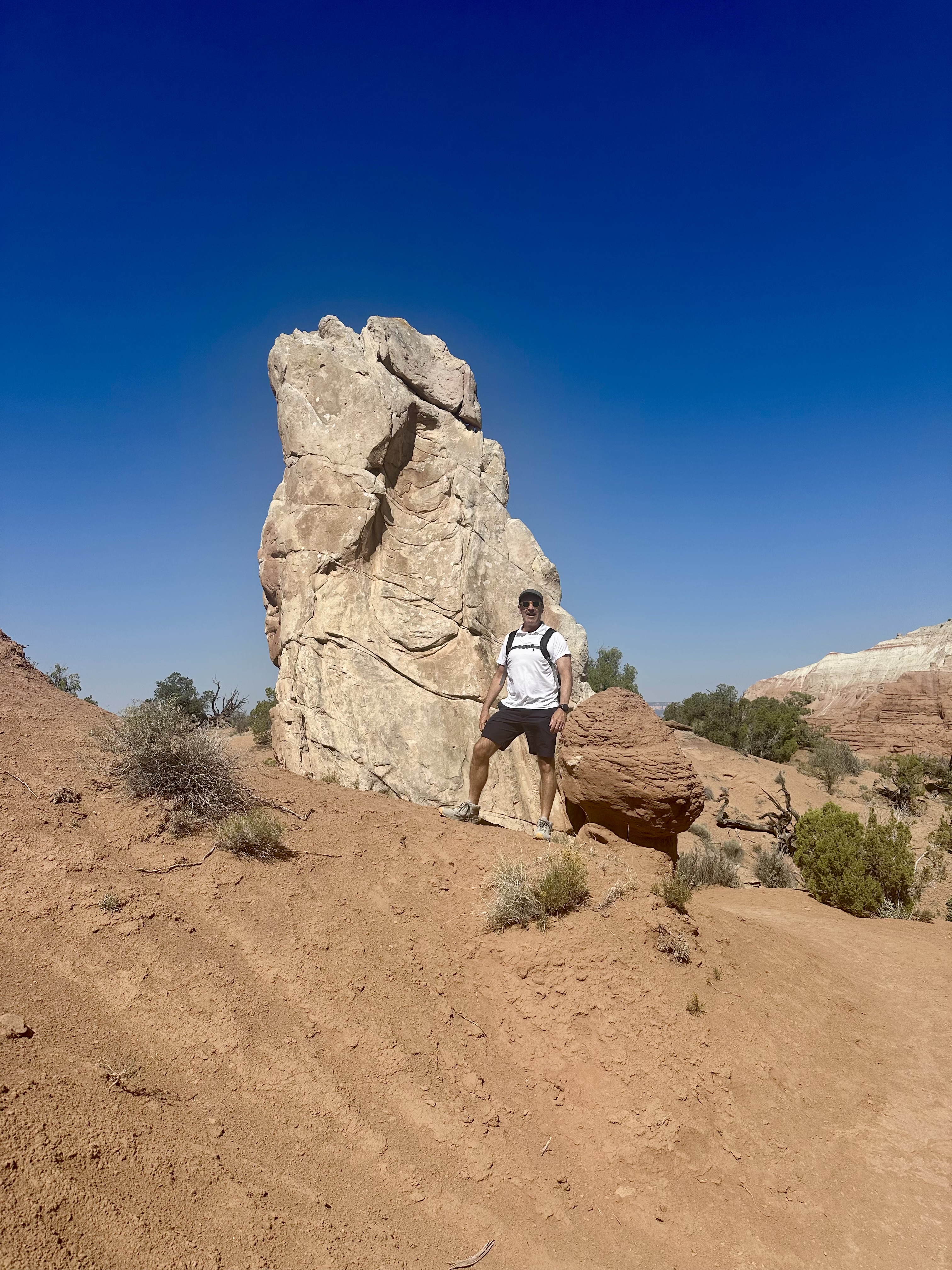
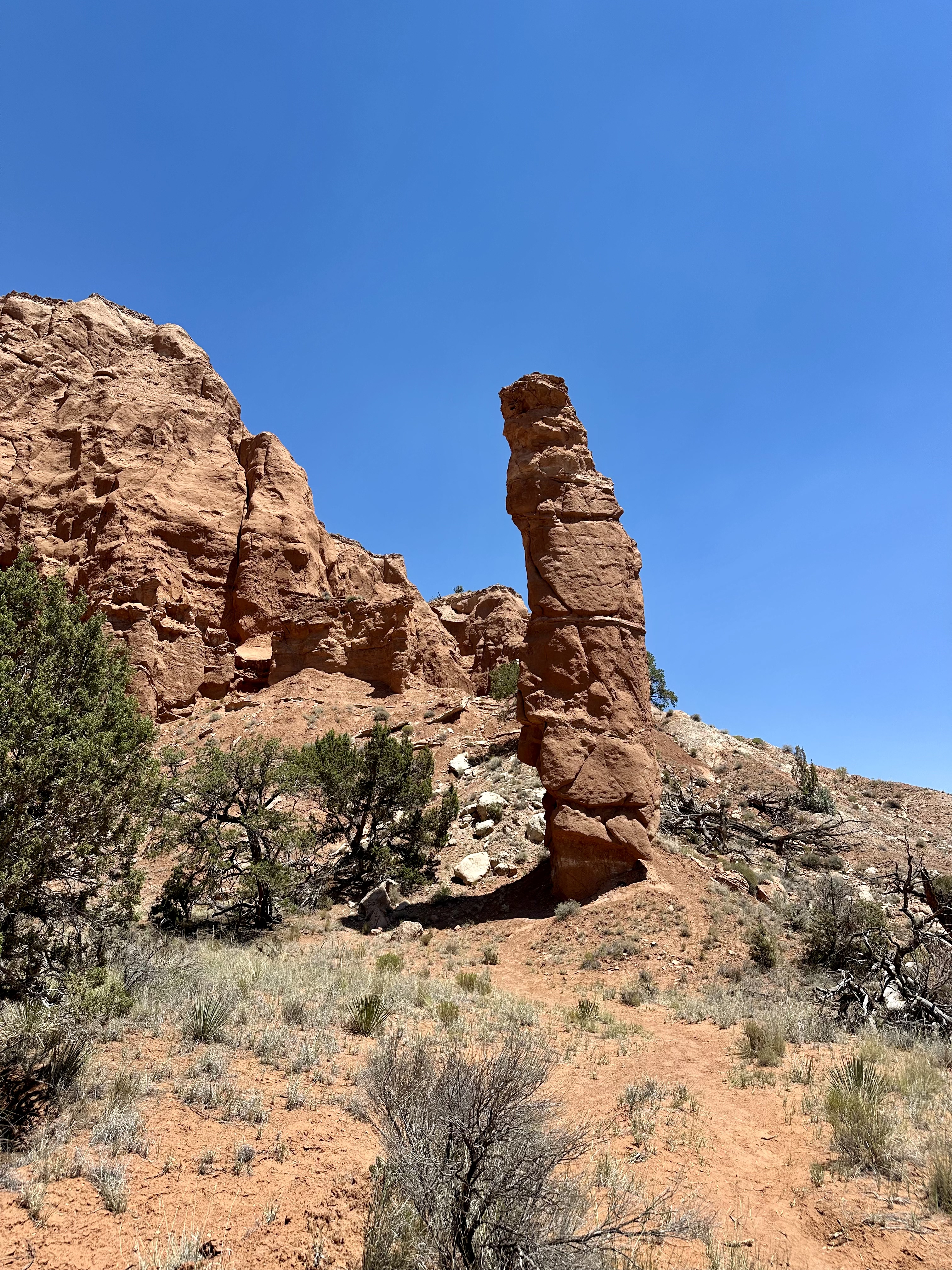
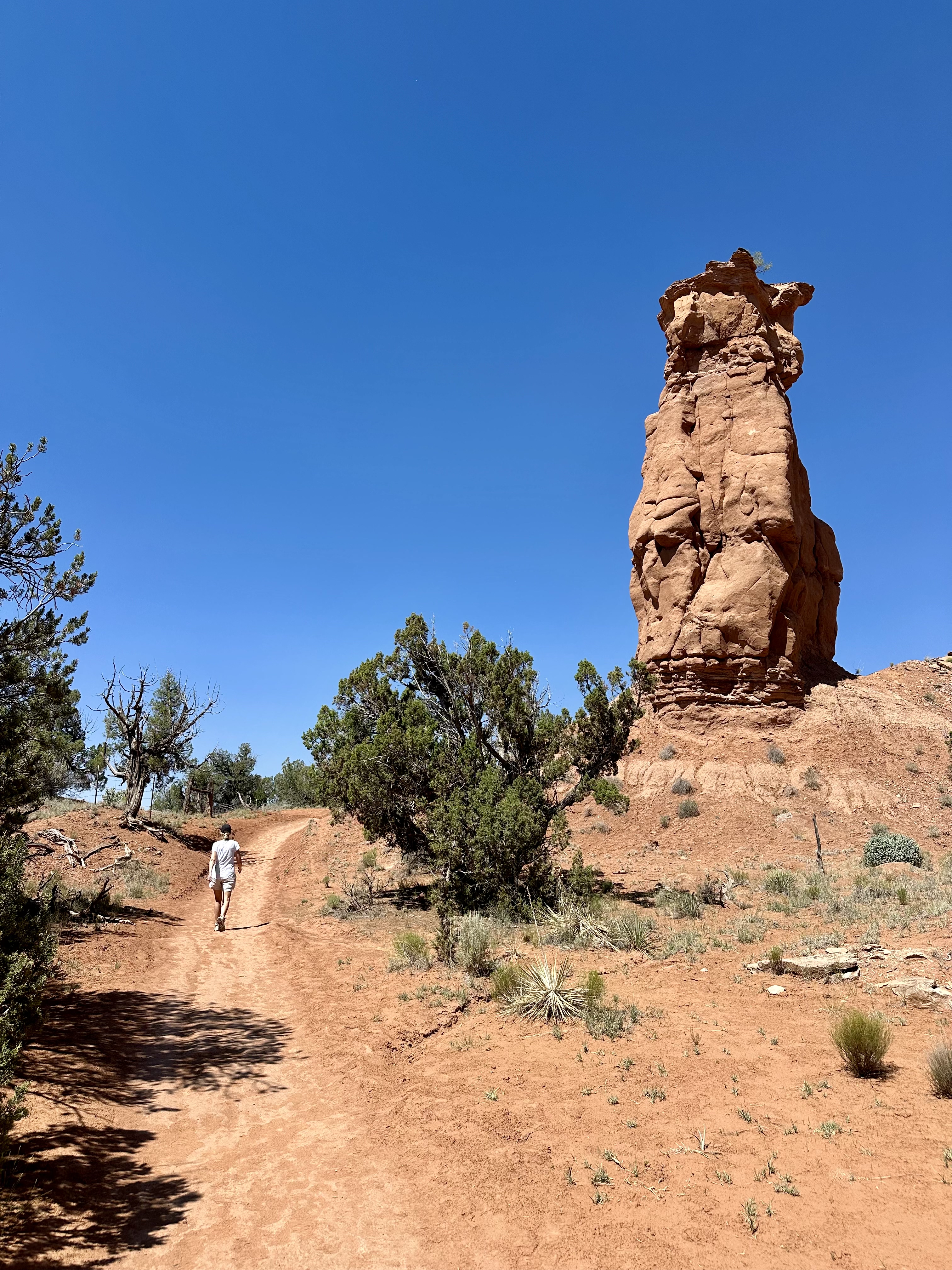
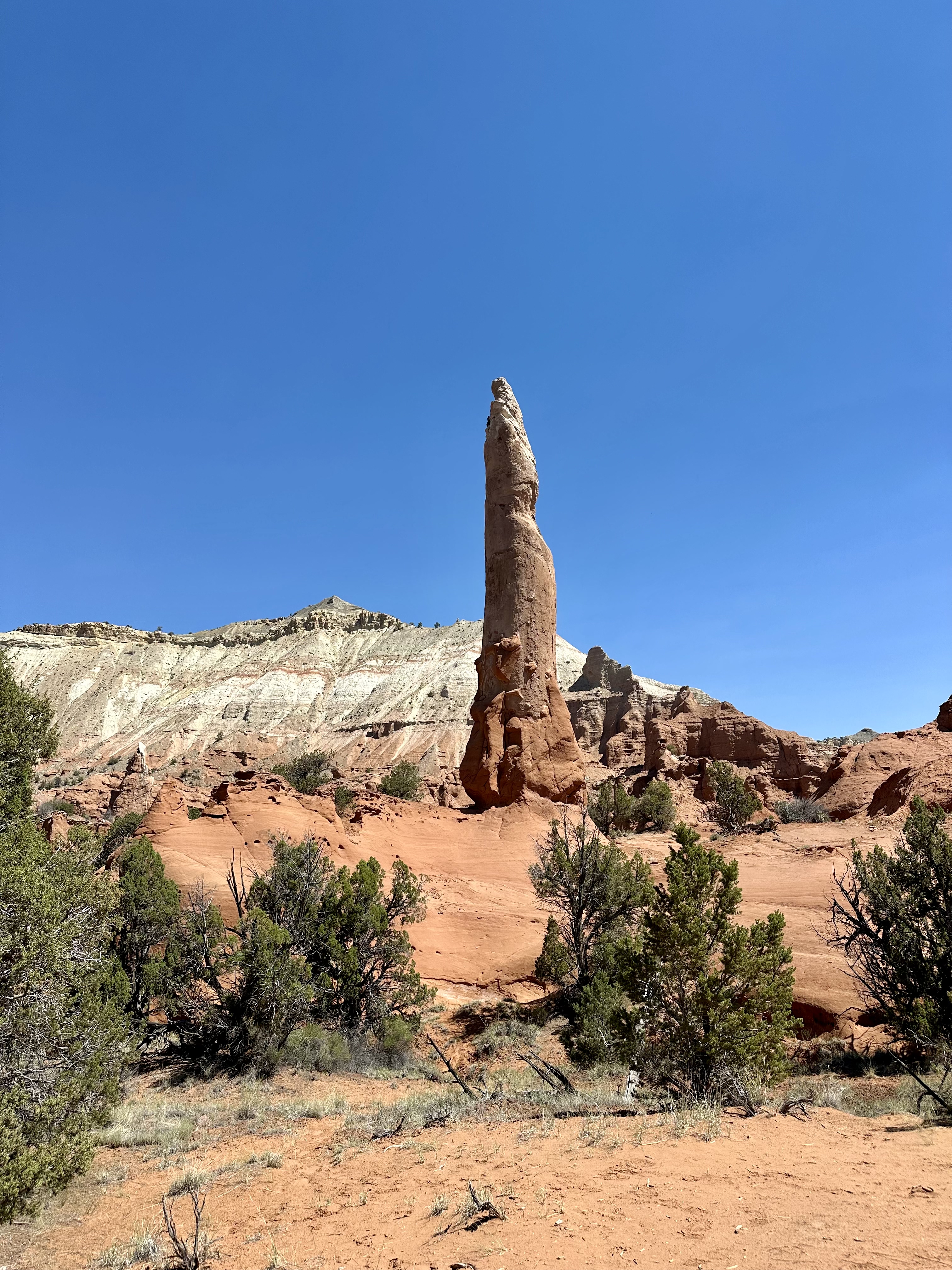
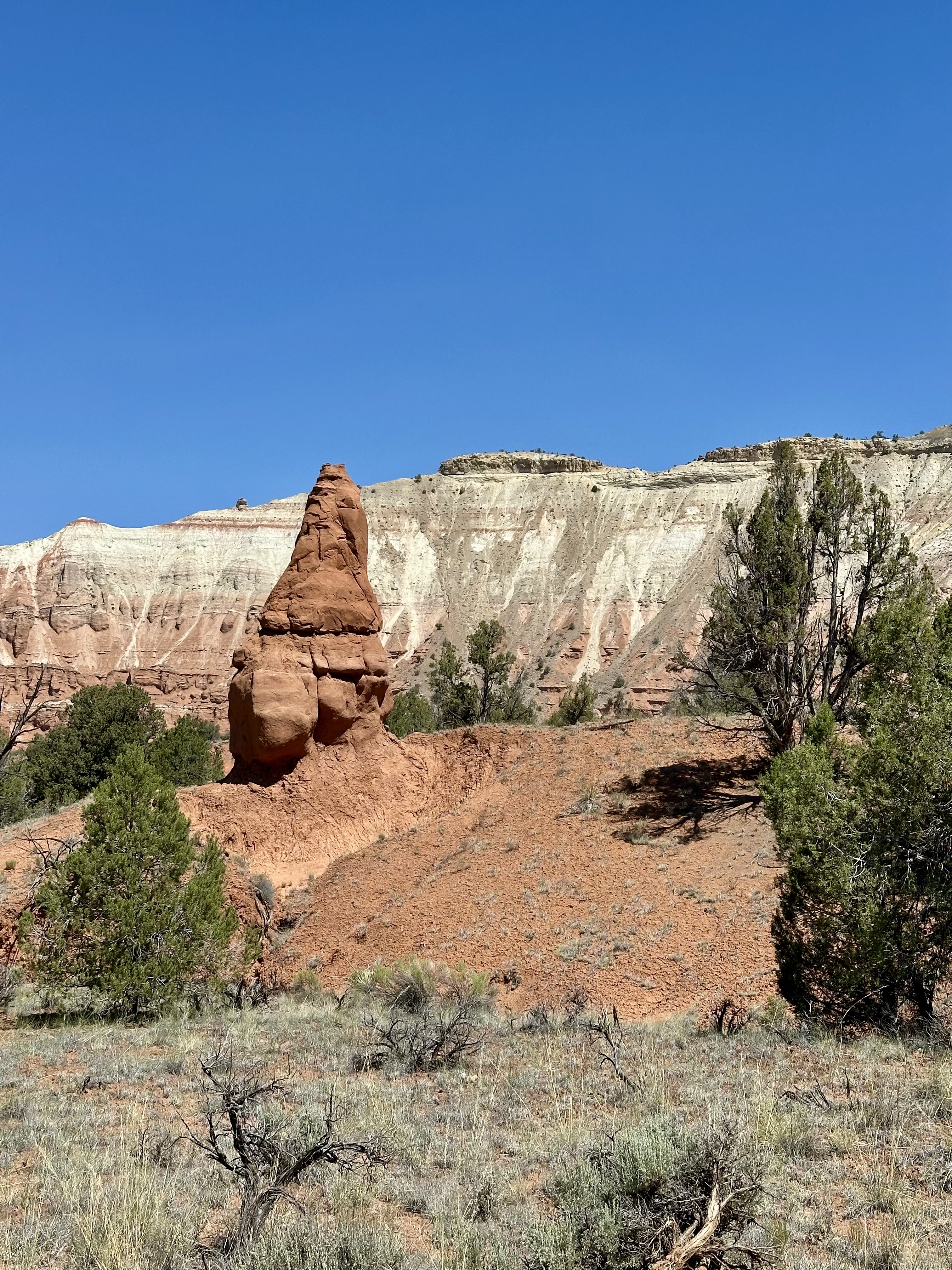
The spires of Kodachrome Basin, a park presumably established by the Society of Geologists Who Keep Elbowing Each Other and Giggling Like 9-Year-Olds:
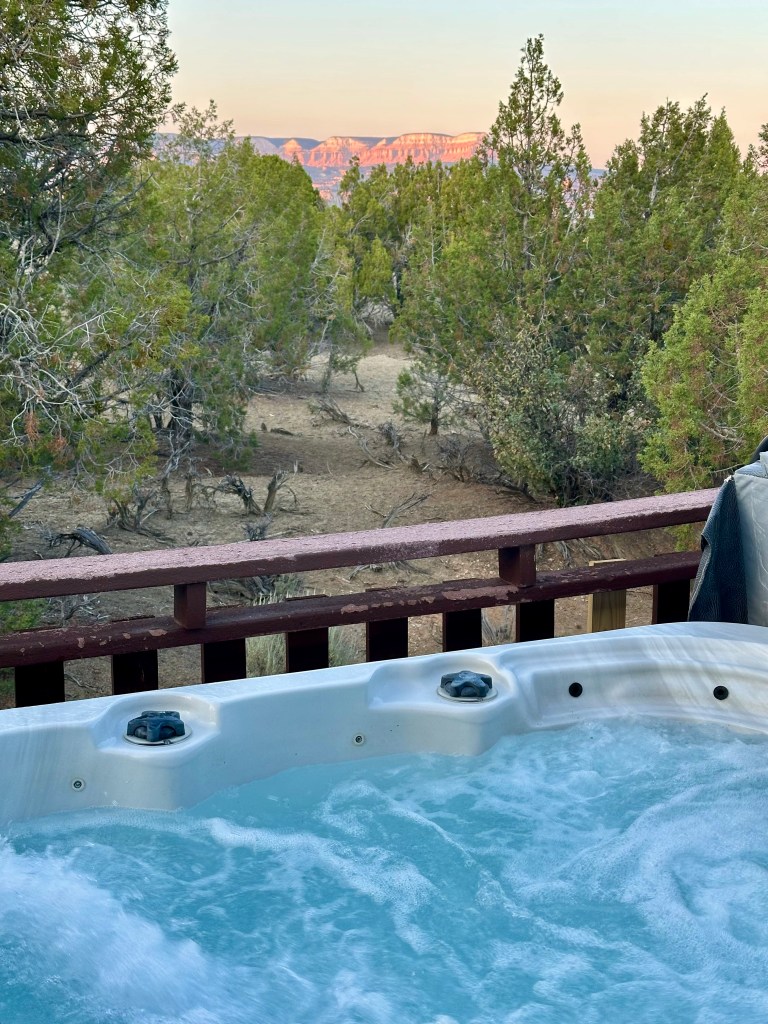
Pretty good digs in Tropic, a town near Bryce Canyon:
From Bryce, we headed back to Las Vegas for a night (and a show), then headed home. More on each leg later, but we first need to posts the remaining stops on the 2023 Prolonged Foray to Europe.

Categories: Pacific Northwest to American Southwest | Tags: , , , , , , , | Leave a comment

A Prolonged Foray to Europe: Taormina, Sicily (Parte Seconda)

Taormina offered three notable experiences during our stay:

  1. The town itself
  2. An epic hike to Castelmola high above Taormina
  3. Taormina’s spectacular Roman theater

Our last post addressed the first item above. This second one will bring completion to the triad.

Hike to Castelmola

To reach Castelmola, we hiked the Sentiero dei Saraceni (Path of the Saracens):

But to reach the trailhead, we first had to leave our place on the water, take the gondola to Taormina’s centro storico, then wind through town, and then finally deviate from the well-trod Corso Umberto to climb through the labyrinthine streets in the old town’s outskirts. THEN the real climbing began.

The trail takes its name from the ancient road used by Arab forces during their siege of Taormina in 902 AD.

The path itself is an old trazzera — a Sicilian dialect word for a country track — worn into the landscape by the constant passage of mules and horses through a wild terrain of fig trees and prickly pears.

Although not nearly as taxing as the Path of the Gods (Sentiero degli Dei) that we hiked on the Amalfi Coast earlier in the trip, the 7+ mile hike did have 1220 feet of ascent. And we also hiked on a pretty hot day. (In addition to the route on the map below, you can also identify Isola Bella and our AirBnB location on the right side.)

The path is an ancient way to access Castelmola from the southern slope of Monte Tauro, the mountain that looms above Taormina. Starting from Piazza Duomo in Taormina, the initial walk winds through the town’s streets, then the trail transitions to a combination of dirt and rocks — mostly steep stone steps.

You definitely get rewarded with some great views along the way.

And a forest of cactus.

A sign that we’re reaching the apex of our hike at the hill town of Castelmola:

The site was first fortified by the Byzantines around 800 AD, serving as an outpost for and above Taormina. In 902, the fortification fell to Muslim forces after fierce resistance. The Saracens broke into Castelmola’s forts and destroyed much of the village, sparing only the castle — and the access gate to the historic centre is still called the Porta dei Saraceni because of this event.

In 1078, Norman Count Roger I reconquered the area and built a new castle incorporating the original walls. Most of what remains today dates to a 16th-century version of the structure. A 10th-century plaque with Greek-Byzantine engravings on the cathedral façade reads: “This castle was built under Constantine, patrician and strategist of Sicily” — almost certainly referring to Costantino Caramalo, who defended the territory from Arab attacks in the 9th century.

Throughout later centuries, Castelmola sided with the Swabians and Aragonese against the Angevins, eventually becoming part of the Kingdom of the Two Sicilies in 1738 and then the Kingdom of Italy in 1860.

In addition to some great historical context for Castelmola’s many lives, this recitation also recalls the convenient history-of-Sicily-on-a-t-shirt introduction in our first Sicily post. (The t-shirt, as it happens, actually was spotted during our stay here in Taormina.)

Regardless of the events that led up to Castelmola’s current iteration, it proved to be a pretty charming little hill town.

With a little cafe just for WolfeStreetTravel’s resident figeater:

And then there’s Castelmola’s chief attraction:

Bar Turrisi, or. . .

the dick bar.

The bar was founded in 1947 by Salvatore Turrisi, who later had three sons in 5 years and decided to celebrate this by absolutely filling this place with dicks.

It’s a riot of phallic symbols (all of them, btw, created exclusively by Sicilian artisans, for what it’s worth):

After some beers and pizza, we headed back down to Taormina, where our oasis awaited.

Definitely a welcome respite after the hike.

Roman Theater

Taormina’s Teatro Antico offered the last of the three highlights during our stay.

Although its known for the role it played during the Roman period, the theatre originally was constructed during the Hellenistic period, circa 265–215 BC. It is one of the oldest theatres in Magna Graecia to feature a curved cavea rather than the older trapezoidal design. The structure was carved directly into the rocky hillside of Monte Tauro, using the natural slope in the classical Greek manner to create optimal sightlines and acoustics.

Originally designed for dramatic performances, it hosted plays by ancient Greek playwrights such as Sophocles, Aeschylus, and Euripides. These performances were often part of religious festivals and reflected the myths and social issues of the time. Acoustics were engineered so that even whispers on stage could be heard in the highest seats.

During the Roman rule over Sicily, the Romans did not merely maintain the theatre — they systematically rebuilt and repurposed it over roughly two centuries, in three distinct phases.

Phase I & II — Expansion under Trajan and Hadrian (98–138 AD)

The major Roman renovation expanded the cavea, modified the retaining walls to run parallel with the stage, and constructed an elaborate multi-story scaenae frons (the ornate architectural backdrop behind the stage). This phase created the theatre in its most magnificent form. The first intervention enlarged the theatre’s capacity with the construction of an external ambulatory and a complete reconstruction of the scaenae frons. Scholarly research confirms the architectural ornament of that stage front is definitively Trajanic or Hadrianic in style — and the architect of the theatre at Taormina used illusionistic column effects closely similar to those at the South Theater at Gerasa, suggesting Eastern influence on its design.

Phase III — Conversion to Arena (Late 2nd / Early 3rd Century AD)

The second Roman intervention involved changes to the stage and an expansion of the orchestra to transform the theatre into an arena capable of hosting gladiatorial games. A ring corridor was built, closed by a raised parapet, along with underground spaces used as shelters for equipment and animal cages. Three vaulted passageways were built under the scaenae frons to provide access for gladiators and animals.

Phase III — Conversion to Arena (Late 2nd / Early 3rd Century AD)

The second Roman intervention involved changes to the stage and an expansion of the orchestra to transform the theatre into an arena capable of hosting gladiatorial games. A ring corridor was built, closed by a raised parapet, along with underground spaces used as shelters for equipment and animal cages. Three vaulted passageways were built under the scaenae frons to provide access for gladiators and animals.

A view up to Castelmola, the destination of our hike the previous day and home to the dick bar.

The theatre has a horseshoe-shaped cavea with a diameter of 107–109 meters, an orchestra measuring 28–29 meters across (later expanded to 34 meters during the arena conversion), and a seating capacity estimated at 8,900 to 11,150 spectators across more than 40 rows divided into nine cunei and three maeniani (levels). It is the second largest of its kind in Sicily, behind only the Greek Theatre of Syracuse.

The setting is arguably the theatre’s most famous feature. Oriented to face south-southwest, it frames a panorama of Mount Etna and the Ionian Sea simultaneously — a view that has captivated visitors for millennia.

During the Middle Ages, parts of the theatre were reused to build private residences and religious buildings, including Taormina Cathedral. It was the Grand Tour of the 18th and 19th centuries that restored the theatre to international fame. Johann Wolfgang von Goethe visited in 1787 and wrote in his famous Italian Journey: “Never has a theatre audience enjoyed such a view.” His words became perhaps the most quoted description of the site and drew generations of European travelers in his wake.

The theatre today is far more than a museum piece — it remains an active cultural venue. Since 1983 it has hosted the Taormina Arte festival and other cultural events. Since 1971, the Taormina Film Fest has been held in the Ancient Theatre, with premieres and new film screenings taking place here.

Final night in Taormina (and in Sicily):

On to Malta!

Categories: A Prolonged Foray to Europe, Sicily | Tags: , , , , , , | Leave a comment

A Prolonged Foray to Europe: Taormina, Sicily (Prima Parte)

The charming town of Taormina was to be the final stop on the Sicily leg of our prolonged foray. (Map and overview of the full foray is posted here.) If you’re following along, we have only three legs left after Sicily.

Perched high above the Ionian Sea, Taormina was founded by the Sicels and later became an important Greek settlement after refugees from the nearby colony of Naxos just south of Taormina’s current location relocated there in the 4th century BC (stay tuned later this year for a post covering travel to Naxos the Greek island, which is upcoming). The town flourished under Greek and then Roman rule, leaving behind its most famous monument, the spectacular Ancient Theatre of Taormina (which we’ll get to in the next post), whose stage frames views of both the sea and Mount Etna. Through the Byzantine, Arab, Norman, and Spanish periods, Taormina retained its strategic hilltop position and developed into one of Sicily’s most historically layered and visually dramatic towns.

Taormina’s 12th-century Porta Messina on the north end of town (where you would enter the town if you were coming from Messina to the north in the olden days; or from the gondola at sea level now):

And on the other end of town, the 15th-century Aragonese Porta Catania (replete with the Spaniards’ coat of arms), facing south to Catania (where we’d fly out of in several days):

And snaking between the two? Corso Umberto, Taormina’s main street.

Like the one-road Baroque town of Noto visited a week or so earlier, Taormina indeed is replete with streets, but there’s only one main drag and singular main event.

But what a fantastic main drag it is – way more restaurants, bars, and shops than Noto and incredibly appealing. Beginning in the 19th century, Taormina became a celebrated stop on the European Grand Tour, attracting artists, writers, aristocrats, and intellectuals drawn by its scenery, mild climate, and classical ruins. Today it remains one of the Mediterranean’s most stylish destinations, combining luxury hotels, elegant boutiques, refined dining, and breathtaking views in a setting that feels both sophisticated and timeless.

The corso appears packed here, but everything’s flowing and there was never any sense that we had embroiled ourselves in an overtaxed Positano-type situation.

Plus, the occasional religious festival procession winding its way down the corso – in this case, celebrating the Feast of Saint Anthony of Padua (that’s him on the litter); we think maybe they’re taking the lazy way out of this by proceeding with a litter on wheels instead on shoulders, like in Godfather II and Godfather III:

And around the midway point on Corso Umberto lies Piazza IX Aprile and Porta di Mezzo – the midway tower:

Because Taormina is perched on a cliff, Piazza IX Aprile offers a great belvedere with views of the coast below:

View into the corso under the clock tower:

Medieval palazzo off the corso, with a vibrant jacaranda tree in bloom, to boot.

Taormina’s second square (second to Piazza IX Aprile, of course): the Piazza Duomo:

There’s the duomo. And, uh, there’s the Quatro Fontanes (Four Fountains):

Topped by a female centaur – apparently the historic emblem of Taormina. She wears a crown and holds a scepter in one hand and a globe surmounted by a cross in the other—symbols of civic authority and power. Regardless, super weird.

Heading to the duomo, the Cathedral of Saint Nicholas of Bari, the popular bishop-saint whose cult spread widely throughout southern Italy and Sicily.

The duomo looks more like a castle than a church. Built from massive stone blocks and topped with battlements, it was designed as an ecclesia munita—a fortified church capable of providing refuge during periods of instability. This defensive appearance earned it the nickname “Cathedral Fortress” and reflects the turbulent medieval history of Sicily.

But the interior of the 13th- and 14th-century duomo looks pretty standard.

Down (and to the left) we encounter the 2nd-century AD Roman “Naumachie,” a long brick wall punctuated with niches, likely to house statues. Buried and unknown for a millenia and a half, the moniker was incorrectly (just like in Agrigento) applied by a Dutch scholar in the 18th century, who figured – and why not? – that the structure hosted naval battles.

The massive wall did function as the barriers of a reservoir to supply a gymnasium or massive municipal fountain complex.

But enough history; aperitivo hour is approaching with the setting sun and we needed to locate a decent perch.

This will do.

With a great view over the coast and also a glimpse of what once was a 14th-century Dominican monastery. . .

But now houses the Four Seasons and the setting for Season 2 of White Lotus (they were closed to outside visitors due to a private event when we were there, otherwise we would have checked it out).

Pretty great town.

To actually reach town (through Porta Messina), we had to walk about 2 blocks from our AirBnB to catch the gondola at this station, since Taormina is high up on a cliff, visible at the top of the pic:

You grab your tickets while in line, and head on up; we never had to wait more than a few minutes – pretty efficient system.

Why would we stay a gondola ride from town instead of nestled within centro storico? Because this:

Pretty great setting in the Sicilian heat.

Because we were fixated on lodging with pools, we snagged this thing probably 6 months before we headed off for our prolonged foray.

Great view of Isola Bella – Beautiful Island. King Ferdinand I of the Two Sicilies donated the island to the town of Taormina in 1806. In 1890, Florence Trevelyan purchased it, built a small retreat, and transformed the island into a botanical sanctuary filled with tropical and subtropical species that thrived in Sicily’s climate. The Sicilian government acquired the island in 1990, and it later became a protected nature reserve. And unofficial symbol of Taormina.

Oh, and we’d occasionally see the goofy tourist sub (ubiquitous in coastal towns, it seems) go out and back from our place.

And also the occasional yacht.

Definitely the right place to stay for our Taormina tour.

Categories: A Prolonged Foray to Europe, Sicily | Tags: , , , , , , , , , , , , , , | 2 Comments

Blog at WordPress.com.