Road Trips

Carcassonne, France

As noted in our trip preview post, we planned our road trip segments between the more distant microstates to include a stopover location halfway between the two. targeted, tiny territories. The location pretty much exactly halfway between the Principality of Monaco and the Principality of Andorra (our final microstate destination) was the French town of Beziers. And Beziers seemed like a great place to visit, inasmuch as it was the location of a horrific massacre of the Cathars during Pope Innocent II’s Abigensian Crusade in the 13th century. . .

However, we (one of us, anyway) has had the medieval walled city of Carcassonne on our list to visit for years, so we selected this as our stop over. Both cities – and the entire Laguedoc region – were engulfed by the aforementioned crusade, which is equally of interest to (one of) us, so we’d still check that box, even if it added a little distance to this leg of the trip:
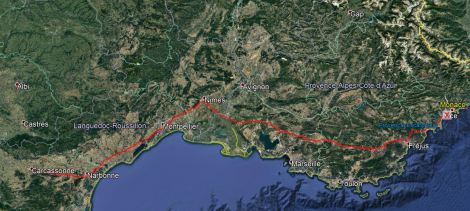
Monaco to Carcassonne Route

Totally worth it – check this out!

IMG_4646

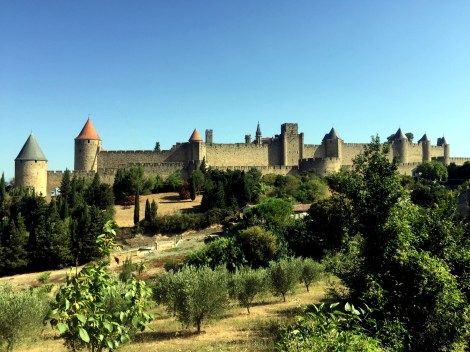
We don’t usually include photos that we didn’t take, but this one was too awesome not to:

Panorama of the Cité de Carcassonne

By Chensiyuan – Own work, CC BY-SA 4.0, https://commons.wikimedia.org/w/index.php?curid=50100276

Continuing this theme of unoriginality and for expediency’s sake – here’s a couple of quick items on Carcassonne from Wikipedia:

“Inhabited since the Neolithic period, Carcassonne is located in the Aude plain between historic trade routes, linking the Atlantic to the Mediterranean sea and the Massif Central to the Pyrénées. Its strategic importance was quickly recognized by the Romans, who occupied its hilltop until the demise of the Western Roman Empire. In the fifth century, it was taken over by the Visigoths, who founded the city. Its strategic location led successive rulers to expand its fortifications until the Treaty of the Pyrenees in 1659.

Carcassonne is the largest walled city in Europe (among those that have their defensive wall still intact). Its citadel known as the Cité de Carcassonne, is a medieval fortress dating back to the Gallo-Roman period, and was restored by the theorist and architect Eugène Viollet-le-Duc in 1853.”

“Carcassonne became famous for its role in the Albigensian Crusades, when the city was a stronghold of Occitan Cathars. In August 1209 the crusading army of the Papal Legate, Abbot Arnaud Amalric, forced its citizens to surrender. Viscount Raymond-Roger de Trencavel was imprisoned whilst negotiating his city’s surrender and died in mysterious circumstances three months later in his own dungeon. The people of Carcassonne were allowed to leave – in effect, expelled from their city with nothing more than the shirt on their backs. Simon De Montfort was appointed the new viscount. He added to the fortifications.

In 1240, Trencavel’s son tried to reconquer his old domain, but in vain. The city submitted to the rule of the kingdom of France in 1247. Carcassonne became a border fortress between France and the Crown of Aragon under the Treaty of Corbeil (1258). King Louis IX founded the new part of the town across the river. He and his successor Philip III built the outer ramparts. Contemporary opinion still considered the fortress impregnable. During the Hundred Years’ War, Edward the Black Prince failed to take the city in 1355, although his troops destroyed the Lower Town.”

Scenes from the town’s exterior curtain walls and entry:

The holy shit impressive barbican protecting the main gate in Carcassone’s city walls:

More from Wikipedia: “The fortified city itself consists essentially of a concentric design of two outer walls with 53 towers and barbicans to prevent attack by siege engines. The castle itself possesses its own drawbridge and ditch leading to a central keep. The walls consist of towers built over quite a long period. One section is Roman and is notably different from the medieval walls, with the tell-tale red brick layers and the shallow pitch terracotta tile roofs. One of these towers housed the Catholic Inquisition in the 13th century and is still known as “The Inquisition Tower.”

Carcassonne was demilitarised under Napoleon and the Restoration, and the fortified cité of Carcassonne fell into such disrepair that the French government decided that it should be demolished. A decree to that effect that was made official in 1849 caused an uproar. The antiquary and mayor of Carcassonne, Jean-Pierre Cros-Mayrevieille, and the writer Prosper Mérimée, the first inspector of ancient monuments, led a campaign to preserve the fortress as a historical monument. Later in the year the architect Eugène Viollet-le-Duc, already at work restoring the Basilica of Saint-Nazaire, was commissioned to renovate the place.

In 1853, work began with the west and southwest walls, followed by the towers of the porte Narbonnaise and the principal entrance to the cité. The fortifications were consolidated here and there, but the chief attention was paid to restoring the roofing of the towers and the ramparts, where Viollet-le-Duc ordered the destruction of structures that had encroached against the walls, some of them of considerable age. Viollet-le-Duc left copious notes and drawings on his death in 1879, when his pupil Paul Boeswillwald and, later, the architect Nodet continued the rehabilitation of Carcassonne.

The restoration was strongly criticized during Viollet-le-Duc’s lifetime. Fresh from work in the north of France, he made the error of using slates and restoring the roofs as point-free environment. Yet, overall, Viollet-le-Duc’s achievement at Carcassonne is agreed to be a work of genius, though not of the strictest authenticity.””

Outside Carcassonne’s citadel, the Chateau Comtal:
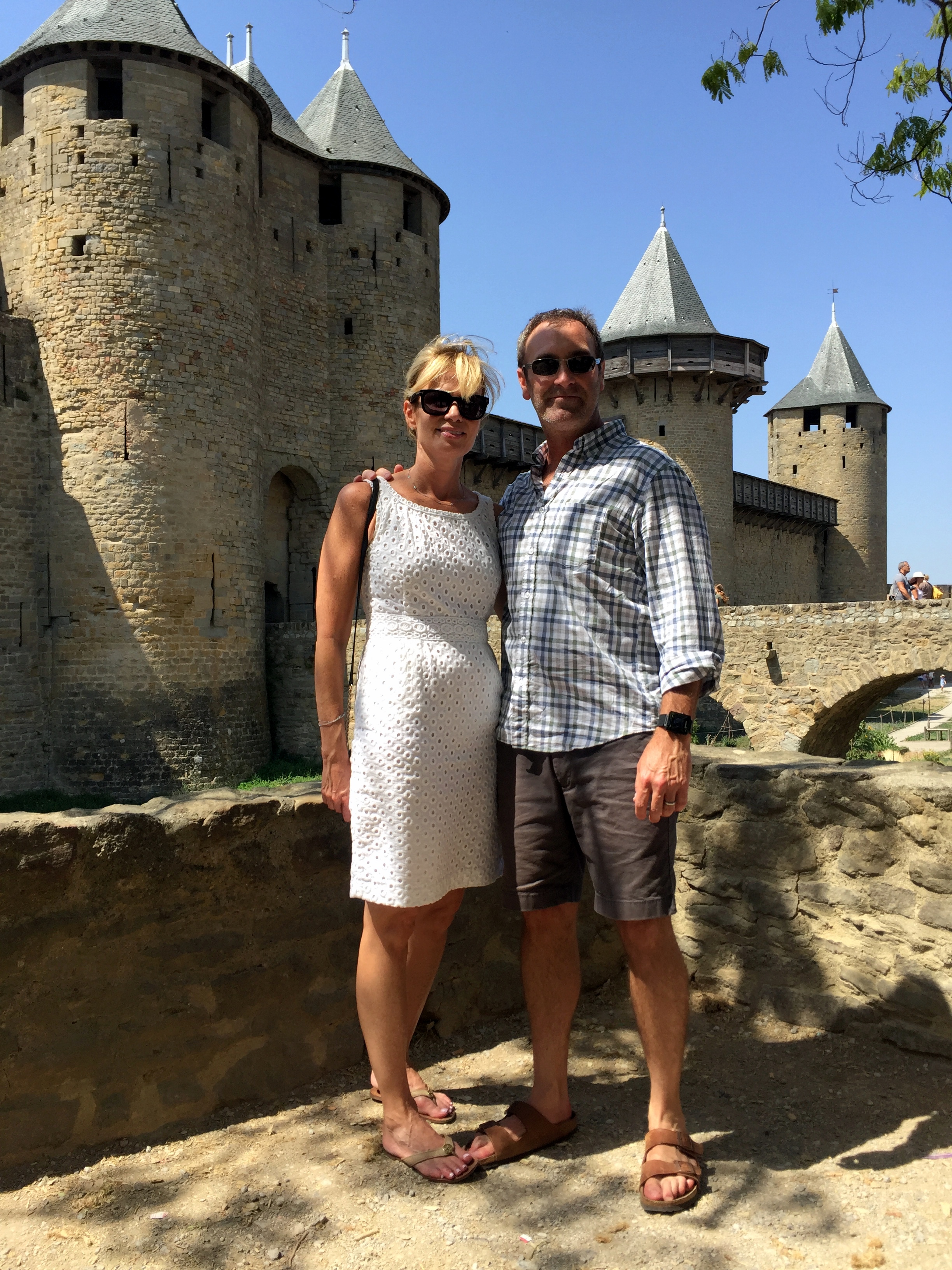
One particularly interesting element of the citadel is its barbican:

The Chateau Comtal’s barbican served not only to protect the entrance to the citadel, but provided a sally point for forays of the defenders to attack outside the citadel. This enabled the defenders to assemble and exit en masse, rather than string out the exit, as would occur if the barbican area consisted only of fortified towers flanking a gate (as was the case with the barbican at the city’s curtain wall shown above).

Note the open back of the barbican gate tower – this was intentional, allowing defenders from the citadel proper to fire arrows at any attackers who overran the barbican.

Once through the barbican, the attackers would have to traverse a narrow causeway to attack the citadel proper, while being attacked from both the traditional flanking towers of the barbican at the gate of the Chateau Comtal, from the citadel’s crenelated walls, and from the sides of the citadel’s corner towers:
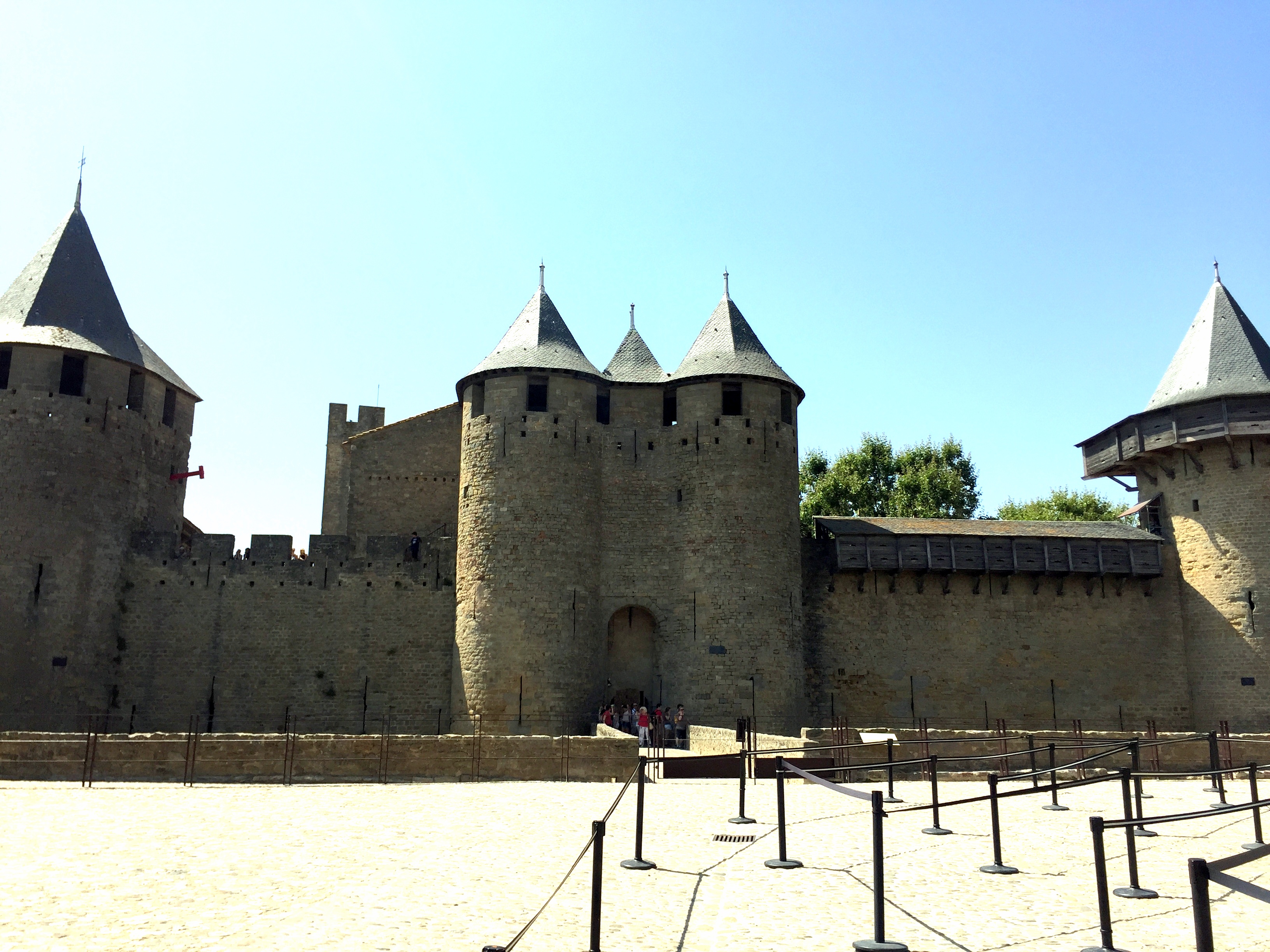
Other views of the Carcassonne’s Chateau Comtal:

Around town, including l’Escargot restaurant, where we experienced the worst snails we’ve consumed to date in France (they weren’t horrible – they just didn’t live up to the restaurant’s name and were not nearly as perfect as those consumed in a jetlagged state in Amboise, at the outset of our bike trip through the Loire Valley . . .):

We stayed in the walled city, similar in location to our digs in Diocletian’s Palace in Dubrovnik:

Really nice property, but the highlight had to be the pool in the shadow of the city’s cathedral, where we spent some quality time in the late afternoon:

Evening in Carcassonne:

Categories: France, Micronations! | Tags: , , , , | Leave a comment

Microstates! The Principality of Andorra

From Carcassonne, we headed south to our final microstate – the Principality of Andorra, which is squeezed between France and Spain in the heart of the Pyrenees:

As noted in our initial summary post for this trip, the existence of Andorra prompted our micronation fascination and – ultimately – this trip.

Principality Précis:

Here’s one view of the principality through a series of quotes from our much loved and candor-filled Cadogan Catalonia guide:
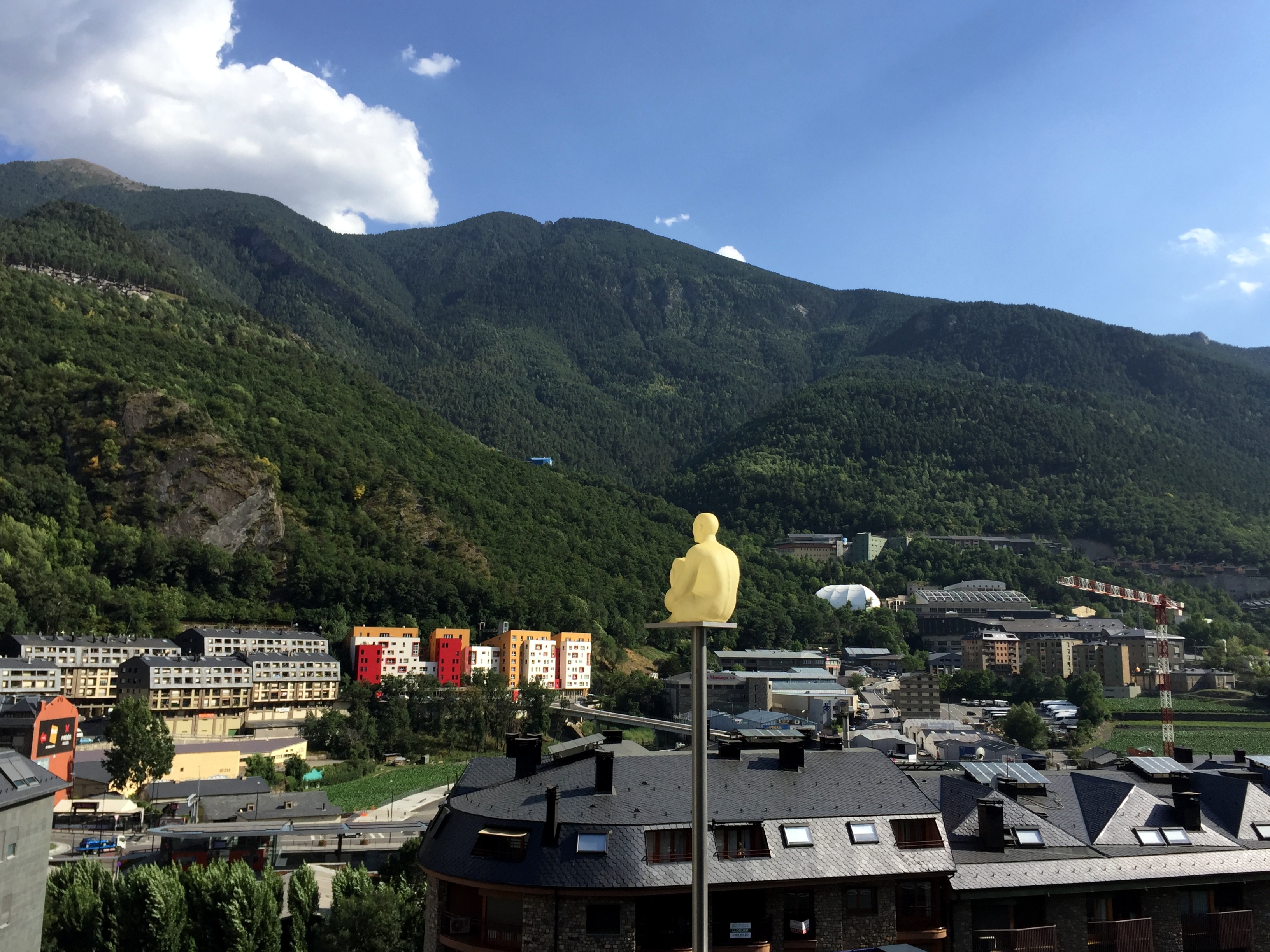
  • “The Principat de les Valles de Andorra, as it is officially known, is an independent historical oddity in the manner of Grand Fenwick and the Marx Brothers’ Fredonia, a Catalan-speaking island of mountains measuring 468 square kilometers that has managed to steer clear of the French and Spanish since its foundation by Charlemagne.”
  • “They’ve turned their lovely corner of the Pyrenees into a single garish supermarket. It’s a worthy competitor for Europe’s other Ruritanian craphole, San Marino, which, if you’ve never been, is the first country in the world to be entirely paved over with factory outlet car parks.”
  • “It’s a sleazy little paradise, Andorra.”

Sheesh! We’d see about that during our visit.

History: From multiple sources, each linked from the end quotes: “After the death of Charlemagne, the Carolingian Empire fell into divisive territorial quarrels, and Andorra fell into the rule of the Count Of Urgell, one of the powerful families of the Spanish nobility. In 1133 the Count of Urgell ceded the lands to the Bishop of Urgell.

In 1159 Andorra became the subject of a prolonged struggle between the Count of Foix and the Bishop of Urgell. Although an agreement was signed that year which recognized the Bishop’s authority while ceding certain rights to the Count of Foix, the dispute lasted through many bloody, bitter battles until 1278 when Roger Bernard (Count of Foix) and Father d’Urtx (Bishop of Urgell) signed a peace treaty forced upon them by the King of Aragon.

This treaty, and another signed eleven years later, established that Andorra would become independent, but pay an annual tribute called questia. To whom the tribute went alternated every year; first to the Count of Foix, then to the Bishop of Urgell, then the Count of Foix, etc. This agreement, called the Pareage is still the basis of Andorra’s constitution and political independence.

“Over the years, the title to Andorra passed from the Counts of Foix to the Kings of Navarre. After King Henry III of Navarre became King Henry IV of France, he decreed in 1607 the King of France and the Bishop of Urgell were the co-princes of Andorra. Later through revolutions and counter-revolutions France became a republic and today the French President and Bishop of Urgell serve as the co-princes of Andorra.

Why it still exists: “If both Urgell and Foix had ended under the same realm, Andorra would have probably been absorbed into it. But history didn’t go that way: Urgell was absorbed first into the county of Barcelona, later the crown of Aragon and finally Spain (if we don’t count some historical oddities like Napoleon’s empire, when Catalonia was part of France, or the ephemeral Catalan republics); Foix became part of Navarre and later of the kingdom of France. So, in short, the current heads of state of Andorra are the bishop of Urgell and the president of the French republic, and thus both Spain and France have the obligation of militarily protecting Andorra. Which means that neither Spain or France will let the other absorb Andorra.

Absolute size: 181 square miles

Relative size: Largest of the European microstates, but still the 16th-smallest nation in the world and smaller than Fairfax County (at 400 square miles).

Population: 77,281; world’s 11th-smallest country by population

Capital: Andorra la Vella (the highest capital in Europe)

Government. “Andorra has two ‘co-princes,’ the Count of Foix in France and the bishop of La Seu d’Urgell in Spain. In 1589, the Count of Foix, Henry of Navarre, was crowned King of France and became Henry IV, and the county became a holding of the Kingdom of France.  According to an agreement spelled out in 1278, in odd-numbered years the French co-prince is sent 1,920 francs in tribute, while in even-numbered years the Spanish co-prince receives 900 pesetas, 12 chickens, six hams and 12 cheeses. Napoleon thought it was quaint and left it alone, he said, as a living museum of feudalism.

Tiny state trivia:

  • Andorra declared war on Germany at the breakout of WW I, but never participated in the conflict itself, nor attended the peace conference at Versailles in 1918. As a result, they were still technically at war with Germany through WW II and until 1957, when the country issued a peace declaration.
  • Andorra is the world’s only co-principality
  • Andorra has never had a national bank nor any national currency
  • The country has not been in a war in more than 1000 years

Enough of that – on to the day’s trip.

Our trip planning to head a little out of our way to Carcassonne between Monaco and Andorra provided us with a significant historical benefit. We’d be traveling right by the town and fortress of Foix, where one of Andorra’s co-princes once ruled. (Also, as a total non sequitur, notice the little yellow kidney-shaped area to the east of Andorra? That’s Llivia, the Spanish town stuck inside France that caught our interest last year during Catalonia’s clamor for independence from Spain.)

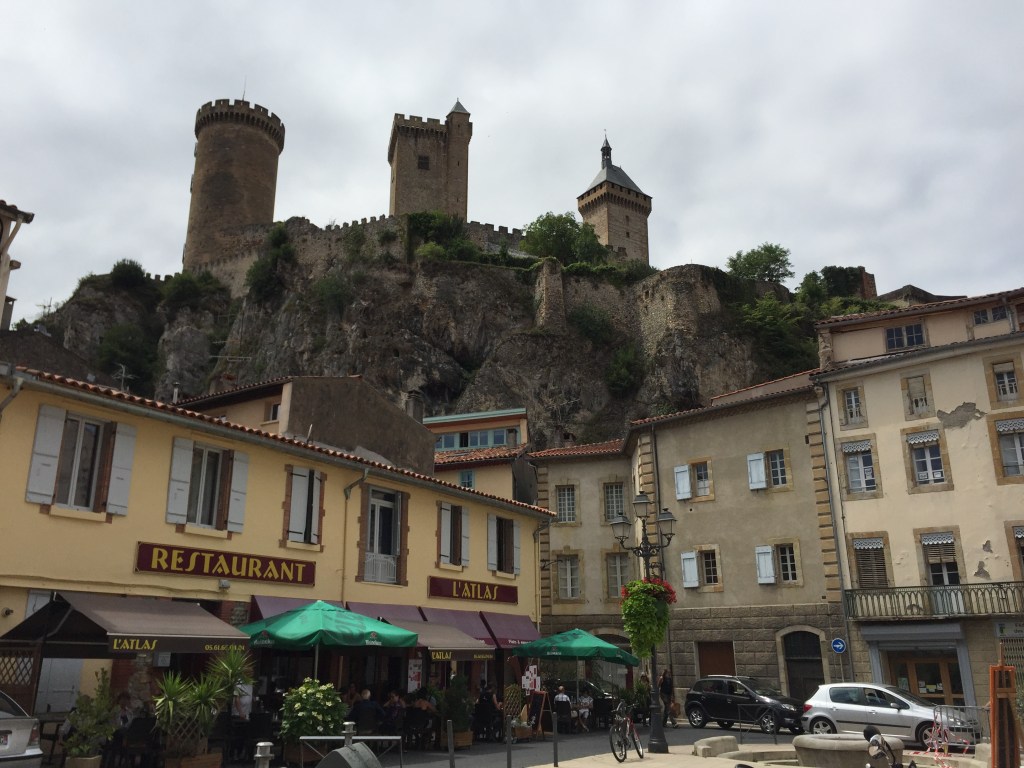
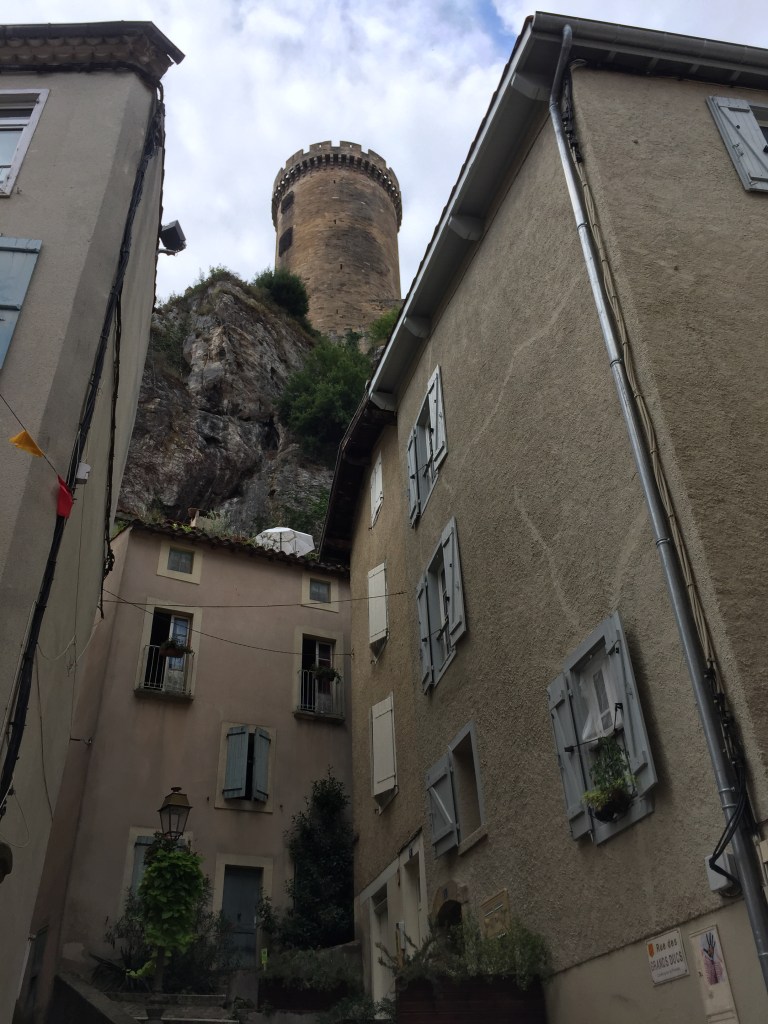
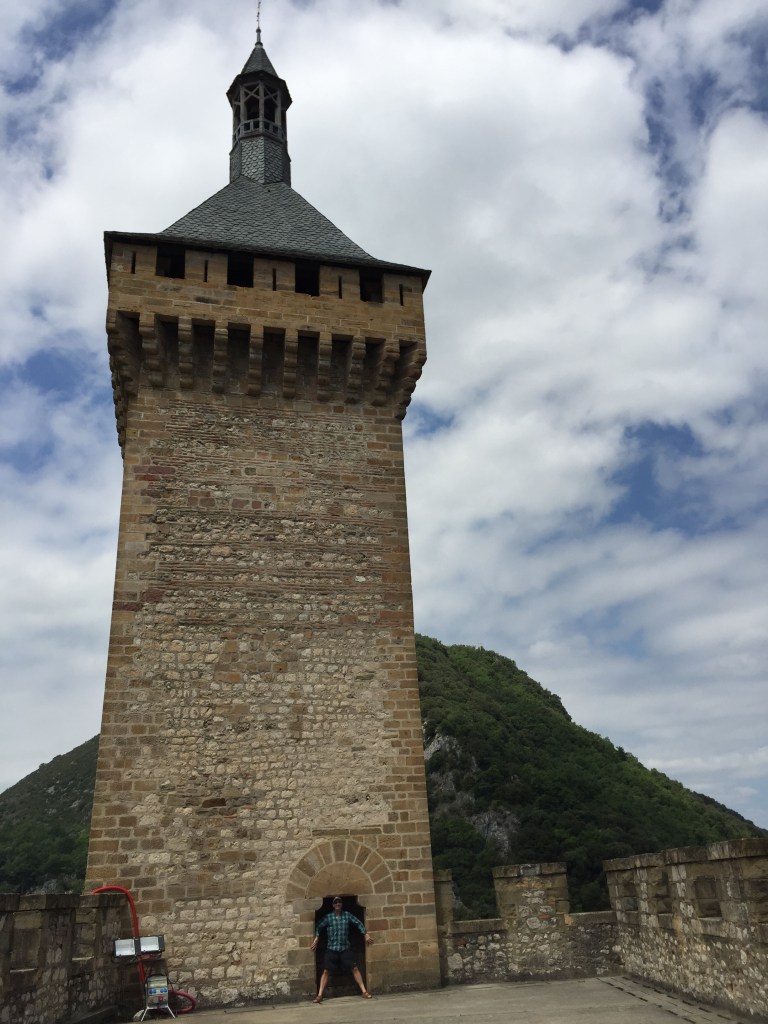
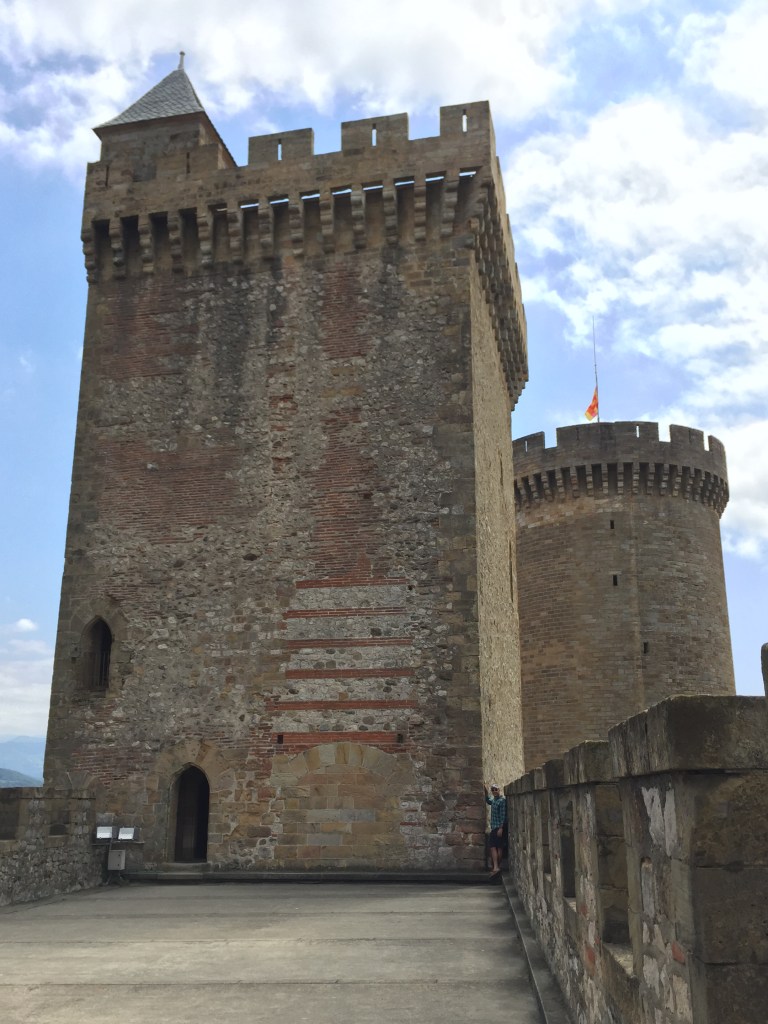
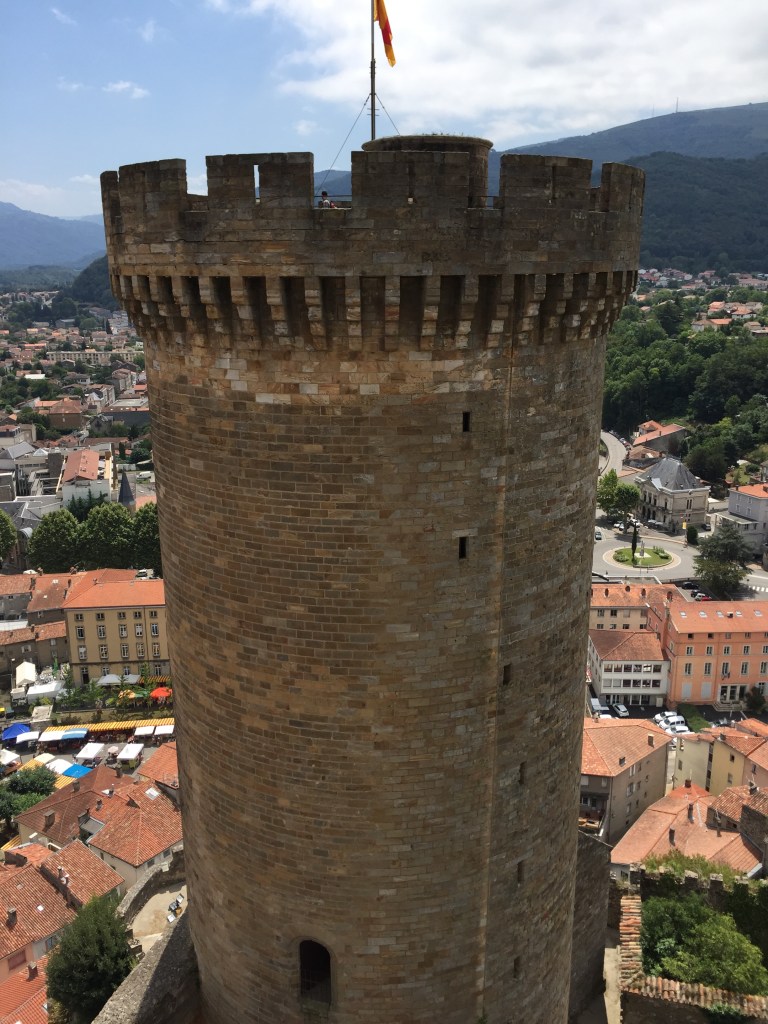
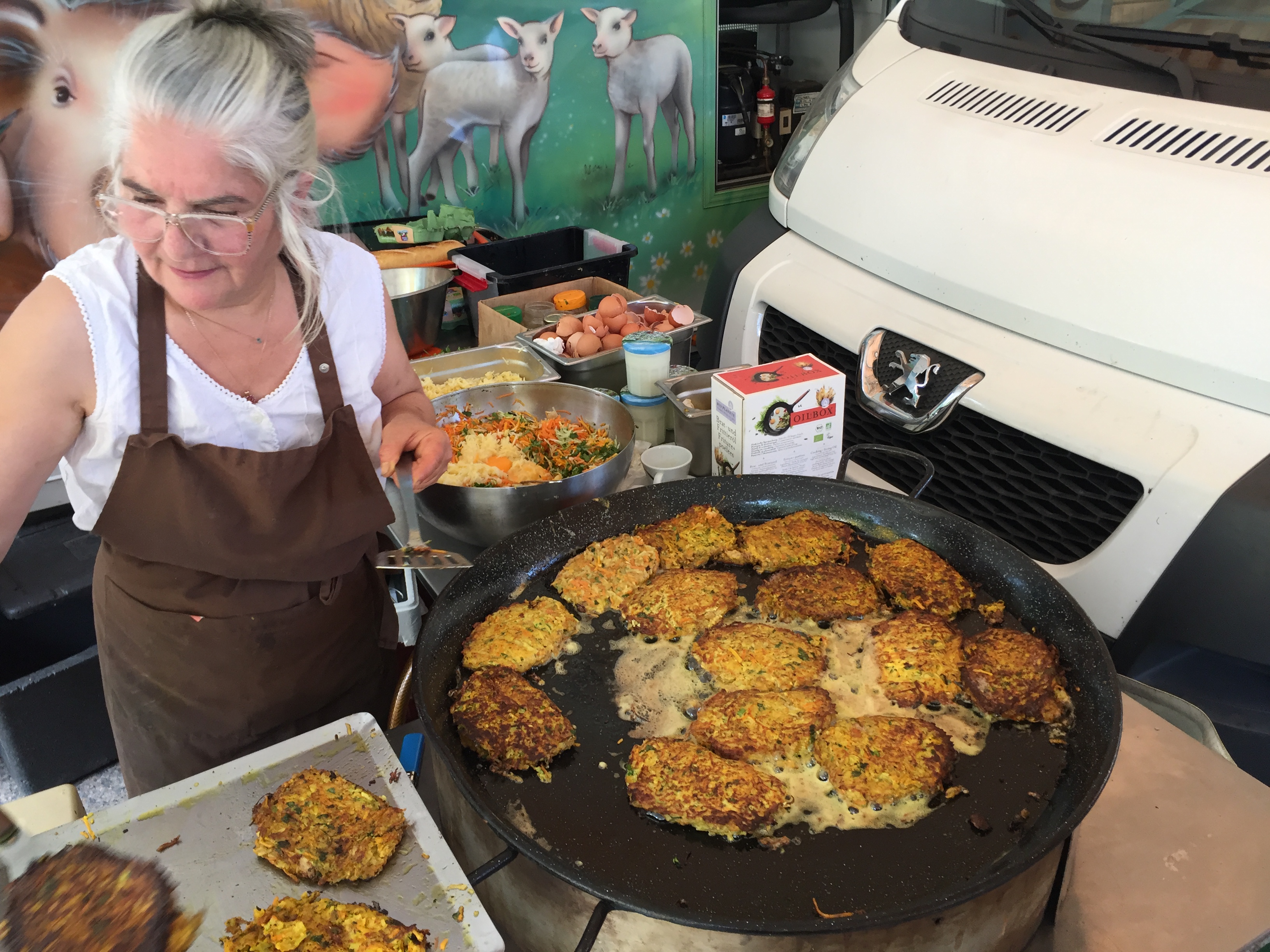
Our stop in Foix was the highlight of the day – cool town, even cooler castle, and a market was in full swing in the center of town:

Made-to-order latkes – perfect starter for our lunch:

A little traveling entertainment while we snacked:

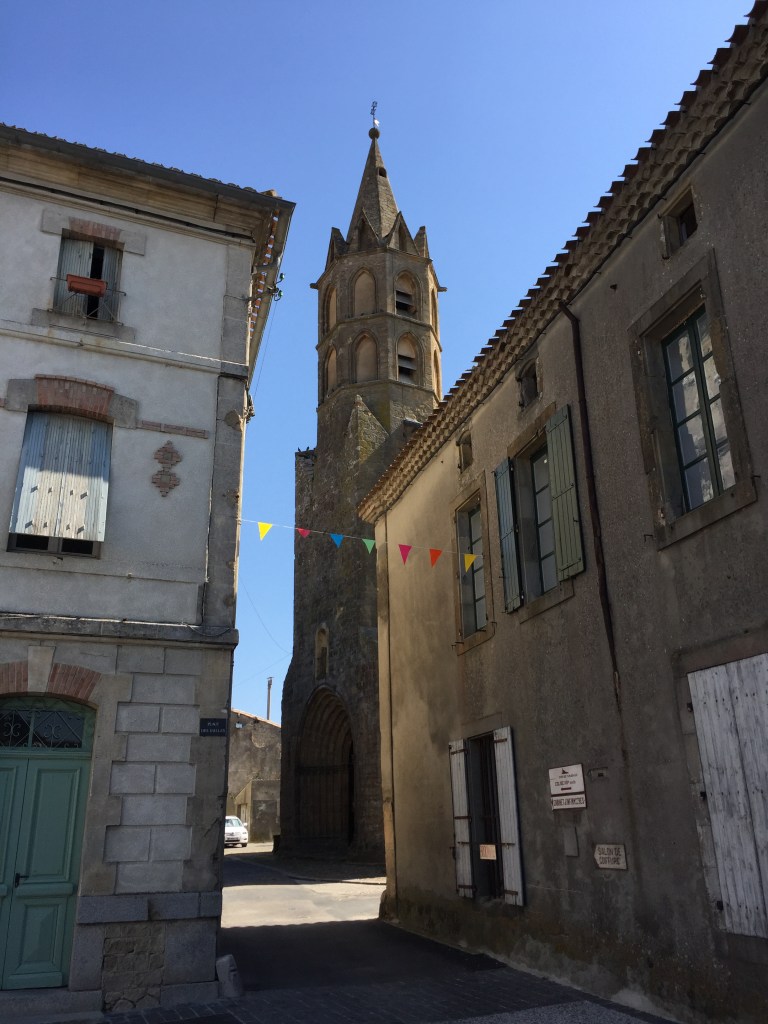
A quick visit to Fanjeaux, another Cathar hill town between Carcassonne and Andorra:

Across the border and traveling through the valleys of the Andorran Pyrenees:

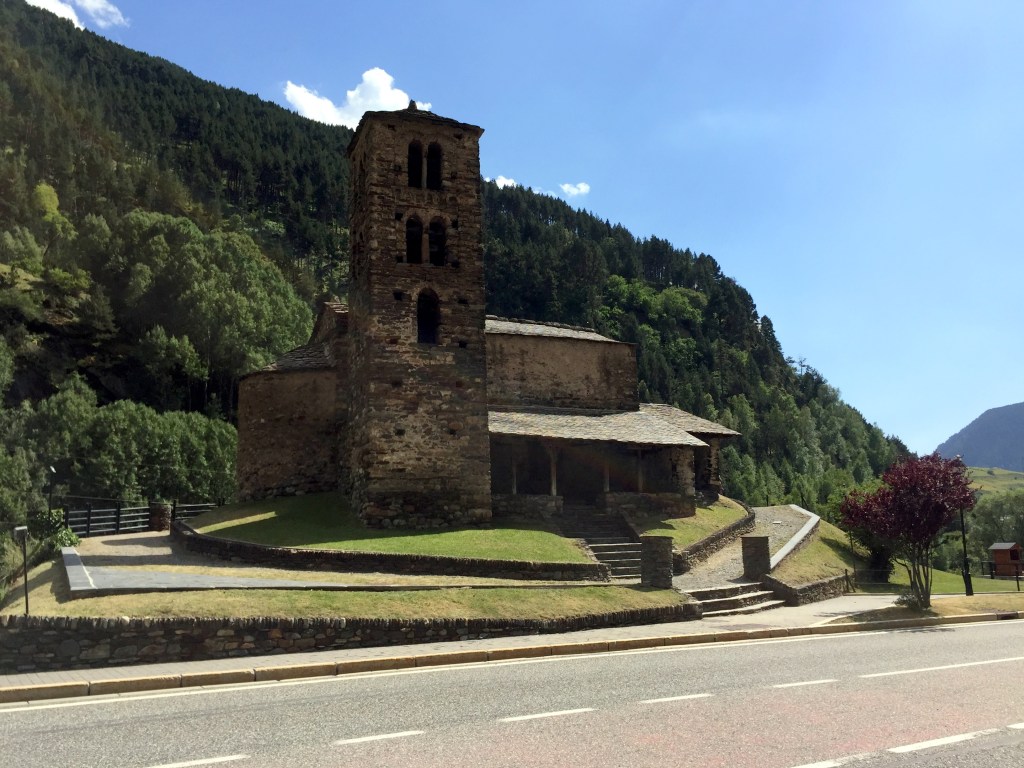
One of the cool things about the isolated country is the preservation of so many medieval Romanesque churches, which would have been rebuilt as shitty, gaudy Gothic or Renaissance structures in other countries. Below is the perfectly Romanesque church of San Joan de Caselles encountered on the way to Andorra la Vella, the principality’s capital. The church dates 11th or 12th century and features the typical architectural layout of the Romanesque churches in Andorra: rectangular nave with wooden roof, semi-circular apse and Lombardian style bell tower.

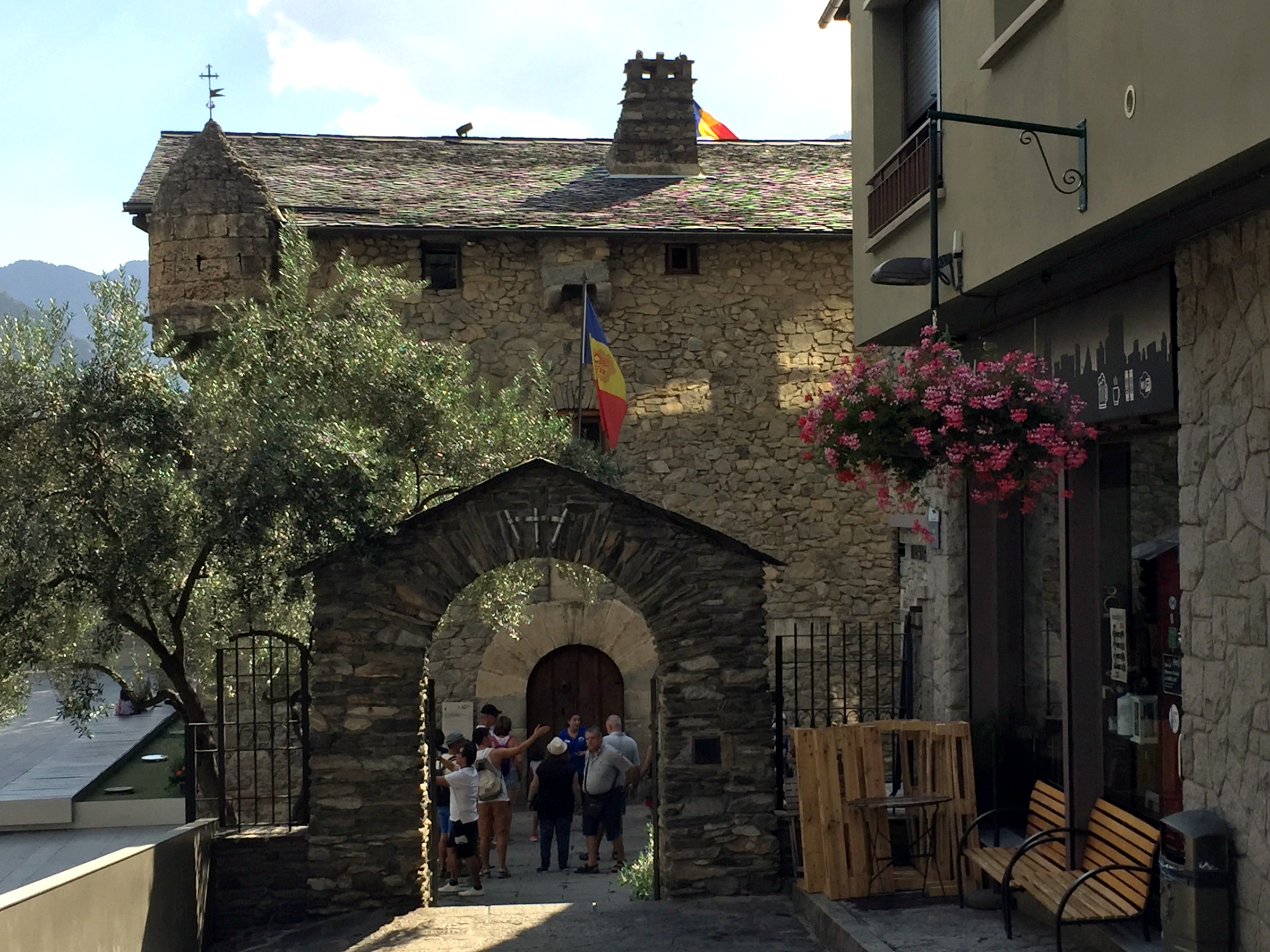
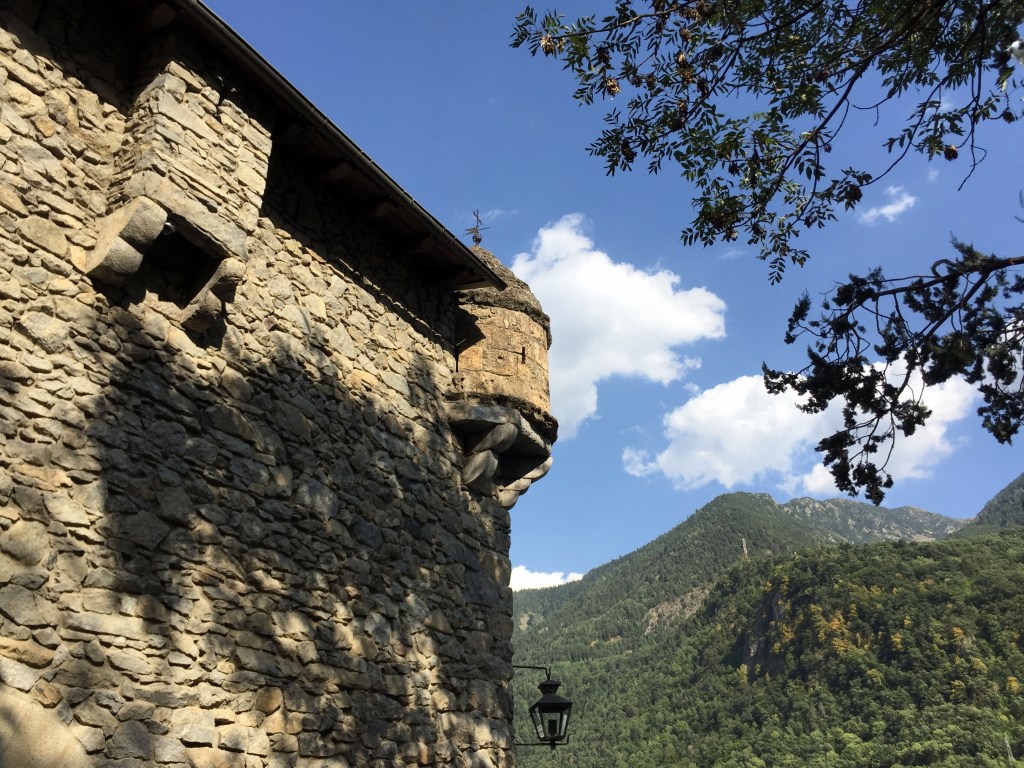
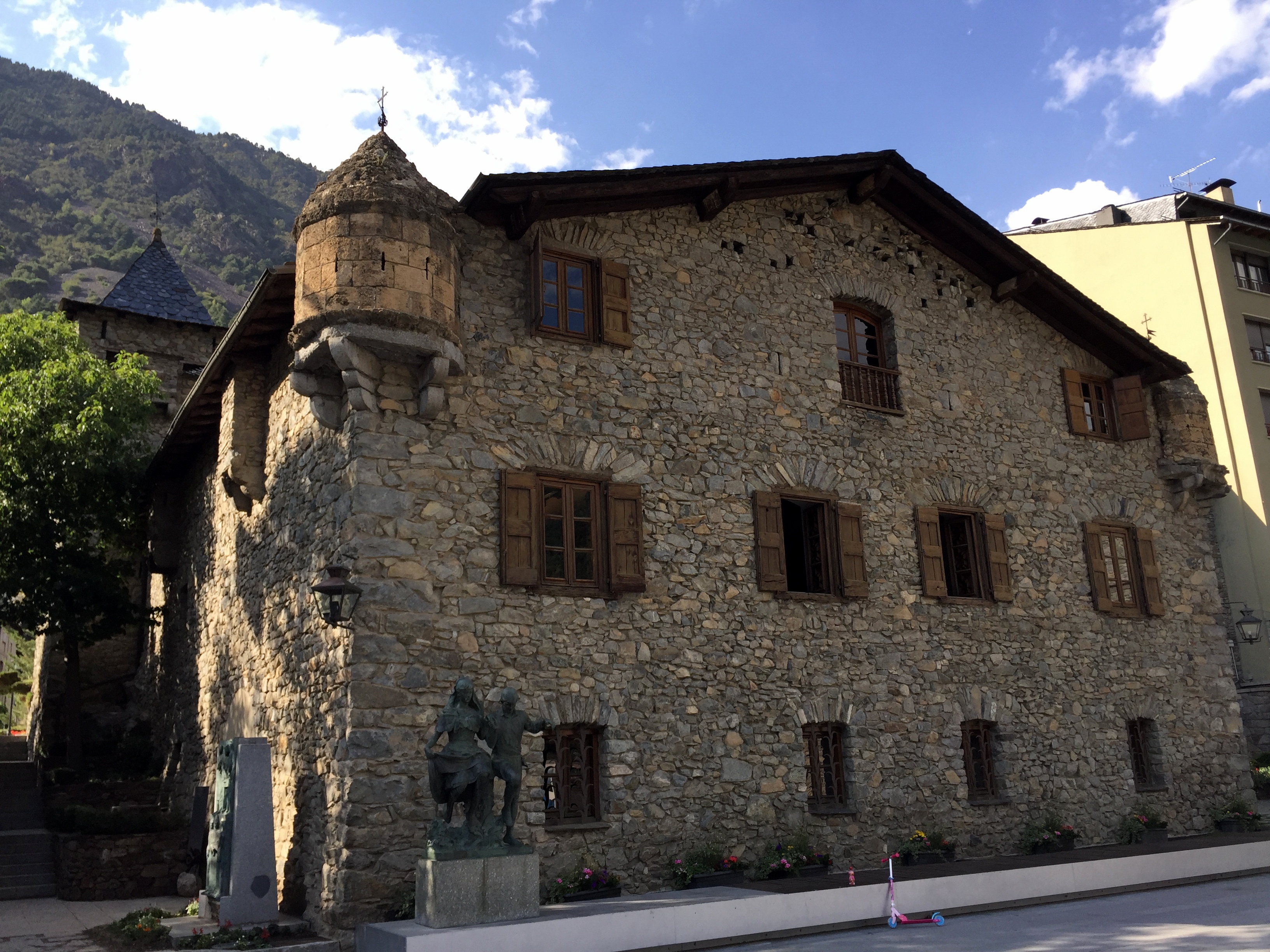
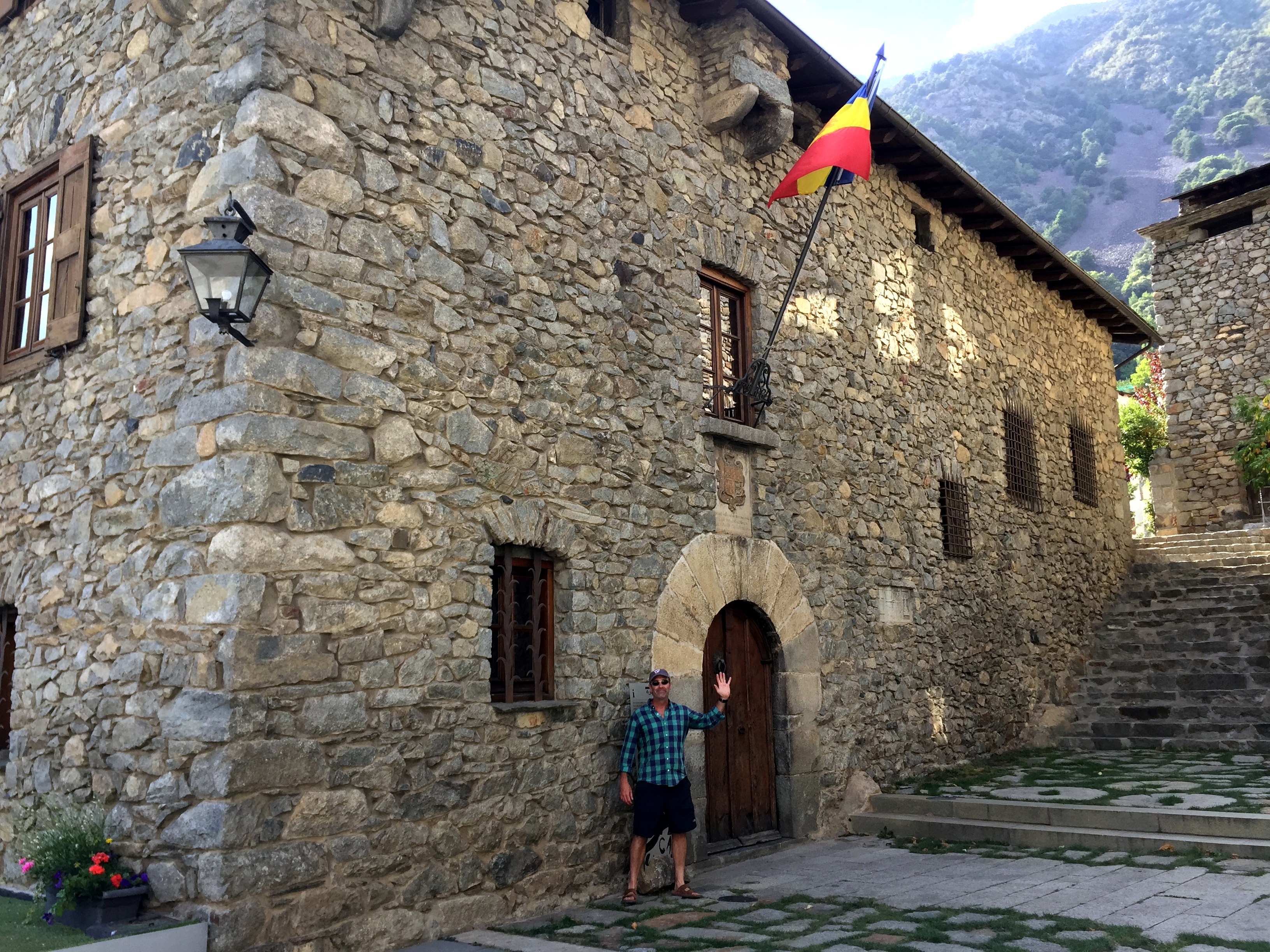
Wandering in Andorra la Vella to Casa de la Vall, home to the Consell de la Terra – the General Council of Andorra (which the Andorran’s generously refer to as a “parliament”). The Consell de la Terra founded in 1419, one of Europe’s oldest continuous parliaments.

Casa de la Vall was built in 1580 as a manor and tower defense by the Busquets family. In 1702 it was acquired by the Consell de la Terra for its current use.

Um . . .

We think this is the progenitor to Ben the Boss Tone, the dancing guy on the Mighty Mighty Bosstones. If you don’t believe us, check this out at, like minute 0.50:

Signage in downtown Andorra la Vella reinforcing Andorra’s geopolitical situation:

Someone’s gotta watch over the town:

Views over developed Andorra la Vella:

The 12th-century, Romanesque Església de Sant Esteve in the middle of Andorra la Vella:

Statue of Princep Benlloch in front of Església de Sant Esteve. “Joan Benlloch was named Bishop of Urgell on 6 December 1906; in this position, he was also Co-Prince of Andorra. . . His tenure saw his country enter World War I on the side of the Allies, but Andorra was not included in the Treaty of Versailles and officially remained in a state of belligerency until 1957.

Another awesome hotel pool in which to unwind with a few drinks in the late afternoon – this one built into Pyreneean granite on the mountain:

Trip target finally achieved in Andorra, the microstate that started it all: completion of visits to all five European microstates in a single road trip!

The only thing left now is a brief morning drive southeast to Barcelona to spend a little time there before our flight out the day after.

Categories: Andorra, Micronations! | Tags: , , , , , , , , , , , , , , , , , , , , | 2 Comments

Barcelona, per Tercera Vegada

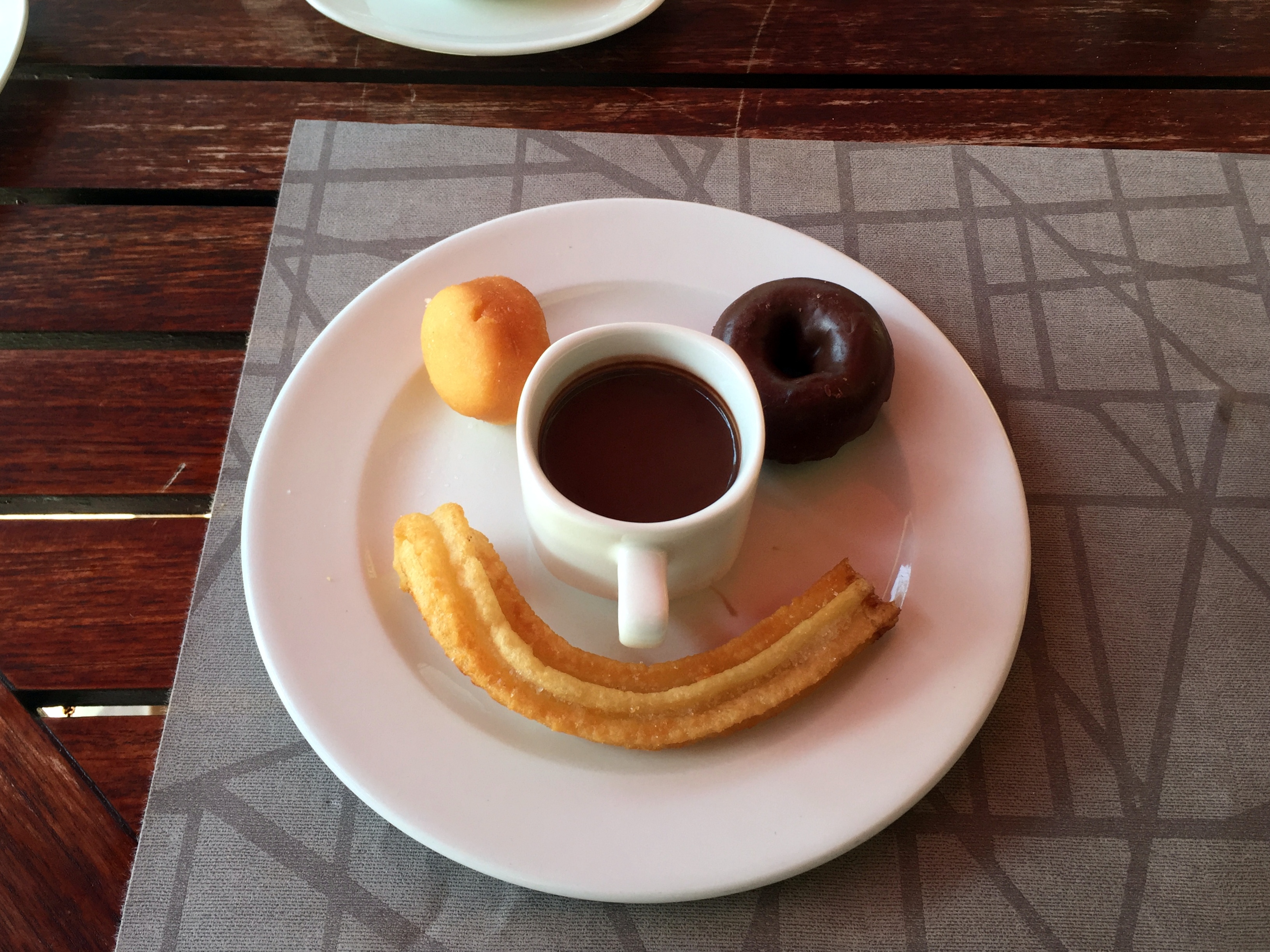
Best way to start your day virtually anywhere on the Iberian peninsula? Churros and doughnuts for breakfast! In this, on a fine morning in Andorra, accompanied by chocolate dipping sauce for the churros. Breakfast of champions!

Our final day of driving – here’s our route from Andorra la Vella to Barthelona:

We bookended our visit to Andorra by passing through the seats of power ruled over by both of Andorra’s original co-princes. The day before, we stopped in the home to one of the co-princes, the Count of Foix, on the trip from Carcassonne to Andorra. Today, where our route makes an abrupt turn to the east just south of Andorra, we moseyed around in Seu d’Urgell, home to the Bishop of Urgell. Not too much to see, really – not nearly as charming a town as Foix. But, here’s a view of the 12th-century Tower of Solsona, one of the three fortresses guarding the city, on the outskirts of Urgell:

Lots of cool little hill towns on the way to Barthelona – here’s Belver de Cerdanya:

By far, though, the most dramatic landmark we encountered on the way down was Montserrat (literally “the saw” in Catalan), as we neared Barthelona proper:

The mountain range is home to the Benedictine Abbey of Santa Maria de Montserrat, founded in the 11th century and still functioning today. In 1493, Christopher Columbus named the Caribbean island of Montserrat after the Virgin of Montserrat, the sanctuary of which is at the abbey.

We’d been to Barthelona a couple of times before, so instead of walking around, we spent a decent amount of the afternoon on top of our hotel, which was located right on the waterfront at the end of Las Ramblas:

Obligatory pic of Barthelona’s Gothic cathedral during our visit. We’ve used this cathedral, in particular, to contrast Gothic architecture with what we consider to be the much cooler Romanesque style:

Las Ramblas and the Columbus Monument as night falls on the last night of our microstate road trip:

One final nightcap on the sweet ass hotel rooftop before heading home the next day . . .

Micronations road trip complete!

Categories: Barcelona/Madrid, Micronations!, Spain | Tags: , , , , | 2 Comments

Blog at WordPress.com.