
After mulling over an extended trip to Japan over Christmas during our New England and Canada road trip this past summer, we quickly concluded that the time and focus needed to plan the logistics of that trip would be misspent while actively engaged in another. And so we defaulted to an easier-to-plan, one-stop trip to a location closer by that’s been on our list for a few years: San Miguel de Allende in the center of Mexico.
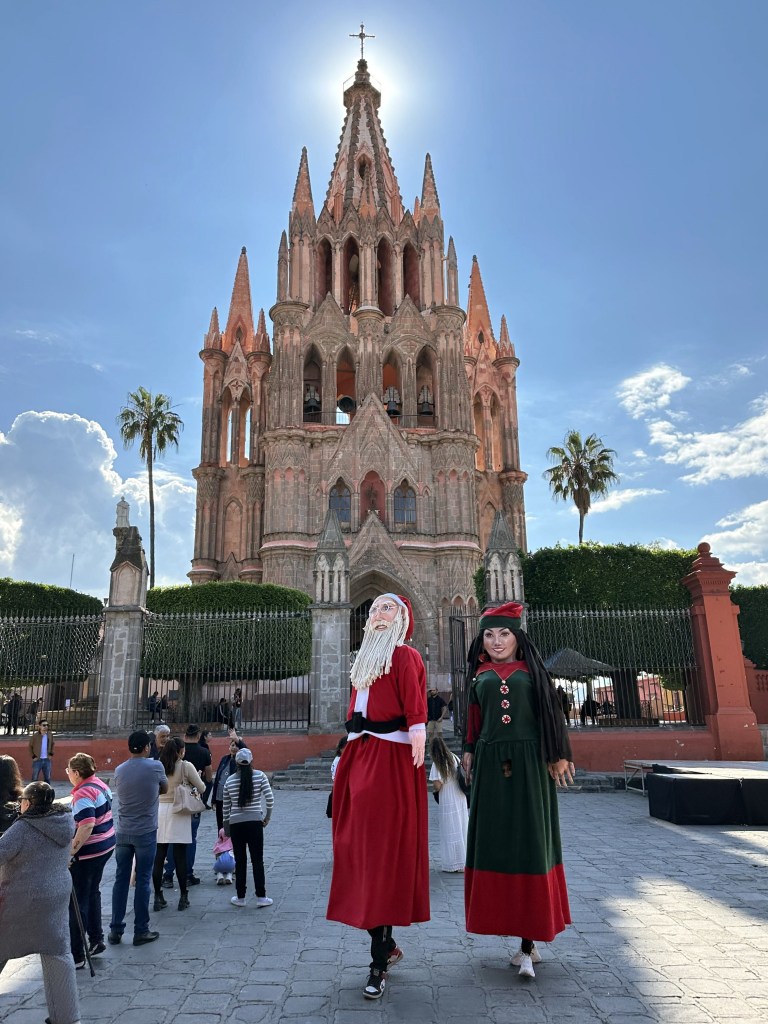
The town had been on our radar for a few reasons:
- Most notably, the town hosted the finale of Top Chef one season, and the gastronomic reputation of San Miguel appeals to us
- The Boston Connells spent more than a month in San Miguel back in the day as part of the boys’ Spanish immersion education (which certainly paid off, considering that one of them ended up taking two semesters of college engineering courses in Spain – in Spanish – and the other spent a month in Ecuador last year)
- There’s a Rosewood there
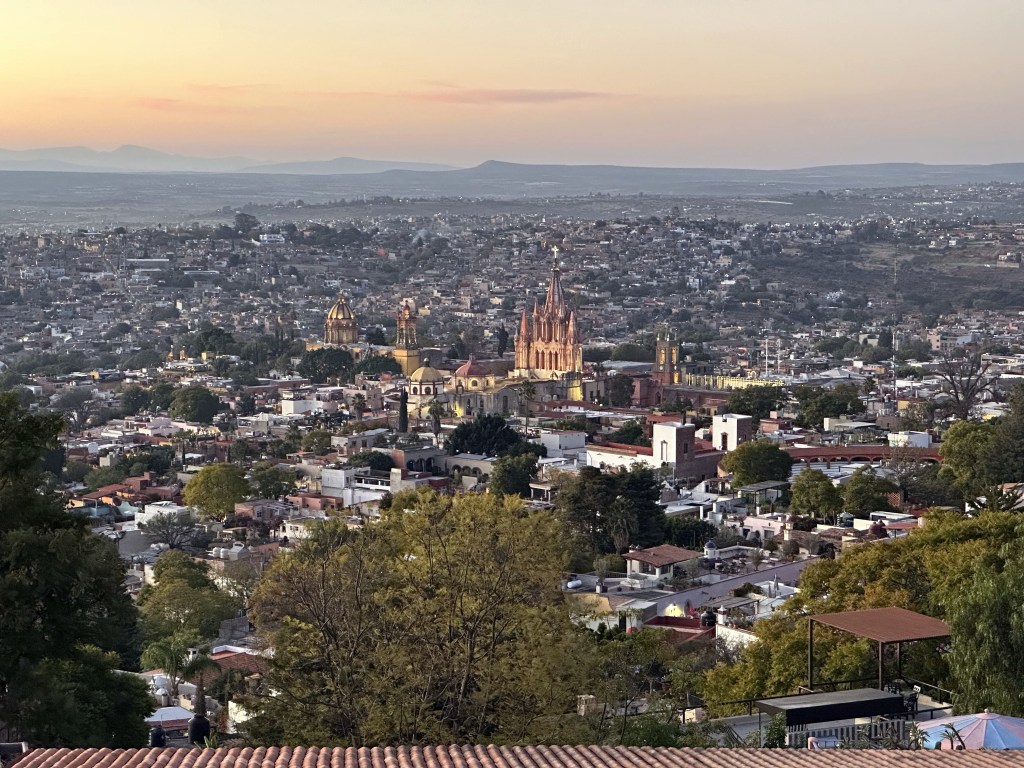
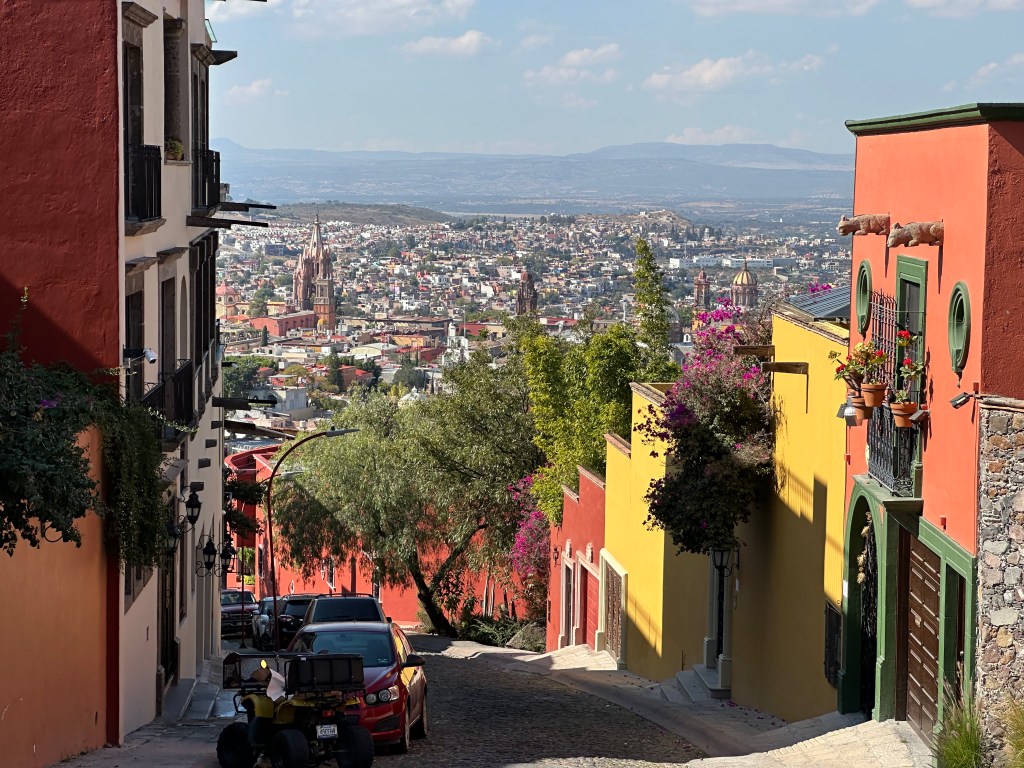
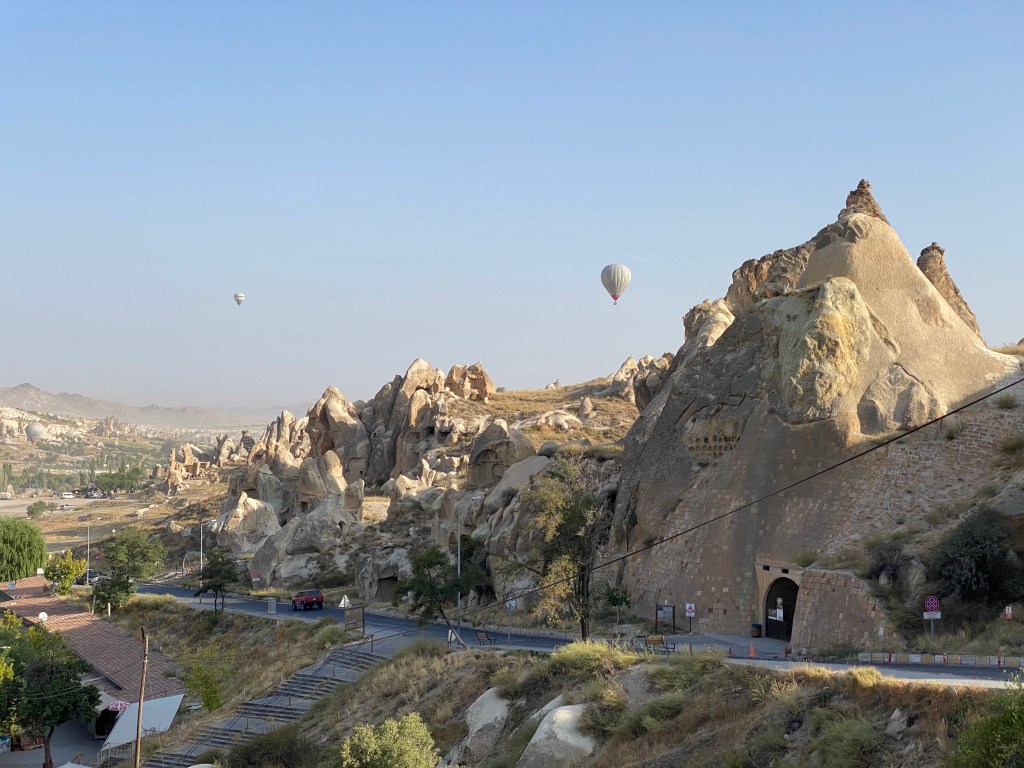
The choice turned out to be a wise one – really beautiful place, both from a distance during cocktail hour:
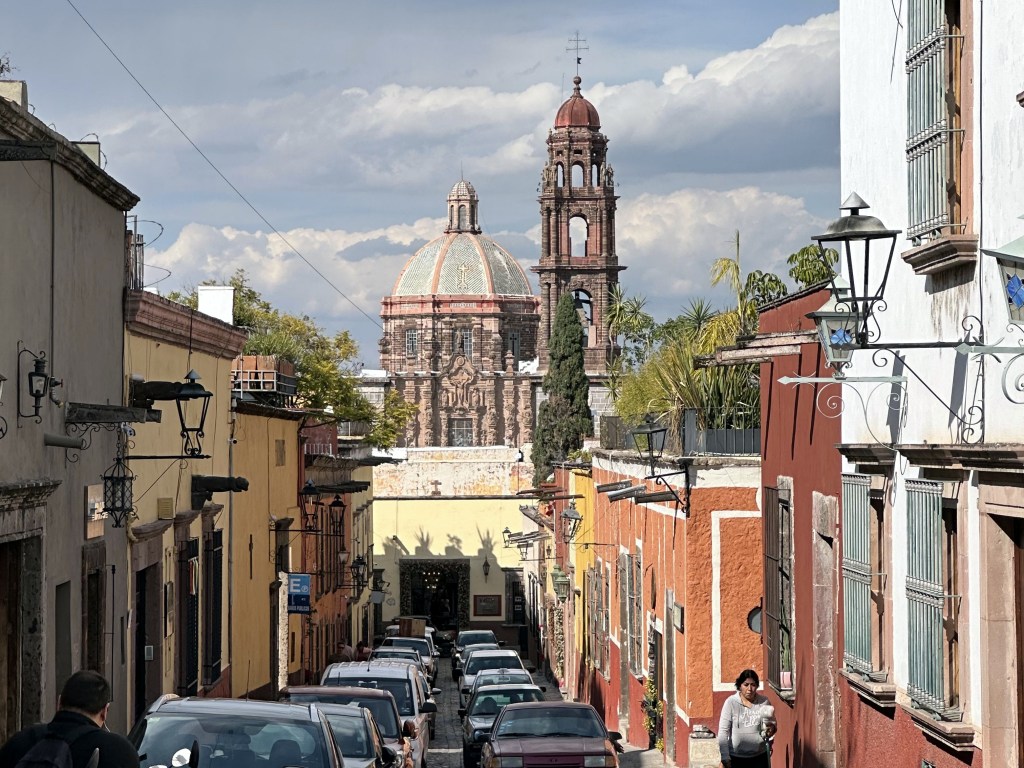
And up close and personal in town:

We took a walking tour our first morning there, and our guide stated that San Miguel now consists of 14% gringos, and that, although Americans began visiting the town in meaningful numbers after WW II due to a Spanish language school that was covered by the GI Bill, the big surge came much later. Due, according to our guide, to a proclamation a dozen years ago by Conde Nast Travel that San Miguel was the most beautiful town in the world.
Moneyed Americans (and Canadians) soon followed – first as visitors, then as residents.
UNESCO also designated the center of town as a World Heritage Site, which is a pretty meaningful statement about the place. As a result of these moneyed new residents and the UNESCO designation, San Miguel has been beautifully preserved. Or gentrified. It’s a fine line.
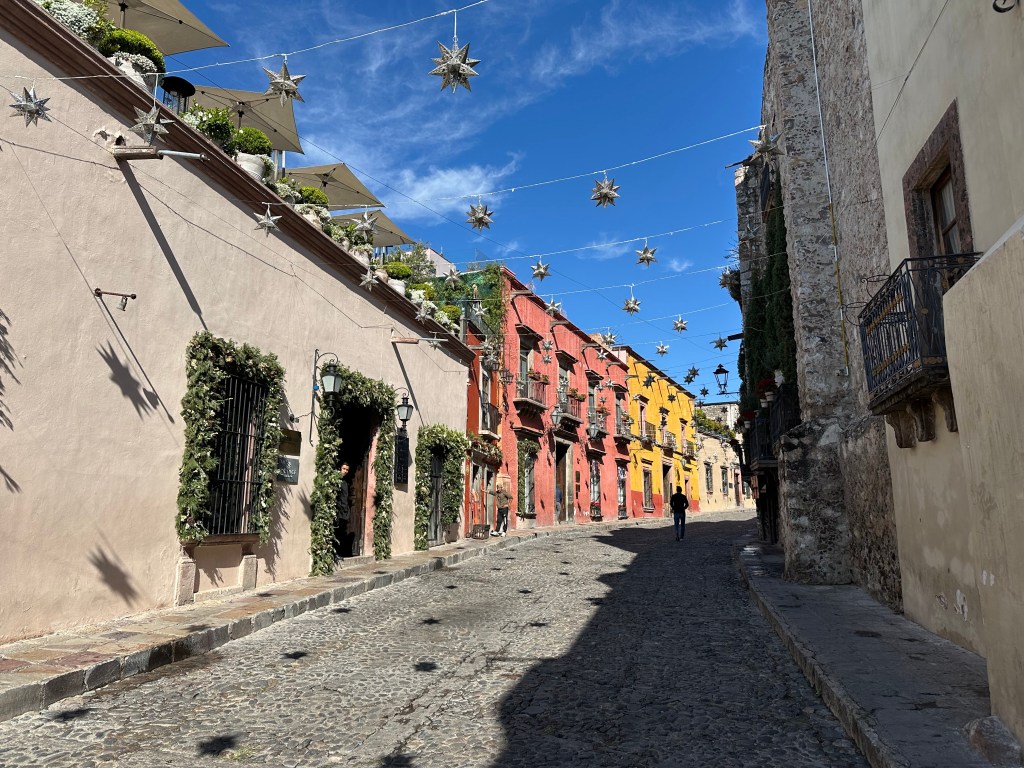
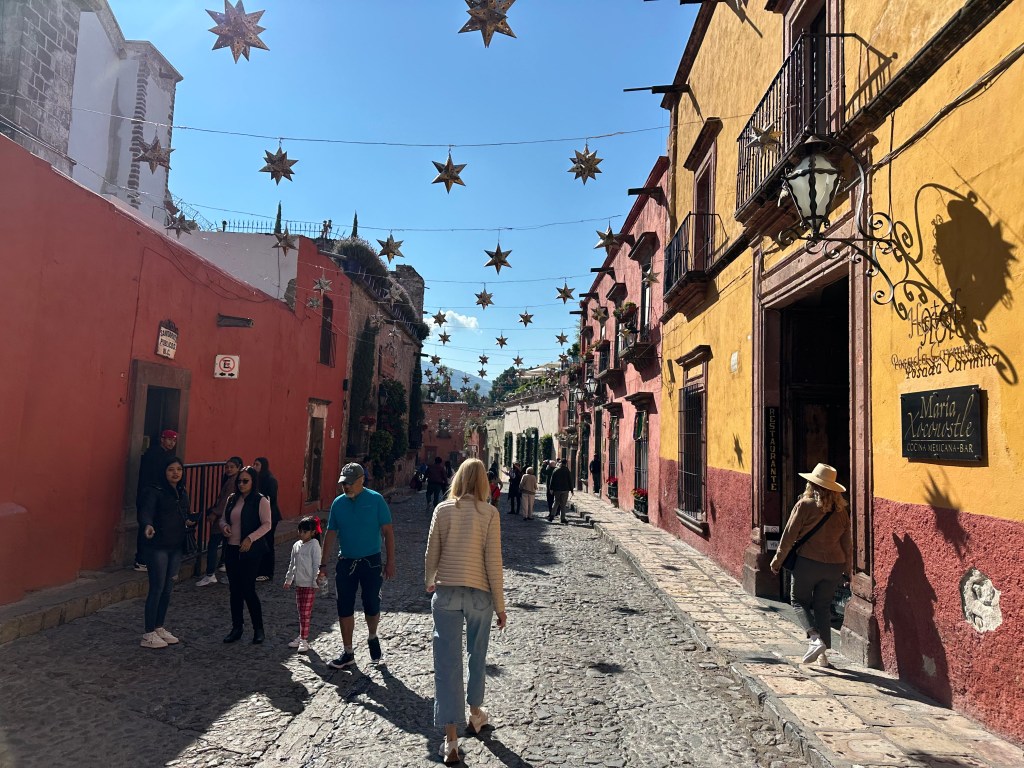
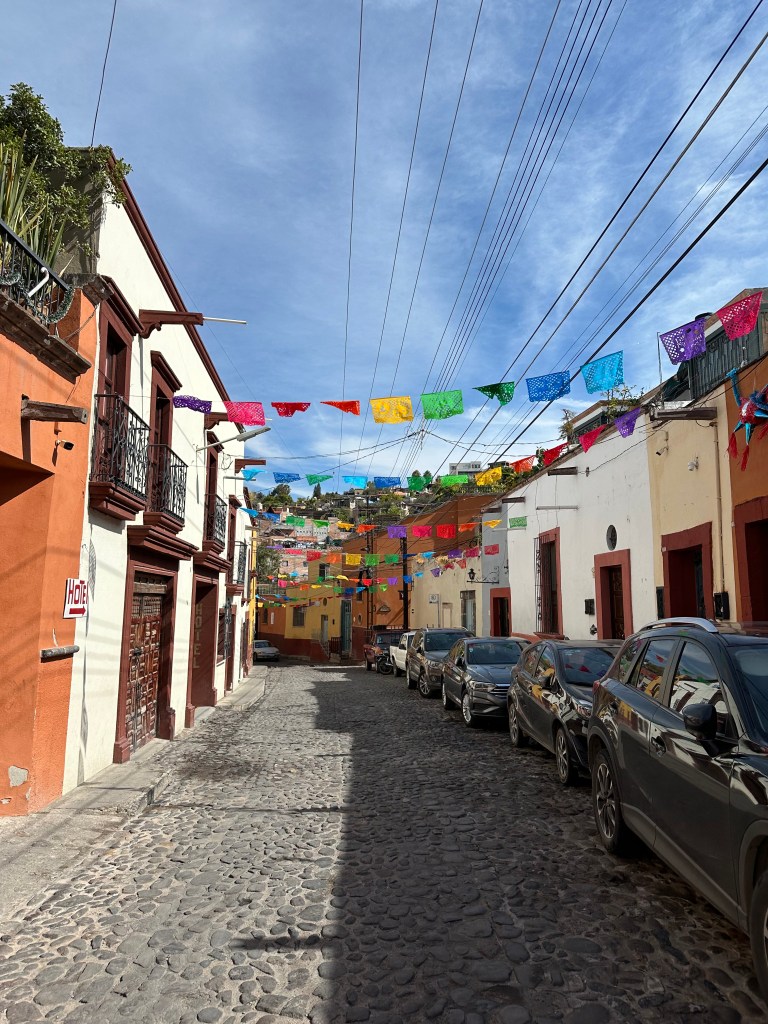
And in all of the town declared by Conde Nast to be the most beautiful in the world, the magazine declared this street to be the most beautiful in town (and in the world). While the specific rank is questionable to us, considering some of the places that we’ve visited, it was undeniably beautiful, and made more so by the Christmas decorations here and all around the center of town:

And cool street views weren’t limited to just that most famous lane:


Cool dia de los muertos mural by a local artist in a San Miguel bar:

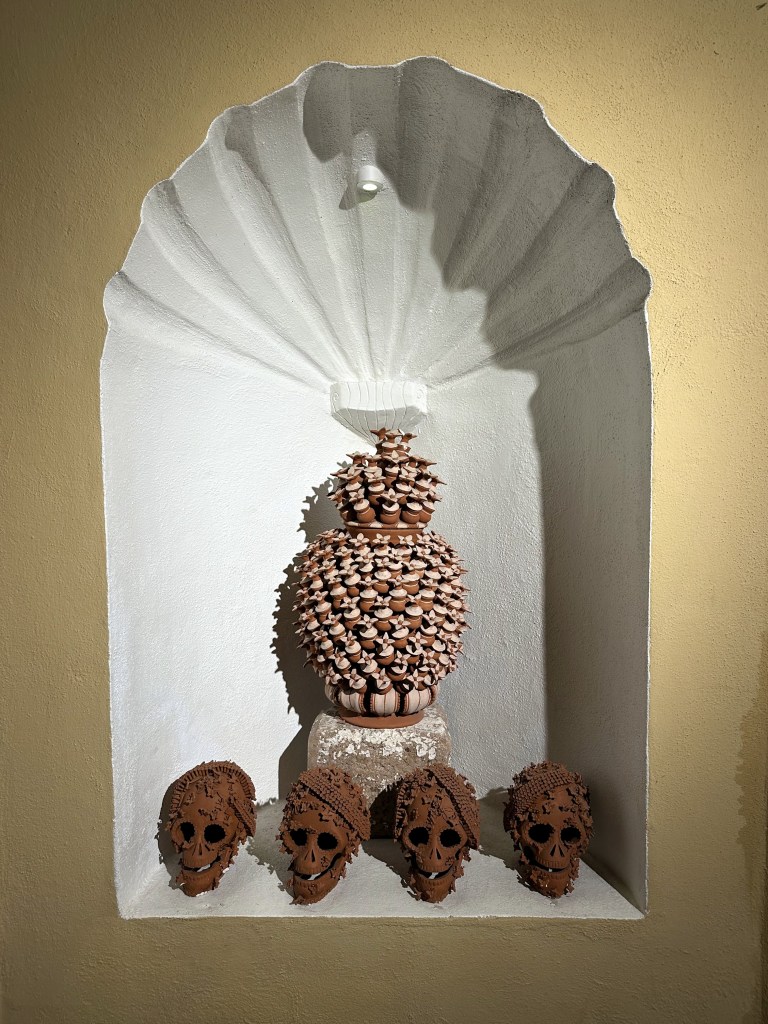
And the dia de los muertos accessories didn’t stop there.

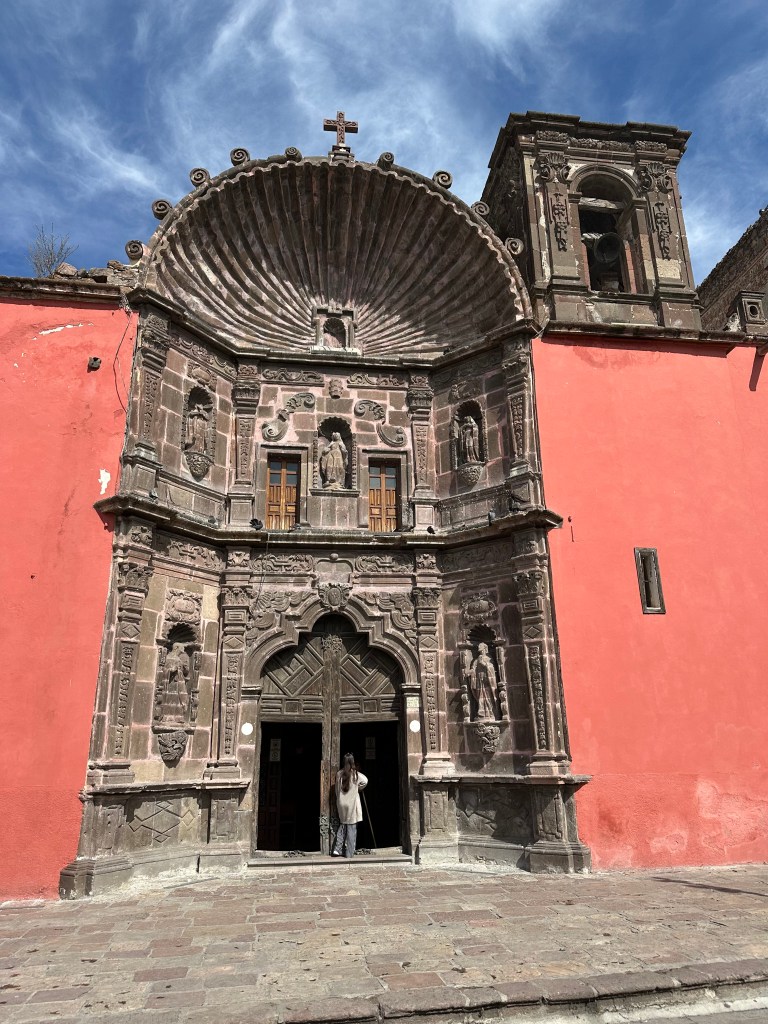
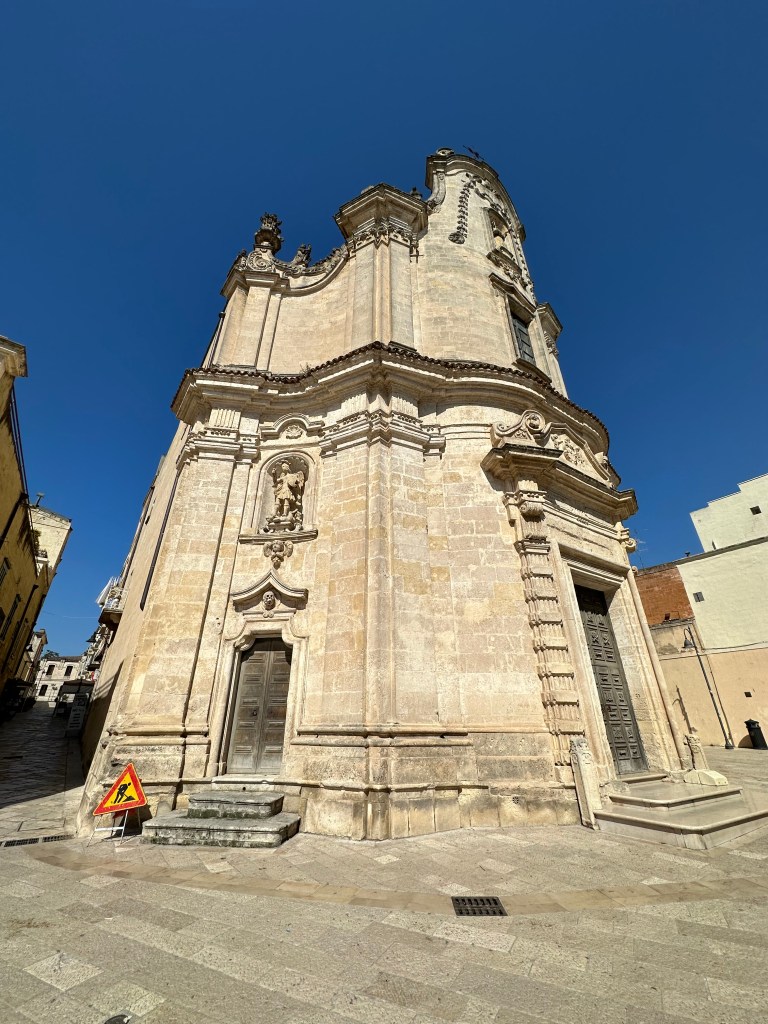
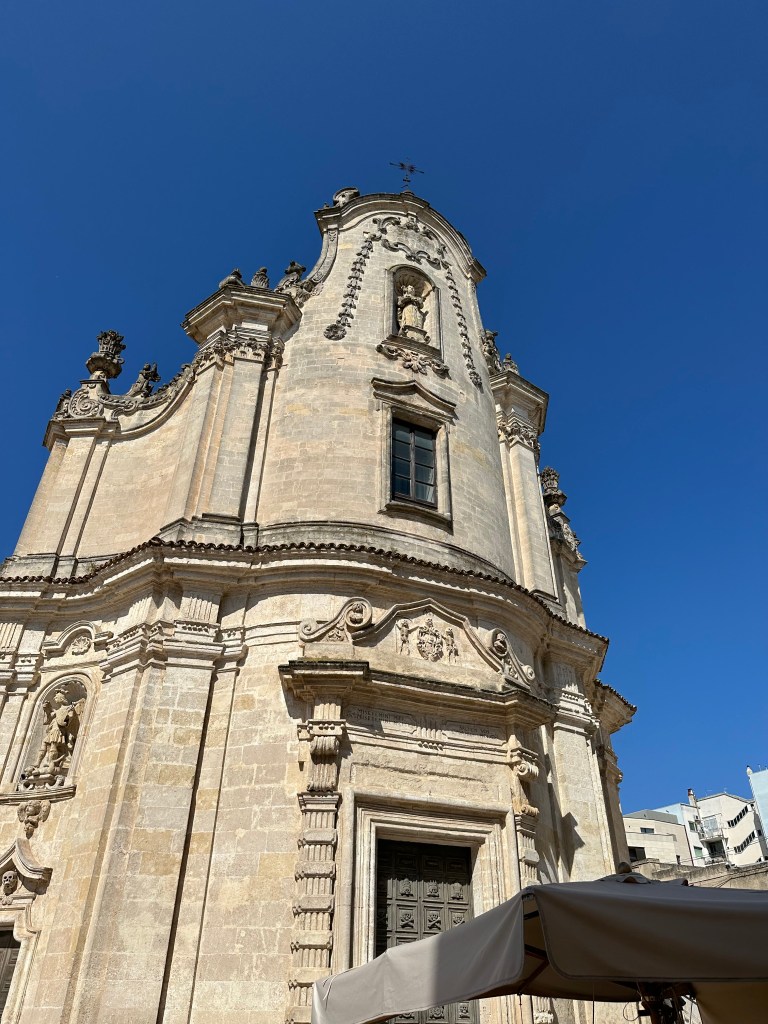
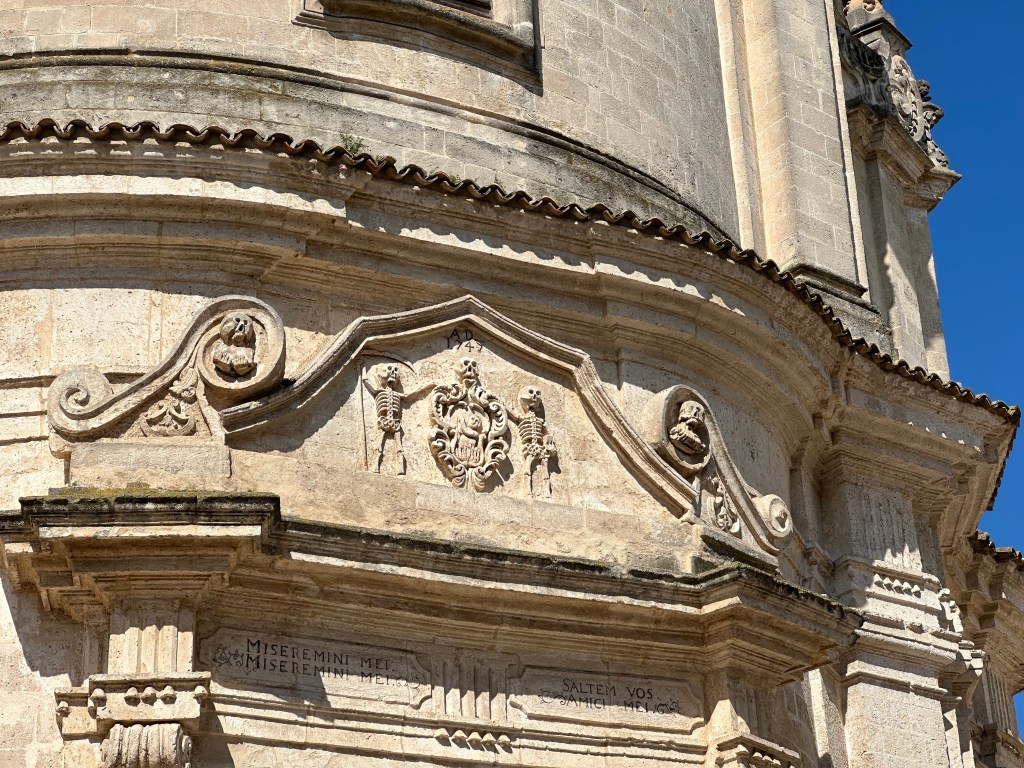
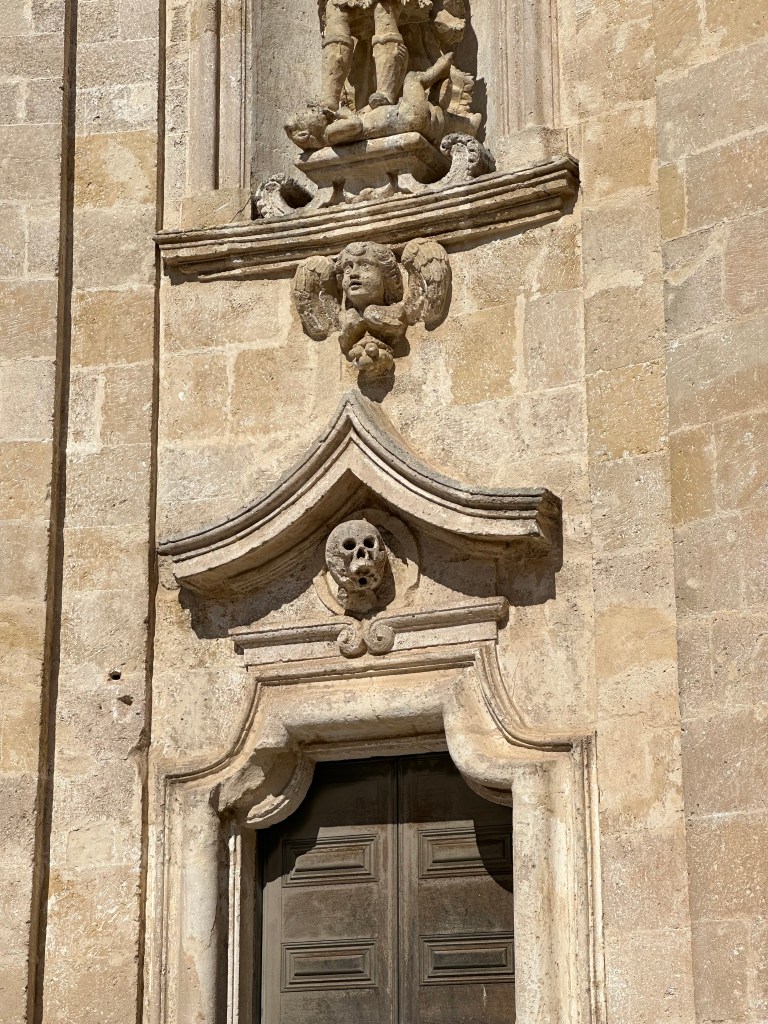
The rather picturesque Templo de Nuestra Señora de la Salud/Temple of Our Lady of Health:

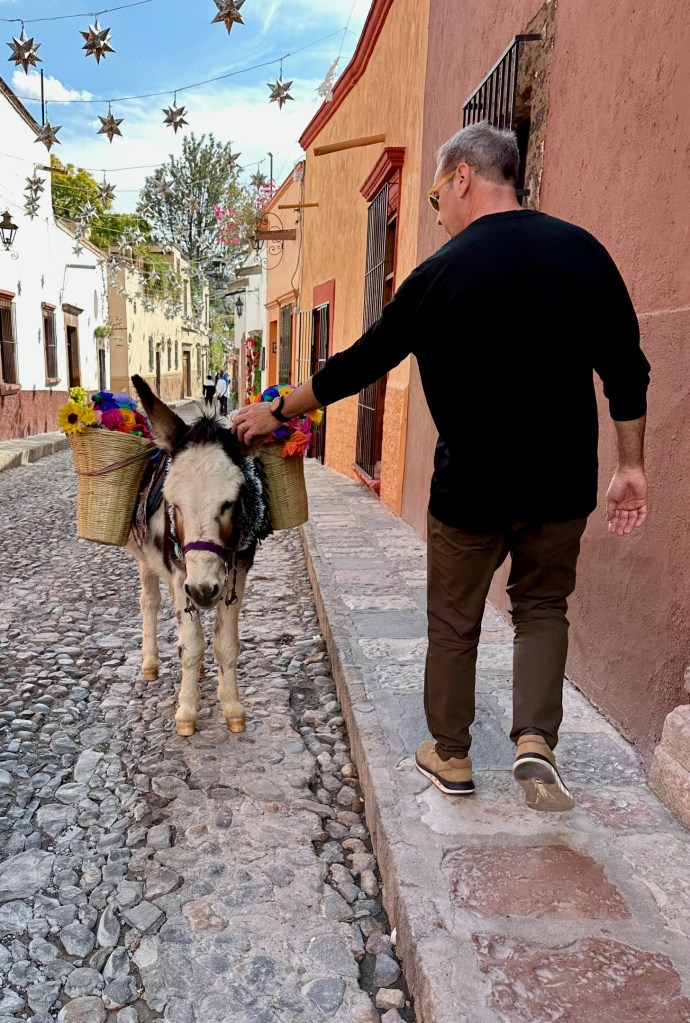
First lunch in town at a fish taco place – pretty good!

San Miguel’s bull ring, which still hosts bull fighting events (none of which were held during our visit, though):

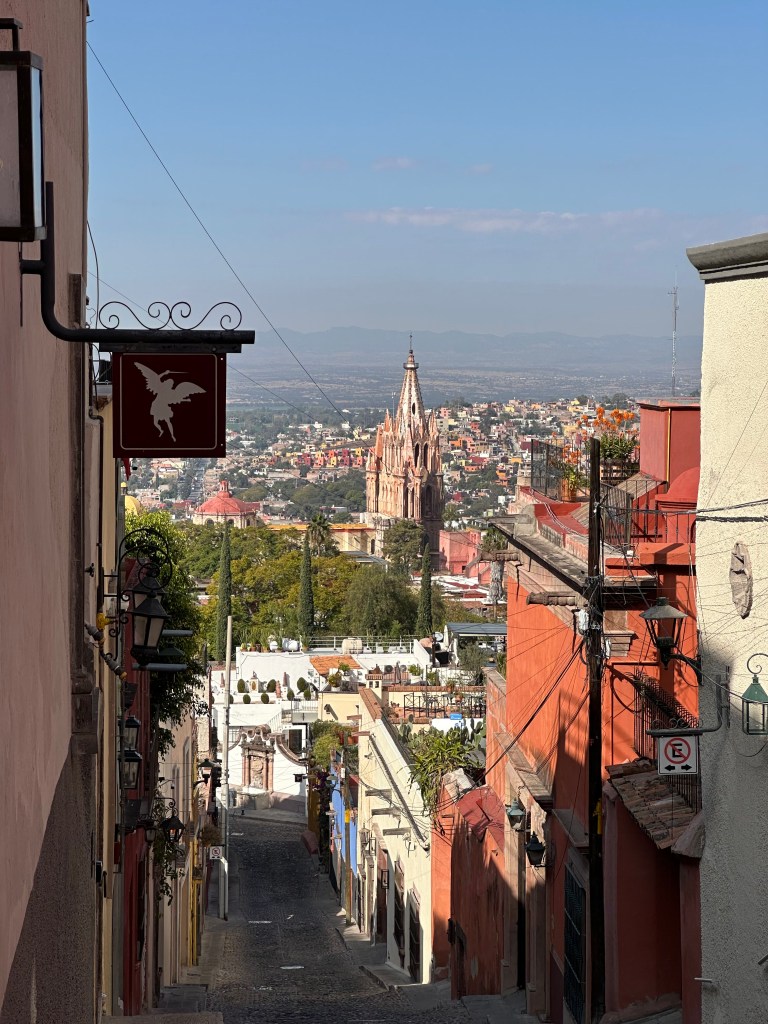
Great view from the rooftop bar at our place, with San Miguel’s landmark Parroquia de San Miguel Arcángel (Parish Church of St. Michael, Archangel) as a centerpiece of the vista:
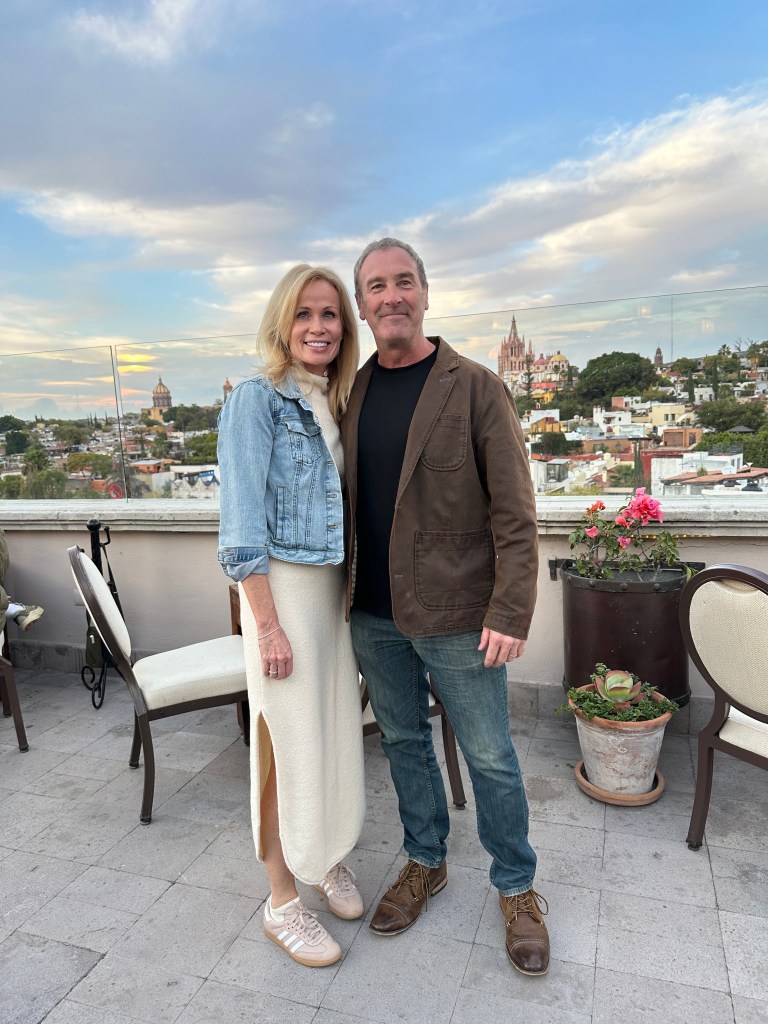
Although the town is actually named after a 16th-century friar, Juan de San Miguel (and Ignacio Allende, who we’ll get to), the San Miguel reference we most commonly encountered during our visit was the town’s patron saint and parish church personality – St. Michael the Archangel.

Pretty good view of the parish church from our room’s terrace, too!
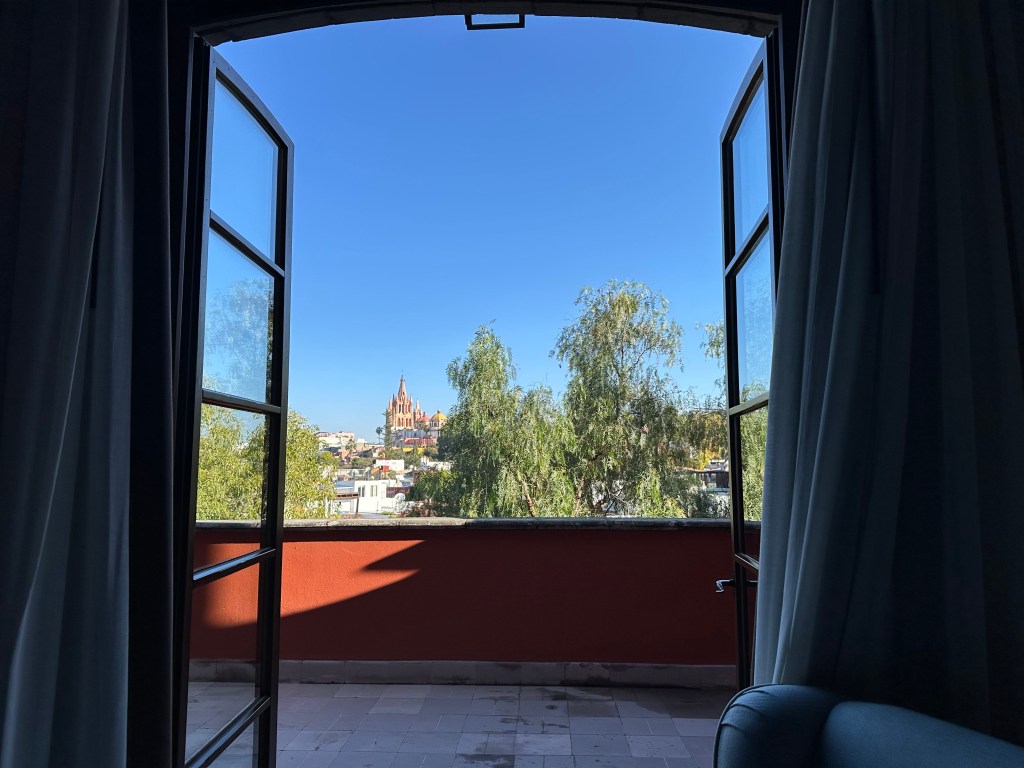
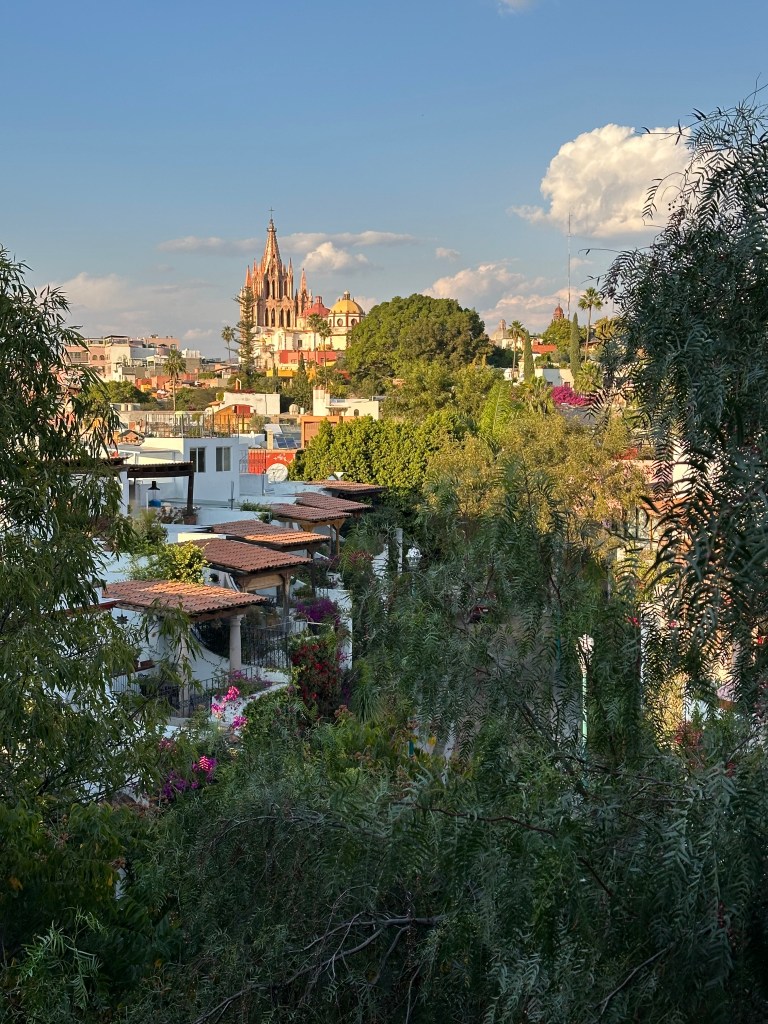
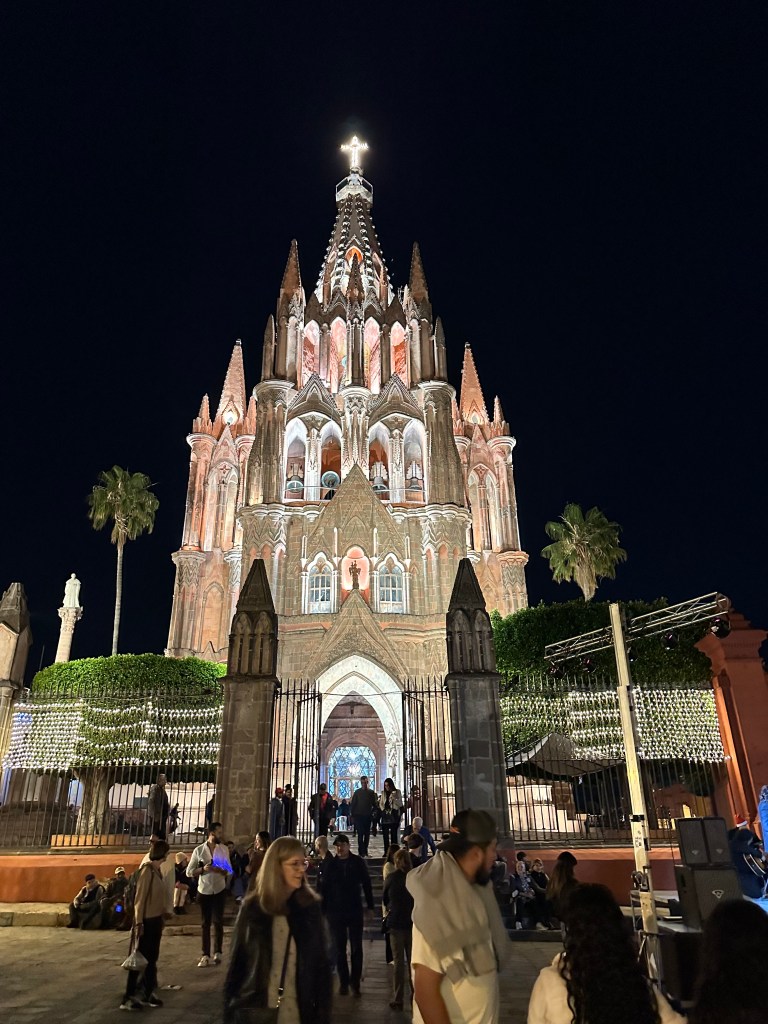
Parroquia de San Miguel Arcángel was, in fact, omnipresent during our visit. One simply could not escape its intrusion. Which was a good thing, from a town aesthetics point of view. . .
Both up close:
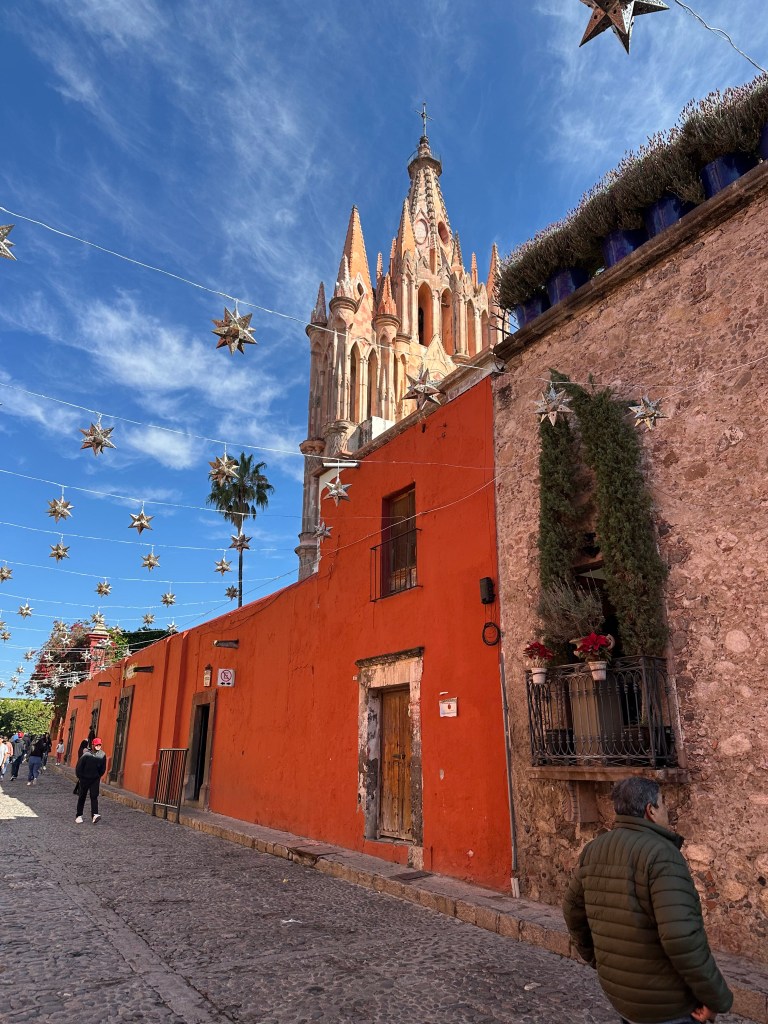


And from afar:

And during the day:

And at night:


(Not sure this functions in email version of post.)
Christmas Eve:

Christmas Eve dinner at Aperi:
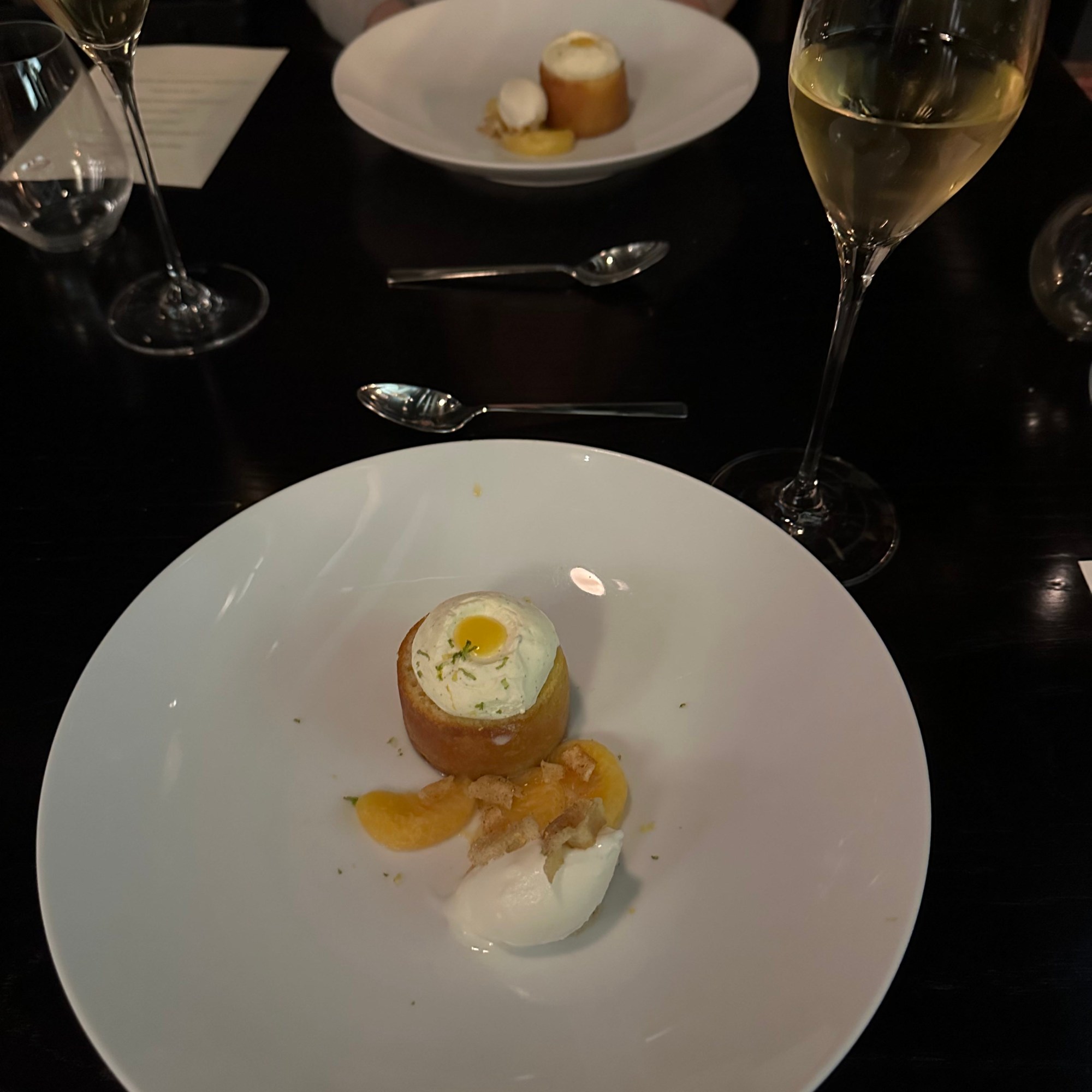


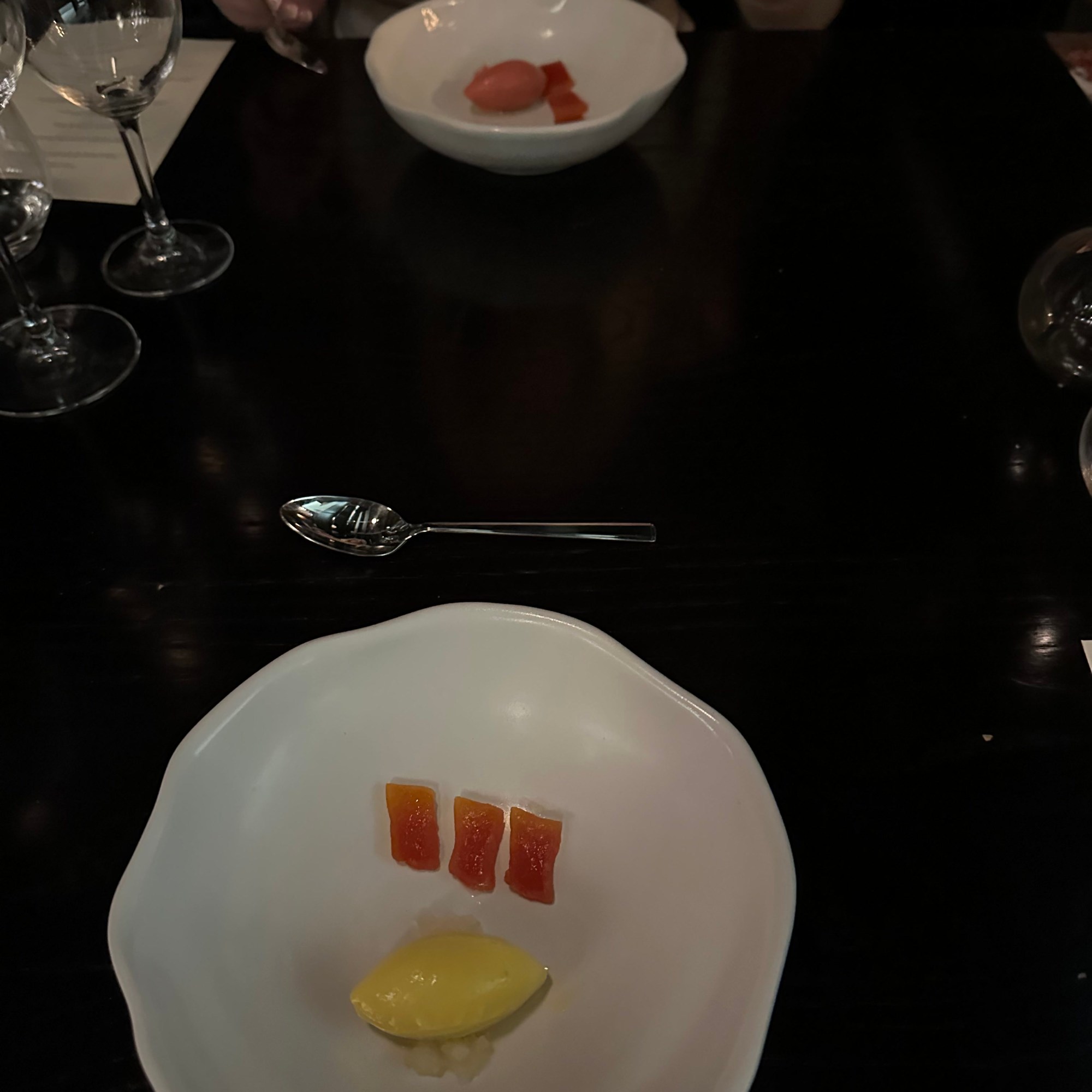
And the tradition of the traveling Christmas stockings continues!

Christmas day in the Rosewood’s courtyard (not sure this functions in email version of post):

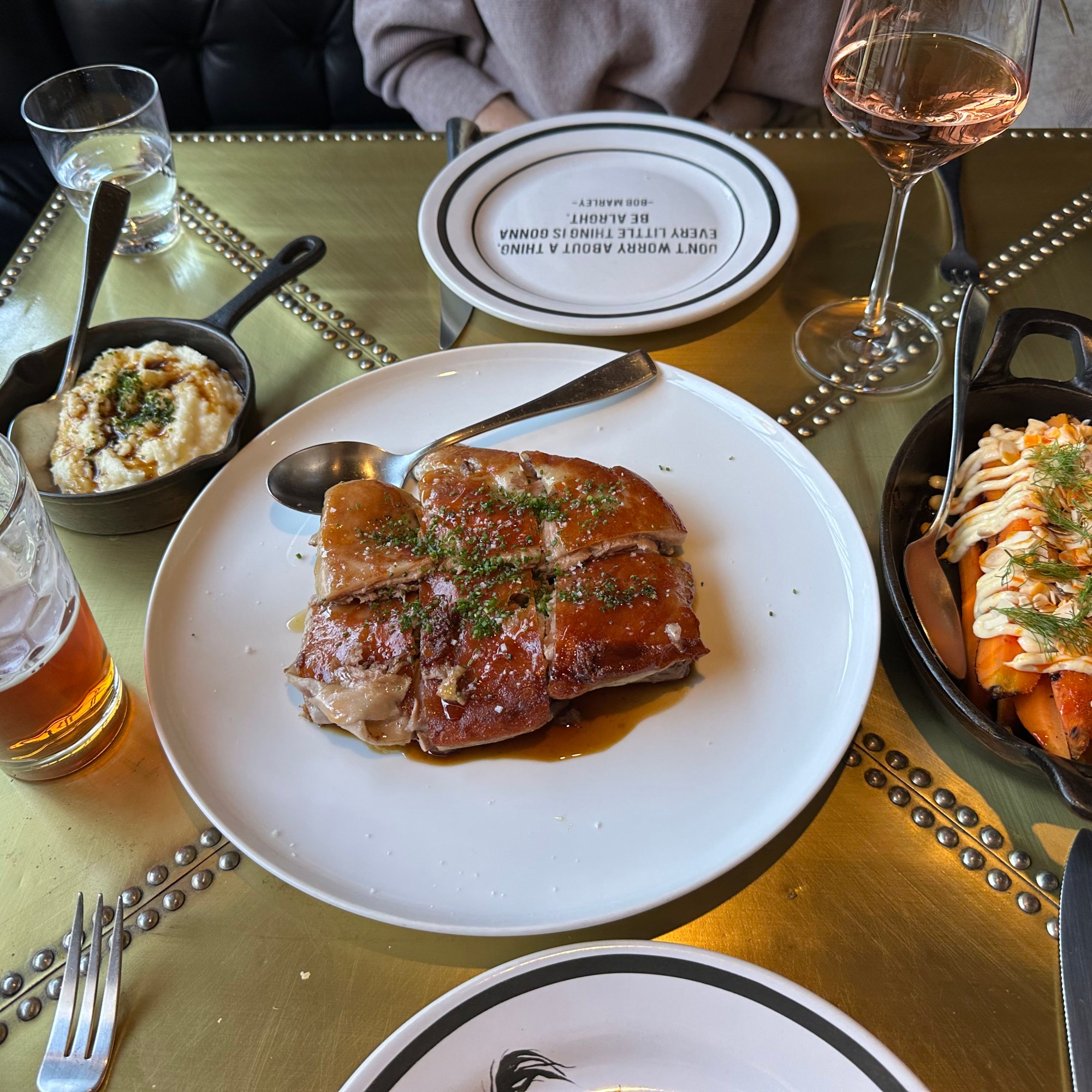
Christmas Day lunch at Bovine, featuring outstanding suckling pork.
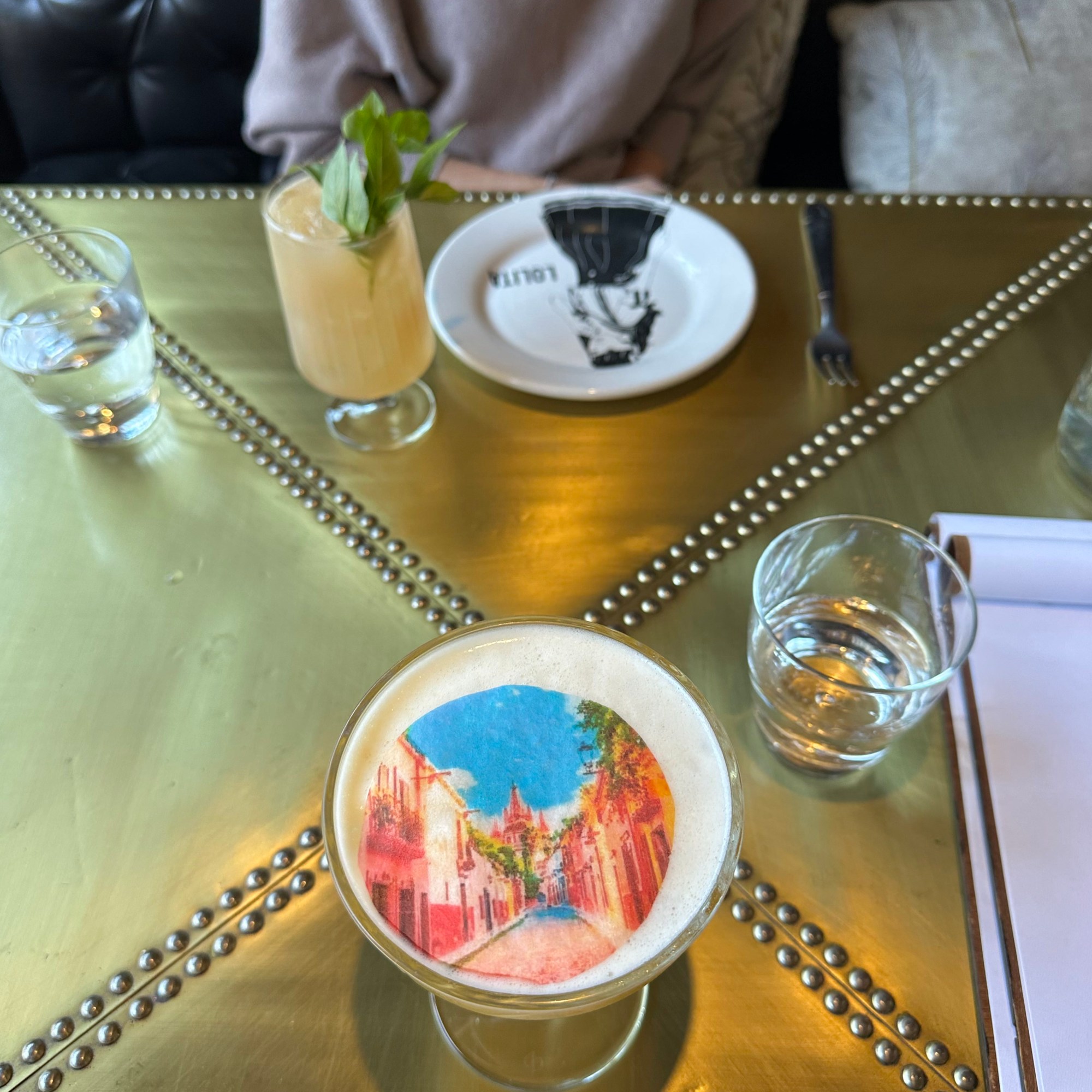

Christmas dinner at Rosewood’s gastronomic restaurant 1826 absolutely sucked balls, and so does not merit any photographic documentation.
Instead, let’s turn to a field trip we took to the birthplace of the Mexican revolution: Guanajuato, about a 1.5-hour drive from San Miguel.

Unlike San Miguel, which permits residents to paint house in whatever color they wish – as long as it’s some shade of ocher or red – Guanajuato really does allow any color paint. As evidenced in the kaleidoscope of house colors seen from the belle view over town:


So, here’s Guanajuato’s role in the overthrow of Mexico of Spanish rule. During the Spanish colonial period, the region around and including Guanajuato was home to incredibly productive silver mines, yielding great wealth. But only to some – namely, the Spanish-born aristocracy. A stark wealth gap developed between these aristocrats and the indigenous and mestizo inhabitants working the mines and haciendas, and the areas slaves. Moreover, the native-born Spanish also were denied wealth and agency, and so, in the late 18th century, multiple rebellions broke out. All of them brutally suppressed and unsuccessful.
In 1809, however, a group led by Ignacio Allende, Miguel Hidalgo y Costilla, Juan Aldama, Miguel Domínguez planned an armed revolt against the colonial government. (The last part of San Miguel de Allende takes its moniker from the first guy, bringing closure to our San Miguel discussion earlier in the post).
In September 1810, the rebel forces arrived in Guanajuato and besieged Spanish loyalist forces holed up in the city’s heavily fortified grain exchange, below:

The rebels besieged the grain exchange, but there were only four doors and rifles on the roof. So this dude, Juan José Martínez – a silver miner – strapped a slap of stone on his back and charged one of the doors, setting it alight and gaining entry. All of the loyalists were killed.
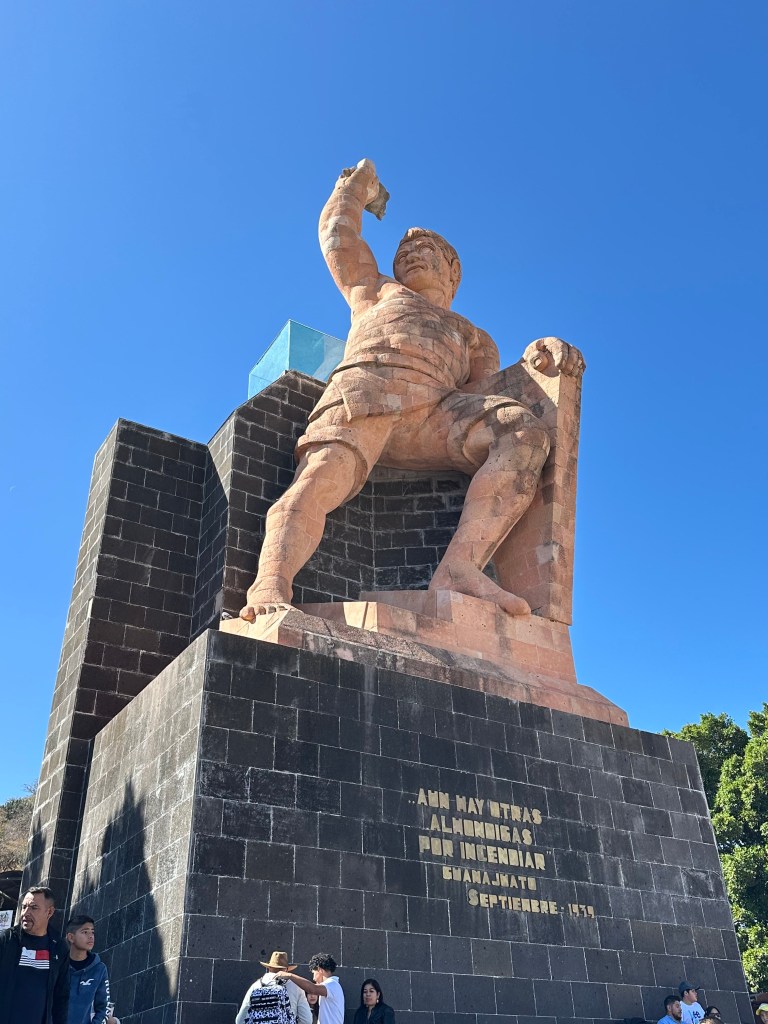
But the Spanish forces caught up with the leaders. “The four main participants – Hidalgo, Ignacio Allende, Juan Aldama, and José Mariano Jiménez – were shot by Spanish firing squads, and their bodies decapitated. The four heads were hung from the corners of the Grain Exchange, to discourage other independence movements. The heads remained hanging for ten years, until Mexico achieved its independence. They were then taken to Mexico City and eventually put to rest under el Ángel de la Independencia in 1910.” (From here.)
On to more contemporary activities; namely, our second funicular of the year!


Pretty cool town.
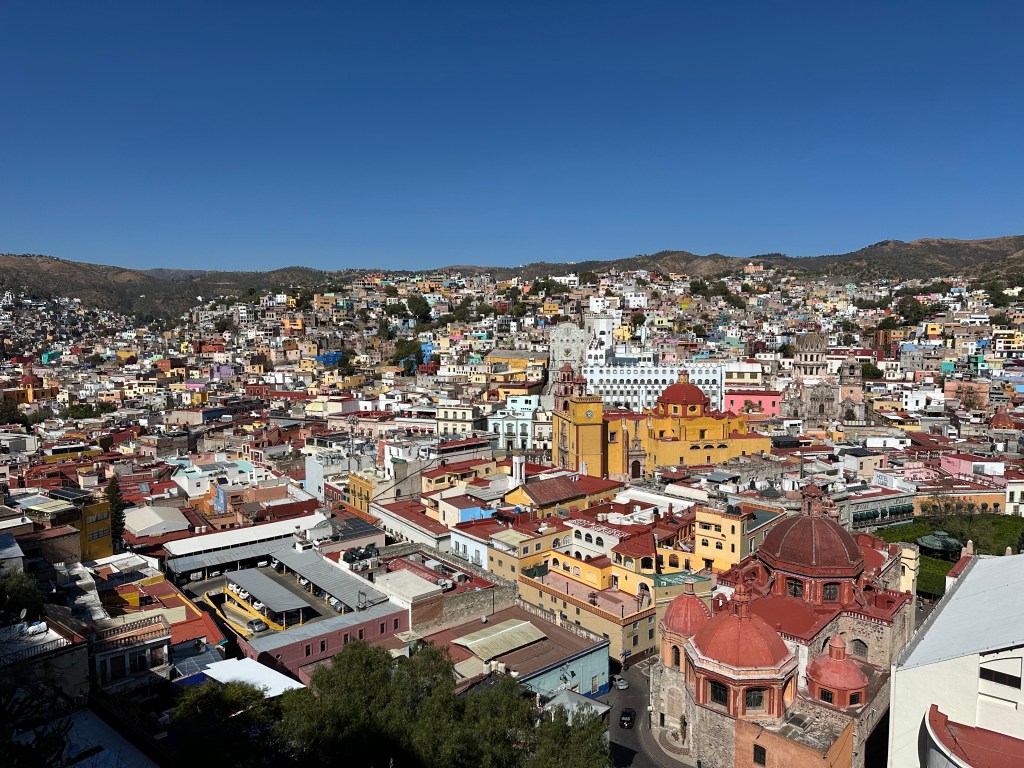
Guanajuato Basilica, now that we’re down in the city:


The town’s opera house, Teatro Juárez:

And the Jesuit University of Guanajuato, which looks way more like a church, frankly.

Albeit with visually appealing green limestone facade elements – this limestone is unique to Guanajuato.

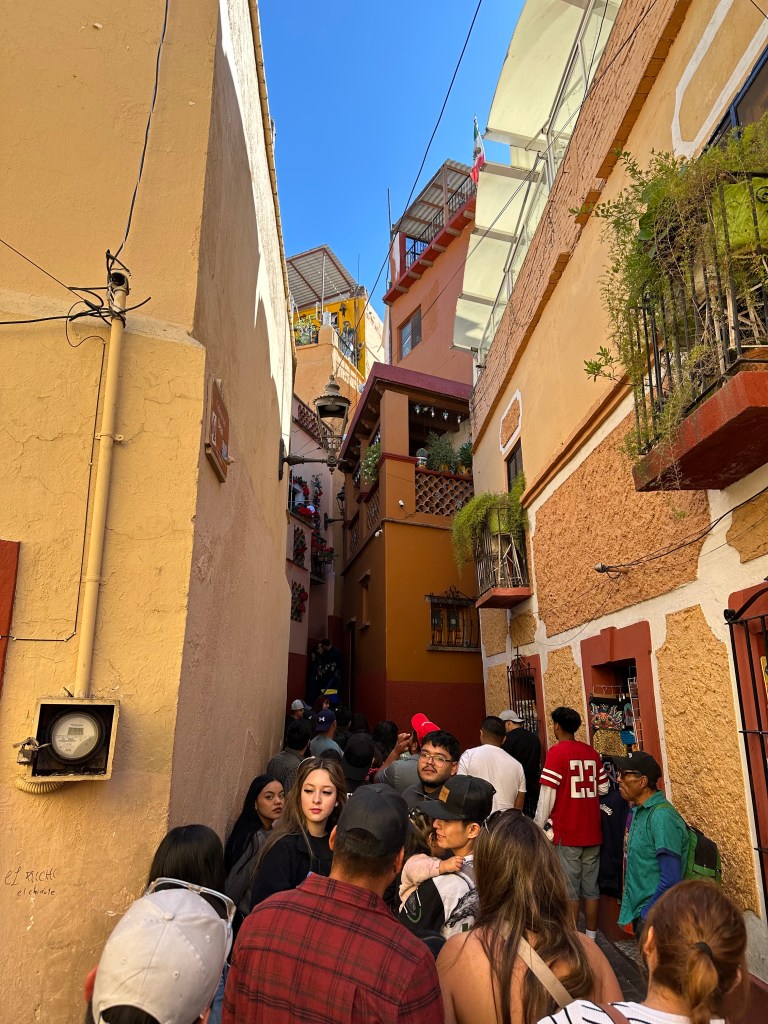
The tourist-trap Alley of the Kiss; with two balconies close enough to do so, the location spawned a local Romeo and Juliette-style legend.
Pretty cool main cultural area, with topiary-style park trees, a la San Miguel.

Juan José Martínez from down below:

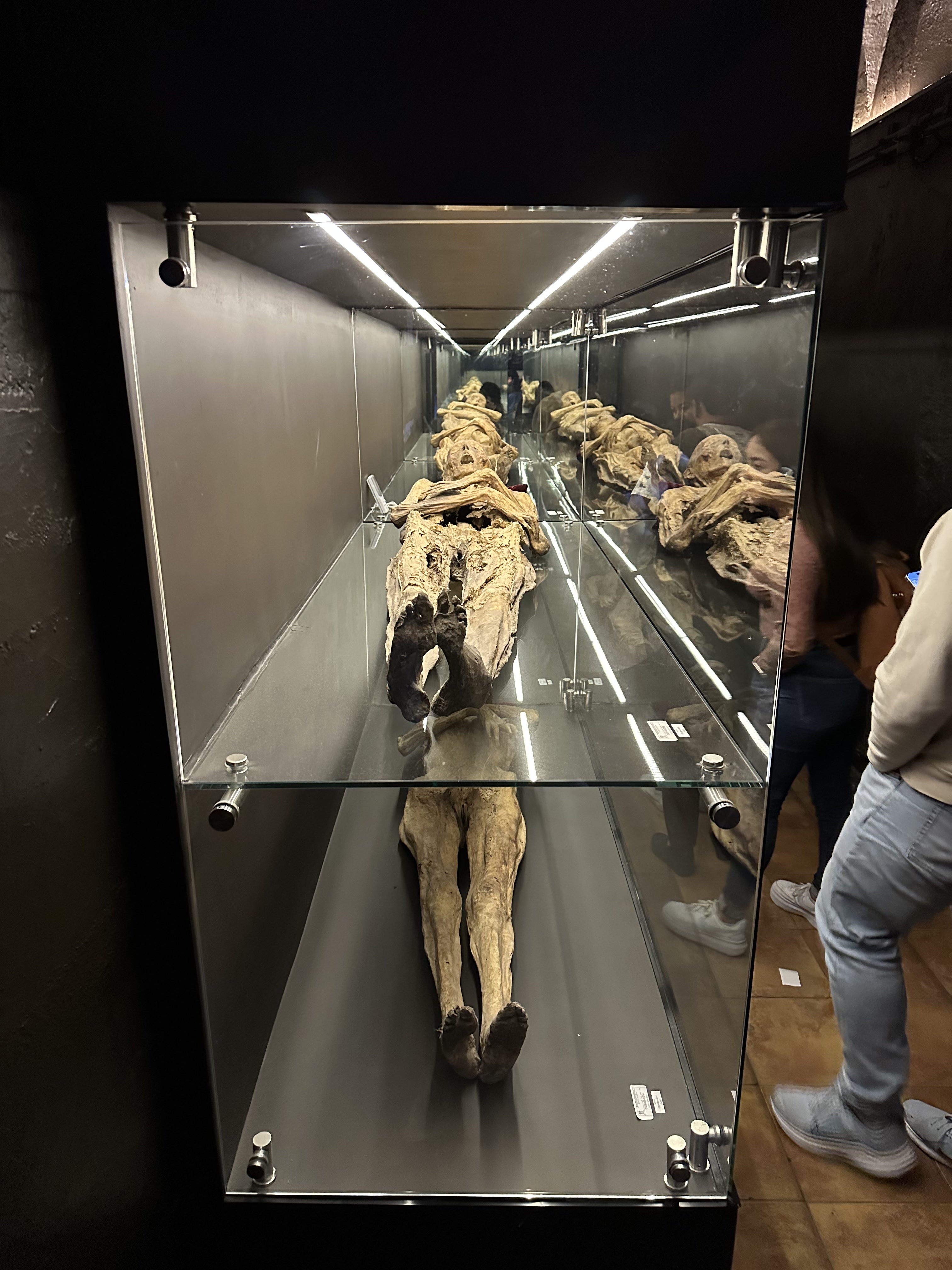
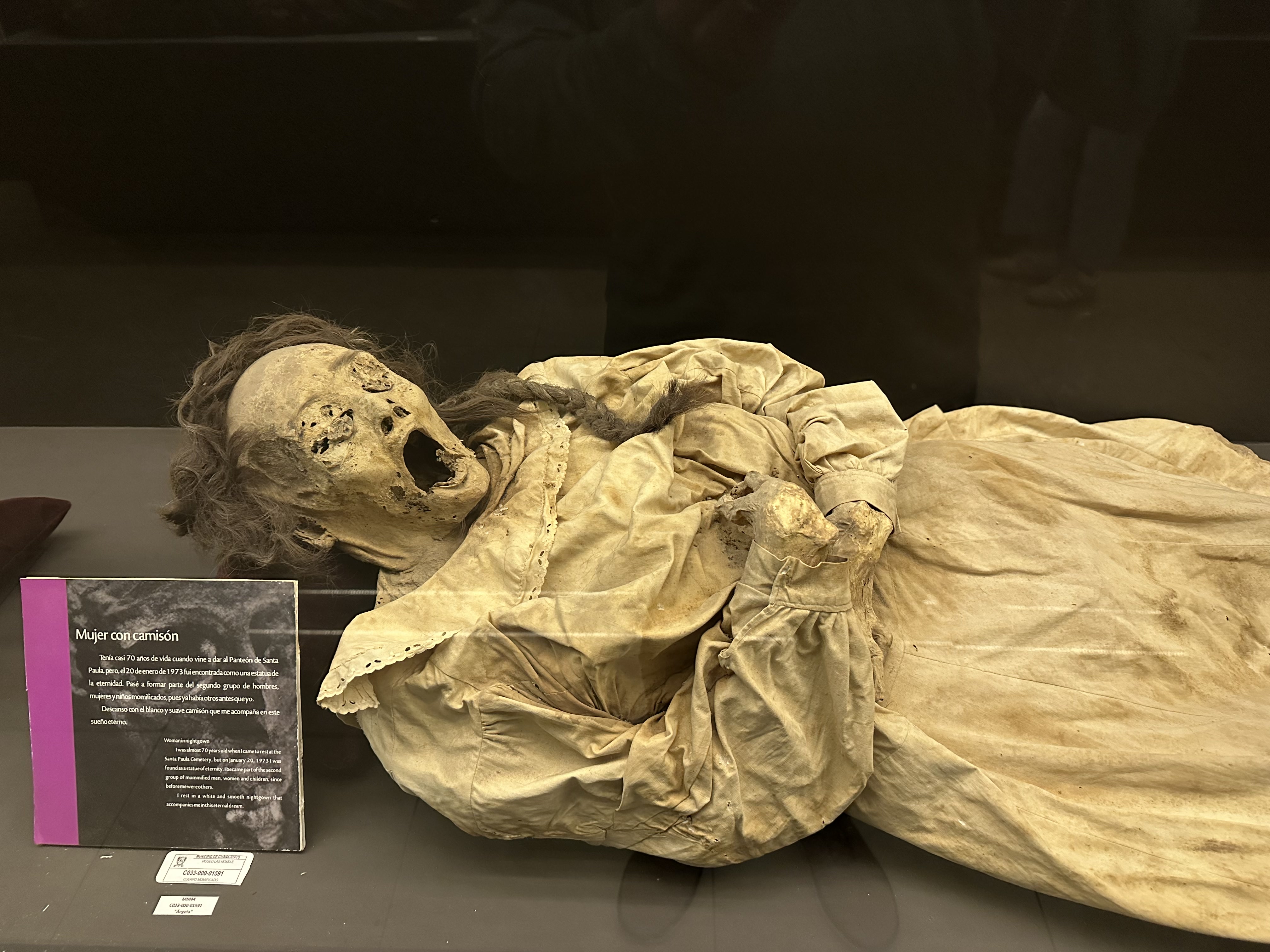
And one more stop before our return – a bunch of mummies. There’s a story regarding the high cost of burial, a poor population, abandoned corpses, and naturally dry climate that accounts for all of this, but that’s for a later post. For now, just be a little grossed out. (As much, or perhaps more so, than by their counterparts in Sicily last year.)


Another great night in San Miguel (which we did prefer greatly over Guanajuato, for what it’s worth).

A normal creche in the city’s main park during the day:
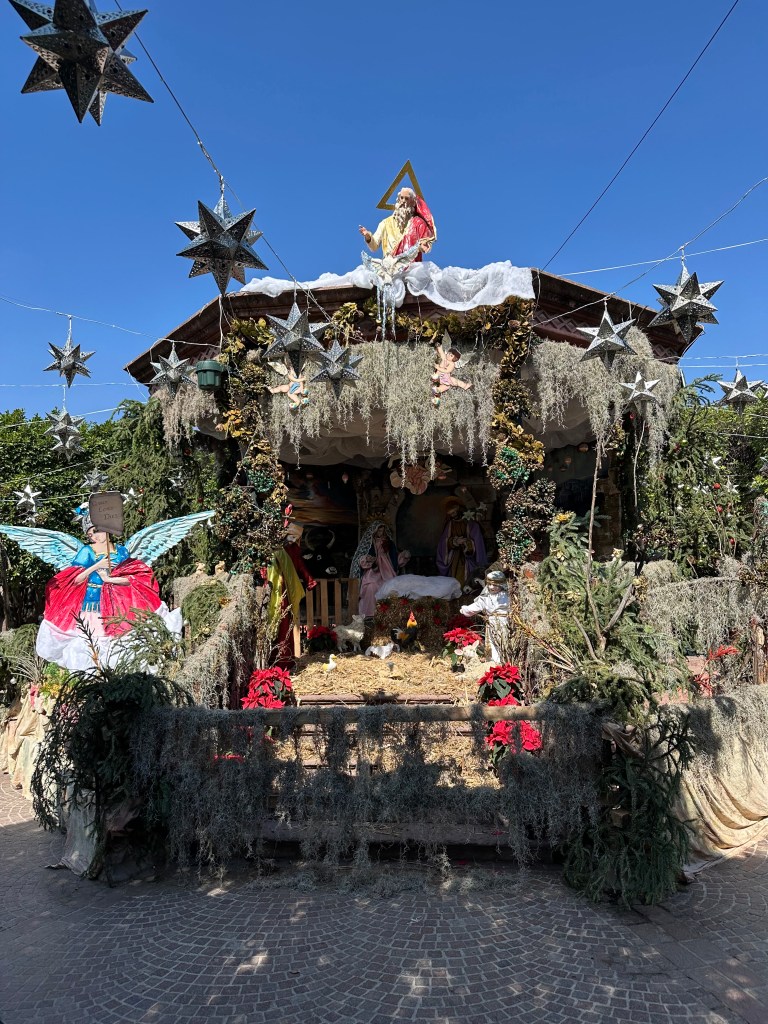
And a rather more contemporary version encountered in town that night:

Pretty happening square!


The most prominent Spanish aristocratic families in San Miguel, btw, supported the rebellion against the Spanish crown in 1810. As a result, they retained their haciendas and their palaces in town. To this day, some of the most valuable properties in town are still owned by less than a dozen noble Spanish families. This includes several, huge private churches around town that are open to the public only on specific feast days. And even then only for, like, a 7:30 AM mass, then they’re back outta there and doors are closed.

Dinner with a view that night at Quince:

And some unexpected entertainment (not sure this functions in email version of post):
And then a ringside table to the main event, of which we were completely unaware prior to sitting down here:

(Not sure this functions in email version of post.)
(Not sure this functions in email version of post.)
A walk one morning straight up hill to the Mirador neighborhood occupying the heights over San Miguel.


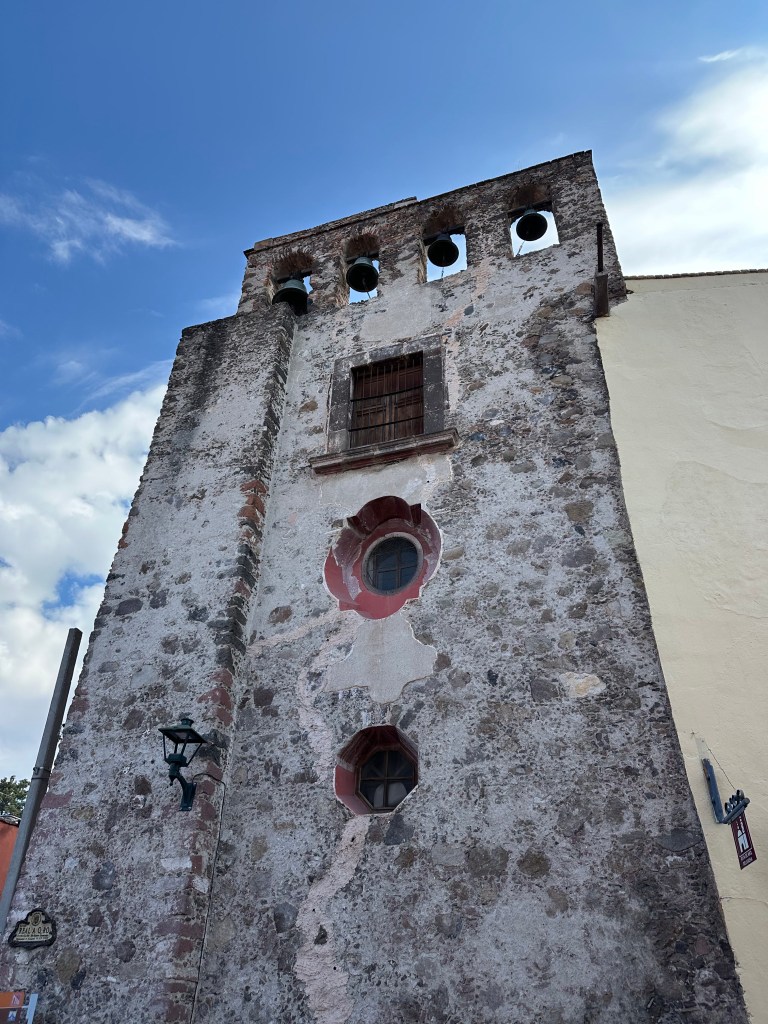
Great views all along the way of downtown San Miguel:

Pretty good combo: a sign with the archangel and the dude’s church right below:


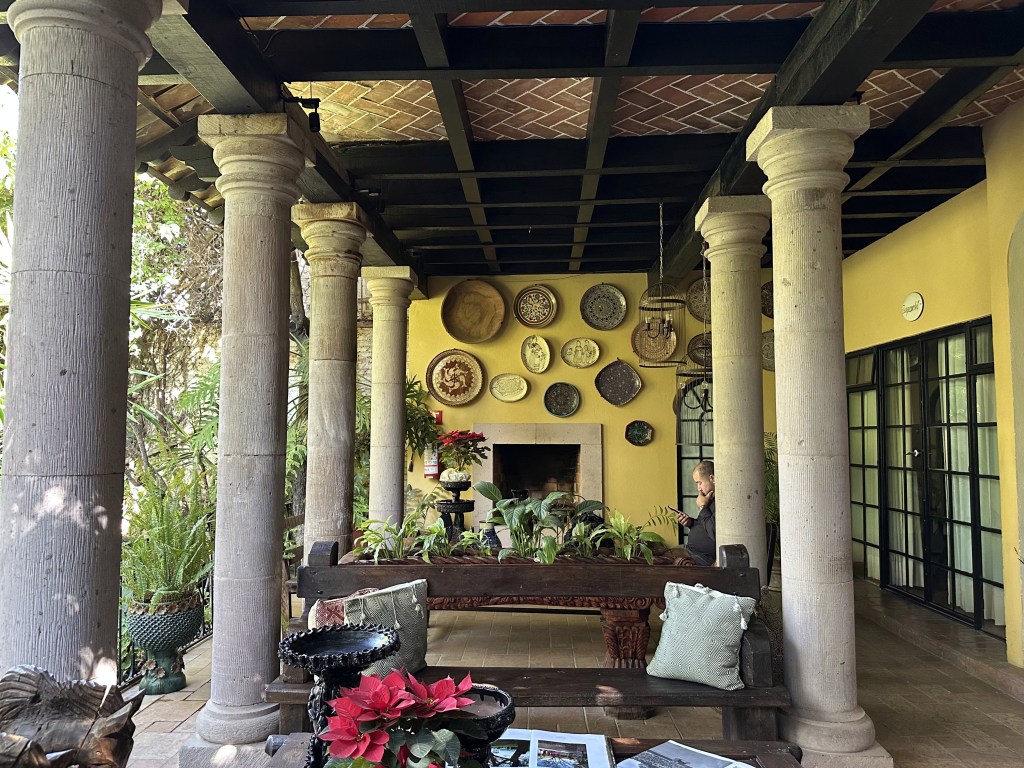
Some downtime at Rosewood:
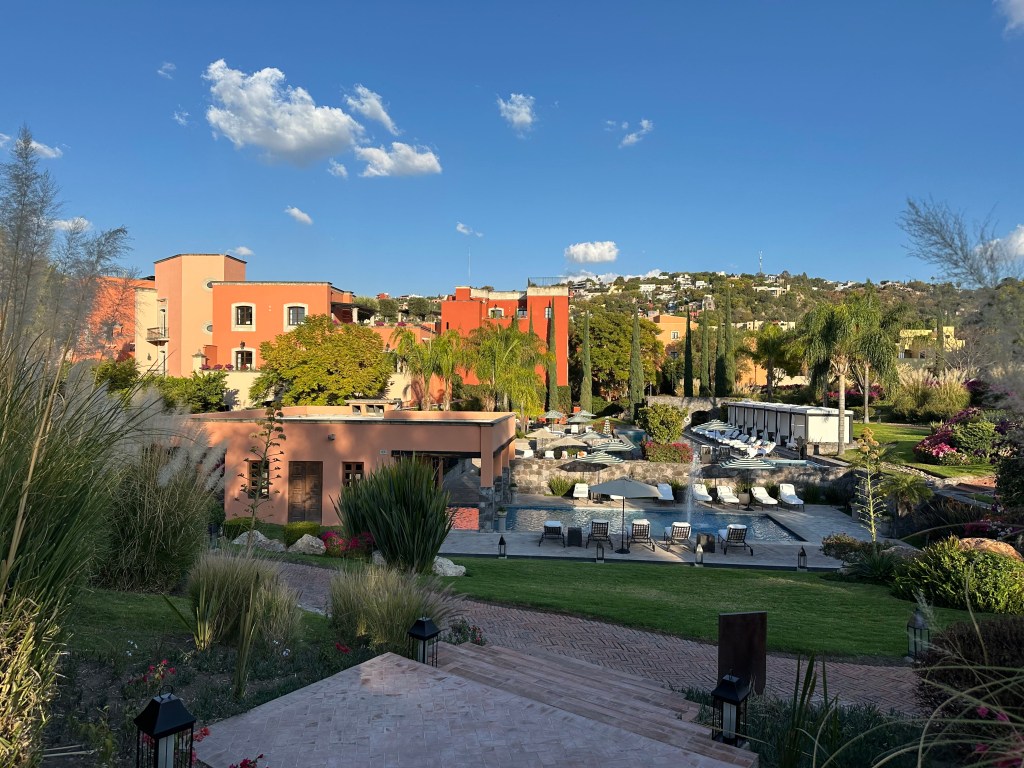
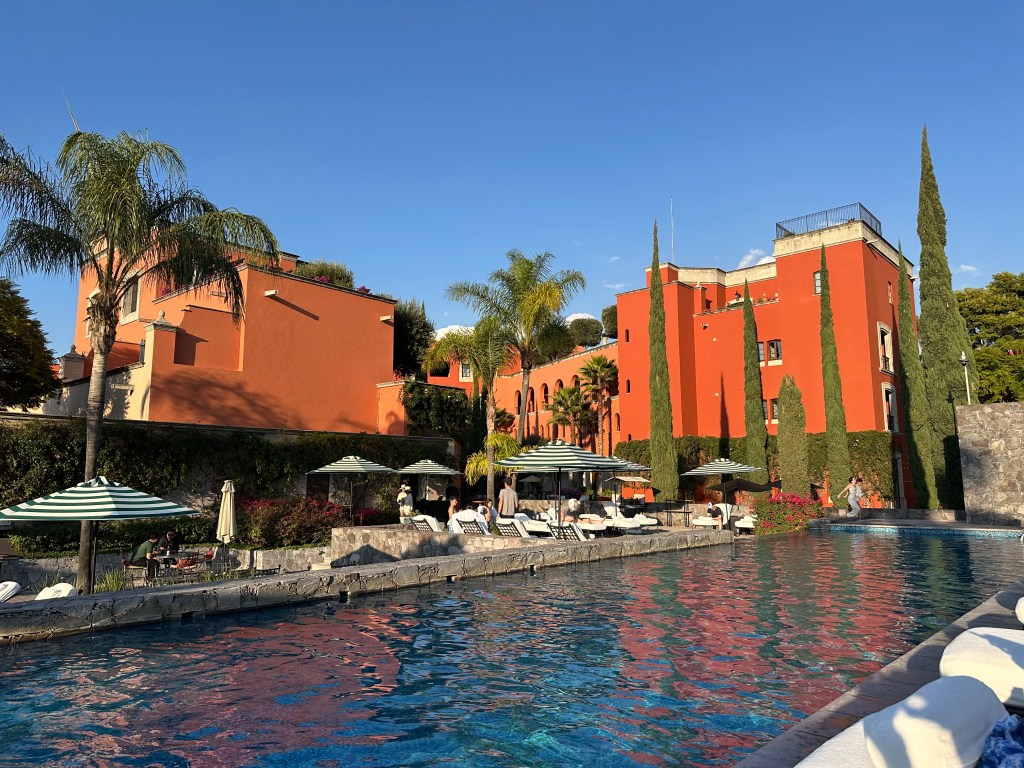
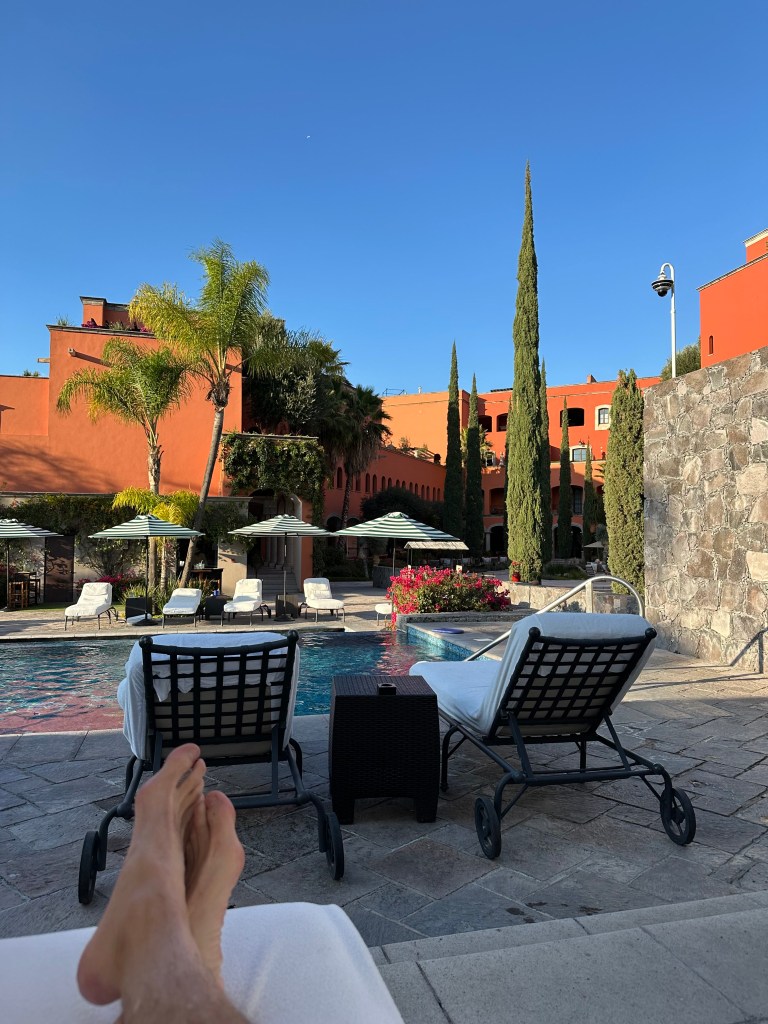


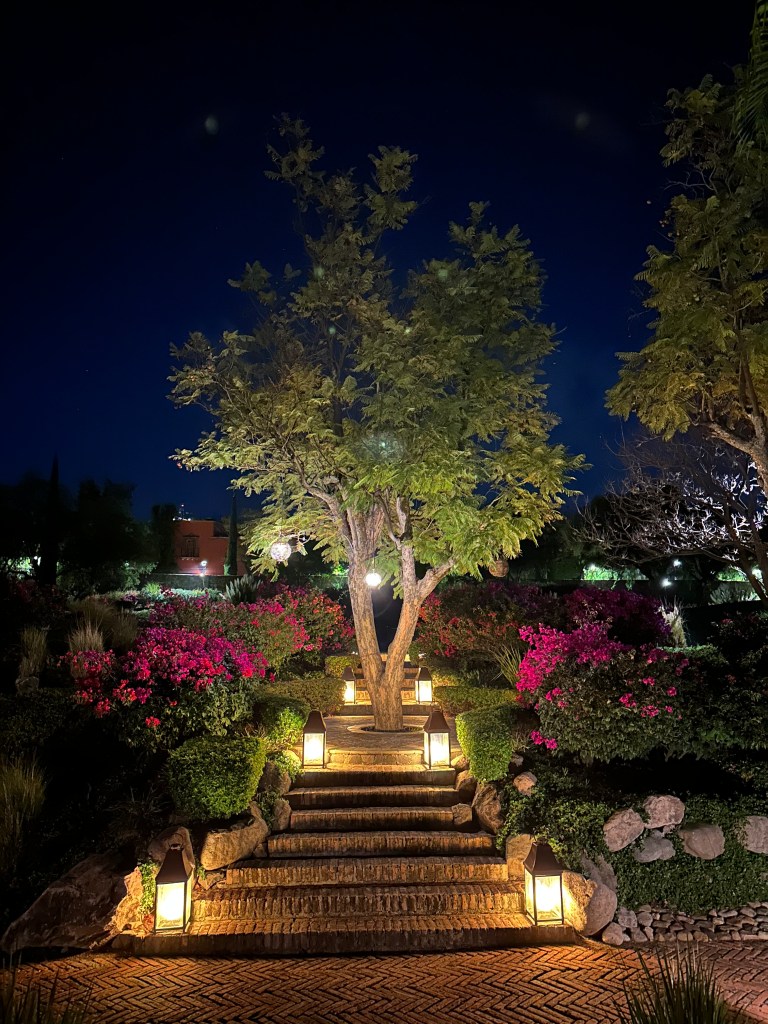

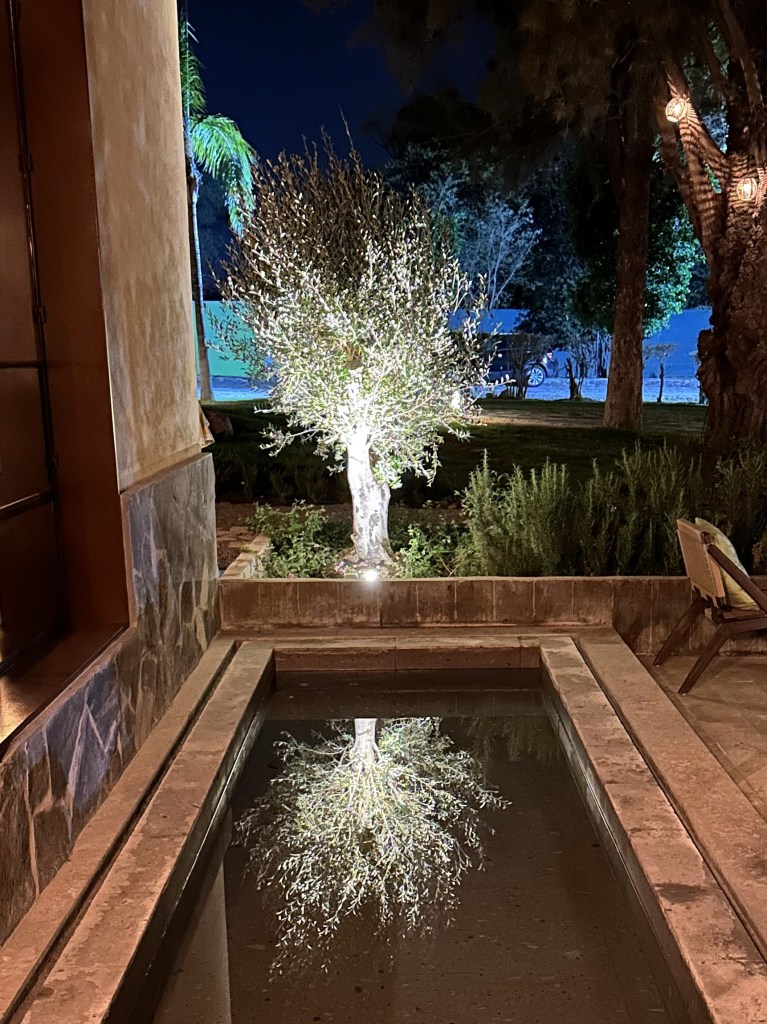
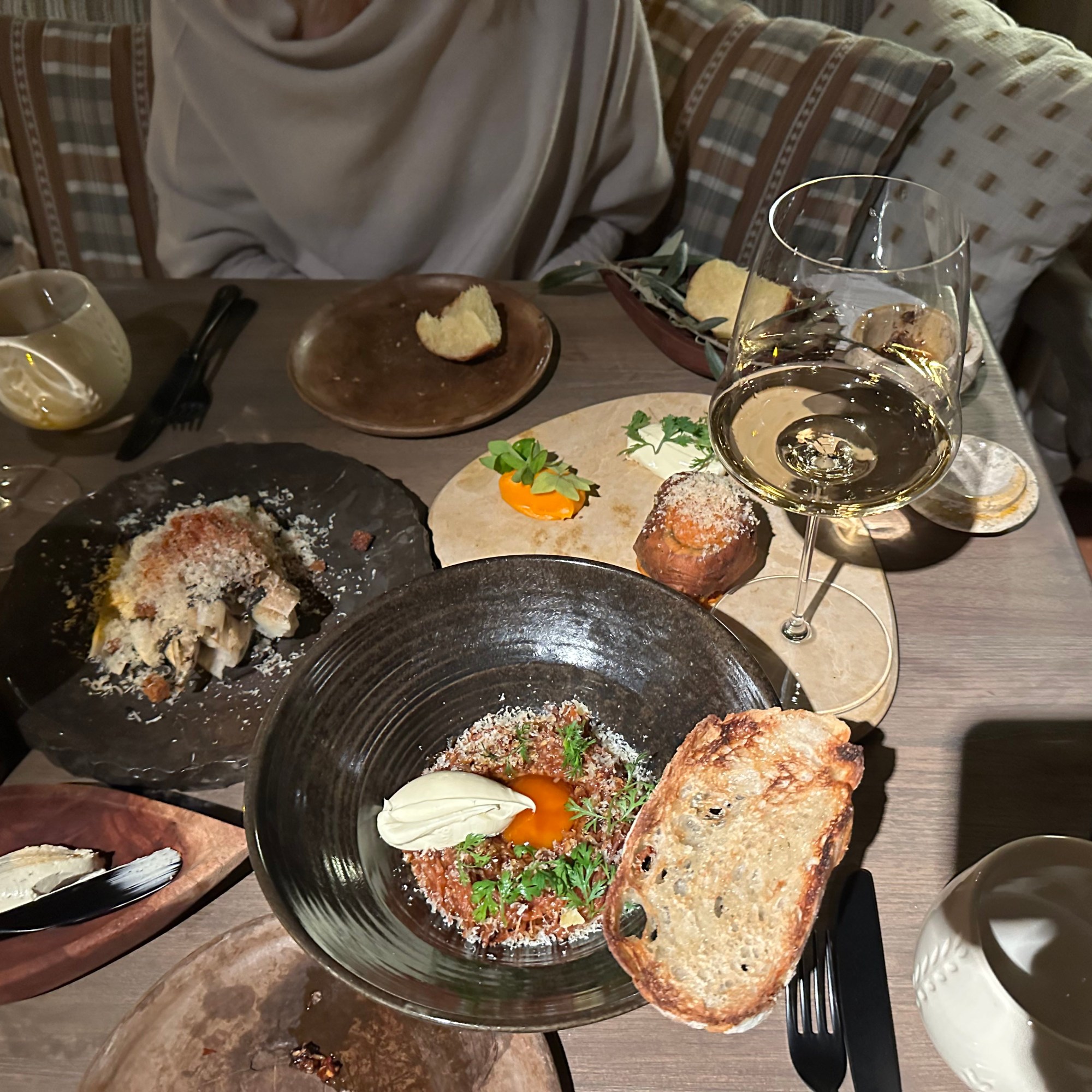
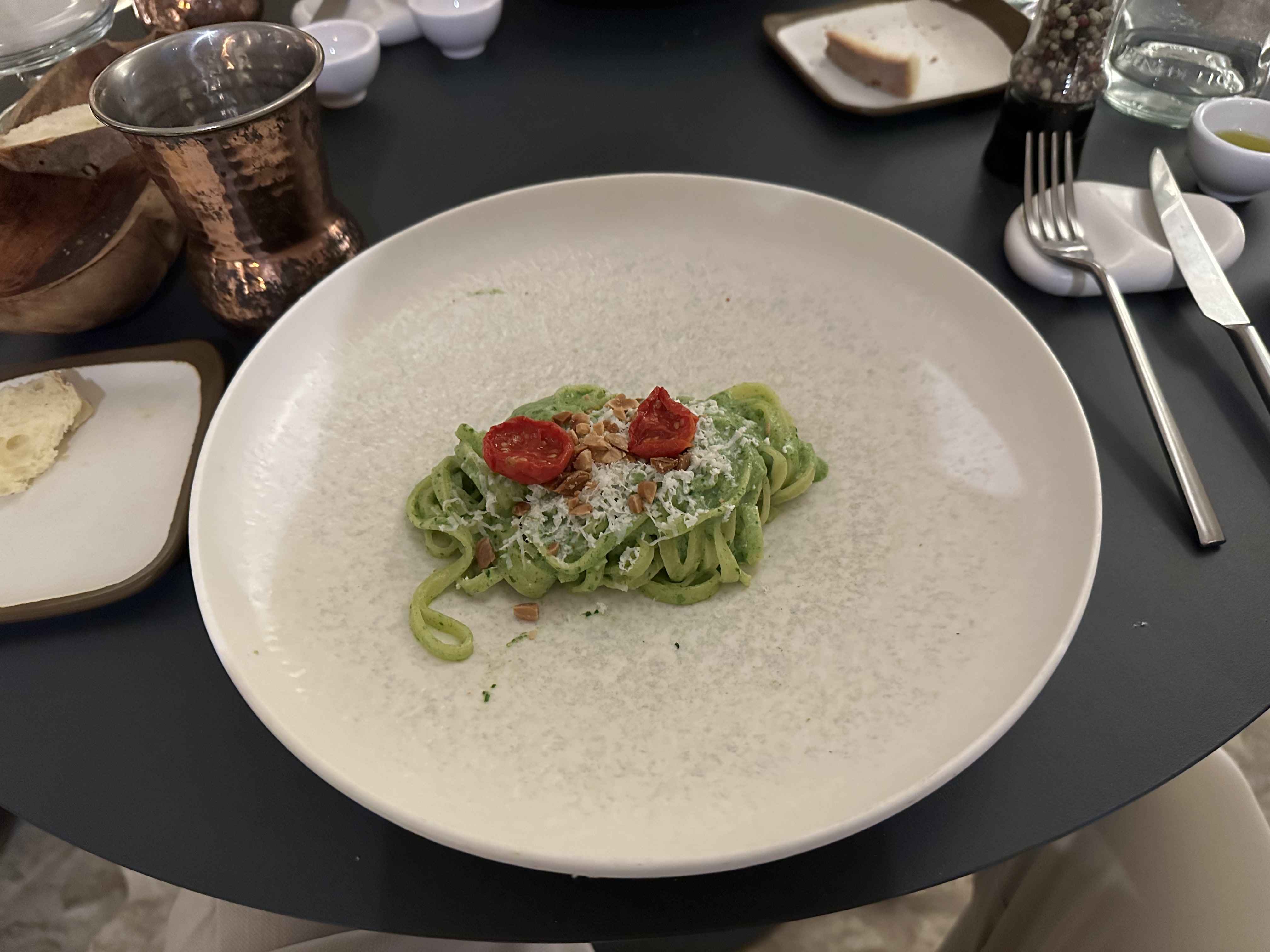
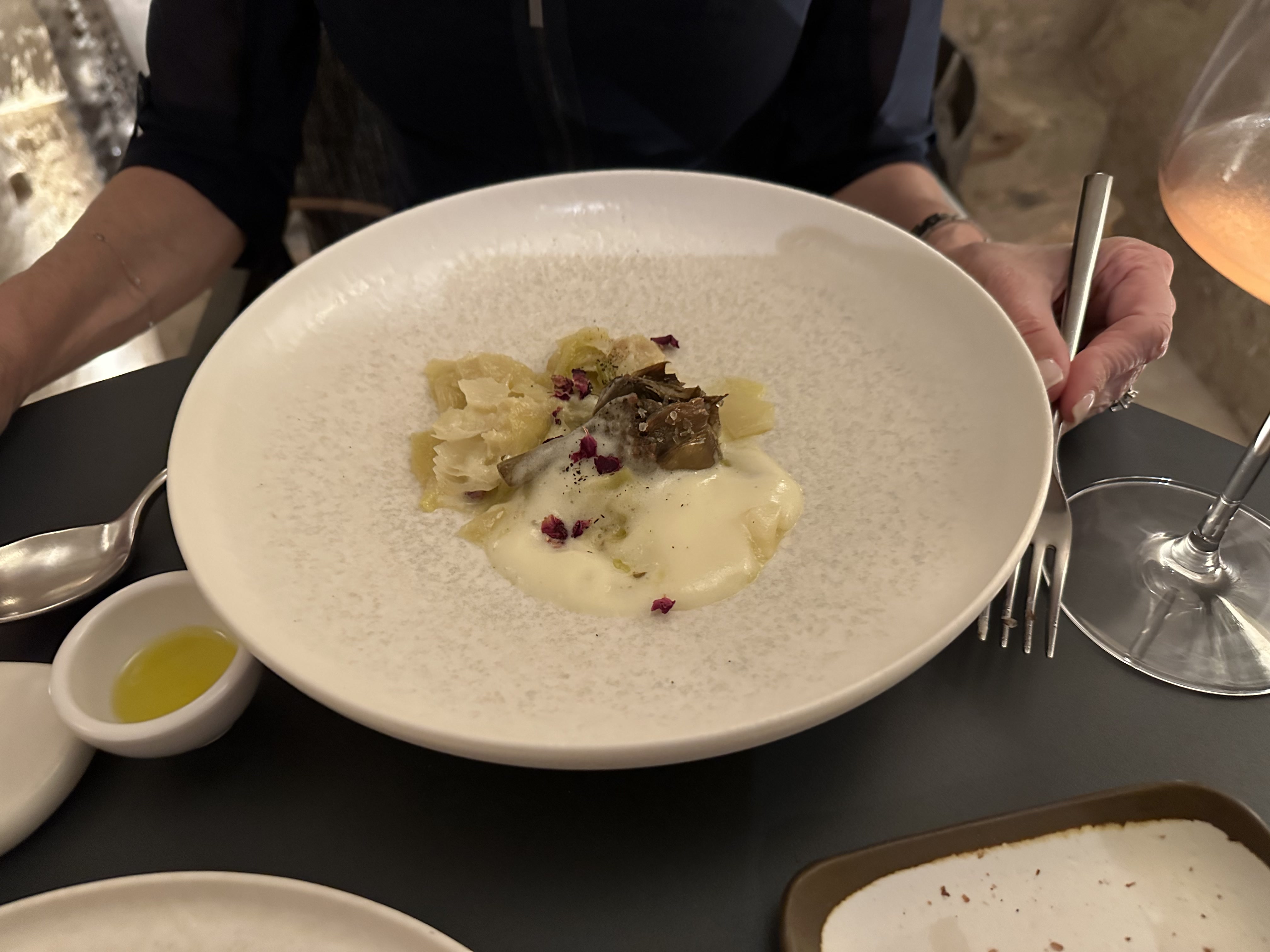
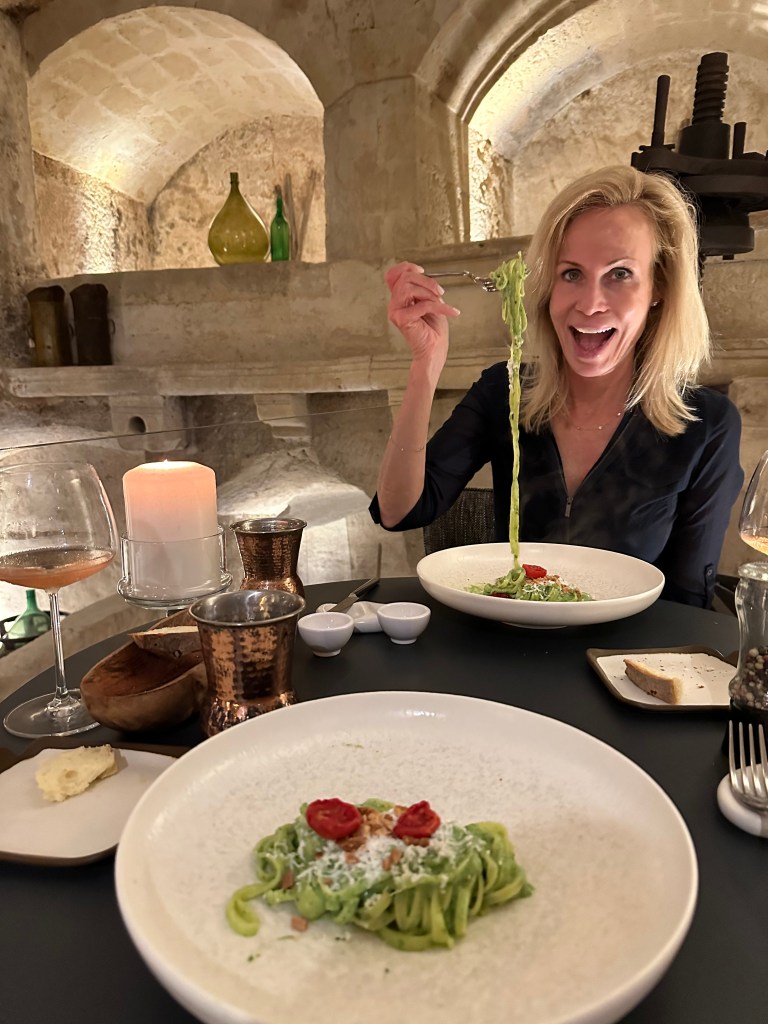
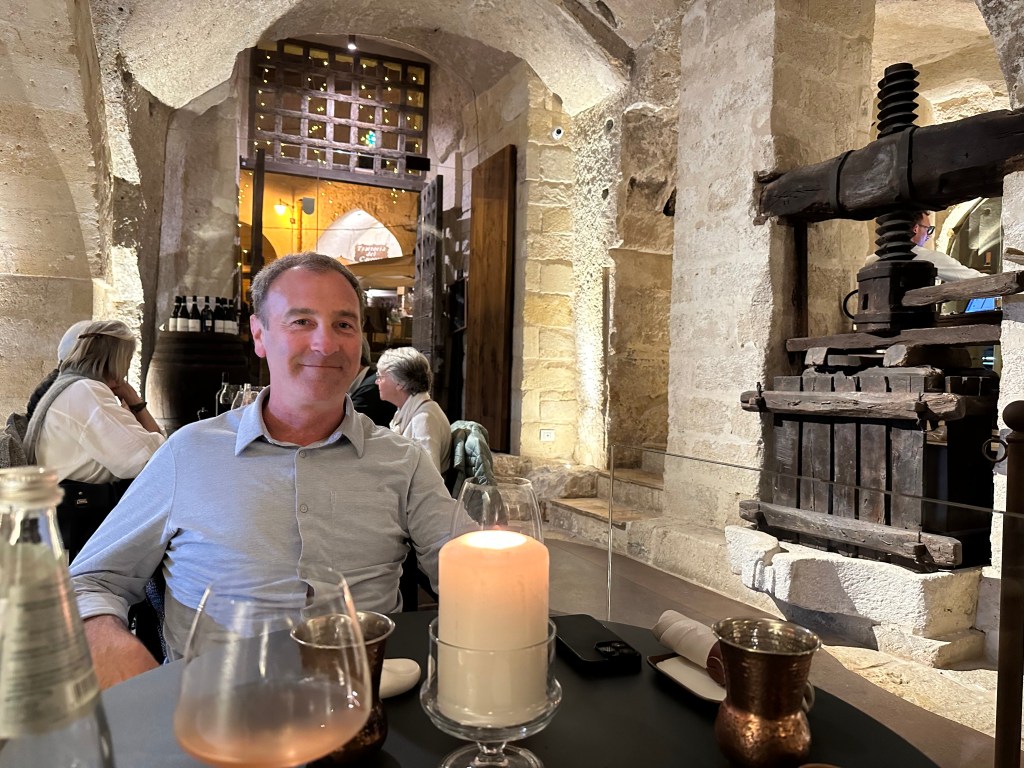
Final dinner of the trip:

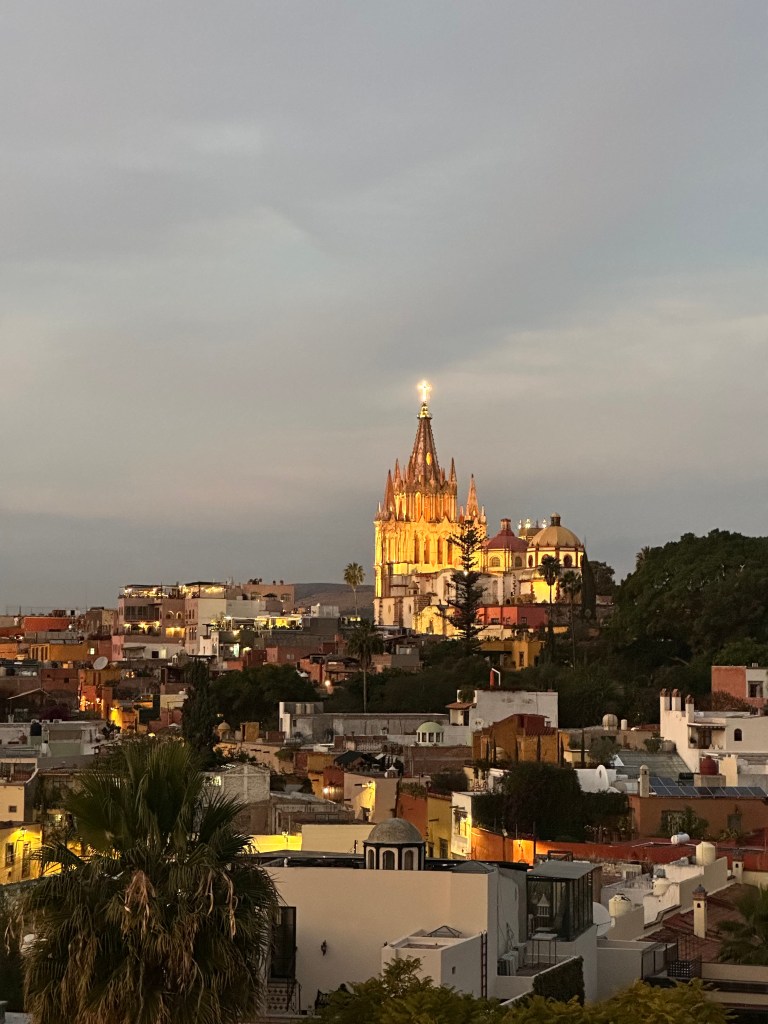
Adios, San Miguel.


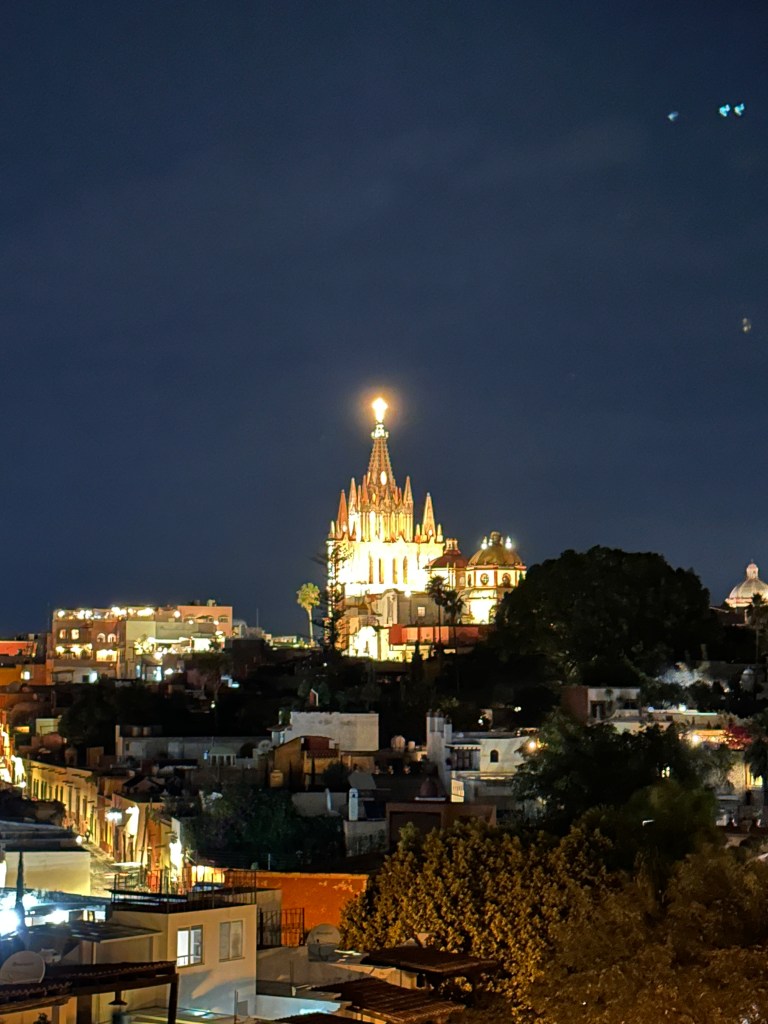
And adios to our 2024 travels!

Pretty good year:
- February: Colombia
- April: Uruguay, Argentina, Chile, Brazil, Peru
- May: Texas
- June: Georgia
- July – September: Pennsylvania, Connecticut, Massachusetts, New Hampshire, Maine, Vermont, New York, Quebec, New Brunswick, Prince Edward Island, Nova Scotia, Rhode Island
- October: Delaware
- November: St. Barts
- December: Mexico
On to a new year and new adventures!

































 WolfeStreetTravel