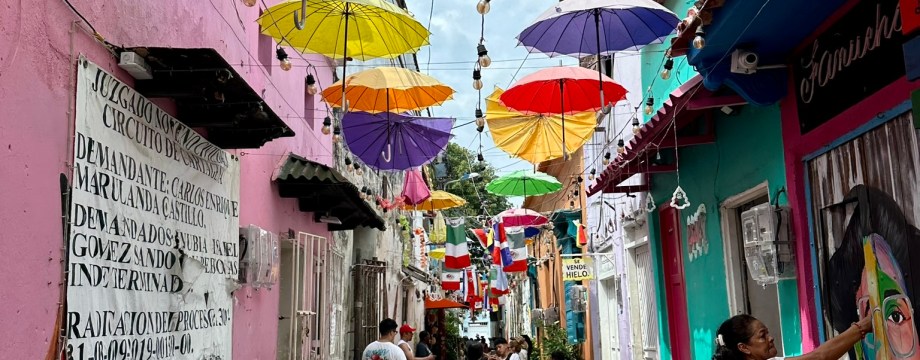
After almost 4 years of delays, WolfeStreetTravel finally headed to Cartagena, Colombia, in February. Originally planned for the Memorial Day period in 2020, this trip fell victim to the impacts of the early COVID era, and was abandoned (as were three others that were in the works). But with a few months between trips, we thought that resurrecting the shelved Colombia visit would be a suitable escape right in the middle of this vacuum, in mid-February
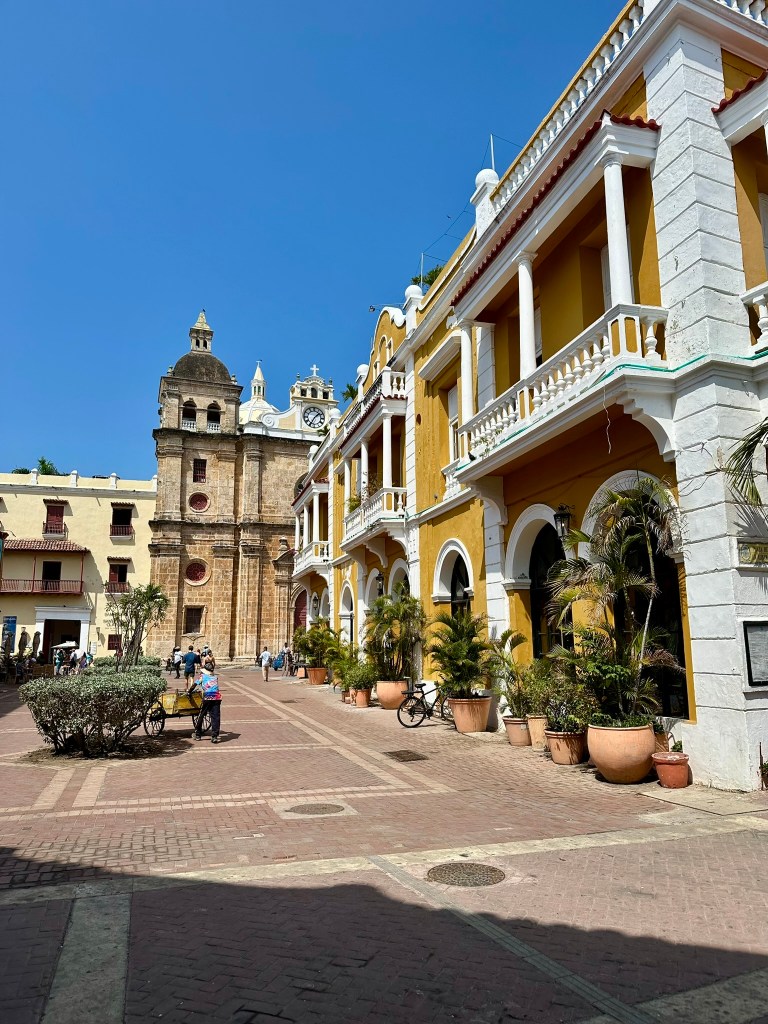
Why Cartagena? Quoting Lonely Planet: “Cartagena de Indias is the undisputed queen of the Caribbean coast, a historic city of superbly preserved beauty lying within 13km of centuries-old stone walls.” With these high expectations set, we set off.
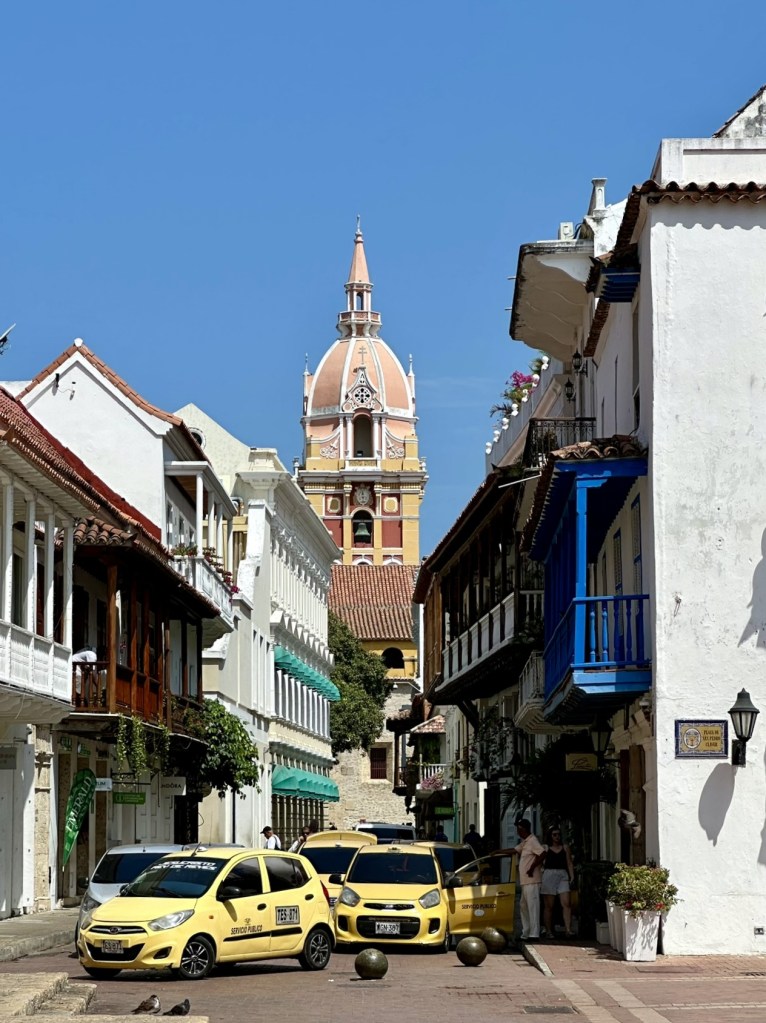
One of the oldest cities in South America, Cartagena was founded by Spain in 1533 in support of her new world colonies in the former location of a Carib indian village.
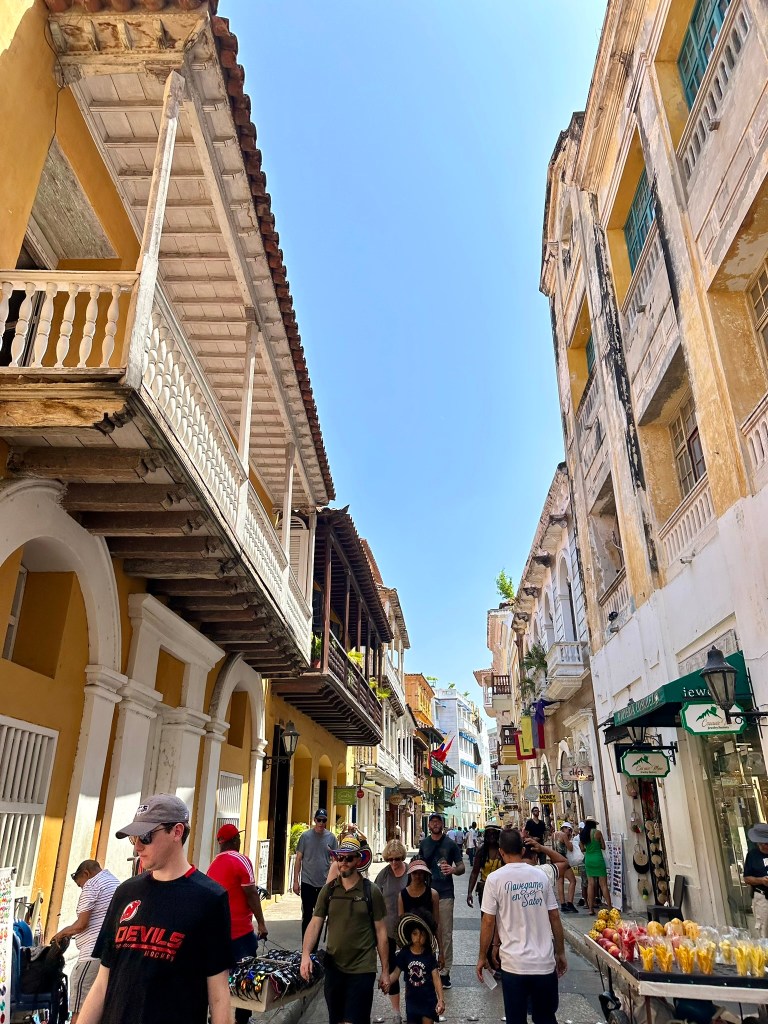
Cartagena soon became the central coastal port for export of Bolivian and other South American gold to Spain in the Empire’s gold fleet.
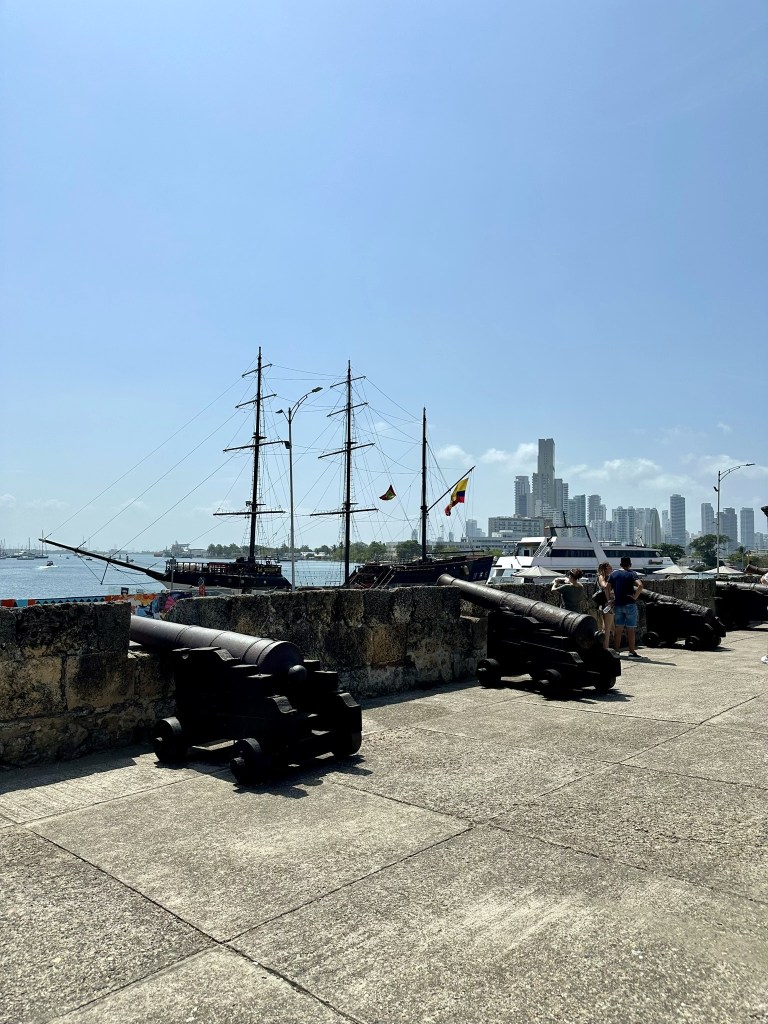
As a result, Cartagena became a target for pirates, corsairs, and privateers from England, France, and The Netherlands. (You all should read Pirate Latitudes – Michael Crichton’s last book, published after his death. Really good.)
Sir Francis Drake, a privateer with authorization papers from Queen Elizabeth, led the most devastating assault on Cartagena in 1586, burning 200 houses and leaving only after payment of a substantial ransom from the city.
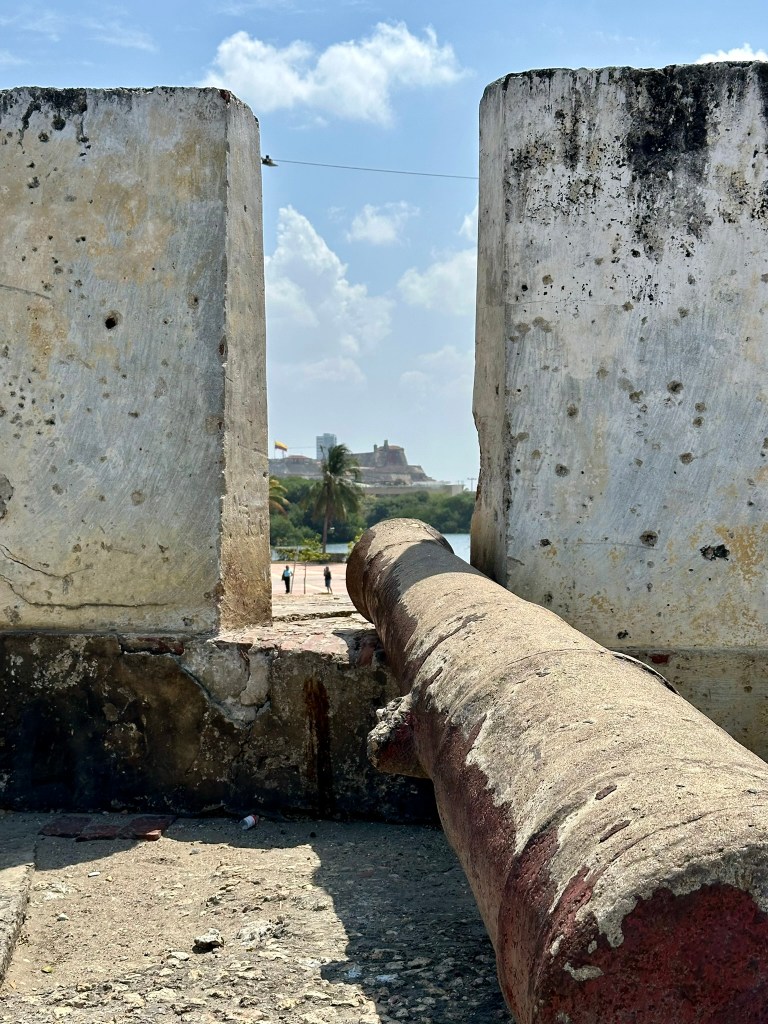
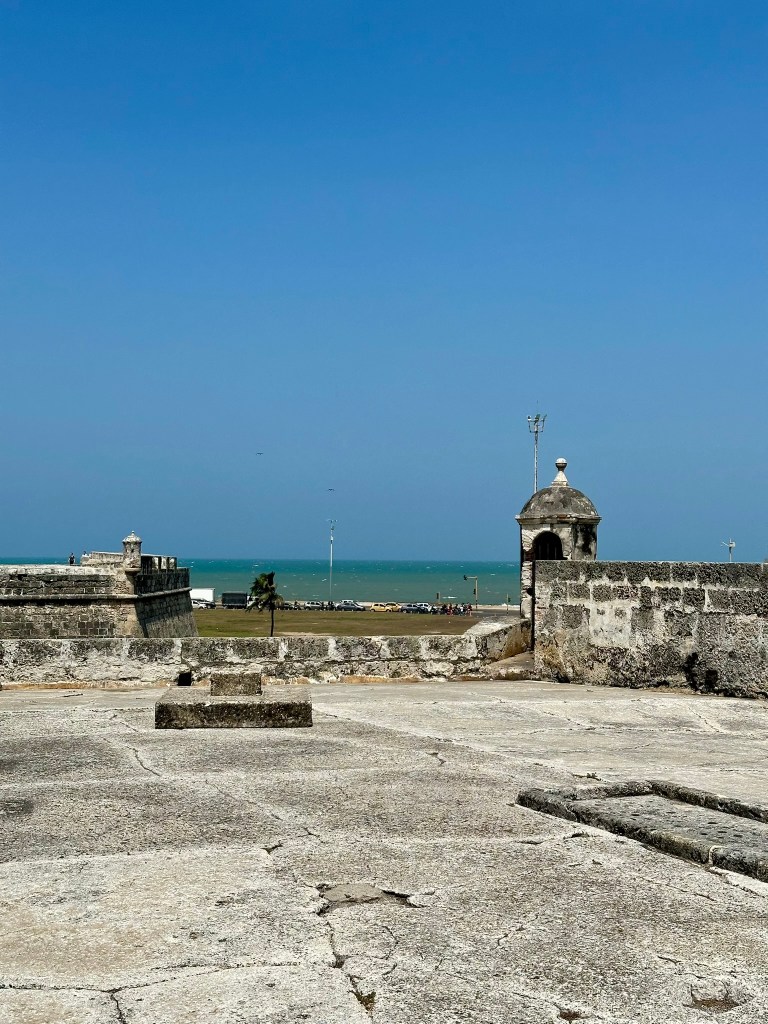
As a direct result of Drake, King Philip III directed defensible city walls to be built around Cartagena.
Construction of the walls and bastions began in 1614 and weren’t completed until 1796.
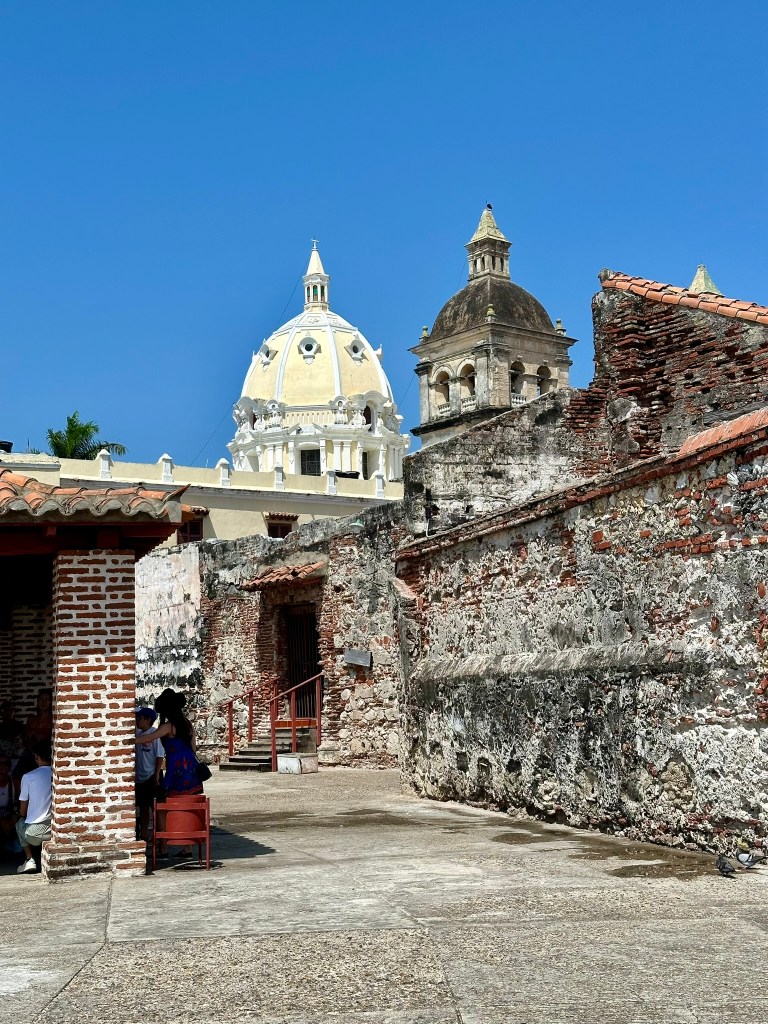
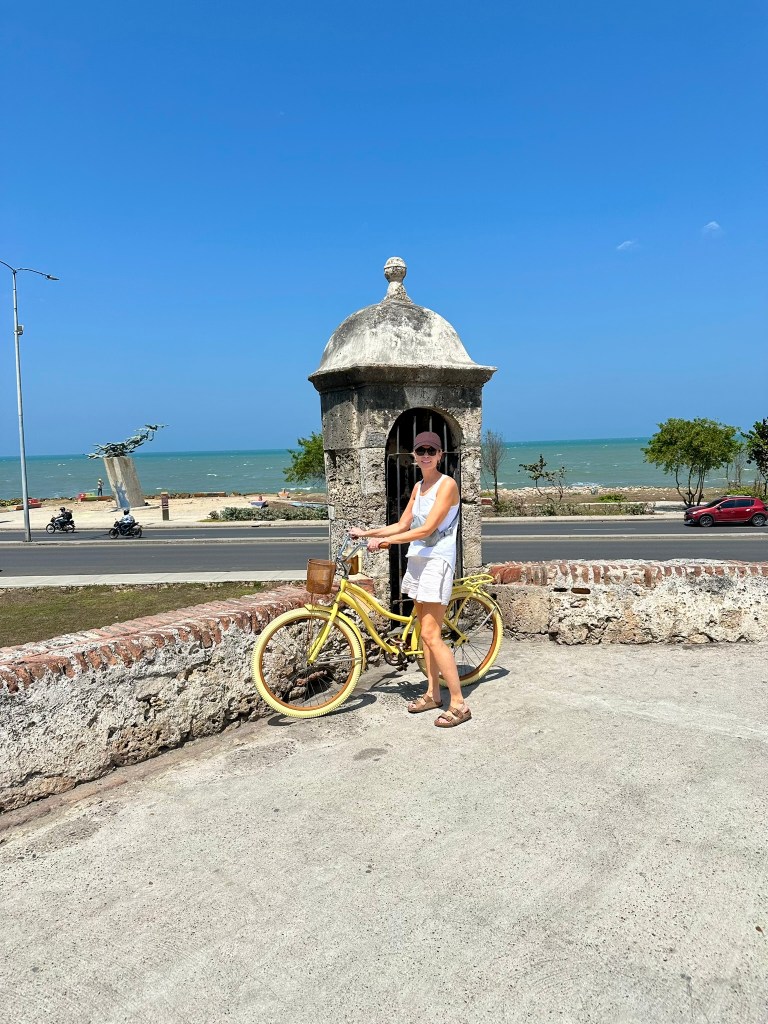
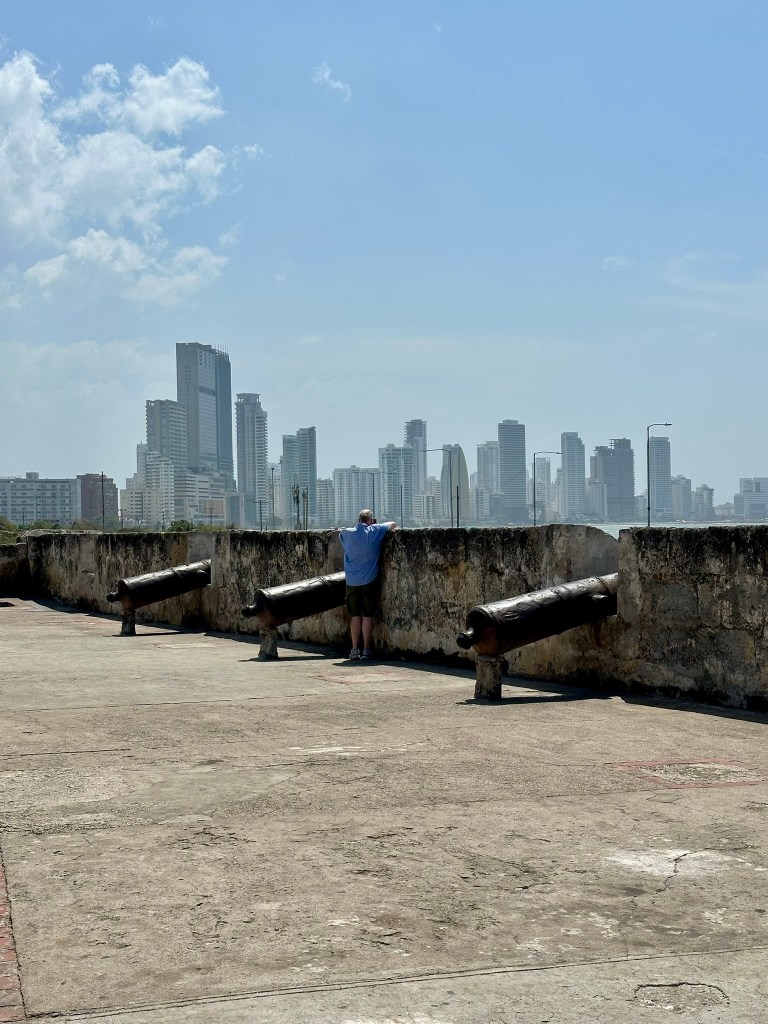
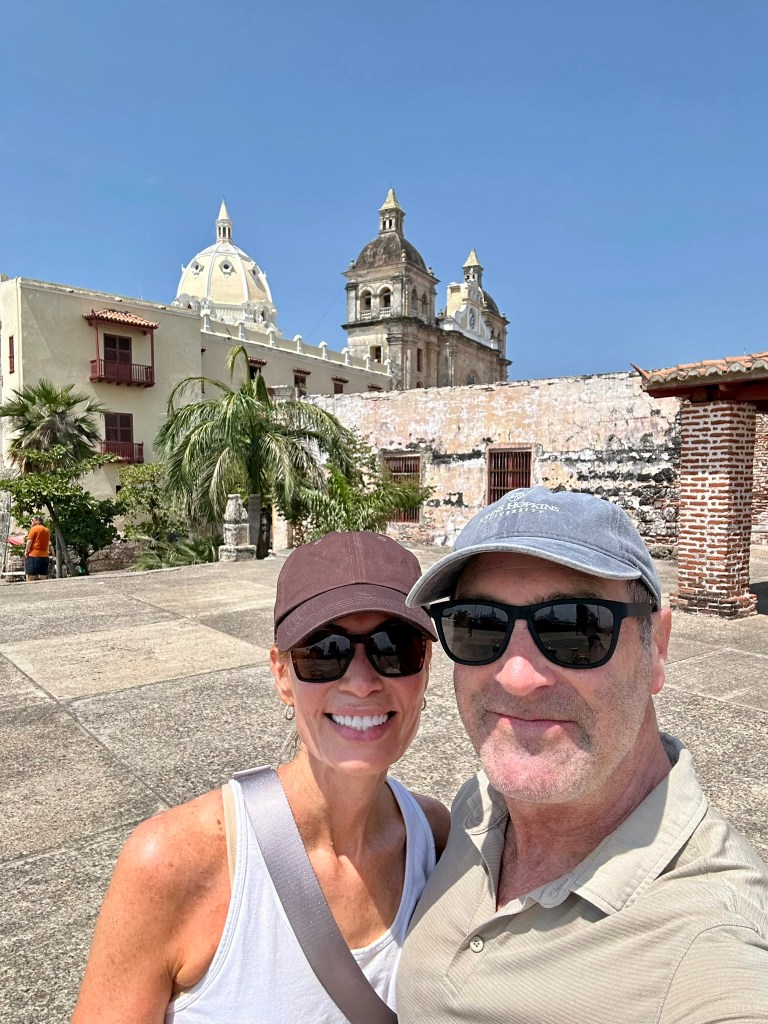
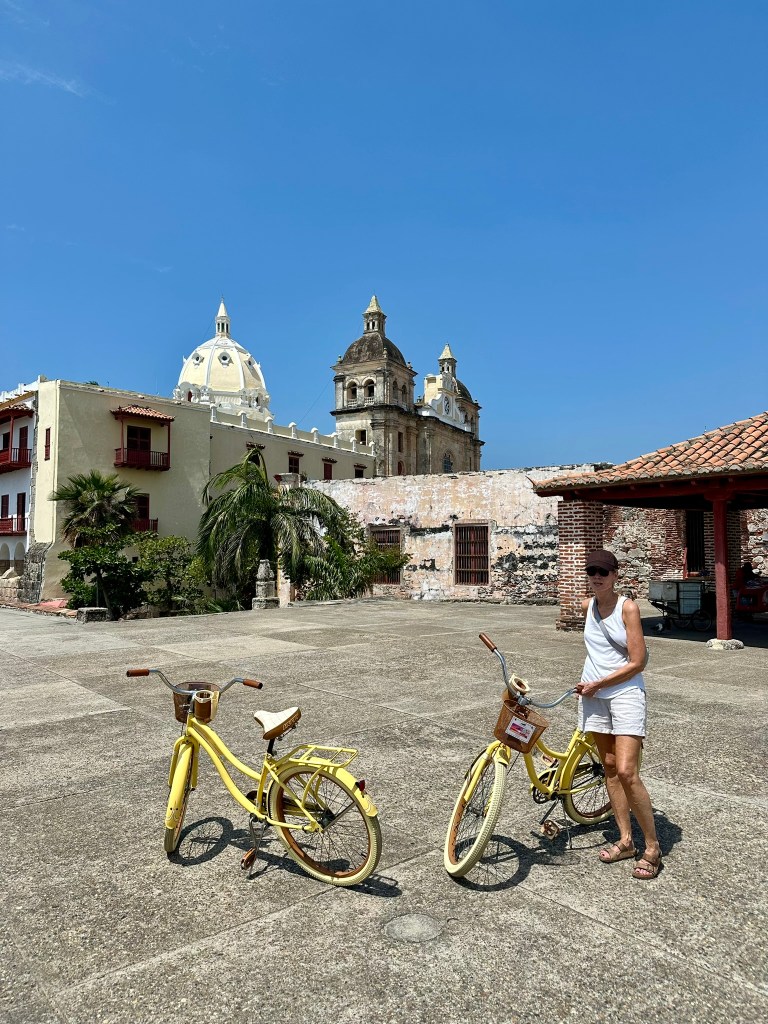
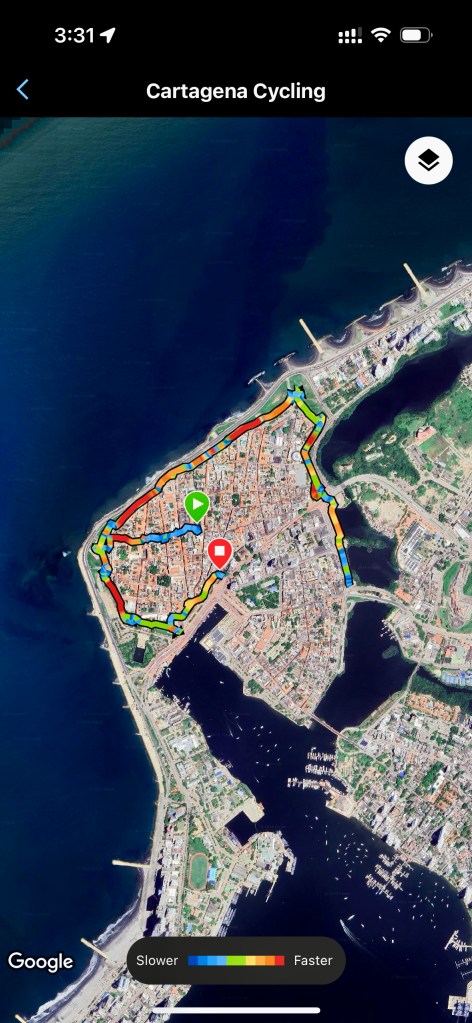
Most (13 km) of the walls’ length still remains, so we grabbed bikes from our hotel one morning and circumnavigated them, similar to our shorter experience in Lucca, albeit on 2 wheels this time.
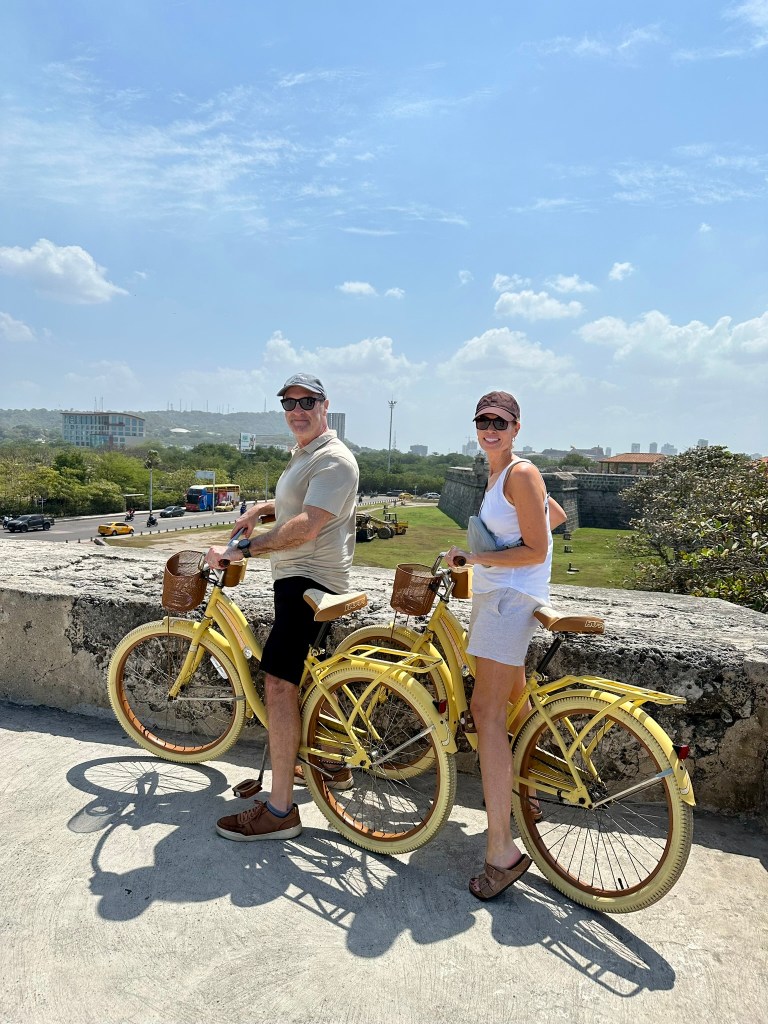
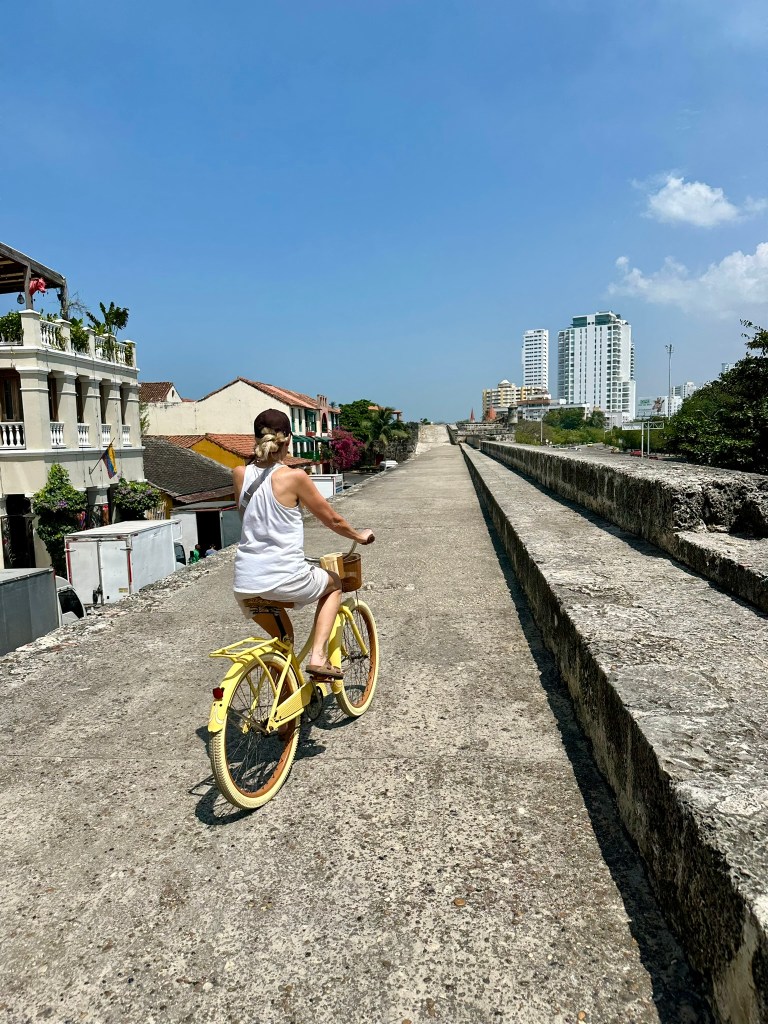
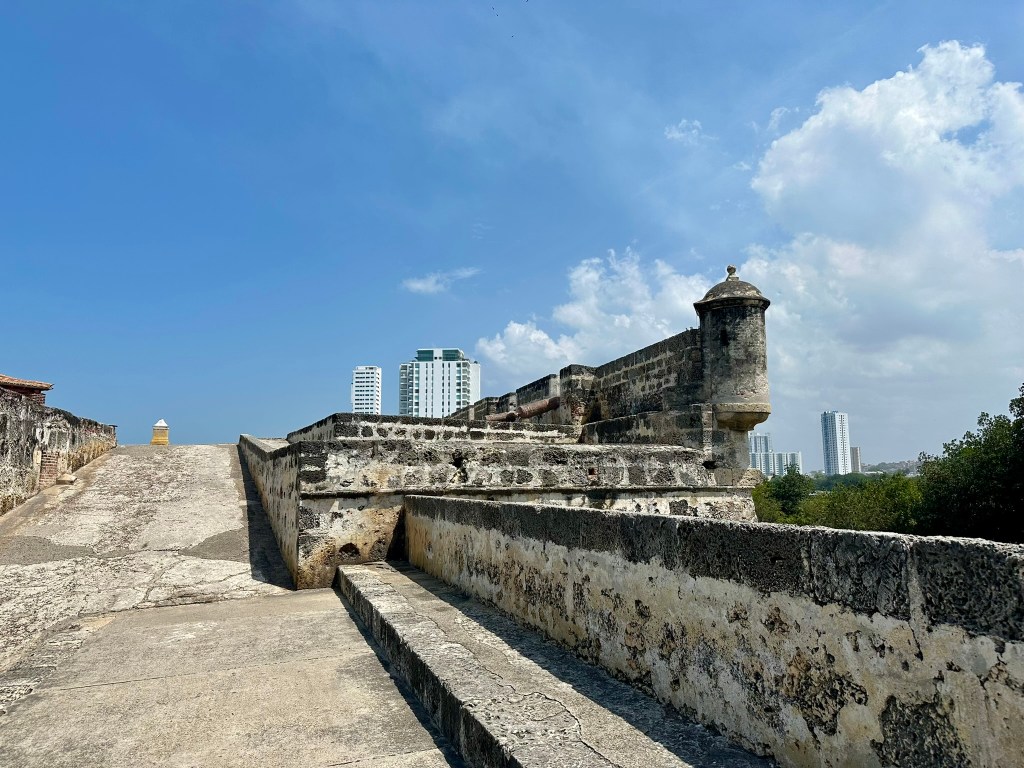
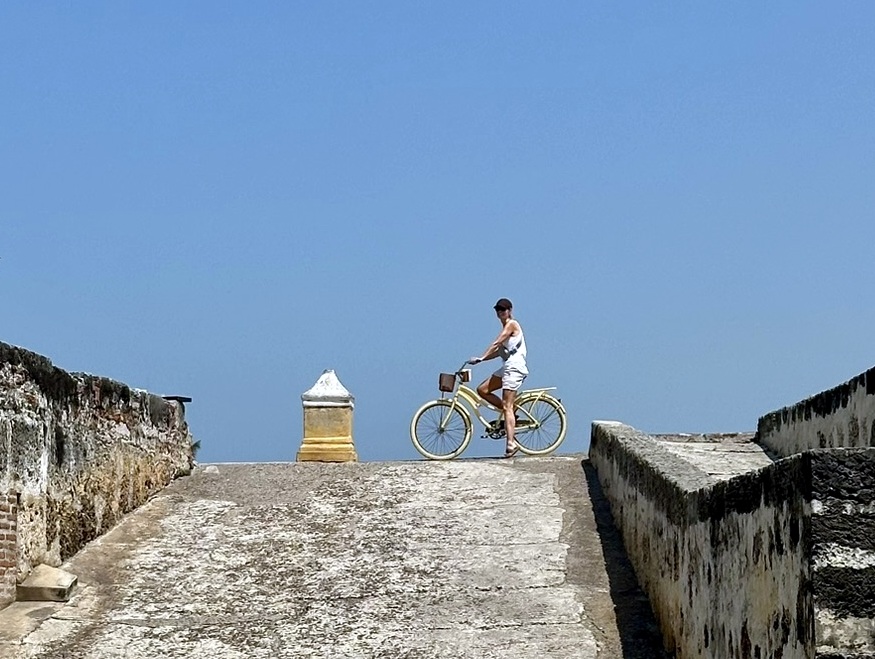
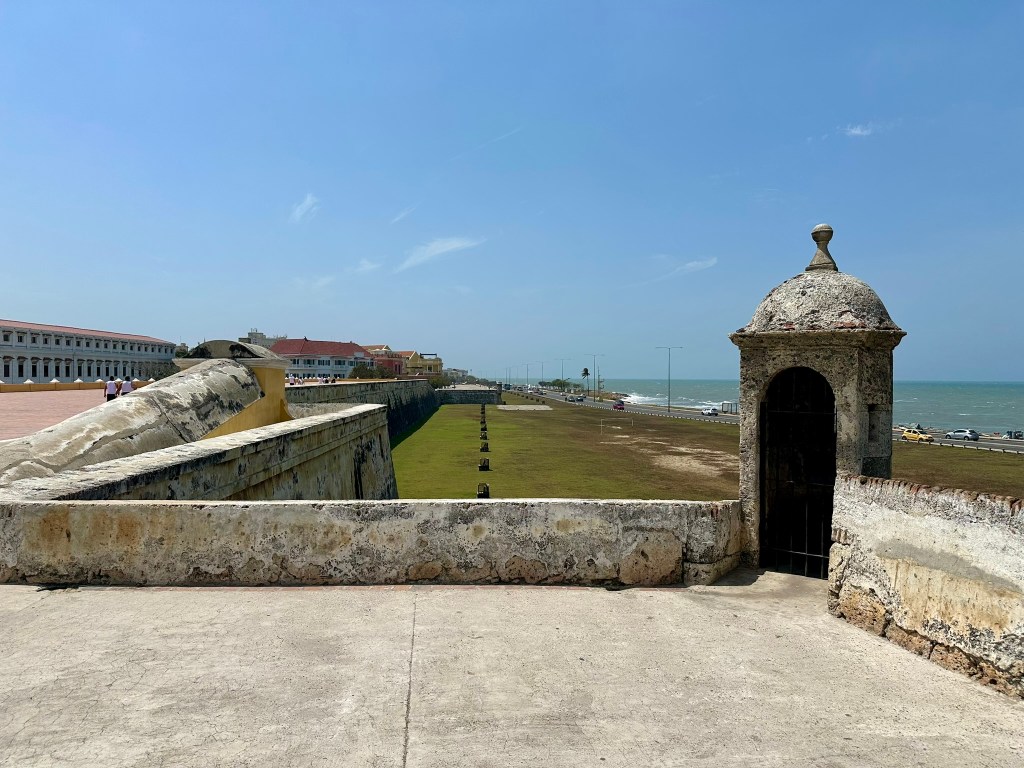
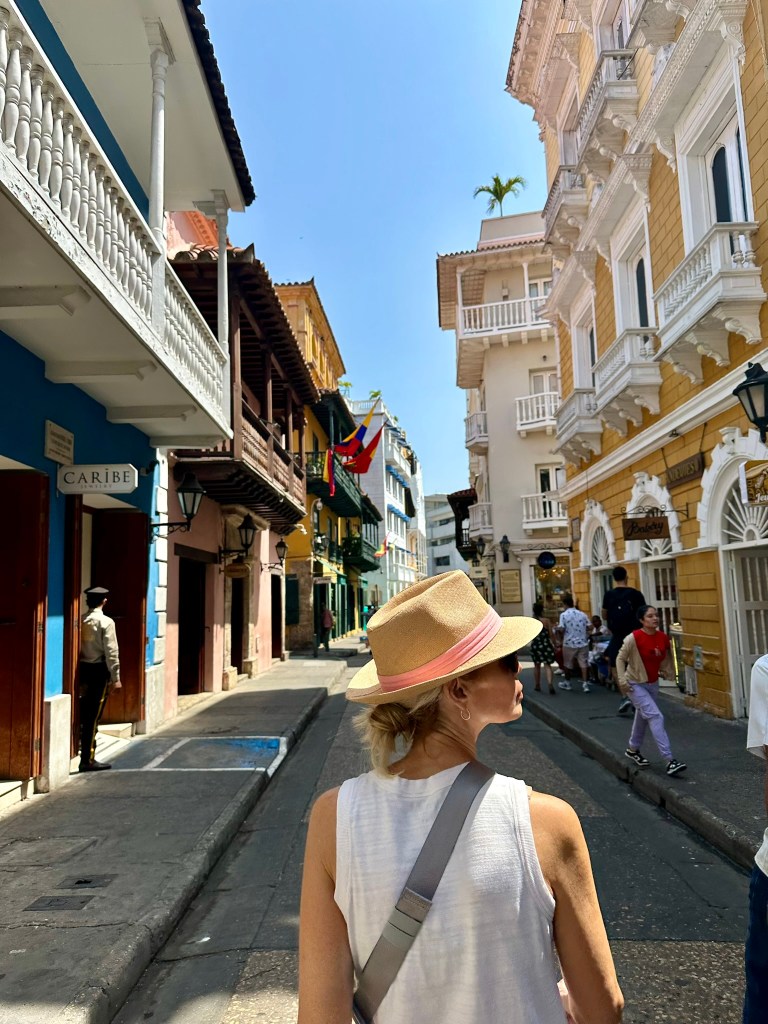
View into the old city from the walls:
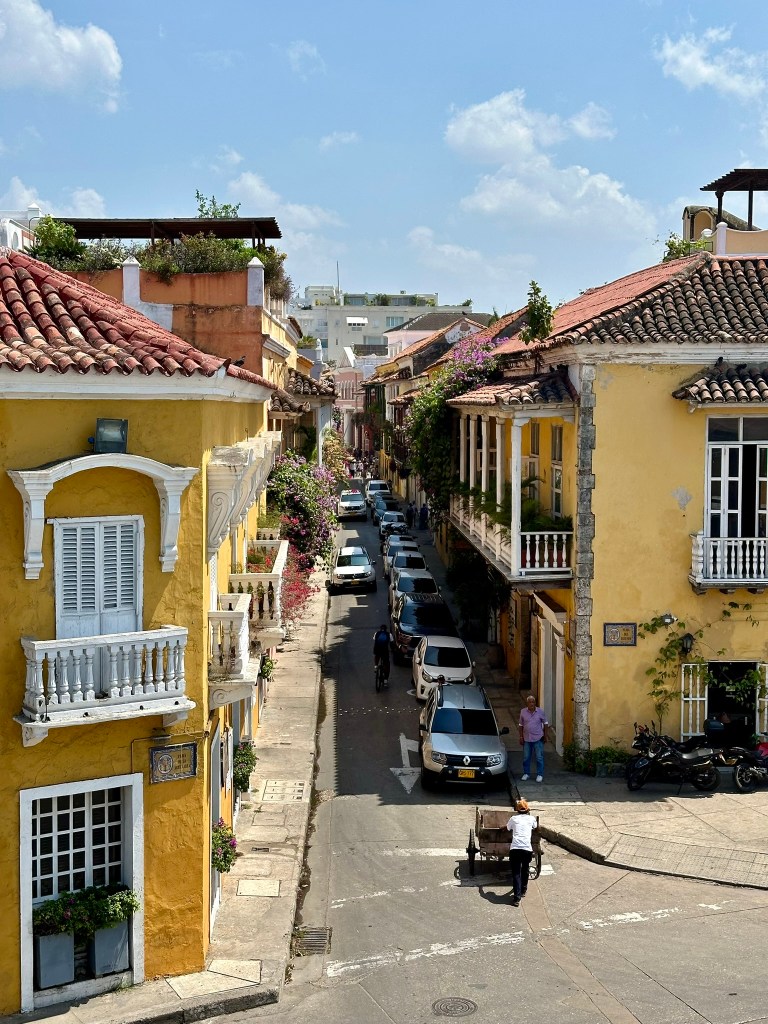
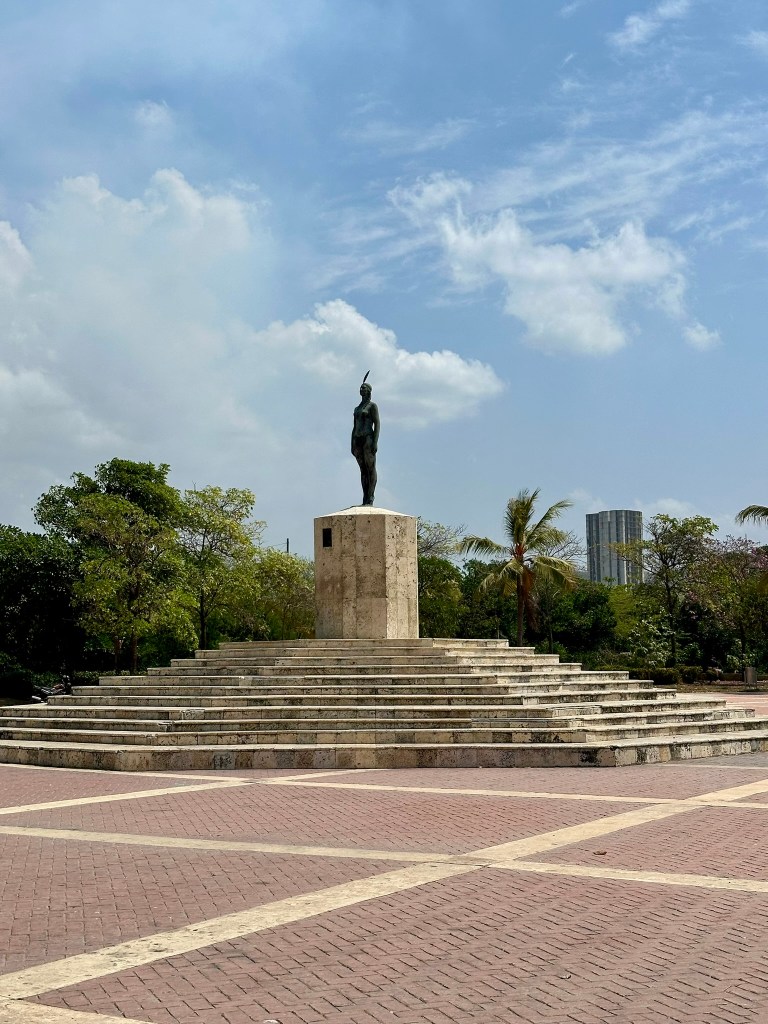
And over the walls to the new city:
Our bike ride complete, we headed back into the city (and back out).
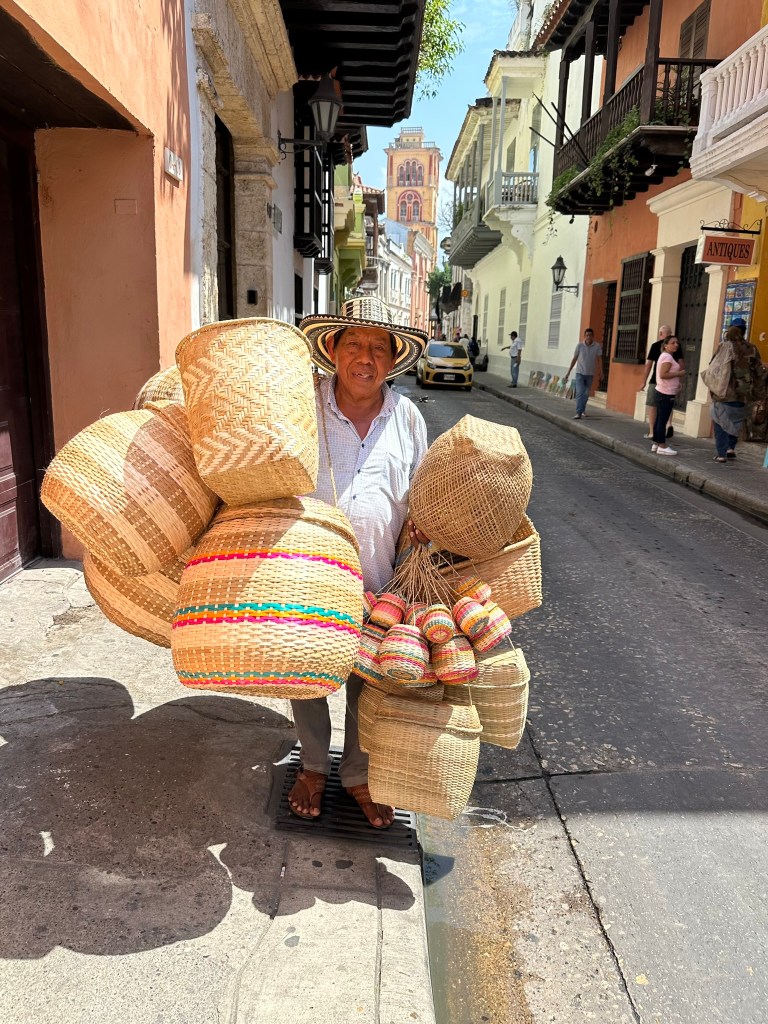
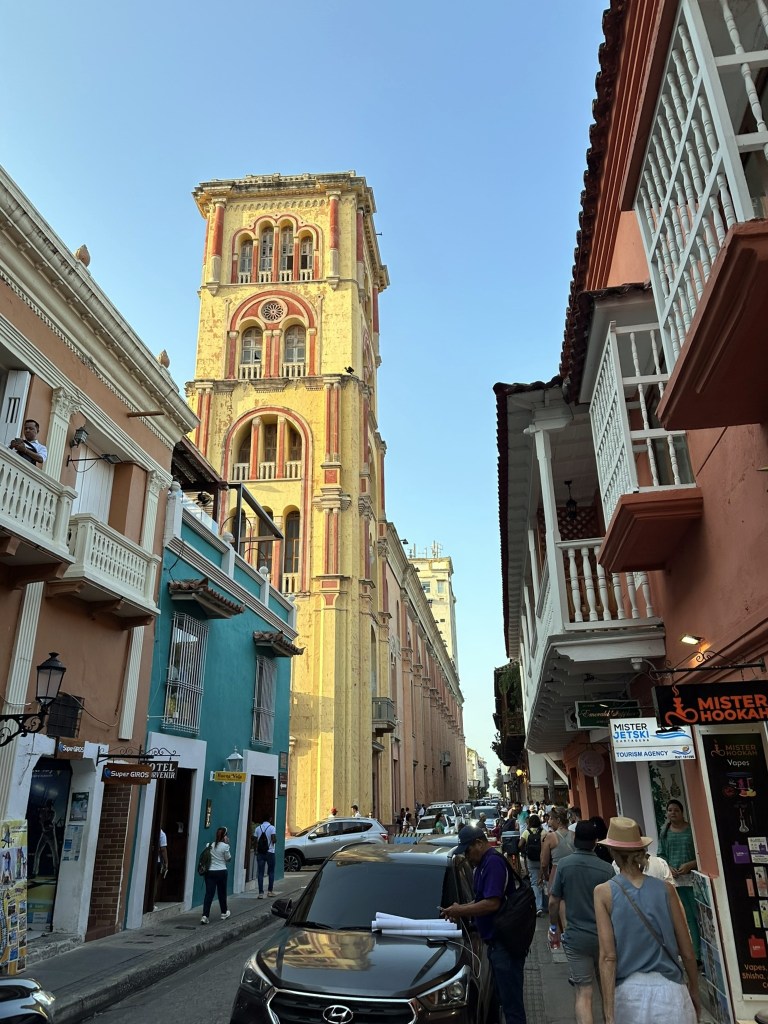
The University of Cartagena – formerly a monastery.
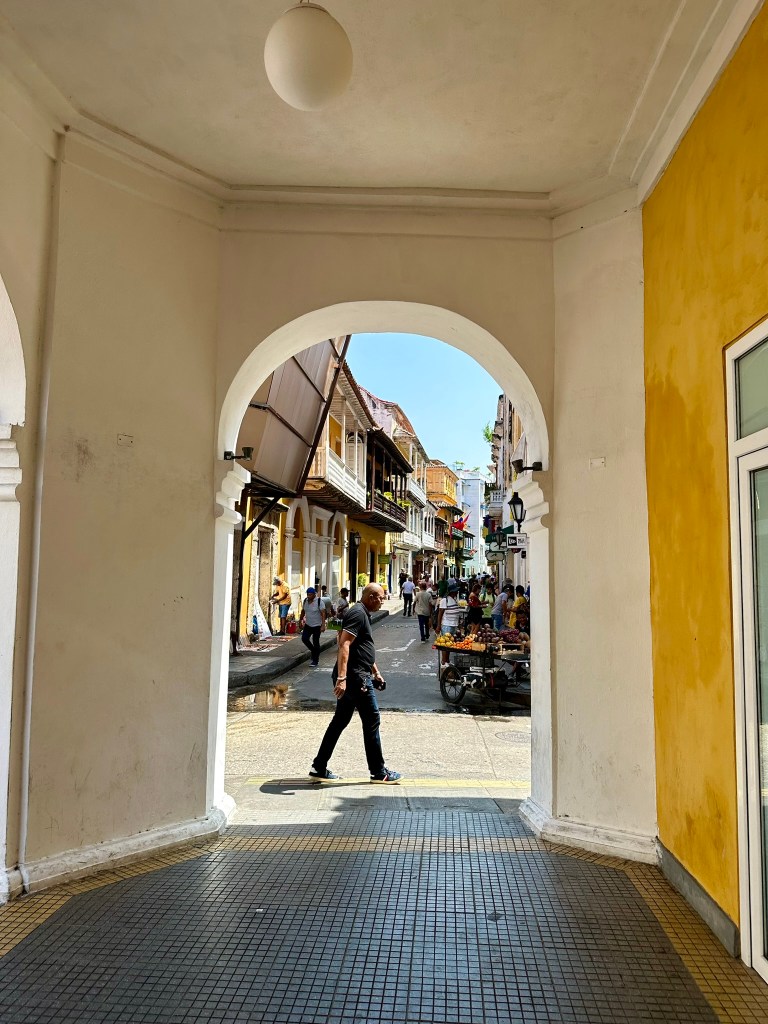
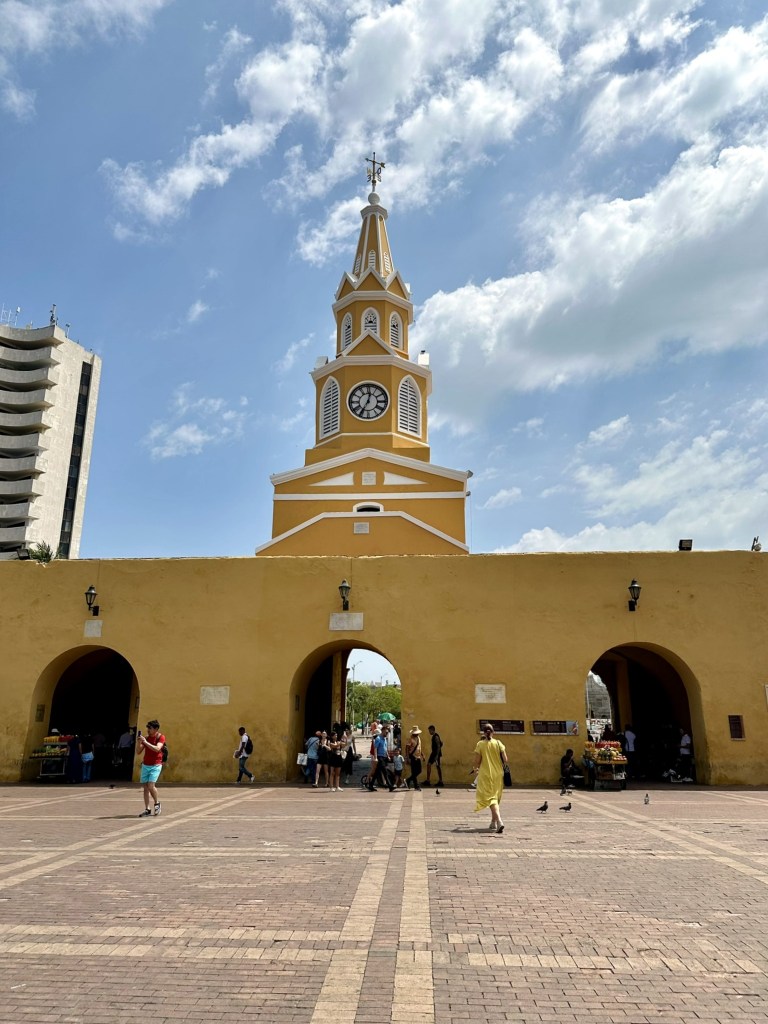
Inside the city walls heading out through the clock tower gate:
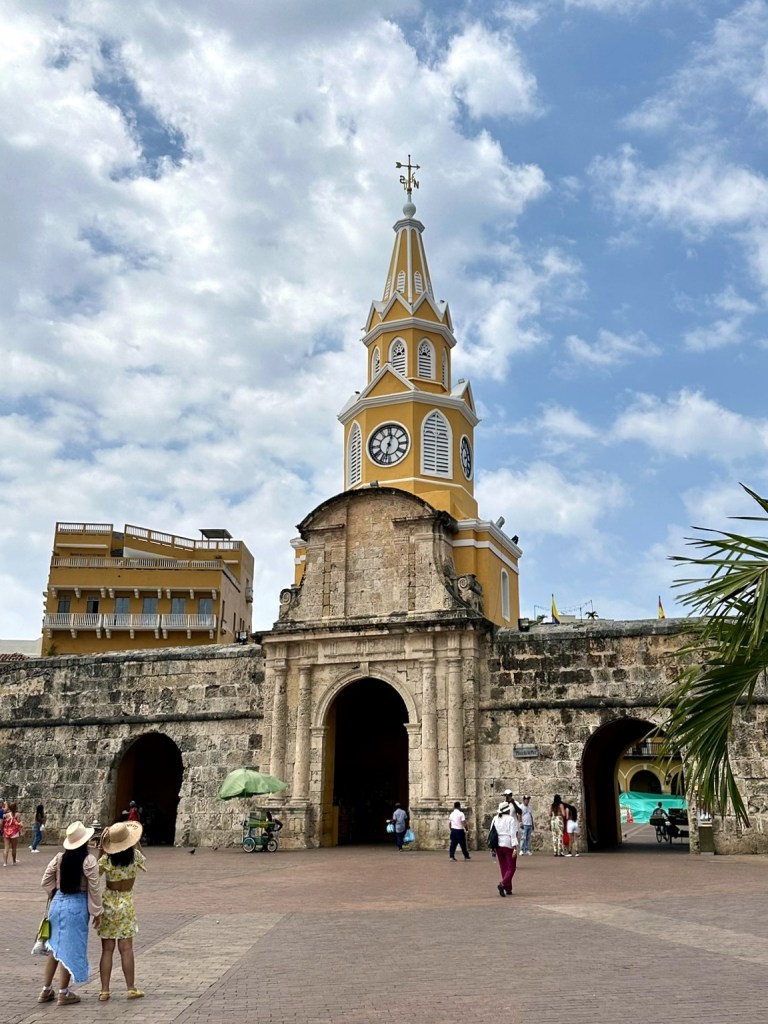
And outside the same space, heading through Centennial Park on the way to the cool Getsemani neighborhood.
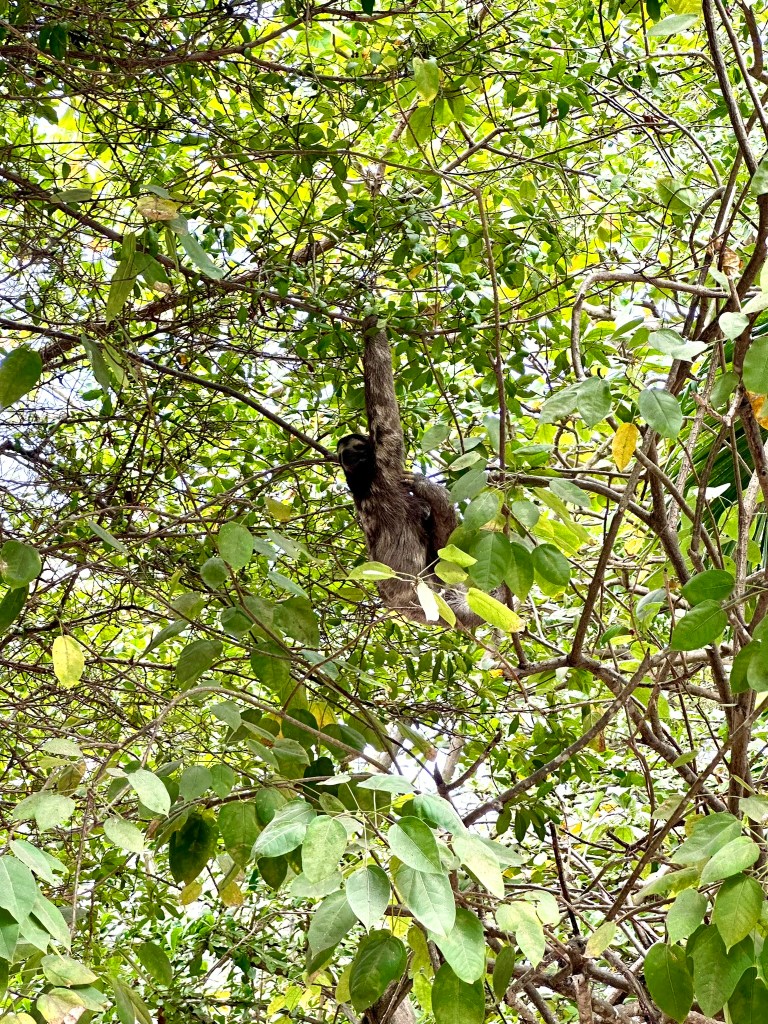
The park also happens to be home to a few sloths, which were easy to spot, unlike our frustrating time in Panama a few years ago. . .
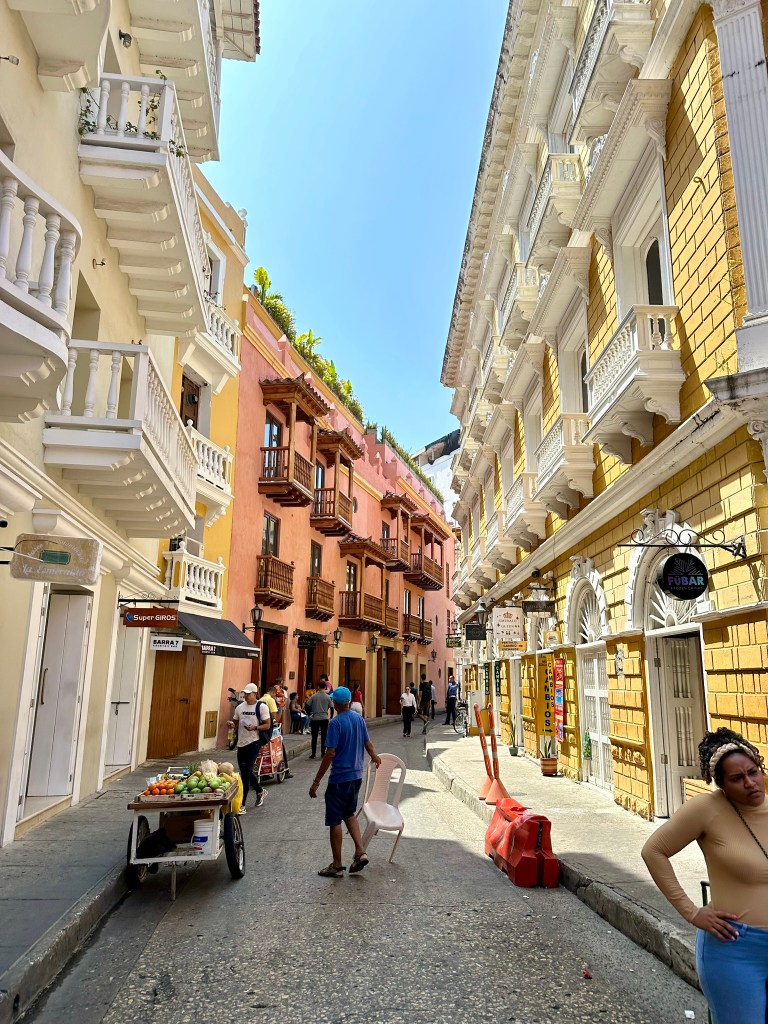
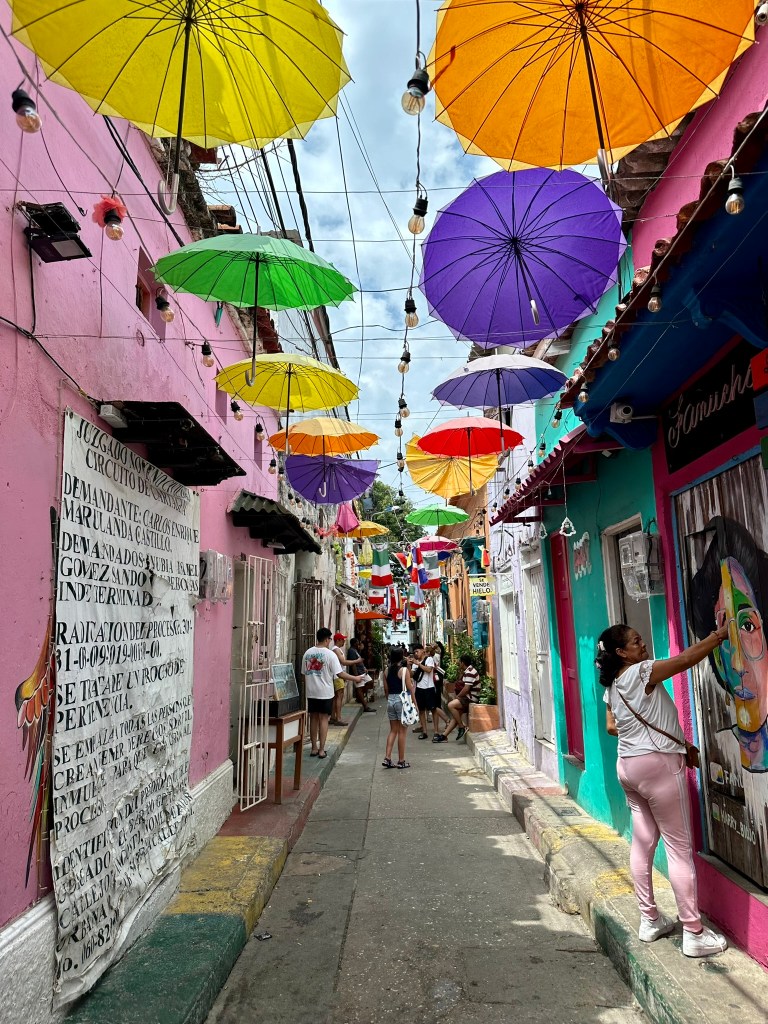
The gritty / cool Getsemani neighborhood, where we hung out one day and then another night.
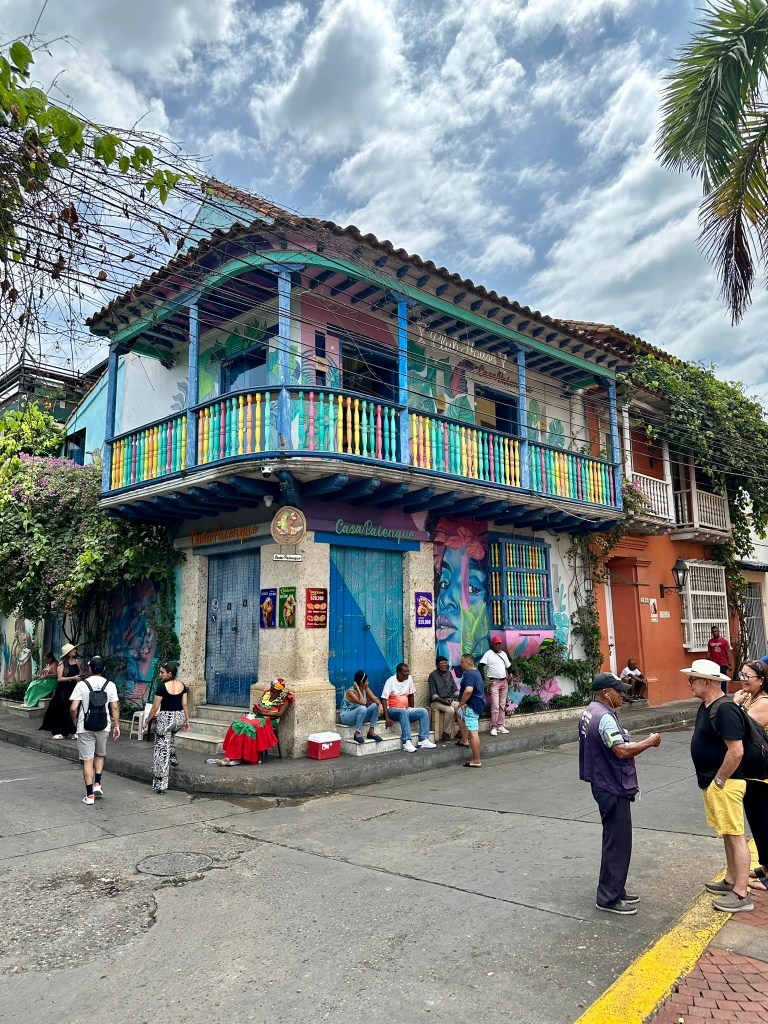
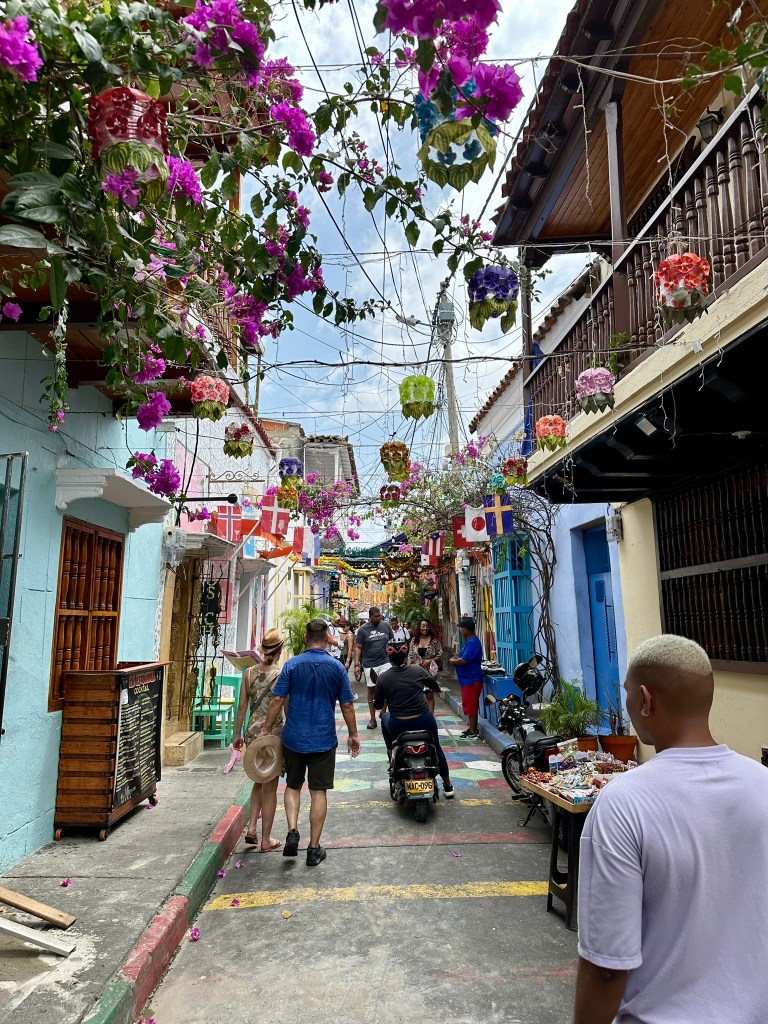
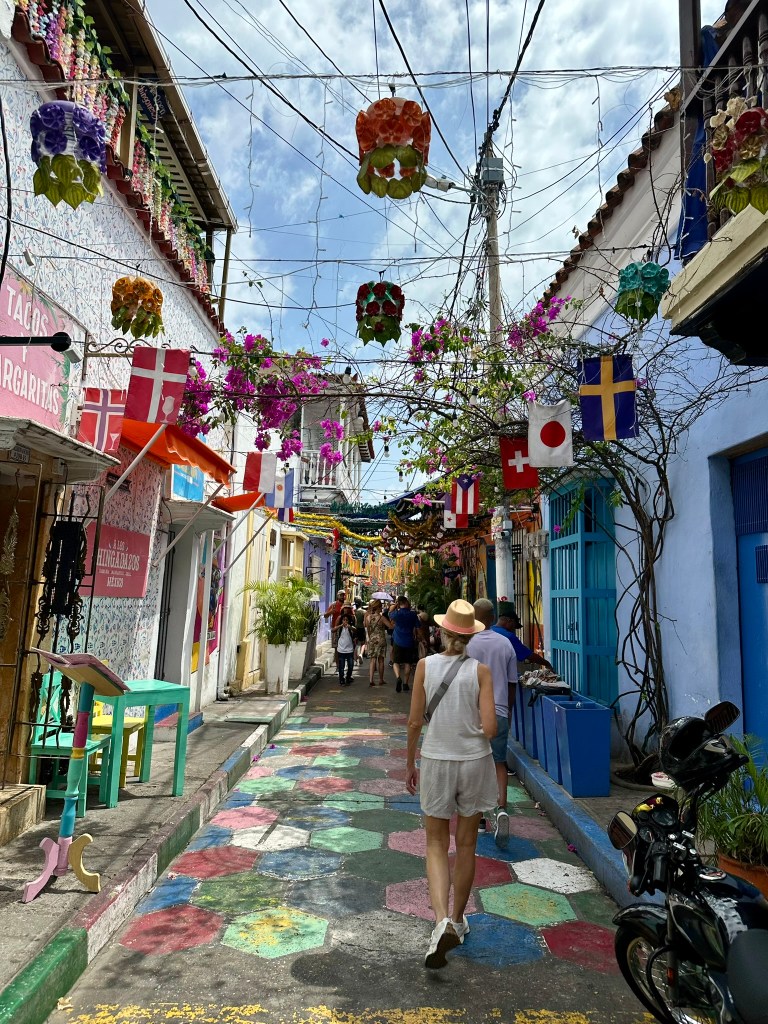
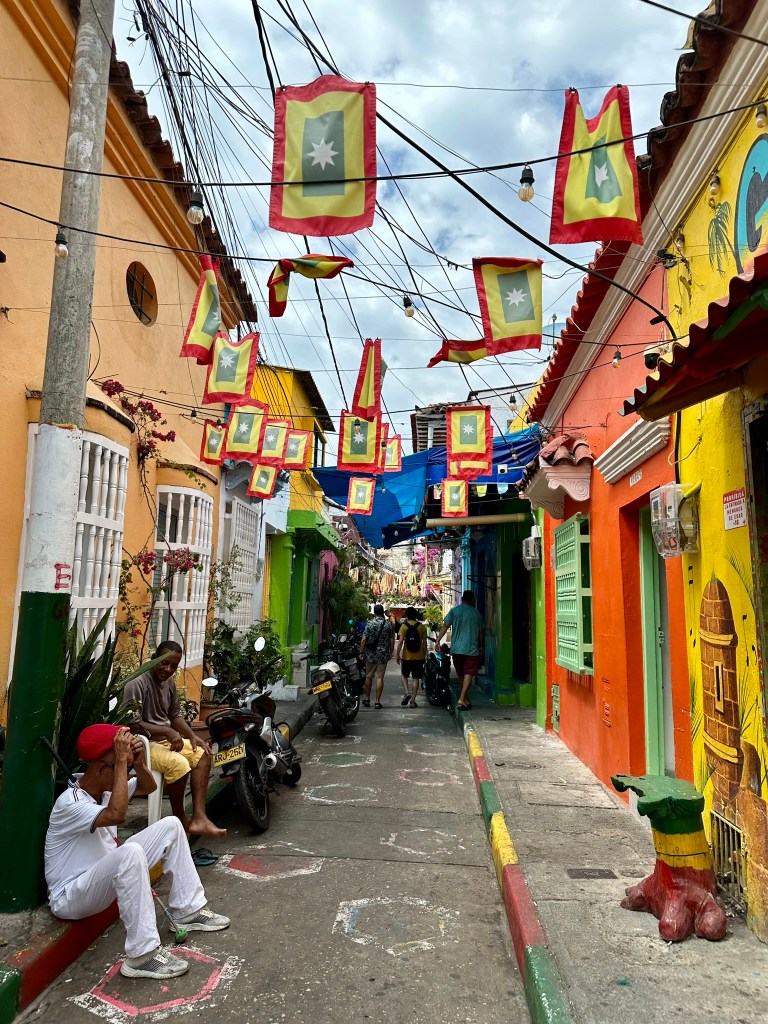
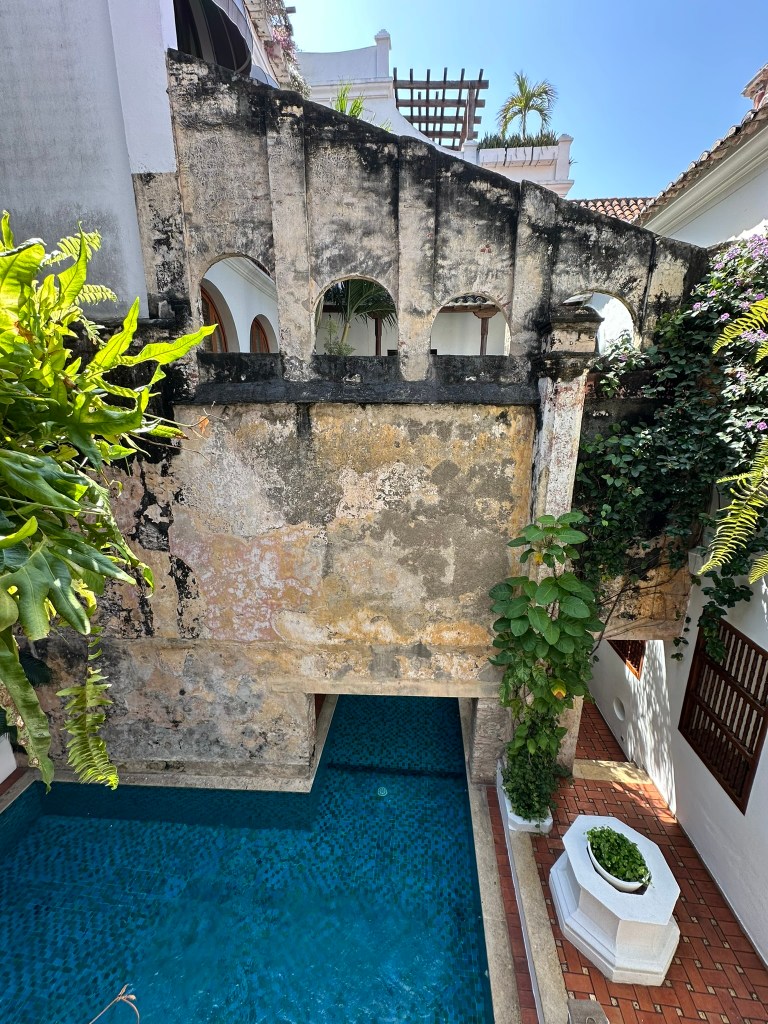
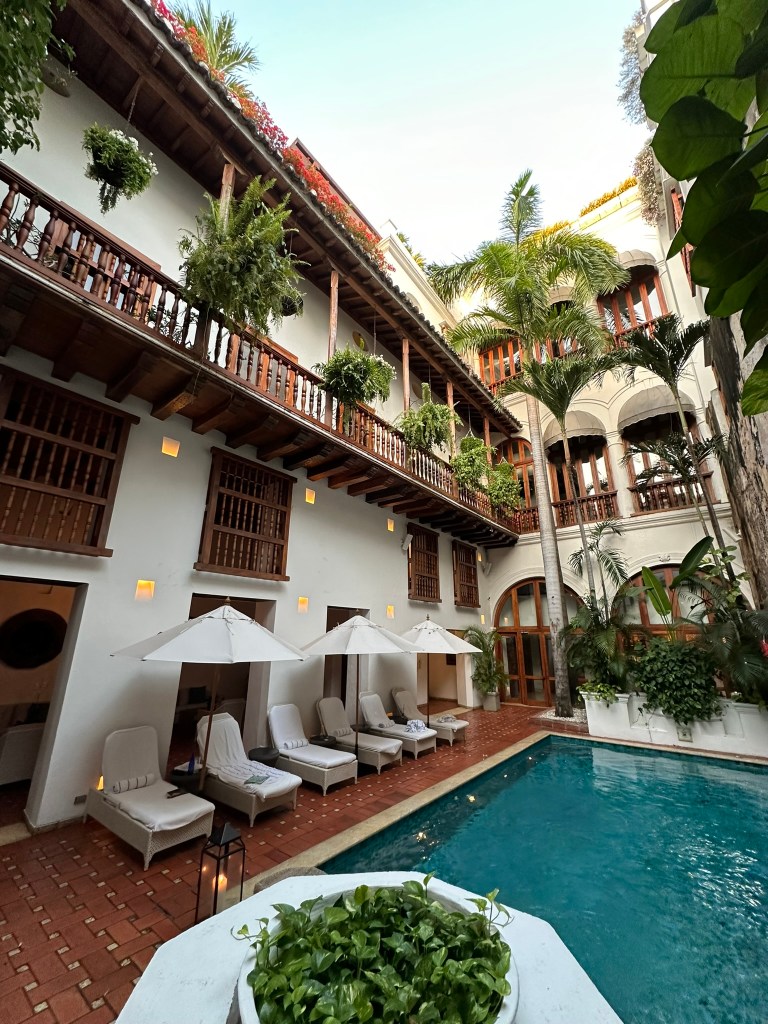
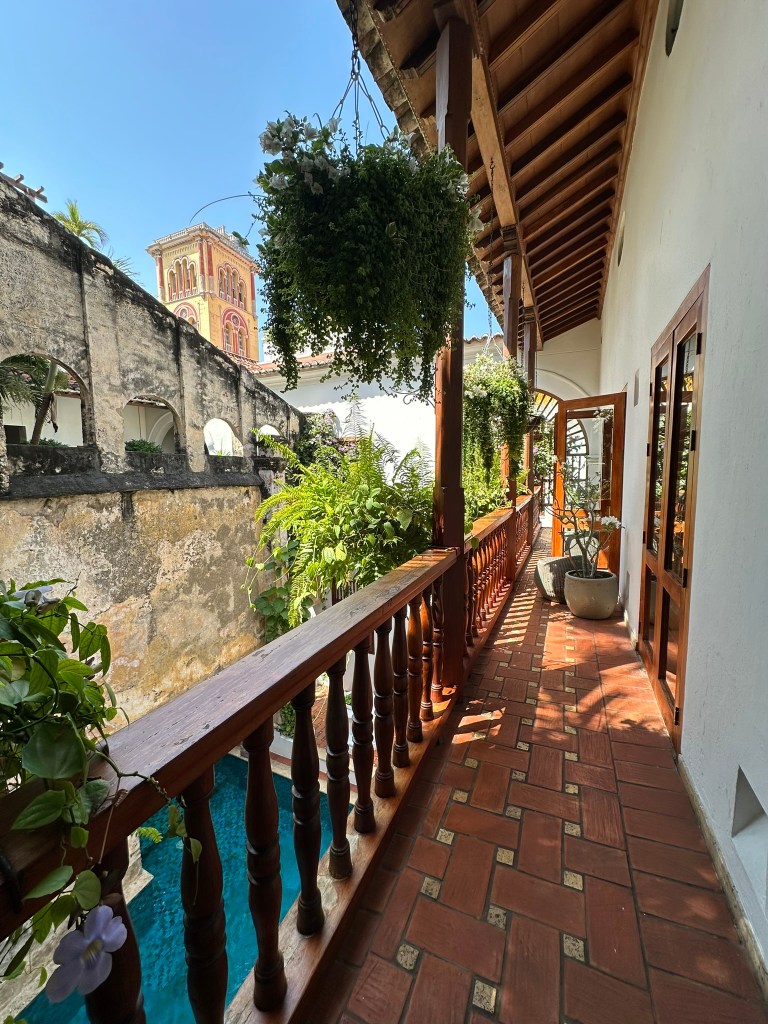
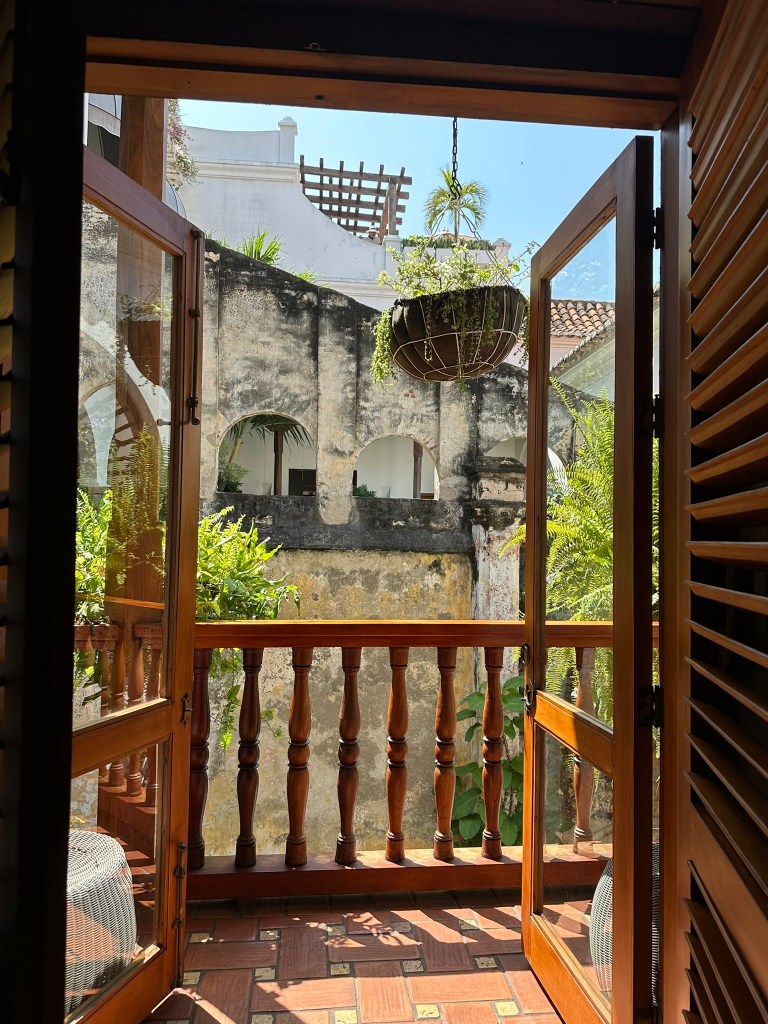
Cartagena was high 80s / low 90s during our visit, and we definitely needed a periodic break. Our hotel, composed of four, 18th-century houses, addressed the need nicely.
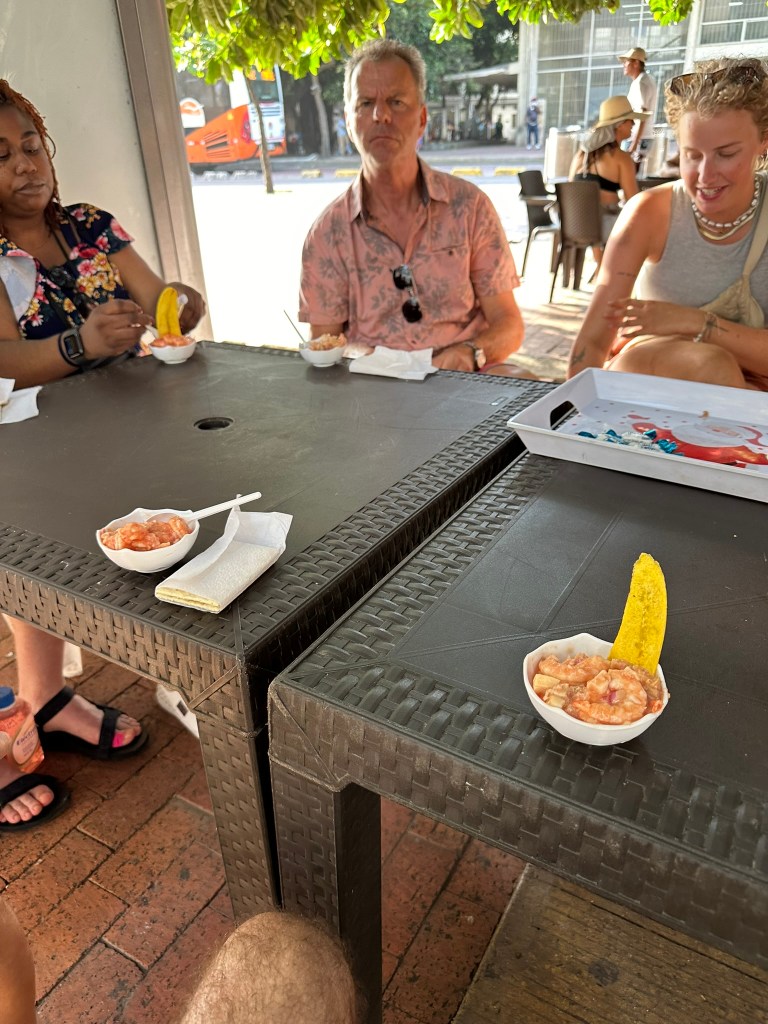
And now: a street food tour. (The dude across the table of ceviches is a German Swiss guy who was visiting Colombia for a month to visit his son in Medejin, then spent some time in Cartagena. He’s a happy guy, really!)
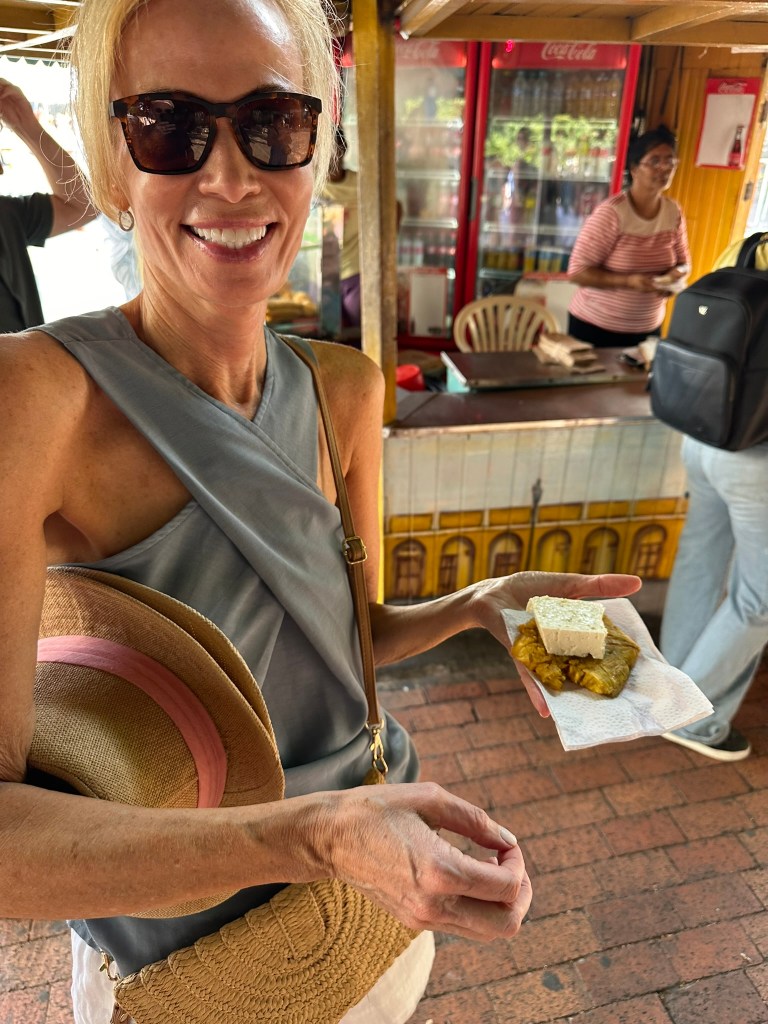
Fried plantain and local cheese. Probably our favorite dish of the food tour.
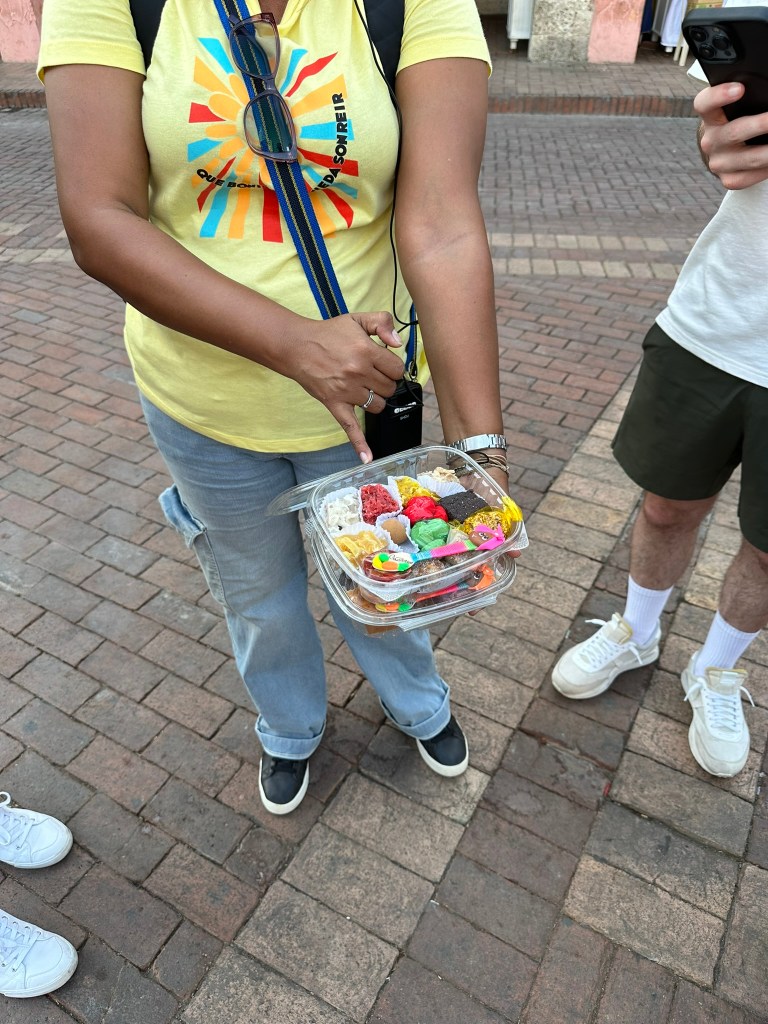
The Colombians are weird about candy. Seriously. There’s an entire street of this stuff next to the clock tower gate. Meh.
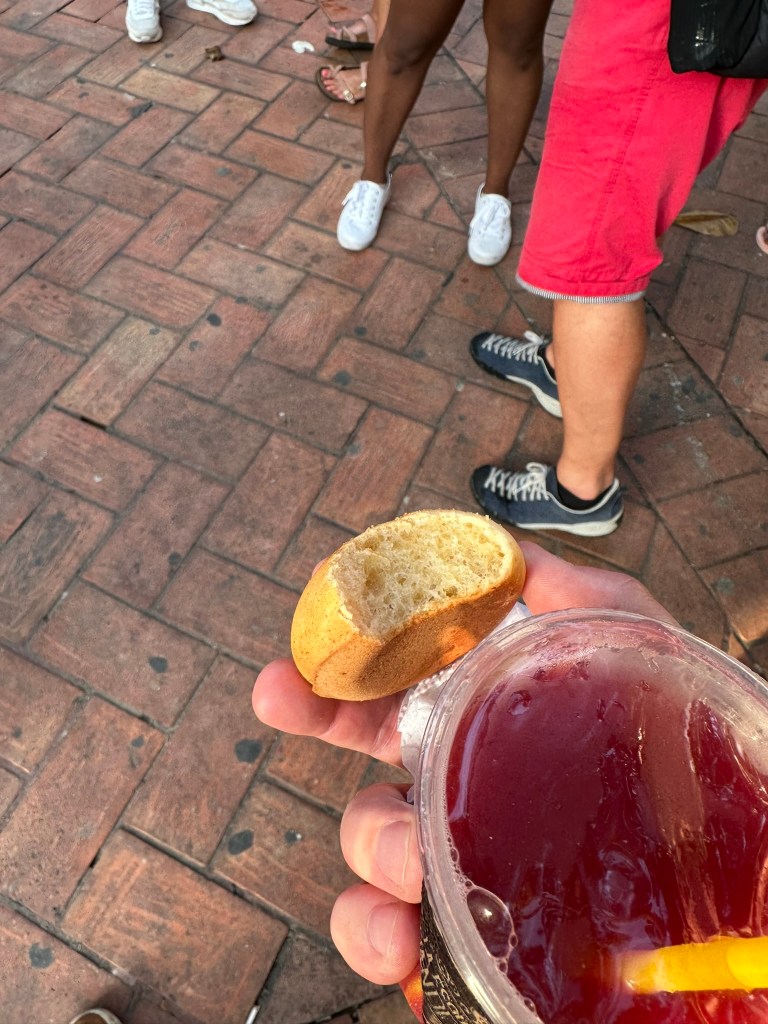
The city’s famous pan de bono, which was pretty good; washed down with corozo juice (local berry – a little tart but pretty good).
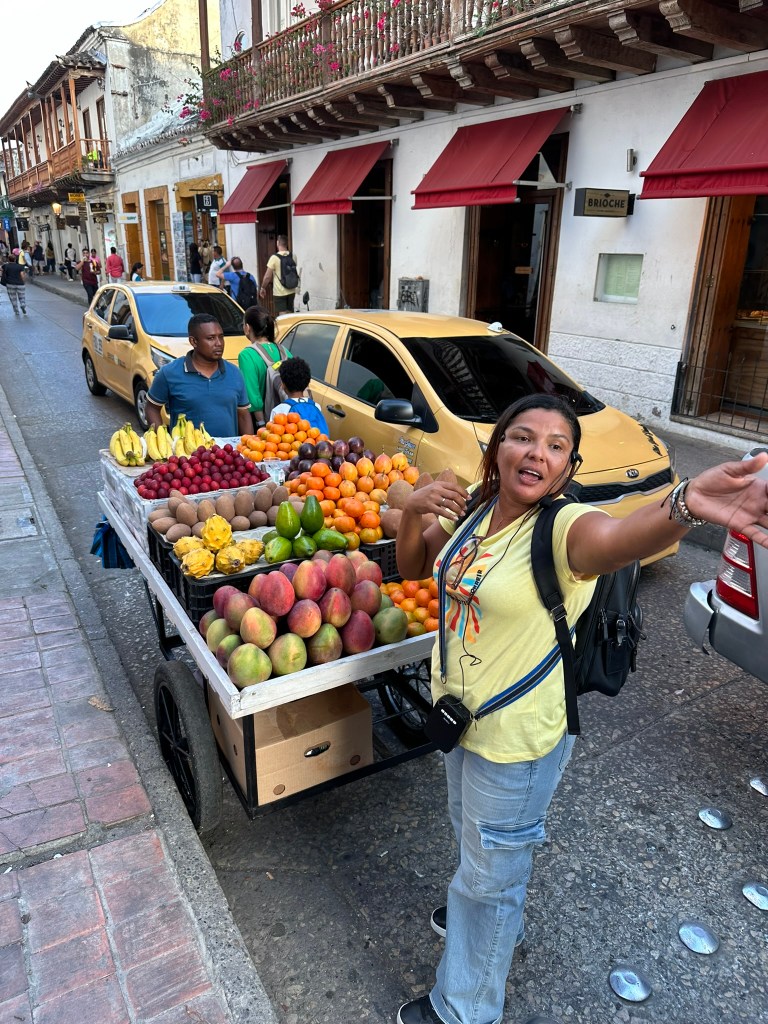
Bunch o’ fruit from a vendor; most of which we’d had before, a few of which are unique to Colombia. The papaya’s throughout our trip, btw, are the best we’ve ever had. But the cart also held mango – the kryptonite of fruit for one of the WolfeStreetTravelers.
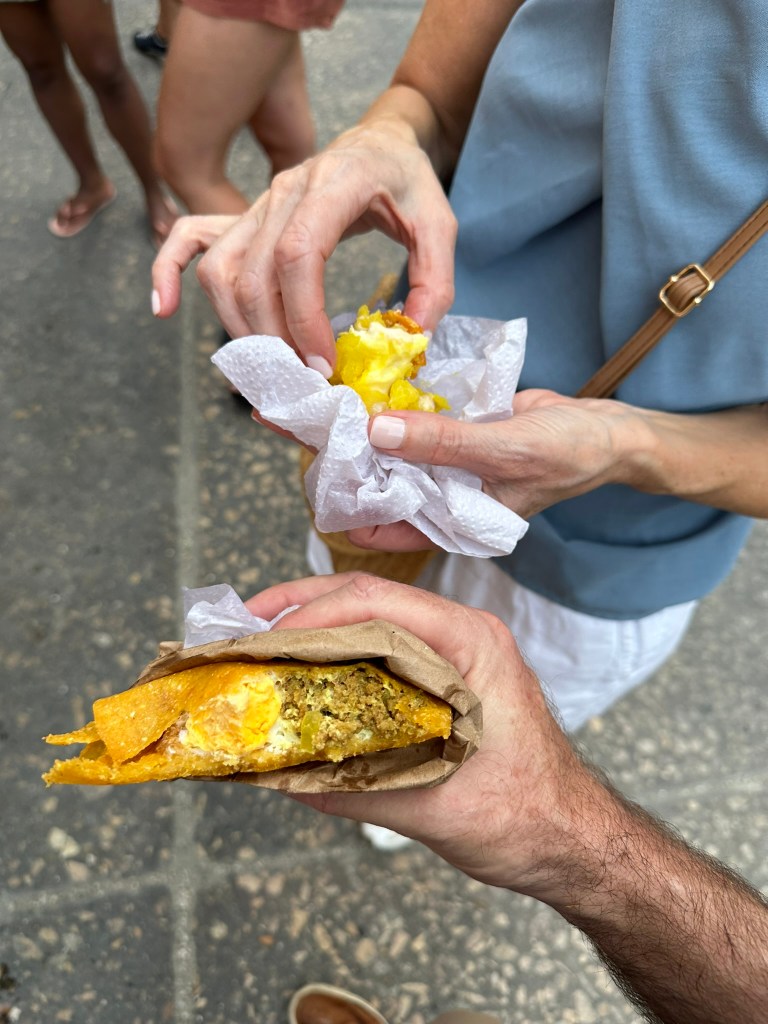
Cartagena’s most famous street food – arepa. Beef and egg (typical, but there are a bunch of variations) fried in a corn sleeve. The very quintessence of street food. One of of us had one every day there. . .
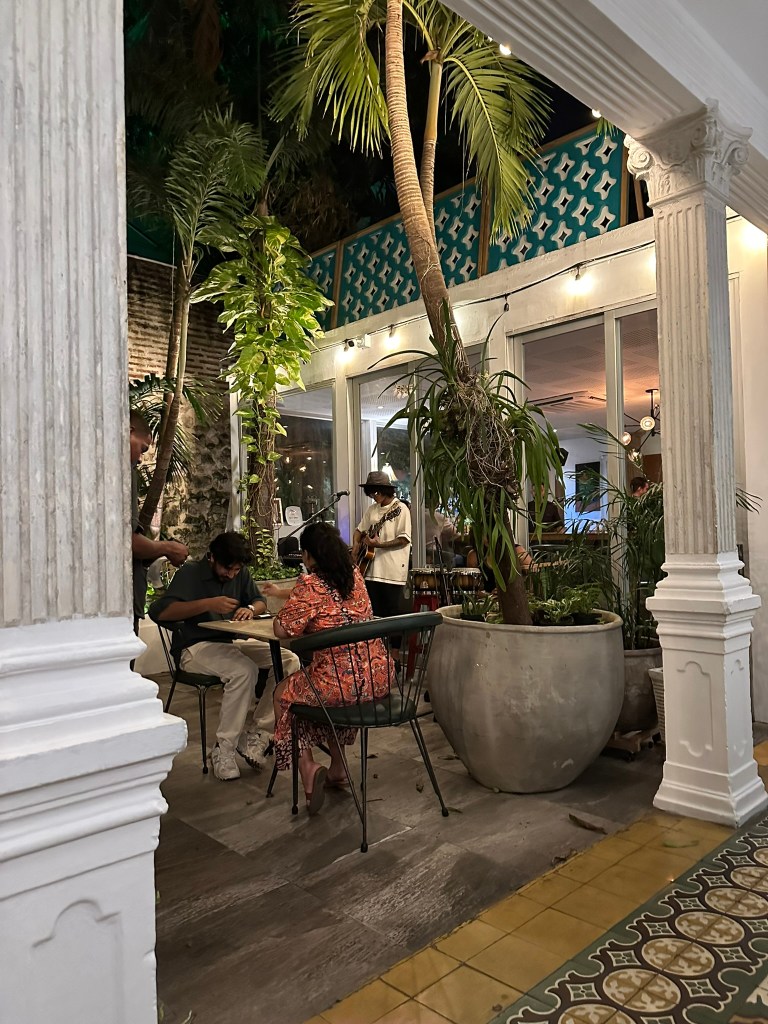
As a direct contrast to our street food earlier in the day, the evening brought dinner at Carmen – pretty awesome.
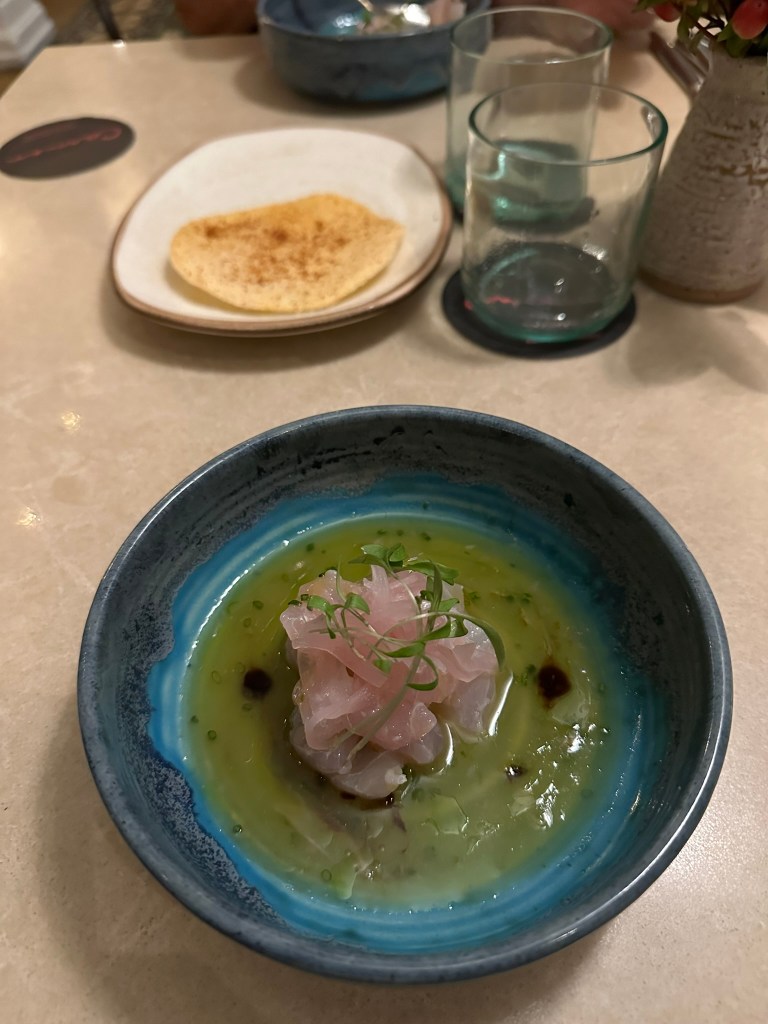
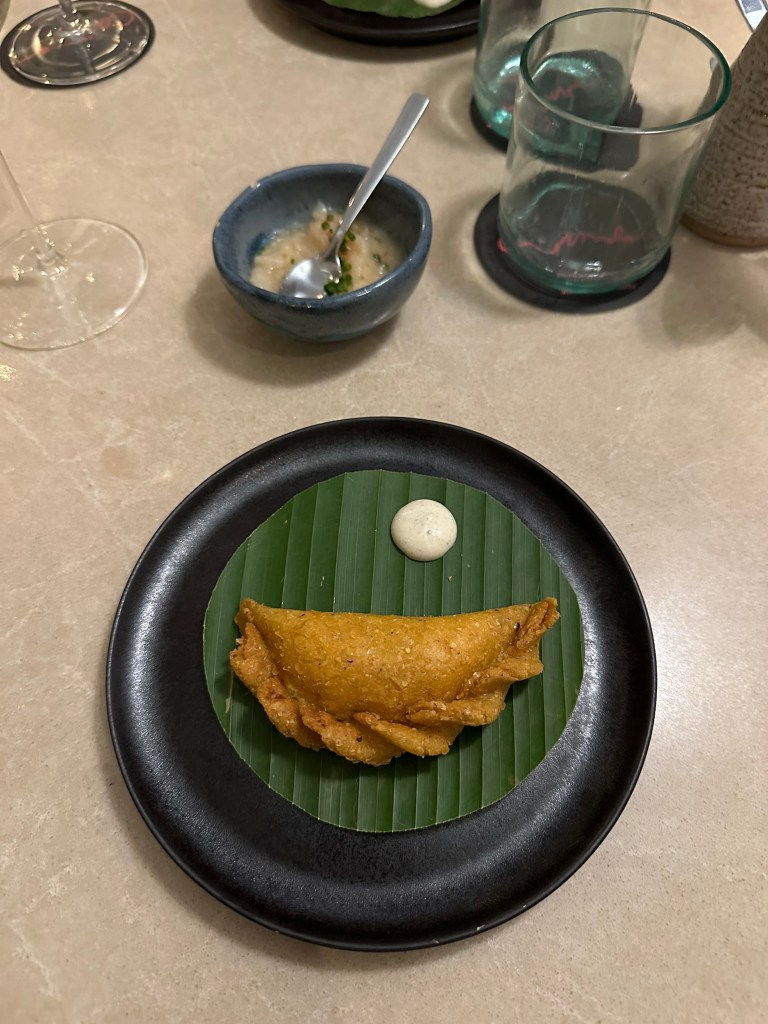
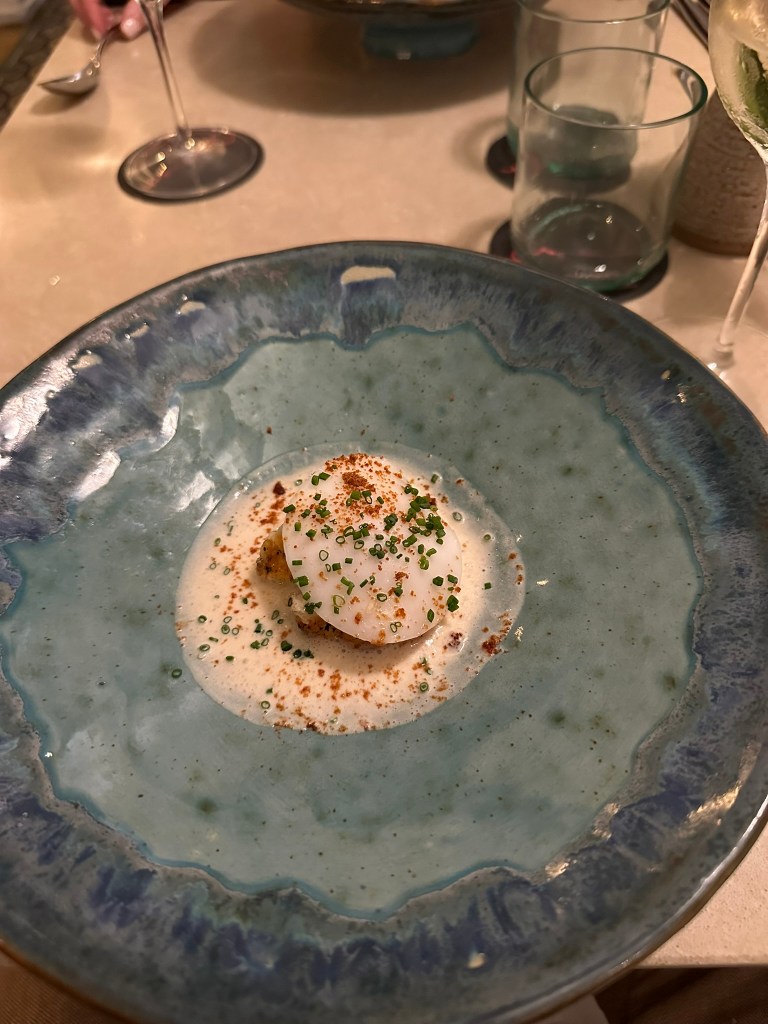
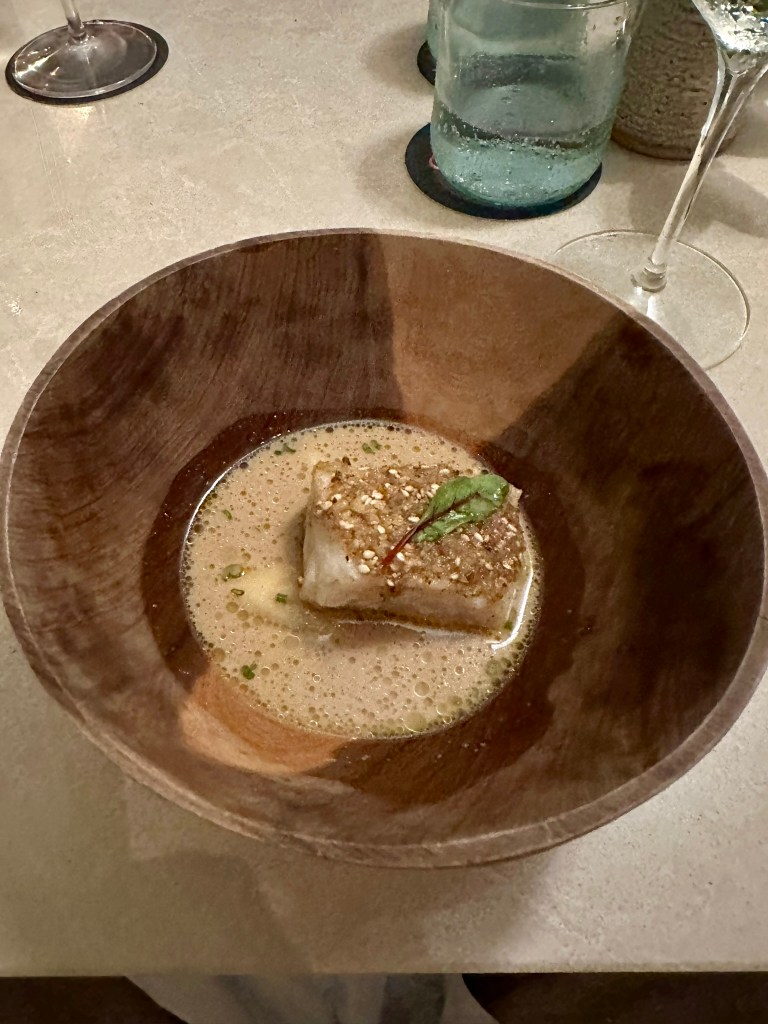
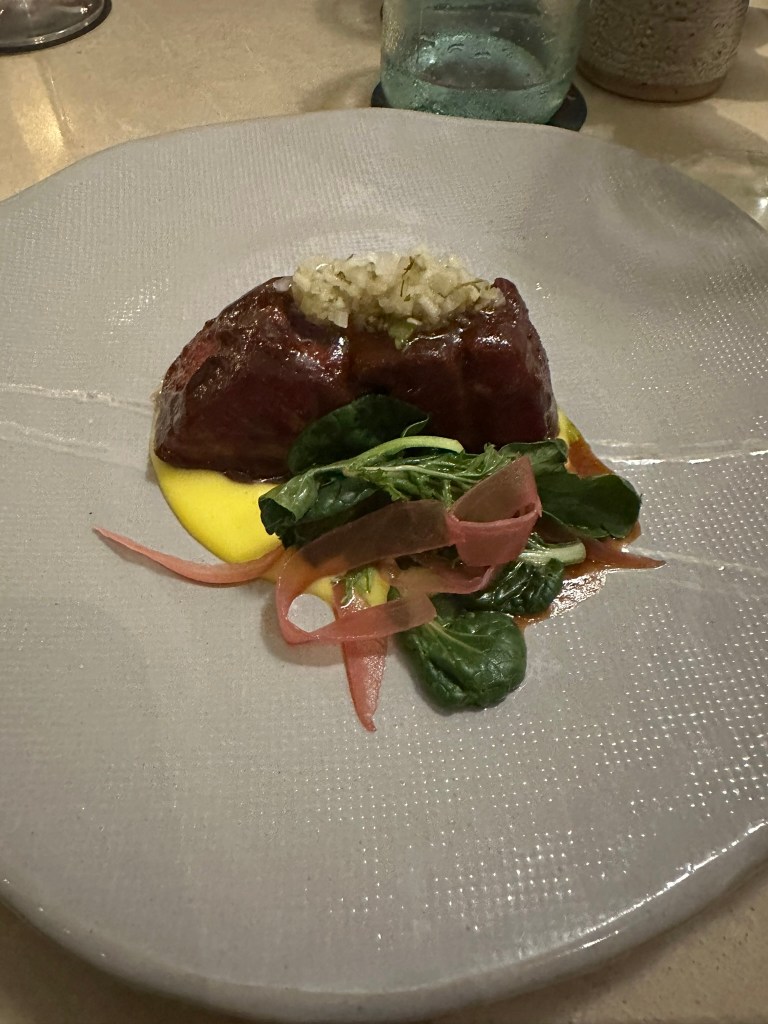
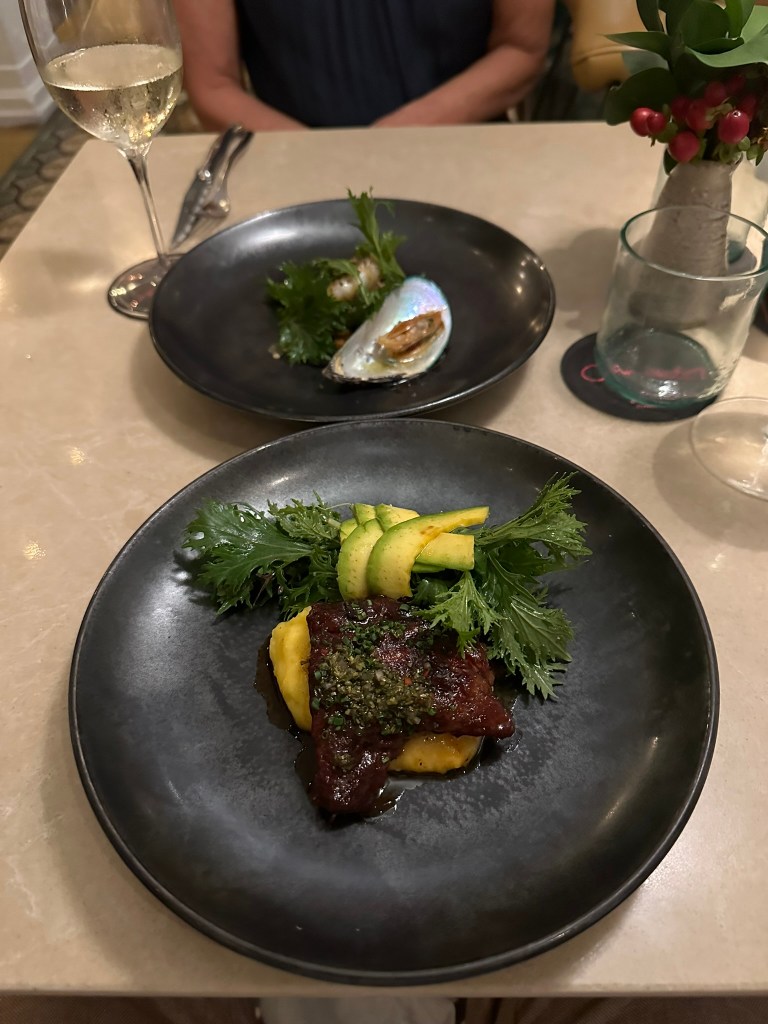
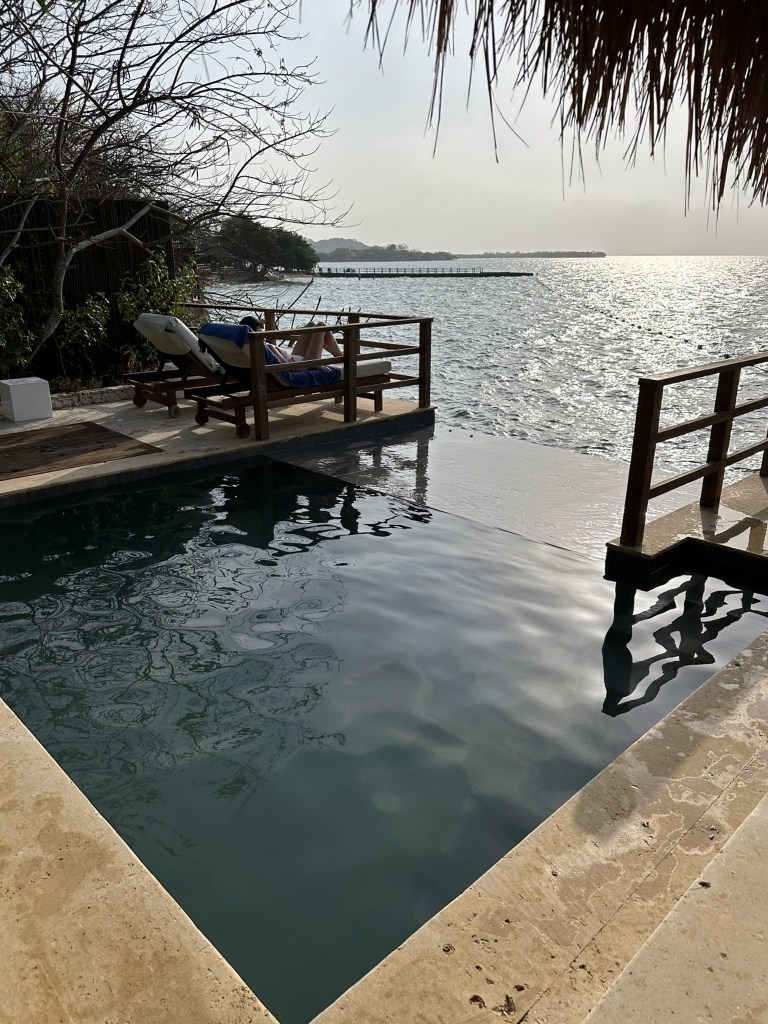
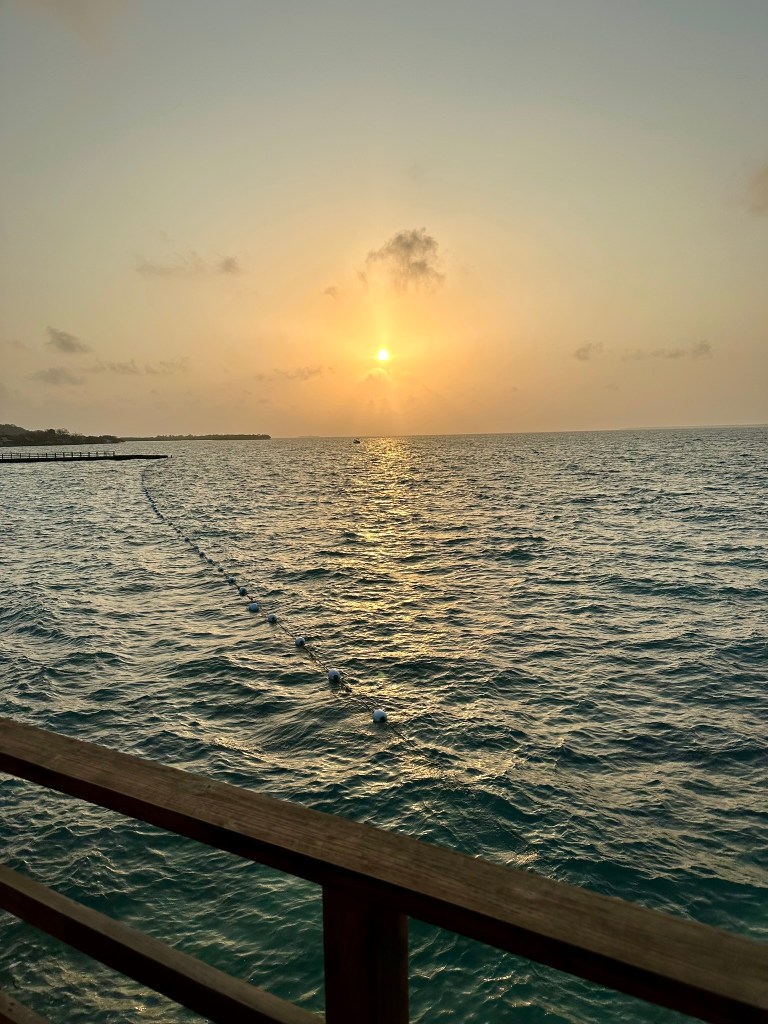
And now for something completely different: Isla Barú. We planned the trip to experience the chaos of Cartagena (definitely not disappointed on that count) and then some downtime up the coast along the water.
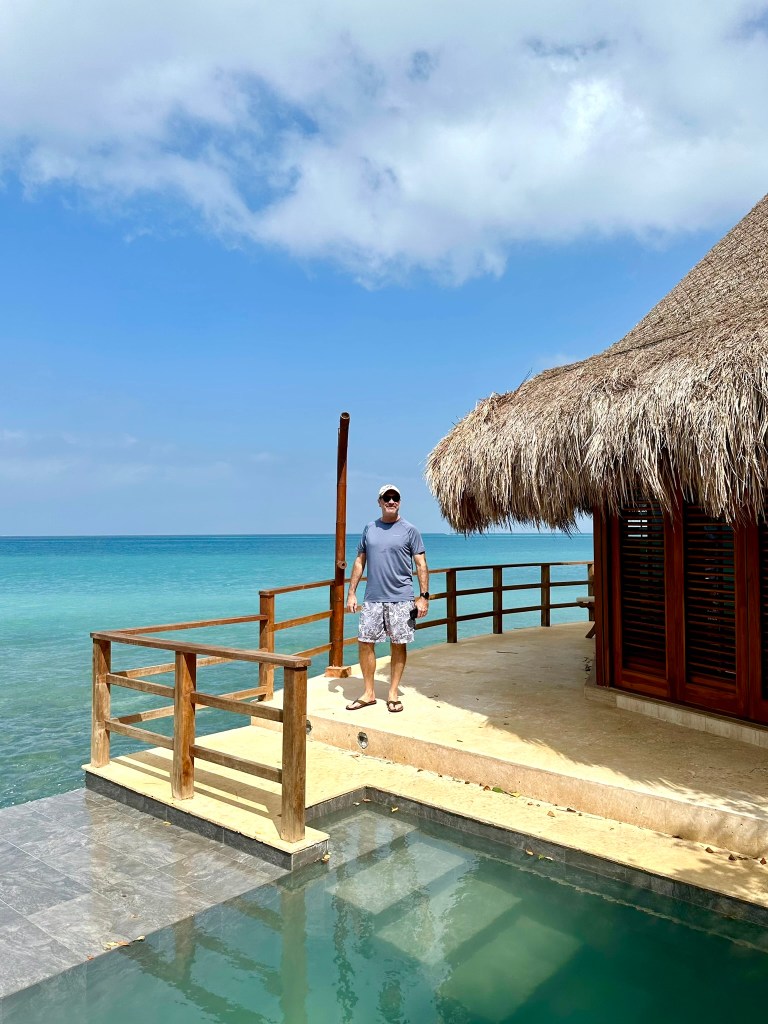
The plan worked out pretty well. . .
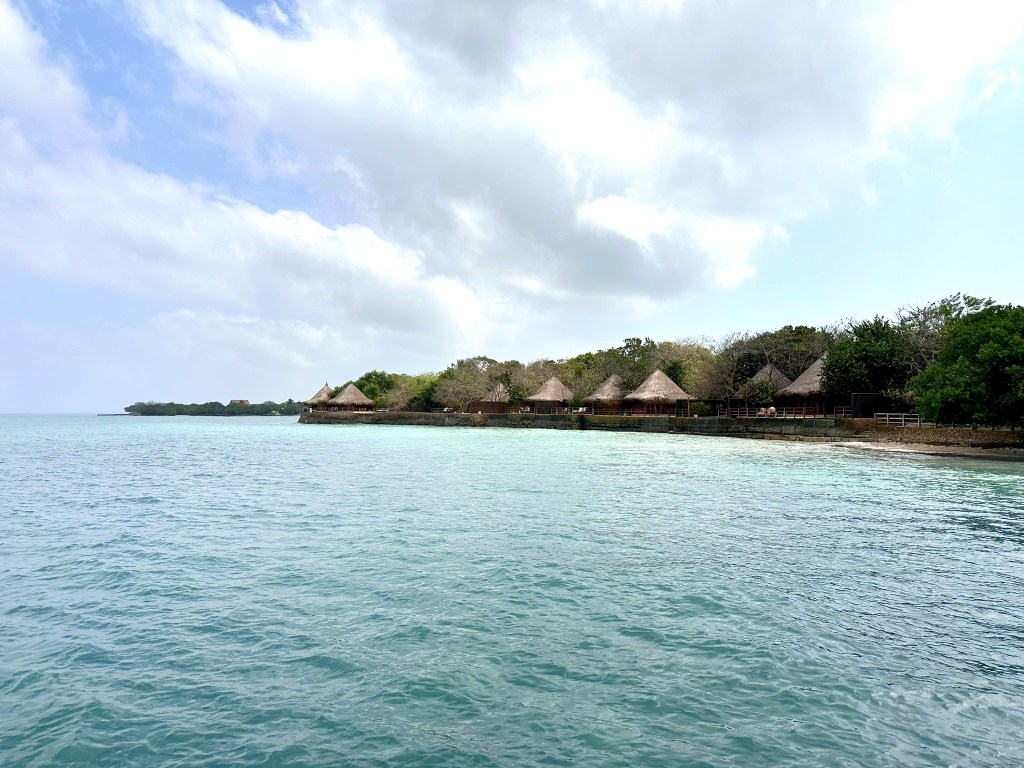
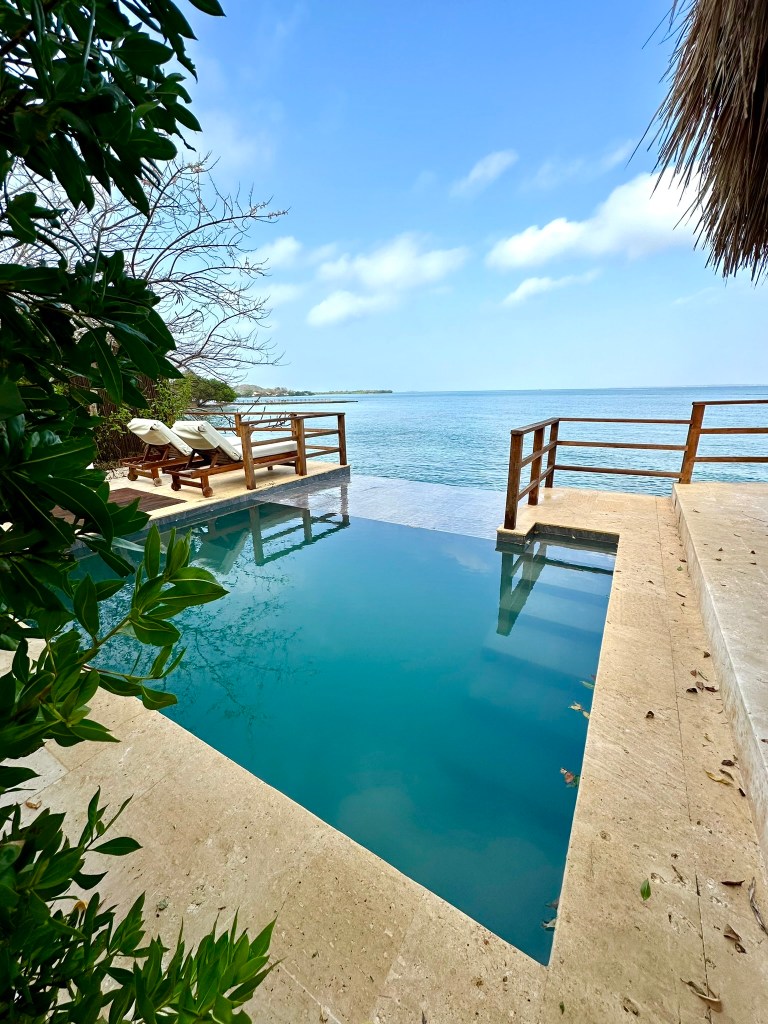
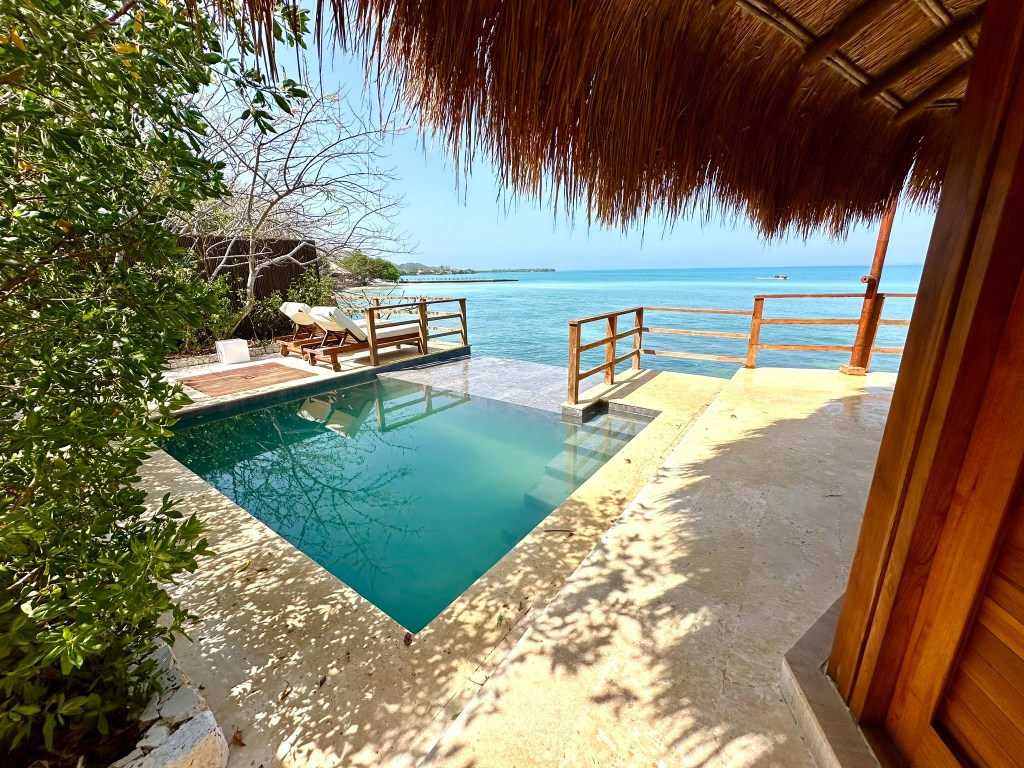
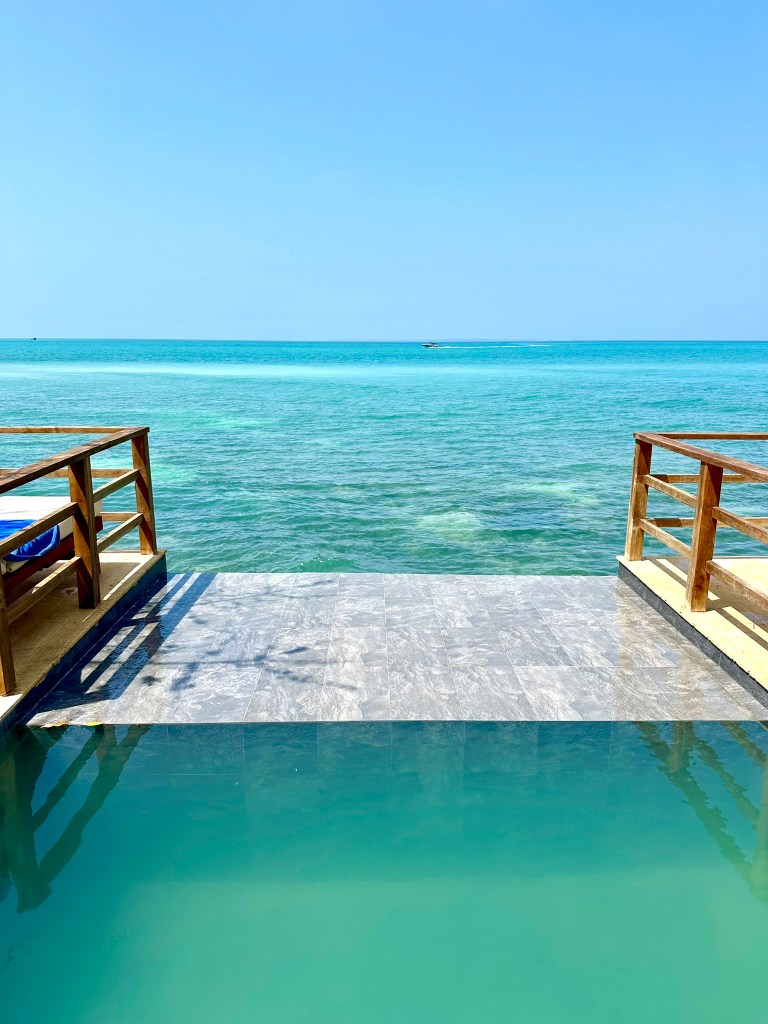
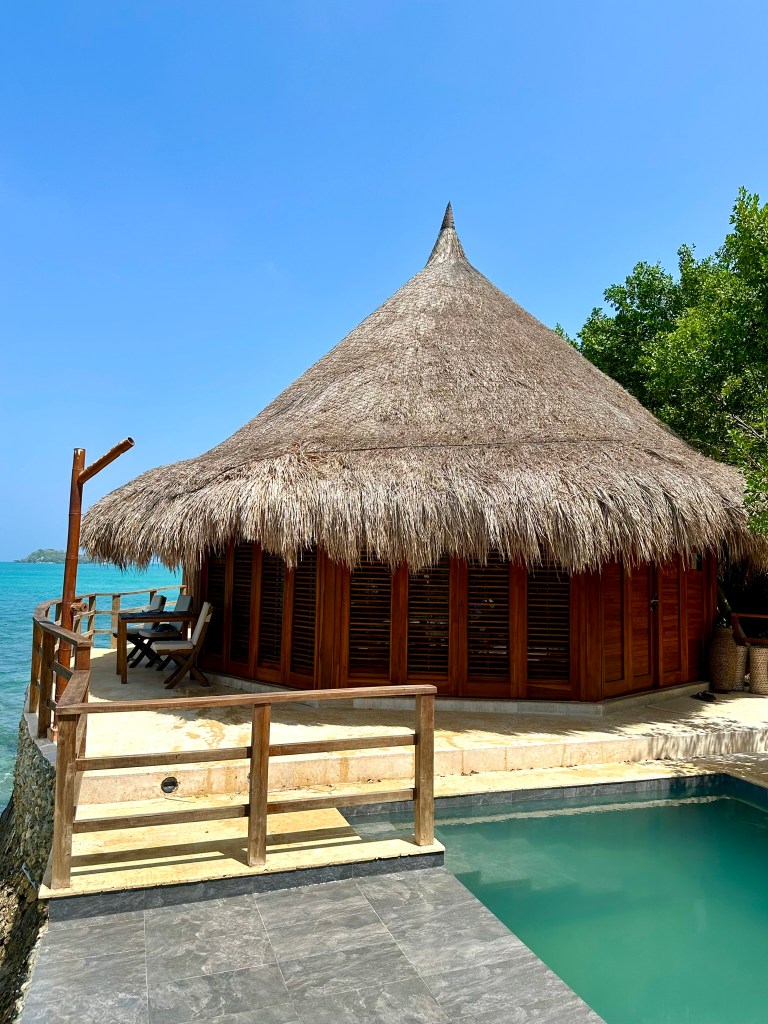
Our little island was overrun by peacocks, which are a pretty interesting alternative to squirrels or monkeys, I guess.
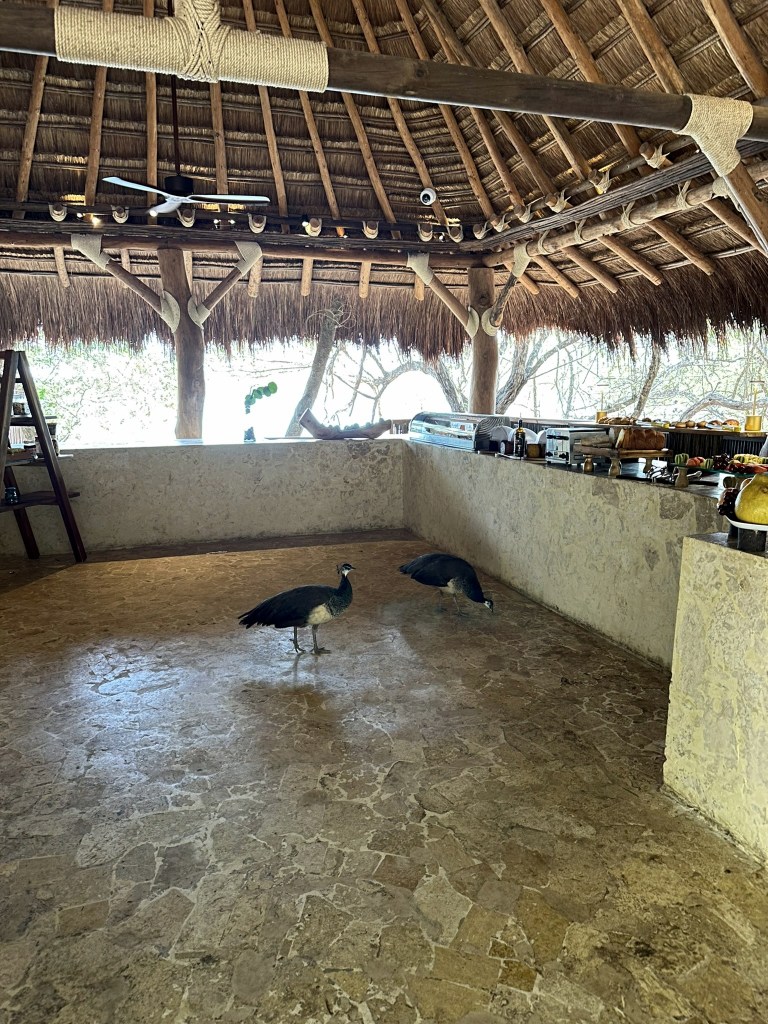
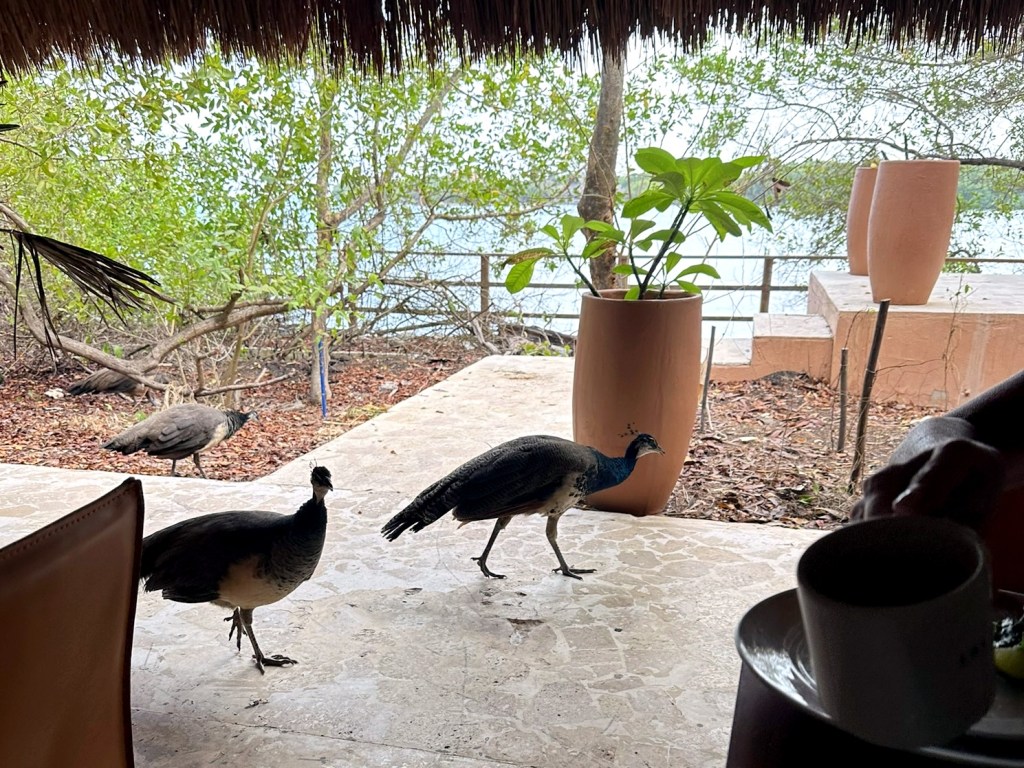
Including on our roof one morning:
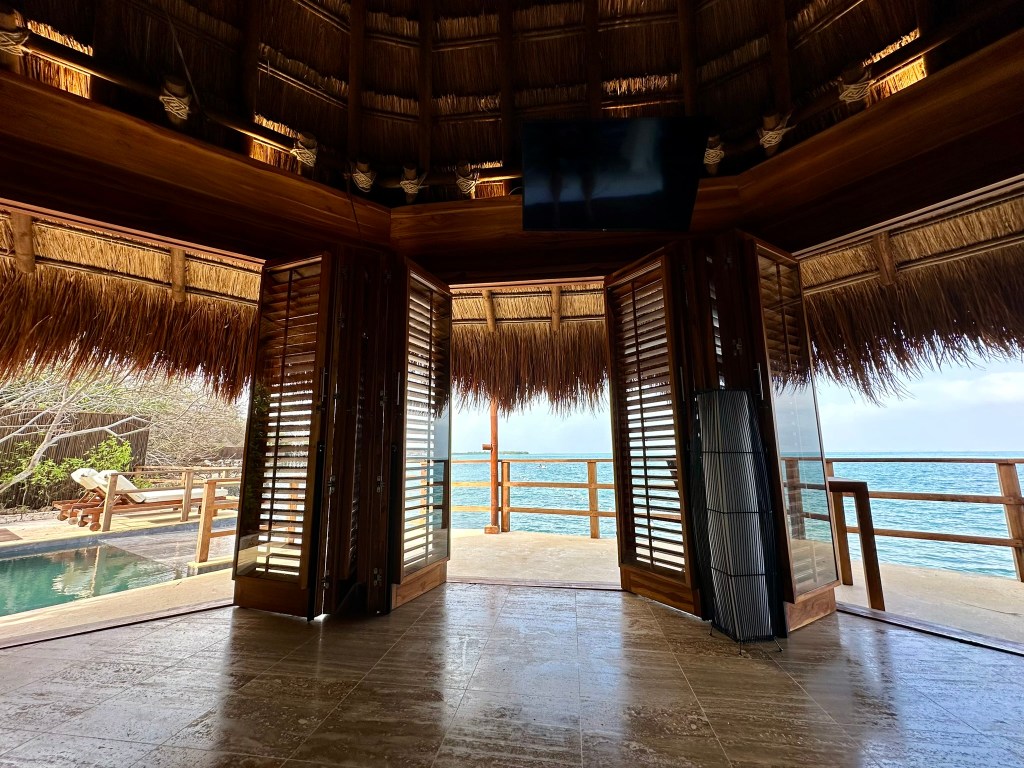
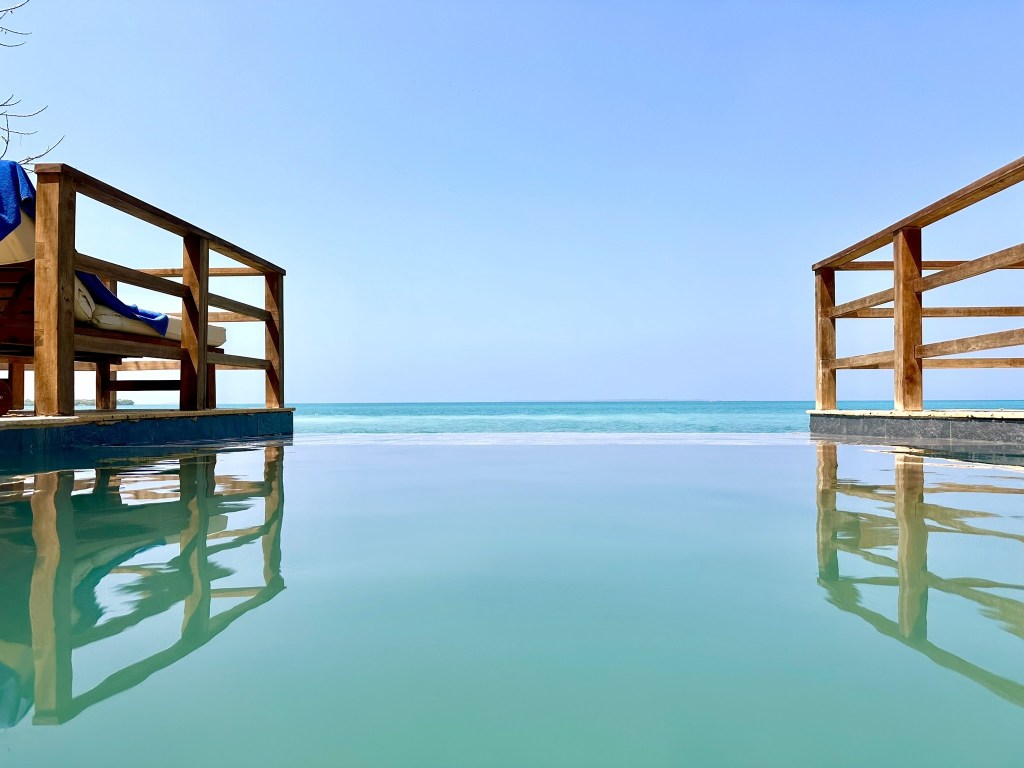
Pretty good living arrangements.
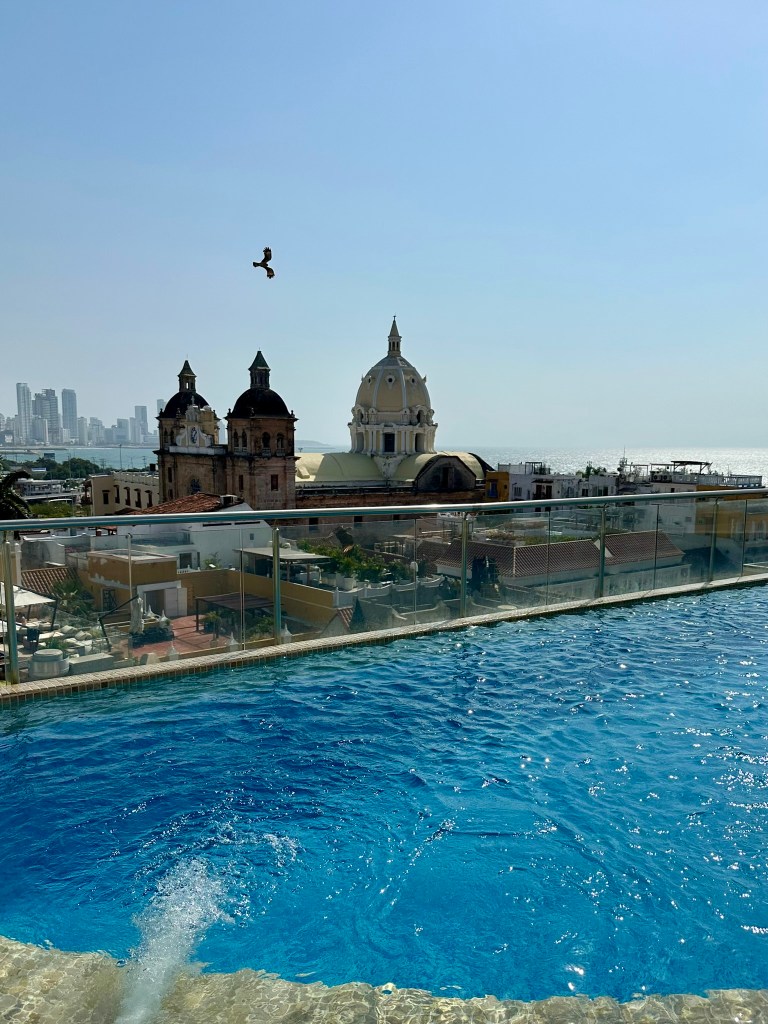
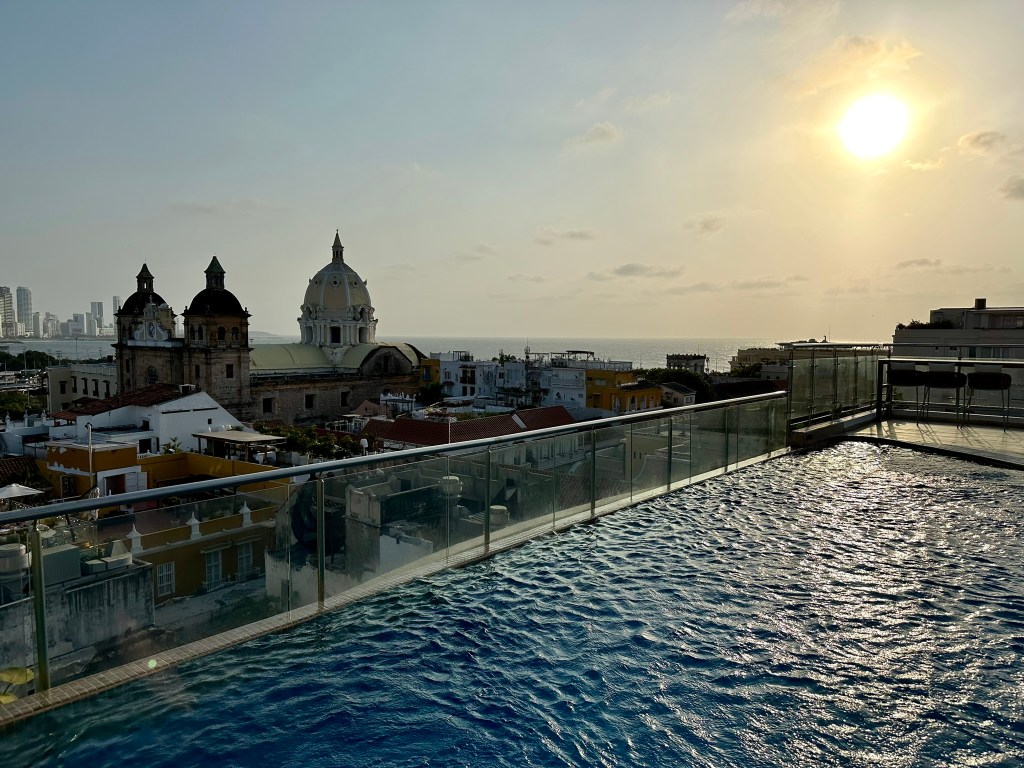
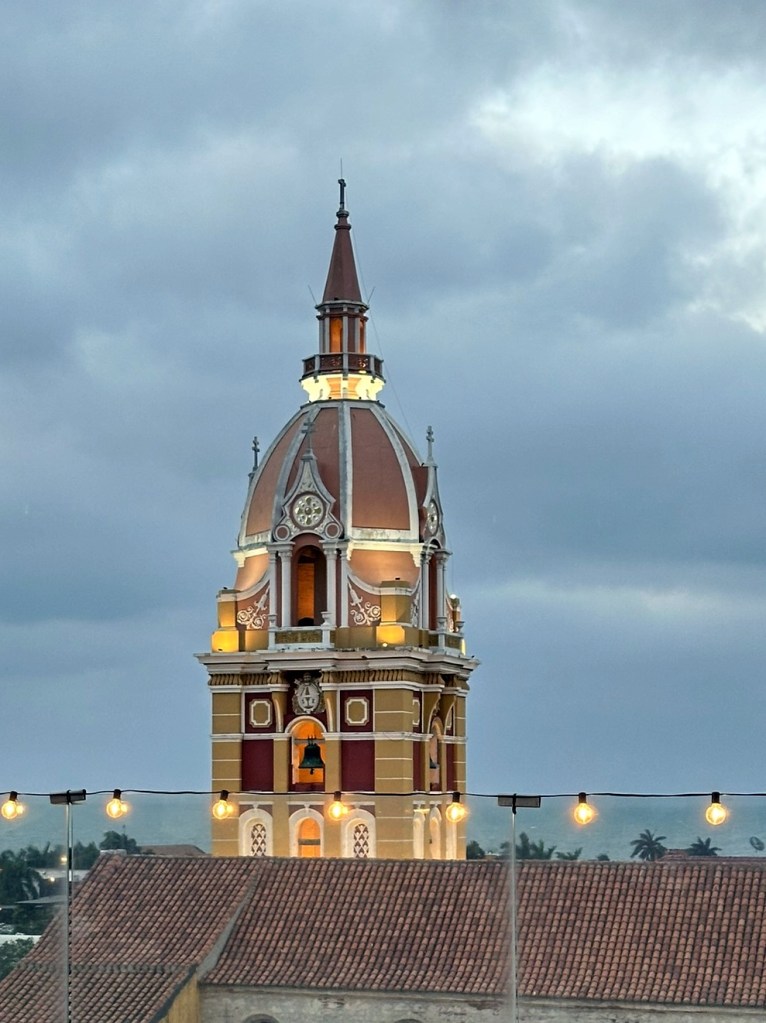
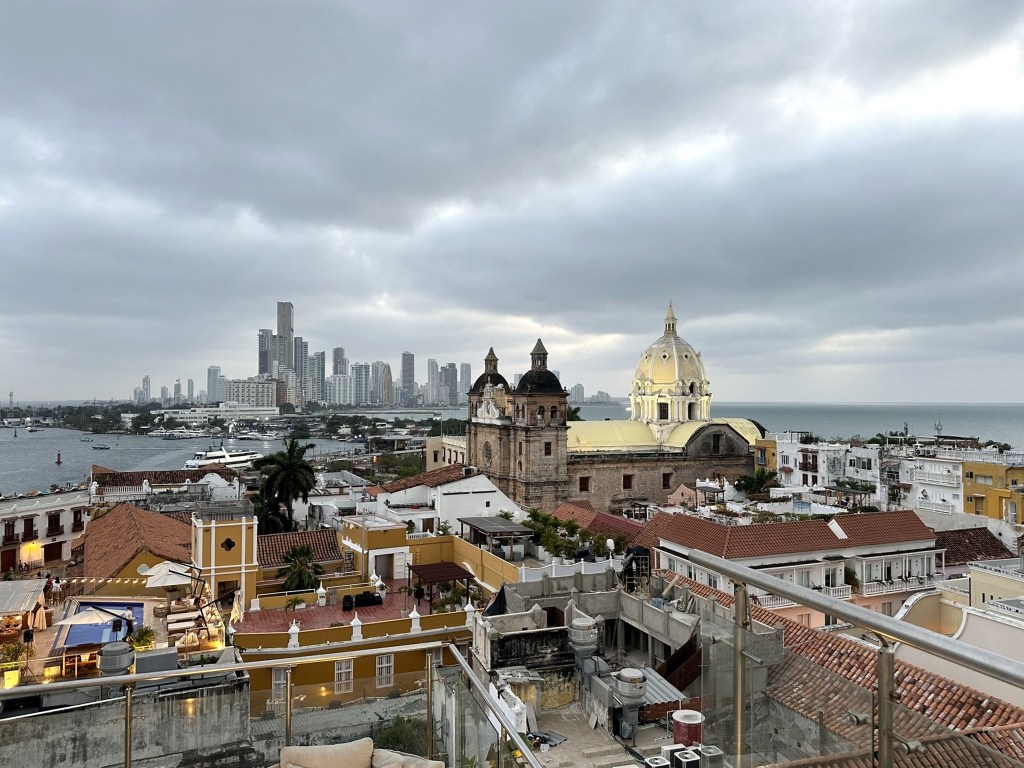
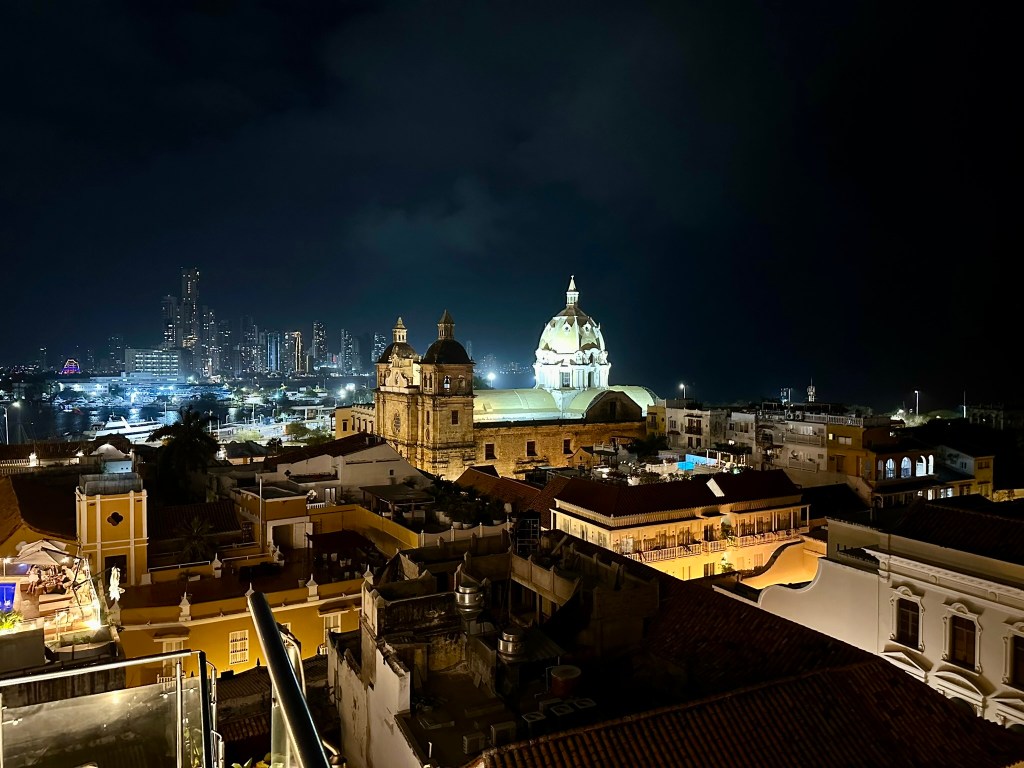
And then back to the city for a couple of nights before flying home. This time staying at a place with what was reported to be the best rooftop pool, which overlooked both the old town and the harbor.
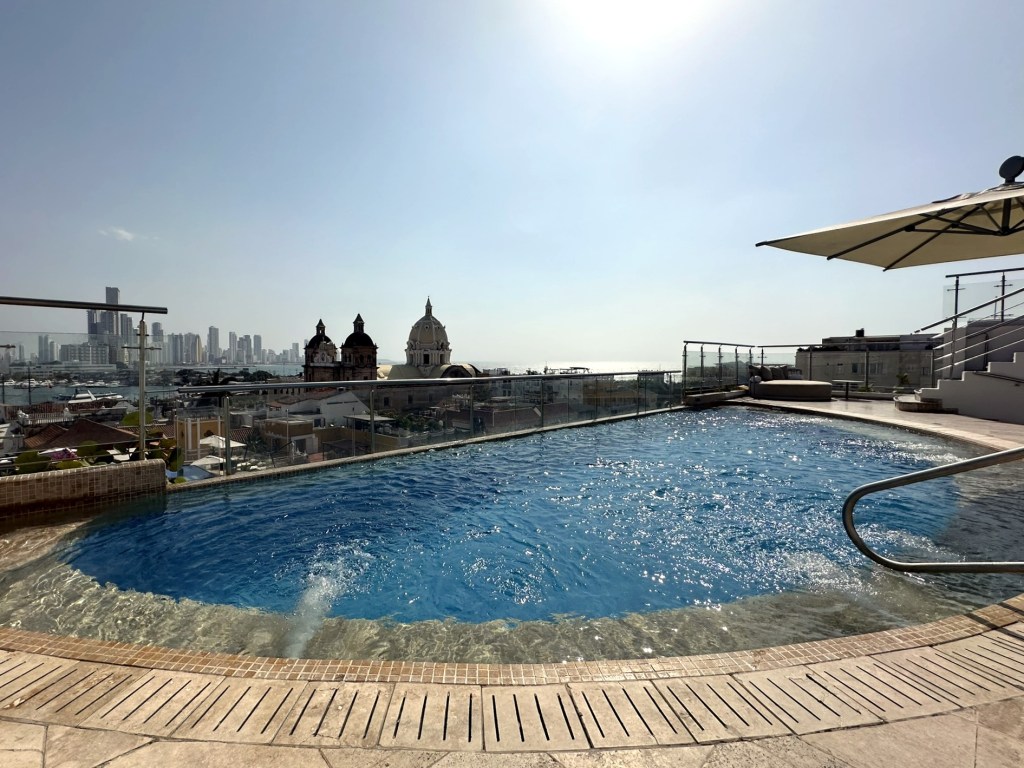
Definitely hit the mark and worked out in the end, but with a series of unfortunate events that involved another hotel pool and some mixed messages.
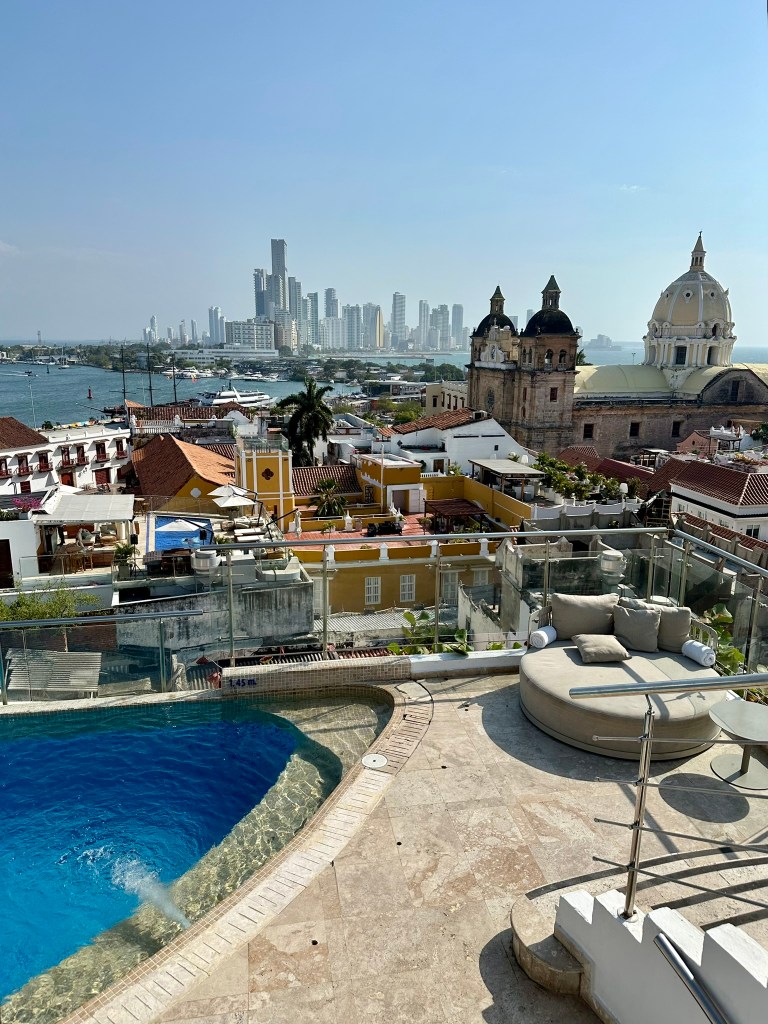
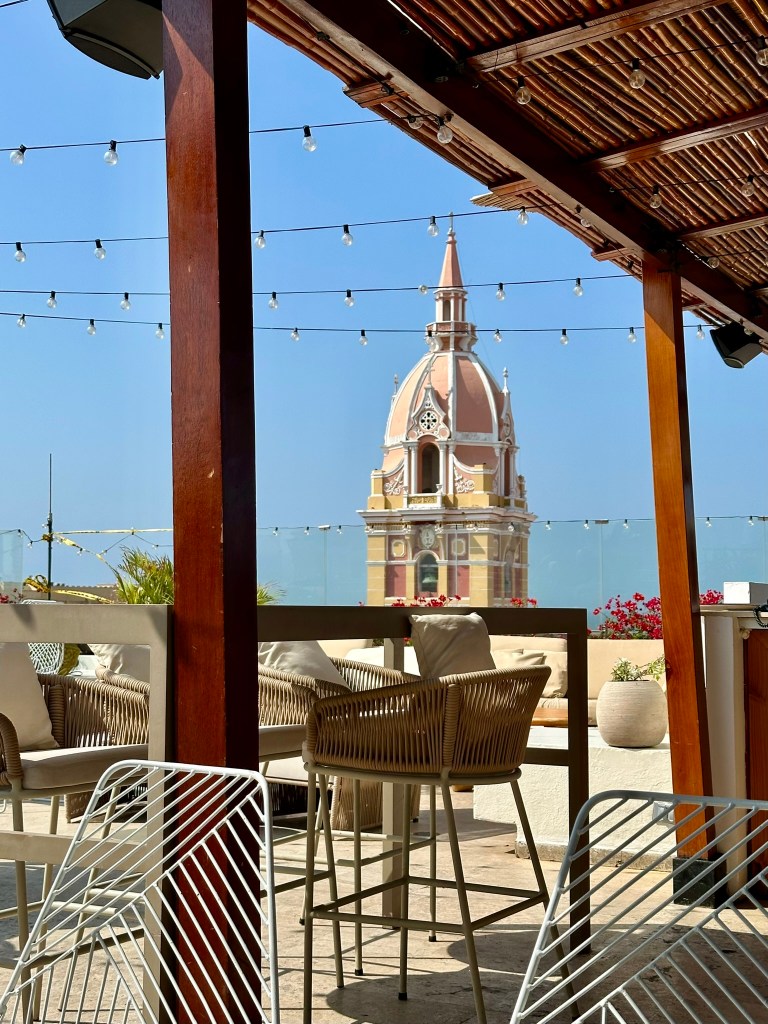
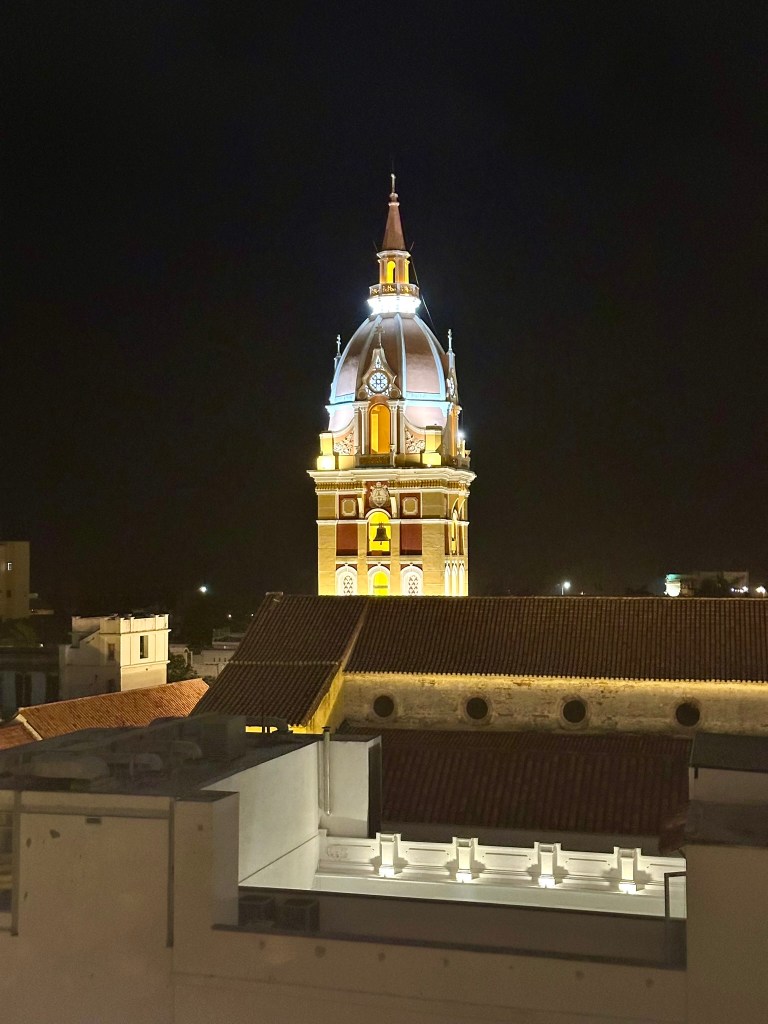
Evening in Cartagena on our last day:


WOW! Sounds like another WolfeStreet worthy trip!
LikeLiked by 1 person