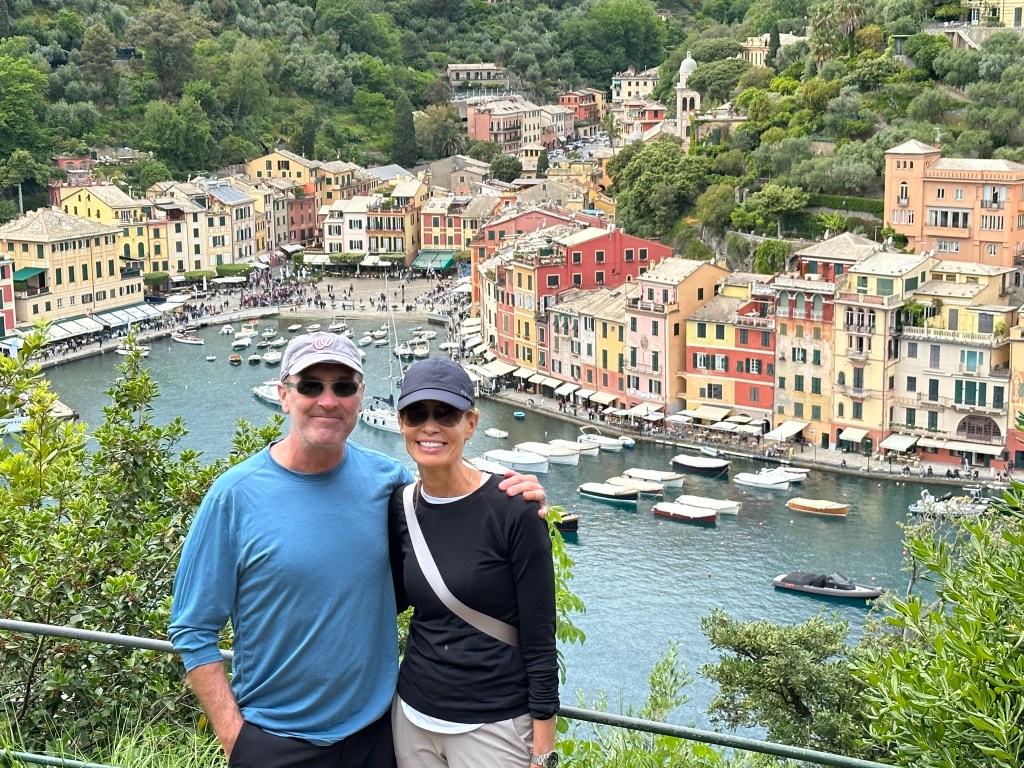
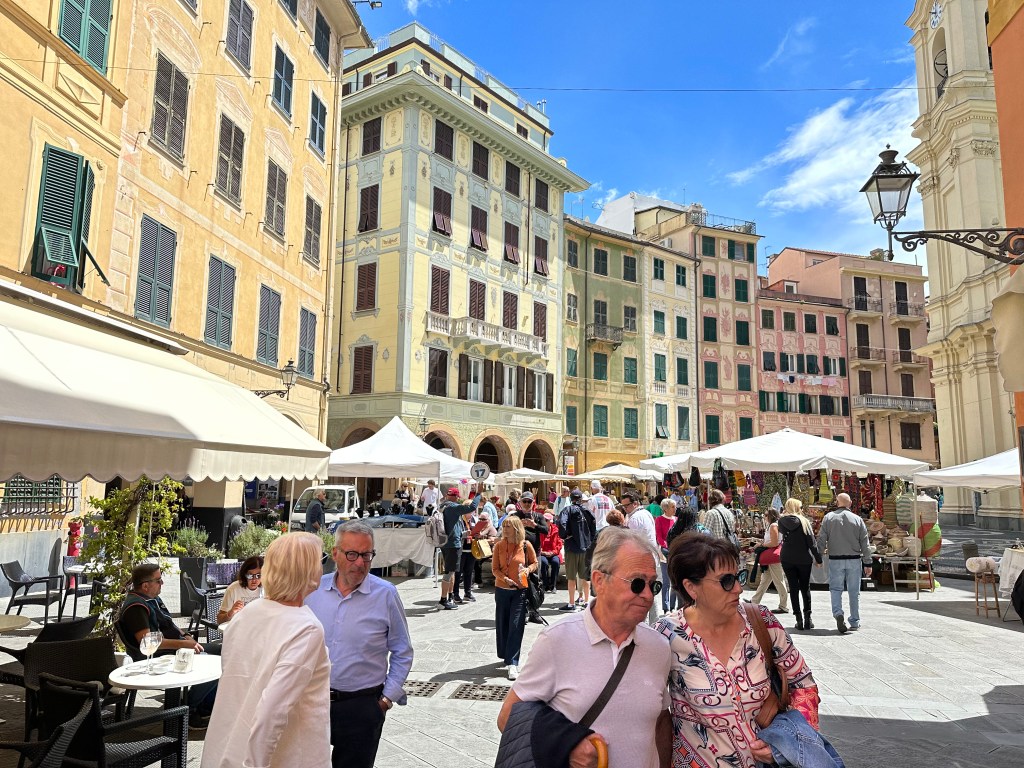
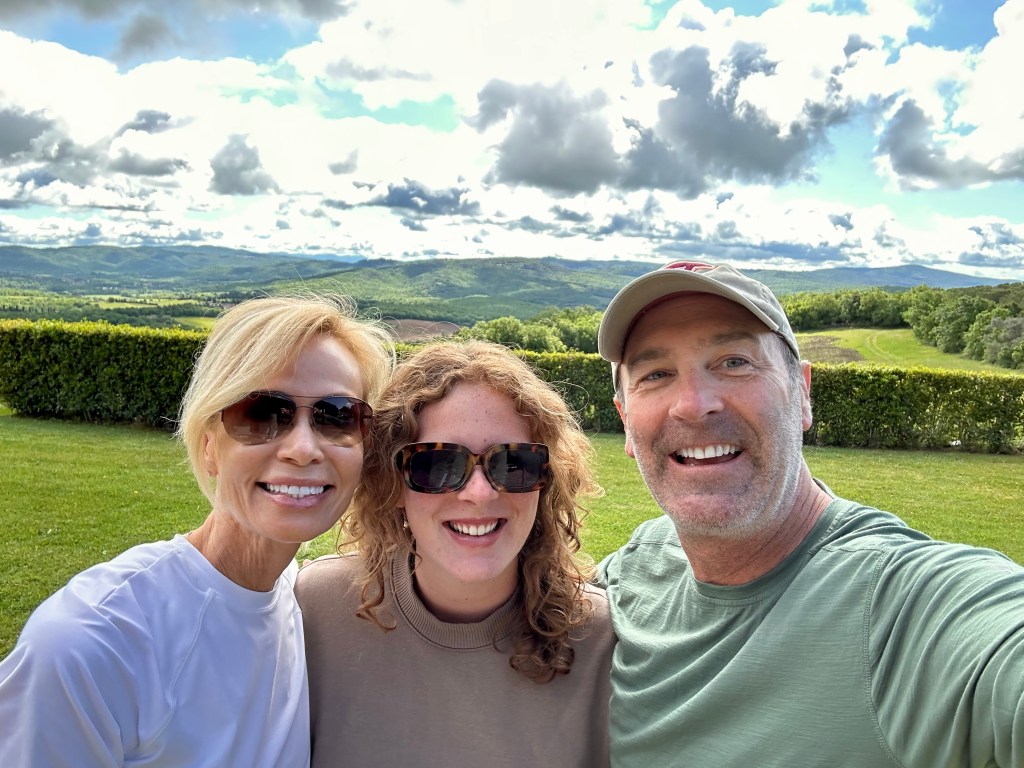
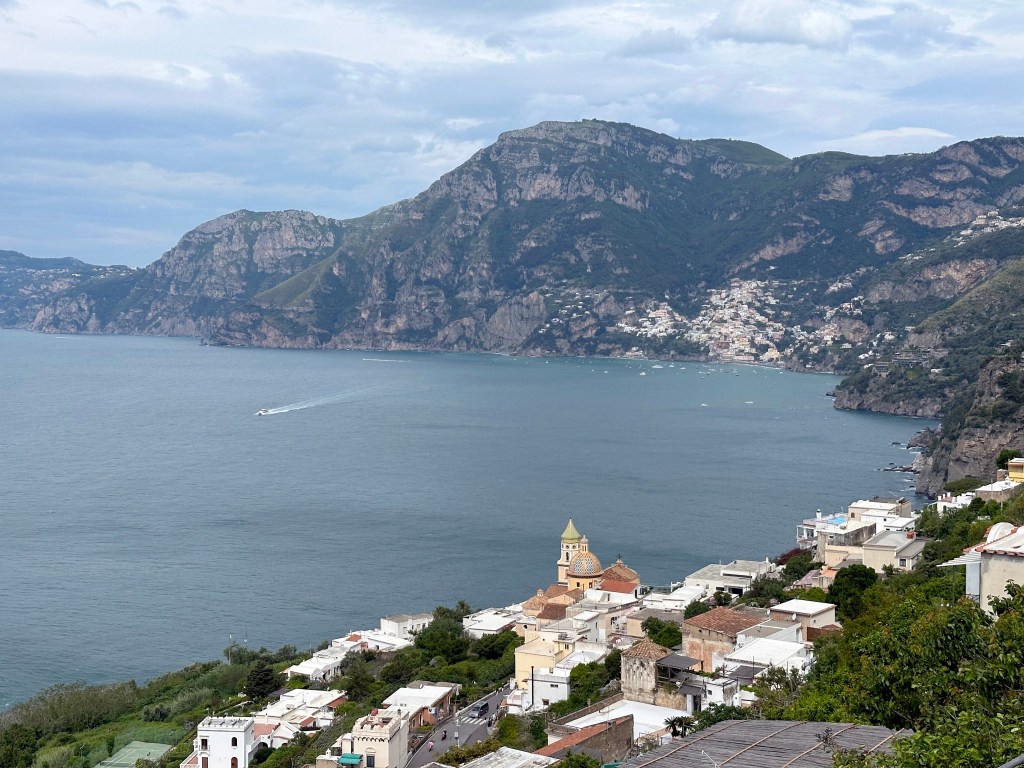
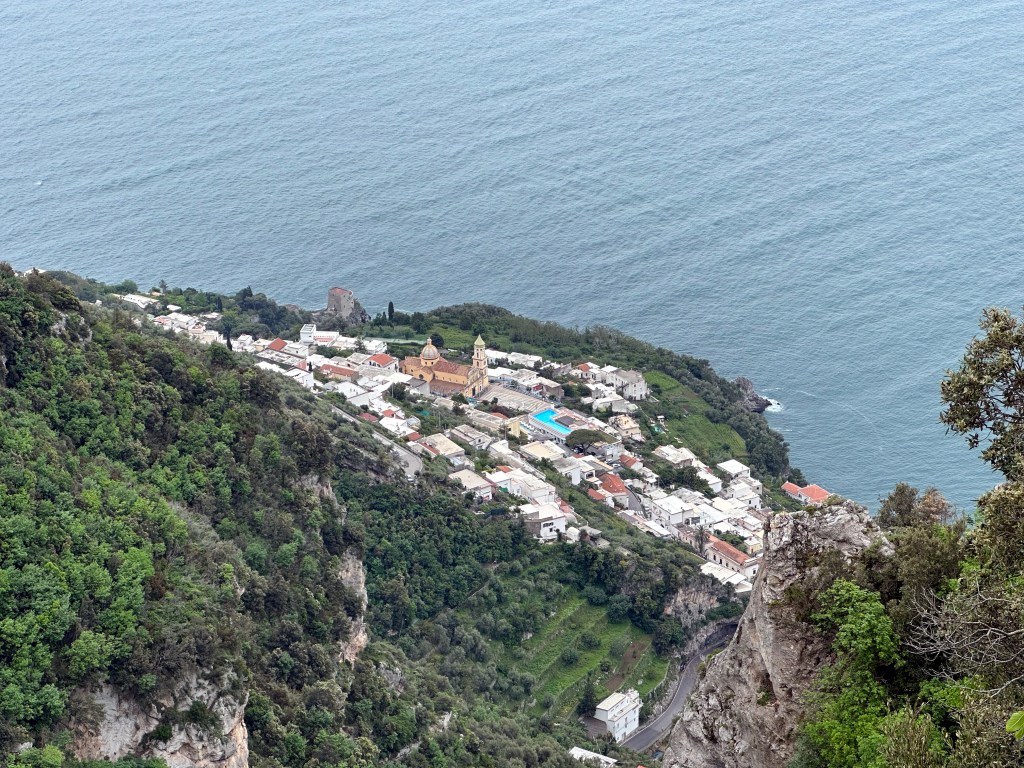
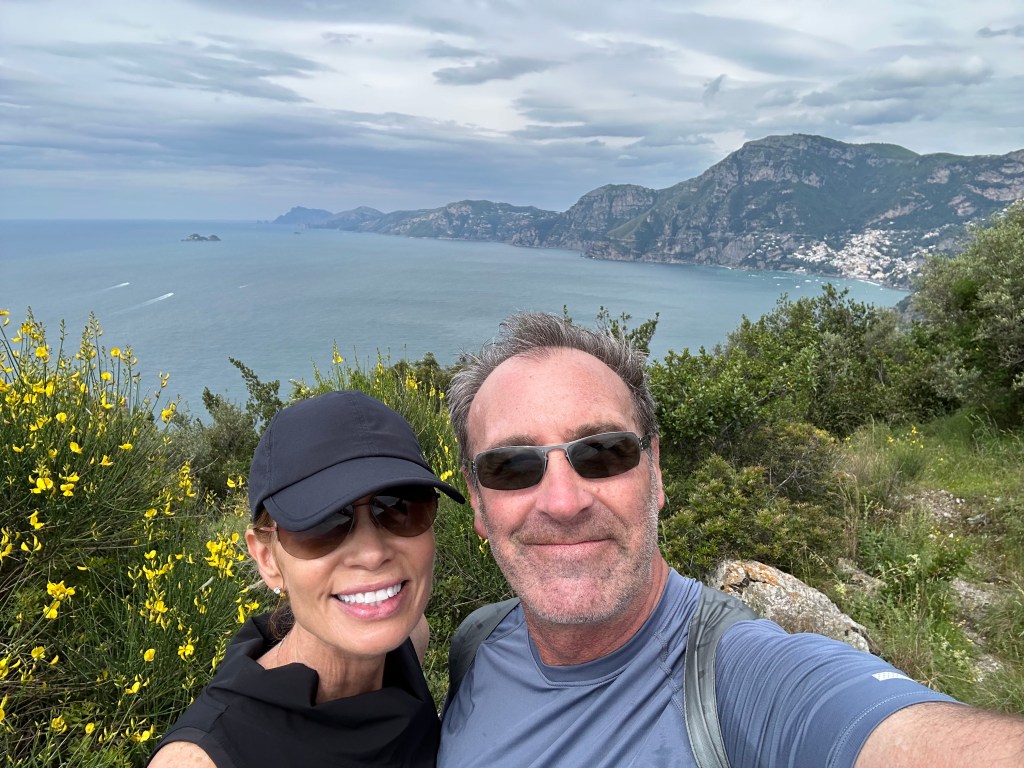
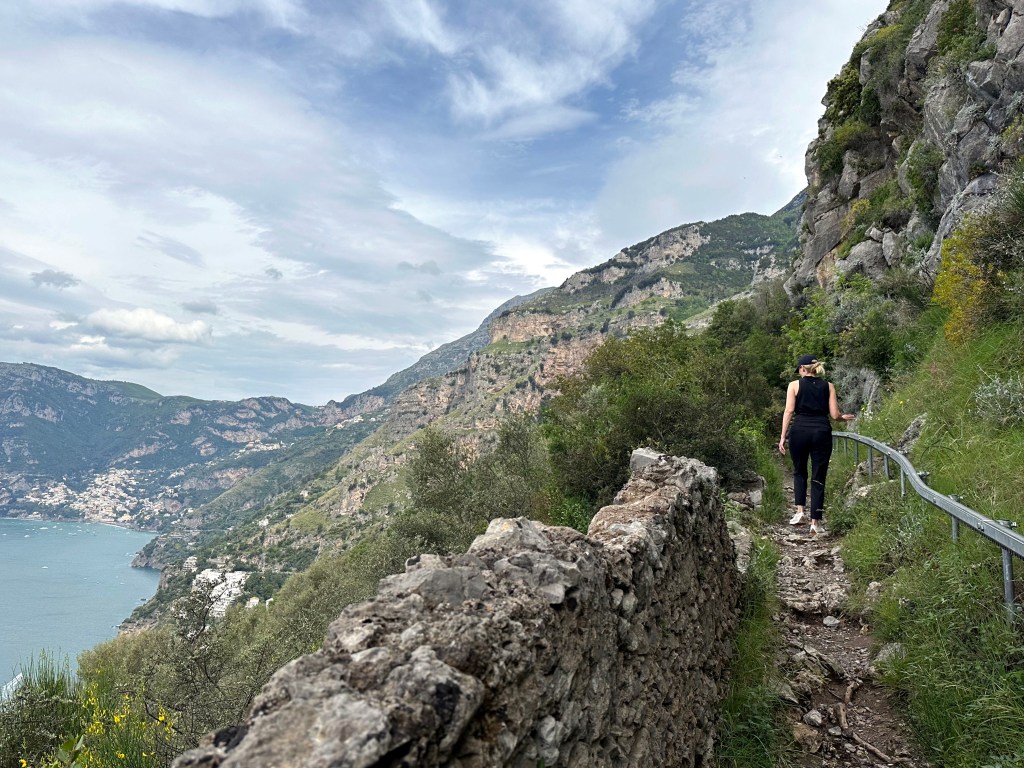
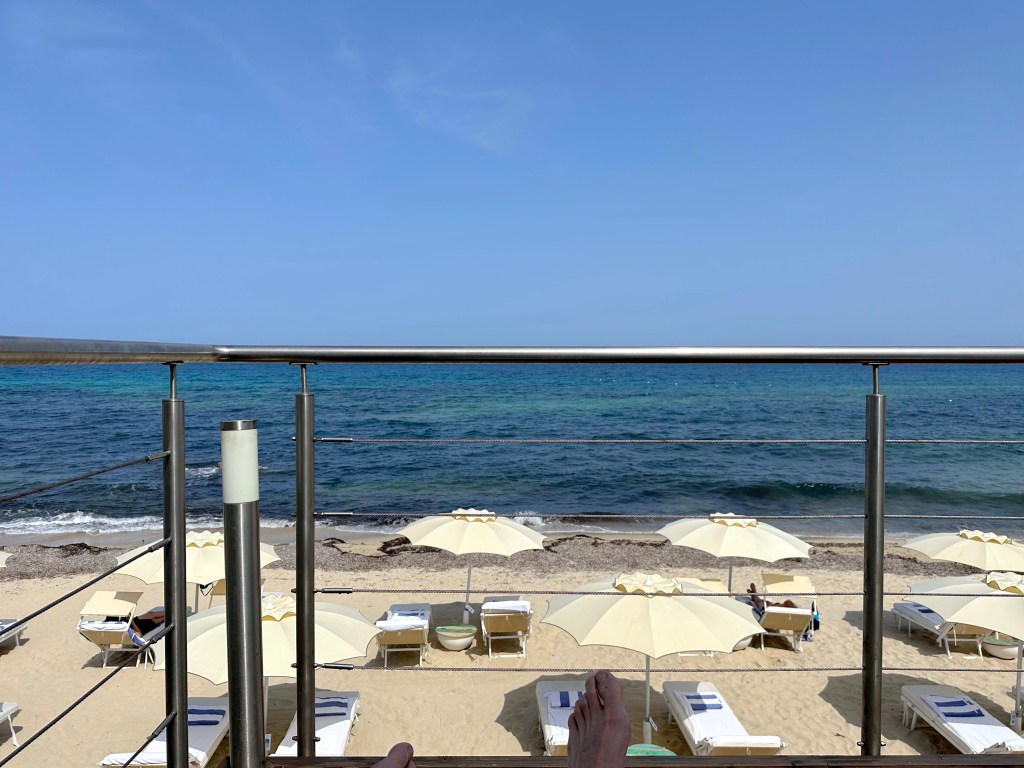
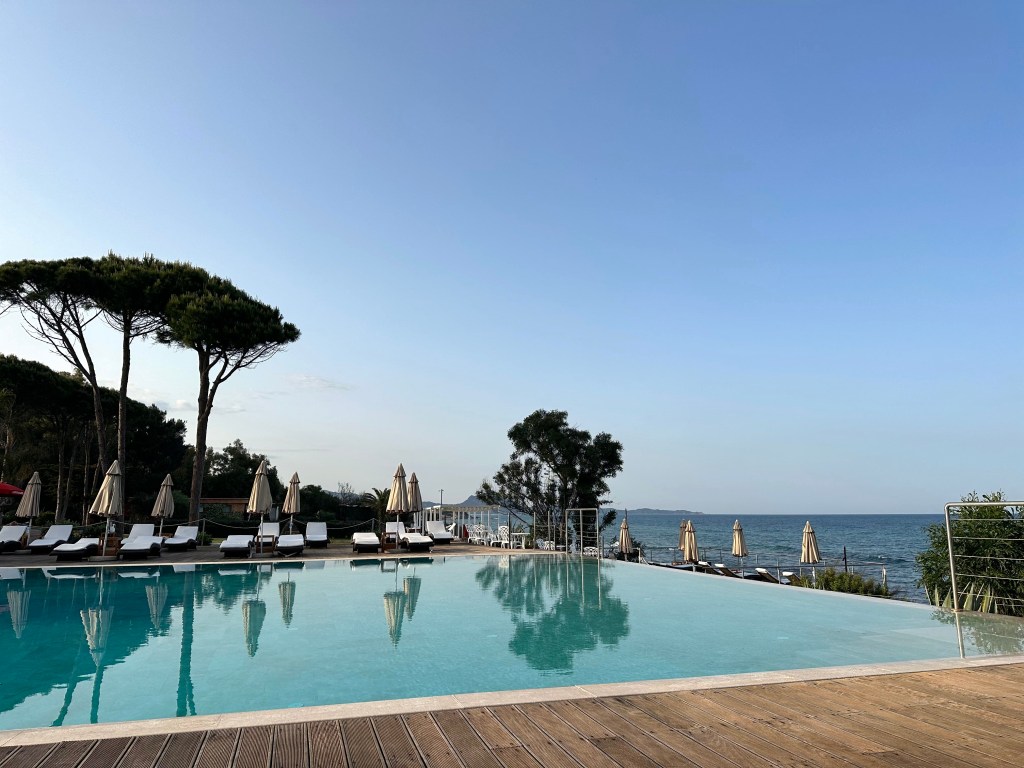
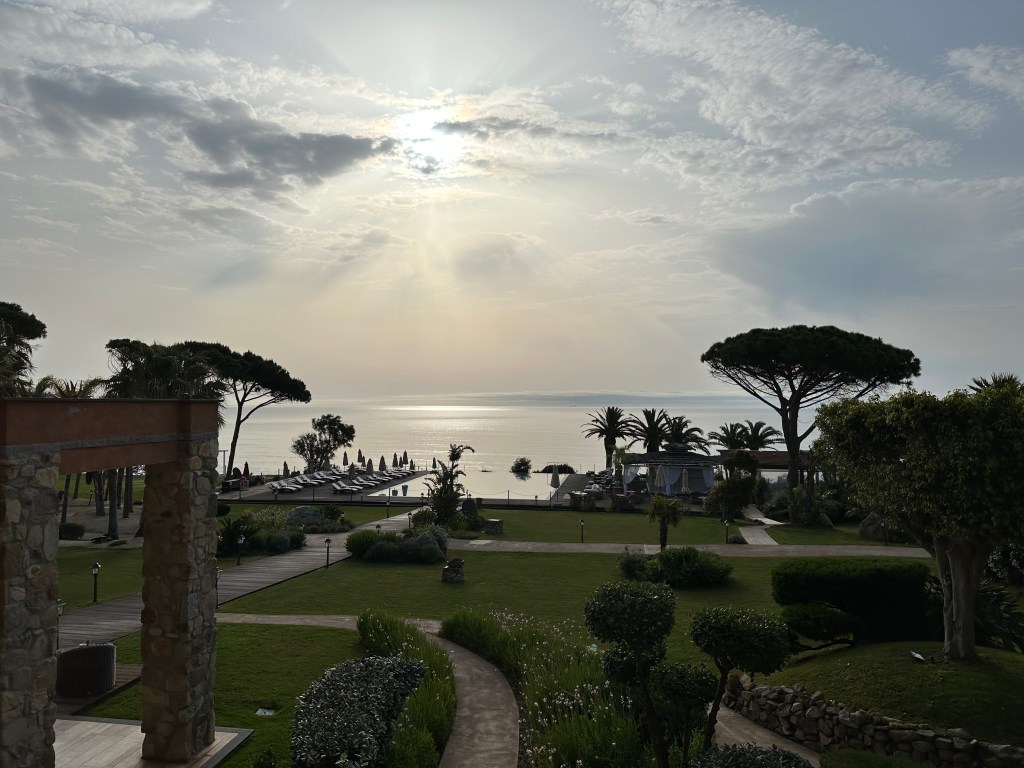
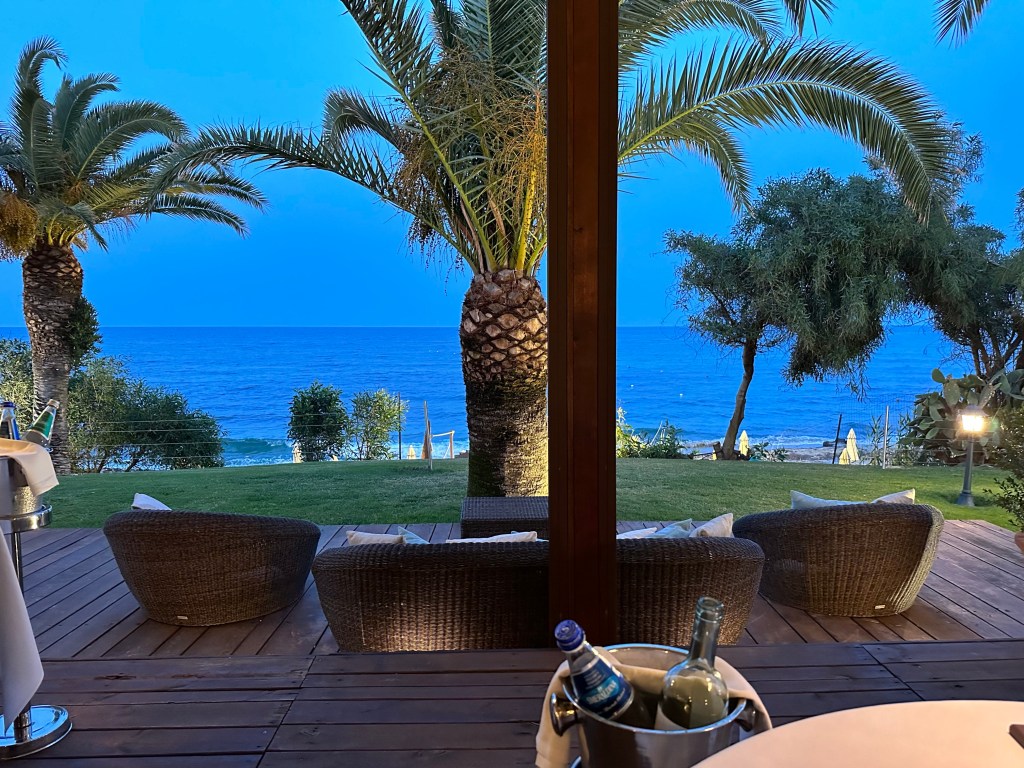
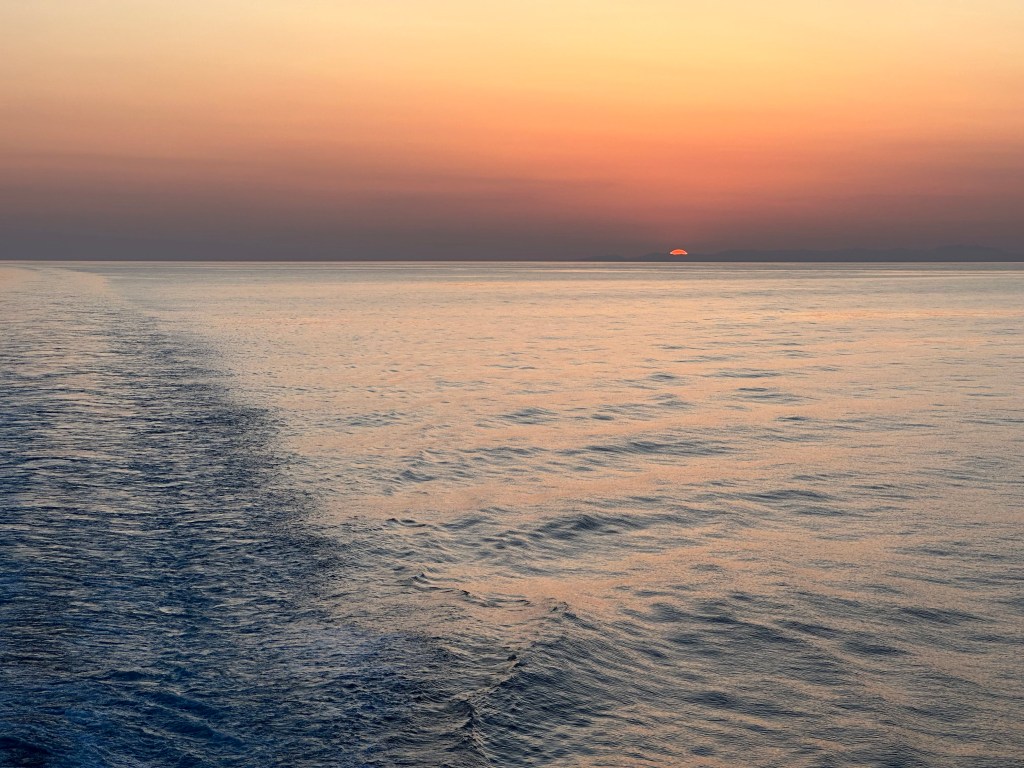
After our time in Tuscany with the Brandts and KJQ, we headed north, to the Liguria region and Portofino. Driving north originally had not been part of the plan, which was to head continually south from Tuscany. But one of the WolfeStreetTraveler was determined to see Portofino, so off we went – north for one freakin’ town, THEN south for the rest of the peninsular portion of the trip. 🙄
But it turned out that this detour was totally worth it.
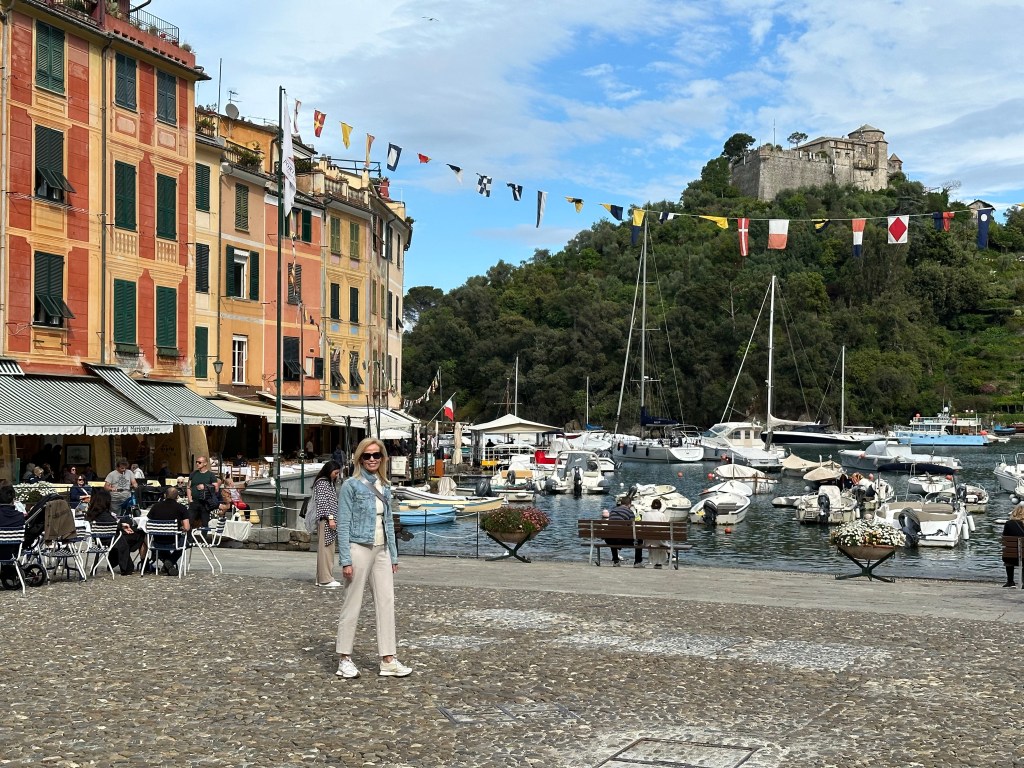
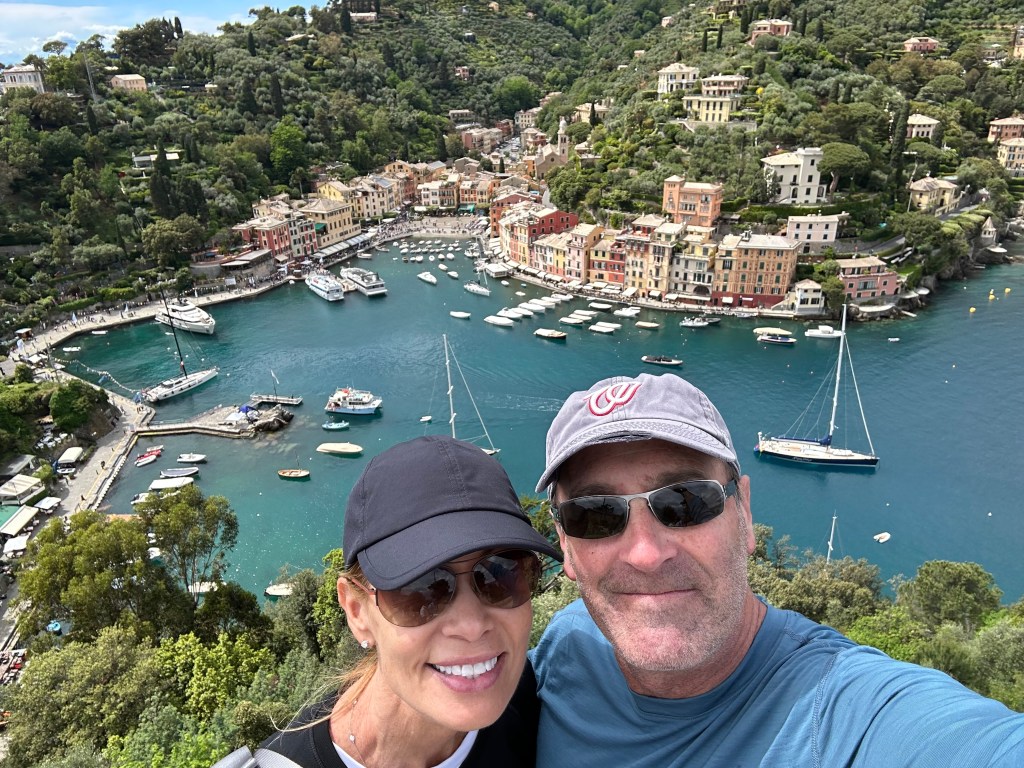
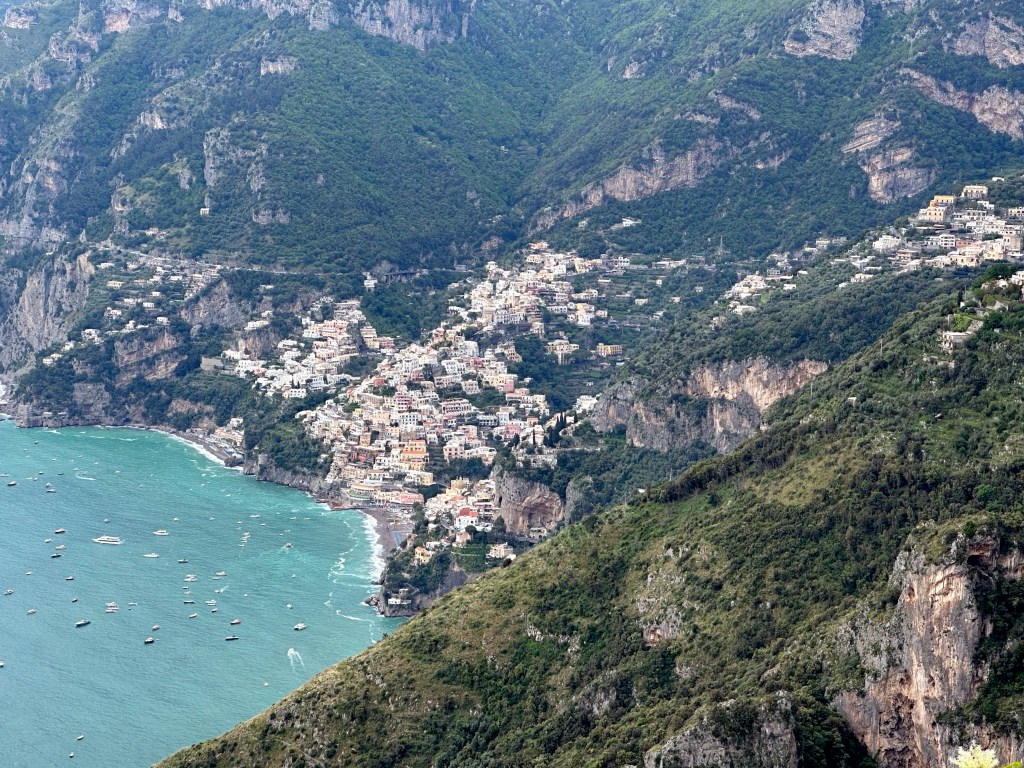
Portofino turned out to be a pocket-sized, perfect postcard of a town.
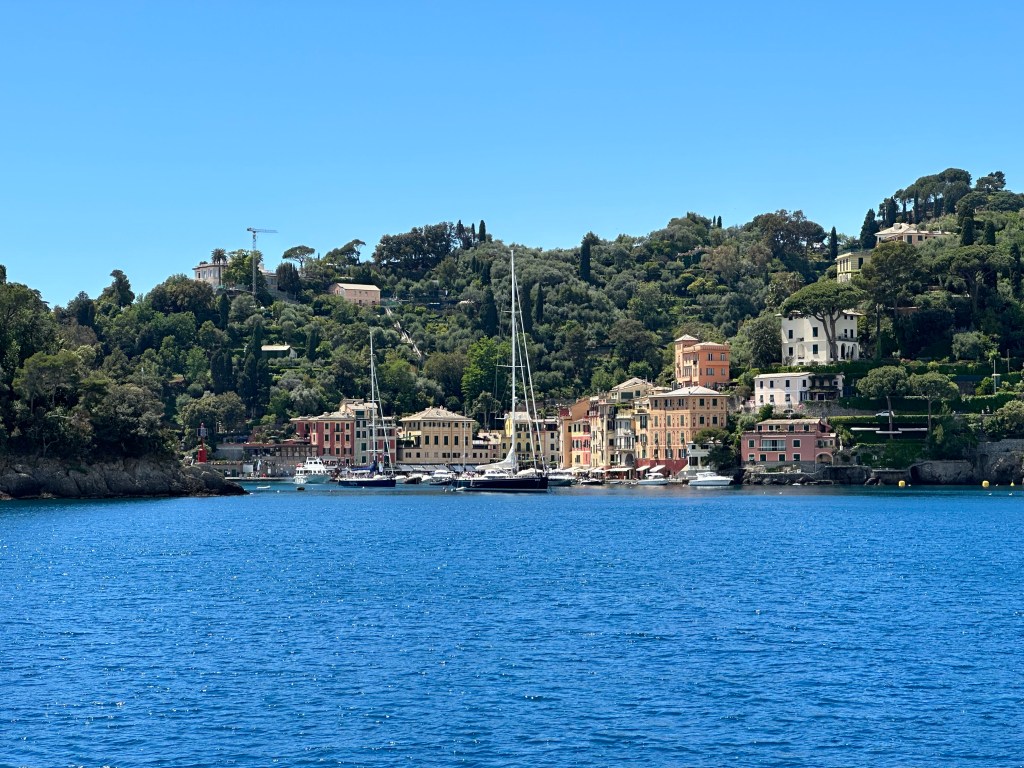
Cool little harbor under the gaze of the 16th-century Castello Brown.
Although mentioned during the middle ages, where it was a village associated with the nearby Abbey of San Fruttuoso di Capodimonte (to which we’d hike during our stay), Portofino for most of its documented history was part of the Republic of Genoa (except a brief period when Portofino was sold to the Republic of Florence, but reverted back after the Doge of Genoa was ousted).
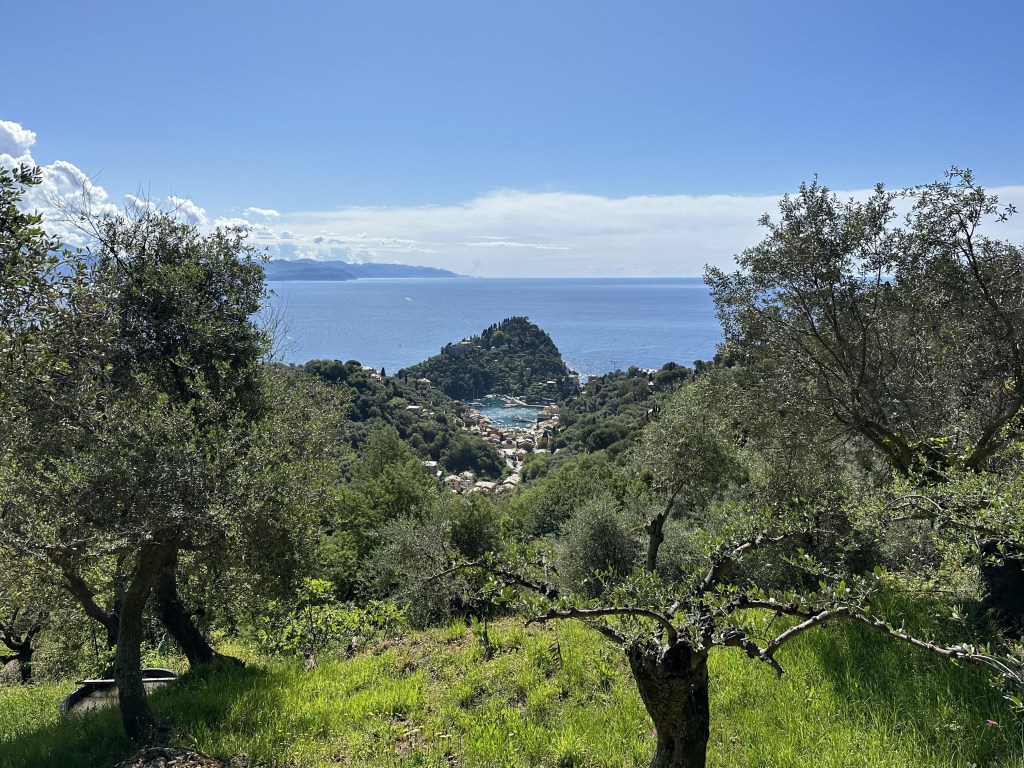
The entirety of Portofino’s harbor from its mouth:
When the Republic of Genoa fell to Napoleon in 1797, the region became Napoleon’s Ligurian Republic (including Cinque Terre), and Portofino came under (unsuccessful) attack by the British. After Waterloo and the Congress of Vienna, the town became part of the Kingdom of Sardinia and then incorporated into the newly unified Kingdom of Italy.
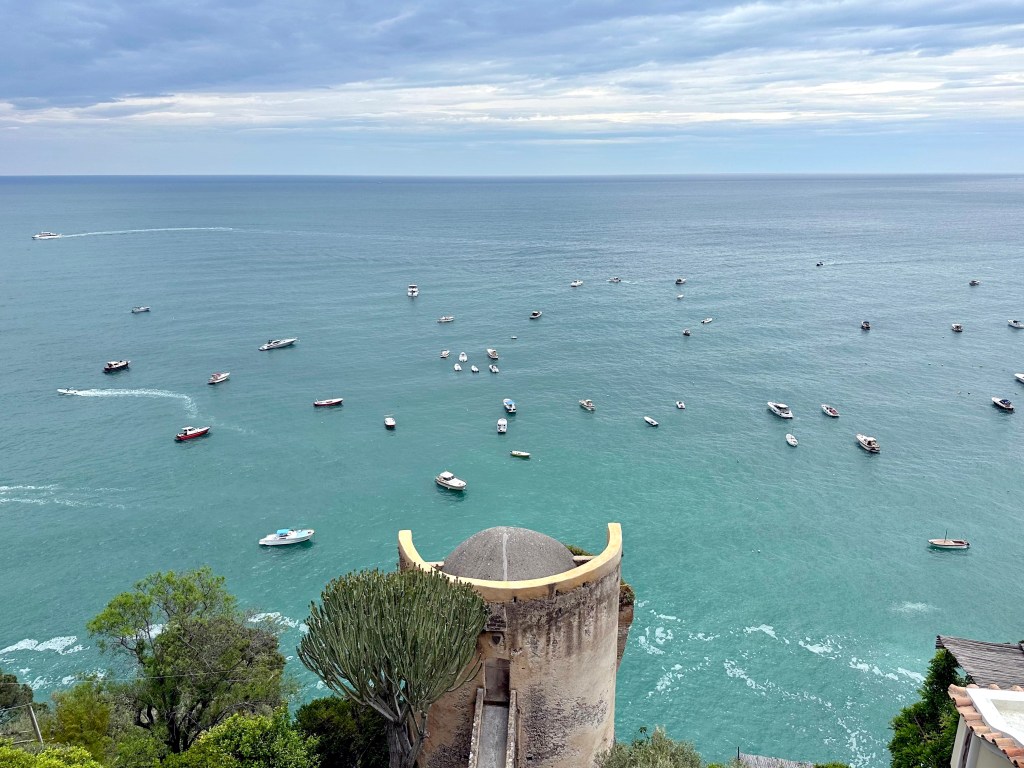
View from the roof deck of our place in town:
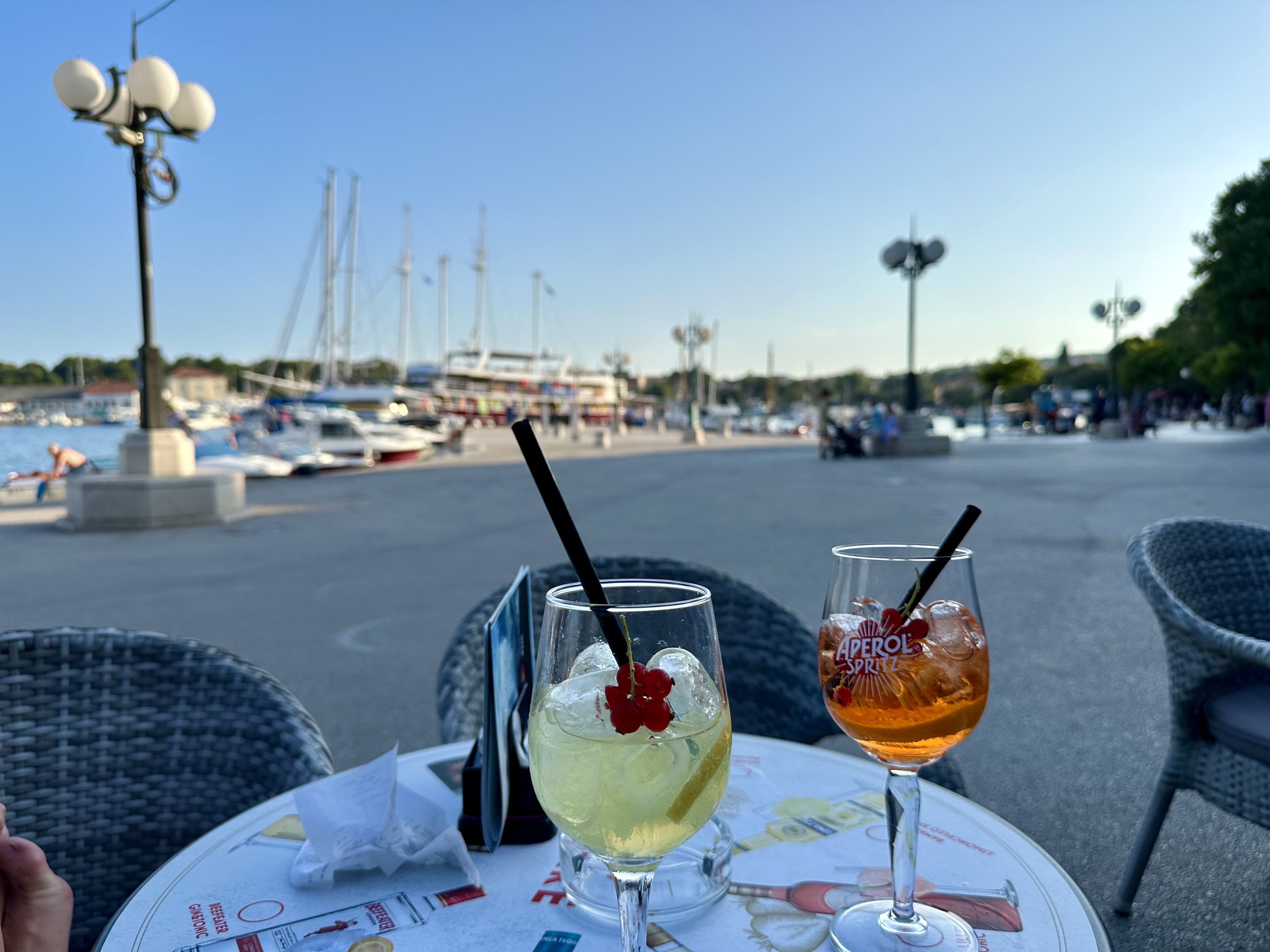
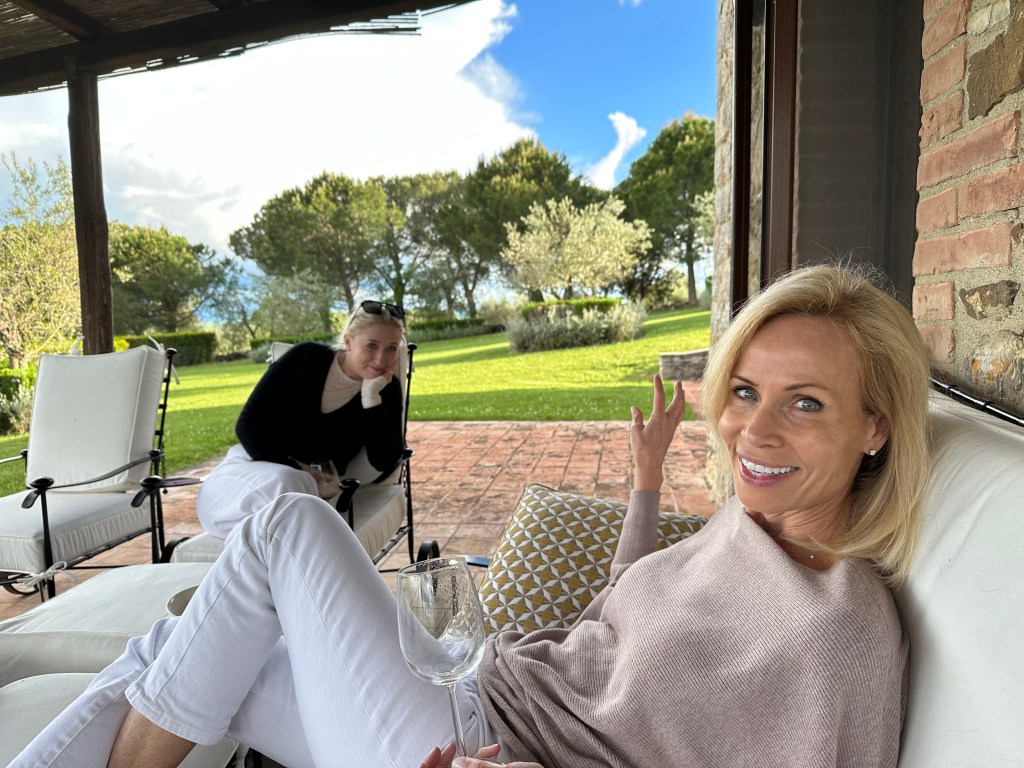
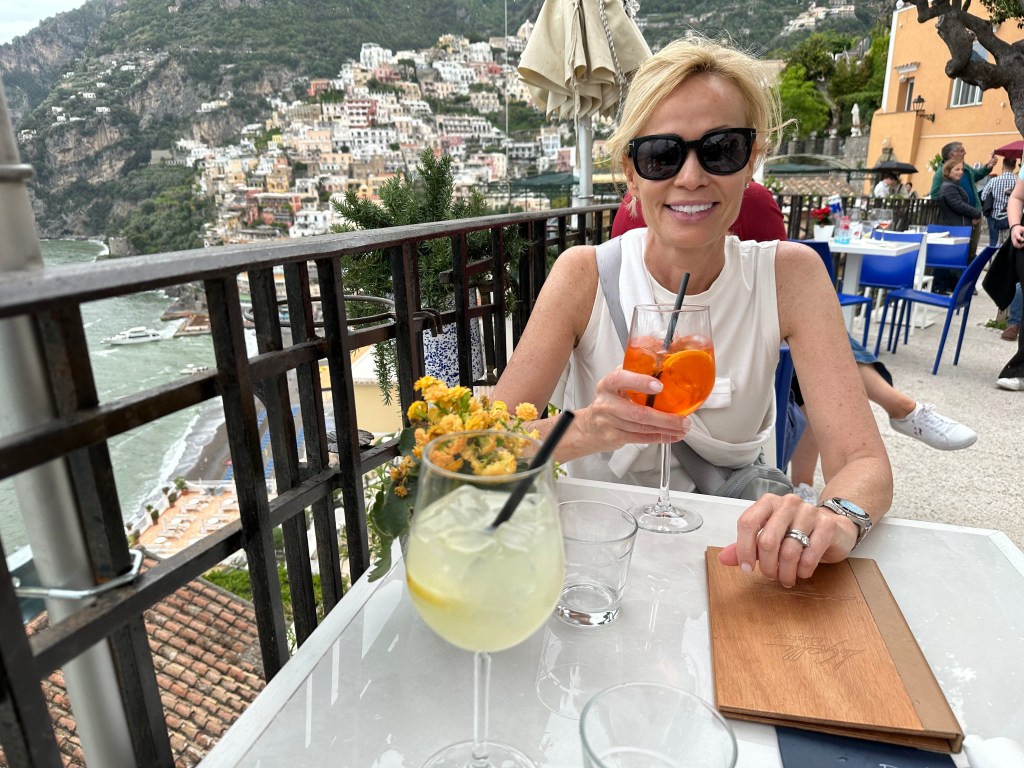
Restaurants lined the harbor, and we availed ourselves of aperitivos at every single one over our 3-day stay. (The second WolfeStreetTraveler at this stage still has not succumbed to the allure of the Apperol spritz, and is clinging here to a limoncello cocktail in what turned out to be a futile measure of resistance.)
Resistance has collapsed.
The high ground above Portofino’s harbor has been used for defensive purposes since Roman times, and fortifications from the 4th century have been identified in the foundations of the current castle.
The church of San Girogio encountered on the climb to the castle. Dedicated in 1154, it was renovated in the 17th and 18th centuries, accounting for its less-than-medieval appearance.
Pretty good views from the top:
And an adorable little Portofino miniature inside:
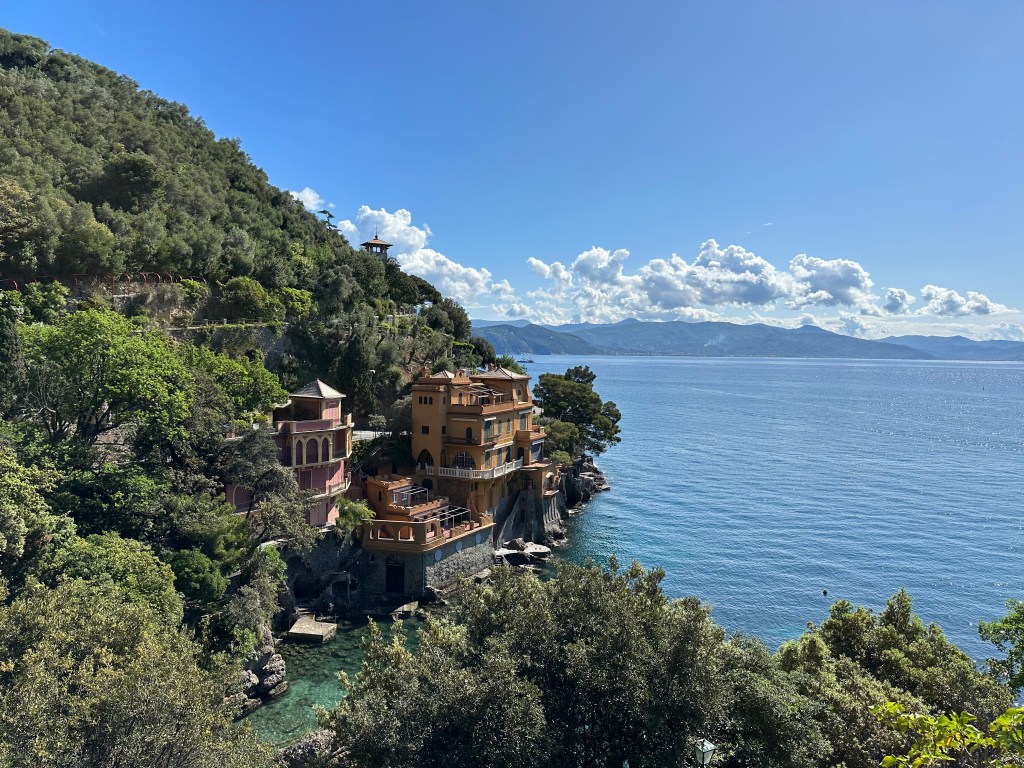
The Ligurian coast at its finest:
On our first full day, we followed the advice of a couple we met on safari years ago and who are possessed by a similar drive to travel – especially to Italy for them – and hiked from Portofino to the aforementioned Abbey of San Fruttuoso di Capodimonte.
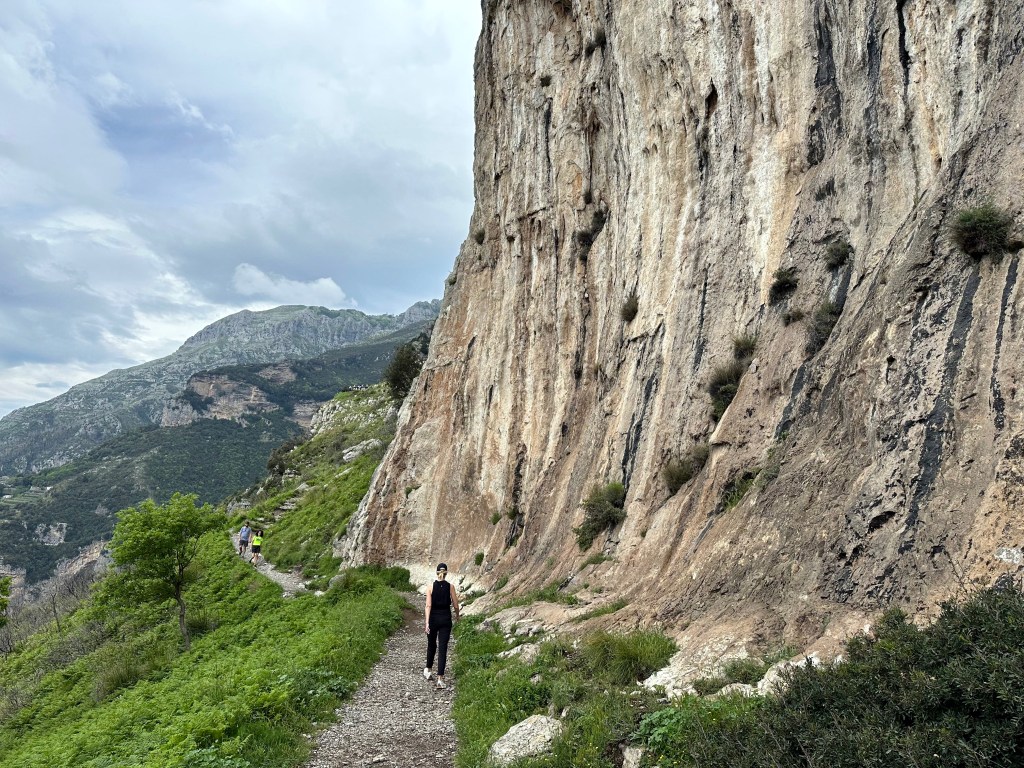
Spectacular hike.
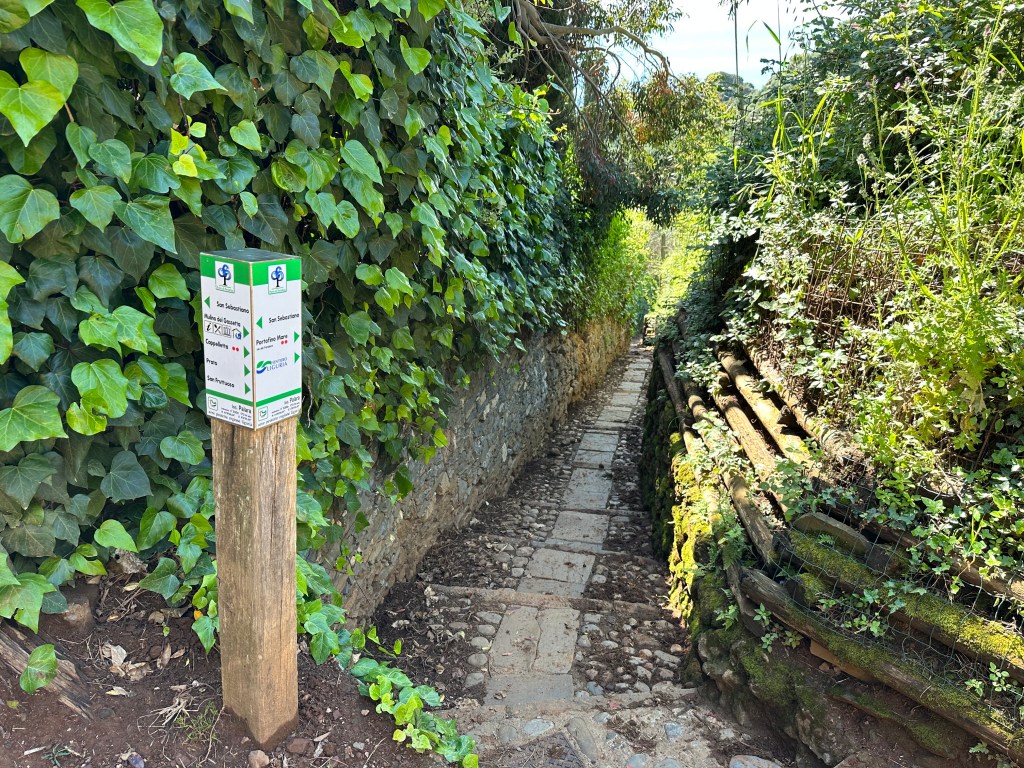
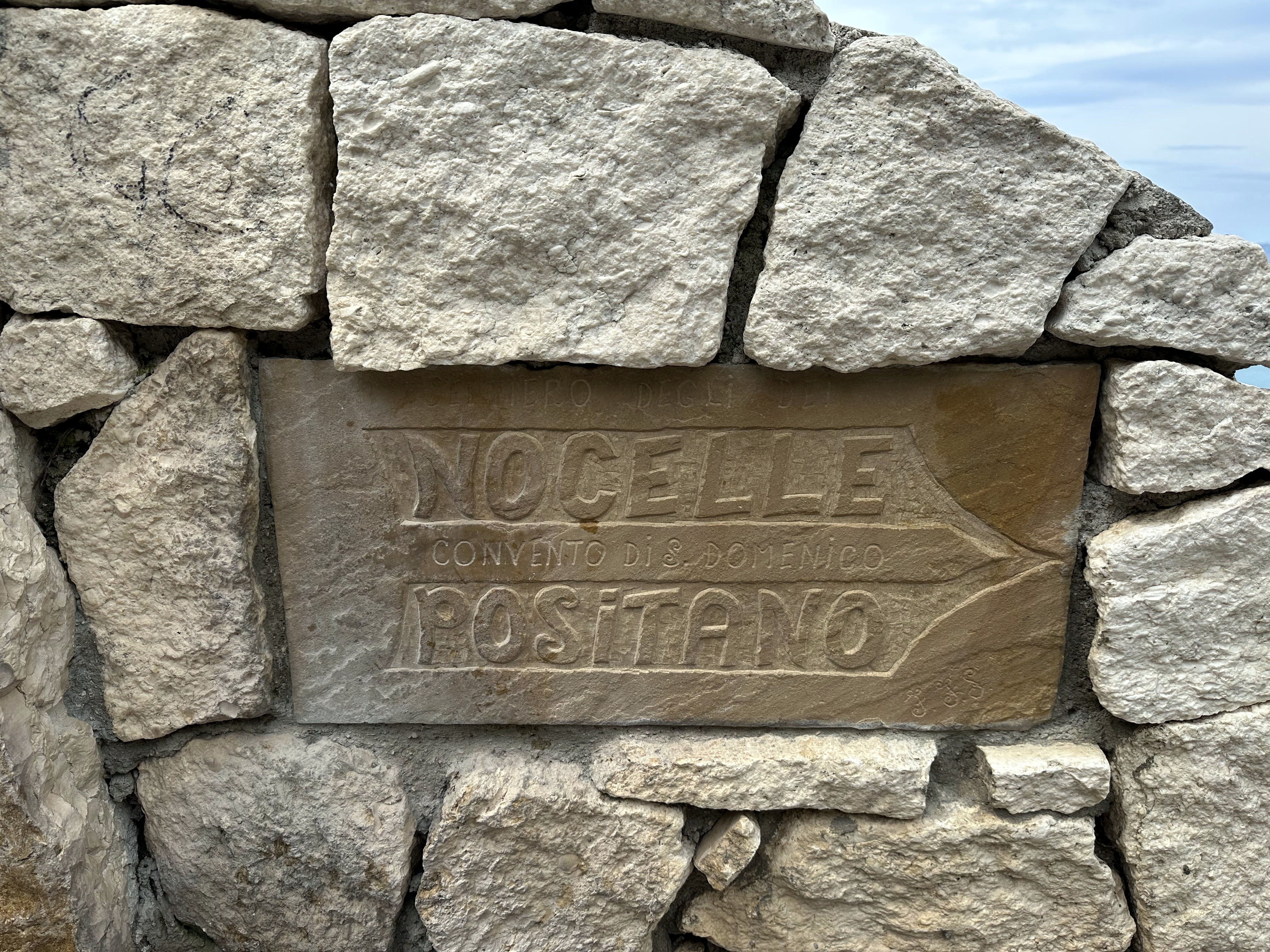
Very helpful trail markers in parts of the route:
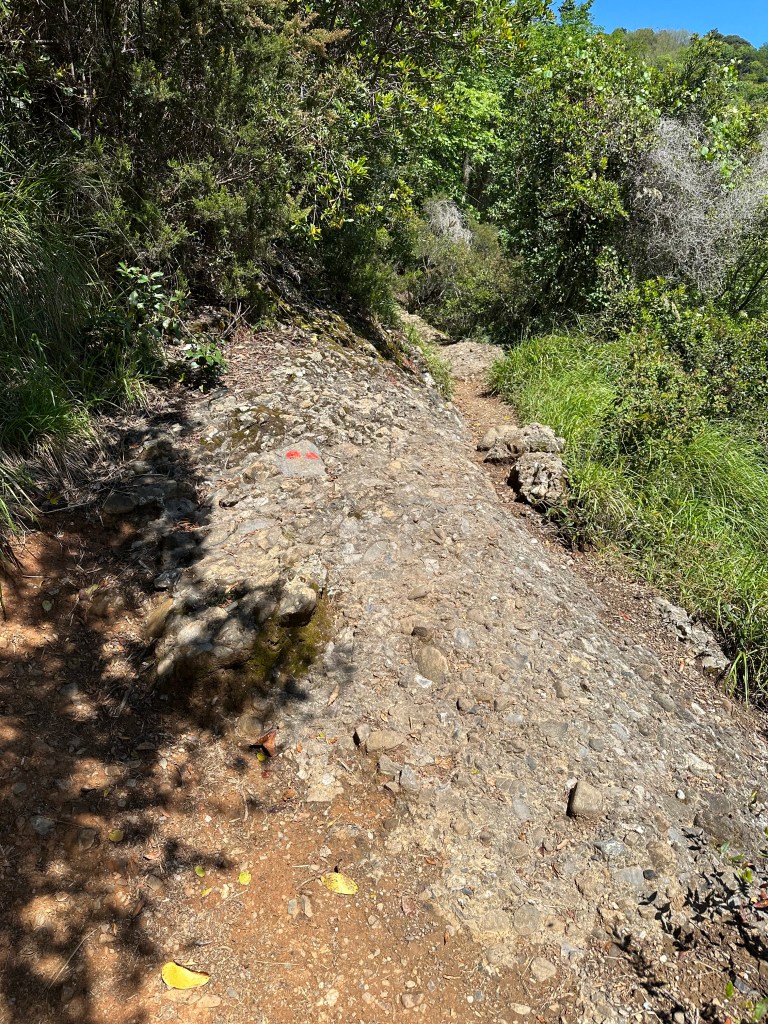
Which is particularly beneficial inasmuch as no roads lead to the abbey – it’s accessible only by sea or by these mountainous trails (marked here by two red dots):
Getting closer.
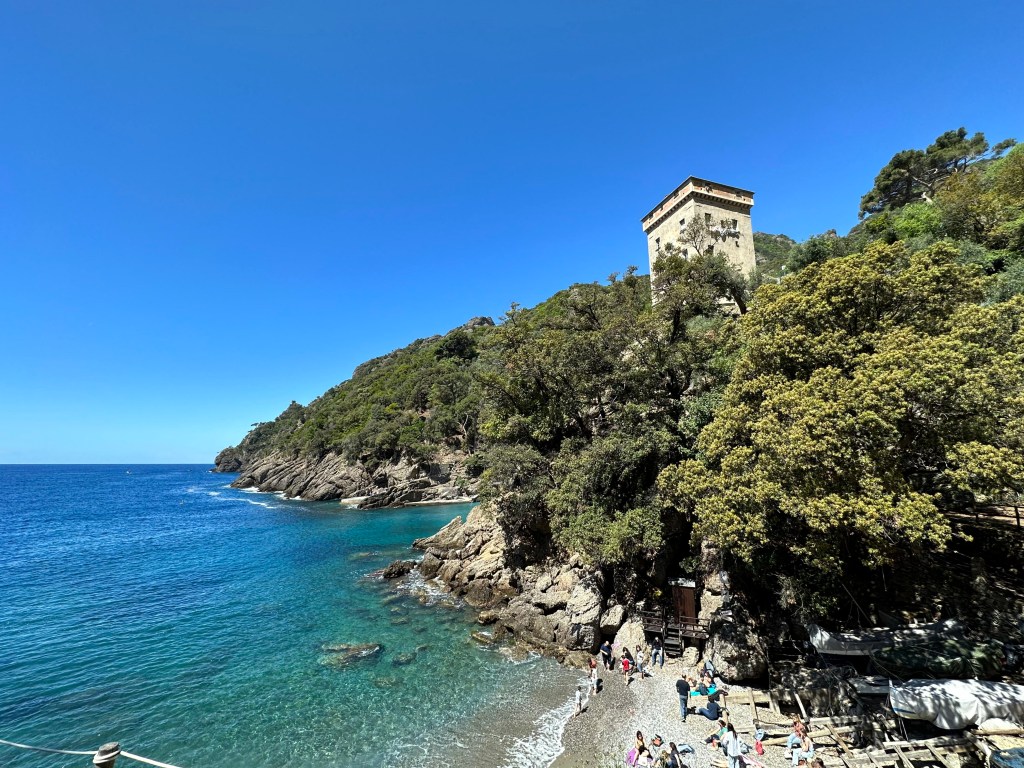
The first sign of the abbey cove – a beach around the corner from the structure:
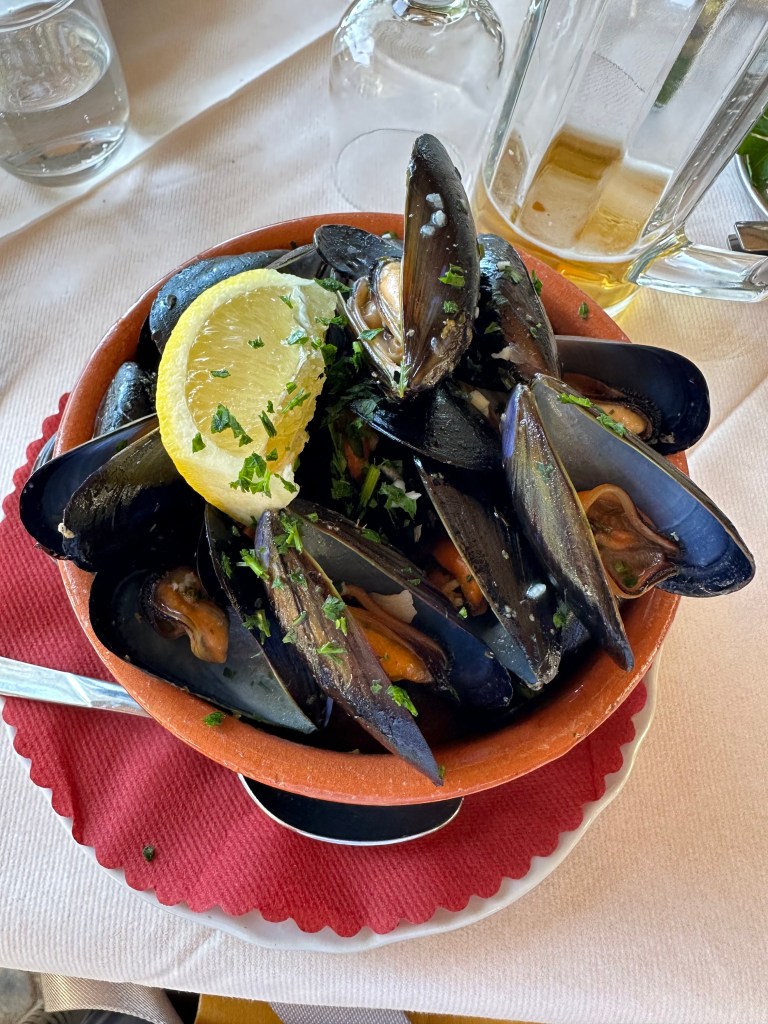
At which we grabbed the first waterfront table we encountered for a well-deserved lunch.
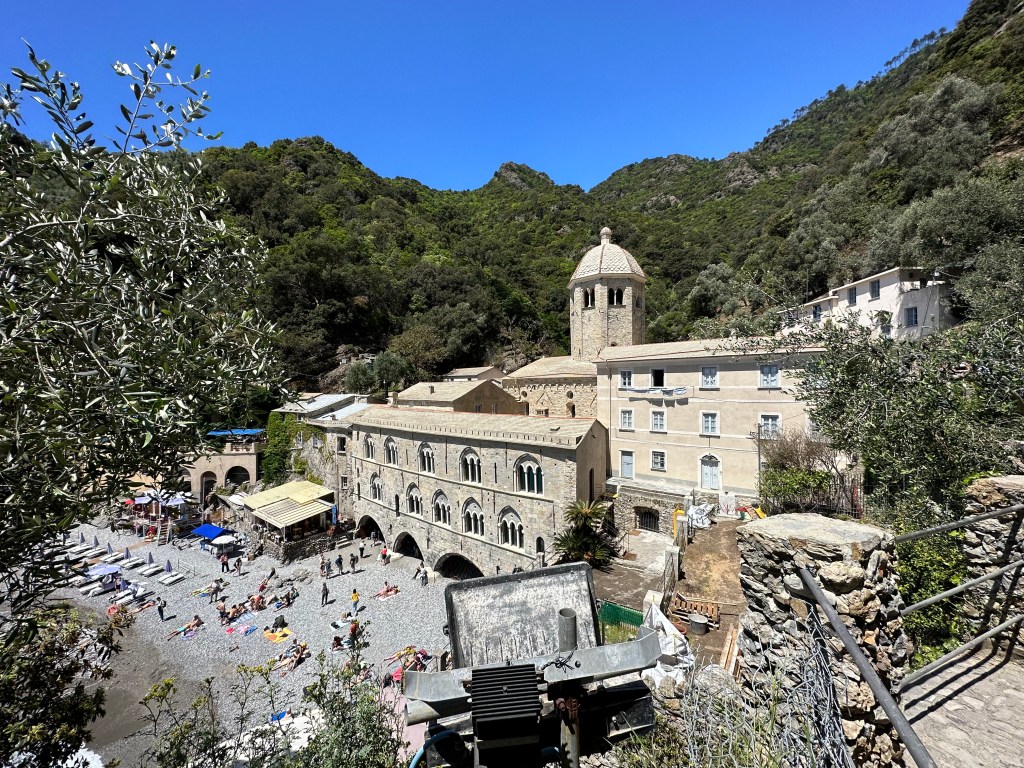
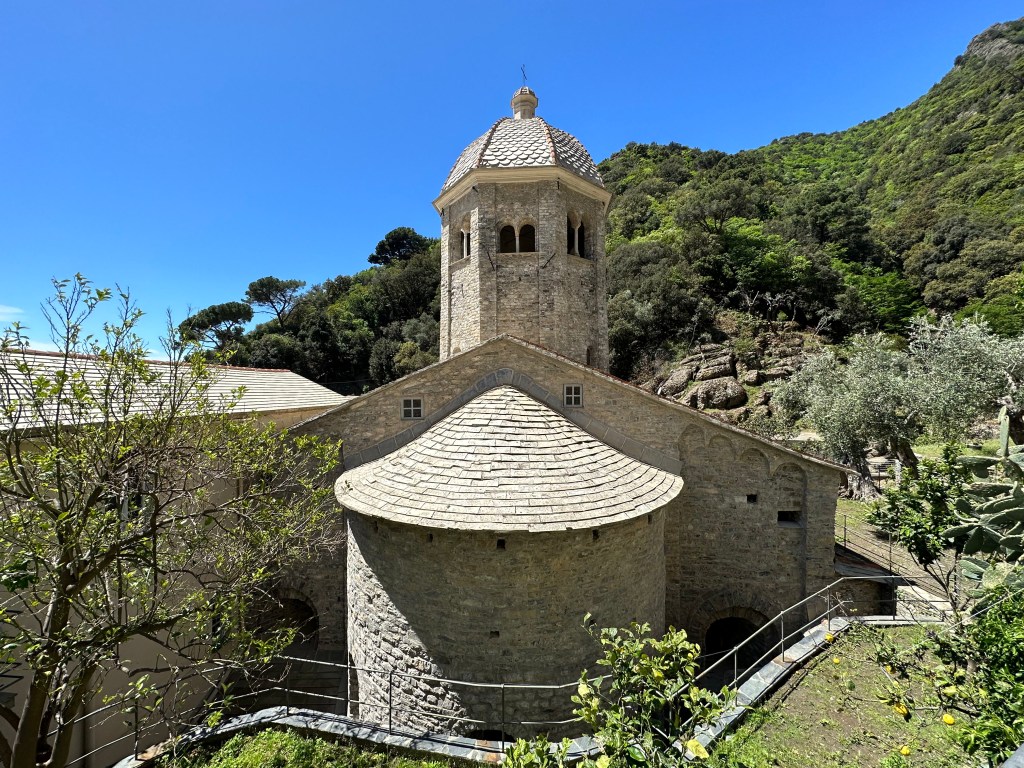
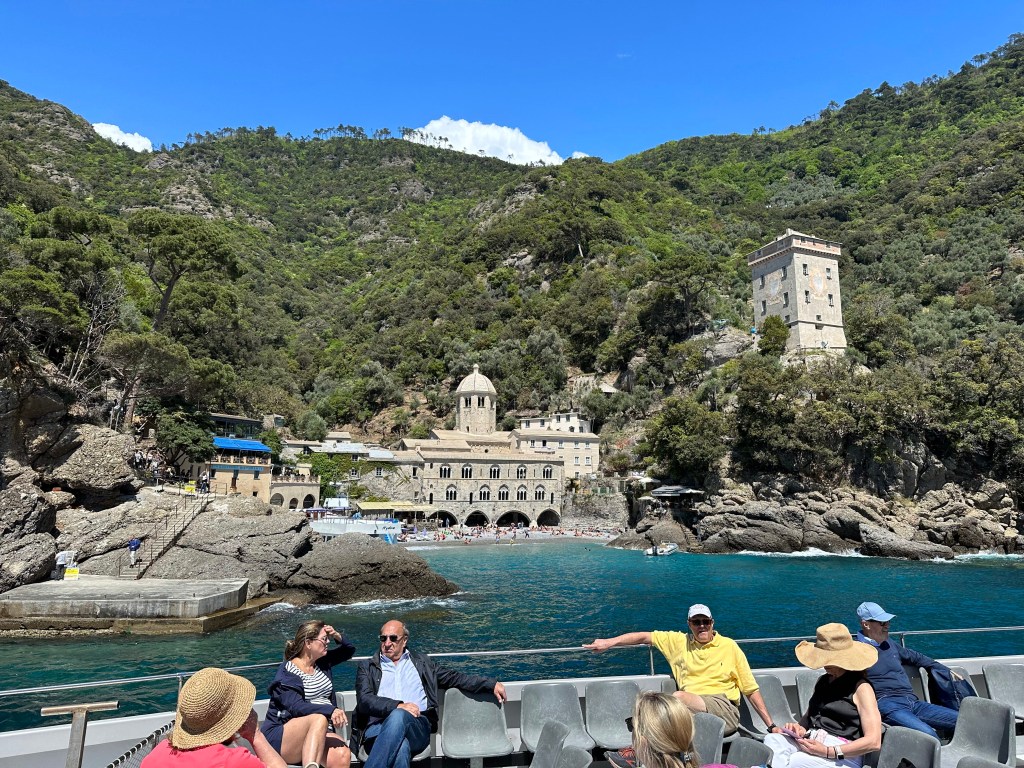
The Romanesque abbey founded by the Benedictines and built between the 10th and 11th centuries.
The abbey is dedicated to Saint Fructuosus, a 3rd-century bishop of what is now Tarragona in Catalonia, who was burned at the stake and martyred during Emperor Valerian’s anti-Christian persecutions. His remains were brought to the abbey by Greek monks and his relics are still entombed at the abbey.
As are those of the aristocratic Genoese Doria family members from the 13th and 14th centuries, under whose patronage the abbey fell.
The abbey’s watchtower, built in the 16th century by the Dorias to guard against attacks by Barbary pirates:
Rather than hike back, we grabbed a return ferry to Portofino, again at the very sage advice of our traveler friends well versed in all things Italy.
Returning to Portofino’s compact harbor:
We thought this flag flying on the ferry was for Portofino or Liguria. It’s not. It’s actually the Genoa Cricket and Football Club flag. ¯\_(ツ)_/¯
The following day, we hiked the other direction from Portofino to the larger port town of Santa Margherita Ligure, encountering, oddly enough, some divers on the path there:
Statue in town of Victor Emmanuel II, the first king of the united Italy (having previously been the King of Sardinia (and Piedmont / Liguria, where we were currently hanging out):
Much larger port than petit Portofino:
We hiked pretty much along the entire coastal area of Santa Margherita before heading back into the core of the town to check it out and grab some lunch.
Little nonas making lace in the middle of town:
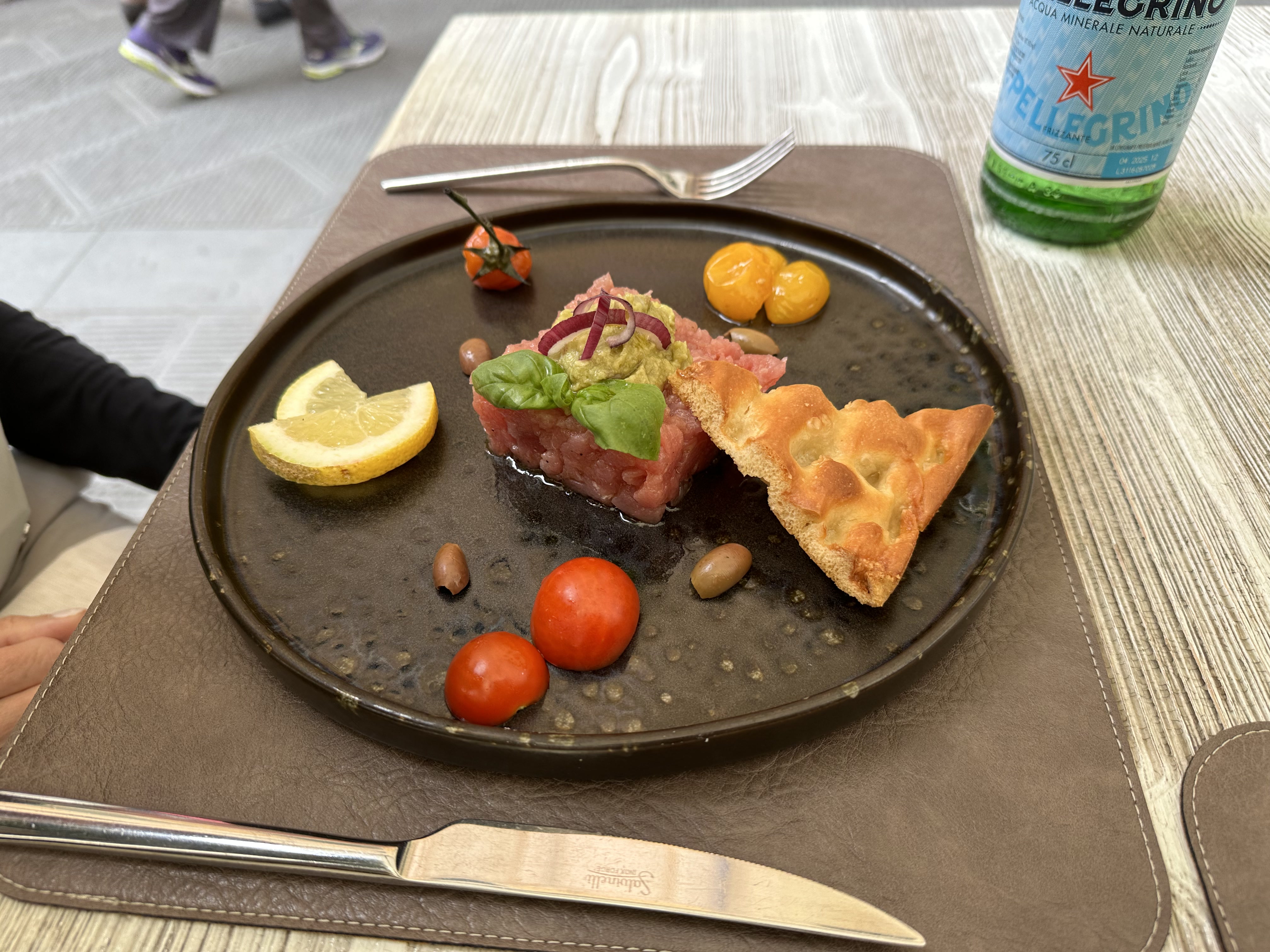
Decent al fresco lunch, including some squid ink gnocci:
Heading toward the only fortification left in town:
Just as with the abbey tower built to guard against Barbary pirates encountered the previous day, the Castello di Santa Margherita Ligure was built in the 16th century by order of the Senate of the Republic of Genoa for protection against the frequent Saracen pirate raids of the era.
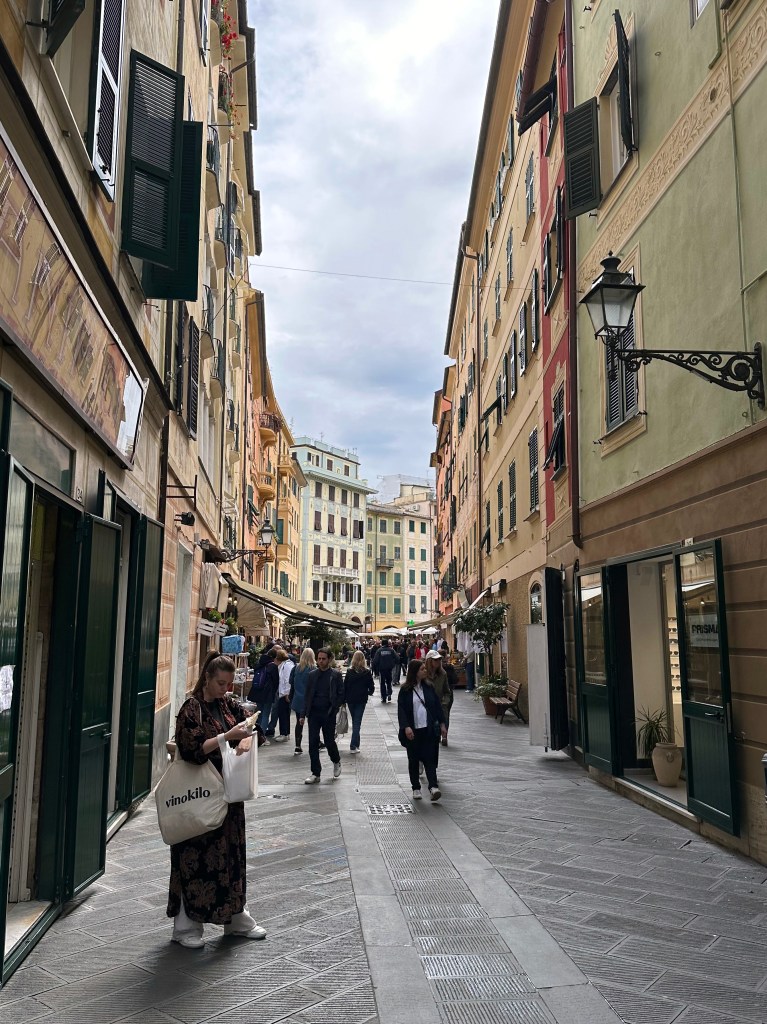
Pretty densely packed town.
Villas encountered on the hike back to Portofino – pretty sweet.
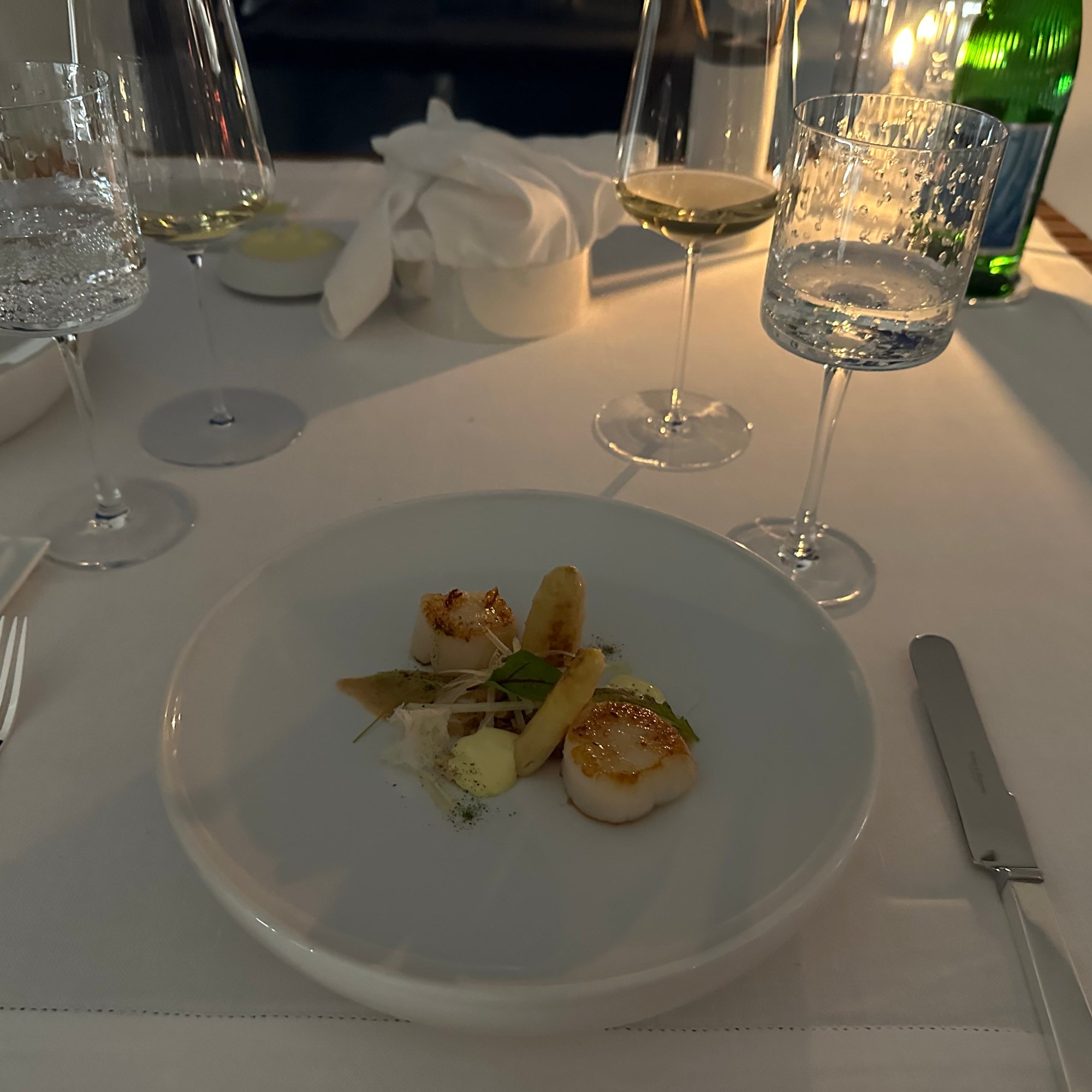
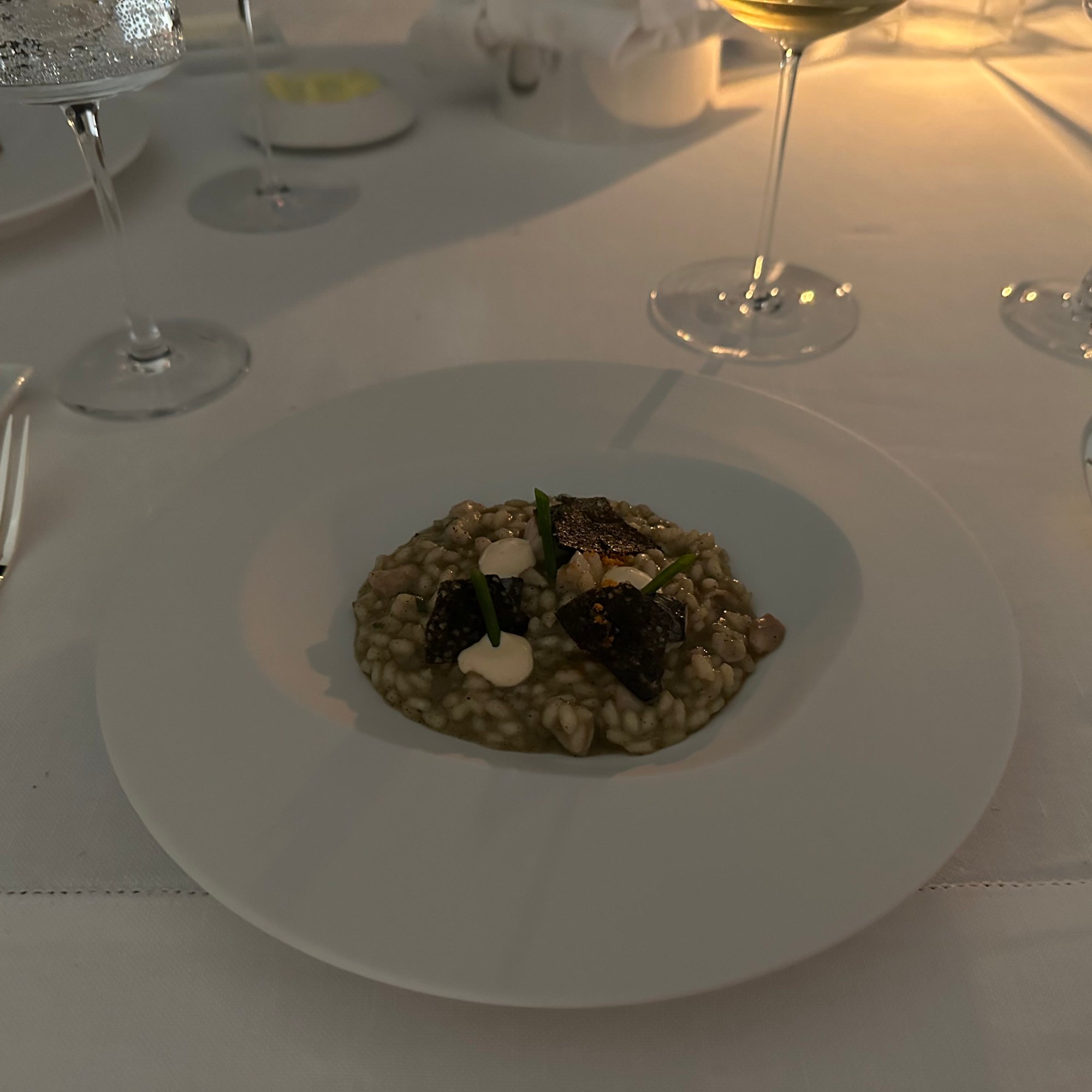
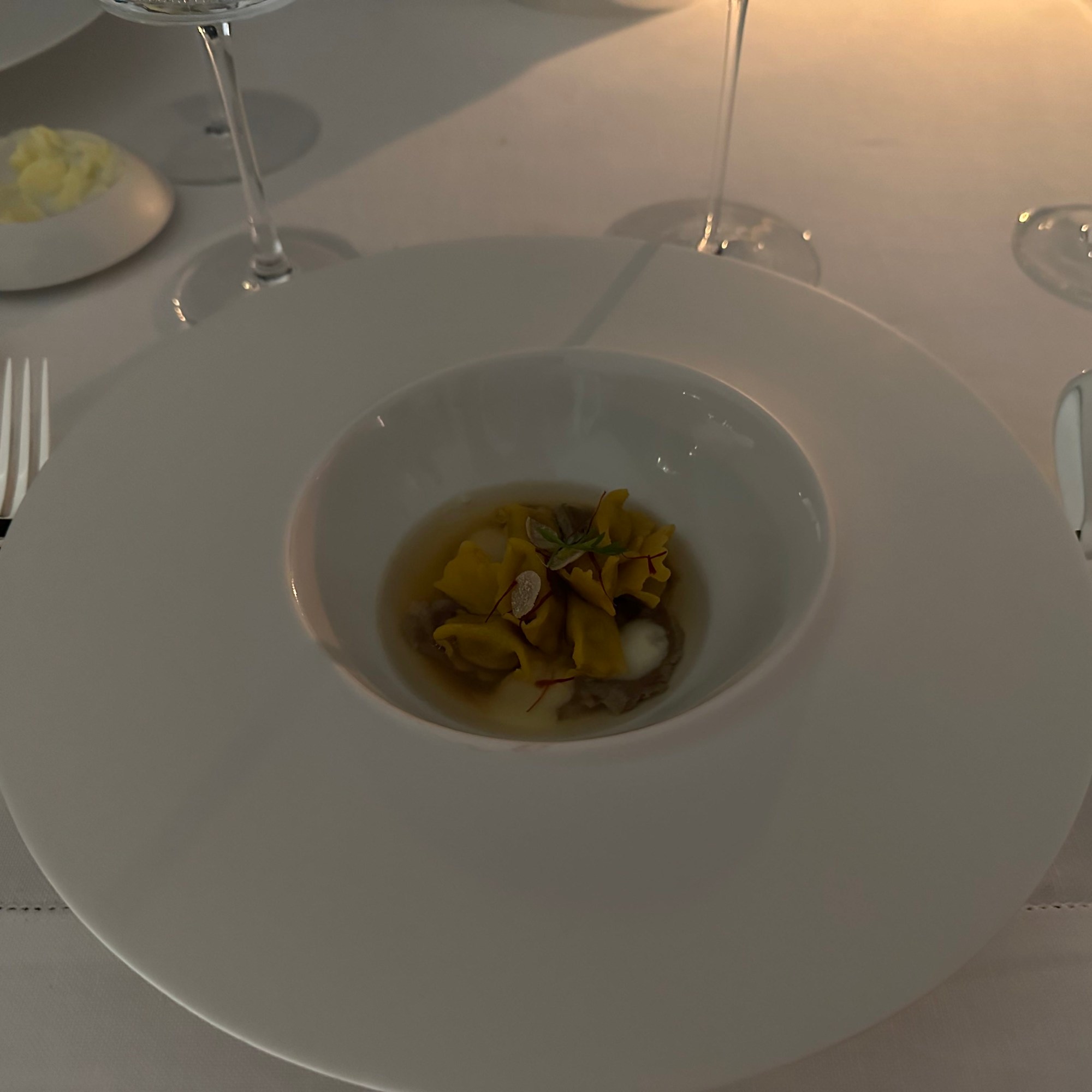
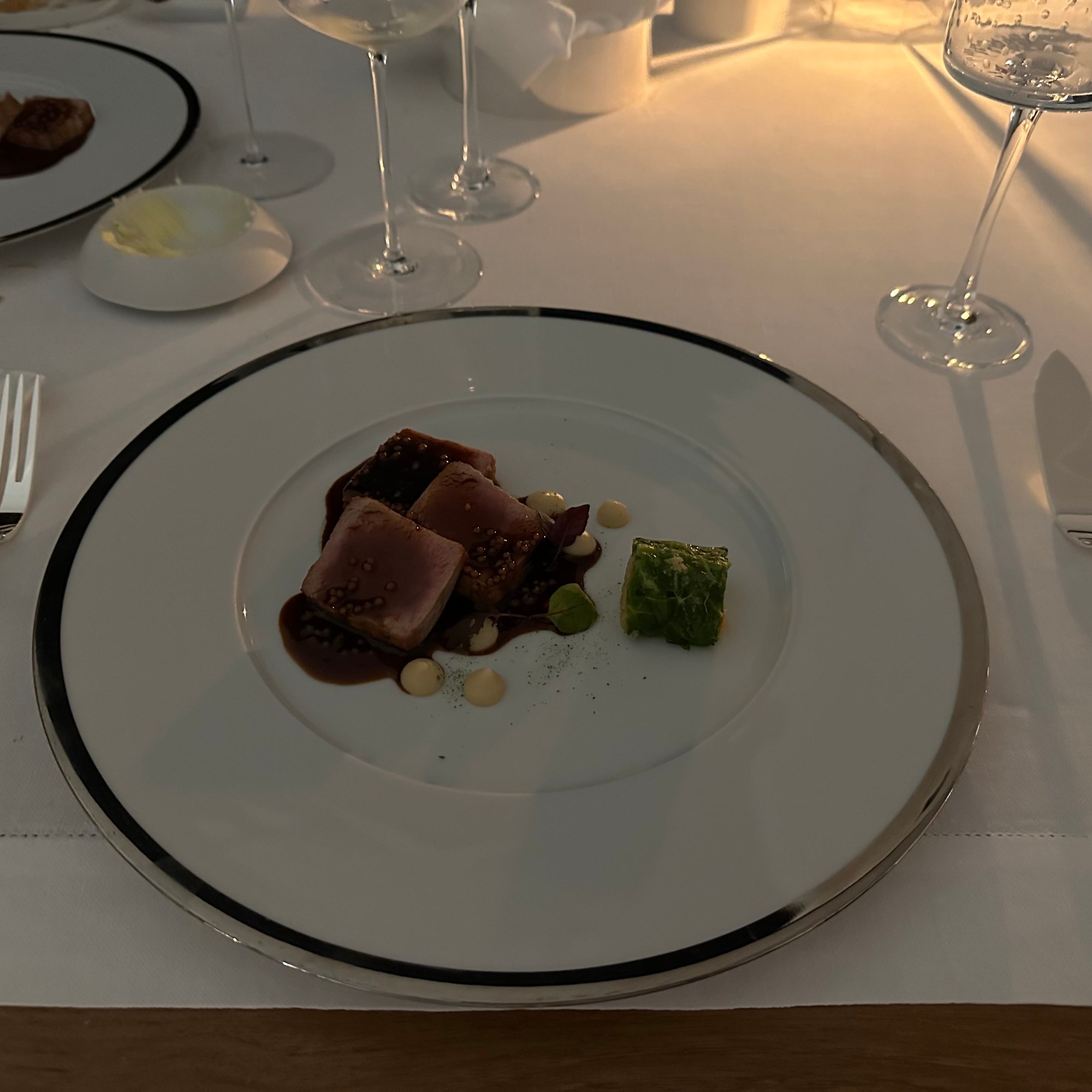
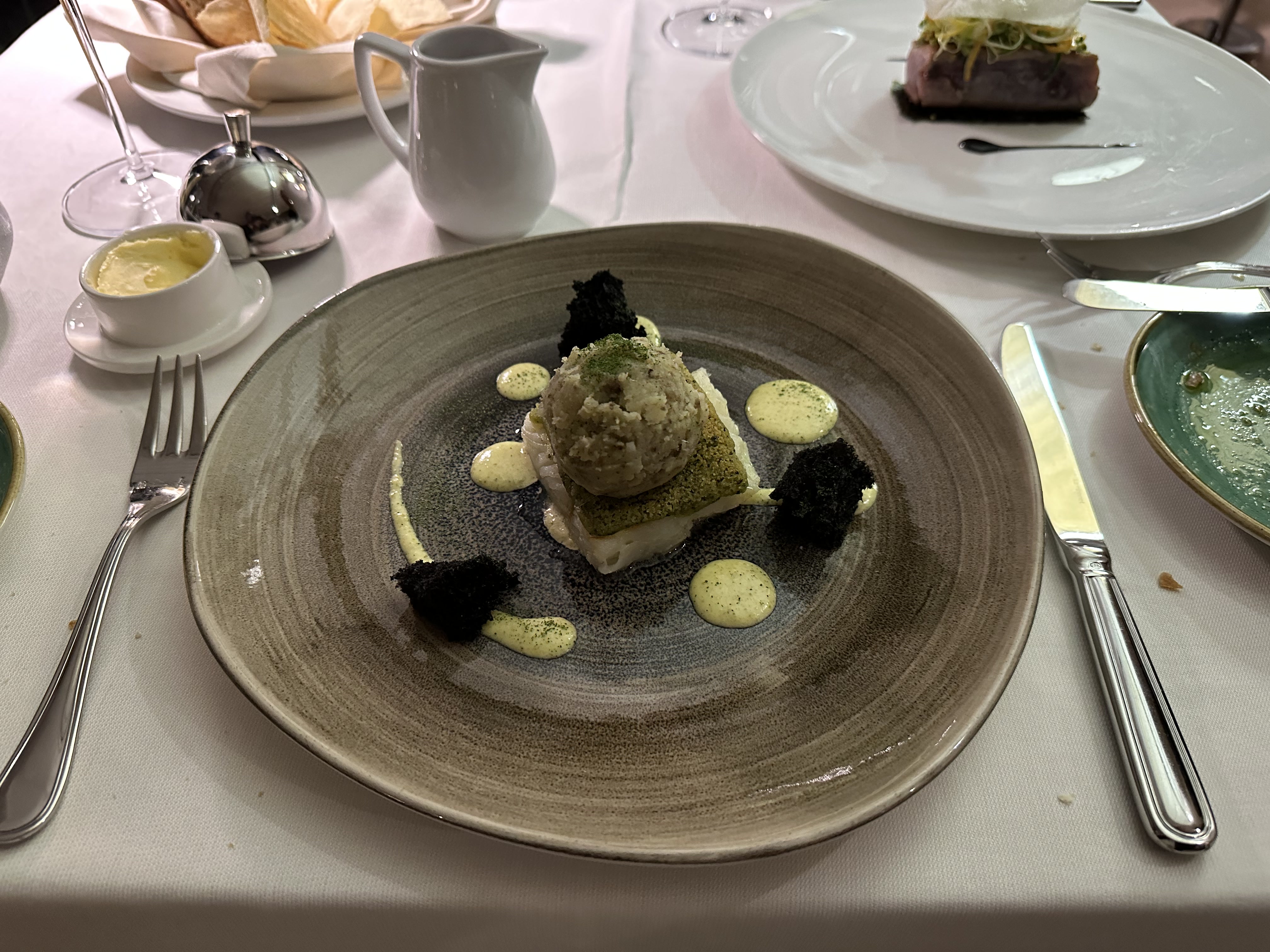
A final evening in Portofino, with an outstanding dinner at Ristorante Strainer.
With our stay in Portofino complete, NOW we get to head south. Our next stop? Umbria for the first time.
Our first, 6-week, shoulder-season session of 2025 is complete! We’ve had a yen to return to Europe after our last five trips, all of which have been elsewhere, including and in particular our last three, long-duration trips to French Polynesia and New Zealand, South America, and New England and Canada. We also wanted to get out of stifling Alexandria for the summer like we did last year with the New England and Canada road trip, during which we fled Old Town for the entirety of July and August, as well as the first week or so of September.
The problem with this convergence – return to Europe and get out of Dodge for the summer – is being in Europe in the summer. This we were not keen on. Not only are all of the spastic Germans, Dutch, and English rampaging all over the continent during the high season, but too many Americans are there now, too. We love traveling, but we hate crowds, abhor lines, and are not too keen on being around other tourists. We’re super hypocritical like that.
Our imperfect solution? Avoid the high season and instead head to Europe for two, 6-week trips during the shoulder seasons that flank the insanity that is July and August in Europe. The first trip would hit the early summer shoulder and the second would take us to Europe in the very late summer / early fall. Our strategy would (hopefully) grant us sufficiently warm weather for swimming (in the locations where we’d be coastal) but still avoid the crowds that come with the hotter peak periods. However, our strategy would not get us out of steamy Alexandria for the peak summer period, so there’s a downside.
For the first trip, we’d finally return to Croatia and explore this country more. We spent about 10 days in Slovenia and Croatia in 2007 and loved that trip so much that when people ask us our favorite country, we’d almost always respond with Croatia. Despite this, we had never been back, despite returning to Italy, Spain, and France again and again (just see the list with years visited on the home page).
So, we’d spend most of the first, 6-week European road trip in Croatia. And we’d sequence travel here first, over other trip targets, to hit the balance between suitably warm weather and low crowds, and then head to a more northerly location before the real heat hit in early July. What more northerly location has been on our list (and tantalizing us frequently in our Instagram feeds)? The Italian Dolomites. So, we’d spend 11 days there (and South Tyrol), across five locations.
But we’d bookend our time in Croatia and the Dolomites with a few days in a new country to us (no. 81, if you’re keeping track) on the front end (Bosnia and Herzegovina) and a series of Bavarian towns like a string of pearls that has been on our list since visiting Lansburg am Lech in 2008 (the Romantic Road). In short, we’d pick up a car in Sarajevo, drive through Bosnia, up the Dalmatian islands in the Adriatic, across mountain passes in the Dolomites, and into Bavaria, and drop it back off 6 weeks later in Munich. Pretty cool. Plus, we only had to board airplanes at the start and the end of the trip, resulting in much more flexibility in what we lugged around with us (mostly bottles of Aperol and prosecco, if we’re honest here. . .).
The route looked like this:
Before conveying the overview of the road trip delineated in the interactive map above, an acknowledgement: the WolfeStreetTravel’s Chief Adventure Officer – despite his expertise in trip planning earned from arranging scores of trips and overcoming the most vexing of logistical challenges – committed an embarrassing planning error. The route should have formed a perfect J, beginning at the lower right in Bosnia and heading down, then up and up until its conclusion in Bavaria. But as you’ll see at the top of the route above, there’s a weird jug handle at the top of the J. The CAO shamefully backtracked the WolfeStreetTravelers – a cardinal sin of trip planning in our view – at the end of the trip when this could have been avoided.
We flew back out of Munich at the end of that jug handle simply because the CAO (mistakenly) assumed that MUC would be the closest airport to Würzburg, our final Romantic Road town on the Bavarian leg of the trip. It is not. MUC is a 3-hour drive south, back the way we came. Had the CAO done his job and simply compared the driving time between Wurzburg and FRA Würzburg and MUC, he would have seen that FRA was only an hour away. We could have come back a day early and avoided the overnight stay in Munich the day before we flew out (although we also would have missed the chance to stay in another Rosewood, so there was an upside).
With that gaffe behind us, we will proceed to the the trip overview.
Bosnia and Herzegovina
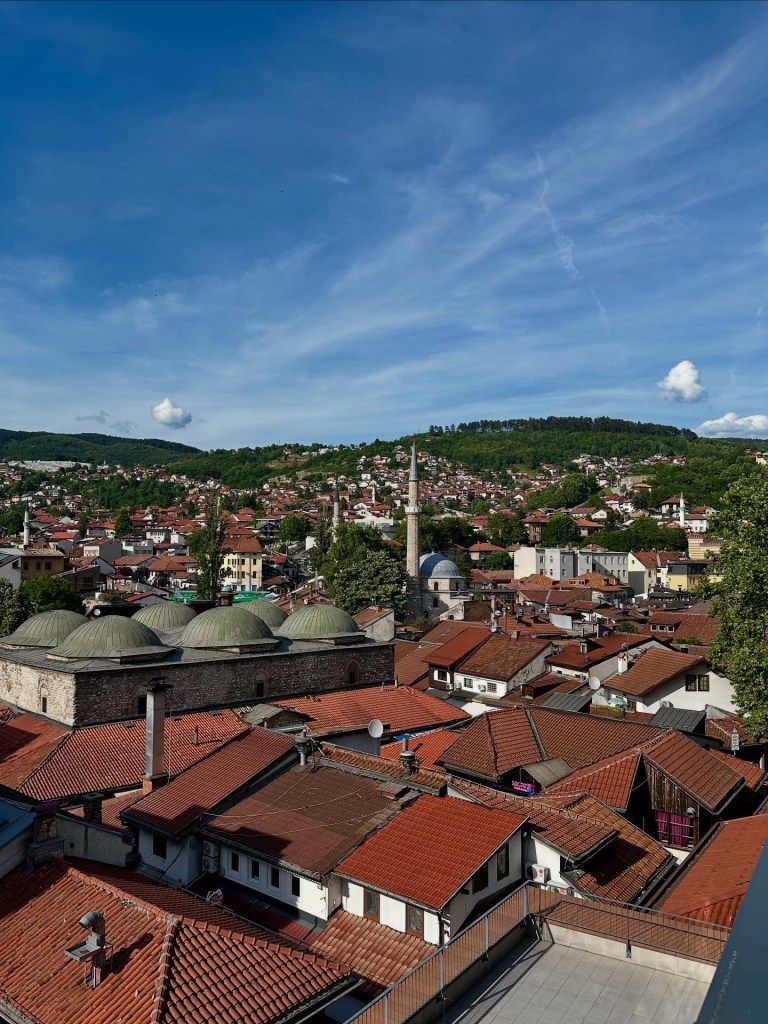
We landed in Sarajevo, Bosnia and Herzegovina’s capital, midday, picked up our car (a brand new Renault Clio with only about 25 km on it) and headed into town. Founded by the Ottomans in the 15th century, the town is still a very Islamic country, much like parts of North Macedonia that we biked through back in 2019.
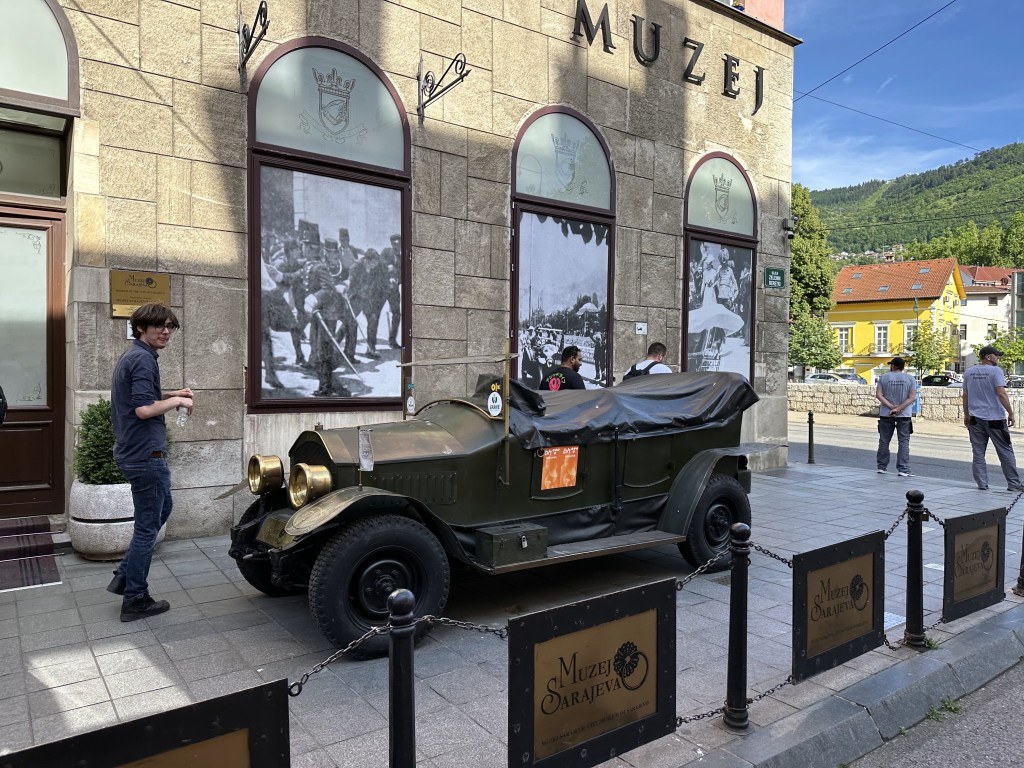
Famously, Sarajevo played the pivotal role in kicking off WW I with the assassination of Archduke Franz Ferdinand – right on this corner here:
The next morning(ish), we headed to our second stop in Bosnia: Mostar.
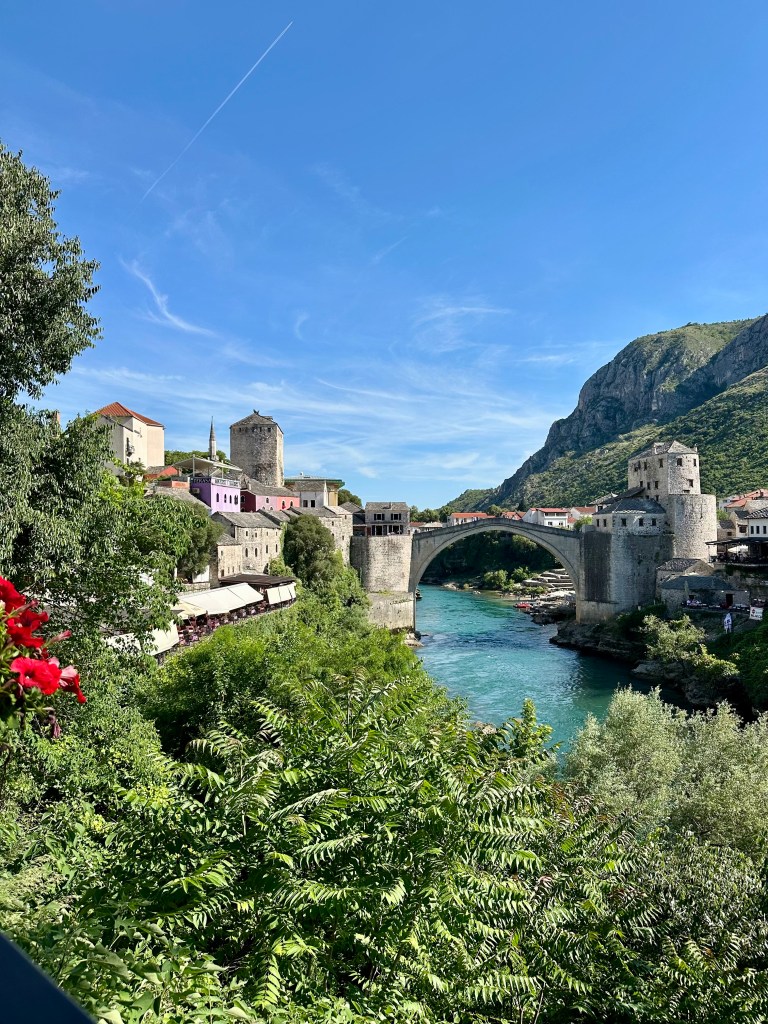
Mostar, established in the 15th century under Ottoman rule, became renowned for its iconic Stari Most (Old Bridge), a symbol of unity destroyed during the Bosnian War in 1993 and rebuilt in 2004 as a UNESCO World Heritage Site.
We’d spend 2 days here – pretty cool town.
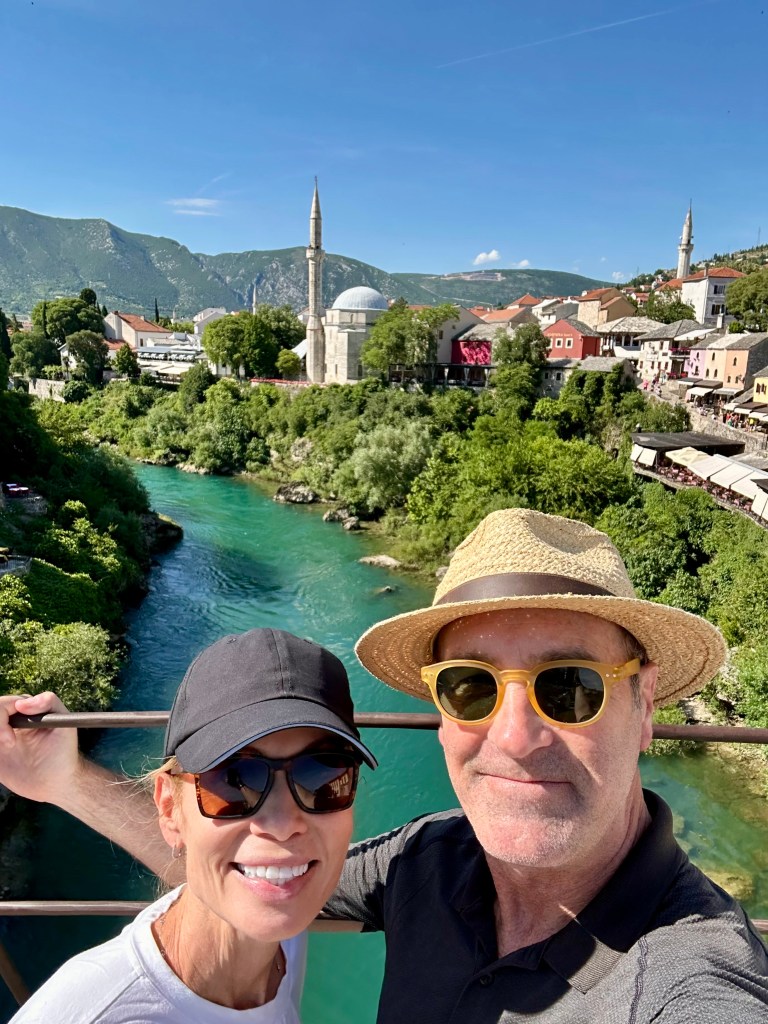
Croatia – The Islands
We then headed across the border and, via our first of five ferries, across a straight in the Adriatic to the Croatian island of Mljet, which is home to a really nice national park.
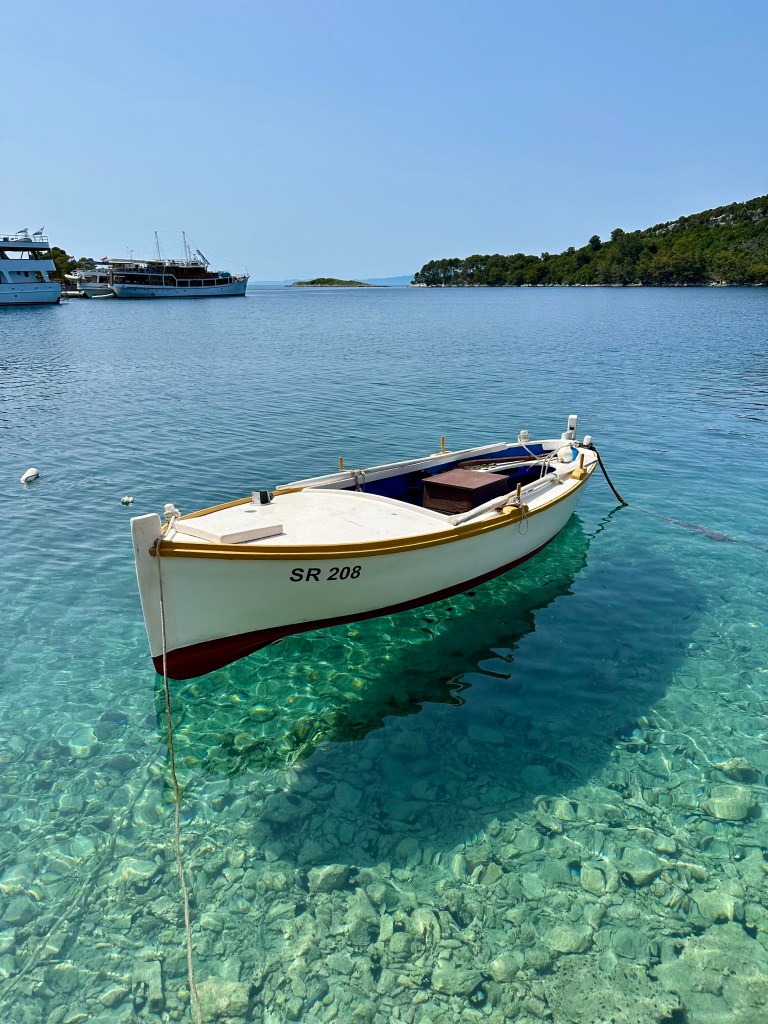
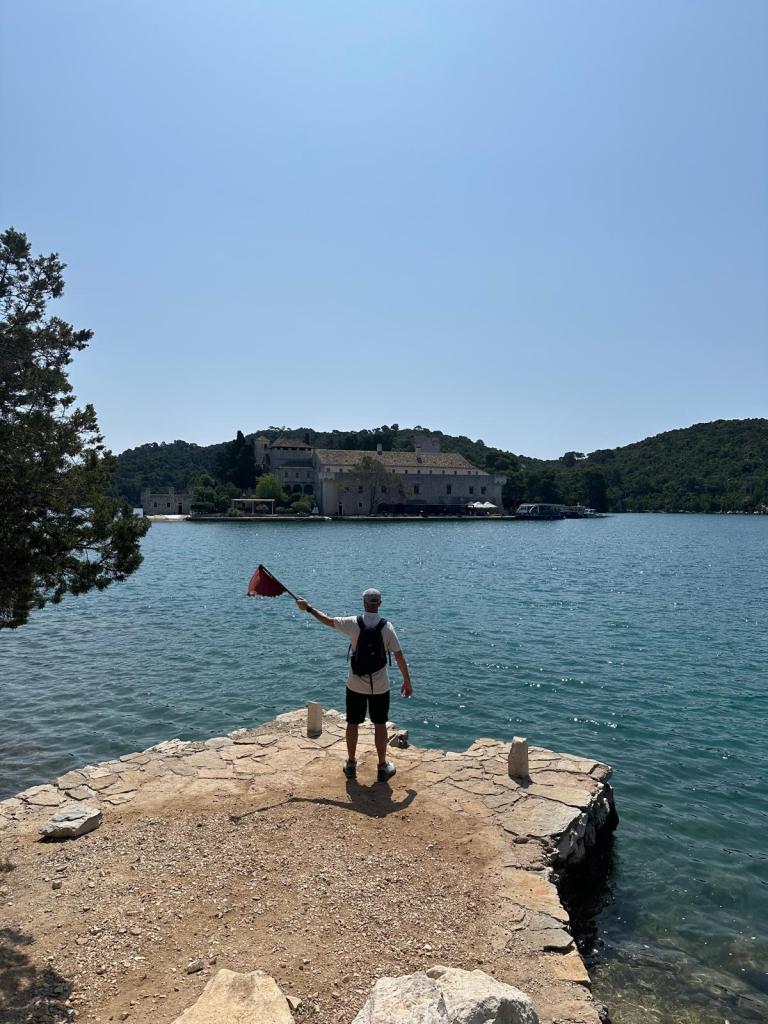
In the middle of which is The Benedictine Monastery, built in the 12th century on the islet of St. Mary in Veliko Jezero. You get there by waving a red flag on shore to summon a boat.
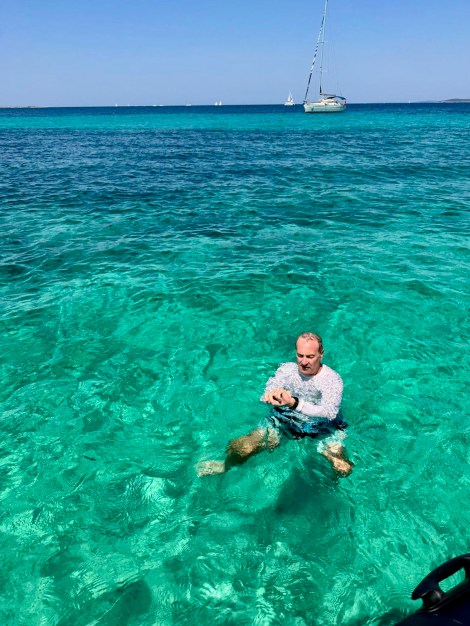
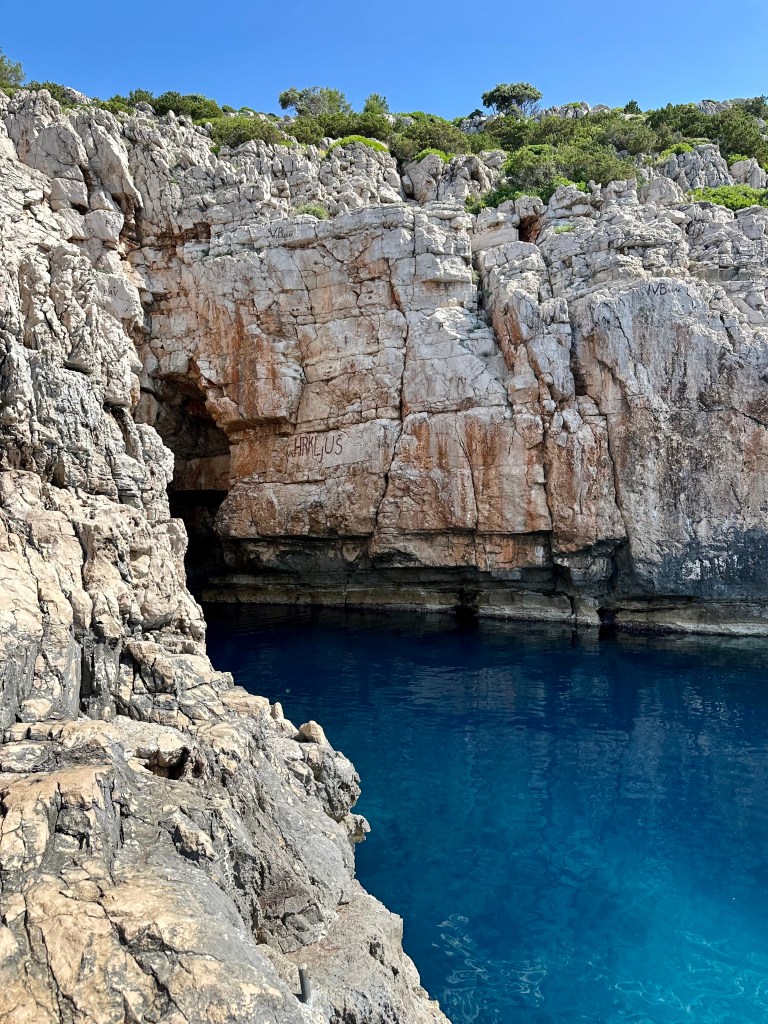
Probably our best (and first) swimming experience of the trip diving off the rocks at Odysseus’ Cave and swimming in and out of the cave in the awesome azure water.
After 3 days on Mljet, we headed off to our next destination. . .
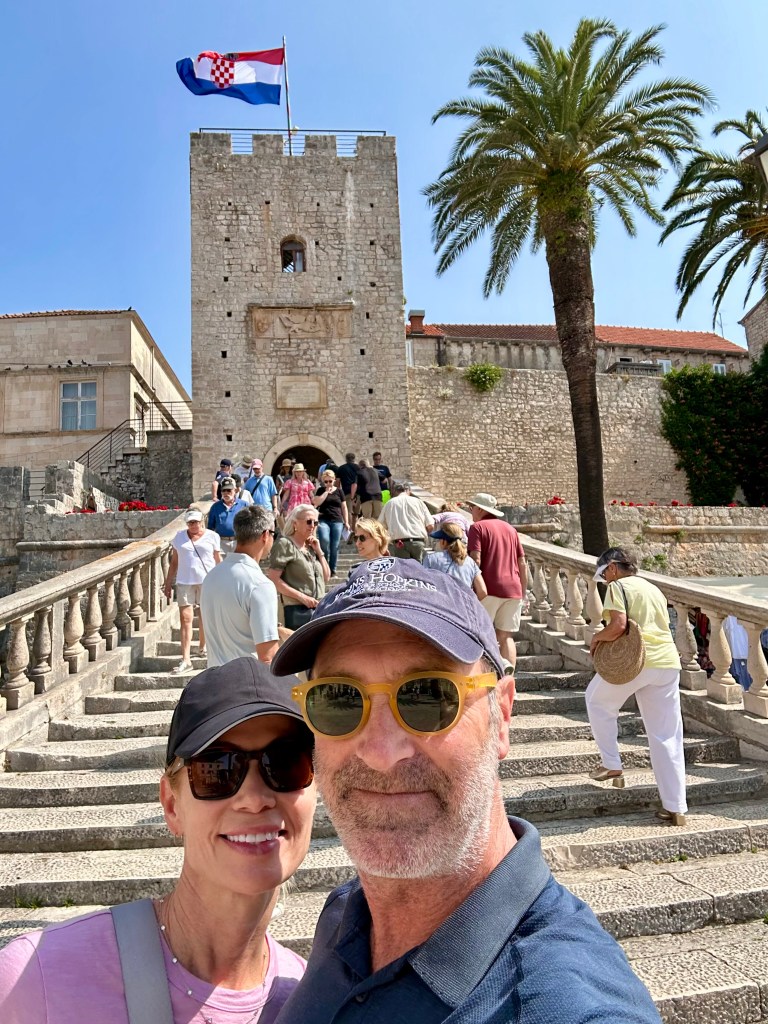
The island of Korčula. One of our two favorite stops on the trip. Our AirBnB here may have been a factor.
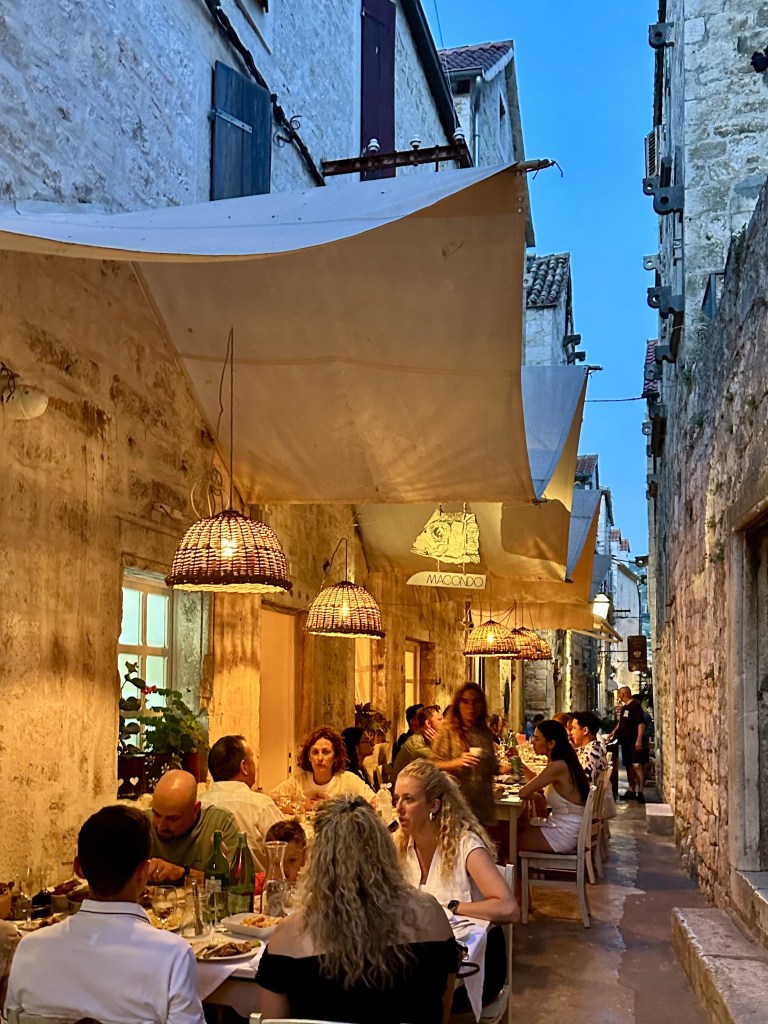
Korčula’s Old Town had a great vibe, great history, and great architecture.
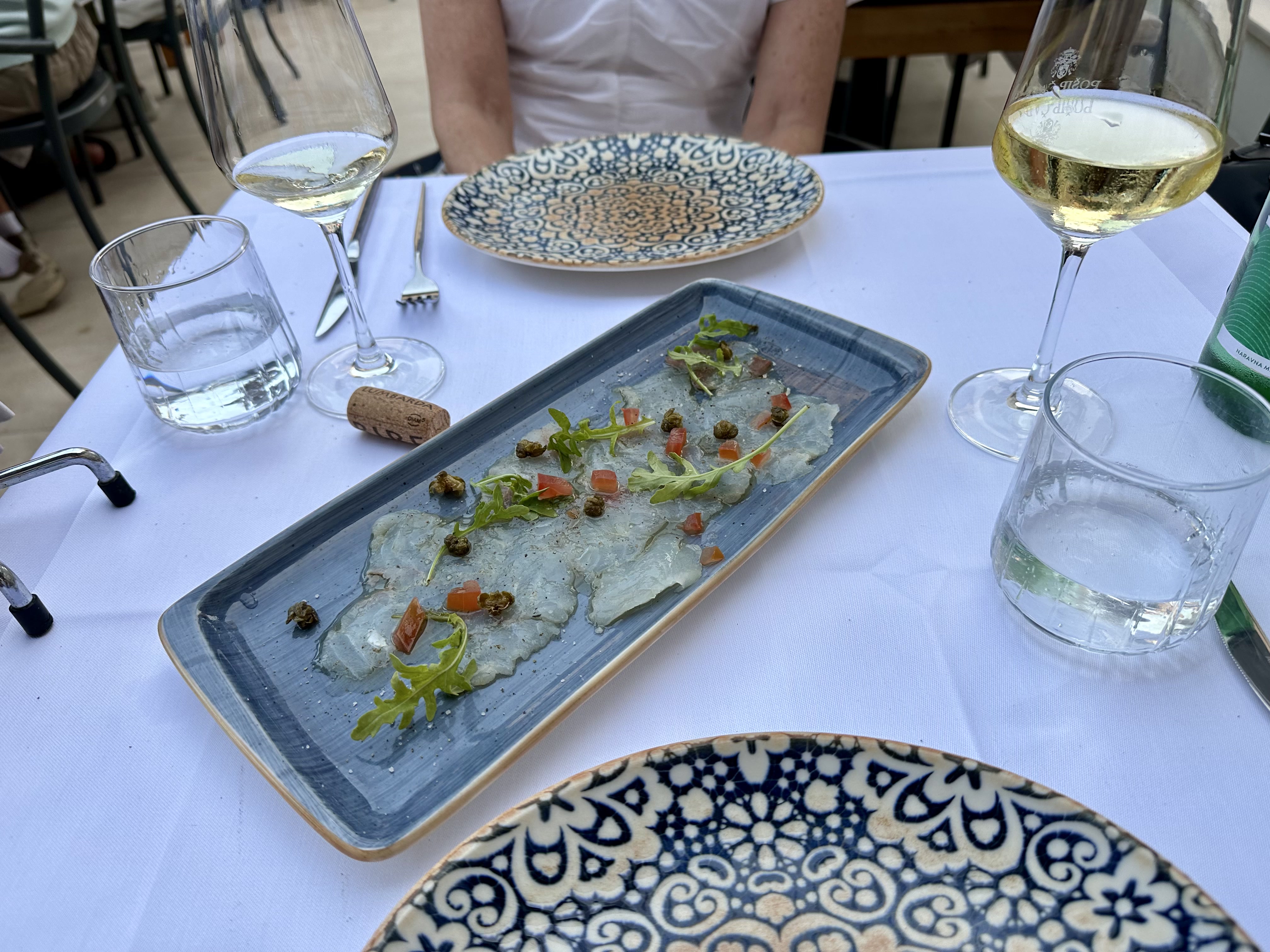
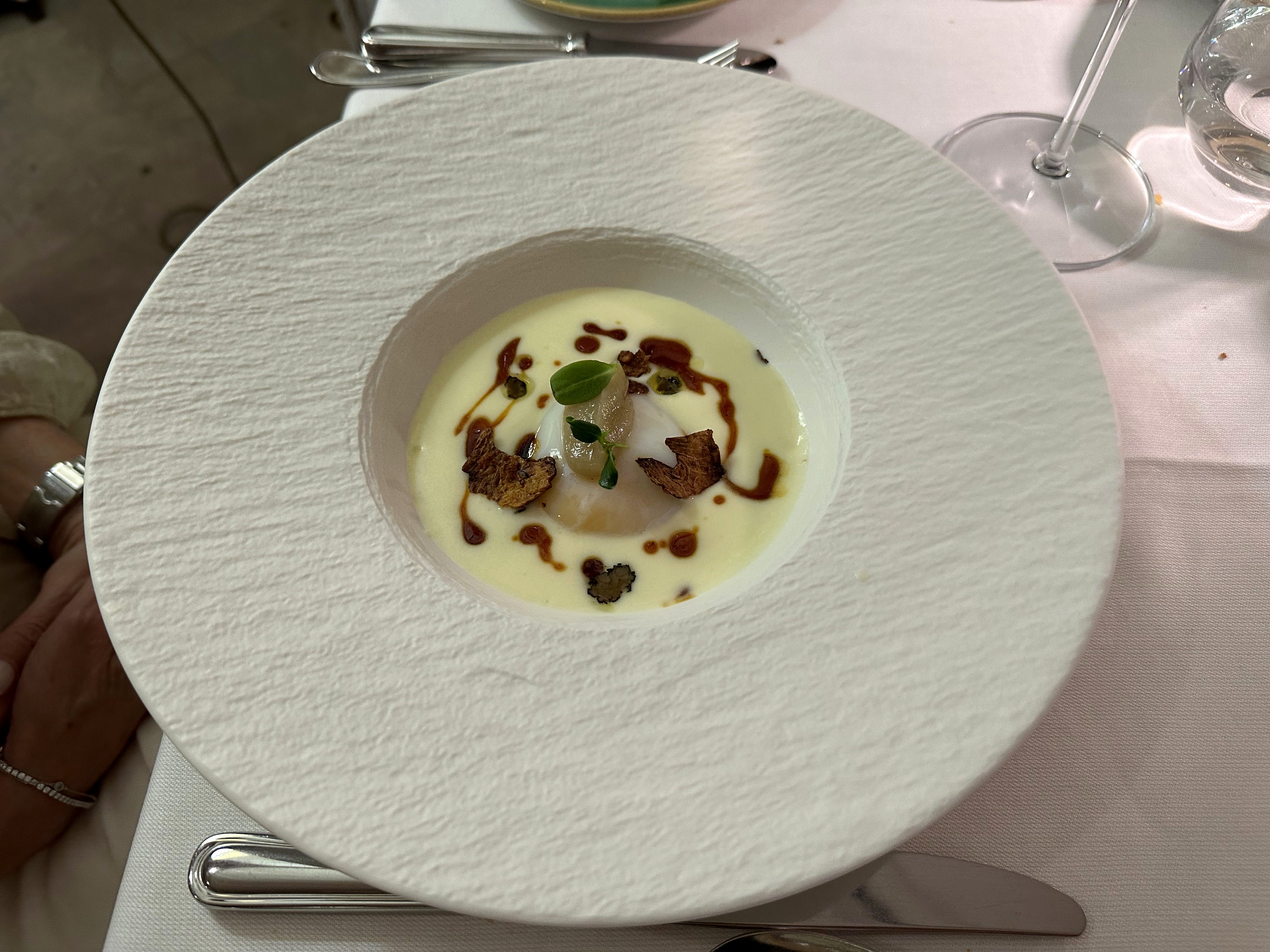
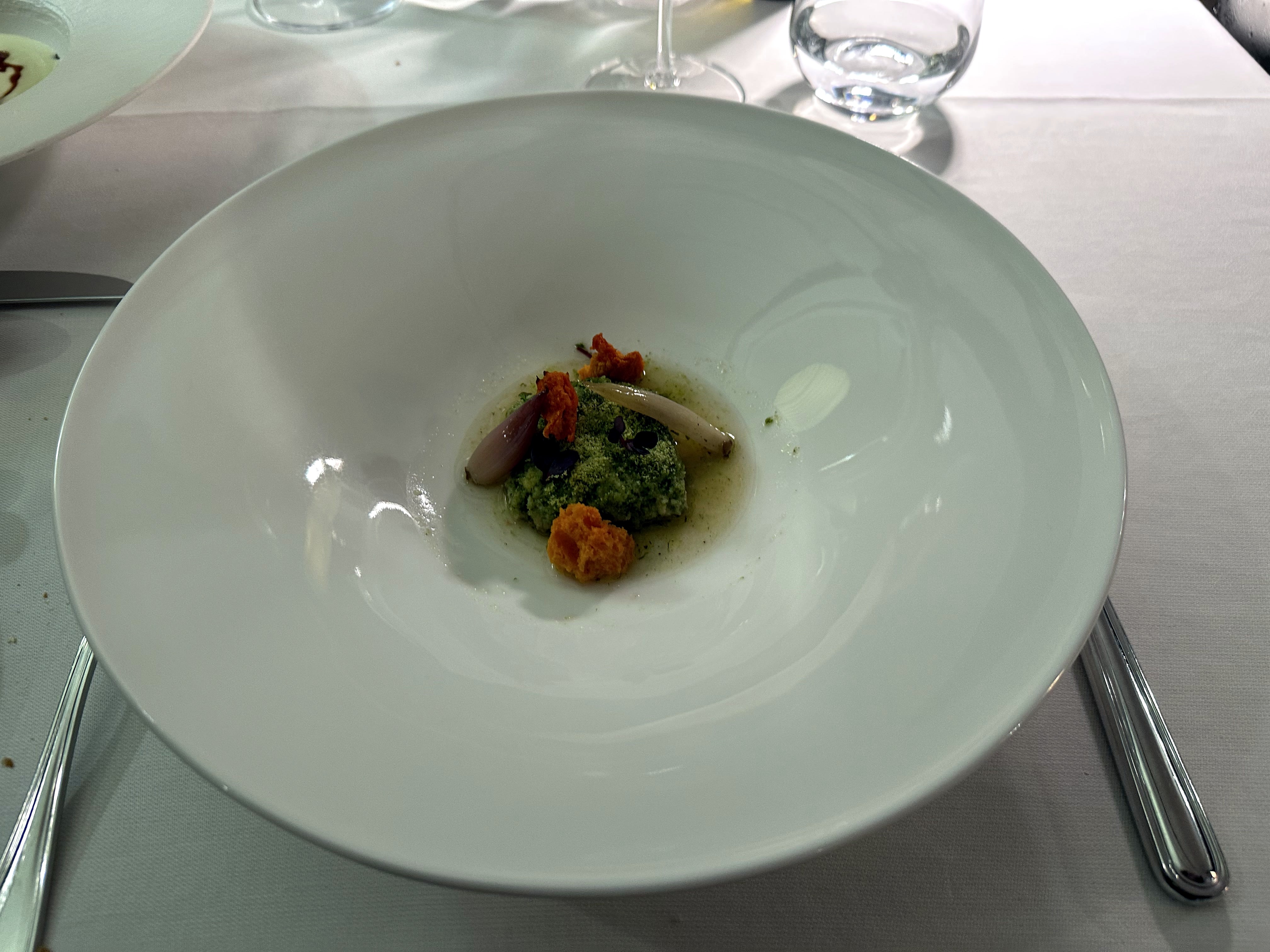
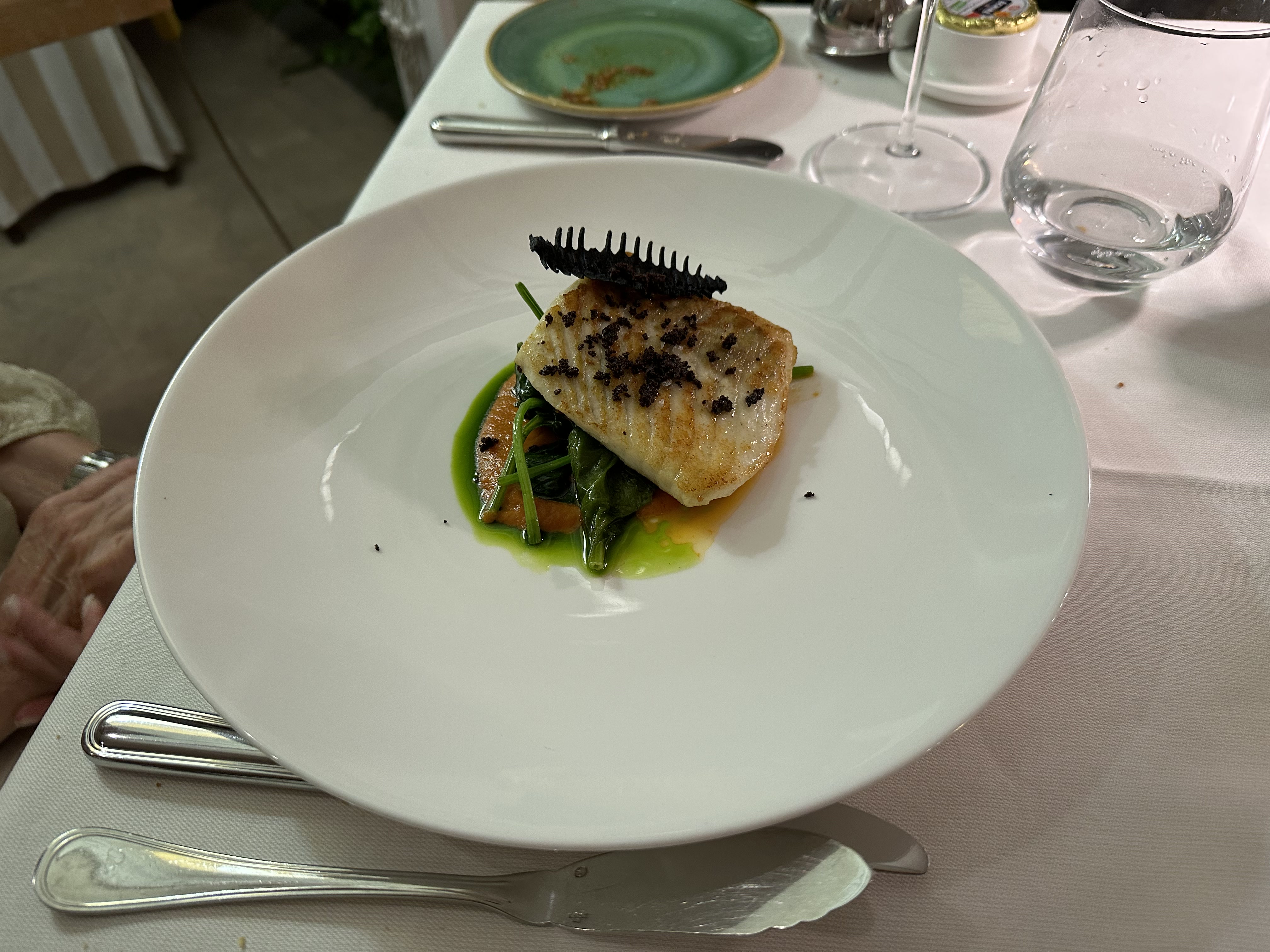
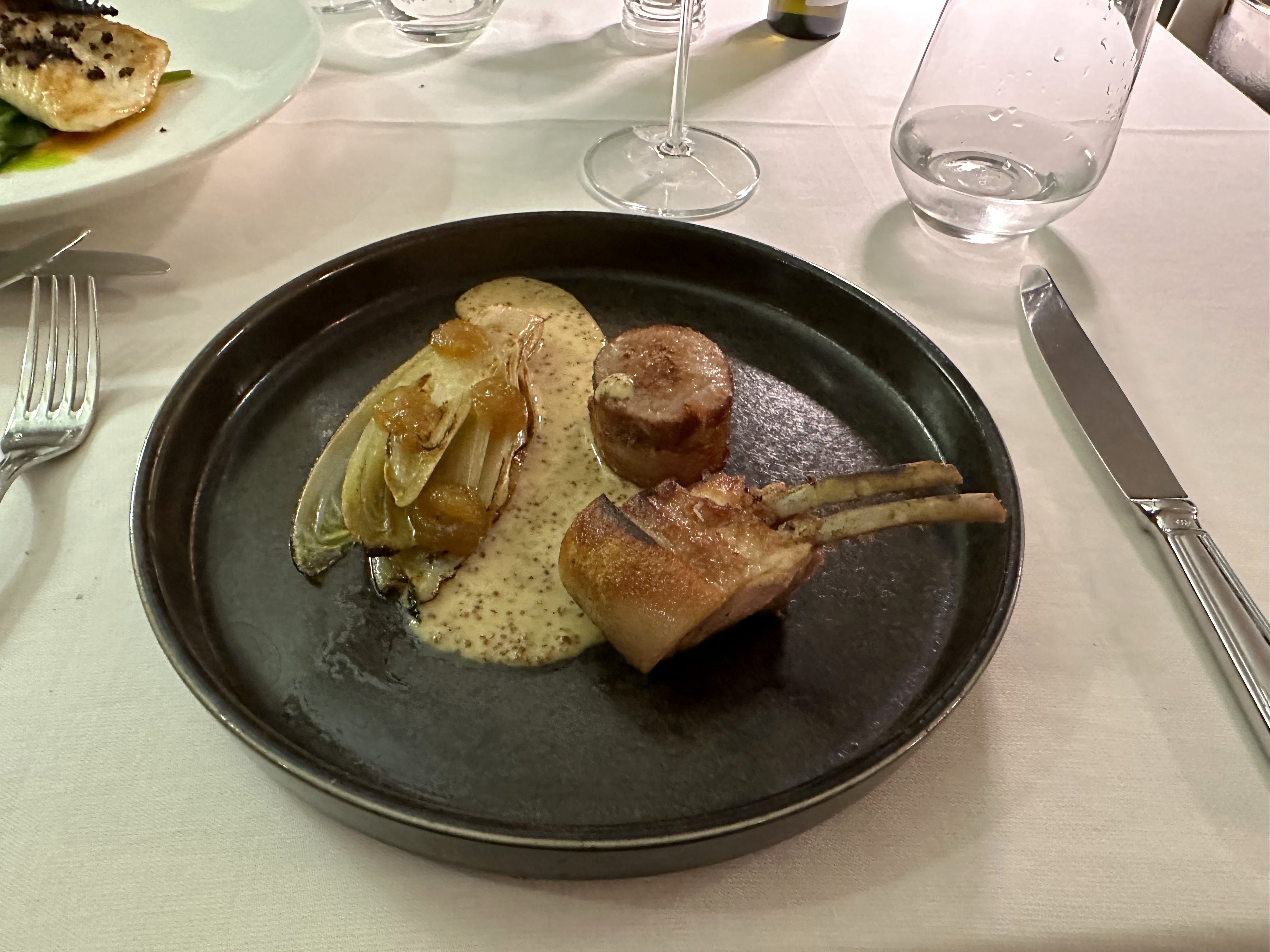
And great food, including our first Michelin-starred meal of the trip:
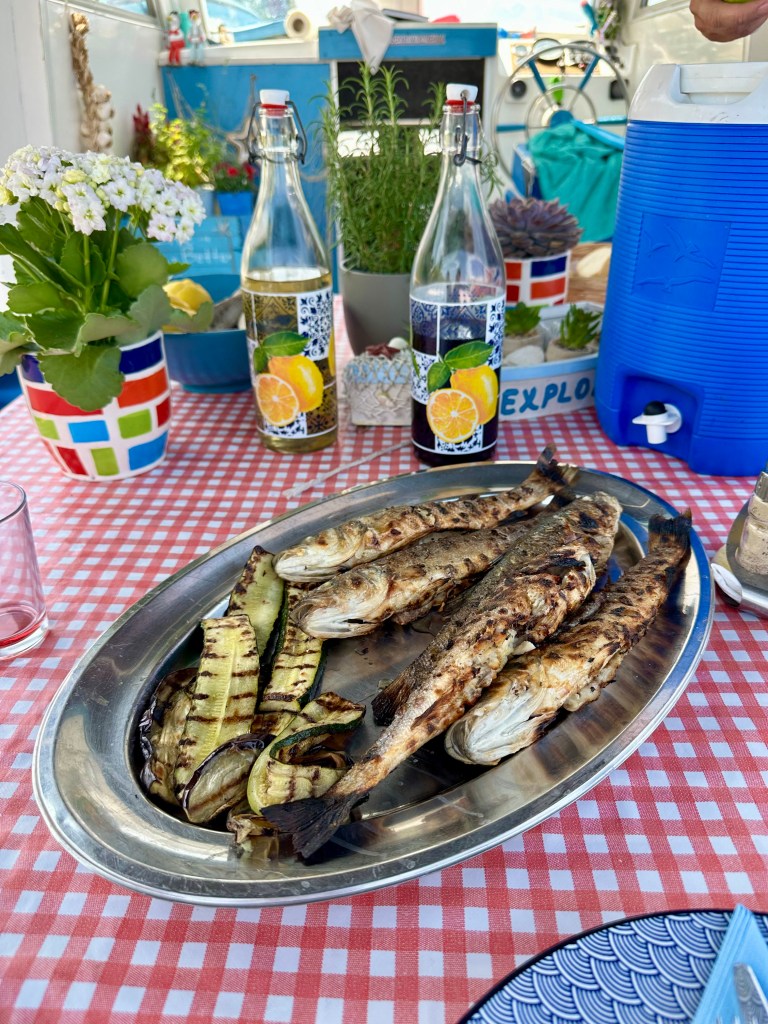
Very cool boat tour to Korčula’s nearby islands and swimming bays, complete with some outstanding fish grilled on the boat.
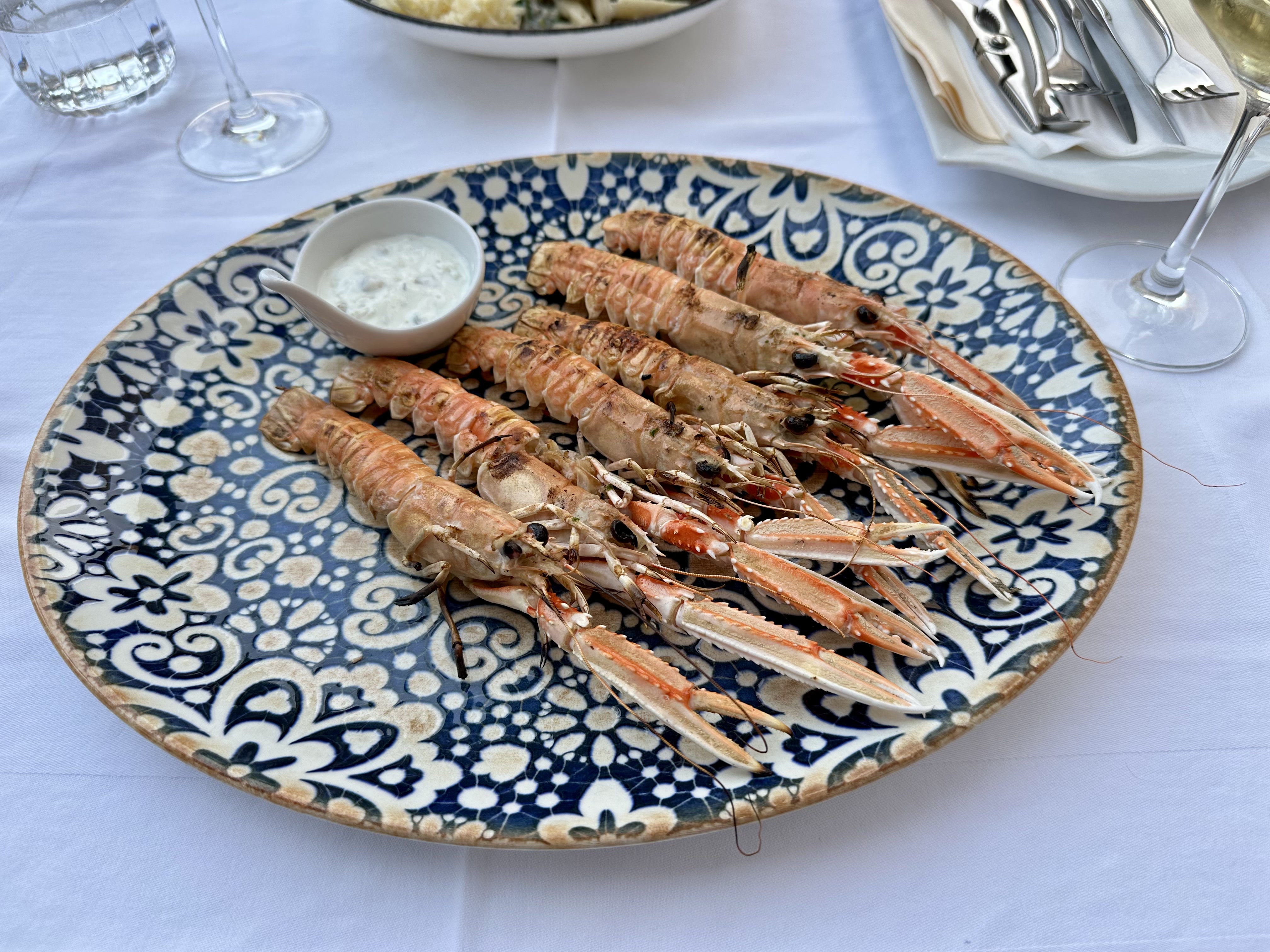
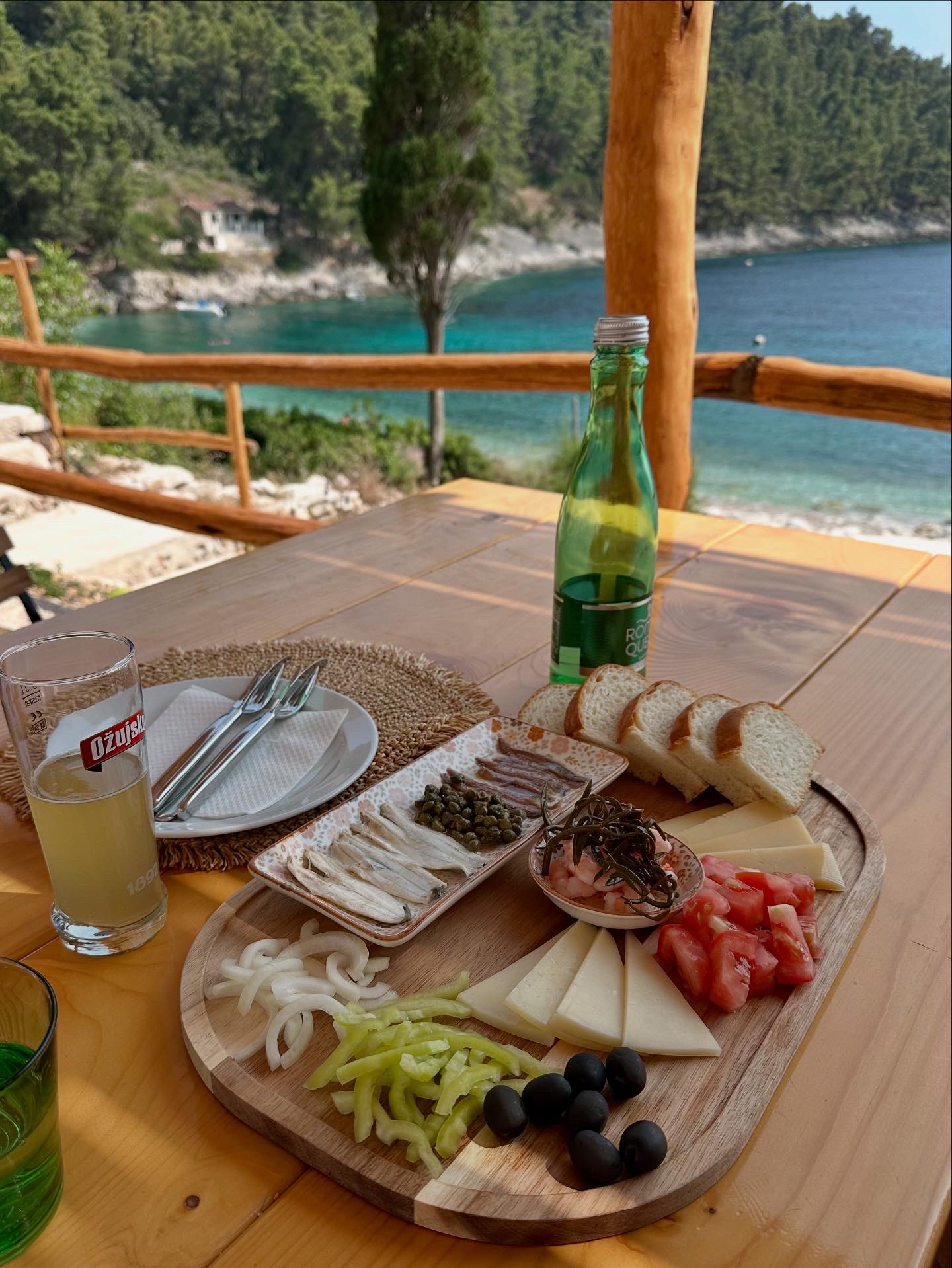
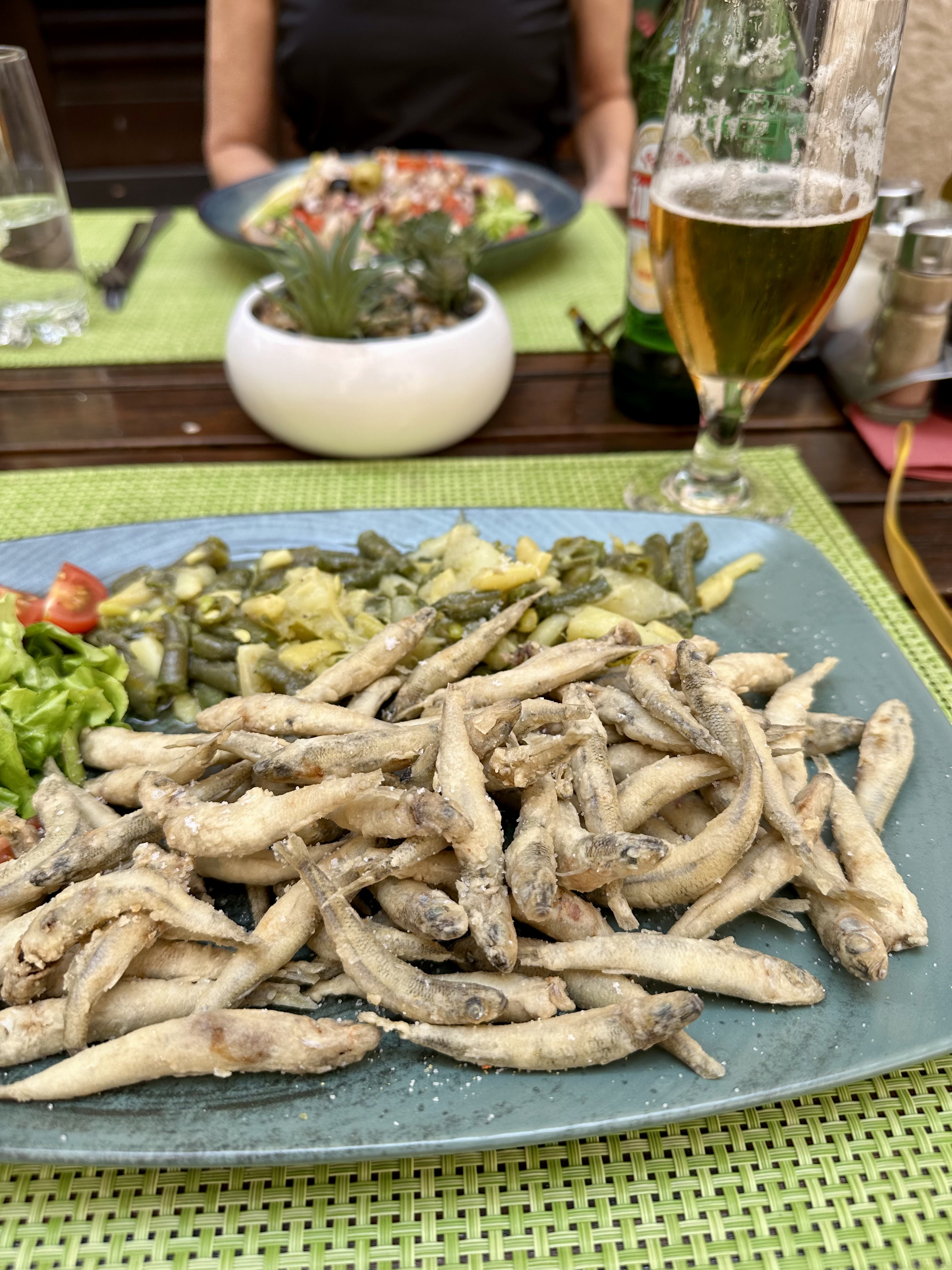
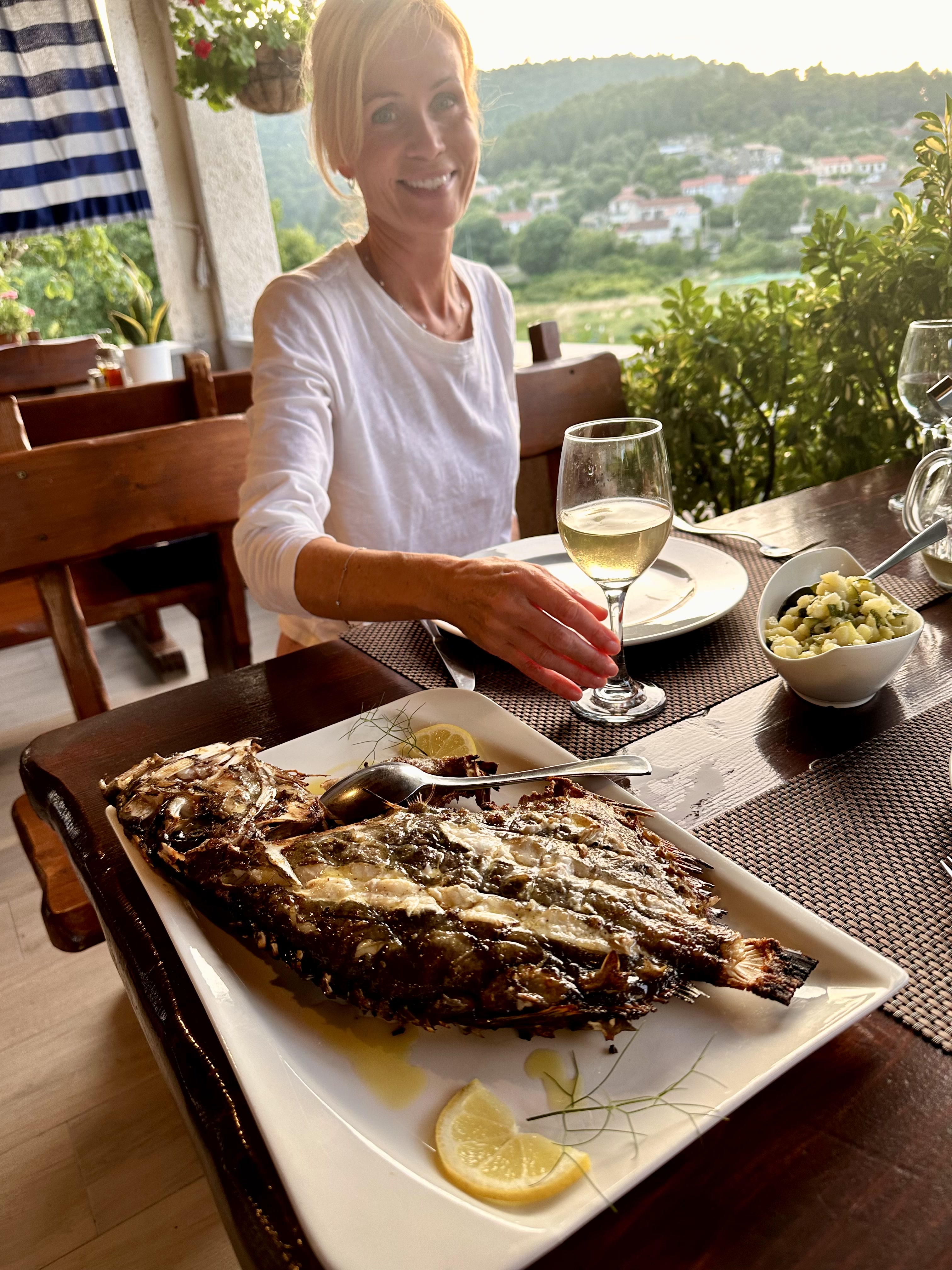
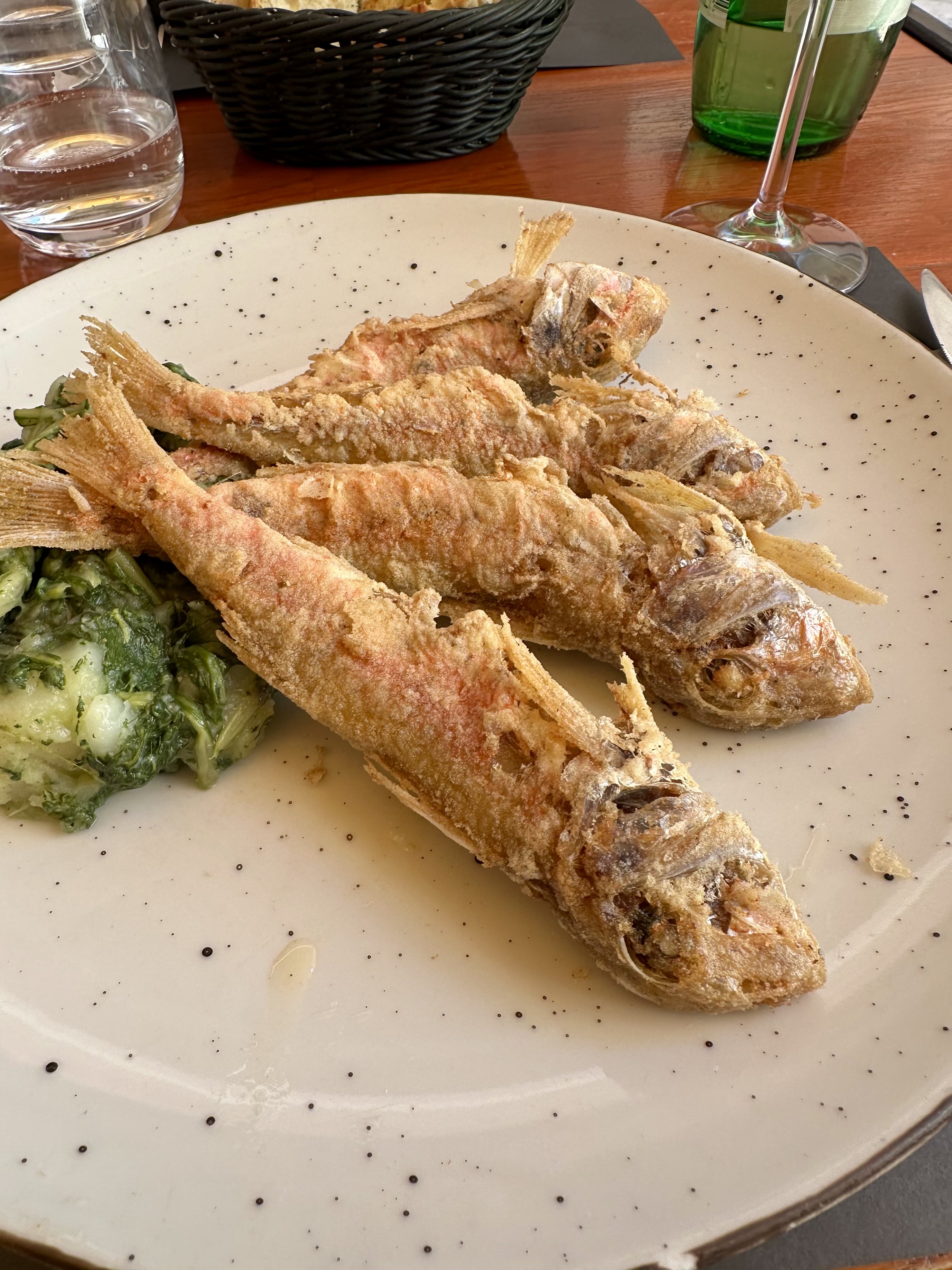
Frankly, most of our meals in Croatia consisted mostly of fish. Fish, cheese, and wine:
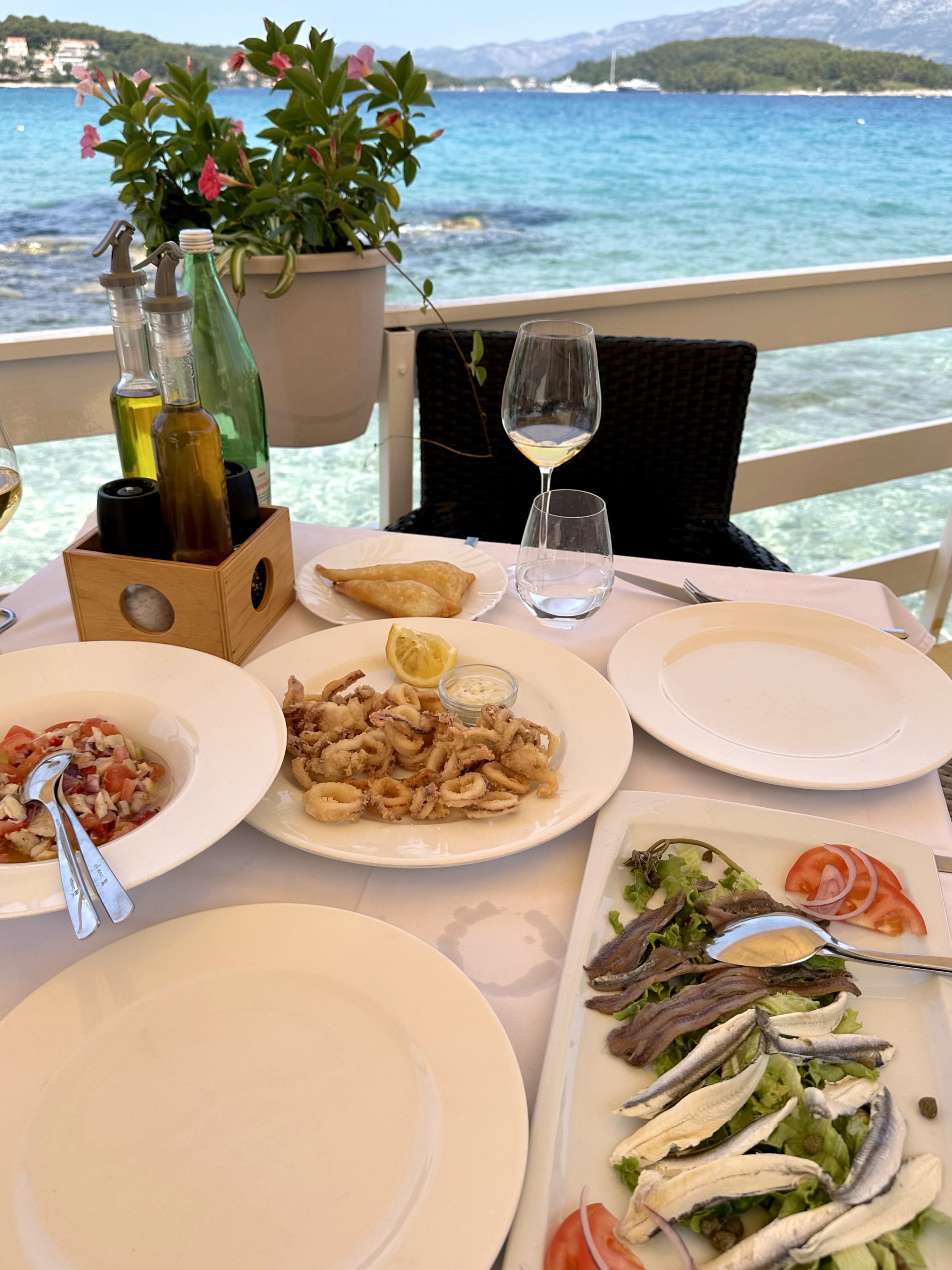
Pretty great living for a month!
After 5 days on Korčula, we headed to Hvar, where we’d spend another 5 days.
Hvar, settled since prehistoric times and founded as a Greek colony in the 4th century BC, flourished under Venetian rule from the 15th to 18th centuries as a strategic Adriatic port and cultural hub, famed for its Renaissance architecture and maritime trade.
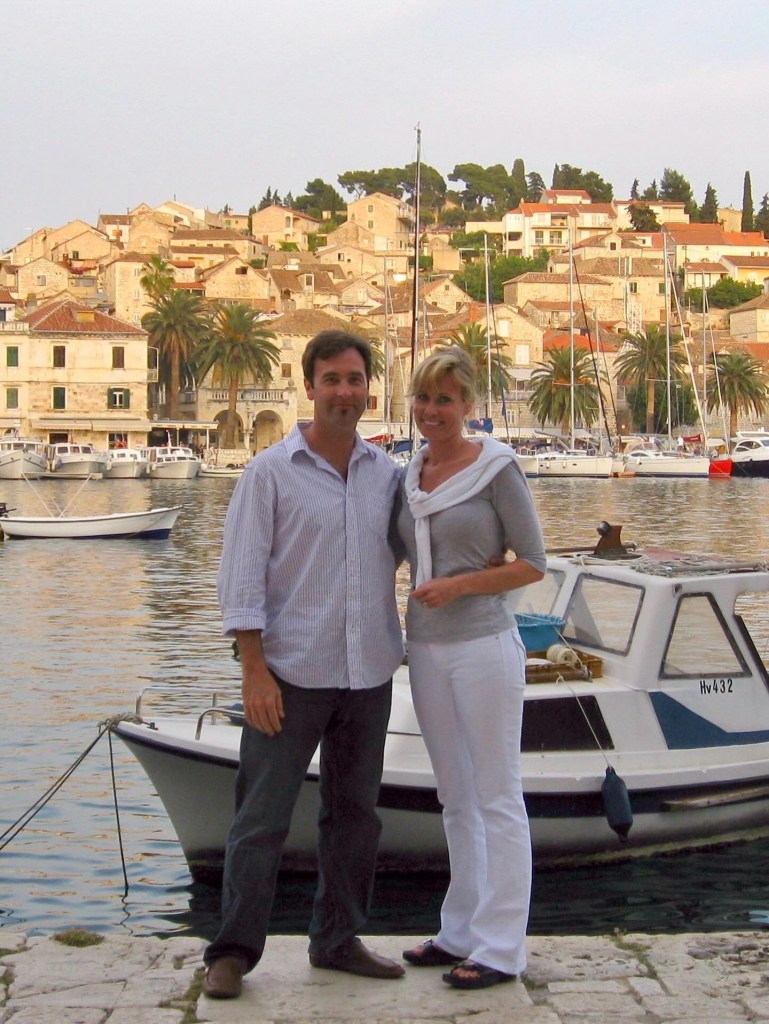
We visited Hvar in 2008 and fell in love with the place then.
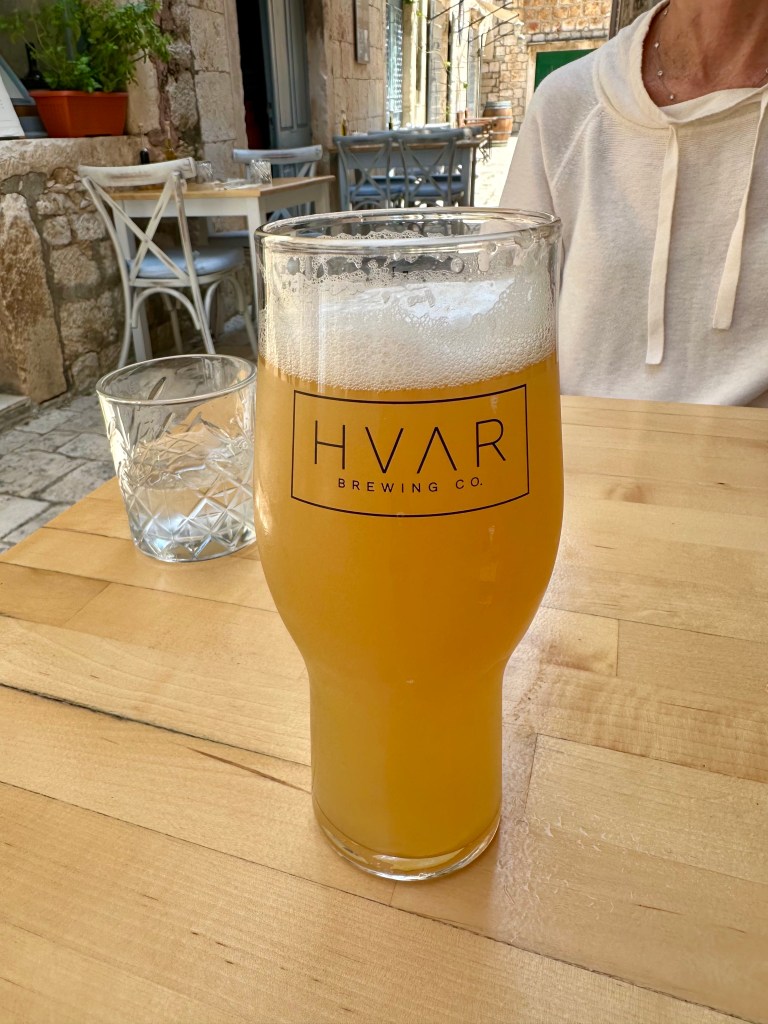
The island still captivated us in 2025, but it definitely exuded a clubbier, 20-something vibe that wasn’t nearly as idyllic as during our first stay.
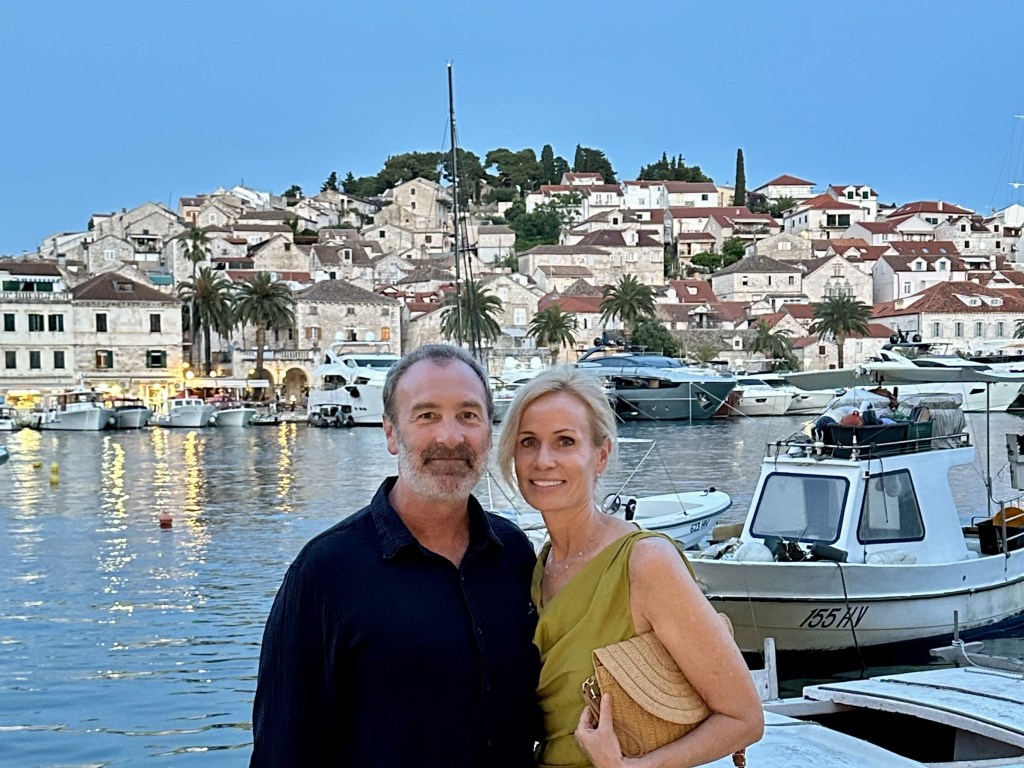
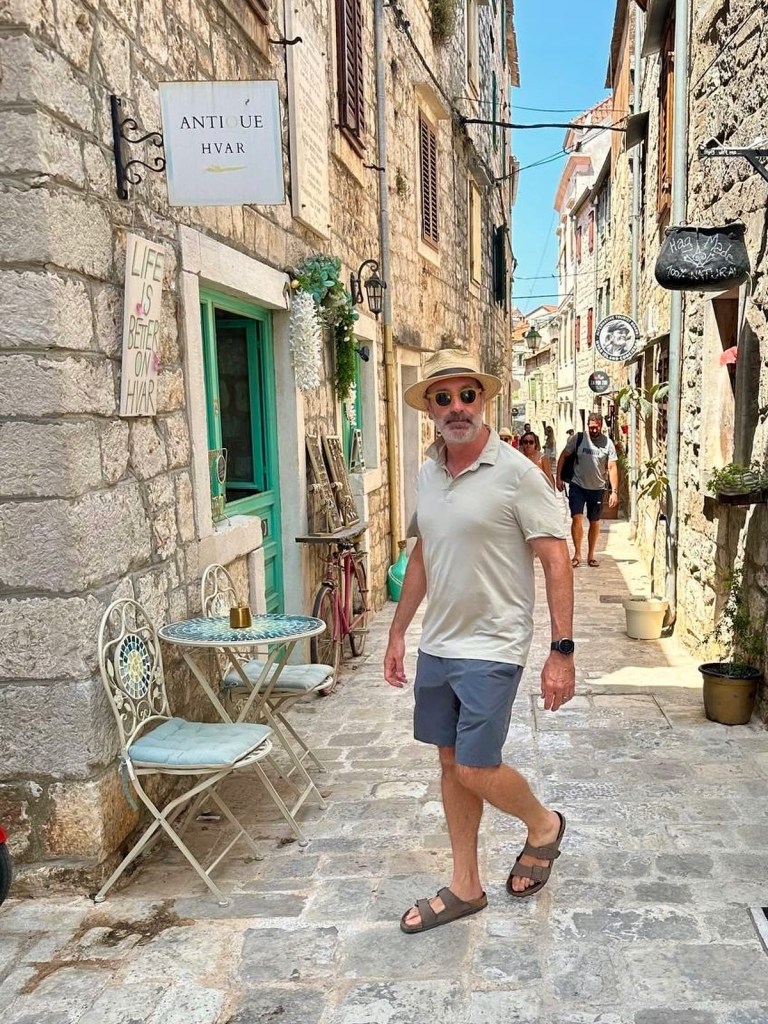
But it still had our favorite features – the historic port of the Venetian empire, always full of incredible yachts,
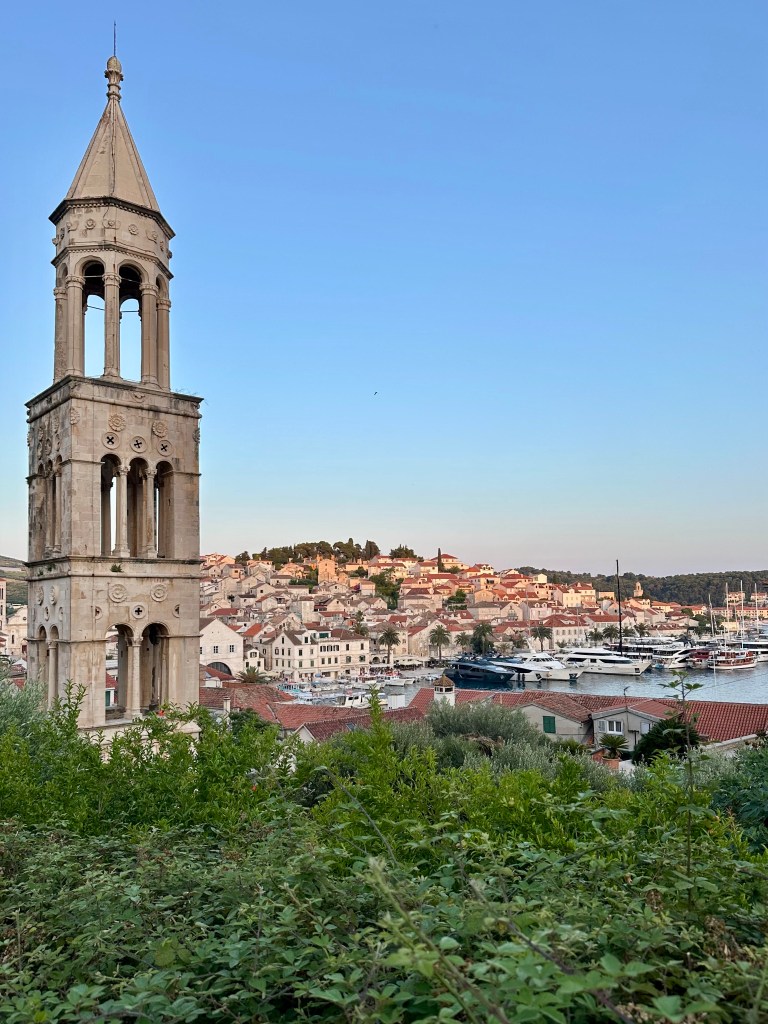
Super low-key atmosphere on the nearby Palmazini Islands,
and awesome, al fresco dining every night,
including one night at Dalmatino, one of the Boston Connell’s recommendations from their recent trip.
A little field trip one day to Hvar’s other town, Stari Grad, which turned out to be incredibly charming and atmospheric (and with no herds of 20 somethings around to degrade the vibe).
Very cool beach club at the foot of the hill below our AirBnB that we frequented two of the days of our stay.
Last night in Hvar before moving on.
Croatia – the Coast
To spend 4 days in Split, via the last of the five ferry rides of the trip.
Split began as the Roman Emperor Diocletian’s Palace, built around 305 AD as his retirement residence, and grew into a bustling medieval town after refugees from the fallen city of Salona (which we would visit) settled within its walls, eventually evolving into Croatia’s second-largest city.
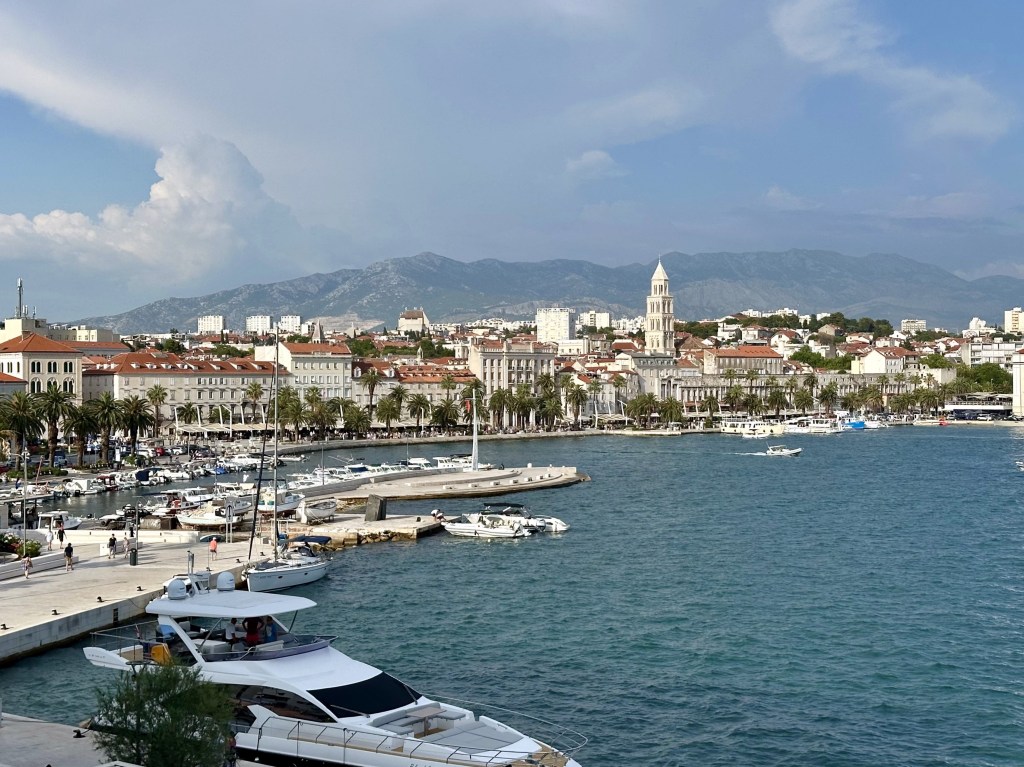
Split’s iconic Riva between Diocletian’s palace and the harbor – as appealing now as it was to us in 2008.
And the main square of the palace itself.
After AirBnBs on all of the Croatian islands so far, finally a hotel in Split (with a pretty cool setting, to boot).
A hot day trip to Klis Fortress, high above Split.
The fortress has served as a strategic stronghold since Illyrian times, famously defending Croatia against Ottoman invasions in the 16th century and later passing through Venetian, Napoleonic, and Austrian hands.
And another field trip to the ruins of the Roman city of Salona, once the flourishing capital of Roman Dalmatia with over 60,000 inhabitants.
The city was destroyed by invading Avars and Slavs in the 7th century, prompting its surviving residents to flee to the nearby coastal refuge of Diocletian’s Palace—laying the foundations of modern-day Split.
Yet another excursion from Split – this time to the incredibly charming Trogir just north of Split on the Dalmatian coast.
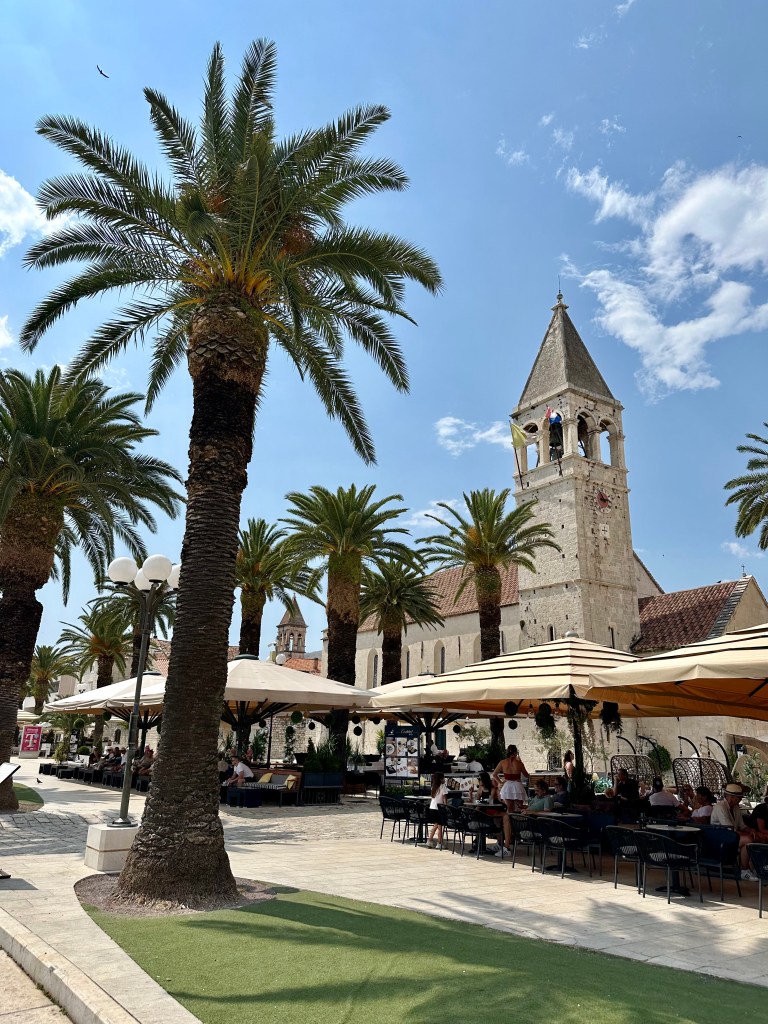
Trogir was founded by Greek settlers from Vis in the 3rd century BC and thrived under Roman, Venetian, and other rulers as a fortified port town, preserving a remarkable blend of medieval, Renaissance, and Baroque architecture that earned it UNESCO World Heritage status.
Sporting its own little Riva, Trogir struck us as Split’s Mini Me.
A final field trip from Split to the island of Brač (which is actually closer to Hvar, but we didn’t act on our original plan to visit it from there because the boat left Hvar way too early for us). Oh, and more little fried fish!
The Dalmatian islands and coast were pretty hard to beat – everything we were looking for.
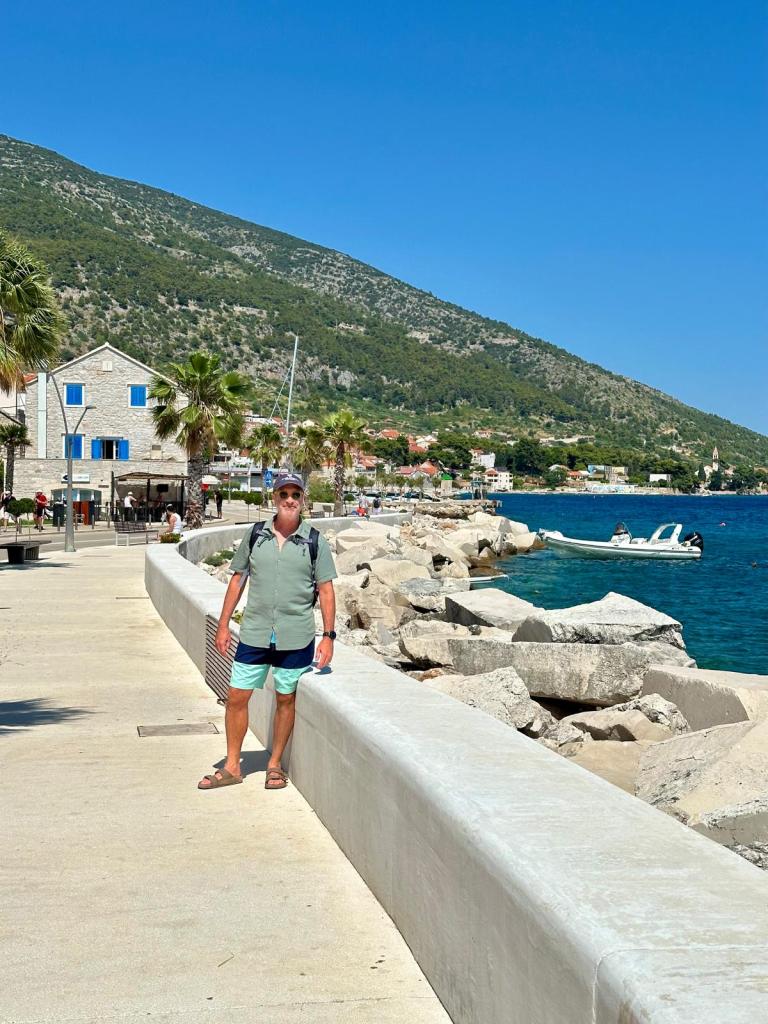
But we had to end our stay in Split and move on.
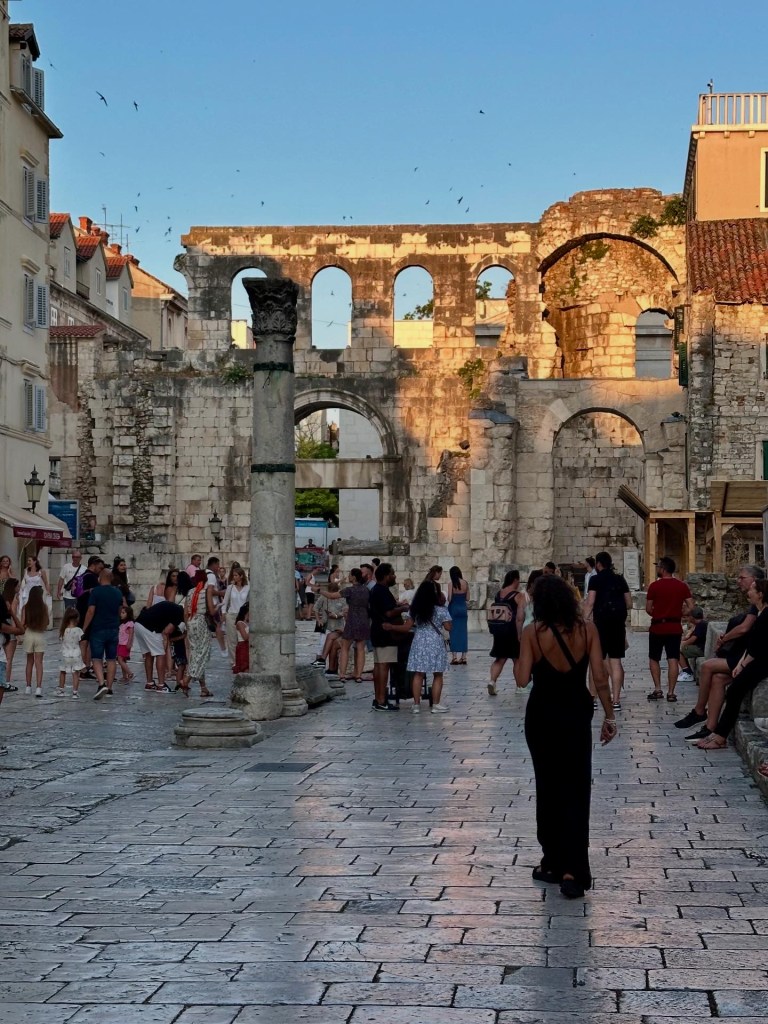
Cool free concert in Diocletian’s palace on the way home:
We continued to drive north, this time to Zadar – another Venetian masterpiece – where we’d spend another 3 days. Zadar, a settlement since prehistoric times, became a Roman colony in the 1st century BC and later a prominent medieval Dalmatian port, enduring Byzantine, Venetian, and Austro-Hungarian rule before joining modern Croatia.
Zadar’s Venetian Gate, built in 1543 during Venetian rule, which once served as the city’s grand entrance and a symbol of its strategic maritime importance.
The 10th century Basilica of St. Donatus built on the ruins of a Roman temple of Jupiter and Minerva.
The Five Wells Square, built in the 16th century, was engineered to provide the city with fresh water during Ottoman sieges and remains a testament to Zadar’s resilience:
The highlight of our stay was an all-day boat excursion that began with a visit to a ridiculously cool, Bond-villain-esque, abandoned Yugoslavian nuclear sub pen:
And then proceeded to swimming and snorkeling spots along the islands off the coast, including snorkeling on a freighter wreck. Throughout the trip and including here off Zadar, the Adriatic was spectacular.
We then continued to drive north along the coast to Krk, a Croatian island perennially in search of its missing vowel. (A massive bridge connects the island to the mainland, so no ferries needed, and Krk does not get counted among the Croatian islands category addressed previously.)
The Frankopan Castle in Krk, built between the 12th and 15th centuries by the powerful Frankopan noble family, served as both their residence and a defensive stronghold protecting the island’s main town.
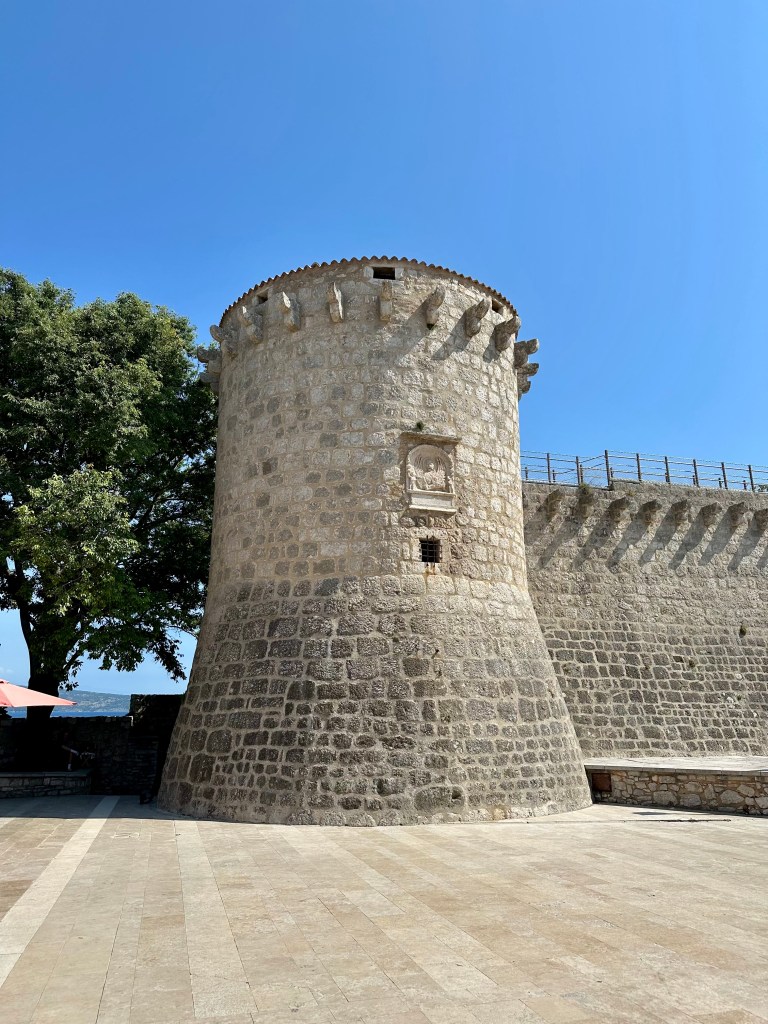
Krk harbor:
Pretty cool view from the AirBnB.
A view surpassed by that of our next lodging at our last stop in Croatia: Rovinj.
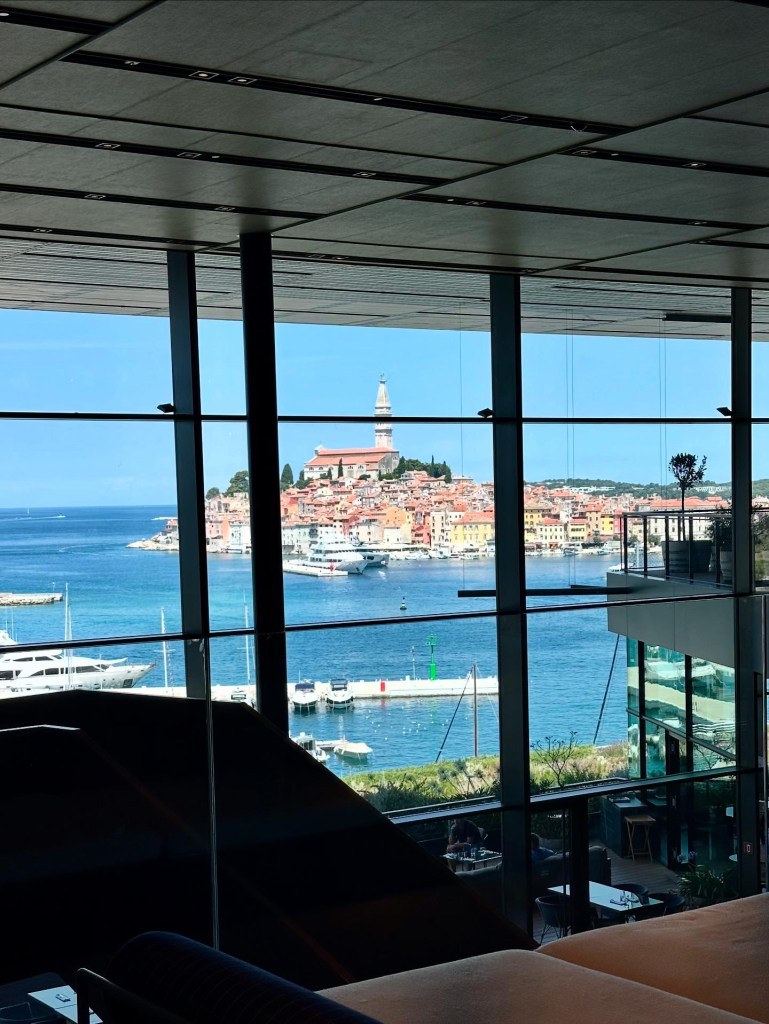
During our visit to Rovinj in 2008, we stayed inside the historic Venetian old town. This time, we stayed across the harbor so we had a view.
Pretty good decision.
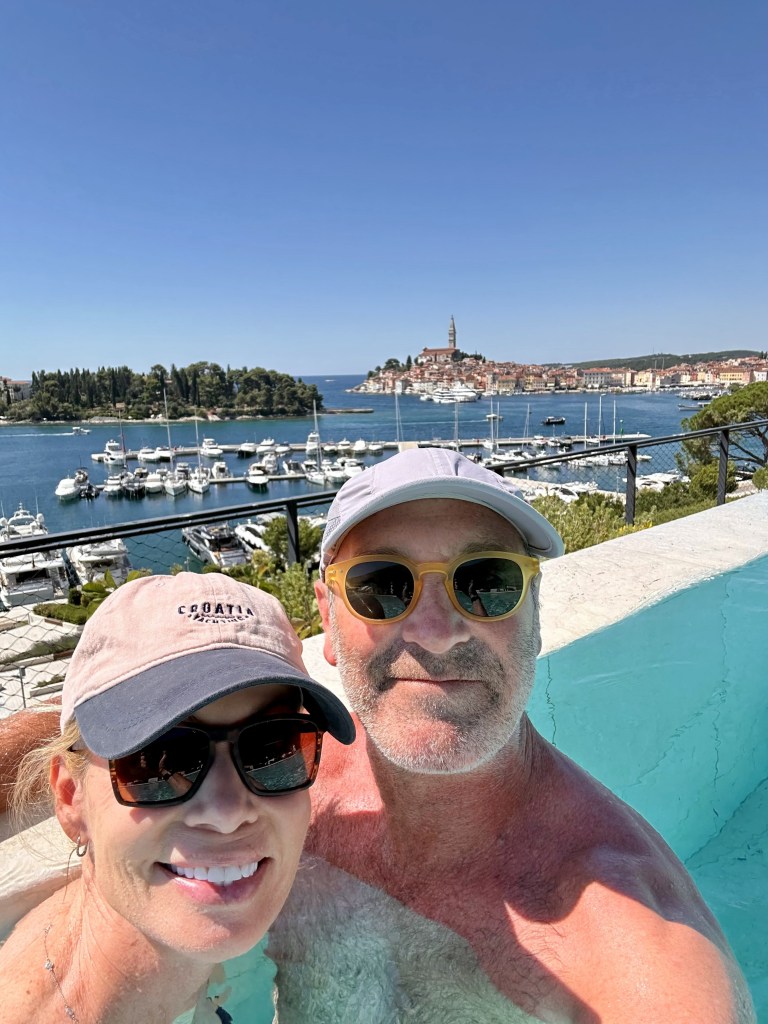
Rovinj evolved from a Roman settlement to a Venetian fishing village in the 13th century, and developed into a charming Adriatic coastal town known for its medieval architecture and vibrant maritime heritage.
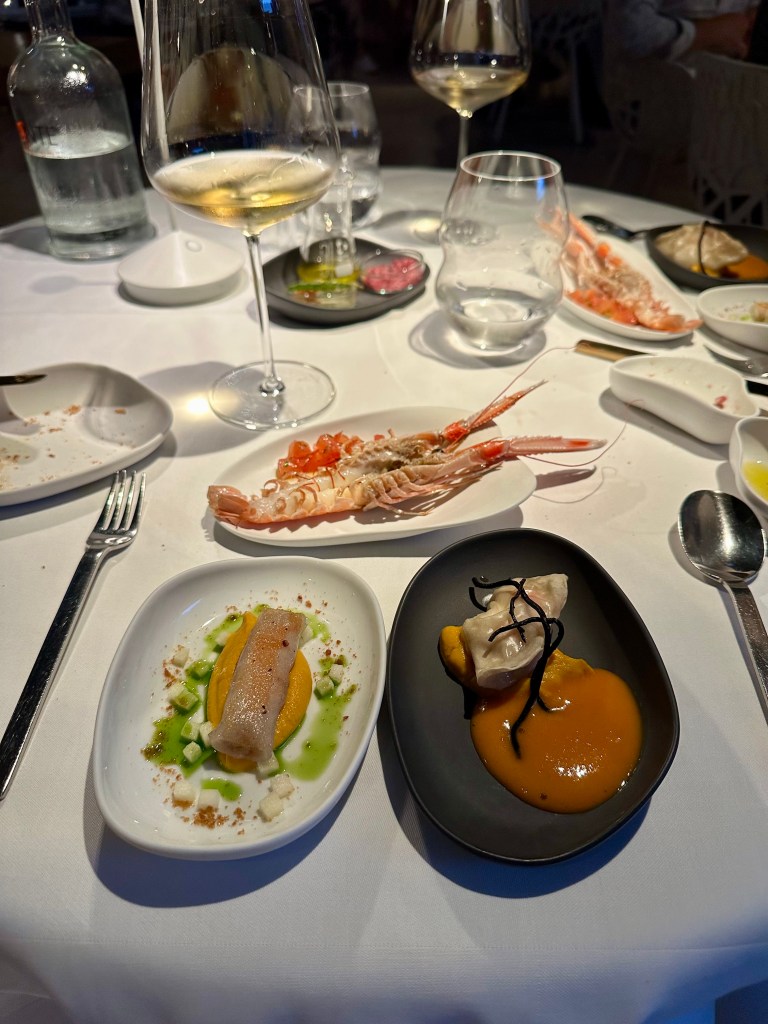
Second Michelin dining experience of the trip in the middle of Rovinj’s old town
Field trip to medieval hamlet of Bale. . .
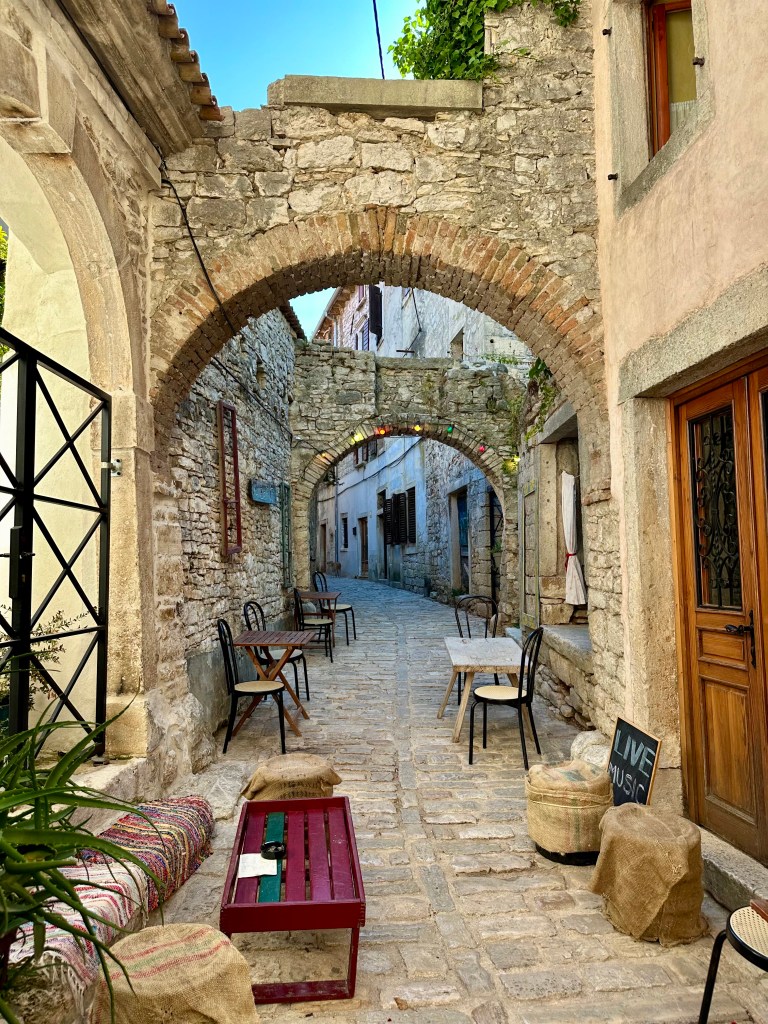
and the ruins of the medieval town of Dvigrad.
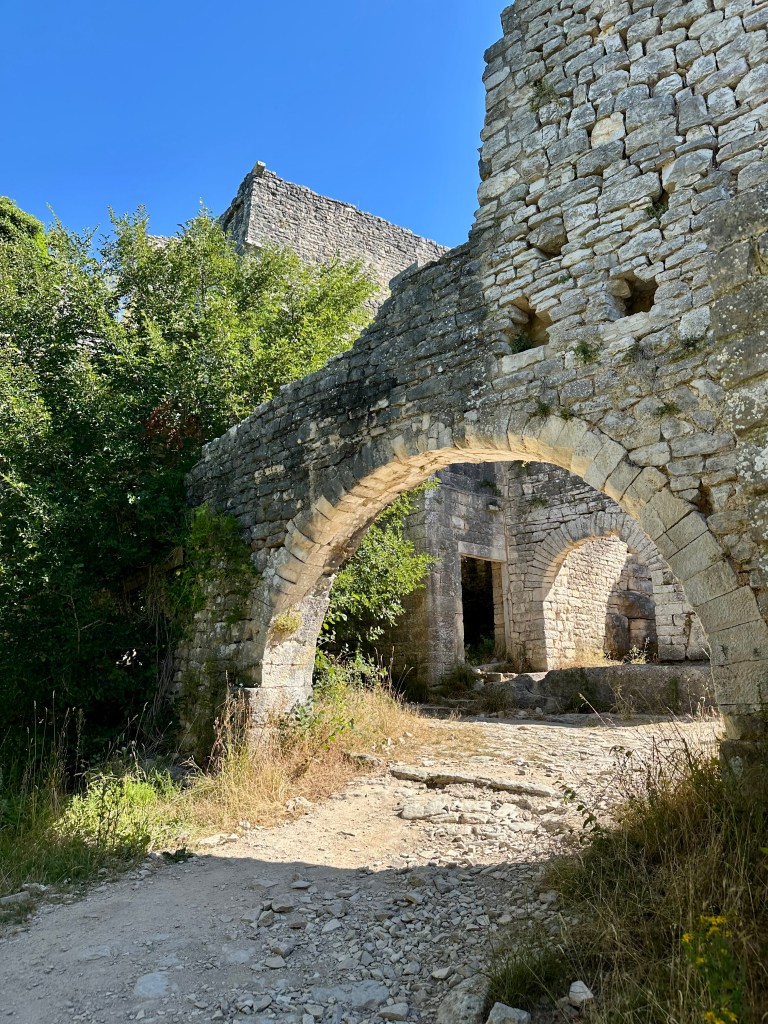
Last evening in Rovinj.
and last sunset at La Puntulina, where we had enjoyed our favorite dinner in 2008.
Dolomites
After 4 days in Rovinj (and 25 days in Croatia), we drove north to finally cross the border into Italy and the Dolomites – the second major segment of this trip (combined with South Tyrol). Our goal in the mountains was to experience the iconic hikes we kept seeing on Instagram, and so we based ourselves in towns with easy access to the trailheads of these hikes.
We stayed first in Cortina d’Amprezzo, which will co-host with Milan the 2026 Winter Olympics.
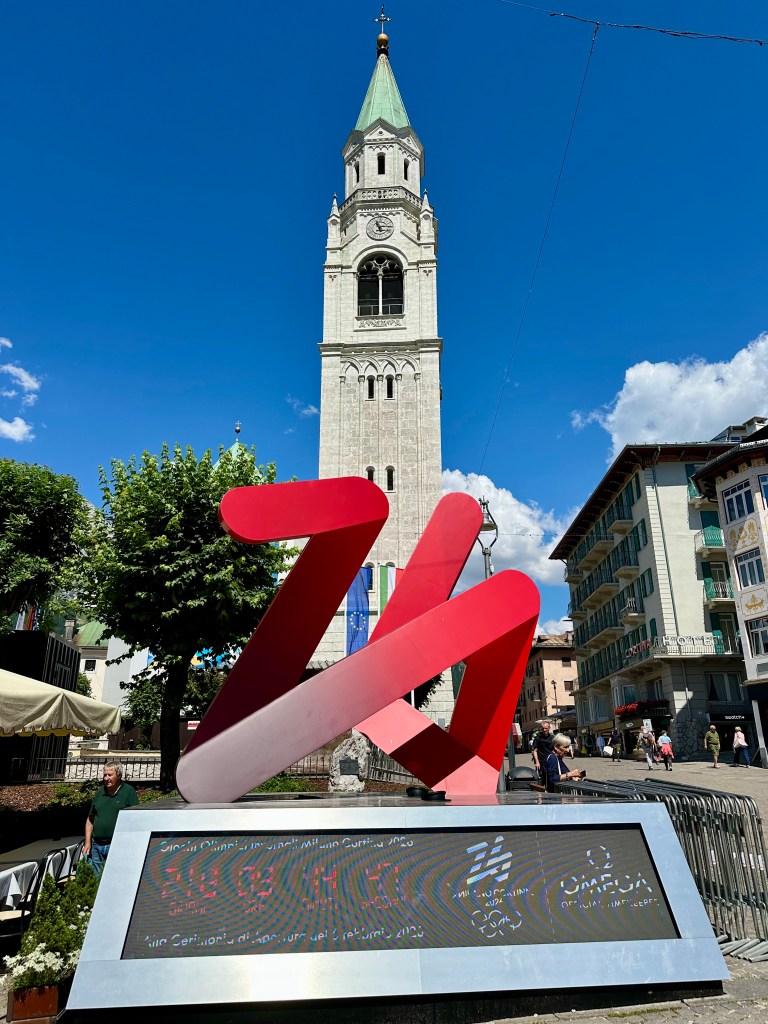
The next day, we hit the trails, first up was the out-and-back hike to Lago di Sorapis:
The day started out perfectly (then we’d get absolutely drenched in a downpour during the last 1.5 miles of the hike on the way back).
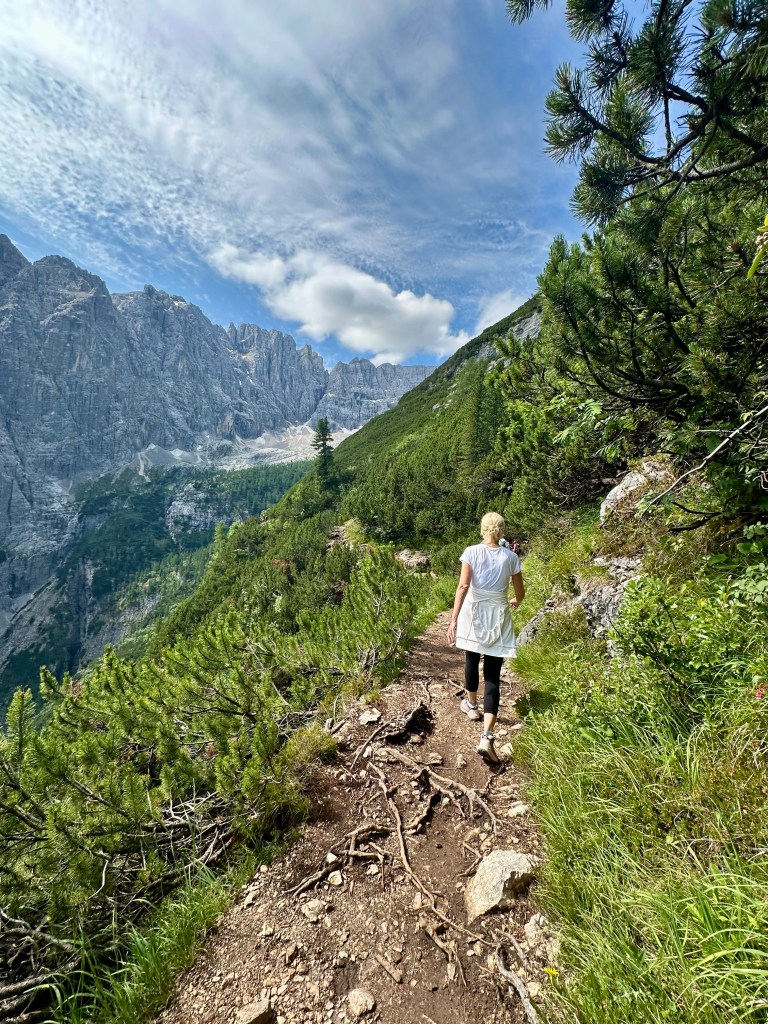
The lago at the apex of the hike was, indeed, pretty spectacular (although crawling with skeevy Instagrammers posing up a storm, which we took great pains to avoid including in our pics).
Then, thoroughly soaked from the rainstorm and while still drying off in the car, we drove about 45 minutes to Lago di Braies, another reportedly iconic experience in the Dolomites. The lake was spectacular, but it was pretty touristy. That didn’t stop us from doing the touristy thing and renting a boat to row across and around the emerald lake.
The next day, we first took three gondolas to reach the Cima Tofana di Mezzo, 10,573 feet above Cortina d’Ampezzo and above the clouds.
Where we encountered snow in July (and a reminder of why we ultimately chose to bring boots to hike in instead of our regular trip shoes – a choice we were surprisingly torn over, which seems absurd in retrospect).
Then, we hit the Tre Cime loop hike, easily the hottest hike of the trip.
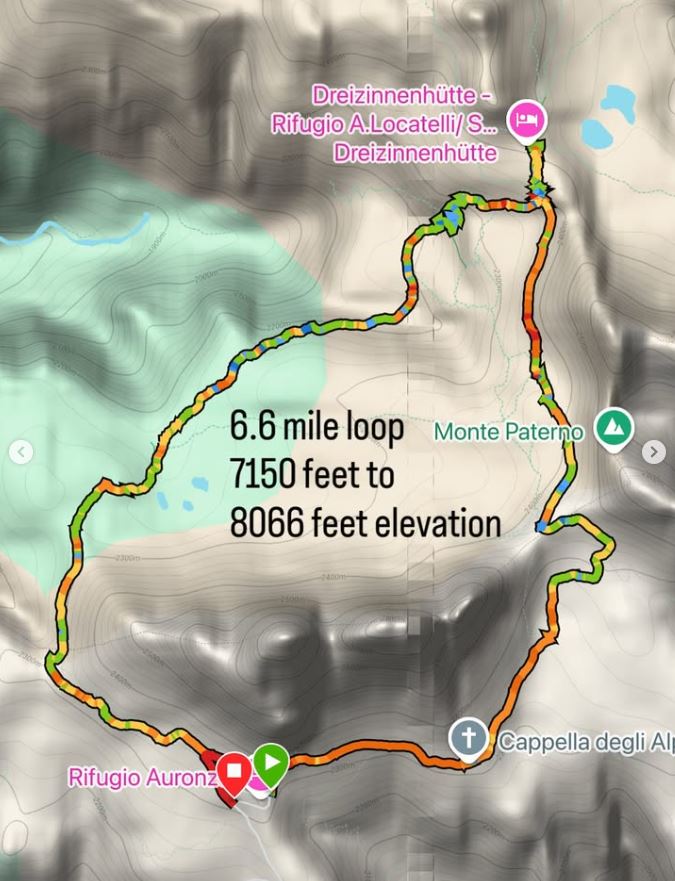
Tre Cime = Three Peaks:
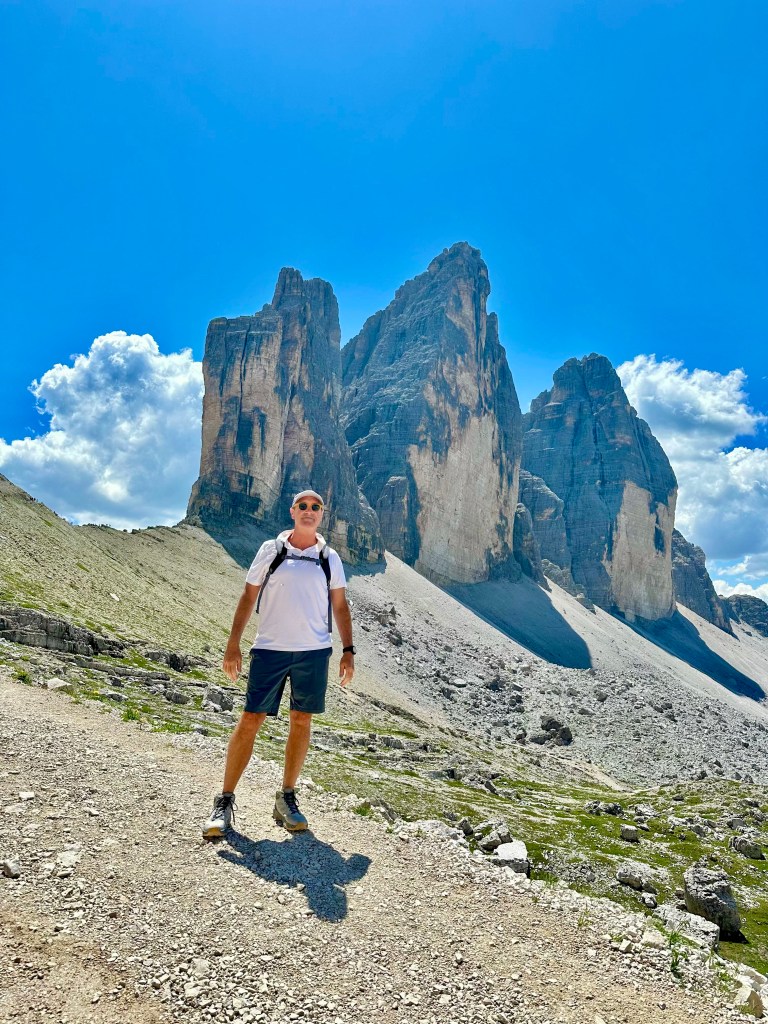
After 3 days in Cortina, we headed west over some pretty incredible mountain passes to reach what turned out to be our other favorite spot on the trip: Ortisei.
And a new language for WolfeStreetTravel upon reaching it: Ladin. For years, our favorite obscure European language was the fourth official language of Switzerland, Romansch, which, tradition holds, resulted from the abandonment and isolation of Roman legions in Helvetica when the Western Roman Empire petered out. But in Ortisei we encountered Ladin (the first language on the trilingual sign below).
Like Romansch in the Alps, Ladin is living evidence of Roman history in the Dolomites. Its origins trace back to the Romanization of the Central and Eastern Alps. When the Romans conquered the region (1st century BC–1st century AD), Latin mixed with the local Raetian and Celtic languages spoken by the mountain tribes. Over centuries, this “vulgar Latin” evolved in the isolated Alpine valleys, diverging from mainstream Italian, French, and standard Romansh. The term Ladin historically referred to the word Latinus (Latin), underlining its Roman roots. Today Ladin survives in five main valleys in the Dolomites – including Val Gardena, where Ortisei is located – which are naturally secluded by mountains. Until modern roads and tunnels, each valley was quite cut off, preserving dialects and traditions.
And Ortisei itself was super charming (and way more German Tyrolean than Italian).
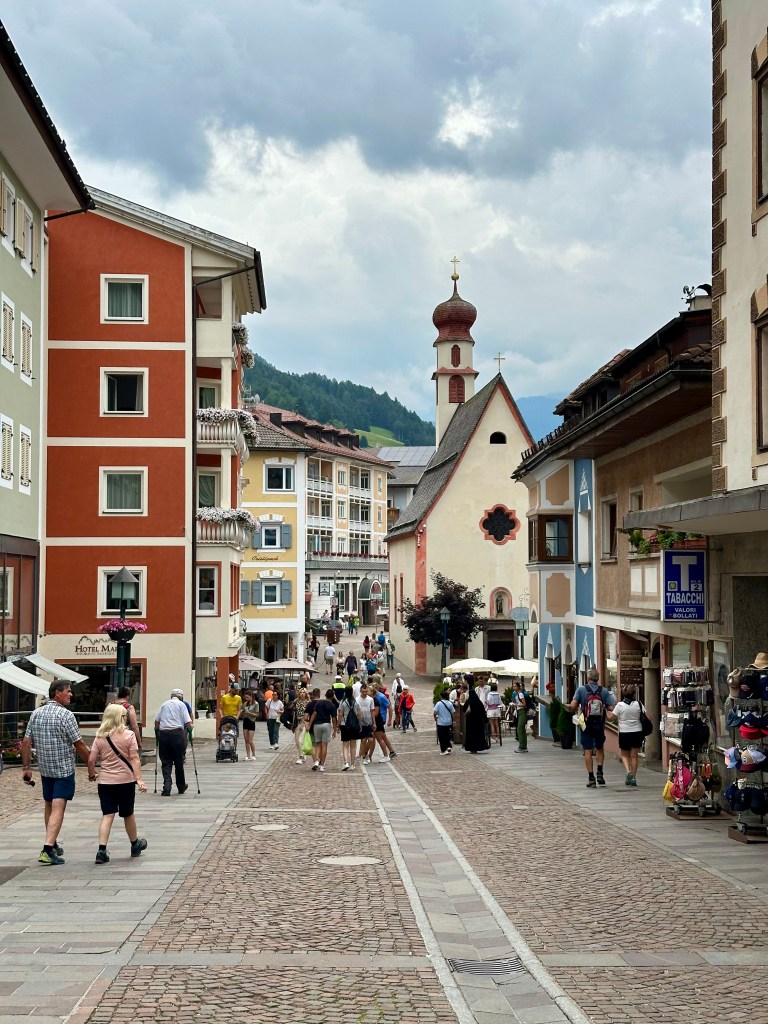
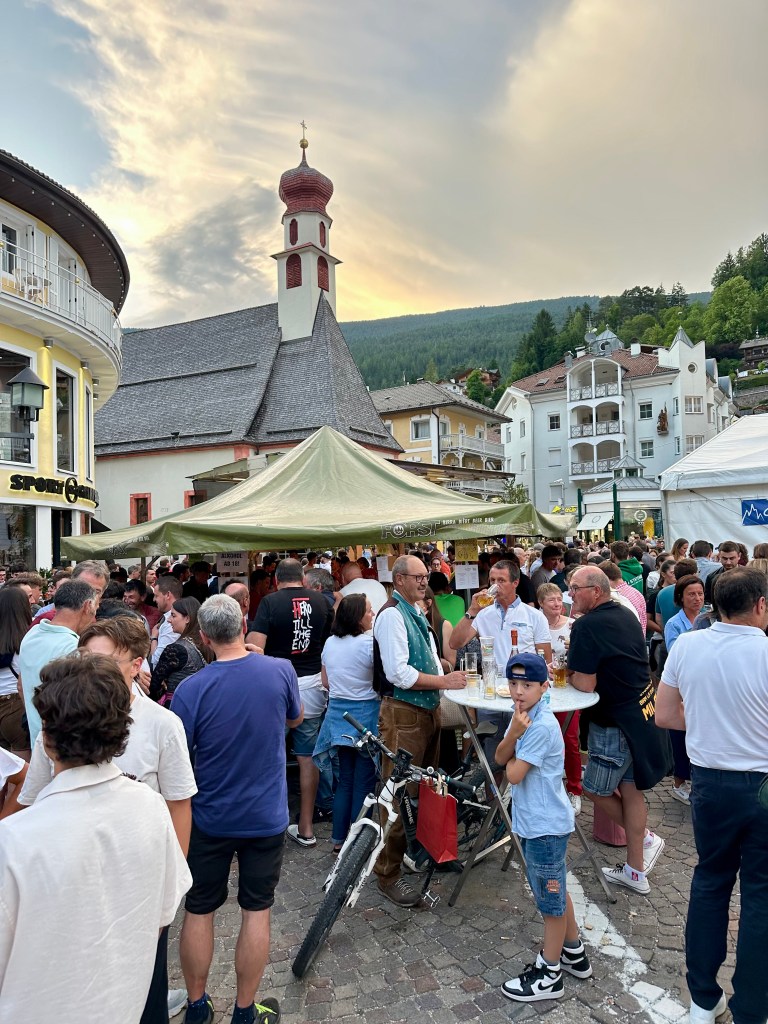
Including a decent smattering of lederhosen at the town’s beer festival.
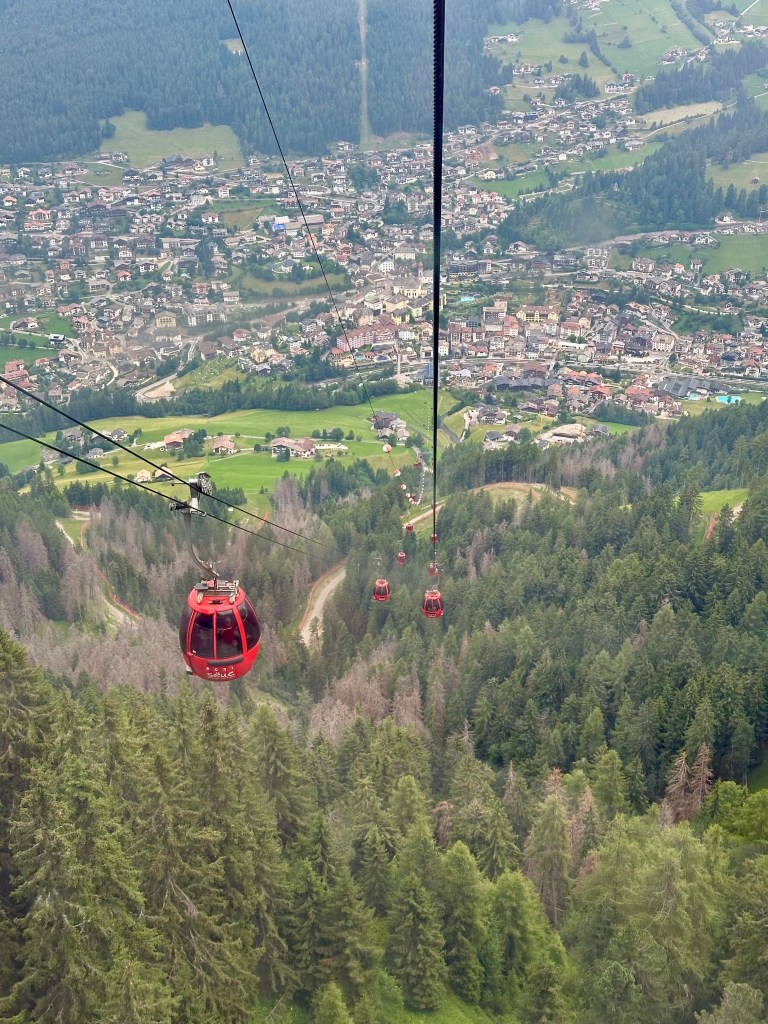
Also, instead of driving to each of the trail heads like in Cortina, all three of the major hikes out of Ortisei were accessible just by walking down the street to three different gondolas. Way more civilized.
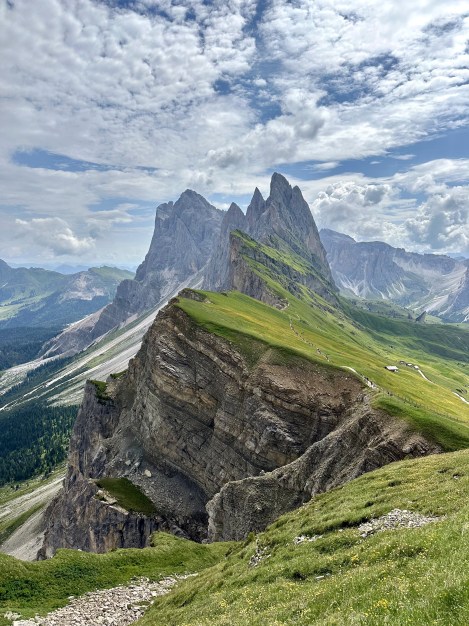
Just as Ortisei became our favorite town in this leg of the trip, our first hike out of Ortisei turned out to be the most spectacular of the trip: Seceda.
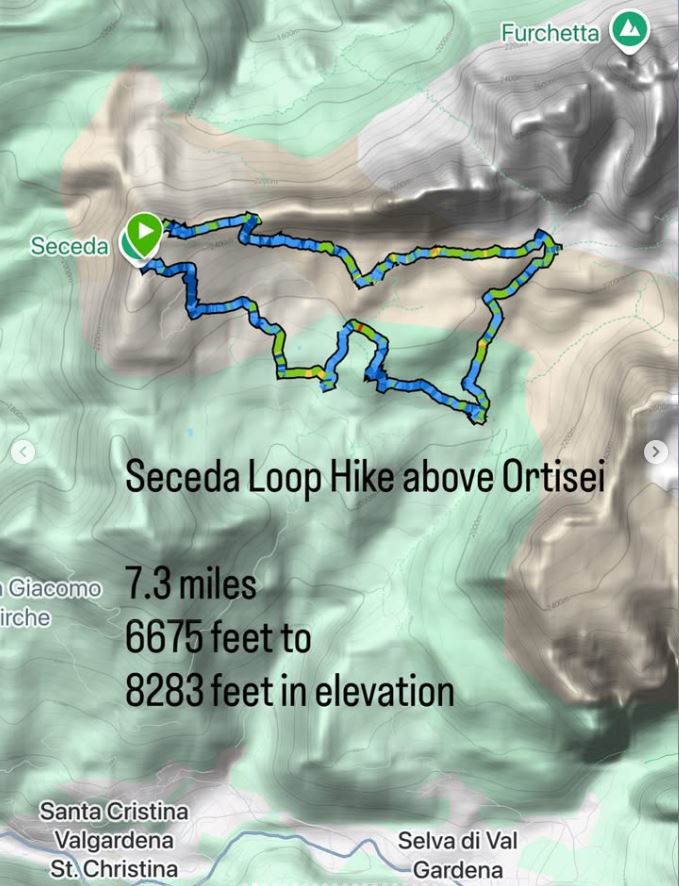
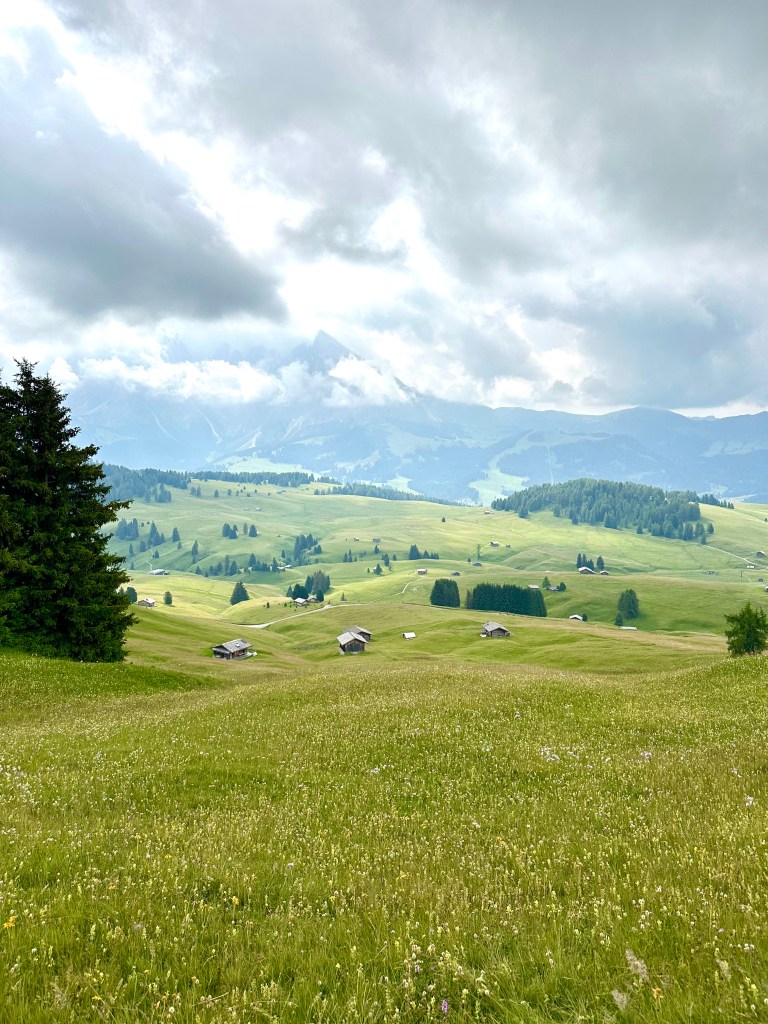
Our next hike across the Alpi du Siusi was the most boring. . .
Meh.
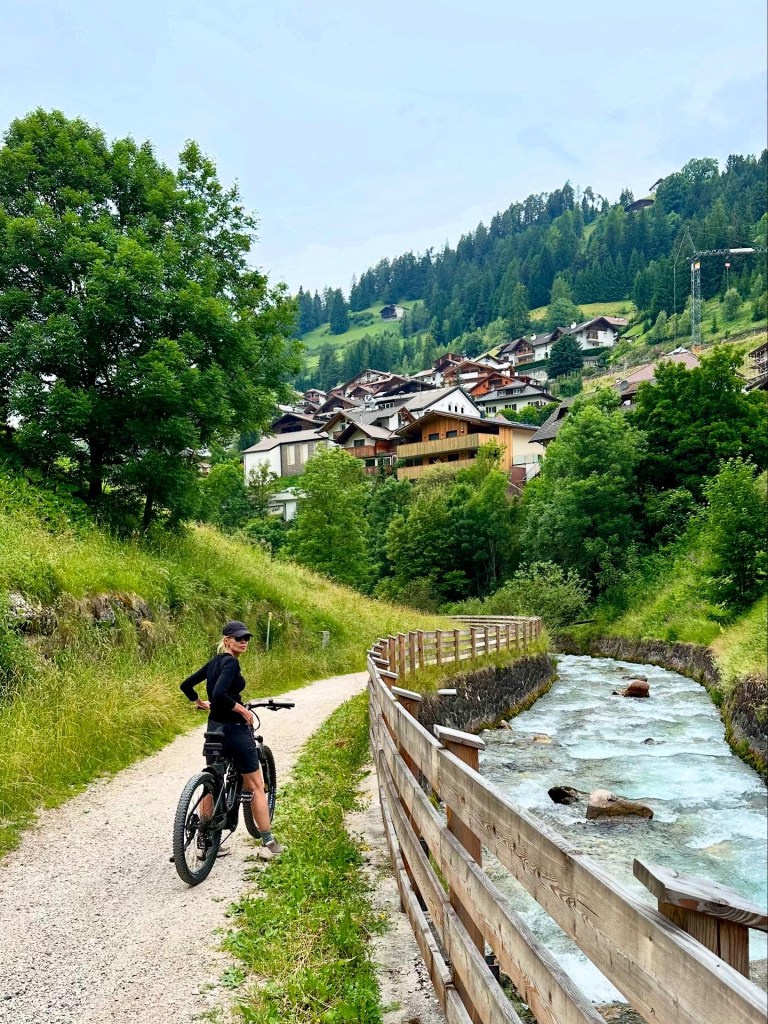
So we headed back down into town, rented bikes, and rode along a cool bike path that followed the bottom of the valley to each of the towns in the area.
But we were rewarded with our third Michelin dinner of the trip that evening:
Our final hike should have been much longer, but we hightailed it back when we were not only caught in another deluge, but also hail. In July.
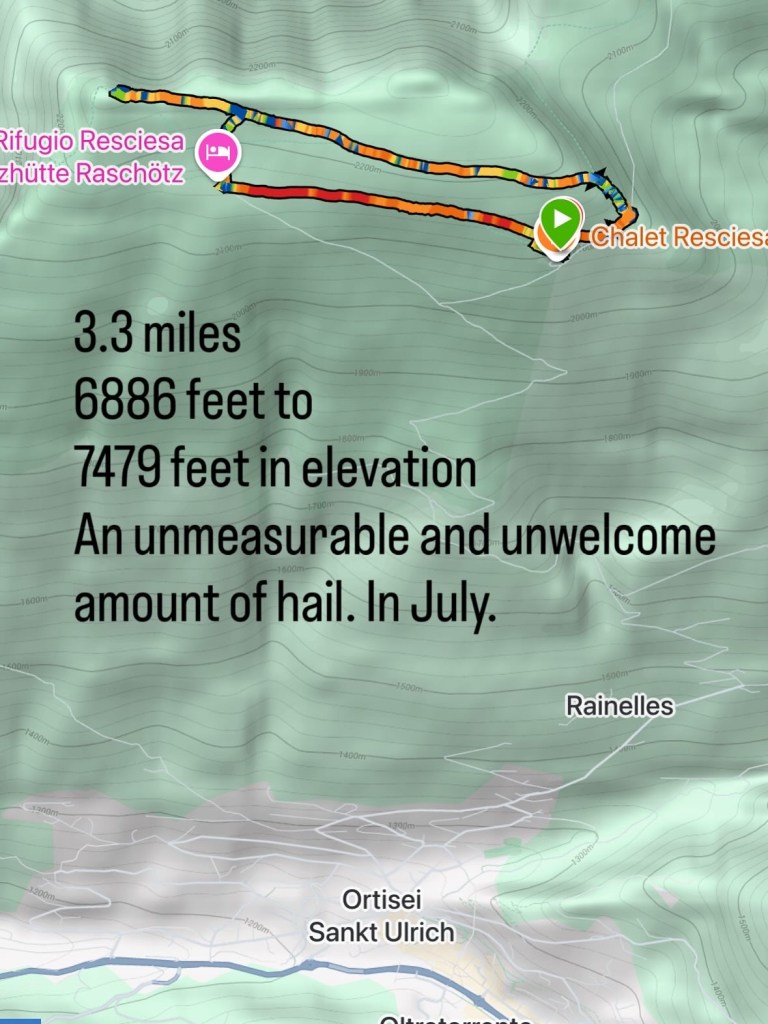
Absolutely insane, but also hilariously unexpected, as clearly articulated in this video on the cliff:
South Tyrol
From Ortisei we veered a little northwest to Plose Mountain in the South Tyrol and our epic stay at a hotel that our safari friends recommended to us:
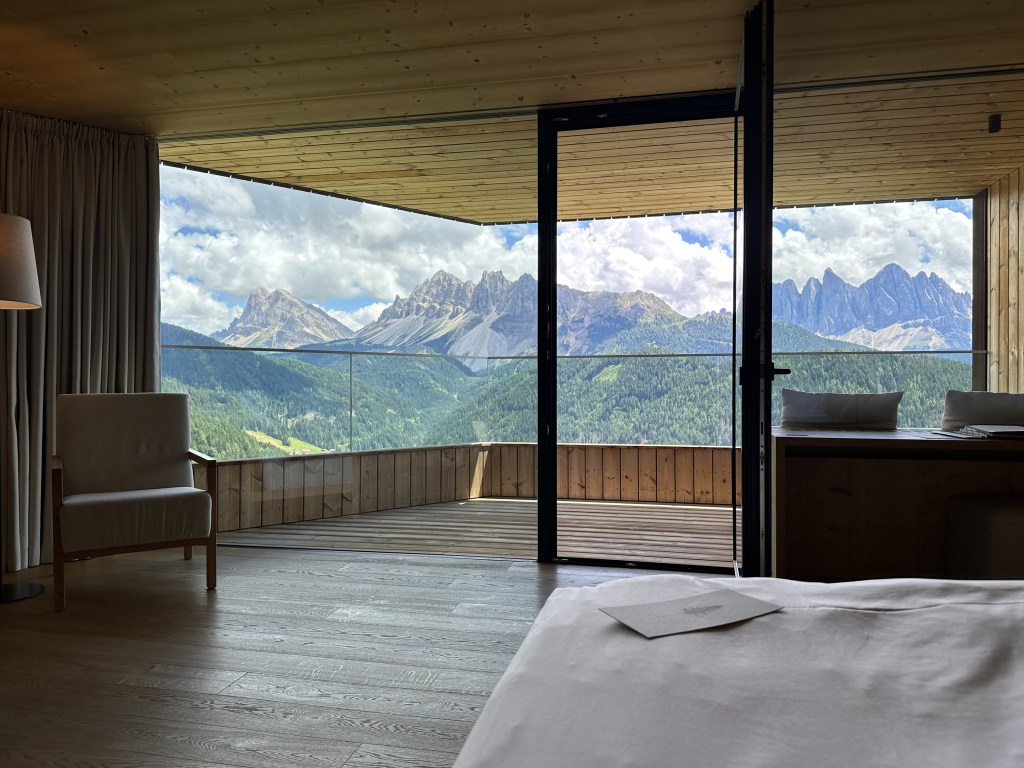
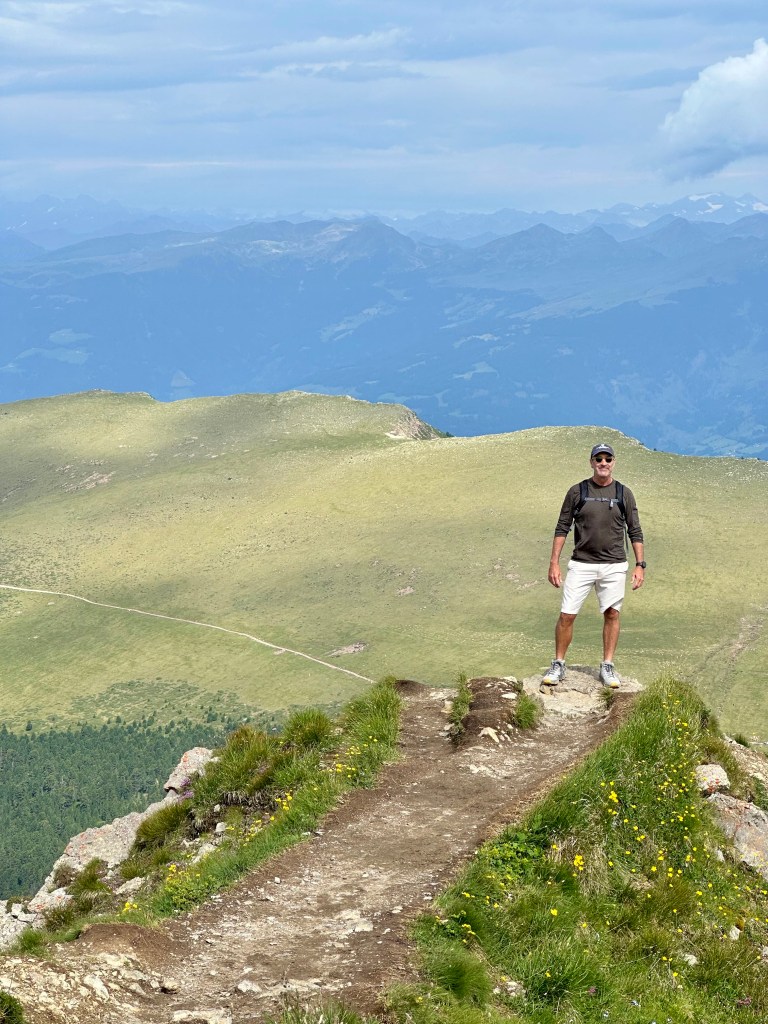
Third favorite hike of the trip – Plose Mountain, Part Uno (or maybe Part Eins, considering that in the Italian South Tyrol, they’re still all German-speaking Austrians in a region that was transferred from the Austro-Hungarian Empire to Italy after WW I).
The next day, back up we went – Plose Mountain Part Due / Part Zvei, where we climbed to the peak itself, after hitting the other two peaks nearby on the first hike. Second favorite hike of the trip, even though it hailed on us at the end of the trek – AGAIN!
It was also 42 degrees at the top – lowest temperature of the trip.
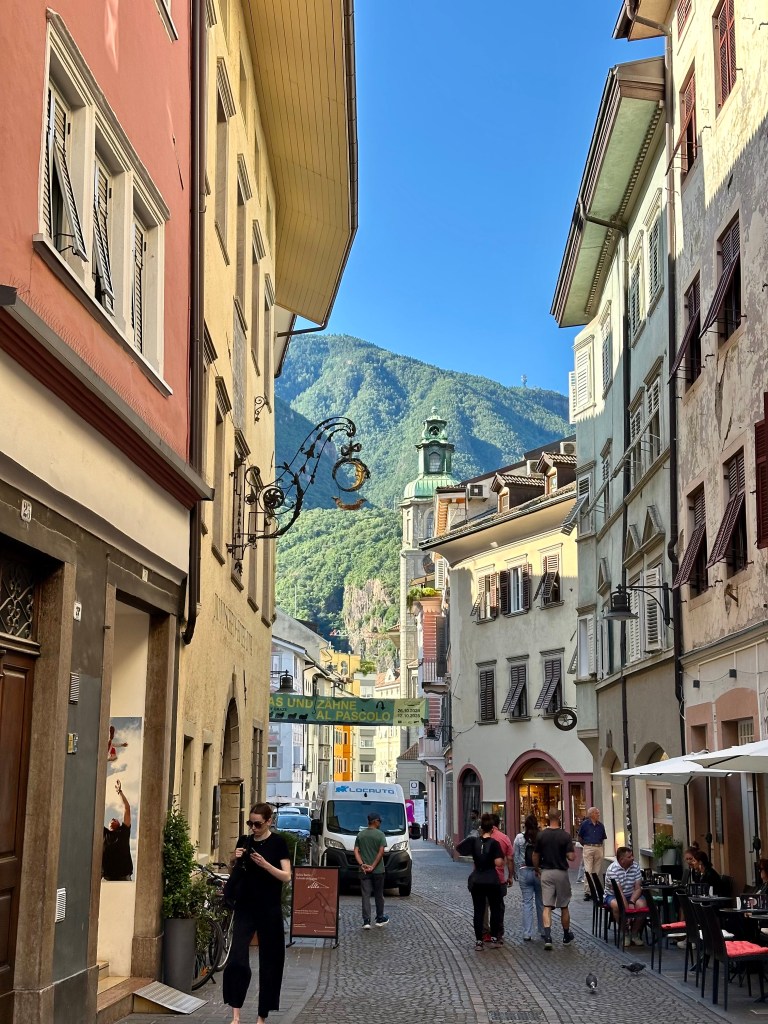
Then, a quick stopover for a night in South Tyrol’s capital of Bolzano.
Another cool perch at our place perched 4035 feet above the town of Merano:
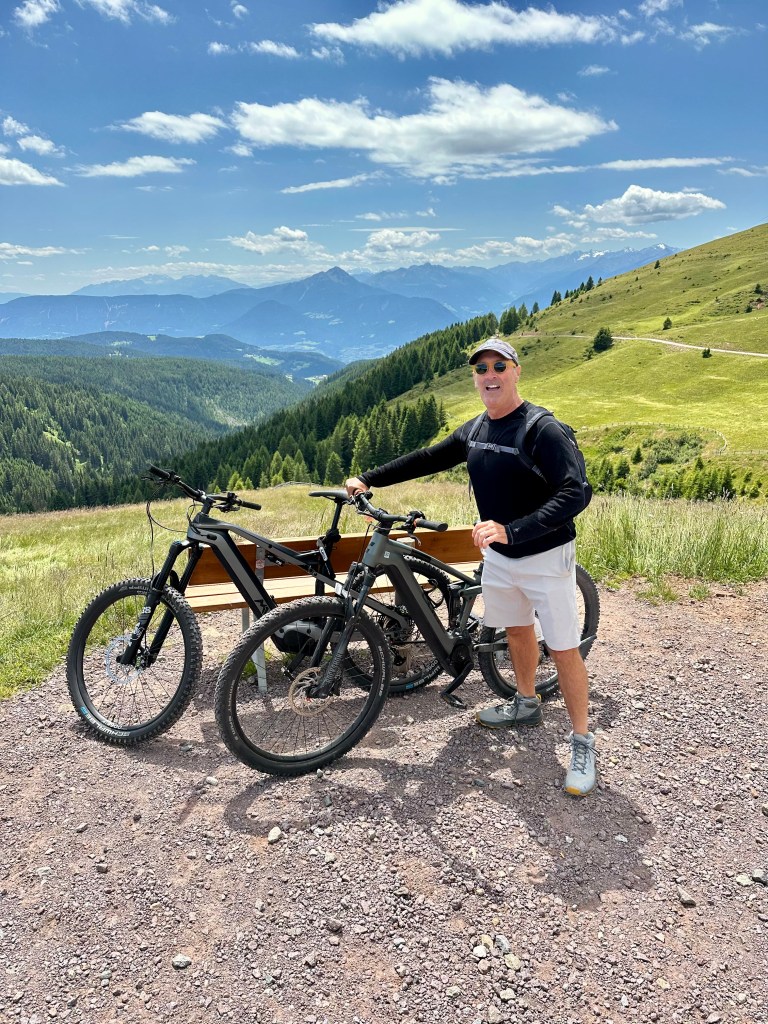
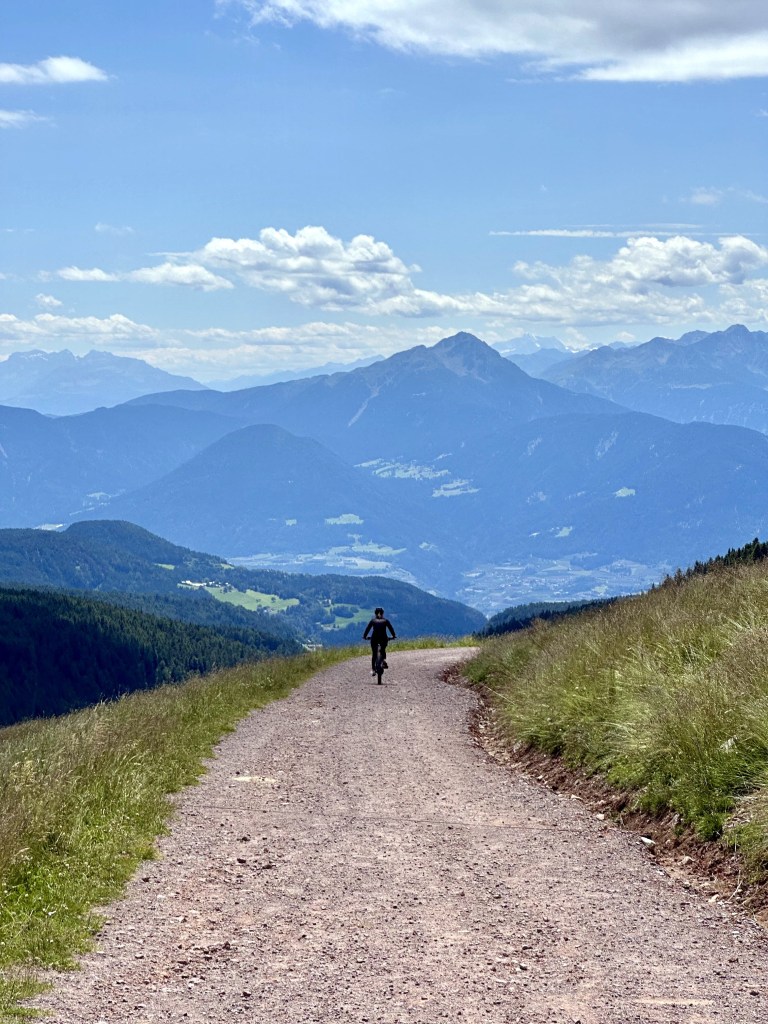
Foregoing our hiking routine, at MiraMonti, we rented bikes to ride up and around the nearby Merano 2000 mountain.
Romantic Road in Bavaria
We spent the last few days of the trip on the Romantic Road, visiting the string of medieval walled towns just over the border in Germany where the clock has stopped some time in the 15th century.
Although not officially on the Romantische Straße, we stopped for a night to revisit Garmisch-Partenkirchen (and to do a bunch of laundry in the AirBnB, since we’d only been in hotels since Rovinj).
The charming Bavarian town we remembered as Garmisch from our earlier trip turned out, in fact, to be Partenkirchen, which was way more interesting.
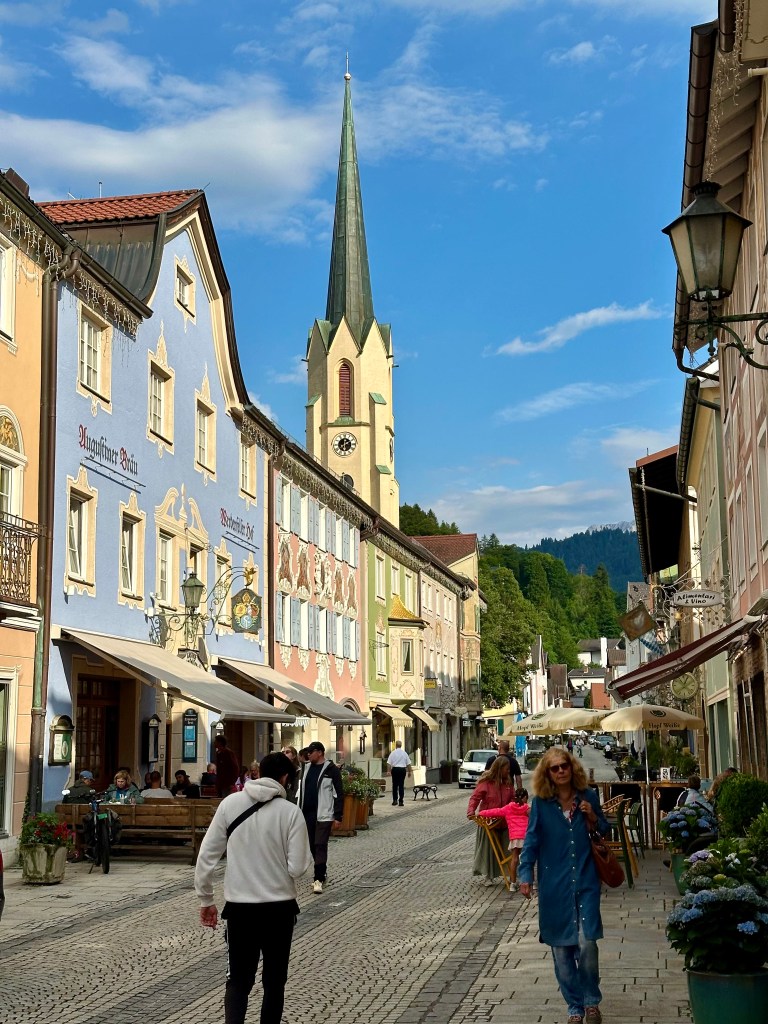
Met some cool locals over lunch and, appropriately, ordered our first schnitzel on this leg of the trip.
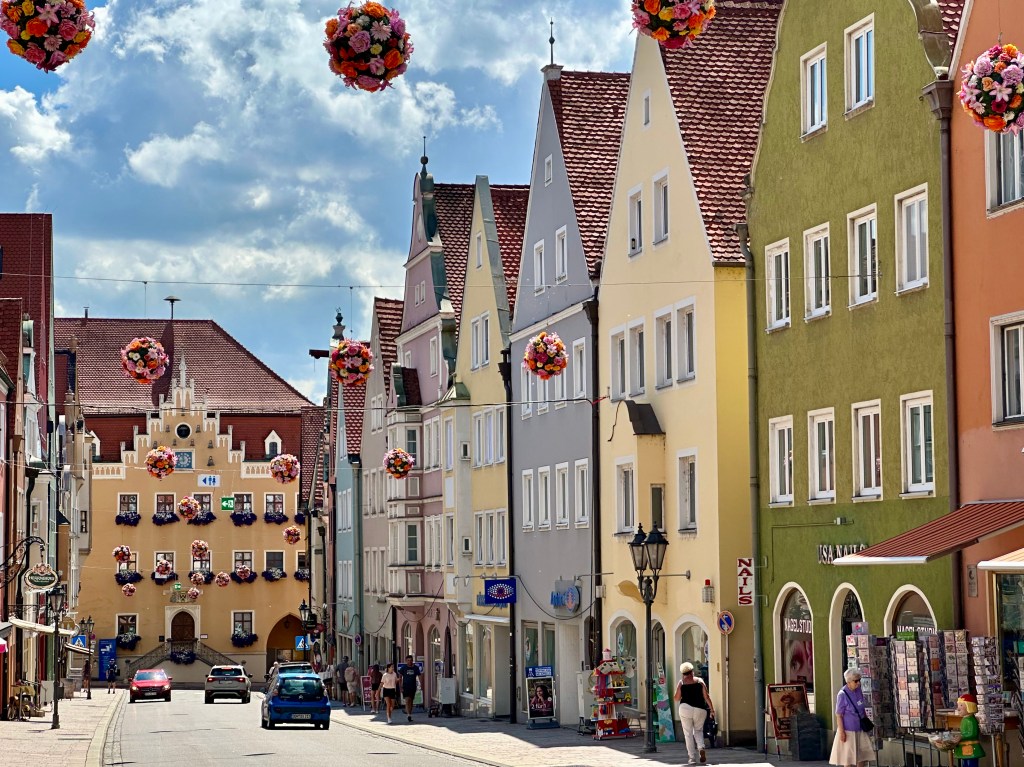
Then, on to Donauwörth,
Harburg Castle,
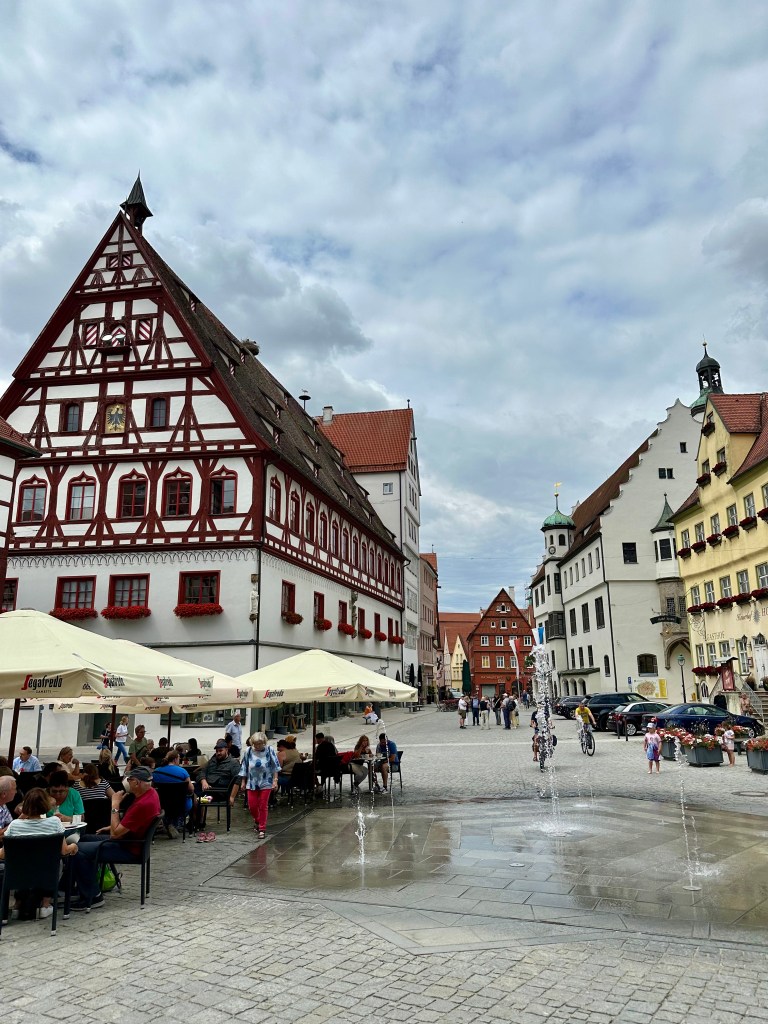
Nördlingen with its entirely intact medieval walls and tors,
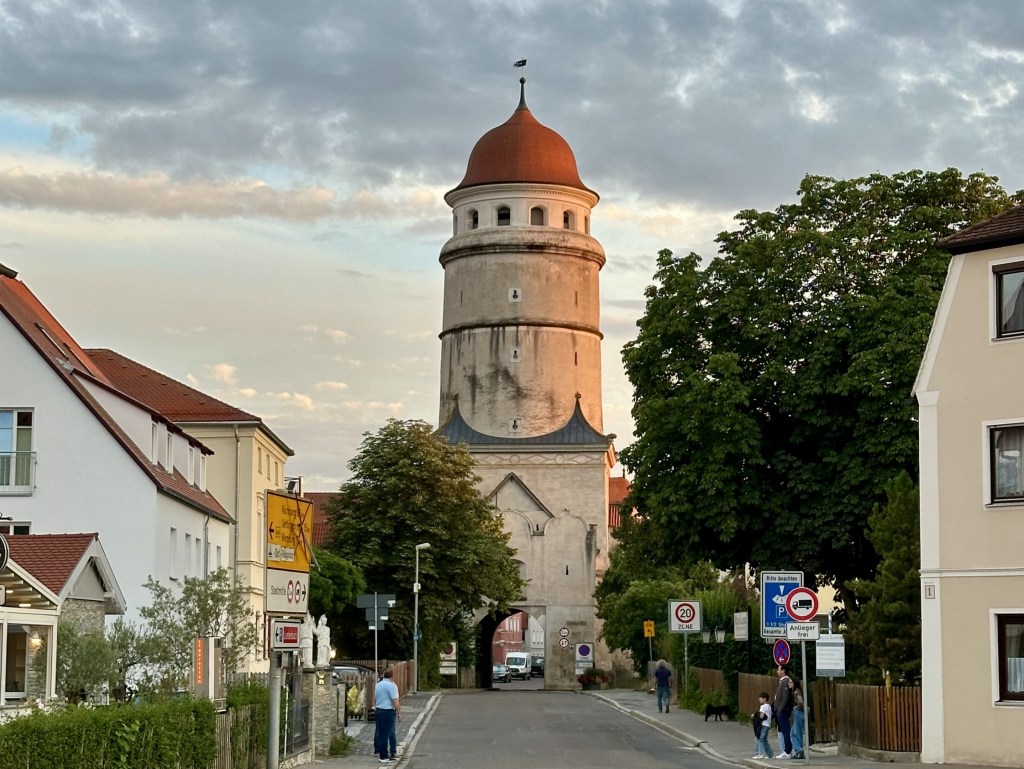
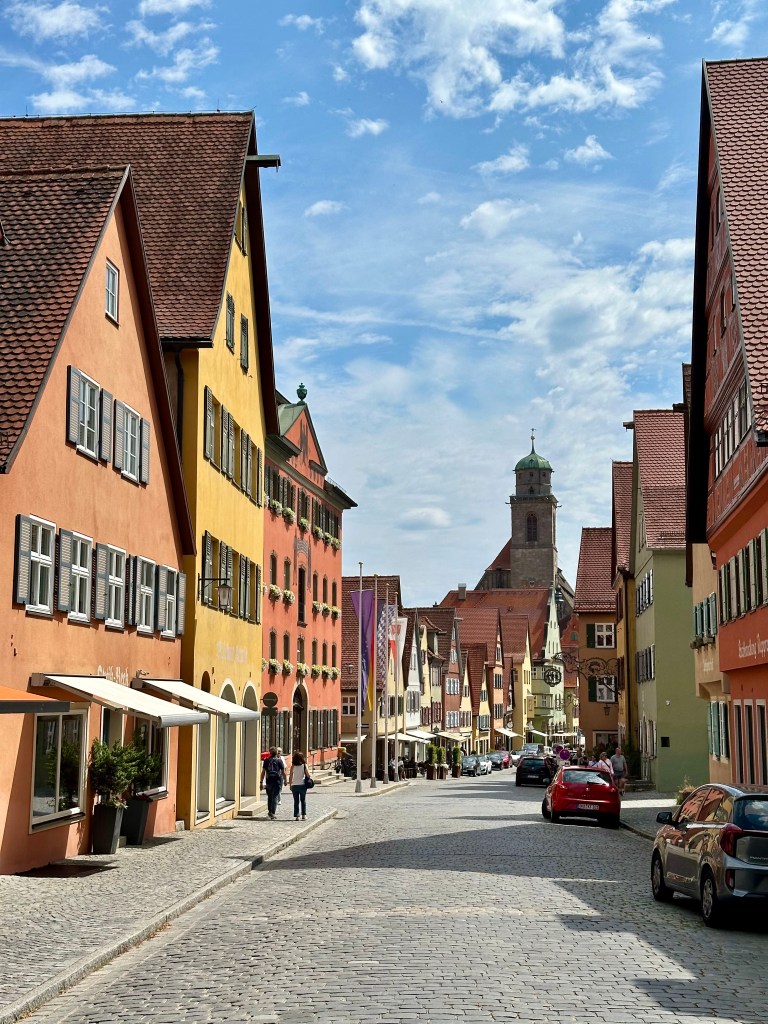
Dinkelsbühl, which we found to be both the most charming and least touristy of them all,
And, of course, the crown jewel of the Romantische Straße, Rothenburg ob der Tauber:
We ended our Romantic Road journey in Würtzburg, which was thoroughly underwhelming. Luckily, one of us has cousins in Germany and luckily one of the cousins has friends in the nearby charming village of Eibelstadt and luckily Eibelstadt was hosting a wine festival that evening. Relatives and wine and friends delightfully solved the Würtzburg problem.
We drove 3 freakin’ hours to Munich the next day to hang out, spend the night, and fly the following morning out of MUC when we should have just headed an hour the other direction from Würtzburg and flown out of FRA. But considering that that was the only major misstep of the trip (there was a minor one in the Dolomites that we’ll cover in a future post), the overall trip was fantastic. Really great pace, in terms of time spent in each location and time on the road between locations.
All told, our latest road trip entailed the following:
After limiting our travel each year for the past several decades to 1- and 2-week trips abroad due to work responsibilities, retirement by the second of the two travelers in 2023 eliminated this constraint. So, we kicked off WolfeStreetTravel’s 2023 journeys with one-way tickets to Italy with no plans to return.
The original vision for this prolonged foray to Europe assumed that we’d have an itinerary and lodging planned for the first week or two, then we’d wing it from there. However, this approach proved to be completely unbearable for the travel-planning arm of the consortium. As a result, our entire itinerary, including all destinations, transportation, and accommodations (and about a half a dozen dinners) were planned for the first 7 weeks of the trip.
We still had no return plans, maintaining fidelity to the spirit of the trip, but we definitely weren’t winging it, either.
The trip, which began on May 5, can be logically sequenced into the following legs:
Italian peninsula road trip (17 days)
Sardinian break (4 days, including overnight ferry to Palermo)
Sicily road trip (18 days)
Malta break (4 days)
Normandy bike trip (8 days, including a day before and after biking)
Portugal (8 days)
The color coding of each leg above aligns to the destinations depicted in the interactive map below:
In addition to the color coding, the map breaks down our travels using the following icons:
Bed = hotel stay
House = villa / Airbnb stay
Pin = day trip
Hiker = uh, a hike
Biker = a stage in our Normandy bike trip
We’ll file detailed posts on the trip later, but each of the legs is summarized in this post. We really have tried to keep this overview to a bare minimum, but it’ll still be the longest update we’ve ever posted – sorry!
Italian Peninsula Road Trip
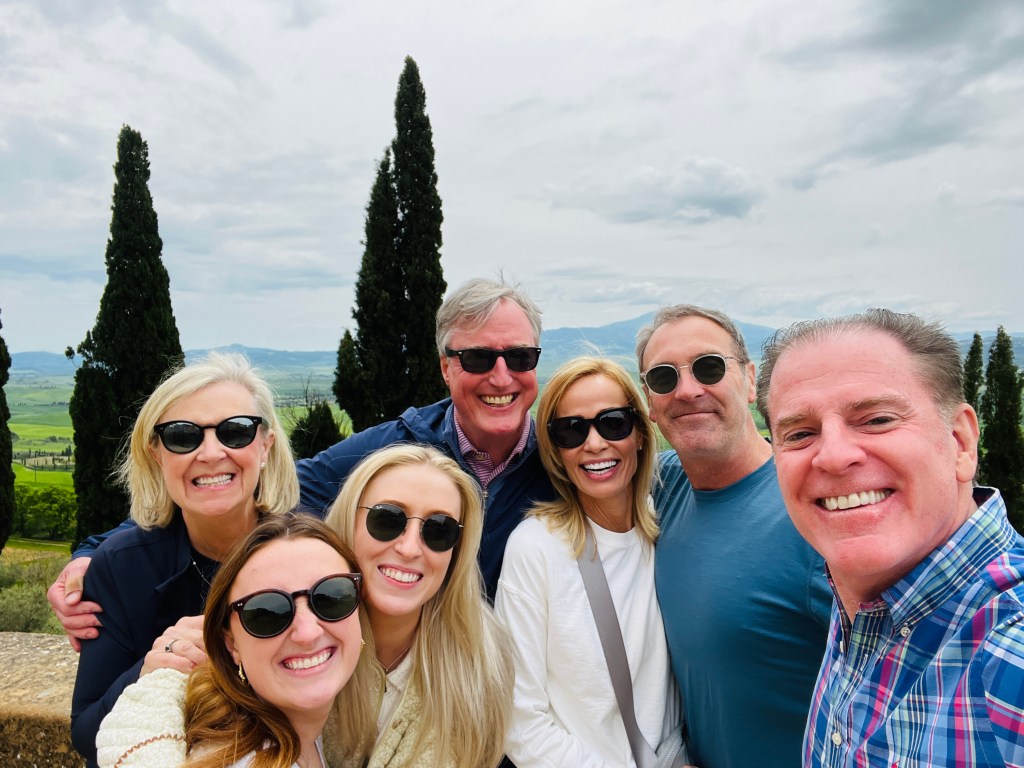
The trip began in Tuscany, where we’d spend 5 days with the Brandts and KJQ in a beautiful area just northeast of Siena.
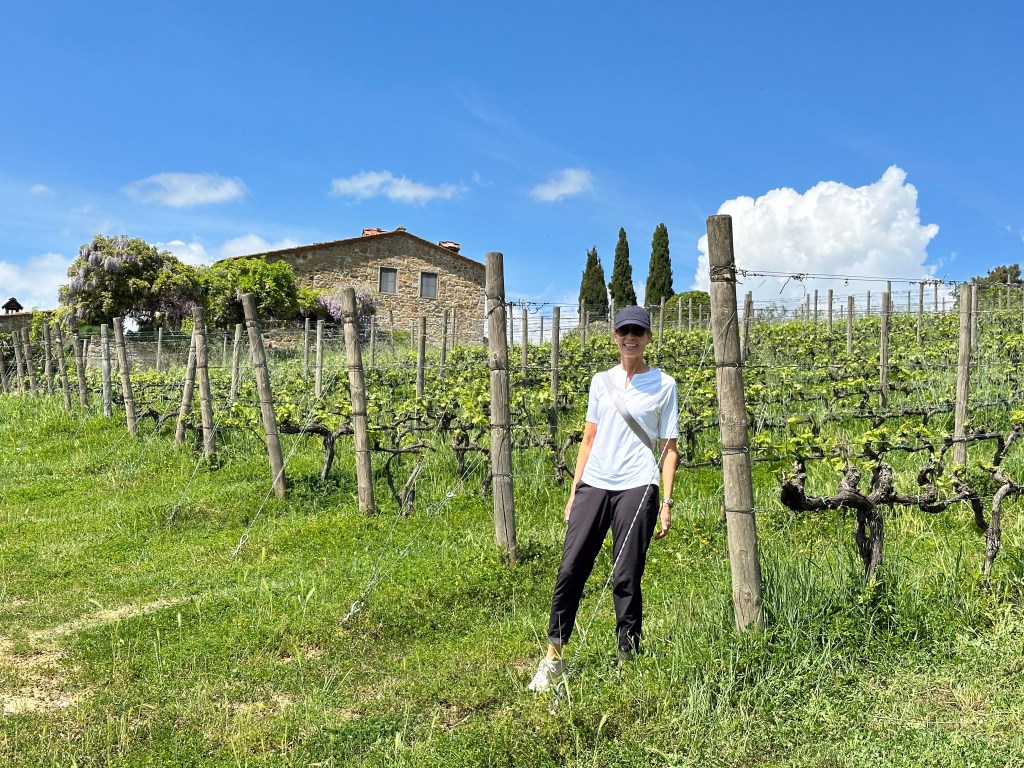
Overlooking the Val d’Orcia:
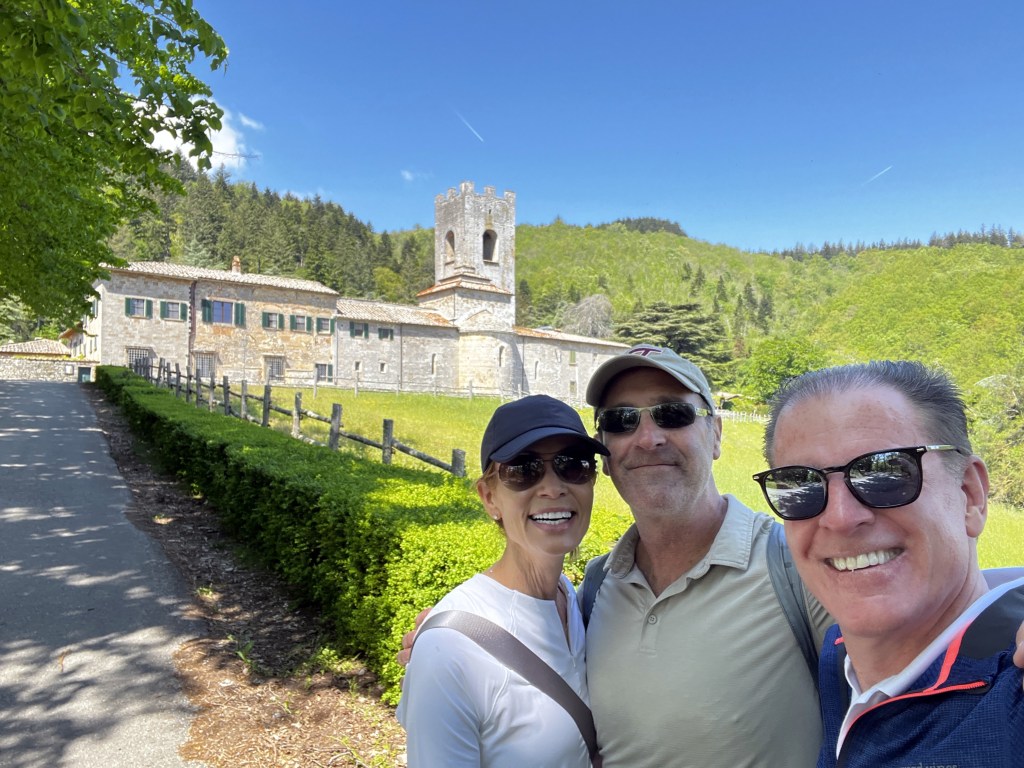
We hiked w KJQ one day to the Abbey of San Lorenzo a Coltibuono (and, about 5 miles later, to a harrowing shortcut escaped only through an opening KJQ dubbed The Gate to Salvation):
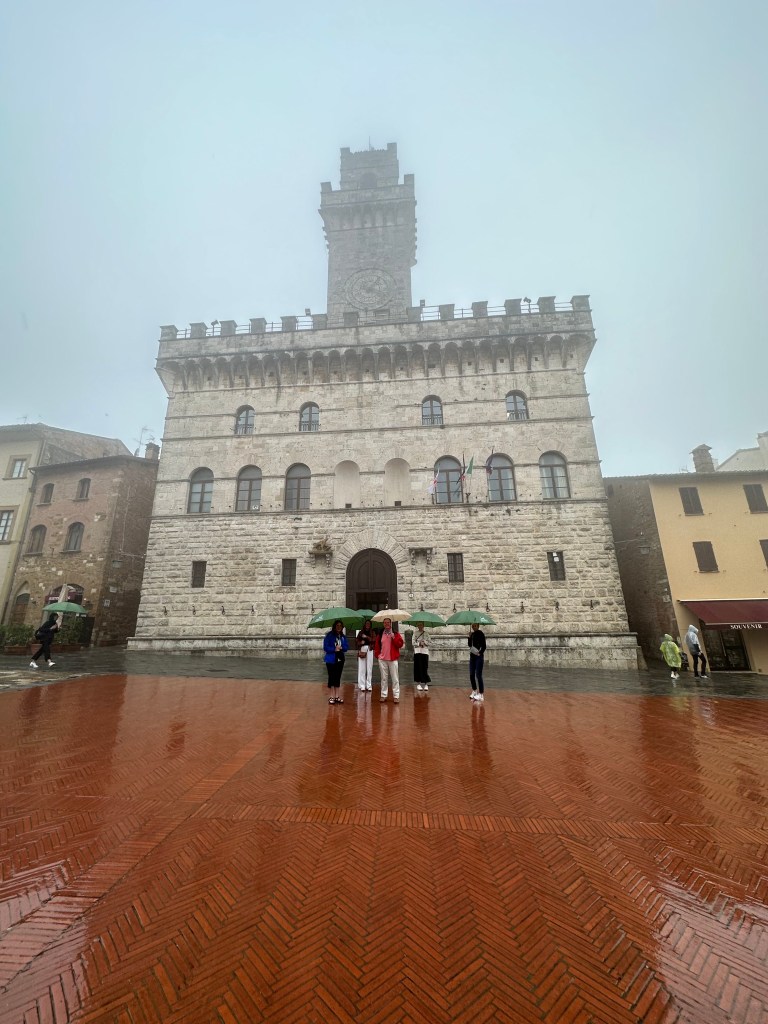
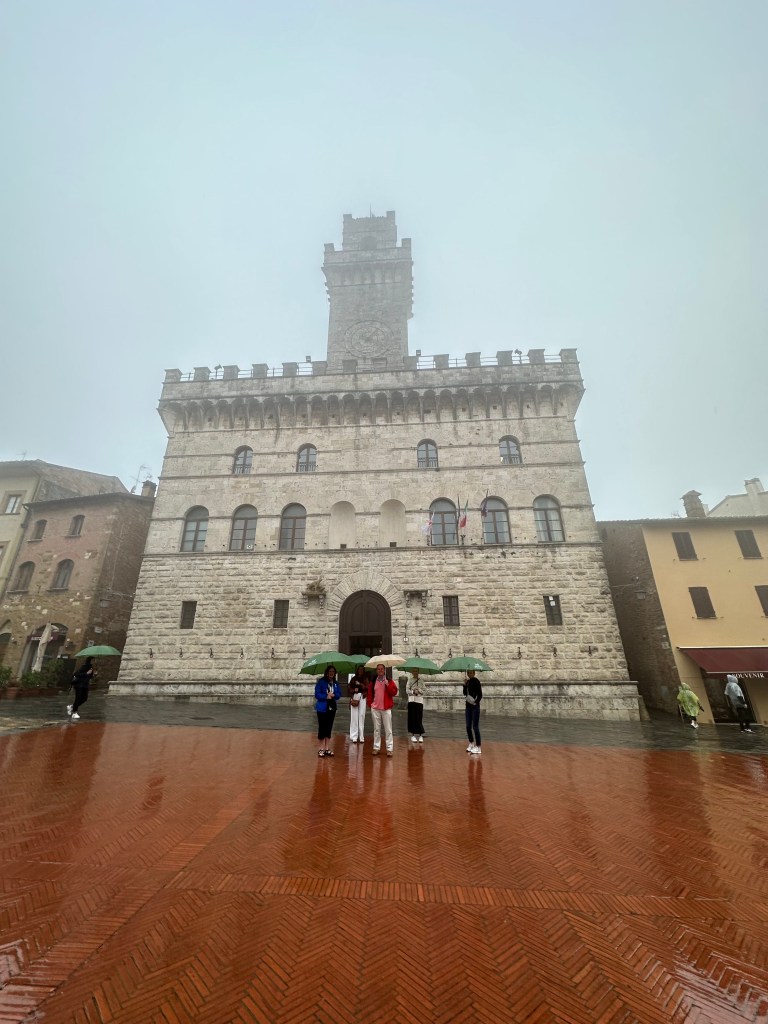
Tuscany wasn’t all sunshine and Brunello, though – it freaking poured in Montepulciano:
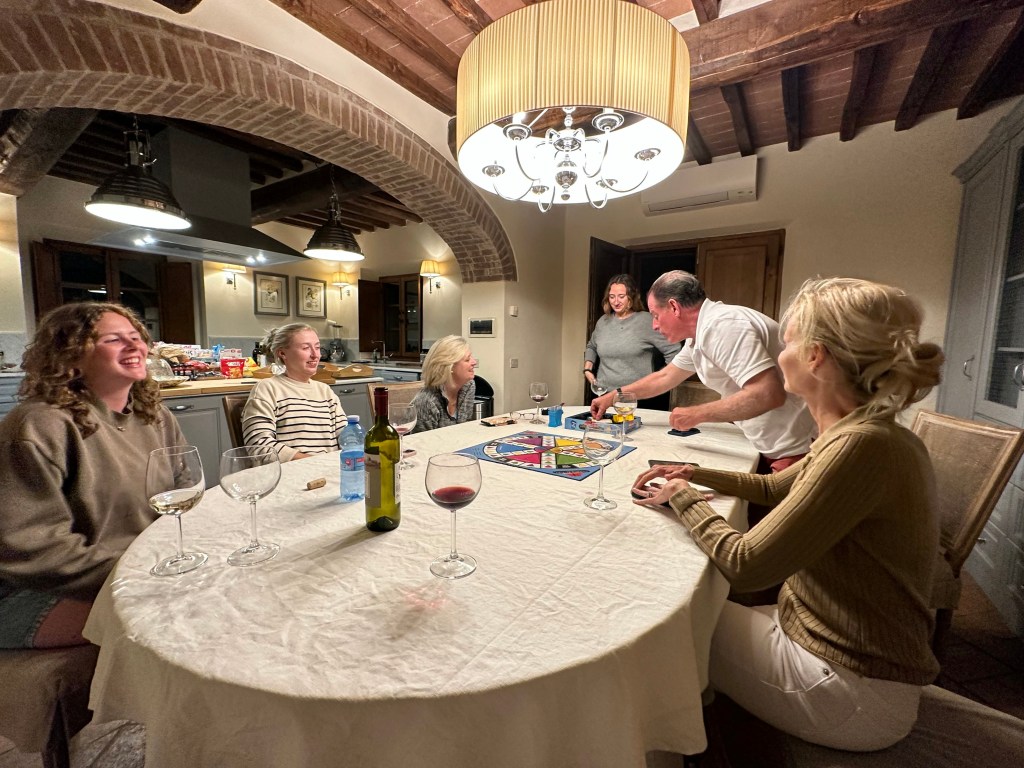
Gracie joined us for a portion of the stay, as well (and a team comprised of her and Madison cleaned up on two successive nights of Trivial Pursuit)
From Tuscany, we drove north, to Portofino on the Ligurian coast – a town that had been on Lisa’s wish list for several years. It did not disappoint.
We continued our hiking habit in Portofino, hiking one day to the Abbey of San Fruttuoso:
And the next along the coastline to Santa Margherita Ligure:
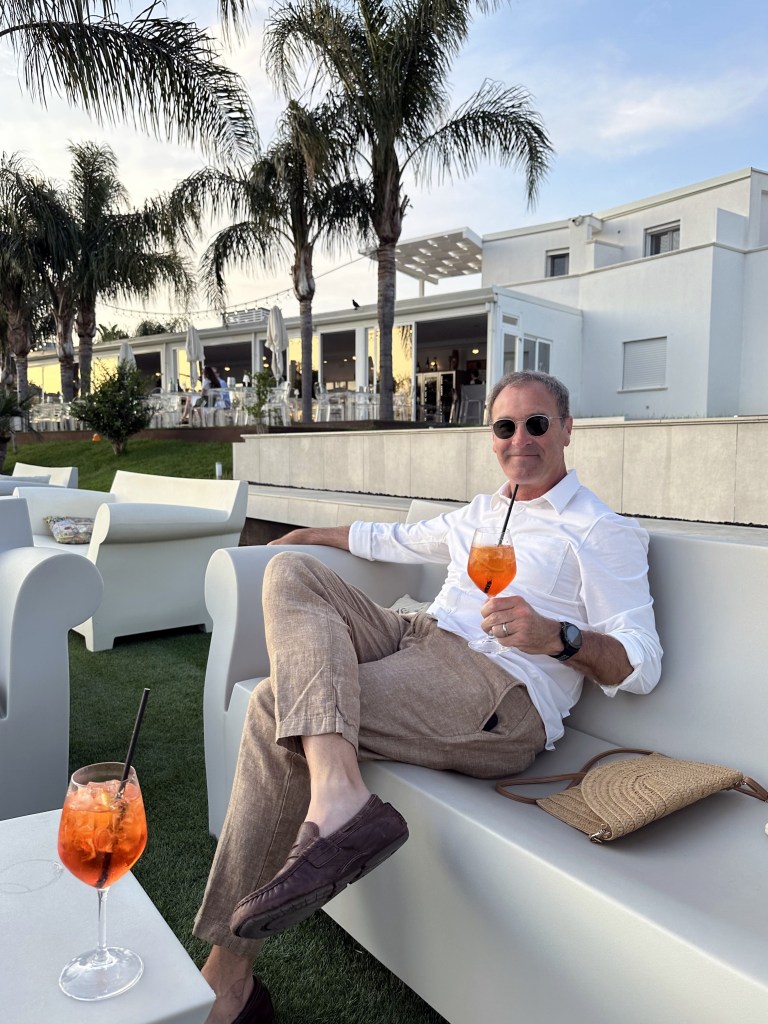
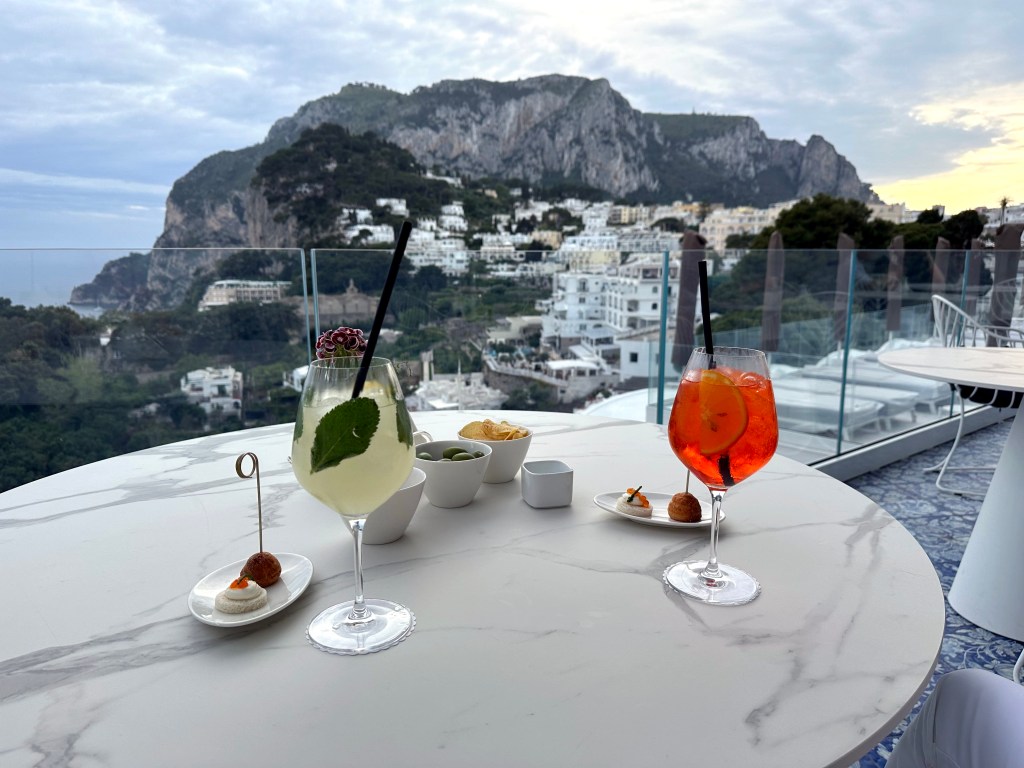
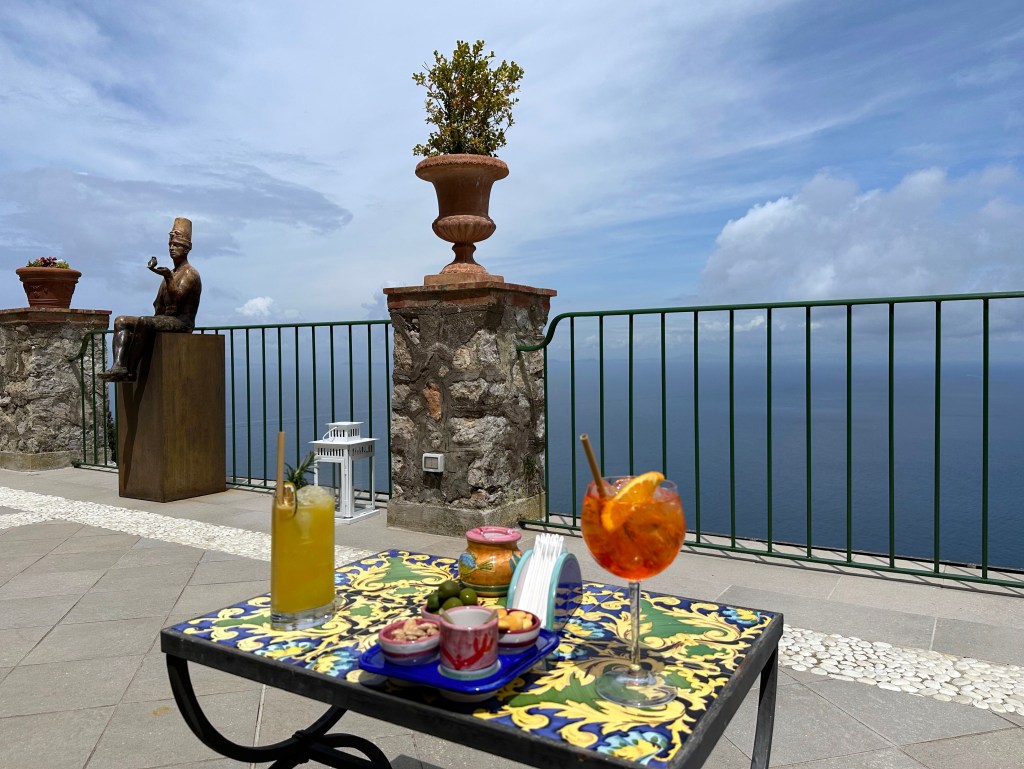
Portofino also was the jumping off point to scores and scores of Aperol spritzes consumed as aperitivos throughout the trip.
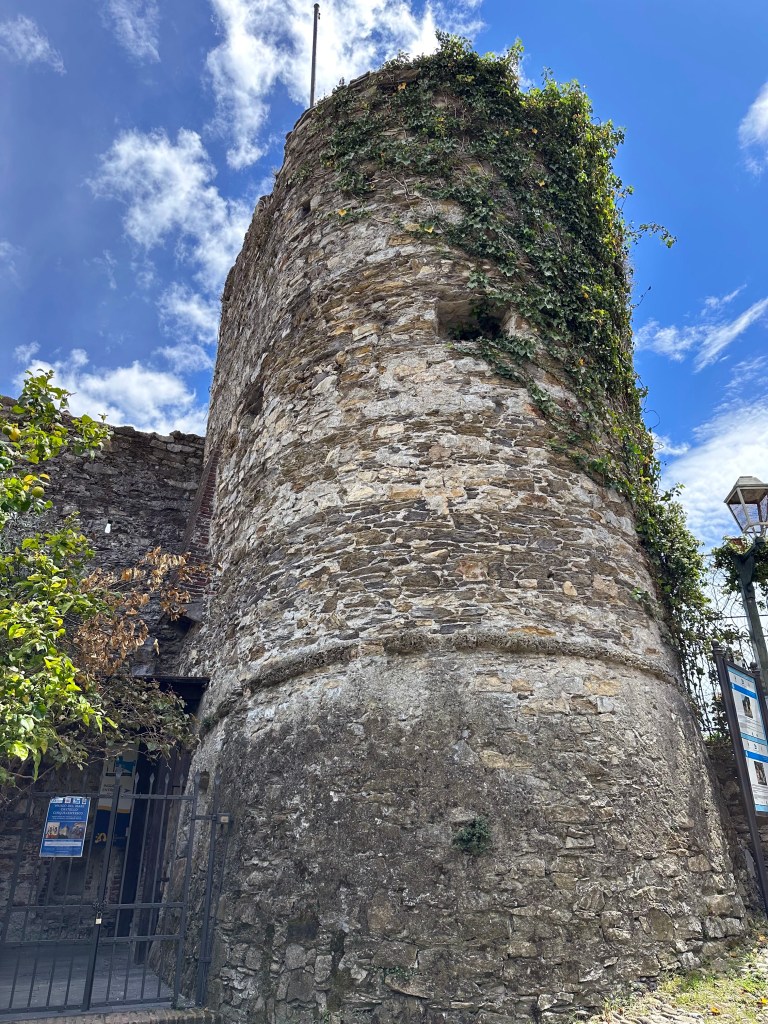
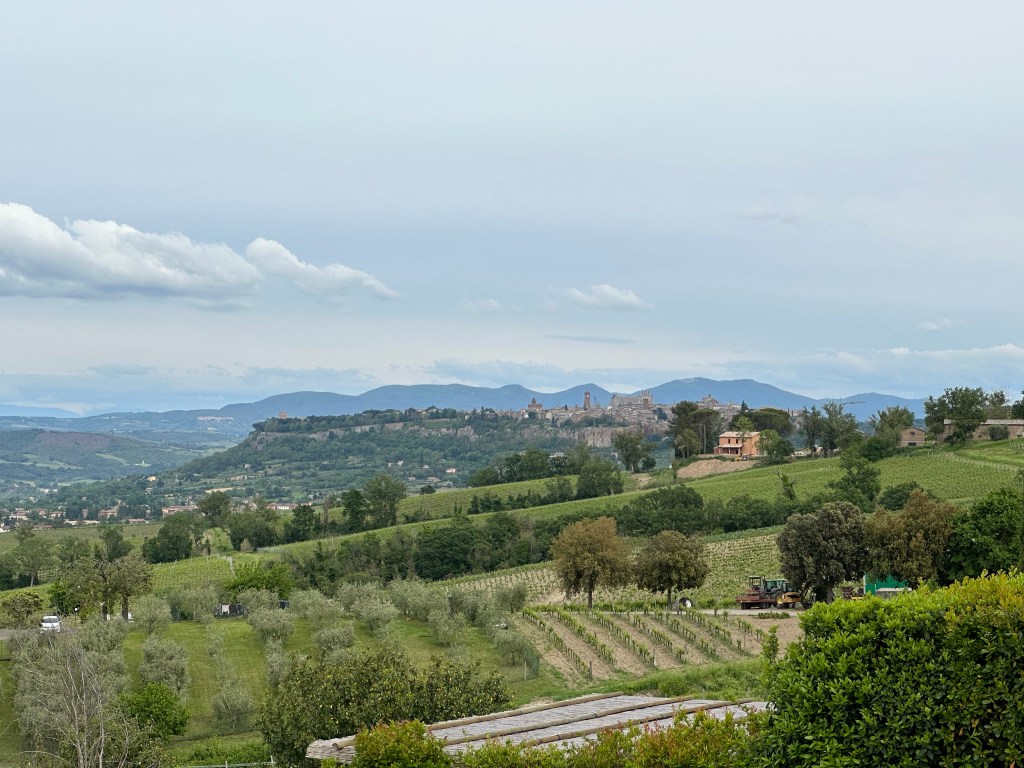
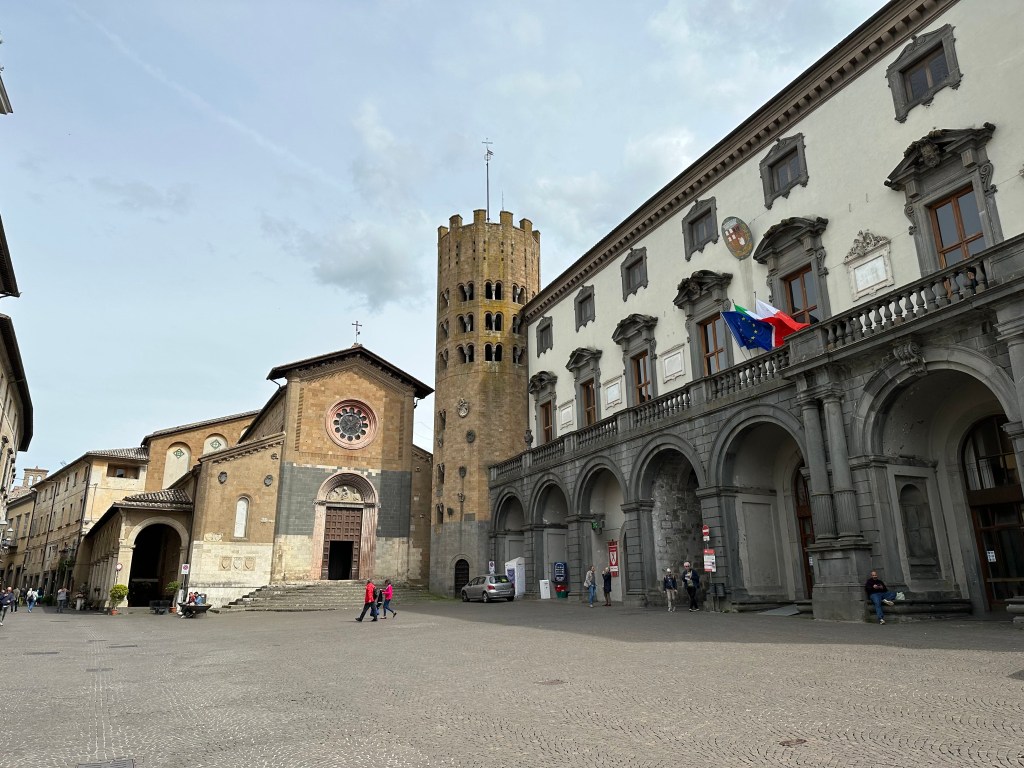
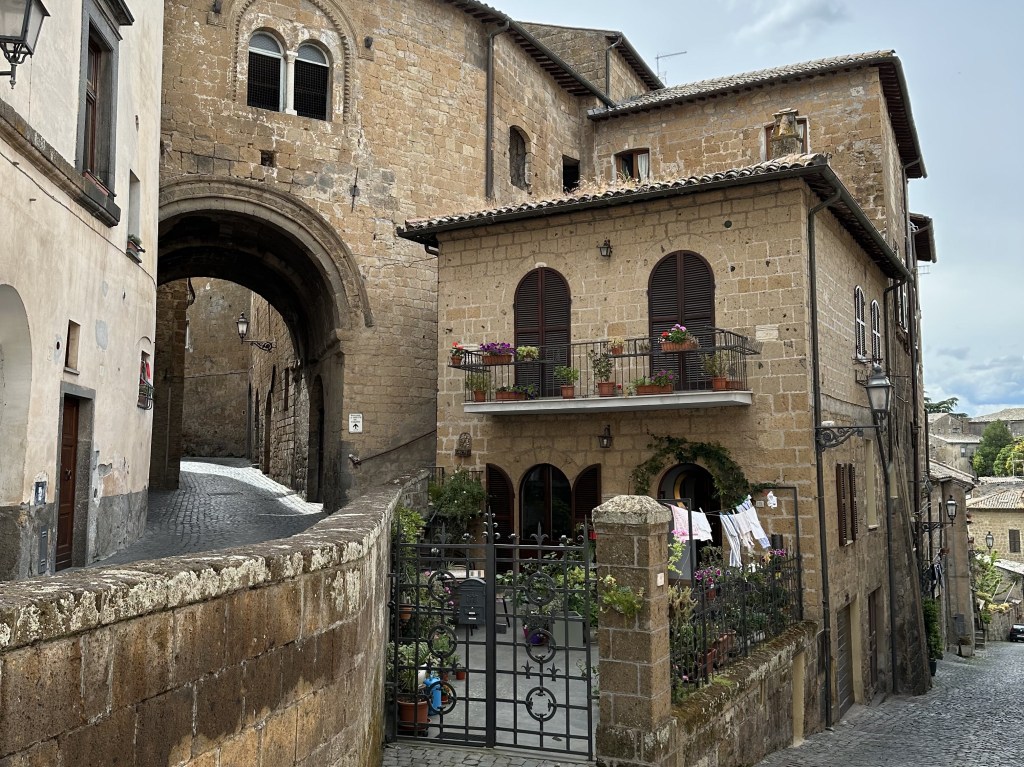
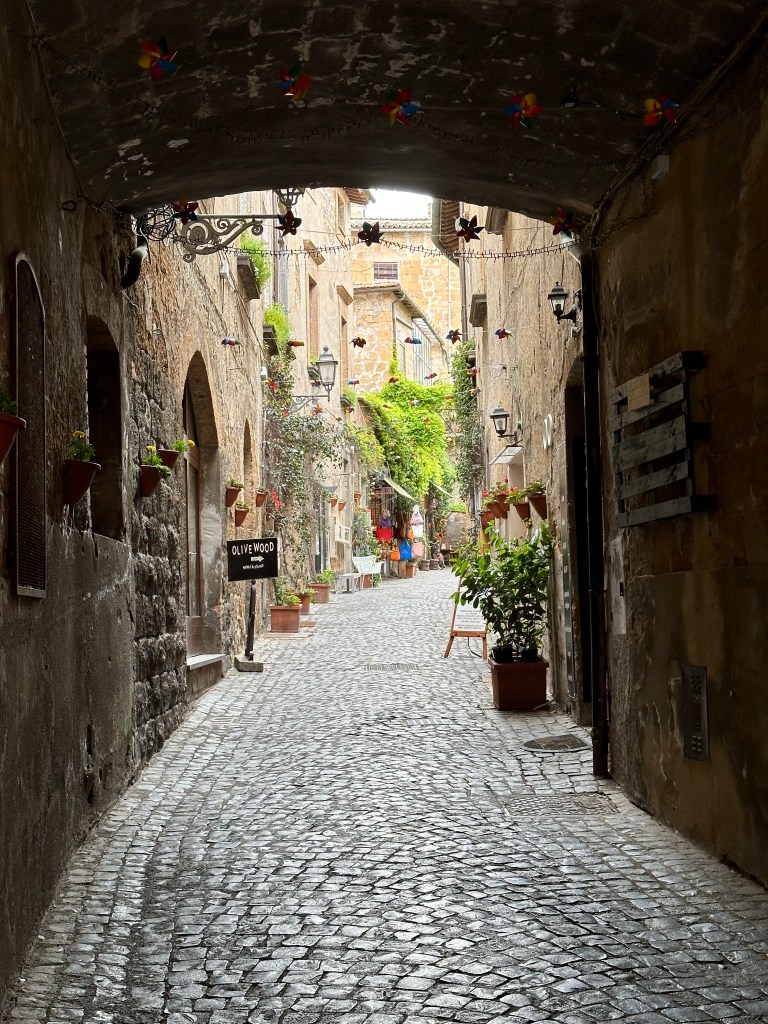
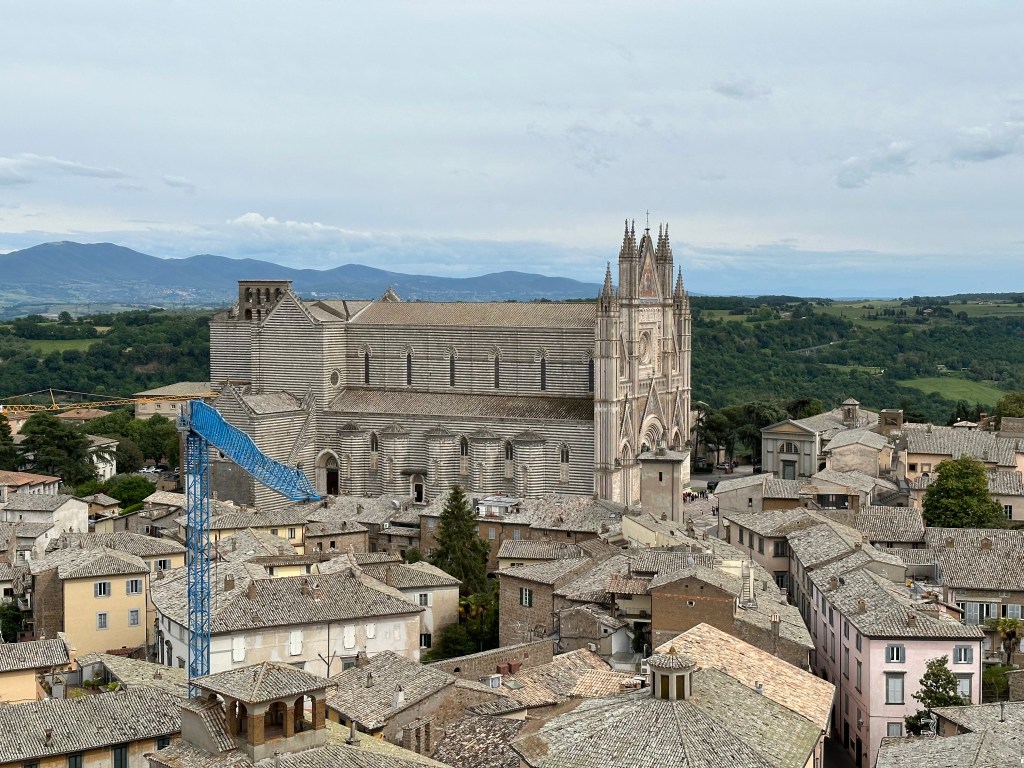
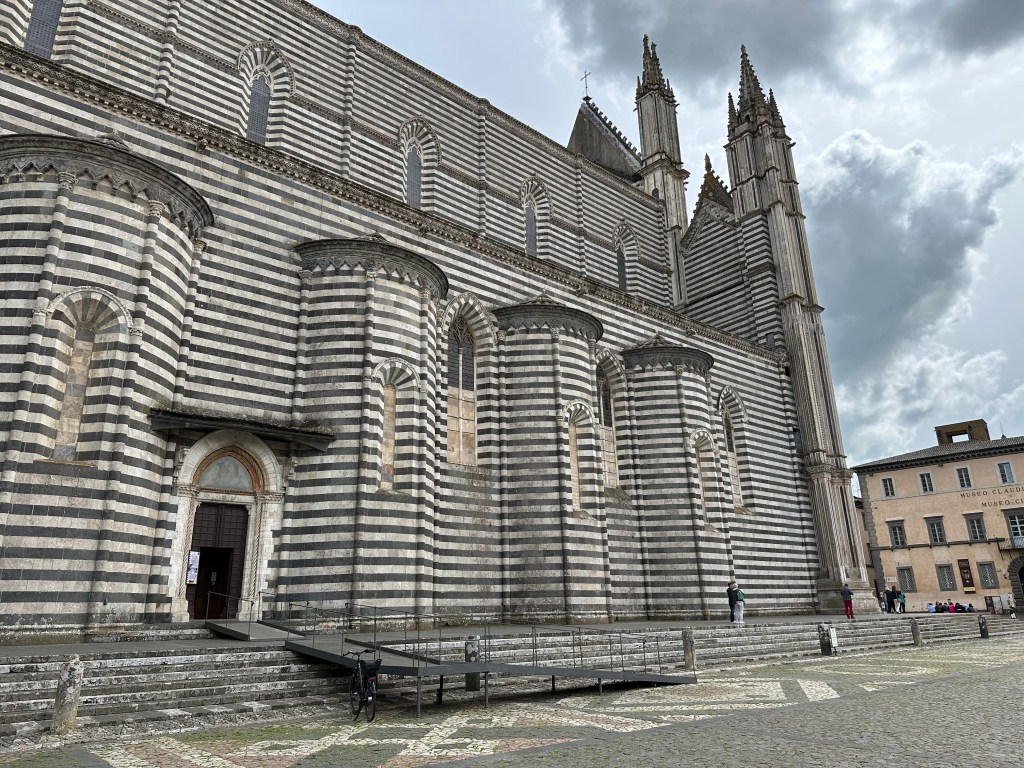
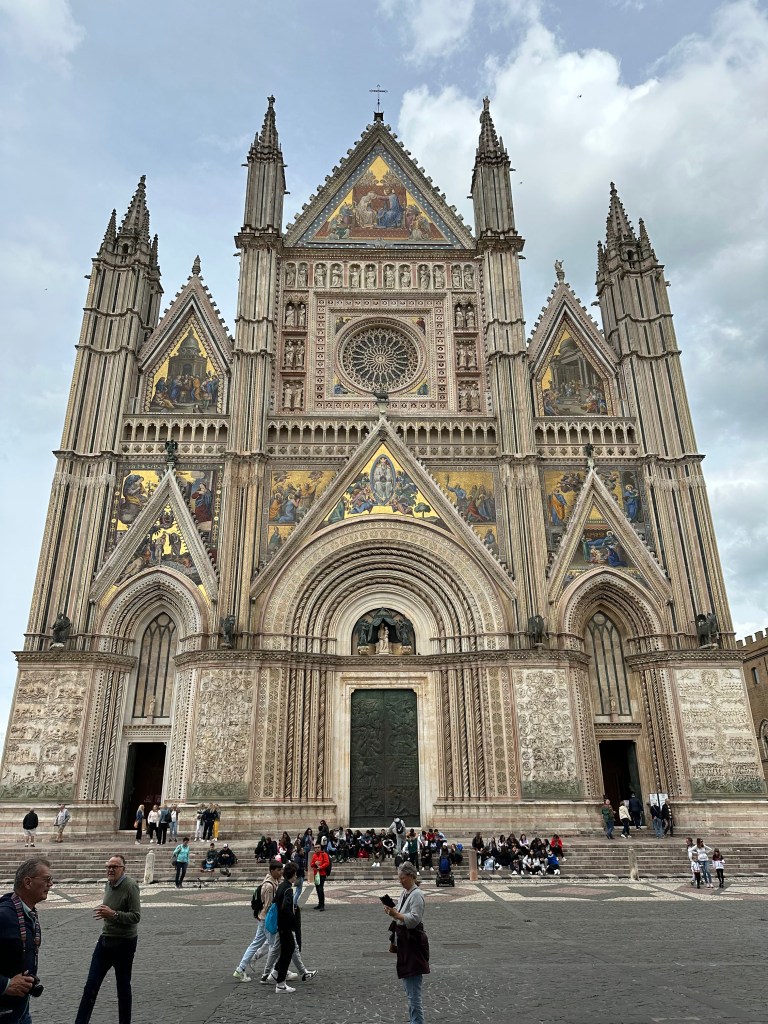
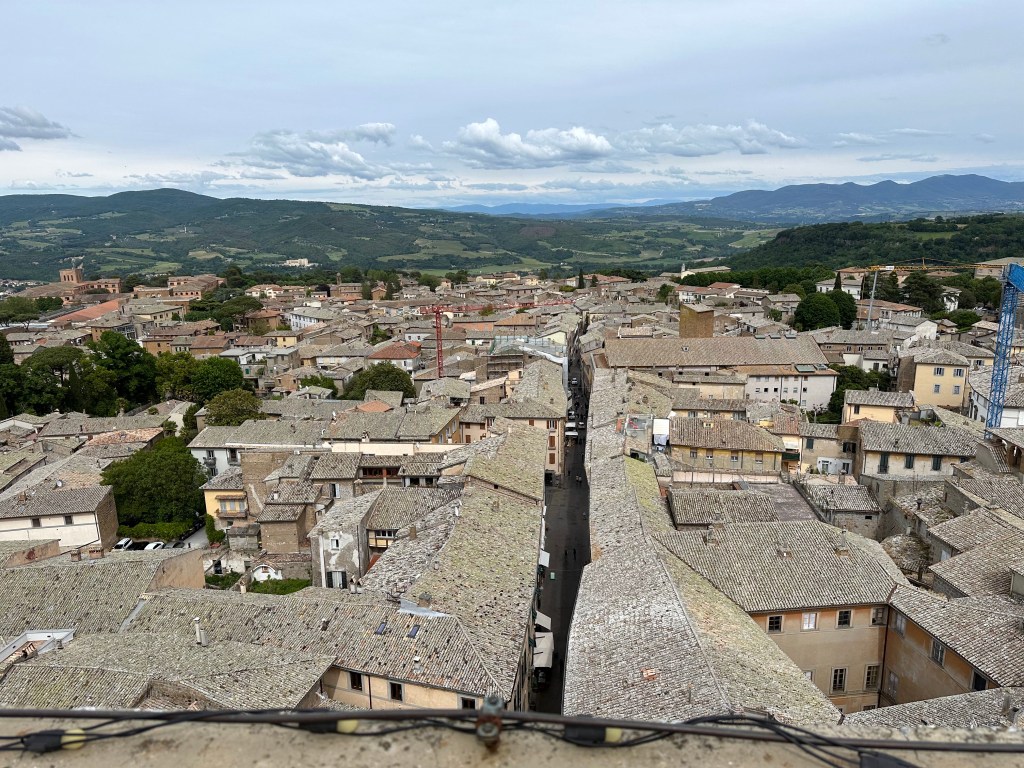
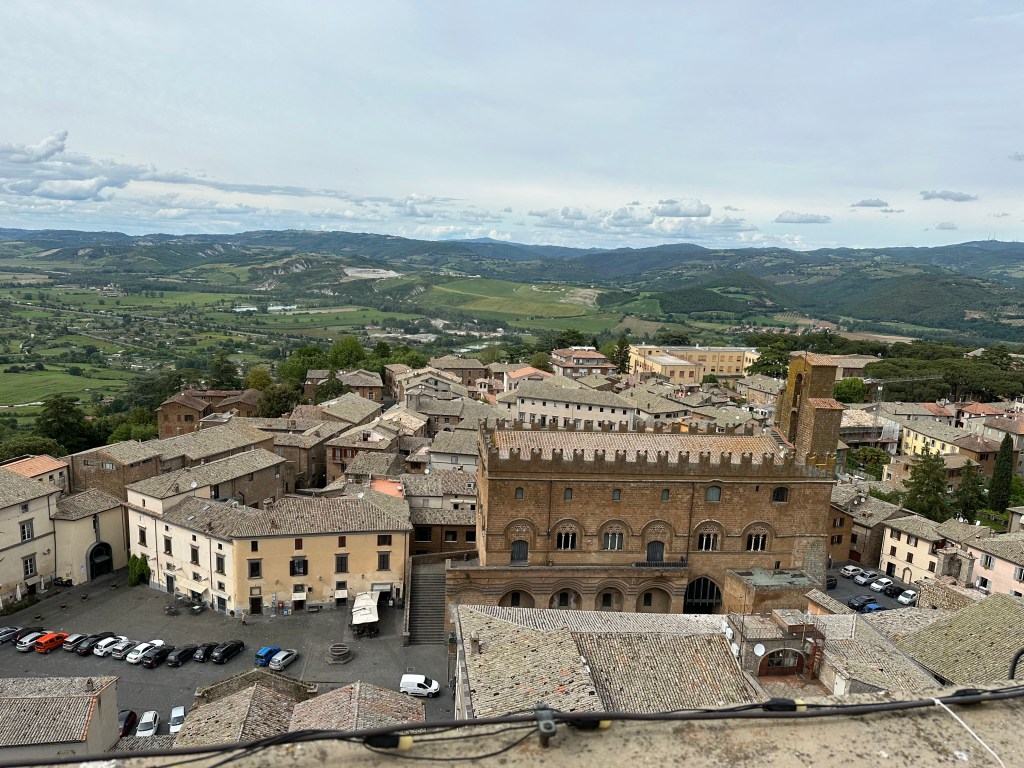
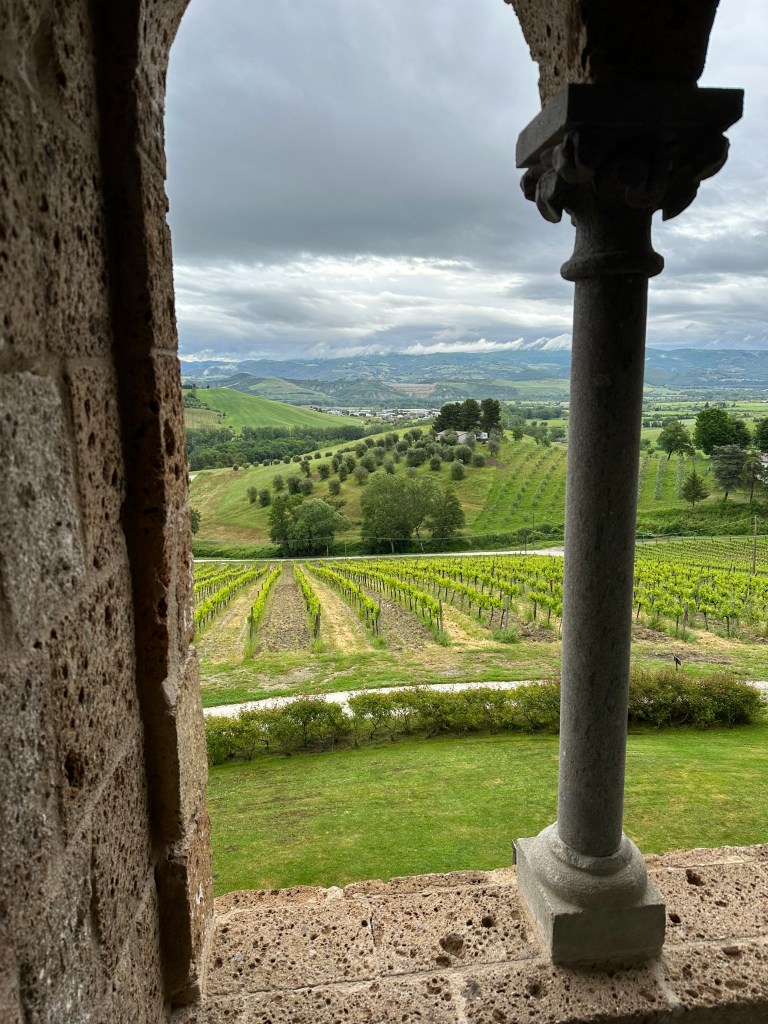
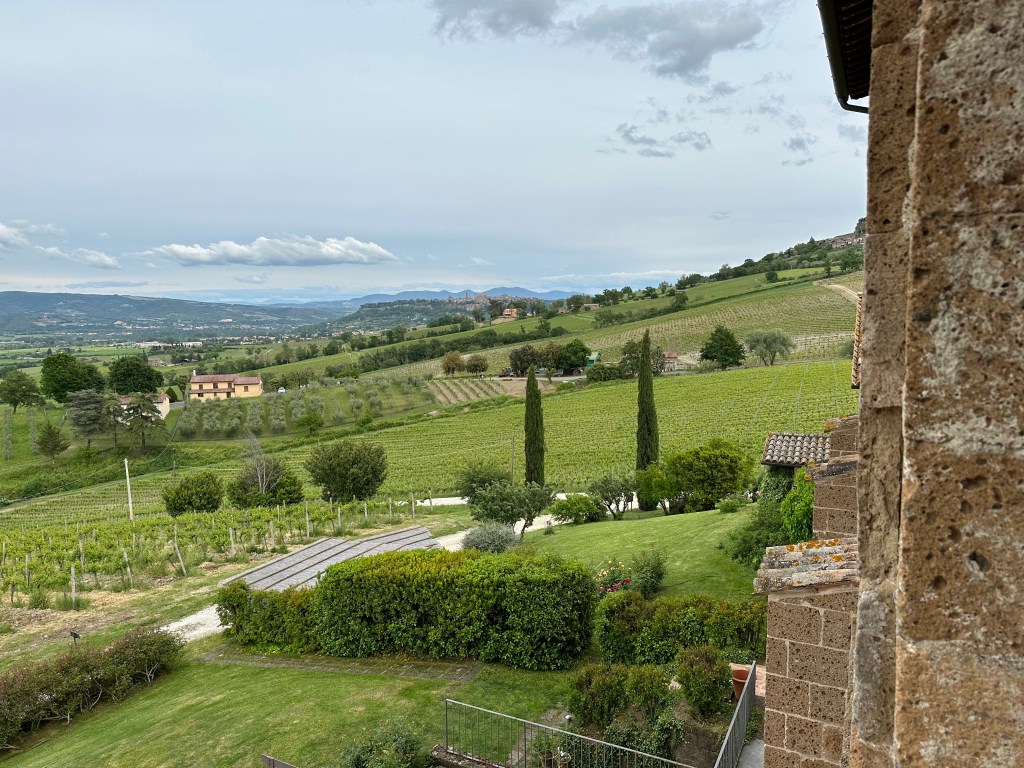
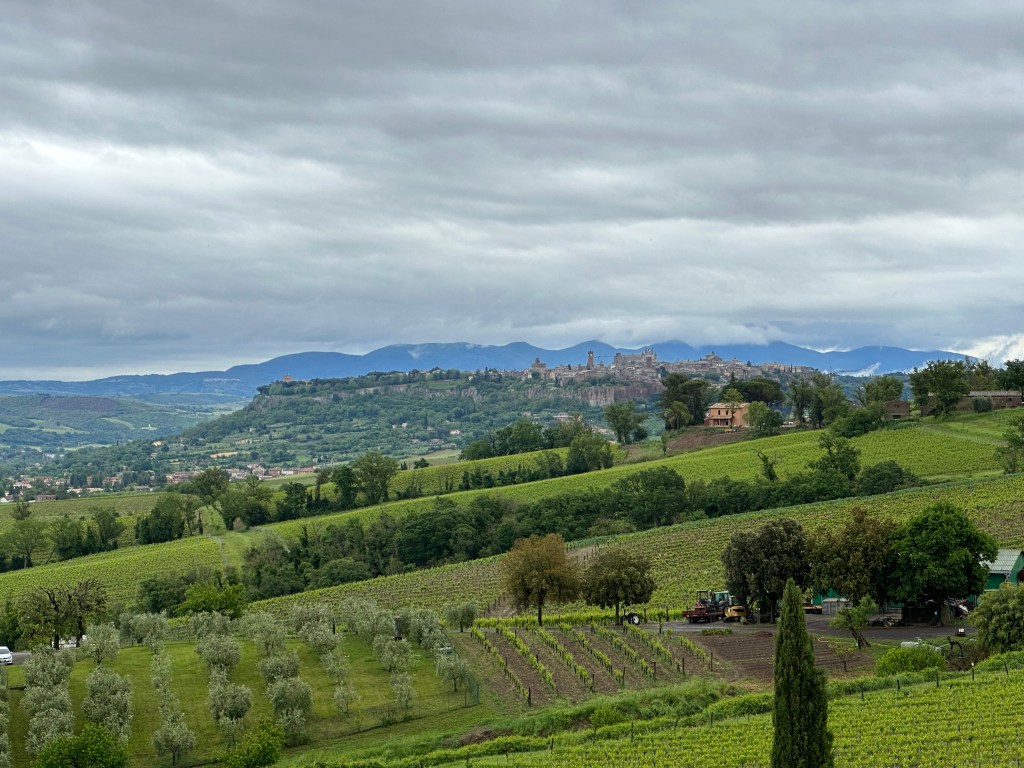
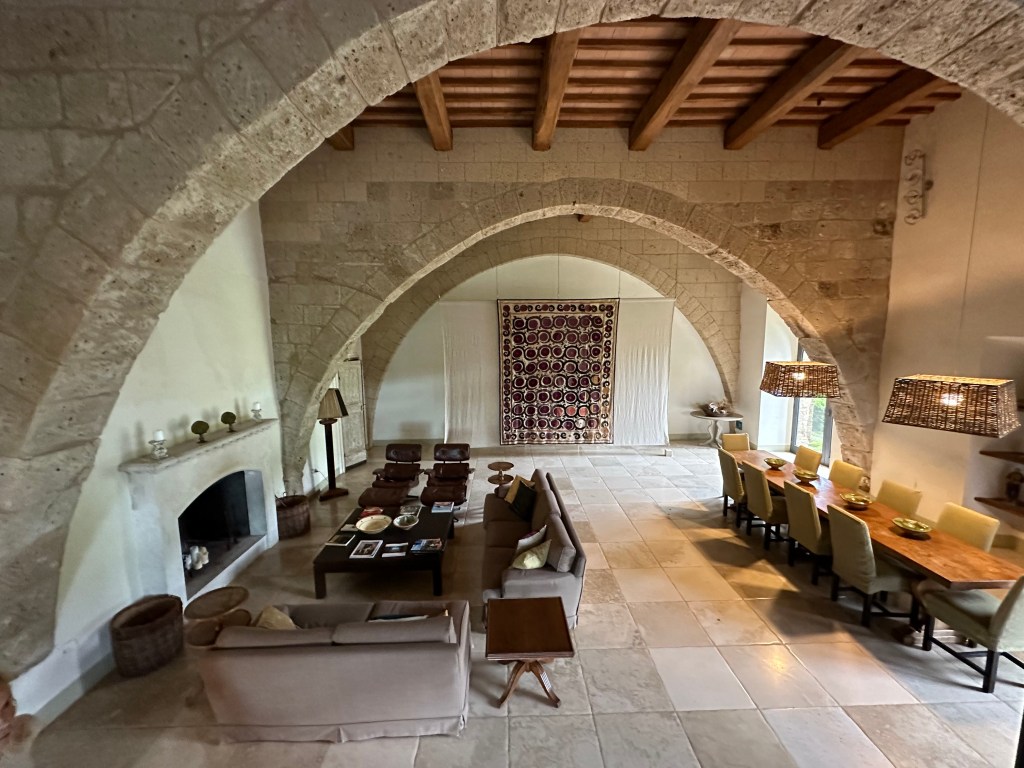
From the Ligurian coast, we drove south, back through Tuscany, and over the border to Umbria, and the medieval town of Orvietto for a stopover on our way to the Amalfi coast:
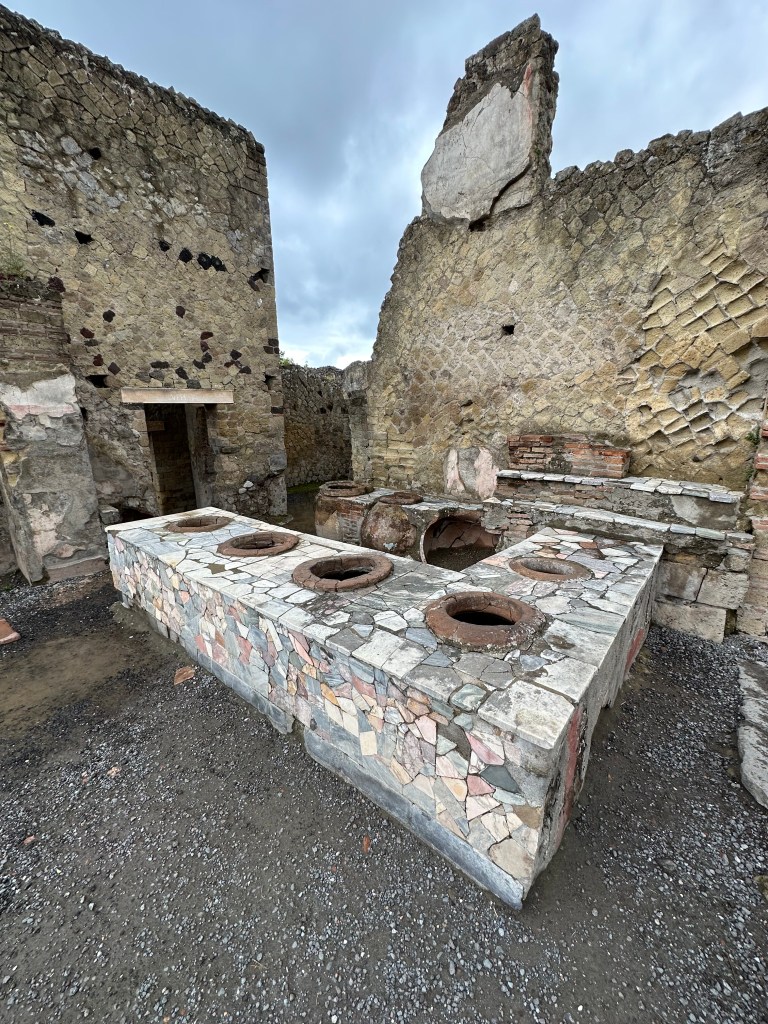
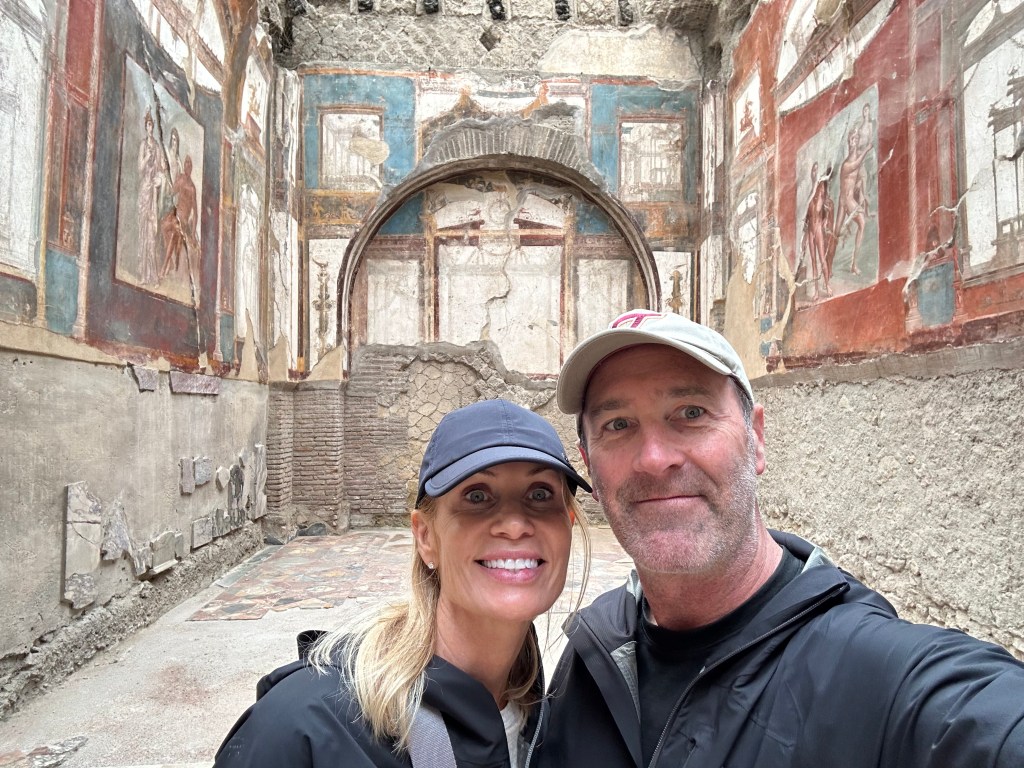
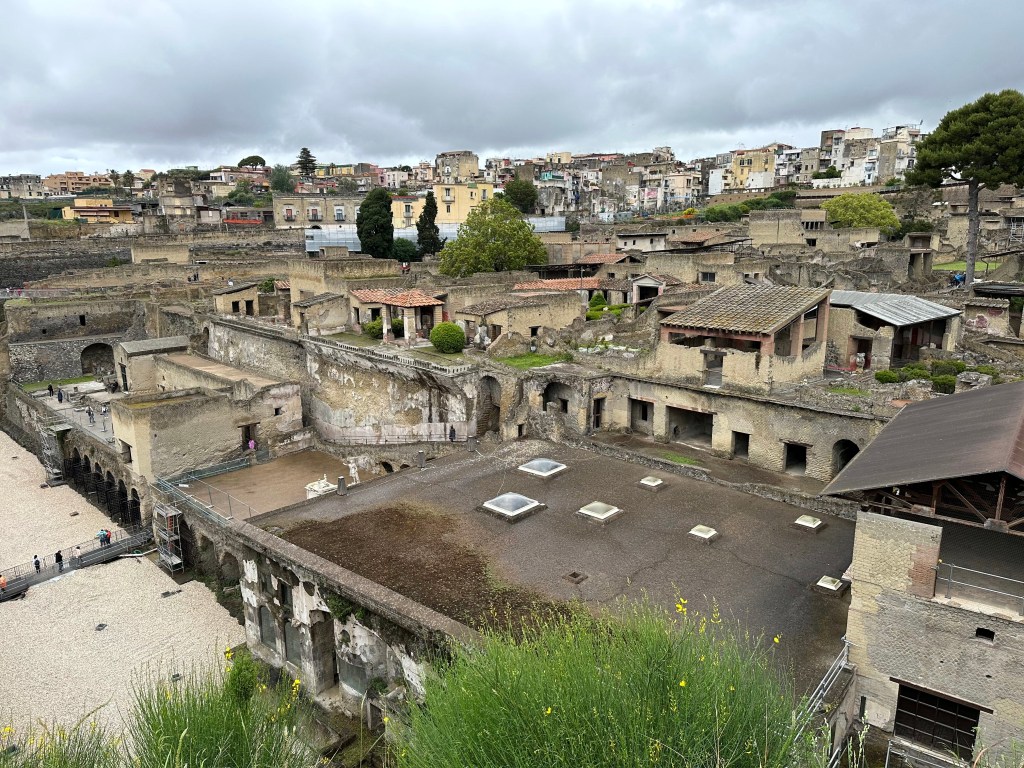
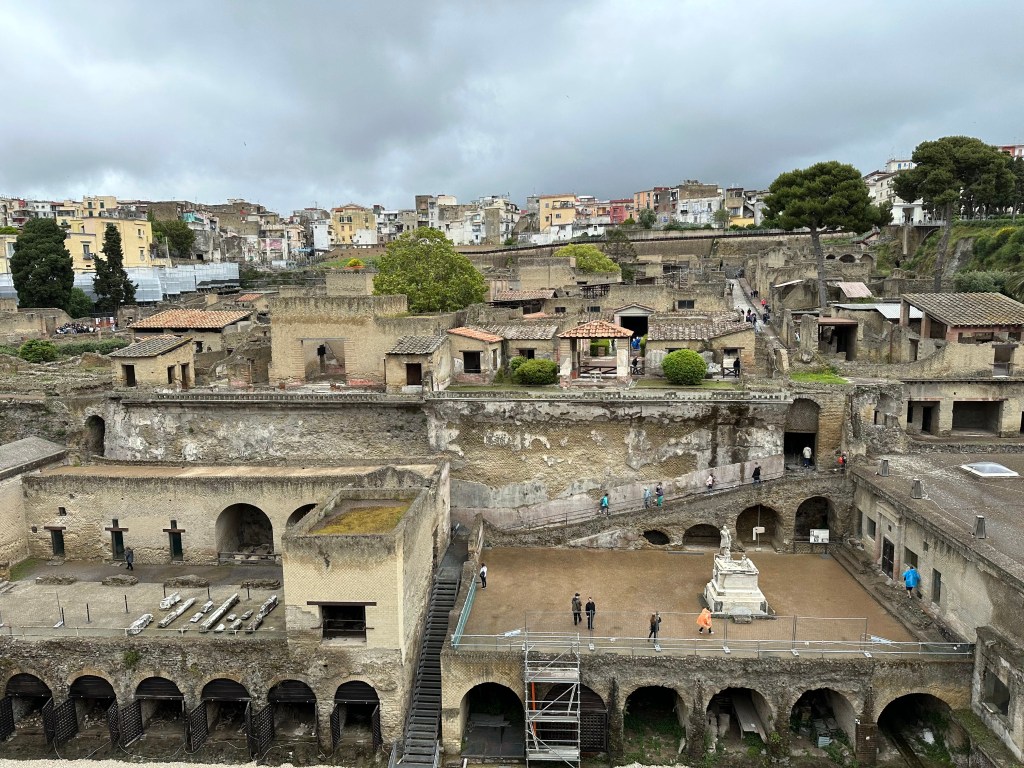
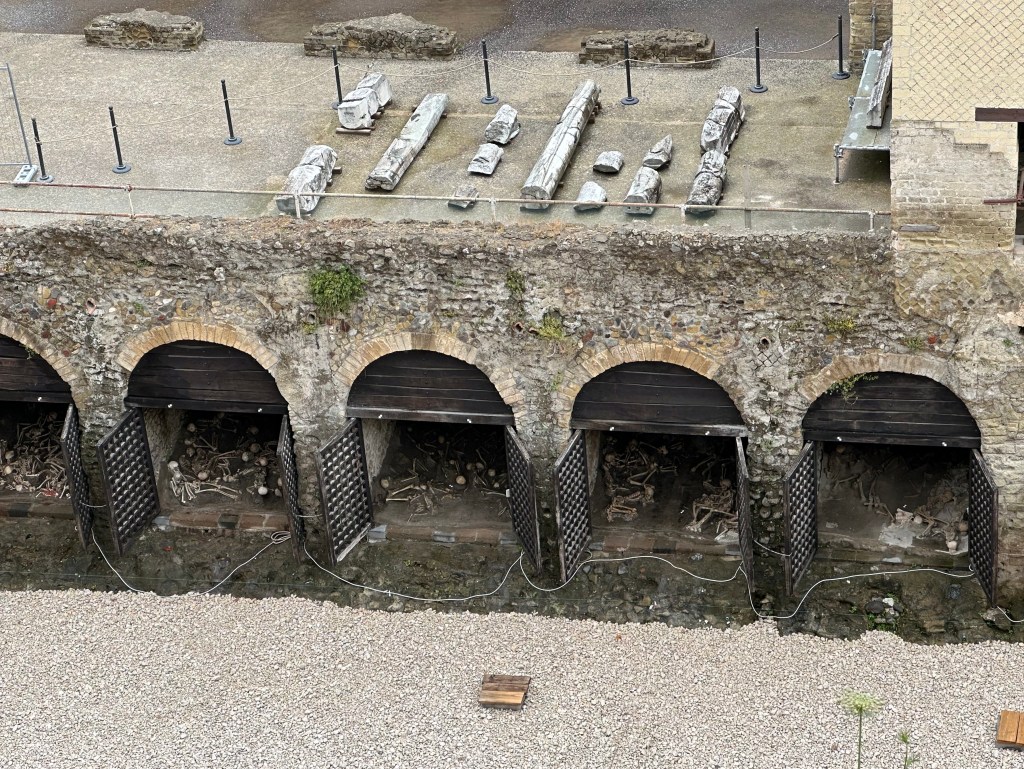
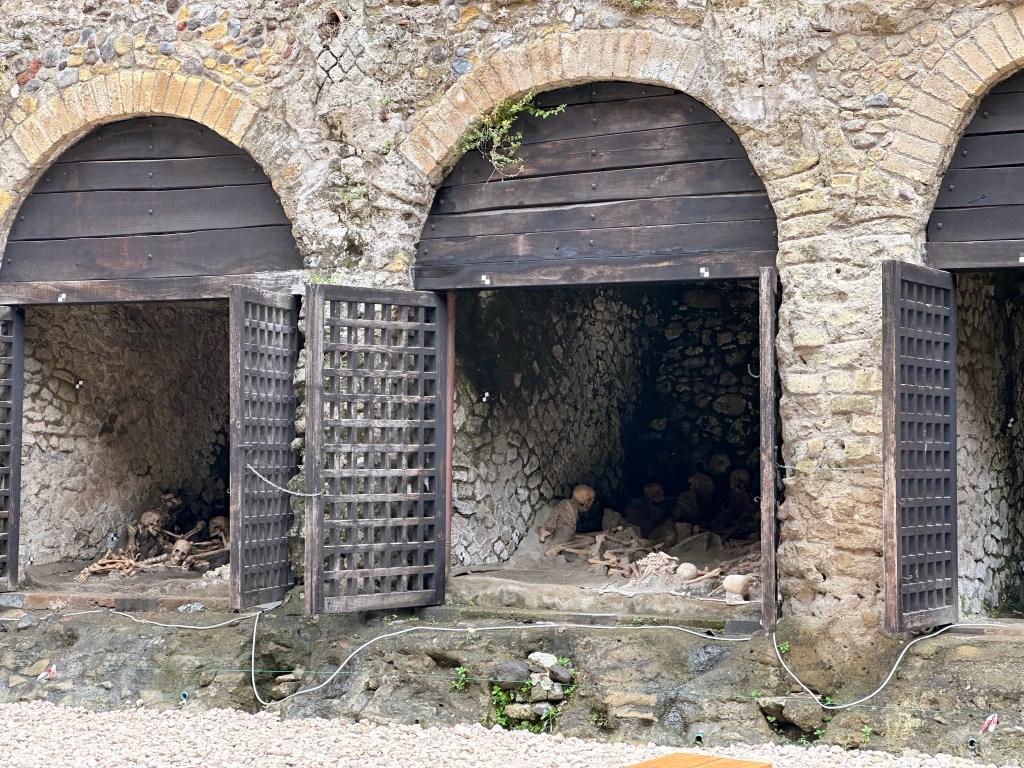
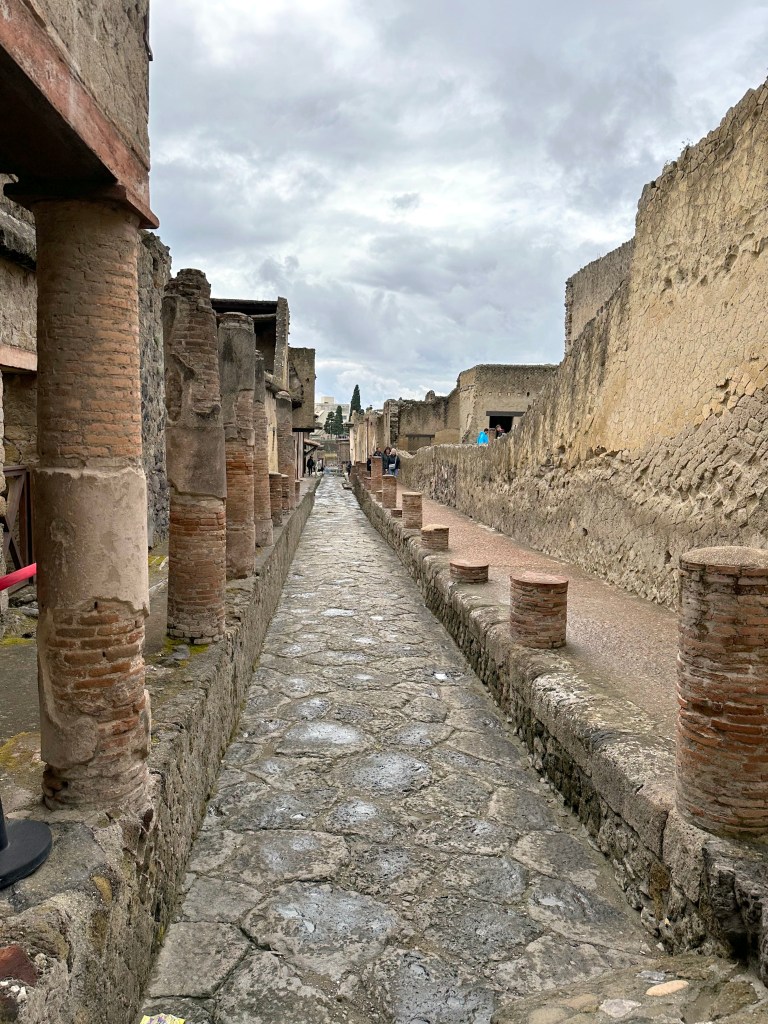
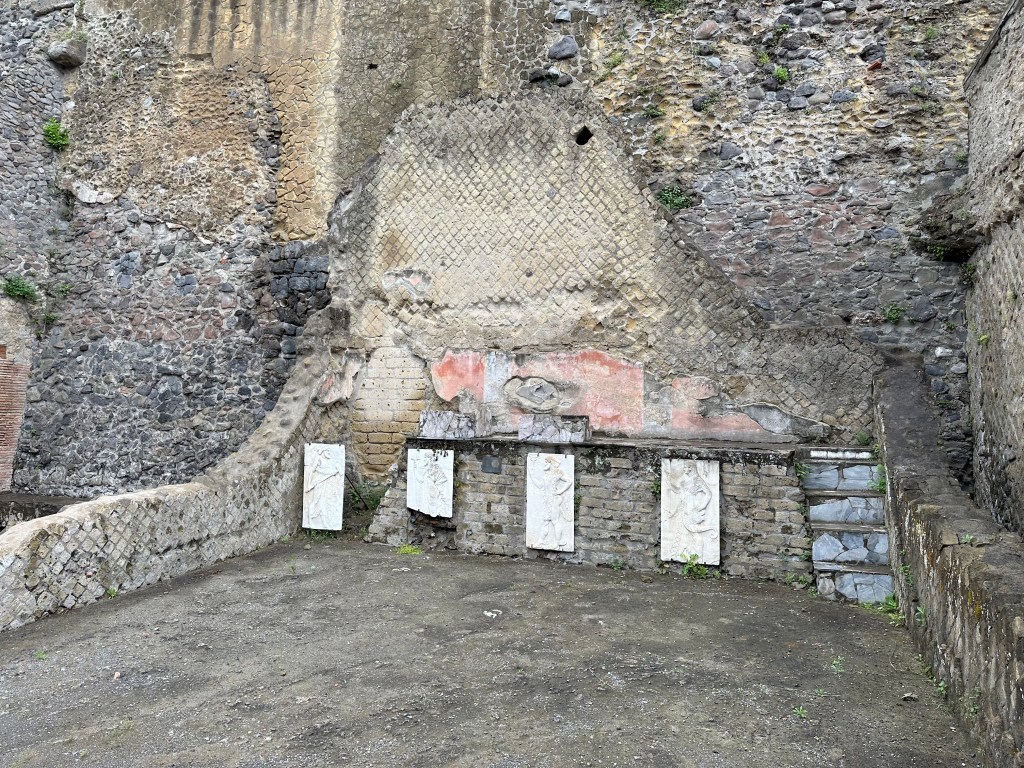
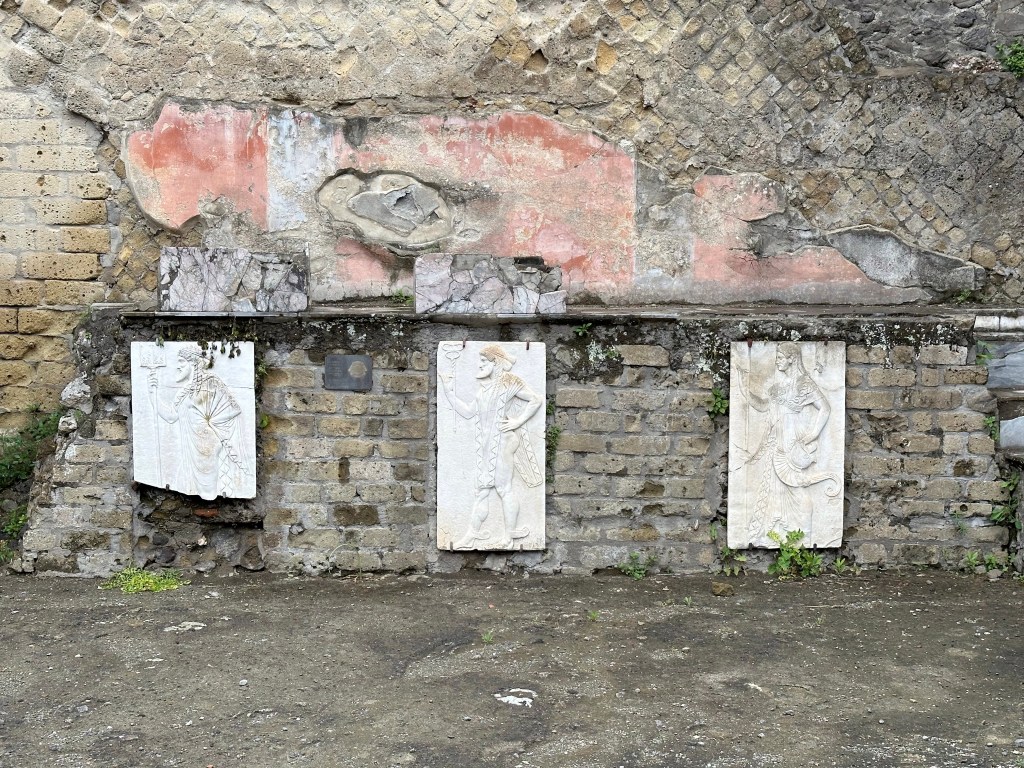
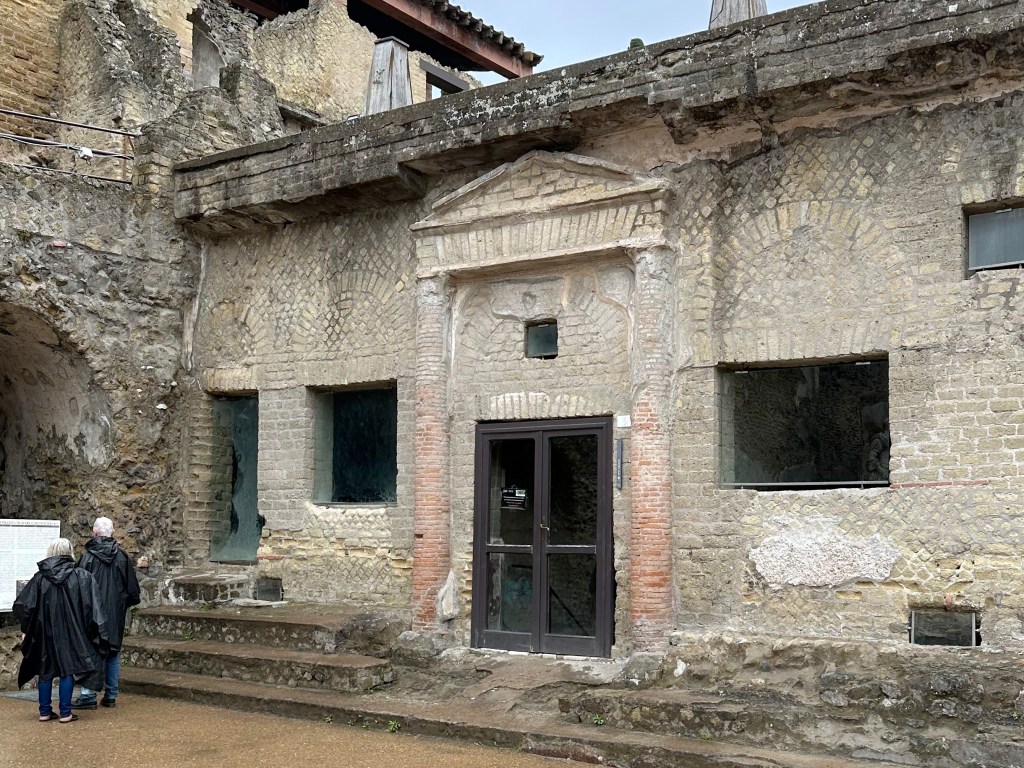
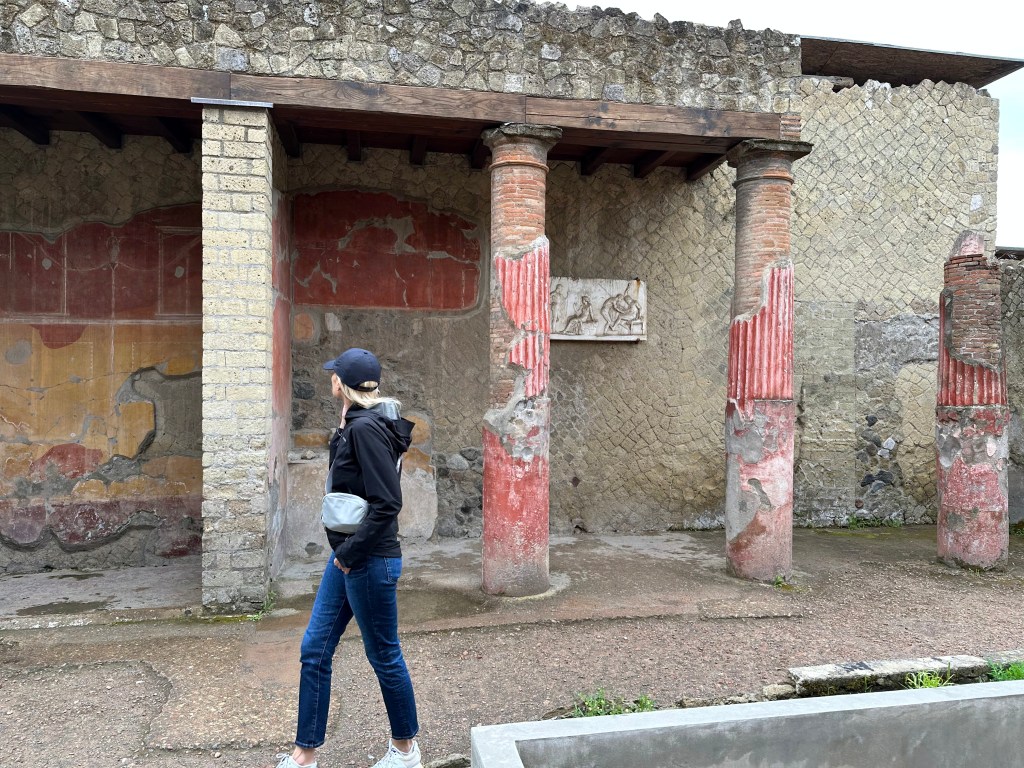
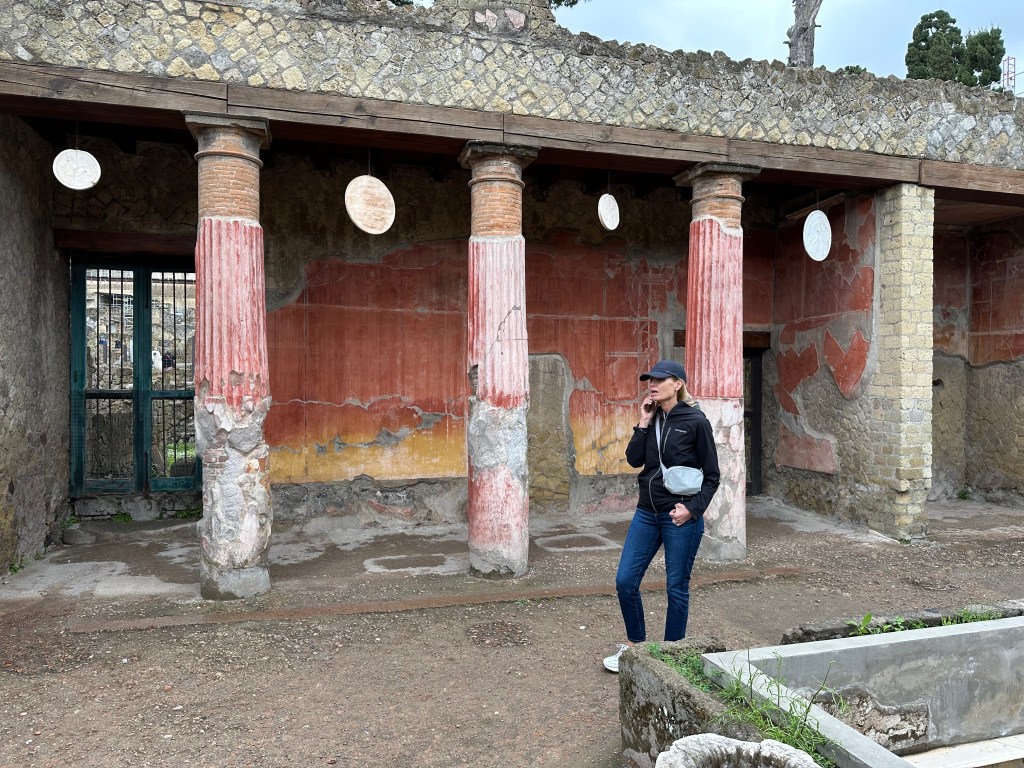
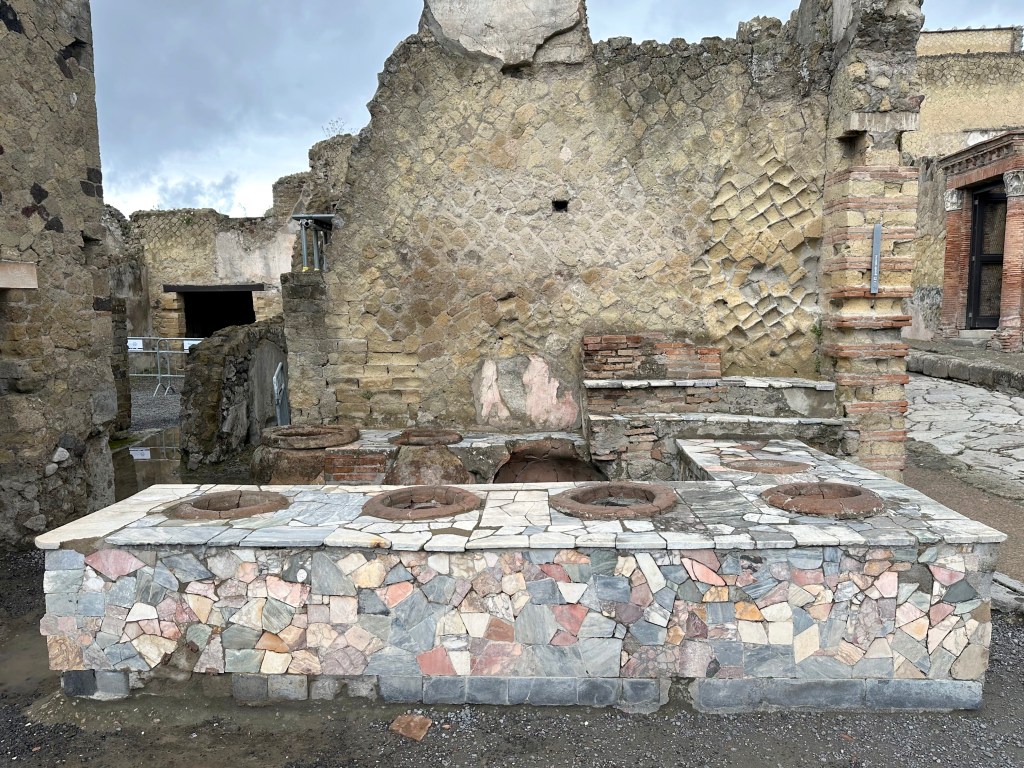
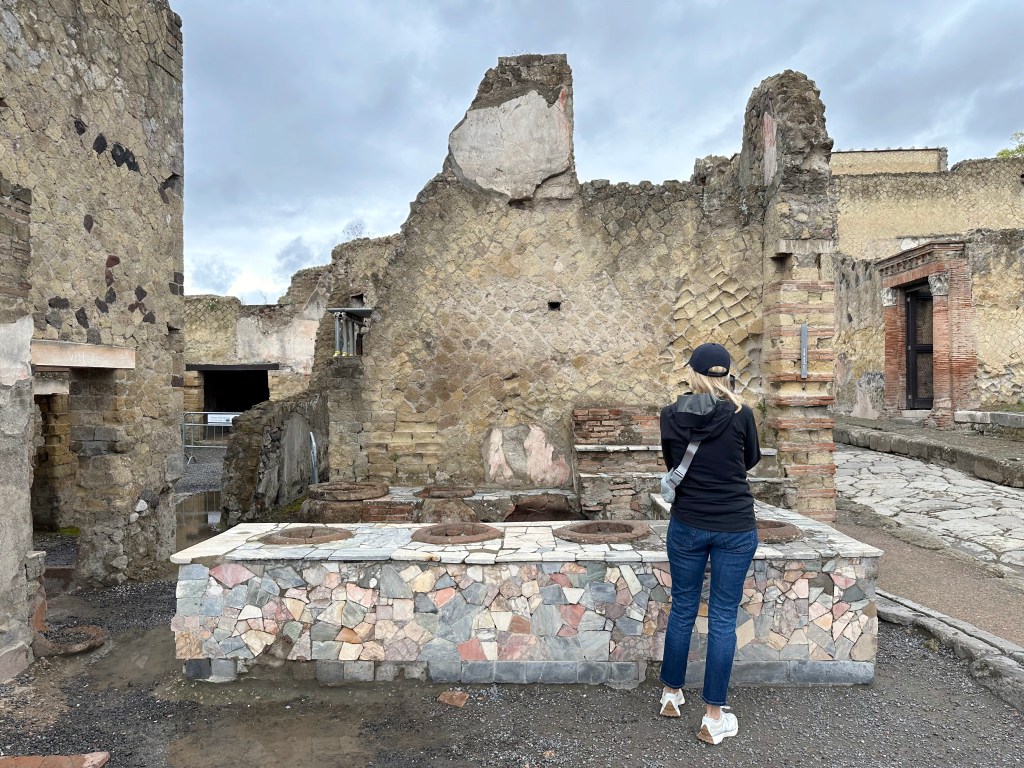
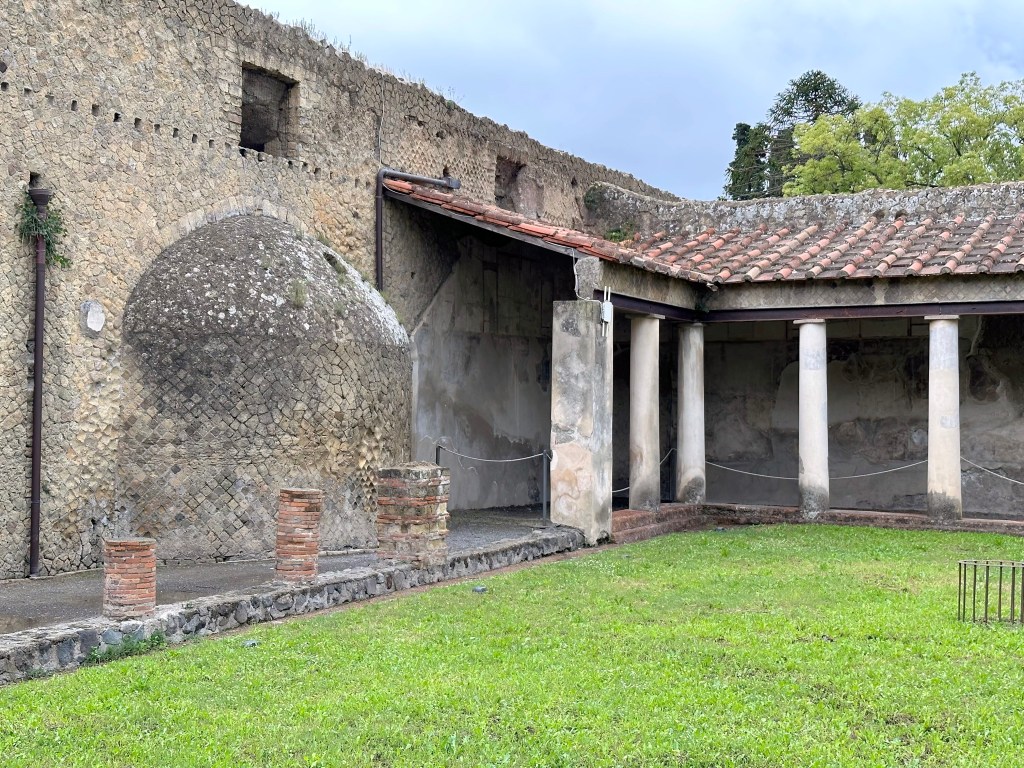
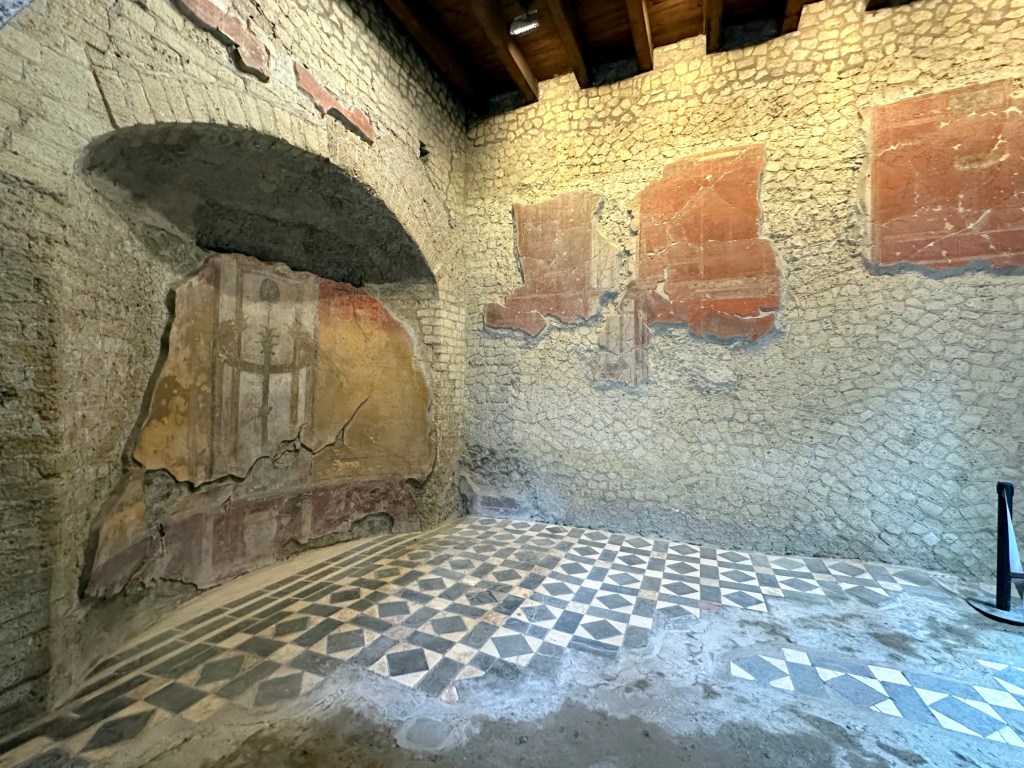
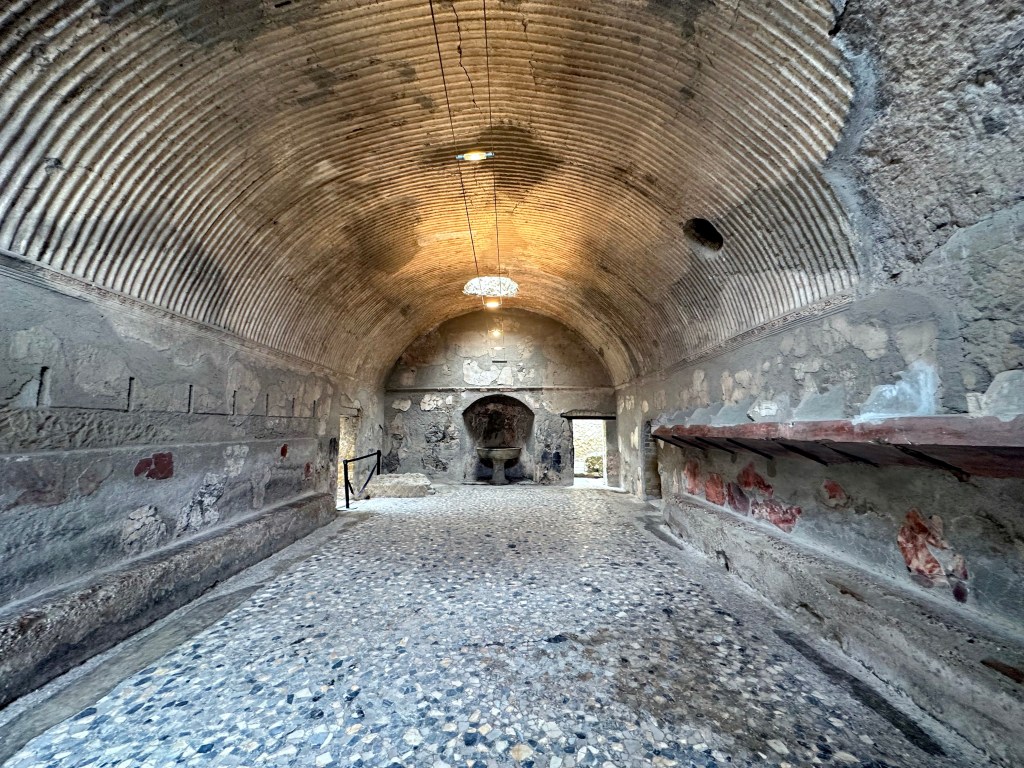
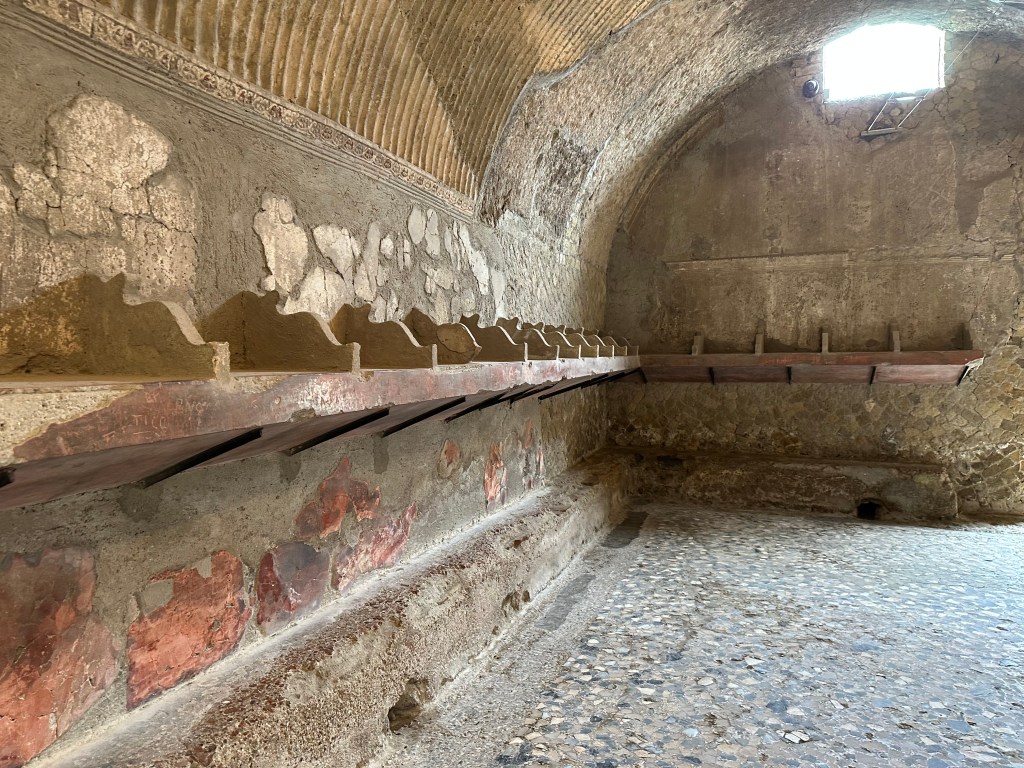
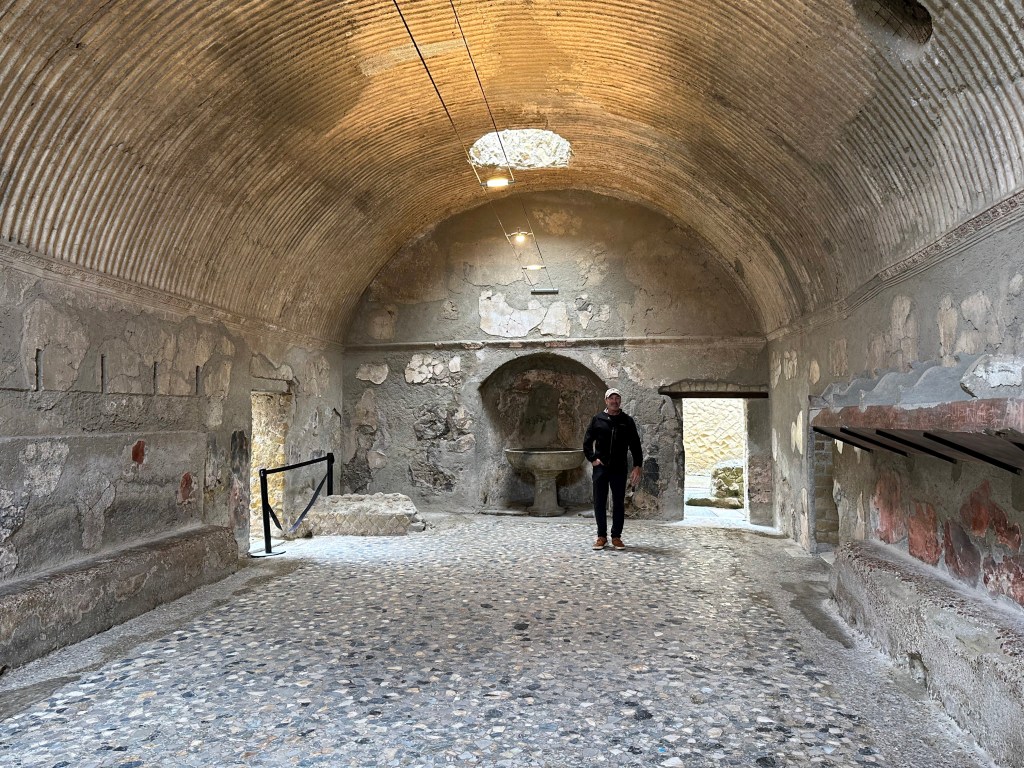
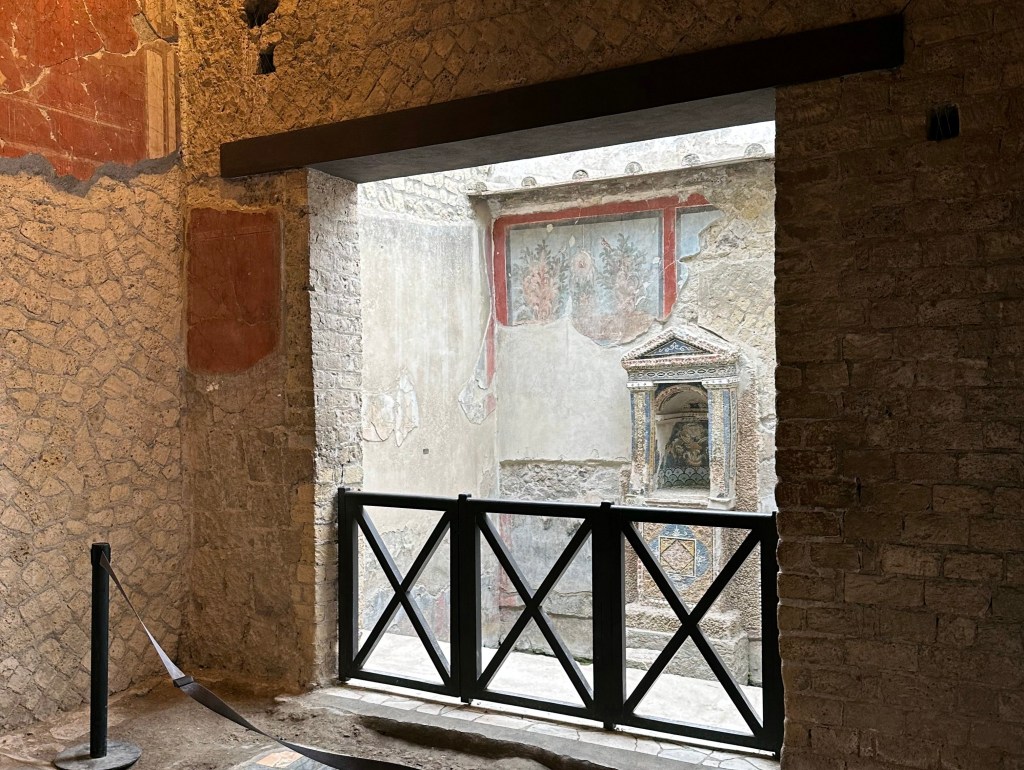
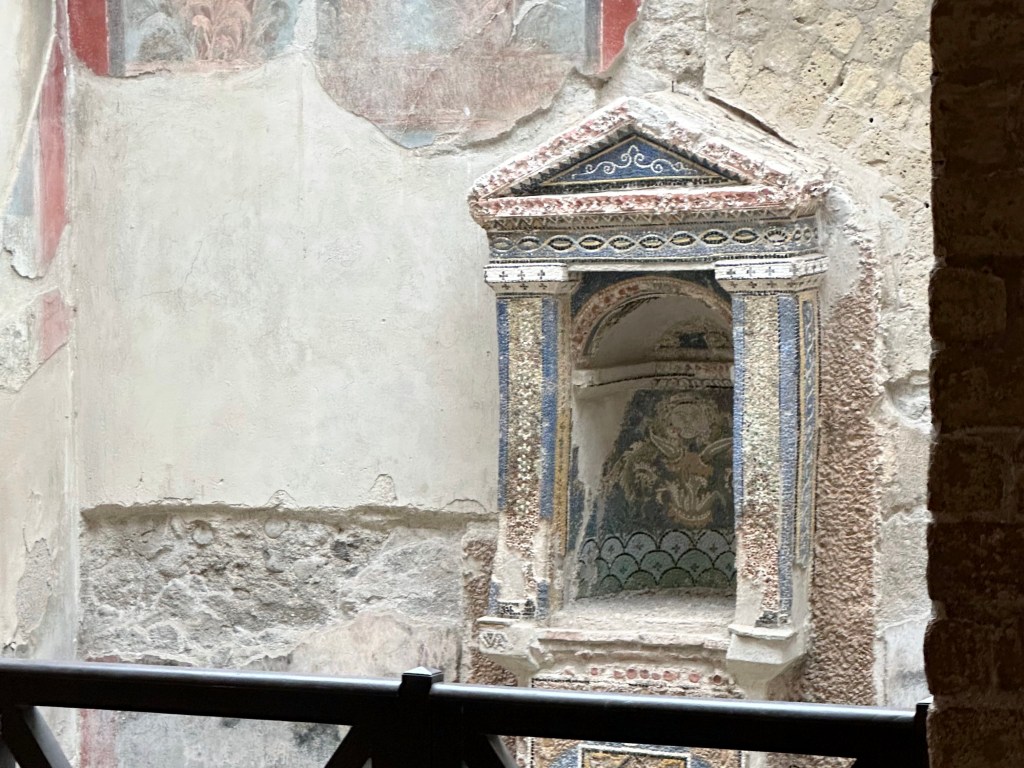
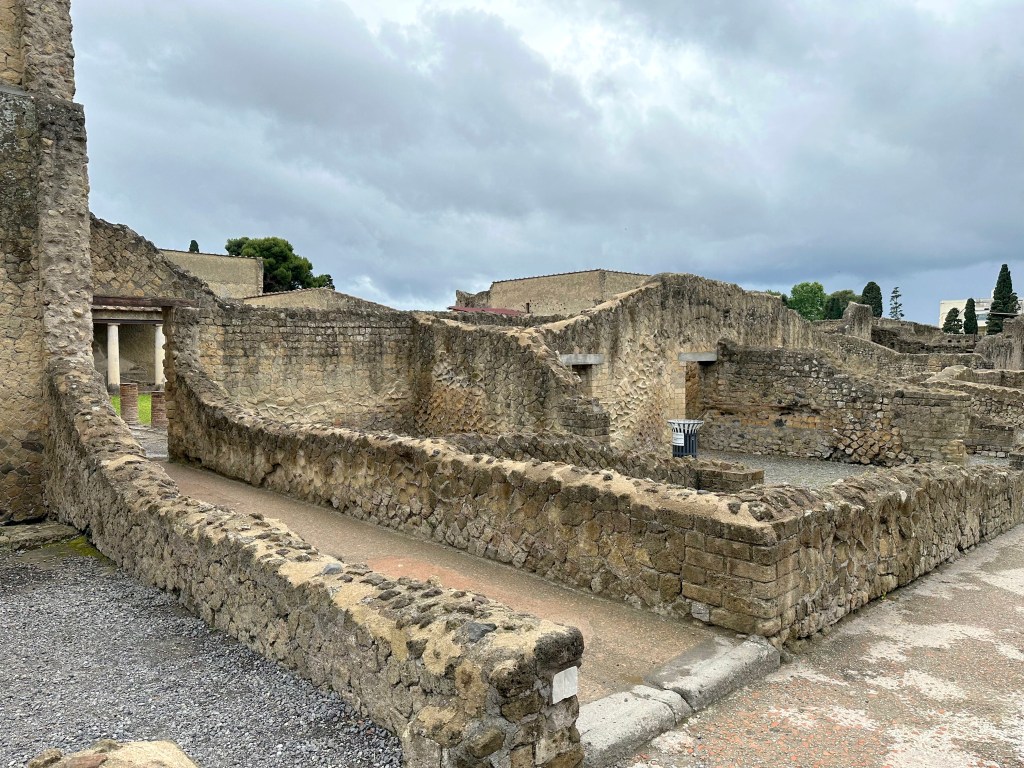
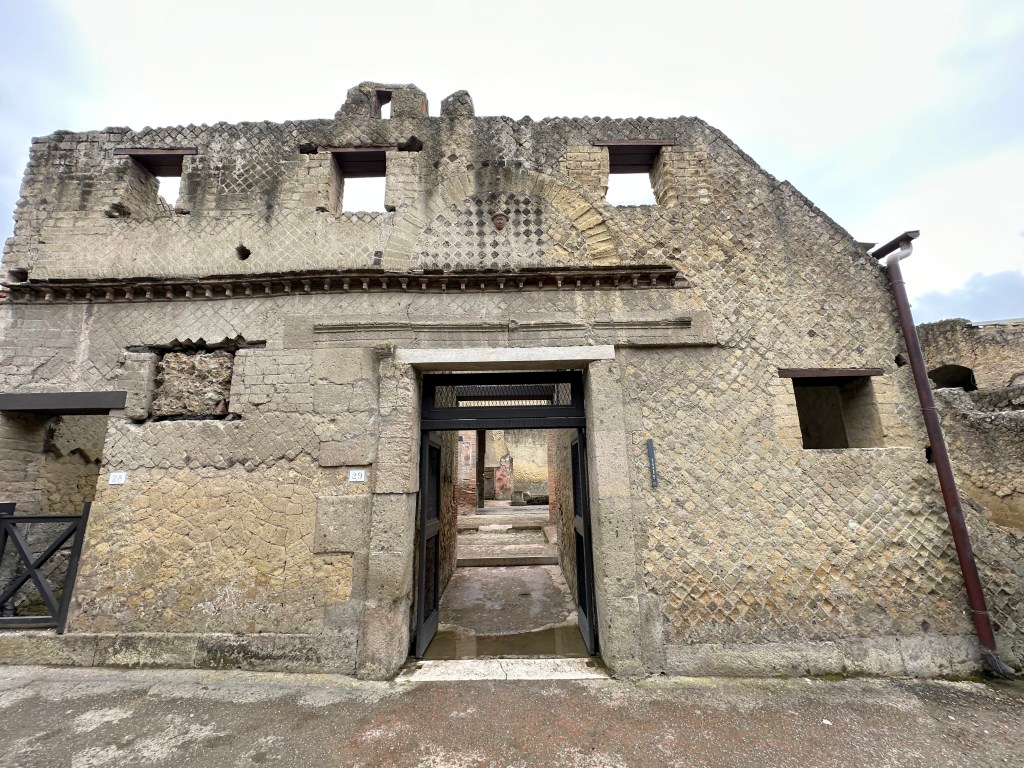
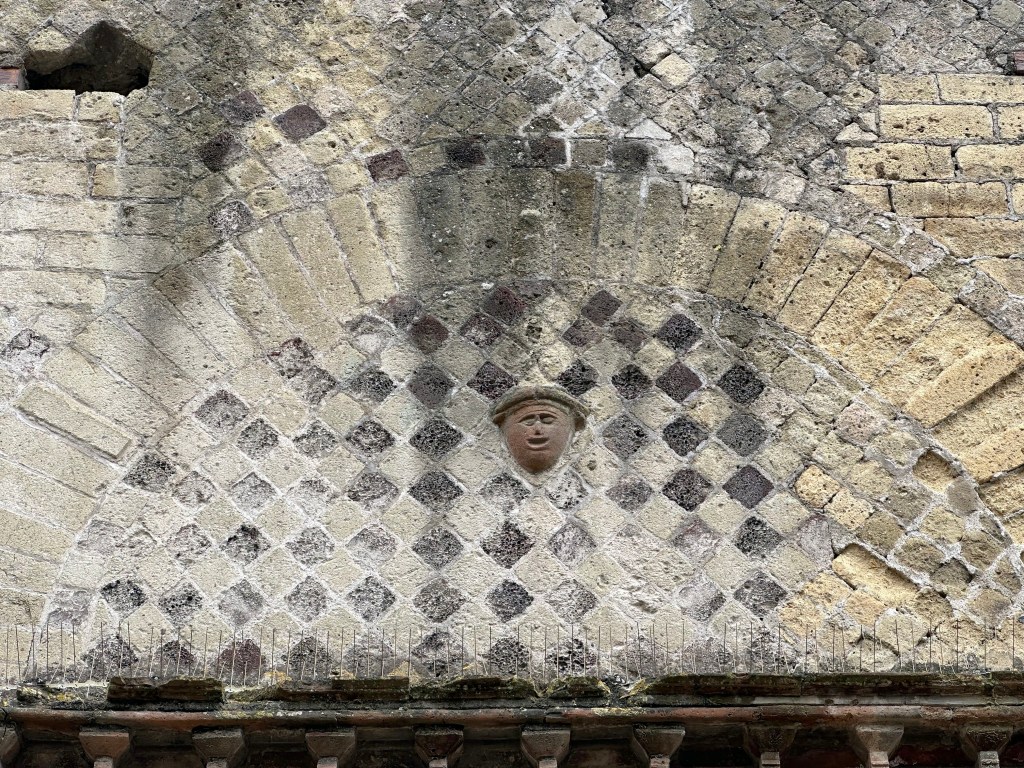
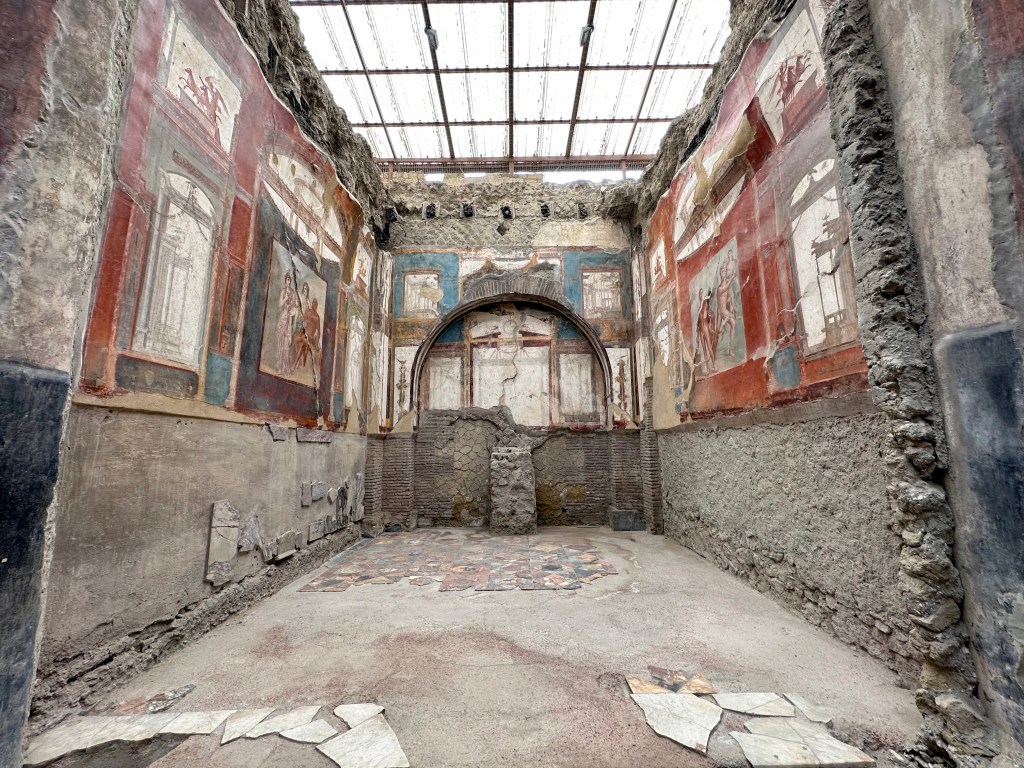
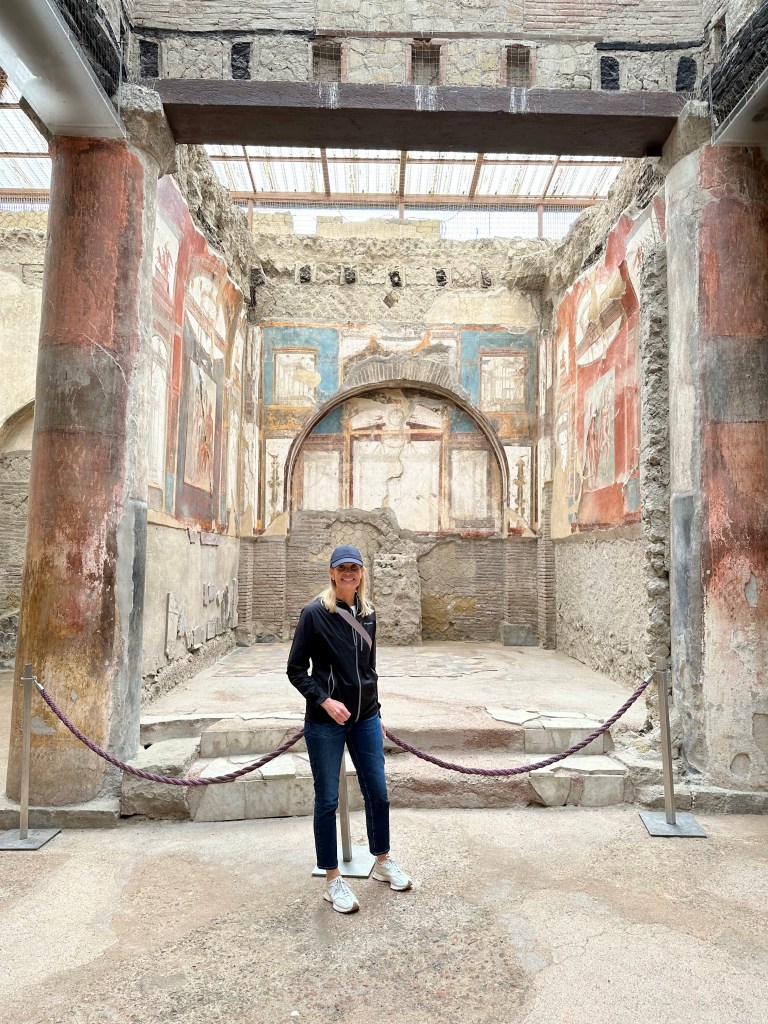
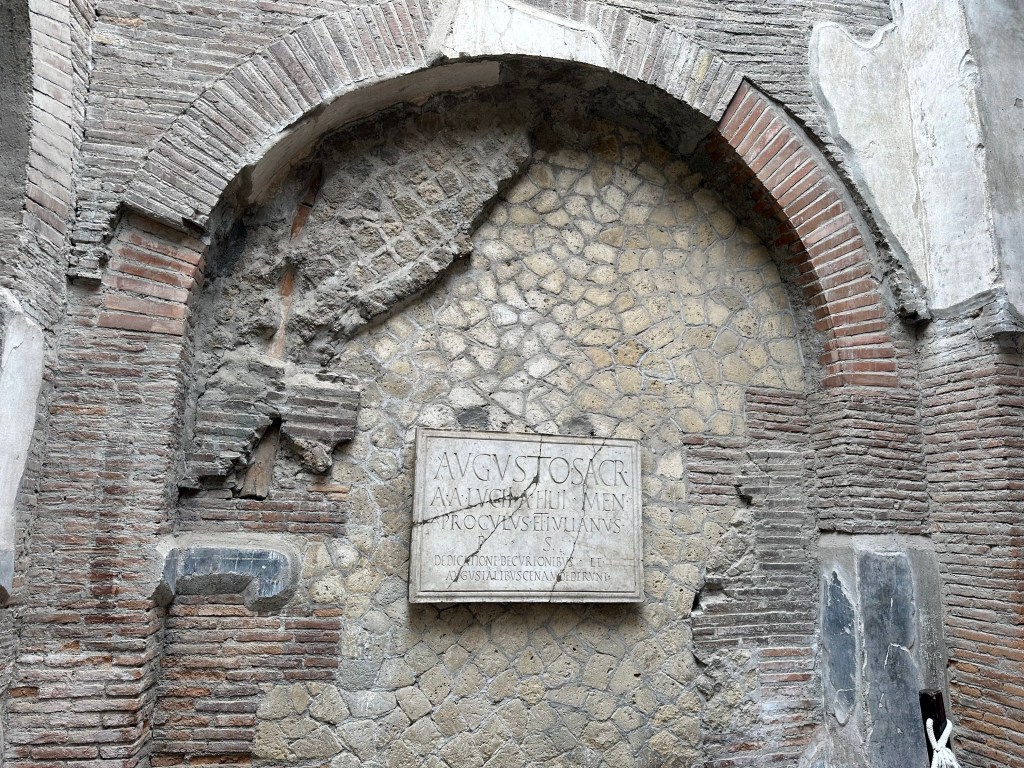
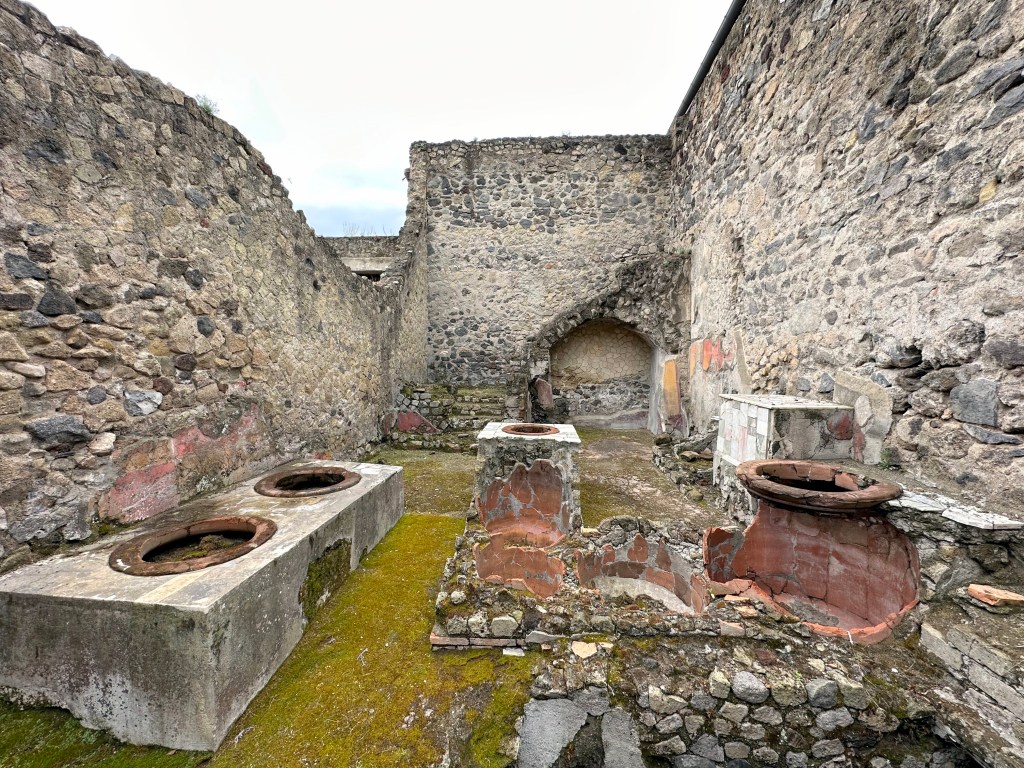
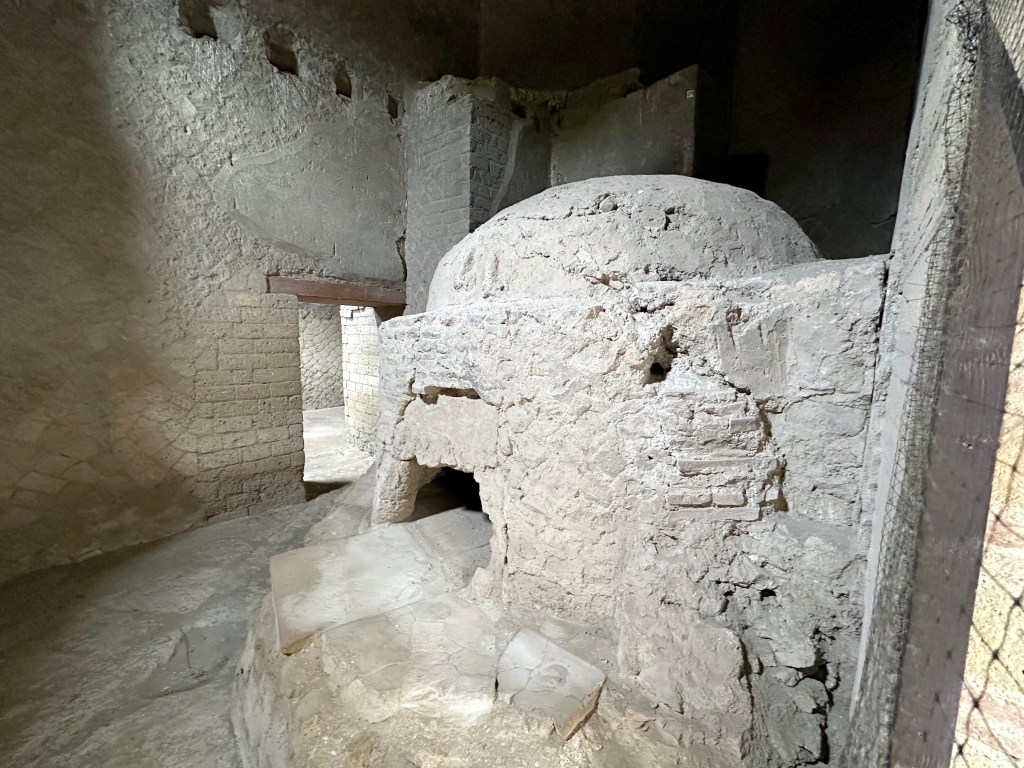
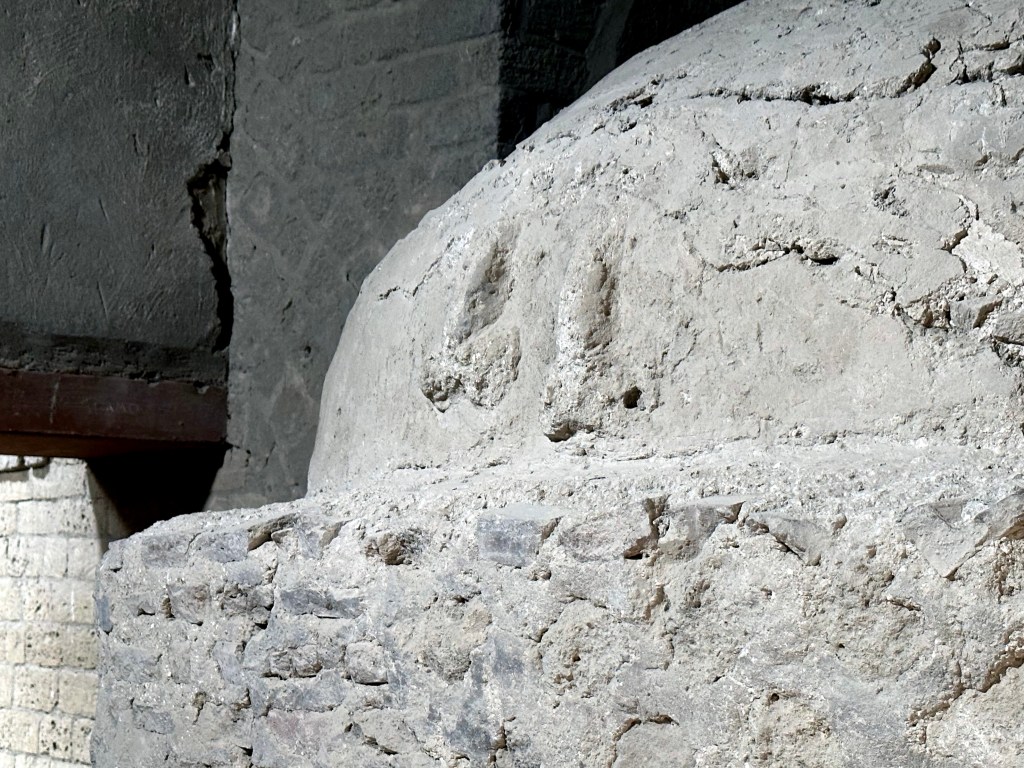
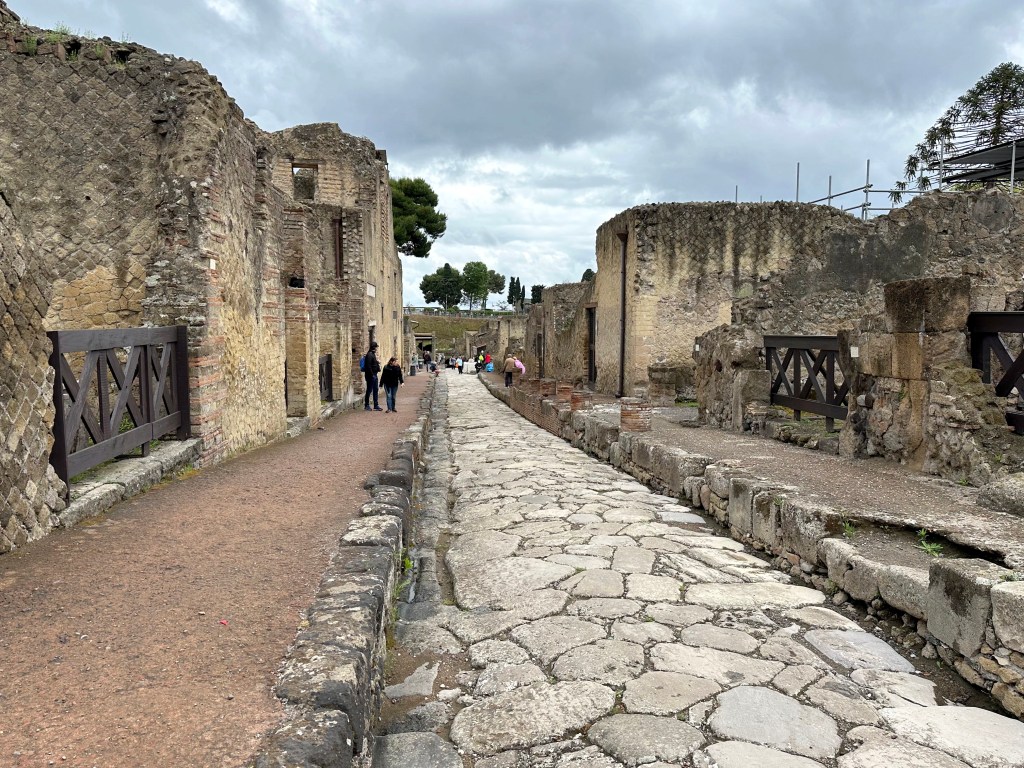
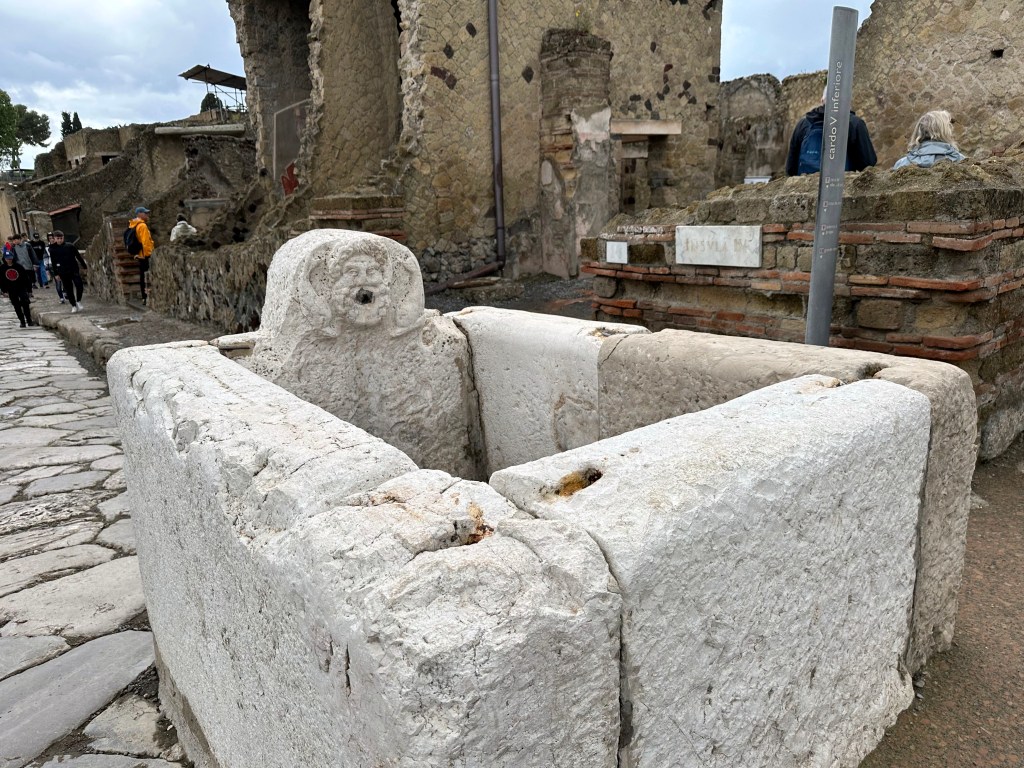
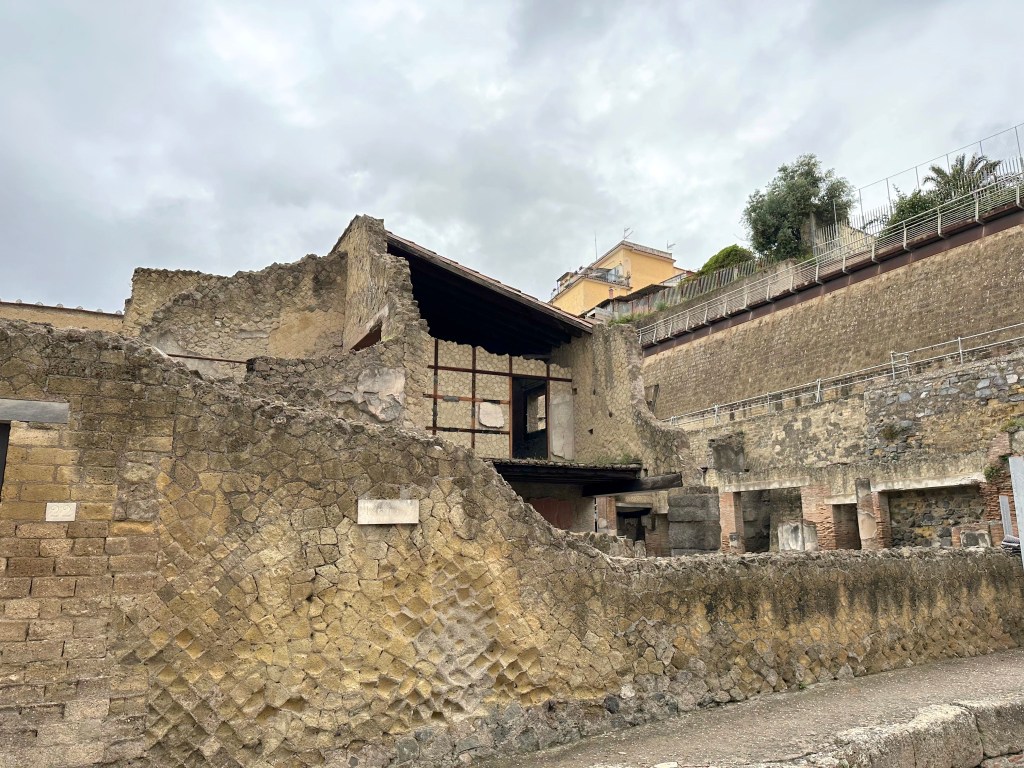
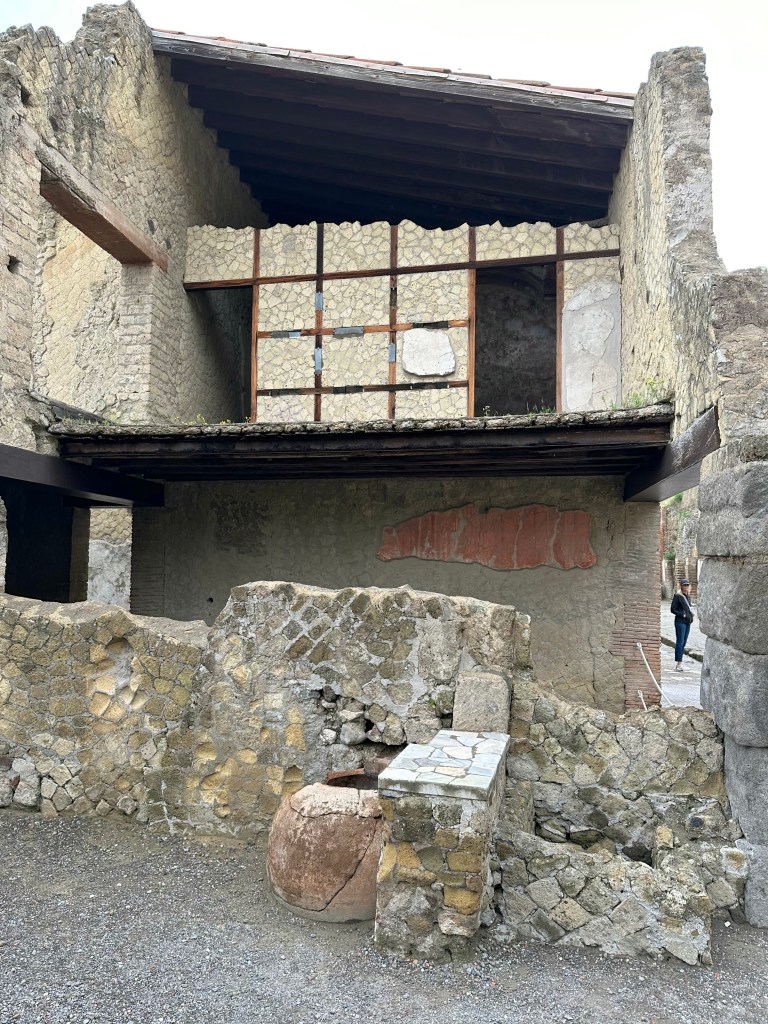
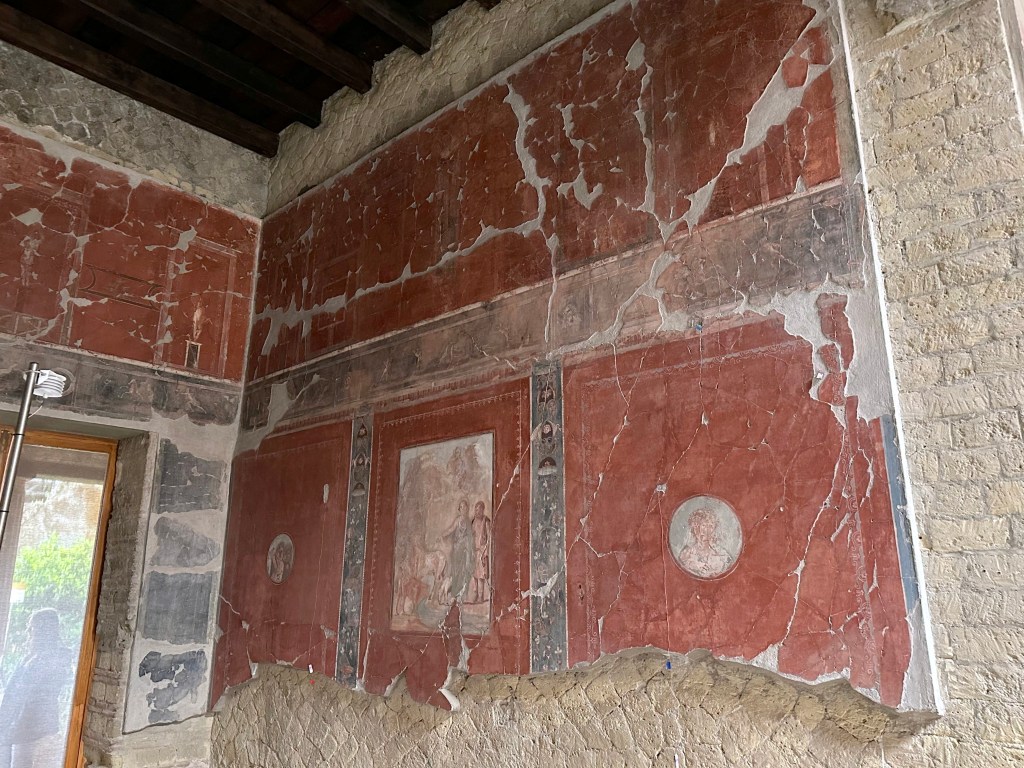
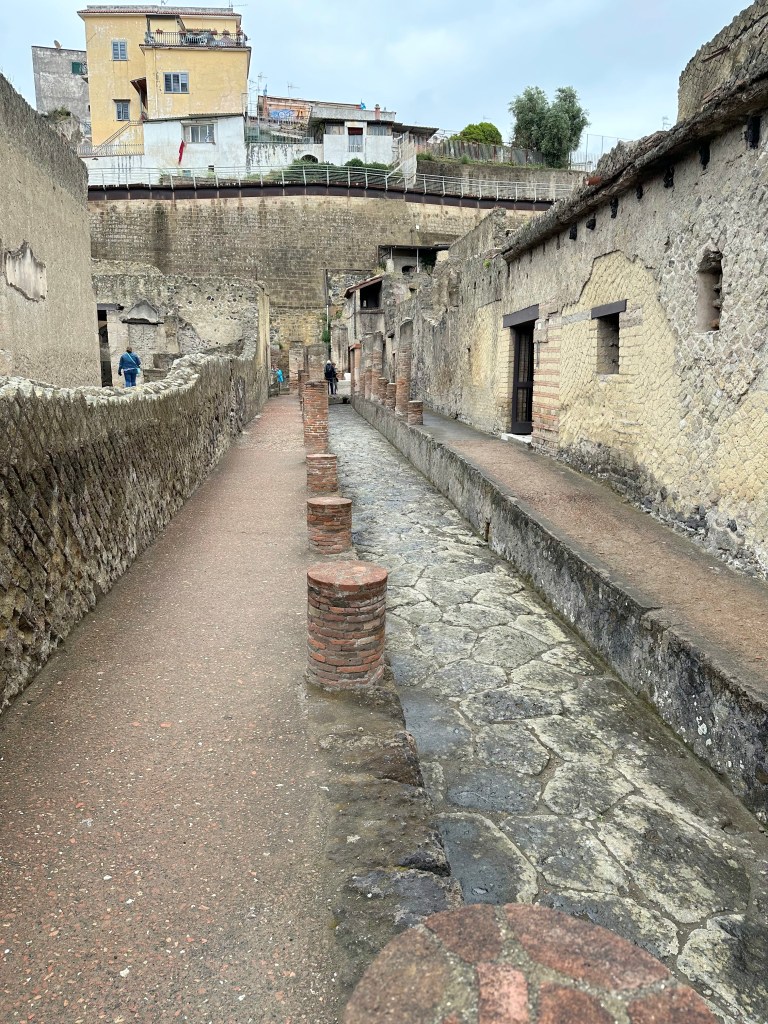
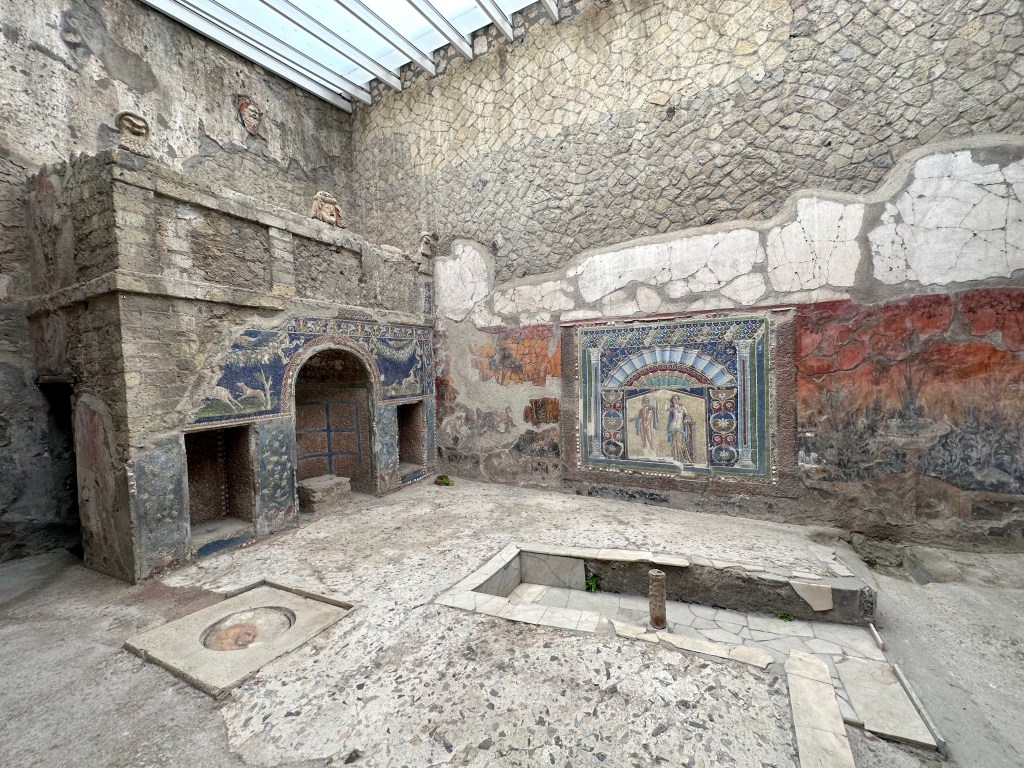
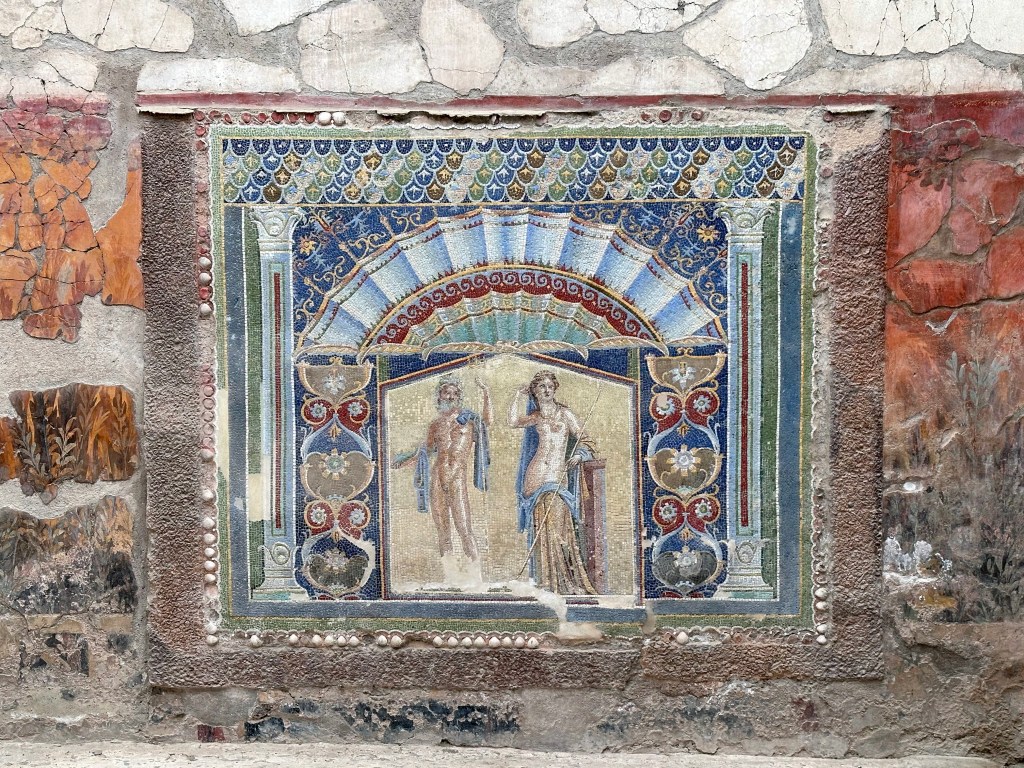
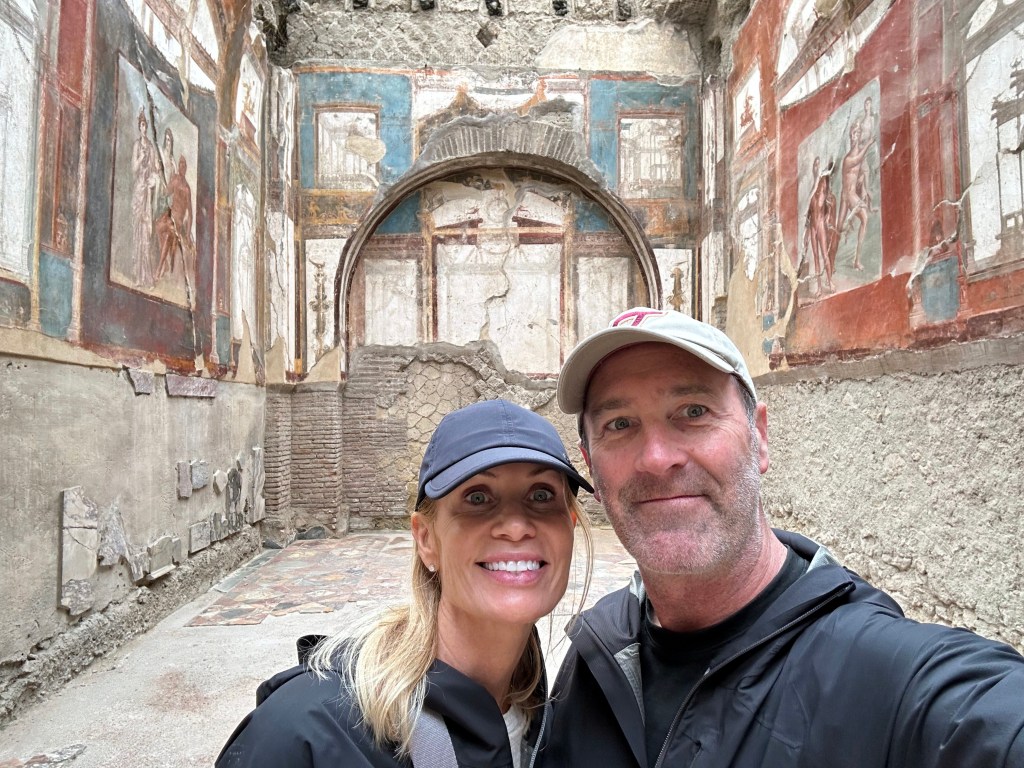
We continued south the next day, to Herculaneum. A smaller town than Pompeii, Herculaneum also was nonetheless lost due to the eruption of Mount Vesuvius in 79 AD, but it was covered in ash and pumice, rather than being flattened by rocky debris, preserving it much better, including numerous, intact, Roman snack bars:
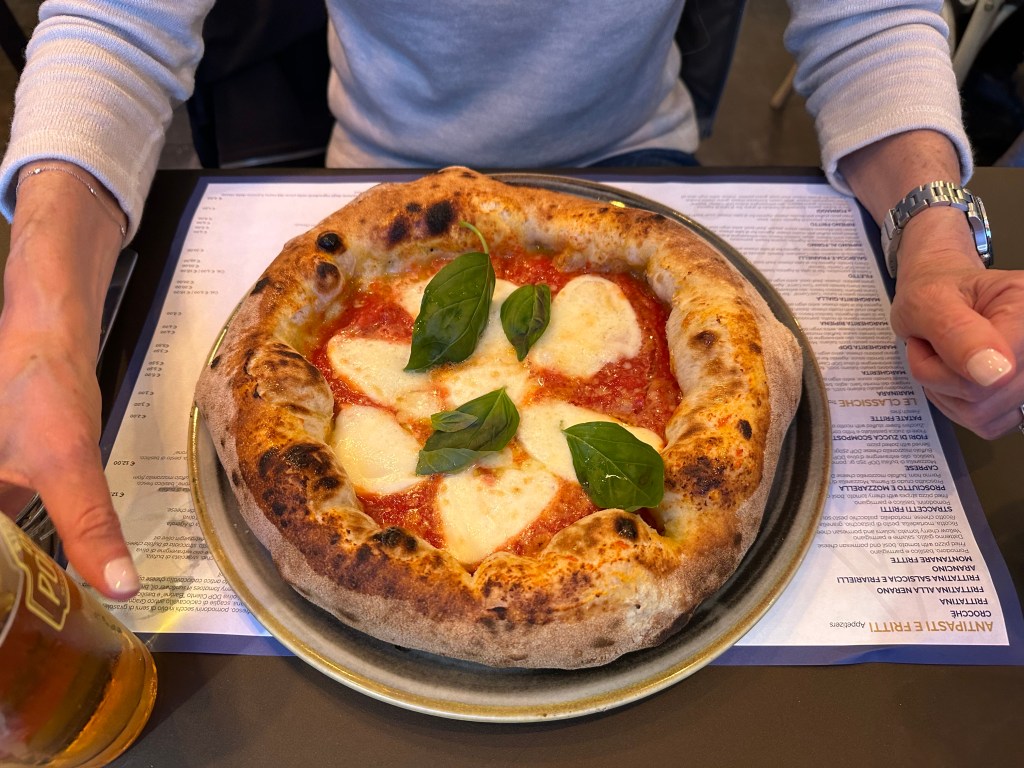
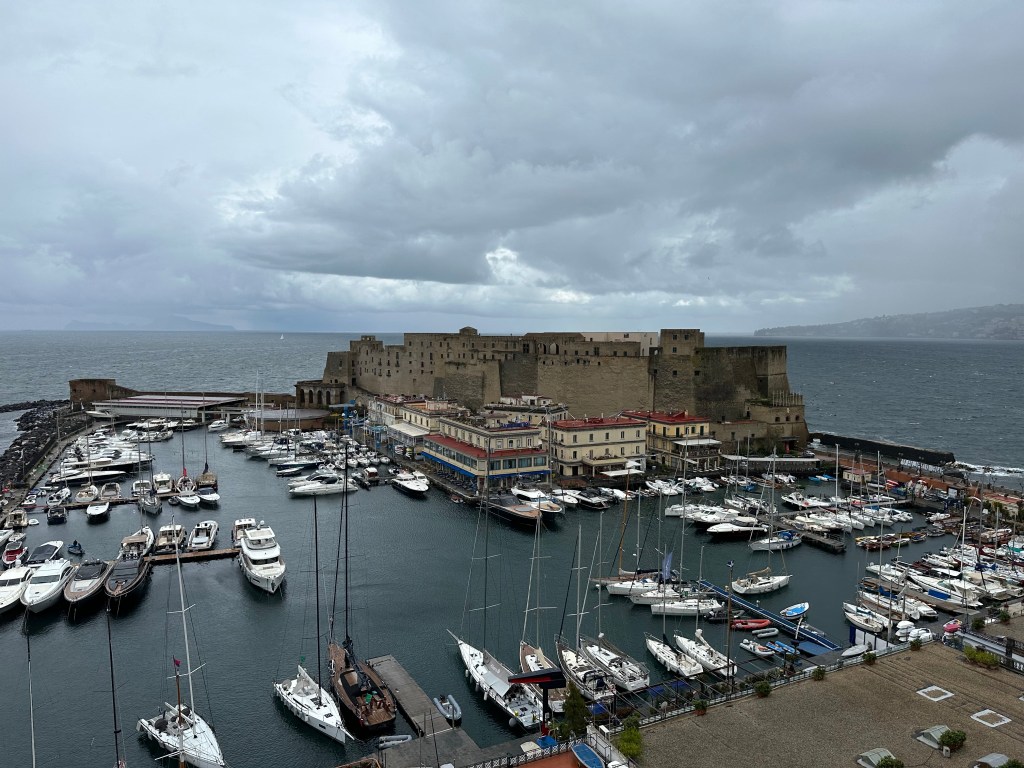
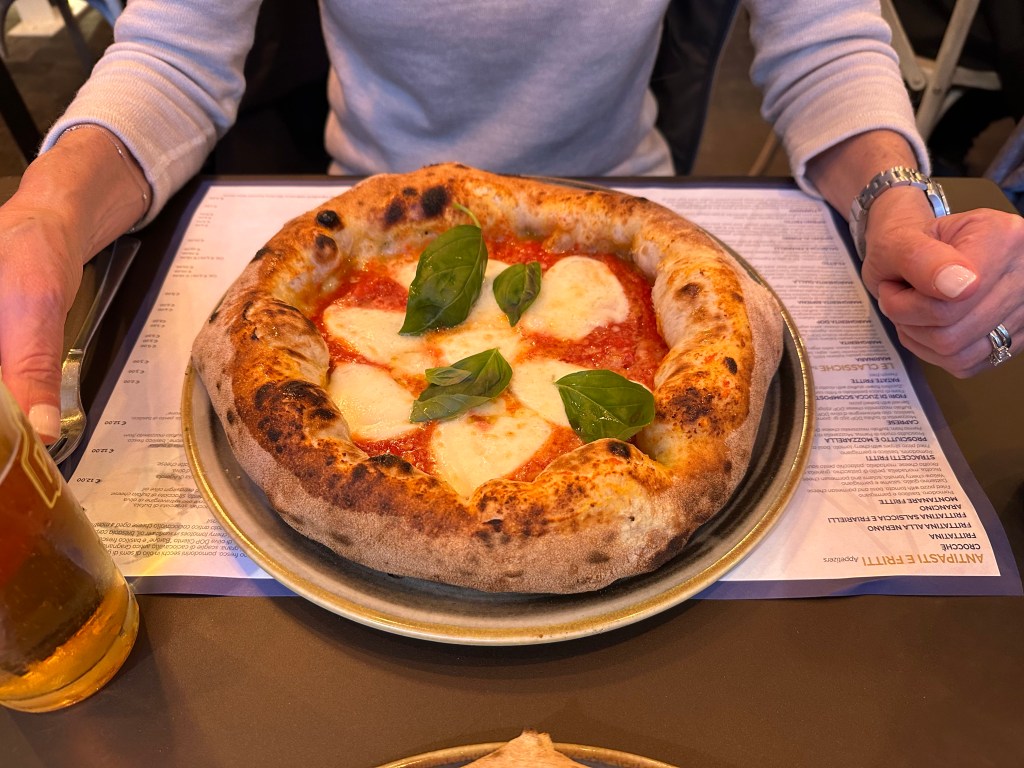
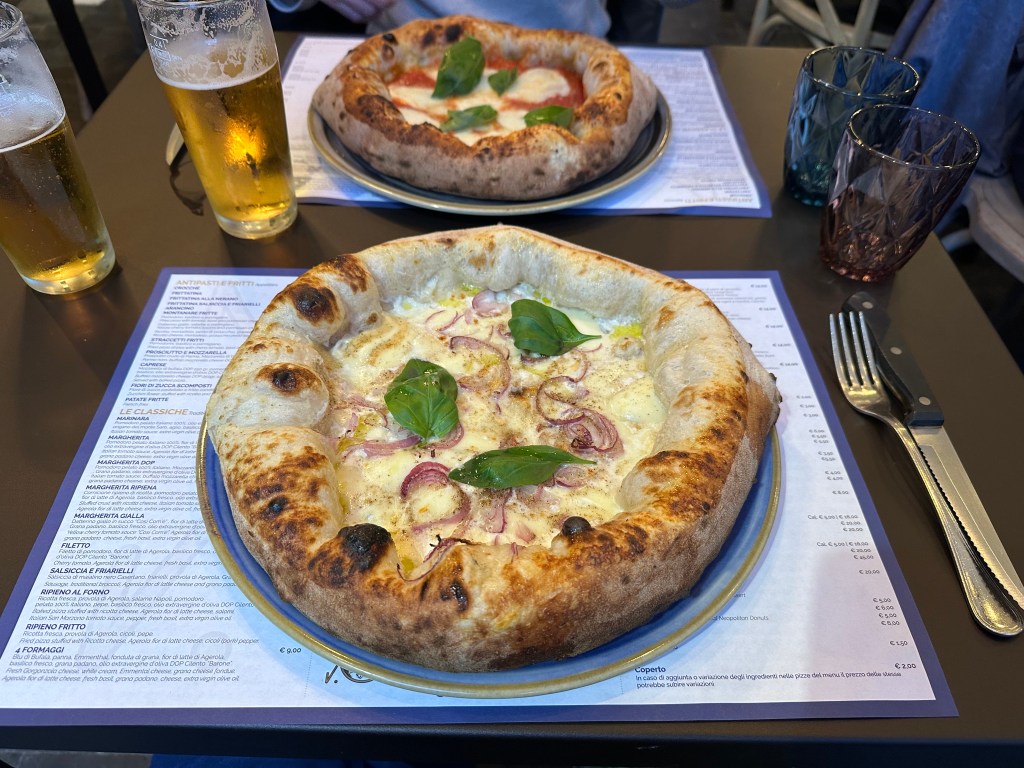
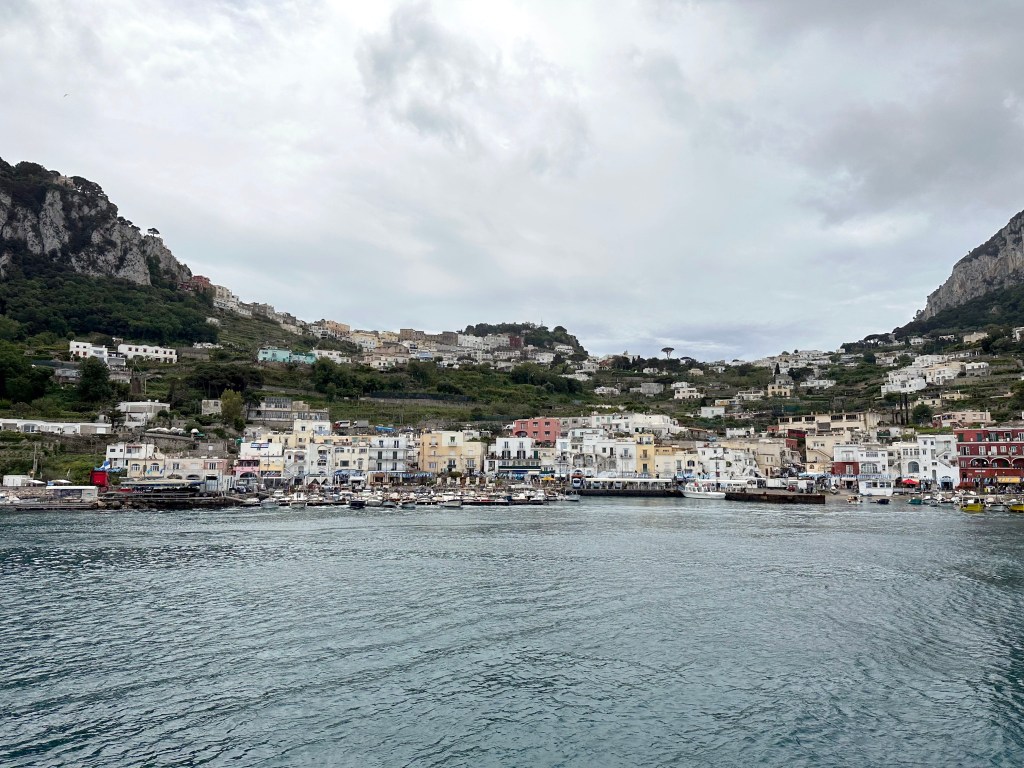
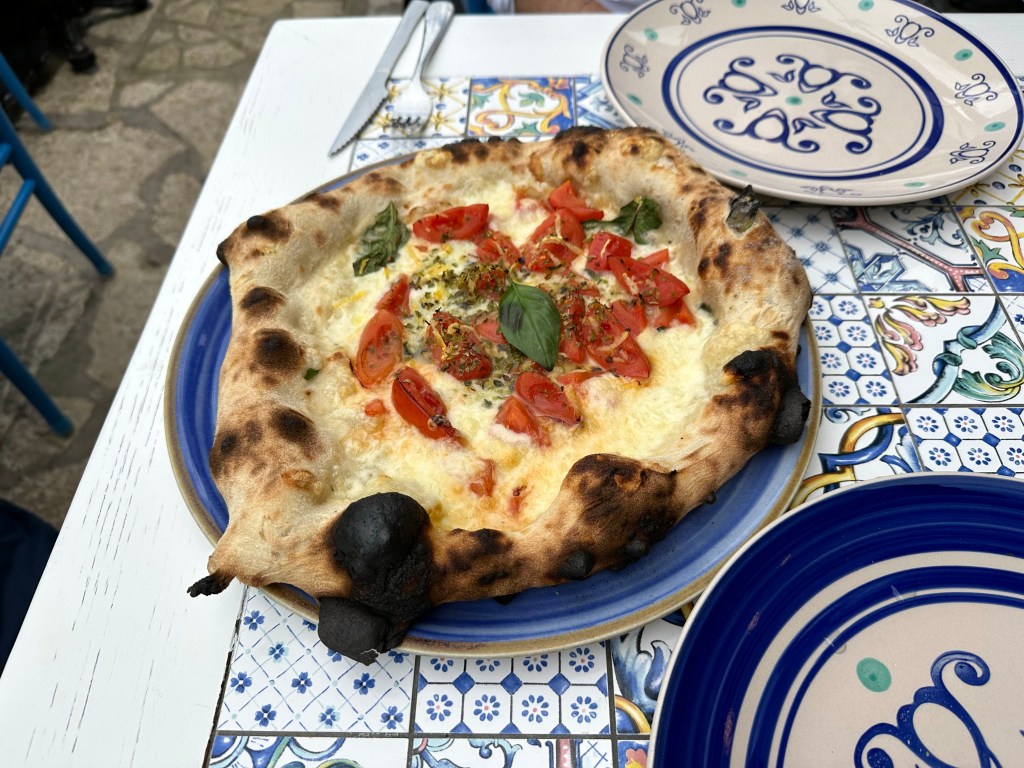
After a quick overnight in Naples (in which our only goal was to score some iconic Neapolitan pizza), we headed to Capri for a couple of days, leaving the car in Sorrento:
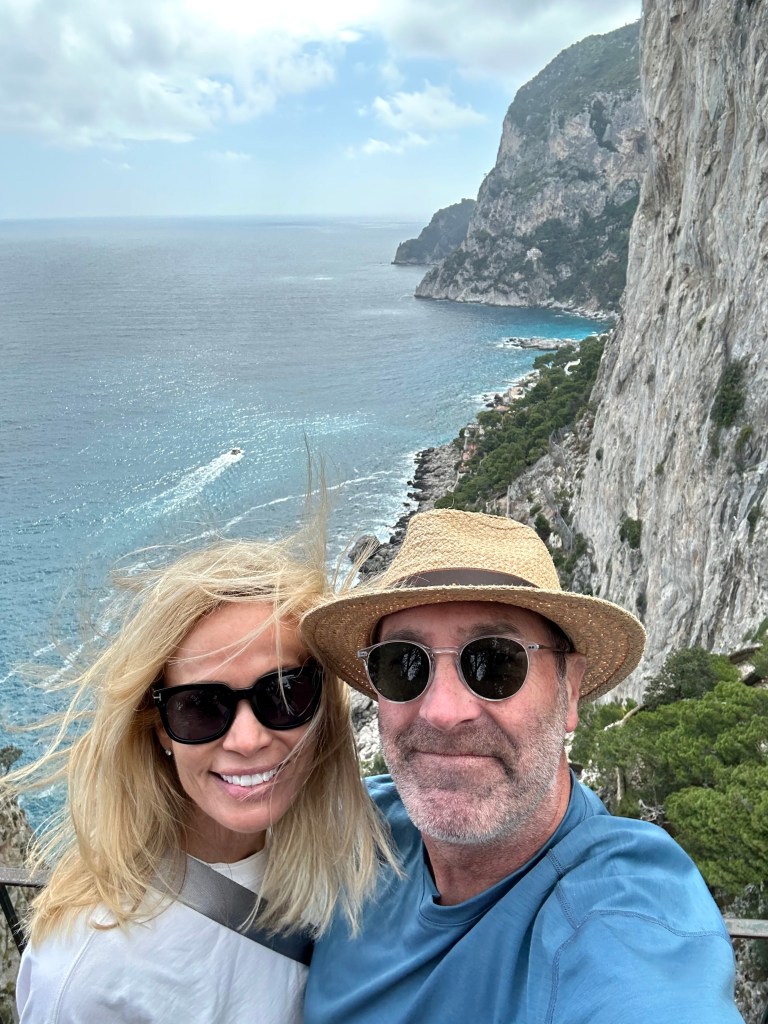
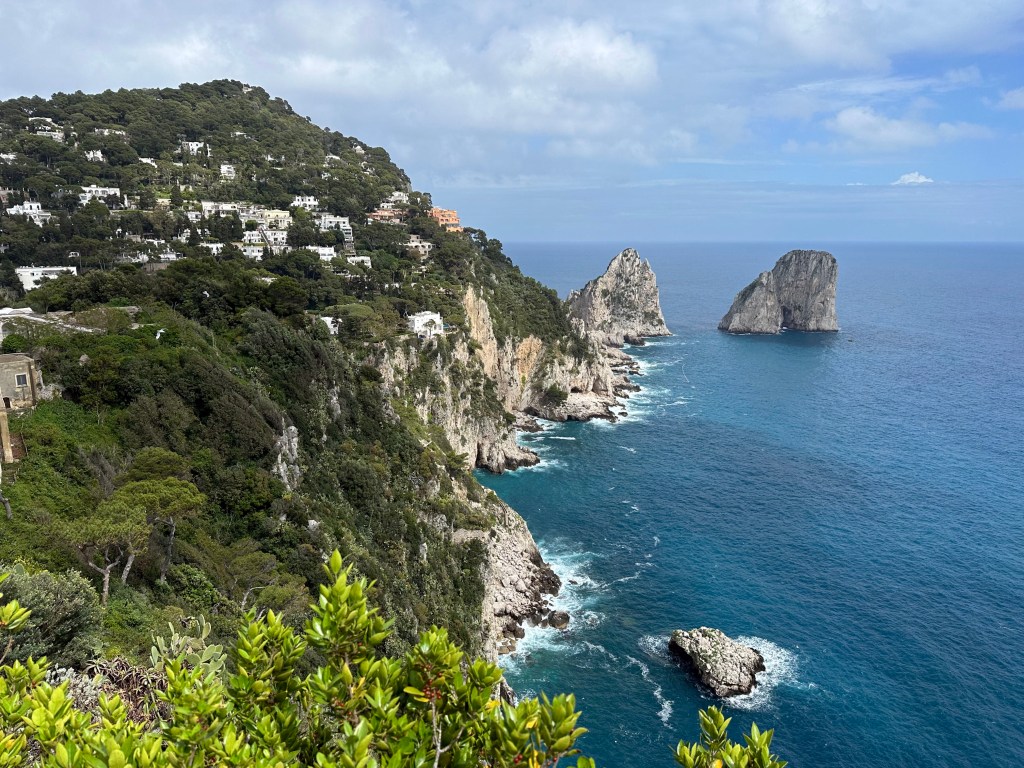
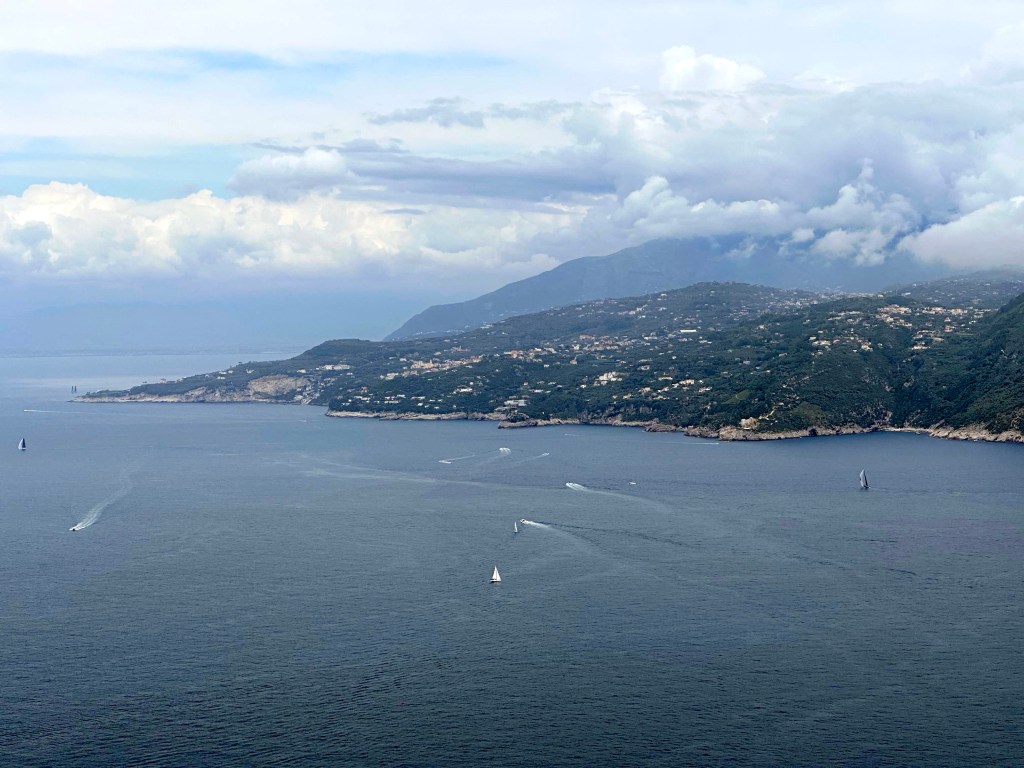
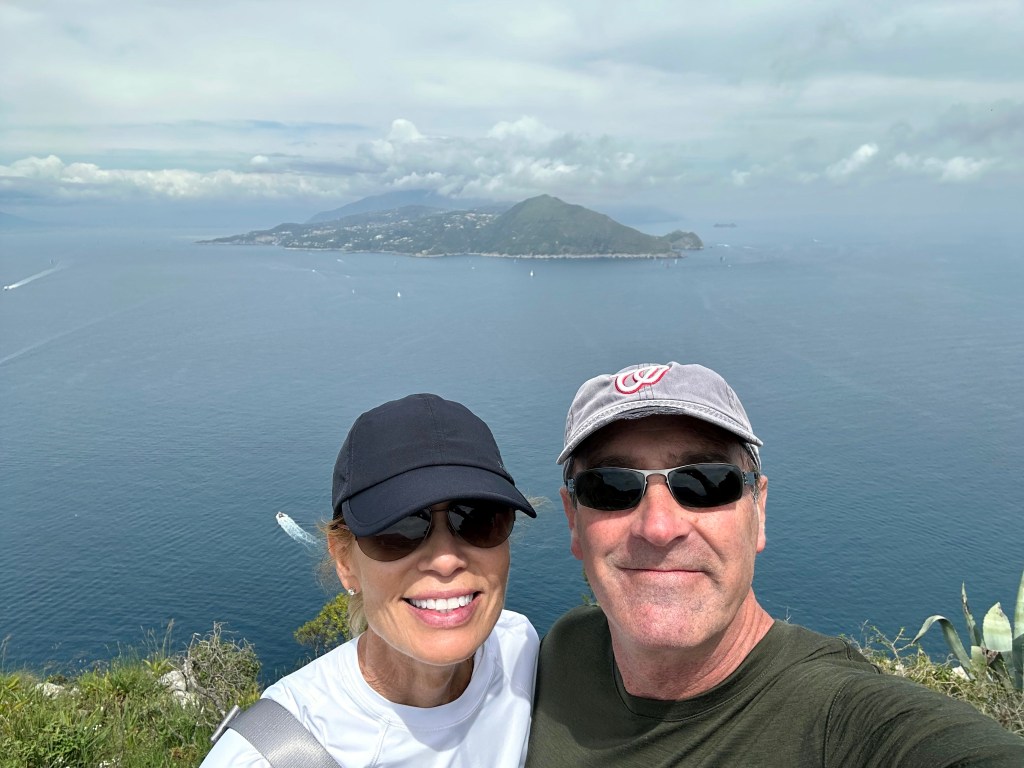
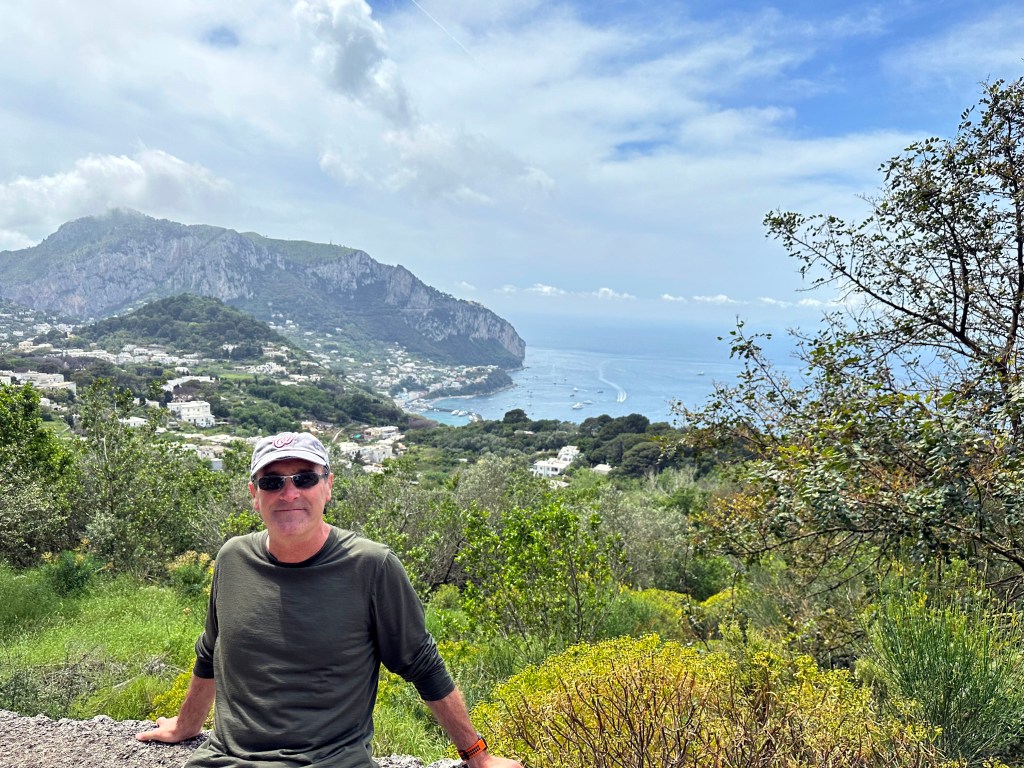
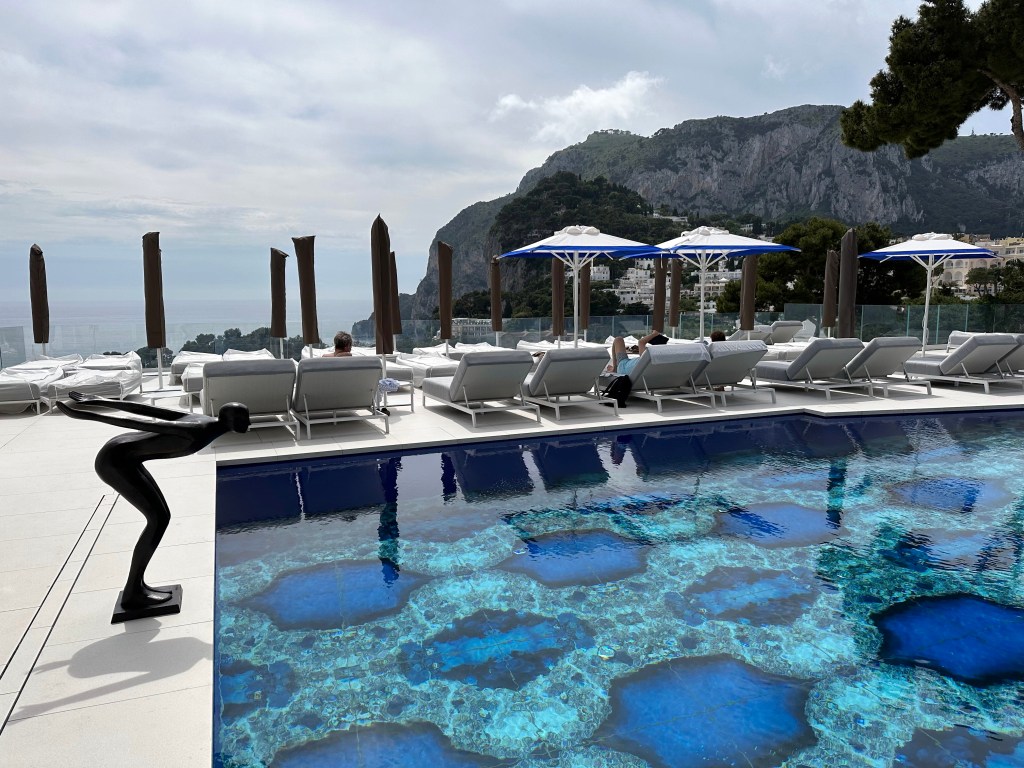
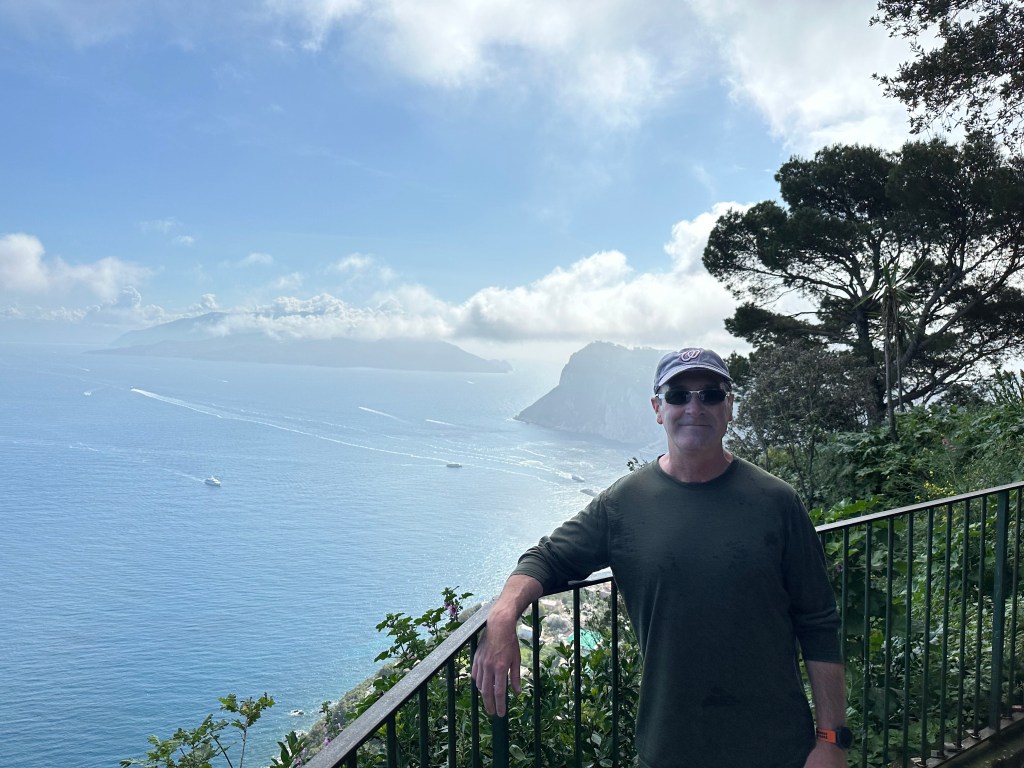
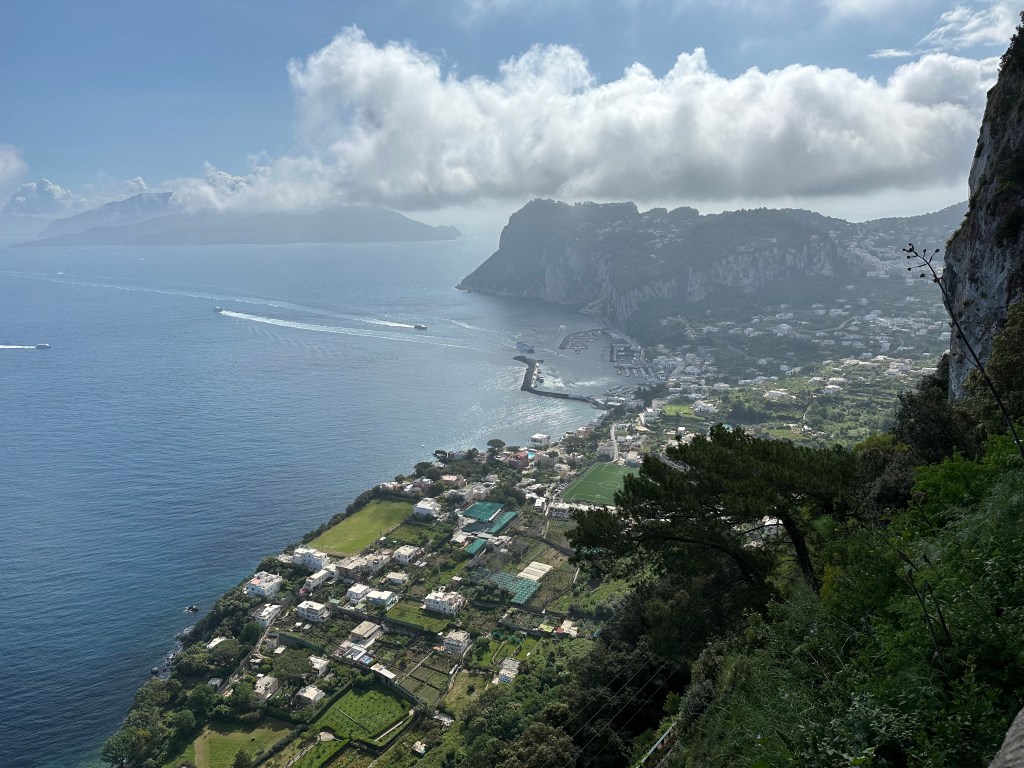
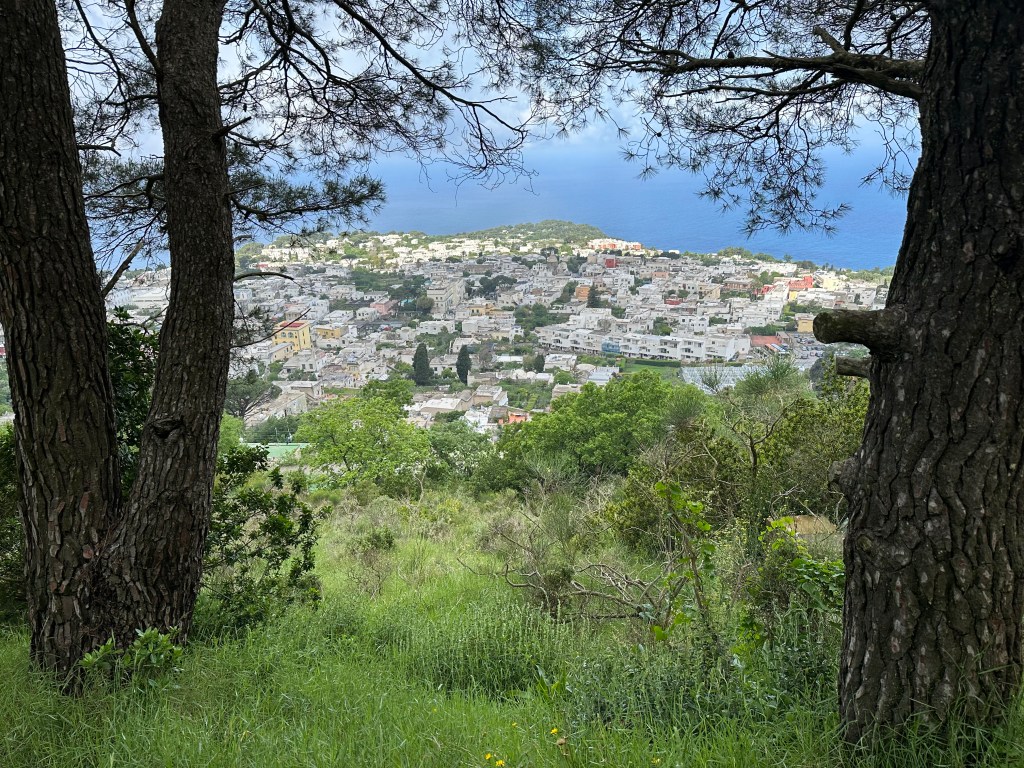
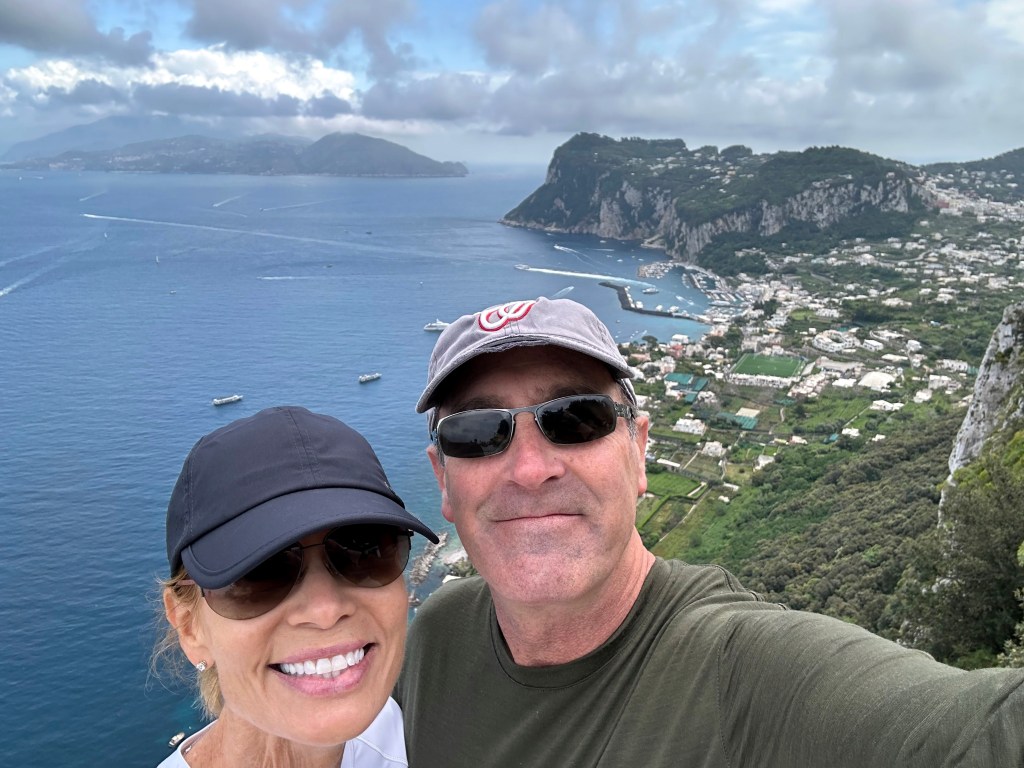
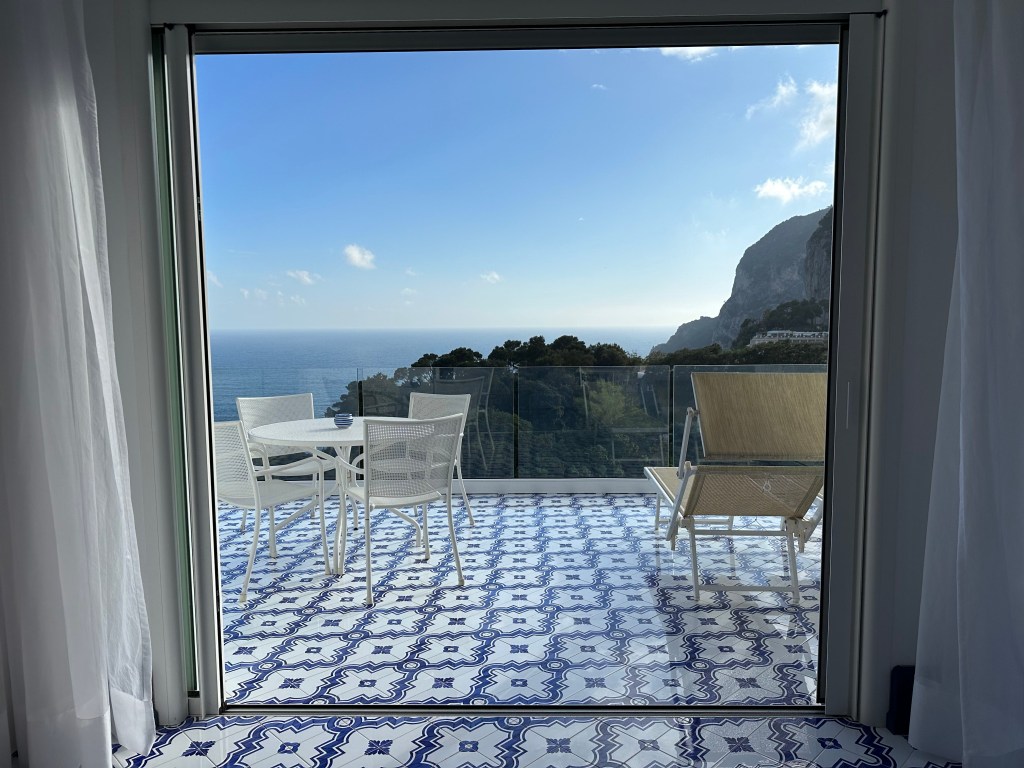
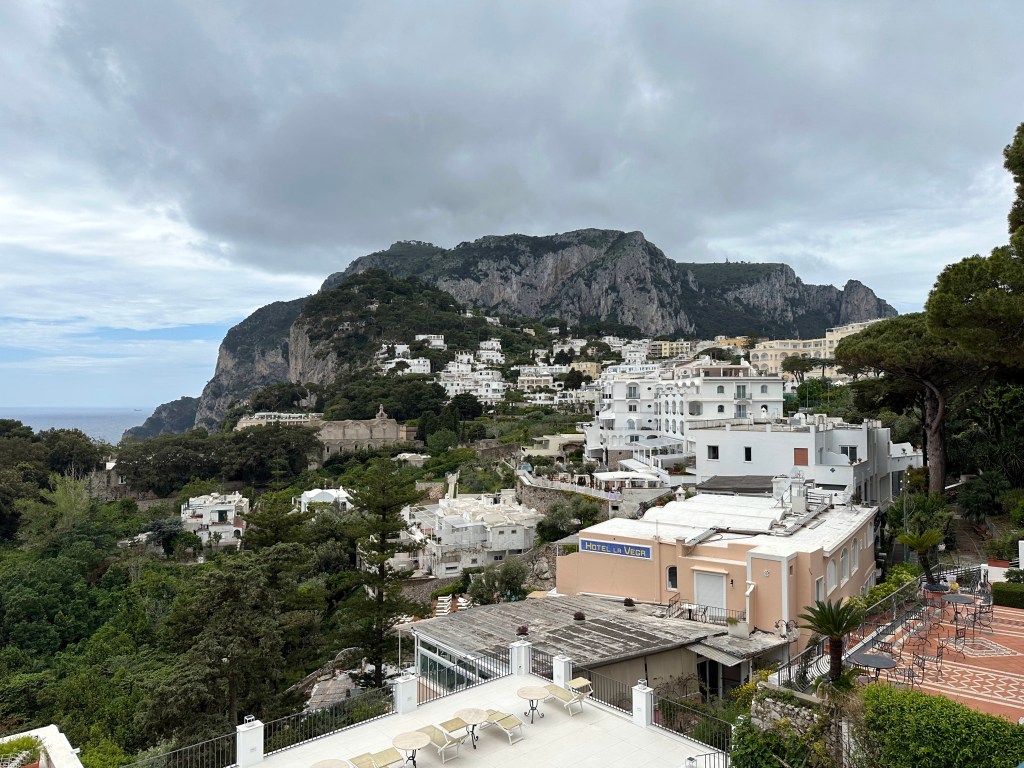
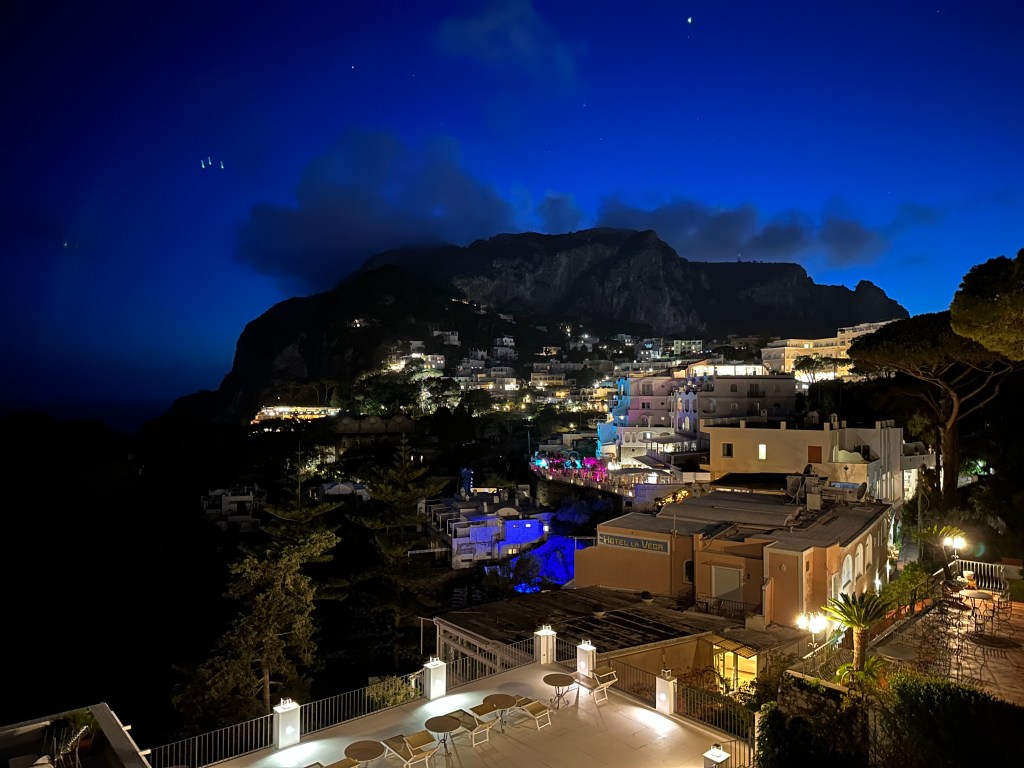
Our stay on Capri was one of the highlights of the trip – we will definitely be back. View over Capri Town from our place:
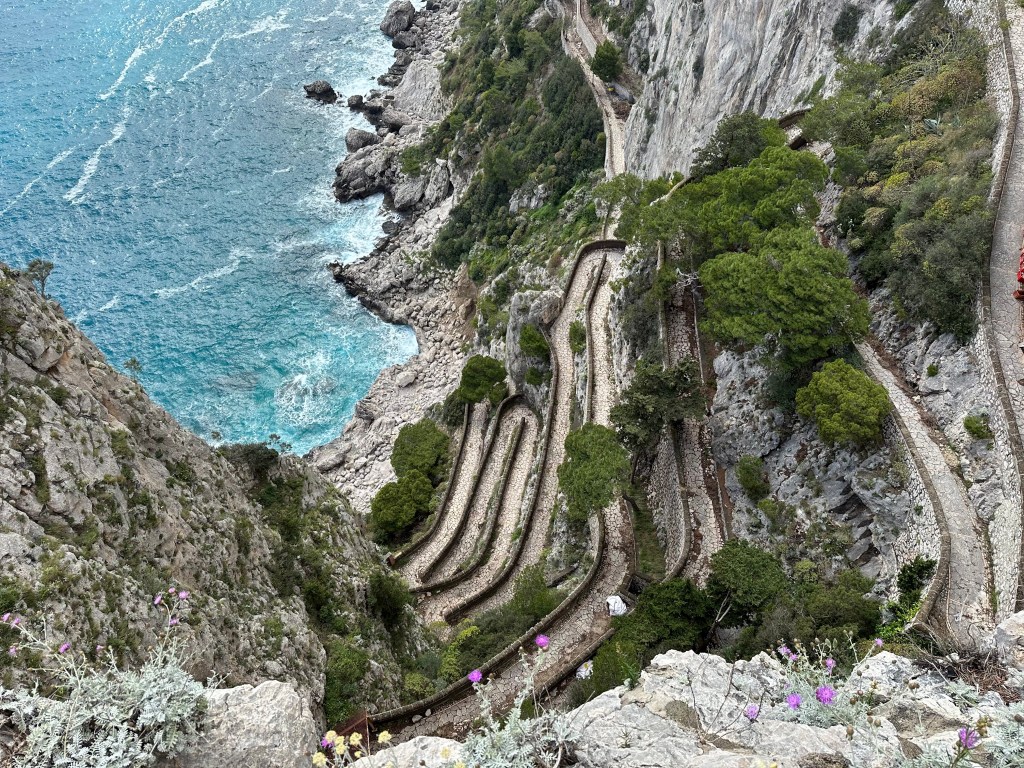
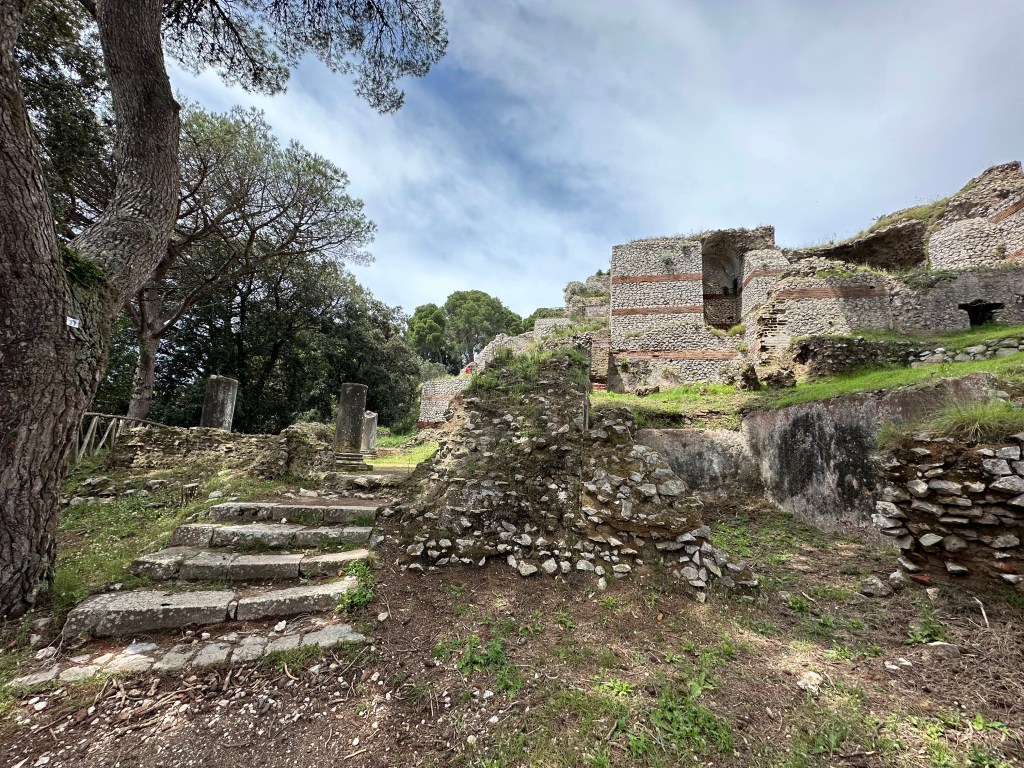
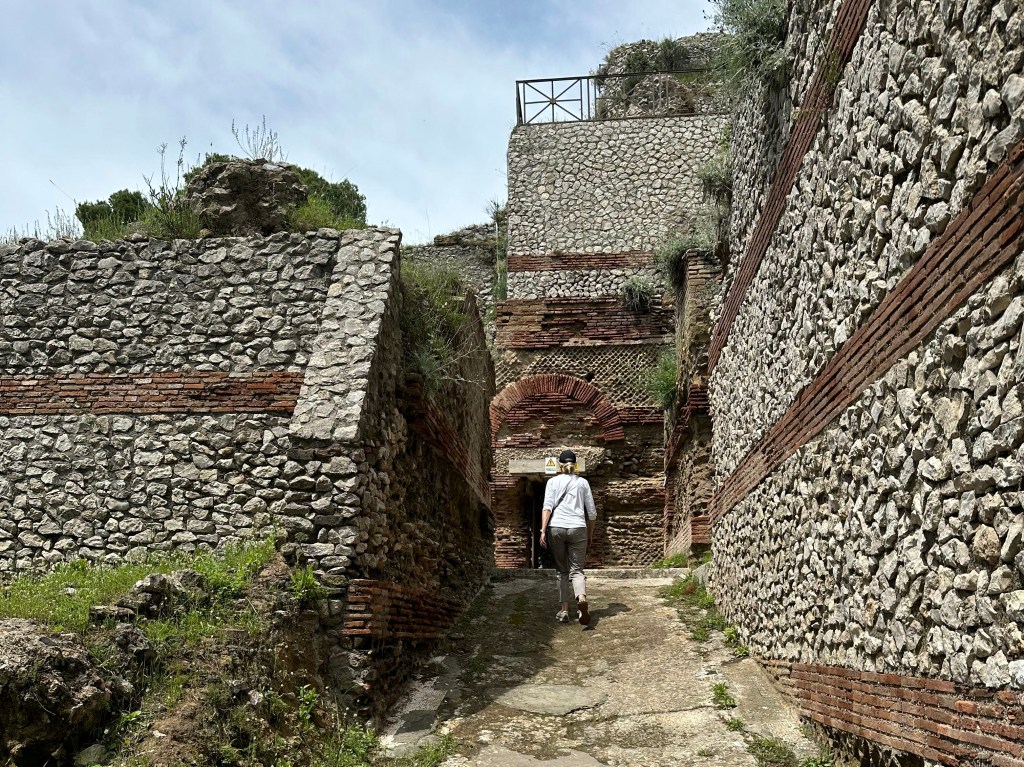
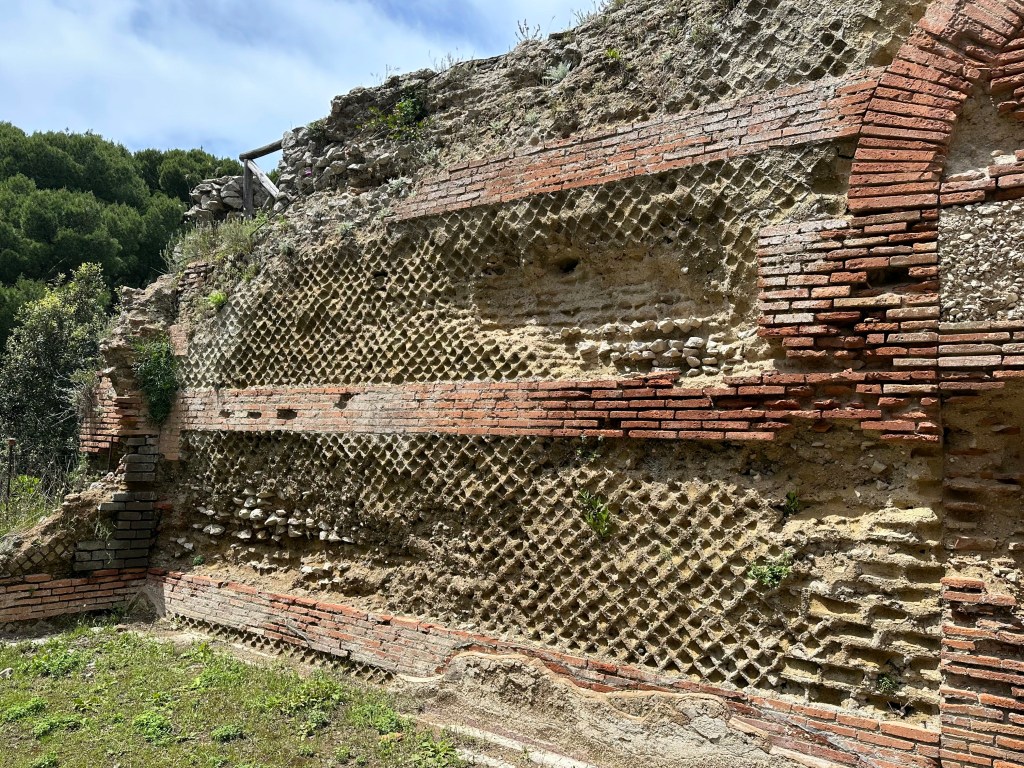
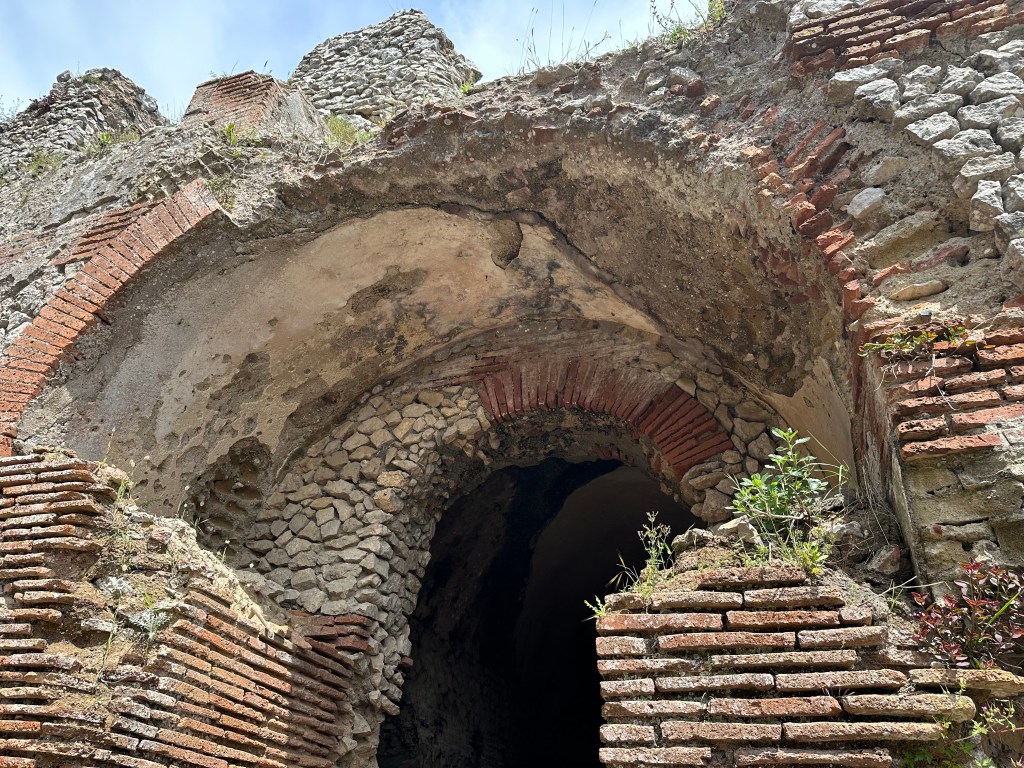
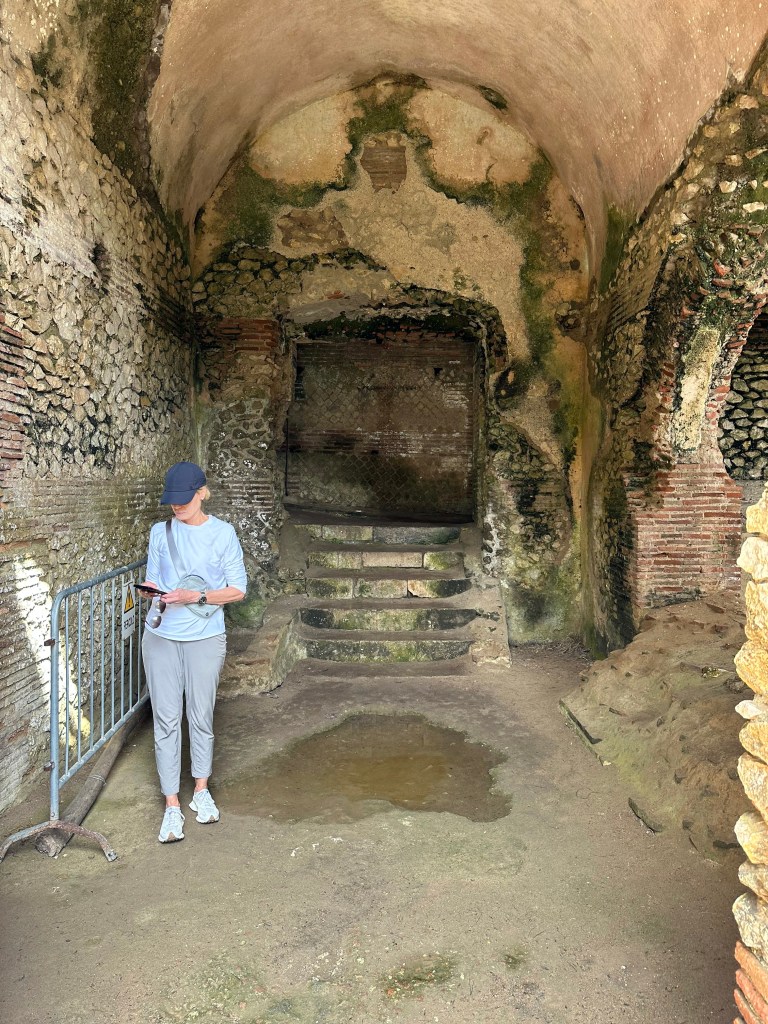
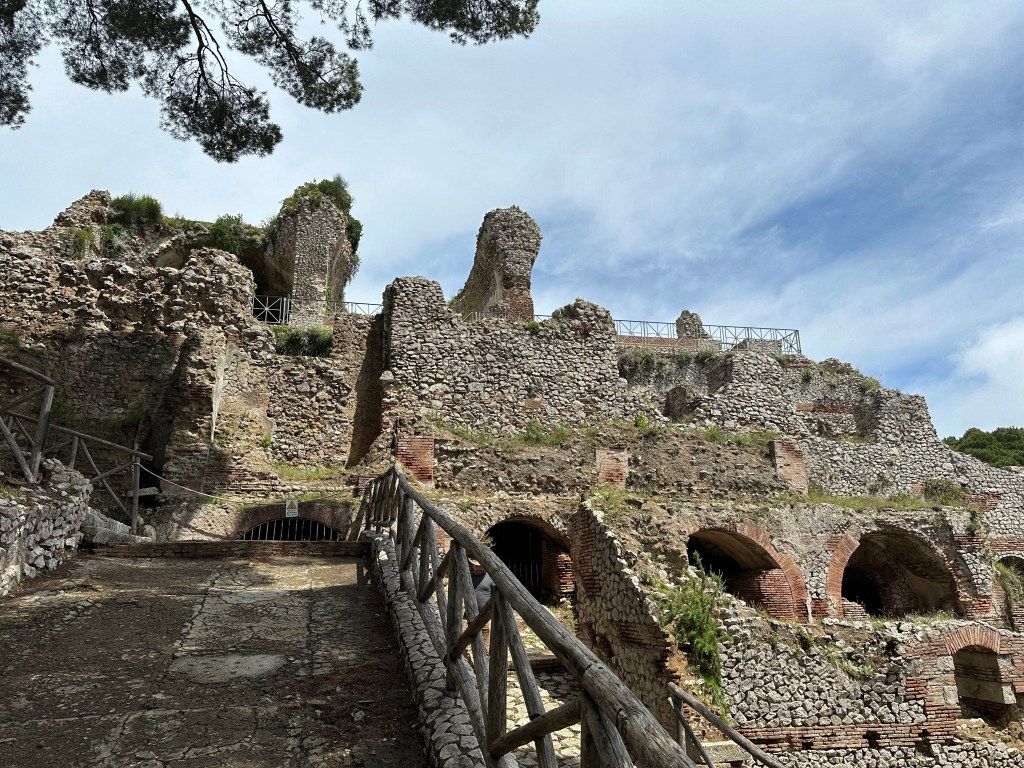
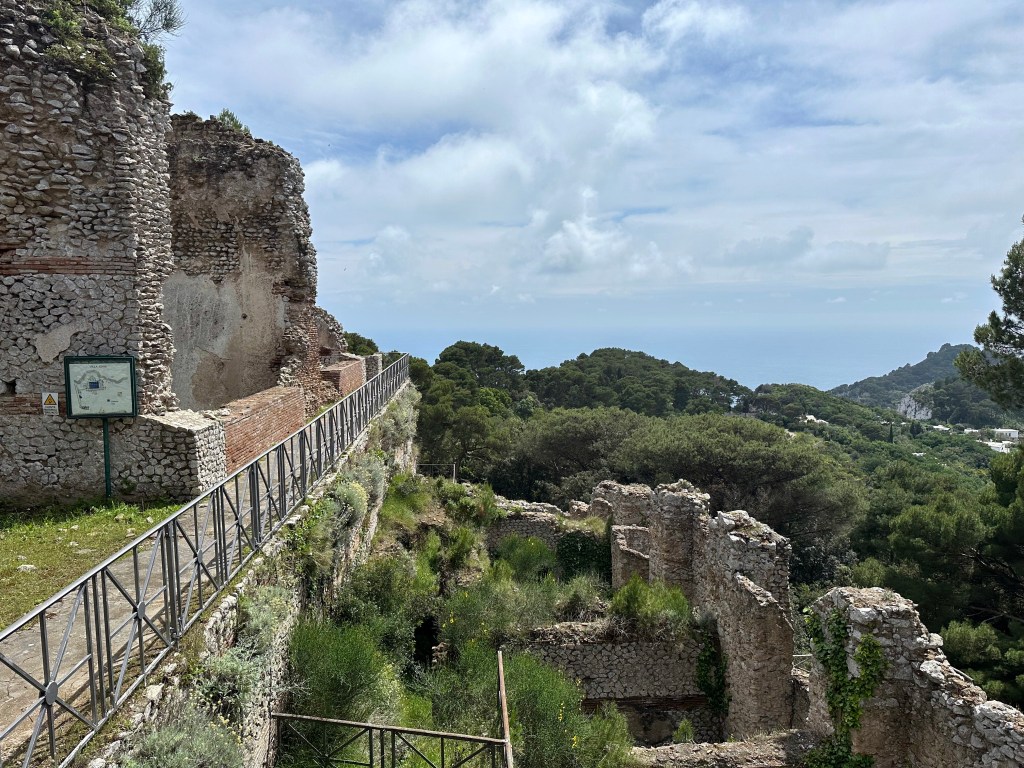
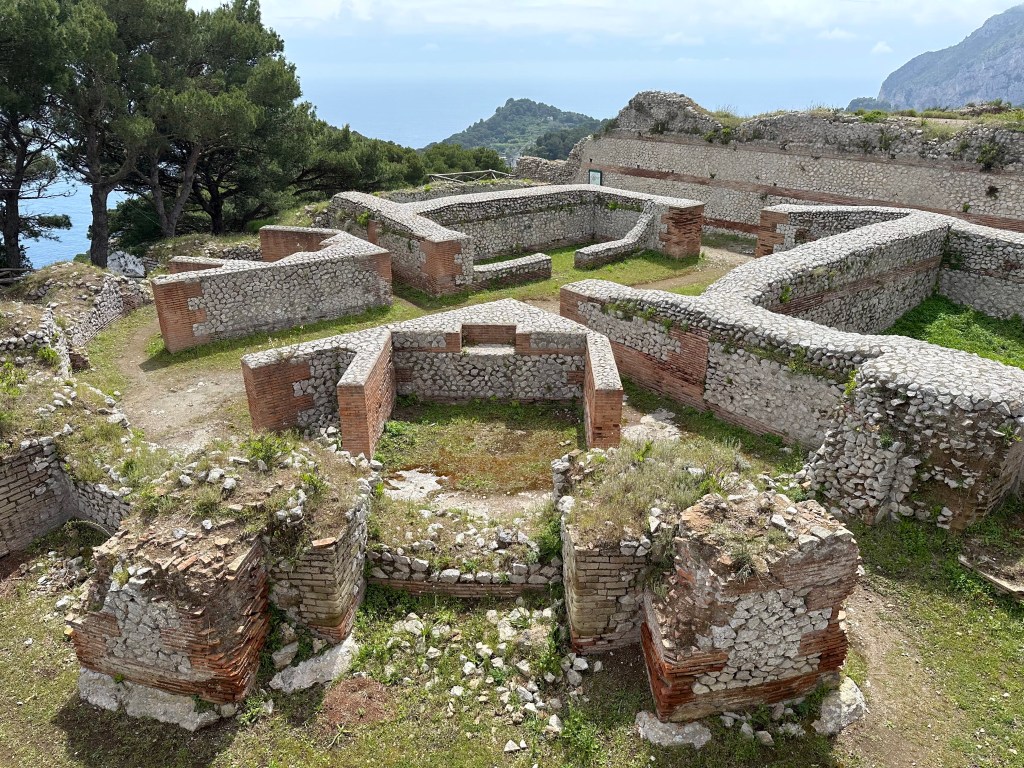
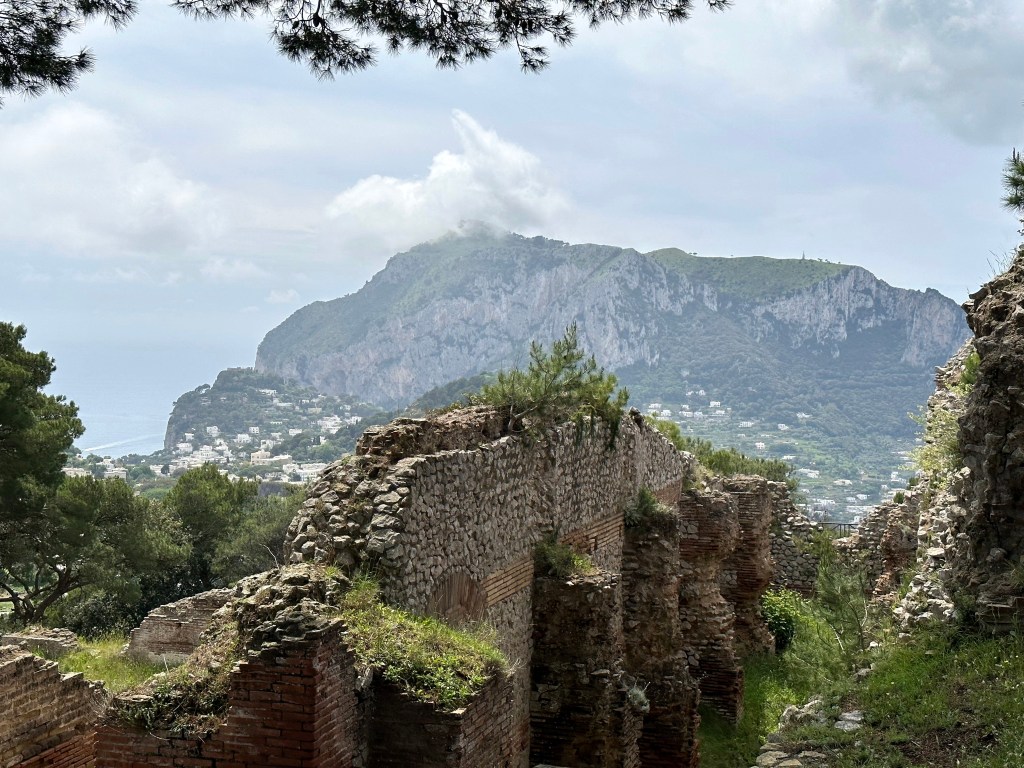
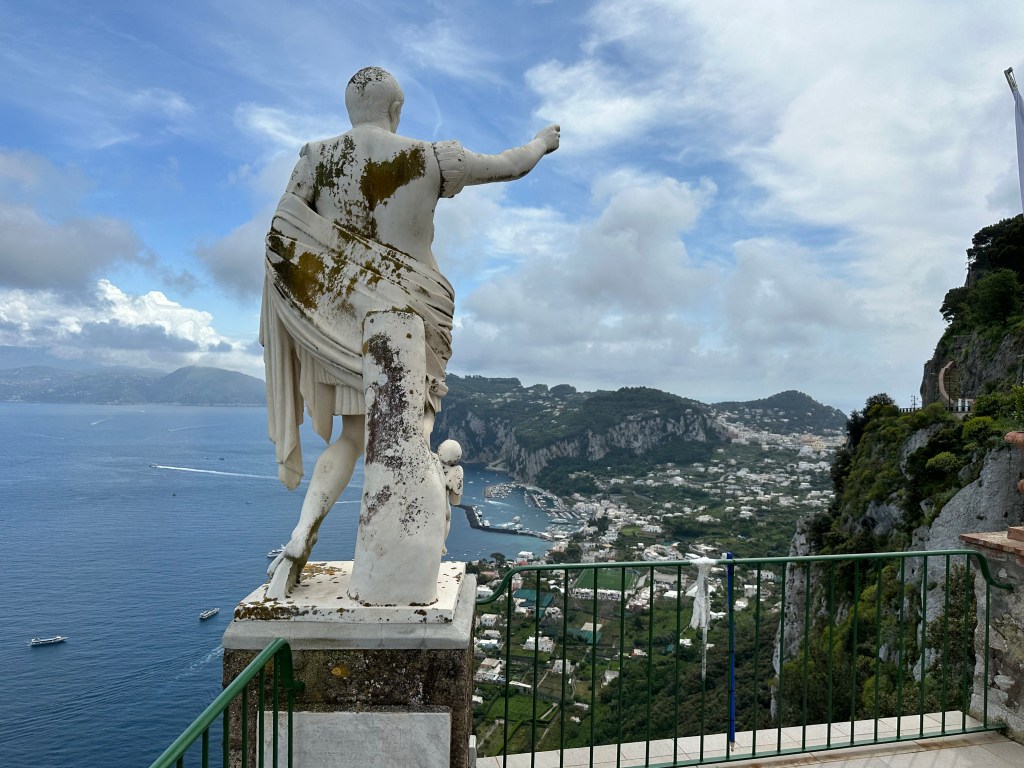
Hikes each day, including to the ruins of Emperor Tiberius’ villa:
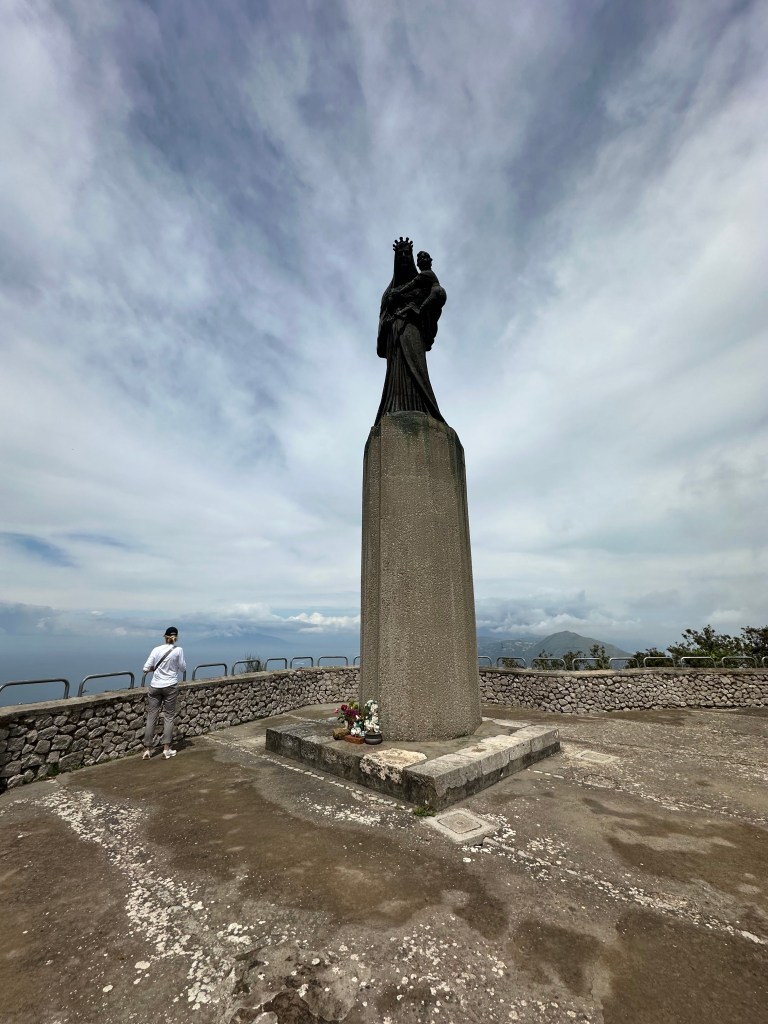
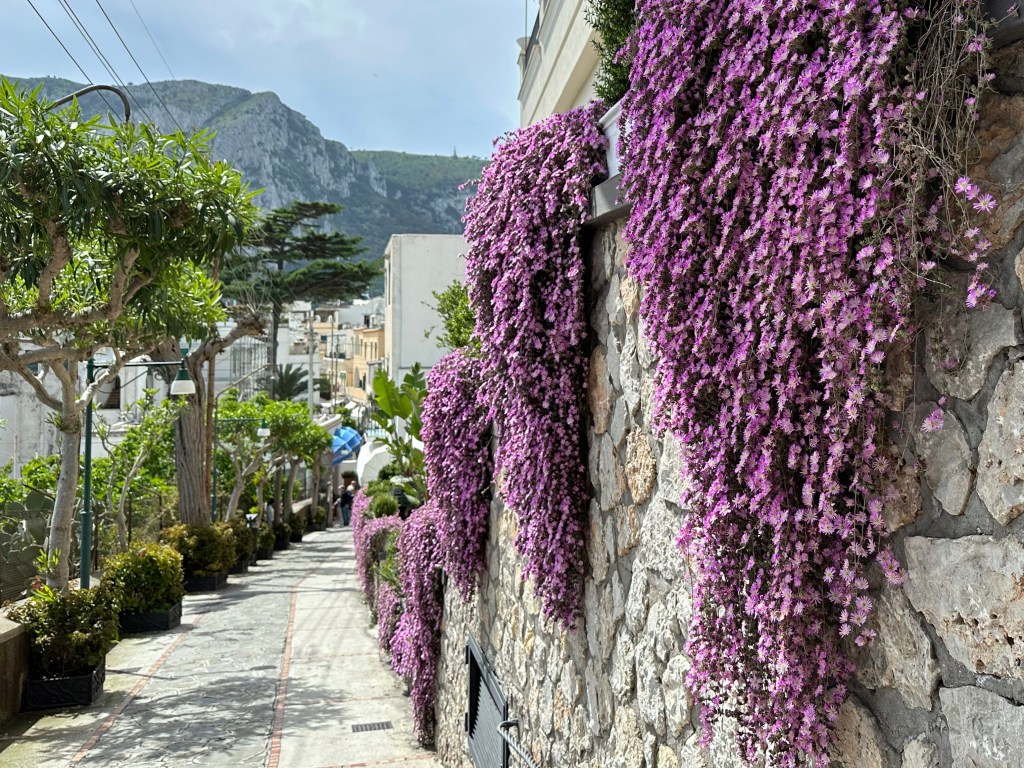
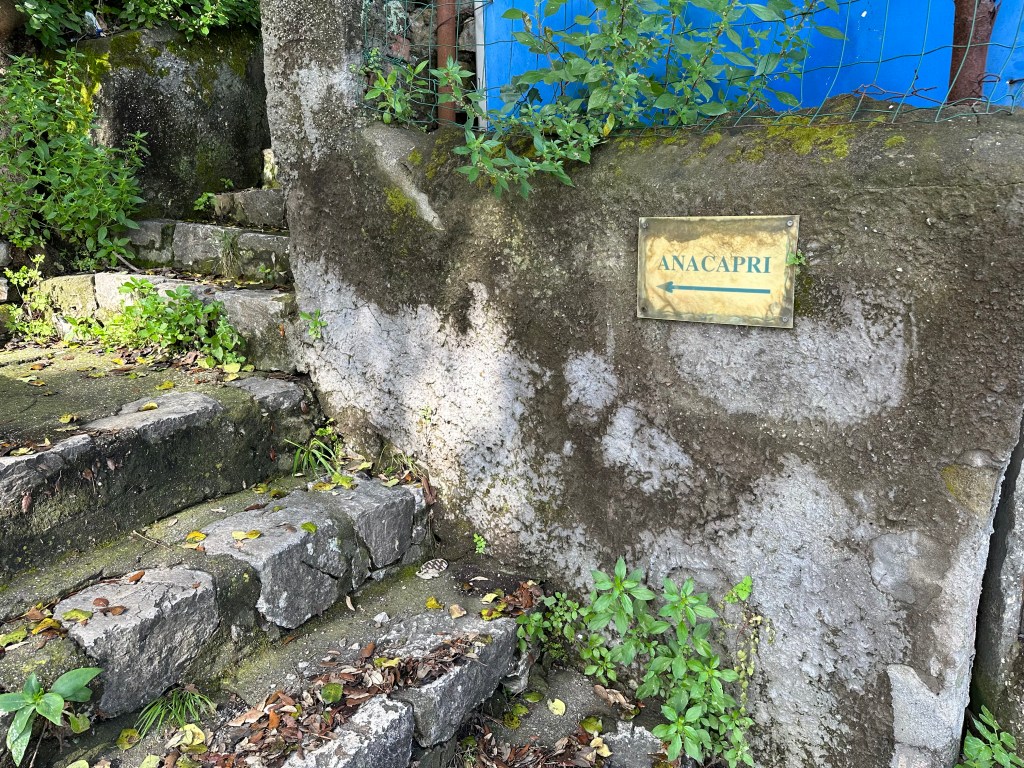
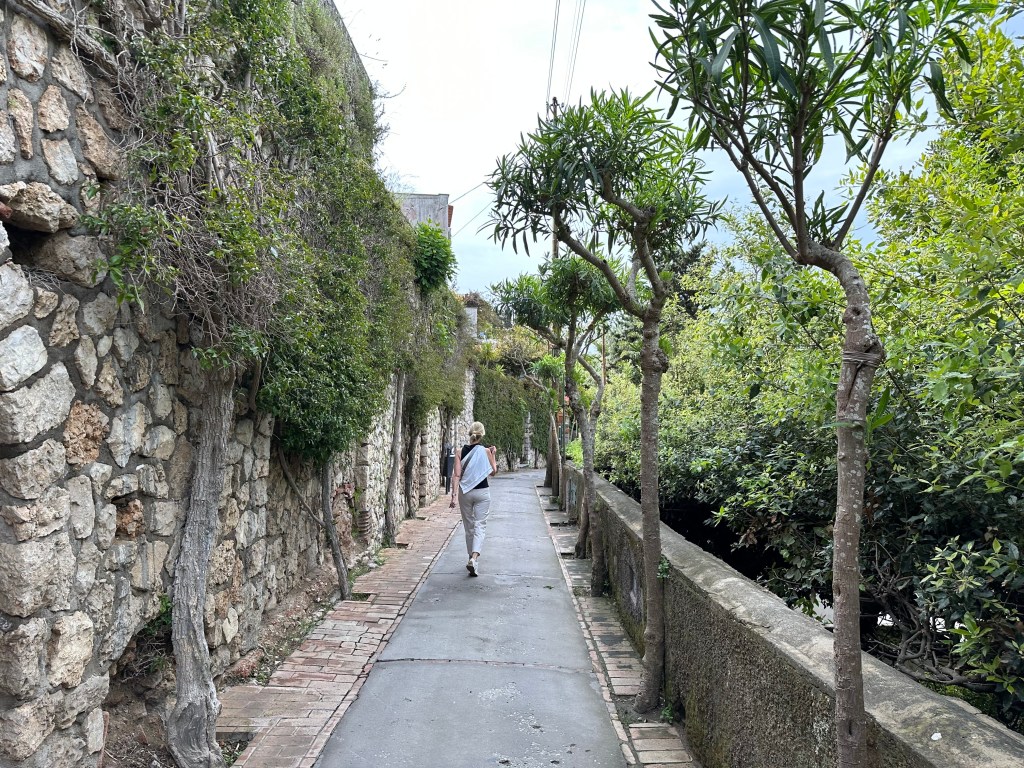
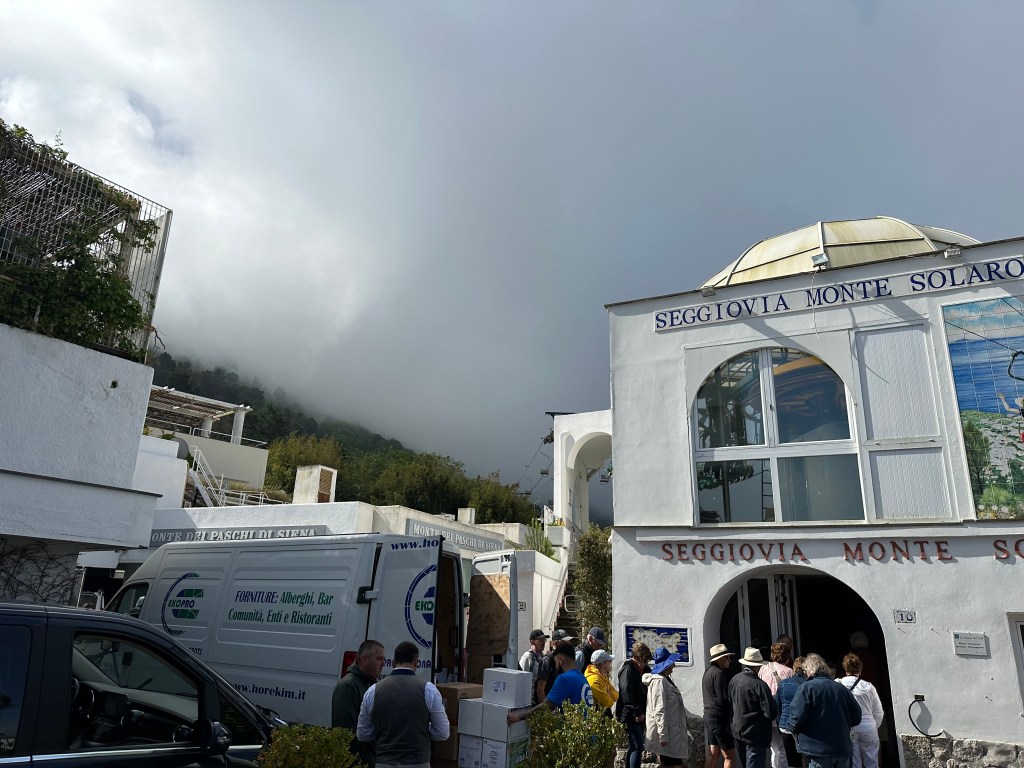
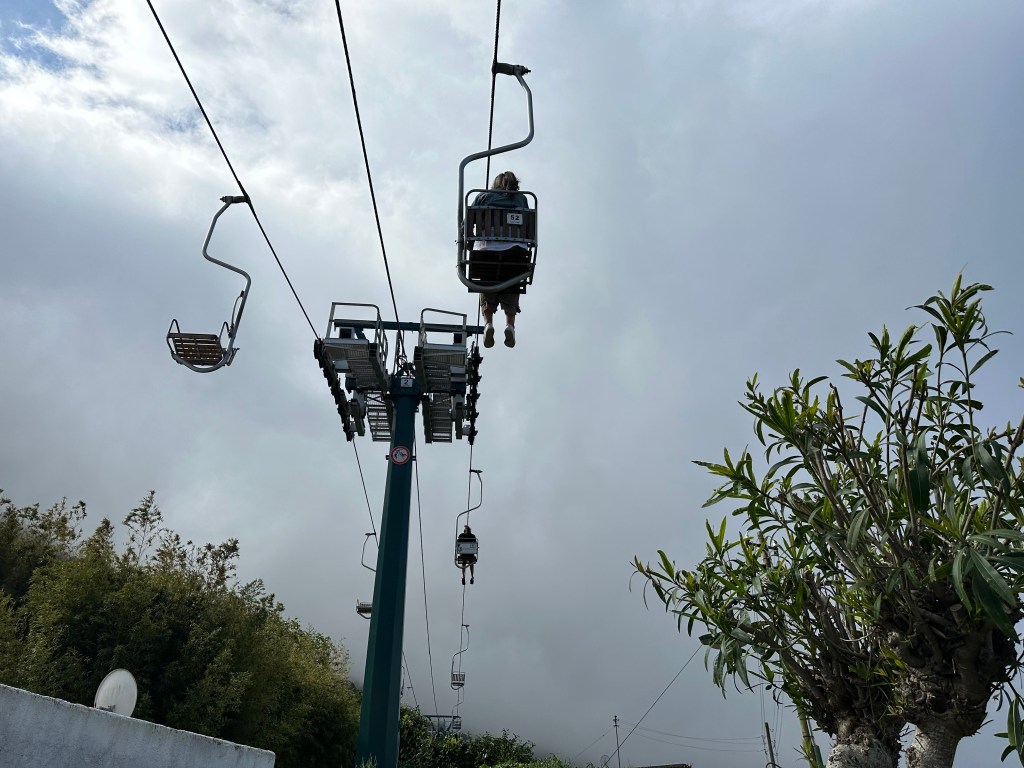
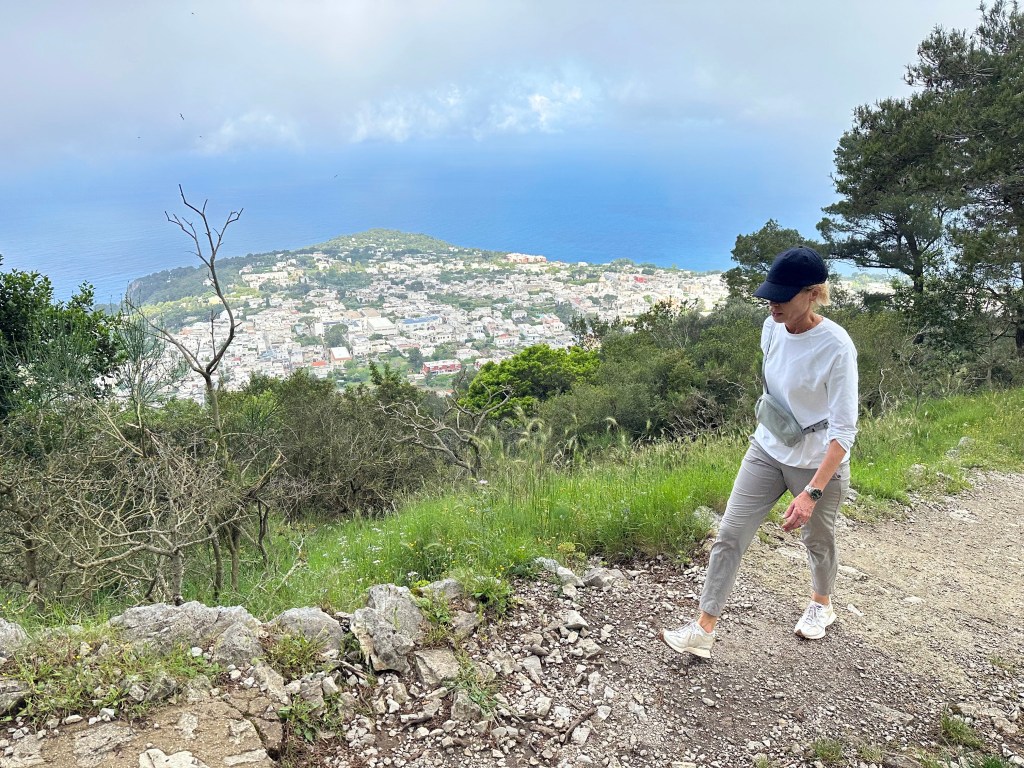
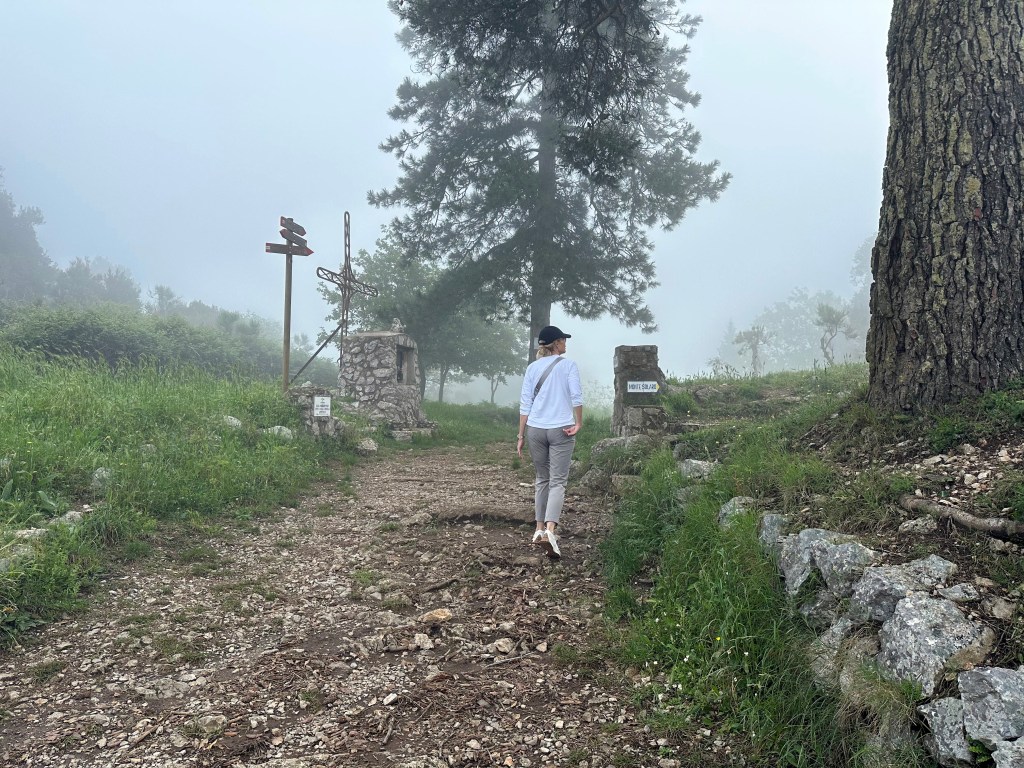
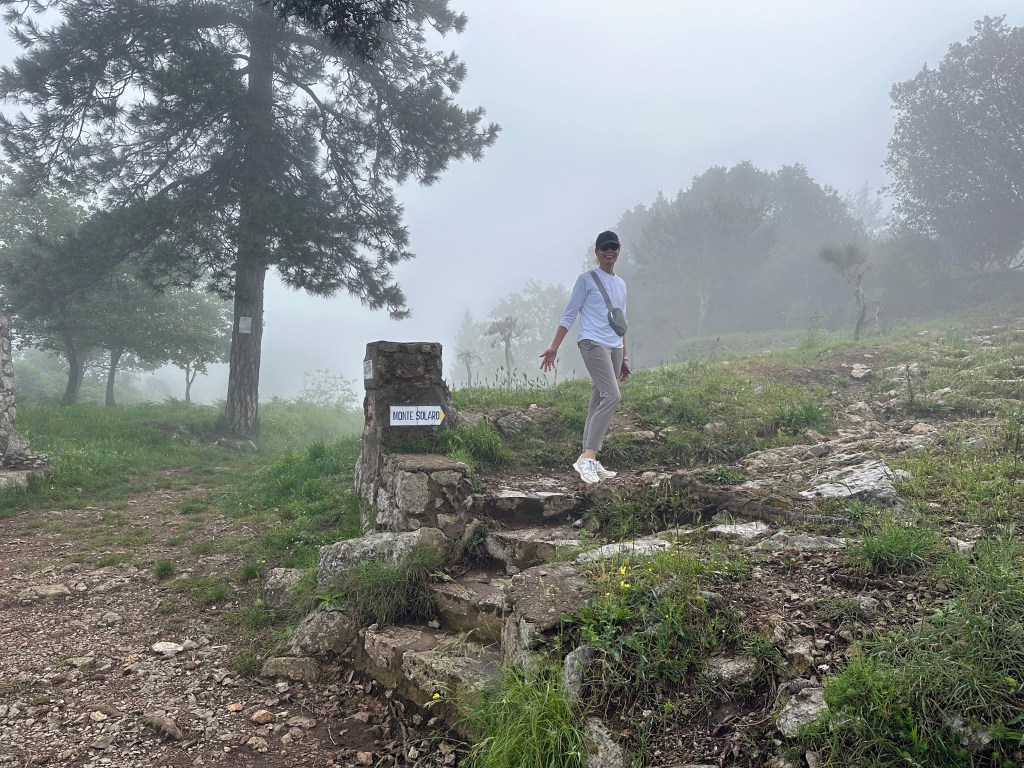
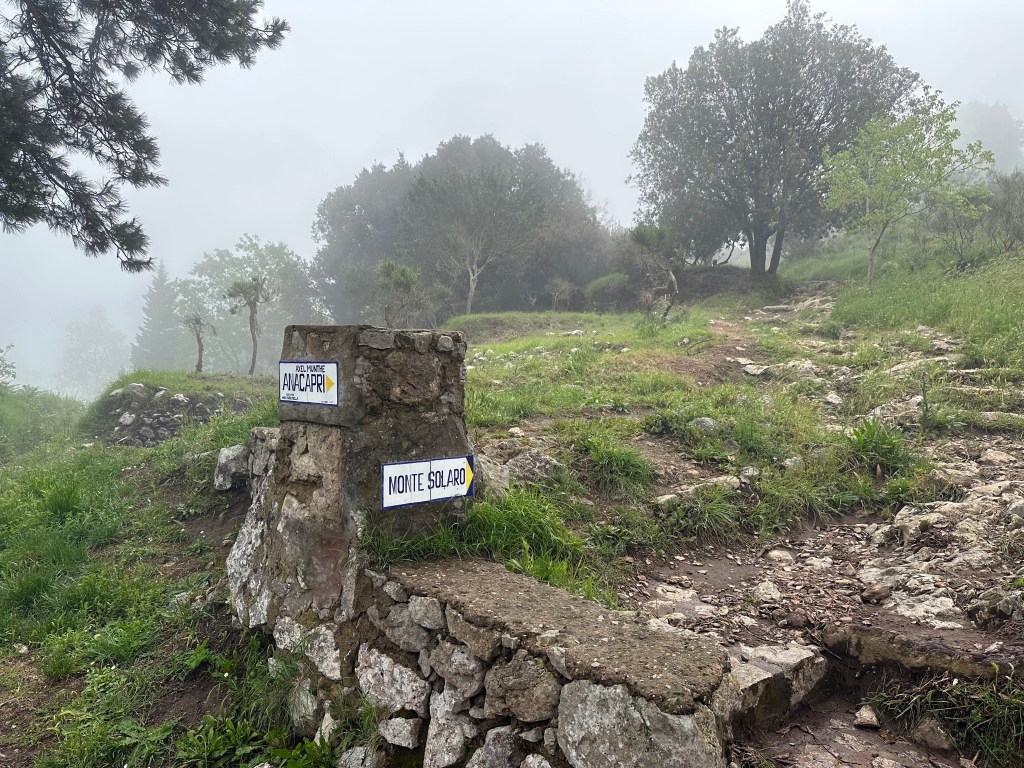
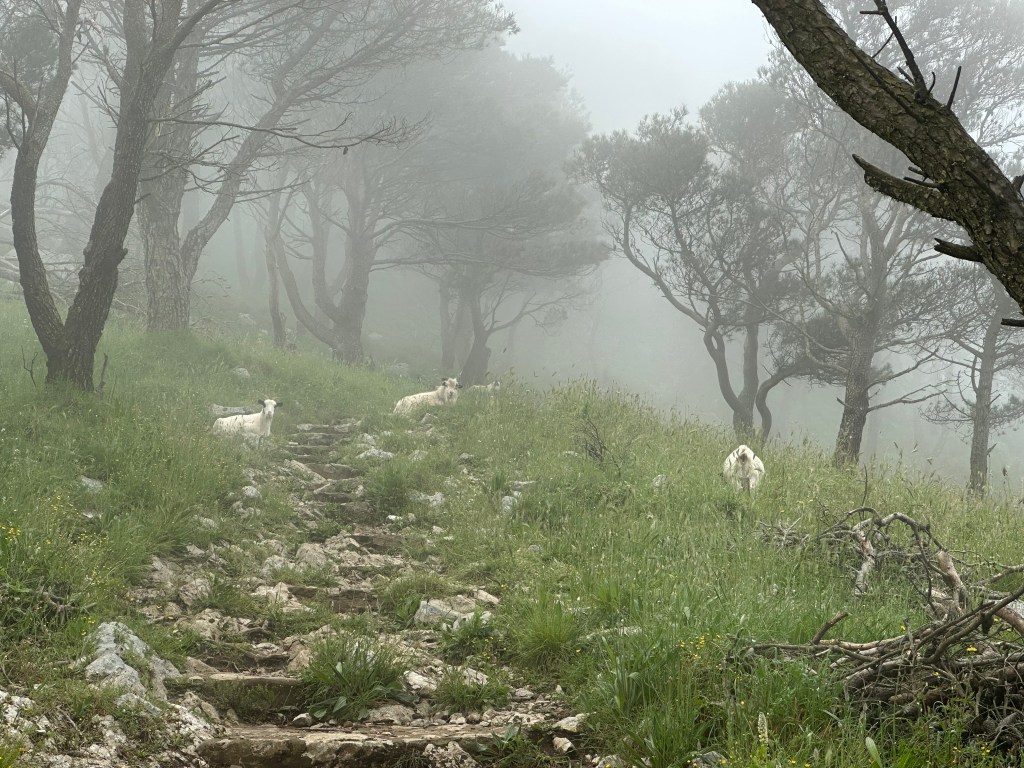
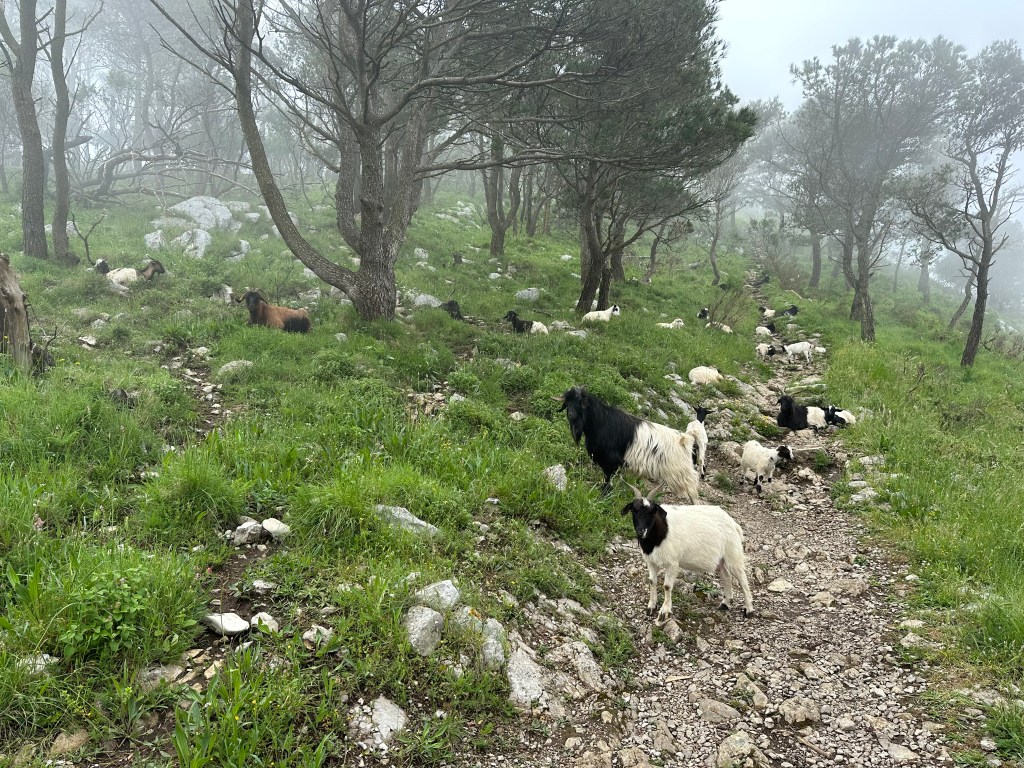
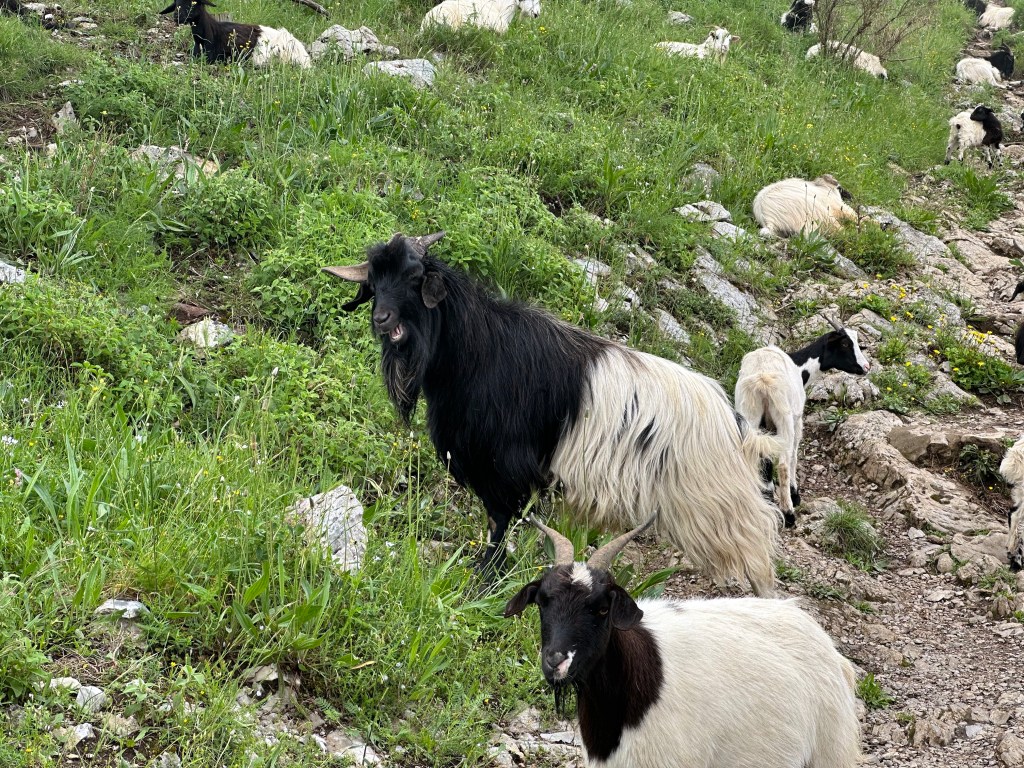
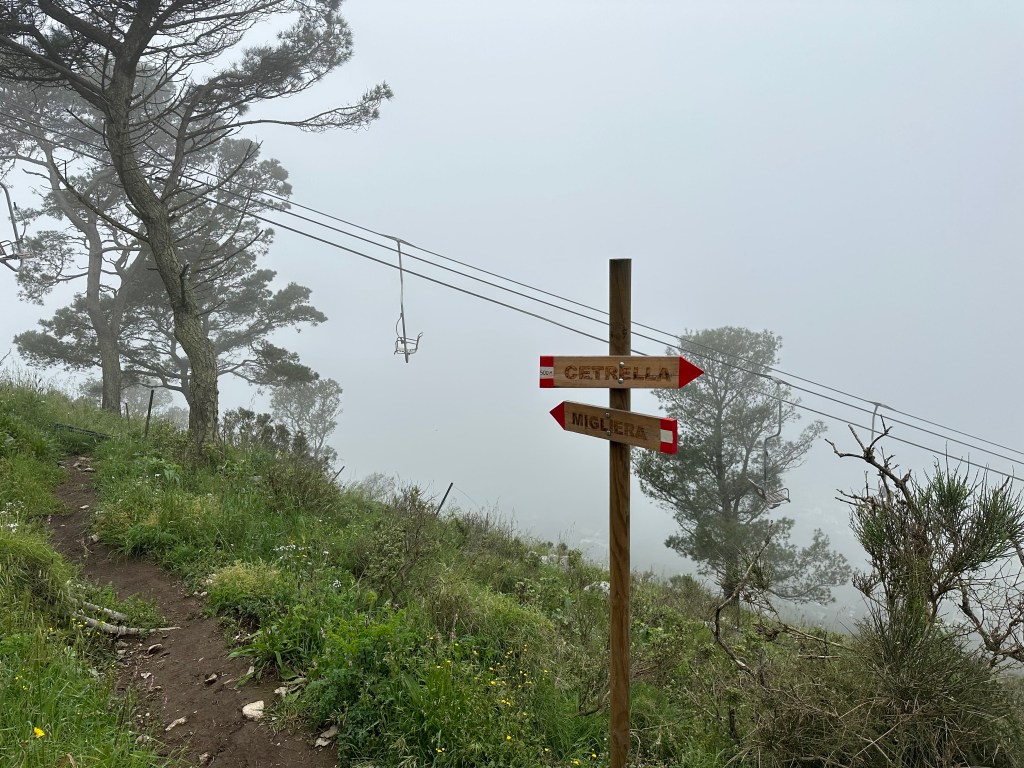
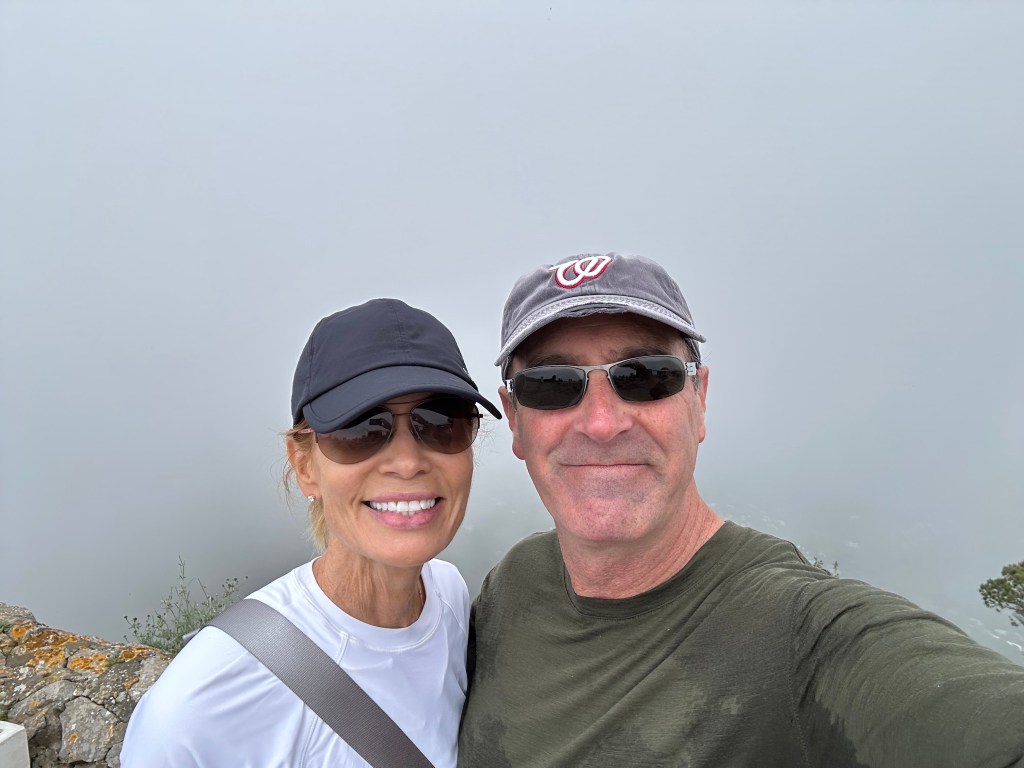
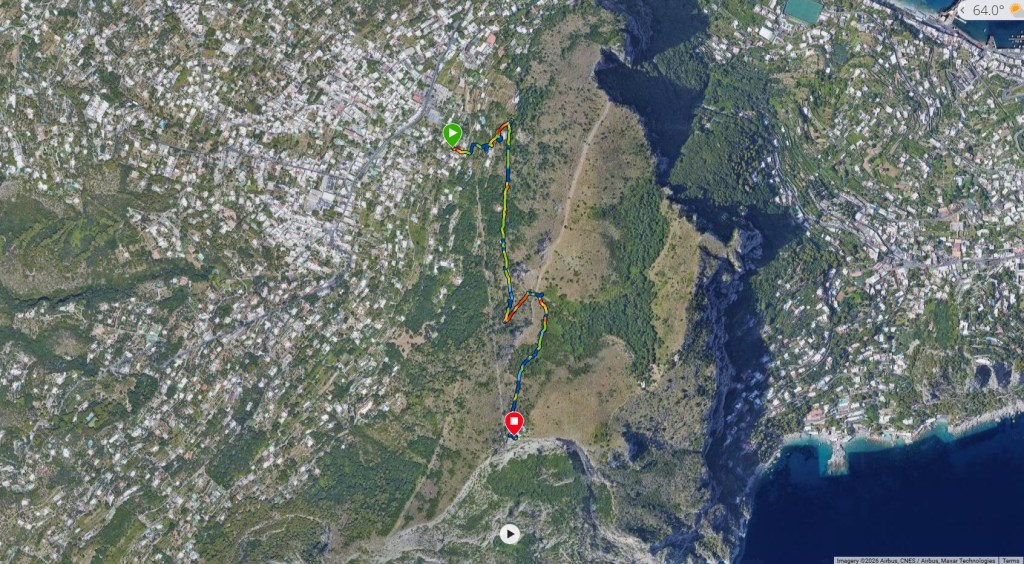
And a hike from Capri to Anacapri, followed by a hike up Monte Solaro because fog reduced visibility to zero for a ride up the cool little cable chairs:
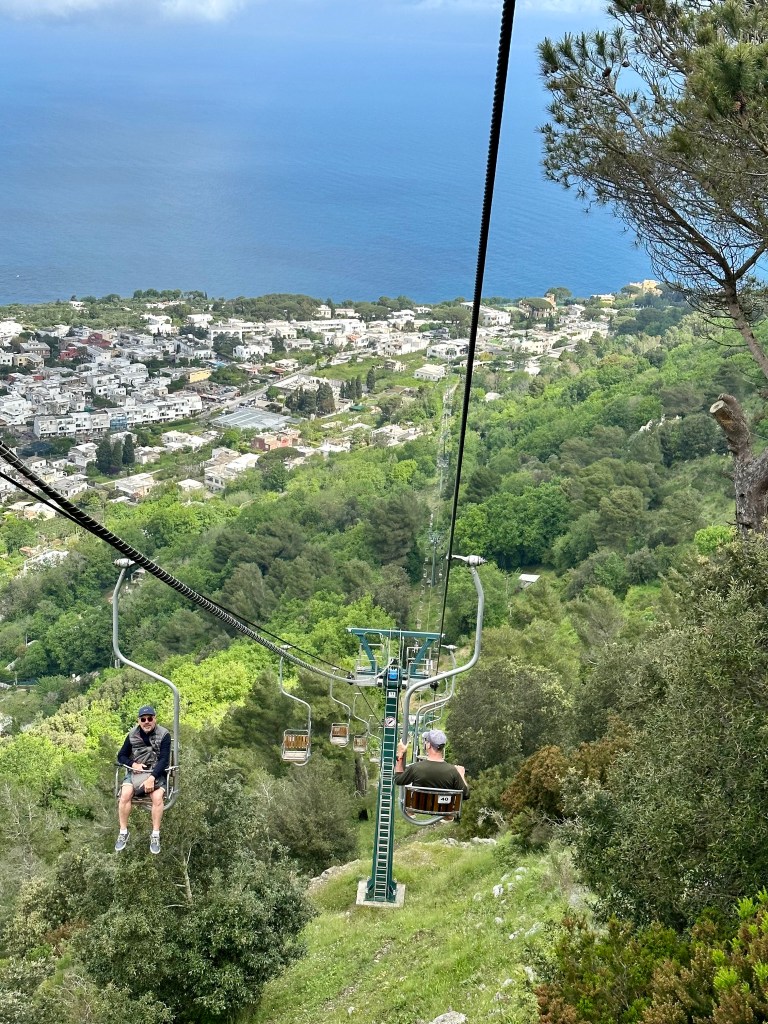
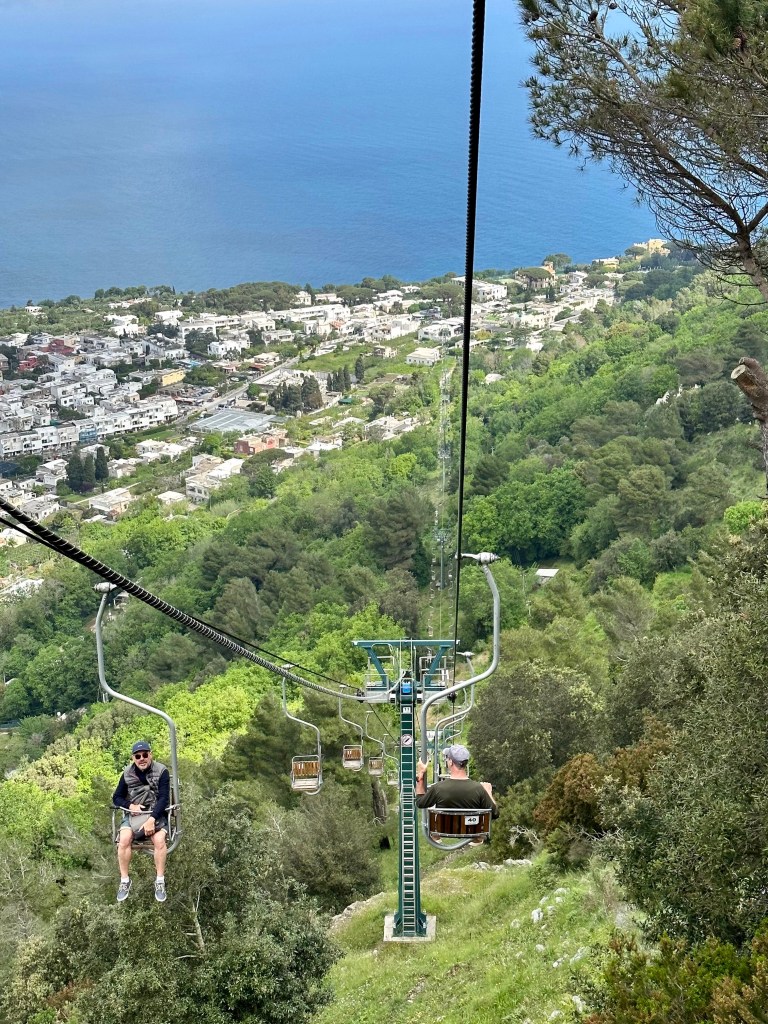
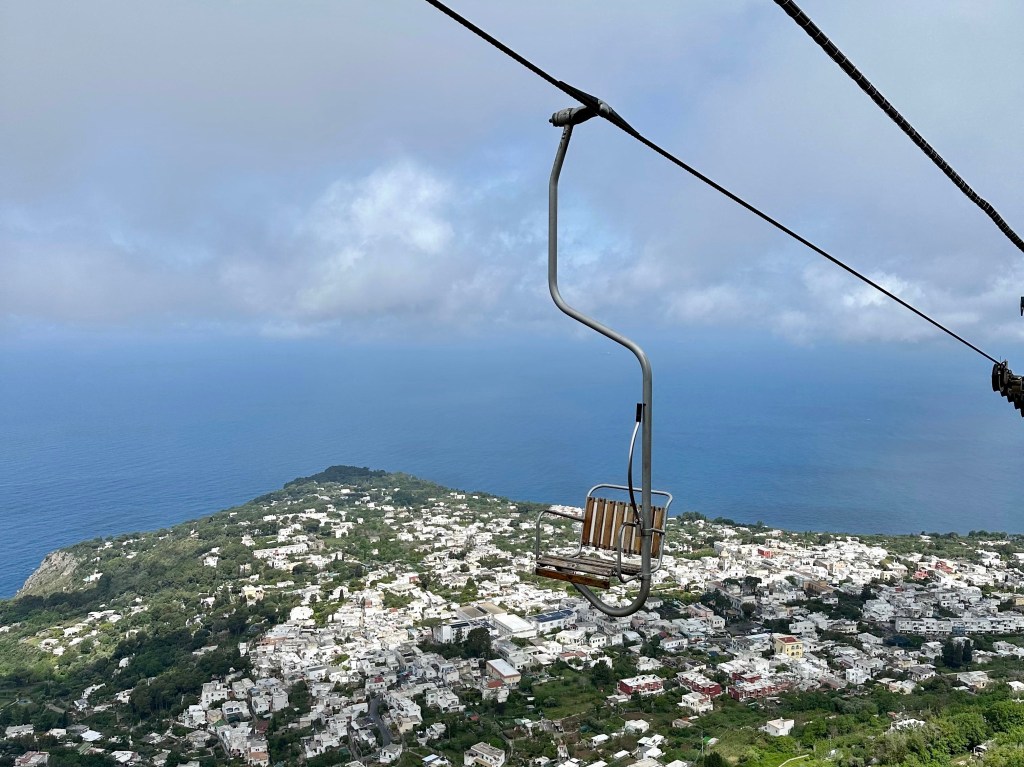
But the weather cleared for a chair ride back down:
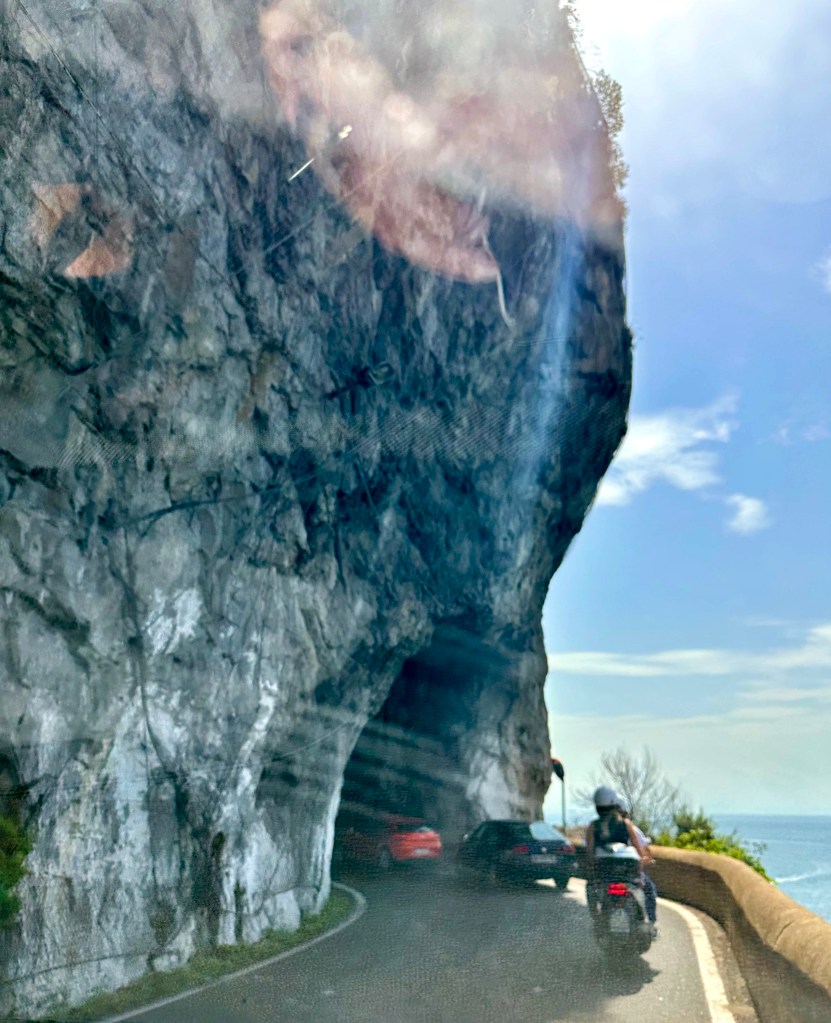
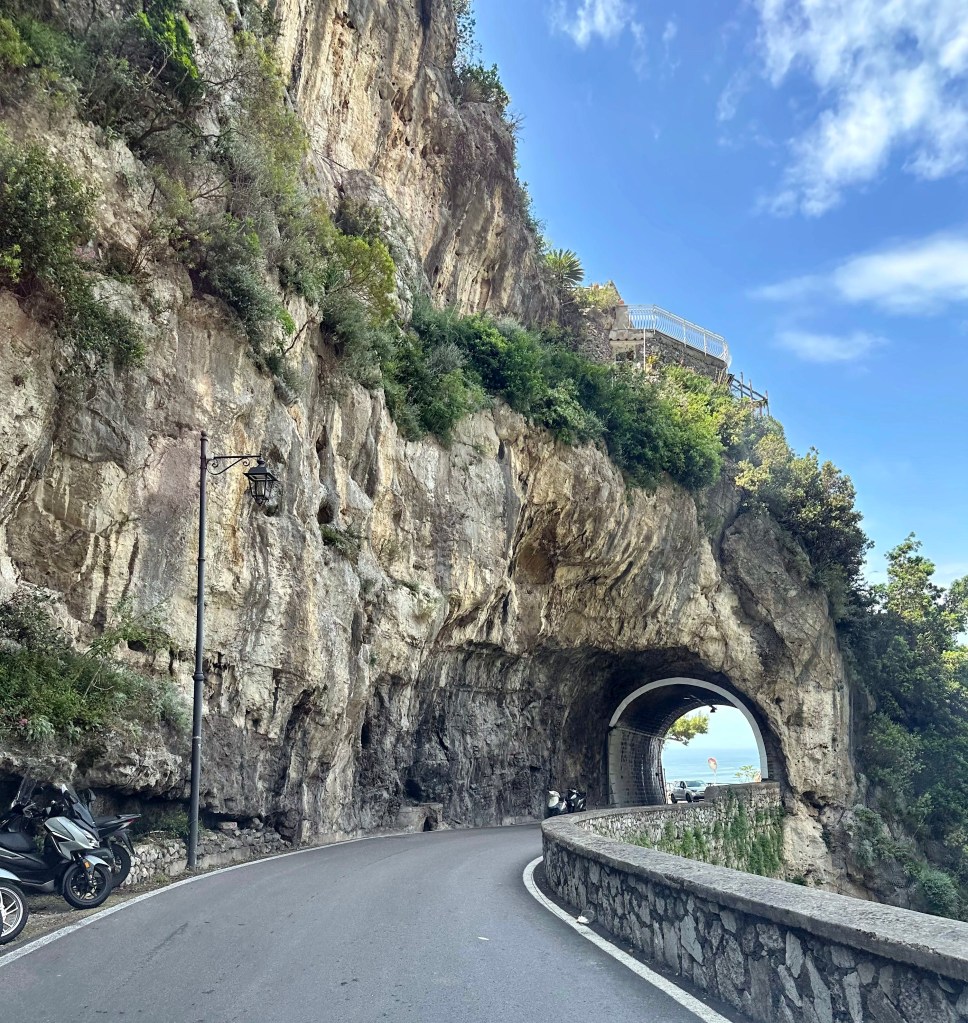
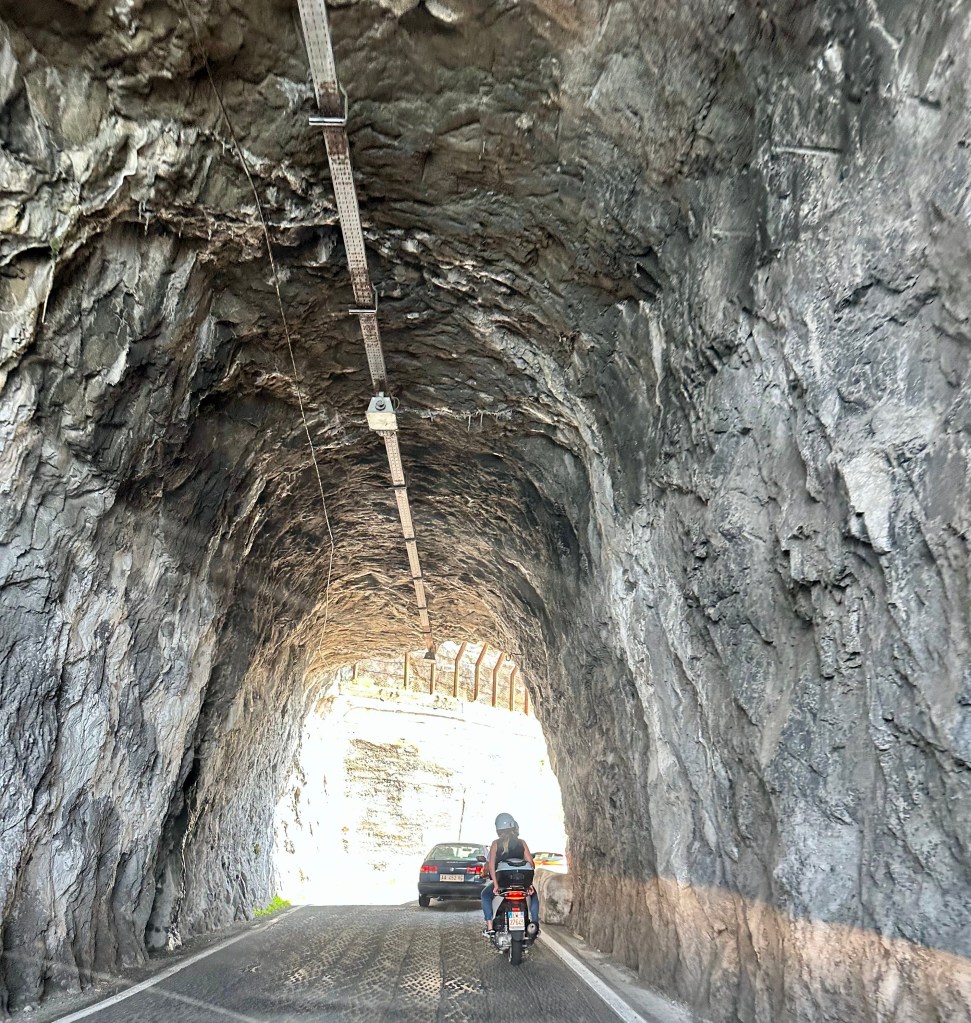
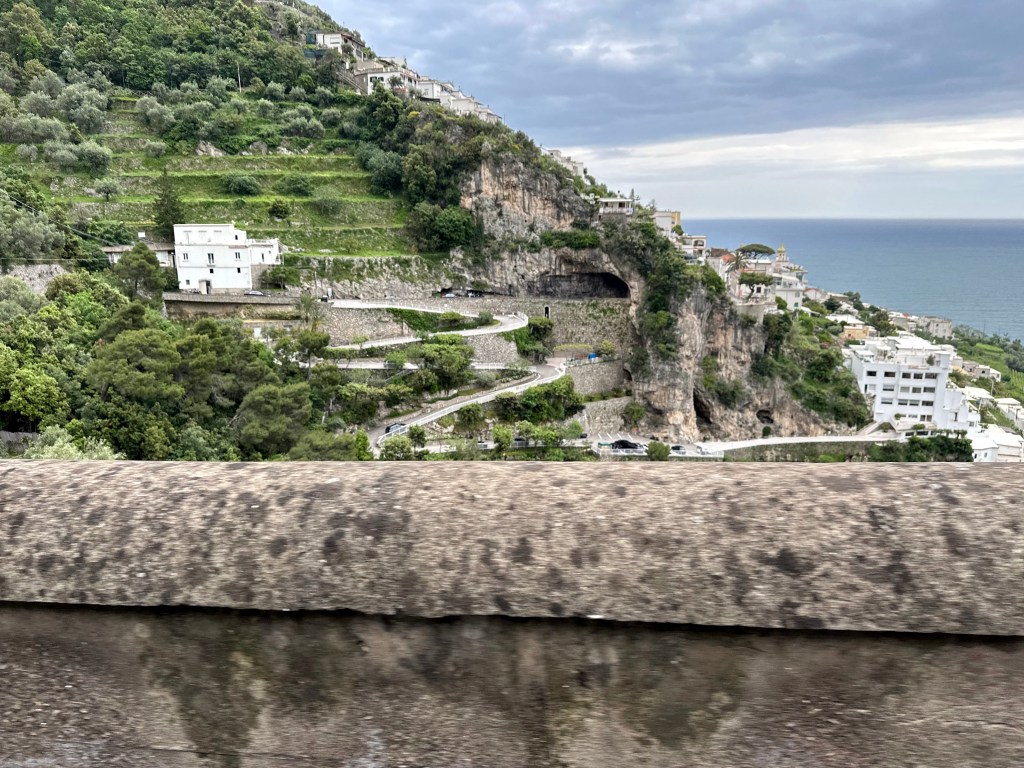
We ferried from Capri back to Sorrento, retrieved our car, and began the most harrowing aspect of our peninsular road trip: driving on the Amalfi coast. Seriously – really treacherous.
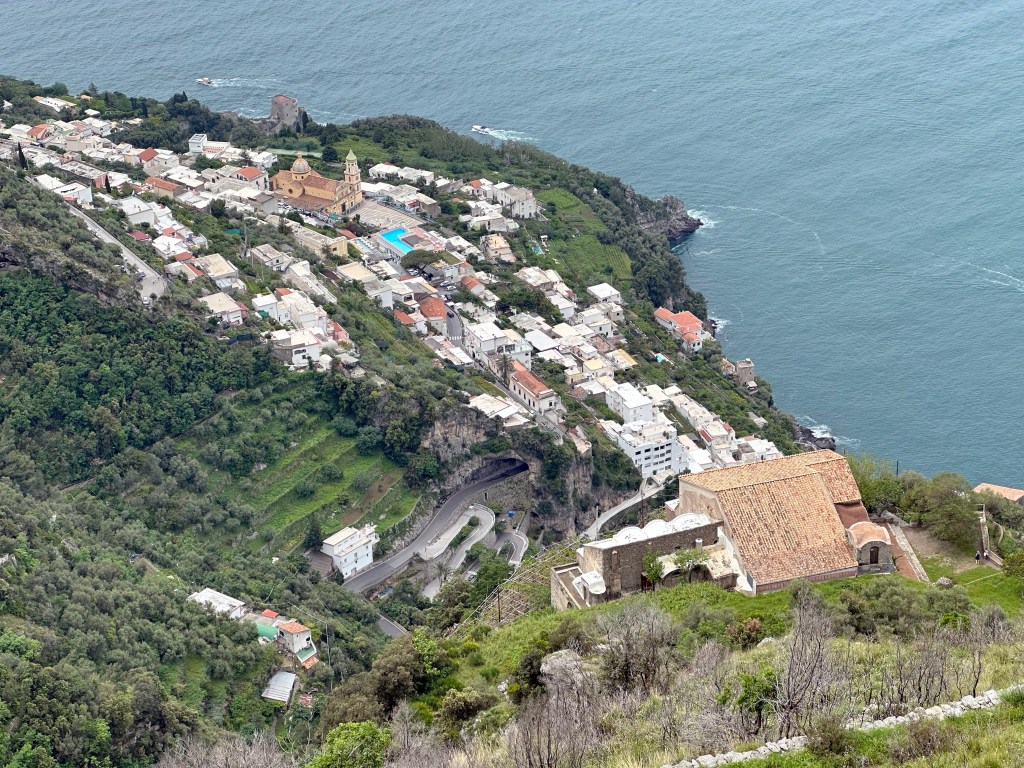
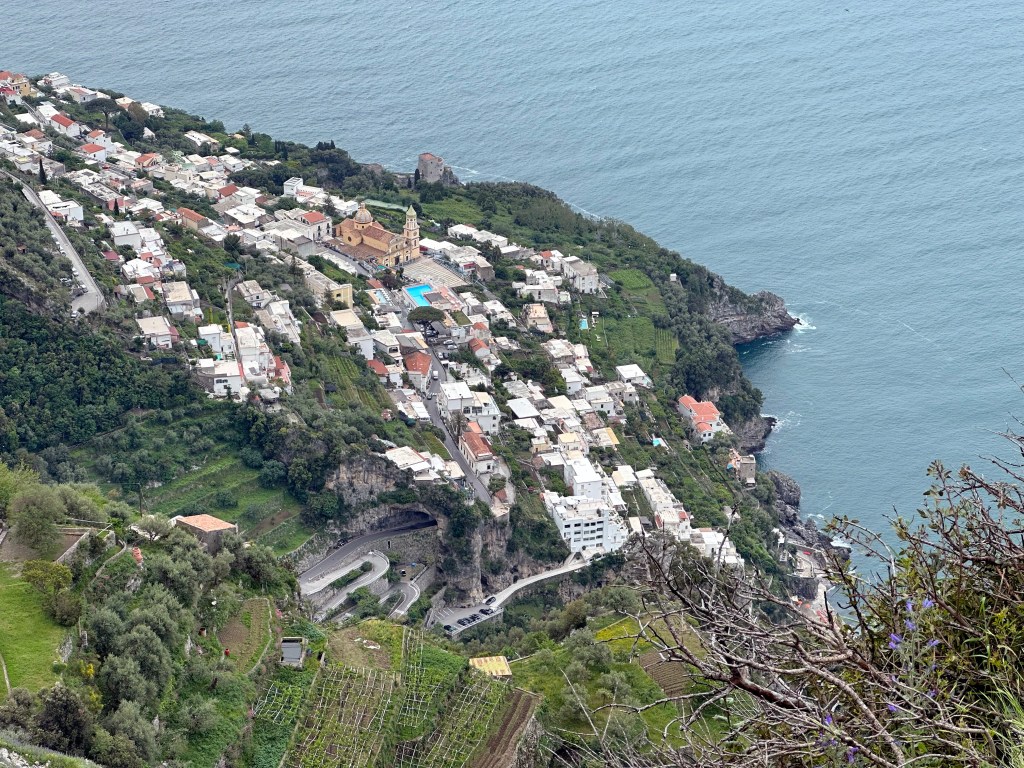
Luckily, relief was at hand in Praiano, our home for the next 3 days:
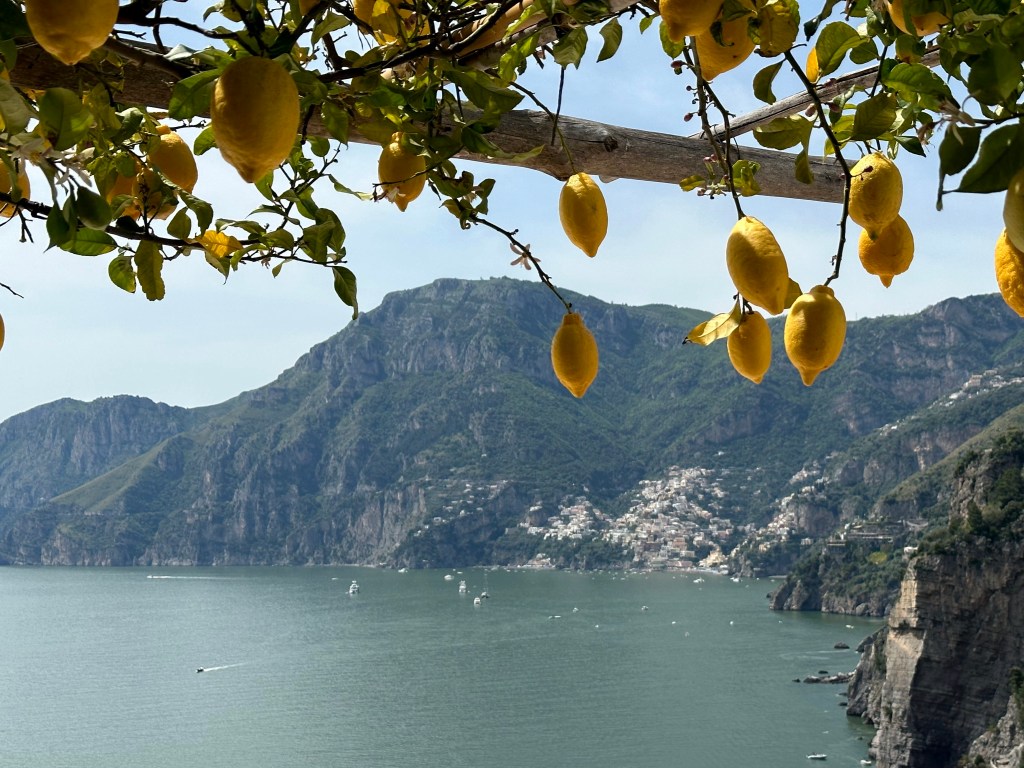
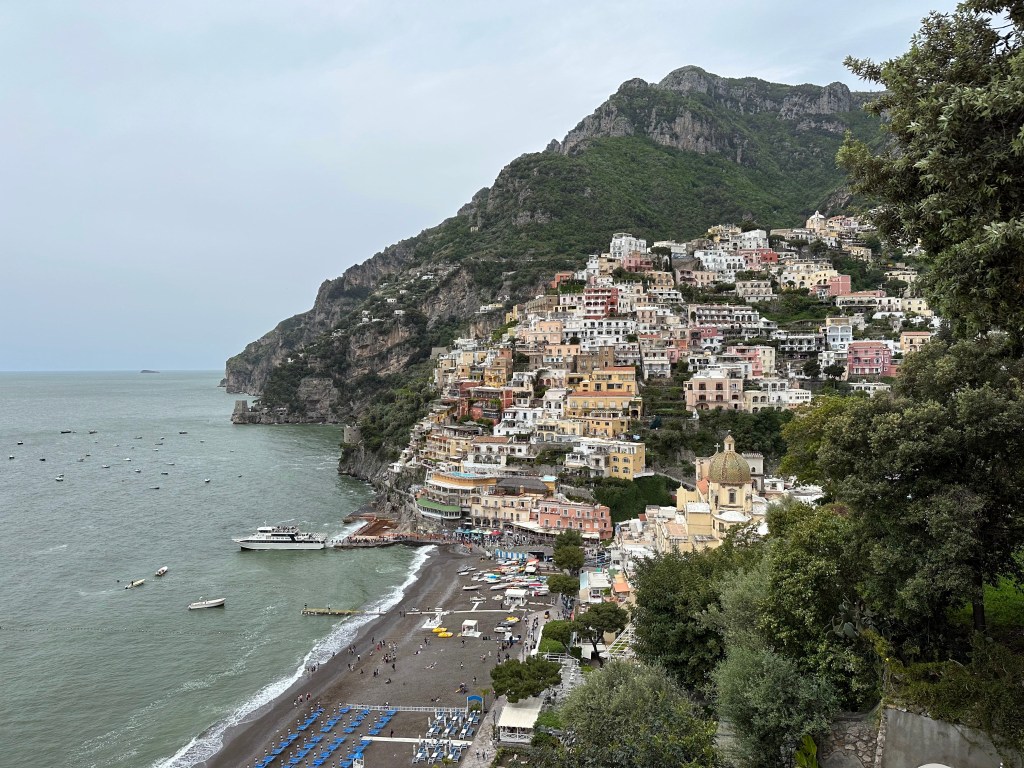
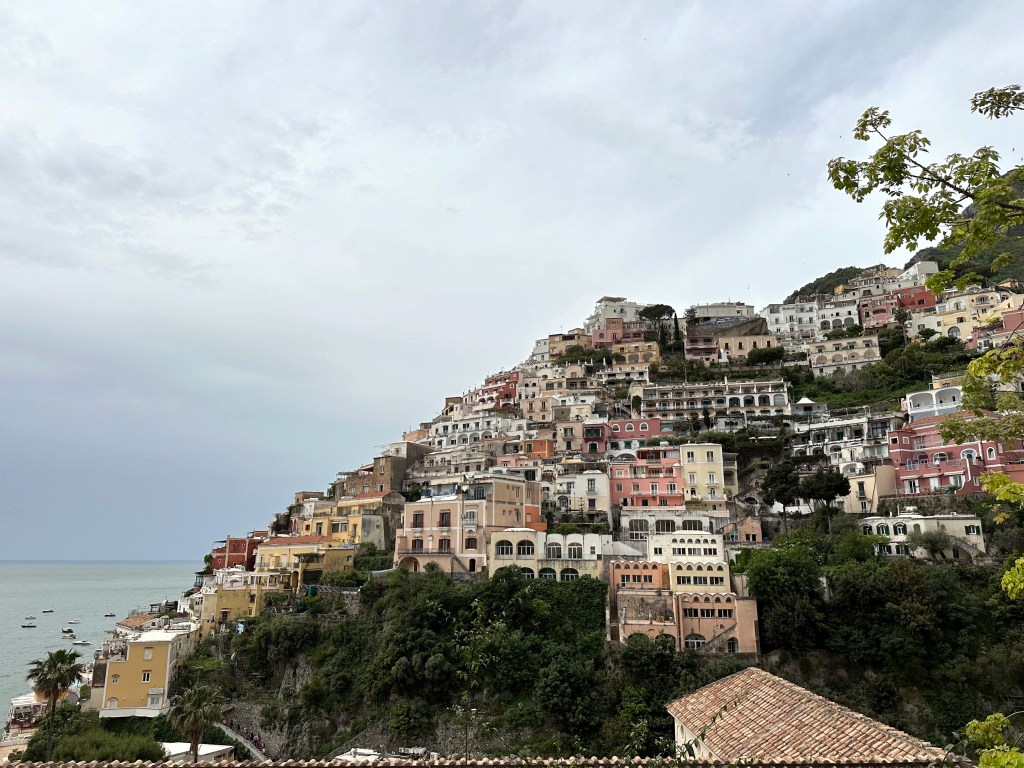
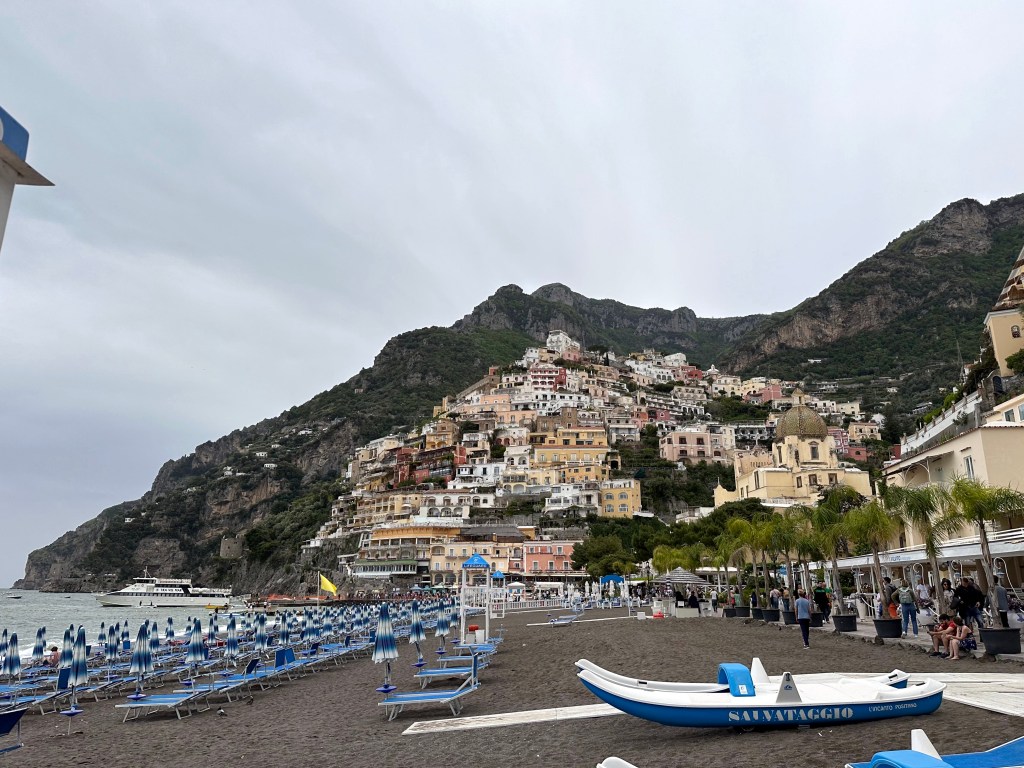
We headed a few miles down the road to Positano the next morning, only to retreat back to Praiano after a half a day there. A lot of travelers characterize Positano as the “Jewel in the Crown of the Amalfi Coast.” It’s not. Its a cruise ship packed full of tourists and shitty shops that happens be be tumbling down a cliff in a picturesque way.
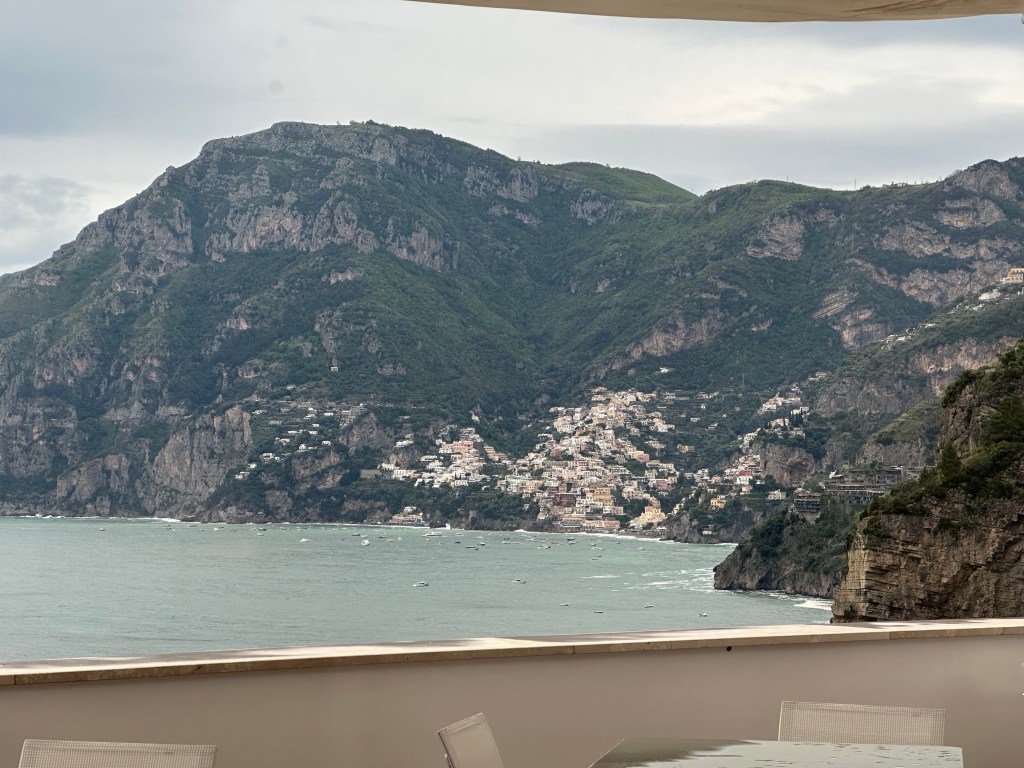
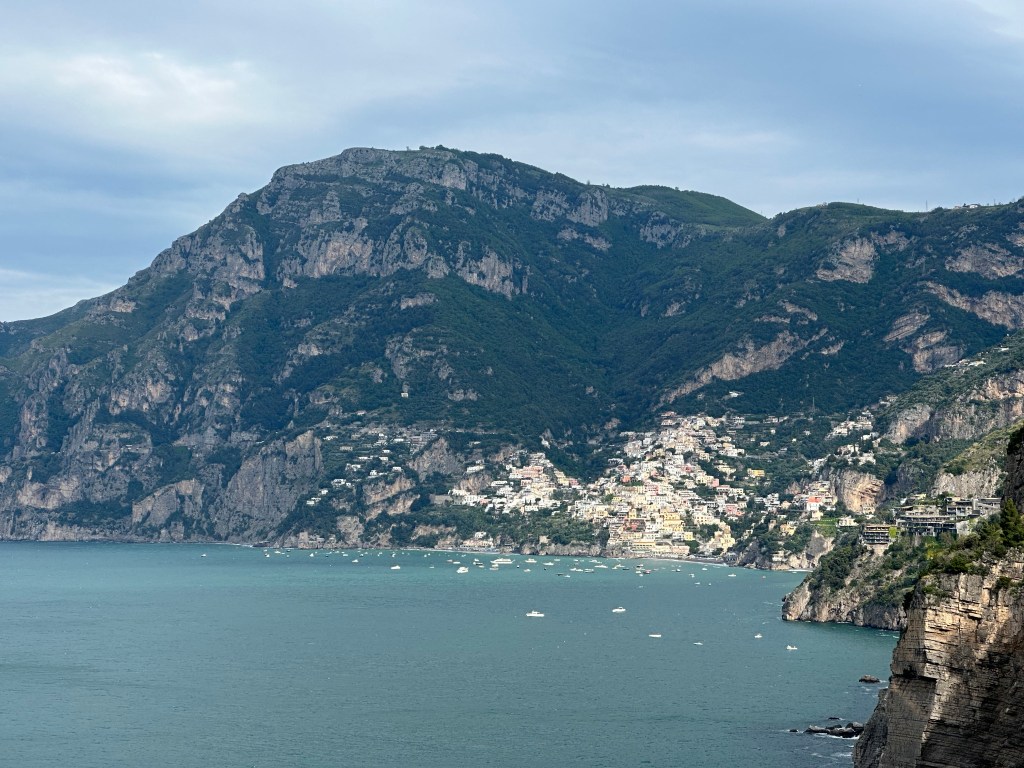
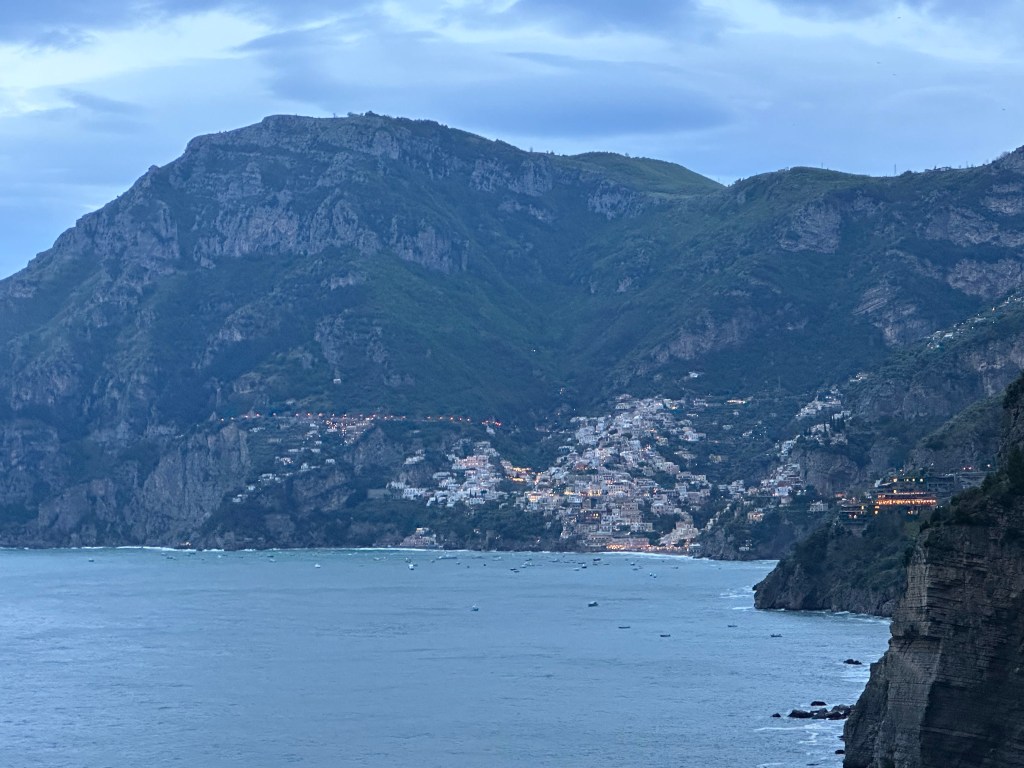
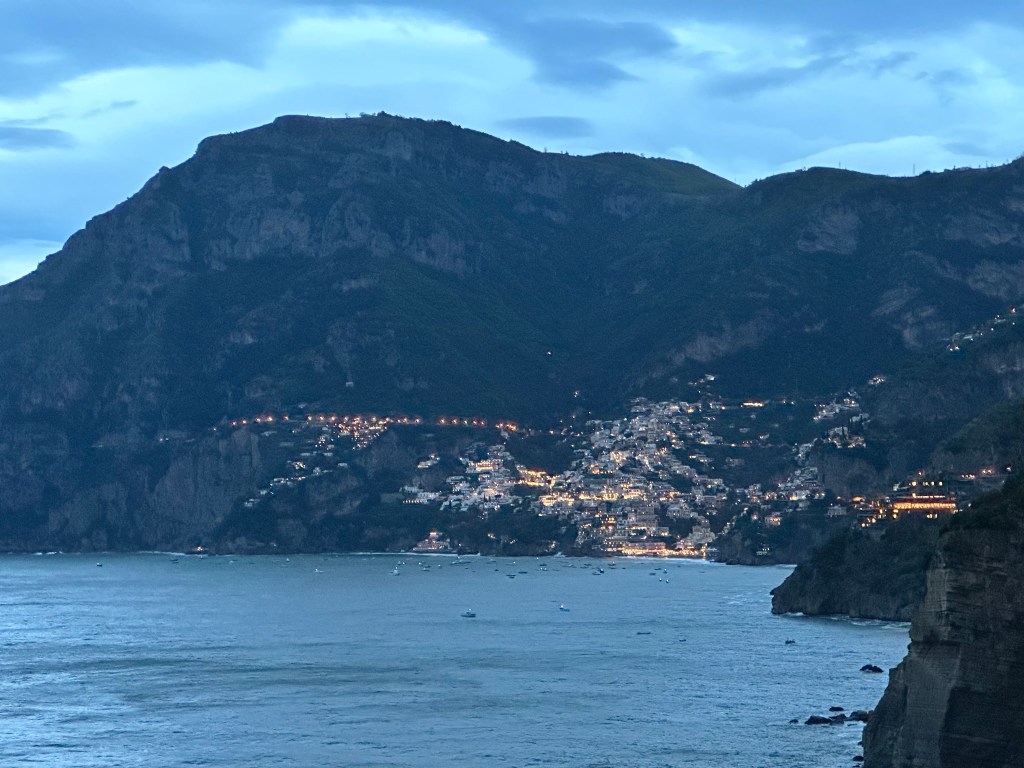
We enjoyed Positano much more from a distance, content at our place in Praiano:
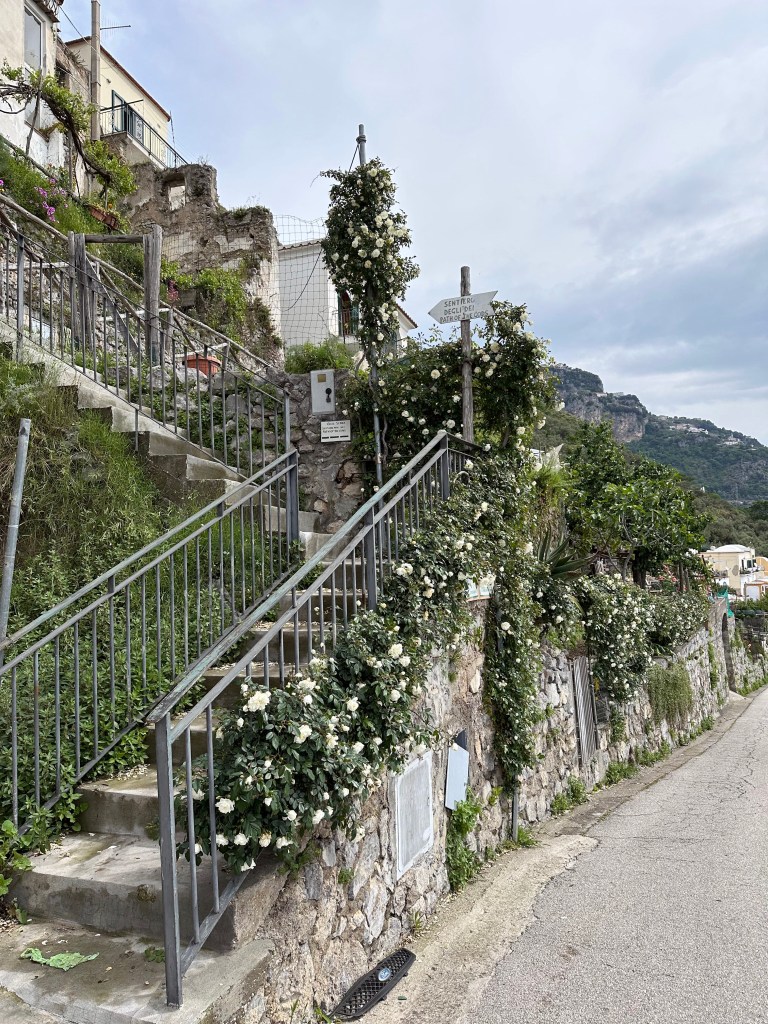
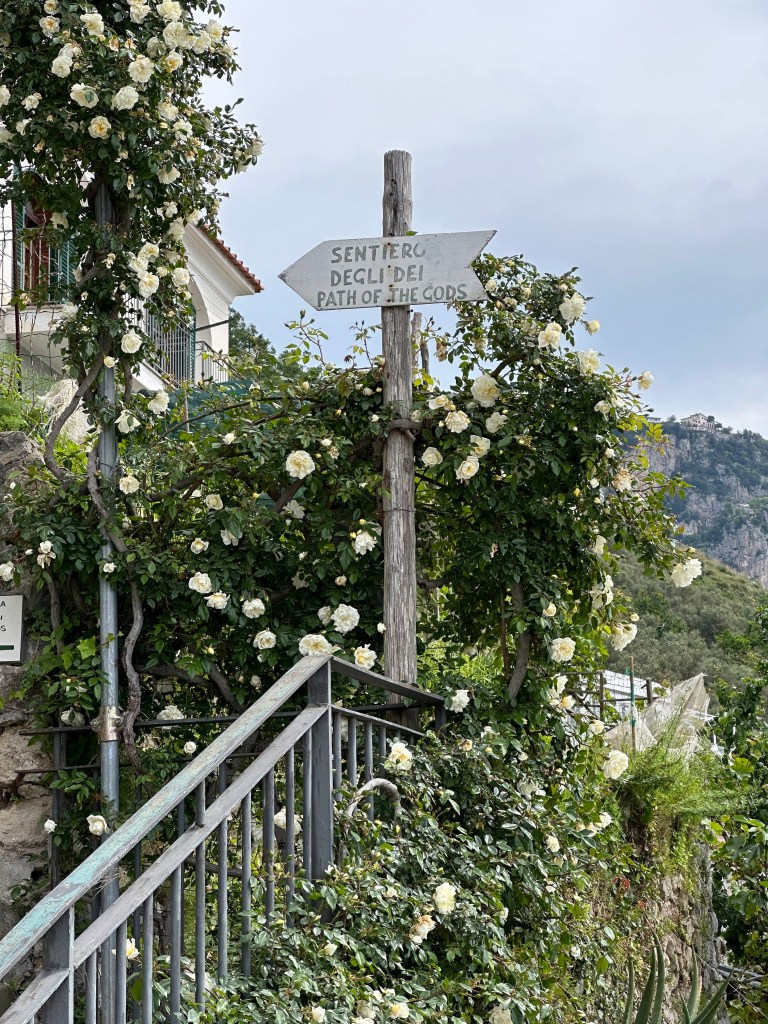
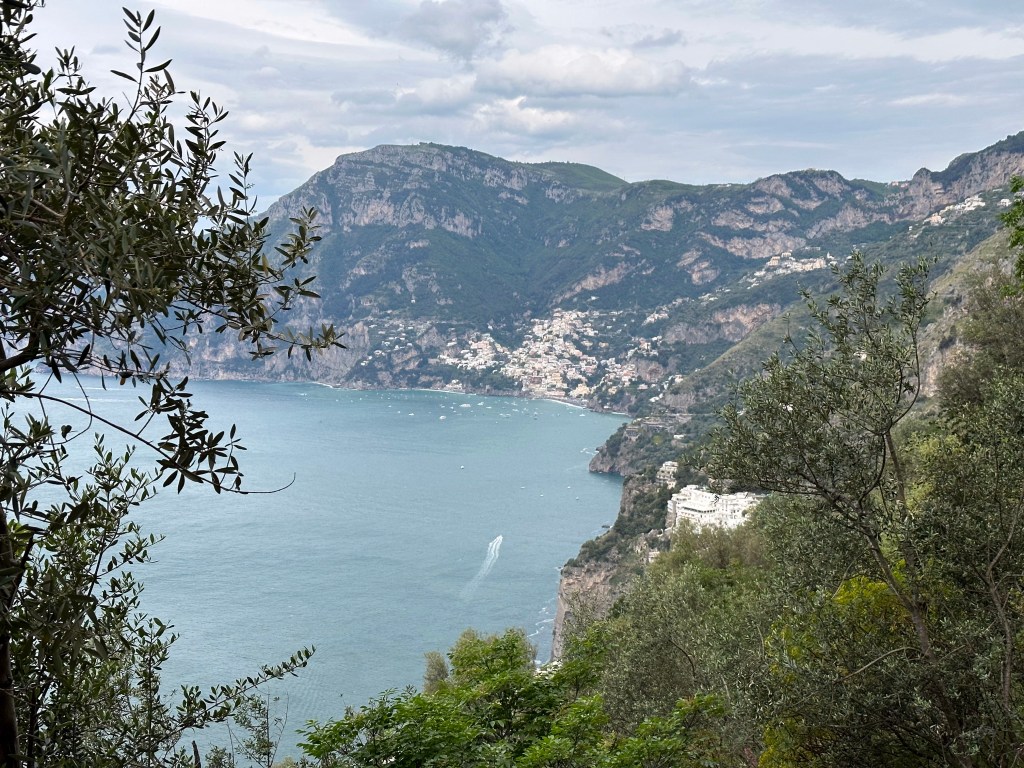
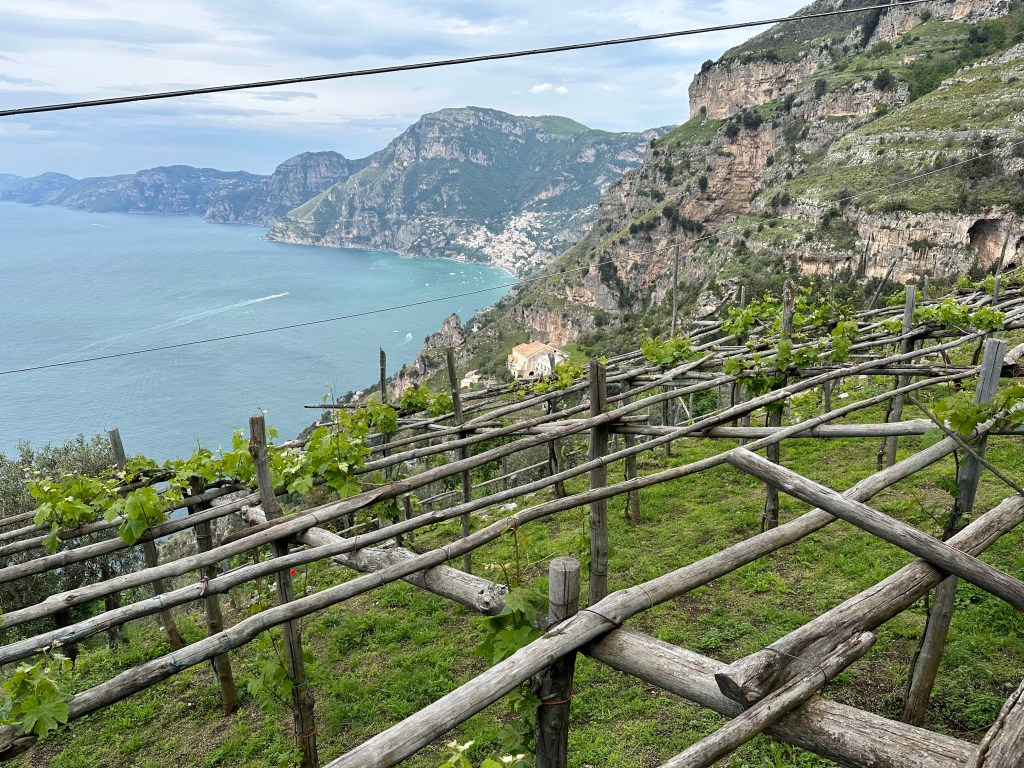
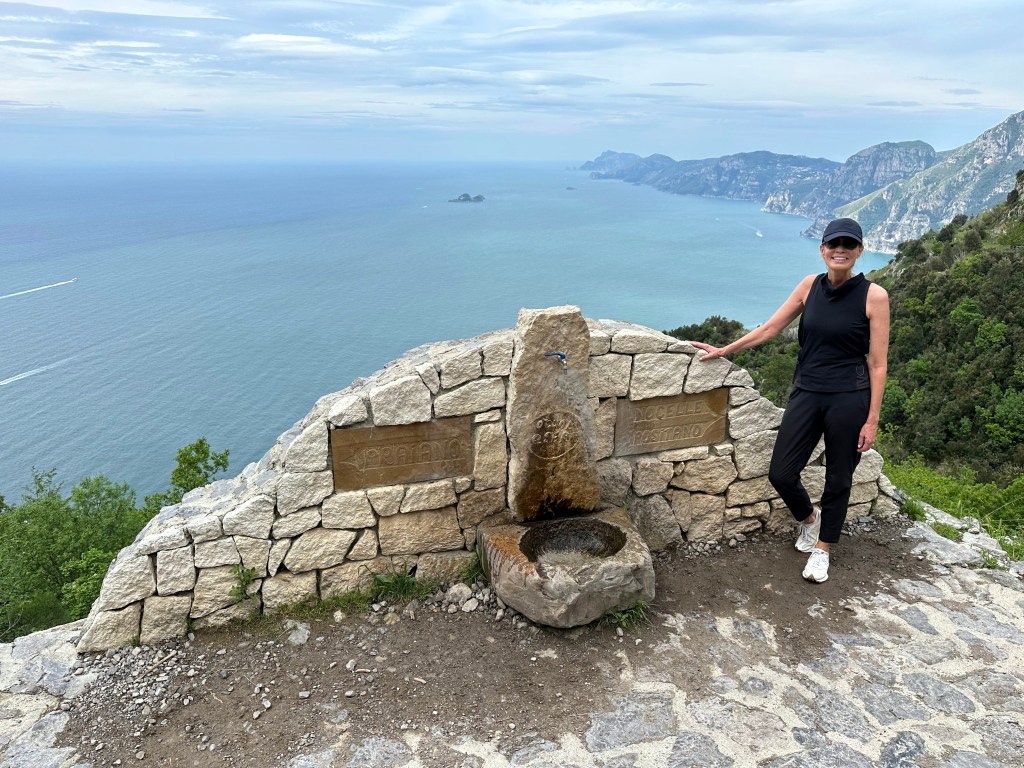
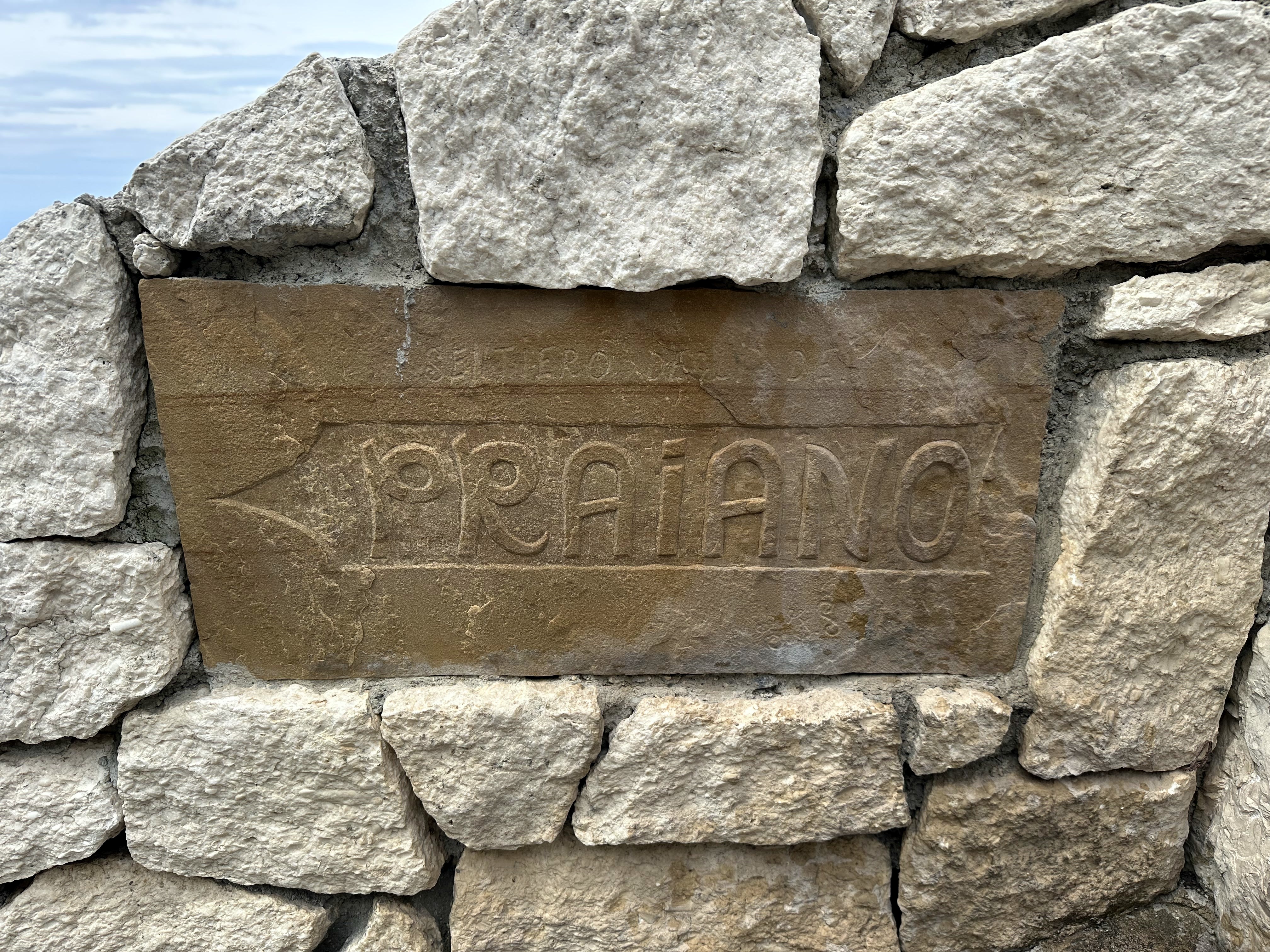
The next morning we hiked the Path of the Gods from Praiano to Positano:
Once the path paralleled the coastline, the going was a little technical, but not a big problem. The challenge to the 5-mile-long Path of the Gods hike was the >2000 feet of incline and decline, almost all of which is straight up from Praiano and then straight down 1700 steps into Positano.
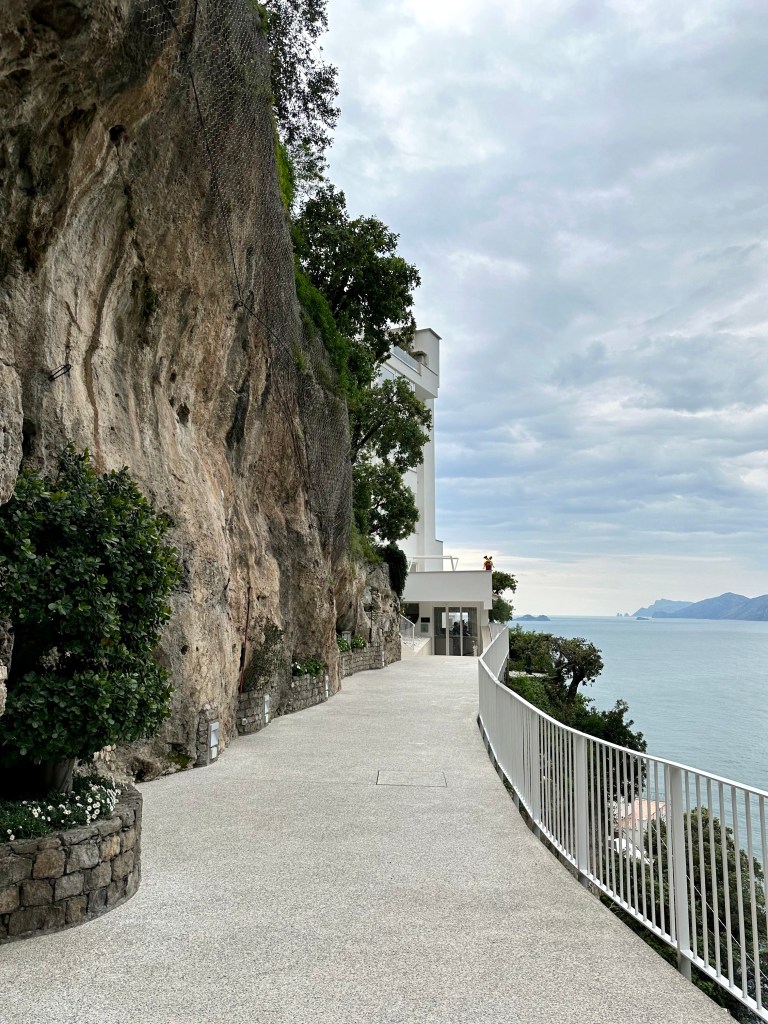
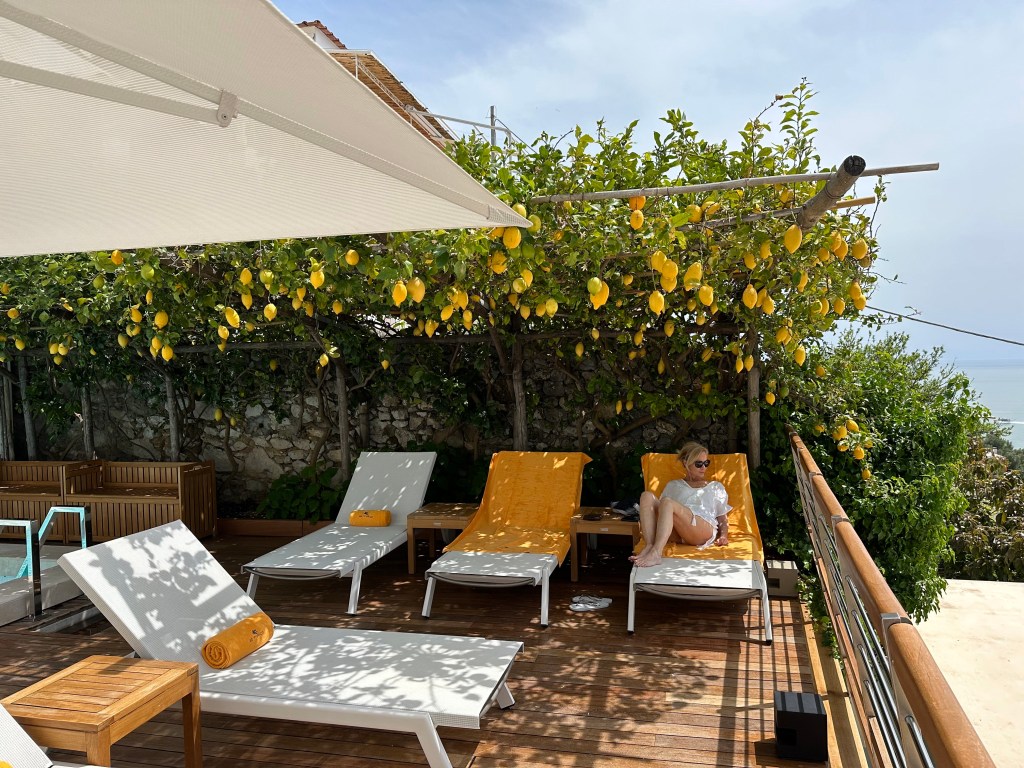
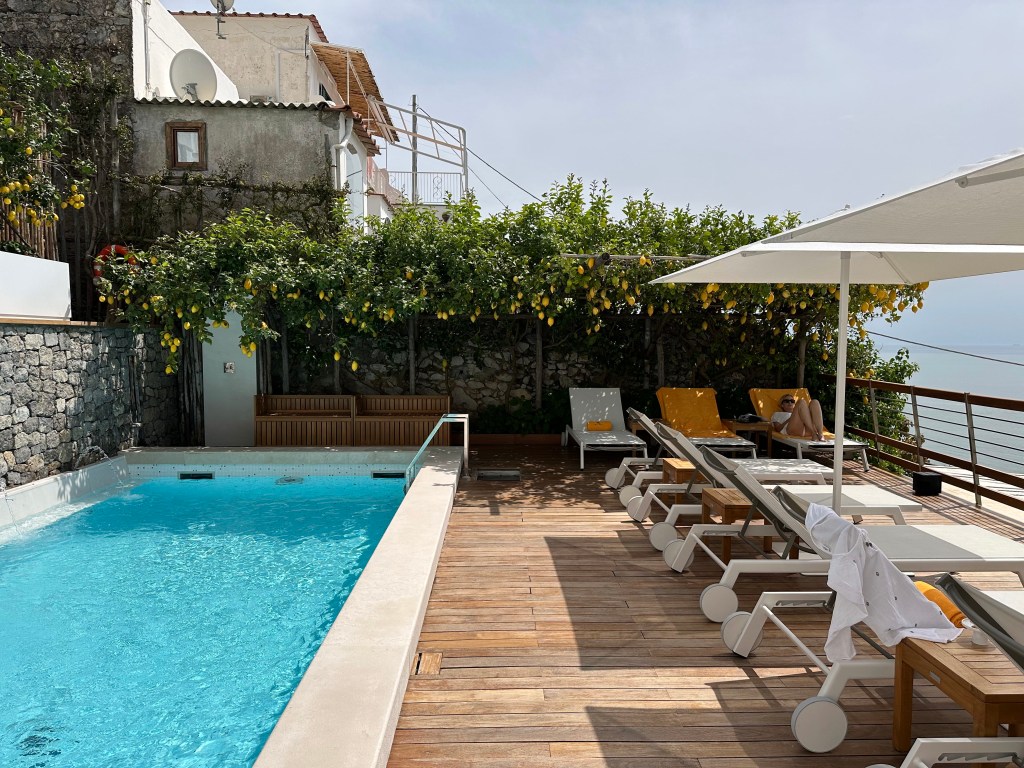
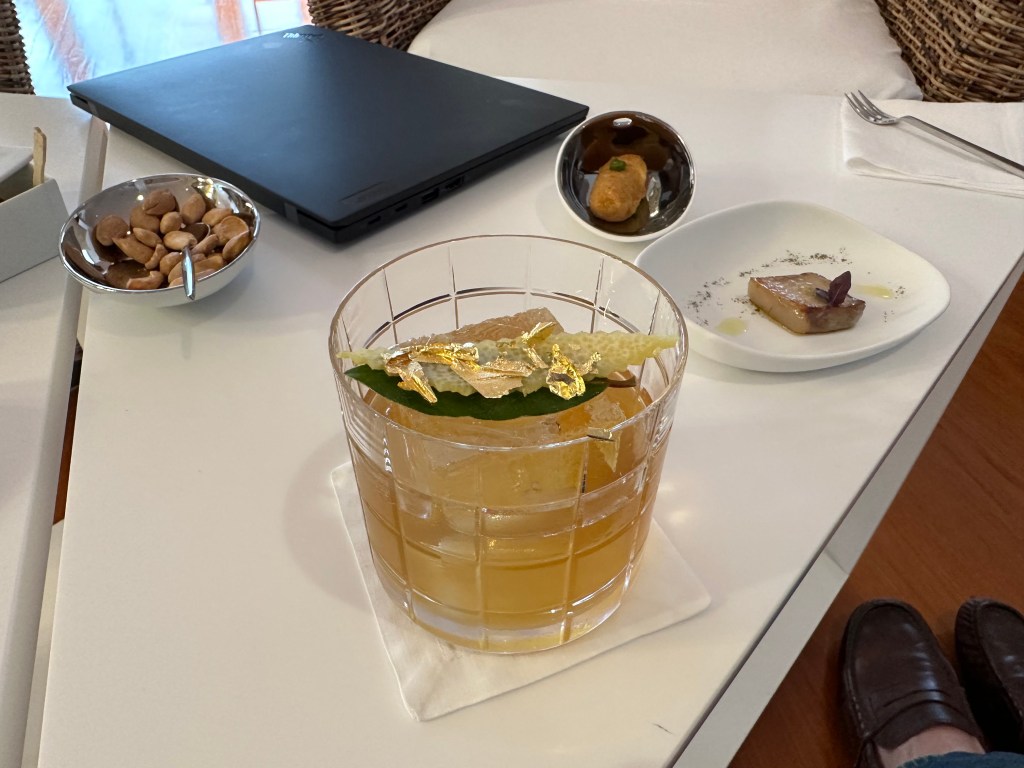
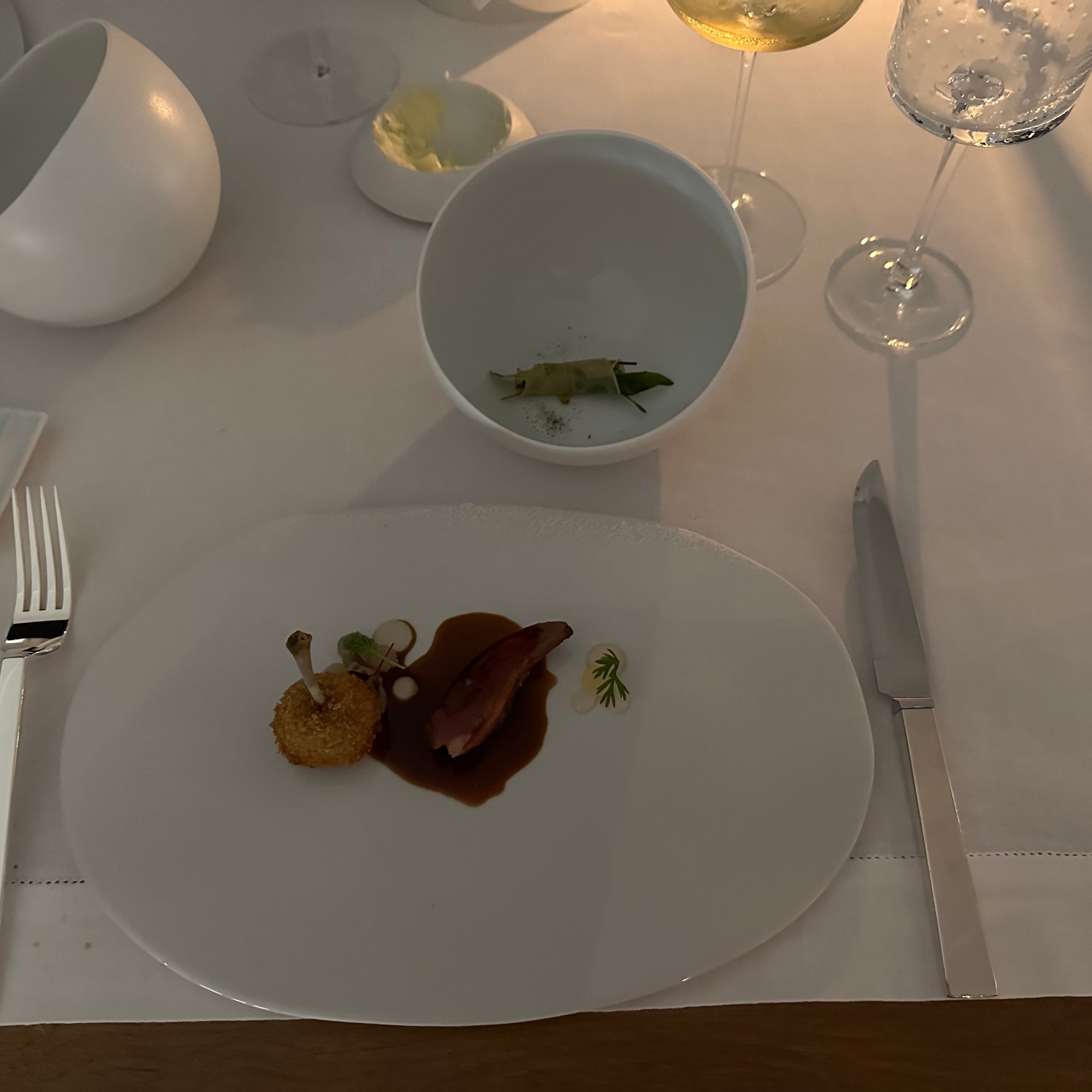
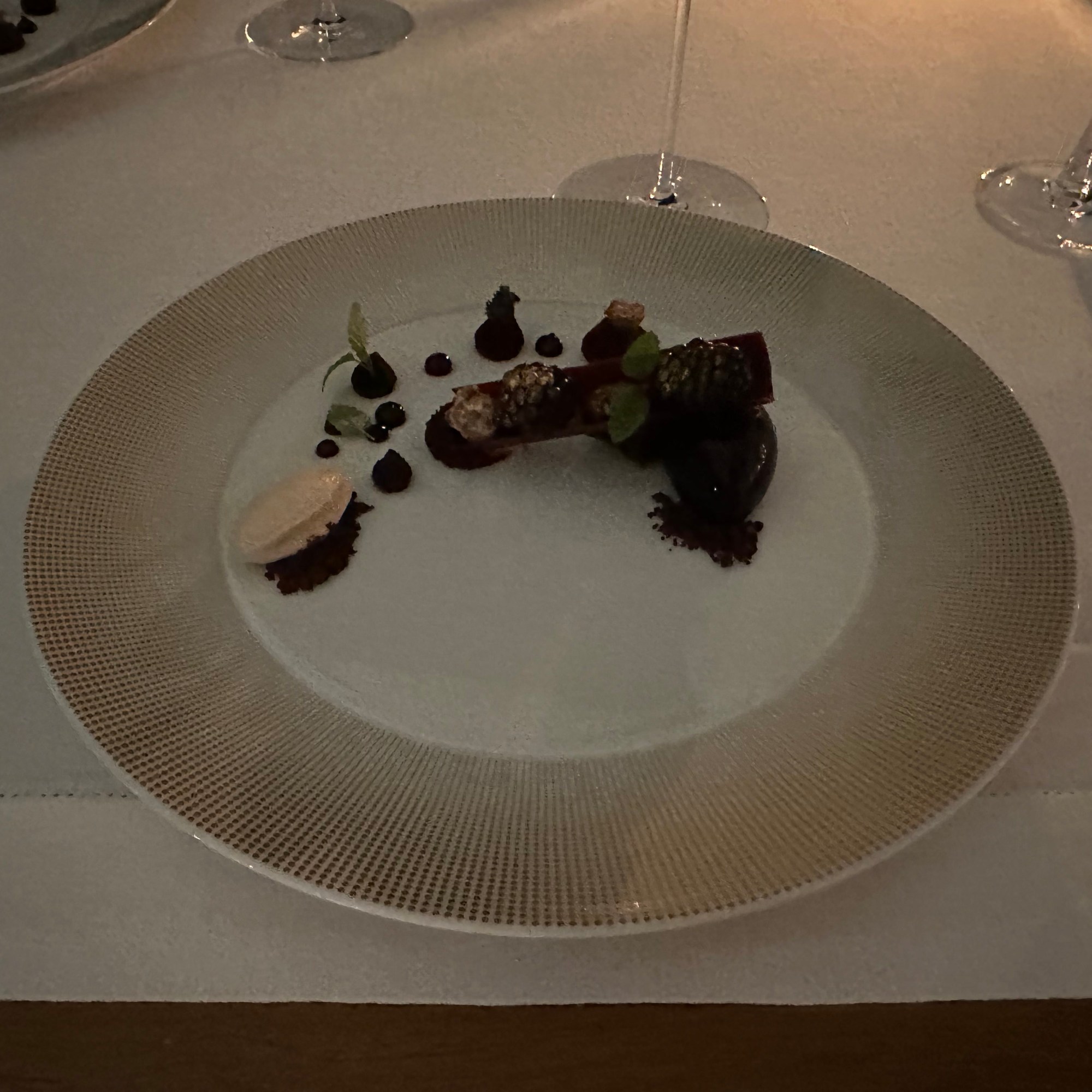
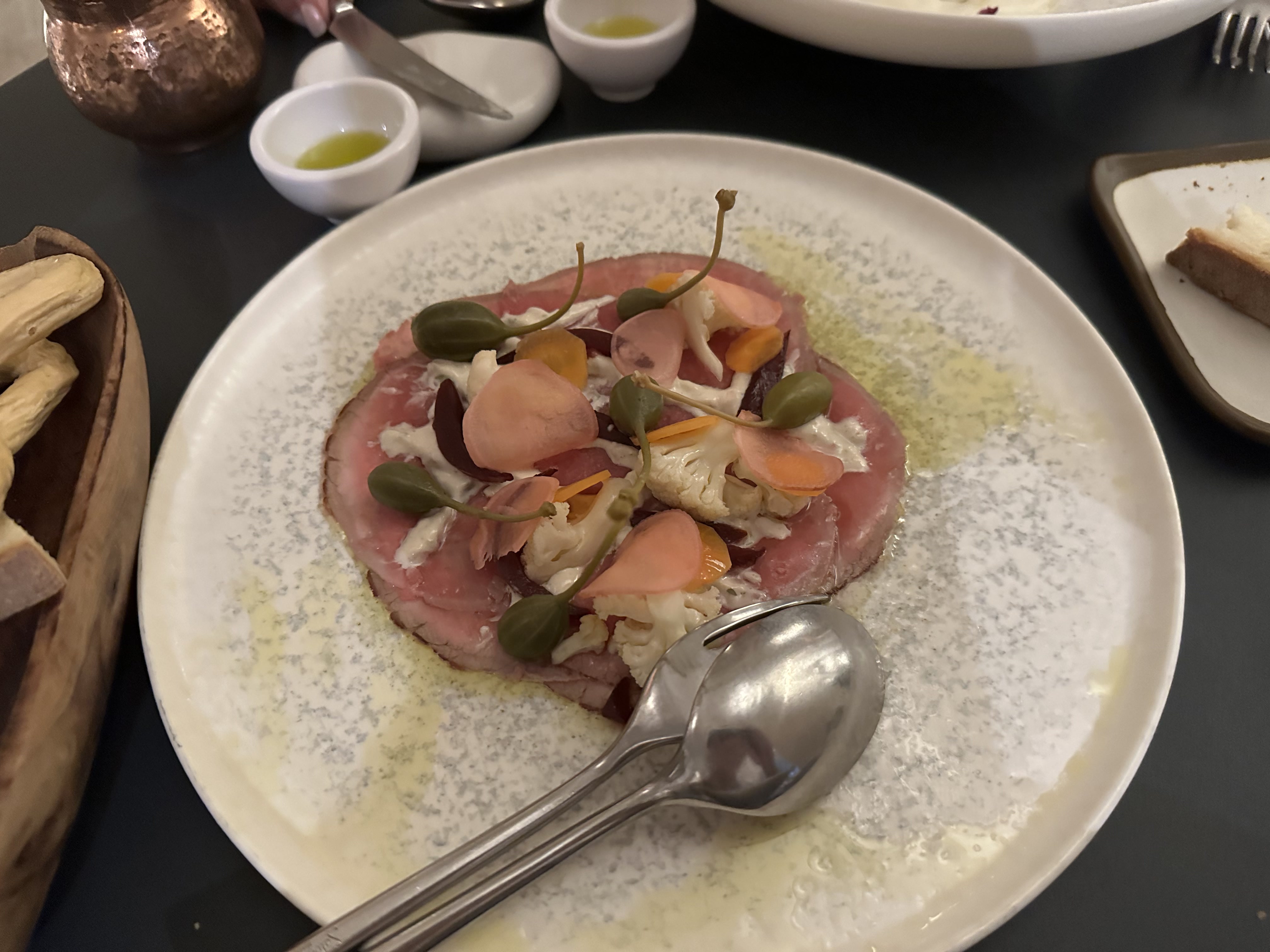
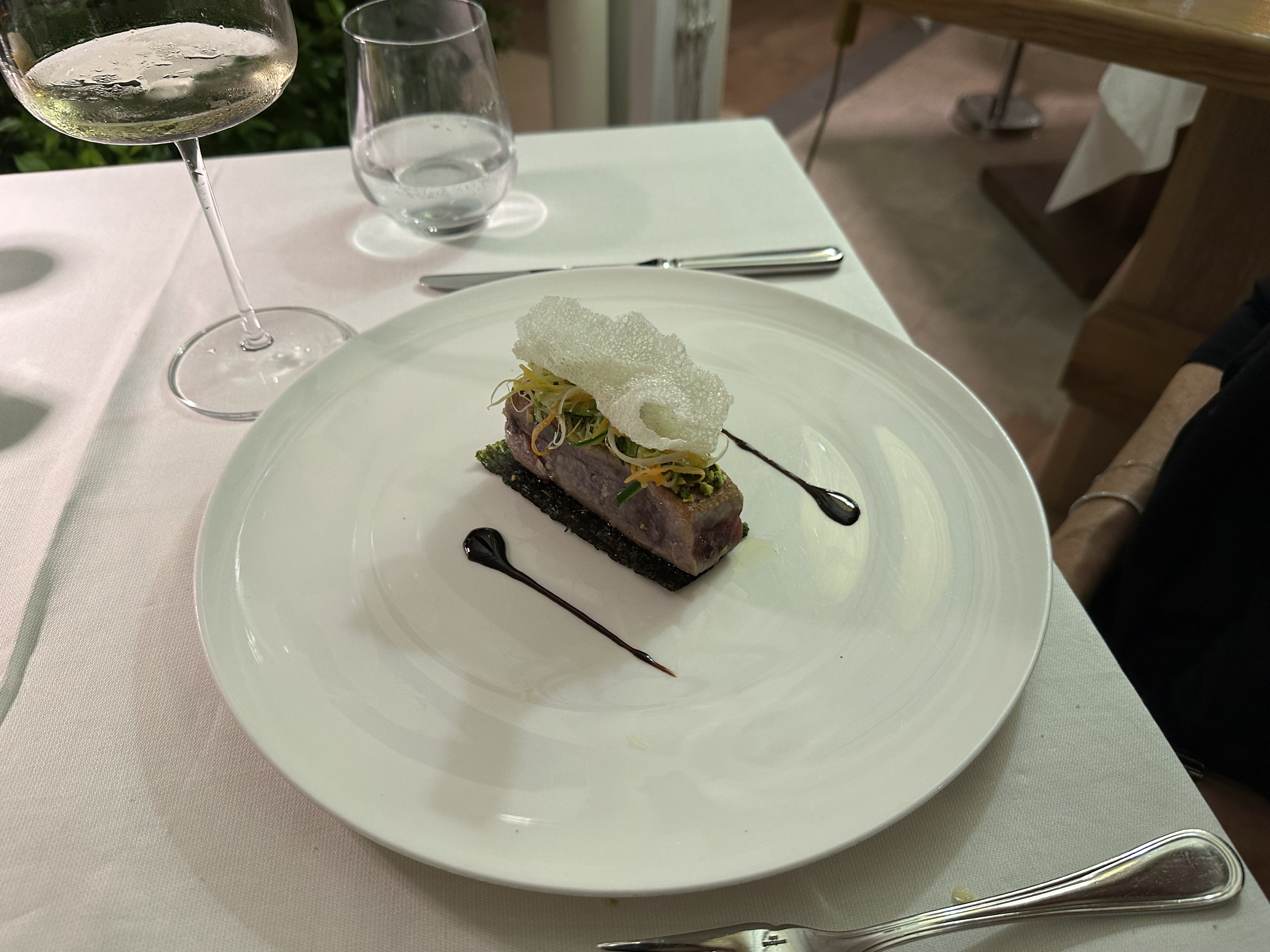
Praiano also hosted the first of three Michelin-starred gastronomic dinners of the trip. Plus, a ridiculous perch over the Tyrrhenian Sea on the Amalfi Coast:
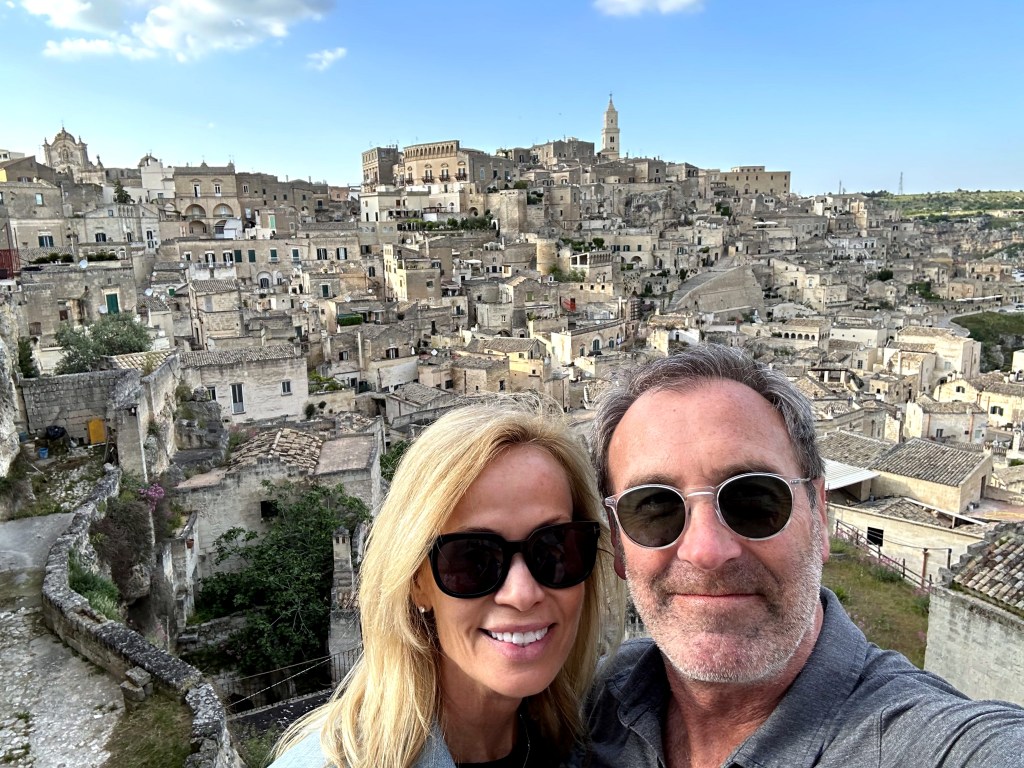
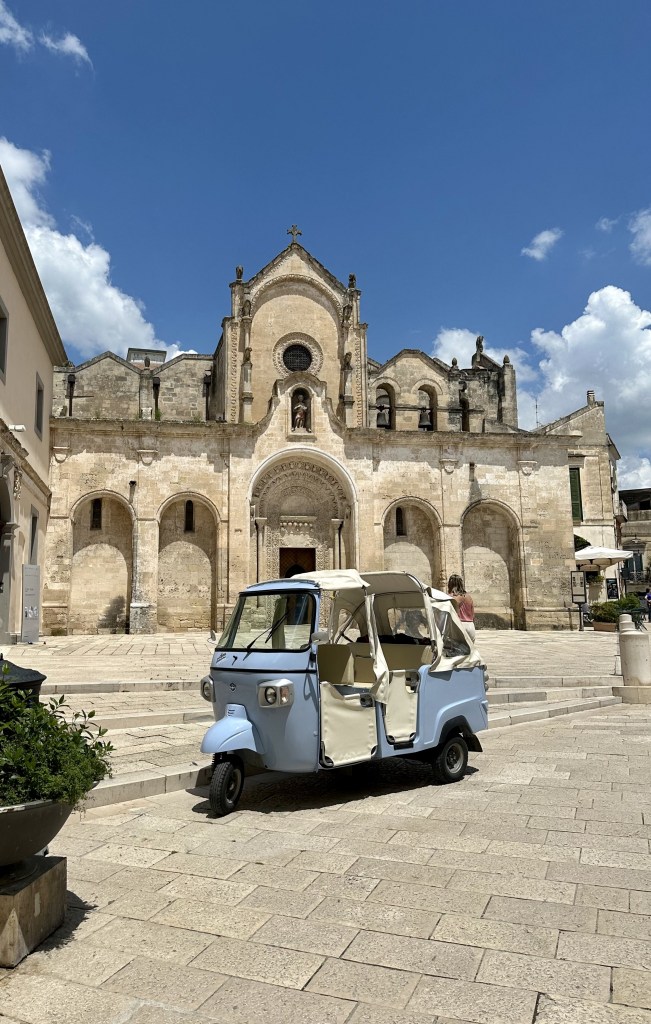
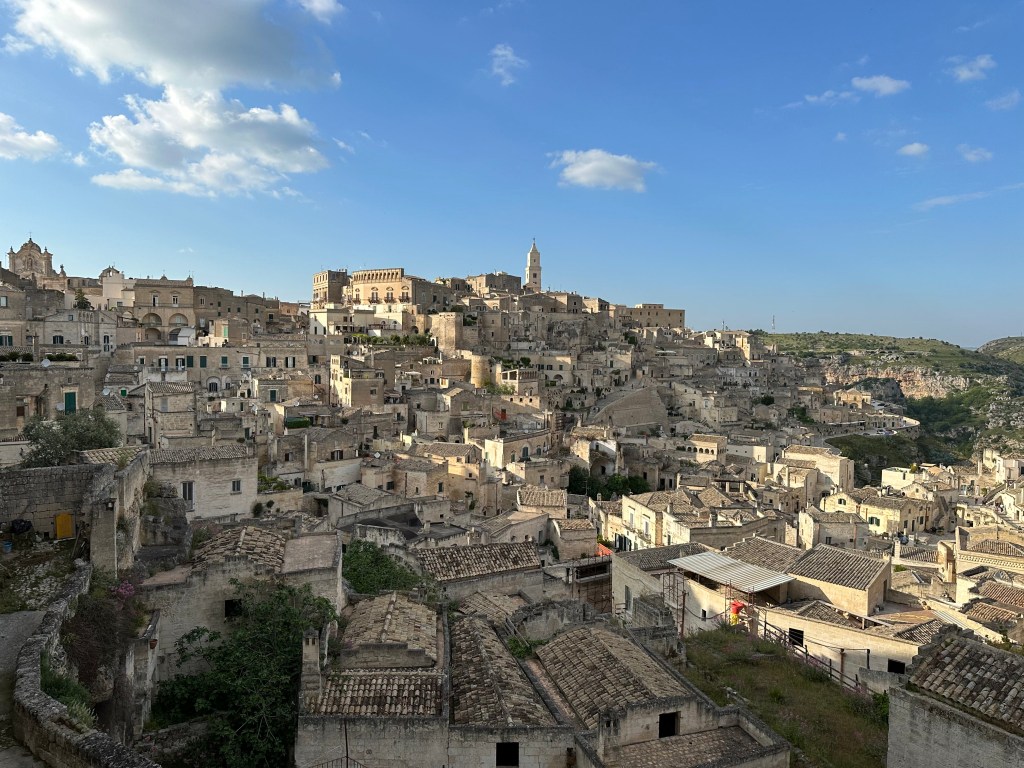
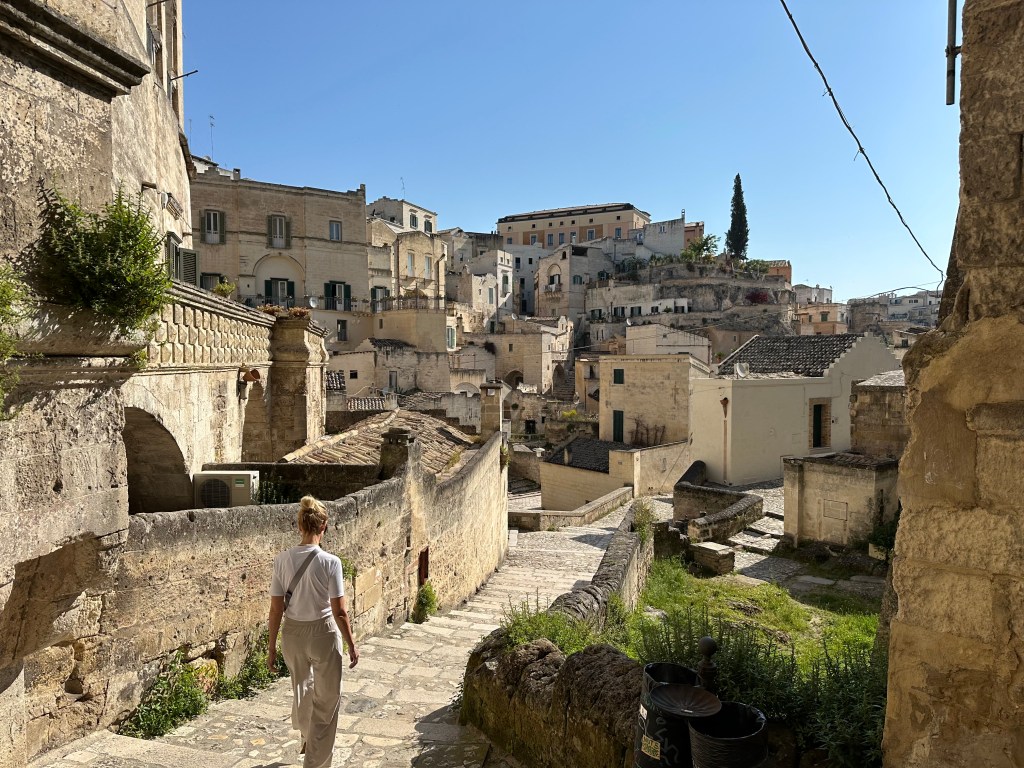
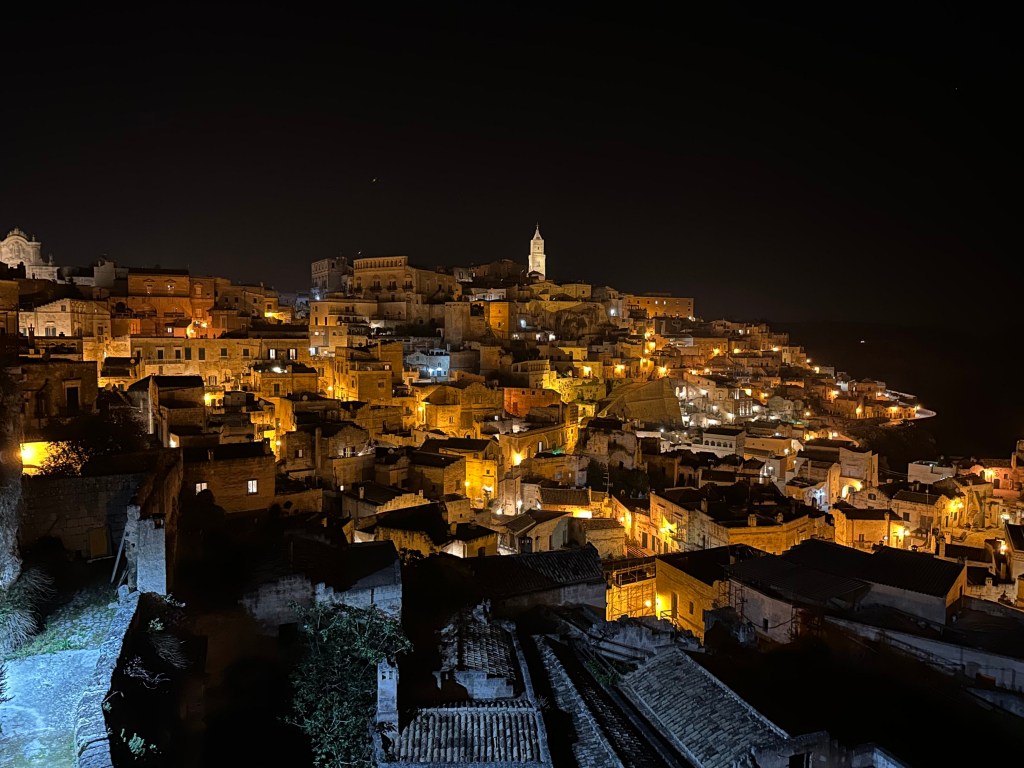
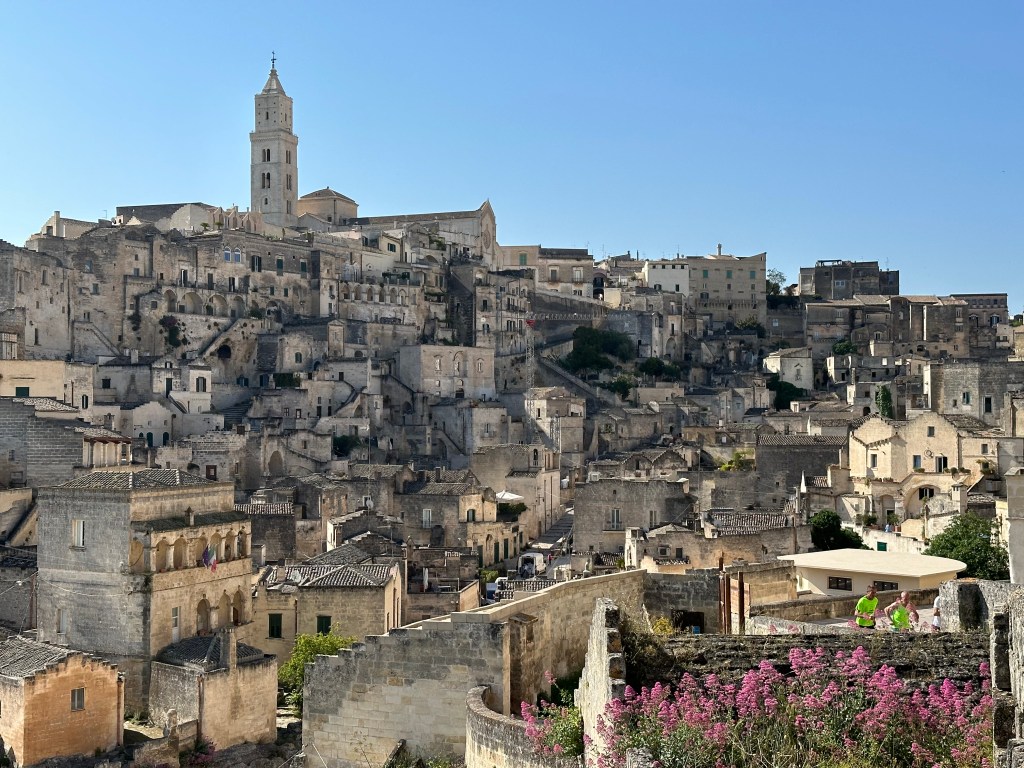
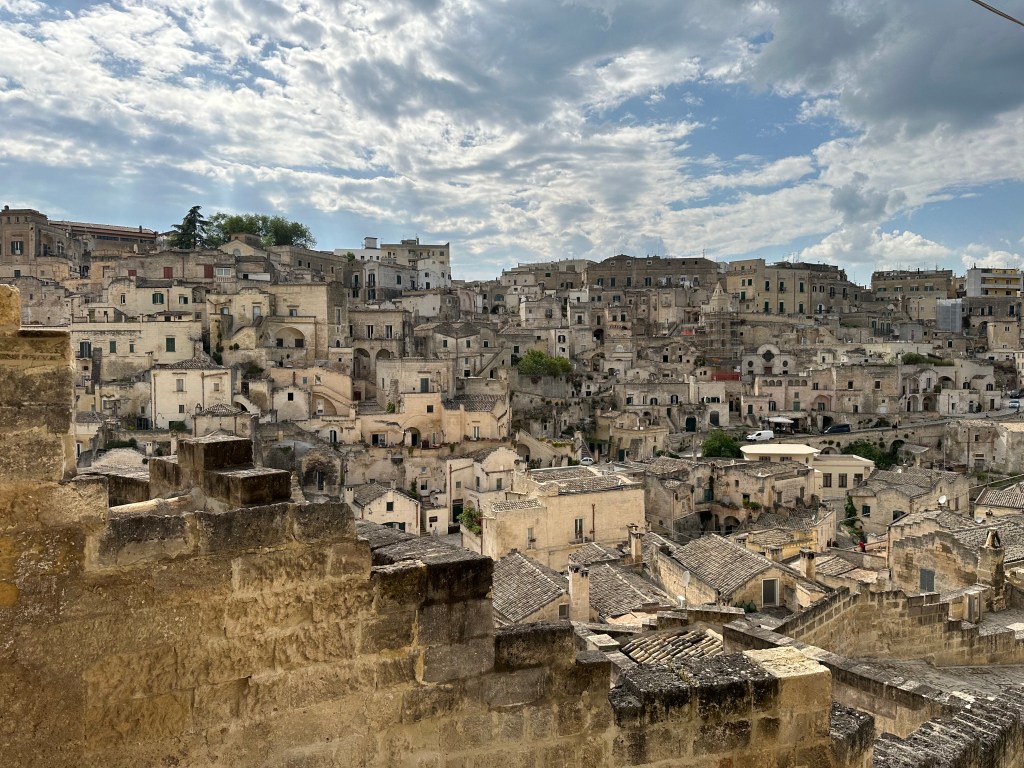
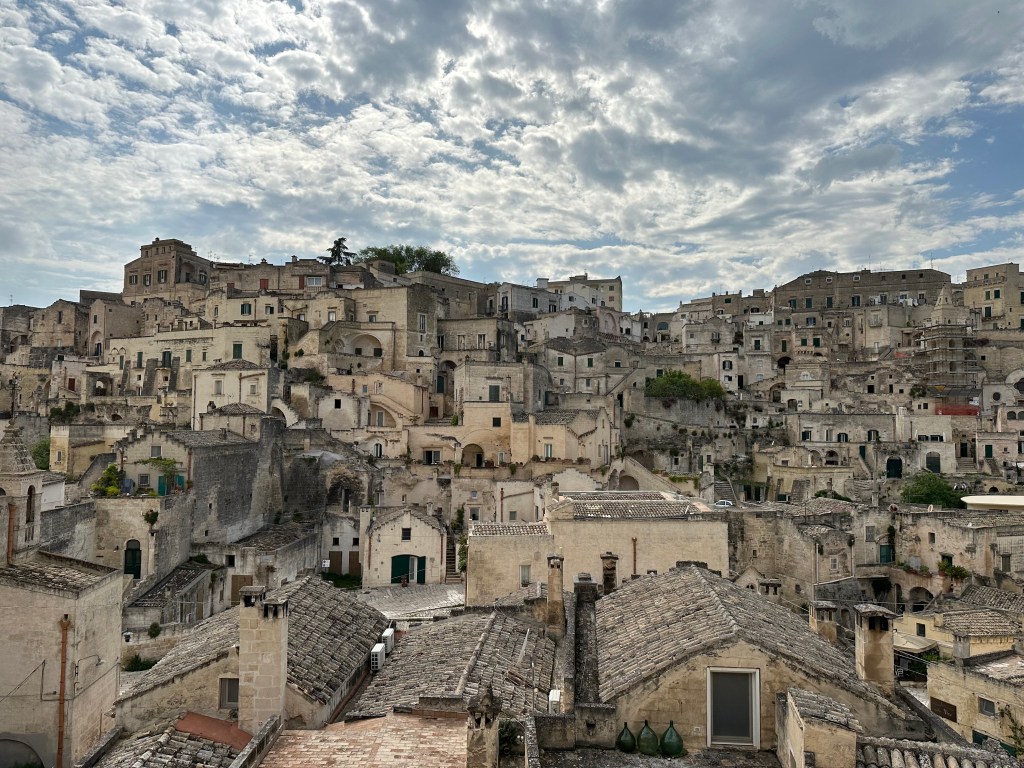
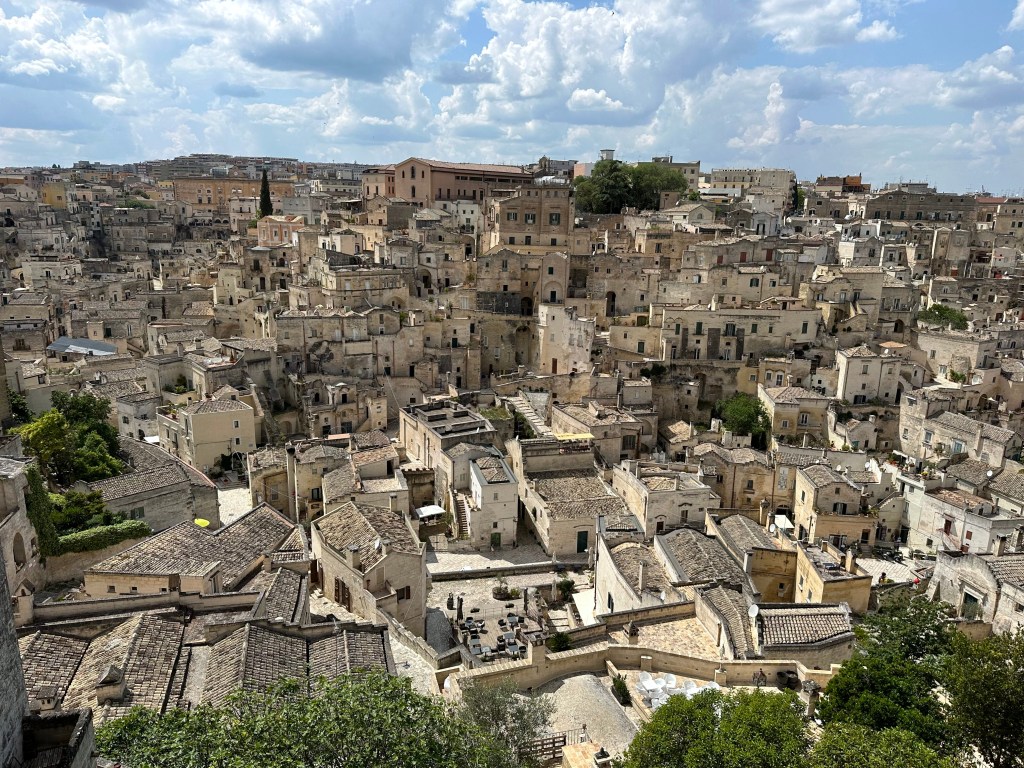
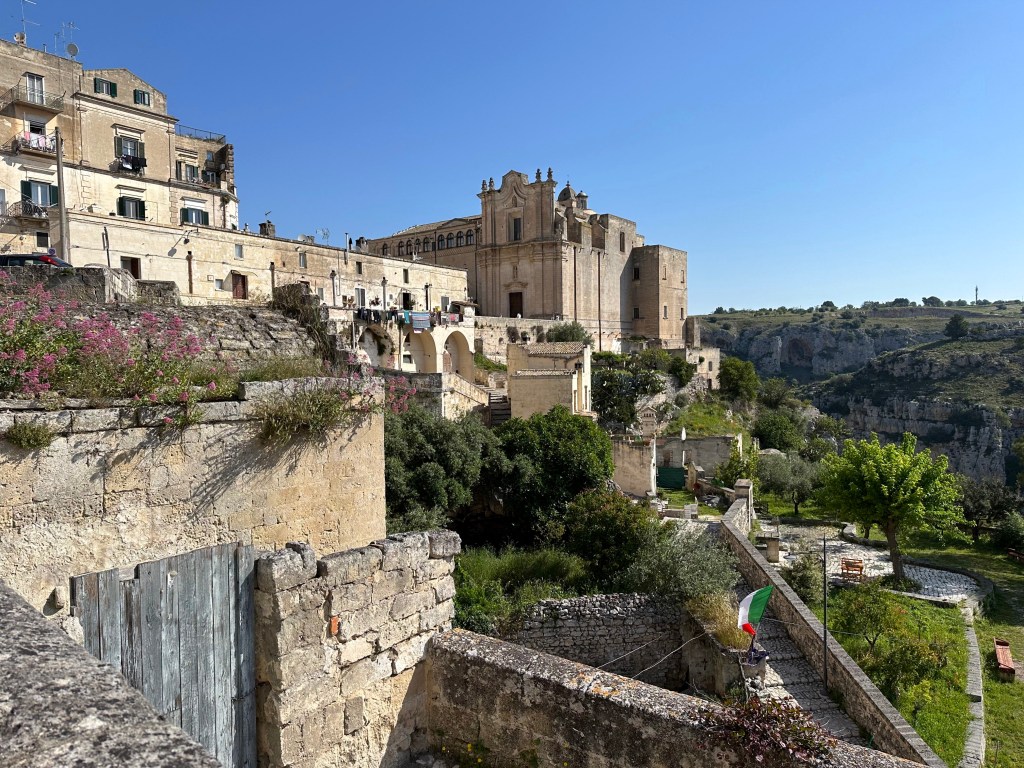
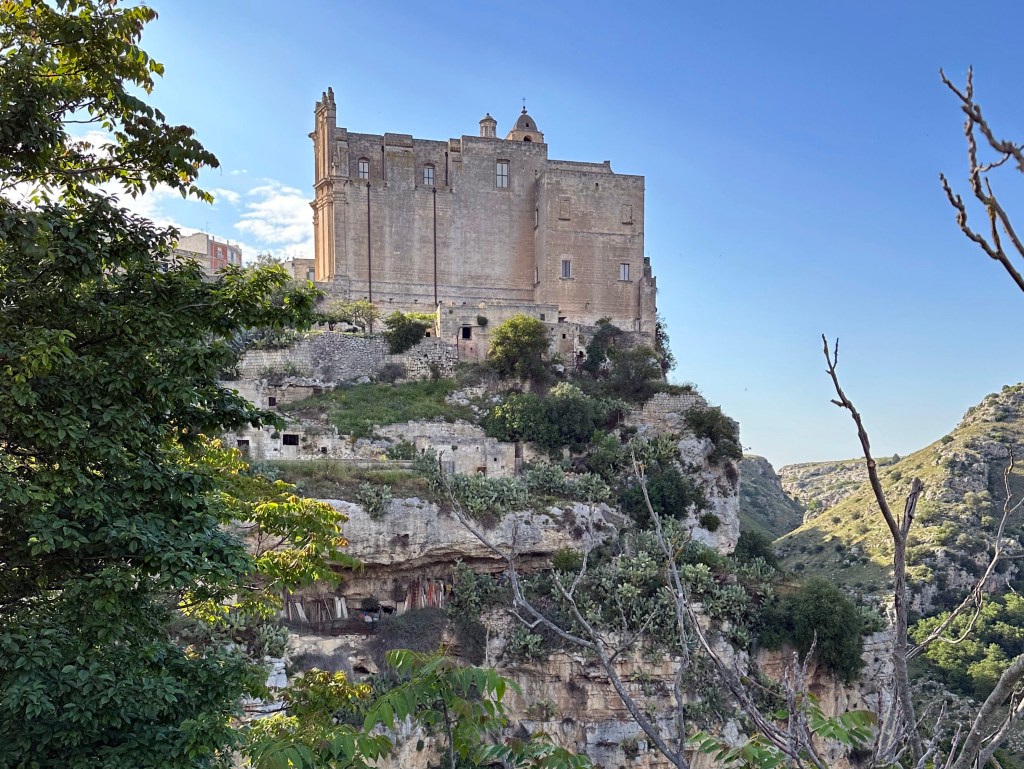
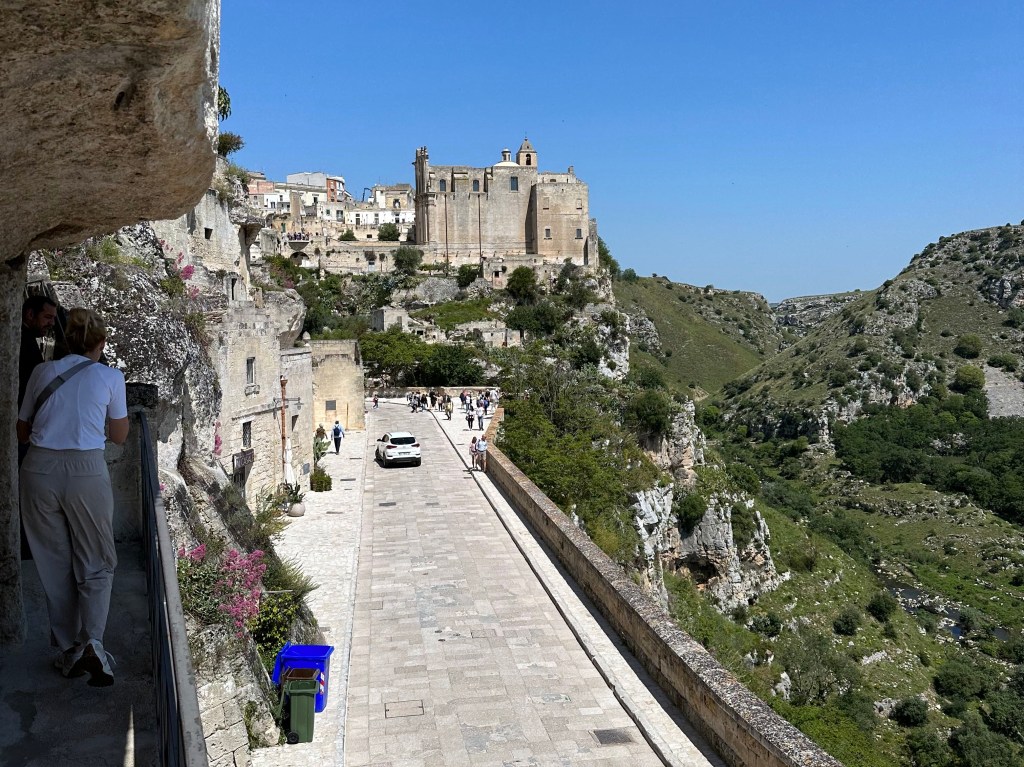
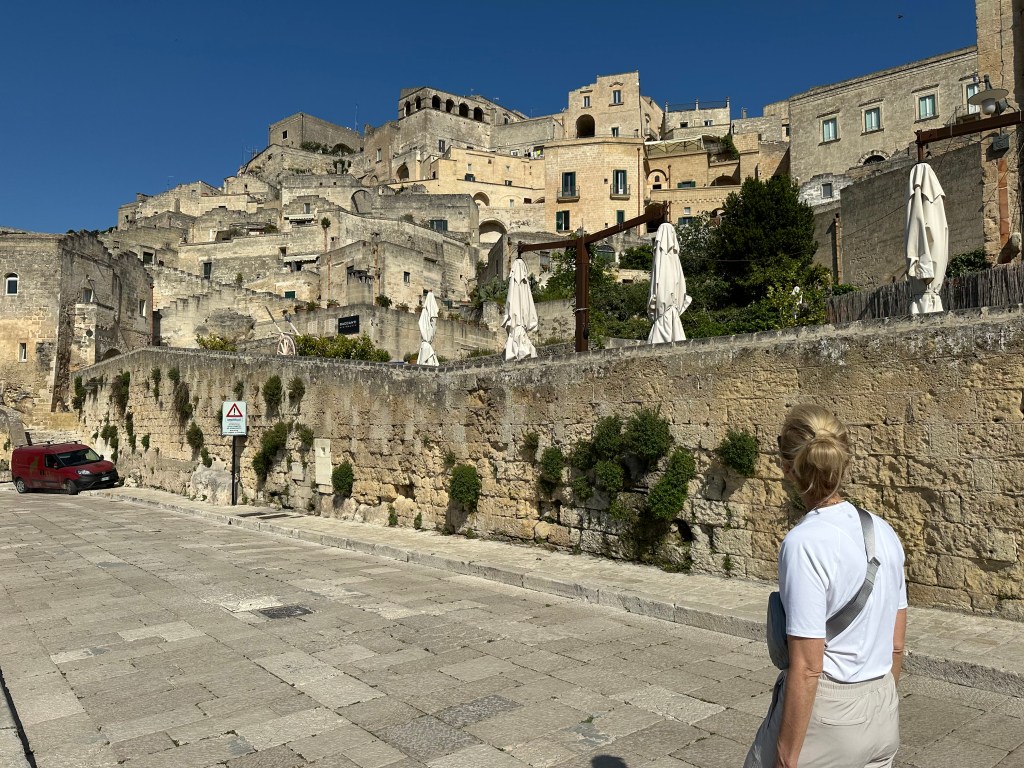
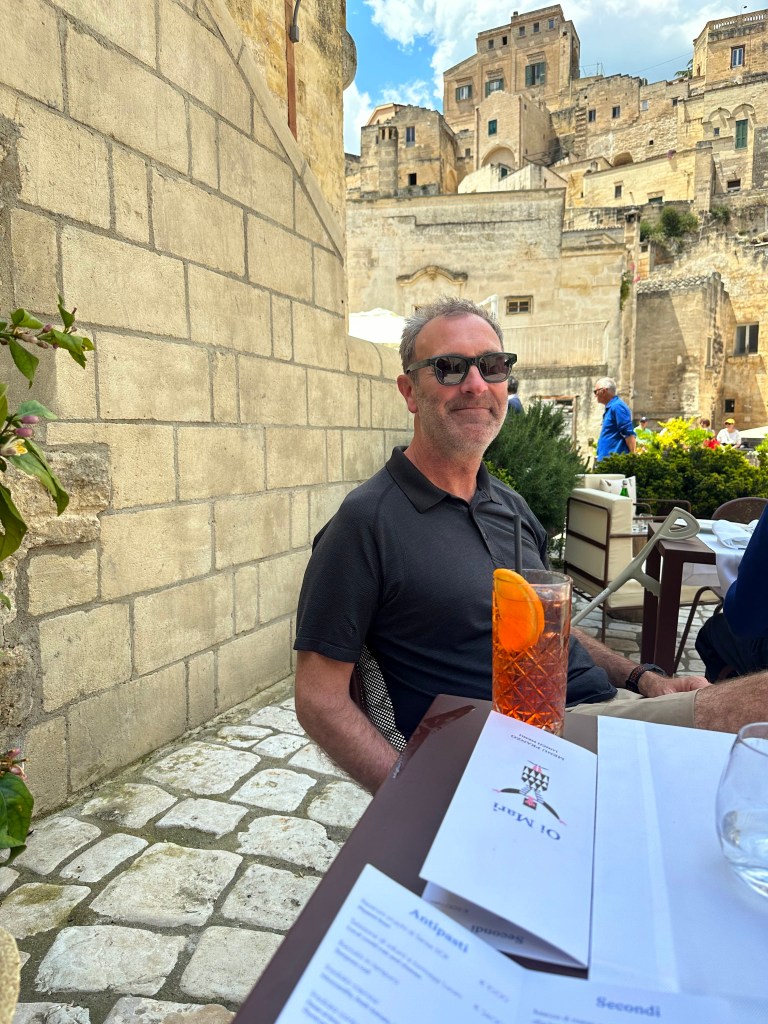
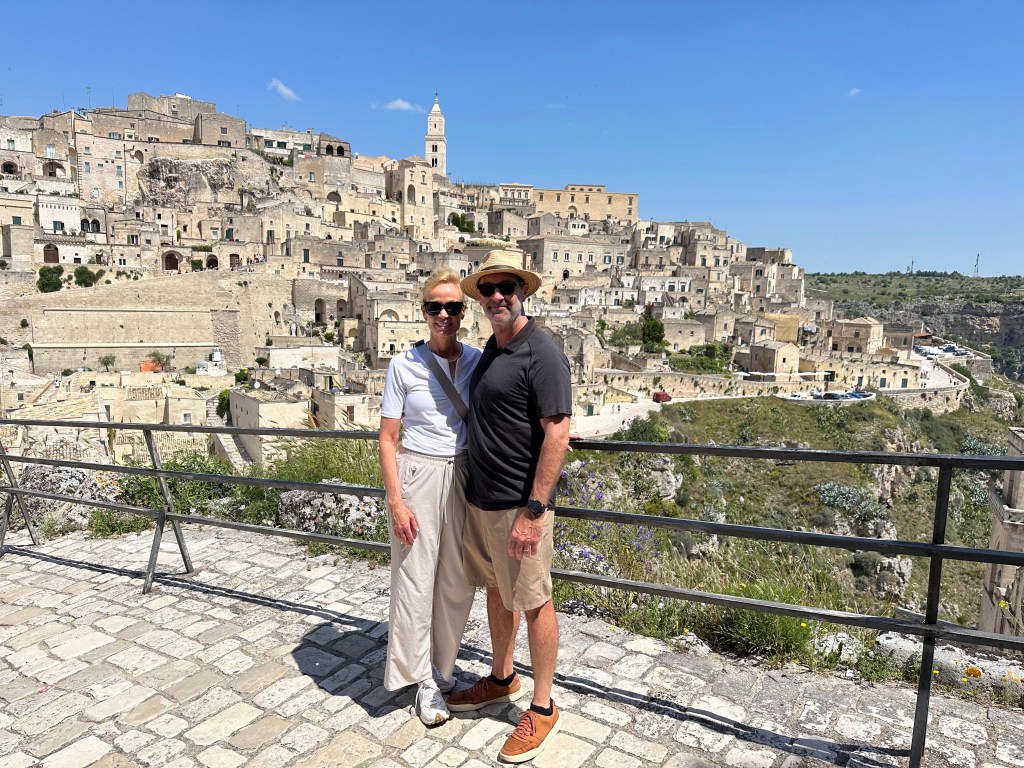
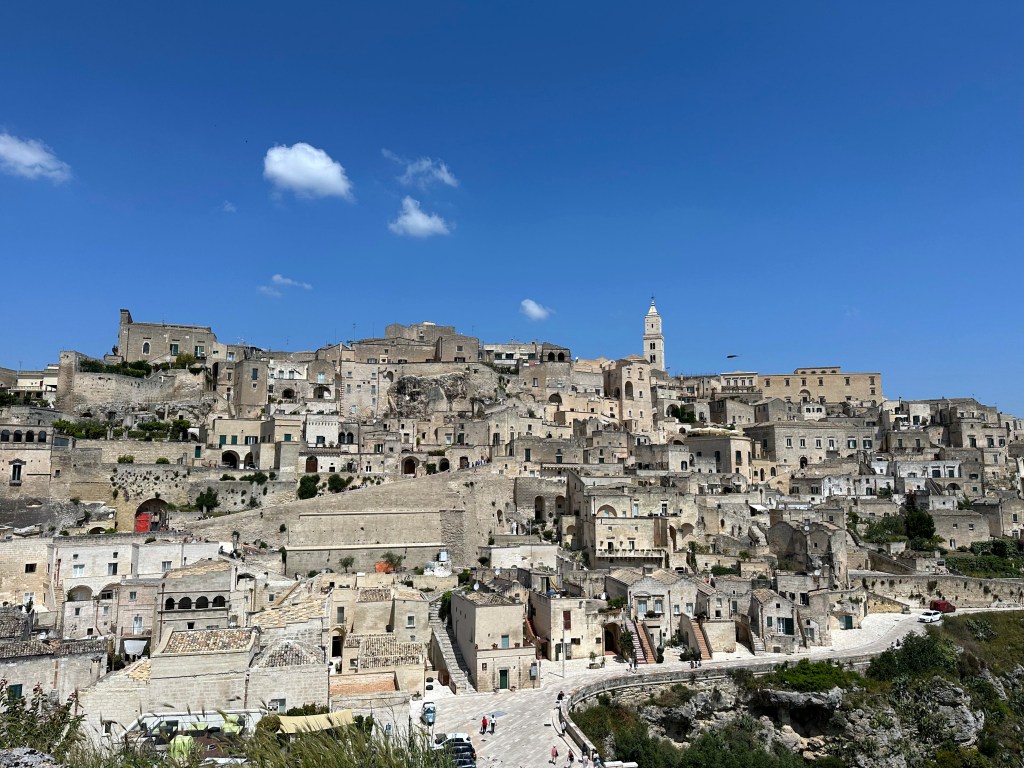
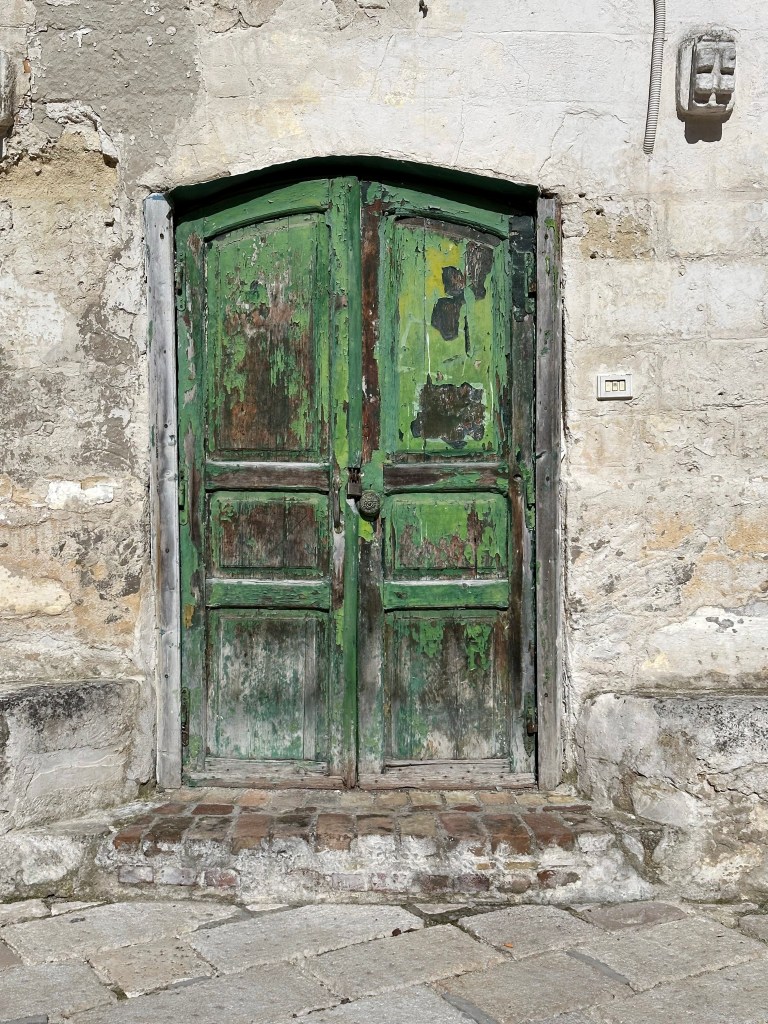
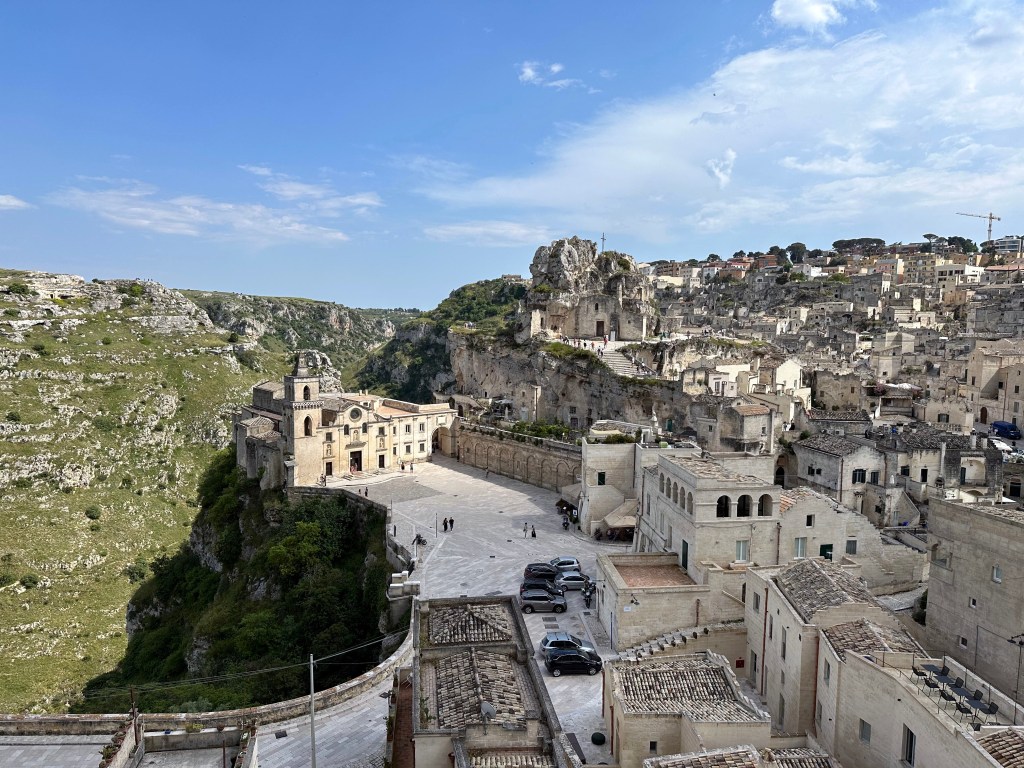
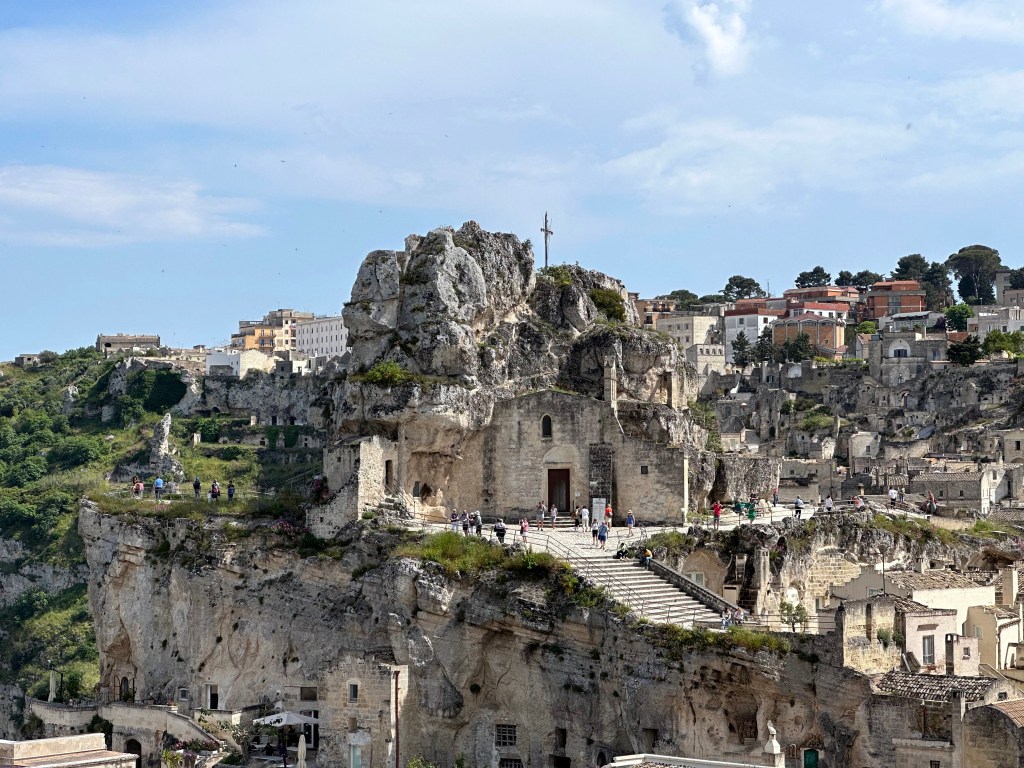
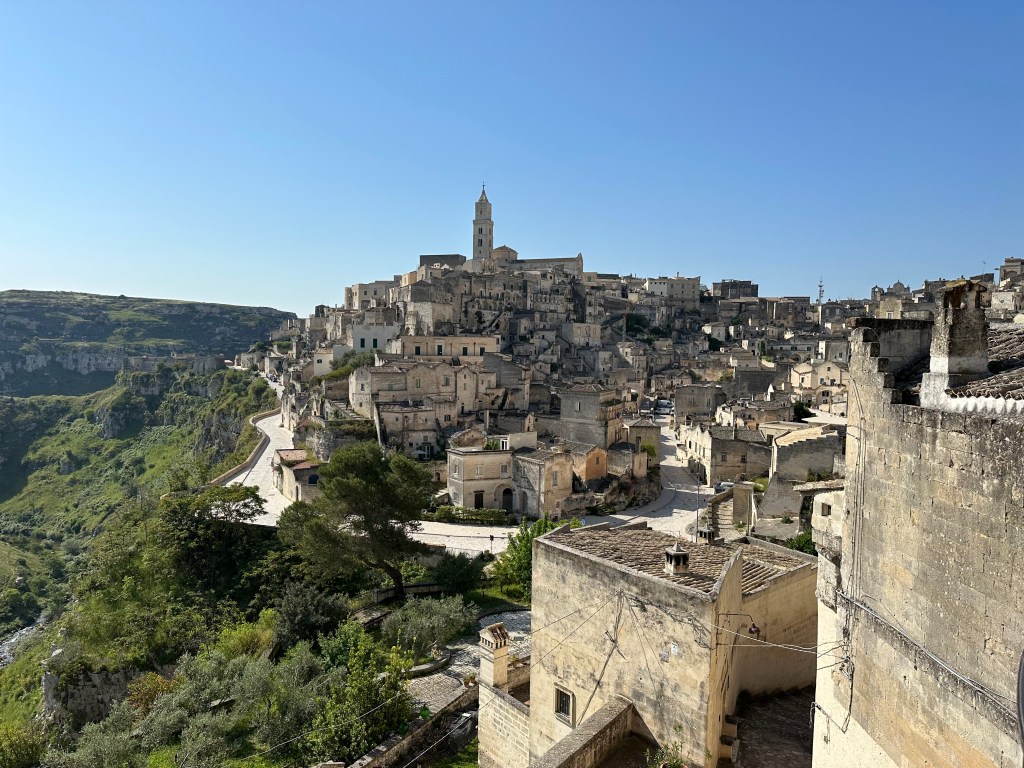
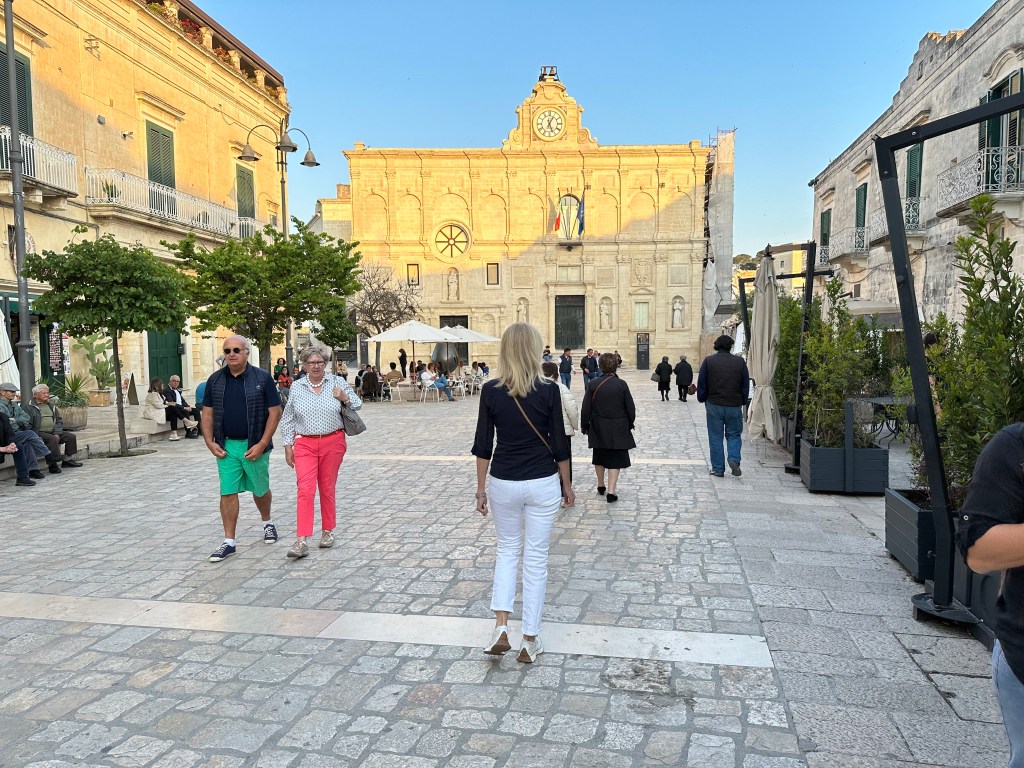
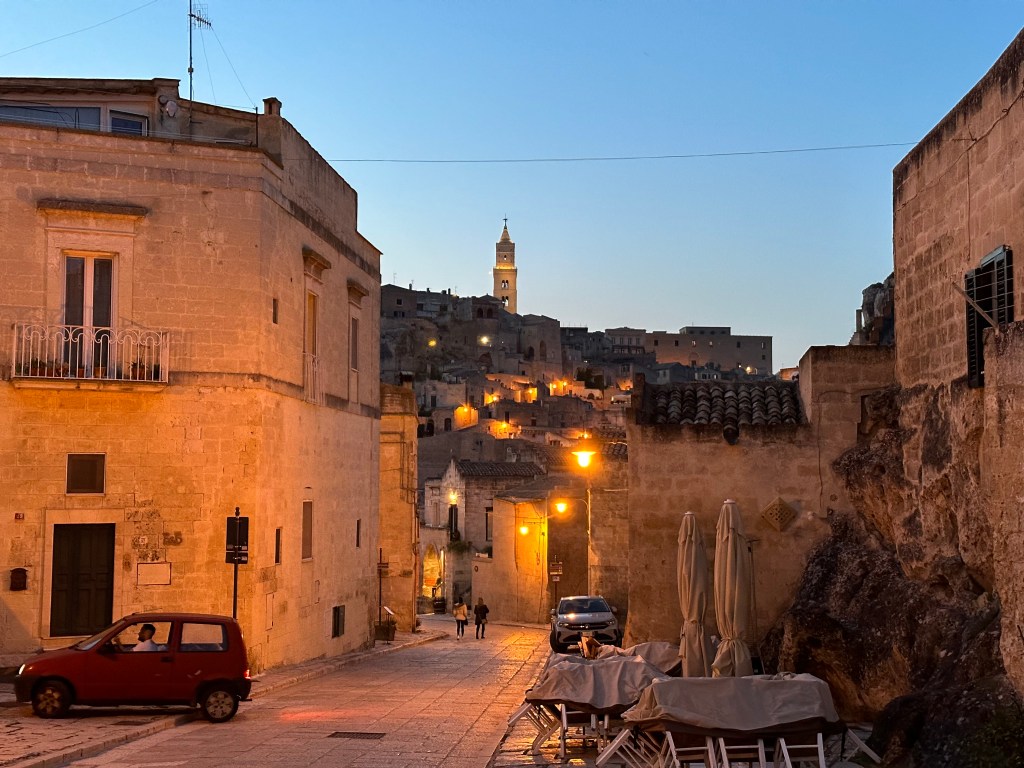
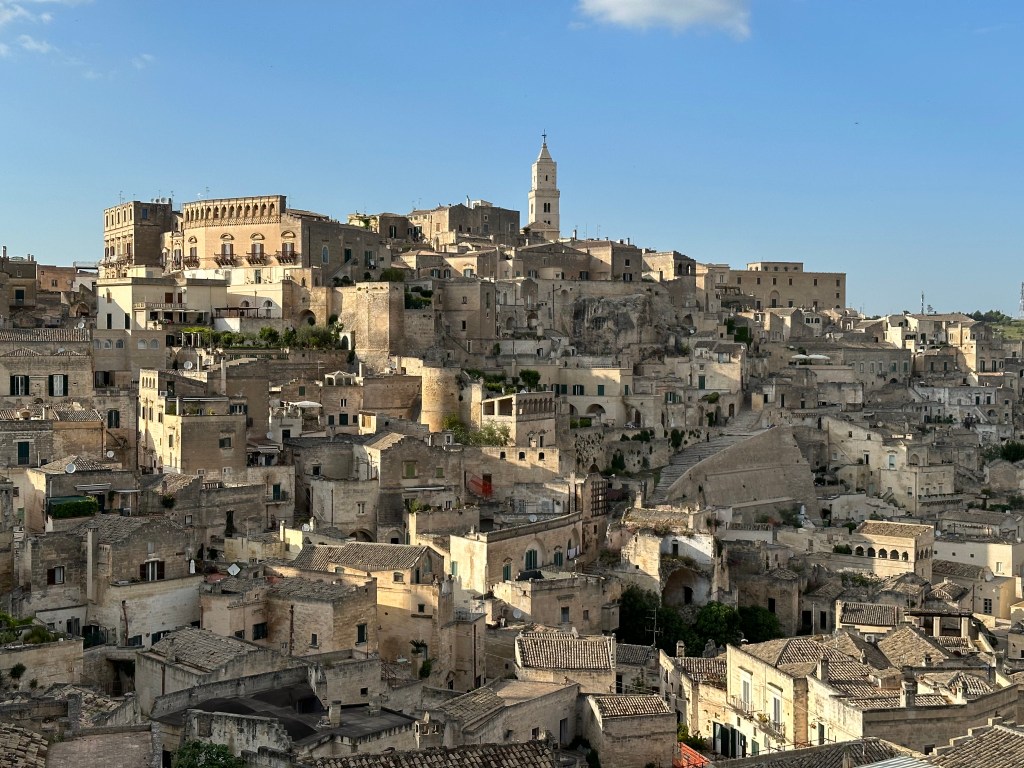
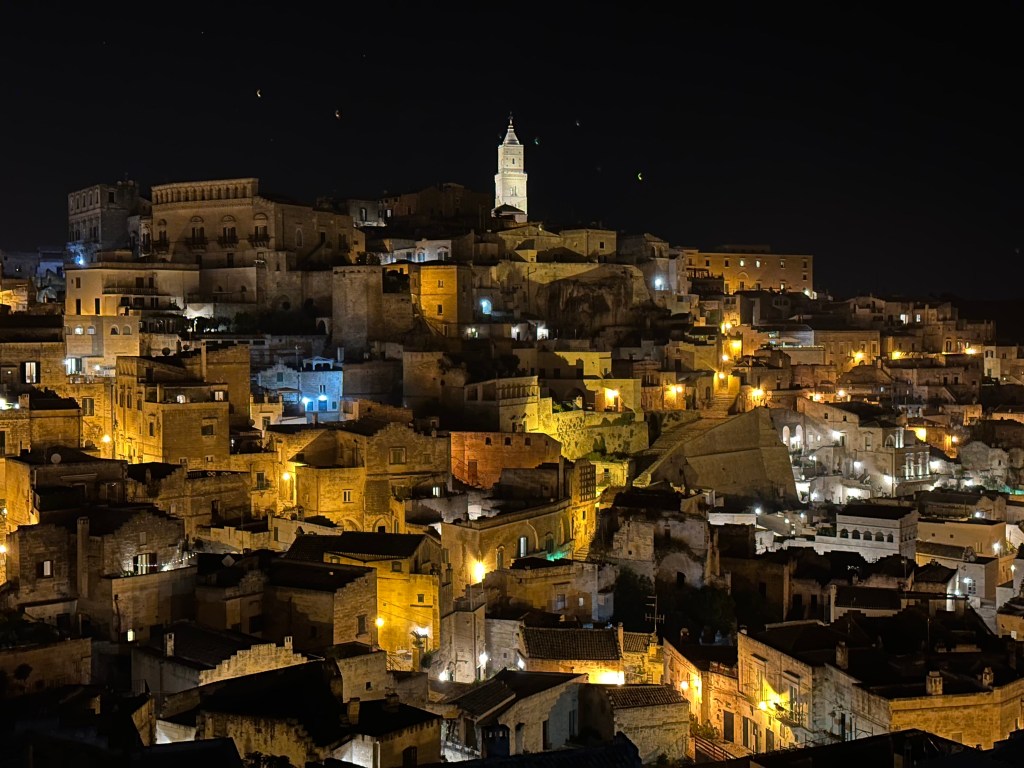
From the Amalfi Coast, we drove southeast for a couple of days in Matera, Italy’s oldest city:
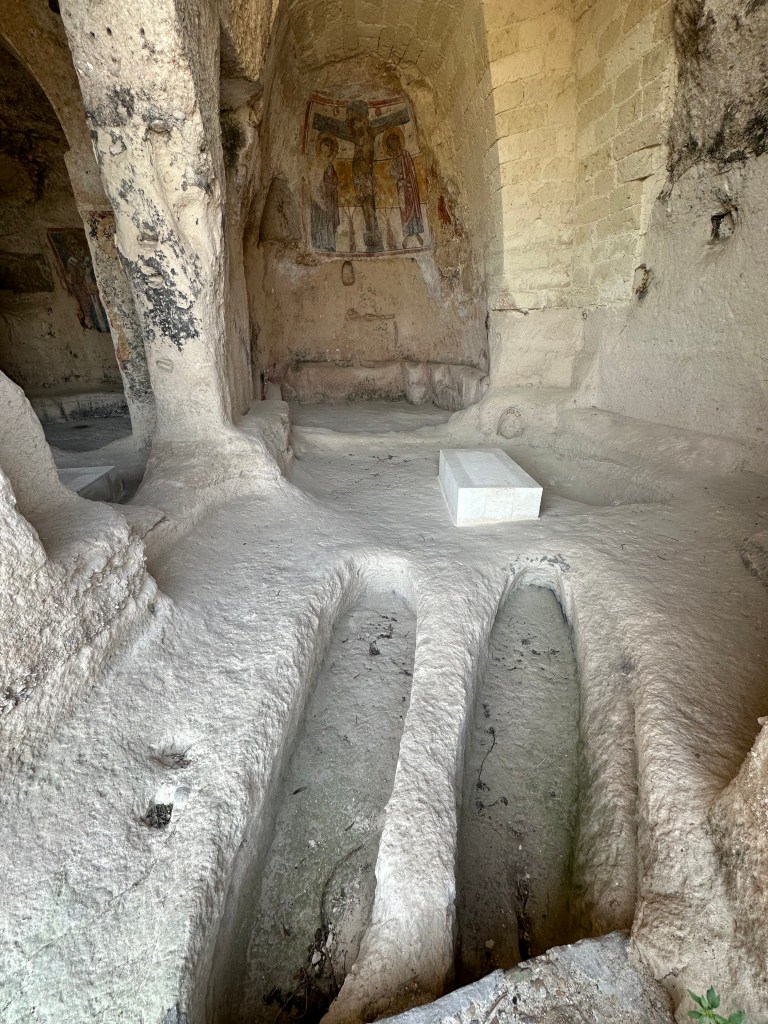
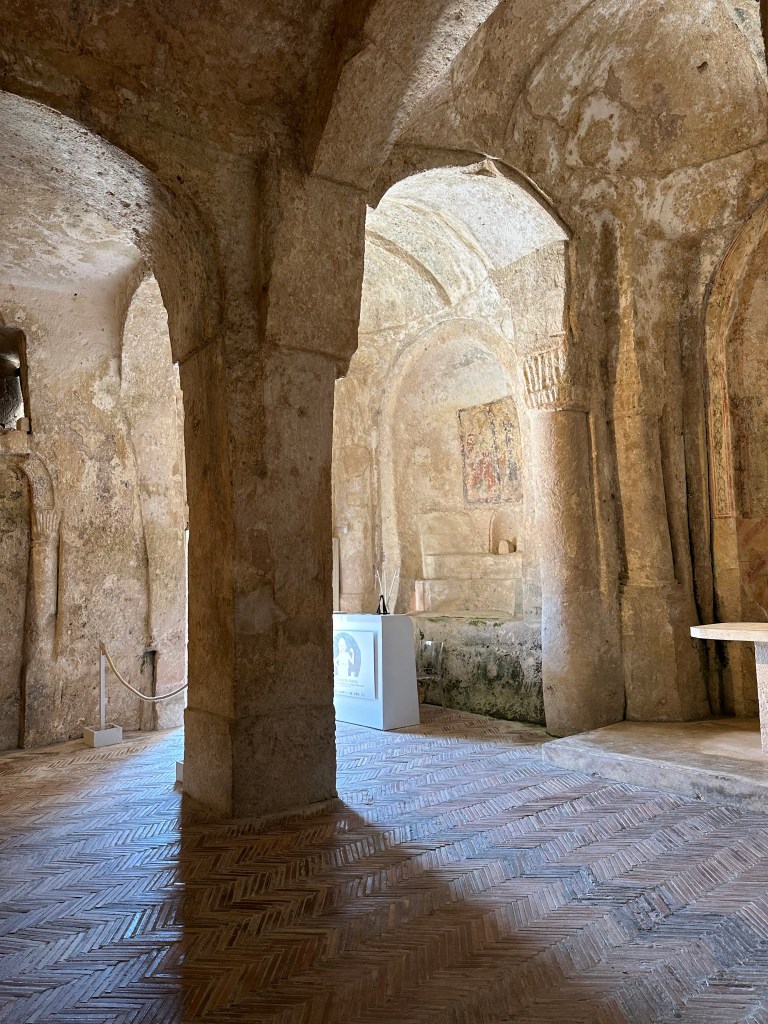
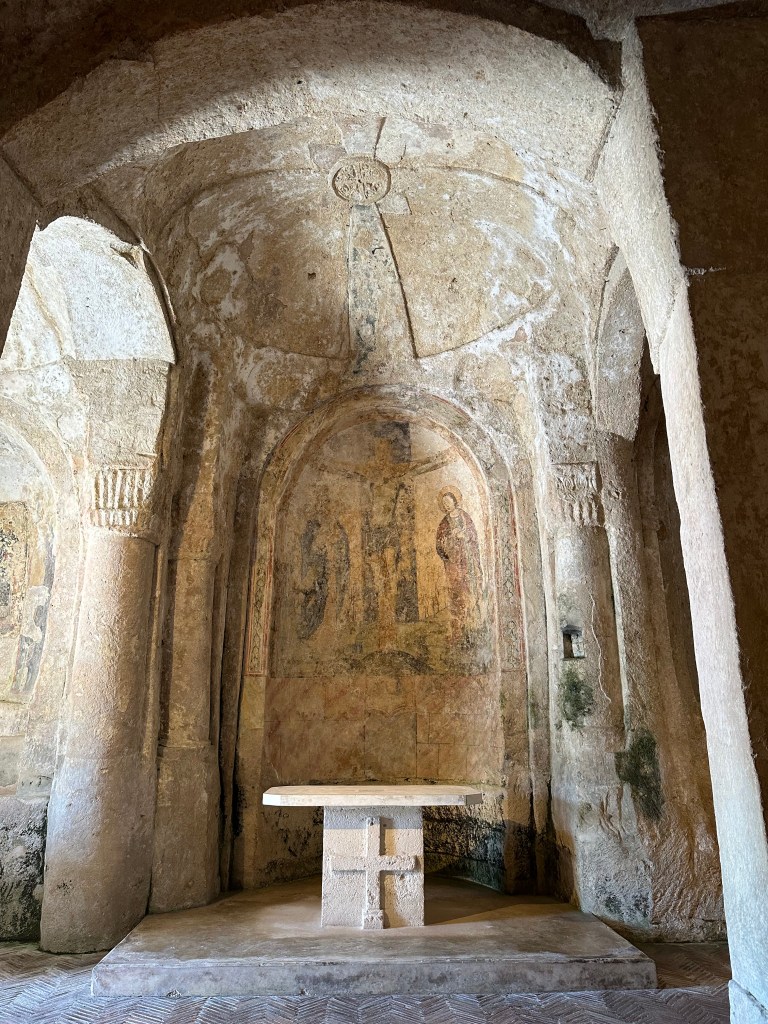
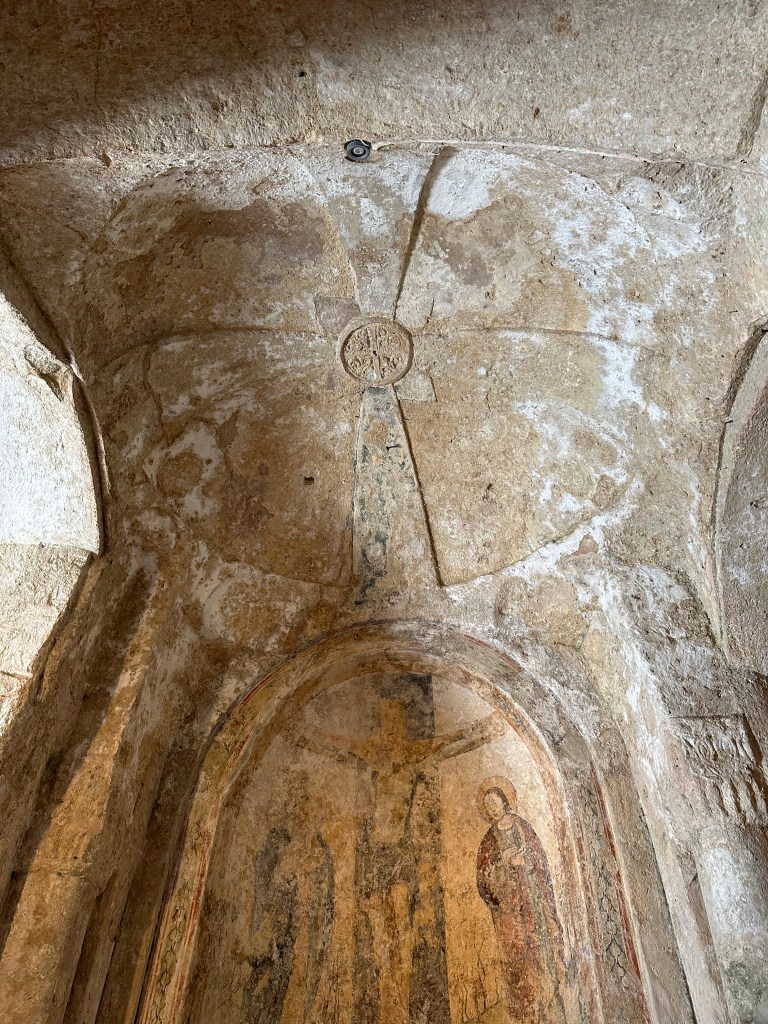
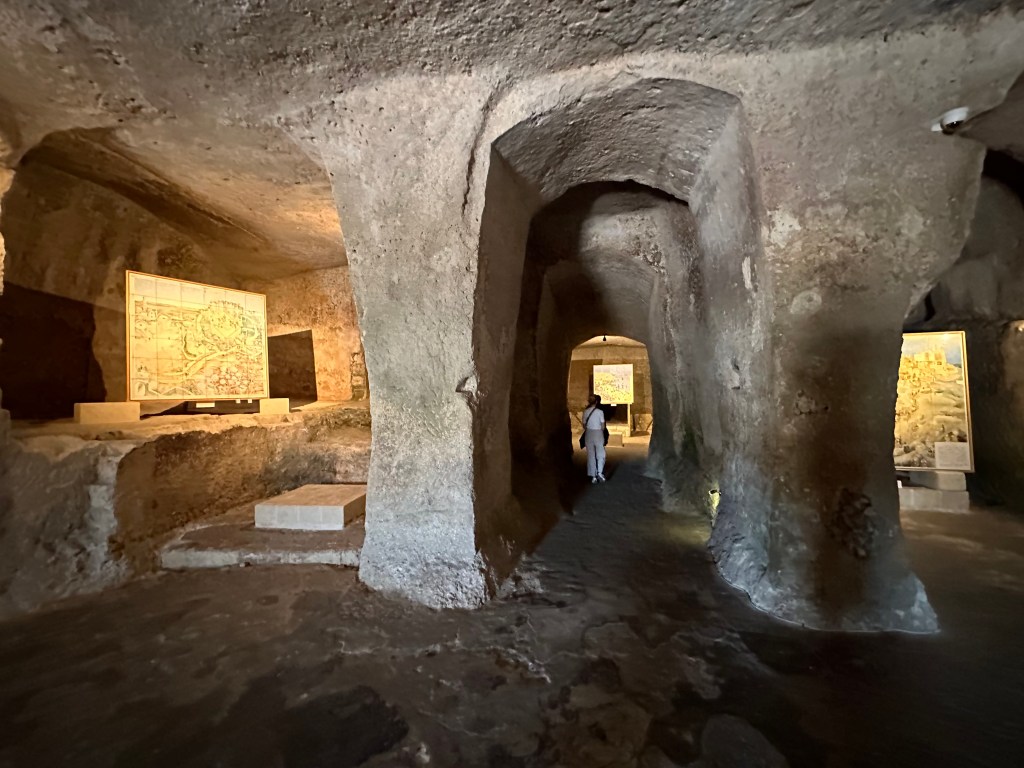
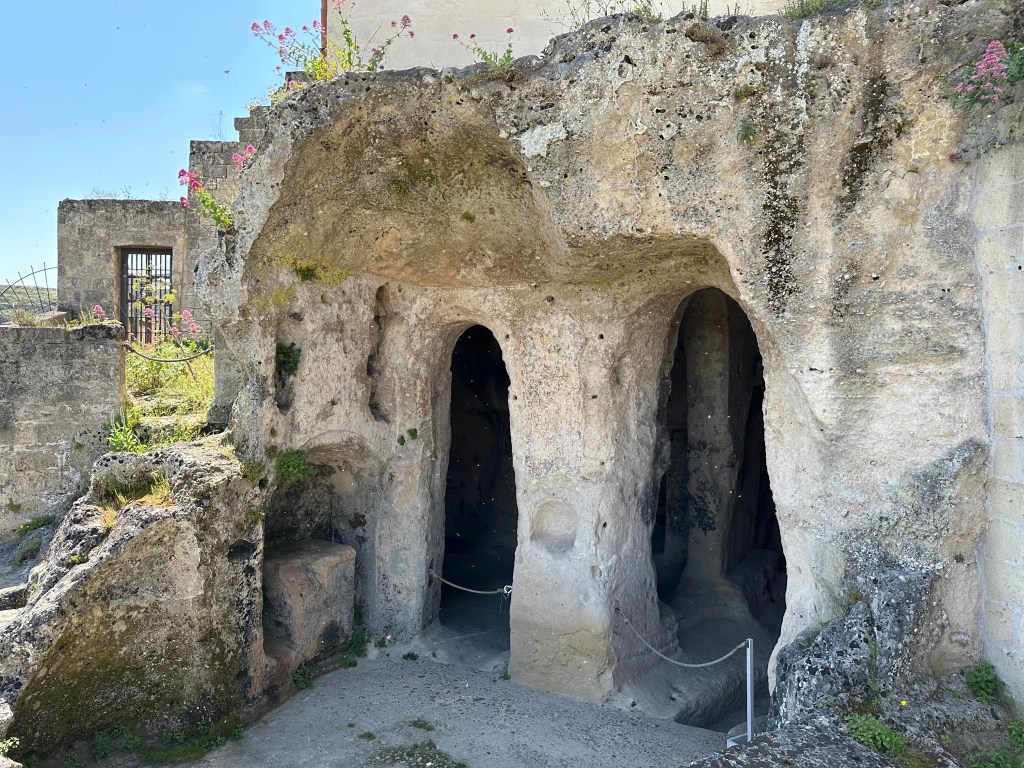
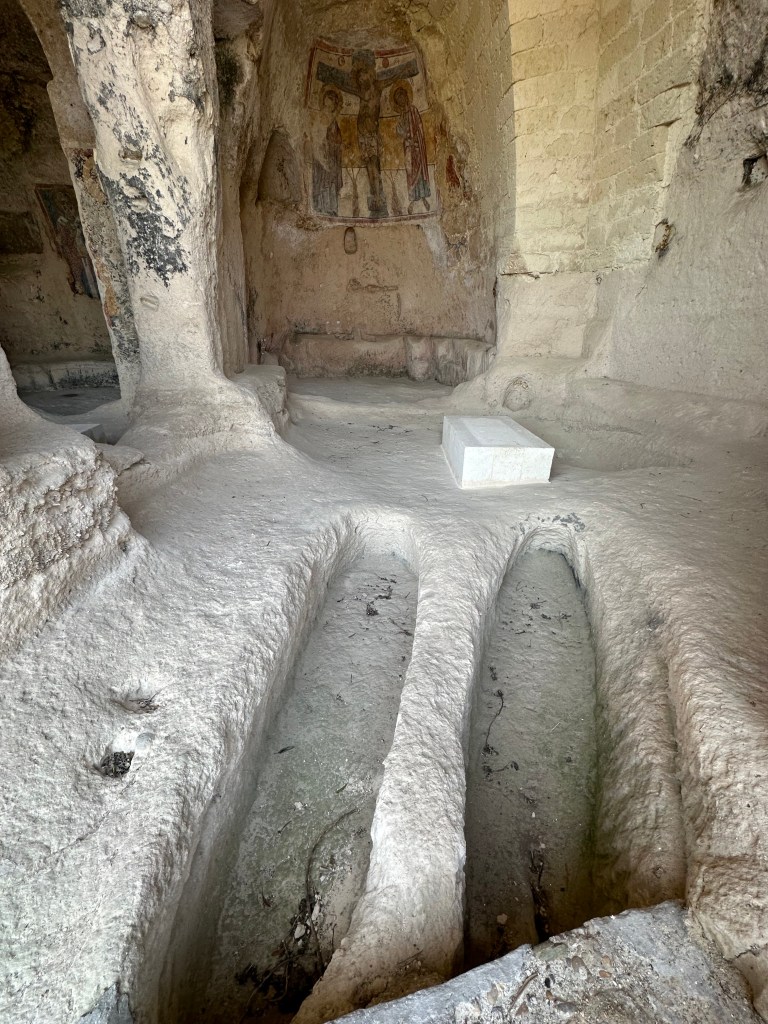
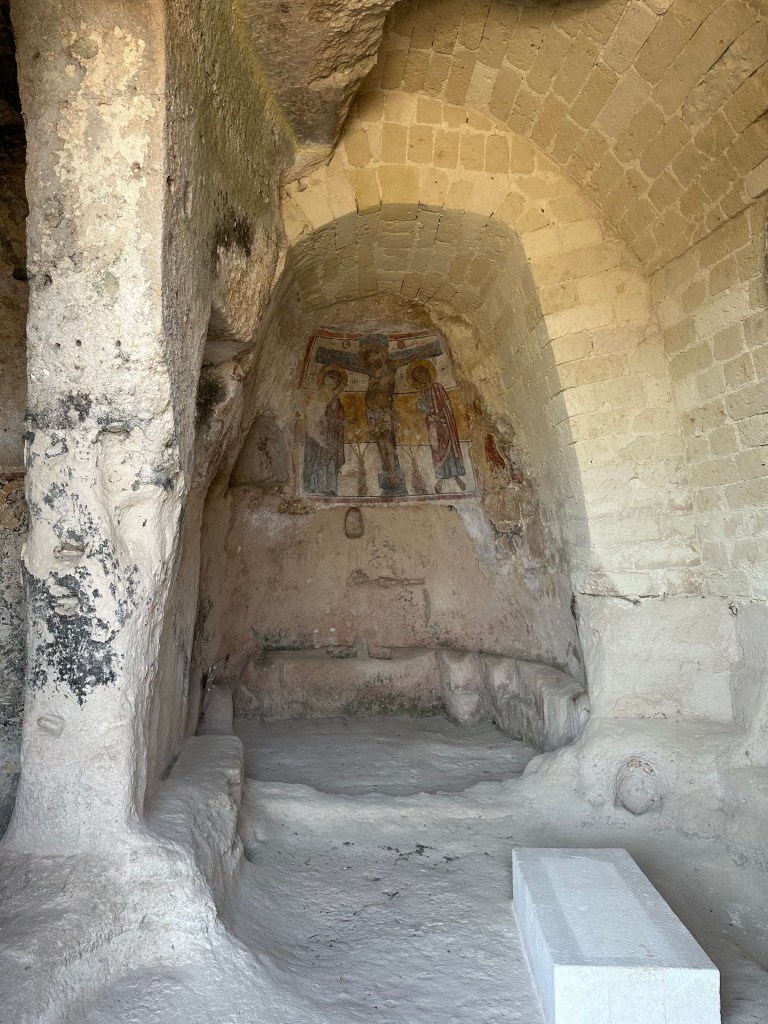
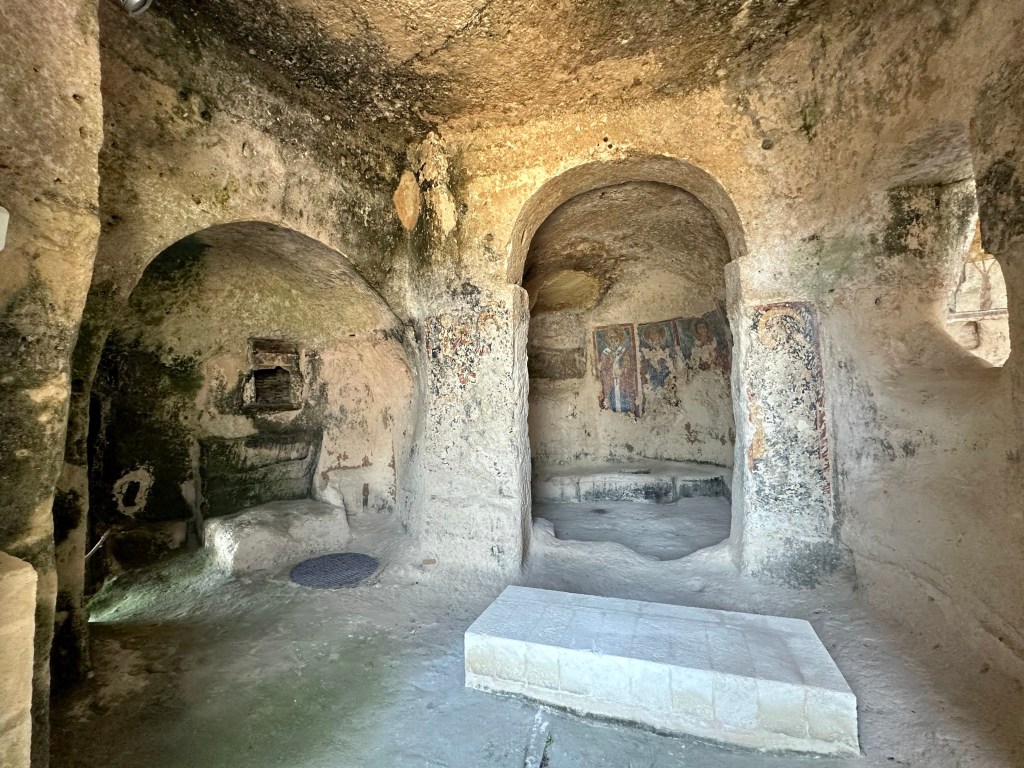
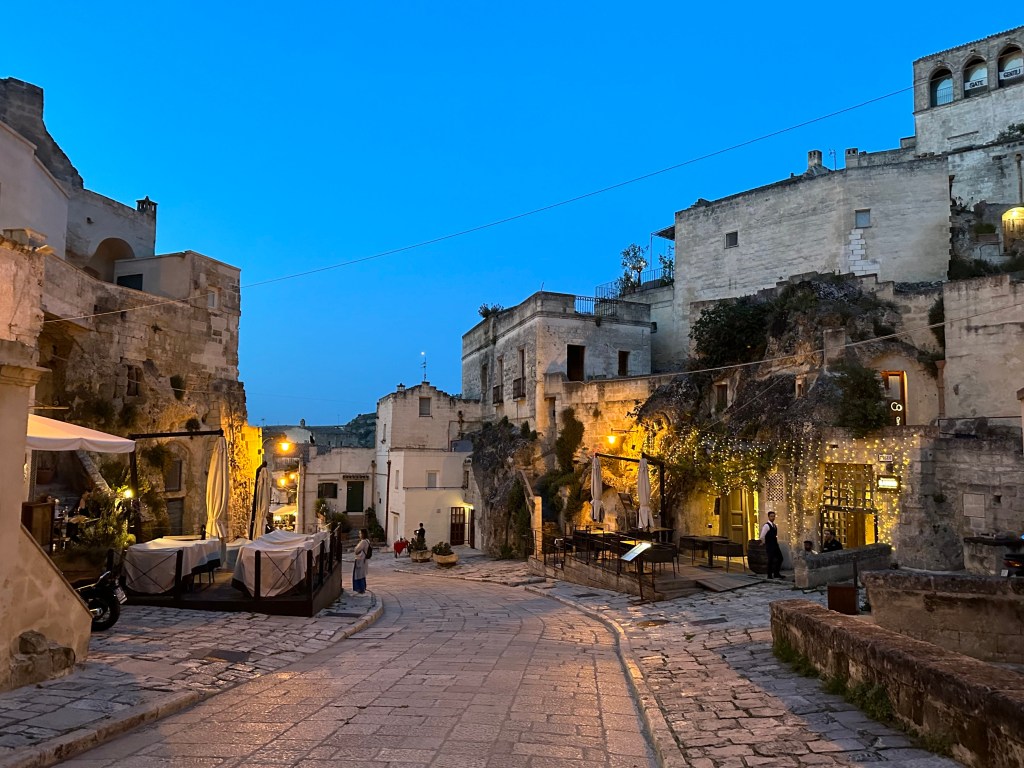
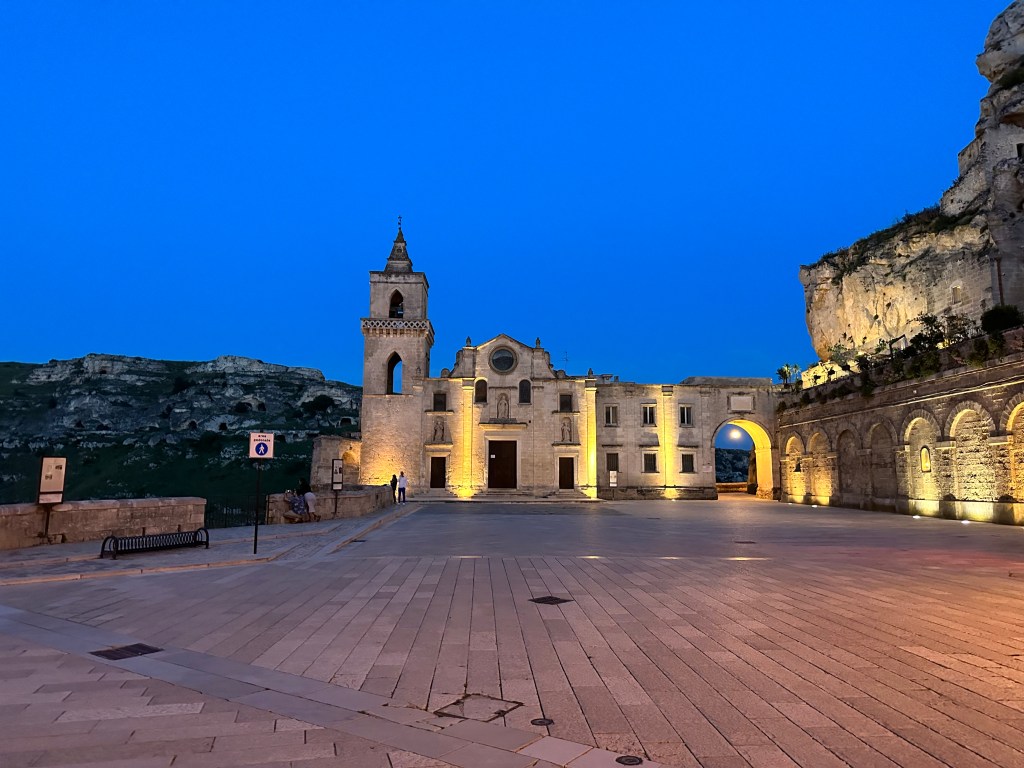
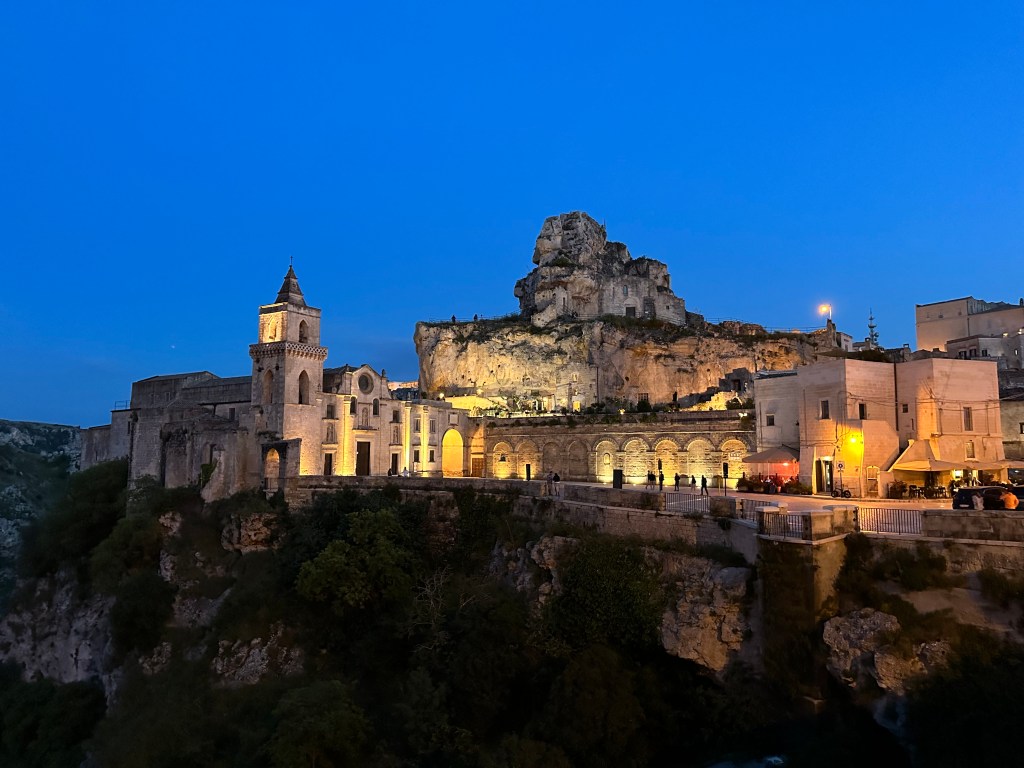
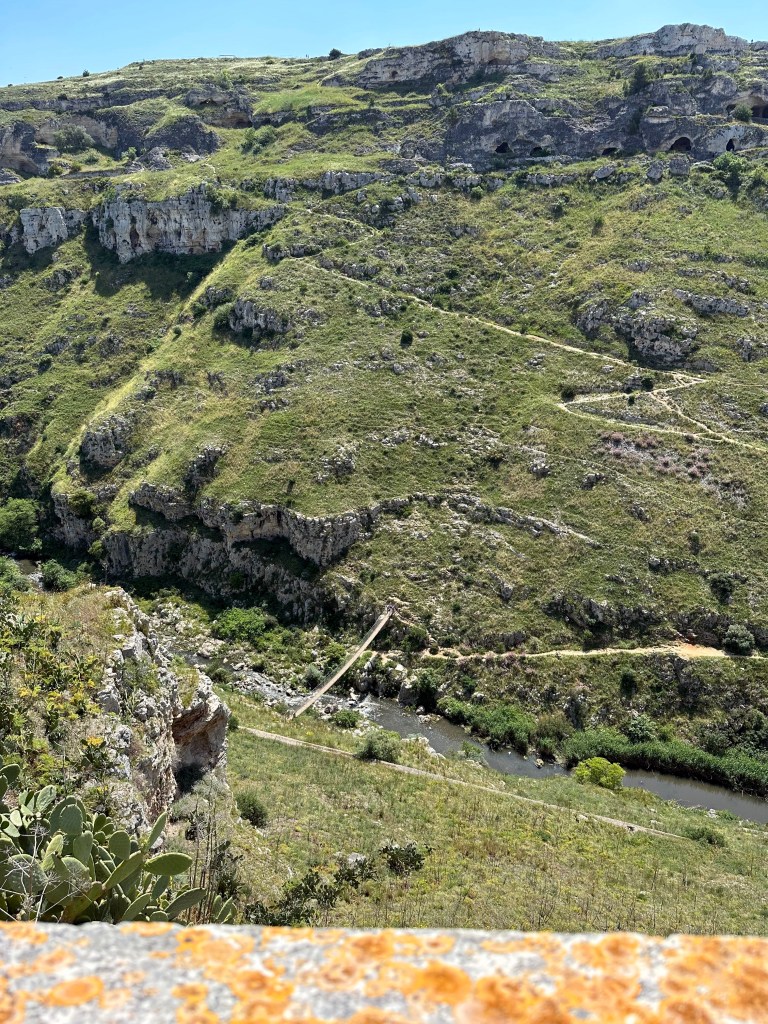
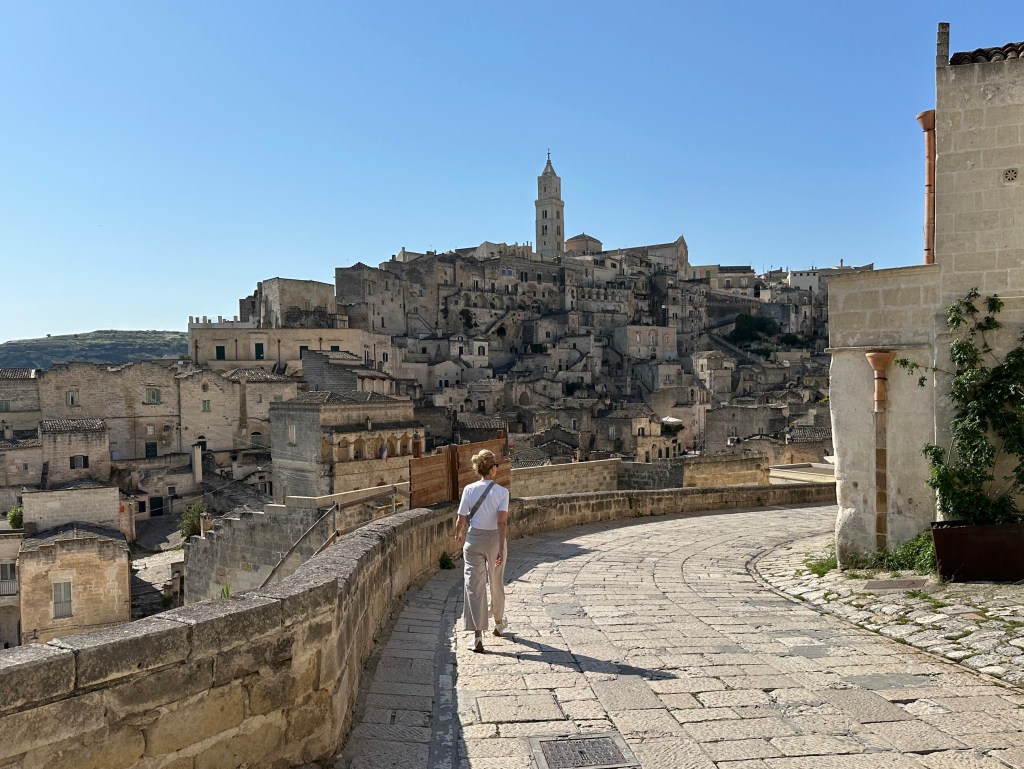
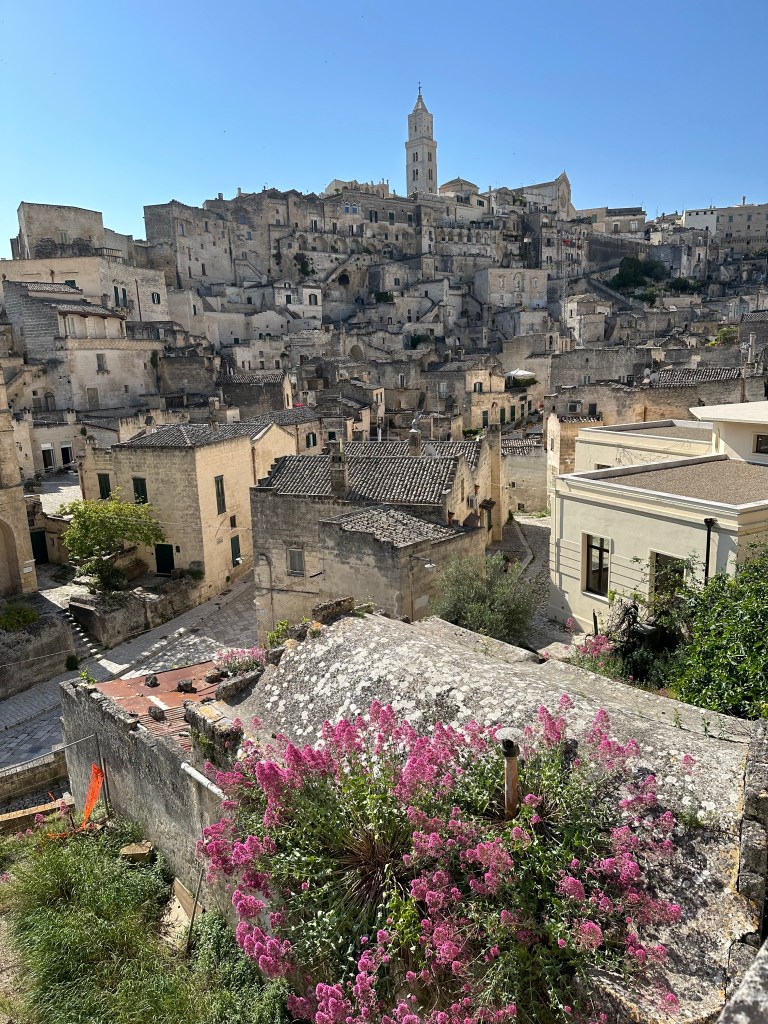
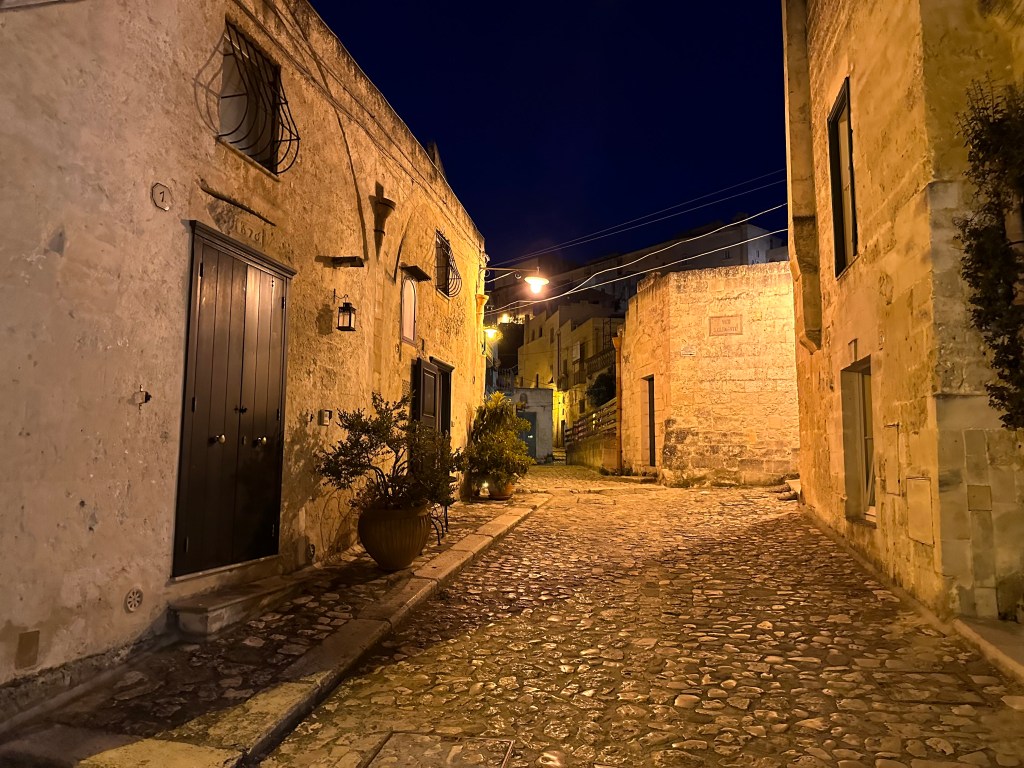
Similar to our experience in Capadocica in Turkey, Matera sported tons of centuries-old troglodite homes, churches, and tombs:
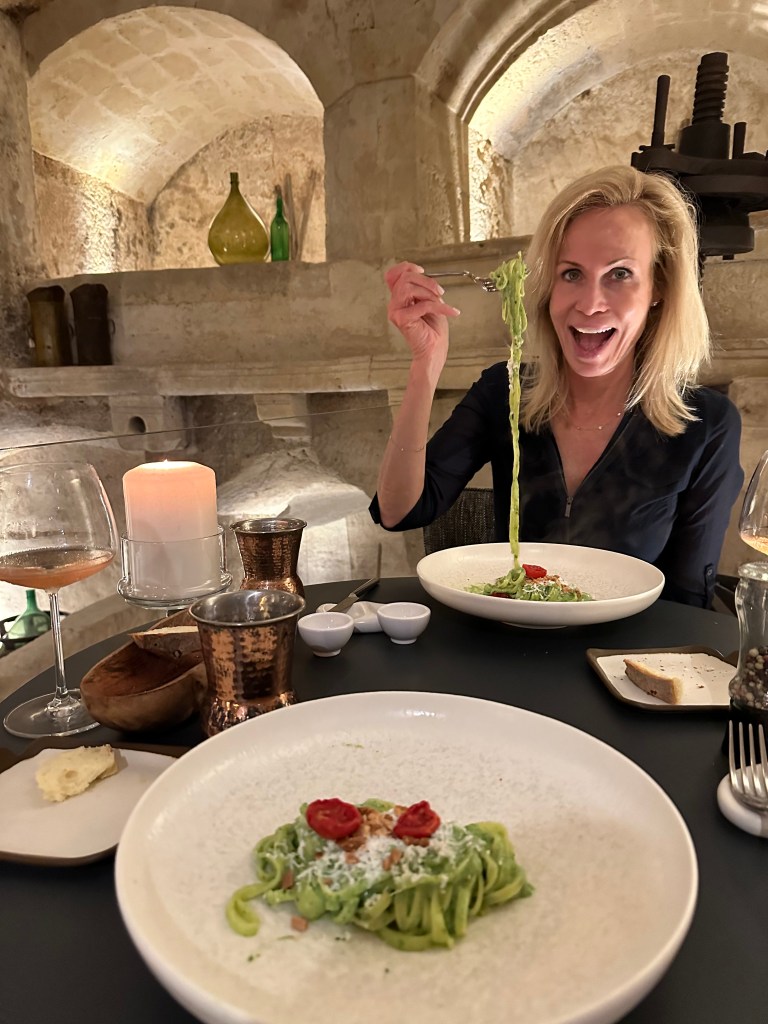
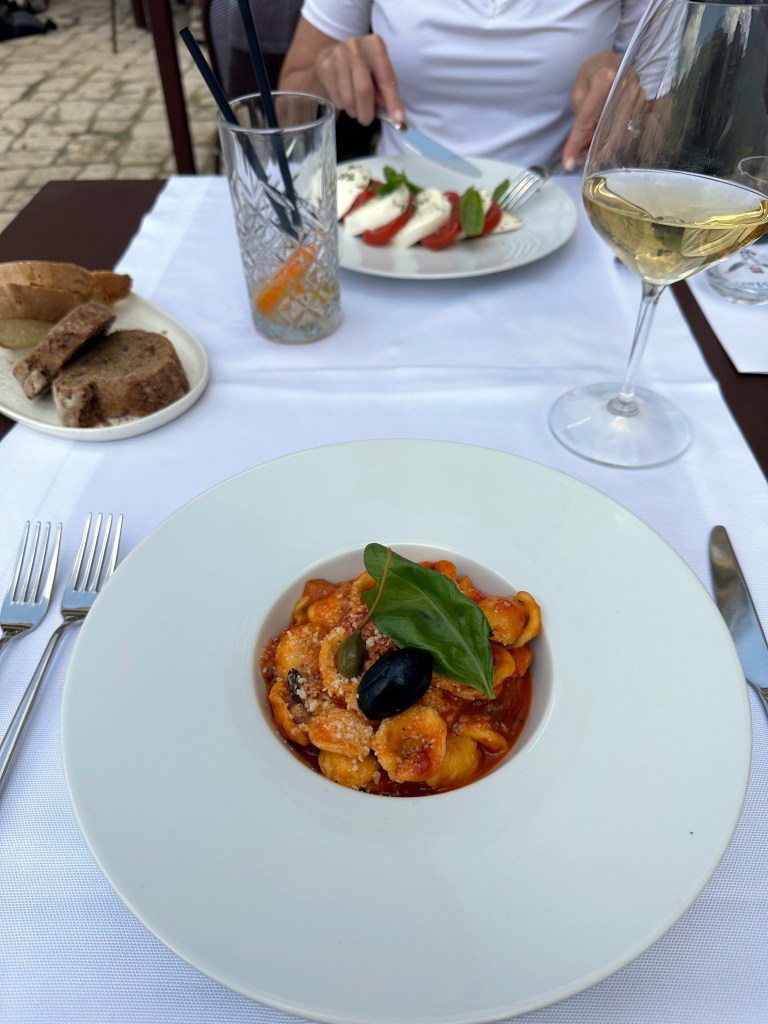
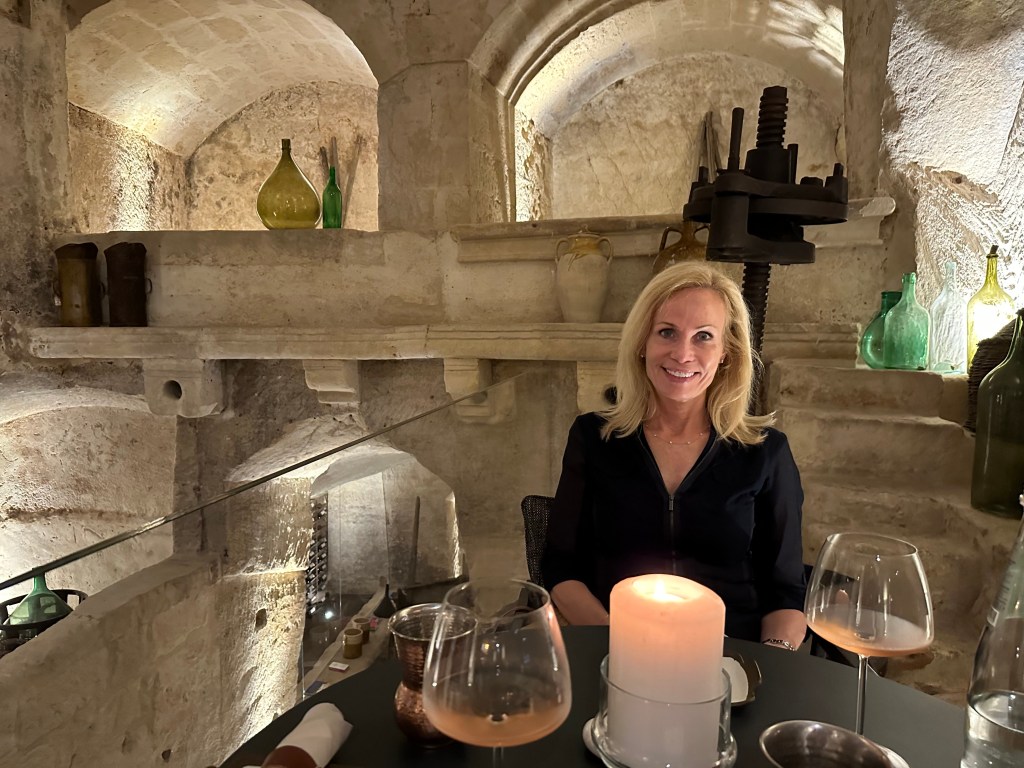
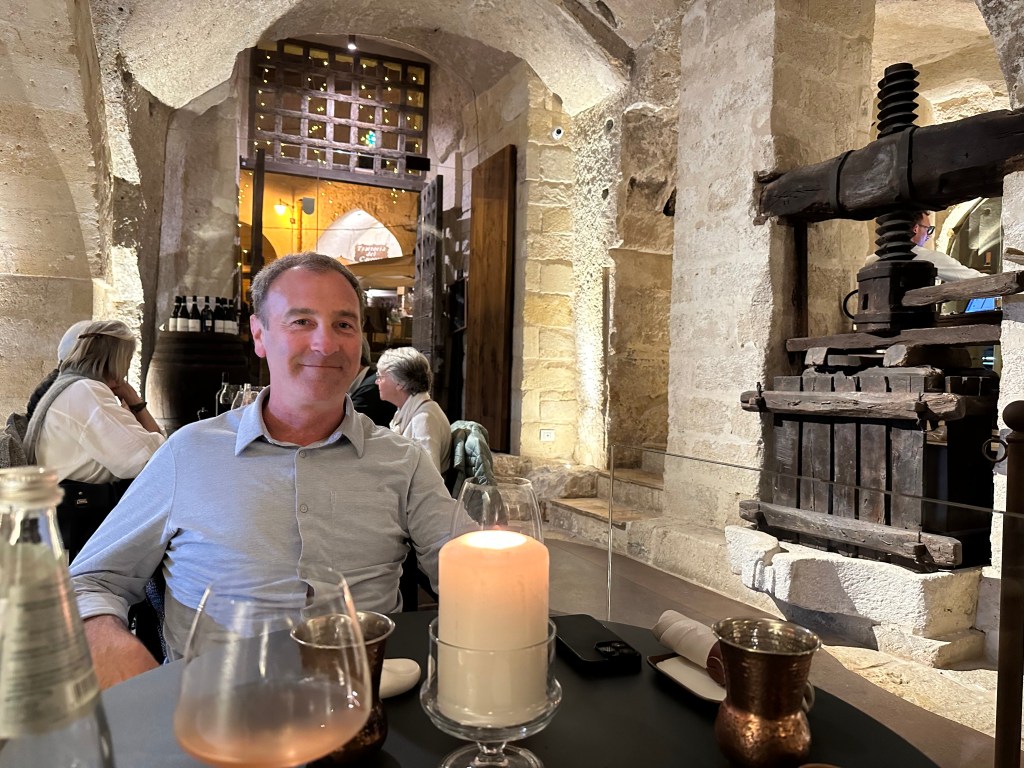
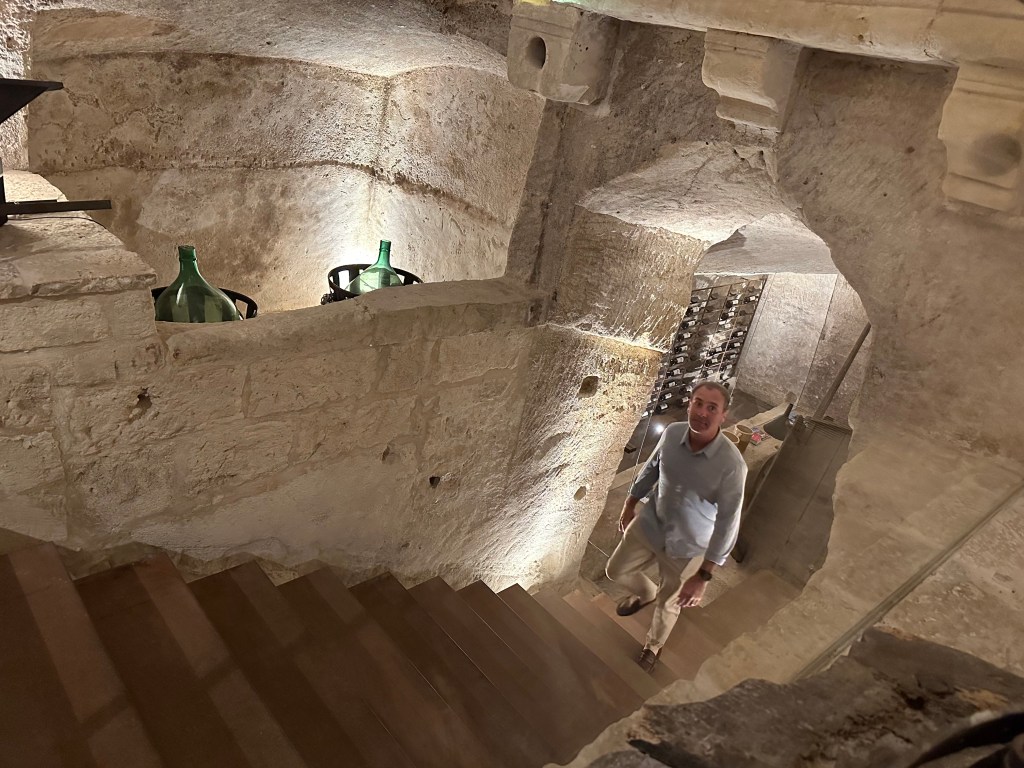
And cave restaurants, too:
Our last night on the Italian peninsula:
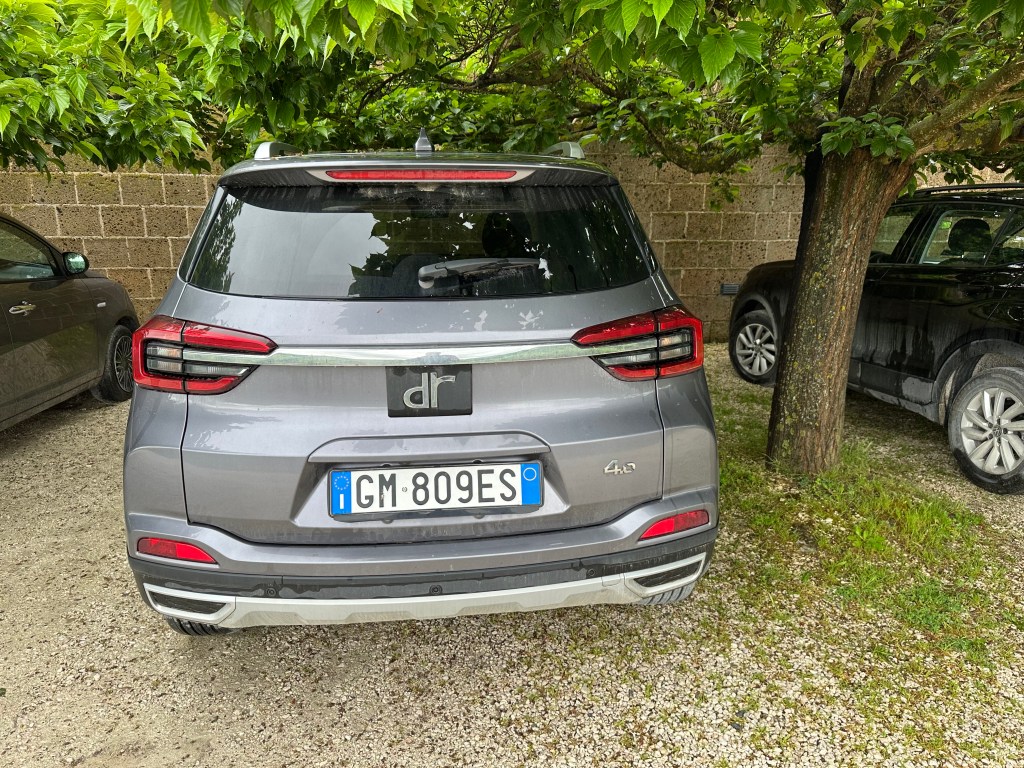
The next morning, we surrendered our ride for the past 3 weeks (a dr, a brand none of us – not even KJQ – had heard of before), and flew to the island of Sardinia:
Sardinian Break
Between the end of one 3-week road trip, and the start of the next, we built into the itinerary a little down time on the the Costa Rei on the southeastern coast of Sardinia.
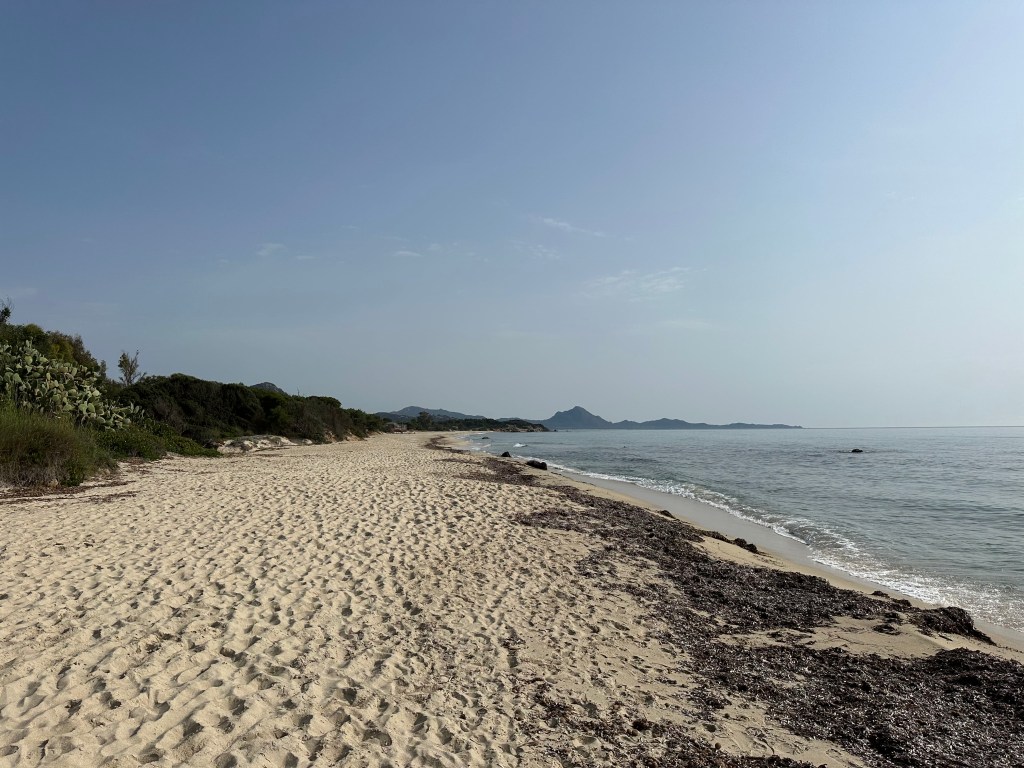
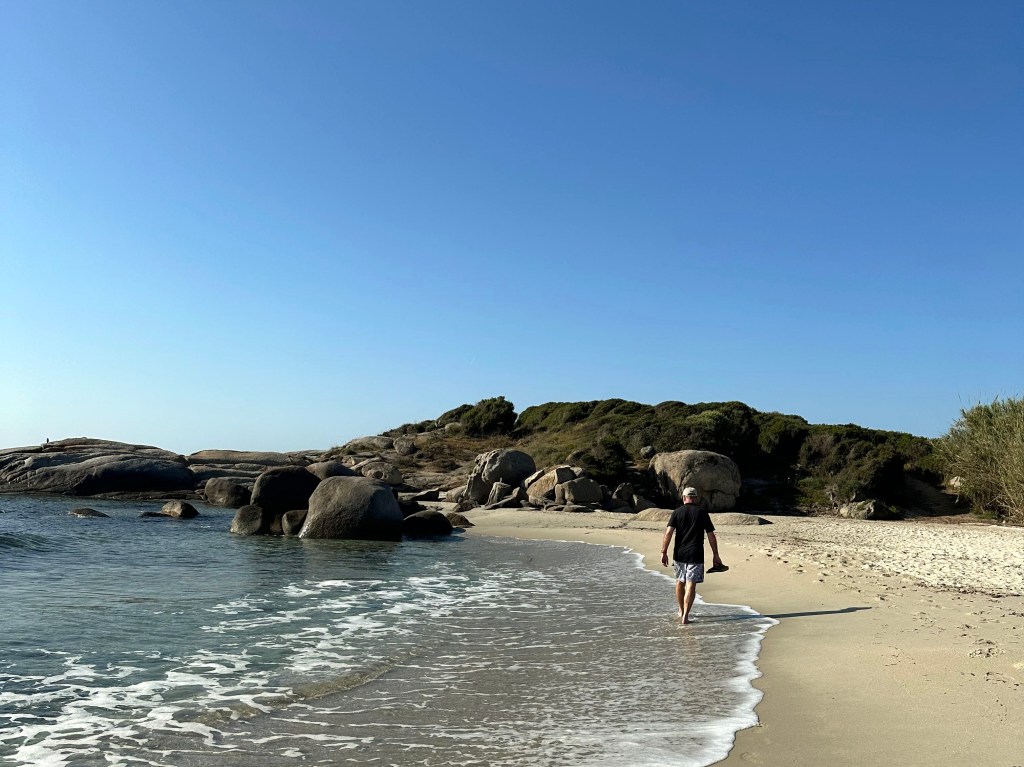
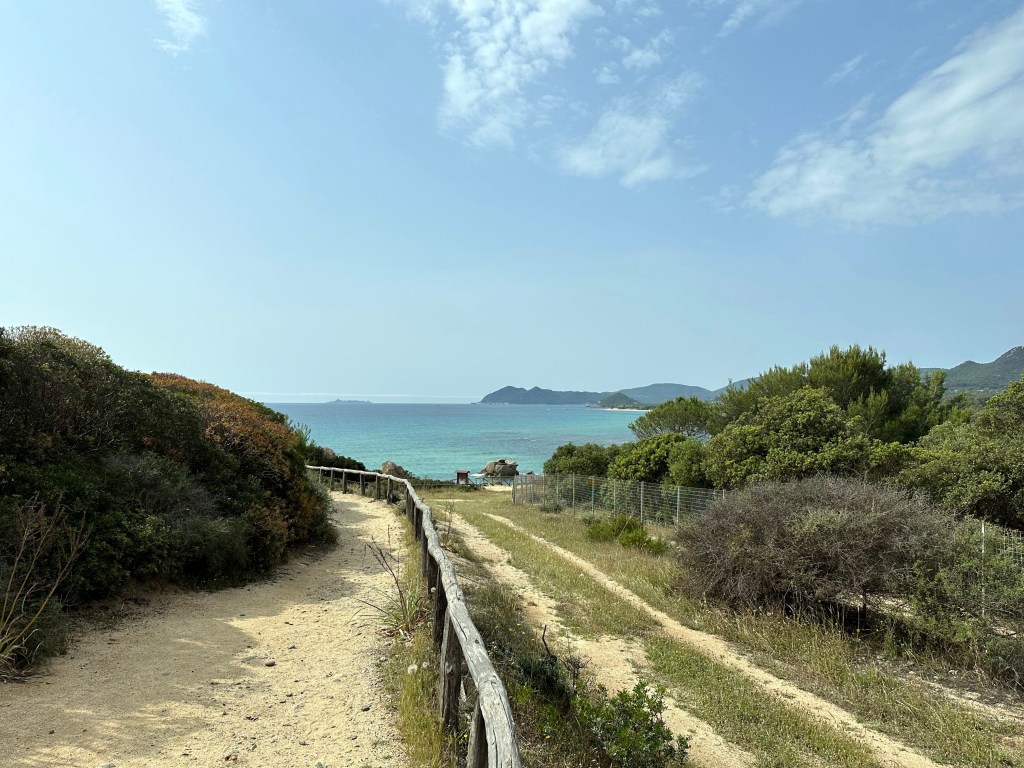
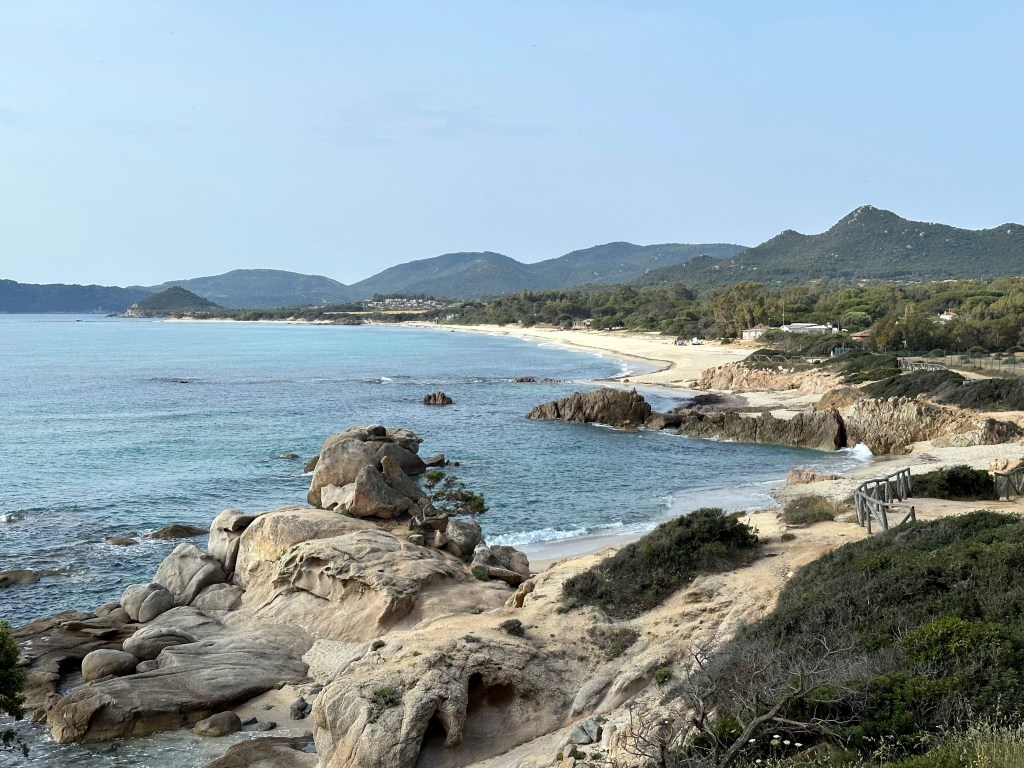
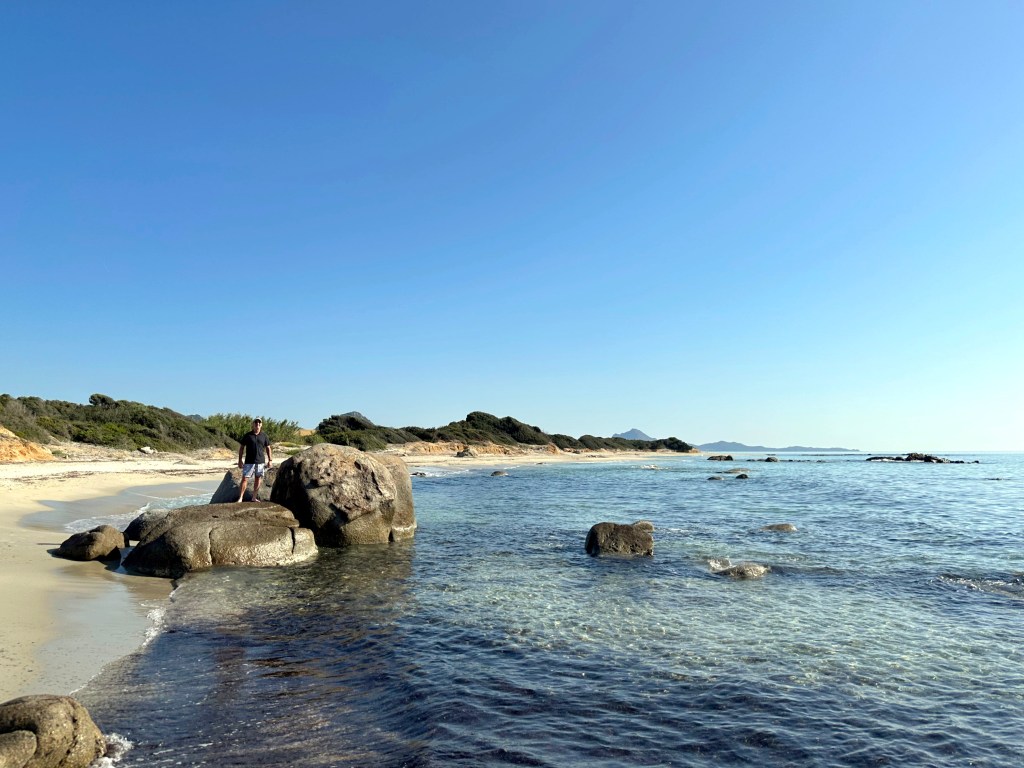
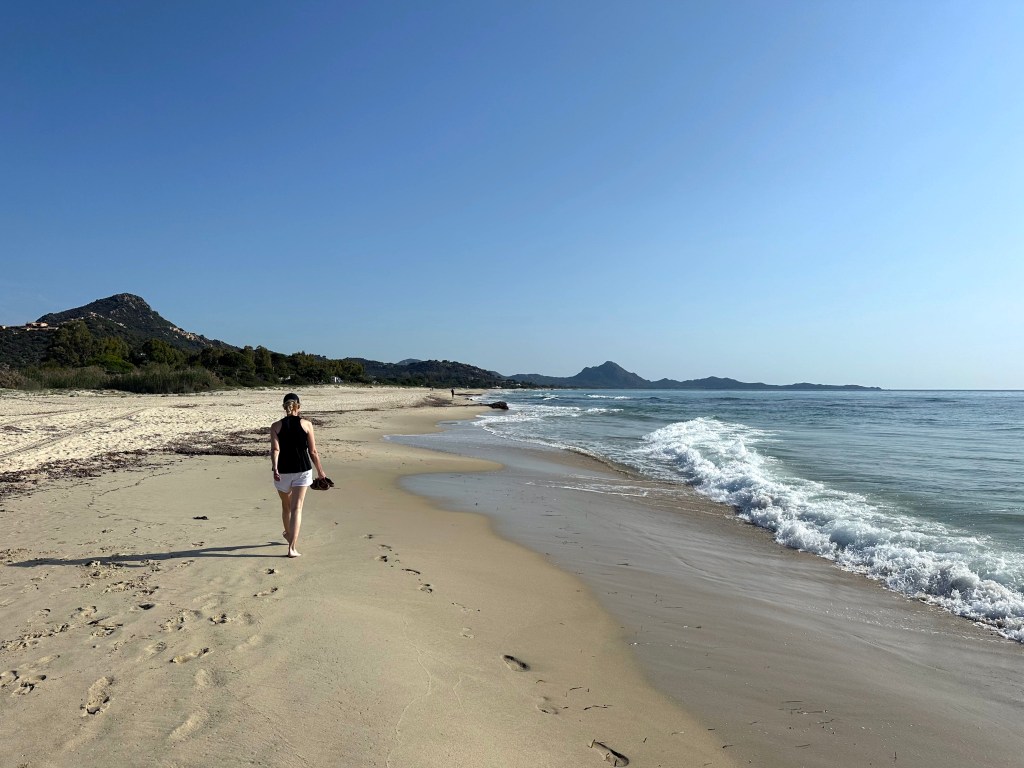
Not a lot to report – a few miles of walking each morning along the beach:
And some killer seafood, including and in particular, Sardinian oysters. (We thought these were the best we had every tasted until we later encountered even better ones in Normandy.)
Then an overnight ferry to Palermo, when we’d start another road trip leg across Sicily.
Sicily Road Trip
The surprisingly vibrant and enjoyable city of Palermo – very different from the gritty and sketchy image that we had prior to our time there:
And the first of many cool encounters with Arabo-Norman architecture in Sicily at the city’s 12-century Church of San Cataldo:
And our introduction to the ubiquity of pistachios on everything in Sicily:
And the most horrific of the catacombs of our entire journey below Palermo’s Capuchin Monastery:
And a cool, 3-hour street food tour, featuring a spleen sandwich (4/10: would not try again):
Our last evening in Palermo:
We drove from Palermo to the south-center of the island, to Agrigento, home to the most intact Doric Greek temples in the world, dating to 400 BC:
And spent a little time on the coast while we were there:
And continued the recommended daily doses of Aperol:
Final evening in Agrigento, with a view to the Temple of Juno and the sea:
From Agrigento, we headed due east to a cluster of Baroque towns, so called because they were all destroyed by an earthquake in 1796 and were all rebuilt in the Baroque style du jour. We based ourselves in the town of Modica for 6 days:
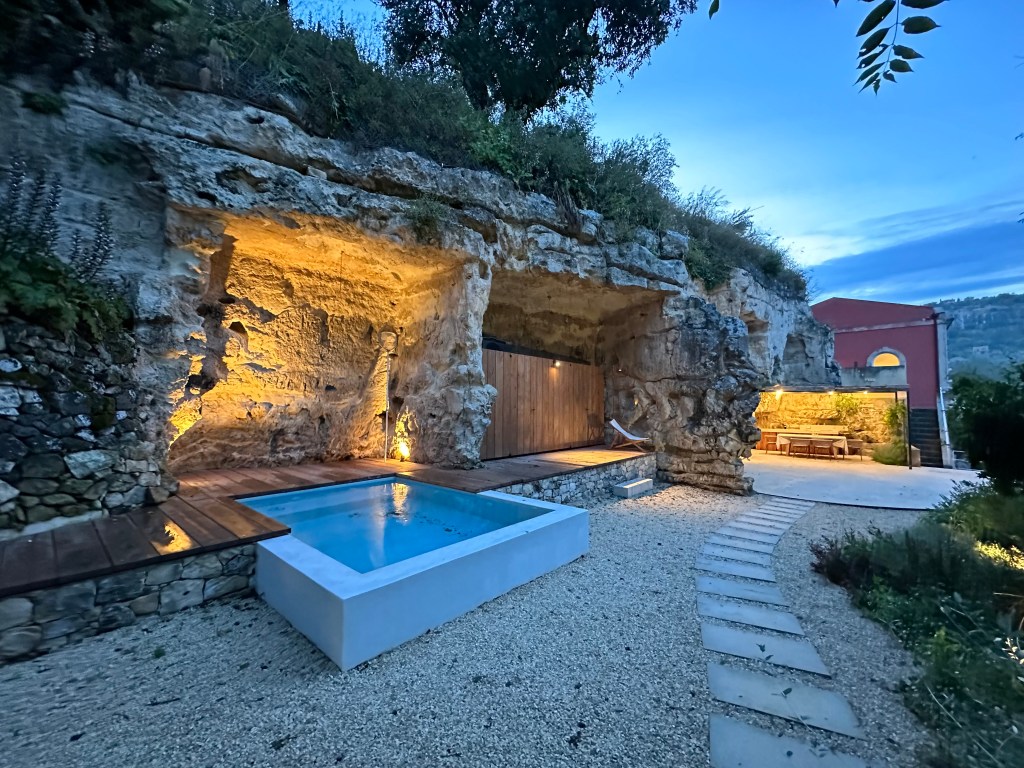
Which sported a pretty cool AirB&B that was built into a cliff:
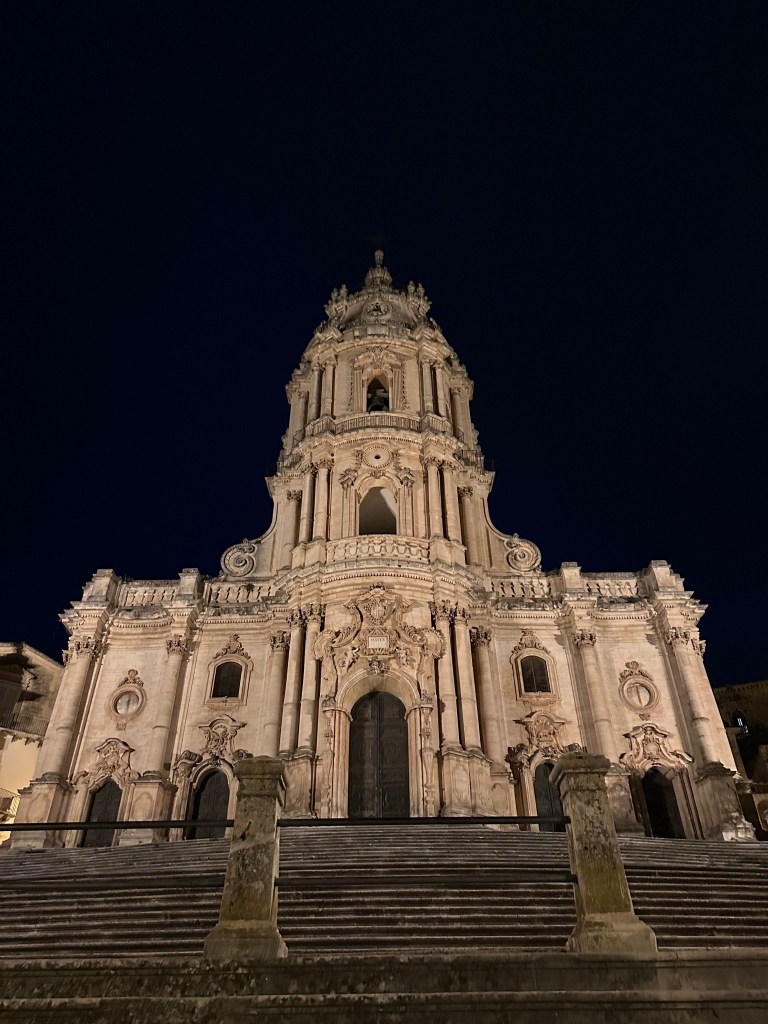
The Baroque Church of San Giorgo in the nearby town of Ragusa Ibla:
The main piazza (such as it is) of the Baroque town of Scicli:
And the spectacularly picturesque Baroque town of Noto:
Modica also was just 20 minutes from the beach, so we started two of our mornings during our stay with some pretty great beach hikes along the Sicilian coast:
Second gastronomic experience on the trip at the tiny Michelin-starred hole in the wall of Accursio, featuring, among other things, Sicily’s orange wine (the color, not the fruit):
Modica’s Baroque Church of San Giorgio (same name as in Ragusa, same style, just different town) on our last night:
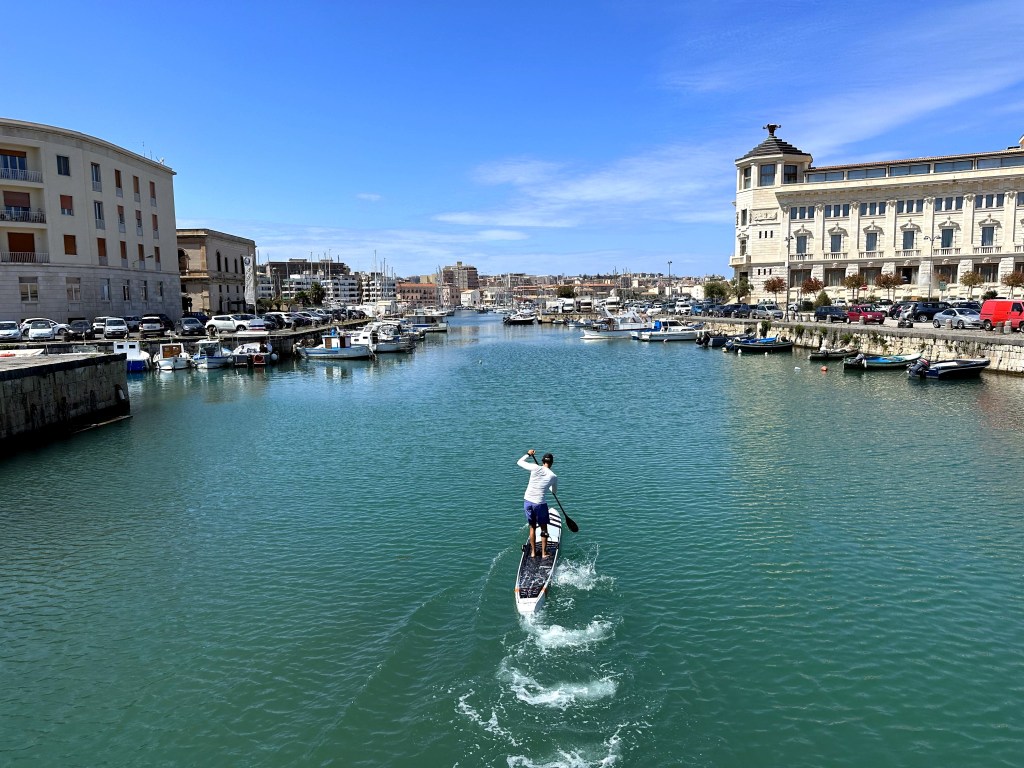
The ancient town / island of Syracuse served as our final stop in the south of Sicily – also another city we liked so much that we may return:
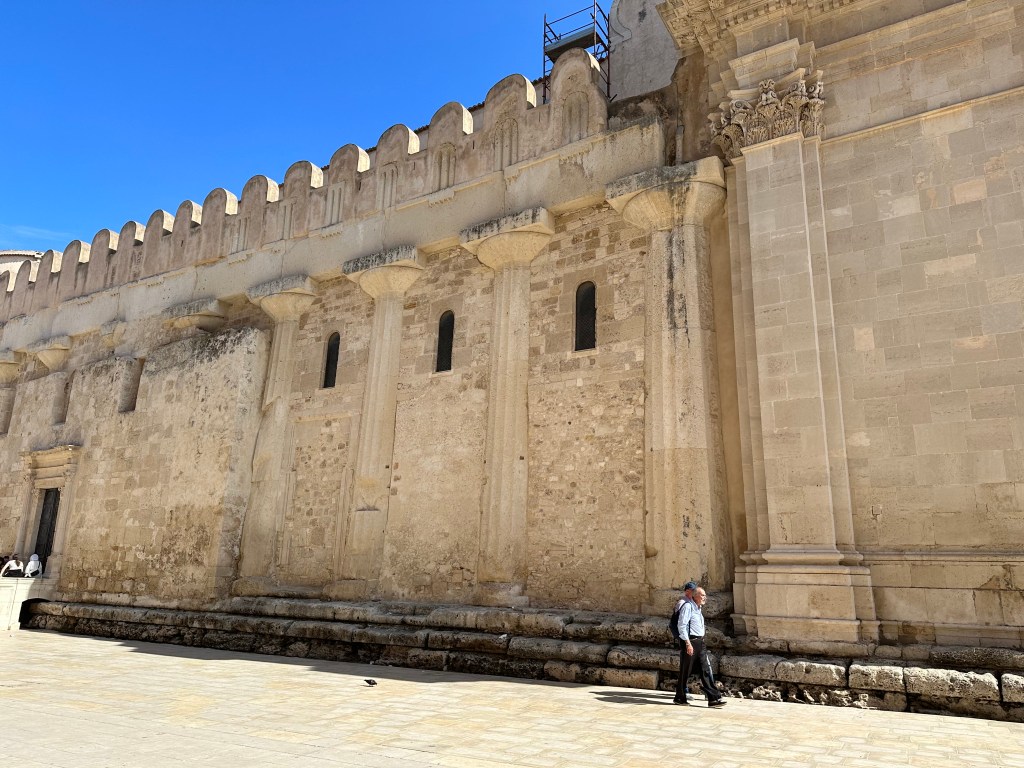
Sicily’s most captivating characteristic, at least to WolfeStreetTravel, must be the convergence and layers upon layers of different cultures that have dominated the island. We witnessed this with the mélange of Arab and Norman architectural styles in churches in Palermo and Monreal, for example. But nowhere was it more evident than Siracusa’s cathedral, which began as a Greek temple to Athena in 480 BC. In our travels, we’ve seen tons of churches build on top of pagan temples, replacing them. That was how they operated. Good site, but obliterate the offending structure. Not so in Siracusa. In the 6th century AD, the Byzantines just filled in the spaces between the Doric columns and incorporated the temple into their new church. Then the Normans added to it in the 11th century w crenellations reflective of their military-style churches. AND IT’S ALL STILL STANDING. You can see the ~2500-year-old Doric columns and capitals inside and outside the church (which was hosting a wedding while we were there, reinforcing how Sicilians simply live through their amazing history).
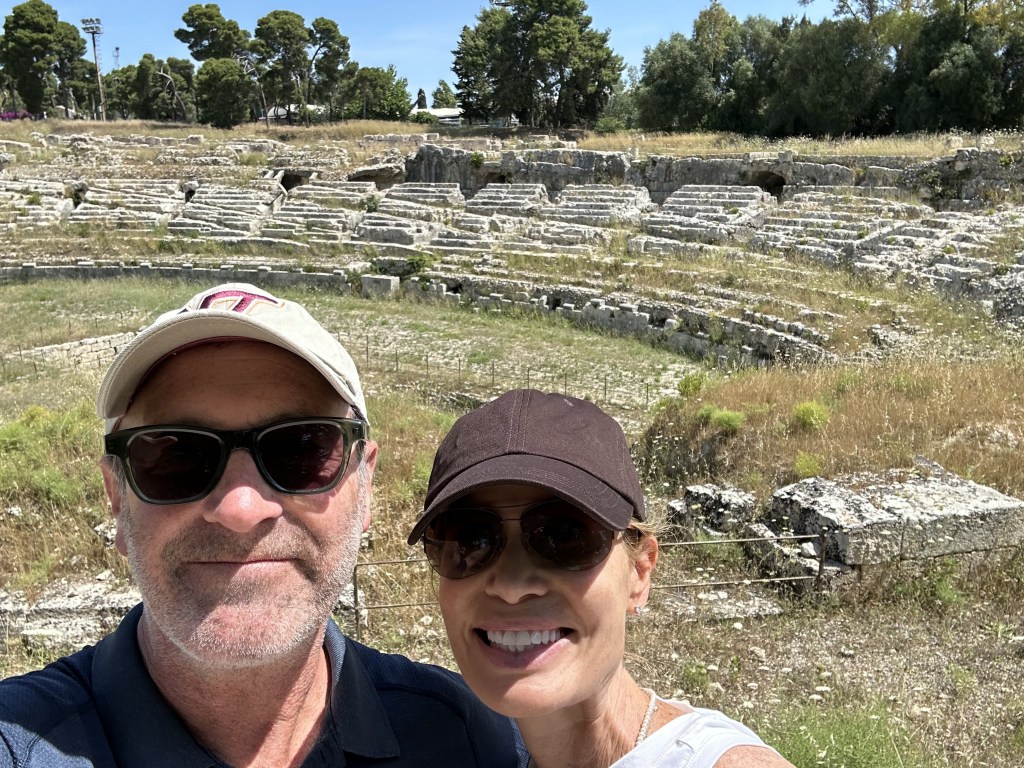
Another case in point, the Syracuse’s abandoned, 1st-century Roman amphitheater. . .
But just up a path lies the city’s even older, 5th-century BC Greek amphitheater, which is still in use today:
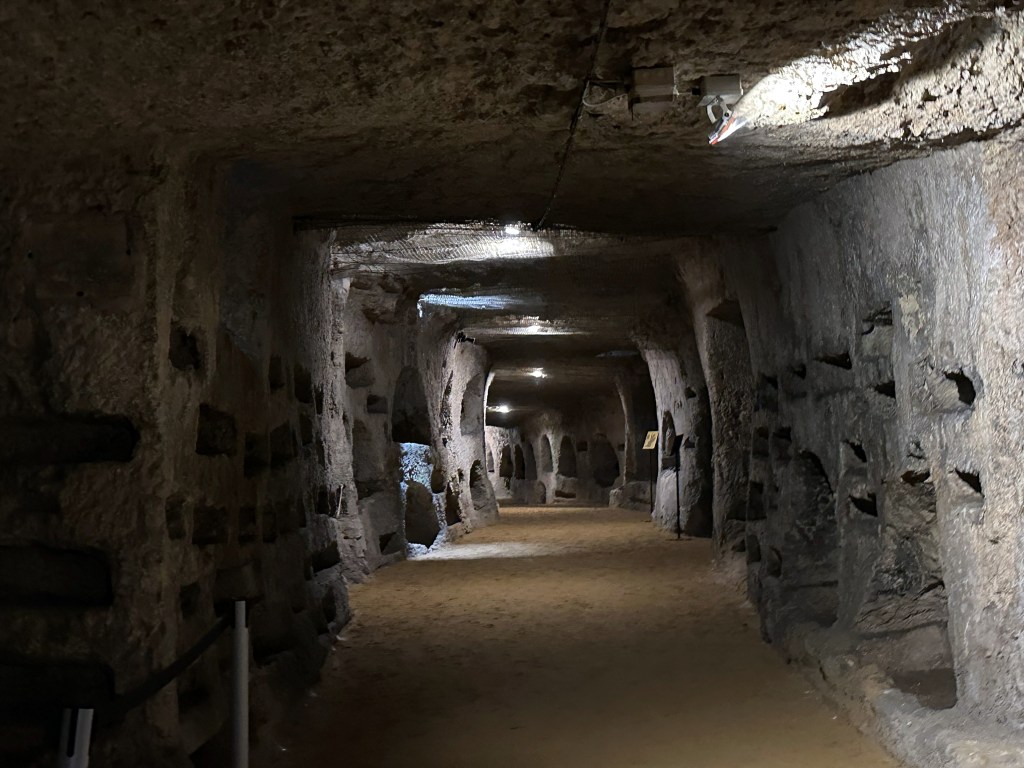
And, of course, we checked out the local catacombs:
Imbibing our daily recommeneded allowance of Aperol spritzes at one of the cooler little roadside cafes on Syracuse’s ancient Ortigia island old town:
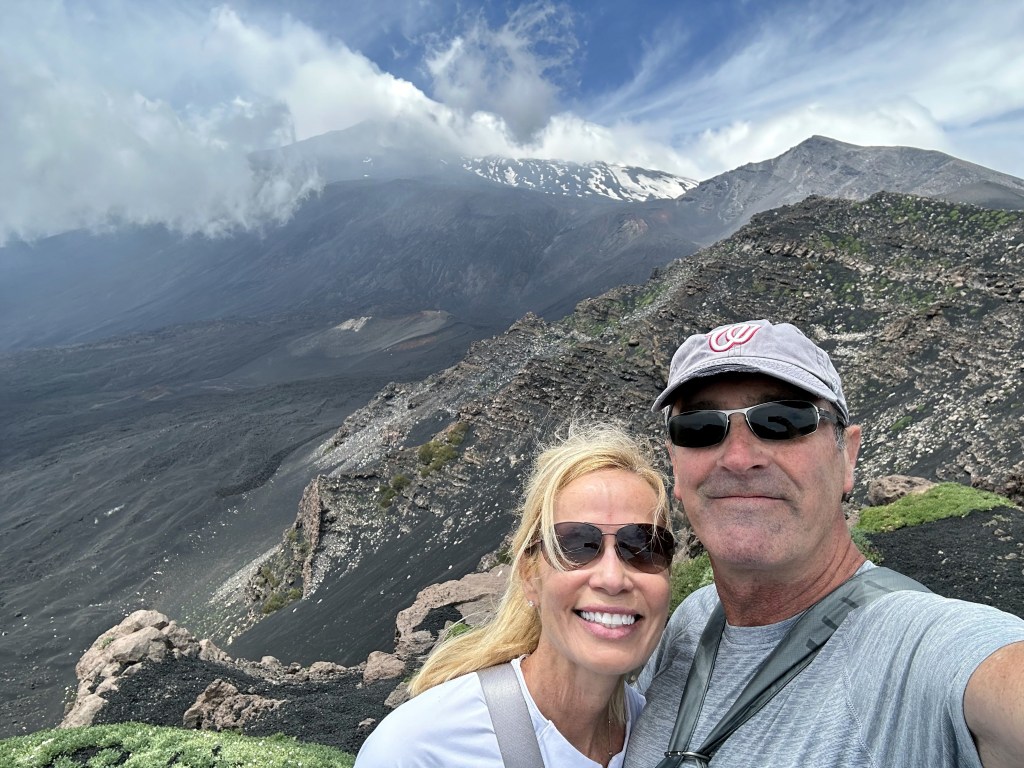
And then north! To hike Sicily’s still-active Mount Etna. Twice.
The first day’s hike, from the caldera’s southern approach was okay, but not particularly thrilling. The next day, we hiked up from the eastern approach. Holy shit – absolutely stunning. First, a legit old lava tube:
And then, at the top, along the rim of the old caldera, a view of the still active peak, plus smoky evidence in the old caldera of still active volcanic evolution:
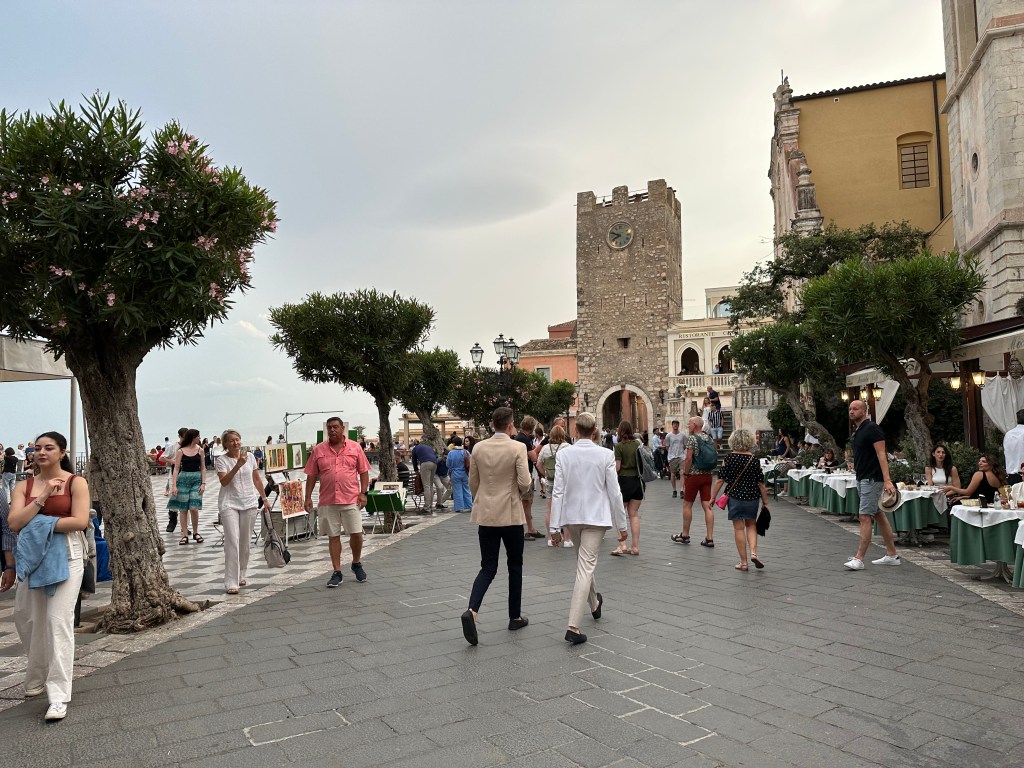
And finally, to the northeast(ish) of Sicily, and the now hyperpopular town of Taormina, setting for White Lotus Season 2 (although we didn’t know this when we planned the trip).
We challenge anyone to locate a more stunning, atmospheric setting for a classical theater than the one in Taormina. It began as a 3rd-century-BC Greek theater, then 1st-century-BC Roman theater, then 2nd-century-AD Roman theater, then 18th- 19th- and 20th-century restorations. Pretty freaking cool. And, like Syracuse’s Greek theater, still in use today.
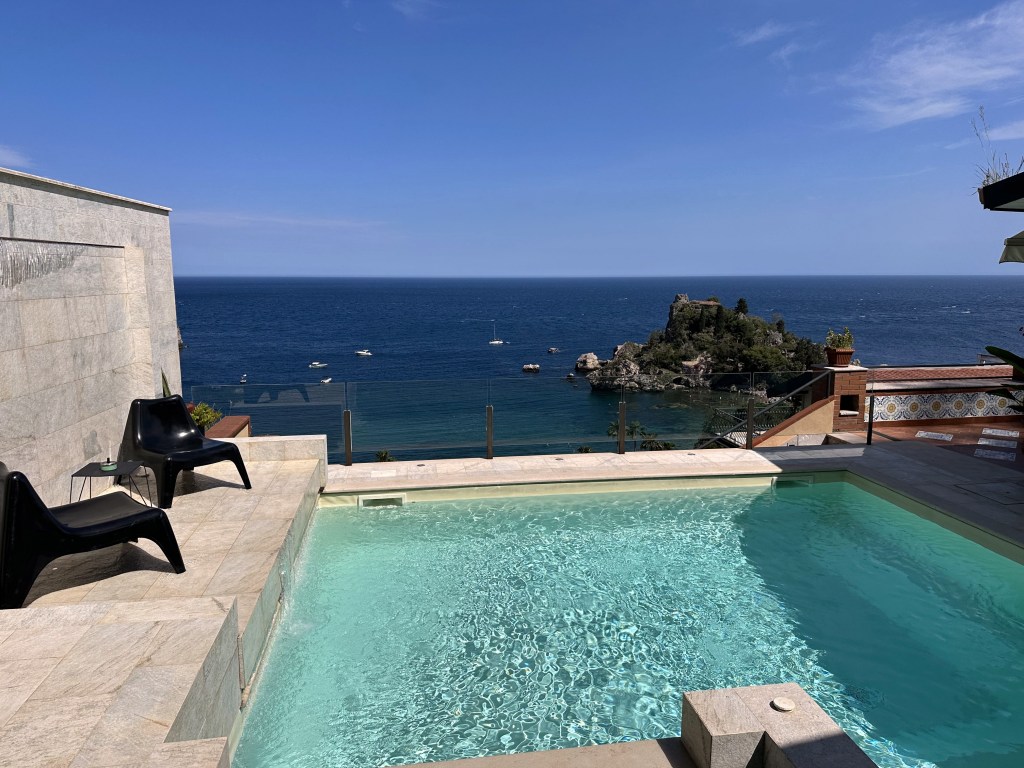
Our digs for 5 days, perched above IsolaBella. Wins the prize for best AirB&B pool on the trip.
Last night in Taormina:
The next day, we flew from Sicily to Malta, dropping off our trusty Citroen C3 – the second time we’ve had one of these for a European road trip. It looks like a sneaker with the unnecessary side effects, but this car grows on you!
Malta Break
And then, Malta! Country no. 71 for WolfeStreetTravel.
Downtown Valletta, the tiny country’s capital, with its unique wooden balcony boxes (gallarija):
And on the heels of the best AirB&B pool in Taormina, the best hotel pool at our digs in Sanglea built into an old fortress and overlooking Malta’s Grand Harbour:
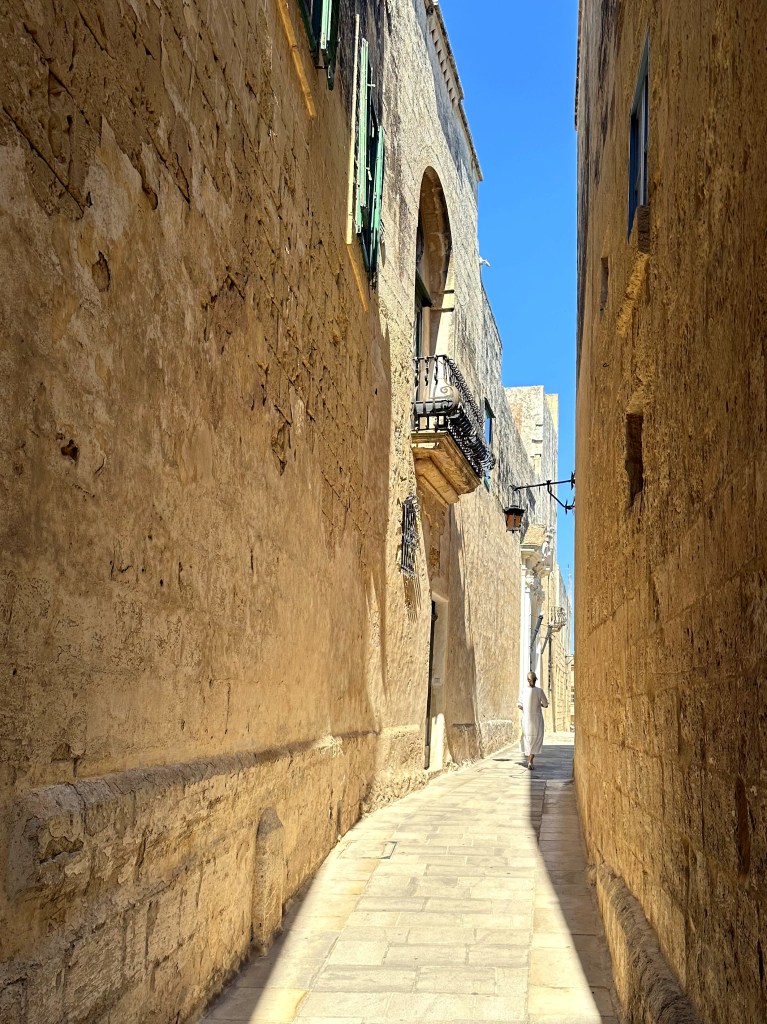
A side trip to Mdina, Malta’s golden limestone old capital:
Last night in Malta along the harbor:
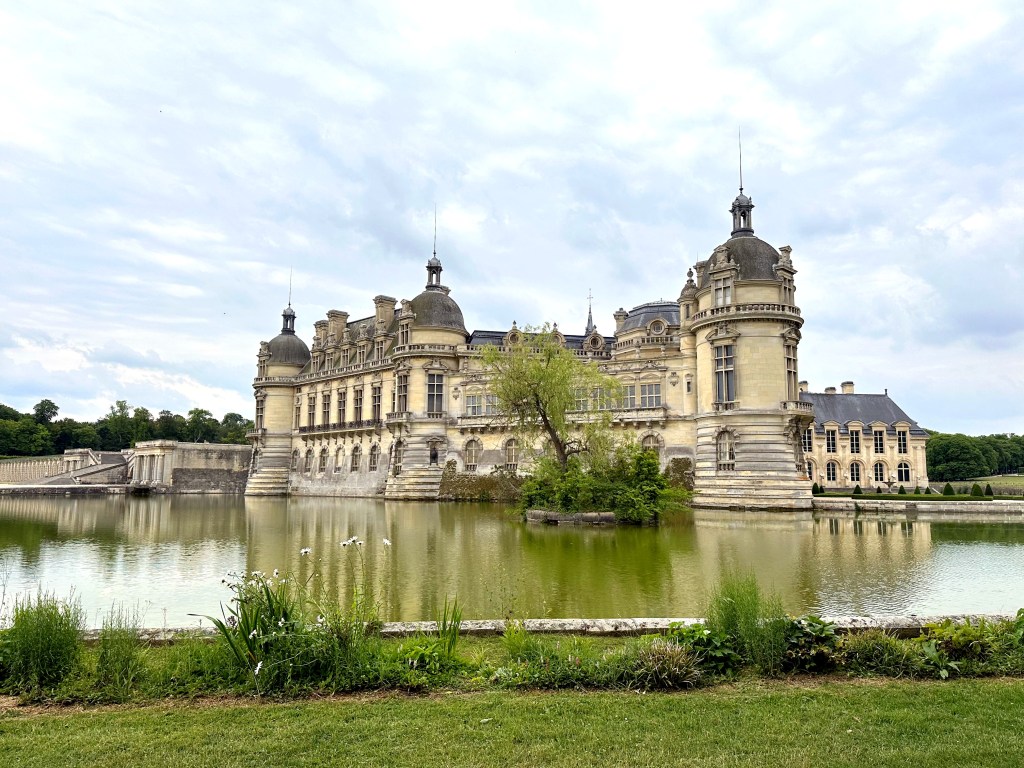
To avoid potential flight issues to reach our next destination in Normandy, where we had a hard start, we flew to France a day early, and stopped over in Chantilly, home to Chateau de Chantilly. No delay, but good call – cool place.
Normandy Biking
The next leg of the our extended foray to Europe entailed our latest biking trip – this time with Thomas and Lisa, in celebration of their wedding (albeit delayed for 2 years).
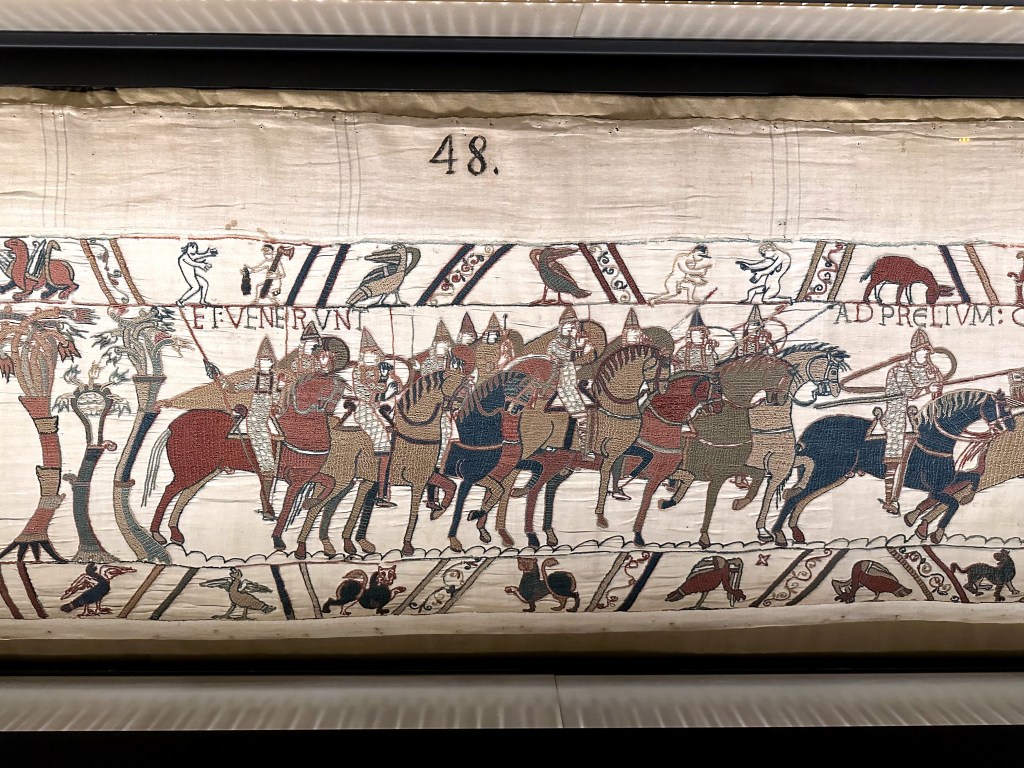
The five stages of the bike trip spanned two invasions. The first in 1066, by William the Conqueror conquering England from Normandy, as depicted in the 11th-century Bayeux Tapestry, as seen in Bayeux, our starting town:
The next almost a thousand years later, this time and invasion of Normandy in 1944. On our first day we visited three bunkers in a German battery on Gold Beach:
And on the same ride, the first of our dozens and dozens of dozen oysters ordered in Normandy:
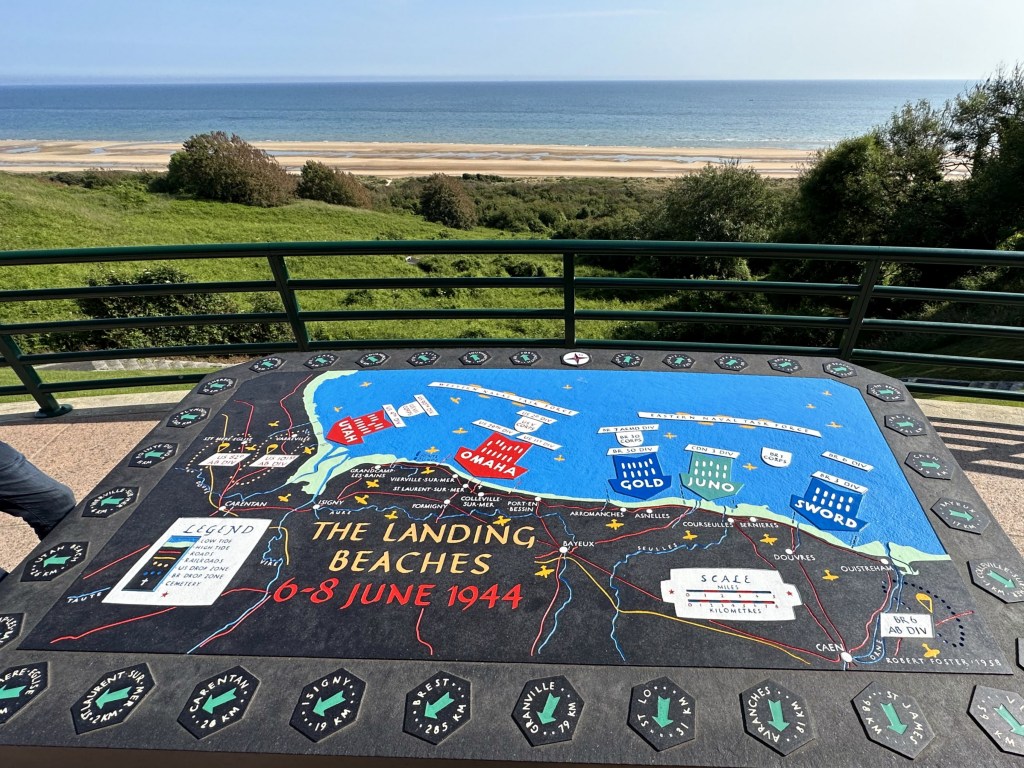
Invasion overview at the American Cemetary at Omaha Beach:
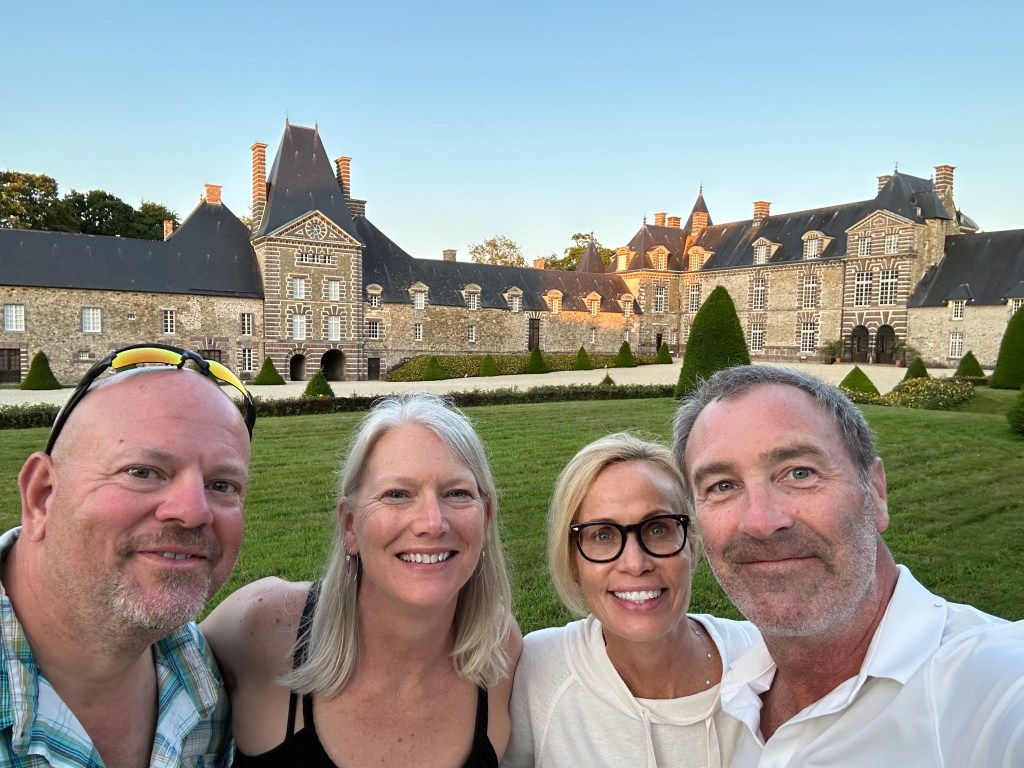
And a night in a 13th- and 14th-century chateau, which may have been the most surreal night of our entire travelling lives. There’s an entire story about this insane evening, but we’ll deal with that in a separate post.
The conclusion of our biking journey at Mont Saint Michel. Originating in 708, the site has attracted pilgrims who still trek across the sandy estuary at low tide for more than 1300 years, staved off an entire English army during the 100 Years War with a garrison of just 100 Norman knights, and is claimed to this day by both Normandy and Brittany.
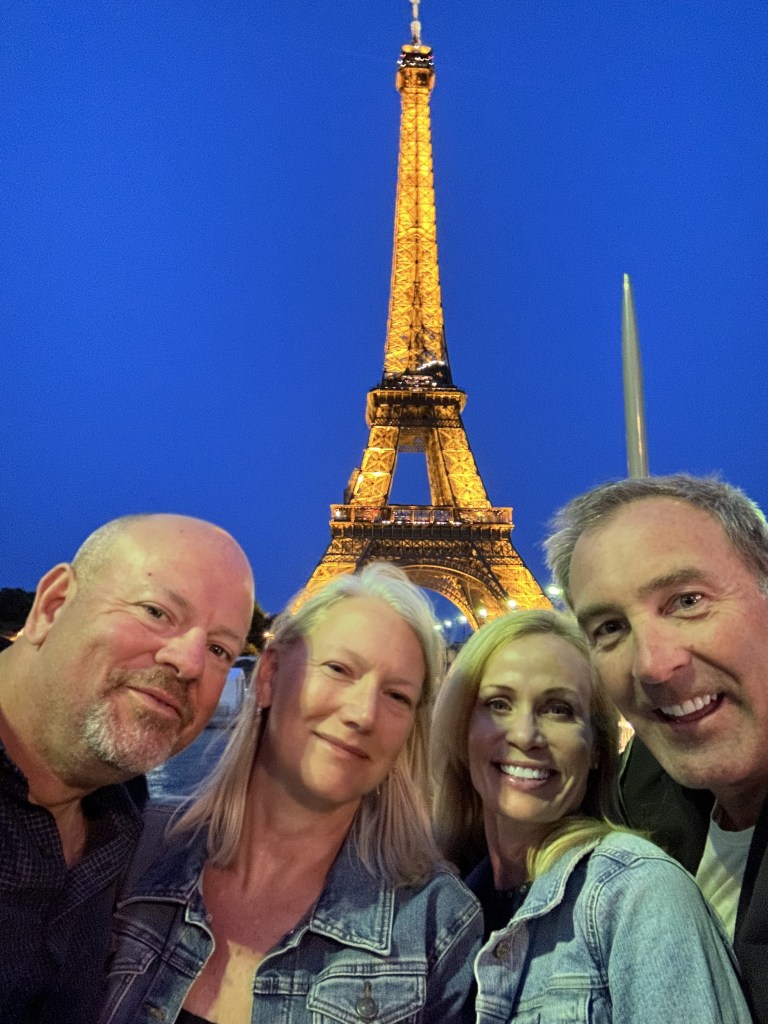
Then, a day in Paris:
Of all of the legs of the trip, only Portugal was unplanned. We knew while in Malta that we didn’t want to go home after biking, and considered either grabbing a car after Thomas and Lisa departed Paris and then driving south to the Dordogne region for a week or two or flying to Portugal at the same time as their return flight. We’re going to save Dordogne for another bike trip, and so we decided to head to Portugal. Still without having a set itinerary there or a return flight home, though!
Portugal
We decided to first spend 4 days in Porto, in northern Portugal. This turned out to be the absolute best location of the entire trip. We’ll be back to spend a month or two here in the future.
Porto’s medieval Ribeira District and south Porto astride the Duoro River:
Everything in Porto is clad in tile:
And, after 7 weeks of Aperol spritzes:
Local port and tonics suddenly dominated the scene:
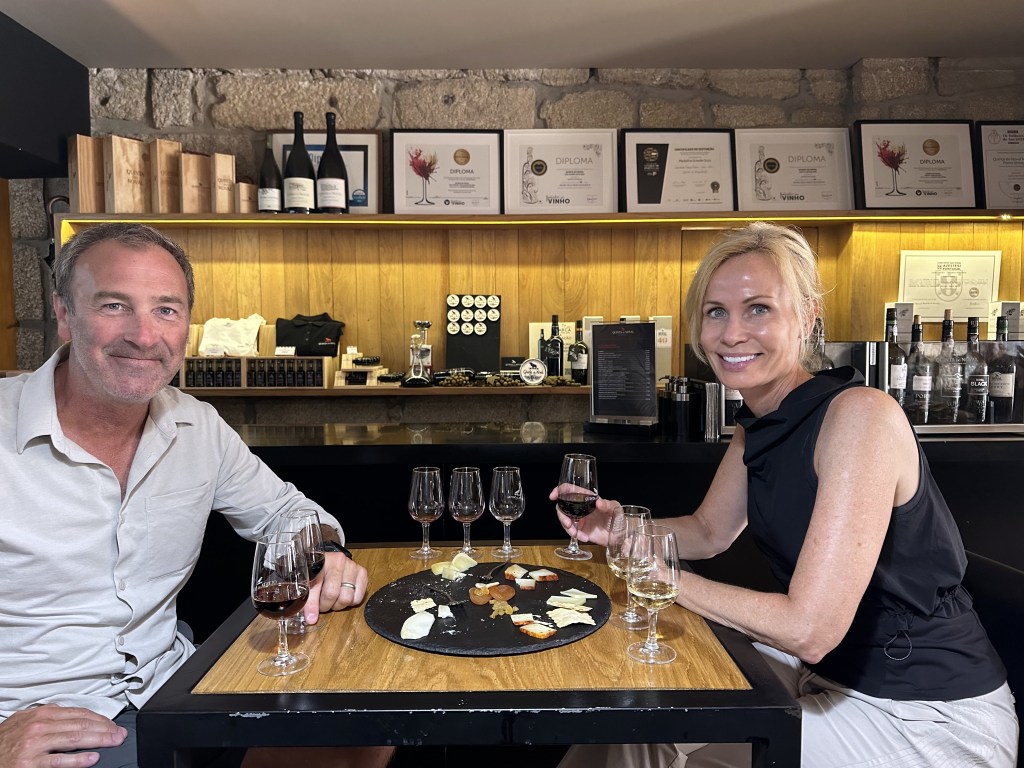
And an afternoon of port tastings:
Then, a train south, to Lisbon, the first European destination we had ever visited, back in 2002:
With some monumental areas:
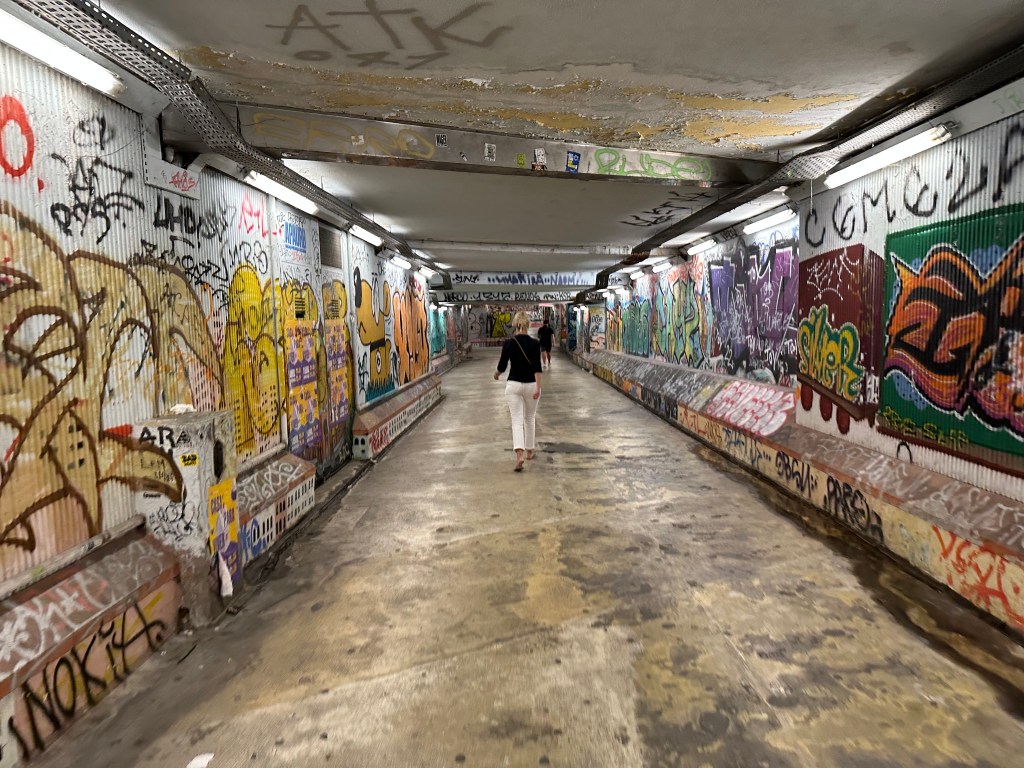
And some more sketchy areas:
And a day trip to Sintra, home to the Pena Palace:
And a final gastronomic meal:
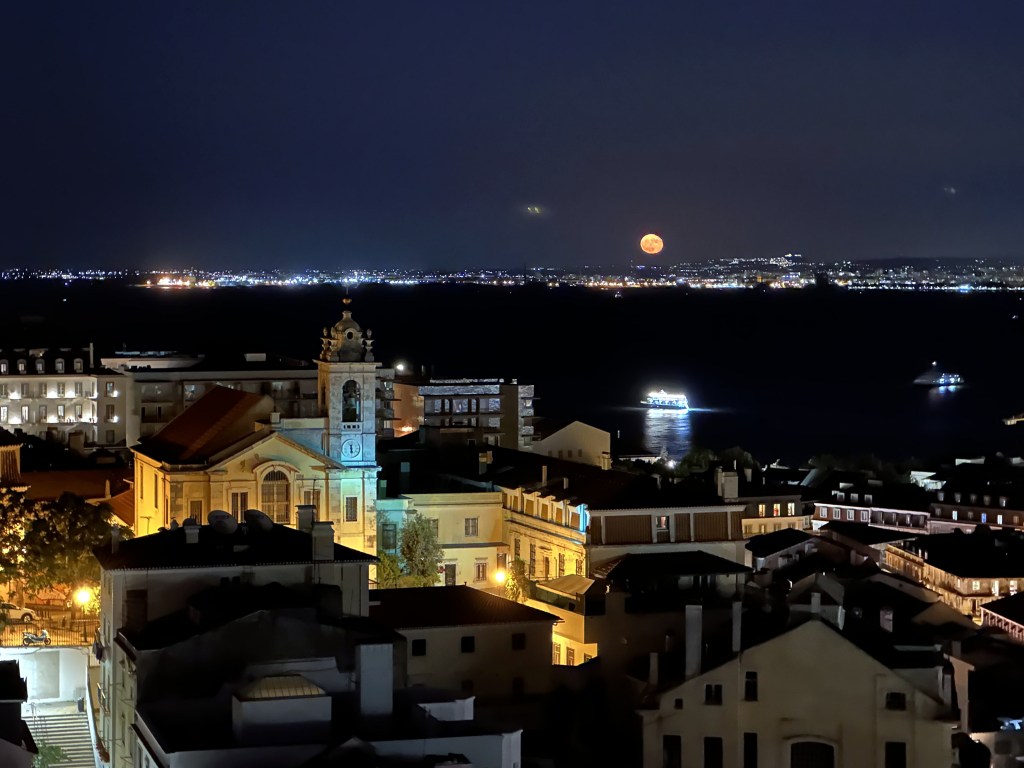
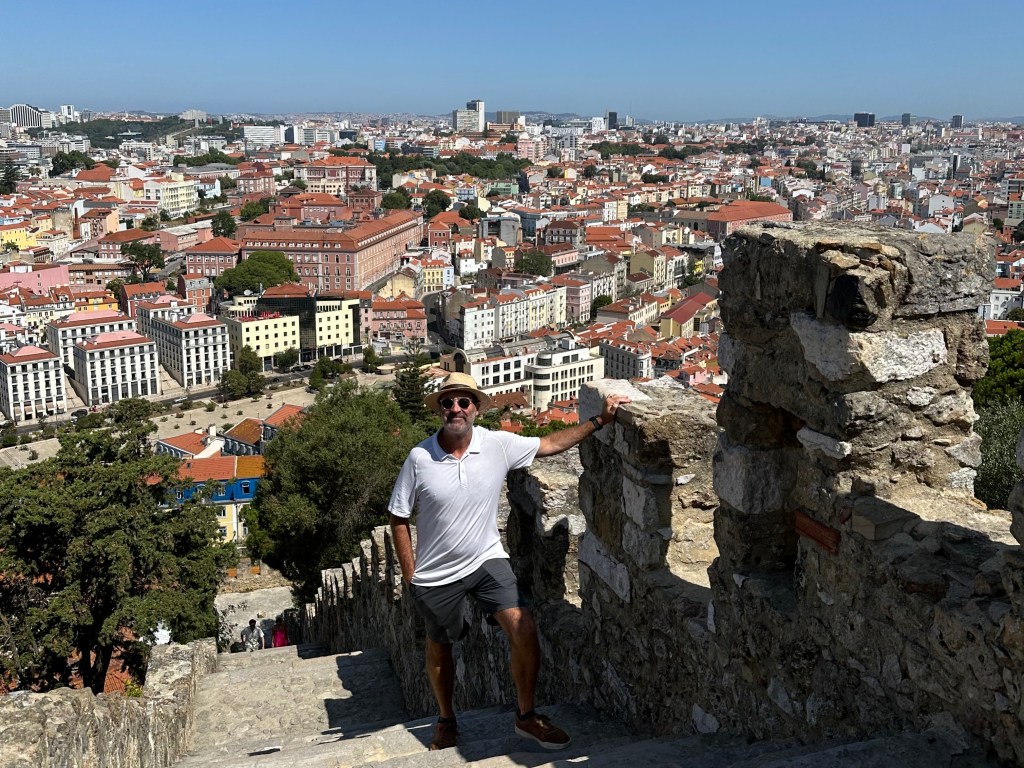
Final night in Lisbon before finally flying home, accompanied by July’s Blood Moon:
All told, we traveled for 2 months, experienced 4 countries, 41 towns, stayed in 19 hotels, 5 AirB&Bs/villas, and traveled by trains, planes, and automobiles (and ferries, trams, tuk tuks, and bikes). Amazing trip!
We’re finally posting on the locations from our first, epic, post-retirement trip, which entailed, as noted above, a prolonged foray to Europe that ultimately spanned more than 2 months. As noted in the trip overview, this trip entailed multiple segments – in the Italian peninsula, Sardinia, Sicily, Malta, Normandy, and Portugal. Pretty great experience that commenced shortly after the second WolfeStreetTraveler retired, where we bought one-way tickets and could explore locations without having to solve crises at work or worrying about getting home in time for an important meeting. Very liberating change of pace.
Sunrise over Italy’s west coast as we head into Rome.
Tuscany served as our kickoff location for the trip. This would be our third time in the region, which really is quite awesome. The first took place in 2004, when we biked through the area. We then returned in 2021 for a road trip through Cinque Terre and Tuscany. And now, just 2 years later, we found ourselves here again. Although we knew we wanted to start our inaugural, post-retirement trip in Italy, we could have launched our journey anywhere on the peninsula.
But the Brandts (and KJQ) coincidentally were heading to Tuscany at the same time we were heading to Italy, so the timing was perfect to hang with them as the start of our trip. We would spend the first 5 days here, before heading north (and then immediately south, but that’s the story of the next post).
Another sunrise the first day in Italy from the terrace at our guest house on the estate of Castello Brandt.
First stop: Pienza. “It is first mentioned in documents from the 9th century. Around 1300 parts of the village became property of the Piccolomini family after Enghelberto d’Ugo Piccolomini had received the fief of Montertari in Val d’Orcia from the emperor Frederick II in 1220.“
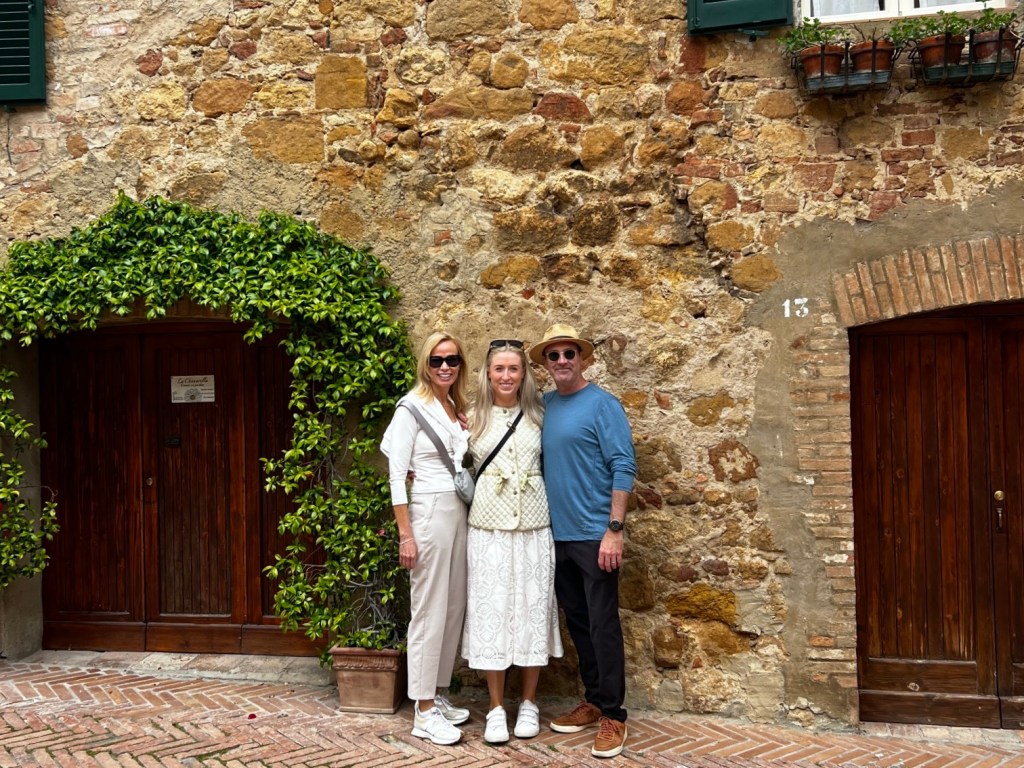
We were delighted to visit, inasmuch this was a well-regarded Tuscan hill town that we had yet to experience during or previous two Tuscan tours.
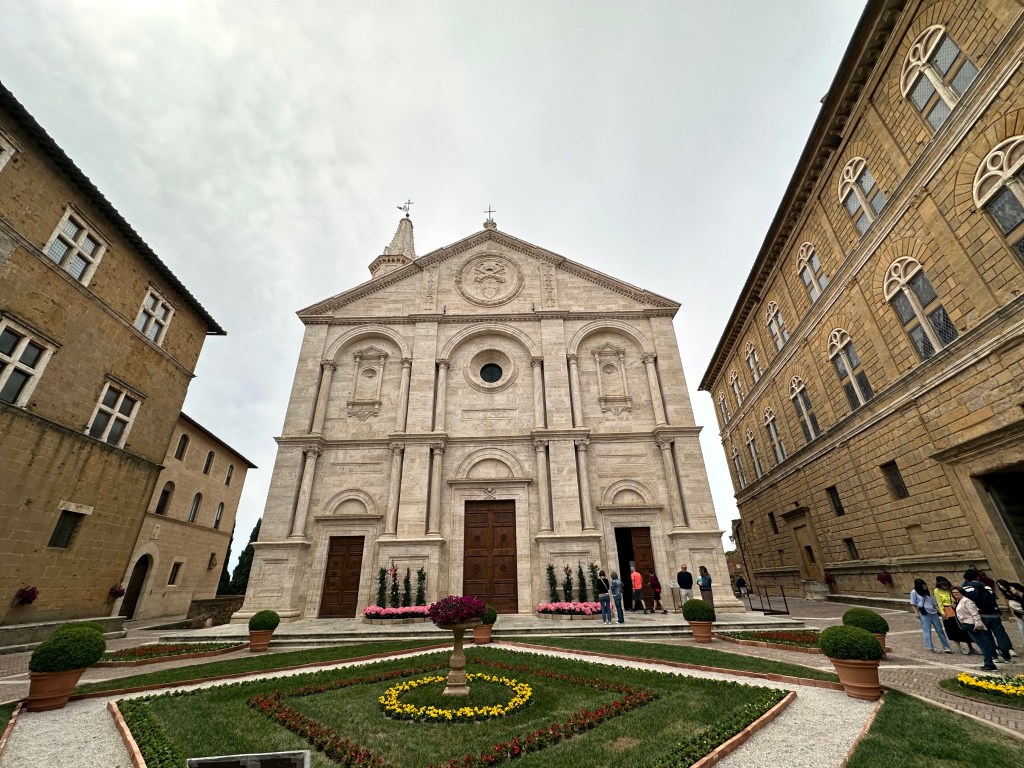
The remarkably monochromatic and stately Duomo di Santa Maria Assunta (Pienza’s cathedral):
The cathedral was commissioned by Pope Pius II (a member of the Piccolomini family who was born in Pienza) and consecrated in 1642; the piazzetta in front is named for the pope.
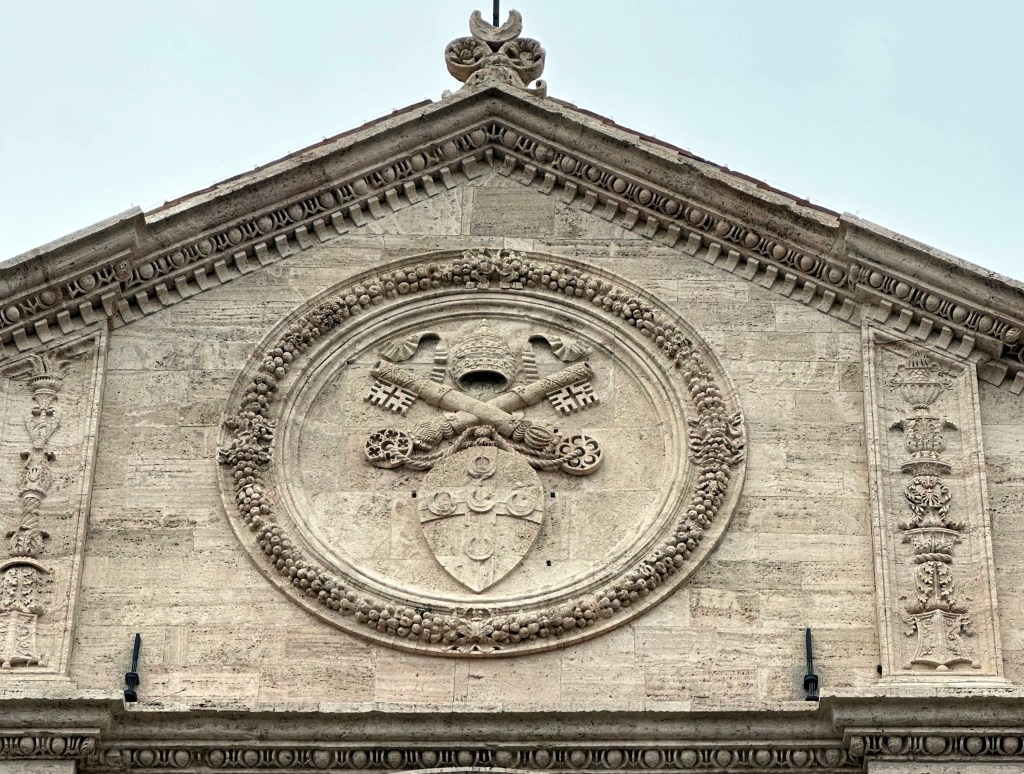
“Pienza Cathedral prominently features the Piccolomini coat of arms (a crescent moon with stars, representing Pope Pius II’s family) on its facade and a gothic window behind the altar, often combined with the Vatican keys and tiara, symbolizing papal authority and the Pope’s power over heaven and earth, linking the church to the Holy See. These symbols, especially the crossed keys (gold for heaven, silver for earth), are central to the cathedral’s design, reflecting Pius II’s vision for his ideal Renaissance city.
Key Elements:
Piccolomini Arms: The distinctive crescent moon and stars are the family emblem of Pope Pius II (Enea Silvio Piccolomini), who commissioned the cathedral.
Keys of St. Peter: Two crossed keys, one gold (heaven) and one silver (earth), signify the Pope’s spiritual authority, as seen on the well in Palazzo Piccolomini and potentially in the cathedral’s decoration.
Papal Tiara: The three-tiered crown (tiara) often accompanies the keys, representing the Pope’s threefold power (teacher, judge, ruler).”
Pienza certainly ranks up there in charm, but it’s super tiny. Based on the strong recommendation we received from our safari travel friends that this was their favorite Tuscan town, we thought it would be just as charming as it turned out to be, but more substantial.
KJQ selfie hijinks:
Pienza’s bell tower, which was silenced the year we visited due to complaints by tourists in nearby hotels. Which pissed off the locals who consider the bells to be part of the town’s character (kind of like us when Appomattox was removed from the intersection of Washington and Prince in 2020. . .). Smithsonian magazine featured an article on the row titled, “This Italian Town Silenced a Historic Bell That Kept Tourists Awake. Now, Locals Can’t Sleep.” Indeed.
Dunno – some cloister somewhere? This was 2.5 years ago, so we don’t remember everything. But it was picturesque and atmospheric nonetheless.
Pretty cool portal from Pienza to the Val d’Orcia below:
Another pathway to the Val d’Orcia:
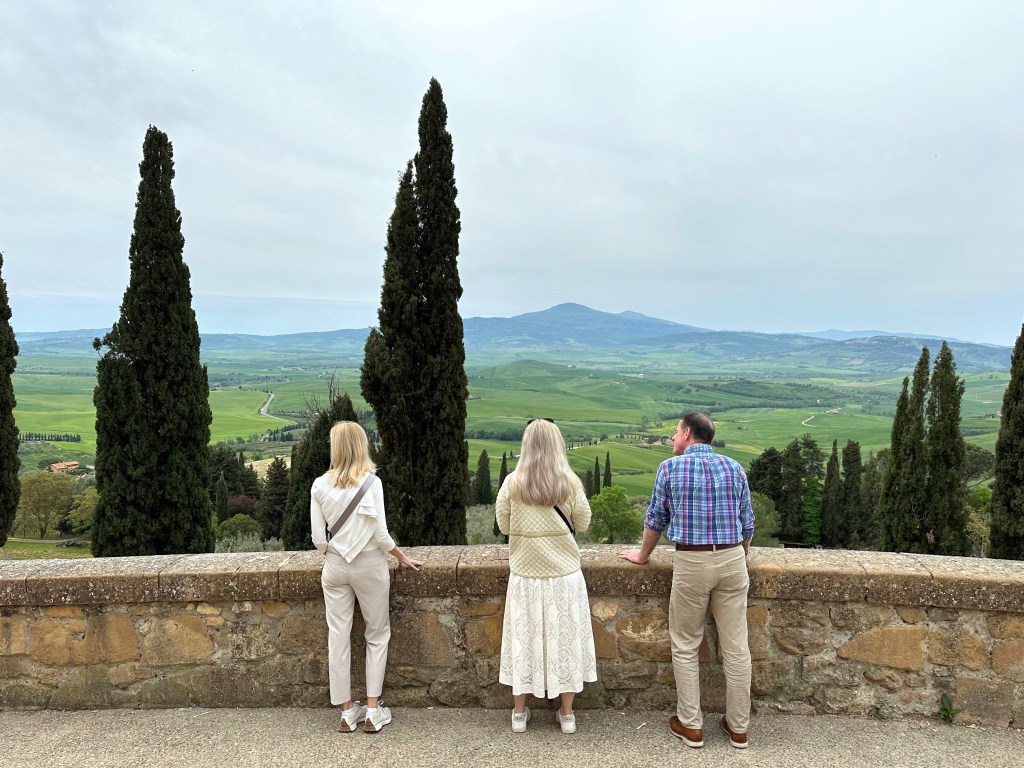
And there it is:
Pretty quintessentially Tuscan, as it happens:
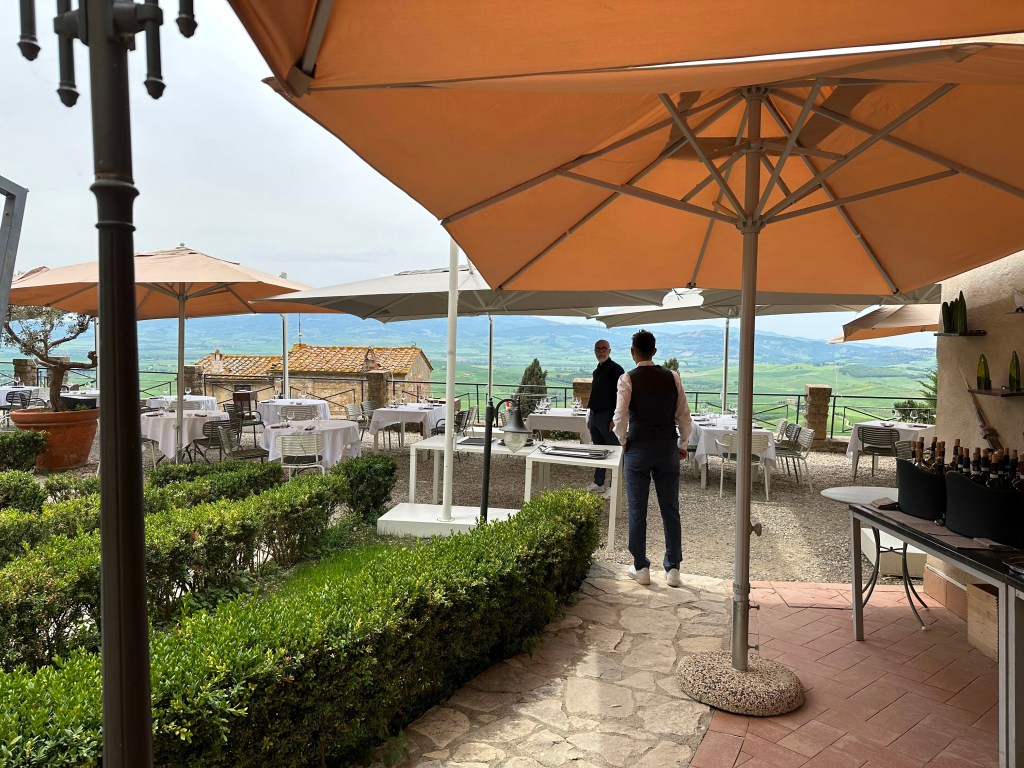
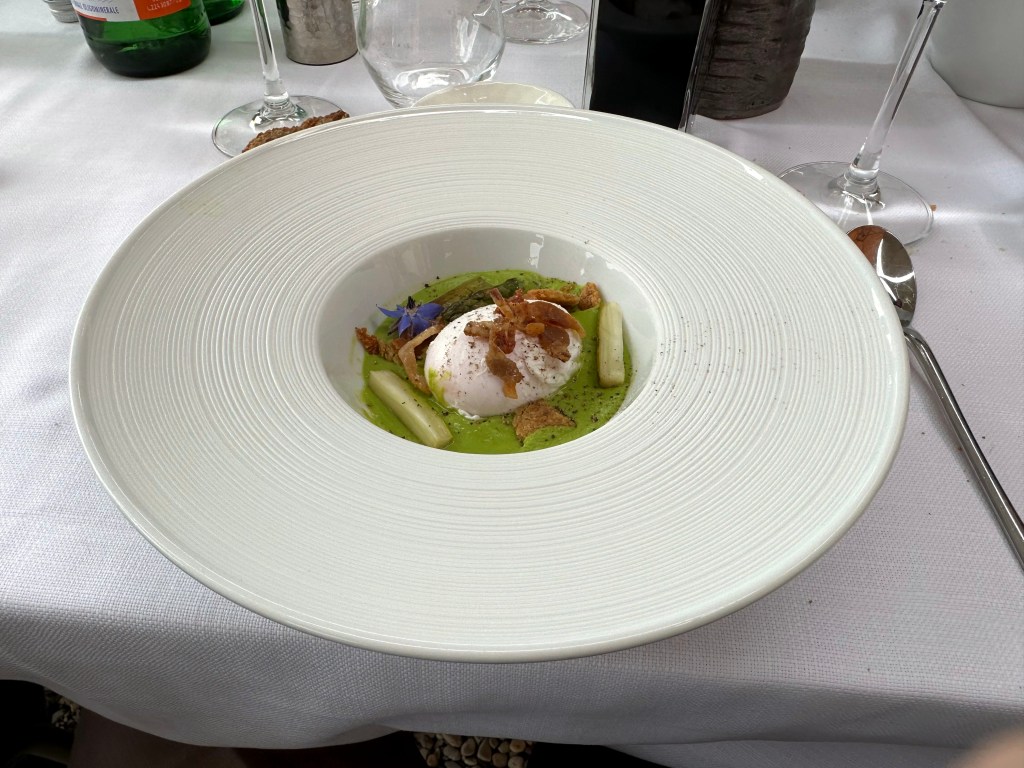
Pretty awesome lunch at Ristorante la Terrazza della Val d’Orcia:
Heading out of Pienza, through its city walls:
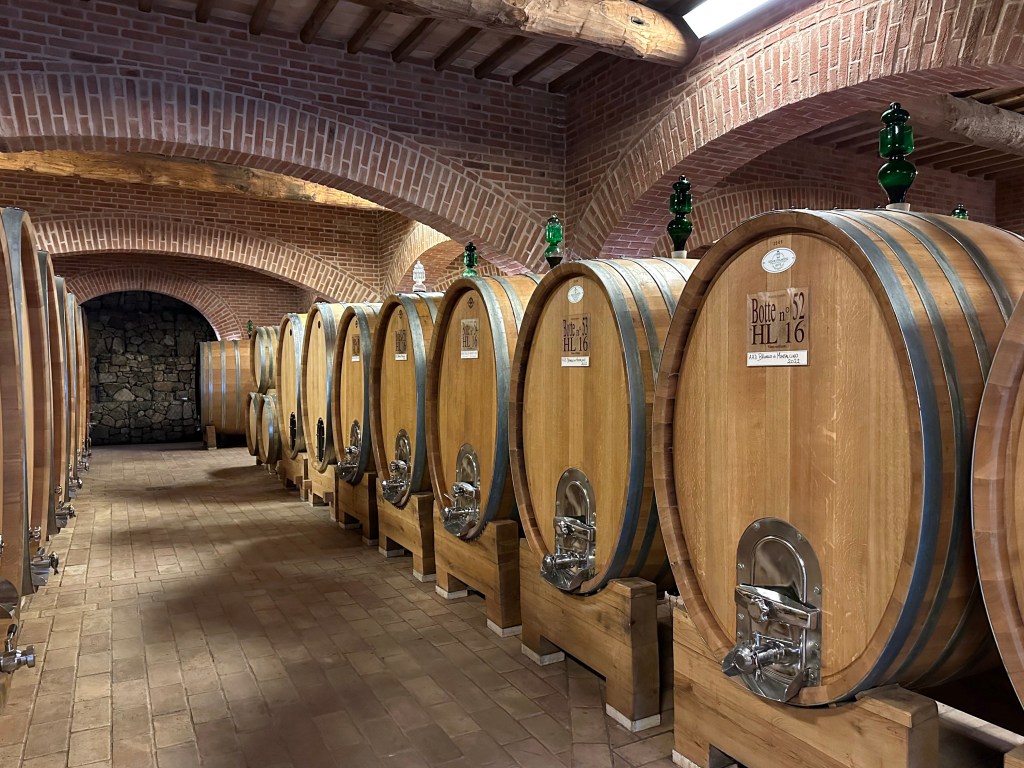
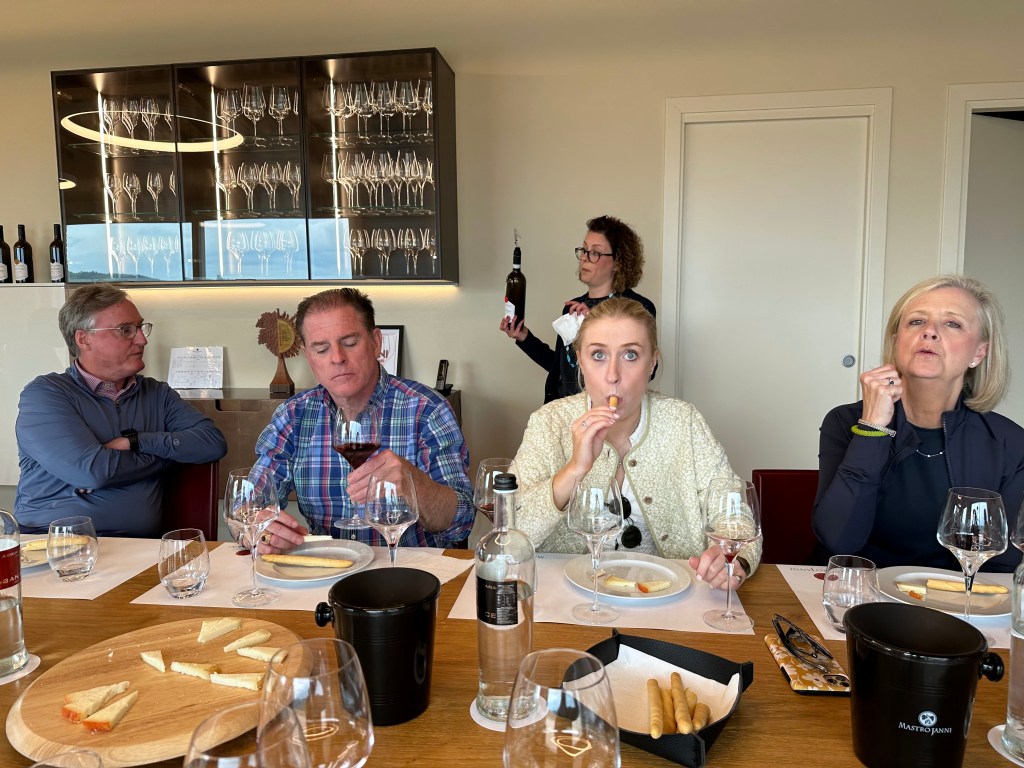
Next field trip: Tenuta Valdipiatta for some fine brunellos (albeit in the rain – but this gets way worse):
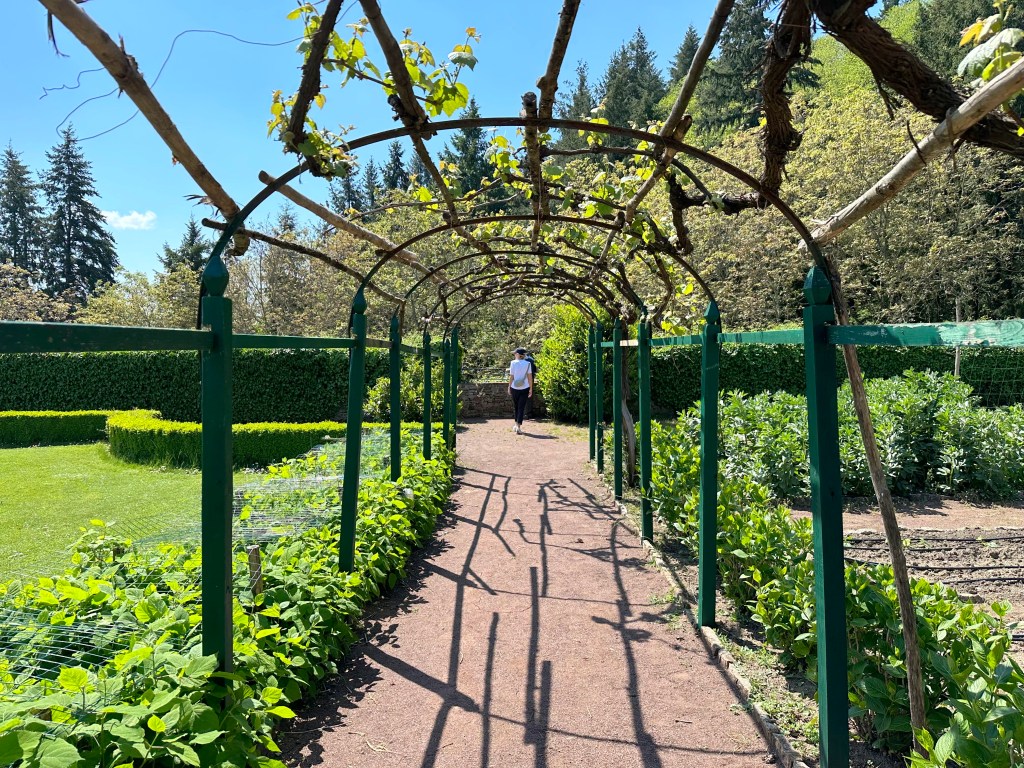
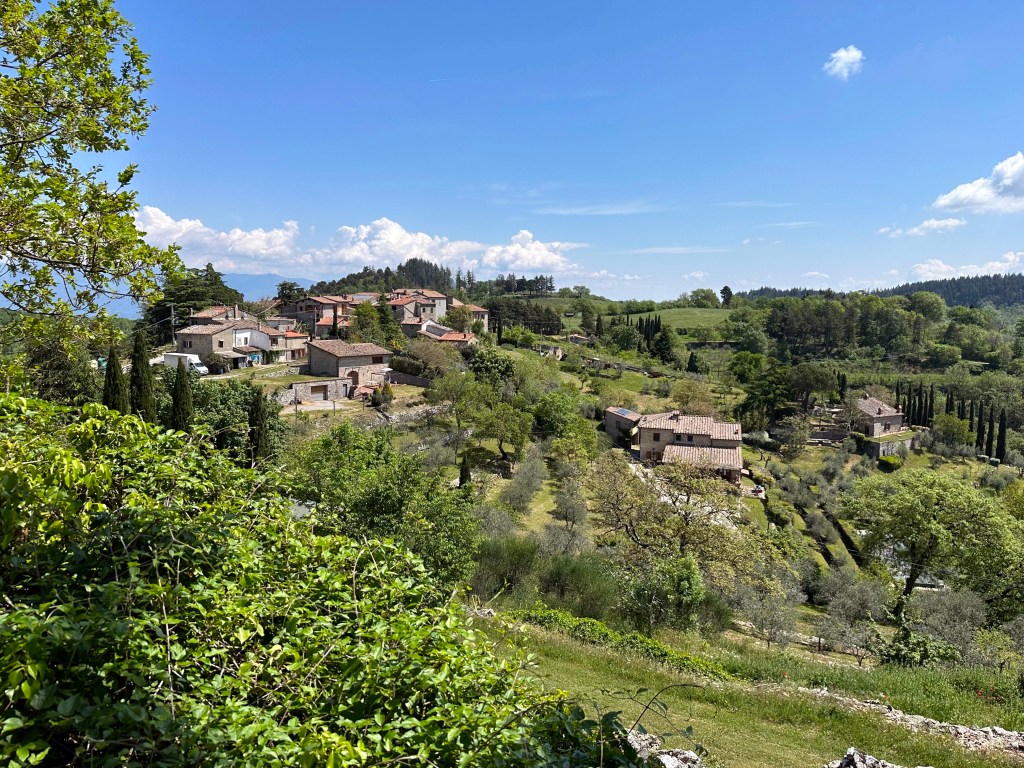
A brief respite on a belvedere over the vineyards:
The wine tasting clearly elicited different emotions from the tasters:
Next day: a decent hike near Gaiole in Chianti.
Starting with a stroll around the 1000-year-old Badia Coltibuono Abbey:
Including the gardens that we were not supposed to be in, and from which we were brusquely ushered out (still worth it!):
The hike continues through countryside. . .
And the village of Montegrossi, founded in 500 – 600:
Small but mighty (and mighty old):
And a cool winery that we stalked through, seeking KJQ’s gate to salvation to cut a leg off the hike and get to town to grab a well-deserved lunch:
The gate!
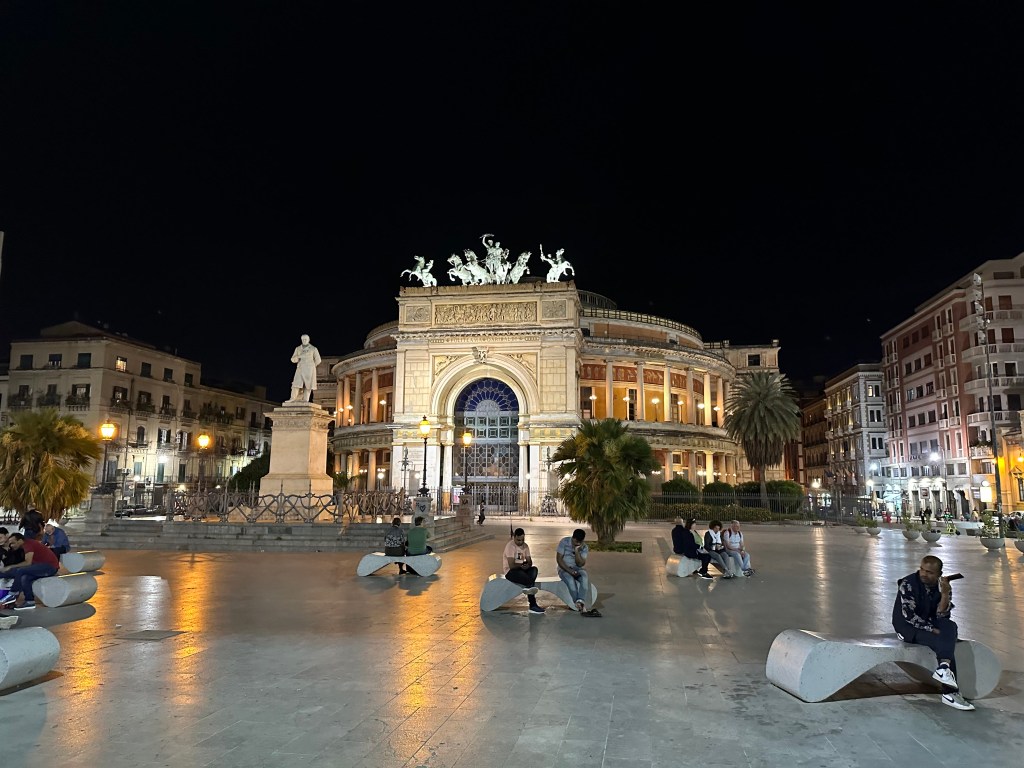
Key component of a post-hike lunch:
And the first of two nights of epic Trivial Pursuit competitions at Castello Brandt:
The winners of the first night:
Here’s the much worse rain – torrents during our visit to Montepulciano, which we had visited back in 2005 during our bike trip in Tuscany:
Wet but happy(ish):
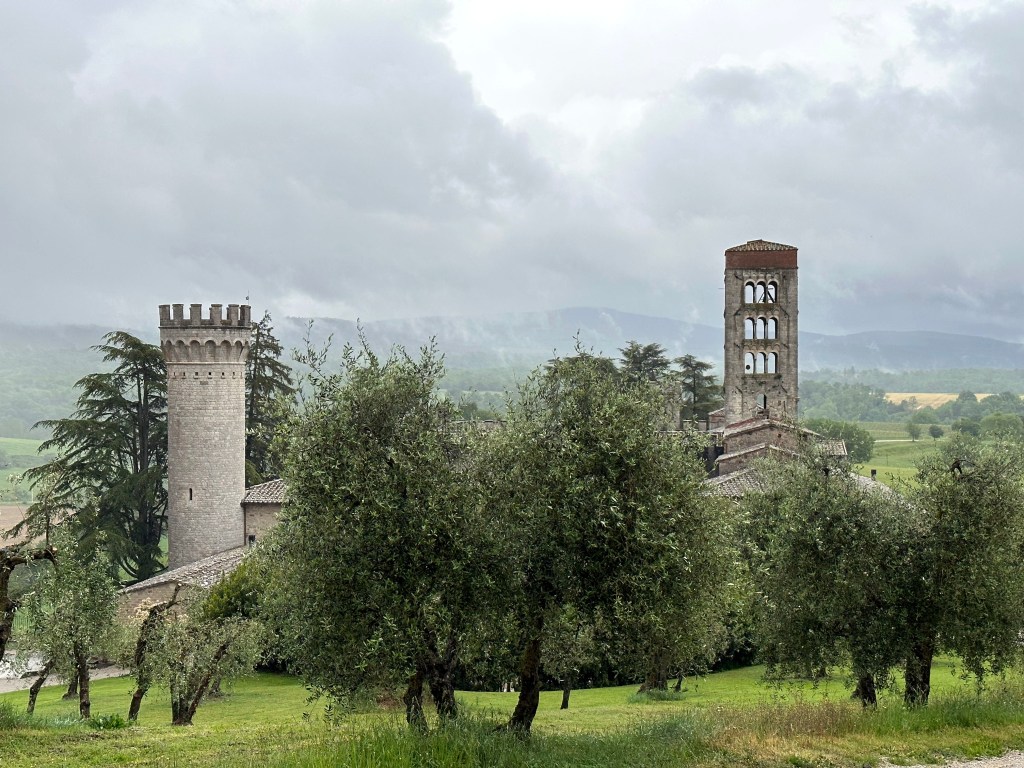
On the way back, a quick stop (for a few of us) at the monastery Badia a Monastero, founded in 867 (beating the longevity of the monastery visited during our hike):
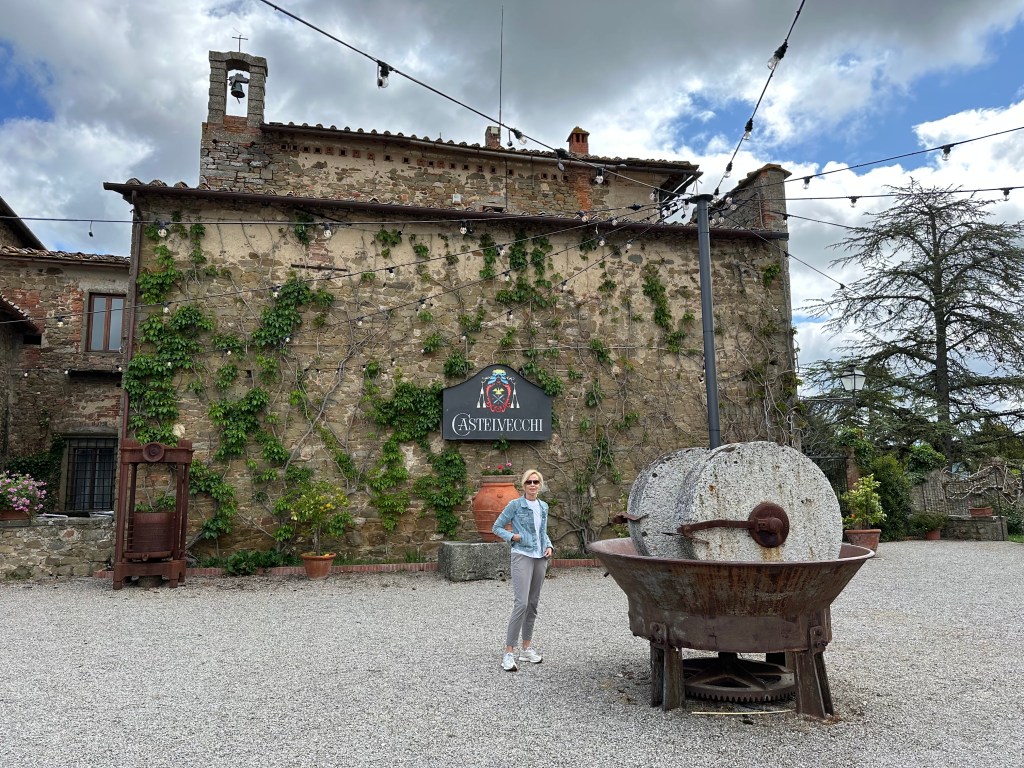
A final hike starting at Borgo Castelvecci (similar in structure to the borgo we stayed at during our last visit to Tuscany in 2021 – an ancient village converted into a hotel campus):
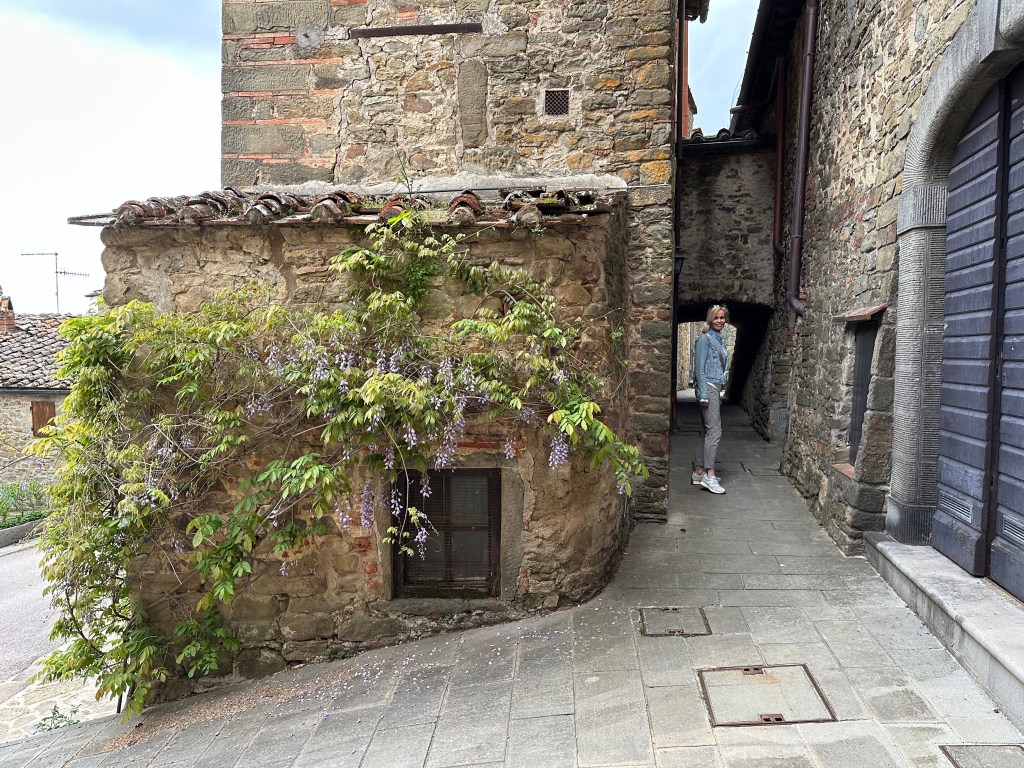
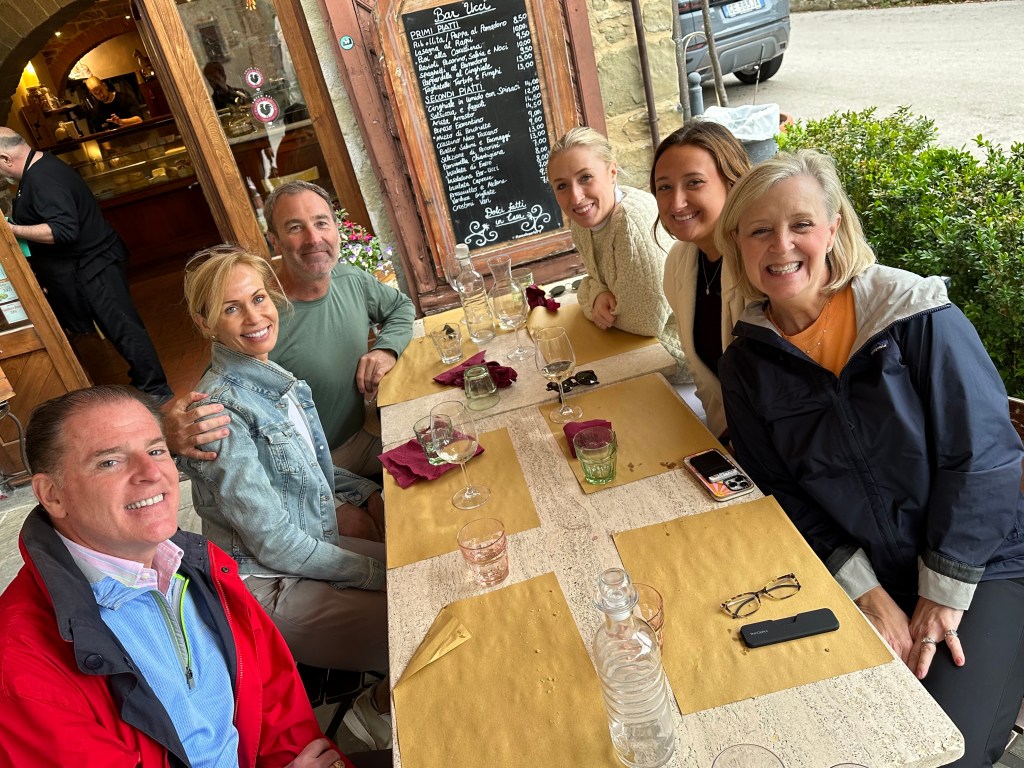
And then a stroll around the nearby hamlet of Valpaia, followed by a final Tuscan lunch before heading out the next morning.
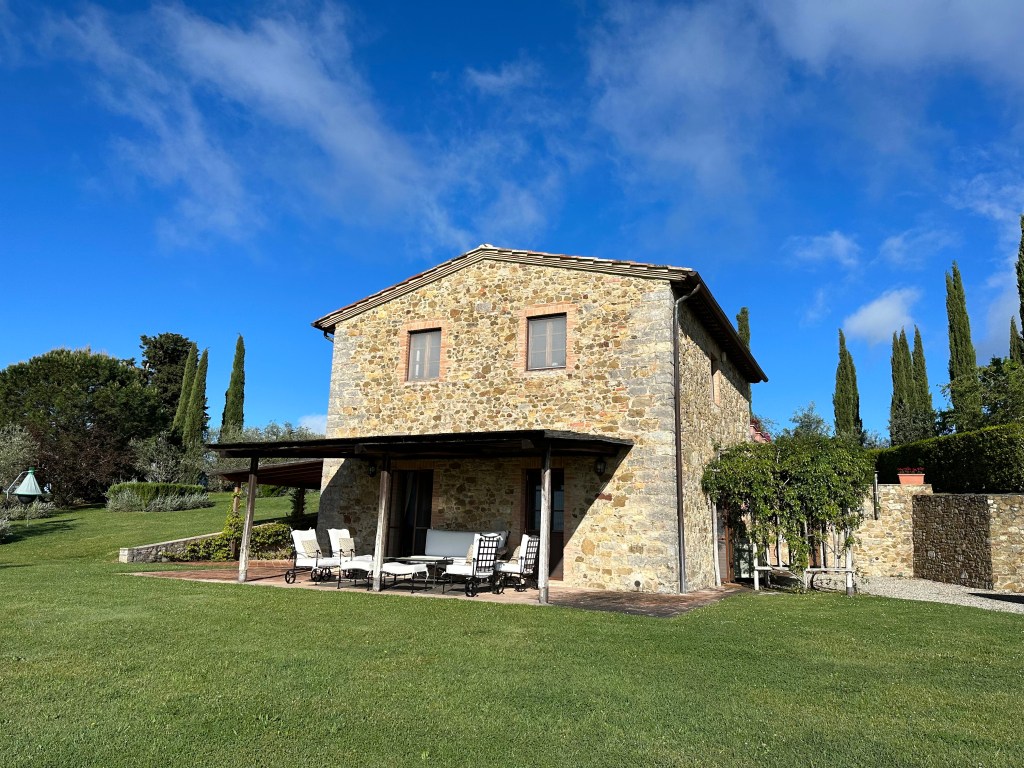
The Brandt villa:
Pretty good digs:
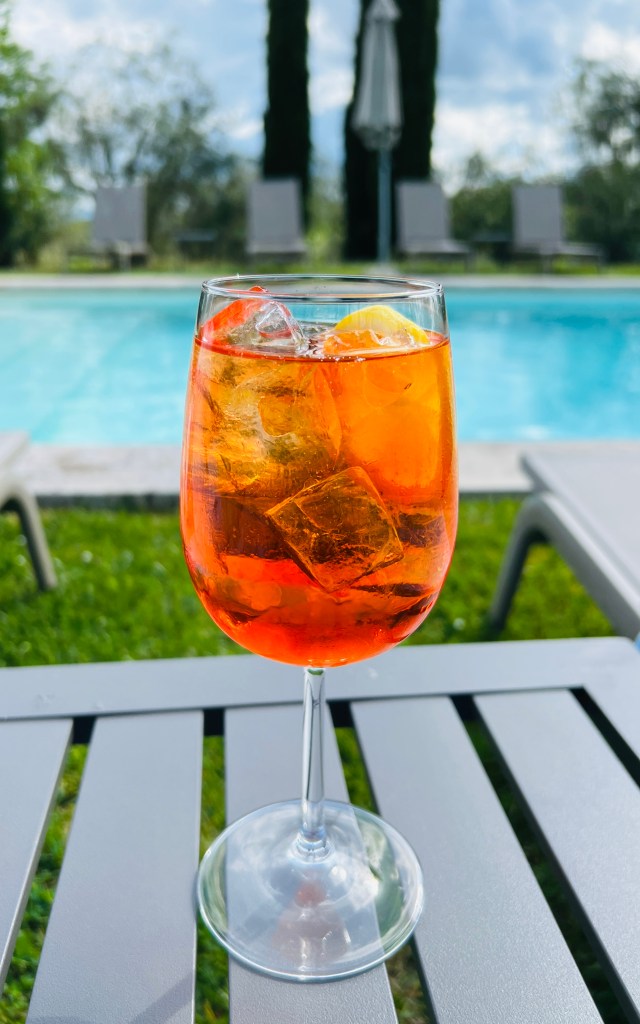
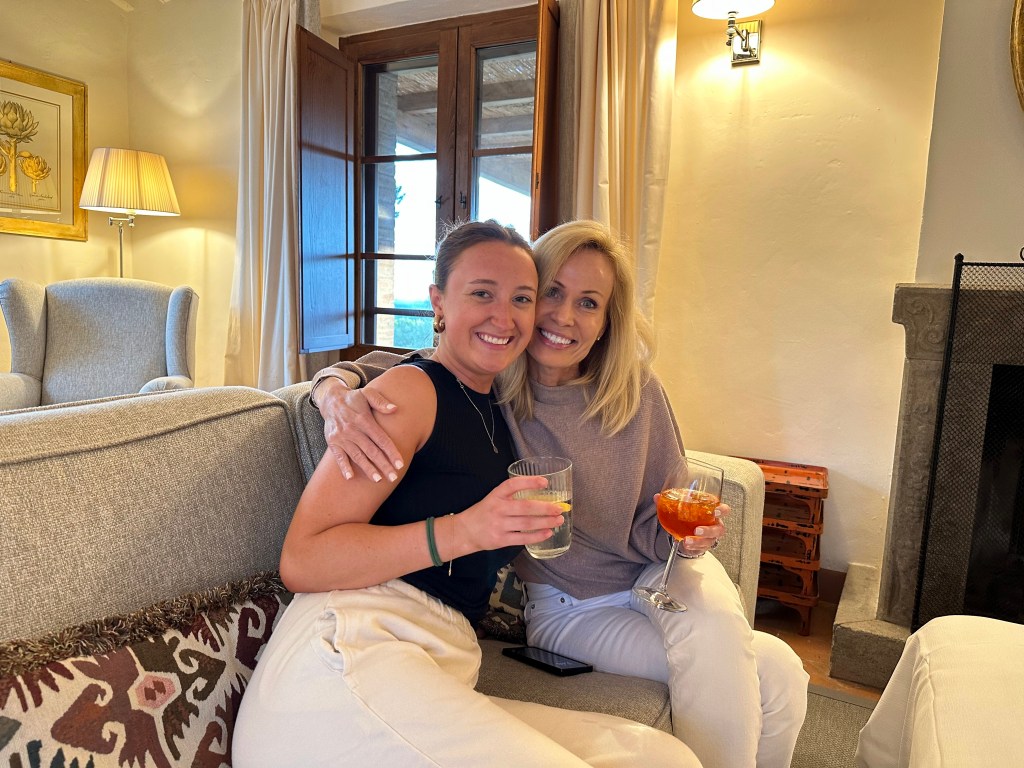
And the cocktail that would dominate all of our European travels henceforth, but that one of the WolfeStreetTravelers would not imbibe, initially decreeing it too girly, and sticking to red wine. That point of view would change rather dramatically as the trip progressed. . .
Final evening in Tuscany:
And a final game of Trivial pursuit, where Team MadiGrace won once again:
Morning of departure at the guest house:
You can take the herpetologist out of the country but not the herp out of the herpetologist.
Gracie would be moving on, too – first to Venice, then to Valencia to stay with her cousin Quinn, who was in his second Spanish semester of mechanical engineering.
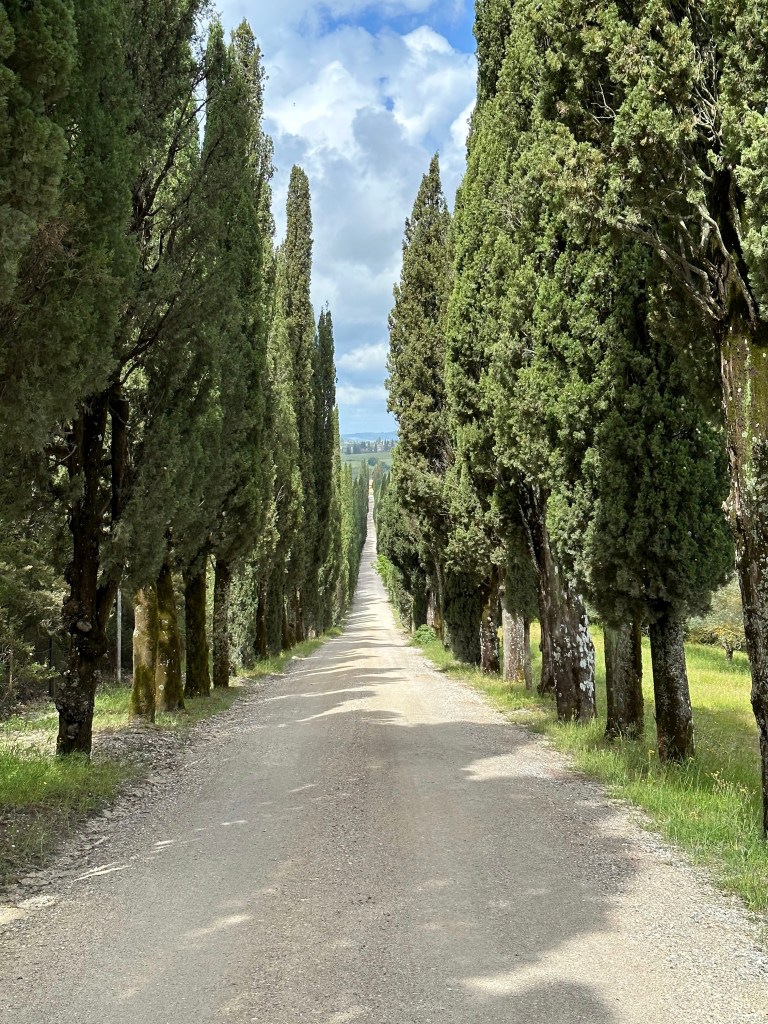
The Cyprus-tree lined lane departing the villa’s area on our departure:
On the heels of the Slow Roll through the South of France and over to San Sebastian, and in response to 18 months of unfulfilled, backlogged travel aspirations stymied by the pandemic, we headed back to Europe less than a month later. This time to Italy.
We had two goals for this trip:
Finally visiting and hiking the Cinque Terre – the five tiny and charming towns along the Ligurian coast of Italy south of Genoa. We’ve been interested in traveling to the Cinque Terre for years, but the charm and beauty of the towns has always been accompanied by a well-earned reputation of being overrun by tourists. We don’t like mobs of tourists, so we never went. Then: pandemic. As soon as Italy opened back up, we beelined it there to experience the region before a resurgent tide of of humanity could reach it.
Returning to Tuscany. Unsurprisingly, we’re fans of Tuscany. Surprisingly, we have only spent 5 days there, biking between five Tuscan towns during our only previous visit in 2004. Quintessential Tuscan towns, to be sure – Montalcino, Montepulciano, Siena, San Gimagnano, and Florence – but such a short time to spend in an area that was immediately so appealing to us. So, we thought we’d remedy that and head back to get a more immersive experience of the area (and hit two towns that occupied the eastern and western extremes of our 2004 bike route, and that we missed, as a result).
Here’s the route for the trip, starting at the top left:
We started the trip in the Cinque Terre – flying into Pisa, then taking a series of trains to get from the airport to our home base town there. We then trained back to Pisa to pick up a car and head into Tuscany, rotating slowly clockwise to visit or stay in towns around Florence before heading back to Pisa to fly back.
We spent the first 3 days exploring the five little towns of Cinque Terre, comprised of Riomaggiore at the southern end:
Followed by Manarola:
Then Corniglia:
Vernazza (our home base for our stay in the Cinque Terre):
And finally, Monterosso, the northernmost village and the only one with an actual beach:
We hiked the only trail open between two of the towns during our stay, and had to hop a train or a boat to see the rest. A little disappointing not to be able to hike through all five, but we made out okay.
After killing the Cinque Terre, we headed back to Pisa to pick up our car (taking advantage of a delay in the car’s arrival by trotting up the street from the rental office to quickly check out the leaning tower). We then drove a short distance to Lucca in northern Tuscany. We’d spend only a day there, but Lucca turned out to be an unexpected highlight of the trip. The town was protected by fully intact, thick Renaissance walls, the 4k circumference of which you could circumnavigate by bike or by foot (which we did):
It offered a cool Torre Guinigi in the middle of town, with oak trees growing from the top:
And one of its piazzas retained the oval footprint of the ancient Roman amphitheater that previously occupied the space:
All of this added up to make Lucca a historically and atmospherically appealing highlight of the trip.
From Lucca, we headed south to Cortona, driving around the urban core of Florence and stopping for a bit in Fiesole at the recommendation of our niece, Tara. Fiesole sports, among other features, a remarkably intact Roman amphitheater, which was being put to use while we were there by an Italian band shooting a video. As you can hear, the 2-millenium old amphitheater’s acoustics still work!
We reached Cortona, and settled in for 2 days there. Our bike trip in 2006 took us through the center of southern Tuscany, so we missed the two famous hill towns on the periphery: Cortona on the east and Volterra on the west. Cortona was worth the wait.
Cortona’s Palazzo Comunale in the center of the small town:
Cortona also was the site of our second Air B&B of the trip (and only the fourth rental we’ve tried during our travels). We’ve always stayed in some flavor of hotel on our trips – more than 200 of them so far – and we’re now dipping our toes into the rental approach on this trip and previously on the Slow Roll. Generally, they’ve been positive experiences. In Cortona, our place sported a view over the Chiana Valley, which worked out quite nicely for evening Brunellos:
From Cortona, we headed west to Siena in the absolute center of Tuscany, and spent 3 days in and around town, which we had pegged as having Uzès-like potential as a longer-term destination for us in the future (nope – a much bigger city than we recalled from our bike trip).
But, it turned out that Siena itself would not be the main attraction of our stay there. Instead, it would be truffles. Without intentionally planning for it, we found ourselves in Tuscany during truffle season, much to our delight.
White truffles at dinner in town one night (when all we were looking to do was to grab some pizza and ended up here purely by happenstance), at a restaurant featuring a menu designed to pair with white truffles, which they served by the shaved – and carefully weighed – gram:
Black truffles the next day, foraging in the woods by a winery about 20 minutes away from Siena. The Italians use trained dogs to find truffles in the forest, rather than the pigs used in France:
A very successful foraging foray!
Trying out another Air B&B with another amazing view, this time from a private roof deck in the center of town:
After our time in Siena, we continued west to Volterra, stopping on the drive over to the tiny, but heavily fortified hamlet of Monteriggioni:
Where the final activities of a cyclocross race were winding up:
Monteriggioni was fortified because it served as a forward base of the Sienese during the Renaissance against any attempted incursions by their arch-enemy to the north, Florence:
Variations on a theme: after Monteriggioni’s walls, we ended up in heavily walled Volterra. We spent a day wandering about the eastern outlier in Tuscany that we missed in 2006 – it did not disappoint:
And then, as a departure from our stays in towns throughout the trip, we headed to a borgo – an entire village converted to a hotel – in the countryside outside Volterra for our final night:
One of the village’s old buildings had been converted for use as a museum of vintage Italian cars, motorcycles, and bikes – very cool.
Early the next morning, we drove back to Pisa, dropped off the car (this time without incident), and flew home – another road trip in Europe successfully executed!
Volterra claims the spot for the final Tuscan town we’d visit on this road trip. Located in the west of Tuscany, Volterra – like its eastern counterpart of Cortona – did not make it to our Tuscan biking itinerary back in 2004, which focused primarily on central Tuscany. We’d remedy that oversight on this trip.
Volterra definitely qualifies as yet another hill town – long climb to get from parking outside the walls to the center of town.
Entering the walled town through Porta a Selci. Originally an Etruscan gate into a walled settlement, the current portal dates from the 16th century.
To the right of the gate is a plaque depicts soldiers entering Volterra with text in Italian reading: “This brings the soldiers allies Entered Volterra 40th anniversary of Liberation 9 July 1944 – 9 July 1984.” The US 88th Infantry Division’s drive north up the Italian peninsula in WW II took it first to Rome, then on to Umbria and Tuscany. On May 8, 1944, the 88th “launched an attack toward Volterra on the 8th, taking the town the next day. (From here.) To our knowledge, this is the first Tuscan (or even Italian) town we’ve visited that was the site of a WW II battle.
Heading into the historic center by way of a fairly picturesque – albeit less-than-charming – main thoroughfare.
Crowded evidence that we’re getting closer to the center of Volterra:
Finally reaching Palazzo dei Priori, in the actual center of town:
Volterra’s impressive 13th-century town hall, the Palazzo dei Priori:
With its complement of governing family coats of arms, as we’ve seen in every town on this trip:
Nice little market buzzing in the piazza the morning we arrived:
Across the piazza from the town hall lies the Palazzo Pretorio, which once served as the office of the mayor and as apartments for the Captain of the people’s guard, the Pretorio. The palazzo’s tower dates from the 13th century and is called the Torre del Porcellino – Tower of the Little Pig – because of (or resulting in? sources are unclear) a statue of a pig on a little ledge to the right of the uppermost window.
Volterra’s other tower around the corner, the cathedral’s 15th century companile, which appears way more Lombard than Tuscan to us.
And the super-Romanesque and very modest cathedral itself, dating from the 12th century (which actually replaced a 9th-century structure that was destroyed in an earthquake in the mid-1100s):
The mildly bizarre Chiesa Della Misericordia (Church of Mercy):
The church has been converted to a museum of vintage ambulances:
A word that we’ll take the opportunity to highlight as absolutely hilarious in German, as helpfully demonstrated in this brief video, which several Werners already have been subjected to:
Heading down one of the hilly town’s picturesque streets:
And ending up at another gate in the town’s walls – this one much older than our entrance gate:
Volterra’s Etruscan Porta all’Arco (Arched Gate) was one of the passageways through an extensive 7-km-long defensive wall built between the 4th century and 3rd century BC.
Heading to our final destination of the road trip a few miles outside of Volterra. . .
The destination itself: Borgo Pignano. After staying in towns our entire road trip, we opted for borgo in the country for our final night. An Italian borgo is a small hamlet or settlement, and many have been transformed wholesale into hotel complexes that incorporate the old village’s structures. In our case, the manor house served as the main hotel, while tradesmen’s shops and houses have been converted into villas, the spa, a restaurant, etc.
The little borgo’s old town church opposite reception:
The best repurposed structure in the borgo? A town warehouse converted into a museum of vintage Italian bikes, motorcycles, and cars from Italy’s golden age of style from the 1940s to the 1970s.
1964 Fiat 600 Seicento Multipla, nicknamed “the Sisters’ car” since it was a common conveyance for nuns; occupancy six.
1973 Legnano Roma Specialissima. Legnano was a major player in competitive cycling from the 1920s through the 1940s, and their bikes won 15 Giri d’Italias and two Tour de Frances. Bianchi rose to power from the 1950s on, and eventually bought Legnano in 1987. Suite Campy groupo.
1973 Poghliaghi Record. Poghliaghi exemplified Italian artisan frame making, and he only made between 100 and 1000 bikes, butEddy Merckx rode one to victory (we assume in the Giro? it wasn’t the Tour, according to this site cataloguing the bikes that won each year). Another suite Campy Record groupo.
1958 Piaggo / ACMA Vespa 400 microcar. “The 394cc two-cylinder two-stroke motor. . . could propel the car and 4 occupants to a top speed of 51 miles per hour, eventually.”
1947 Bianchi Aquilotta da Corsa, used in the years following WW II when Italians began competing again with motorcycles and mopeds.
1947 Alpino 63 Bicarbuatore, also built for racing in the post-war years.
1948 Fiat 500C “Little Mouse:”
1930s Gloria Garibaldina:
Sporting innovations such as wooden wheels and one of Campagnolo’s first derailleurs, which you needed to manually engage by reaching behind you. One lever loosened the axel and the other moved the chain to change gears. Freaking wild.
1954 175cc MV Augusta:
1954 Iso Rivolta Isetta 250, a three-wheeled Italian microcar or “auto-scooter.” Iso’s prior experience was manufacturing refrgerators. . .