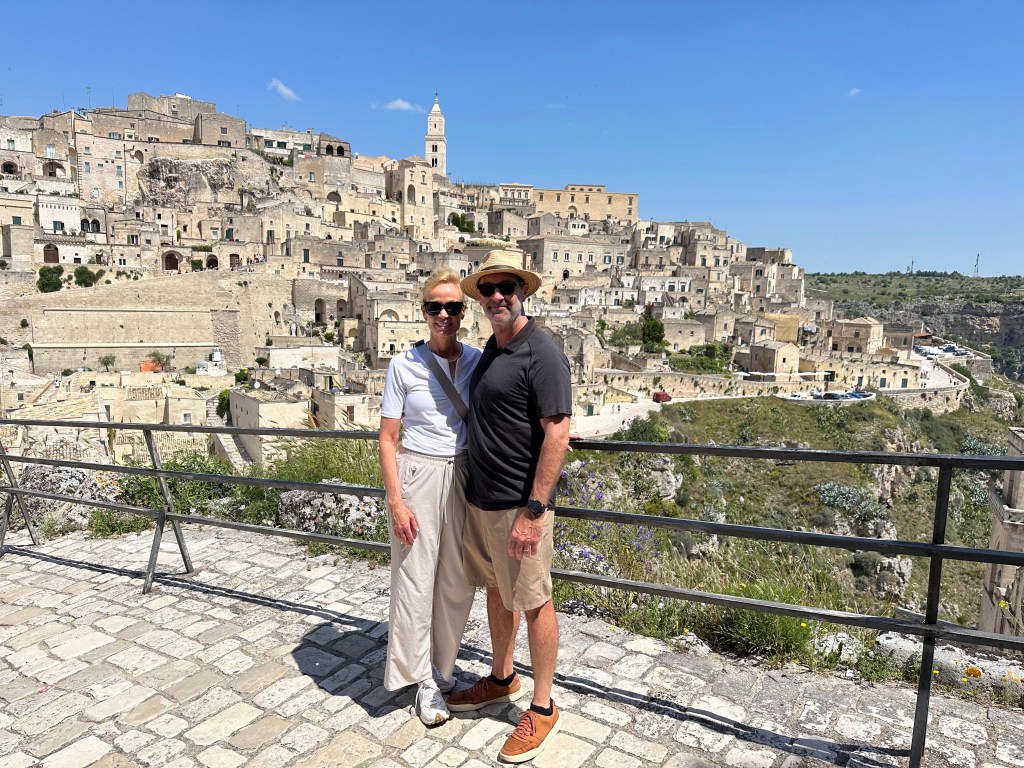
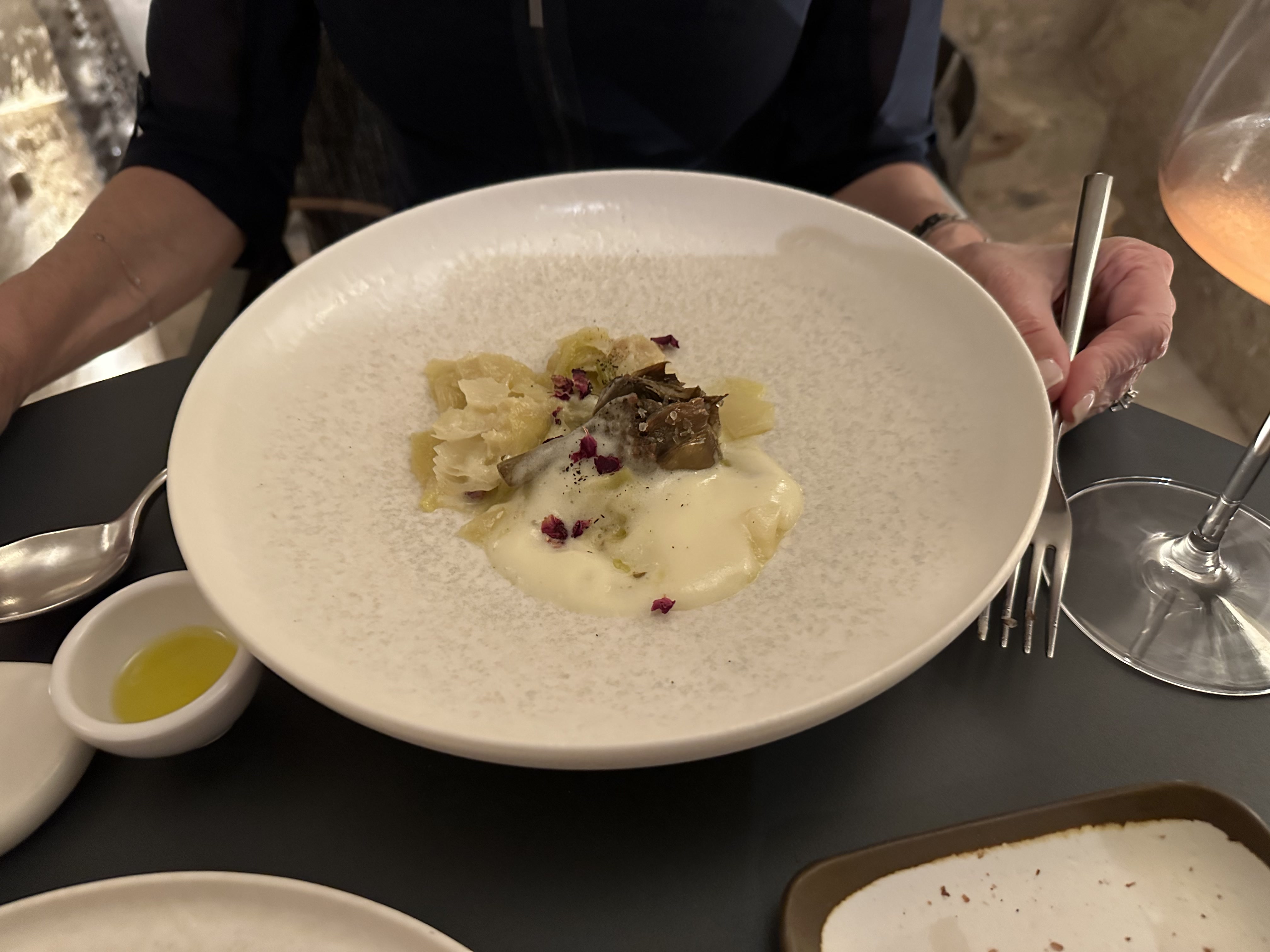
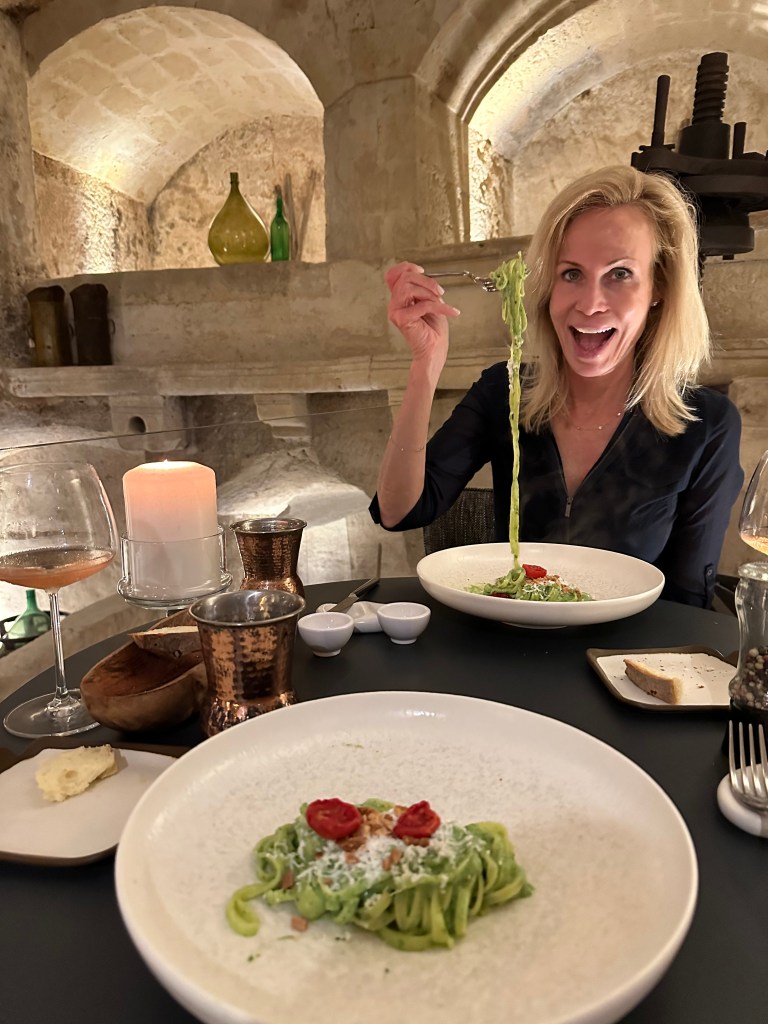
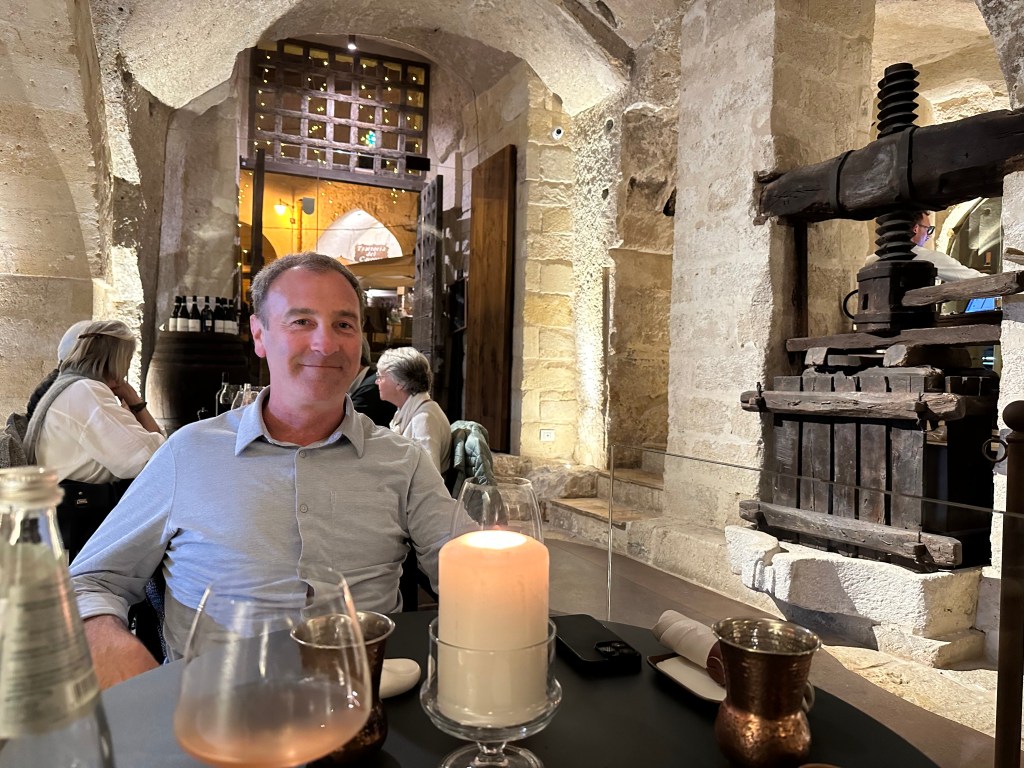
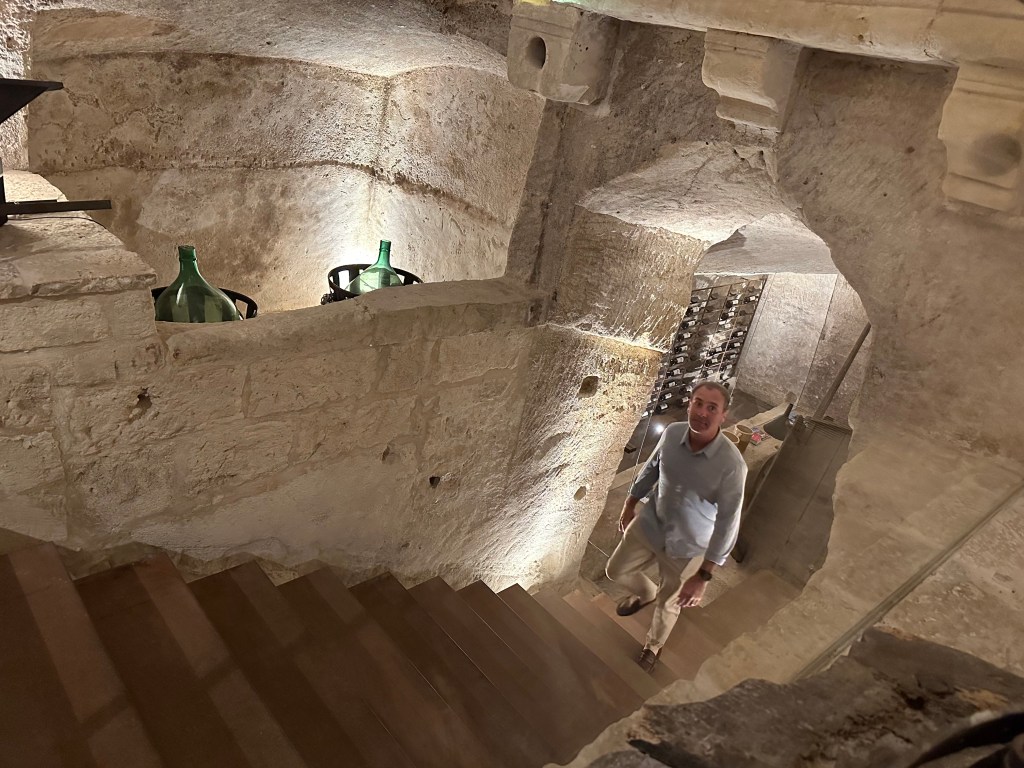
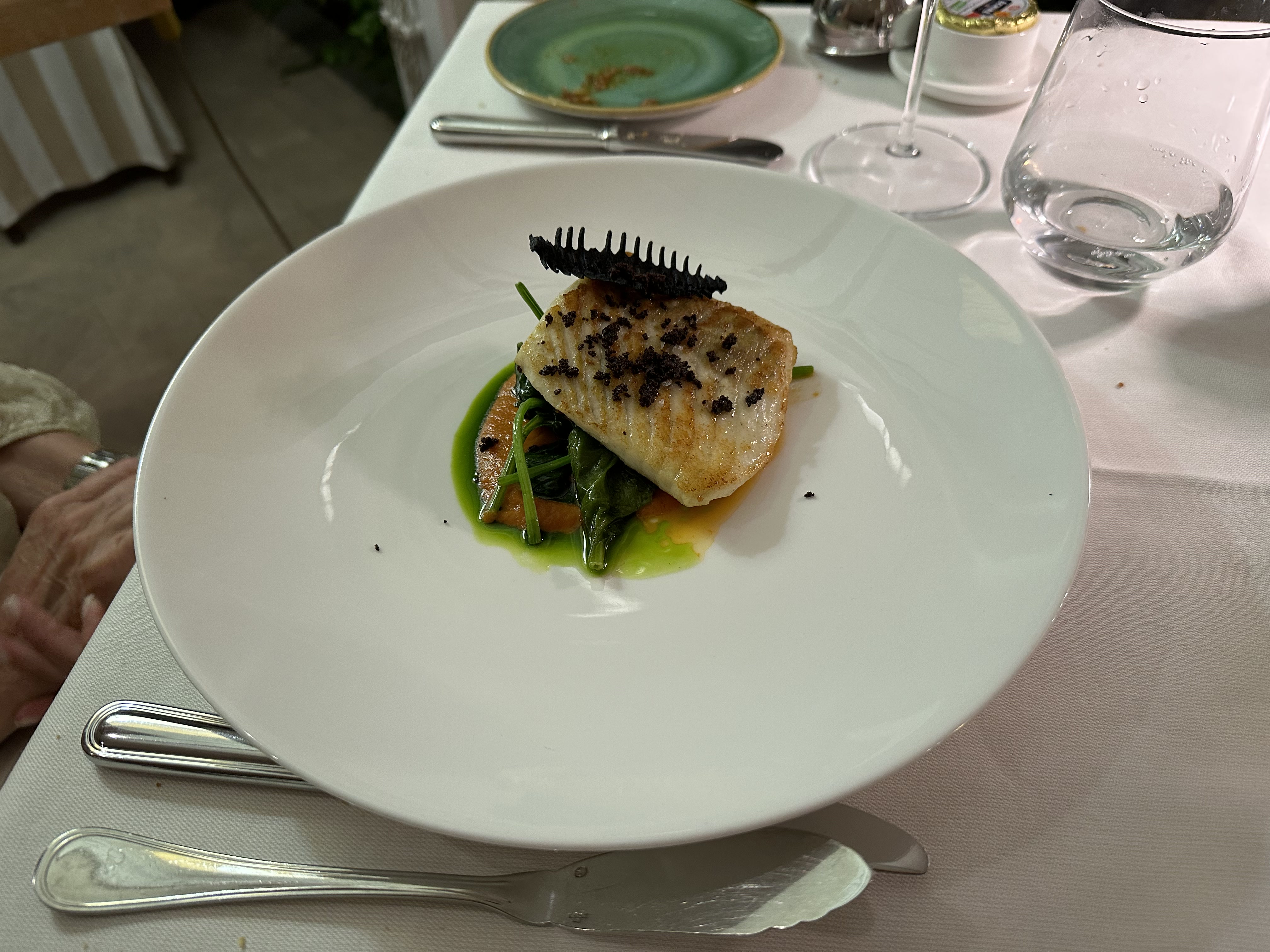
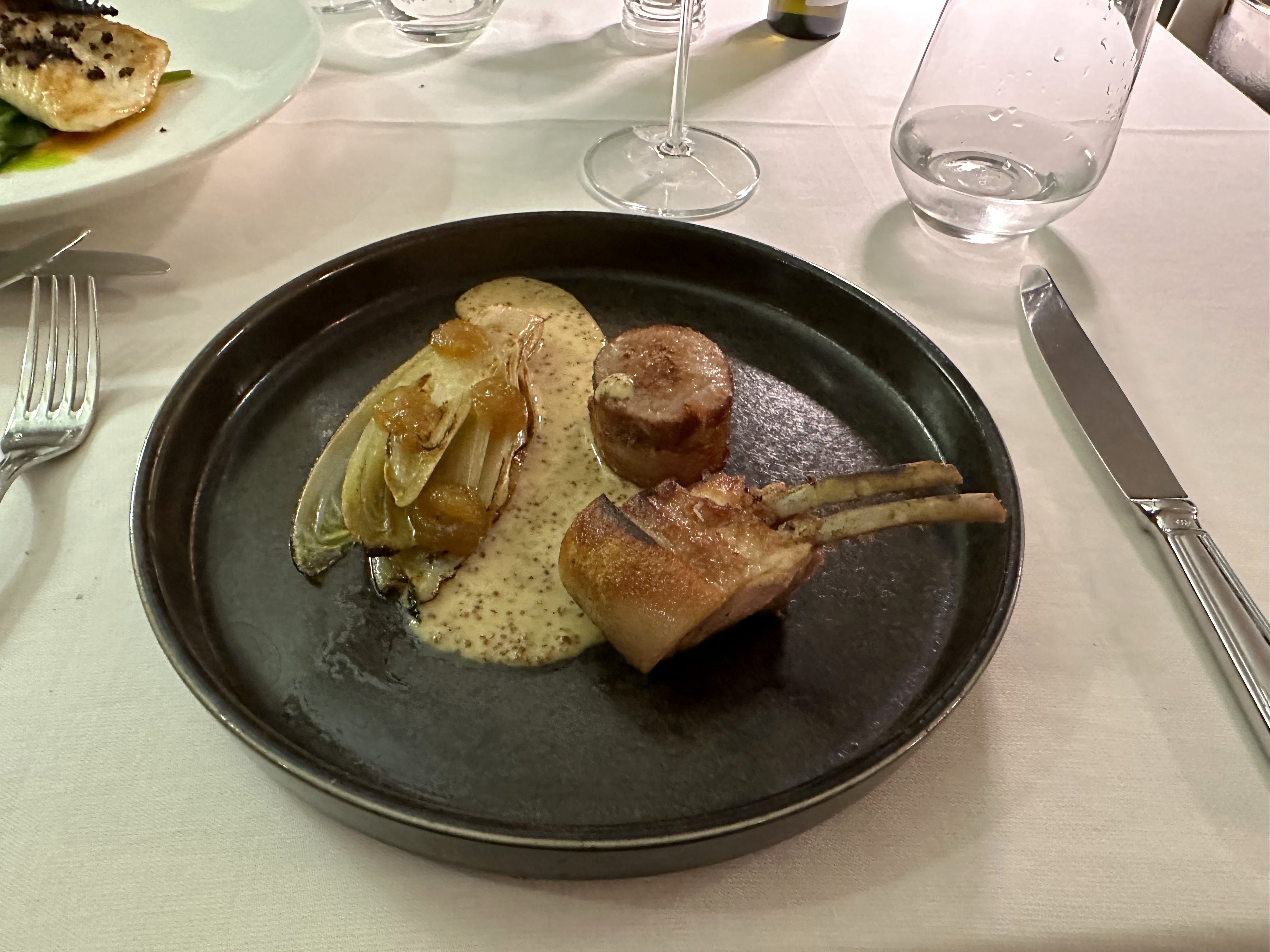
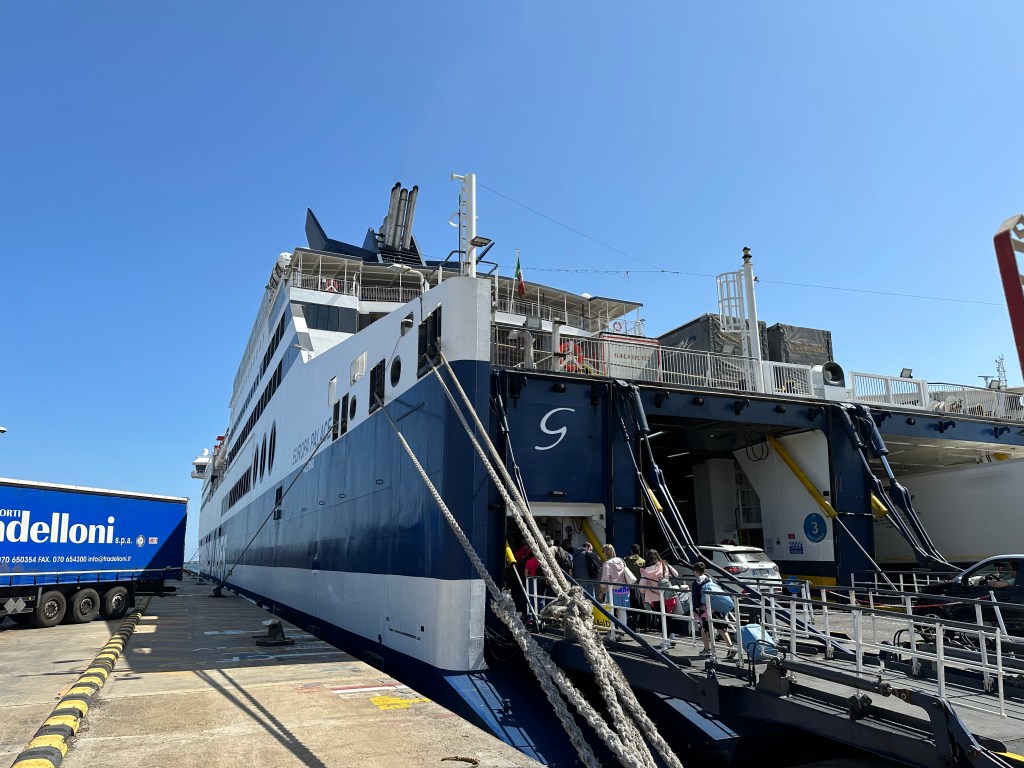
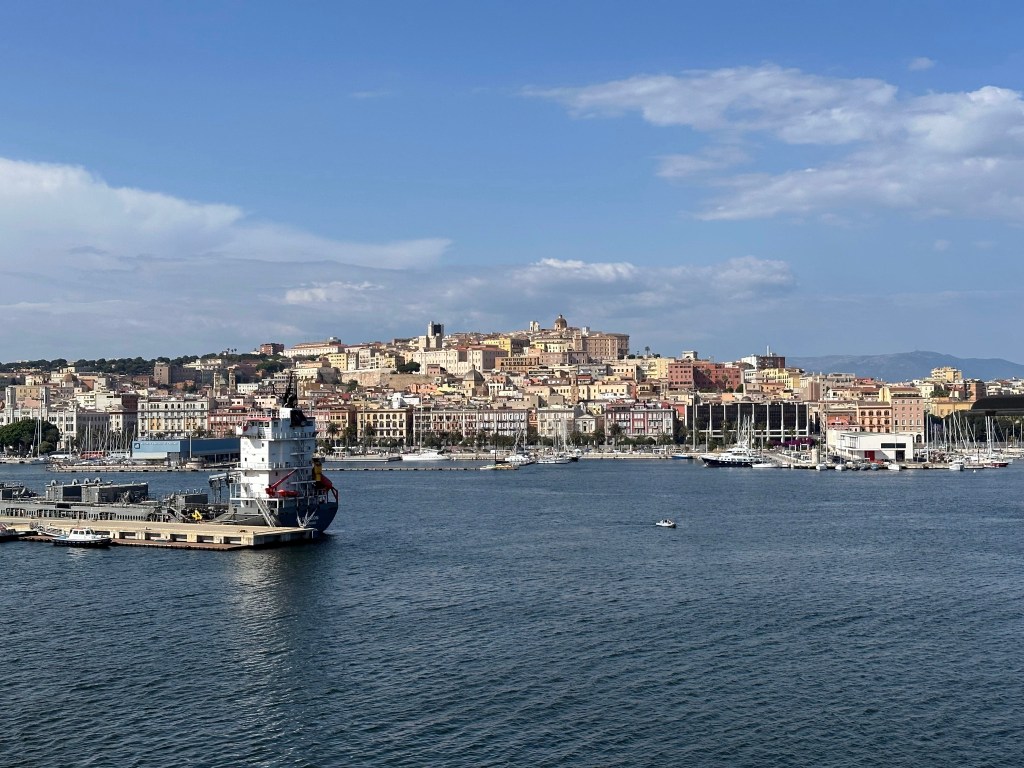
A Prolonged Foray to Europe

A Prolonged Foray to Europe: Trip Overview

After limiting our travel each year for the past several decades to 1- and 2-week trips abroad due to work responsibilities, retirement by the second of the two travelers in 2023 eliminated this constraint. So, we kicked off WolfeStreetTravel’s 2023 journeys with one-way tickets to Italy with no plans to return.

The original vision for this prolonged foray to Europe assumed that we’d have an itinerary and lodging planned for the first week or two, then we’d wing it from there. However, this approach proved to be completely unbearable for the travel-planning arm of the consortium. As a result, our entire itinerary, including all destinations, transportation, and accommodations (and about a half a dozen dinners) were planned for the first 7 weeks of the trip.

We still had no return plans, maintaining fidelity to the spirit of the trip, but we definitely weren’t winging it, either.

The trip, which began on May 5, can be logically sequenced into the following legs:

  • Italian peninsula road trip (17 days)
  • Sardinian break (4 days, including overnight ferry to Palermo)
  • Sicily road trip (18 days)
  • Malta break (4 days)
  • Normandy bike trip (8 days, including a day before and after biking)
  • Portugal (8 days)

The color coding of each leg above aligns to the destinations depicted in the interactive map below:

In addition to the color coding, the map breaks down our travels using the following icons:

  • Bed = hotel stay
  • House = villa / Airbnb stay
  • Pin = day trip
  • Hiker = uh, a hike
  • Biker = a stage in our Normandy bike trip

We’ll file detailed posts on the trip later, but each of the legs is summarized in this post. We really have tried to keep this overview to a bare minimum, but it’ll still be the longest update we’ve ever posted – sorry!

Italian Peninsula Road Trip

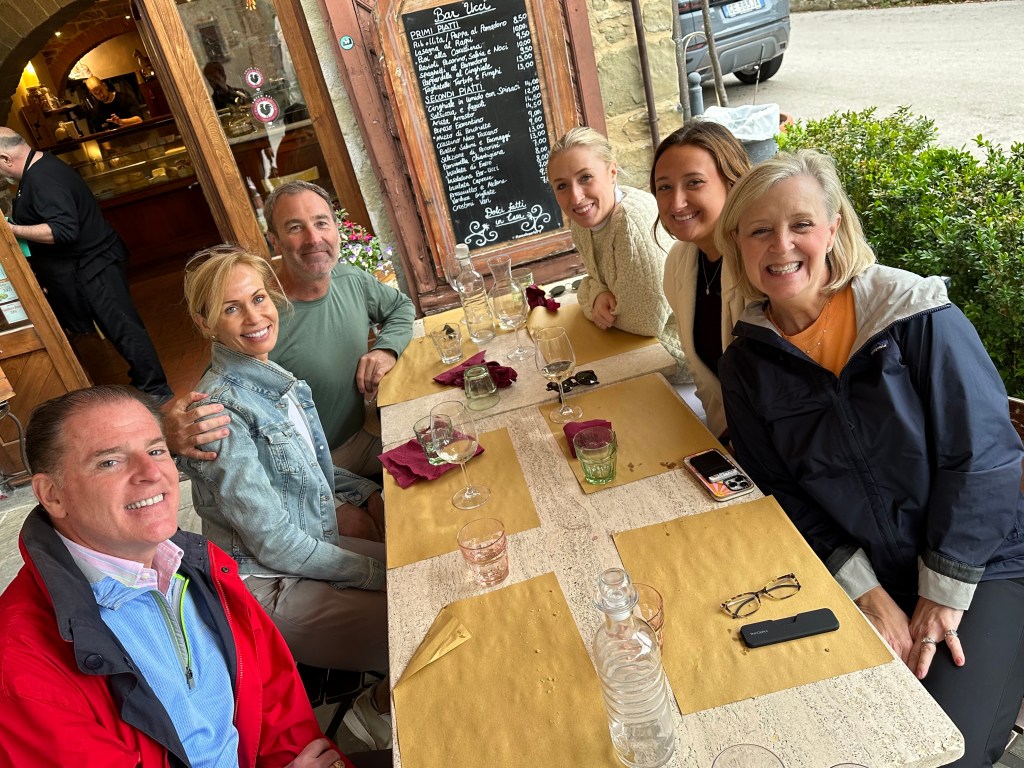
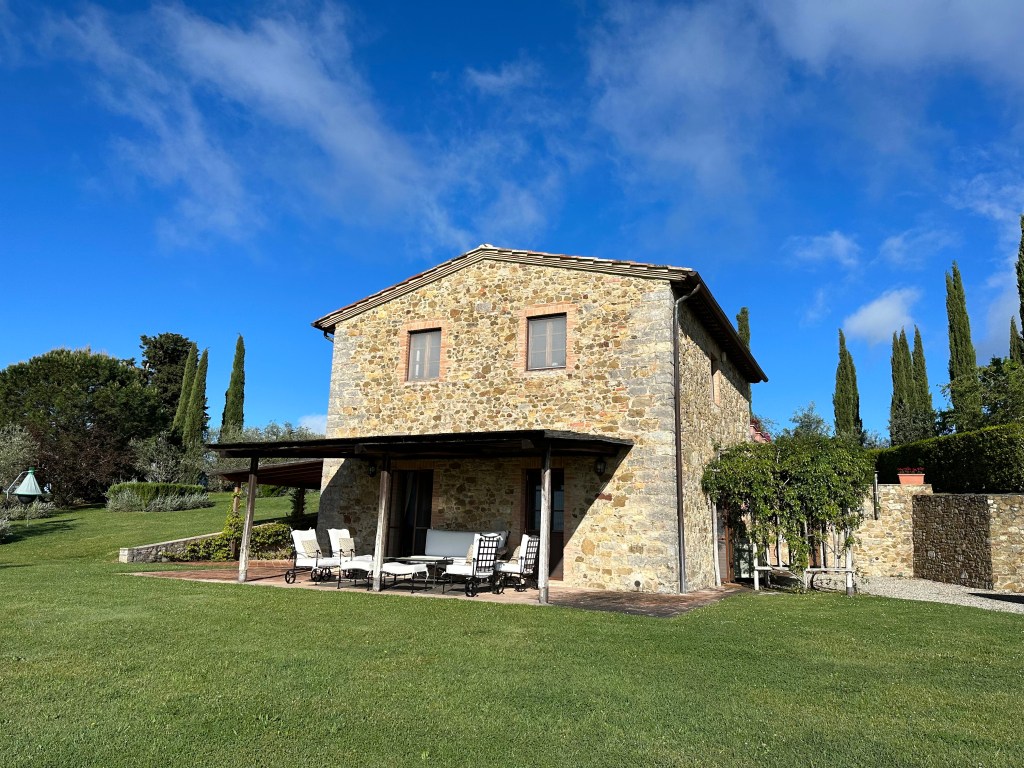
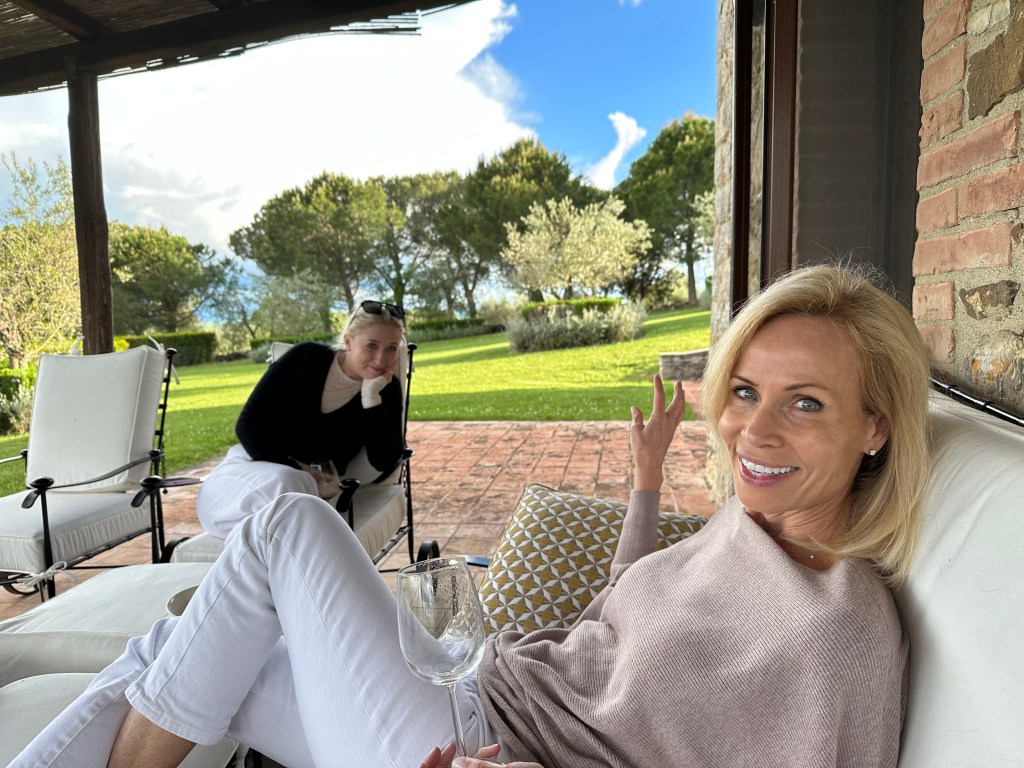
The trip began in Tuscany, where we’d spend 5 days with the Brandts and KJQ in a beautiful area just northeast of Siena.

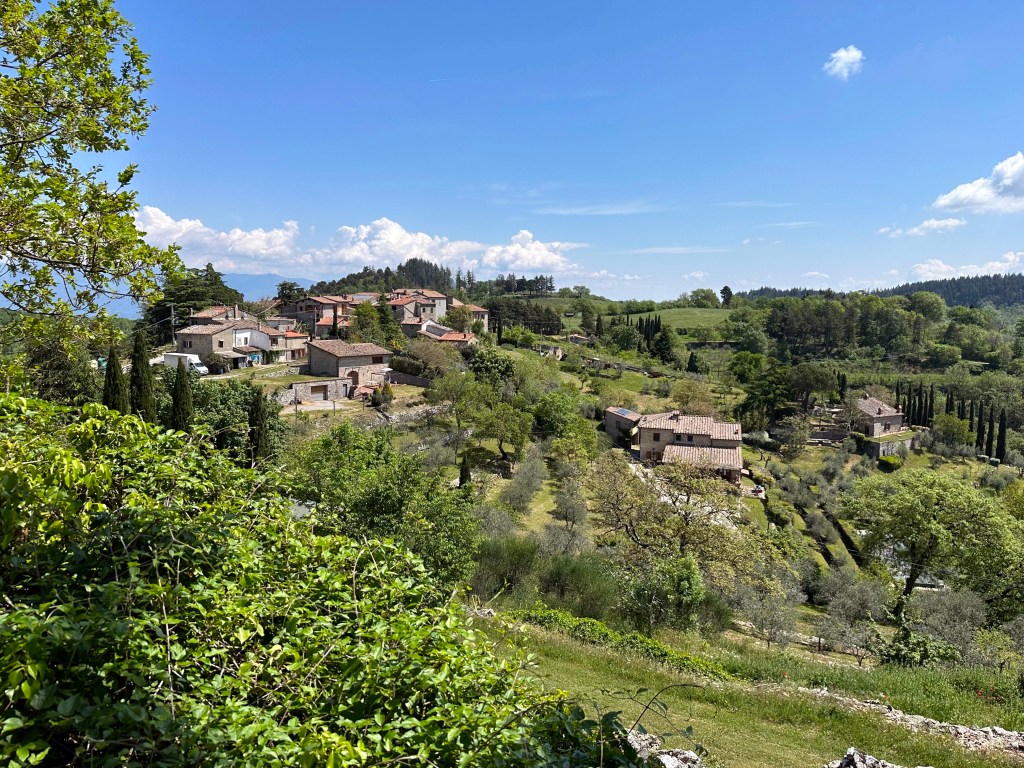
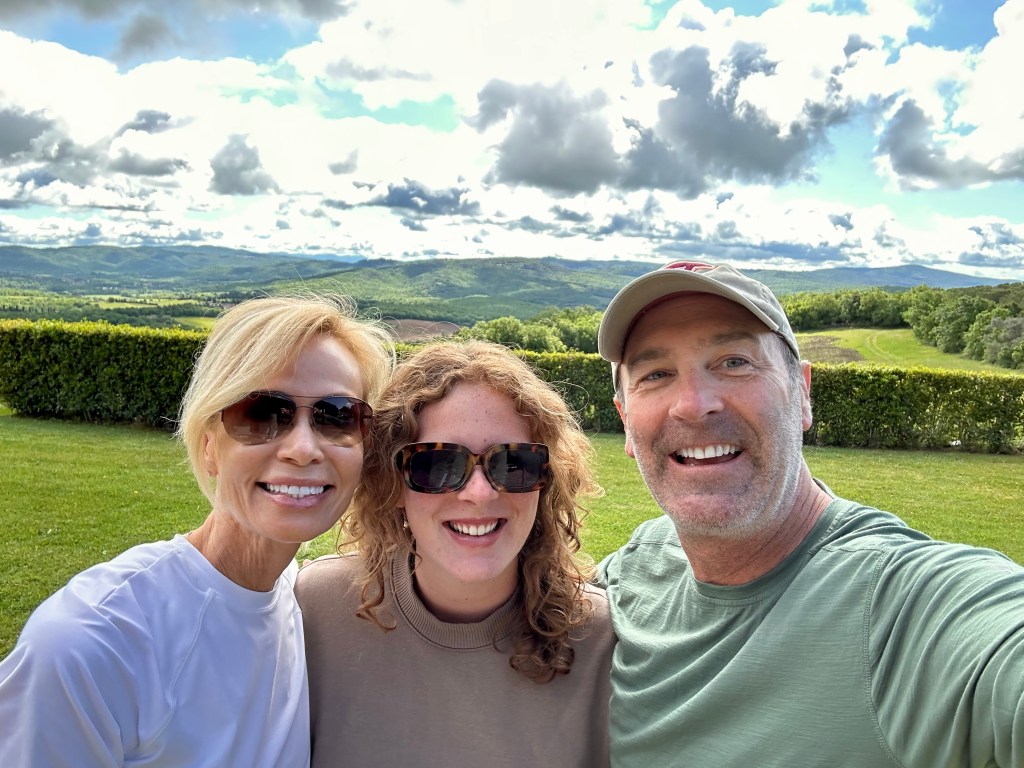
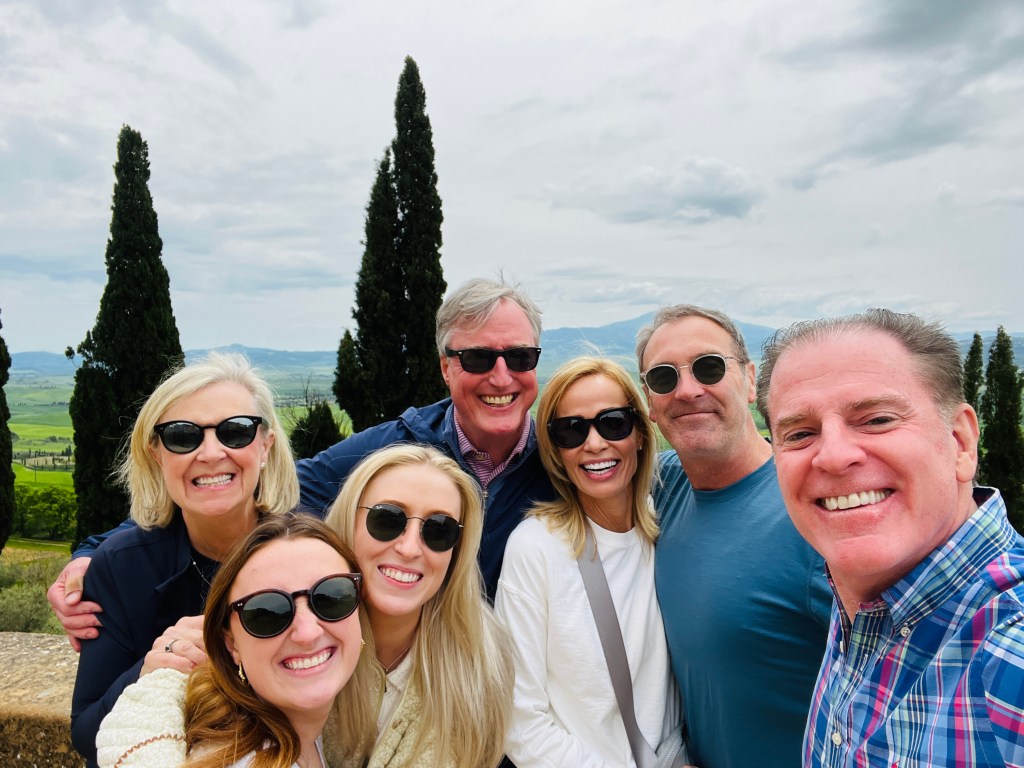
Overlooking the Val d’Orcia:
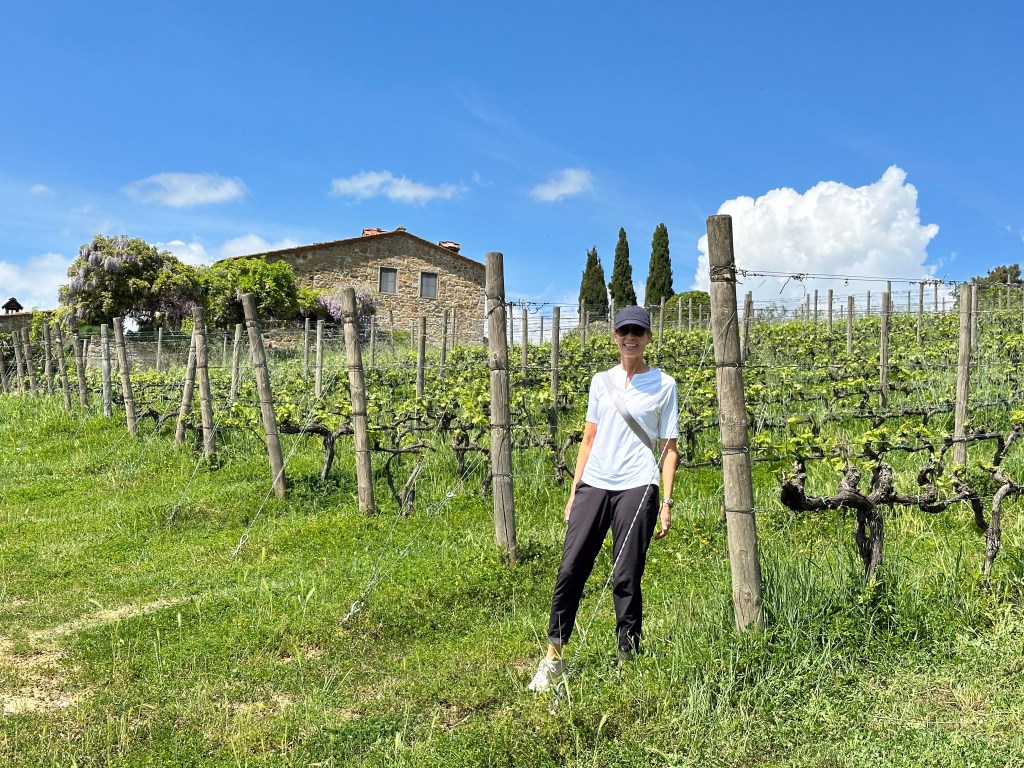
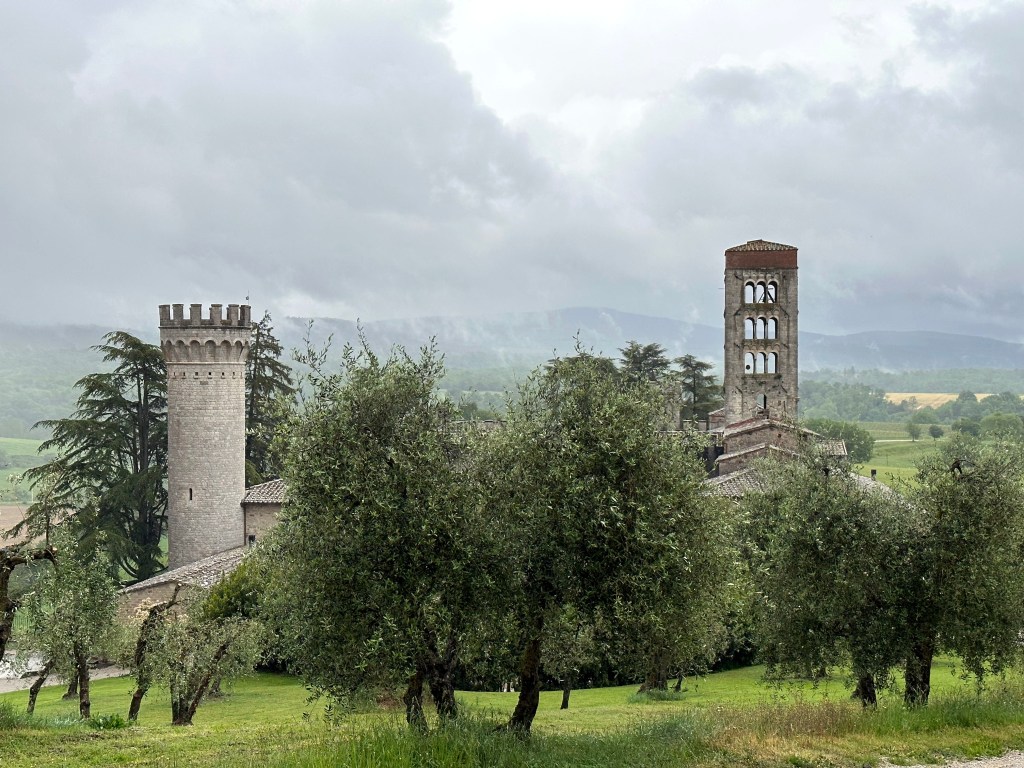
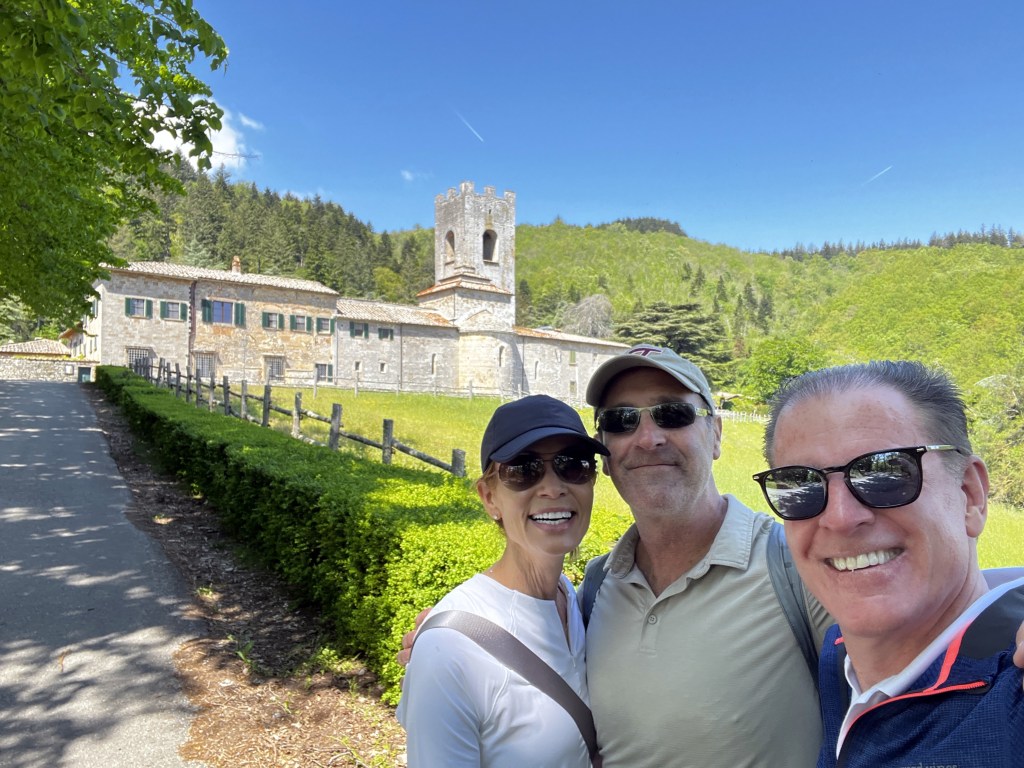
We hiked w KJQ one day to the Abbey of San Lorenzo a Coltibuono (and, about 5 miles later, to a harrowing shortcut escaped only through an opening KJQ dubbed The Gate to Salvation):
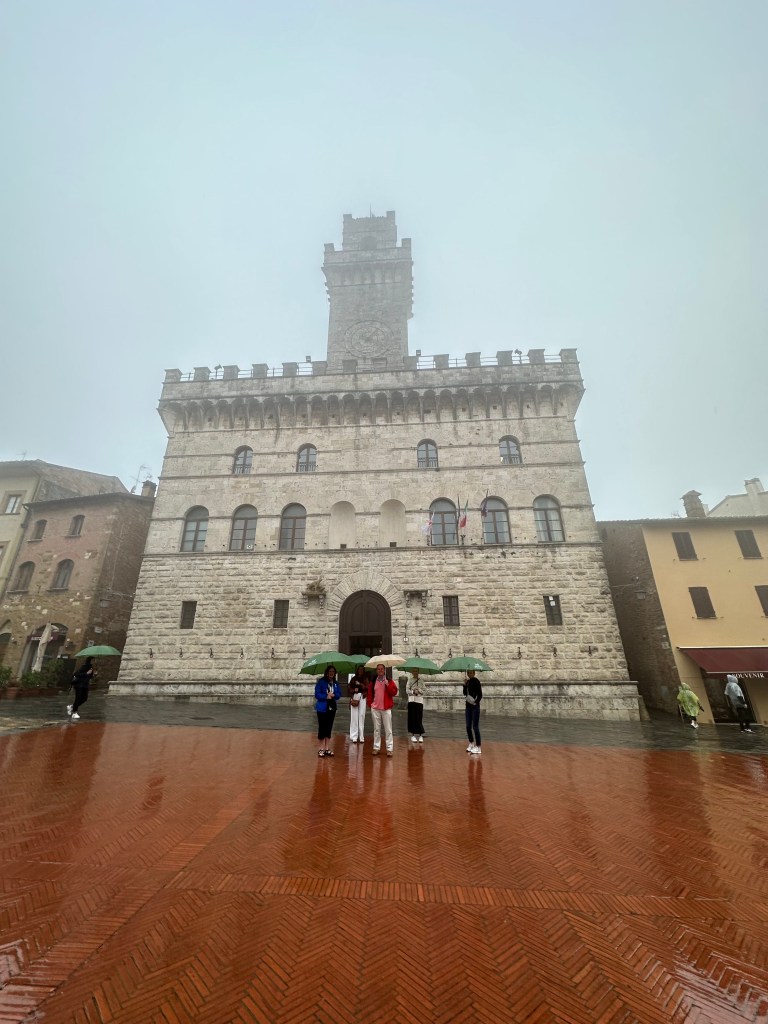
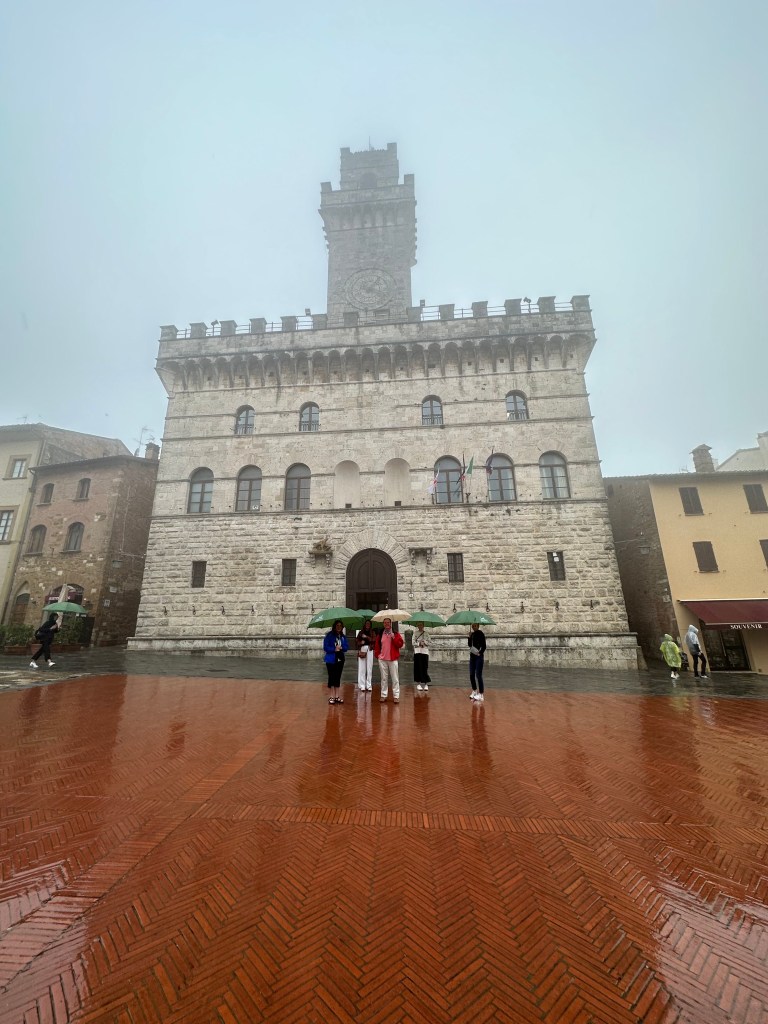
Tuscany wasn’t all sunshine and Brunello, though – it freaking poured in Montepulciano:
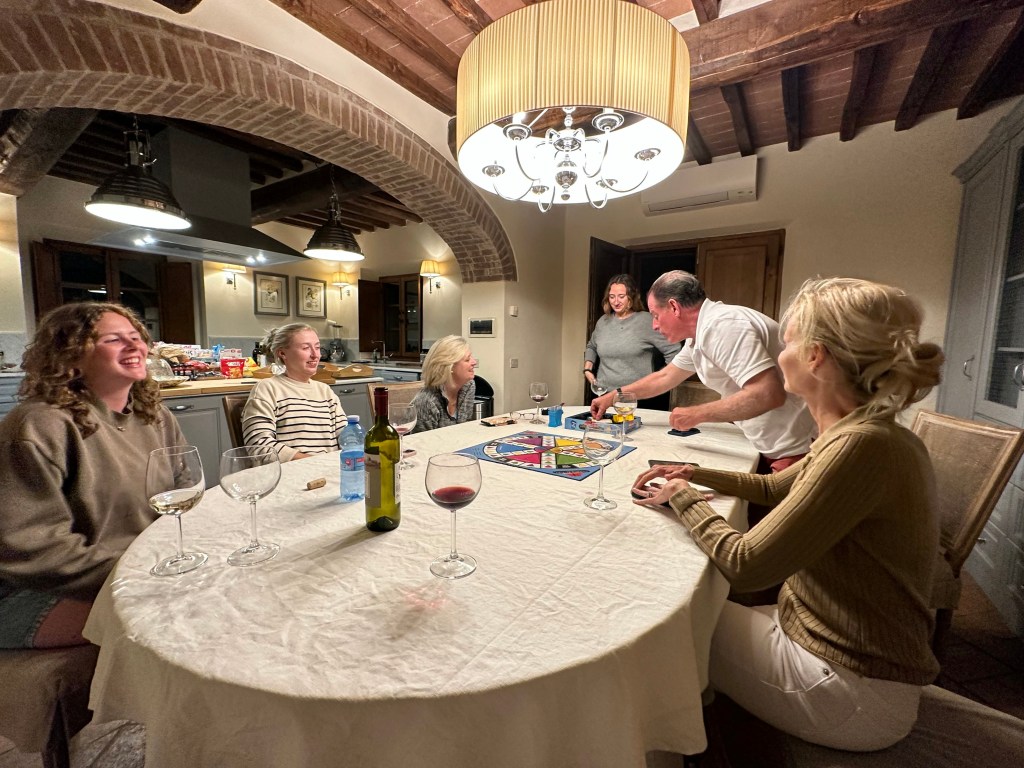
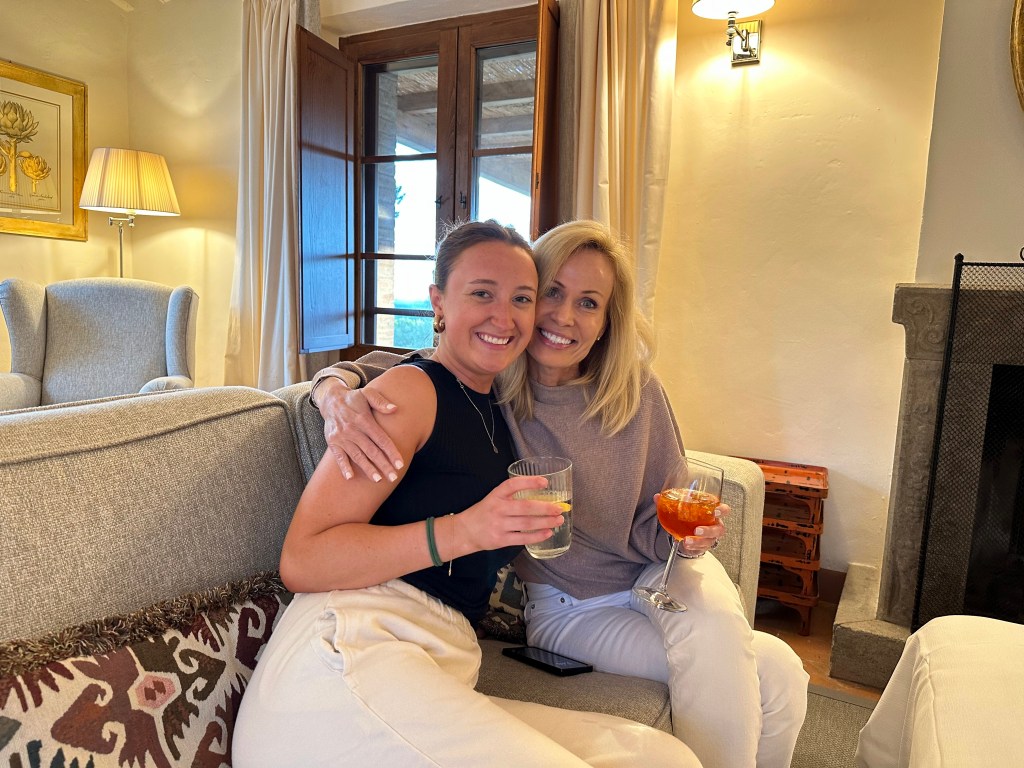
Gracie joined us for a portion of the stay, as well (and a team comprised of her and Madison cleaned up on two successive nights of Trivial Pursuit)

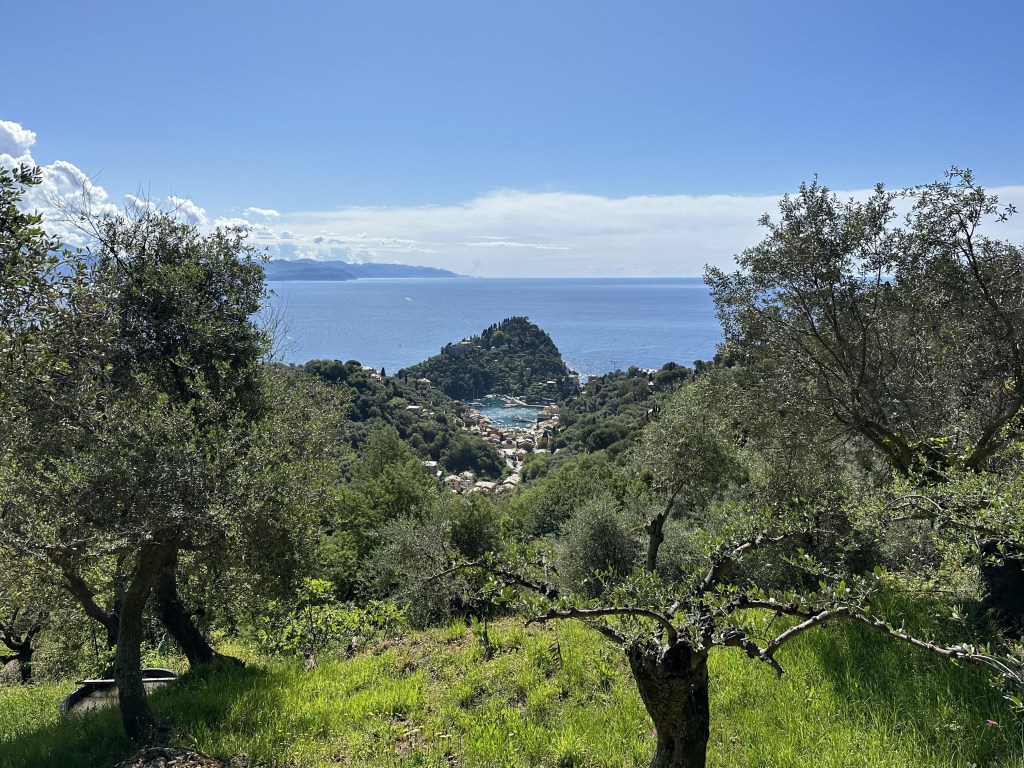
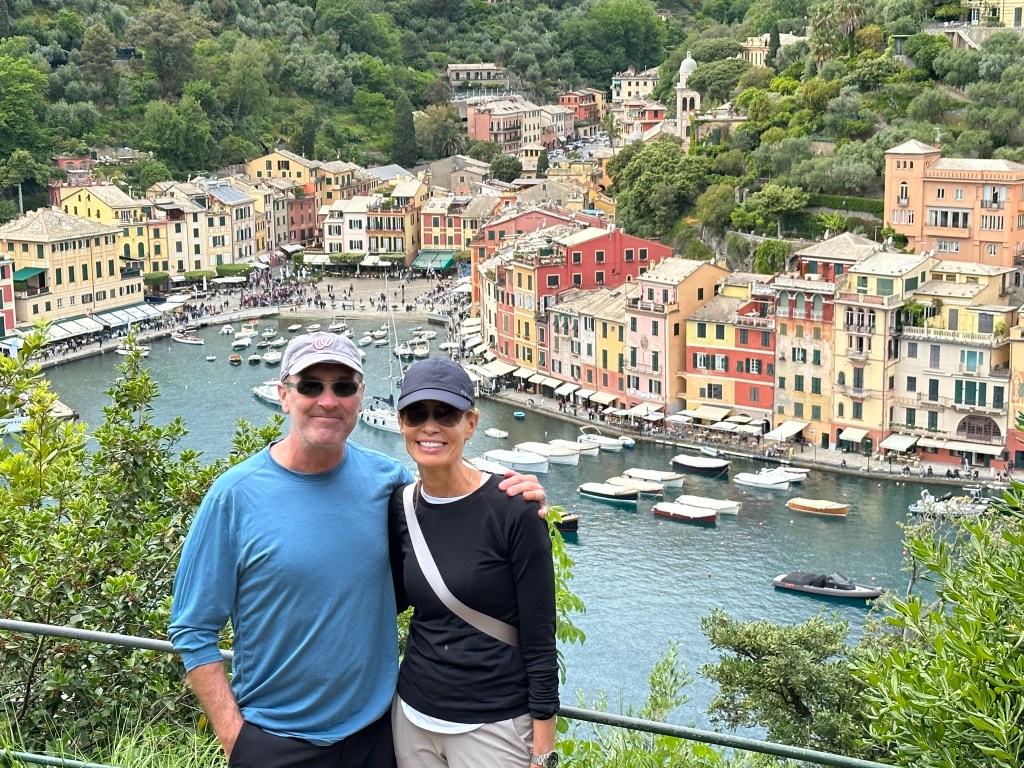
From Tuscany, we drove north, to Portofino on the Ligurian coast – a town that had been on Lisa’s wish list for several years. It did not disappoint.
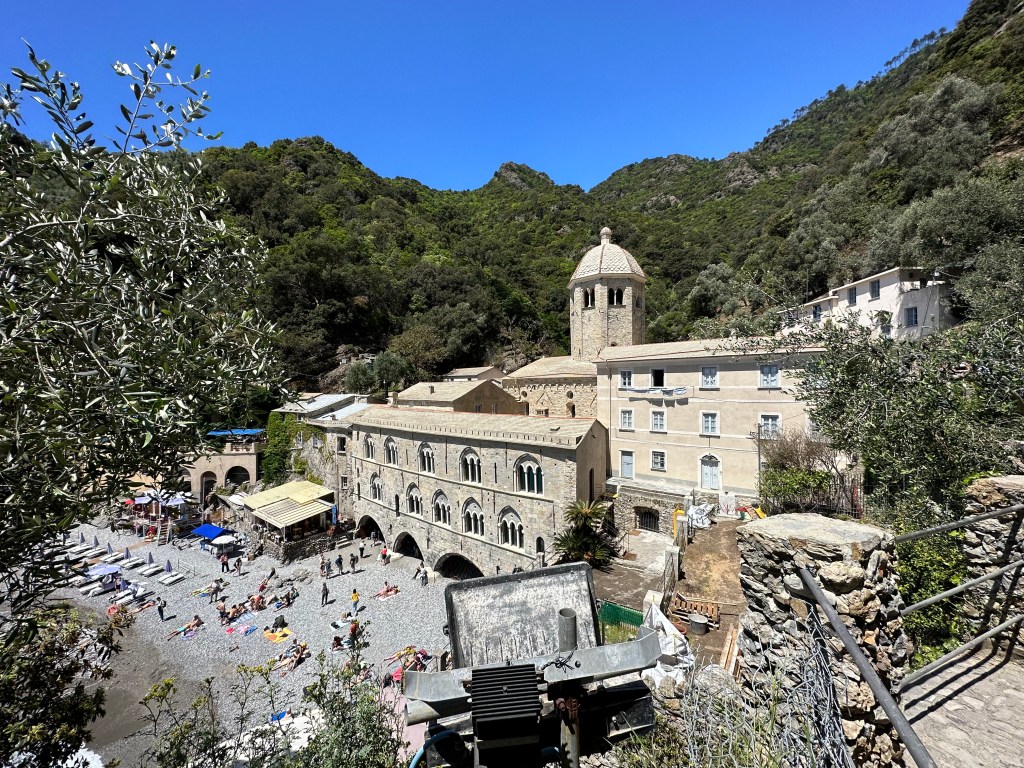
We continued our hiking habit in Portofino, hiking one day to the Abbey of San Fruttuoso:

And the next along the coastline to Santa Margherita Ligure:
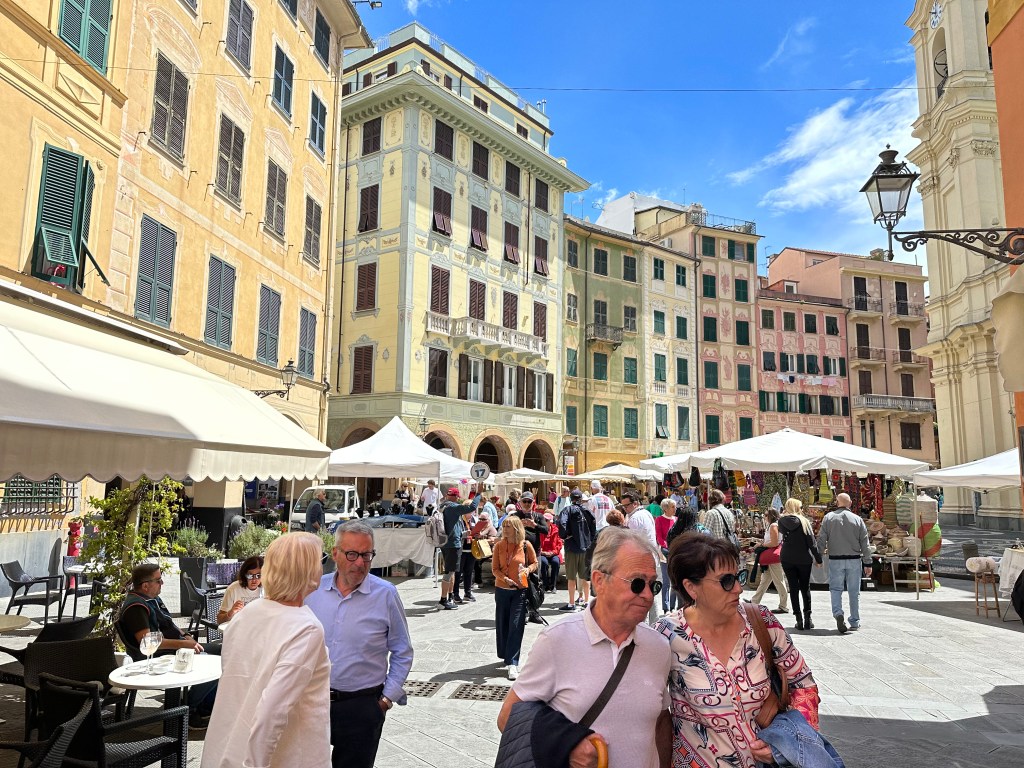
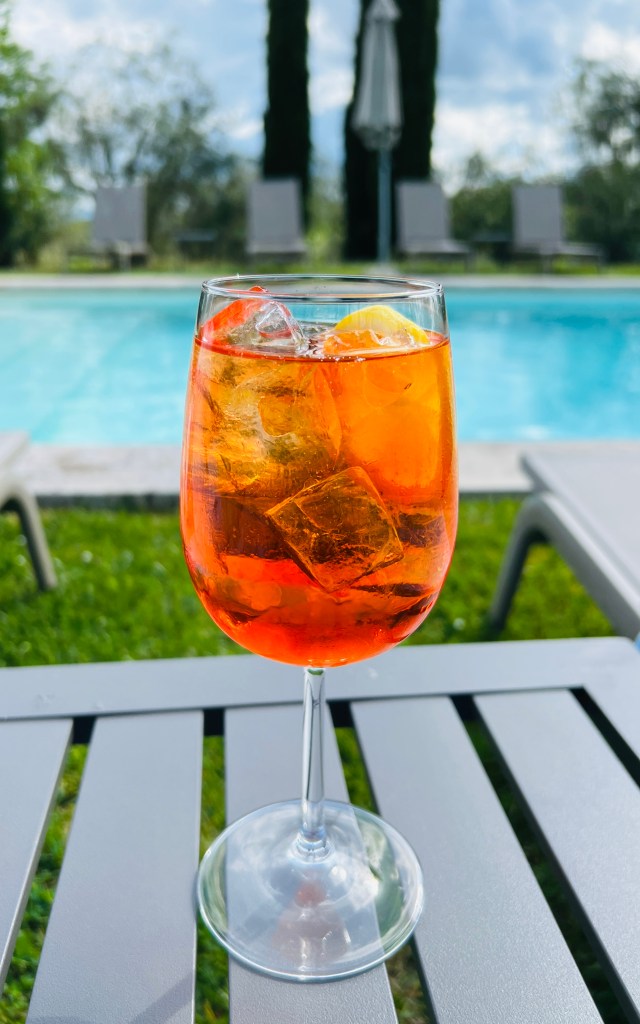
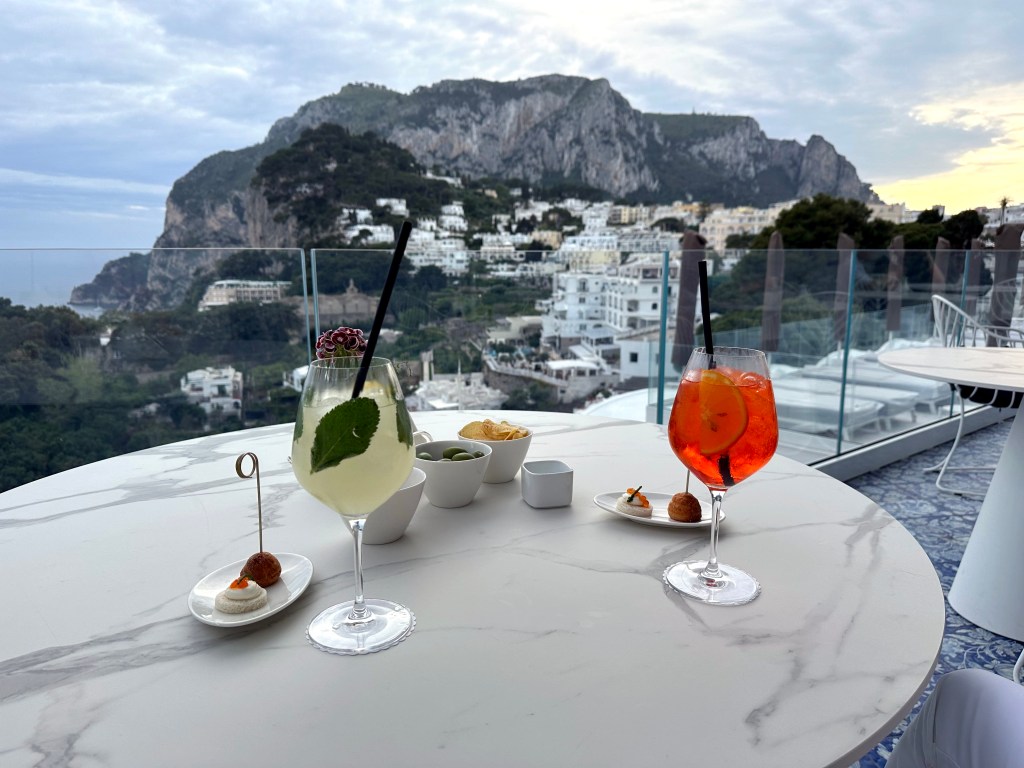
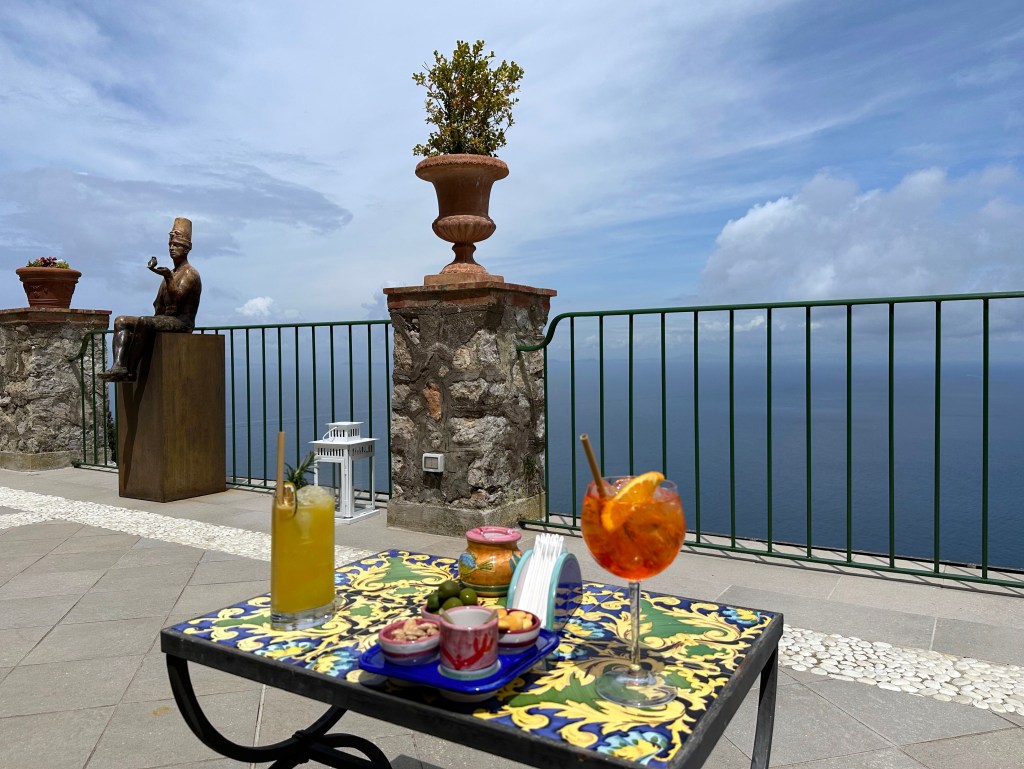
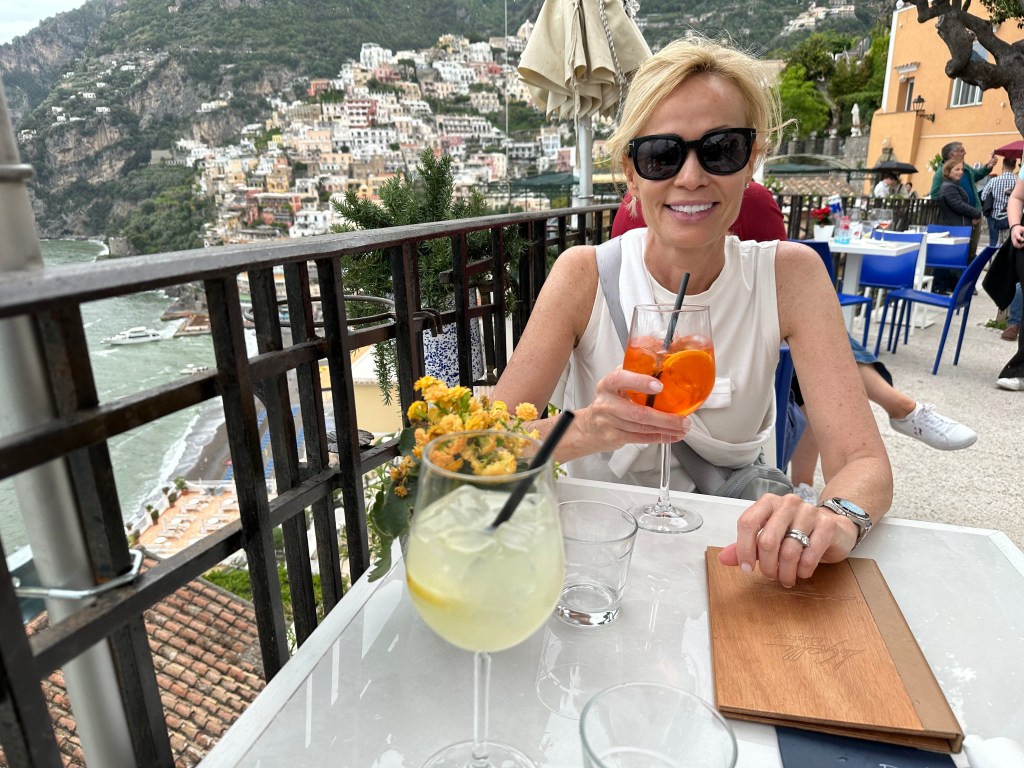
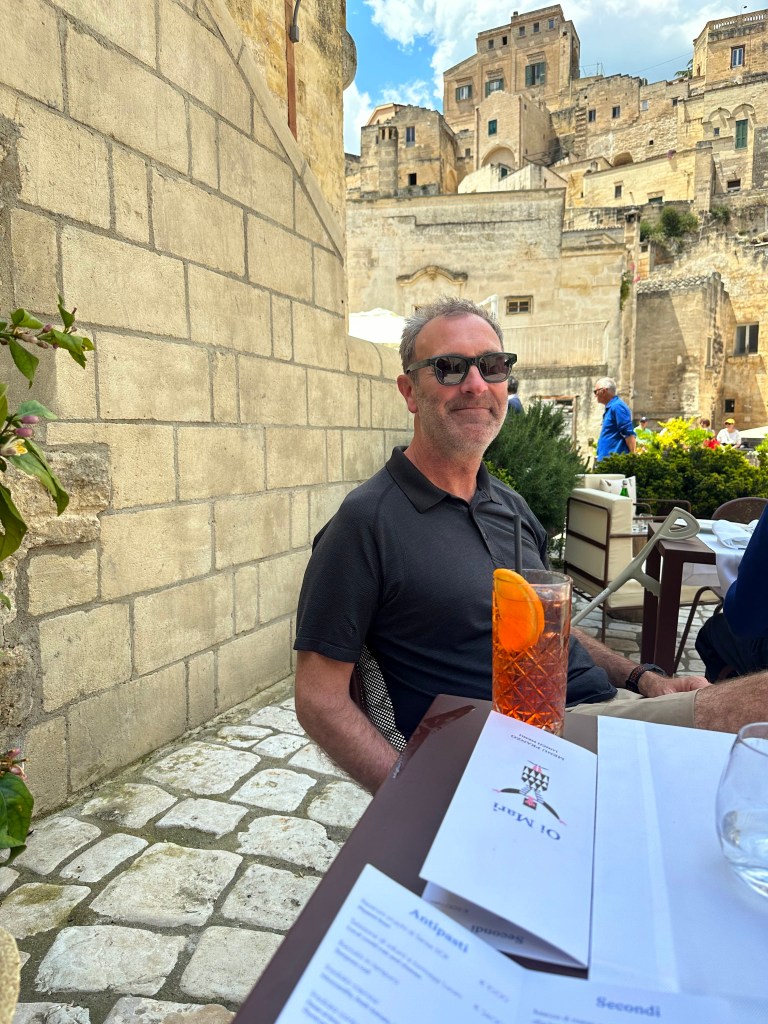
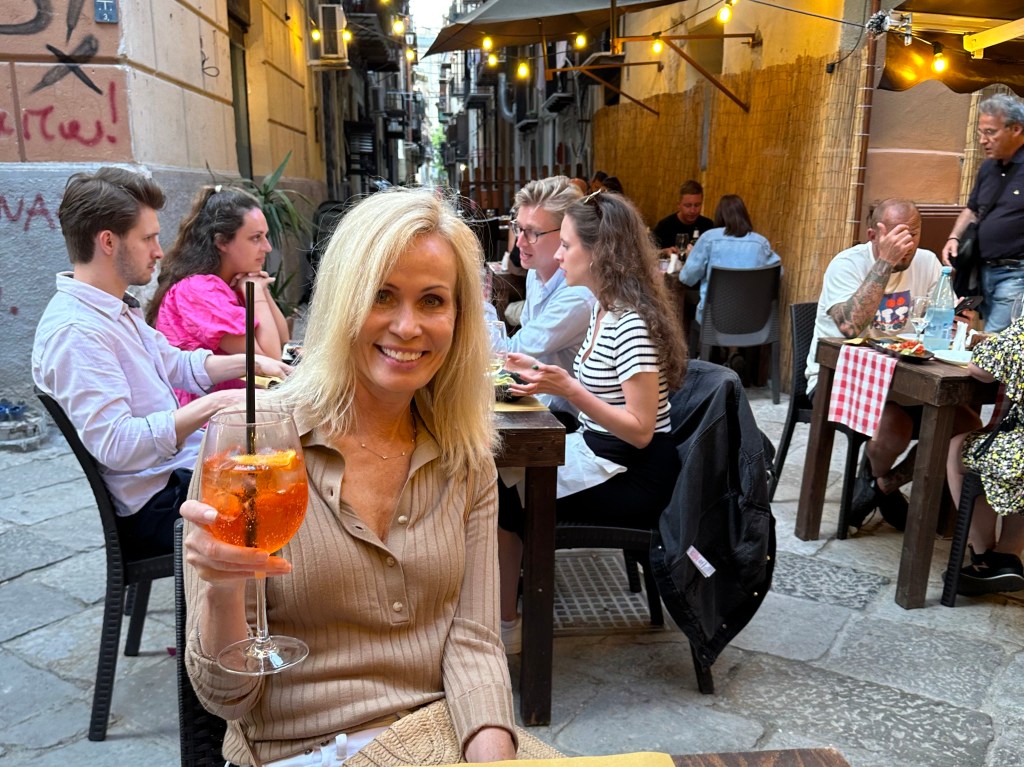
Portofino also was the jumping off point to scores and scores of Aperol spritzes consumed as aperitivos throughout the trip.

From the Ligurian coast, we drove south, back through Tuscany, and over the border to Umbria, and the medieval town of Orvietto for a stopover on our way to the Amalfi coast:

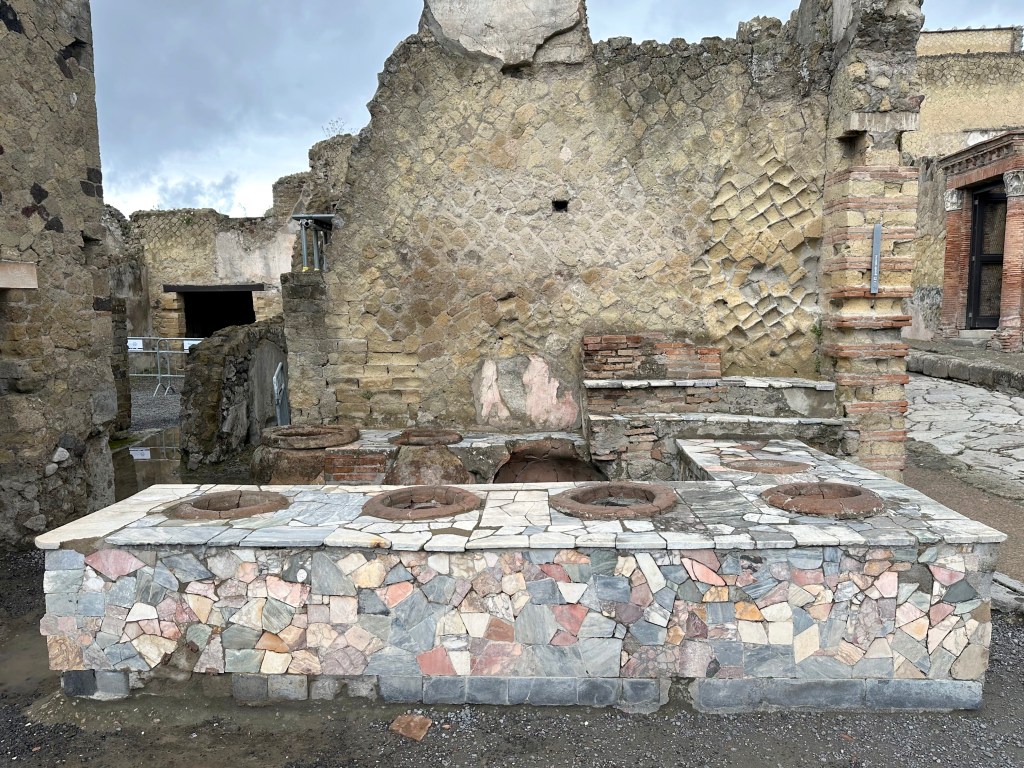
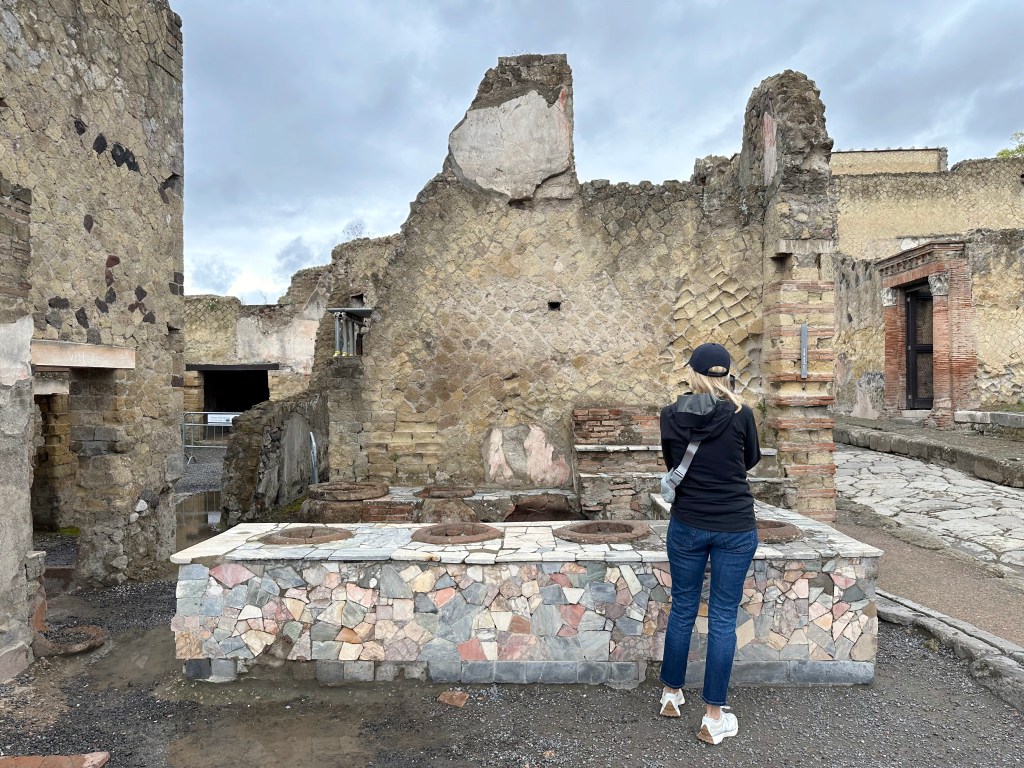
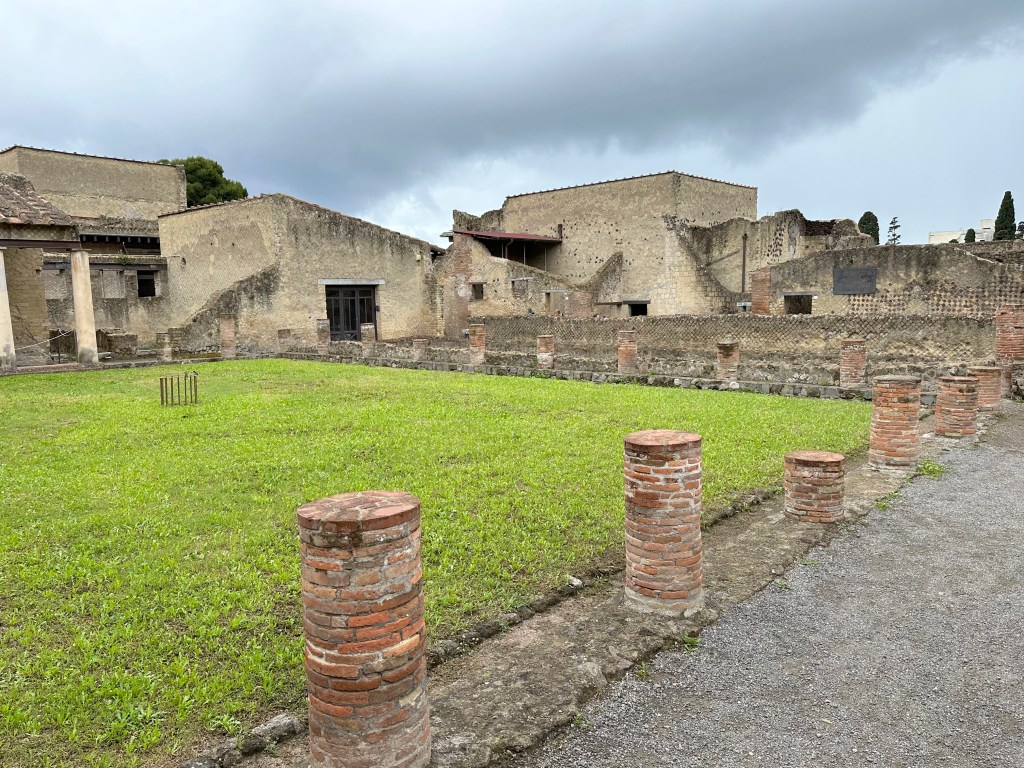
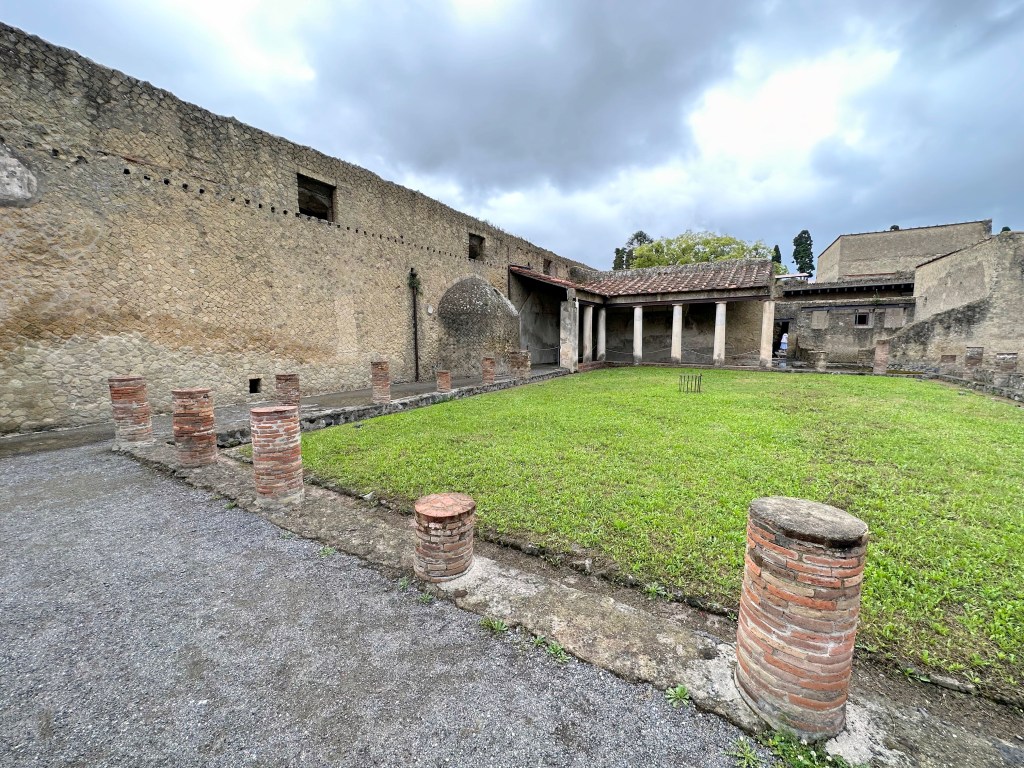
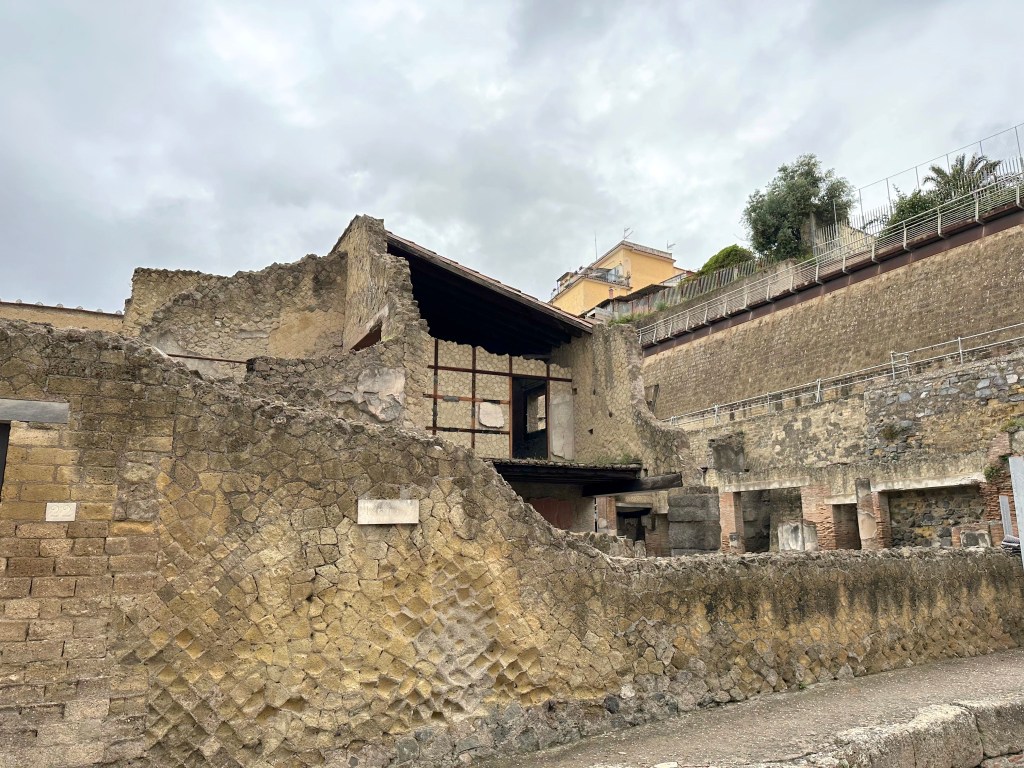
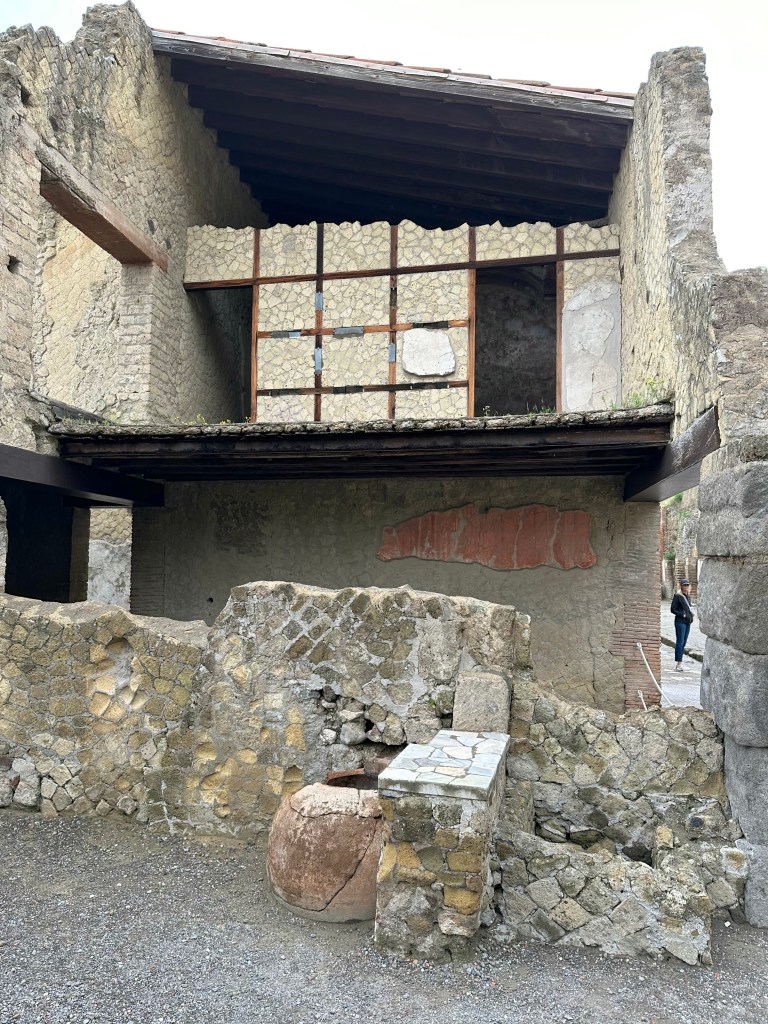
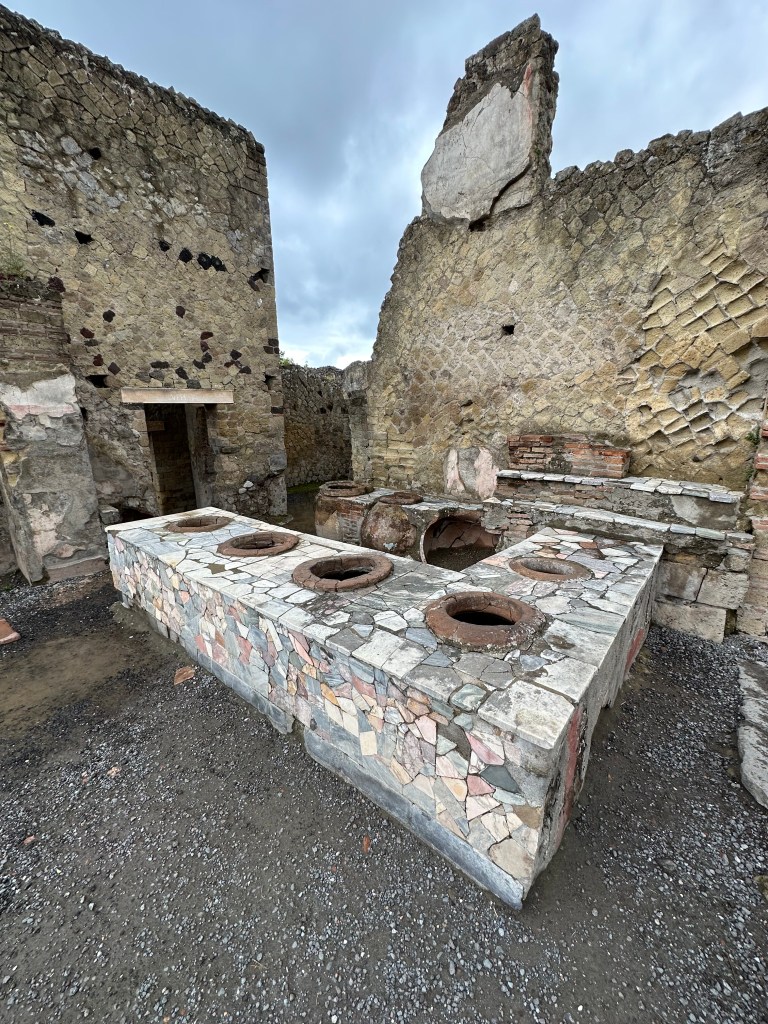
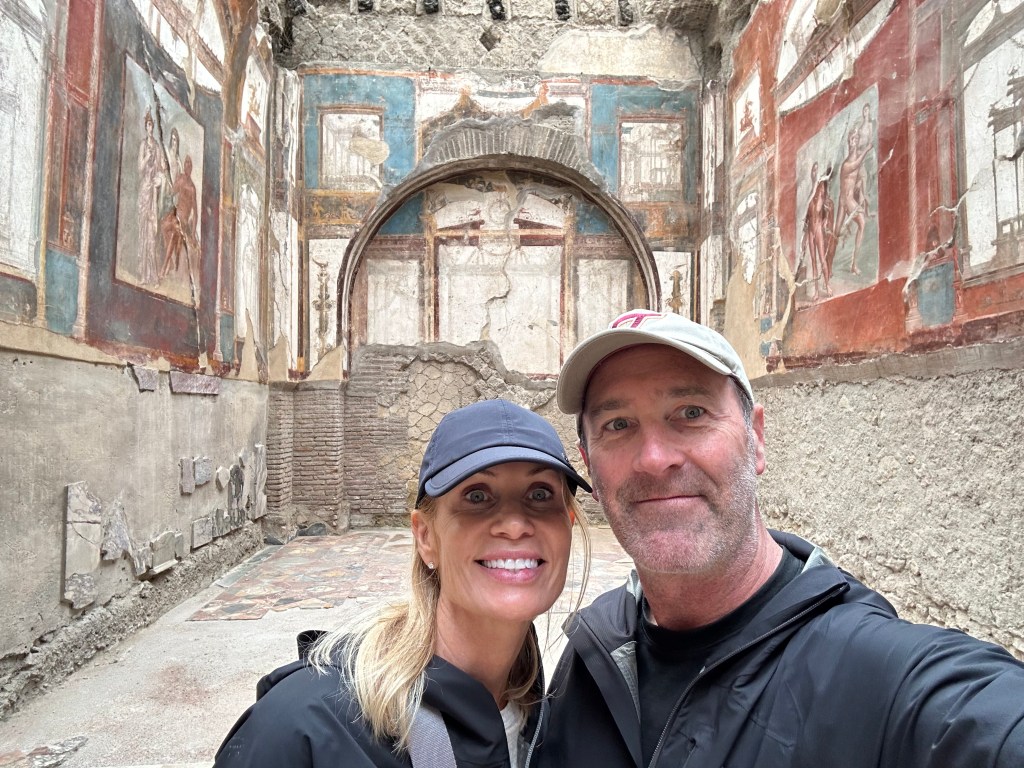
We continued south the next day, to Herculaneum. A smaller town than Pompeii, Herculaneum also was nonetheless lost due to the eruption of Mount Vesuvius in 79 AD, but it was covered in ash and pumice, rather than being flattened by rocky debris, preserving it much better, including numerous, intact, Roman snack bars:
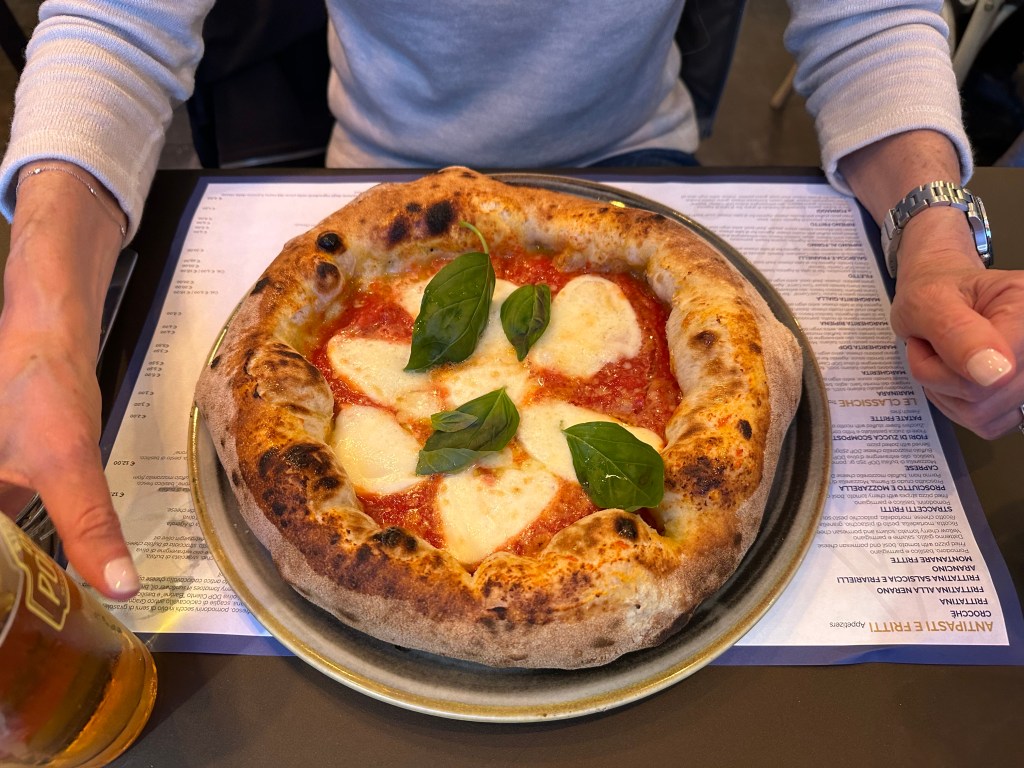
After a quick overnight in Naples (in which our only goal was to score some iconic Neapolitan pizza), we headed to Capri for a couple of days, leaving the car in Sorrento:
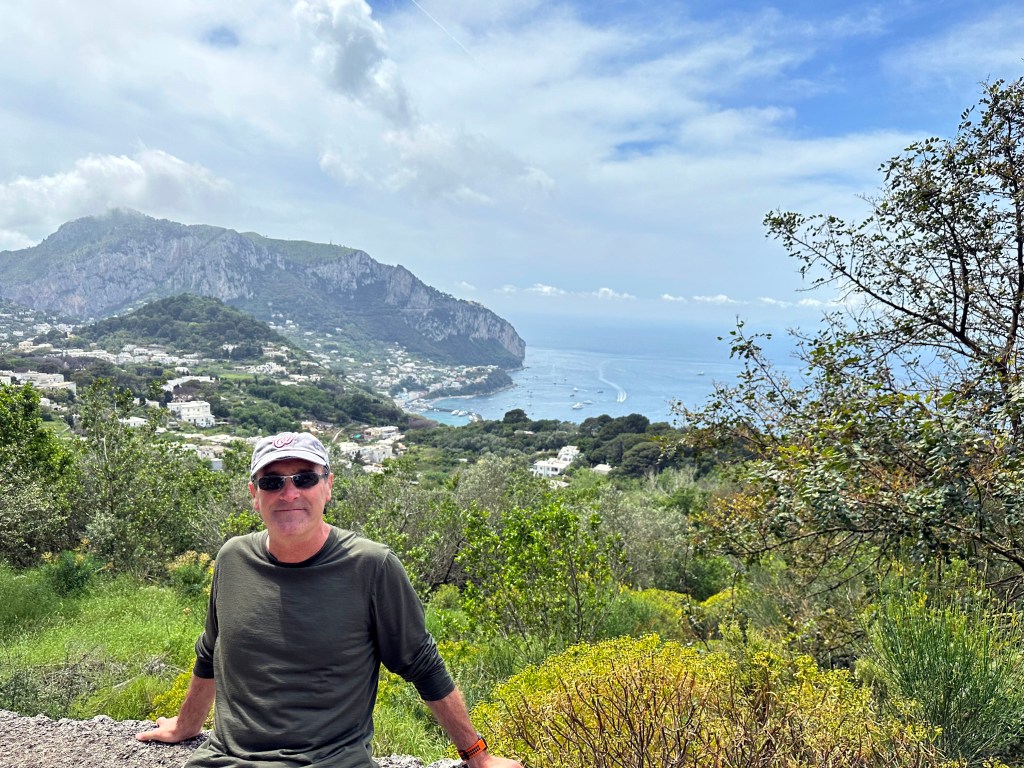
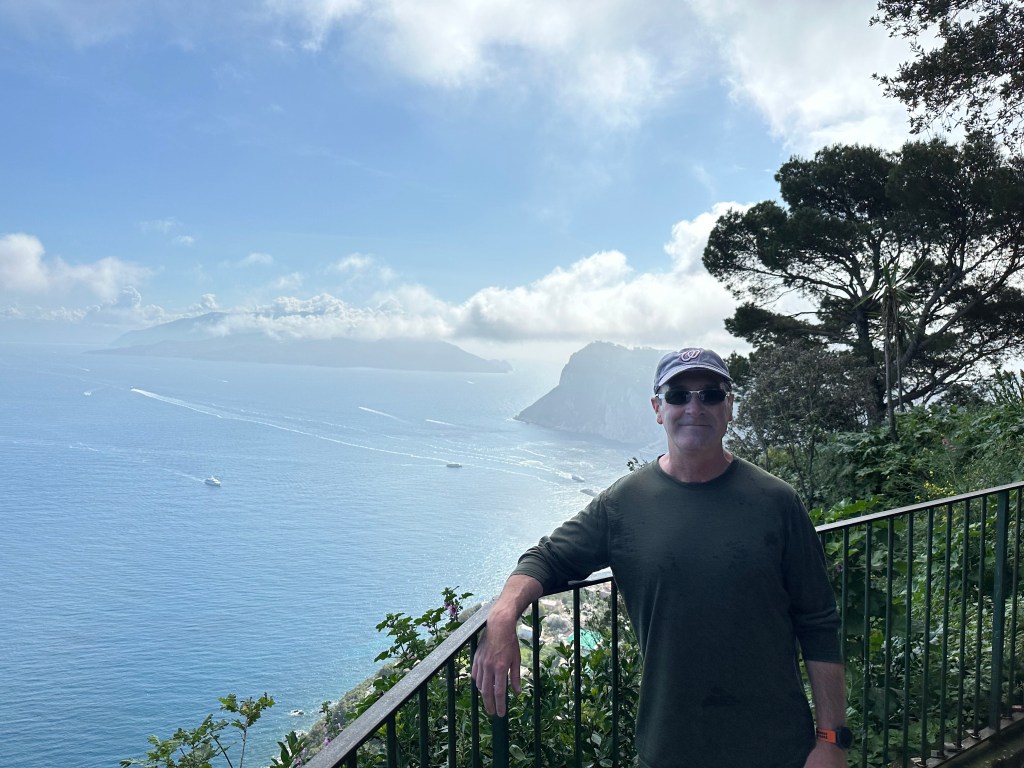
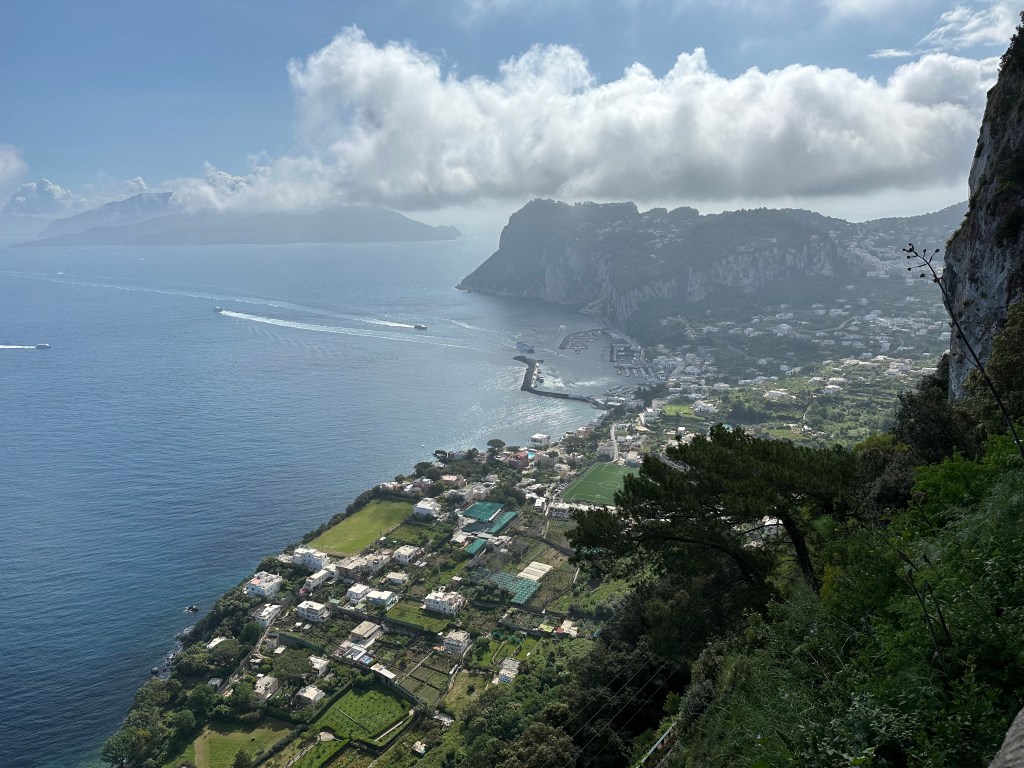
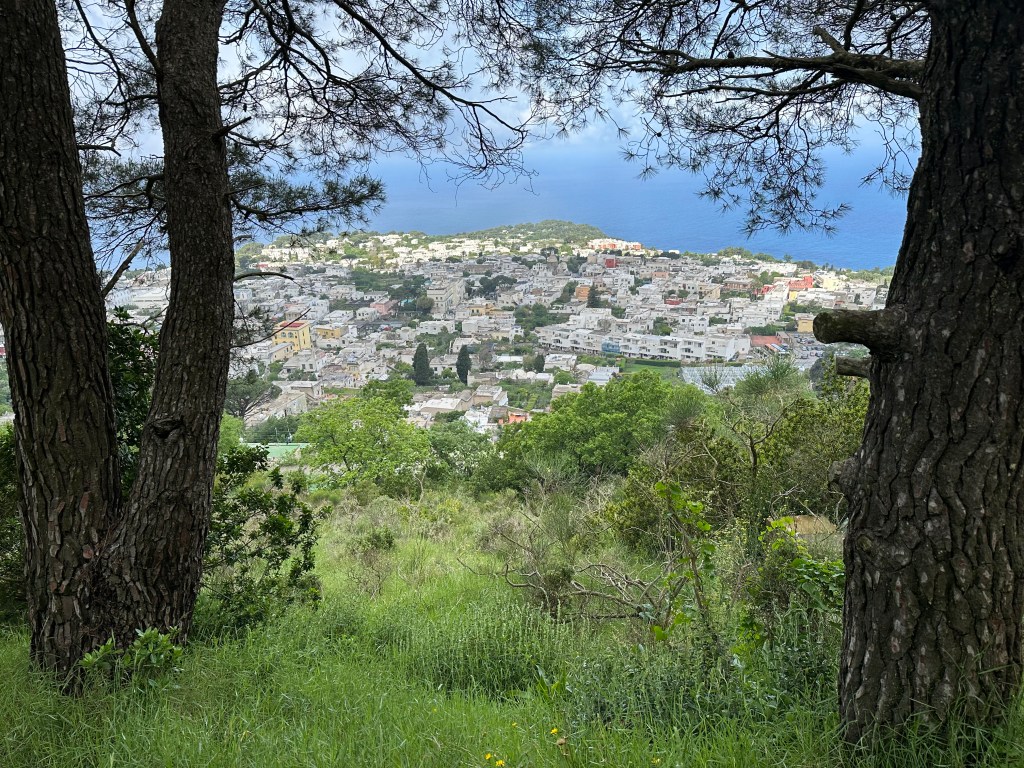
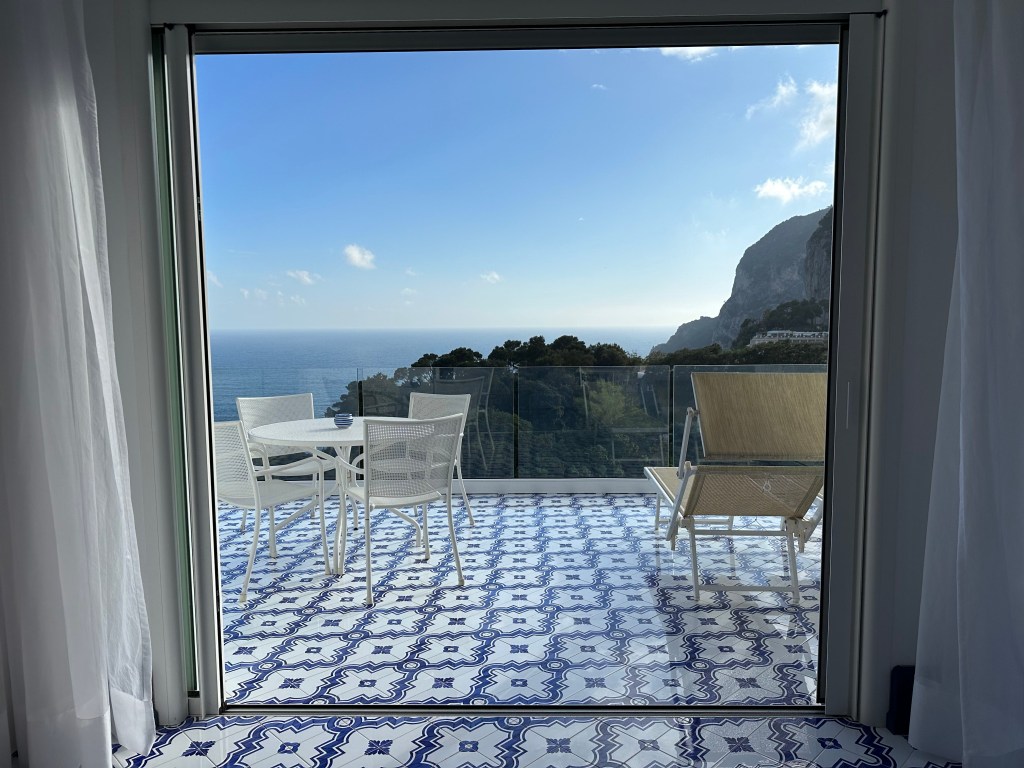
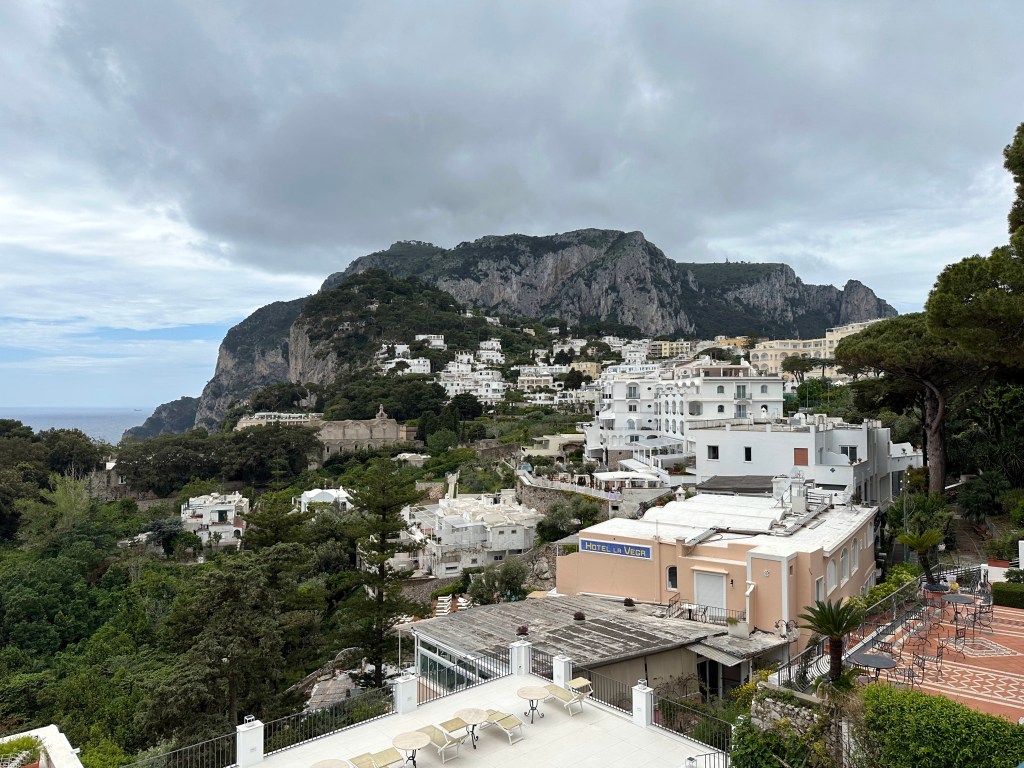
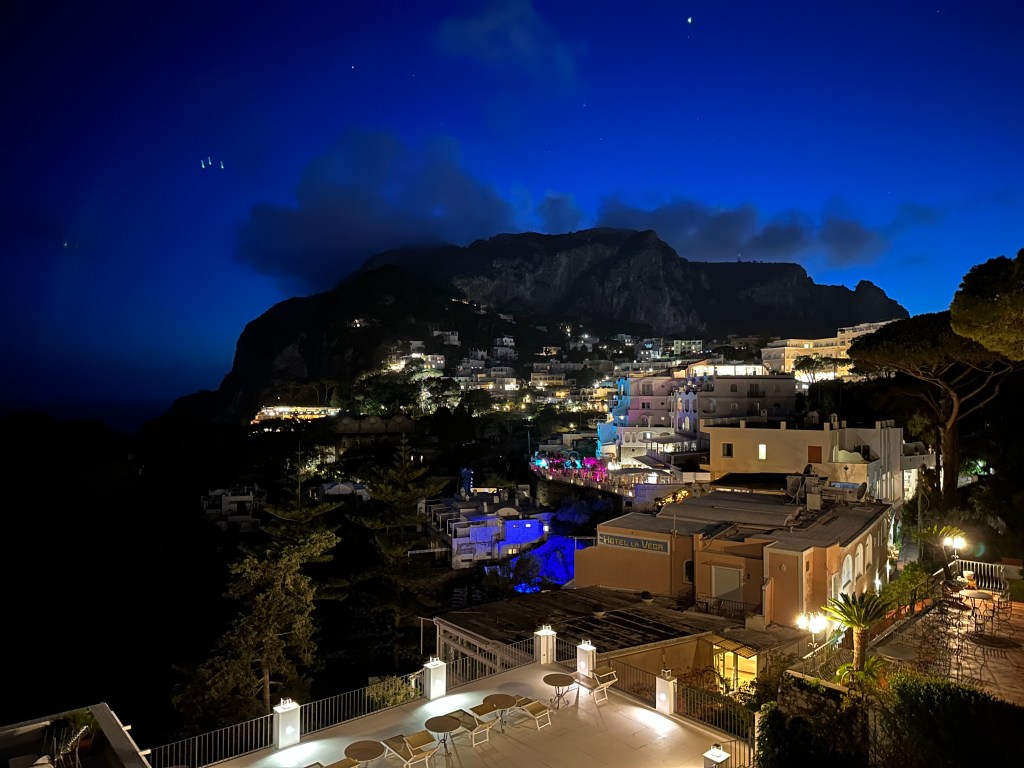
Our stay on Capri was one of the highlights of the trip – we will definitely be back. View over Capri Town from our place:

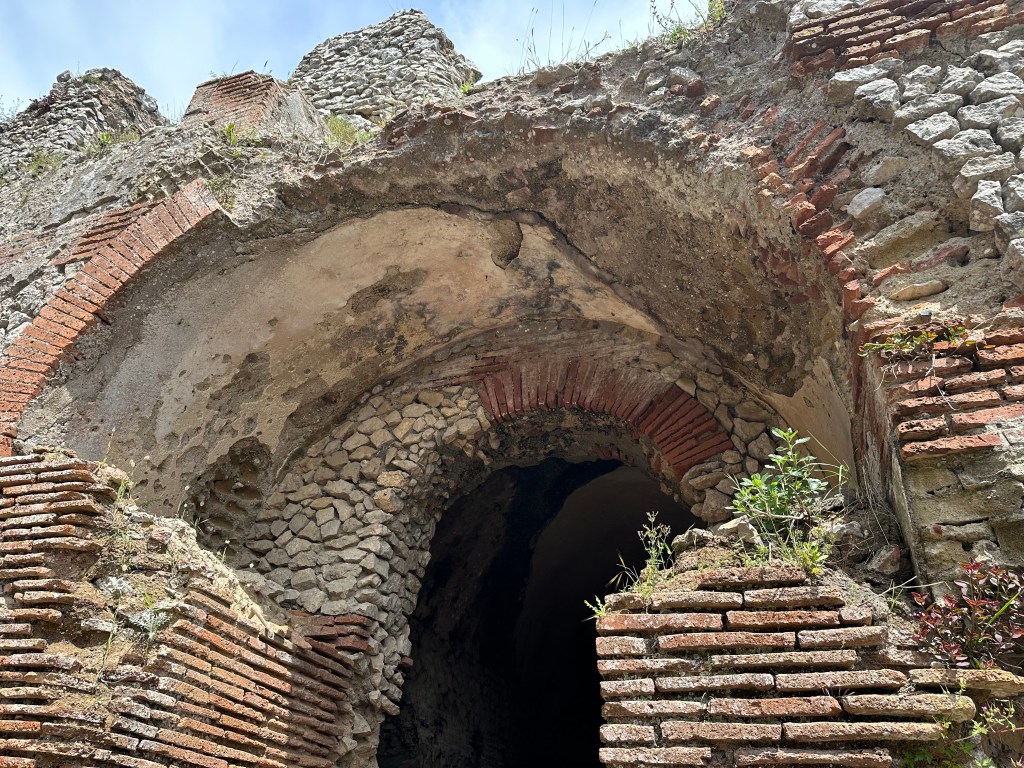
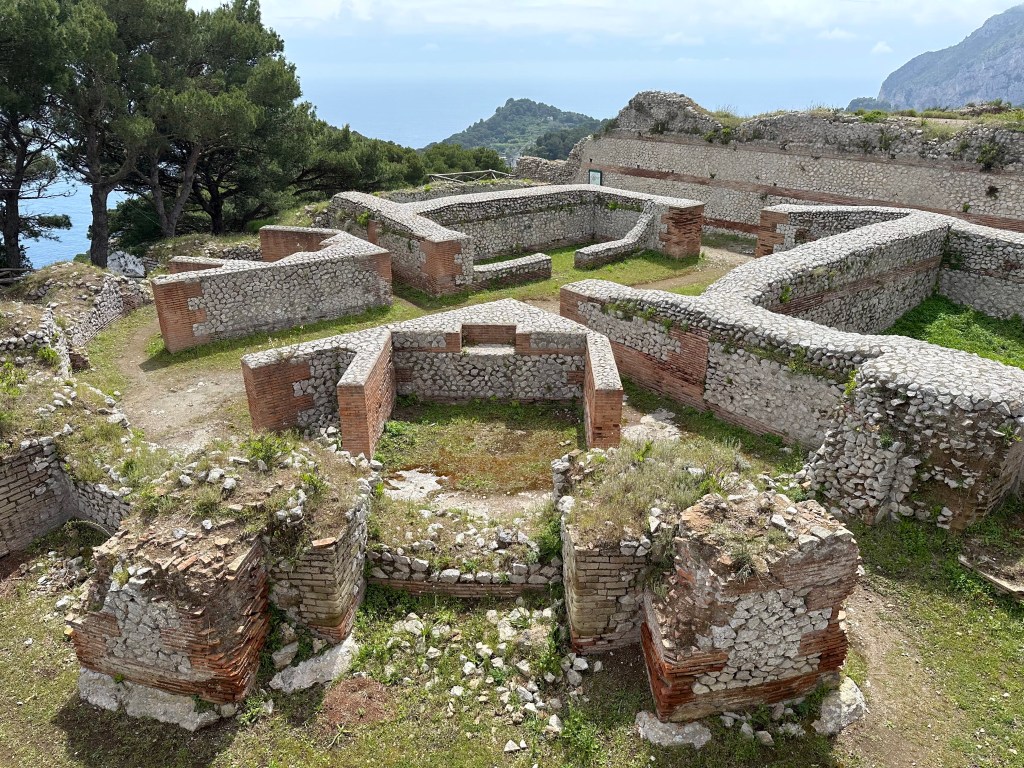
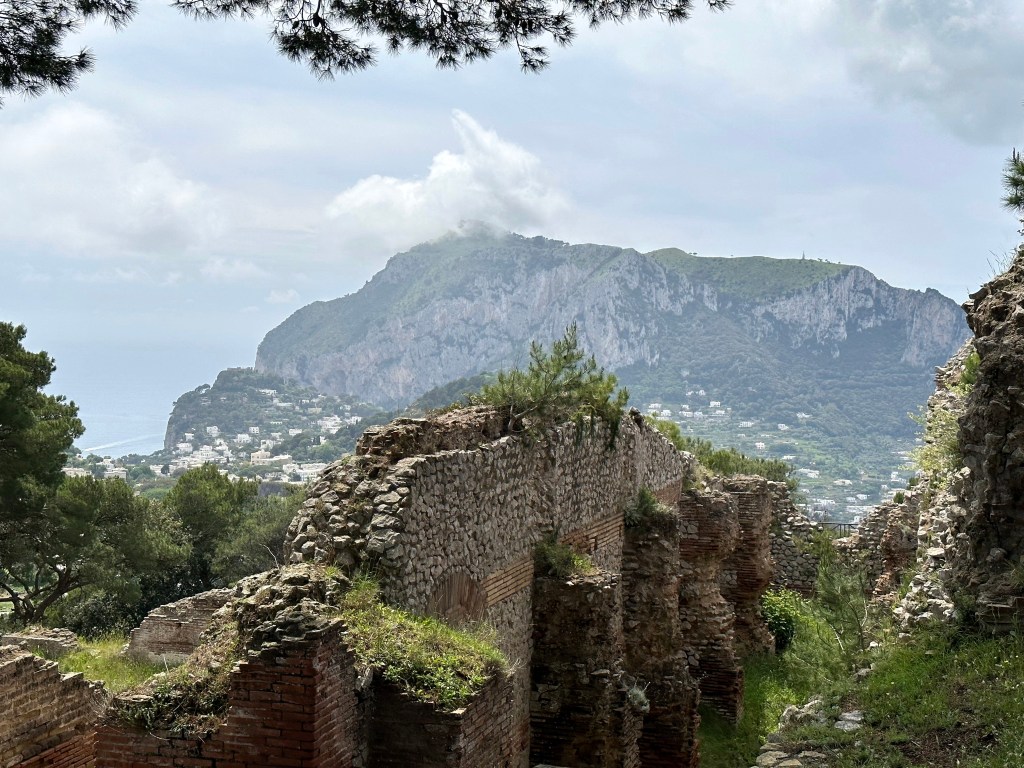
Hikes each day, including to the ruins of Emperor Tiberius’ villa:

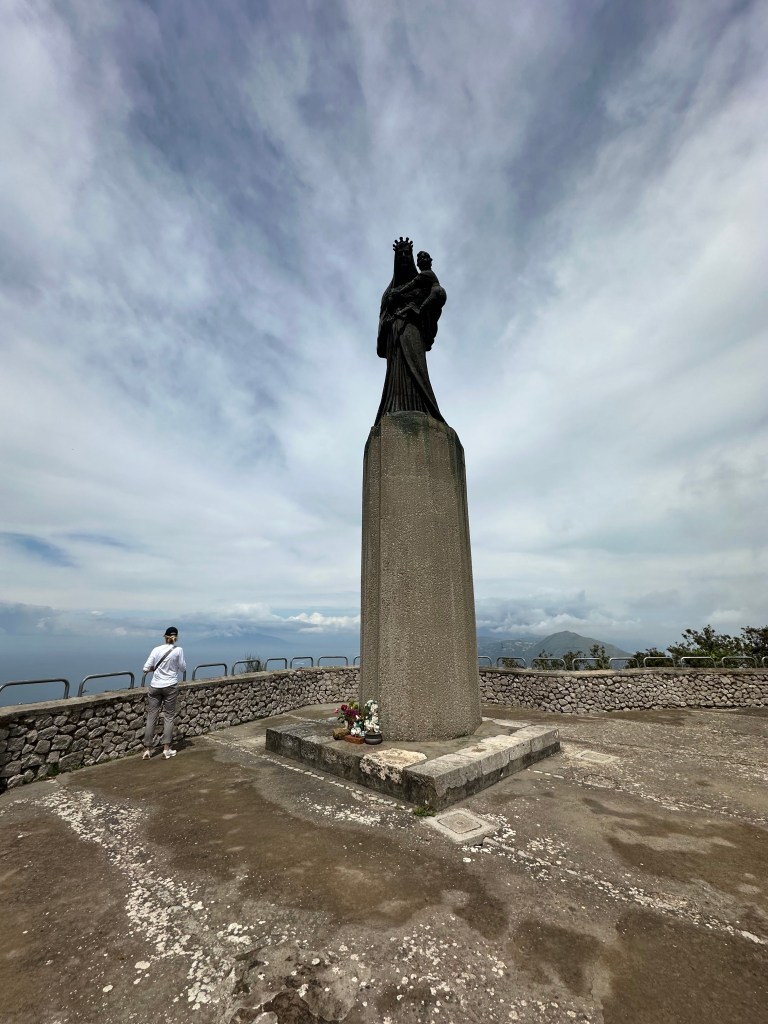
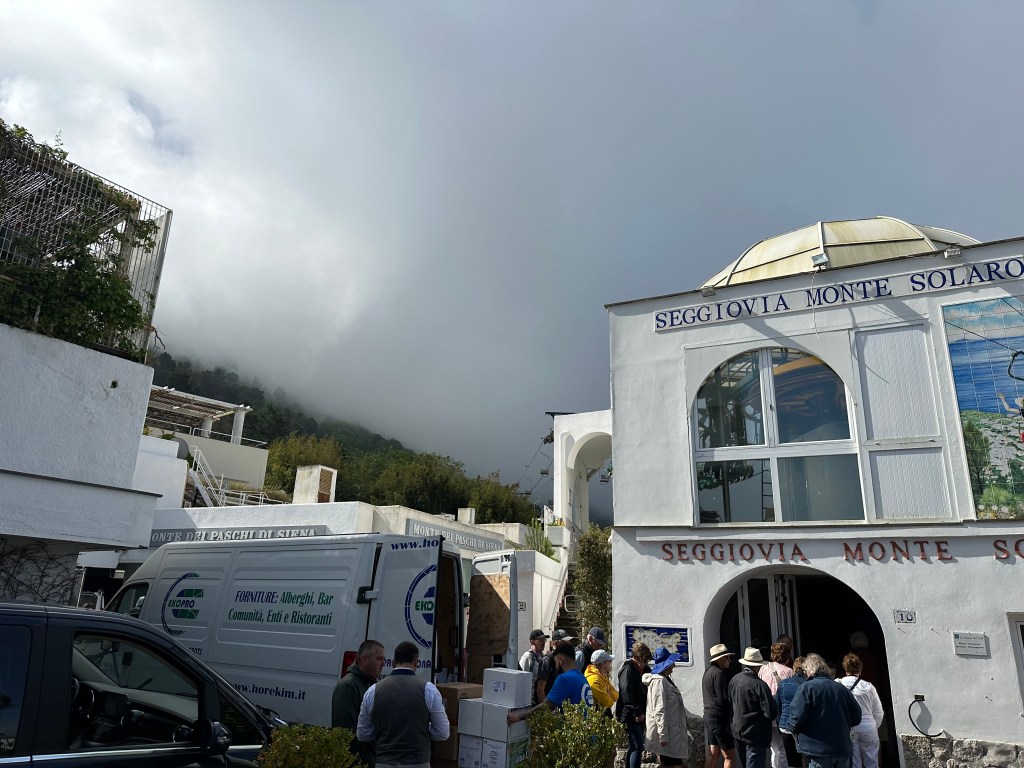
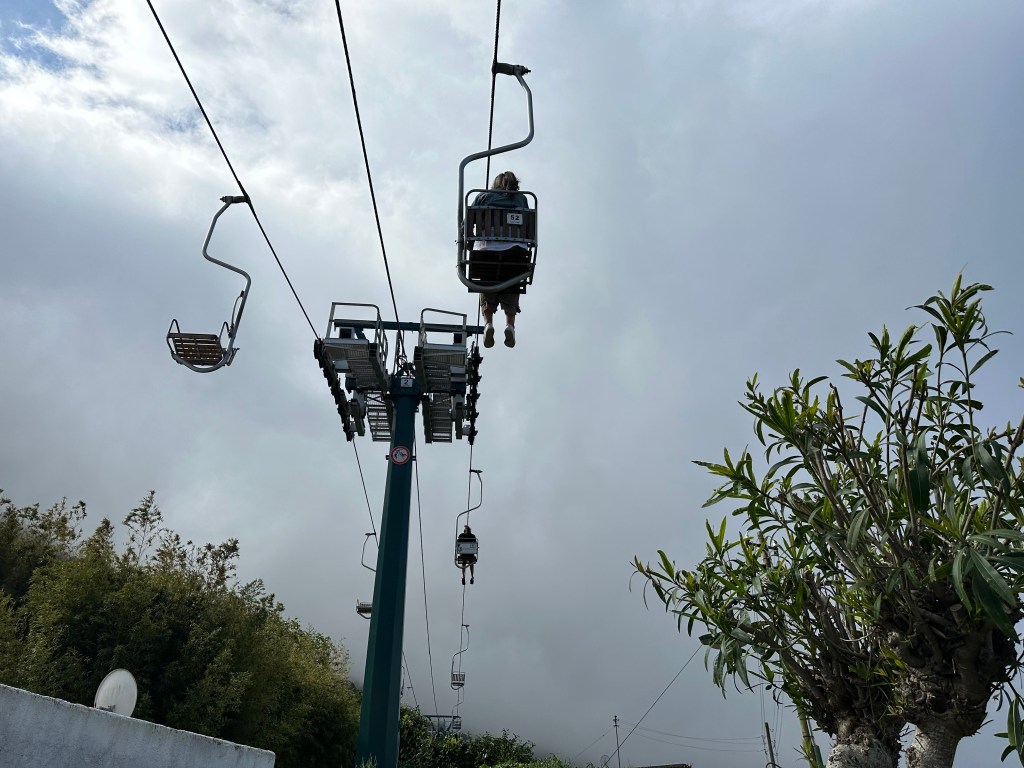
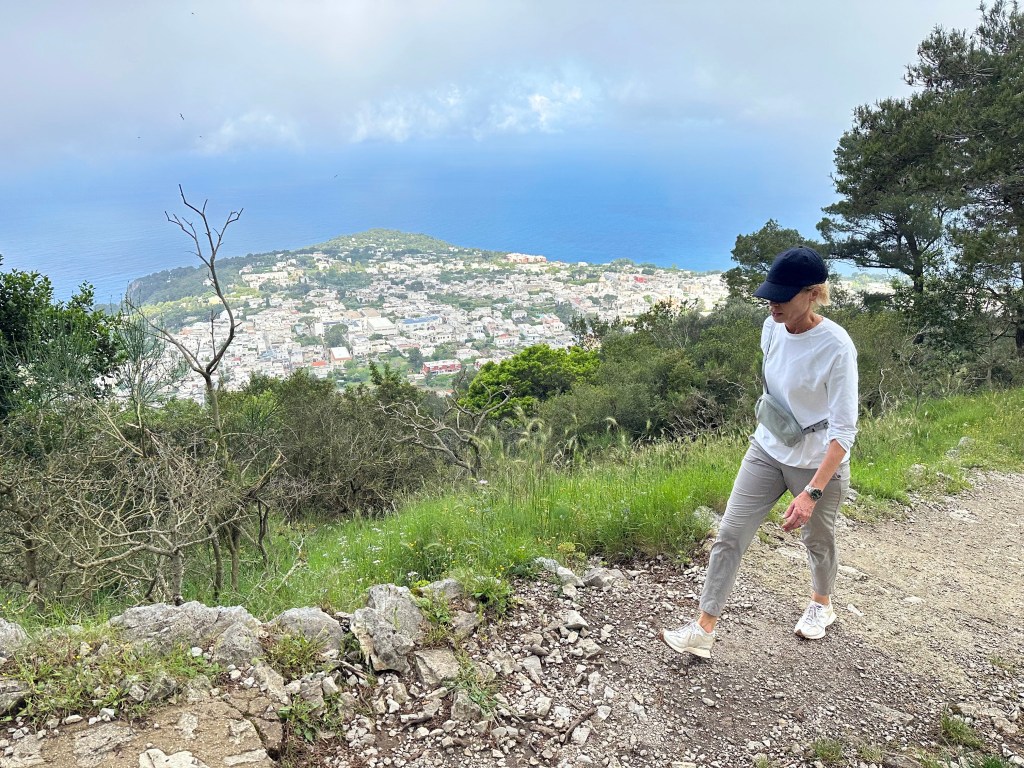
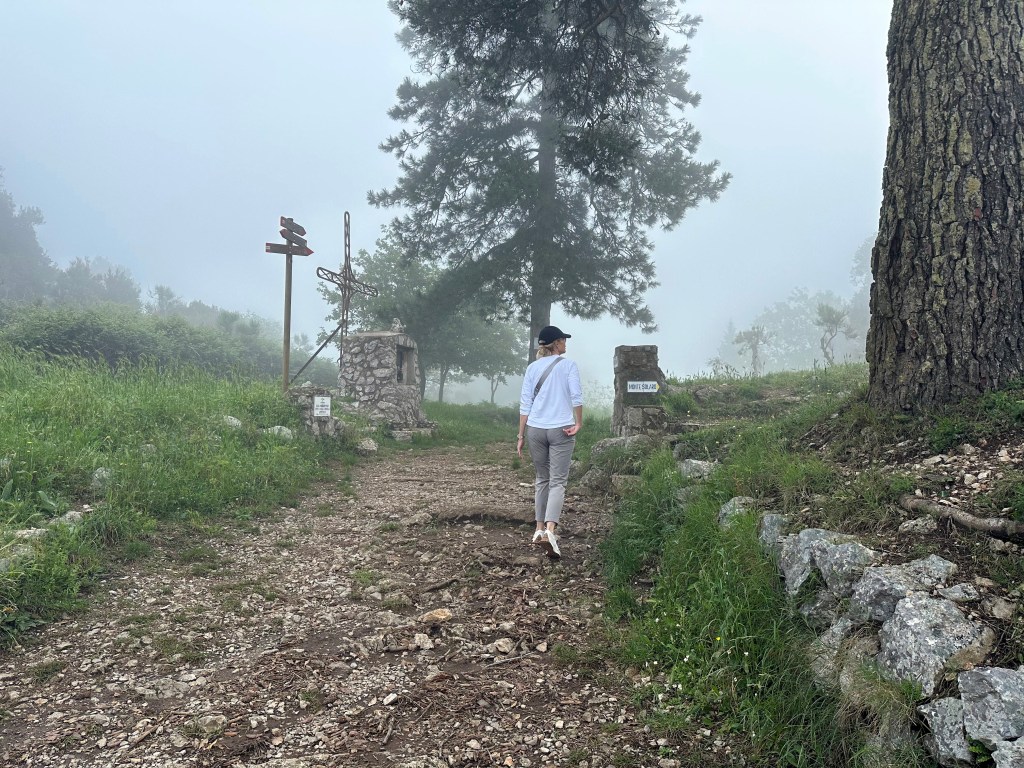
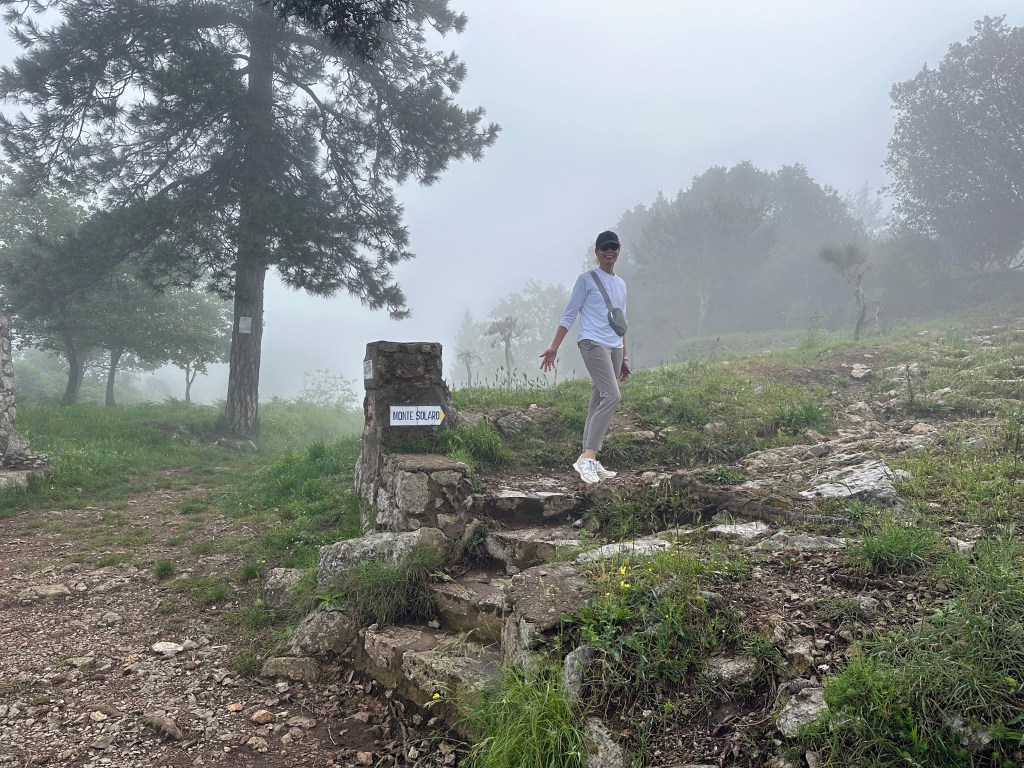
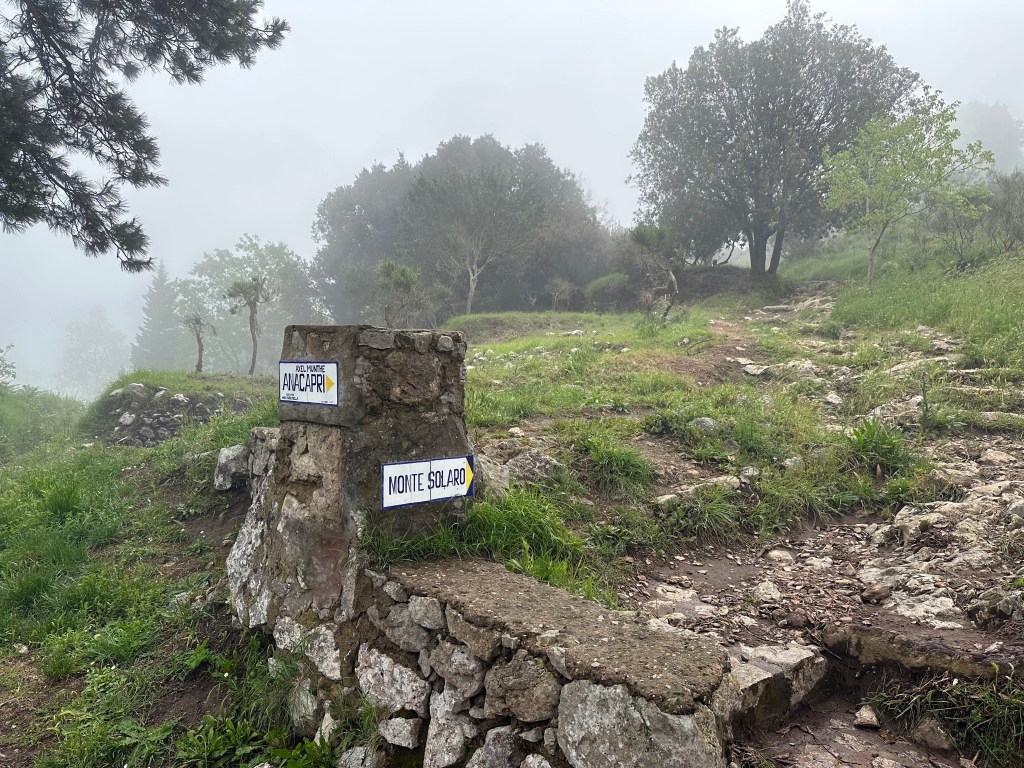
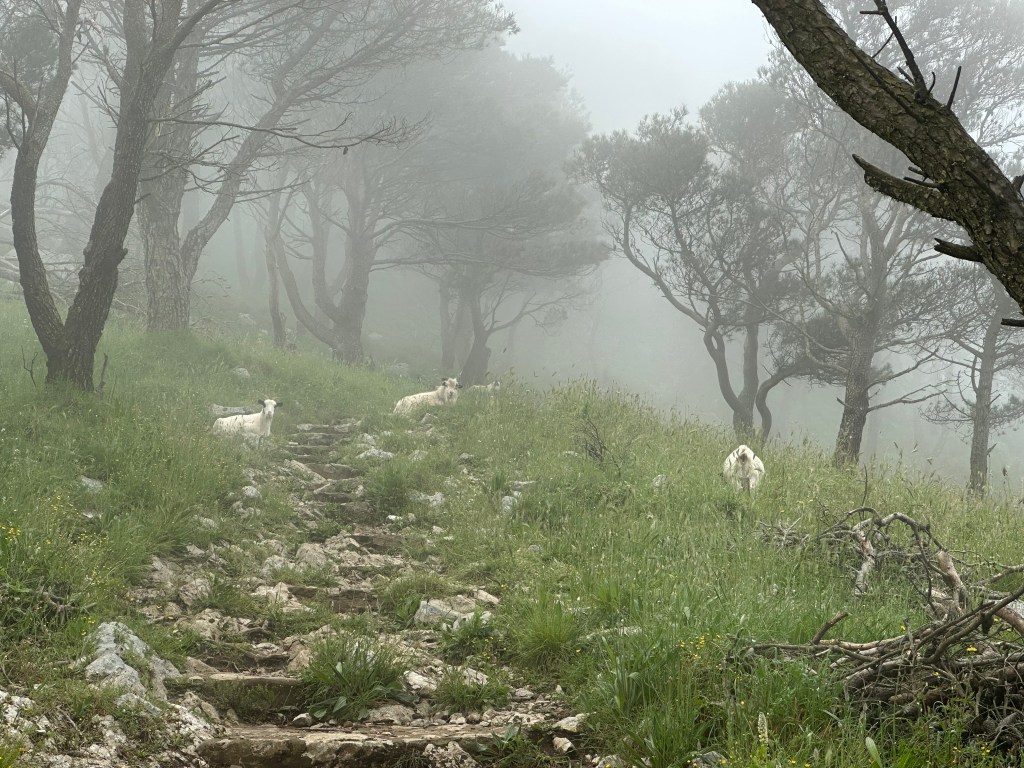
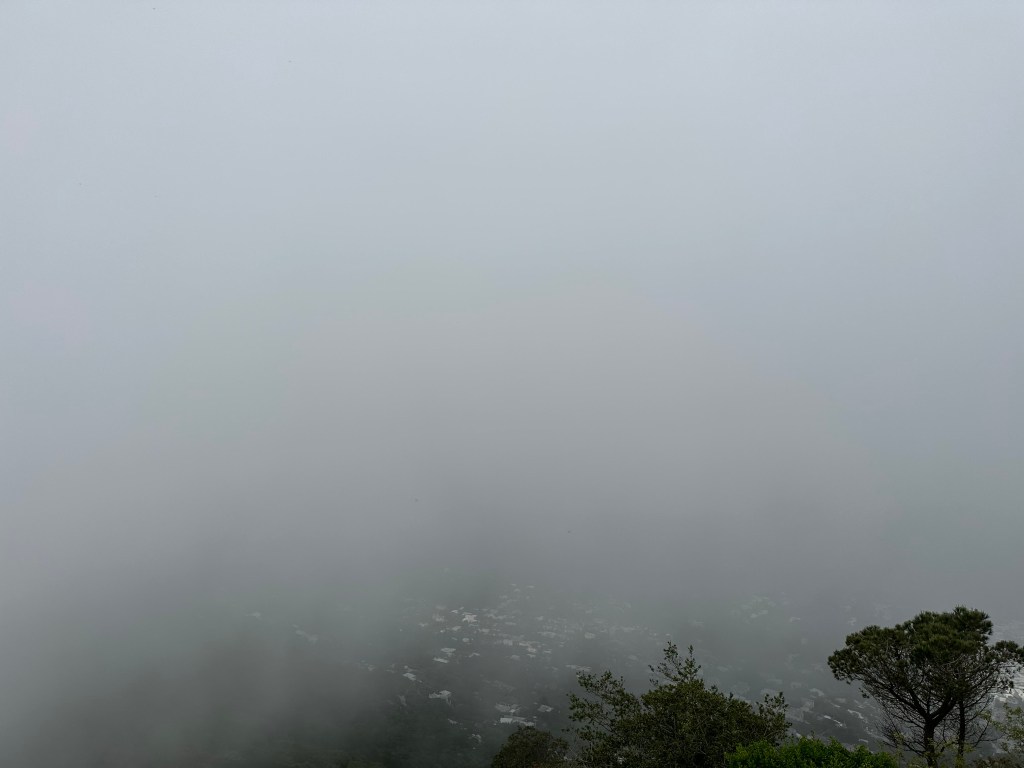
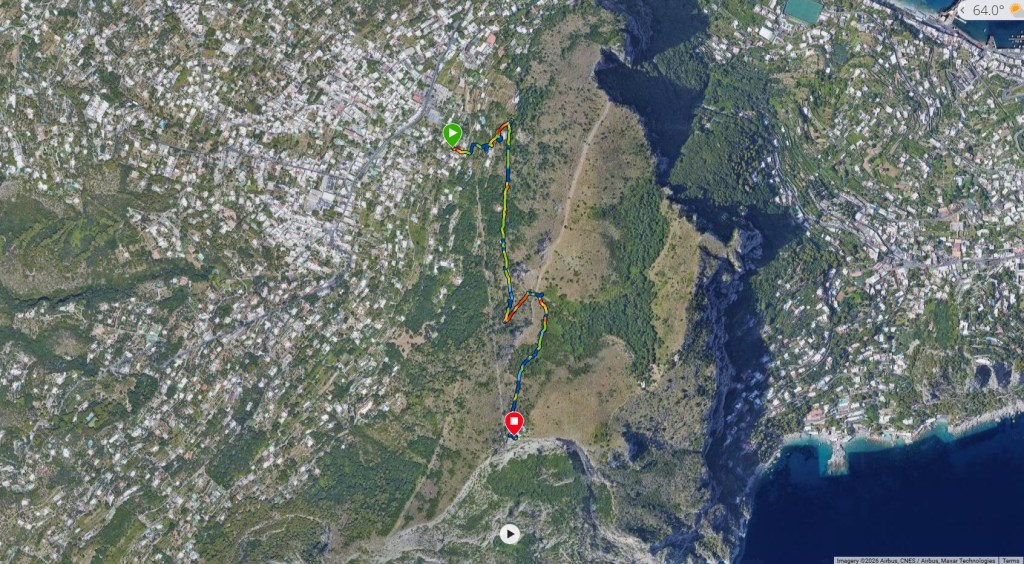
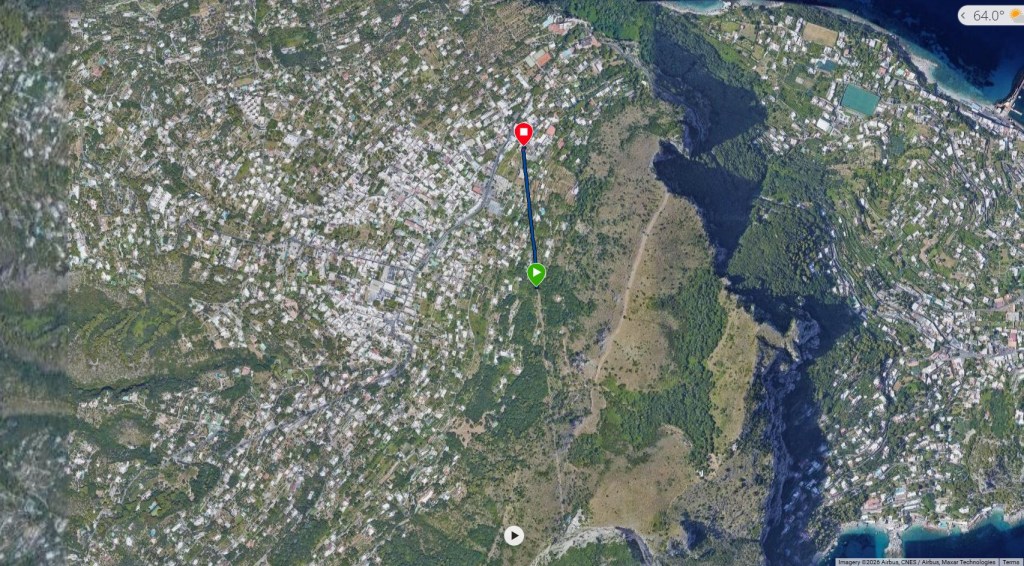
And a hike from Capri to Anacapri, followed by a hike up Monte Solaro because fog reduced visibility to zero for a ride up the cool little cable chairs:

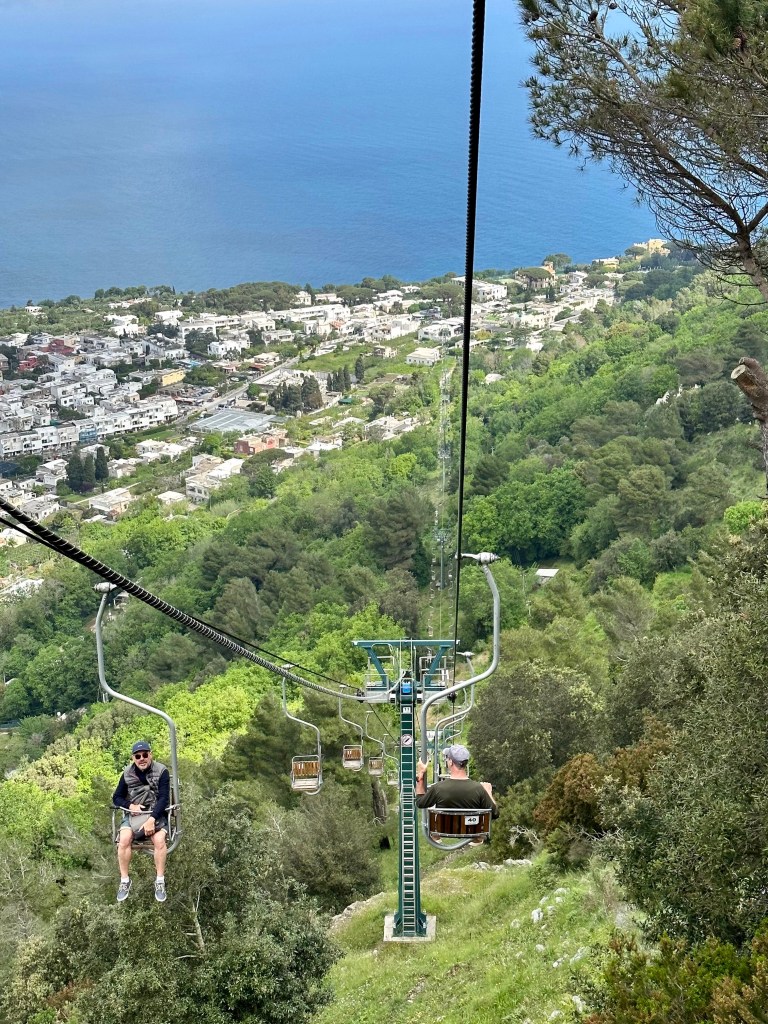
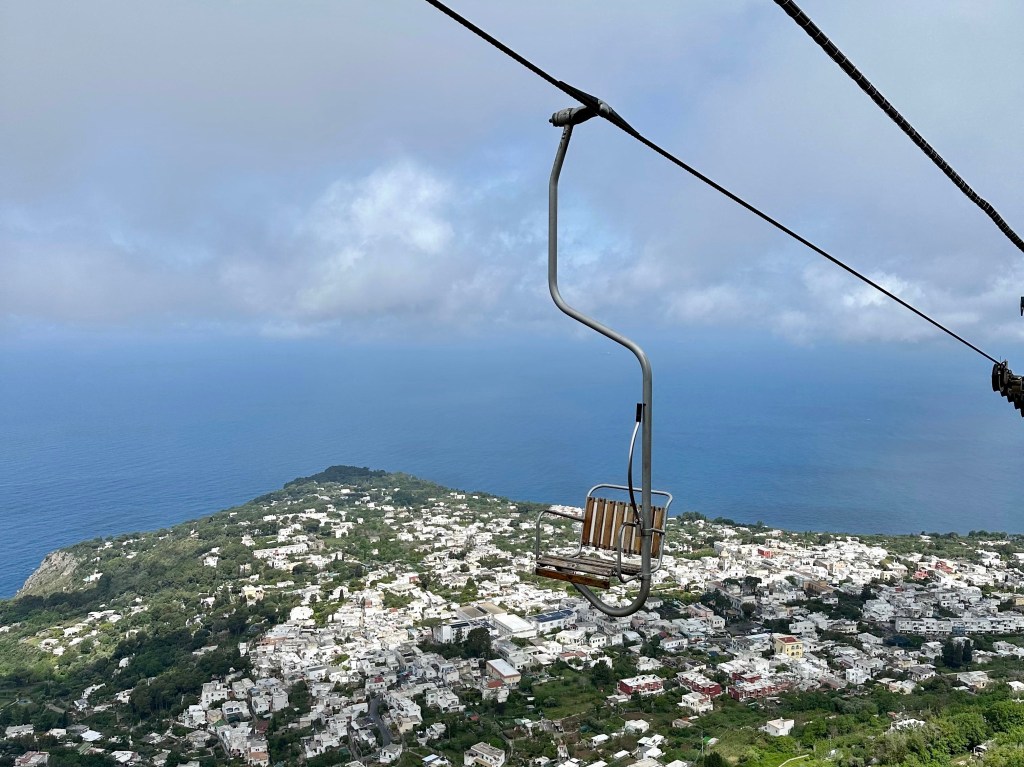
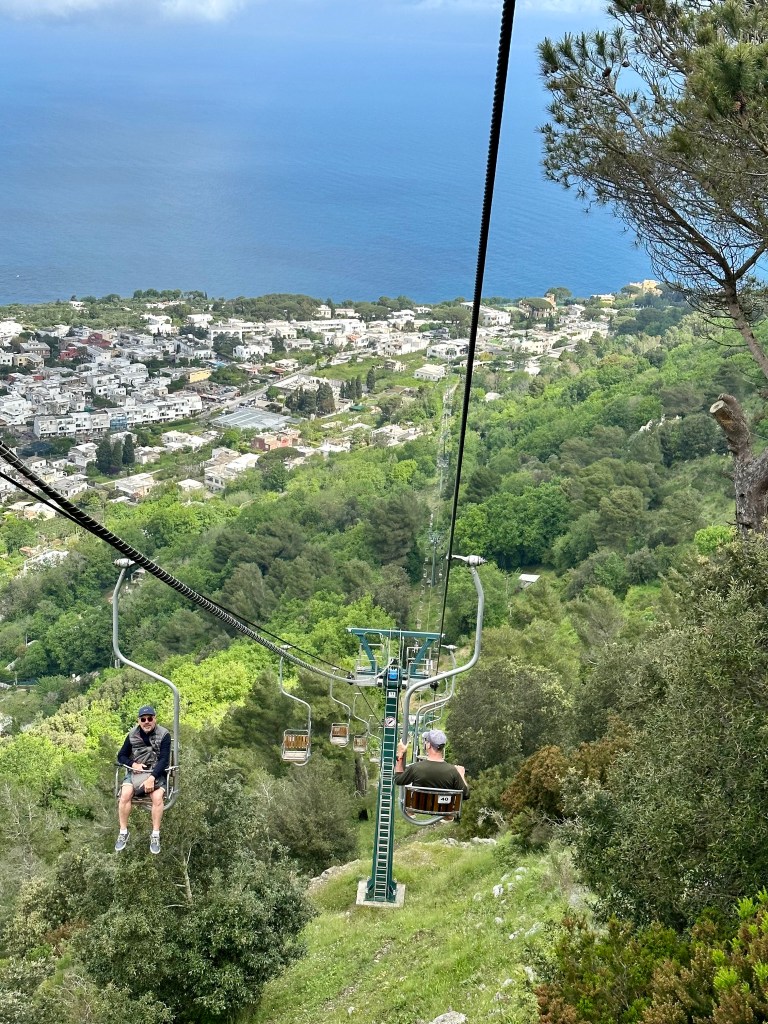
But the weather cleared for a chair ride back down:
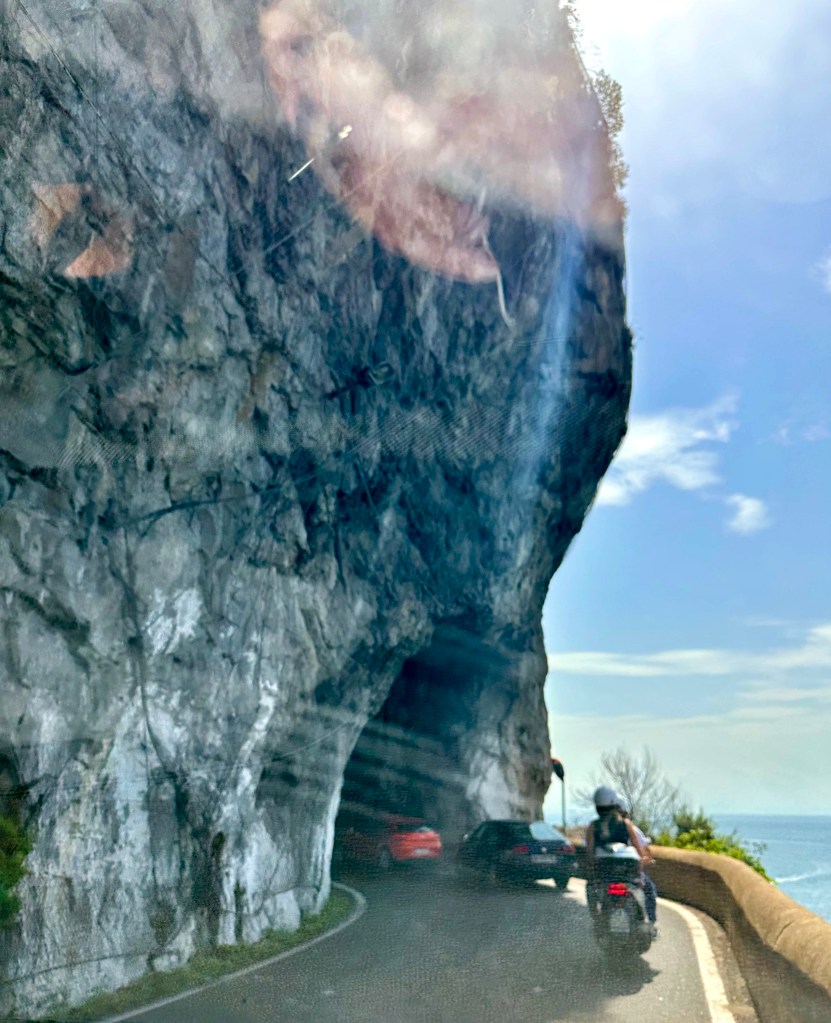
We ferried from Capri back to Sorrento, retrieved our car, and began the most harrowing aspect of our peninsular road trip: driving on the Amalfi coast. Seriously – really treacherous.

Luckily, relief was at hand in Praiano, our home for the next 3 days:

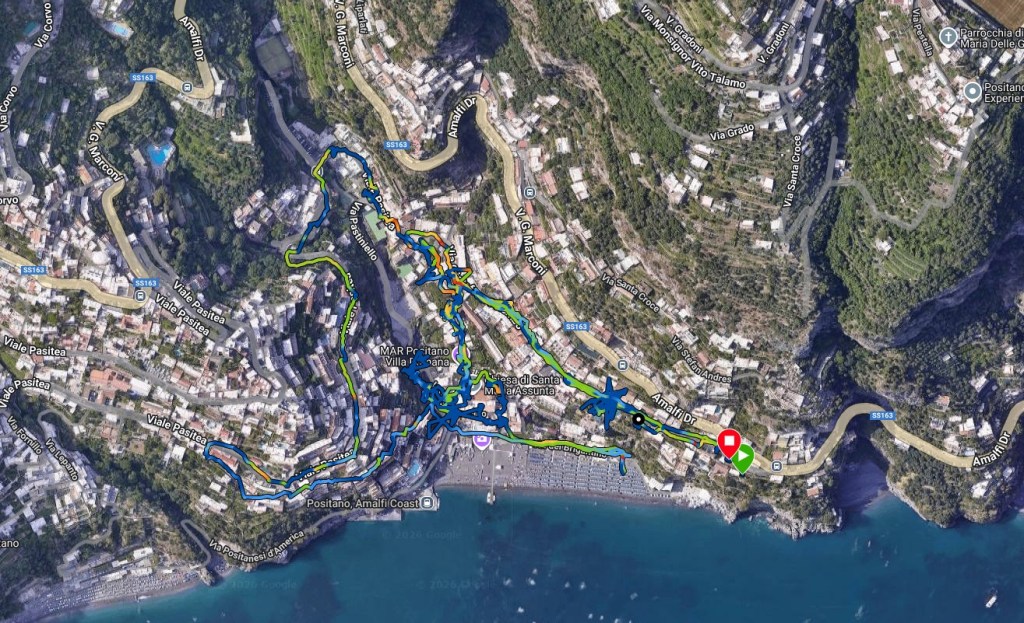
We headed a few miles down the road to Positano the next morning, only to retreat back to Praiano after a half a day there. A lot of travelers characterize Positano as the “Jewel in the Crown of the Amalfi Coast.” It’s not. Its a cruise ship packed full of tourists and shitty shops that happens be be tumbling down a cliff in a picturesque way.

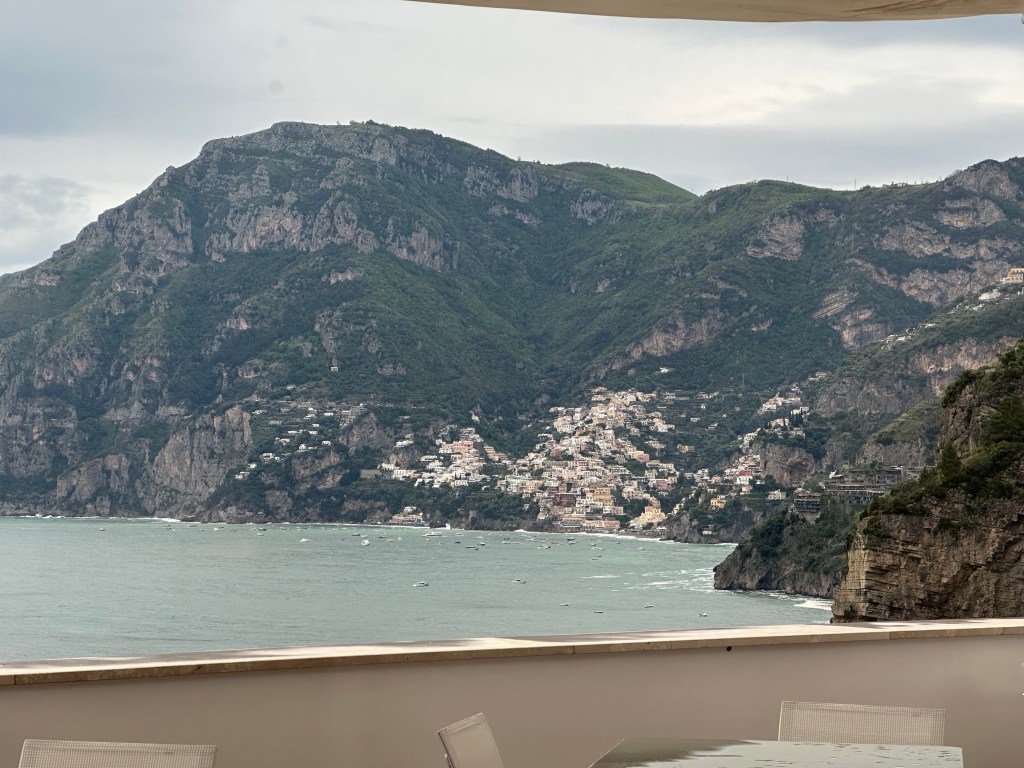
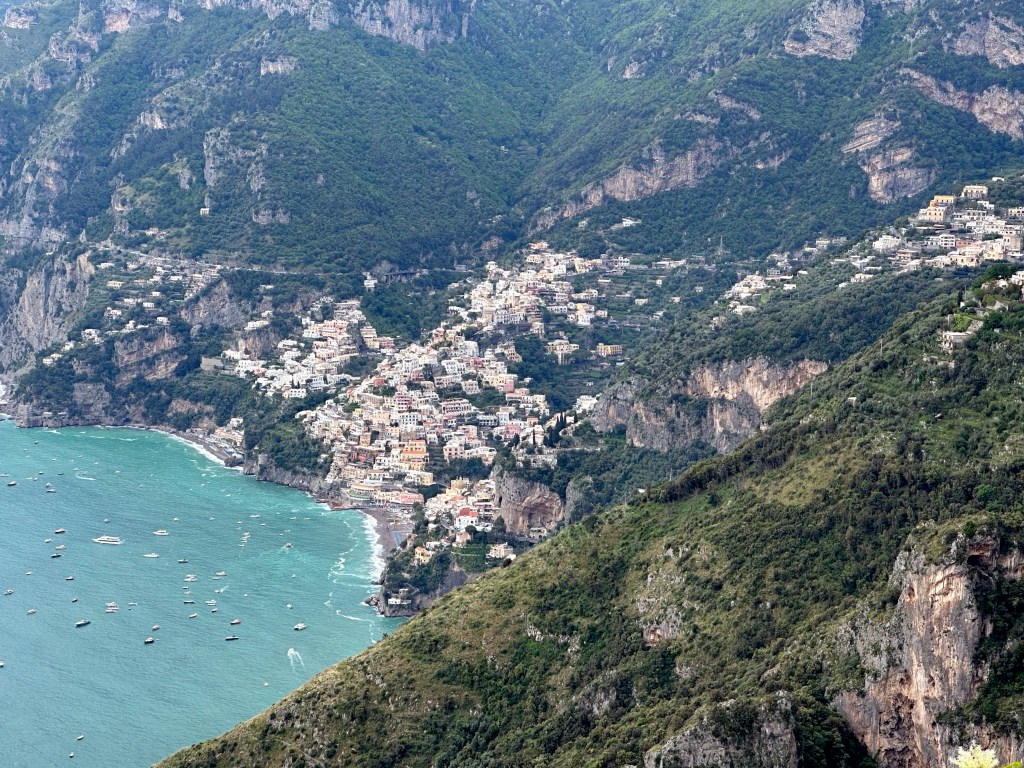
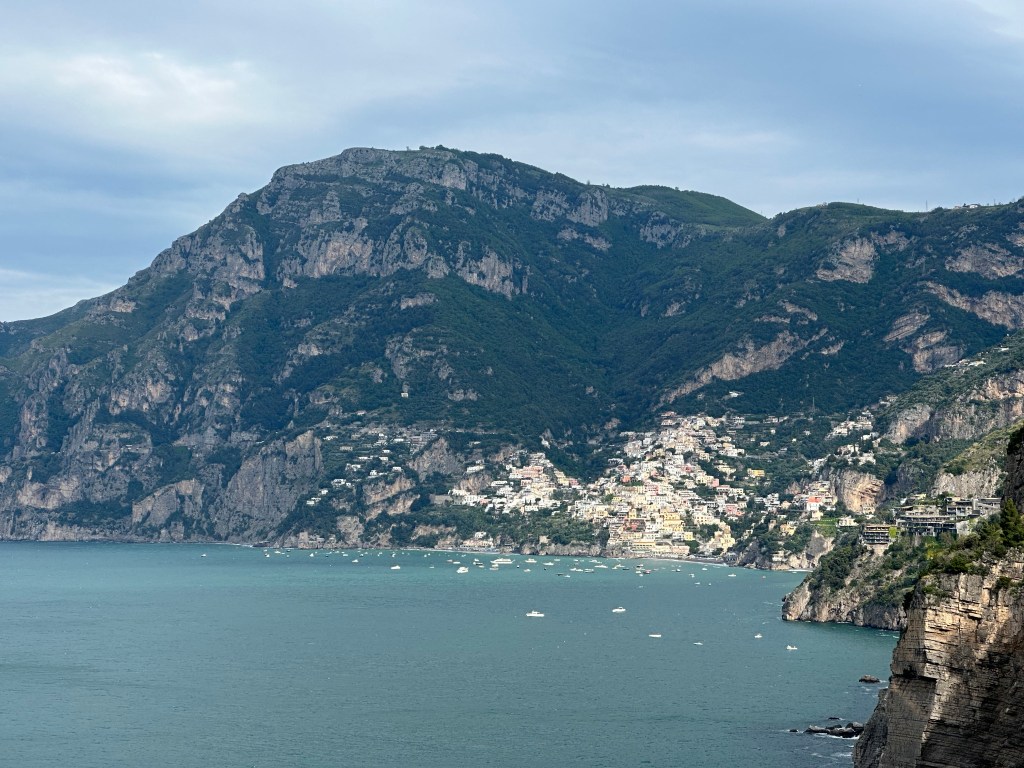
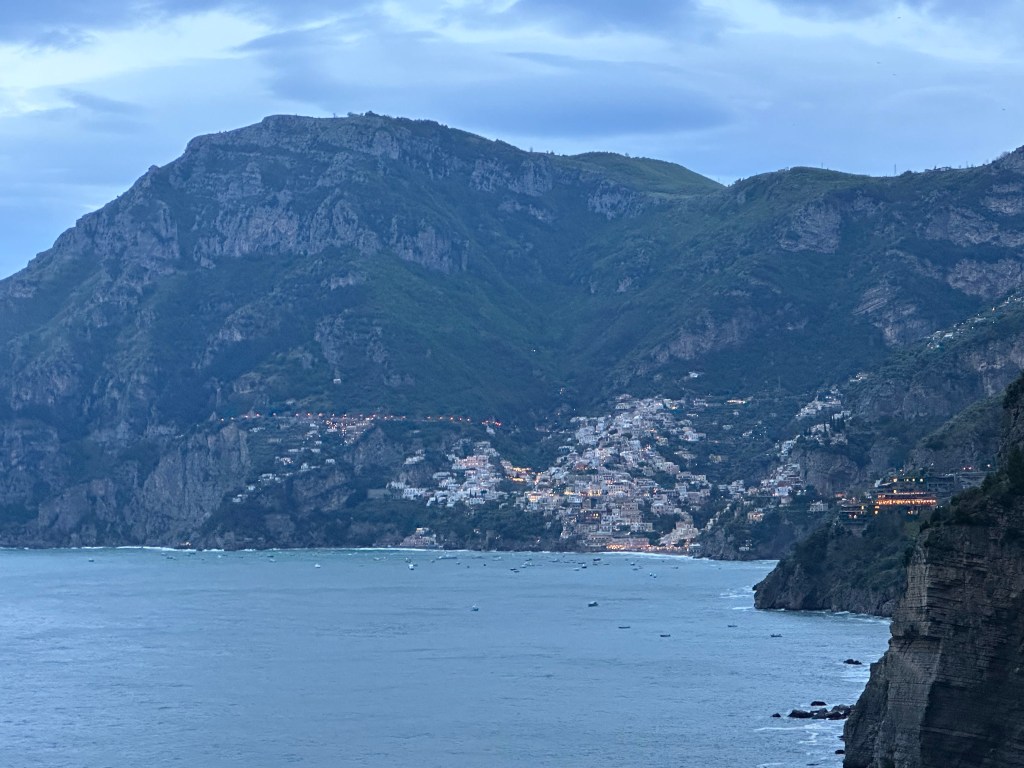
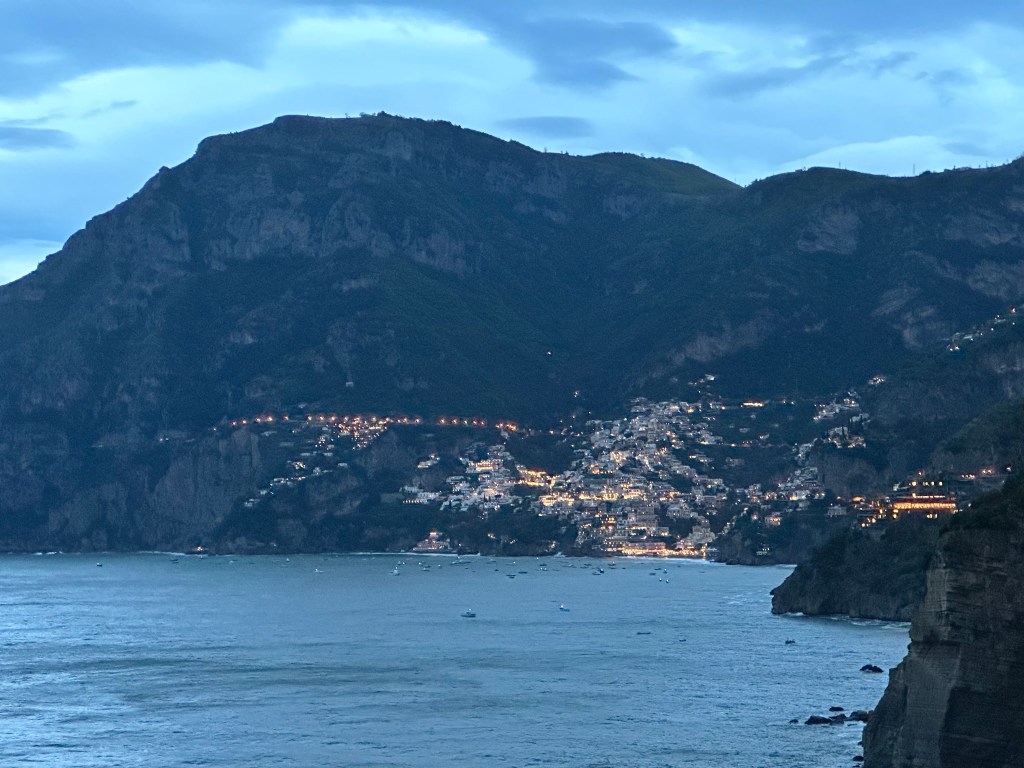
We enjoyed Positano much more from a distance, content at our place in Praiano:

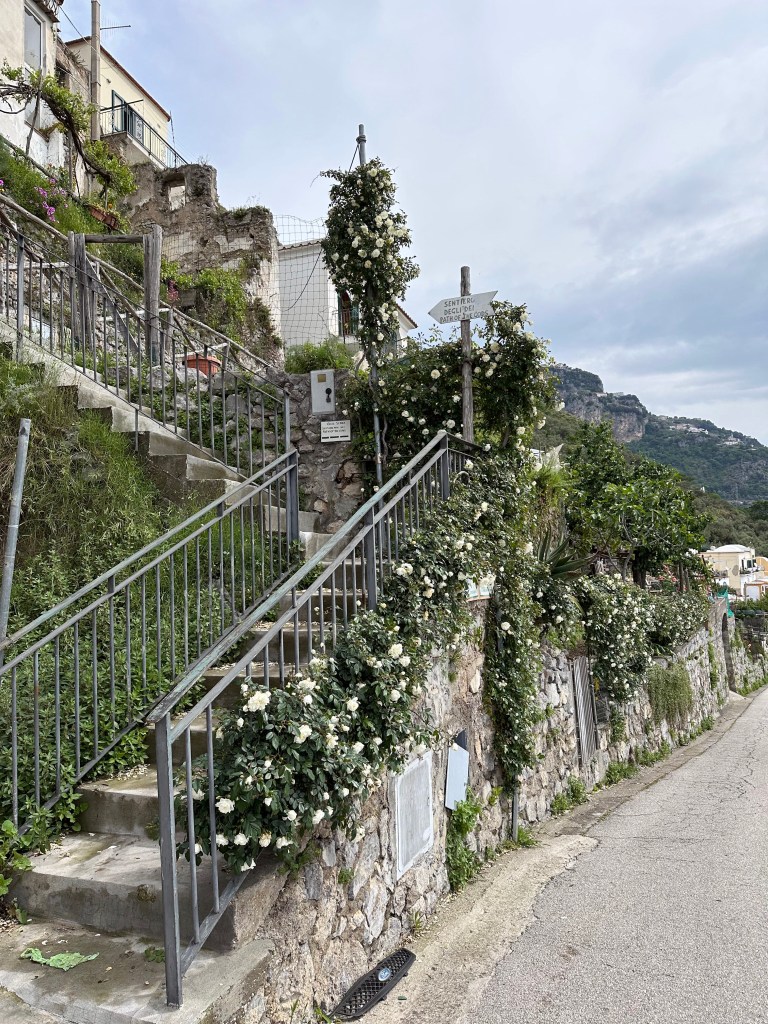
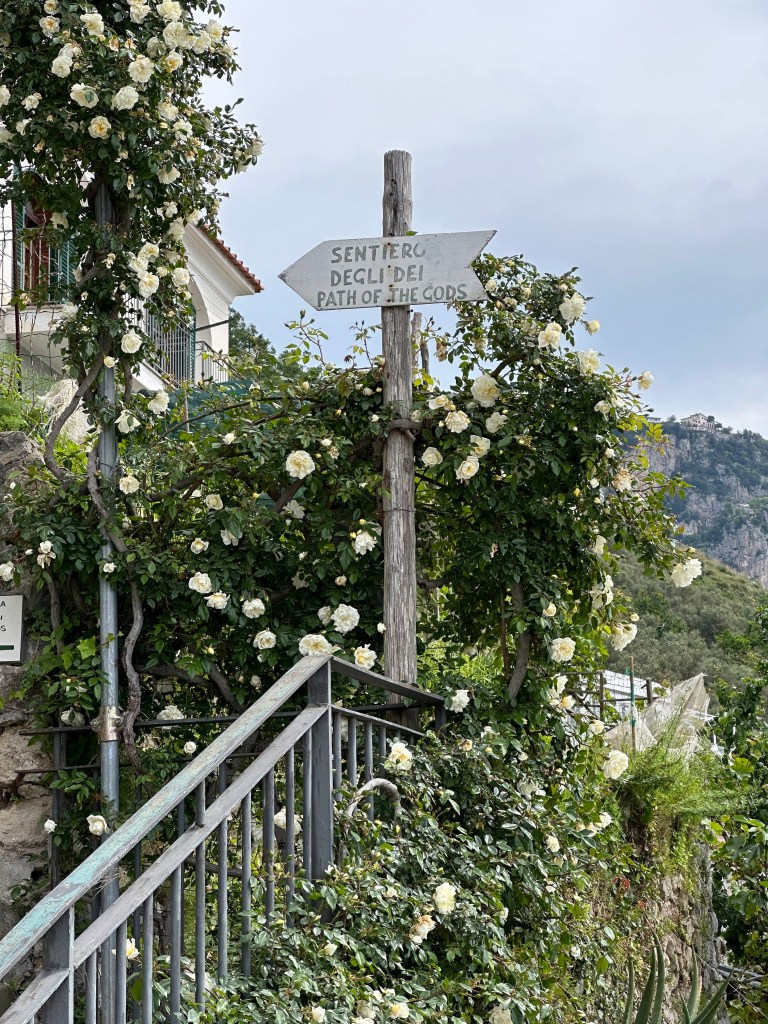
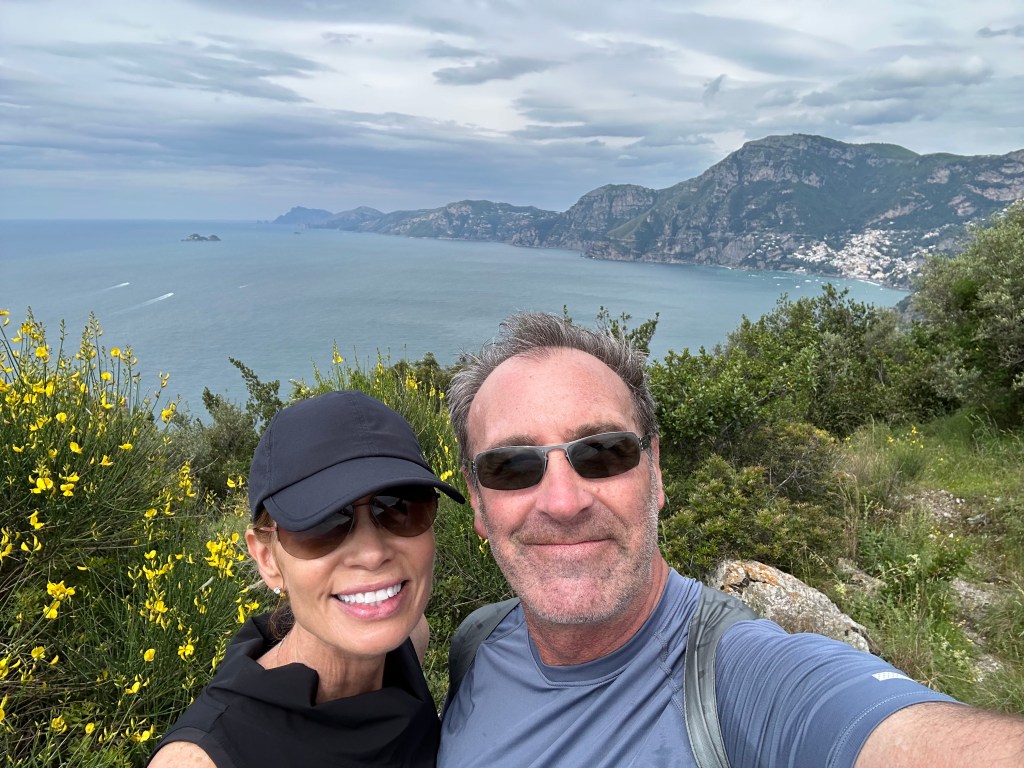
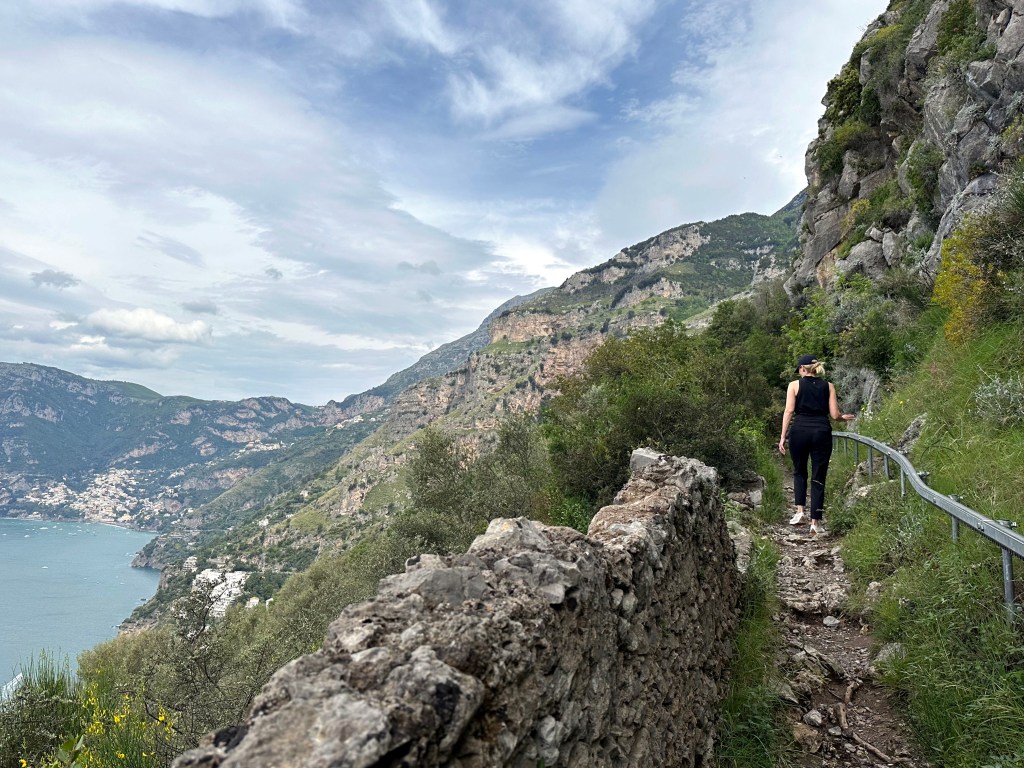
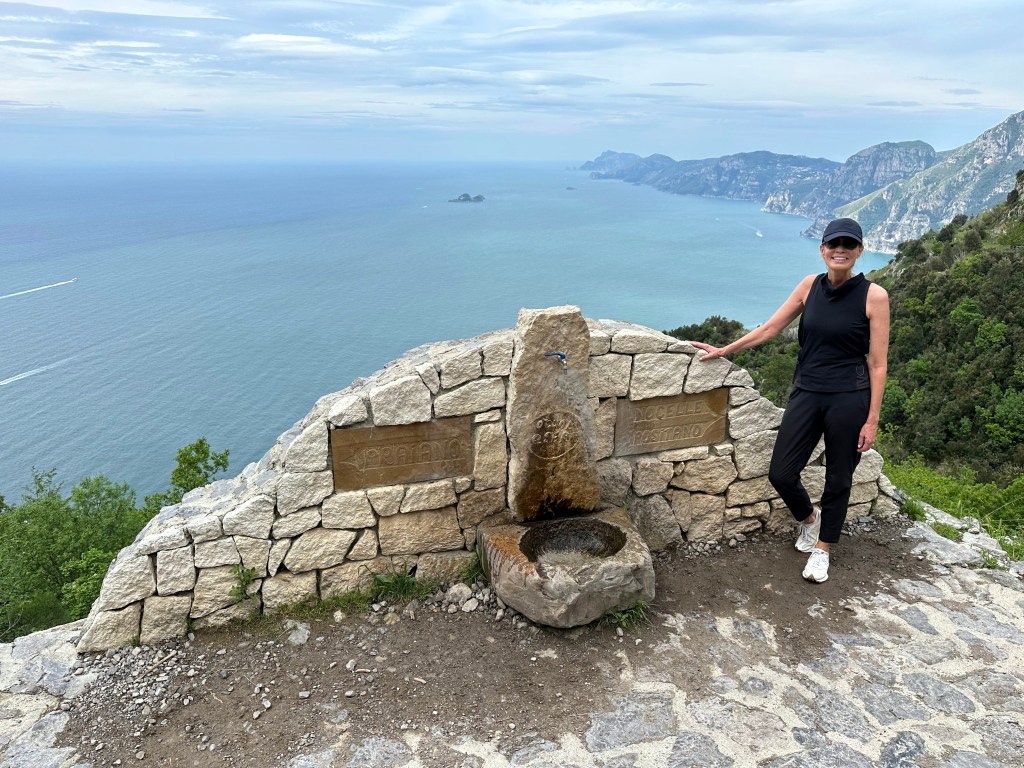
The next morning we hiked the Path of the Gods from Praiano to Positano:

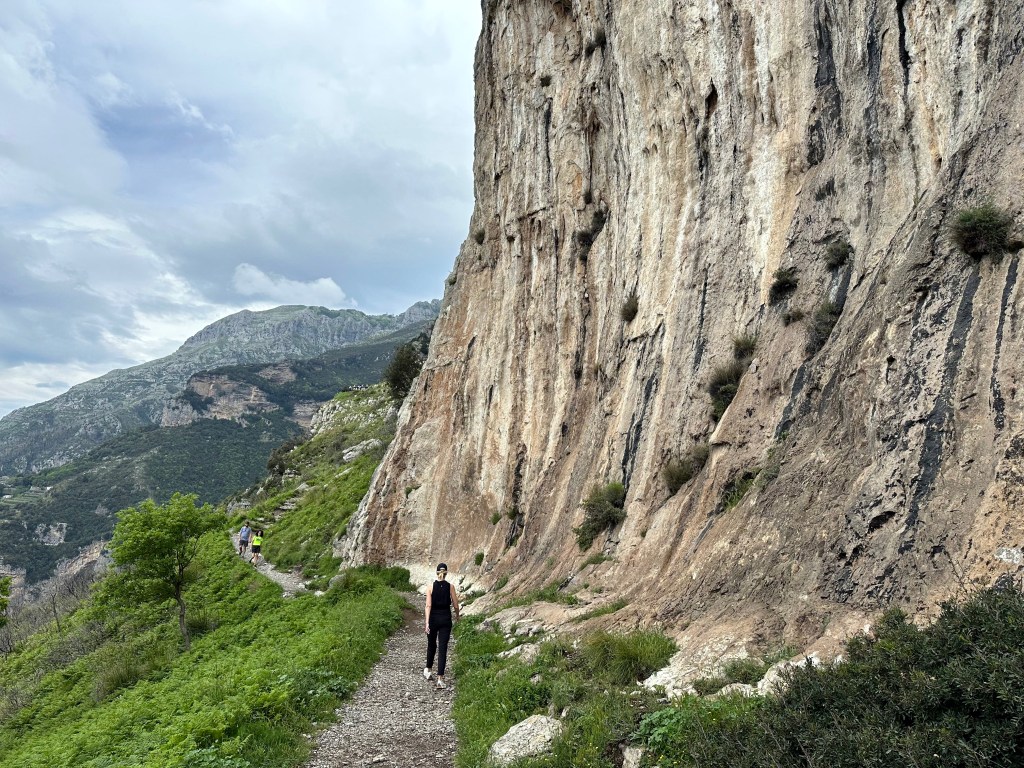
Once the path paralleled the coastline, the going was a little technical, but not a big problem. The challenge to the 5-mile-long Path of the Gods hike was the >2000 feet of incline and decline, almost all of which is straight up from Praiano and then straight down 1700 steps into Positano.

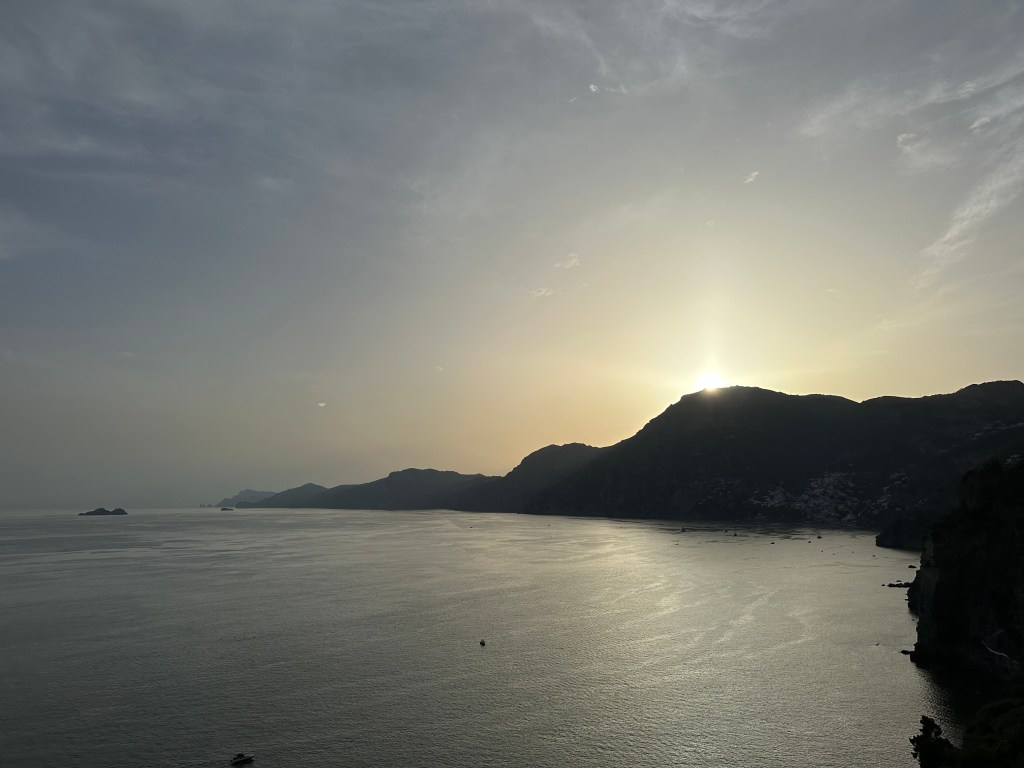
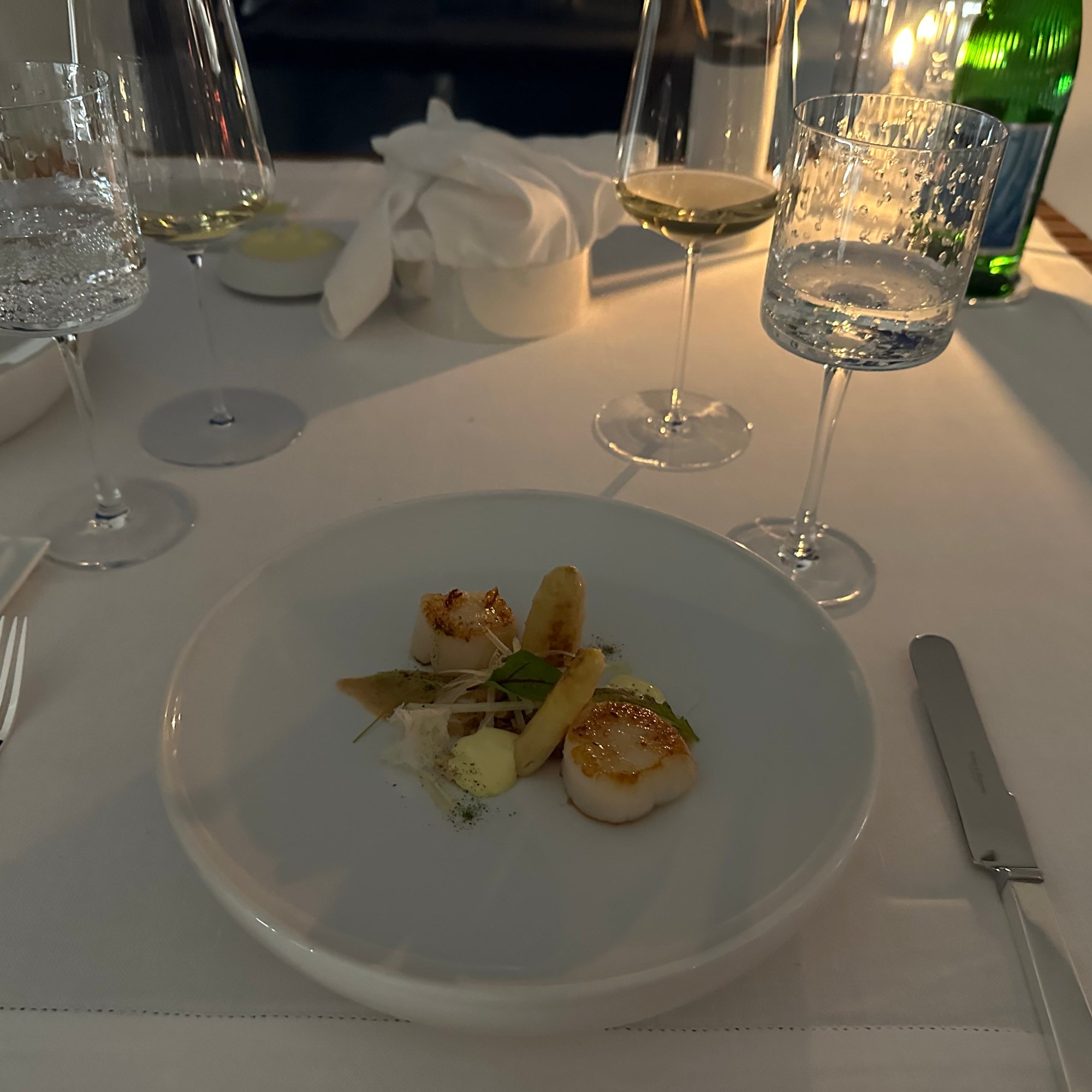
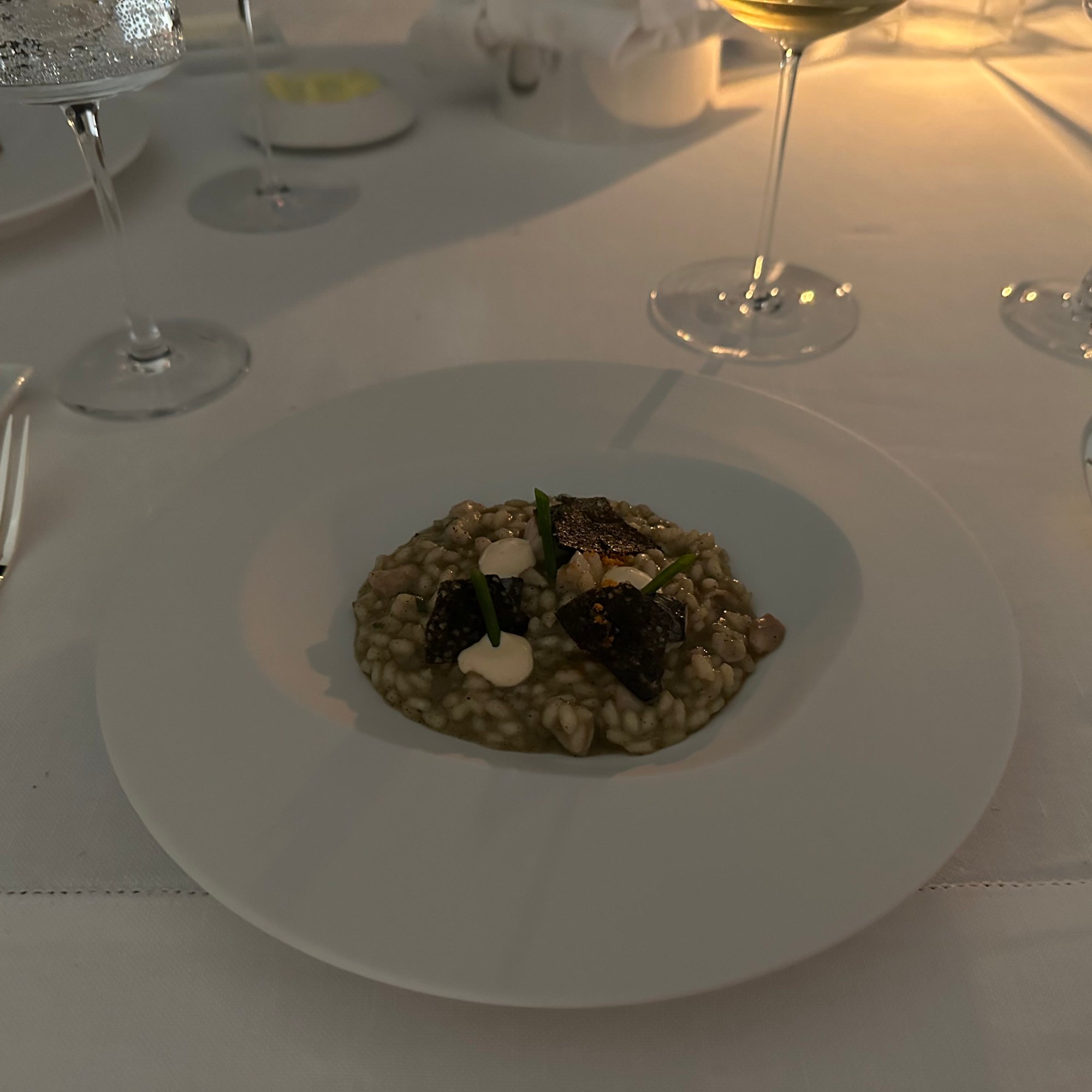
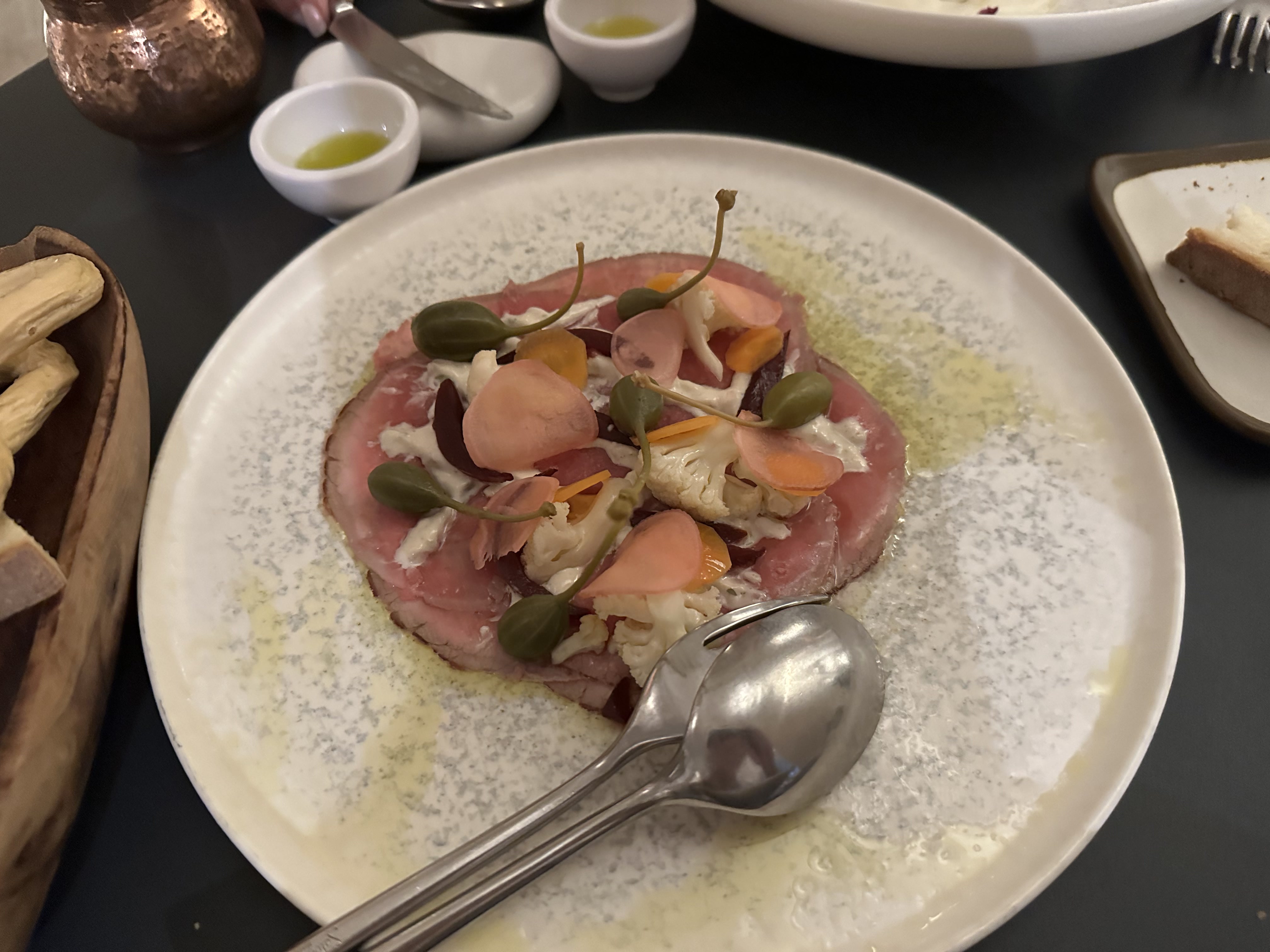
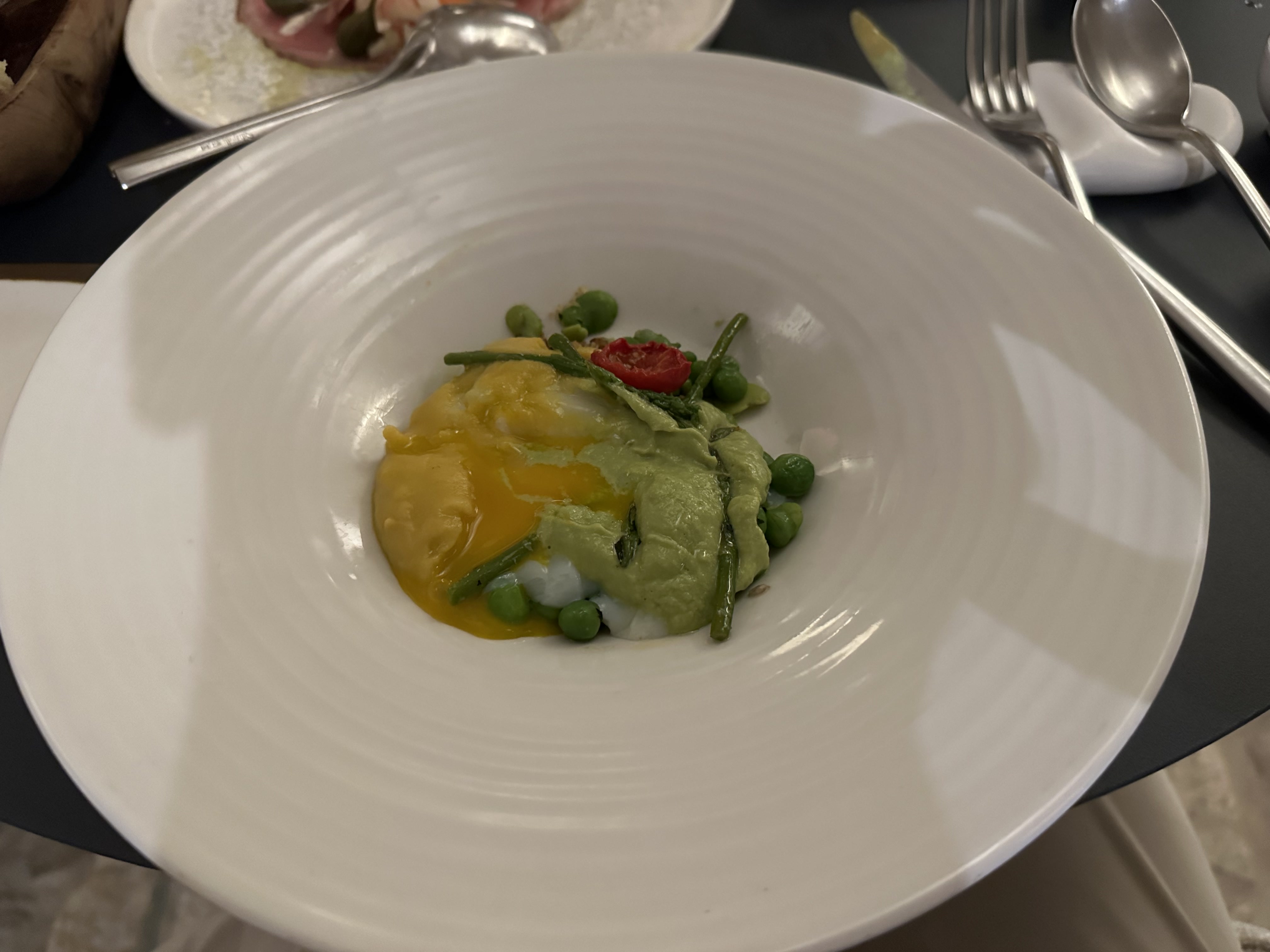
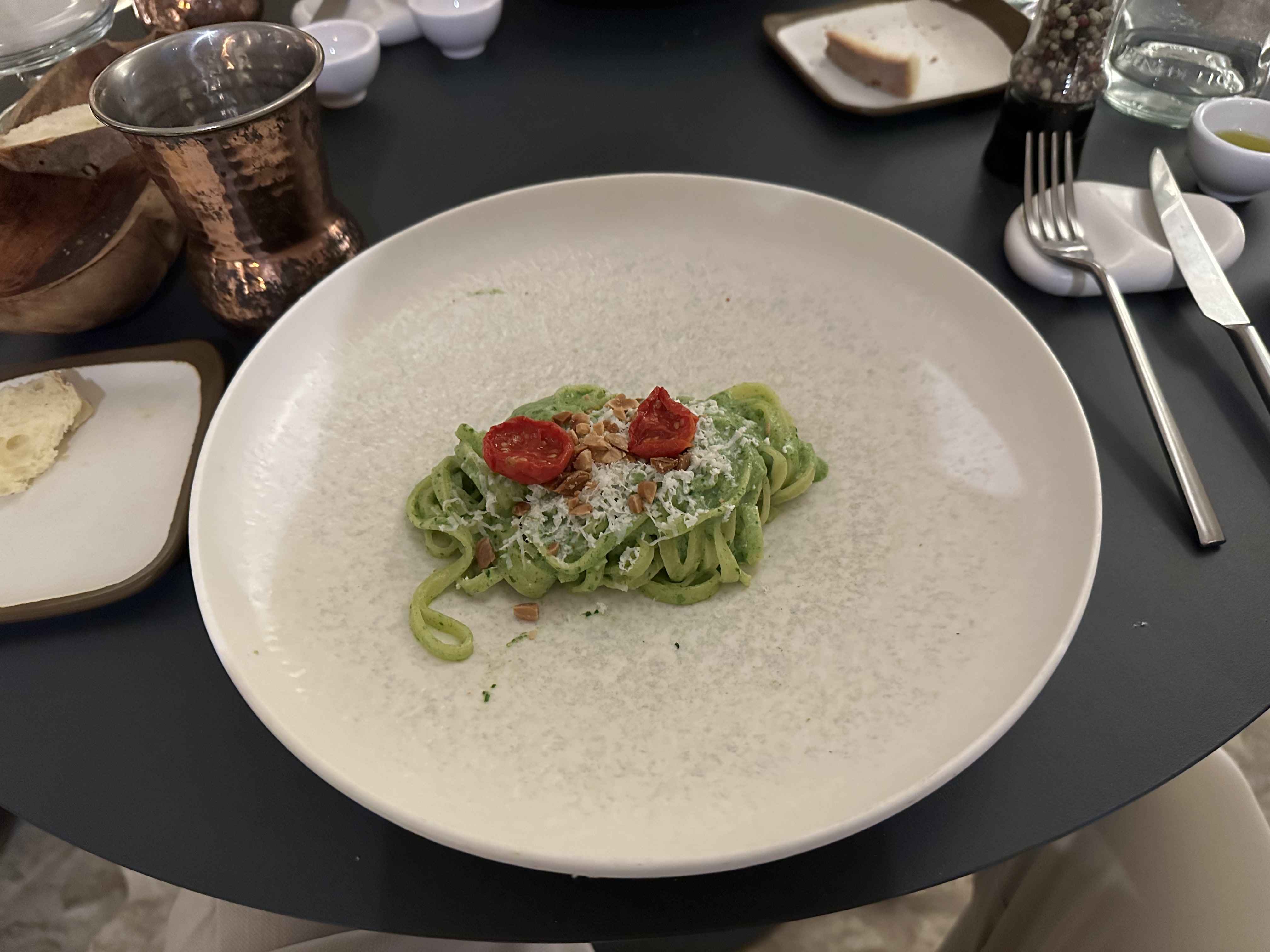
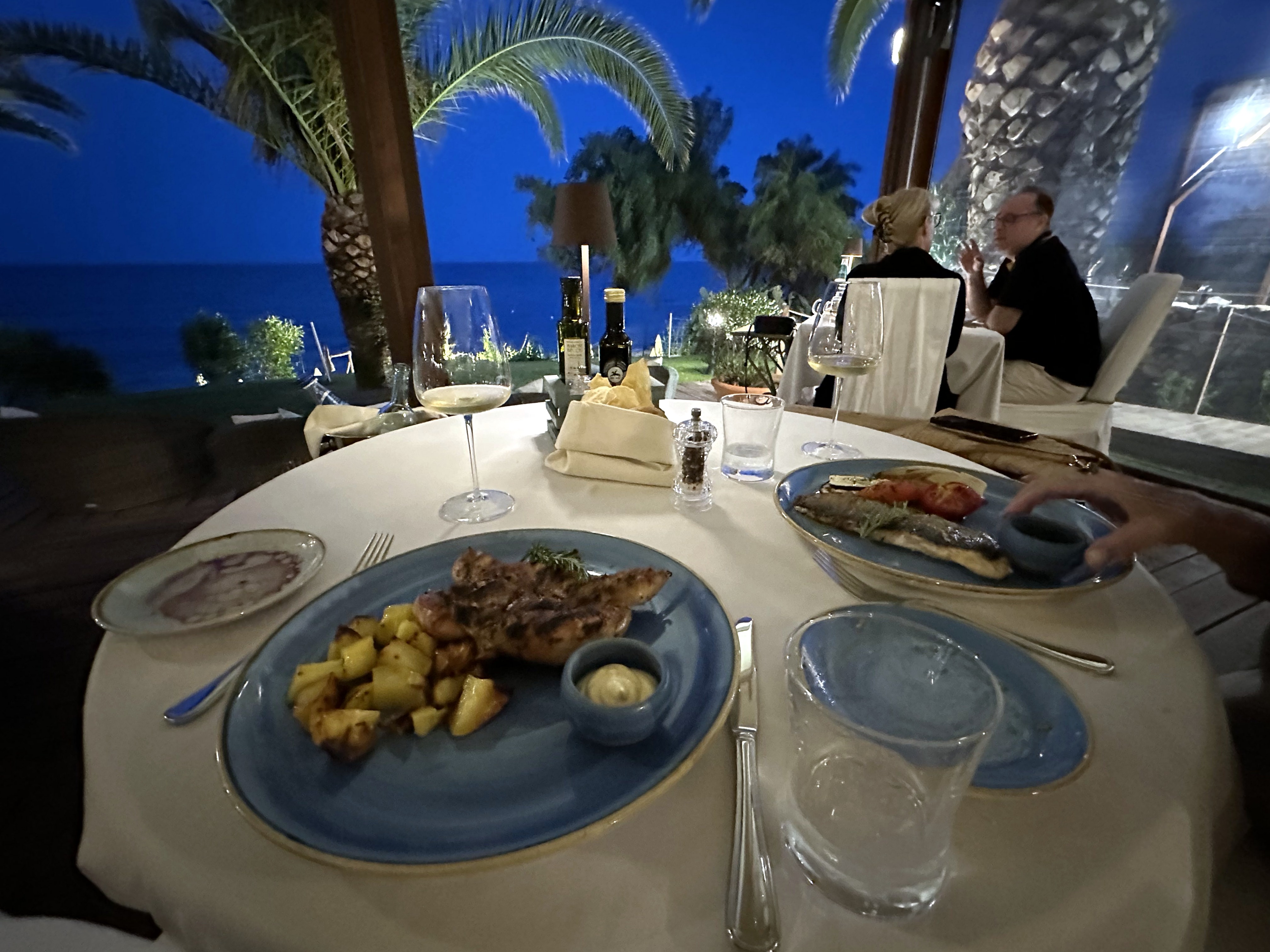
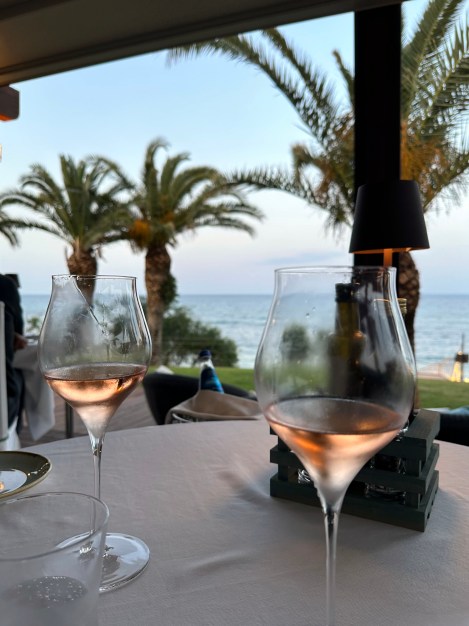
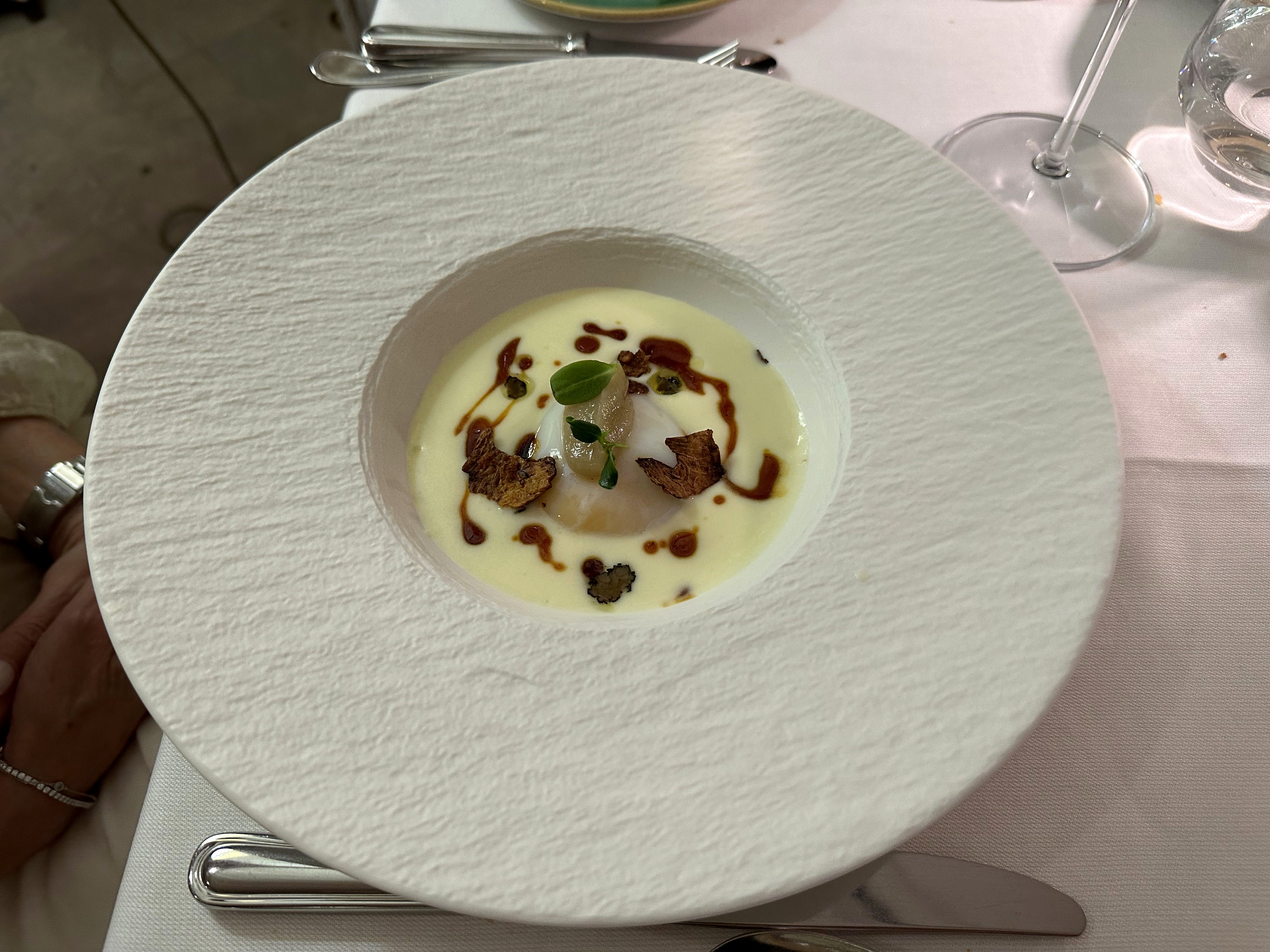
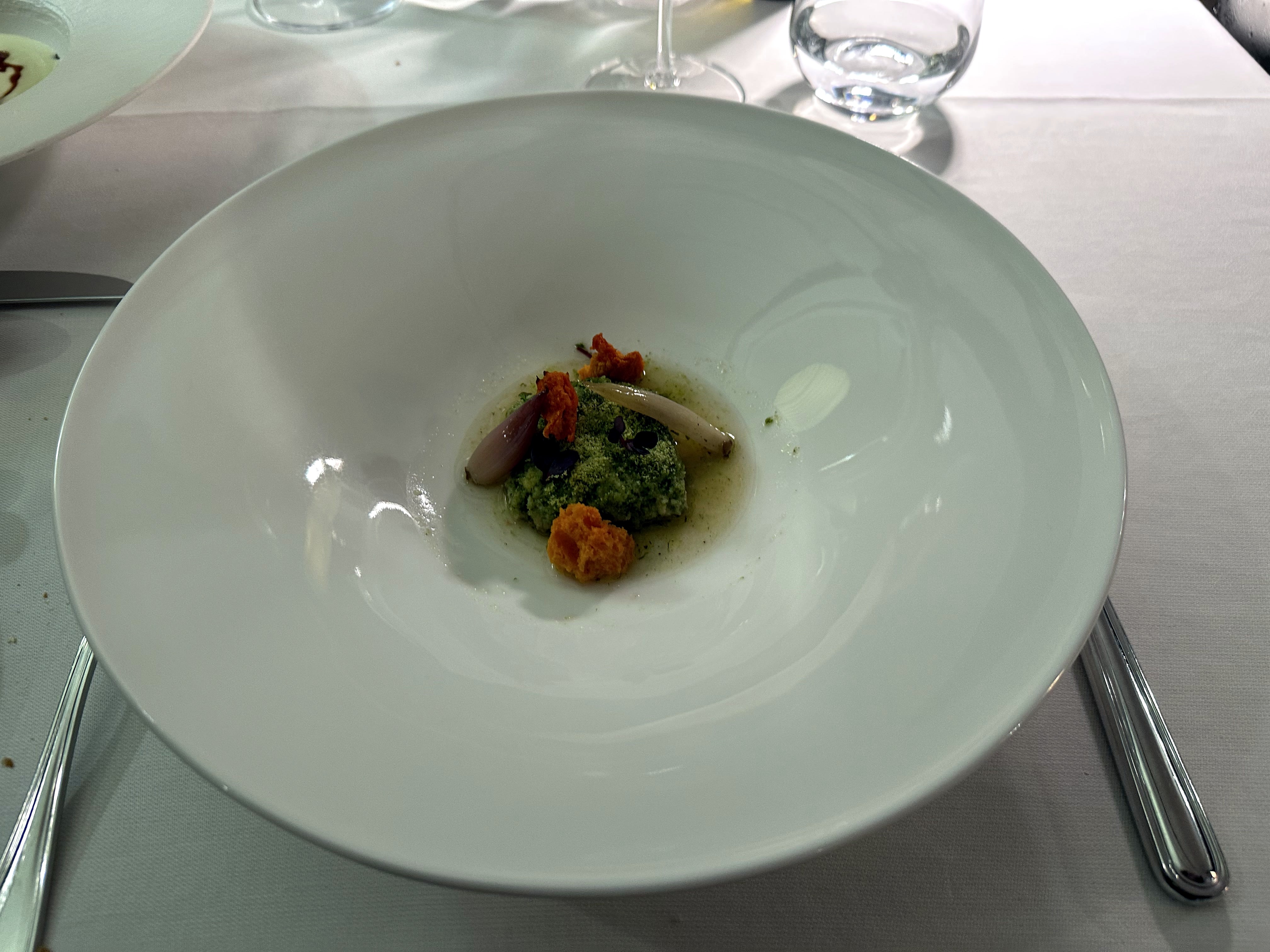
Praiano also hosted the first of three Michelin-starred gastronomic dinners of the trip. Plus, a ridiculous perch over the Tyrrhenian Sea on the Amalfi Coast:

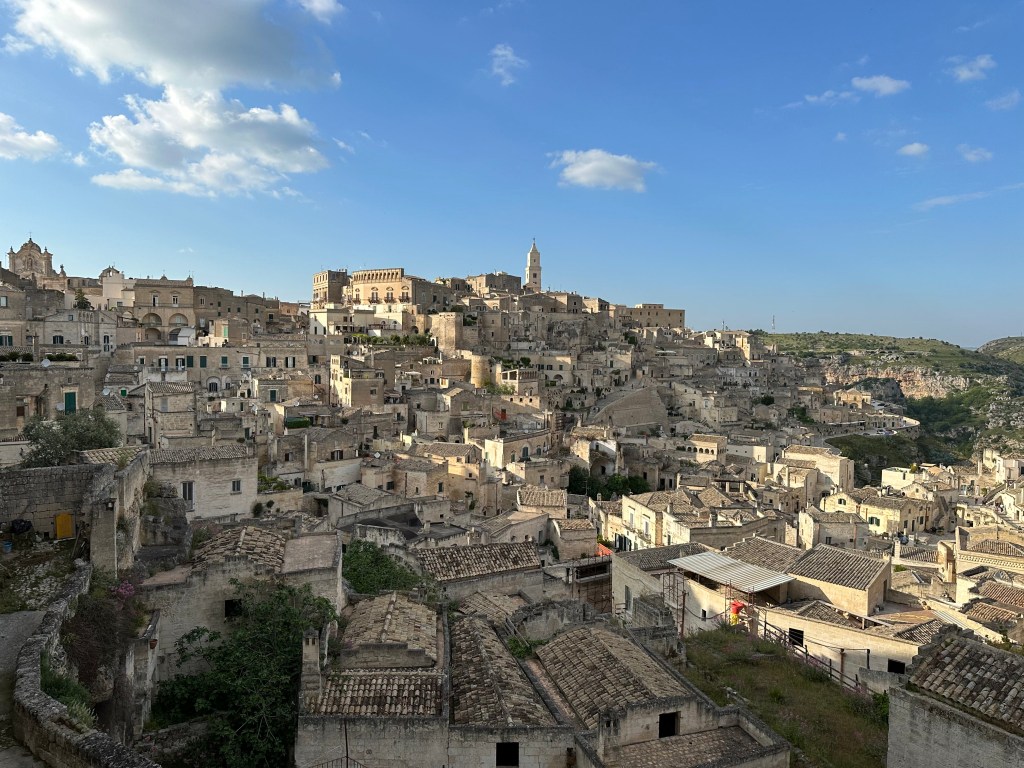
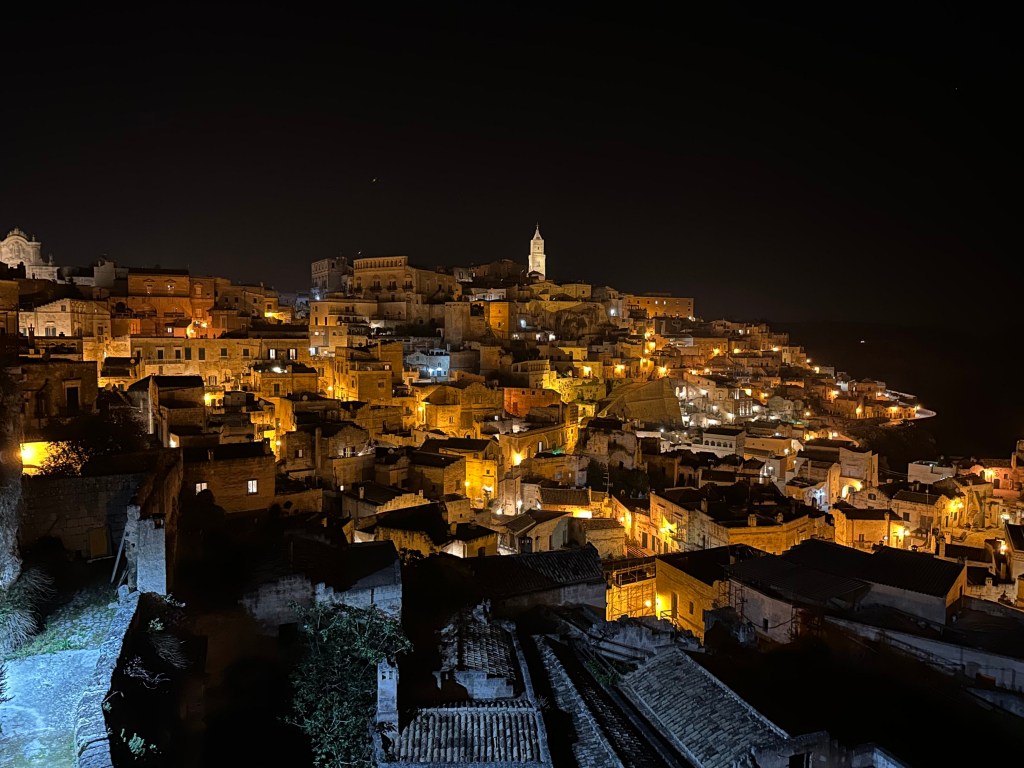
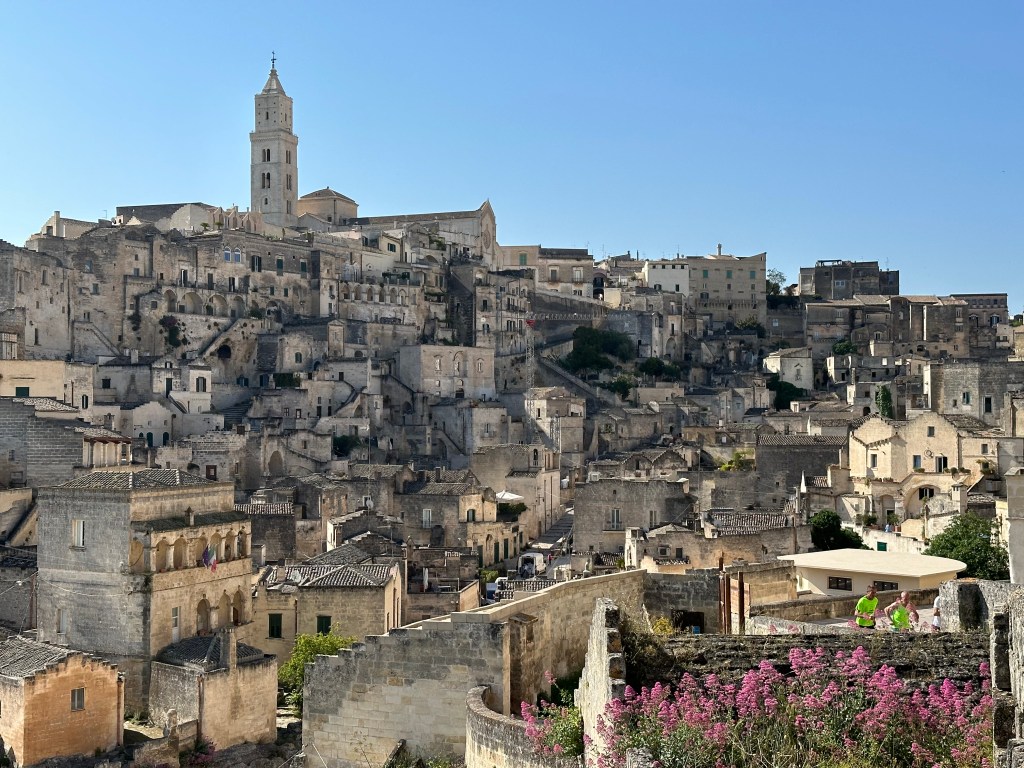
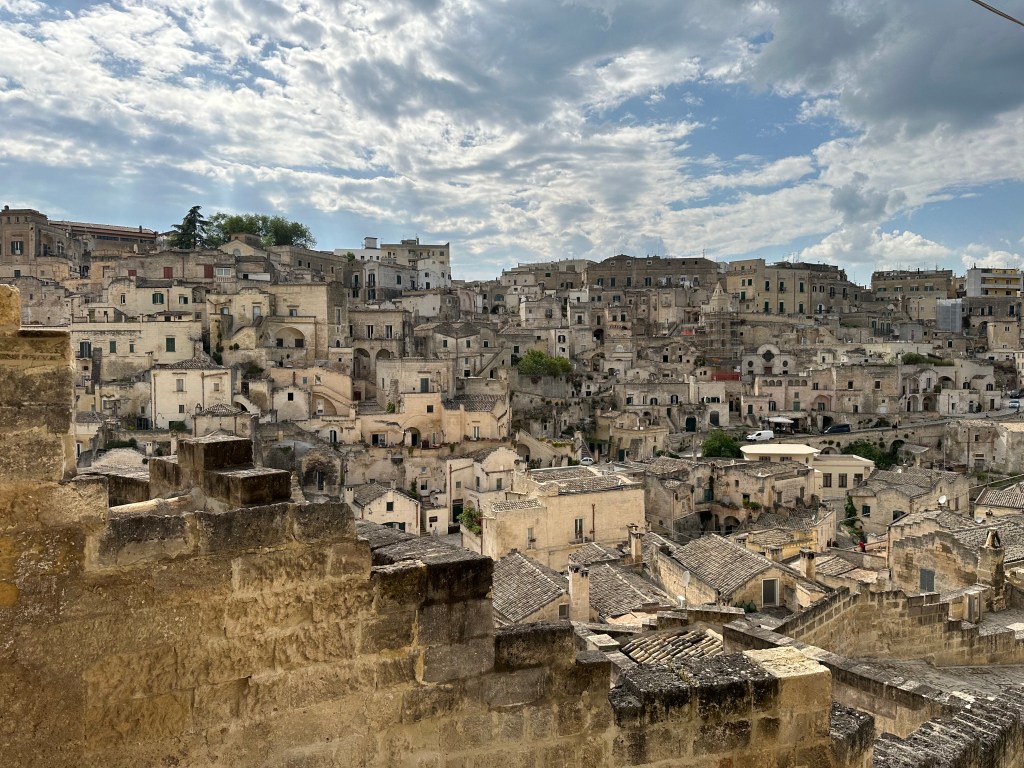
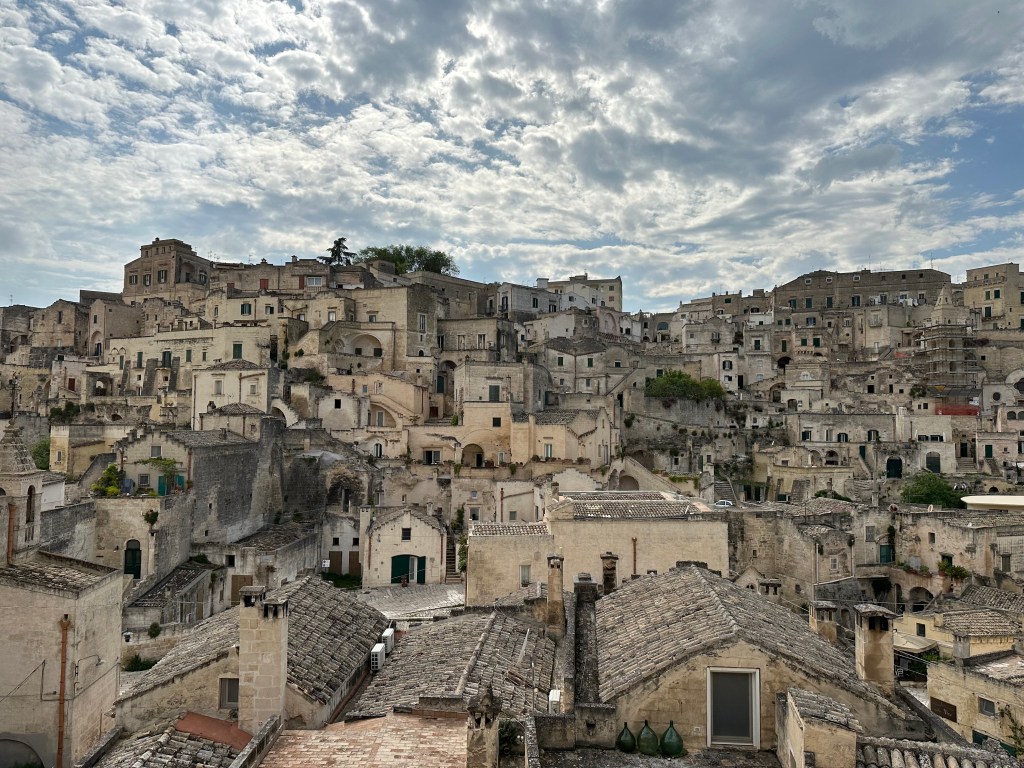
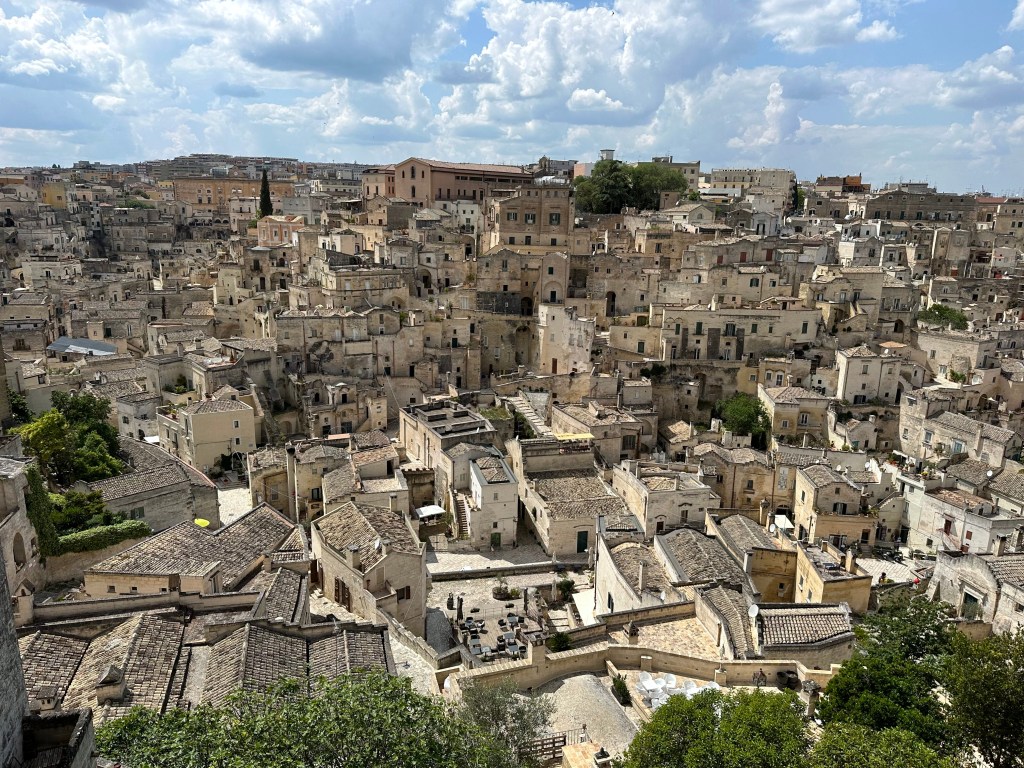
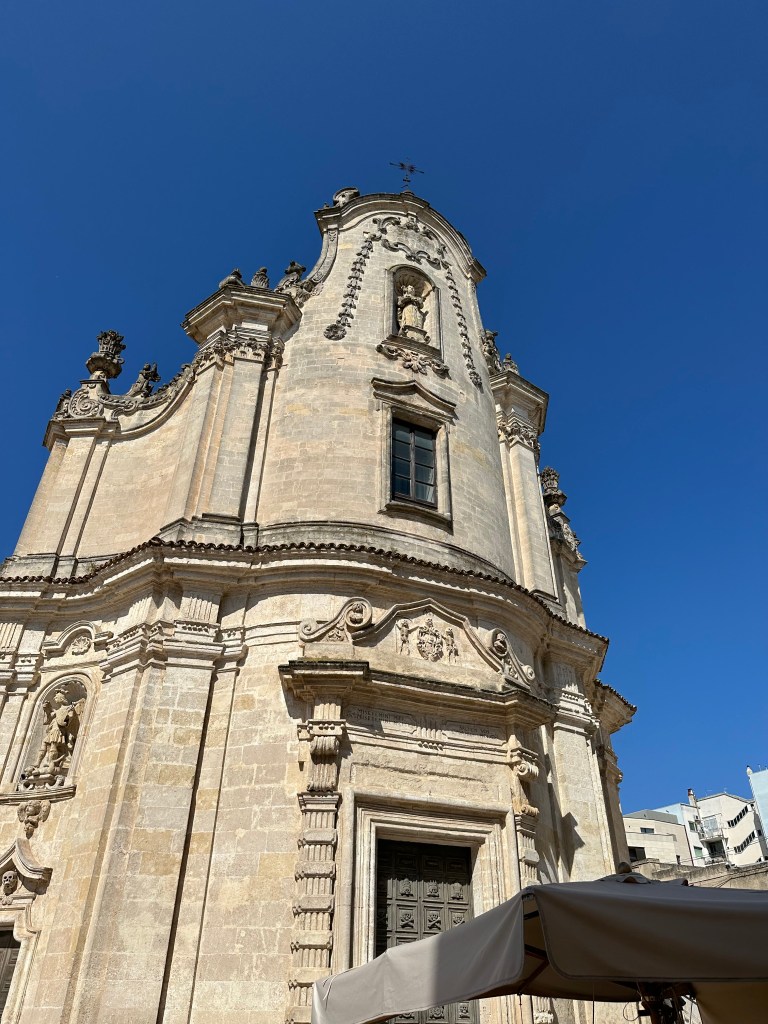
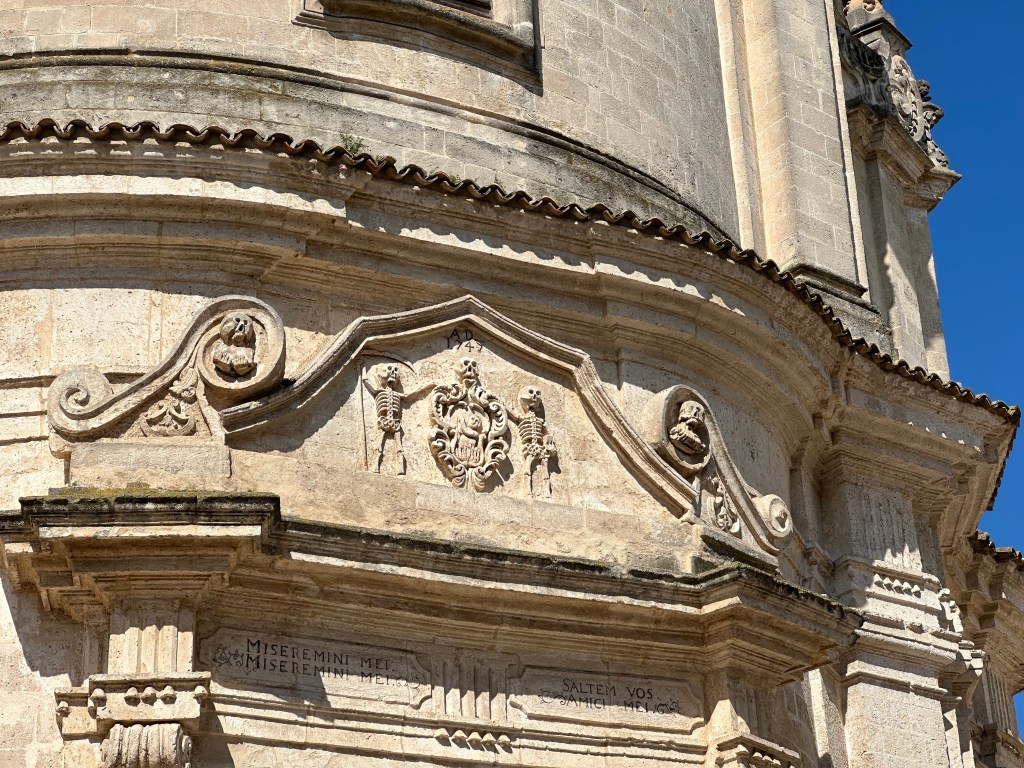
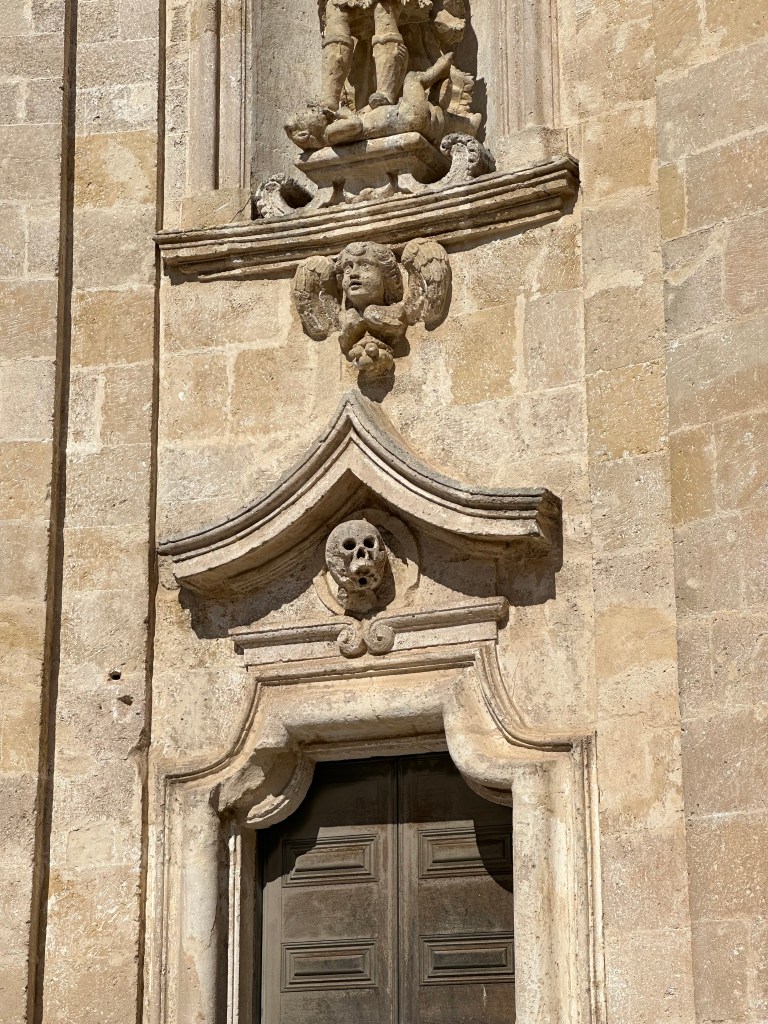
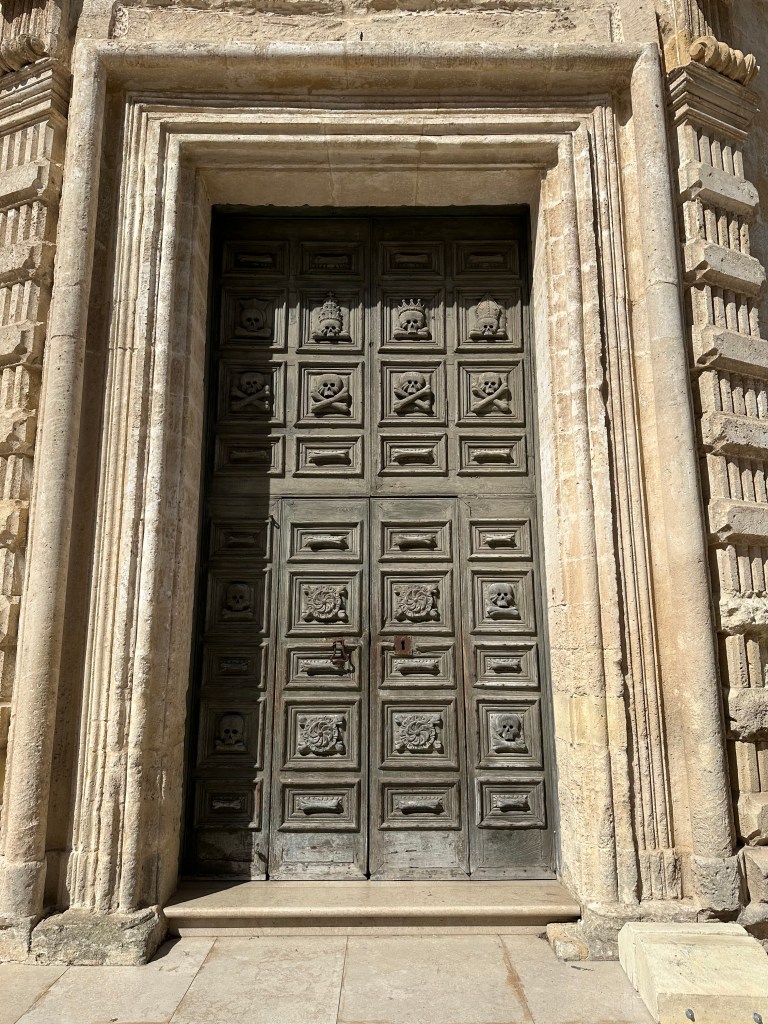
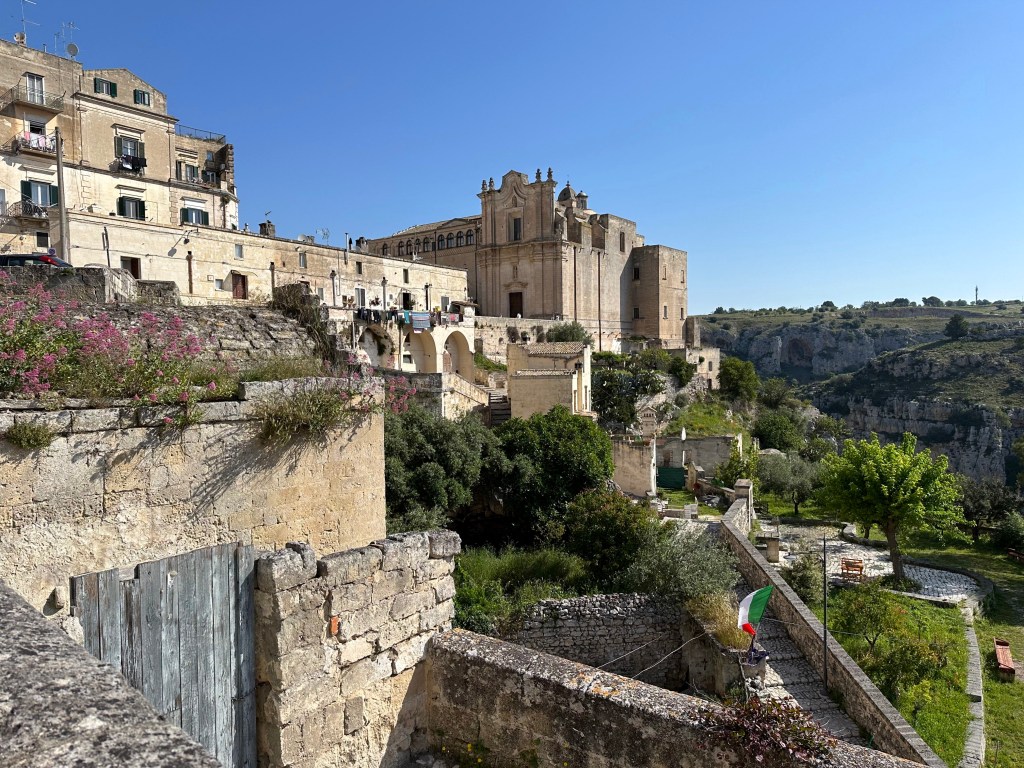
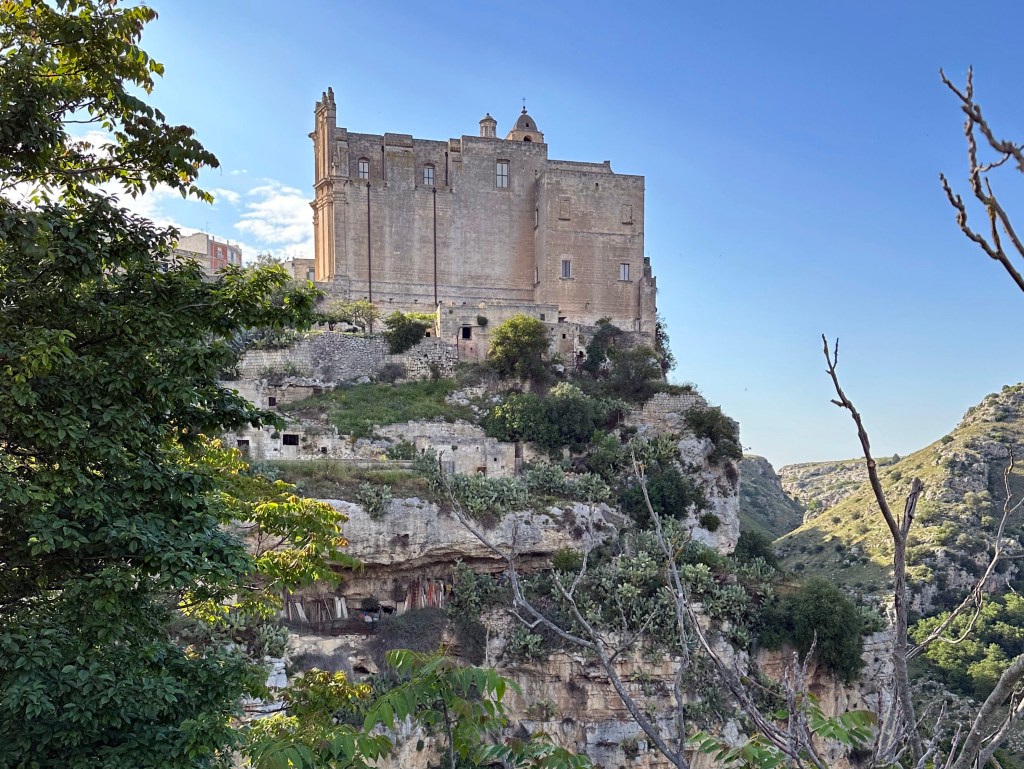
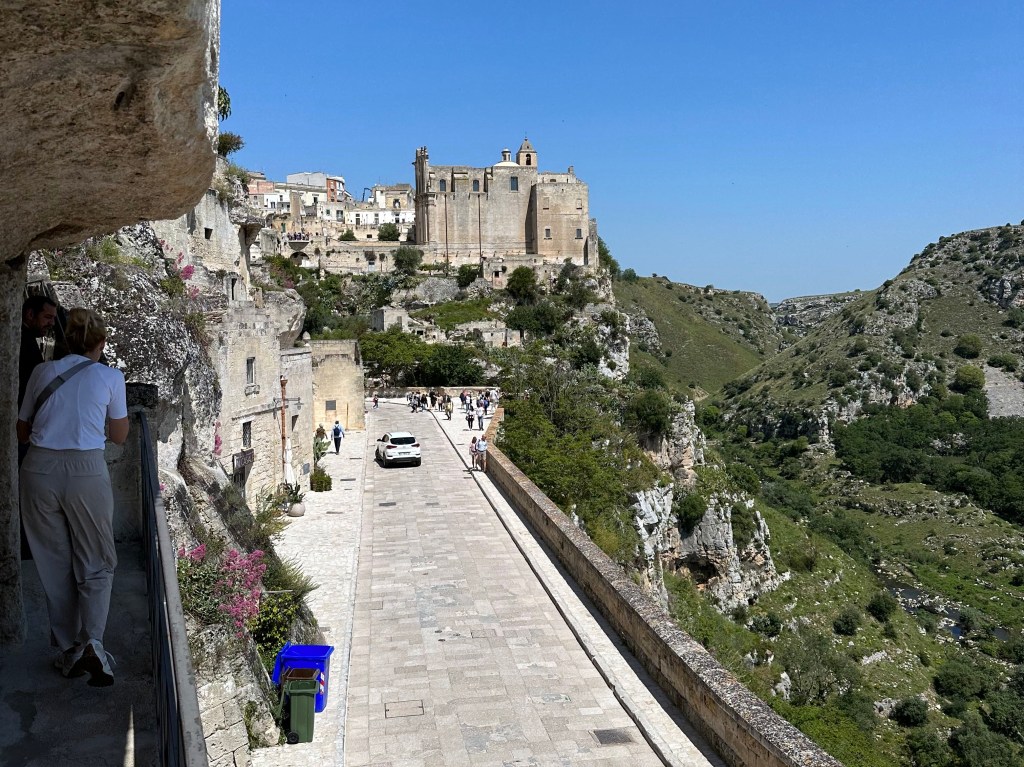
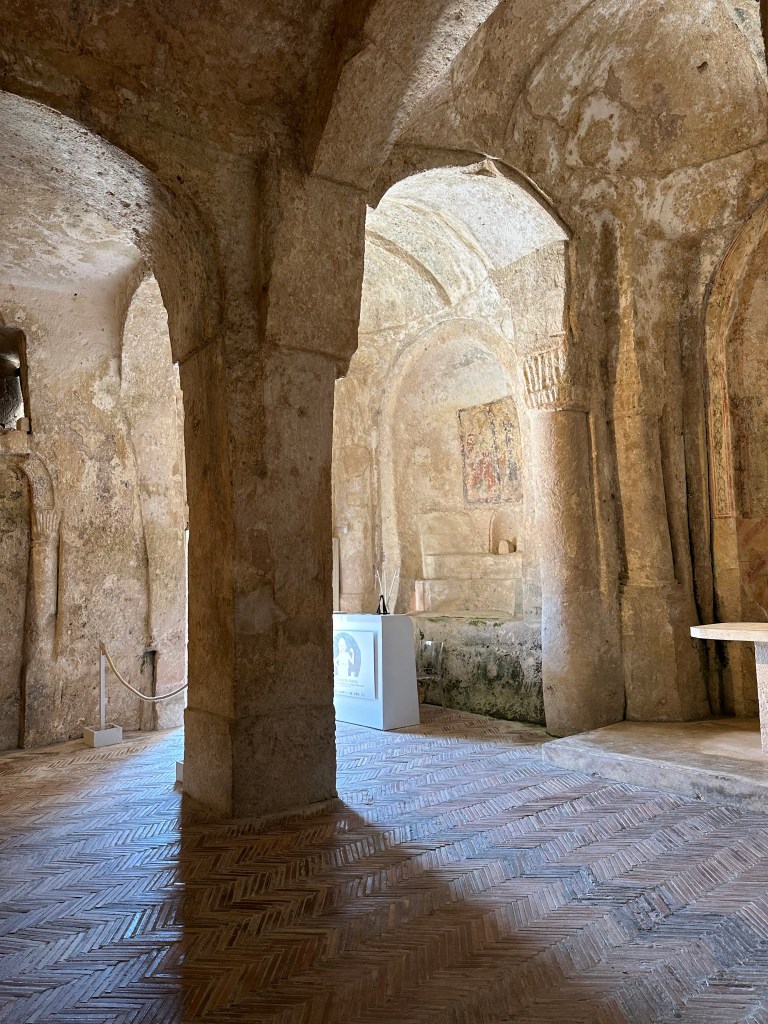
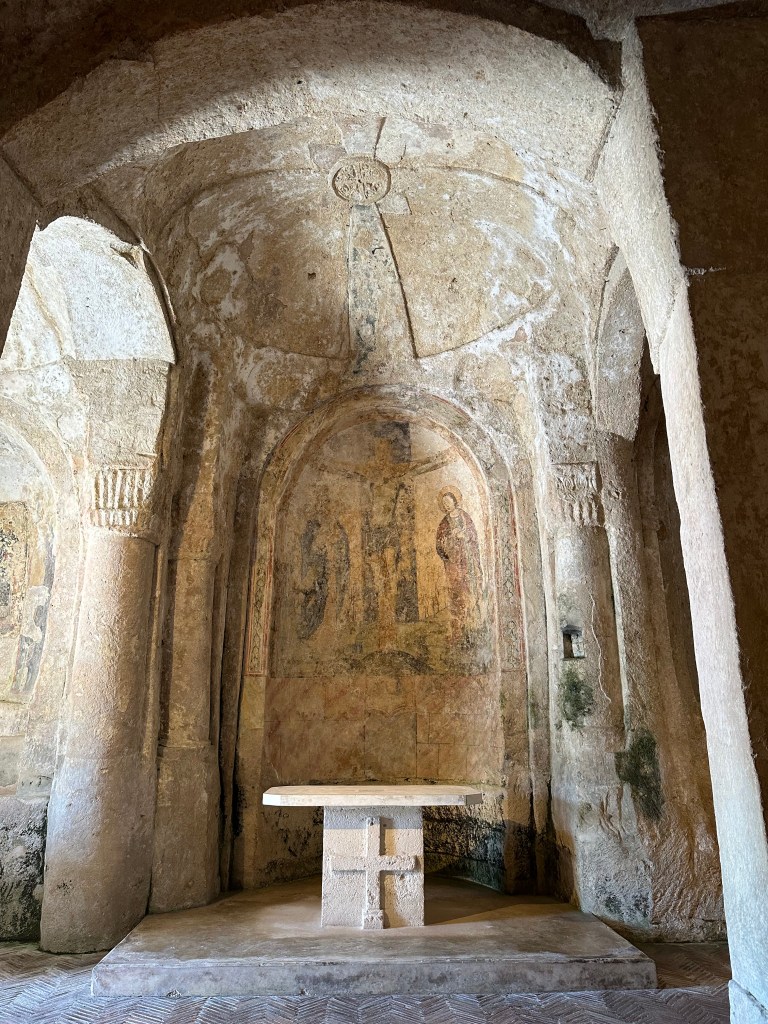
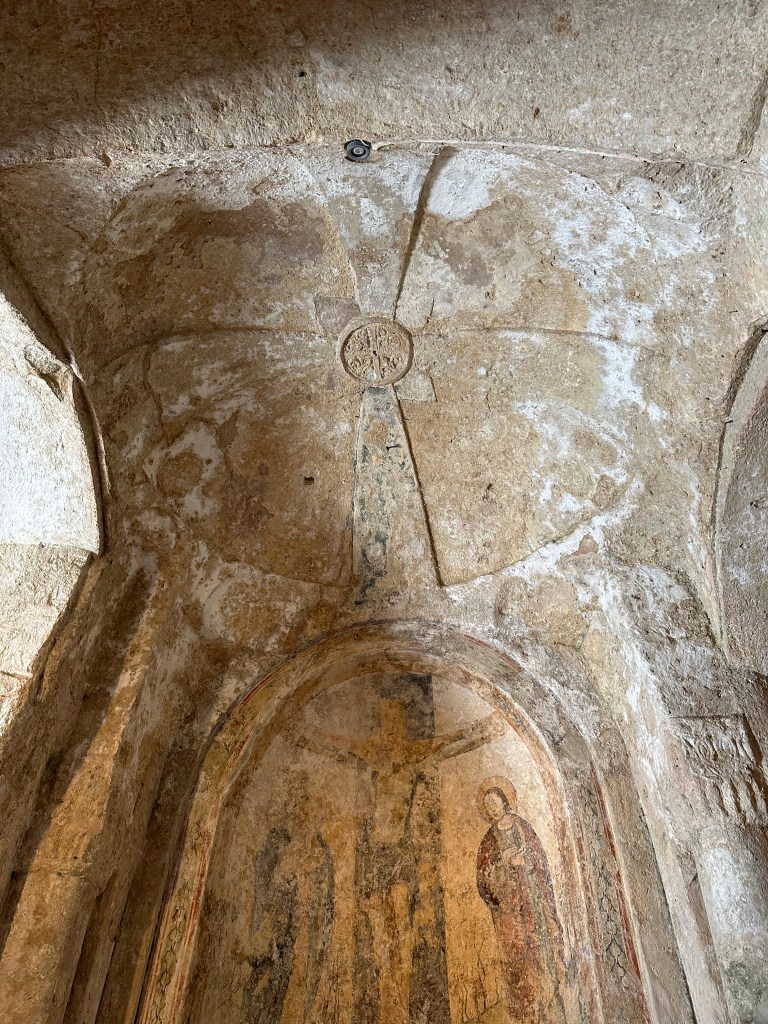
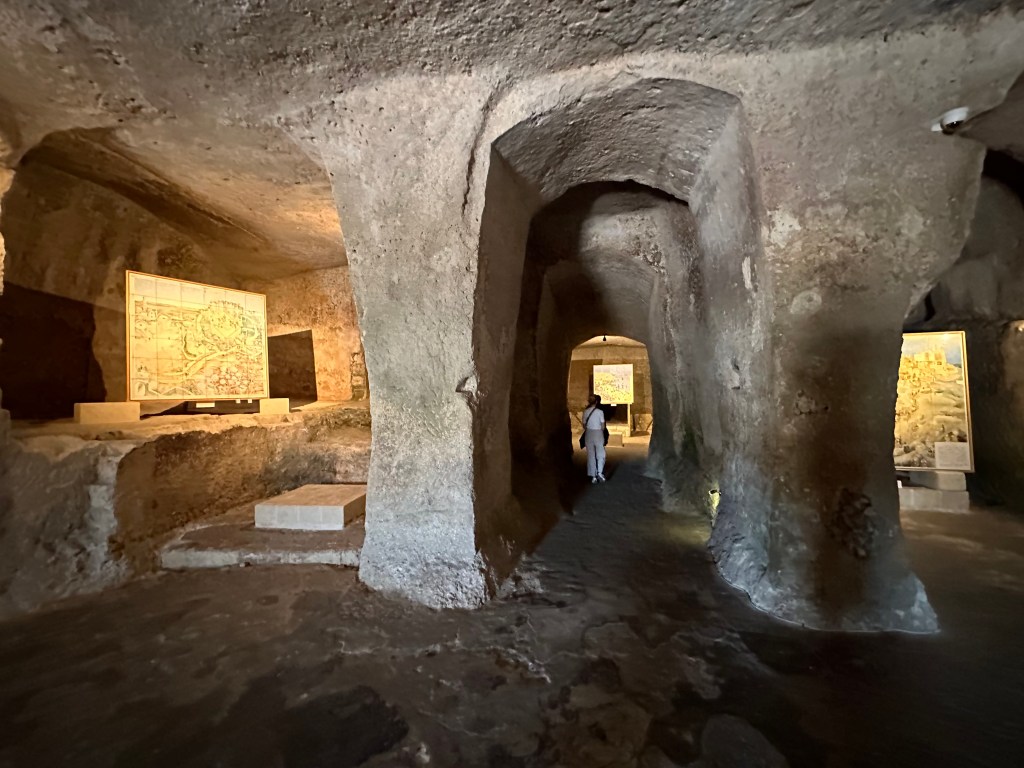
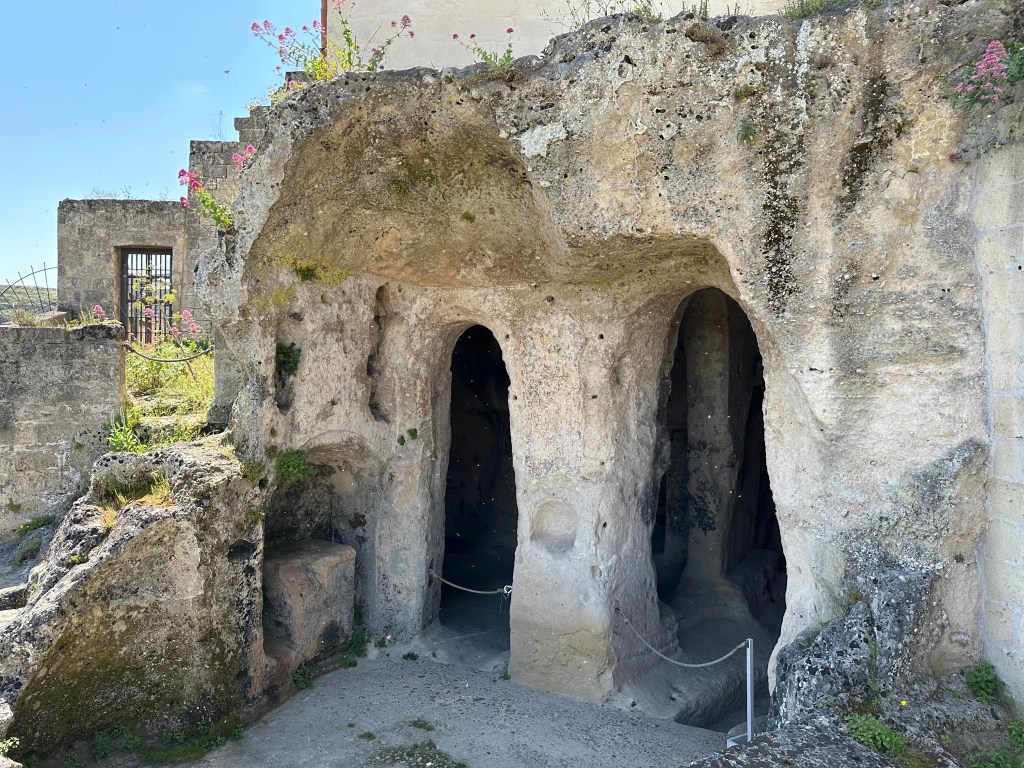
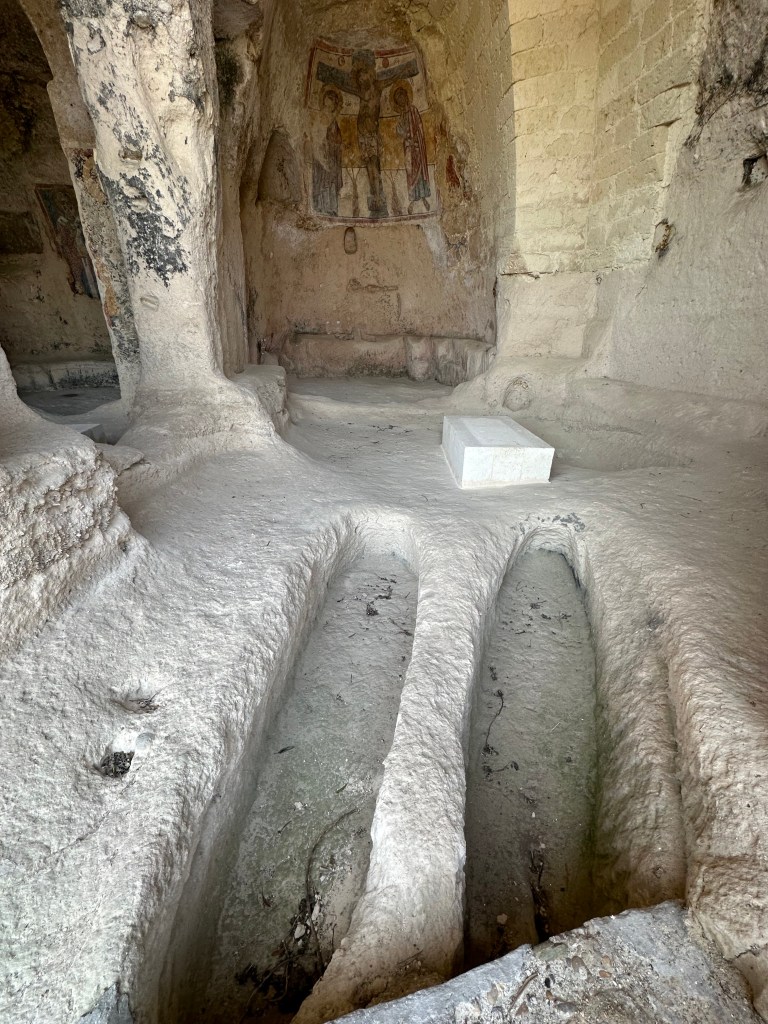
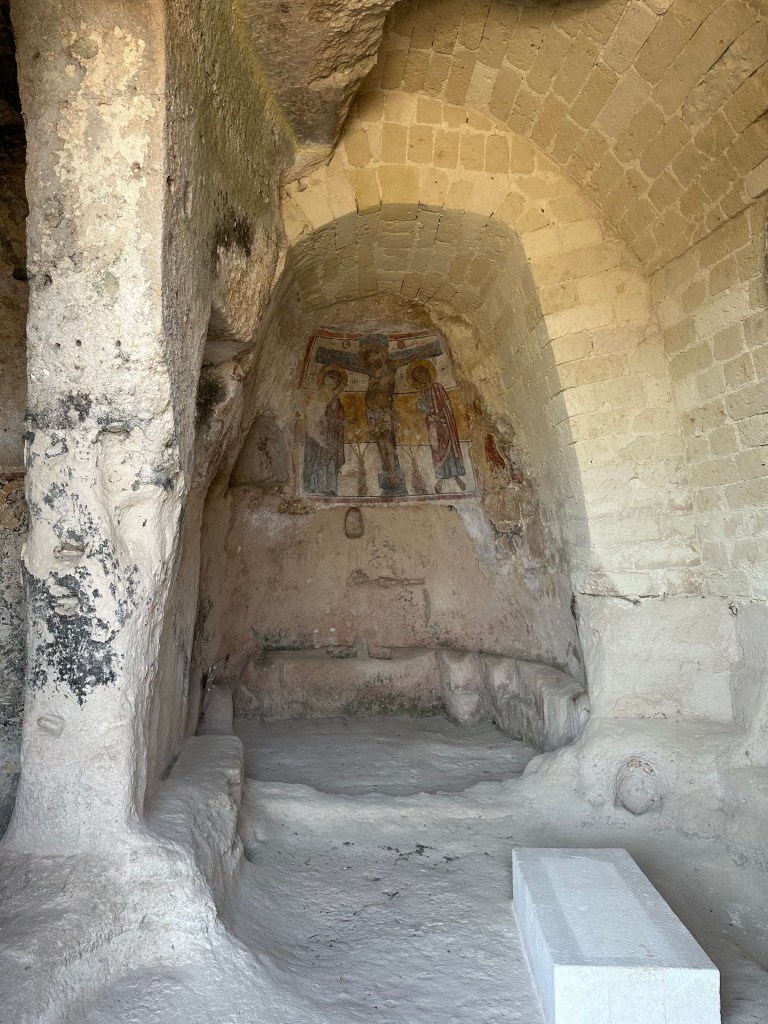
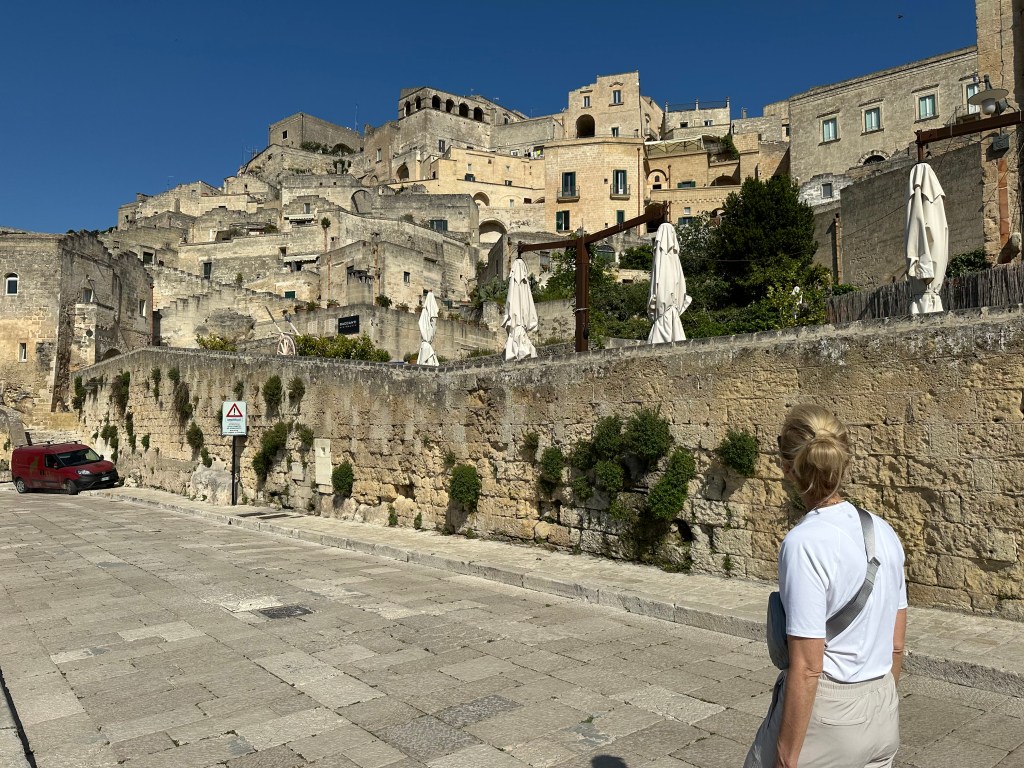
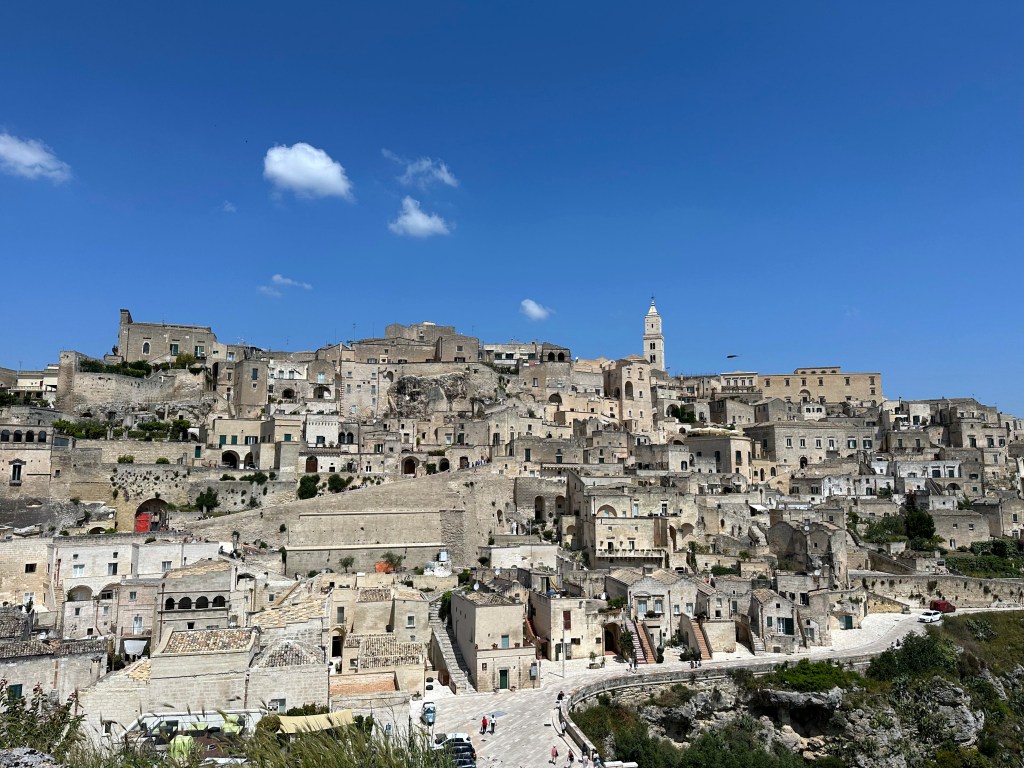
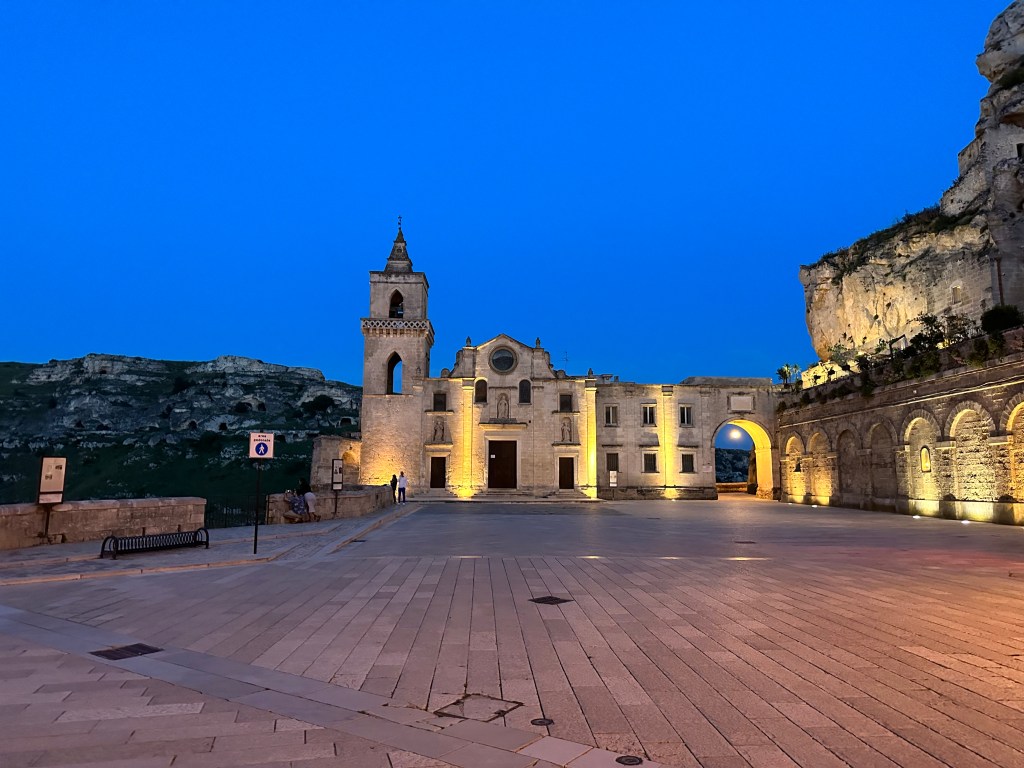
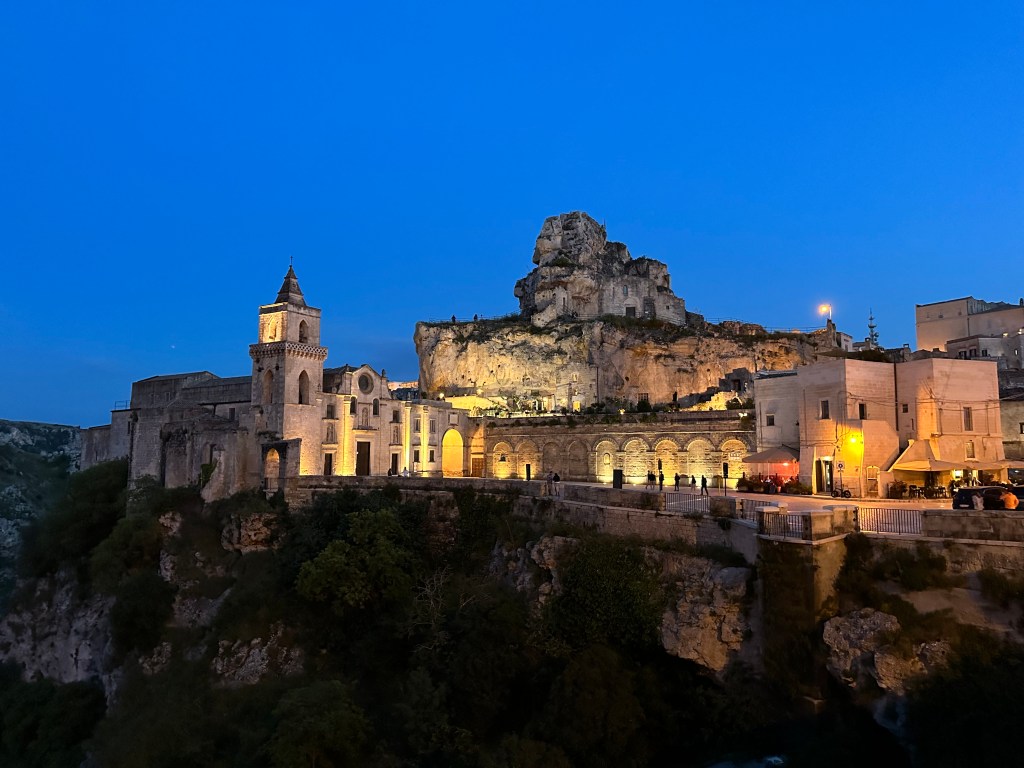
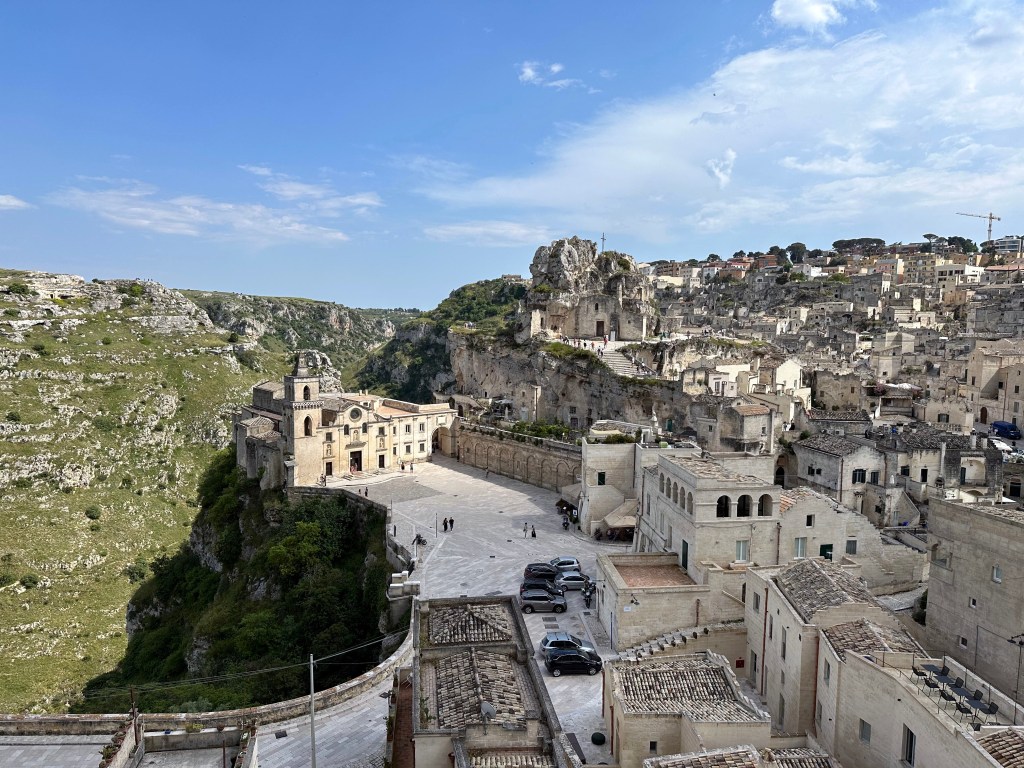
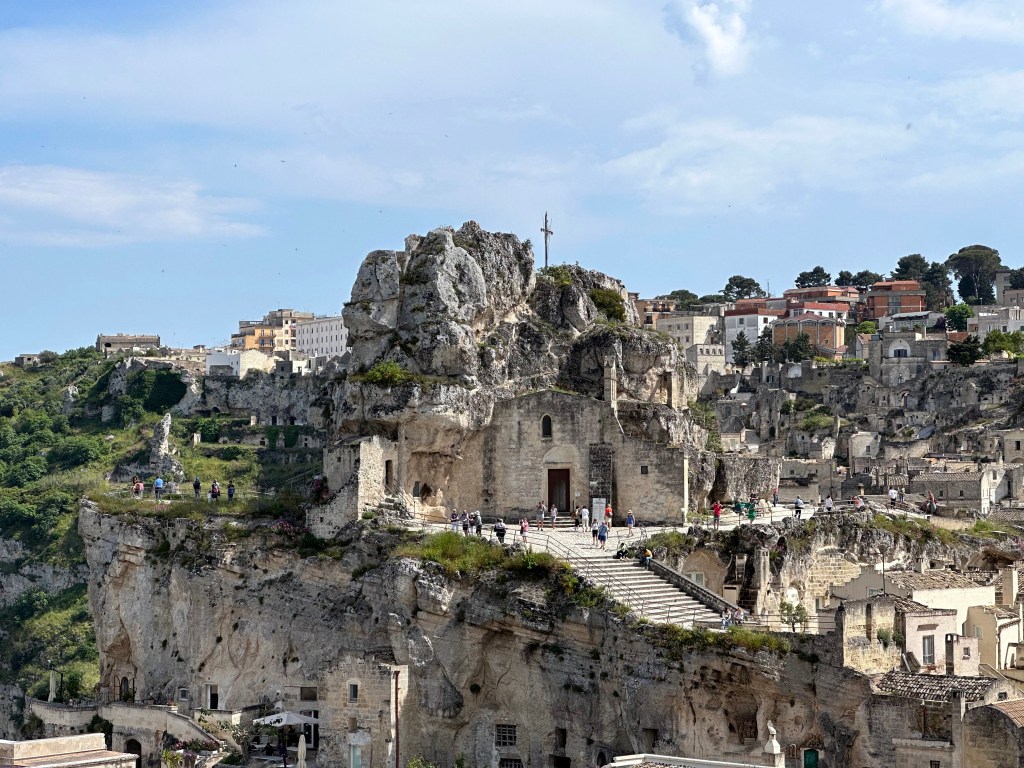
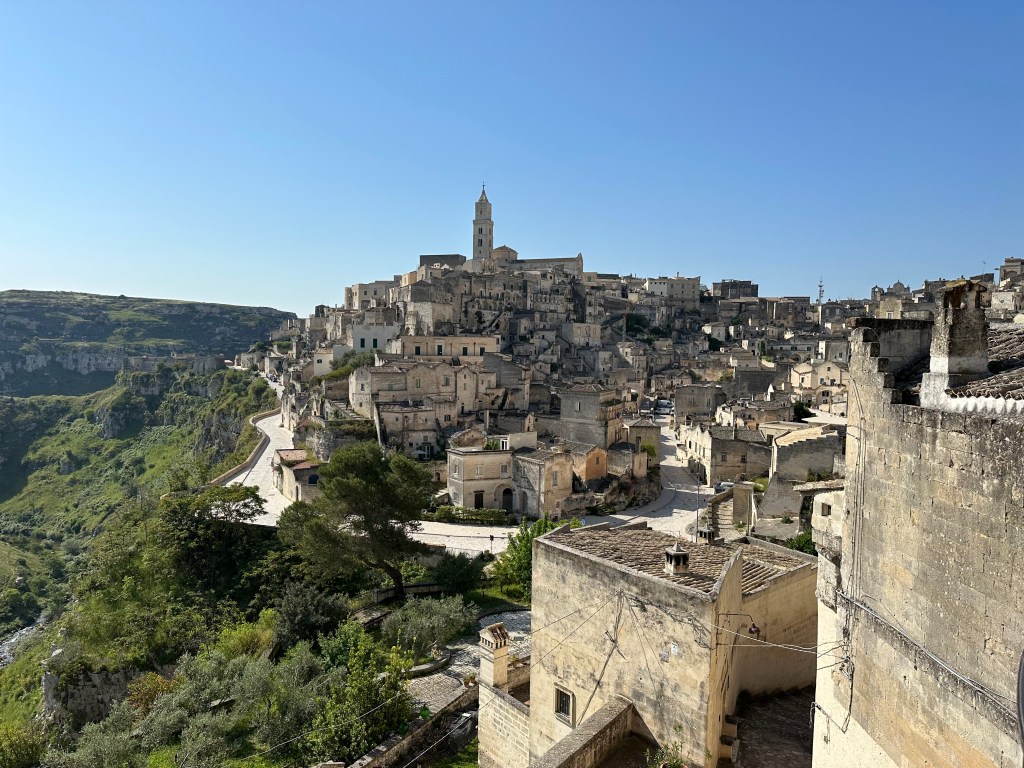
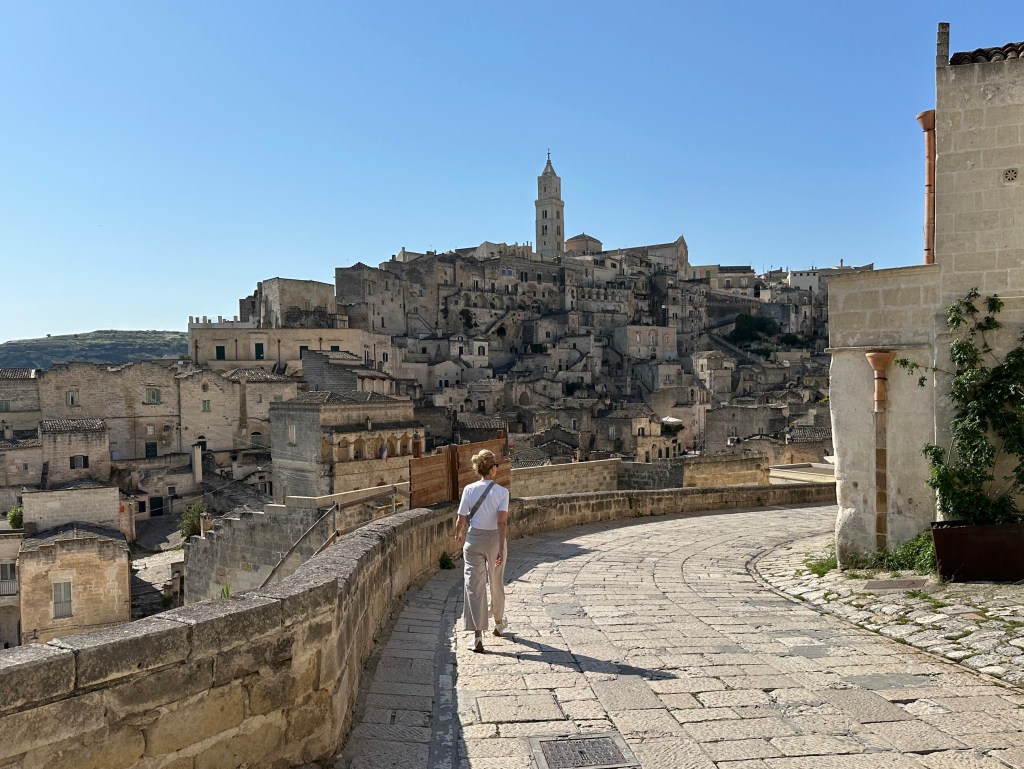
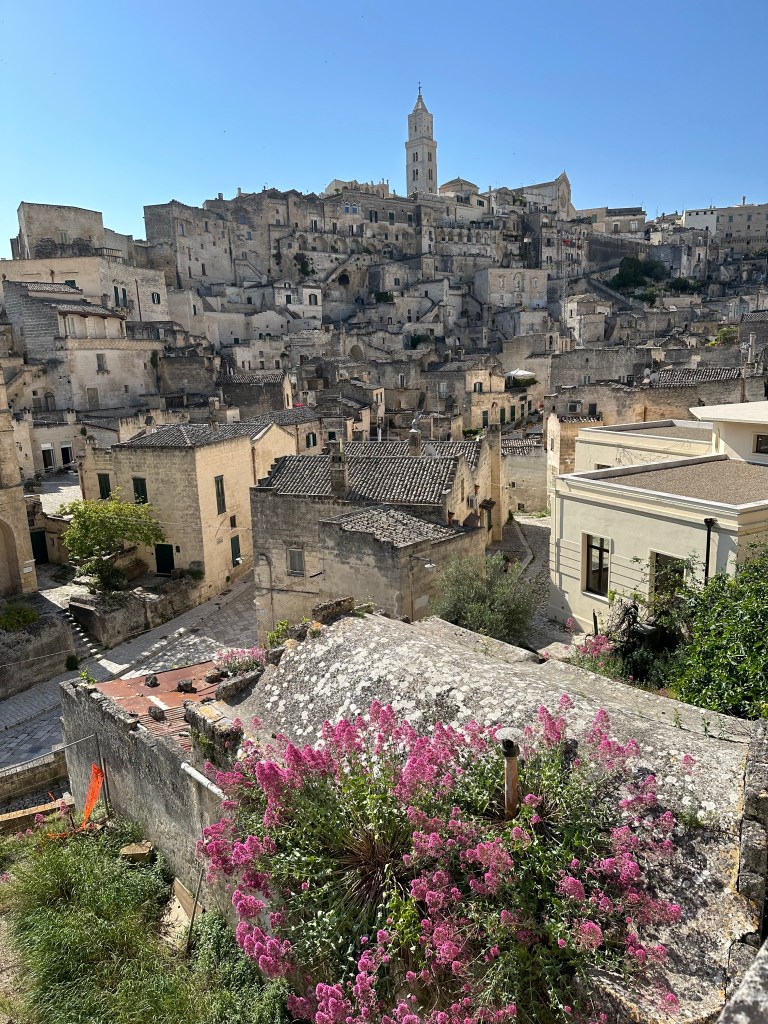
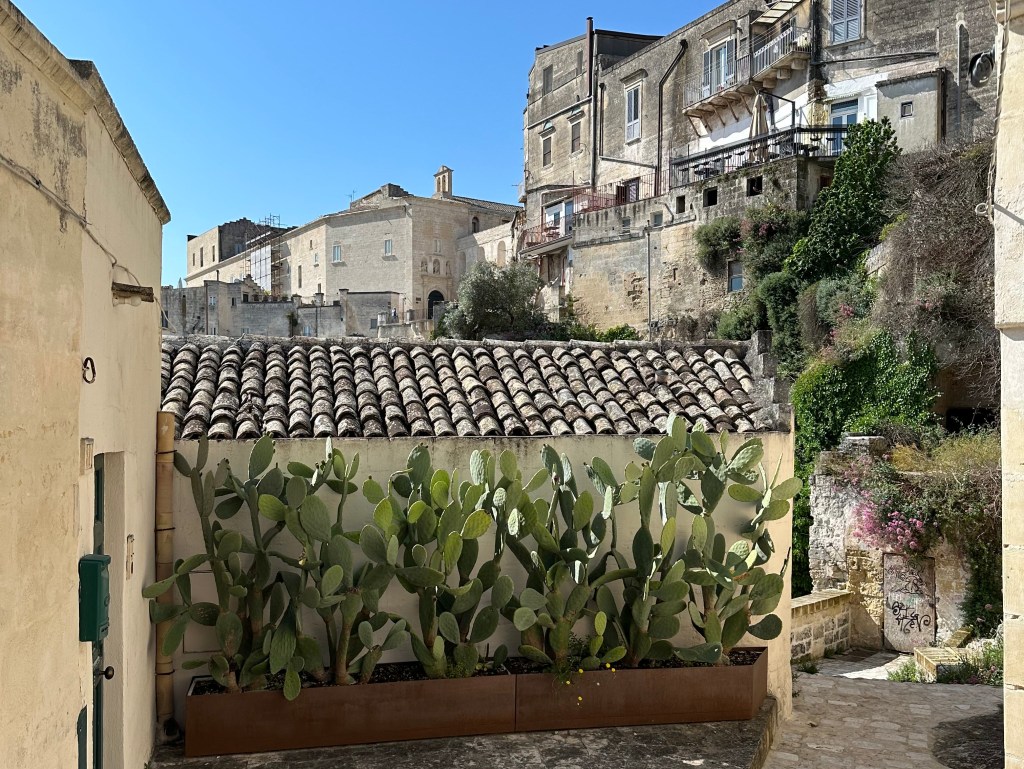
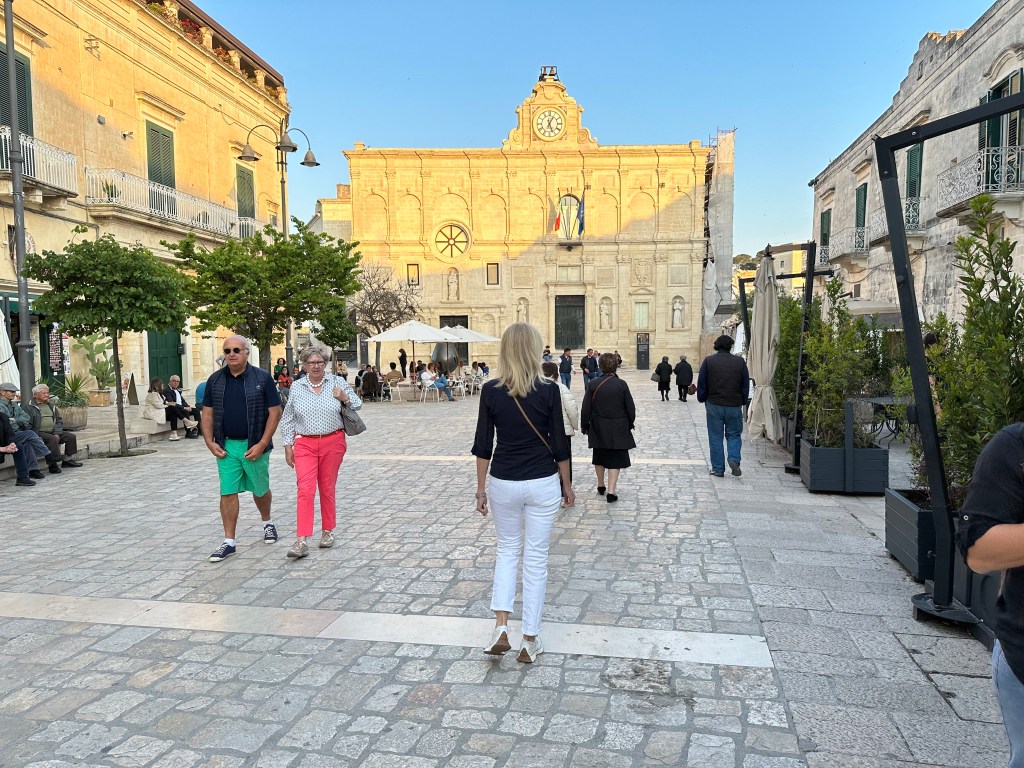
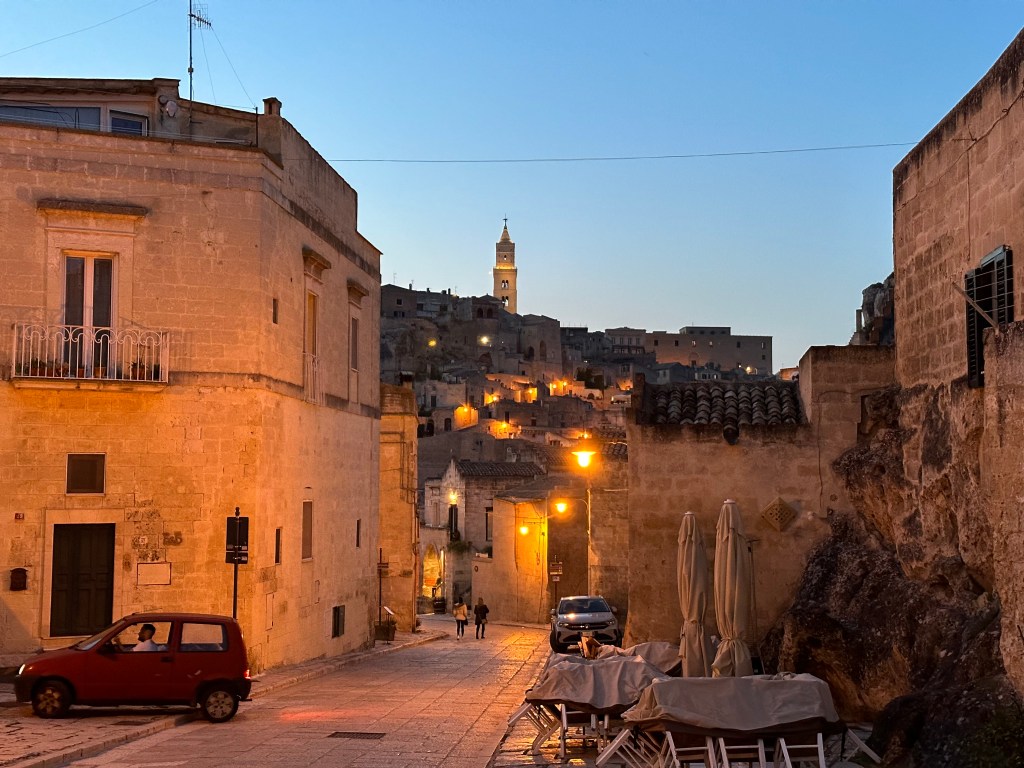
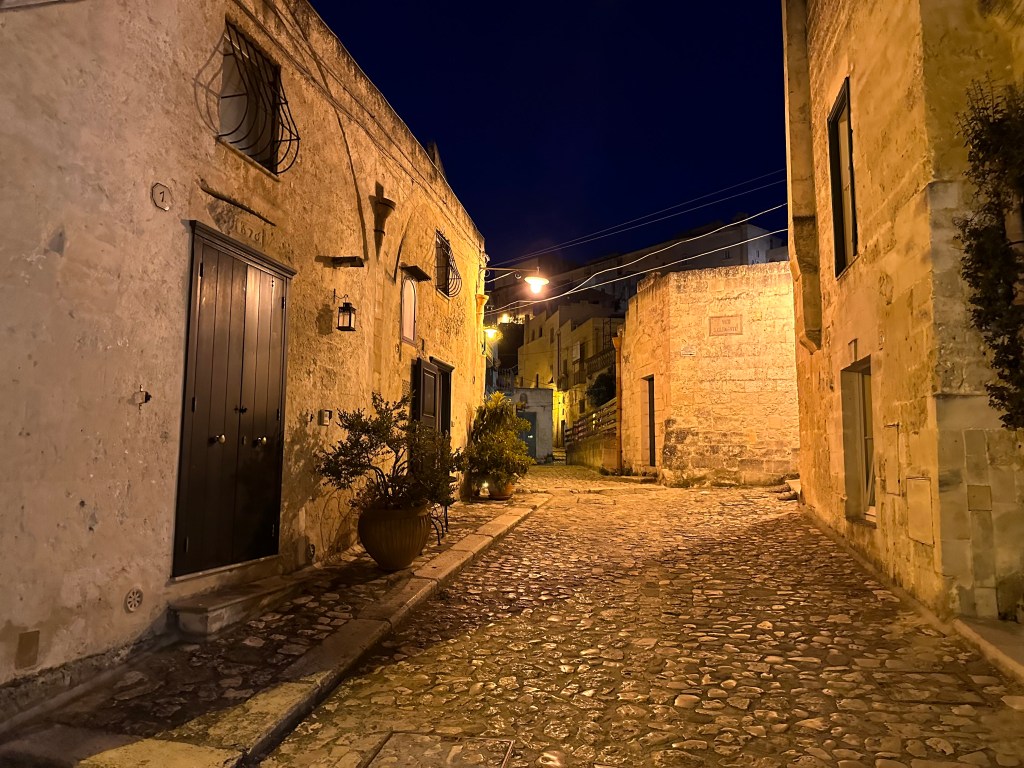
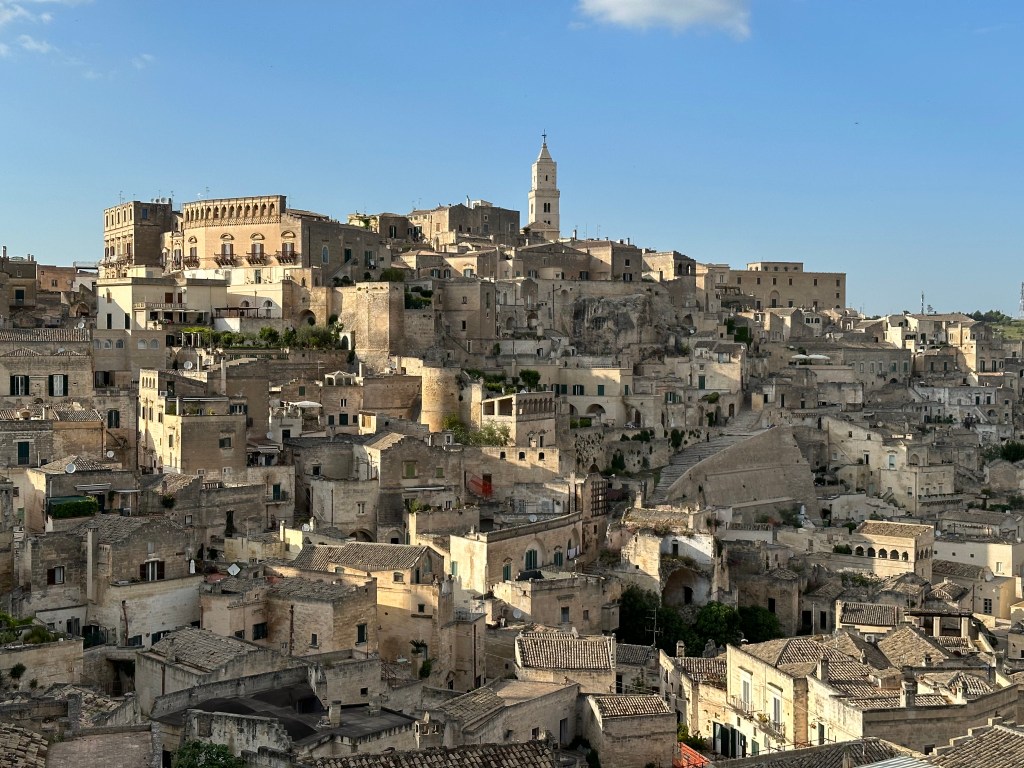
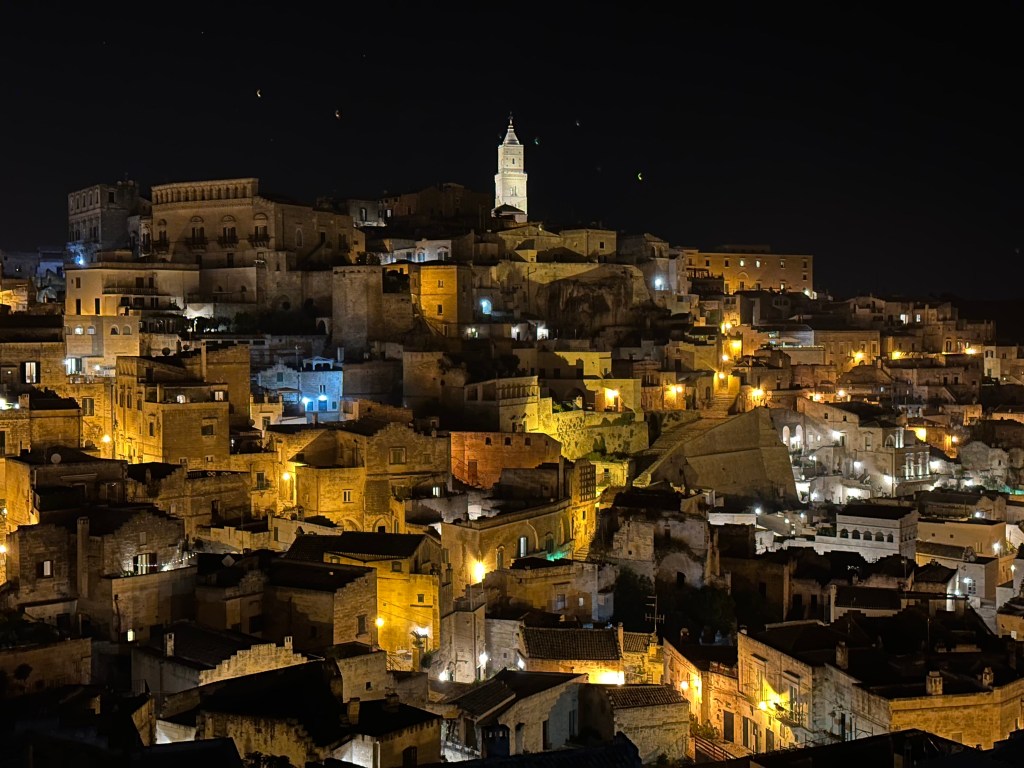
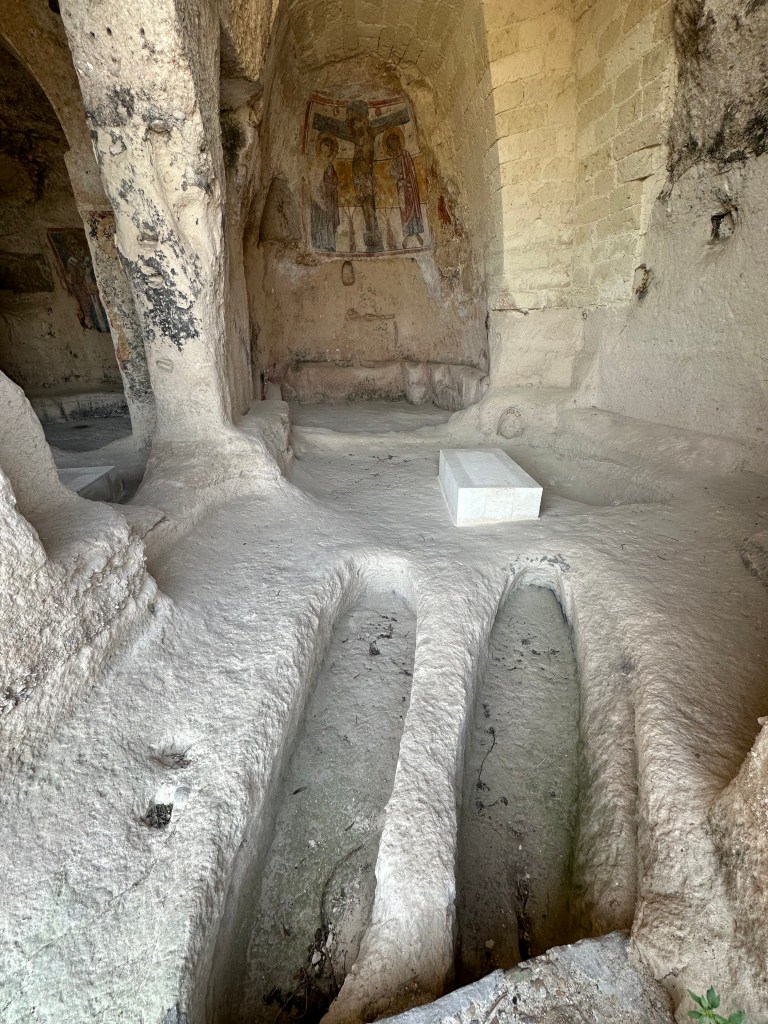
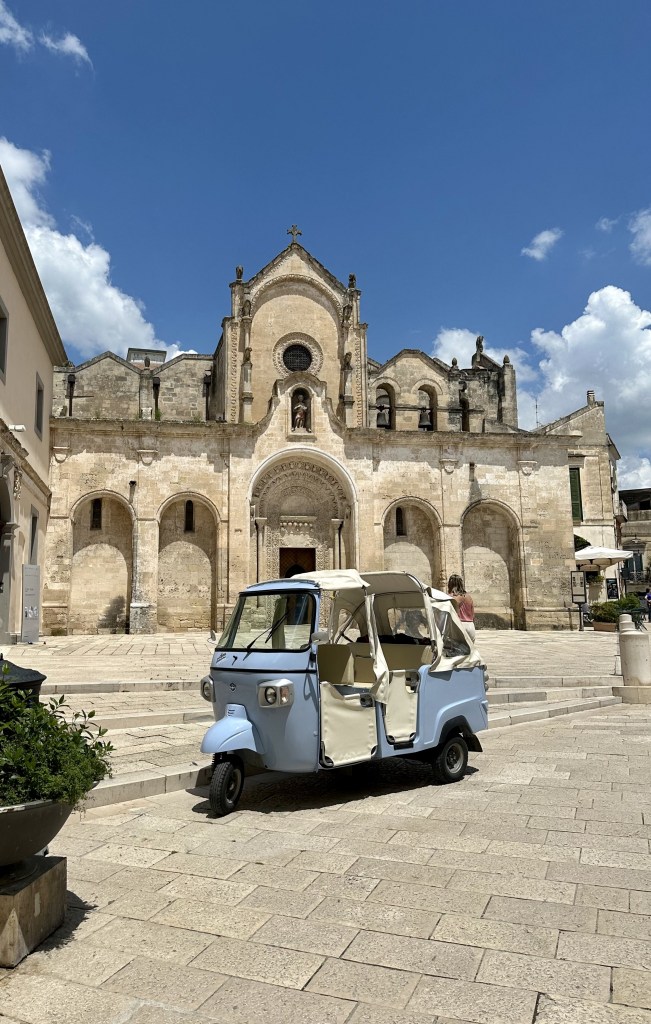
From the Amalfi Coast, we drove southeast for a couple of days in Matera, Italy’s oldest city:
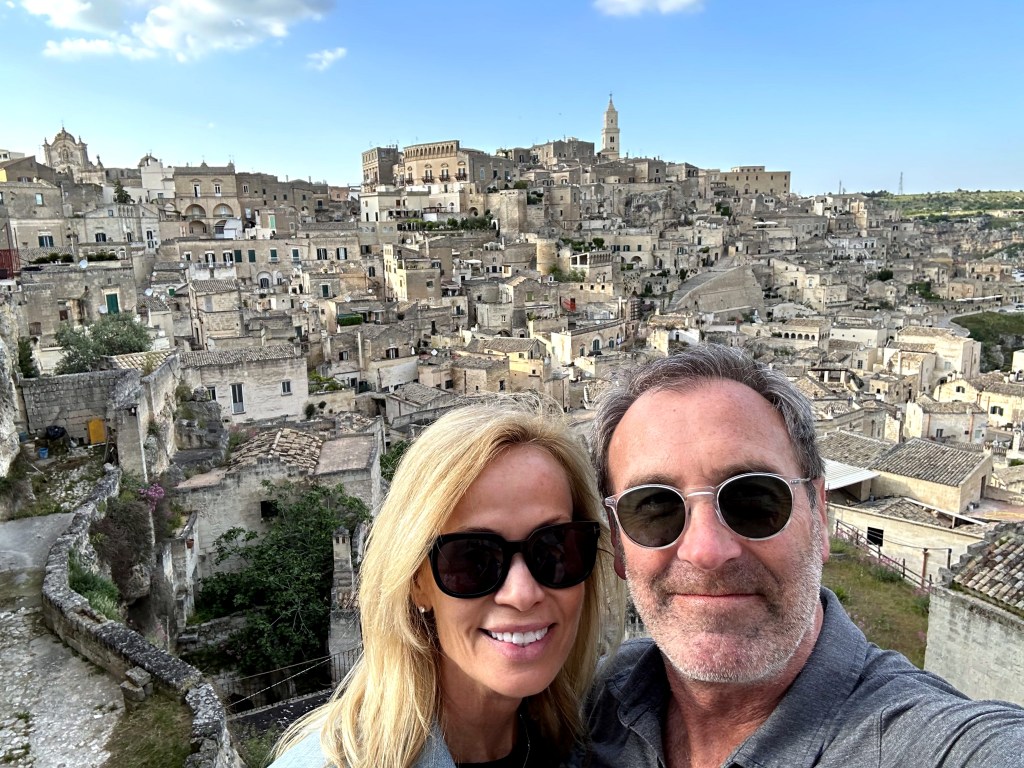
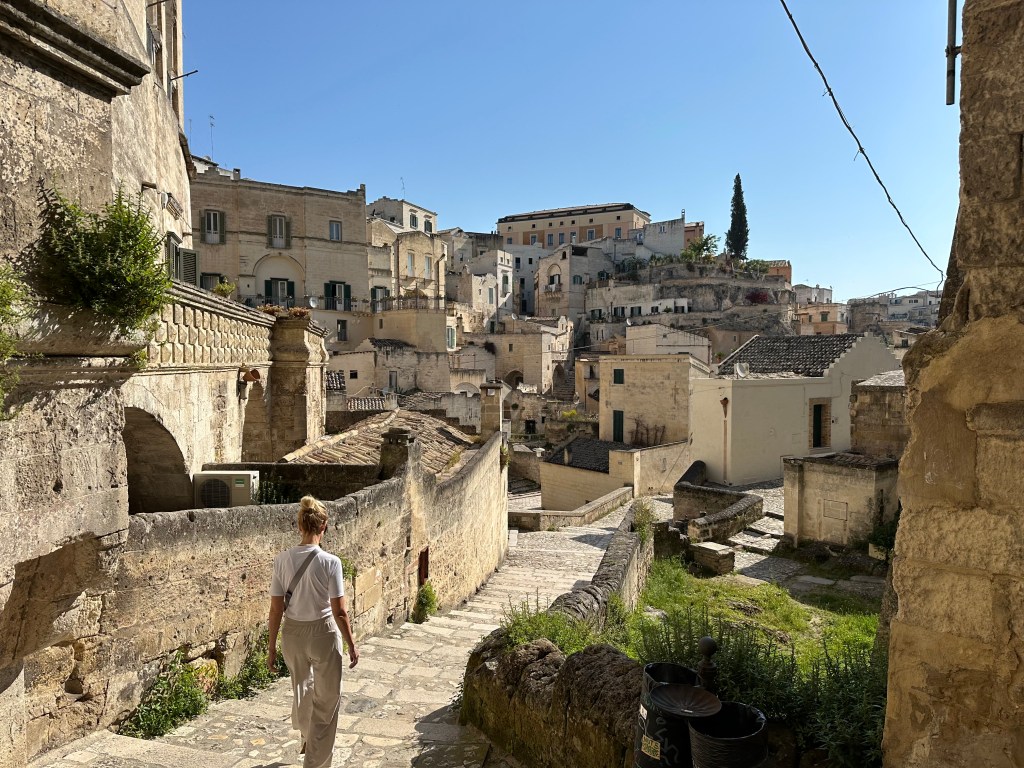
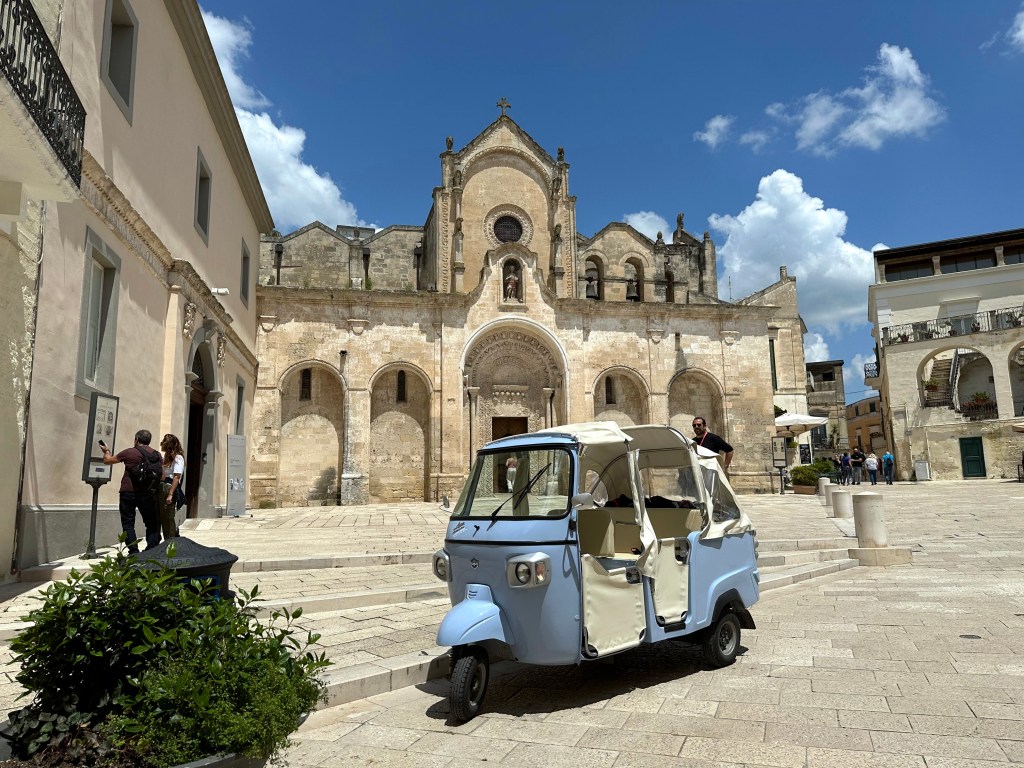
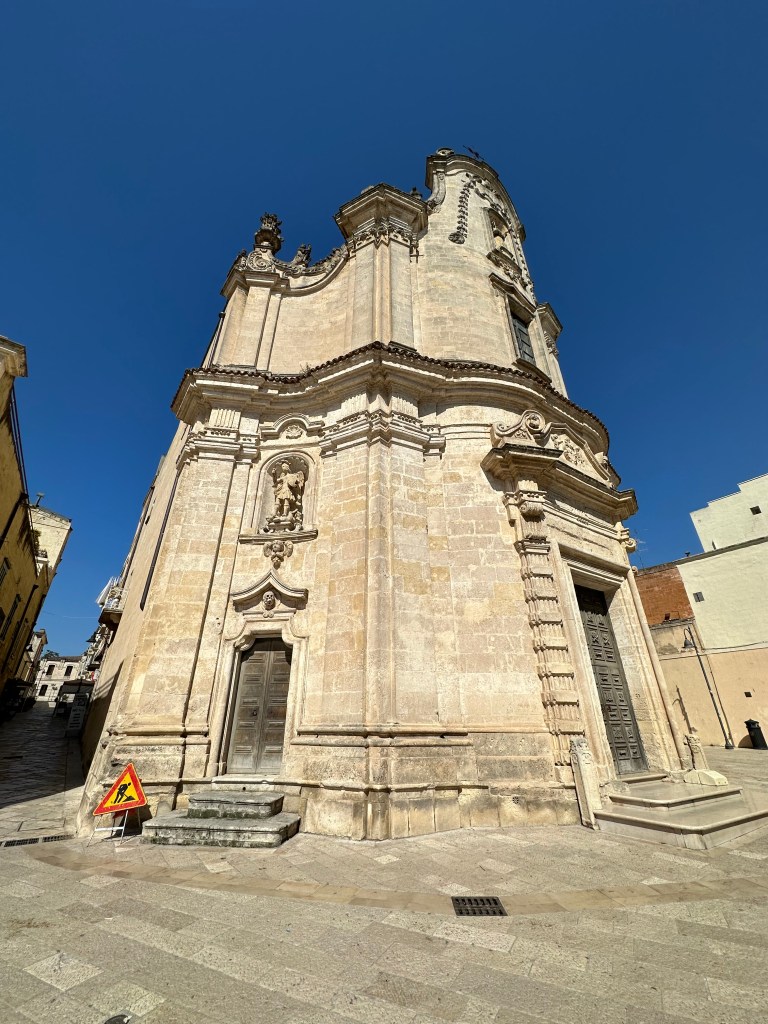
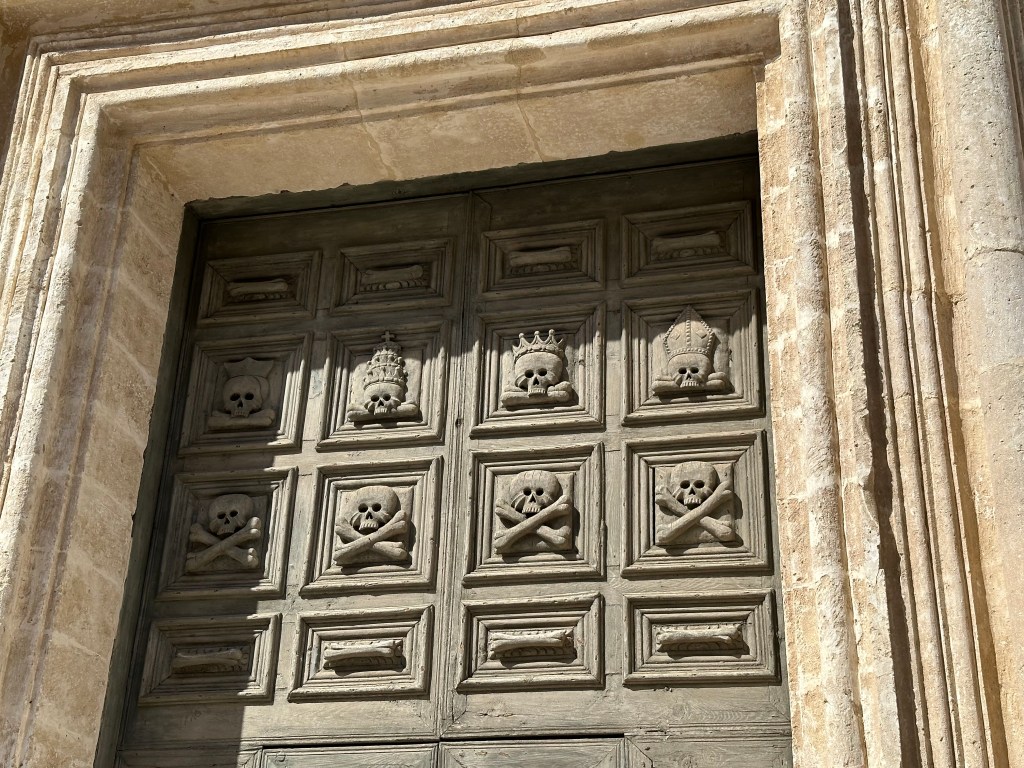
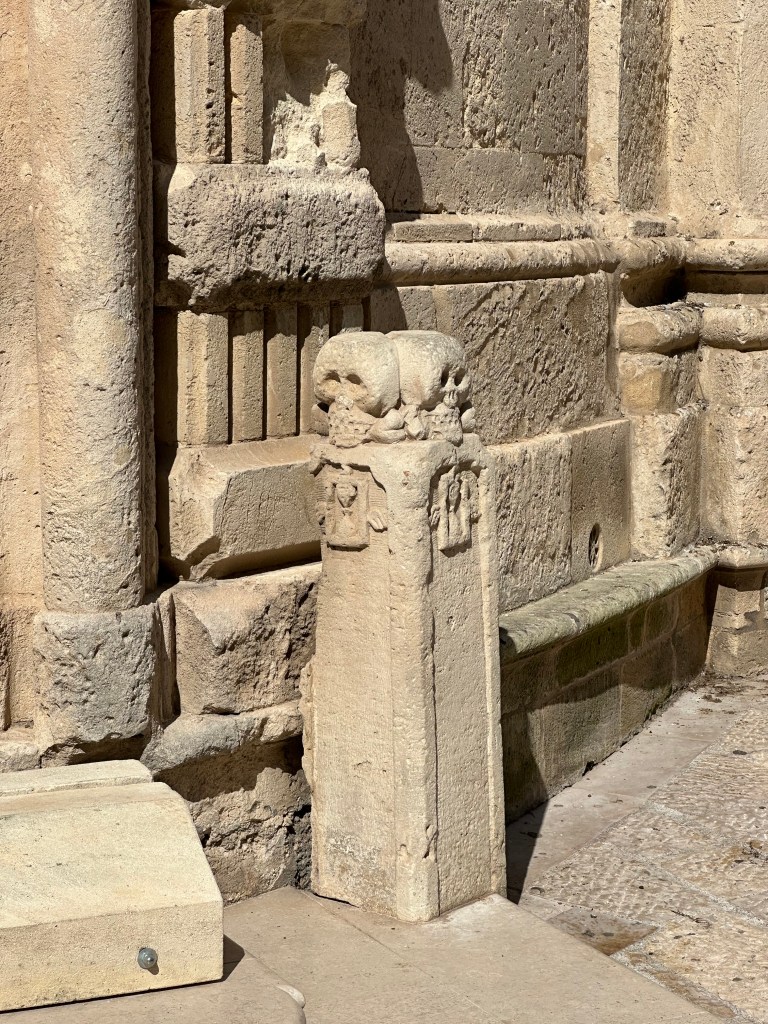
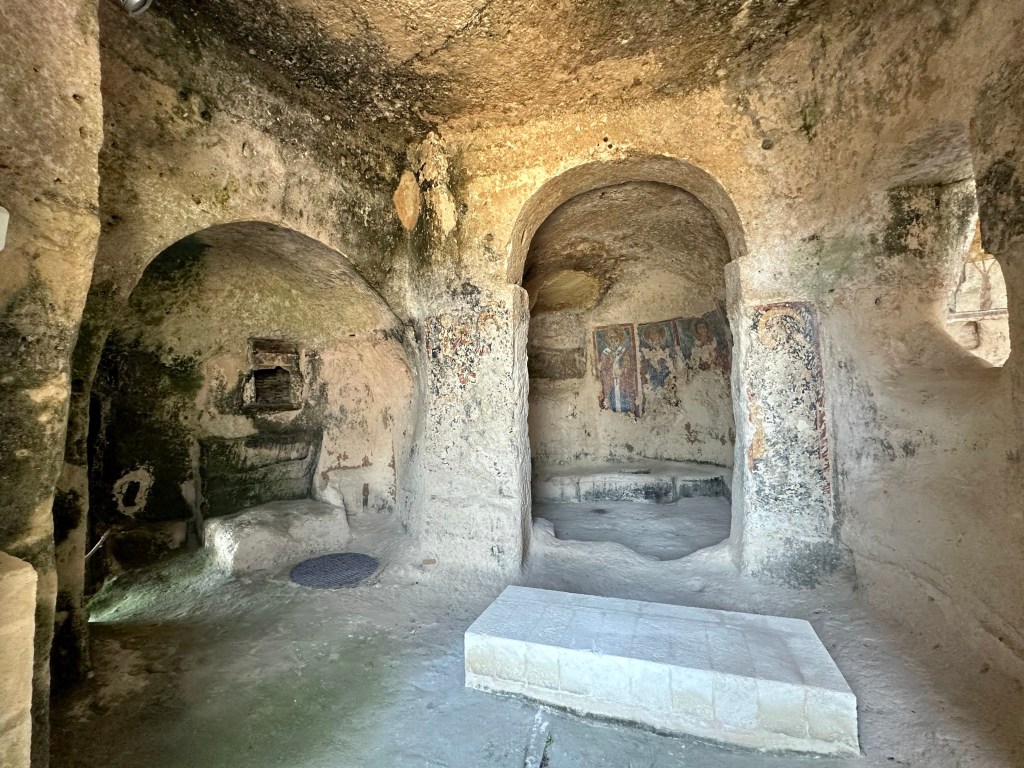
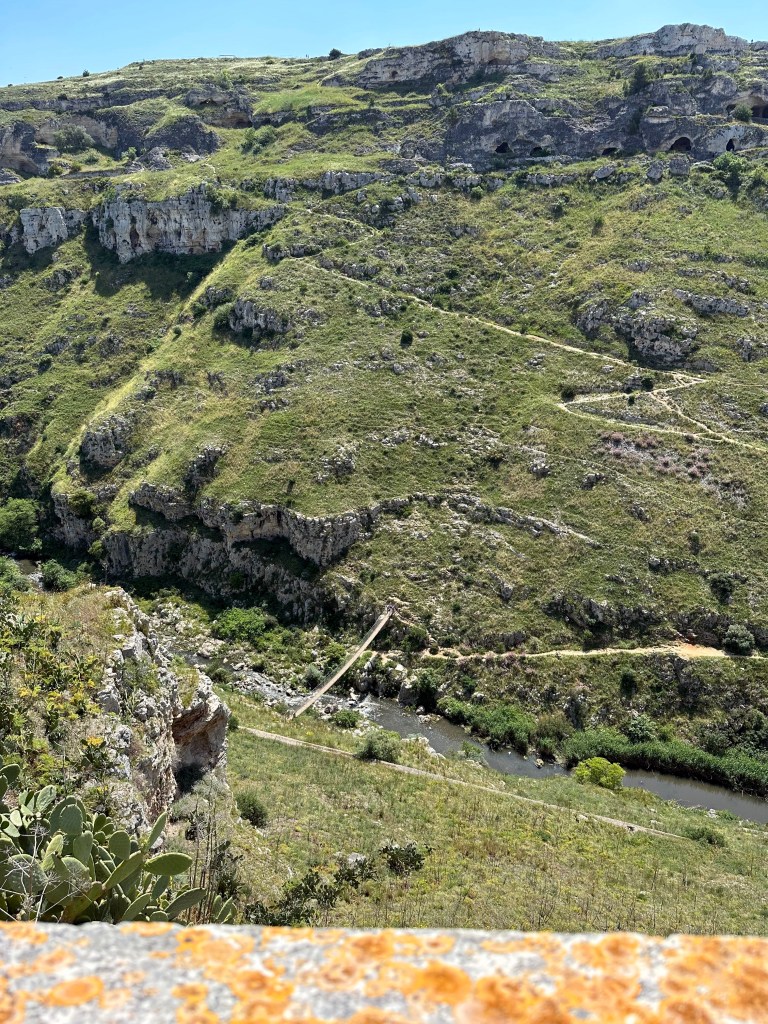
Similar to our experience in Capadocica in Turkey, Matera sported tons of centuries-old troglodite homes, churches, and tombs:
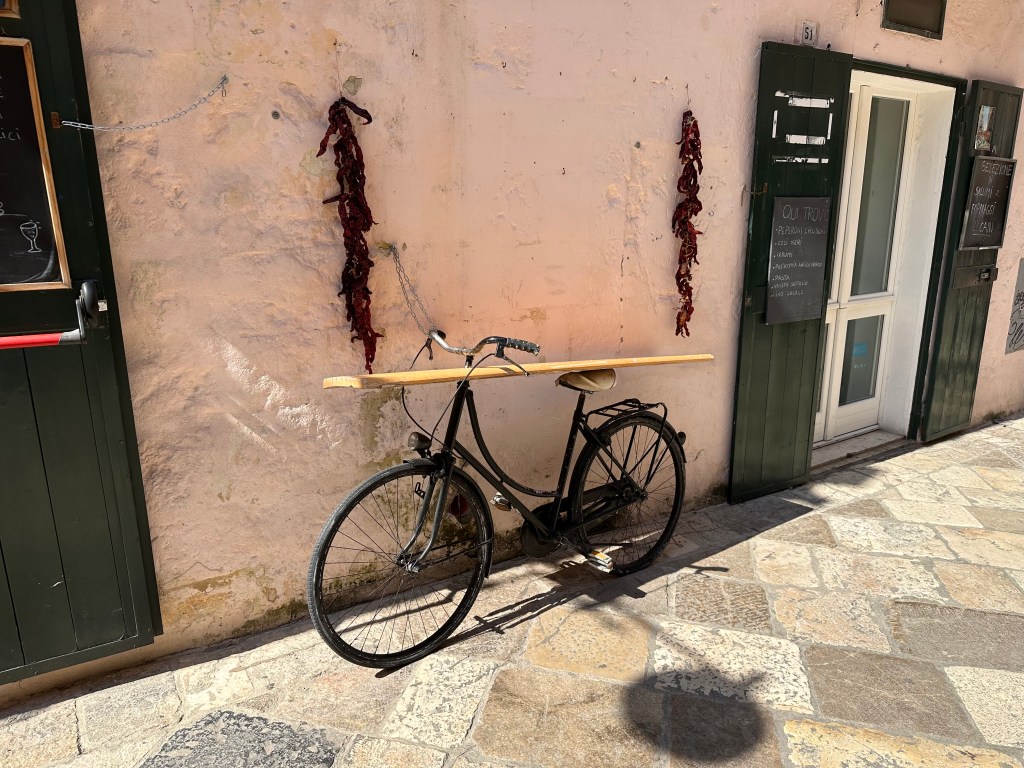
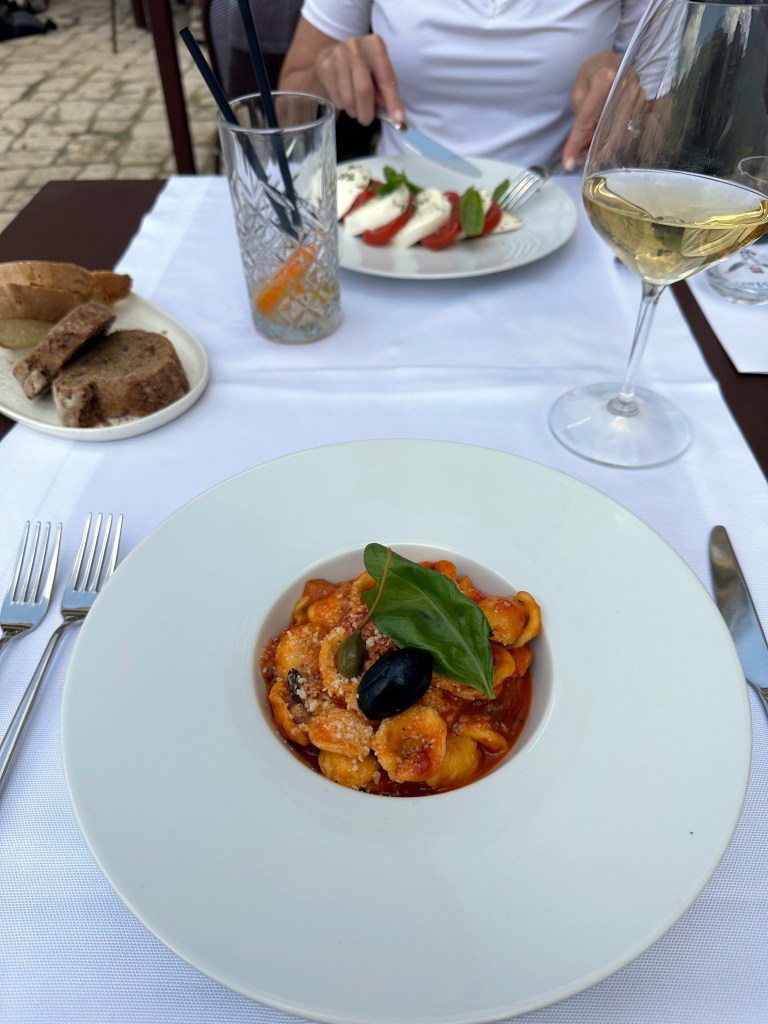
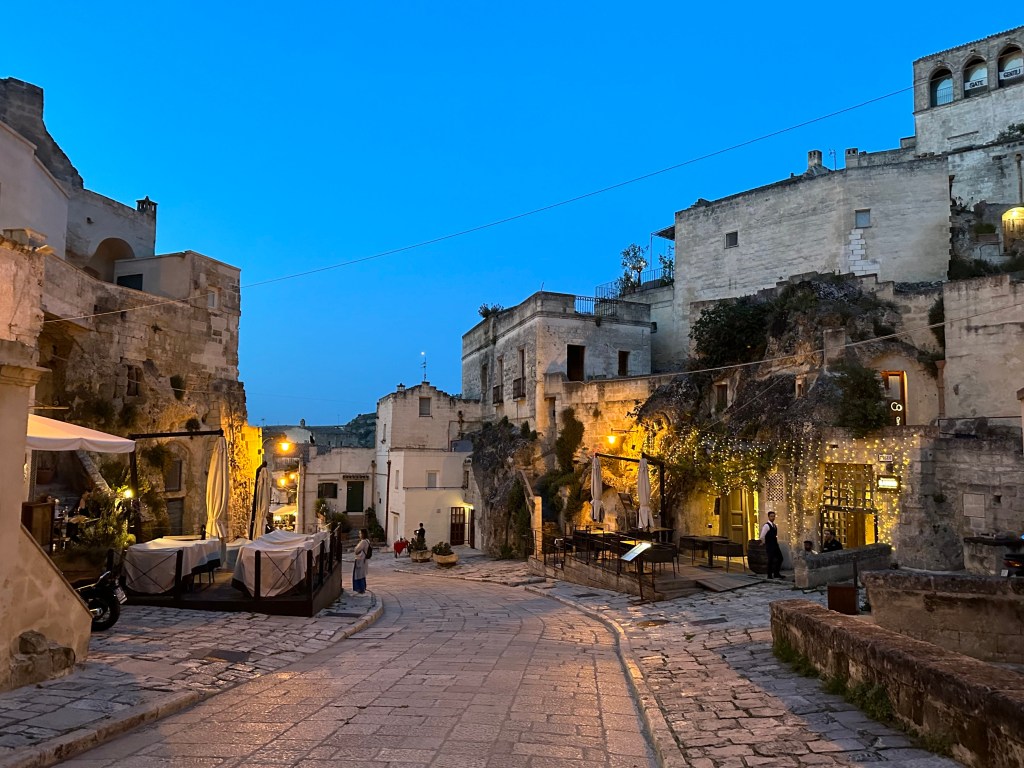
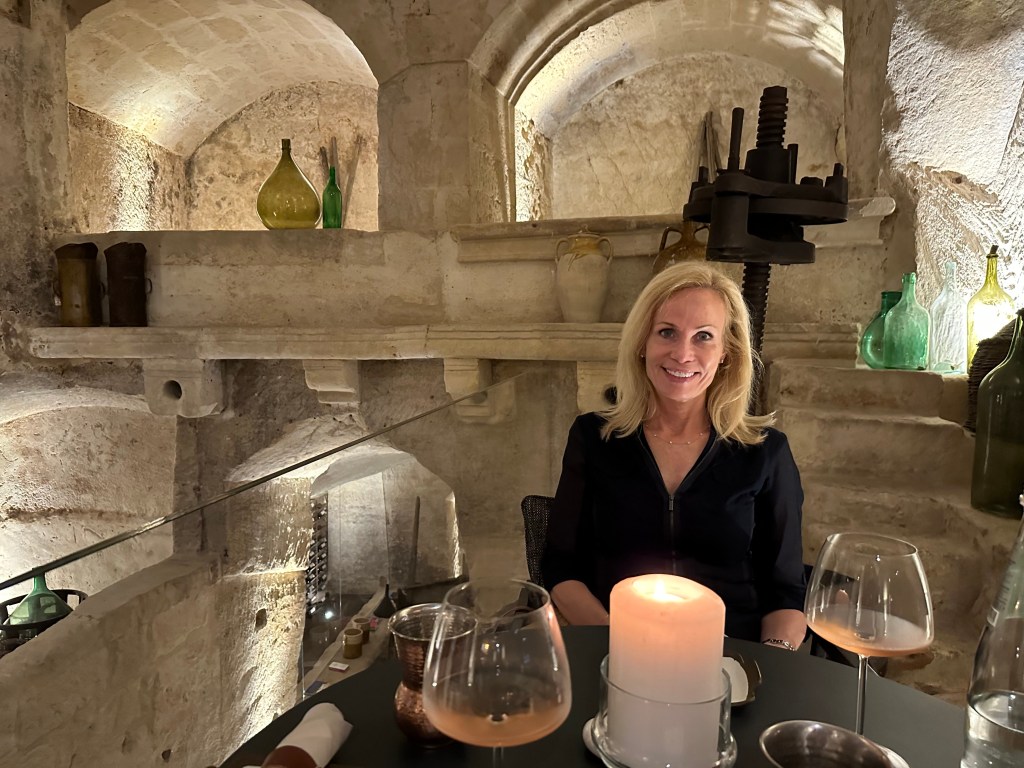
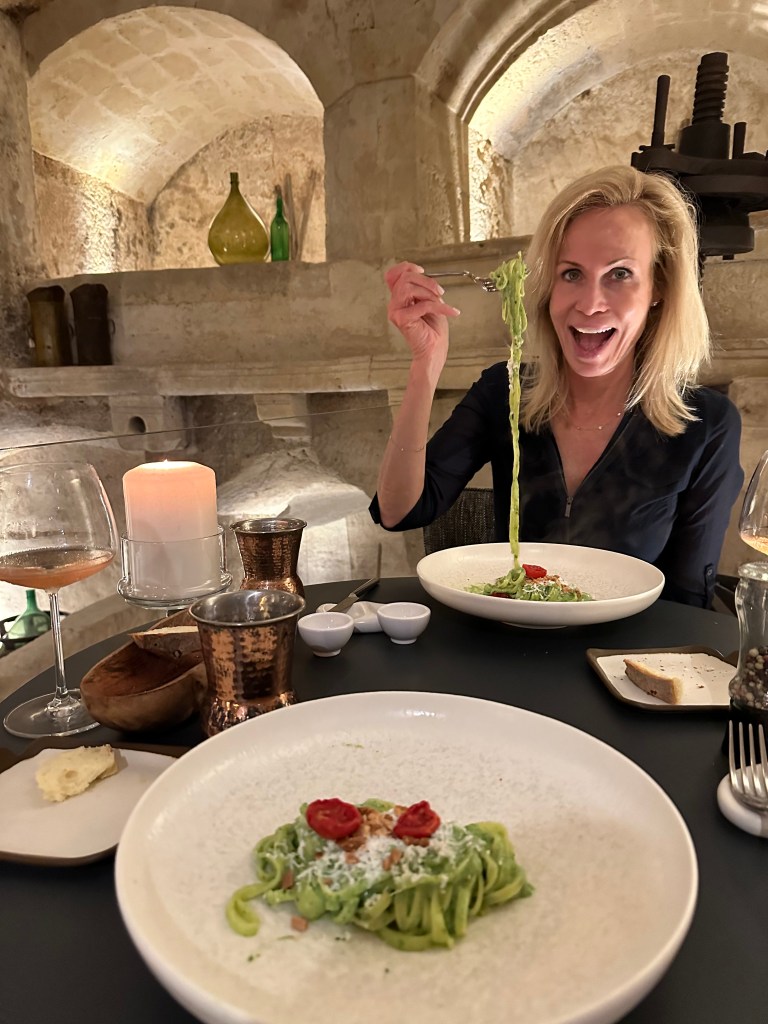
And cave restaurants, too:
Our last night on the Italian peninsula:

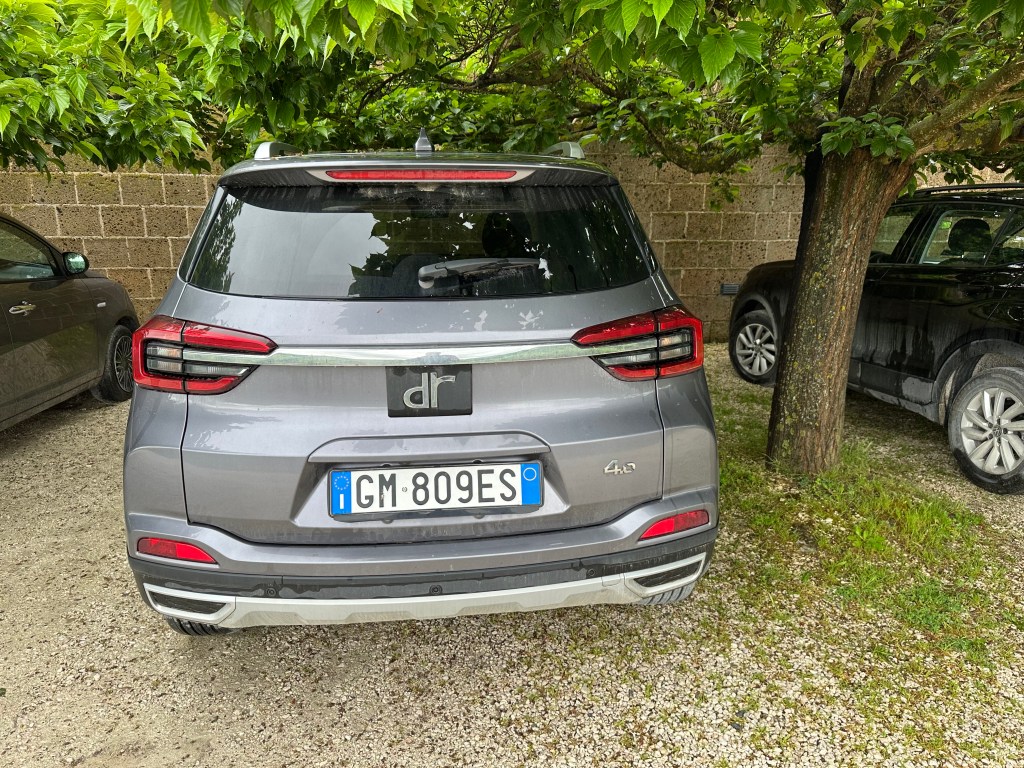
The next morning, we surrendered our ride for the past 3 weeks (a dr, a brand none of us – not even KJQ – had heard of before), and flew to the island of Sardinia:
Sardinian Break

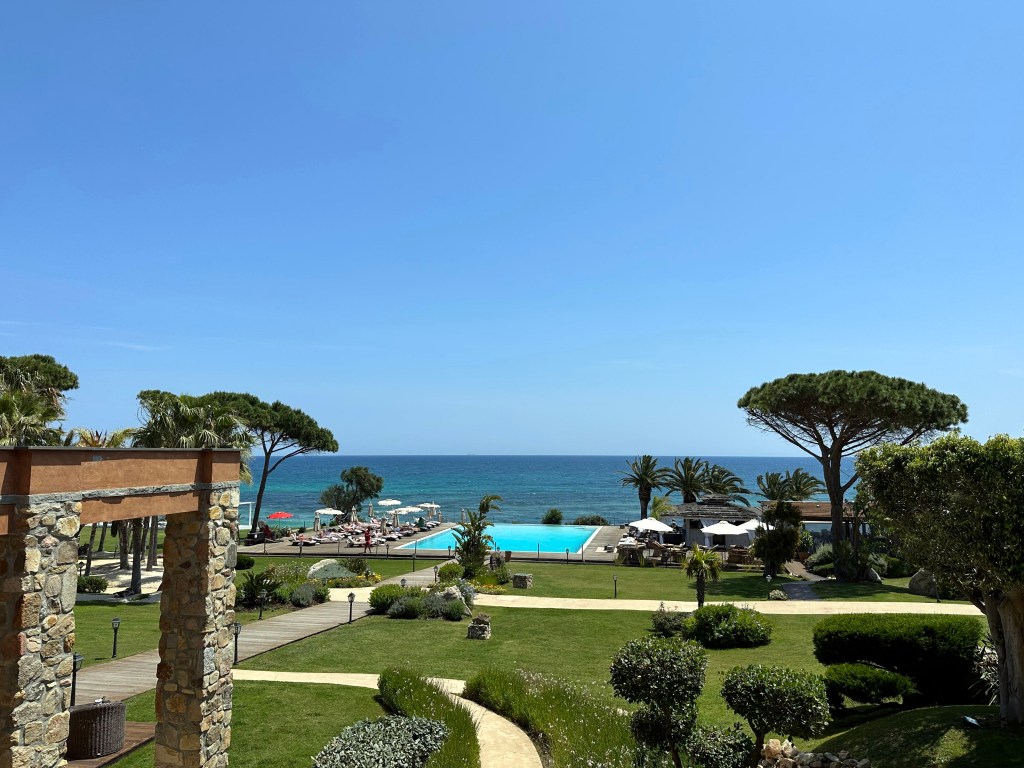
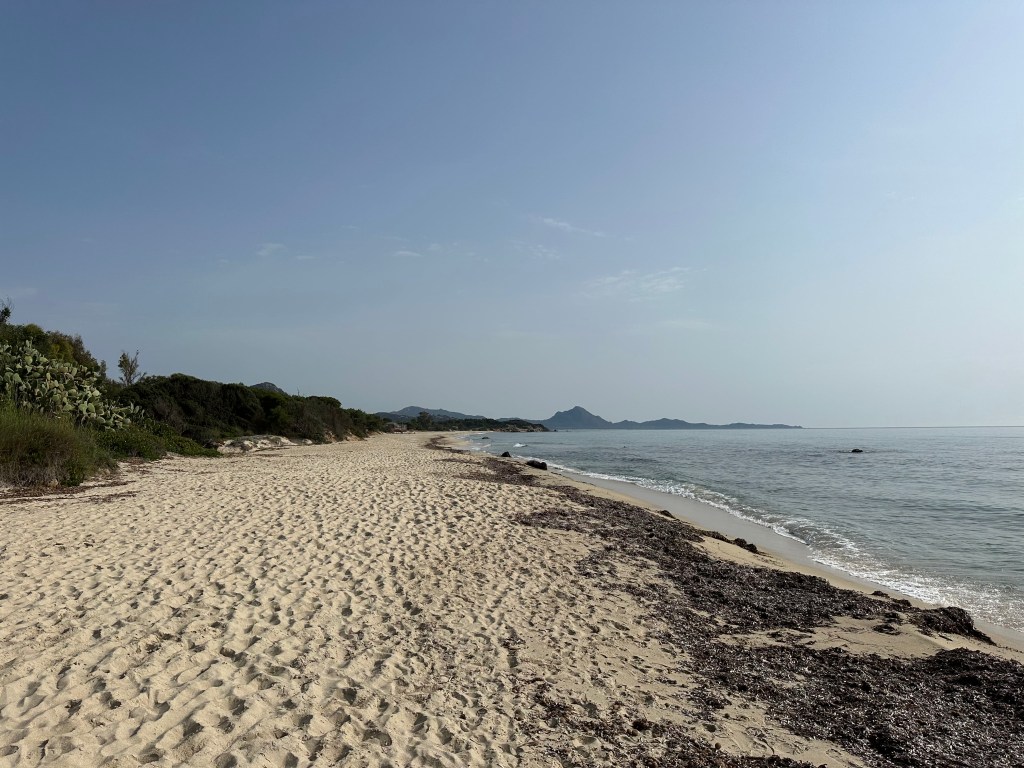
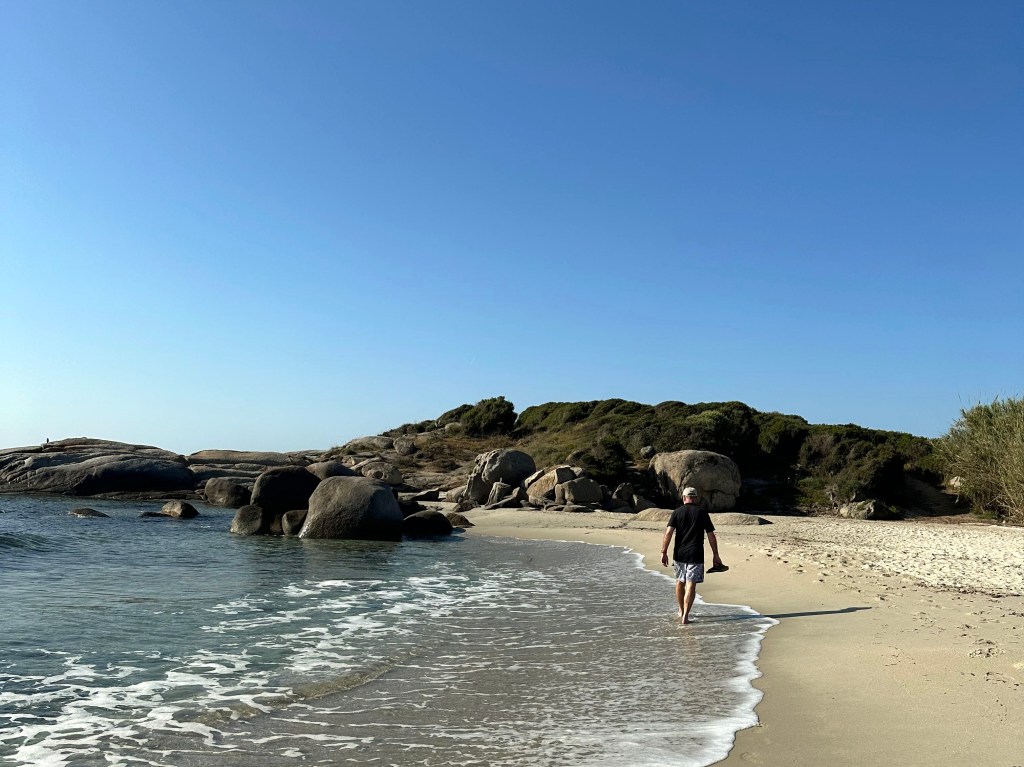
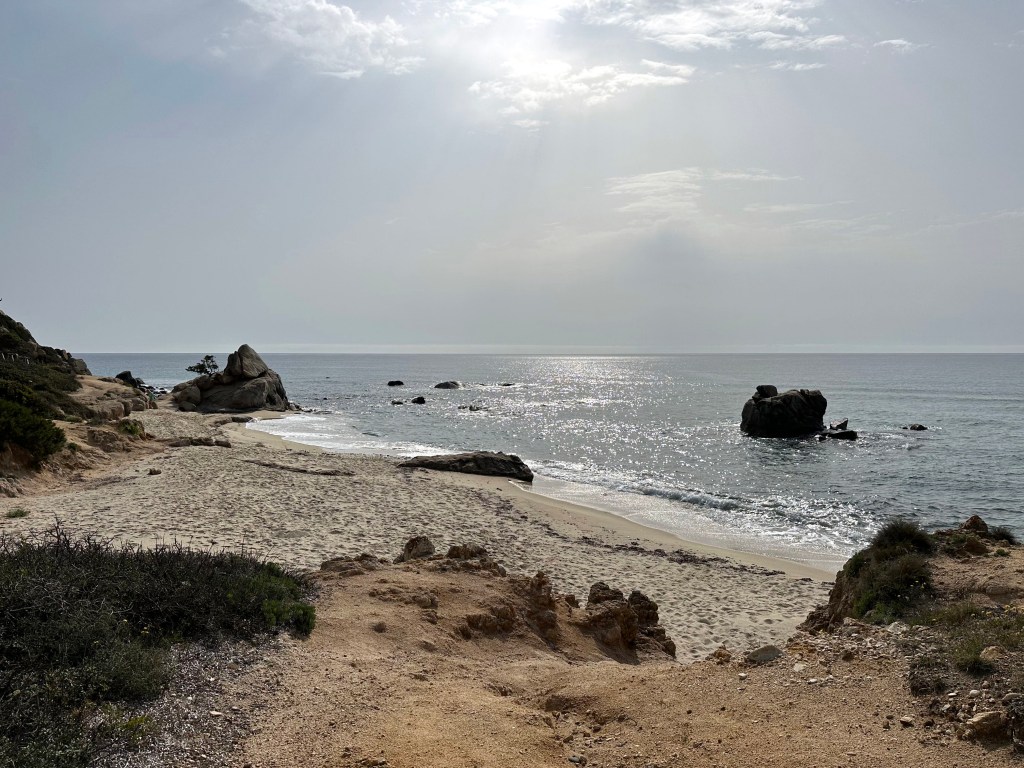
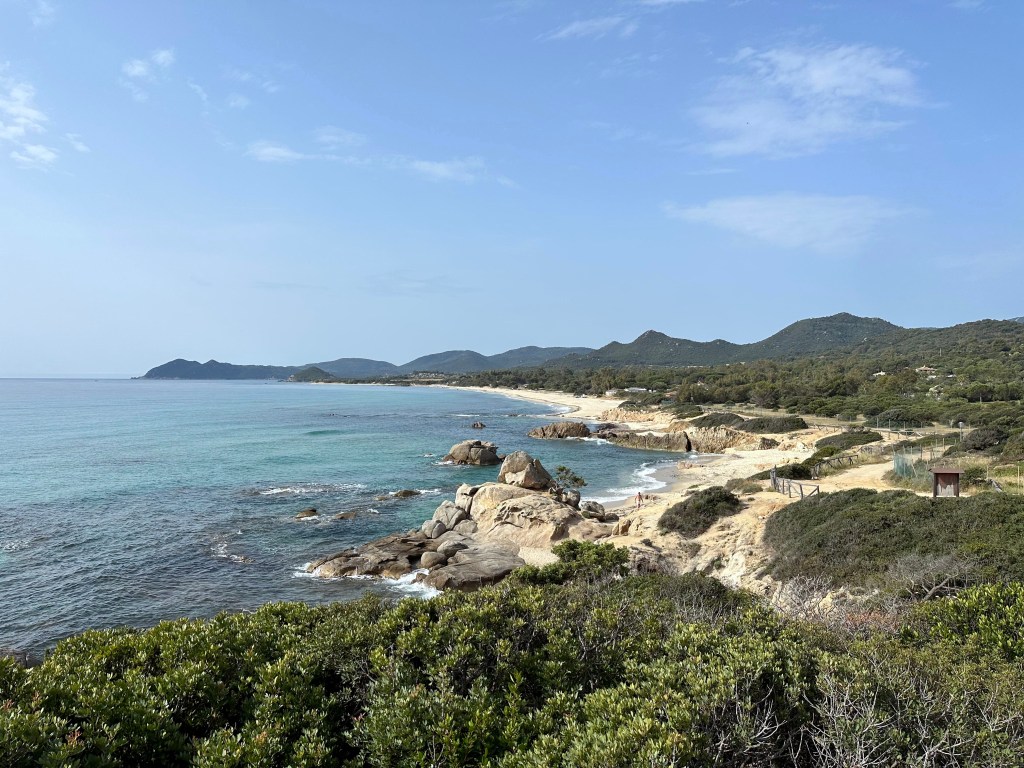
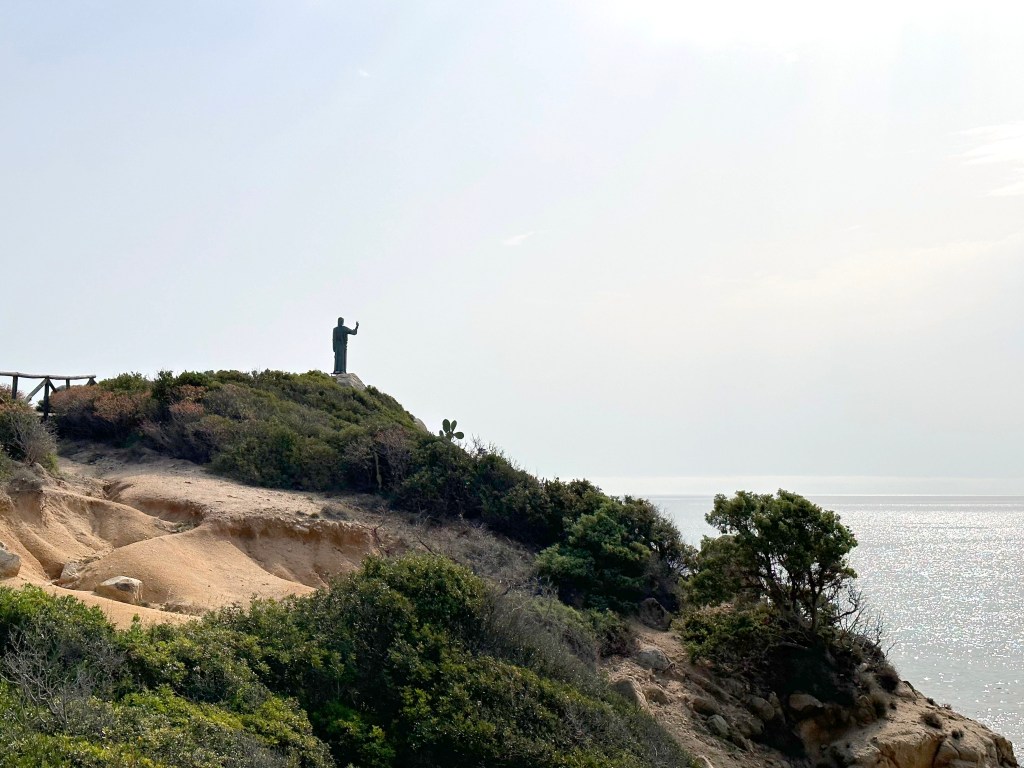
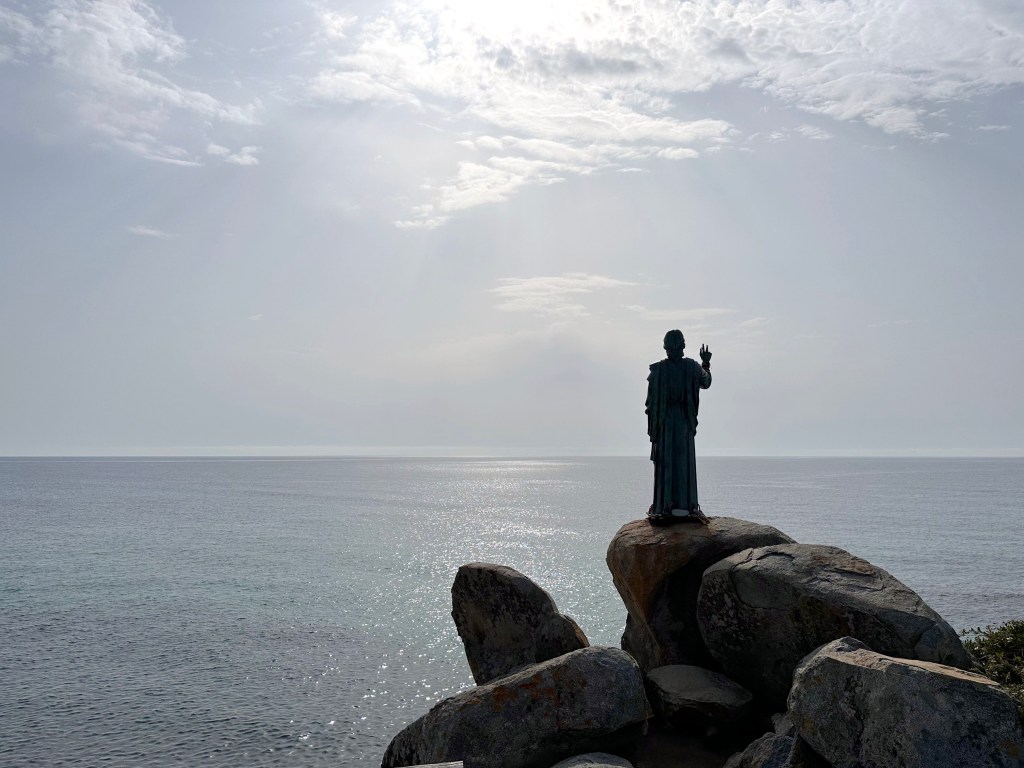
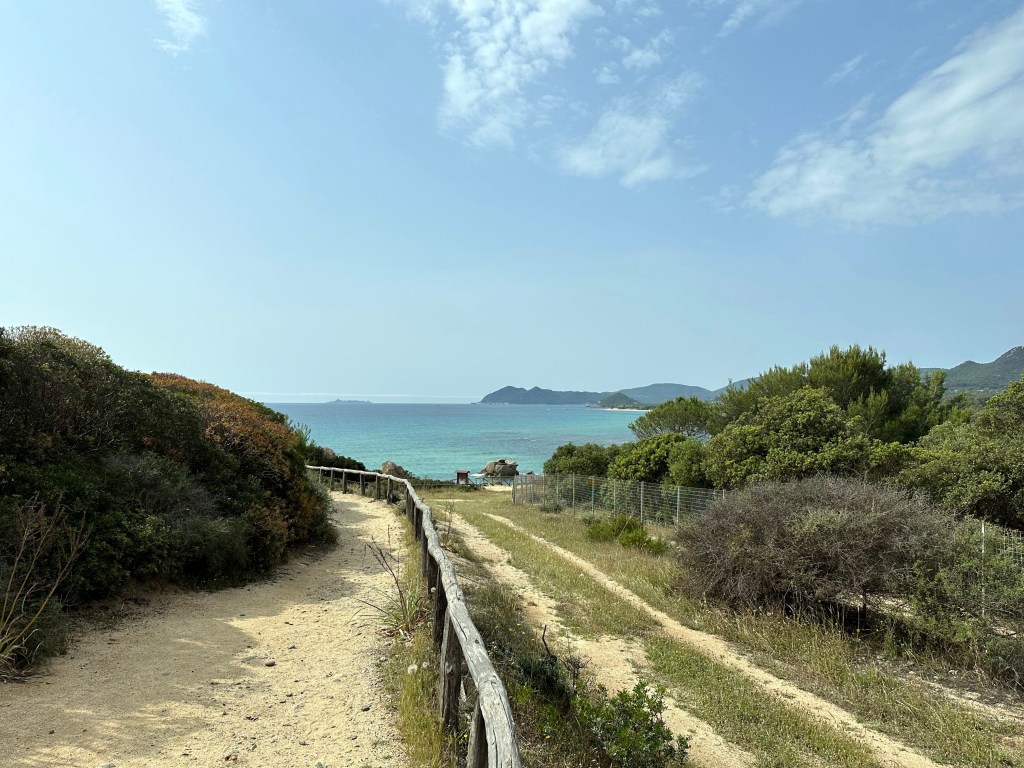
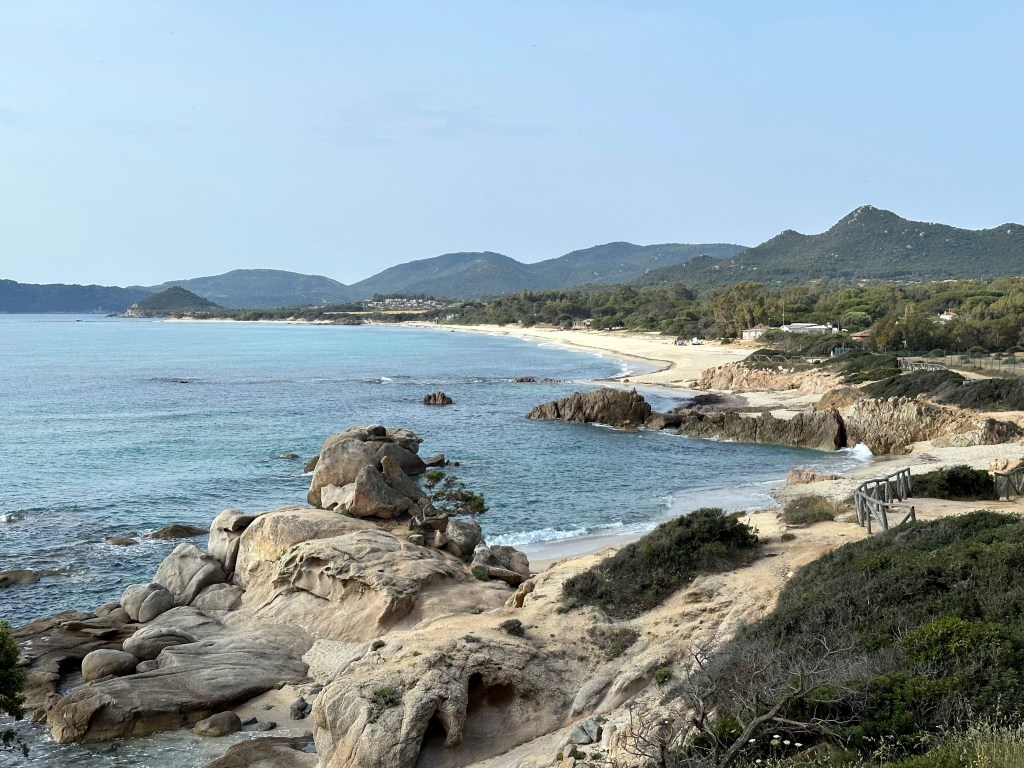
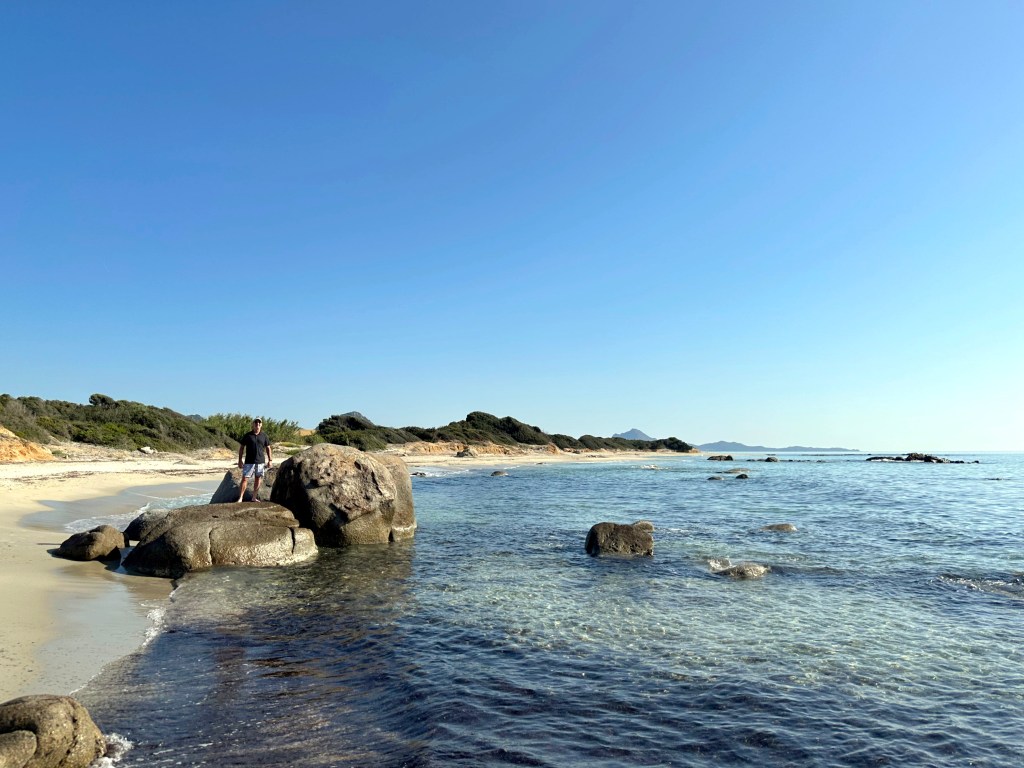
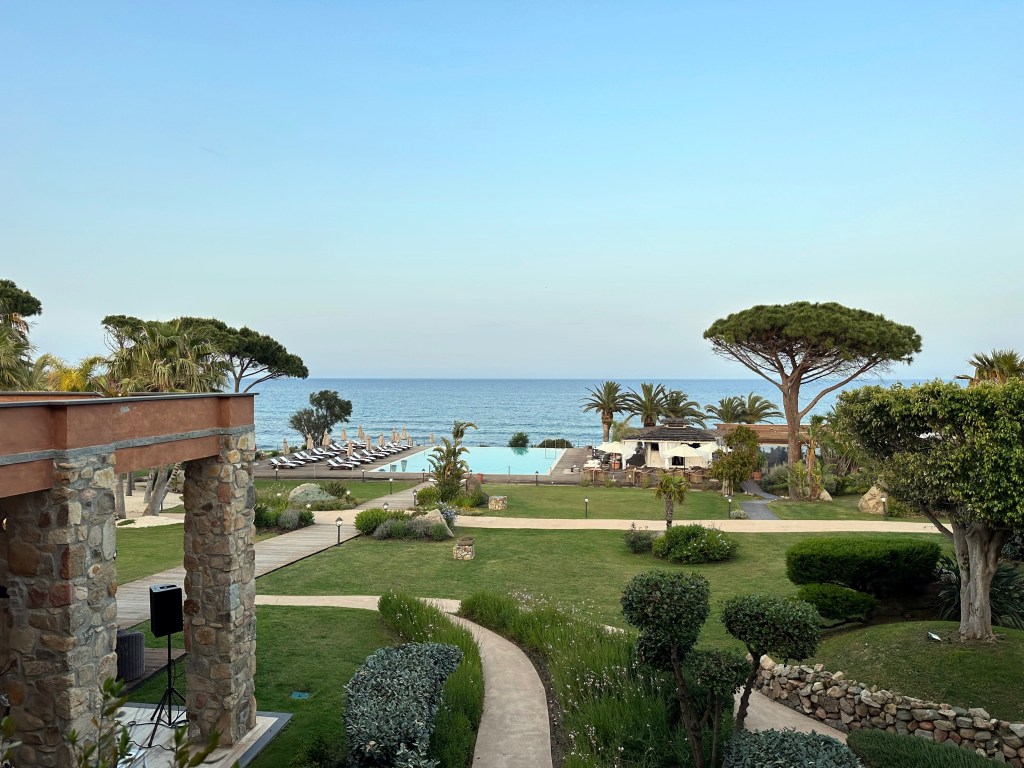
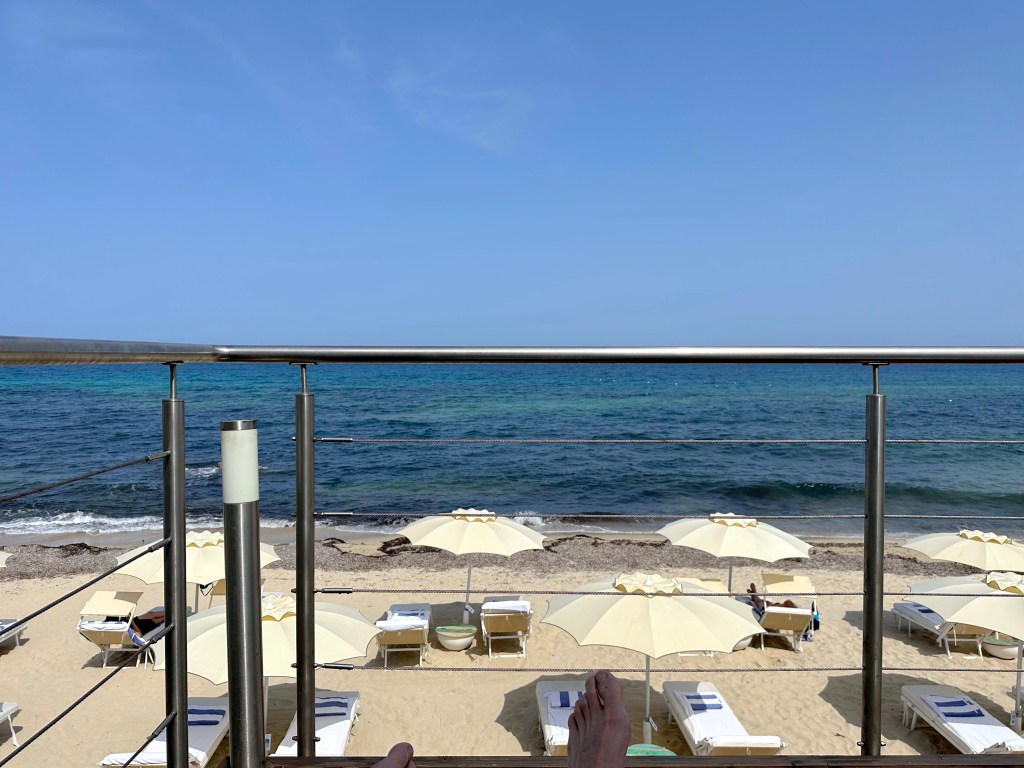
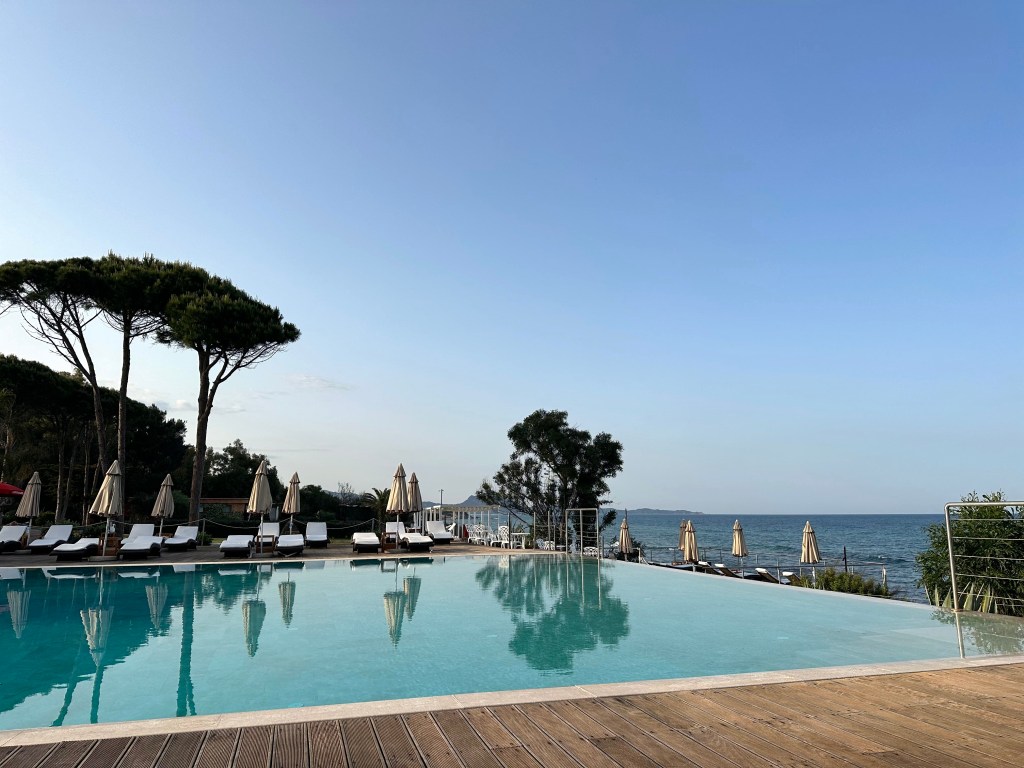
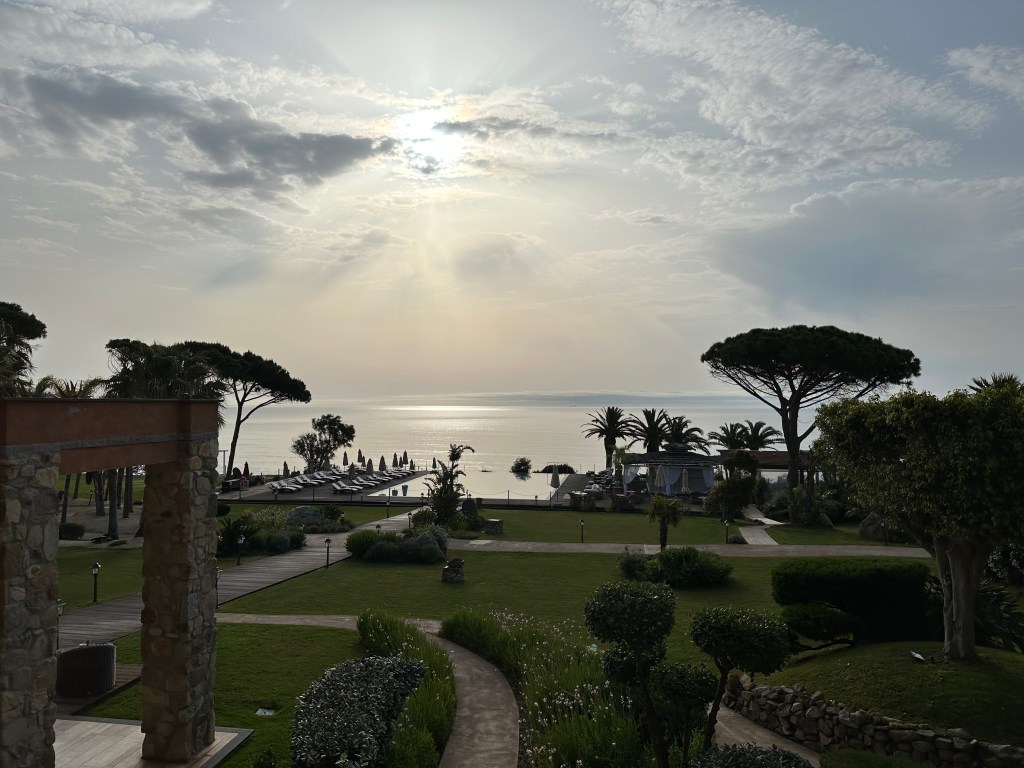
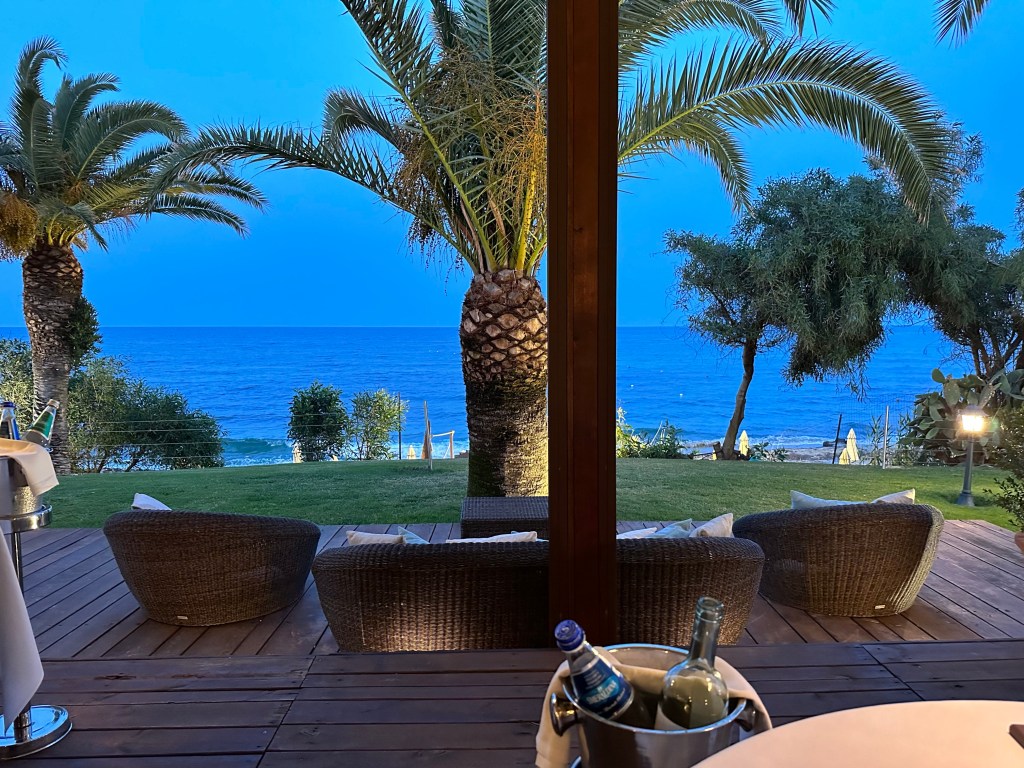
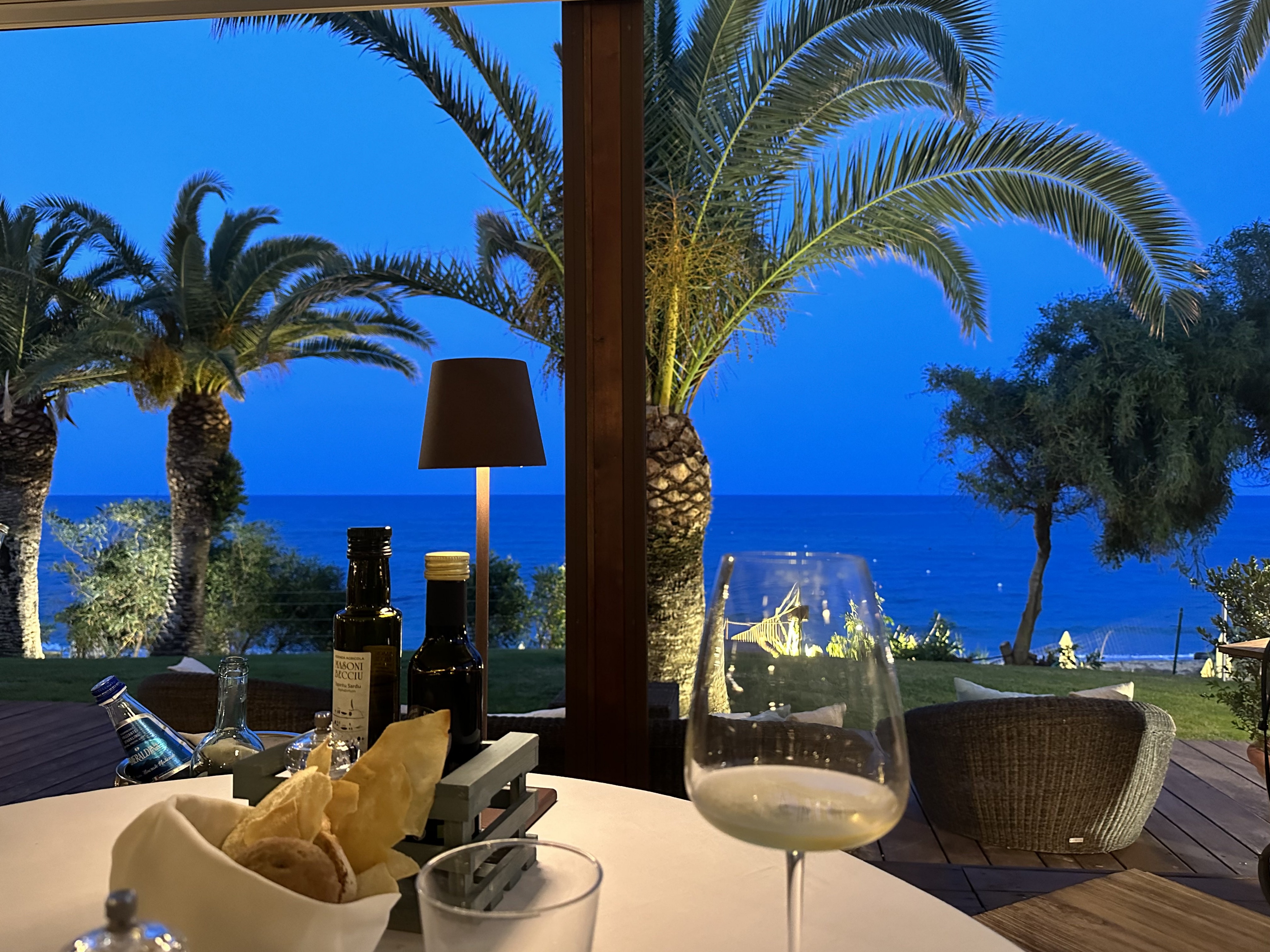
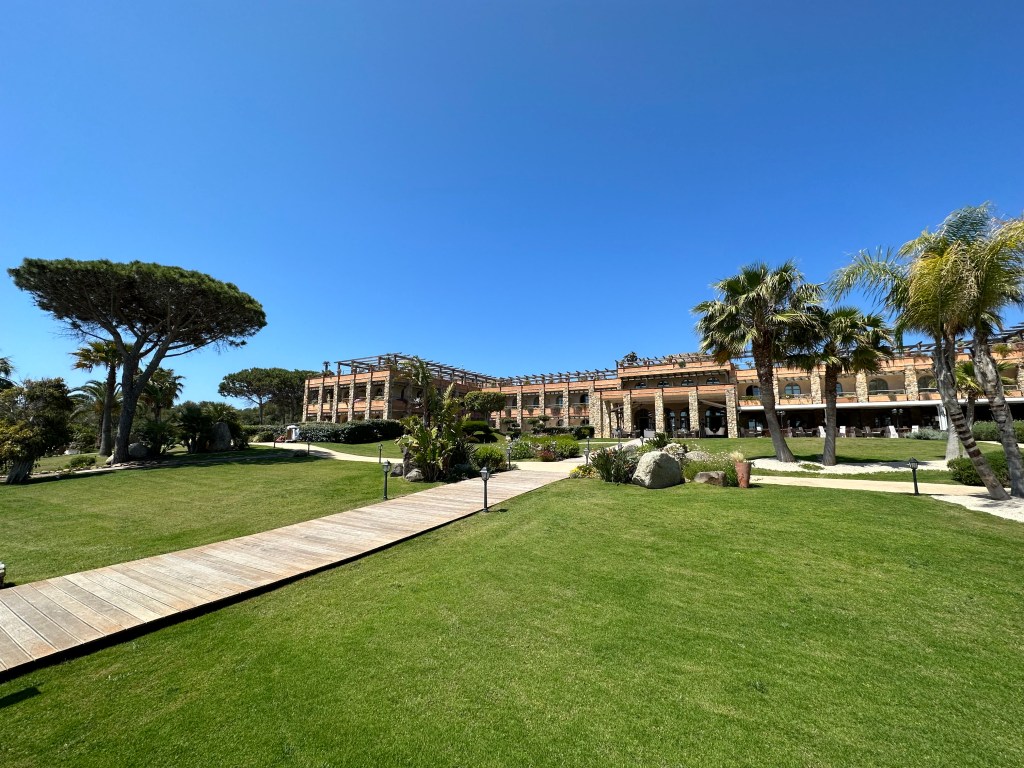
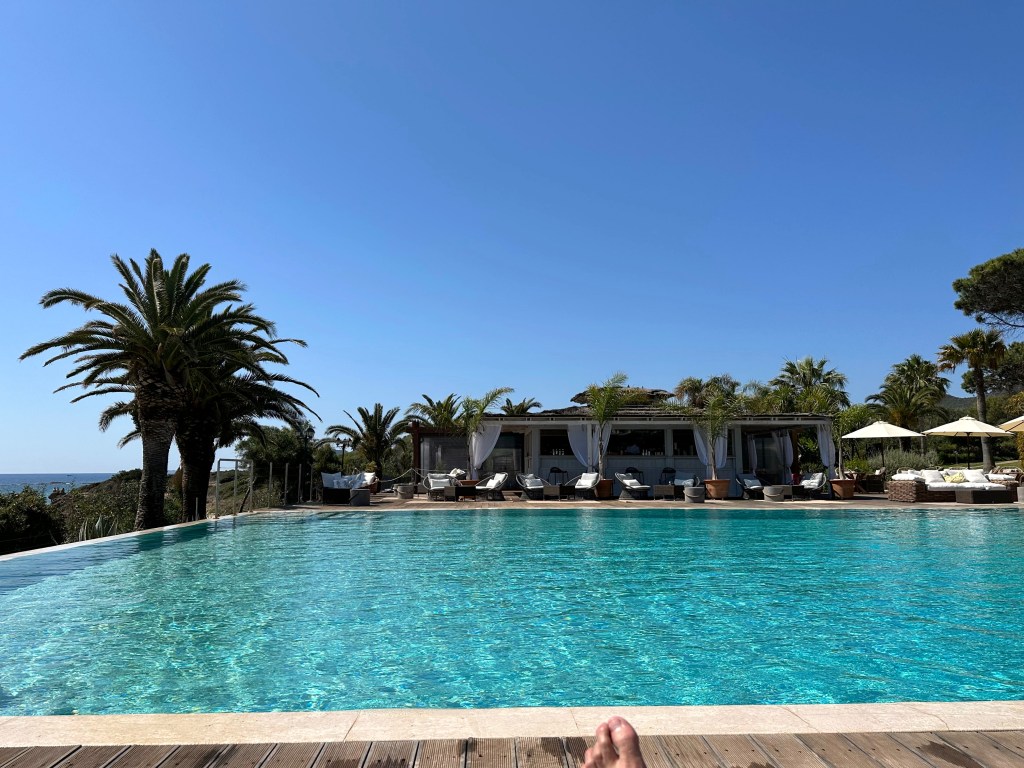
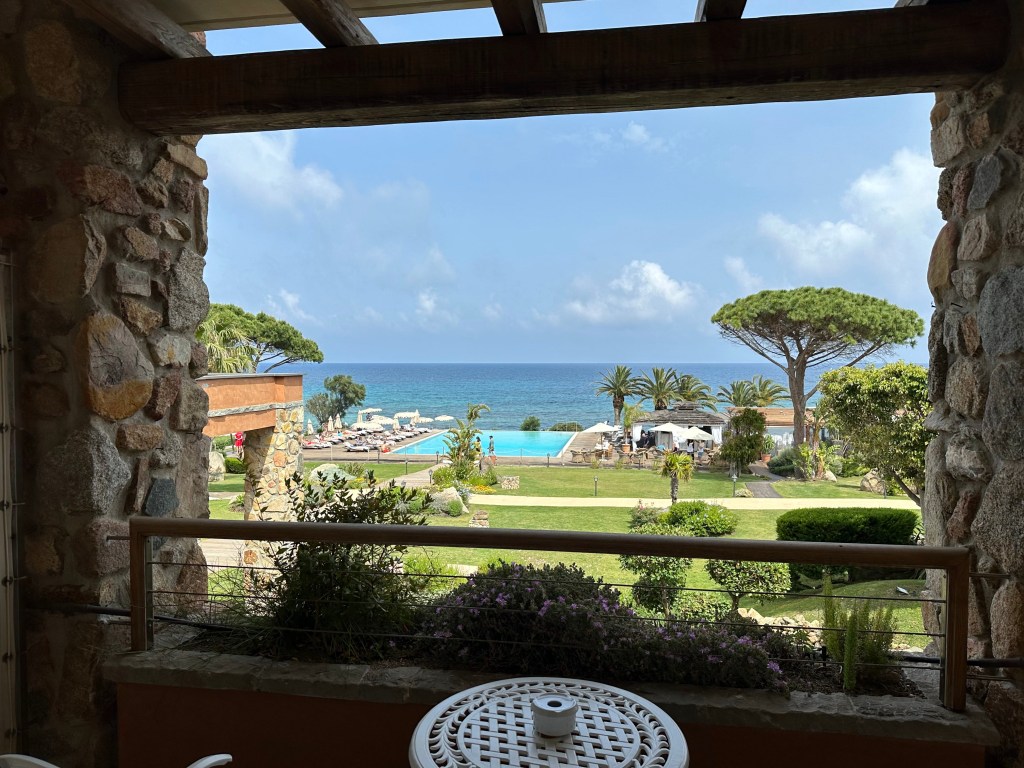
Between the end of one 3-week road trip, and the start of the next, we built into the itinerary a little down time on the the Costa Rei on the southeastern coast of Sardinia.
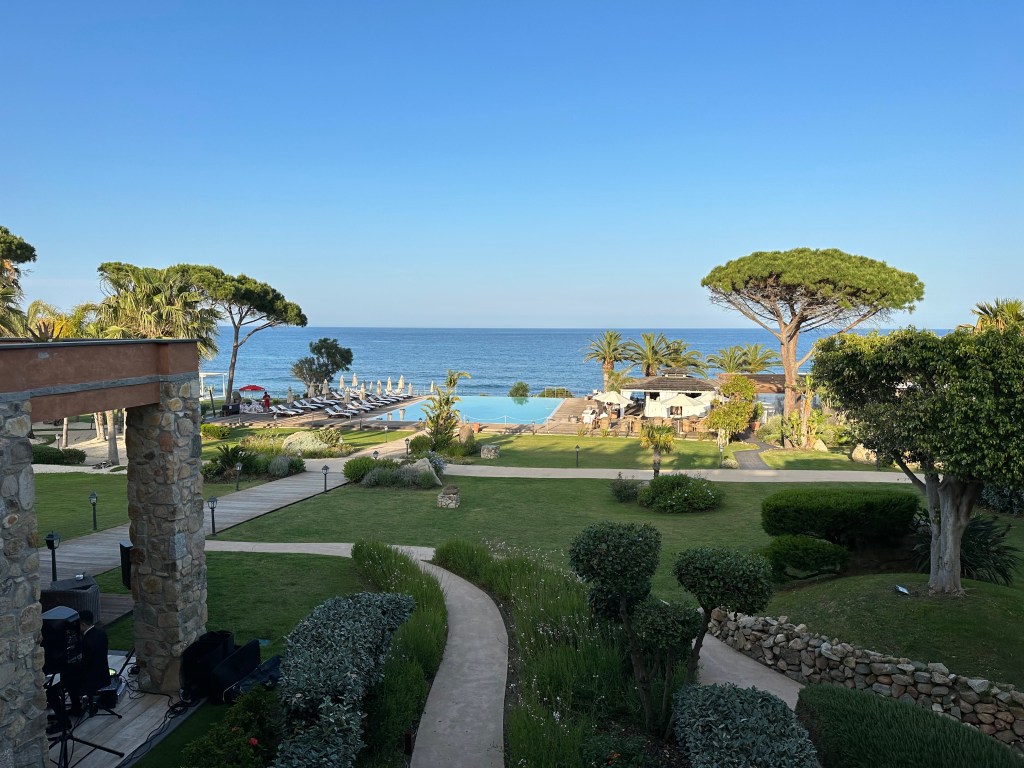
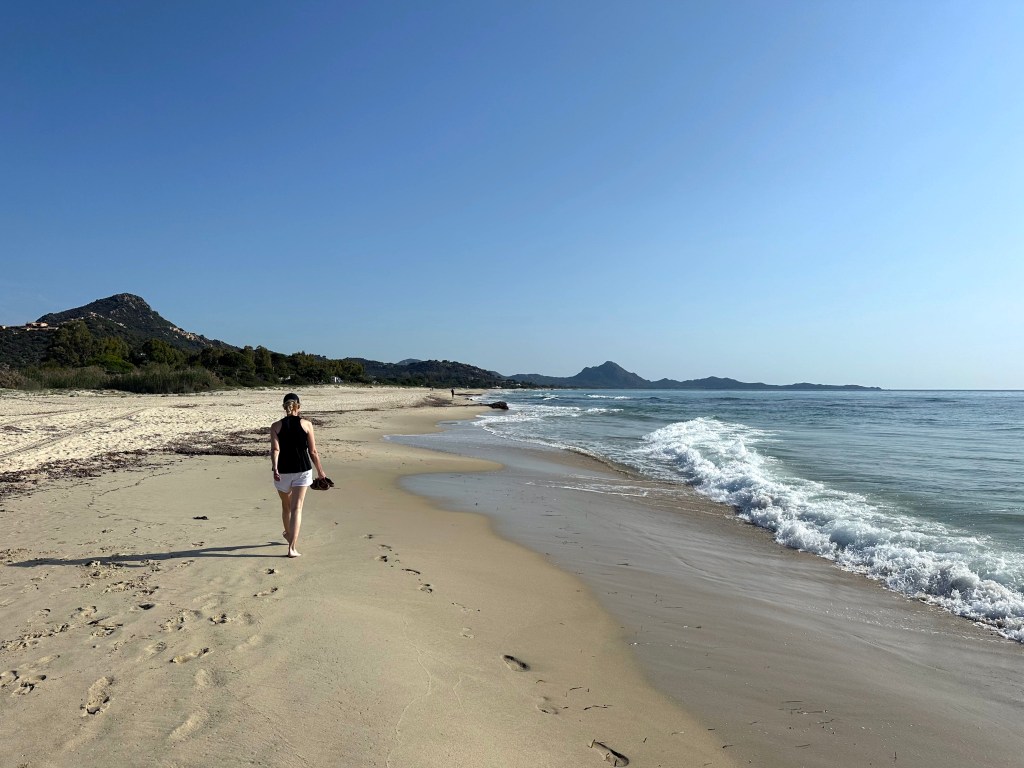
Not a lot to report – a few miles of walking each morning along the beach:

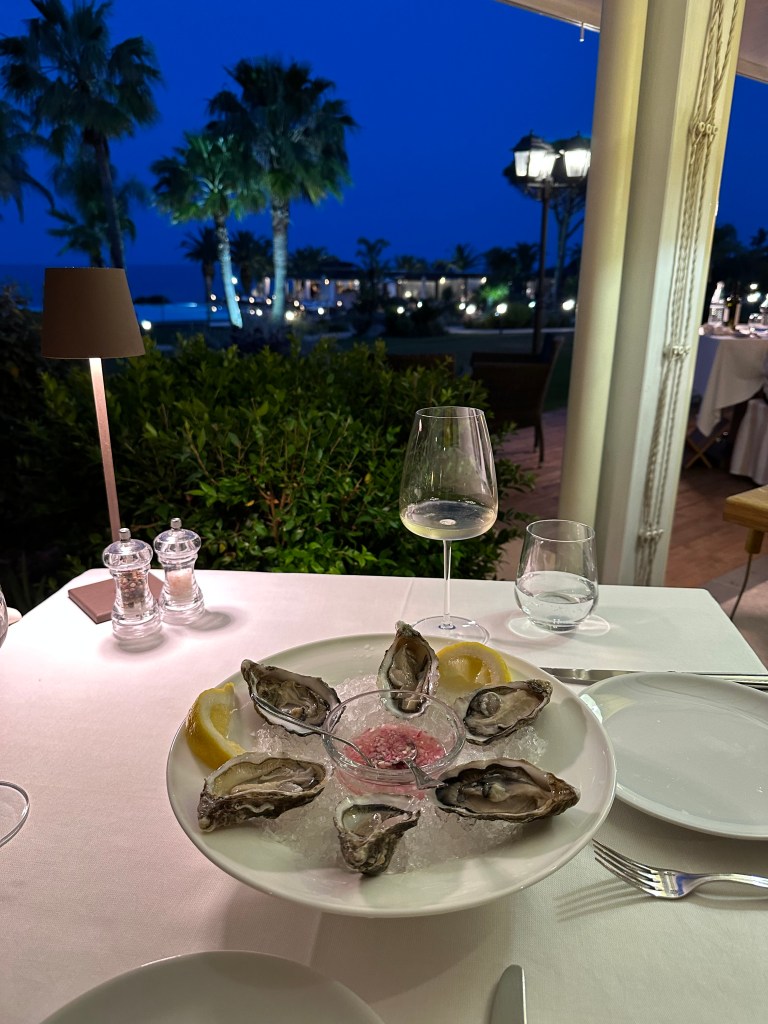
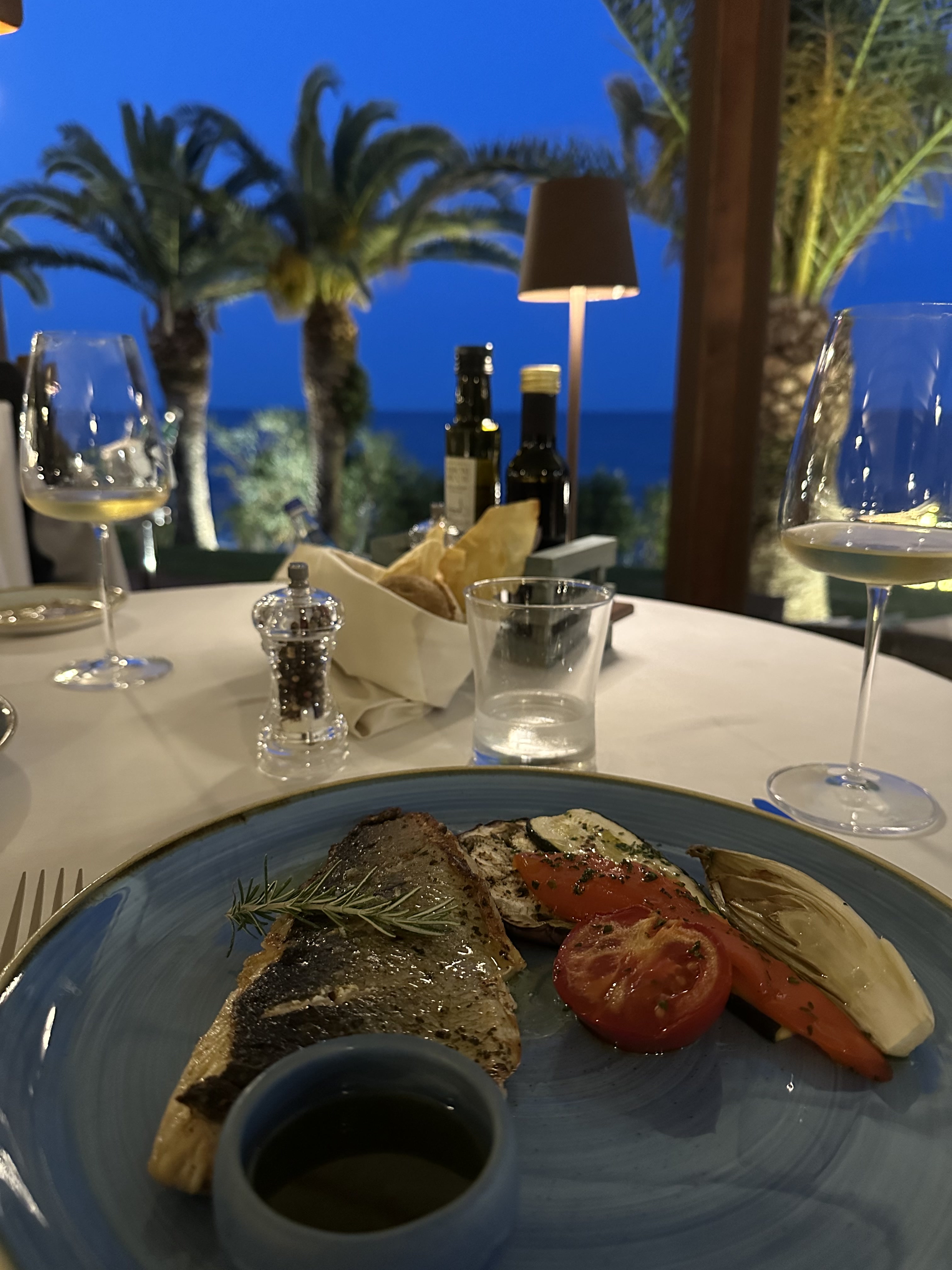
And some killer seafood, including and in particular, Sardinian oysters. (We thought these were the best we had every tasted until we later encountered even better ones in Normandy.)

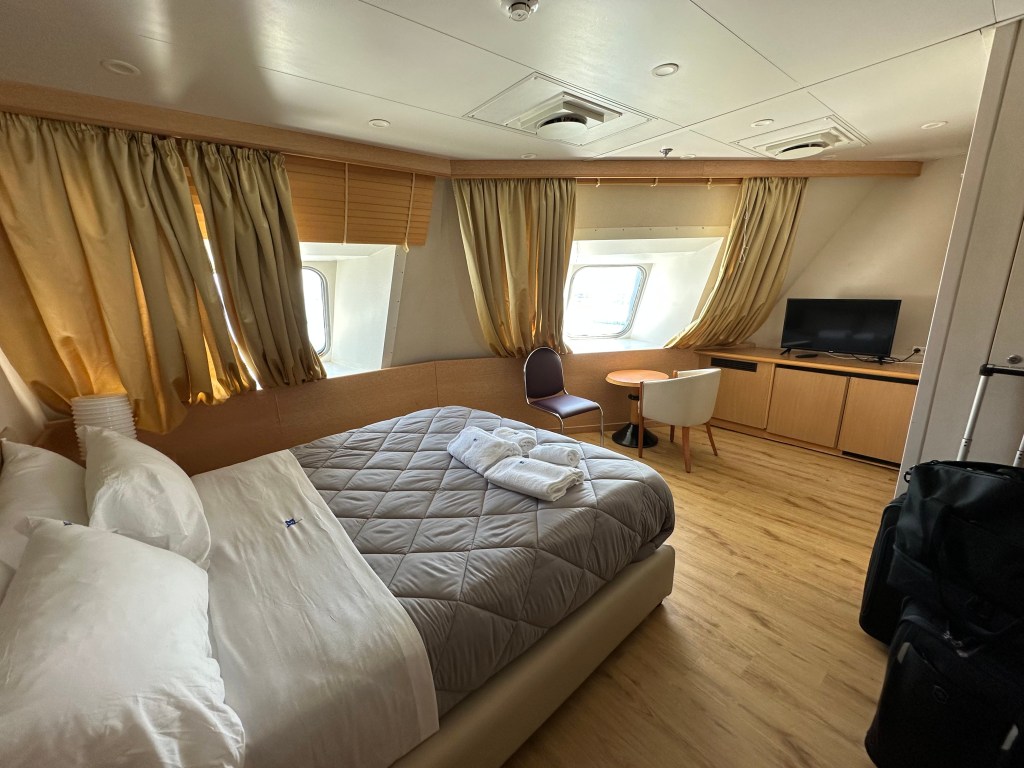
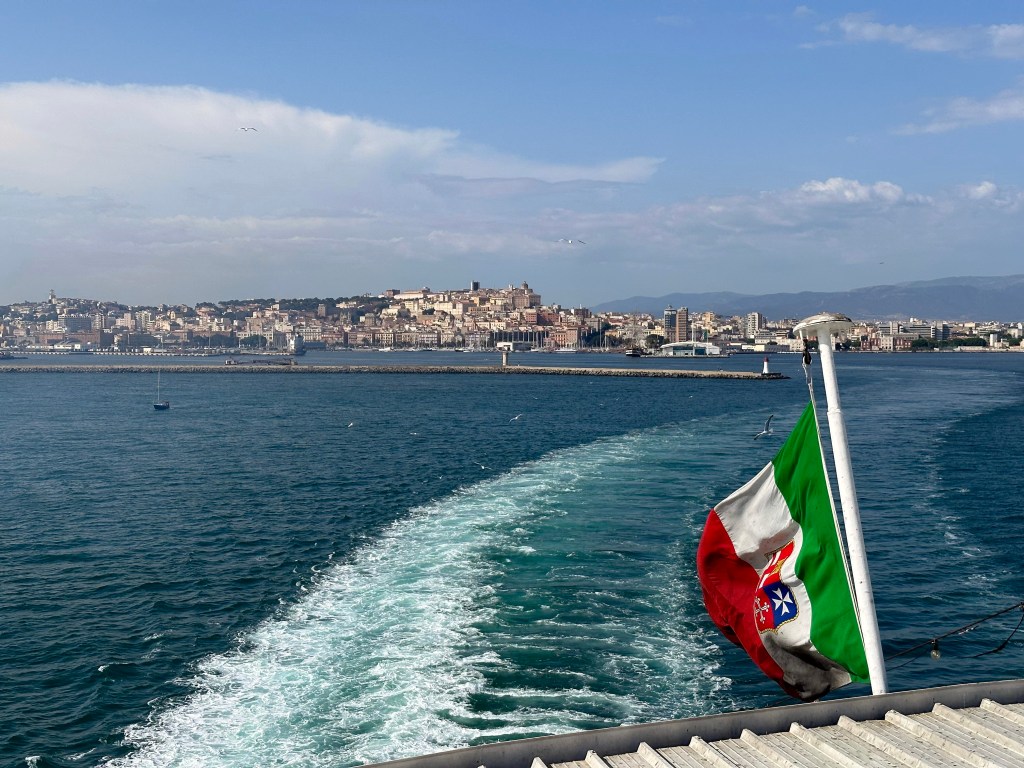
Then an overnight ferry to Palermo, when we’d start another road trip leg across Sicily.

Sicily Road Trip

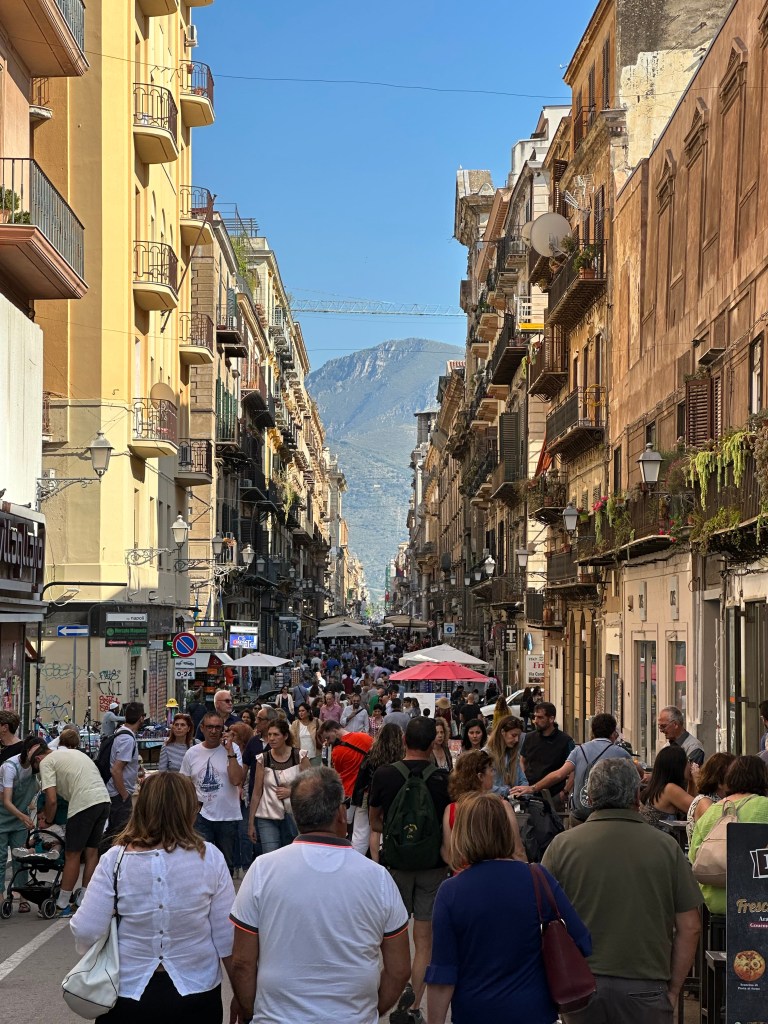
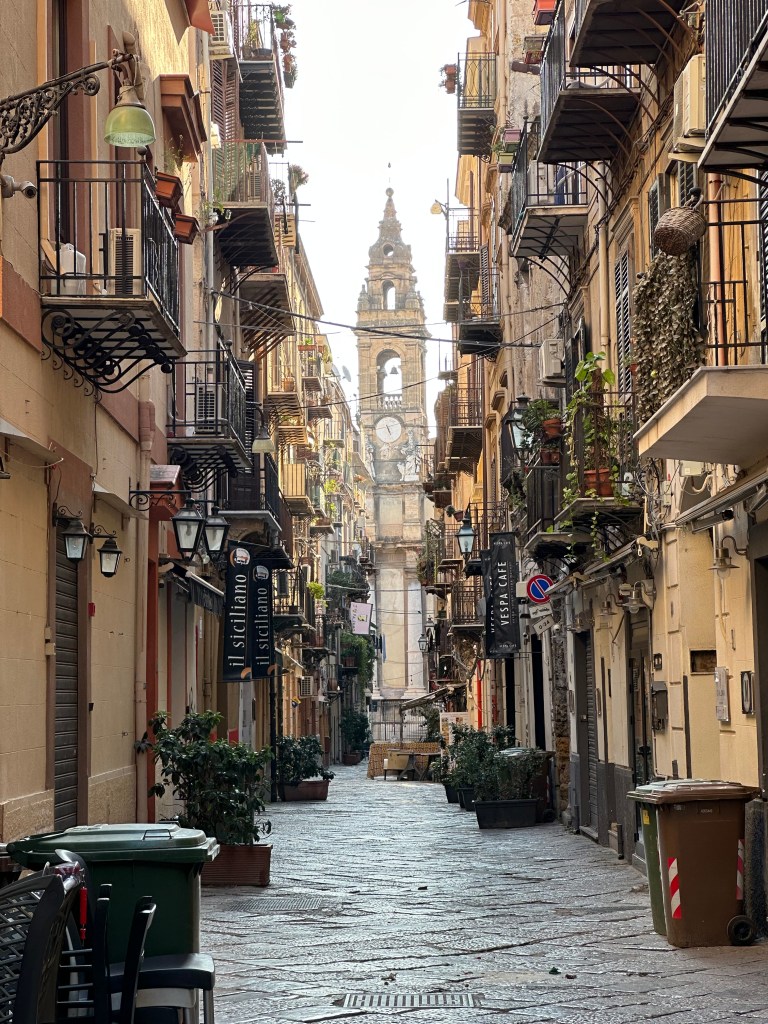
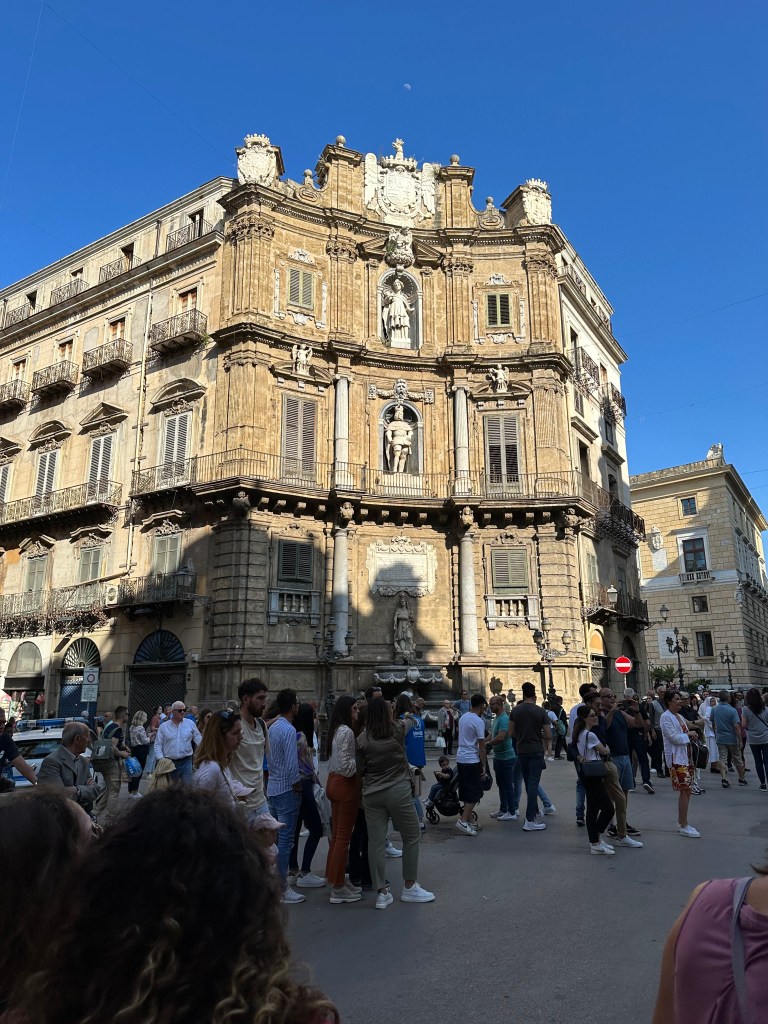
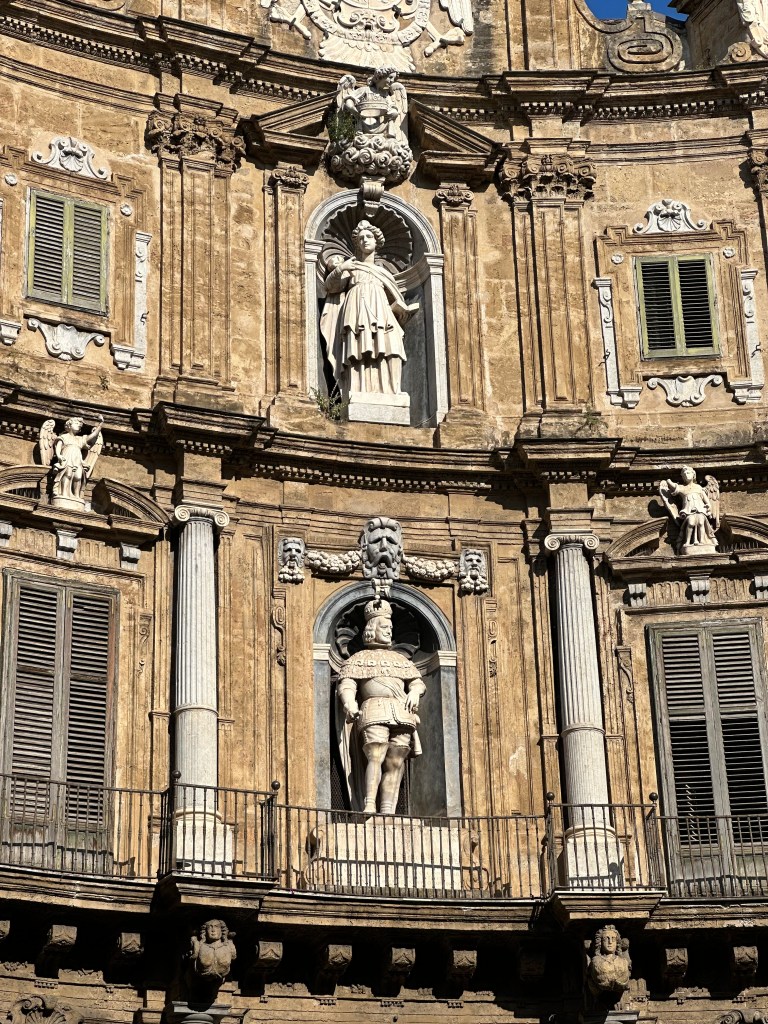
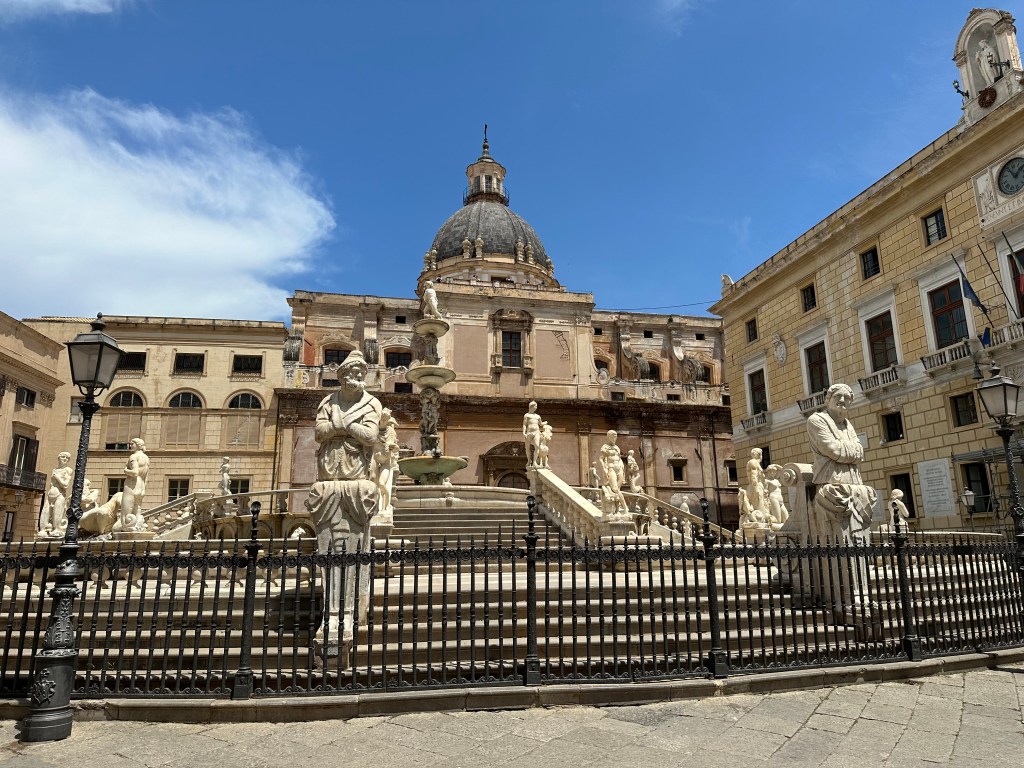
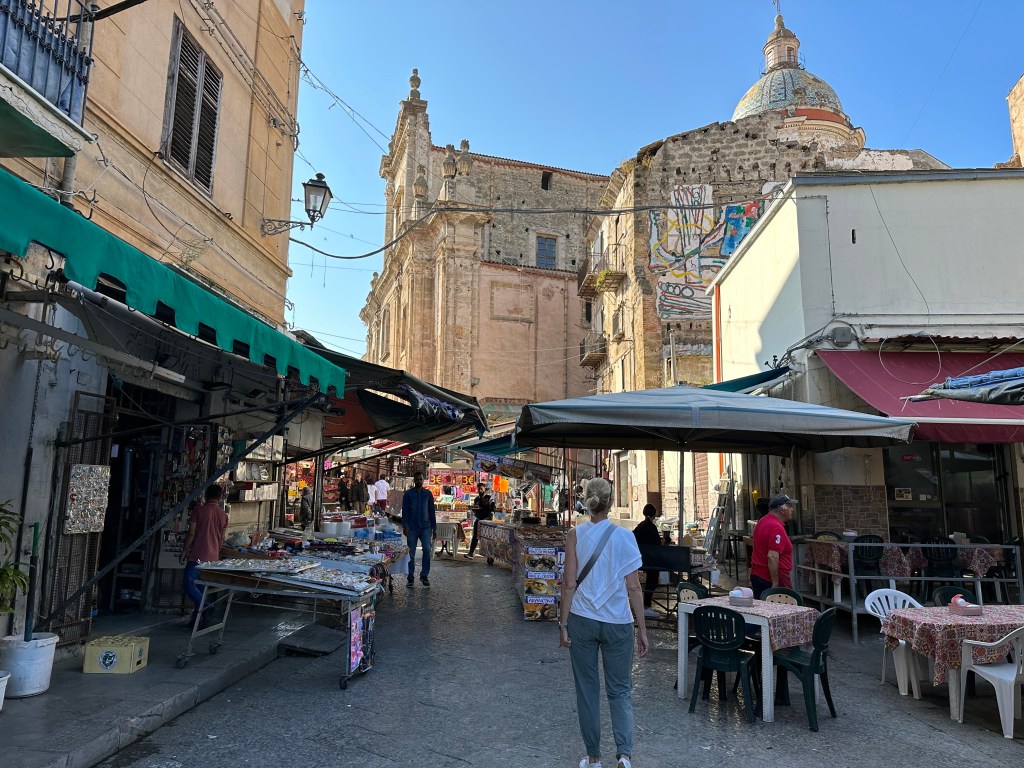
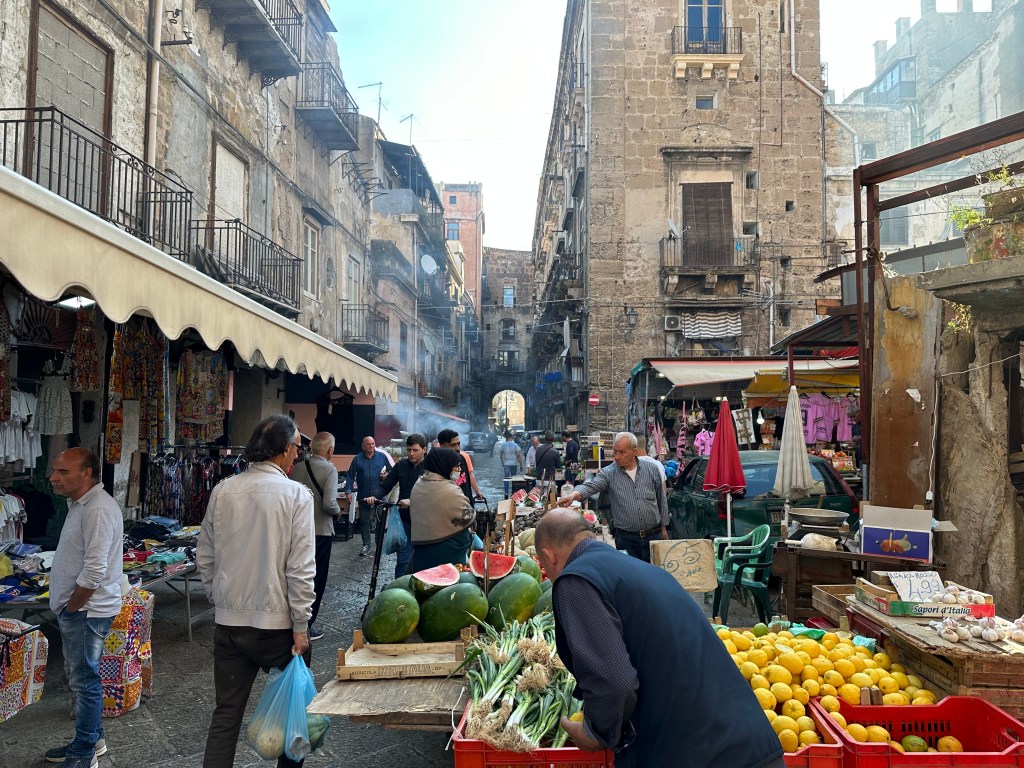
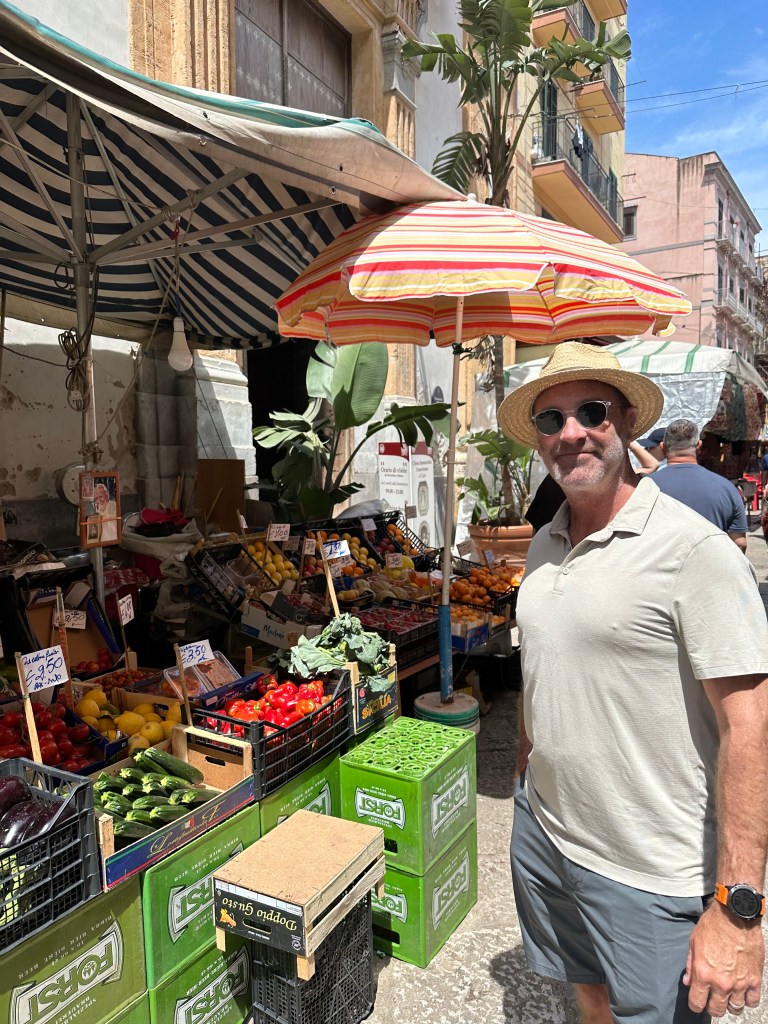
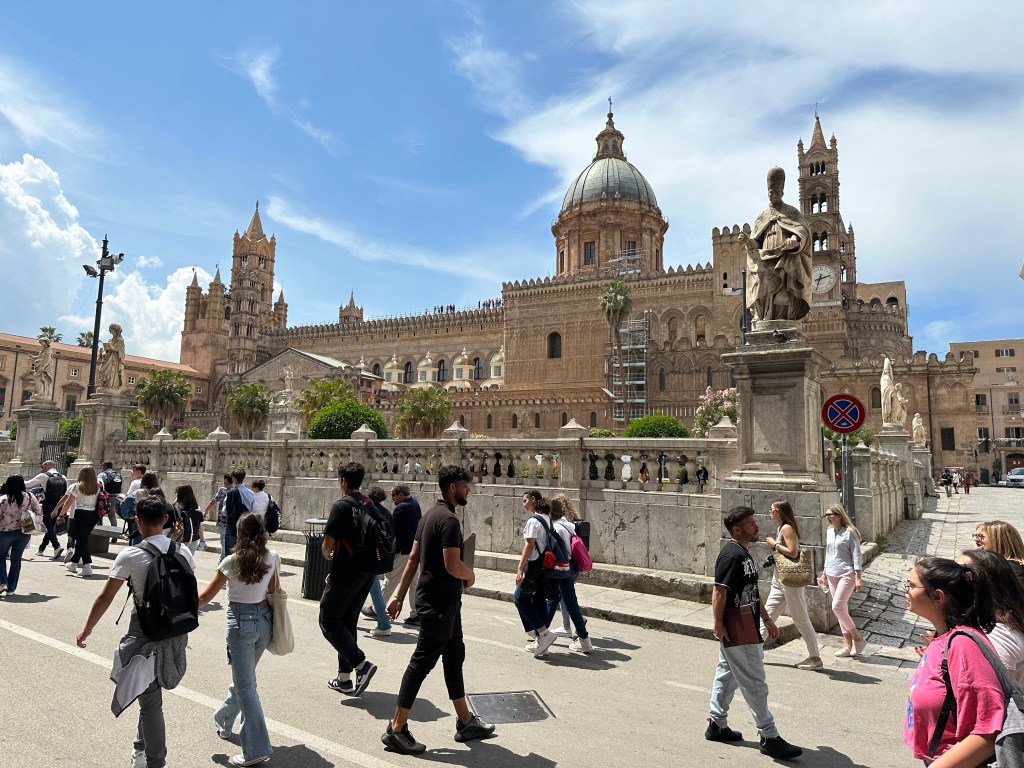
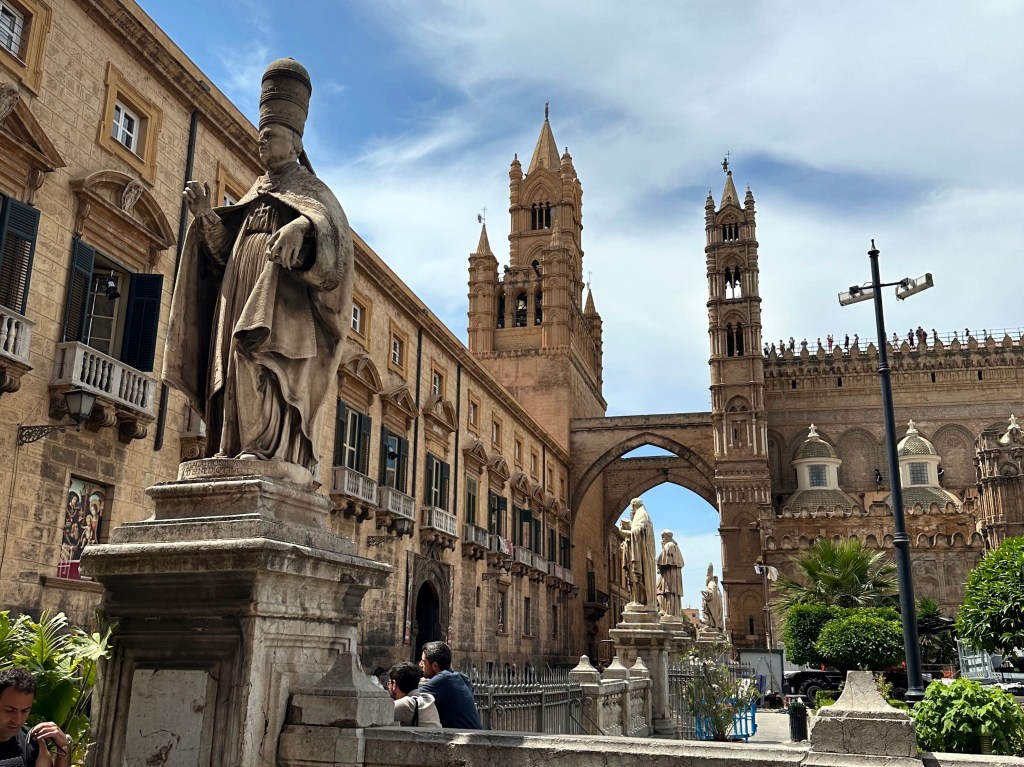
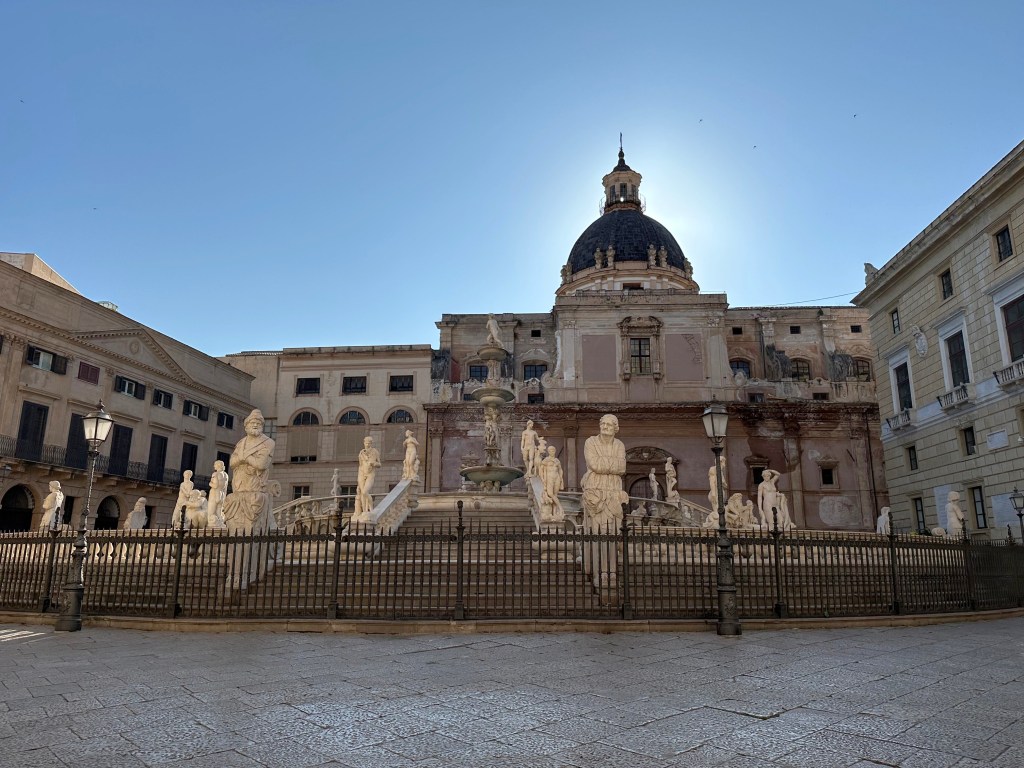
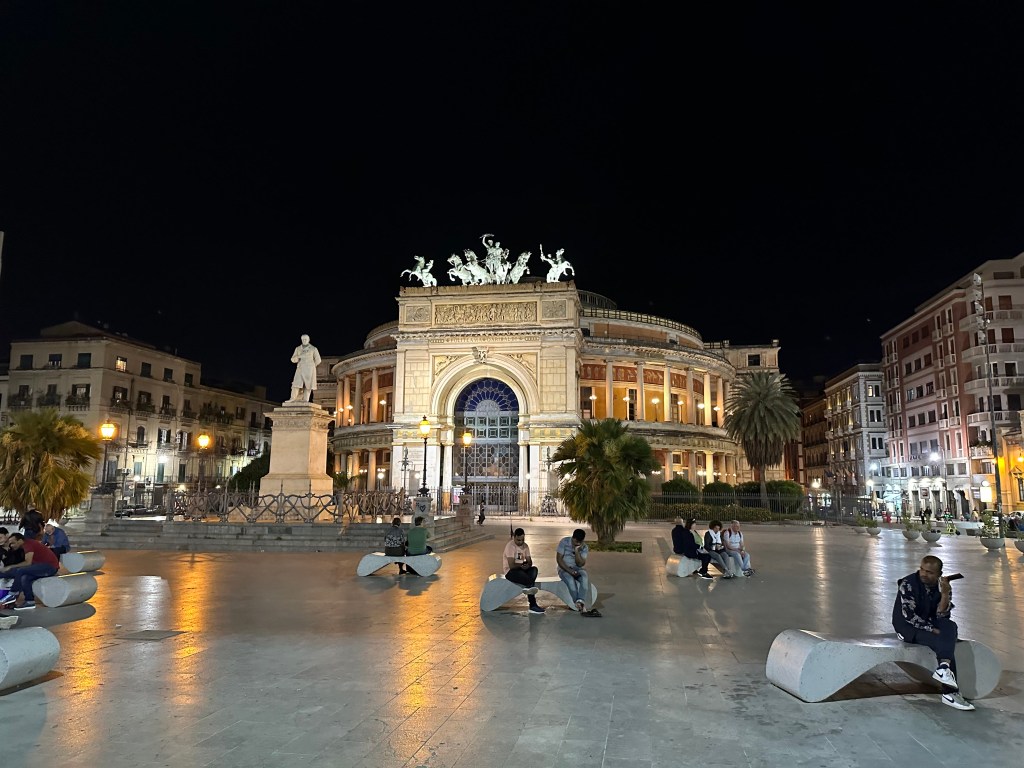
The surprisingly vibrant and enjoyable city of Palermo – very different from the gritty and sketchy image that we had prior to our time there:

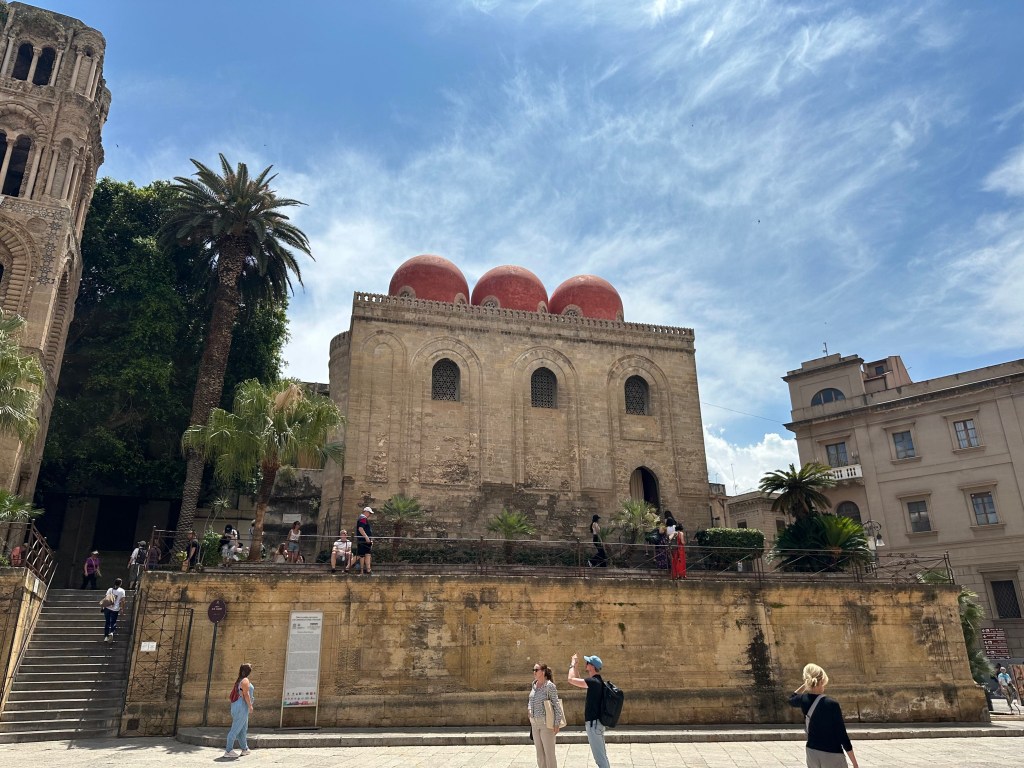
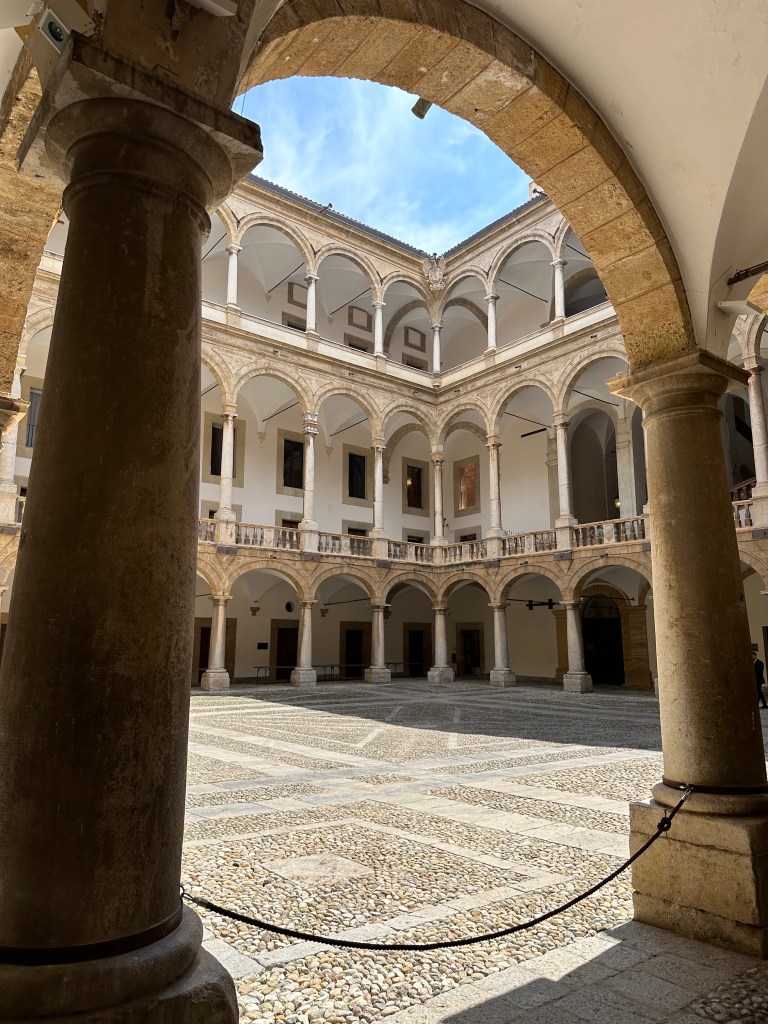
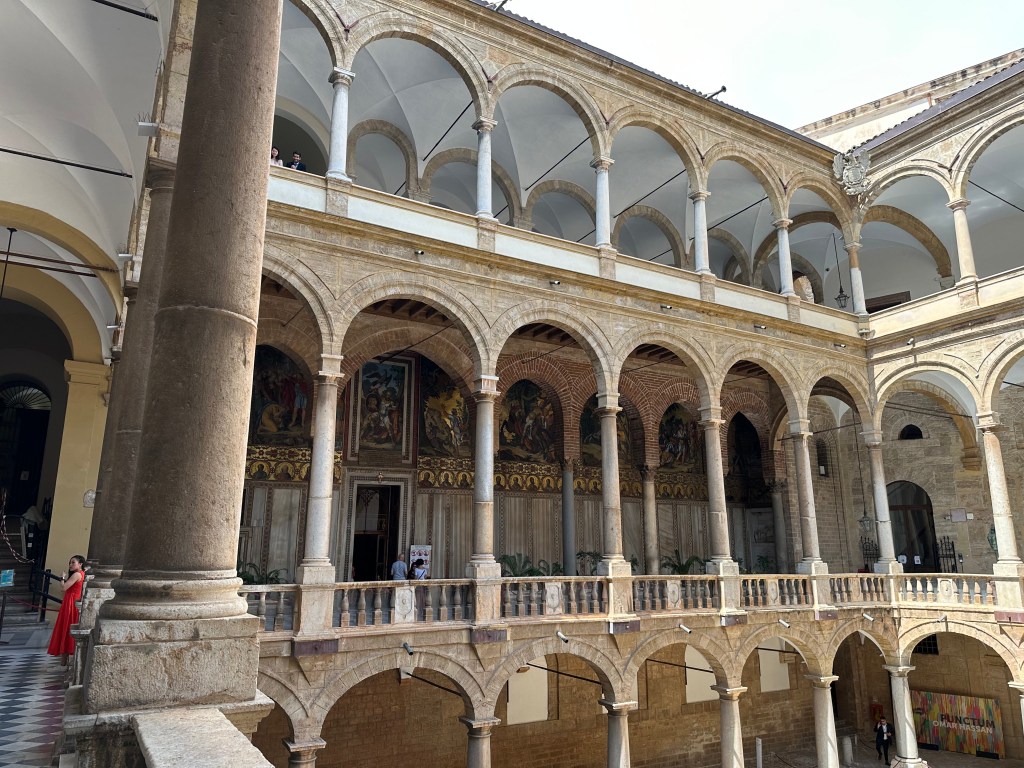
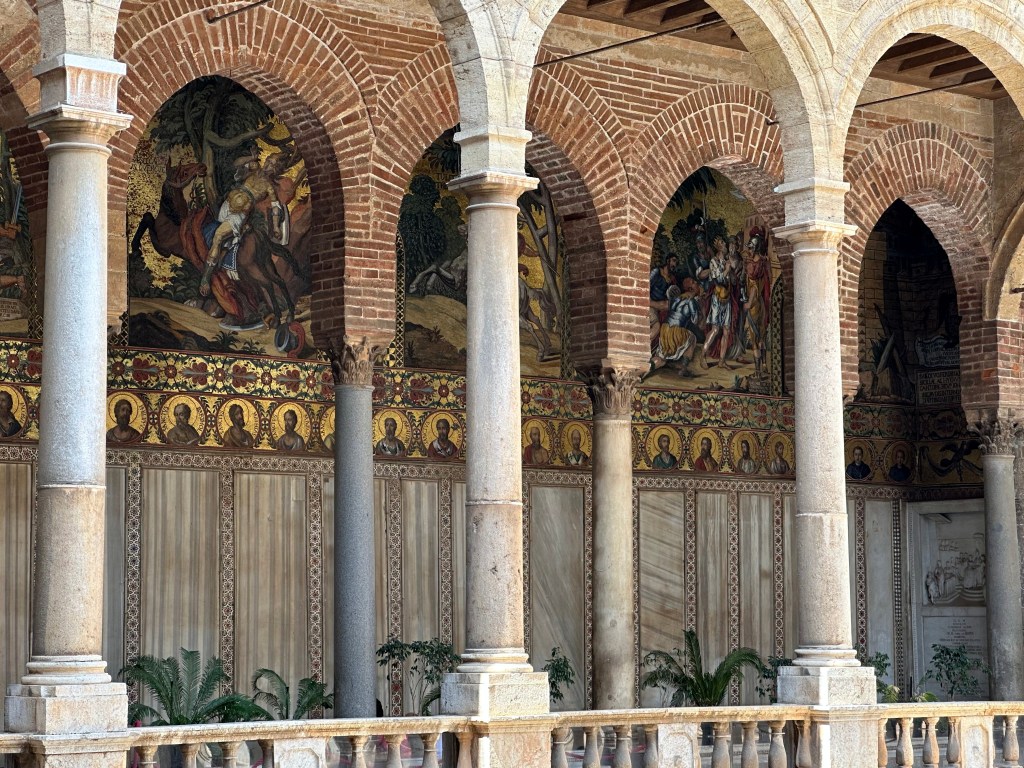
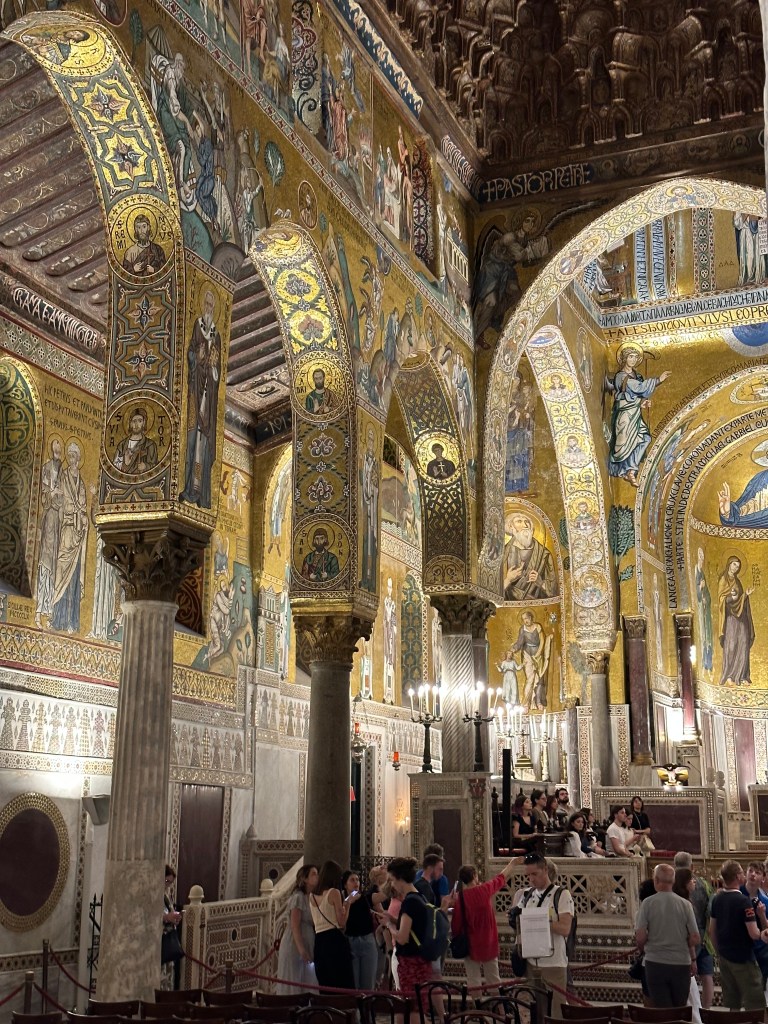
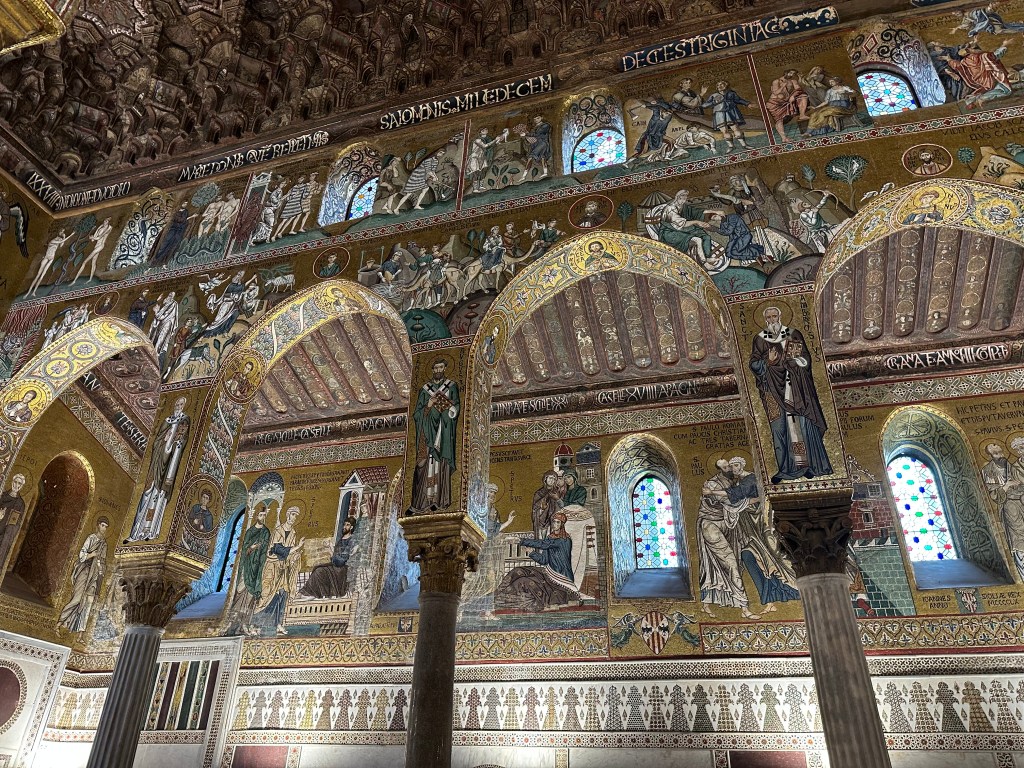
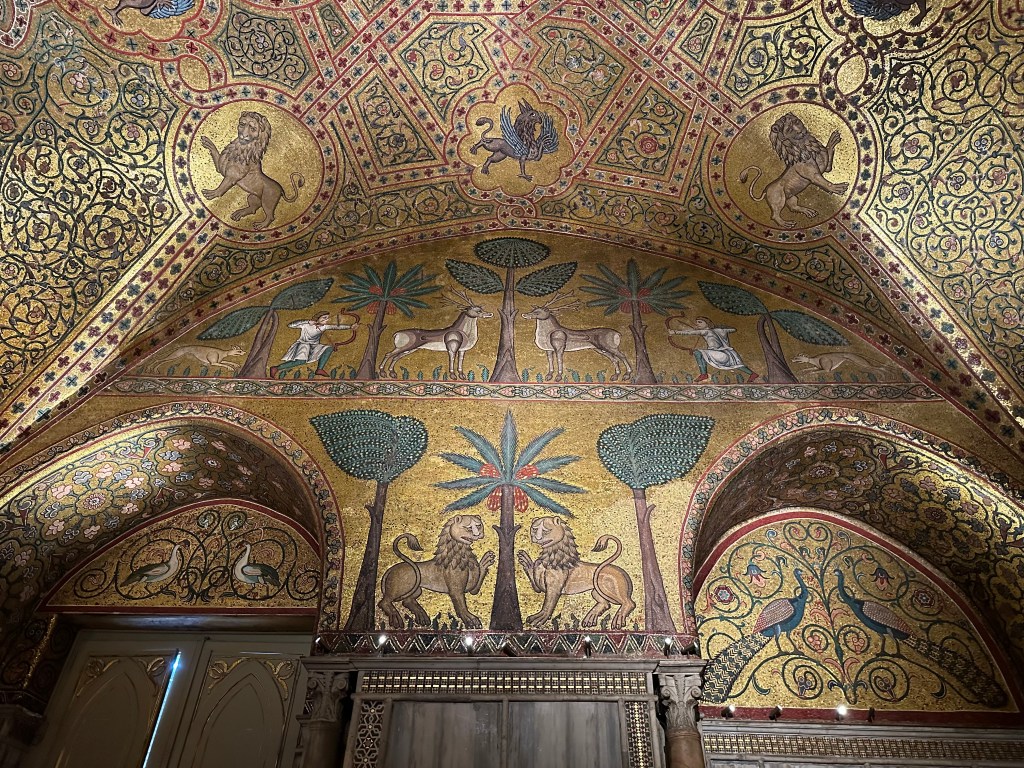
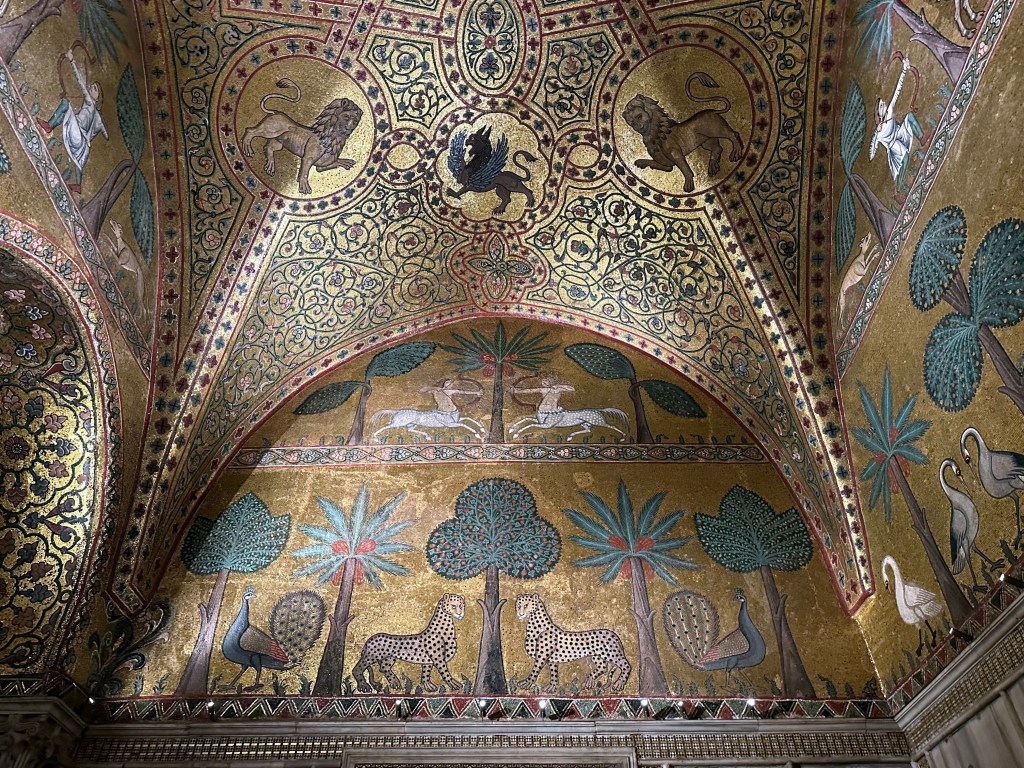
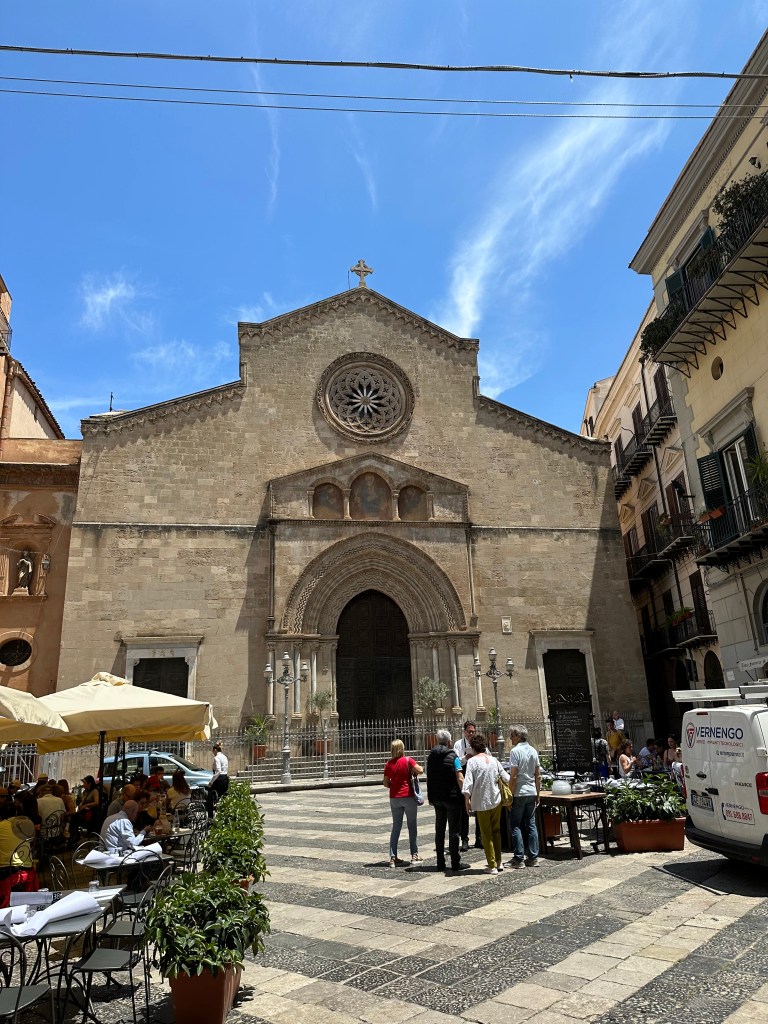
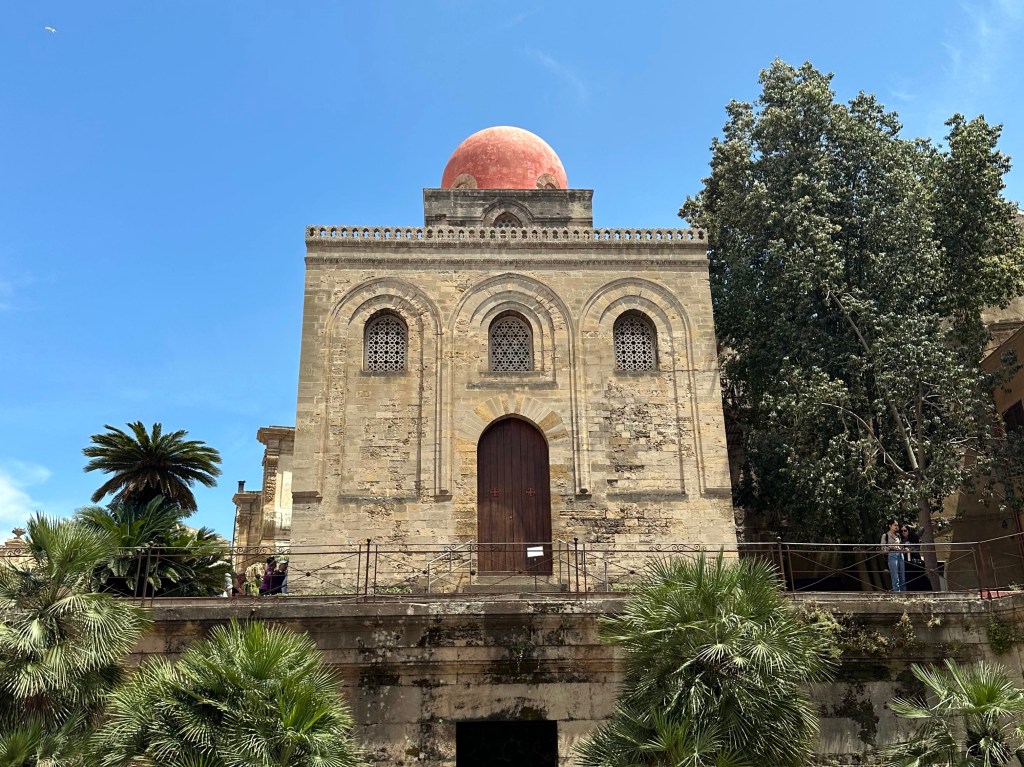
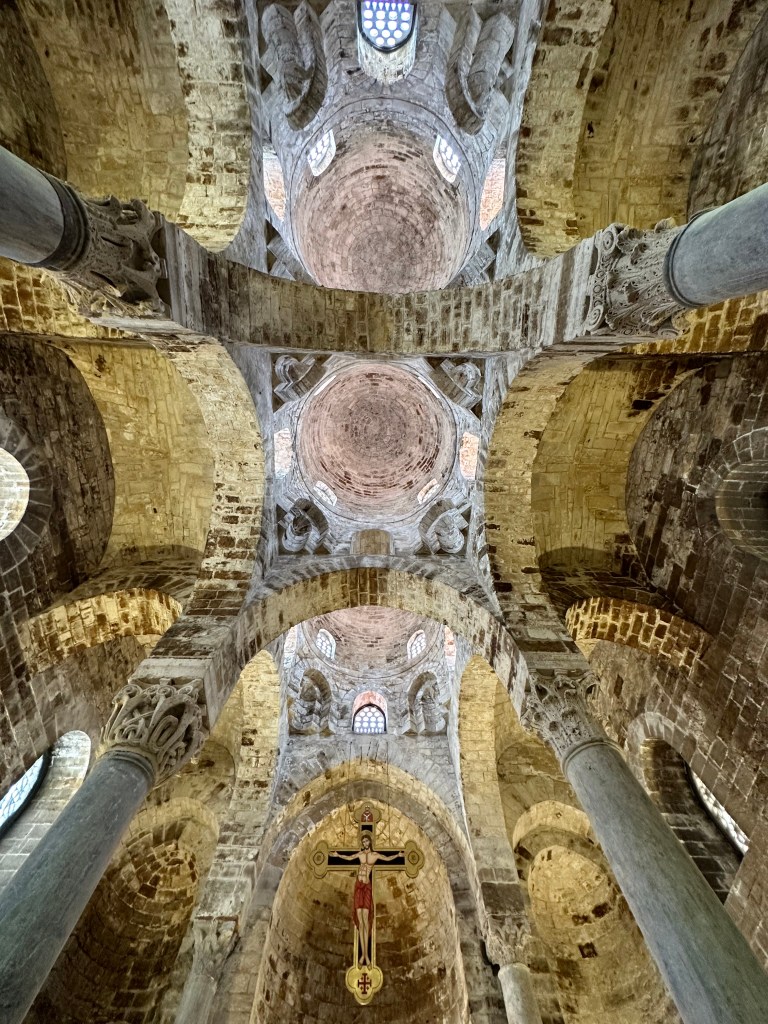
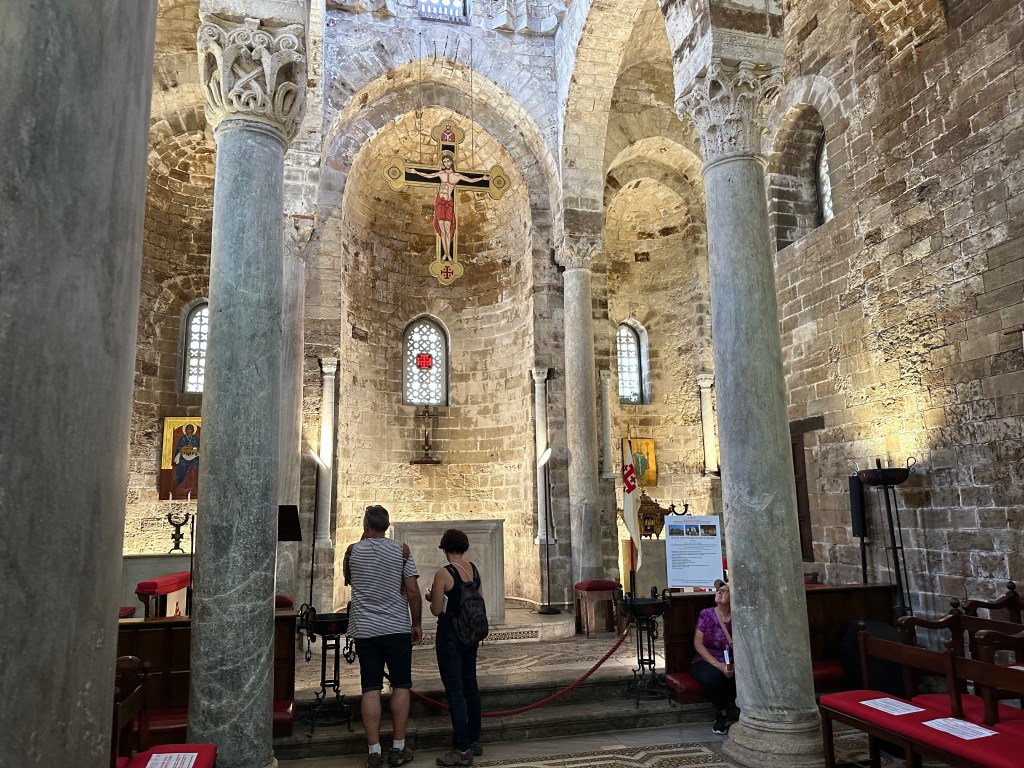
And the first of many cool encounters with Arabo-Norman architecture in Sicily at the city’s 12-century Church of San Cataldo:

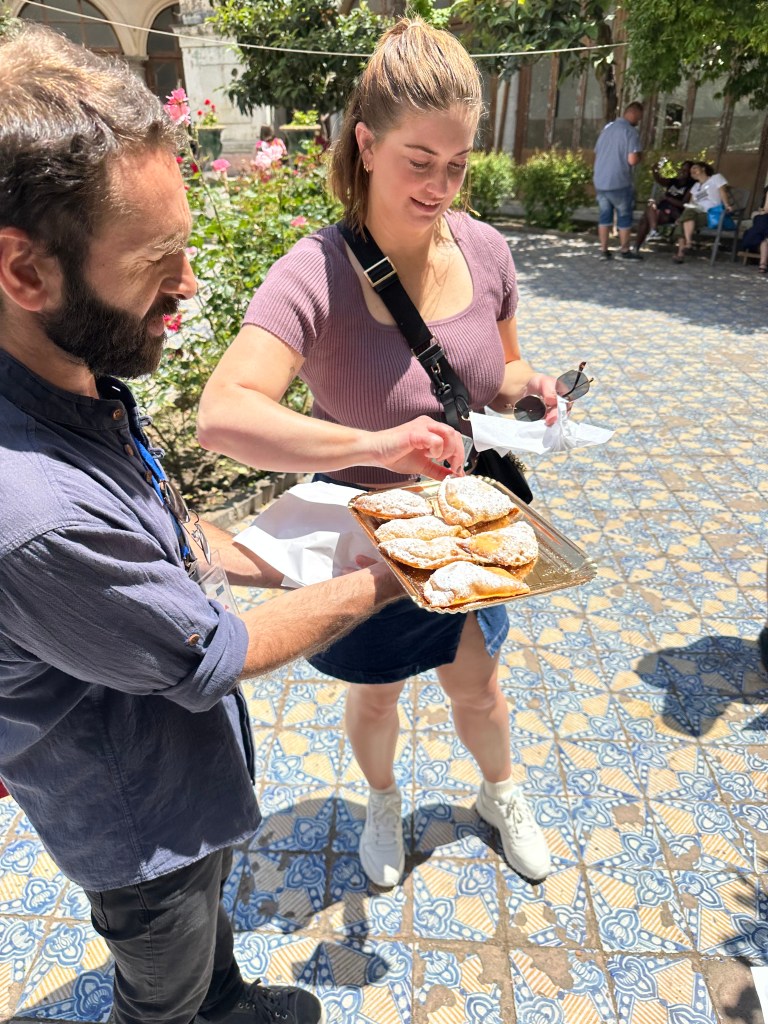
And our introduction to the ubiquity of pistachios on everything in Sicily:

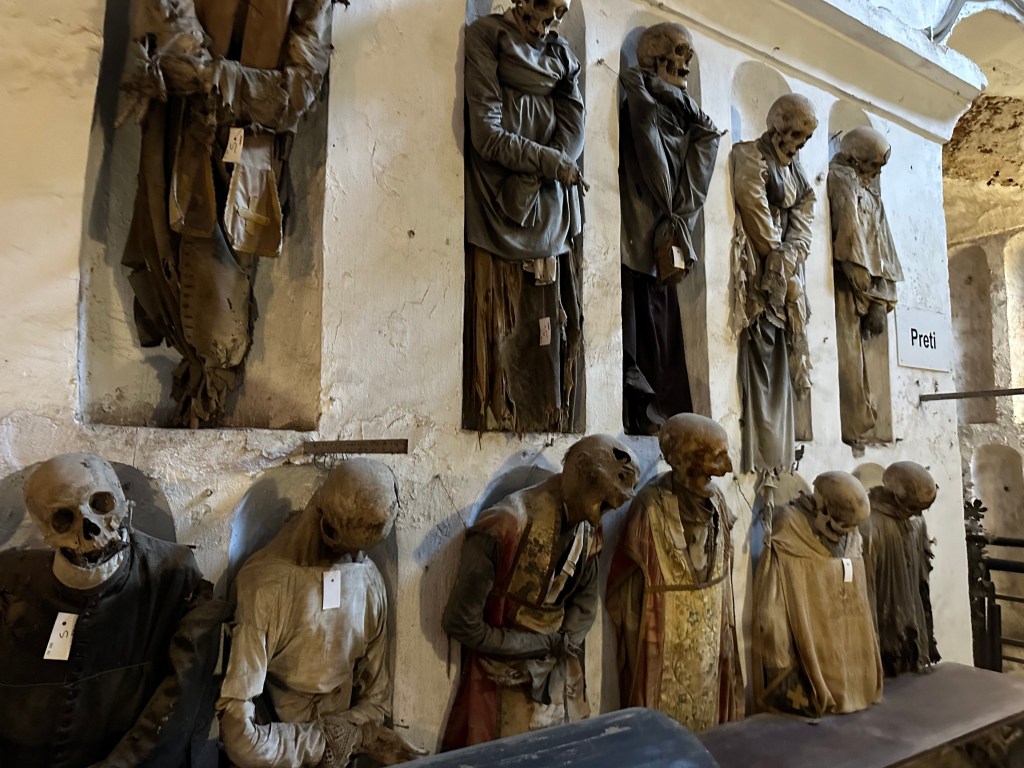
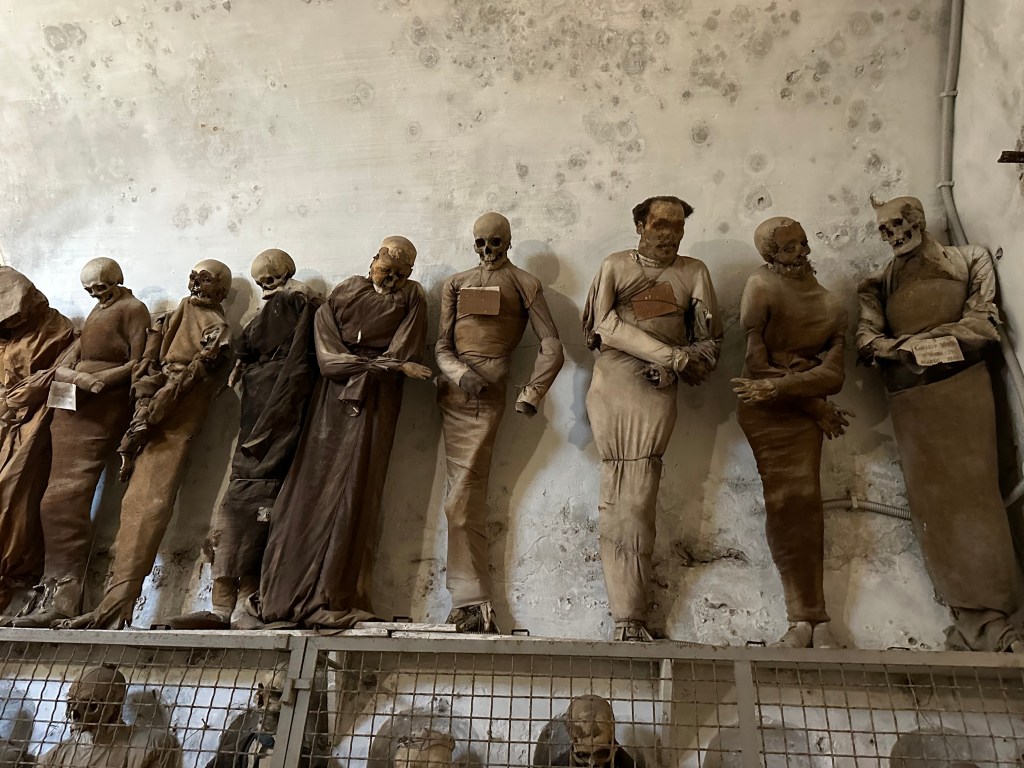
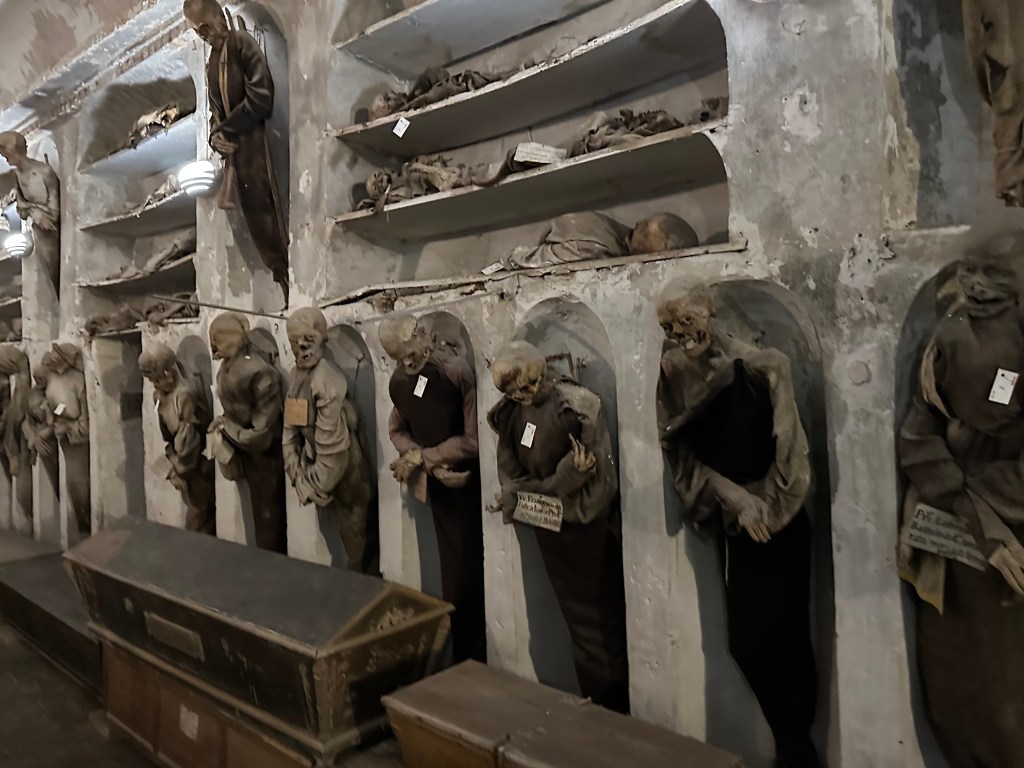
And the most horrific of the catacombs of our entire journey below Palermo’s Capuchin Monastery:

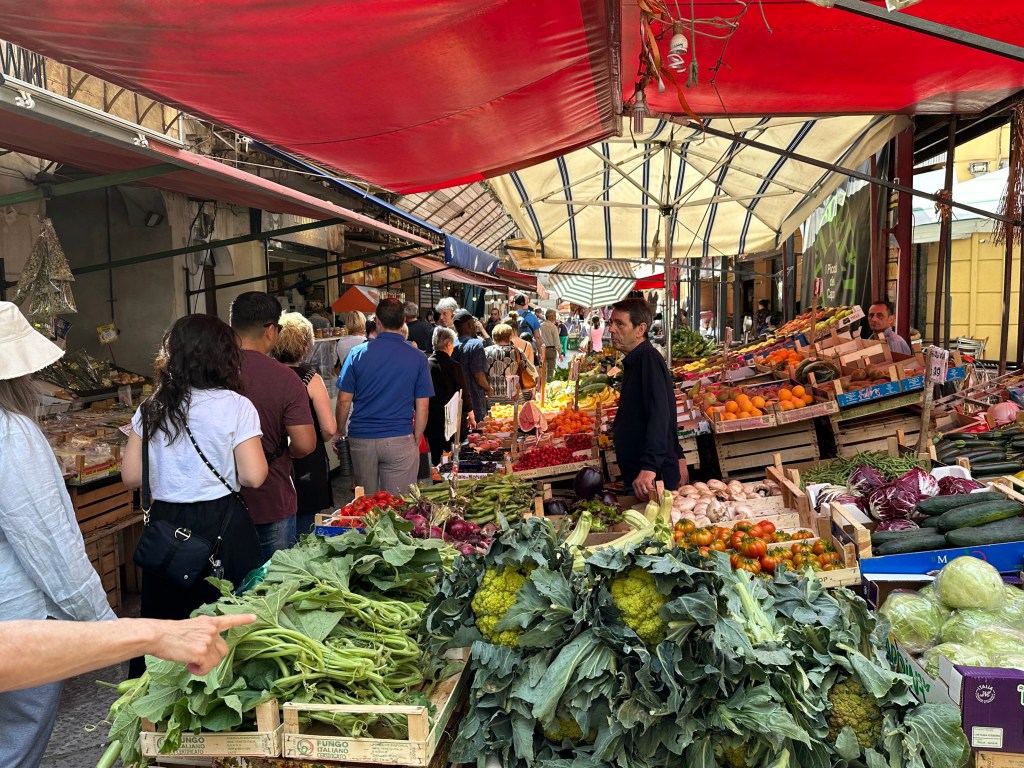
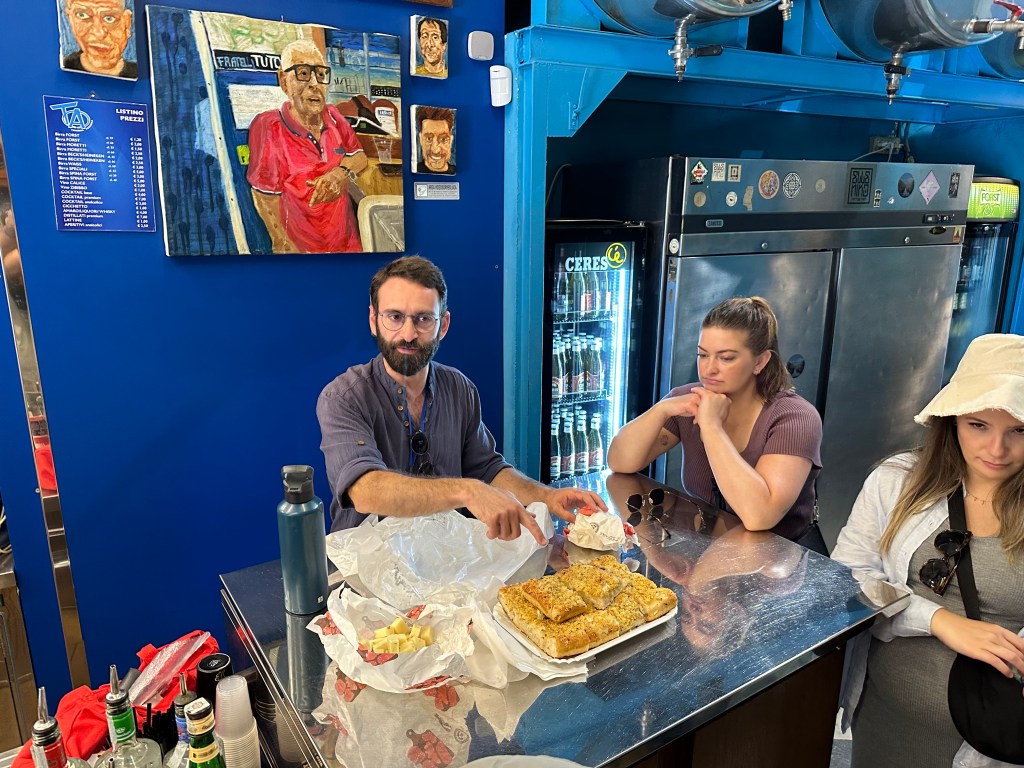
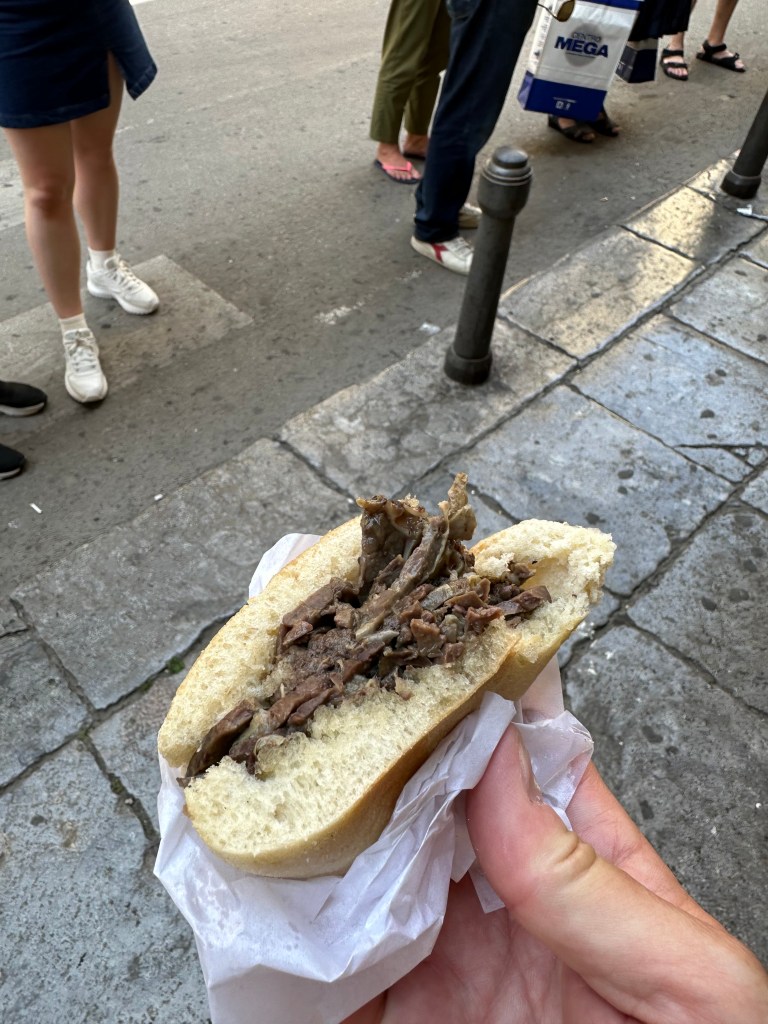
And a cool, 3-hour street food tour, featuring a spleen sandwich (4/10: would not try again):

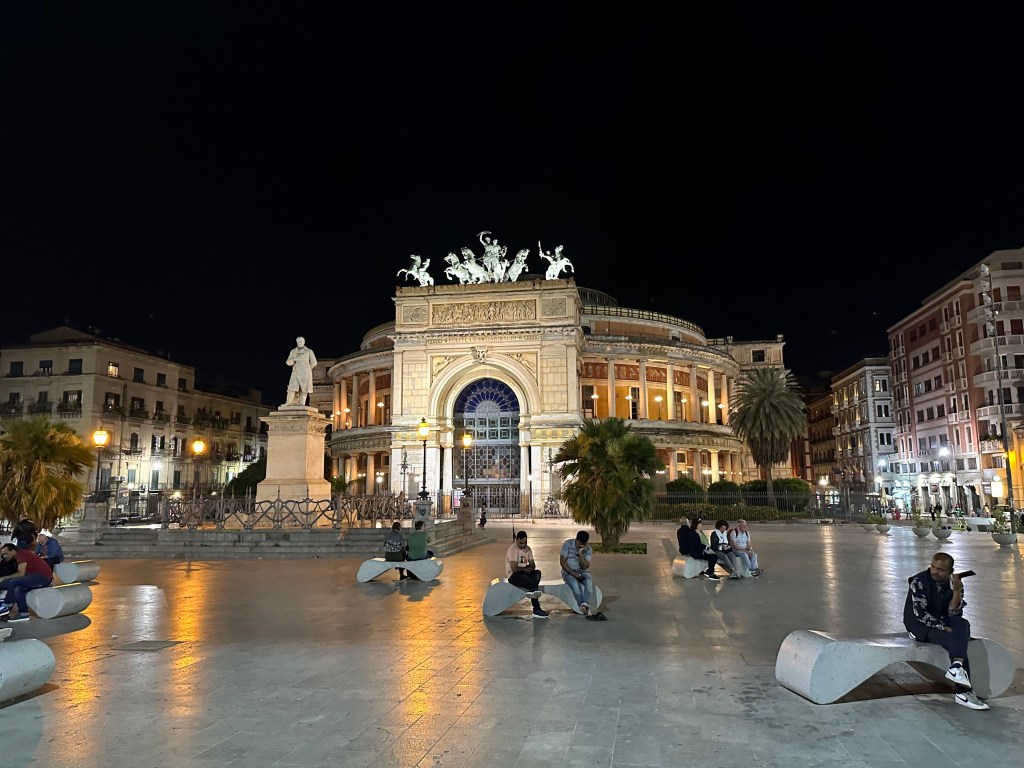
Our last evening in Palermo:
We drove from Palermo to the south-center of the island, to Agrigento, home to the most intact Doric Greek temples in the world, dating to 400 BC:

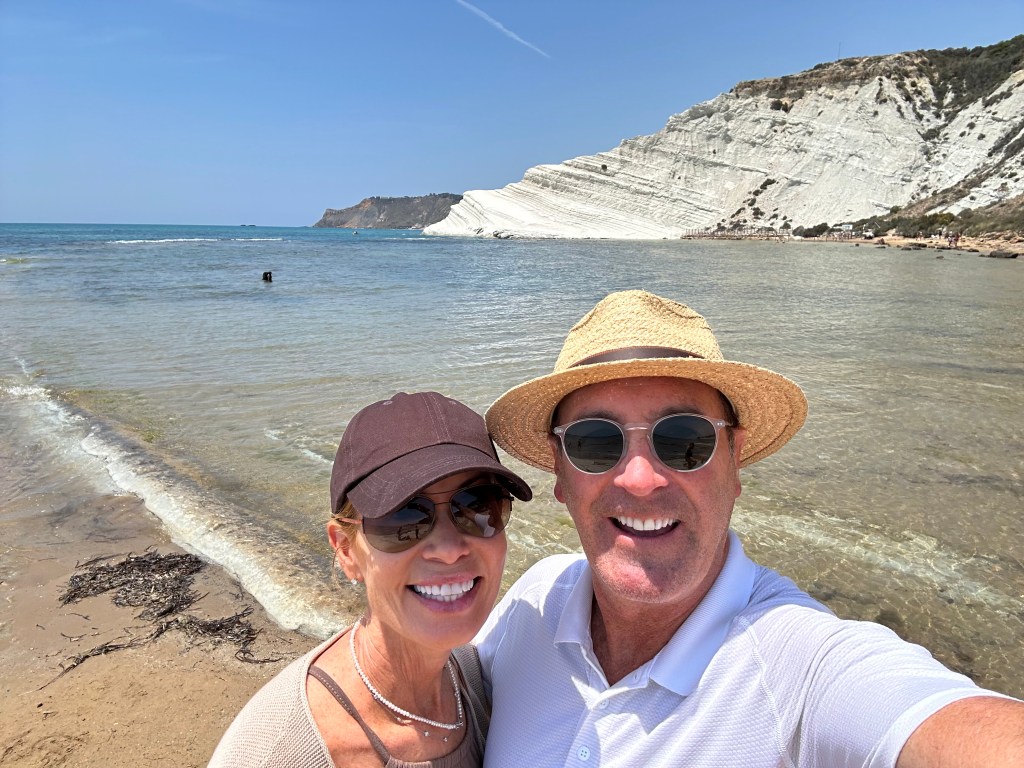
And spent a little time on the coast while we were there:
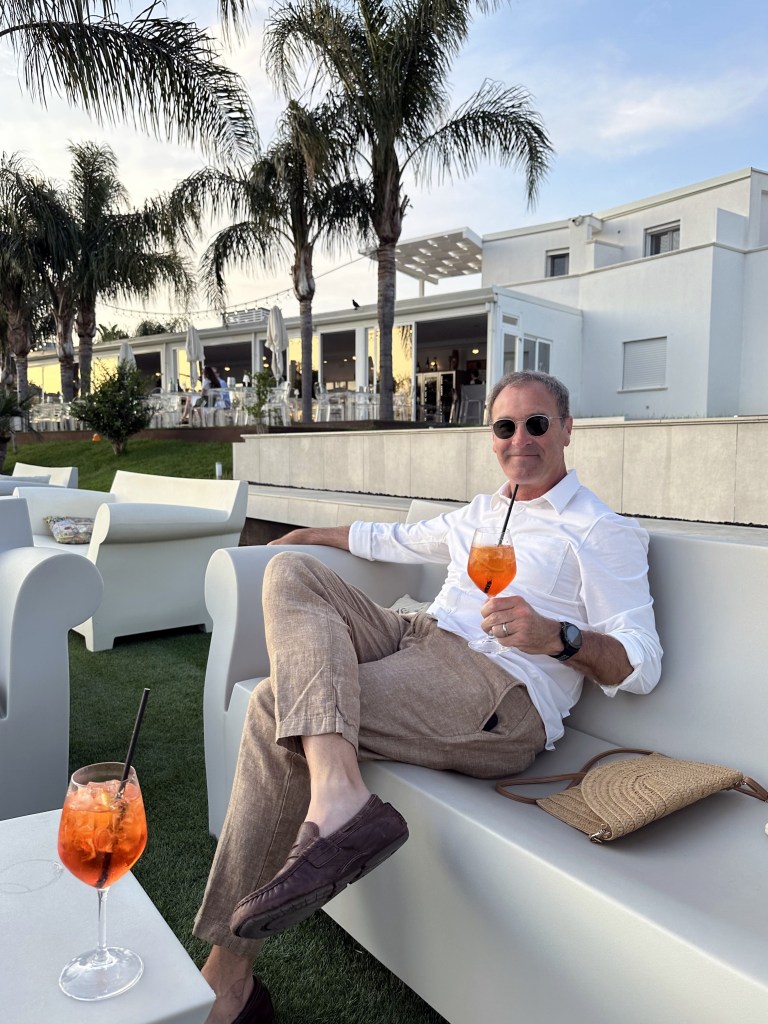
And continued the recommended daily doses of Aperol:
Final evening in Agrigento, with a view to the Temple of Juno and the sea:

From Agrigento, we headed due east to a cluster of Baroque towns, so called because they were all destroyed by an earthquake in 1796 and were all rebuilt in the Baroque style du jour. We based ourselves in the town of Modica for 6 days:

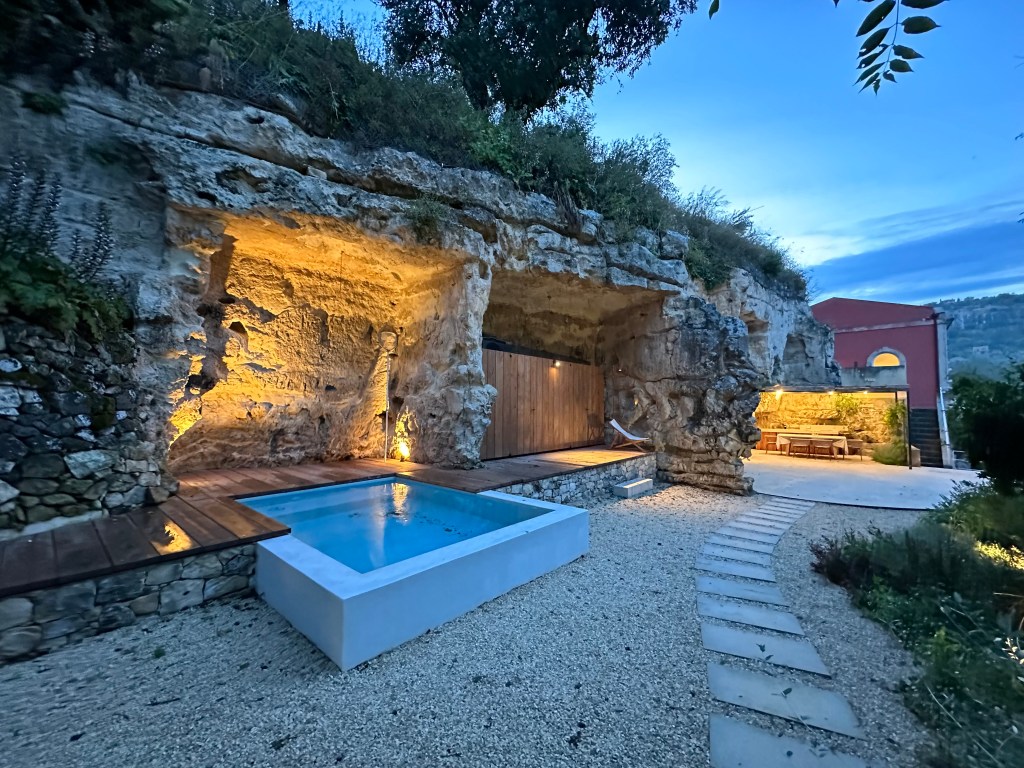
Which sported a pretty cool AirB&B that was built into a cliff:
The Baroque Church of San Giorgo in the nearby town of Ragusa Ibla:

The main piazza (such as it is) of the Baroque town of Scicli:

And the spectacularly picturesque Baroque town of Noto:

Modica also was just 20 minutes from the beach, so we started two of our mornings during our stay with some pretty great beach hikes along the Sicilian coast:

Second gastronomic experience on the trip at the tiny Michelin-starred hole in the wall of Accursio, featuring, among other things, Sicily’s orange wine (the color, not the fruit):

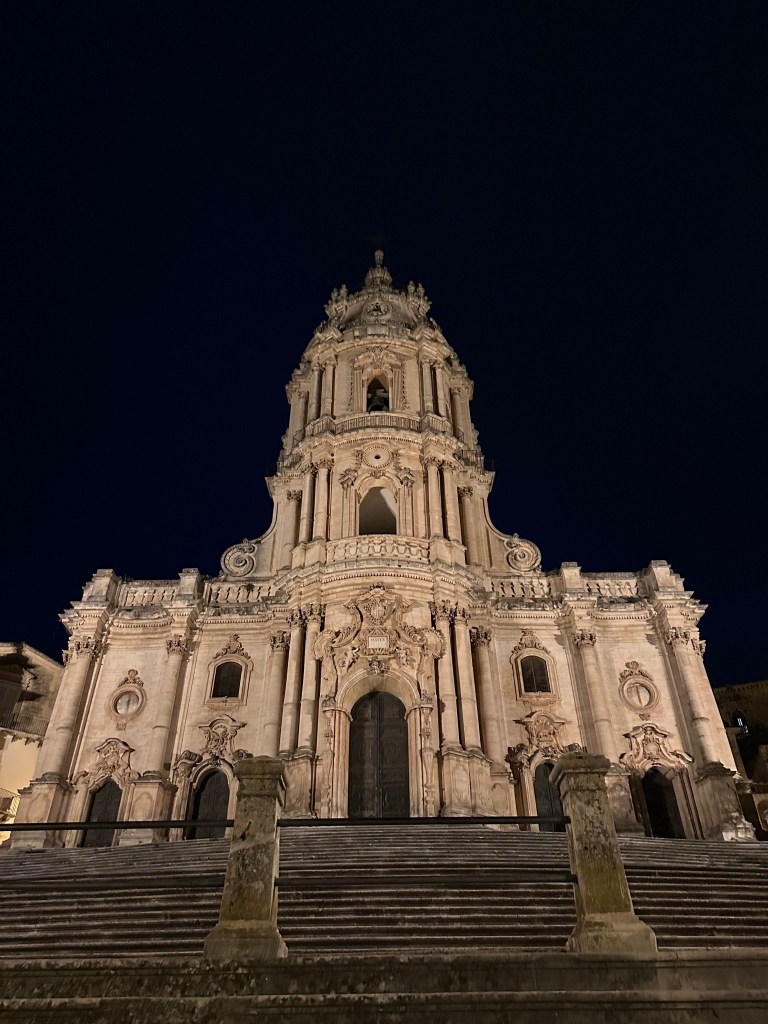
Modica’s Baroque Church of San Giorgio (same name as in Ragusa, same style, just different town) on our last night:
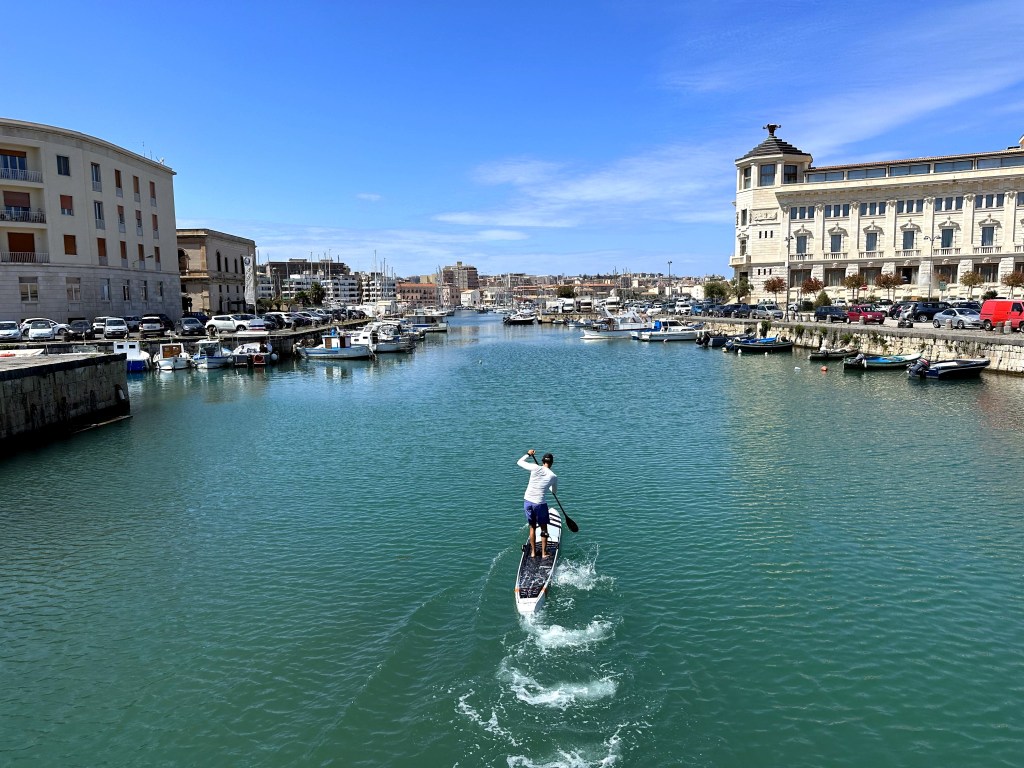
The ancient town / island of Syracuse served as our final stop in the south of Sicily – also another city we liked so much that we may return:
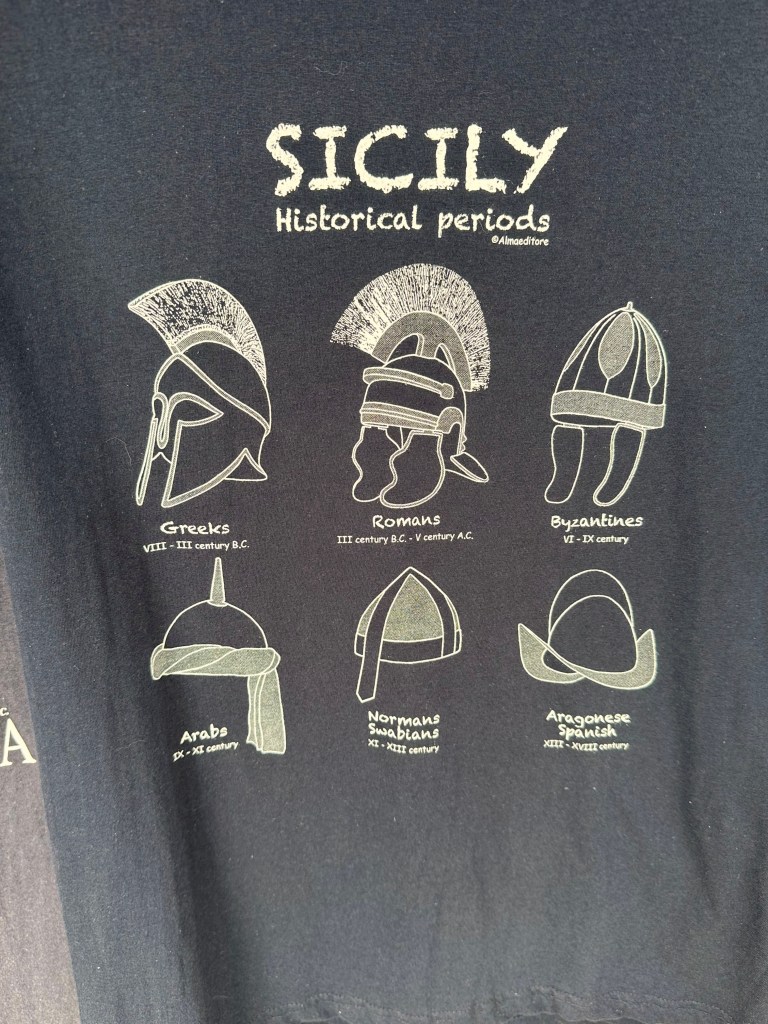
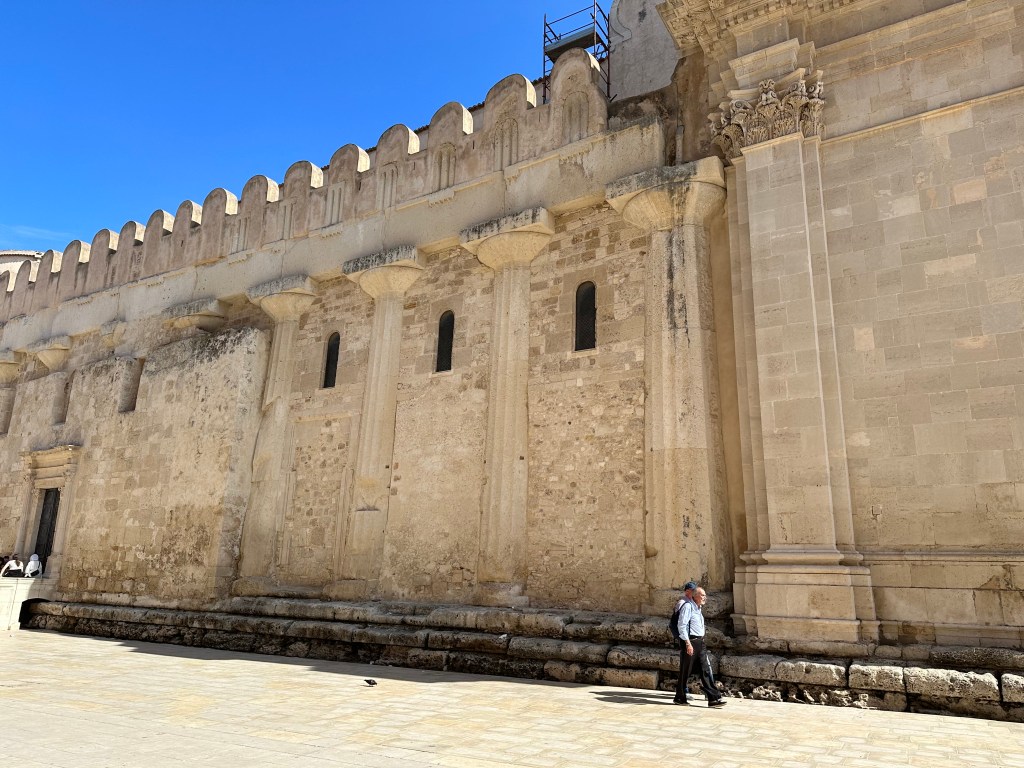
Sicily’s most captivating characteristic, at least to WolfeStreetTravel, must be the convergence and layers upon layers of different cultures that have dominated the island. We witnessed this with the mélange of Arab and Norman architectural styles in churches in Palermo and Monreal, for example. But nowhere was it more evident than Siracusa’s cathedral, which began as a Greek temple to Athena in 480 BC. In our travels, we’ve seen tons of churches build on top of pagan temples, replacing them. That was how they operated. Good site, but obliterate the offending structure. Not so in Siracusa. In the 6th century AD, the Byzantines just filled in the spaces between the Doric columns and incorporated the temple into their new church. Then the Normans added to it in the 11th century w crenellations reflective of their military-style churches. AND IT’S ALL STILL STANDING. You can see the ~2500-year-old Doric columns and capitals inside and outside the church (which was hosting a wedding while we were there, reinforcing how Sicilians simply live through their amazing history). 
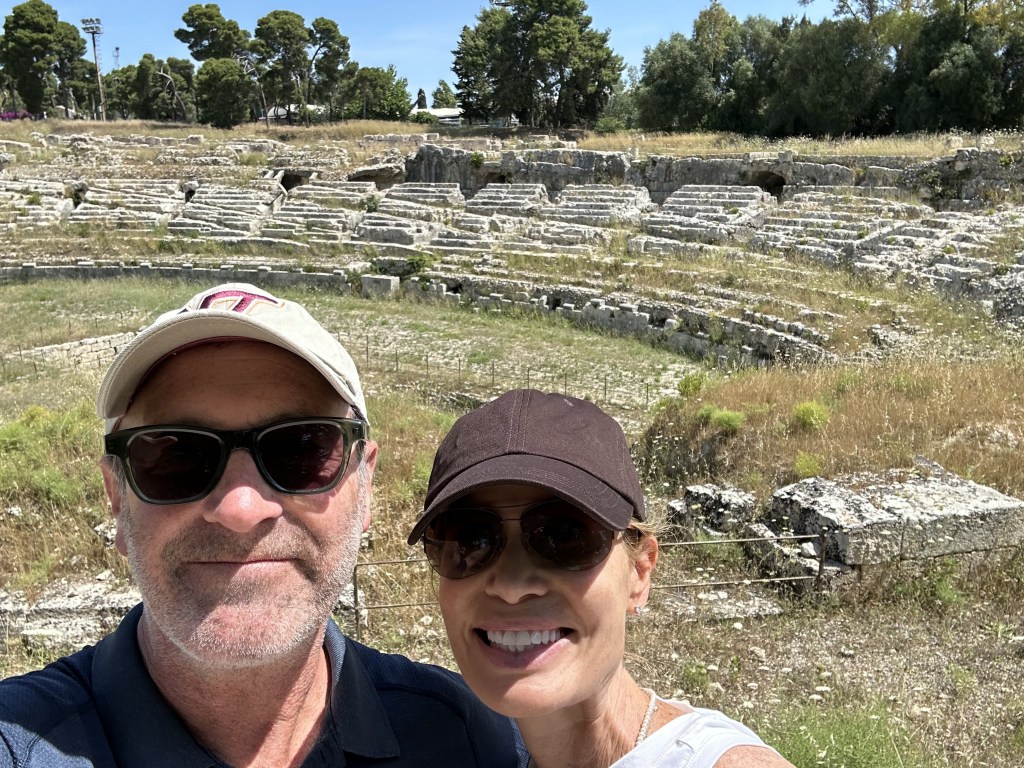
Another case in point, the Syracuse’s abandoned, 1st-century Roman amphitheater. . .
But just up a path lies the city’s even older, 5th-century BC Greek amphitheater, which is still in use today:

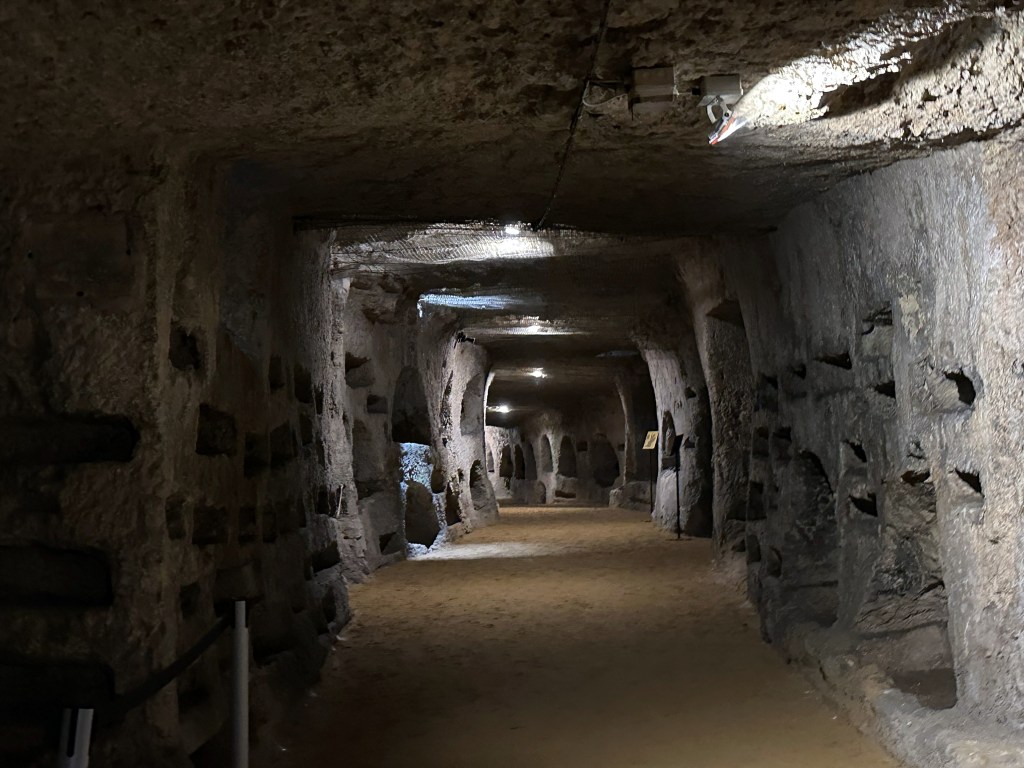
And, of course, we checked out the local catacombs:
Imbibing our daily recommeneded allowance of Aperol spritzes at one of the cooler little roadside cafes on Syracuse’s ancient Ortigia island old town:

And then north! To hike Sicily’s still-active Mount Etna. Twice.

The first day’s hike, from the caldera’s southern approach was okay, but not particularly thrilling. The next day, we hiked up from the eastern approach. Holy shit – absolutely stunning. First, a legit old lava tube:

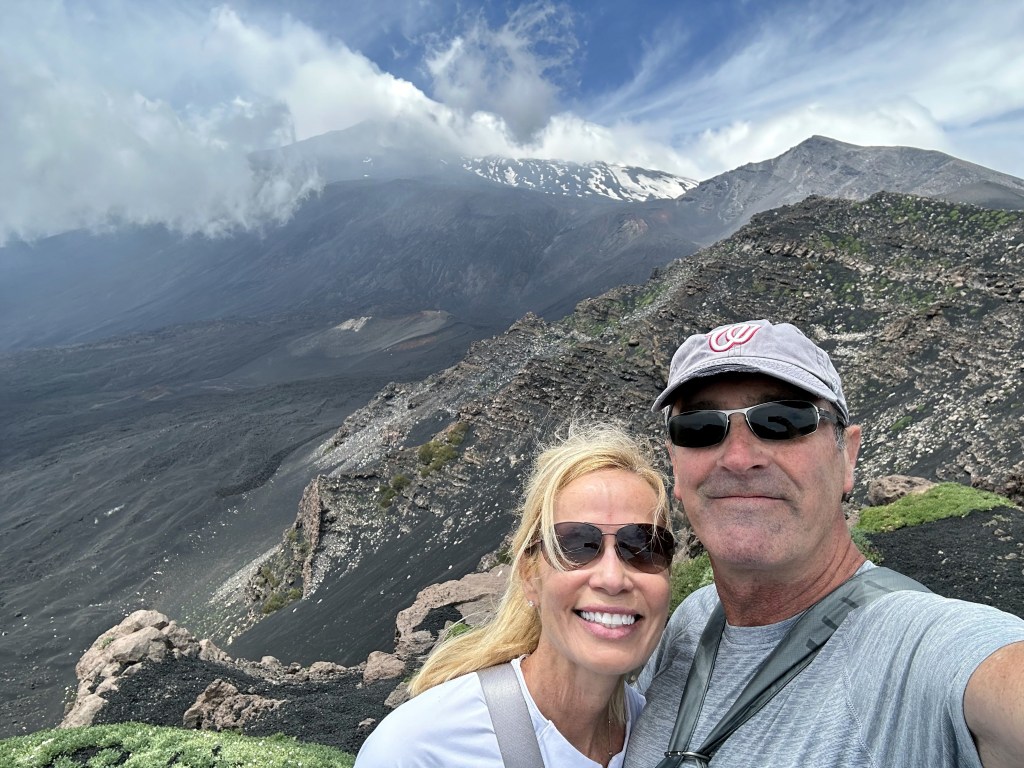
And then, at the top, along the rim of the old caldera, a view of the still active peak, plus smoky evidence in the old caldera of still active volcanic evolution:
And finally, to the northeast(ish) of Sicily, and the now hyperpopular town of Taormina, setting for White Lotus Season 2 (although we didn’t know this when we planned the trip).
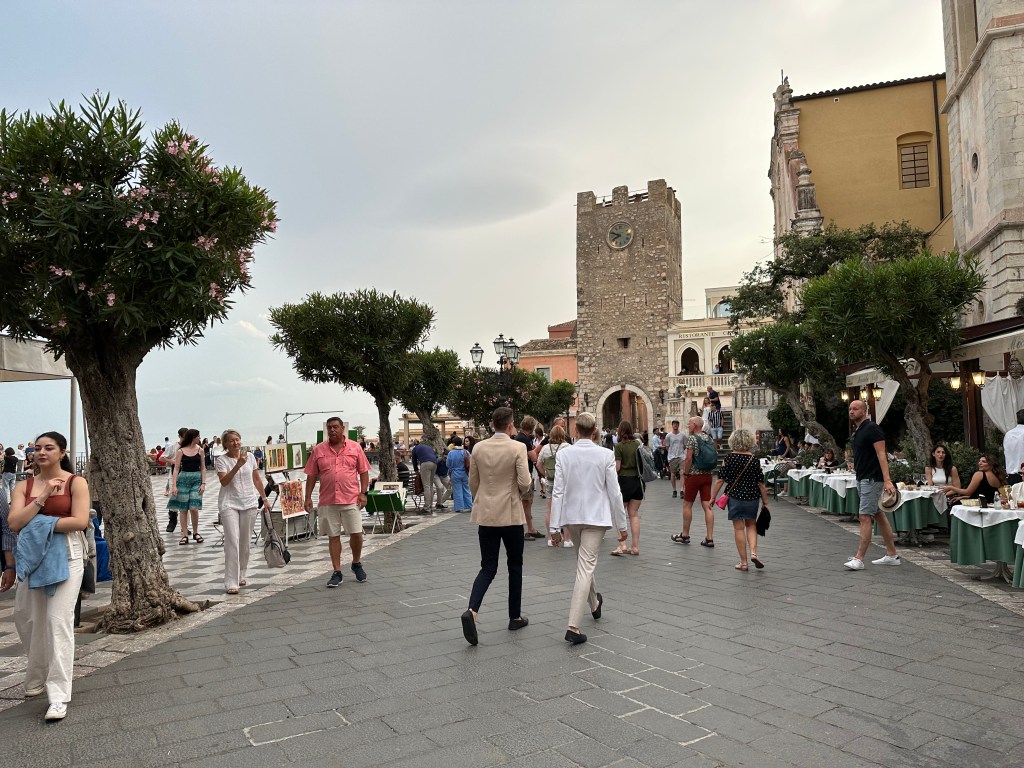
We challenge anyone to locate a more stunning, atmospheric setting for a classical theater than the one in Taormina. It began as a 3rd-century-BC Greek theater, then 1st-century-BC Roman theater, then 2nd-century-AD Roman theater, then 18th- 19th- and 20th-century restorations. Pretty freaking cool. And, like Syracuse’s Greek theater, still in use today.

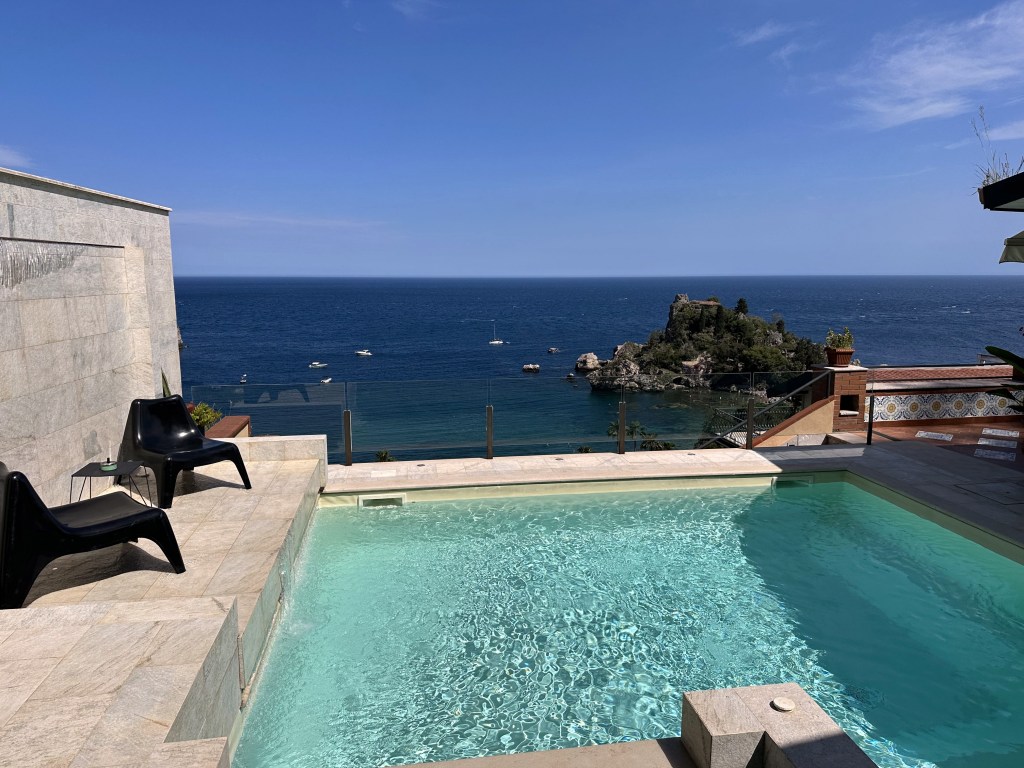
Our digs for 5 days, perched above IsolaBella. Wins the prize for best AirB&B pool on the trip.
Last night in Taormina:

The next day, we flew from Sicily to Malta, dropping off our trusty Citroen C3 – the second time we’ve had one of these for a European road trip. It looks like a sneaker with the unnecessary side effects, but this car grows on you!

Malta Break

And then, Malta! Country no. 71 for WolfeStreetTravel.

Downtown Valletta, the tiny country’s capital, with its unique wooden balcony boxes (gallarija):

And on the heels of the best AirB&B pool in Taormina, the best hotel pool at our digs in Sanglea built into an old fortress and overlooking Malta’s Grand Harbour:

A side trip to Mdina, Malta’s golden limestone old capital:
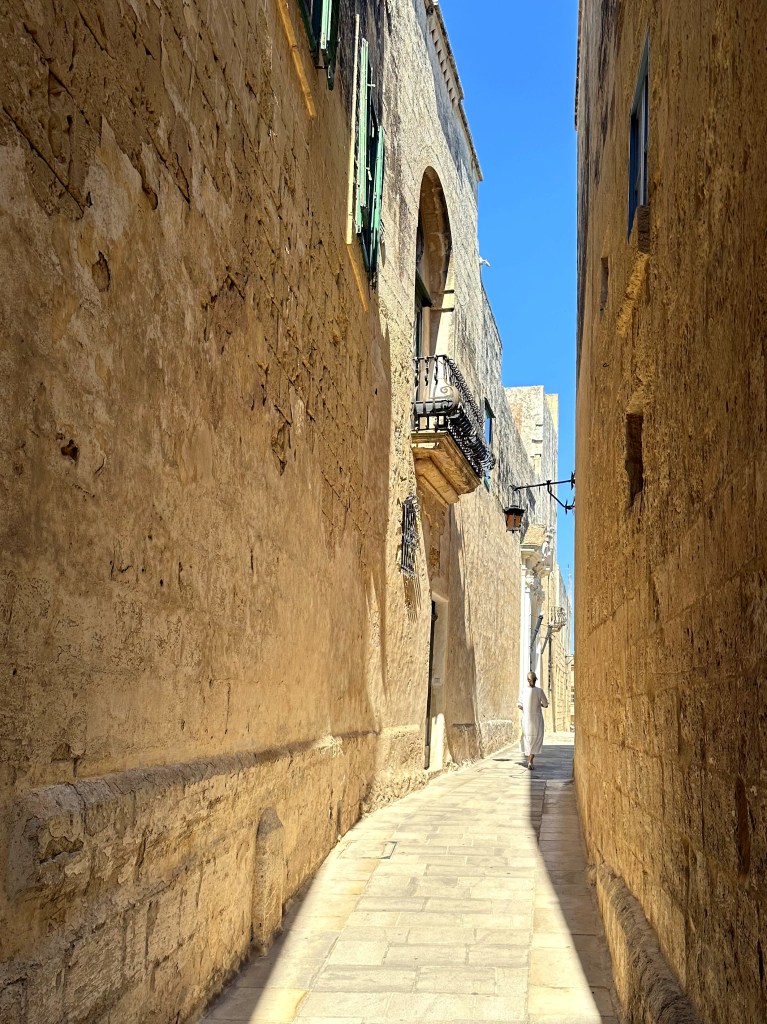
Last night in Malta along the harbor:

To avoid potential flight issues to reach our next destination in Normandy, where we had a hard start, we flew to France a day early, and stopped over in Chantilly, home to Chateau de Chantilly. No delay, but good call – cool place.
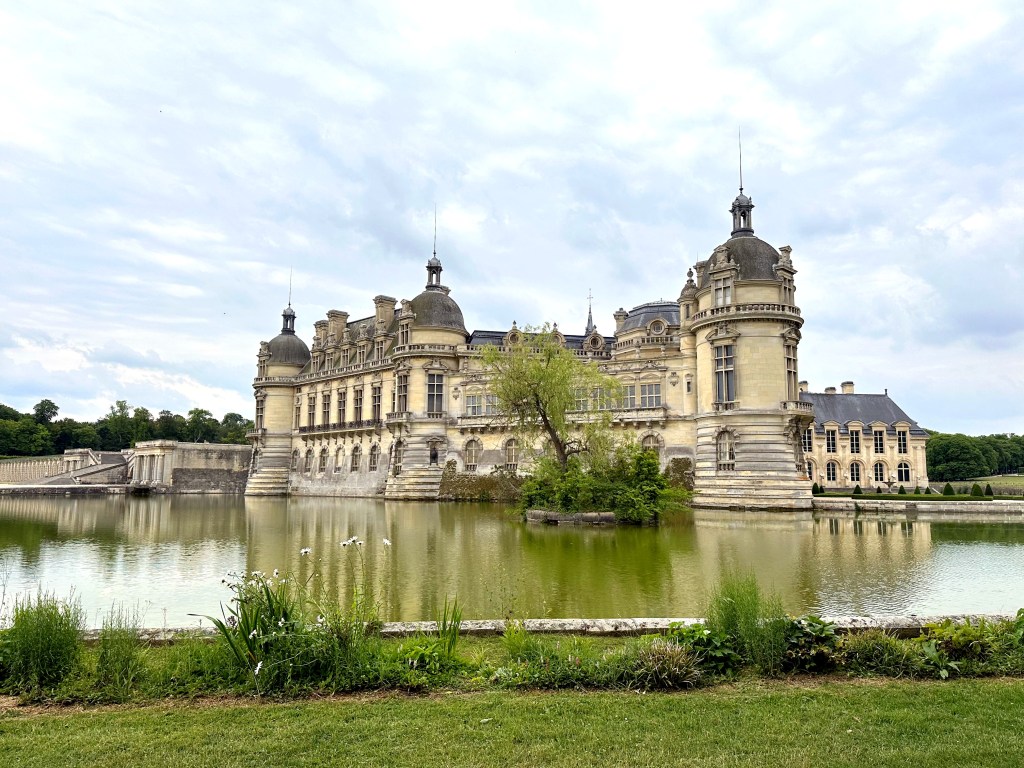
Normandy Biking

The next leg of the our extended foray to Europe entailed our latest biking trip – this time with Thomas and Lisa, in celebration of their wedding (albeit delayed for 2 years).

The five stages of the bike trip spanned two invasions. The first in 1066, by William the Conqueror conquering England from Normandy, as depicted in the 11th-century Bayeux Tapestry, as seen in Bayeux, our starting town:
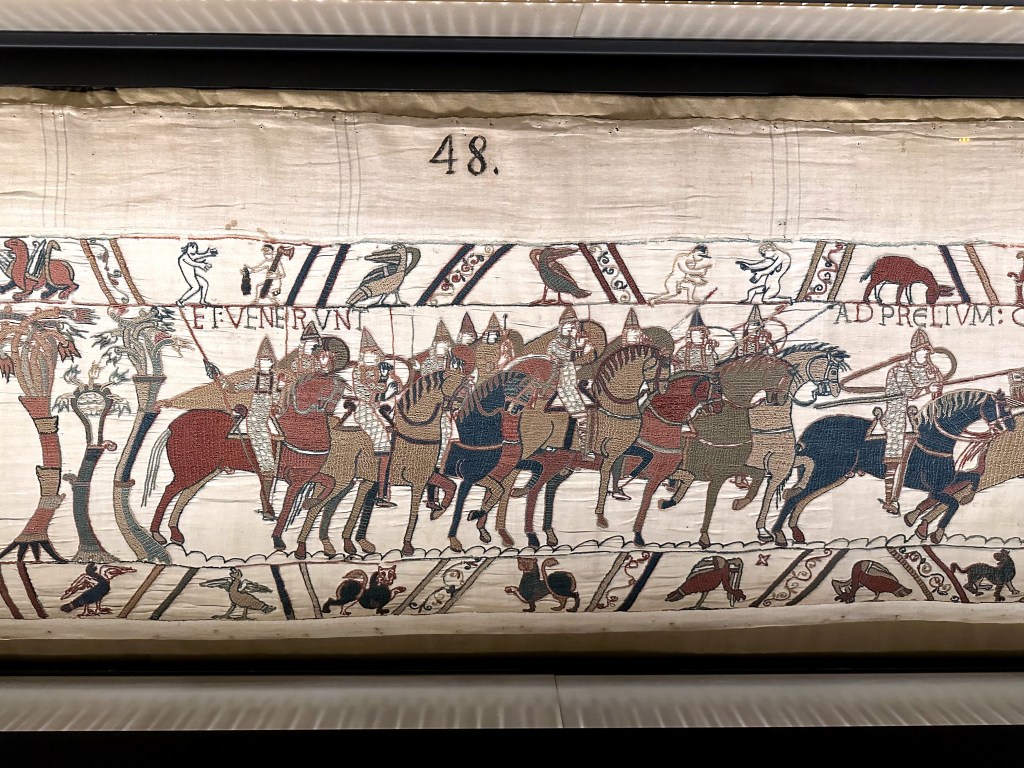
The next almost a thousand years later, this time and invasion of Normandy in 1944. On our first day we visited three bunkers in a German battery on Gold Beach:

And on the same ride, the first of our dozens and dozens of dozen oysters ordered in Normandy:

Invasion overview at the American Cemetary at Omaha Beach:
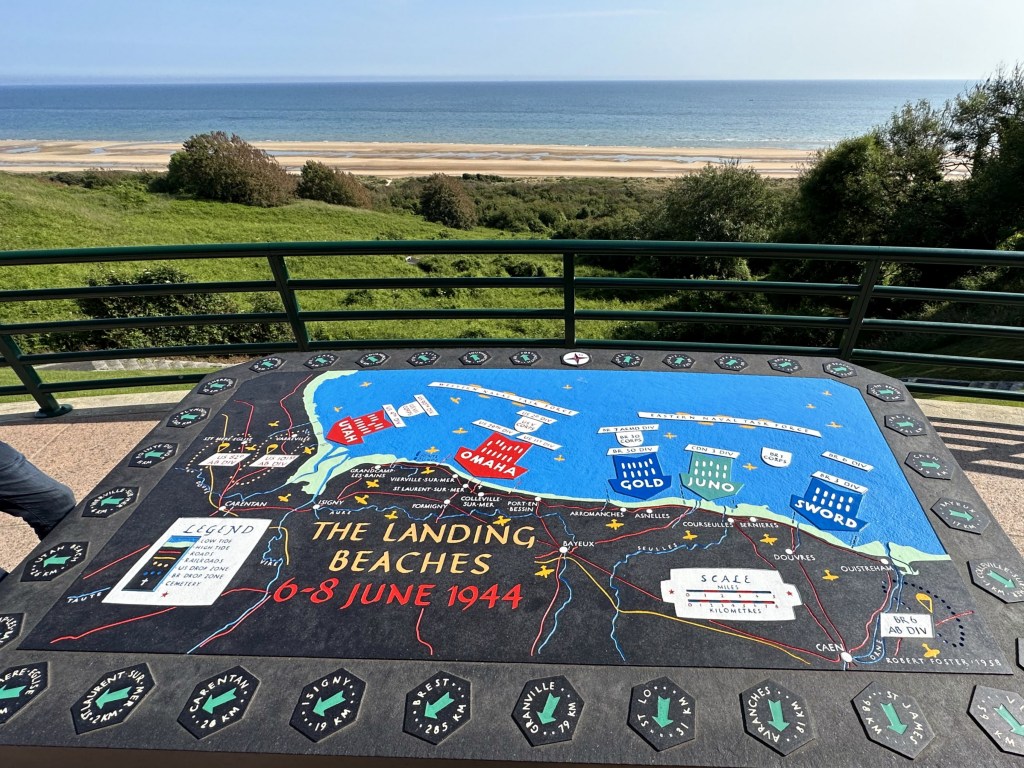
And a night in a 13th- and 14th-century chateau, which may have been the most surreal night of our entire travelling lives. There’s an entire story about this insane evening, but we’ll deal with that in a separate post.
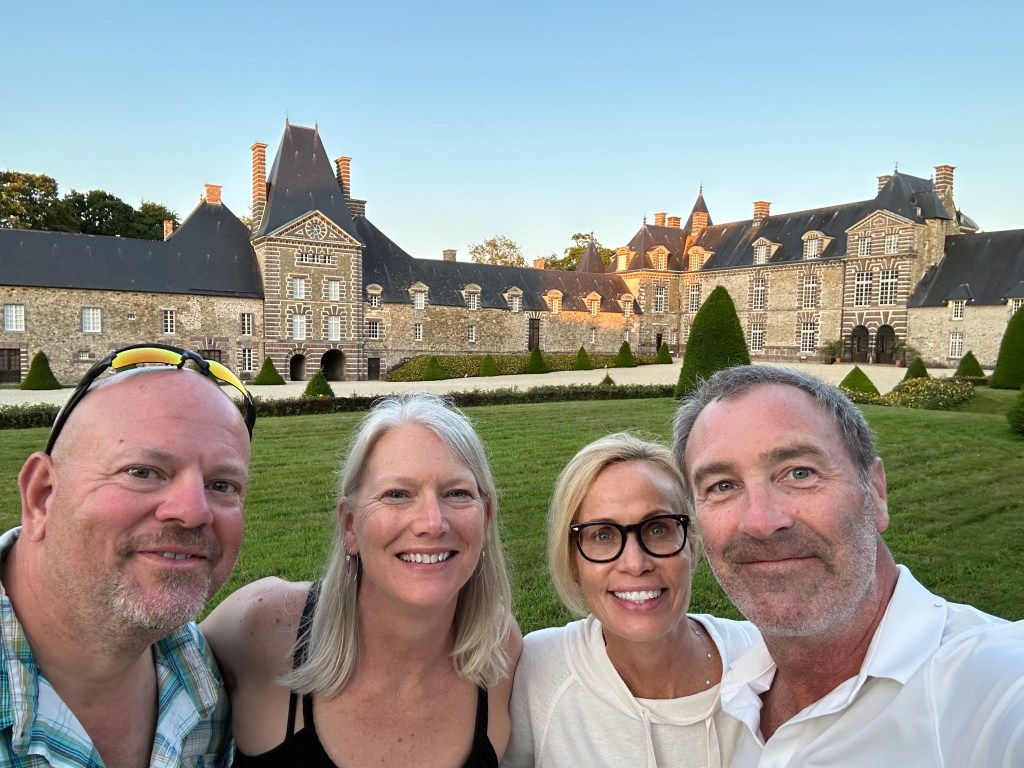
The conclusion of our biking journey at Mont Saint Michel. Originating in 708, the site has attracted pilgrims who still trek across the sandy estuary at low tide for more than 1300 years, staved off an entire English army during the 100 Years War with a garrison of just 100 Norman knights, and is claimed to this day by both Normandy and Brittany. 

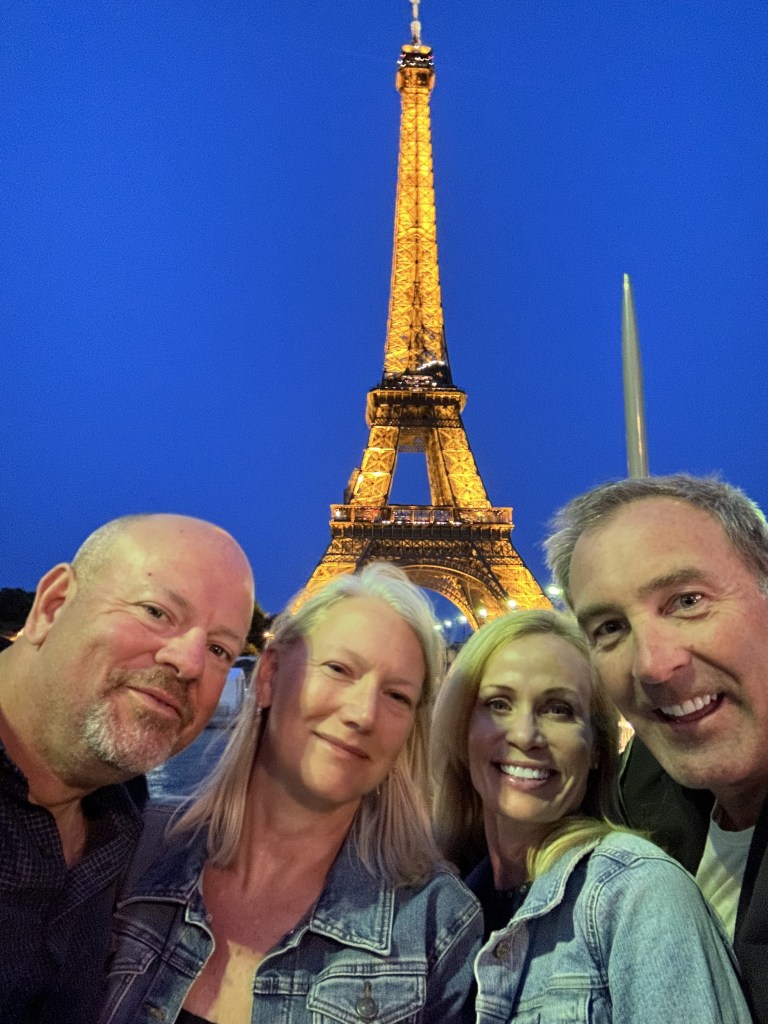
Then, a day in Paris:
Of all of the legs of the trip, only Portugal was unplanned. We knew while in Malta that we didn’t want to go home after biking, and considered either grabbing a car after Thomas and Lisa departed Paris and then driving south to the Dordogne region for a week or two or flying to Portugal at the same time as their return flight. We’re going to save Dordogne for another bike trip, and so we decided to head to Portugal. Still without having a set itinerary there or a return flight home, though!

Portugal

We decided to first spend 4 days in Porto, in northern Portugal. This turned out to be the absolute best location of the entire trip. We’ll be back to spend a month or two here in the future.

Porto’s medieval Ribeira District and south Porto astride the Duoro River:

Everything in Porto is clad in tile:

And, after 7 weeks of Aperol spritzes:

Local port and tonics suddenly dominated the scene:

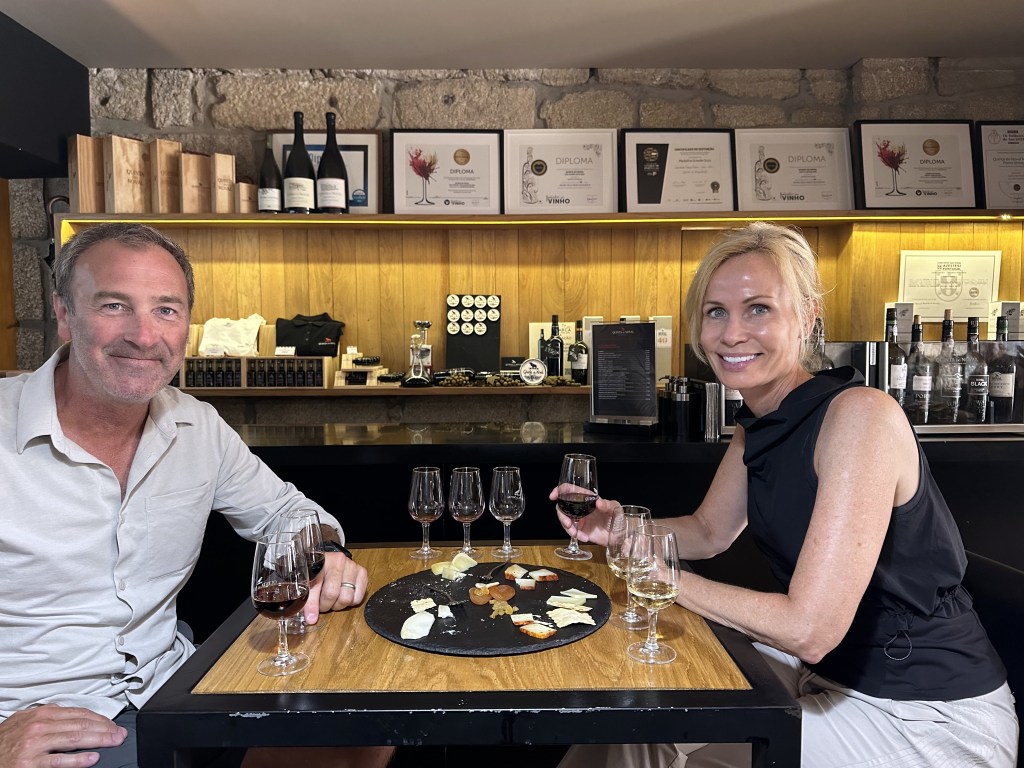
And an afternoon of port tastings:
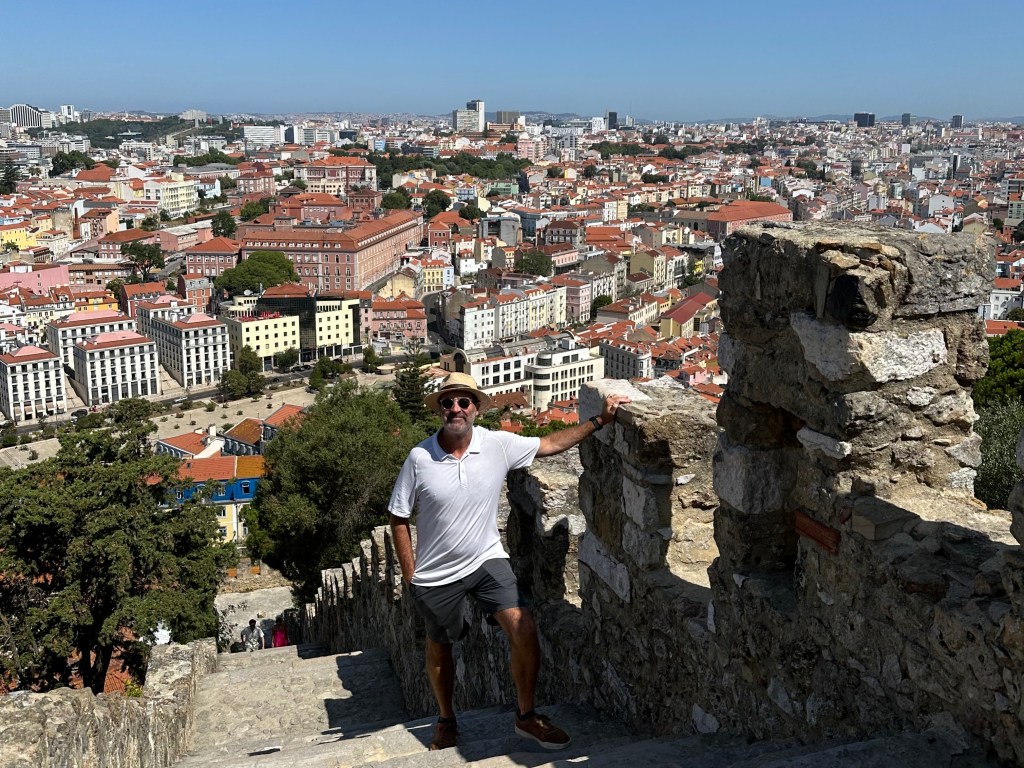
Then, a train south, to Lisbon, the first European destination we had ever visited, back in 2002:

With some monumental areas:

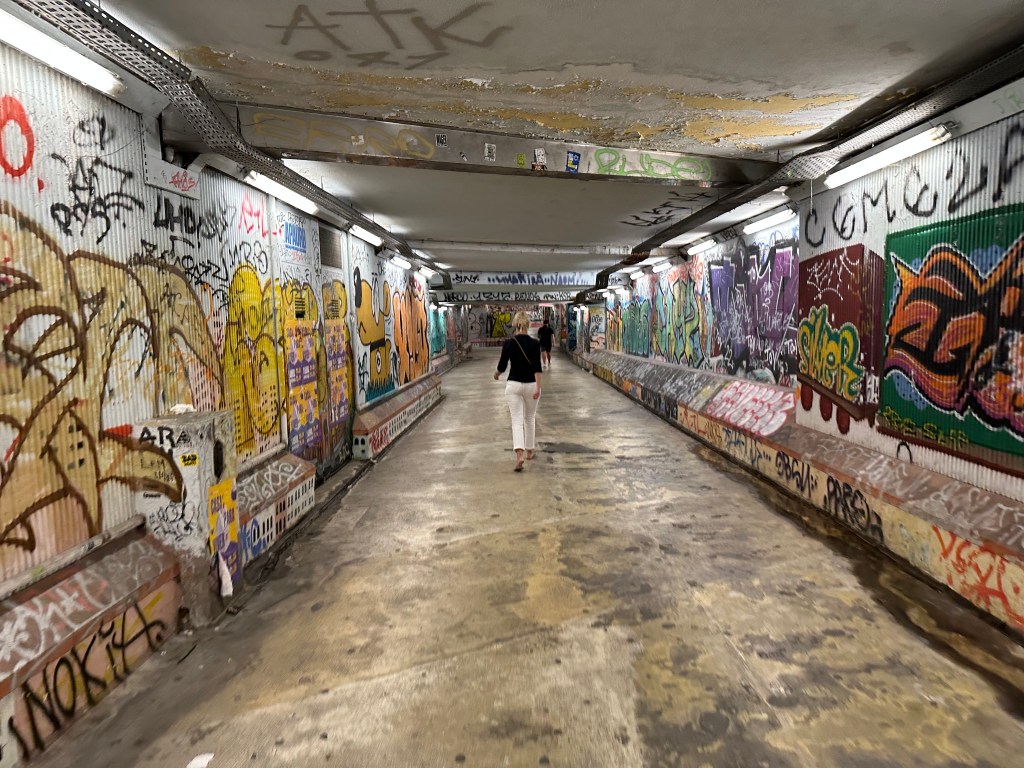
And some more sketchy areas:
And a day trip to Sintra, home to the Pena Palace:

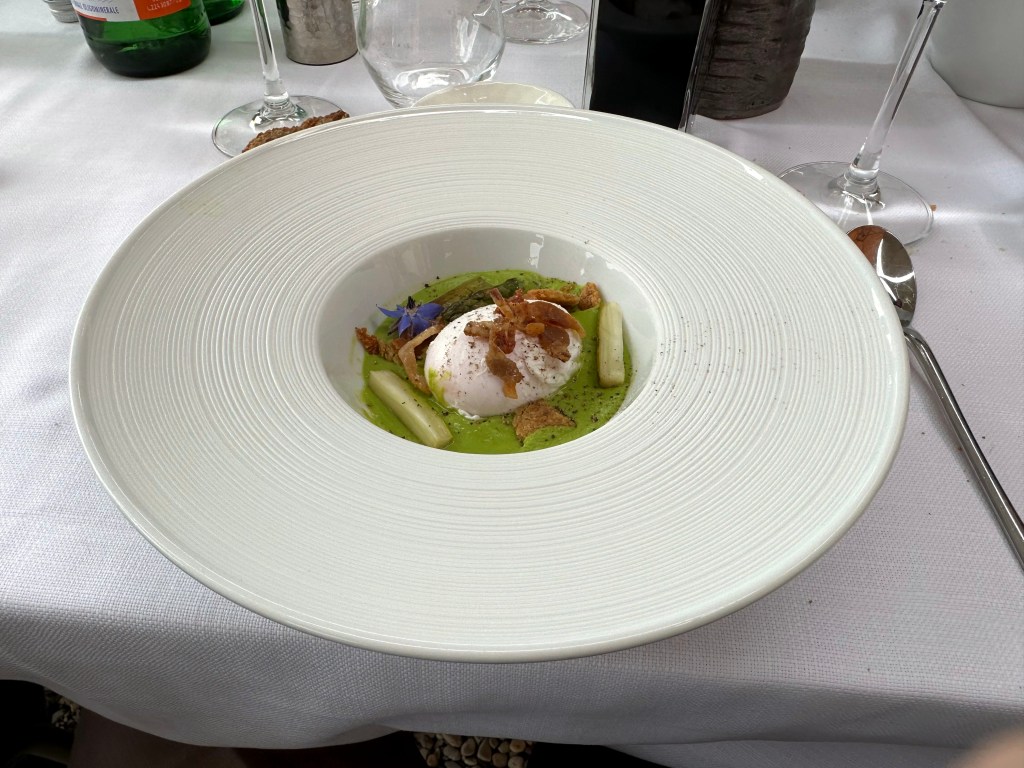
And a final gastronomic meal:

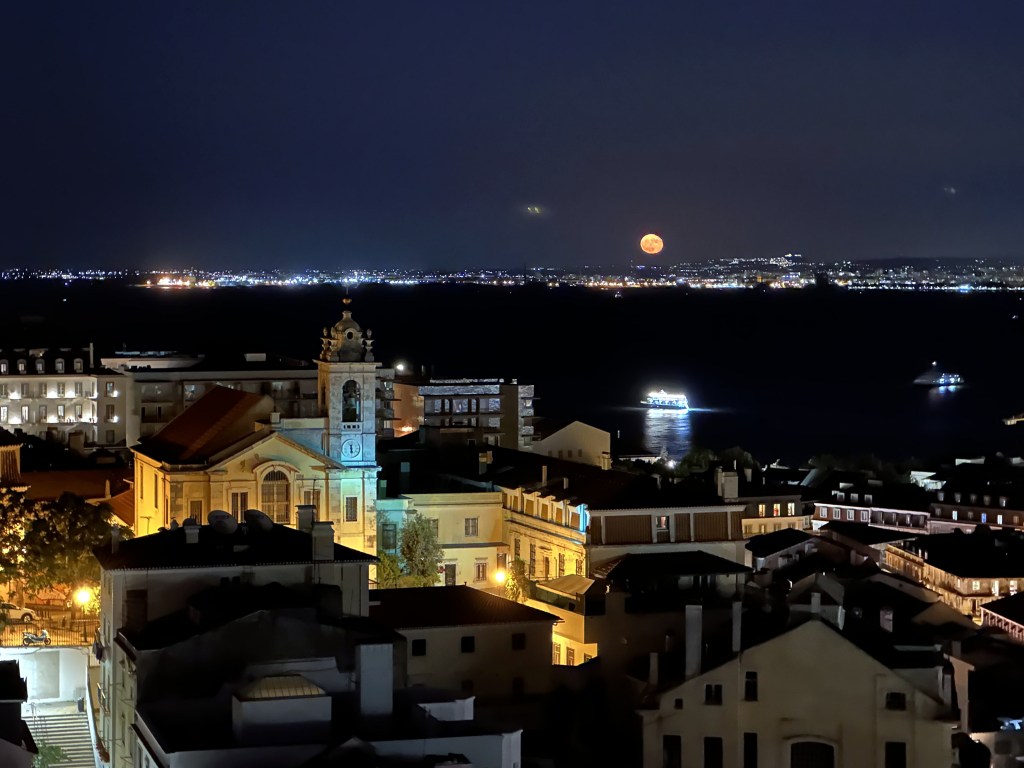
Final night in Lisbon before finally flying home, accompanied by July’s Blood Moon:
All told, we traveled for 2 months, experienced 4 countries, 41 towns, stayed in 19 hotels, 5 AirB&Bs/villas, and traveled by trains, planes, and automobiles (and ferries, trams, tuk tuks, and bikes). Amazing trip!
Categories: A Prolonged Foray to Europe, Amalfi Coast, Italian Peninsula, Malta, normandy, Normandy, France, Sardinia, Sicily, Sicily, Tuscany / Umbria | Tags: , , , , , , , , , , , , , , , , , , , , , , , , , , , , , , , , , , , , , | 2 Comments

A Prolonged Foray to Europe: Tuscany (Per la Terza Volta)

We’re finally posting on the locations from our first, epic, post-retirement trip, which entailed, as noted above, a prolonged foray to Europe that ultimately spanned more than 2 months. As noted in the trip overview, this trip entailed multiple segments – in the Italian peninsula, Sardinia, Sicily, Malta, Normandy, and Portugal. Pretty great experience that commenced shortly after the second WolfeStreetTraveler retired, where we bought one-way tickets and could explore locations without having to solve crises at work or worrying about getting home in time for an important meeting. Very liberating change of pace.

Sunrise over Italy’s west coast as we head into Rome.

Tuscany served as our kickoff location for the trip. This would be our third time in the region, which really is quite awesome. The first took place in 2004, when we biked through the area. We then returned in 2021 for a road trip through Cinque Terre and Tuscany. And now, just 2 years later, we found ourselves here again. Although we knew we wanted to start our inaugural, post-retirement trip in Italy, we could have launched our journey anywhere on the peninsula.

But the Brandts (and KJQ) coincidentally were heading to Tuscany at the same time we were heading to Italy, so the timing was perfect to hang with them as the start of our trip. We would spend the first 5 days here, before heading north (and then immediately south, but that’s the story of the next post).

Another sunrise the first day in Italy from the terrace at our guest house on the estate of Castello Brandt.

First stop: Pienza. “It is first mentioned in documents from the 9th century. Around 1300 parts of the village became property of the Piccolomini family after Enghelberto d’Ugo Piccolomini had received the fief of Montertari in Val d’Orcia from the emperor Frederick II in 1220.

We were delighted to visit, inasmuch this was a well-regarded Tuscan hill town that we had yet to experience during or previous two Tuscan tours.

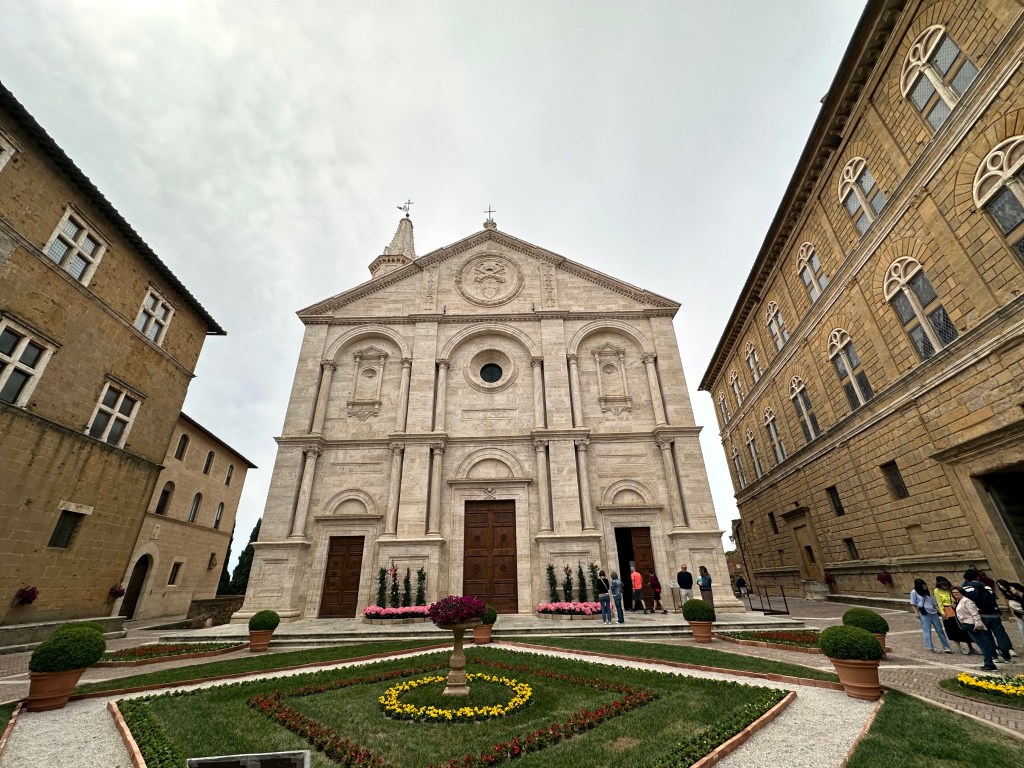
The remarkably monochromatic and stately Duomo di Santa Maria Assunta (Pienza’s cathedral):

The cathedral was commissioned by Pope Pius II (a member of the Piccolomini family who was born in Pienza) and consecrated in 1642; the piazzetta in front is named for the pope.

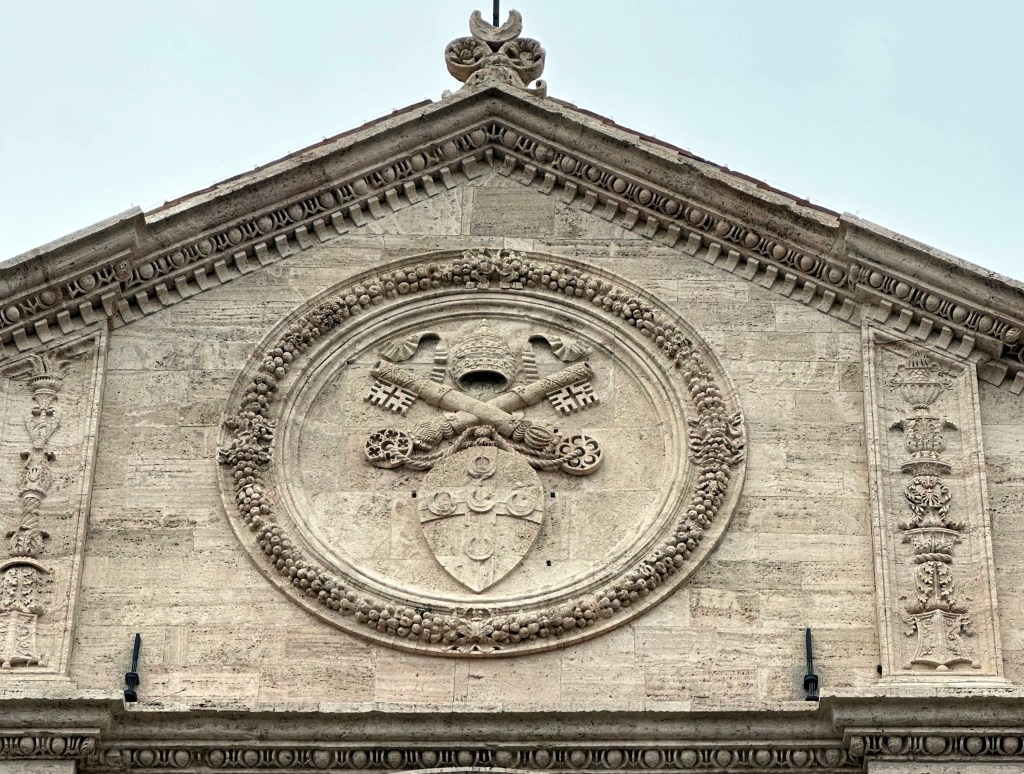
“Pienza Cathedral prominently features the Piccolomini coat of arms (a crescent moon with stars, representing Pope Pius II’s family) on its facade and a gothic window behind the altar, often combined with the Vatican keys and tiara, symbolizing papal authority and the Pope’s power over heaven and earth, linking the church to the Holy See. These symbols, especially the crossed keys (gold for heaven, silver for earth), are central to the cathedral’s design, reflecting Pius II’s vision for his ideal Renaissance city.

Key Elements:

  • Piccolomini Arms: The distinctive crescent moon and stars are the family emblem of Pope Pius II (Enea Silvio Piccolomini), who commissioned the cathedral.
  • Keys of St. Peter: Two crossed keys, one gold (heaven) and one silver (earth), signify the Pope’s spiritual authority, as seen on the well in Palazzo Piccolomini and potentially in the cathedral’s decoration.
  • Papal Tiara: The three-tiered crown (tiara) often accompanies the keys, representing the Pope’s threefold power (teacher, judge, ruler).”

Pienza certainly ranks up there in charm, but it’s super tiny. Based on the strong recommendation we received from our safari travel friends that this was their favorite Tuscan town, we thought it would be just as charming as it turned out to be, but more substantial.

KJQ selfie hijinks:

Pienza’s bell tower, which was silenced the year we visited due to complaints by tourists in nearby hotels. Which pissed off the locals who consider the bells to be part of the town’s character (kind of like us when Appomattox was removed from the intersection of Washington and Prince in 2020. . .). Smithsonian magazine featured an article on the row titled, “This Italian Town Silenced a Historic Bell That Kept Tourists Awake. Now, Locals Can’t Sleep.” Indeed.

Dunno – some cloister somewhere? This was 2.5 years ago, so we don’t remember everything. But it was picturesque and atmospheric nonetheless.

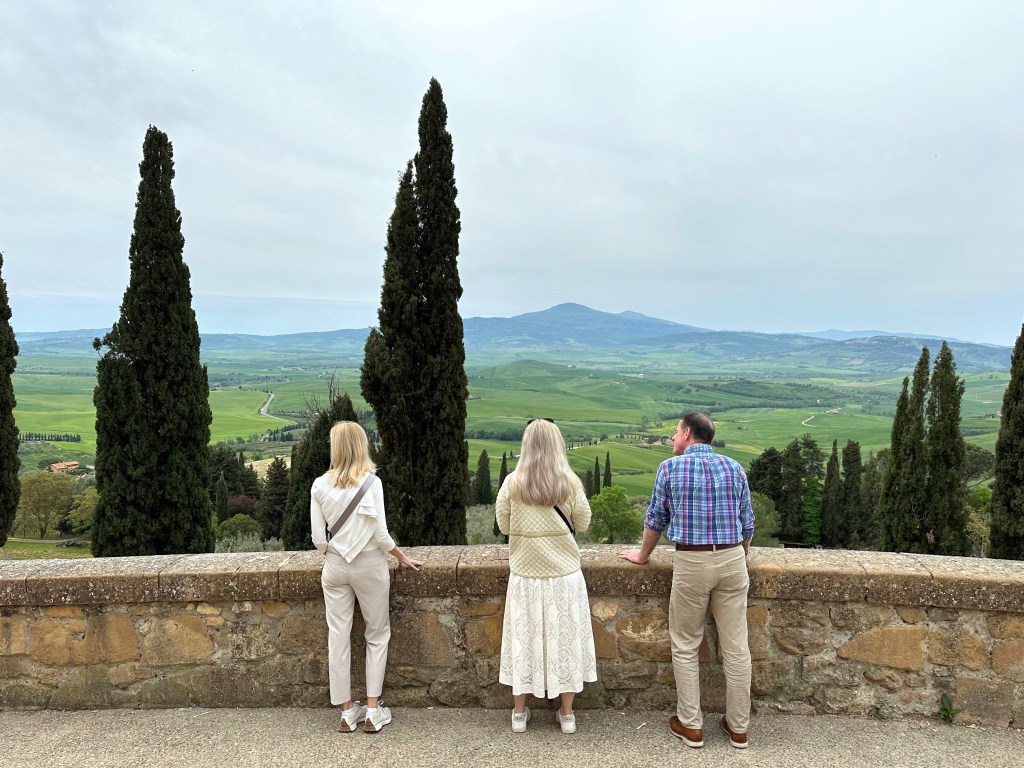
Pretty cool portal from Pienza to the Val d’Orcia below:

Another pathway to the Val d’Orcia:

And there it is:

Pretty quintessentially Tuscan, as it happens:

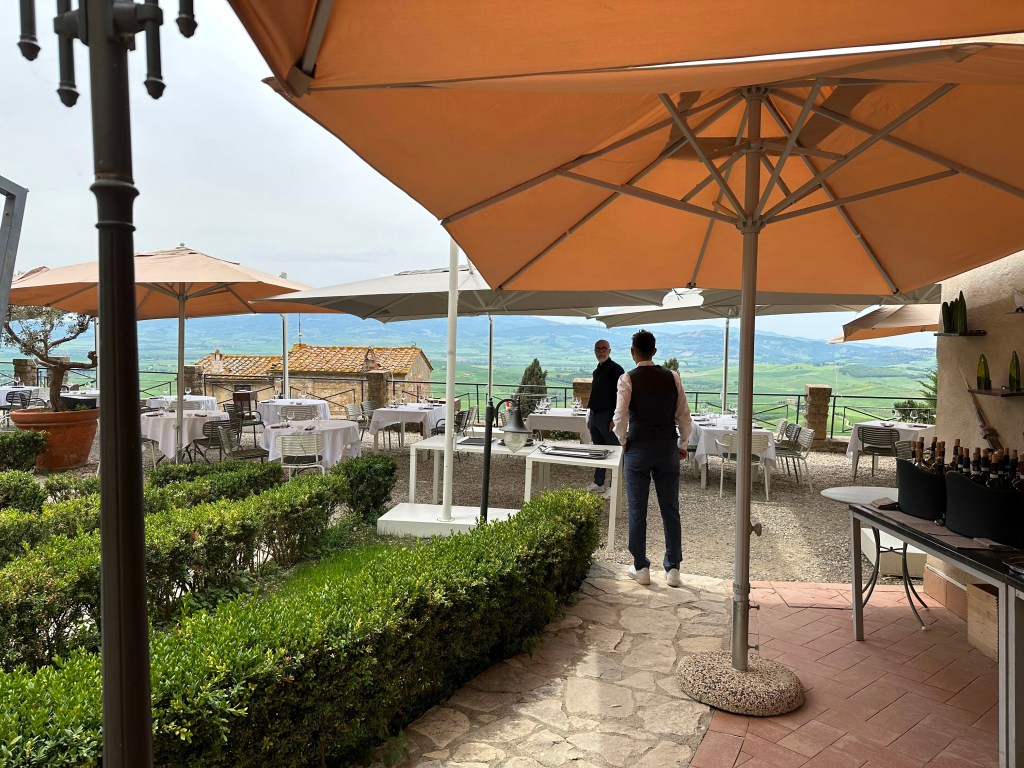
Pretty awesome lunch at Ristorante la Terrazza della Val d’Orcia:

Heading out of Pienza, through its city walls:

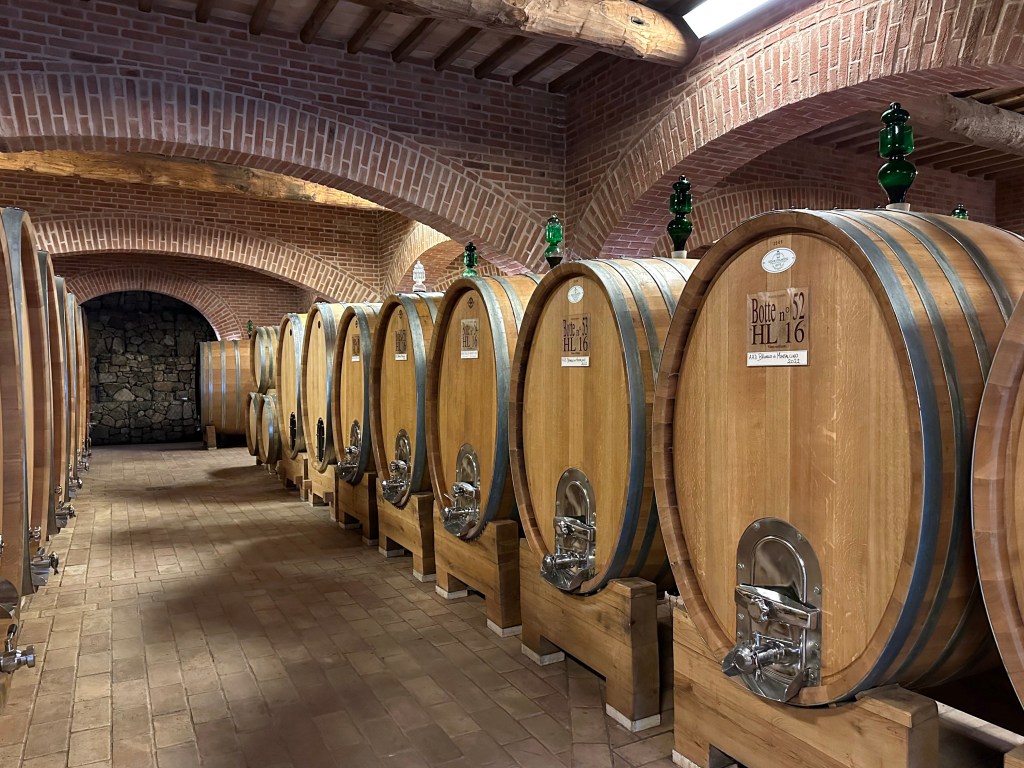
Next field trip: Tenuta Valdipiatta for some fine brunellos (albeit in the rain – but this gets way worse):

A brief respite on a belvedere over the vineyards:

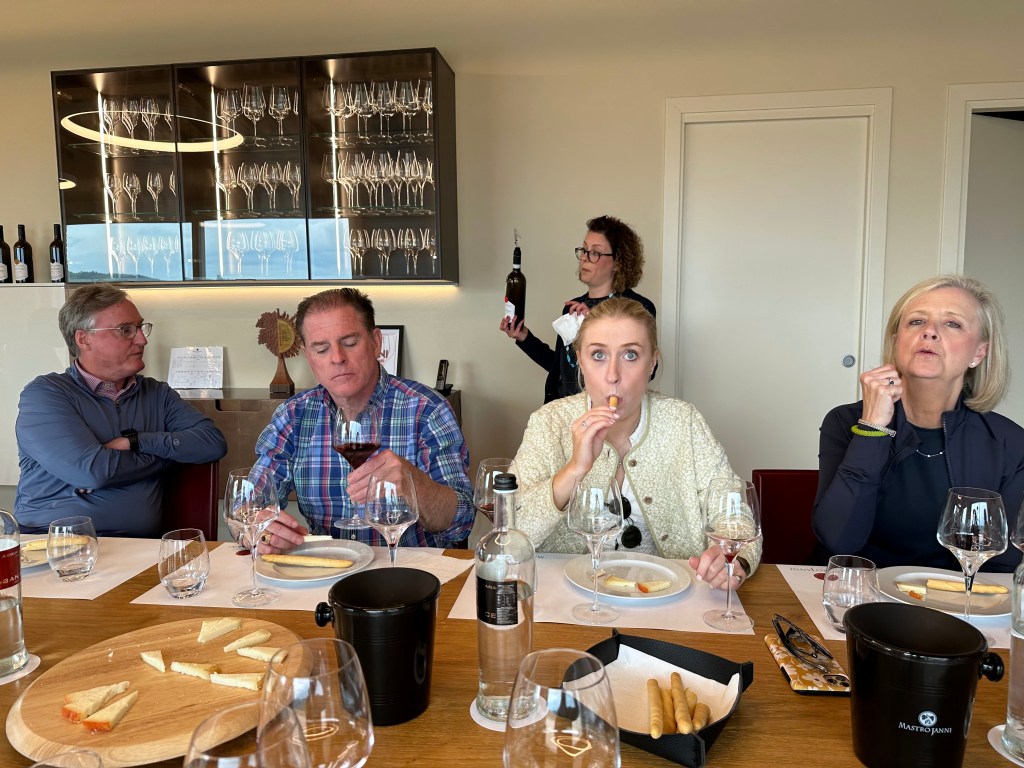
The wine tasting clearly elicited different emotions from the tasters:

Next day: a decent hike near Gaiole in Chianti.

Starting with a stroll around the 1000-year-old Badia Coltibuono Abbey:

Including the gardens that we were not supposed to be in, and from which we were brusquely ushered out (still worth it!):

The hike continues through countryside. . .

And the village of Montegrossi, founded in 500 – 600:

Small but mighty (and mighty old):

And a cool winery that we stalked through, seeking KJQ’s gate to salvation to cut a leg off the hike and get to town to grab a well-deserved lunch:

The gate!

Key component of a post-hike lunch:

And the first of two nights of epic Trivial Pursuit competitions at Castello Brandt:

The winners of the first night:

Here’s the much worse rain – torrents during our visit to Montepulciano, which we had visited back in 2005 during our bike trip in Tuscany:

Wet but happy(ish):

On the way back, a quick stop (for a few of us) at the monastery Badia a Monastero, founded in 867 (beating the longevity of the monastery visited during our hike):

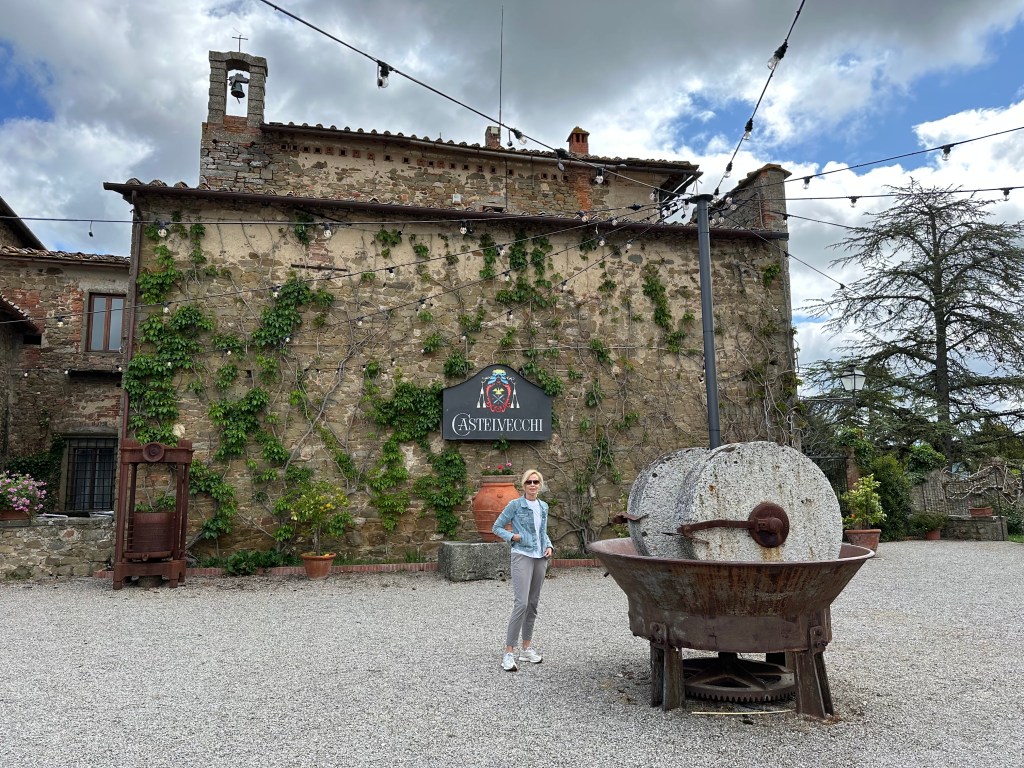
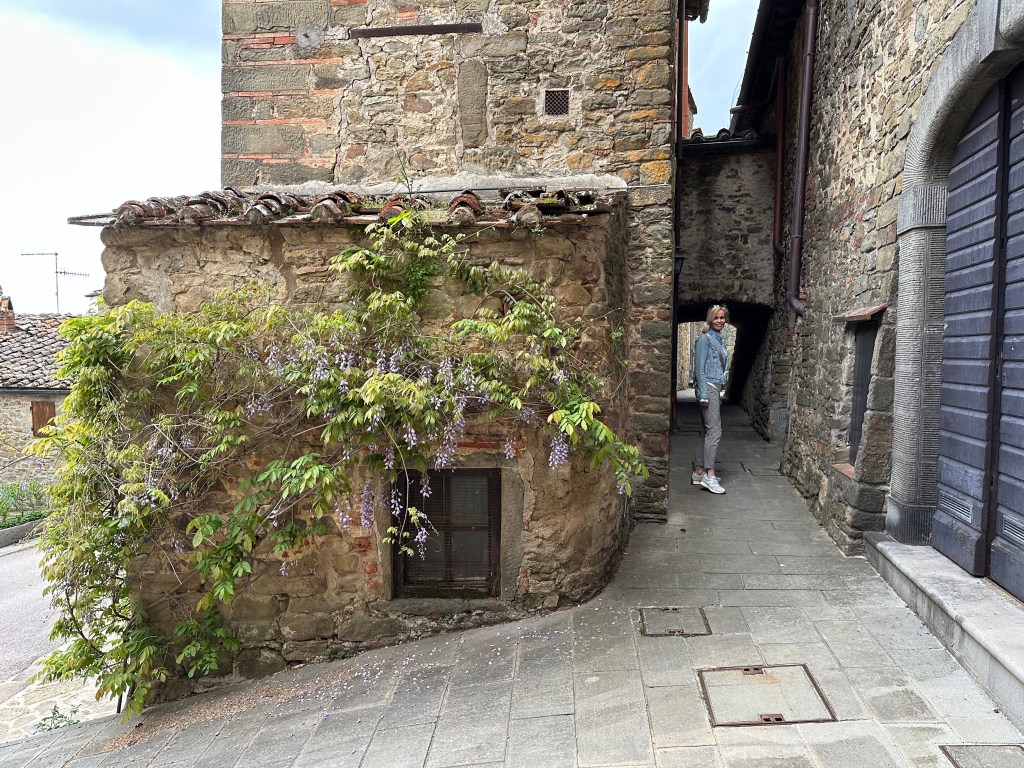
A final hike starting at Borgo Castelvecci (similar in structure to the borgo we stayed at during our last visit to Tuscany in 2021 – an ancient village converted into a hotel campus):

And then a stroll around the nearby hamlet of Valpaia, followed by a final Tuscan lunch before heading out the next morning.

The Brandt villa:

Pretty good digs:

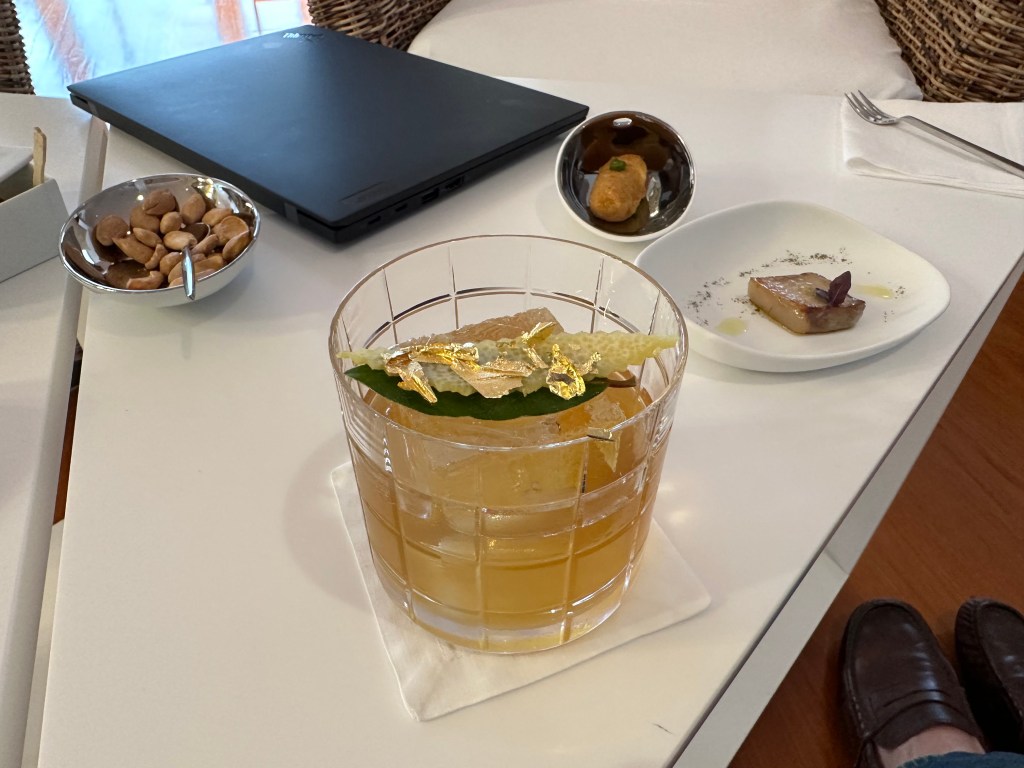
And the cocktail that would dominate all of our European travels henceforth, but that one of the WolfeStreetTravelers would not imbibe, initially decreeing it too girly, and sticking to red wine. That point of view would change rather dramatically as the trip progressed. . .

Final evening in Tuscany:

And a final game of Trivial pursuit, where Team MadiGrace won once again:

Morning of departure at the guest house:

You can take the herpetologist out of the country but not the herp out of the herpetologist.

Gracie would be moving on, too – first to Venice, then to Valencia to stay with her cousin Quinn, who was in his second Spanish semester of mechanical engineering.

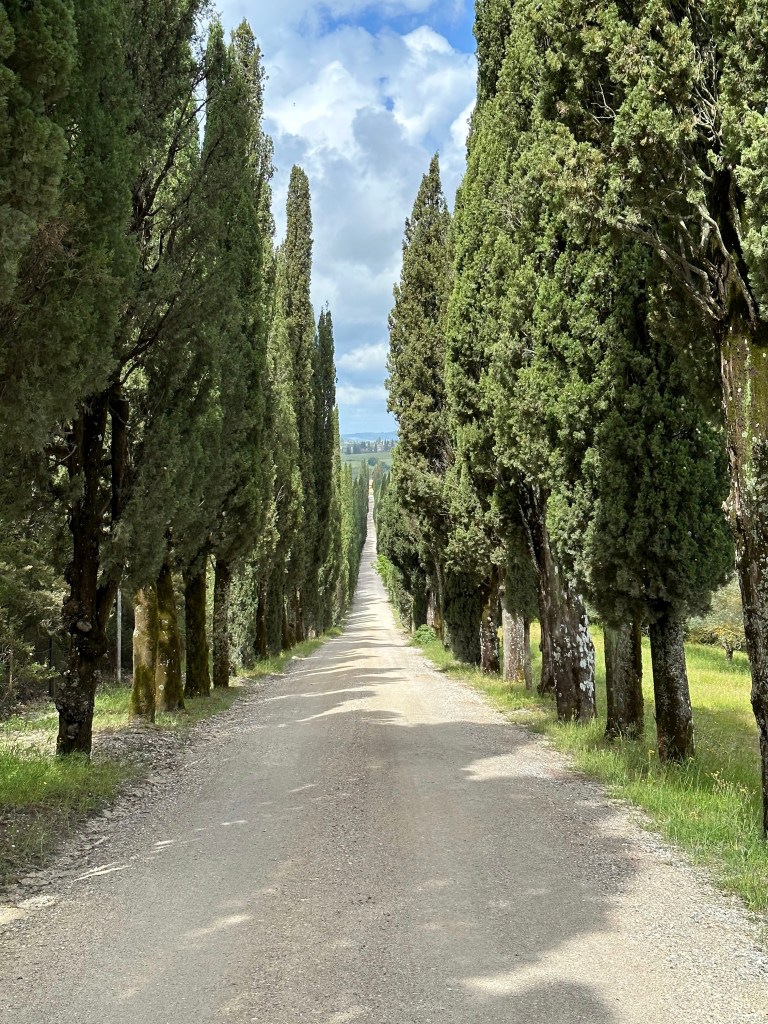
The Cyprus-tree lined lane departing the villa’s area on our departure:

On to Portofino!

Categories: A Prolonged Foray to Europe, Tuscany / Umbria | Tags: , , , , , | Leave a comment

A Prolonged Foray to Europe: Portofino

After our time in Tuscany with the Brandts and KJQ, we headed north, to the Liguria region and Portofino. Driving north originally had not been part of the plan, which was to head continually south from Tuscany. But one of the WolfeStreetTraveler was determined to see Portofino, so off we went – north for one freakin’ town, THEN south for the rest of the peninsular portion of the trip. 🙄

But it turned out that this detour was totally worth it.

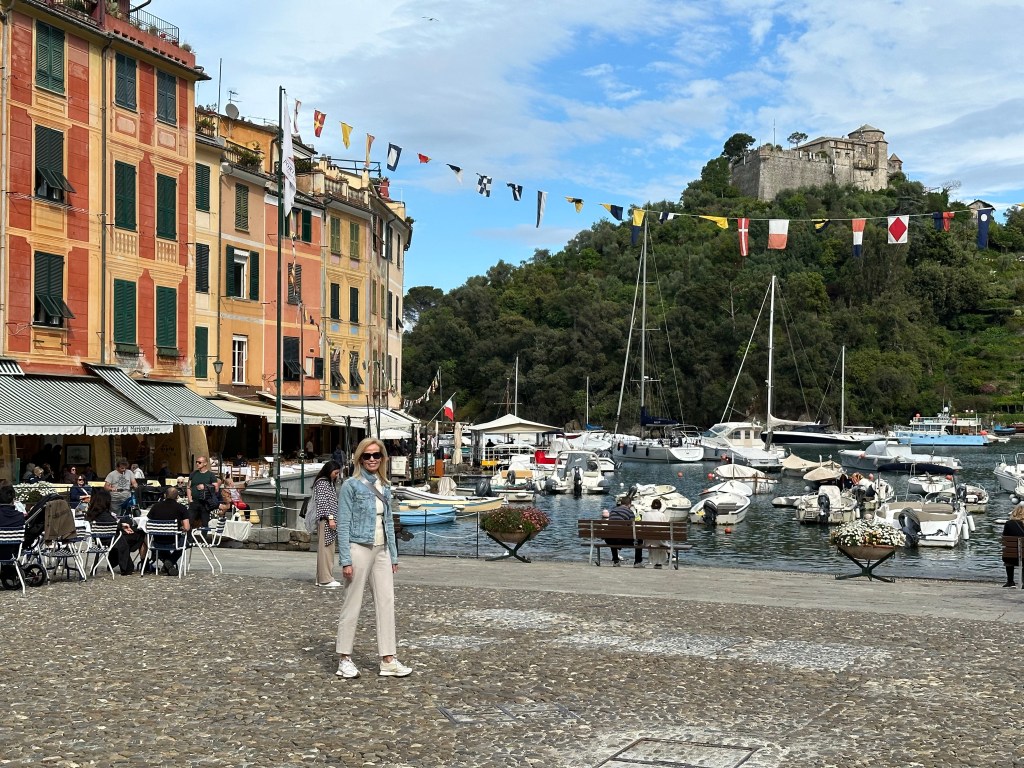
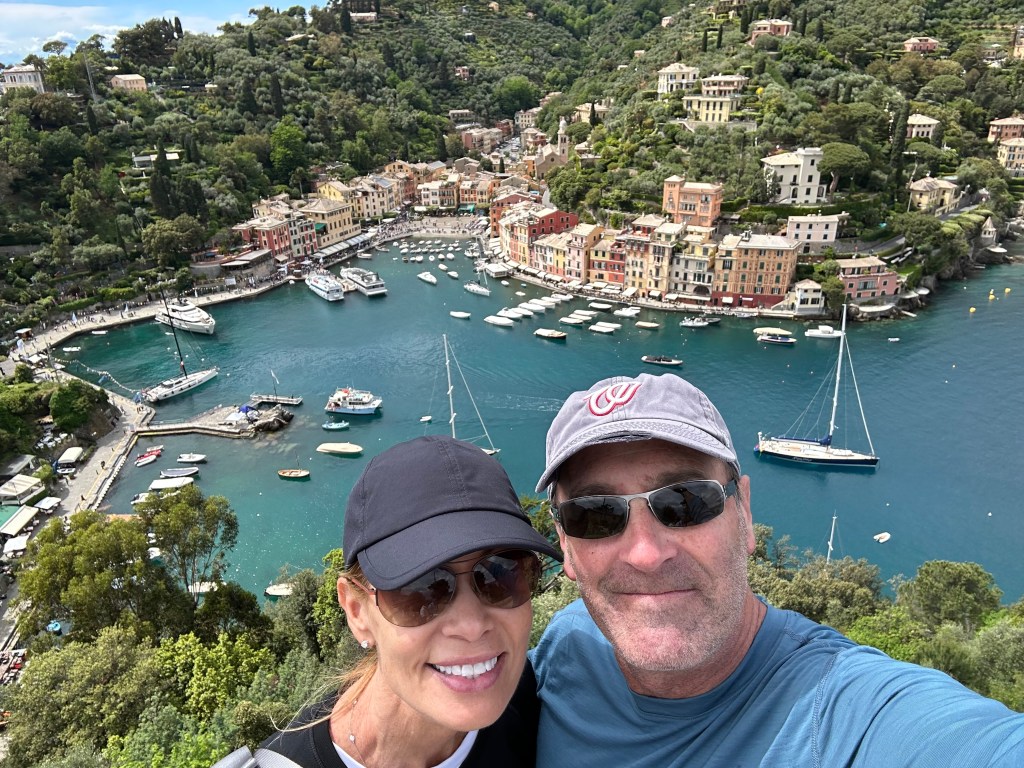
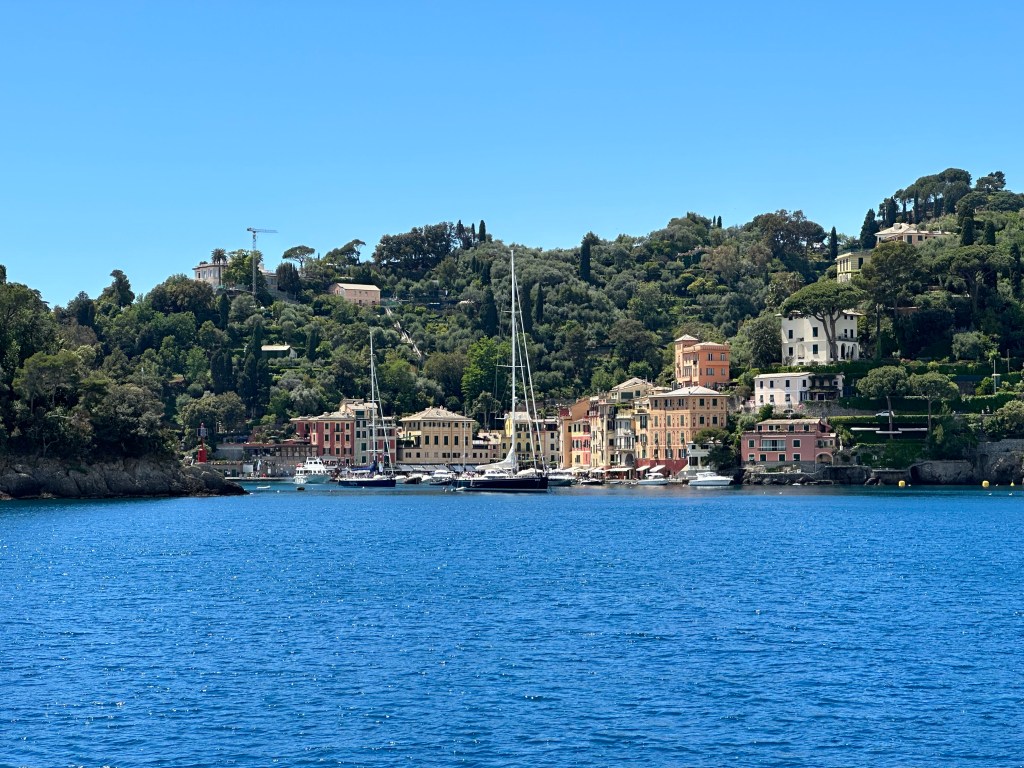
Portofino turned out to be a pocket-sized, perfect postcard of a town.

Cool little harbor under the gaze of the 16th-century Castello Brown.

Although mentioned during the middle ages, where it was a village associated with the nearby Abbey of San Fruttuoso di Capodimonte (to which we’d hike during our stay), Portofino for most of its documented history was part of the Republic of Genoa (except a brief period when Portofino was sold to the Republic of Florence, but reverted back after the Doge of Genoa was ousted).

The entirety of Portofino’s harbor from its mouth:

When the Republic of Genoa fell to Napoleon in 1797, the region became Napoleon’s Ligurian Republic (including Cinque Terre), and Portofino came under (unsuccessful) attack by the British. After Waterloo and the Congress of Vienna, the town became part of the Kingdom of Sardinia and then incorporated into the newly unified Kingdom of Italy.

View from the roof deck of our place in town:

Restaurants lined the harbor, and we availed ourselves of aperitivos at every single one over our 3-day stay. (The second WolfeStreetTraveler at this stage still has not succumbed to the allure of the Apperol spritz, and is clinging here to a limoncello cocktail in what turned out to be a futile measure of resistance.)

Resistance has collapsed.

The high ground above Portofino’s harbor has been used for defensive purposes since Roman times, and fortifications from the 4th century have been identified in the foundations of the current castle.

The church of San Girogio encountered on the climb to the castle. Dedicated in 1154, it was renovated in the 17th and 18th centuries, accounting for its less-than-medieval appearance.

Pretty good views from the top:

And an adorable little Portofino miniature inside:

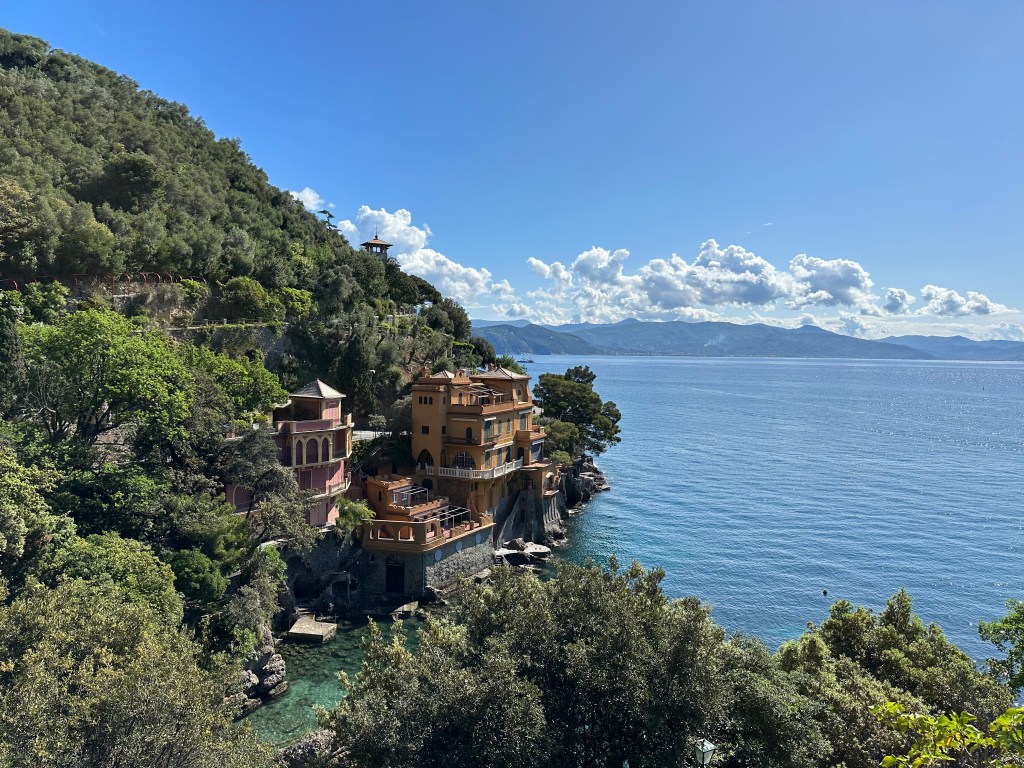
The Ligurian coast at its finest:

On our first full day, we followed the advice of a couple we met on safari years ago and who are possessed by a similar drive to travel – especially to Italy for them – and hiked from Portofino to the aforementioned Abbey of San Fruttuoso di Capodimonte.

Spectacular hike.

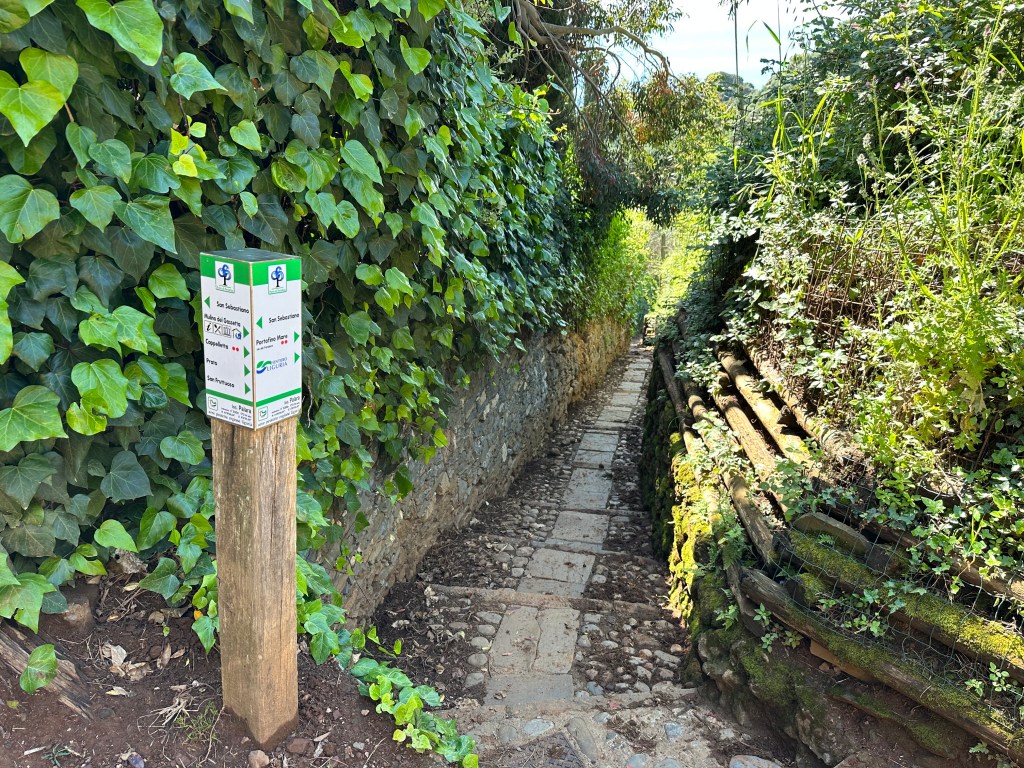
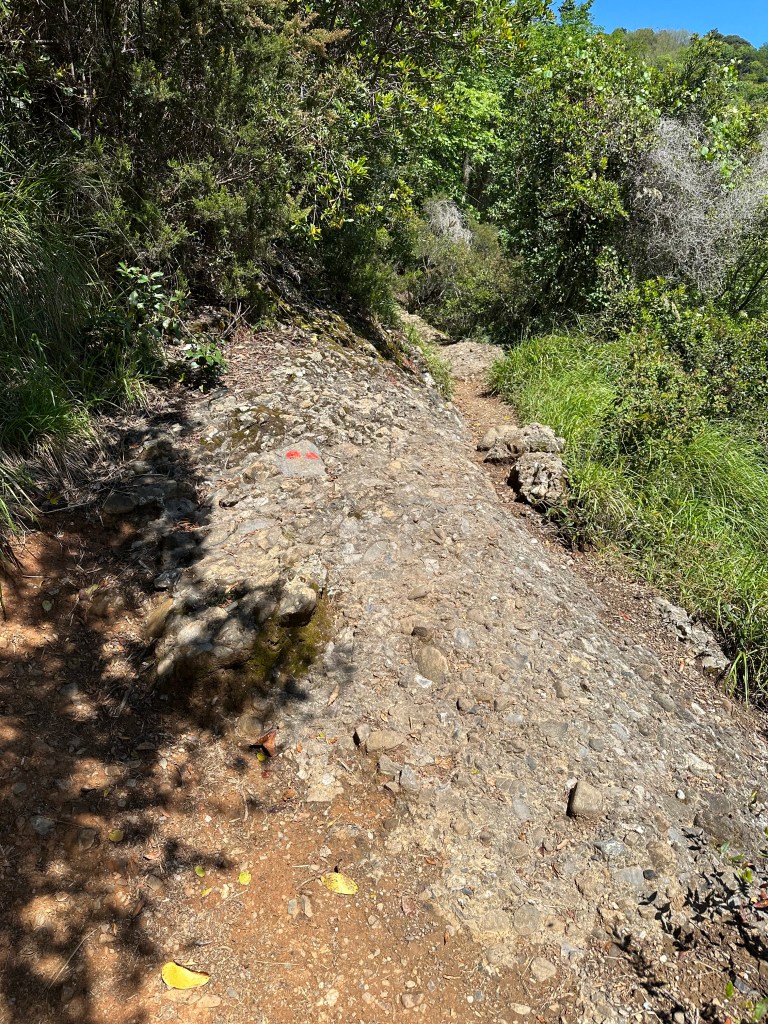
Very helpful trail markers in parts of the route:

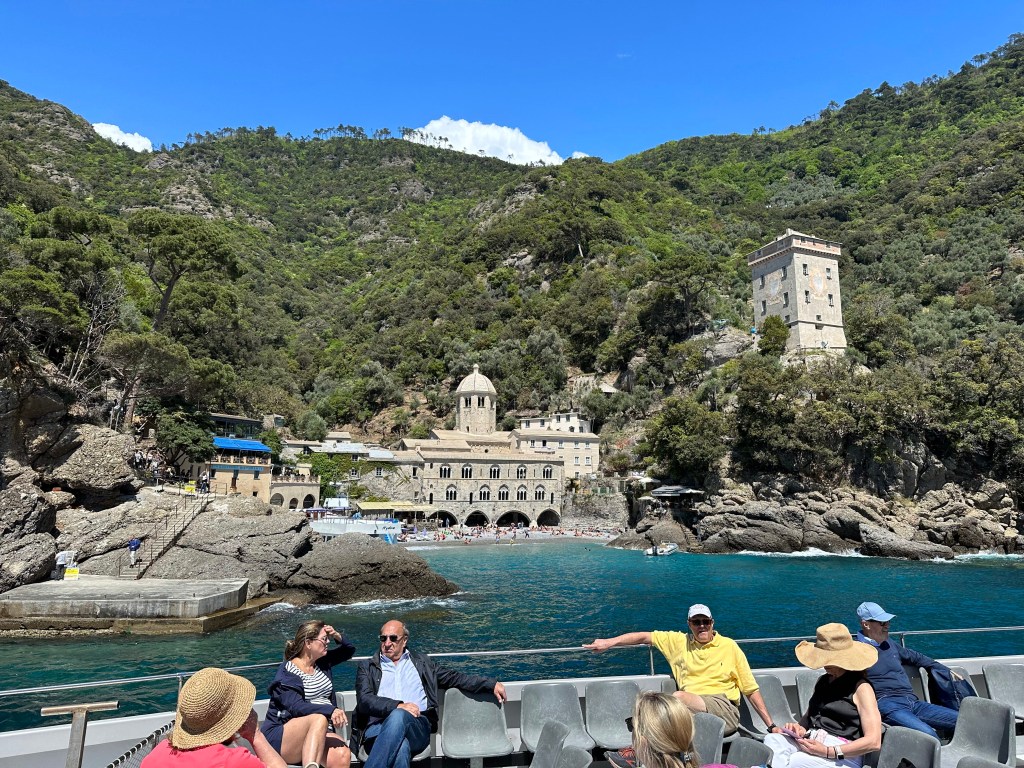
Which is particularly beneficial inasmuch as no roads lead to the abbey – it’s accessible only by sea or by these mountainous trails (marked here by two red dots):

Getting closer.

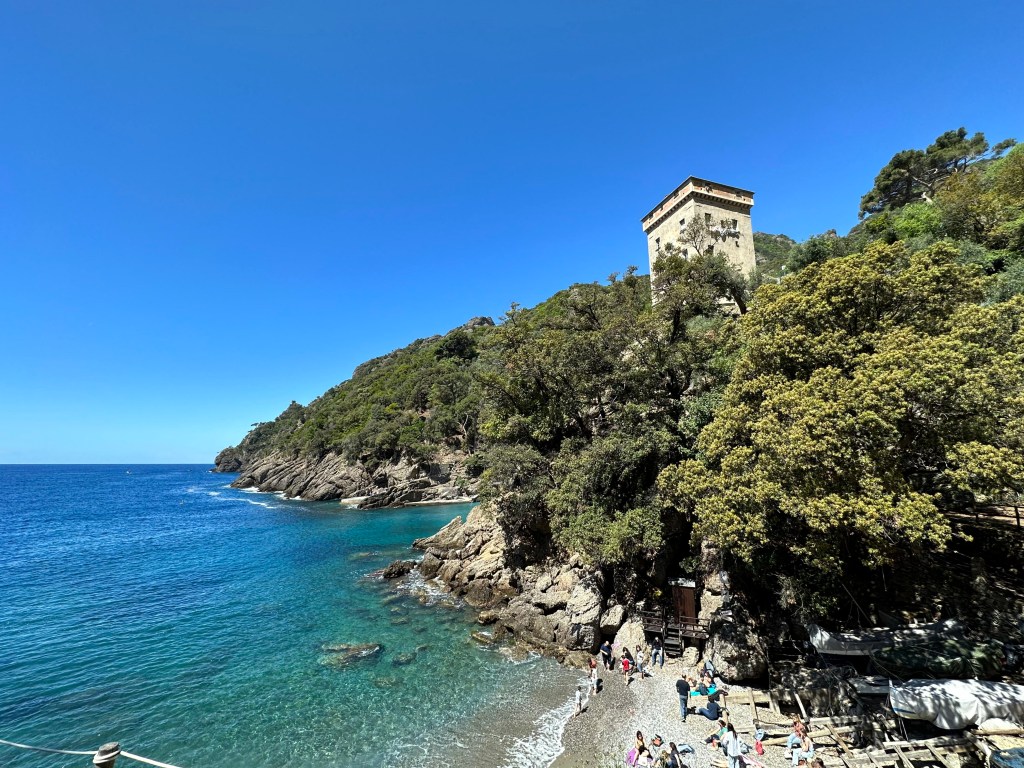
The first sign of the abbey cove – a beach around the corner from the structure:

At which we grabbed the first waterfront table we encountered for a well-deserved lunch.

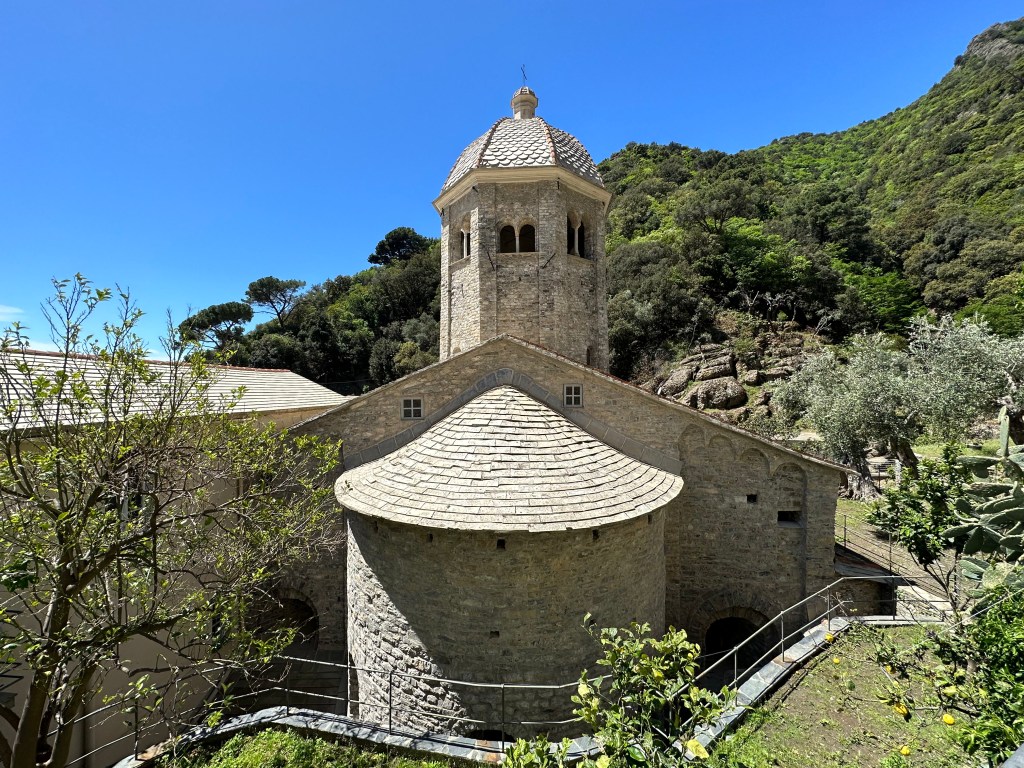
The Romanesque abbey founded by the Benedictines and built between the 10th and 11th centuries.

The abbey is dedicated to Saint Fructuosus, a 3rd-century bishop of what is now Tarragona in Catalonia, who was burned at the stake and martyred during Emperor Valerian’s anti-Christian persecutions. His remains were brought to the abbey by Greek monks and his relics are still entombed at the abbey.

As are those of the aristocratic Genoese Doria family members from the 13th and 14th centuries, under whose patronage the abbey fell.

The abbey’s watchtower, built in the 16th century by the Dorias to guard against attacks by Barbary pirates:

Rather than hike back, we grabbed a return ferry to Portofino, again at the very sage advice of our traveler friends well versed in all things Italy.

Returning to Portofino’s compact harbor:

We thought this flag flying on the ferry was for Portofino or Liguria. It’s not. It’s actually the Genoa Cricket and Football Club flag. ¯\_(ツ)_/¯

The following day, we hiked the other direction from Portofino to the larger port town of Santa Margherita Ligure, encountering, oddly enough, some divers on the path there:

Statue in town of Victor Emmanuel II, the first king of the united Italy (having previously been the King of Sardinia (and Piedmont / Liguria, where we were currently hanging out):

Much larger port than petit Portofino:

We hiked pretty much along the entire coastal area of Santa Margherita before heading back into the core of the town to check it out and grab some lunch.

Little nonas making lace in the middle of town:

Decent al fresco lunch, including some squid ink gnocci:

Heading toward the only fortification left in town:

Just as with the abbey tower built to guard against Barbary pirates encountered the previous day, the Castello di Santa Margherita Ligure was built in the 16th century by order of the Senate of the Republic of Genoa for protection against the frequent Saracen pirate raids of the era.

Pretty densely packed town.

Villas encountered on the hike back to Portofino – pretty sweet.

A final evening in Portofino, with an outstanding dinner at Ristorante Strainer.

With our stay in Portofino complete, NOW we get to head south. Our next stop? Umbria for the first time.

Categories: A Prolonged Foray to Europe, Cinque Terre and Portofino, Italy | Tags: , , , , , , , , | 2 Comments

A Prolonged Foray to Europe: Orvieto

We are seriously going to try to post the entirety of our trip backlog this year. Starting with the remaining two dozen posts on this, our first, post-retirement, long-duration trip. Posts on WolfeStreetTravel.com unfortunately take a back seat, priority-wise, to trip planning and actual trips, relegating this activity to “when we have some time.” But the first half of this year offers a rare opportunity of no planned travel, so we should be able knock a bunch of backlogged posts out over the next 6 months. The reason for no planned travel is that the ACTUAL Wolfe Street (an actual place where we really do reside), is getting torn up for a sewer upsizing project that one of the WolfeStreetTravelers pressured the city into undertaking for reasons we don’t need to go into here. (The city’s project page is here.)

The reason we want to be in residence during this process and not in Japan or Slovenia or Ecuador or something is that we have 100-year-old clay lateral lines that connect our house to the sewer pipe in our street. Read that again. 100-year-old CLAY pipes. Seriously. Because these fragile artifacts are prone to damage during this construction, we don’t want to have to deal with problems remotely or, worse, cut short a trip to come home and deal with them. So, we’re sticking around until we can confirm that our fragile porcelain China plumbing fixtures are undamaged and the project has progressed beyond the point where they are endangered.

With that, back to travel.

After completing our detour north to picture-perfect Portofino, we finally headed south within the Italian peninsula to our next destination: the Roman ruins of Herculaneum. But the drive was unacceptably long (we try to keep our road trip daily drives to no more than 4 hours), so we stopped at a halfway point: Orvieto in Umbria. (This was not our first choice, however. We originally planned to stop in Montemerano, in southern Tuscany, based on its small, hill-town charm and a Michelin-starred restaurant there. But the restaurant abruptly cancelled our reservation during our planning phase, citing a private event, so we pivoted to another appealing stop that still would be approximately halfway between Portofino and Herculaneum.)

So, why Orvieto? Popes and history (and a cool perch on a defensive bluff). But before the popery and such, a little earlier history. As with Volterra, far to its north, Orvieto originated as an Etruscan metropolis, and celebrated, historic Etruscan tombs punctuate the area (none of which we had time to visit, but they sounded very cool, to be sure). Then, Rome overran the area in the 3rd century BC, then Western Roman Empire collapsed, then Goths controlled the area, then the Lombards, and – finally – the city became a self-governing commune in the 10th century. But one with close ties with the papacy that would grow closer still with each successive century.

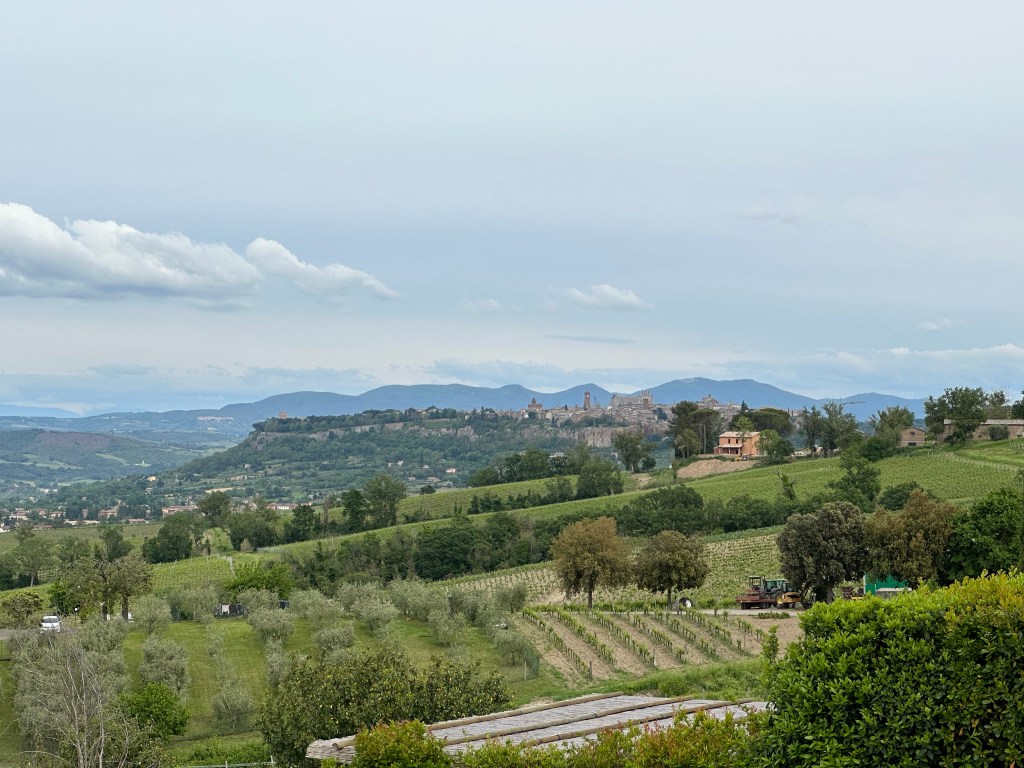
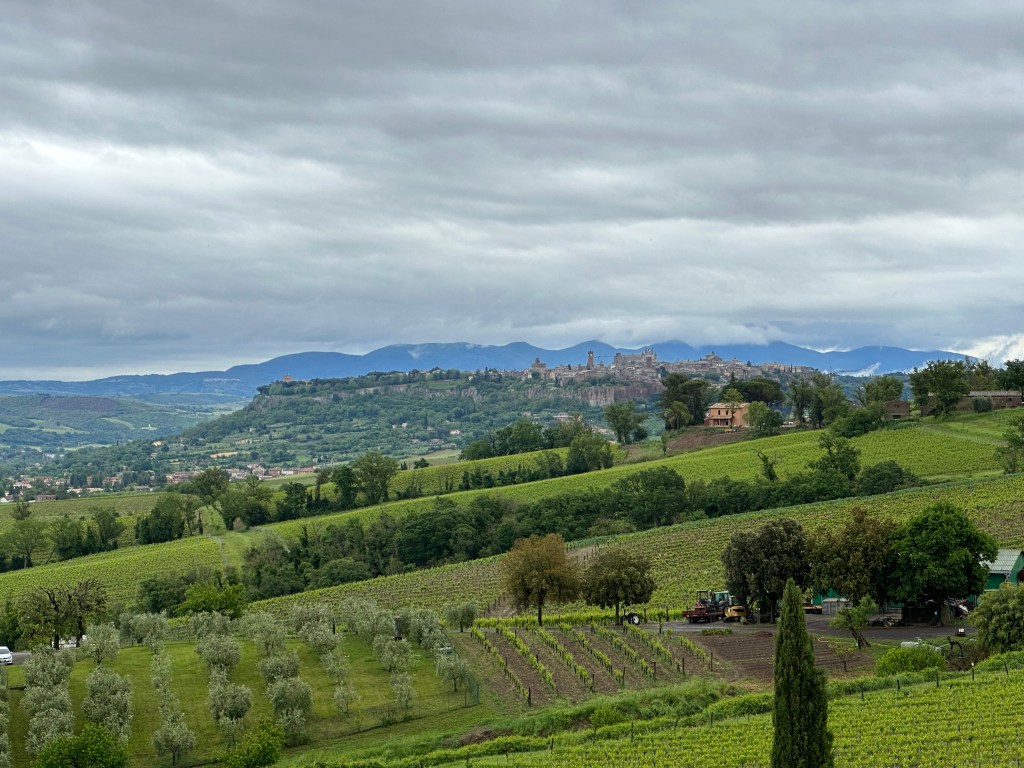
Orvieto in the distance, seen from our lodging that evening.

Pope Benedict VII was fond of the city, and his nephew became consul of the commune in 1016; Orvieto became Benedict’s retreat from Rome. A pattern emerged, and Orvieto sported three papal palaces from their extended stays there by the 13th century. The role of papal retreat reached its apogee with Pope Urban IV, who resided in Orvieto instead of Rome from 1262 to 1264. (As an aside, we cannot recommend highly enough reading Absolute Monarchs: A History of the Papacy, in which Orvieto appears on every third page or something during the reign of the medieval popes. Regardless, a wildly entertaining, mildly entertaining history tome.)

Considering all of this, Orvieto fell under de facto papal control starting in 1200 and ultimately became an official part of the Papal States in 1354. This rule lasted until 1860, during Italian unification.

With that historical context addressed, let’s check out the town.

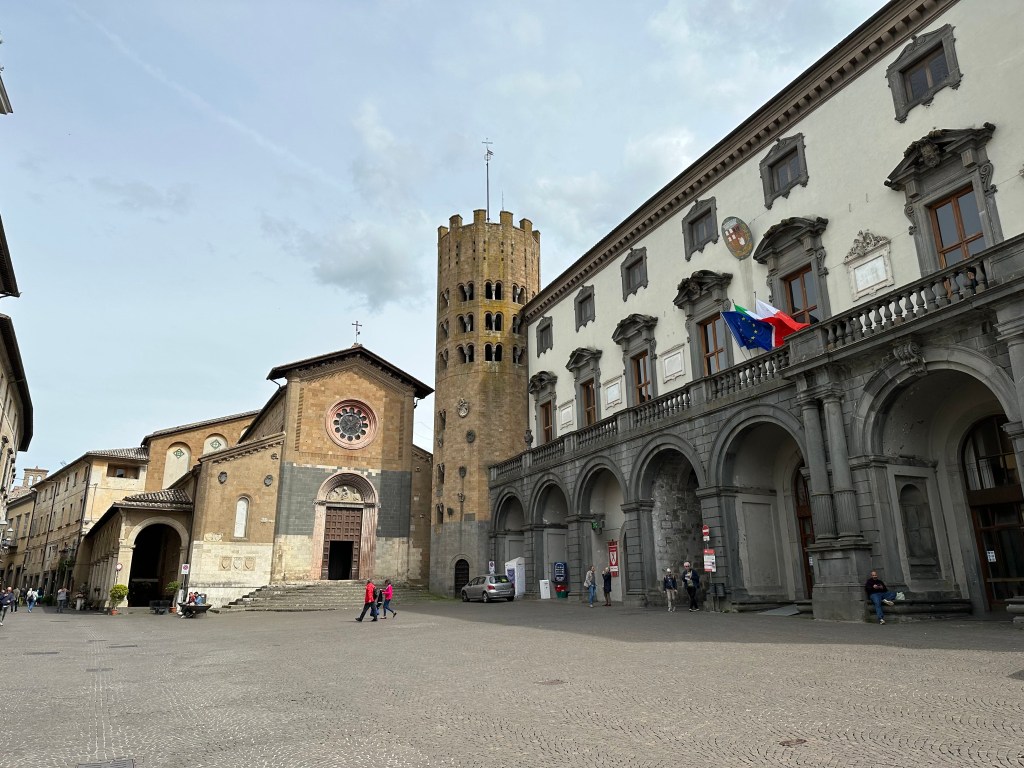
The Romanesque, 12th-century Sant’Andrea church and its distinctive, 13th-century decagonal bell tower.

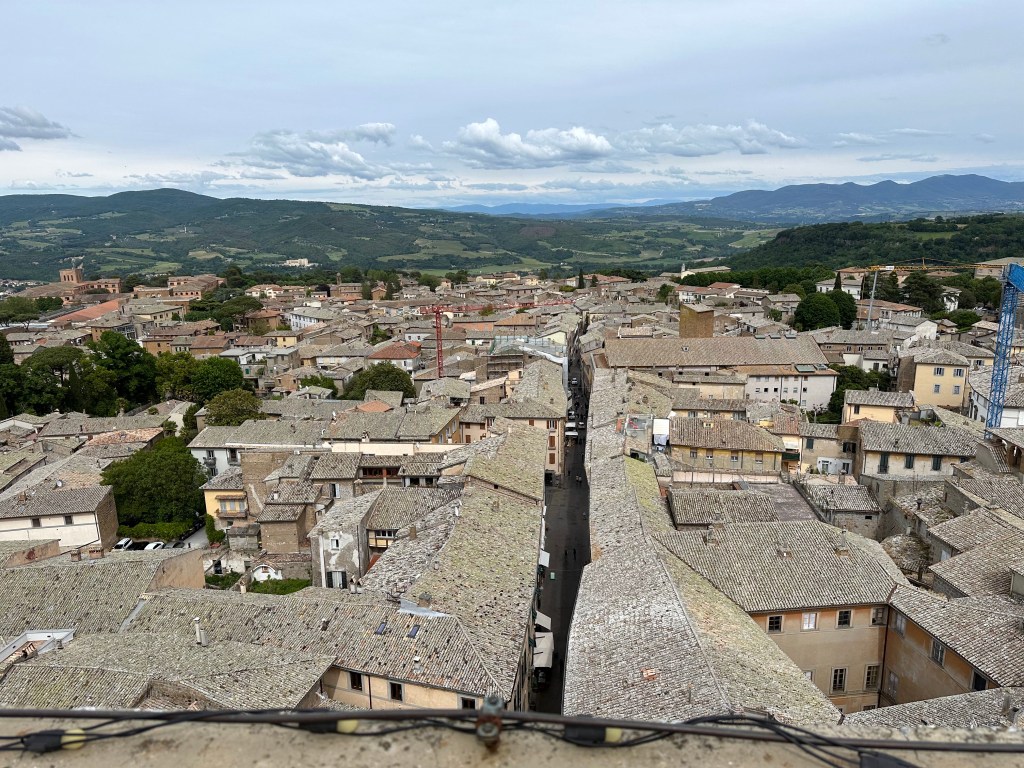
The whole town is build on an escarpment, but the elevation doesn’t stop after you enter the walled town:

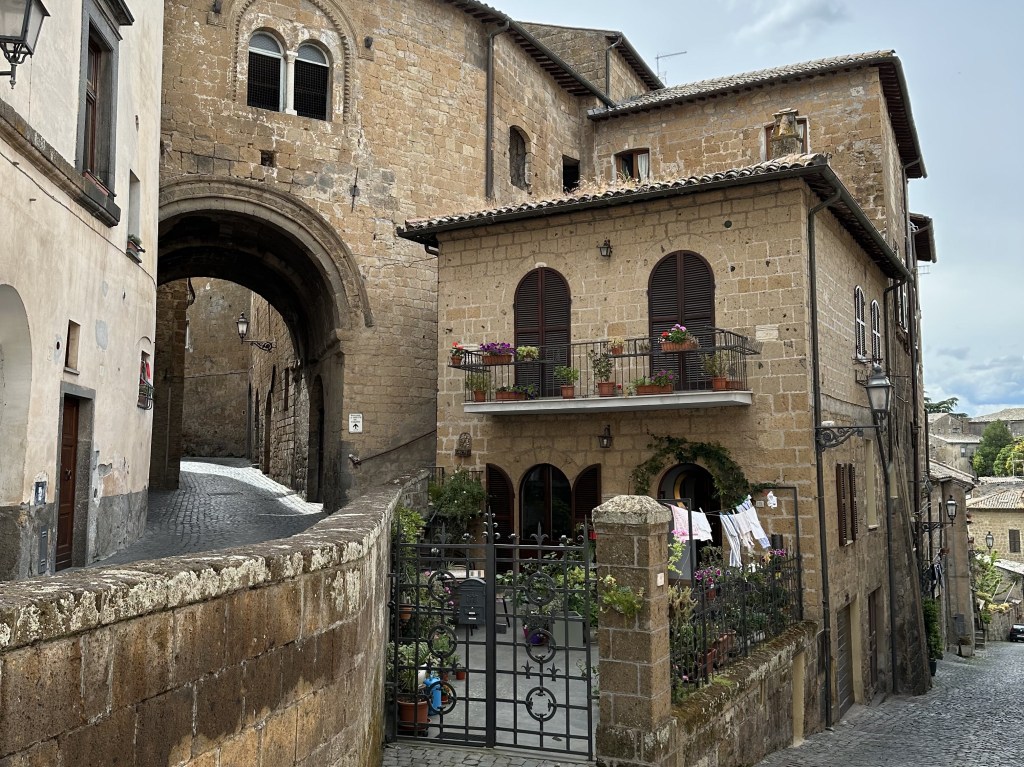
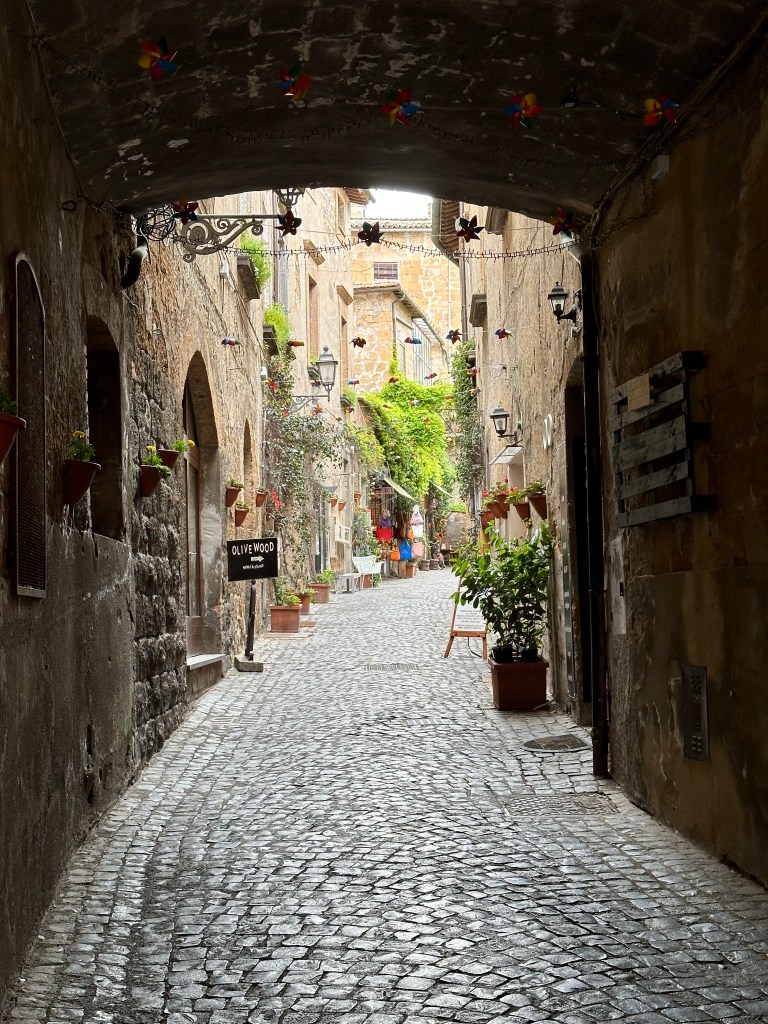
There are pretty cool, medieval warren of streets in some areas:

while others are more spaced out, like the street heading to the cathedral:

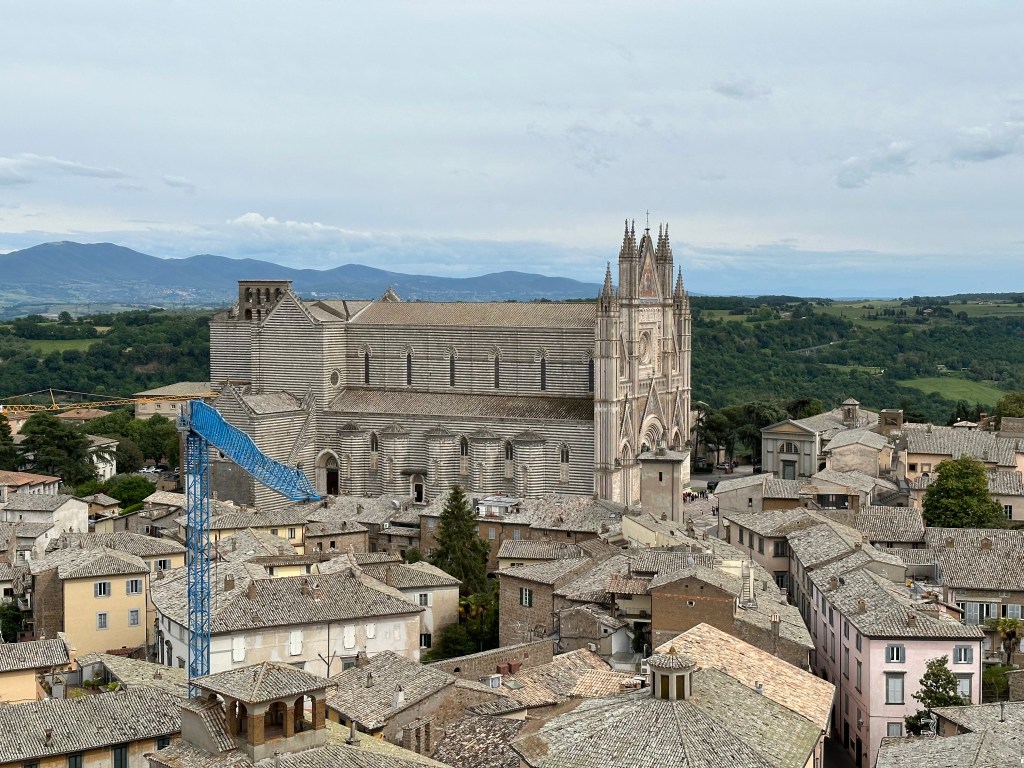
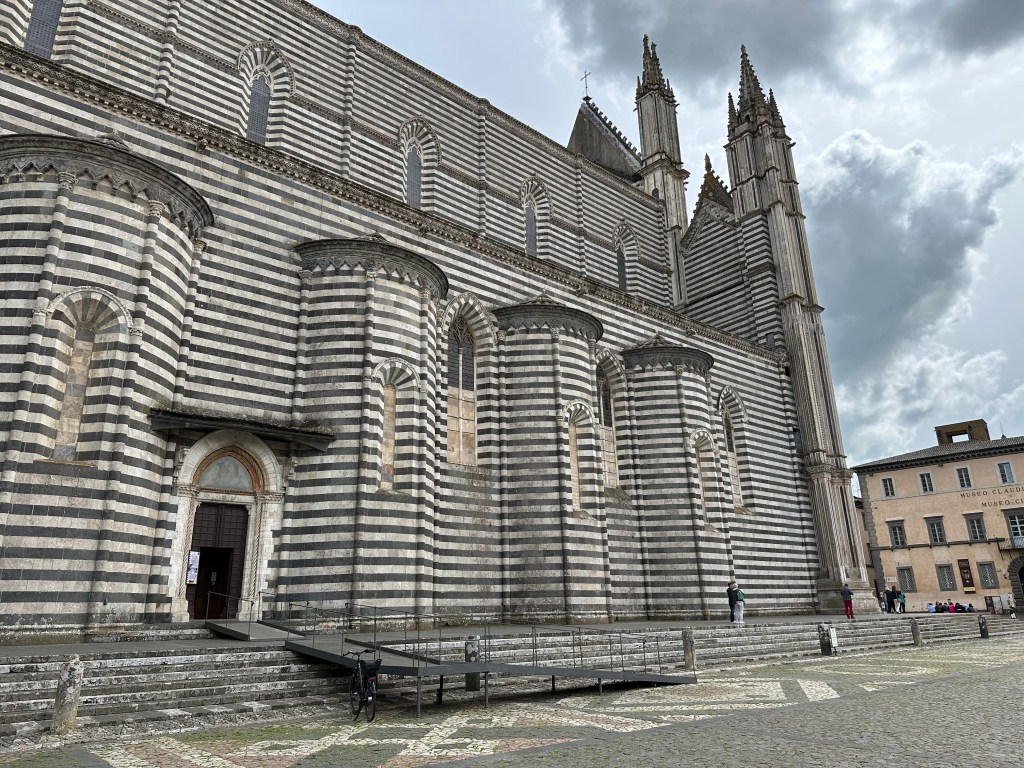
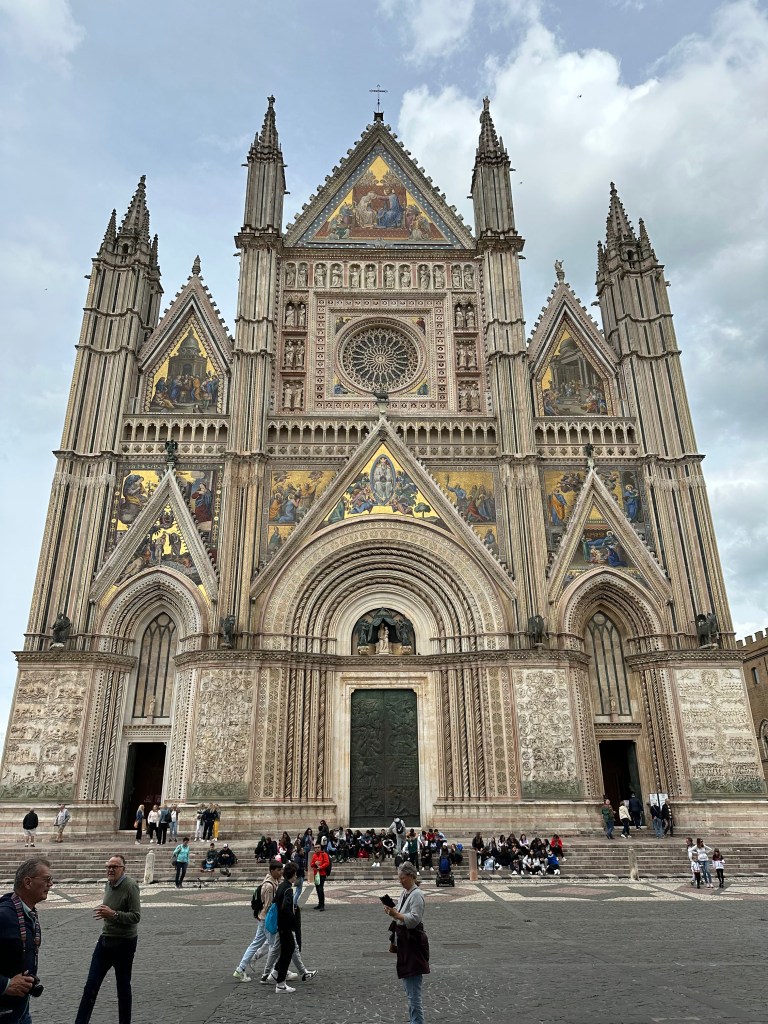
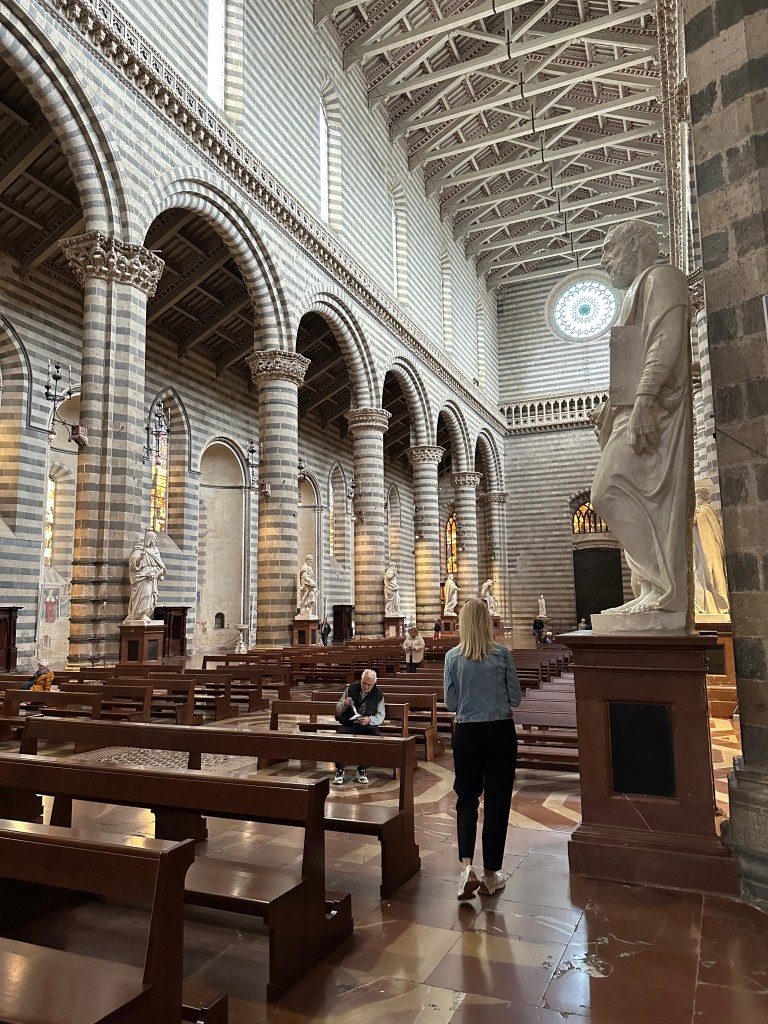
Orvieto’s primary attraction (other than the town-on-the-cliff itself): the 14th-century Duomo di Orvieto (also, the Cattredale di Santa Maria Assunta), seen here from la torre del Moro, which we’ll address below.

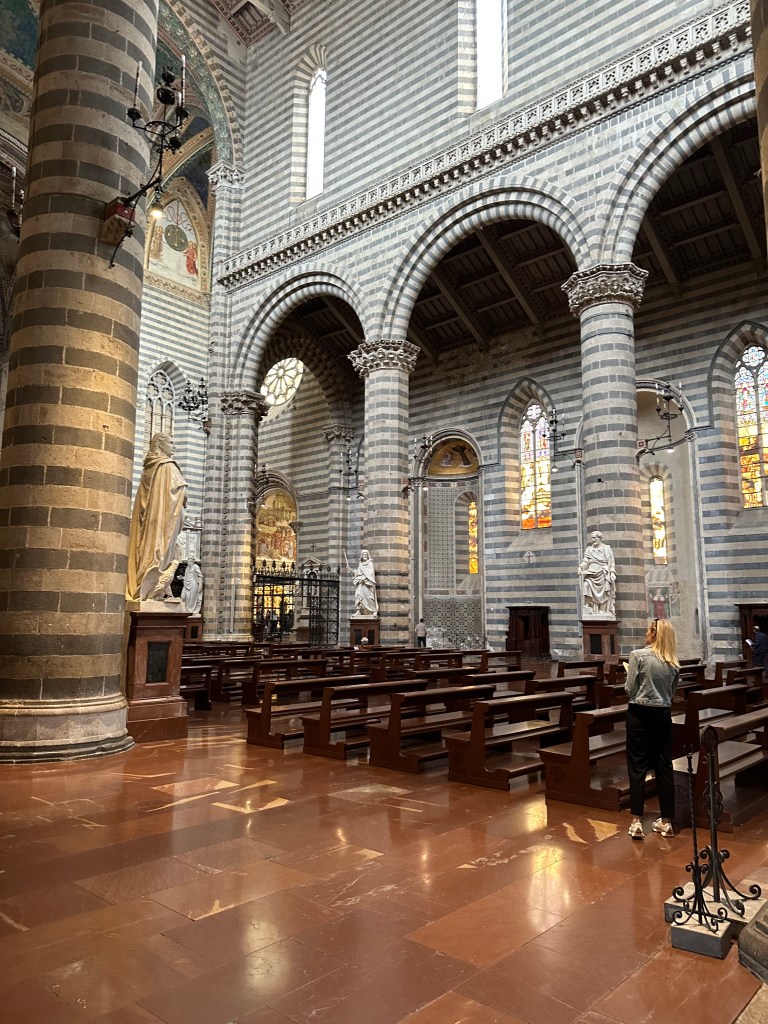
Those familiar with our posts from Cinque Terre will recognize the Ligurian Romanesque (or Pisan Romanesque) black-and-white stacked architectural style of the cathedral:

“The building was constructed under the orders of Pope Urban IV to commemorate and provide a suitable home for the Corporal of Bolsena, the relic of miracle which is said to have occurred in 1263 in the nearby town of Bolsena, when a traveling priest who had doubts about the truth of transubstantiation found that his Host was bleeding so much that it stained the altar cloth. The cloth is now stored in the Chapel of the Corporal inside the cathedral.” (From here.)

Pretty awesome, polychrome facade of the cathedral – a Late Middle Ages architectural masterpiece (but oddly still not as cool to us as the other polychrome facade we came across one evening in Lucca).

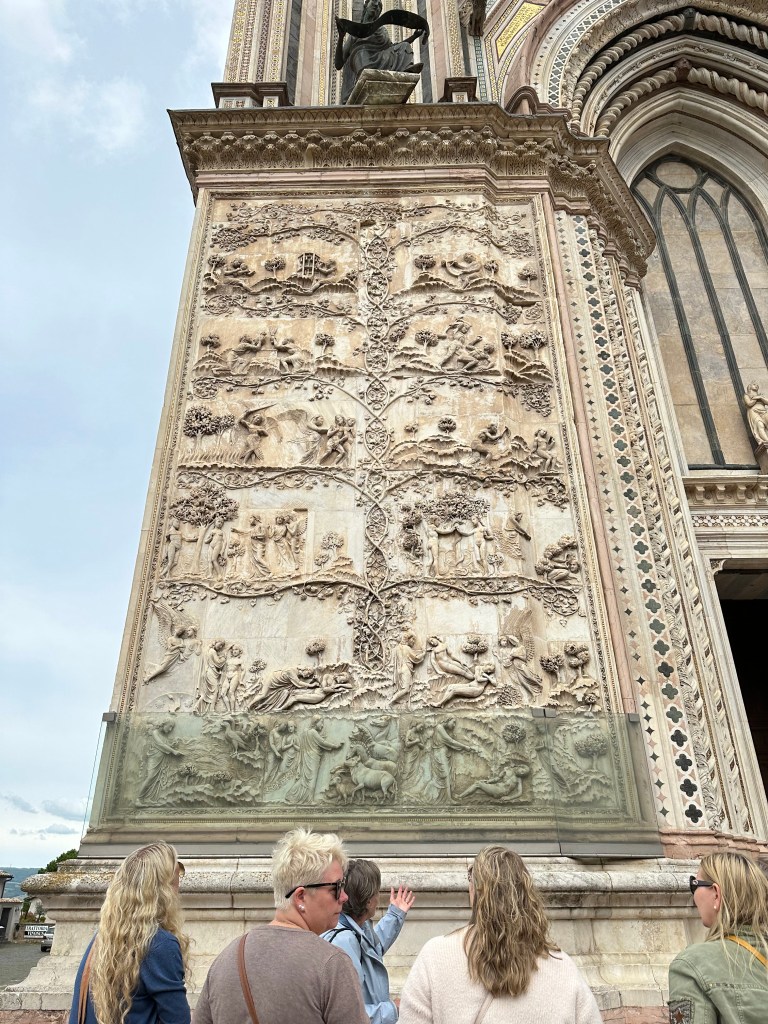
Bas relief of Genesis on the extreme left of the cathedral’s exterior:

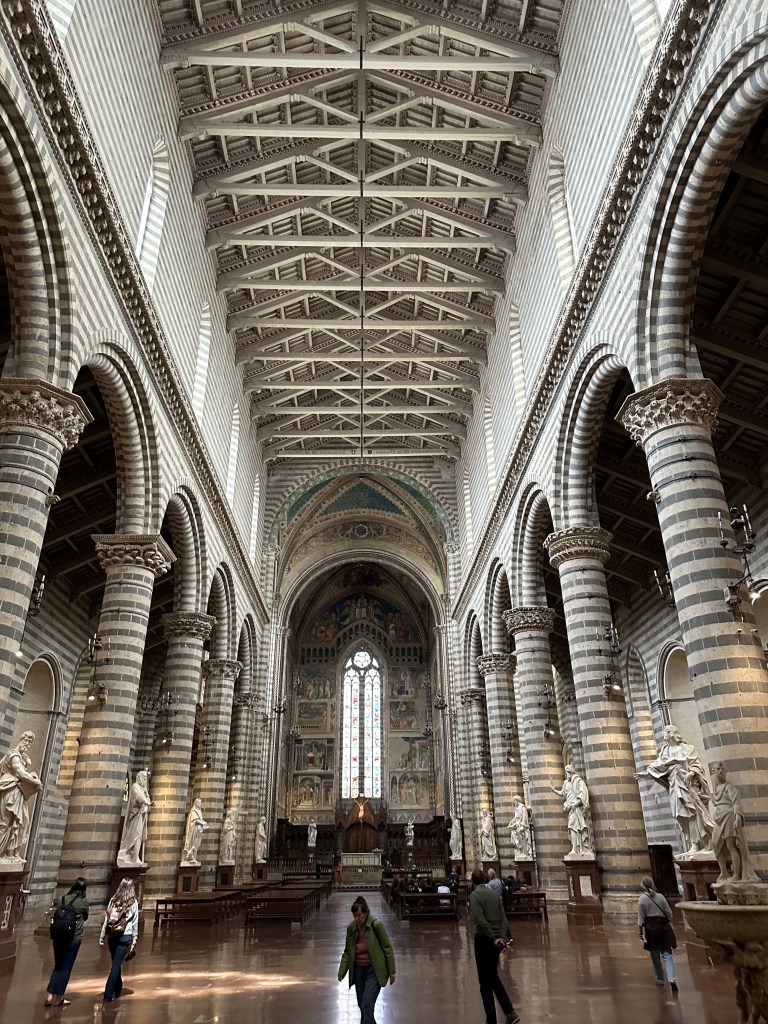
The cathedral’s soaring exterior and trussed timber roof:

But its size is surprisingly intimate:

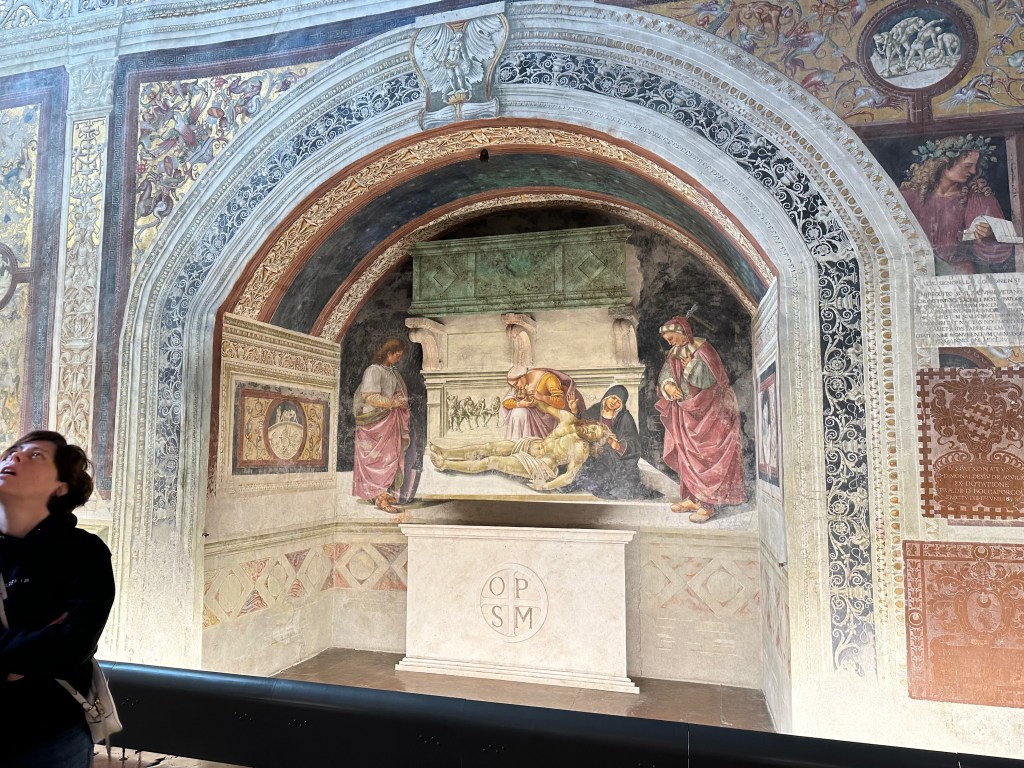
Frescos abound:

As do small chapels:

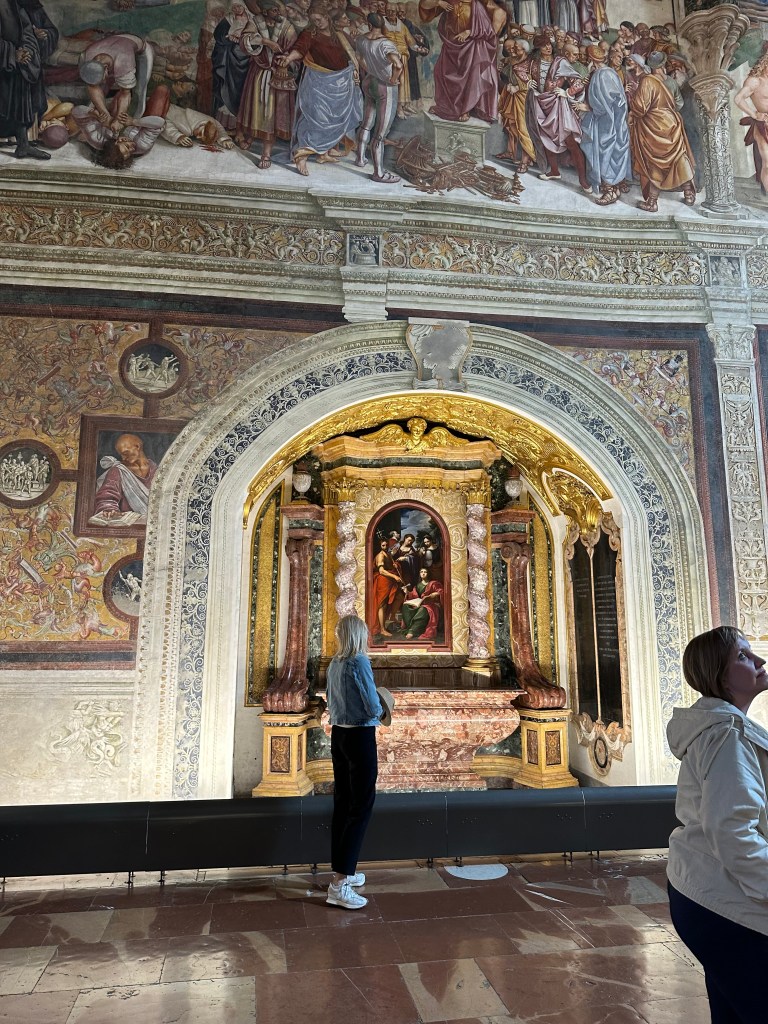
The later, 15th-century Chapel of the Corporal, with some pretty cool vaulting, all completely covered in frescoes (Christ in Judgement, apparently).

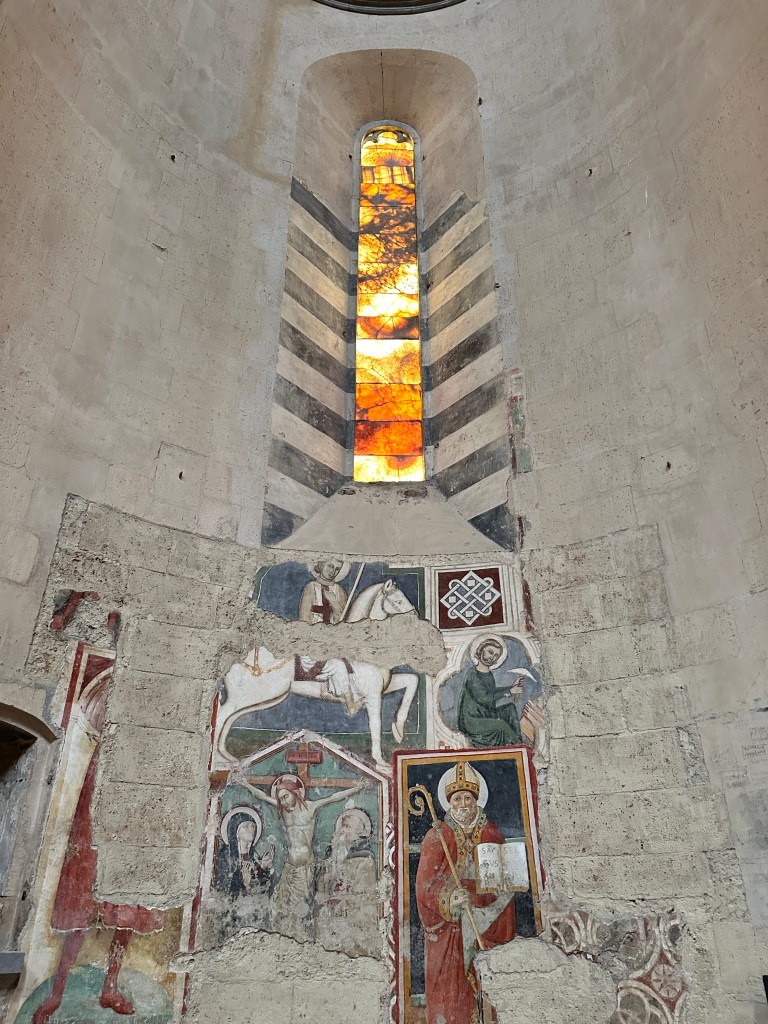
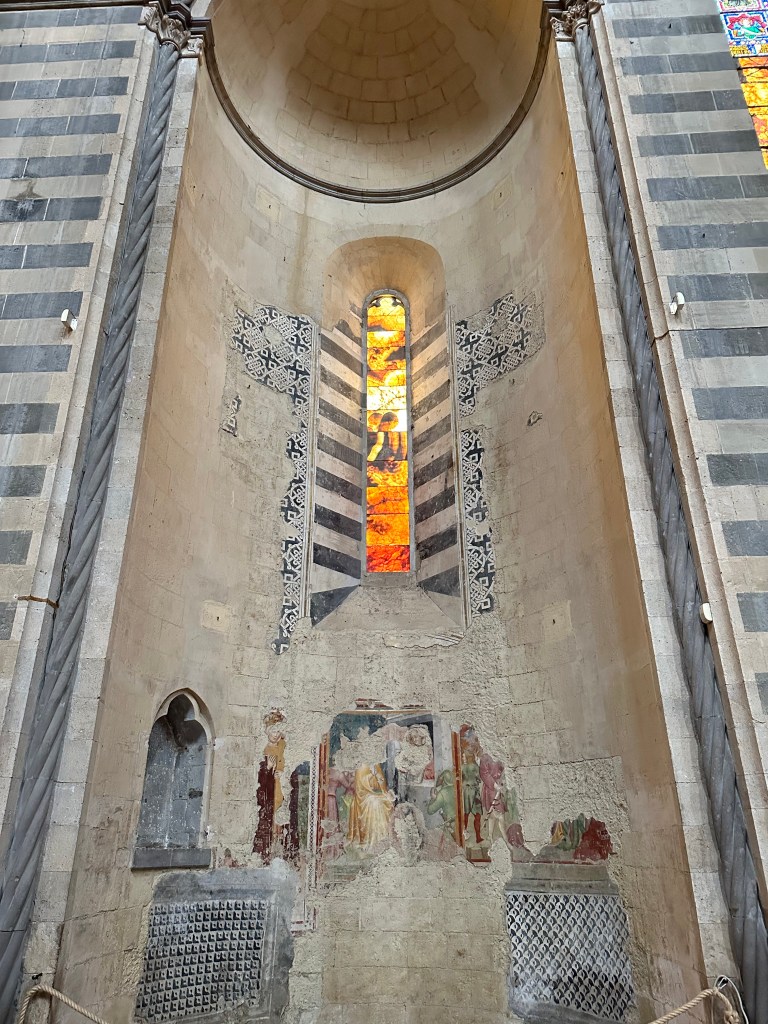
The remains of earlier decorations still visible in the cathedral (as well as alabaster windows, which are always of interest):

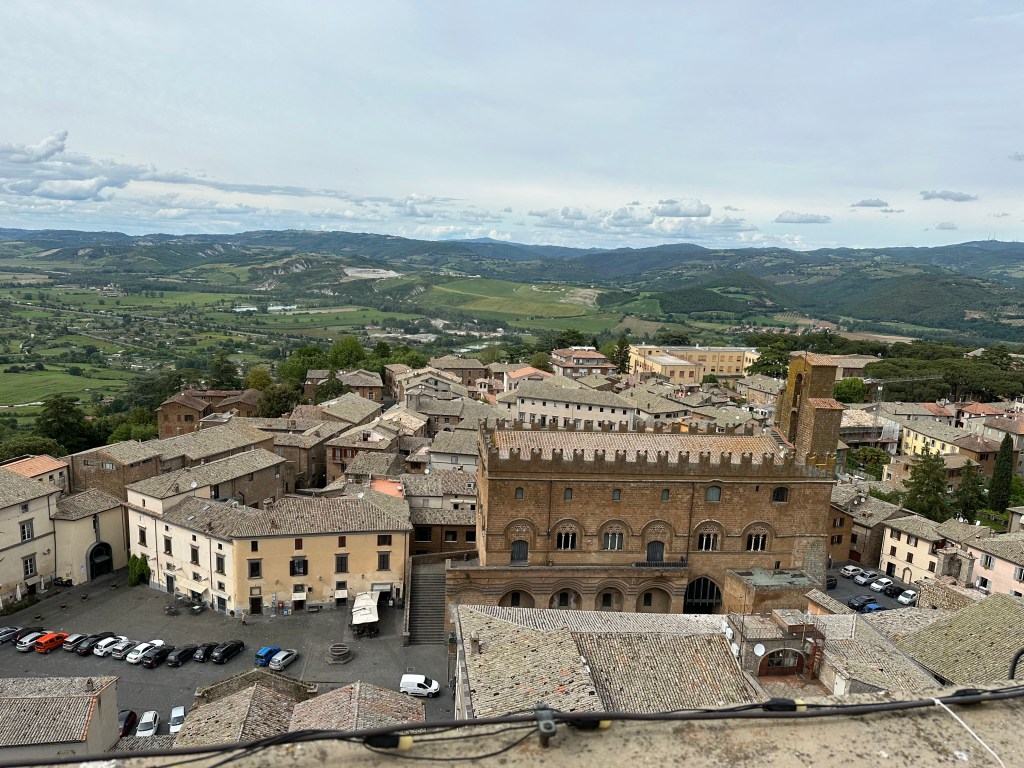
The visit to the cathedral complete, we headed to Torre del Moro (Tower of the Moor) built in 1200 for a view over Orvieto:

A view of the Capitano del Popolo, the Captain of the People (basically the representative head of the city):

A different perspective on the Sant’Andrea church and its decagonal bell tower encountered earlier when we entered Orvieto:

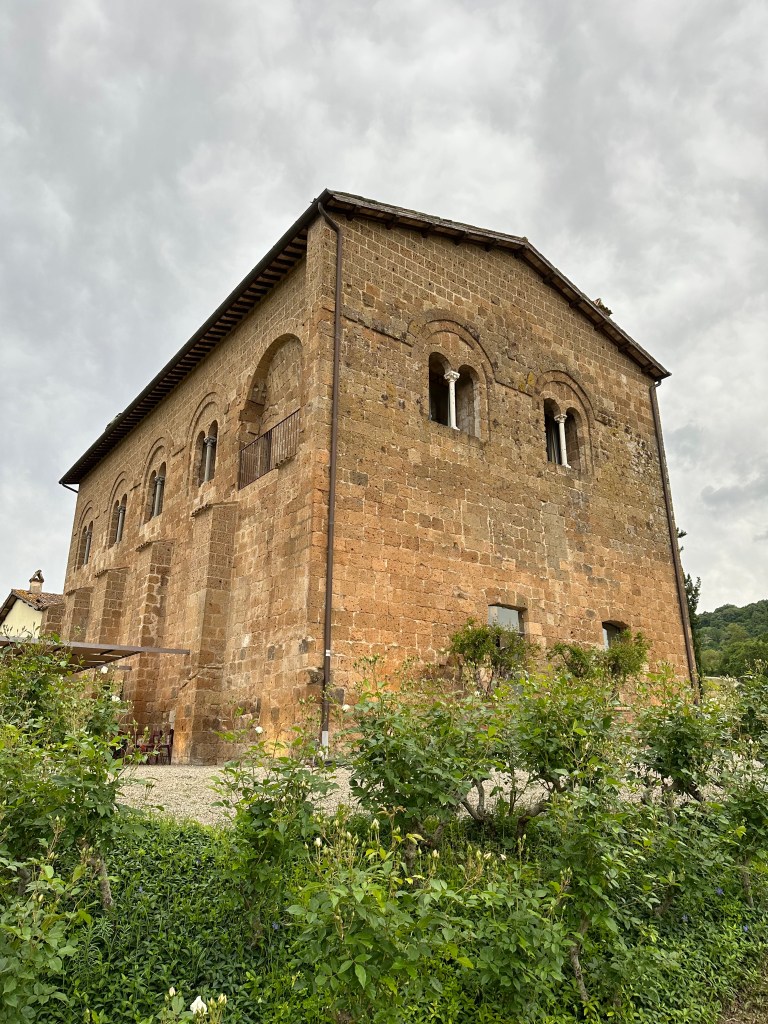
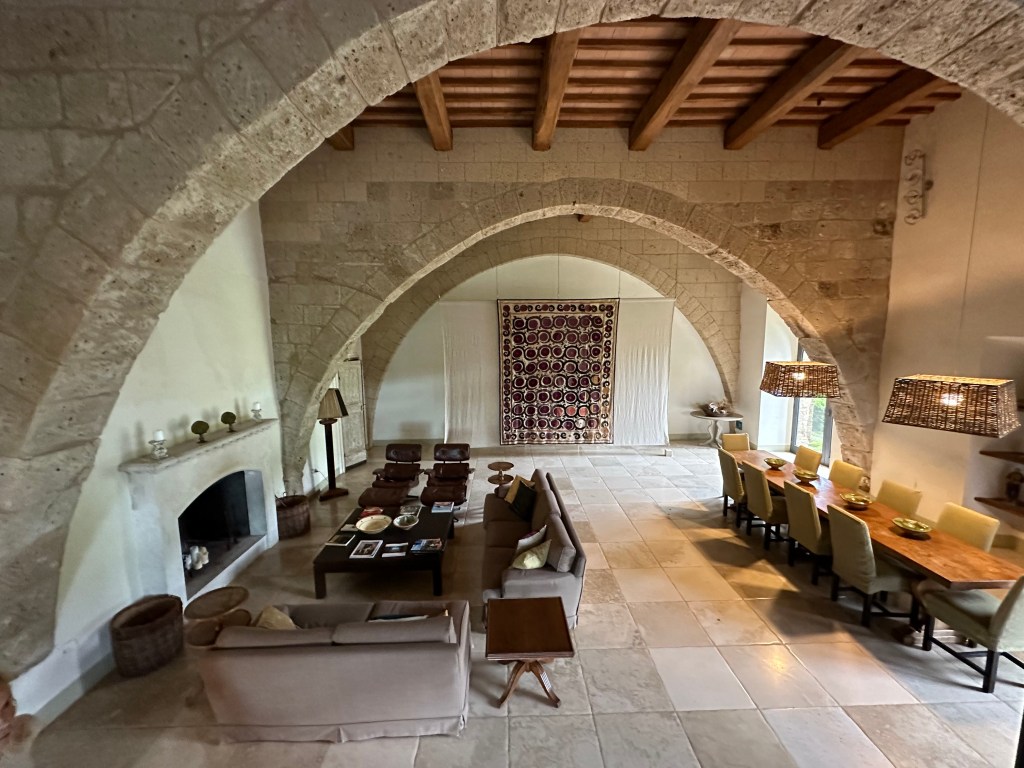
And then on to our lodging for the evening, a location we selected because of its similarly storied history.

“Locanda Palazzone is a historic residence from the medieval period. . . Taking into account its residential typology and its location of relative isolation in the countryside in the vicinity of Orvieto, it can be thought that the building may have been built as a “hospitalis,” in the sense of a hostel for prelates and wayfarers or a post station for pilgrims heading to Rome, since it was precisely in 1300 that Boniface VIII formalized the first Jubilee.”

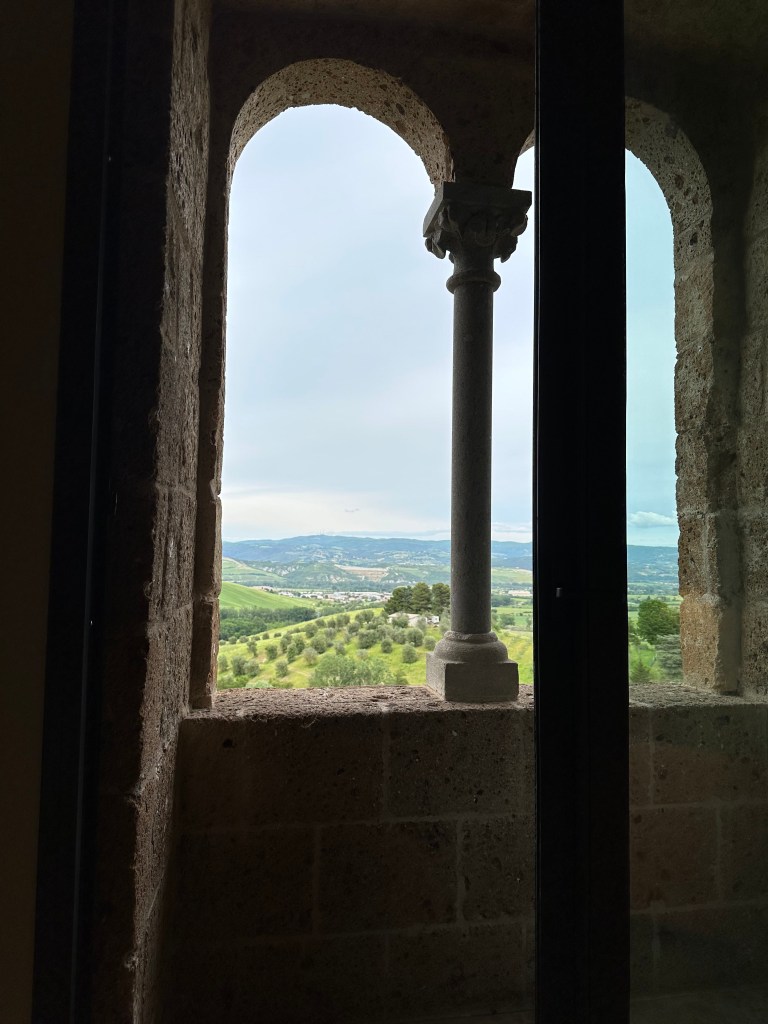
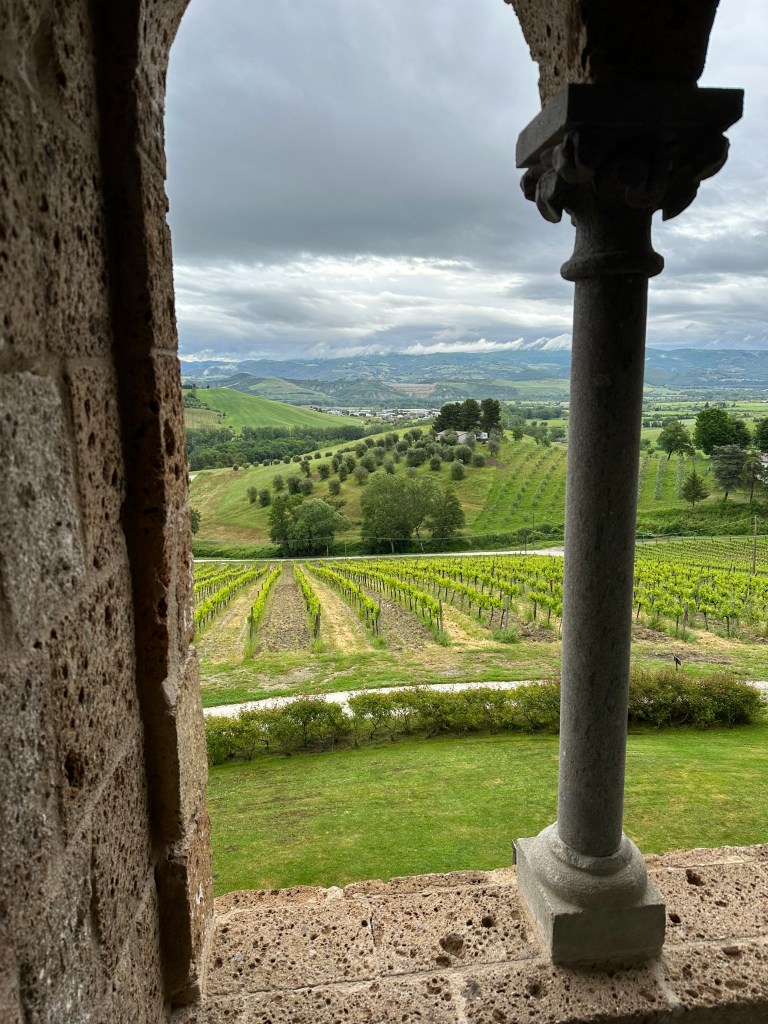
View out the ornate window of our room. . .

which, if you crane your neck out an around. . .

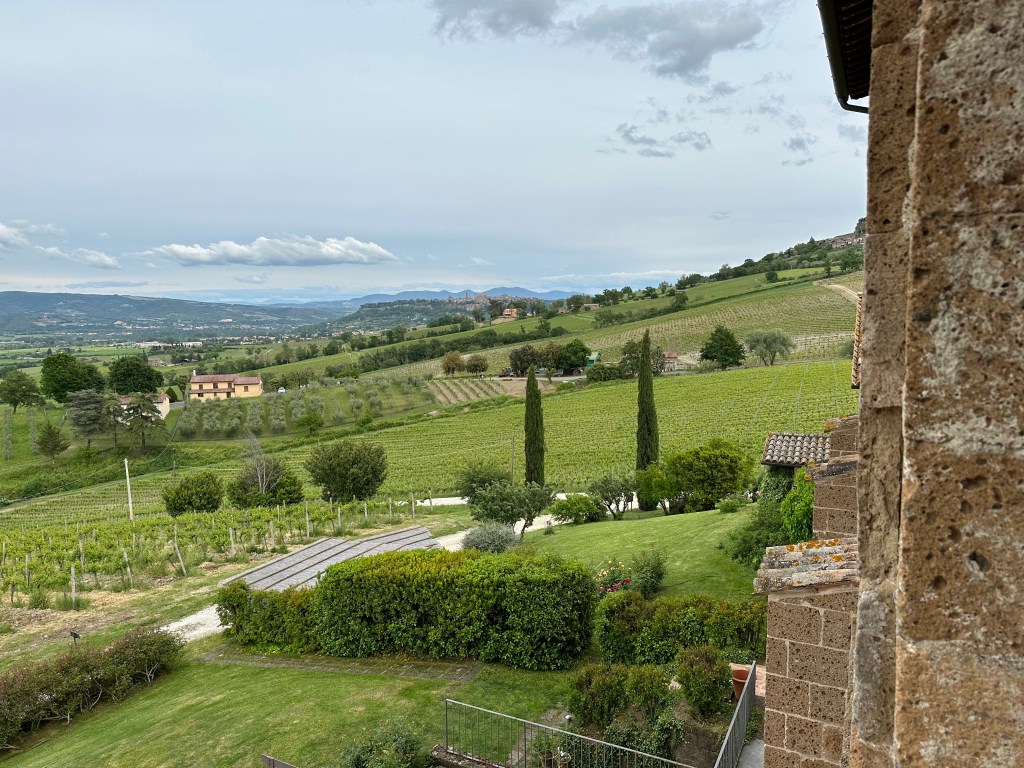
allows for a view across the valley. . .

to Orvieto itself.

Pretty cool place with lots of history.

On to Herculaneum and an amazing time capsule of Roman culture!

Categories: A Prolonged Foray to Europe, Tuscany / Umbria | Tags: , , , , | Leave a comment

A Prolonged Foray to Europe: Herculaneum

From Orvieto (purely a stopover town – albeit a very nice one – to keep our drive time under control), we headed further south to our next real destination: Pompeii’s red-haired step brother, Herculaneum.

The eruption of nearby Mount Vesuvius destroyed Pompeii slowly with pumice and ash, collapsing roofs but preserving buildings and voids. The same eruption destroyed Herculaneum (an affluent seaside resort town much smaller than Pompeii) but with high-velocity pyroclastic surges, which immediately carbonized all of the organic matter, in addition to instantaneously encasing (and preserving) buildings. As a result, entire structures, mosaics, murals, ceramics, and even wood framing materials and furniture were better preserved than in Pompeii. Plus, fewer tourists; always a bonus.

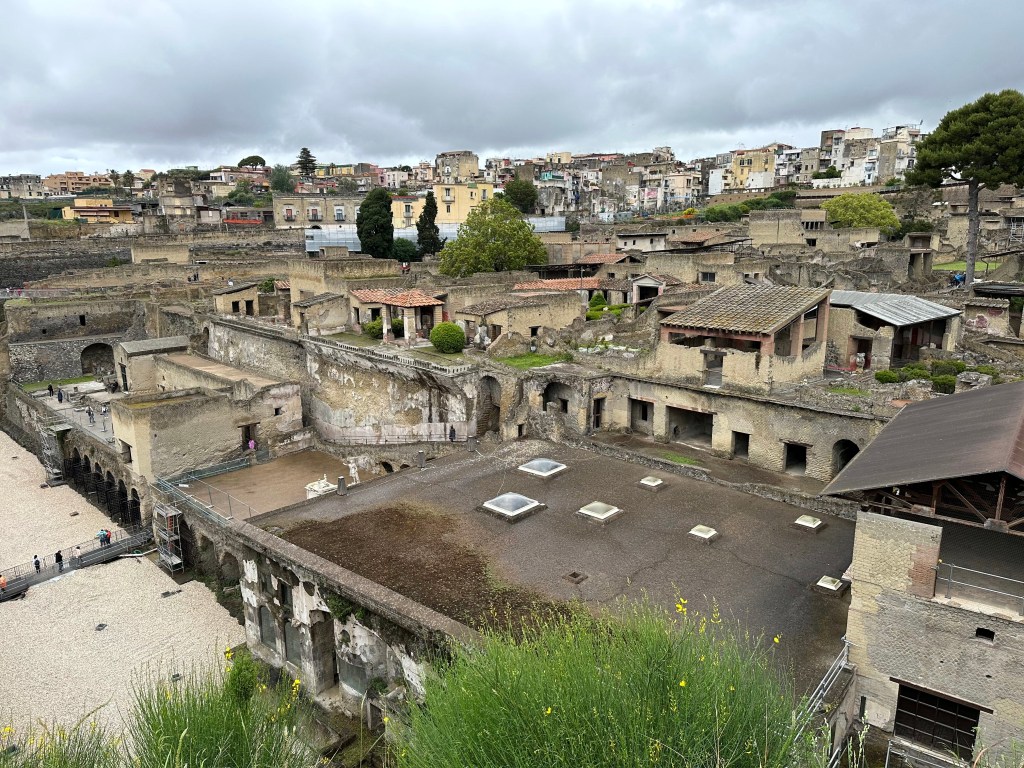
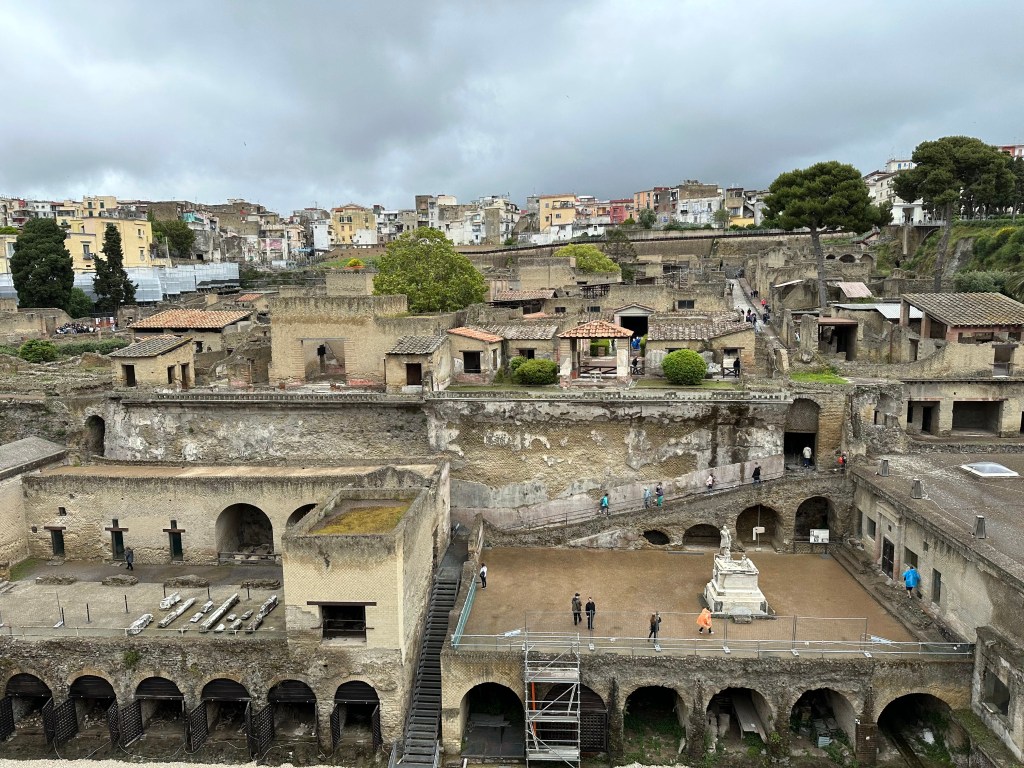
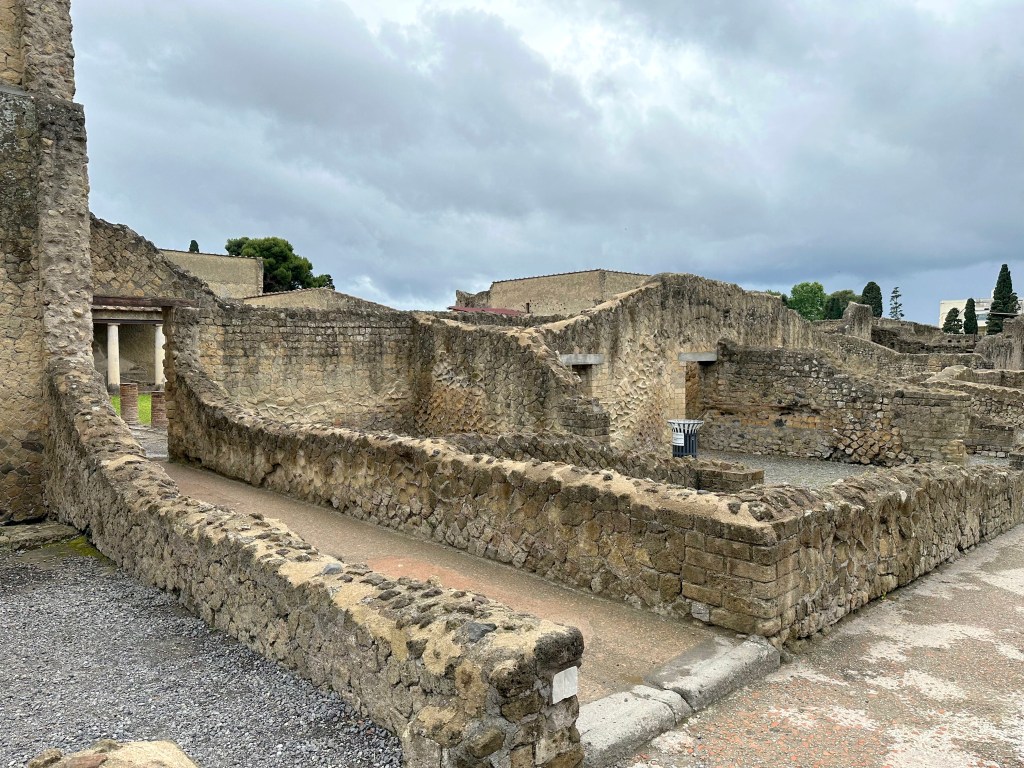
A partial view over Herculaneum; the arches in the bottom left corner were part of the port, when the Town abutted the coast.

Despite the multiple blocks of the town that are now exposed, 75% of Herculaneum still is unexcavated.

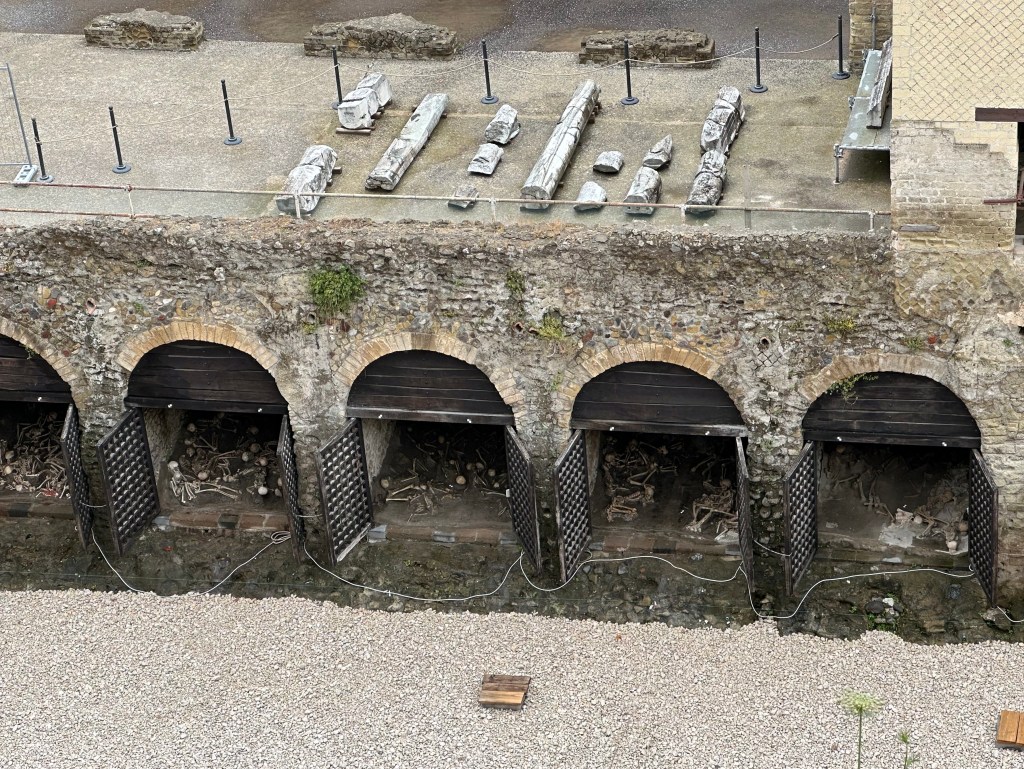
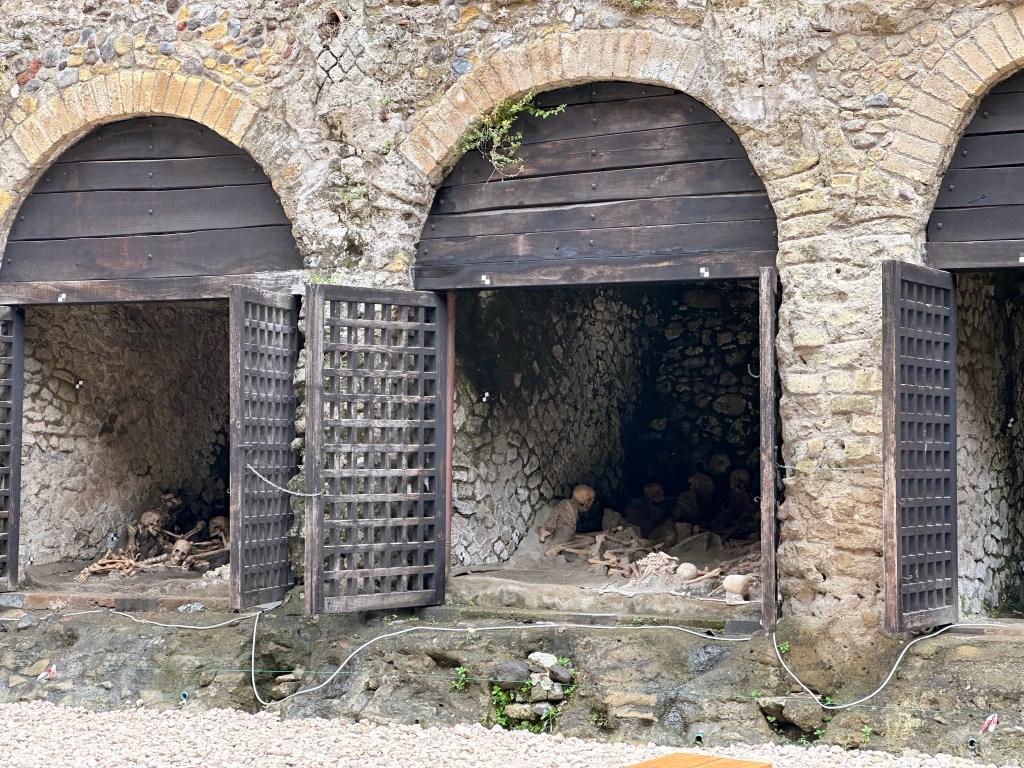
In addition to the preserved building components that we’d see, one of the first preserved elements we encountered were casts of skeletons of the residents who unsuccessfully sought refuge in the port’s boat sheds:

More than 300 skeletons are in the sheds.

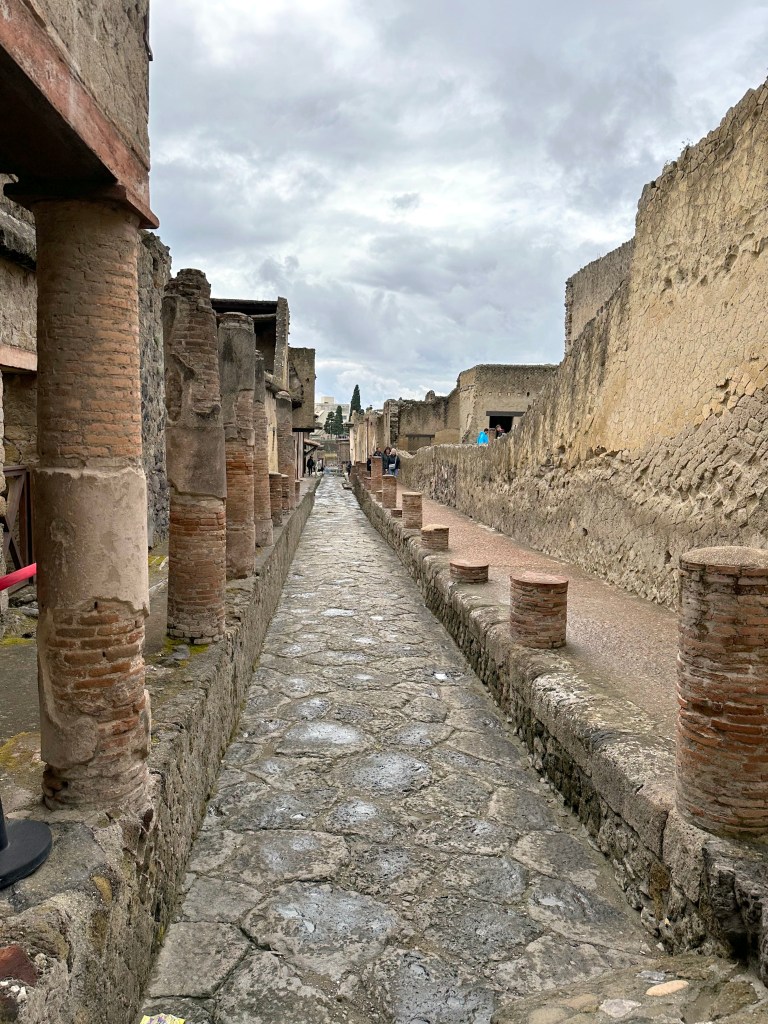
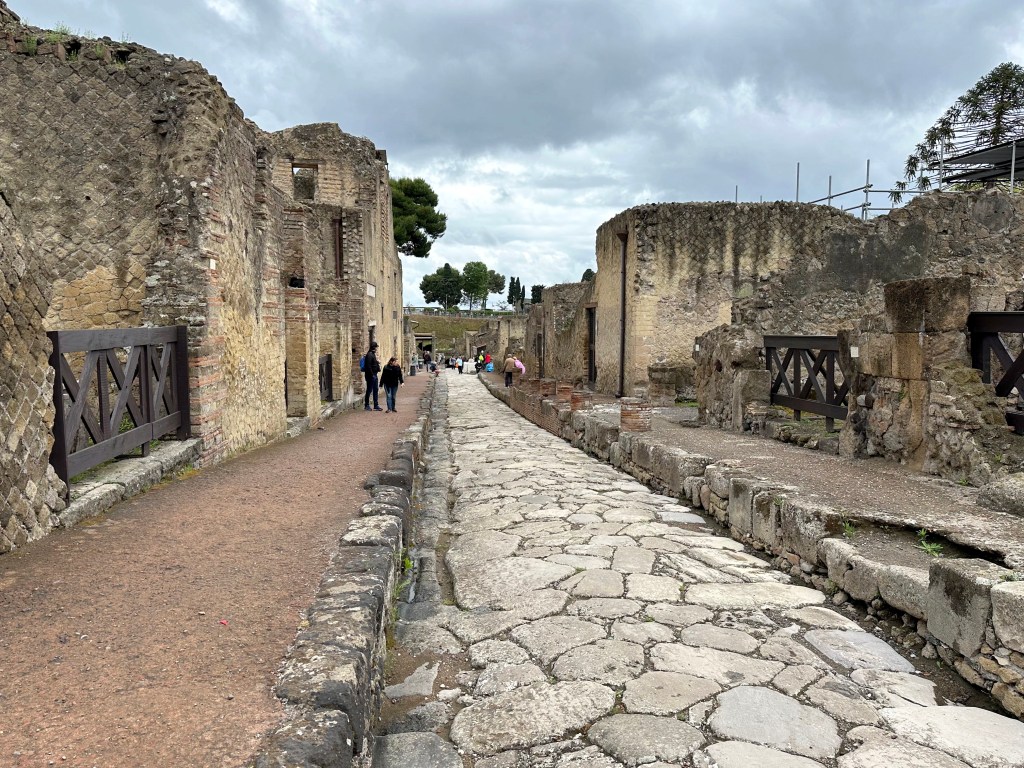
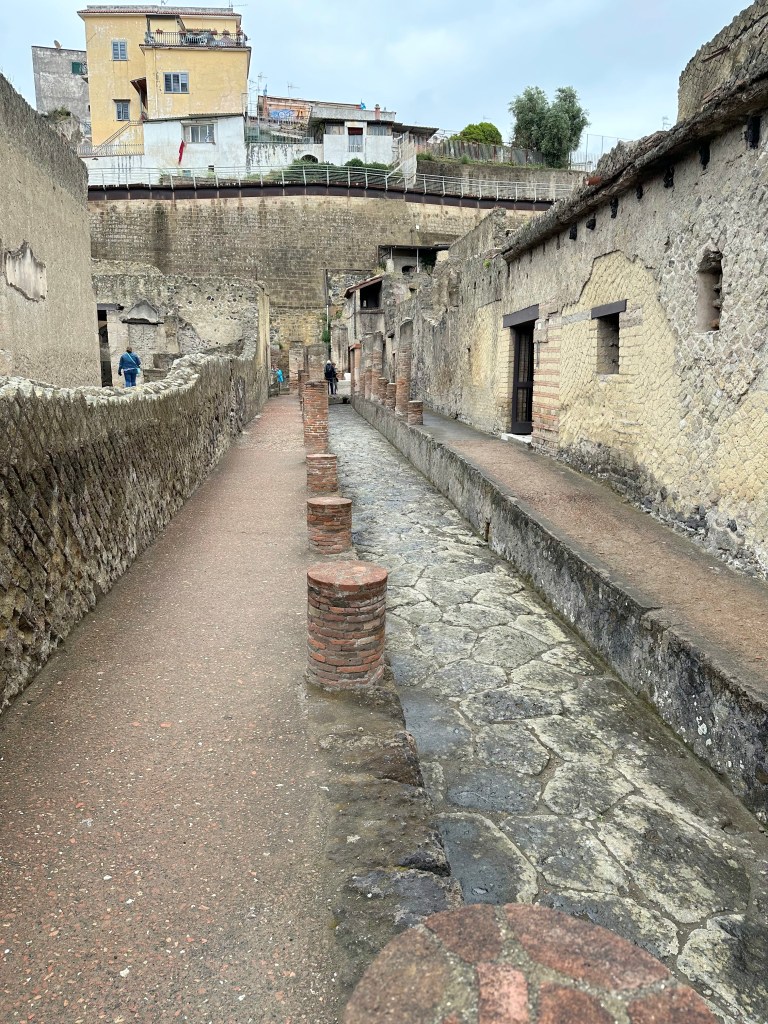
A perfectly preserved Roman street in Herculaneum:

The preserved interiors of houses along the street. . .

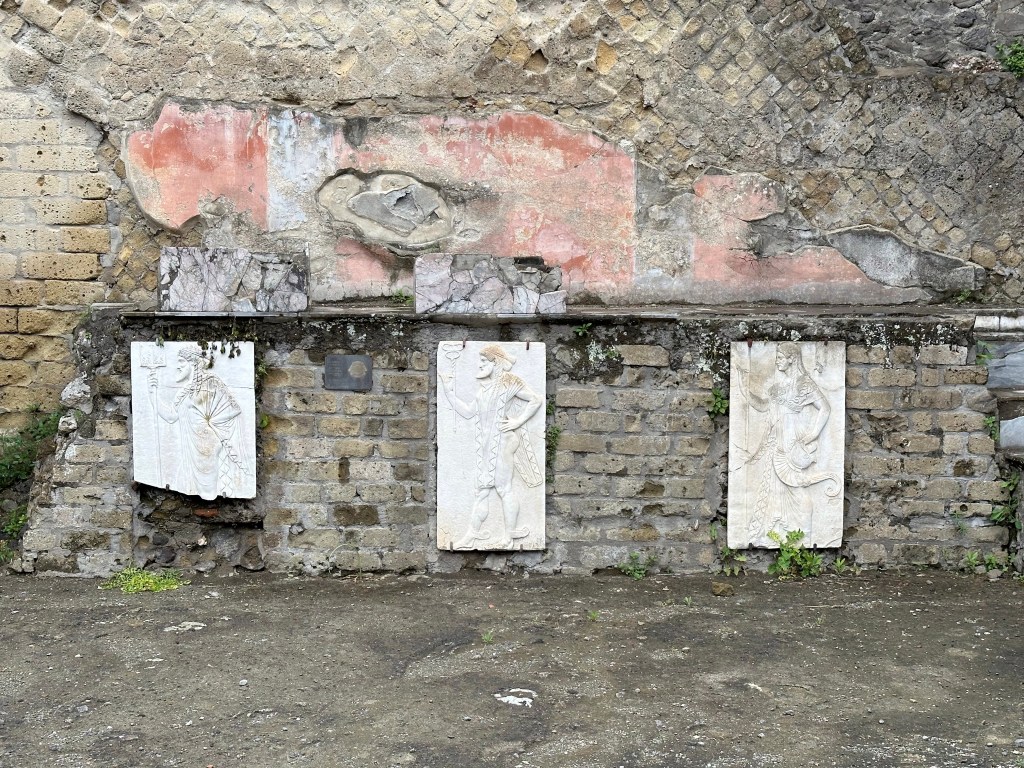
including bas relief sculptures found there.

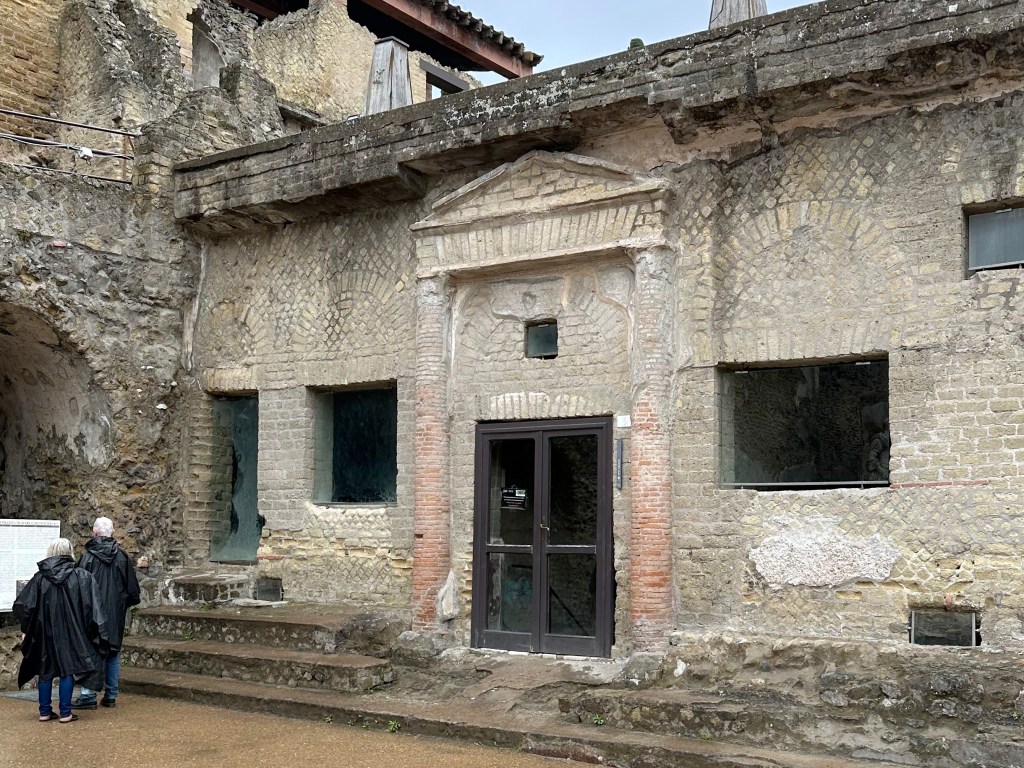
More house facades. . .

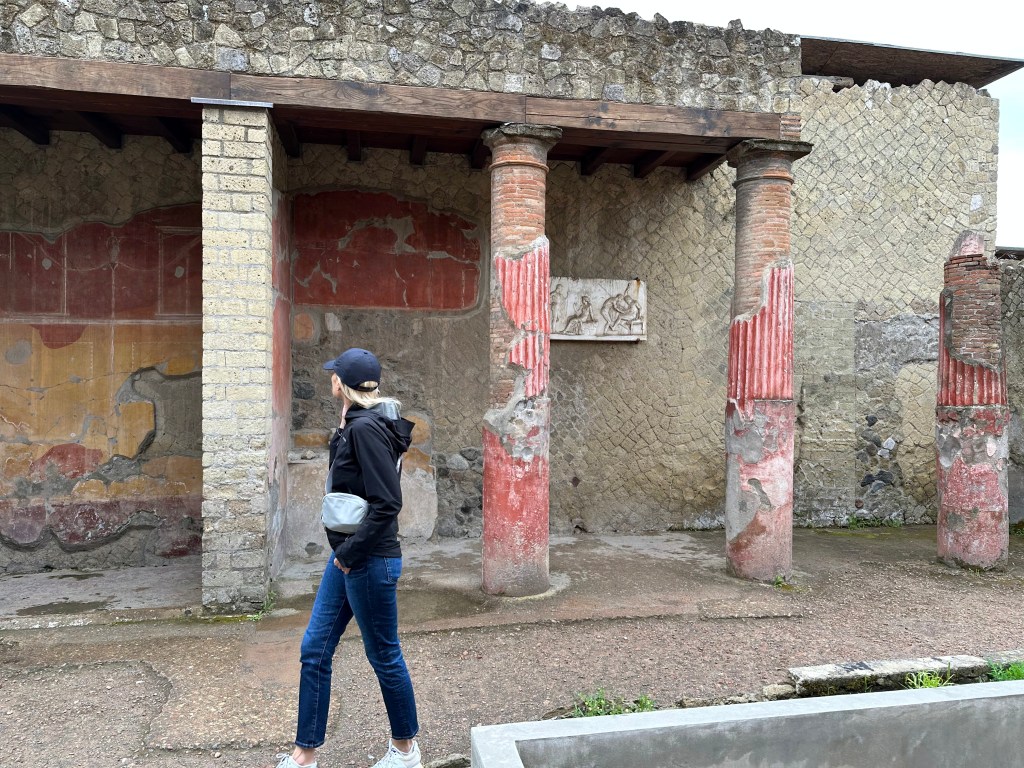
Including those with preserved polychrome-painted pillars.

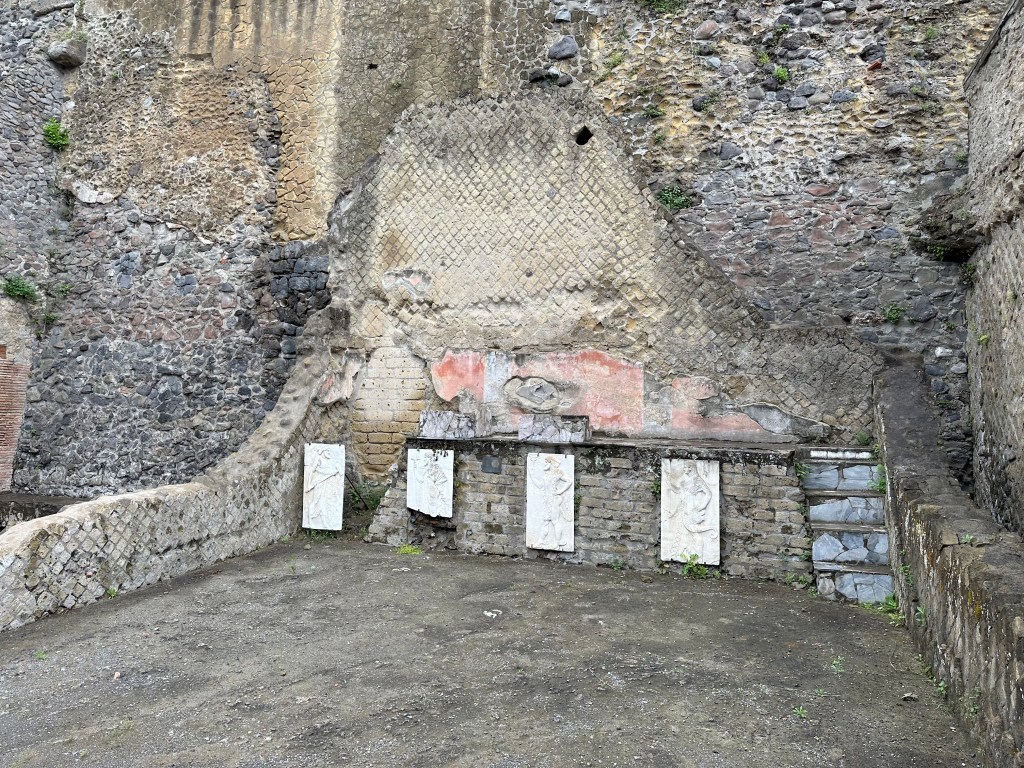
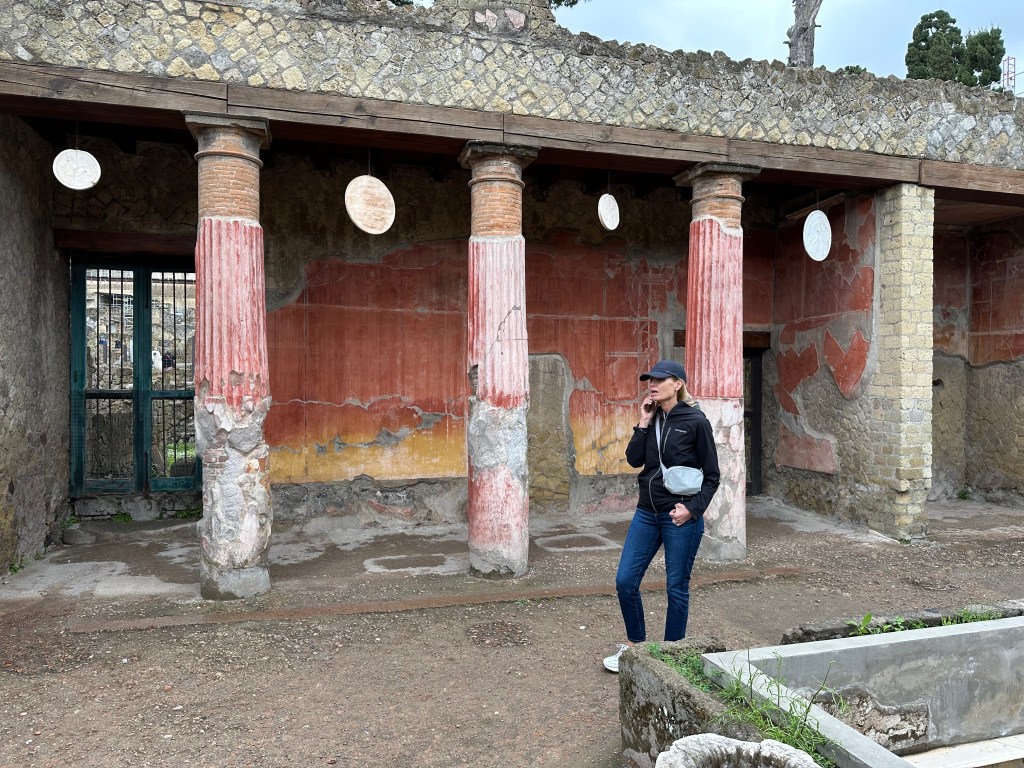
“Built between 27 BC and 14 AD on the panoramic ridge overlooking the marina, this three-story home was decorated with a number of sculptures from the Neo-Attic school, including one with a relief of Telephus (Rilievo di Telefo), son of legendary found of the city, Hercules. The atrium is lined with columns supporting the upper floor, and the spaces between them were decorated with oscilla, or marble discs with reliefs of Dionysus used to guard against evil spirits.” (From here [or maybe from the audio guide Lisa’s listening to. Who knows?])

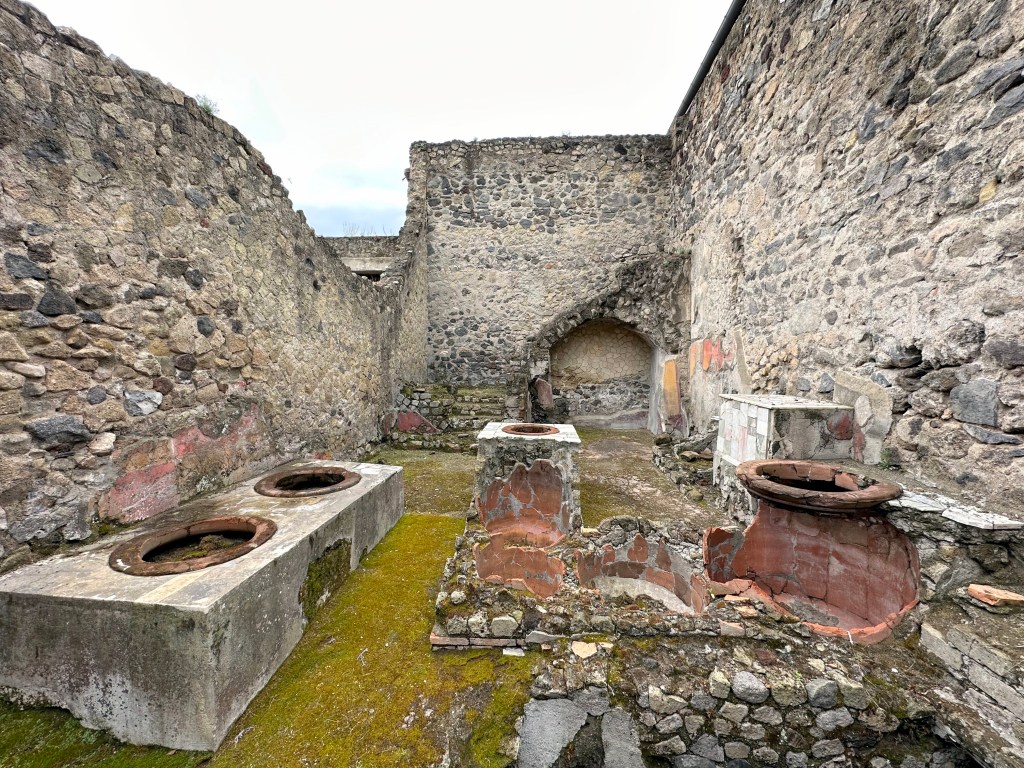
Aaaaand a snack bar! They appear every block or so; the Romans loved their fast food, served right out of heated, sunken amphora. Pretty amazing, frozen-in-time, cultural nugget.

One of us may have been getting hungry.

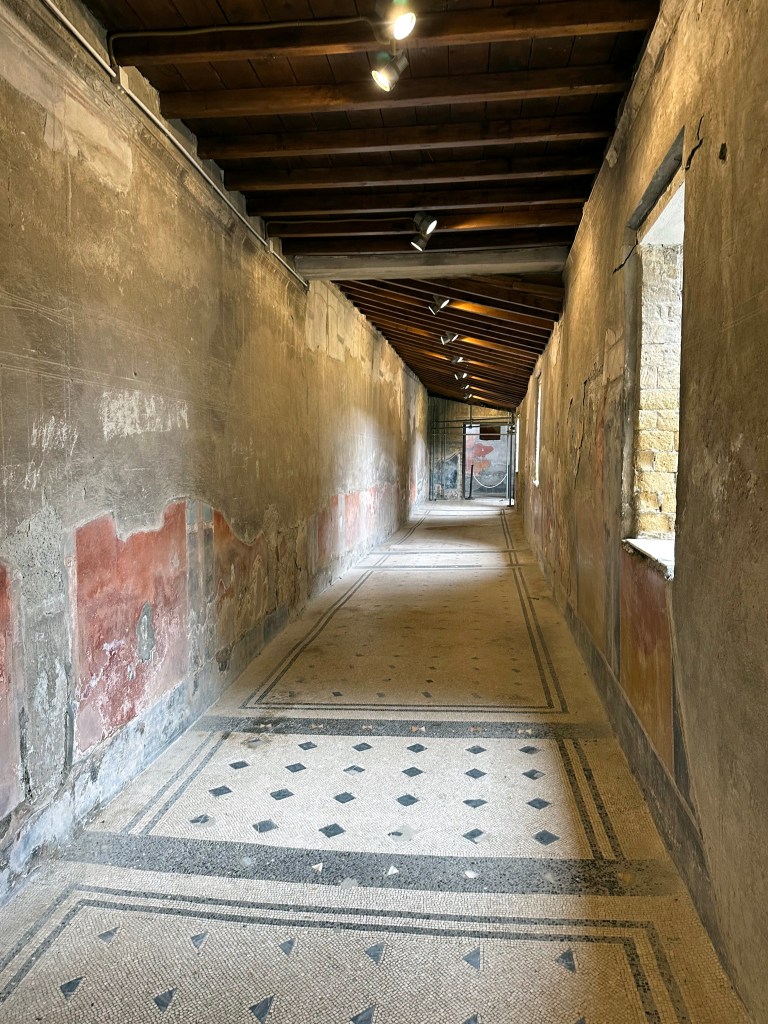
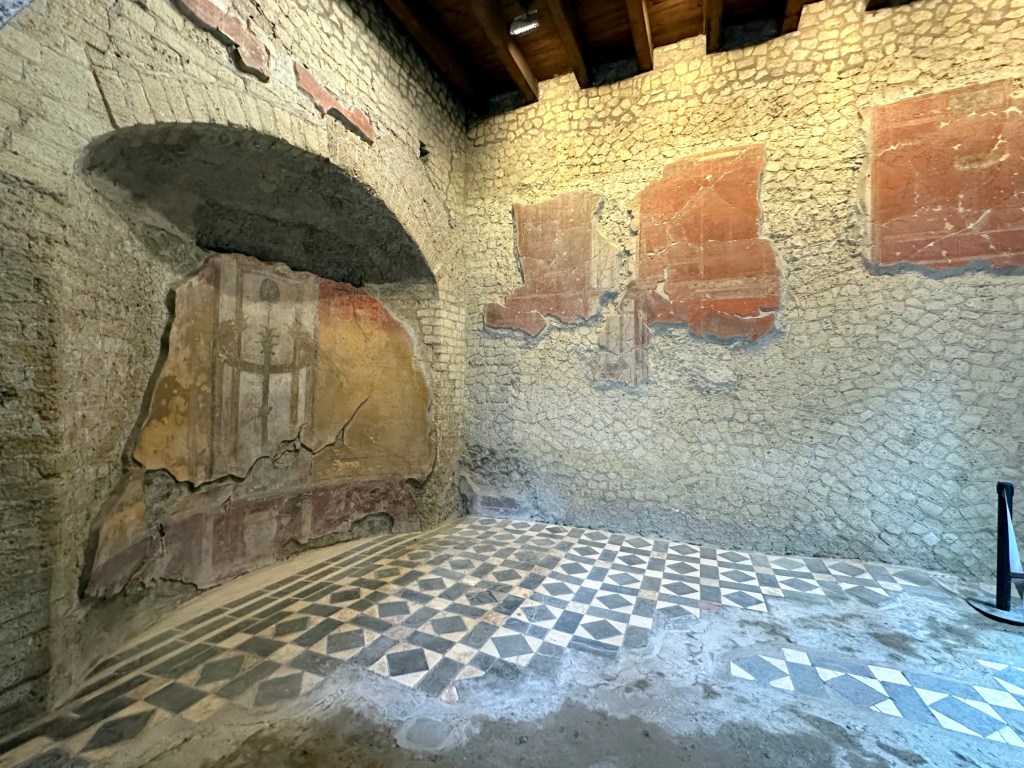
Preserved hallway and mosaic floors in the House of the Beautiful Courtyard / House of the Black Salon:

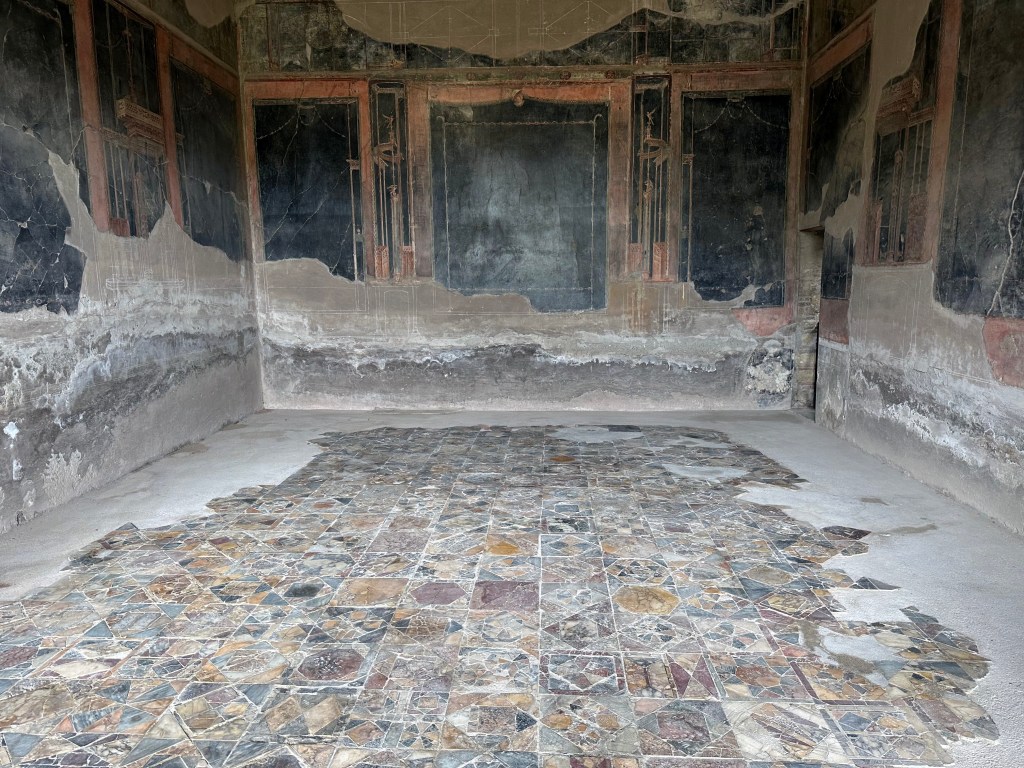
To wit, the Black Salon (albeit with colorful, inlaid marble floors):

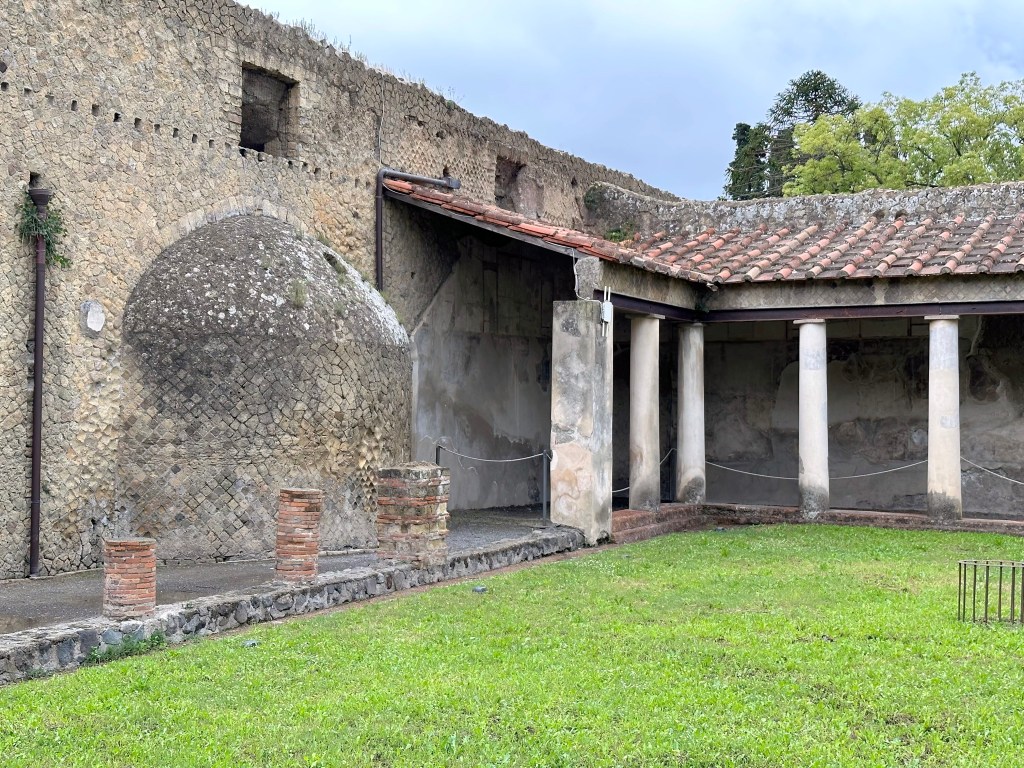
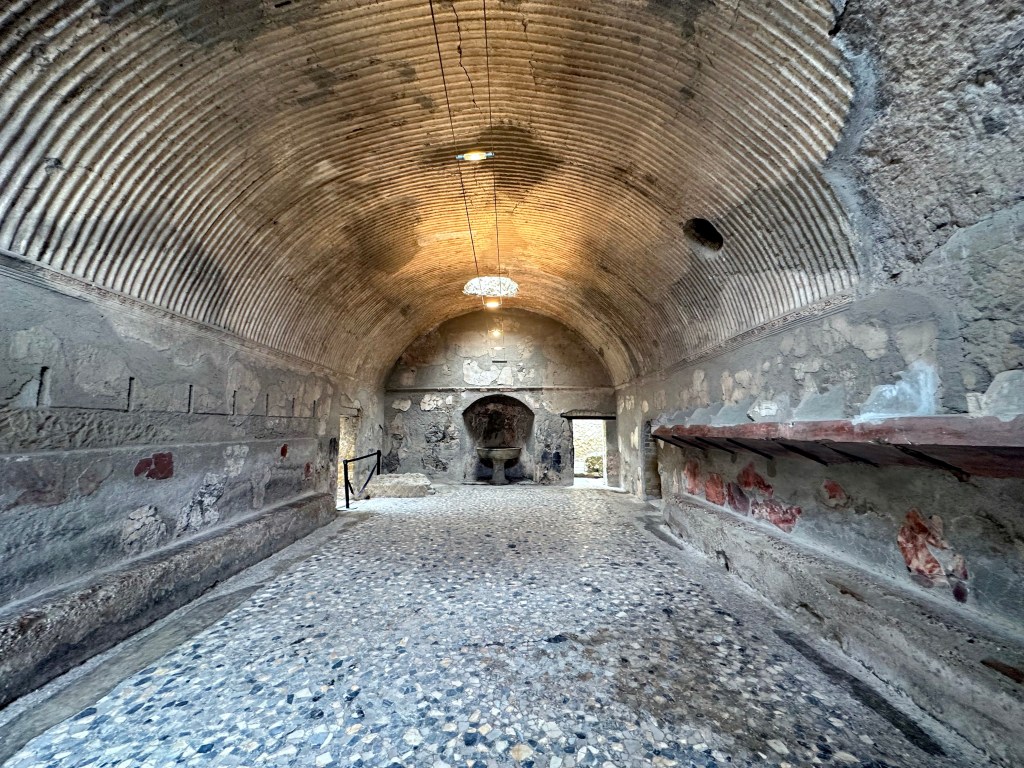
Exterior of Herculaneum’s all important Terme Centrali (Central Baths):

The baths date from the second half of the 1st century BC.

Interior, with niche on the other side of the exterior bulge on the above pic.

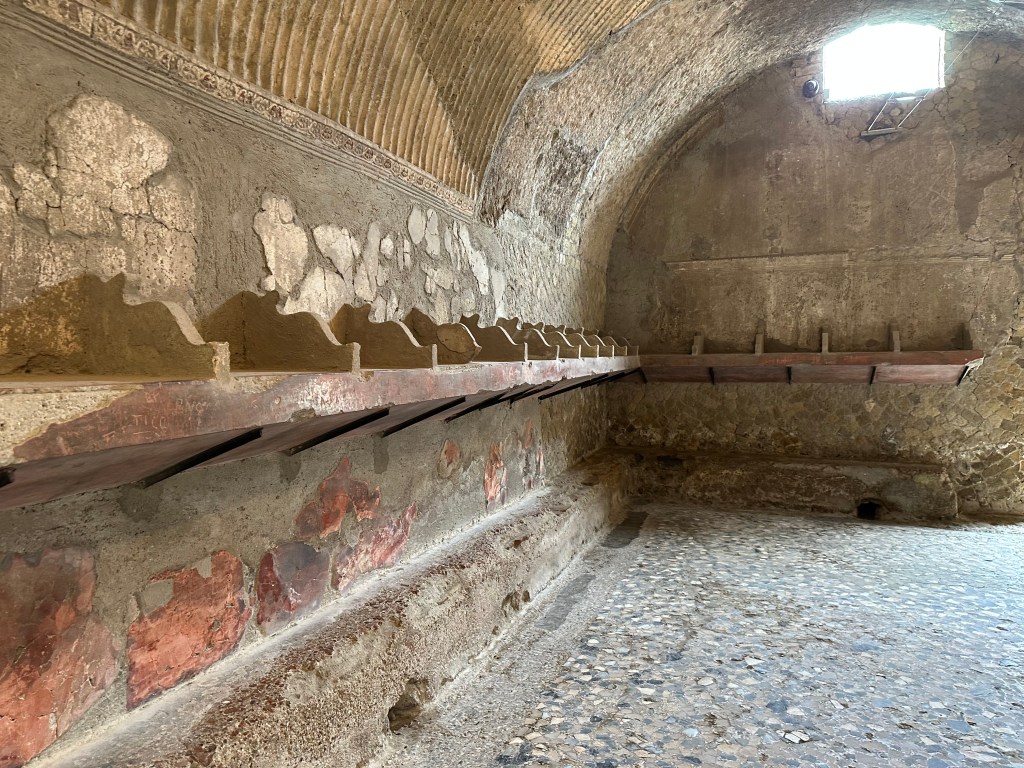
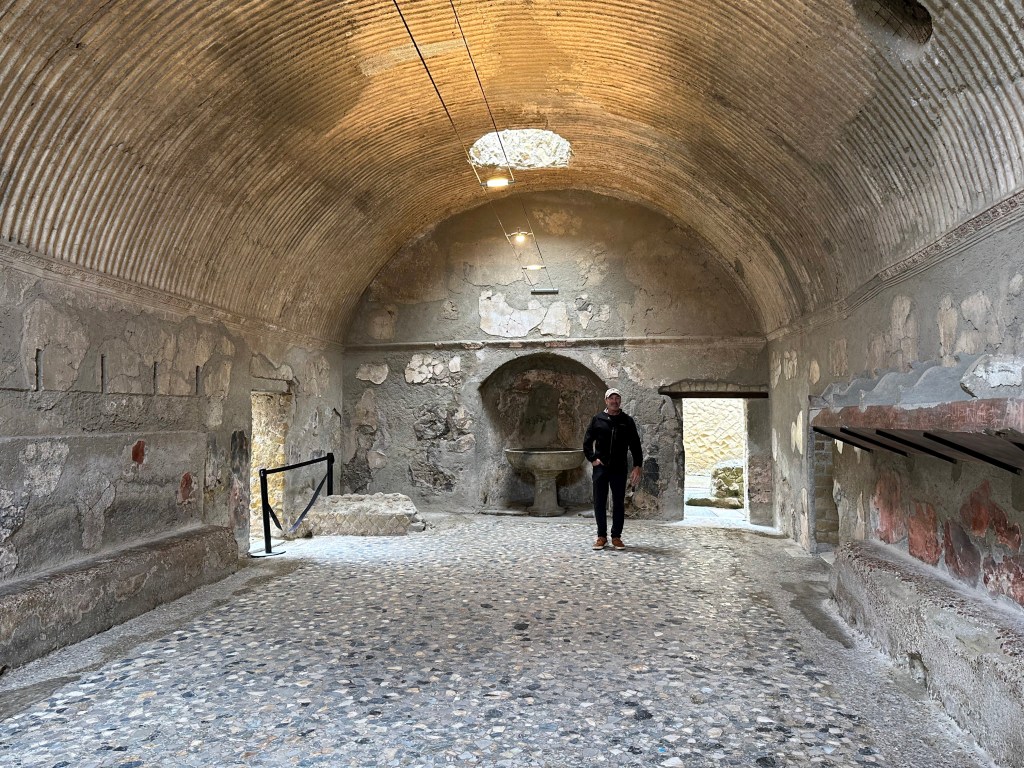
Inside the cavernous Termi Machili – men’s side:

With niches to store your duds:

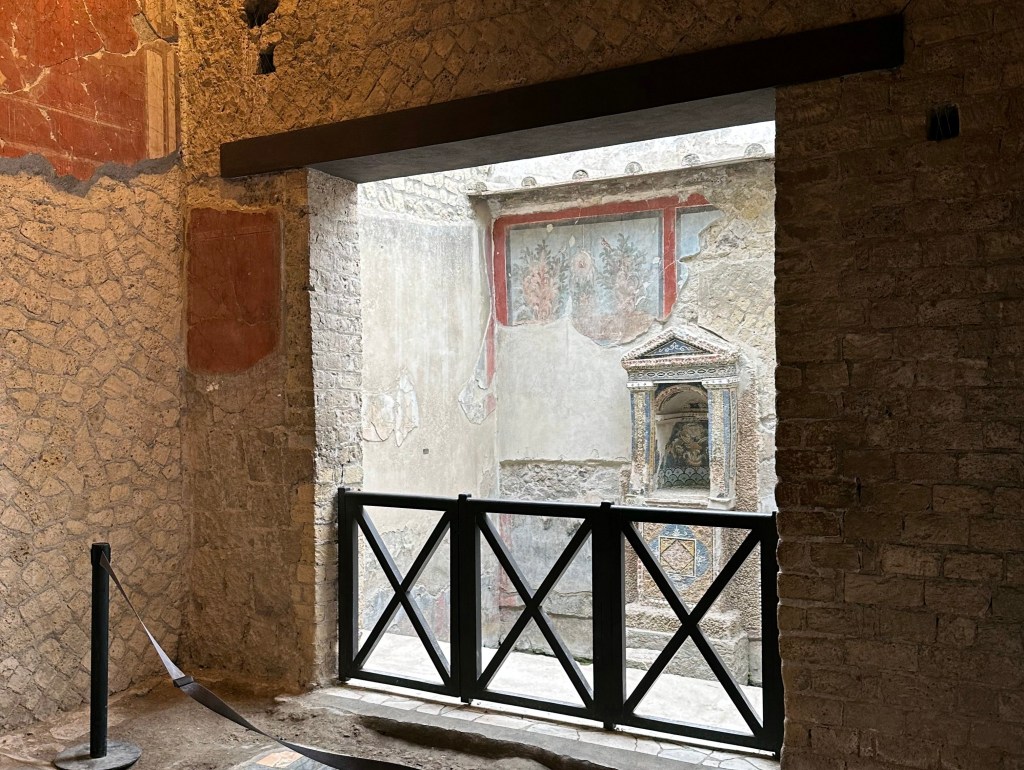
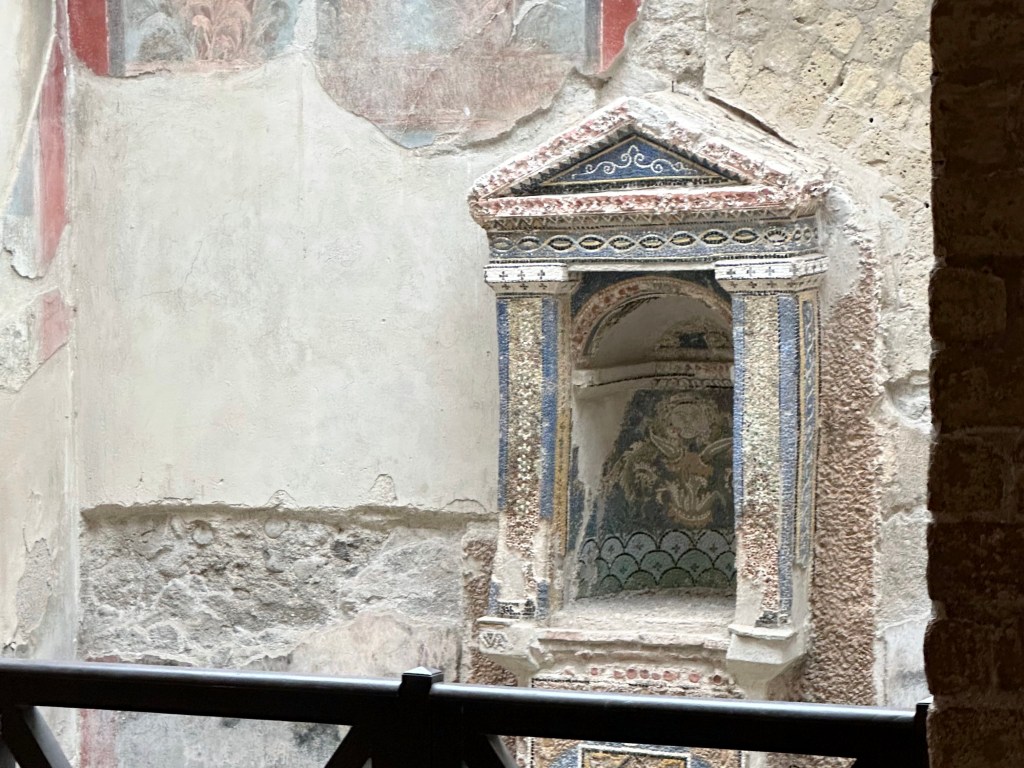
Another house, this time with a mosaic tile ancestors altar:

More street views:

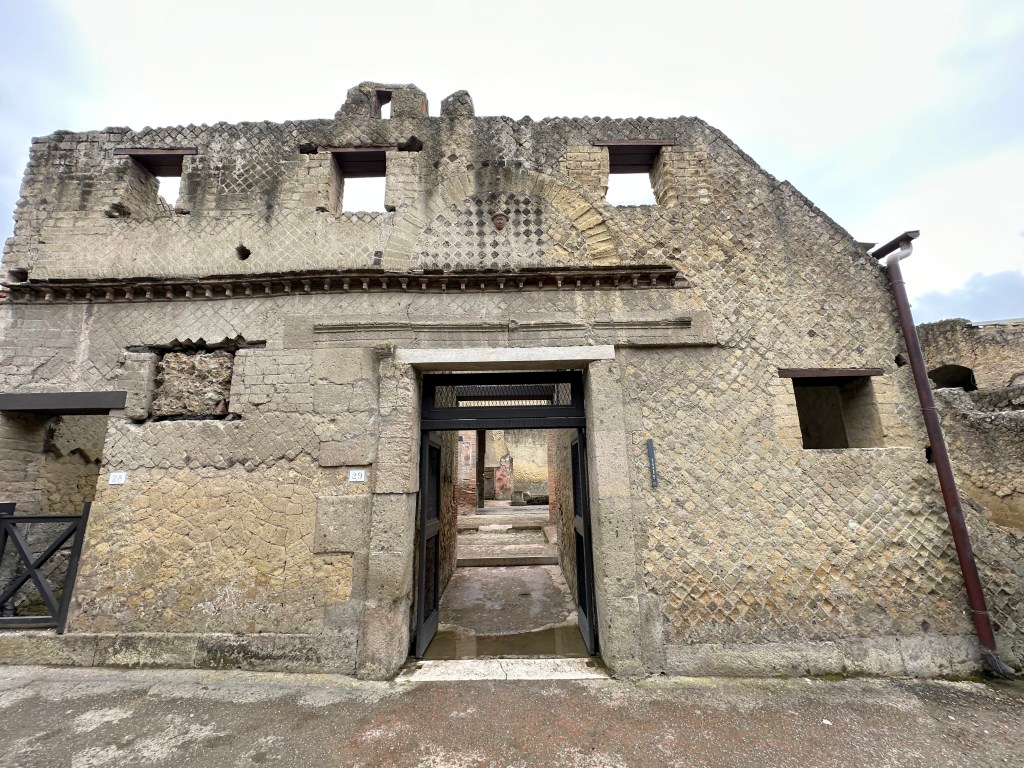
Awesome house facade:

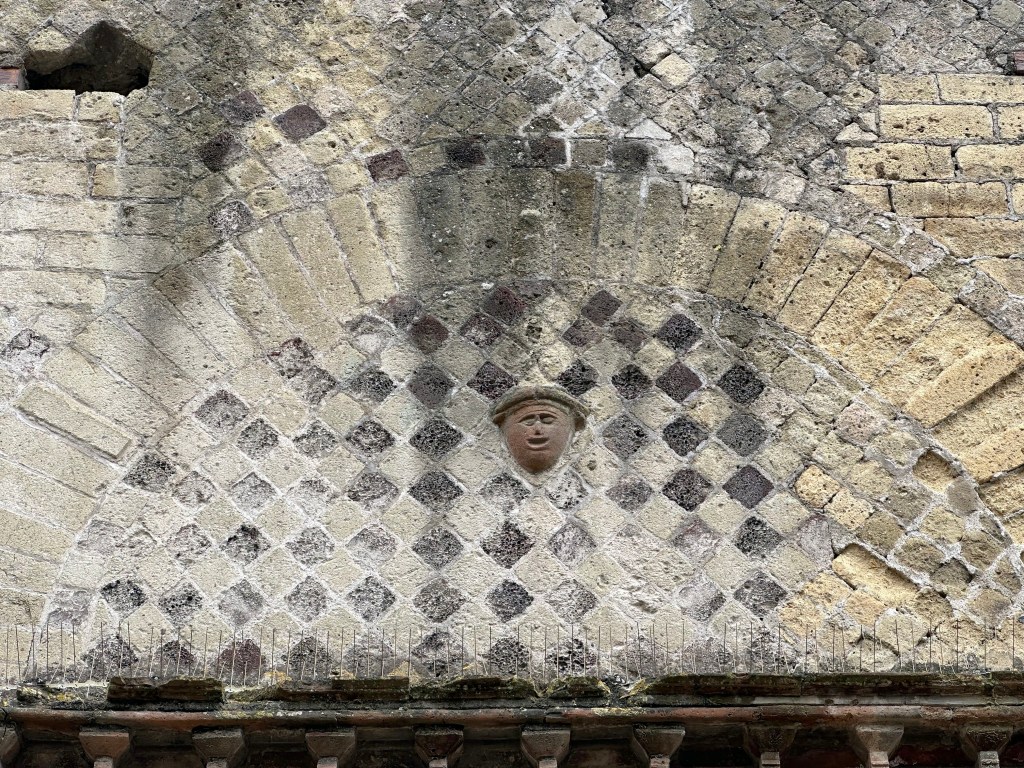
With a happy little guy in the middle of the lunette over the door:

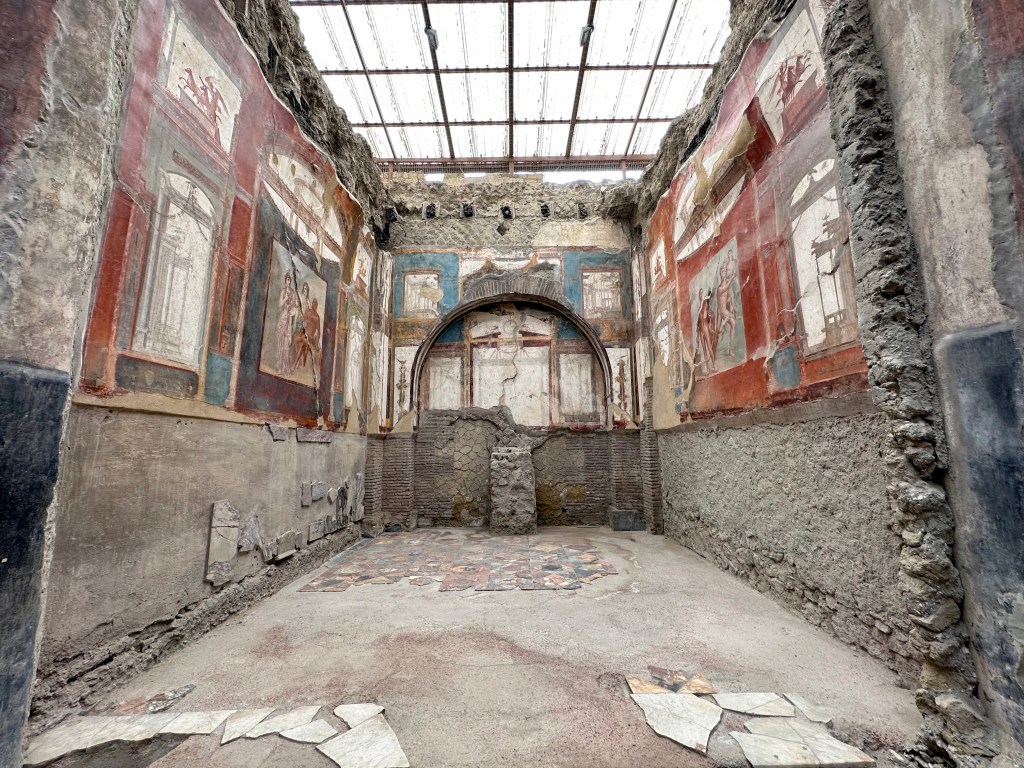
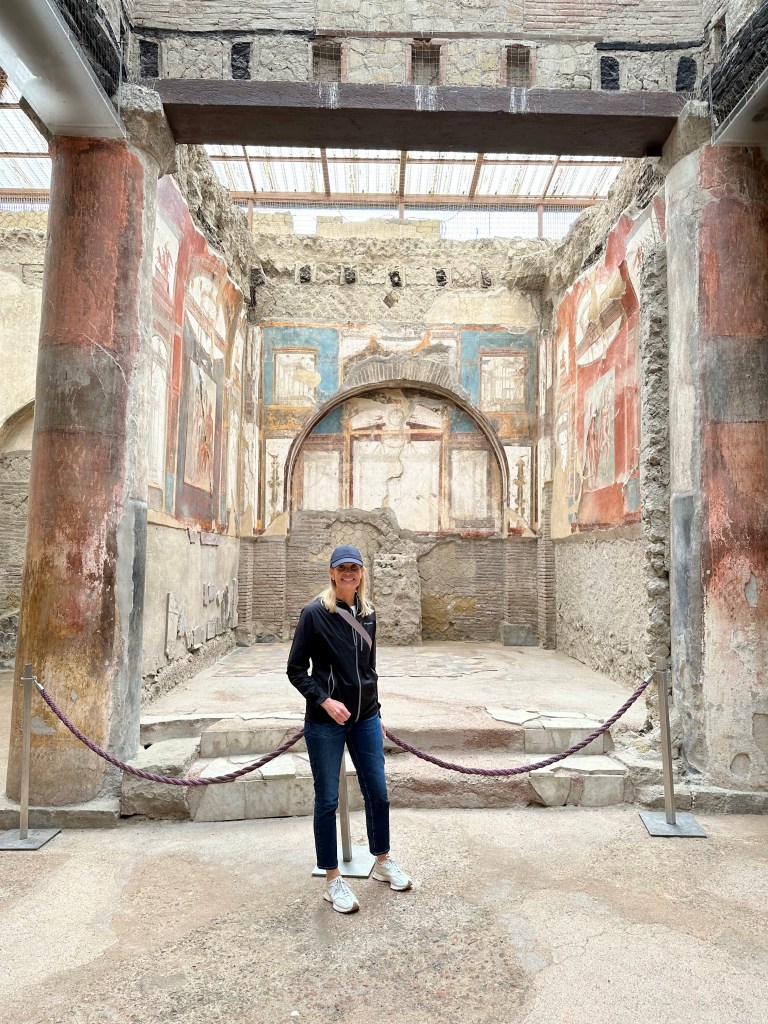
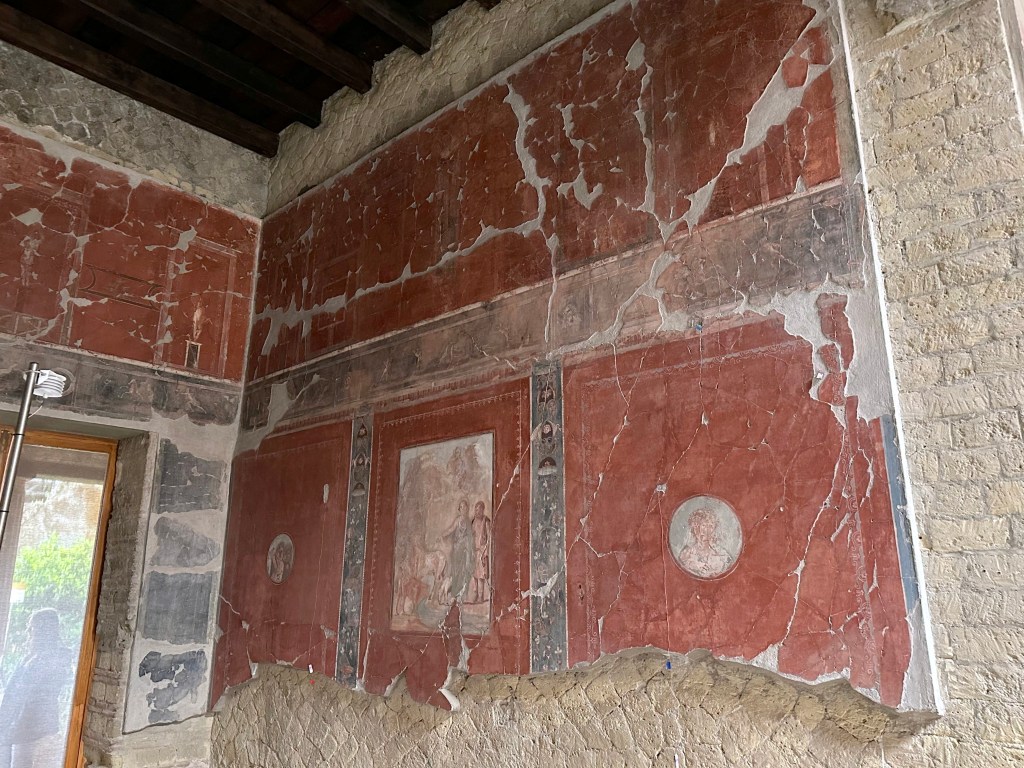
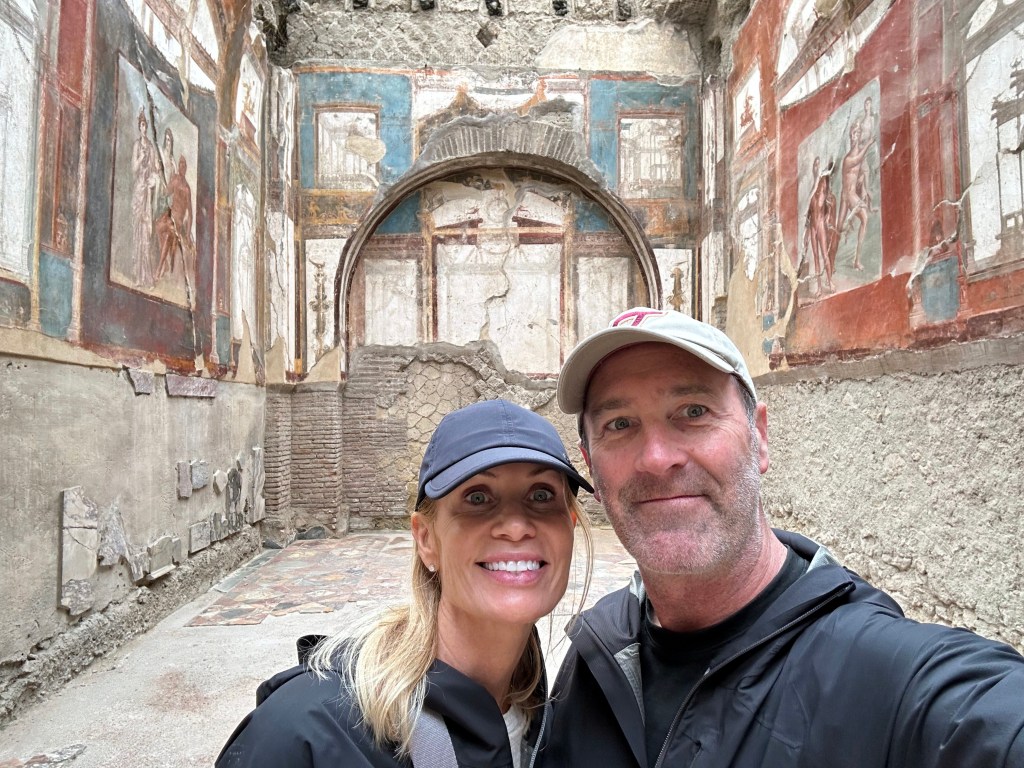
The incredibly preserved reception or audience room of the College of the Augustales, the gathering place for the cult of the emperor. Freakin’ unbelievable.

“This magnificent square structure was seat to the College of the Augustales, free men who were devotees of the cult of the Emperor Augustus. Columns, arches, cocciopesto floors, and two splendid frescoes: on the left wall, there is a depiction of Hercules entering Mount Olympus accompanied by Jupiter, Juno, and Minerva; the fresco on the right wall depicts Hercules wrestling Achelous. The skeleton of the building’s custodian was found in his quarters, laid out on the bed.” (From here.)

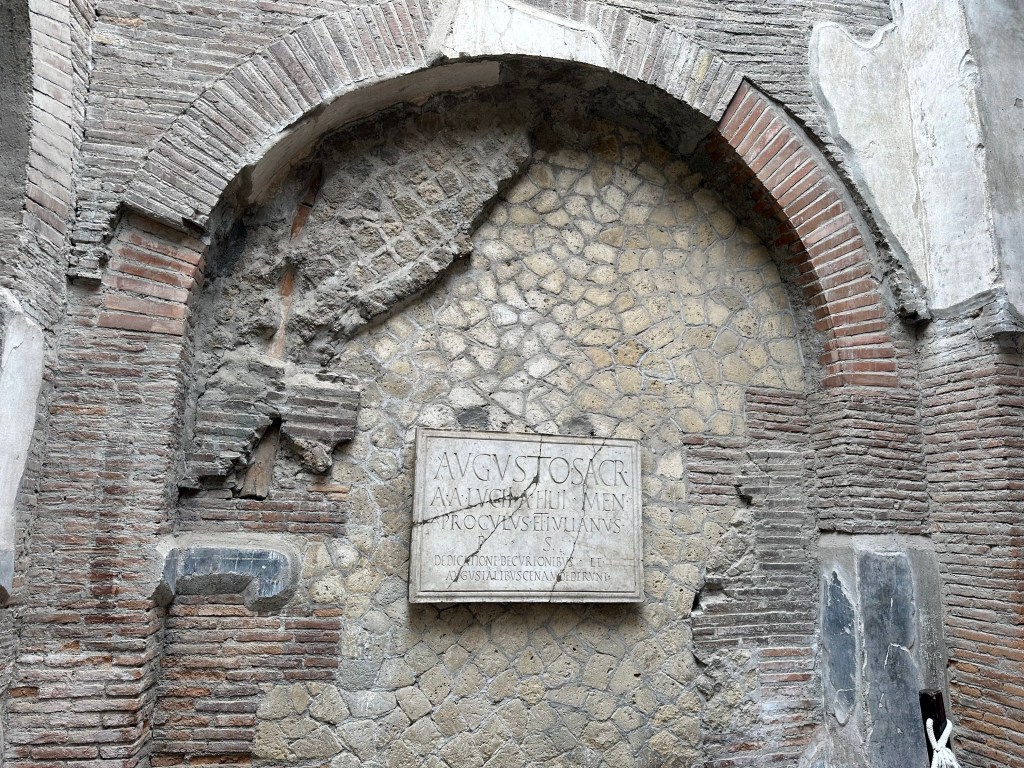
Carved stone plaque honoring Emperor Augustus by a pair of notable citizens who funded a civic feature in town. The plaque reads: “Sacred to Augustus. Proculus and Julianus, sons of Aulus (of the Menenian tribe), dedicated this.”

Around the corner? Another snack bar!

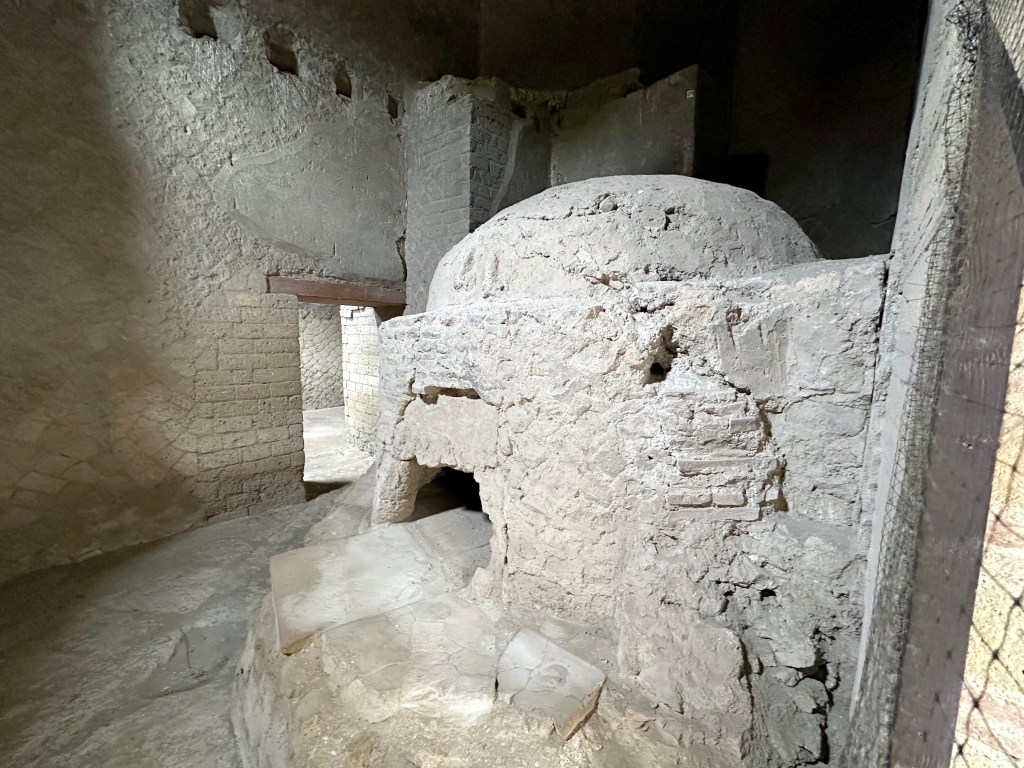
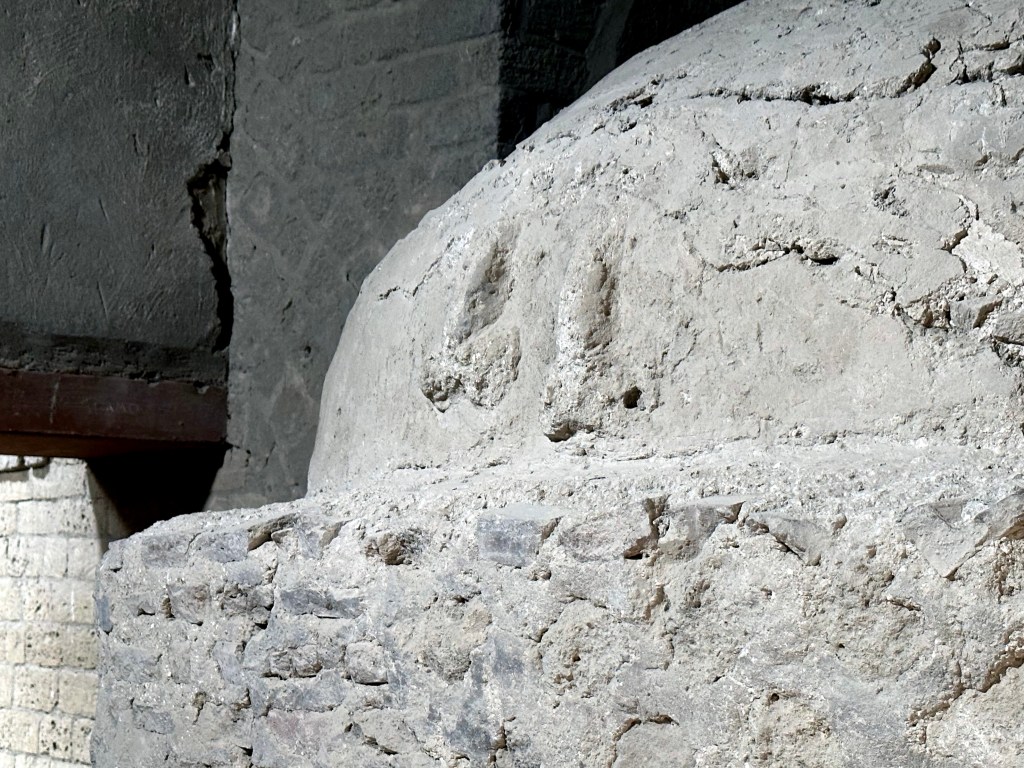
A bakery in Herculaneum, with its large bread oven:

And, just was we saw next to the gate in the stone wall in the Roman ruins of Empuries in Catalonia, two prominent phalluses right above the door to this oven. (Maybe they specialized in baguettes hahahaha!)

Another preserved, Roman-engineered street, complete with textbook cambering.

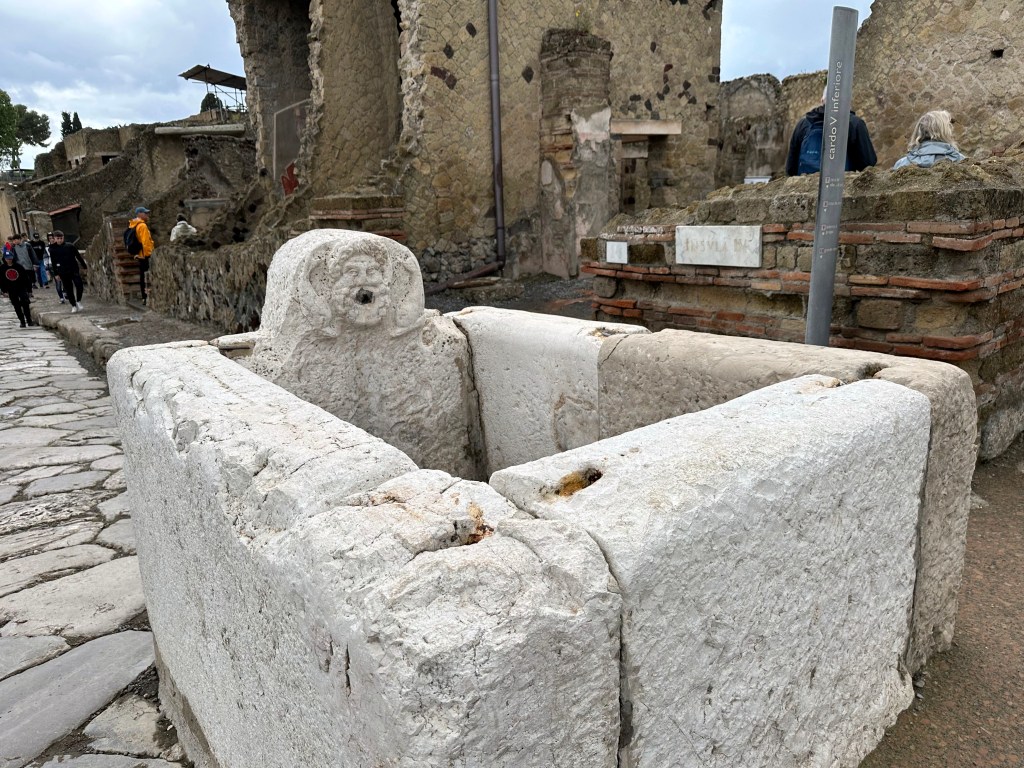
One of many preserved fountains / wash basins scattered throughout town:

Preserved second floor residence over a shop:

Still-vibrant, ornate, painted walls preserved by Vesuvius’ pyroclastic surges, which sealed the buildings and their interiors:

Yet another colonnaded street; due to materials from the eruption and over time, Herculaneum lies tens of meters beneath the modern town above:

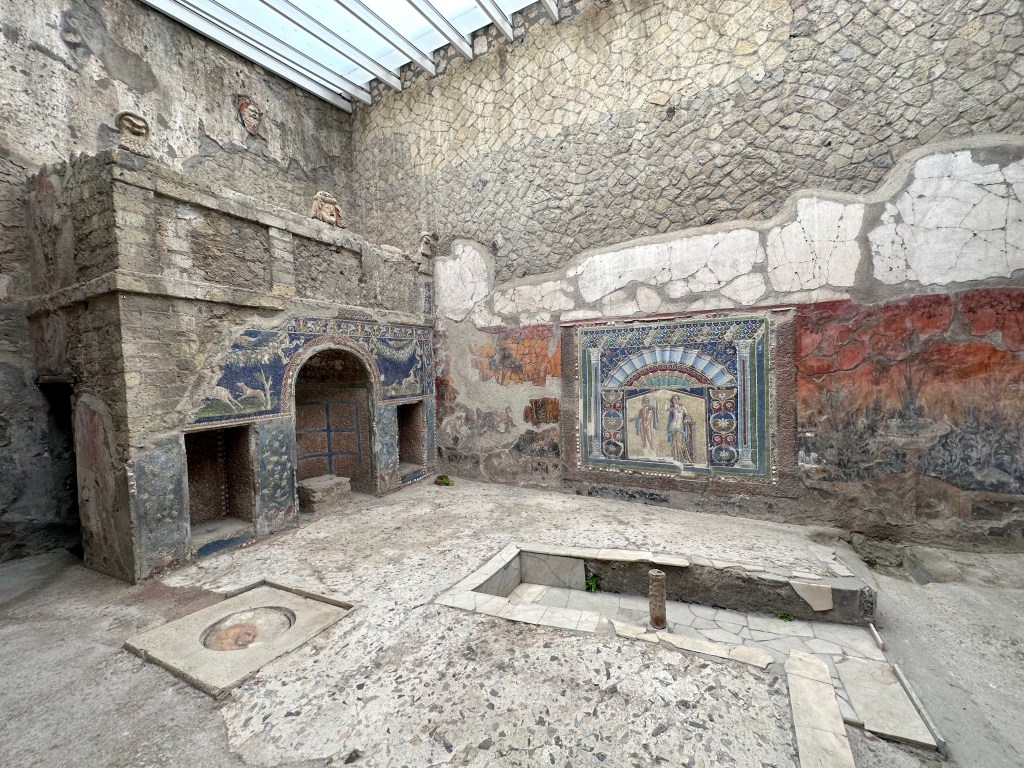
The “House of Neptune and Amphitrite,” so called because of its exceptional polychrome mosaics. The best are in the triclinium – a dining area defined by a three-sided dining couch, below in the middle.

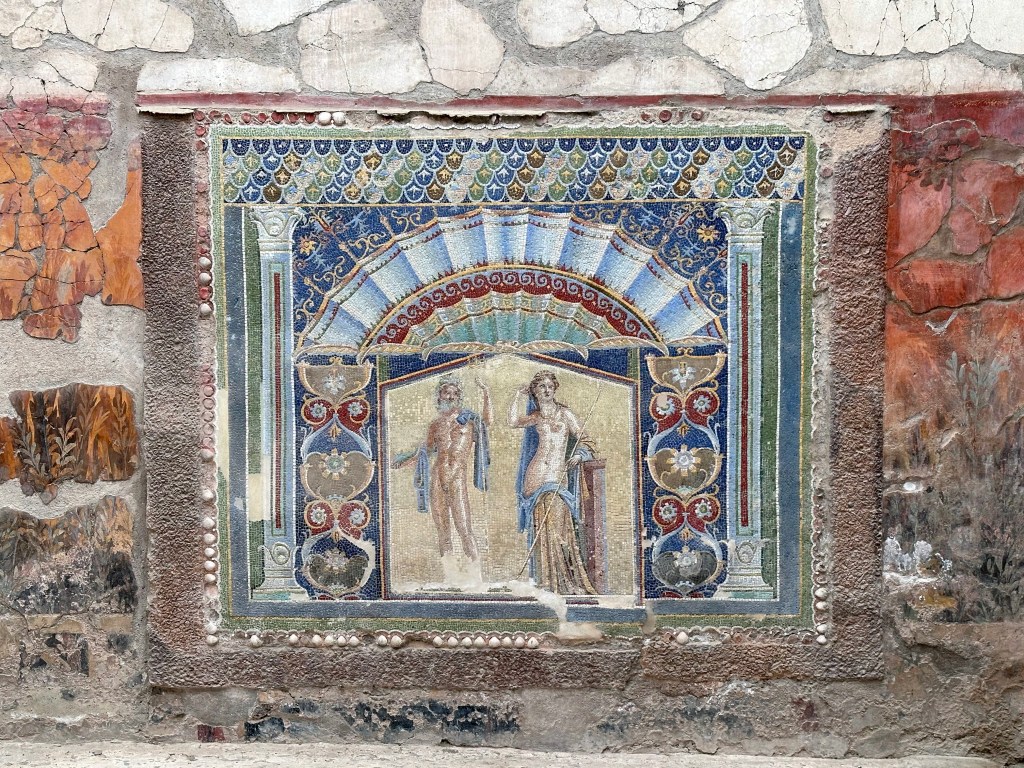
The house’s namesake mosaic of Neptune and Amphrite on the eastern wall of the triclinium, visible from the street:

“Neptune, the god of the sea, is recognizable by his trident, his wild beard, flowing locks, and blue mantle, while Amphitrite (in Latin as Salacia), semi-nude, appears as the queen of the sea, adorned with a diadem, necklace, arm band, and earrings. Neptune fell in love with Amphitrite, but she initially fled him. With the help of Delphinus, the dolphin, Neptune found her. Delphinus was rewarded by being turned into a constellation, and Amphitrite became the goddess of the sea. Even though the artist was working with small stones, he still artfully conveyed Neptune’s musculature and Amphitrite’s shapely curves. In both cases, the drapery responds to the shape of their bodies. He stands in a contrapposto pose, suggesting a sculpture of a god or athlete might have been the source for his pose, while she leans against a pillar, indicating that the inspiration for this mosaic was a statue—perhaps, one of Venus. [5]

The gods stand beneath a fan-like light blue sail, under which are scrolls decorated with a red wave pattern, and elaborate vegetal scrolls—composed of red, green, Egyptian blue, and white tesserae, which appear to support the lintel and conch. The mosaic is framed by a border of shells and pumice, reinforcing the mosaic’s maritime theme. The mosaic was inserted into a background of garden paintings, which date to an earlier decorative phase.” (From here.)

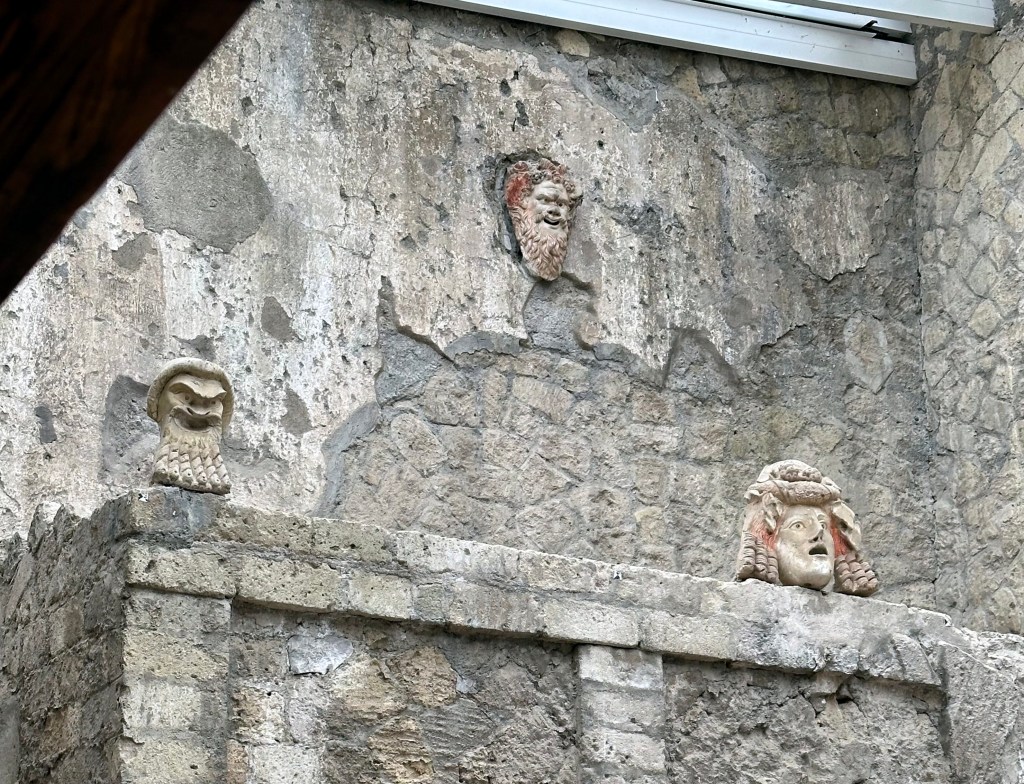
And, above the nymphaeum on the north wall lie three theatre masks: comic on either side and tragic in the center:

Visit complete!

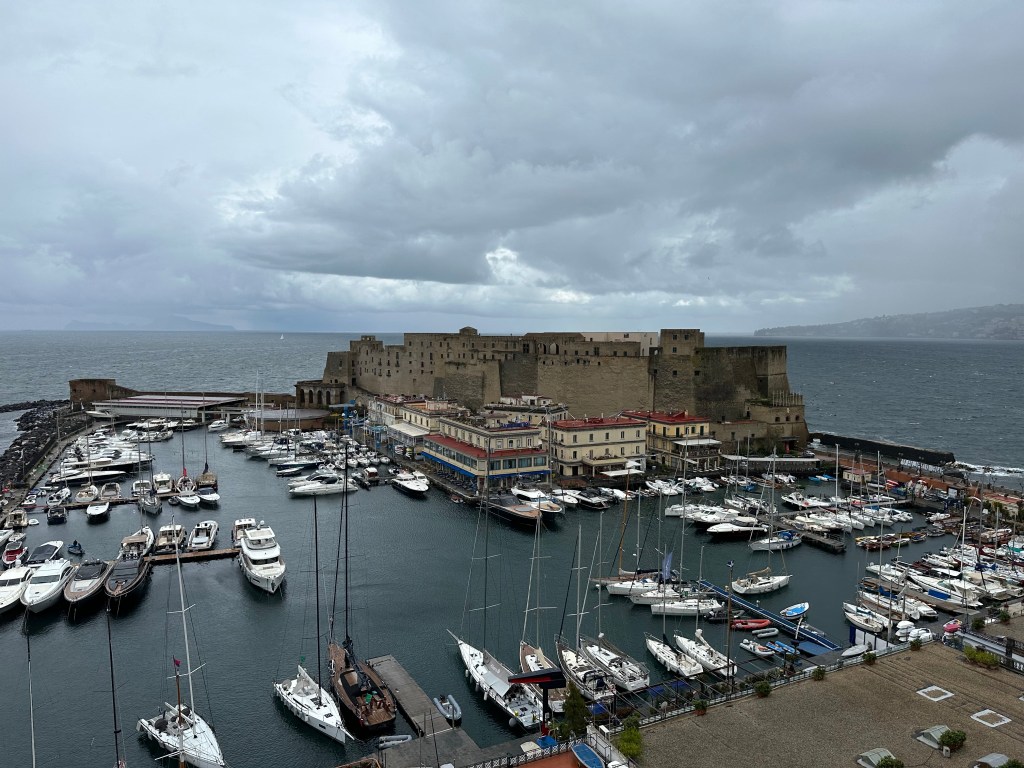
From Herculaneum, we drove about 20 minutes to our location for the night: Naples.

We had NO interest in Naples as a town (city) to visit, but logistically it made sense to stay there.

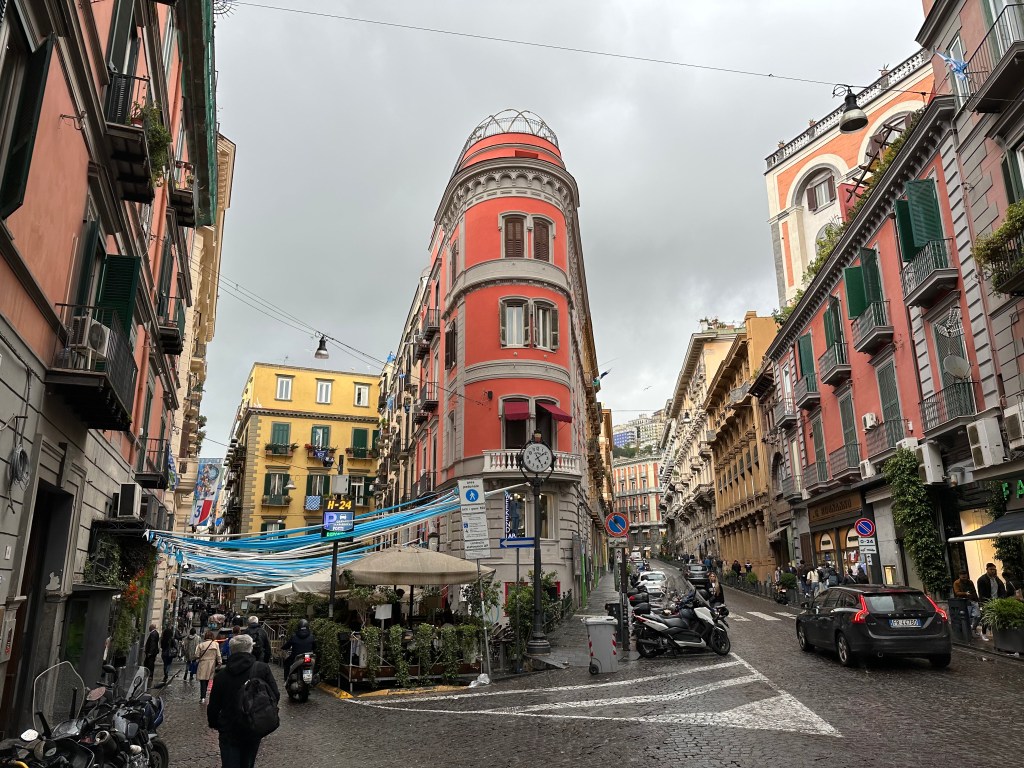
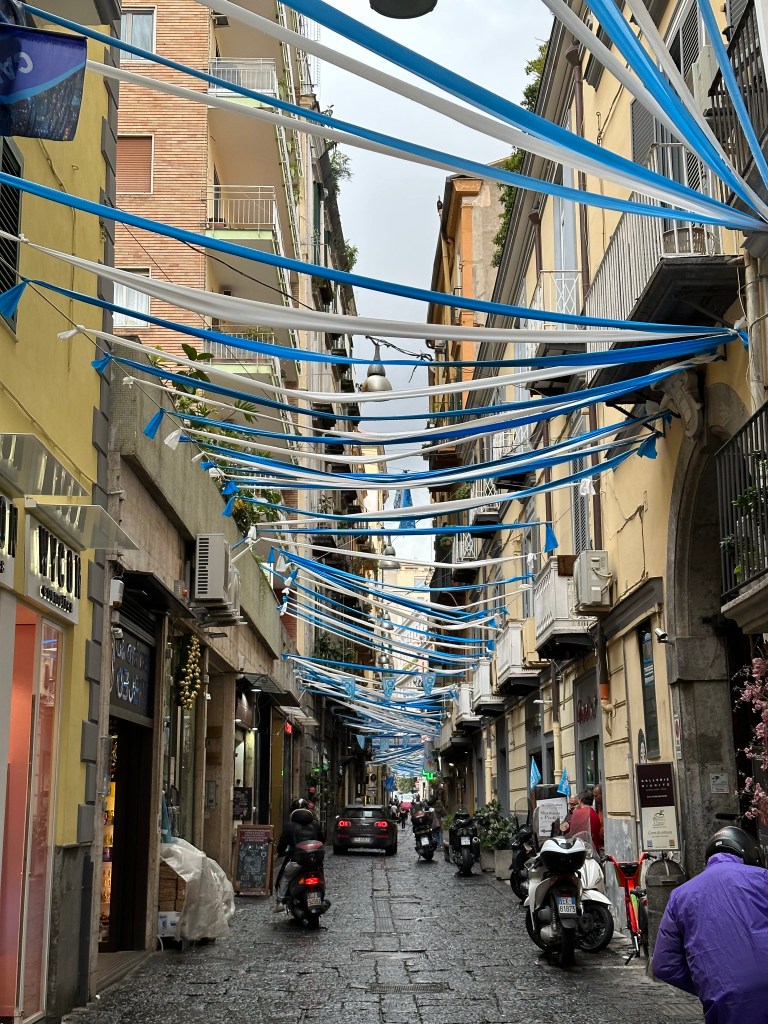
But because we’d heard horror stories about the traffic in town (the pic above is a mild example; we were most concerned not with an obstacle-course of a narrow street to navigate – which we do in Europe all the time – but in the no-rules battle royale among drivers that takes place on Naples busy thoroughfares), we chose a place on the very edge of the city next to the coast so we didn’t need to venture too far in from the highway.

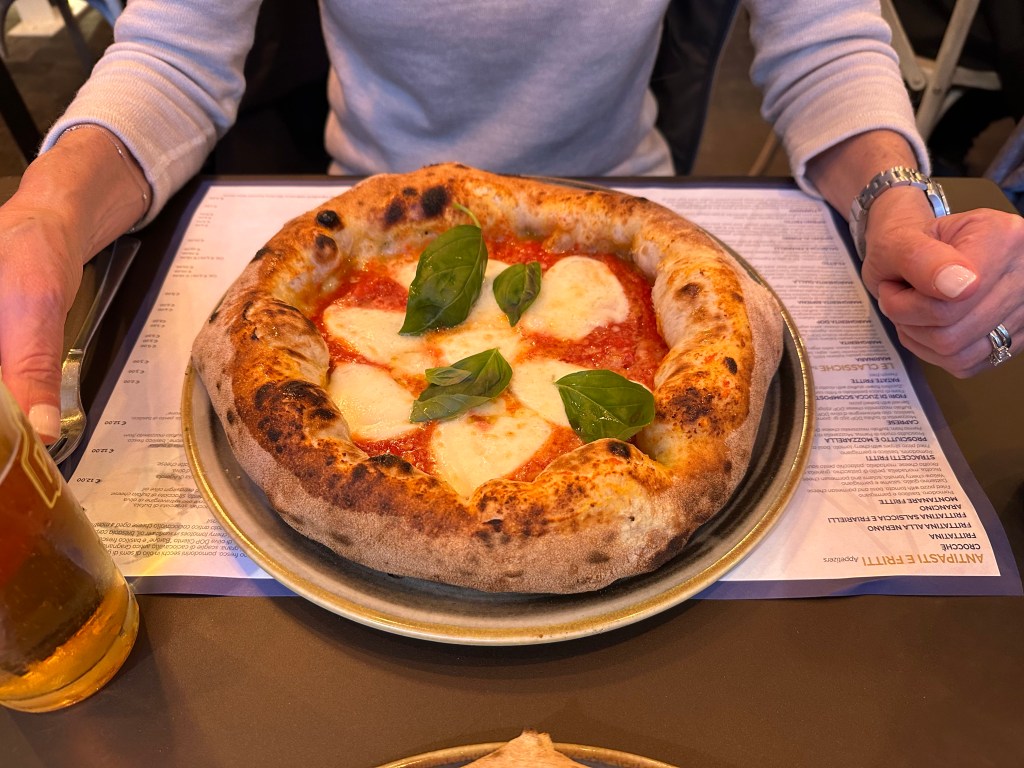
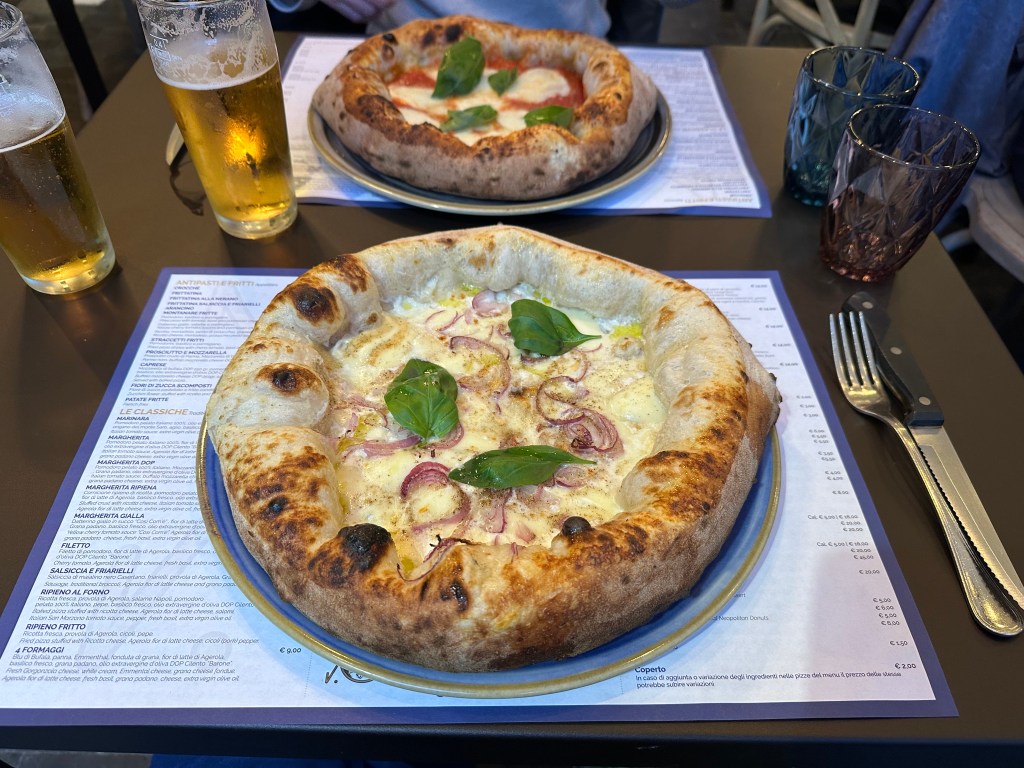
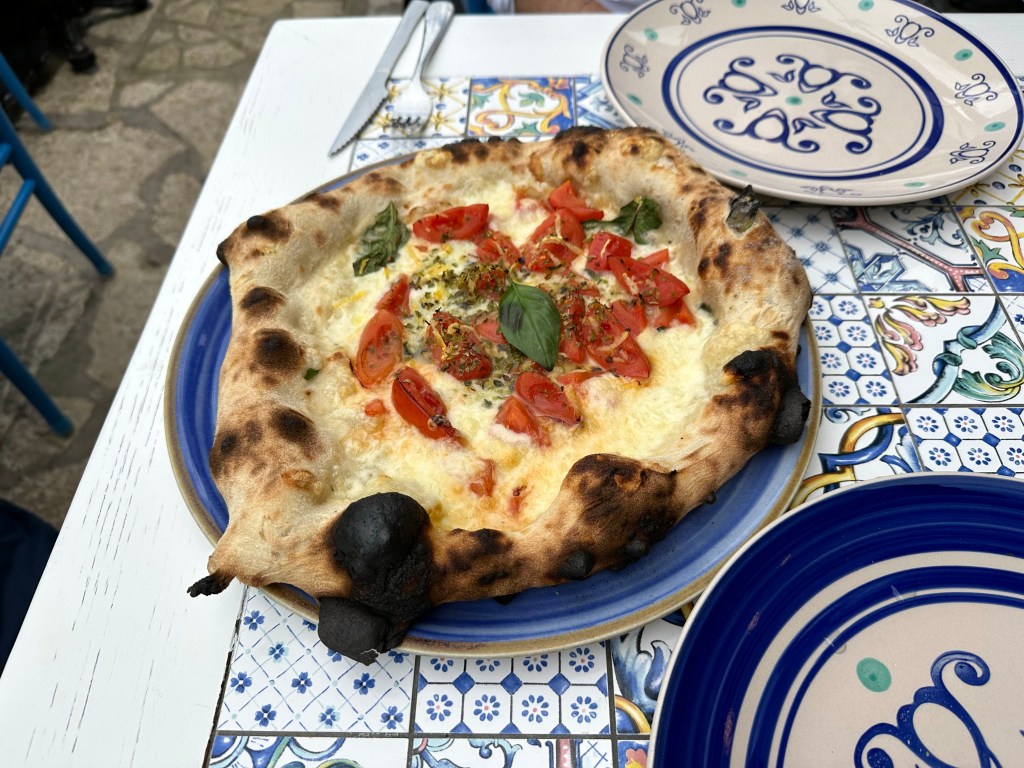
The only objective that Lisa had for Naples was to snag some Neapolitan pizza, so after wandering around in the rain to check out the neighborhood for a while, we focused solely on that.

With great success!

Up next: ditching the car and heading to Capri.

Categories: A Prolonged Foray to Europe, Italy | Tags: , , , , | Leave a comment

A Prolonged Foray to Europe: Capri

From Herculaneum (and Naples), we originally had planned to head next to Sorento on the Amalfi Coast, and then to Positano. A couple we met in Botswana on safari in 2018, who’s travel style is almost identical to ours, and who we keep in touch with, advised against this. They travel in Italy at least twice a year, and had a lot of insight into the Amalfi Coast, in particular. As far as Sorento went, they found this to be devoid of charm and recommended instead that we spend a few days just opposite that town, on the island of Capri. So we cancelled our Sorento reservations (this discussion occurred during our planning phase) and found a cool place on Capri instead, which is where we headed next. (We’ll cover the Positano issue in the next post.)

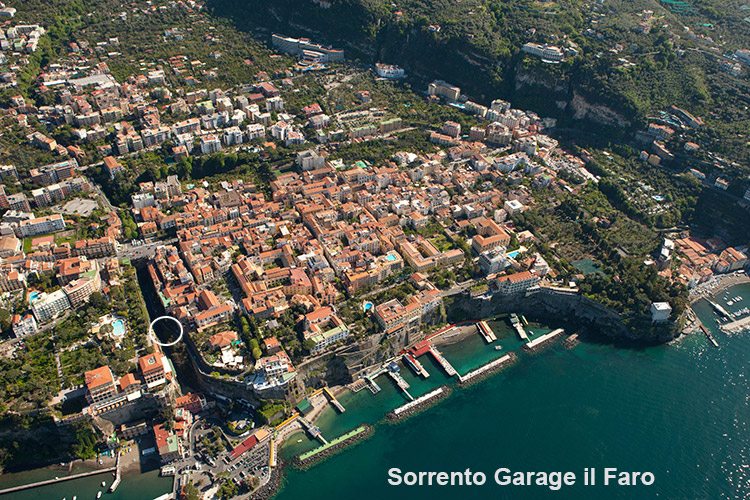
Our only experience with Sorento came from our parking and the ferry dock to Capri, since both took place there. Parking was a trip for one of us and deeply traumatic for the other. After careening down a series of urban switchbacks from the center of Sorento down towards the dock and passing a couple of parking lots on the way (that we sped on past because we had no idea how much further ahead the ferry dock actually was, and we had luggage), we passed a portal leading to a cave in the face of the high cliff that abutted the road we were on. In the cave resided a few piggyback car lifts – a garage! Of sorts. But from the cave portal, we could actually see the ferry dock down a hill. Perfect! Thought one of us. WTF?!? Responded the other when the first suggested we just park there. But park we did – kind of.

The WolfeStreetDriver left the car in neutral (it was a stick), got out, and ran over to talk to the cave people. But he didn’t turn the car off or apply the parking break. As a result, the rental car – with the WolfeStreetPassenger still in it, began to drift down the steep decline straight to the ferry dock and, uh, the ocean. This almost led to a coronary by the passenger at the time and definitely created some residual PTSD that remains to this day. The driver remedied the situation before the car drifted too far, and we successfully dropped the car off at the car cave and arranged to pick it up a few days later, when we thought we’d be back. Then strolled like 50 yards down to the ferry dock and caught the next ferry, which, conveniently, departed in just 20 minutes.

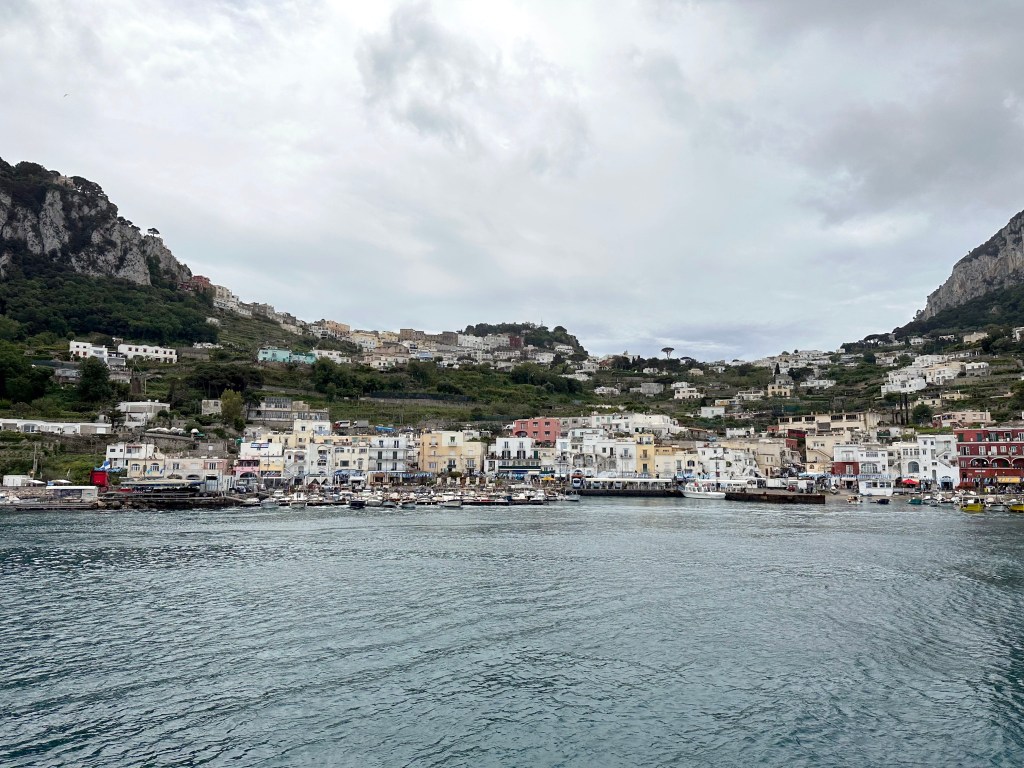
A view of the dock area on Capri. A little misleading, considering how mountainous the rest of Capri is.

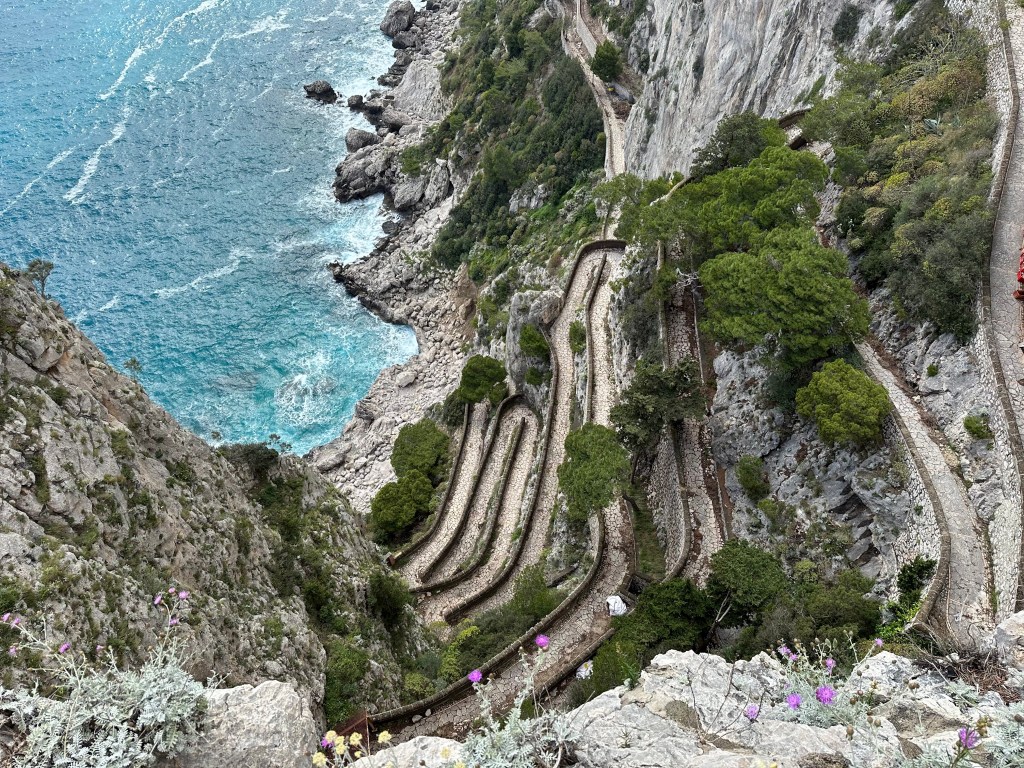
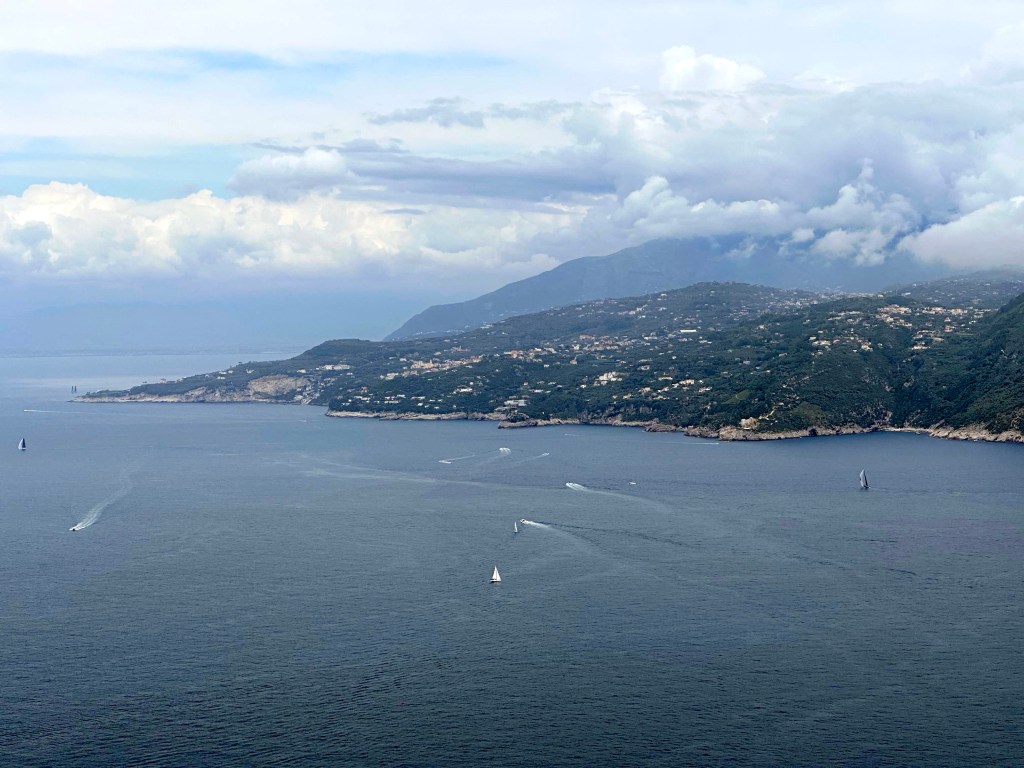
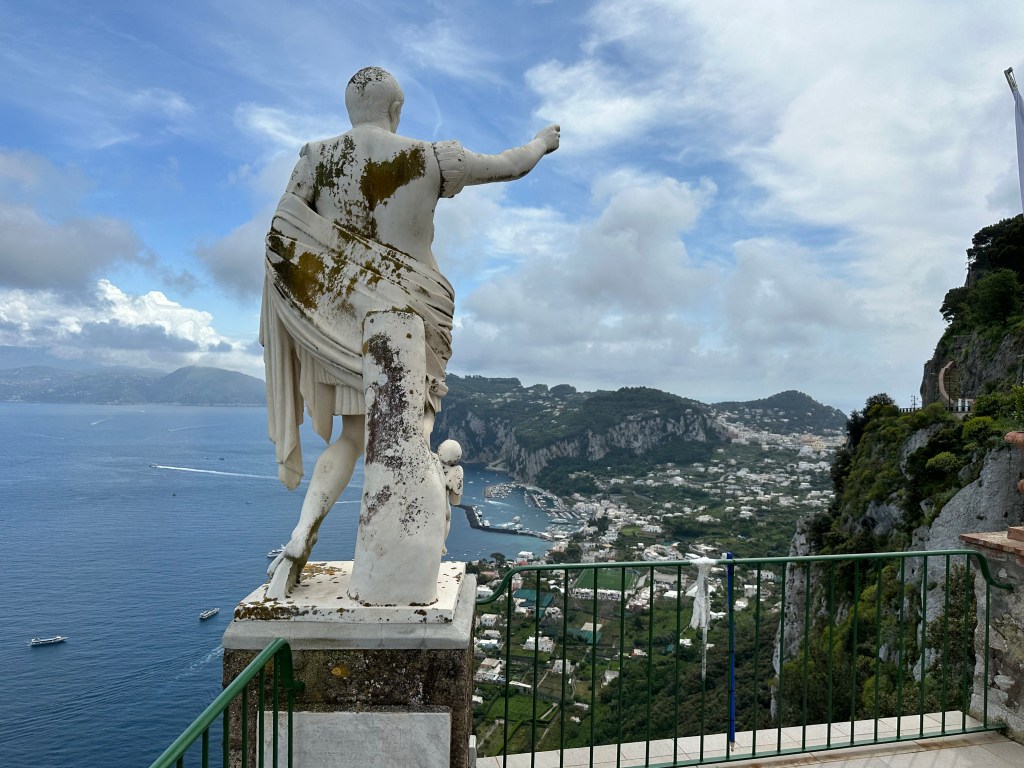
To wit, a view from the Gardens of Augustus on the edge of Capri Town:

Now THAT’s a switchback:

A fine competitor to our recent driving experience in Mallorca, which one day we’ll post about, expanding on that trip overview.

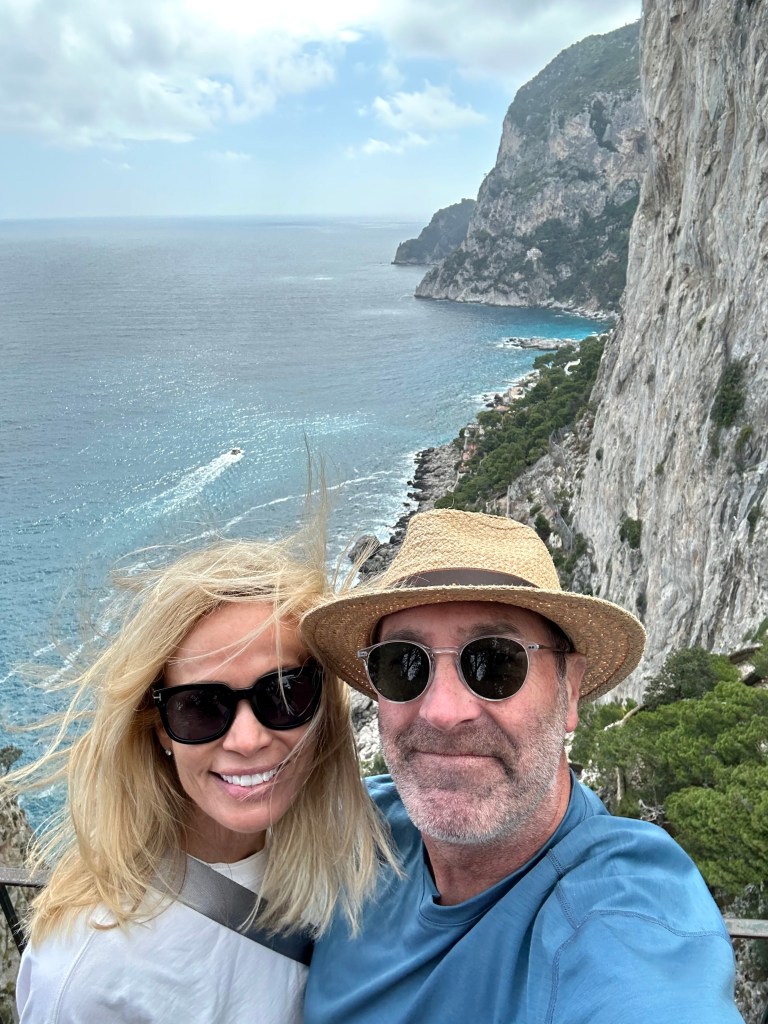
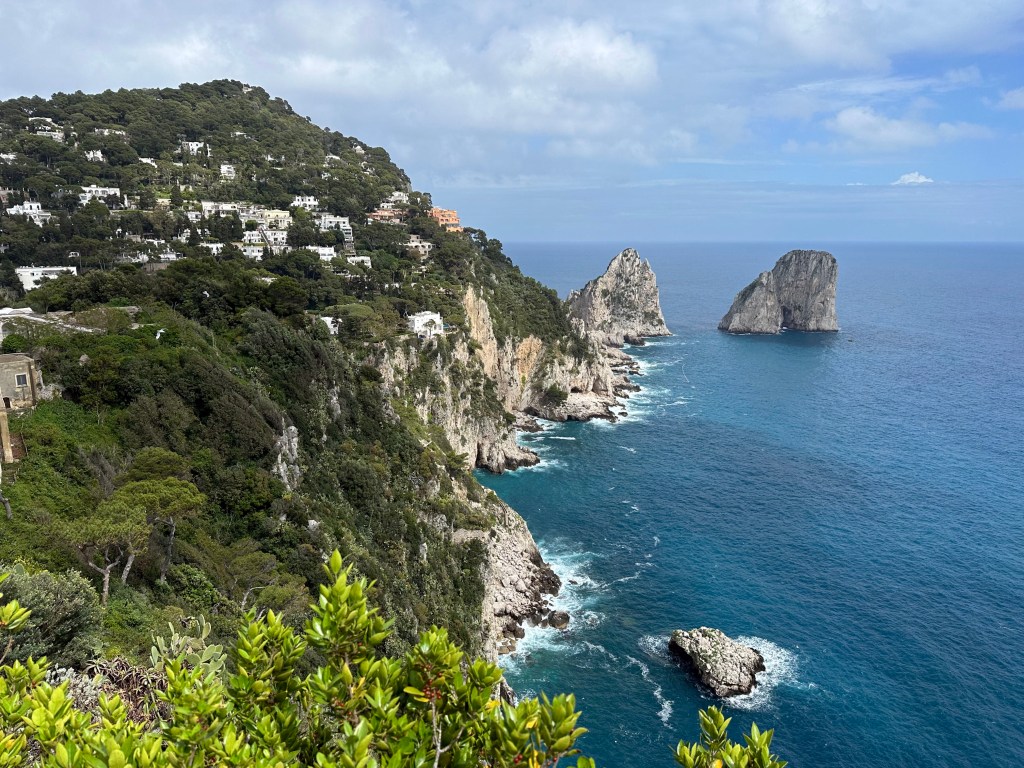
Iconic views from the gardens:

Pretty good start to our stay!

A nice hike from town to a historical location that we wanted to make sure we checked out: Villa Jovis.

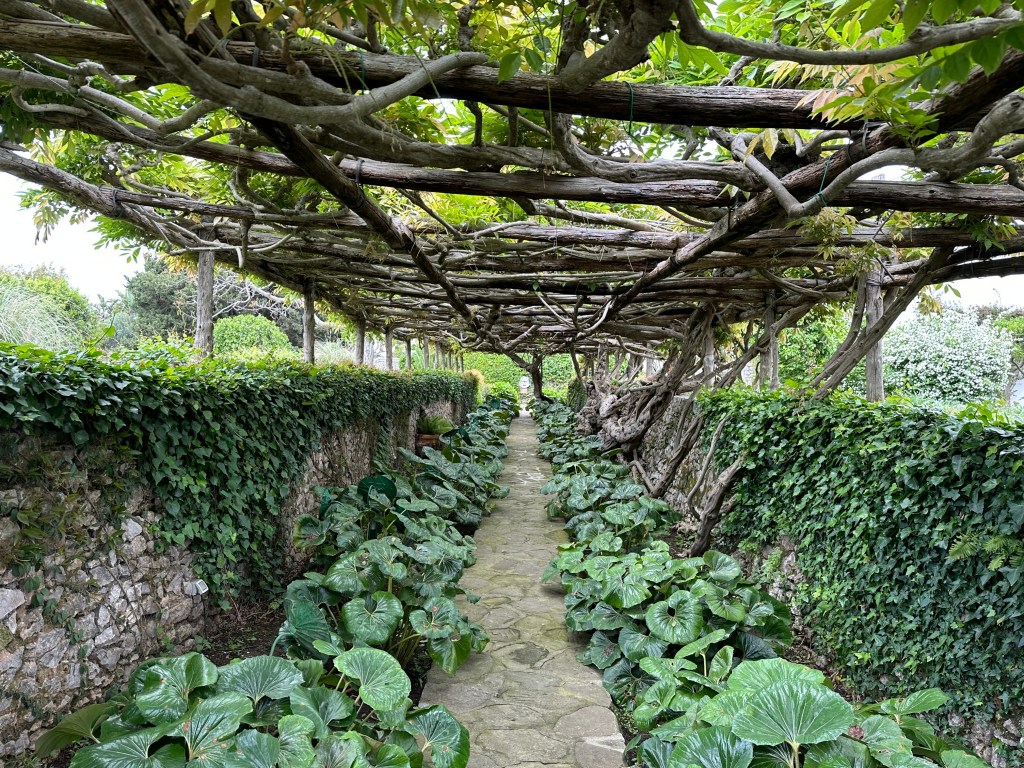
Super cool entrance to a villa on the hike there:

Pretty great views along the way:

Another villa’s atmospheric entrance:

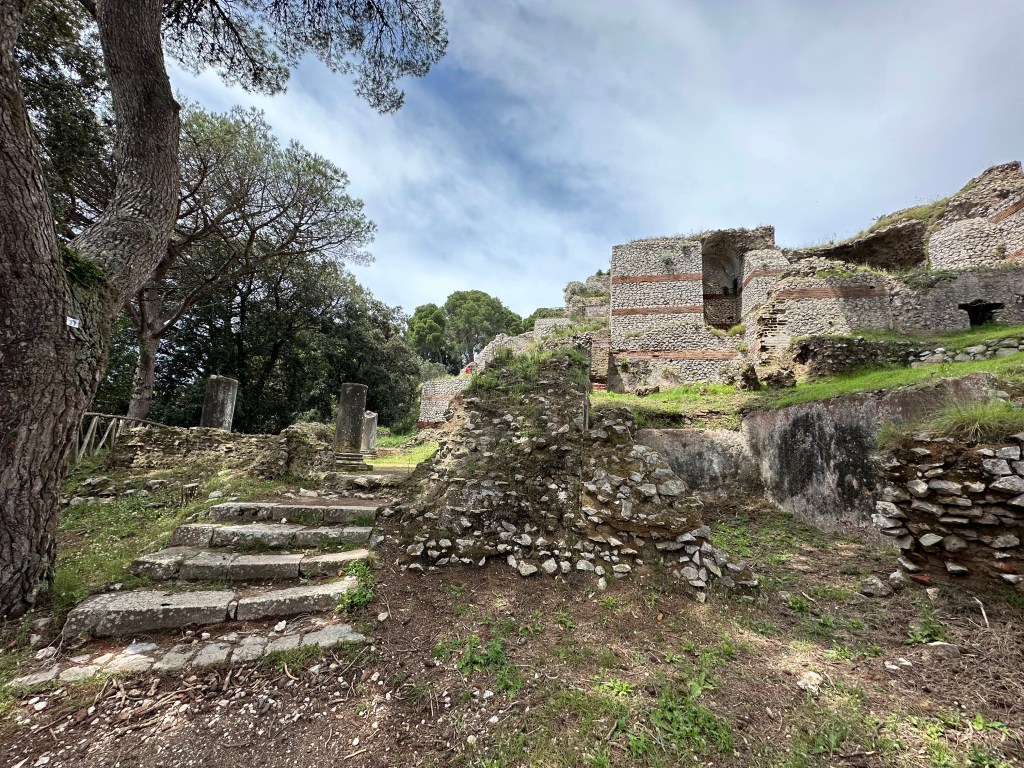
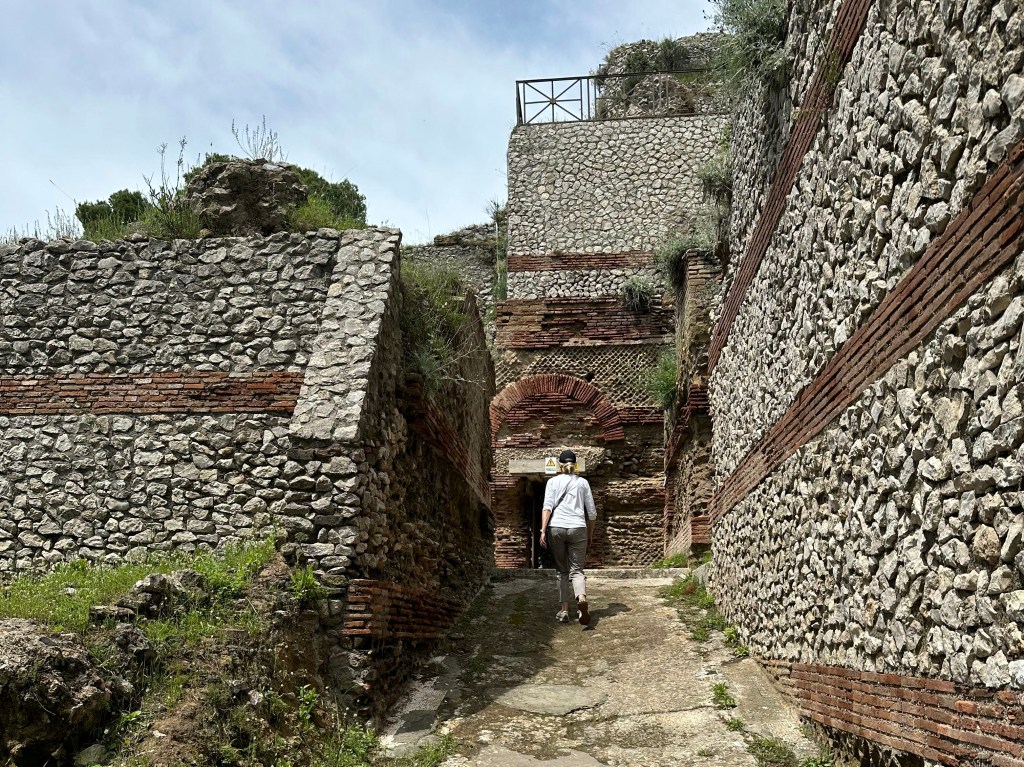
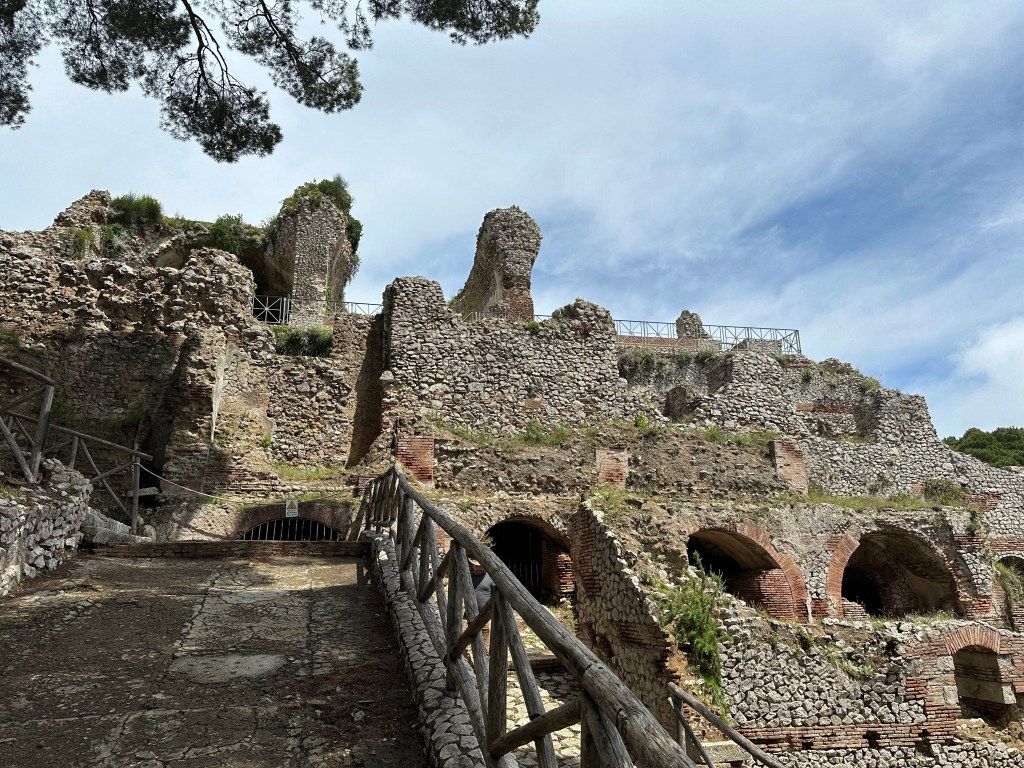
And THE villa! Villa Jovis, accessible only by foot:

Villa Jovis (what remains) holds the distinction as the largest of the 12 villas Roman Emperor Tiberius built on Capri.

Completed in 27 AD, Tiberius spent the last 10 years of his reign ruling from here, away from the bustle – and potential danger – of Rome.

“Apparently, the main motivations for Tiberius’s move from Rome to Capri were his wariness of the political maneuvering in Rome and a lingering fear of assassination. The villa is situated at a very secluded spot on the island and Tiberius’s quarters in the north and east of the palatial villa were particularly difficult to reach and heavily guarded.” (From here.)

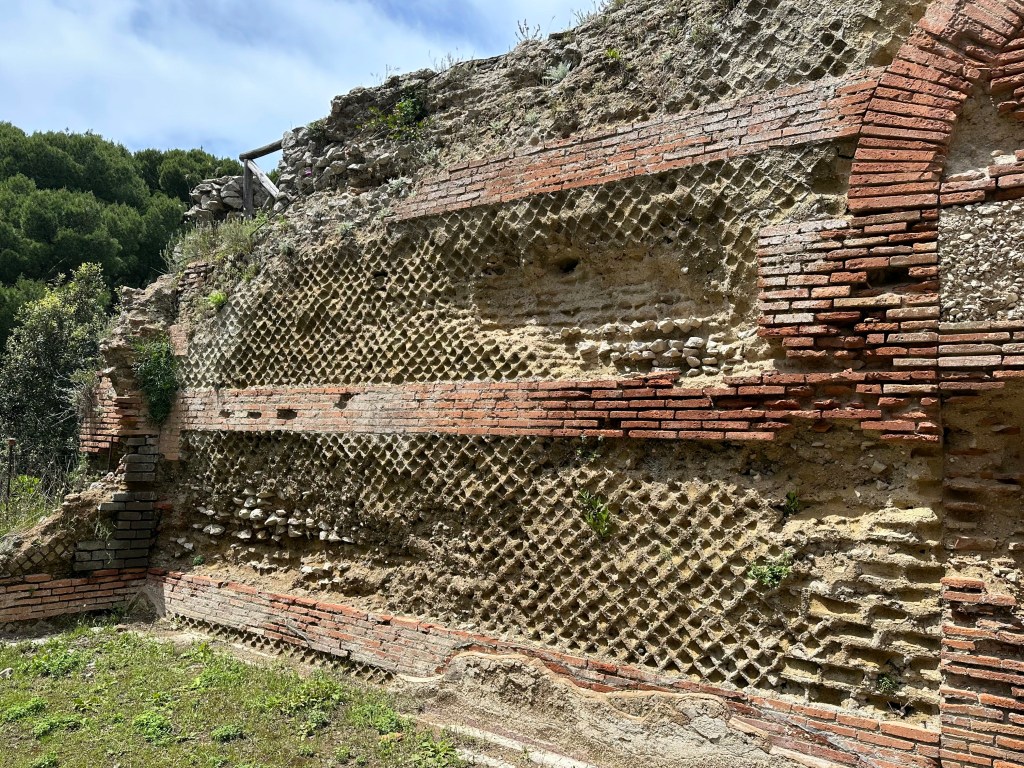
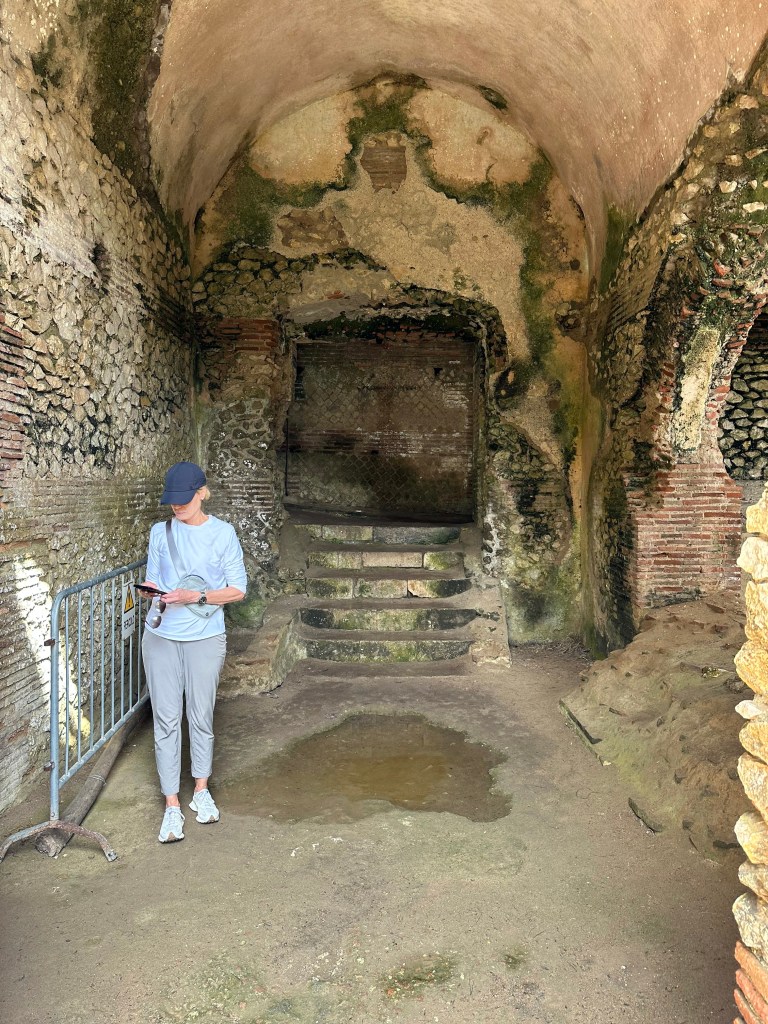
Roman engineering still holding up:

The original structure of the villa, which dates to Caesar Augustus, Tiberius’ predecessor, was restructured to meet the requirements of Tiberius when he chose the island as his headquarters from 27 AD to his death in 37 AD.

Villa Jovis continued to serve as the Imperial residence until the 2nd century AD. Subsequent modifications made in the middle ages. The villa was explored during Bourbon rule in the 19th century and excavated systematically by an Italian archeologist between 1932 and 1935.

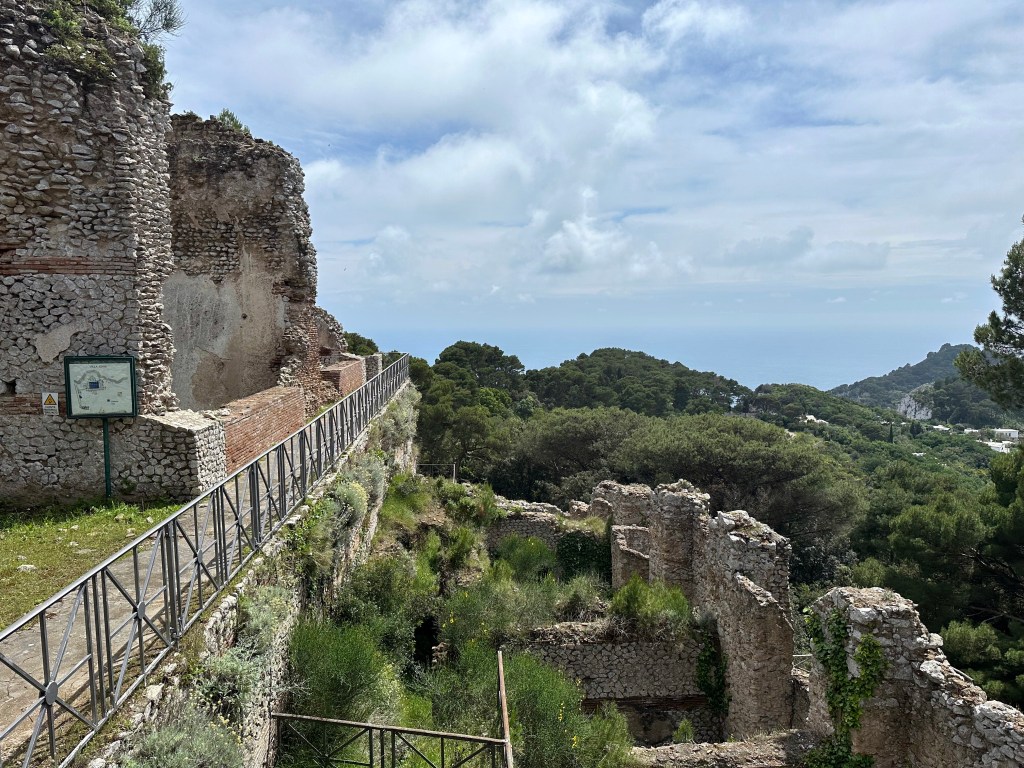
The villa is located atop Mount Tiberio, the second-highest peak of Capri after Monte Solaro (which we’ll get to, to be sure):

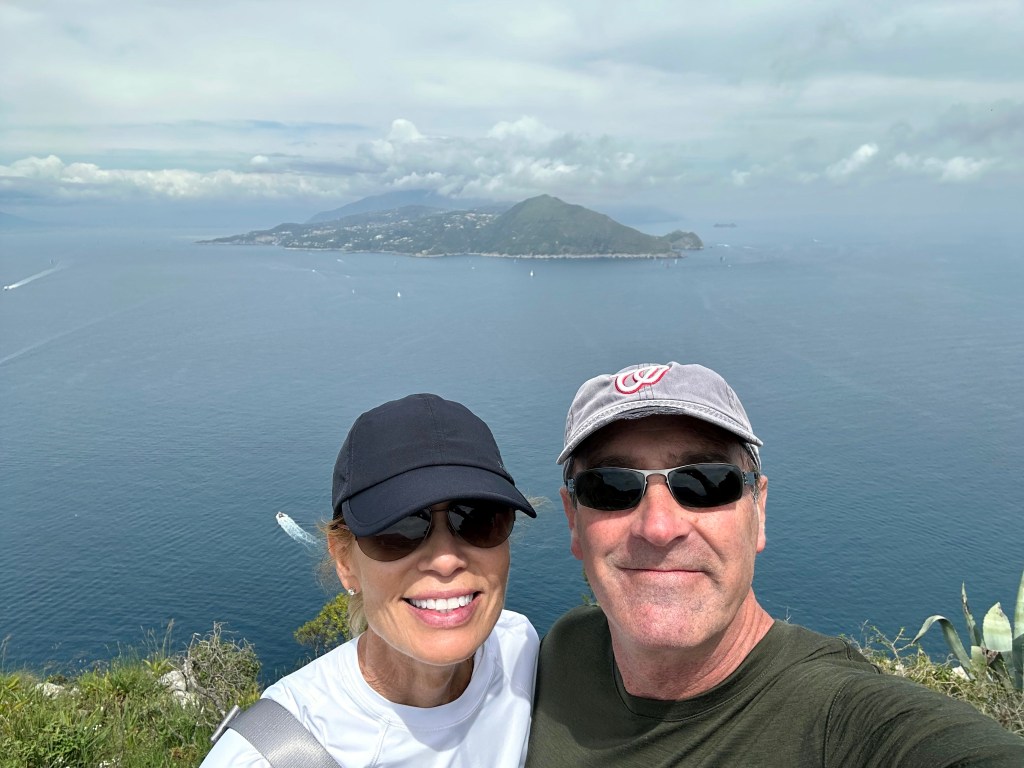
Pretty great views back to other areas of Capri:

The remains of Villa Jovis’ watchtower (specula) from which messages would be exchanged with the mainland by fire or smoke:

Views still pretty good on the hike back:

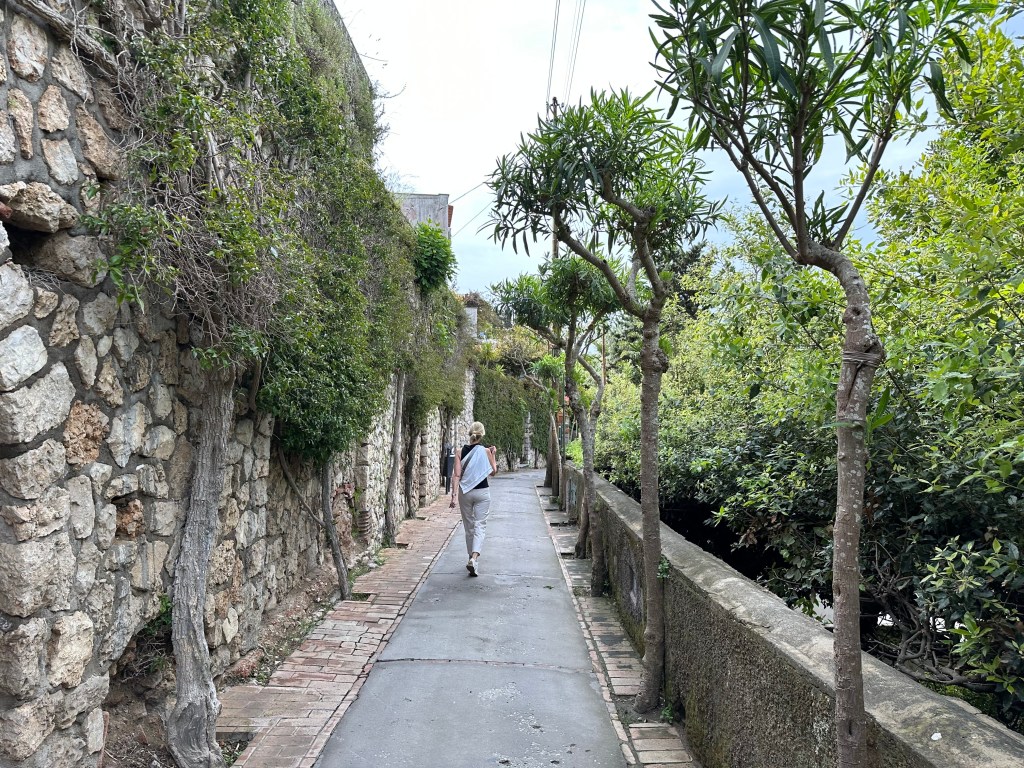
Pretty nice walk into town. One regret is not taking pictures while enjoying aperitivos from Capri Town’s piazetta, where we’d hang out each late afternoon people watching. Pretty great, frankly.

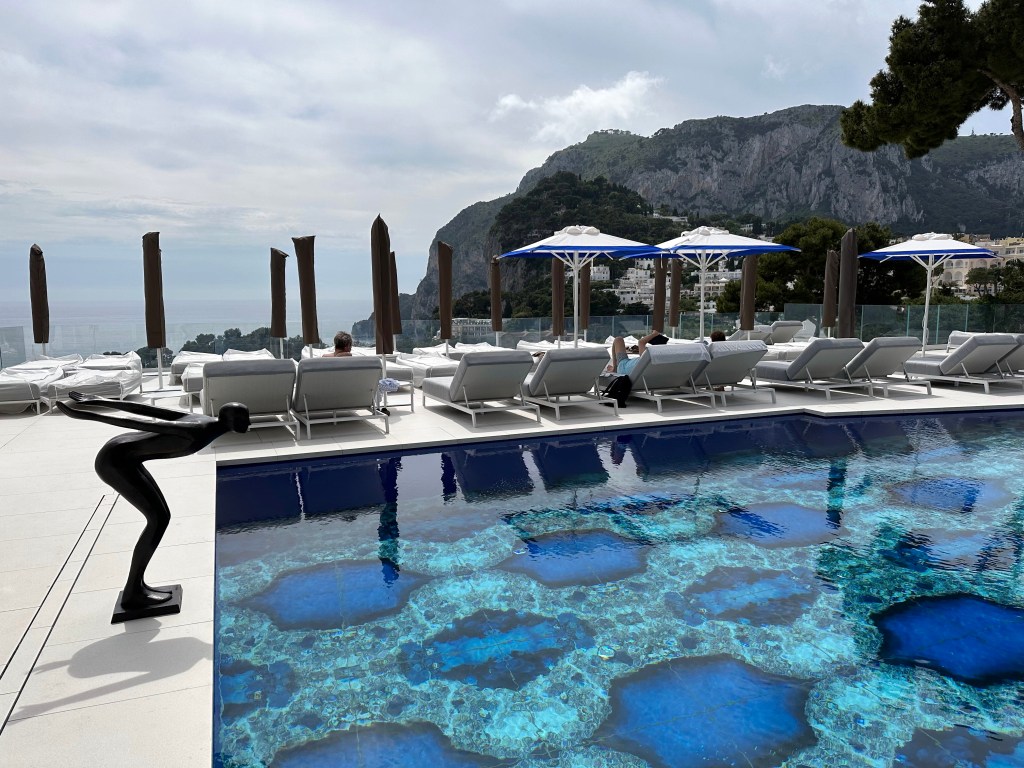
Also, classic Amalfi coast pool setting at our place:

Pre-aperitivo aperitivos at our place before heading to Capri Town’s piazzetta for the main event.

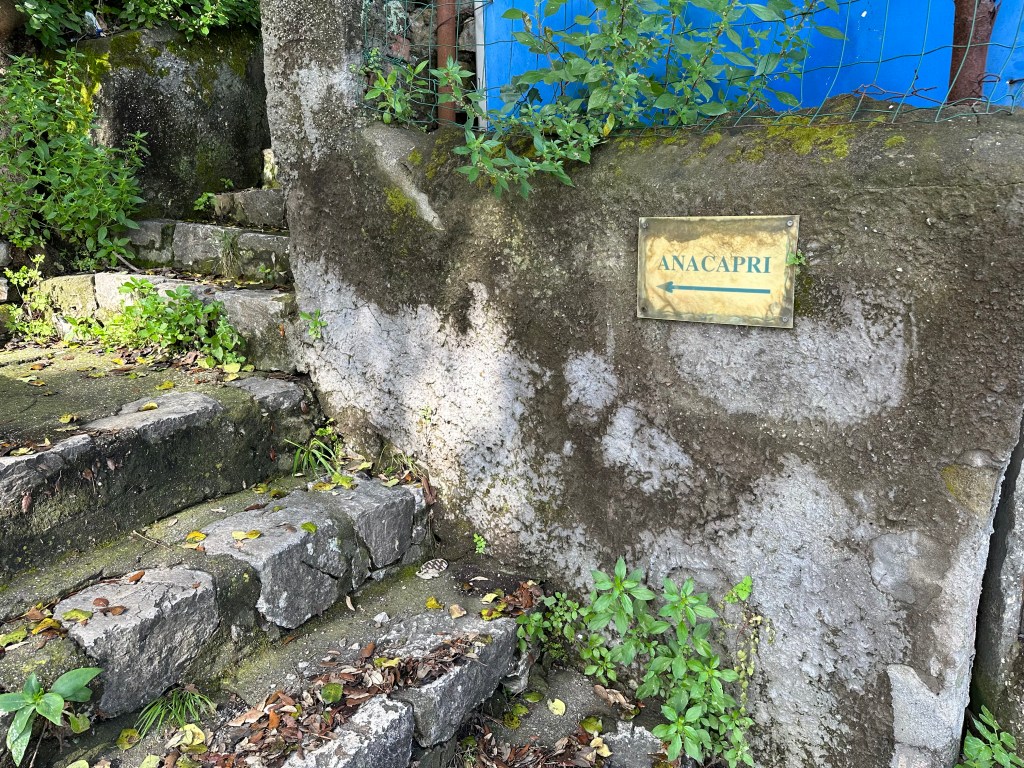
The next day, a hike to the other side of the island and Anacapri.

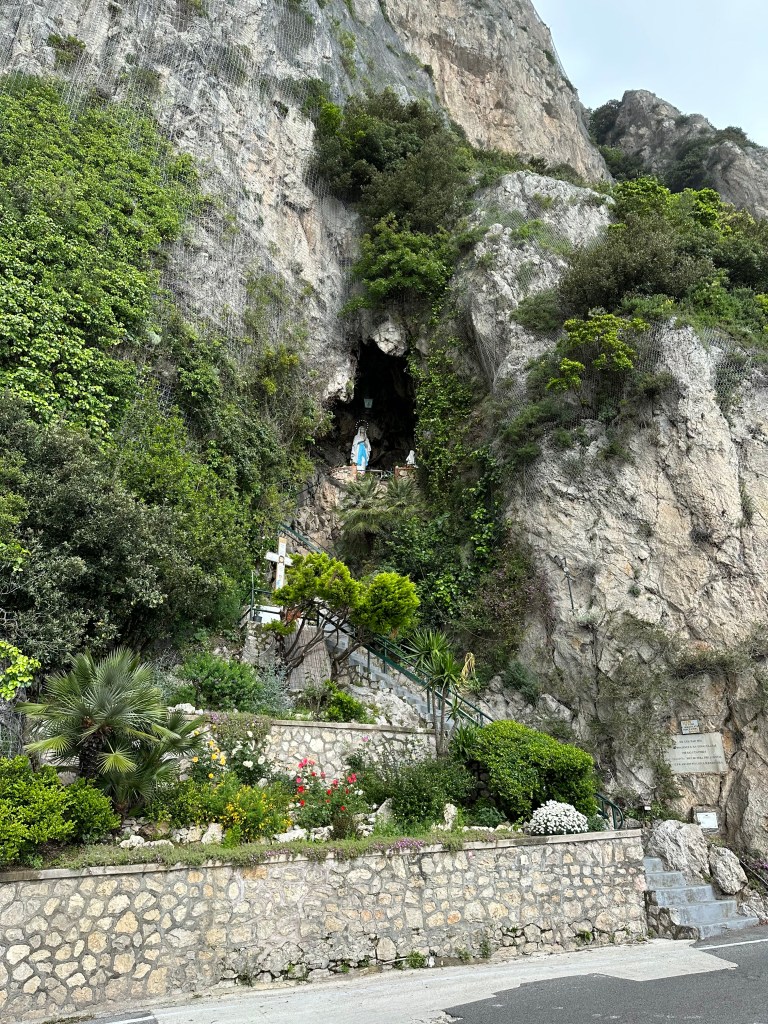
Little shrine on the way:

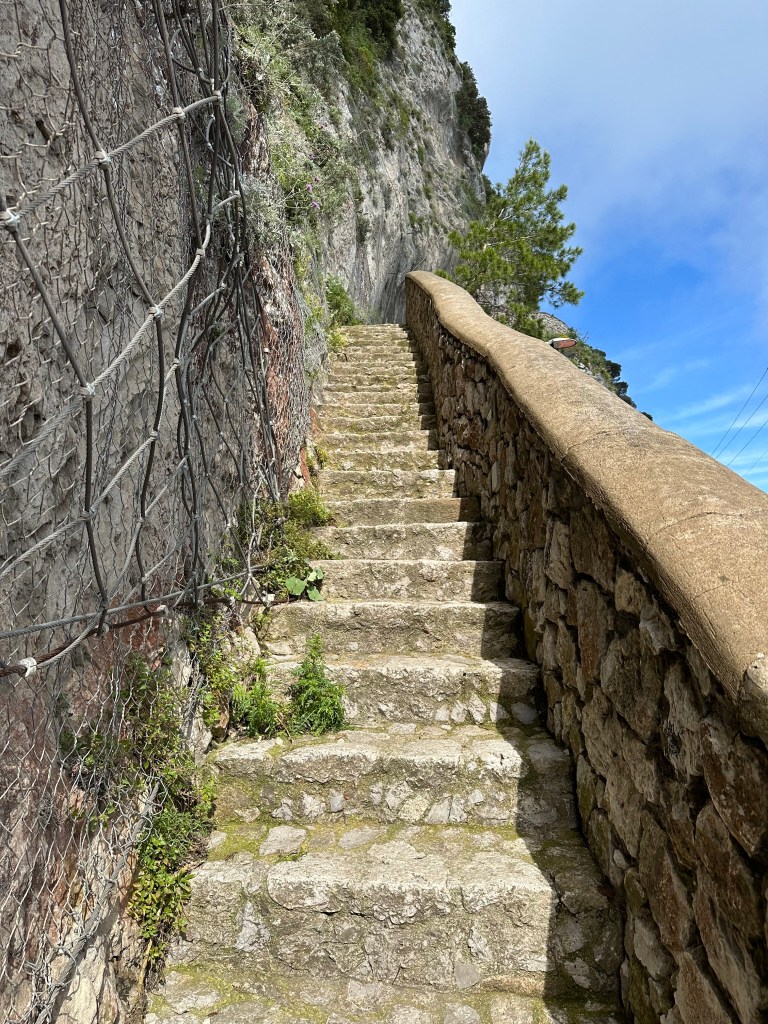
It was a hike, man.

But worth it.

Views on the way back to the ferry port:

This was our objective: the chair lift to the top of Monte Solaro.

But the whole mountain was fogged in, so there’s not much to see on the trip up.

So we kept hiking all the way to the top, instead.

Still socked in:

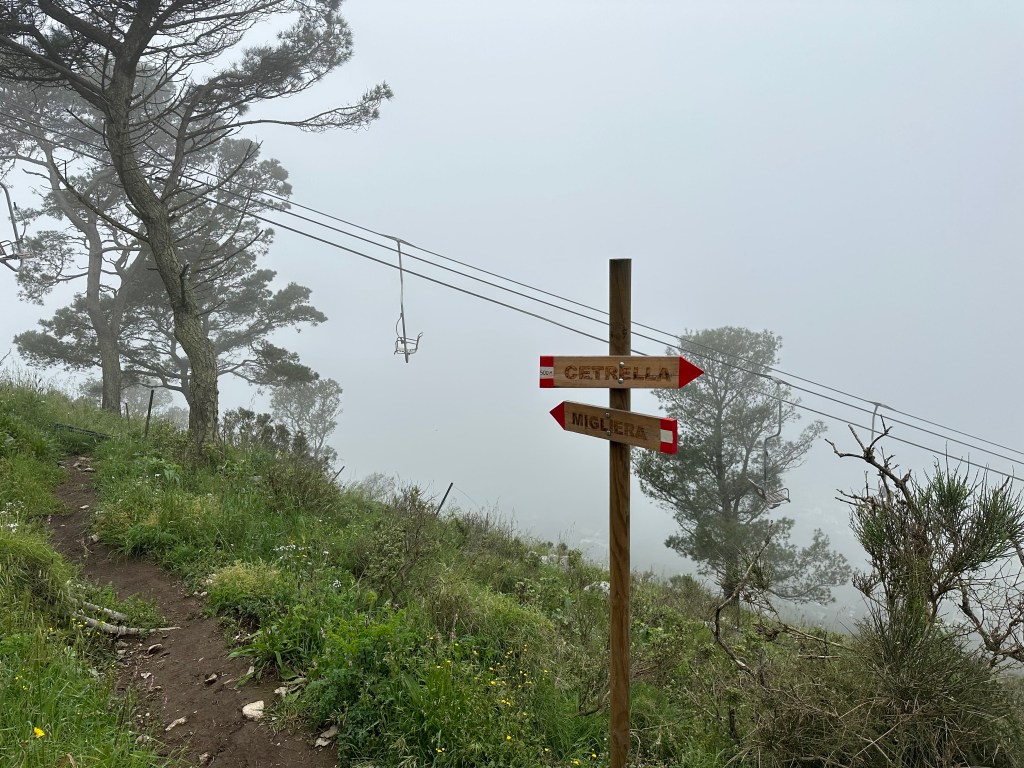
But at least the trail was marked.

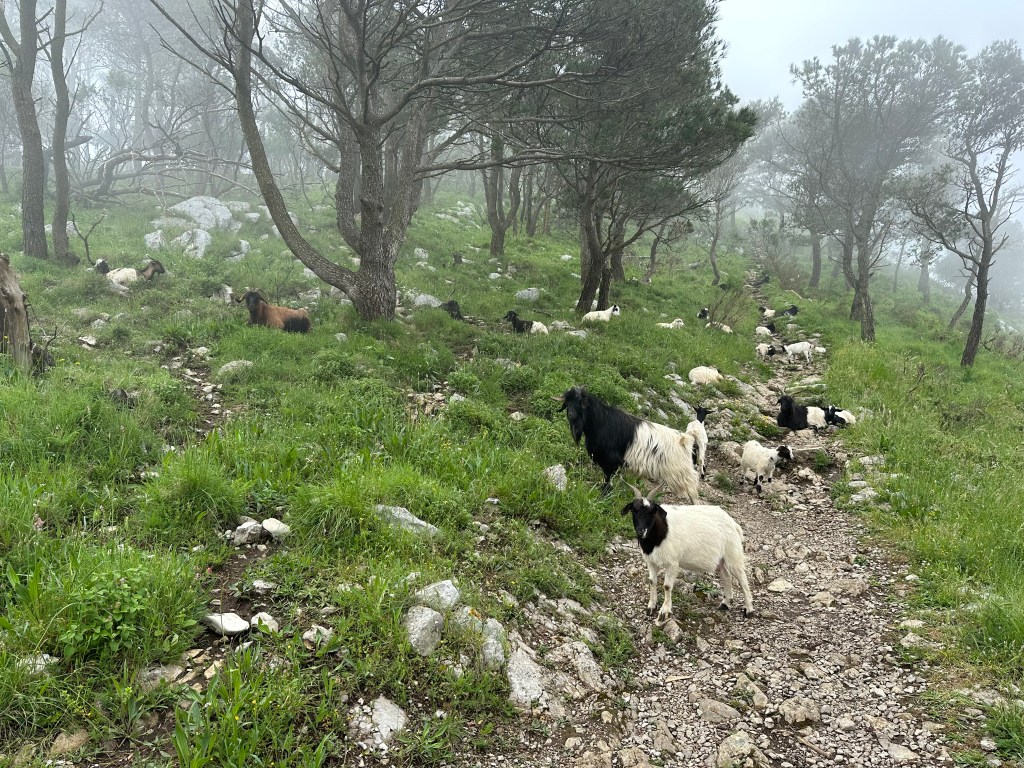
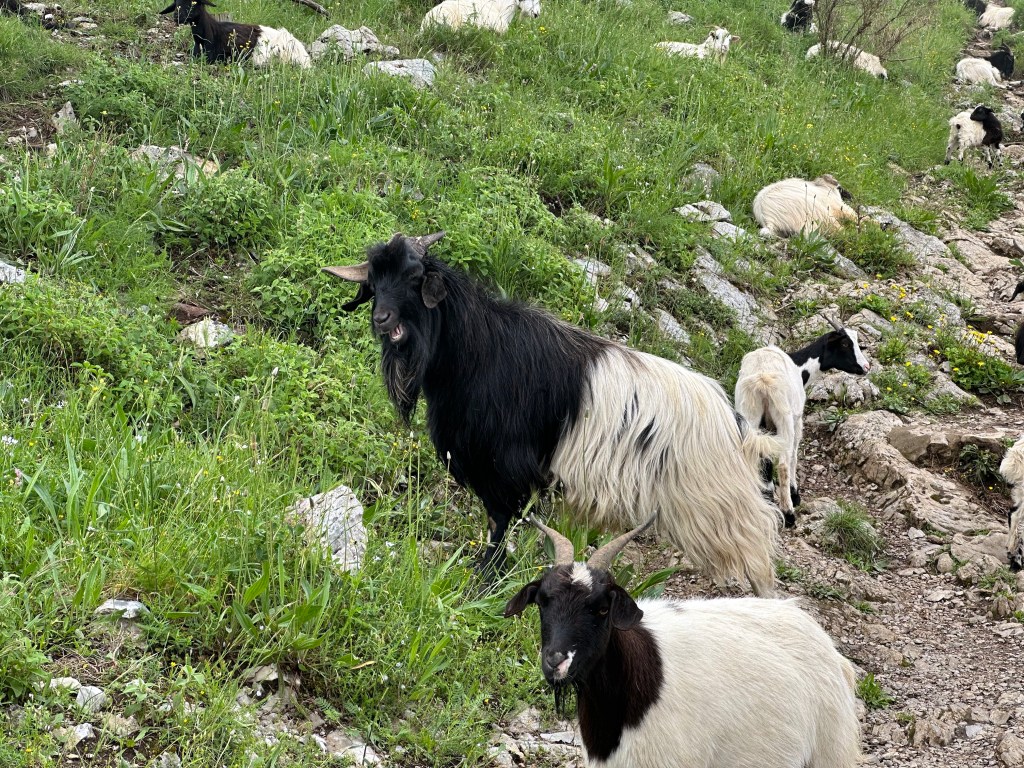
And out of the mist? Goats!

Definitely added some character to the hike.

A sign that we were nearing the peak:

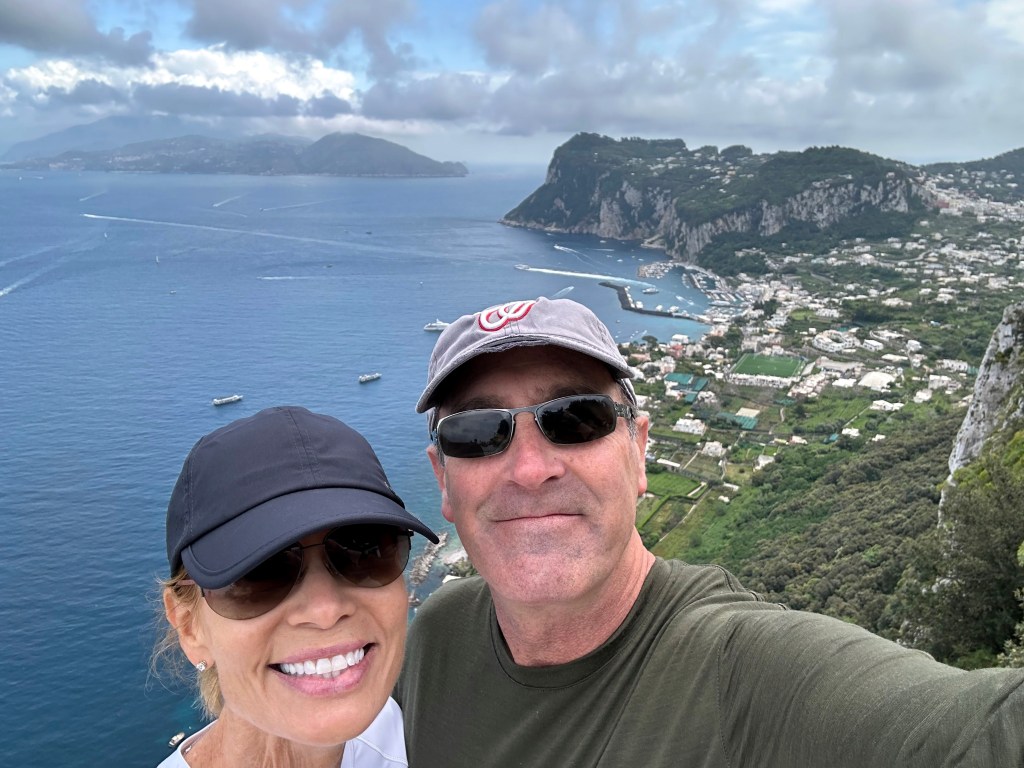
Finally, a great view from the top of the tallest mountain on Capri!

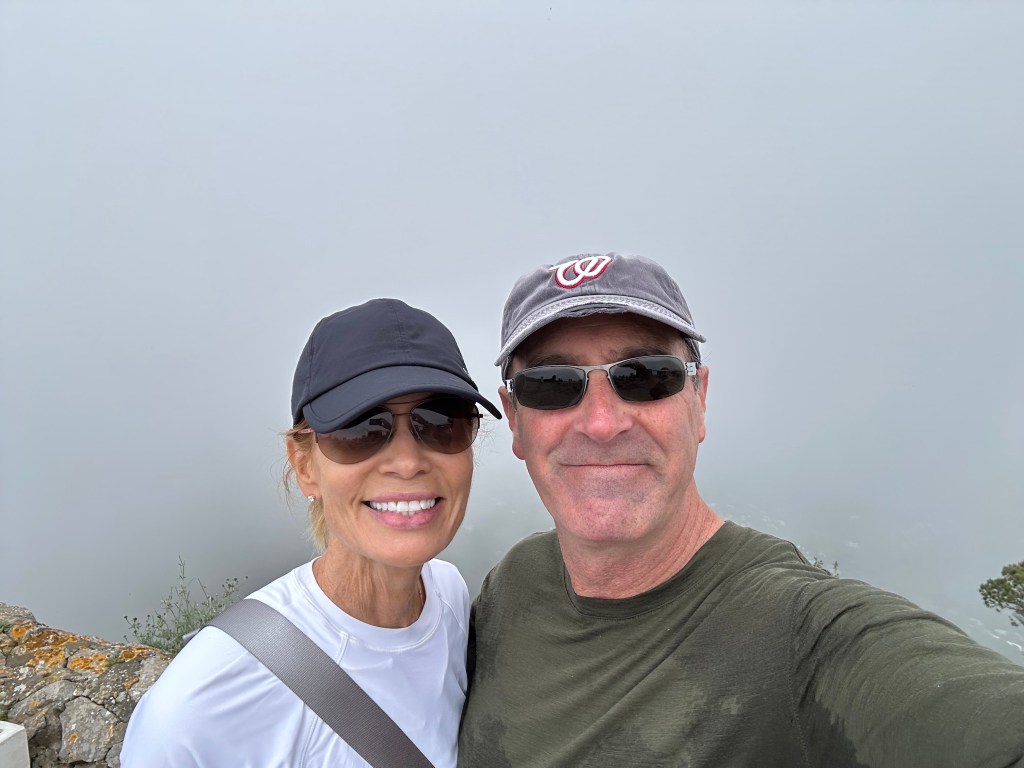
Or, as it unsurprisingly turned out, a replay of our hike’s apex on Arthur’s Seat in Edinburgh: zero visibility.

But after we quaffed a couple of macchiatos, the fog had burned off, so we grabbed the chairlift for a much more relaxing (and shorter) trip back down:

To wit:

Hike up:

Chair down:

Pretty great views without the fog:

And then pre-pre-aperitivos at Caesar Augustus on the cliff in Anacapri:

Followed by some decent, Neapolitan-style pizza at a place in Anacapri town:

Pretty good digs back in Capri Town.

With pretty great daytime and nighttime views:

Next up: the ACTUAL Amalfi Coast.

Categories: A Prolonged Foray to Europe, Amalfi Coast | Tags: , , , , , , , , | Leave a comment

A Prolonged Foray to Europe: Positano, Praiano, and the Path of the Gods

After a few days on Capri, we ferried back to Sorento and picked up our rental from the car cave. Surprisingly, we did make it on the ferry that disembarked at the timetable slot we ~arbitrarily picked when we dropped the car off, so the guy had it waiting for us, half in / half out of the car cave. Good stuff.

We hightailed it out of Sorento and headed ever further south to Positano and beyond. We originally planned to stay in Positano as our base for exploring the Amalfi Coast, but our safari travel friends advised us instead to just visit Positano and stay instead at one of the smaller towns nearby, but a little further down the coast. They didn’t have great things to say about Positano; and they were right. A little more on that later.

So, we ended up staying in one of the hotels and towns they recommended: Casa Angelina in Praiano, just 10 minutes away from Positano (and in sight of it). But first, we had to get there.

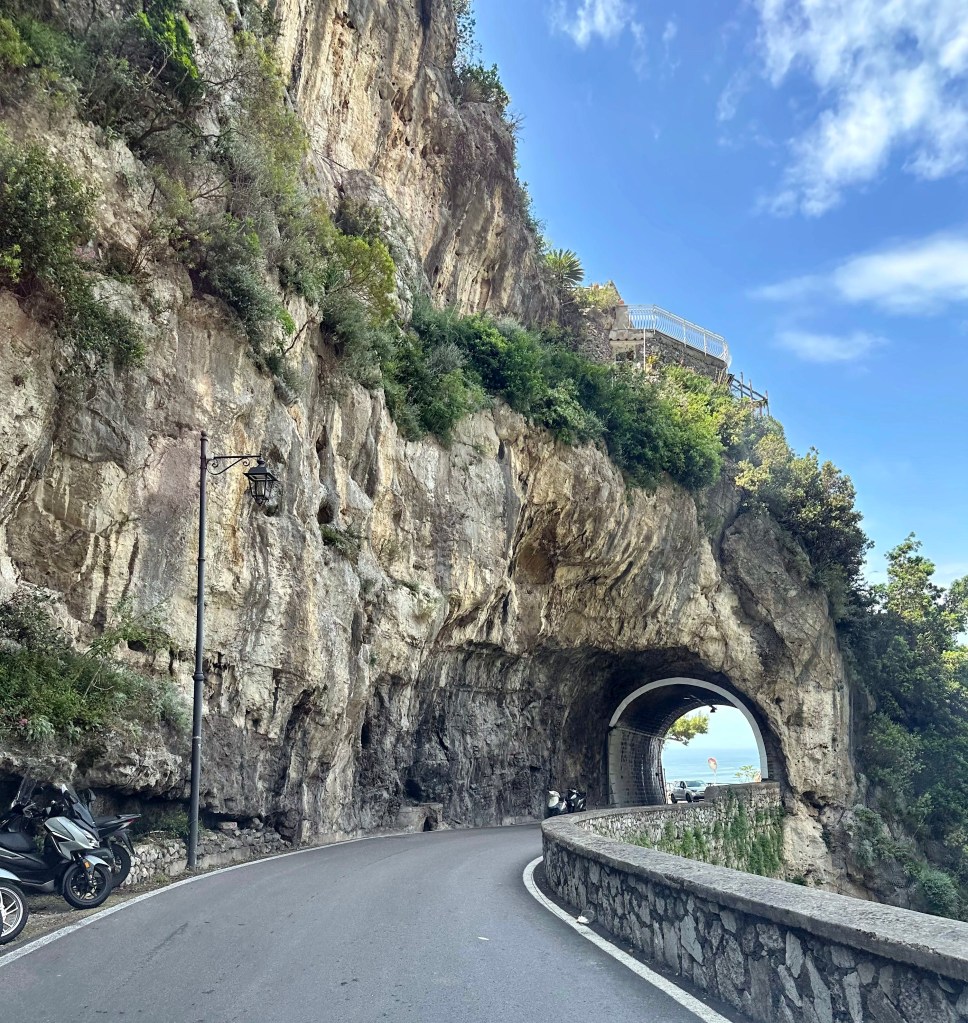
Driving the Amalfi Coast is one of the most nail-biting exercises in automobile navigation that one can undertake.

For the driver. For the passenger. It’s pretty insane.

And we’ve had insane driving experiences – along a chasm almost the width of the tiny rental car in St. Kitts; over miles of washed out, shack-lined country roads in Jamaica; and driving on 1.75-lane, 12-foot-tall-hedge-lined roads masquerading as 2-lane roads in Cornwall (all while driving on the wrong side of the road on the wrong side of the car and with the wrong hand on the stick everywhere in the UK). But the Amalfi Coast road is a beast in a category all its own.

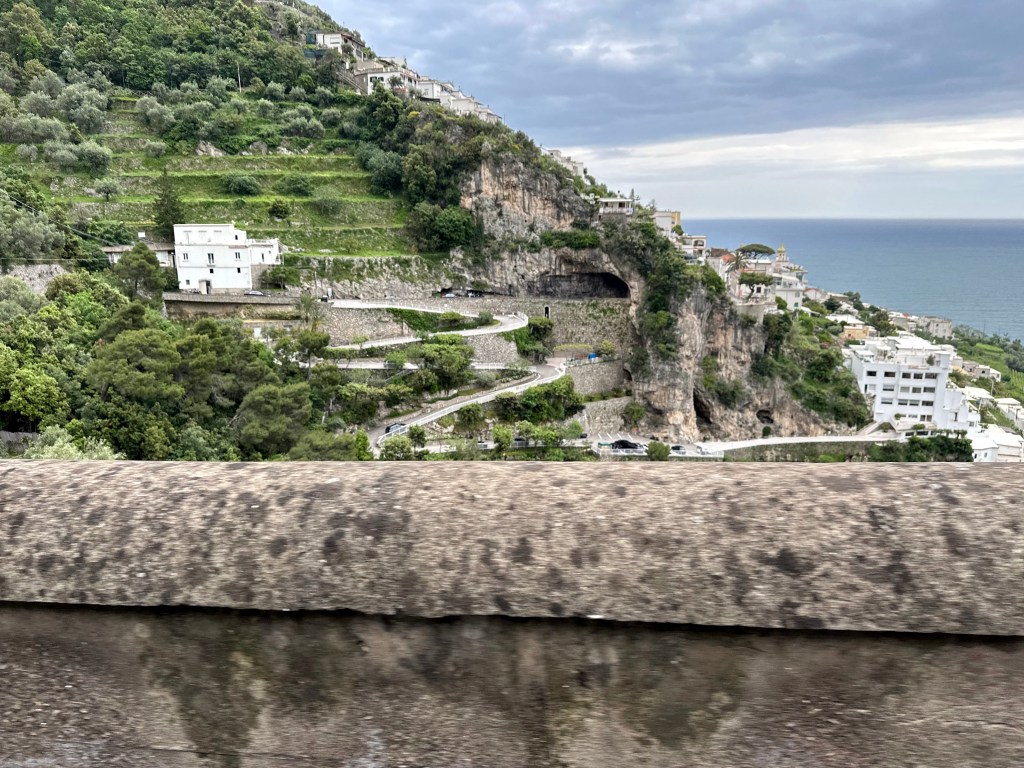
There’s one coast road, and it – like Cornwall, but without the hedges – has about 1.75 lanes for two-way traffic. Oh, and in Amalfi, you’re constantly one bump away from being sent hurtling down a 1000-foot cliff.

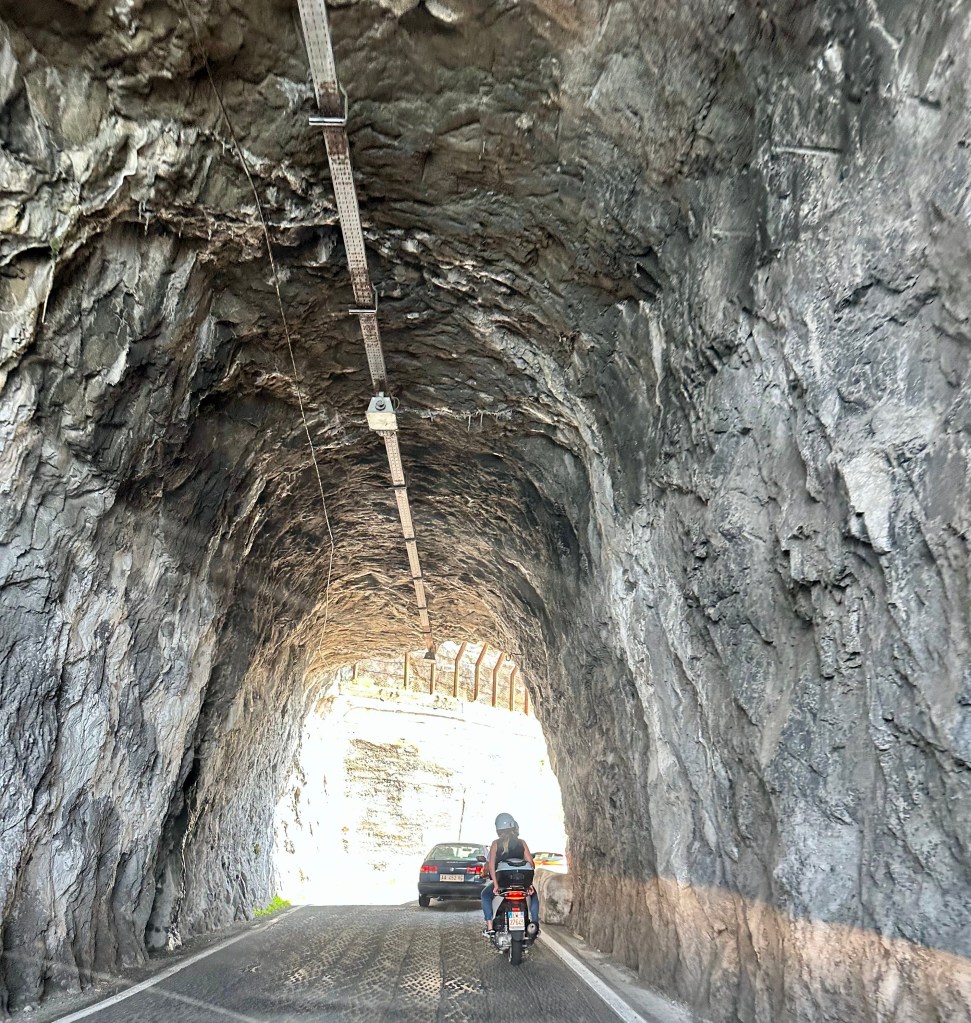
Because rock faces tumble straight into the Mediterranean in many places, the road transits a honeycomb of tunnels (also barely wide enough for two cars, let alone a bus coming the other way [one of which really did almost take us out on a turn]).

Plus, on our drive from Sorento to Praiano, where our hotel was located, we took a wrong turn and drove down the mountain and THROUGH Positano instead of skirting above it on the coast road. It was a white-knuckle affair, particularly for the WolfeStreetPassenger, who is absolutely not happy with roads like this to begin with. But at least we weren’t driving down steep, hairpin roads that are the very worst, right? And soon we’d be safely tucked away at our hotel, right?

The hotel’s driveway off the Amalfi Coast road:

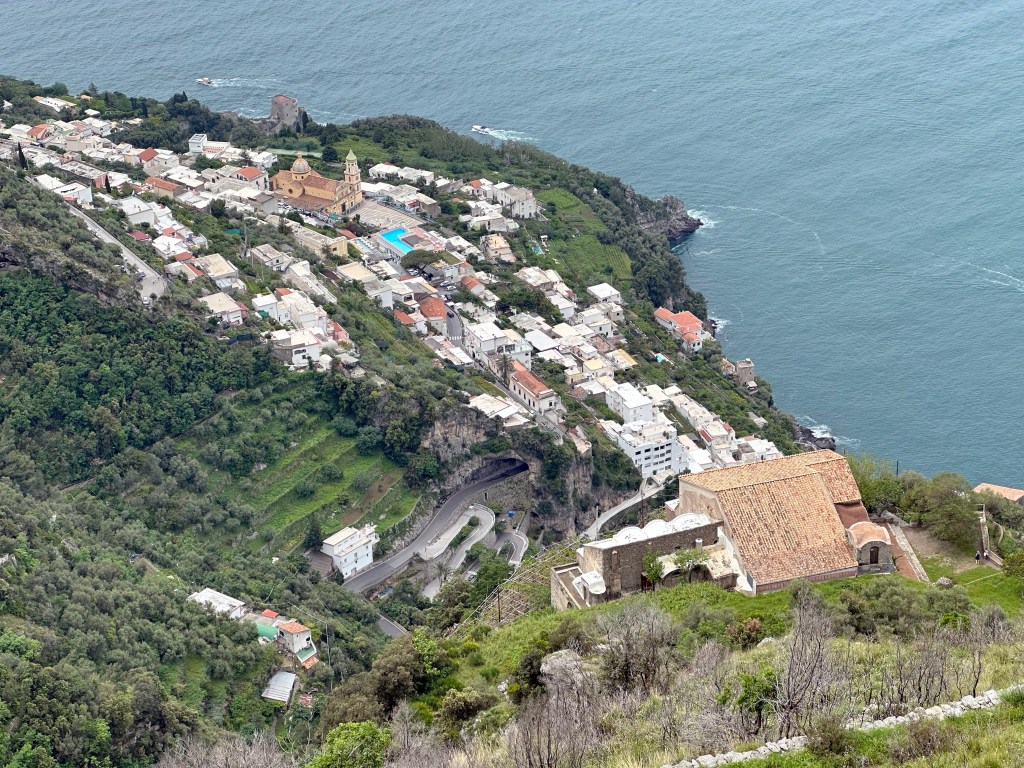
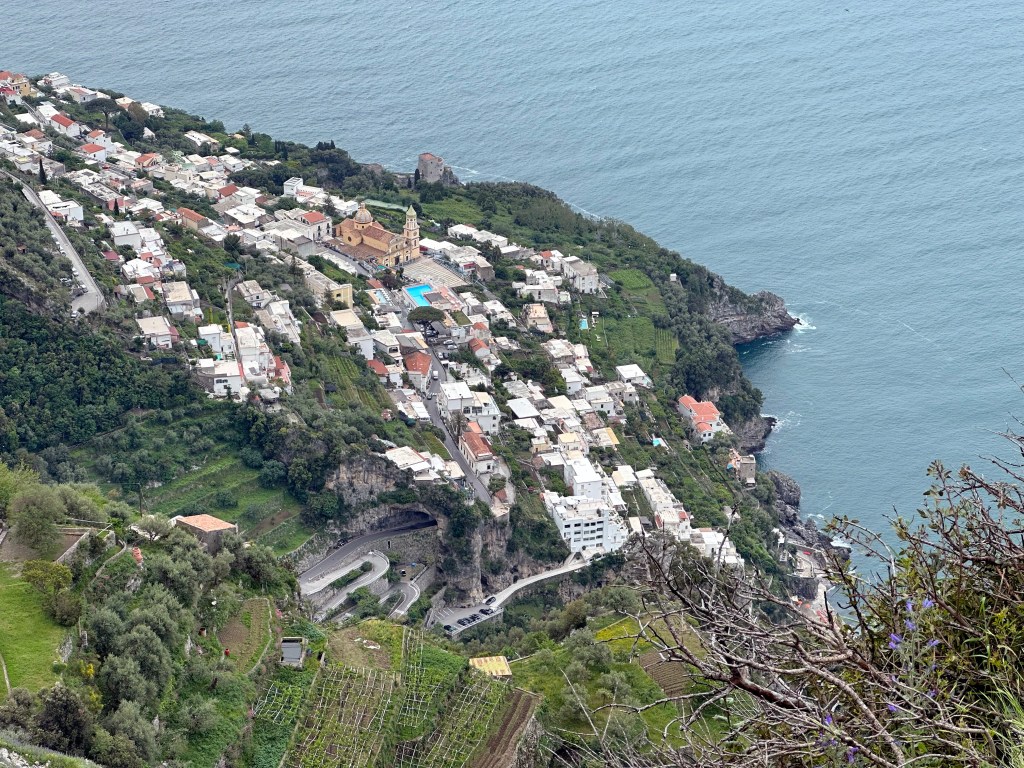
Another view from a hike later in our stay to provide an even more dramatic perspective:

The hotel (white structure with windows at the edge of town) and its entrance at the terminus of the hairpin-turn-ridden ride:

The bellmen hauled our luggage and the now-catatonic WolfeStreetPassenger into the haven that we finally reached after a harrowing day of driving.

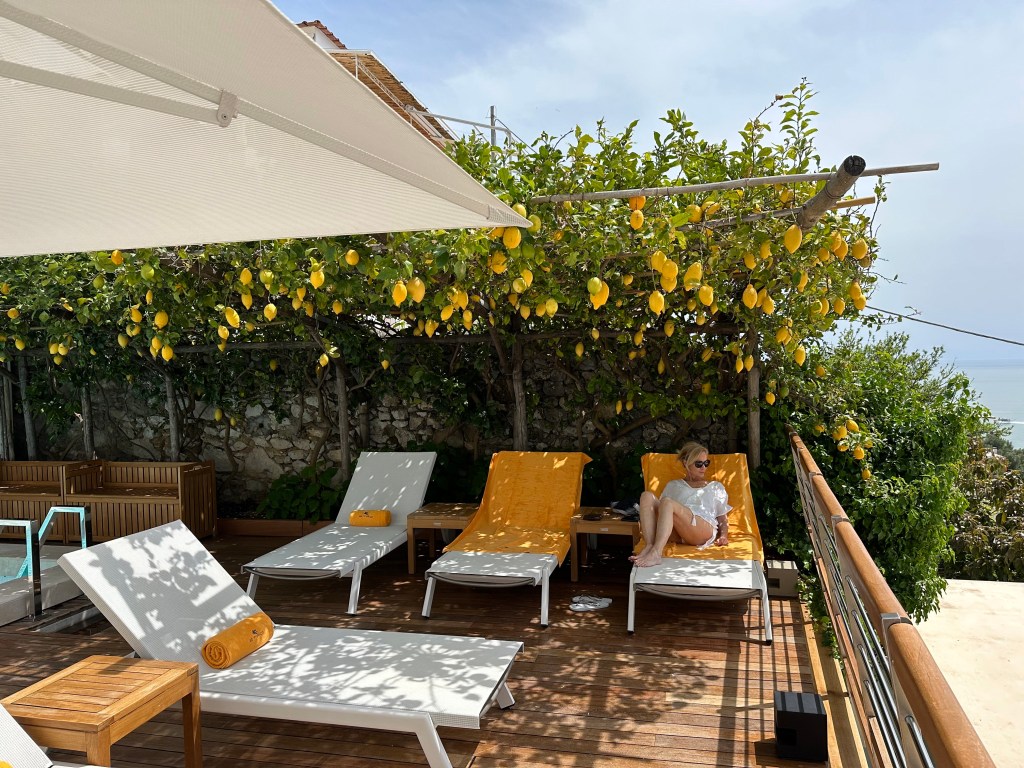
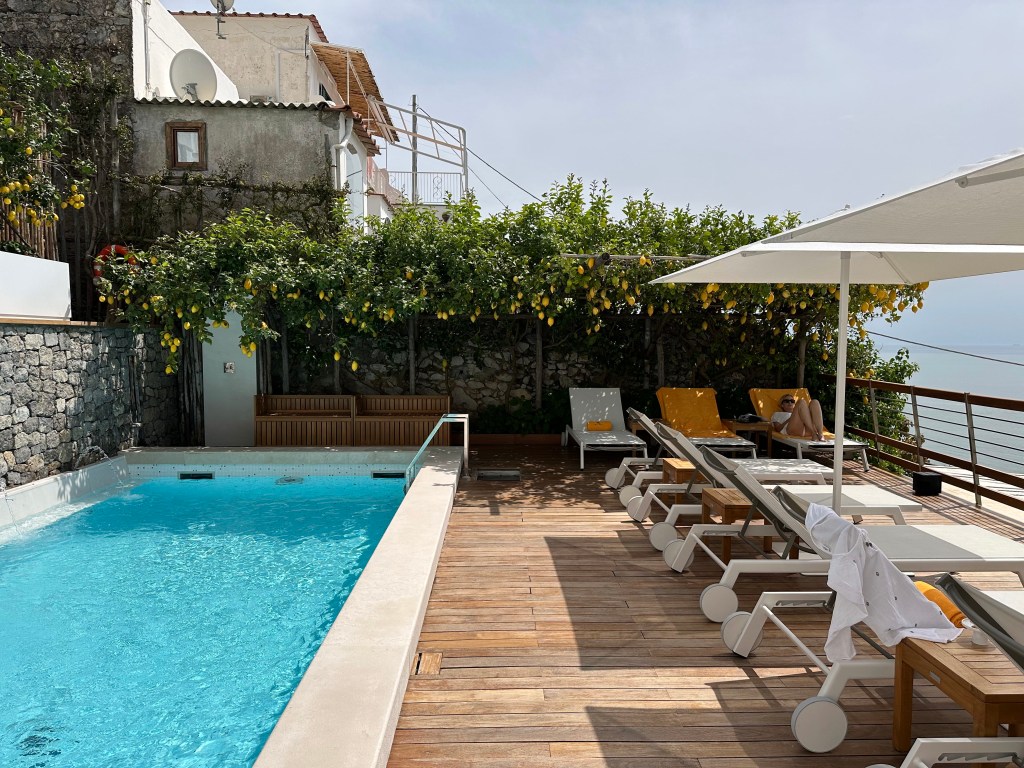
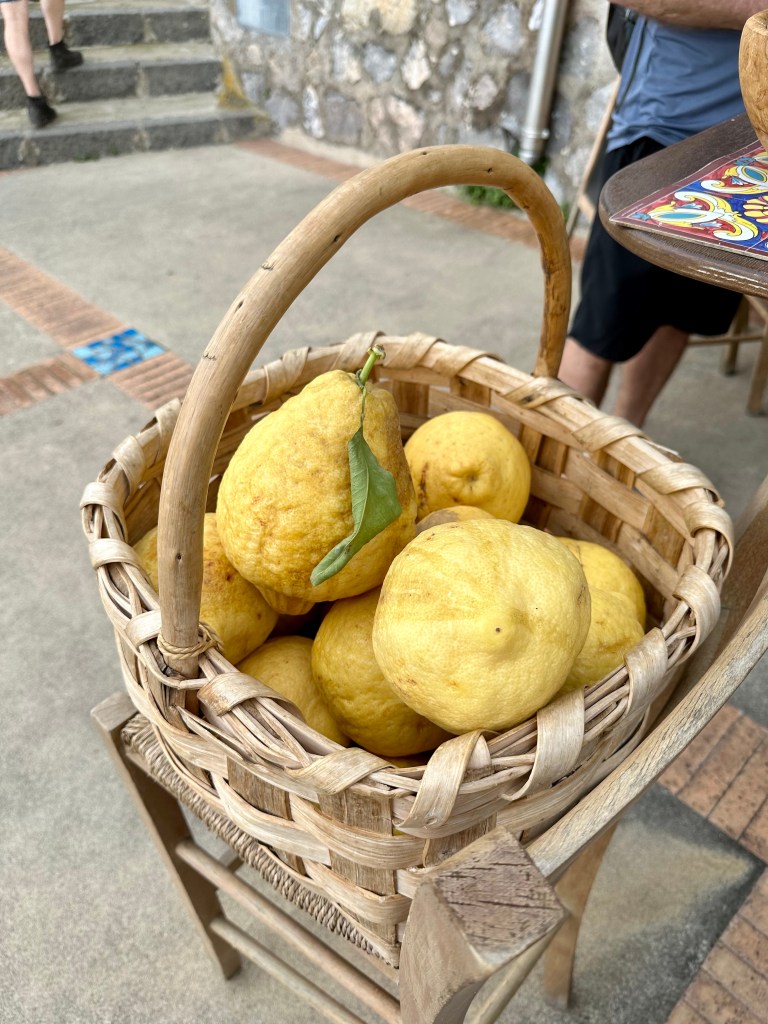
And holy shit what a haven. Amalfi is know for their lemons, and the pool had an entire, in-season, lemon tree arbor over one end:

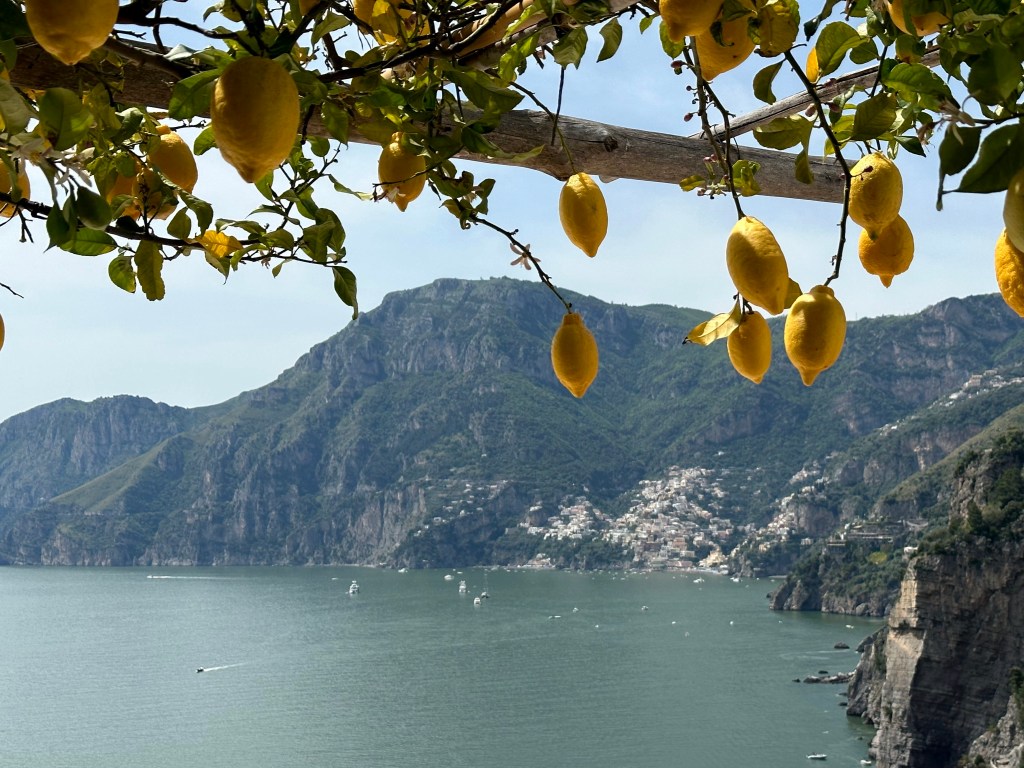
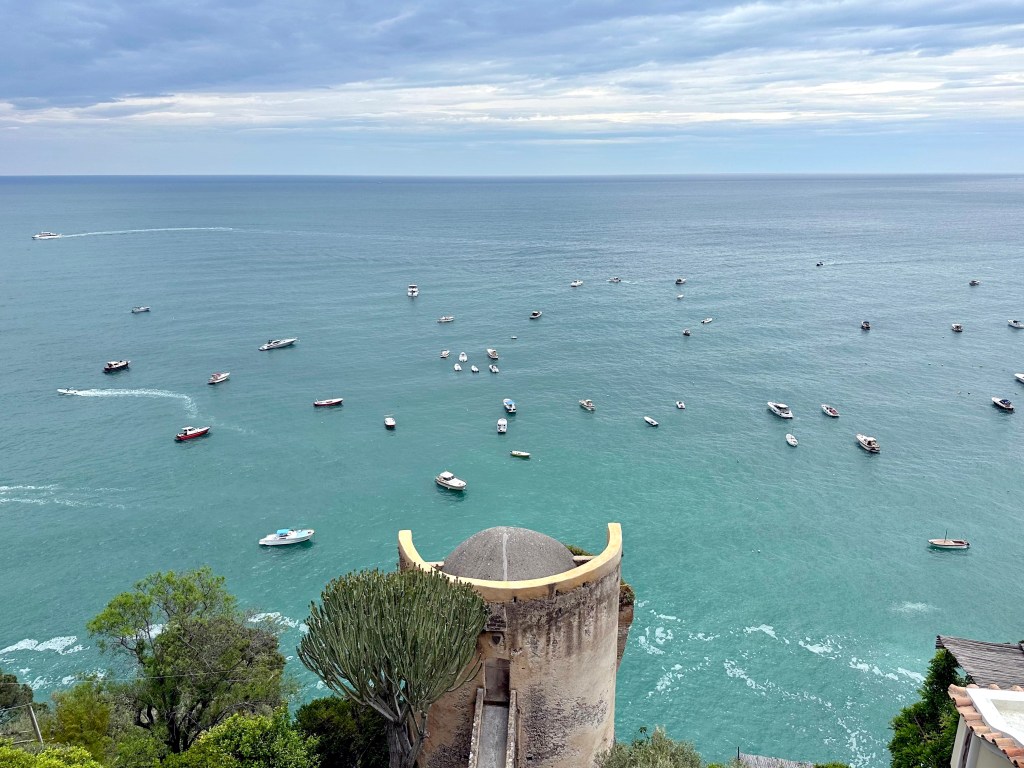
And a cliffside view to Positano, which was pretty cool.

And the next day, we’d check out Positano up close, courtesy of our hotel’s “shuttle” (which turned out to be a little Mercedes coupe, which was nice). So, why not stay in Positano? If you perused Instagram in 2022 and 2023, you would see that THIS was the Instagrammer place of the moment, and a destination for vapid, 20-something trust fund princesses who had more resources than sense. Although the popular appeal intrigued us about Positano, the presence of these self-absorbed, superficial narcissists certainly put us off.

Most importantly, though, was the recommendation from our safari travel friends. They strongly recommended against staying in Positano because it was too touristy, and instead suggested that we stay in Praiano, Amalfi, or Ravello – towns near Positano from which you could visit, but protected you from actually having to stay there. We had already booked a hotel and two dinners in Positano by the time we had this conversation, but we trusted this couple, and changed our plans. Thankfully. It’s a shitshow.

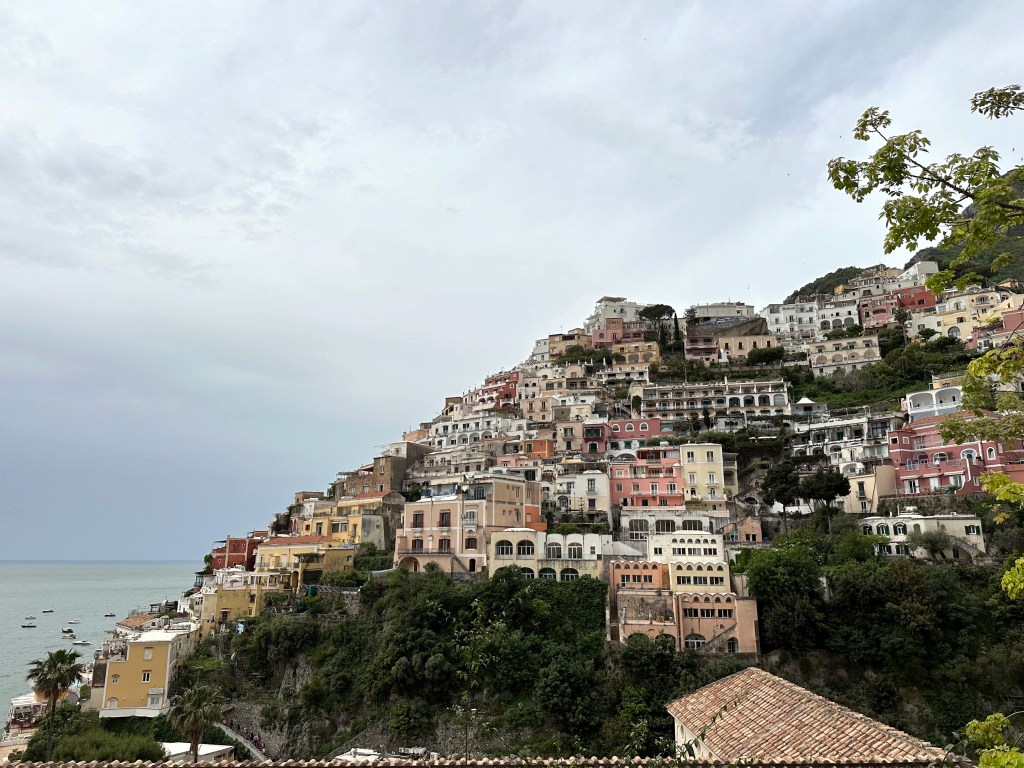
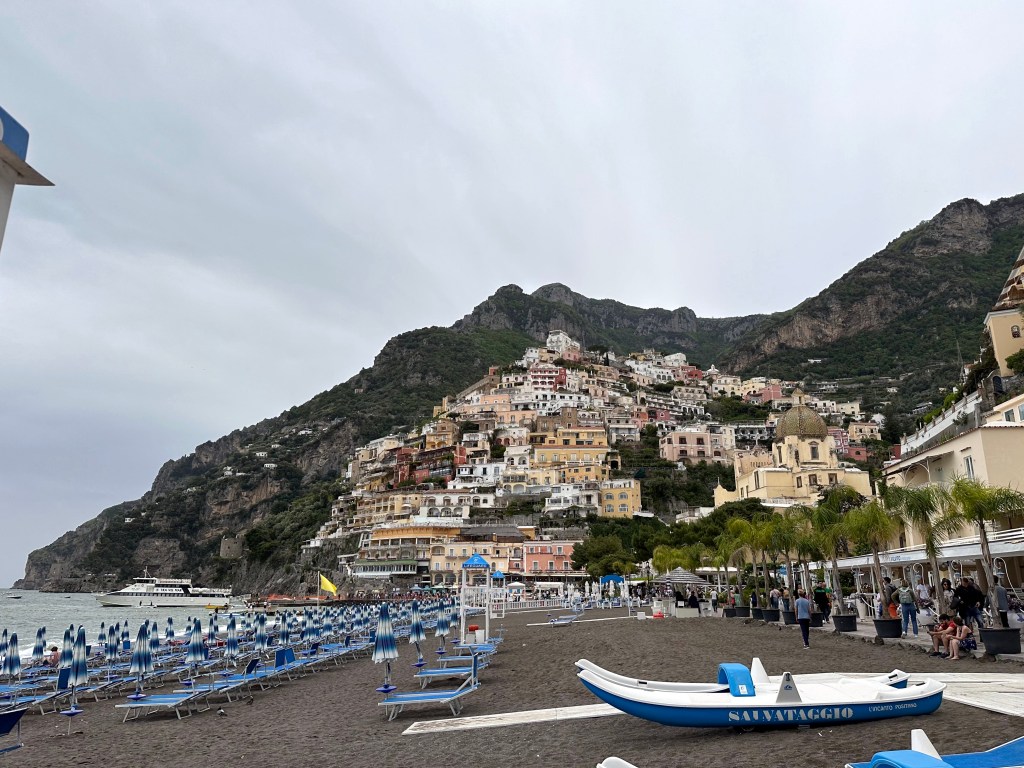
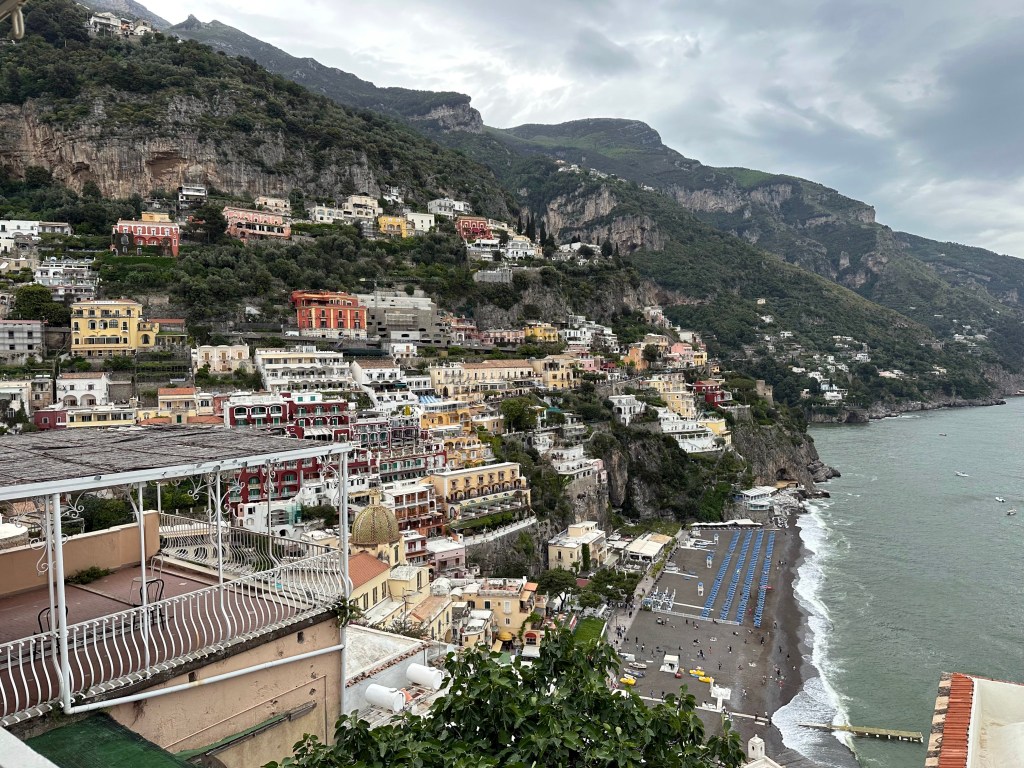
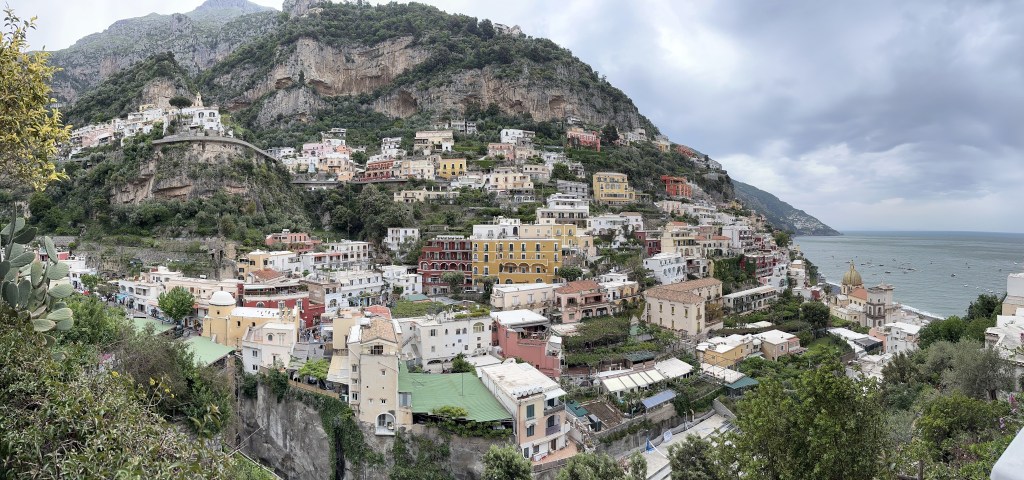
As we noted in an Instagram post after our visit to Positano and experiencing the shoulder-to-shoulder crowds of tourists (and we were there in May) and the labyrinthine collection of alleys full of shops selling tourist crap, Positano is not the charming town visitors claim it is through their Instagram posts. It is, in fact, a land-locked cruise ship of clueless (mostly American) tourists that happens to be tumbling – in a very picturesque way! – down a hillside on the Amalfi coast. It is best viewed from afar.

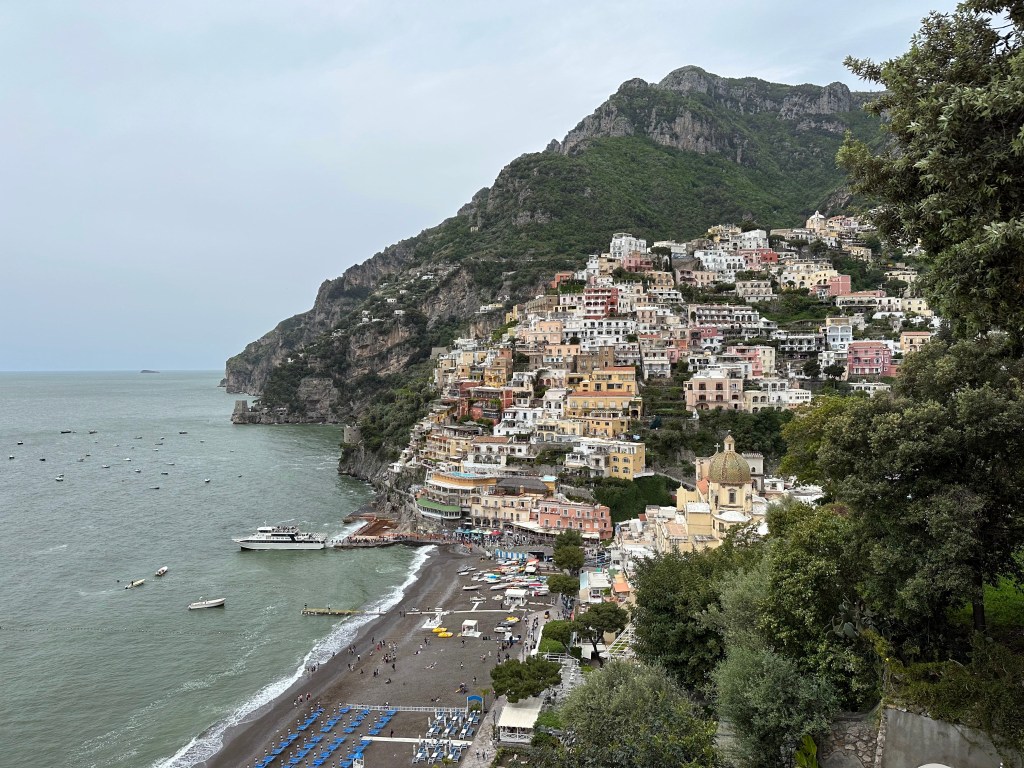
Positano’s unappealing gray-sand beach:

Still – a certain appeal (from a distance):

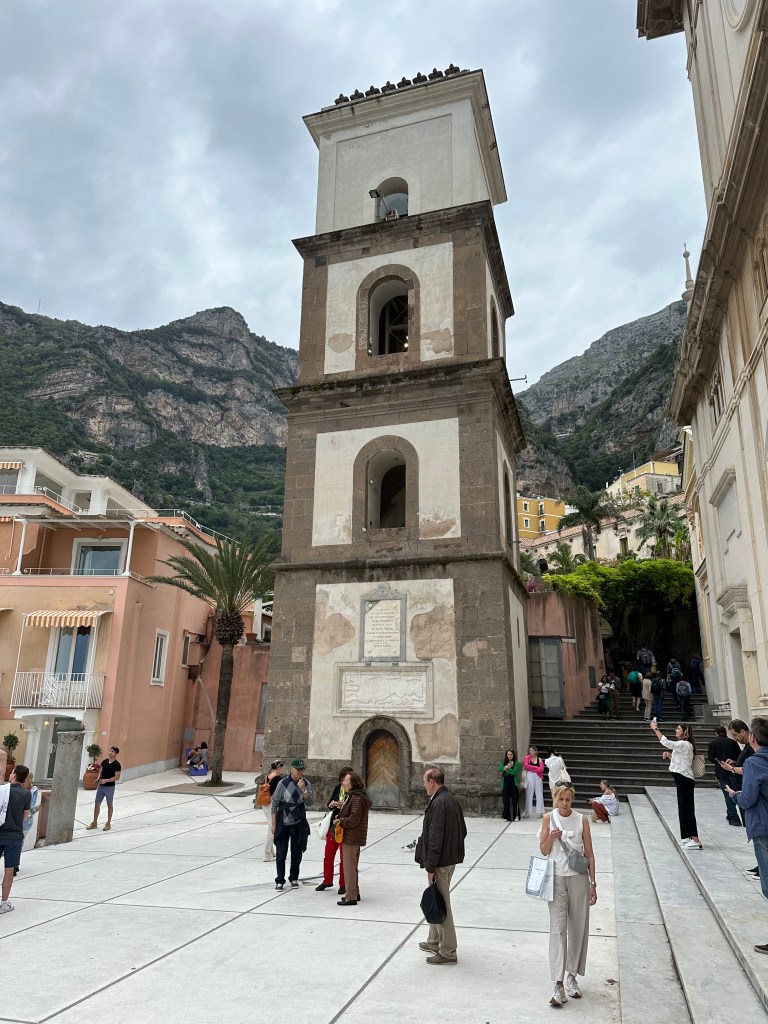
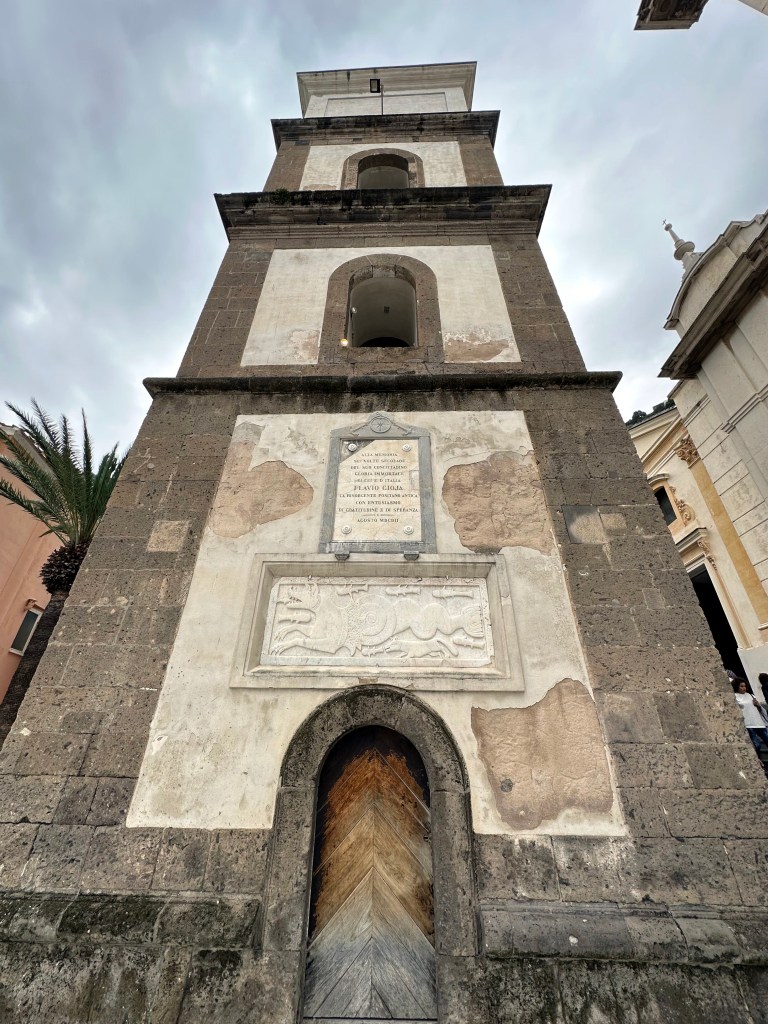
Bell tower of the Assumption Parish of Our Lady Positano, based on the location of an abbey founded in the 10th century.

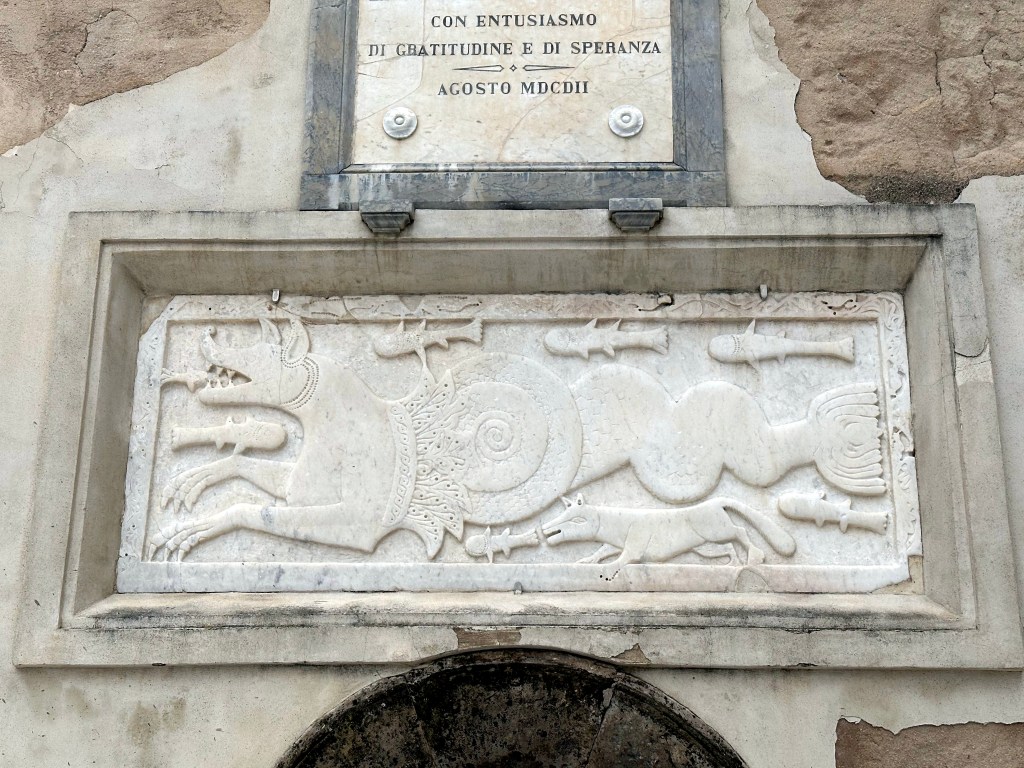
The tower’s pastrice (sea monster) bas relief on its base:

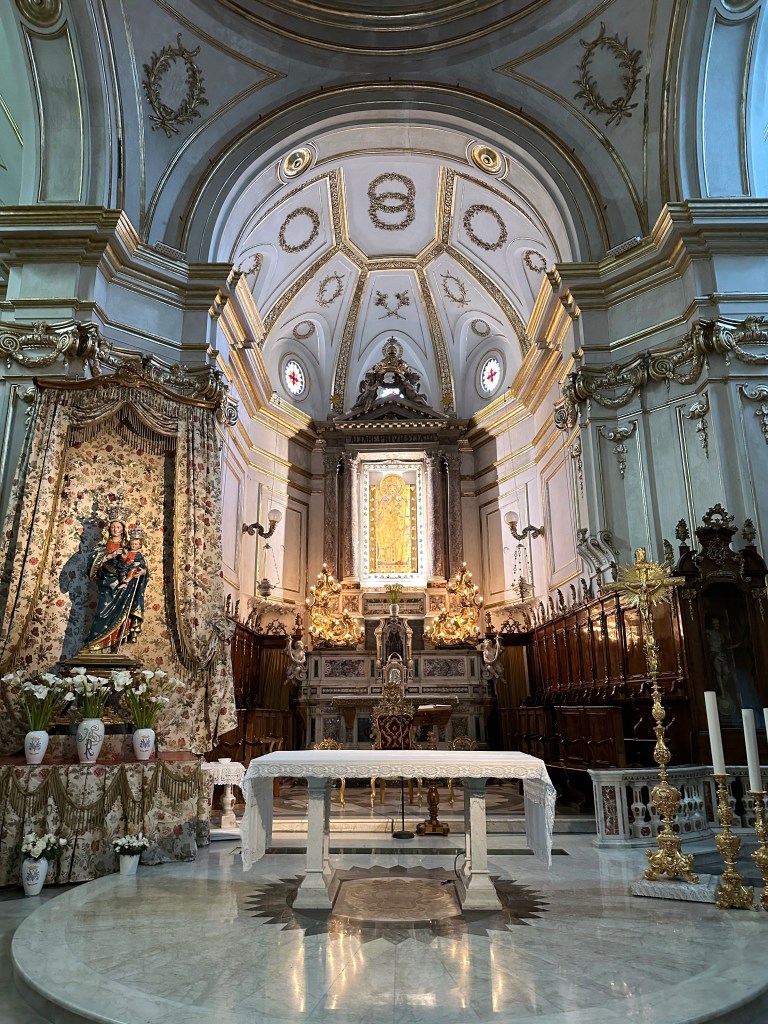
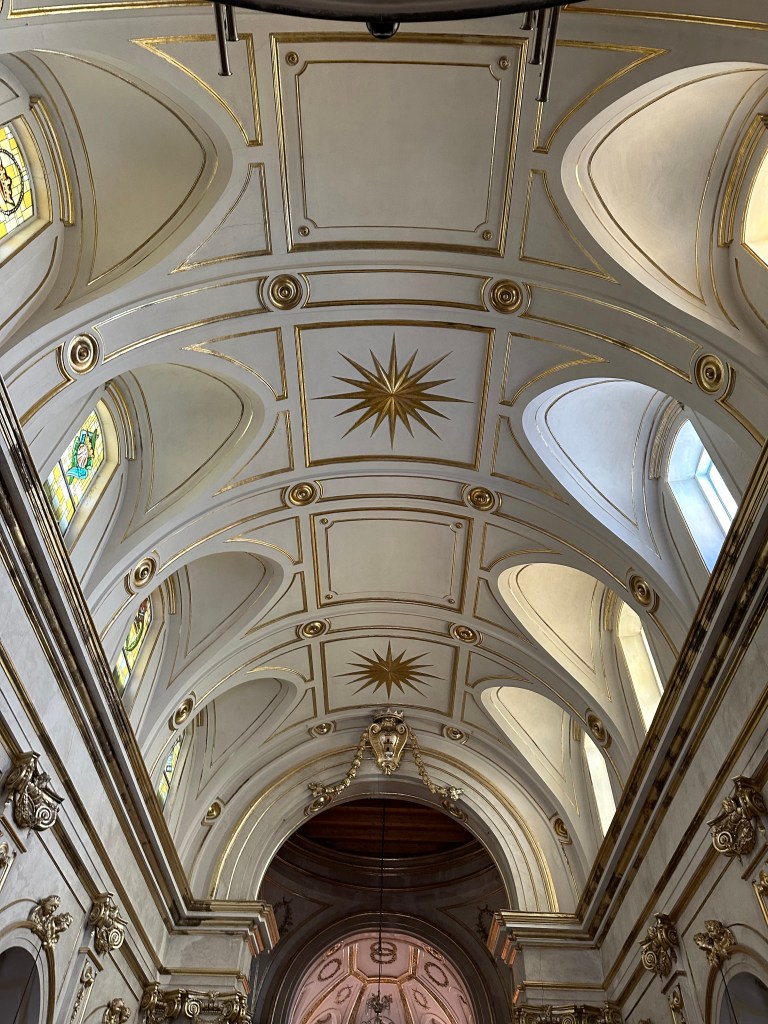
Pretty meh Renaissance interior (we prefer Medieval and, ideally, Romanesque):

After navigating around and through town, we had enough.

A reward for a job well done.

Safely back in Praiano and away from Positano.

With more rewards to celebrate our return.

Pretty cool sunset views, as well.

And our first Michelin-starred dinner of the trip:

The next day, and epic hike we had been anticipating with some relish:

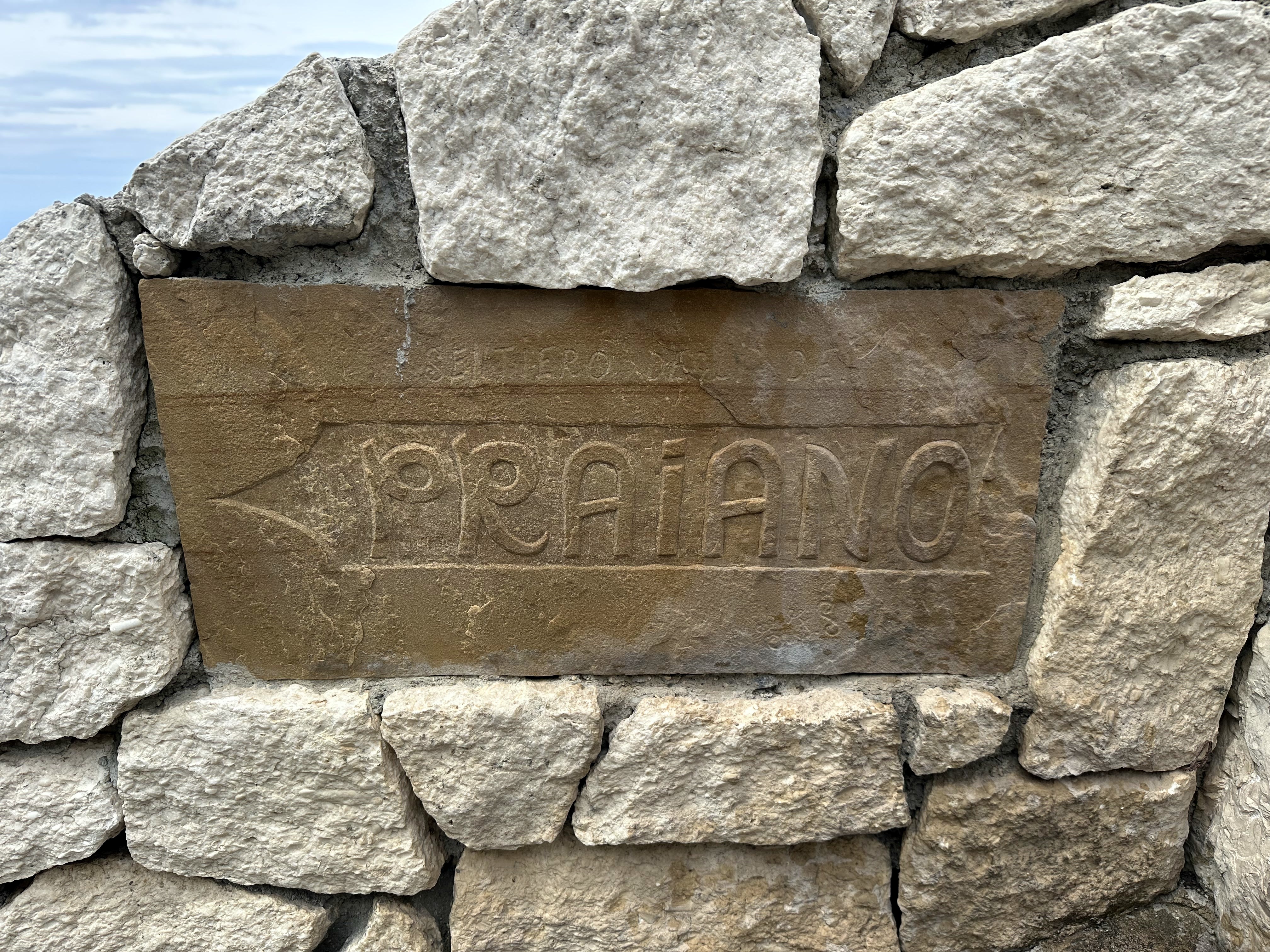
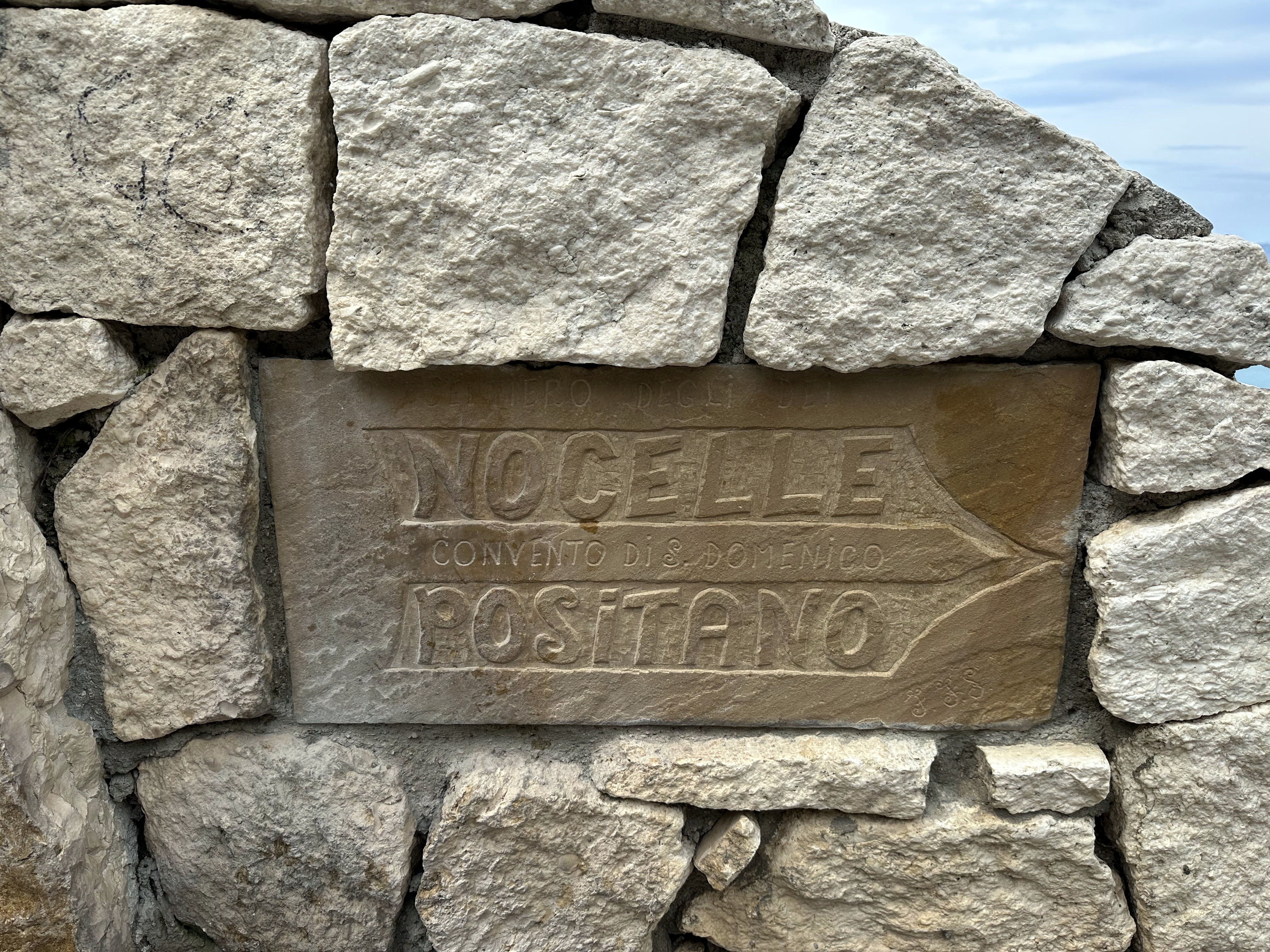
The Path of the Gods!

The Path of the Gods, as we hiked it, offers a 5.3-mile trek from our hotel at the edge of Praiano up 2000 feet, then across the ridgeline to a point 1500 steps ABOVE Positano, then a knee-buckling climb down said steps.

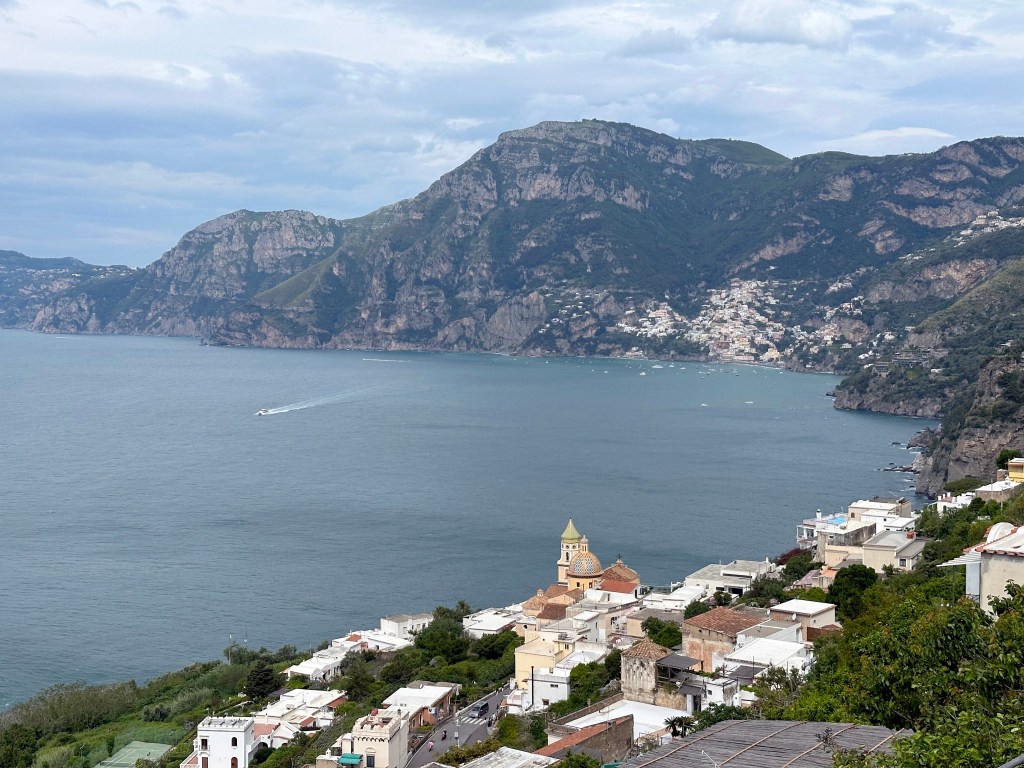
Views to Positano above Praiano:

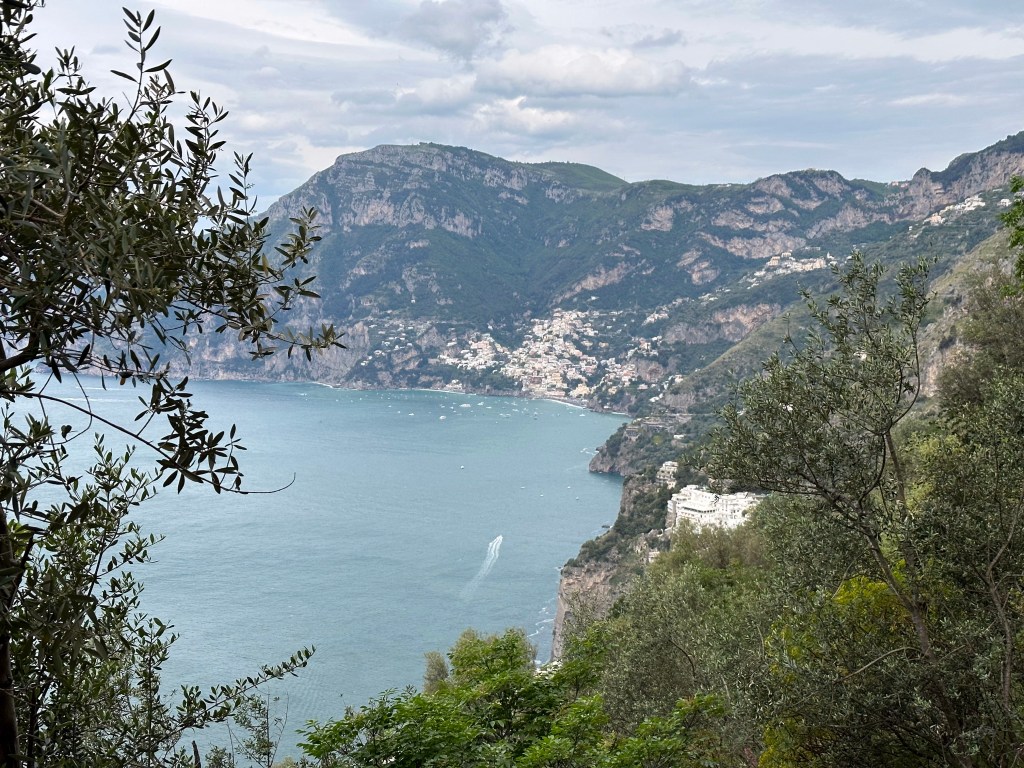
Praiano from above:

Once you reached the ridge, the hiking wasn’t too challenging; it was just getting to there (and then down the damn steps):

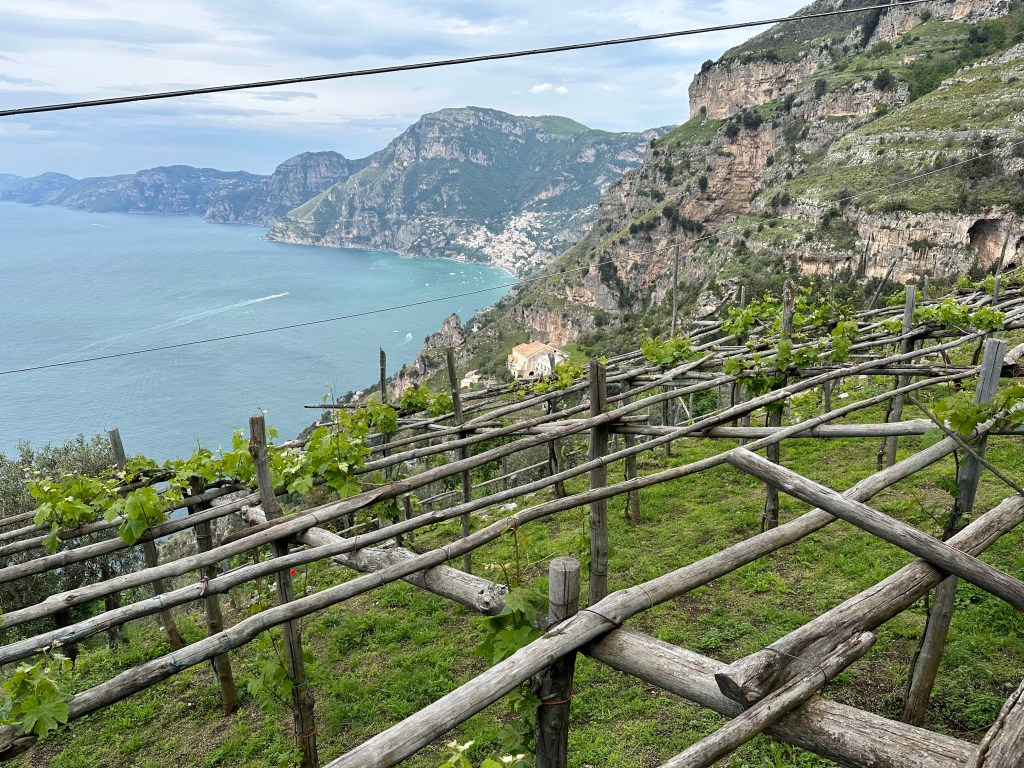
At the halfway point:

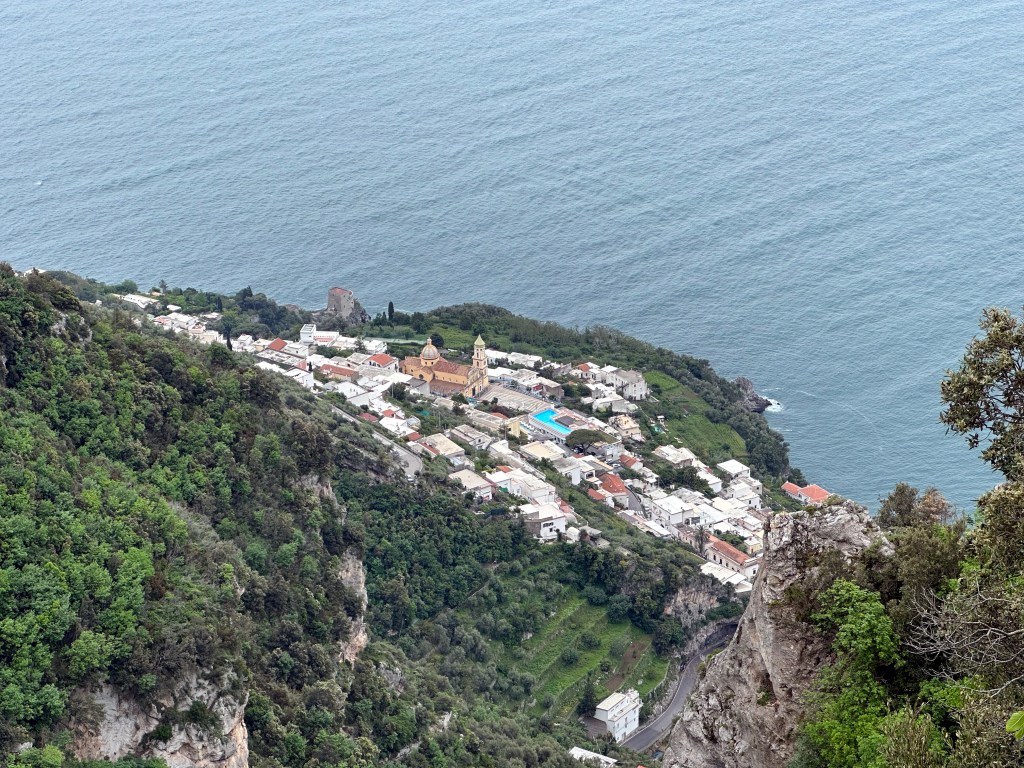
Getting closer to Positano:

View into Positano’s bay on the way down the freakin’ steps:

A reward part of the way down: Italian ice made with Amalfi’s ubiquitous (and iconic) big-ass lemons:

After a “shuttle” ride back to Praiano, a last night on the Amalfi Coast:

Next up: the oldest city in Italy!

Categories: A Prolonged Foray to Europe, Amalfi Coast | Leave a comment

Blog at WordPress.com.