
Road Trips
Protected: Cinque Terre and Back to Tuscany: Pistoia and Fiesole
Protected: Cinque Terre and Back to Tuscany: Cortona
Cinque Terre and Back to Tuscany: Truffles!
From Cortona, we traveled west, via Radda in Chianti, to Siena, where we settled down for 3 days to check the place out again. We first visited Siena in 2004 during our bike trip in Tuscany, and totally dug it. We’ll post separately on Siena, but during our stay there, we took a little field trip to the northwest to Torciano winery. Not for wine. For truffles.
It turned out that there were two compelling reasons to visit Italy when we did in October 2021: the first was the pandemic-level paucity of people in Cinque Terre, which drove us to travel there so soon after our South of France road trip just a month earlier. Totally worth it. The second reason, it turned out, was that it was truffle season in Tuscany.
So, one of the things we wanted to do was to go truffle hunting. Which brought us to Torciano. The winery, which has been owned by the same family for 13 generations, had cultivated truffles in an oak forest nearby, so you could go truffle hunting in the right season with a good likelihood of actually finding them.
When we arrived, we soon learned that they were also hosting a Ferrari event, so there were freakin’ Ferraris all over the place.

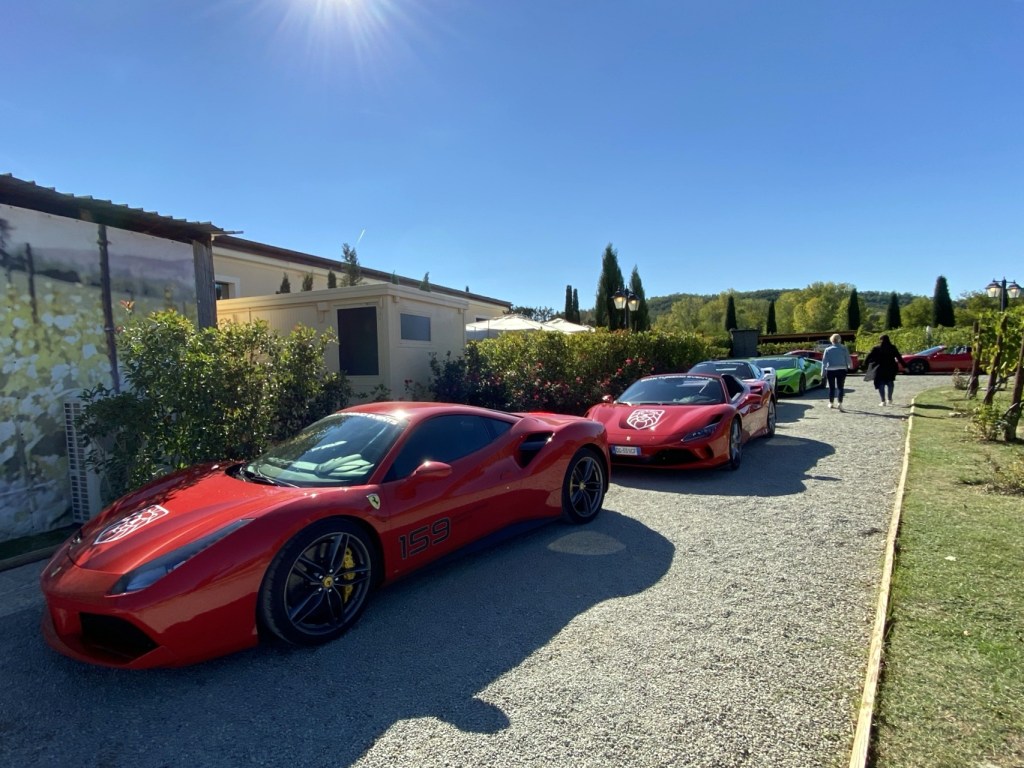

After winding our way through the sports cars, we headed over to the family patriarch (or old uncle, at least) for a quick lesson on truffles.
We would be hunting for black truffles, which are the only variety that can be cultivated in oak tree roots.
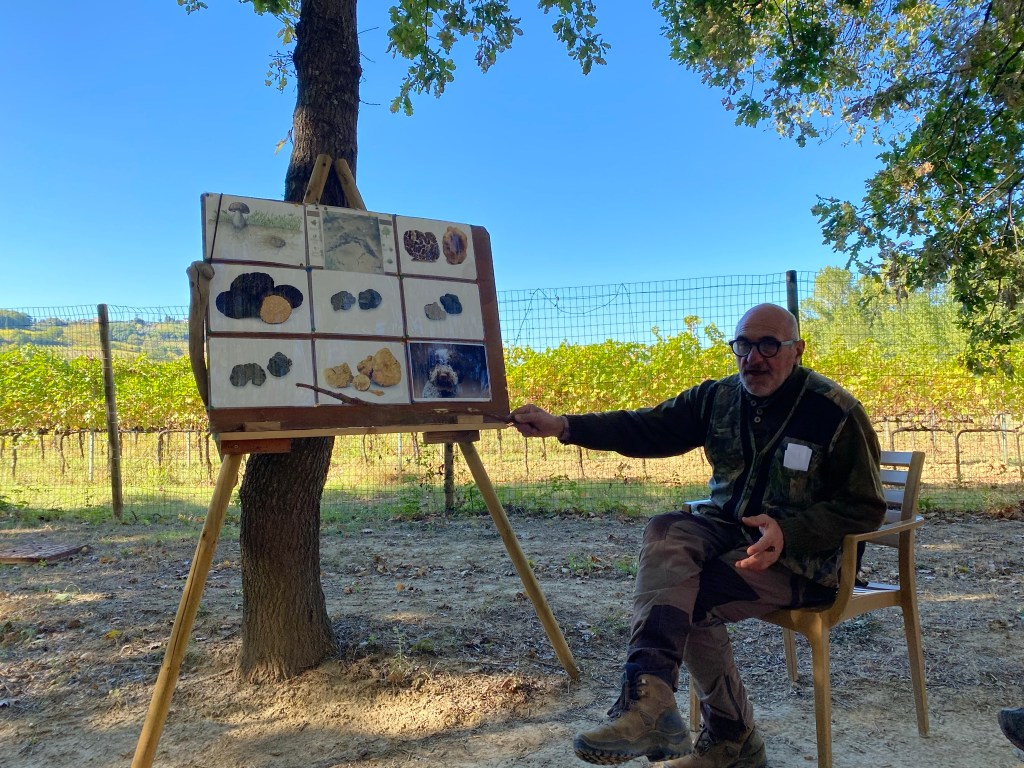
In France, they hunt truffles with pigs. In Italy, it’s dogs, and they’re trained from birth for the job.
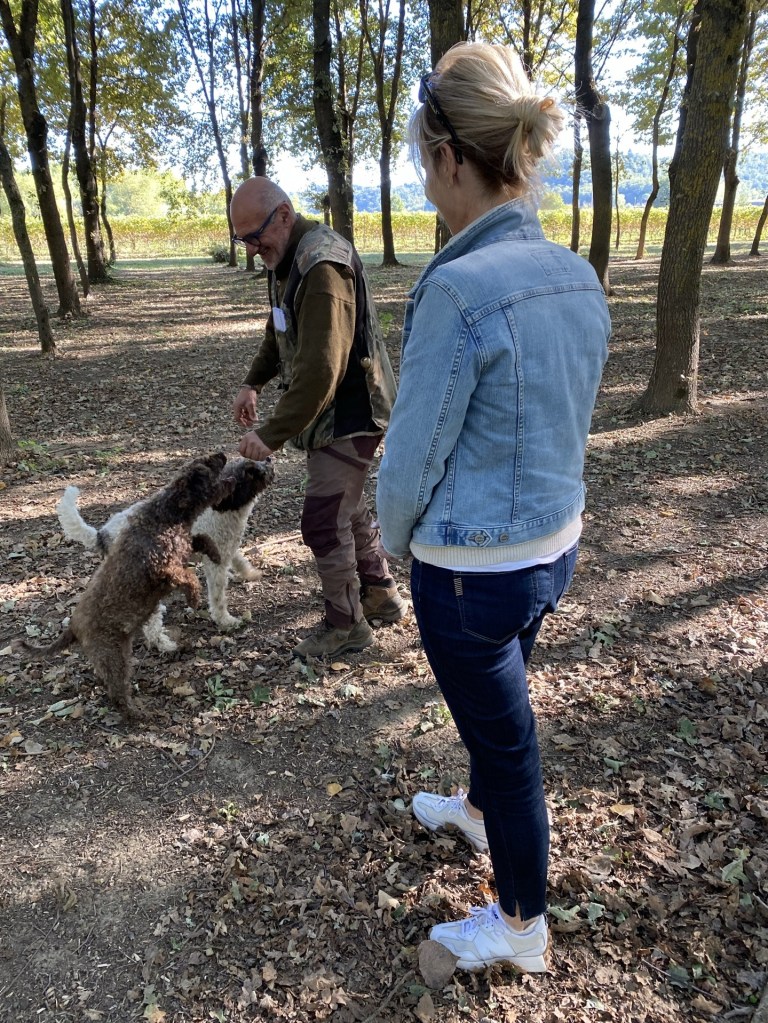
Competition for valuable truffles in Italy has actually become dangerous recently. A January 14 New York Times article, reports of competing truffle hunters in Italy resorting to setting out poisoned treats in oak forests to kill their rival’s truffle hunting dogs. Freakin’ crazy.

Out on the hunt.
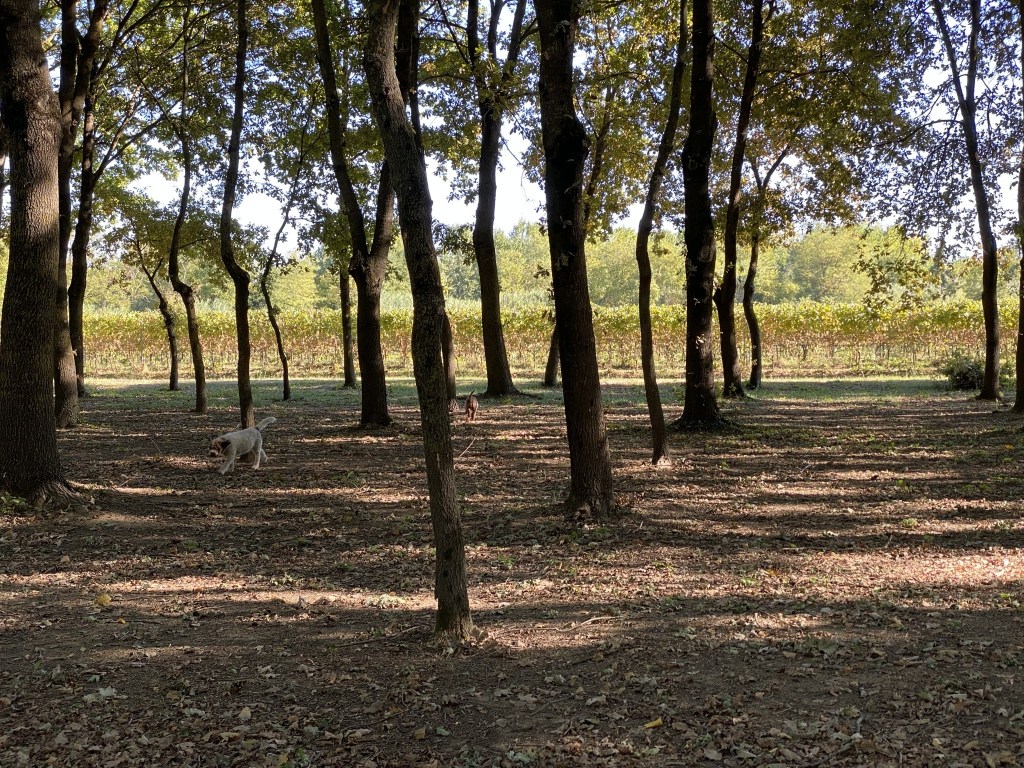
A potential target.
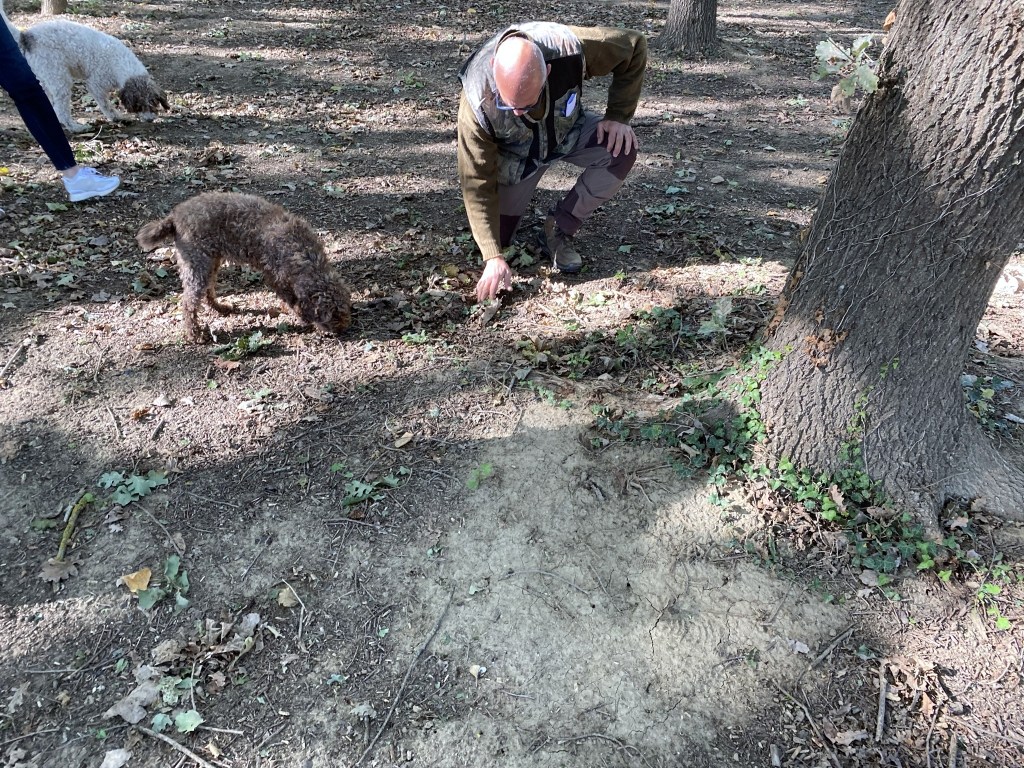
Success!

Yup – smells truffley.

Lisa actually found two black truffles on our hunt:

But there was still opportunity for more.

Sweet!


After a grueling day of pungent mushroom hunting, some sustenance back at the winery.

All featuring black truffles. As an aside, black truffles are sauteed to optimize their taste, releasing their distinctive flavor and scent, while the much more rare white truffles are sliced directly onto food without any treatment to maximize their flavor. We only just learned this on this trip.

(Several years ago, we dined at Fish, Jose Andres’ restaurant in National Harbor, specifically for a celebration of the availability of black truffles since they were in season in the chef’s home country of Spain. There, they sliced black truffles directly onto the dishes and we were really underwhelmed and disappointed. Now we know why. Fish subsequently closed. Maybe deservedly so.)
Equally important to the experience were the Tuscan red wines, including Brunello from Montalcino, where the family has some of their vineyards. Totally lived up to the hype. We think? we had Brunello in Montalcino from our bike trip, but weren’t sure. We definitely dug it here though.


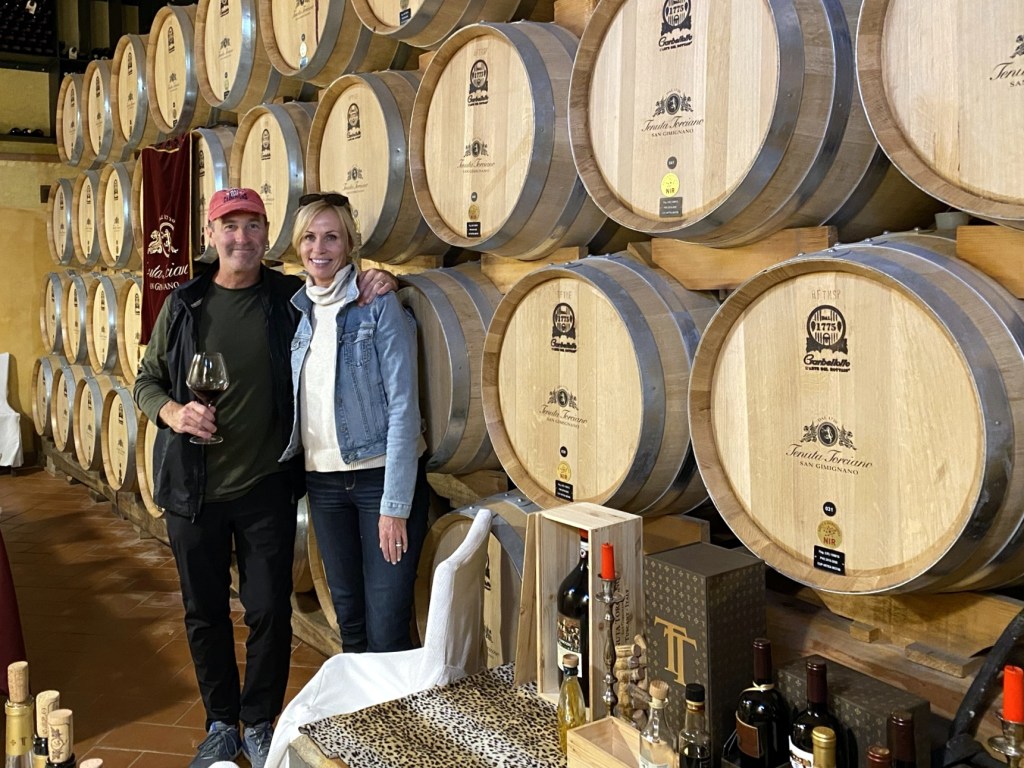
The evening before in Siena, we headed out for what we intended to be a casual dinner of pizza some place indoors, since the town was freakin’ freezing, just like Cortona. In our quest, we stumbled on this place:

Where they were featuring a prix fixe dinner designed around white truffles. So, a little change in plans after we confirmed with the door dude that we were suitably attired to eat there.

Every dish was designed to highlight white truffles.
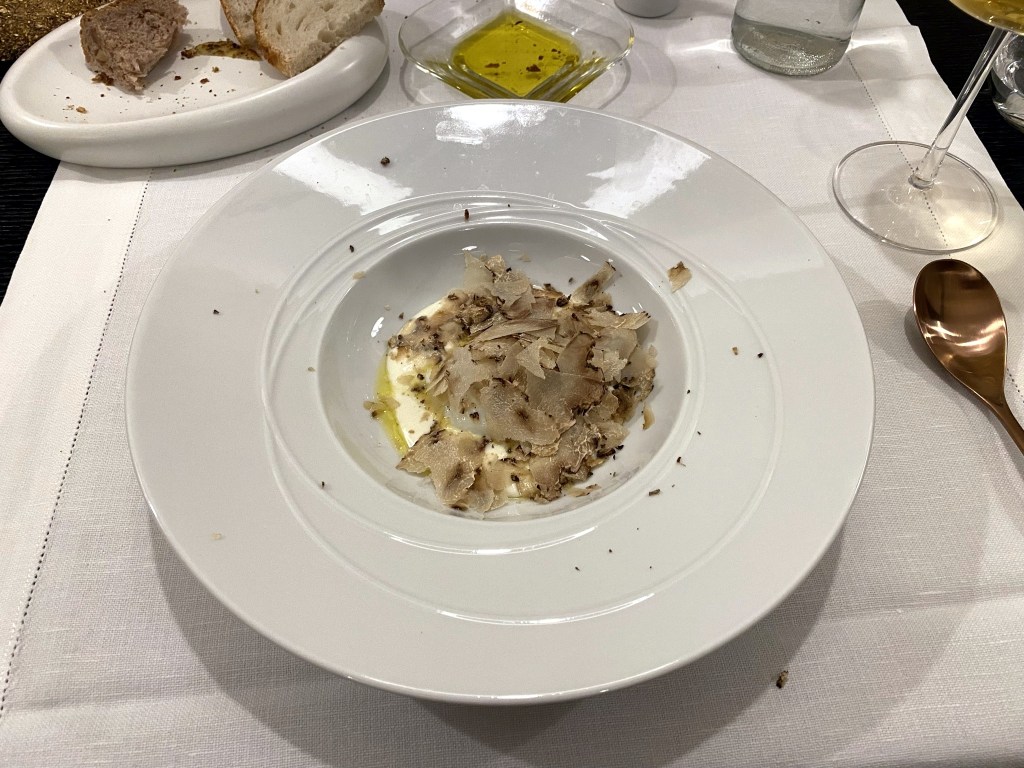

They’d first serve the simple dish. . .

Then place a scale on the table, weigh the raw white truffle, shave shave shave, then weigh the truffle again to quantify your take.

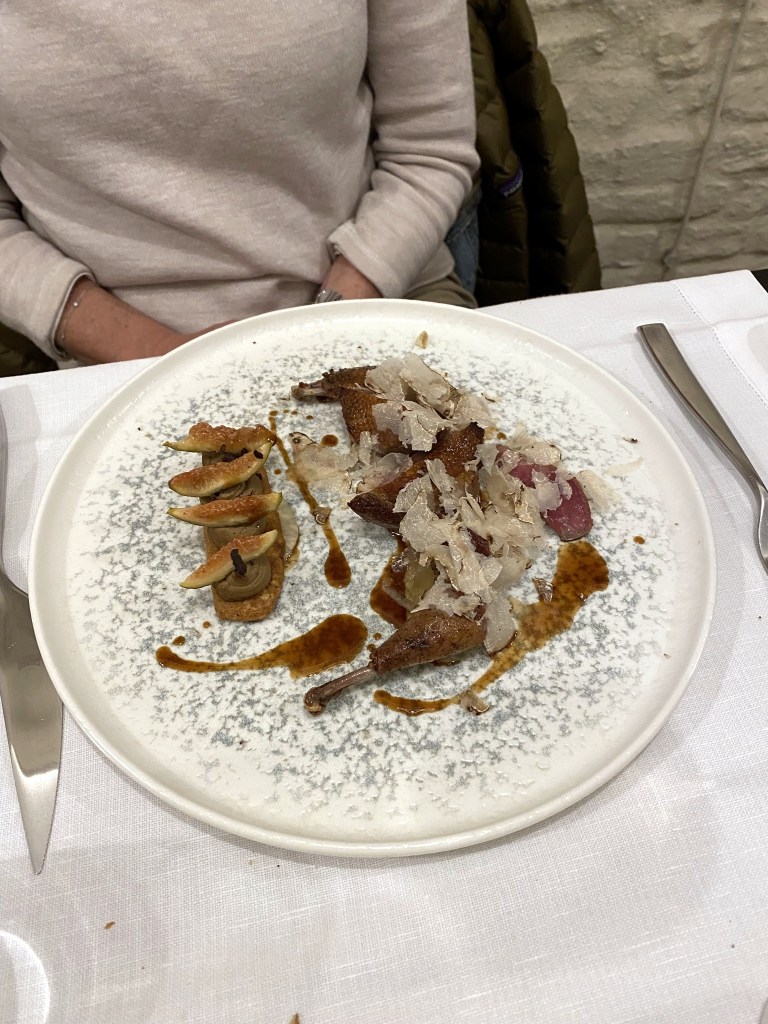
We might have gone a little overboard on one of the dishes.


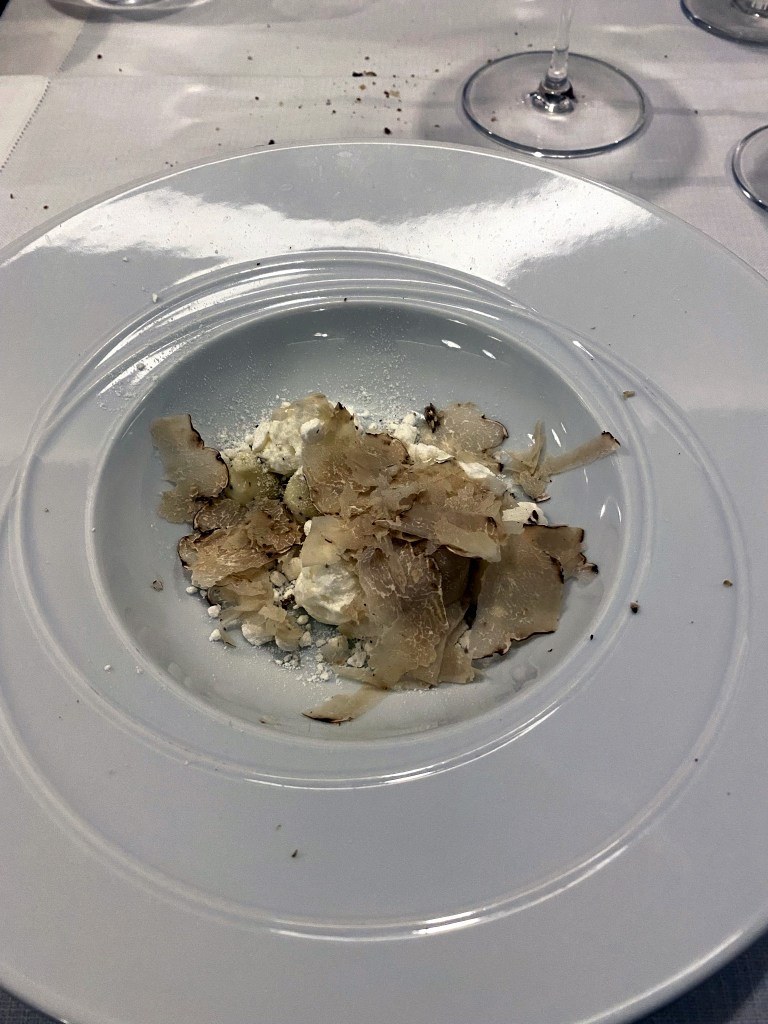
Freakin’ awesome experience. When we showed the pasta and egg dishes to our truffle guide, he responded approvingly that that was how you feature the delicate white truffle.
Next up: Siena itself.
Protected: Cinque Terre and Back to Tuscany: Radda in Chianti
Protected: Cinque Terre and Back to Tuscany: Siena
Protected: Cinque Terre and Back to Tuscany: Monteriggioni
A Slow Roll through Languedoc, Provence, and Basque Country: Trip Overview
We’re back in action!
After 17 months of travel limted to the Mid-Atlantic and the Caribbean, we finally made it out of the country for real. This time to Europe, to finally execute a trip that we planned for this time last year.
As noted in our previous post, our ability to execute our plan very much depended on our securing a French passe sanitaire QR code, which would demonstrate to Air France and restaurants everywhere that we were vaccinated, a prerequisite to boarding or entering. After applying in early August and waiting more than 2 weeks, we received our passes at the 11th hour. Literally. The passes arrived late in the morning of the day we flew out of IAD at 5 PM. But we had them, and the relief in having this risk mitigated really was palpable.

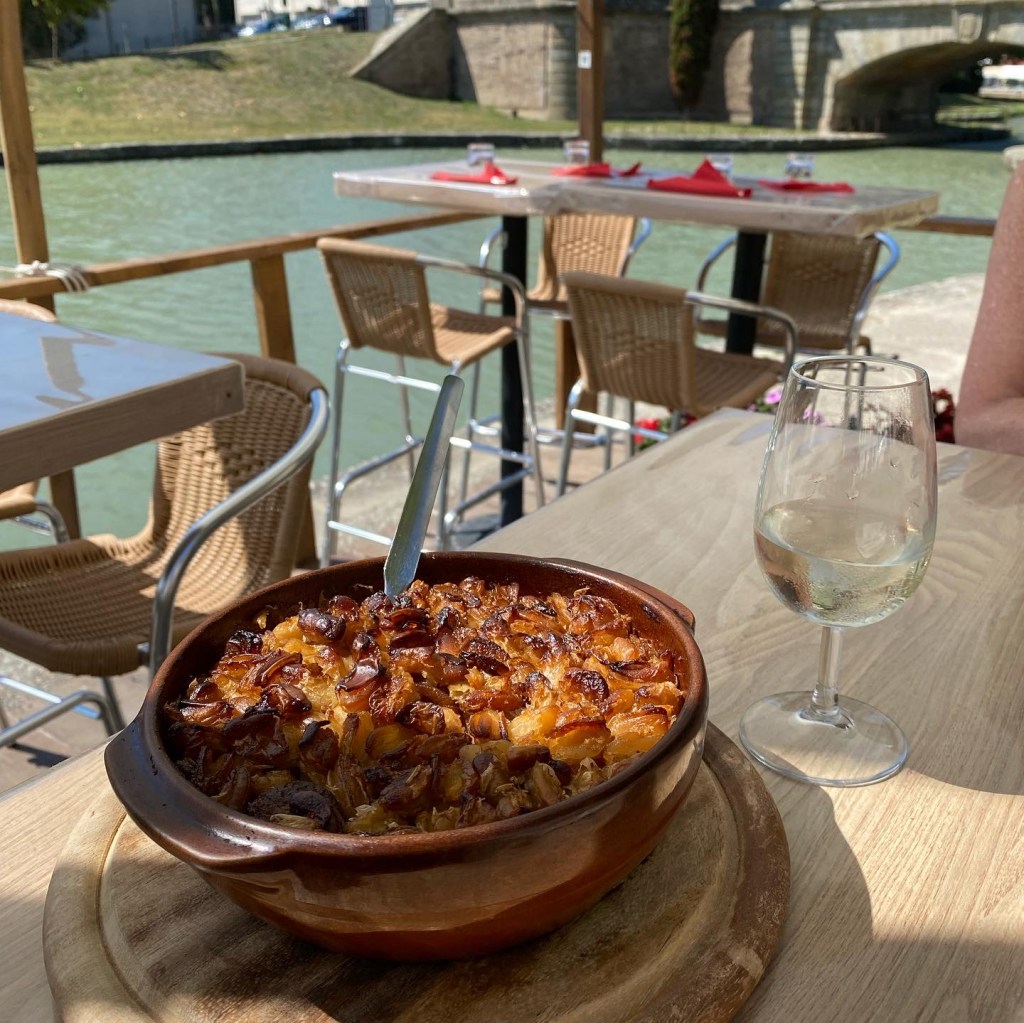
And the passes made all the difference. Everyone required them in France. Not just the gate agents for our domestic flight from Paris to Montpellier, and not just maitre d’s guarding the doors to indoor dining, but small restaurants serving exclusively outside, where there’s really minimal risk. And not just in the bigger towns, like Avignon, Arles, and Uzes, but in tiny hamlets like Castelnaudary, halfway between the Mediterranean and Toulouse, where we feasted on cassoulet outdoors by a canal. Even there, they required verification of vaccination via the passe sanitaire. Luckily, we were able to produce them and do everything we wanted to; no constraints.
We encountered the exact opposite in Spain – no one checked and no one cared. And despite the reference to indoor dining in France above, we only dined indoors there three times. But they checked every time. In San Sebastián, Spain, where Michelin-starred dining was our primary goal, dining was indoors each time. And each time, there was no concern and no checking. This served as an interesting contrast between EU countries. We’ll see what Italy does, when we head to Tuscany in October.
We spent most of our time on the 2-week trip in Languedoc, west of the Rhone, and in Provence, east of the Rhone, basing ourselves first in Uzès, then Gordes, and finally Sète, on the Mediterranean. The itinerary, such as it was, is depicted below, starting at the Montpellier airport and heading northeast first to Uzès, with a bunch of day trip, then to Gordes, with more forays, then to Sète, Toulouse, and finally San Sebastián on the Atlantic coast. We’d pop back up to France to fly back out of Biaritz to avoid an absurd drop fee if we returned the car we picked up in France in Spain, instead.
Although we spent the last 4 days in San Sebastián, in the Basque region of Spain, to get there from the South of France required a 7-hour drive, which is why we stopped half way in Toulouse. The black pins are places we saw during the trip, further delineated by house icons (towns where we stayed) and fork and spoon icons (typically stopover locations between home towns):

Despite all of the risks – we wouldn’t get our health passes, there would be no rental car waiting due to the crazy demand, we’d encounter issues or delays on the road and in towns – the trip went exactly as planned. Almost for the first time for us. Plus, we had awesome weather for all but one afternoon and evening.
Quick highlights from the trip are below, before more detailed posts to come.
First, 4 nights in Uzès in Languedoc, a town we were hoping was a European version of Old Town based on a lot of research last year:
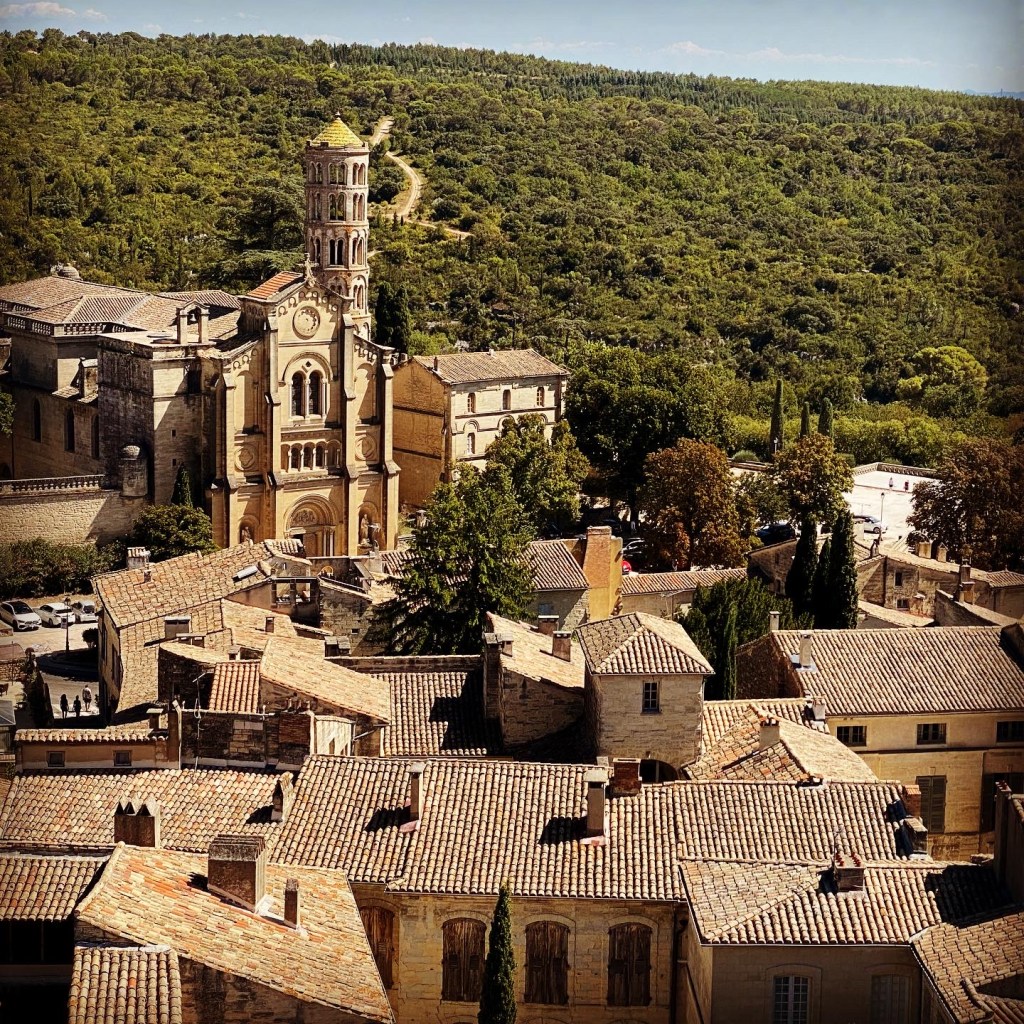
Close (and really charming), but no cigar.

A day trip from Uzès to the fortified hilltop town of Lussan:

Hiking the crazy, river eroded Concluses de Lussan down the road from the little hamlet:

And another side trip to a similar aerie: La Roque-sur-Cèze:
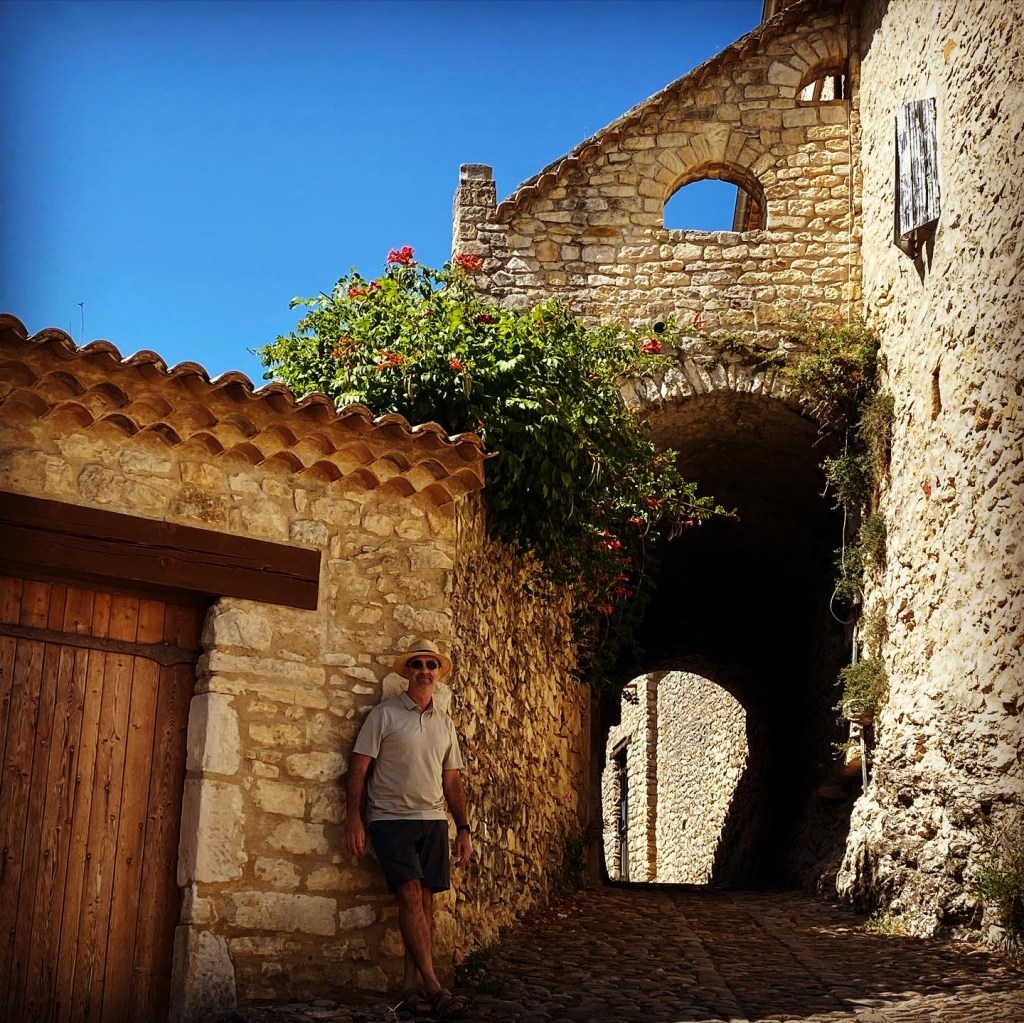
One last evening in Uzès:

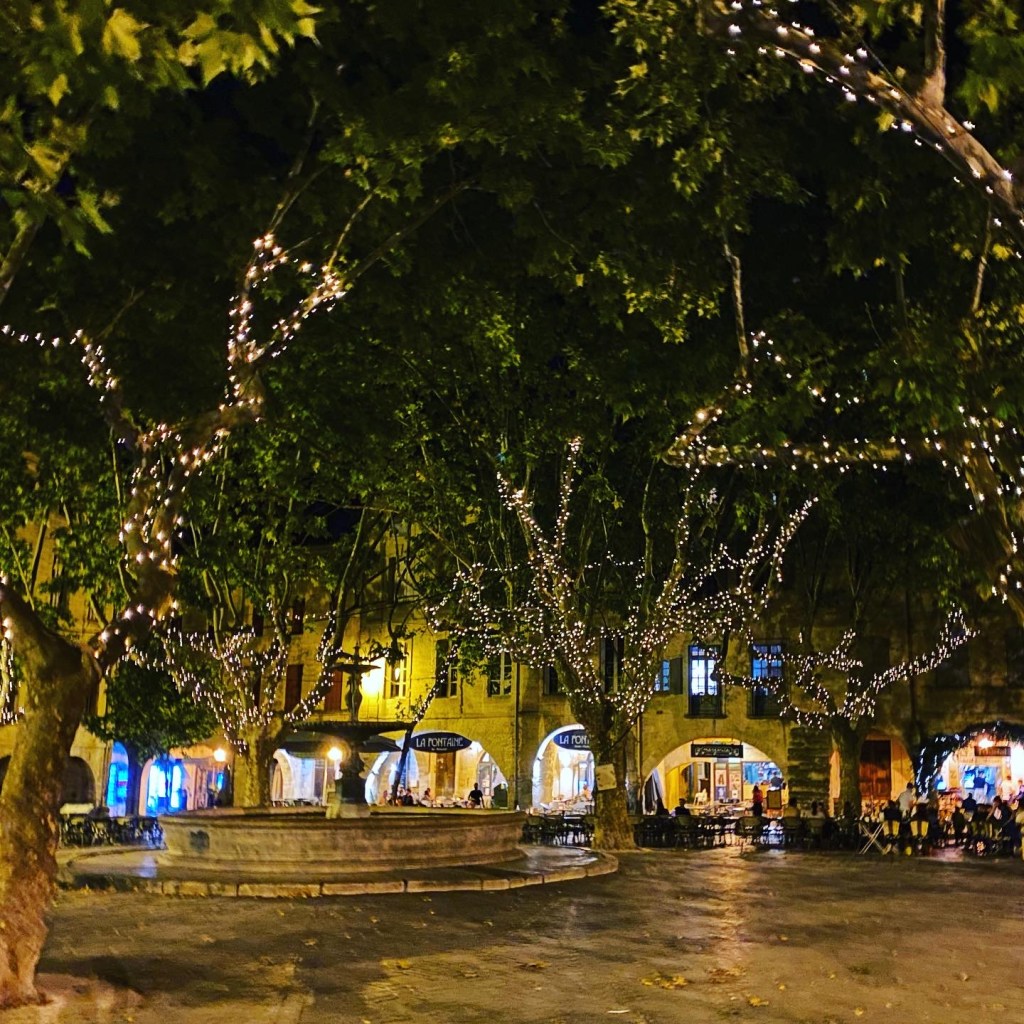
On to Gordes, by way first of a return trip to the 2000-year-old Roman aqueduct of Pont du Gard, which we first visited during our first bike trip in Europe in September of 2002:

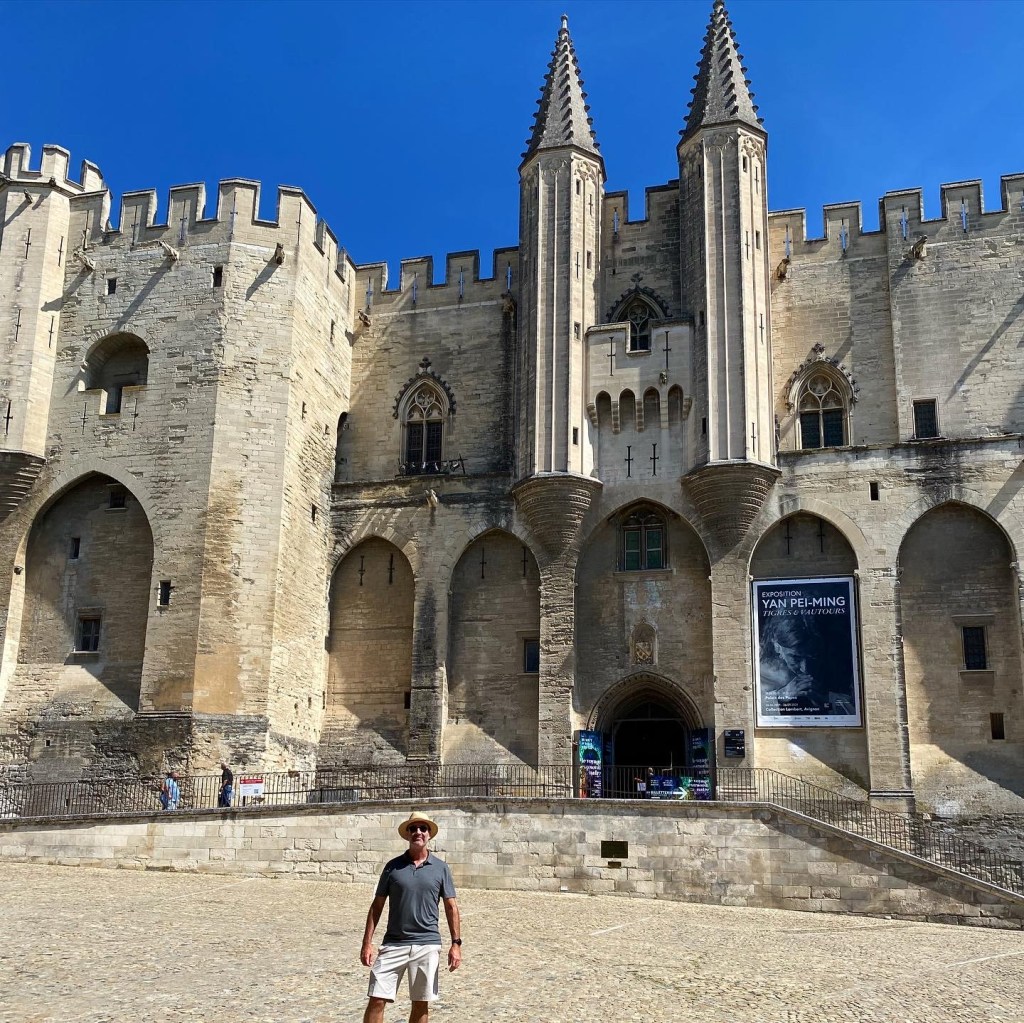
Followed by a return trip to Avignon, home to the Antipopes, for a little stroll and some lunch in front of the Palais des Papes:
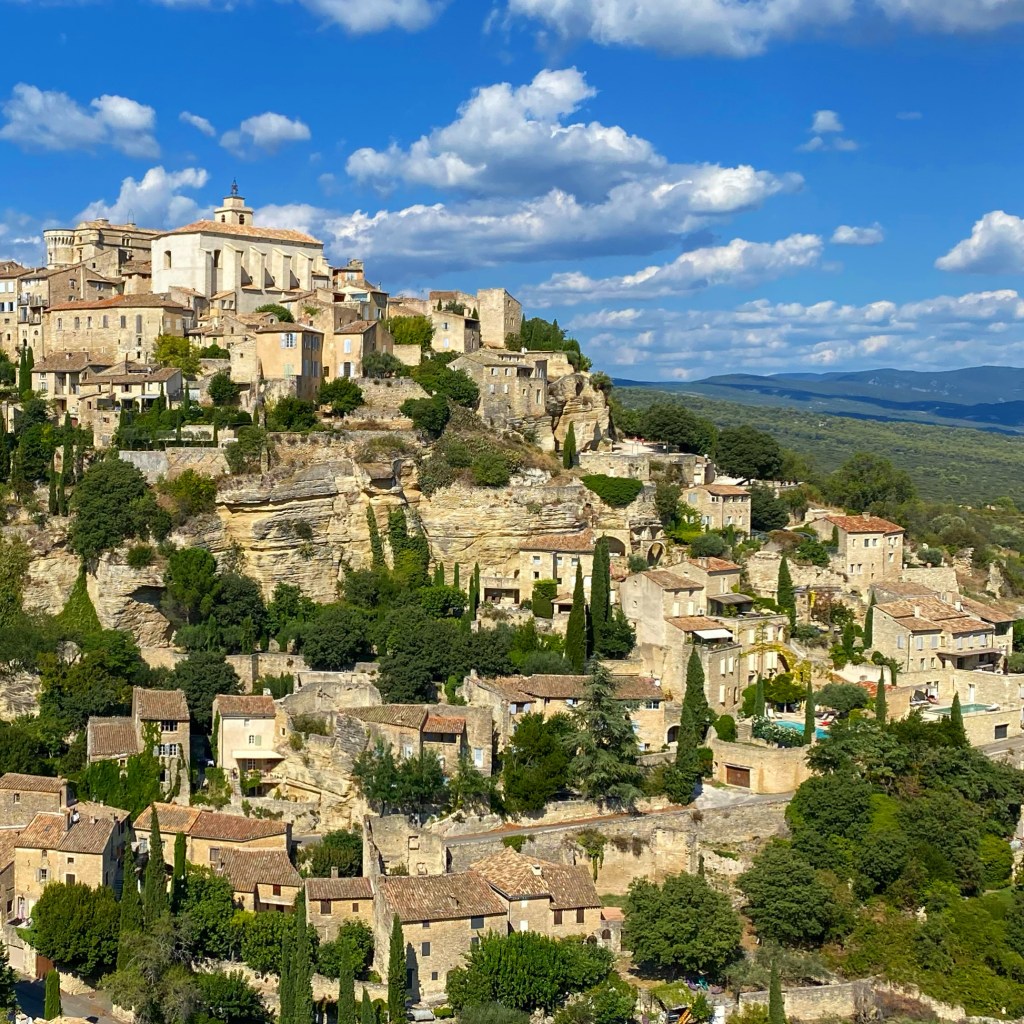
Before finally arriving in Gordes – the crown jewel of the Luberon in Provence:

The dry-set rock huts of the bories a few miles’ hike away from town:

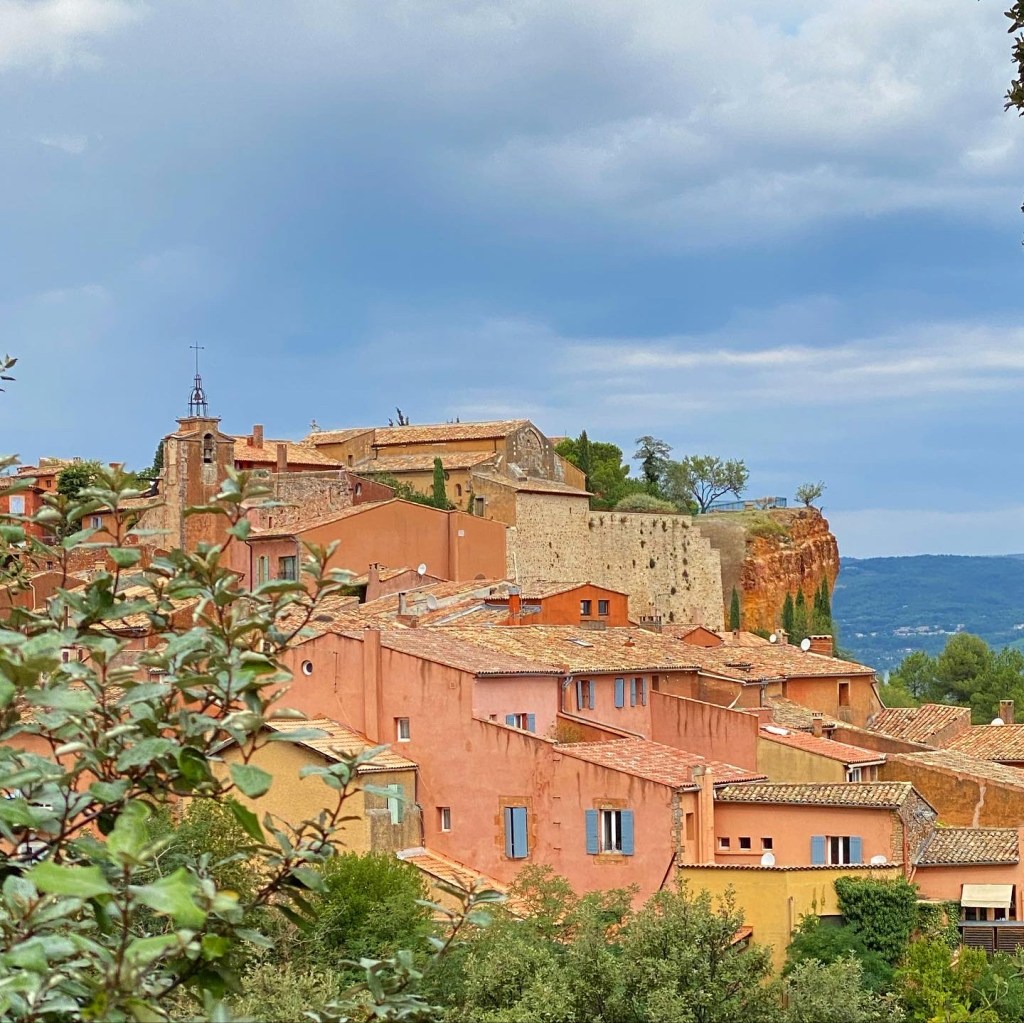
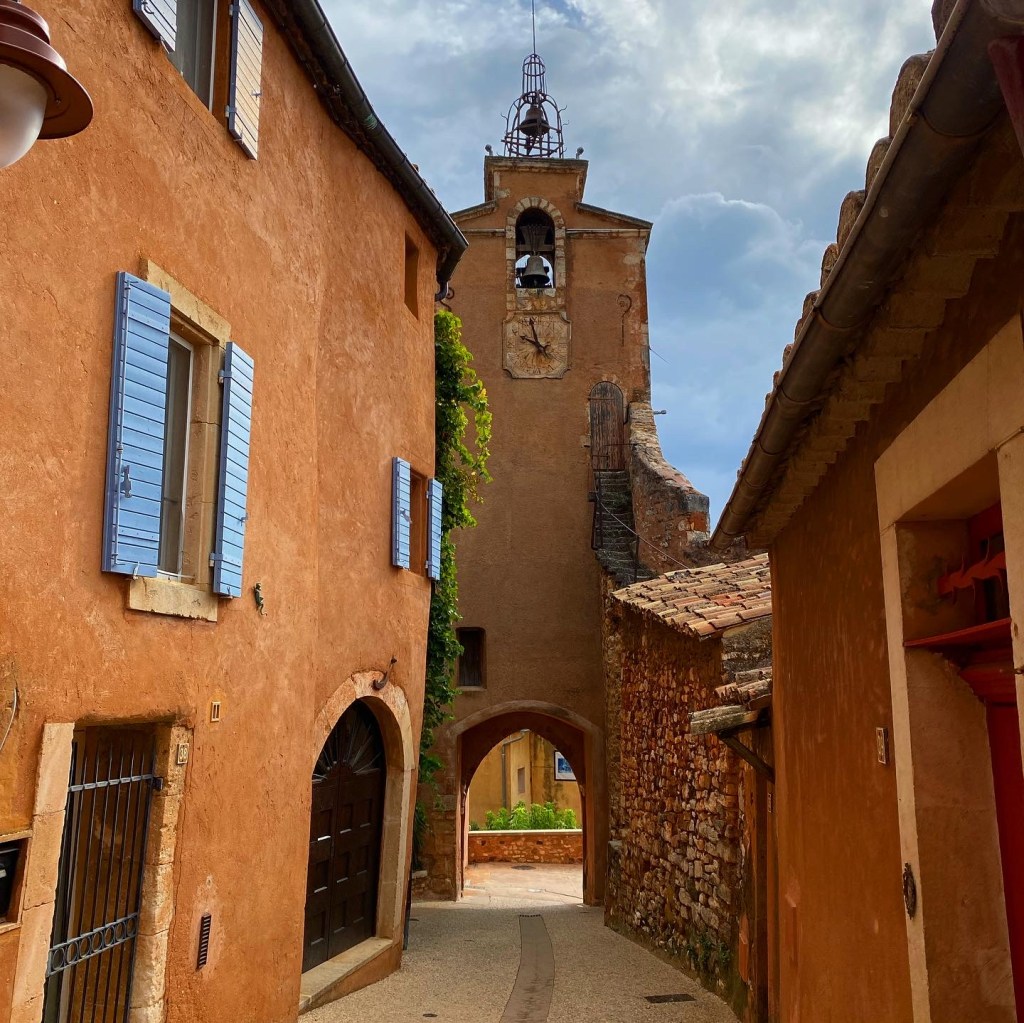
A morning drive to Roussillon, a hilltop town near Gordes built on ochre mining (in more ways than one):
Followed by a trip to another hilltop town in the Luberon – Menerbes:
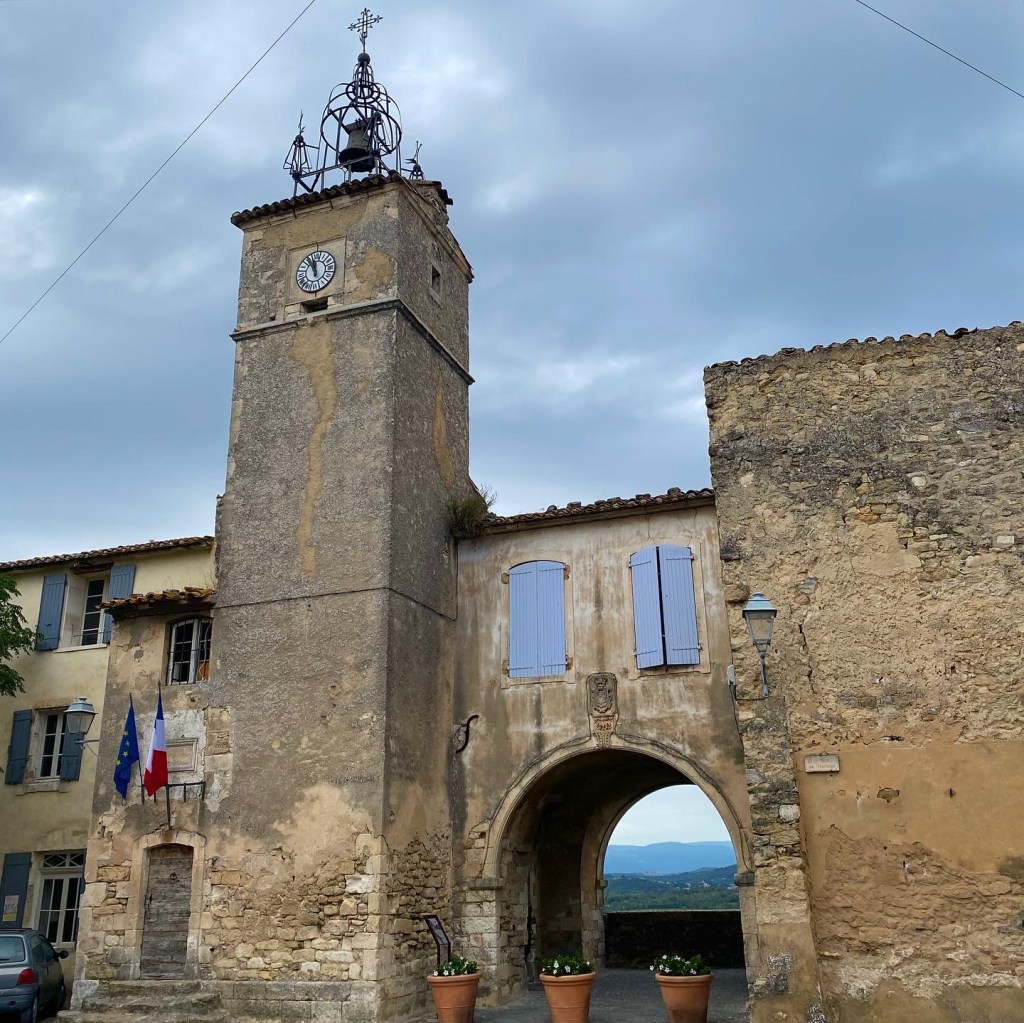
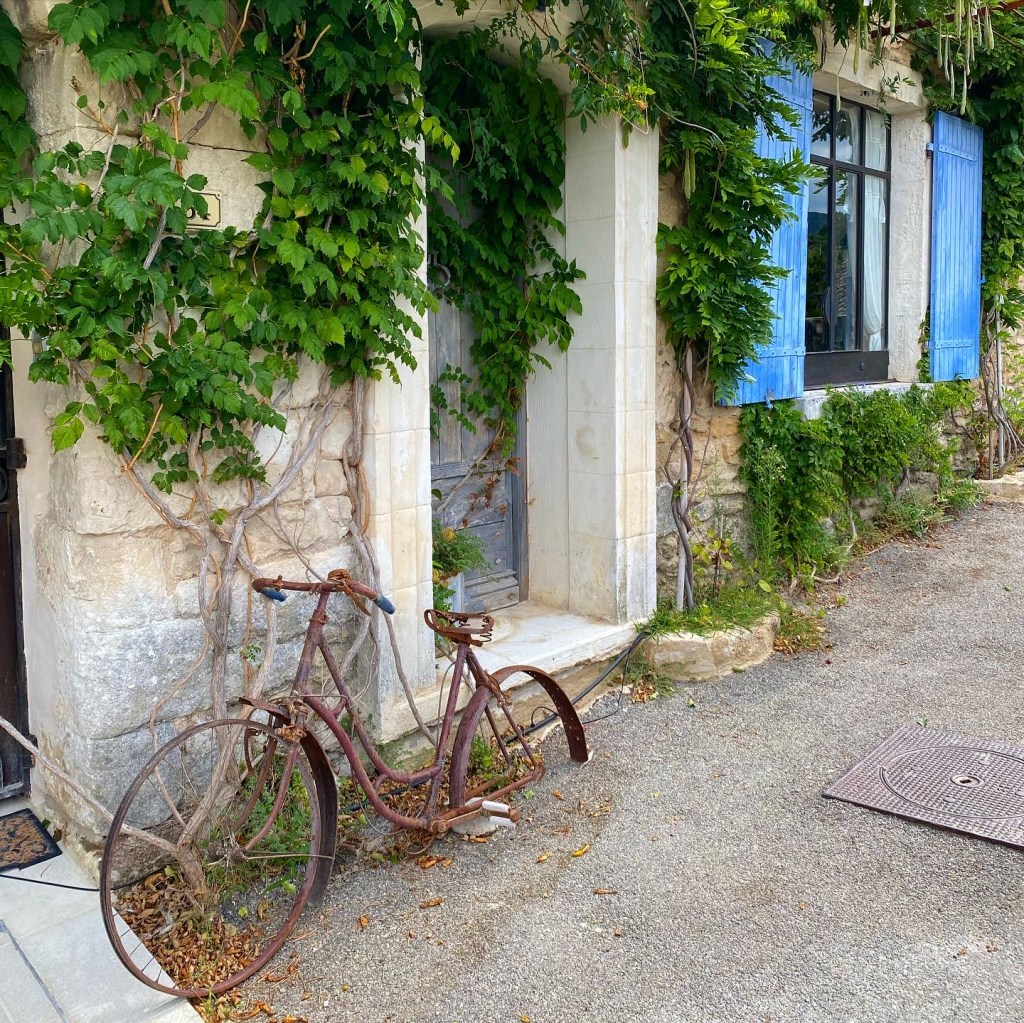
Including a really great lunch at the edge of town that included “parsley knives” (an amusing quirk of translation that we’ll explain in a subsequent post). Also, both Languedoc and Provence are massive producers of rose, which we fully exploited.

And finally, a jaunt through the abandoned hilltop town of Oppedes:

Our last night in Gordes by the chateau at the top of the town and our only spot of weather:

From Gordes, we drove south, to the Mediterranean and the fishing port town of Sète. But on the way, a stop for lunch in Arles to revisit our favorite town from our Provence bike trip almost 2 decades ago.
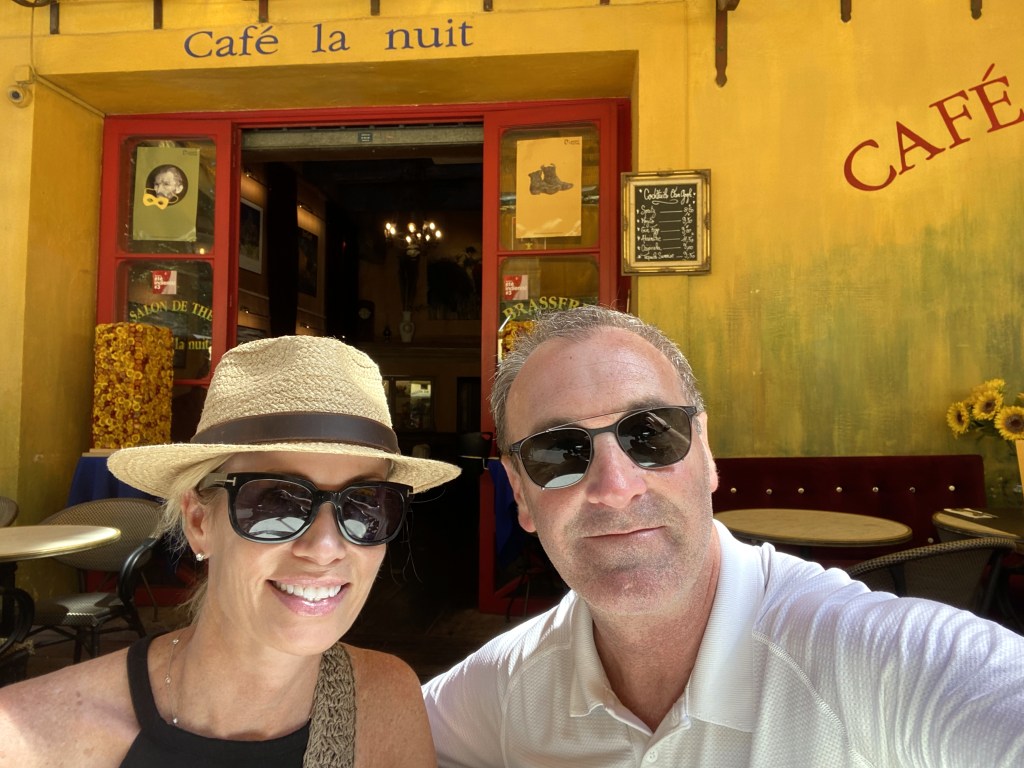
Same cafe, almost 20 years later!
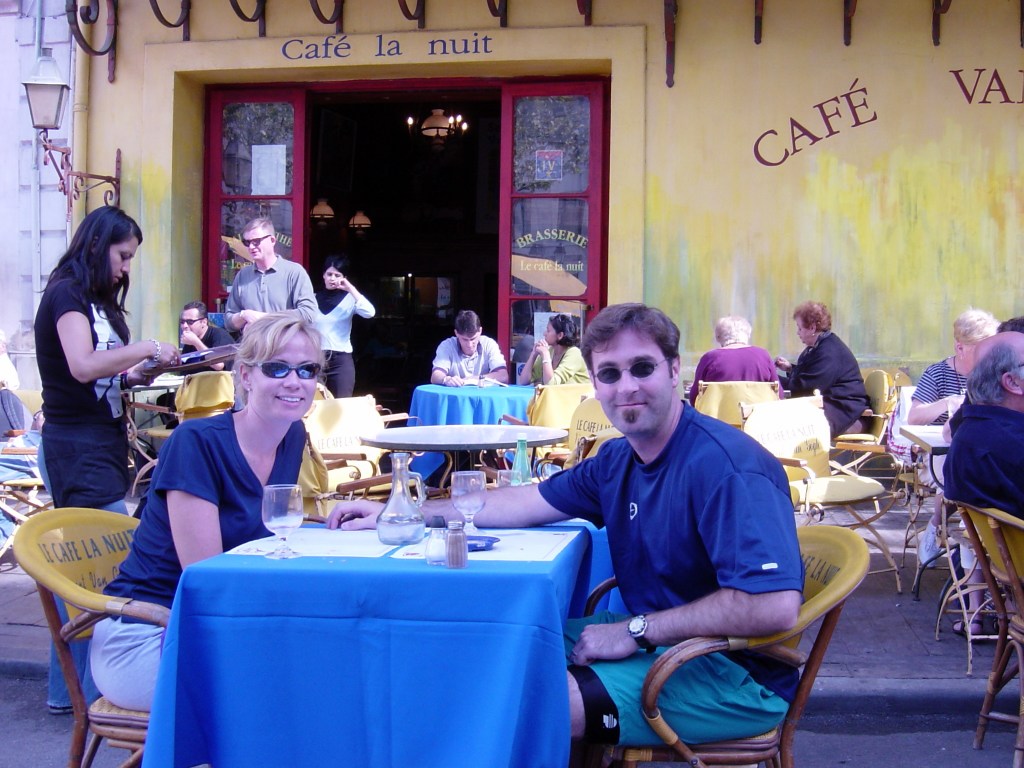
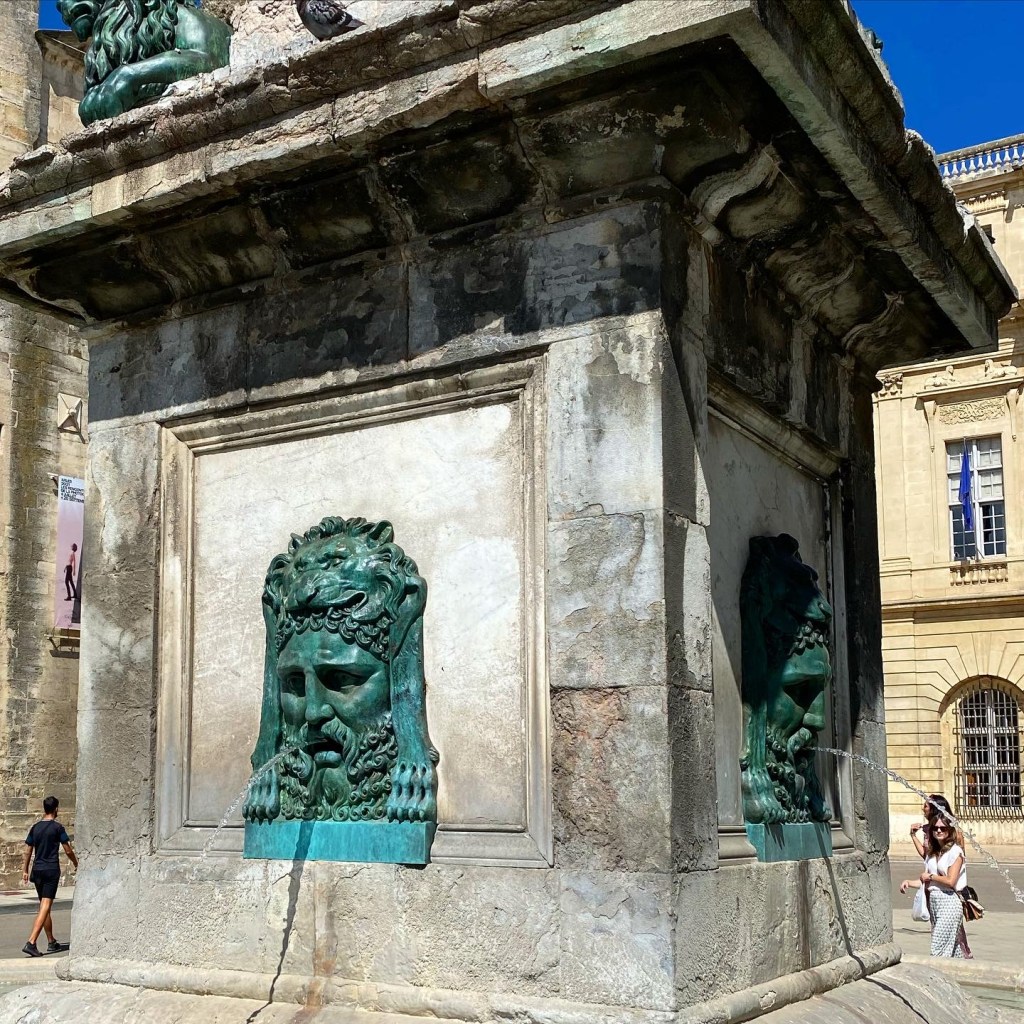
Plus, a visit to the WolfeStreetTravel avatar in the town square. Our guy clearly had been gussied up since our last visit, compared to the image of our blog avatar.
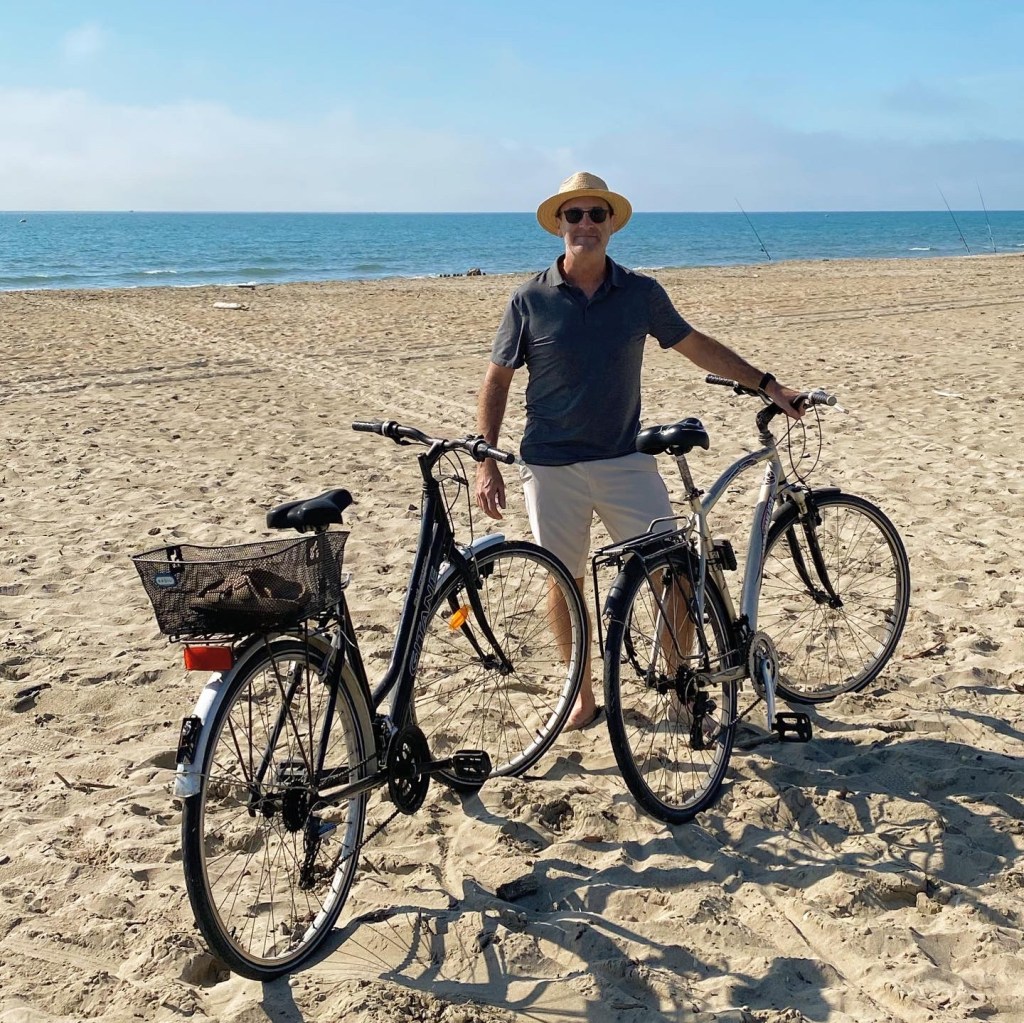
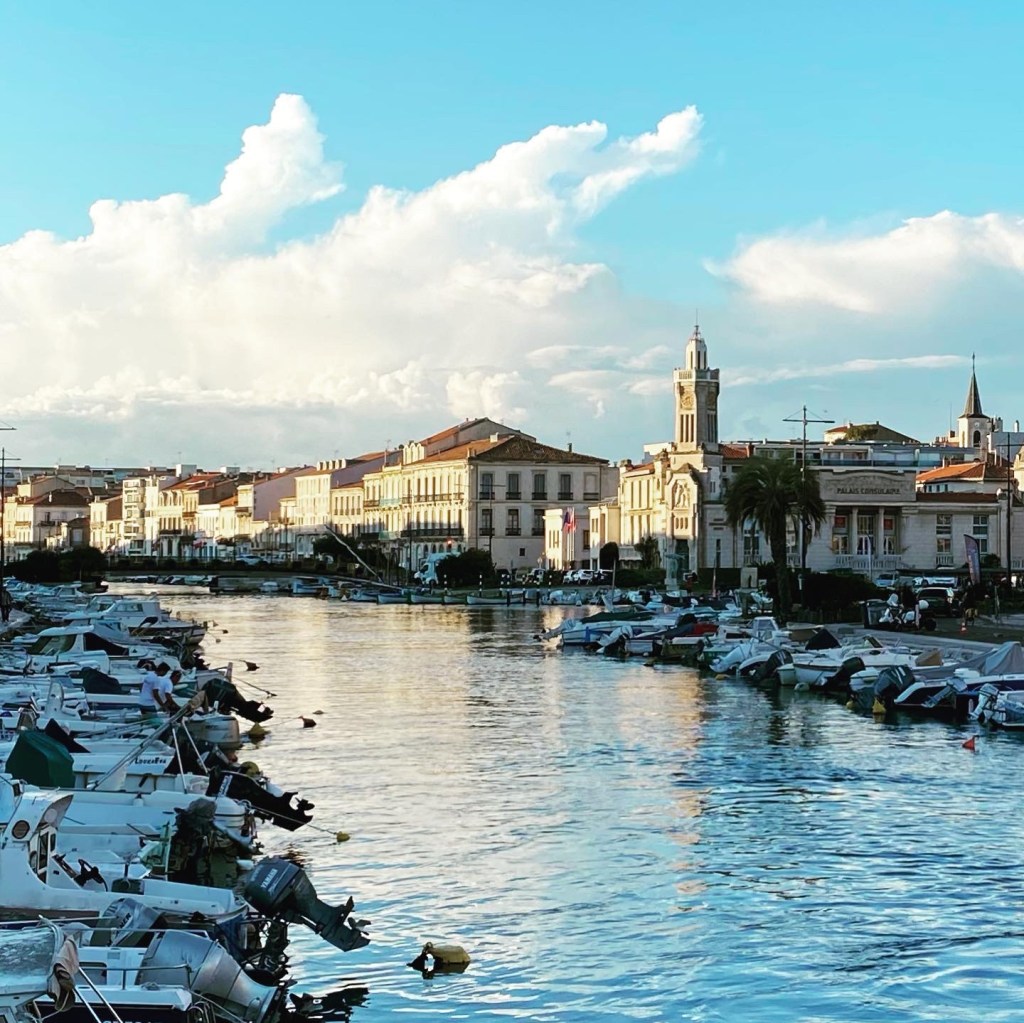
Two nights in Sète, for which we had moderate expectations, having been described as a “gritty port town.” It was perfect, and a great, seaside contrast to the hill towns of the Luberon, so we were able to bike for miles along the sea. The Sète fishing fleet includes trawlers with piggyback Mini me boats that are deployed at sea to haul the other side of the trawl or net:



Having completed the South of France portion of the slow roll, we slow rolled to San Sebastian, Spain. But first, a stop in Toulouse, by way of Castelnaudary, the birthplace of cassoulet (which made our lunch choice there pretty easy):

And then, there was No. Time. Toulouse!


Our final destination – the gastronomic capital of the world, San Sebastián, Spain.

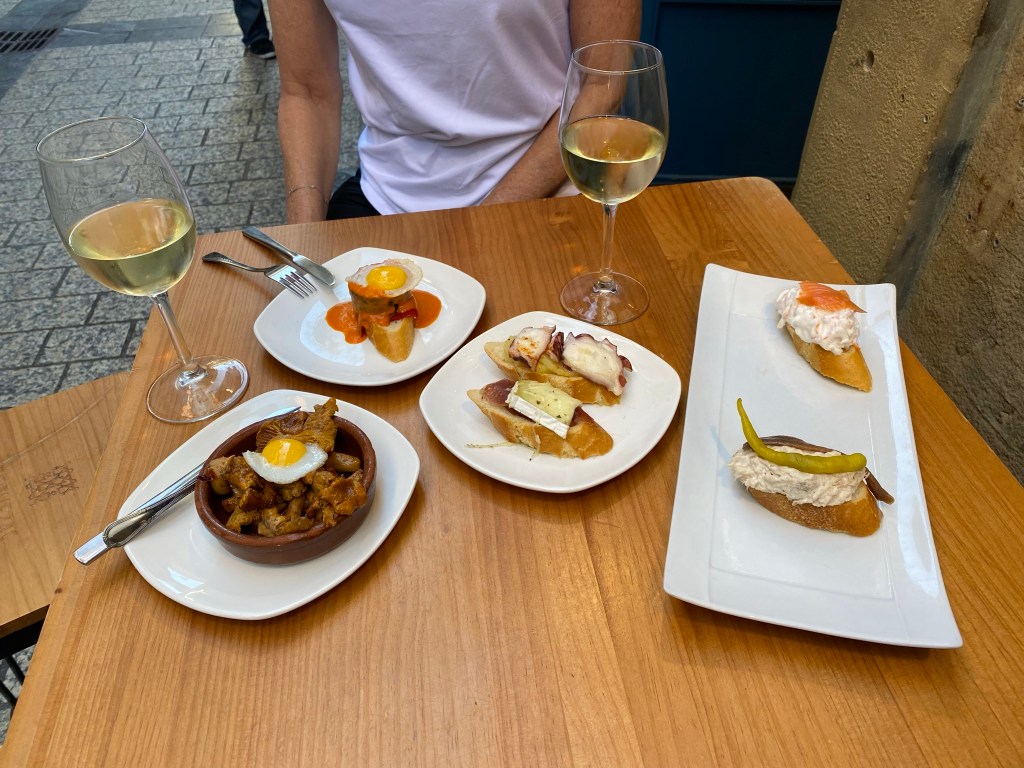
Where we participated in the age-old dining conflict between cheap, quick, delicious pintxos in the Old Town:

Or Michelin-starred fine dining in the outskirts:

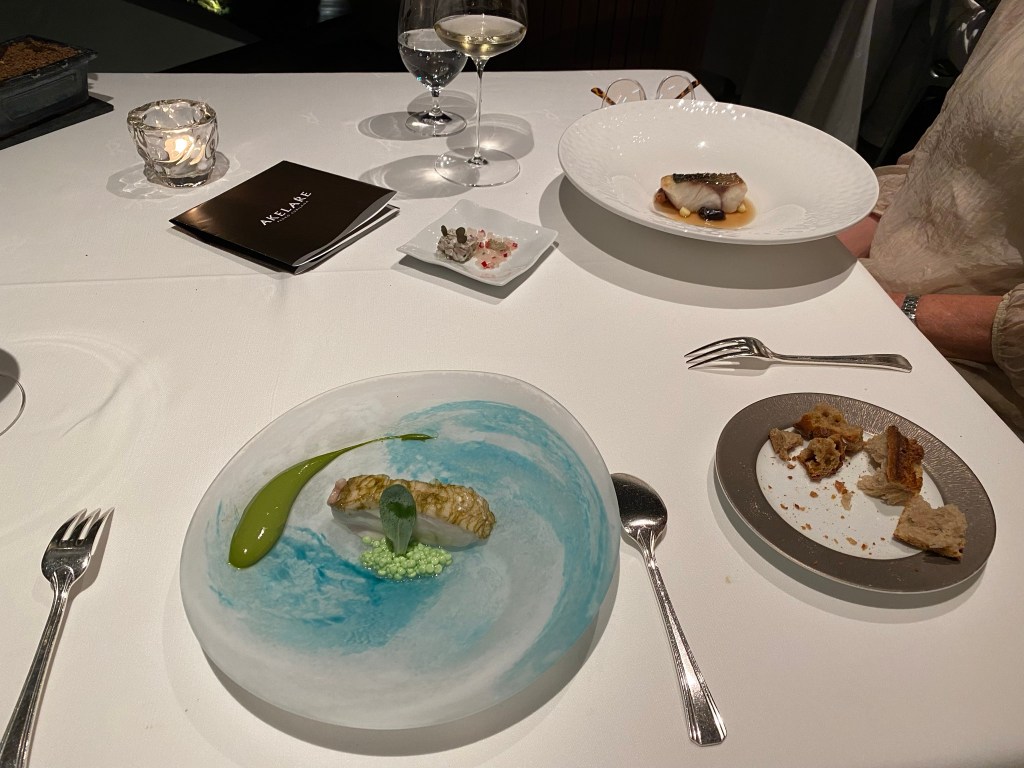
A solid tie in this gastronomic war, in our view.


Final evening in San Sebastián:


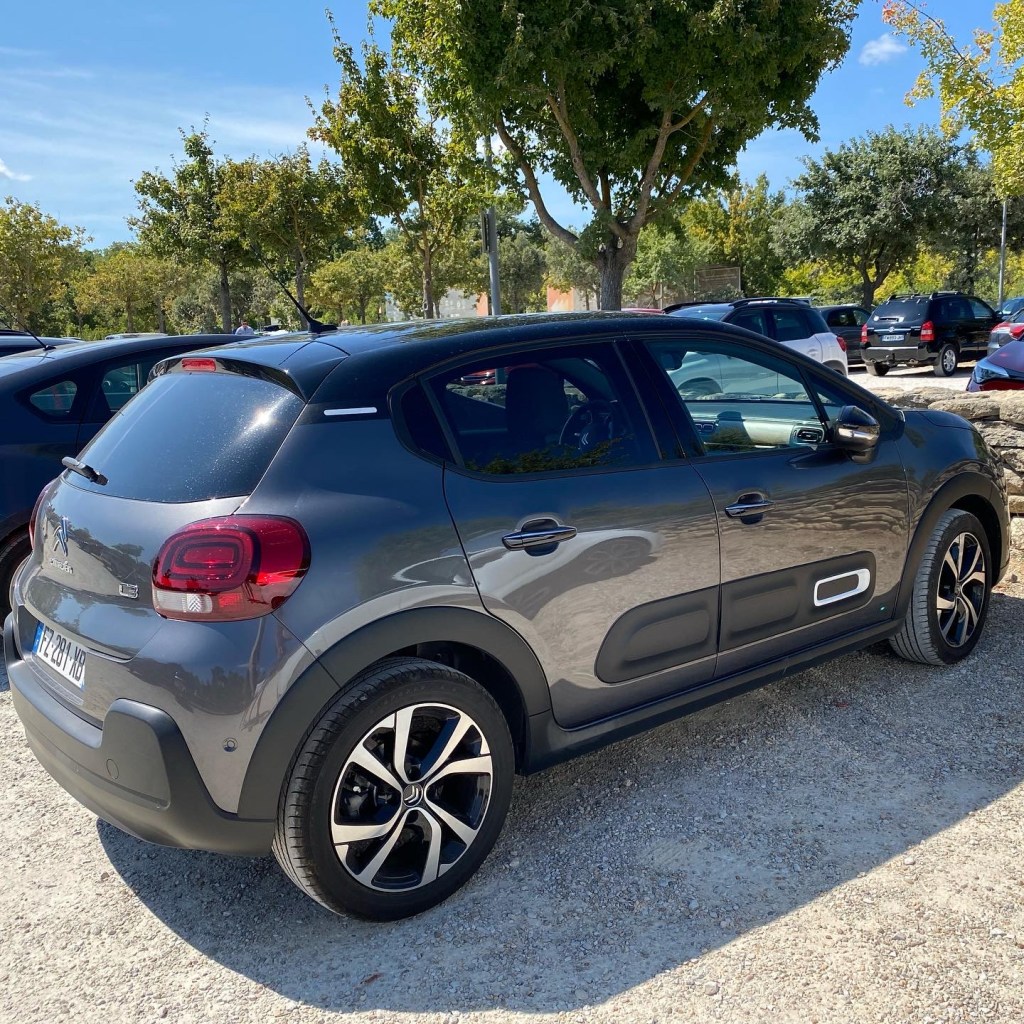
And the trip was powerfully reminiscent of our epic Micronations Road Trip of 2017. Although we did not move every day, like we did on that trip, we had an awesome little diesel family truckster (a Citroen that looked like a sneaker this time, instead of the trundling Skoda):
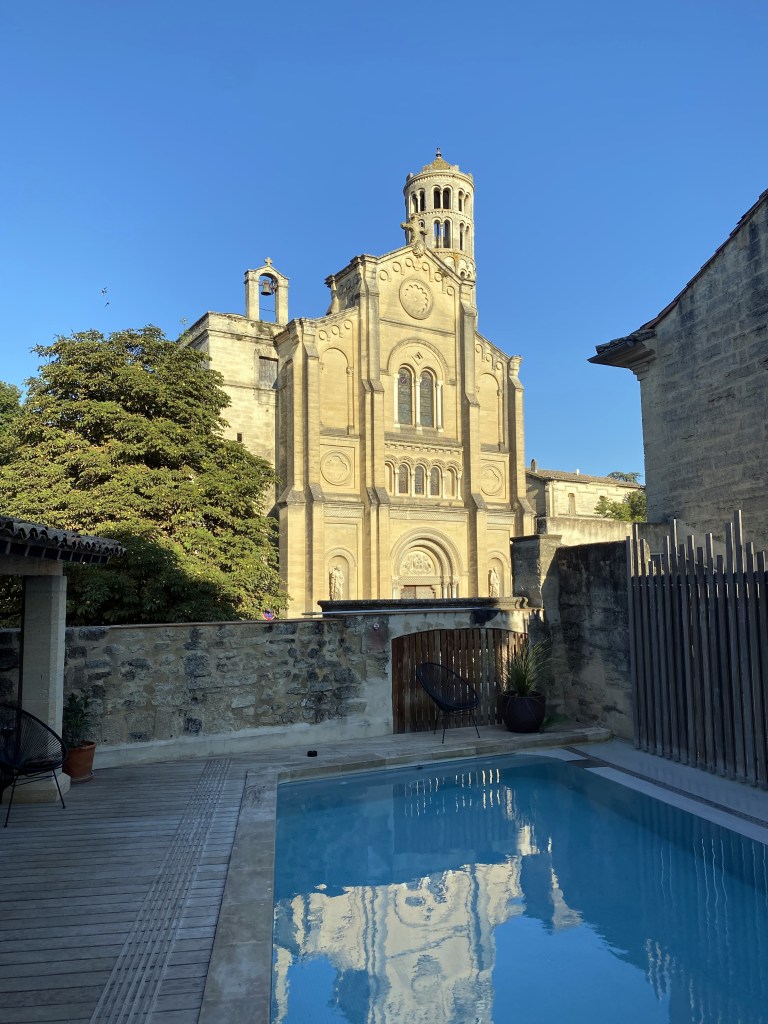
And we had some awesome downtime by pools at our base-camp towns, including one in the shadow of a cathedral, exactly like the one in Carcassonne in the Micronations Road Trip

Next up: Uzès.
 WolfeStreetTravel