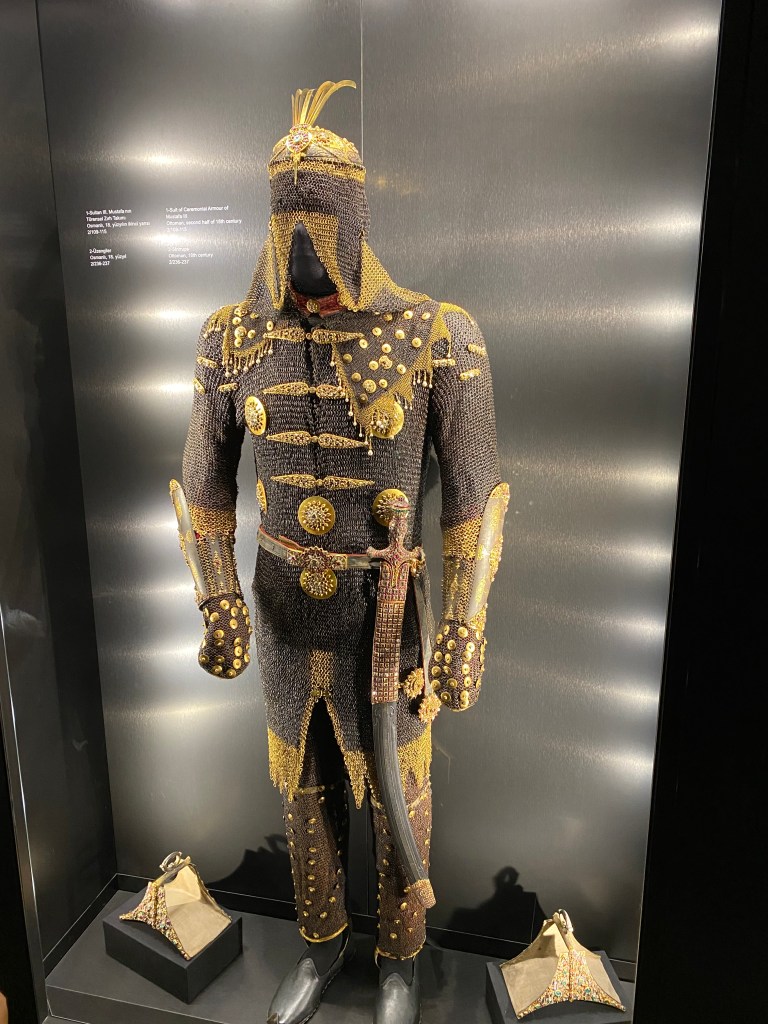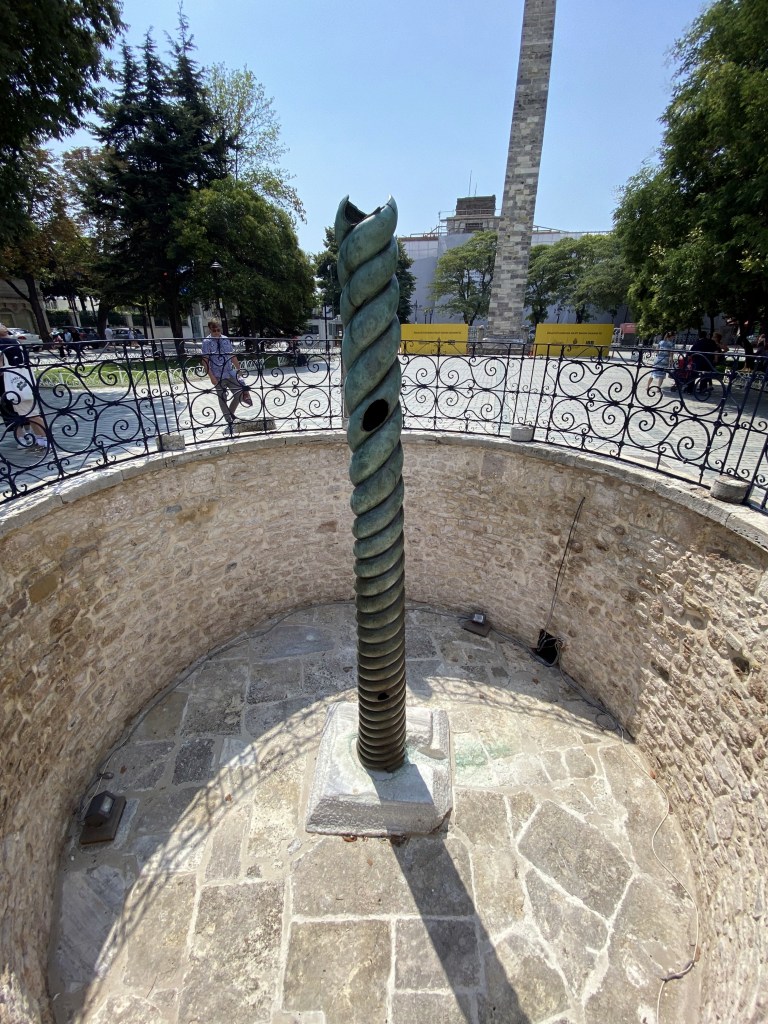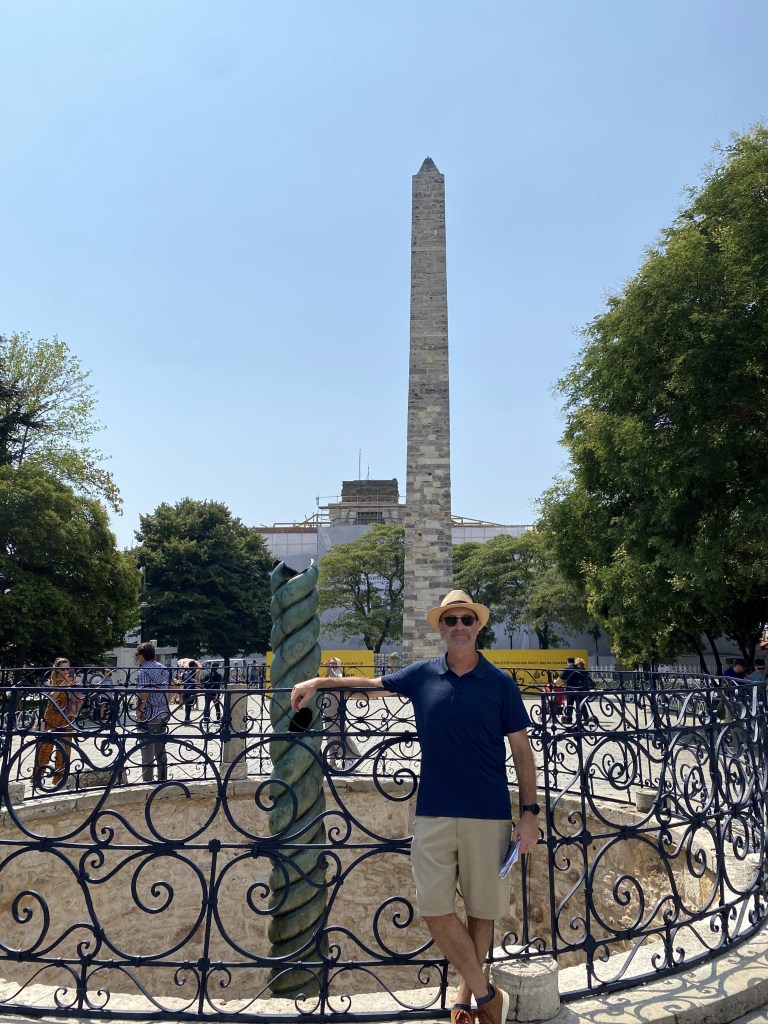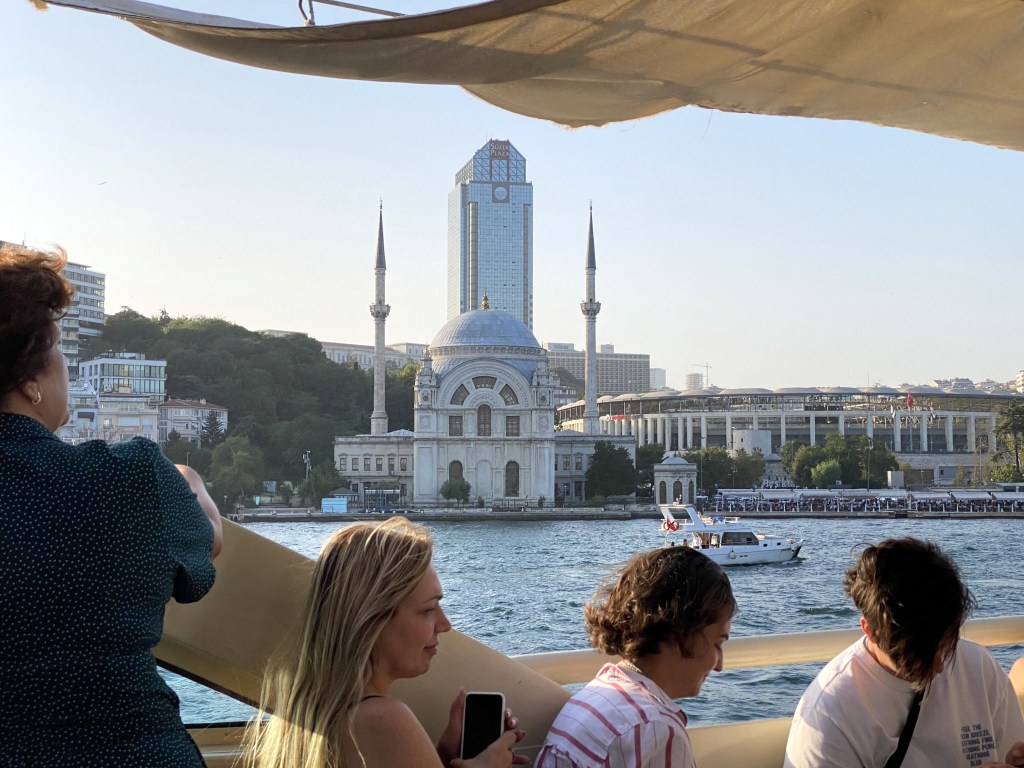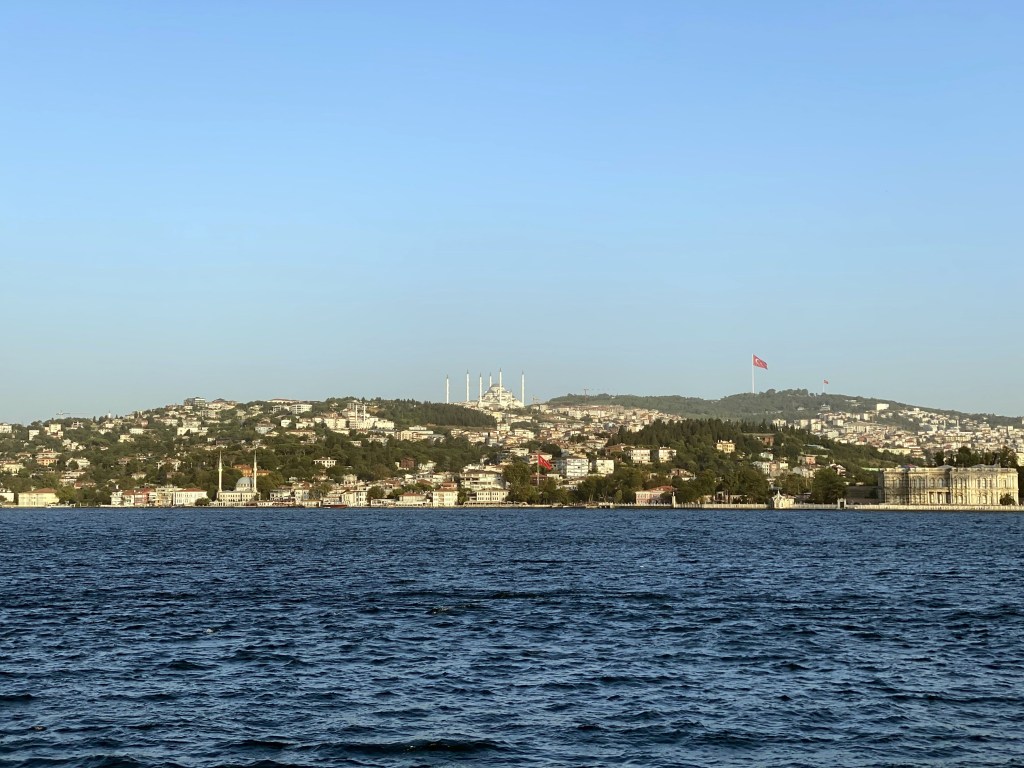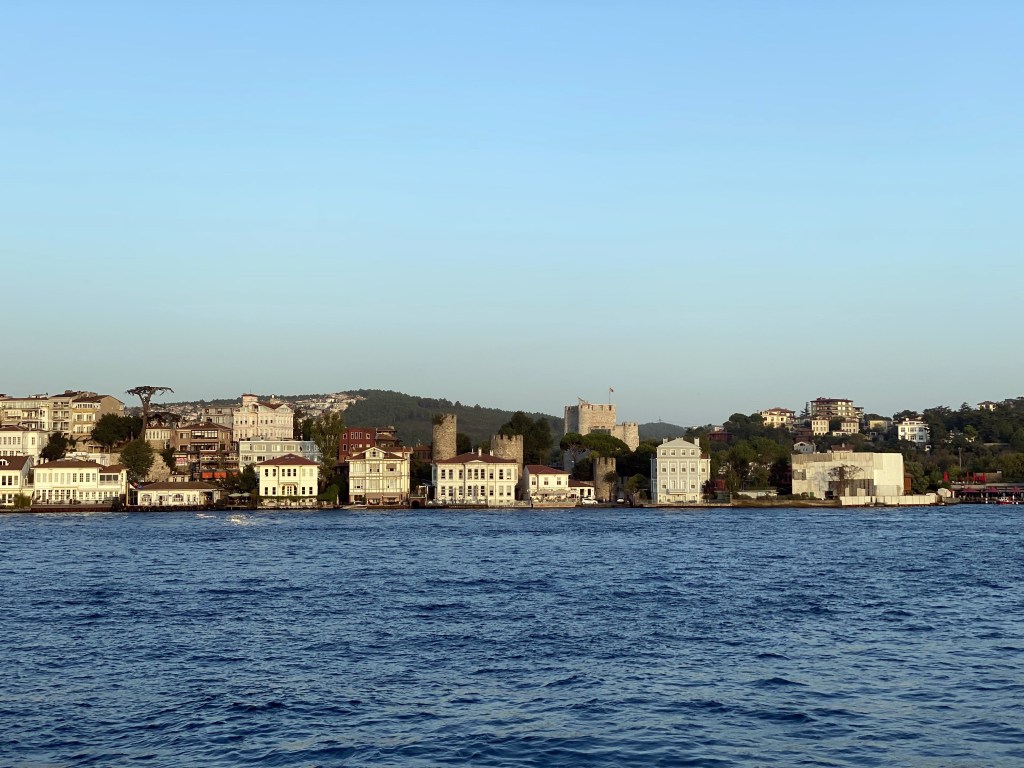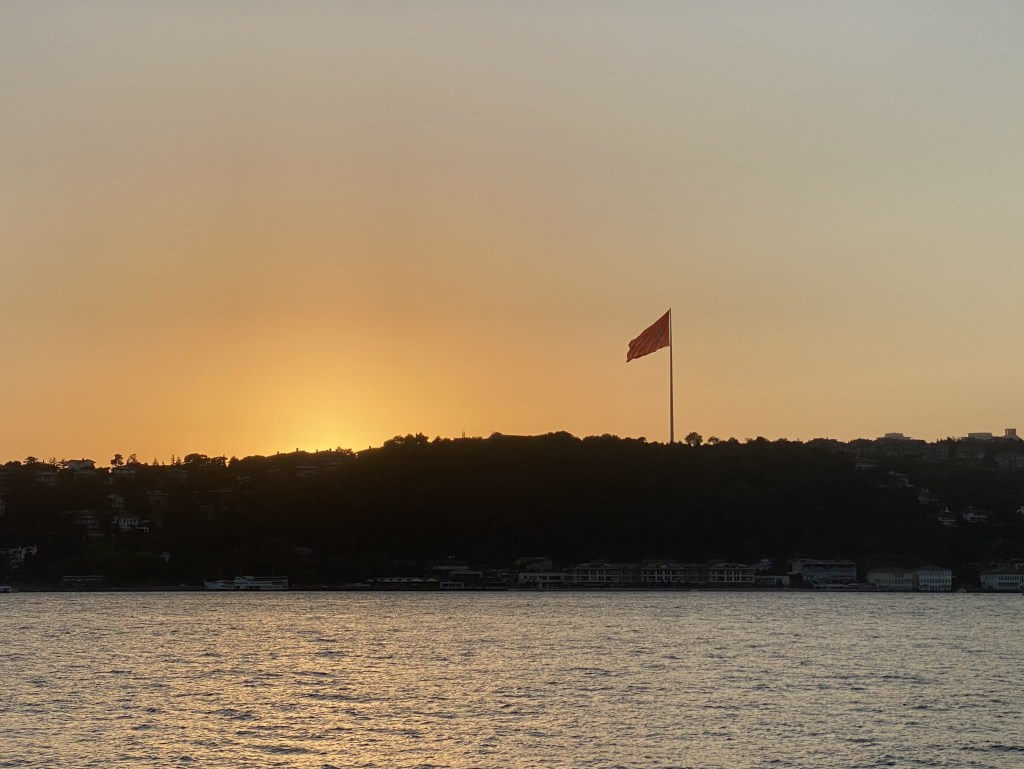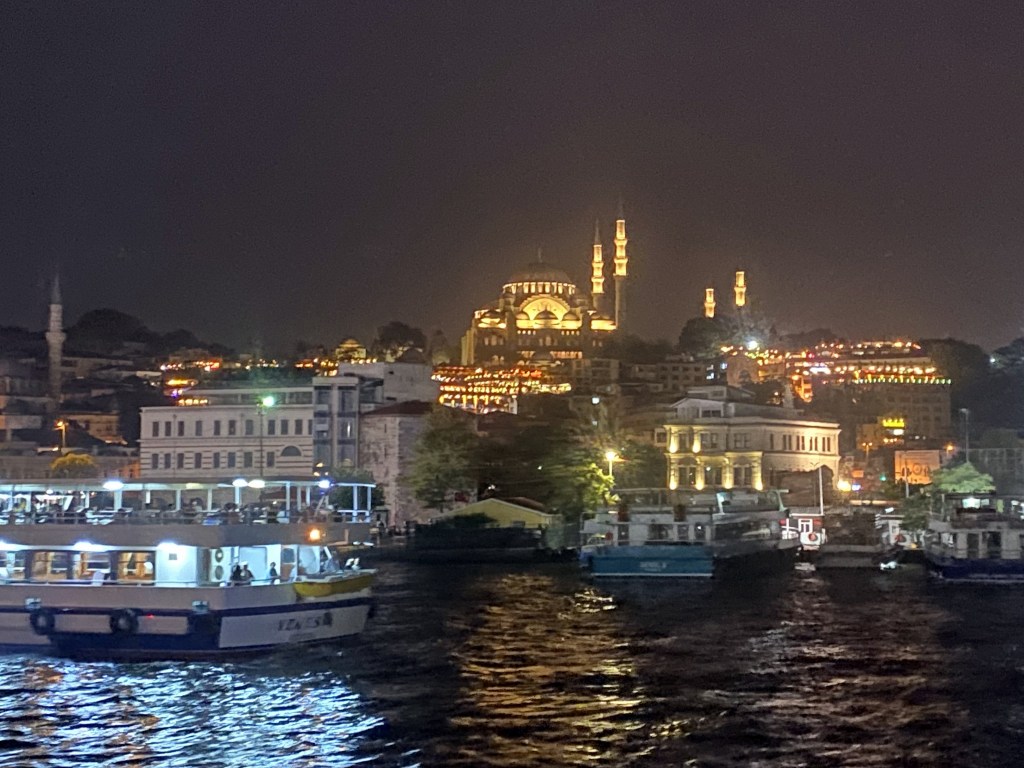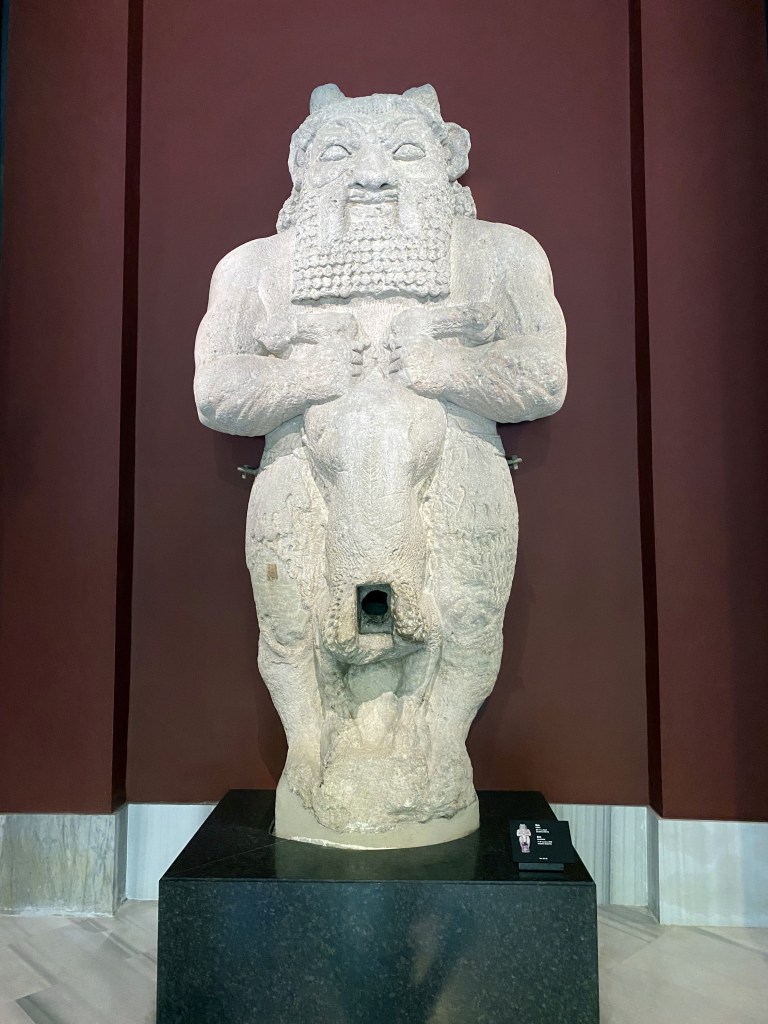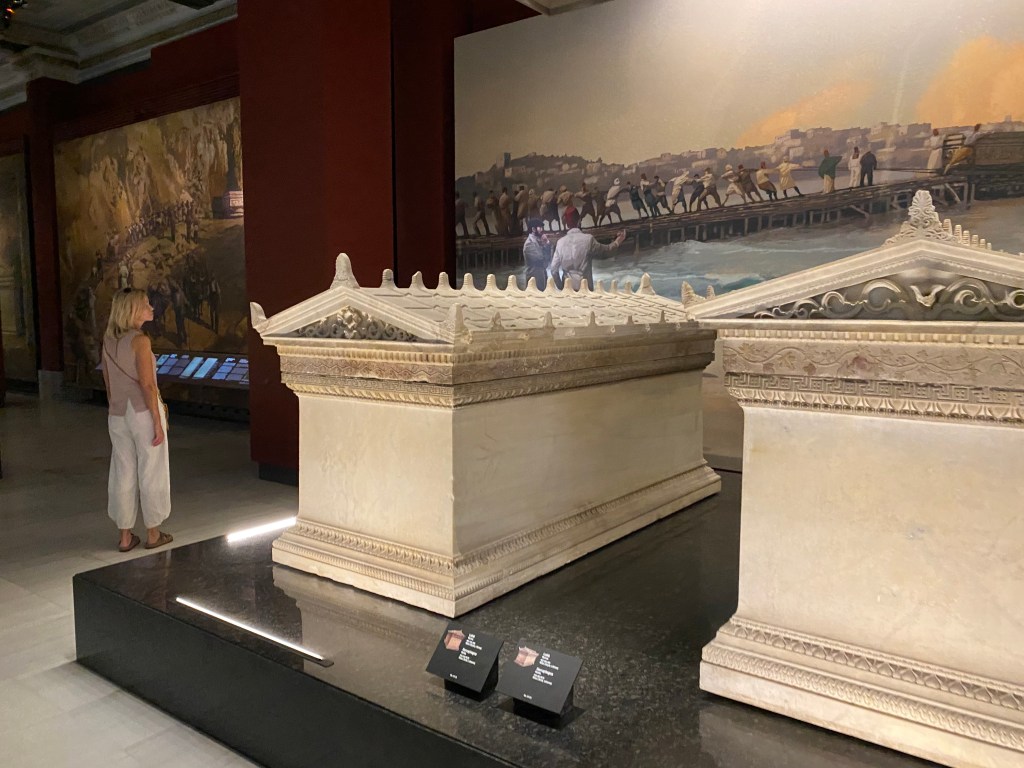
Turkey and Back to Greece: Trip Overview

After three true road trips abroad all in the last 12 months (Languedoc/Provence/San Sebastian, Tuscany, and The Cotswolds/Wales), we pivoted to slightly more typical travel logistics over this past Labor Day and headed to a couple of locations in Turkey, and then back to Greece to explore another of the Cyclades islands there.

We flew into Istanbul, and spent 3 days there, then flew south to the town of Göreme, in Turkey’s Cappadocia region, and finally from there (through an overnight in Athens), to the Greek island of Paros.

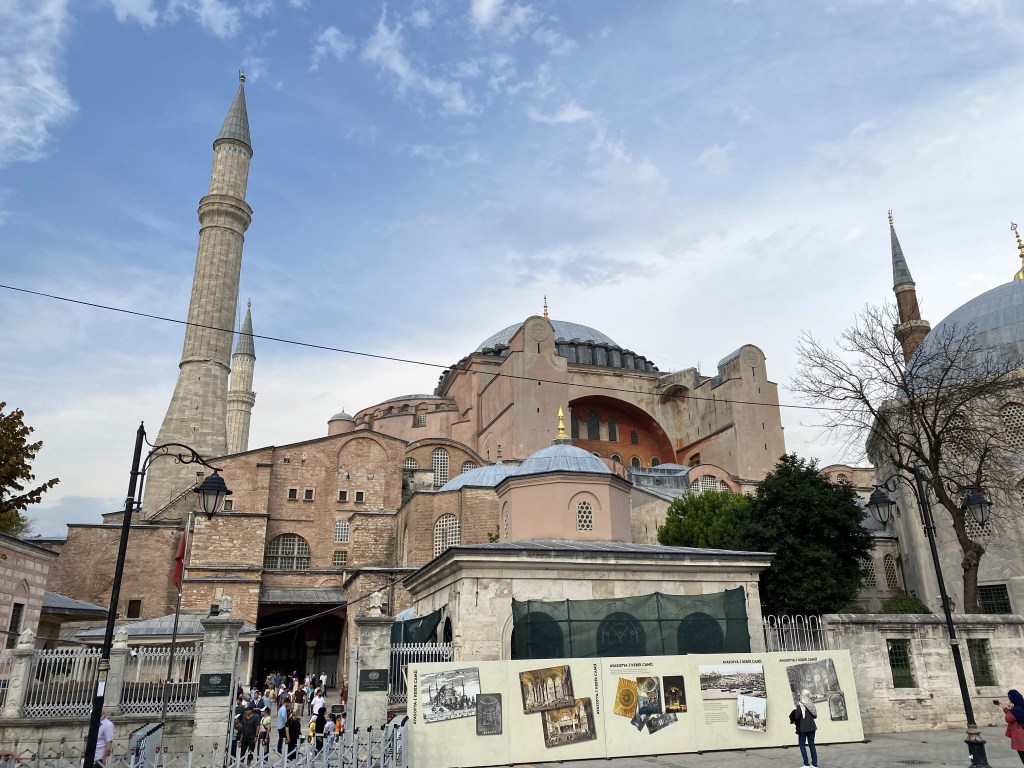
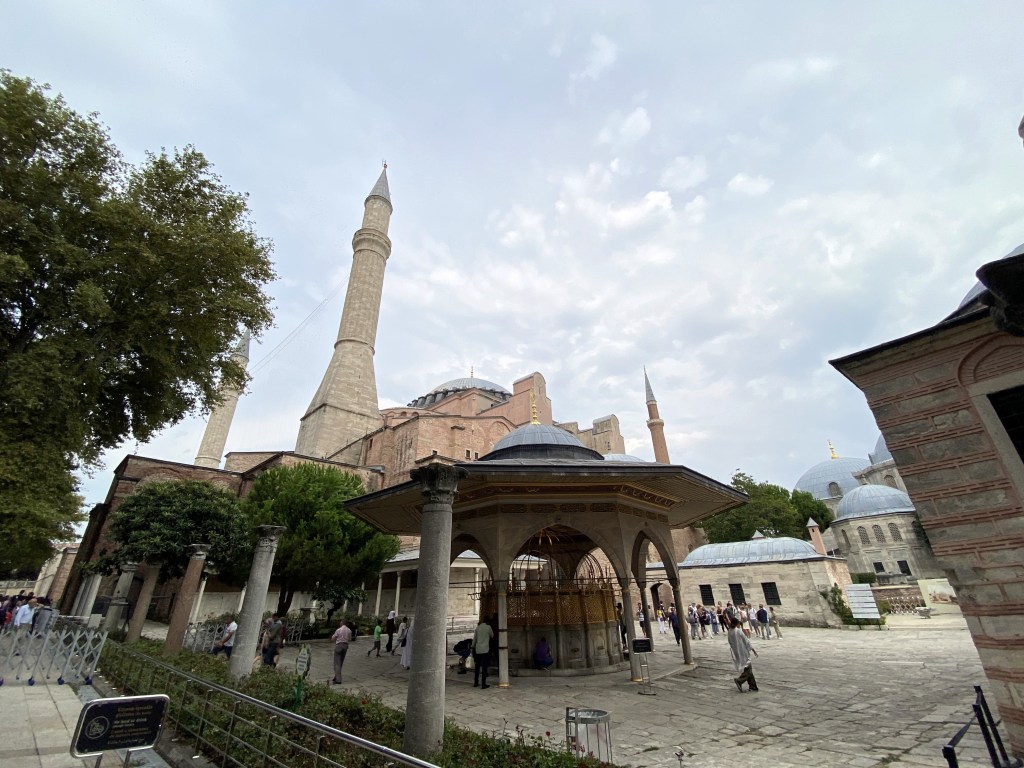
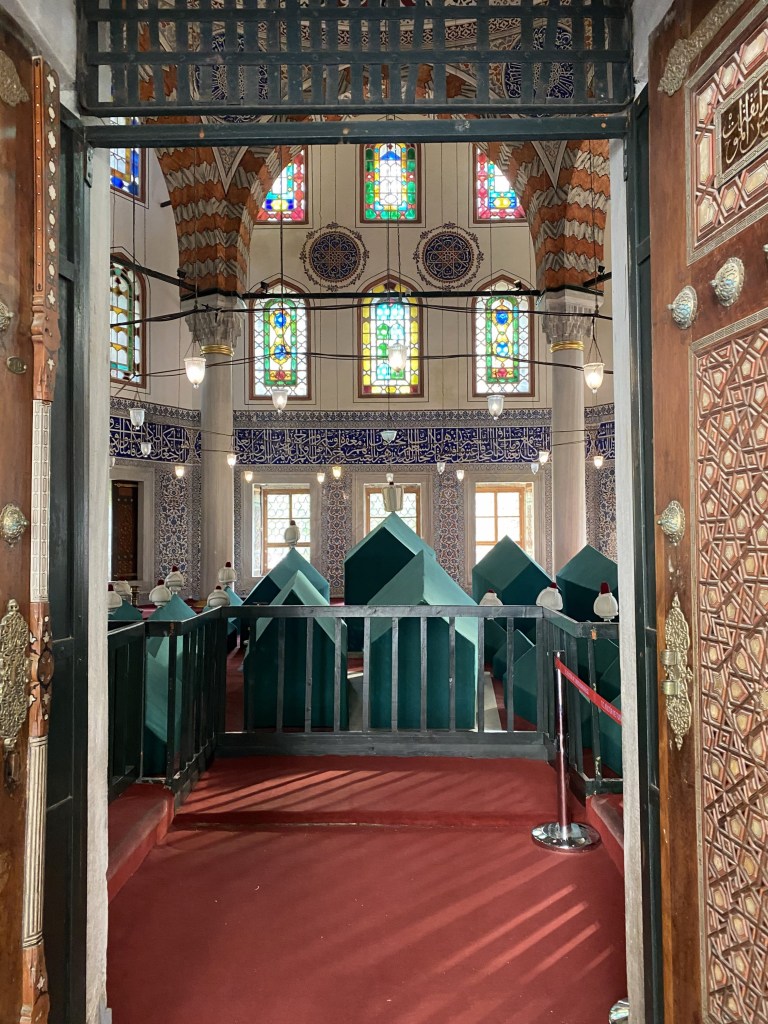
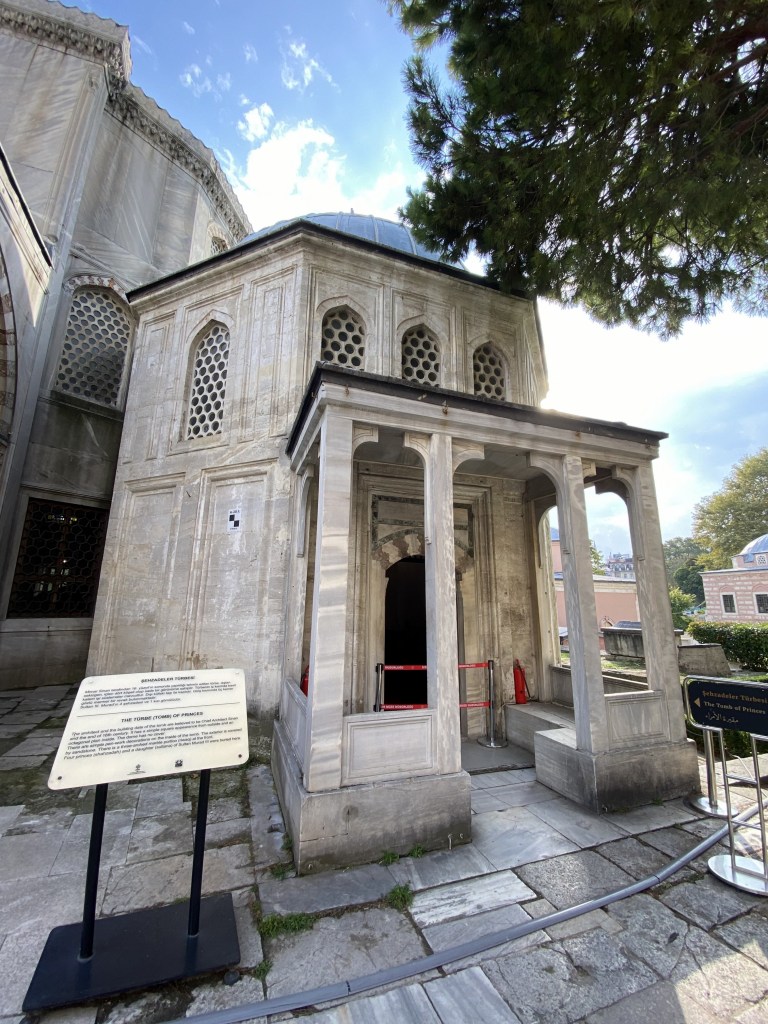
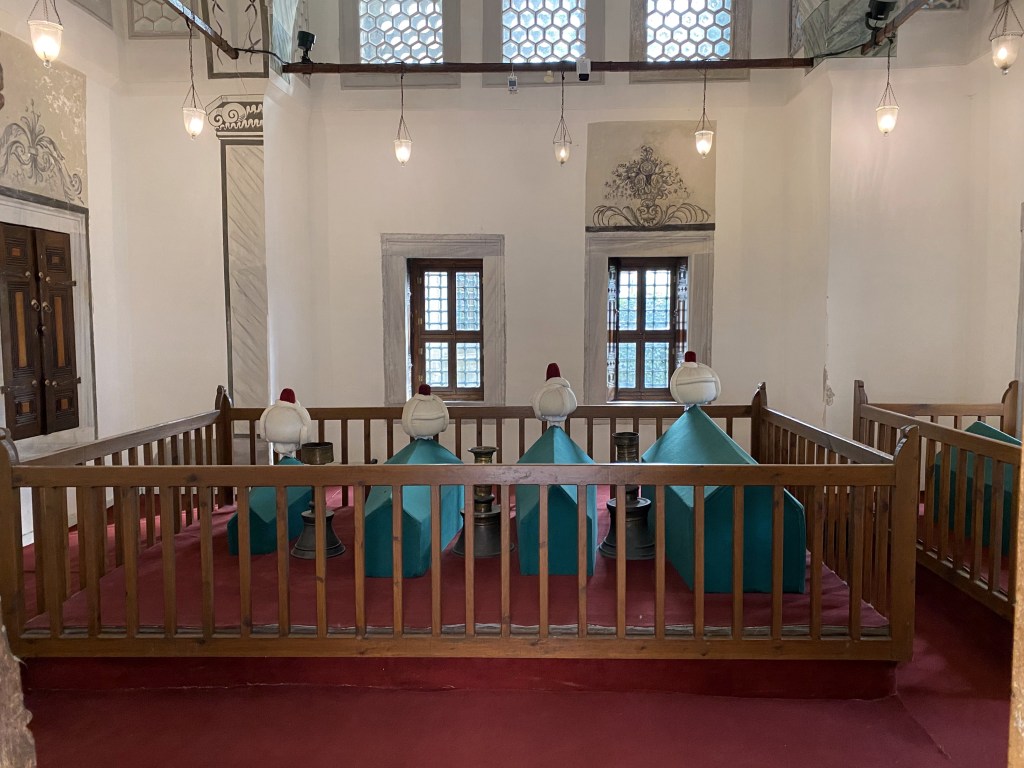
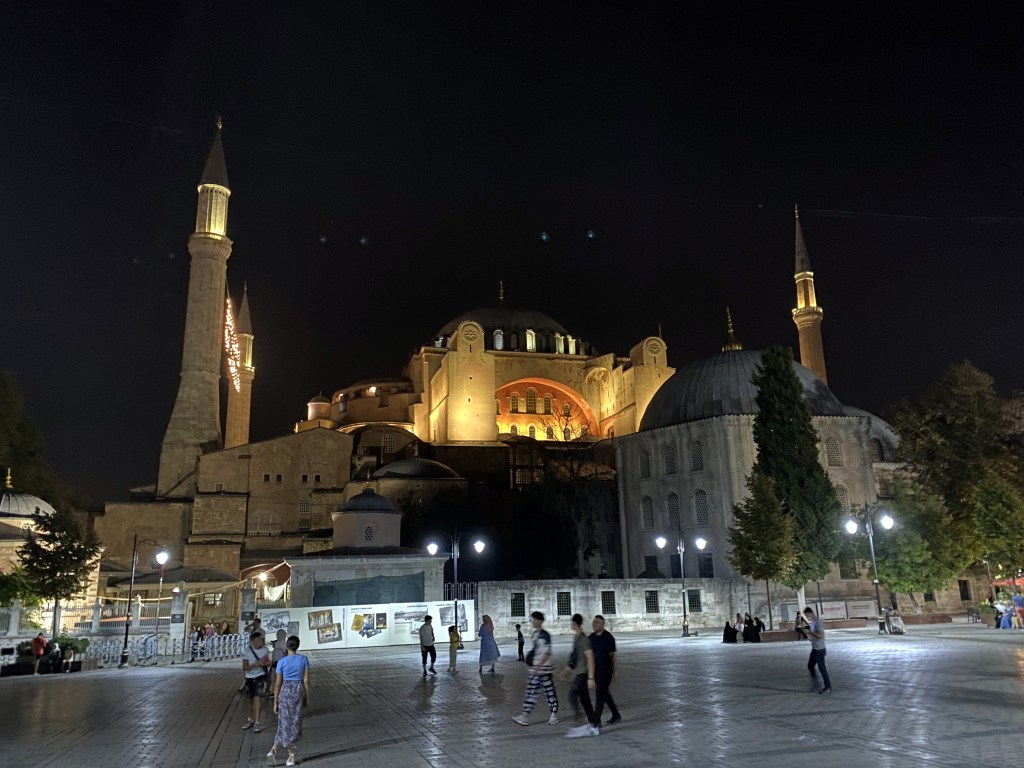
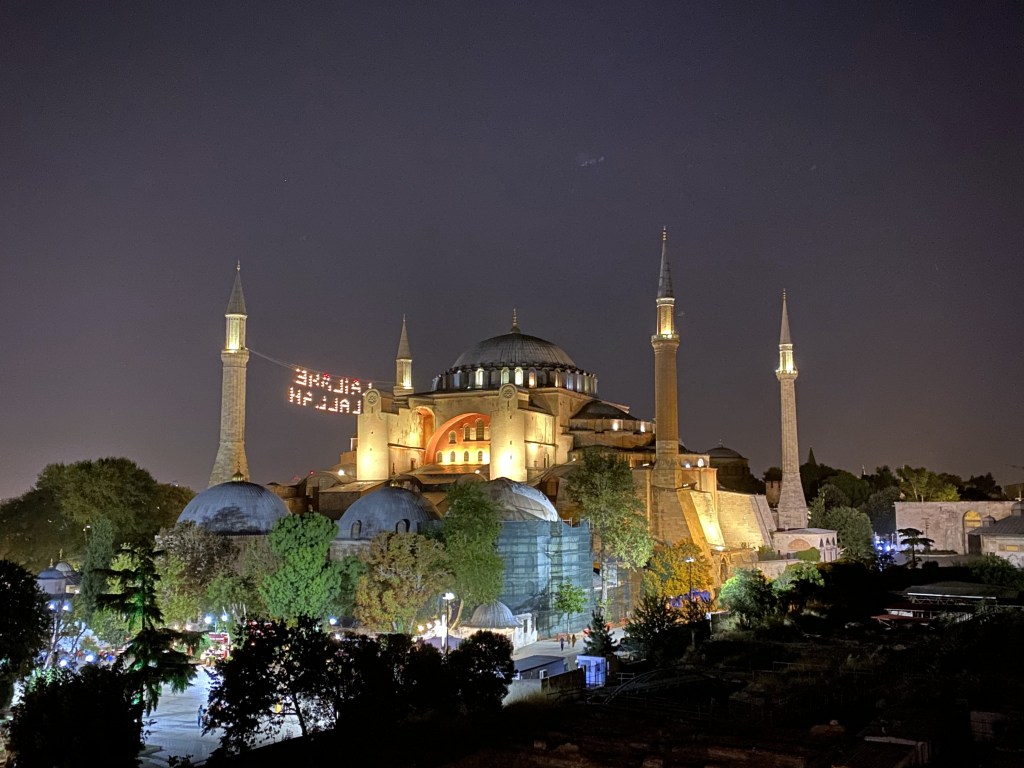
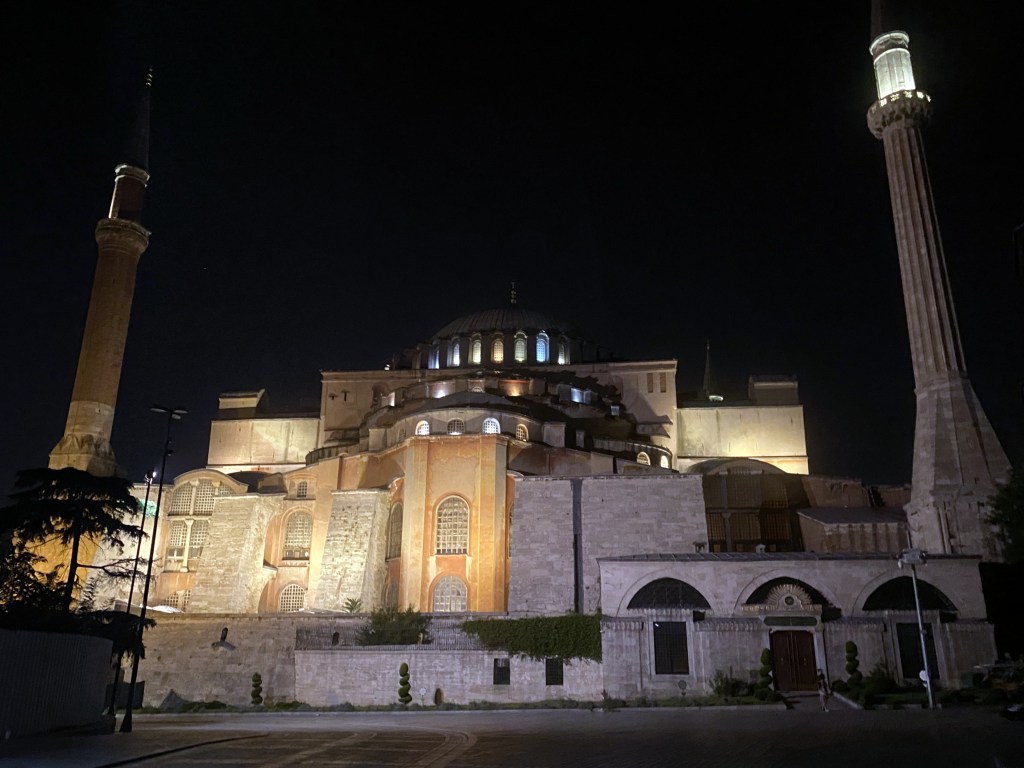
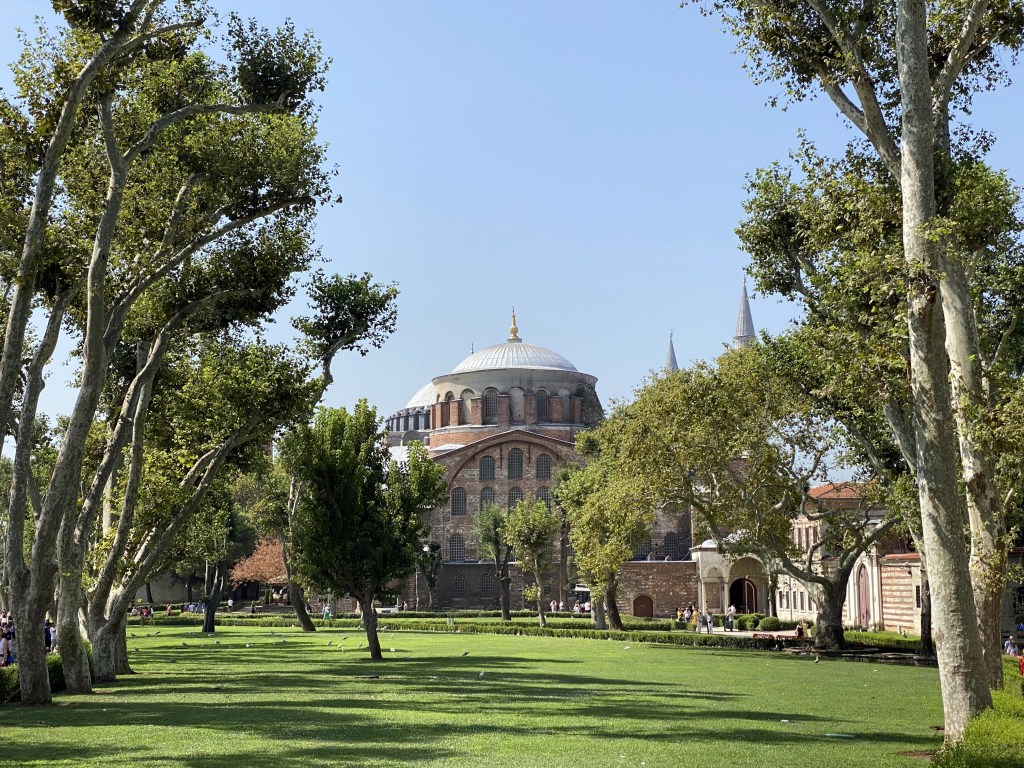
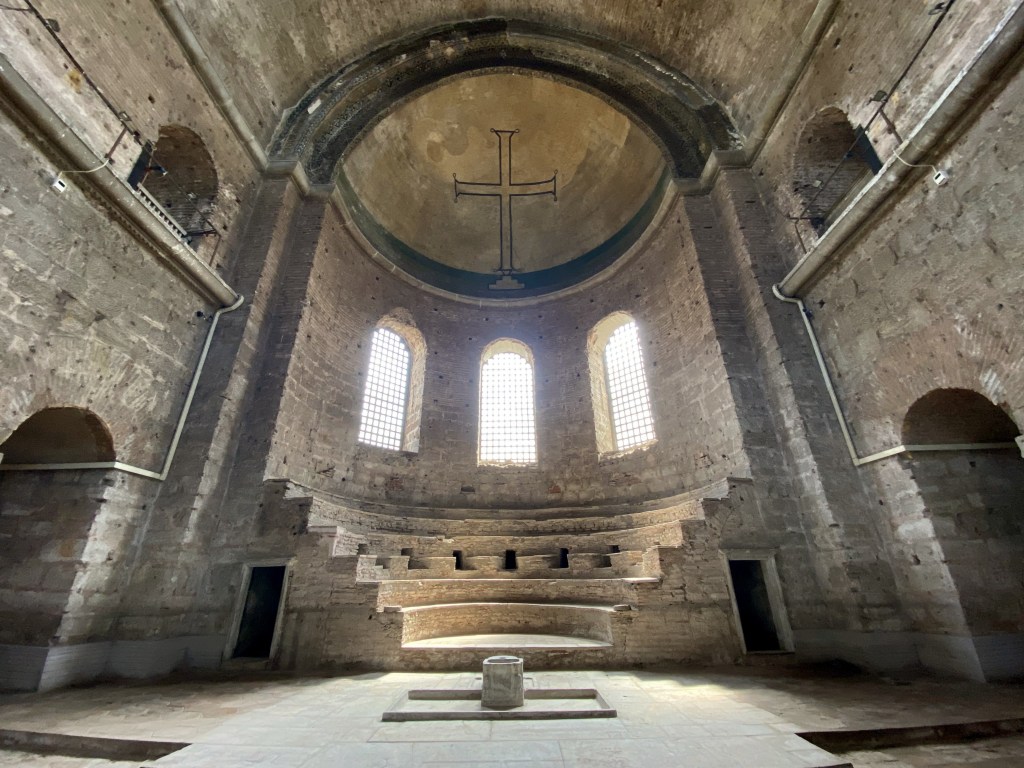
After landing in Istanbul, we headed immediately to the venerable Hagia Sofia, built by the Byzantine emperor Justinian in the 6th century:

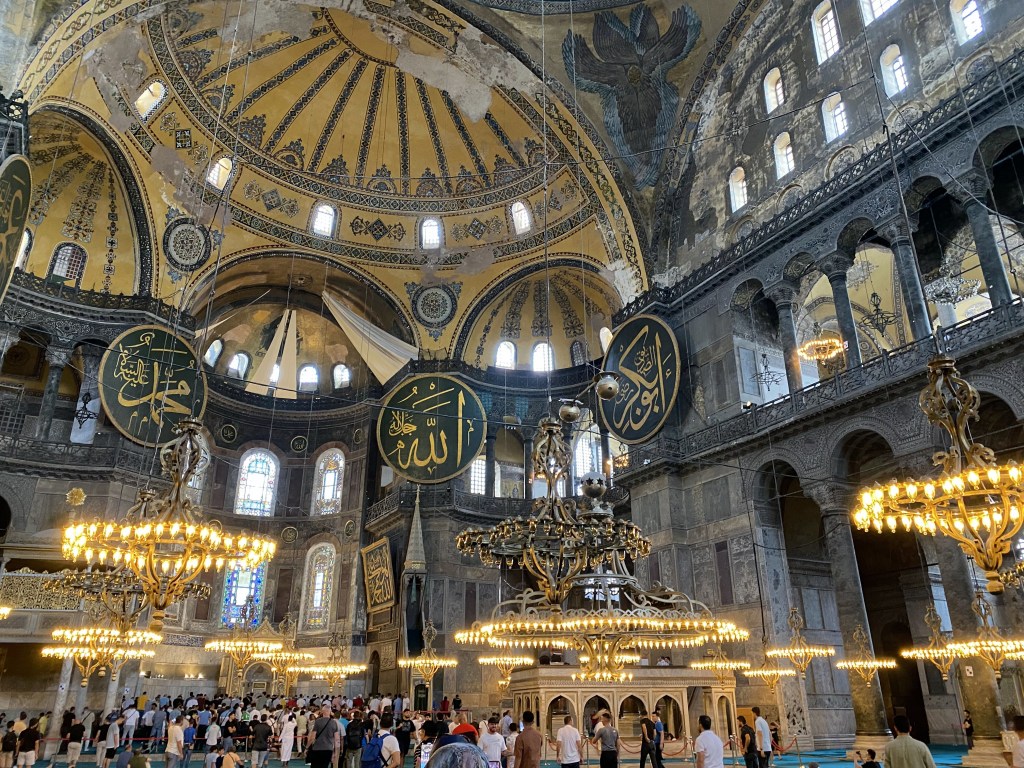
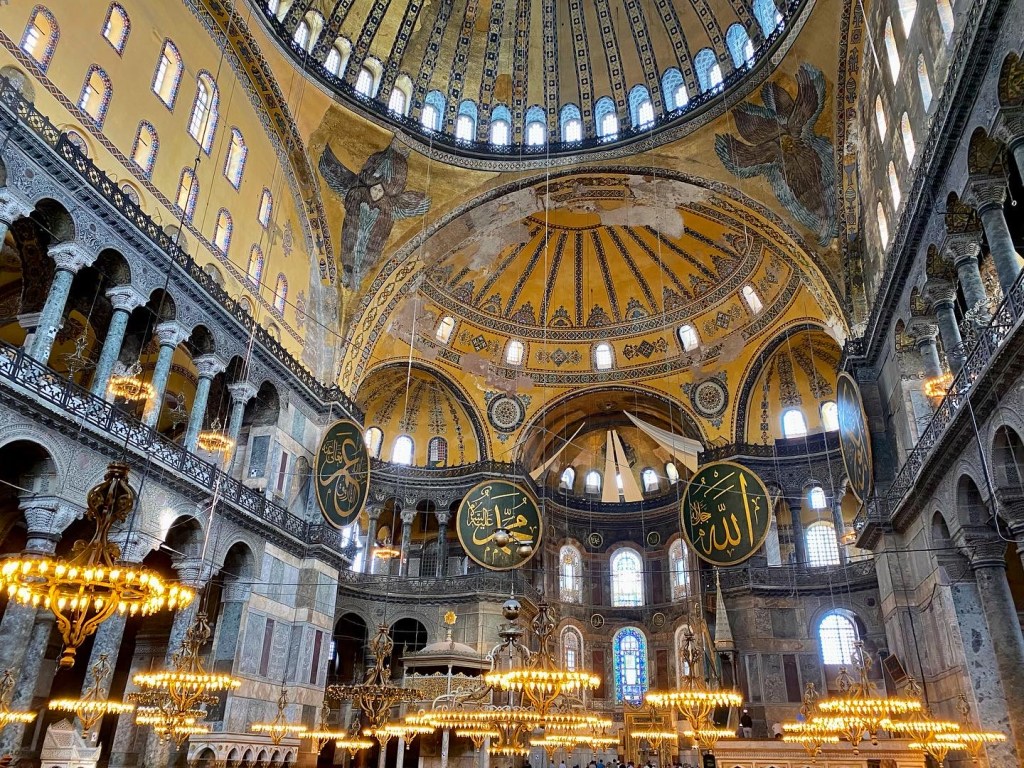
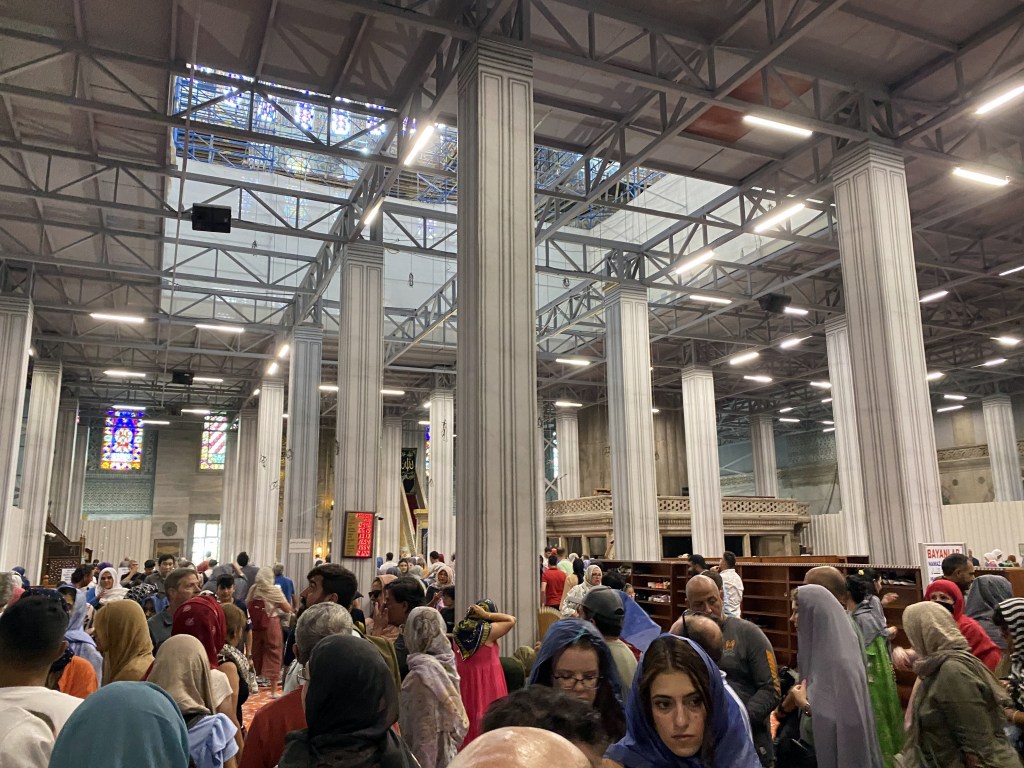
Hagia Sophia began as a grand church, replacing a previous model constructed in the 4th century. Then as a mosque after the Ottoman conquest in the 15th century, then a museum under Atatürk in the early 20th century, then BACK to a mosque in 2020 as Turkey has begun deviating from its secular modern roots to an increasingly Islamic society. With the latest change back to a mosque, we weren’t able to go to the second level to see the Viking runes graffiti left by members of the Varangian Guard sometime between the 10th and 11th centuries. Serious bummer, man. But on the bright side the place is freaking HUGE both inside and out, and the bolt-ons by different sultans over the centuries, including massive buttresses to prevent a repeat of collapses during earthquakes were clearly apparent.

Hagia Sofia interior:
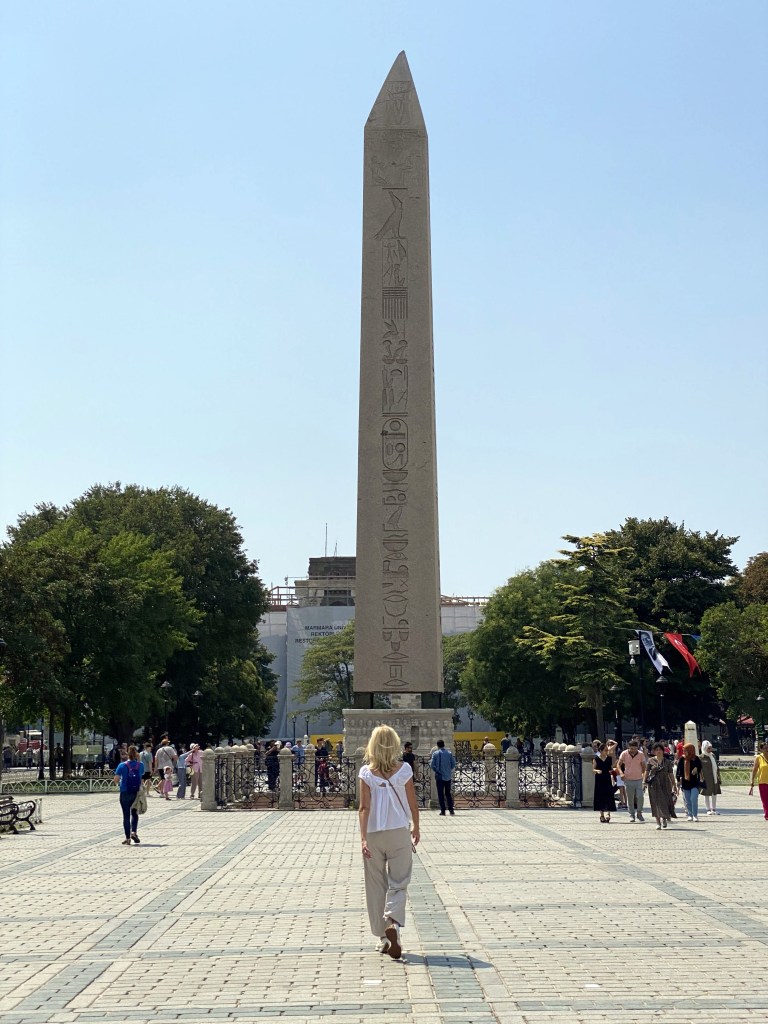
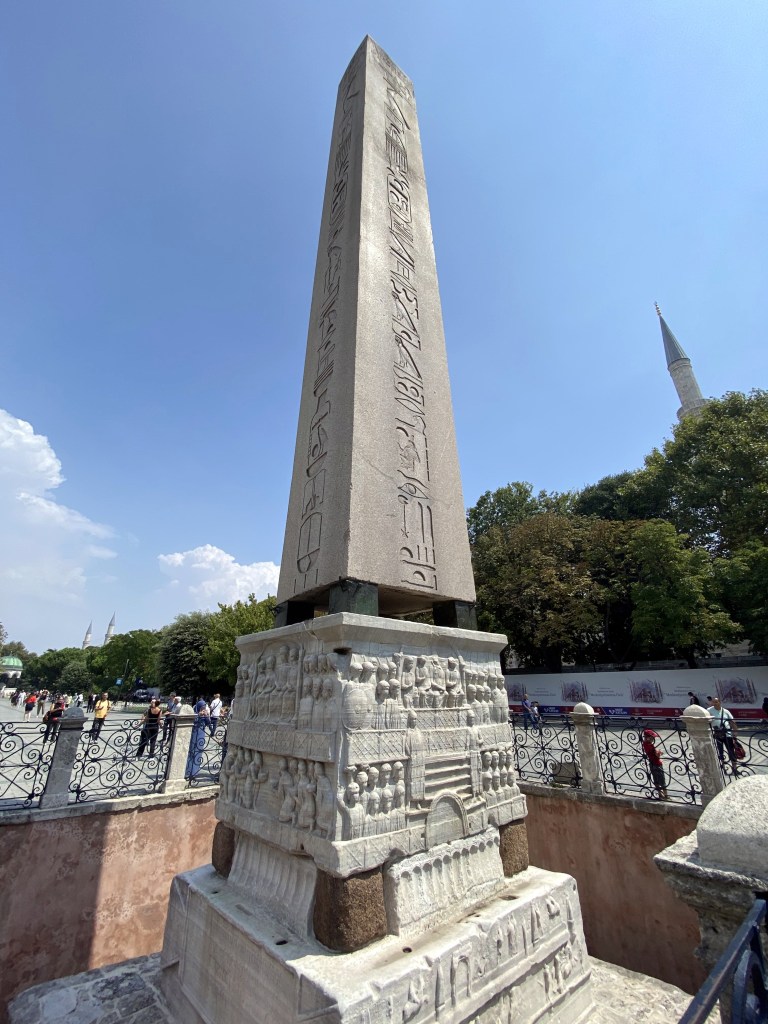
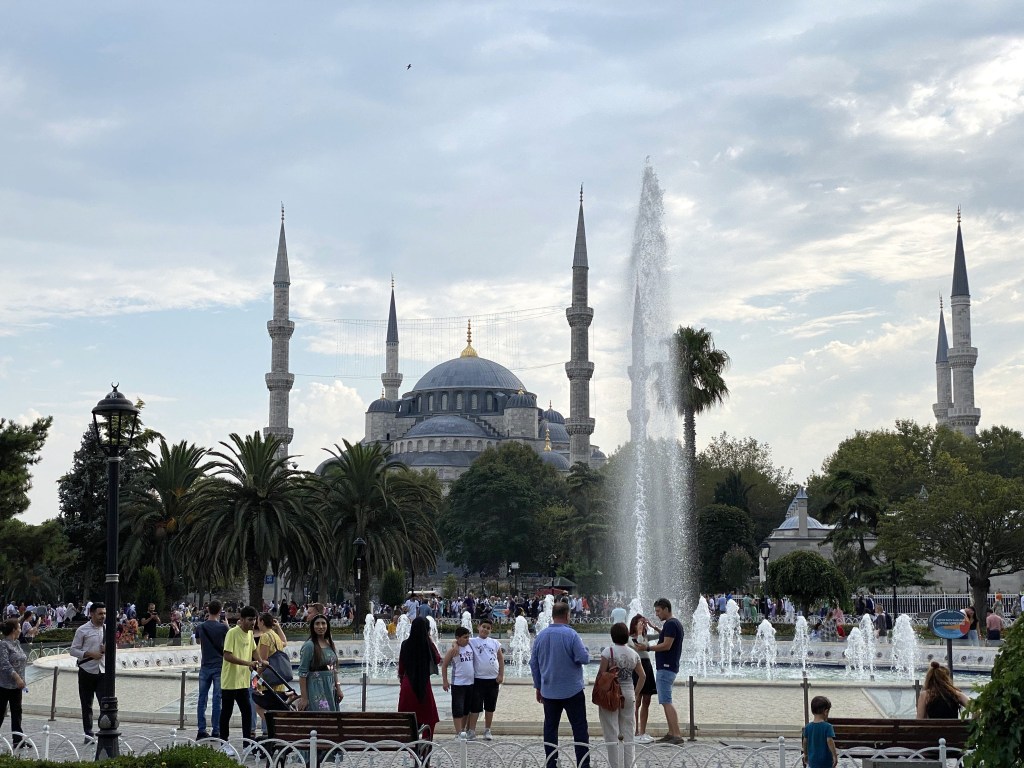
Just across a plaza from Hagia Sofia lies the Blue Mosque, an Ottoman-era imperial mosque constructed between 1609 and 1616 during the rule of Ahmed I. Sporting five main domes and eight secondary domes, it’s the only mosque in Istanbul with six minarets.

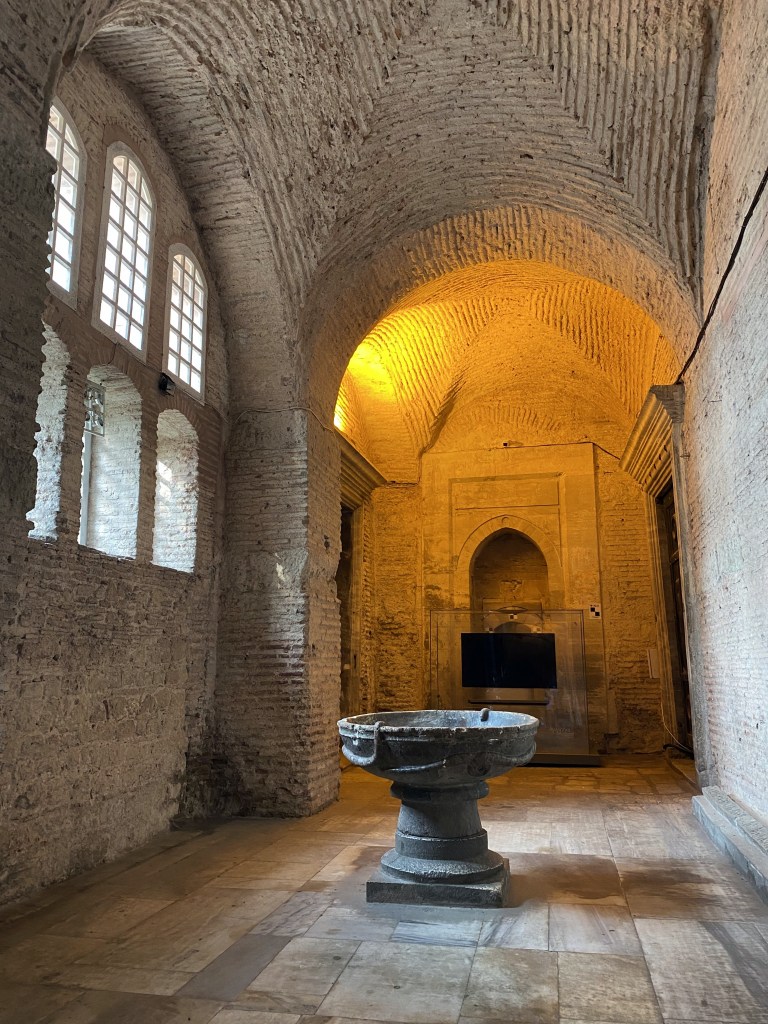
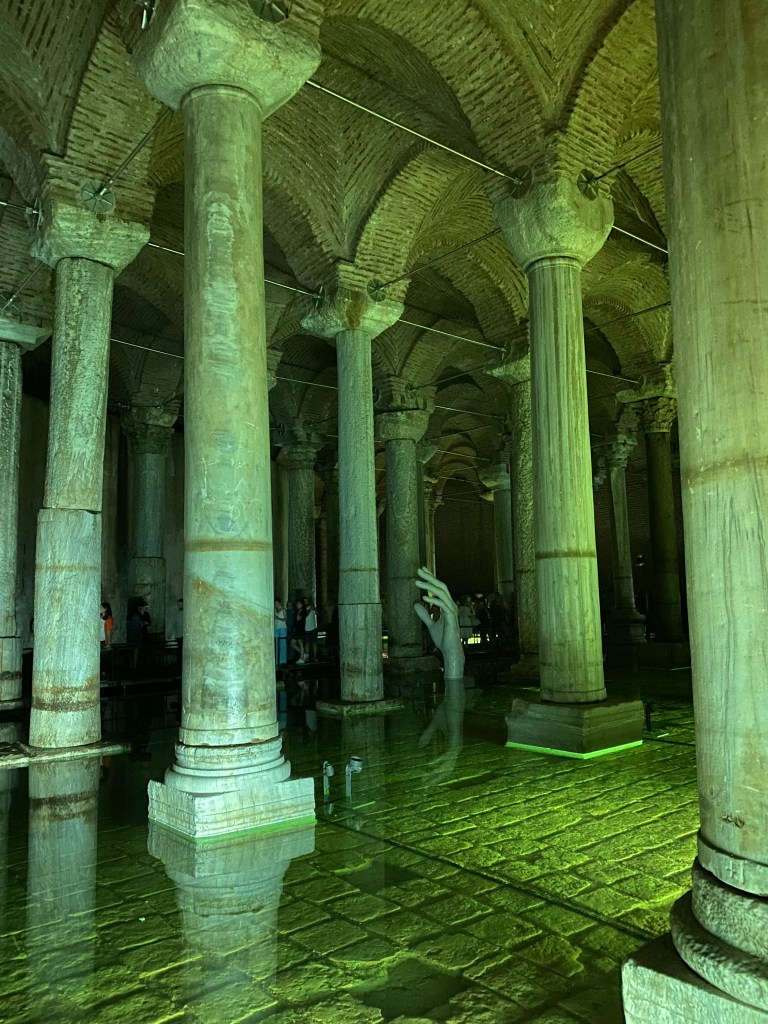
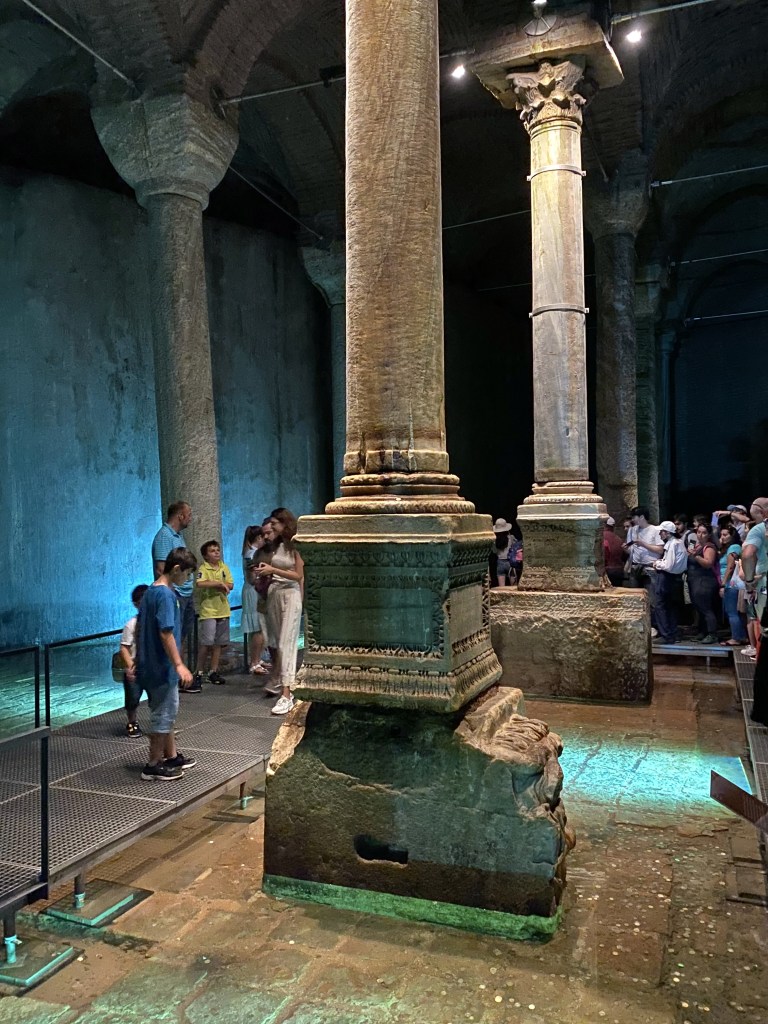
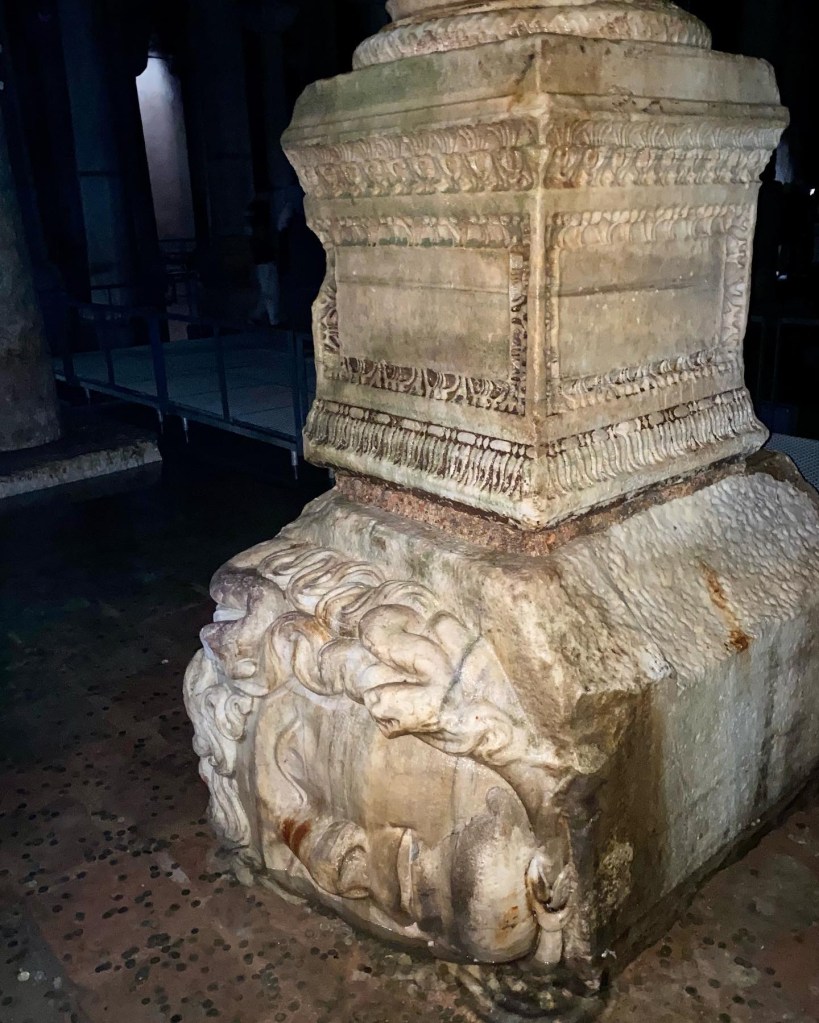
The subterranean basilica cistern in the heart of Istanbul’s old town:

Built in the 530s by Justinian as a major municipal water supply for Constantinople, this multi-acre complex used to be filled up to 7 meters deep with fresh water supplied by the city’s aqueduct. Pillars and other materials from across the empire, including two Gorgon heads, were looted from pagan temples and repurposed to construct the enormous cistern. Abandoned and forgotten in the subsequent centuries. Rediscovered only in the 18th century, the place is architecturally, functionally, and atmospherically astounding. Plus, good to get underground and out of the heat!
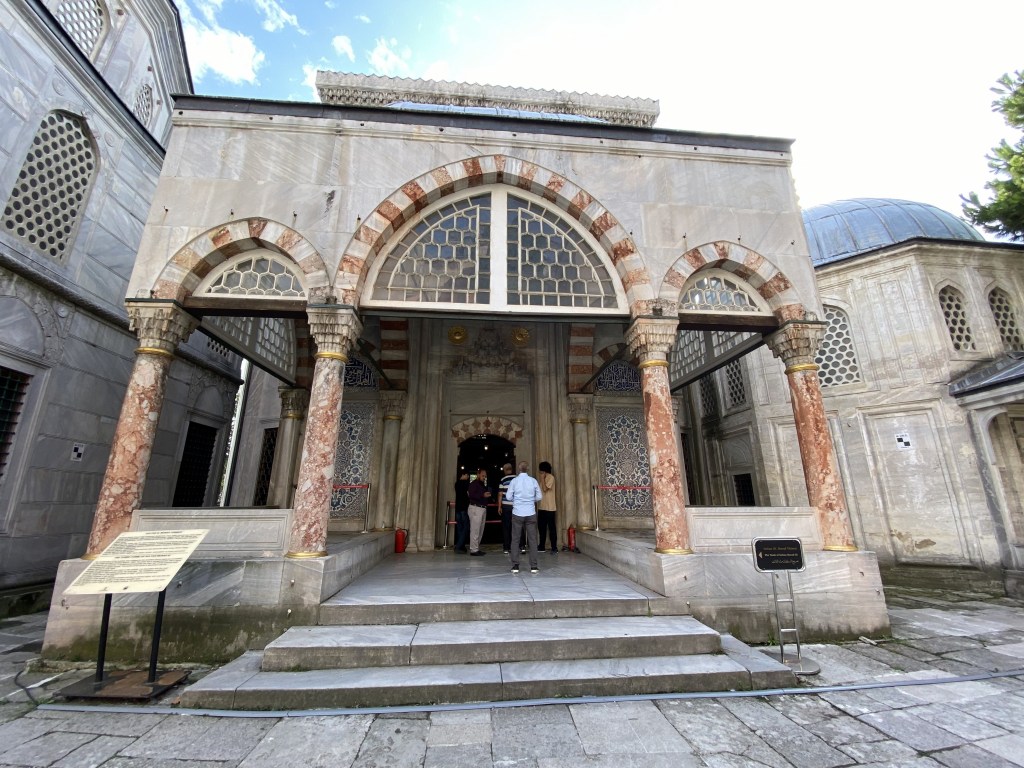
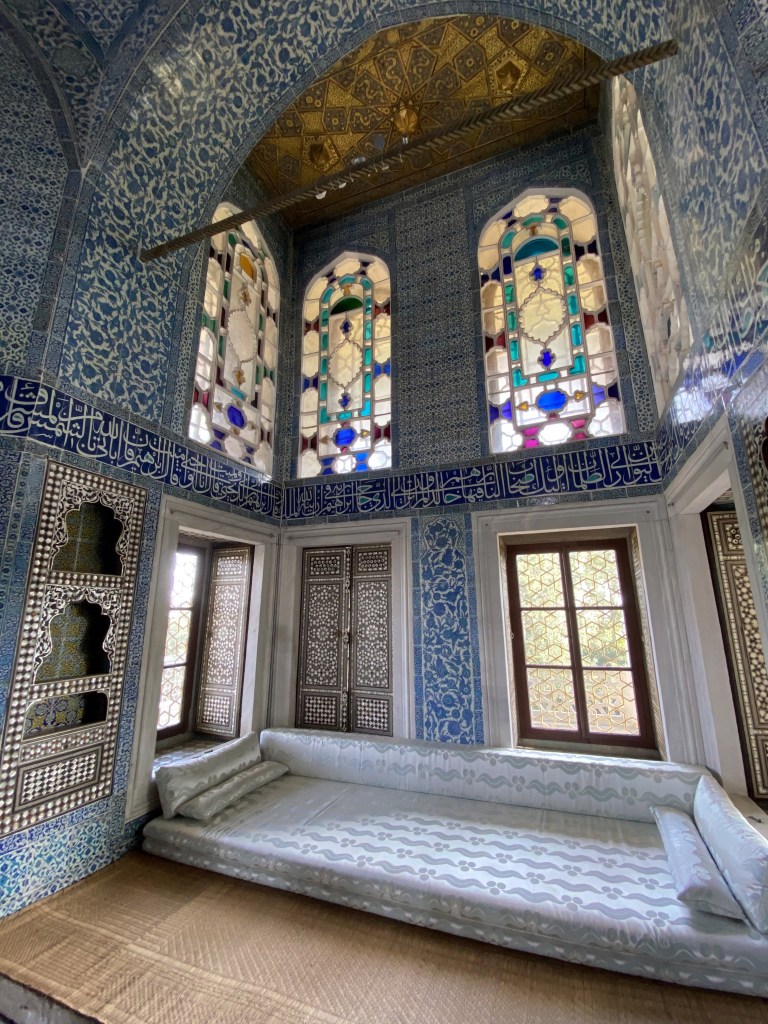
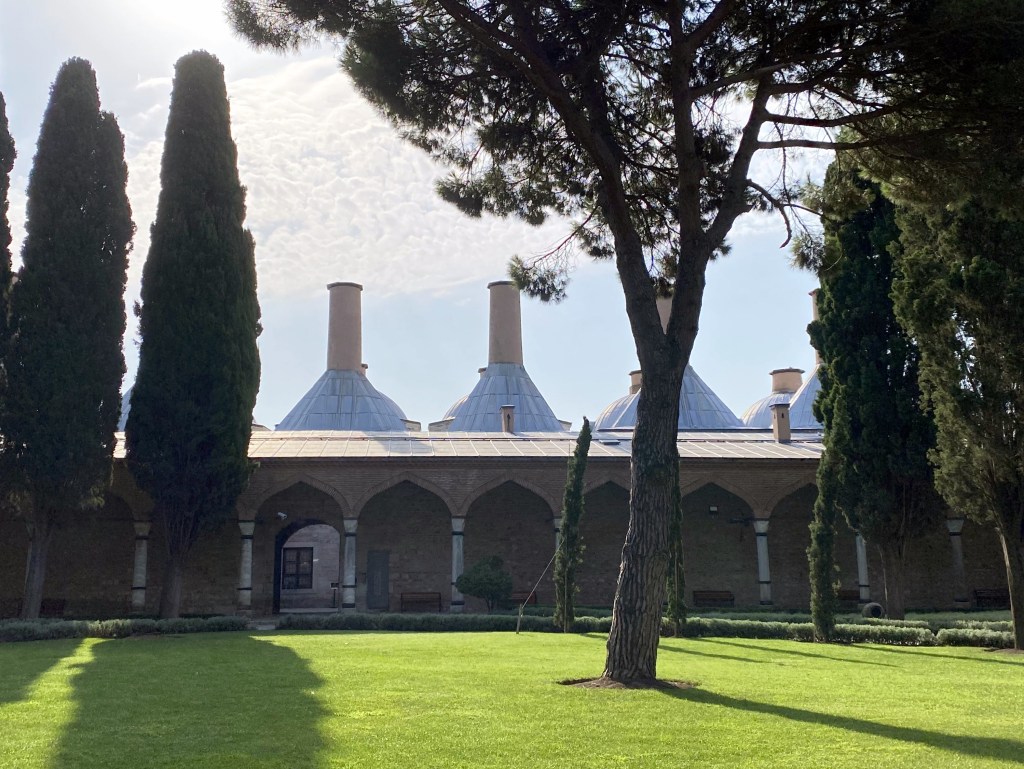
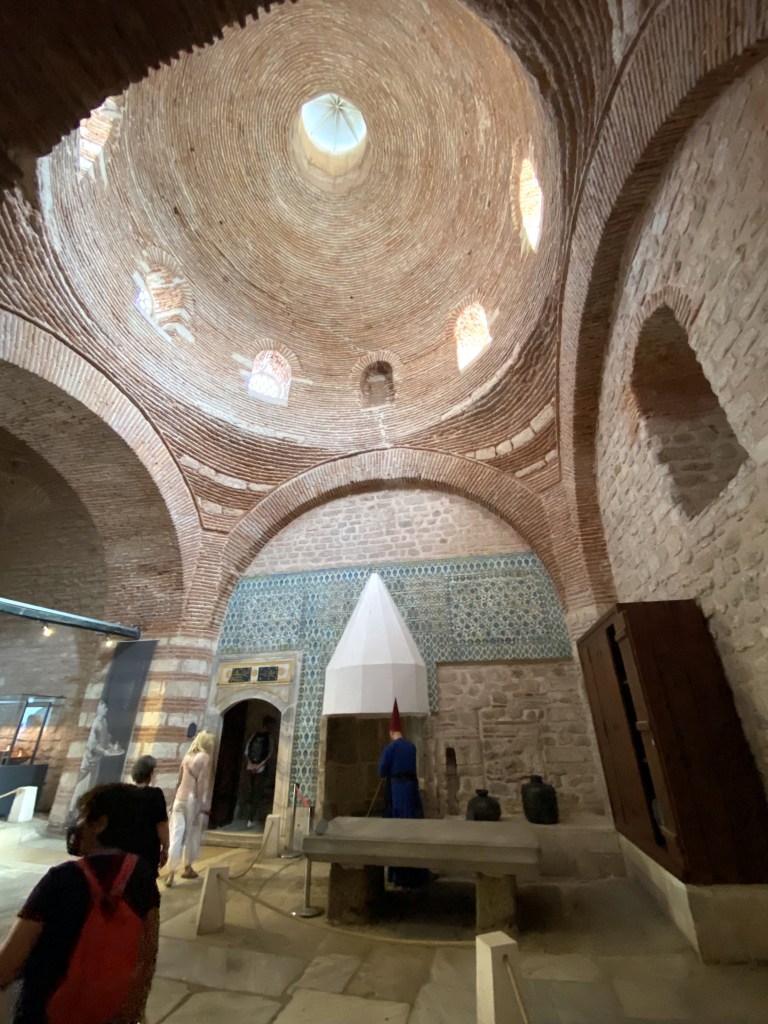
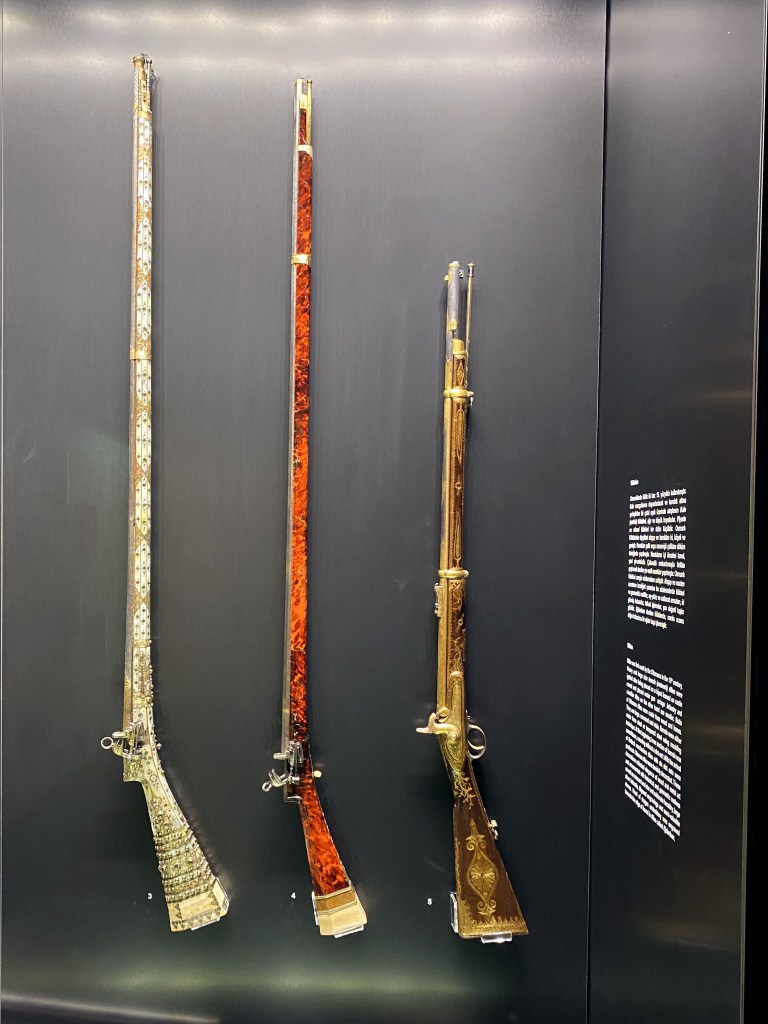
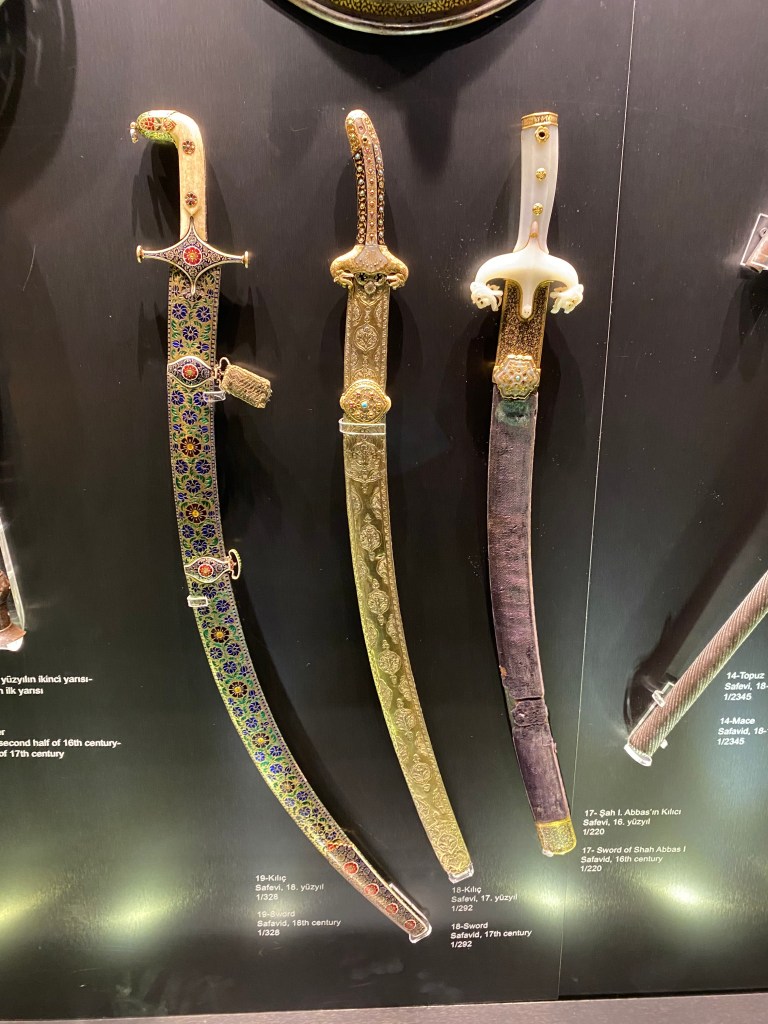
Topkapi Palace, seat of power for the Ottoman Empire between the 15th and 18th centuries:

A little Turkish music our last night in Istanbul in an entirely different cistern across town, converted to a restaurant:

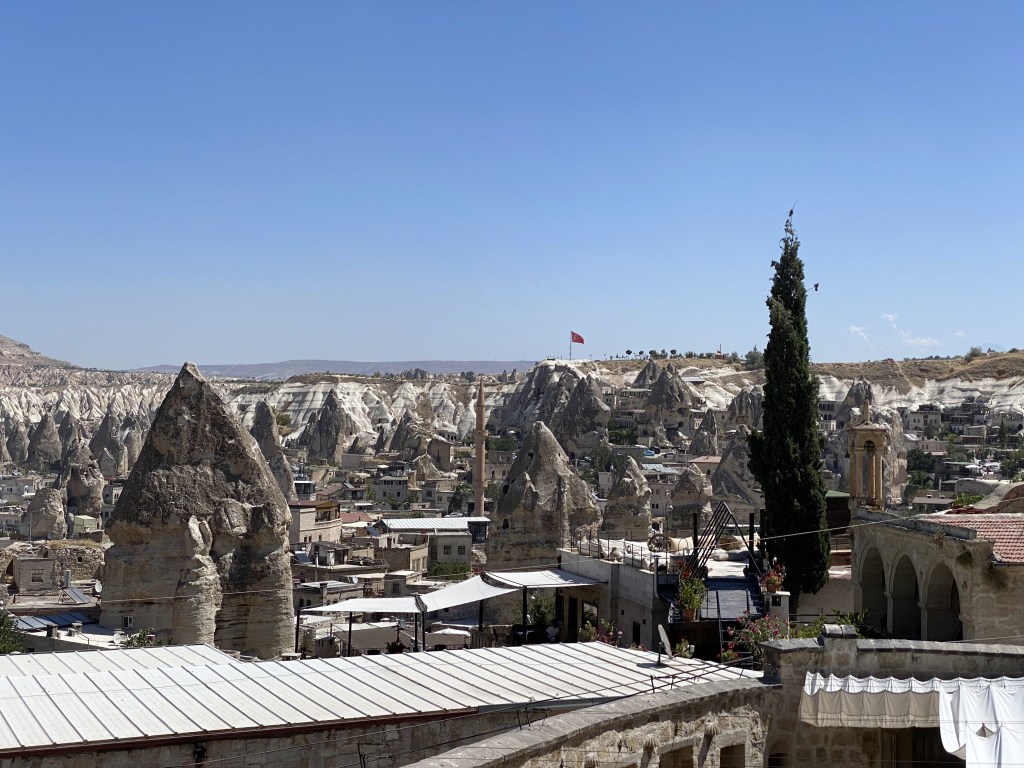
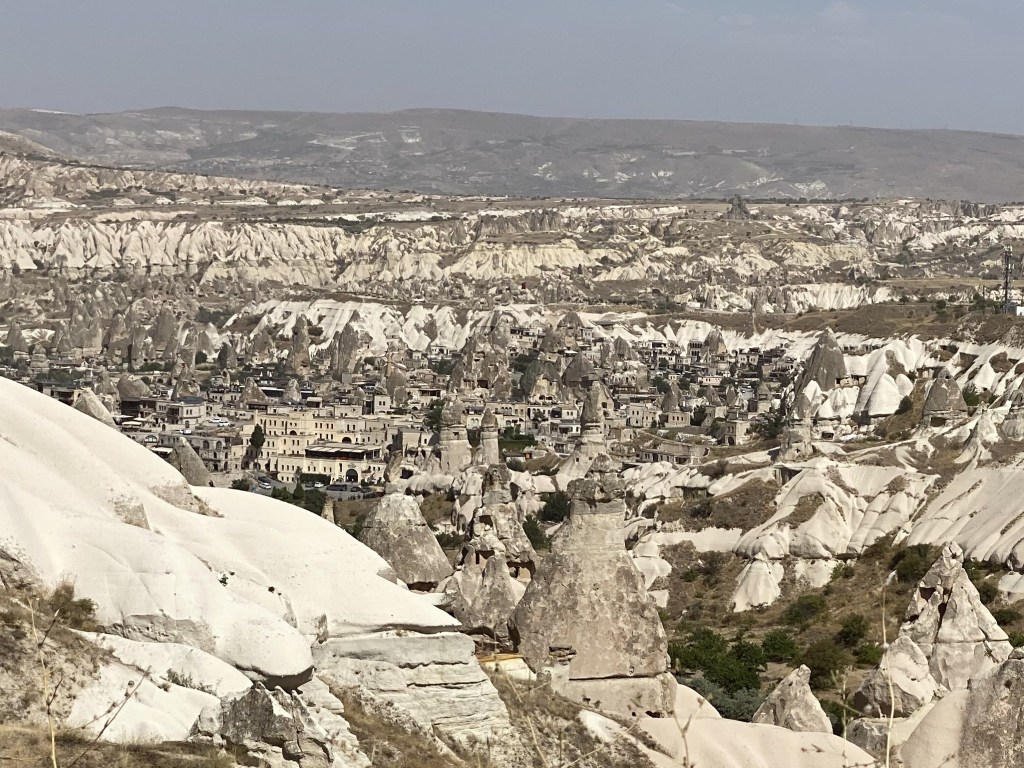
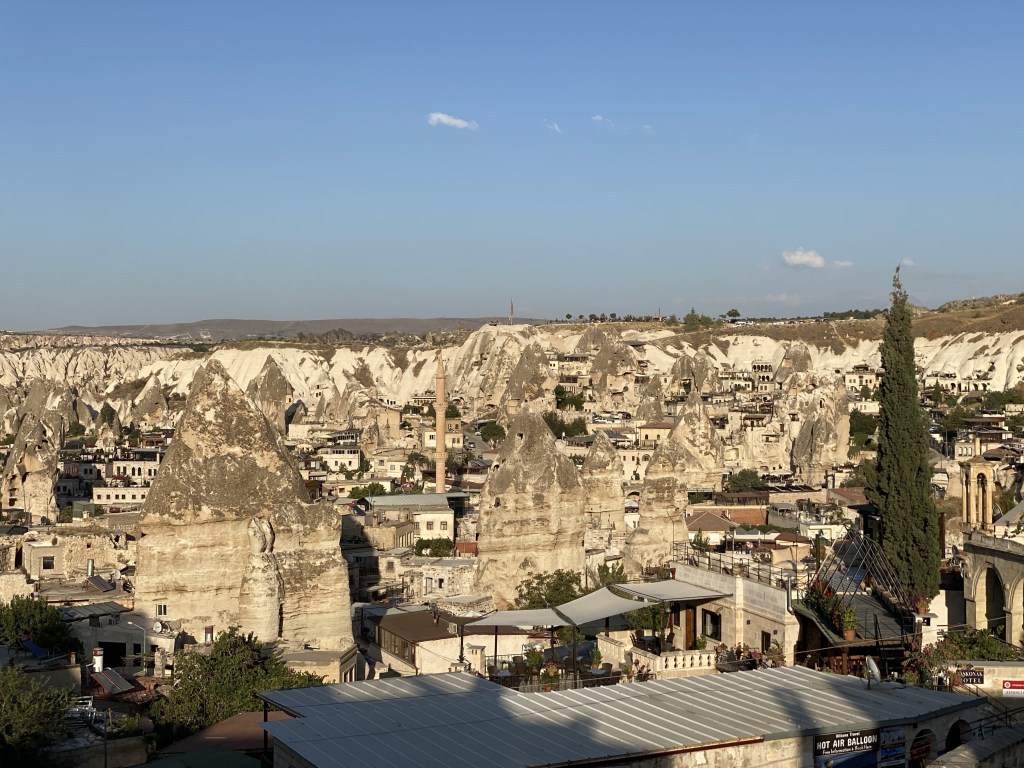
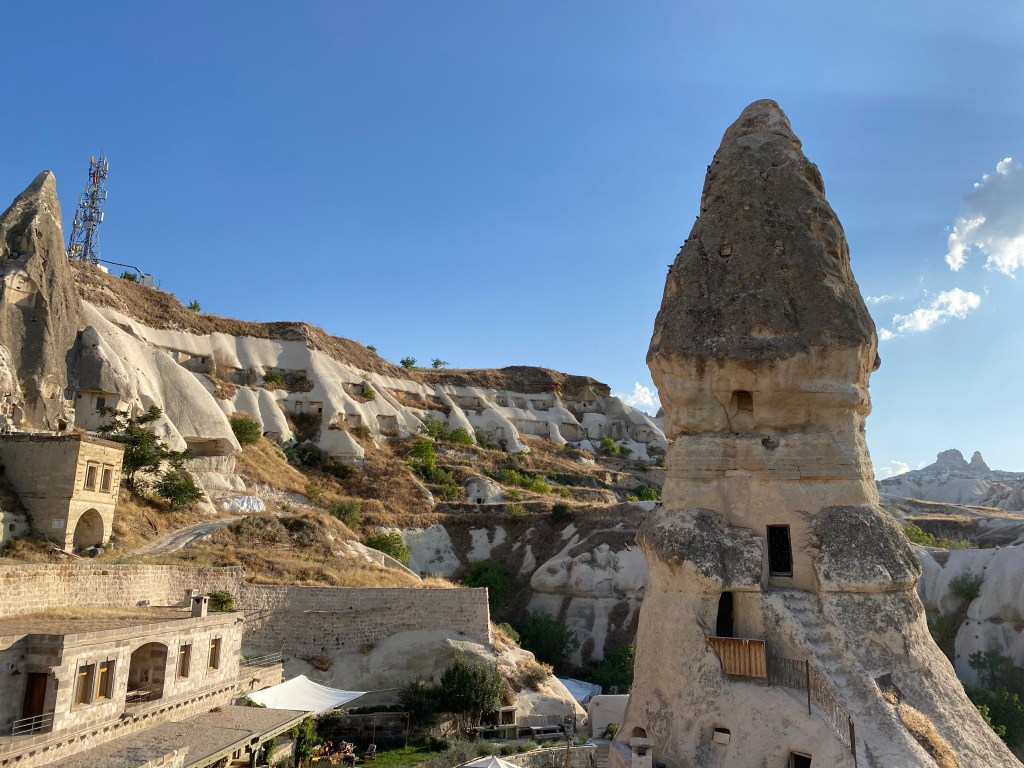
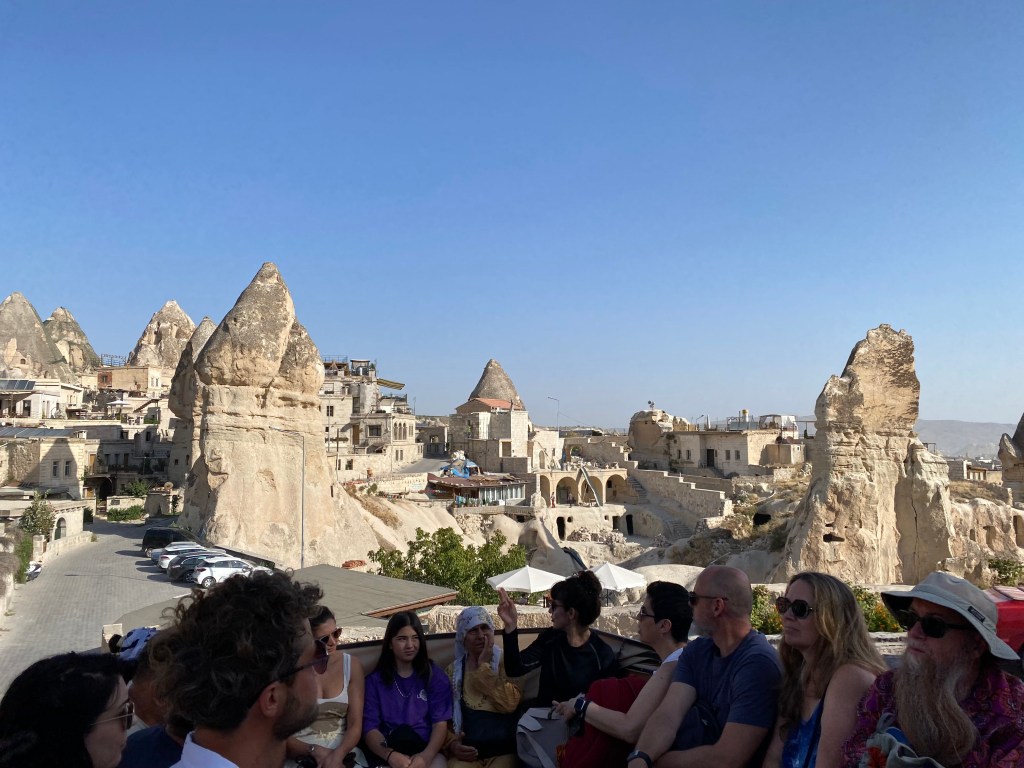
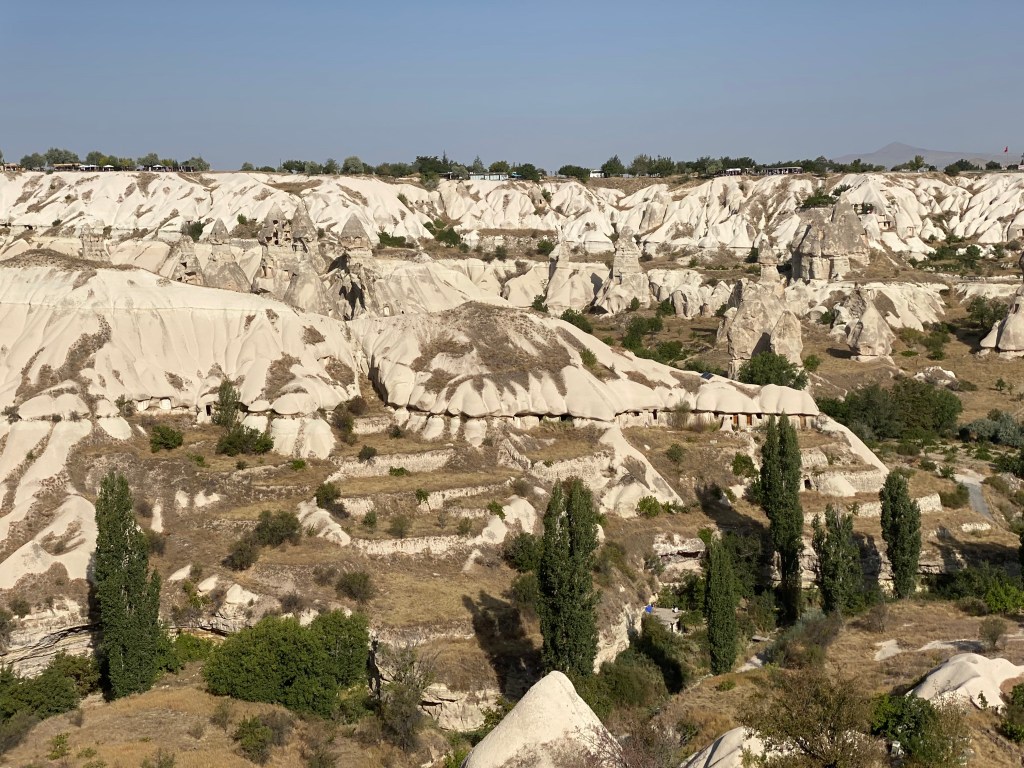
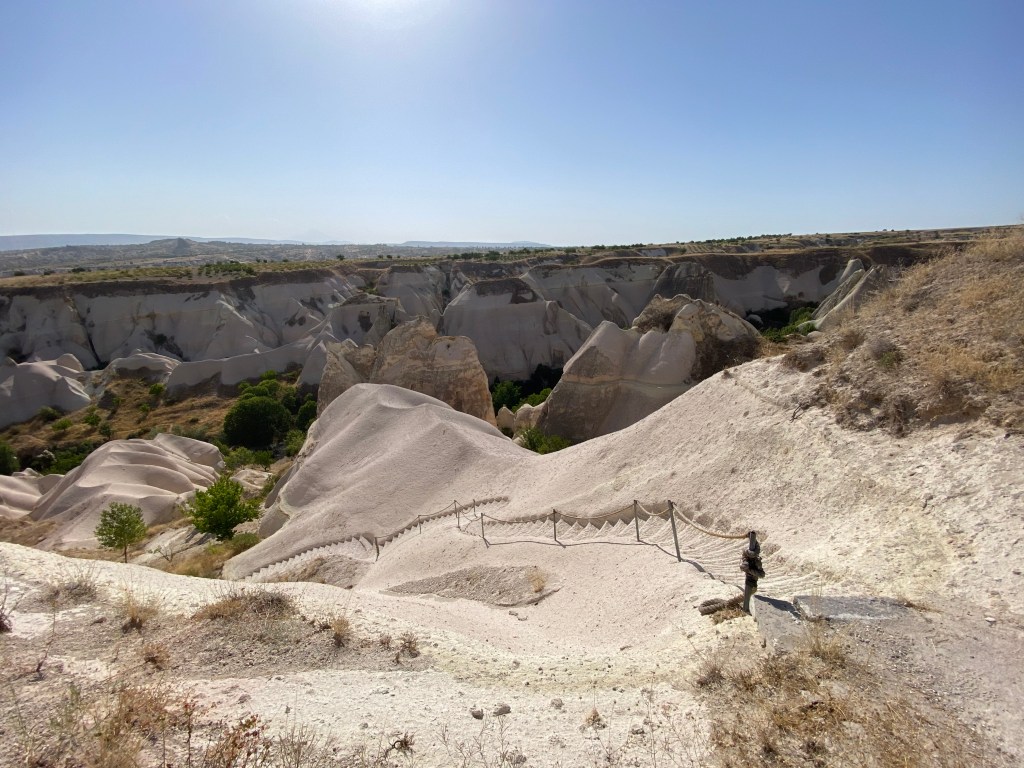
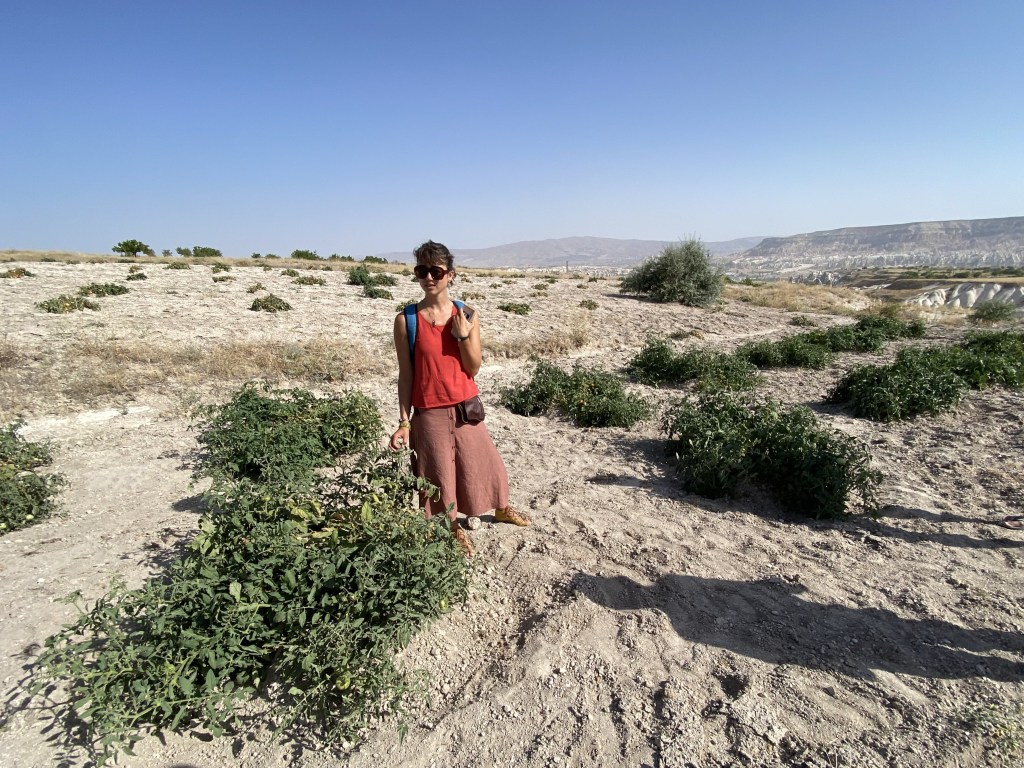
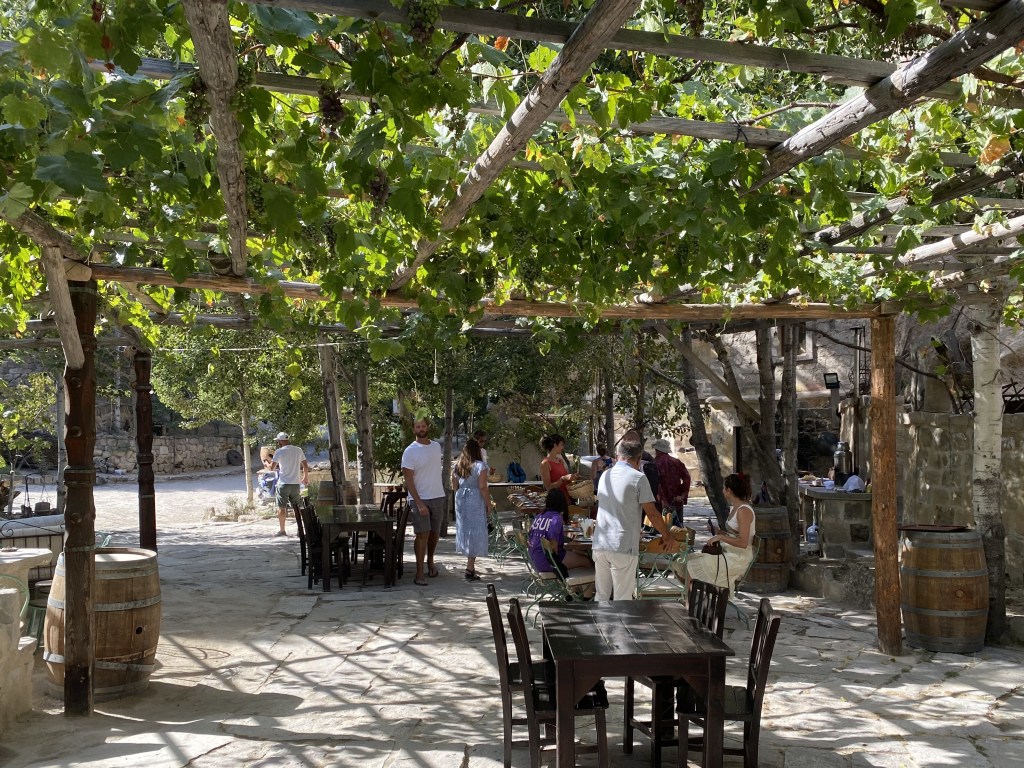
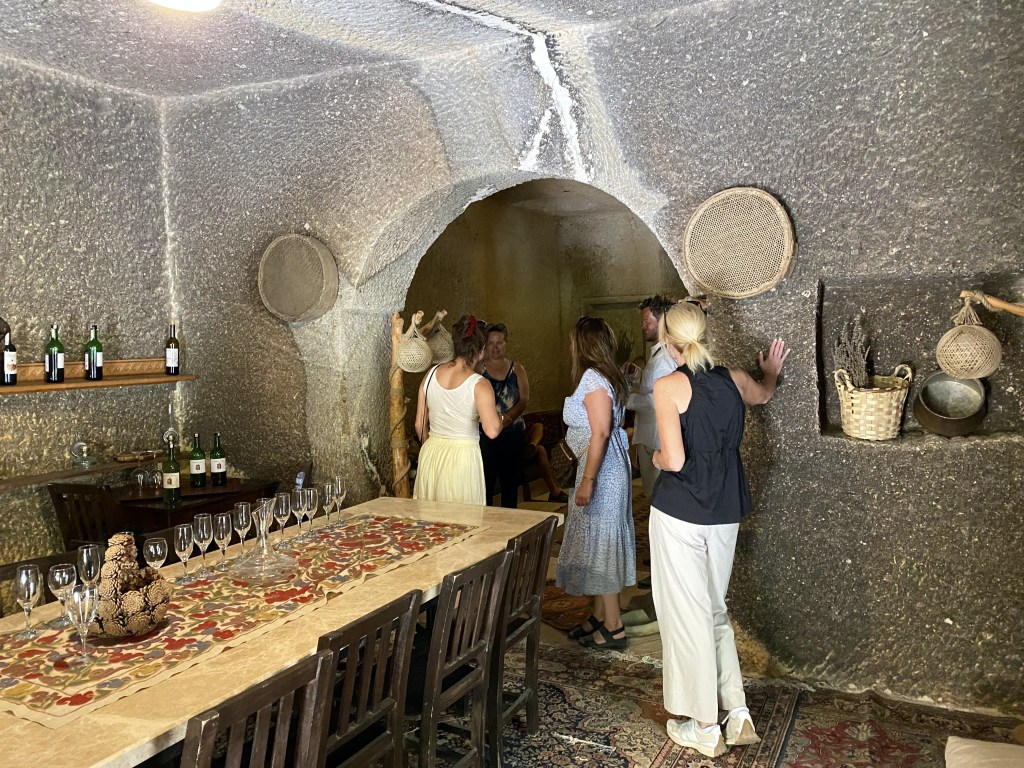
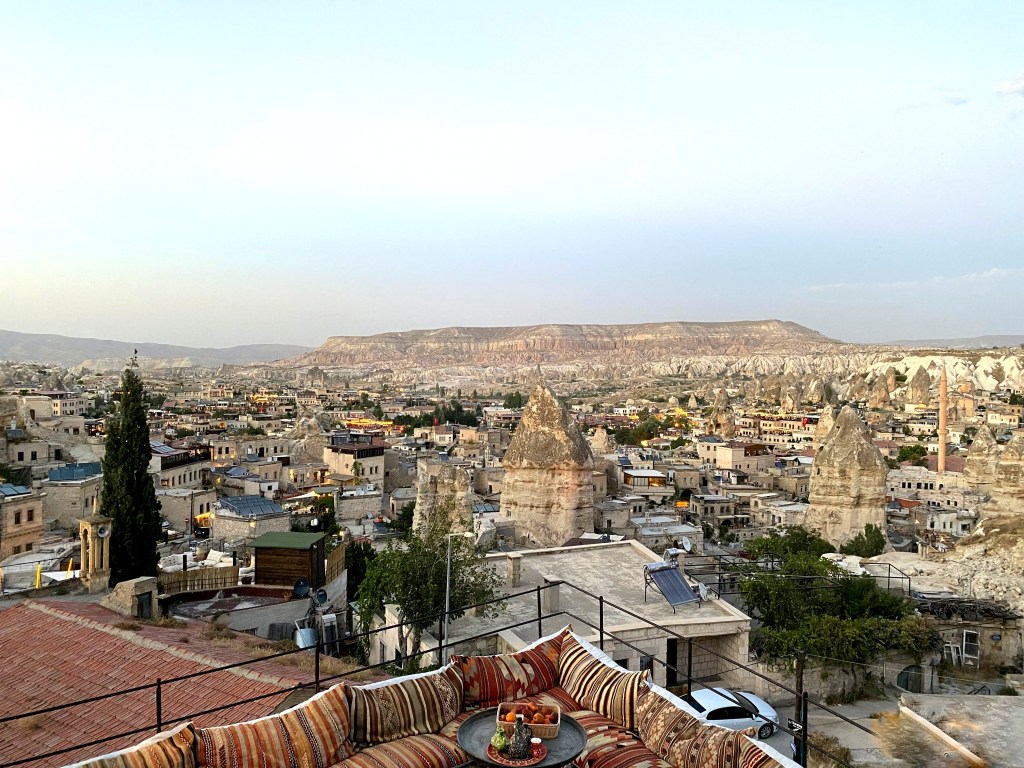
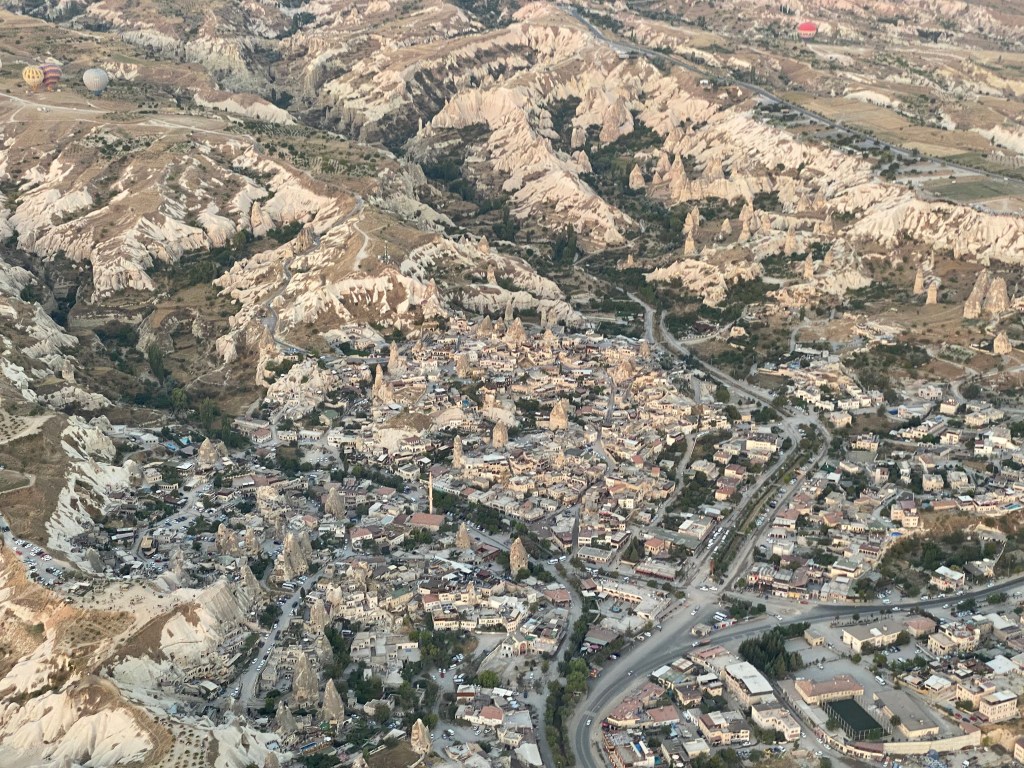
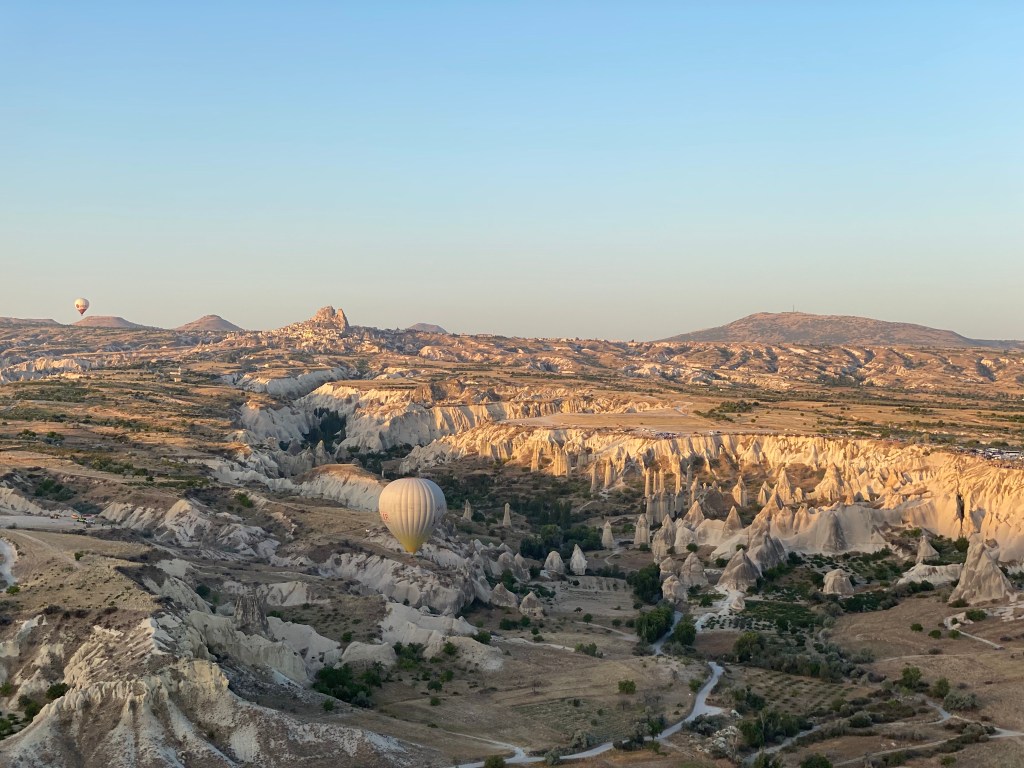
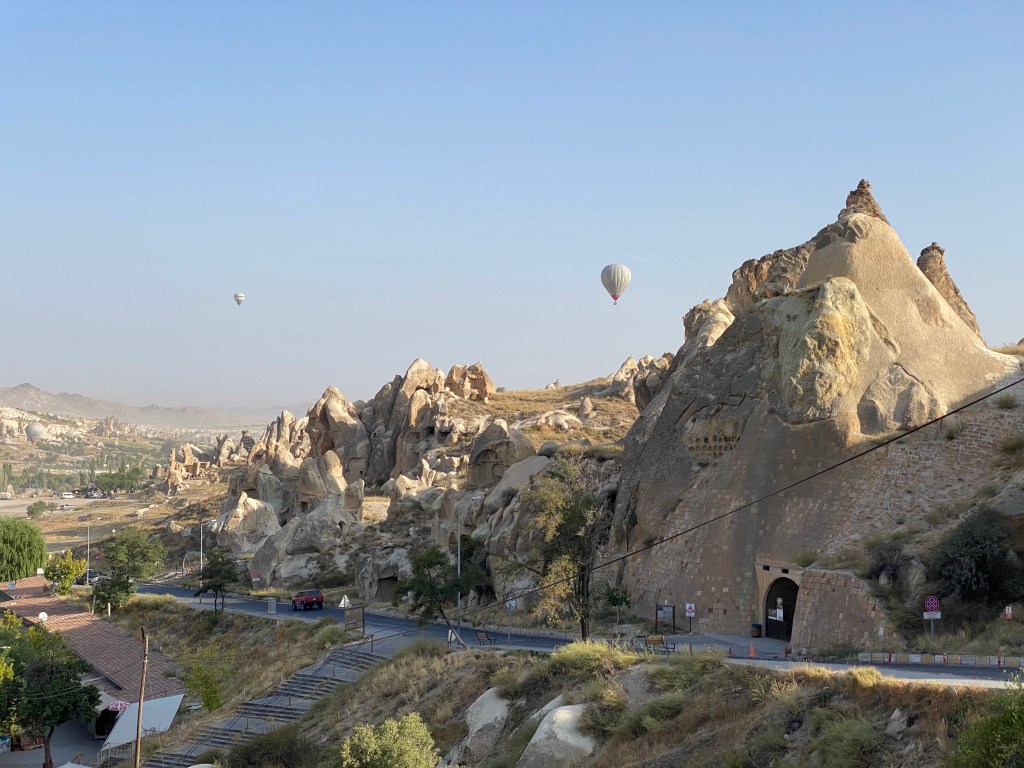
The absolute highlight of the trip was Cappadocia, in the middle of Turkey. We based ourselves in the town of Göreme and then drove all over the place to check out sights in the region’s lunar landscape of eroded volcanic tuff.

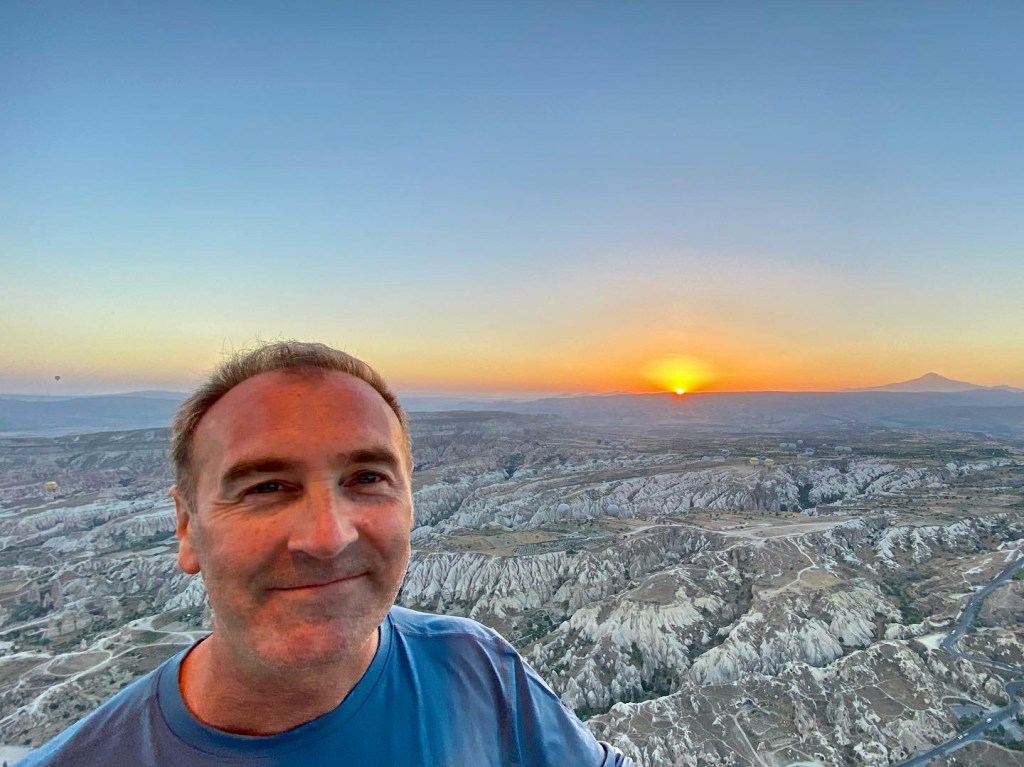
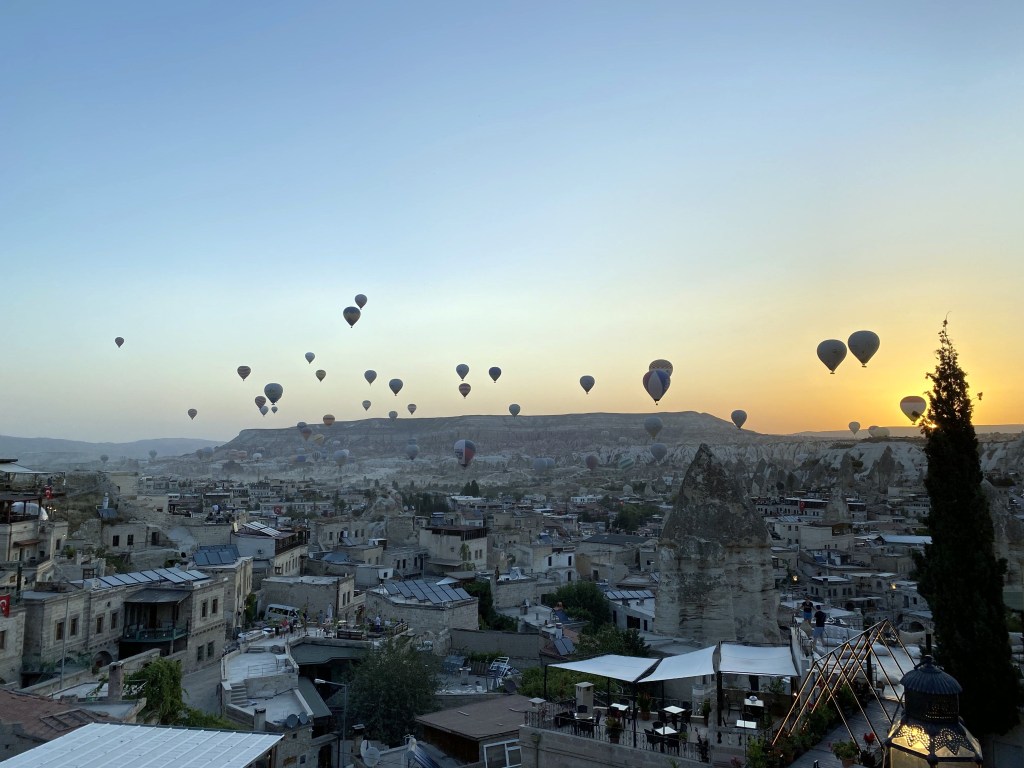
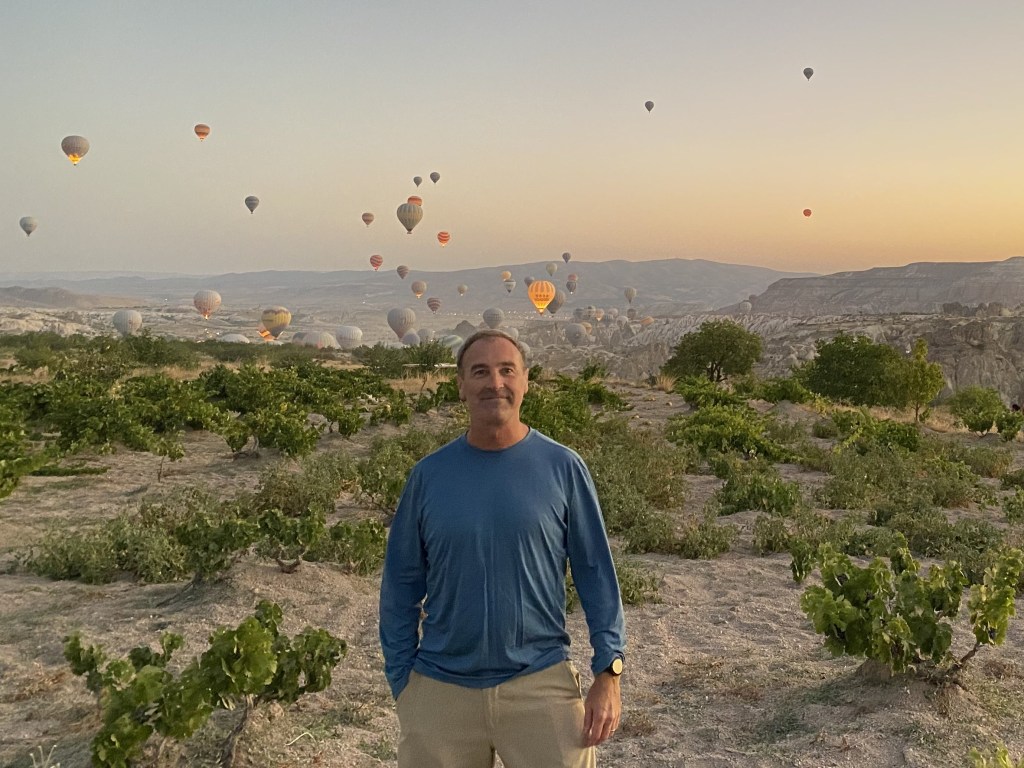
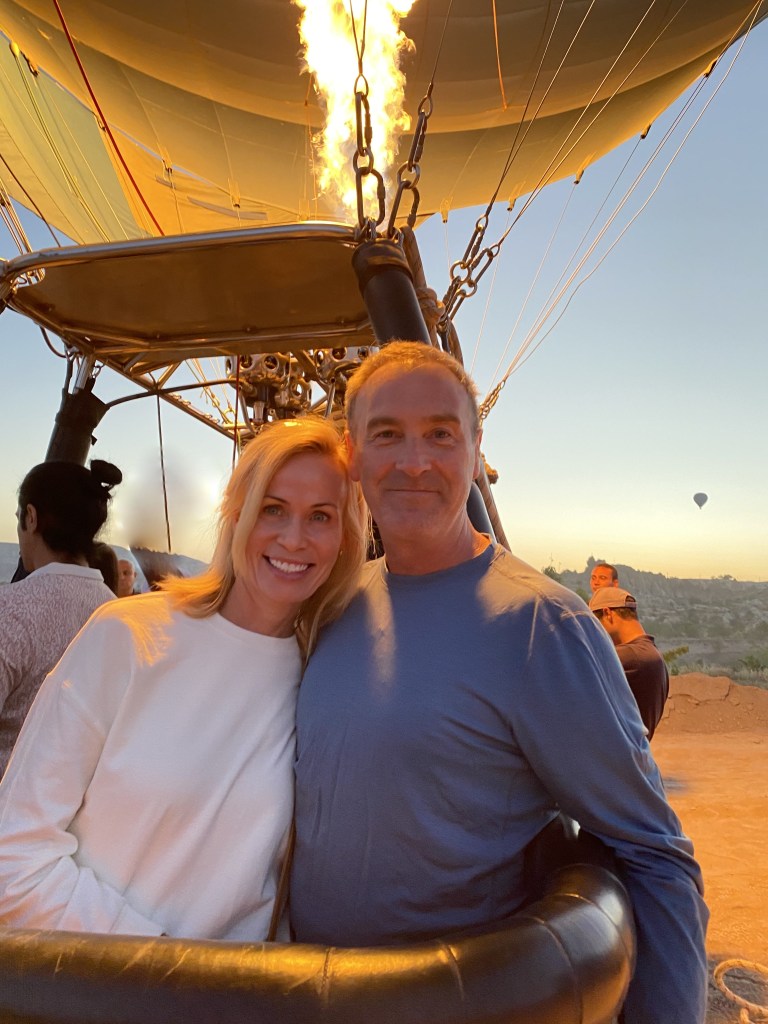
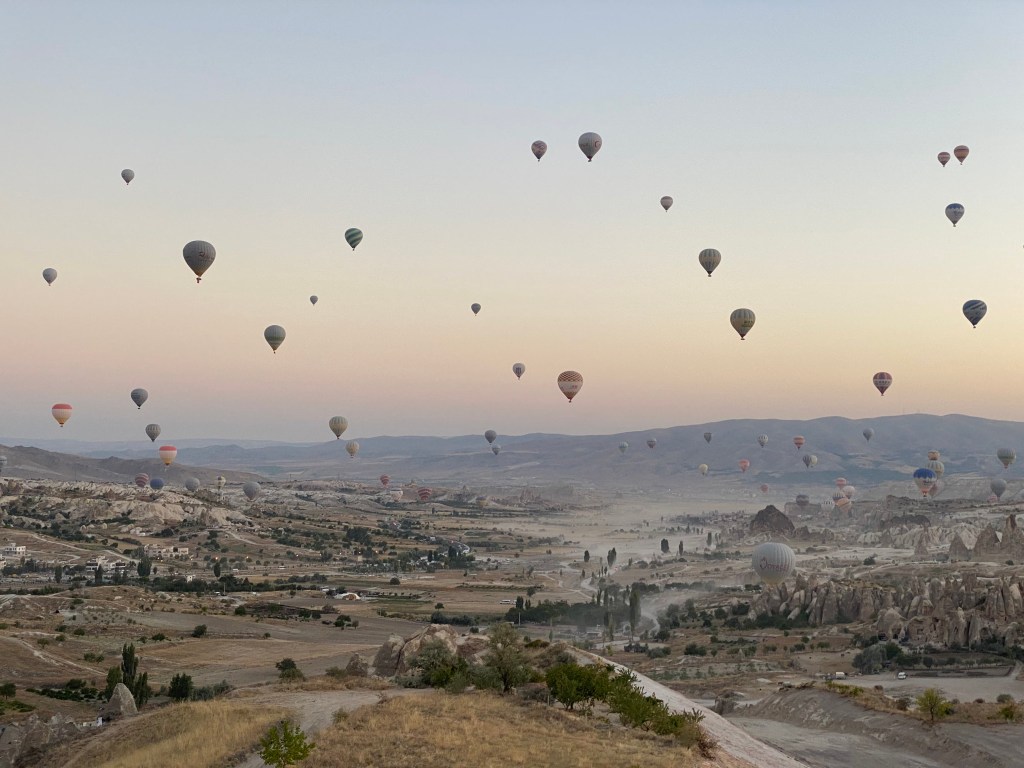
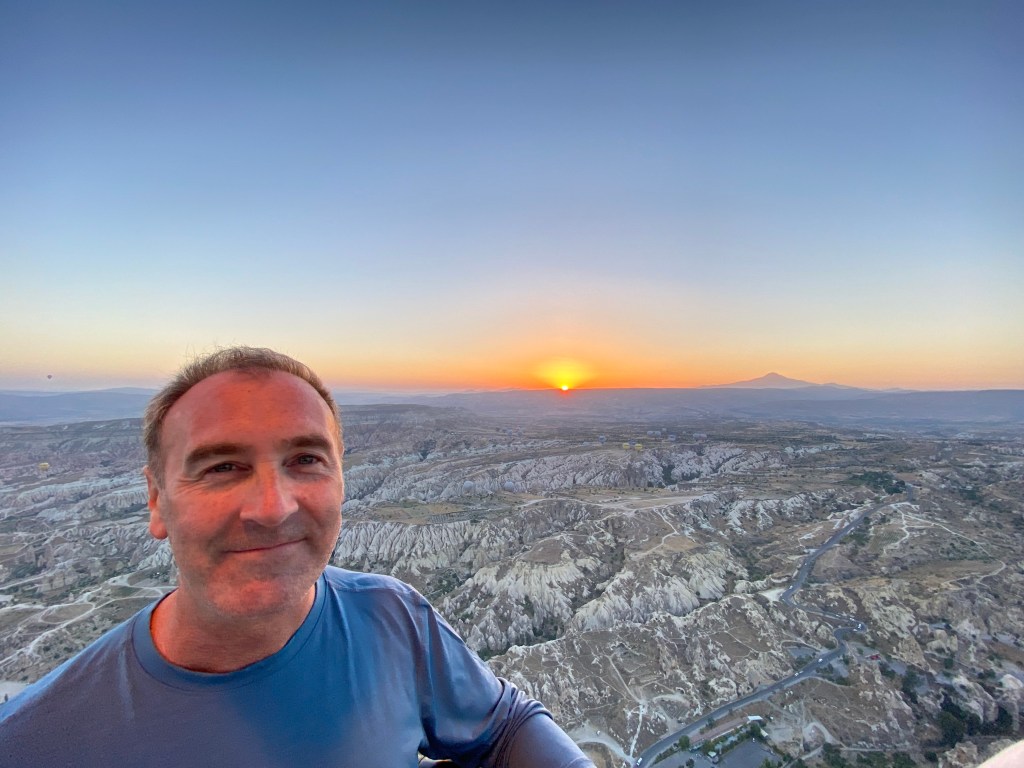
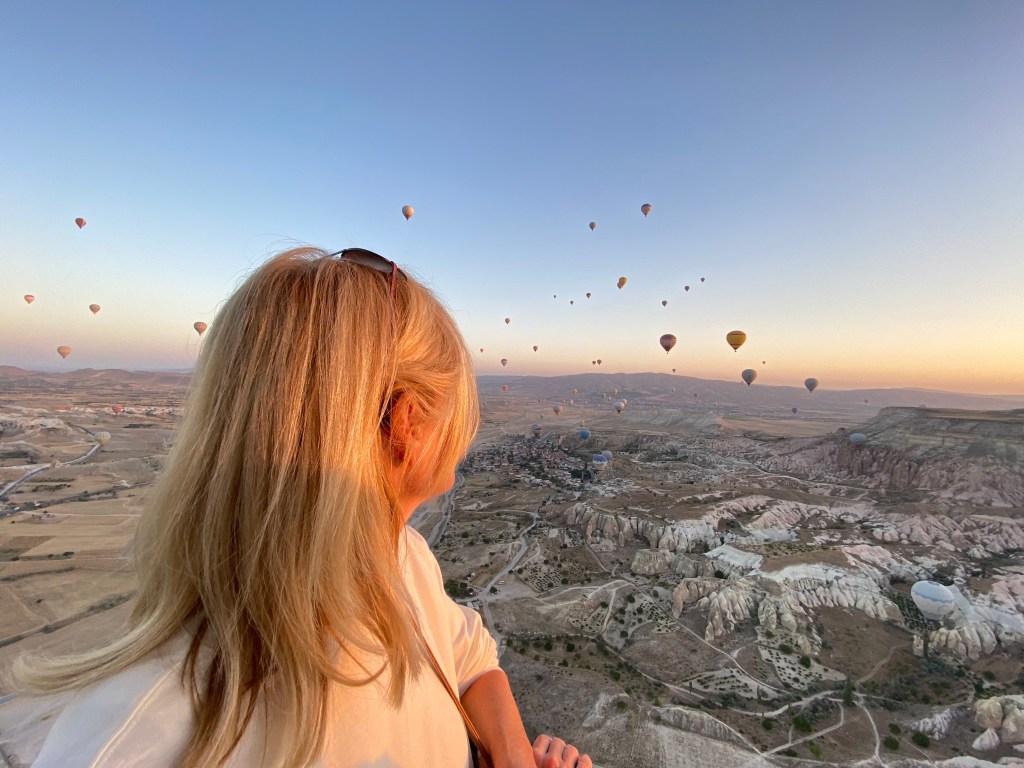
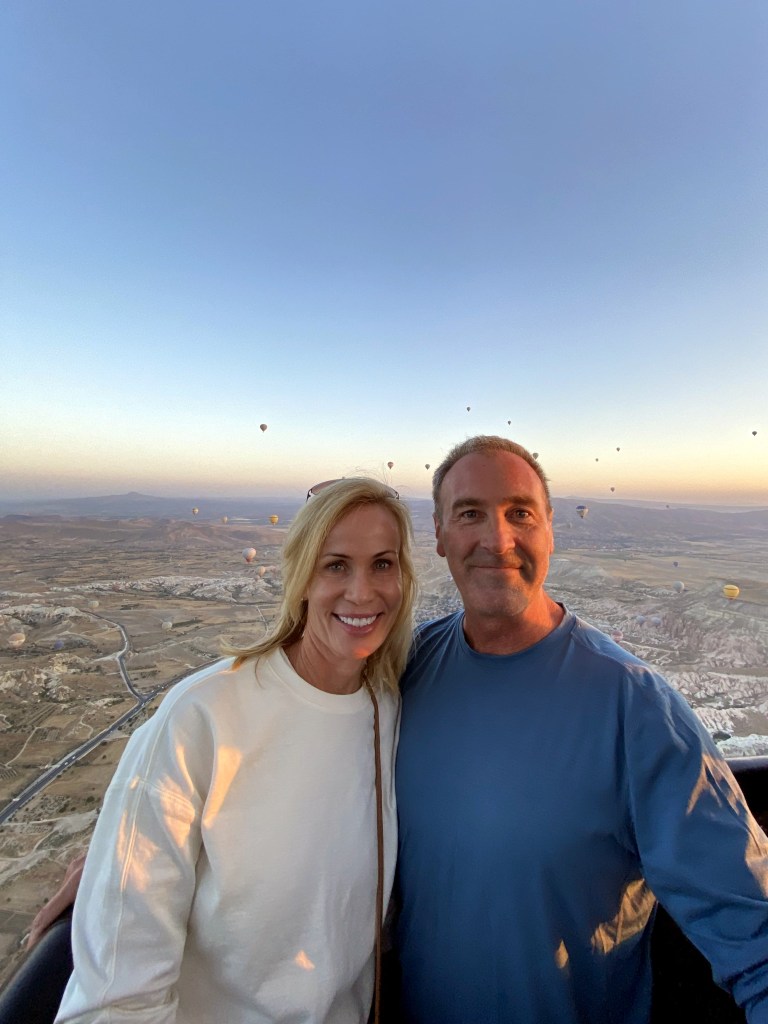
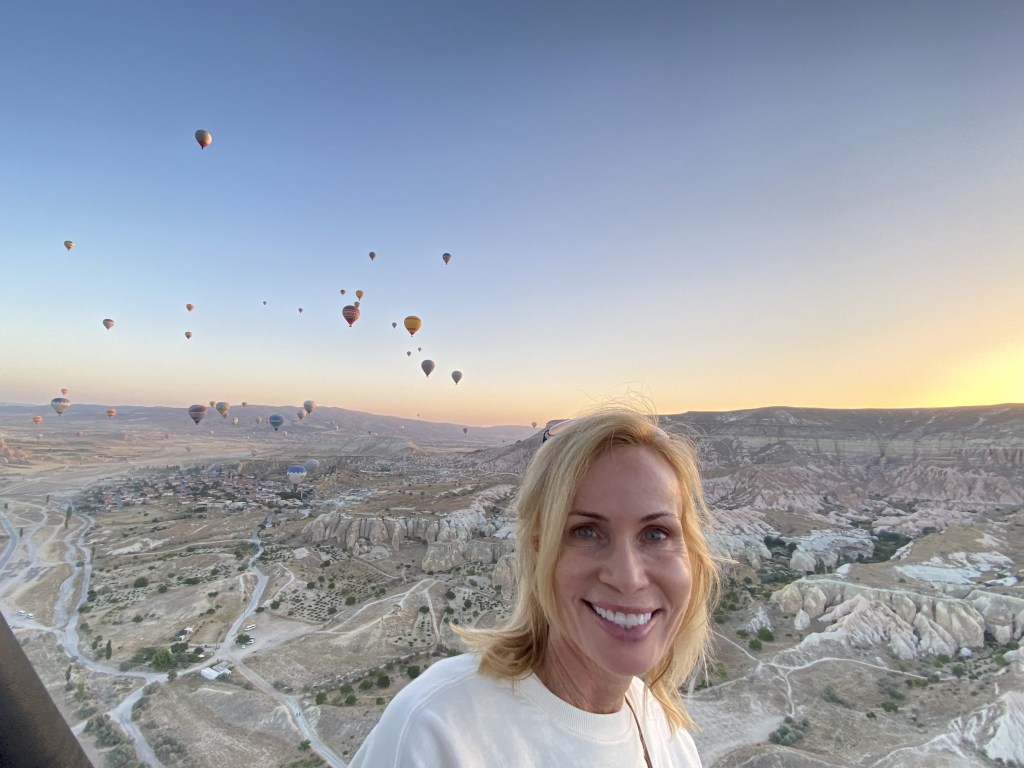
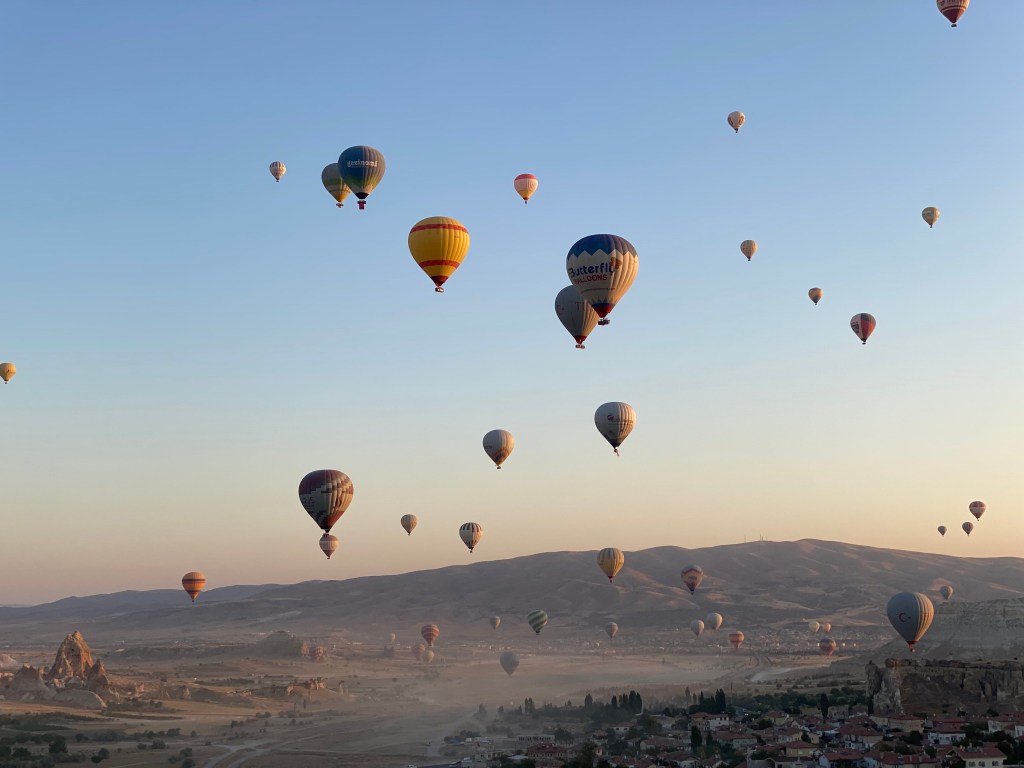
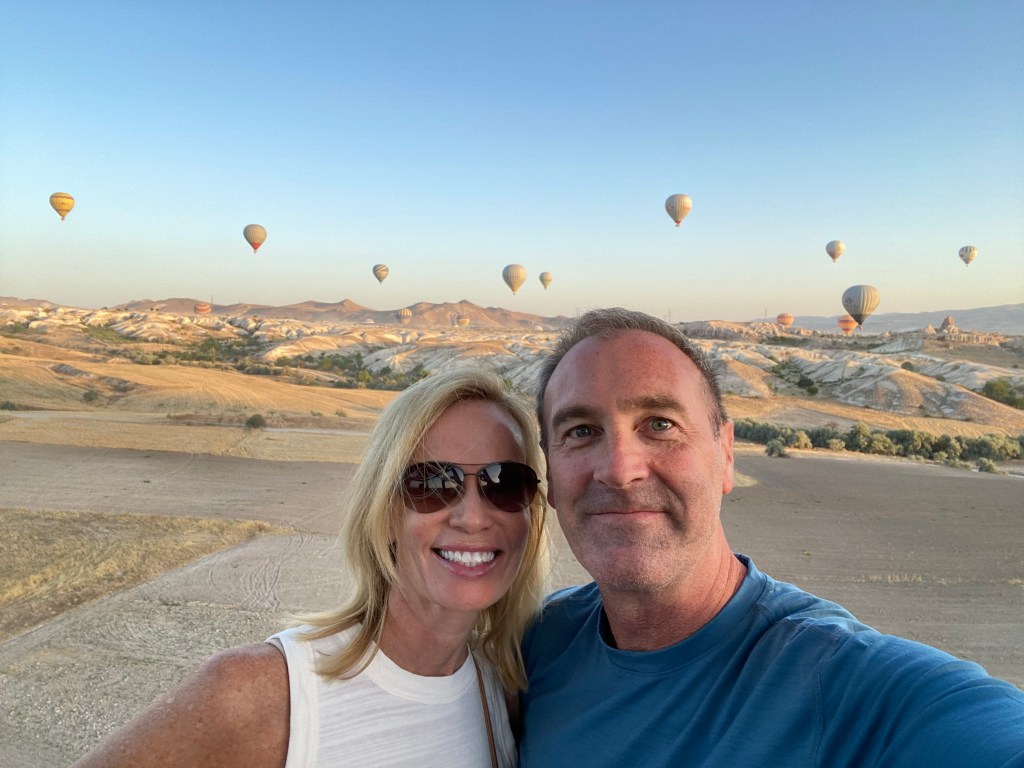
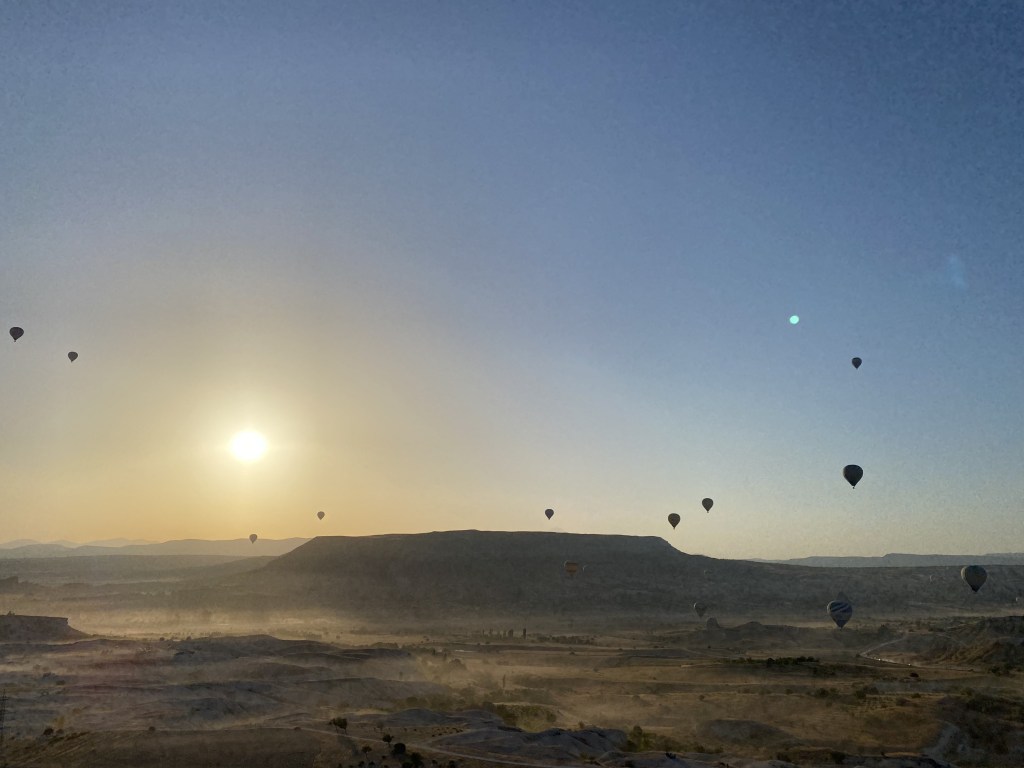
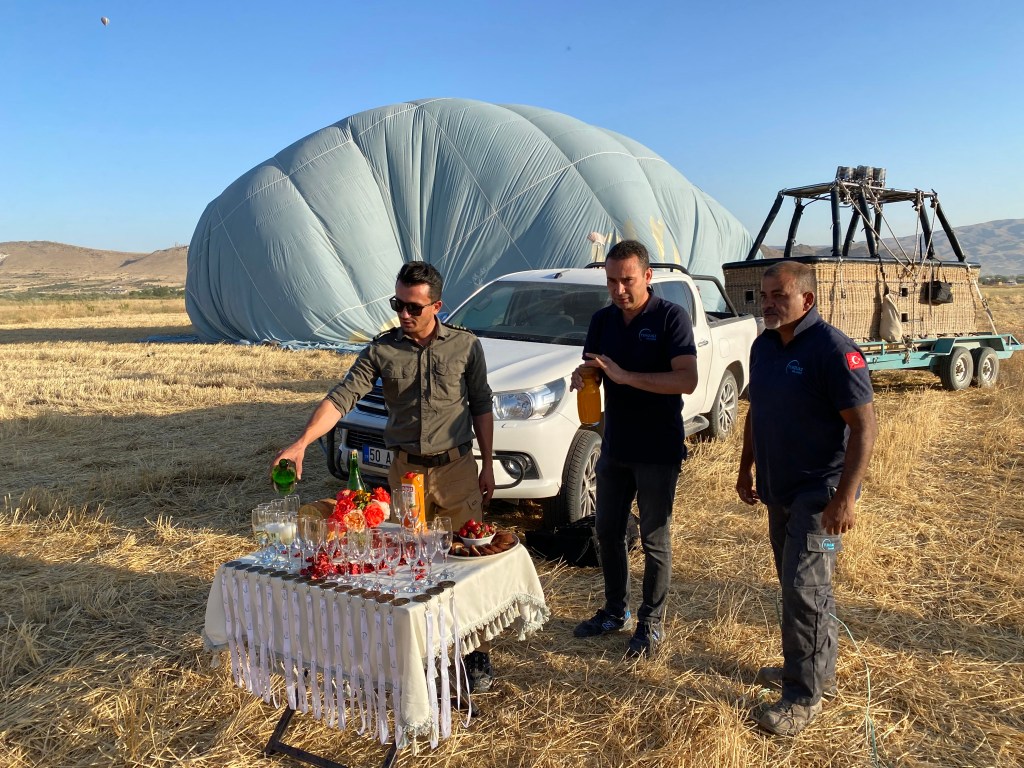
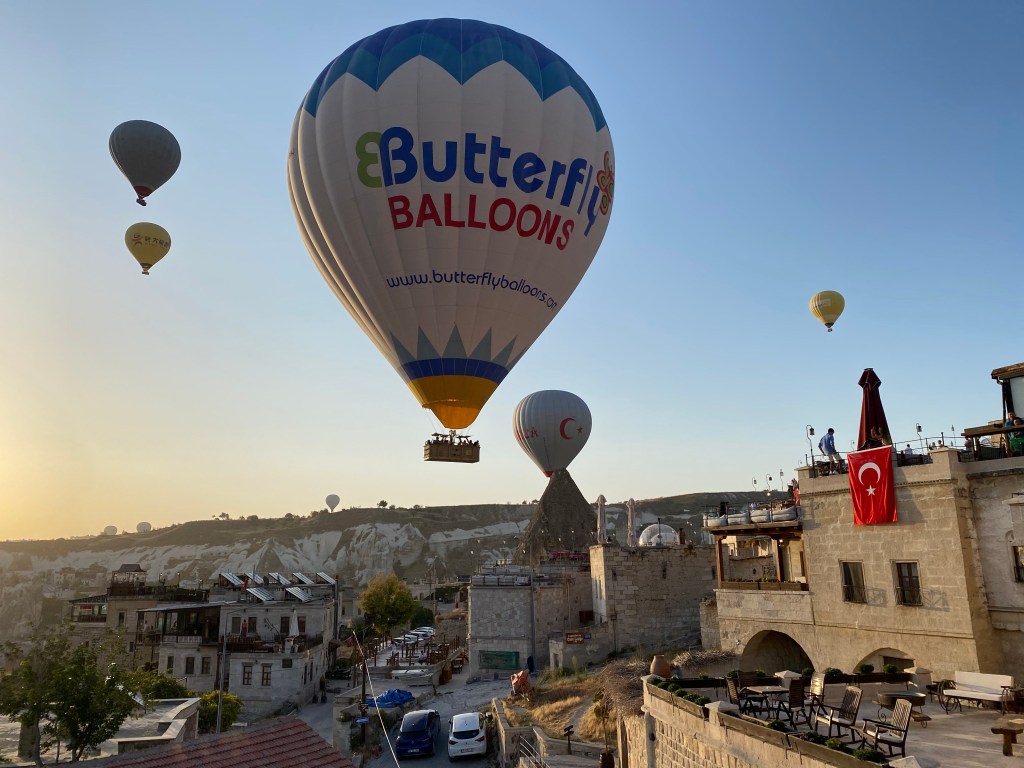
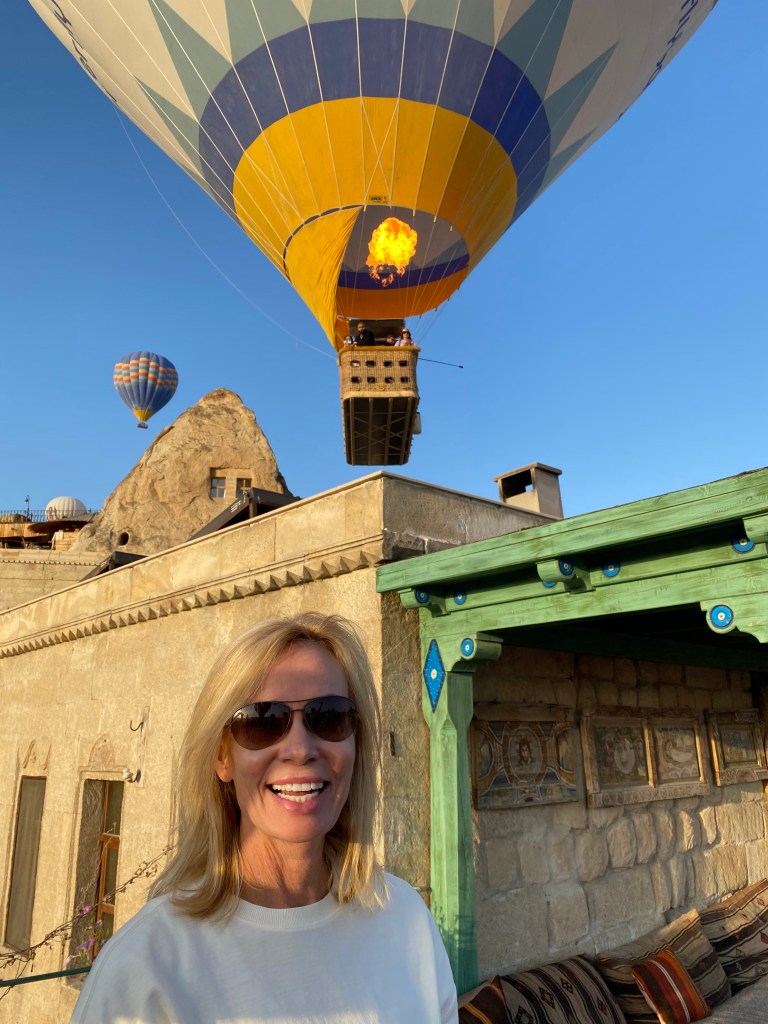
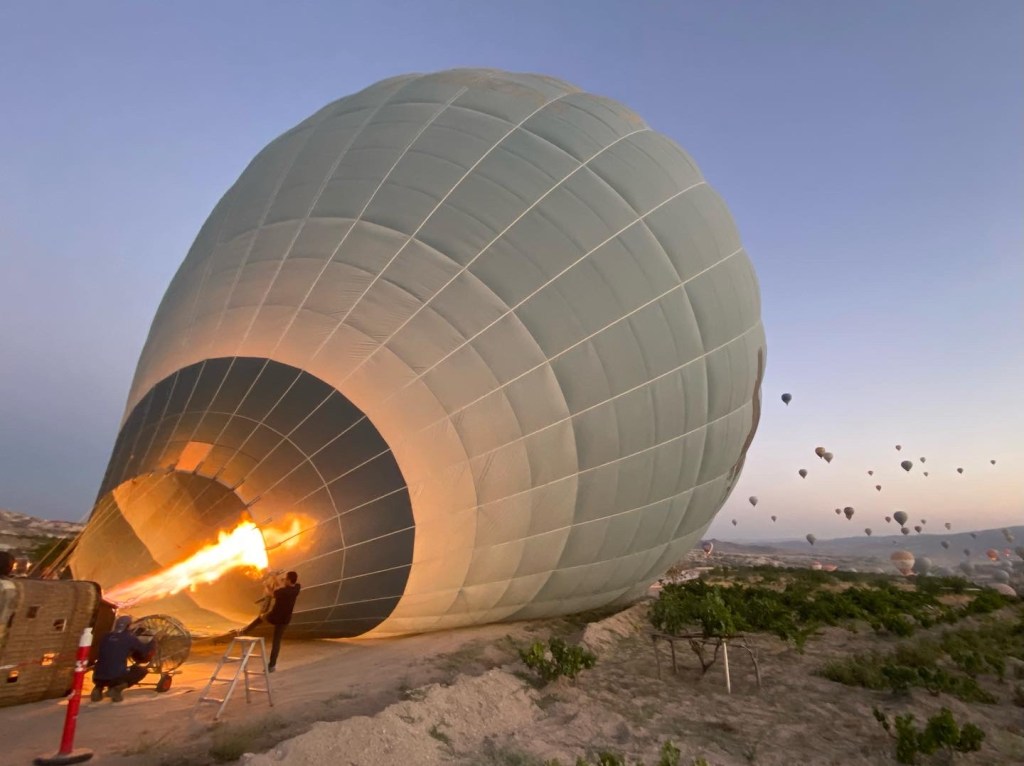
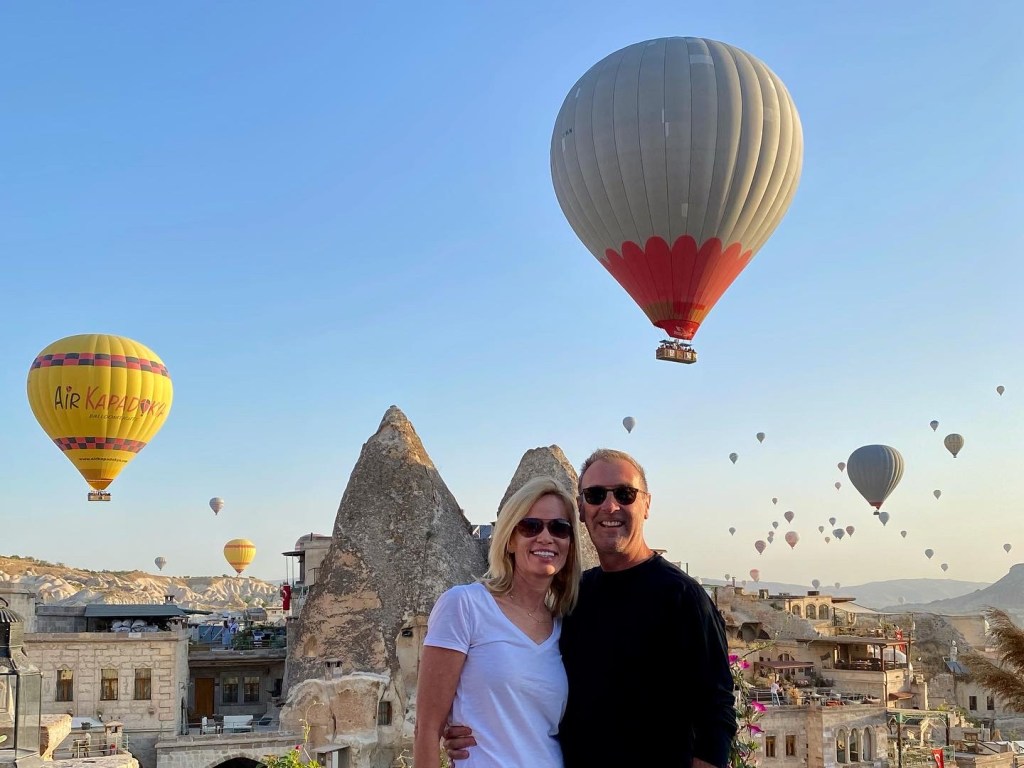
A dawn balloon ride on our first morning:
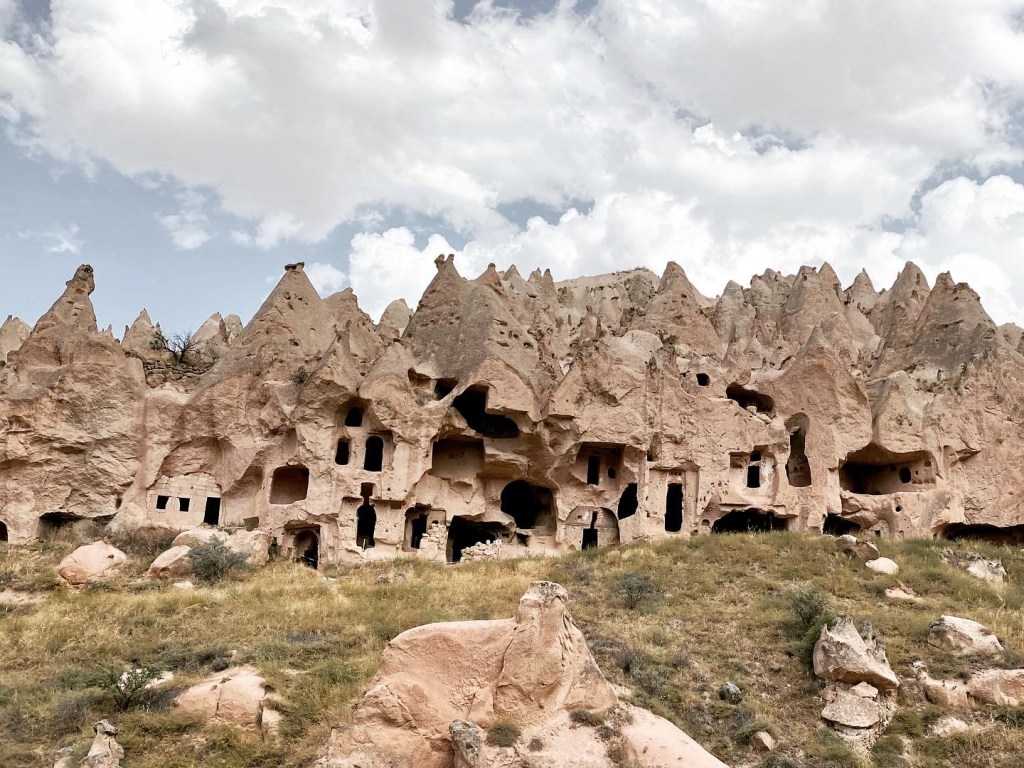
Really cool stuff all over the region, including two monastery cave complexes right down the road from Göreme. The first was a Byzantine monastic community in the Zelve valley, which thrived between the 9th to 13th centuries. The valley’s troglodyte houses were occupied until 1952, when villagers were relocated due to safety concerns.
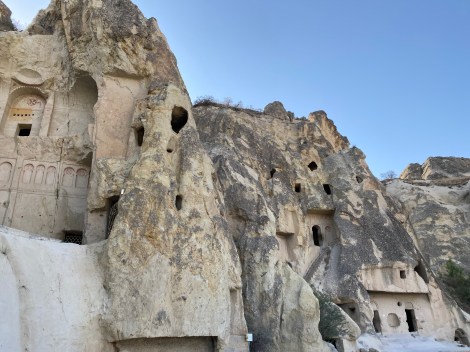
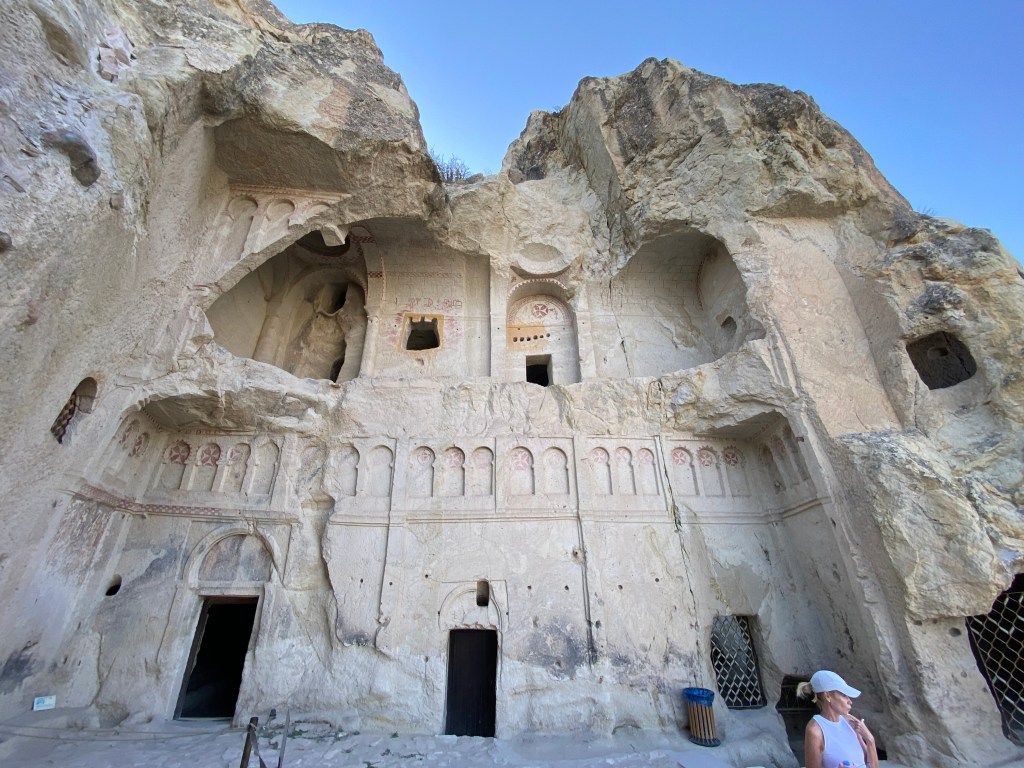
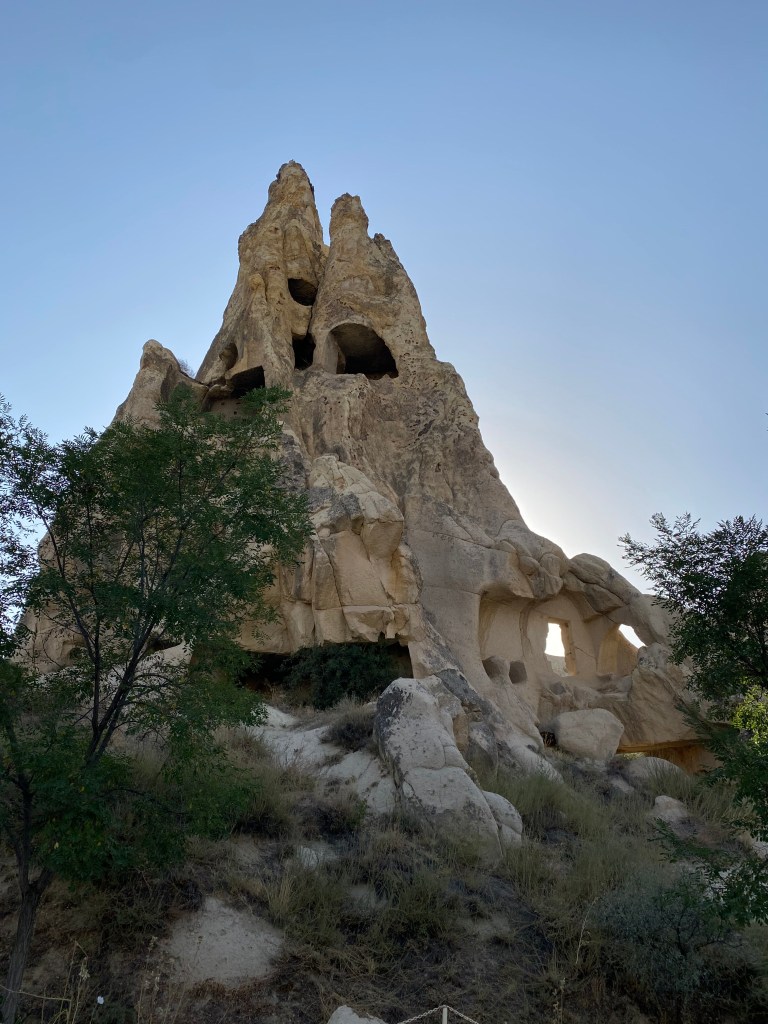
We found the complex nearest to Göreme to be even more compelling, though. Founded in the 4th century on the instruction of Saint Basil of Caesarea, this complex of monasteries, nunneries, churches, and chapels existed for a thousand years.
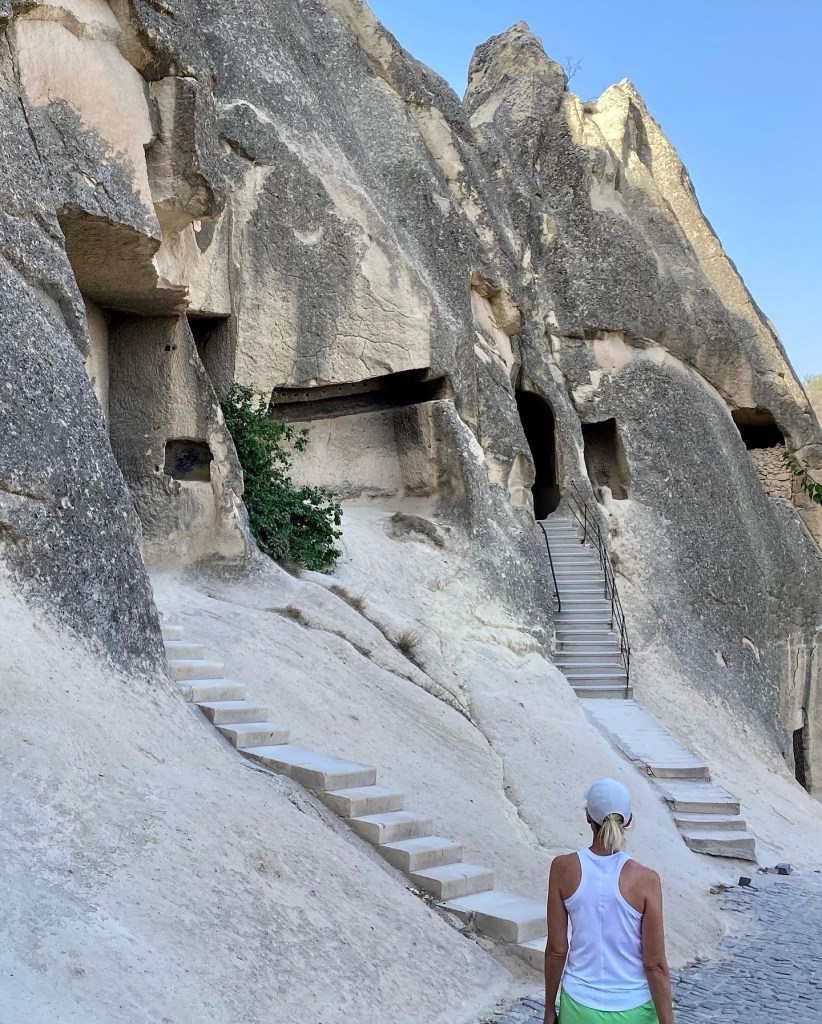
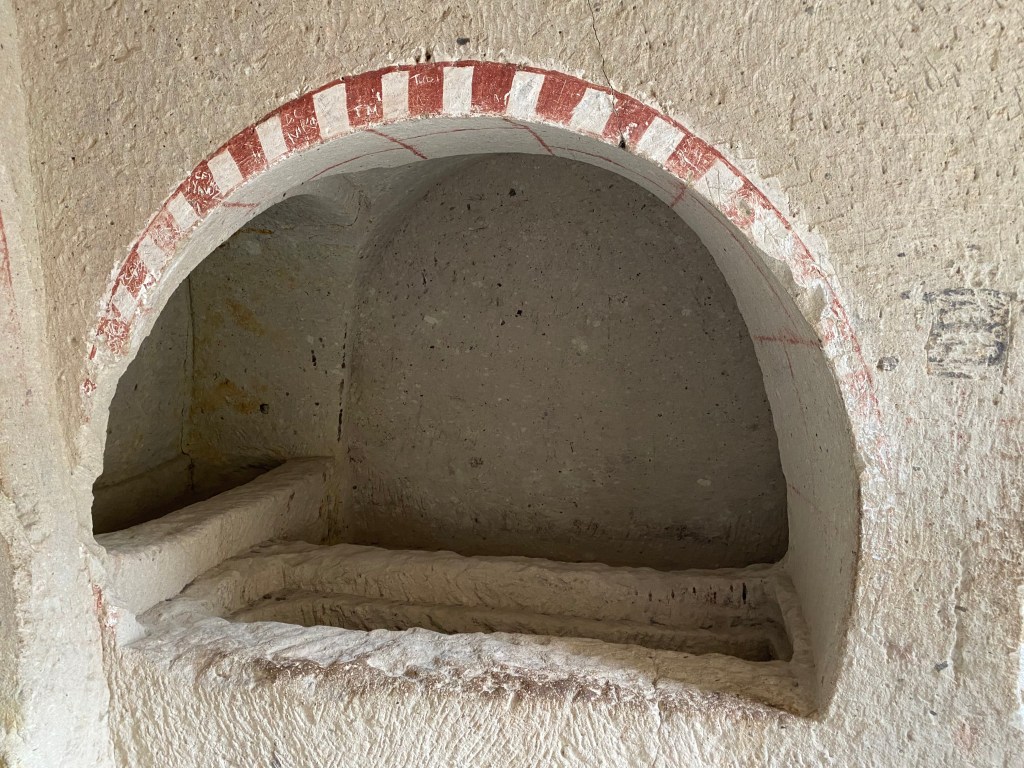
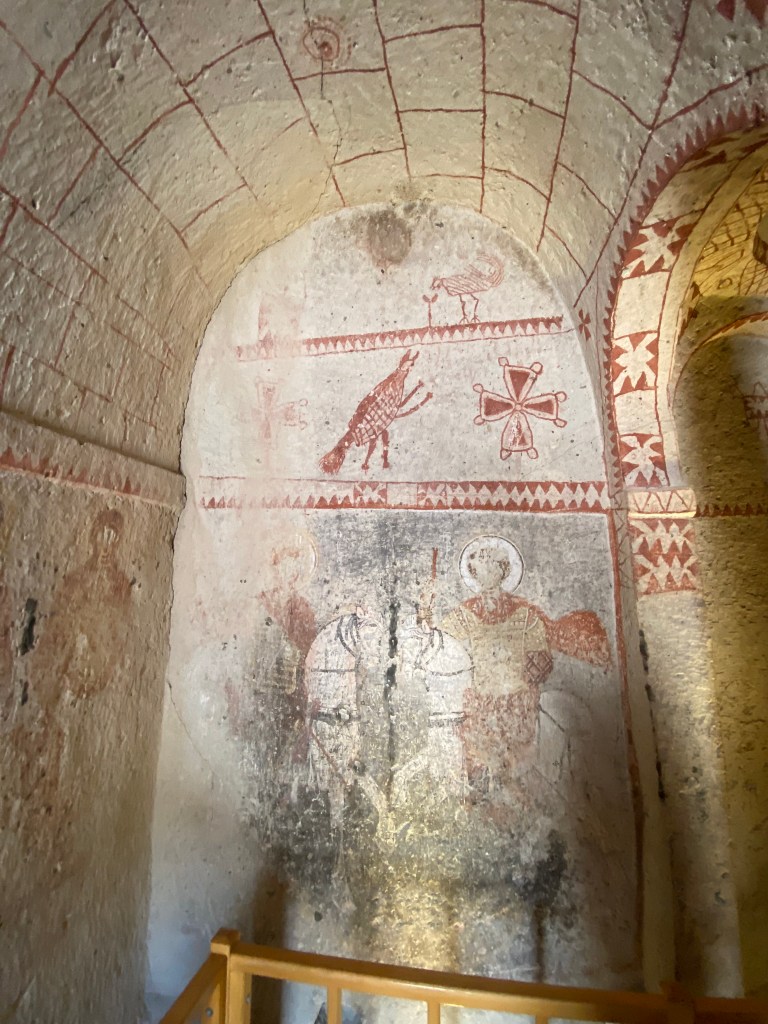
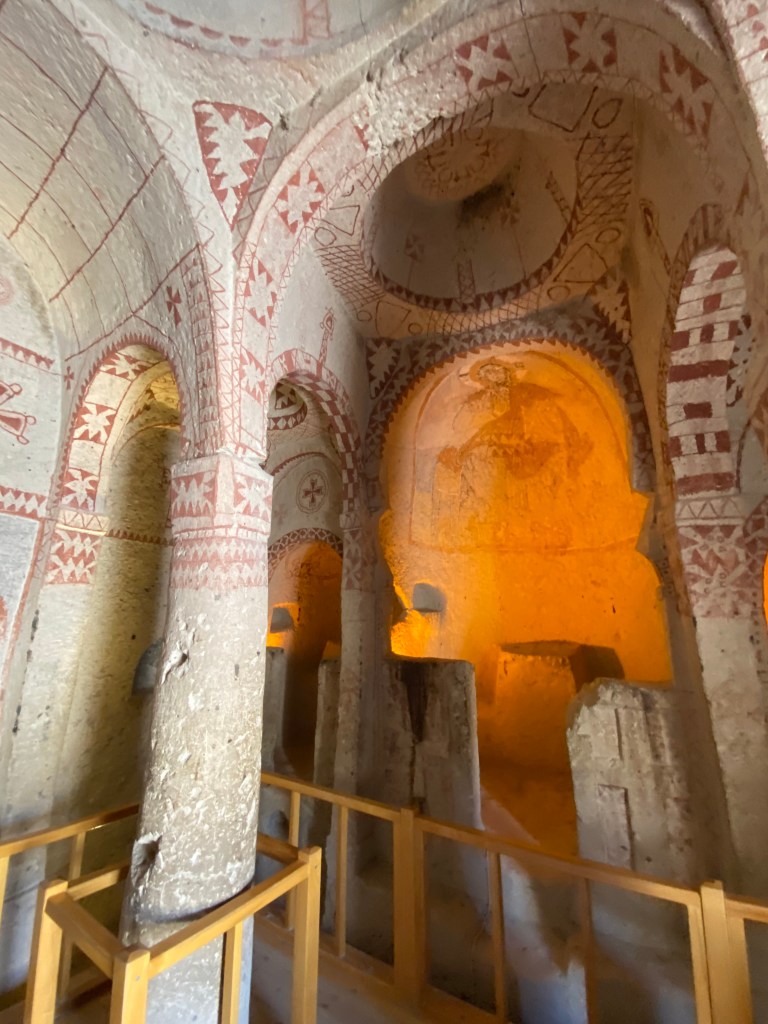
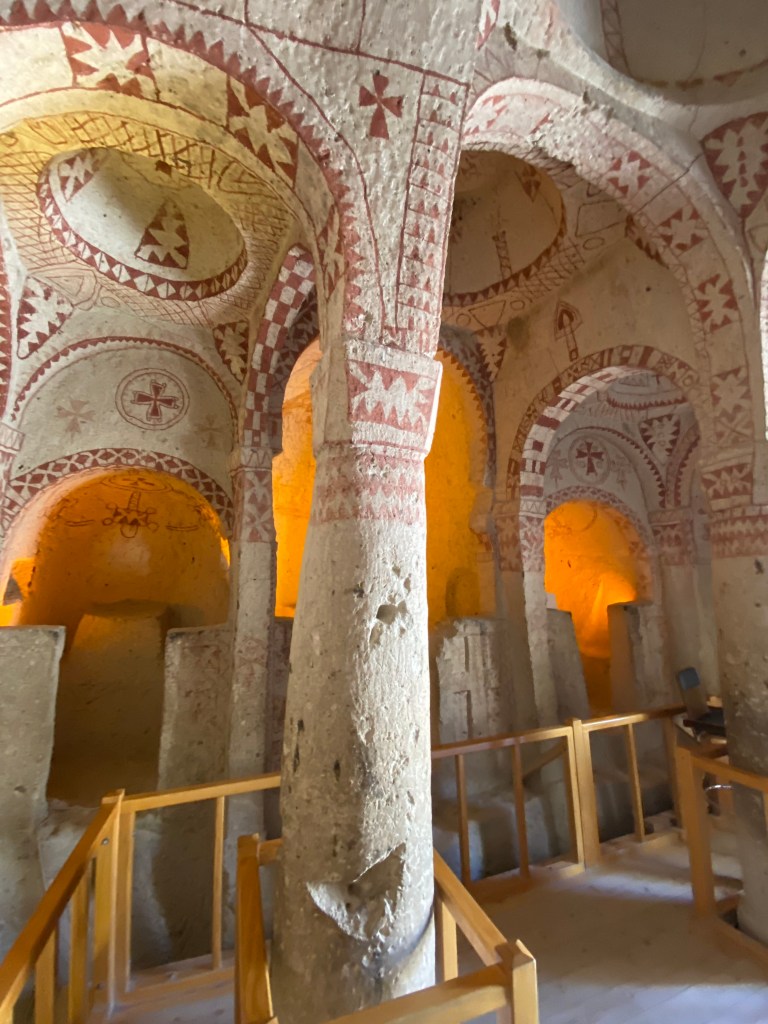
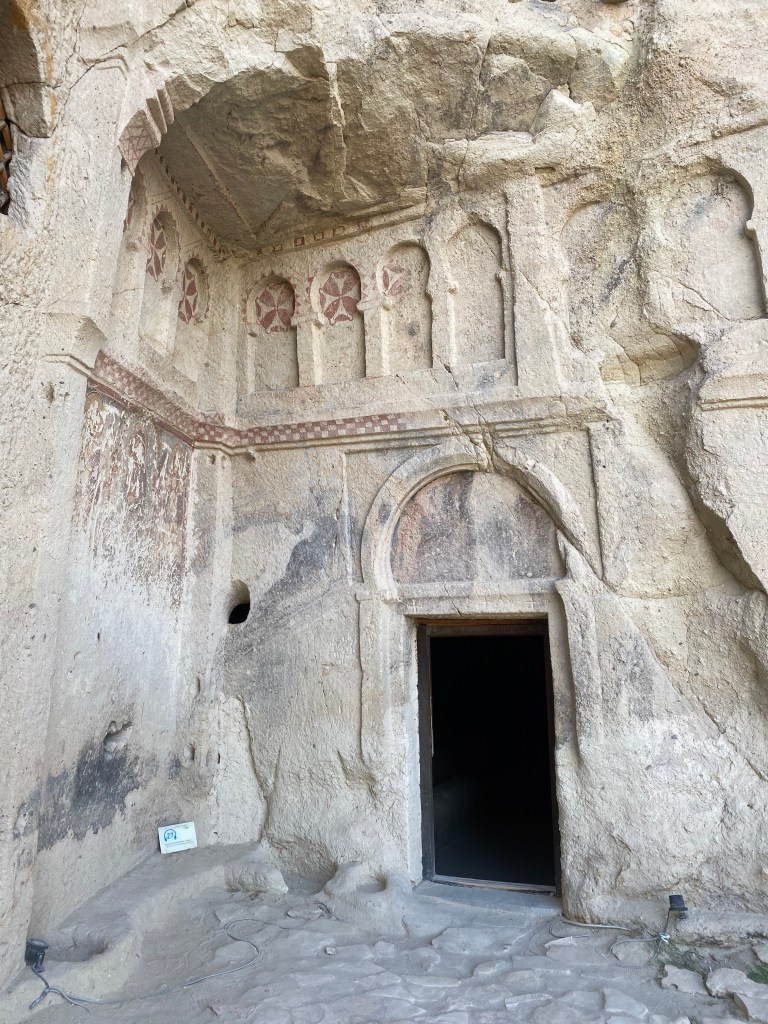
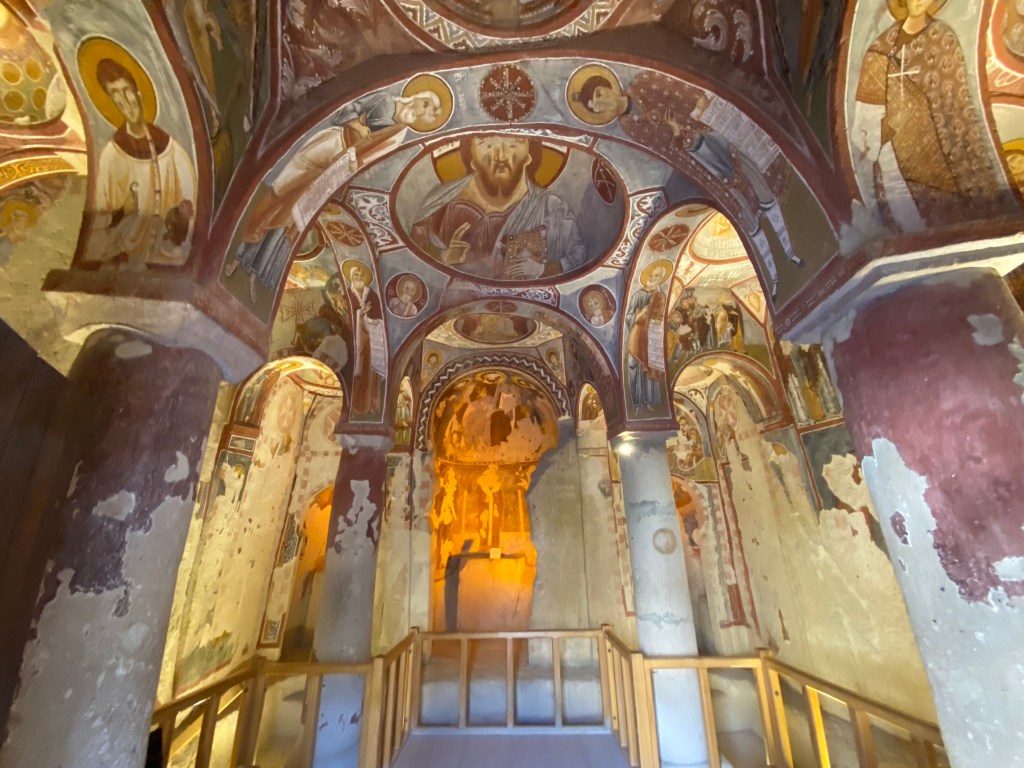
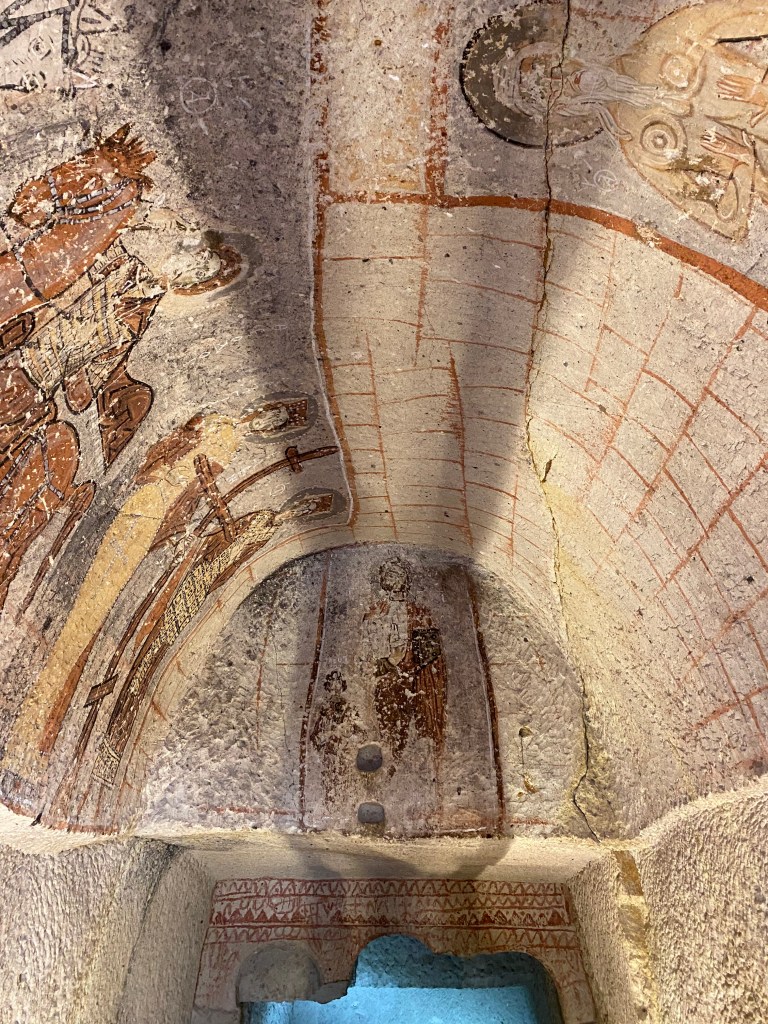
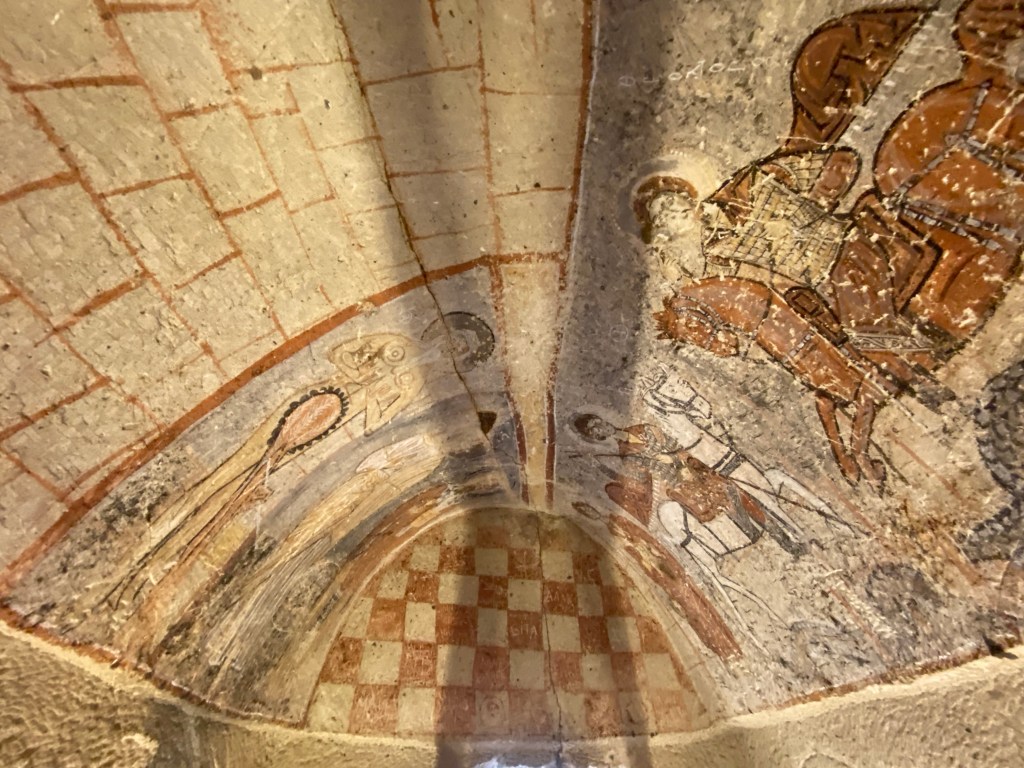
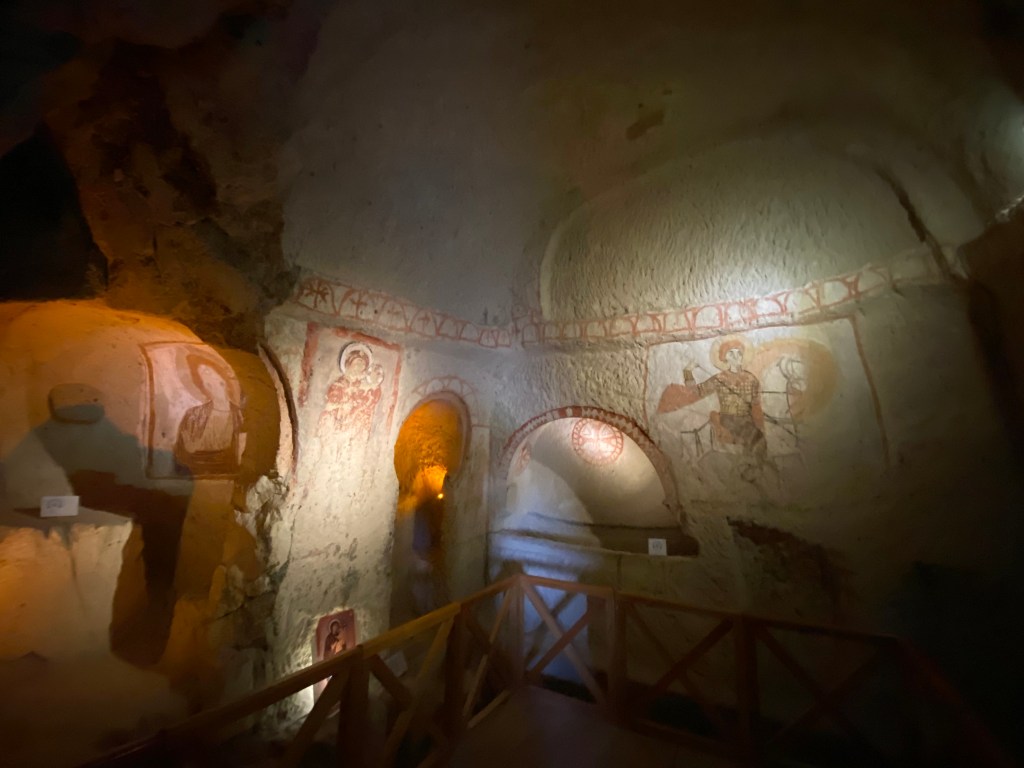
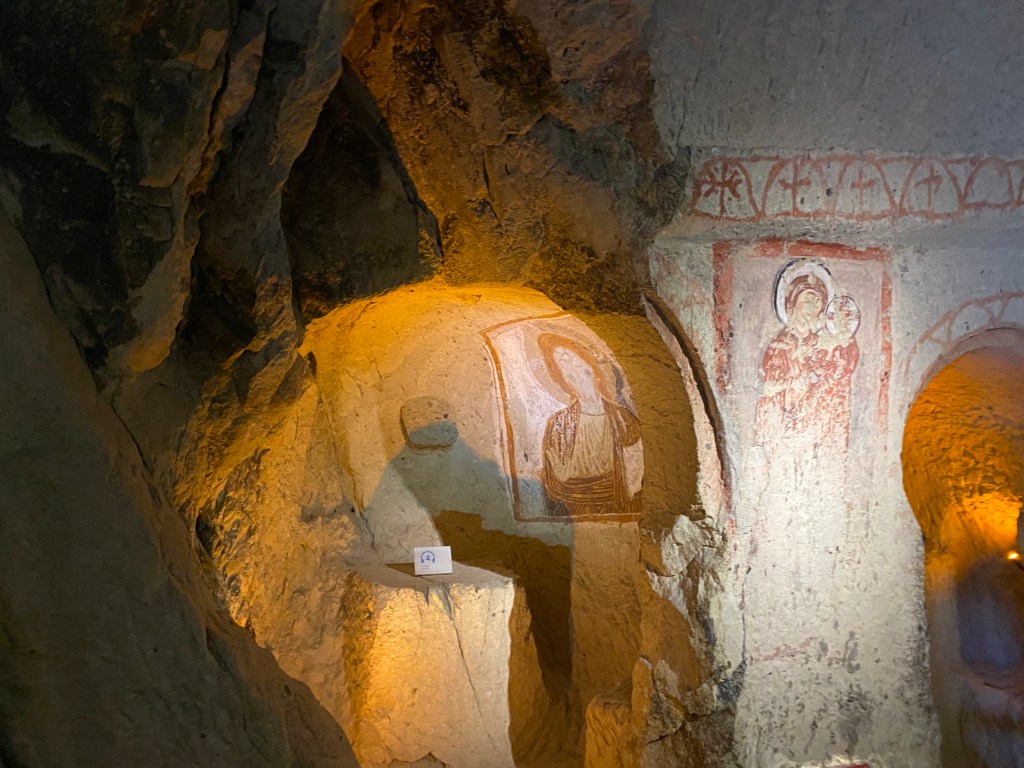
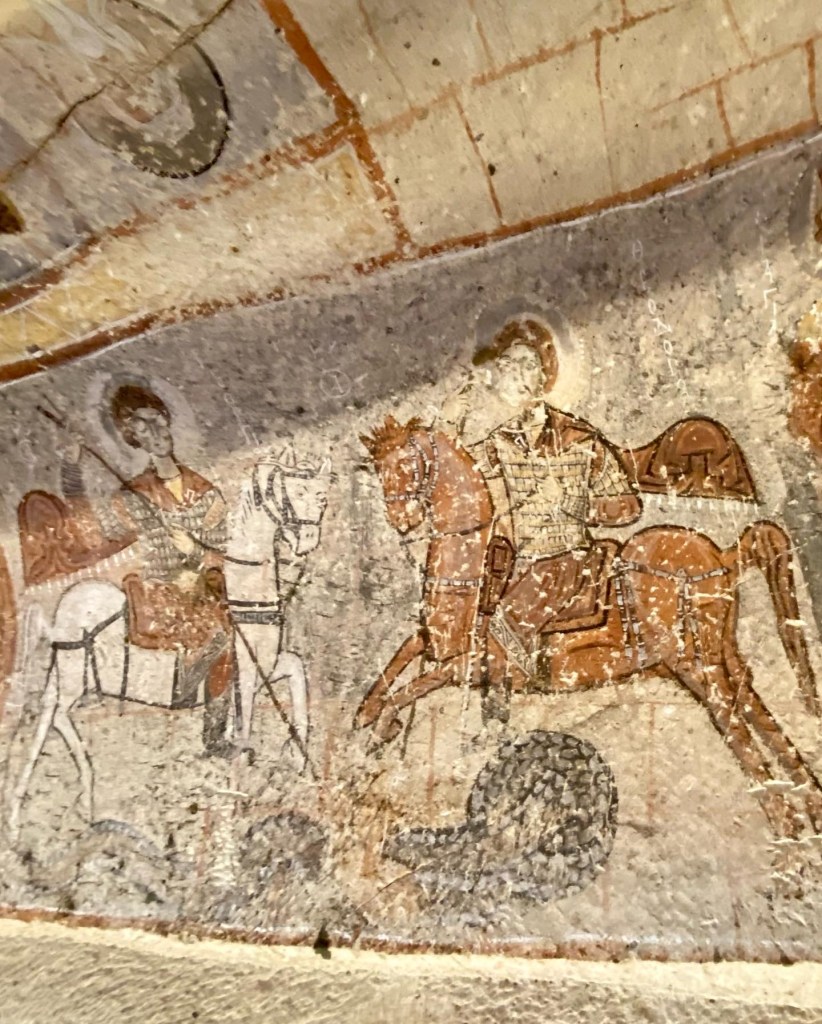
The abundance of cave churches in the complex intrigued us the most:
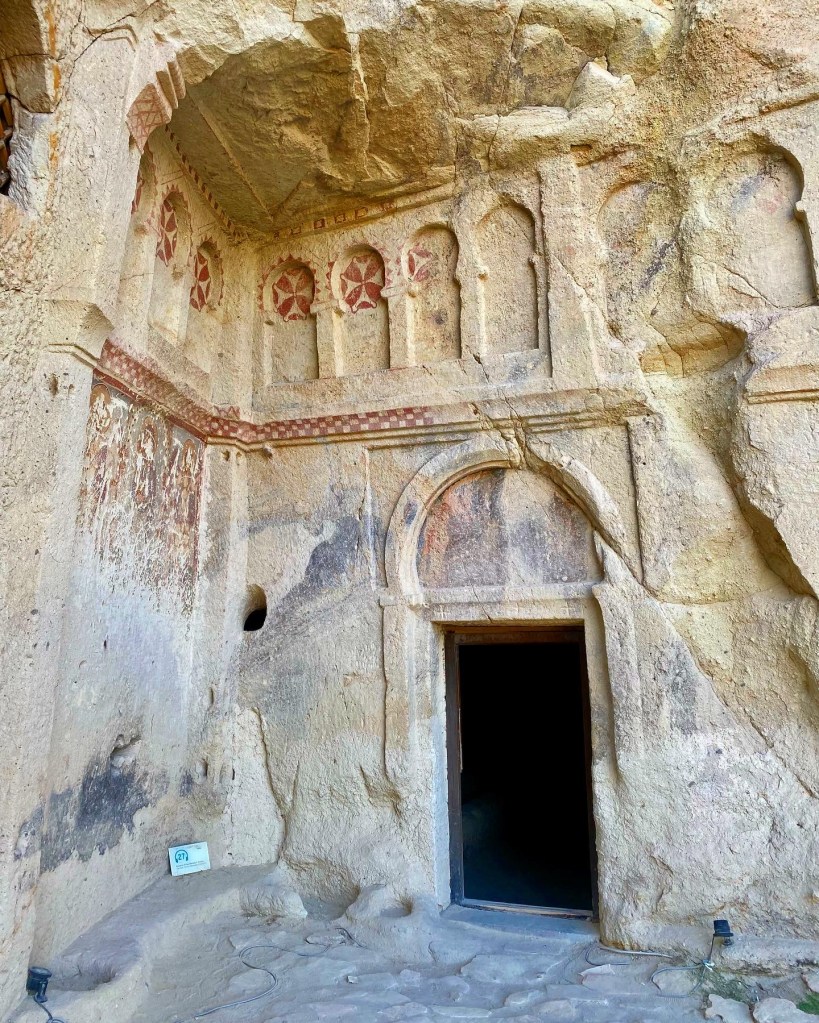
Two distinct styles of decoration are immediately evident in the cave churches: “During the iconoclastic period (725–842) the decoration of the many sanctuaries in the region was held to a minimum, usually symbols such as the depiction of the Christian cross.”

After this period, new churches were dug into the rocks, and they were richly decorated with colourful frescoes.” Super cool to actually walk into a space and see untouched art from the 8th century just sitting there in the open.
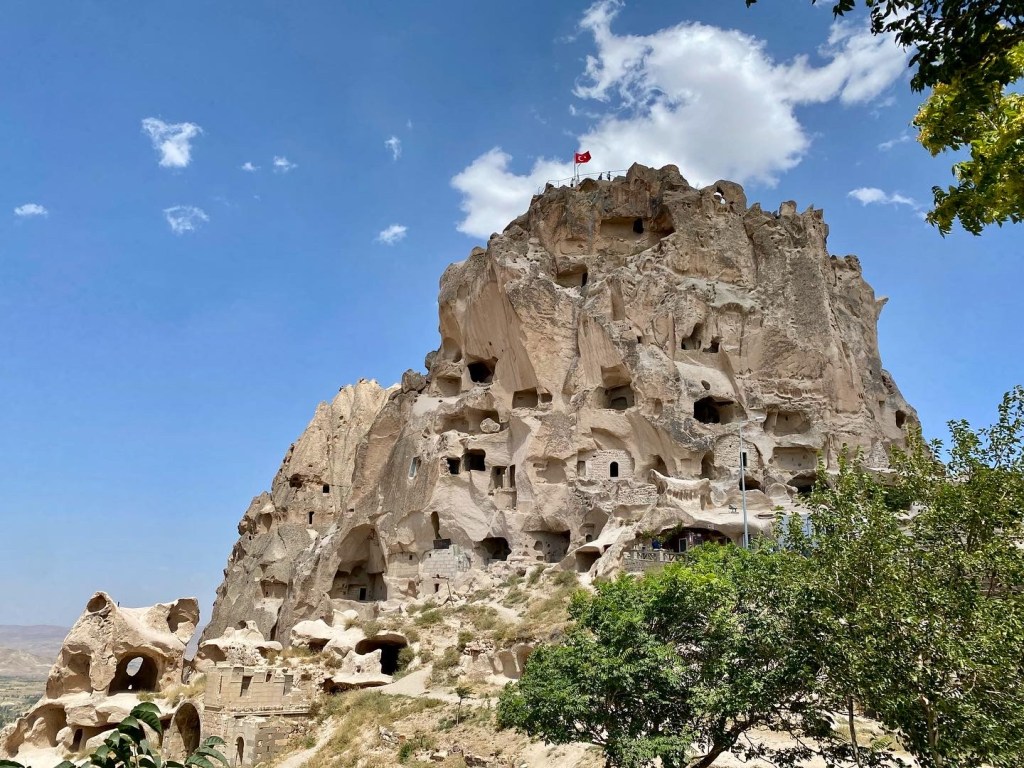
The mountain castle of Uçhisar, dominating the skyline north of Göreme in Cappadocia.
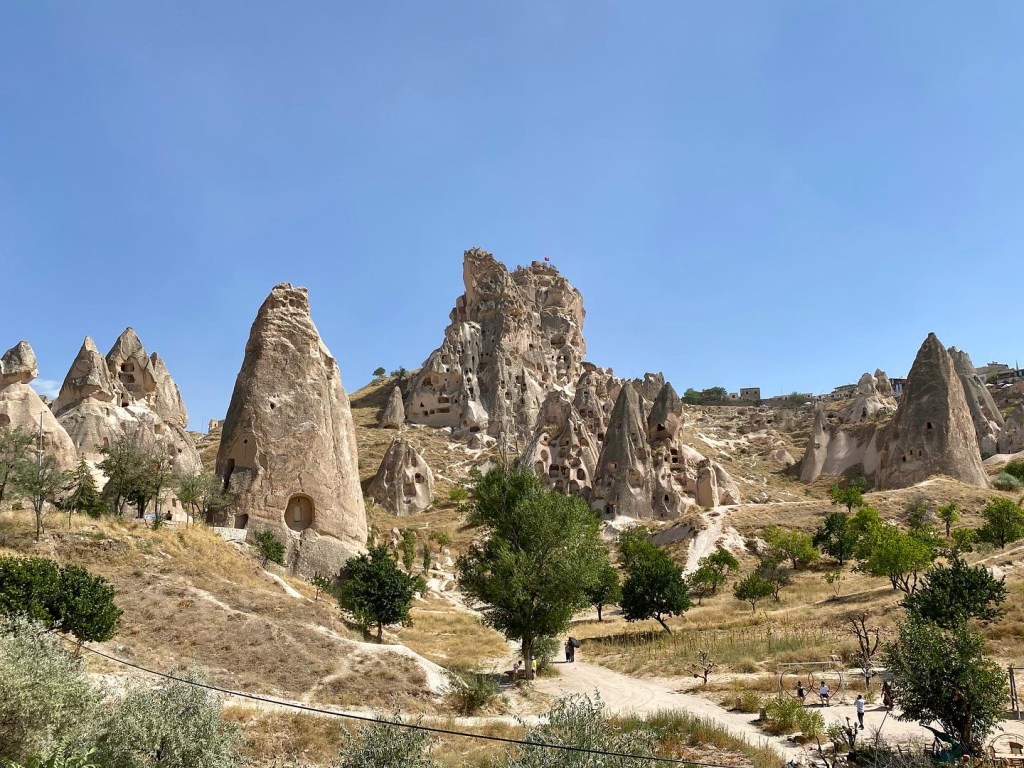
Originally occupied by the Hittites, the structure was once home to 1000 people throughout its labyrinth of cave warrens and later served as cloisters during the Byzantine era.
Descending into the ancient multi-level underground city of Derinkuyu, which is large enough to have sheltered as many as 20,000 people together with their livestock and food stores. The city began in the 8th to 7th centuries BC, and continually expanded. Fully formed between 780–1180 AD, Derinkuyu was occupied for protection from Muslim Arabs during the Arab–Byzantine wars.

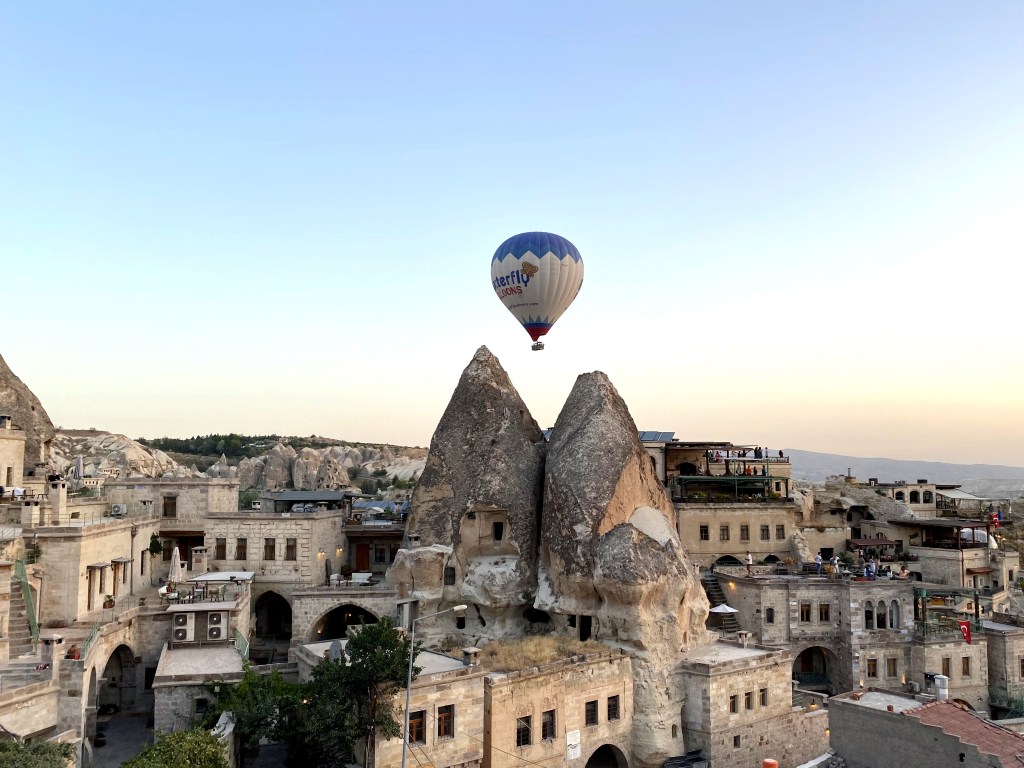
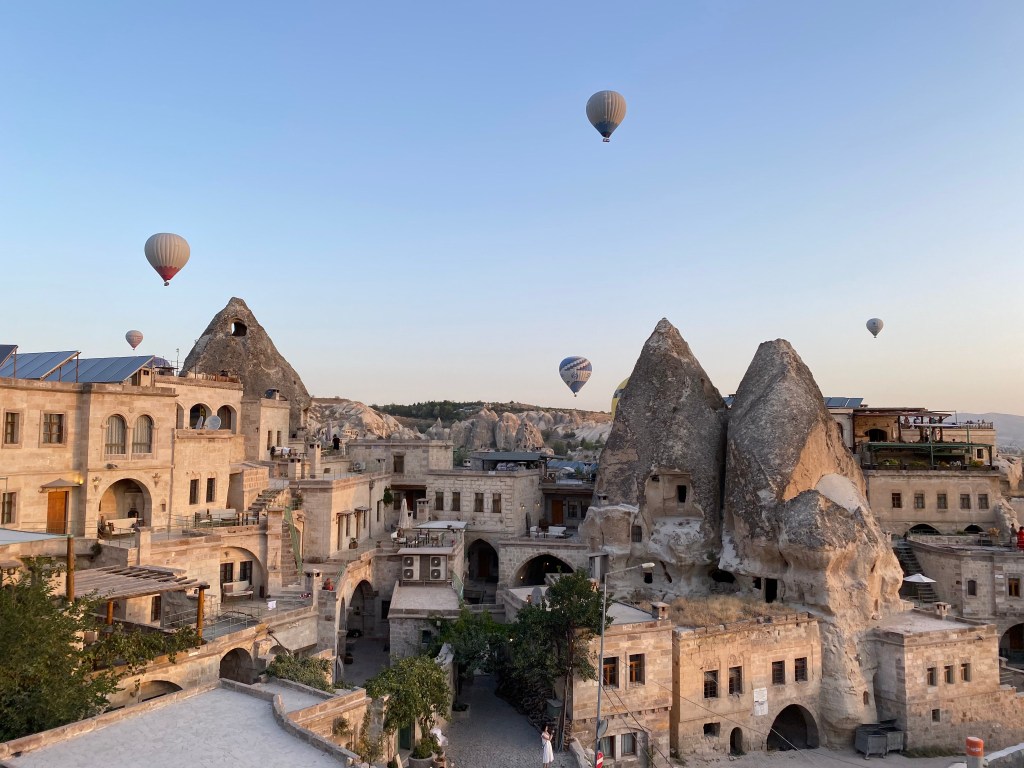
Capadoccia’s characteristic fairy chimneys:

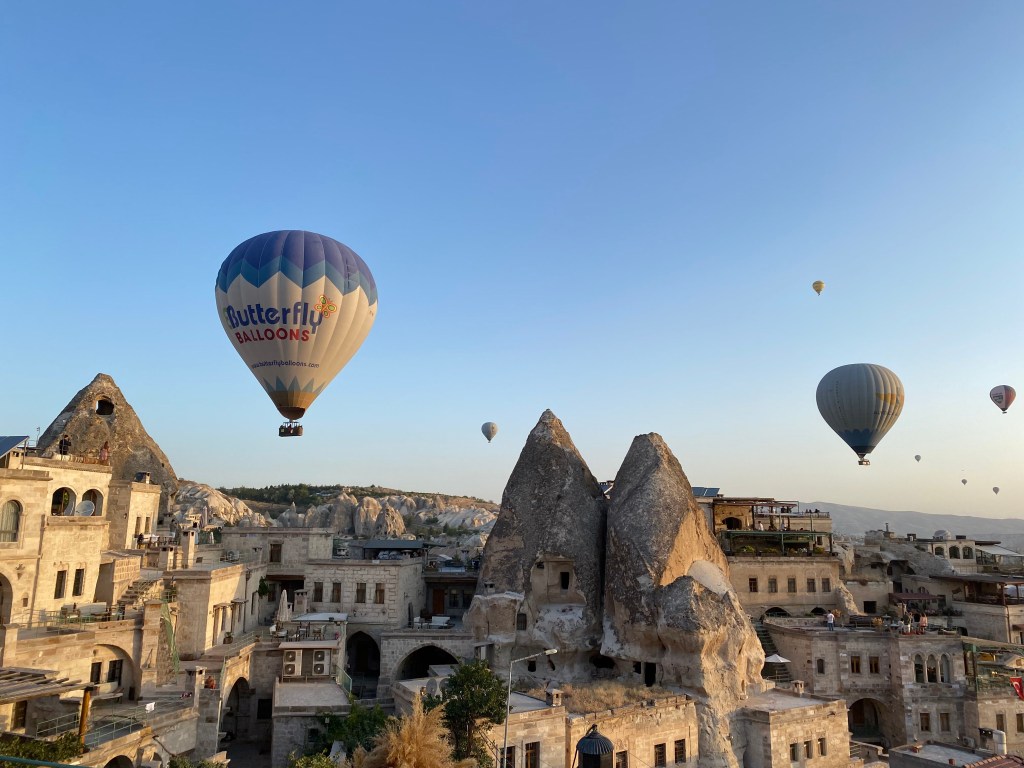
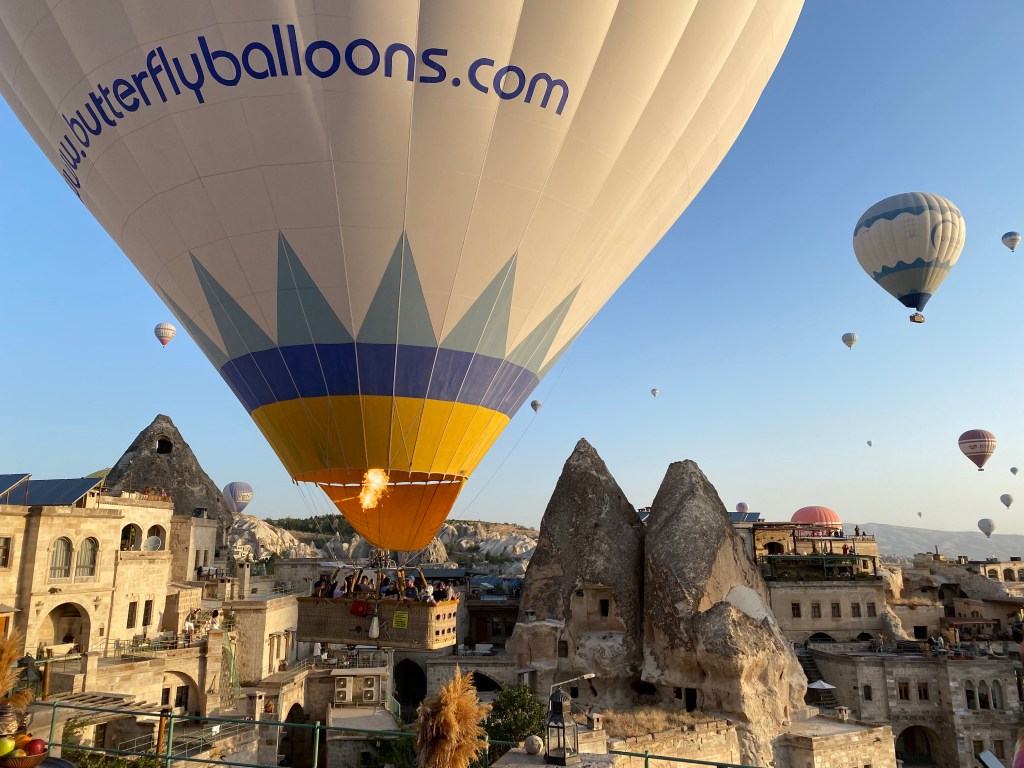
A little balloon action from outside the basket this time at sunrise in town.
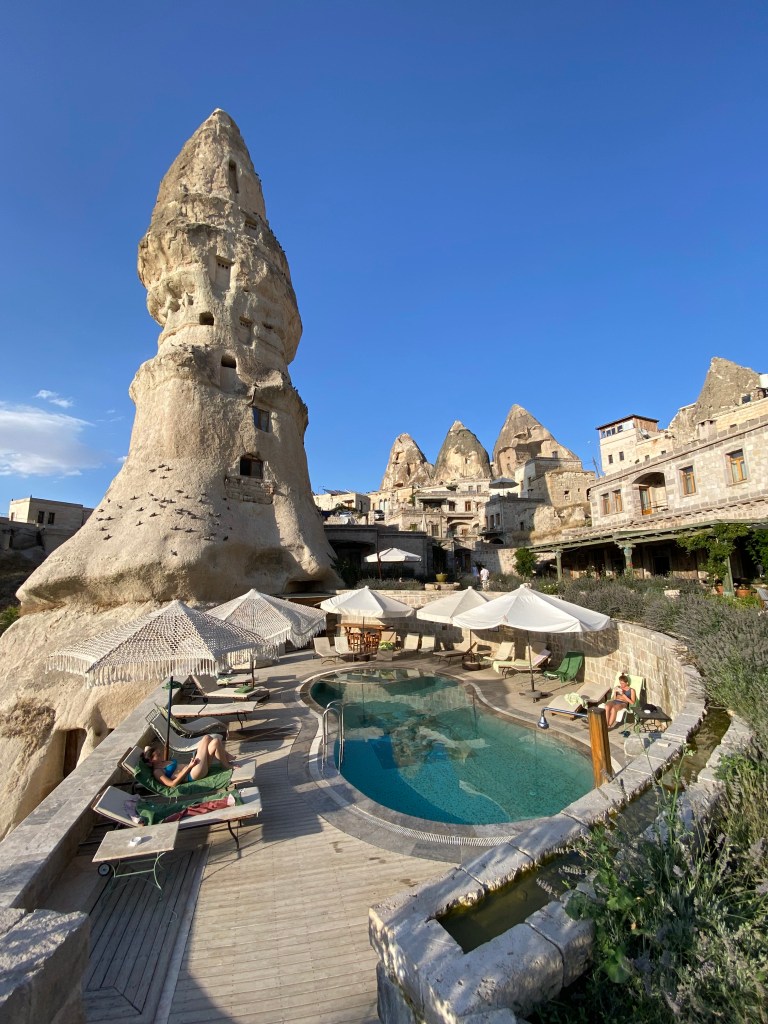
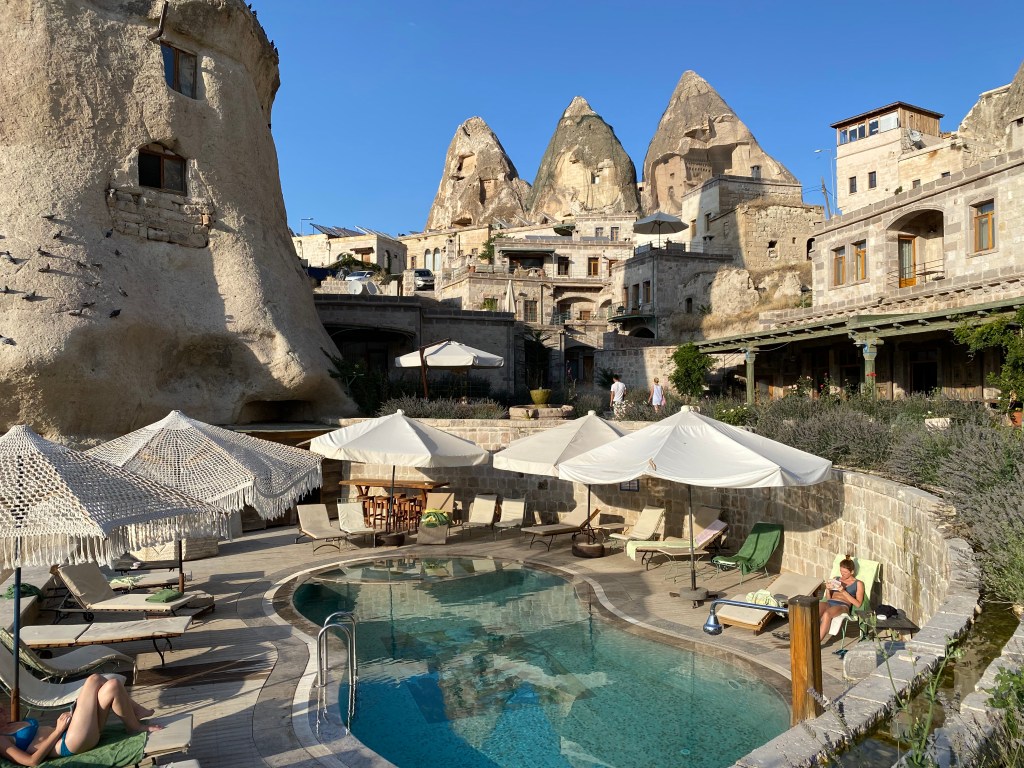
Even our pool was Capadoccia cool:

Last evening in Göreme:

From Cappadocia in Turkey, we headed to the island of Paros, in Greece’s Cyclades archipelago. We previously visited two nearby Cyclades islands – Santorini and Mykonos. We thoroughly enjoyed both, but wanted an island with a slower pace this time. Paros delivered.

Our base camp of Naousa in Paros – a really compelling combo of working fishing port and the island’s densest cluster of restaurants. As far was we could discern, every one of them had octopus on the menu.

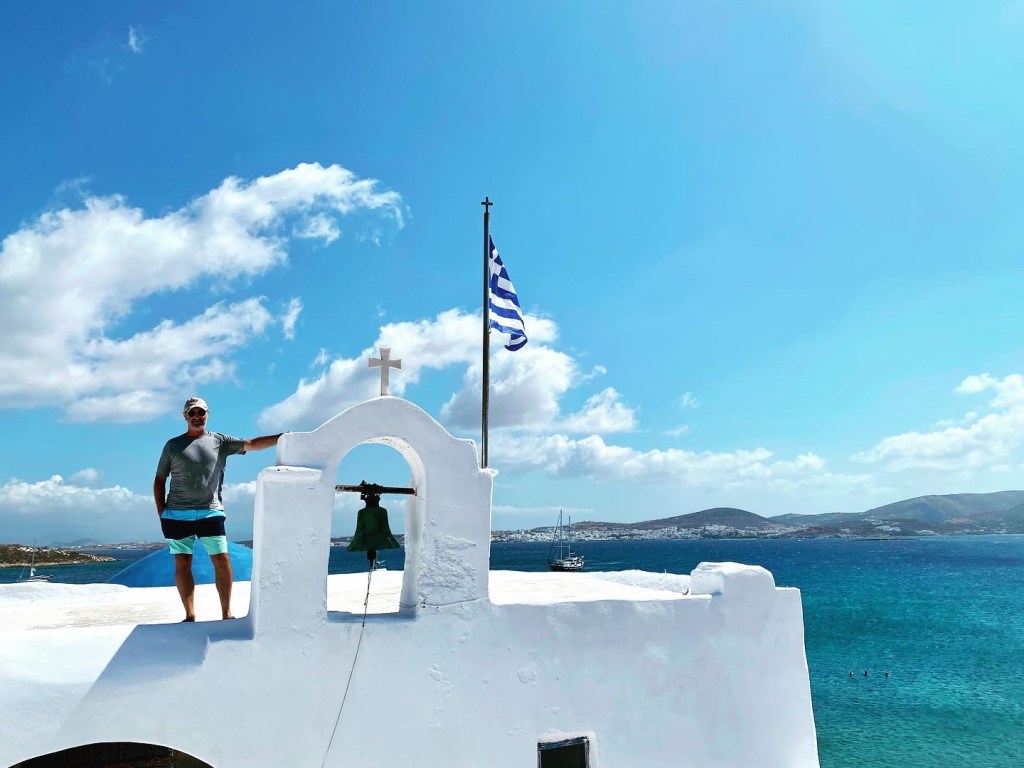
The Monastery of St. John’s of Deti:
Paros’ main port town of Parikia:

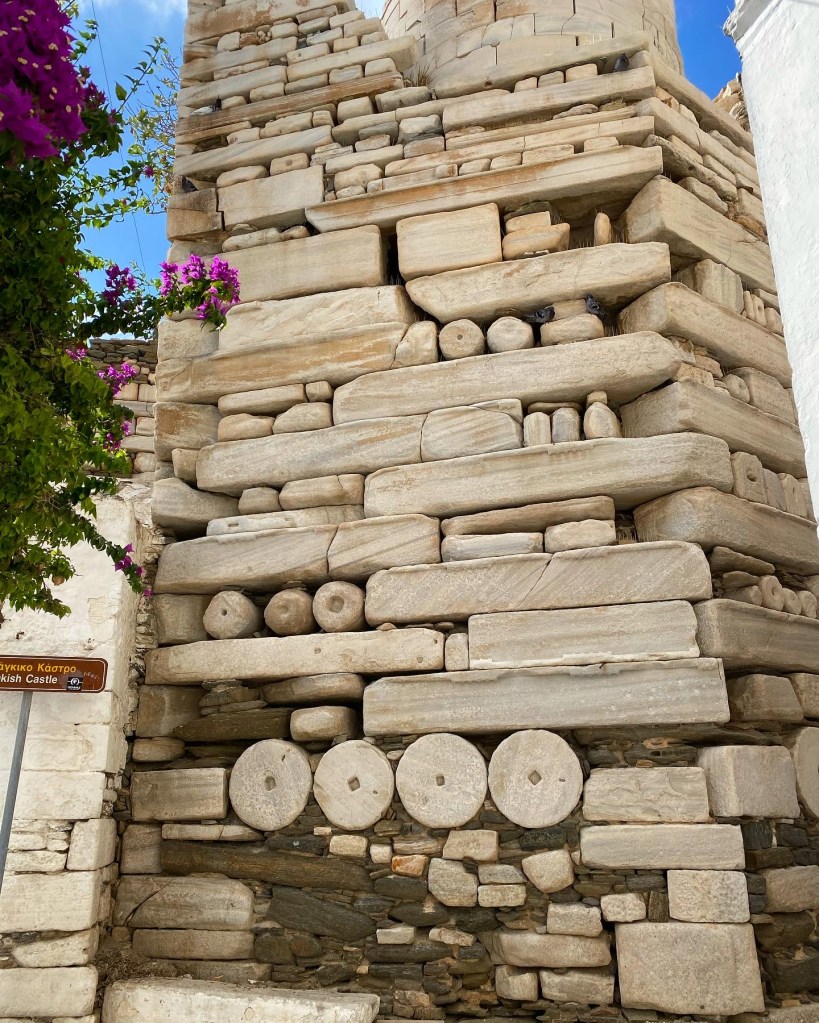
At the top of the town, a 13th-century Frankish Crusader castle established as part of the short-lived Duchy of the Aegean Sea and built from materials taken from ancient sites that existed nearby, including the temple of goddess Athena, the protector of the ancient town of Paros:
At the outskirts of town lay the Ekatontapyliani church complex dating from the 6th century:

A short ferry ride delivered us to Paros’ Mini Me neighbor: the island of Antiparos:

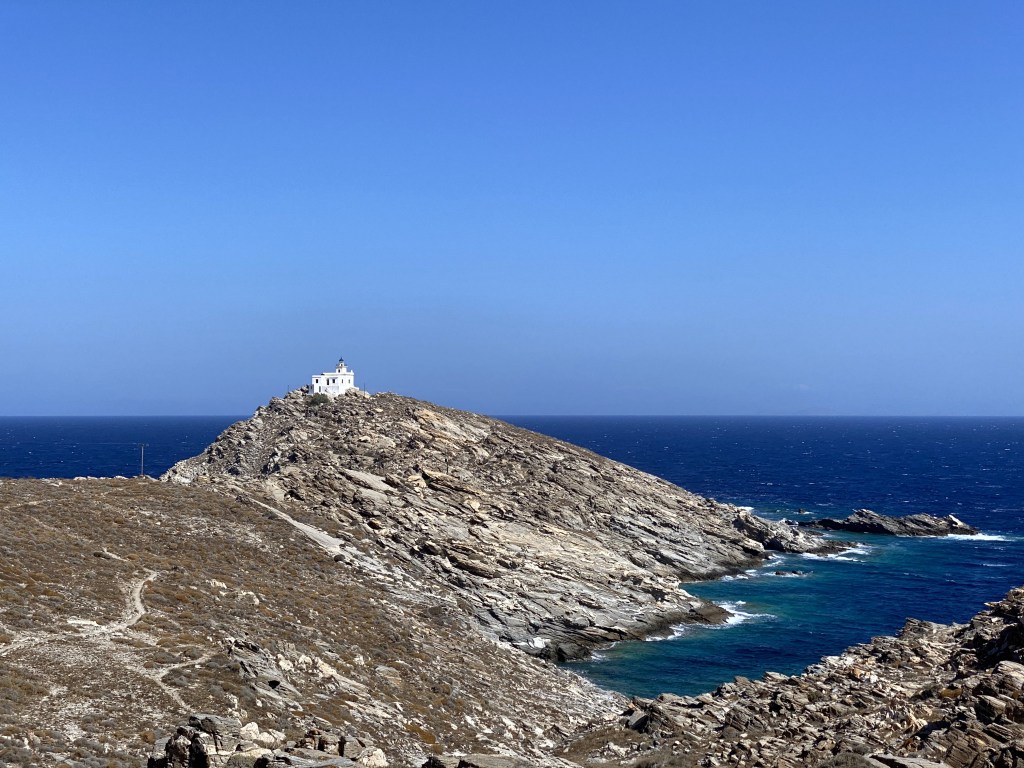
Morning hike to the Akrotiri Korakas lighthouse at the northwestern tip of Paros:
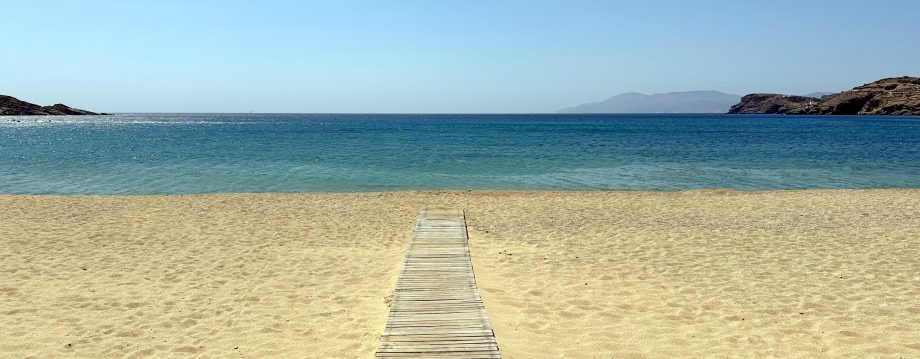
We found ourselves hanging out on multiple days at the low-key Ampelas Beach on the east side of the island, across from Naxos:

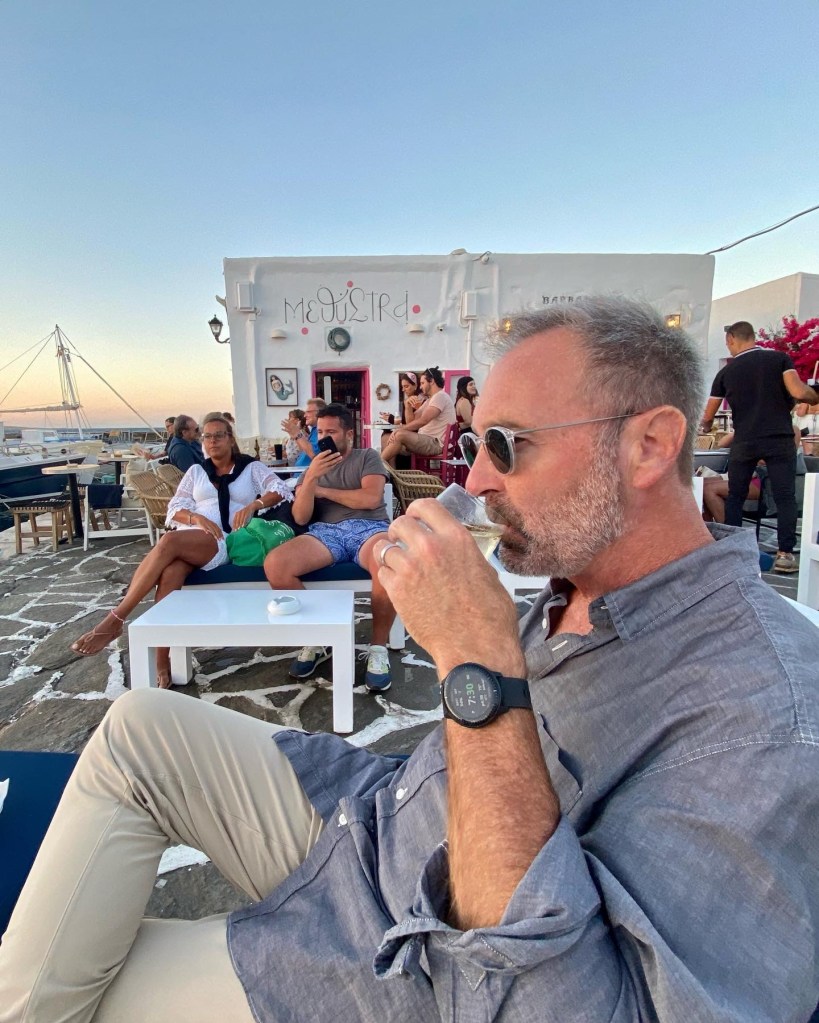
After seven sunset cocktails and evenings in Naousa, we’ll definitely be back here.

Last night in Paros. . .

Categories: Greece, Turkey | Tags: , , , , , , , | 1 Comment

July 4th at the Newly Renovated Keswick Hall

Our annual migration to one of our quadfecta of July 4th getaways rotated to Keswick Hall this year, after they were off the list for several years due to an extensive renovation, which included two new wings of the previously very modest hotel.

Our full review of the experience is here, but suffice it to say that there were really great aspects to our visit and some pretty annoying misses that are primarily attributable to Keswick’s behind-schedule family pool, resulting in the intrusion of too many people, as well as little kids, to the infinity pool, which was the primary reason for our visit in July.

The much quieter pool at the very end of the day:

A great addition was Marigold restaurant next door, which was erected in place of the old country club pool and clubhouse:

Only in Virginia hunt country: encountering horse trainers exercising the hounds while out on our morning run on the outskirts of Keswick Hall:

The original section of the manor hotel was still cool:

We’re going to omit Keswick Hall from the July 4th rotation for the next few years, in the hopes that they’ll get things under control before we come back again.

Categories: U.S. Weekend Trips | Tags: | Leave a comment

Cotswolds & Wales Road Trip: The Overview, for Cod’s Sake

WolfeStreetTravel is on a road trip roll. The latest – over the Memorial Day period – took us back to the UK, where previously we had only visited London a couple of times. We knew there was more to experience than just the capital, so we flew over in May, grabbed a car, and headed to points west in England, and then on to Wales.

Here’s the route for the trip, starting at the ~4:30 spot and moving counterclockwise:

After landing, we headed a couple hours’ west of London to the north end of the Cotswolds (after brief stopover in Oxford on the way out from Heathrow), then further west to Wales, into Gwynedd and Conwy County in the north and to Pembrokeshire in the south. Completing the loop, we headed east back to England and the southern and middle sections of the Cotswolds. Then, ultimately, back to London, once more.

Three themes drove planning for this circular road trip:

1. Visiting the villages of the Cotswolds in England:

In the interactive map above, the amber houses icons denote the Cotswolds villages we visited.

2. Laying siege to the largest and best-preserved medieval Norman castles in the world – all located in Wales, largely thanks to Edward I:

The black castle icons on the interactive map above denote the Welsh castles we attacked.

3. Finally, throughout the 16-day trip, we took advantage of the UK’s amazing National Trails system, which transit in and out of farms and fields and along the most amazing oceanside cliffs, and hiked everywhere we could:

The green hiker icons on the map above denote the hiking locations in England and Wales.

Similar to the morning of our arrival in the Netherlands for our bike trip there, we hit the ground running in London. Immediately after deplaning in Heathrow, we picked up our rental car (manual, with the steering wheel on the wrong side, of course, increasing the difficulty level of driving to 11), drove an hour to Oxford, and hopped on bikes for a 2-hour tour of the city and surrounding countryside. Excellent plan (other than the fact that it didn’t go as planned, which we’ll explain in a future post)!

Then, on to our first segment of the Cotswolds. We based ourselves out of Broadway, in the northern end of the region:

Although we didn’t know it when we planned the trip months ago, we would be there during Queen Elizabeth II’s Platinum Jubilee, so every town was totally decked out for the occasion, including Broadway:

(While we experienced the provincial celebrations out in the hinterlands of small villages, our relatives, the Band o’ Brandts, were in the thick of it in London at the same time, at the peak of the jubilee.)

More jumbles of jubilee at Bourton-on-the-Water, our second Cotswolds village:

A little hiking across the countryside around Broadway and then to the iconic Victorian folly of the area, Broadway Tower:

And a post-hike lunch in town of our first (of many – many!) fish and chips on the trip during the jubilee – Cod Save the Queen!

The wool market capital of the northern Cotswolds, Chipping Campden:

The winner of the most charming village of our trip, Stanton:

And nearby Snowshill, repleat with traditional British phone box and village pub:

The paired villages with grisly names but tons of charm – Lower Slaughter:

And Upper Slaughter:

A spectacular hike from the town of Winchcombe to the Neolithic barrow at Belas Knap the day before we moved on to Wales:

And then lunch. Cod works in mysterious ways. . .
A stopover at Palé Hall for a change of venue before hitting our first Welsh castle in Gwynedd:

The first stop on WolfeStreetTravel’s 2022 Welsh Castlepalooza Tour, and the epitome of Norman military engineering: Harlech Castle, built by the English as part of Edward I’s campaign to subdue the Welsh:

Then a beeline north to Caernarfon Castle, the center of Edward I’s “ring of iron” and birthplace of Edward II, the first Prince of Wales:

And to our third abode, where you needed to traverse a guardian garrison of lambs to enter:

Our base in Conwy and another vaguely unsettling name – Bodysgallen Hall:

Our favorite castle on the trip: Conwy Castle, which abutted the adjacent village of Conwy, with its fully intact medieval town wall:

A hike up to and around the treeless limestone mass of Great Orme on the north coast of Wales with great 360-degree views, including the town at its base, Llandudno:

And a post-hike lunch in town: the best fish and chips of the trip and a celebration in Wales of “One Nation under Cod!”

Not satisfied with visiting castles, we had to stay in one too, when we headed south to Pembrokeshire: the 12th-century Roch Castle:

Spectacular hike along the entire periphery of St. Annes Head on the Pembrokeshire coast:

The weirdly sited St. David’s Cathedral, sunk in a depression so low, you can’t see the cathedral tower from anywhere in town:

And then to a lunch of. . . oh my Cod! Again?!
The penultimate castle on the WolfeStreetTravel 2022 Castlepalooza tour: Pembroke Castle, home in the 12th century to William Marshal, “the best knight that ever lived:”

And the final fortification (thanks be to Cod!): Caerphilly Castle just north of Cardiff, on our way to Bath in the southern Cotswolds:

The Roman, then Georgian, Baths of Bath:

An unplanned but really enjoyable stop at Stonehenge on the way from Bath to our last stay in the Cotswolds:

The ridiculously Thomas Kinkade-y village of Bibury:

And another sheep-intense hike between the tiny villages of Southrop and Eastleach:

Our last base in the Cotswolds: a village within a village (and a Cotswold cottage of our own, to boot):

After 2 solid weeks on the road in our trusty Peugeot, we returned the car that served us so well during the trip before we headed into London proper. Between the manual transmission, the steering wheel on the wrong side, and having to drive for 2 weeks on the wrong side of the road, this baby was a true Danger Chariot.

In London, we probably put in around the same mileage walking around each day as we did on each of our Cotswold and Wales walks, including logging a lot of miles transiting Hyde Park and Kensington Gardens, below:

And as a counterpoint to the Welsh castles, we paid a quick visit to the British Museum solely for their Anglo Saxon collection from the Sutton Hoo, including the iconic helmet from the burial mound:

And then, only 36 hours before we were set to fly back and maybe 10 hours before we were going to get tested, the US announced the end of the COVID testing requirements to re-enter the US. Perfect timing!

We’ll be posting overdue stuff from last fall’s Cinque Terre and Return to Tuscany road trip next, and will follow up with Cotswolds and castles posts after.

So help us Cod.

Categories: England, The Cotswolds and Wales, Wales | Tags: , , , , , , , , , , , , , , , , , , , , , , , , , , , , , , , , | Leave a comment

Protected: Cotswolds & Wales Road Trip: Bourton-on-the-Water

This content is password-protected. To view it, please enter the password below.

Categories: England, The Cotswolds and Wales | Enter your password to view comments.

Protected: Cotswolds & Wales Road Trip: Oxford by Bike

This content is password-protected. To view it, please enter the password below.

Categories: England | Enter your password to view comments.

Protected: Cotswolds & Wales Road Trip: Broadway

This content is password-protected. To view it, please enter the password below.

Categories: England, The Cotswolds and Wales | Enter your password to view comments.

Cotswolds & Wales Road Trip: Chipping Campden

The Cotswolds towns owe their picturesque and well-preserved quality to sheep. Until the introduction of cotton into markets, wool and linen were the primary textiles for clothing for most people. And in the middle ages, the best wool came from England, and the best wool in England came from the Cotswolds due to the fine quality produced by the specific variety of sheep unique to the region. “Even the name Cotswolds is thought to be derived from sheep. “Cots” means sheep enclosure and “wolds” are the gentle hills.” (From here.)

The premium price for Cotswolds wool was such that merchants in the region’s towns could afford moderate to grand houses made of the local, honey-colored limestone. And fund “wool churches” that were more substantial and ornate than churches in similar-sized towns elsewhere in the country.

But then, starting in the 1600s, cotton from colonies established by the British, Dutch, and French East India Companies became more practical and more fashionable than wool, and the wealth of the Cotswolds towns declined precipitously. As a result, the towns lost their wealth and became backwaters and this backwater status preserved the honey limestone houses, manors, town halls, and churches that may otherwise have been changed or built over to fit new architectural styles or building methods over the subsequent several centuries.

As tourism became a thing in the 19th century, the bucolic Cotswolds countryside and its preserved and picturesque towns became popular destinations, and the region gradually developed an economy based on tourism and experienced a rebirth (culminating, of course, in the visit by WolfeStreetTravel). The wealth is back, but it’s just not from wool anymore.

On our first full day in the Cotswolds, we drove about 10 min from Broadway to Chipping Campden, where characteristic Cotswolds charm was exemplified in fine fashion. Considered the “jewel in the crown of the Cotswolds” (no doubt only by the Chipping Campden Chamber of Commerce), the town has served as a wool market since the 15th century, and is famous for its High Street.

Center of town on High Street:

The town’s still-operating, 1627 Market Hall commissioned by Sir Baptist Hicks, who will continue to pop up as we poked about town.

In the Market Hall, you can buy your sheep and sheep accessories from the Cotswolds version of Hank Hill.

Scenes around town:

What’s behind the hedge:

Bulls eye window on one of the houses.

“In mediaeval times the way window glass was made was similar to blowing. A blob of molten glass was picked up on a pontil, and spun rapidly to form a disk. The flatter, outer, bits of glass were used for fine windows, the bit in the middle would be remelted for the next try. Sometimes the bit in the middle was not remelted, but sold off cheap for low status buildings. These often went into front doors, to admit light, but not give a clear view into the house.” (From here.)

The town’s wool church, the Church of St. James:

Built in the 16th century, but incorporating the elements of a Norman church that dates from 1180:

The elaborate tomb of Sir Baptist Hicks – his second appearance – and his wife.

And “a memorial to Lady Penelope Noel who died of blood poisoning as a result of pricking her finger whilst sewing.” For reals.

The town’s almshouses just down the street from the church, built in 1612 by Sir Baptist Hicks (of course).

The town’s cool Eight Bells pub.

Back on High Street to head to the car and on to our next town:

Categories: England, The Cotswolds and Wales | Leave a comment

Protected: Cotswolds & Wales Road Trip: Stanton

This content is password-protected. To view it, please enter the password below.

Categories: England, The Cotswolds and Wales | Enter your password to view comments.

Protected: Cotswolds & Wales Road Trip: Barrow Hike and Stow-on-the-Wold

This content is password-protected. To view it, please enter the password below.

Categories: England, The Cotswolds and Wales | Enter your password to view comments.

Protected: Cotswolds & Wales Road Trip: Snowshill

This content is password-protected. To view it, please enter the password below.

Categories: England, The Cotswolds and Wales | Enter your password to view comments.

Blog at WordPress.com.