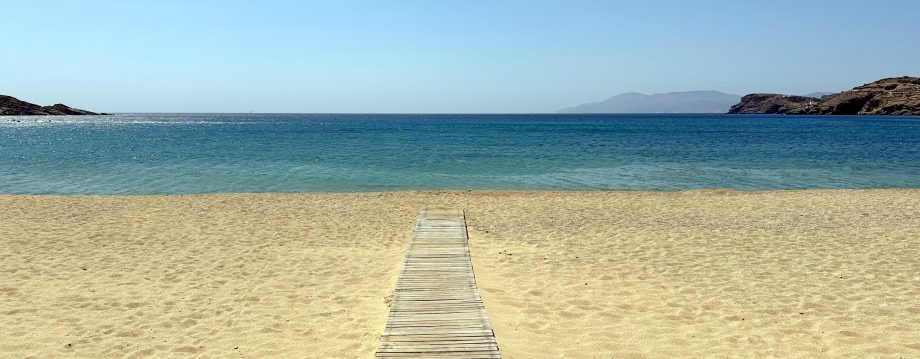
After exploring Palermo for a few days, we grabbed a cab to the train station and picked up our rental car for the next couple of weeks – another Citroen C3, with the weird rubber door inserts. Even though it looks like a sneaker, we truly dig these. We drove one throughout our 2-week slow roll around Languedoc and Provence and over to San Sebastian and really liked it. Although pretty compact, which you want when driving around medieval European villages, the C3 trunk (like those of our frequently rented rental class counterparts the Renault Clio and the VW Polo) accommodates our luggage exactly (another advantage of 24″ luggage, in addition to the ability to carry them on to our flights instead of checking them). Because we’ll stop places to hike or check out a town when driving from one destination to another, the ability to stow your luggage away from prying eyes looking to rob from dumb tourists provides significant piece of mind.
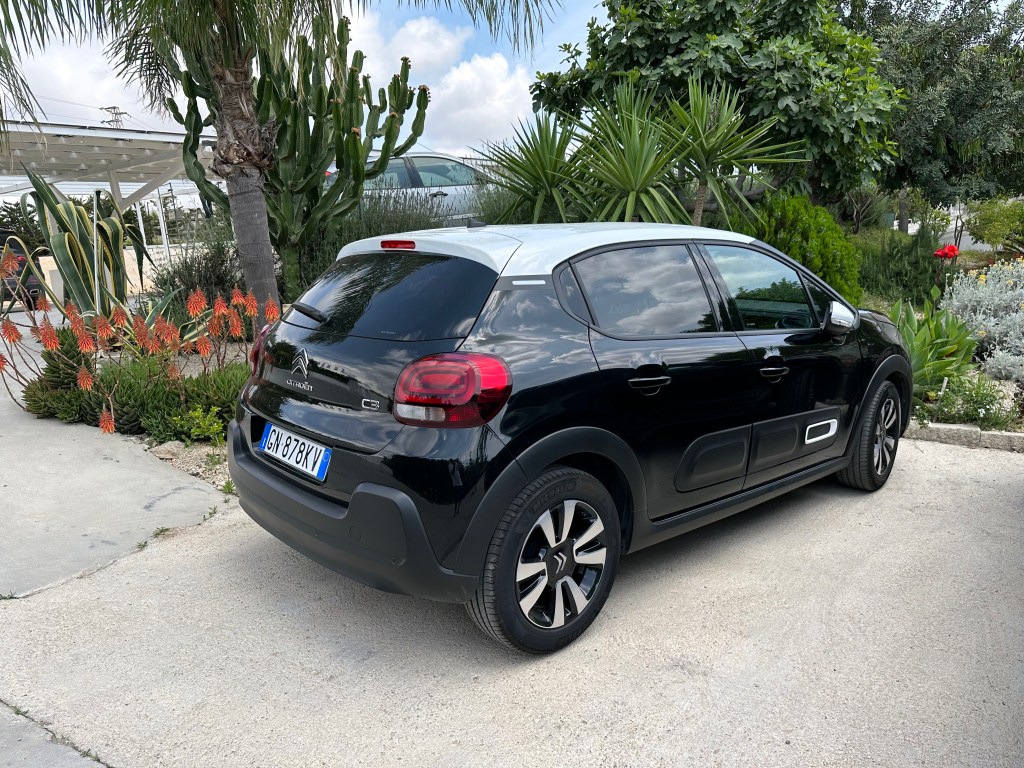
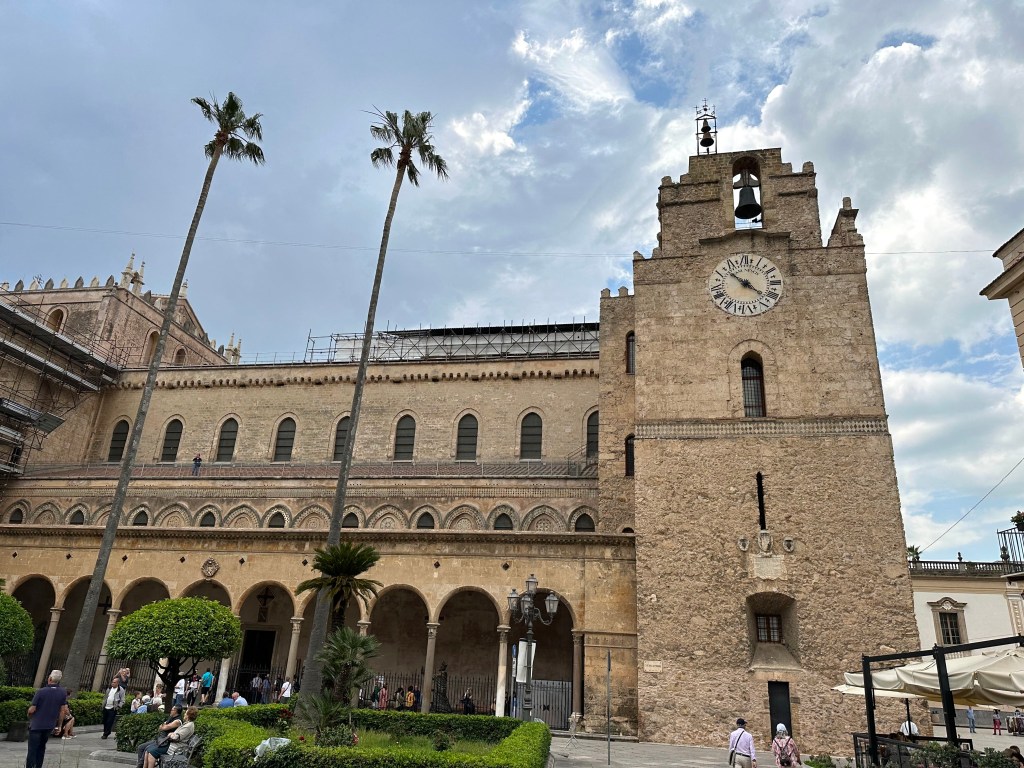
Case in point? Our destination for our first day of driving was Agrigento, in the middle of the southern coast of Sicily, but we wanted to stop in Monreale on the way to check out its celebrated Normano Arabic cathedral. Luggage hidden safely away in the C3’s trunk, we blithely parked illegally and hightailed it to the cathedral. (We couldn’t find legal parking and one of the WolfeStreetTravelers [the driver, natch] has zero patience for driving around to look for parking.)
Exterior of the Cathedral of Santa Maria Nuova in Monreale:
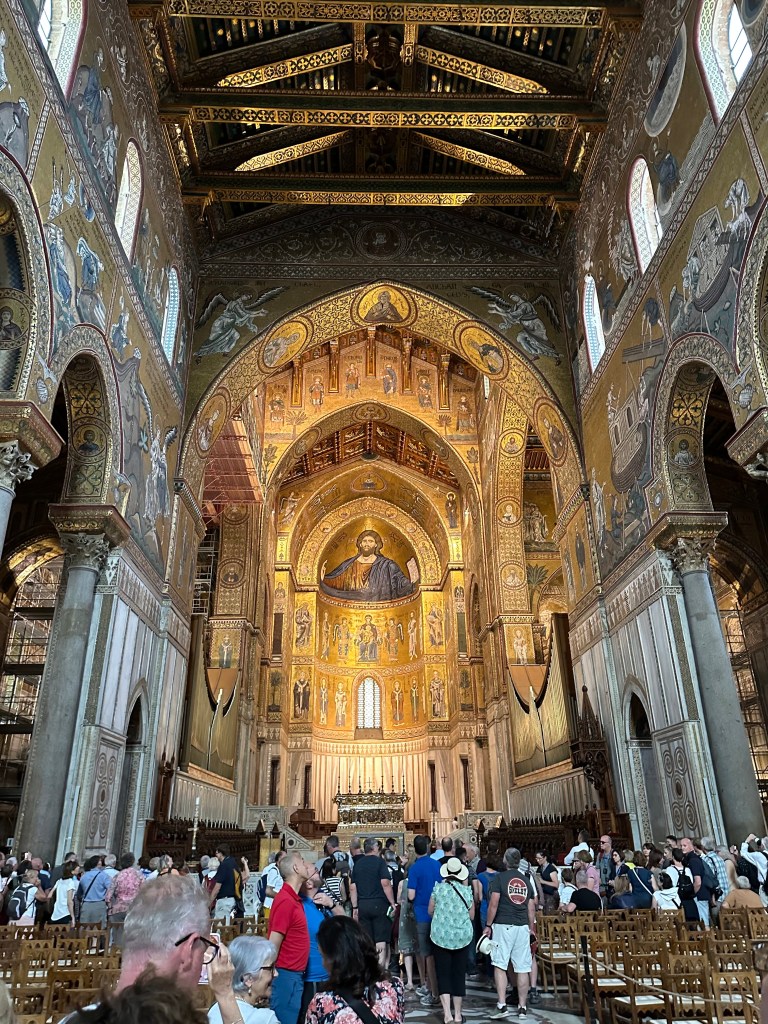
Begun in 1174 and completed in 1267, this place seems crazy Byzantine to us due to the gold mosaics, no matter how much historians characterize it as Normano Arabic. Freakin’ amazing to be in a space like this constructed and decorated by artisans in the 12th and 13th centuries.
Constructed by King William II of Sicily ( “William the Good”), the project was perhaps less about demonstrating his piety and more a political move: with the cathedral complex (which also included a royal palace and Benedictine monastery) William deliberately created a rival ecclesiastical power base outside the jurisdiction of the powerful Archbishop of Palermo, and by 1183 had successfully secured from Pope Lucius III the elevation of Monreale to an independent archbishopric, thereby cementing royal authority over the Church in Sicily. The cathedral became the seat of the metropolitan archbishop and a commanding symbol of Norman supremacy.
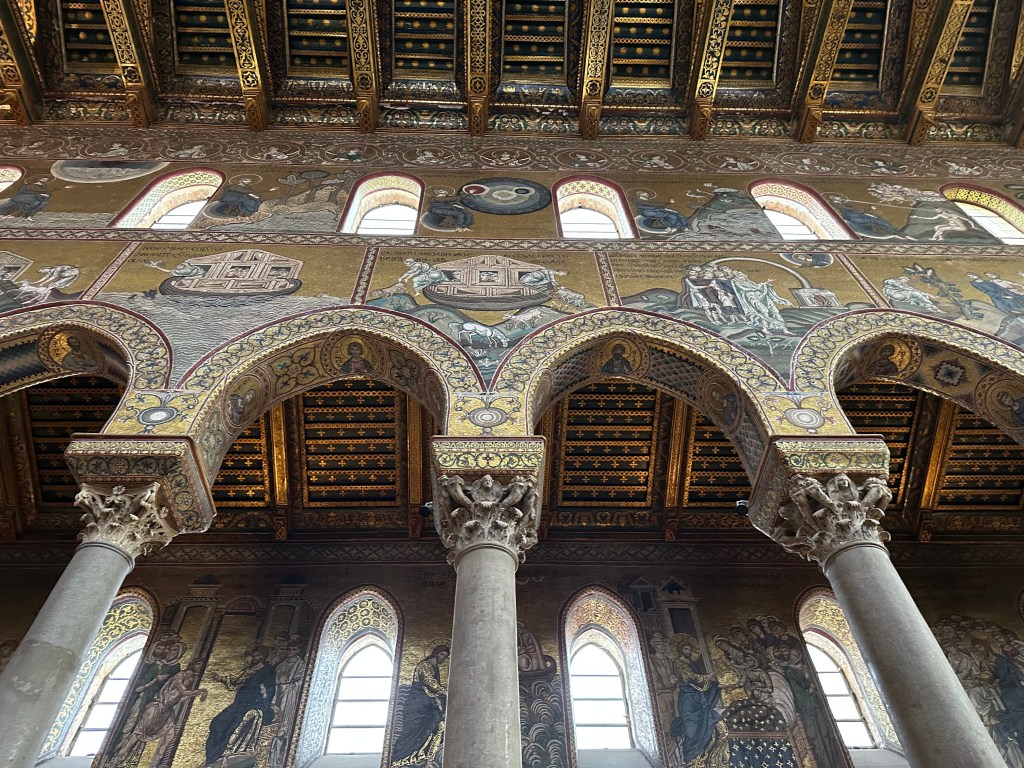
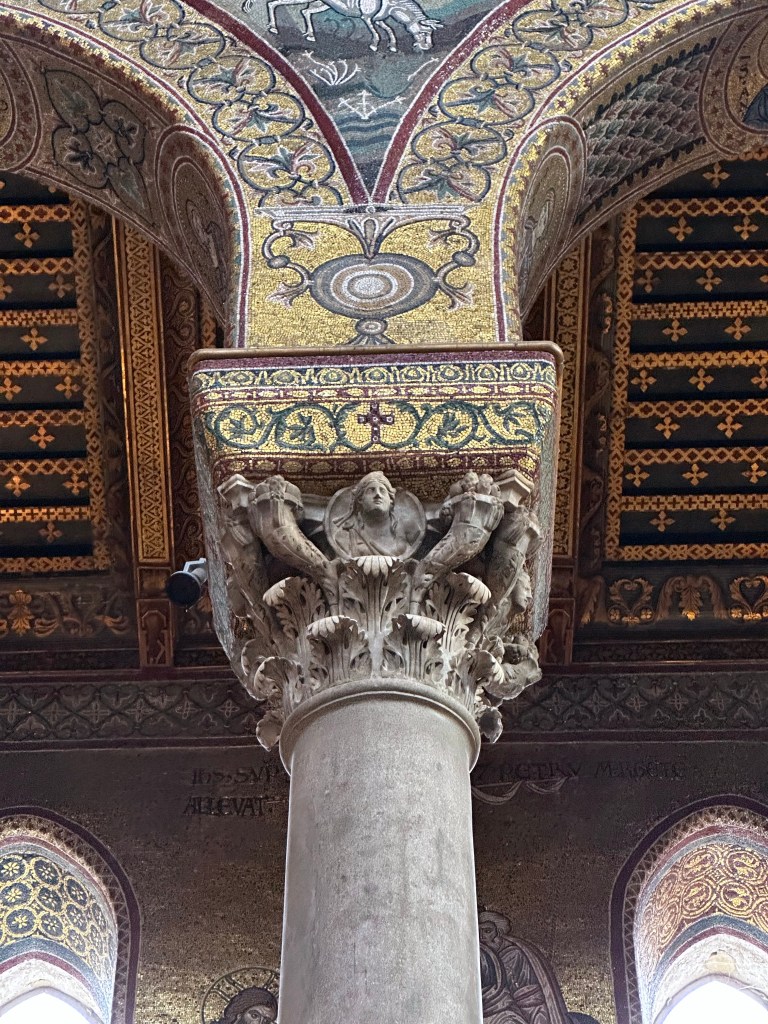
“The basilican nave is wide, with narrow aisles. On each side, monolithic columns of grey oriental granite (except one, which is of cipolin marble) support eight pointed arches much stilted. The capitals of these (mainly Corinthian) are also of the classical period.” (From here.)
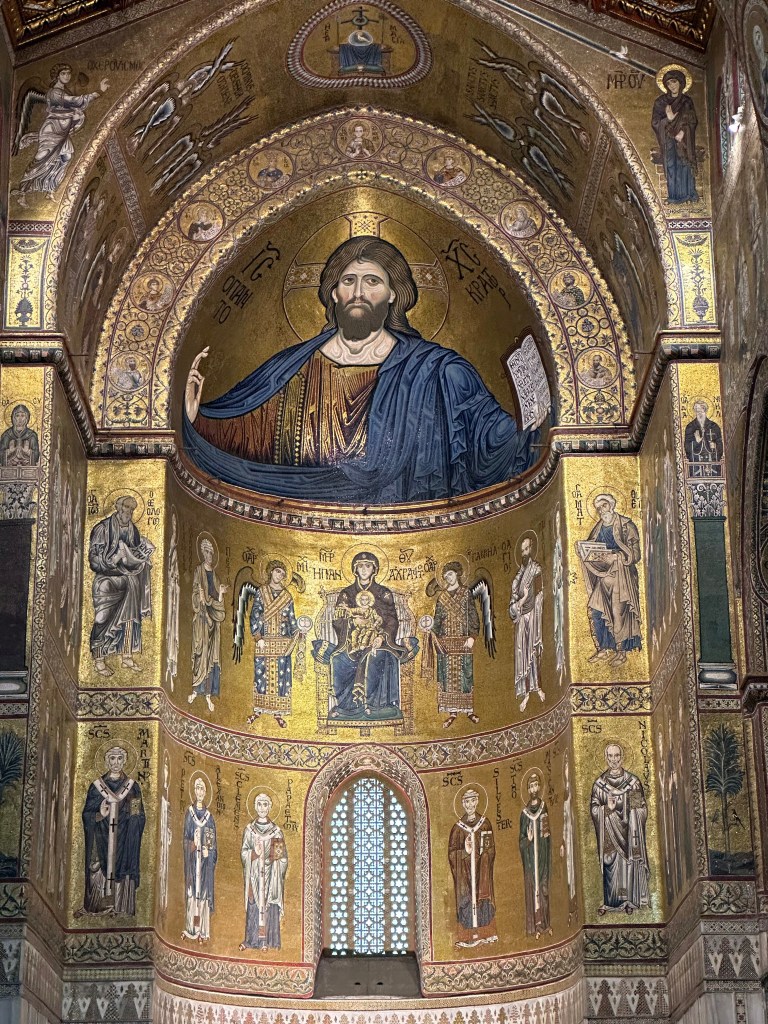
“The execution of the mosaics was entrusted to Byzantine workers and the iconography is actually Greek. However, the relaxed attitudes of the characters, their softly draped robes and the rhythm of their movements reveal a clear evolution of the style compared to that of the Cappella Palatina and the Martorana, one which is typically Italian. In fact, at the end of the twelfth century, Italian artists were considered the best at iconographic art. The mosaic cycle develops the concept of the triumph of Christianity in three different moments, depicting: events prior to the Incarnation (Old Testament); episodes from the life of Jesus (Gospel); events subsequent to the death of Christ and the life of the Apostles (Gospel and Acts of the Apostles). The whole set is dominated by a gigantic Cristo Pantocratore (the right hand alone is two metres long) in the main apse, which represents the summary and purpose of the whole complex figuration.” (From here.)
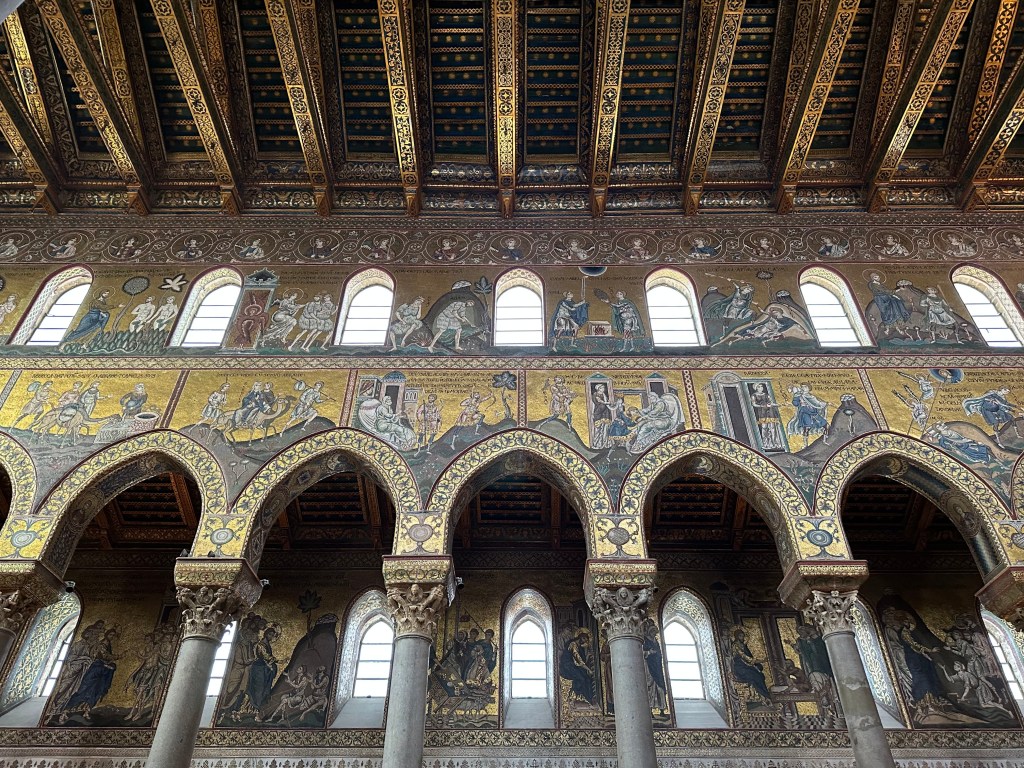
The nave walls contain extensive Old Testament narratives starting with the Book of Genesis at the western end and progressing chronologically toward the apse.
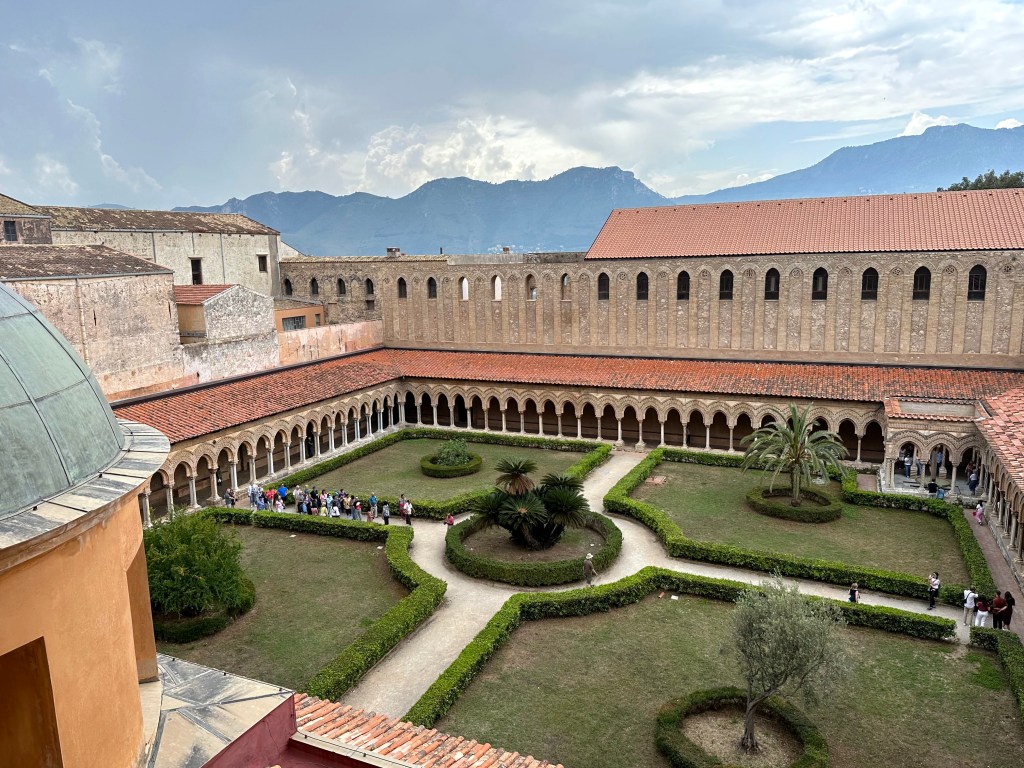
After climbing up through one of the towers to emerge outside, a view of the Benedictine cloister, with a fountain in the top right (south corner).
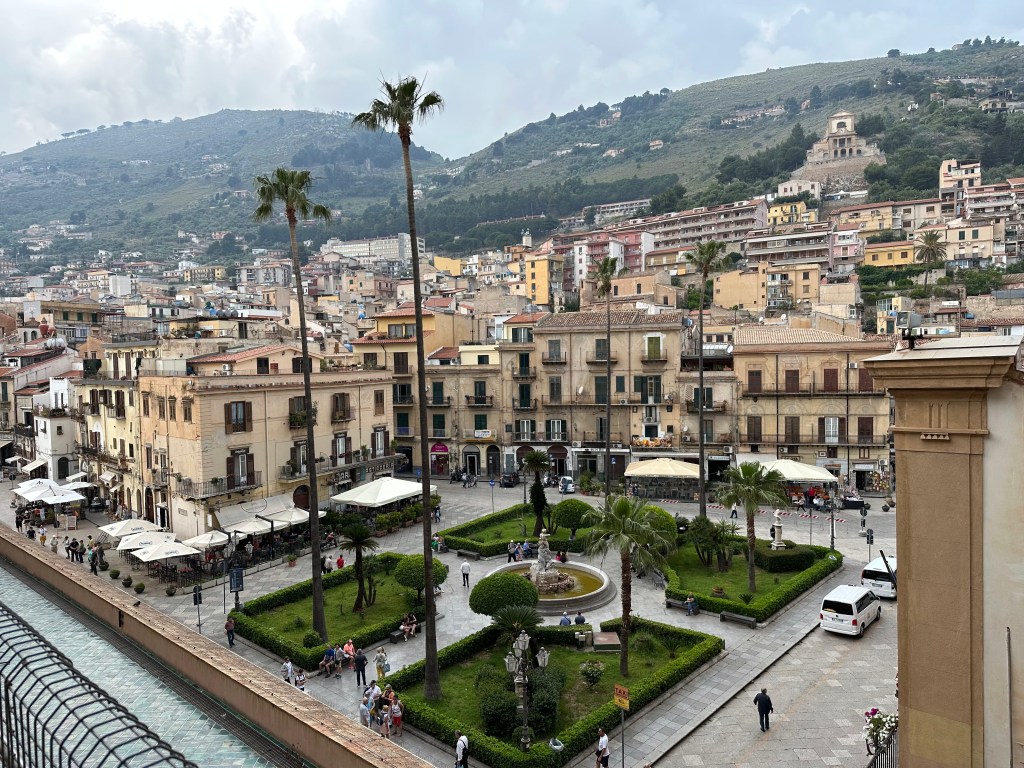
View of the town of Monreale from the cathedral:
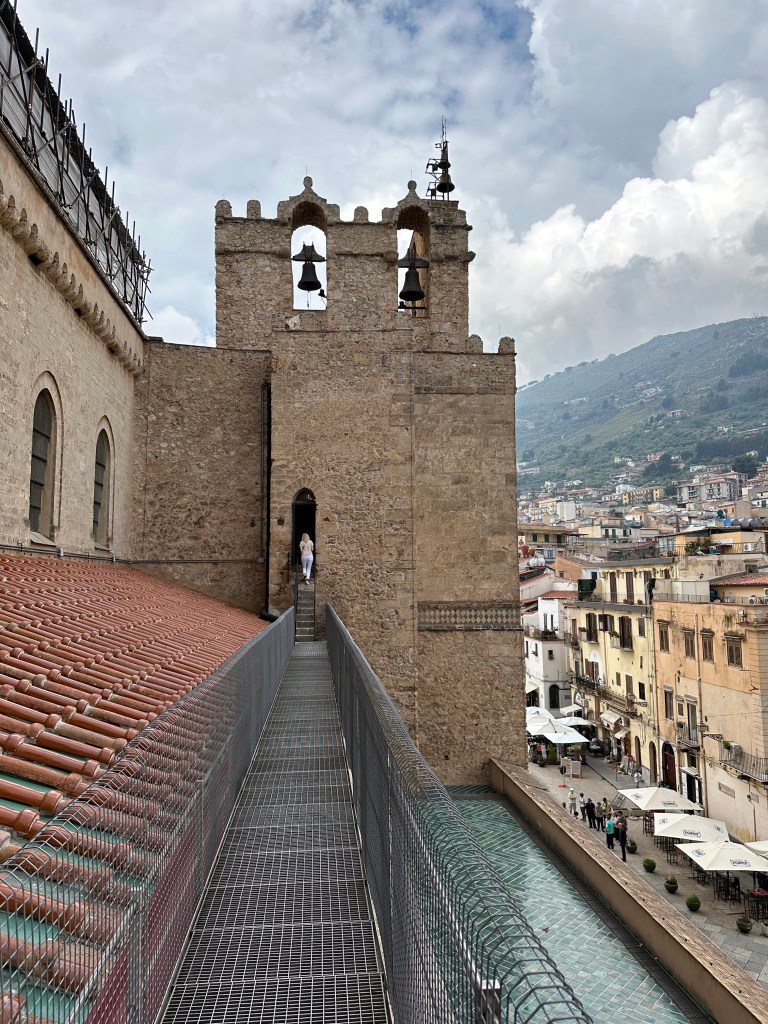
Making our way through the highs . . .
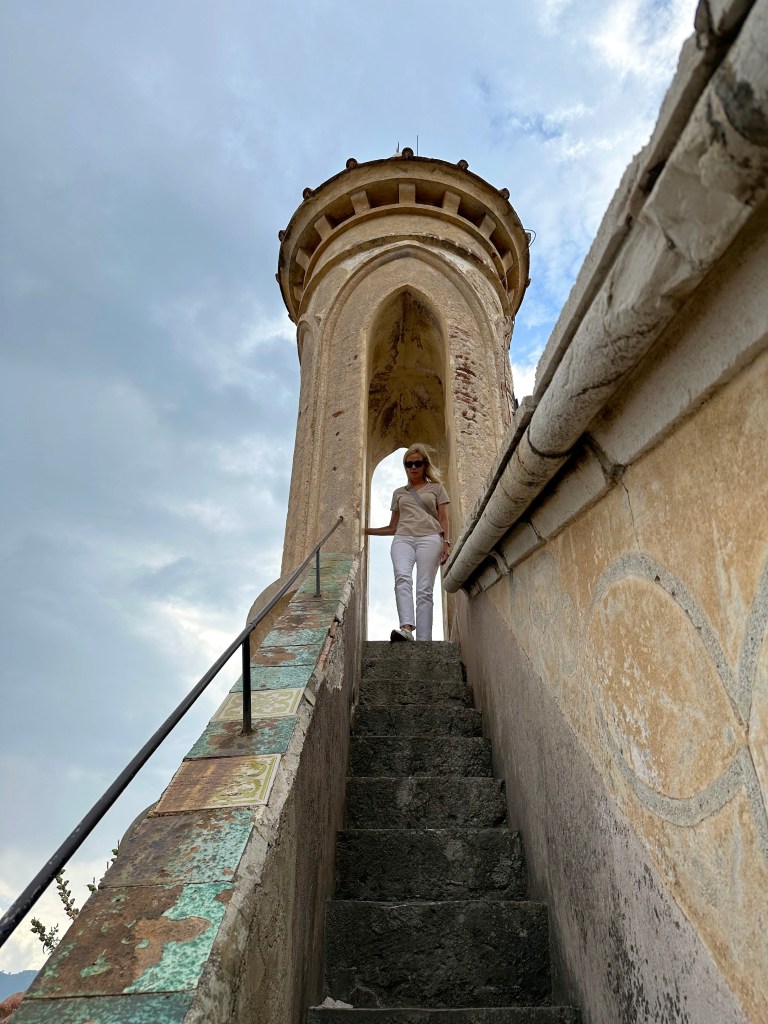
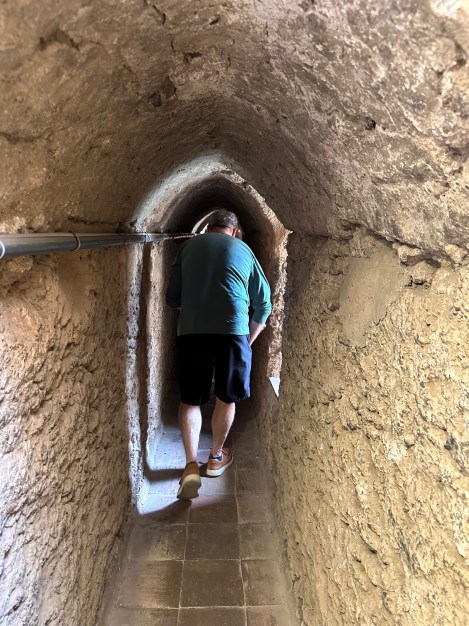
and lows of cathedral passages as we explore its upper extremities.
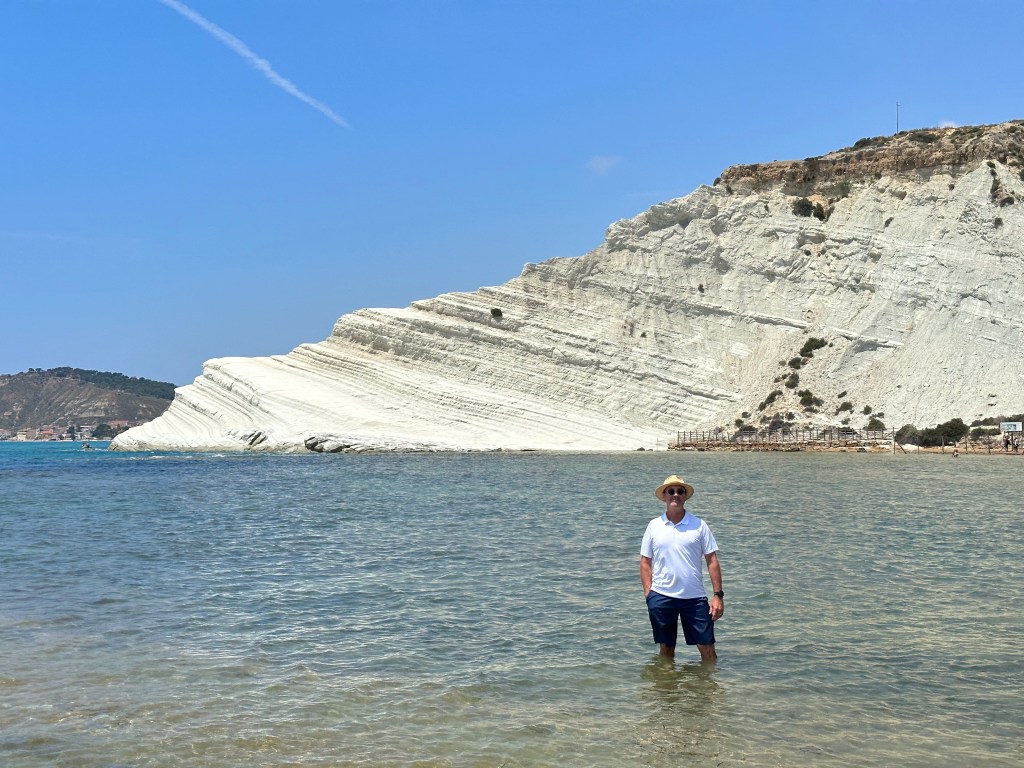
After our short adventure in Monreale, we headed to Agrigento, home to an incredible complex of Doric temples from Greece’s colonial days in Sicily. But since we’ve got a little space in this here post, we’ll add a little side trip from Agrigento after our foray to the temples: Scala dei Turchi.
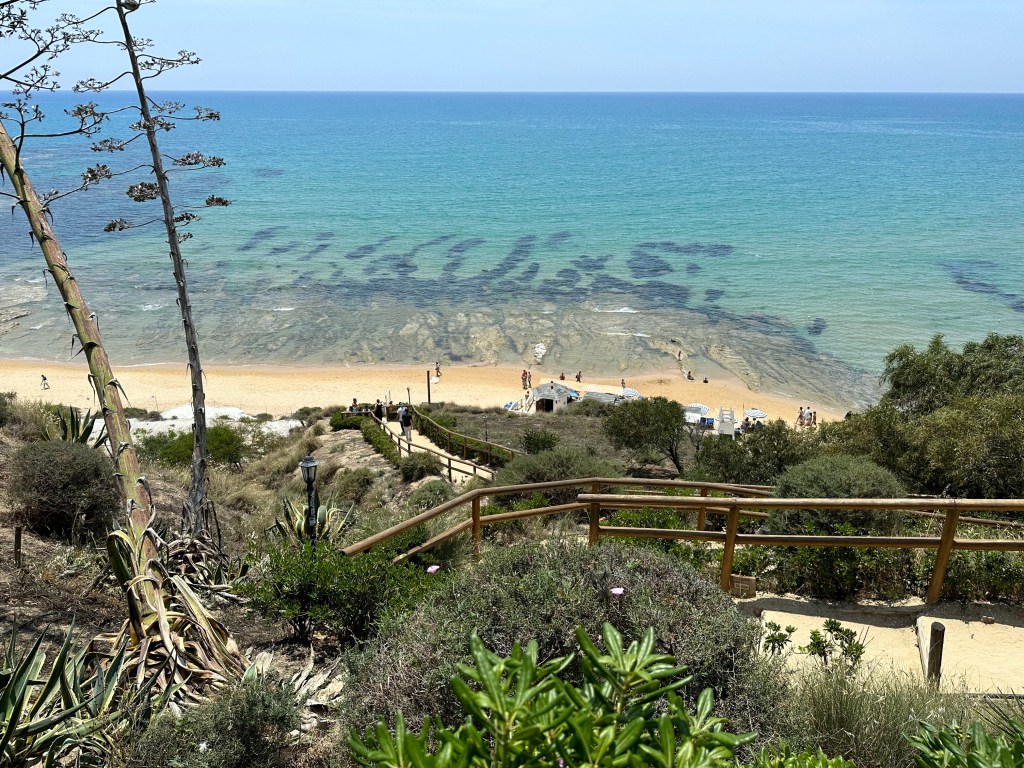
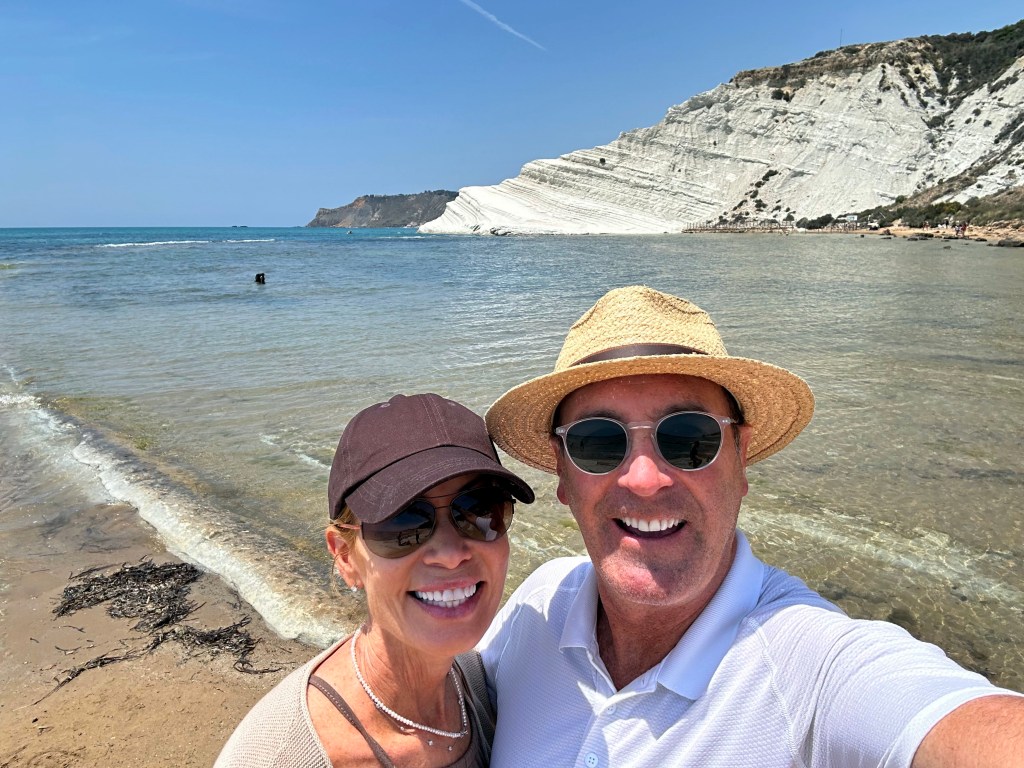
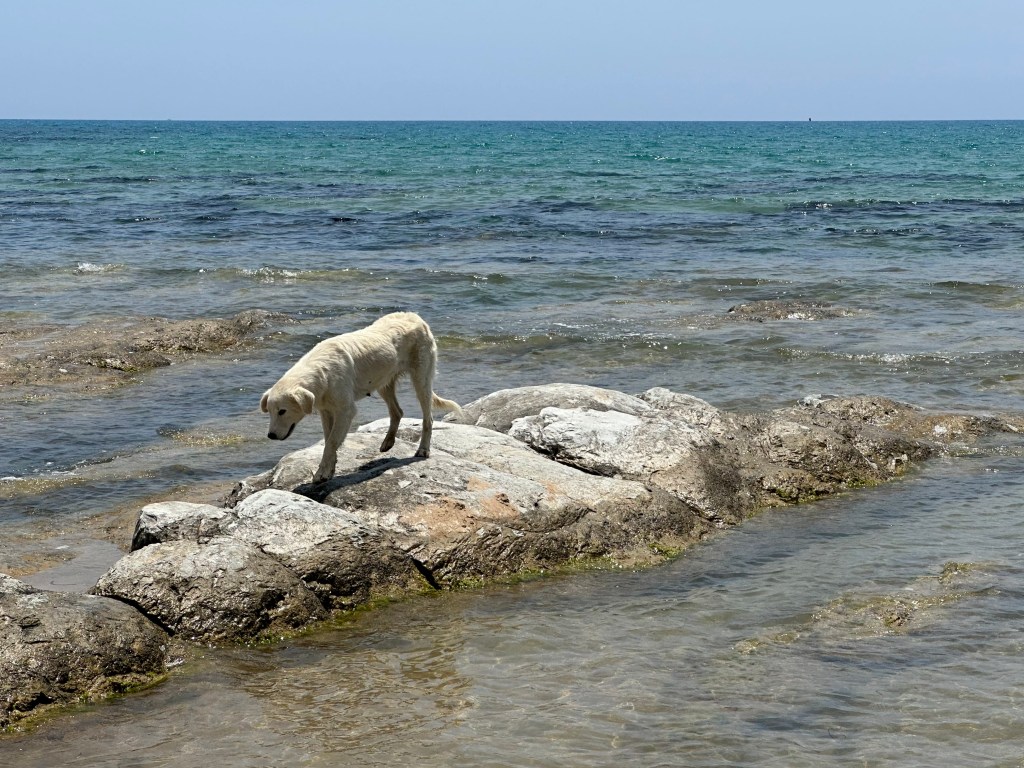
Scala dei Turchi is Stair of the Turks in Italian – stair for obvious reasons and Turks because of the frequent Saracen raids in the area in the Middle Ages.
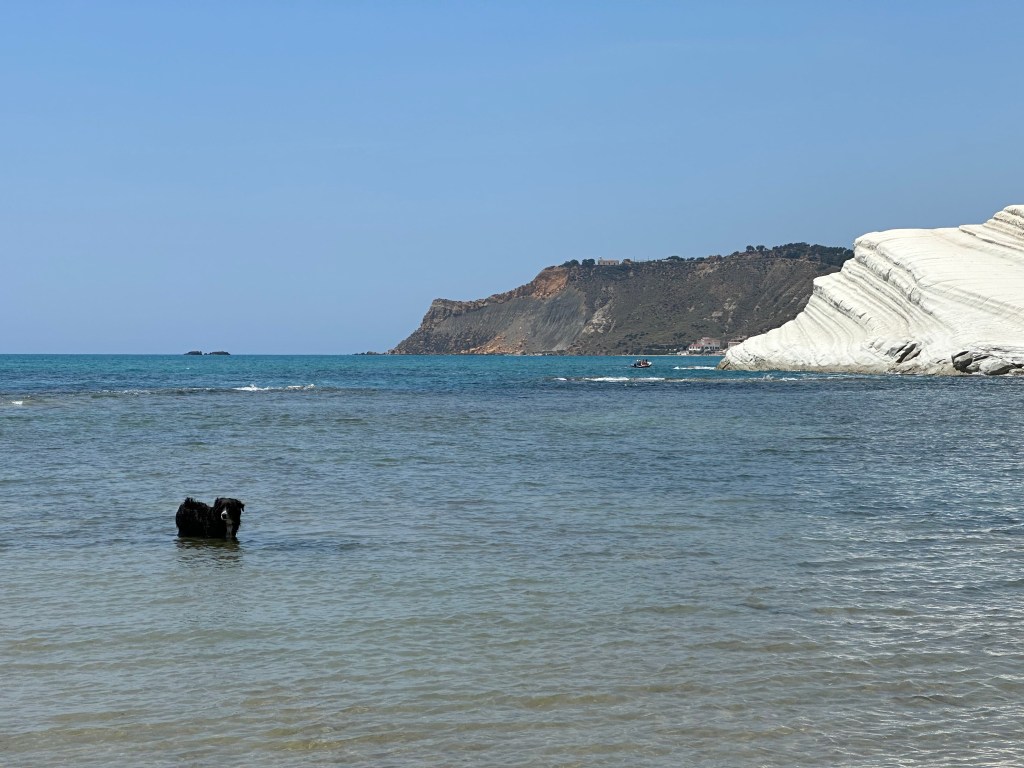
It was also hair of the dog during our visit, to our delight.
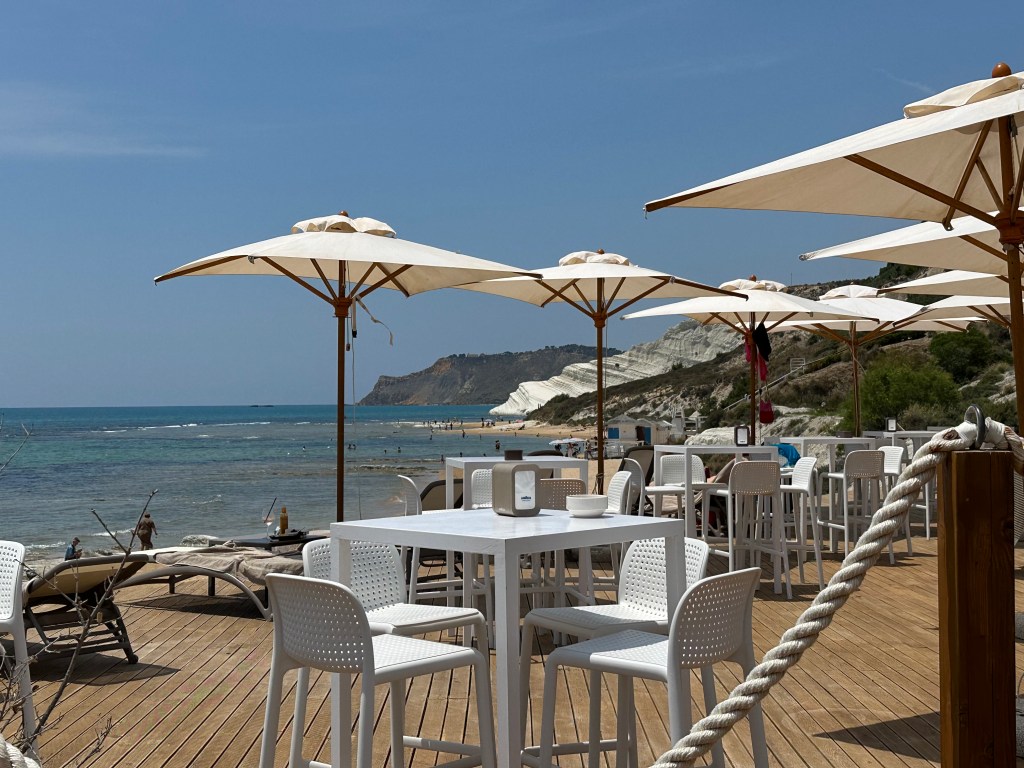
Lunch at a beach club . . .
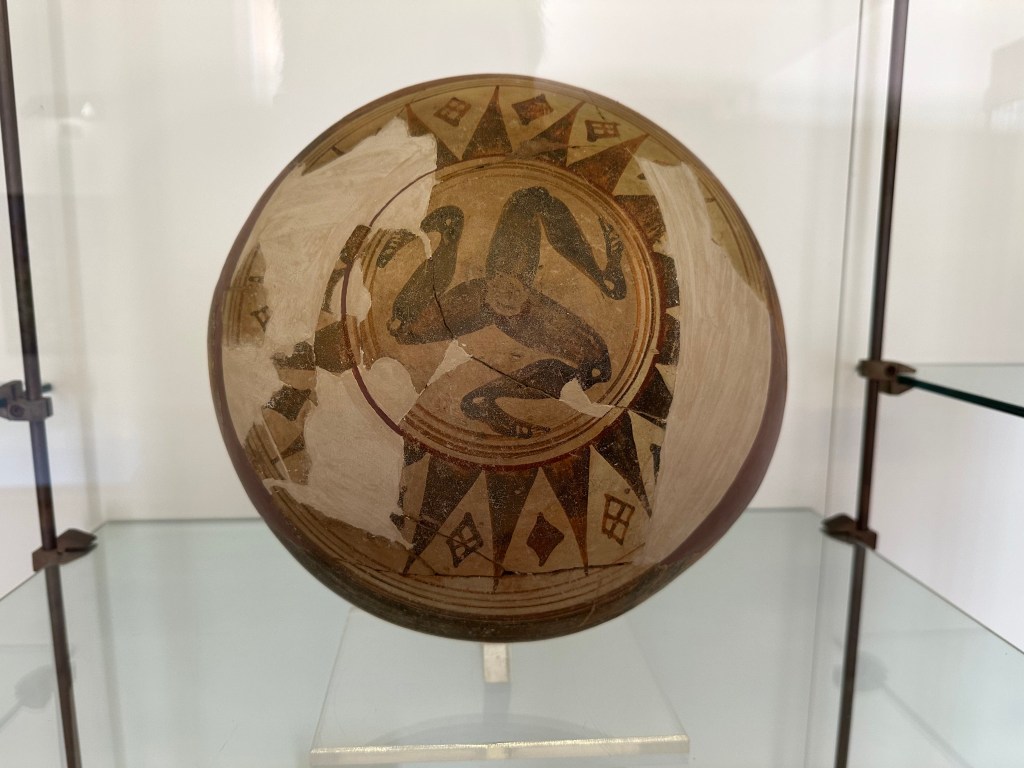
where we were confronted once again with the Sicilian triskelion, this time in a rather welcome context.
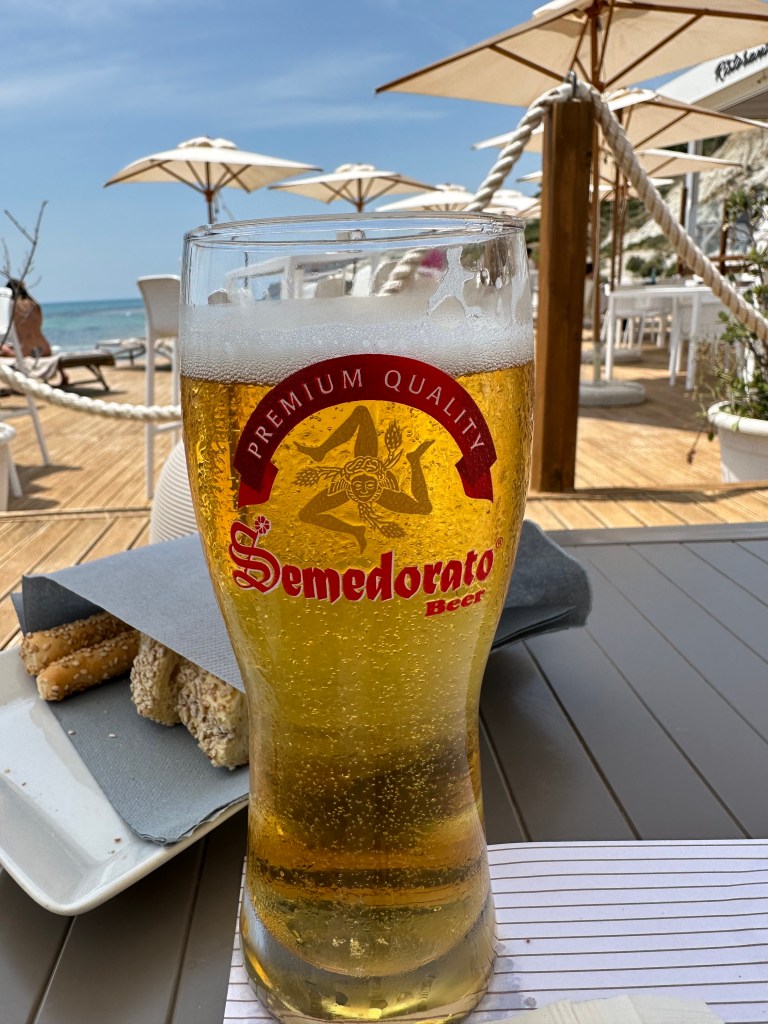
The triskelion symbol allegedly represents the three capes of the roughly triangle-shaped island. Although the emblem is found in antiquity, including on coins minted in Syracuse (where we’d be headed) in the 4th century BC, the symbol was revived and used in protest by Sicilians against the Aragonese in 1282 following the Vespers massacre. The bowl below we’d see the next day in the museum at the temple site.
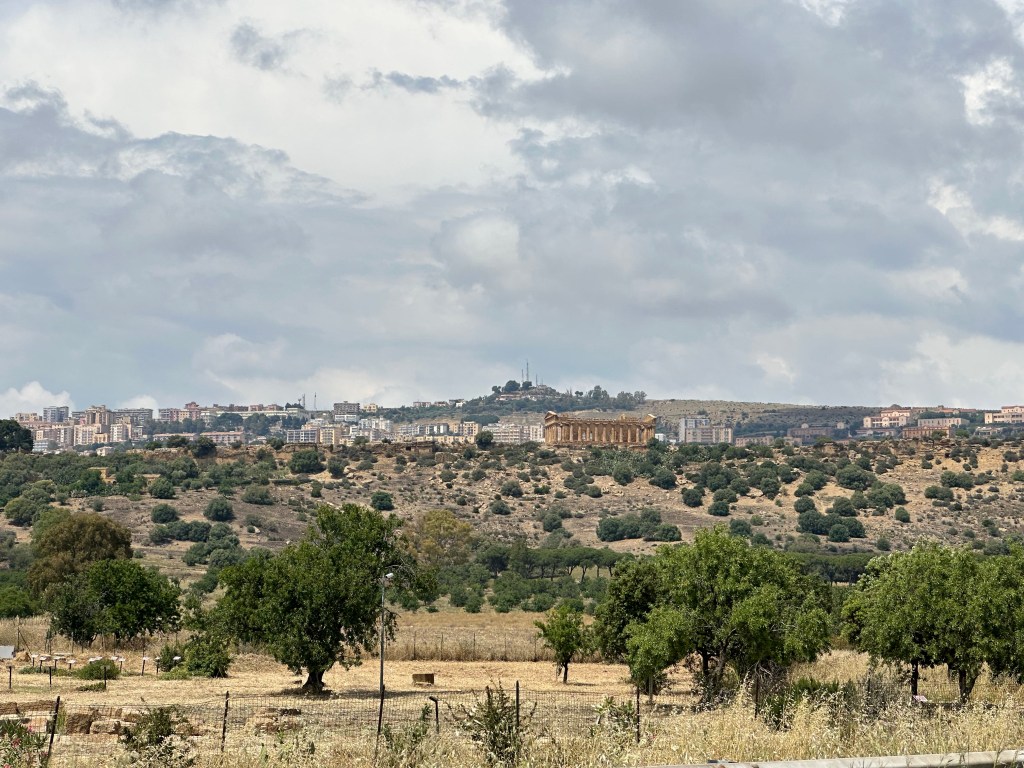
Speaking of which, a little view of the Temple of Concordia as we drive back from Scala dei Turchi to our hotel:
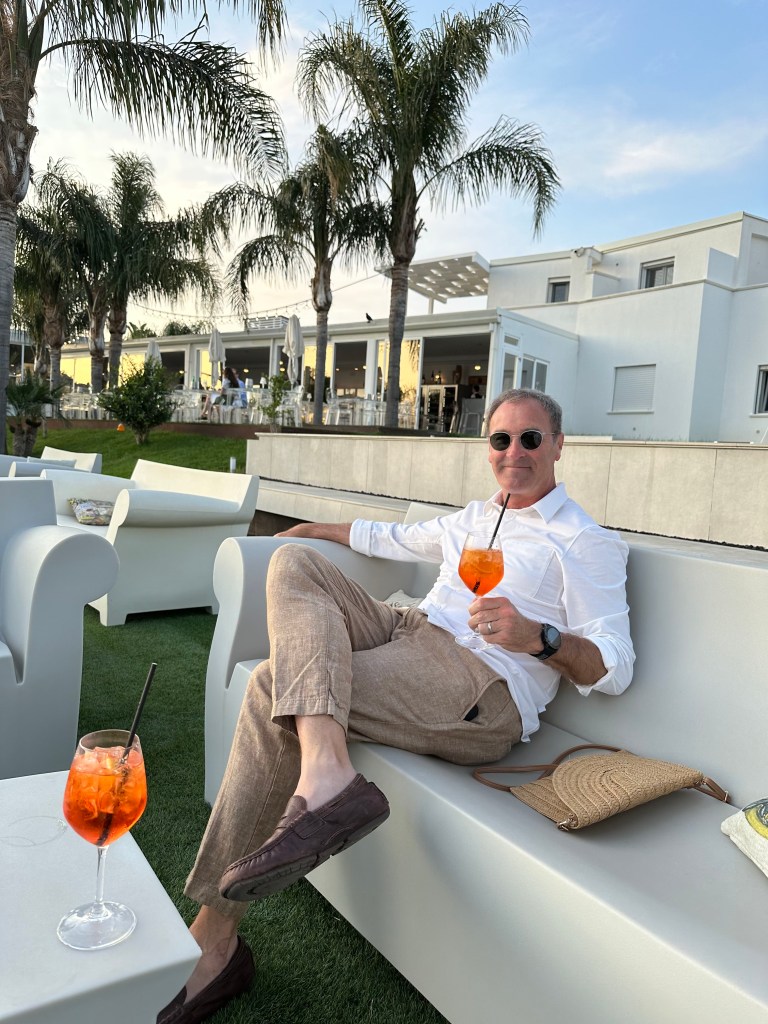
The evening Aperol aperitivo ritual has taken firm hold.
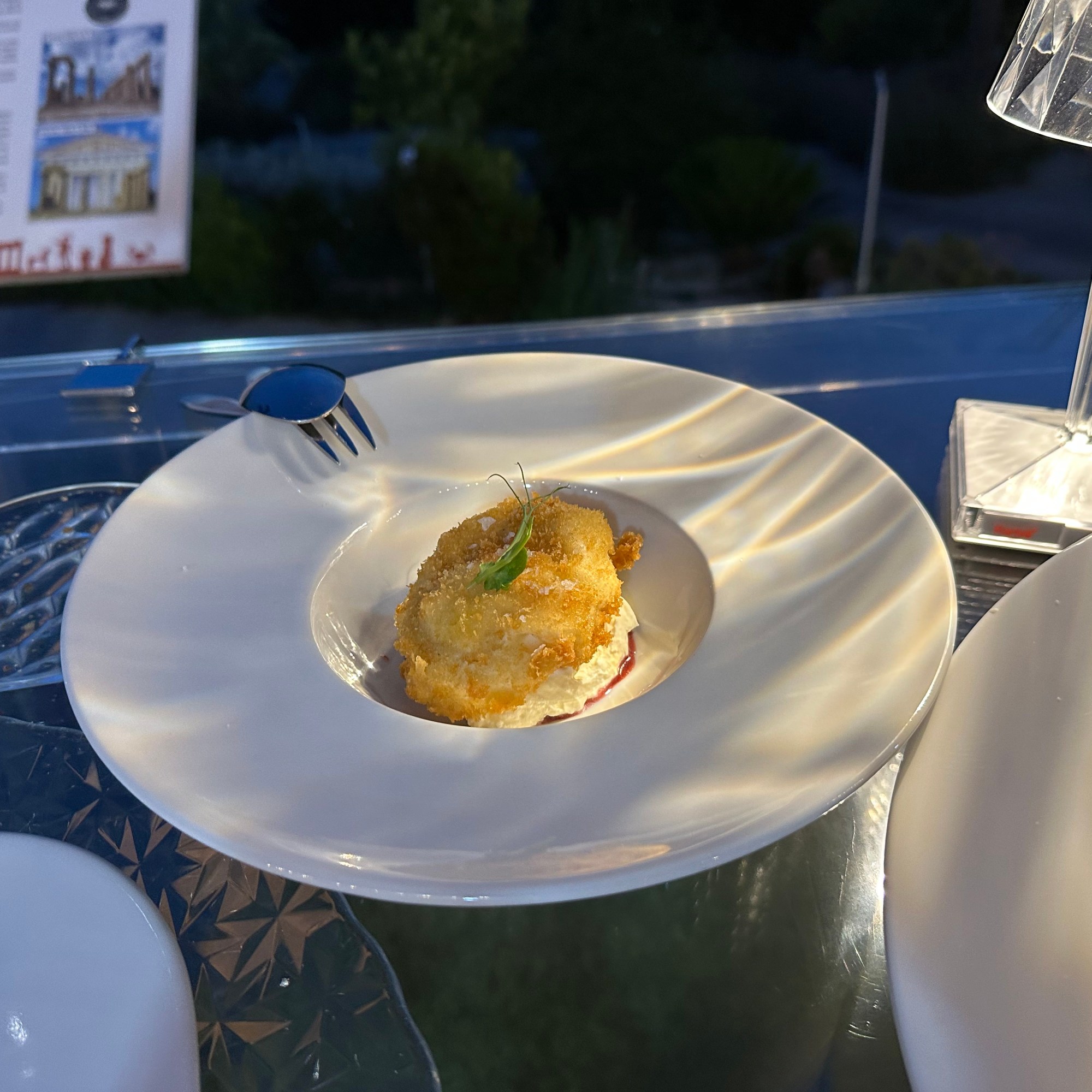
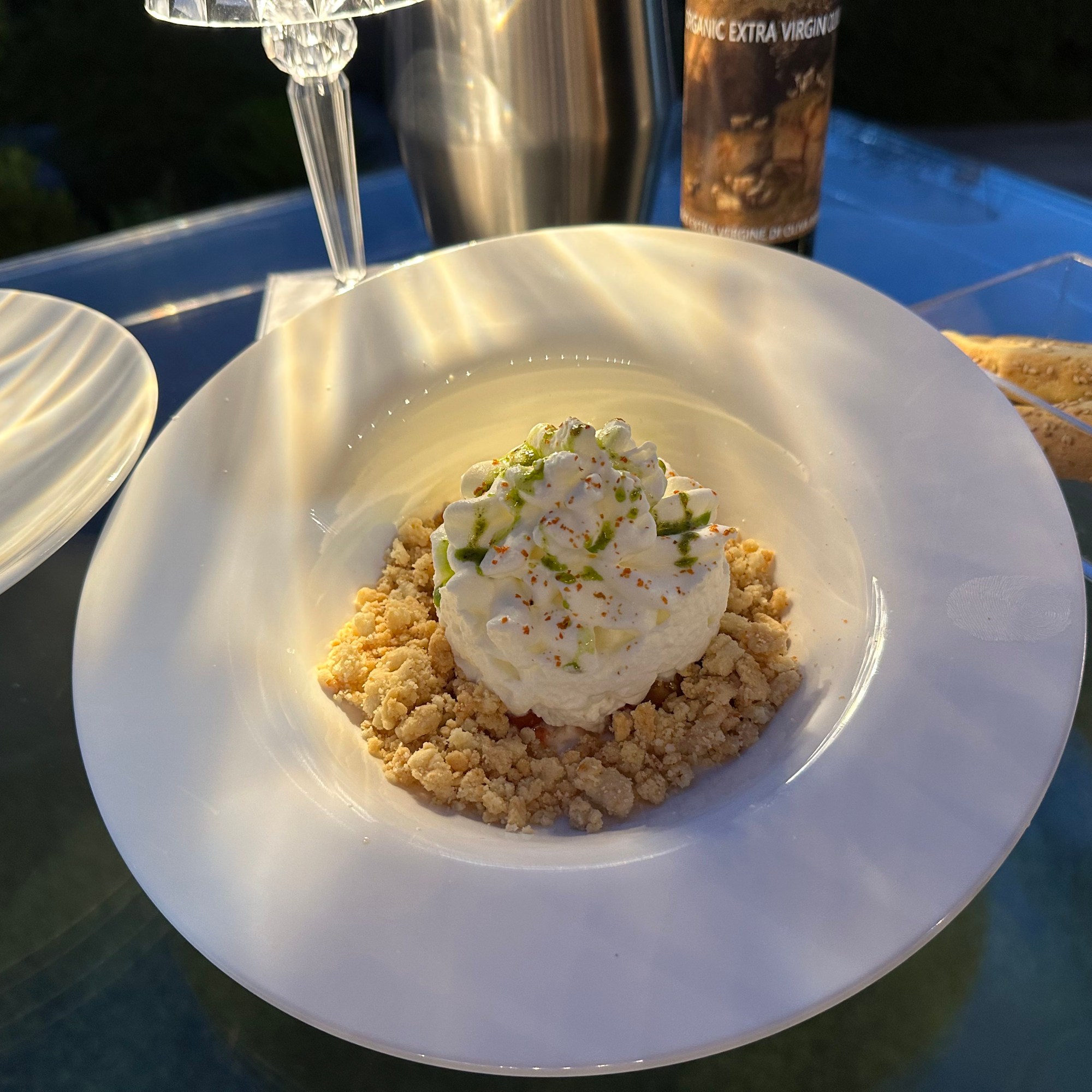
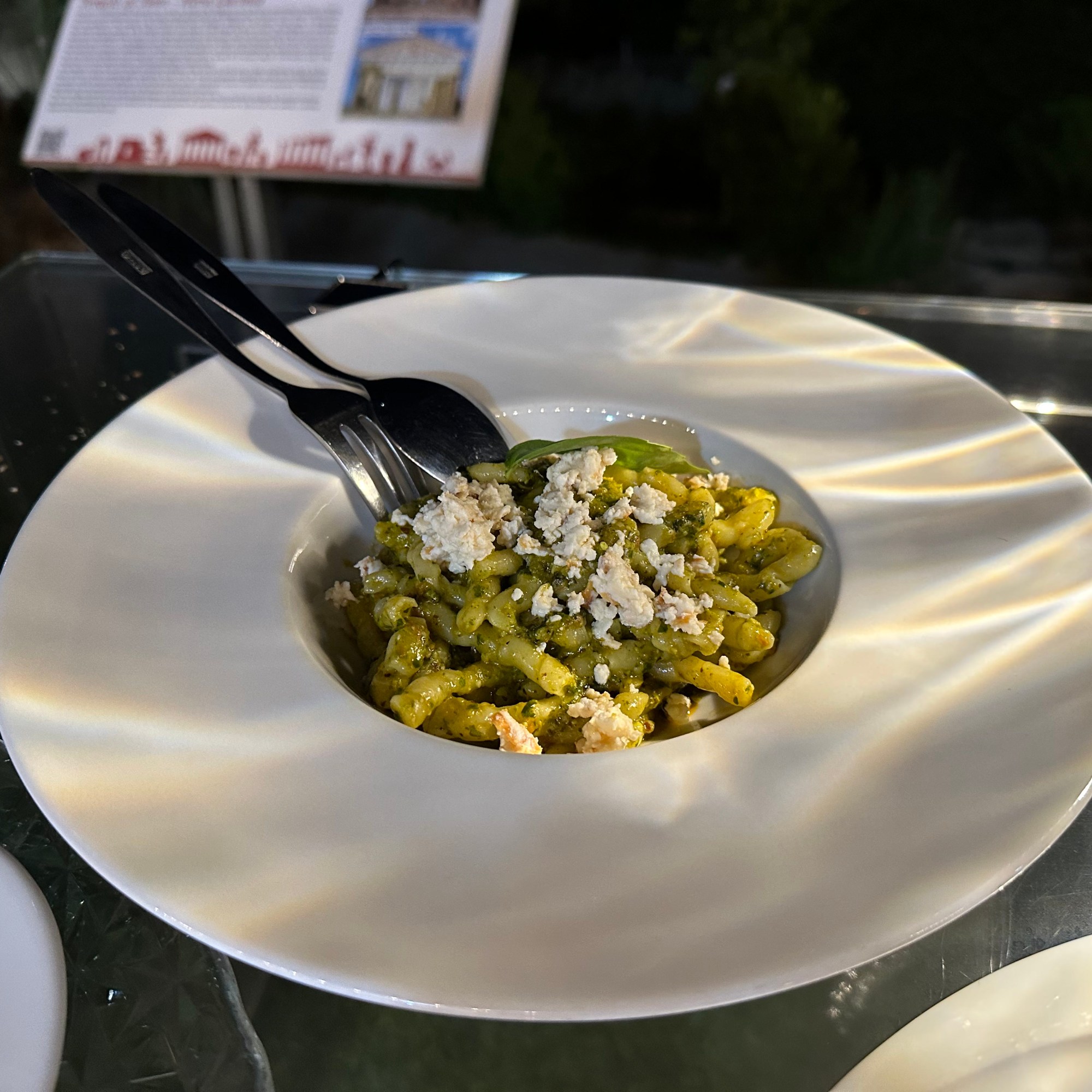
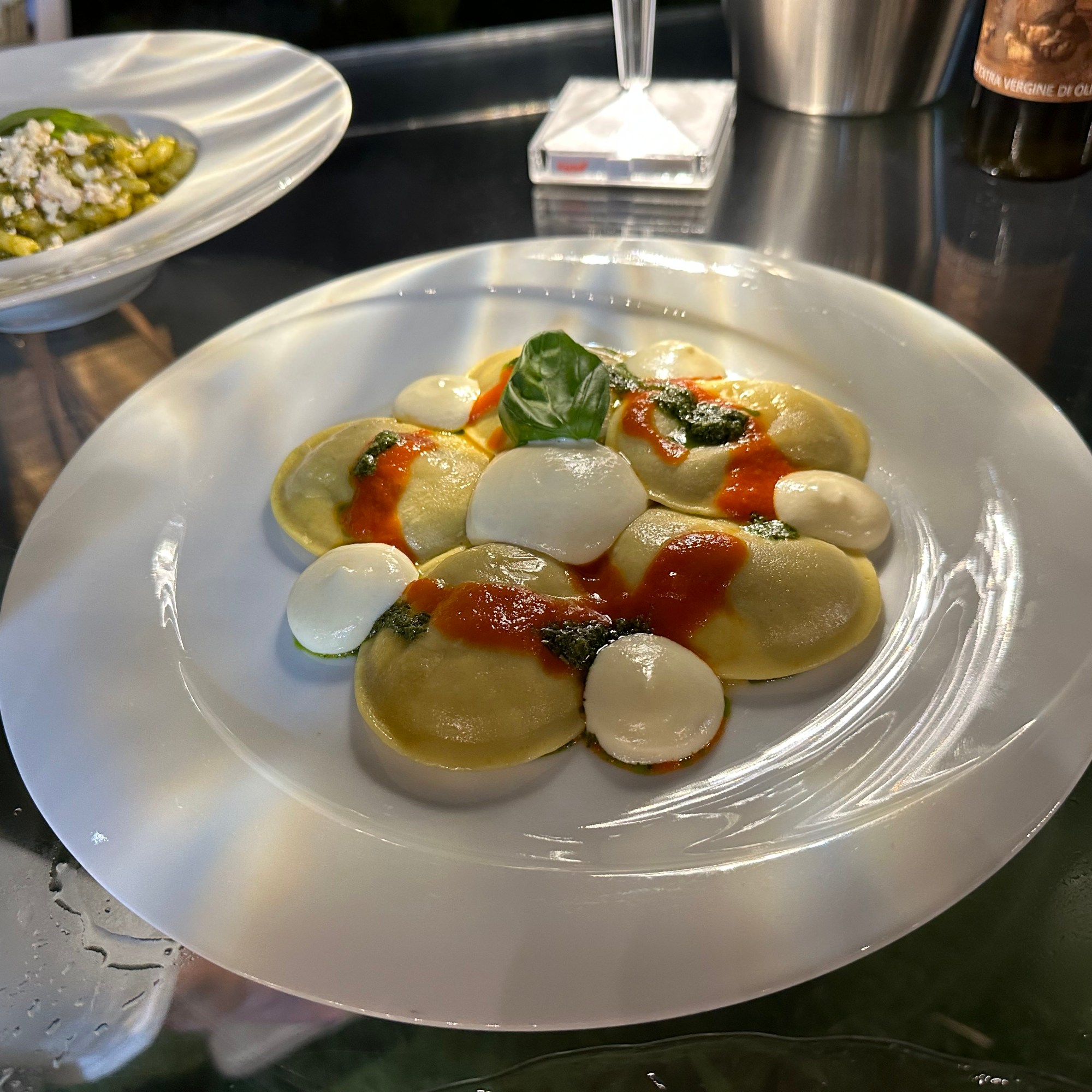
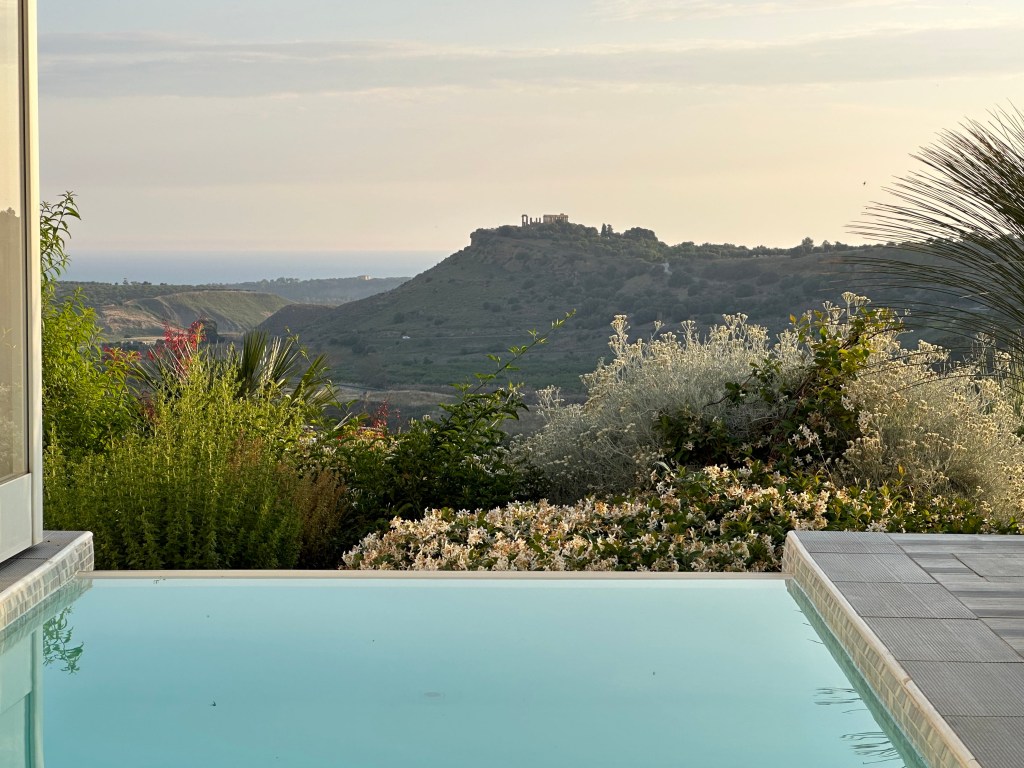
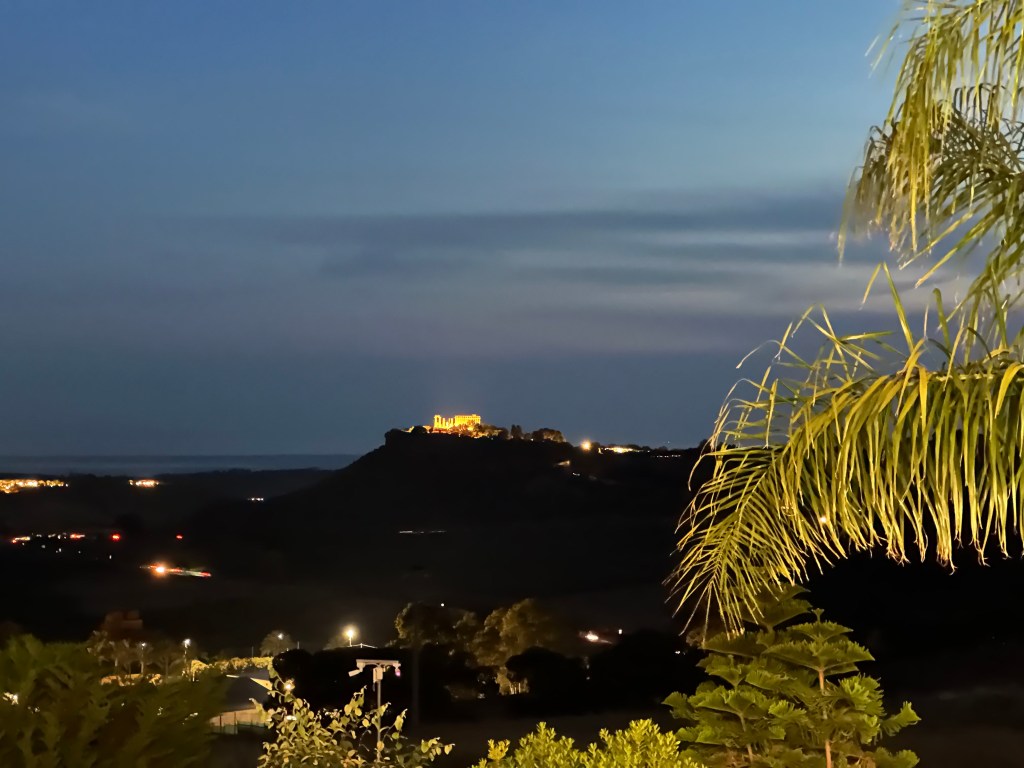
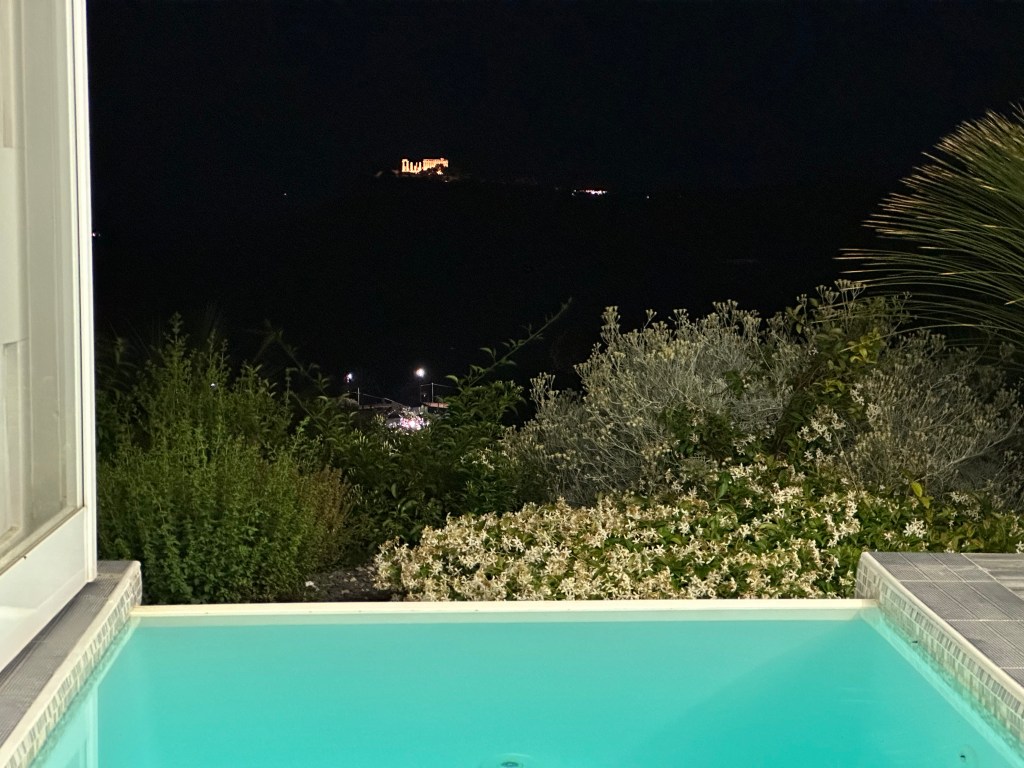
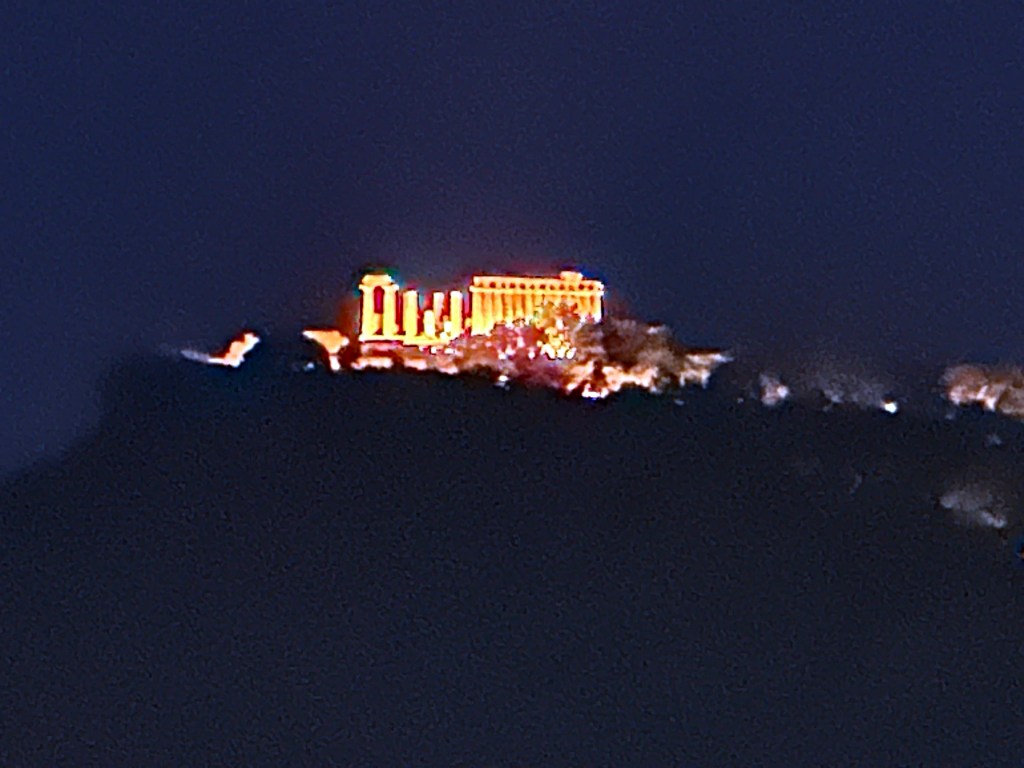
A prelude to our day at the temple complex with a view of the Temple of Concordia, this time from a more relaxing setting:
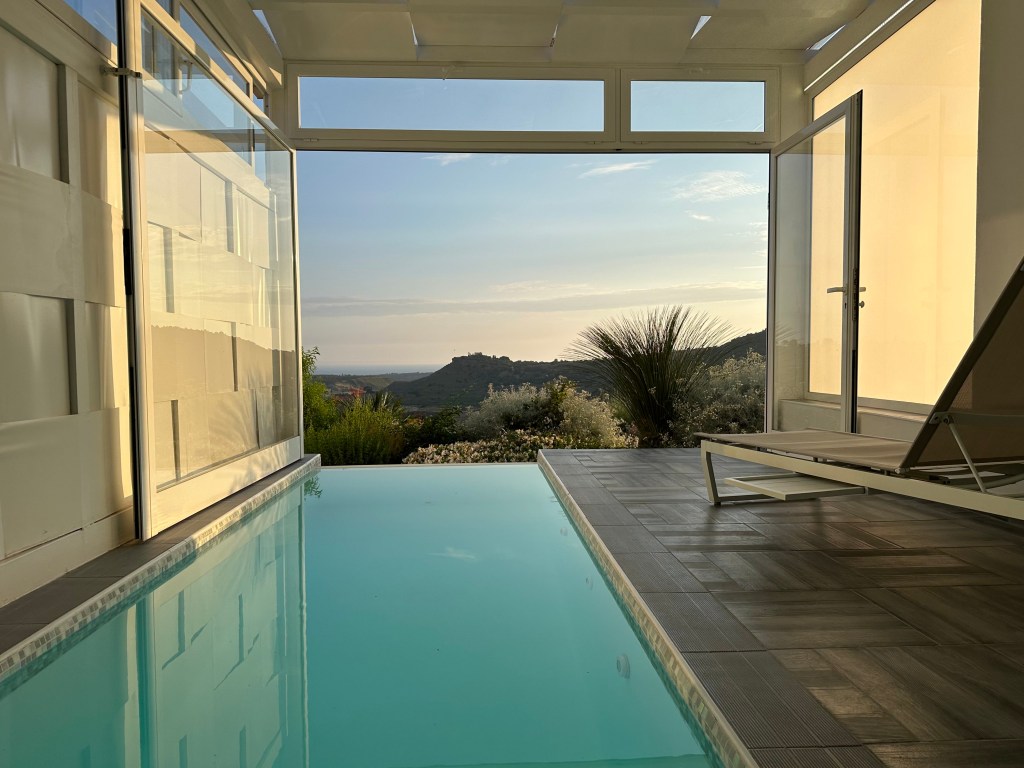
Coming up: Doric dorks.
