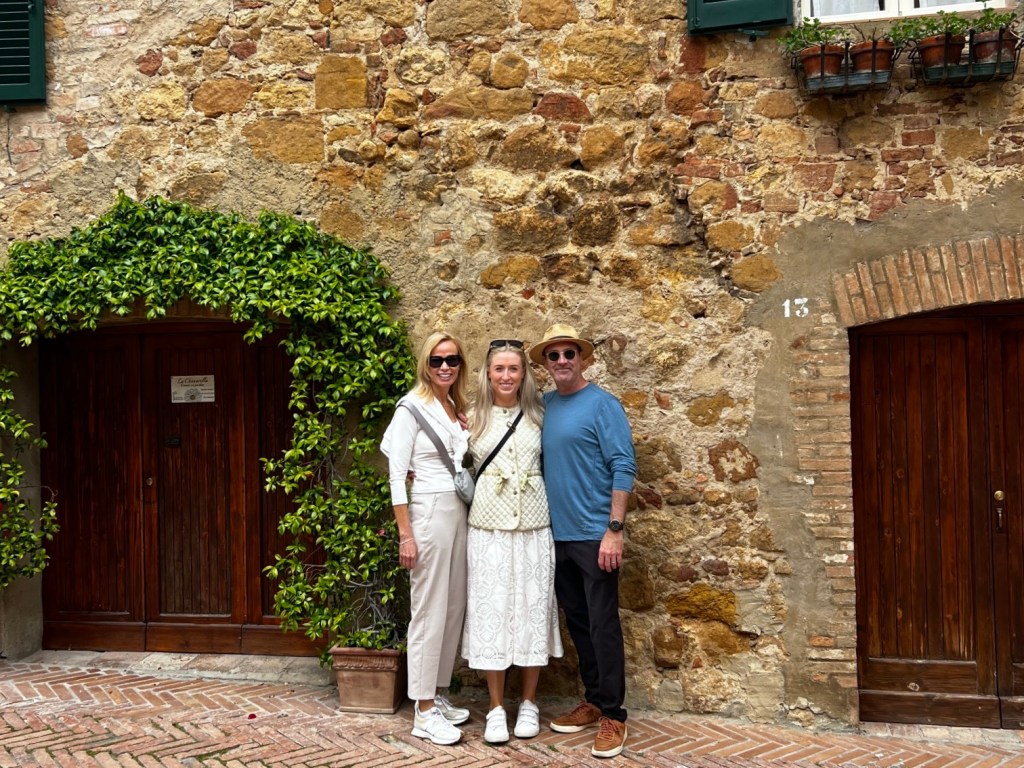
Posts Tagged With: Tuscany / Umbria

A Prolonged Foray to Europe: Trip Overview

After limiting our travel each year for the past several decades to 1- and 2-week trips abroad due to work responsibilities, retirement by the second of the two travelers in 2023 eliminated this constraint. So, we kicked off WolfeStreetTravel’s 2023 journeys with one-way tickets to Italy with no plans to return.

The original vision for this prolonged foray to Europe assumed that we’d have an itinerary and lodging planned for the first week or two, then we’d wing it from there. However, this approach proved to be completely unbearable for the travel-planning arm of the consortium. As a result, our entire itinerary, including all destinations, transportation, and accommodations (and about a half a dozen dinners) were planned for the first 7 weeks of the trip.

We still had no return plans, maintaining fidelity to the spirit of the trip, but we definitely weren’t winging it, either.

The trip, which began on May 5, can be logically sequenced into the following legs:

  • Italian peninsula road trip (17 days)
  • Sardinian break (4 days, including overnight ferry to Palermo)
  • Sicily road trip (18 days)
  • Malta break (4 days)
  • Normandy bike trip (8 days, including a day before and after biking)
  • Portugal (8 days)

The color coding of each leg above aligns to the destinations depicted in the interactive map below:

In addition to the color coding, the map breaks down our travels using the following icons:

  • Bed = hotel stay
  • House = villa / Airbnb stay
  • Pin = day trip
  • Hiker = uh, a hike
  • Biker = a stage in our Normandy bike trip

We’ll file detailed posts on the trip later, but each of the legs is summarized in this post. We really have tried to keep this overview to a bare minimum, but it’ll still be the longest update we’ve ever posted – sorry!

Italian Peninsula Road Trip

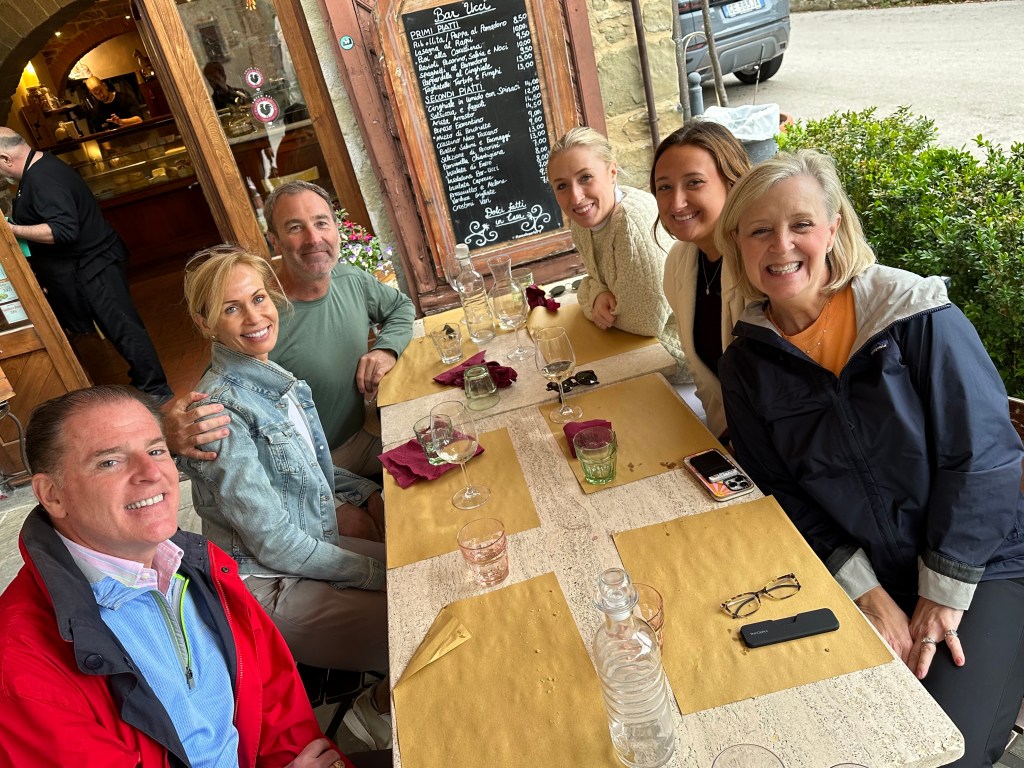
The trip began in Tuscany, where we’d spend 5 days with the Brandts and KJQ in a beautiful area just northeast of Siena.

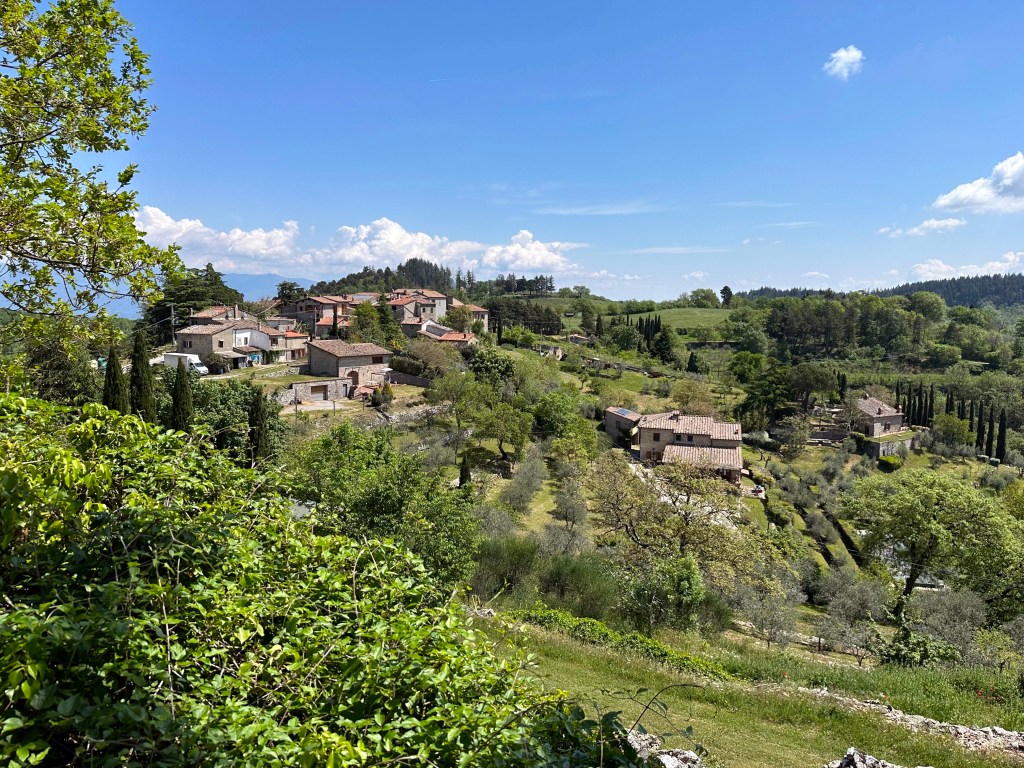
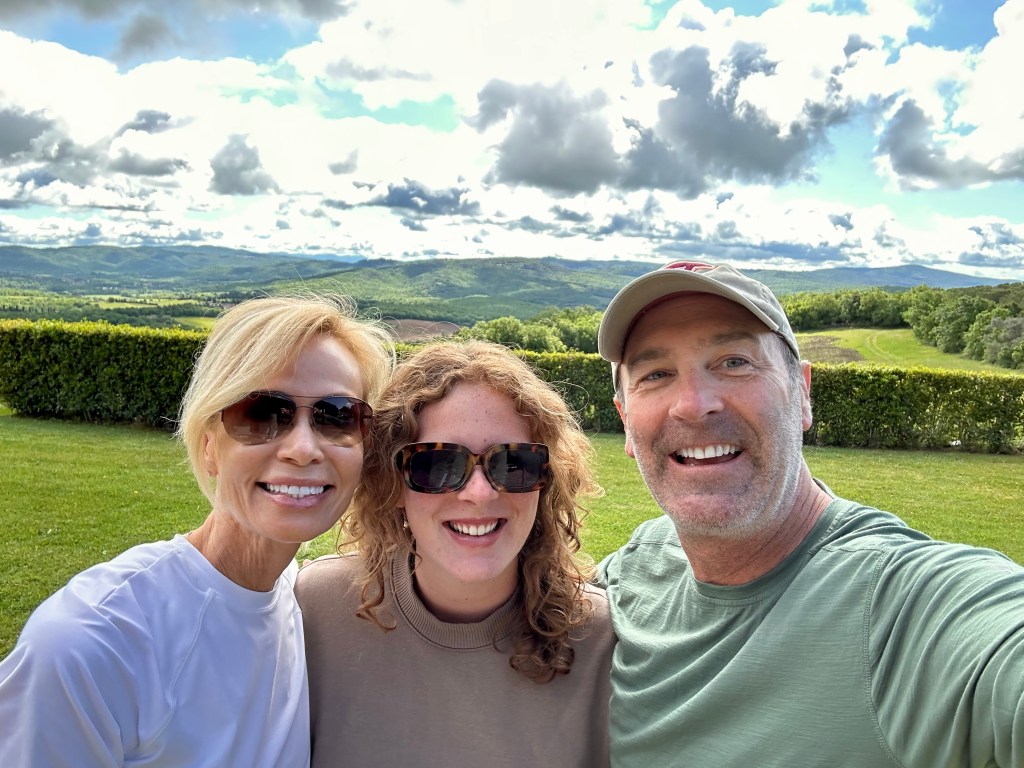
Overlooking the Val d’Orcia:
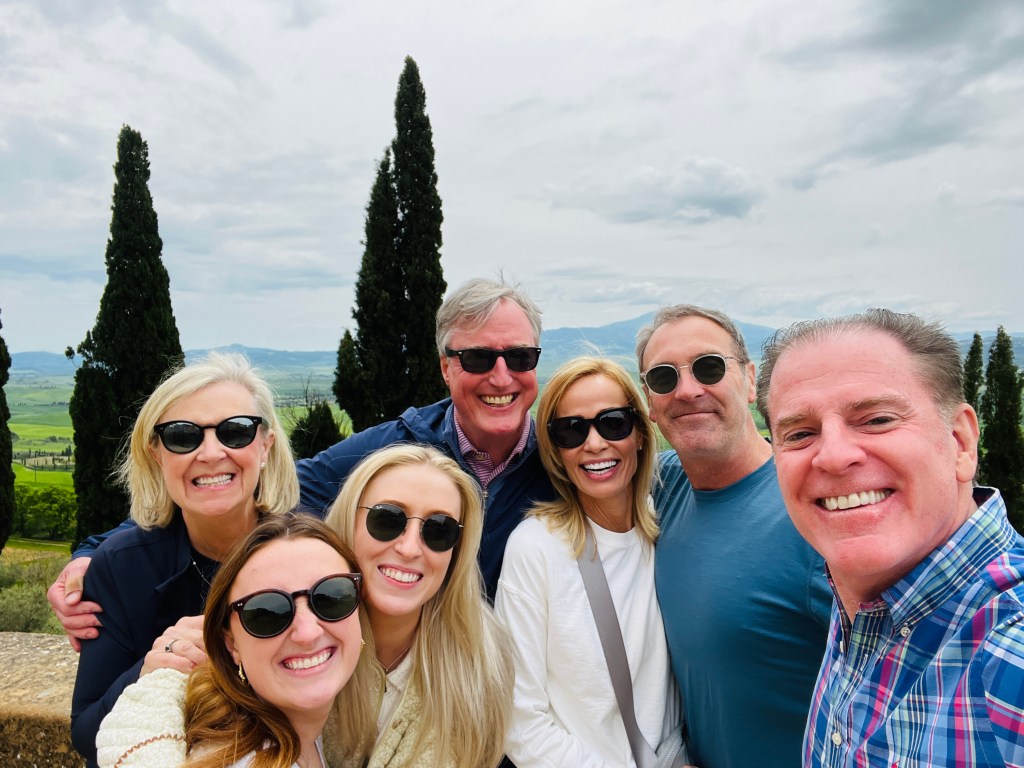
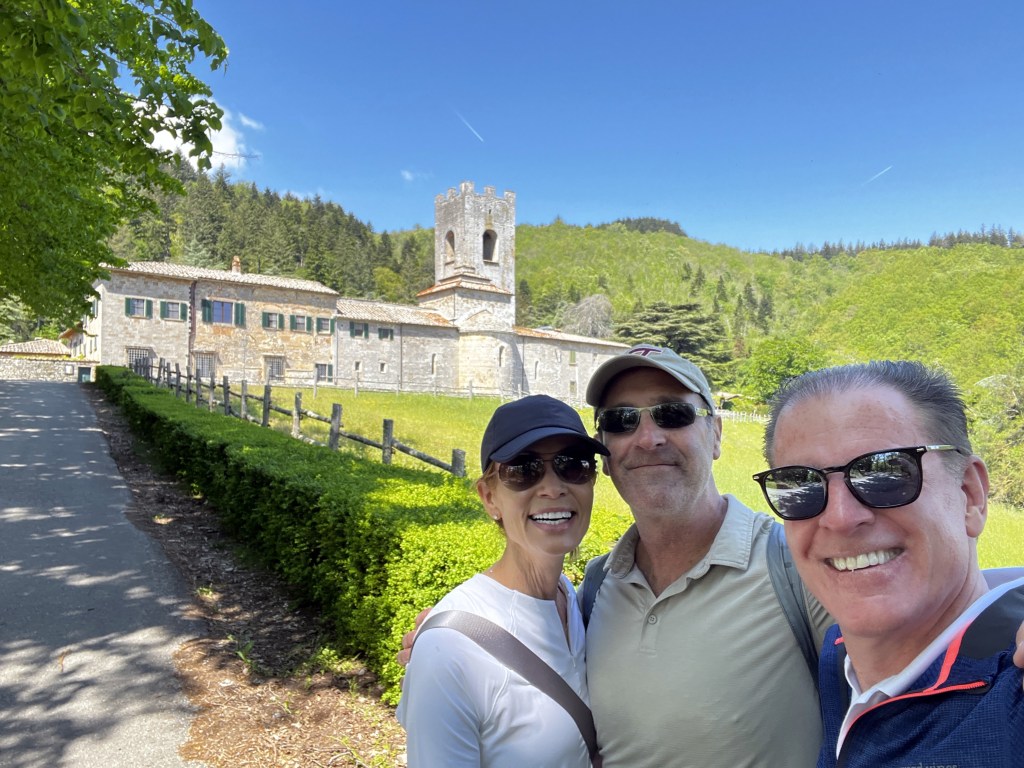
We hiked w KJQ one day to the Abbey of San Lorenzo a Coltibuono (and, about 5 miles later, to a harrowing shortcut escaped only through an opening KJQ dubbed The Gate to Salvation):
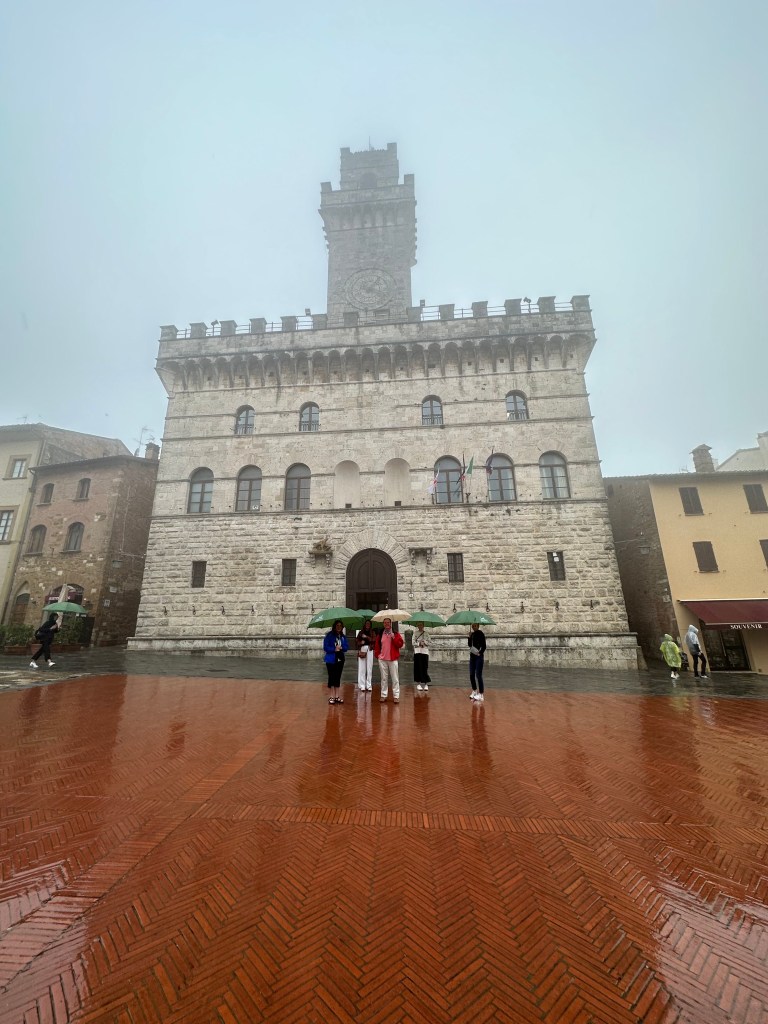
Tuscany wasn’t all sunshine and Brunello, though – it freaking poured in Montepulciano:
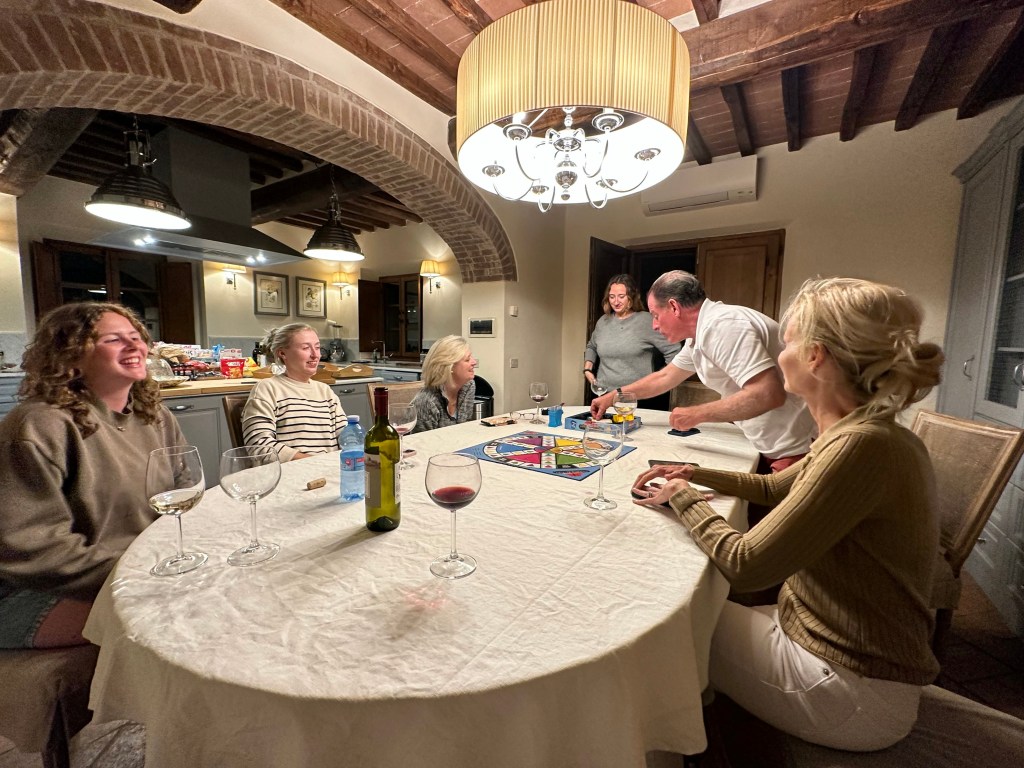
Gracie joined us for a portion of the stay, as well (and a team comprised of her and Madison cleaned up on two successive nights of Trivial Pursuit)

From Tuscany, we drove north, to Portofino on the Ligurian coast – a town that had been on Lisa’s wish list for several years. It did not disappoint.
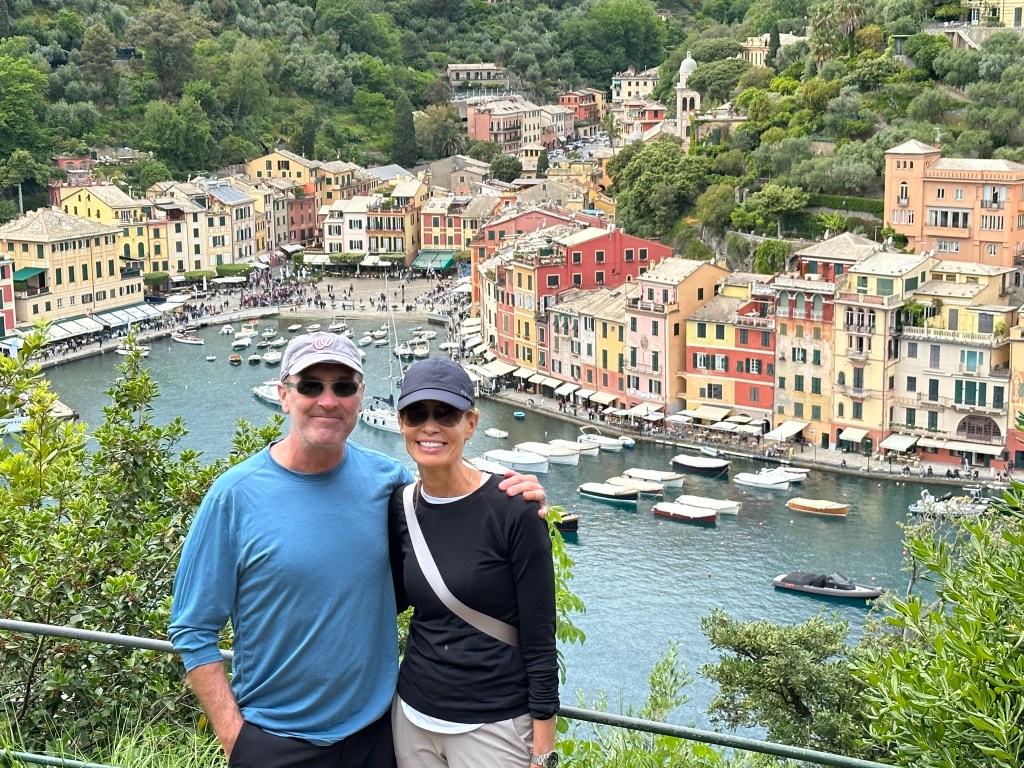
We continued our hiking habit in Portofino, hiking one day to the Abbey of San Fruttuoso:

And the next along the coastline to Santa Margherita Ligure:
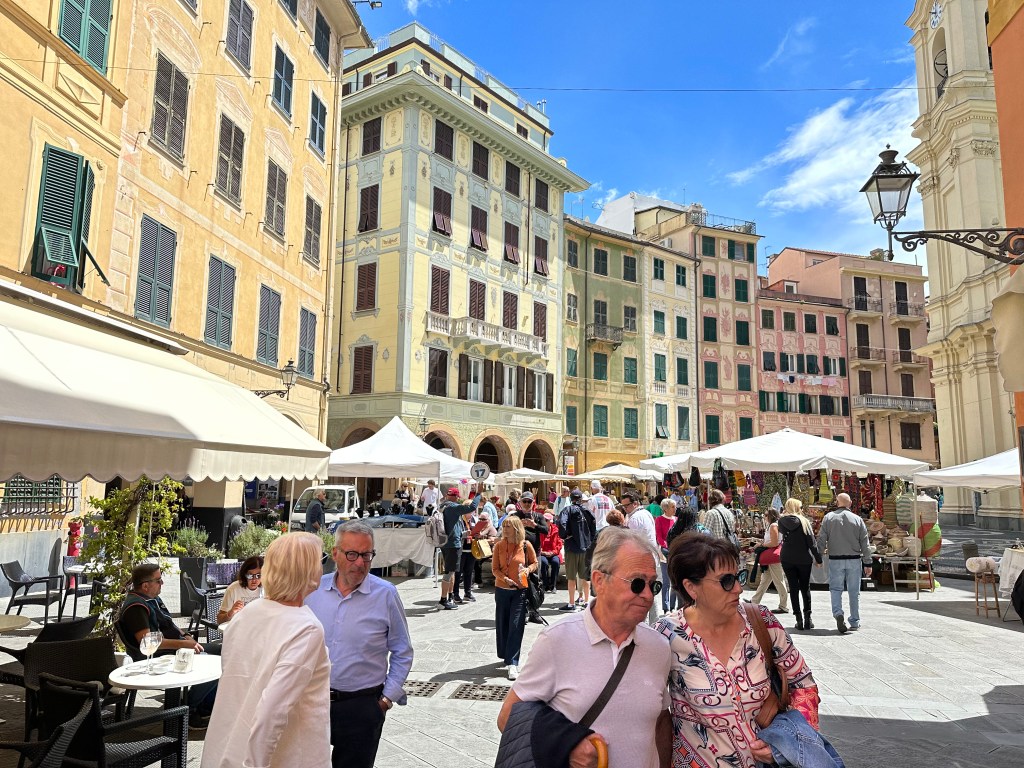
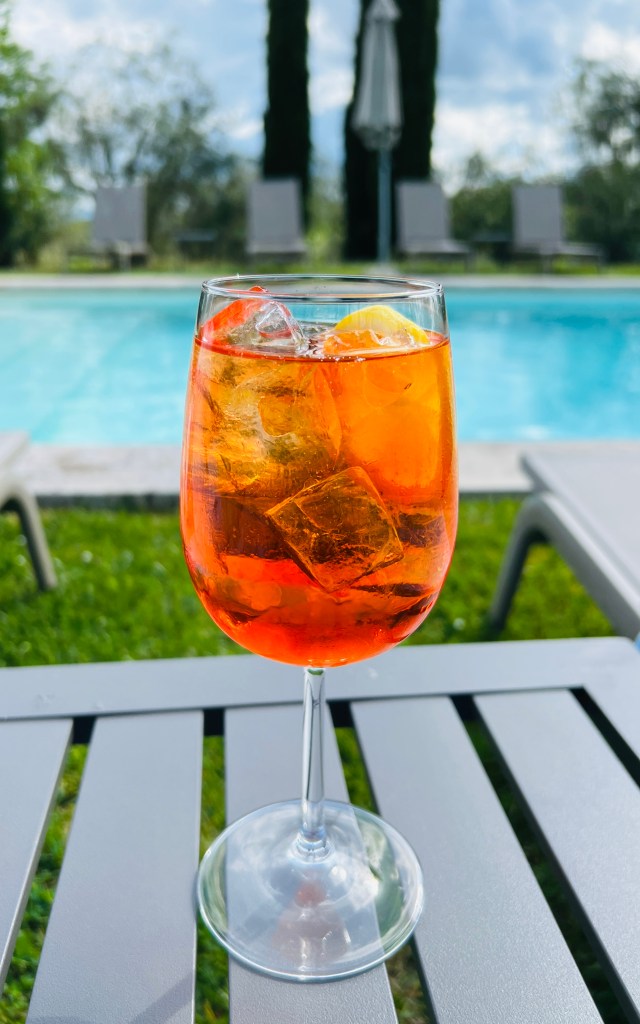
Portofino also was the jumping off point to scores and scores of Aperol spritzes consumed as aperitivos throughout the trip.

From the Ligurian coast, we drove south, back through Tuscany, and over the border to Umbria, and the medieval town of Orvietto for a stopover on our way to the Amalfi coast:

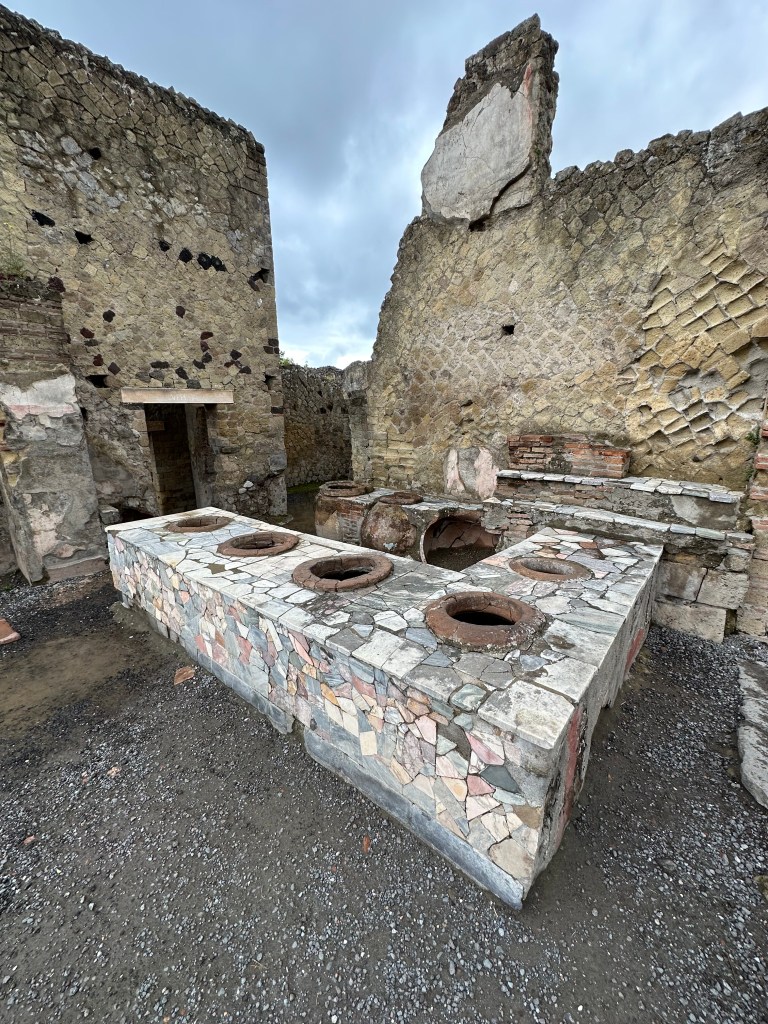
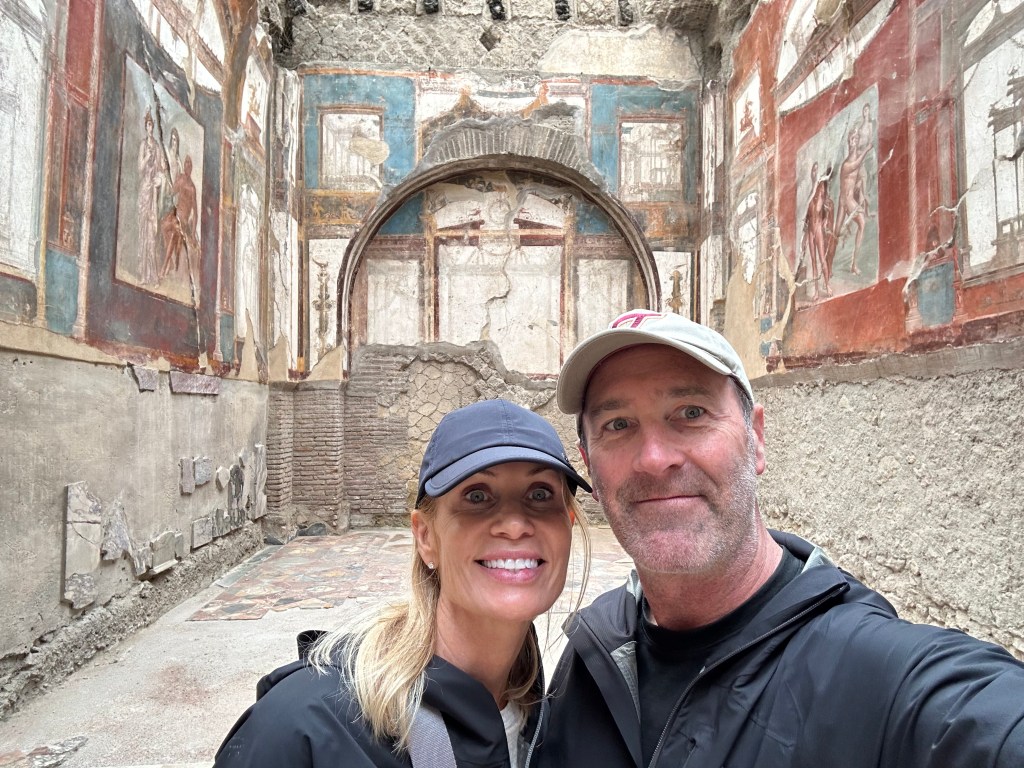
We continued south the next day, to Herculaneum. A smaller town than Pompeii, Herculaneum also was nonetheless lost due to the eruption of Mount Vesuvius in 79 AD, but it was covered in ash and pumice, rather than being flattened by rocky debris, preserving it much better, including numerous, intact, Roman snack bars:
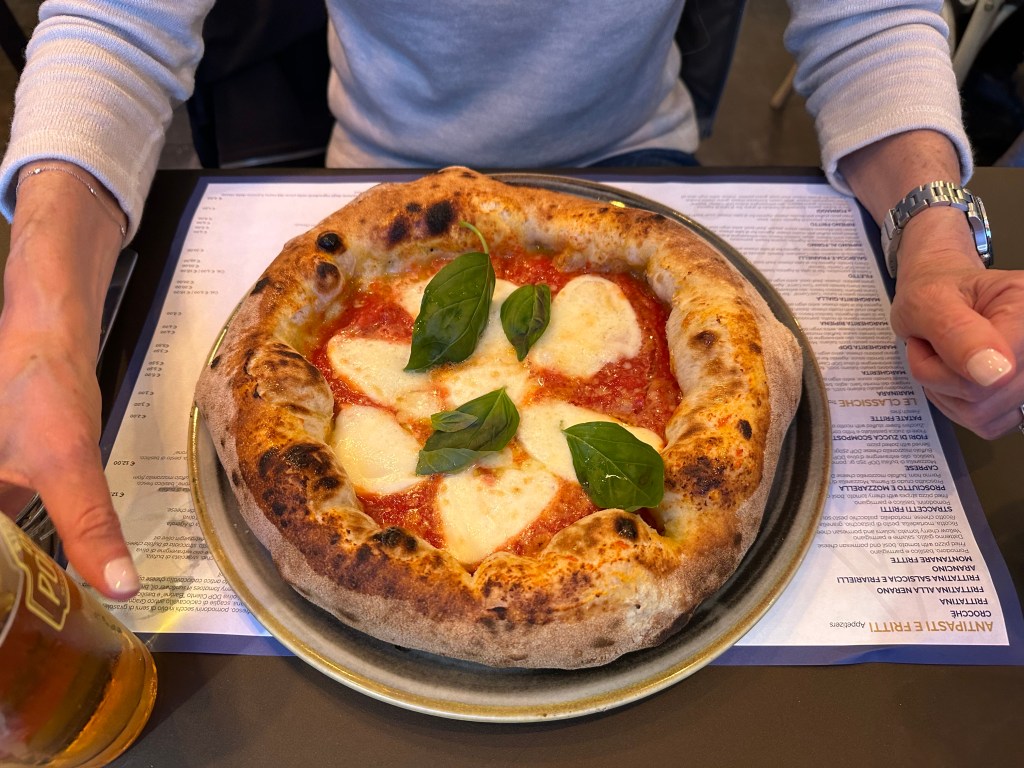
After a quick overnight in Naples (in which our only goal was to score some iconic Neapolitan pizza), we headed to Capri for a couple of days, leaving the car in Sorrento:
Our stay on Capri was one of the highlights of the trip – we will definitely be back. View over Capri Town from our place:

Hikes each day, including to the ruins of Emperor Tiberius’ villa:

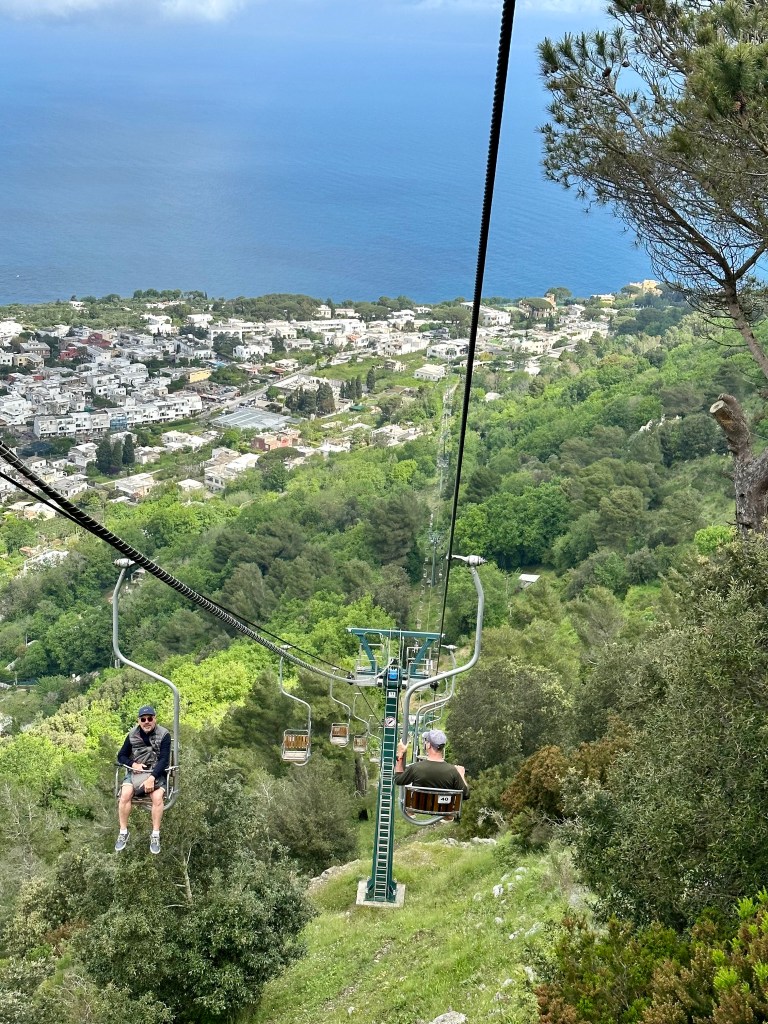
And a hike from Capri to Anacapri, followed by a hike up Monte Solaro because fog reduced visibility to zero for a ride up the cool little cable chairs:

But the weather cleared for a chair ride back down:
We ferried from Capri back to Sorrento, retrieved our car, and began the most harrowing aspect of our peninsular road trip: driving on the Amalfi coast. Seriously – really treacherous.

Luckily, relief was at hand in Praiano, our home for the next 3 days:

We headed a few miles down the road to Positano the next morning, only to retreat back to Praiano after a half a day there. A lot of travelers characterize Positano as the “Jewel in the Crown of the Amalfi Coast.” It’s not. Its a cruise ship packed full of tourists and shitty shops that happens be be tumbling down a cliff in a picturesque way.

We enjoyed Positano much more from a distance, content at our place in Praiano:

The next morning we hiked the Path of the Gods from Praiano to Positano:

Once the path paralleled the coastline, the going was a little technical, but not a big problem. The challenge to the 5-mile-long Path of the Gods hike was the >2000 feet of incline and decline, almost all of which is straight up from Praiano and then straight down 1700 steps into Positano.

Praiano also hosted the first of three Michelin-starred gastronomic dinners of the trip. Plus, a ridiculous perch over the Tyrrhenian Sea on the Amalfi Coast:

From the Amalfi Coast, we drove southeast for a couple of days in Matera, Italy’s oldest city:
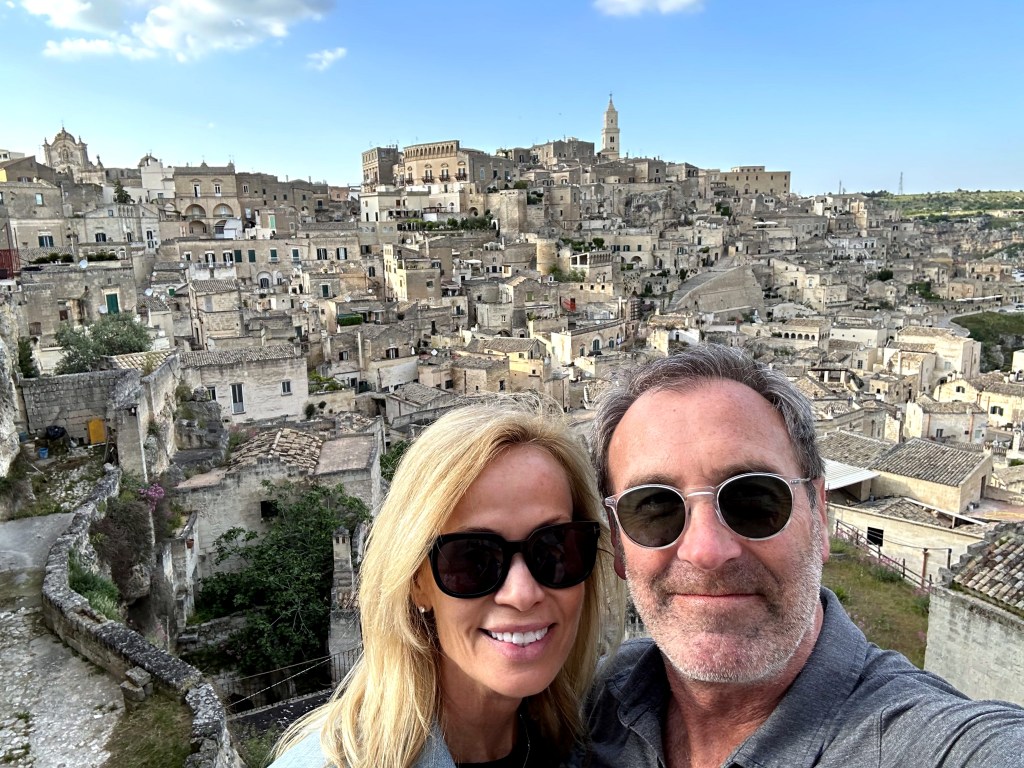
Similar to our experience in Capadocica in Turkey, Matera sported tons of centuries-old troglodite homes, churches, and tombs:
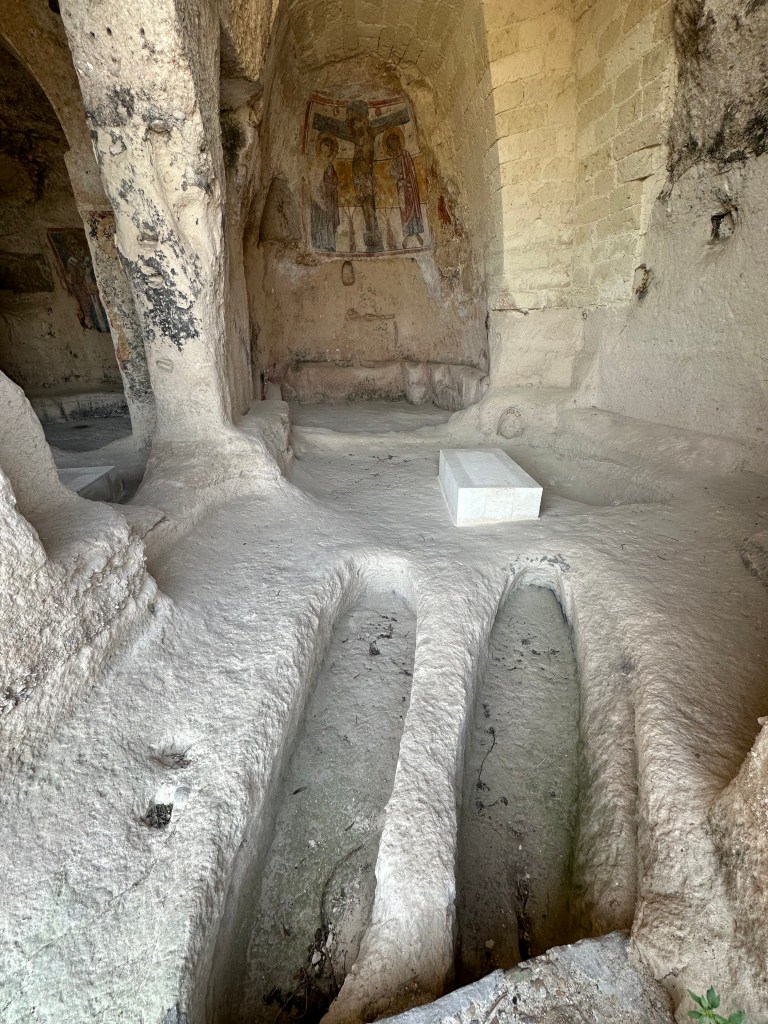
And cave restaurants, too:
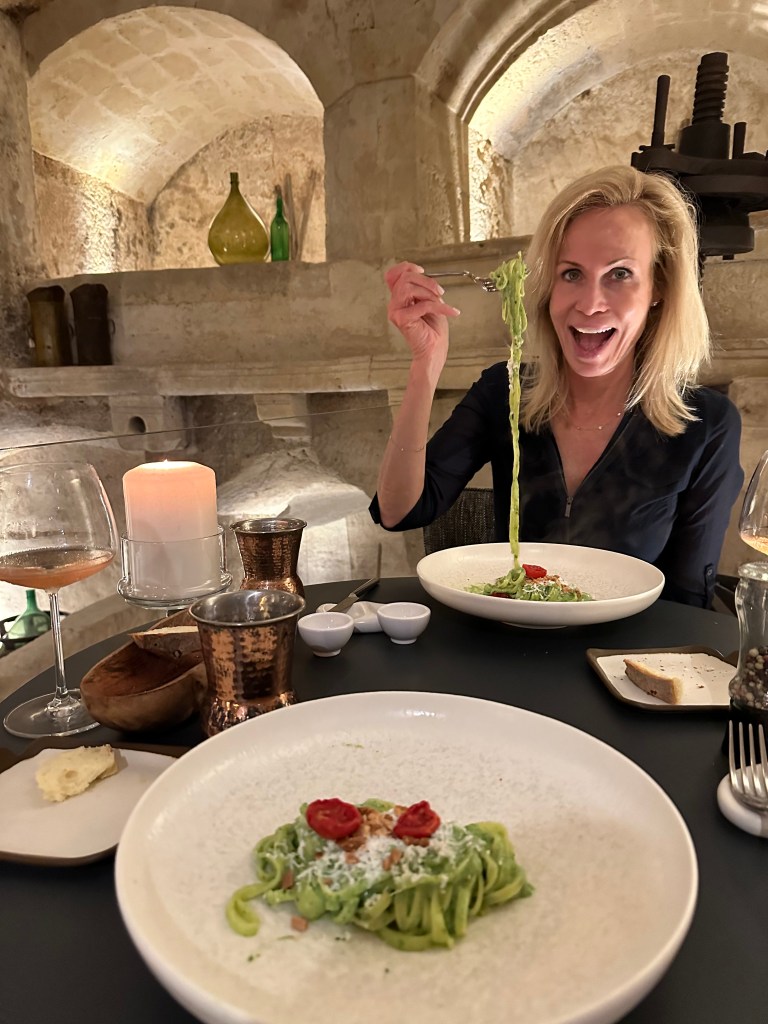
Our last night on the Italian peninsula:

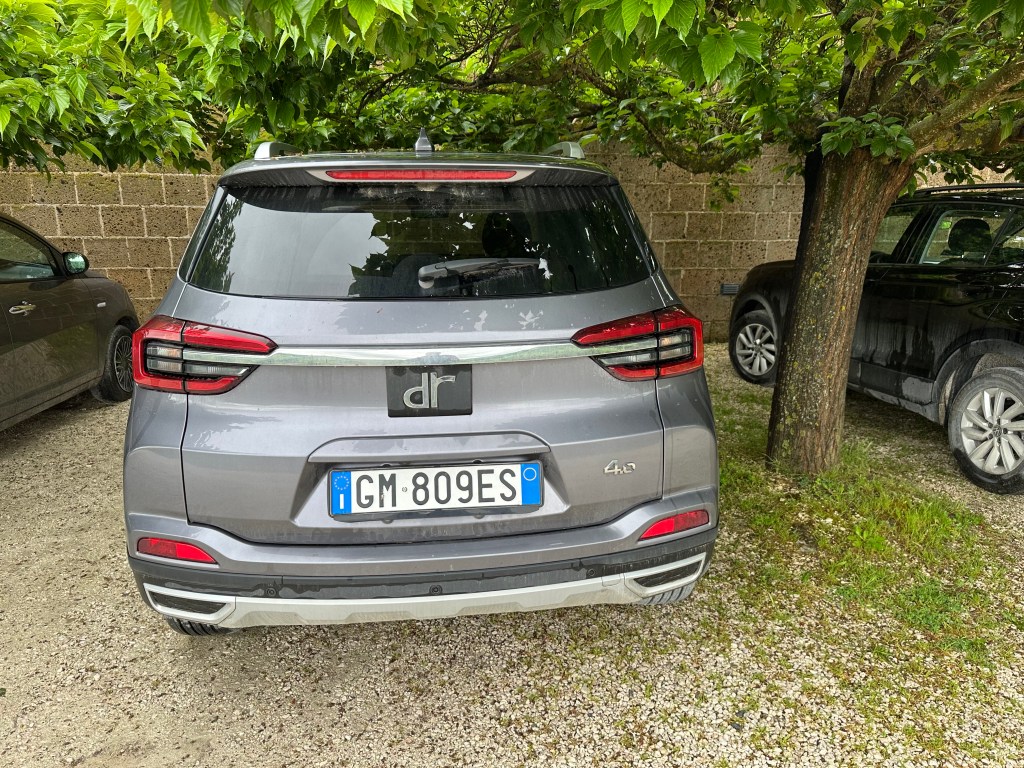
The next morning, we surrendered our ride for the past 3 weeks (a dr, a brand none of us – not even KJQ – had heard of before), and flew to the island of Sardinia:
Sardinian Break

Between the end of one 3-week road trip, and the start of the next, we built into the itinerary a little down time on the the Costa Rei on the southeastern coast of Sardinia.
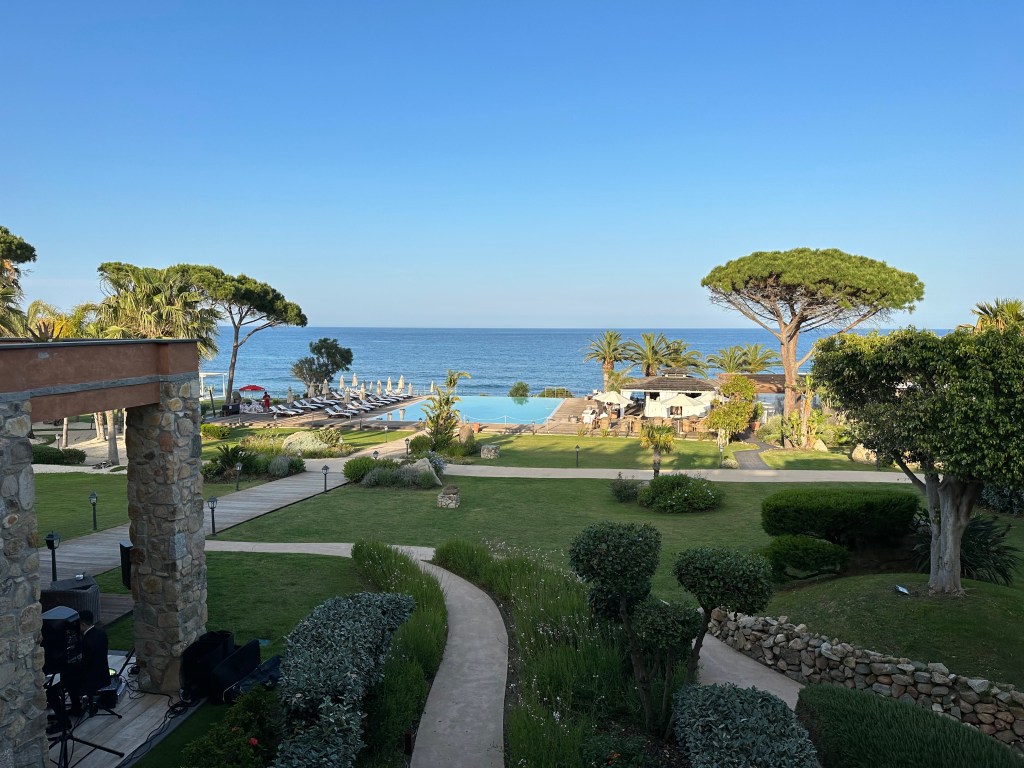
Not a lot to report – a few miles of walking each morning along the beach:

And some killer seafood, including and in particular, Sardinian oysters. (We thought these were the best we had every tasted until we later encountered even better ones in Normandy.)

Then an overnight ferry to Palermo, when we’d start another road trip leg across Sicily.

Sicily Road Trip

The surprisingly vibrant and enjoyable city of Palermo – very different from the gritty and sketchy image that we had prior to our time there:

And the first of many cool encounters with Arabo-Norman architecture in Sicily at the city’s 12-century Church of San Cataldo:

And our introduction to the ubiquity of pistachios on everything in Sicily:

And the most horrific of the catacombs of our entire journey below Palermo’s Capuchin Monastery:

And a cool, 3-hour street food tour, featuring a spleen sandwich (4/10: would not try again):

Our last evening in Palermo:
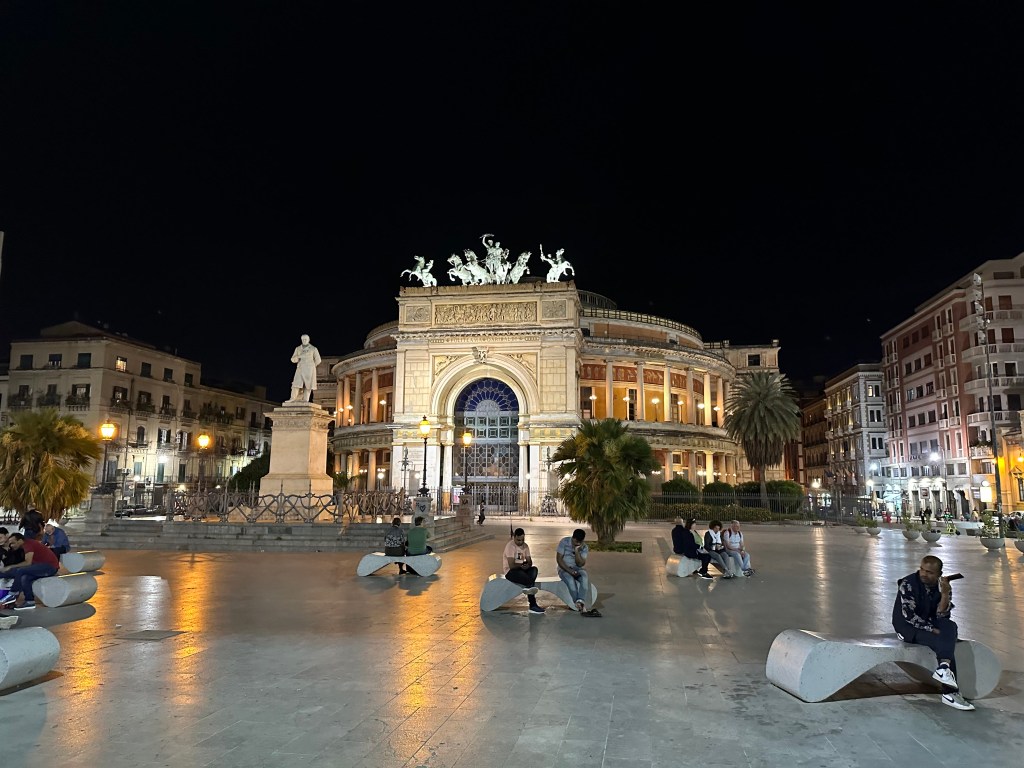
We drove from Palermo to the south-center of the island, to Agrigento, home to the most intact Doric Greek temples in the world, dating to 400 BC:

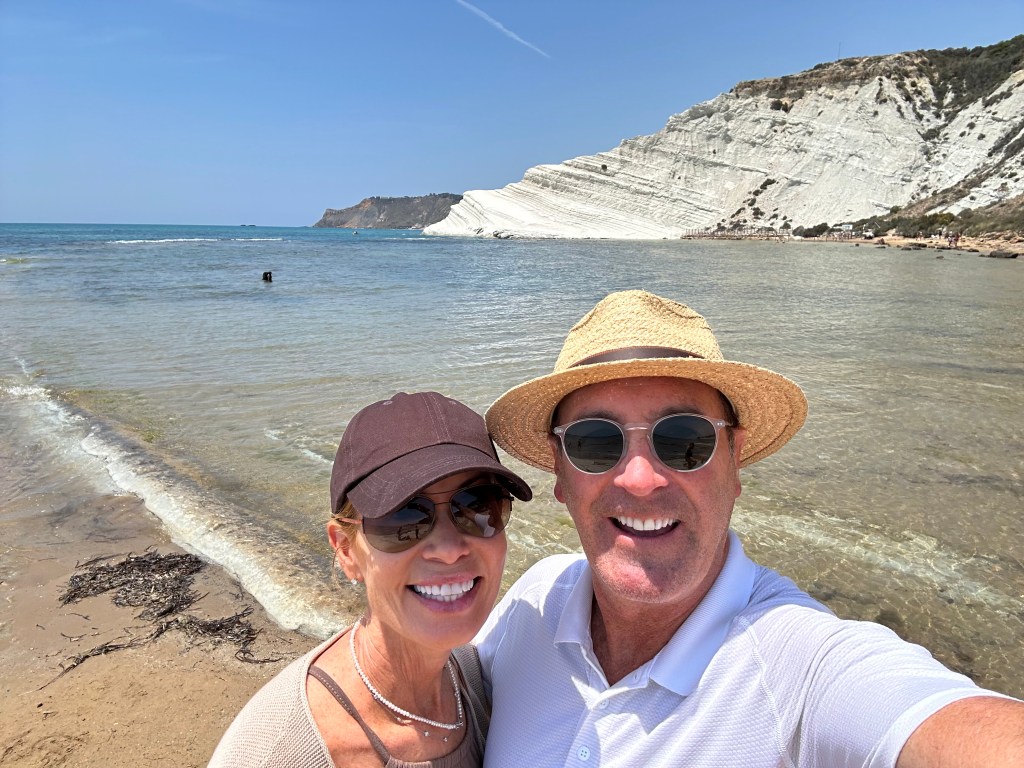
And spent a little time on the coast while we were there:
And continued the recommended daily doses of Aperol:
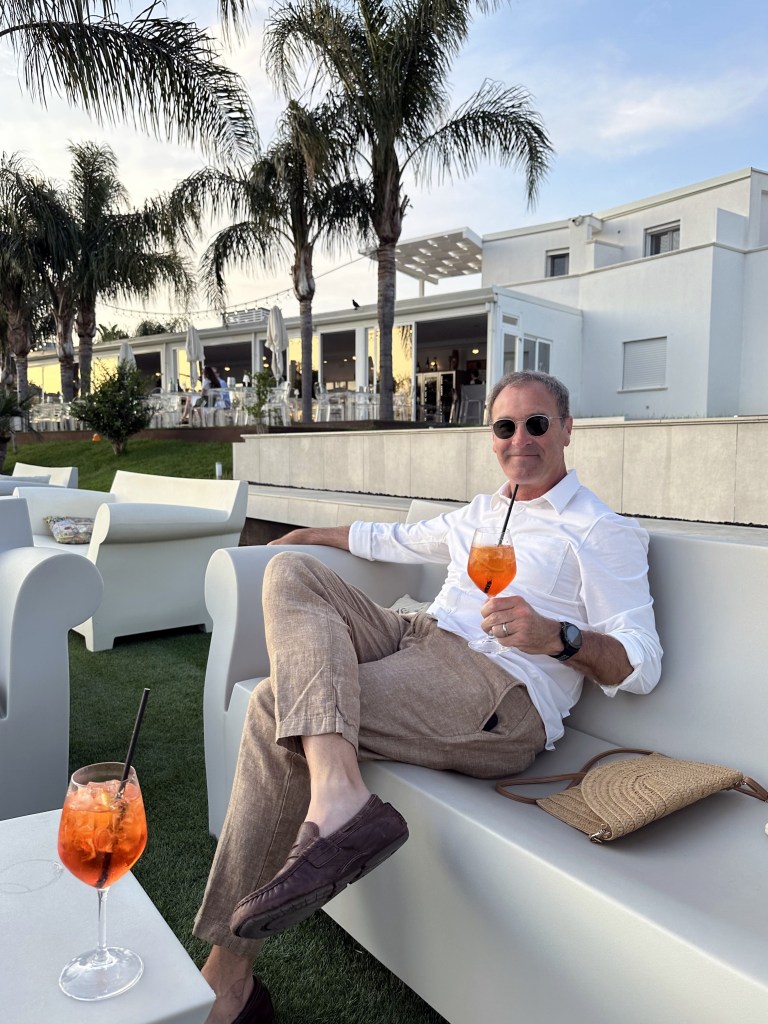
Final evening in Agrigento, with a view to the Temple of Juno and the sea:

From Agrigento, we headed due east to a cluster of Baroque towns, so called because they were all destroyed by an earthquake in 1796 and were all rebuilt in the Baroque style du jour. We based ourselves in the town of Modica for 6 days:

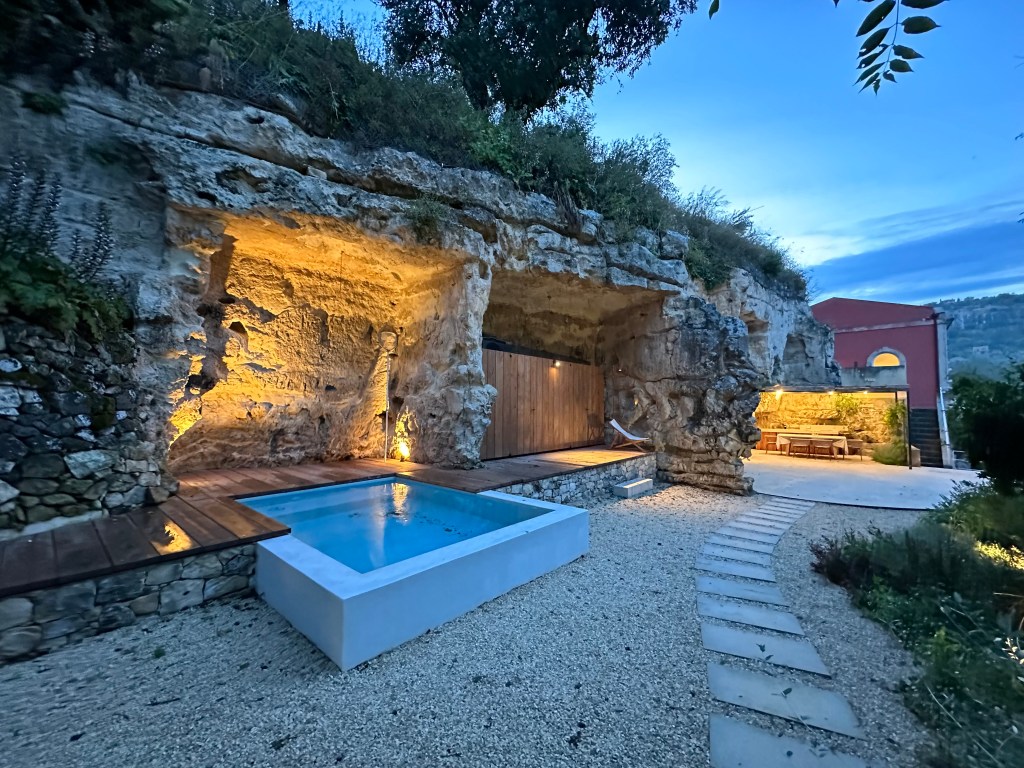
Which sported a pretty cool AirB&B that was built into a cliff:
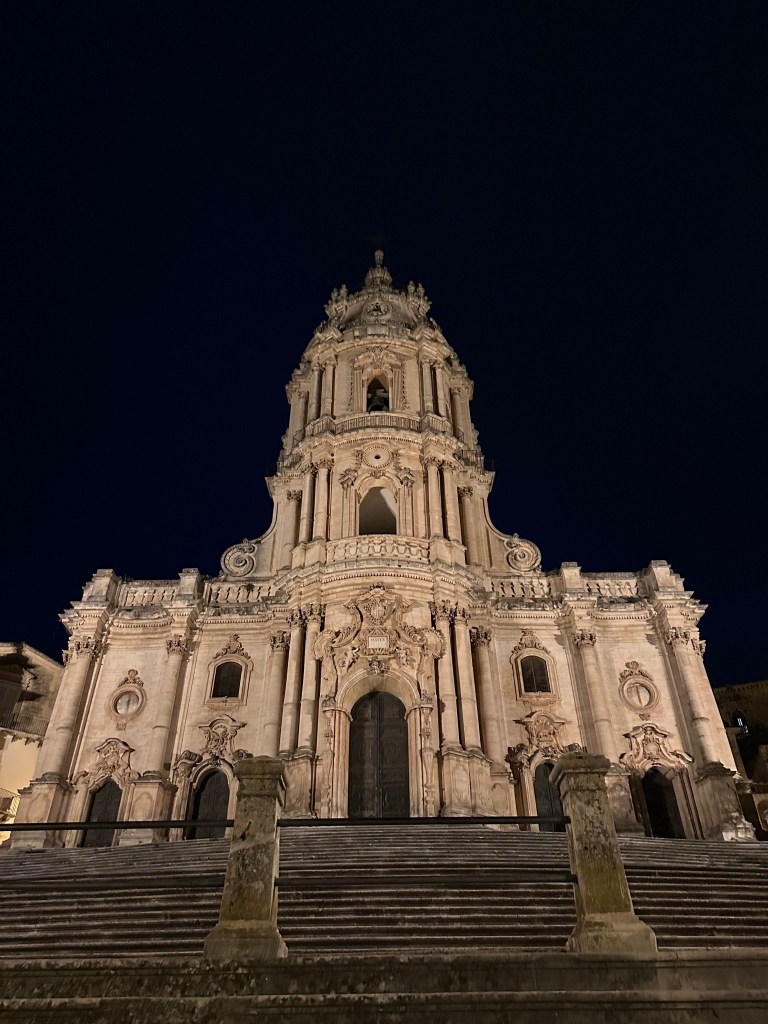
The Baroque Church of San Giorgo in the nearby town of Ragusa Ibla:

The main piazza (such as it is) of the Baroque town of Scicli:

And the spectacularly picturesque Baroque town of Noto:

Modica also was just 20 minutes from the beach, so we started two of our mornings during our stay with some pretty great beach hikes along the Sicilian coast:

Second gastronomic experience on the trip at the tiny Michelin-starred hole in the wall of Accursio, featuring, among other things, Sicily’s orange wine (the color, not the fruit):

Modica’s Baroque Church of San Giorgio (same name as in Ragusa, same style, just different town) on our last night:
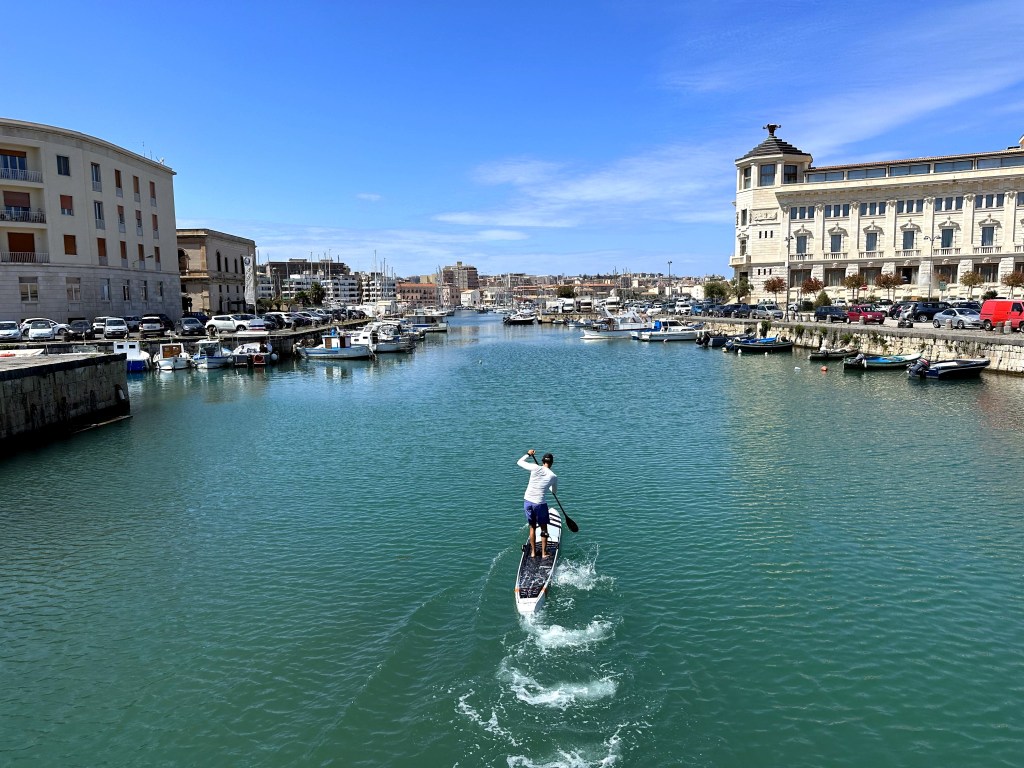
The ancient town / island of Syracuse served as our final stop in the south of Sicily – also another city we liked so much that we may return:
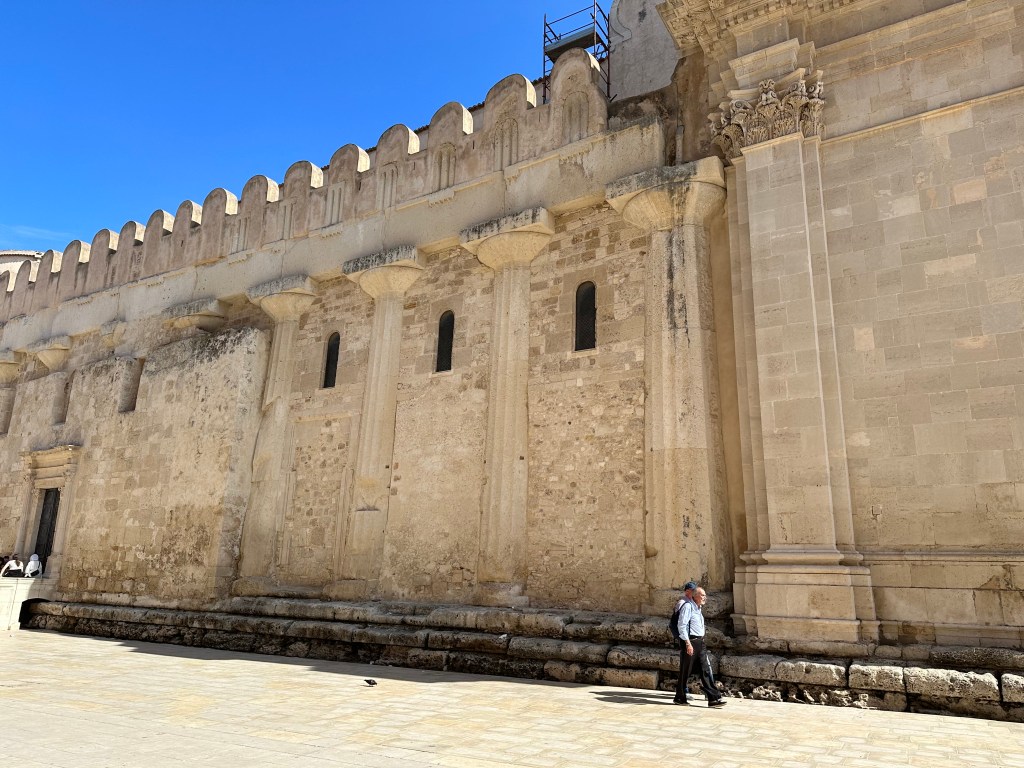
Sicily’s most captivating characteristic, at least to WolfeStreetTravel, must be the convergence and layers upon layers of different cultures that have dominated the island. We witnessed this with the mélange of Arab and Norman architectural styles in churches in Palermo and Monreal, for example. But nowhere was it more evident than Siracusa’s cathedral, which began as a Greek temple to Athena in 480 BC. In our travels, we’ve seen tons of churches build on top of pagan temples, replacing them. That was how they operated. Good site, but obliterate the offending structure. Not so in Siracusa. In the 6th century AD, the Byzantines just filled in the spaces between the Doric columns and incorporated the temple into their new church. Then the Normans added to it in the 11th century w crenellations reflective of their military-style churches. AND IT’S ALL STILL STANDING. You can see the ~2500-year-old Doric columns and capitals inside and outside the church (which was hosting a wedding while we were there, reinforcing how Sicilians simply live through their amazing history). 
Another case in point, the Syracuse’s abandoned, 1st-century Roman amphitheater. . .
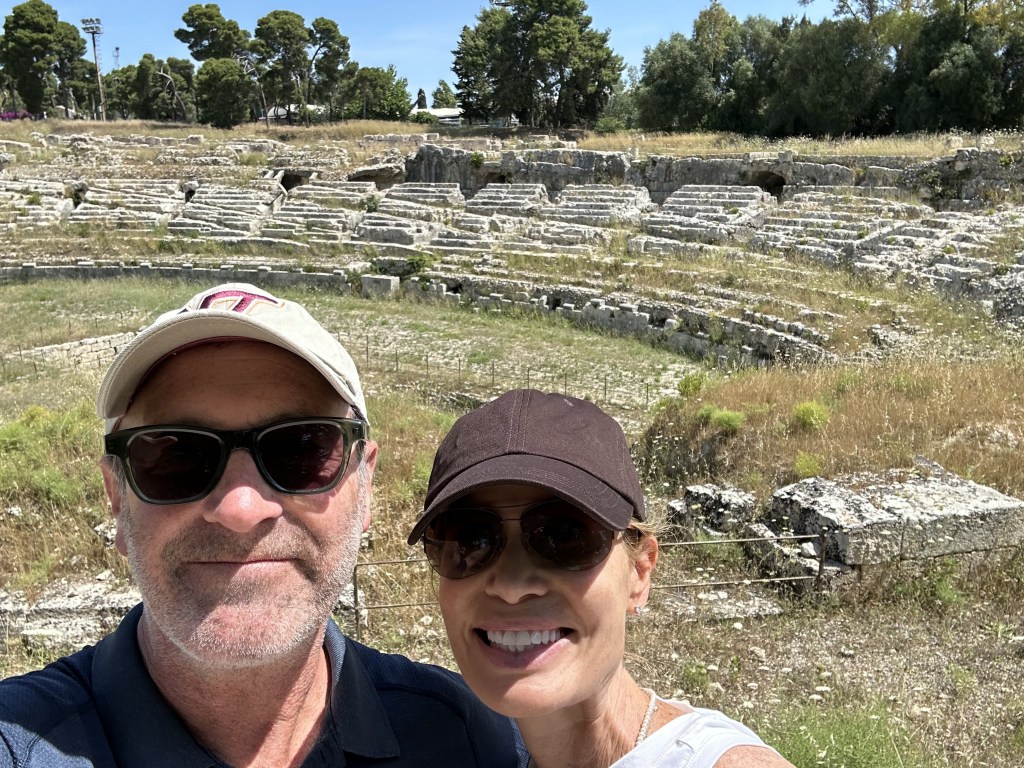
But just up a path lies the city’s even older, 5th-century BC Greek amphitheater, which is still in use today:

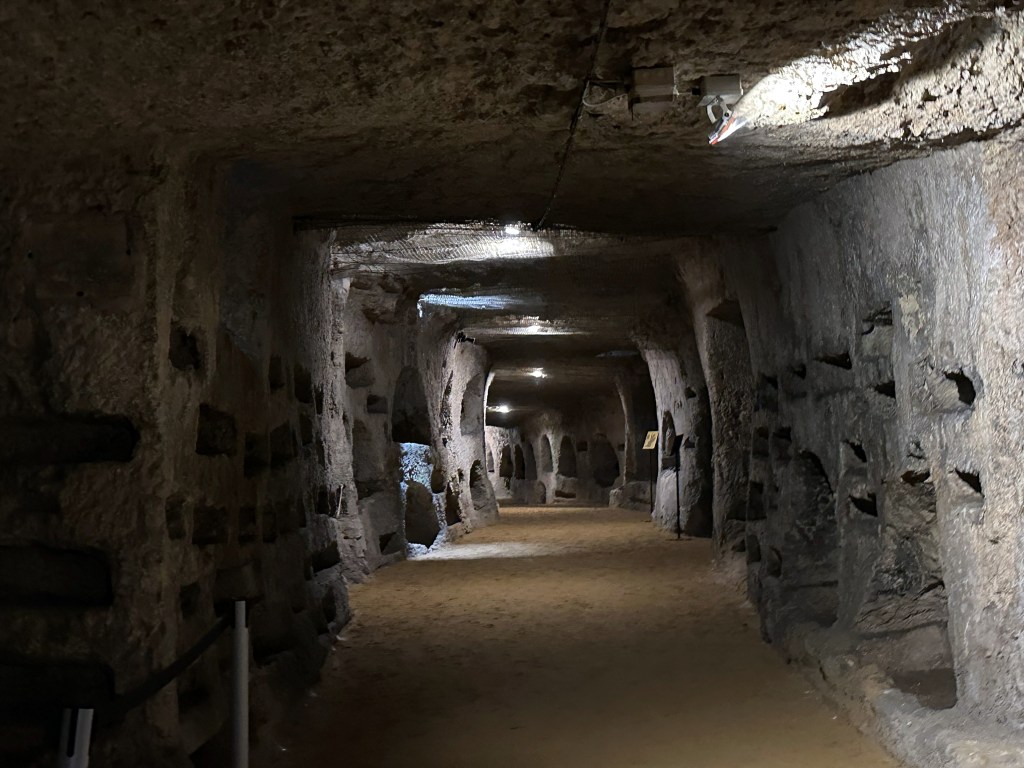
And, of course, we checked out the local catacombs:
Imbibing our daily recommeneded allowance of Aperol spritzes at one of the cooler little roadside cafes on Syracuse’s ancient Ortigia island old town:

And then north! To hike Sicily’s still-active Mount Etna. Twice.

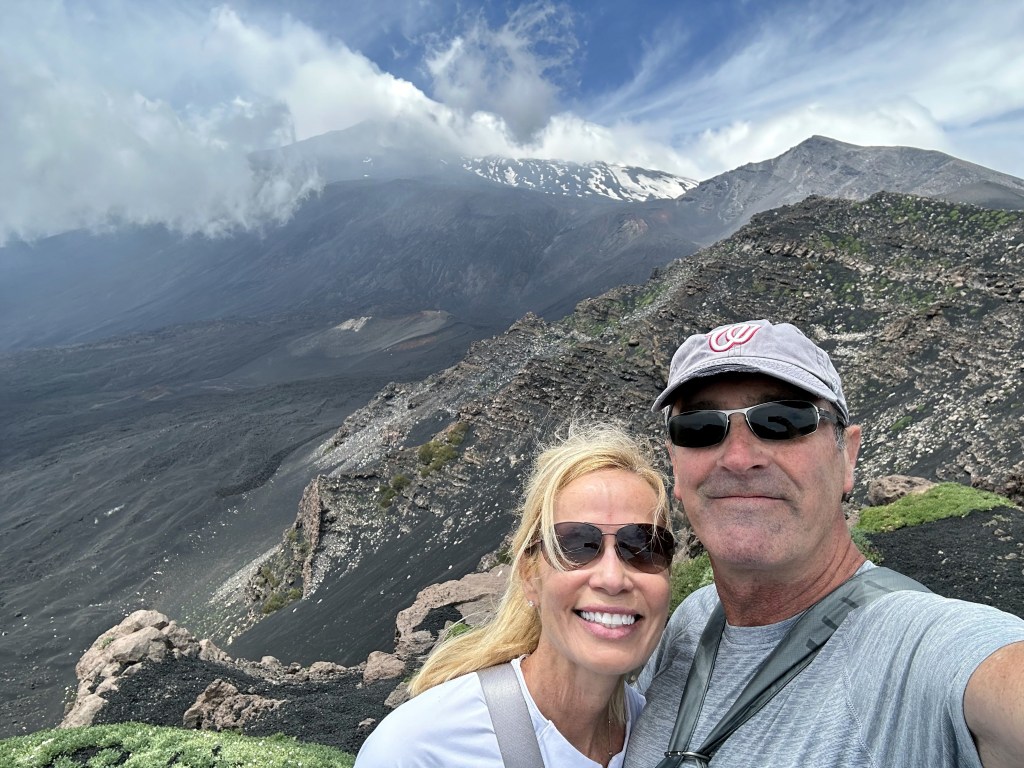
The first day’s hike, from the caldera’s southern approach was okay, but not particularly thrilling. The next day, we hiked up from the eastern approach. Holy shit – absolutely stunning. First, a legit old lava tube:

And then, at the top, along the rim of the old caldera, a view of the still active peak, plus smoky evidence in the old caldera of still active volcanic evolution:
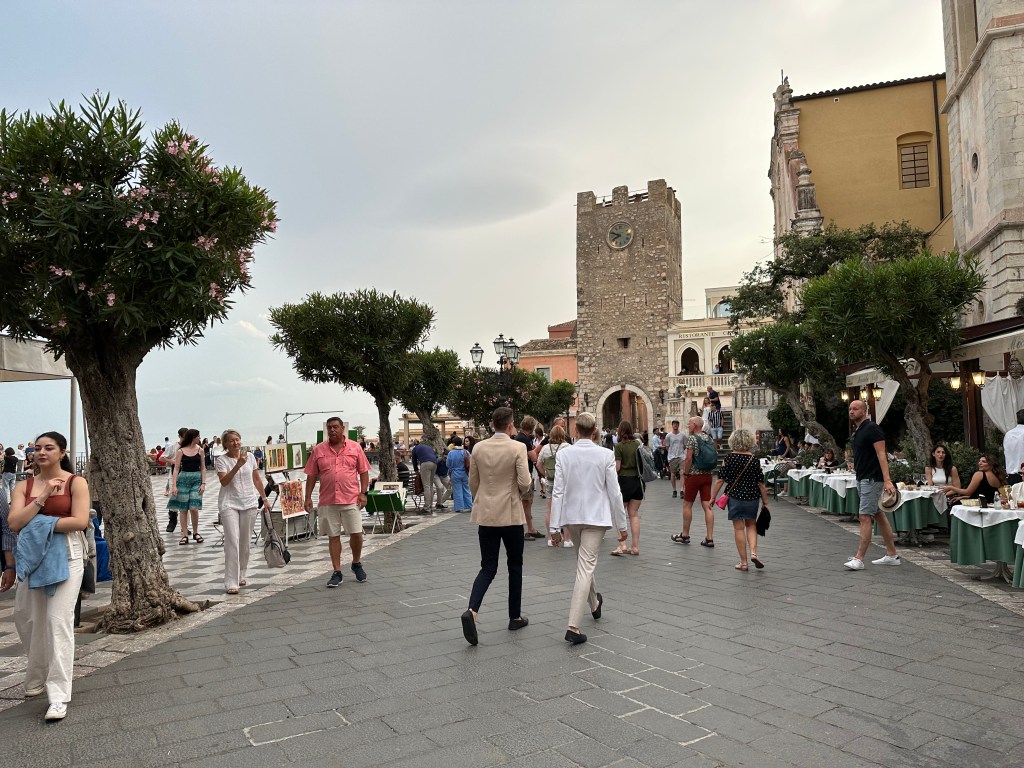
And finally, to the northeast(ish) of Sicily, and the now hyperpopular town of Taormina, setting for White Lotus Season 2 (although we didn’t know this when we planned the trip).
We challenge anyone to locate a more stunning, atmospheric setting for a classical theater than the one in Taormina. It began as a 3rd-century-BC Greek theater, then 1st-century-BC Roman theater, then 2nd-century-AD Roman theater, then 18th- 19th- and 20th-century restorations. Pretty freaking cool. And, like Syracuse’s Greek theater, still in use today.

Our digs for 5 days, perched above IsolaBella. Wins the prize for best AirB&B pool on the trip.
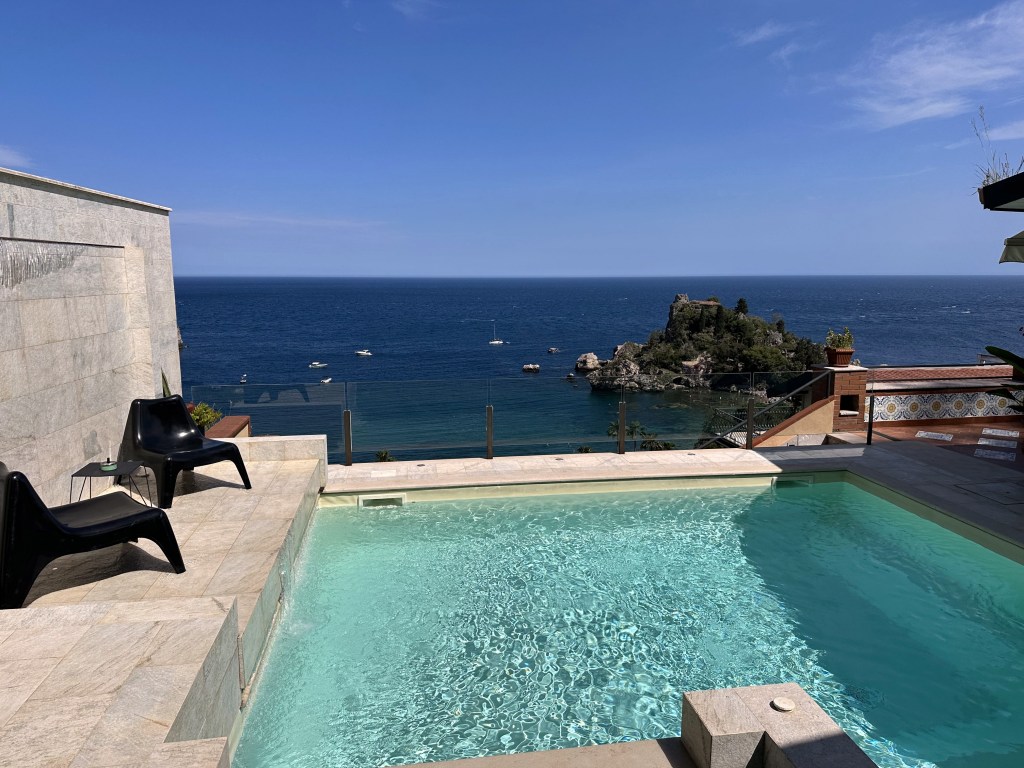
Last night in Taormina:

The next day, we flew from Sicily to Malta, dropping off our trusty Citroen C3 – the second time we’ve had one of these for a European road trip. It looks like a sneaker with the unnecessary side effects, but this car grows on you!

Malta Break

And then, Malta! Country no. 71 for WolfeStreetTravel.

Downtown Valletta, the tiny country’s capital, with its unique wooden balcony boxes (gallarija):

And on the heels of the best AirB&B pool in Taormina, the best hotel pool at our digs in Sanglea built into an old fortress and overlooking Malta’s Grand Harbour:

A side trip to Mdina, Malta’s golden limestone old capital:
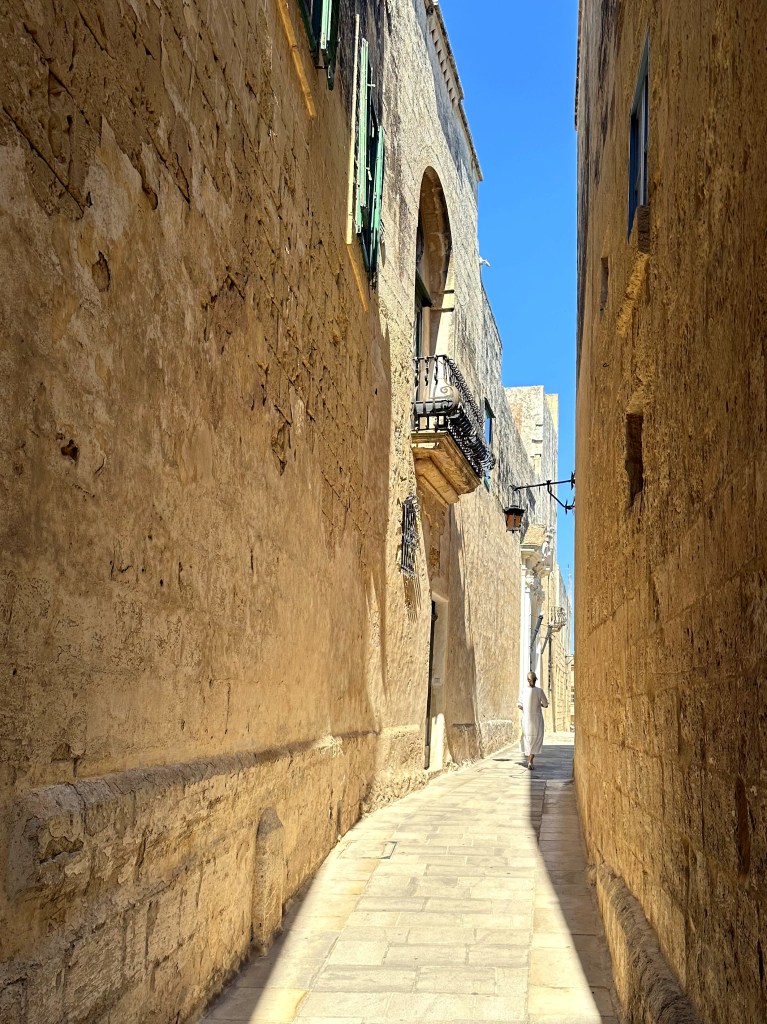
Last night in Malta along the harbor:

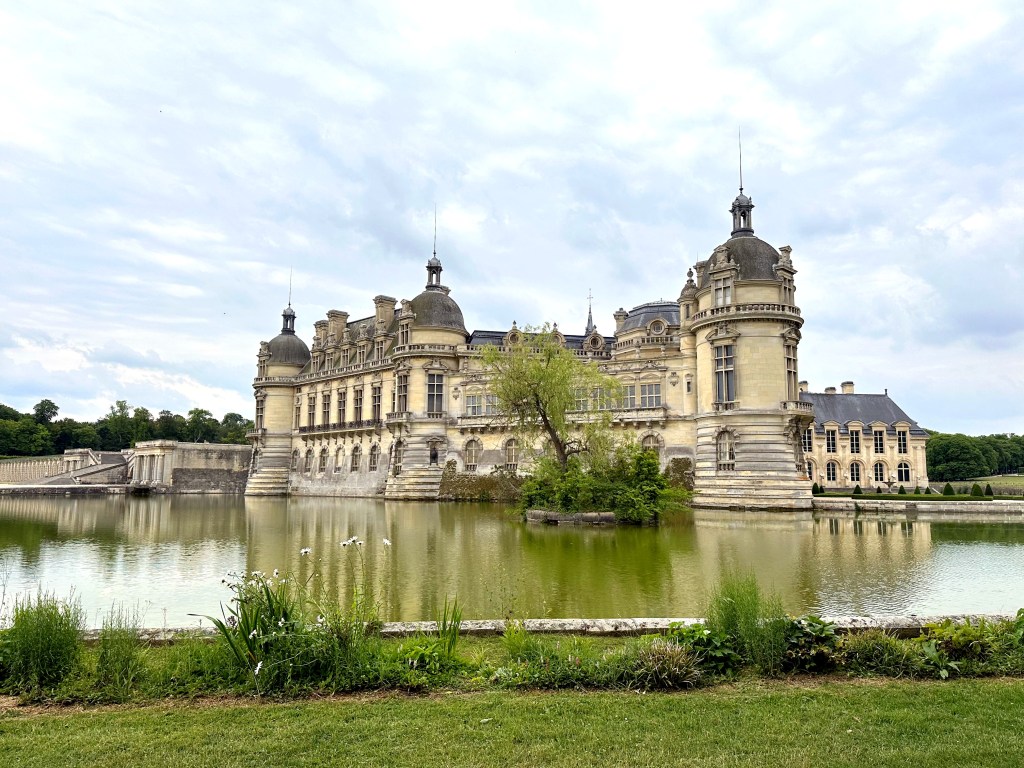
To avoid potential flight issues to reach our next destination in Normandy, where we had a hard start, we flew to France a day early, and stopped over in Chantilly, home to Chateau de Chantilly. No delay, but good call – cool place.
Normandy Biking

The next leg of the our extended foray to Europe entailed our latest biking trip – this time with Thomas and Lisa, in celebration of their wedding (albeit delayed for 2 years).

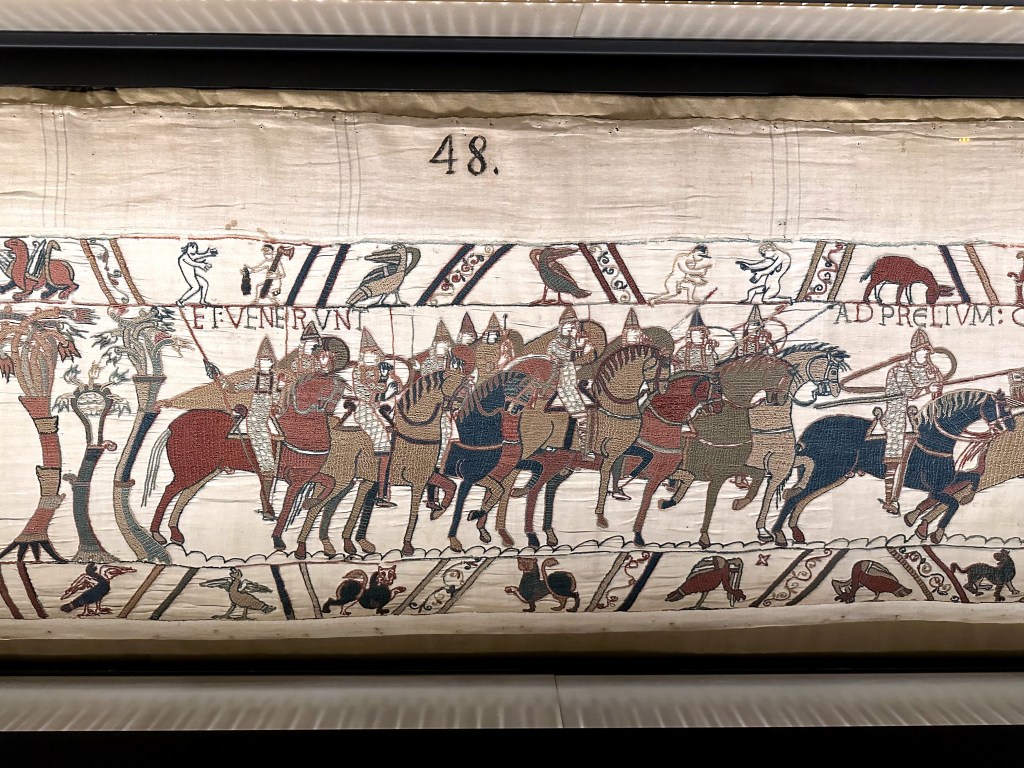
The five stages of the bike trip spanned two invasions. The first in 1066, by William the Conqueror conquering England from Normandy, as depicted in the 11th-century Bayeux Tapestry, as seen in Bayeux, our starting town:
The next almost a thousand years later, this time and invasion of Normandy in 1944. On our first day we visited three bunkers in a German battery on Gold Beach:

And on the same ride, the first of our dozens and dozens of dozen oysters ordered in Normandy:

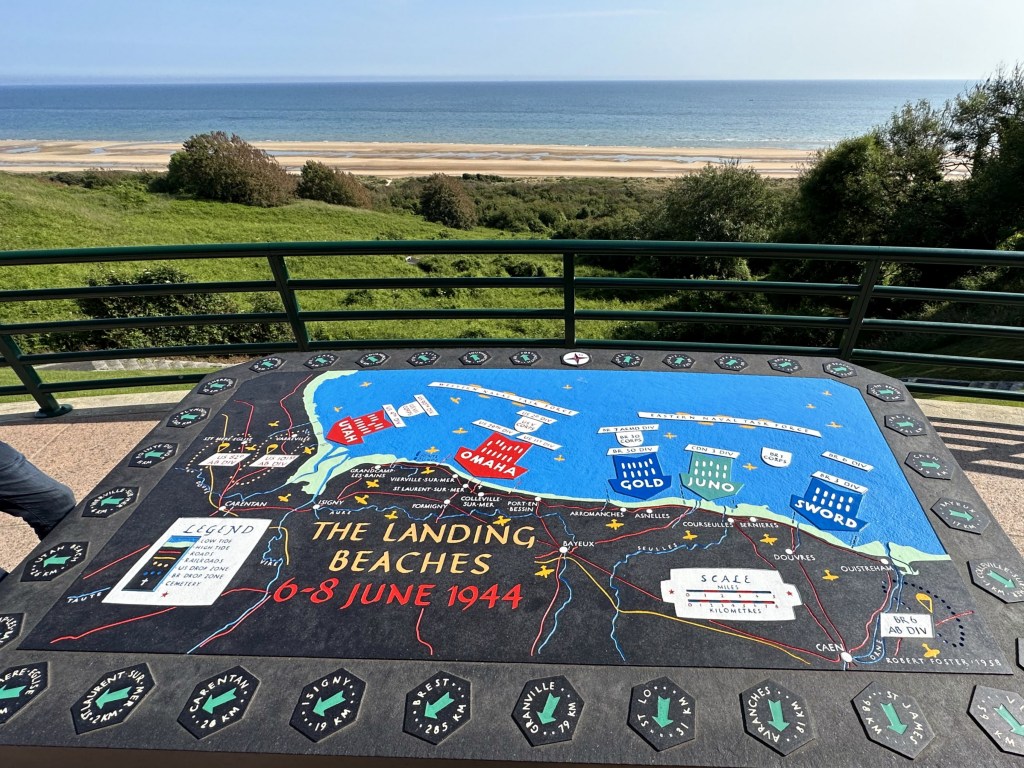
Invasion overview at the American Cemetary at Omaha Beach:
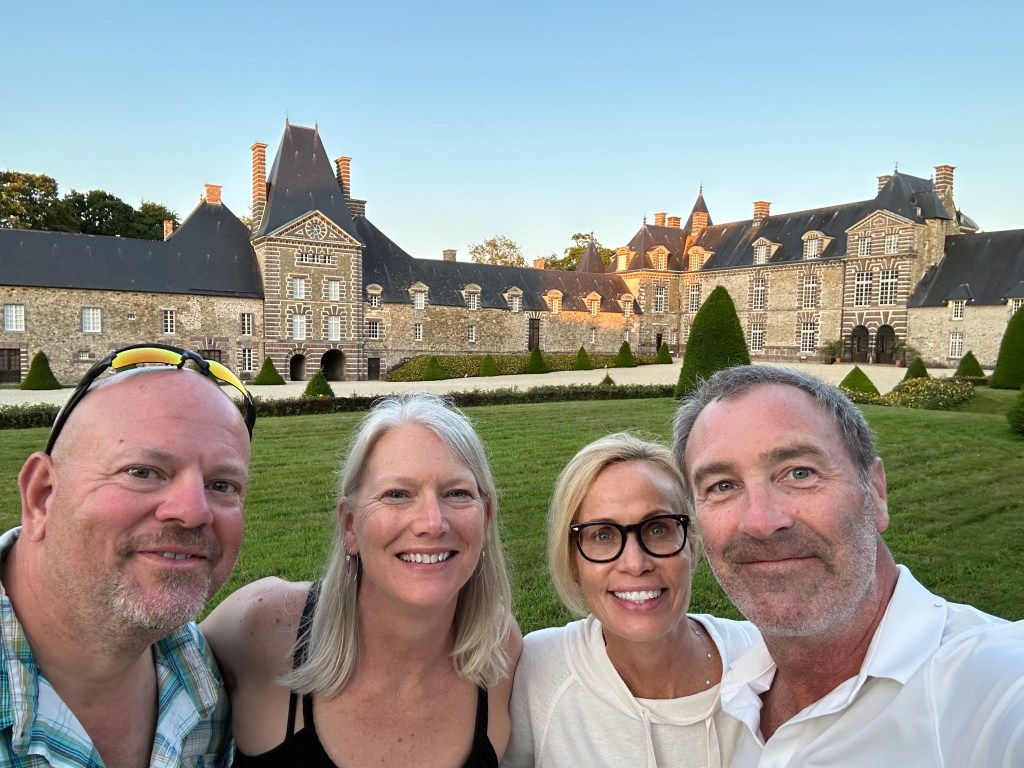
And a night in a 13th- and 14th-century chateau, which may have been the most surreal night of our entire travelling lives. There’s an entire story about this insane evening, but we’ll deal with that in a separate post.
The conclusion of our biking journey at Mont Saint Michel. Originating in 708, the site has attracted pilgrims who still trek across the sandy estuary at low tide for more than 1300 years, staved off an entire English army during the 100 Years War with a garrison of just 100 Norman knights, and is claimed to this day by both Normandy and Brittany. 

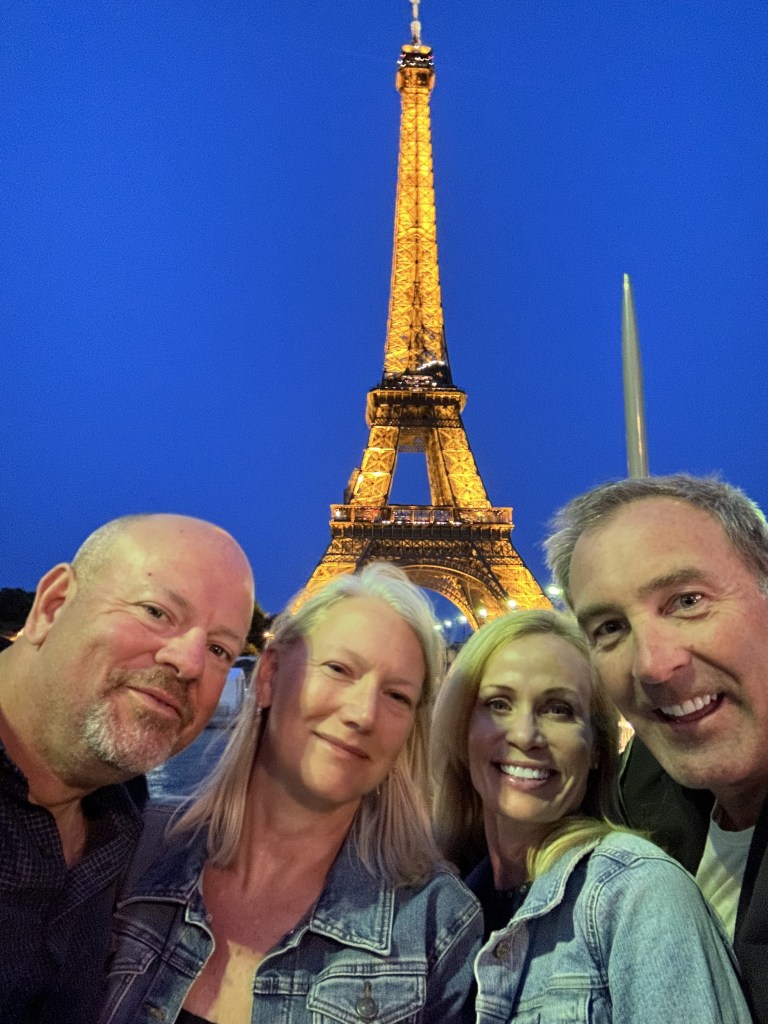
Then, a day in Paris:
Of all of the legs of the trip, only Portugal was unplanned. We knew while in Malta that we didn’t want to go home after biking, and considered either grabbing a car after Thomas and Lisa departed Paris and then driving south to the Dordogne region for a week or two or flying to Portugal at the same time as their return flight. We’re going to save Dordogne for another bike trip, and so we decided to head to Portugal. Still without having a set itinerary there or a return flight home, though!

Portugal

We decided to first spend 4 days in Porto, in northern Portugal. This turned out to be the absolute best location of the entire trip. We’ll be back to spend a month or two here in the future.

Porto’s medieval Ribeira District and south Porto astride the Duoro River:

Everything in Porto is clad in tile:

And, after 7 weeks of Aperol spritzes:

Local port and tonics suddenly dominated the scene:

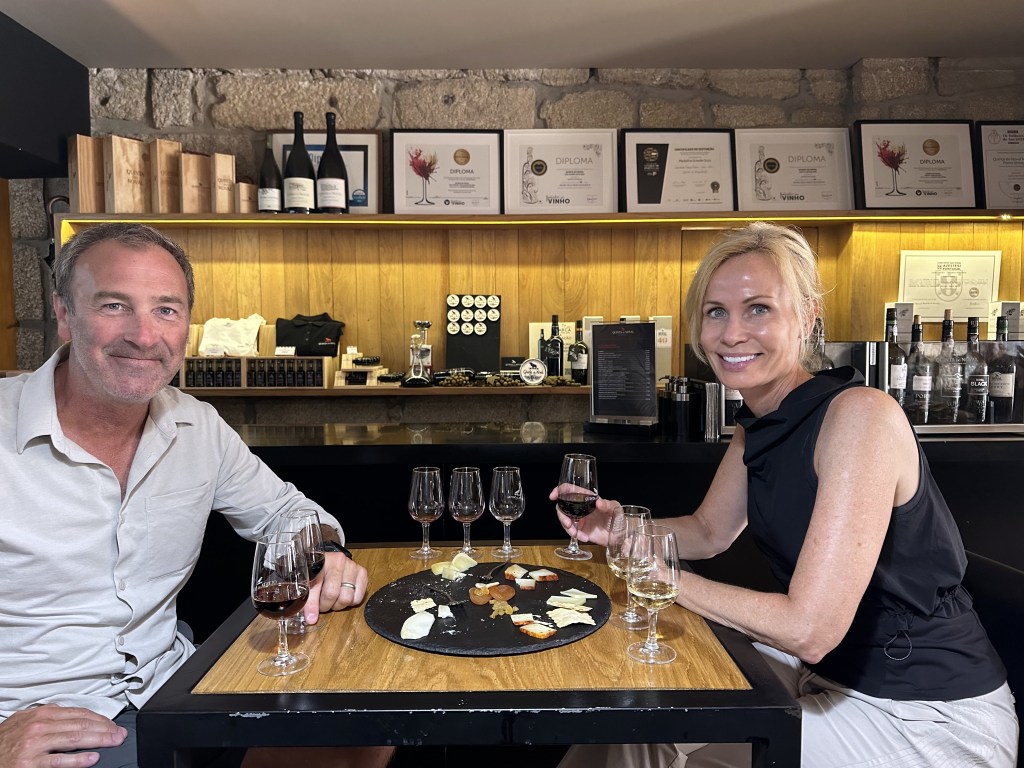
And an afternoon of port tastings:
Then, a train south, to Lisbon, the first European destination we had ever visited, back in 2002:

With some monumental areas:

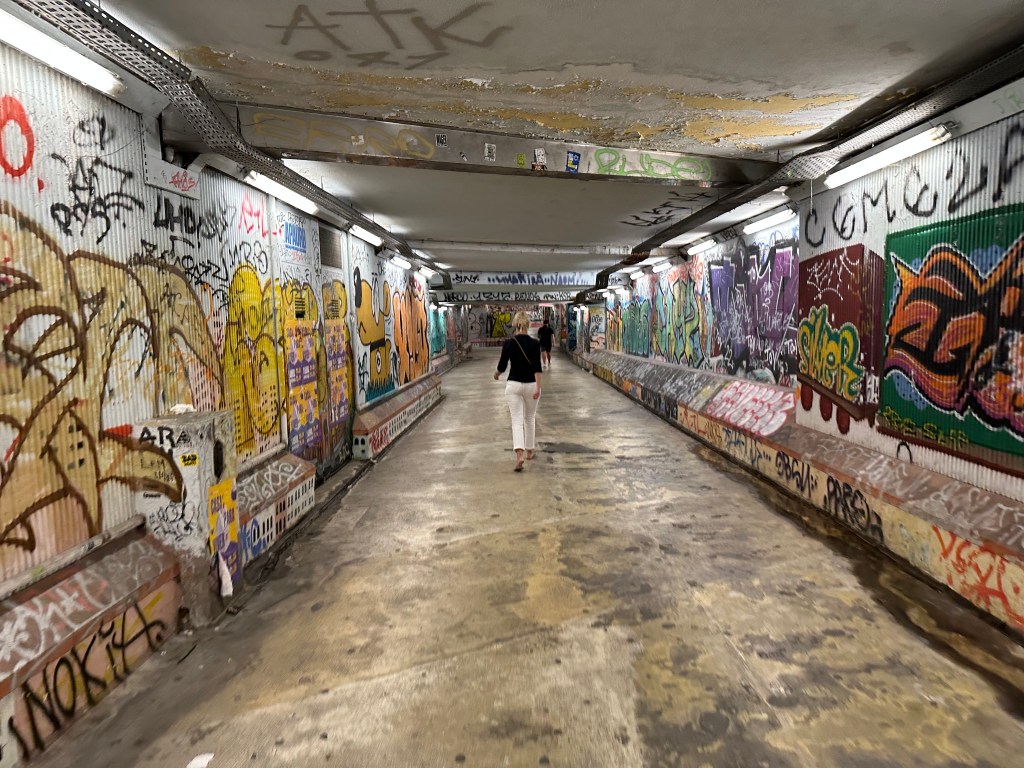
And some more sketchy areas:
And a day trip to Sintra, home to the Pena Palace:

And a final gastronomic meal:

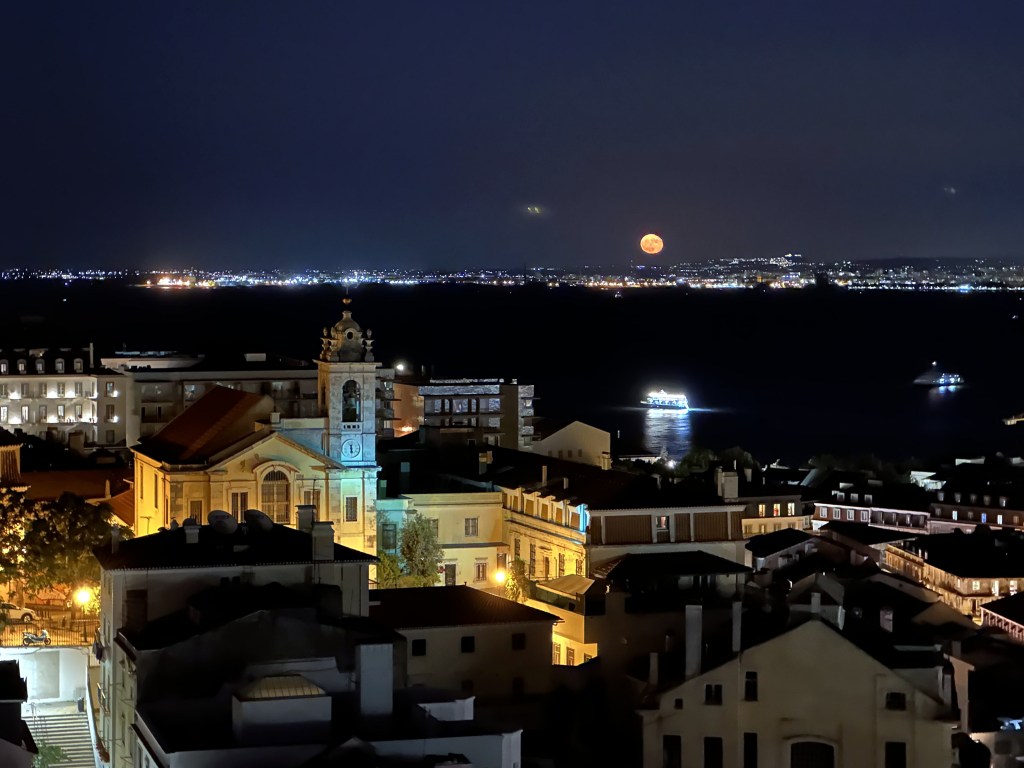
Final night in Lisbon before finally flying home, accompanied by July’s Blood Moon:
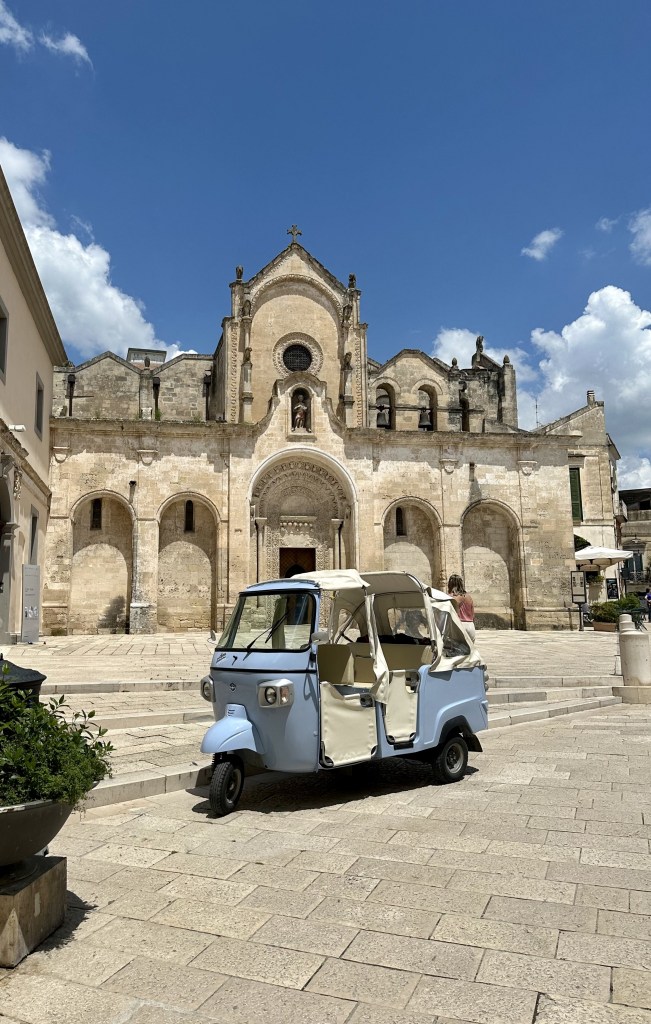
All told, we traveled for 2 months, experienced 4 countries, 41 towns, stayed in 19 hotels, 5 AirB&Bs/villas, and traveled by trains, planes, and automobiles (and ferries, trams, tuk tuks, and bikes). Amazing trip!
Categories: A Prolonged Foray to Europe, Amalfi Coast, Italian Peninsula, Malta, normandy, Normandy, France, Sardinia, Sicily, Sicily, Tuscany / Umbria | Tags: , , , , , , , , , , , , , , , , , , , , , , , , , , , , , , , , , , , , , | 2 Comments

A Prolonged Foray to Europe: Tuscany (Per la Terza Volta)

We’re finally posting on the locations from our first, epic, post-retirement trip, which entailed, as noted above, a prolonged foray to Europe that ultimately spanned more than 2 months. As noted in the trip overview, this trip entailed multiple segments – in the Italian peninsula, Sardinia, Sicily, Malta, Normandy, and Portugal. Pretty great experience that commenced shortly after the second WolfeStreetTraveler retired, where we bought one-way tickets and could explore locations without having to solve crises at work or worrying about getting home in time for an important meeting. Very liberating change of pace.

Sunrise over Italy’s west coast as we head into Rome.

Tuscany served as our kickoff location for the trip. This would be our third time in the region, which really is quite awesome. The first took place in 2004, when we biked through the area. We then returned in 2021 for a road trip through Cinque Terre and Tuscany. And now, just 2 years later, we found ourselves here again. Although we knew we wanted to start our inaugural, post-retirement trip in Italy, we could have launched our journey anywhere on the peninsula.

But the Brandts (and KJQ) coincidentally were heading to Tuscany at the same time we were heading to Italy, so the timing was perfect to hang with them as the start of our trip. We would spend the first 5 days here, before heading north (and then immediately south, but that’s the story of the next post).

Another sunrise the first day in Italy from the terrace at our guest house on the estate of Castello Brandt.

First stop: Pienza. “It is first mentioned in documents from the 9th century. Around 1300 parts of the village became property of the Piccolomini family after Enghelberto d’Ugo Piccolomini had received the fief of Montertari in Val d’Orcia from the emperor Frederick II in 1220.

We were delighted to visit, inasmuch this was a well-regarded Tuscan hill town that we had yet to experience during or previous two Tuscan tours.

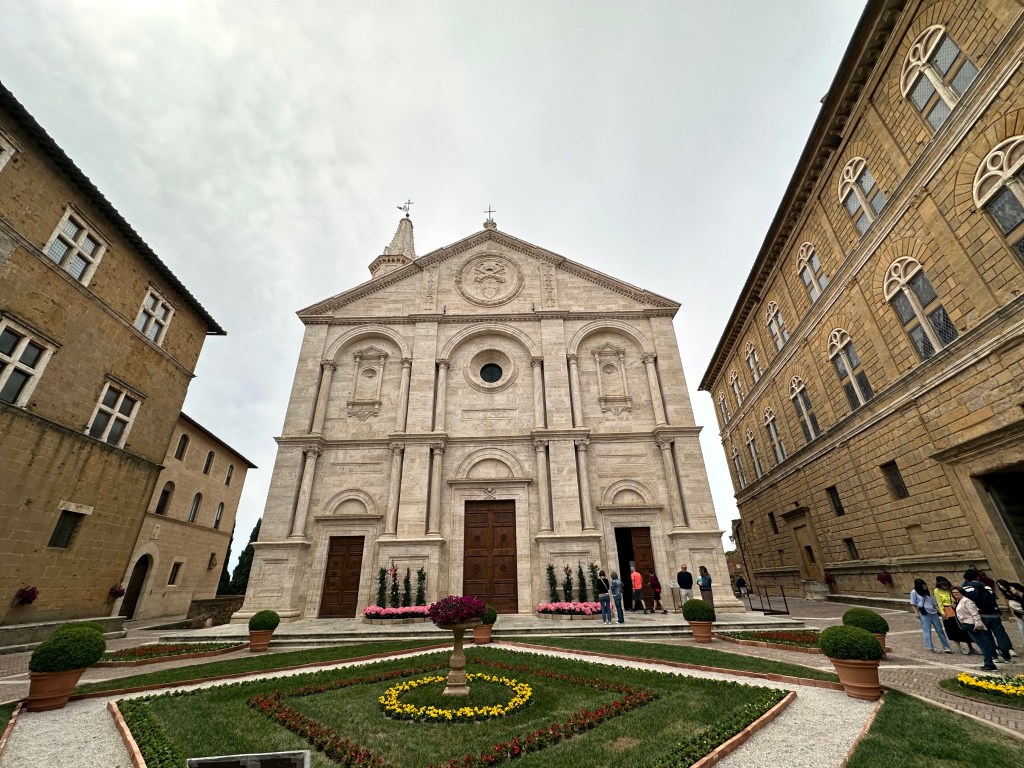
The remarkably monochromatic and stately Duomo di Santa Maria Assunta (Pienza’s cathedral):

The cathedral was commissioned by Pope Pius II (a member of the Piccolomini family who was born in Pienza) and consecrated in 1642; the piazzetta in front is named for the pope.

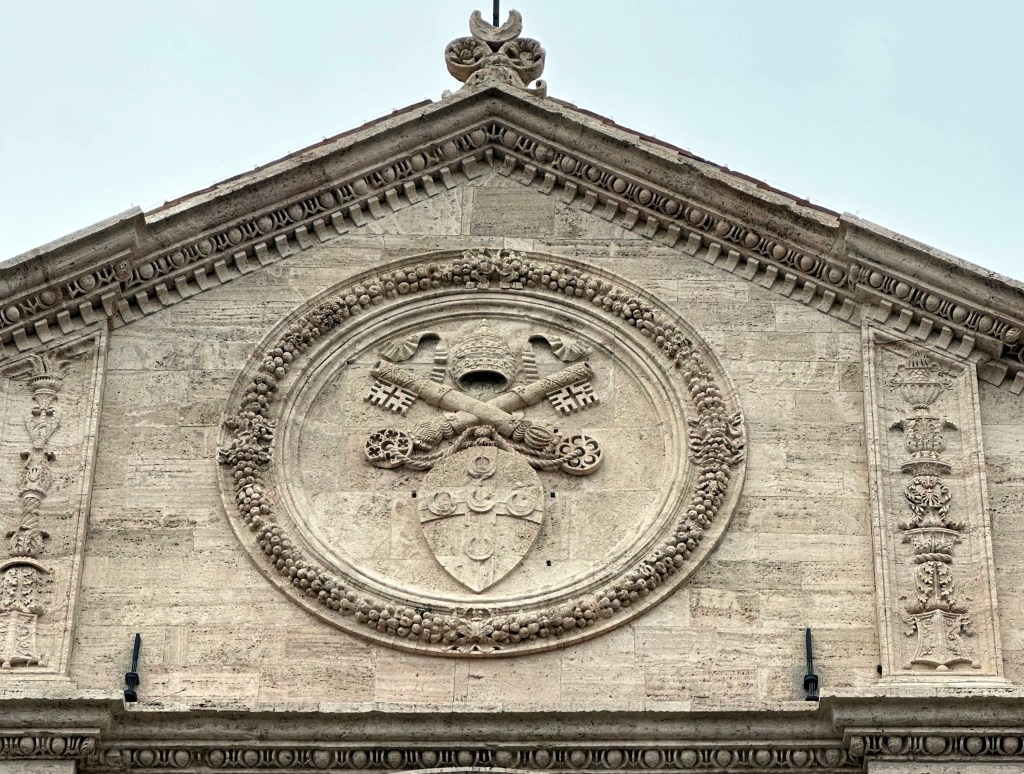
“Pienza Cathedral prominently features the Piccolomini coat of arms (a crescent moon with stars, representing Pope Pius II’s family) on its facade and a gothic window behind the altar, often combined with the Vatican keys and tiara, symbolizing papal authority and the Pope’s power over heaven and earth, linking the church to the Holy See. These symbols, especially the crossed keys (gold for heaven, silver for earth), are central to the cathedral’s design, reflecting Pius II’s vision for his ideal Renaissance city.

Key Elements:

  • Piccolomini Arms: The distinctive crescent moon and stars are the family emblem of Pope Pius II (Enea Silvio Piccolomini), who commissioned the cathedral.
  • Keys of St. Peter: Two crossed keys, one gold (heaven) and one silver (earth), signify the Pope’s spiritual authority, as seen on the well in Palazzo Piccolomini and potentially in the cathedral’s decoration.
  • Papal Tiara: The three-tiered crown (tiara) often accompanies the keys, representing the Pope’s threefold power (teacher, judge, ruler).”

Pienza certainly ranks up there in charm, but it’s super tiny. Based on the strong recommendation we received from our safari travel friends that this was their favorite Tuscan town, we thought it would be just as charming as it turned out to be, but more substantial.

KJQ selfie hijinks:

Pienza’s bell tower, which was silenced the year we visited due to complaints by tourists in nearby hotels. Which pissed off the locals who consider the bells to be part of the town’s character (kind of like us when Appomattox was removed from the intersection of Washington and Prince in 2020. . .). Smithsonian magazine featured an article on the row titled, “This Italian Town Silenced a Historic Bell That Kept Tourists Awake. Now, Locals Can’t Sleep.” Indeed.

Dunno – some cloister somewhere? This was 2.5 years ago, so we don’t remember everything. But it was picturesque and atmospheric nonetheless.

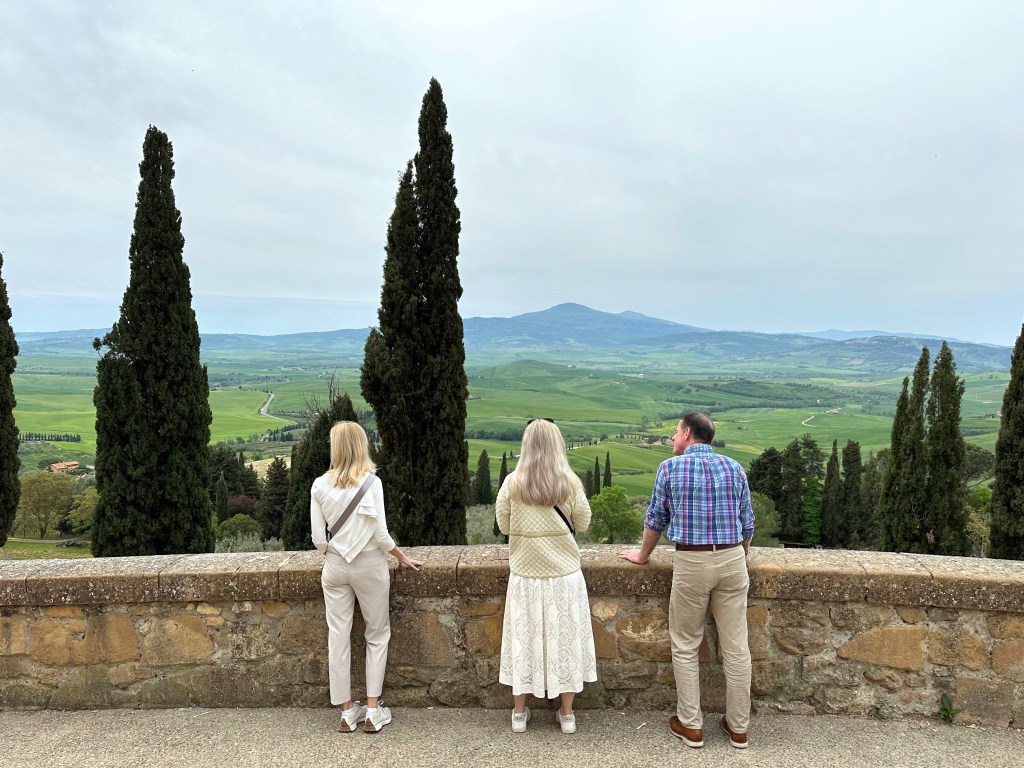
Pretty cool portal from Pienza to the Val d’Orcia below:

Another pathway to the Val d’Orcia:

And there it is:

Pretty quintessentially Tuscan, as it happens:

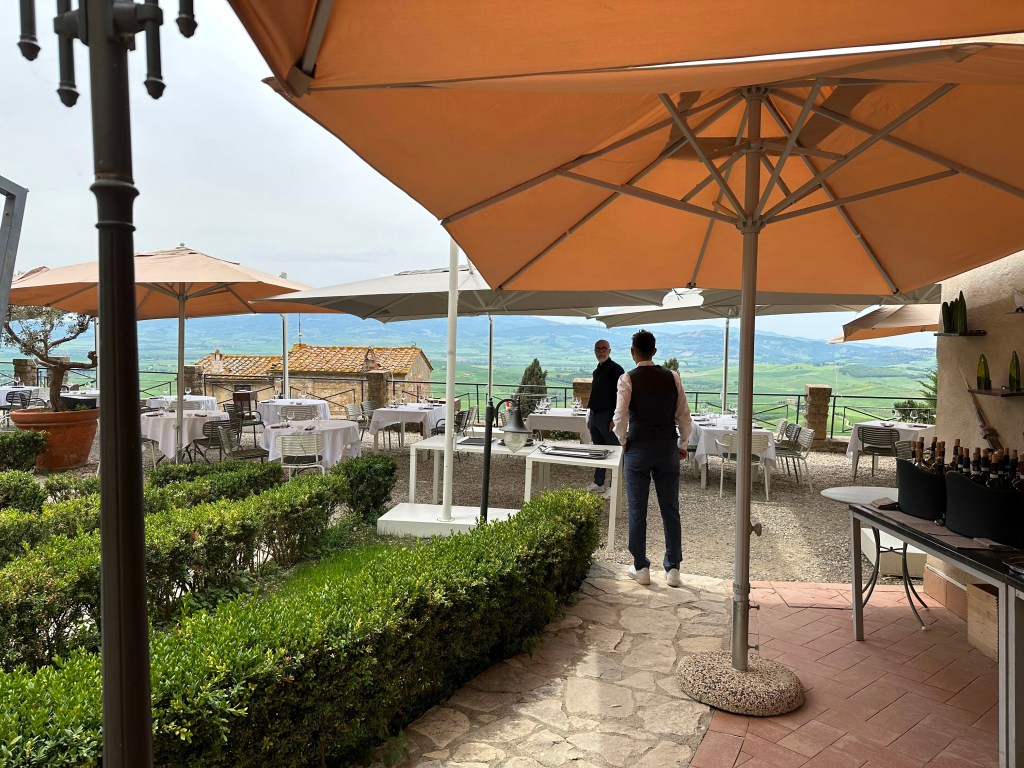
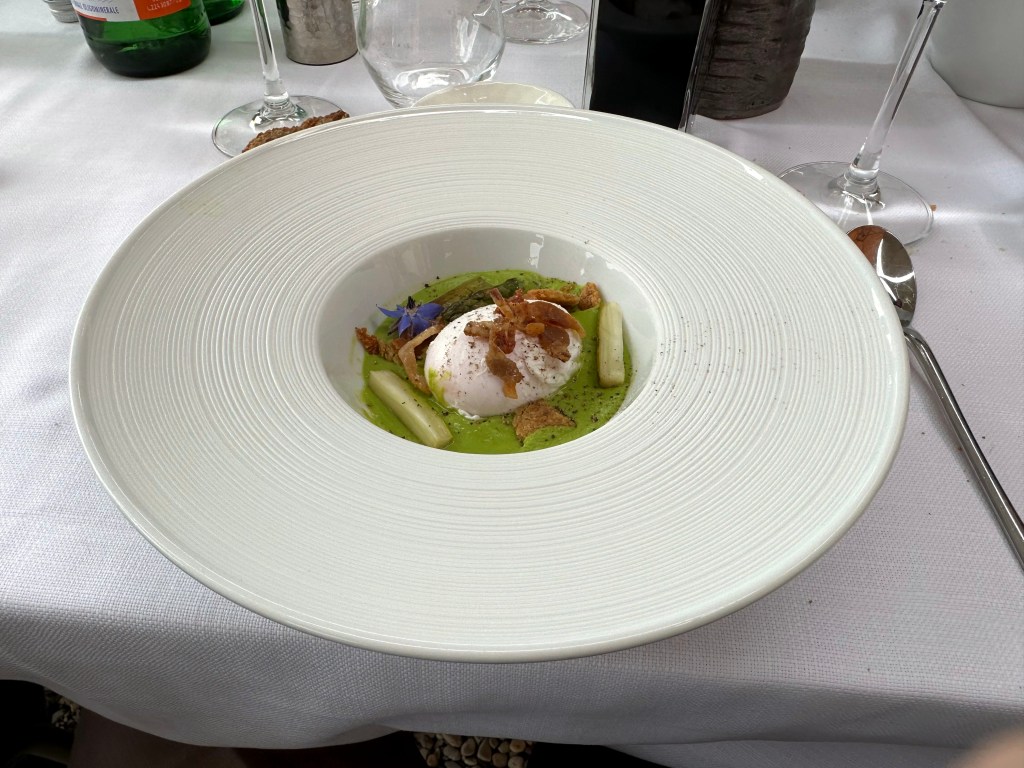
Pretty awesome lunch at Ristorante la Terrazza della Val d’Orcia:

Heading out of Pienza, through its city walls:

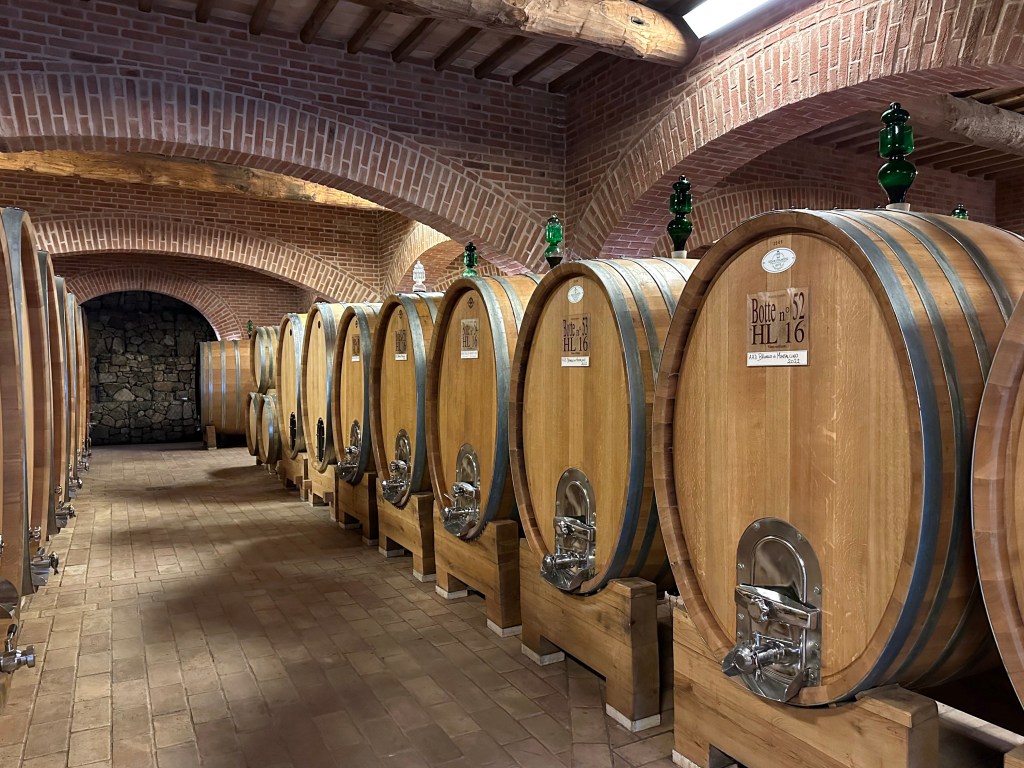
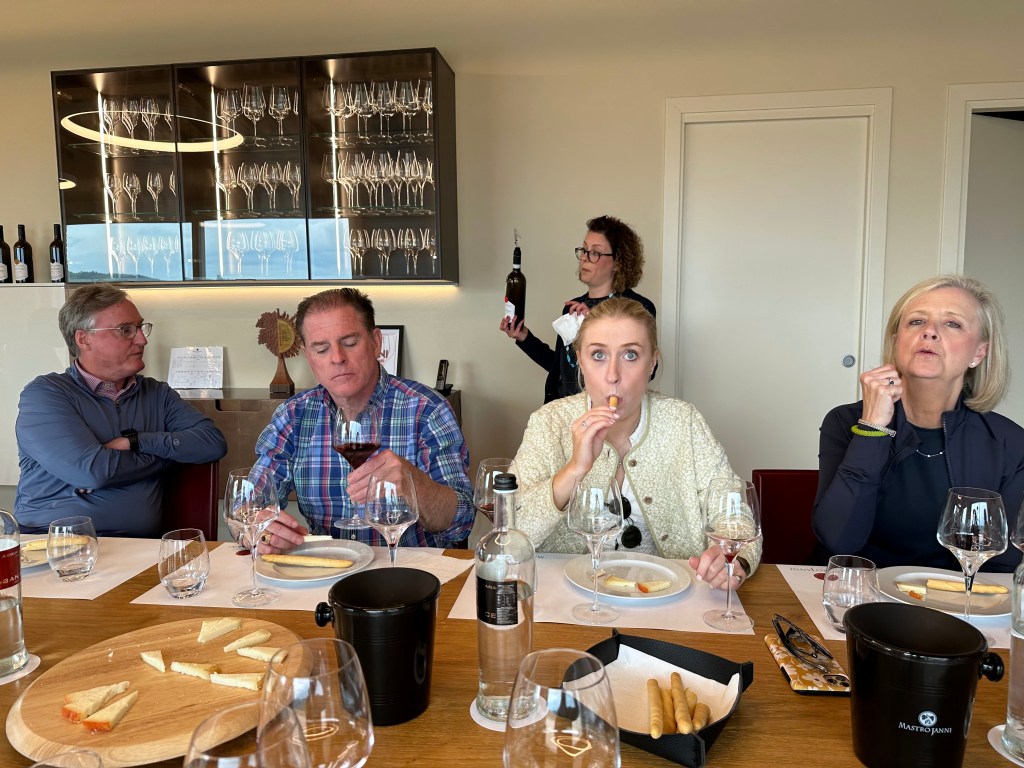
Next field trip: Tenuta Valdipiatta for some fine brunellos (albeit in the rain – but this gets way worse):

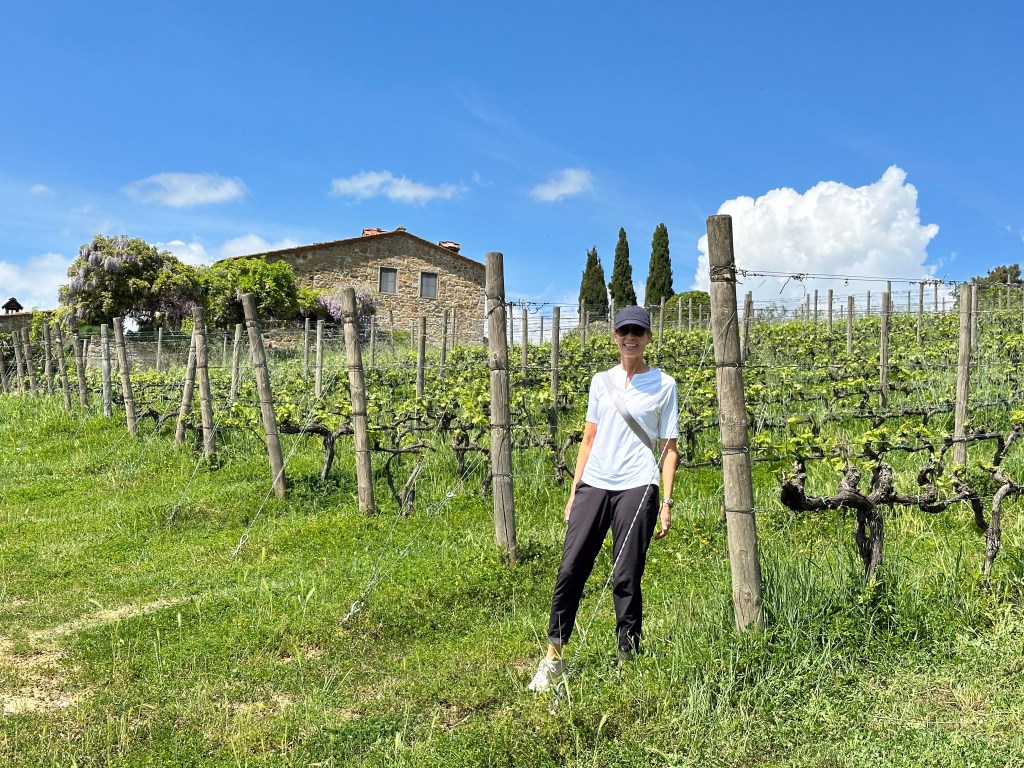
A brief respite on a belvedere over the vineyards:

The wine tasting clearly elicited different emotions from the tasters:

Next day: a decent hike near Gaiole in Chianti.

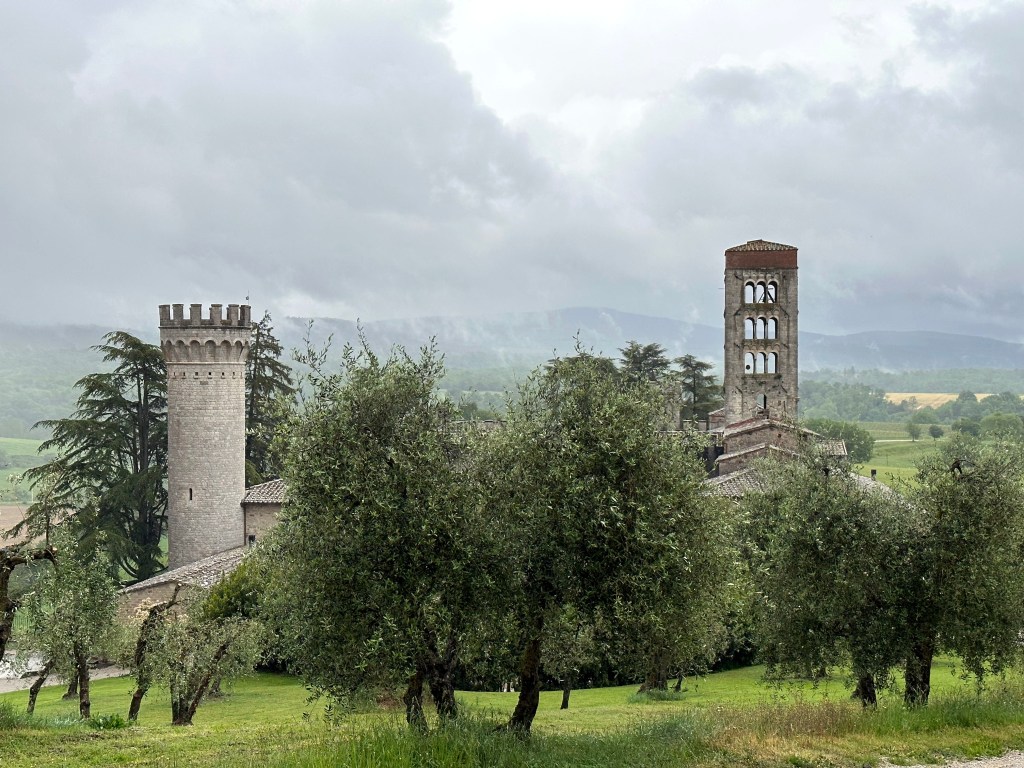
Starting with a stroll around the 1000-year-old Badia Coltibuono Abbey:

Including the gardens that we were not supposed to be in, and from which we were brusquely ushered out (still worth it!):

The hike continues through countryside. . .

And the village of Montegrossi, founded in 500 – 600:

Small but mighty (and mighty old):

And a cool winery that we stalked through, seeking KJQ’s gate to salvation to cut a leg off the hike and get to town to grab a well-deserved lunch:

The gate!

Key component of a post-hike lunch:

And the first of two nights of epic Trivial Pursuit competitions at Castello Brandt:

The winners of the first night:

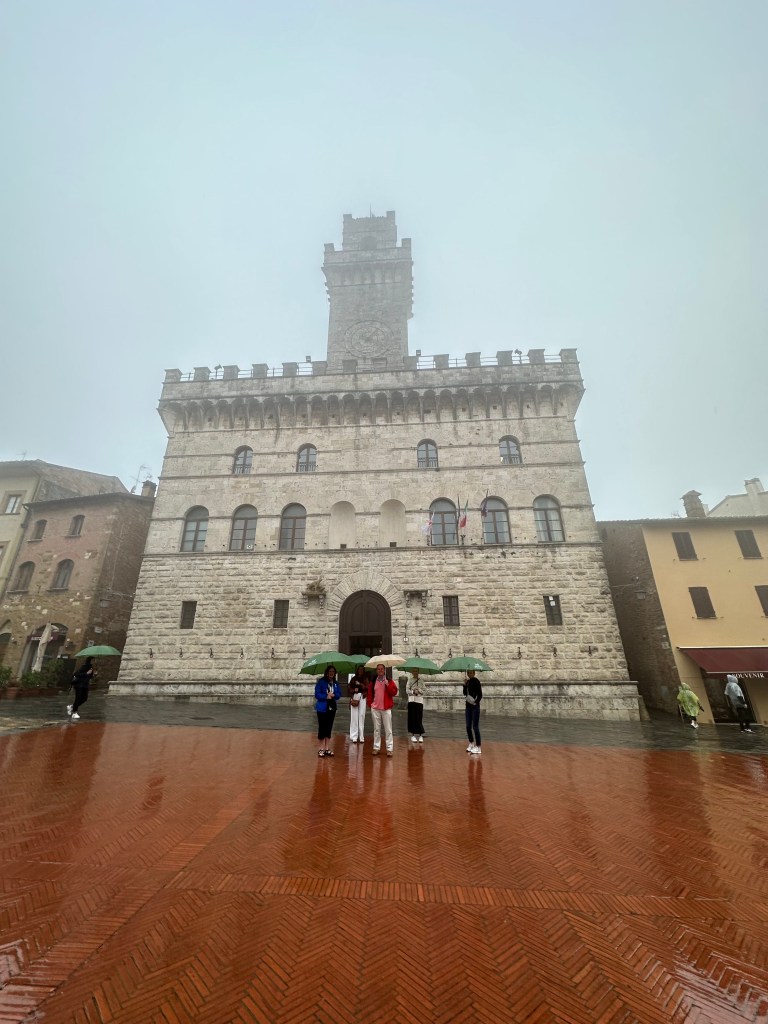
Here’s the much worse rain – torrents during our visit to Montepulciano, which we had visited back in 2005 during our bike trip in Tuscany:

Wet but happy(ish):

On the way back, a quick stop (for a few of us) at the monastery Badia a Monastero, founded in 867 (beating the longevity of the monastery visited during our hike):

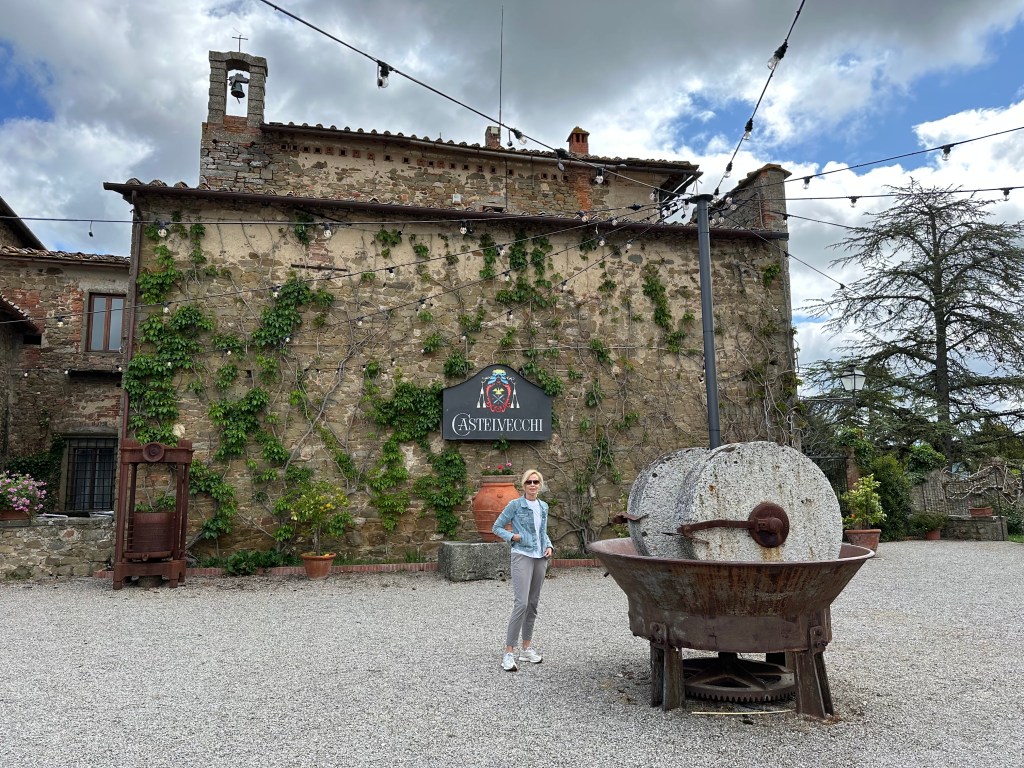
A final hike starting at Borgo Castelvecci (similar in structure to the borgo we stayed at during our last visit to Tuscany in 2021 – an ancient village converted into a hotel campus):

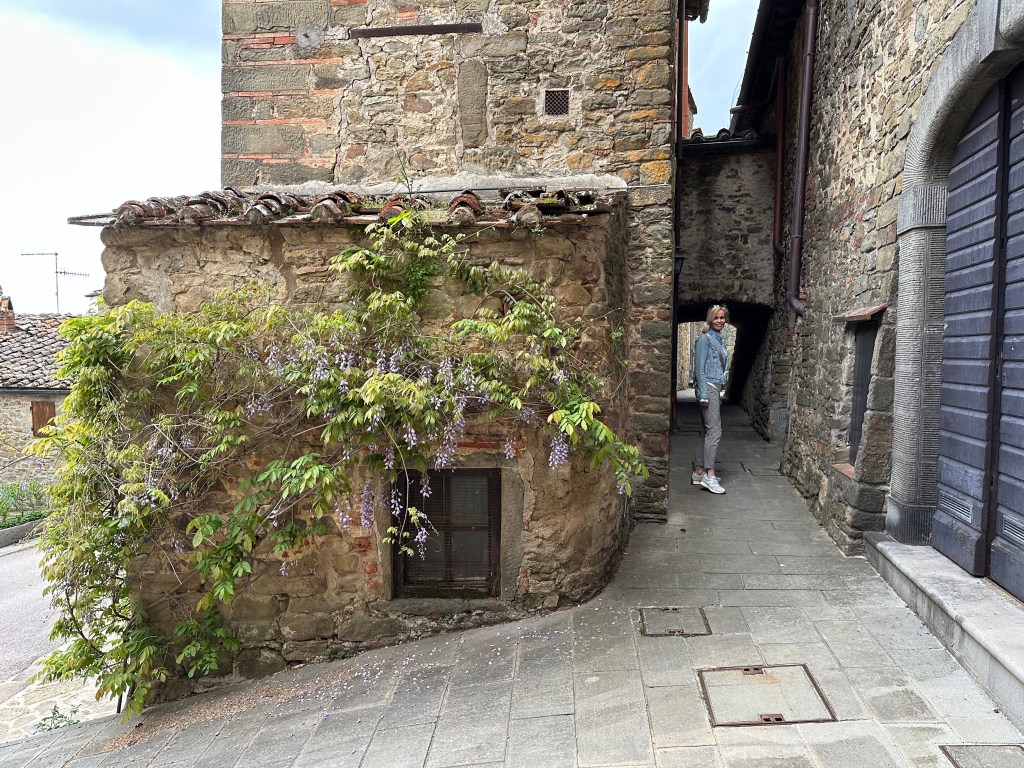
And then a stroll around the nearby hamlet of Valpaia, followed by a final Tuscan lunch before heading out the next morning.

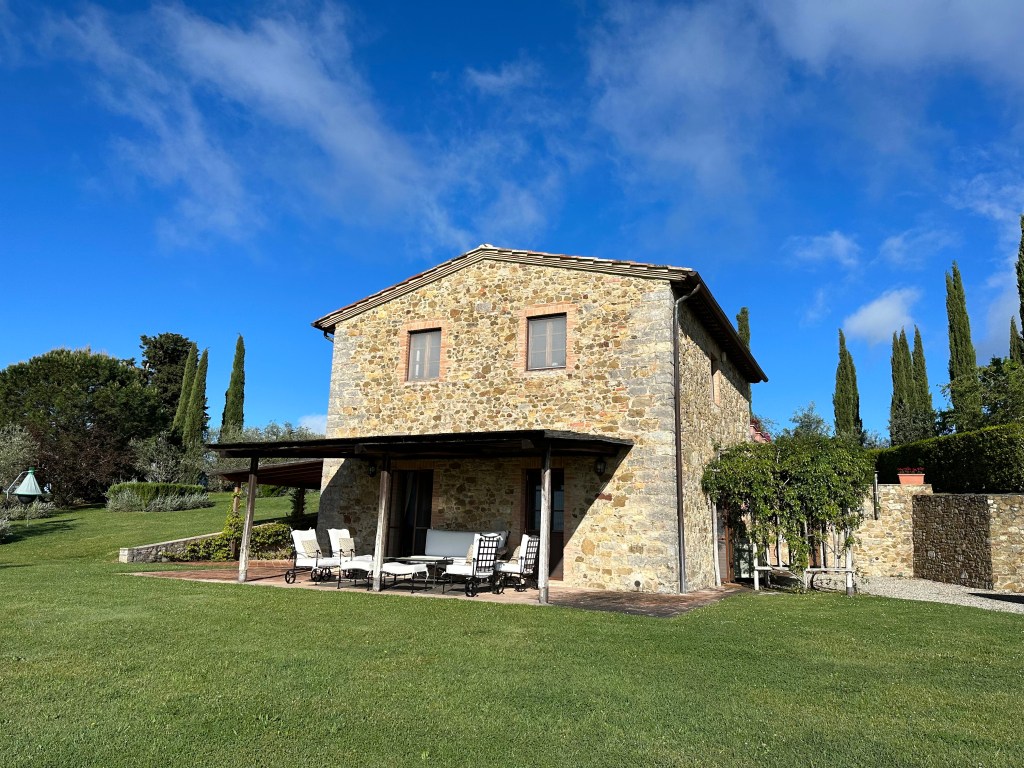
The Brandt villa:

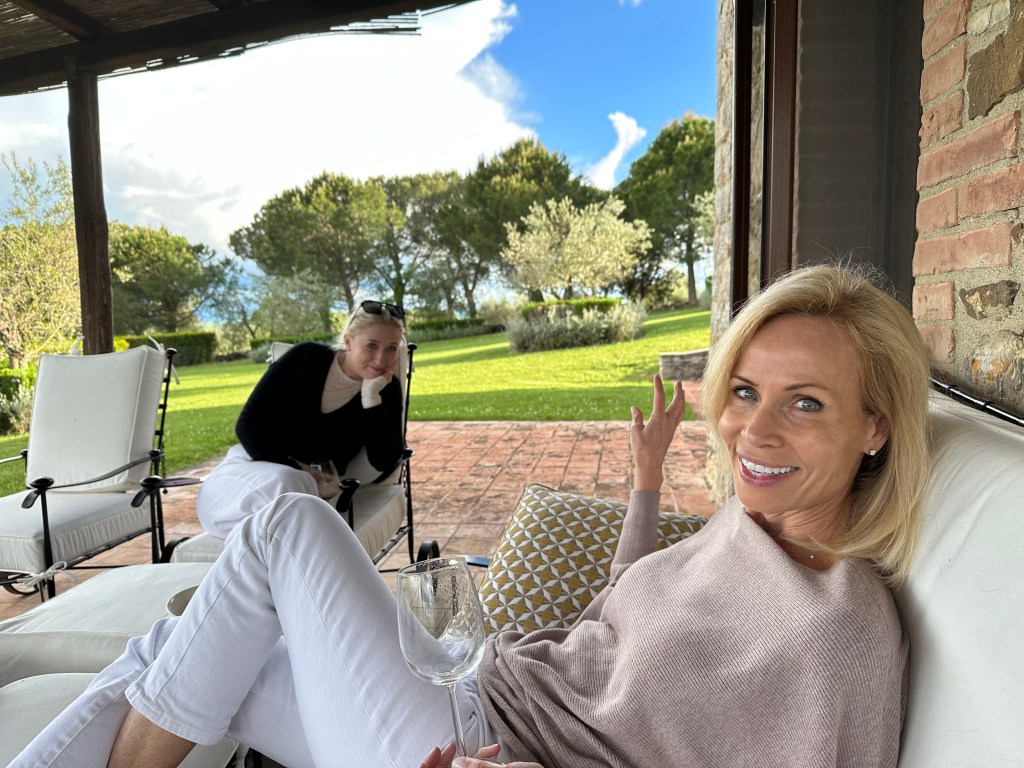
Pretty good digs:

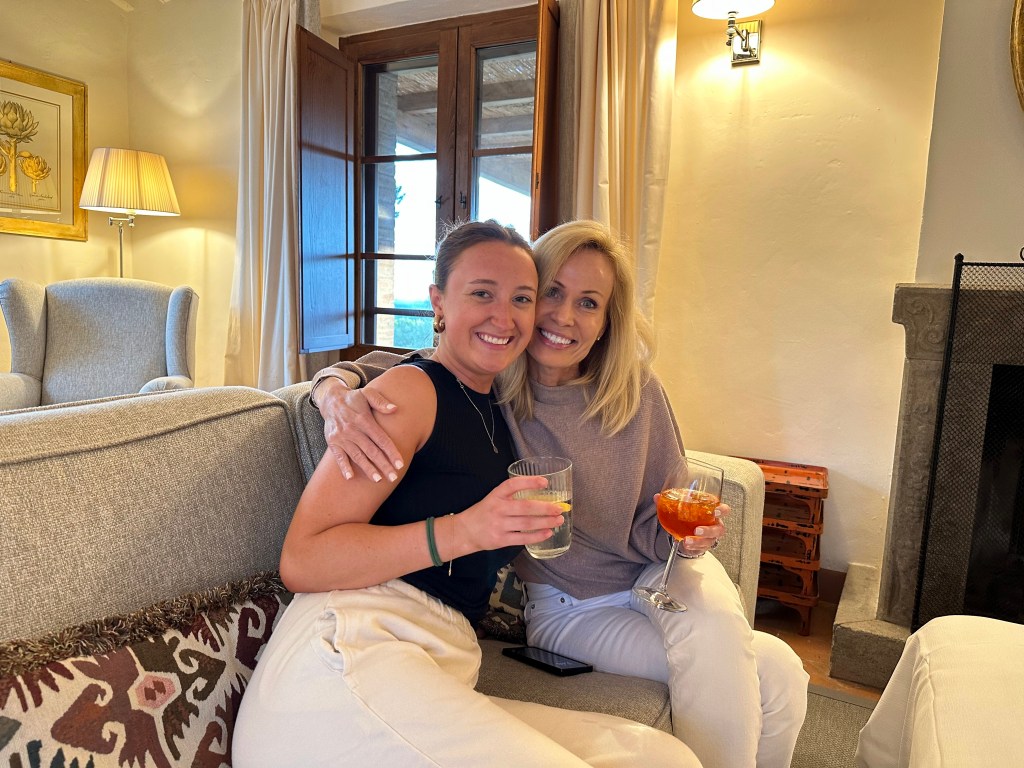
And the cocktail that would dominate all of our European travels henceforth, but that one of the WolfeStreetTravelers would not imbibe, initially decreeing it too girly, and sticking to red wine. That point of view would change rather dramatically as the trip progressed. . .

Final evening in Tuscany:

And a final game of Trivial pursuit, where Team MadiGrace won once again:

Morning of departure at the guest house:

You can take the herpetologist out of the country but not the herp out of the herpetologist.

Gracie would be moving on, too – first to Venice, then to Valencia to stay with her cousin Quinn, who was in his second Spanish semester of mechanical engineering.

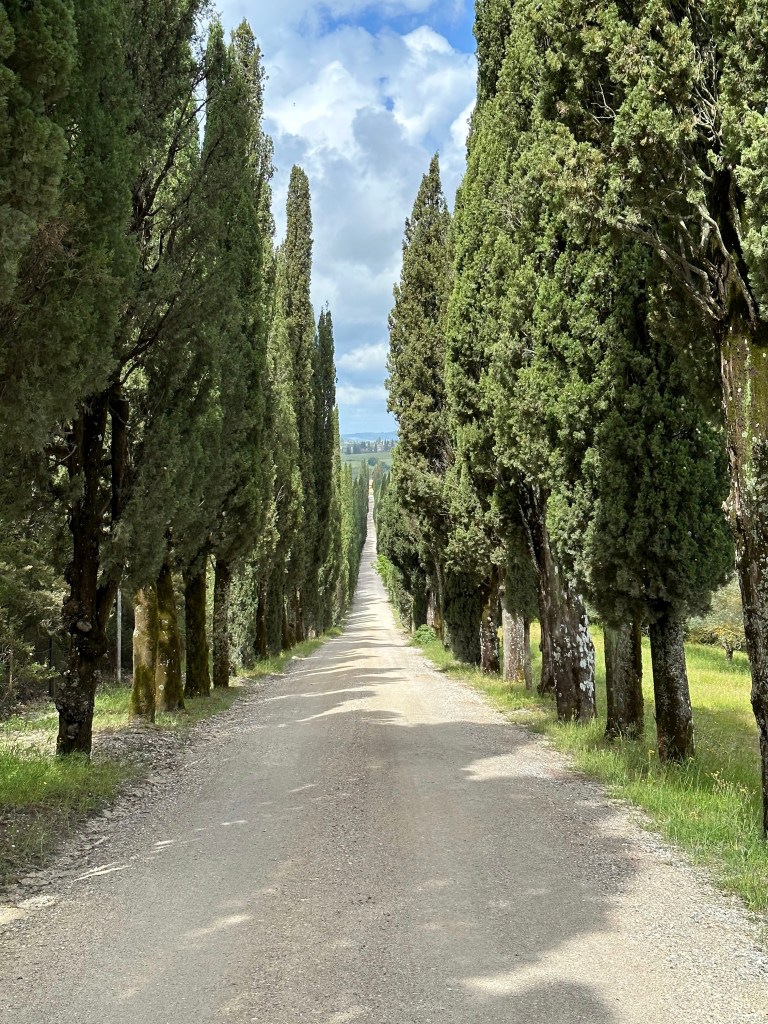
The Cyprus-tree lined lane departing the villa’s area on our departure:

On to Portofino!
Categories: A Prolonged Foray to Europe, Tuscany / Umbria | Tags: , , , , , | Leave a comment

Cinque Terre and Back to Tuscany: Trip Overview

On the heels of the Slow Roll through the South of France and over to San Sebastian, and in response to 18 months of unfulfilled, backlogged travel aspirations stymied by the pandemic, we headed back to Europe less than a month later. This time to Italy.

We had two goals for this trip:

  • Finally visiting and hiking the Cinque Terre – the five tiny and charming towns along the Ligurian coast of Italy south of Genoa. We’ve been interested in traveling to the Cinque Terre for years, but the charm and beauty of the towns has always been accompanied by a well-earned reputation of being overrun by tourists. We don’t like mobs of tourists, so we never went. Then: pandemic. As soon as Italy opened back up, we beelined it there to experience the region before a resurgent tide of of humanity could reach it.
  • Returning to Tuscany. Unsurprisingly, we’re fans of Tuscany. Surprisingly, we have only spent 5 days there, biking between five Tuscan towns during our only previous visit in 2004. Quintessential Tuscan towns, to be sure – Montalcino, Montepulciano, Siena, San Gimagnano, and Florence – but such a short time to spend in an area that was immediately so appealing to us. So, we thought we’d remedy that and head back to get a more immersive experience of the area (and hit two towns that occupied the eastern and western extremes of our 2004 bike route, and that we missed, as a result).

Here’s the route for the trip, starting at the top left:

We started the trip in the Cinque Terre – flying into Pisa, then taking a series of trains to get from the airport to our home base town there. We then trained back to Pisa to pick up a car and head into Tuscany, rotating slowly clockwise to visit or stay in towns around Florence before heading back to Pisa to fly back.

We spent the first 3 days exploring the five little towns of Cinque Terre, comprised of Riomaggiore at the southern end:

Followed by Manarola:

Then Corniglia:

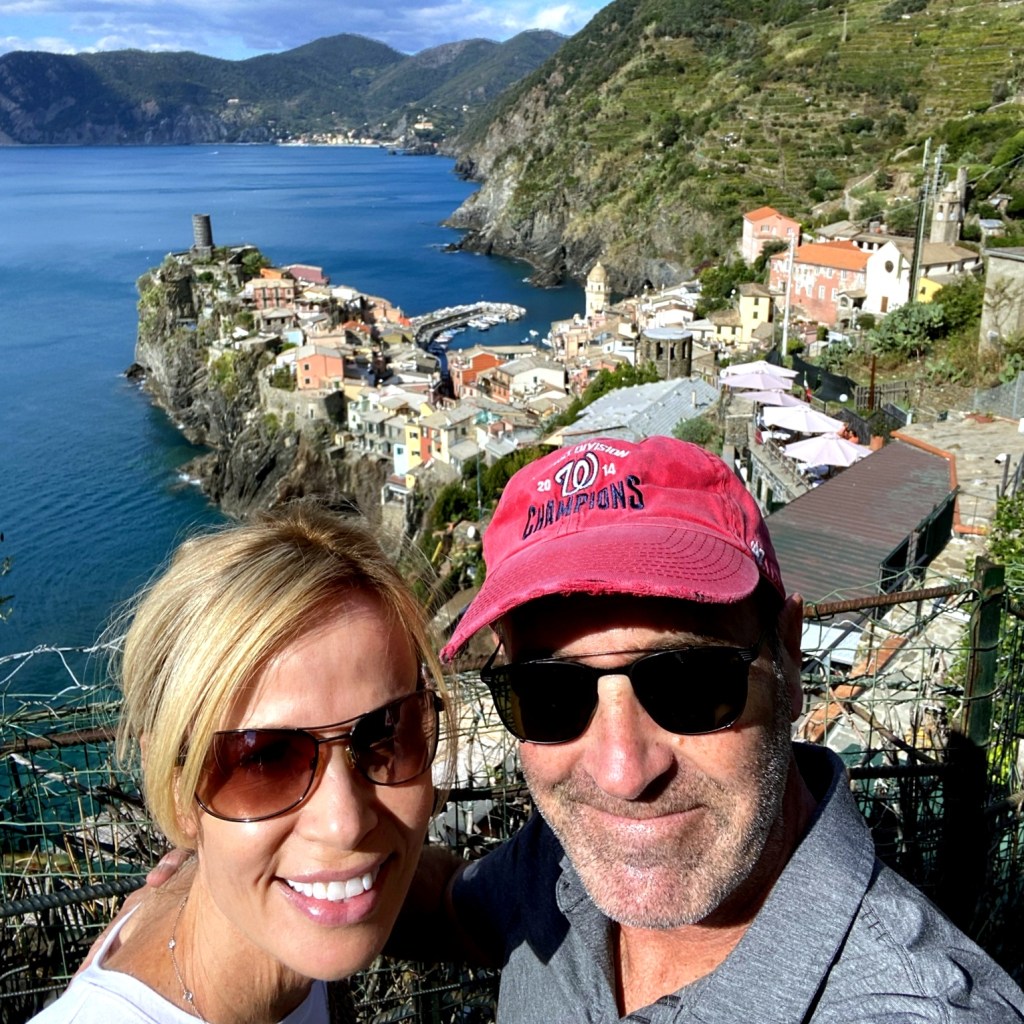
Vernazza (our home base for our stay in the Cinque Terre):

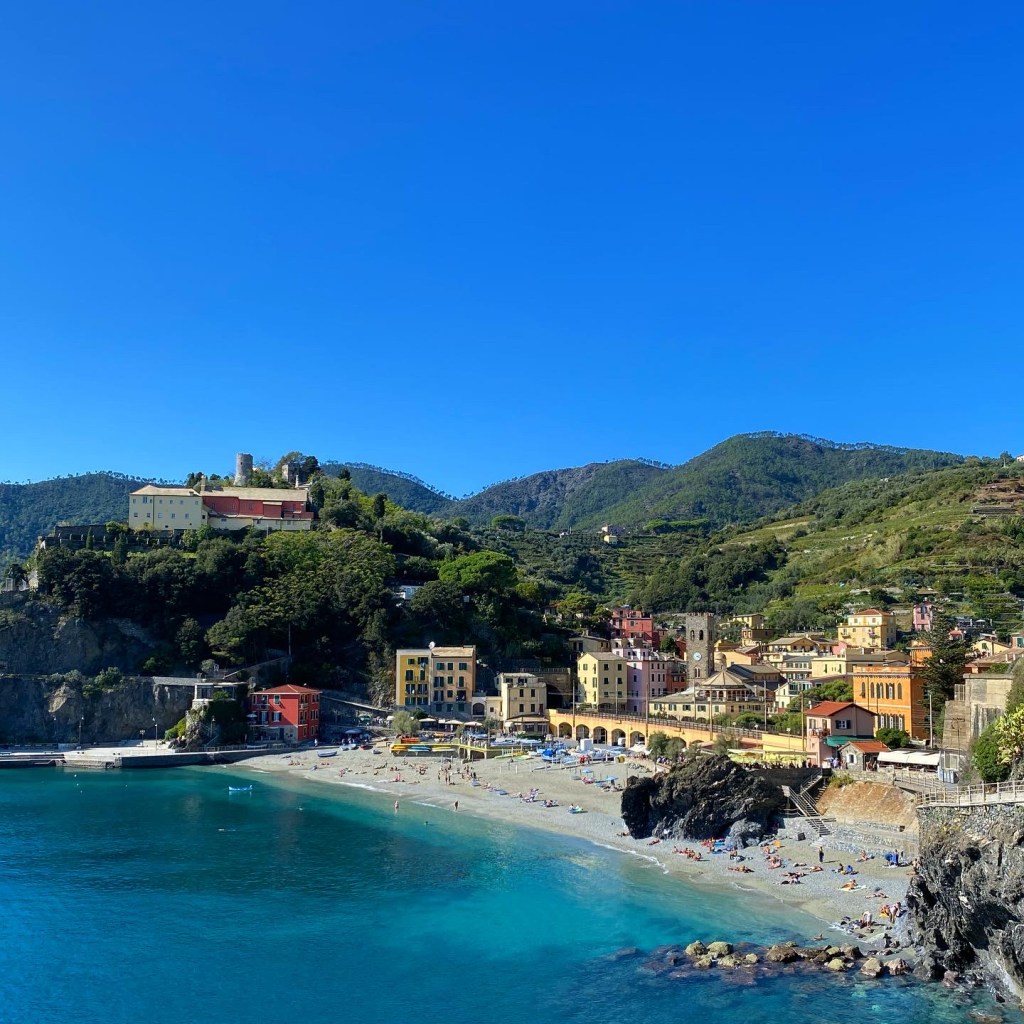
And finally, Monterosso, the northernmost village and the only one with an actual beach:

We hiked the only trail open between two of the towns during our stay, and had to hop a train or a boat to see the rest. A little disappointing not to be able to hike through all five, but we made out okay.

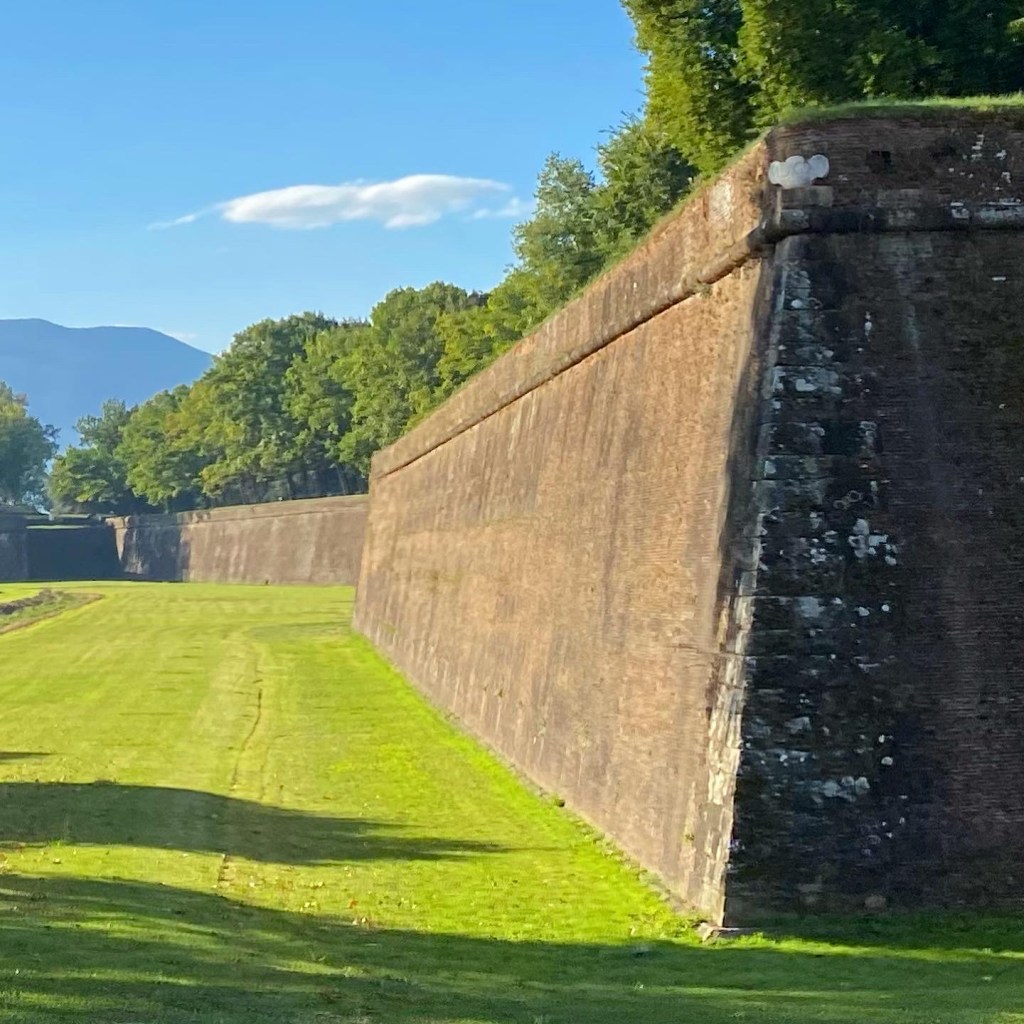
After killing the Cinque Terre, we headed back to Pisa to pick up our car (taking advantage of a delay in the car’s arrival by trotting up the street from the rental office to quickly check out the leaning tower). We then drove a short distance to Lucca in northern Tuscany. We’d spend only a day there, but Lucca turned out to be an unexpected highlight of the trip. The town was protected by fully intact, thick Renaissance walls, the 4k circumference of which you could circumnavigate by bike or by foot (which we did):

It offered a cool Torre Guinigi in the middle of town, with oak trees growing from the top:

And one of its piazzas retained the oval footprint of the ancient Roman amphitheater that previously occupied the space:

All of this added up to make Lucca a historically and atmospherically appealing highlight of the trip.

From Lucca, we headed south to Cortona, driving around the urban core of Florence and stopping for a bit in Fiesole at the recommendation of our niece, Tara. Fiesole sports, among other features, a remarkably intact Roman amphitheater, which was being put to use while we were there by an Italian band shooting a video. As you can hear, the 2-millenium old amphitheater’s acoustics still work!

We reached Cortona, and settled in for 2 days there. Our bike trip in 2006 took us through the center of southern Tuscany, so we missed the two famous hill towns on the periphery: Cortona on the east and Volterra on the west. Cortona was worth the wait.

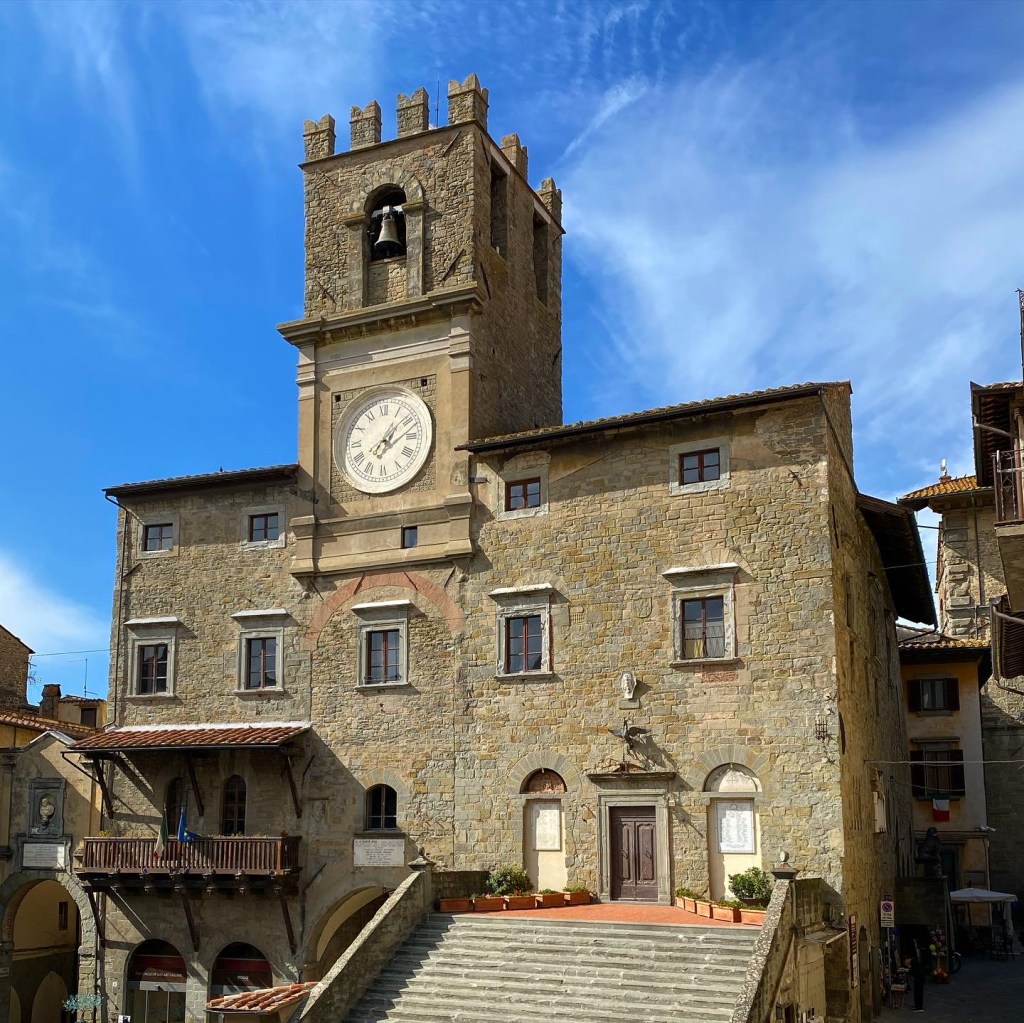
Cortona’s Palazzo Comunale in the center of the small town:

Cortona also was the site of our second Air B&B of the trip (and only the fourth rental we’ve tried during our travels). We’ve always stayed in some flavor of hotel on our trips – more than 200 of them so far – and we’re now dipping our toes into the rental approach on this trip and previously on the Slow Roll. Generally, they’ve been positive experiences. In Cortona, our place sported a view over the Chiana Valley, which worked out quite nicely for evening Brunellos:

From Cortona, we headed west to Siena in the absolute center of Tuscany, and spent 3 days in and around town, which we had pegged as having Uzès-like potential as a longer-term destination for us in the future (nope – a much bigger city than we recalled from our bike trip).

But, it turned out that Siena itself would not be the main attraction of our stay there. Instead, it would be truffles. Without intentionally planning for it, we found ourselves in Tuscany during truffle season, much to our delight.

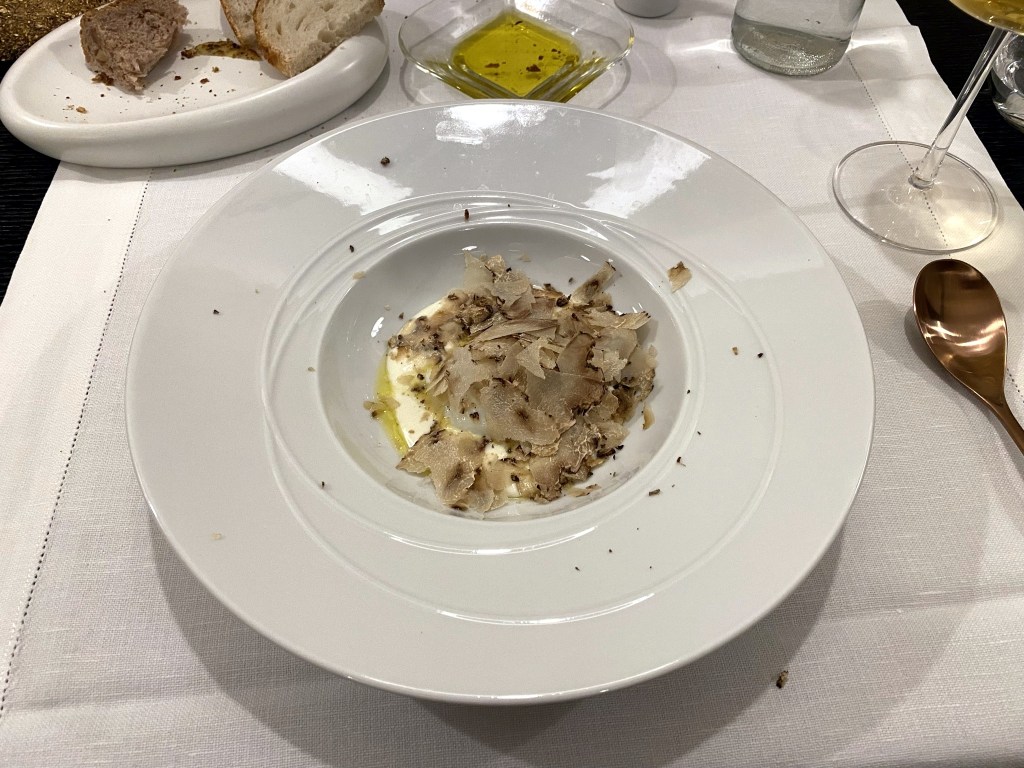
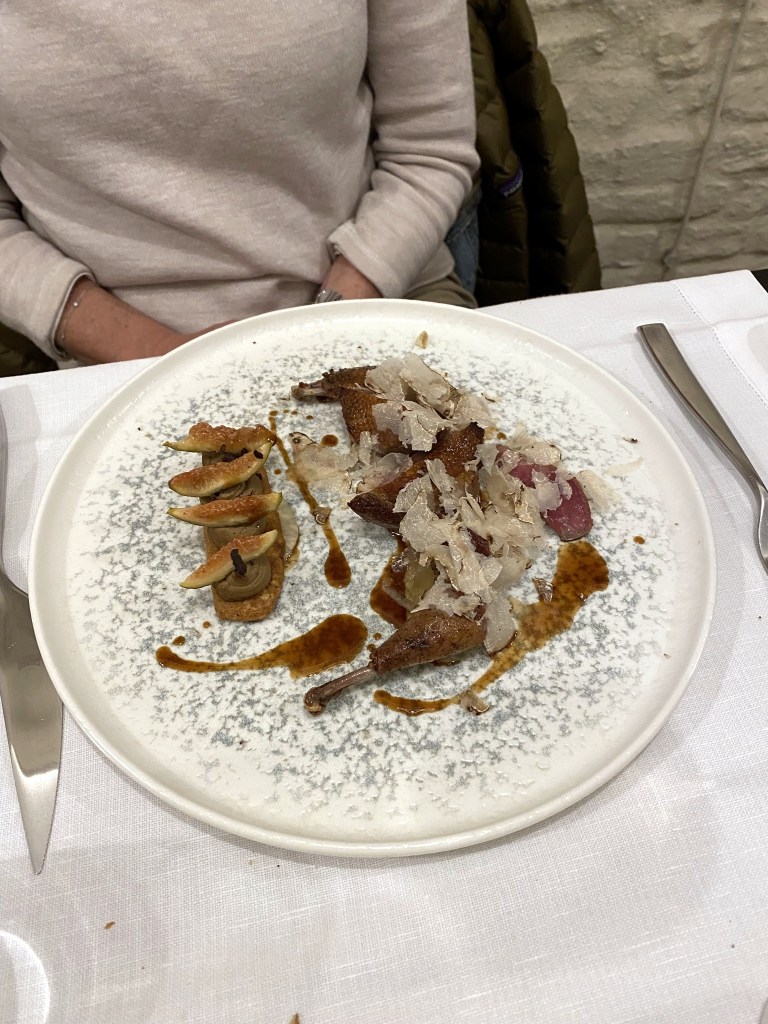
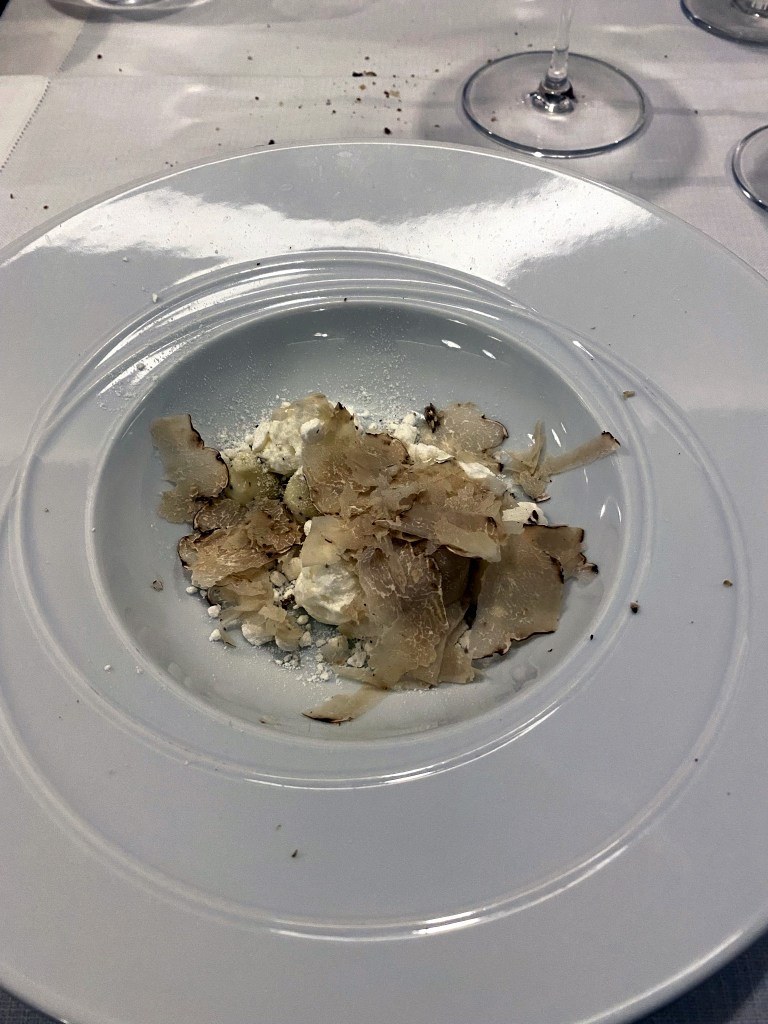
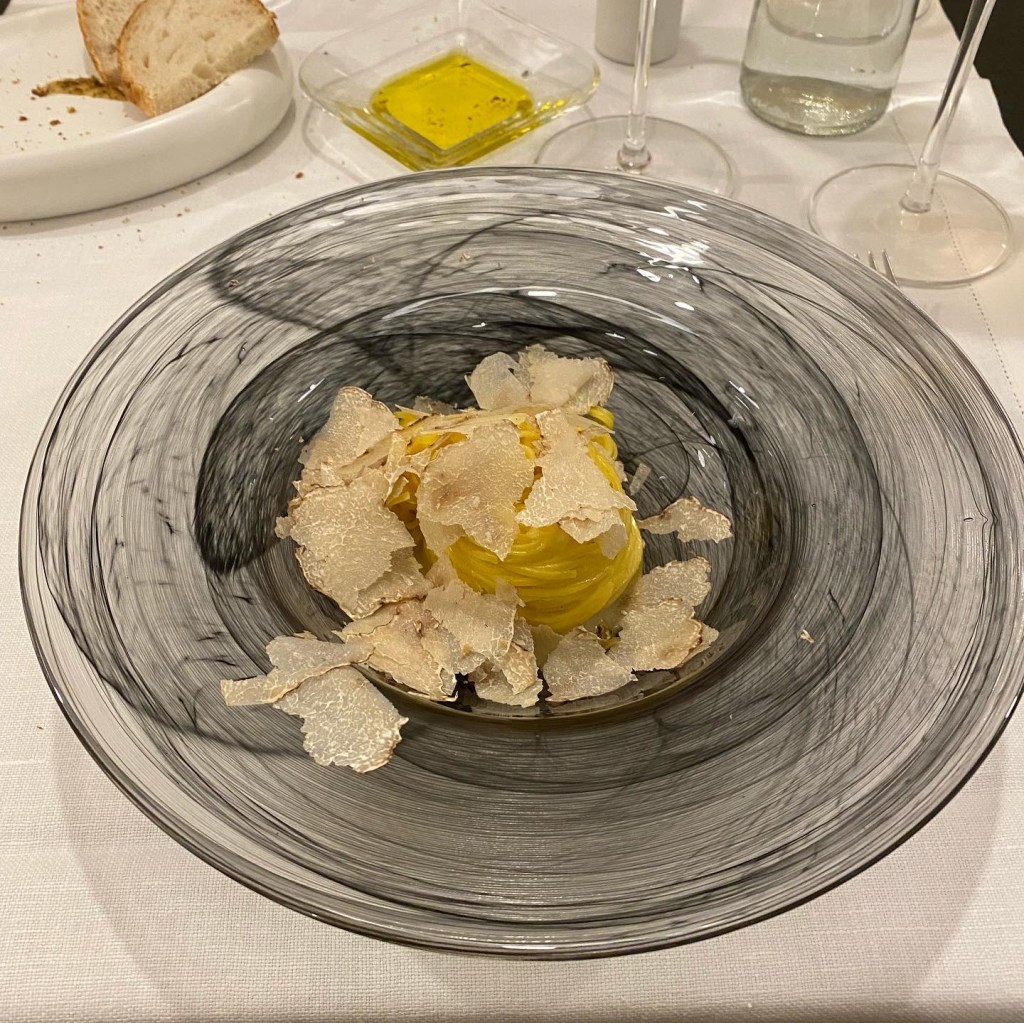
White truffles at dinner in town one night (when all we were looking to do was to grab some pizza and ended up here purely by happenstance), at a restaurant featuring a menu designed to pair with white truffles, which they served by the shaved – and carefully weighed – gram:

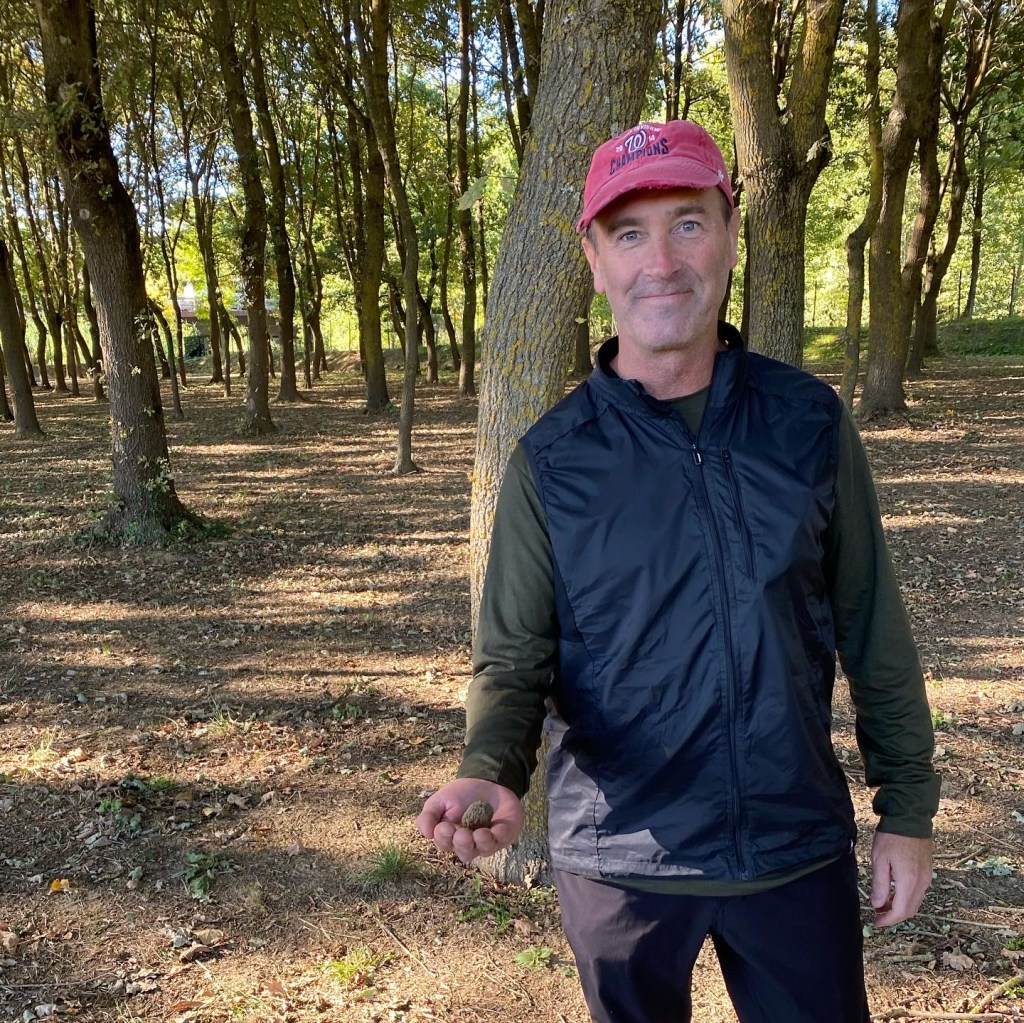
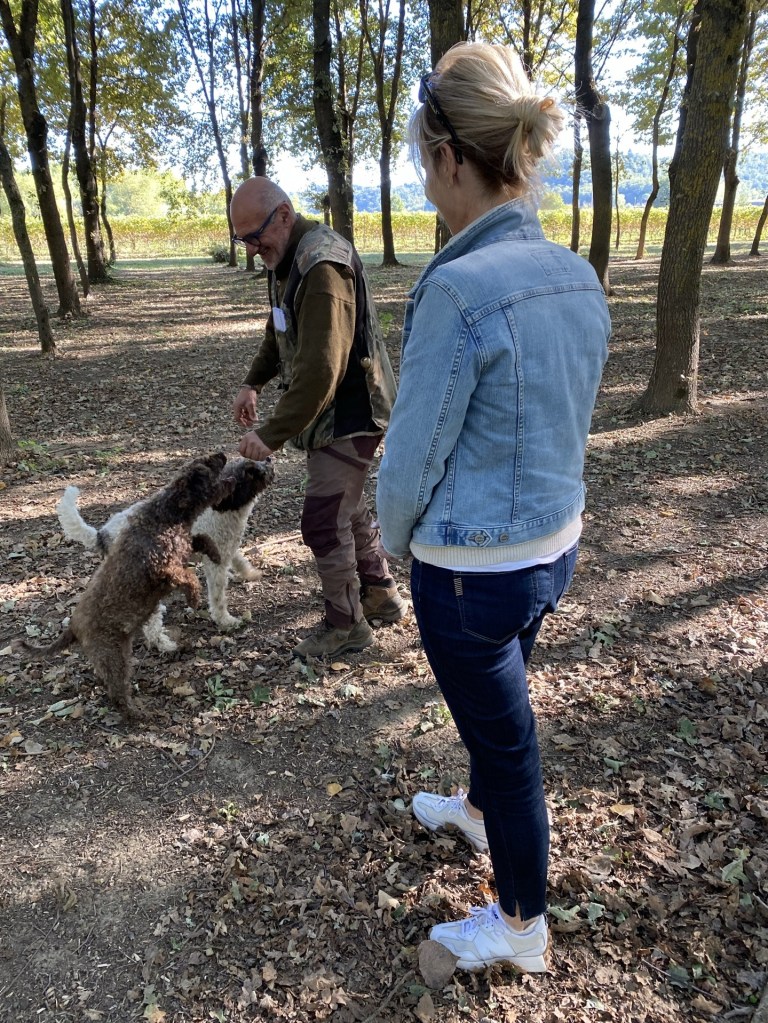
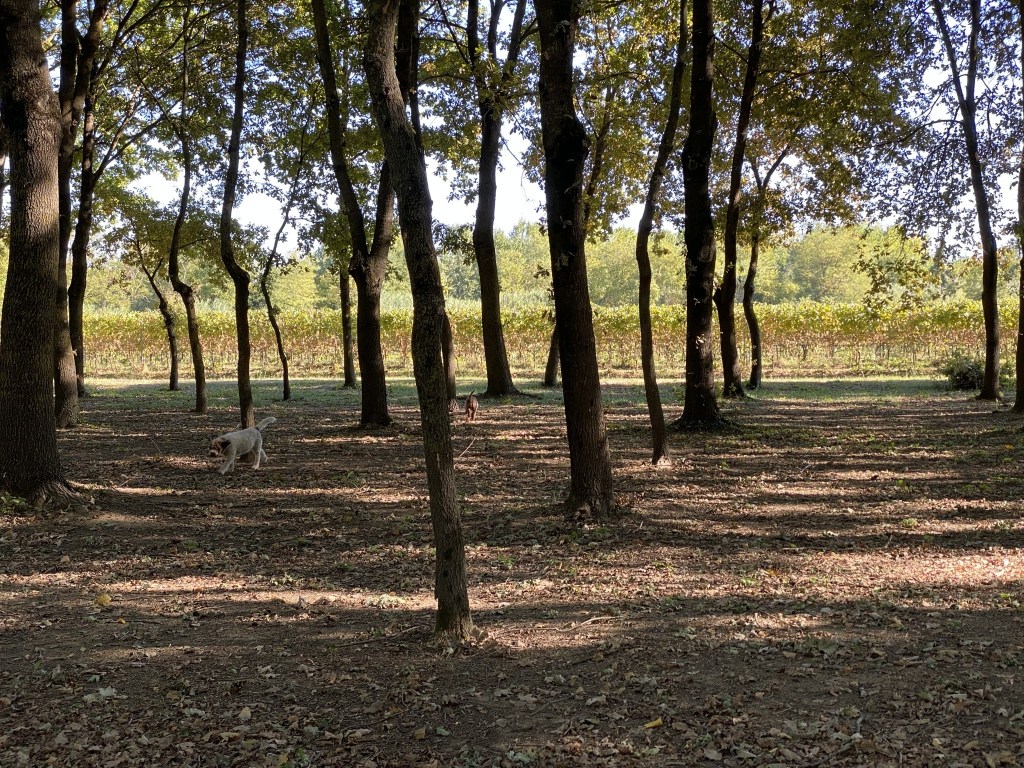
Black truffles the next day, foraging in the woods by a winery about 20 minutes away from Siena. The Italians use trained dogs to find truffles in the forest, rather than the pigs used in France:

A very successful foraging foray!

Trying out another Air B&B with another amazing view, this time from a private roof deck in the center of town:

After our time in Siena, we continued west to Volterra, stopping on the drive over to the tiny, but heavily fortified hamlet of Monteriggioni:

Where the final activities of a cyclocross race were winding up:

Monteriggioni was fortified because it served as a forward base of the Sienese during the Renaissance against any attempted incursions by their arch-enemy to the north, Florence:

Variations on a theme: after Monteriggioni’s walls, we ended up in heavily walled Volterra. We spent a day wandering about the eastern outlier in Tuscany that we missed in 2006 – it did not disappoint:

And then, as a departure from our stays in towns throughout the trip, we headed to a borgo – an entire village converted to a hotel – in the countryside outside Volterra for our final night:

One of the village’s old buildings had been converted for use as a museum of vintage Italian cars, motorcycles, and bikes – very cool.

Early the next morning, we drove back to Pisa, dropped off the car (this time without incident), and flew home – another road trip in Europe successfully executed!

Categories: Cinque Terre and Back to Tuscany, Italy, Road Trips, Tuscany / Umbria | Tags: , , , , , , , , , | Leave a comment

Cinque Terre and Back to Tuscany: Truffles!

From Cortona, we traveled west, via Radda in Chianti, to Siena, where we settled down for 3 days to check the place out again. We first visited Siena in 2004 during our bike trip in Tuscany, and totally dug it. We’ll post separately on Siena, but during our stay there, we took a little field trip to the northwest to Torciano winery. Not for wine. For truffles.

It turned out that there were two compelling reasons to visit Italy when we did in October 2021: the first was the pandemic-level paucity of people in Cinque Terre, which drove us to travel there so soon after our South of France road trip just a month earlier. Totally worth it. The second reason, it turned out, was that it was truffle season in Tuscany.

So, one of the things we wanted to do was to go truffle hunting. Which brought us to Torciano. The winery, which has been owned by the same family for 13 generations, had cultivated truffles in an oak forest nearby, so you could go truffle hunting in the right season with a good likelihood of actually finding them.

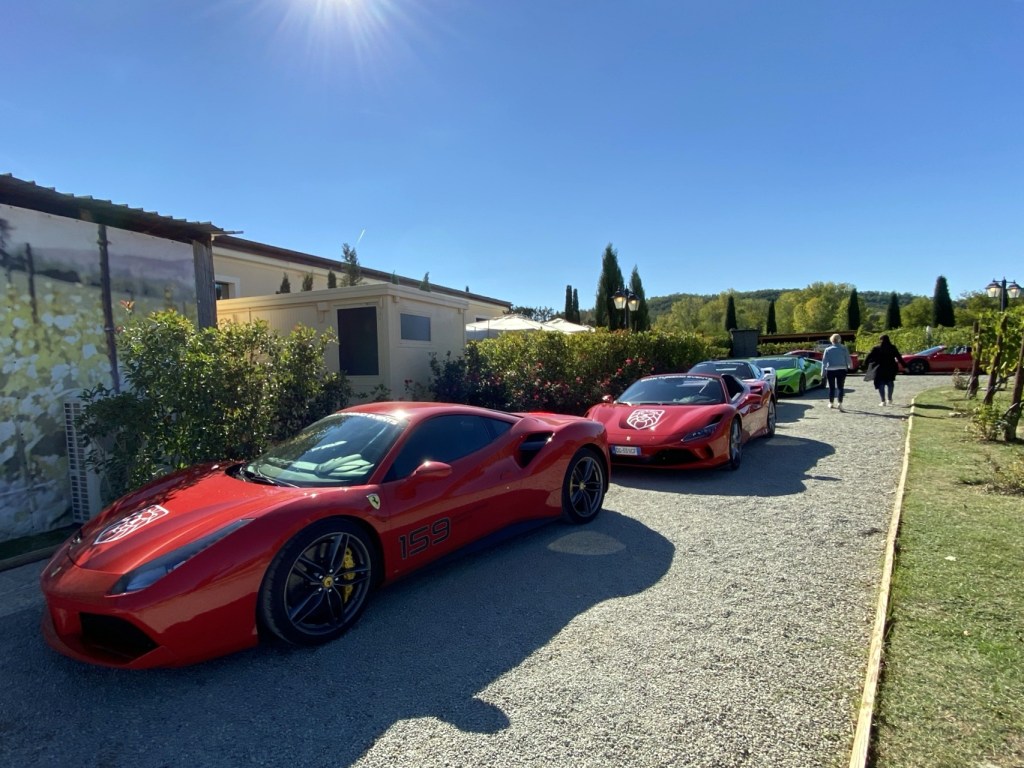
When we arrived, we soon learned that they were also hosting a Ferrari event, so there were freakin’ Ferraris all over the place.

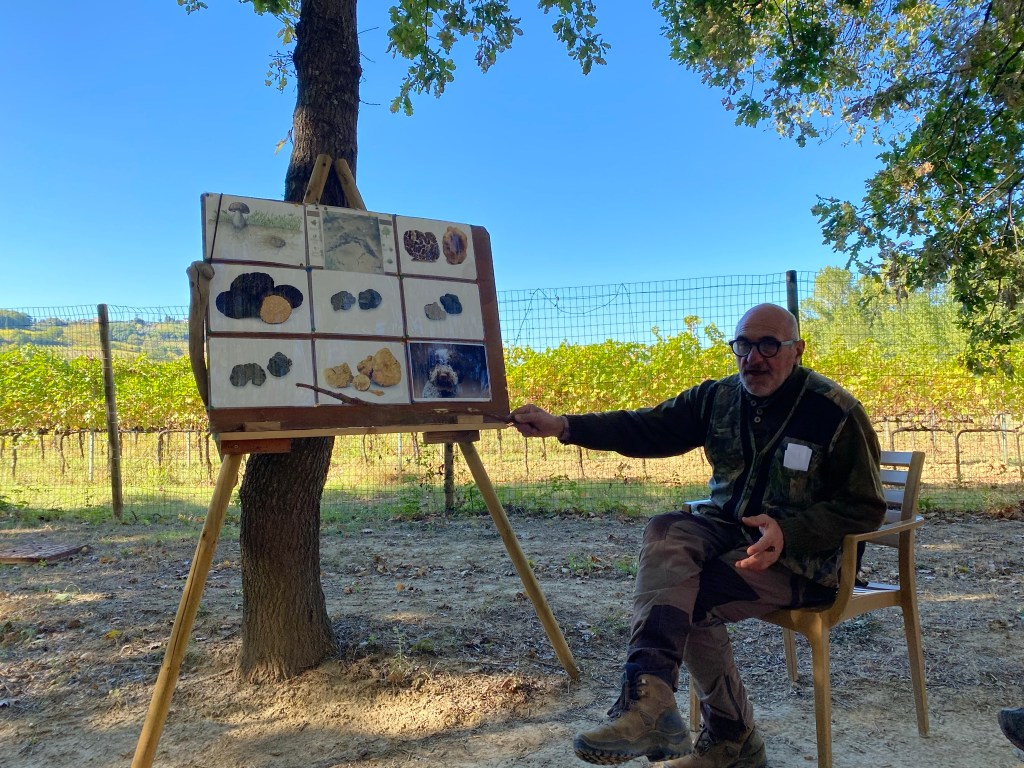
After winding our way through the sports cars, we headed over to the family patriarch (or old uncle, at least) for a quick lesson on truffles.

We would be hunting for black truffles, which are the only variety that can be cultivated in oak tree roots.

In France, they hunt truffles with pigs. In Italy, it’s dogs, and they’re trained from birth for the job.

Competition for valuable truffles in Italy has actually become dangerous recently. A January 14 New York Times article, reports of competing truffle hunters in Italy resorting to setting out poisoned treats in oak forests to kill their rival’s truffle hunting dogs. Freakin’ crazy.

Out on the hunt.

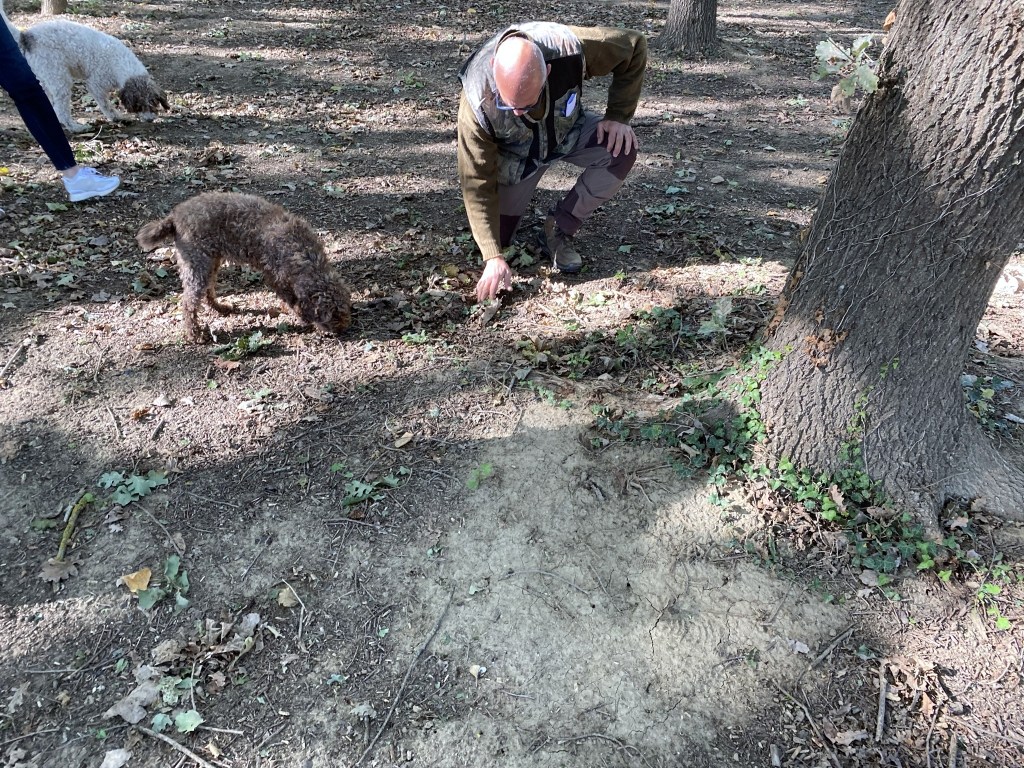
A potential target.

Success!

Yup – smells truffley.

Lisa actually found two black truffles on our hunt:

But there was still opportunity for more.

Sweet!

After a grueling day of pungent mushroom hunting, some sustenance back at the winery.

All featuring black truffles. As an aside, black truffles are sauteed to optimize their taste, releasing their distinctive flavor and scent, while the much more rare white truffles are sliced directly onto food without any treatment to maximize their flavor. We only just learned this on this trip.

(Several years ago, we dined at Fish, Jose Andres’ restaurant in National Harbor, specifically for a celebration of the availability of black truffles since they were in season in the chef’s home country of Spain. There, they sliced black truffles directly onto the dishes and we were really underwhelmed and disappointed. Now we know why. Fish subsequently closed. Maybe deservedly so.)

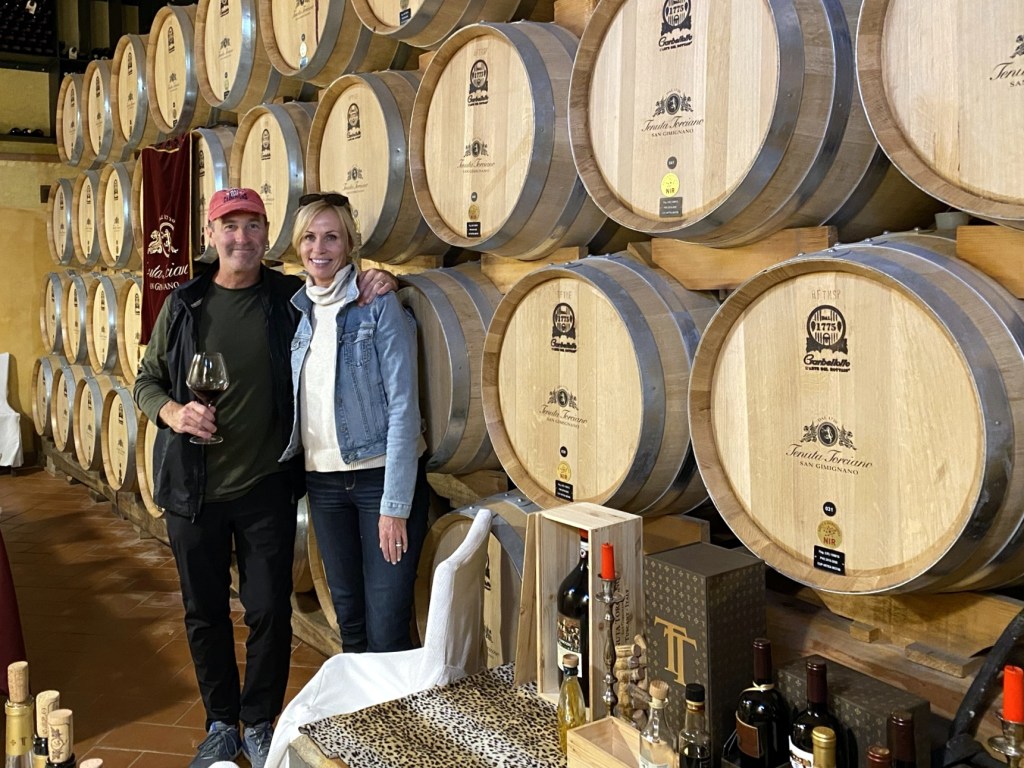
Equally important to the experience were the Tuscan red wines, including Brunello from Montalcino, where the family has some of their vineyards. Totally lived up to the hype. We think? we had Brunello in Montalcino from our bike trip, but weren’t sure. We definitely dug it here though.

The evening before in Siena, we headed out for what we intended to be a casual dinner of pizza some place indoors, since the town was freakin’ freezing, just like Cortona. In our quest, we stumbled on this place:

Where they were featuring a prix fixe dinner designed around white truffles. So, a little change in plans after we confirmed with the door dude that we were suitably attired to eat there.

Every dish was designed to highlight white truffles.

They’d first serve the simple dish. . .

Then place a scale on the table, weigh the raw white truffle, shave shave shave, then weigh the truffle again to quantify your take.

We might have gone a little overboard on one of the dishes.

Freakin’ awesome experience. When we showed the pasta and egg dishes to our truffle guide, he responded approvingly that that was how you feature the delicate white truffle.

Next up: Siena itself.

Categories: Cinque Terre and Back to Tuscany, Tuscany / Umbria | Tags: , , , , , , | Leave a comment

Blog at WordPress.com.