From Agrigento, we headed to Siracusa, in Sicily’s southeast corner. But first, we’d spend a few days in the island’s “Baroque towns.” These towns, including Modica, Ragusa, Scicli, and Noto, were all leveled during the region’s catastrophic earthquake in 1693. All of the towns were rebuilt in the same, exuberant, late-Baroque architecture – which was the style at the time – creating some of the most visually cohesive historic towns in Europe.

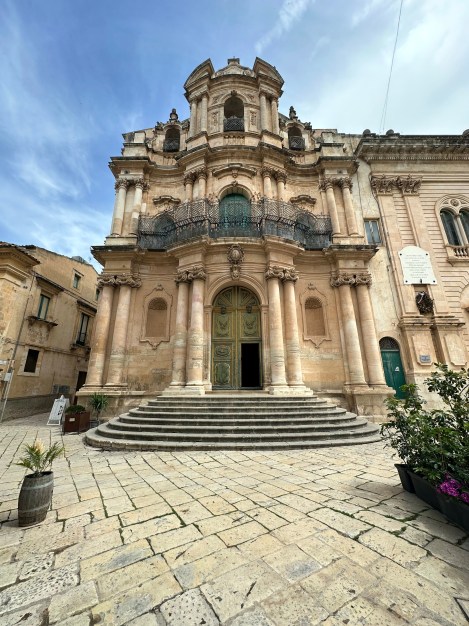
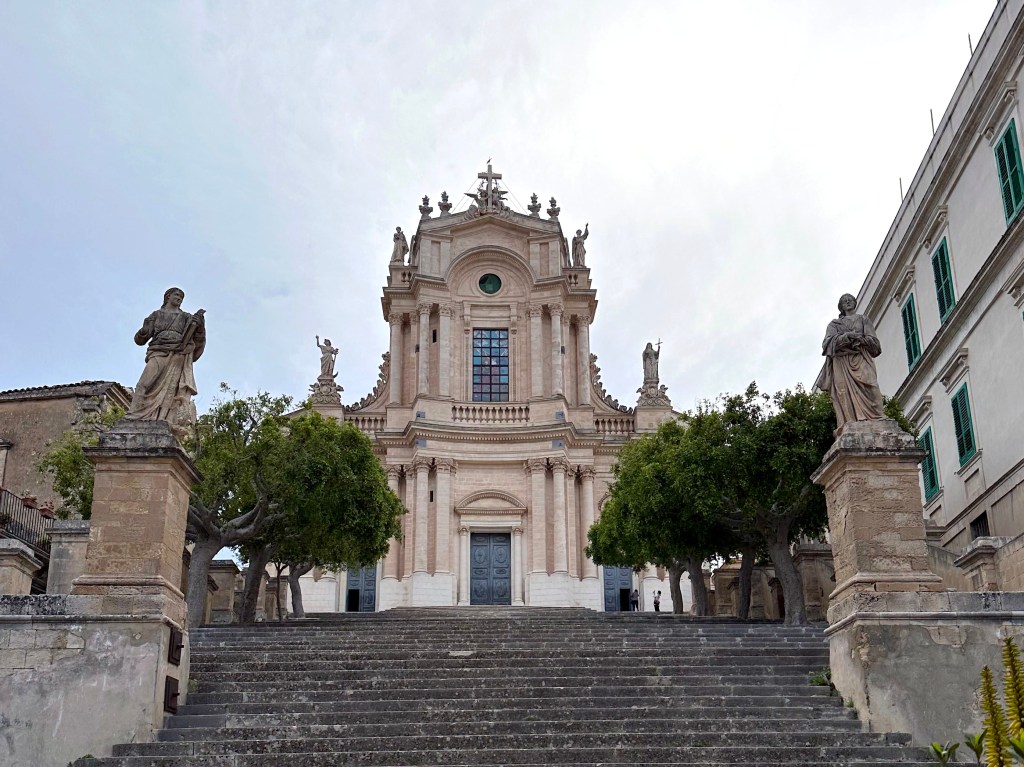
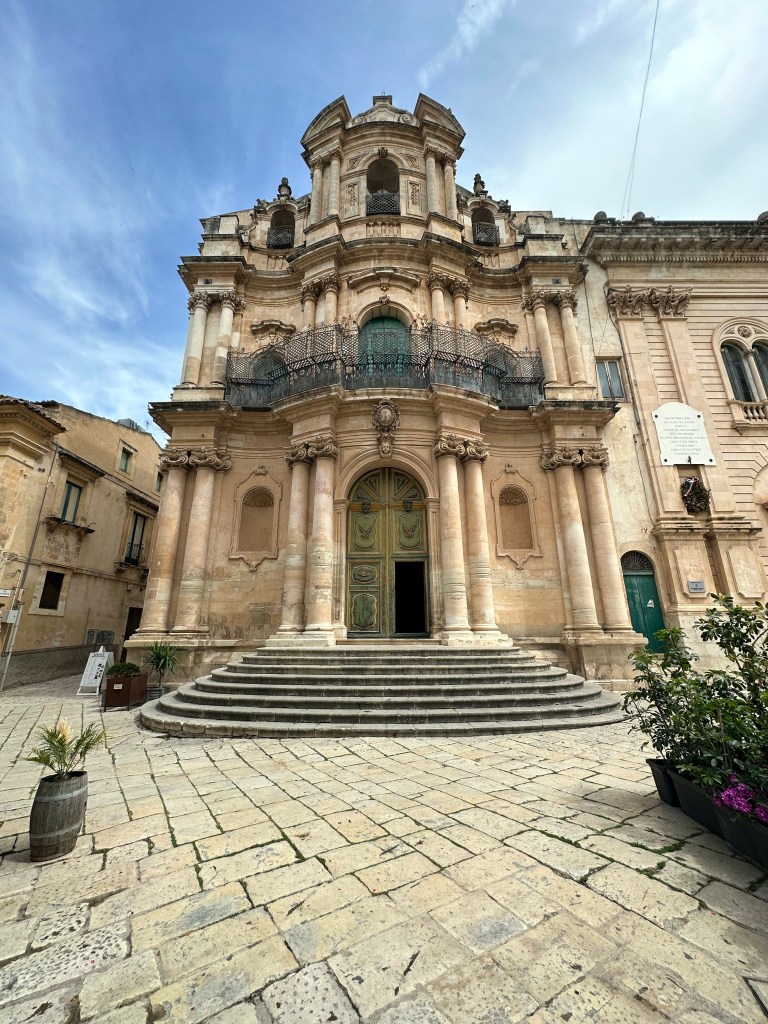
Each of the towns have the same characteristic Baroque, honey-colored stone architecture, dramatic staircases, and sun-drenched piazzas. But really, it’s the ornate churches that capture the essence of the Baroque towns – a prime example can be found in Chiesa di San Giovanni Evangelista in Scicli, but its siblings across the region all possess identical architectural DNA:
Of all of the towns to choose from, we decided to base ourselves in Modica for three reasons:
- It was centrally located among the Baroque towns
- There was an AirBnB in town WITH A POOL, which is uncommon in town, and we were obsessed during planning with having access to a pool while traveling through Sicily’s (and Italy’s, and Malta’s, and Portugal’s) hot climate
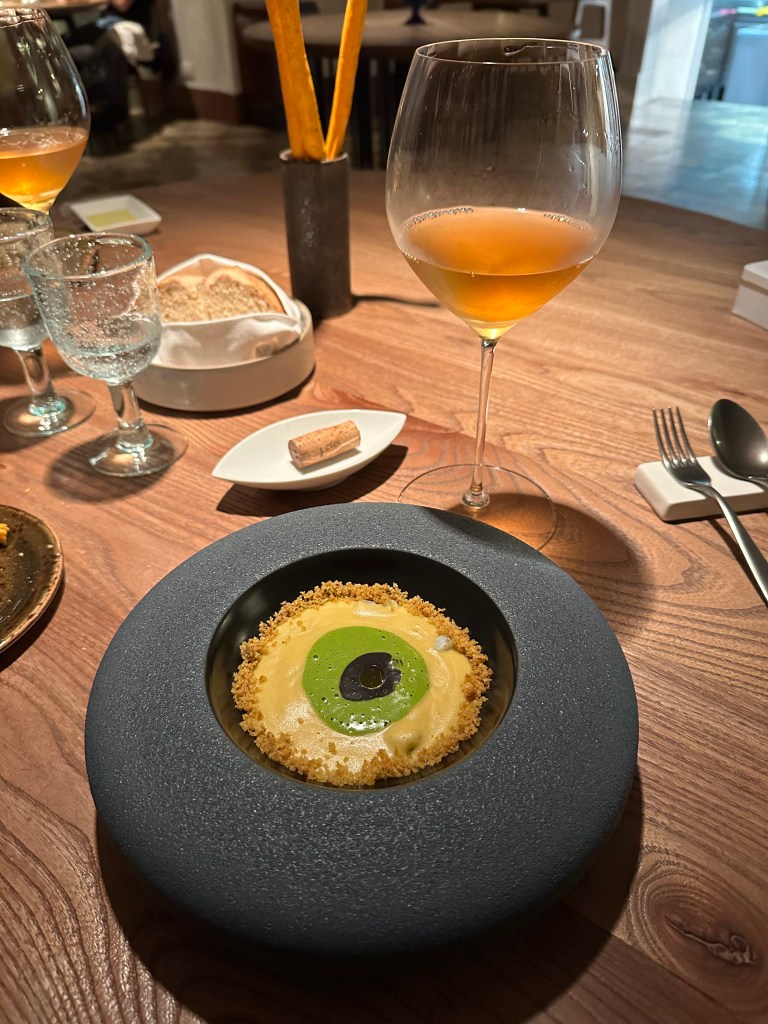
- Although the town looked small, it still hosted a Michelin-starred restaurant, seemingly an assurance that it would be a charming locale in which to base ourselves
We were wrong.
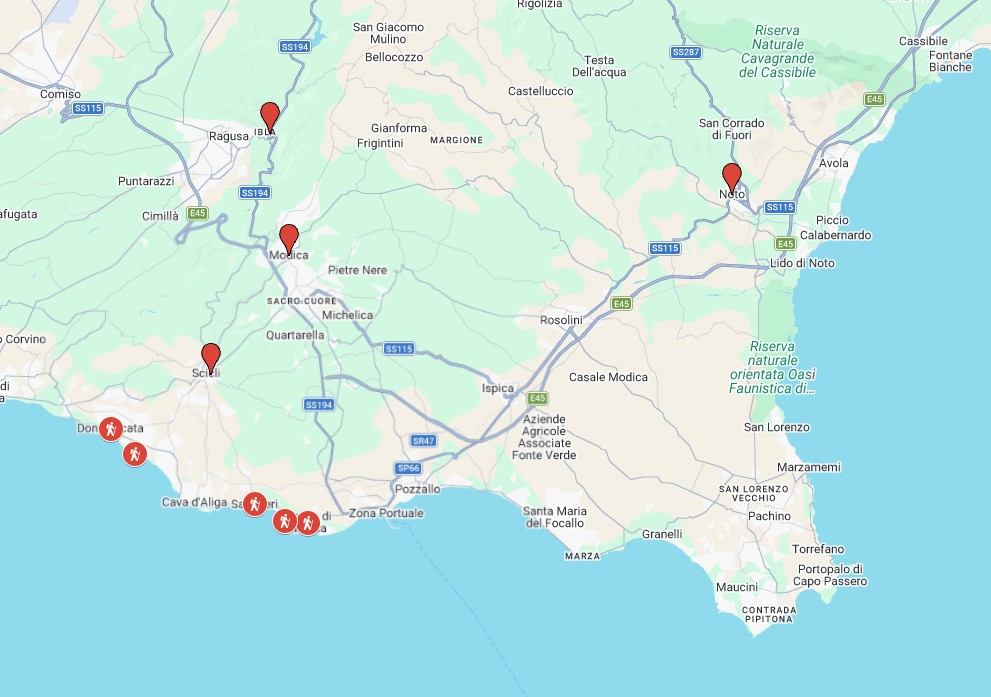
It was, indeed, centrally located:
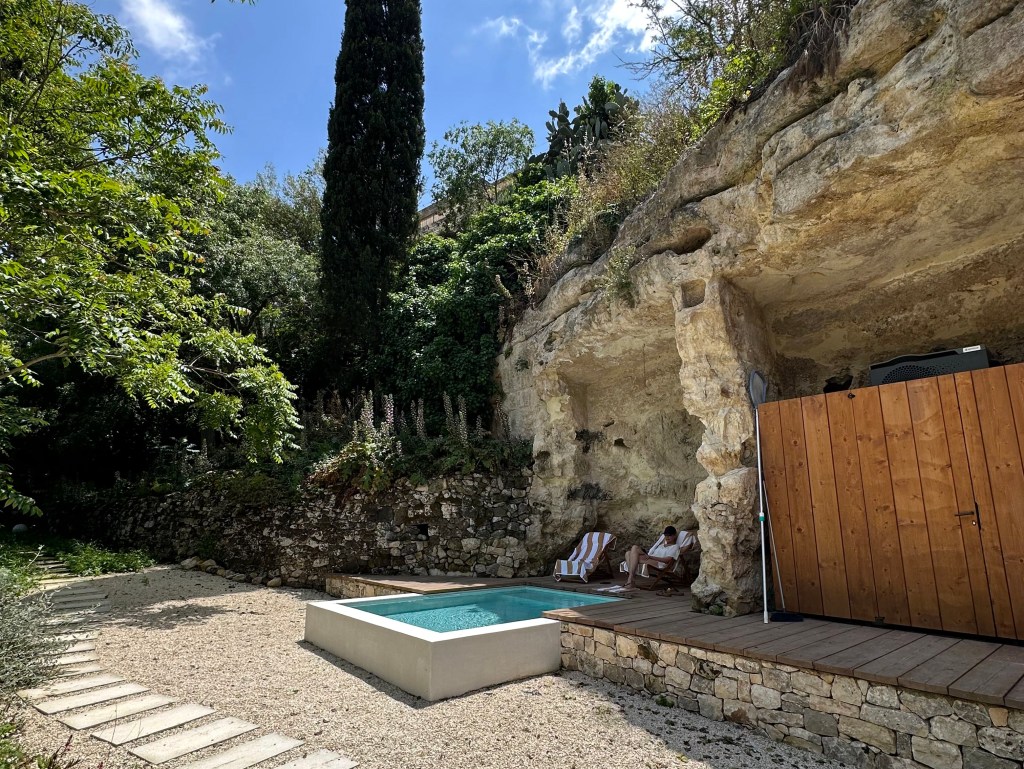
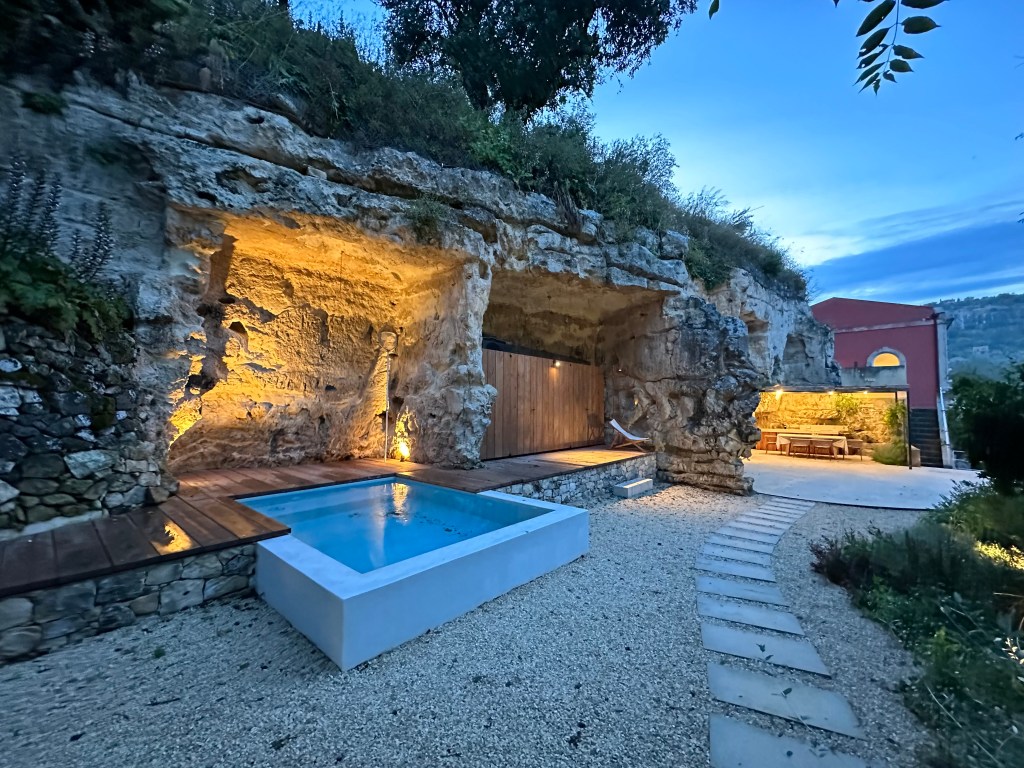
It did, indeed, have a cool AirBnB with a pool:
But, although the restaurant was on point,
the town lacked a pedestrian core and was not the most charming locale in which to base ourselves. After visiting Ragusa, we wished we had stayed there and had relegated Modica to day-trip status, a sentiment we passed on to our safari friends who had advised us on Capri and Praiano when they asked our advice when planning their trip to southern Sicily after our return.
Modica
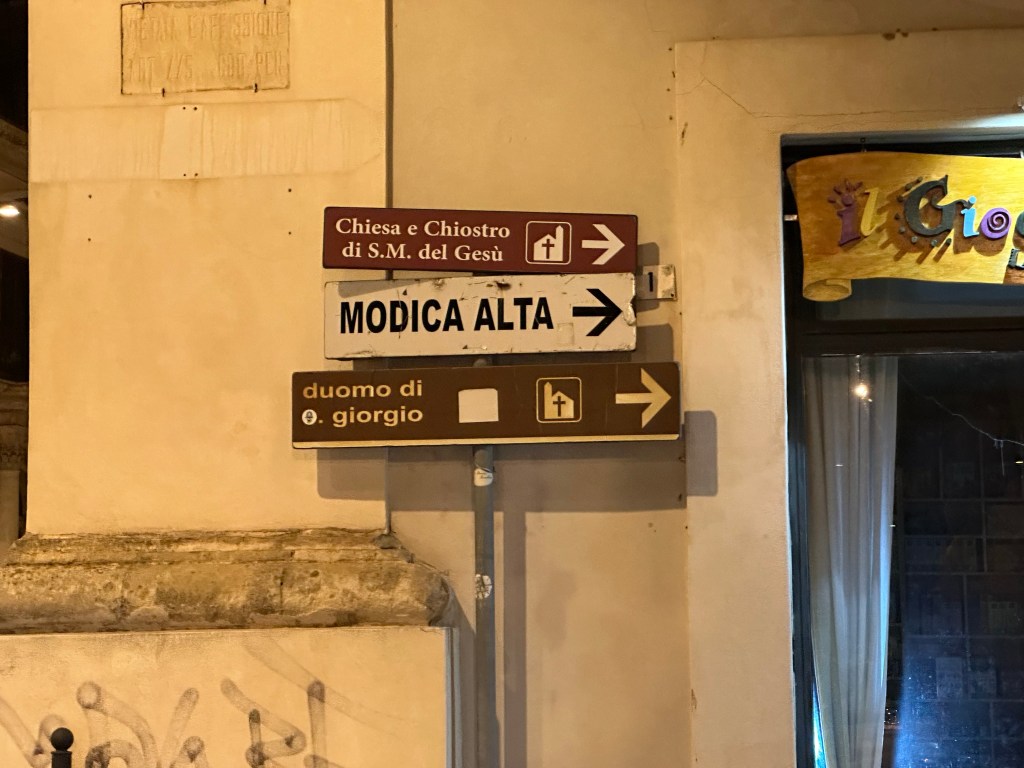
Modica is one of Sicily’s oldest continuously inhabited settlements, with roots stretching back to the Sicels and later the Greeks, Arabs, and Normans — each leaving layers of cultural imprint before the 1693 earthquake prompted its dramatic Baroque rebuilding across two hillsides joined by a central corso. One hillside is densely settled and comprises Modica alta, the high town:
At the bottom lies Modica basso, the low town:
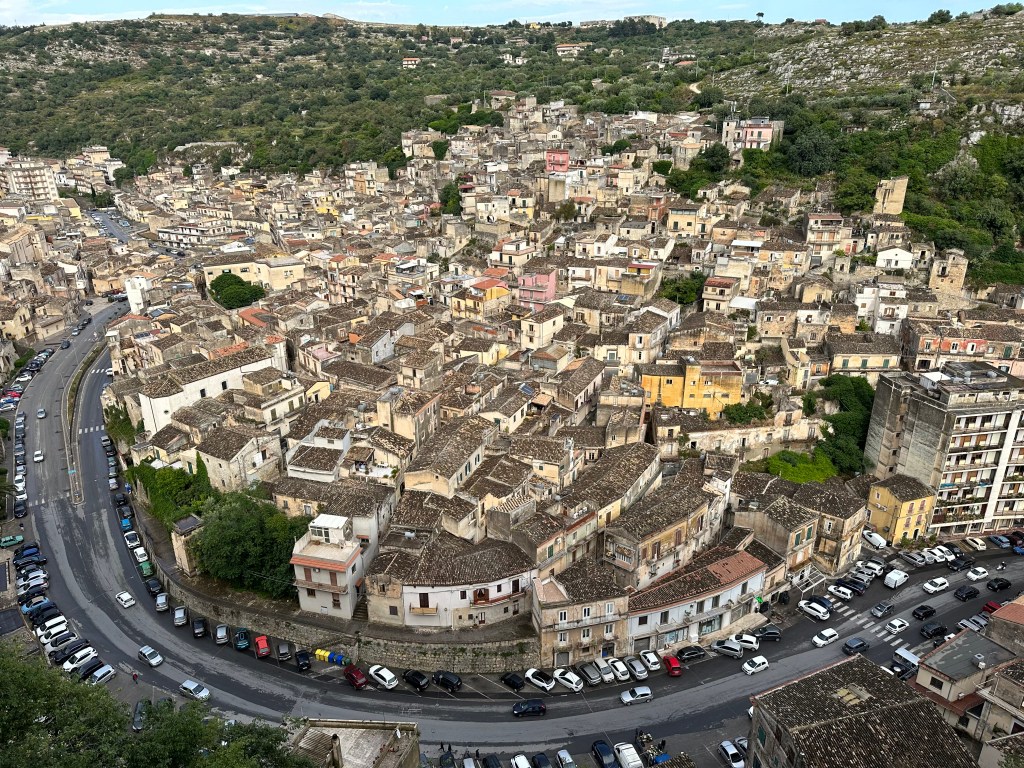
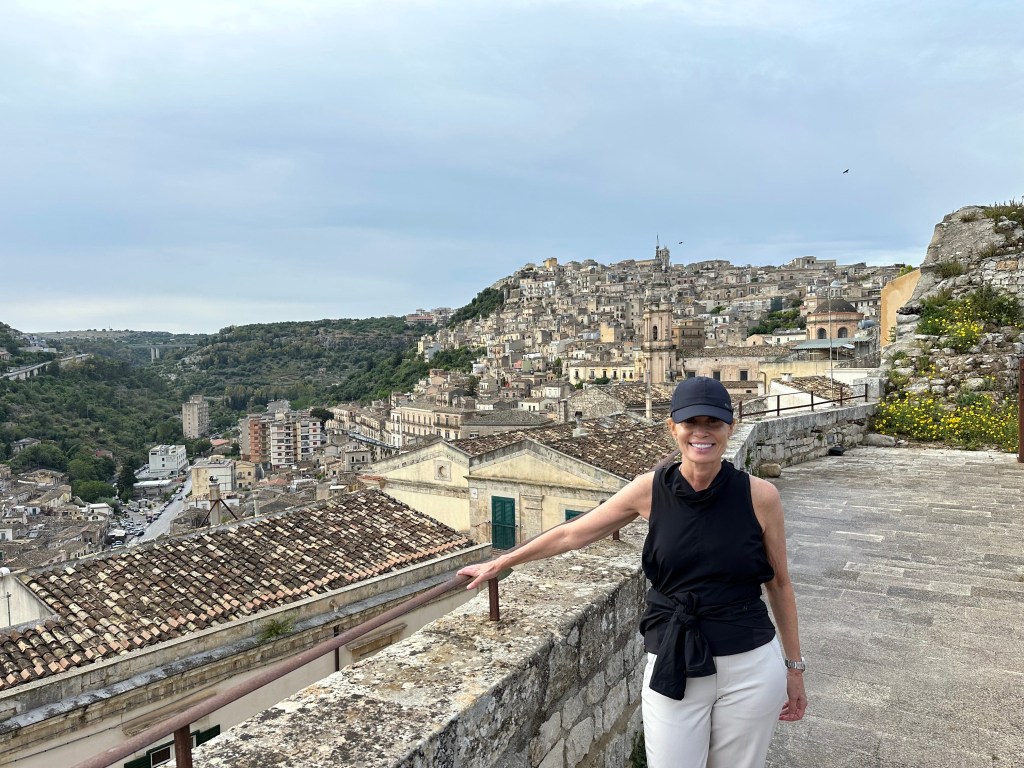
All of this viewed from Modica’s indominatable Castello dei Conti, a medieval fortress dating to 1272, perched on a rocky spur high above the town and reached via a long climb up steep steps.
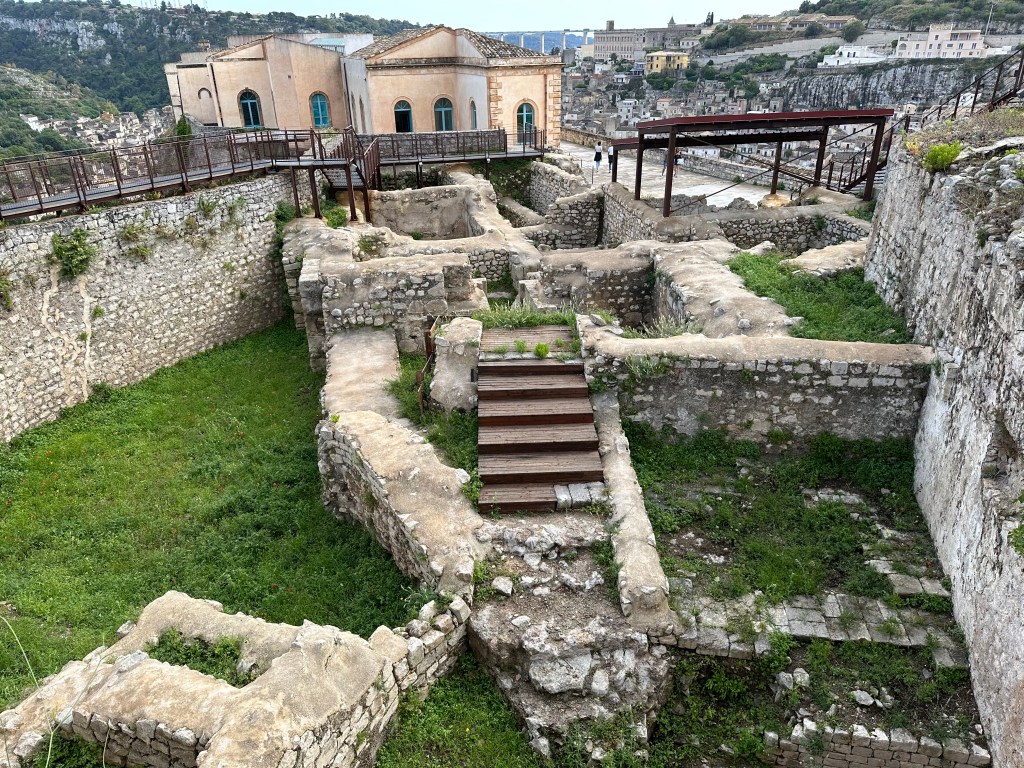
A rather nice view of the castello from below, in Modica basso:
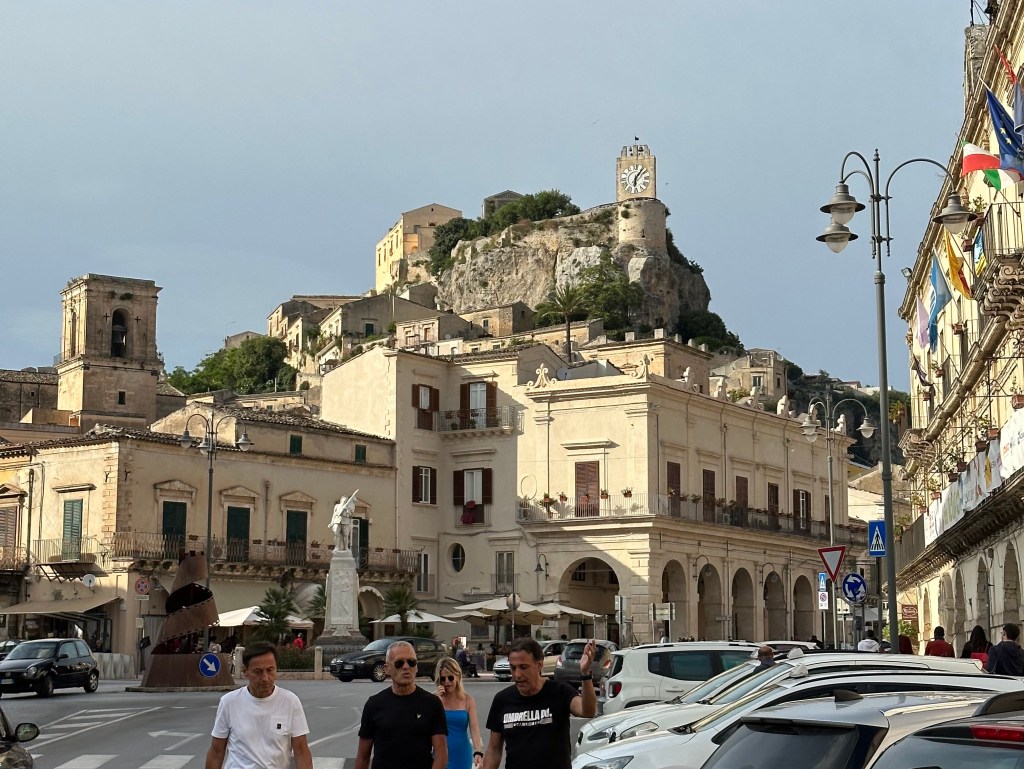
The town’s main drag:
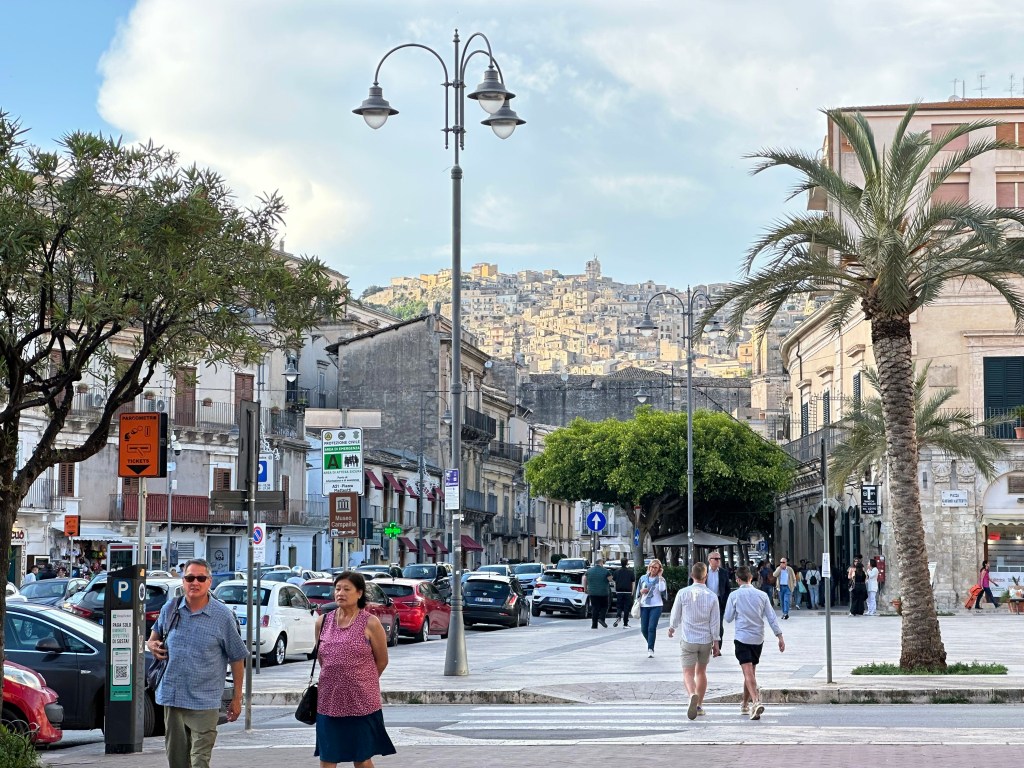
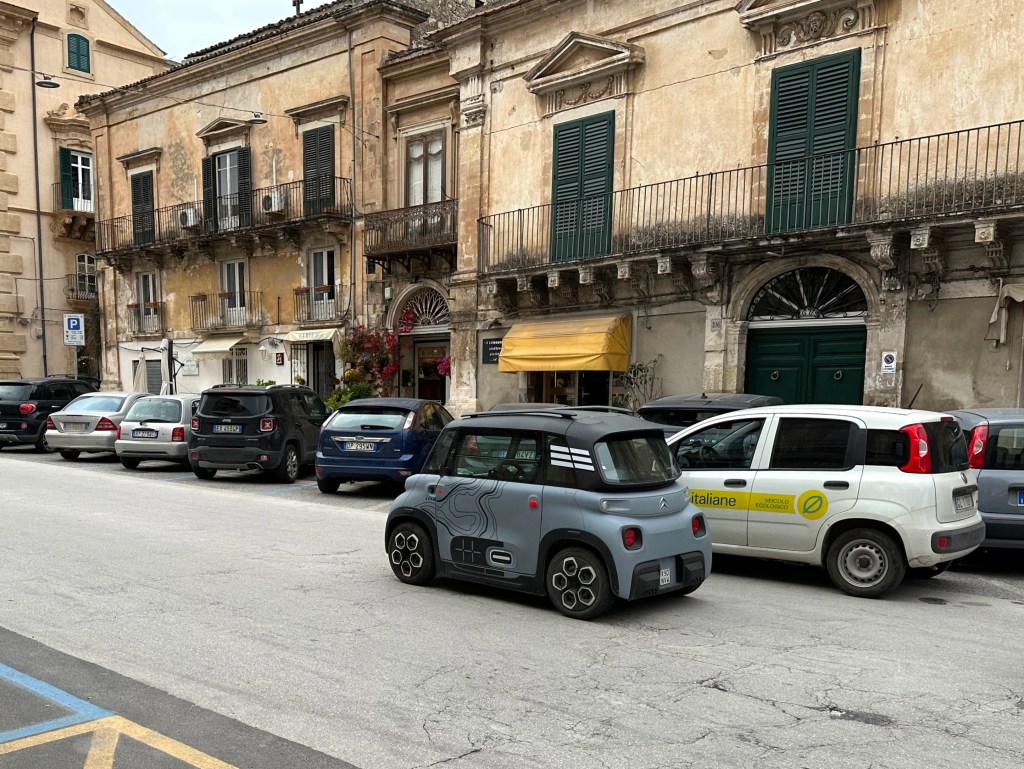
And the tiniest car we’ve ever seen. This little Citroen model would pop up in several of the Baroque towns. Hilarious.
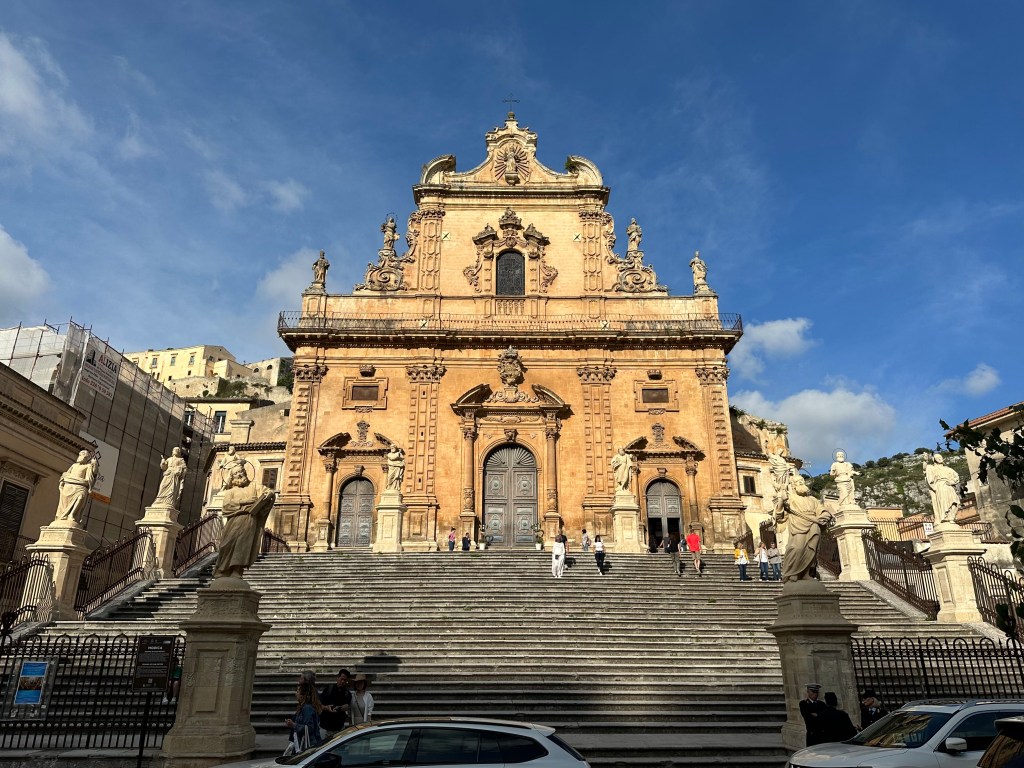
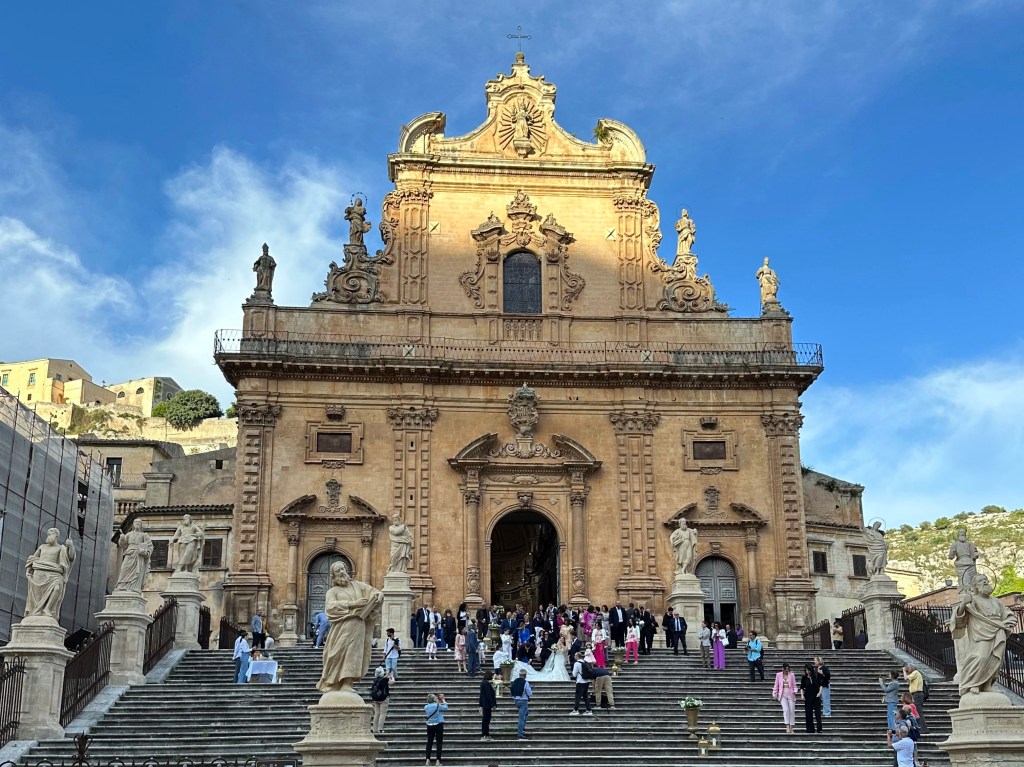
Our first (of way too many) Baroque churches. This one, a cathedral, the Duomo di San Pietro:
Put to good use hosting a wedding several days later:
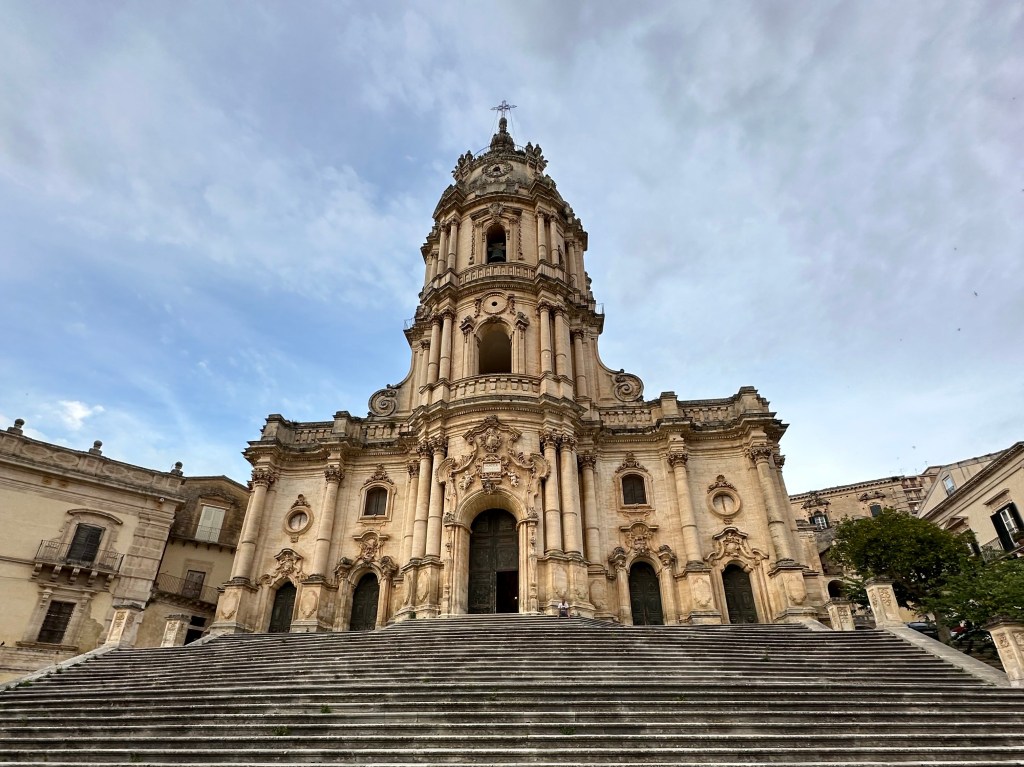
And yet another, ALSO a cathedral (which we totally do not get), the Duomo of San Giorgio:
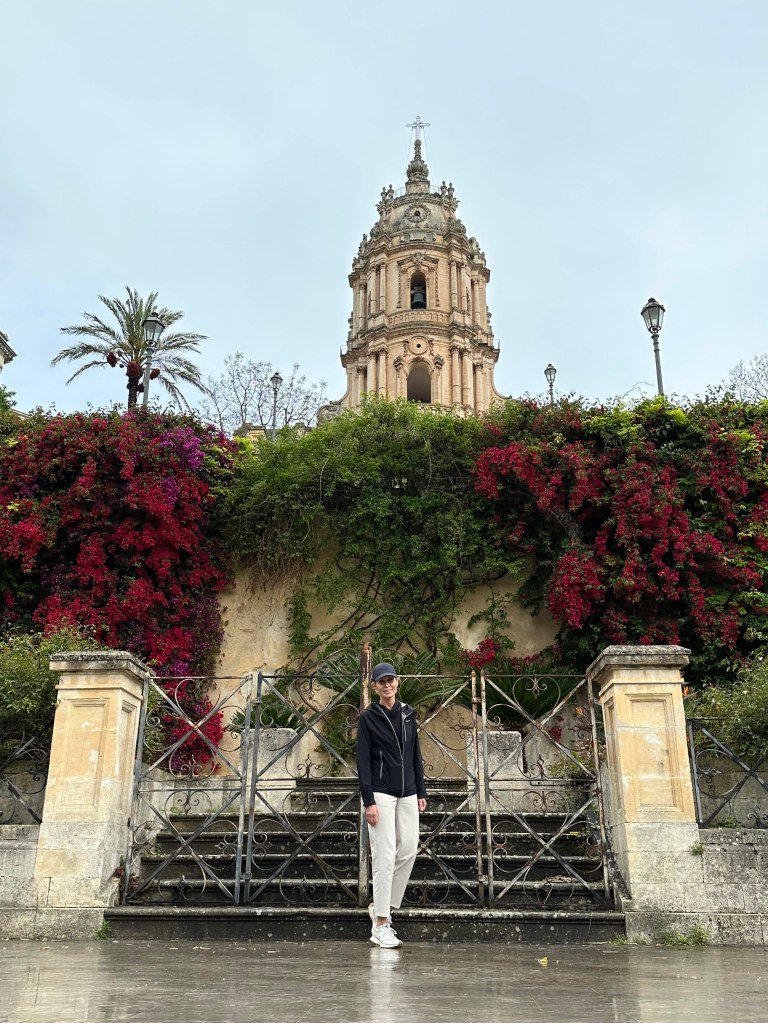
Of all of the towns and all of the churches we’d visit, we thought this one singularly captured the Baroque style – highly ornamented and be-columned, all built with the honey-tan marble:
Oh, okay – another one, this time the Church of St. John the Evangelist:
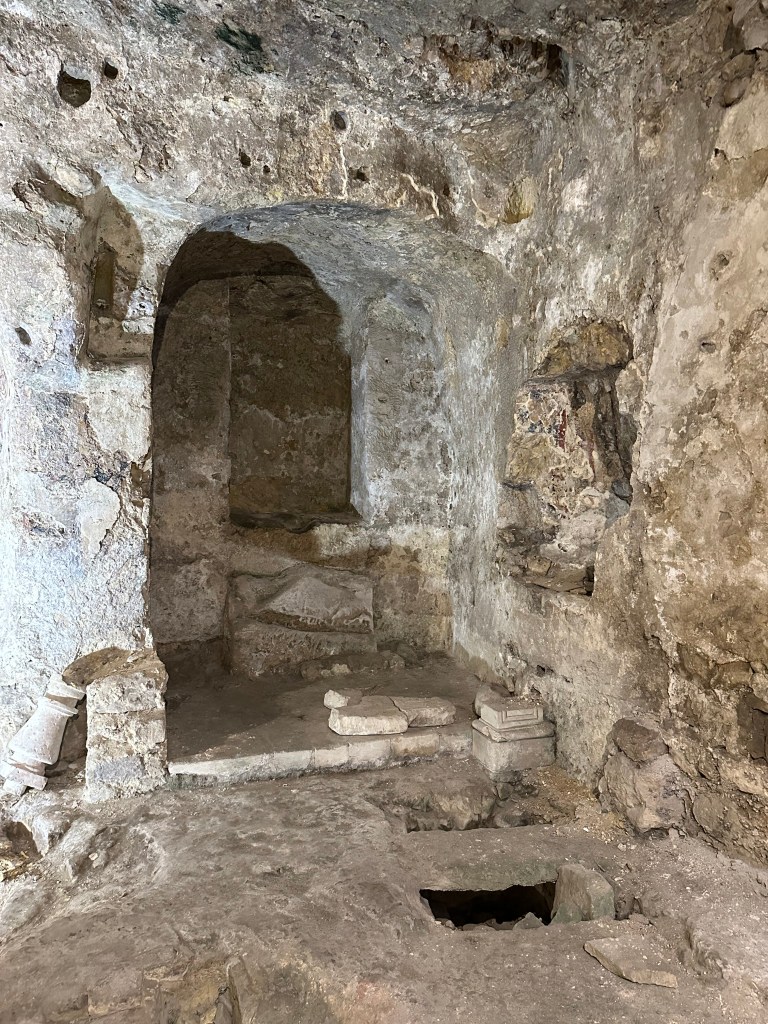
But they ain’t ALL baroque. To wit: the Rock Churrch of San Nicolo Inferiore. Discovered in 1987, the cave church dates to the 11th and 12th centuries and was abandoned following the Latinization of the island, when the Eastern (Byzantine/Greek) rite of Christianity was gradually replaced by the Western Roman (Latin) rite that followed the Norman conquest of Sicily in the 11th century .
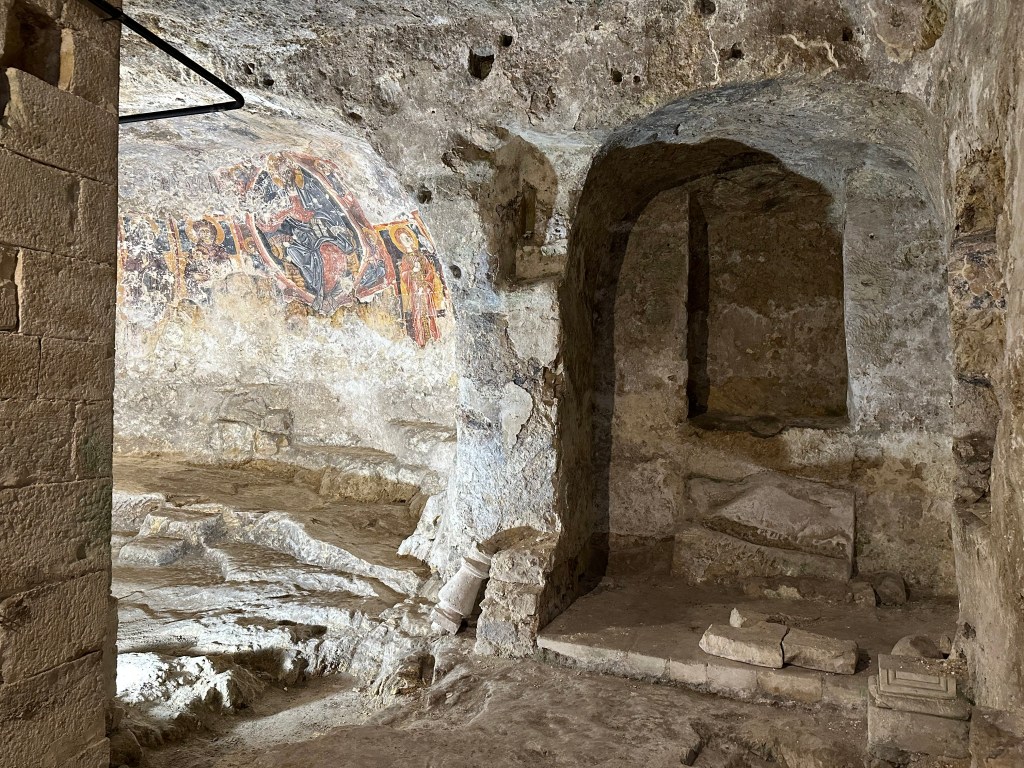
This place was covered by the collapse of surrounding buildings during the 1693 earthquake. But check out what was preserved.
Cool carved apse:
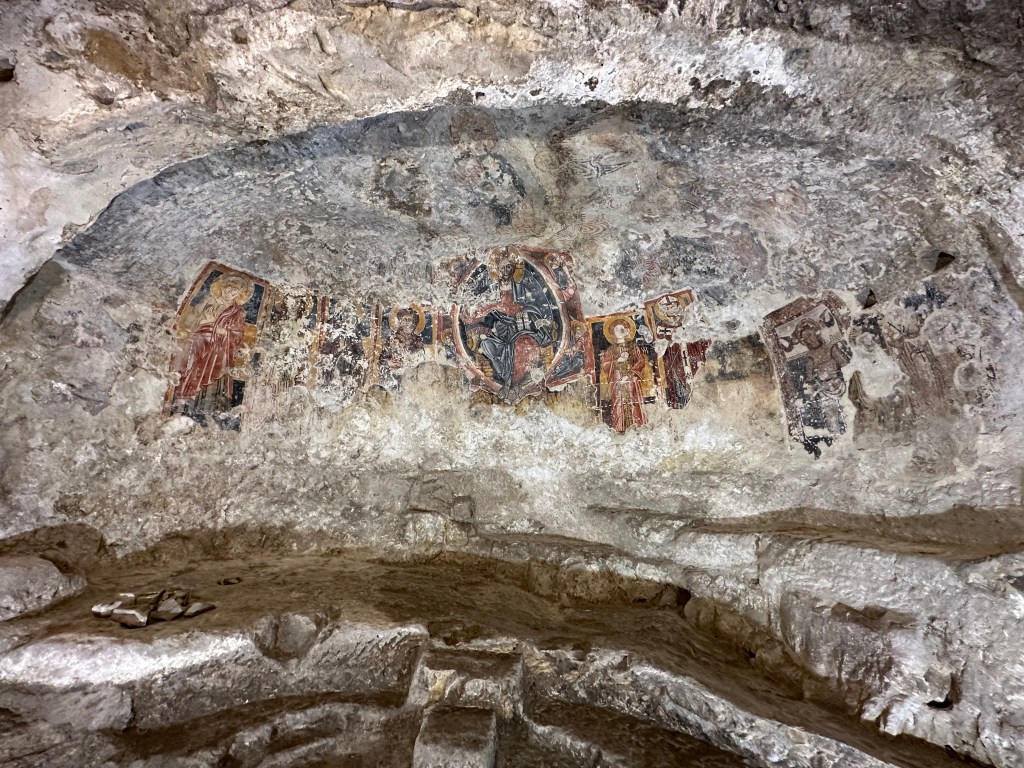
Featuring yet another freakin’ Christ Pantocrator – clearly a fave of the Sicilians:
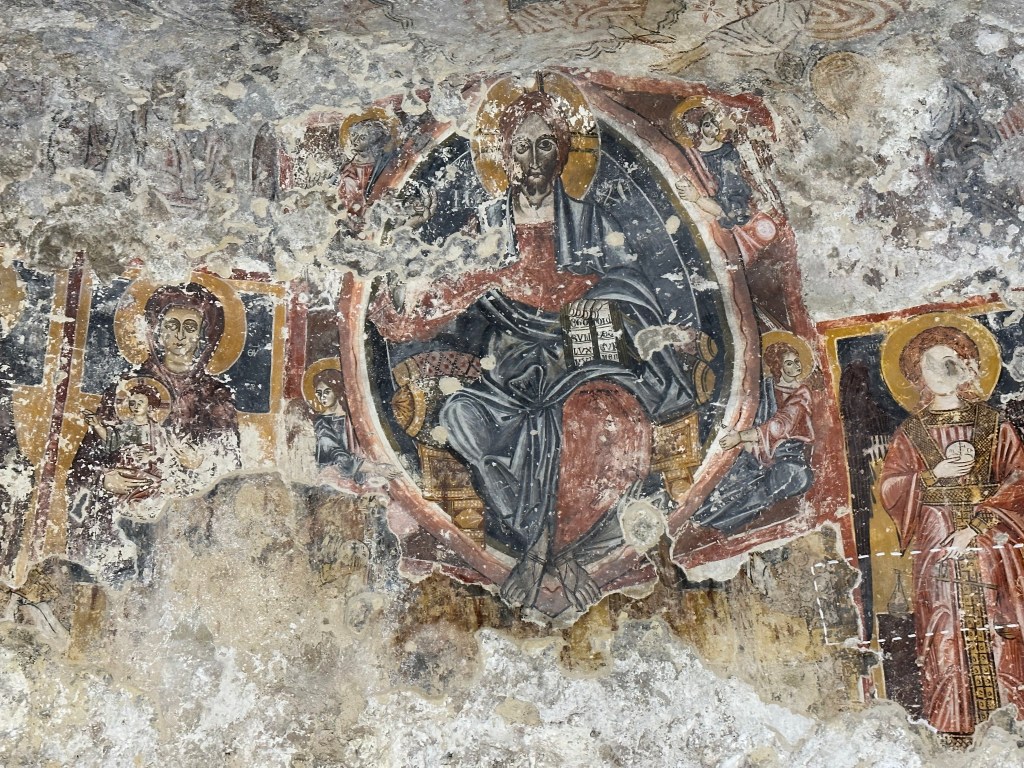
But we genuinely are engaged, entranced, and enthralled by troglodyte churches, with their openly exposed art applied a millennium ago and now just inches from you. Pretty incredible.
Five tombs are embedded in the center of the nave and likely date to the last phase of the building.
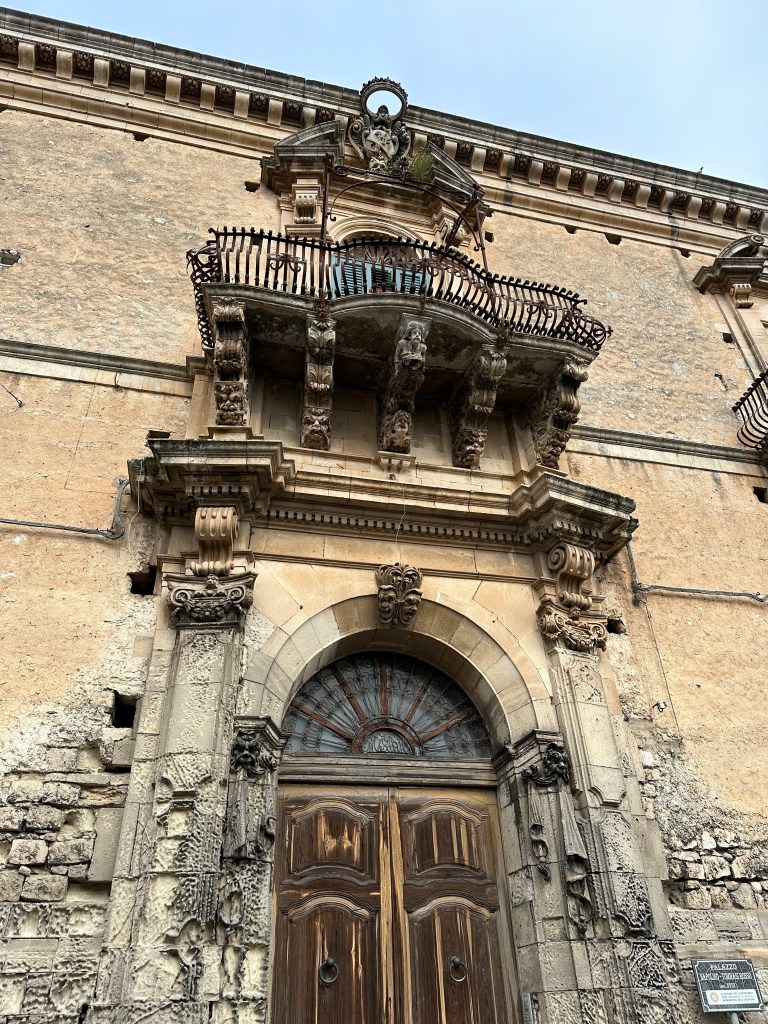
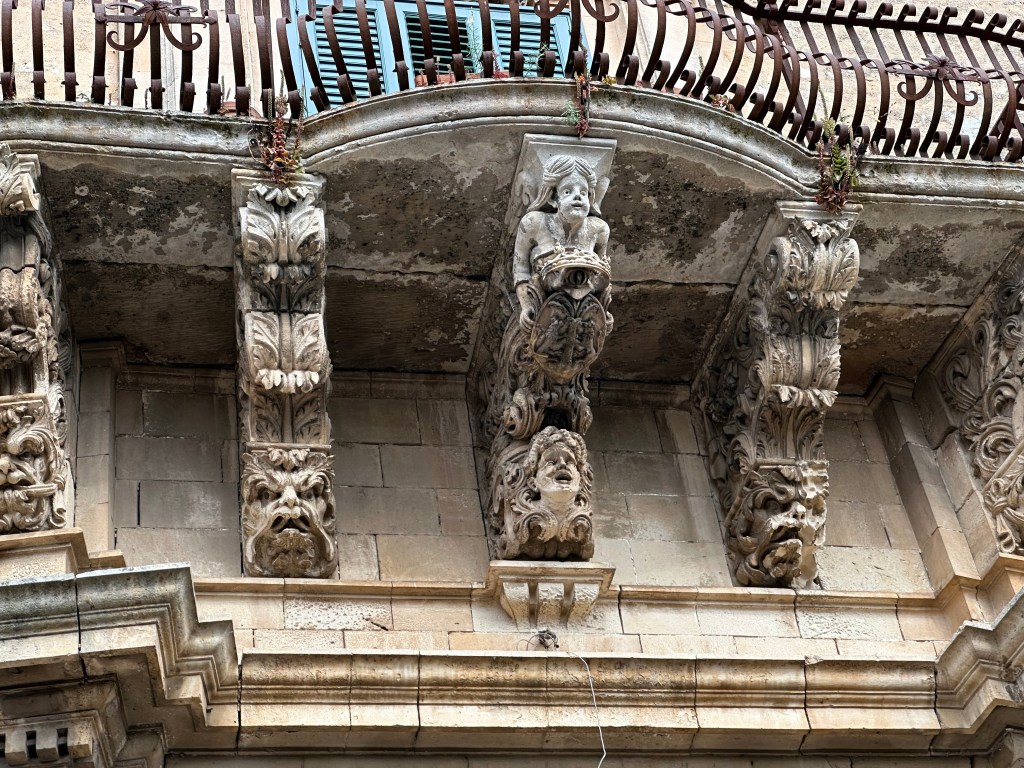
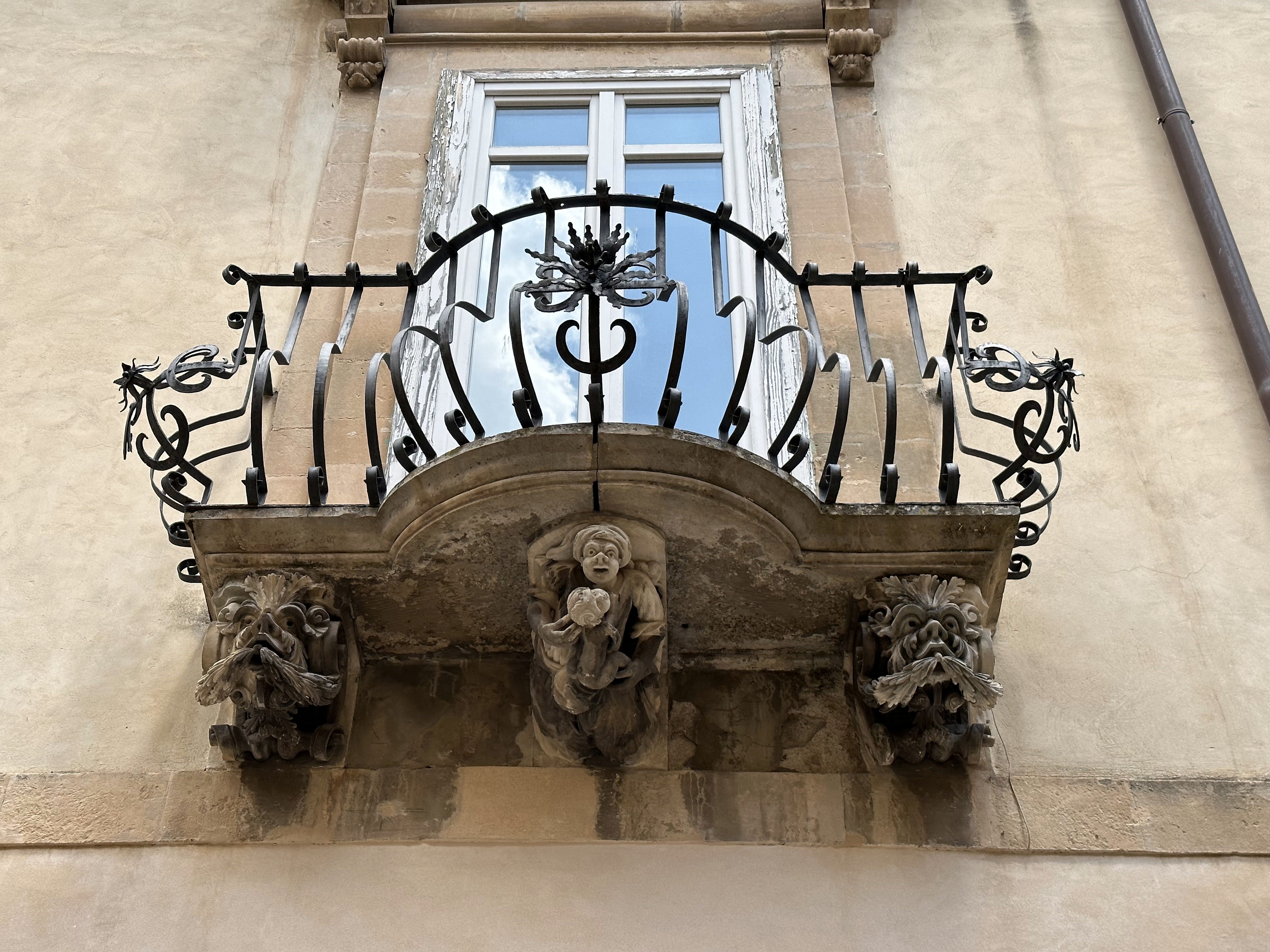
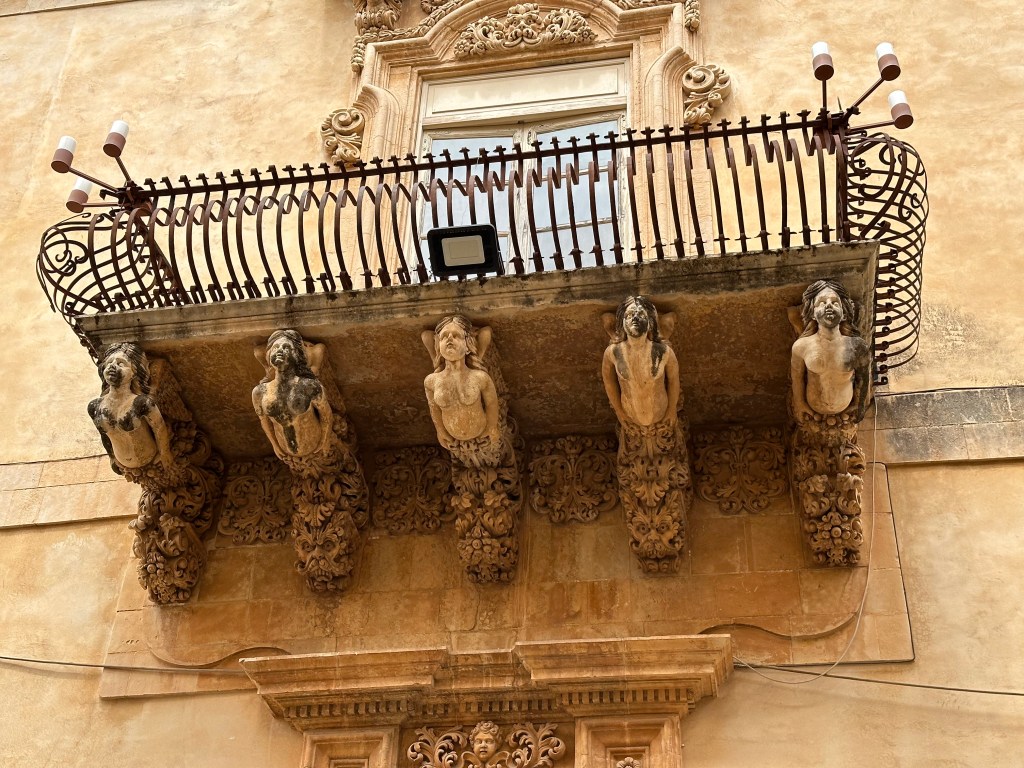
Outside on the streets of Modica, though, more Baroque elements – ornately carved balcony supports with lots of little characters (all of which we’d see in the other towns, too):
The town is perhaps most famous globally for its ancient chocolate-making tradition, inherited from the Aztecs via the Spanish and produced cold without cocoa butter, resulting in a grainy, intensely flavored bar that bears almost no resemblance to modern chocolate and is taken very seriously by locals. Modica’s chocolate is reputedly the closest thing one can get to the style of chocolate the Aztecs drank and ate. We tried some. Definitely an acquired taste. But we very much dug the provenance of chocolate and unique link to the Aragonese occupation of both central America and Sicily at the same time.
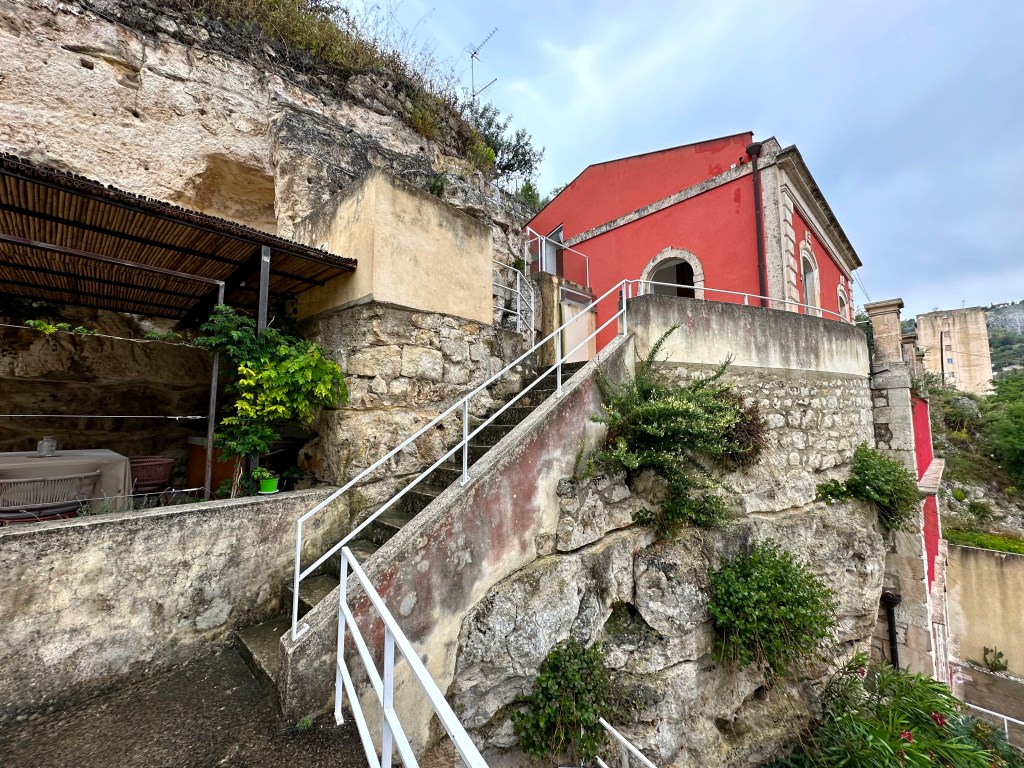
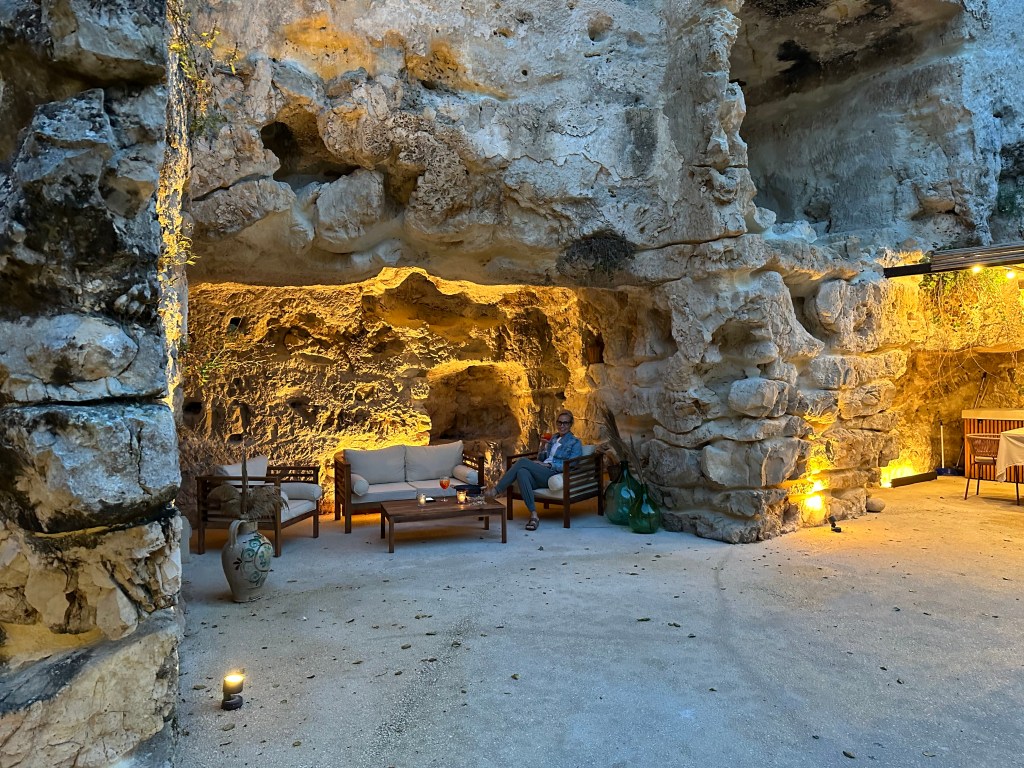
Our headquarters for Baroque barnstorming lay embedded in a cliff at the edge of town:
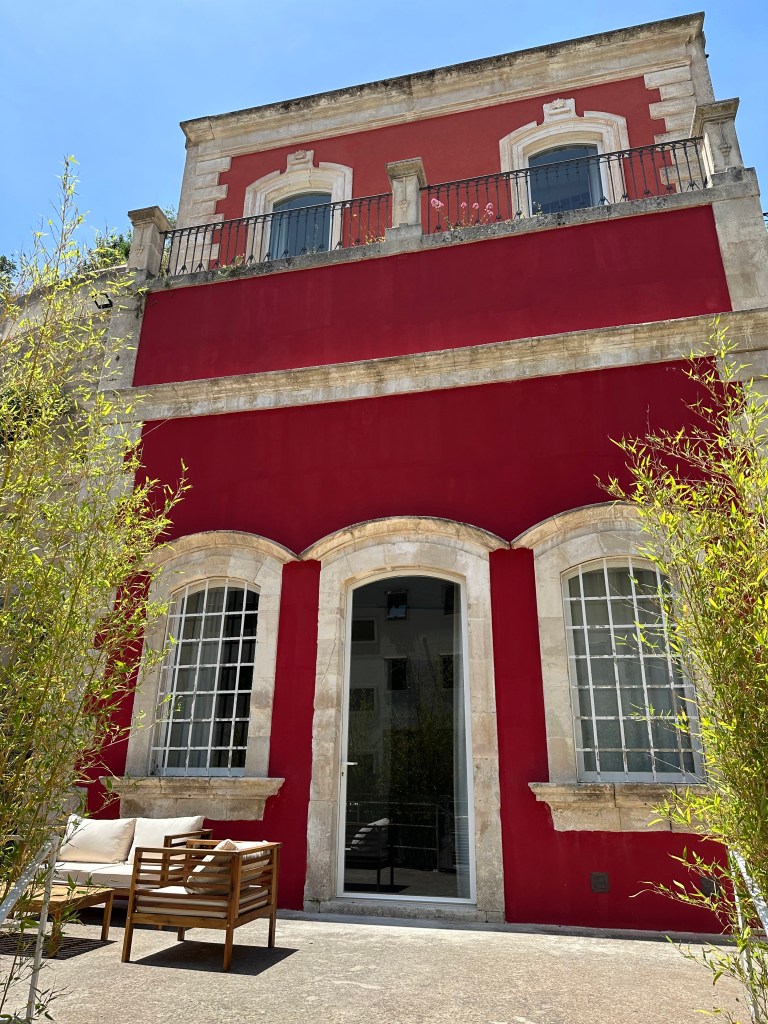
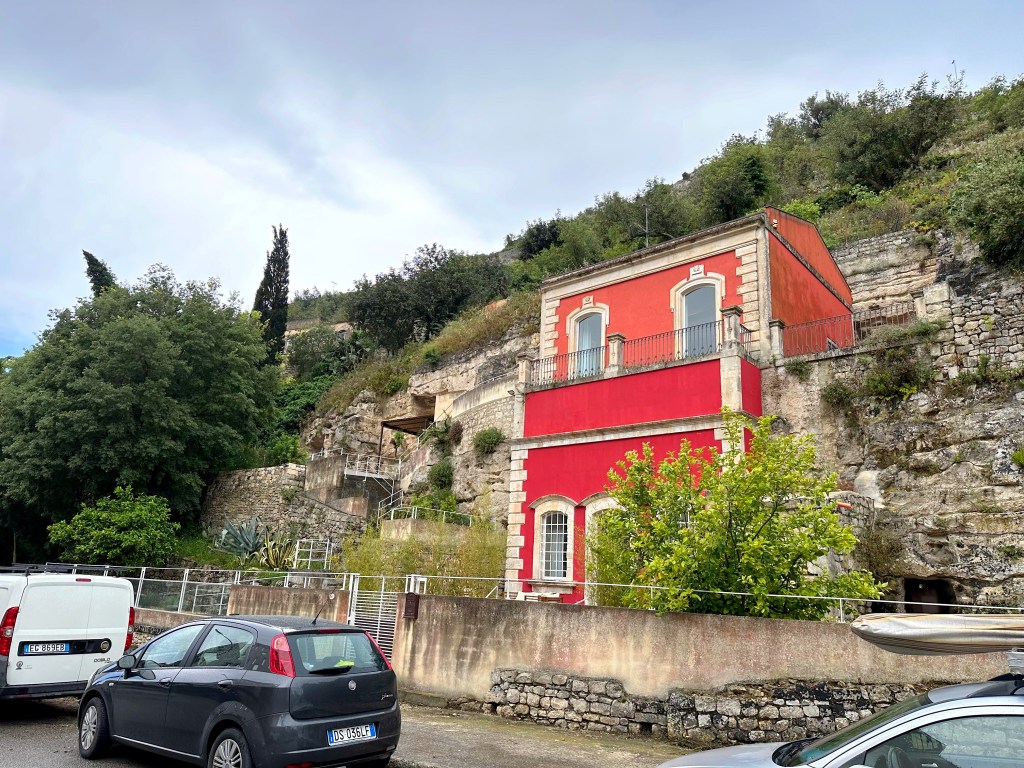
The place, both inside and out, offered LOTs of, well,

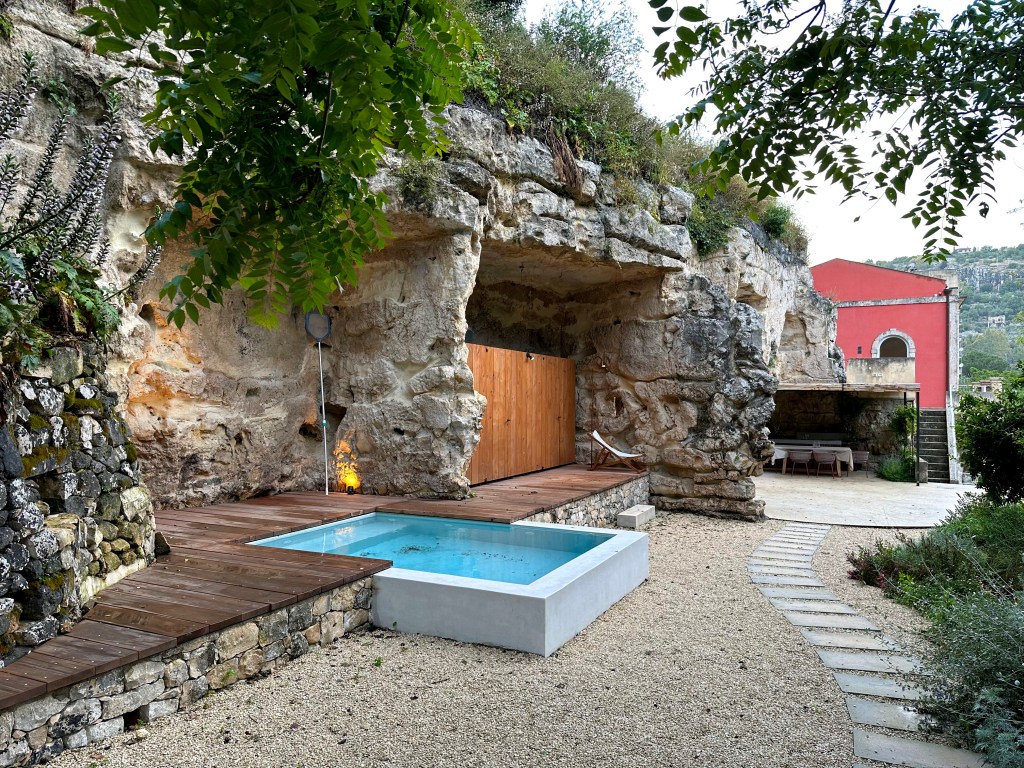
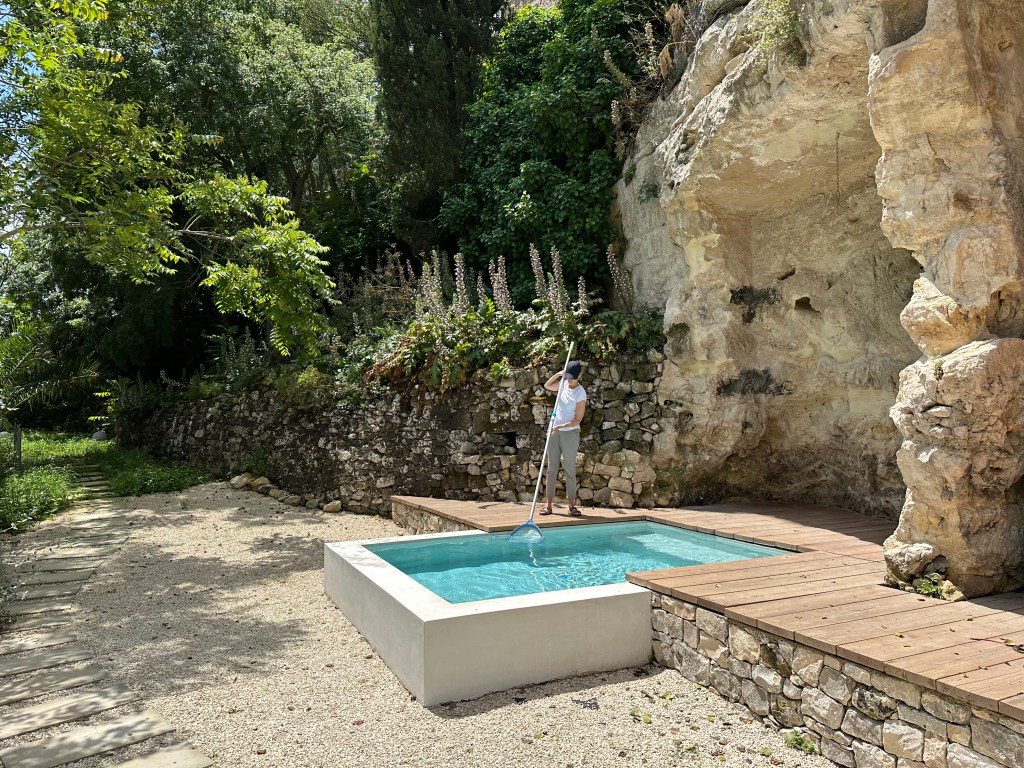
The place came with a pretty cute pool girl, which was nice:
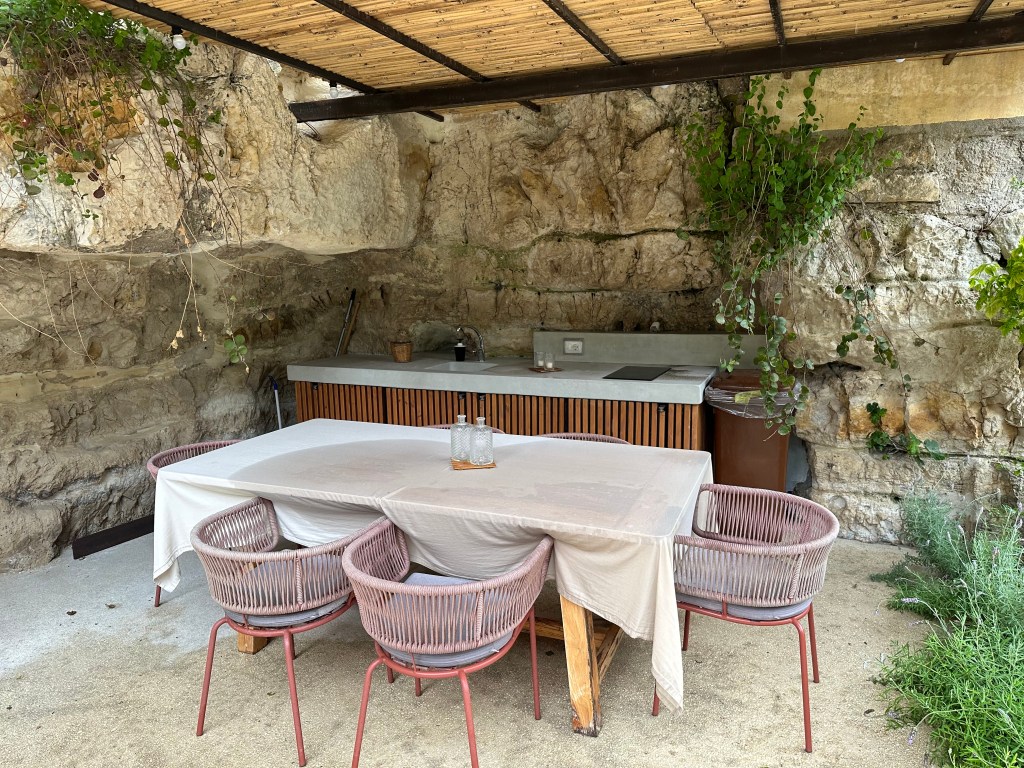
Our post-beach lunch area:
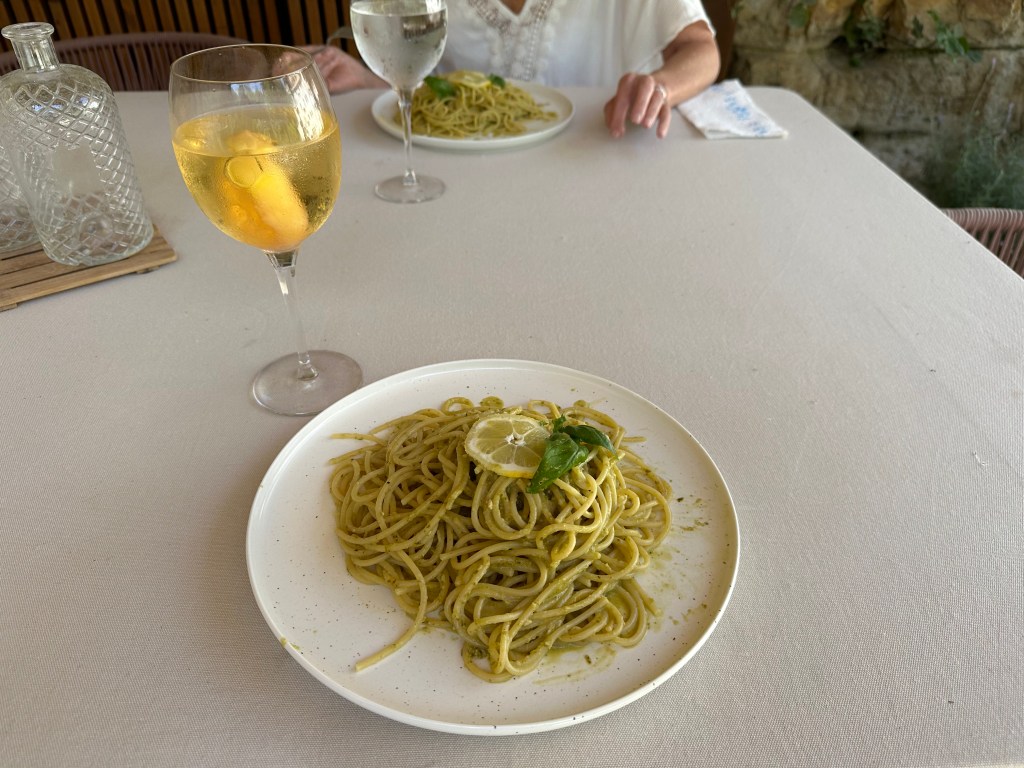
With pasta feasts prepared by the pool girl, who proved to possess multiple talents:
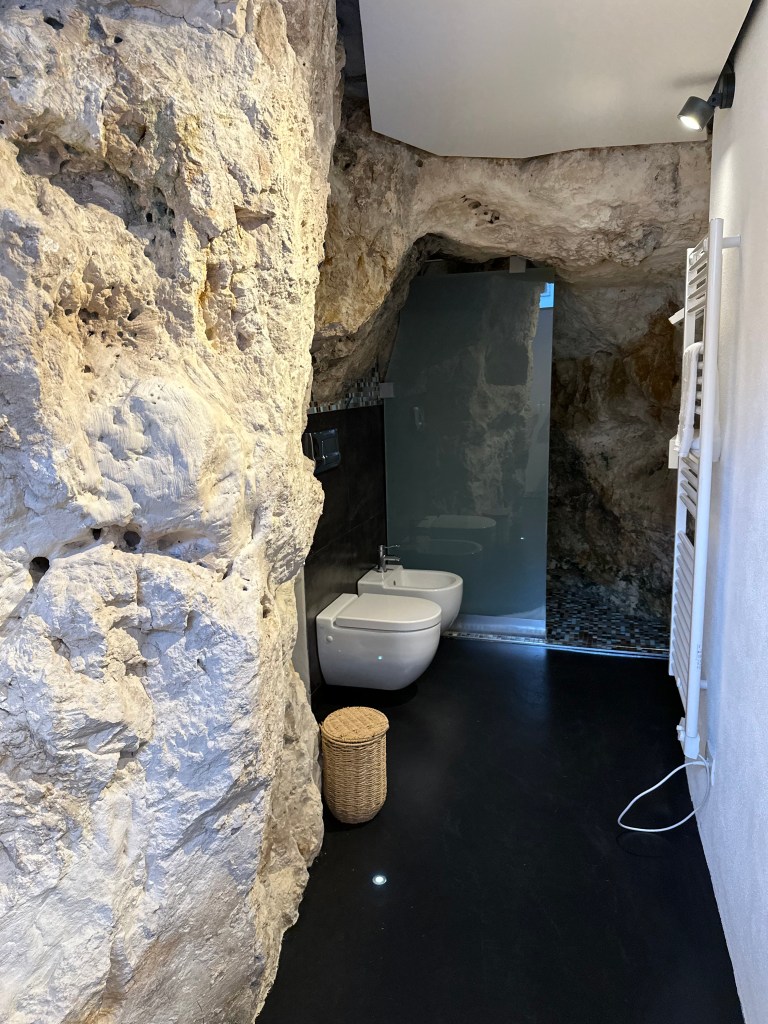
The cave action outside extended inside with a cave bathroom, perhaps to complement the cave church down the street:
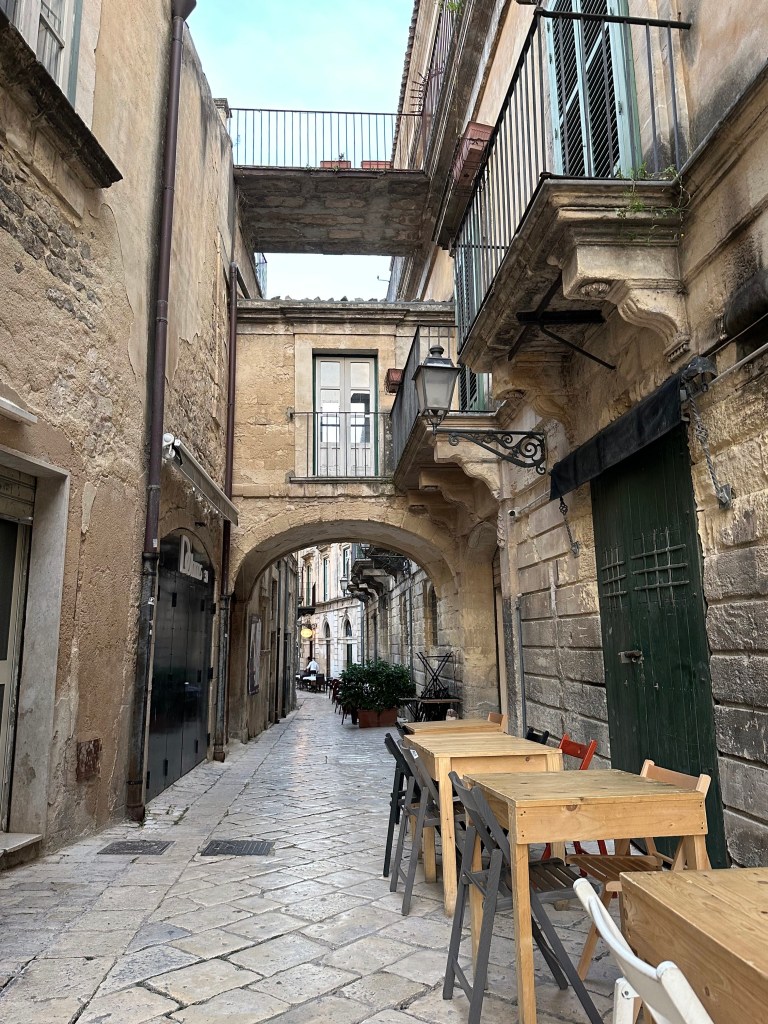
Although Modica was cursed with the absence of a true pedestrian core, it nonetheless sported plenty of car-free lanes in both Modica alta and Modica basso:
Ragusa
Our second Baroque town happened to be the one we SHOULD have stayed in: Ragusa. Much more charming and aligned with the WolfeStreetTravel style.
This is actually a view of Ragusa’s new town up on the hill; we did not visit.
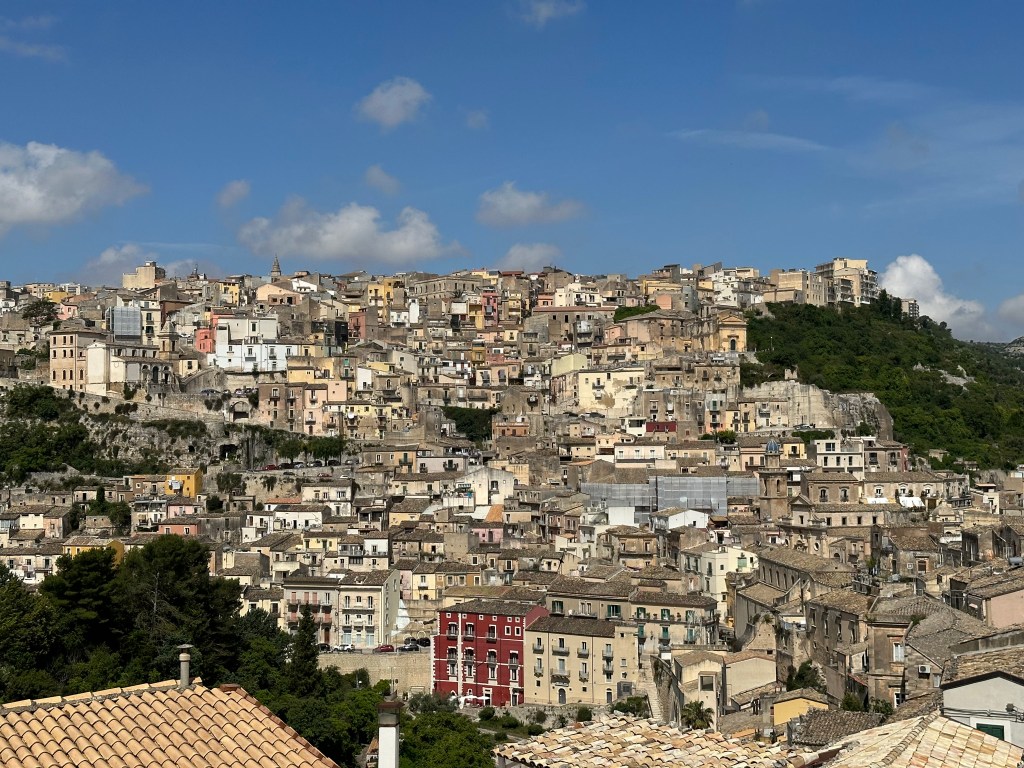
Instead, we headed up to Ragusa Ibla – the burg’s Baroque old town.
And the passageways that typified this area of town:
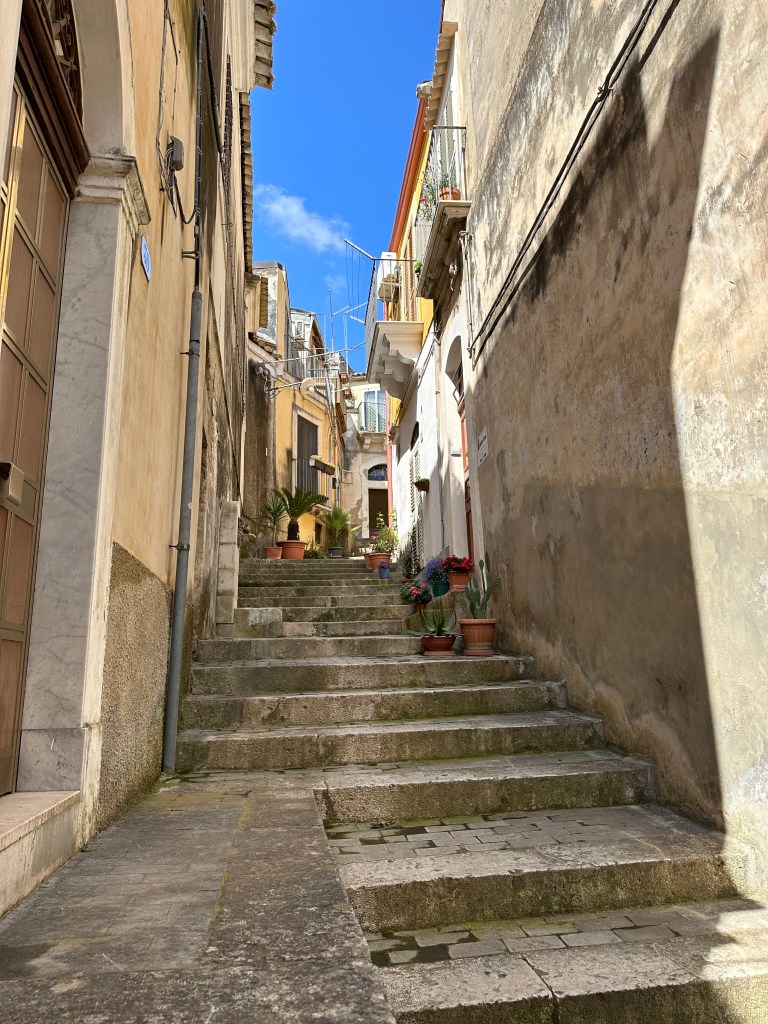
Getting closer.
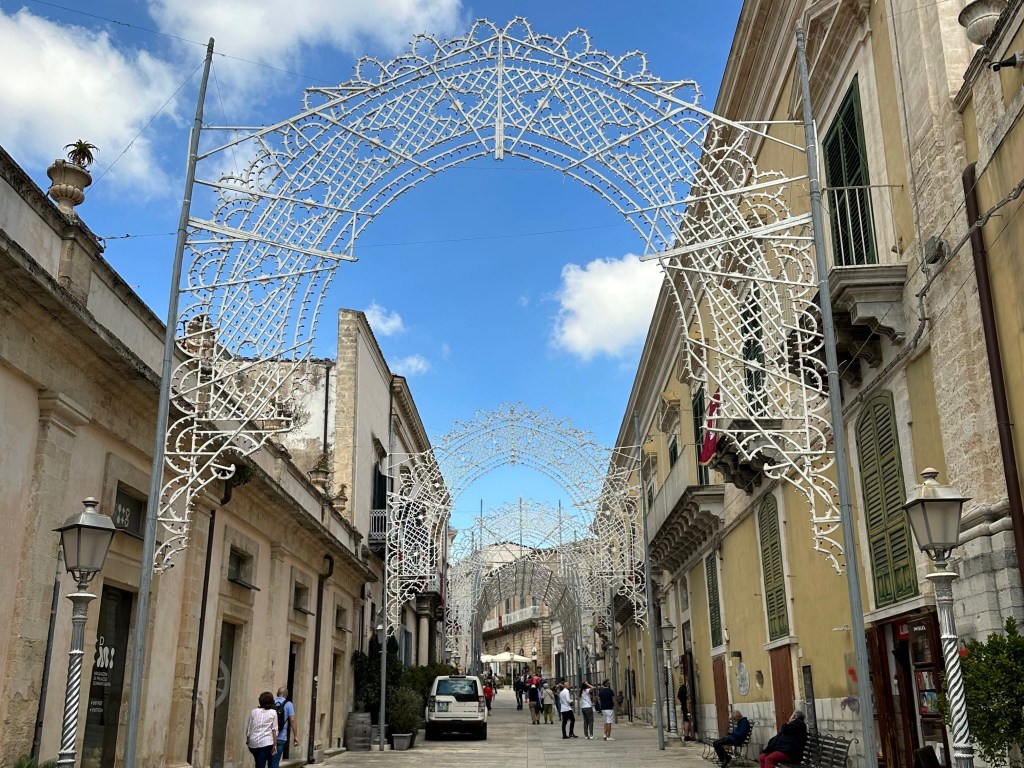
The heart of town:
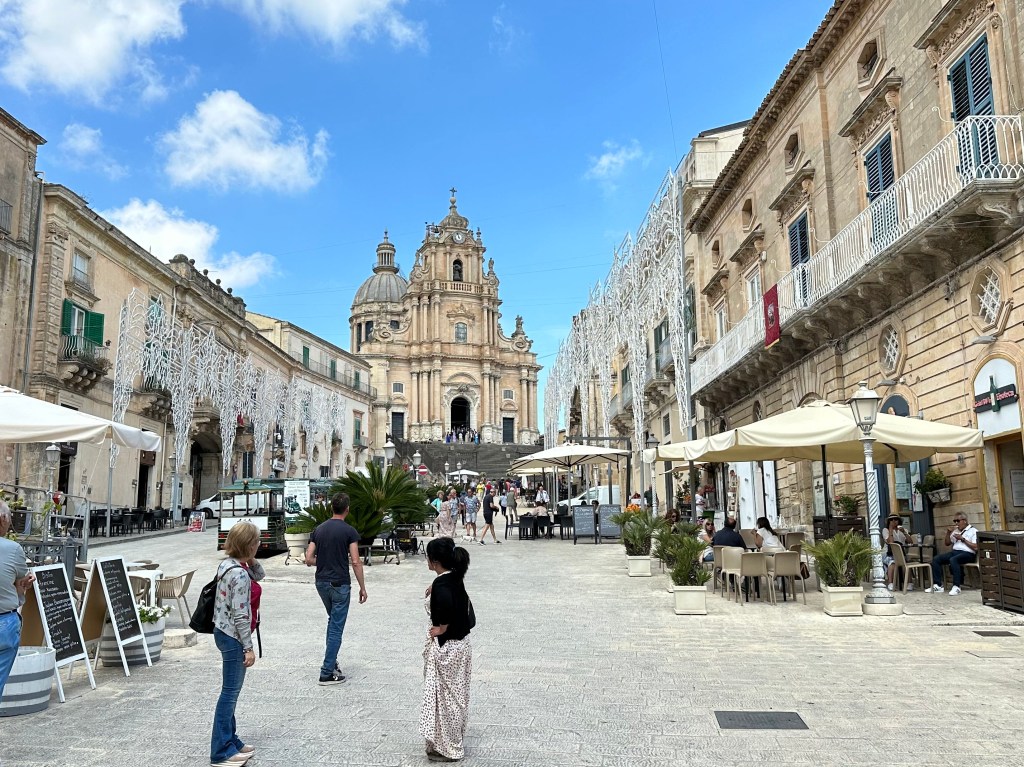
Ragusa Ibla is the ancient, labyrinthine lower town of Ragusa, a UNESCO World Heritage Site rebuilt in glorious Baroque style after the 1693 earthquake, its honey-colored stone churches and palazzos tumbling dramatically down a rocky promontory surrounded by deep ravines.
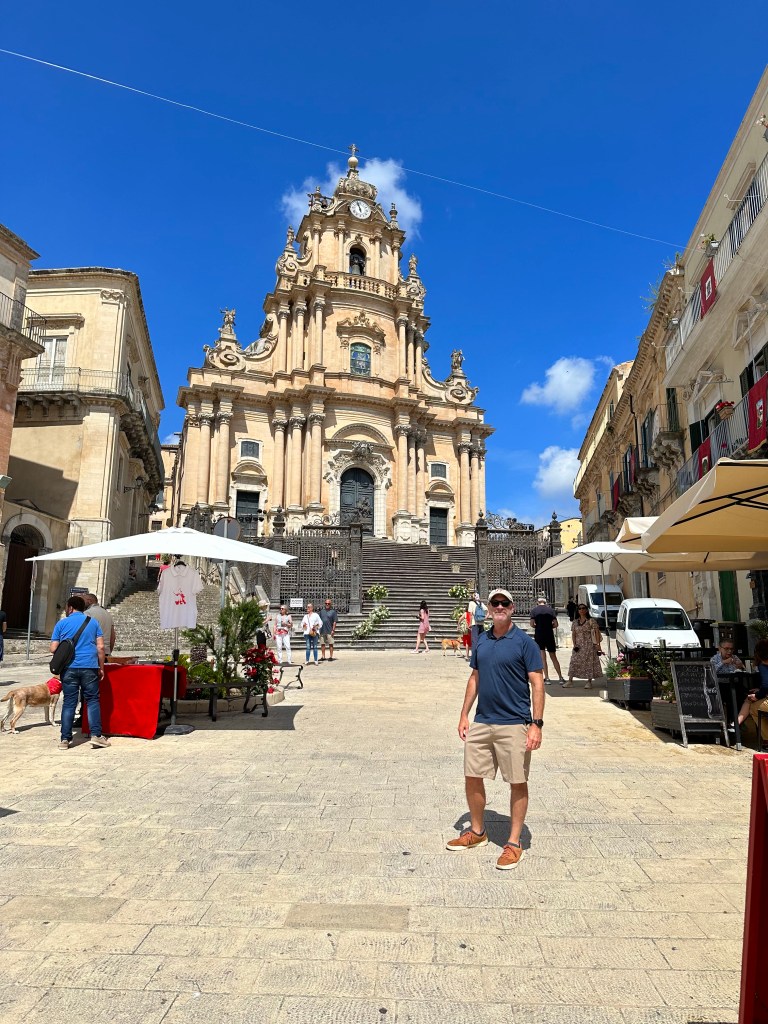
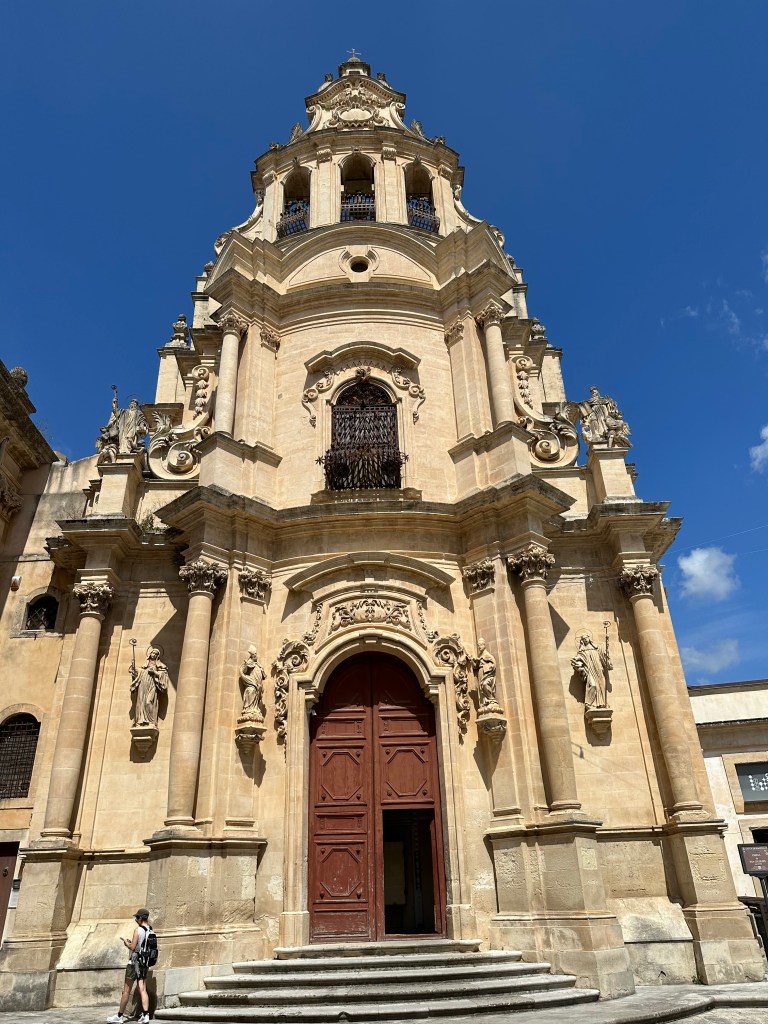
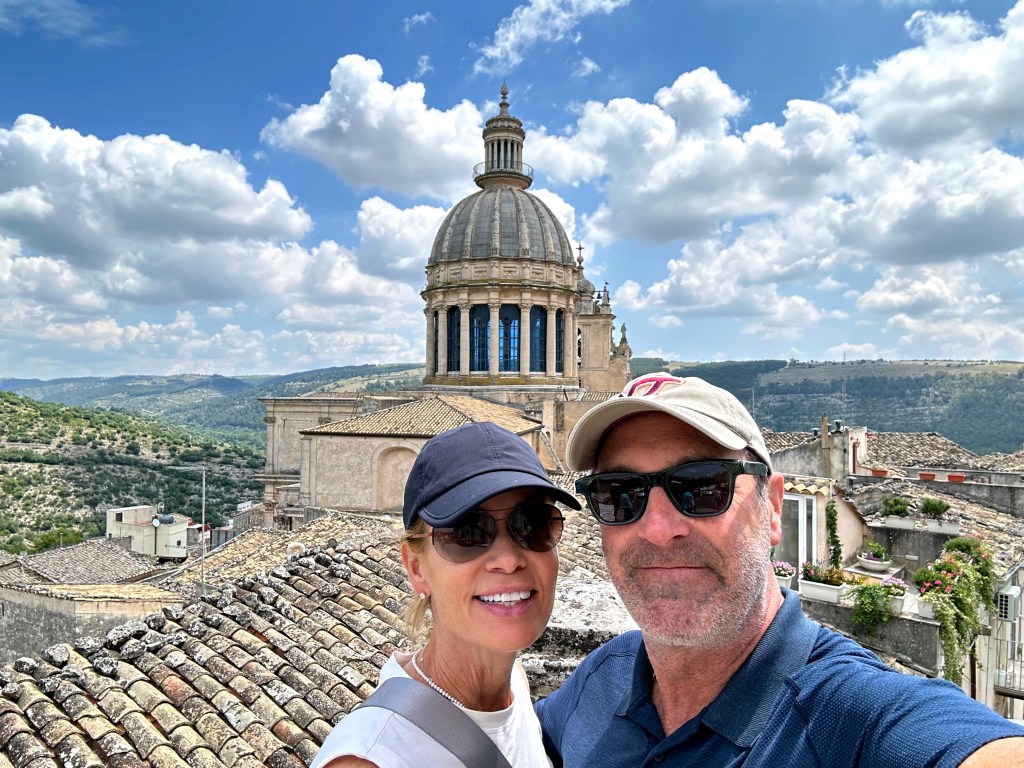
The undisputed highlight is the Cathedral of San Giorgio, one of the masterpieces of Sicilian Baroque attributed to Rosario Gagliardi, its magnificent facade rising above a sweeping staircase and presiding over a graceful piazza that ranks among the most beautiful in all of Italy.
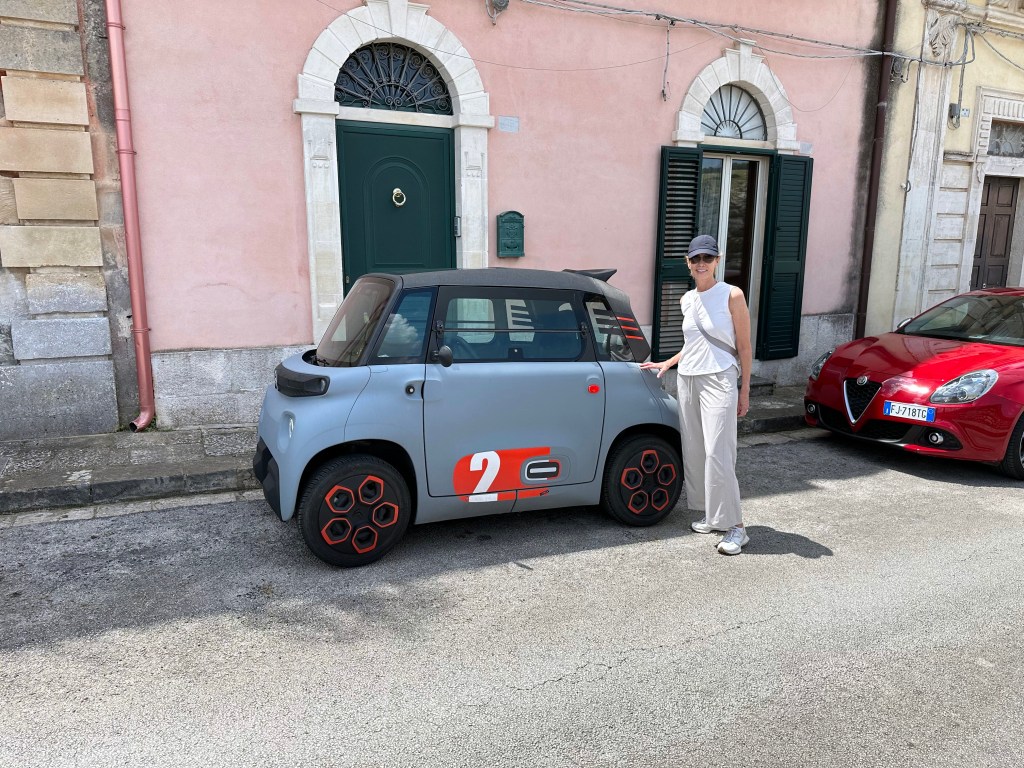
Another Citroen breadbox!
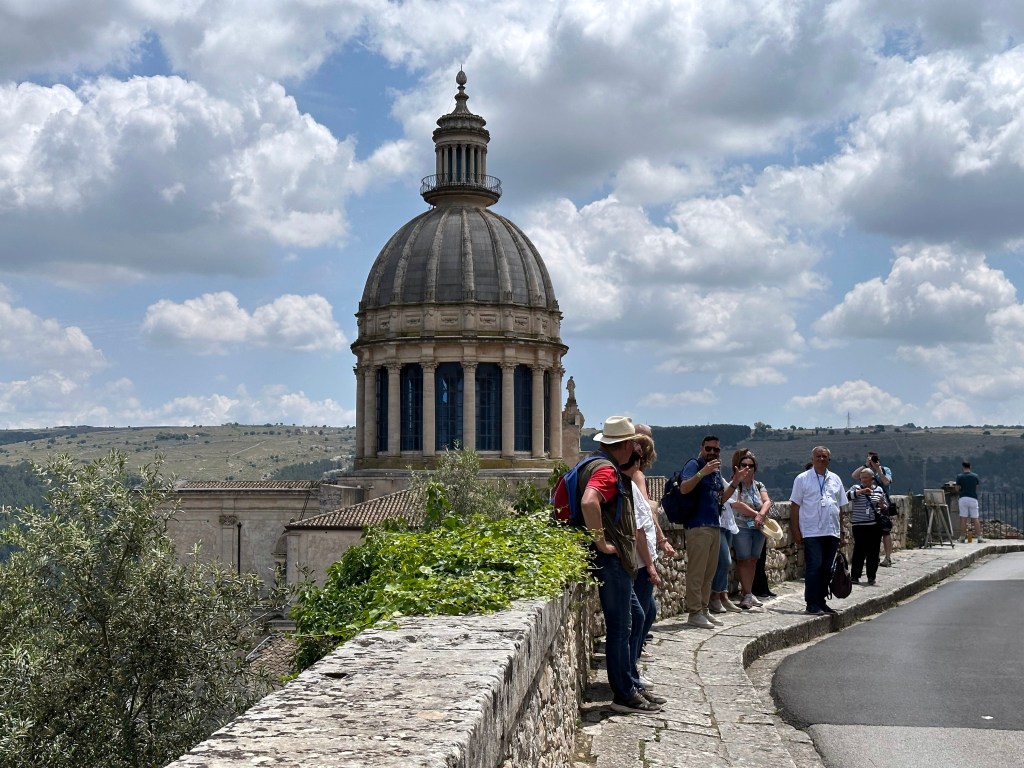
Above and behind the Cathedral of San Giorgio:
At last, a non-Baroque church. The Church of San Giacomo Apostolo is one of Ragusa Ibla’s oldest sacred sites, dating to the 13th or 14th century and built under the Chiaramonte family, though rebuilt into a single-nave Baroque structure after the 1693 earthquake absorbed the ruins of the adjacent church of San Teodoro. Tucked inside the beautiful Giardino Ibleo public gardens at the eastern tip of Ibla.
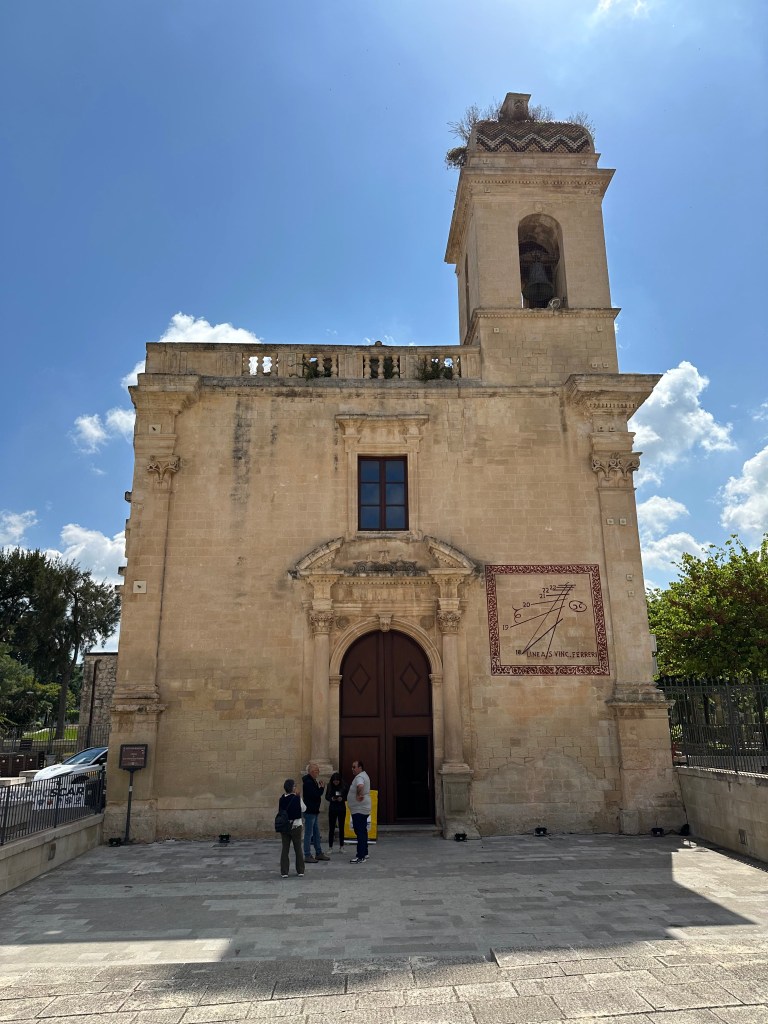
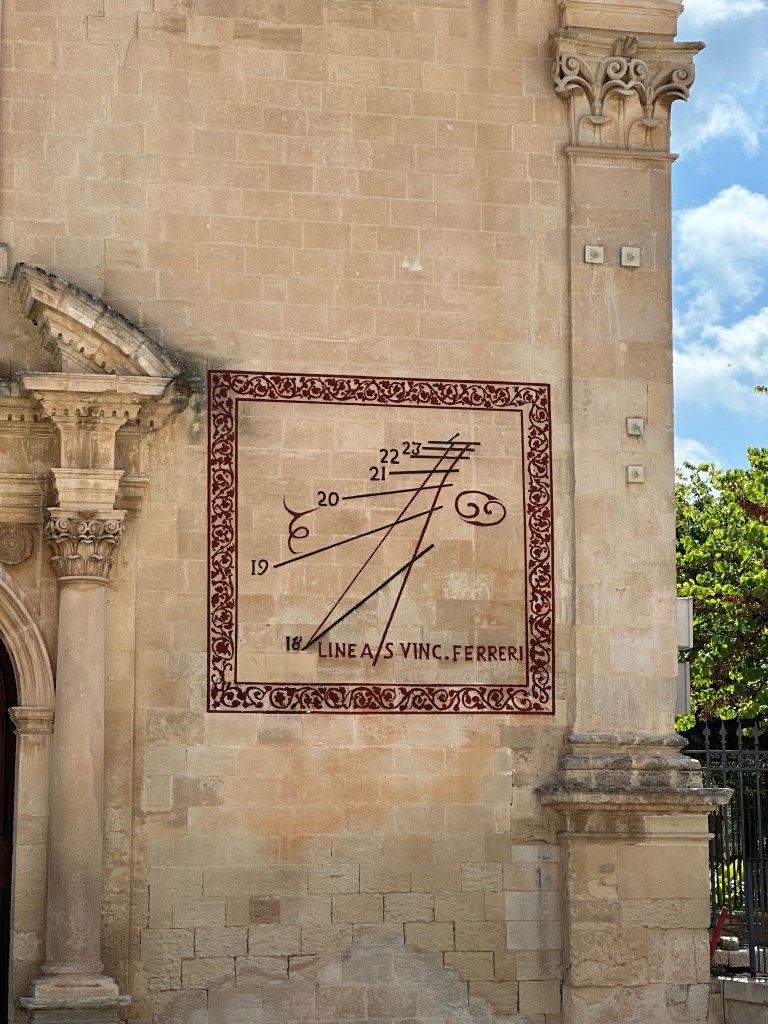
Dig the sundial:
And more Baroque balcony ballustrades:
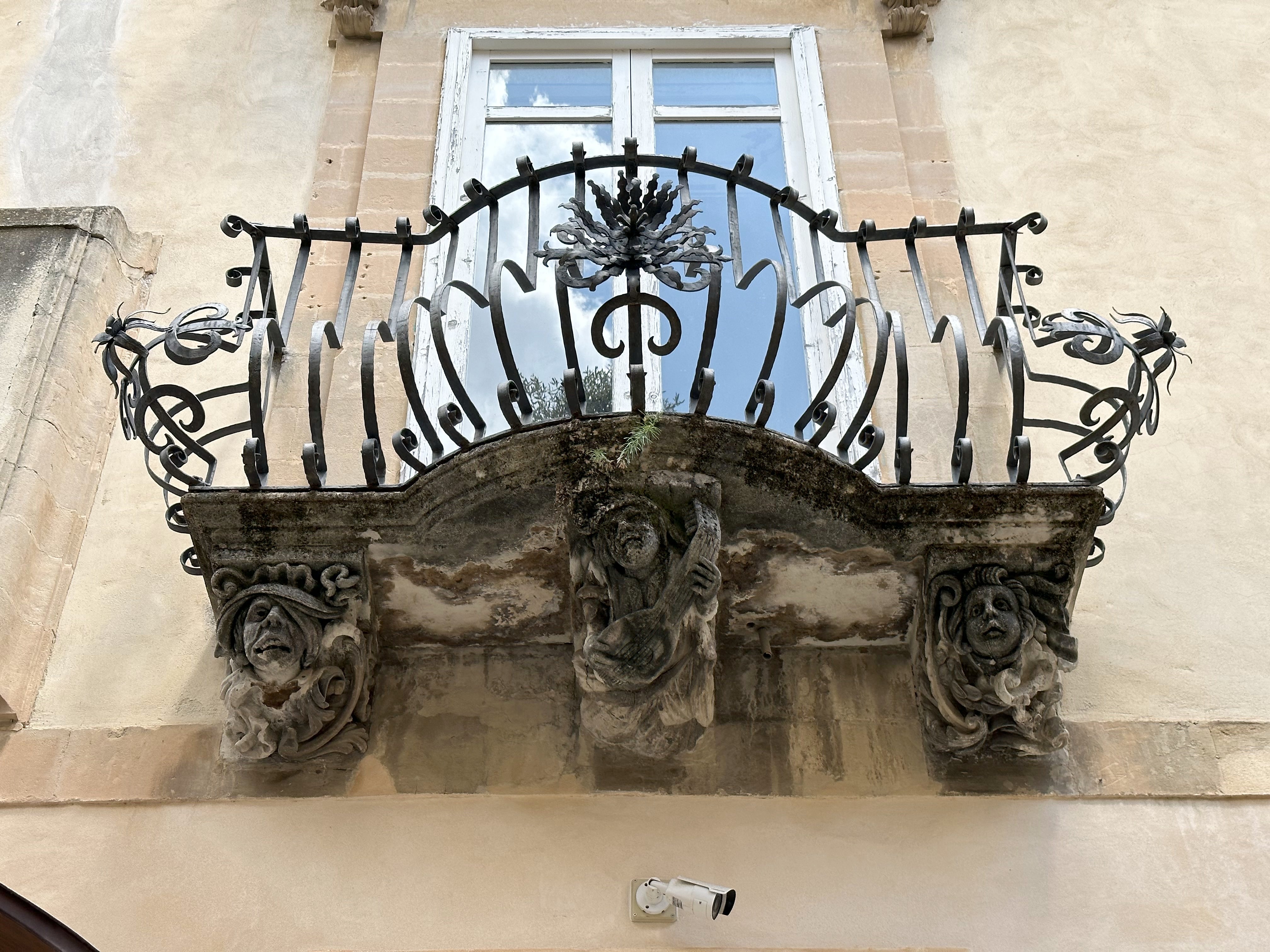
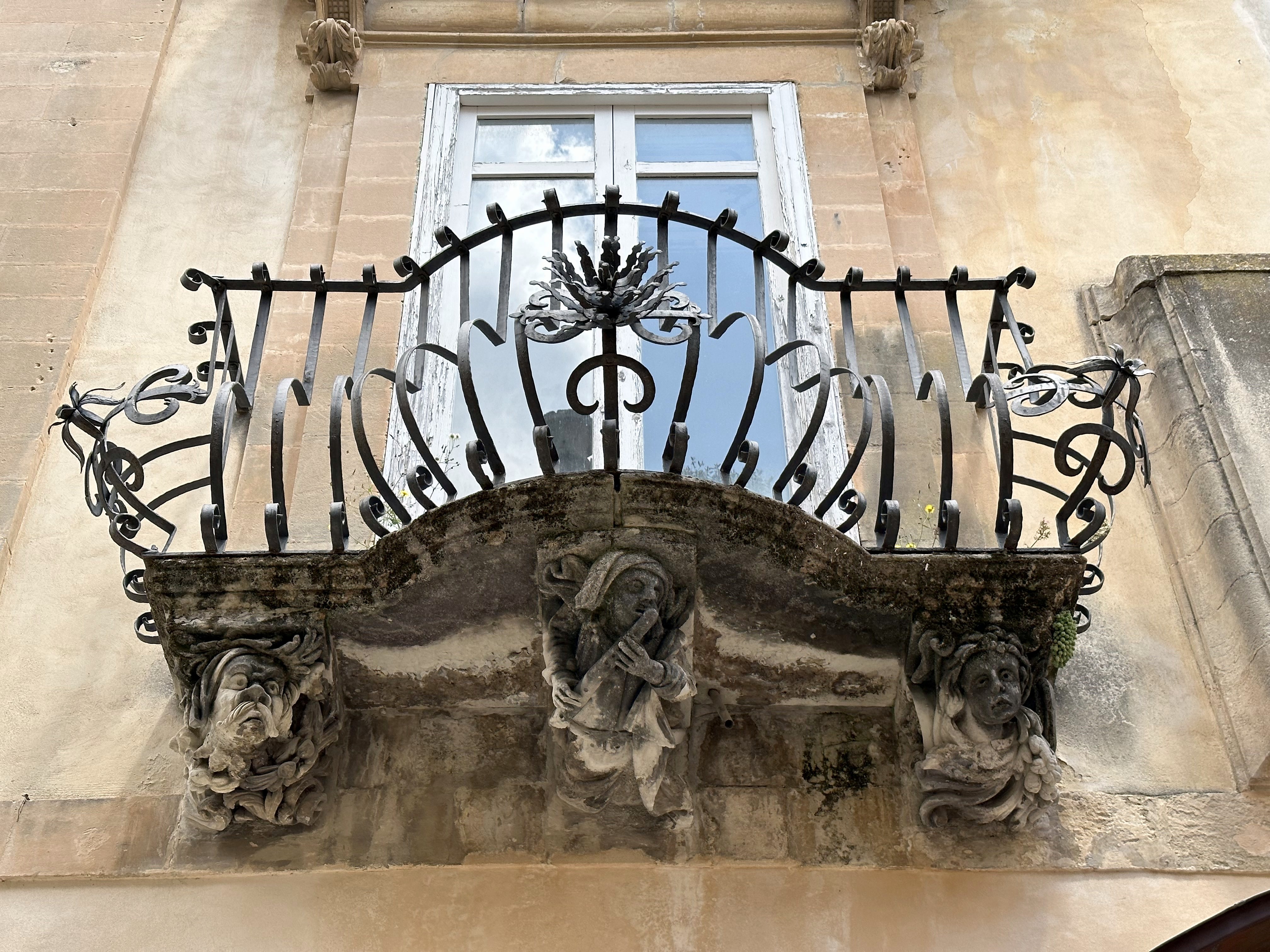
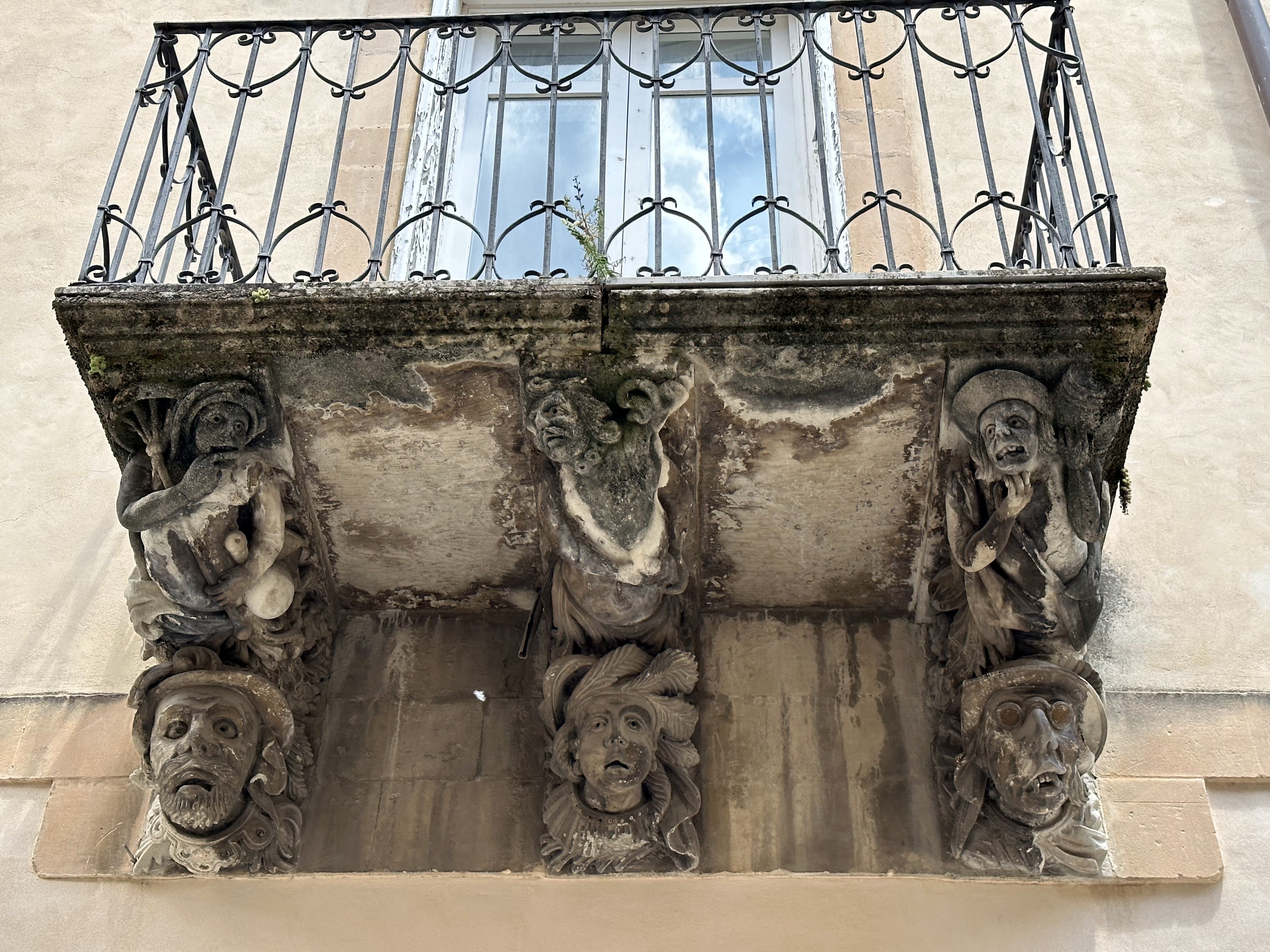
And a mishap spotted on the hilly, serpentine alleys of Ragusa:
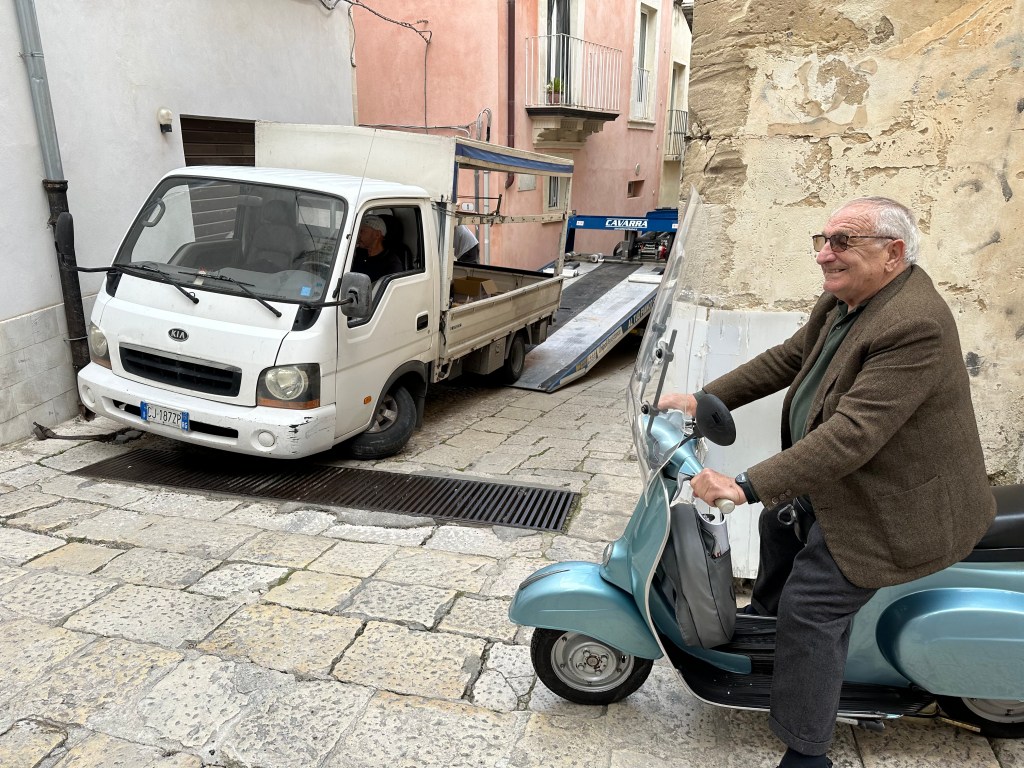
Not happy:
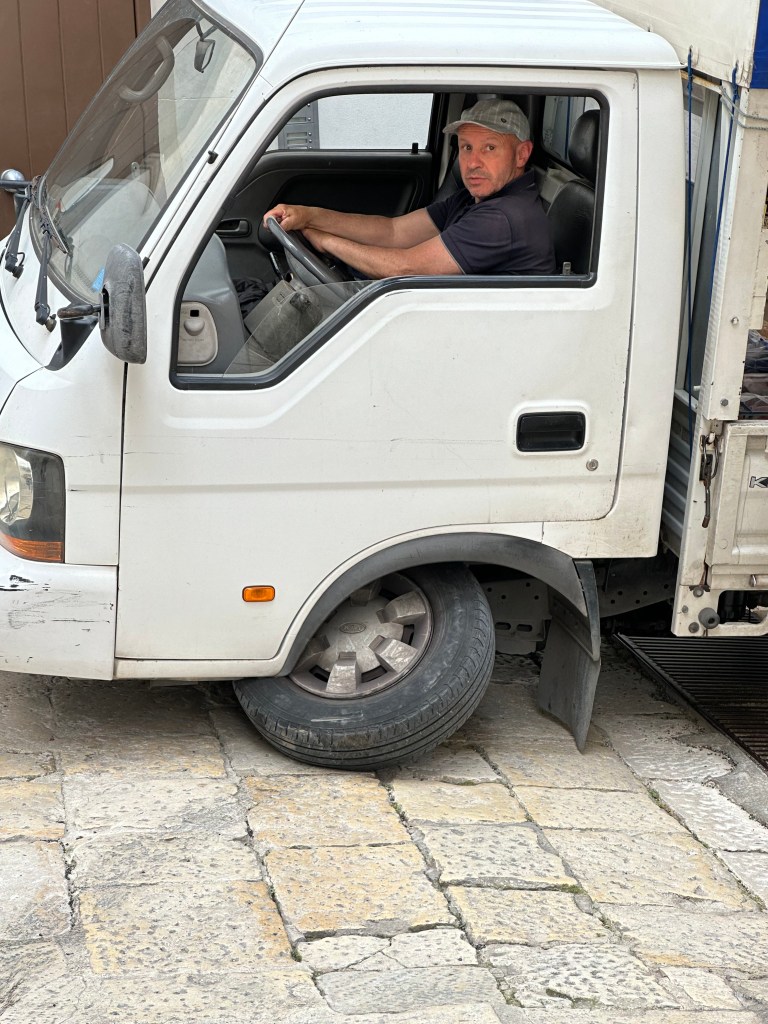
Portale di San Giorgio — the Gothic portal of the ancient Church of San Giorgio, which was completely destroyed in the 1693 earthquake. The original church dedicated to St. George existed as far back as 1120. The 13th-century doorway depicts St. George slaying the dragon and is now a UNESCO-protected symbol of Ragusa’s resilience — a solitary medieval portal standing alone as the sole survivor of an entire church.
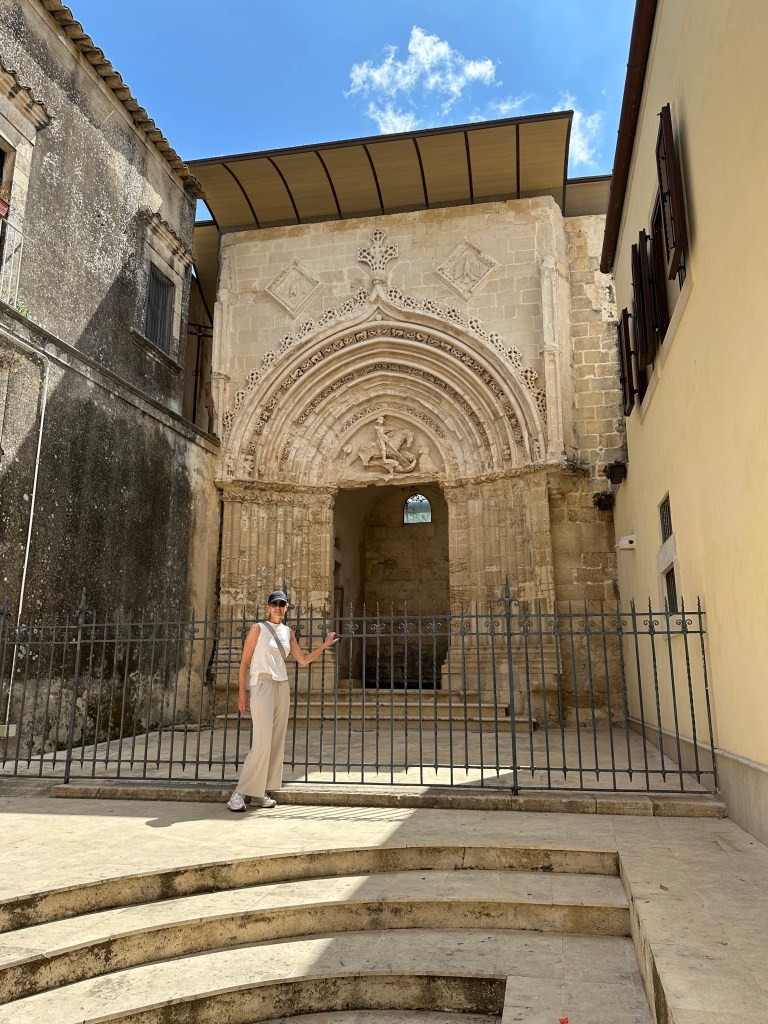
Chiesa di San Giacomo Apostolo – definitely not Baroque. The church dates to the 13th century, hence its more Romanesque appearance.
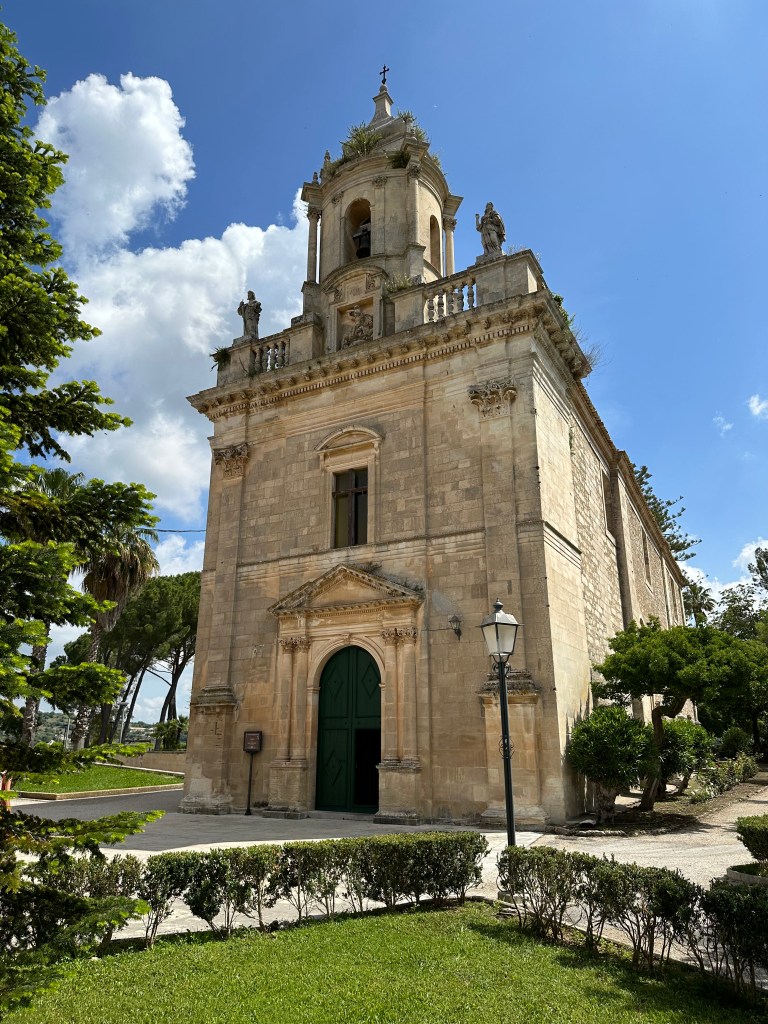
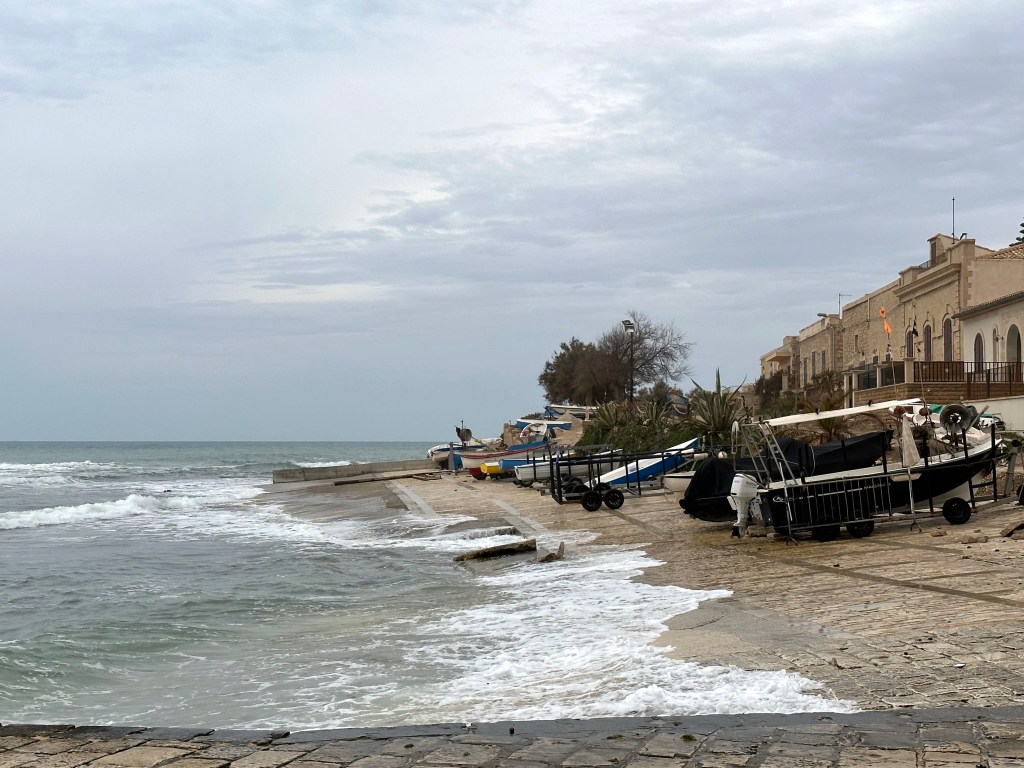
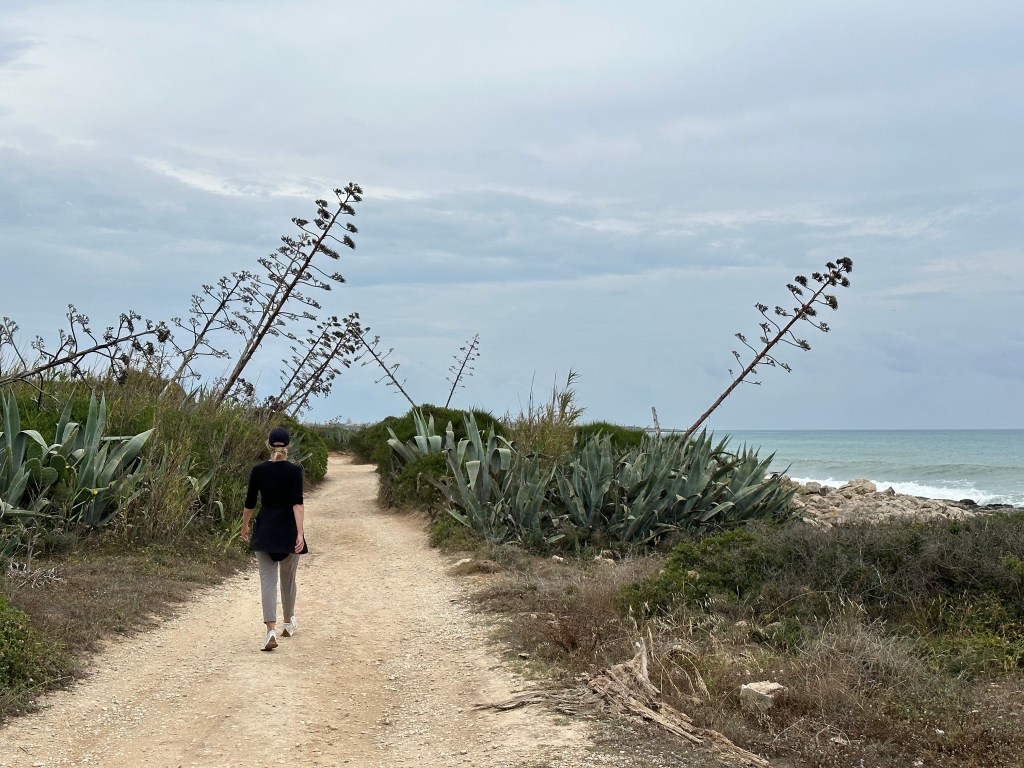
Unlike our 3-month New England and eastern Canada sojourn the next year, we couldn’t run every day here, but we could walk on the coast. So we headed a few mornings to beach towns just south of Modica. Which, frankly, provided some really nice hikes.
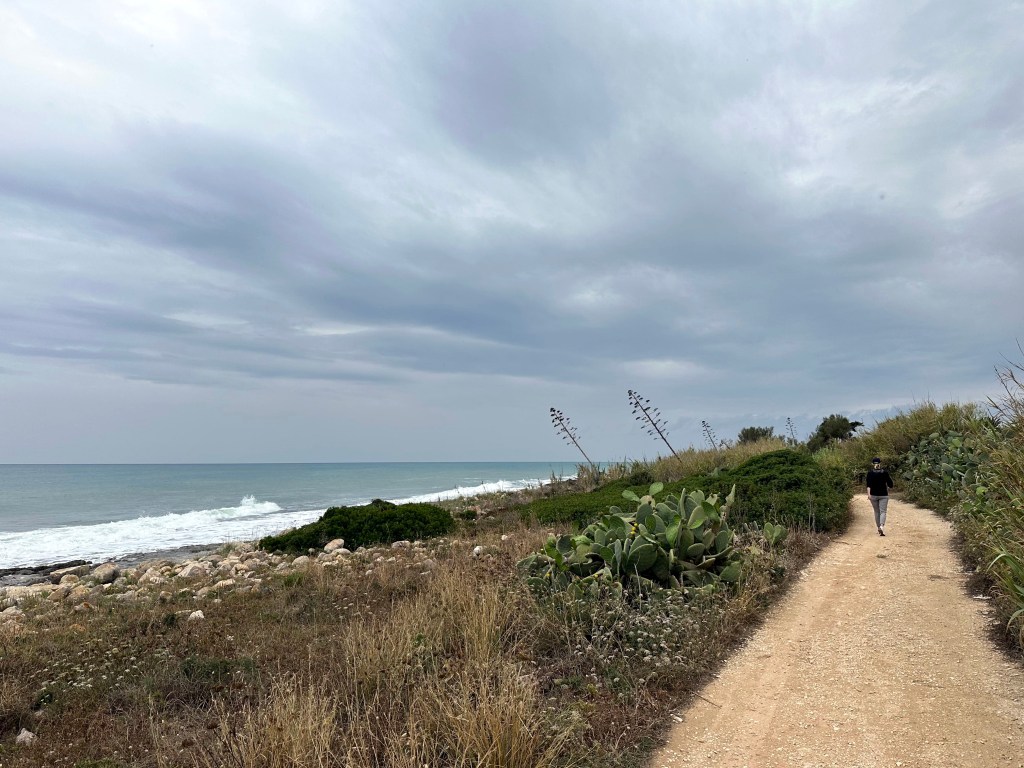
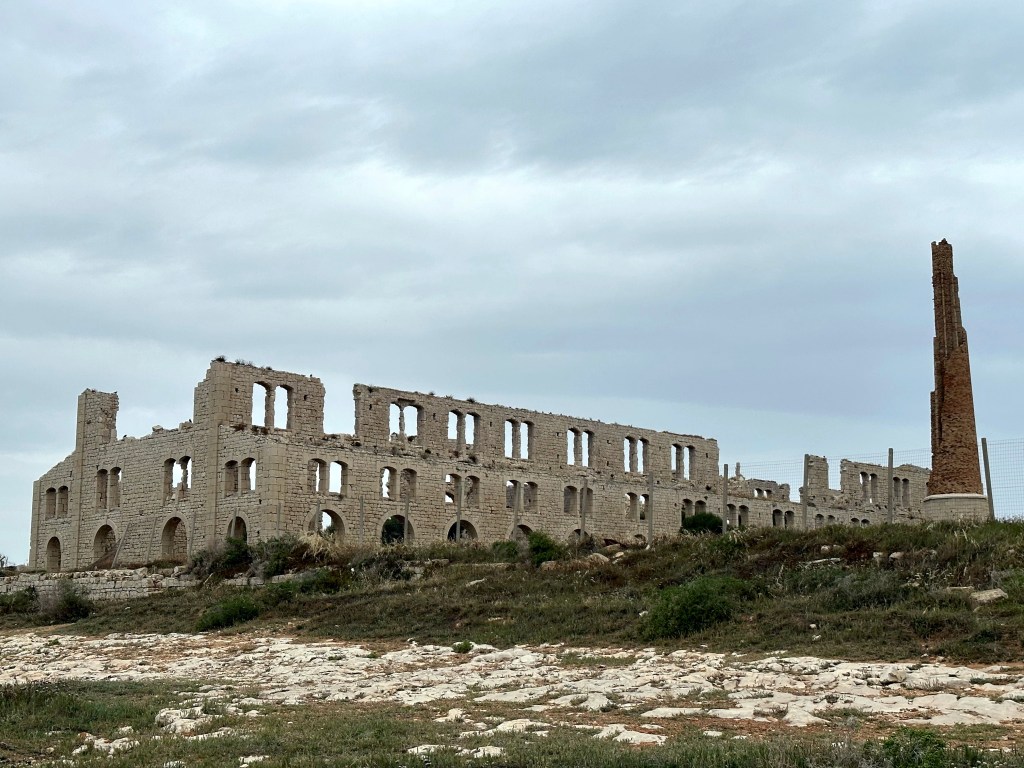
Our first hike took us past Fornace Penna, a hauntingly beautiful industrial ruin perched on a promontory just meters from the sea near the beach town of Sampieri. The kiln was built between 1909 and 1912 to produce bricks and construction materials.
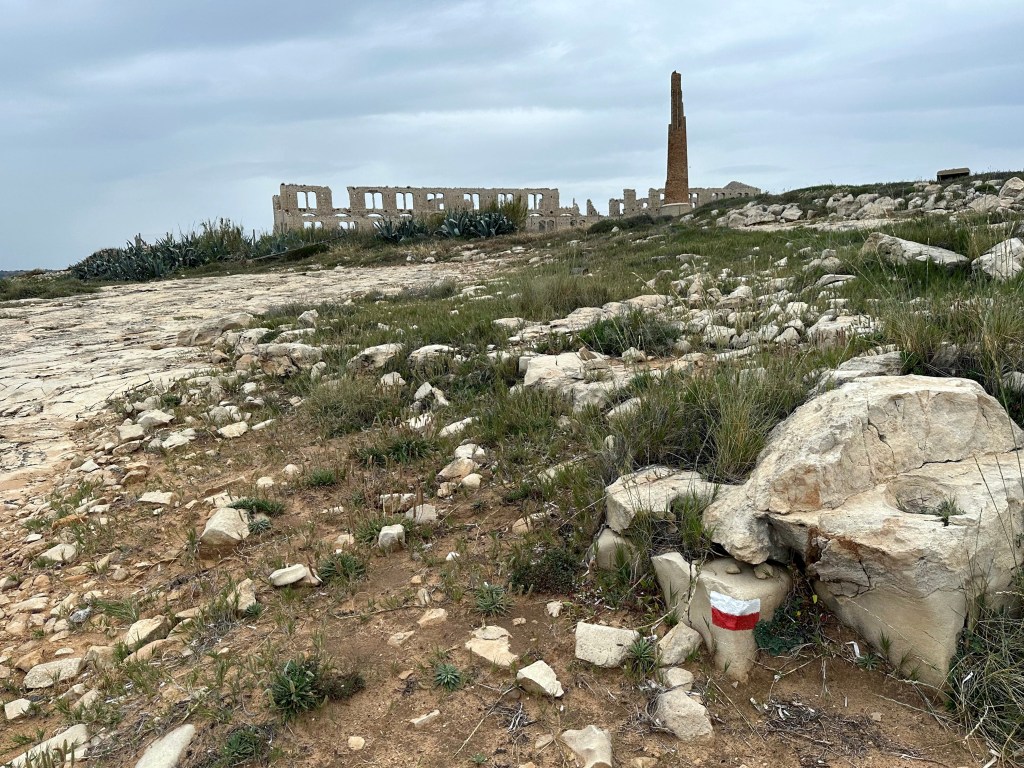
After only 14 years of operation it was destroyed by arson in 1926, and the owner chose never to rebuild it — leaving behind one of Italy’s most photogenic industrial ruins.
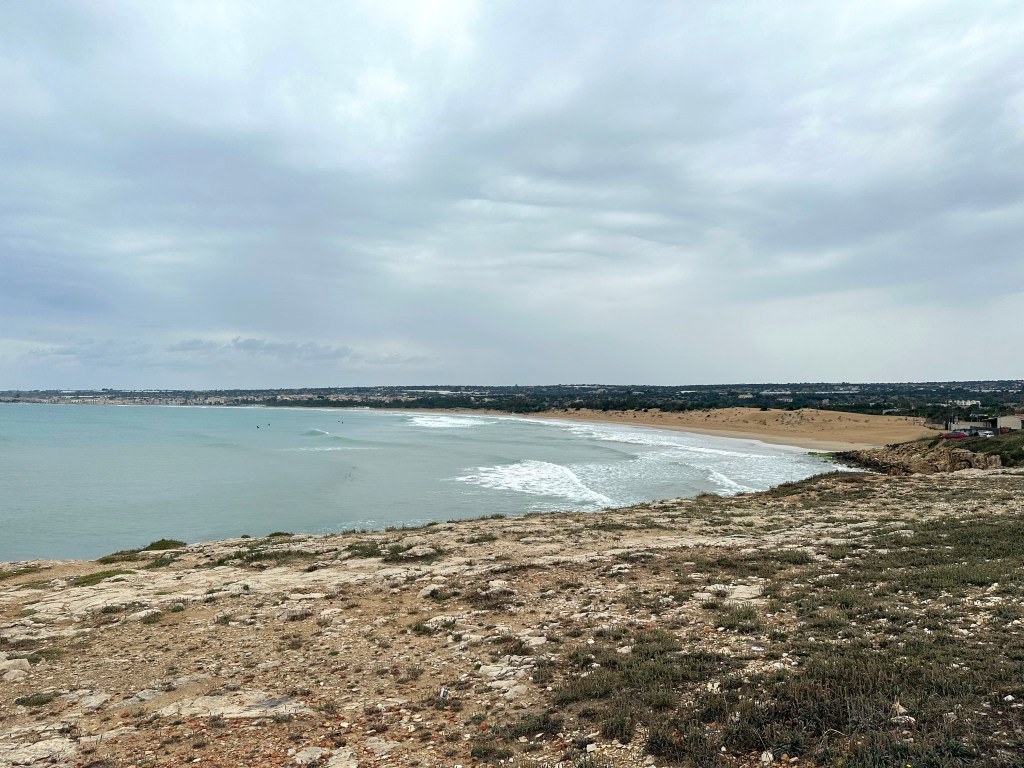
Little coastal view hiking into the beach town of Sampieri:
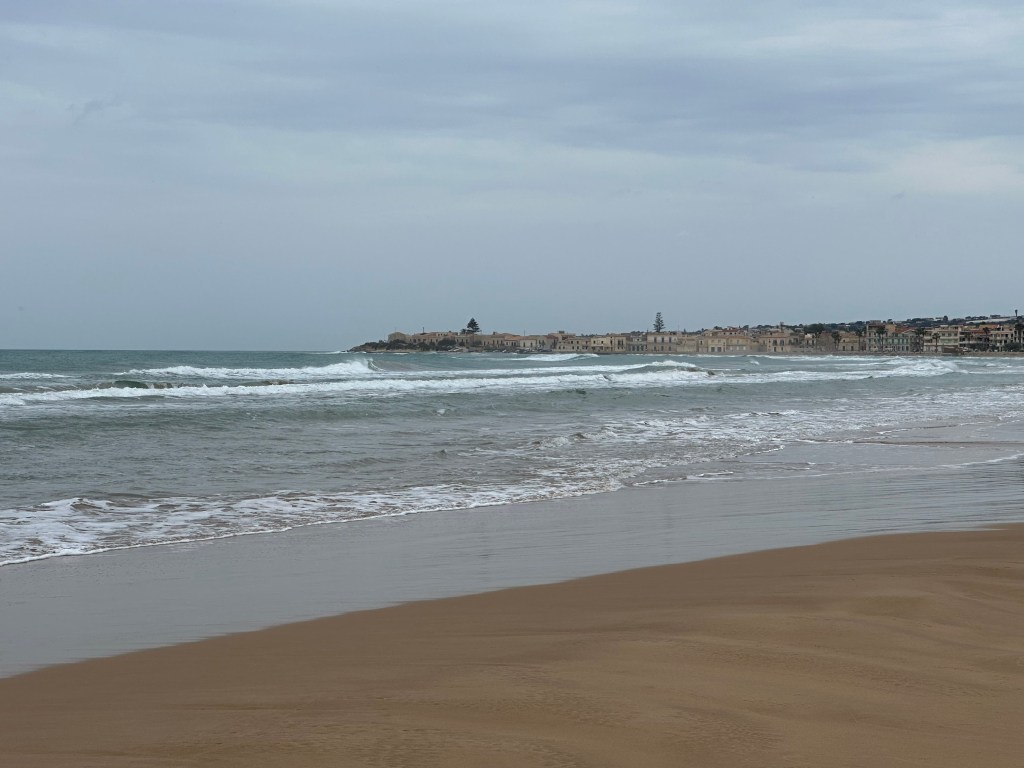
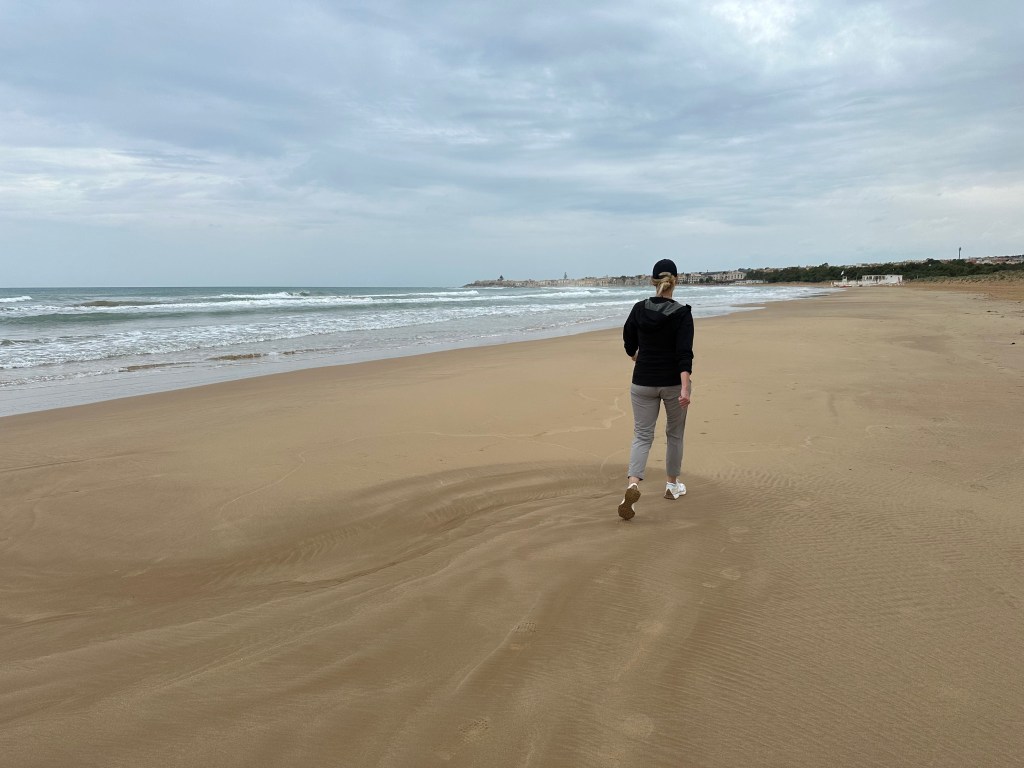
Not great.
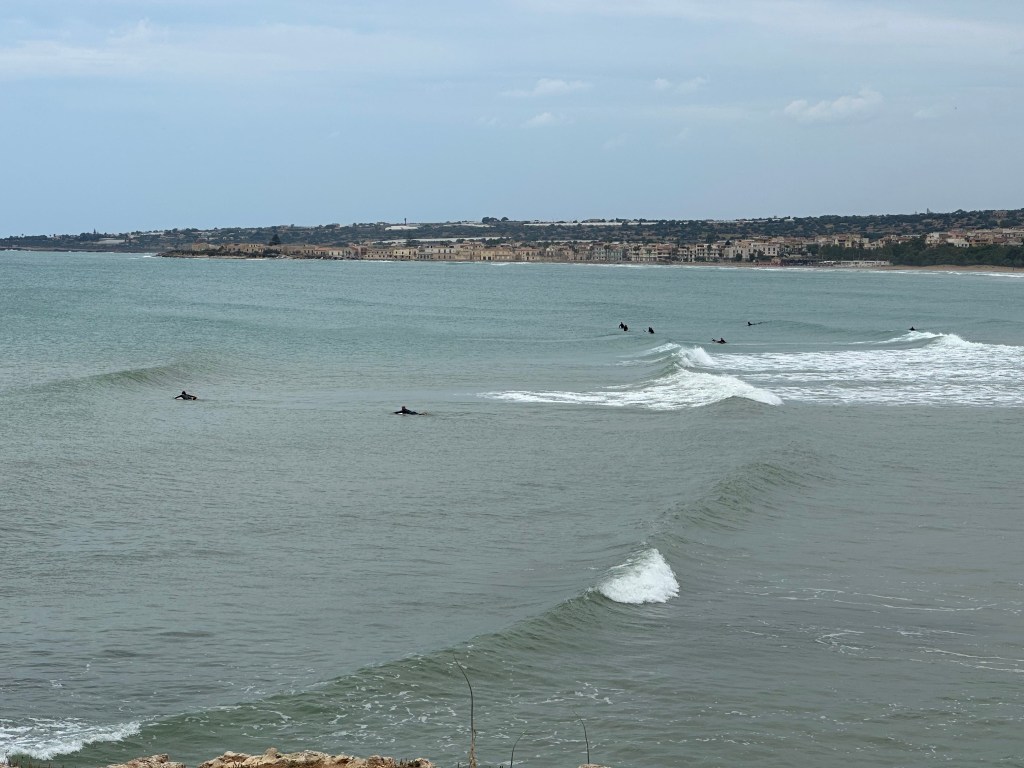
Bodi’s out there performing for Point Break, we think.
Scicli
Our penultimate Baroque town to visit lay between Modica and the beach: Scicli.
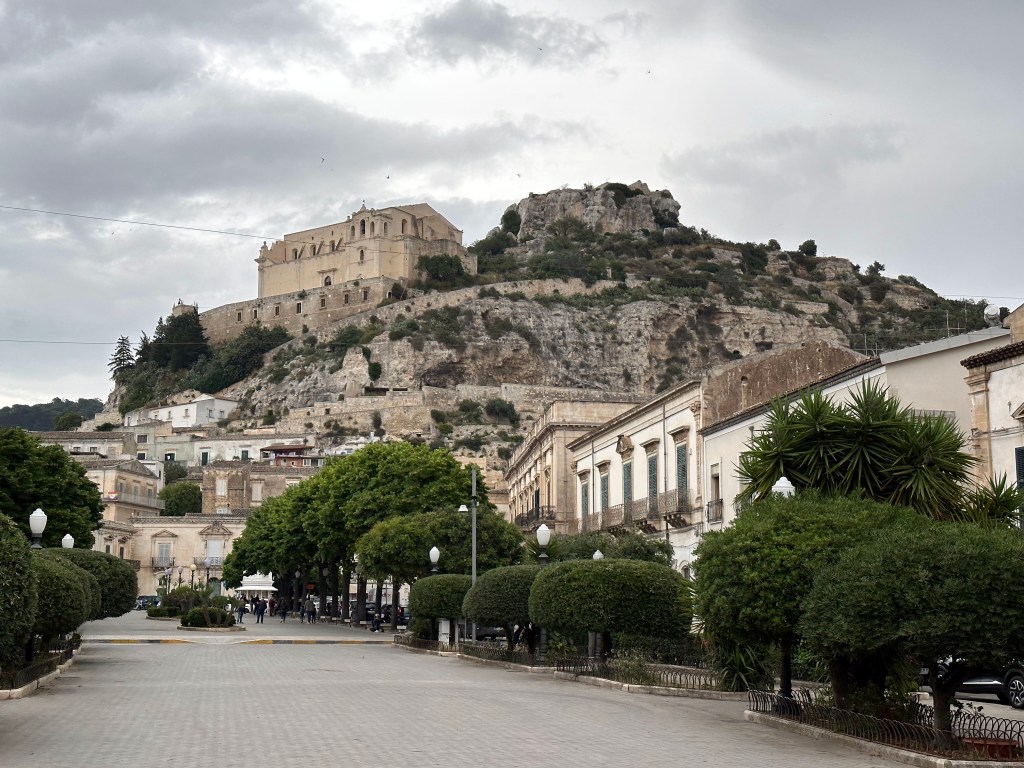
Scicli is a UNESCO-listed Baroque town tucked dramatically into the junction of three valleys in southeastern Sicily, rebuilt in golden stone after the catastrophic 1693 earthquake and flanked by a rocky hill crowned by the abandoned Church of San Matteo.
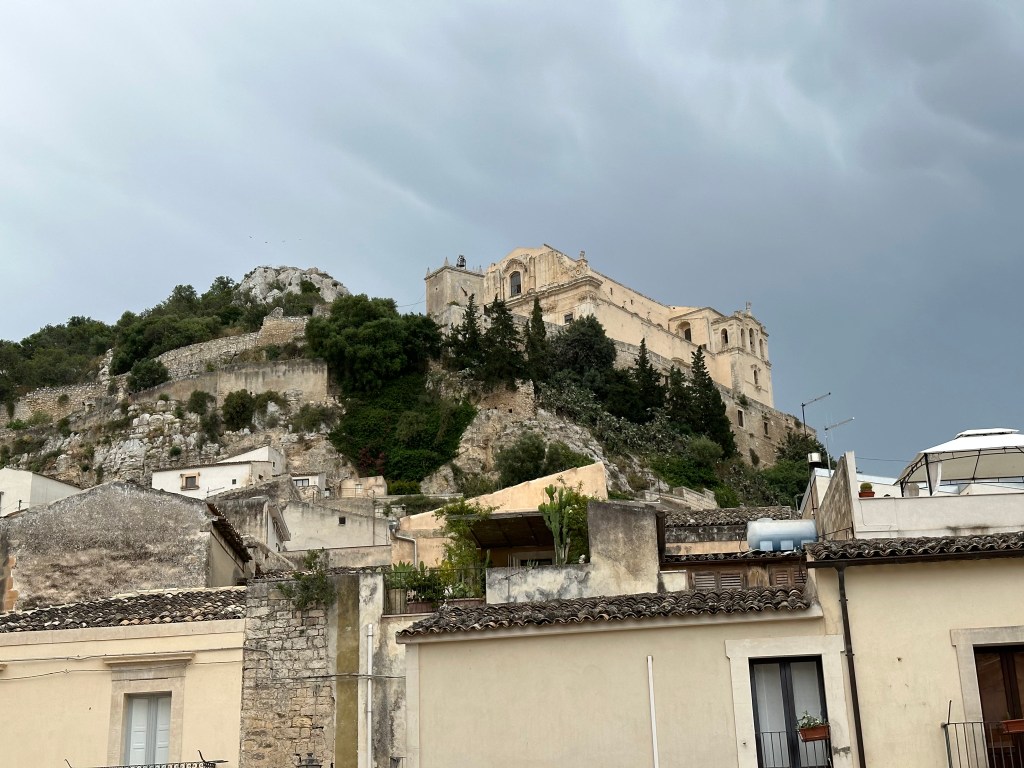
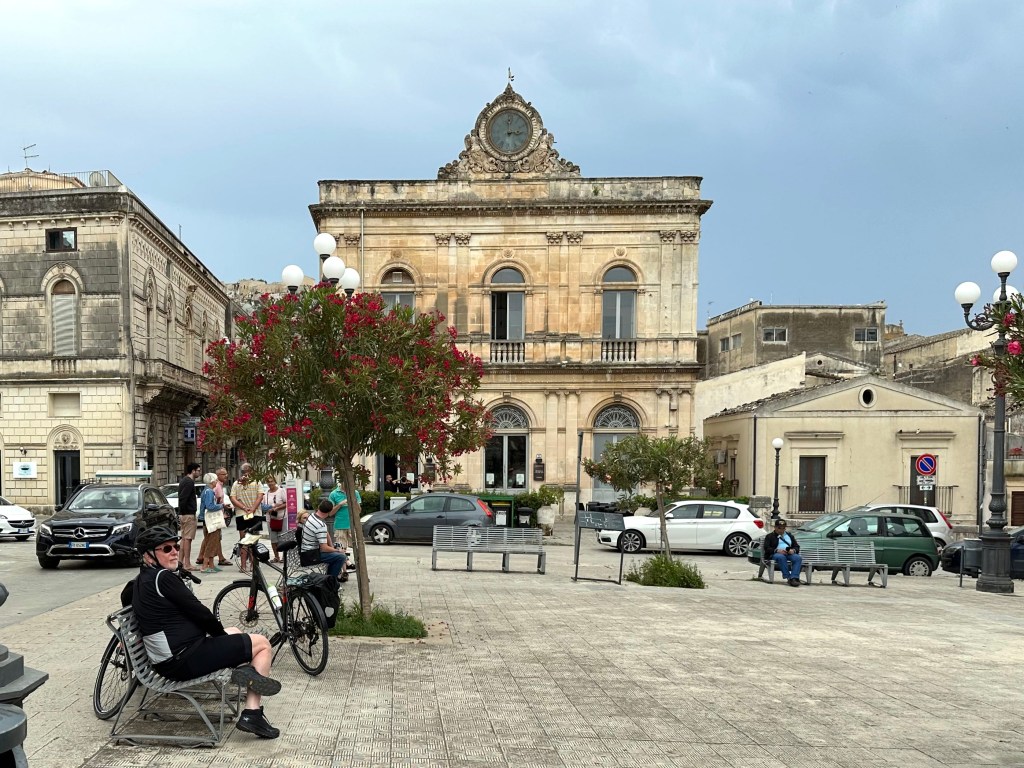
Smaller and less visited than its neighbors Ragusa, Modica, and Noto, Scicli still offered charm and – unlike Modica – a pedestrian core.
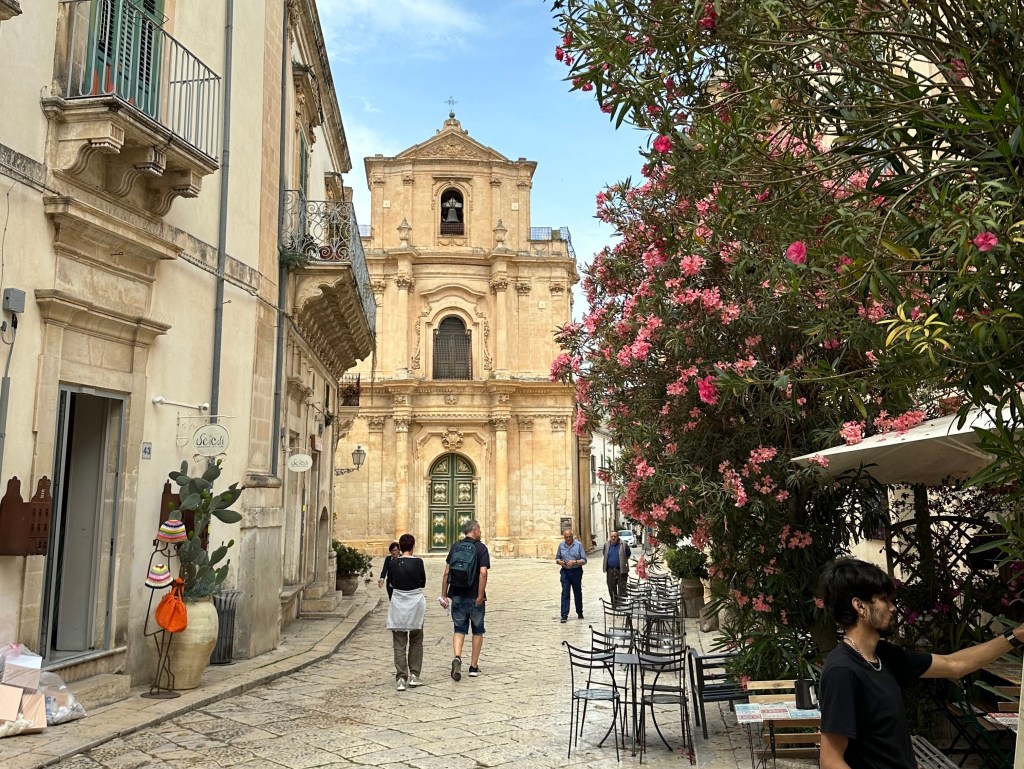
But just like Modica alta, Scicli had plenty of steps.
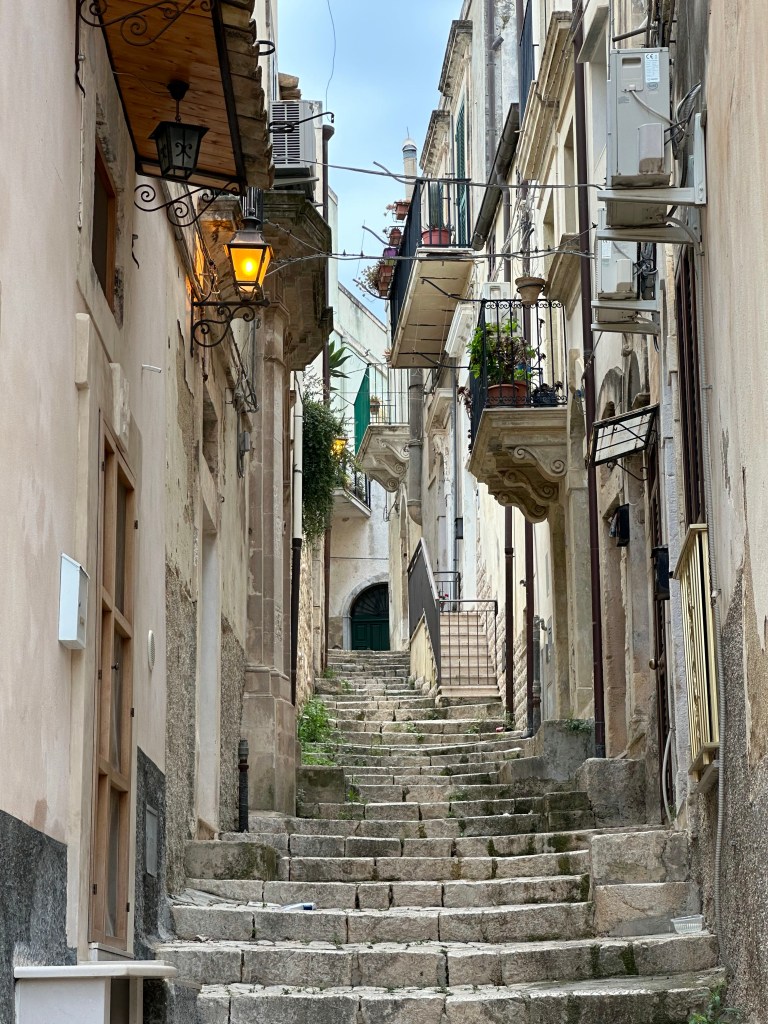
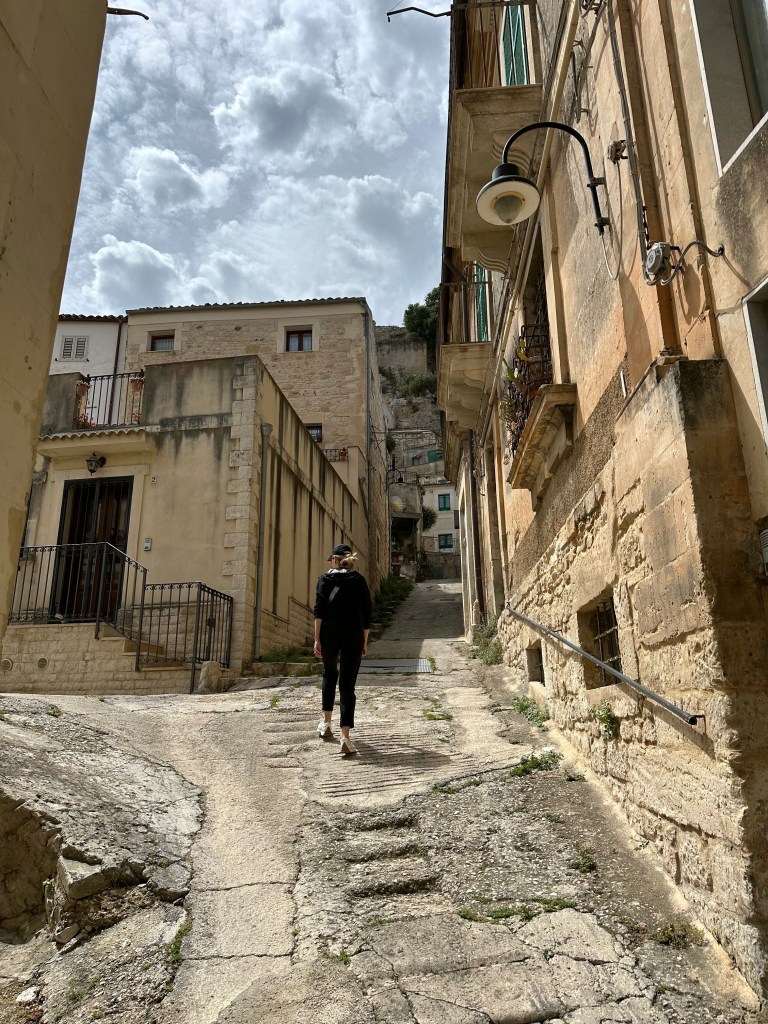
Leading to a pretty decent view.
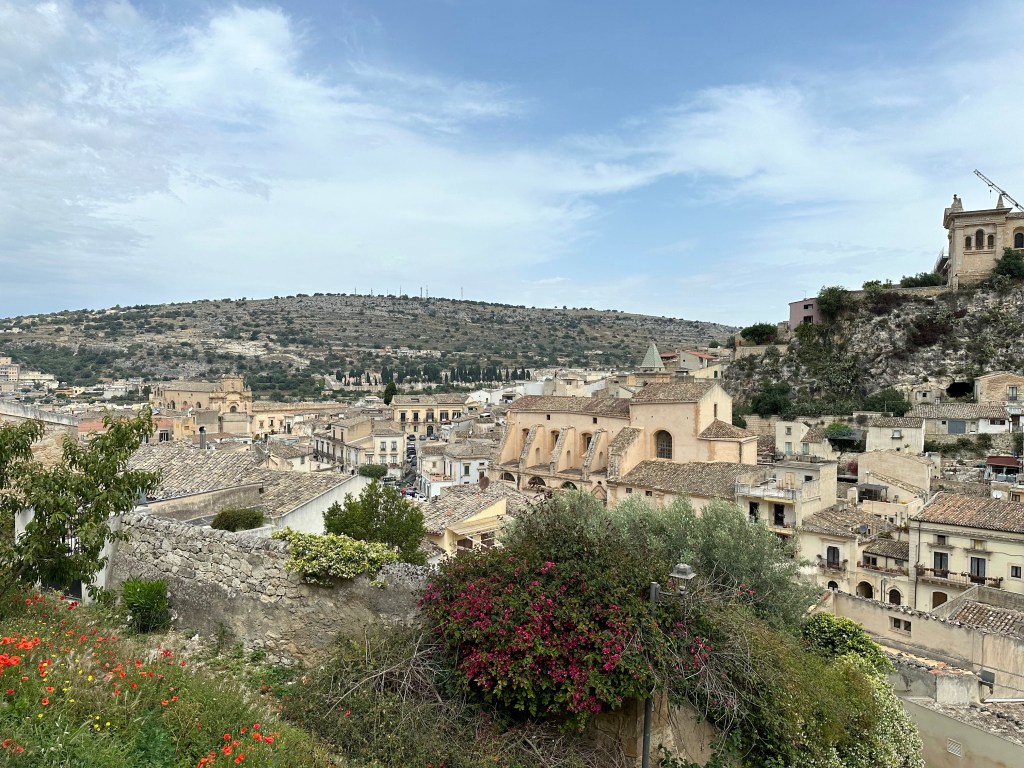
Chiesa del Rosario perched on the cliff above town.
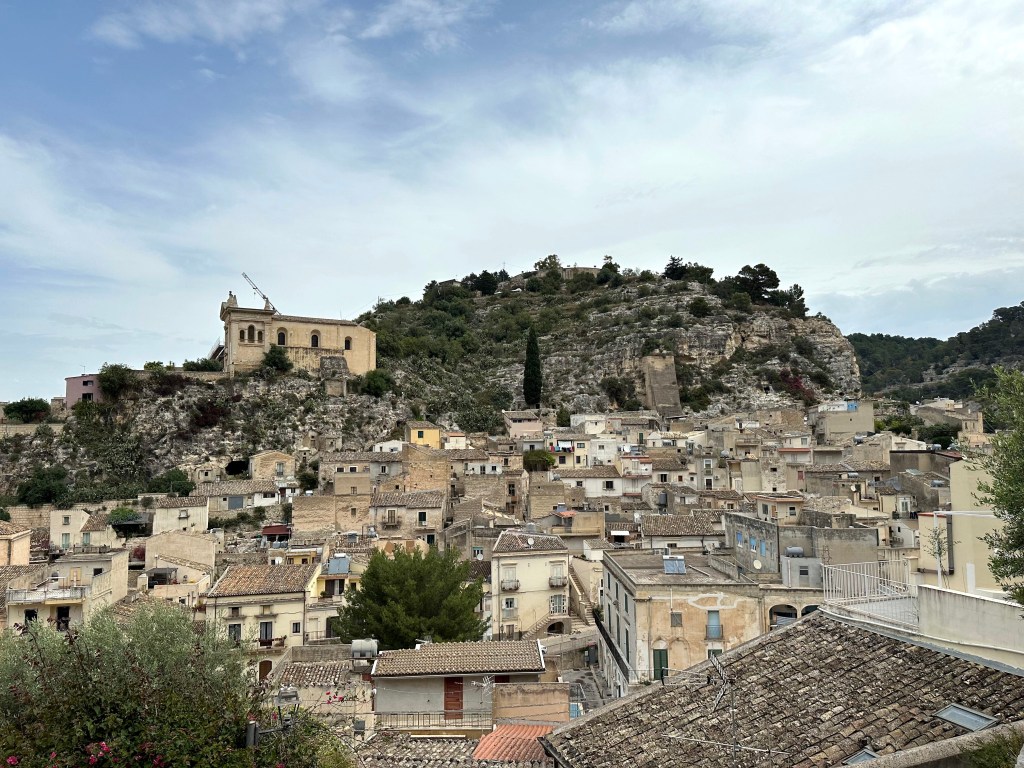
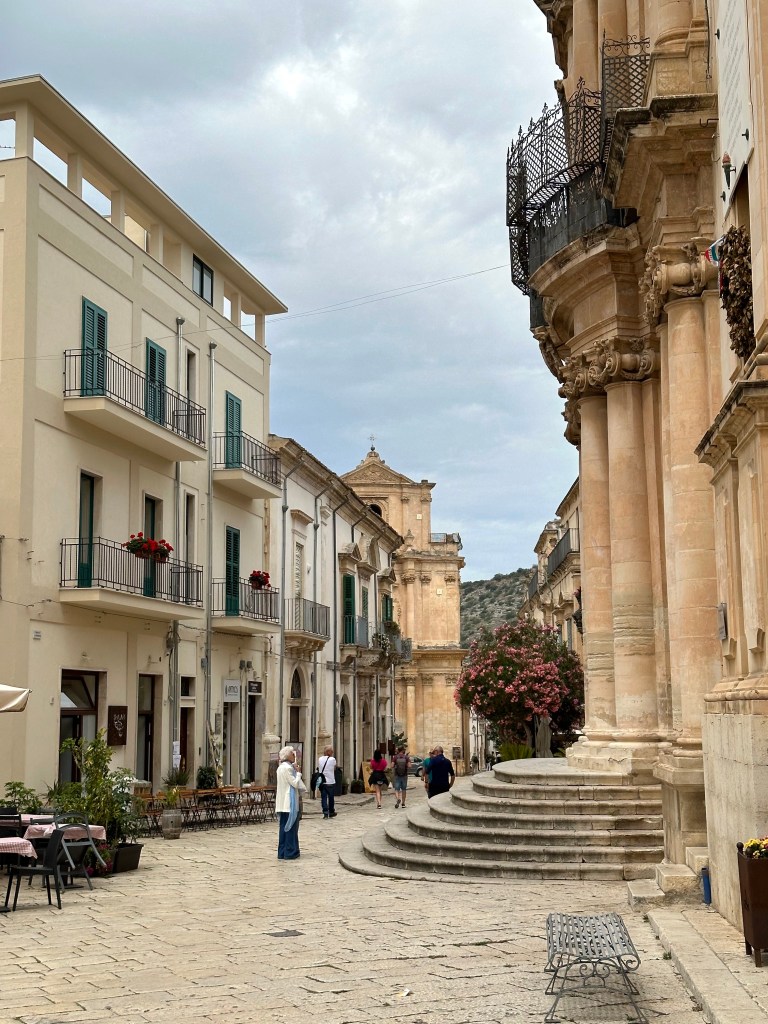
Chiesa di San Giovanni Evangelista from the top of the post, exemplifying the Baroque style:
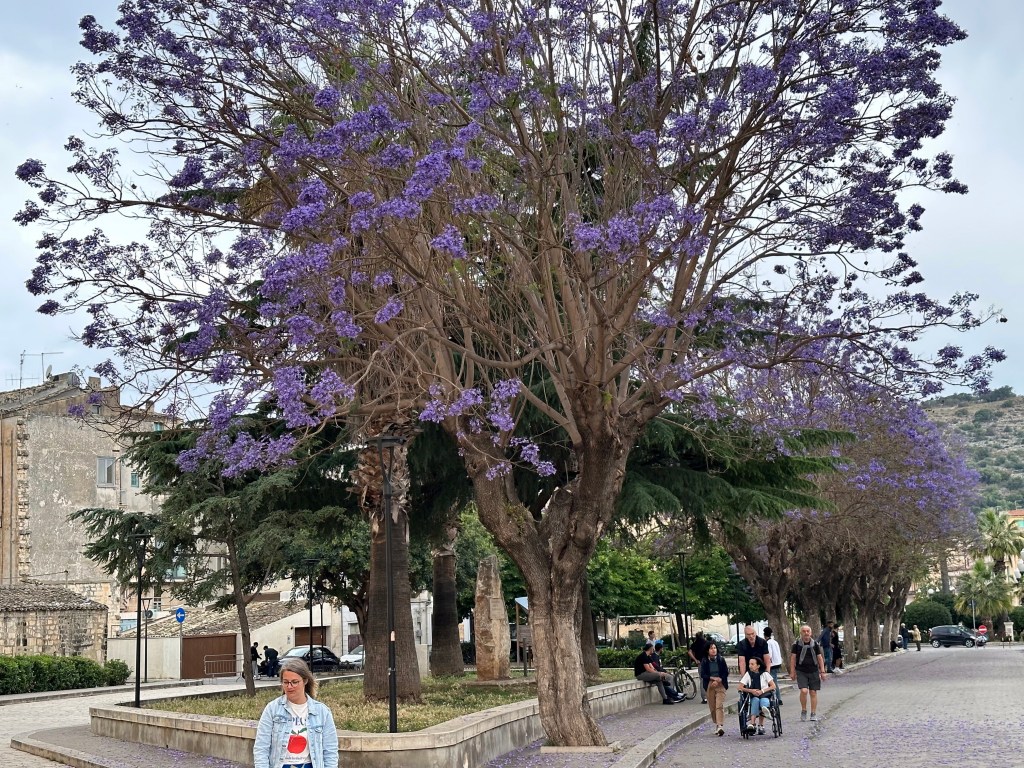
Jacaranda trees in Scicli, similar to those seen in another hilly town, Olvera, on our Catalonian bike trip.
Noto
And finally, a stopover in Noto, on the drive from Modica to Siracusa.
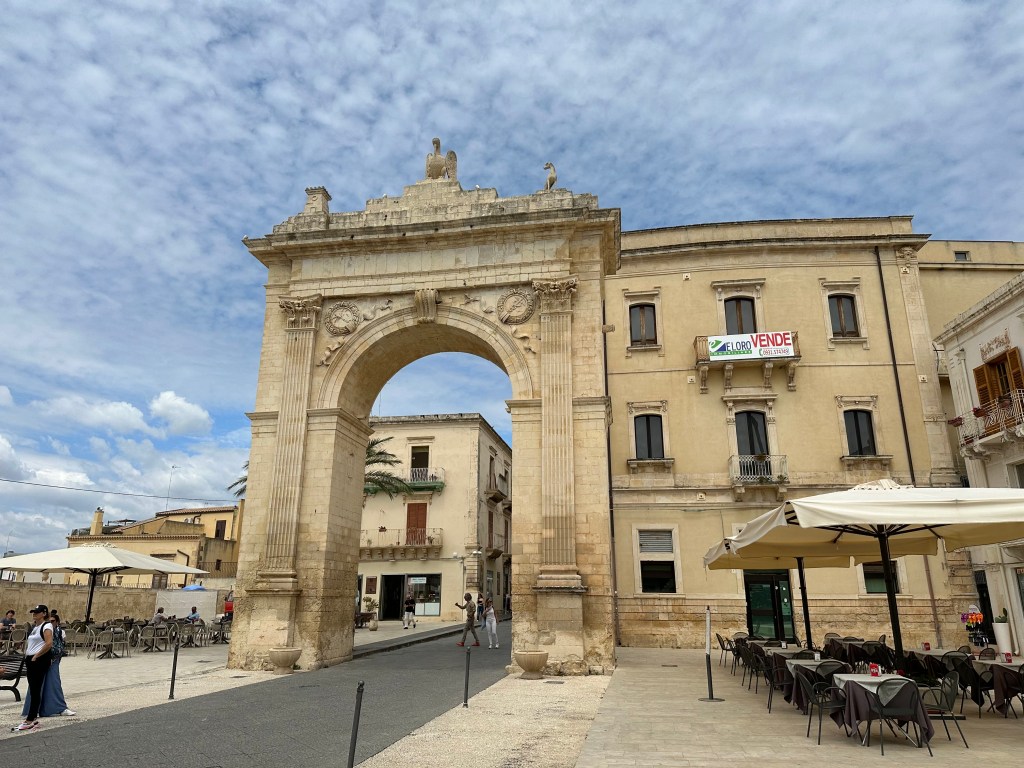
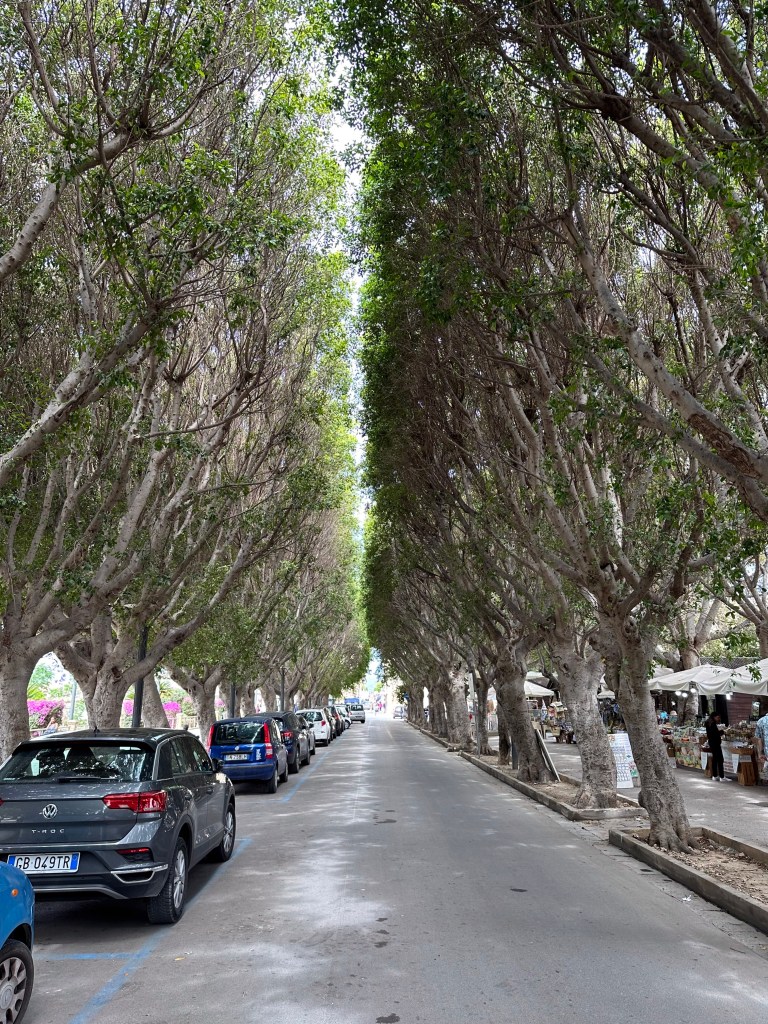
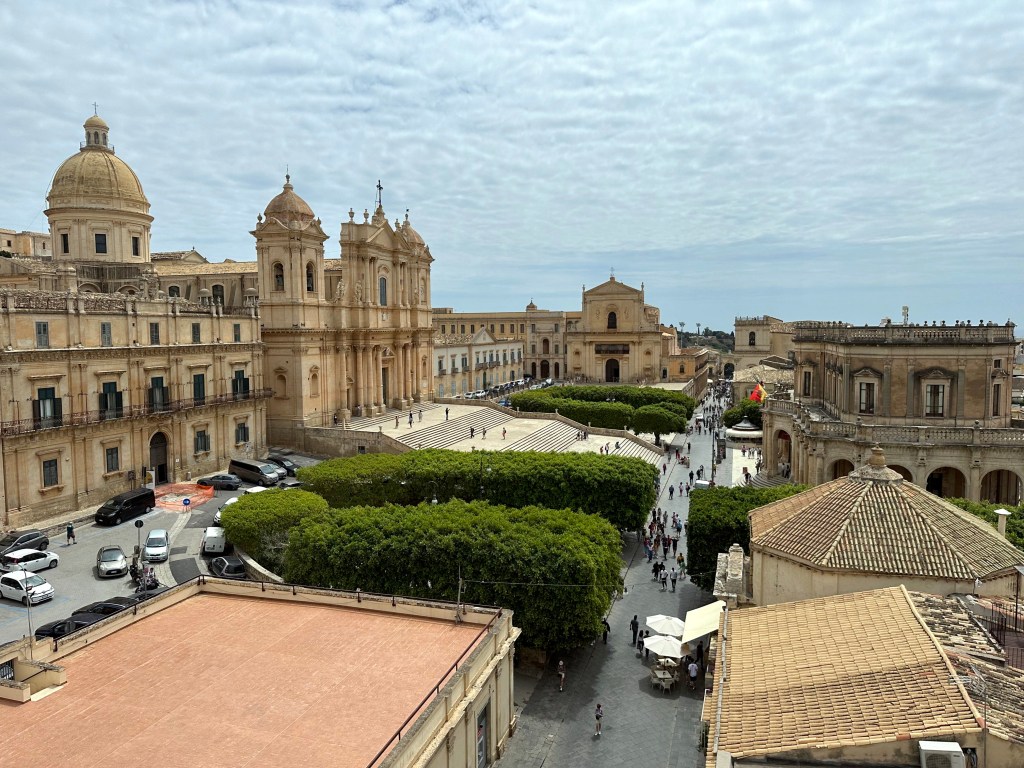
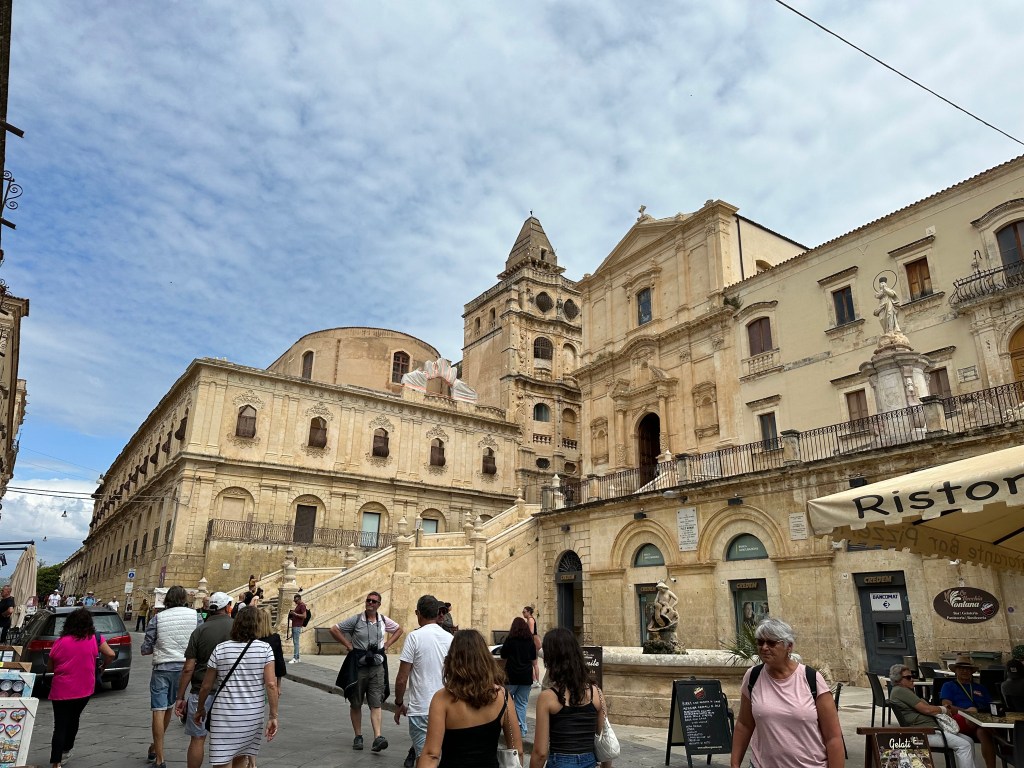
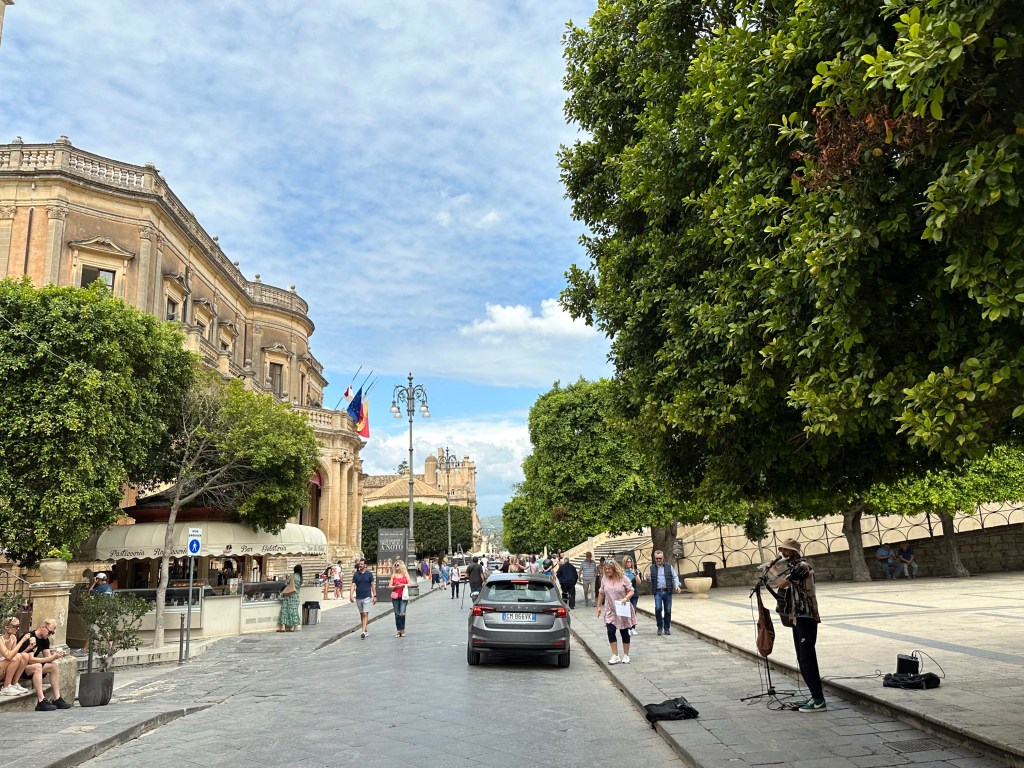
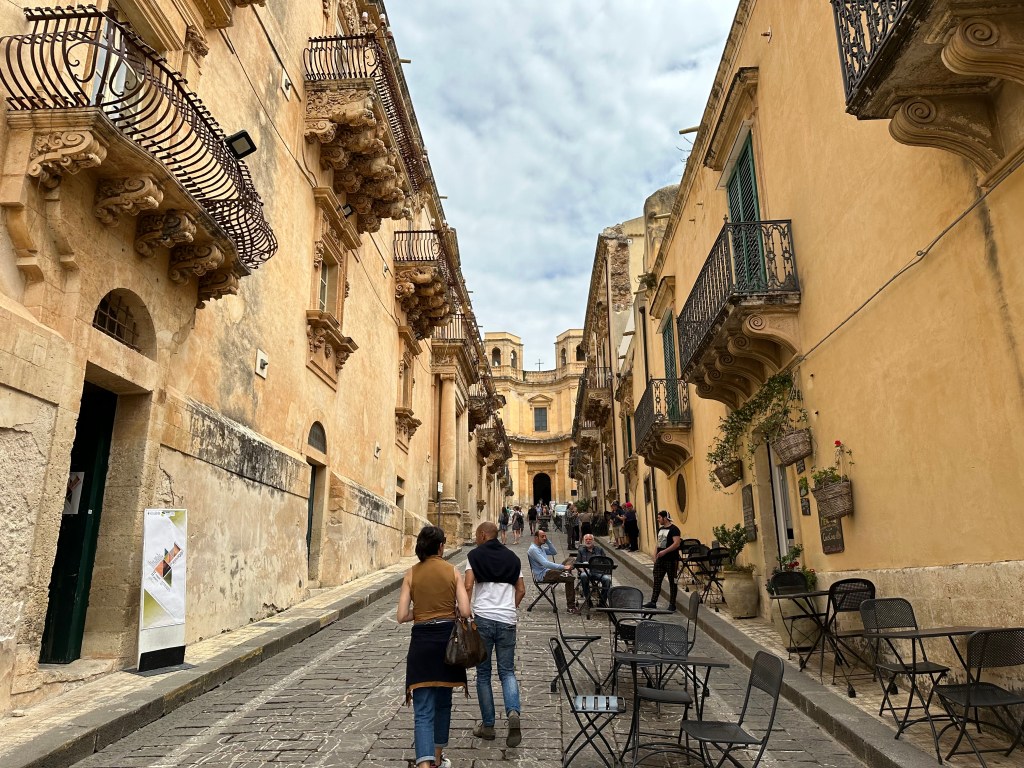
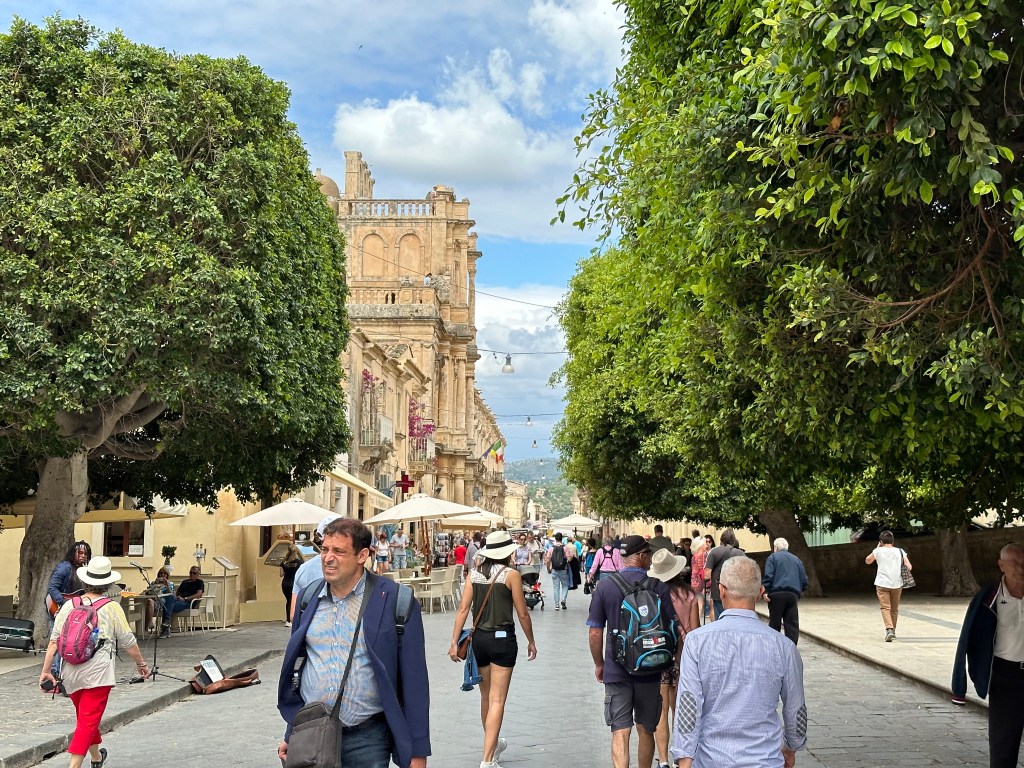
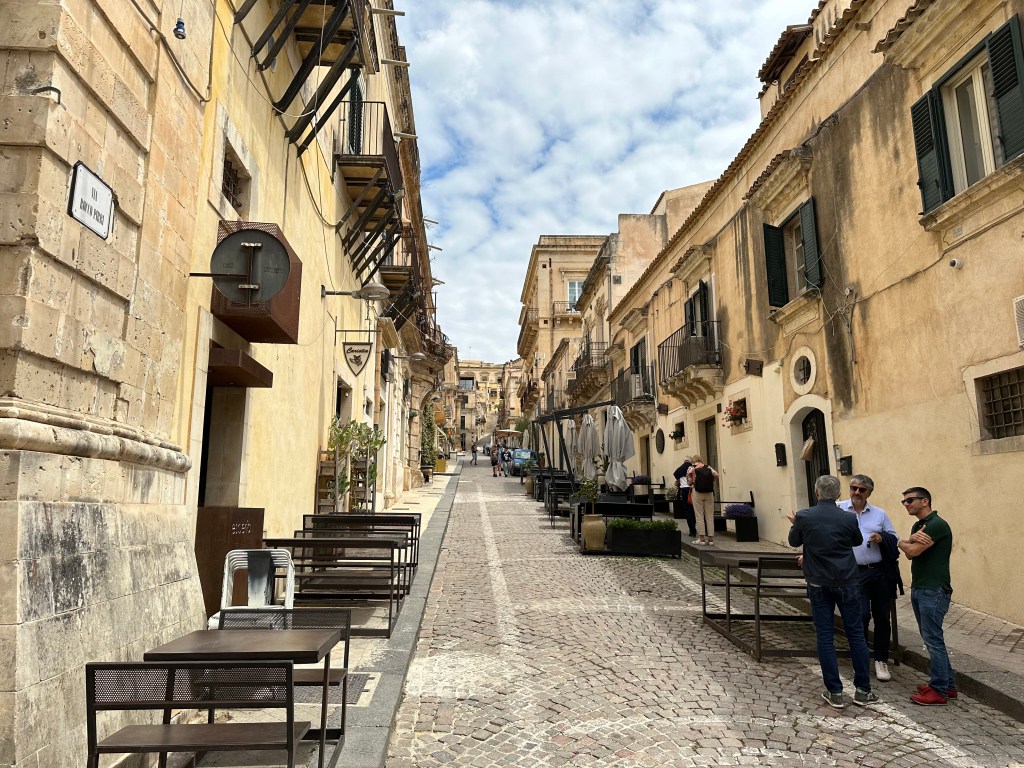
Noto is known as “the Capital of Baroque,” so our visits to its brethren apparently were just the warm up to the real deal. The main street, Corso Vittorio Emanuele, is, indeed lined with ornate churches and palaces that make the whole town feel like an open-air museum.
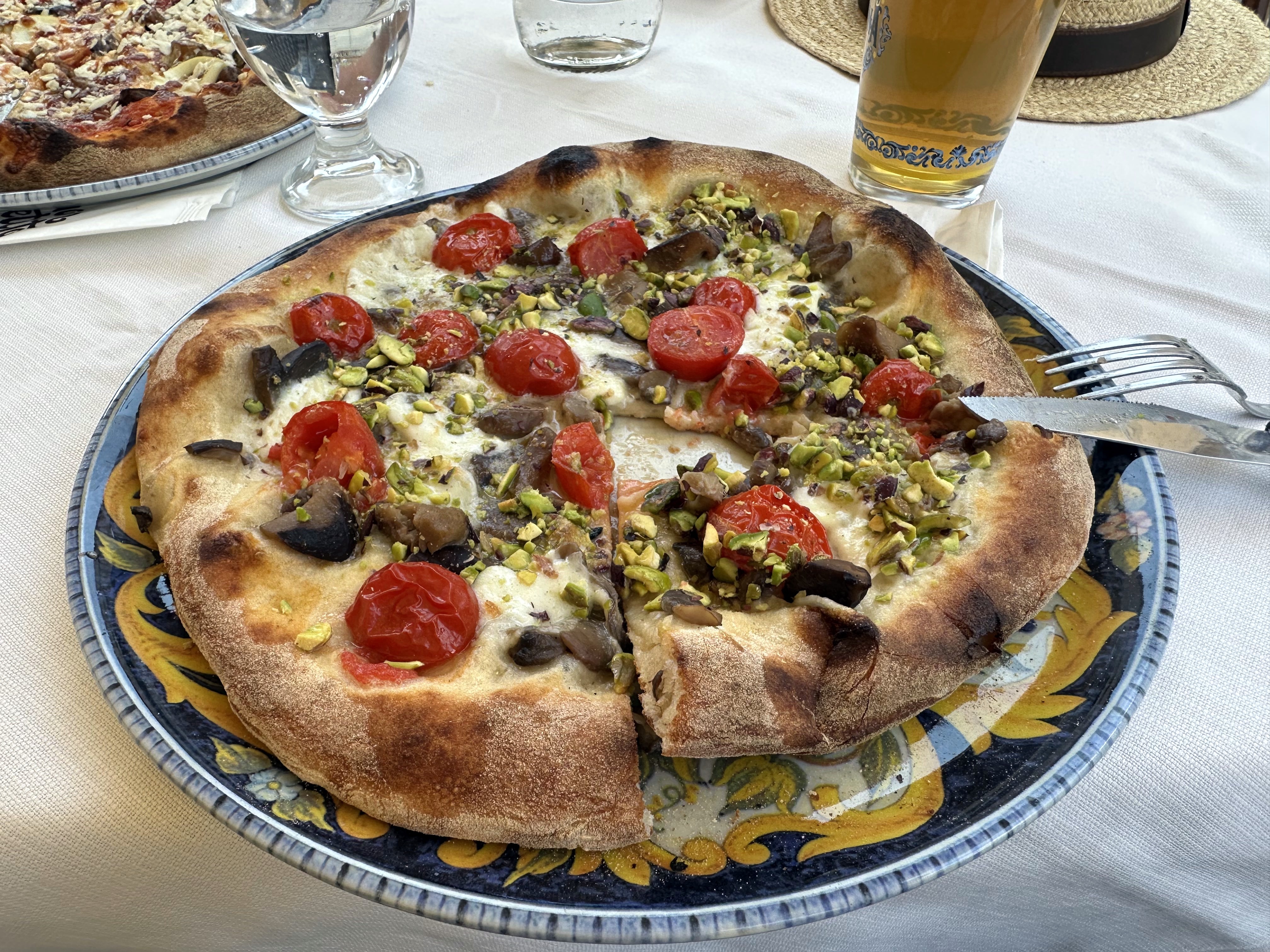
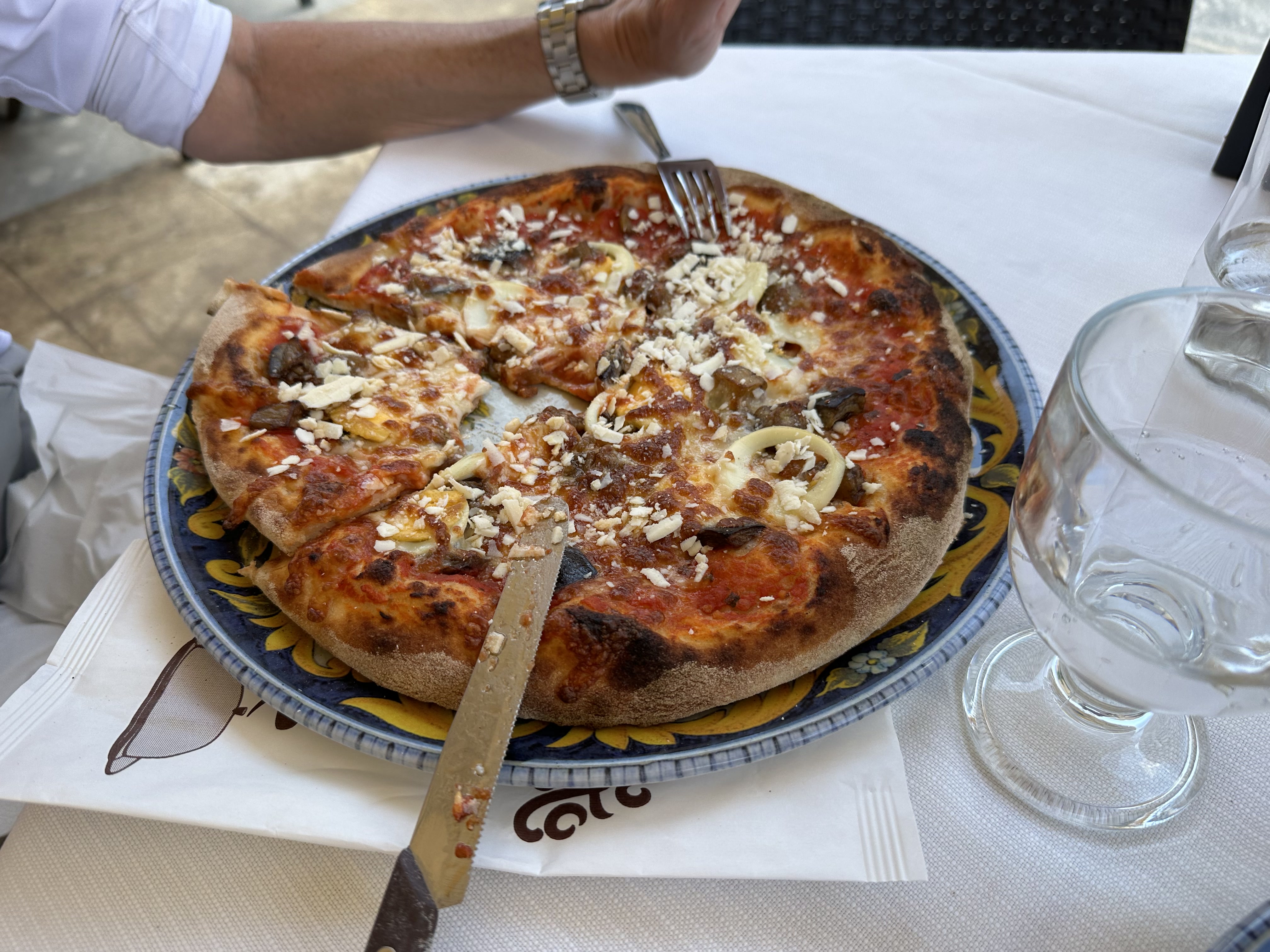
Little lunch in Noto, featuring both Neapolitan crusts and Sicilian pistachios.
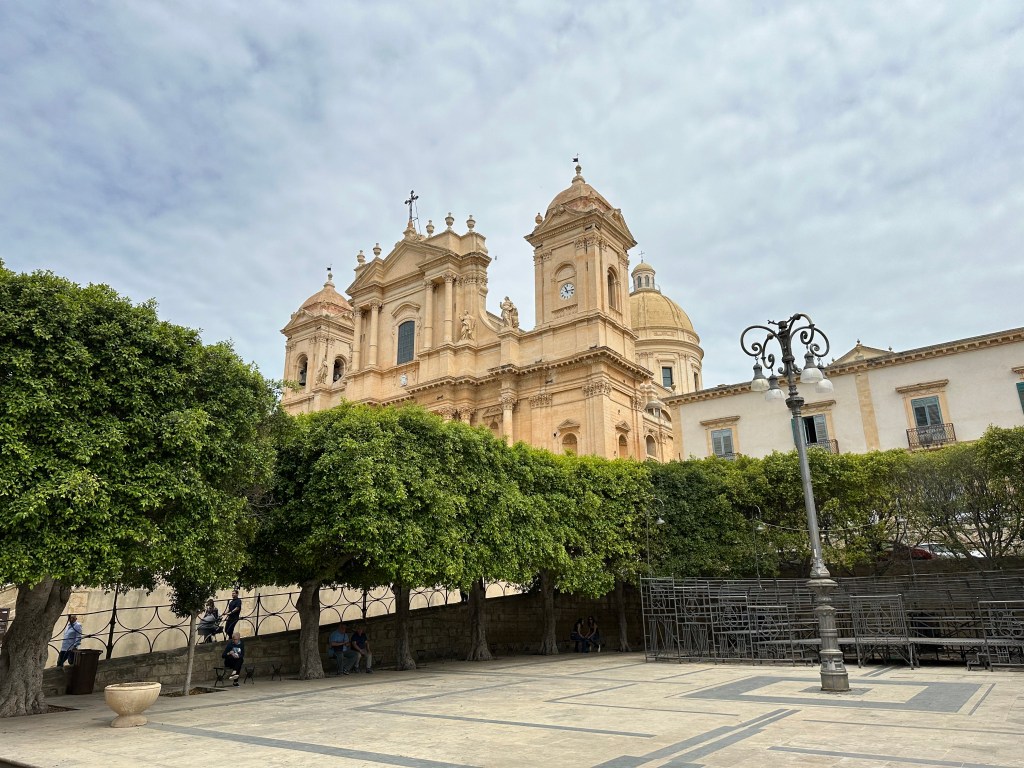
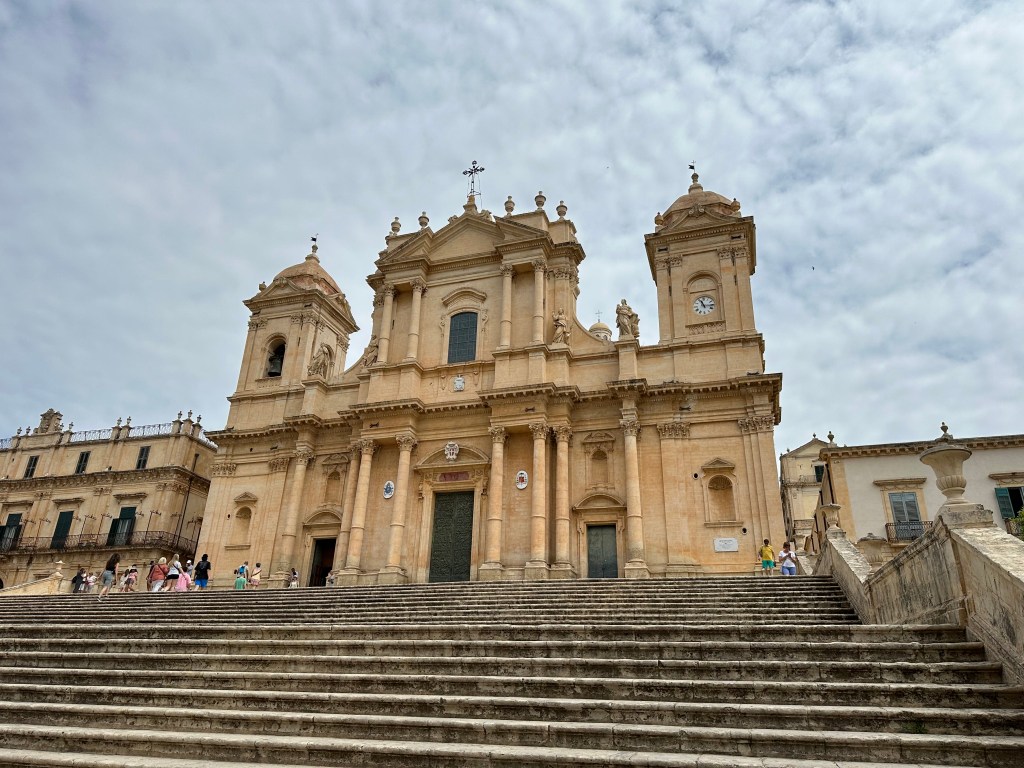
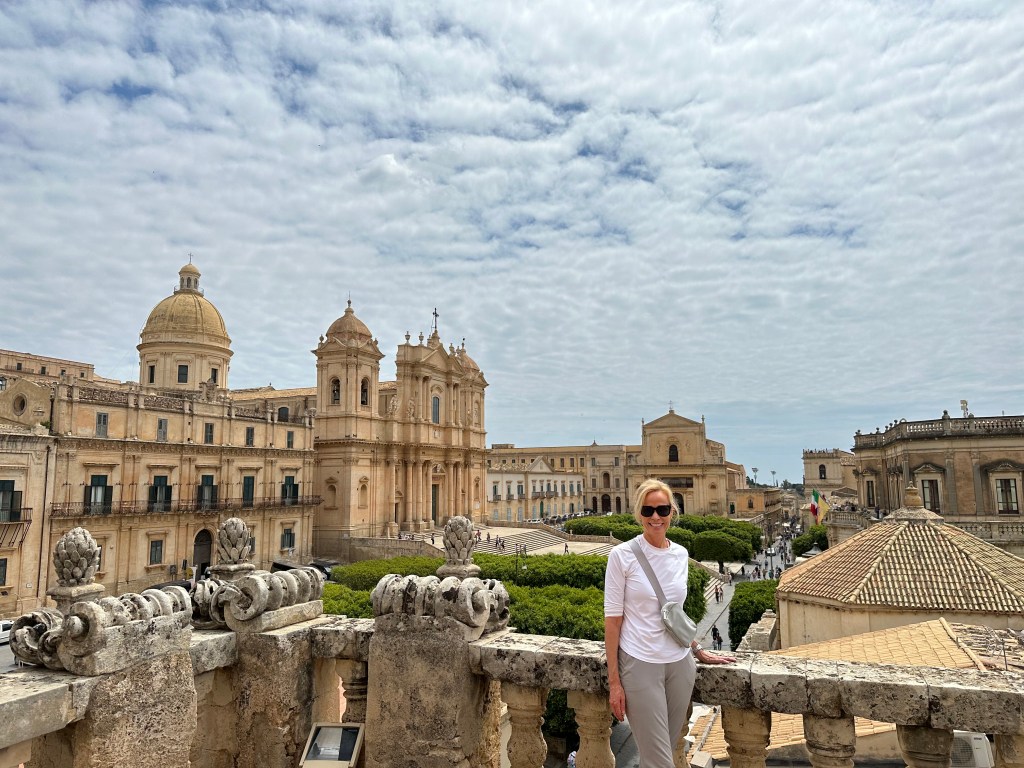
Noto’s cathedral:
And more Baroque balcony buddies:
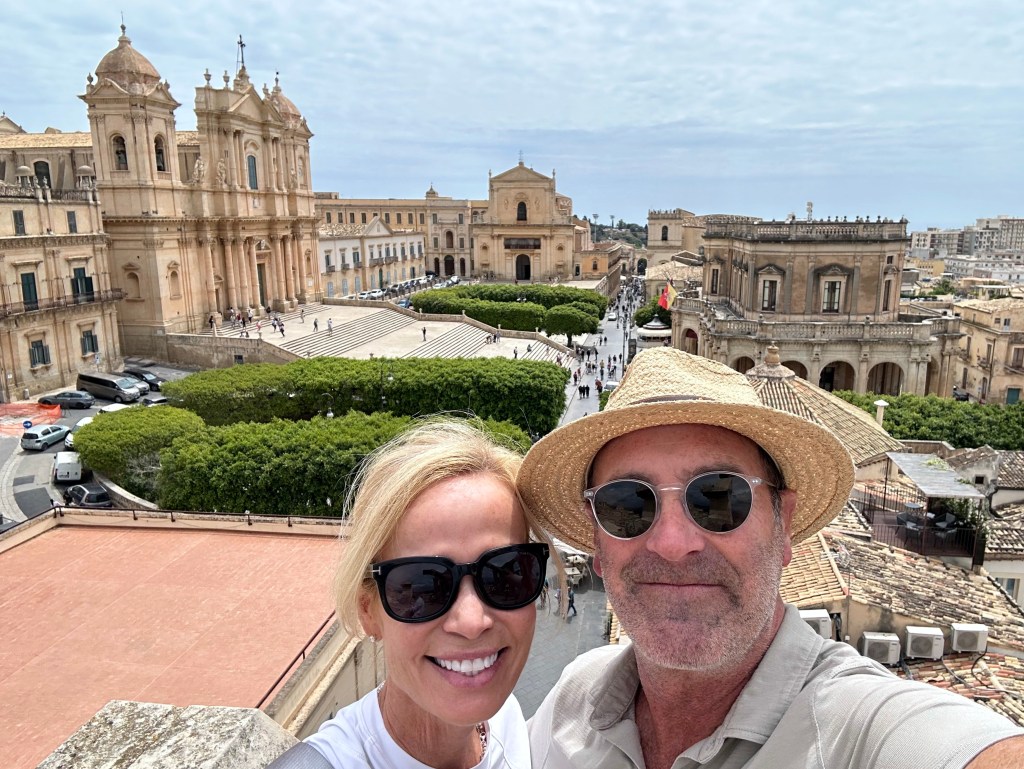
Pretty great view over town from the roof of the Church of St. Charles Borromeo:
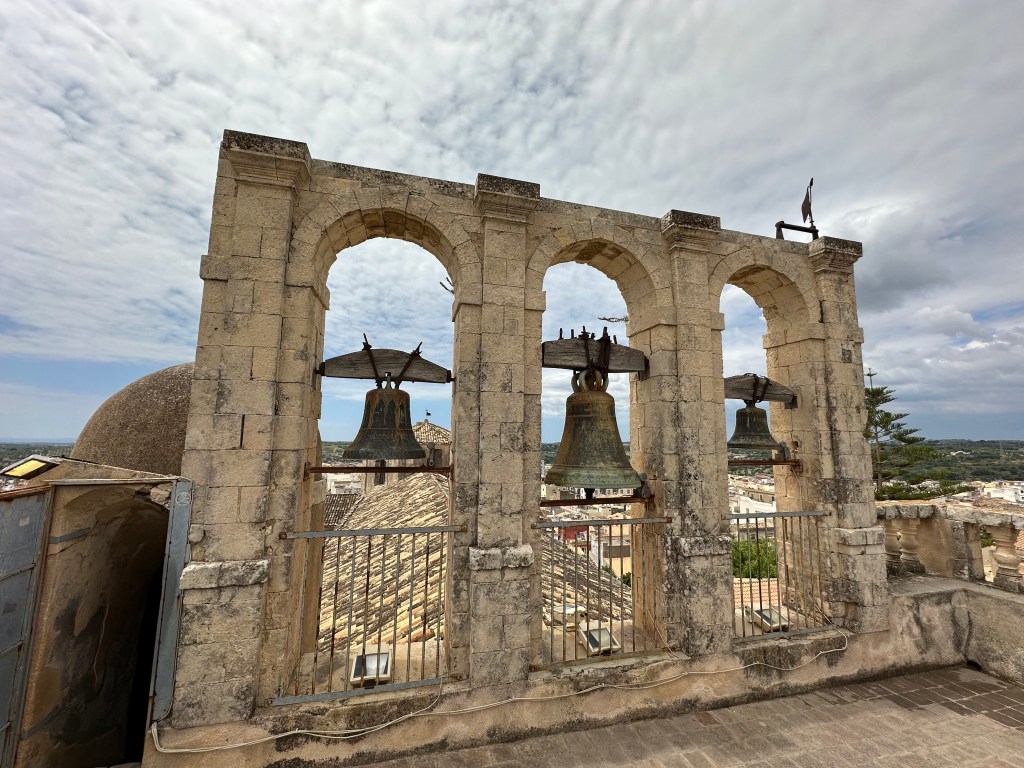
St. Mary’s bells in Old Town are better. . .
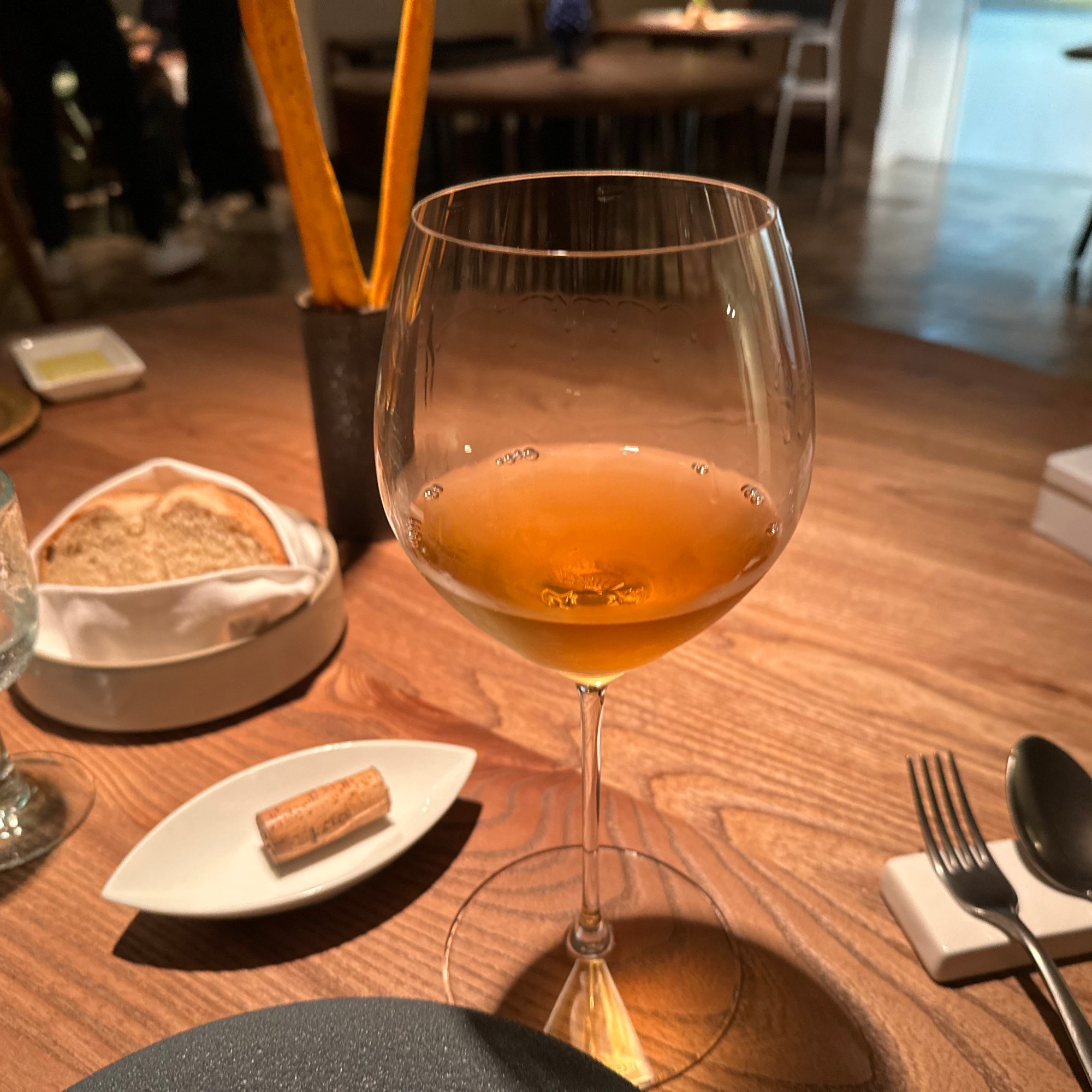
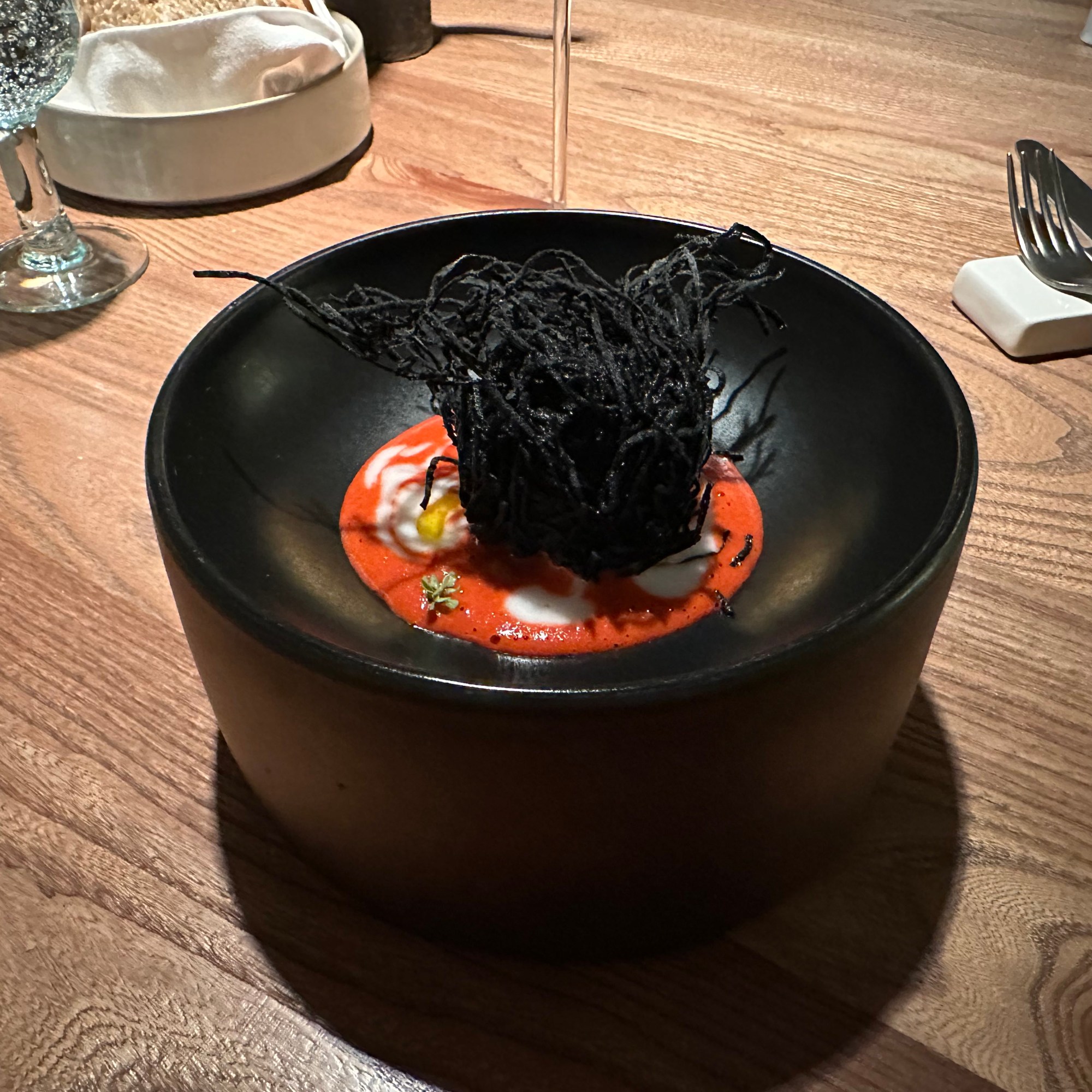
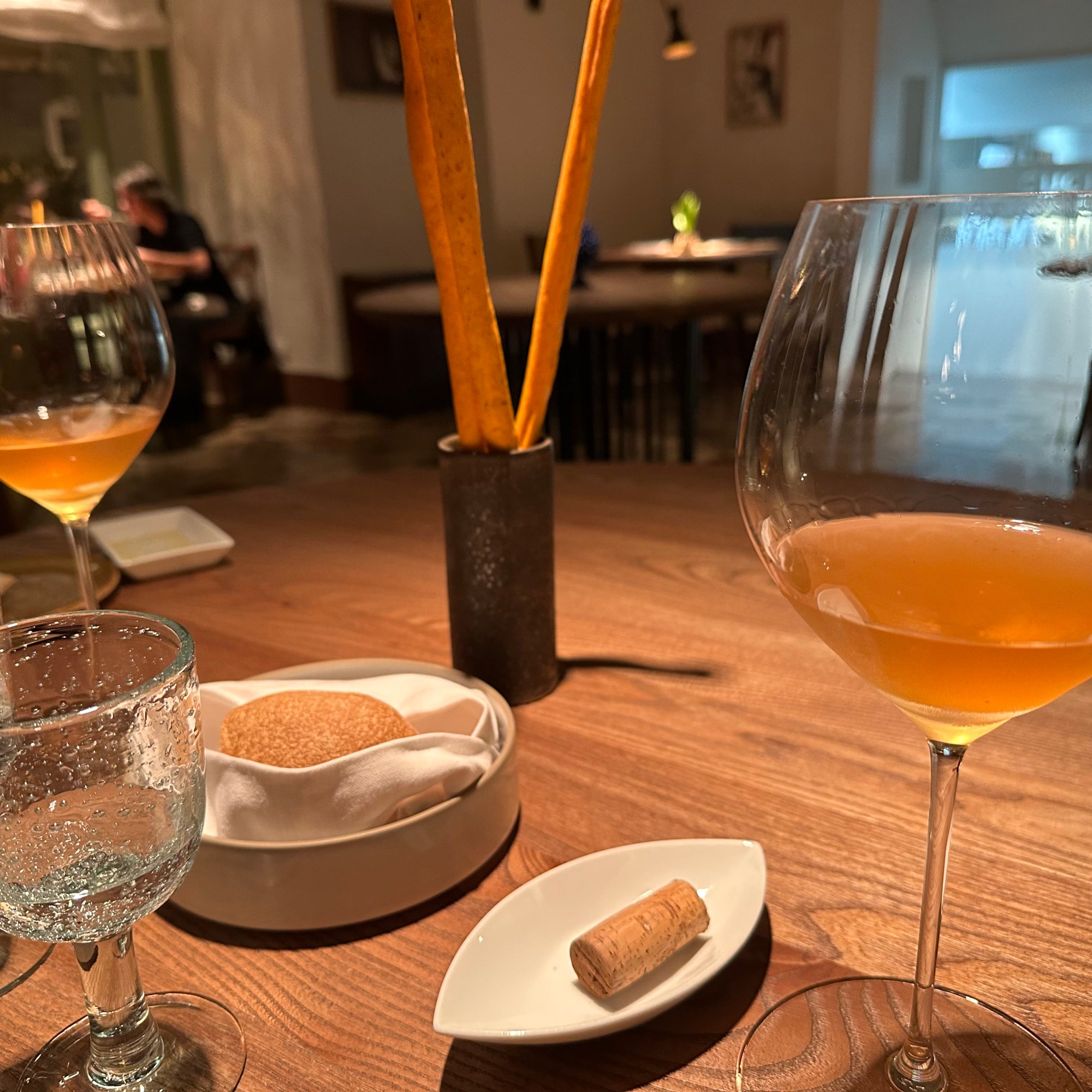
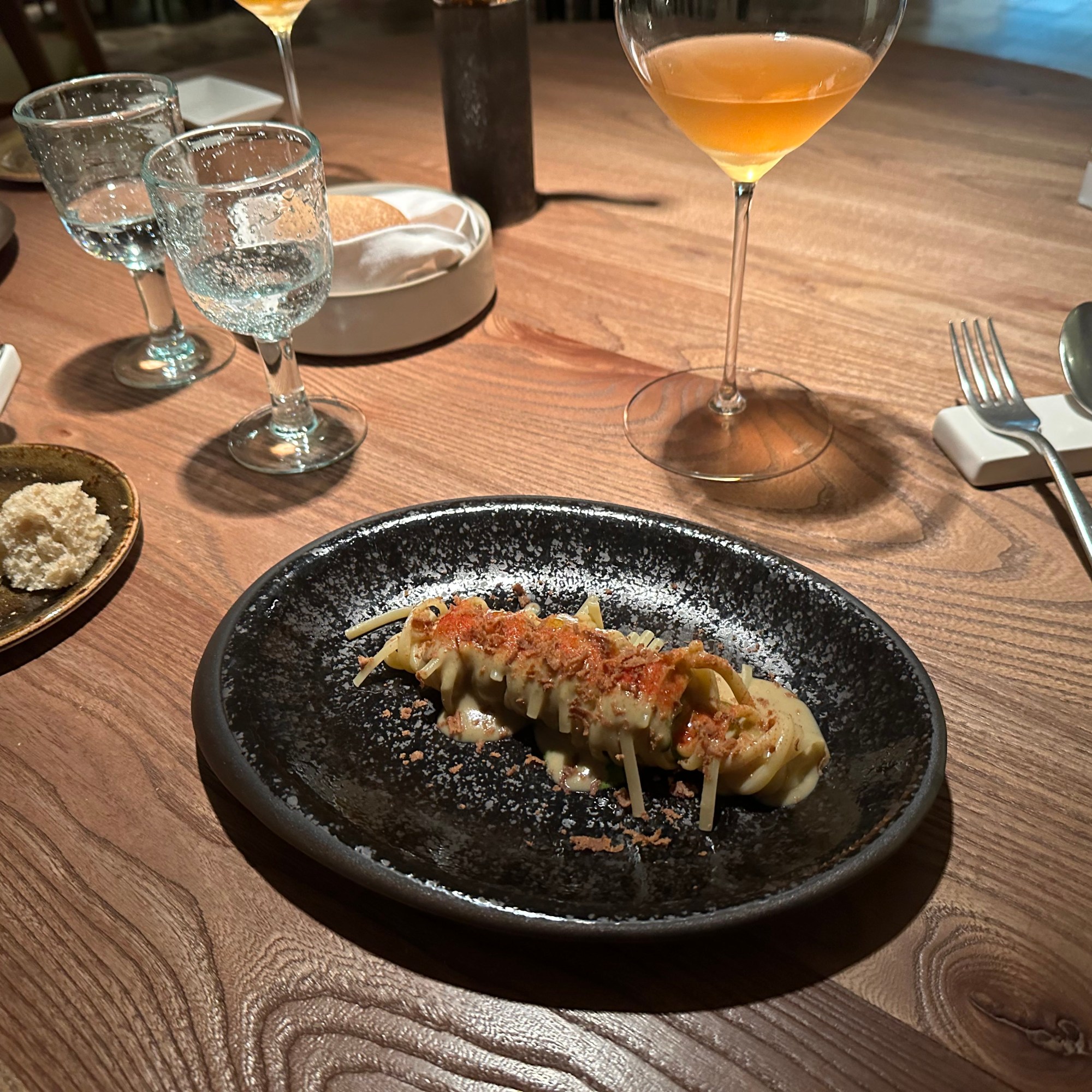
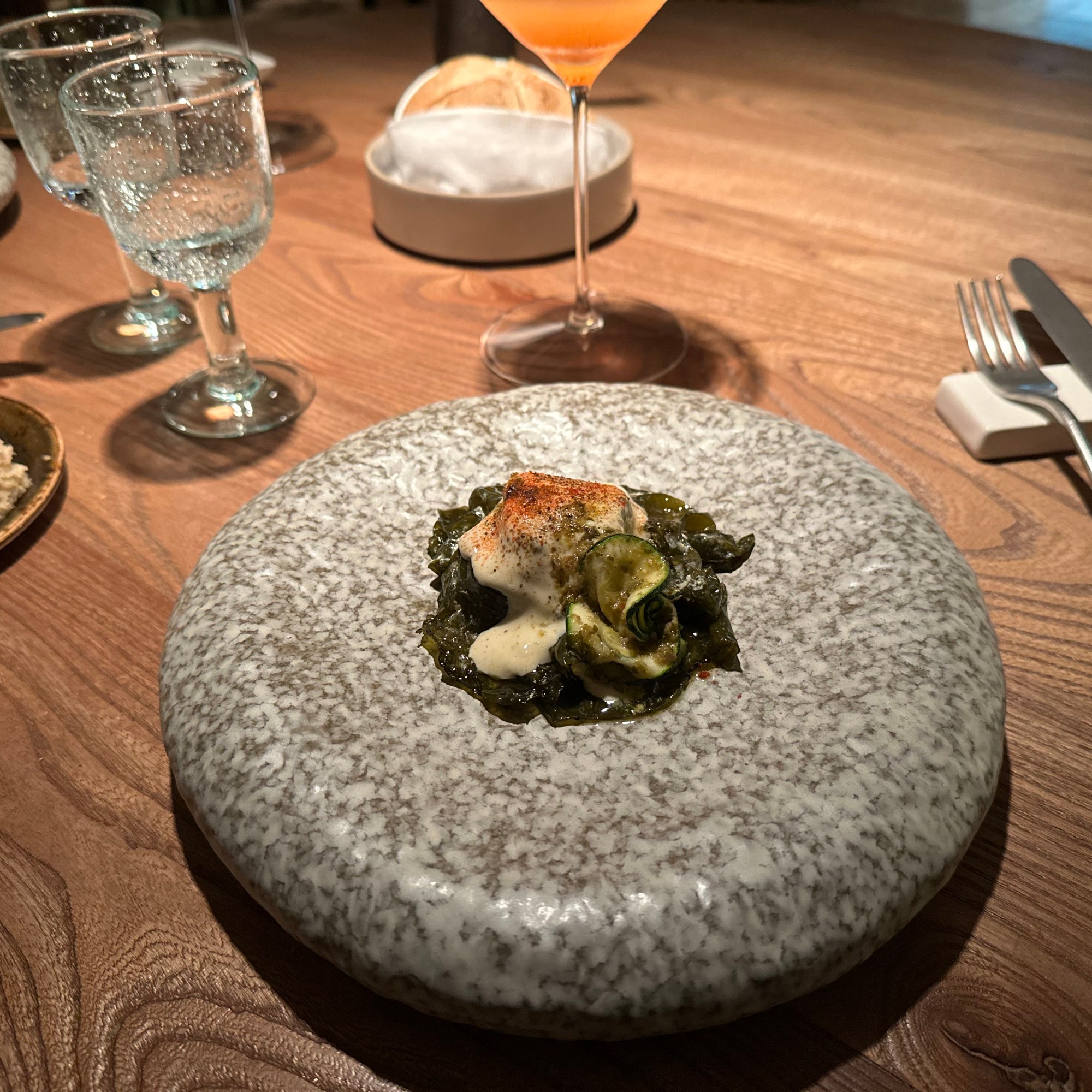
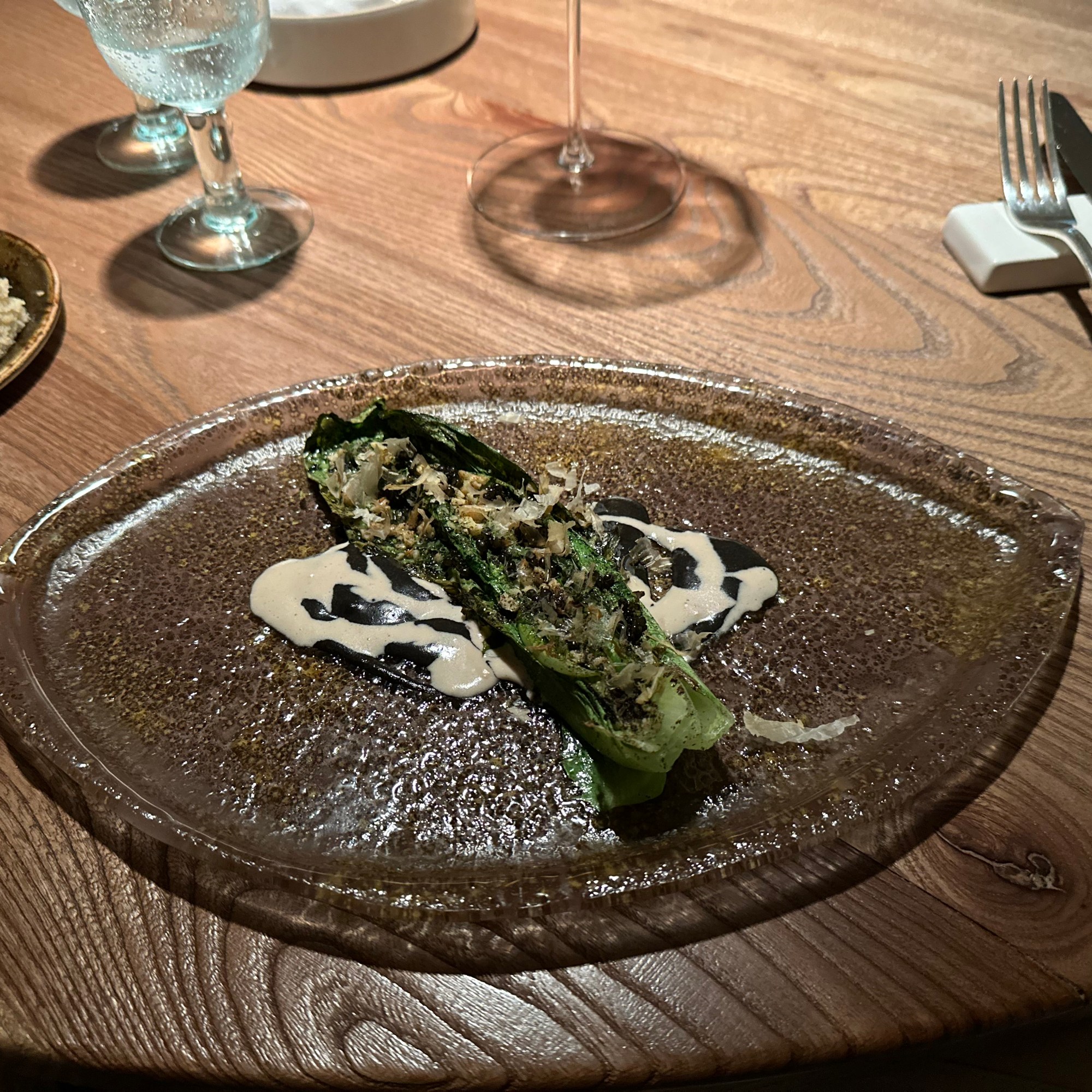
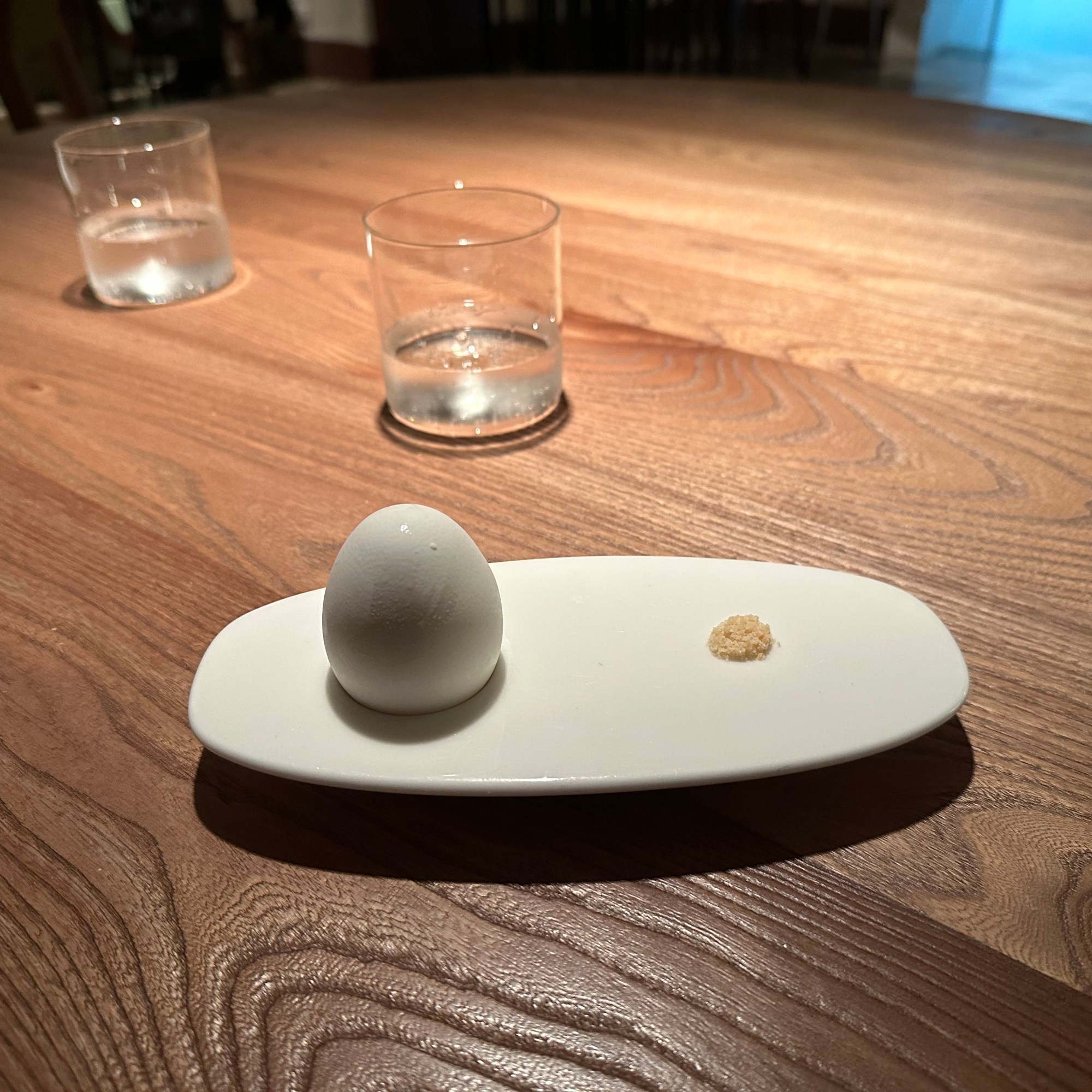
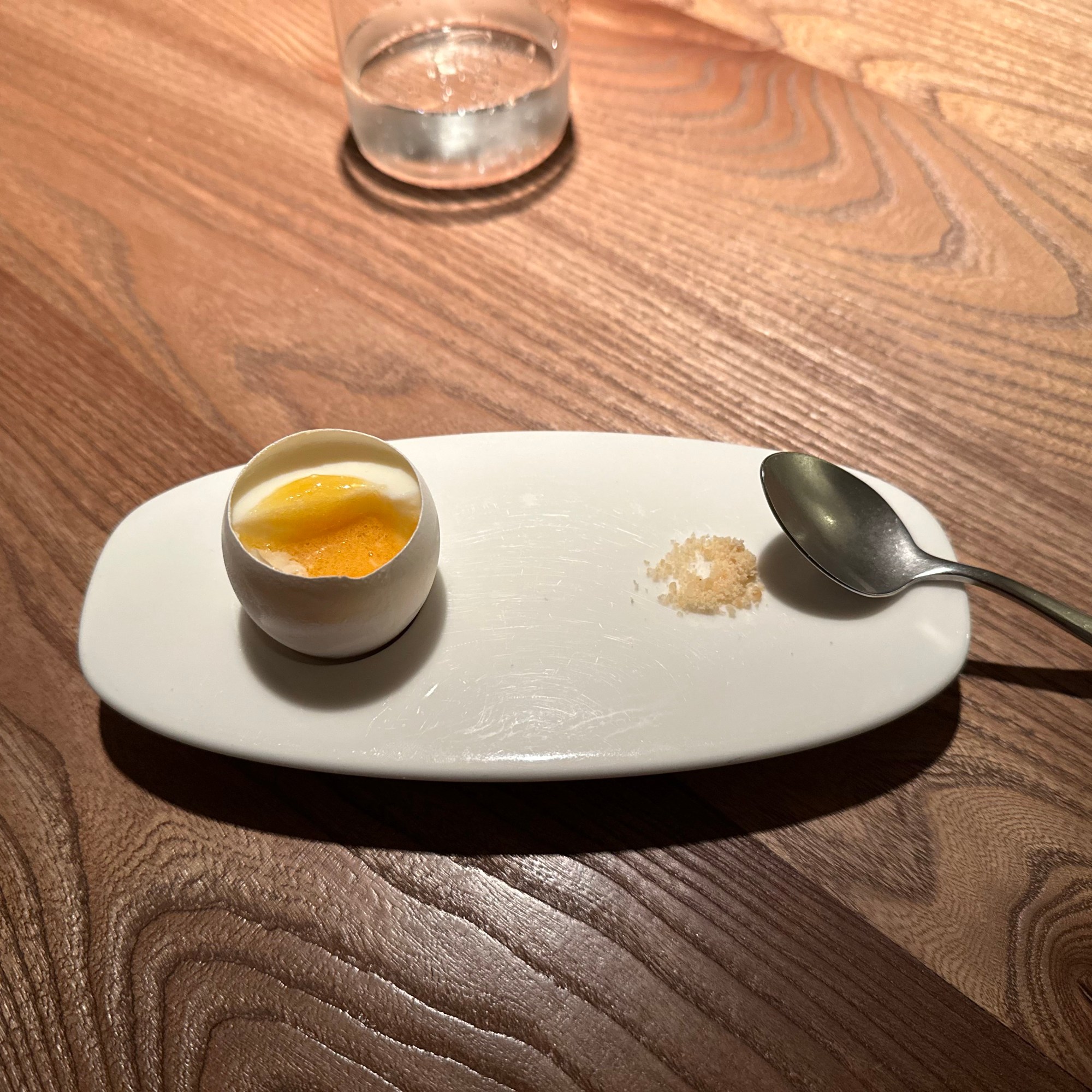
On our final night in the Baroque towns, we finally checked the Michelin-starred box for dinner in Modica at Accursio – one of the four best dining experiences of the trip, and our introduction to Sicily’s orange wine:
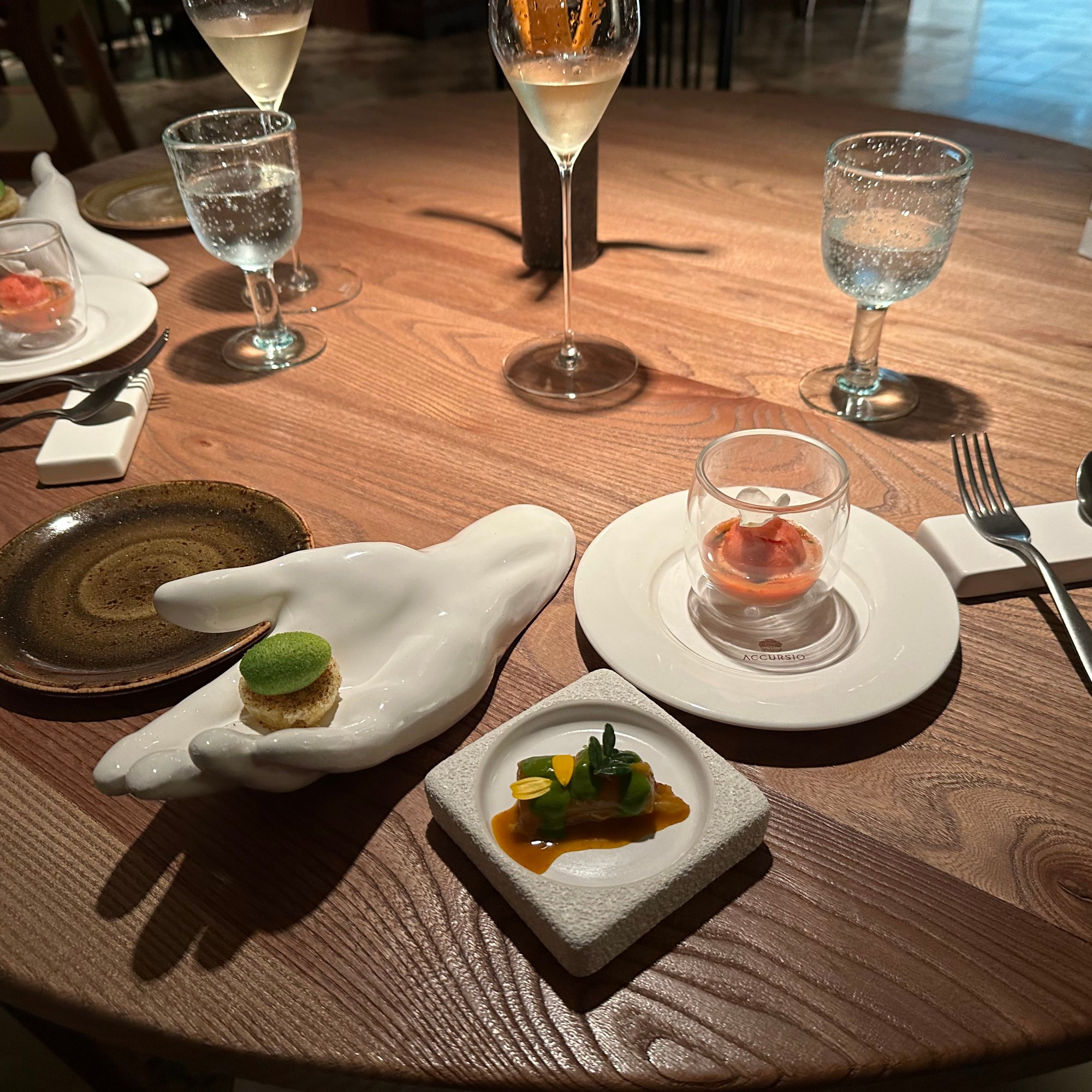
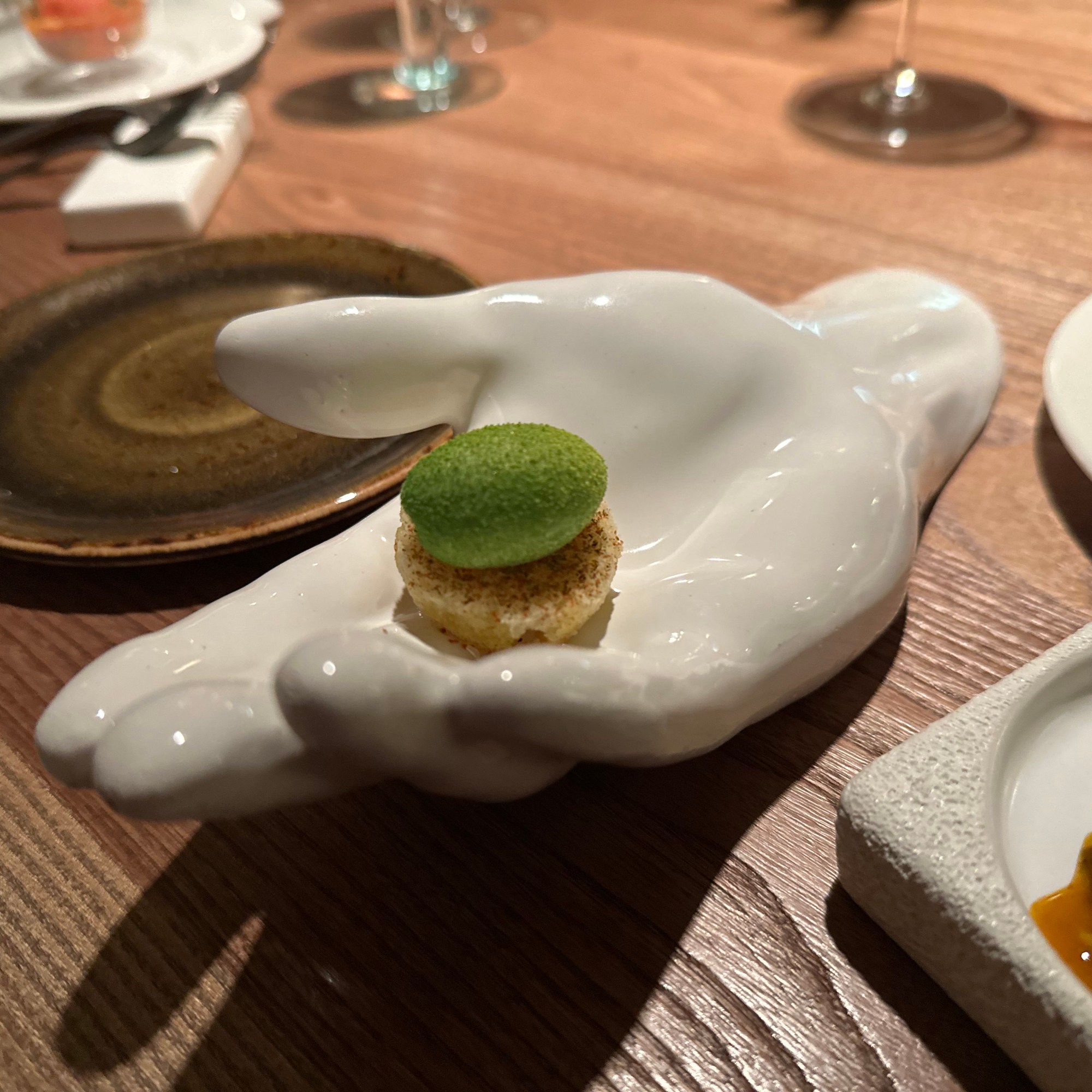
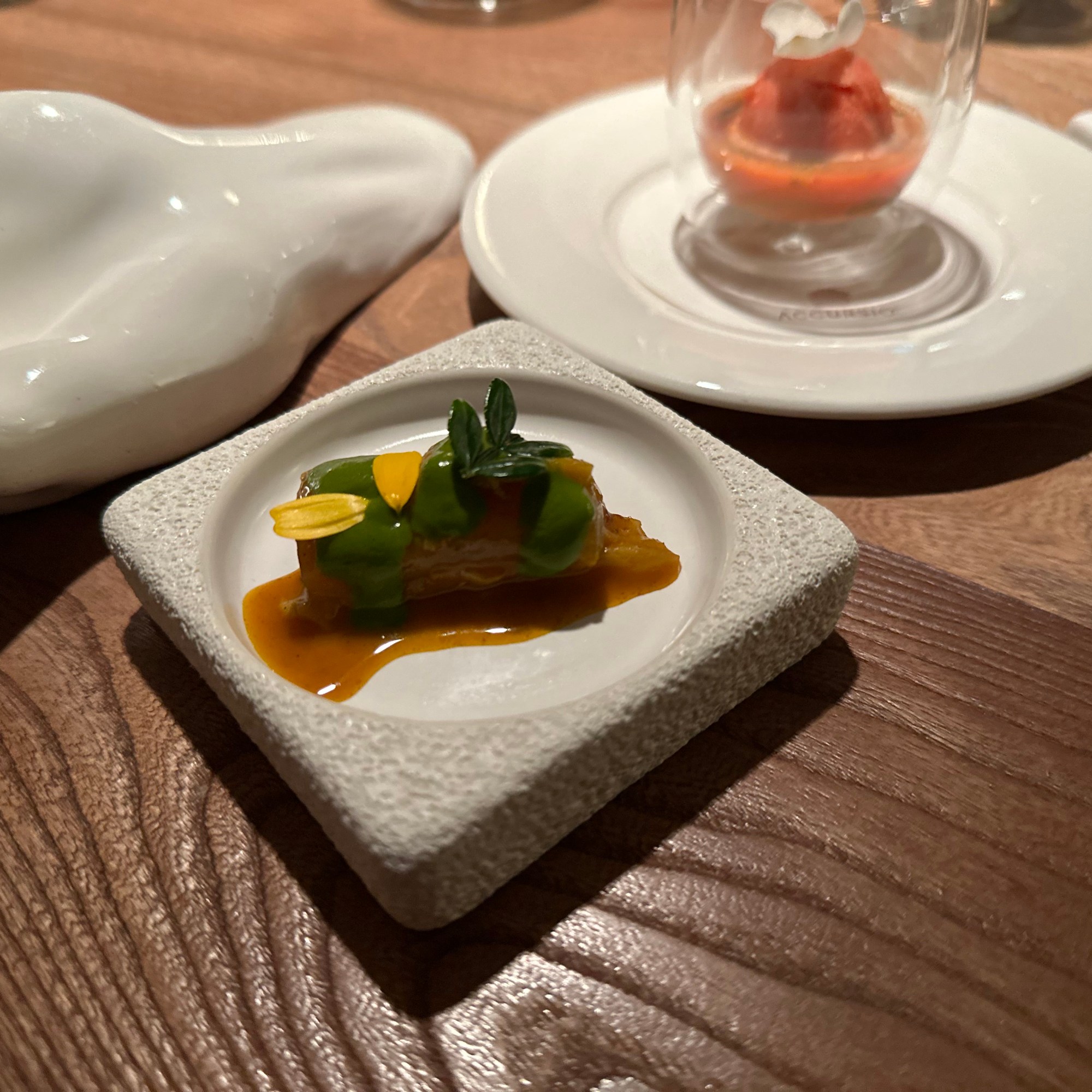
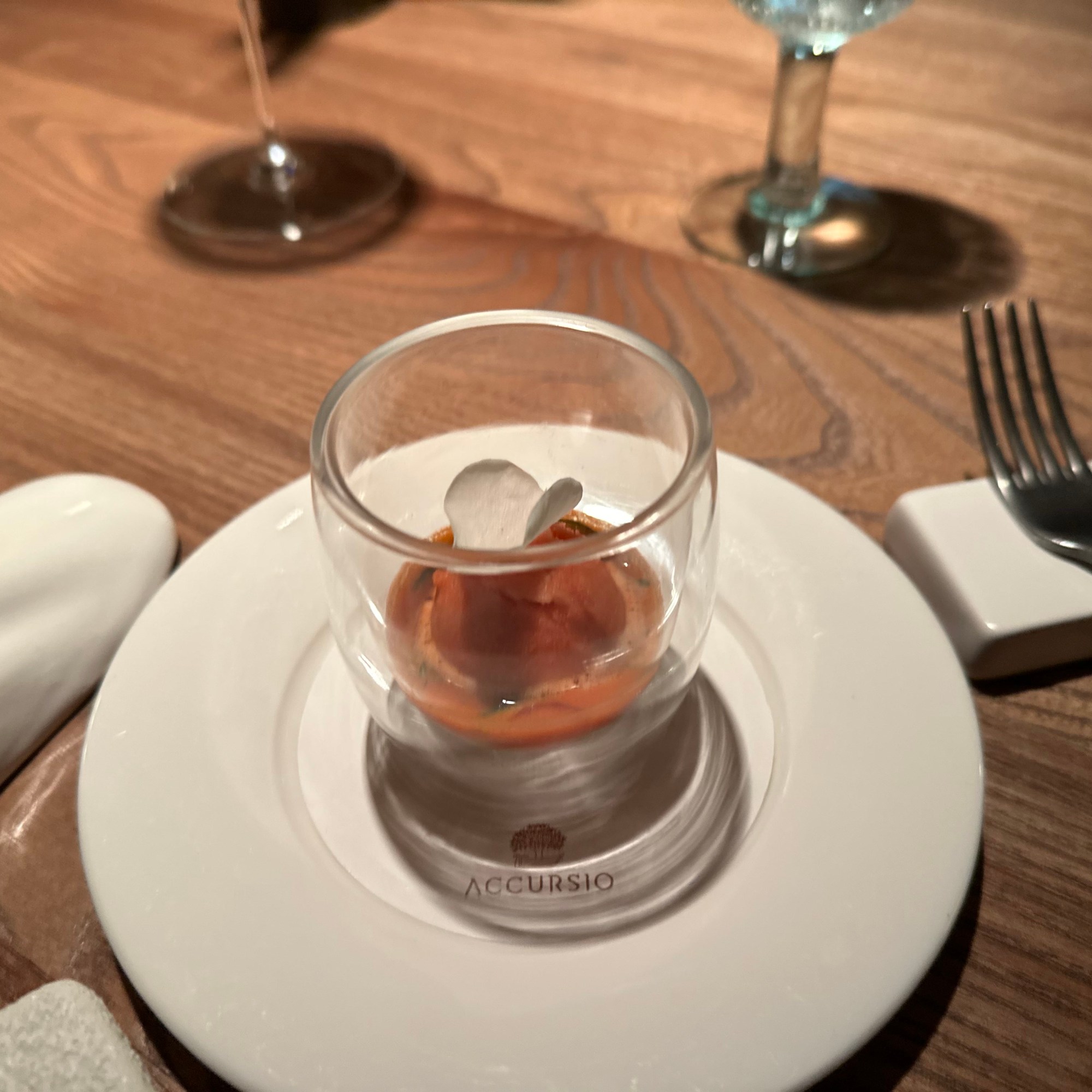
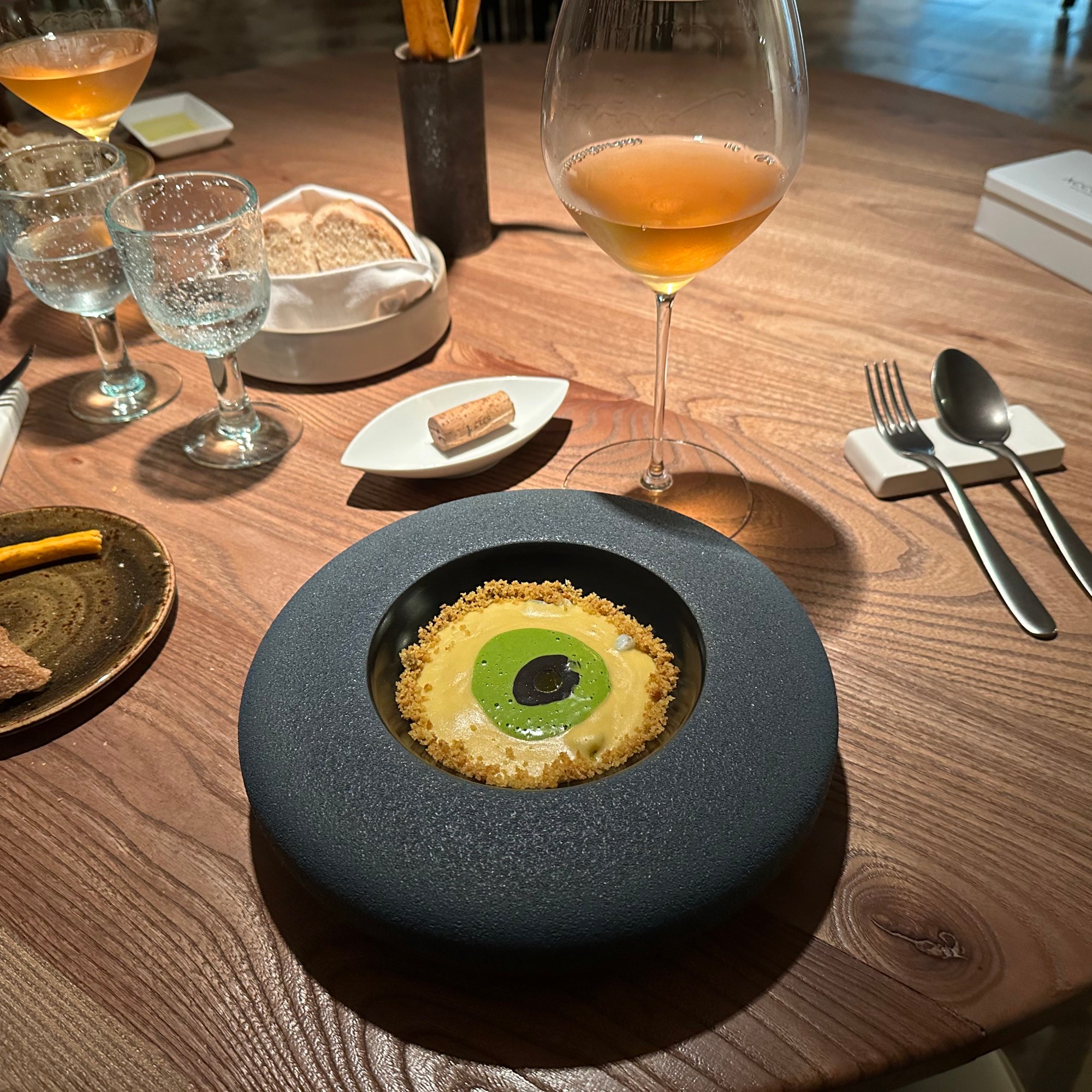
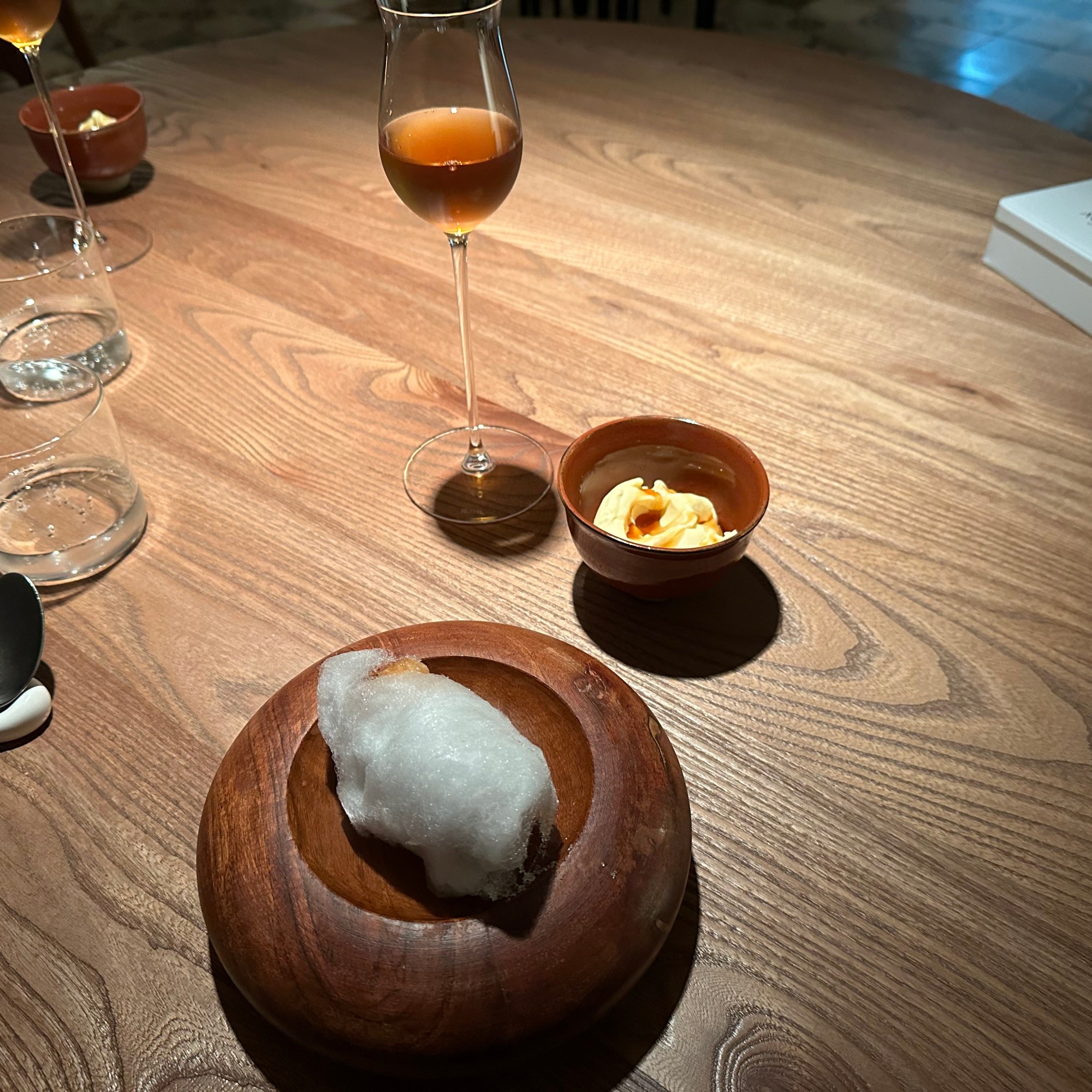
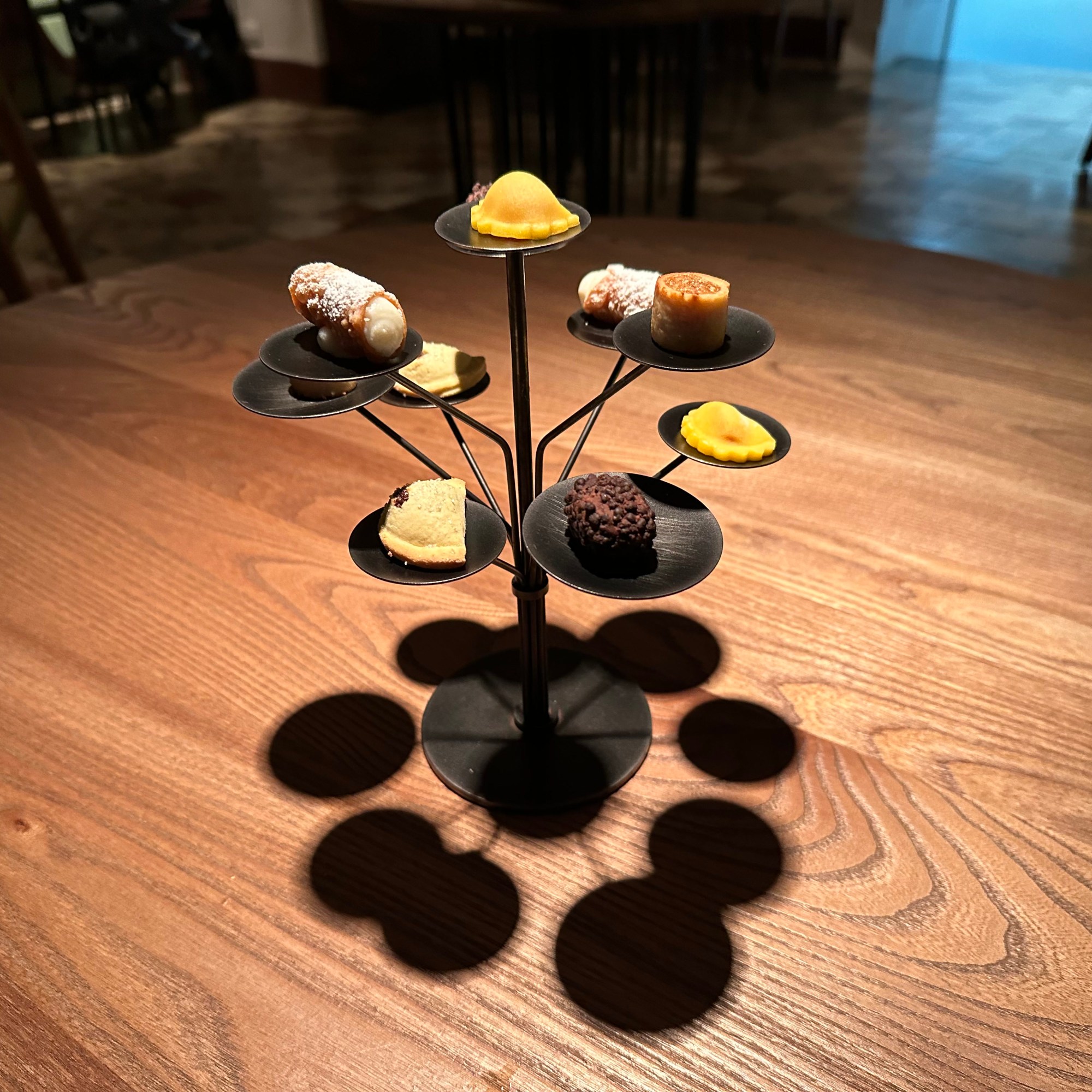
Wrapping up for the night before hitting the road the next morning:
Next up: Syracuse / Siracusa.
