While staying in the Valletta area, we grabbed an Uber for a field trip to Mdina, the Maltese capital’s forerunner until the 16th century. After the Knights of St. John made the new fortified town of Valletta their capital after the Great Siege of 1565, Mdina faded in significance and slid into backwater status significantly enough to be nicknamed the “Silent City.” Based on our stroll throughout town, this is pretty apt, although Silent Sunburnt City may be even more on brand.
Founded as a fortified settlement by the Phoenicians around the 8th century BC, the town later became the Roman city of Melite. Under Arab rule beginning in the 9th century, it was reduced and fortified into the compact medieval city that became known as Mdina. (The Arabs also separated the fortified city from the surrounding area—creating what became Mdina, literally the city, while the adjoining suburb became Rabat, meaning suburb or quarter in Arabic. We’d visit both during our little field trip.)
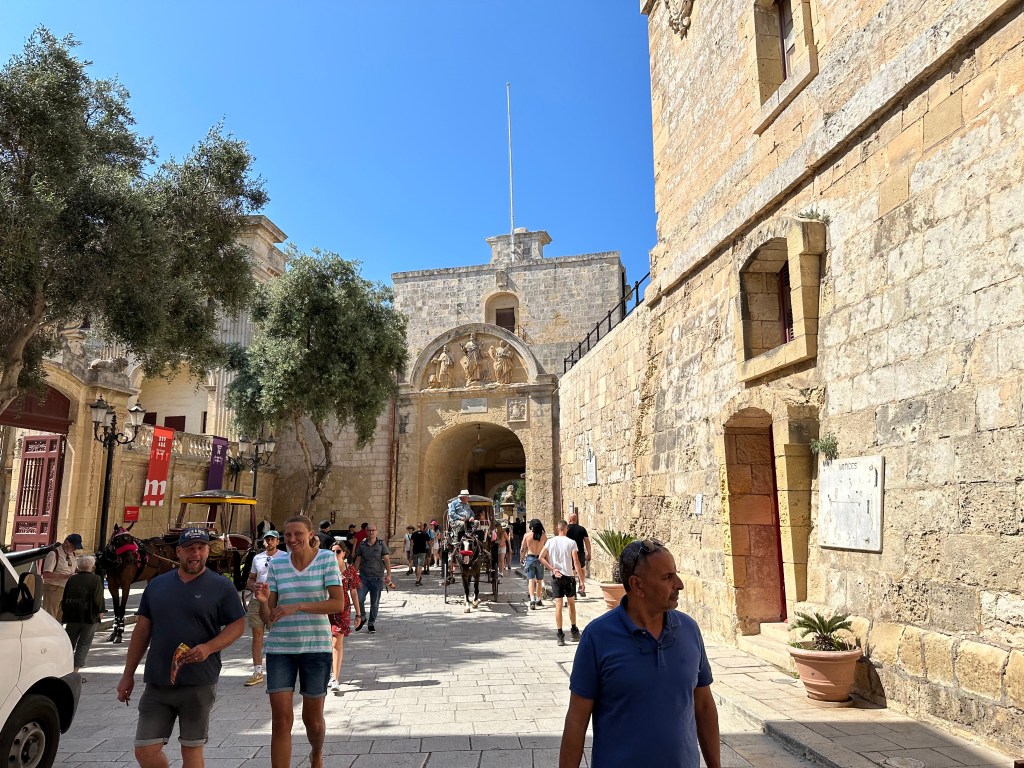
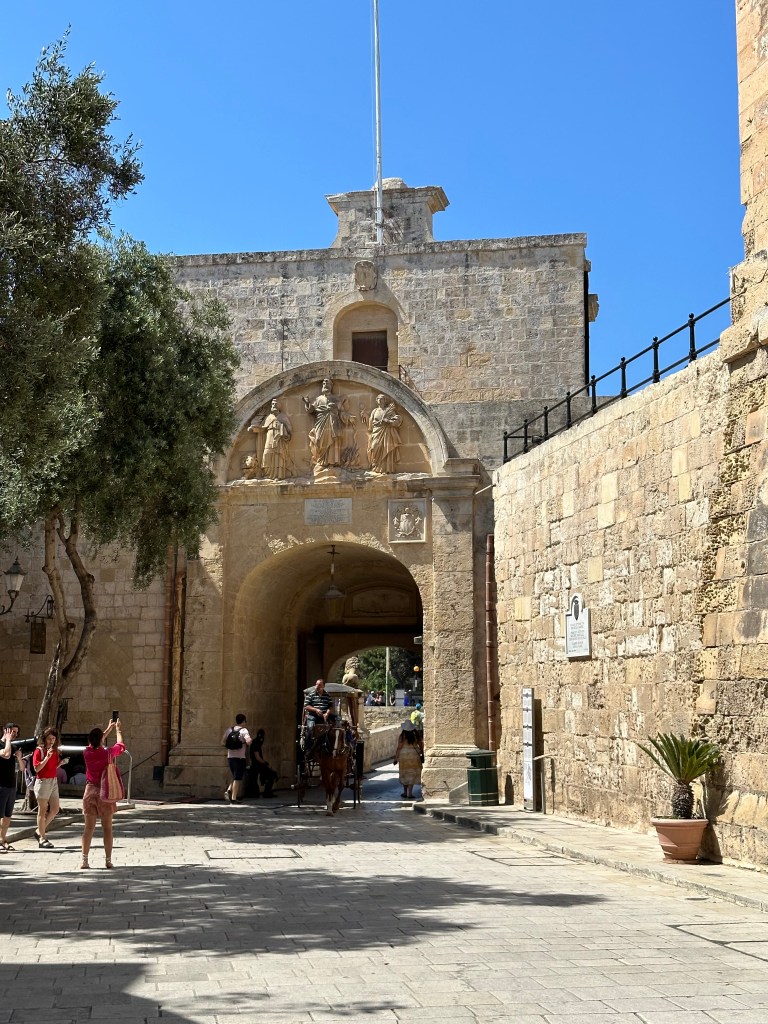
Mdina’s Baroque Main Gate, dating from 1724. Built during the rule of the Hospitallers, it replaced the medieval entrance that was destroyed during the 1693 Sicily earthquake nearby (which gave rise to the Baroque Towns we visited just prior, in Sicily).
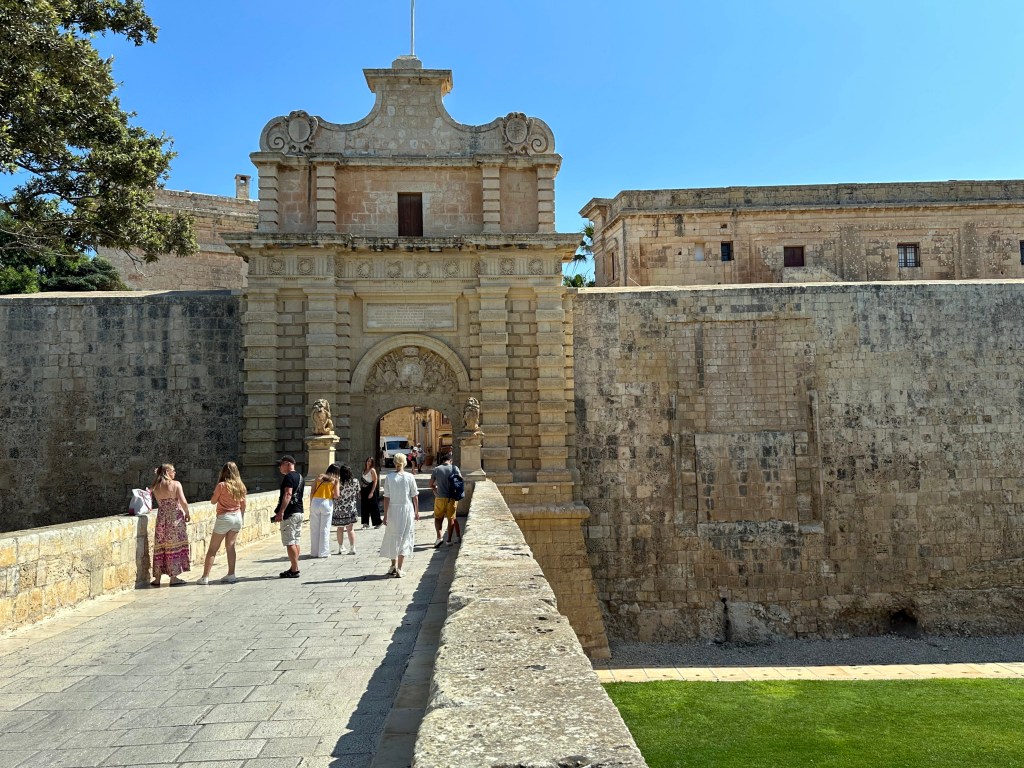
The gate is flanked by two lions, which are associated with Antonio Manoel de Vilhena, the Grand Master of the Order of St. John in Malta during the late 18th century, as well as Vilhena’s coat of arms over the gate proper.
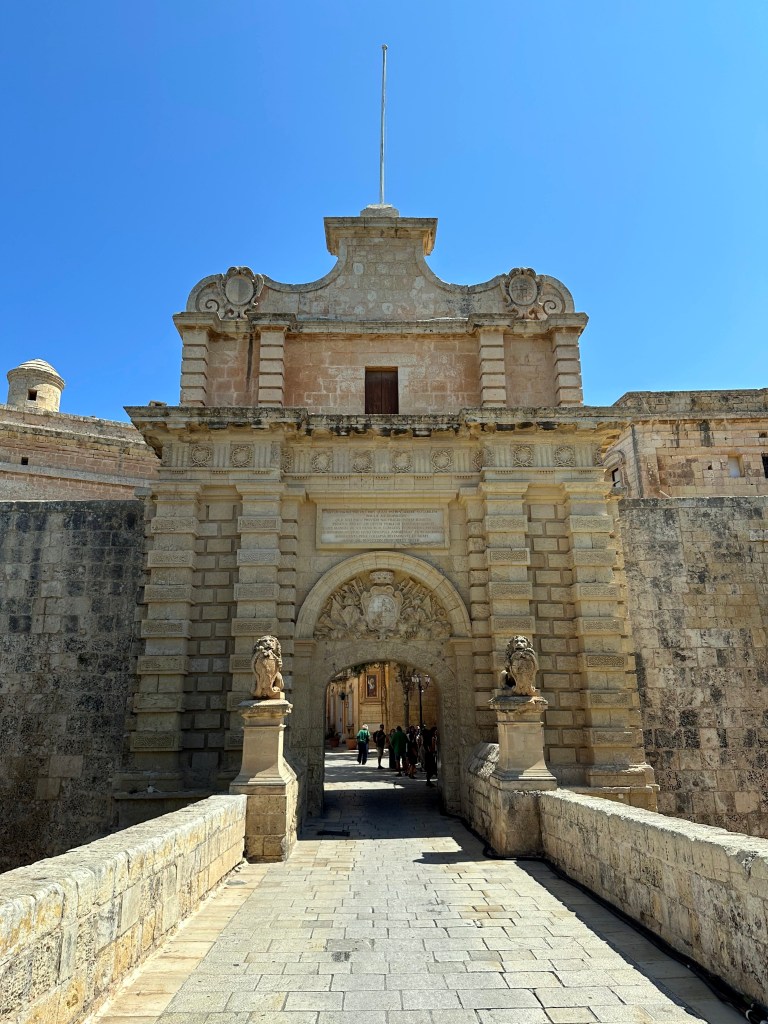
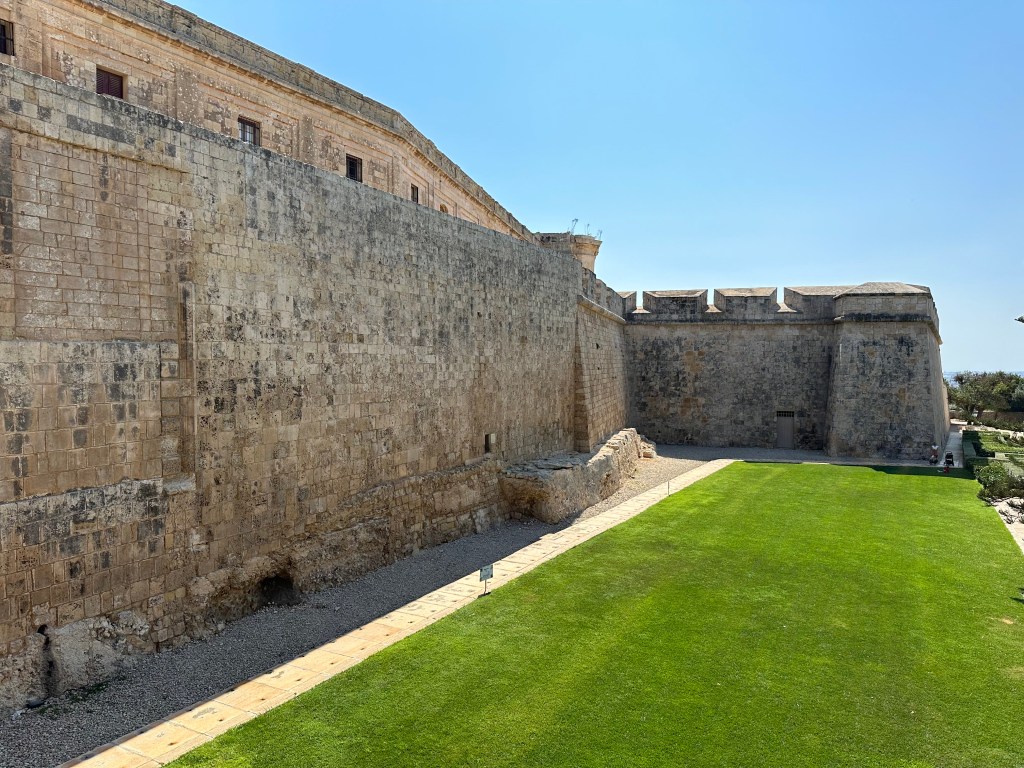
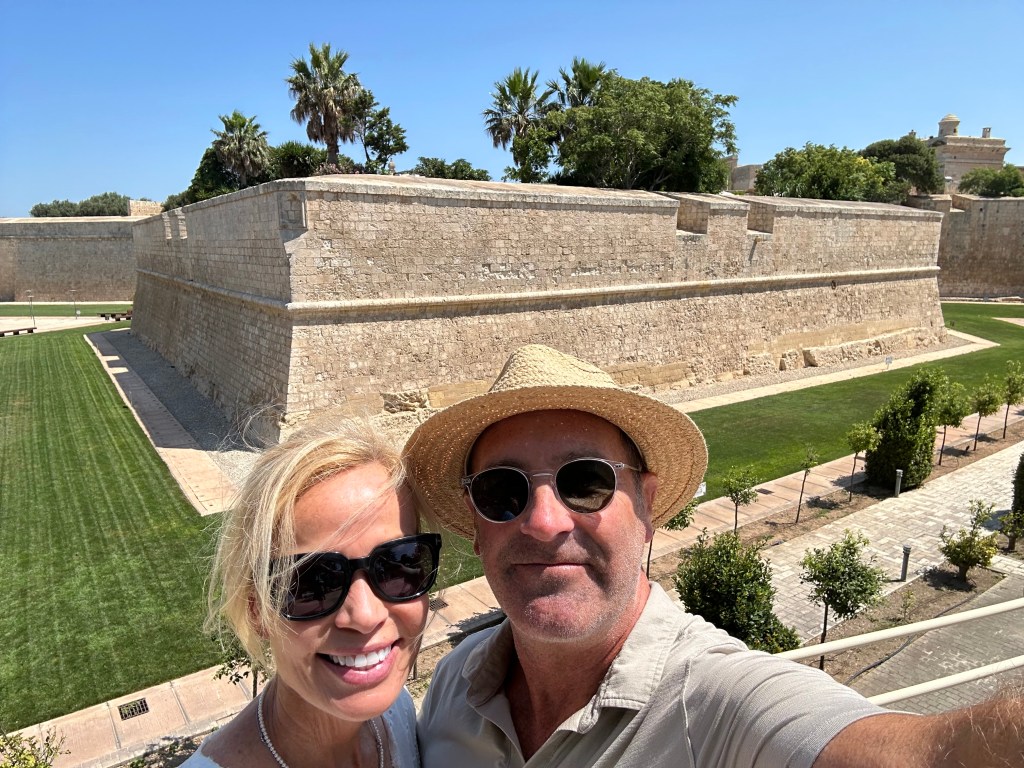
Extant fortifications of the city on either side.
Inside Mdina proper, on the other side of the Main Gate:
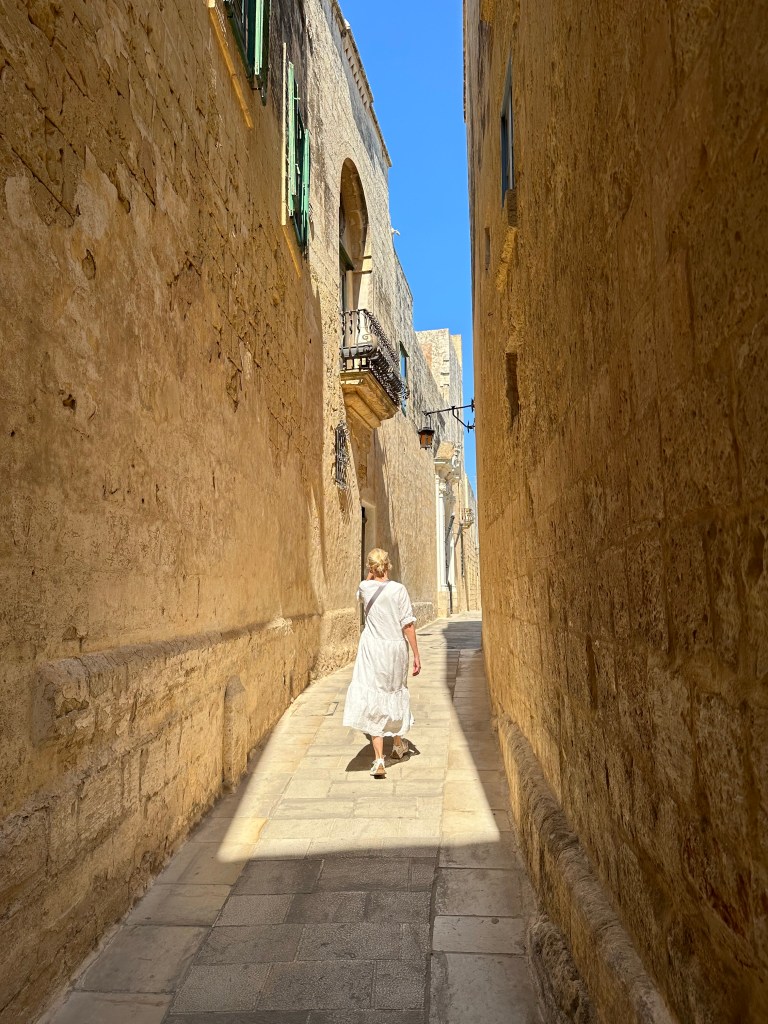
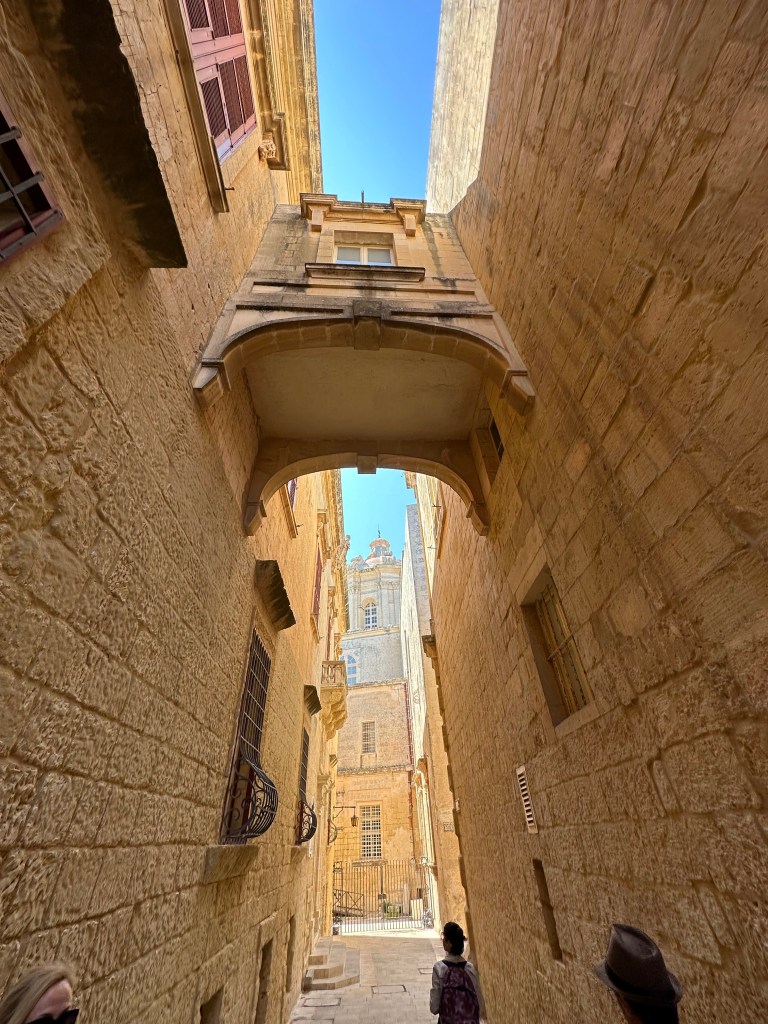
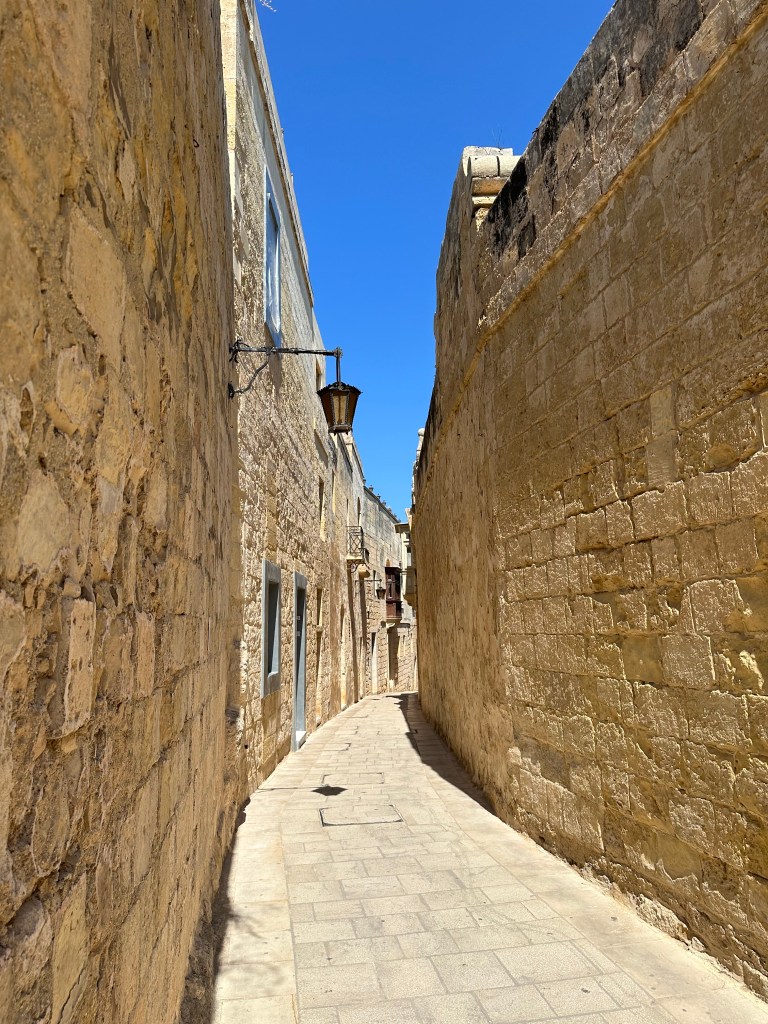
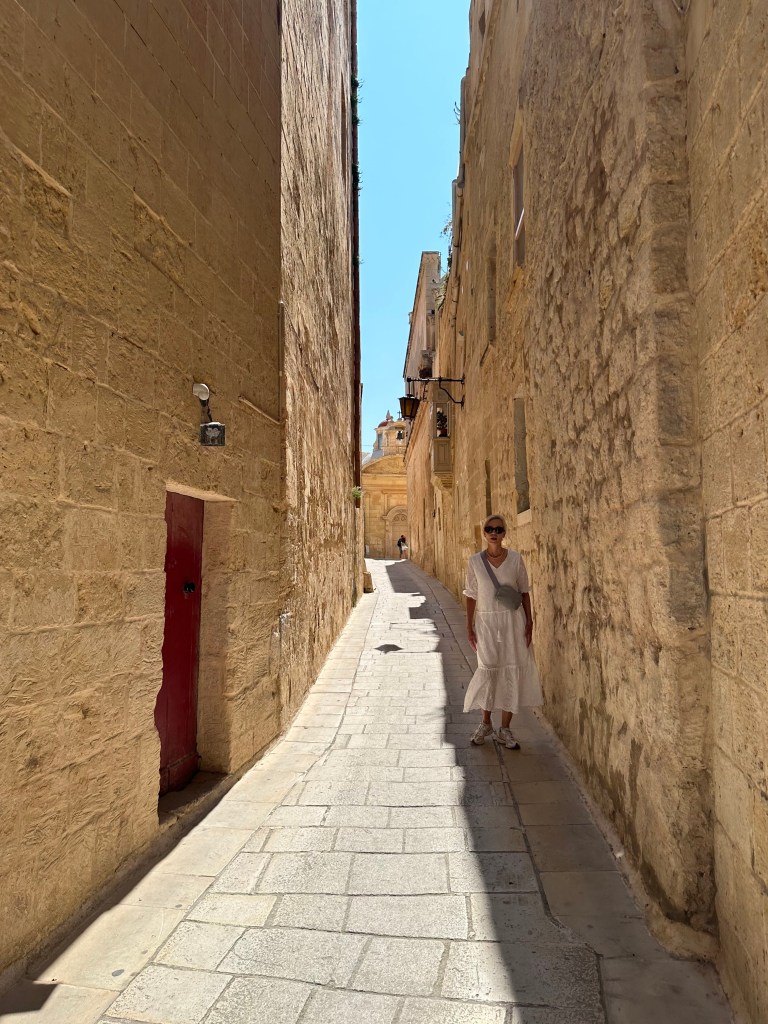
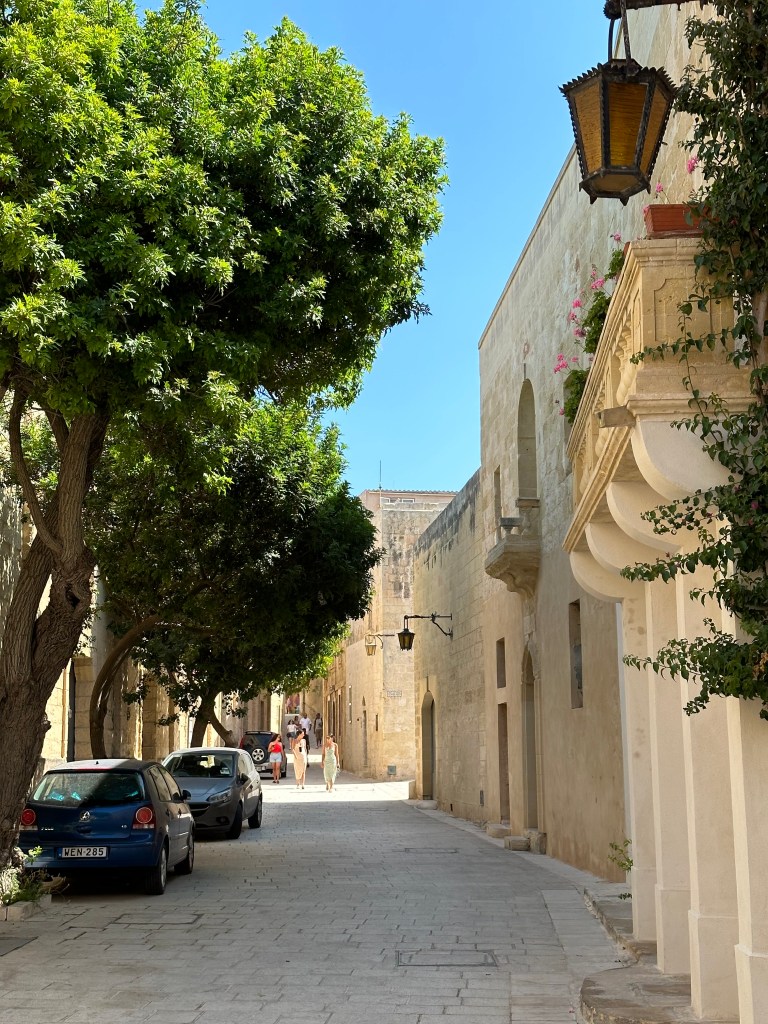
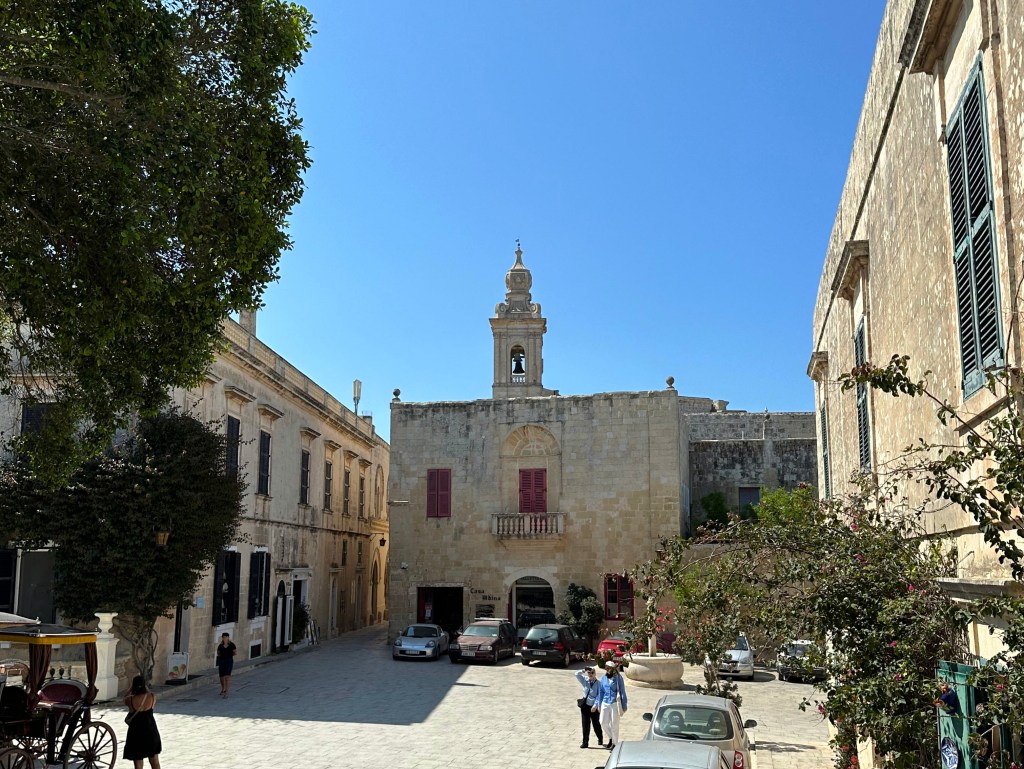
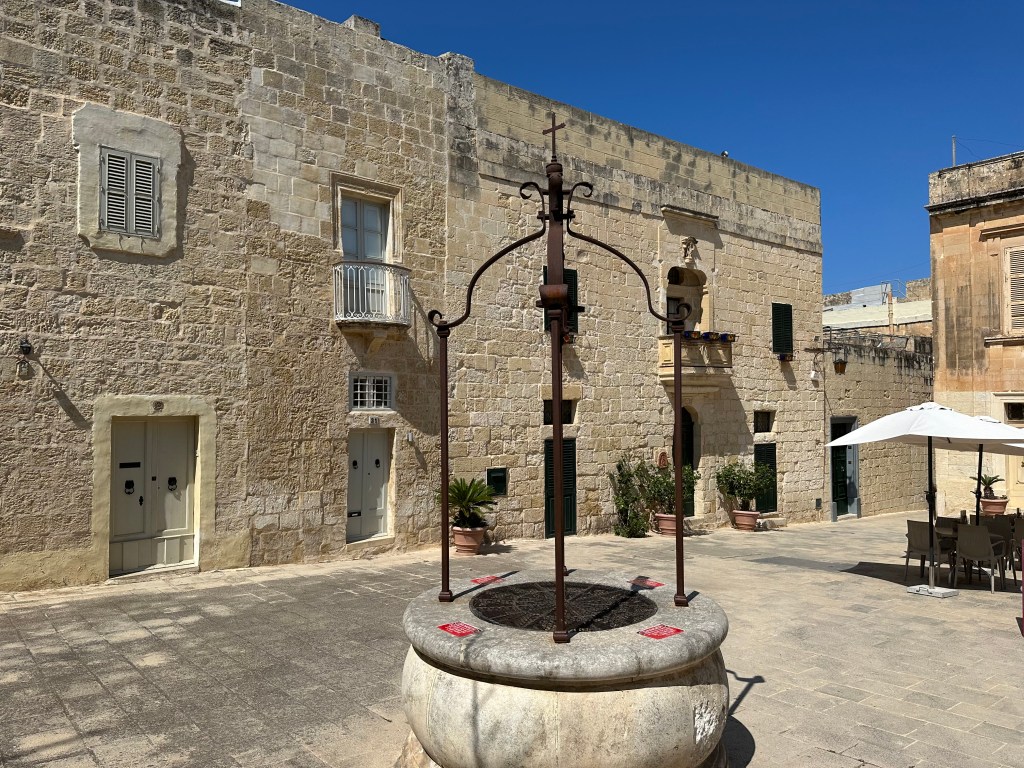
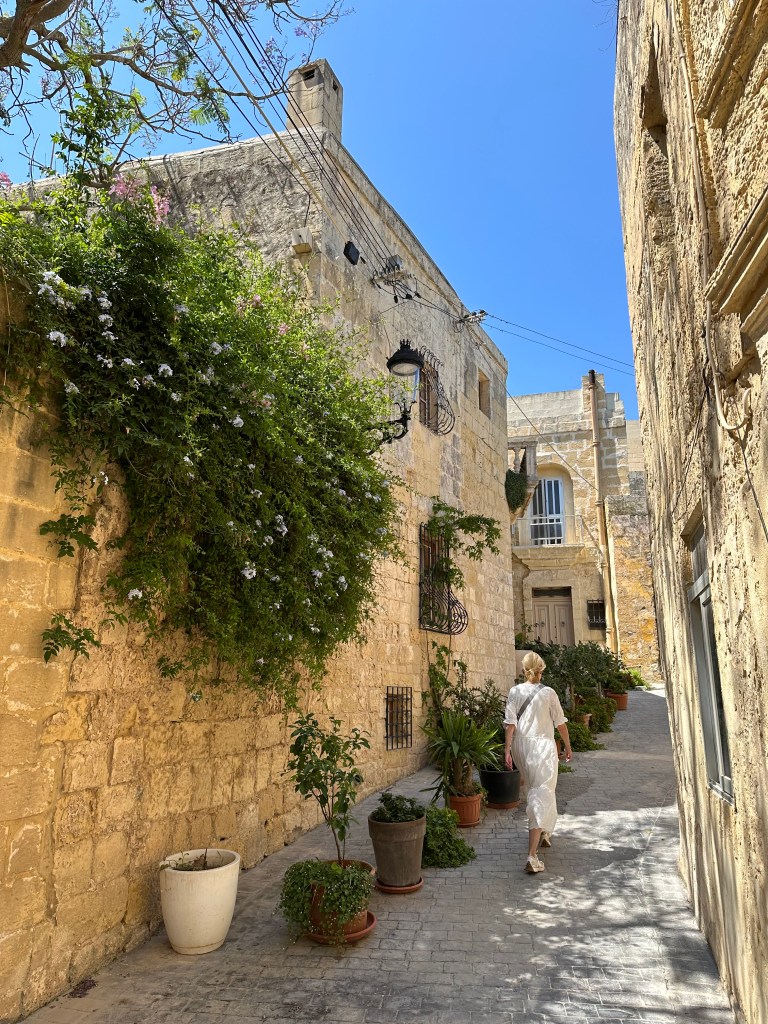
And this is what the entire town is like: sun-baked, narrow alleyways flanked by golden limestone:
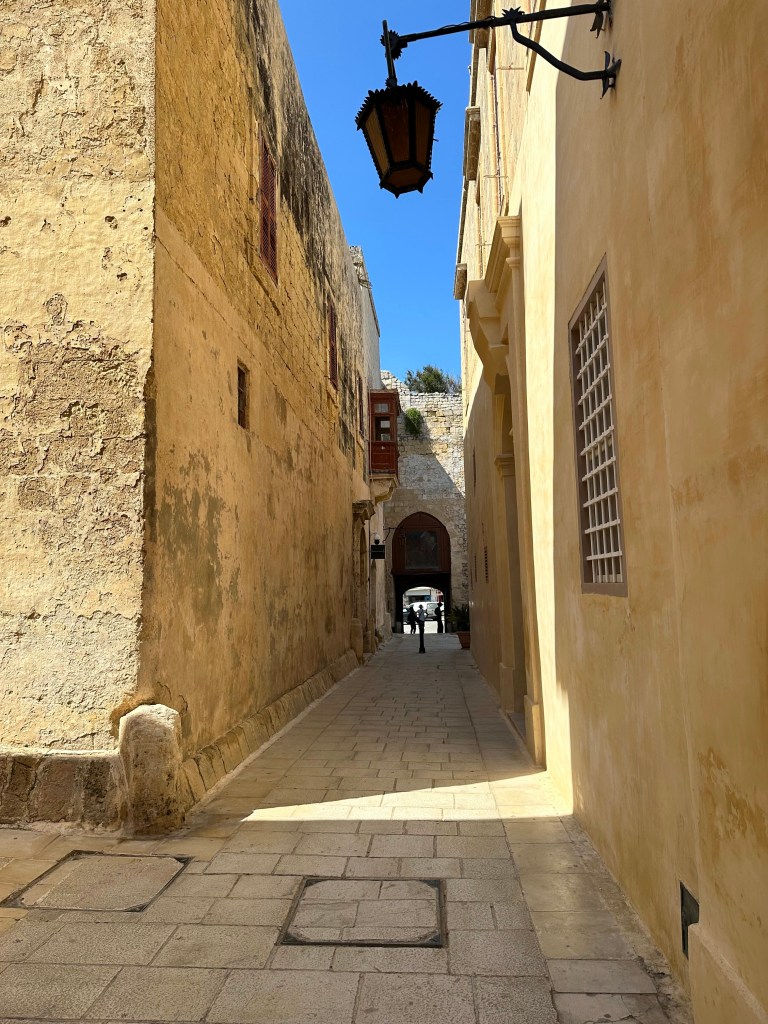
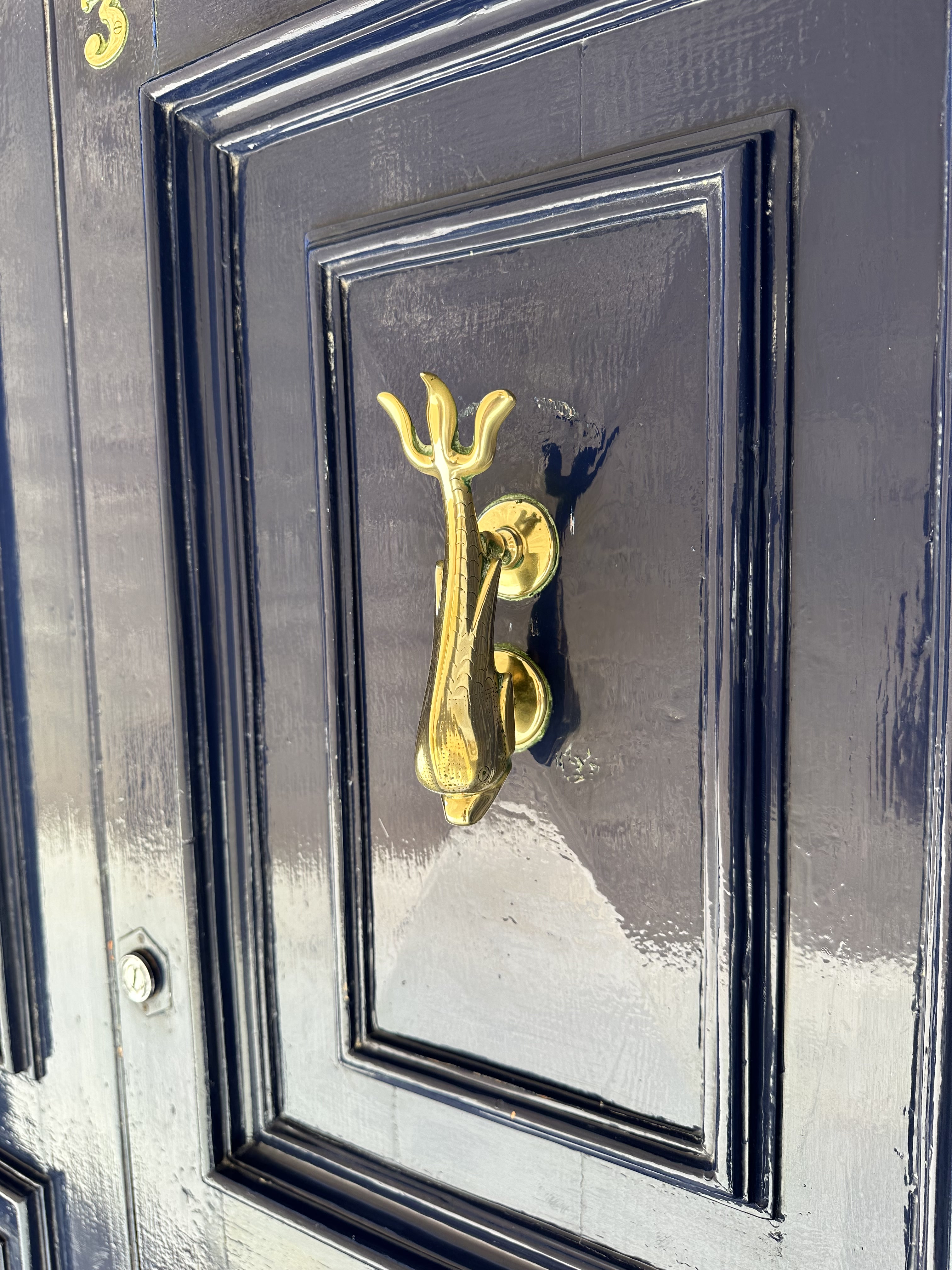
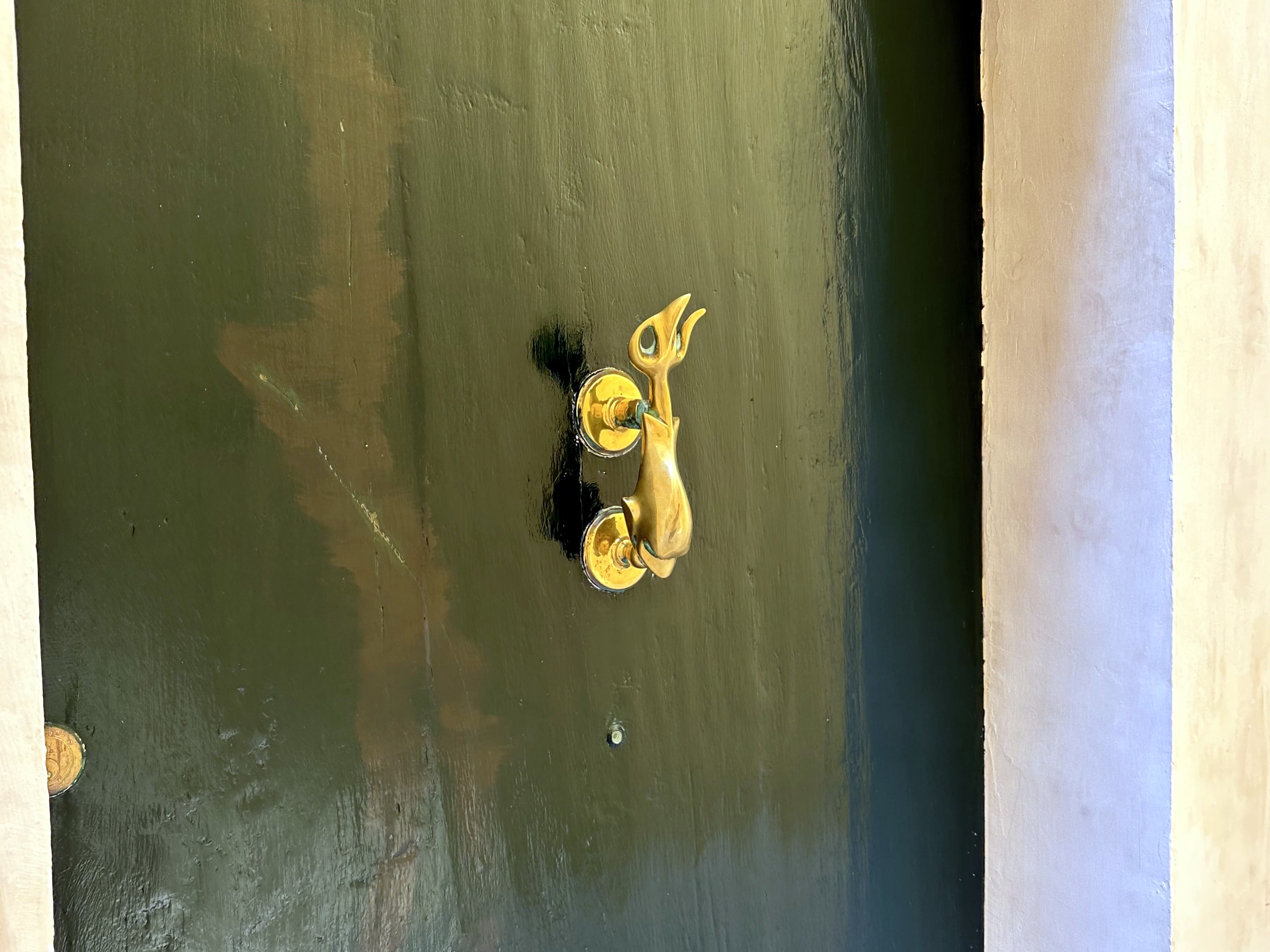
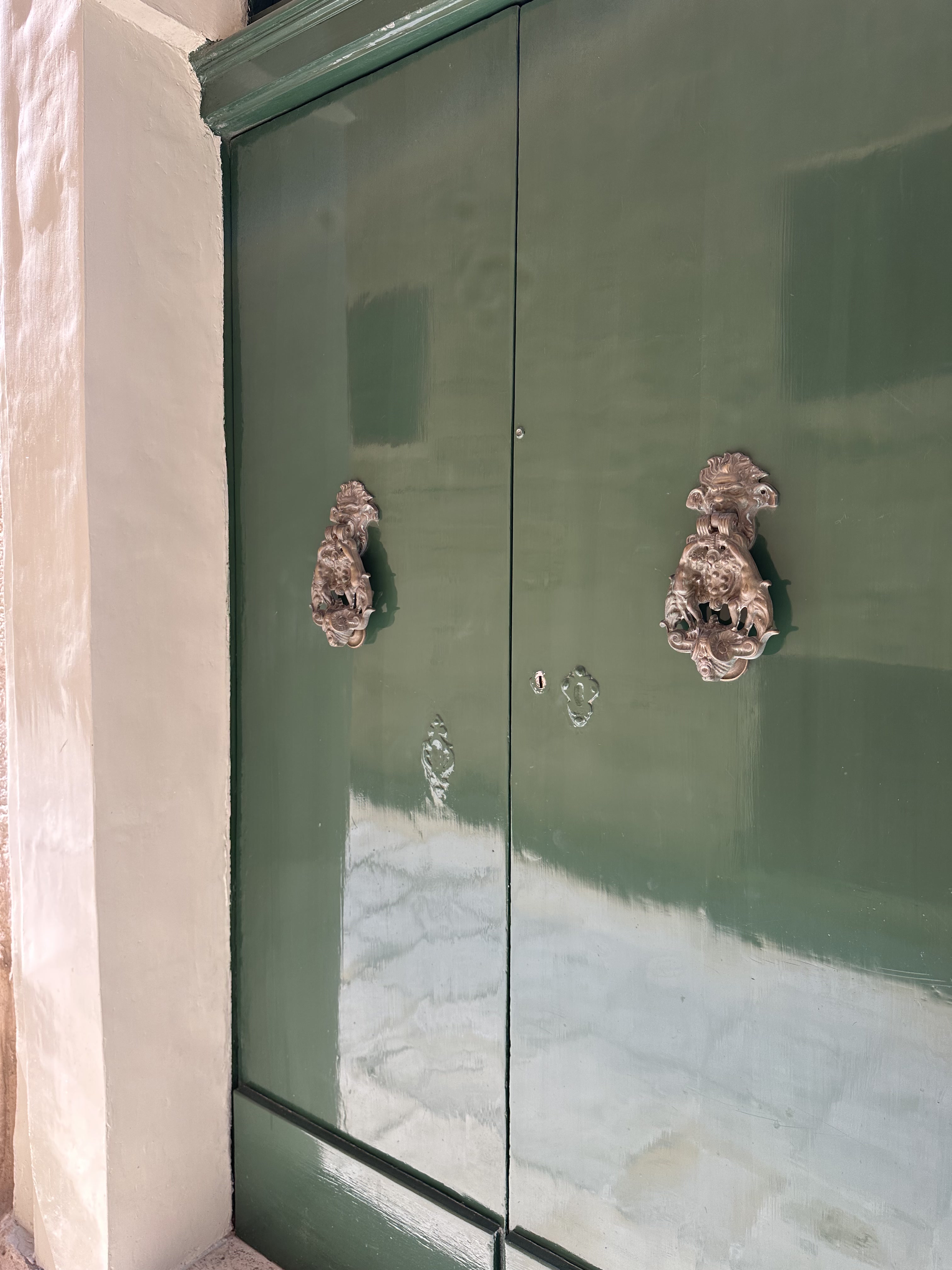
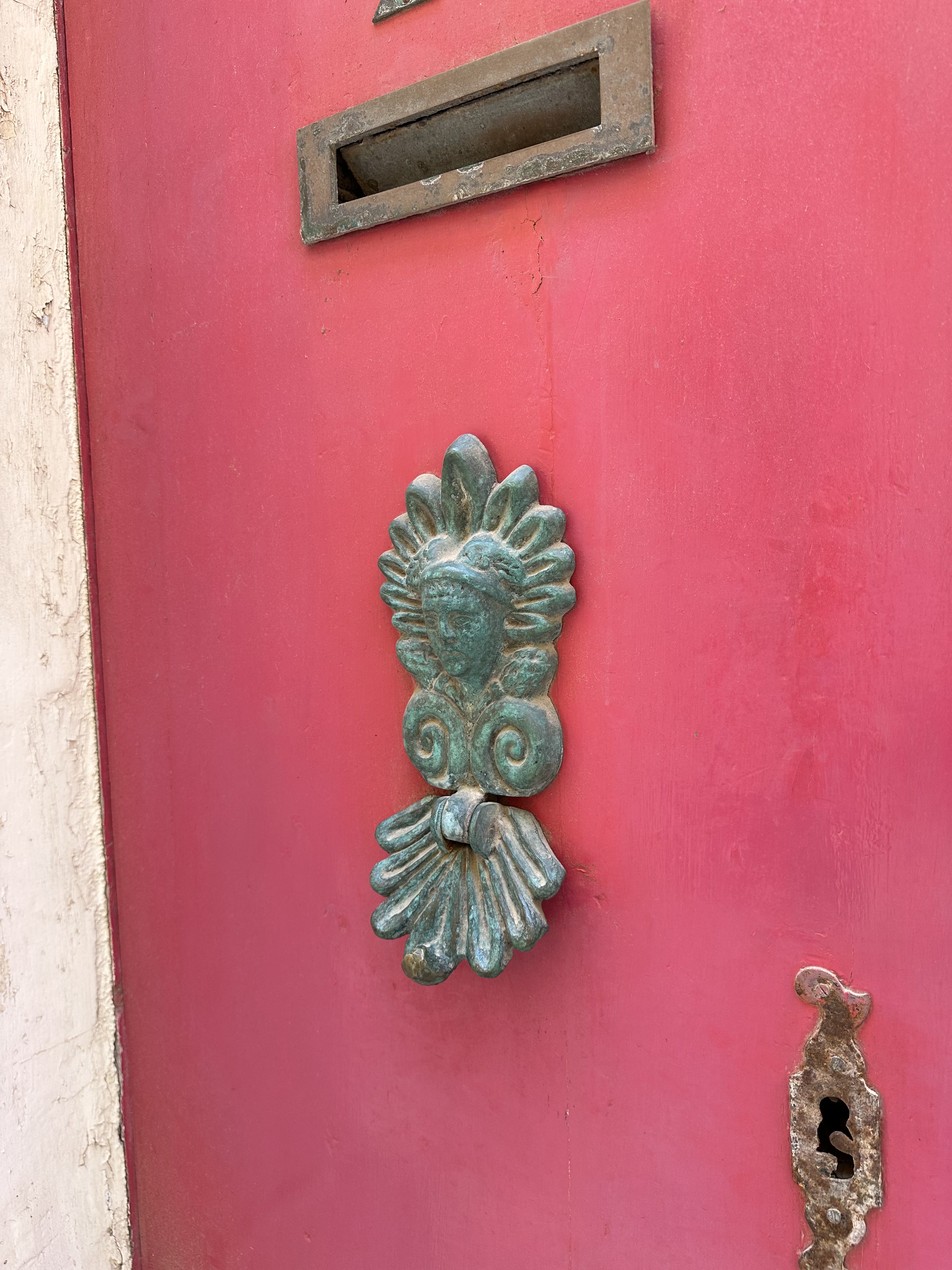
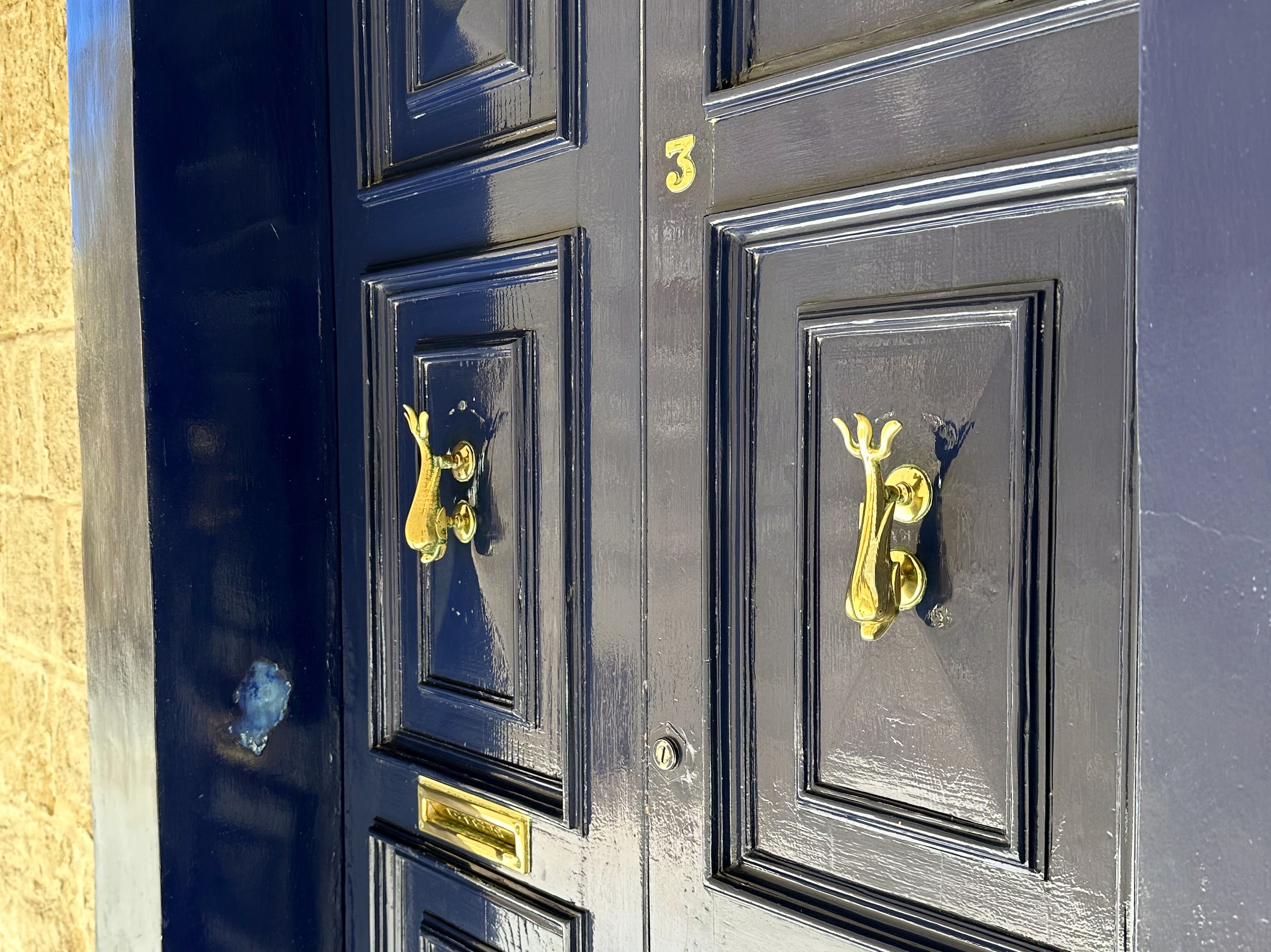
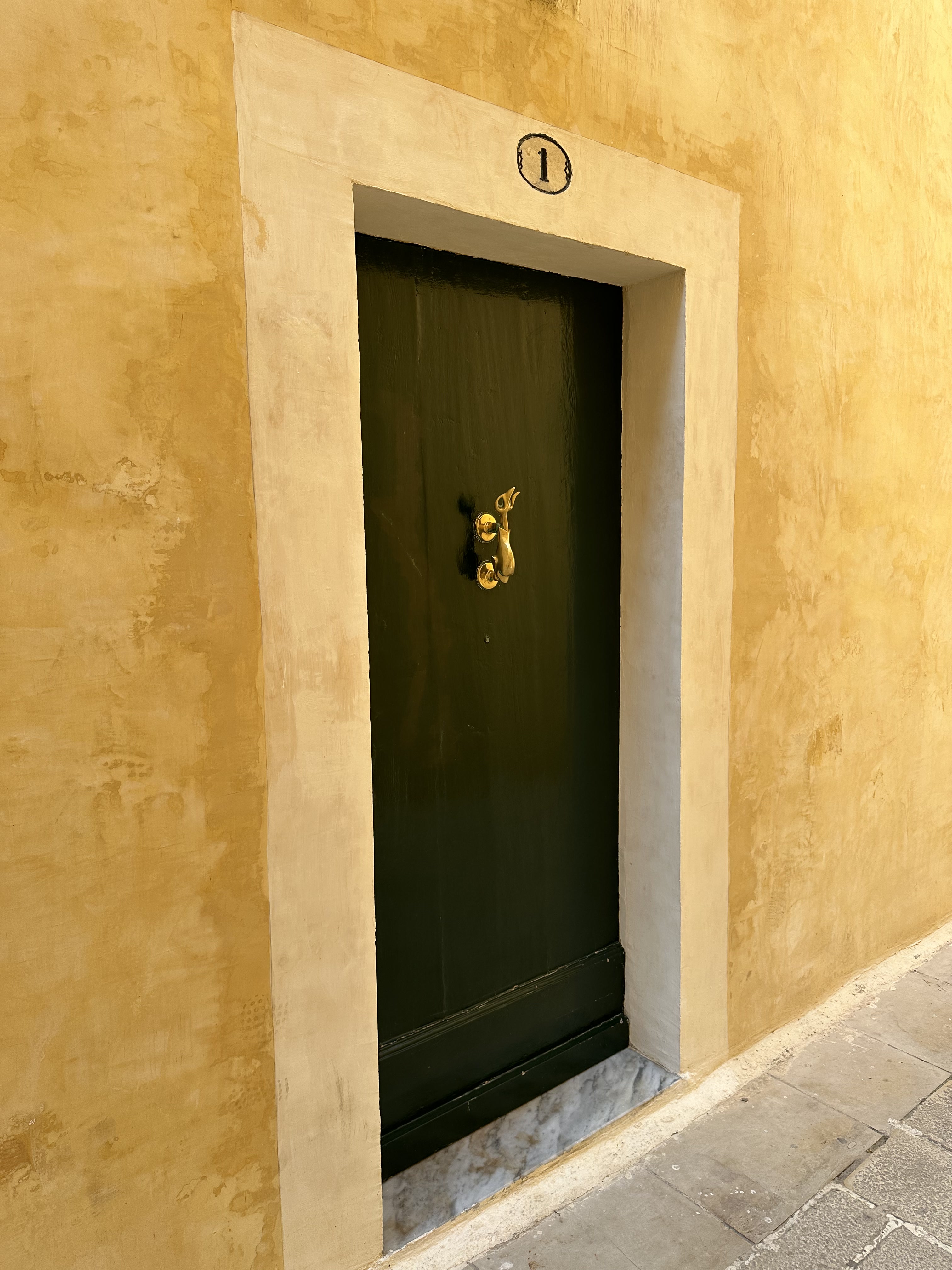
Punctuated occasionally by colorful doors and knockers:
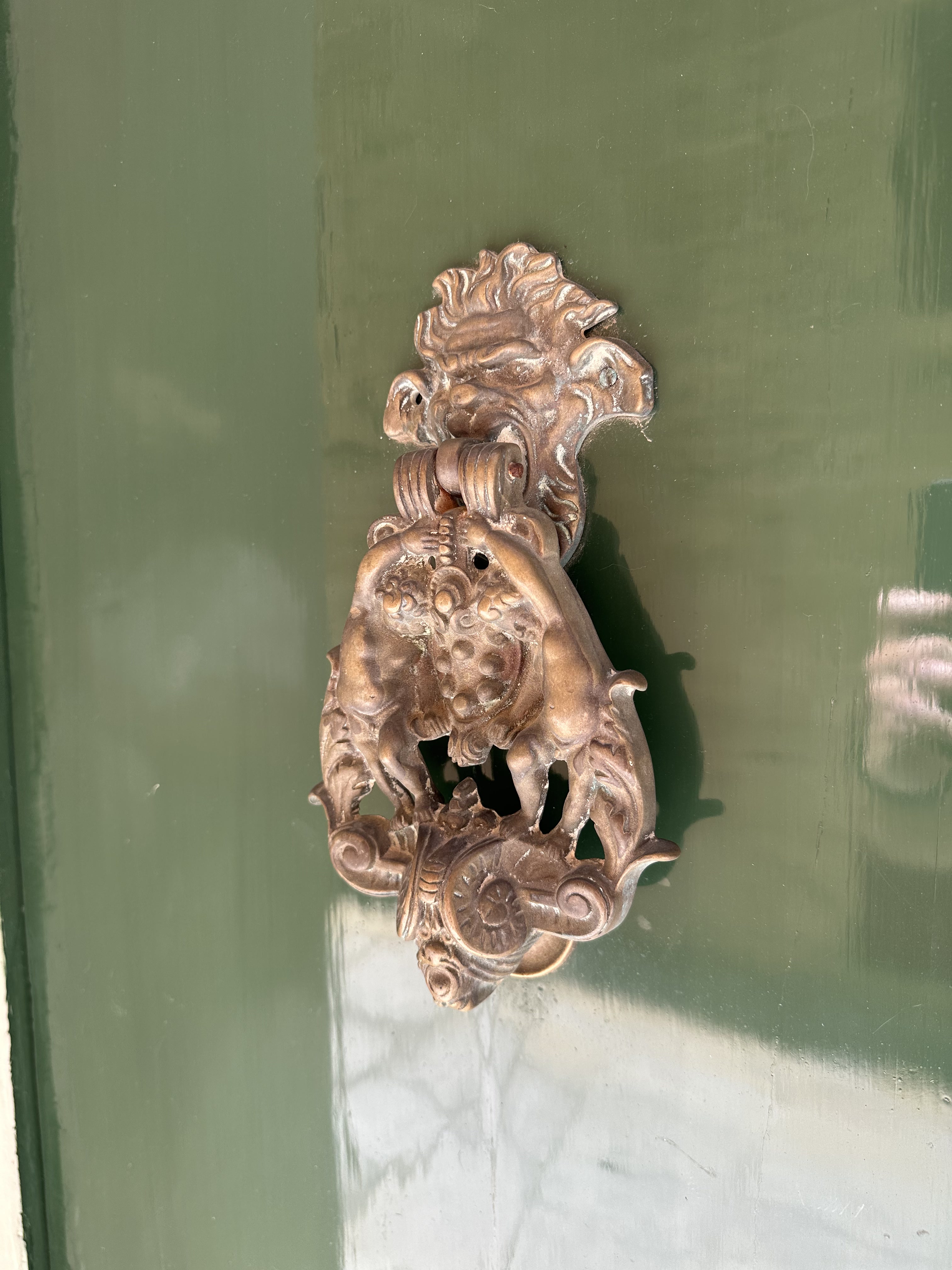
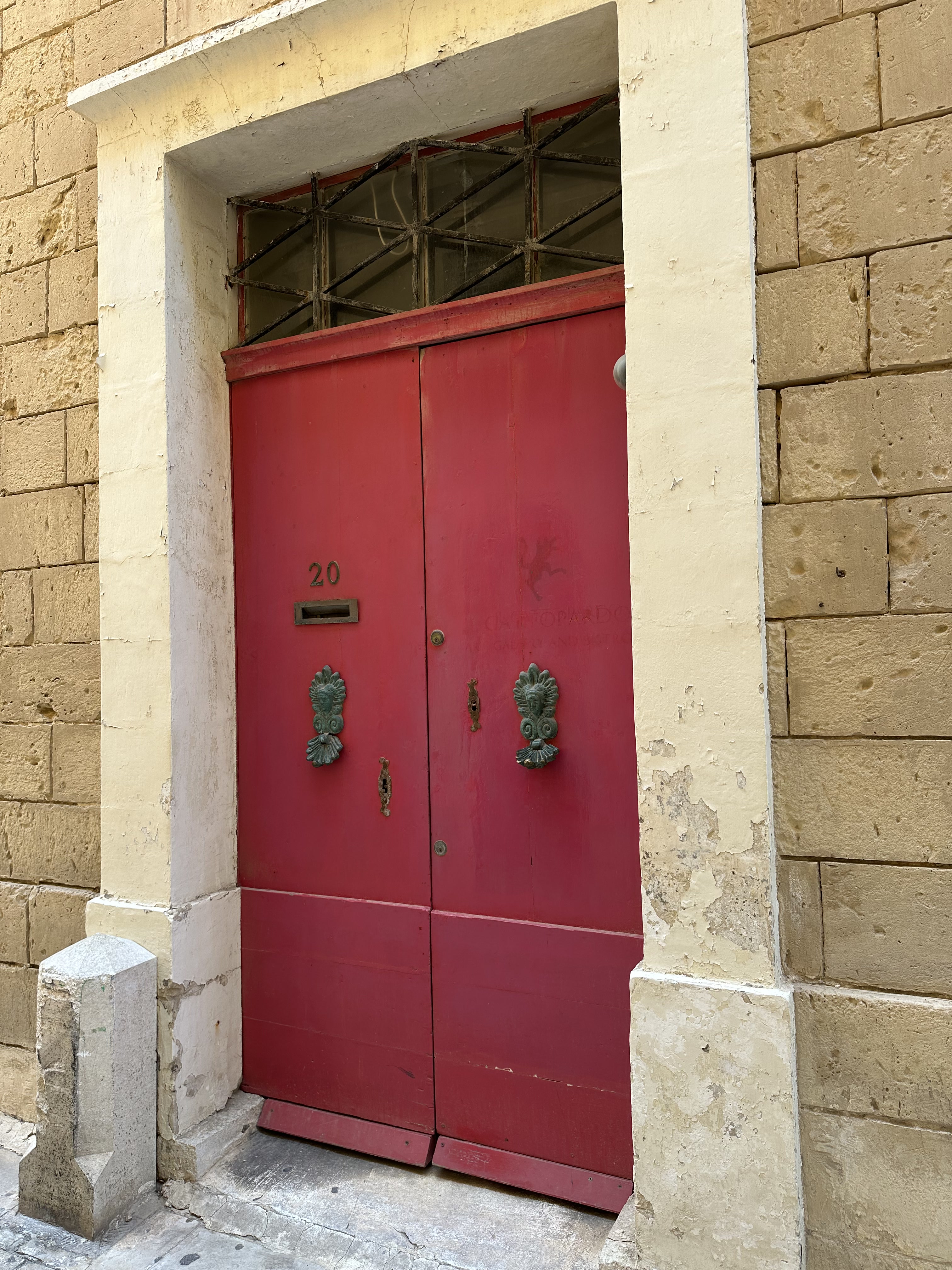
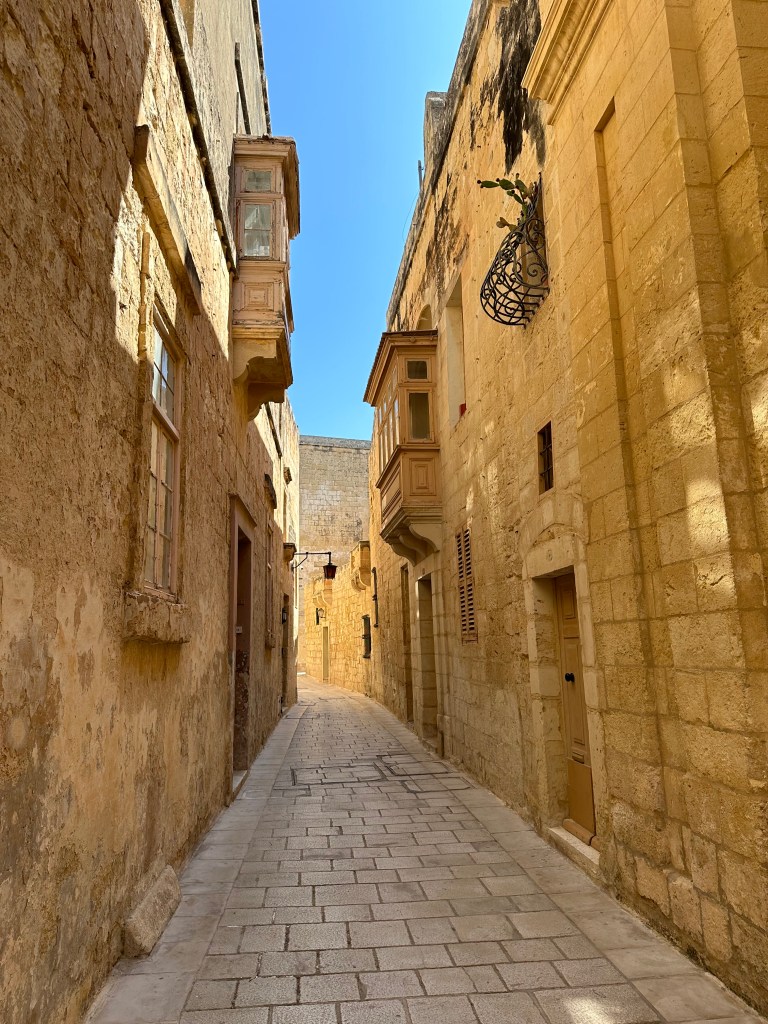
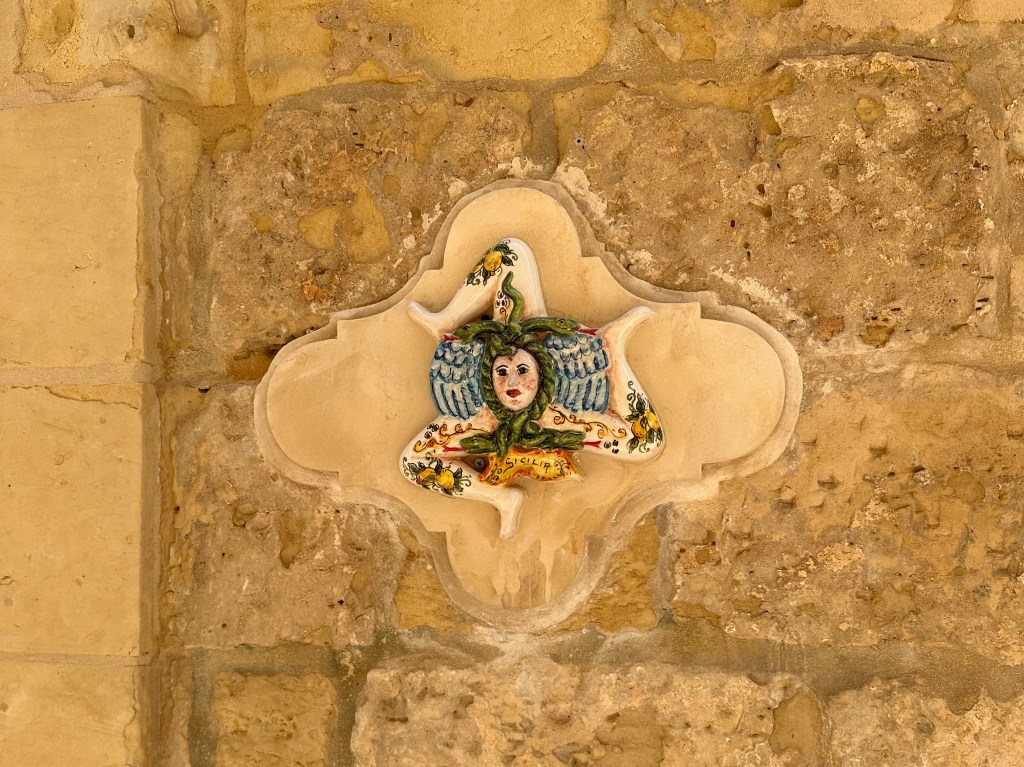
Heading back through the Main Gate, and down the street. . .
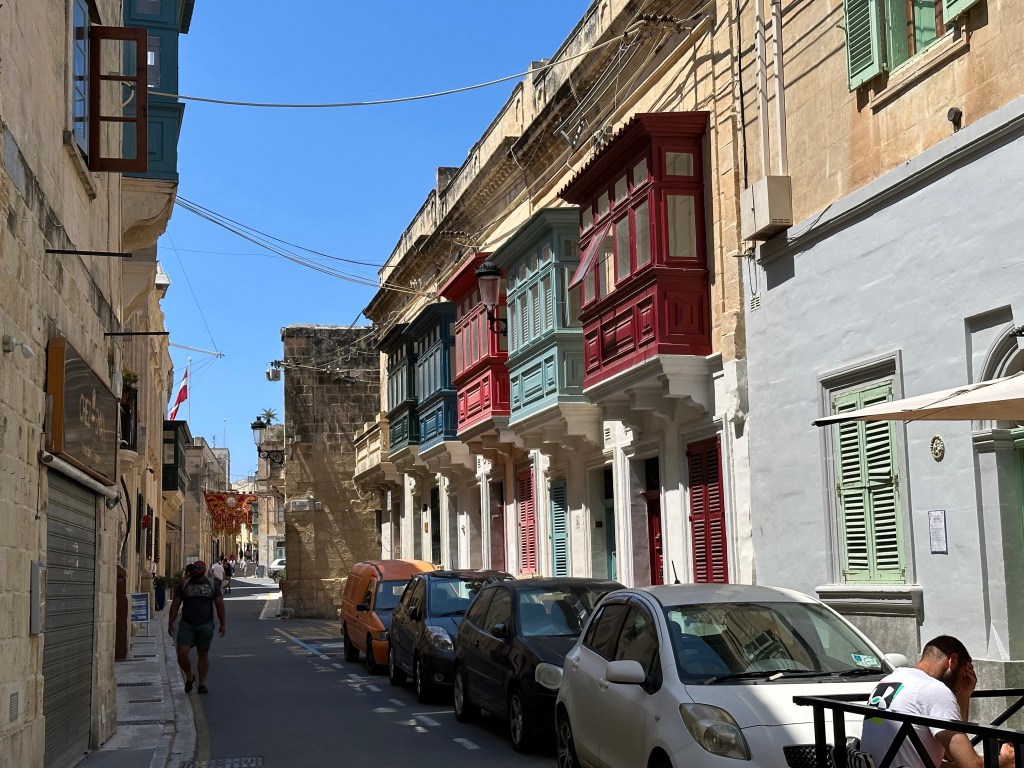
to Rabat, the ancient suburbs of Mdina. Replete with Valletta-style gallarija.
And down the street, much to the excitement of one and definitely not the other WolfeStreetTravler, to. . .
More catacombs! This will be our fourth set on this trip alone; first in Matera, then, the absolute grossest in Palermo, and TWO in Syracusa.
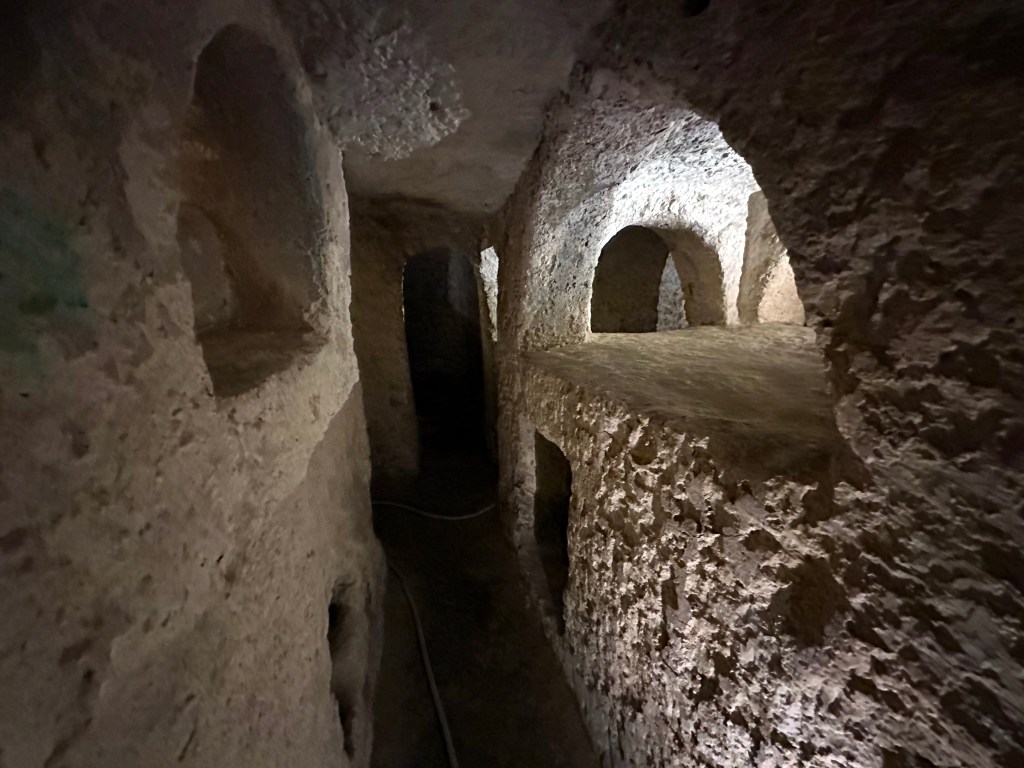
St. Paul’s Catacombs, located in Rabat just outside Mdina, form one of Malta’s most important ancient burial complexes, dating primarily from the Phoenician, Roman and Byzantine periods, but they continued to be actively used into the 7th or 8th century AD.
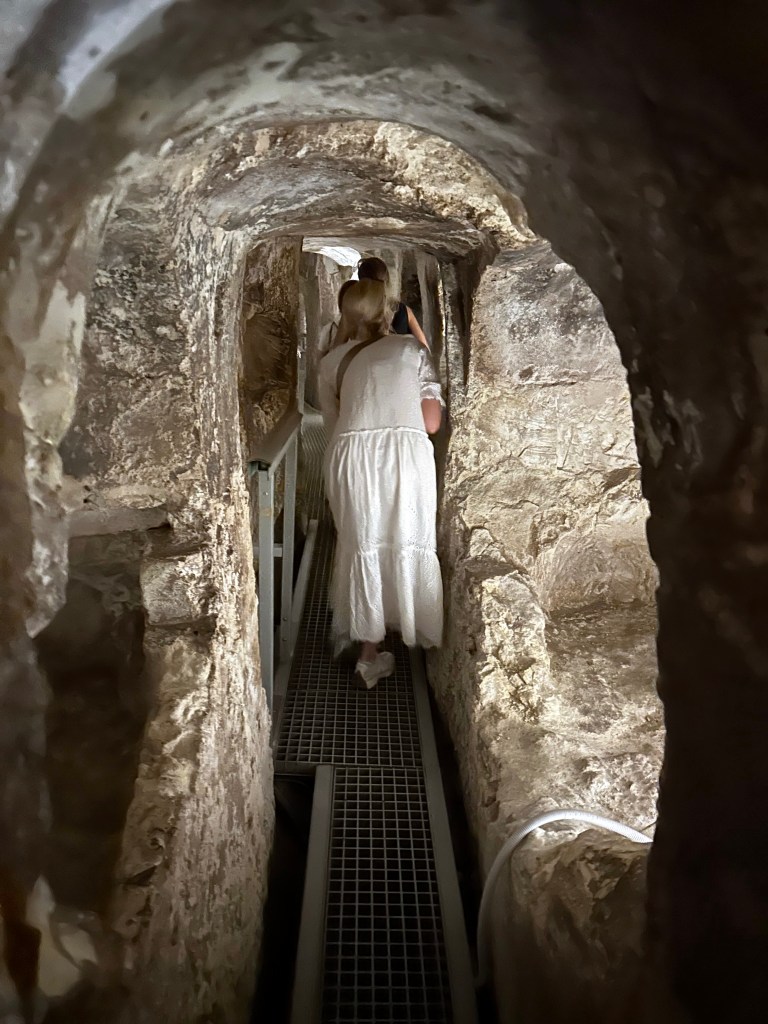
Carved into the island’s soft limestone, the underground complex contains an intricate network of burial chambers, corridors and rock-cut tombs that once formed part of a much larger cemetery outside of what was the Phoenician (and later Roman) settlement of Melite that predates Mdina and Rabat.
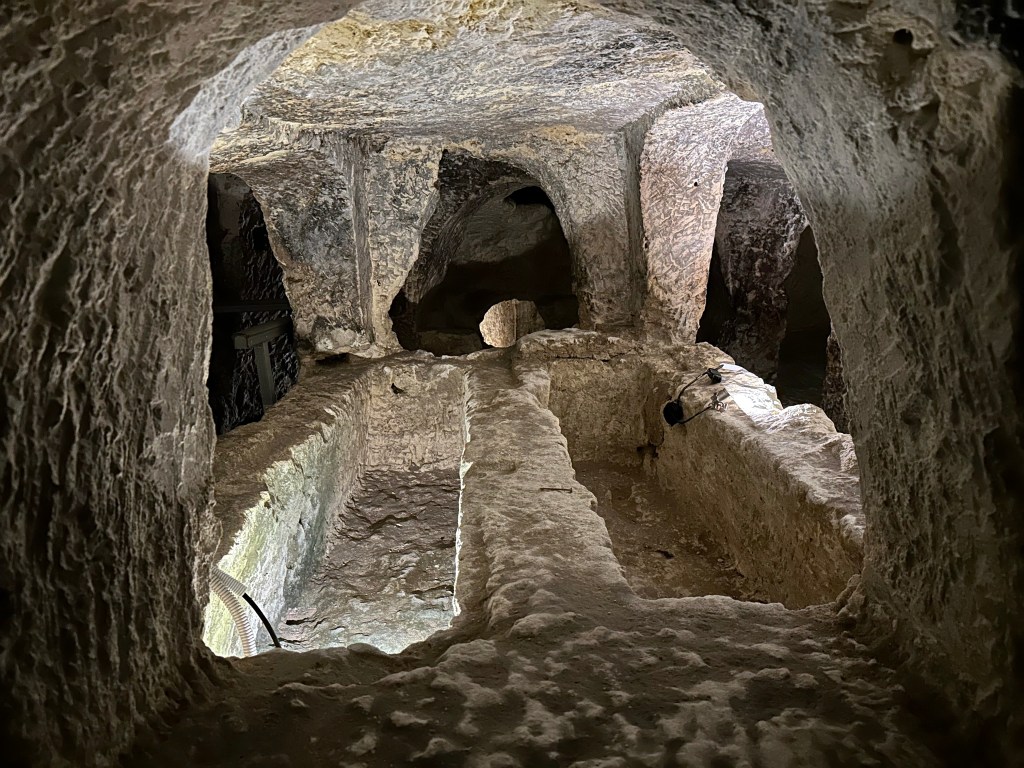
Hundreds of tombs across a complex of 24 interconnected catacombs are down here.
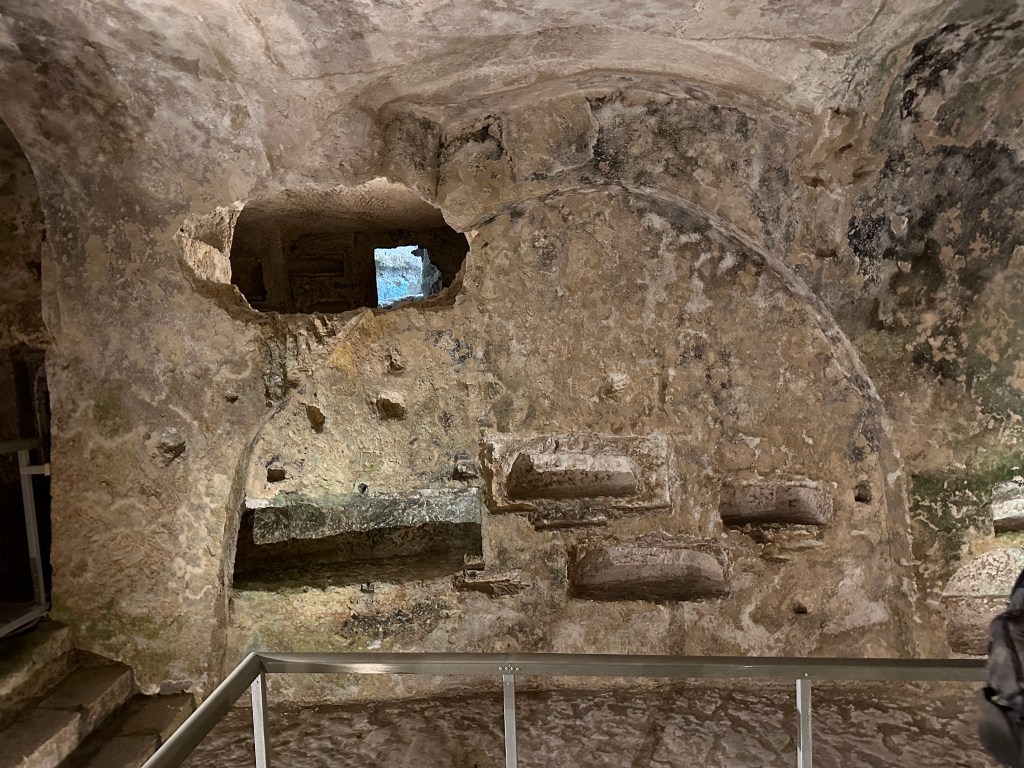
Most are now empty.
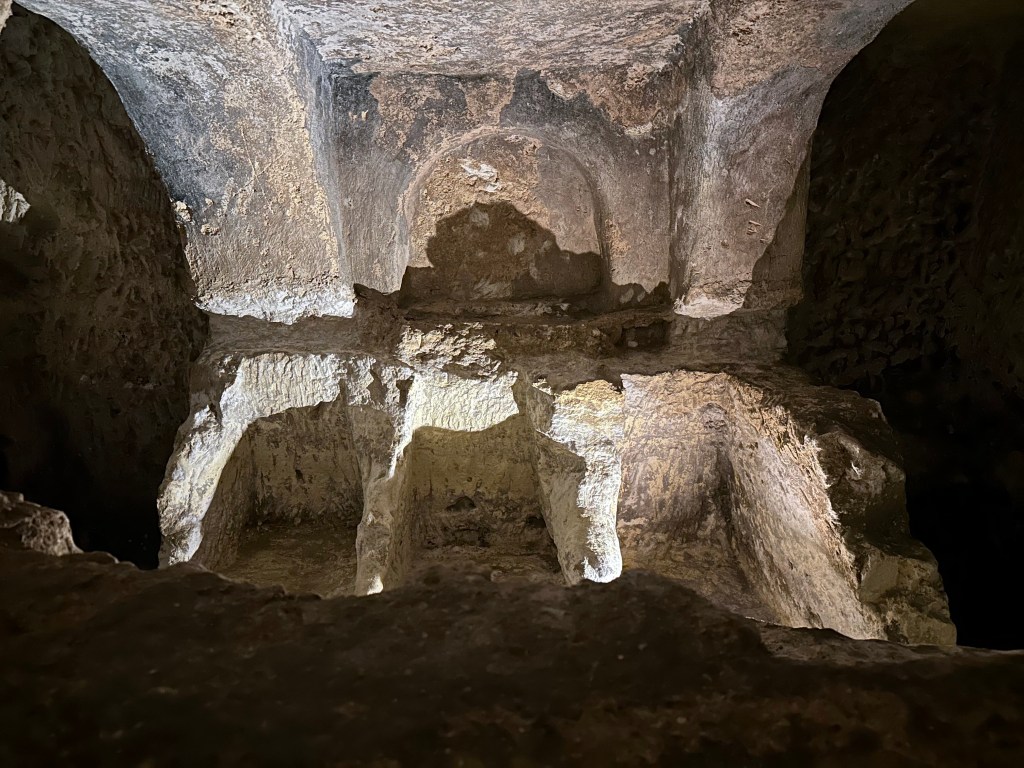
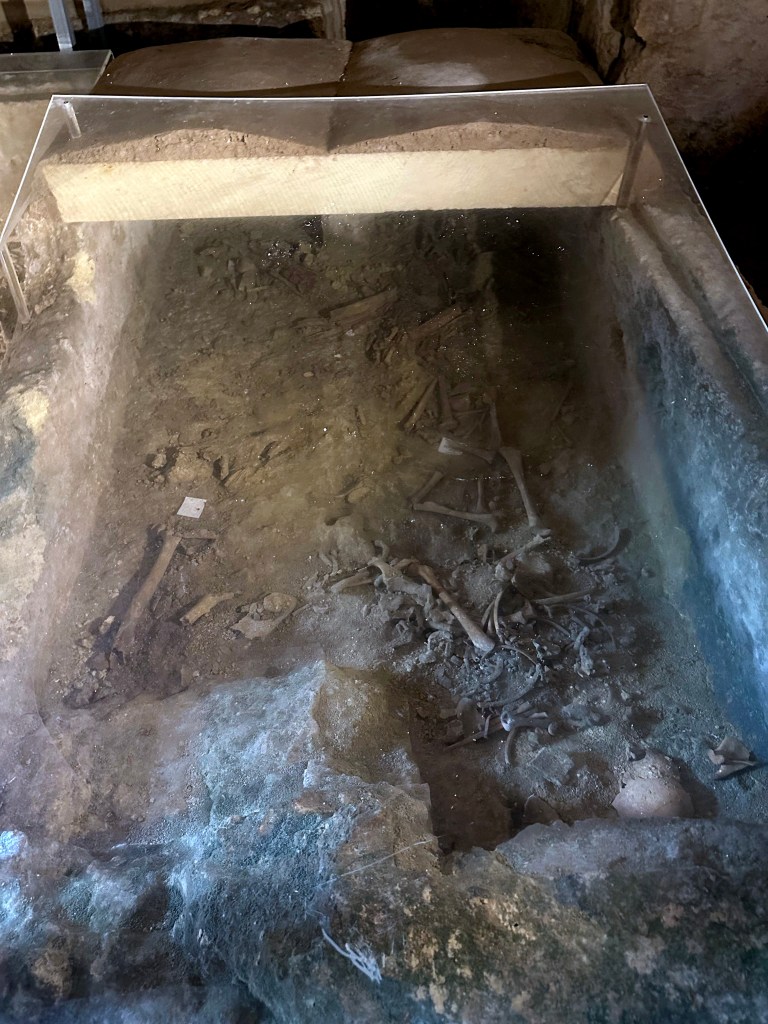
Some most certainly are not.
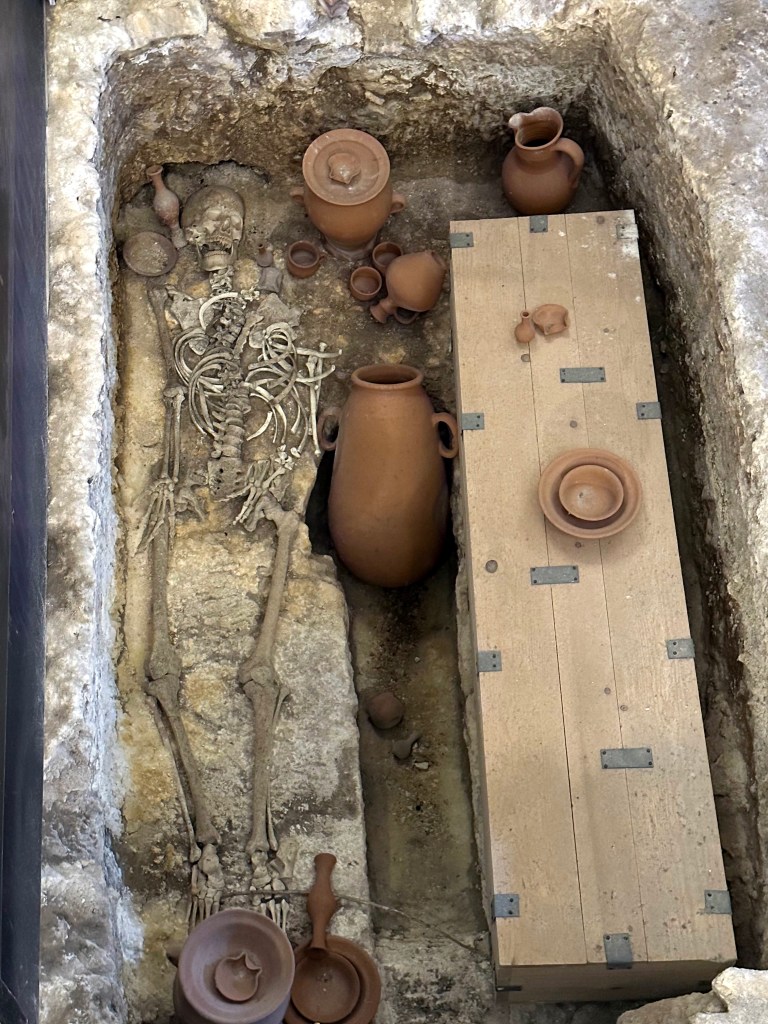
Every space was optimize to fit more bodies in.
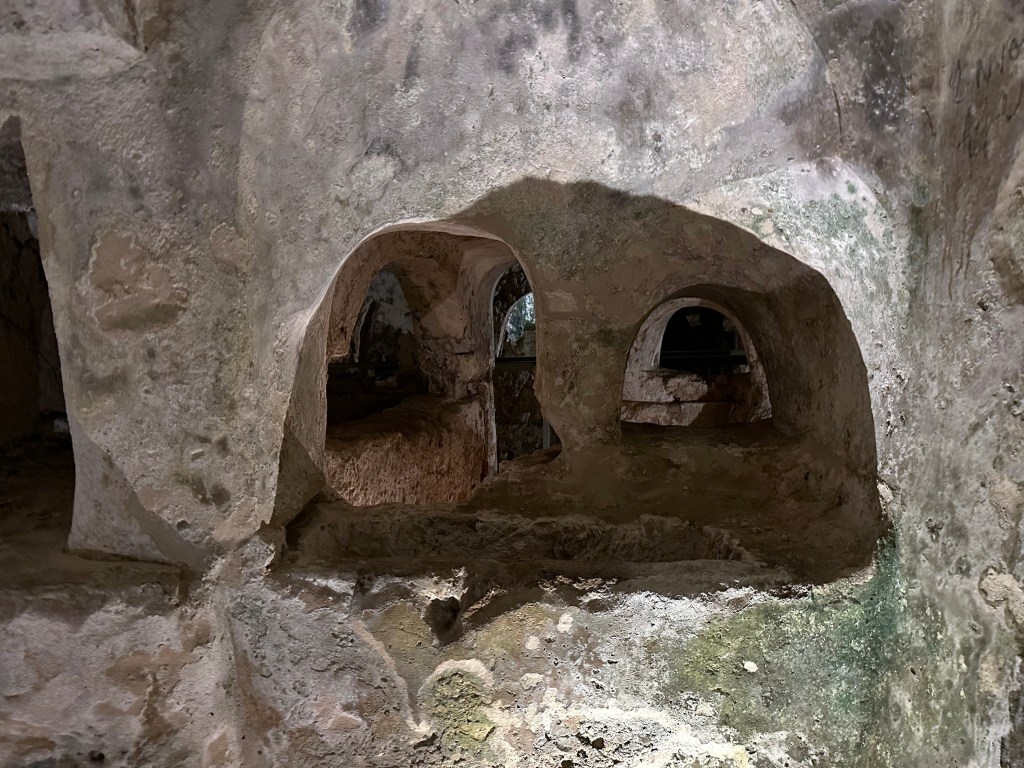
Although tradition associates the catacombs with St. Paul, who was said to have been shipwrecked on Malta in AD 60, there is no archaeological evidence that he ever visited or was buried here. What makes the site especially compelling is the coexistence of pagan, Jewish and Christian burial traditions, offering a remarkable glimpse into Malta’s religious and cultural transformation during late antiquity.
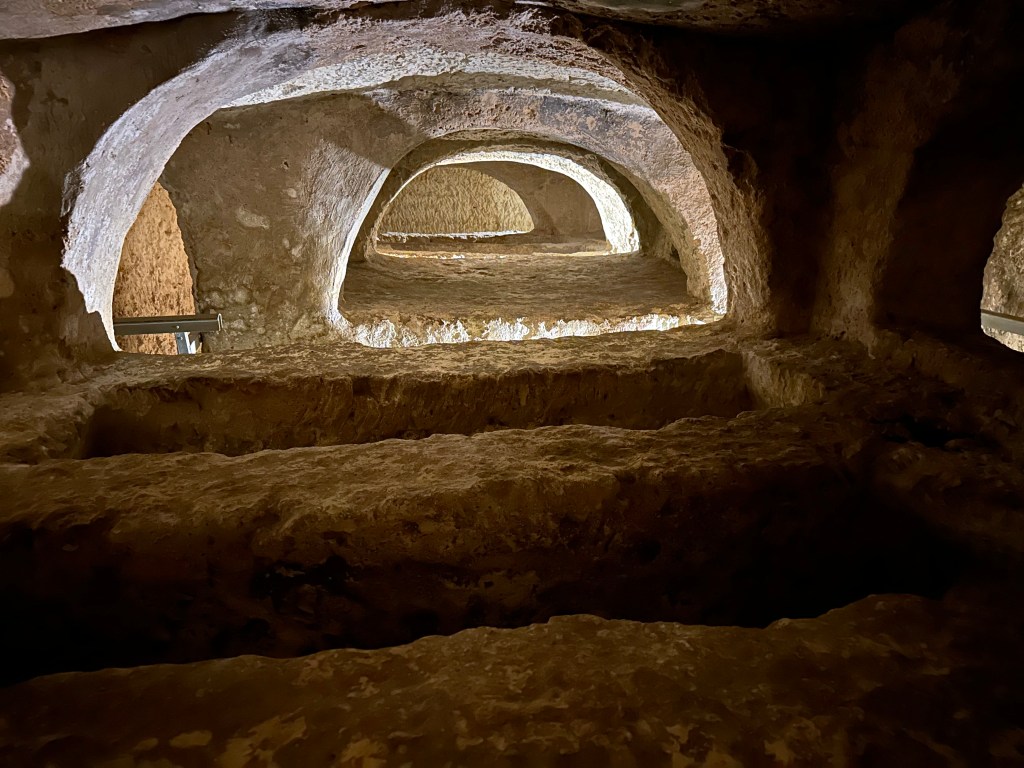
Heading back out.
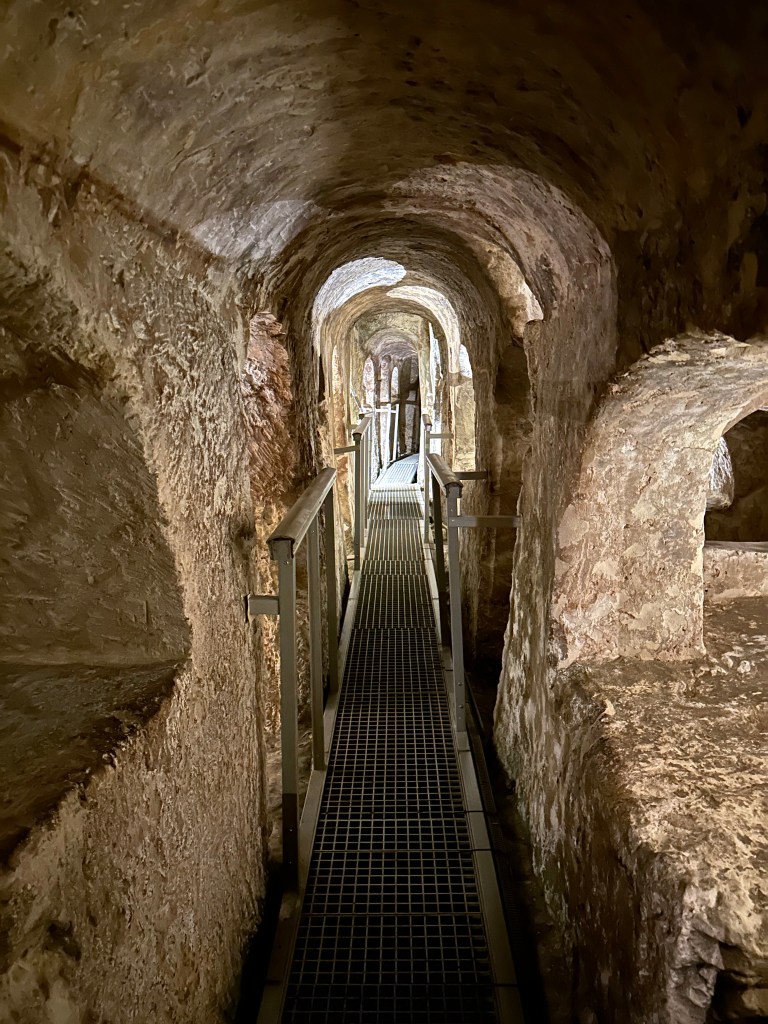
What to do now that we’re back in the glorious sunshine of a Maltese afternoon?
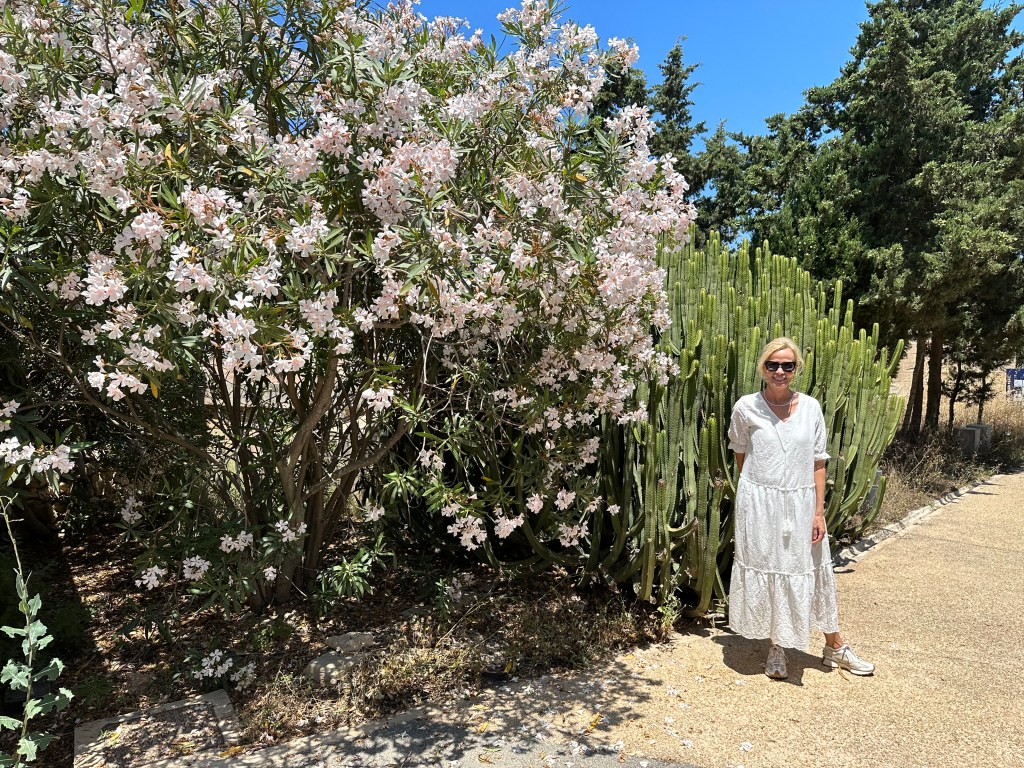
More catacombs! This time St. Agatha’s, just down the road. (This pretty much put an end to the catacomb visits; one of the WolfeStreetTravelers definitely had enough of this nonsense during the current trip, although her indulgence up until now was pretty amazing.)
Unlike St. Paul’s, which has one central entrance, the catacomb complex at St. Agatha’s offered multiple, small individual entrances / access shafts.
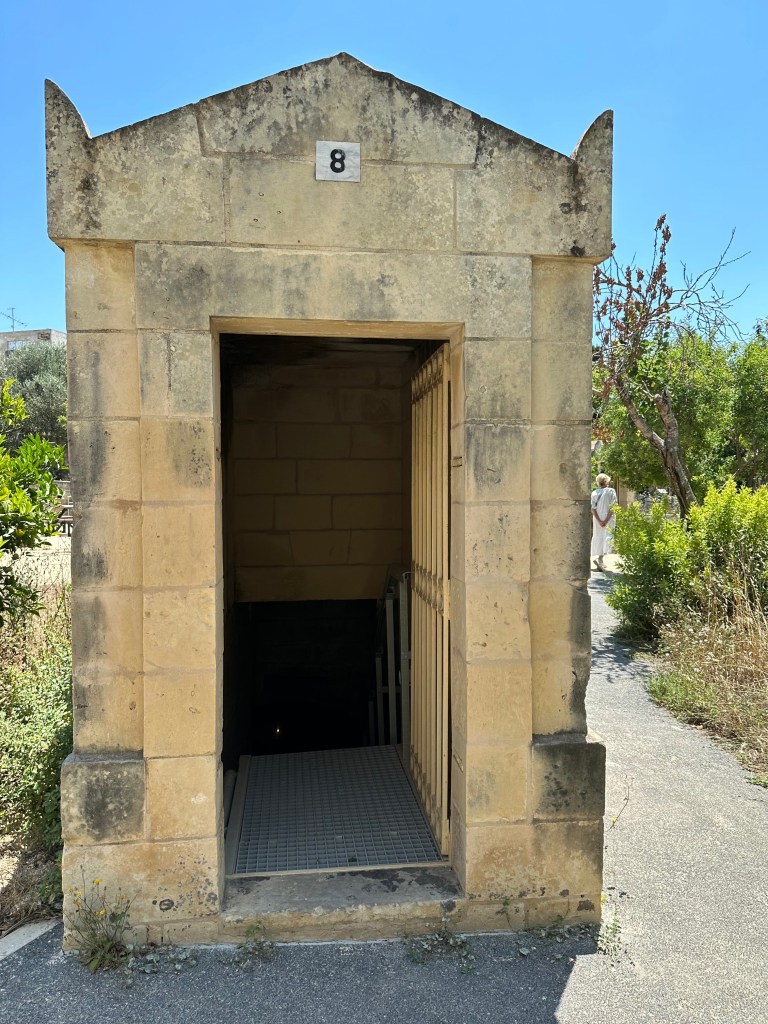
Entering each catacomb was a little reminiscent of Maxwell Smart and the phone booth at the start of the show.
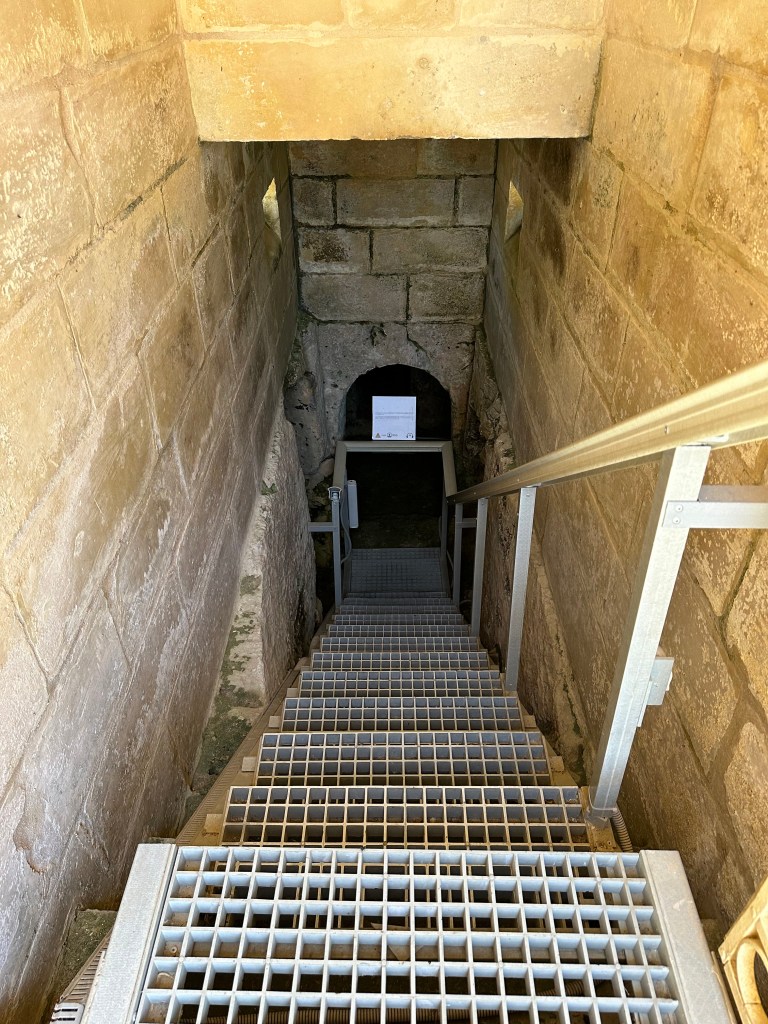
As with St. Paul’s, St. Agatha’s catacombs complex contain a mixture of Phoenician/Roman, Jewish and Christian burials.
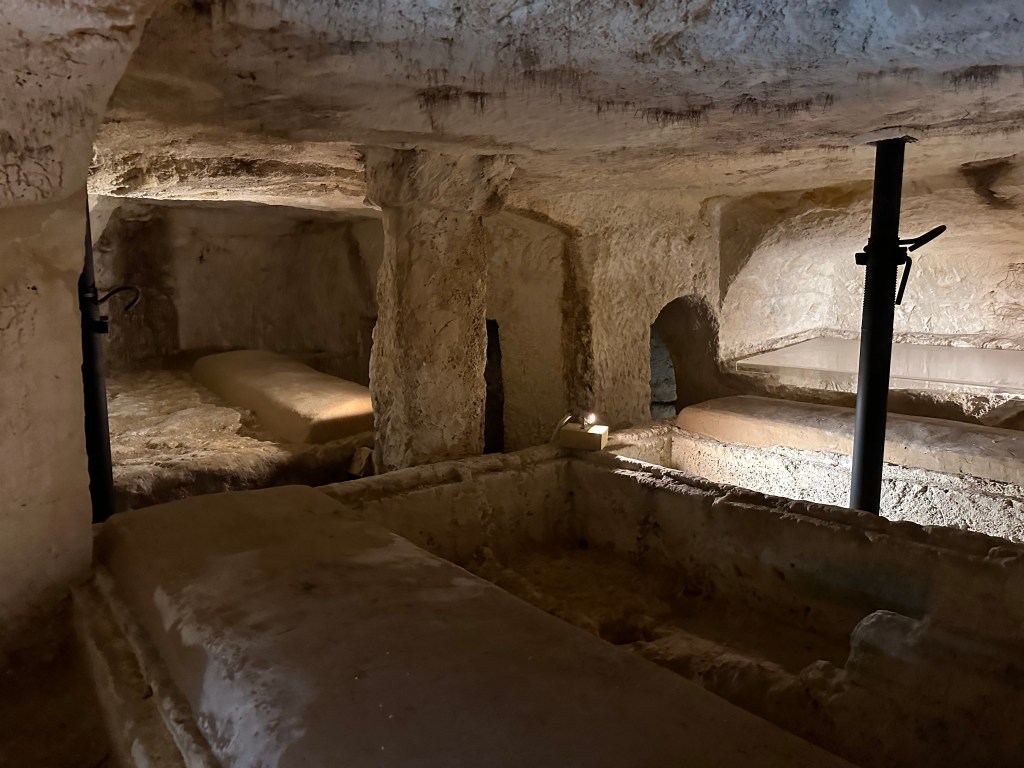
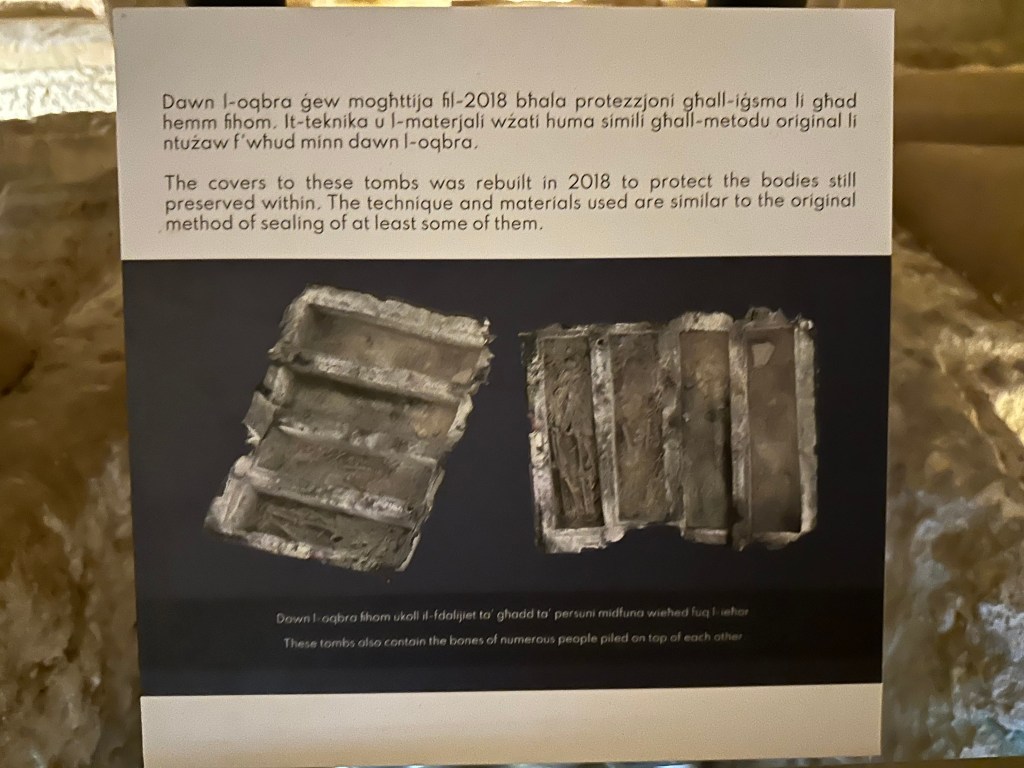
Some of which had fresh tomb tops (not to be confused with mummy tube tops).
One of the occupants:
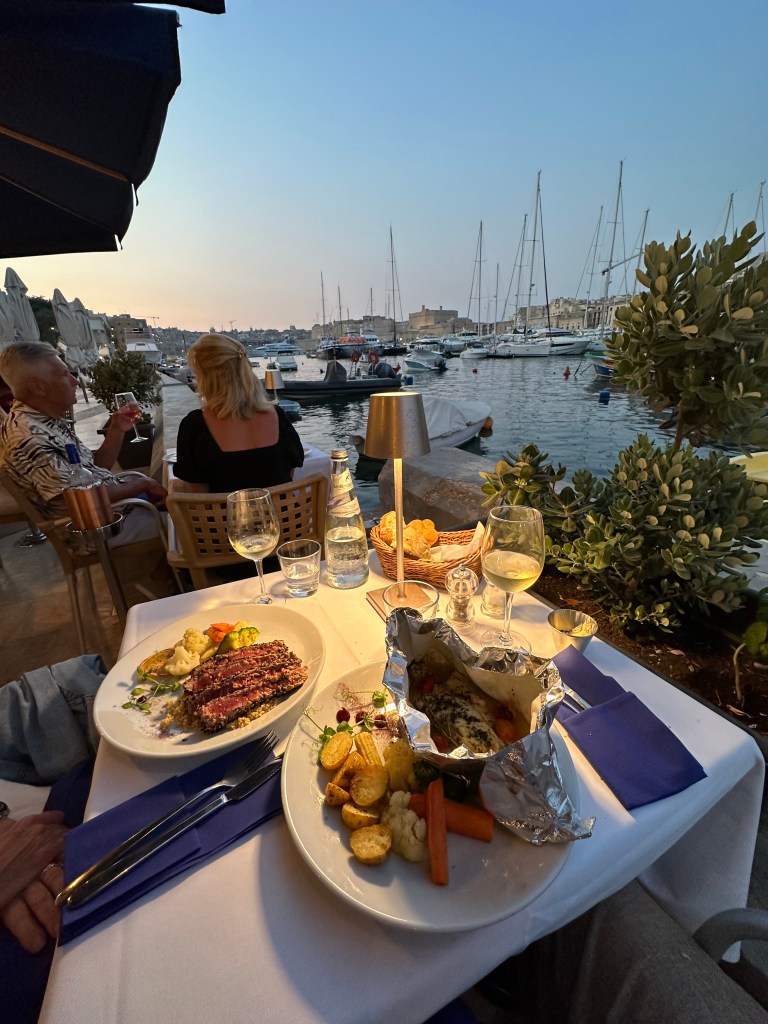
Back on Senglea and the Grand Harbor, our final dinner before heading to France for our penultimate leg. We bookended our stay on Malta by dining at the same restaurant at which we had our first, awesome lunch upon our arrival. Good call.
The experienced enhanced by these dudes rowing by in a plastic crate.
Next up: back to France!

