


Europe is full of majestic Gothic cathedrals. They’re impressive and inspiring, of course, but not nearly as compelling to us as older, Romanesque churches that were built before flying buttresses were used and soaring architecture and pointy arches took over. Romanesque churches are squatter, more compact, and, most importantly, older than Gothic churches. They’re representative of the heart of the middle ages, when Roman building techniques were still being used, but the Catholic Church was driving the building, rather than the Roman empire.
More prosperous regions in Europe partially or completely rebuilt Romanesque churches into Gothic structures. The largest groups of Romanesque survivors are in areas that were less prosperous in subsequent periods, including parts of southern France, northern Spain and rural Italy. Coincidentally, these are just the areas where several of our bike trips have allowed us to explore. As a result, we’d stumble across small and large Romanesque churches in the most unexpected places during our bike trips in Provence, Catalonia, and Puglia, in particular. They continue to appeal to us in a way that the big Gothic cathedrals never have.
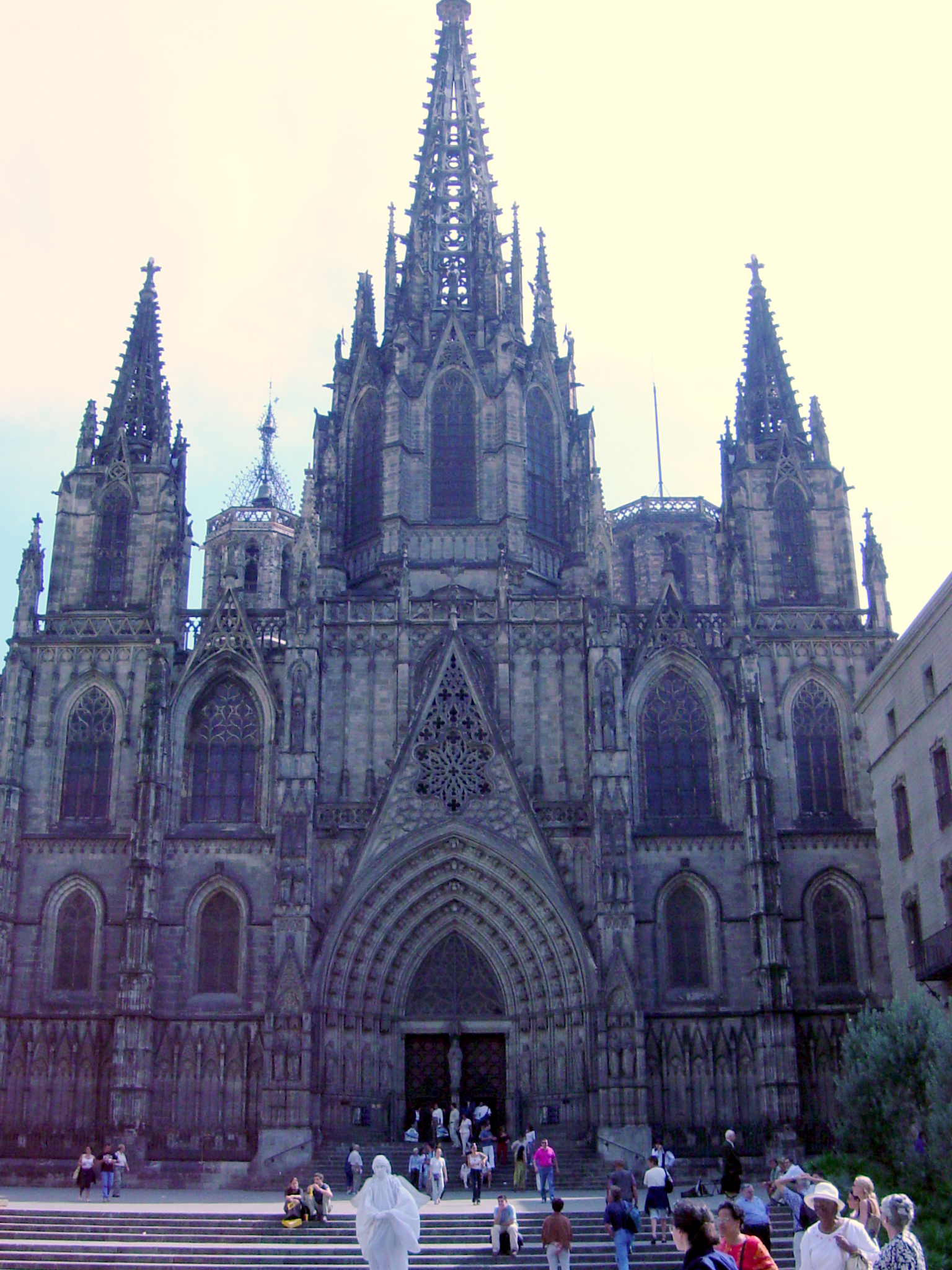
Gothic? Feh. This is the Cathedral of the Holy Cross and Saint Eulalia in Barcelona, from earlier in this trip.
Romanesque? Much cooler. These are OLD-ass churches from Catalonia during a subsequent bike trip in 2011.
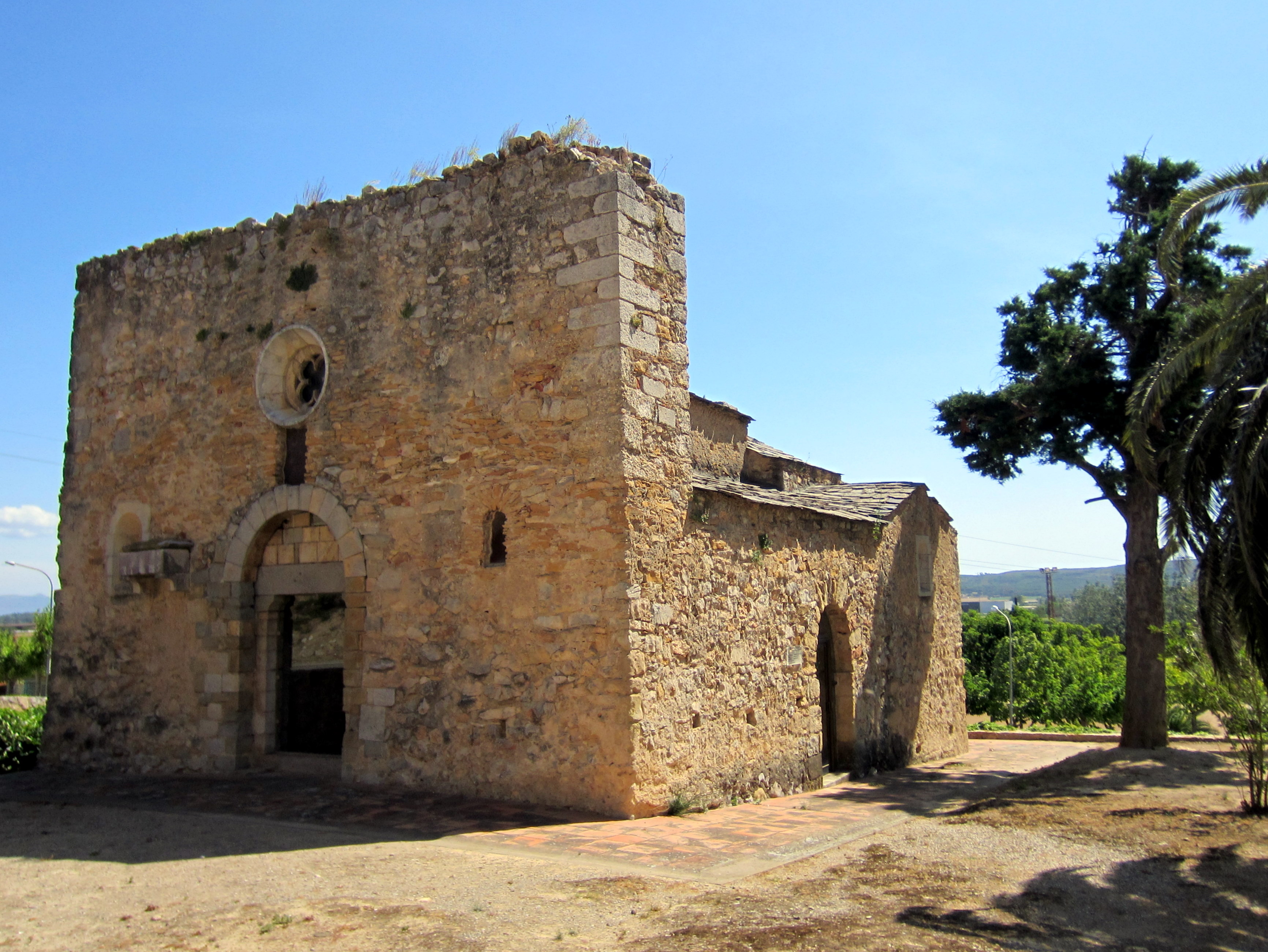
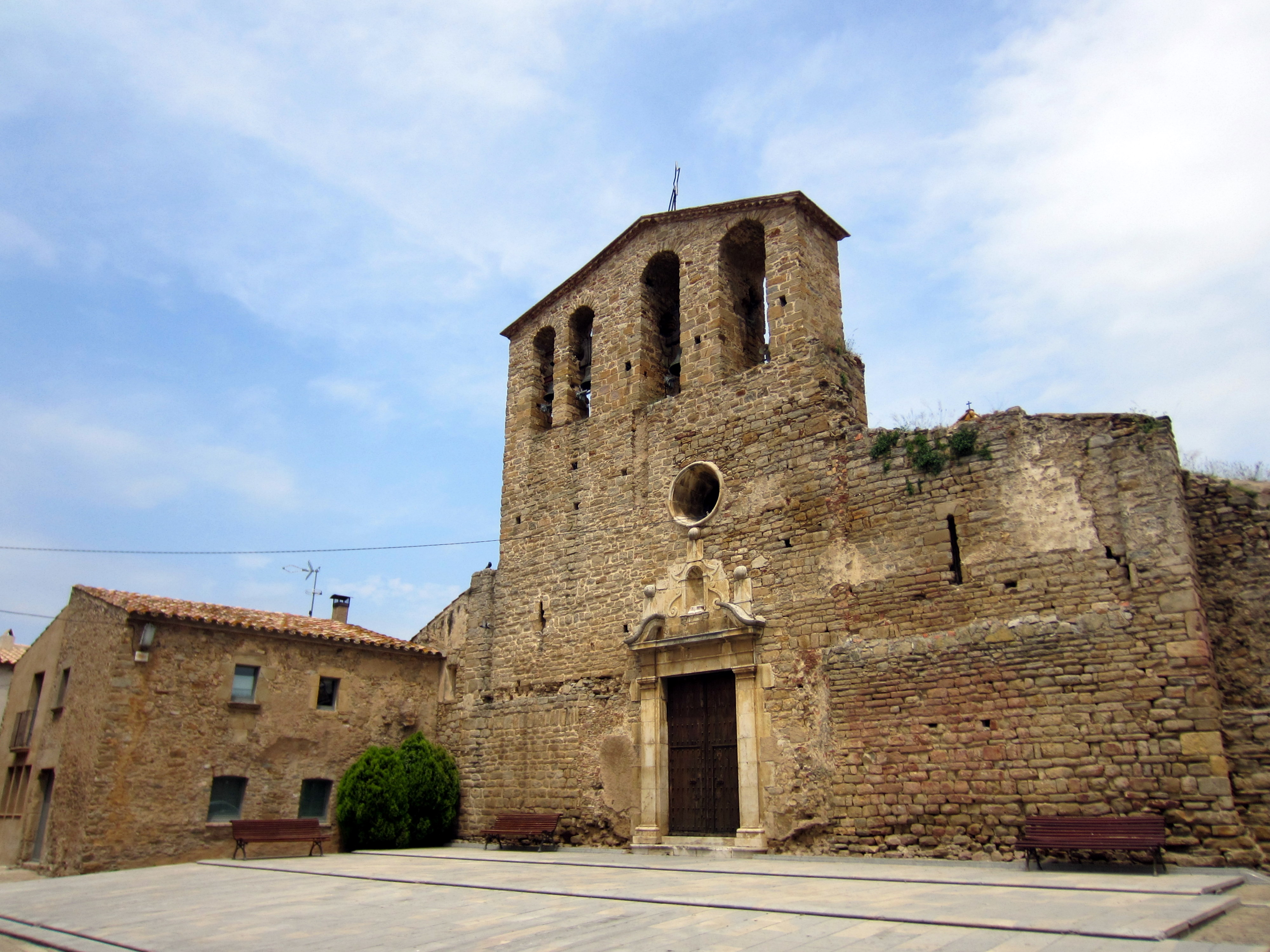
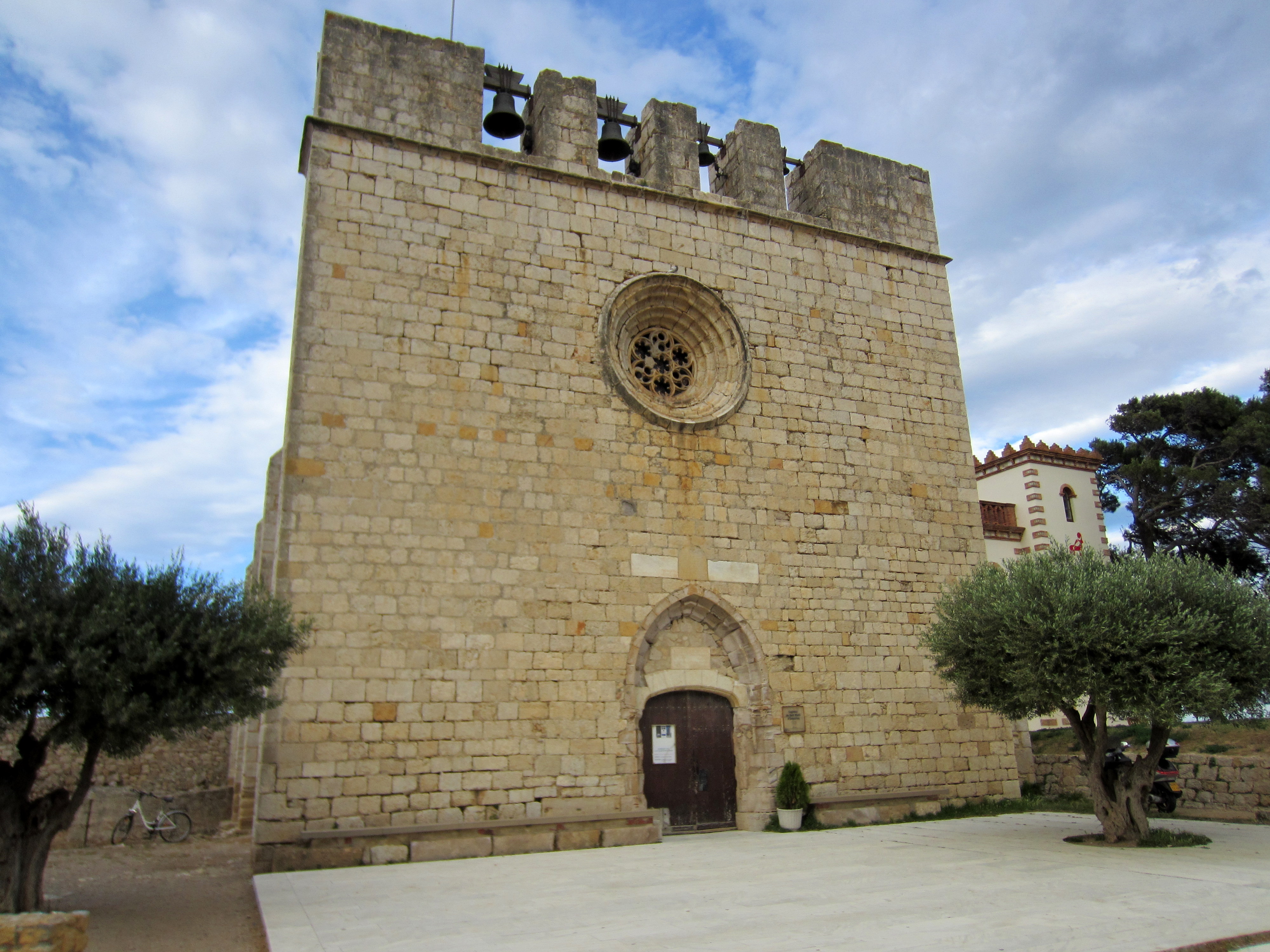
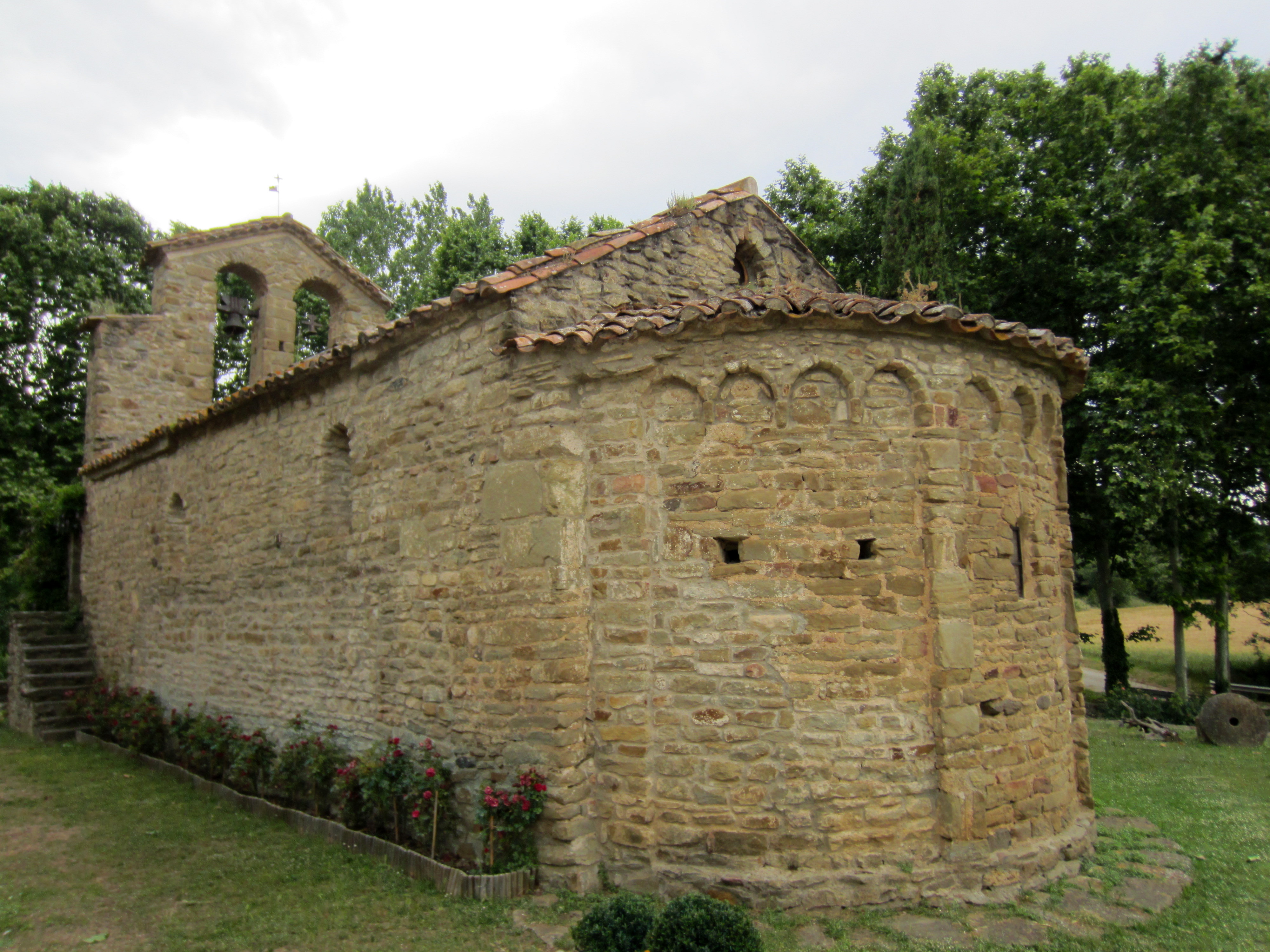
Combining features of ancient Roman and Byzantine buildings and other local traditions, Romanesque architecture is characterized by massive quality, thick walls, round arches, sturdy piers, groin vaults, large towers and decorative arcading. The overall appearance is one of simplicity when compared with the Gothic buildings that were to follow. The style can be identified across Europe, despite regional characteristics and different materials. Romanesque churches were built between the 6th to 12th centuries, by which time Gothic design overtook Romanesque as the most desirable structures, allowing for much larger, soaring, and light-filled churches and cathedrals.*
A really compelling example of Romanesque architecture is the Chapelle Saint-Gabriel de Tarascon, which we stumbled upon at the end of our Day 2 ride in Provence. the 12th-century church is all by itself amidst a grove of olive trees by the side of the road. This place was once the crossroads of several Roman roads: the Via Domitia, Via Aurelia, and the Via Agrippa. There was once a village at this crossroads – Ernaginum – which was wealthy and important enough to charter and construct the church. However, the trade routes changed and the village declined and disappeared, leaving only the forgotten, forlorn church.


*from Wikipedia (natch), although there’s a surprisingly useful and more comprehensive guide to Romanesque architecture at the Kahn Academy
Actual travel date: October 1, 2002


what the hey s a ‘groin vault’ ????
LikeLike
I’m sure I could respond with a totally fabricated – but much more amusing – definition, but a groin vault or double barrel vault is produced by the intersection at right angles of two barrel vaults. The word “groin” refers to the edge between the intersecting vaults. Check out this image here. Sorry to disappoint!
LikeLike