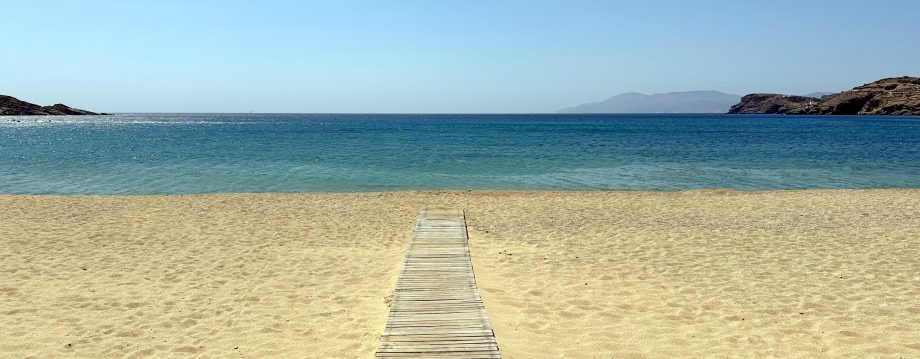
Despite our fears, all four bikers survived the night alone and abandoned in the haunted chateau.
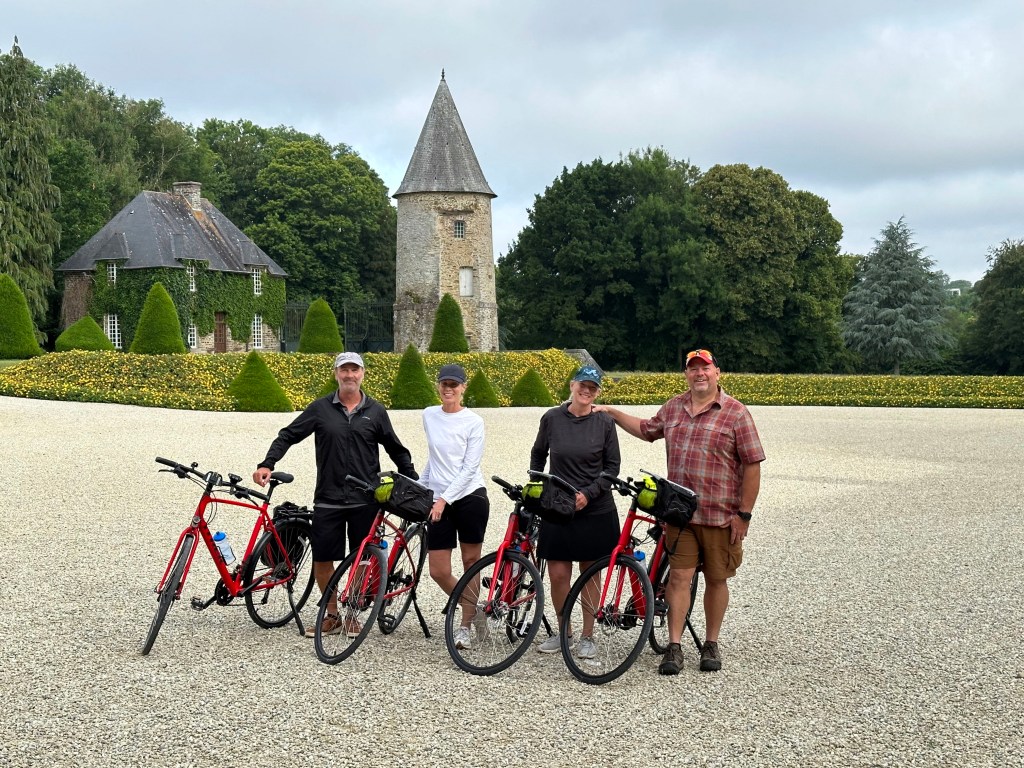
We woke to another perfect Normandy morning.
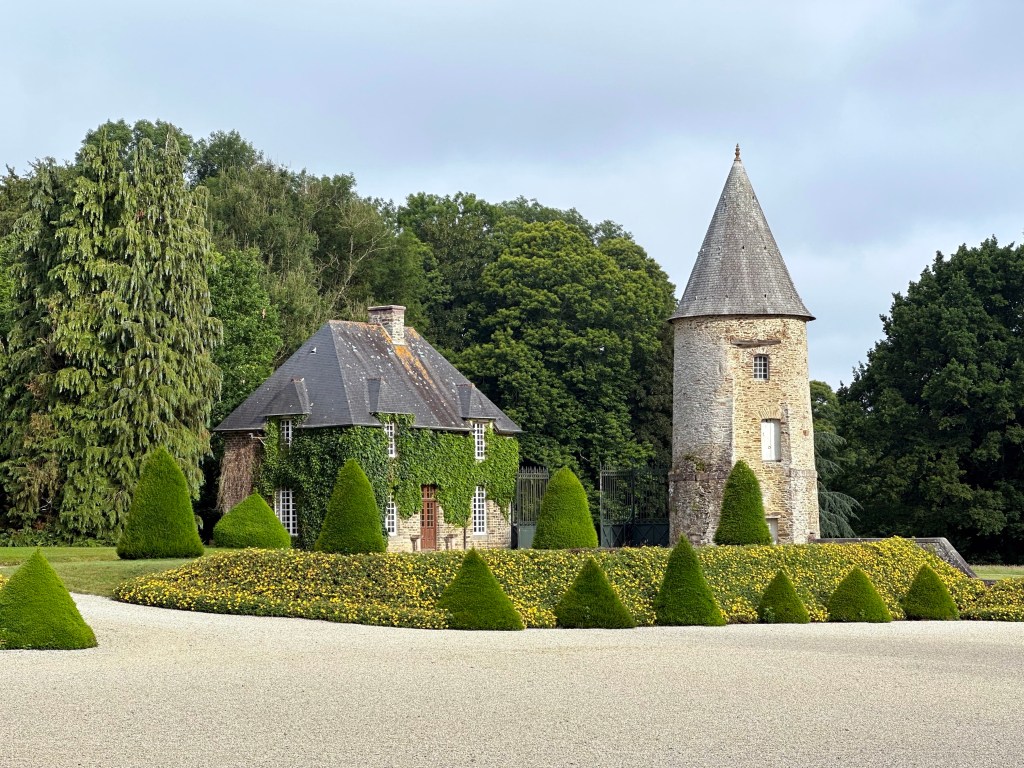
The riders prepare in the shadow of the chateau for the day’s excursion to the coast.
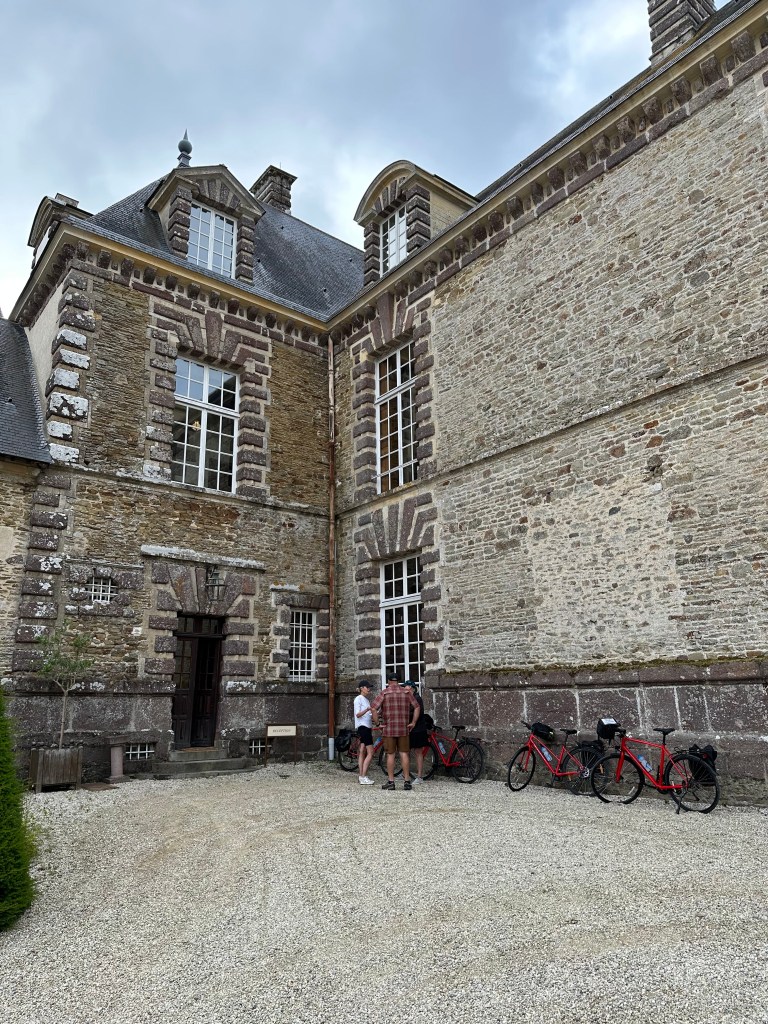
So long, Chateau de Canisy, you crazy gal.
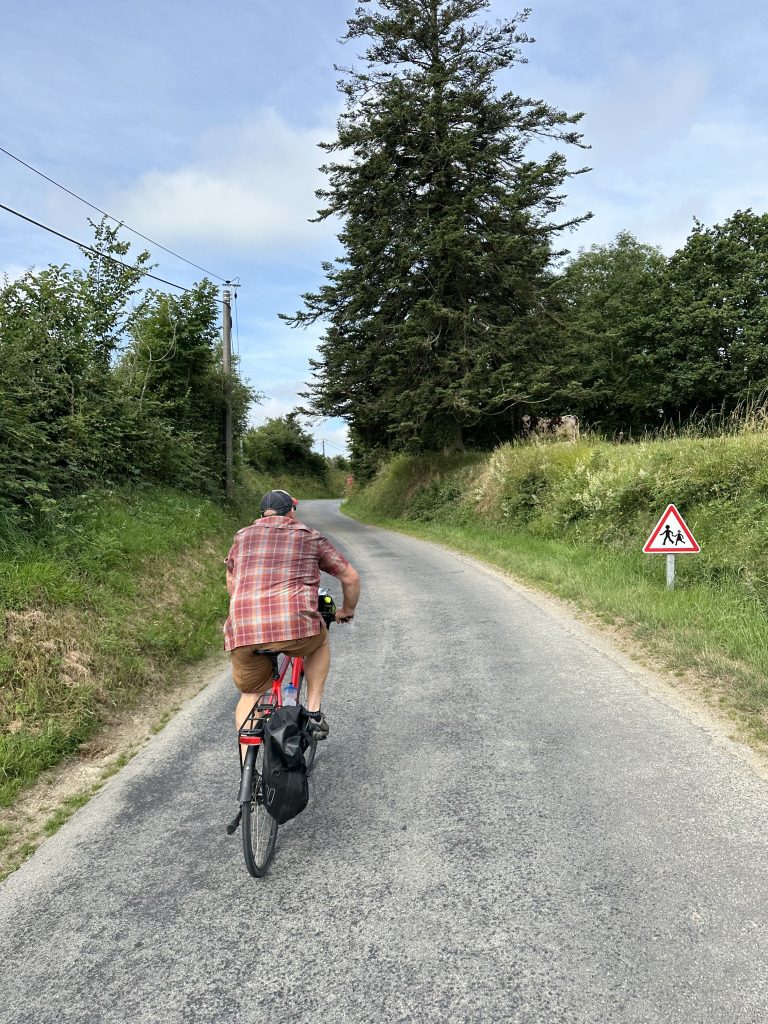
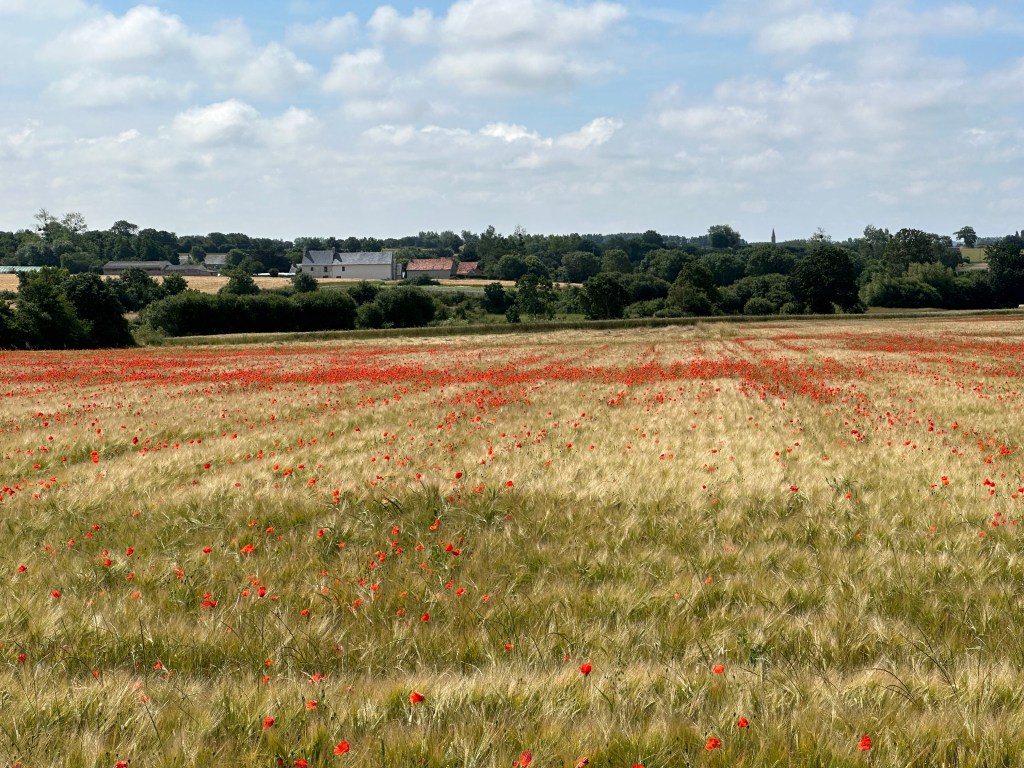
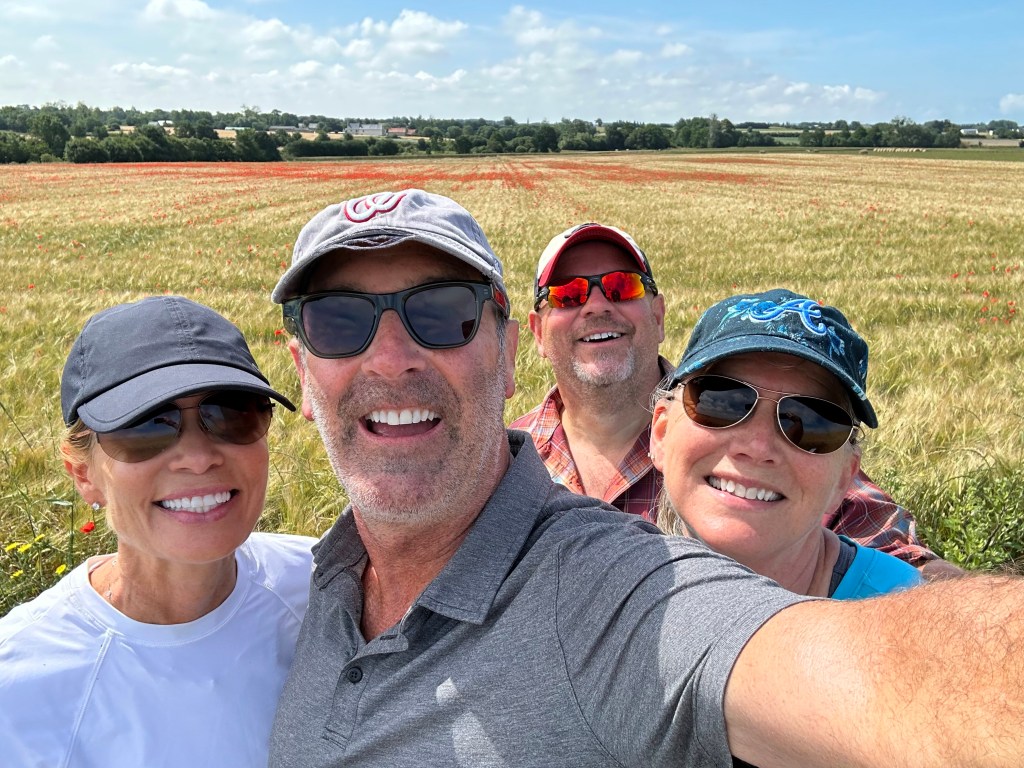
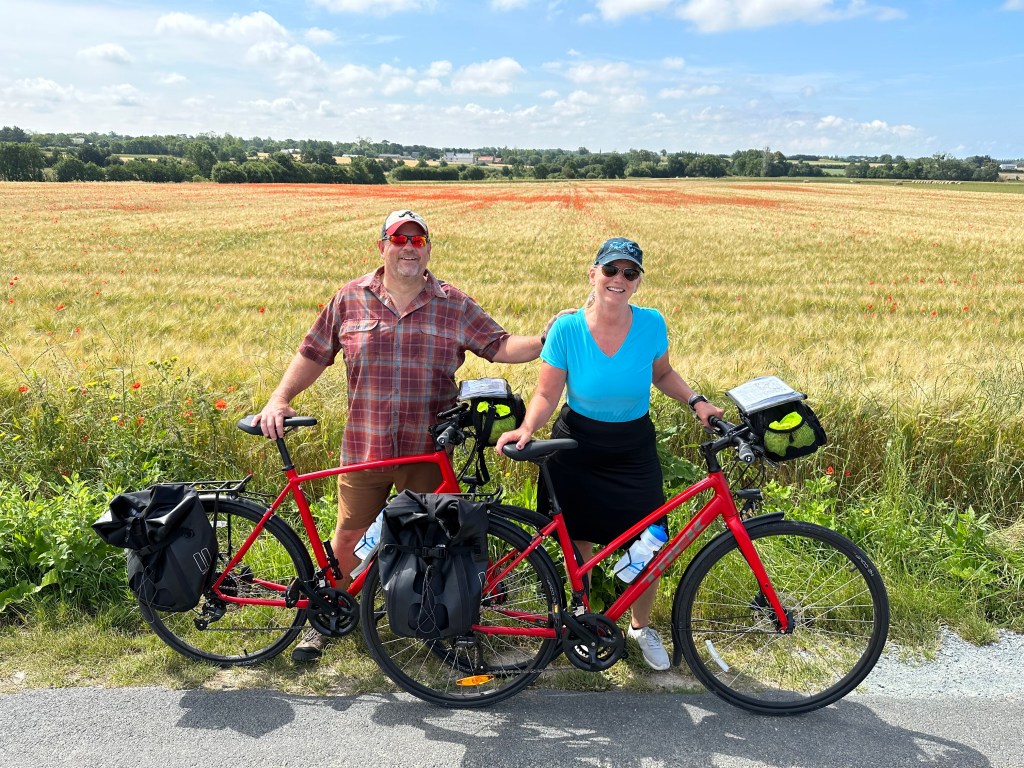
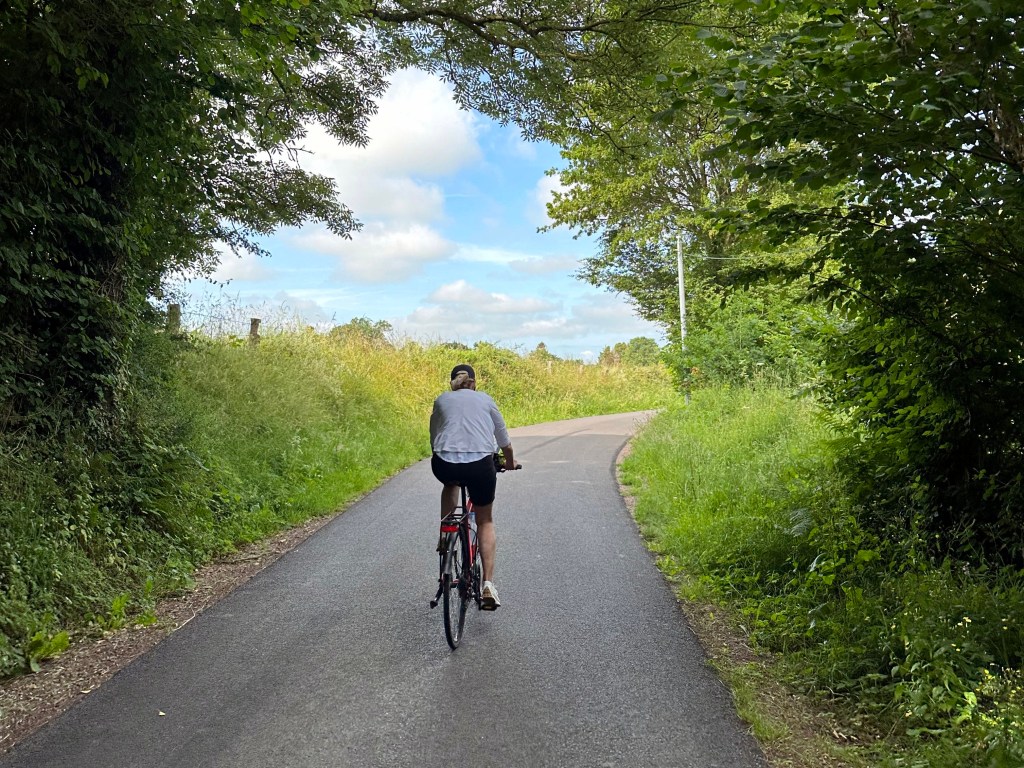
Not too much to see on the day’s ride, but nice scenery.
We actually stopped for lunch on the coast about 5 miles (if that) away from Granville, where we’d be spending the night, but didn’t take any pics there. Notably, we feasted once again on Normandy oysters, and when we asked where they were from, he hooked his thumb behind him, pointed to the shoreline about 50 yards away, and said, “right there.” Pretty awesome, as were the oysters.
The beach town of Granville. Two items of interest here:
- The first is the saltwater pool, there in the middle. Very cool; refreshed twice a day as the tide comes in and overwhelms it before heading back and and revealing the pool once again. We had a nice swim there, as well as in the ocean proper.
- The second is the insane tidal extreme. Granville boasts some of the most dramatic tides in France. The combination of the bay’s shape, the shallow seabed, and tidal forces of the Atlantic-facing English Chanel produce tidal ranges of up to 46 feet.
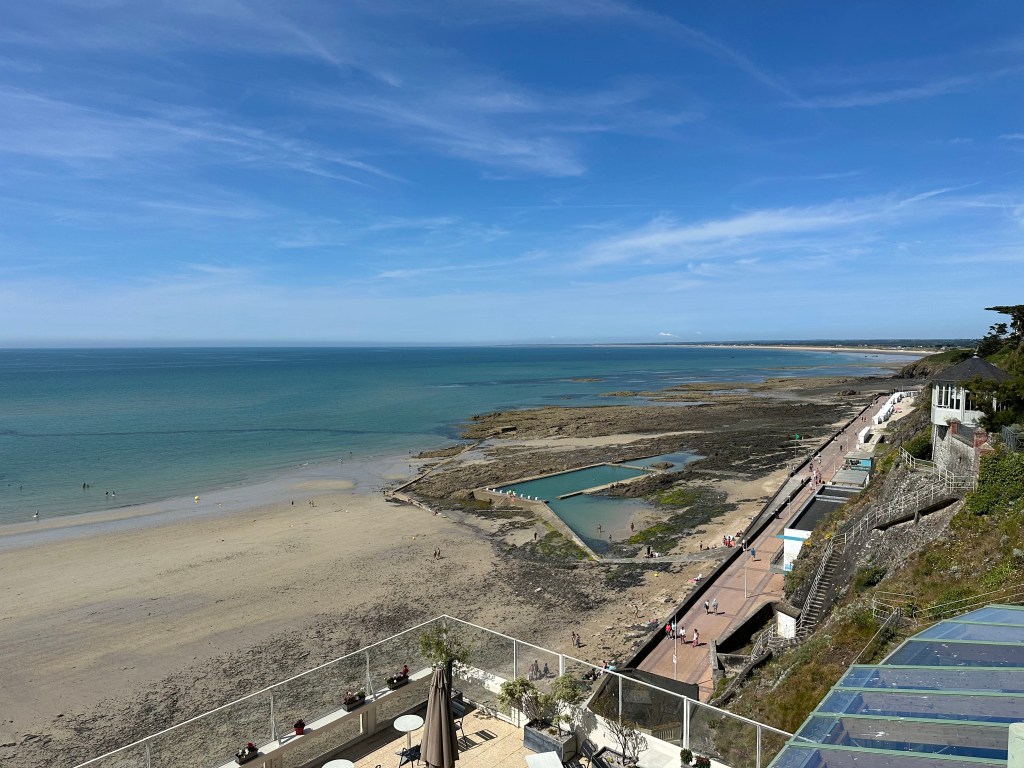
To wit, the same view at high tide:
Low tide:
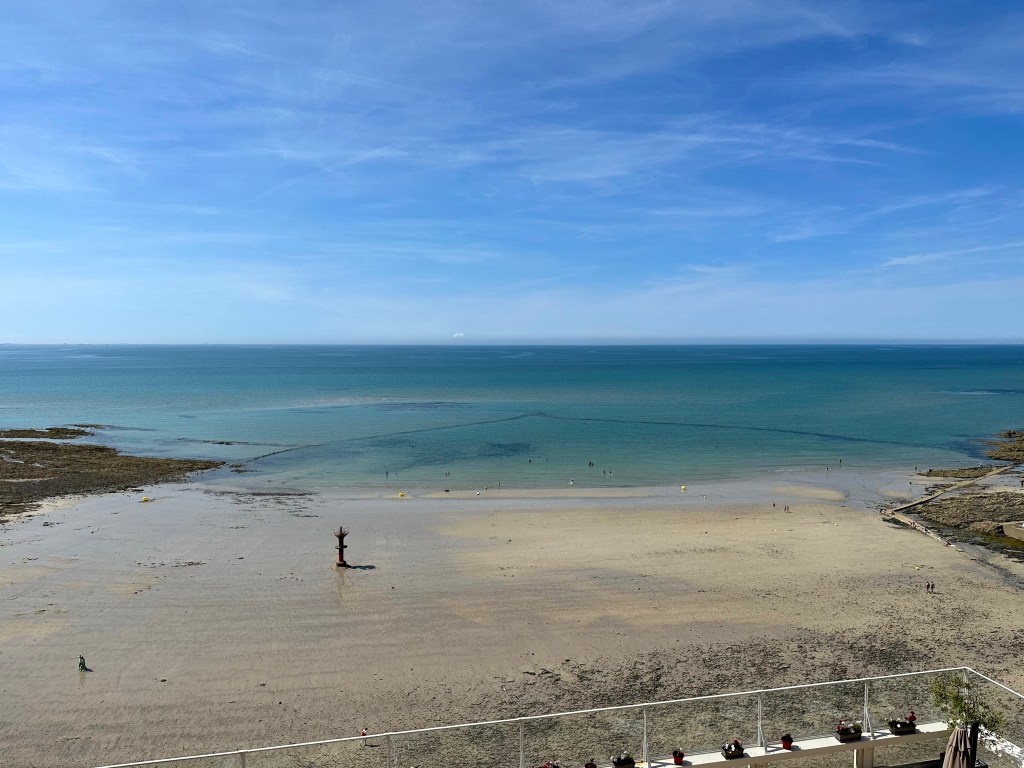
High tide.
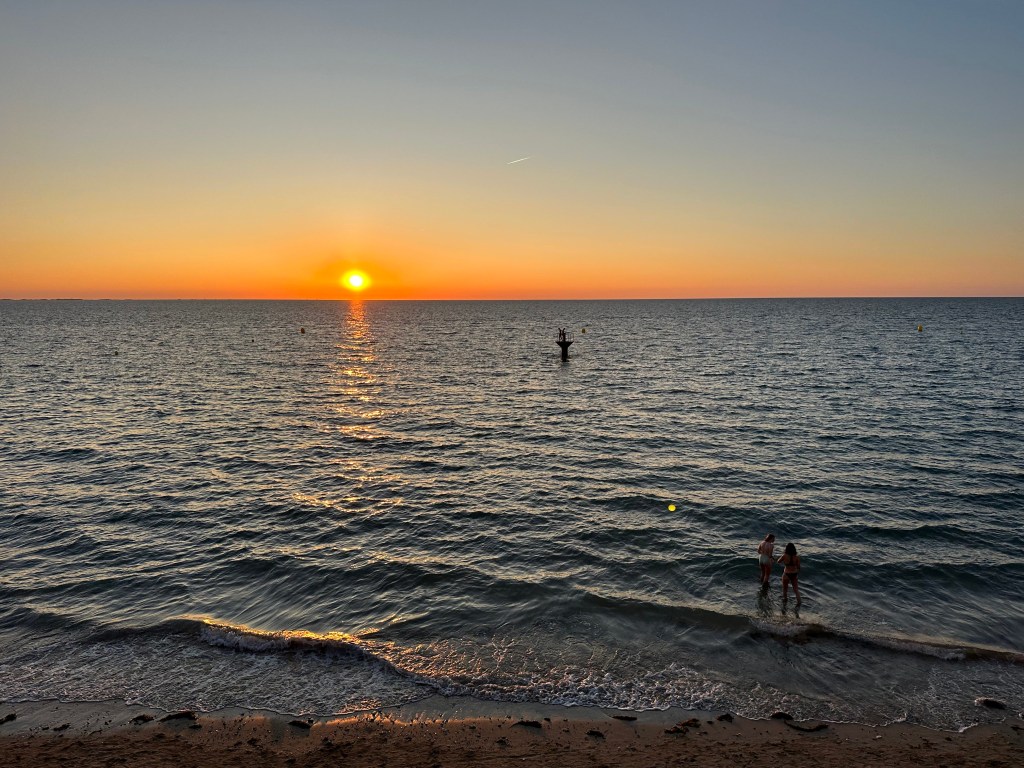
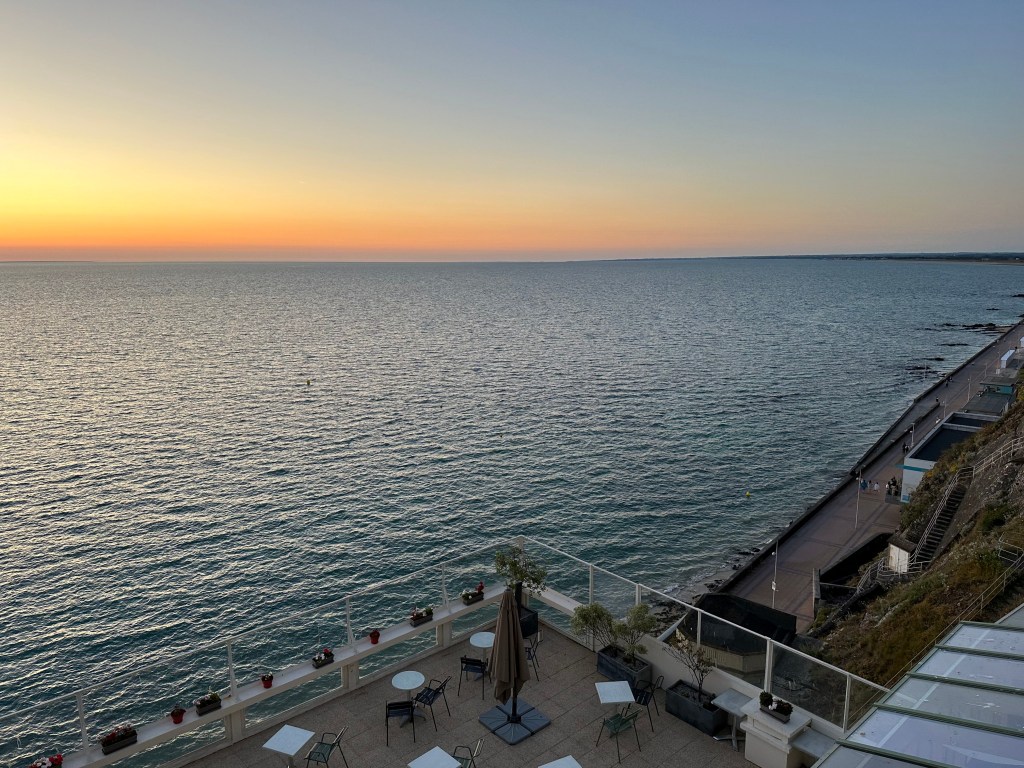
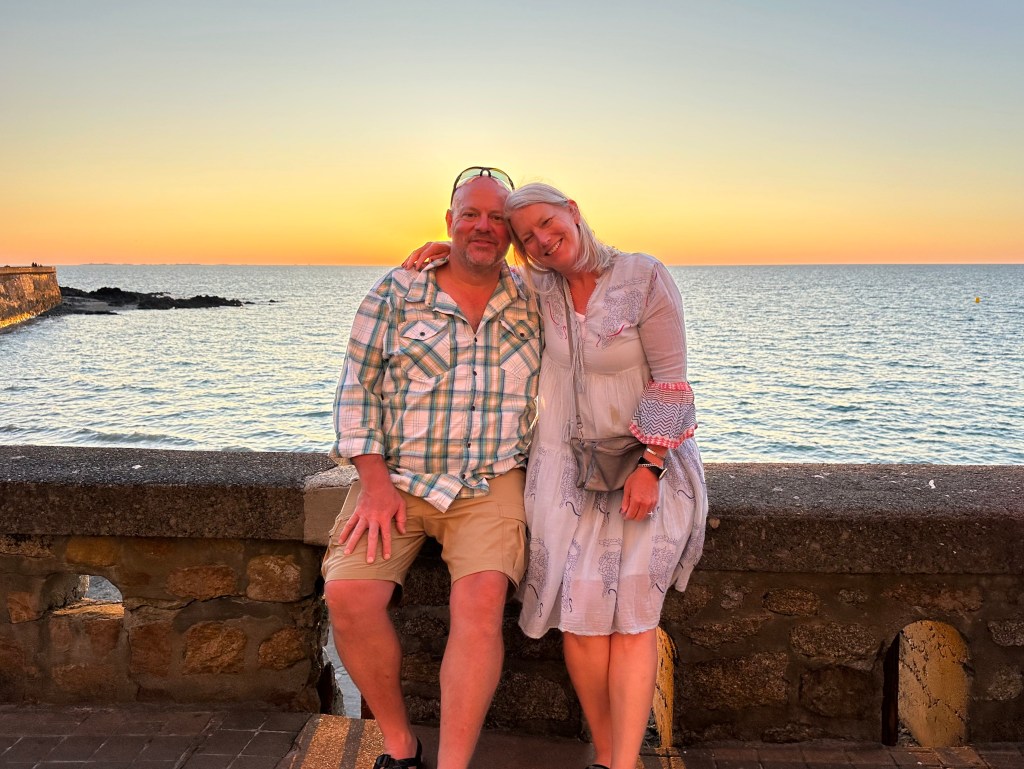
And these two:
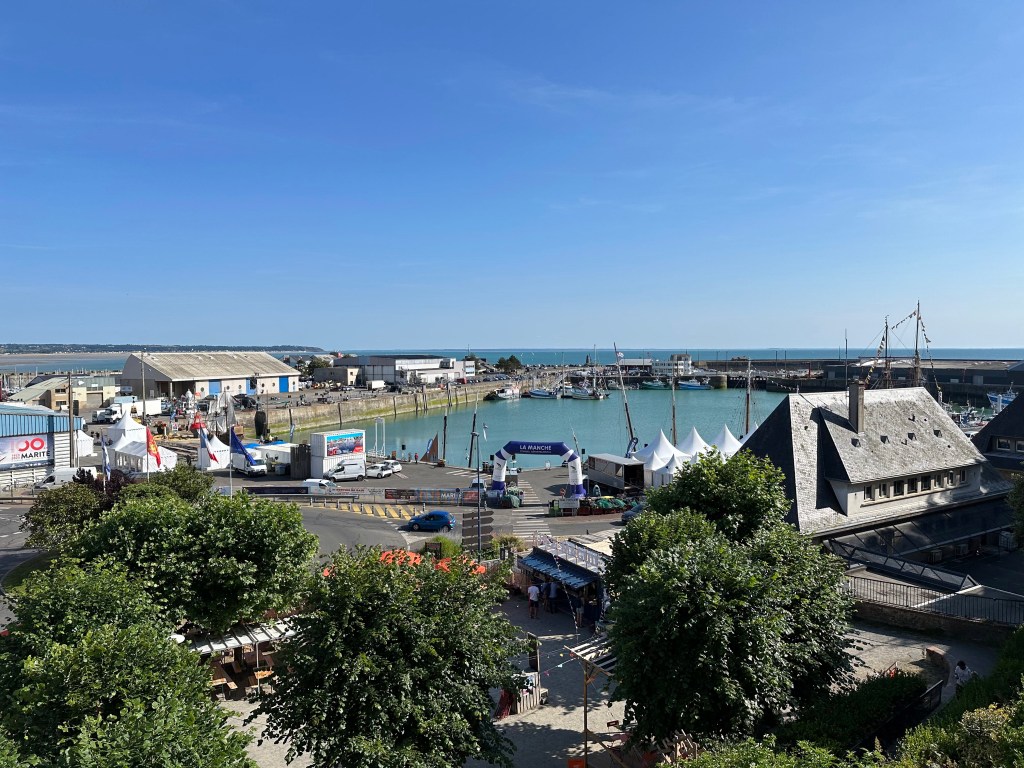
The little port area of the town, where some festival offered the opportunity for a bunch of beers on picnic benches in a tent.
A little entertainment by the locals:
On the road the next day – first stop, La Lucerne Abbey.
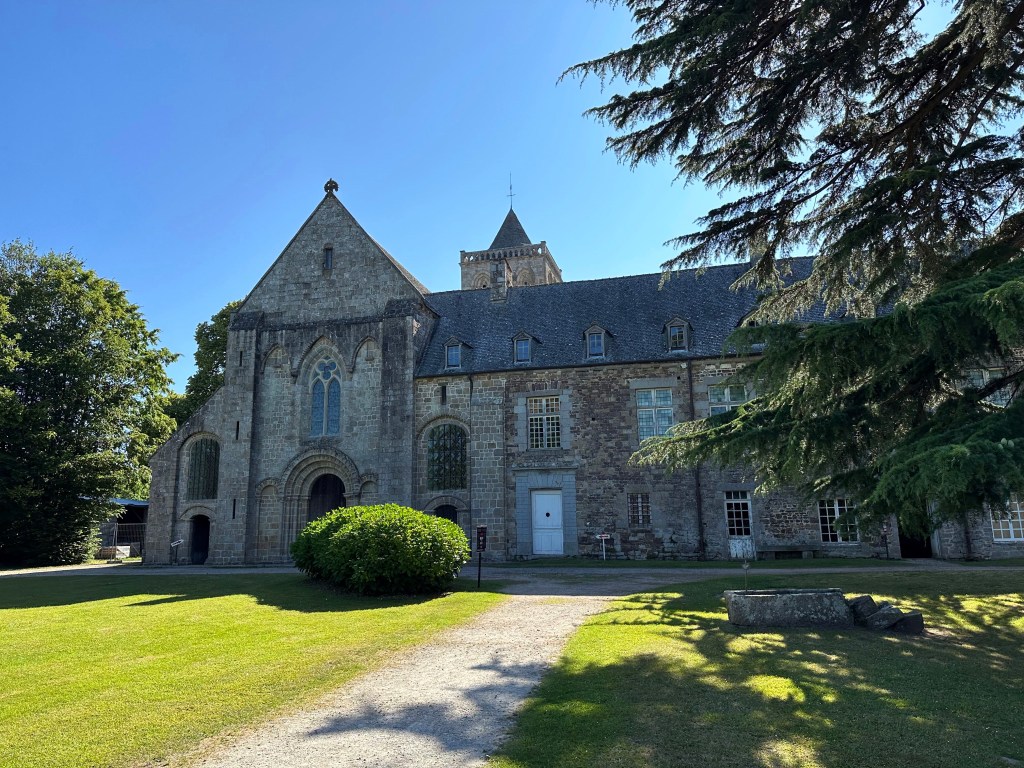
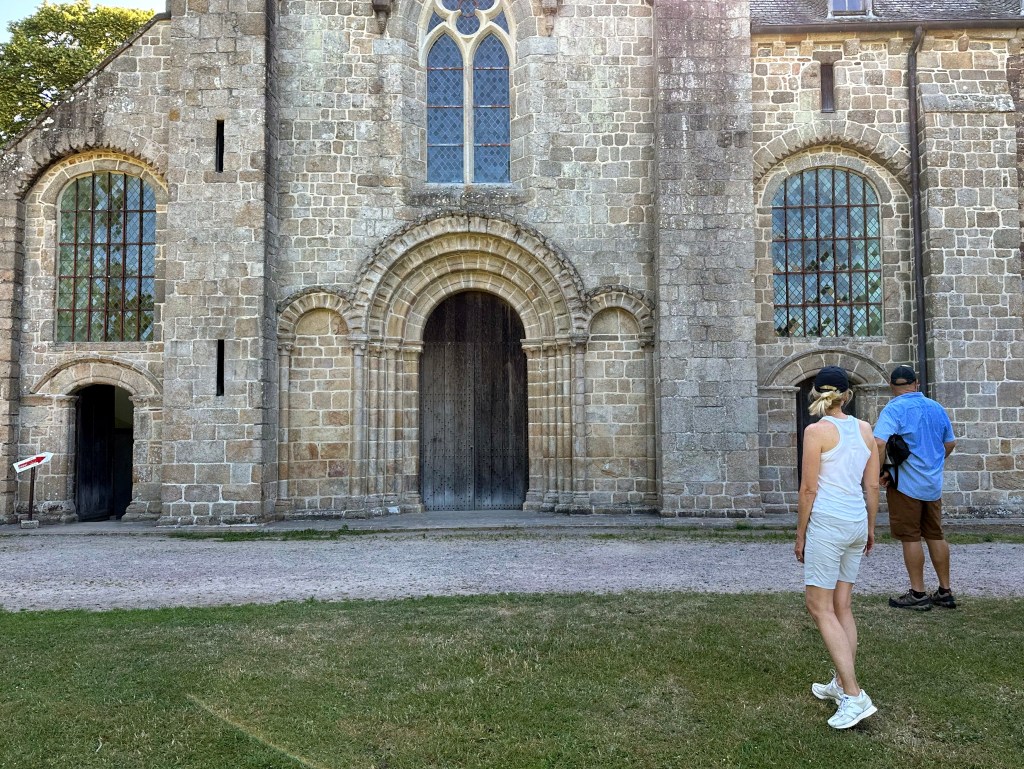
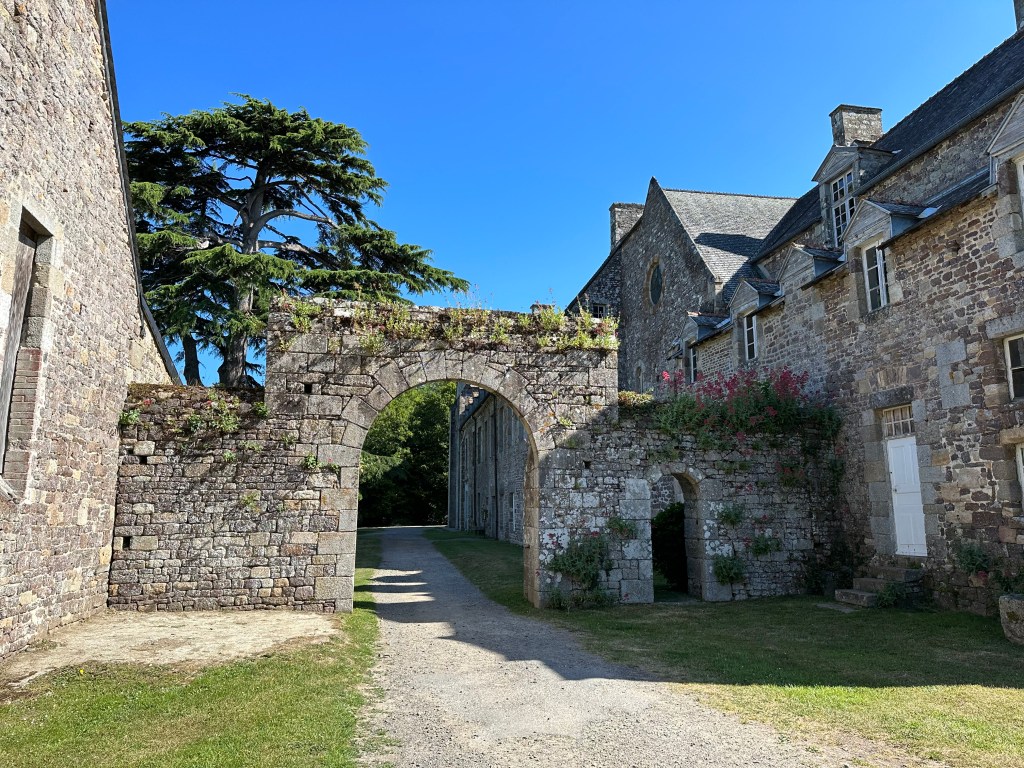
The abbey itself was founded in 1143, but in a different location that was too remote and too damp, apparently. So they reestablished it here in 1164.
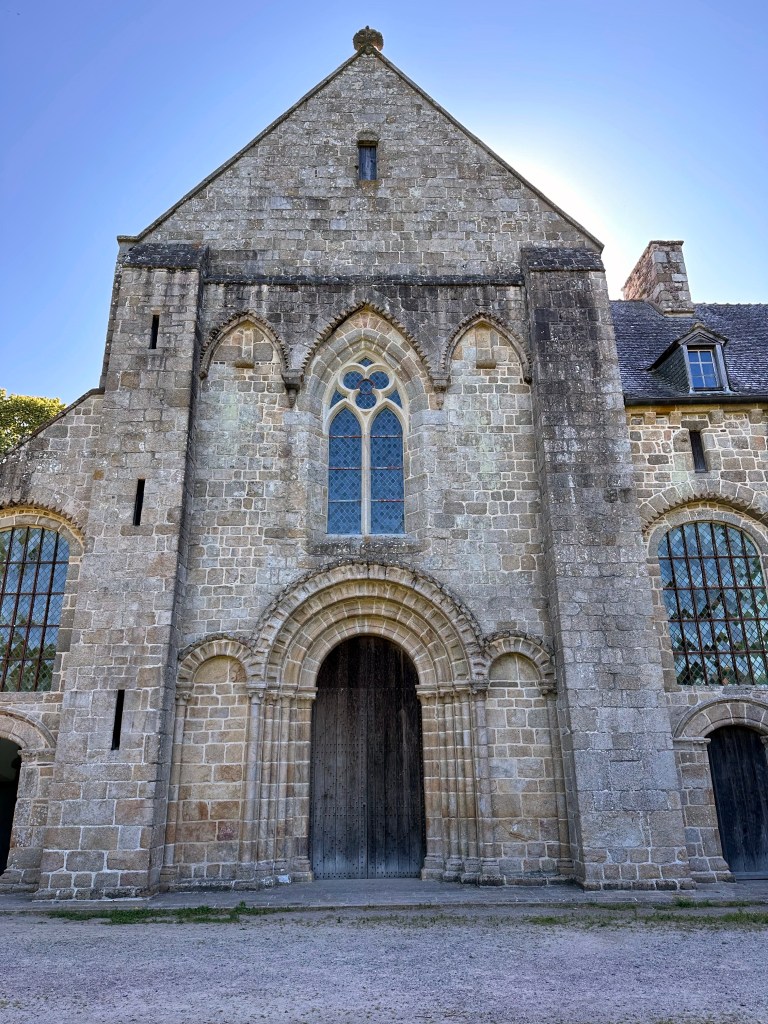
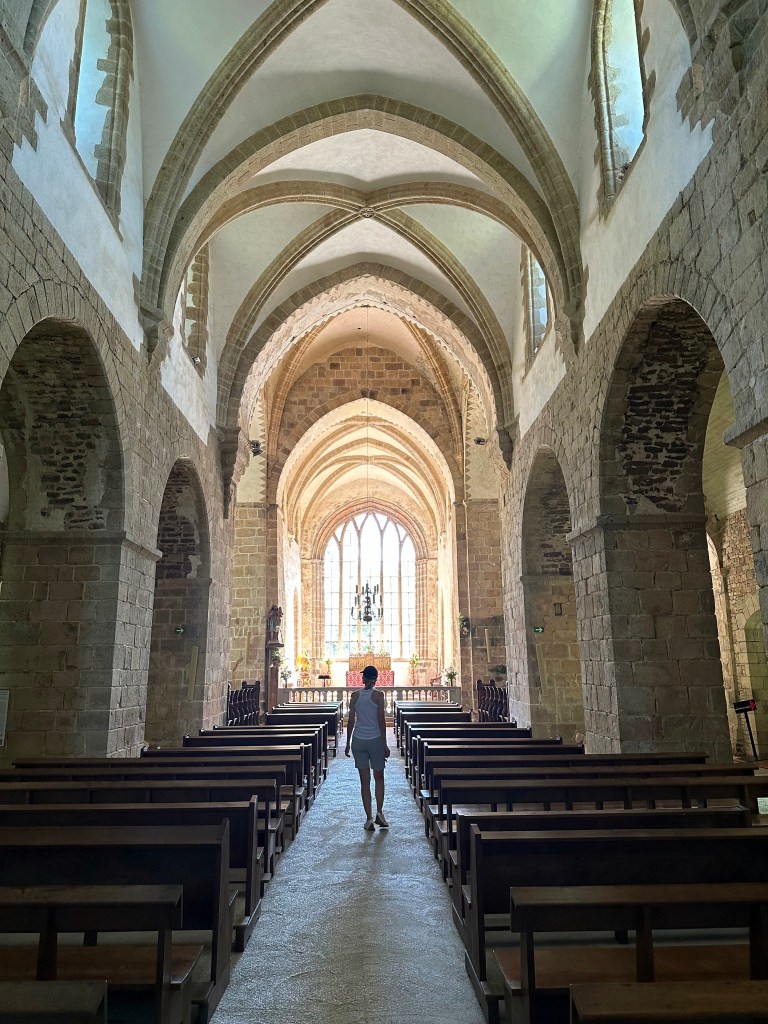
The abbey was partly destroyed during the Hundred Years’ War, then restored in the 15th century.
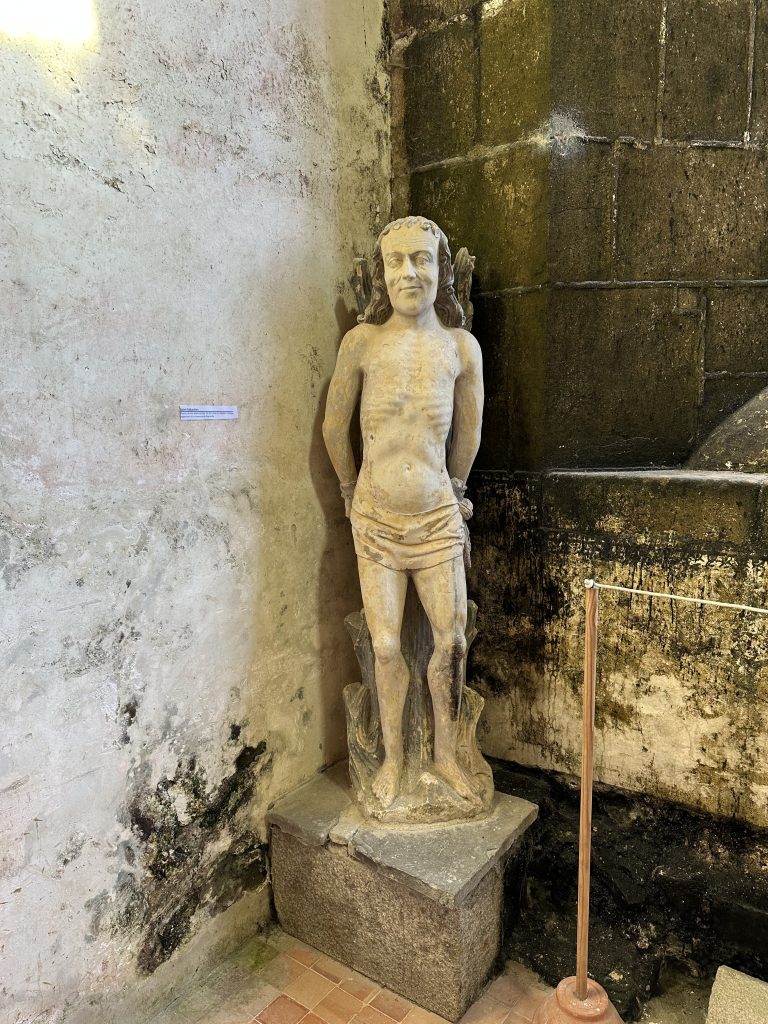
The abbey is home to this rather smarmy little 16th-century depiction of Saint Sebastian, who was martyred under Emperor Diocletian in the 3rd century.
On the left, a recumbent effigy of Guillaume de Saint-Jean Limestone from the first half of the 13th century unearthed during archaeological excavations of the church’s northern chapels in 1990. He financed the construction of the abbey in the 12th century and was then buried here. The dog lying to the right at his feet is a symbol of fidelity, obedience, and gratitude.
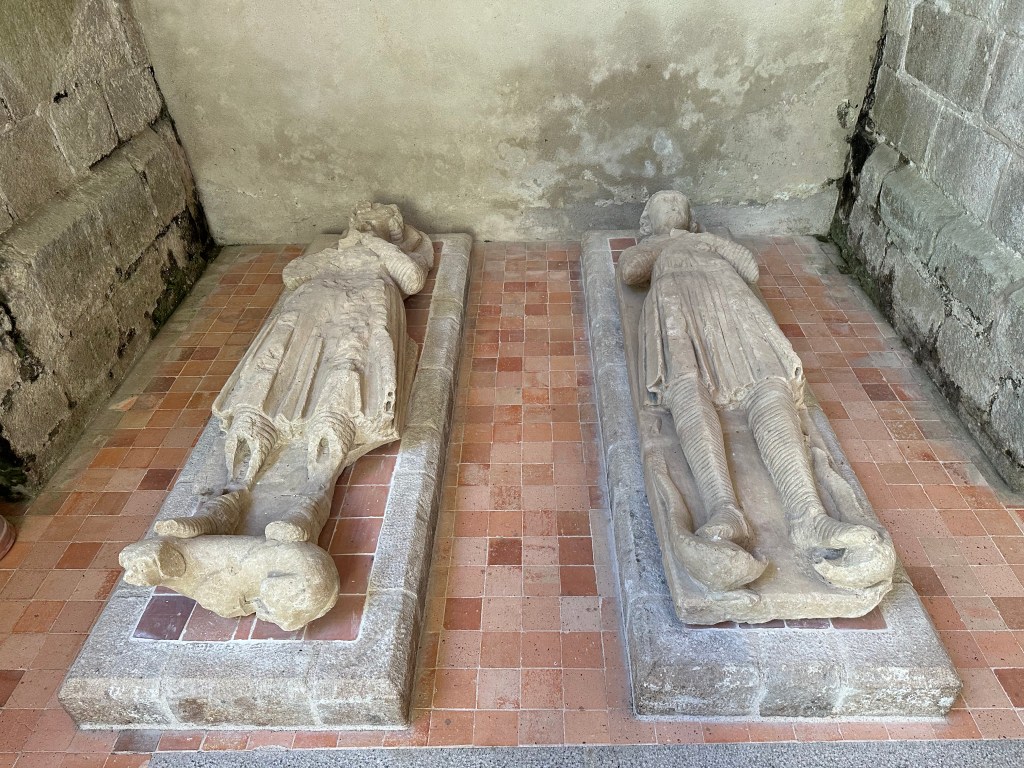
O the right, a recumbent effigy of Hasculphe de Subligny from the 13th century, also unearthed during archaeological excavations of the church’s northern chapels in 1990. His feet rest medieval salamanders, a creature believed to be an elemental being linked to fire, and also the emblem of Francis I, which we encountered during a previous French bike trip in the Loire Valley.
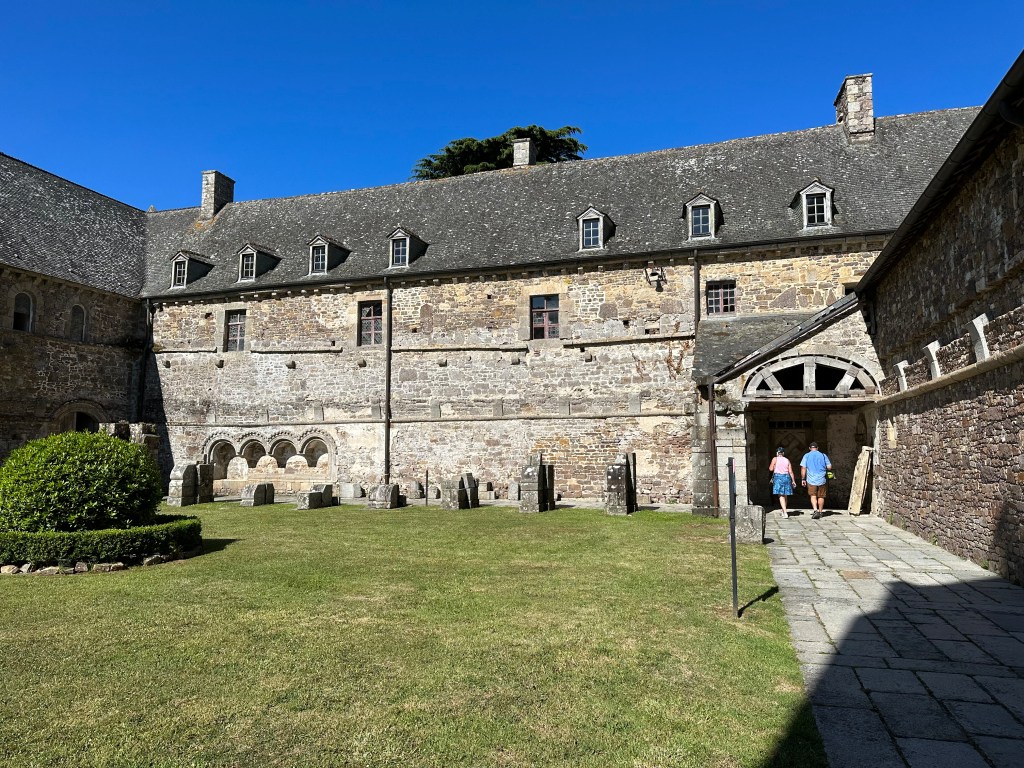
The abbey was sold as national property during the French Revolution.
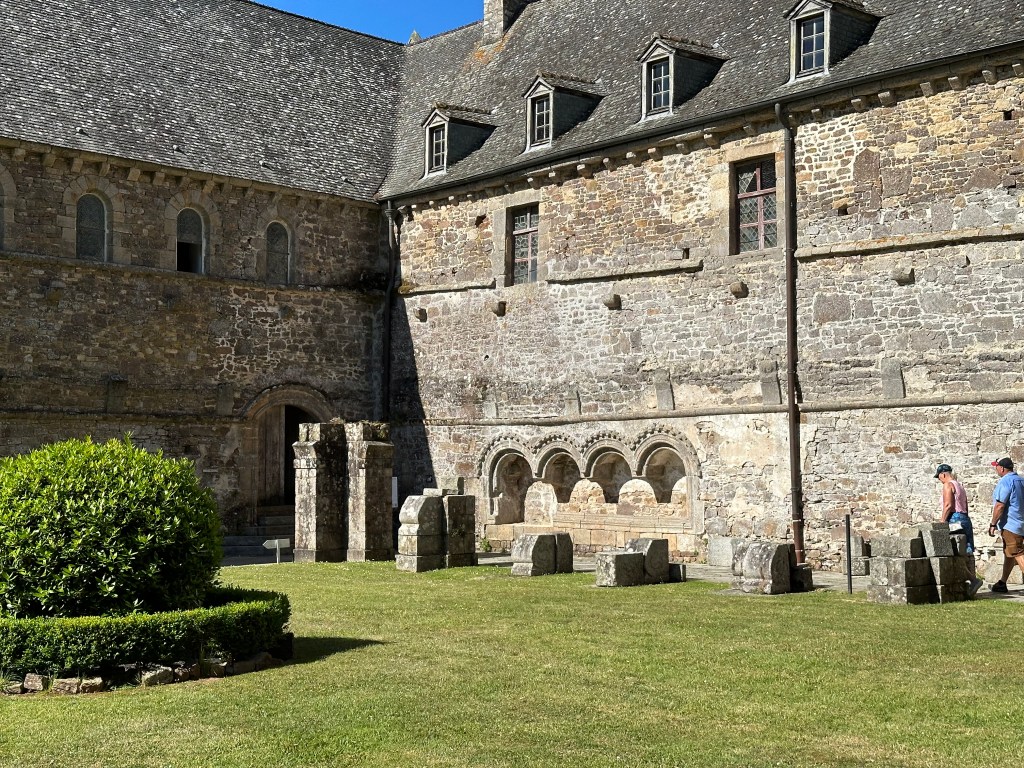
And then transformed into a cotton spinning mill,
and then a limestone sawmill.
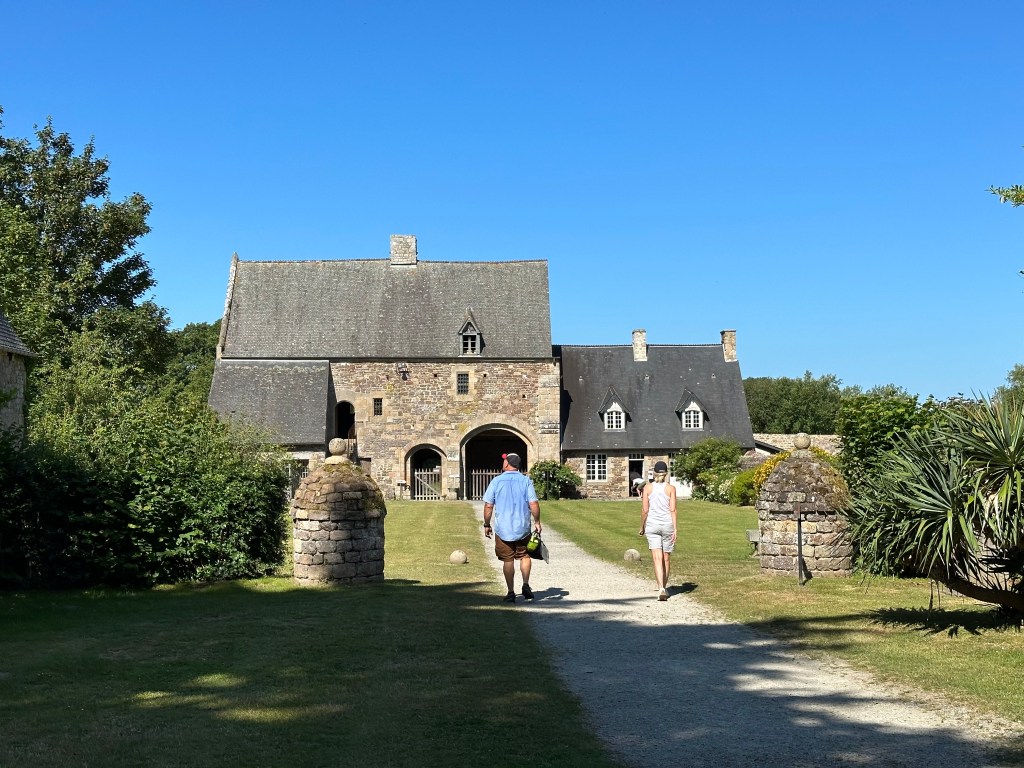
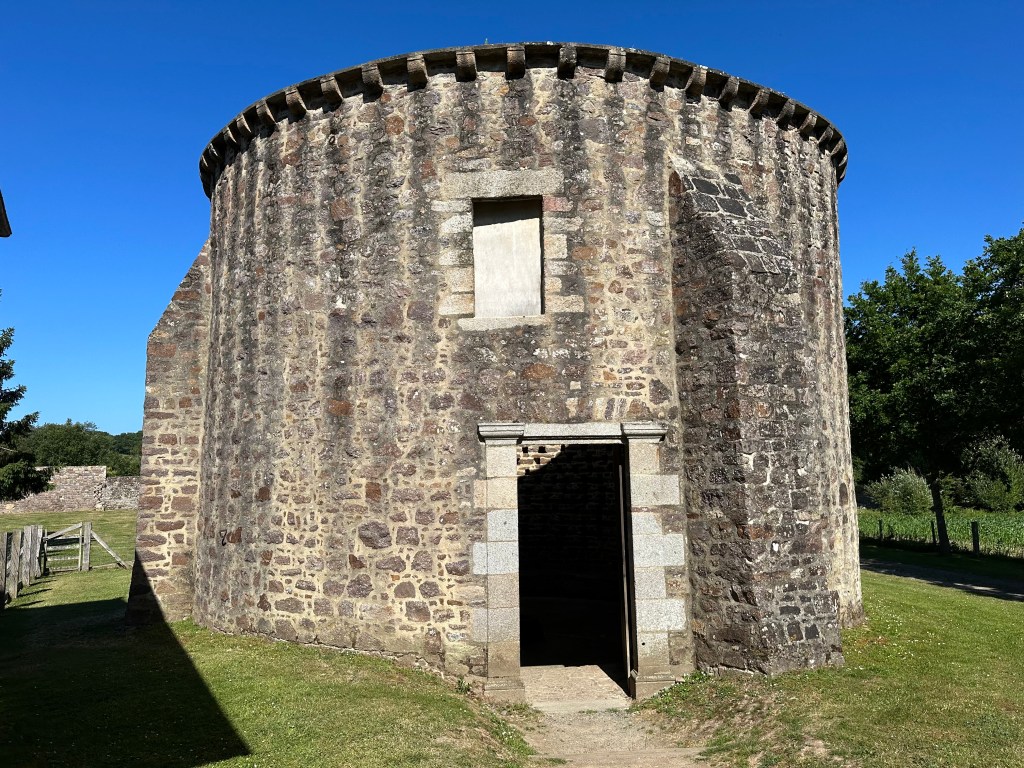
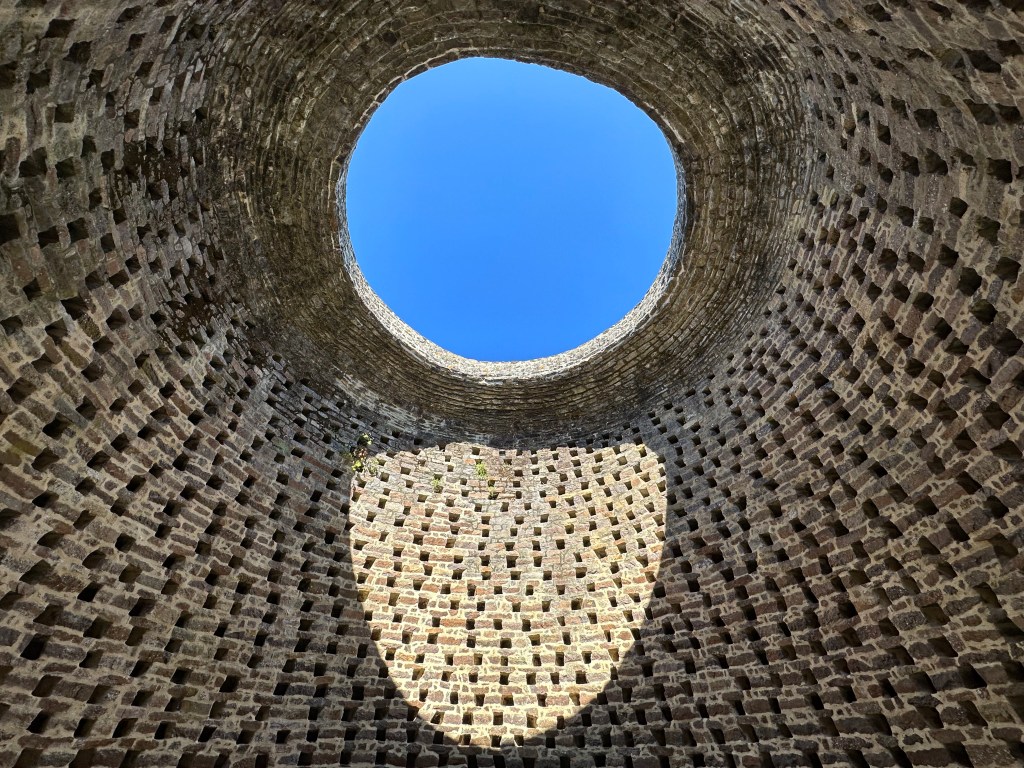
Cool-ass dovecote:
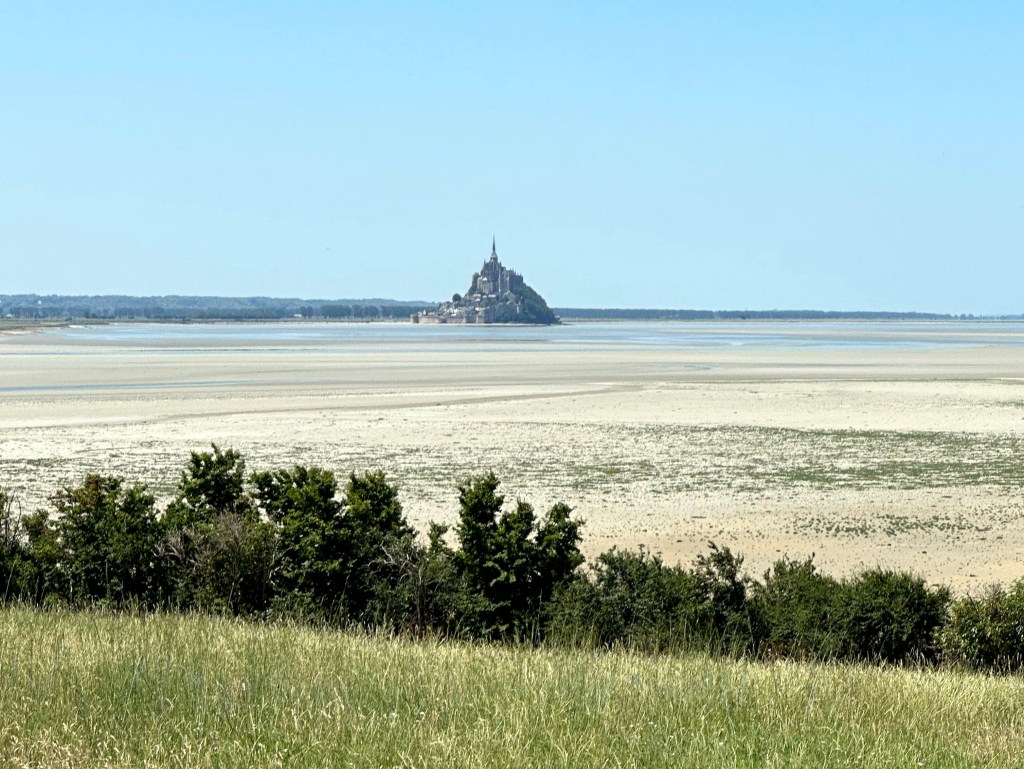
Reaching the coast again, we get our first glimpse of our objective the next (and final) day – Mont Saint Michel.
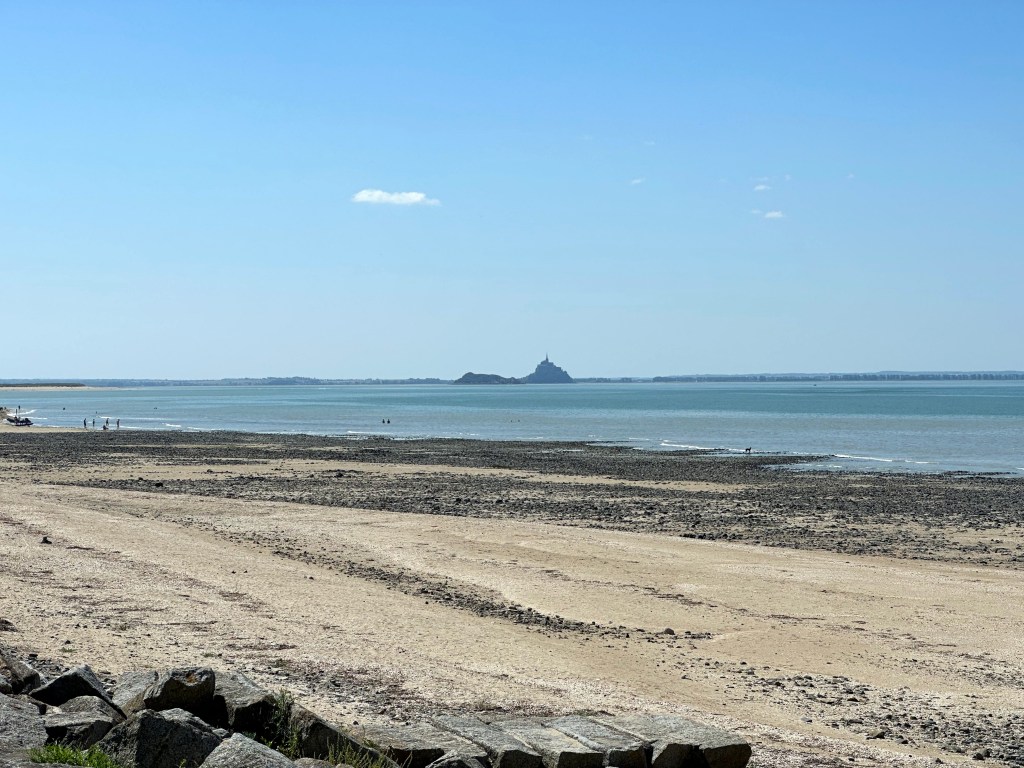
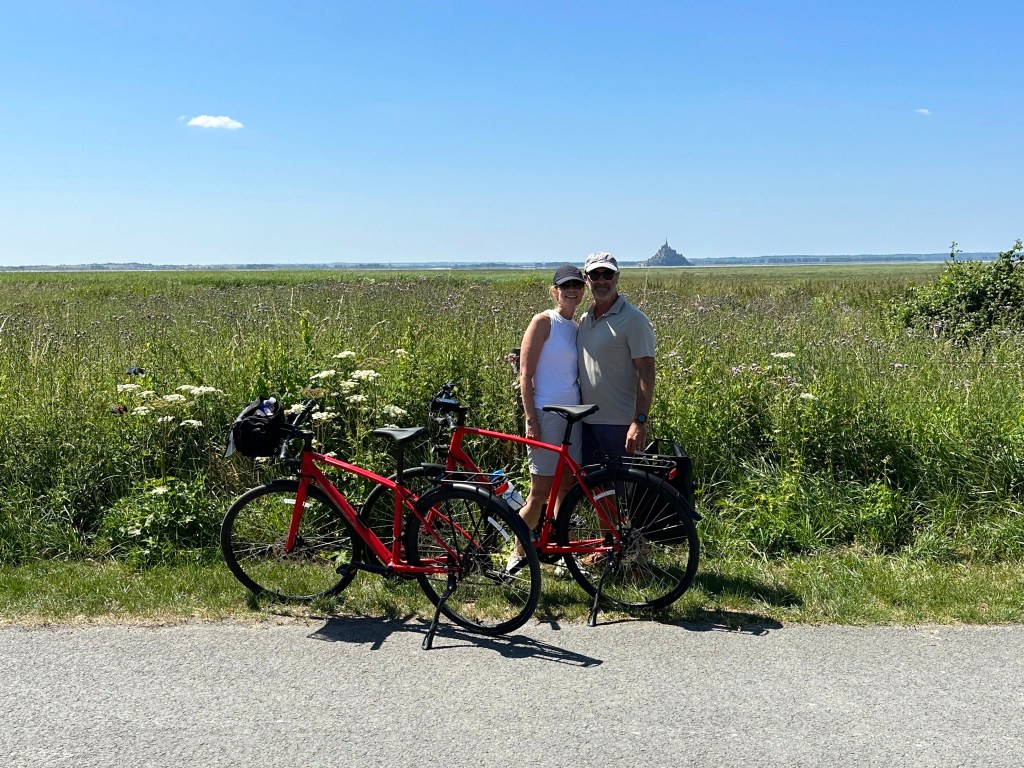
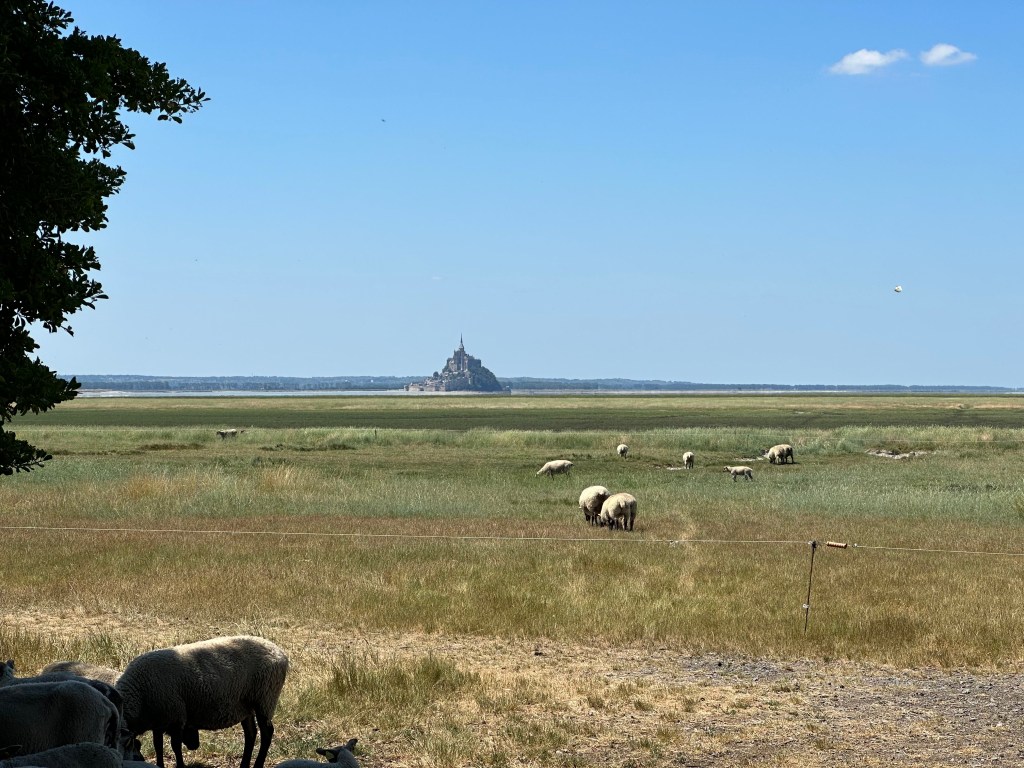
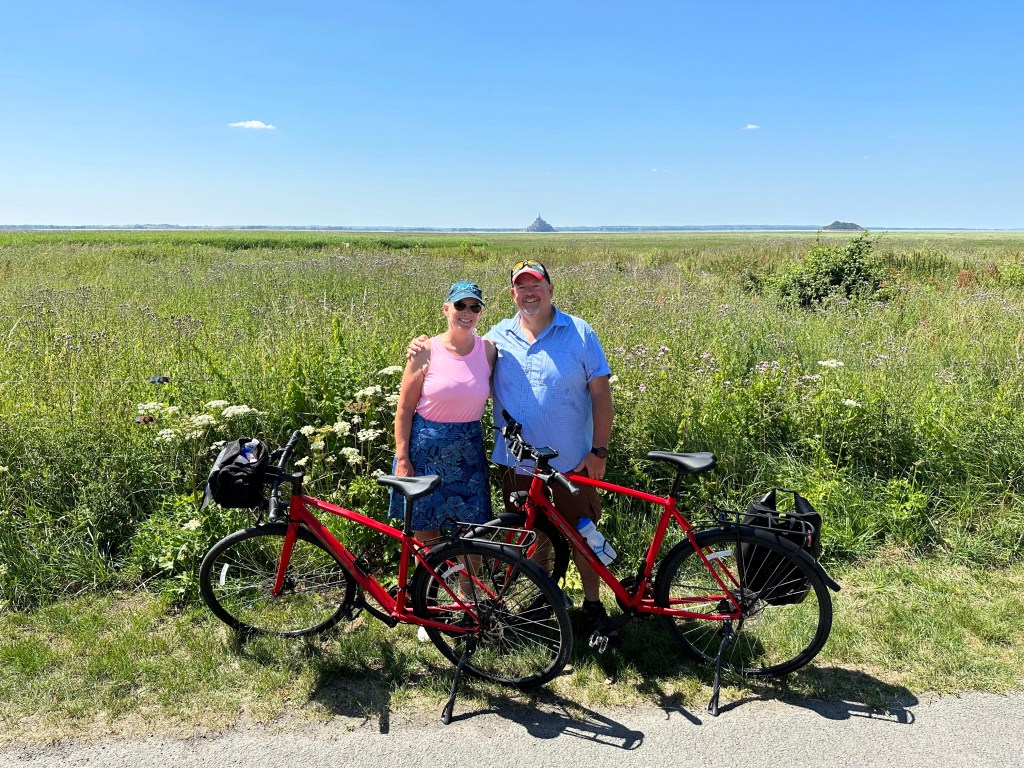
It would be with us on and off for the next 2 days of biking.
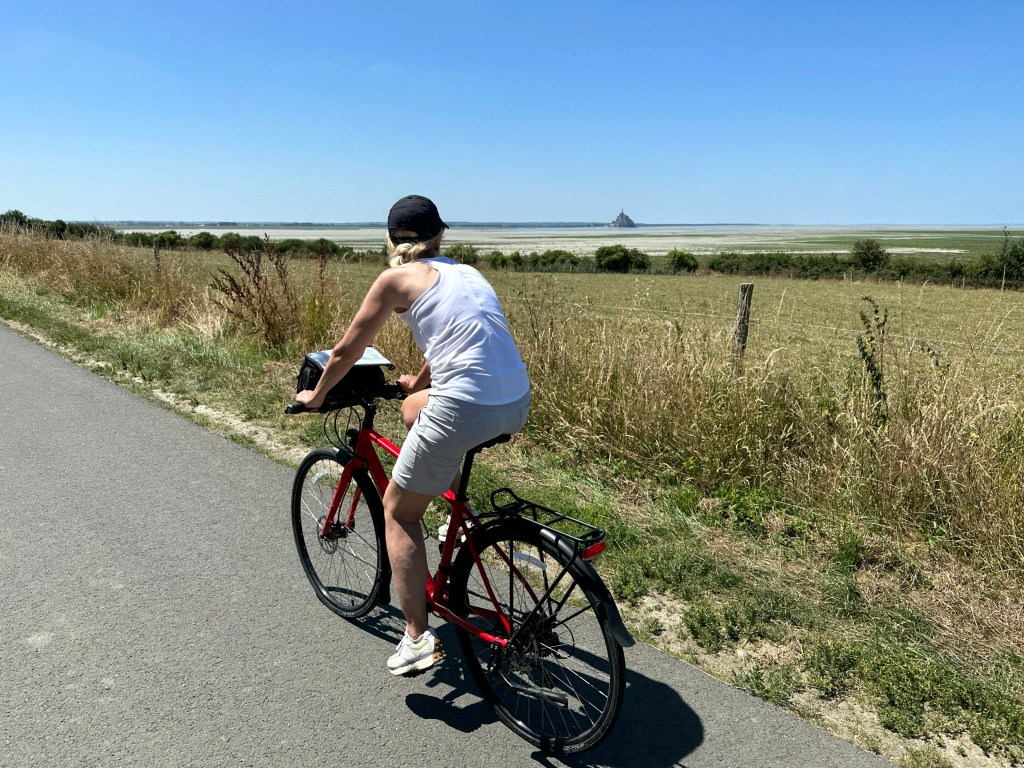
And there are pilgrims that depart across the tidal plain (which becomes boot-sucking mud when you get our further) each day:
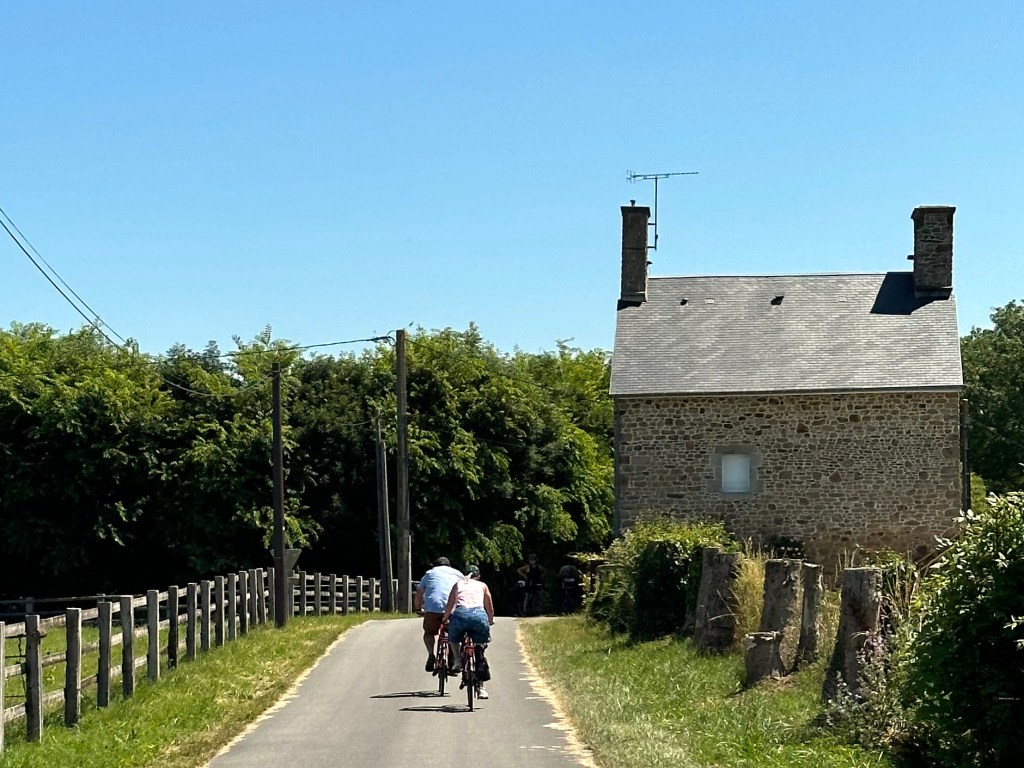
Heading back inland to our destination for the evening. . .
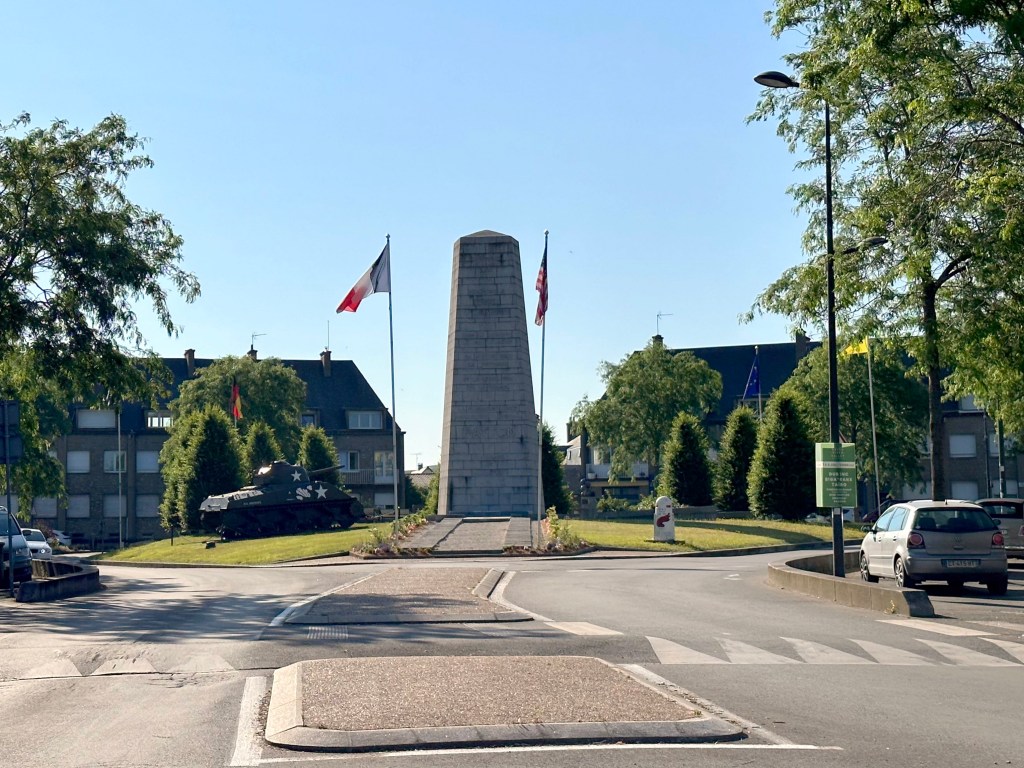
Avranches. The liberation of Avranches during WWII was led by Patton and began on the very auspicious day of July 31 (1944).
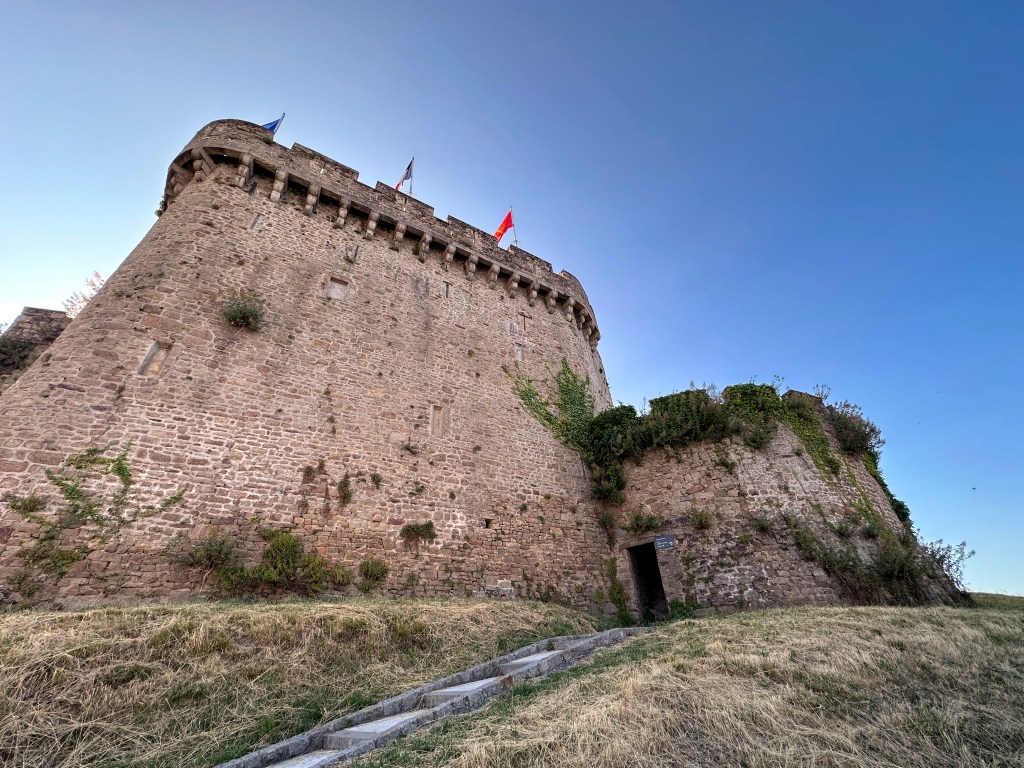
The Donjon d’Avranches:
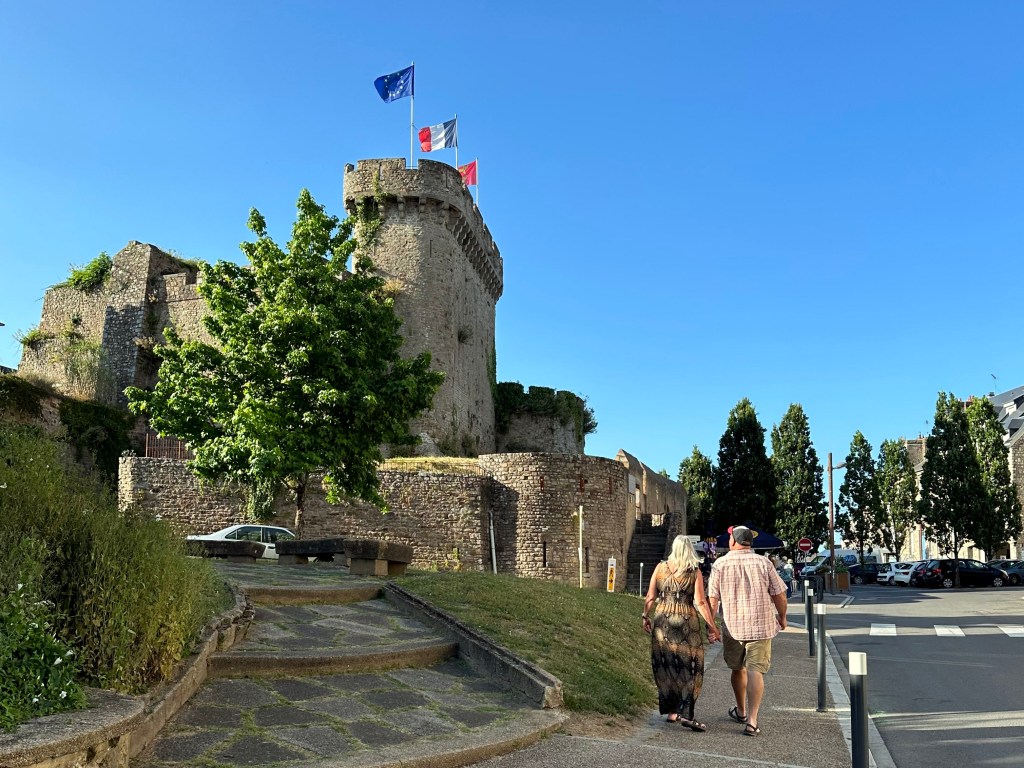
The castle was built in 950 on the remains of an old Roman fort.
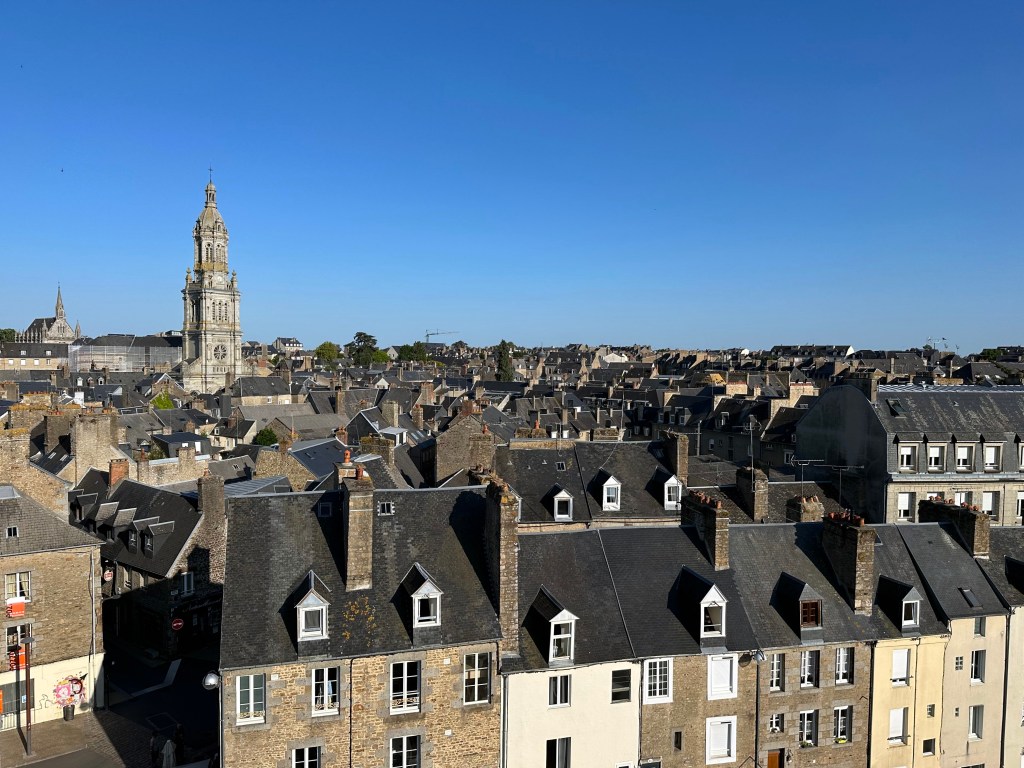
The view from the donjon over a very Normandy-looking town:
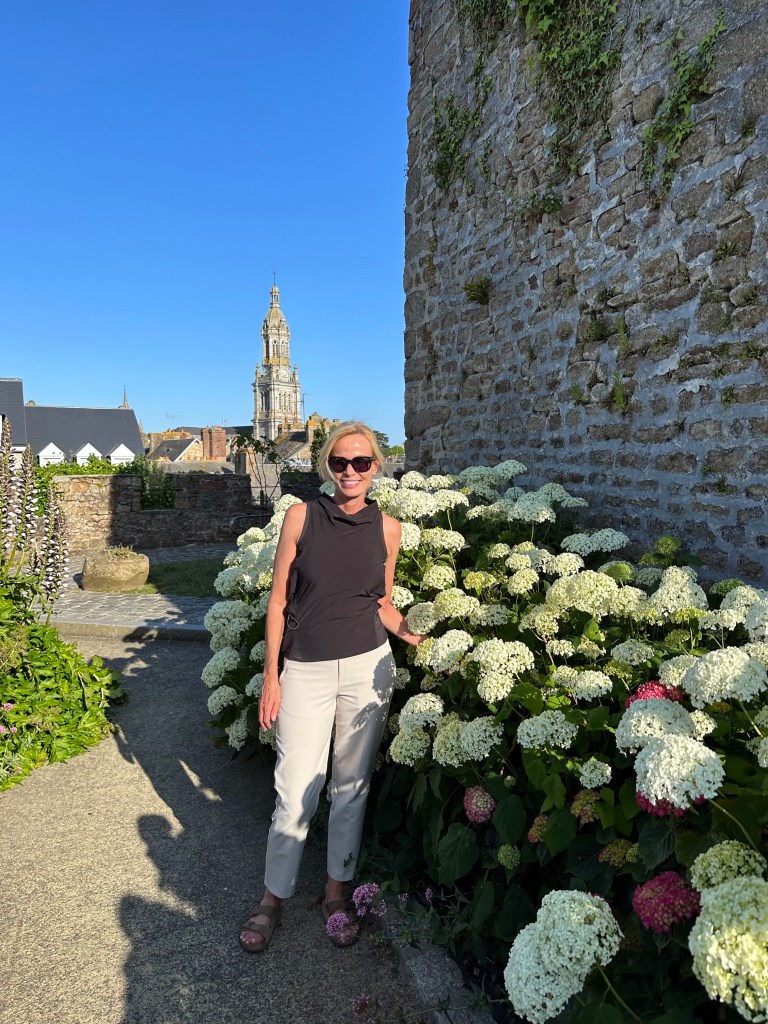
And some hydrangeas.
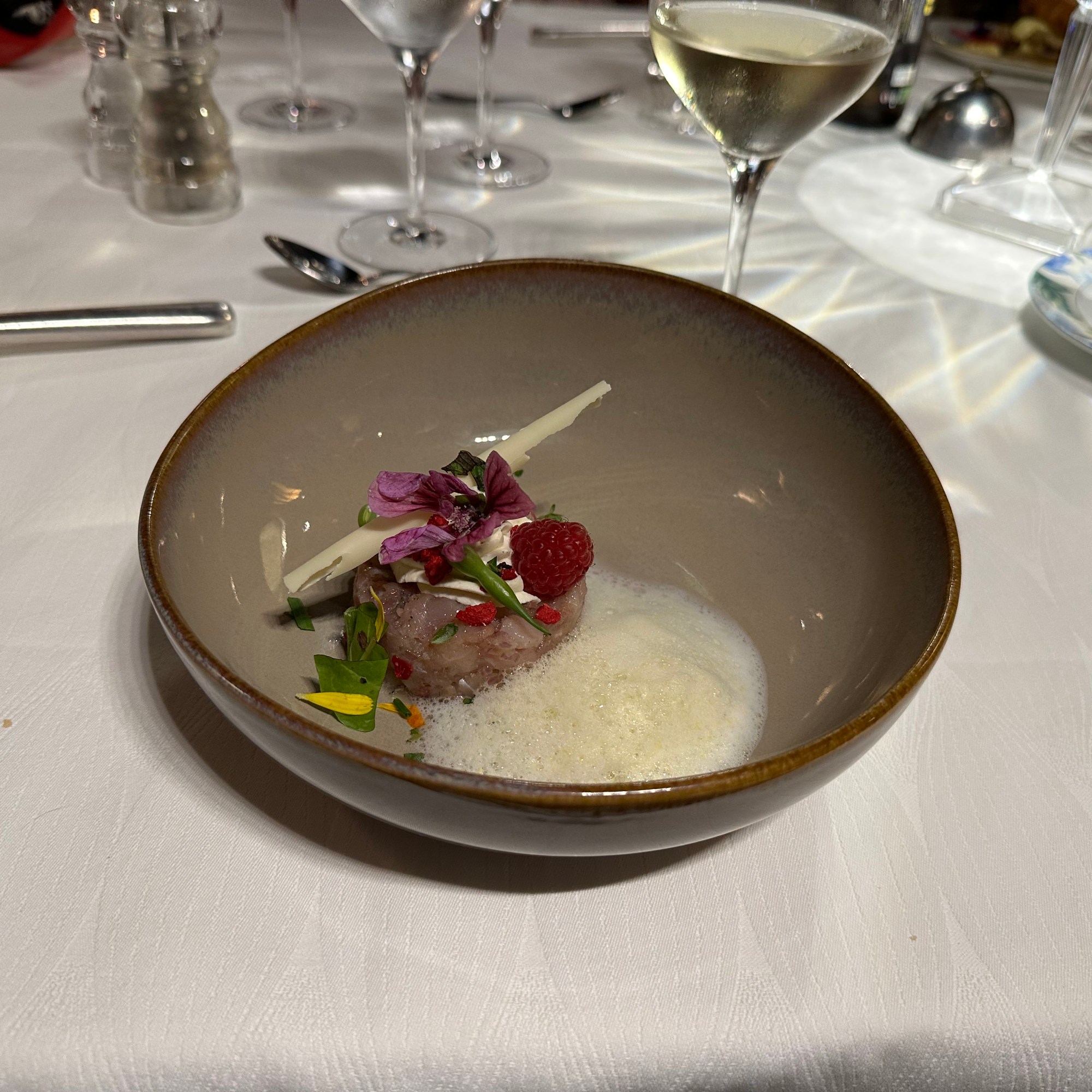
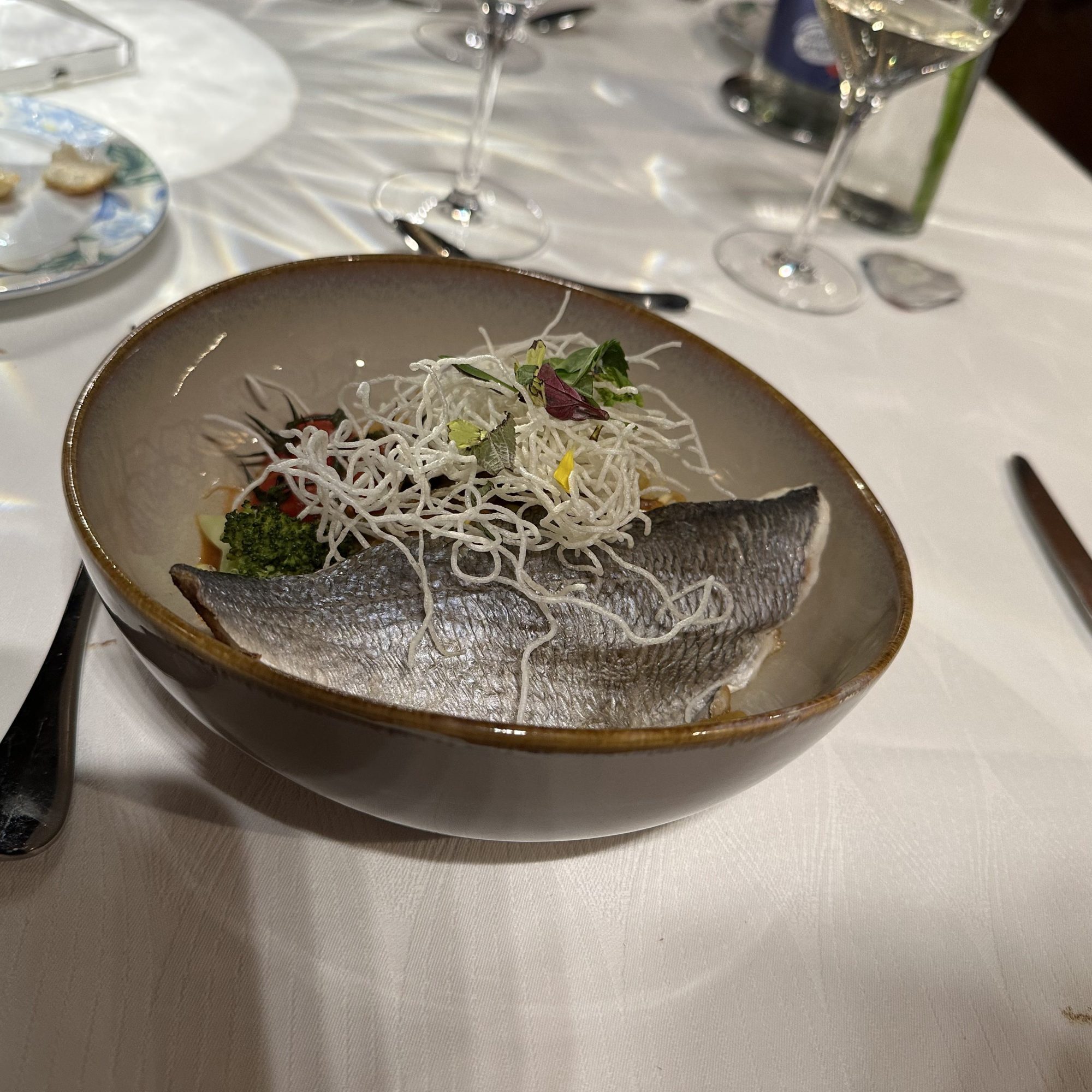
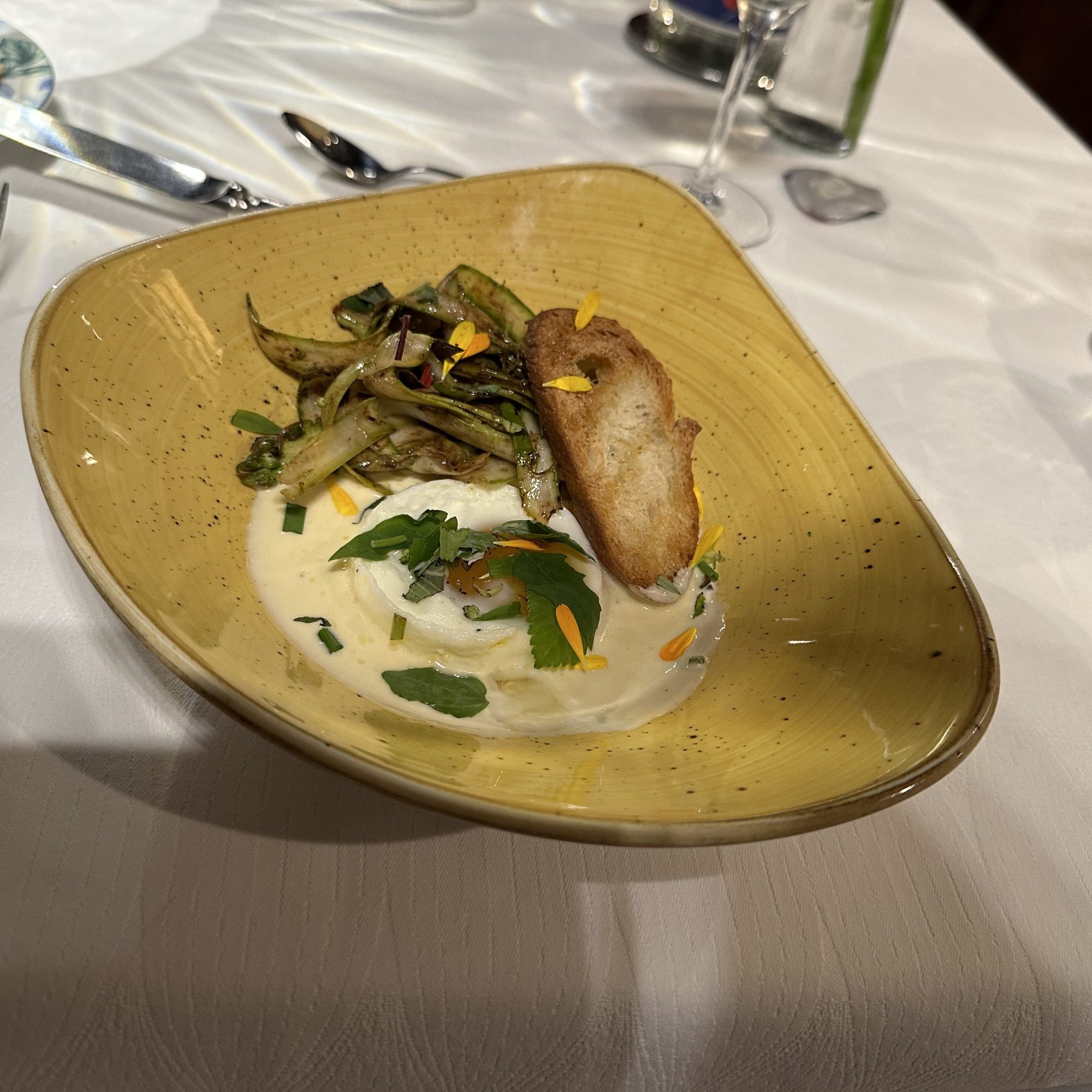
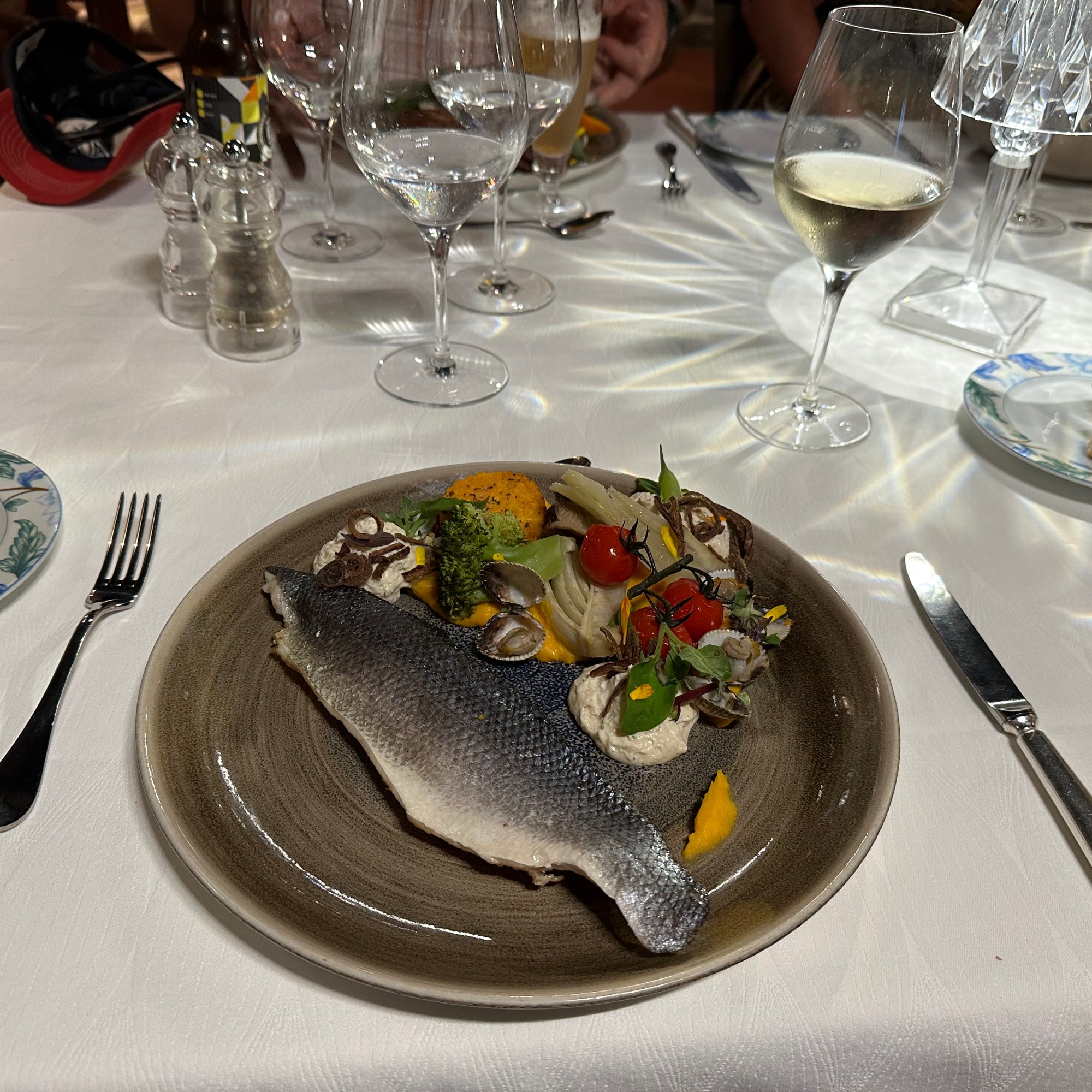
Pretty good bites that night.
On to Mont Saint Michel and the last bike day of the trip!

