Author Archives: WolfeStreetTravel

Christmas 2022 – Baltics and Back to the Netherlands: Trip Overview

After intentionally foregoing Europe at Christmas for the last 4 years, a few factors drove us back this year: nostalgia for winter weather in the season, a truly authentic Christmas experience, and the paucity of other options with availability and reasonable travel costs. One day we’ll get to Namibia or Peru for Christmas, but not this year.

We initially targeted all three of the Baltic states for this year’s trip: Estonia, Latvia, and Lithuania:

  • Northern Europe to meet the winter climate criteria
  • Great Christmas tradition (Tallinn holds the distinction of hosting the Europe’s first public Christmas tree in 1441)
  • Have not visited any of them before (they would put WolfeStreetTravel’s country count over 70)

However, WolfeStreetTravel flight criteria and the need to keep the trip limited in length due to work resulted in the following refinements:

  • Lop Lithuania off the itinerary (maybe we’ll get back there when we can also visit adjoining Belarus; we certainly can’t go there now, with Putin stooge and corrupt autocrat Lukashenko in charge)
  • Bookend our stay in the Baltic states with some time in another country with direct flight in and out of Europe

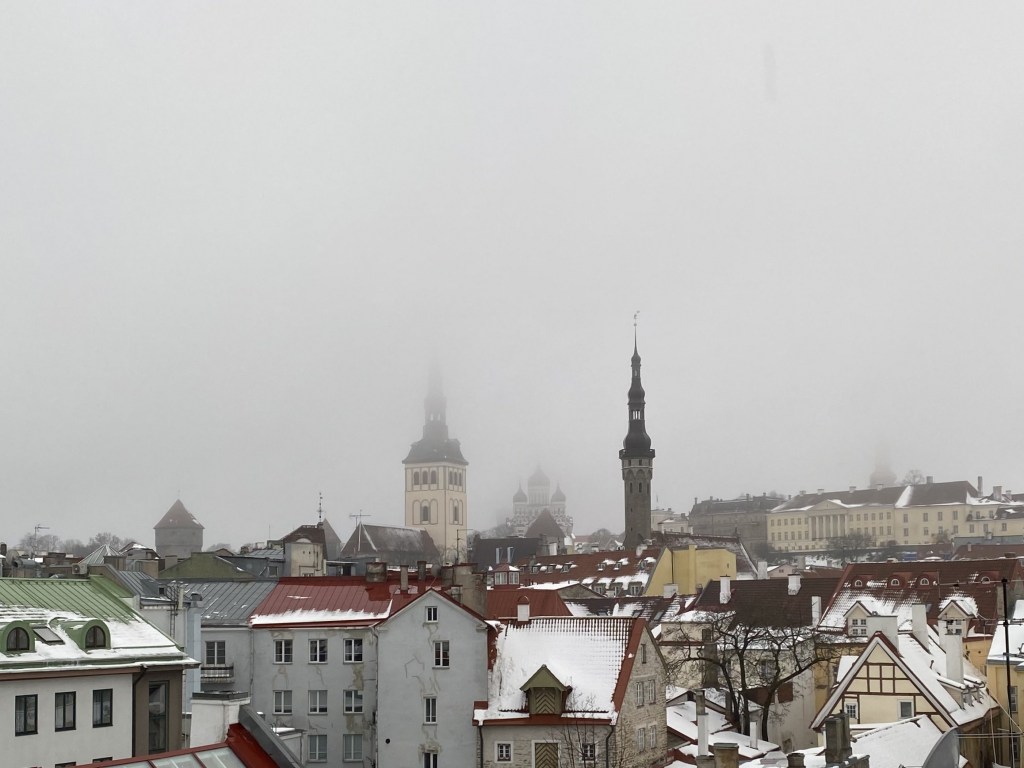
The UNESCO World Heritage site of Old Town Tallinn, Estonia, from atop the castle hill of Toompea:

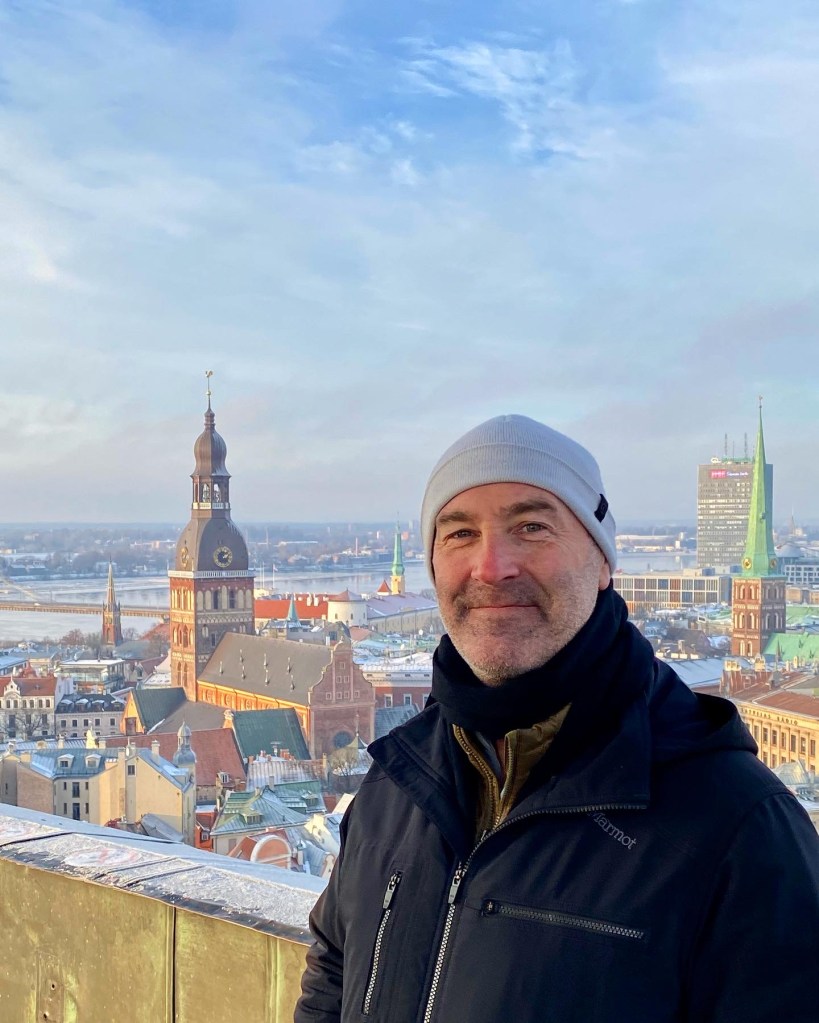
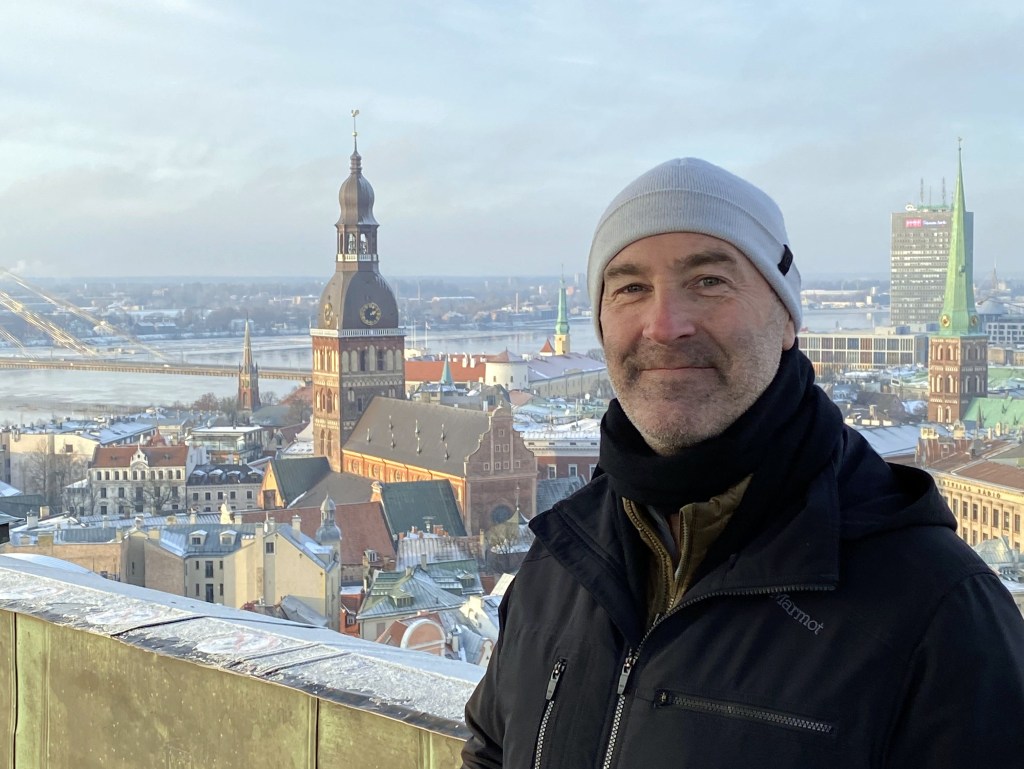
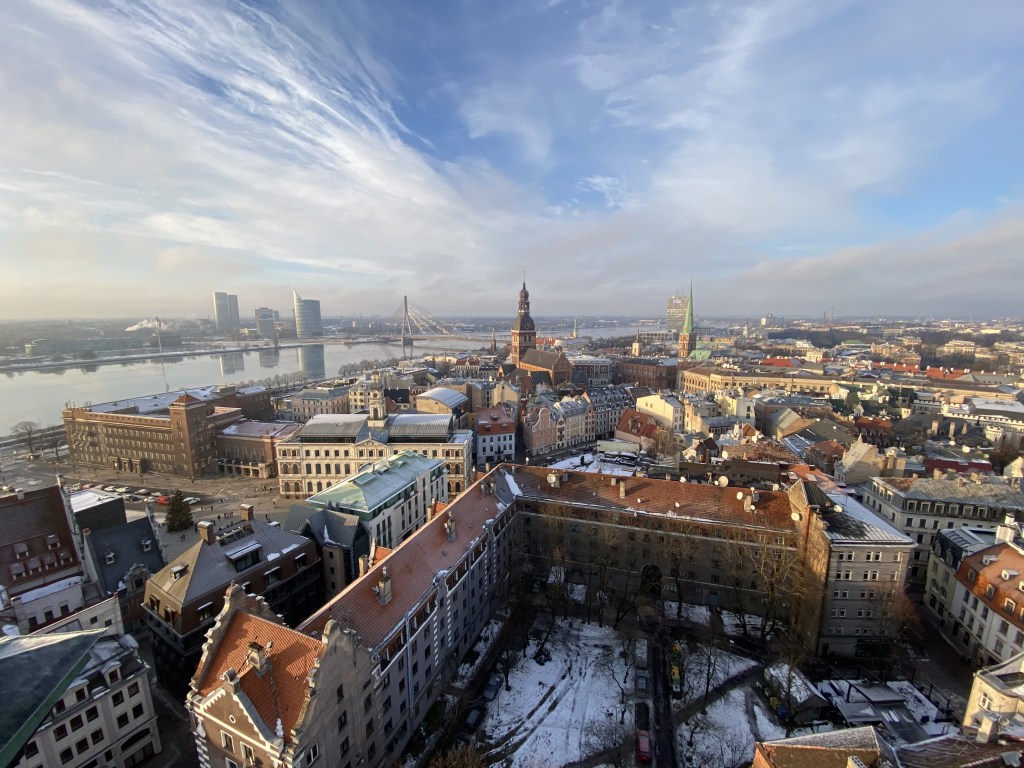
Riga, Latvia, from the spire of St. Peter’s Lutheran Cathedral in the center of town:

Regarding the direct flight bookend, we found a perfect candidate in Amsterdam’s Schiphol airport. United offered direct flights there from IAD, and BalticAir offered direct flights to Estonia and Latvia from Schiphol. Plus, we’d add a few days in Haarlem on the front end and a few days in Amsterdam on the back end to break up the flying time.

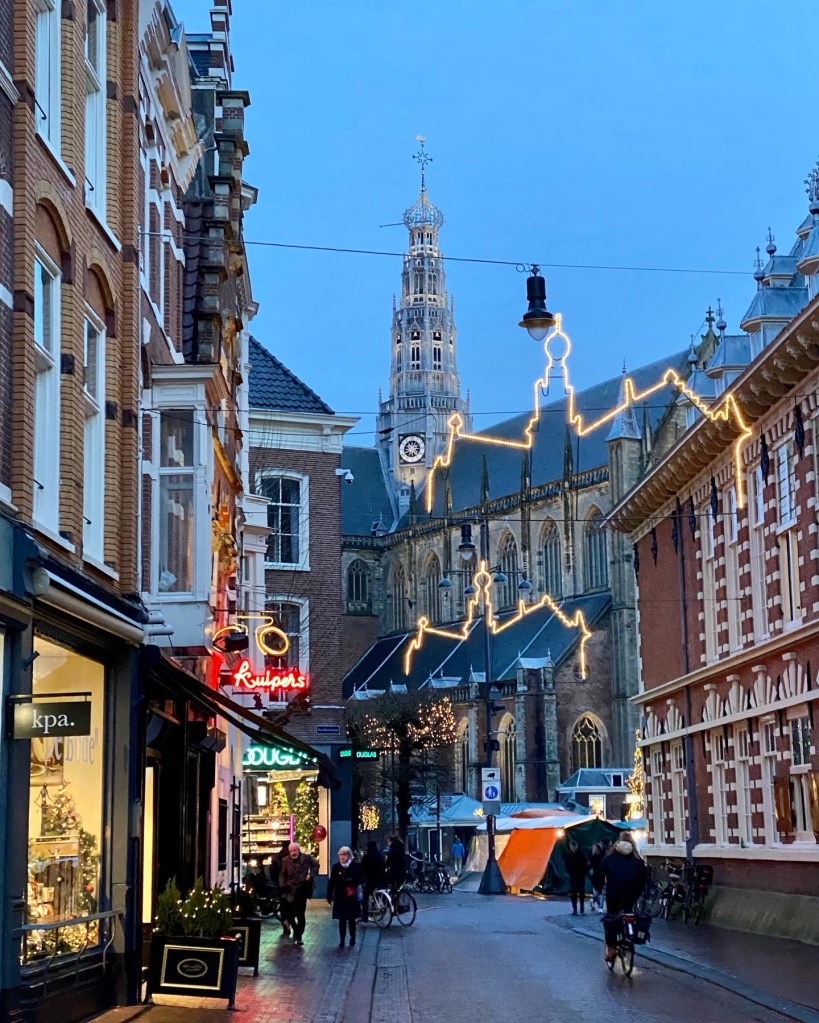
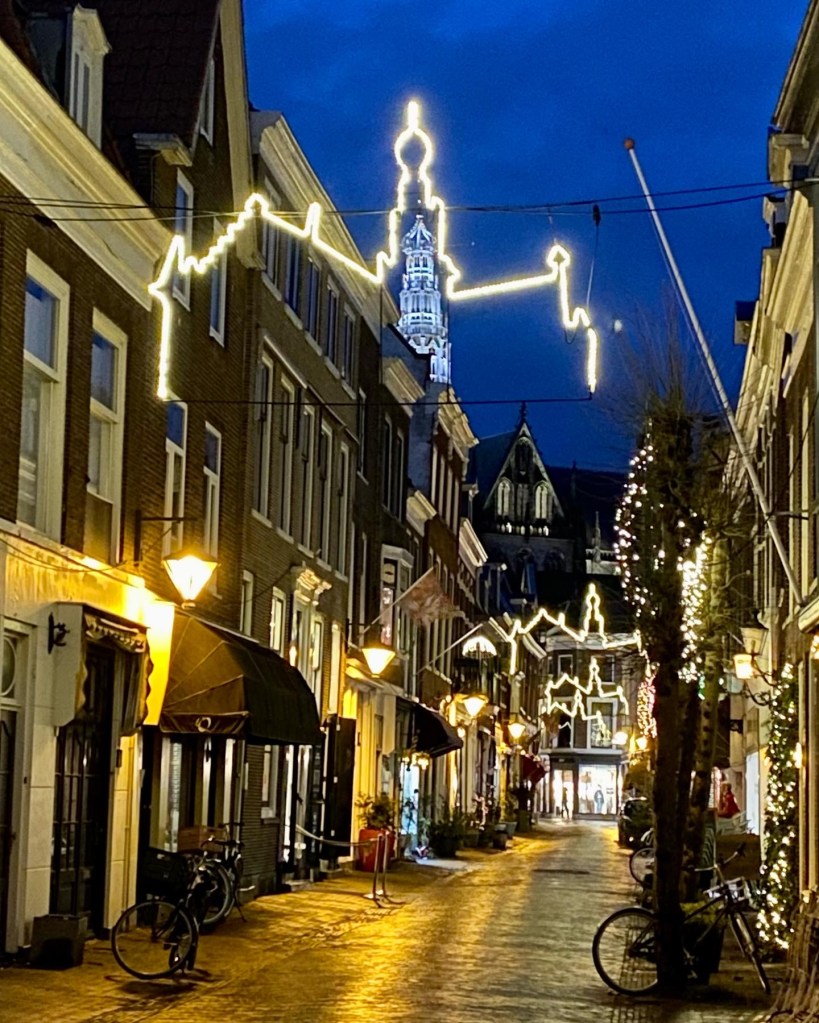
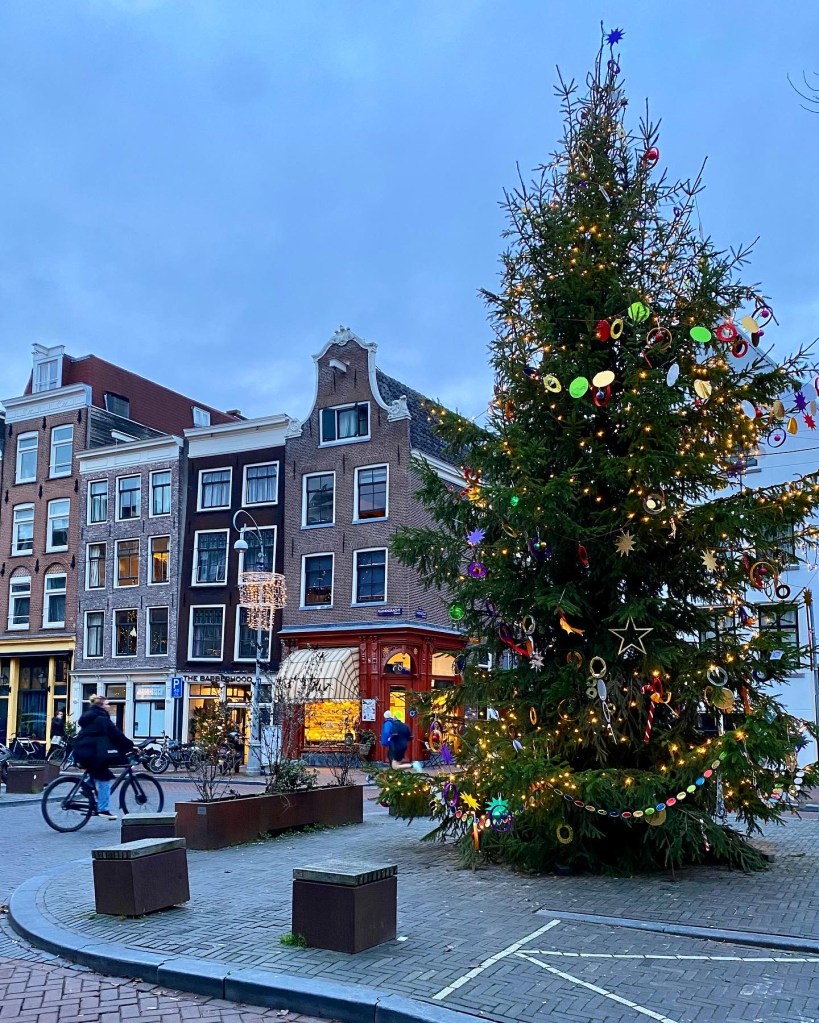
Haarlem decked out for Christmas:

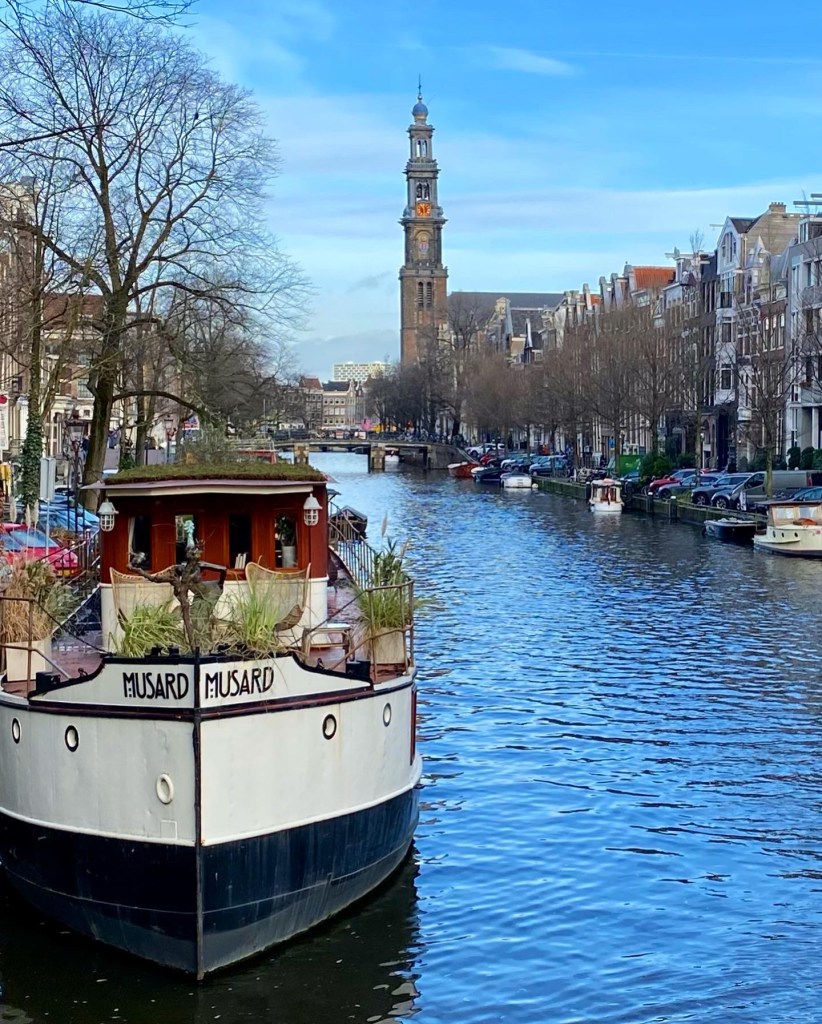
The canals of Amsterdam during our stay:

In the middle, we’d fly direct:

  • From Amsterdam to Tallinn, Estonia, then
  • From Tallin to Riga, Latvia, then
  • From Riga back to Amsterdam

Between the direct flights to and from Europe and the direct flights to, within, and from the Baltics, we planned this perfectly to minimize the impacts of inevitable flight delays. Nothing could go wrong now, with no connecting flights that could be impacted by delays on the initial leg – the bane of any traveler’s existence.

Then, more than a month after we bought our tickets, United saw fit to eliminate the direct flight from IAD to Amsterdam, screwing things up and requiring some rework and now unavoidable two-leg flights in and out of Europe. Not a disaster by any means, but it just meant more risks.

Which, of course, did materialize into actual problems, although none too bad, in the great scheme of things: our connecting flight on the way in got cancelled when we were in the air, and the connecting flight on the way back resulted in total travel time almost twice as long as the time the original direct flight would have taken. But, we weren’t impacted by domestic air travel calamity wrought by the massive Christmas snowstorm, and got back on time on December 28, so we consider ourselves relatively lucky.

After arriving (late) at Schiphol, we beelined it to Haarlem, where we stayed for the next 3 days (including watching the World Cup Final, where we were cheering on Argentina and the Dutch were rooting for France simply because Argentina beat them in the Semis, which was fun).

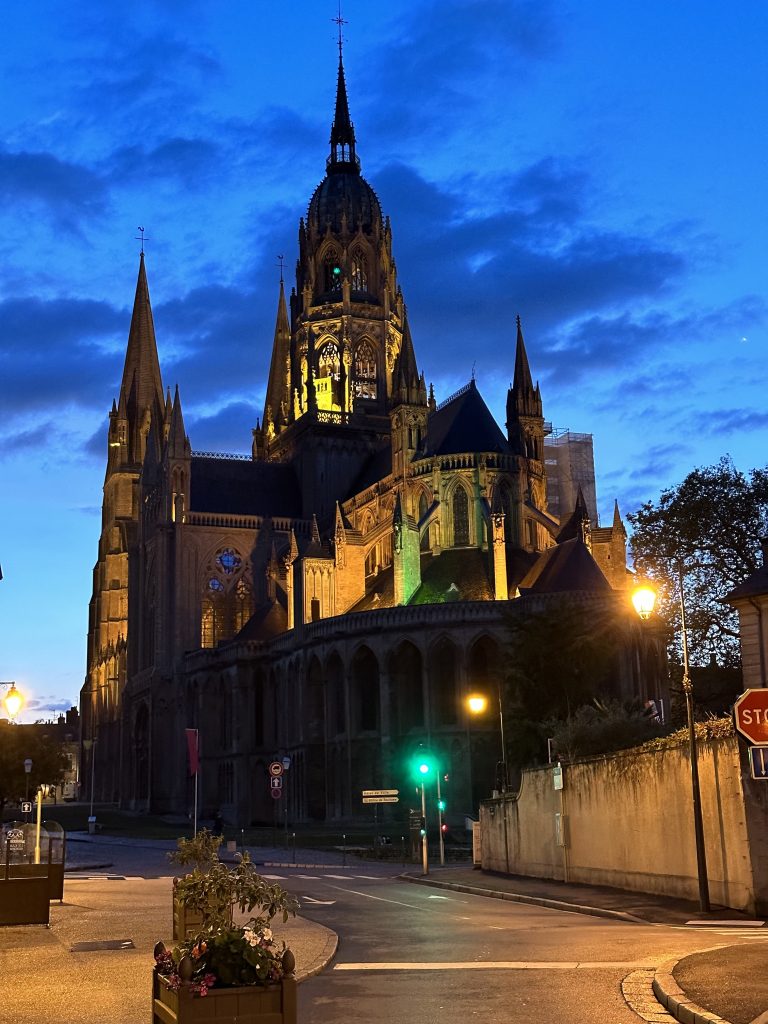
Haarlem’s Christmas lights throughout the city were the profile of the town’s landmark cathedral:

The functioning Molen de Adriaan windmill right in the heart of town, which we toured while there. Super cool.

From Haarlem, we flew northwest to Tallinn, Estonia, which was still initially blanketed by snow, which is exactly what we were hoping for.

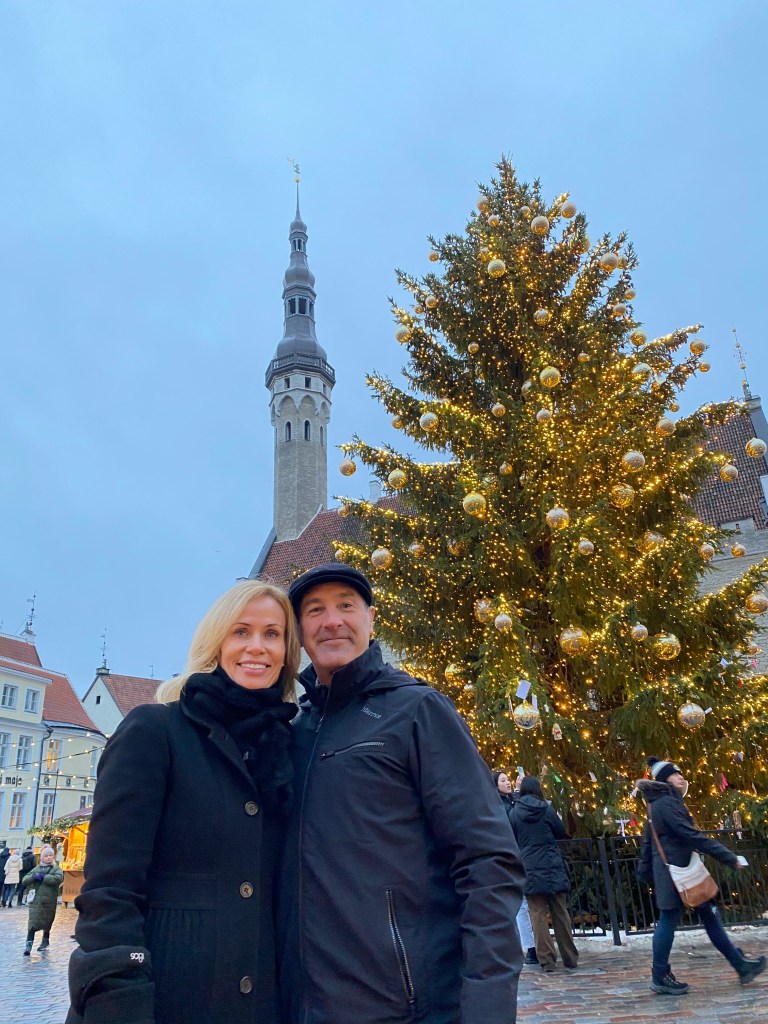
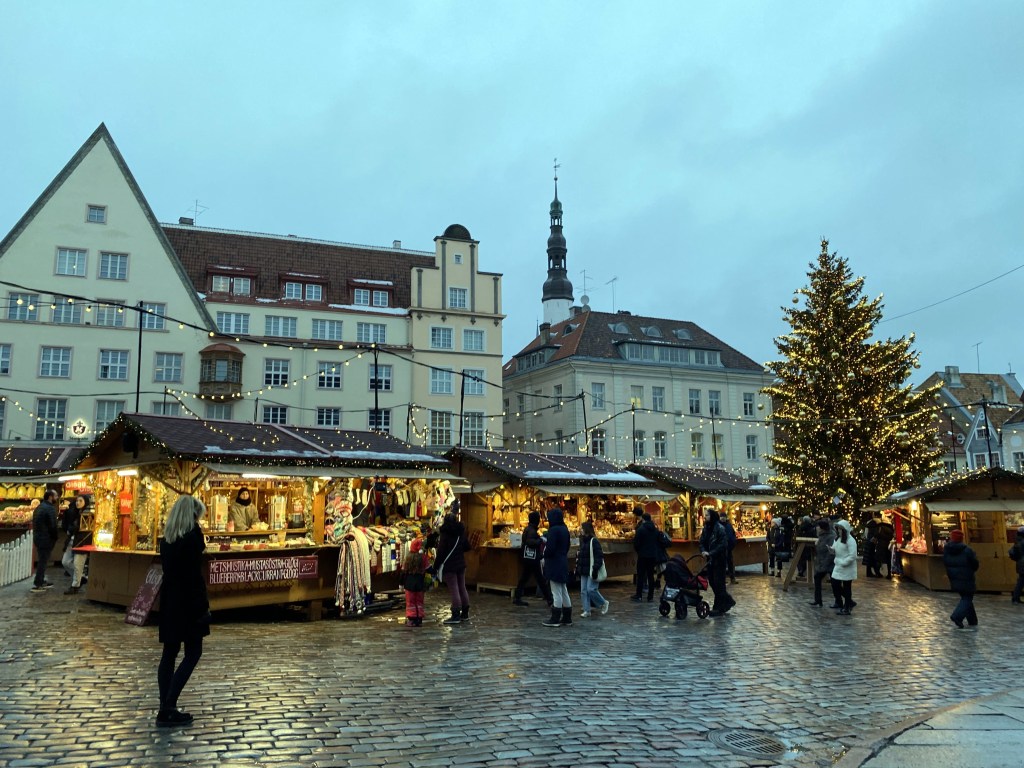
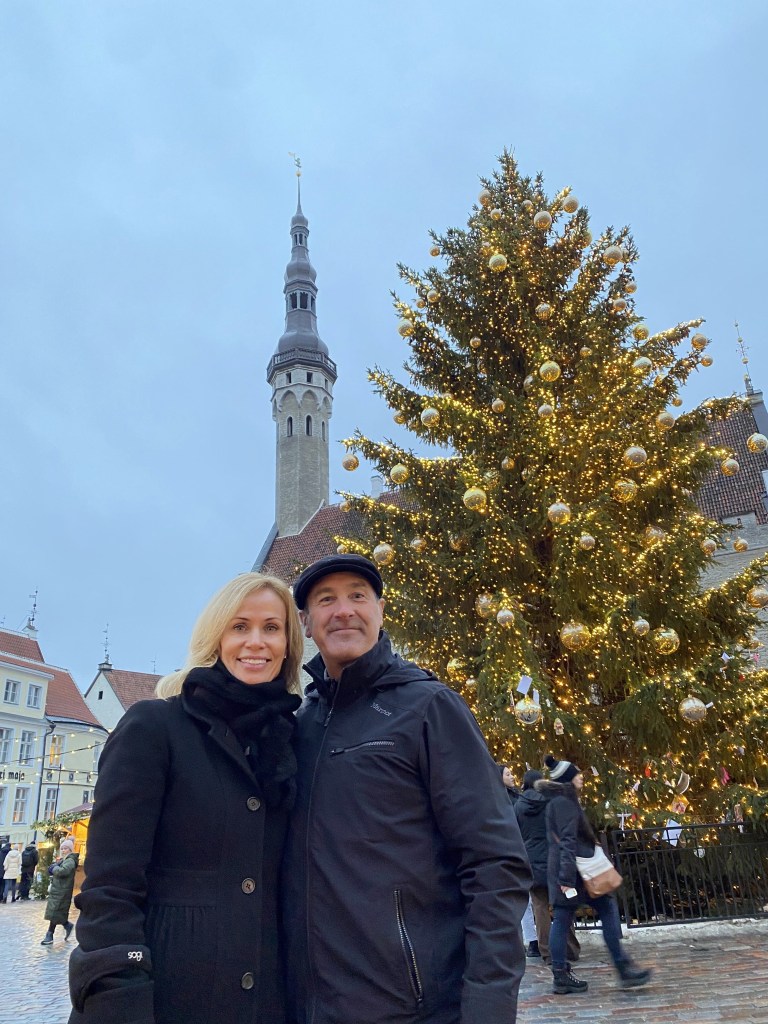
Heading into the town square, dominated by Tallinn’s 15th-century town hall and host to the town’s Christmas Market.

St. Alexander Nevsky Cathedral on Toompea in Tallinn, a vestige of the Russian Empire’s role in Estonia’s history (and also, we got some good snow!):

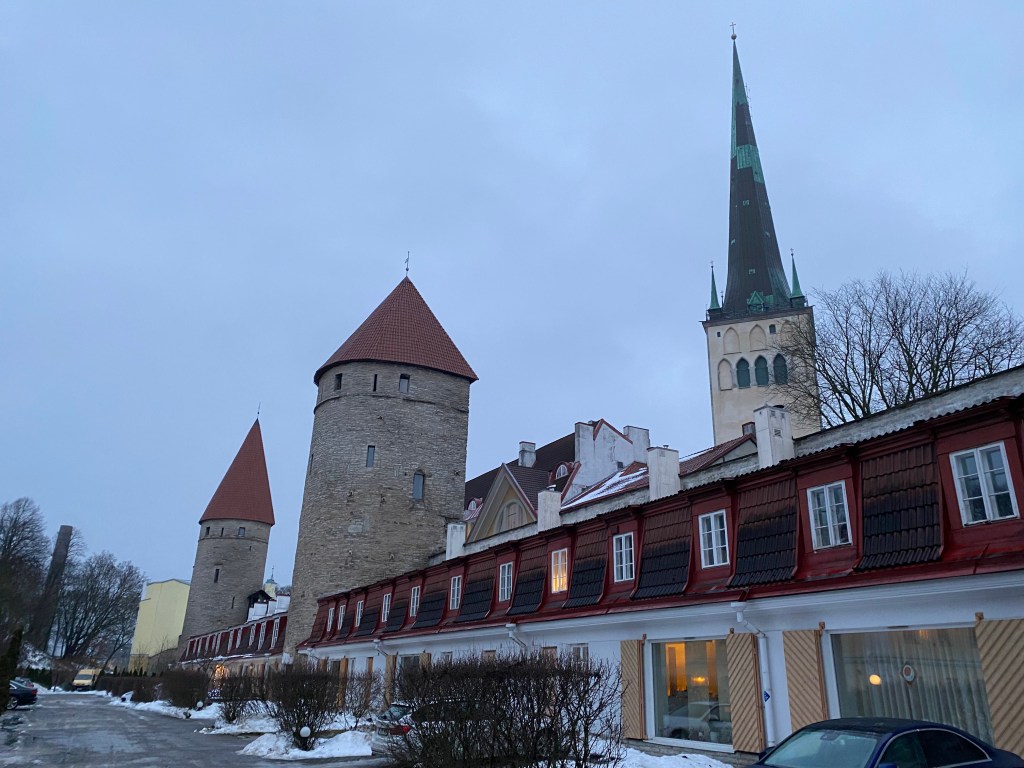
Tallinn was mostly undamaged during WW II, and its medieval walls and defensive towers are still intact:

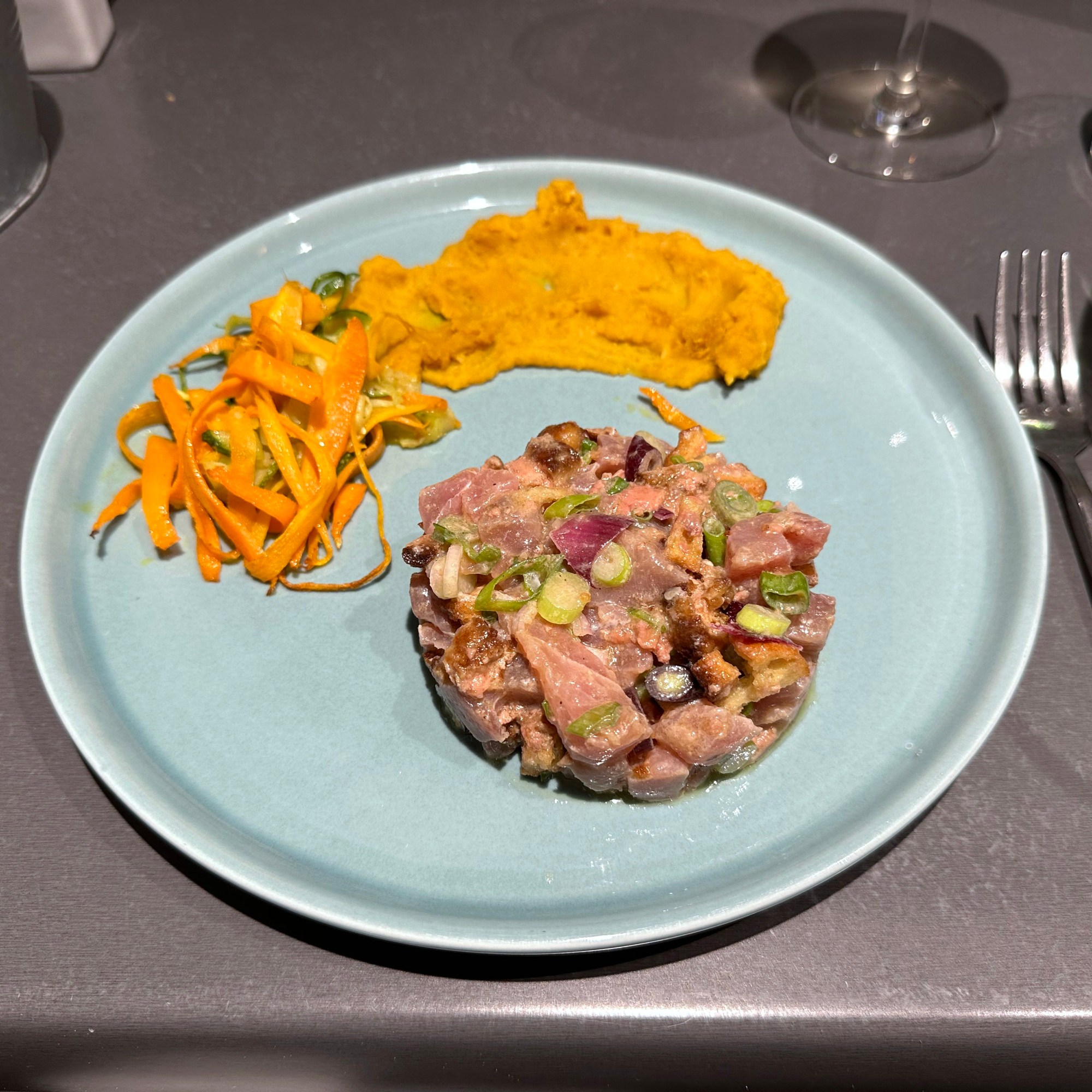
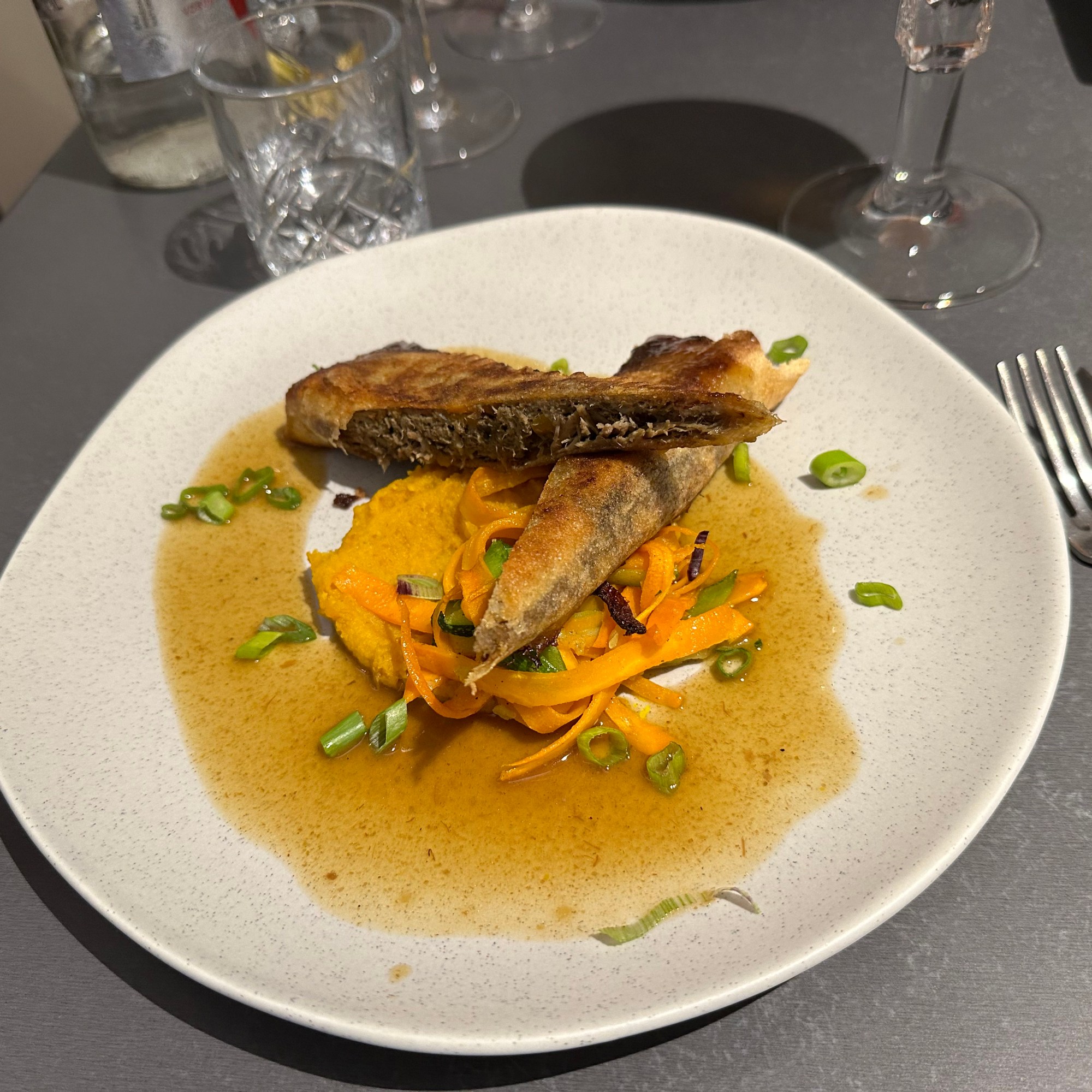
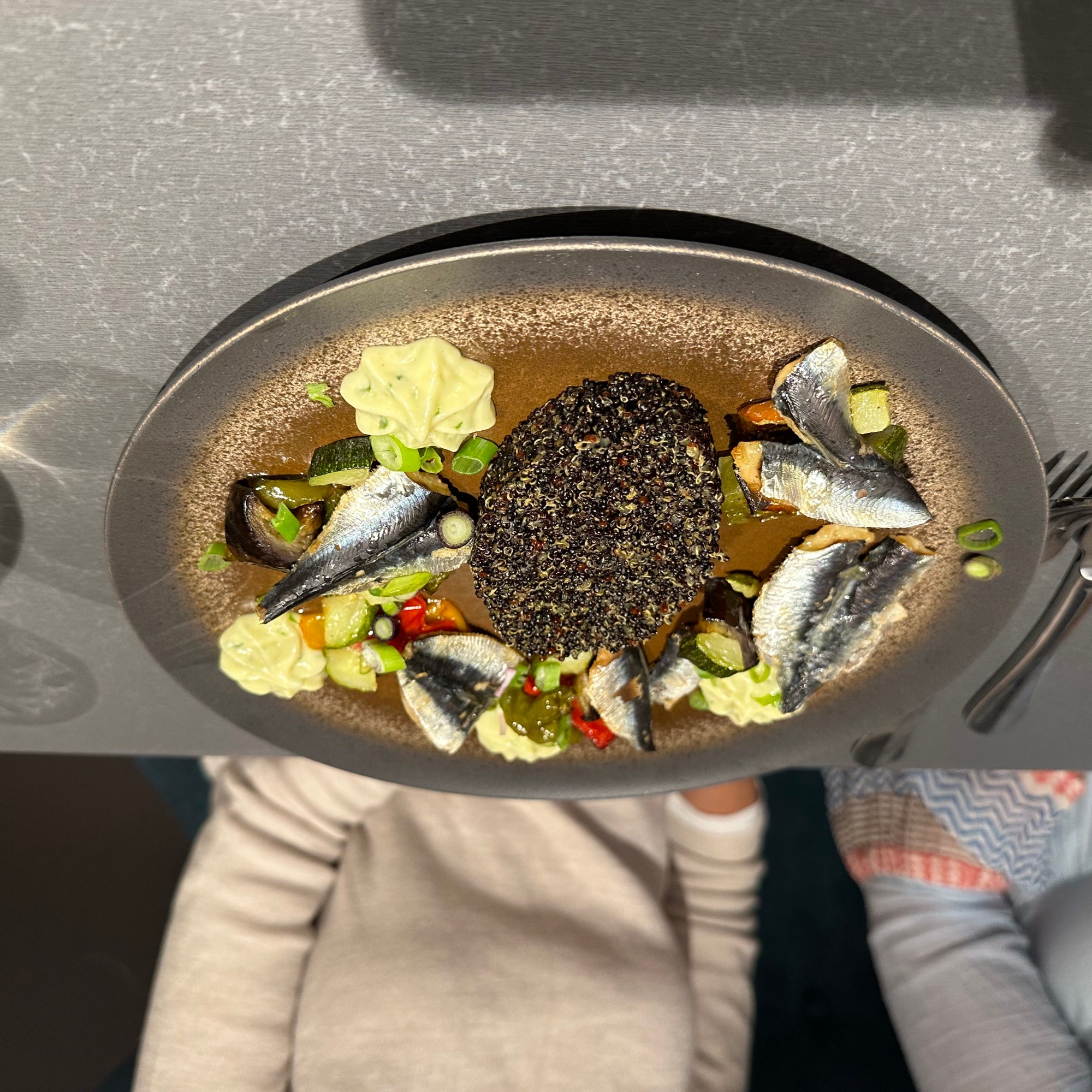
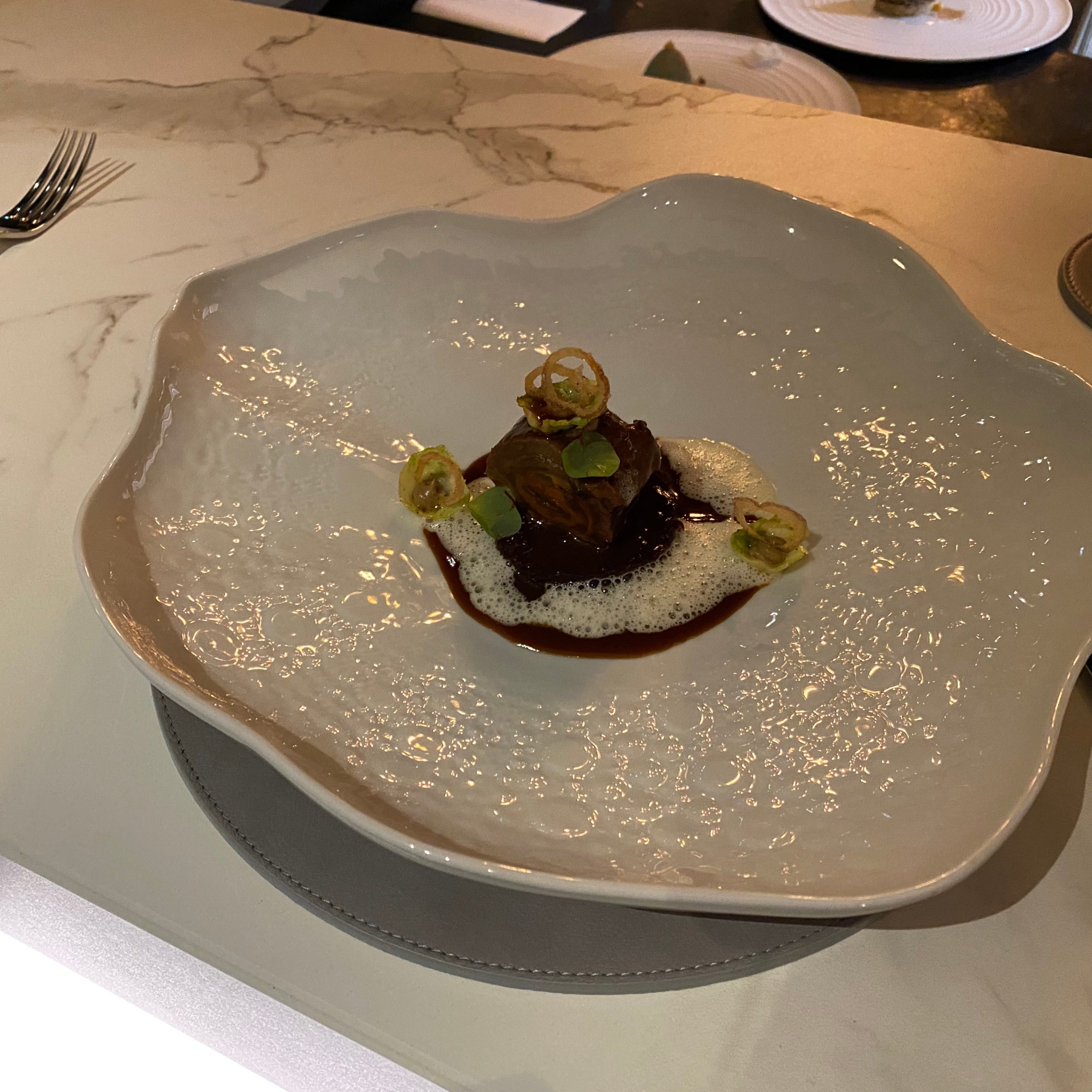
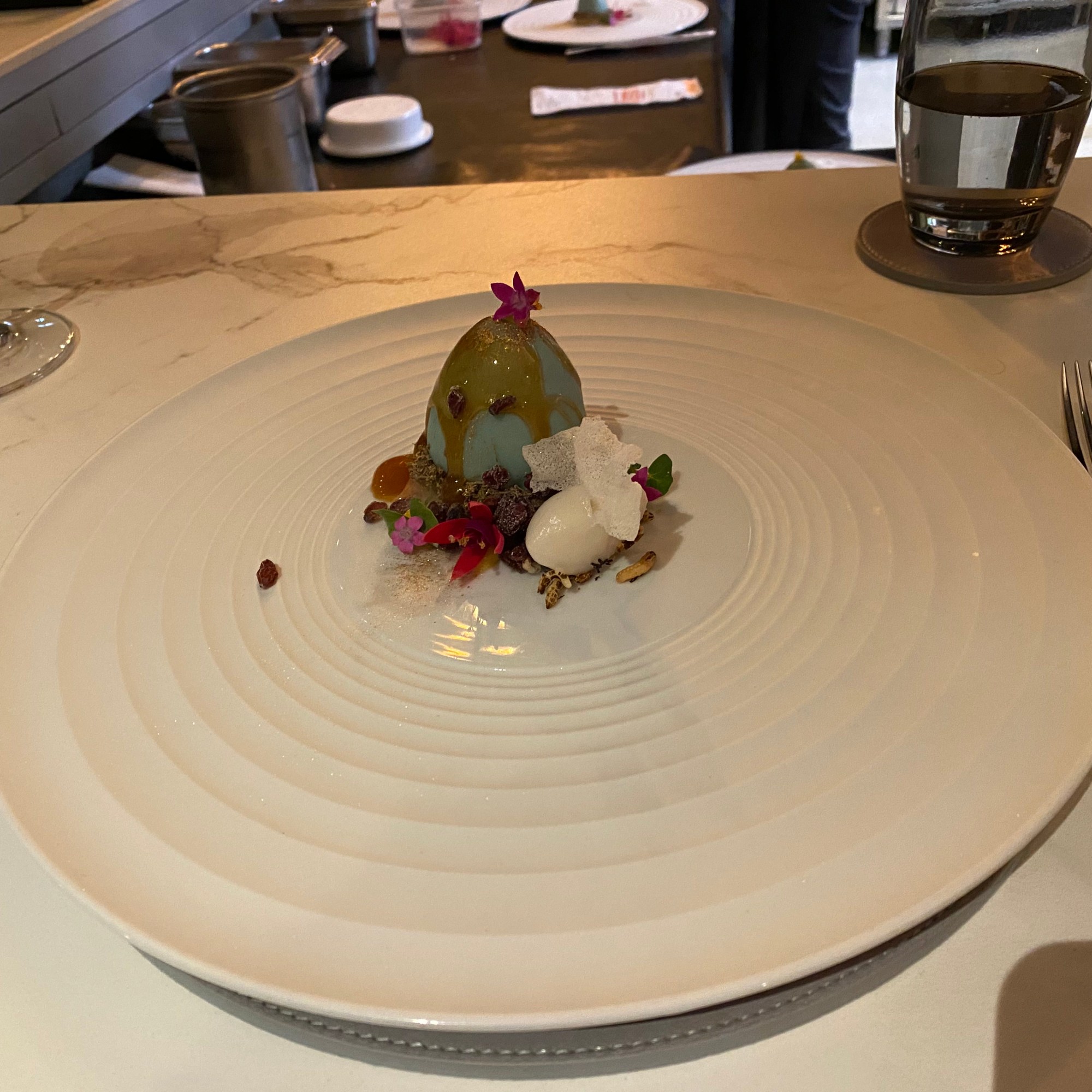
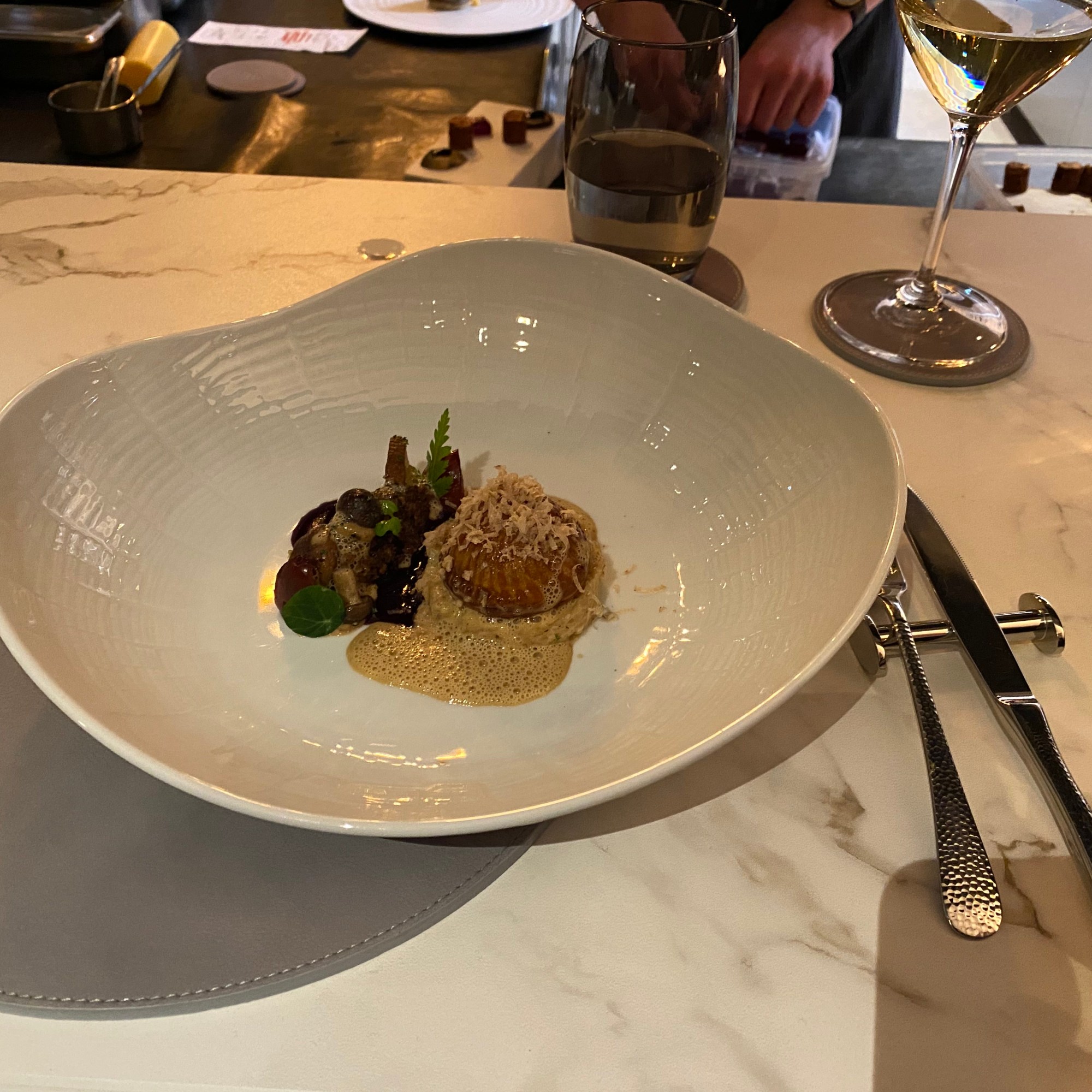
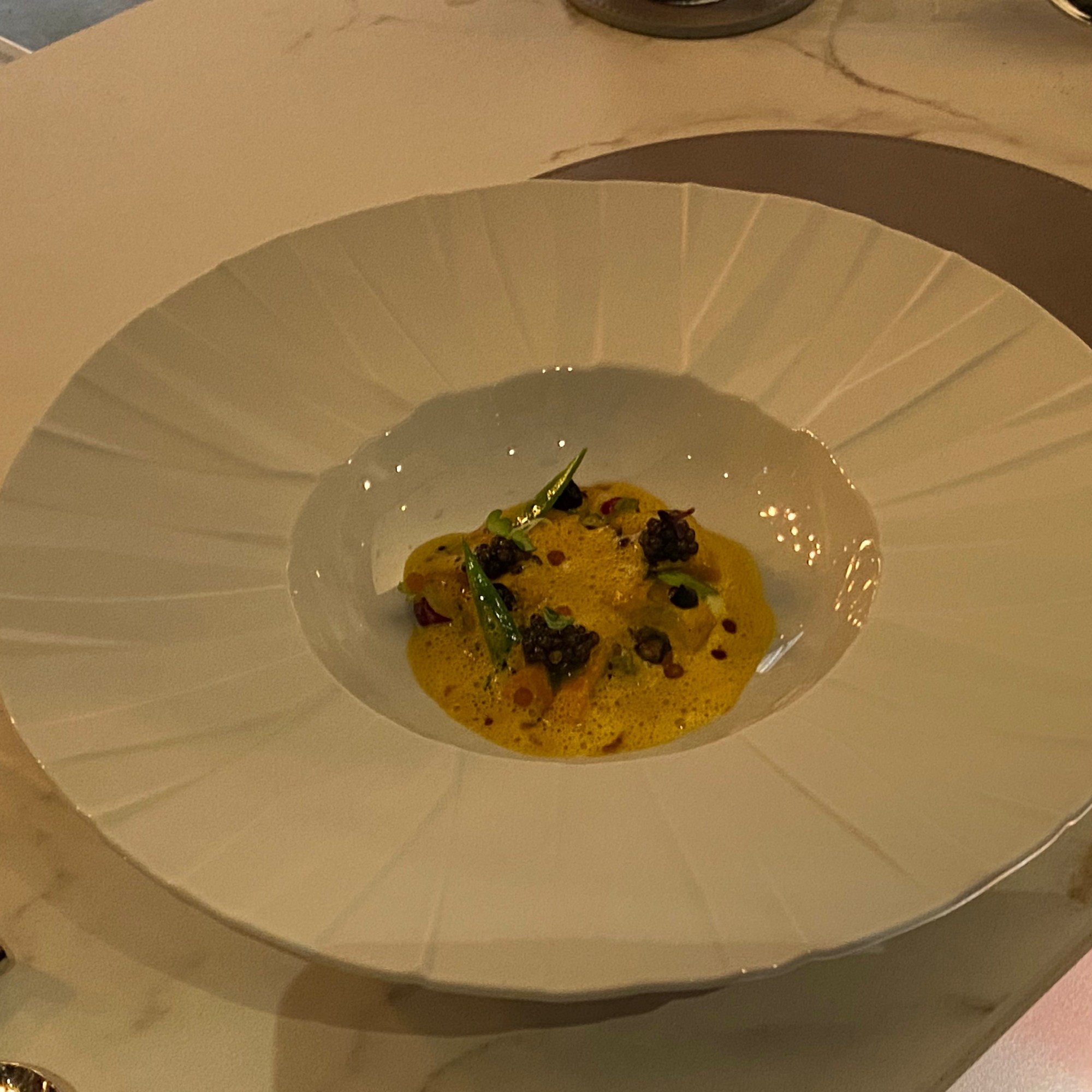
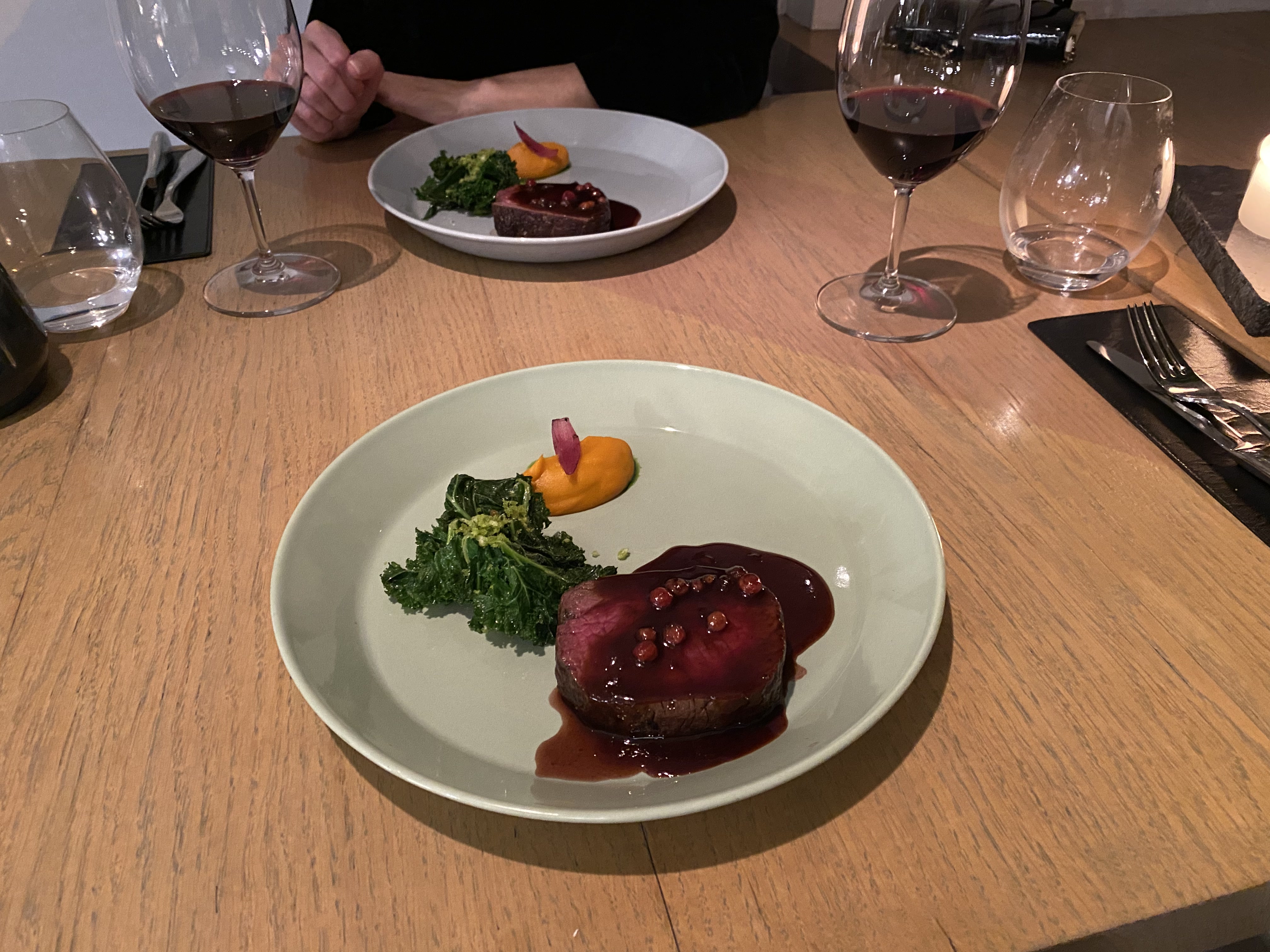
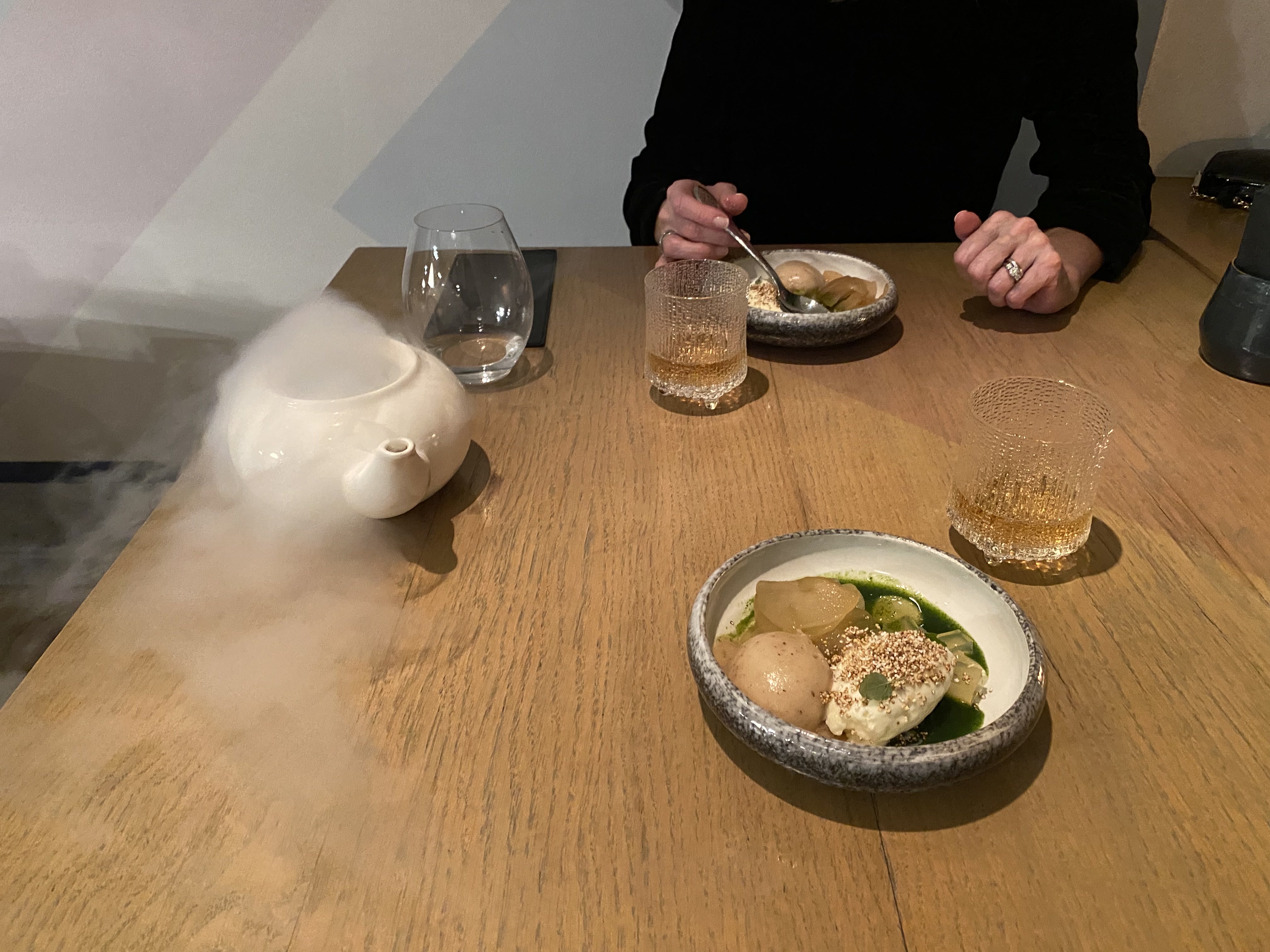
Dining highlight during our stay at the Chef’s Table of 180 Degrees Restaurant, which lasted 4.5 hours. This was about an hour and a half longer than it needed to be.

Due to Tallinn’s latitude, the sun set at 3:20 during our stay, resulting in lots of surreal, perpetual twilight afternoons in town:

After 3 days in Tallinn, we headed a little south, to Riga, Latvia – country # 70 for WolfeStreetTravel:

23 degree weather on Christmas Eve!

Riga’s Christmas Market was actually better than Tallinn’s.

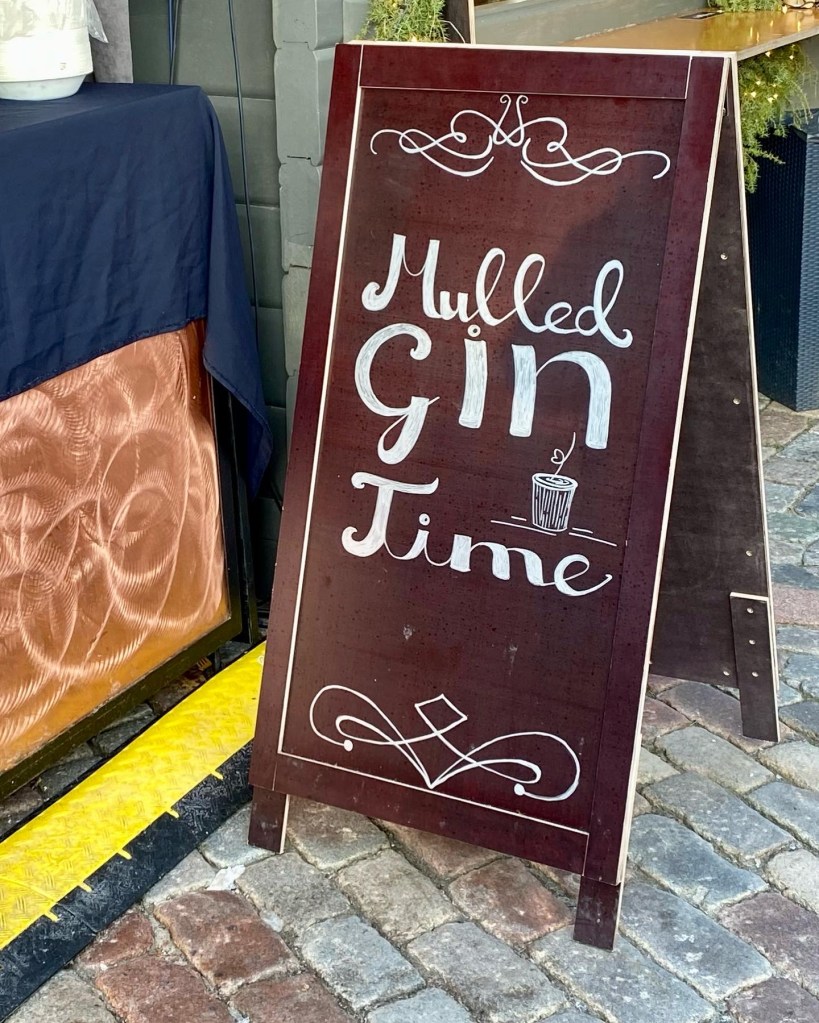
And boasted multiple stalls across the market hawking mulled gin, which was a new one to us. It was fine, but we prefer traditional gluhwein (they had that too).

Riga still maintained some of their town’s fortifications, as well.

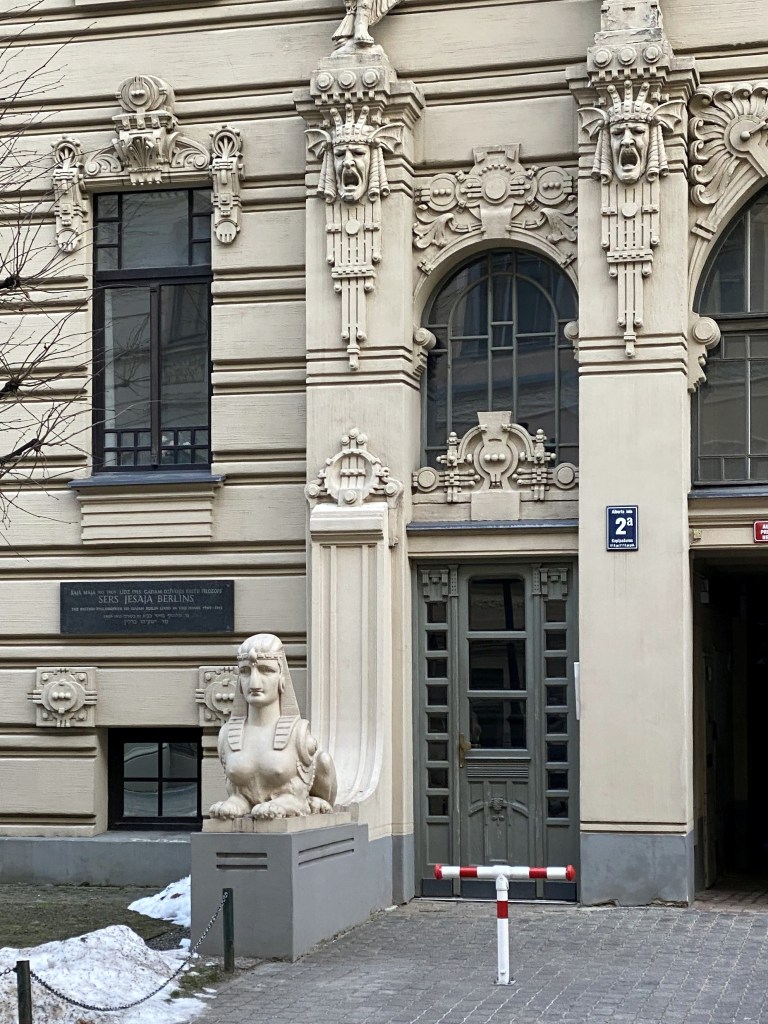
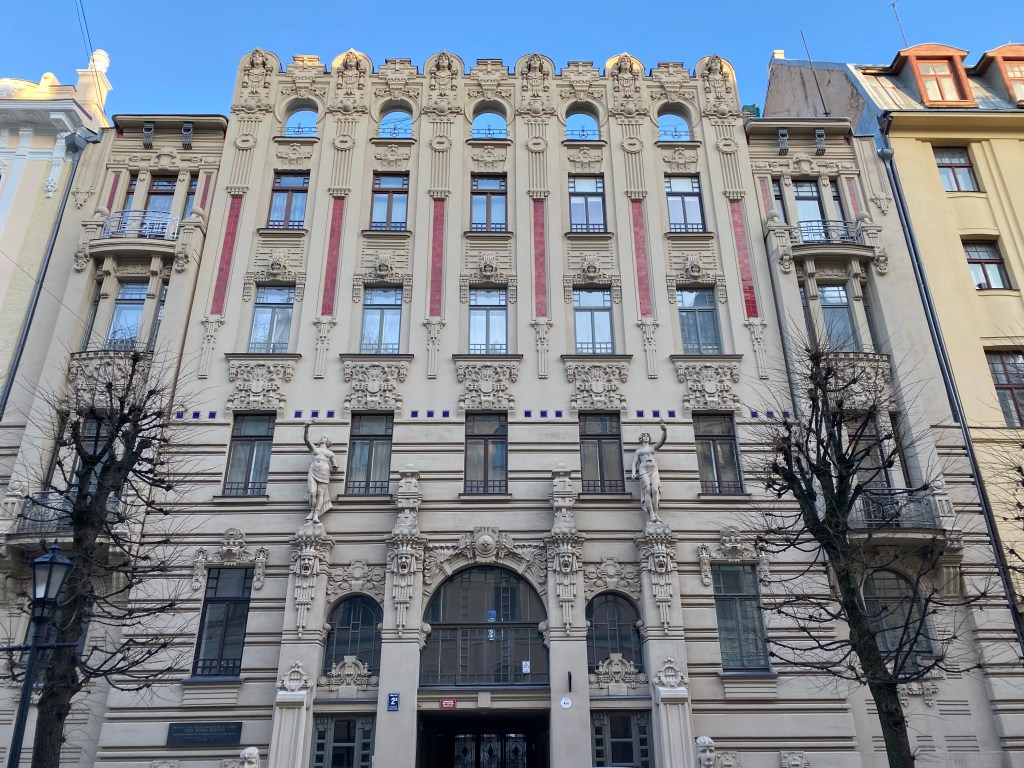
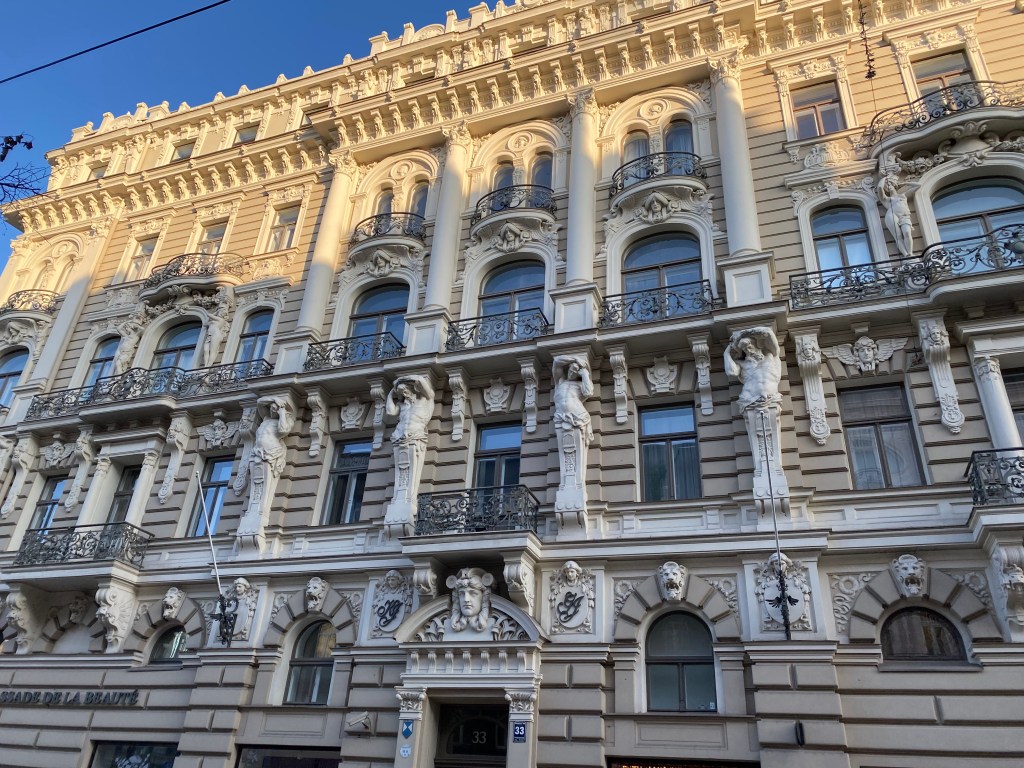
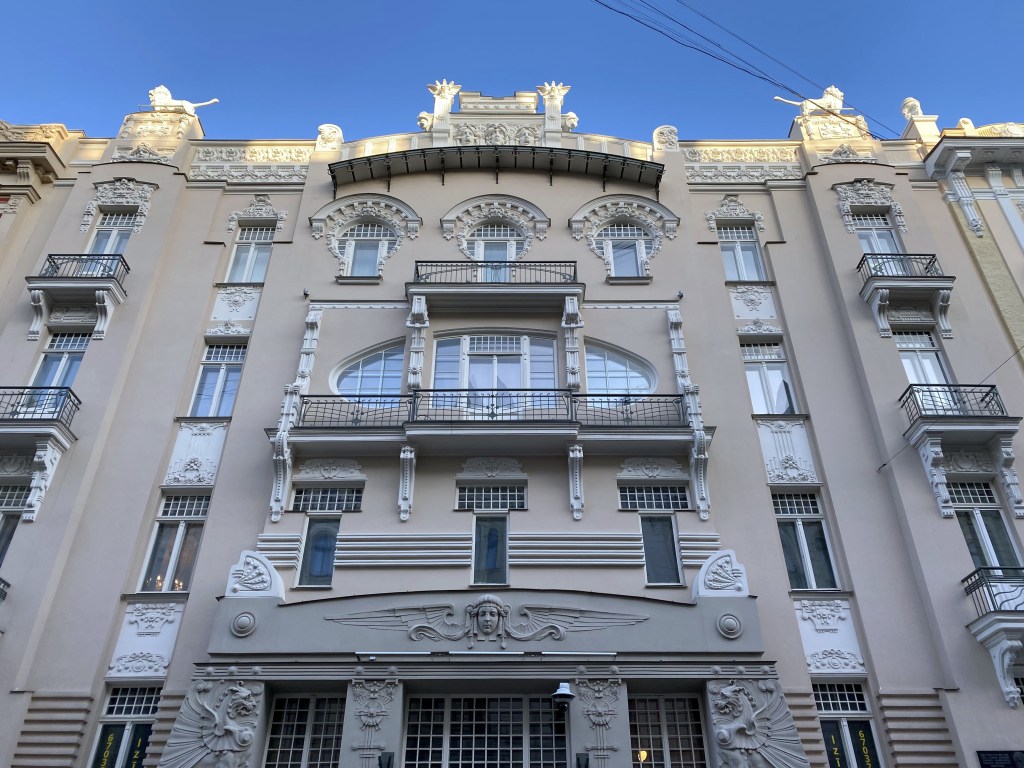
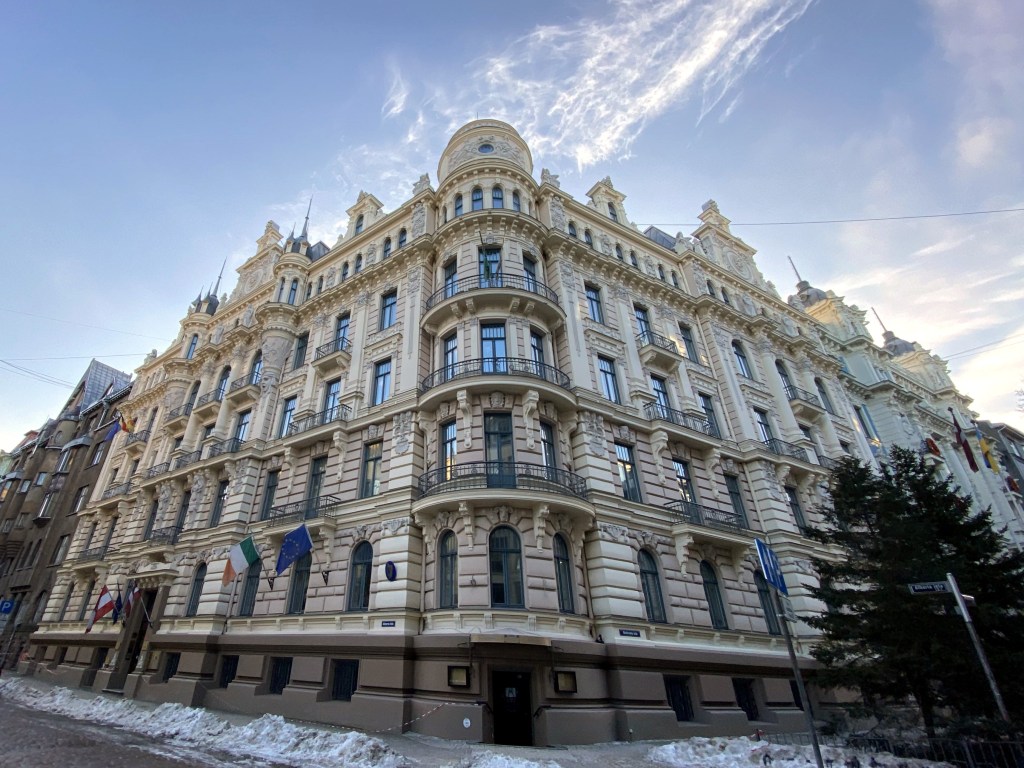
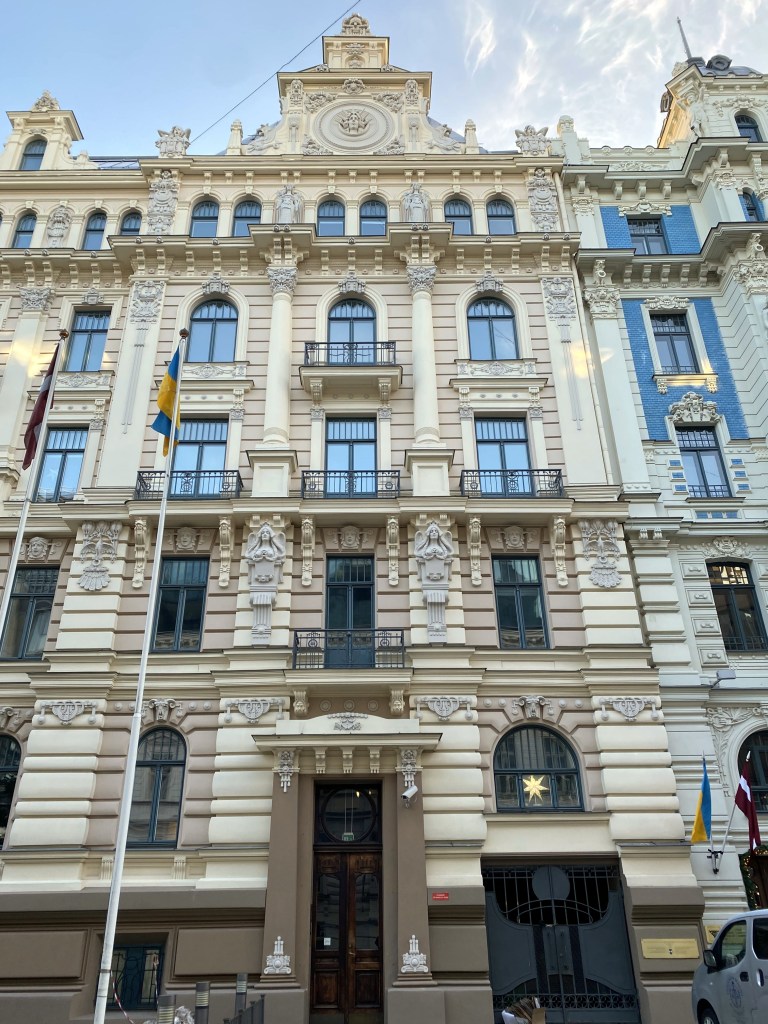
And was also home to Europe’s greatest concentration of Art Nouveau architecture, since Riga’s prosperity peaked at the same time as this arts and architecture movement at the turn of the century, and Riga wasn’t bombed into oblivion during WW II, preserving the buildings in this district.

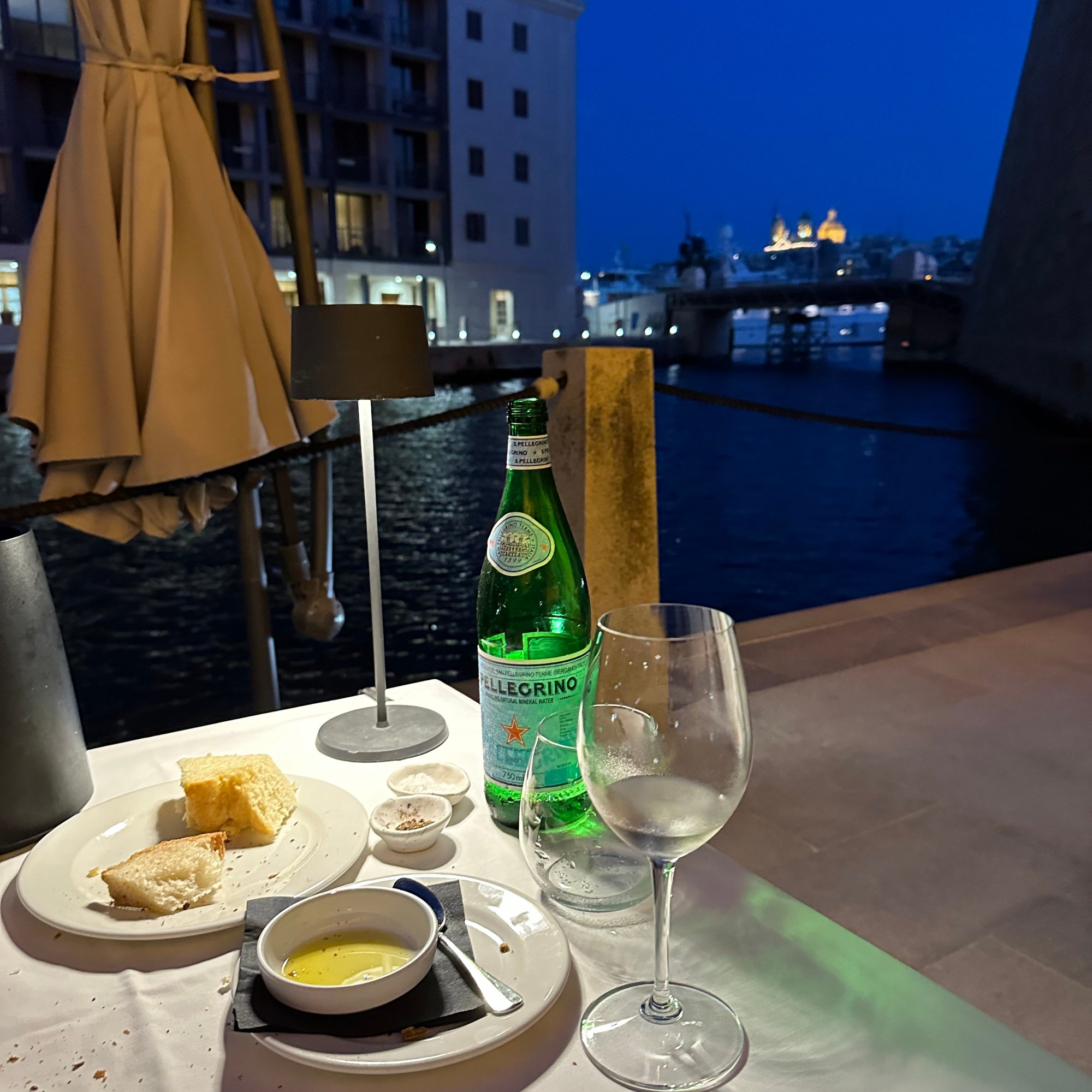
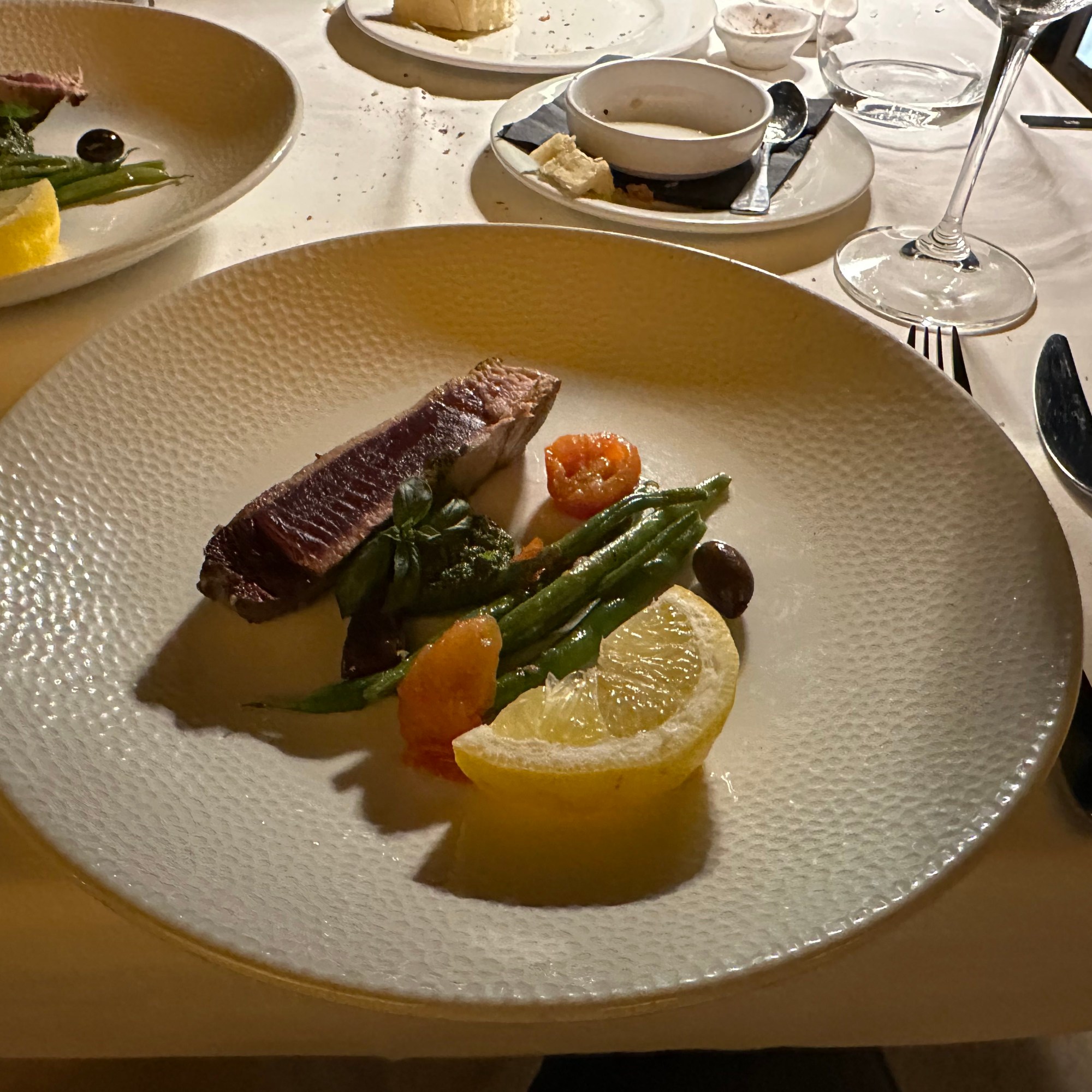
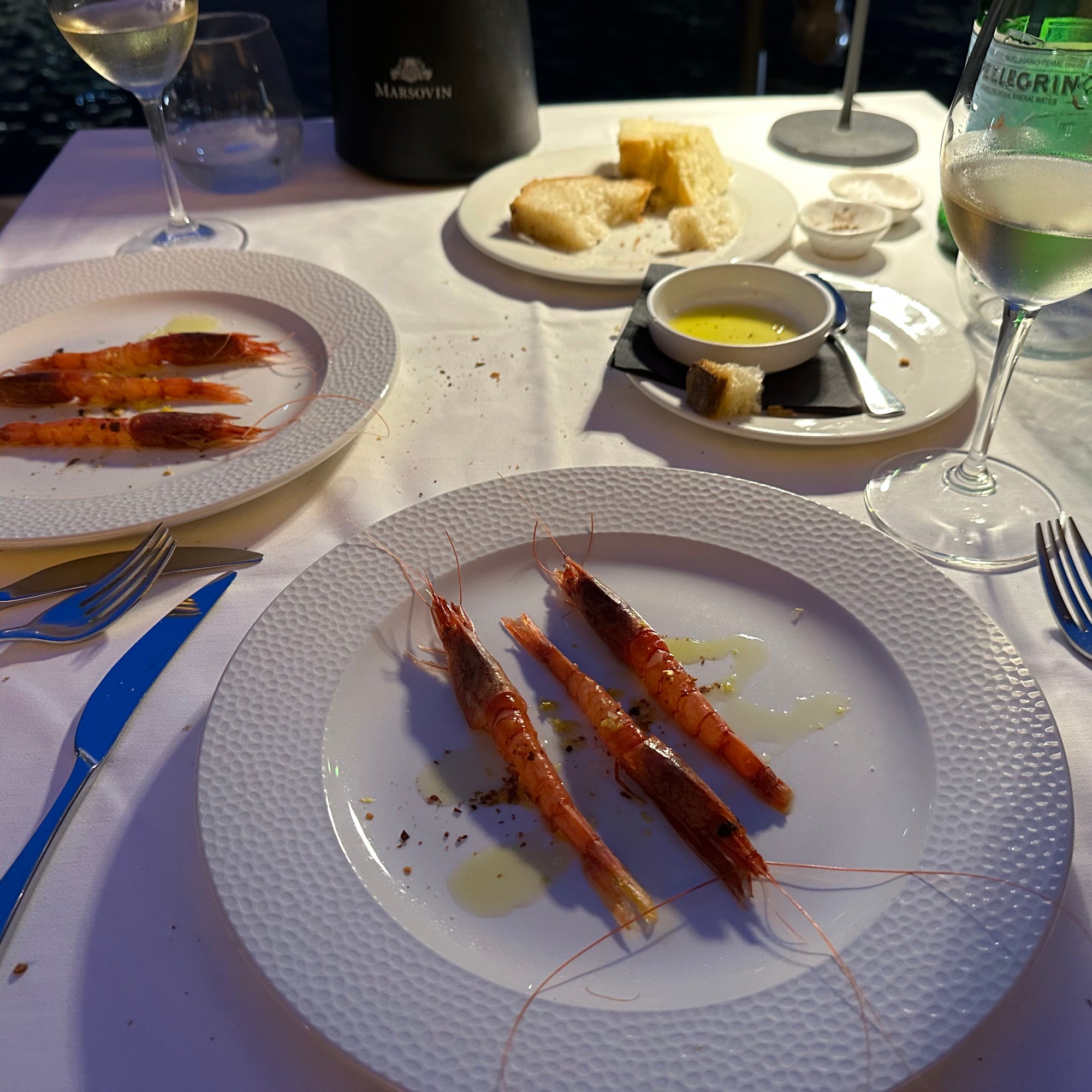
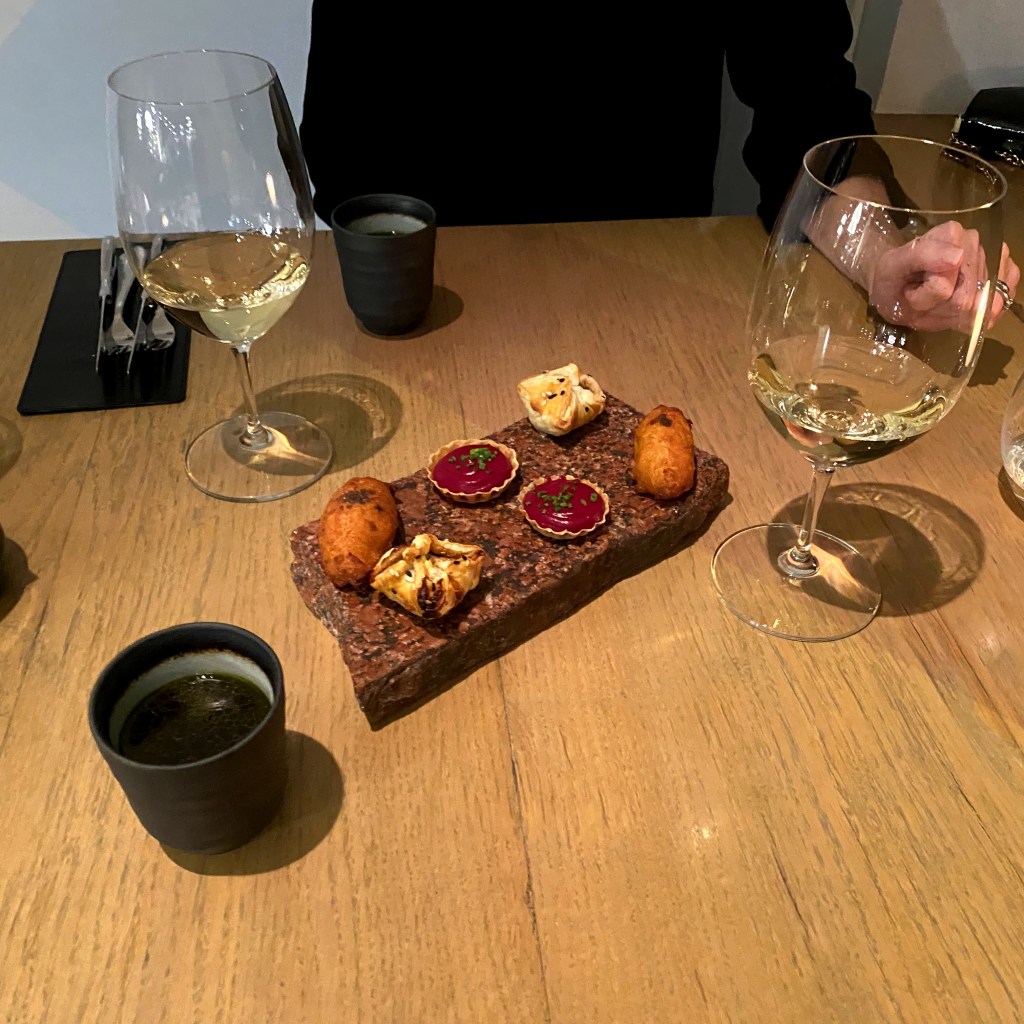
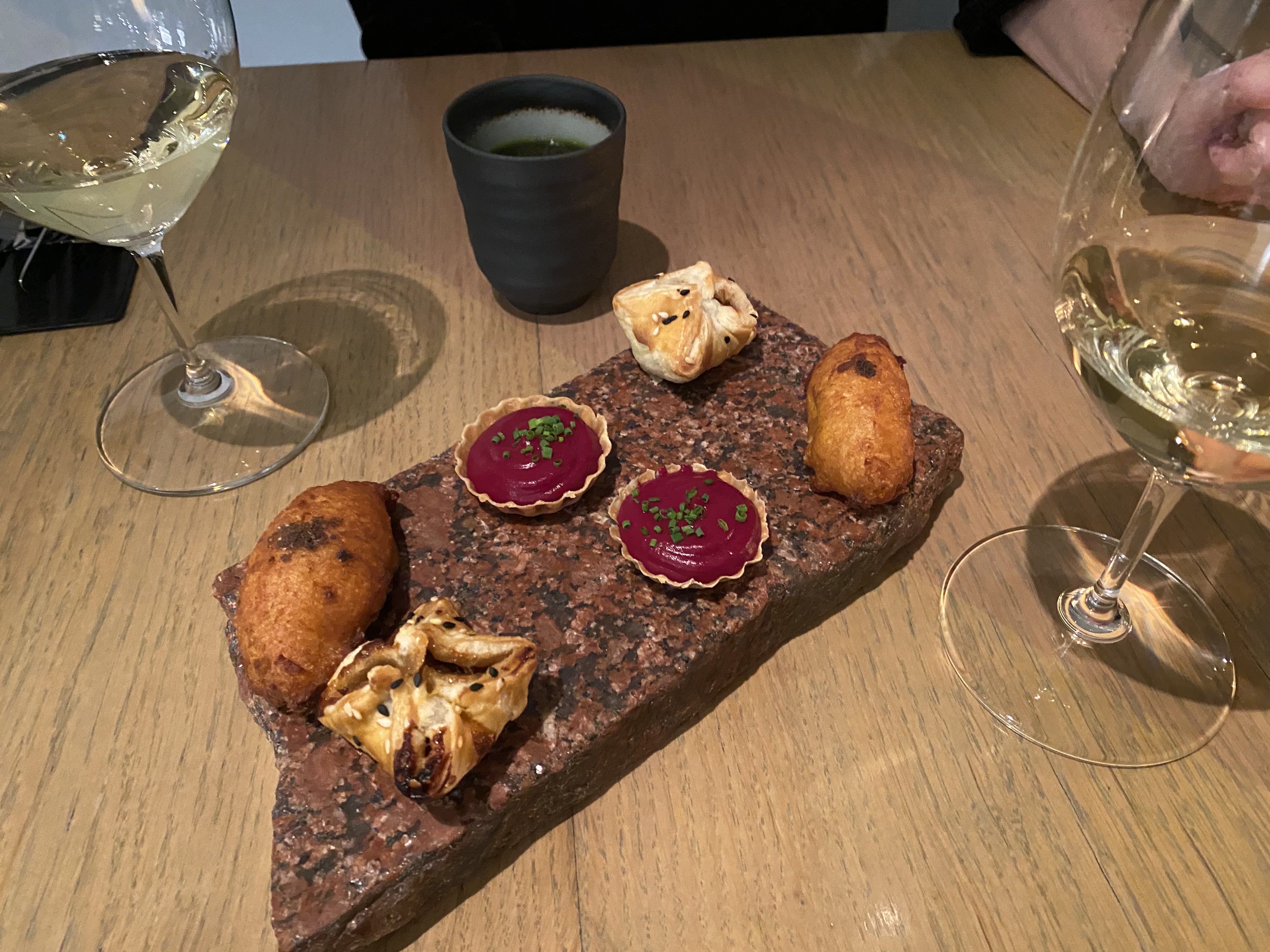
Christmas night dinner at 3 pavāru restorāns in Riga, which bested the much fancier 180 Degrees a few days earlier in Tallinn.

After Christmas in Riga, we headed back to the Netherlands, this time to Amsterdam, which we had visited in 2015 at the end of our bike trip through Holland.

Very nice Christmas trip, overall. We’ll post more on each of these locations after we get through a lot of backlog from three previous trips.

Categories: Estonia, Europe, Latvia, Netherlands | Tags: , , , , , , , , , , , , , | 2 Comments

Protected: Christmas 2022 – Baltics and Back to the Netherlands: Haarlem

This content is password-protected. To view it, please enter the password below.

Categories: Europe, Netherlands | Tags: , , , , | Enter your password to view comments.

Christmas 2022 – Baltics and Back to the Netherlands: Tallinn

After a couple of days in Haarlem, we headed to the first of our actual Baltic destinations: Estonia and its capital city of Tallinn. We were hoping for snow, and we got some! (Initially, anyway.)

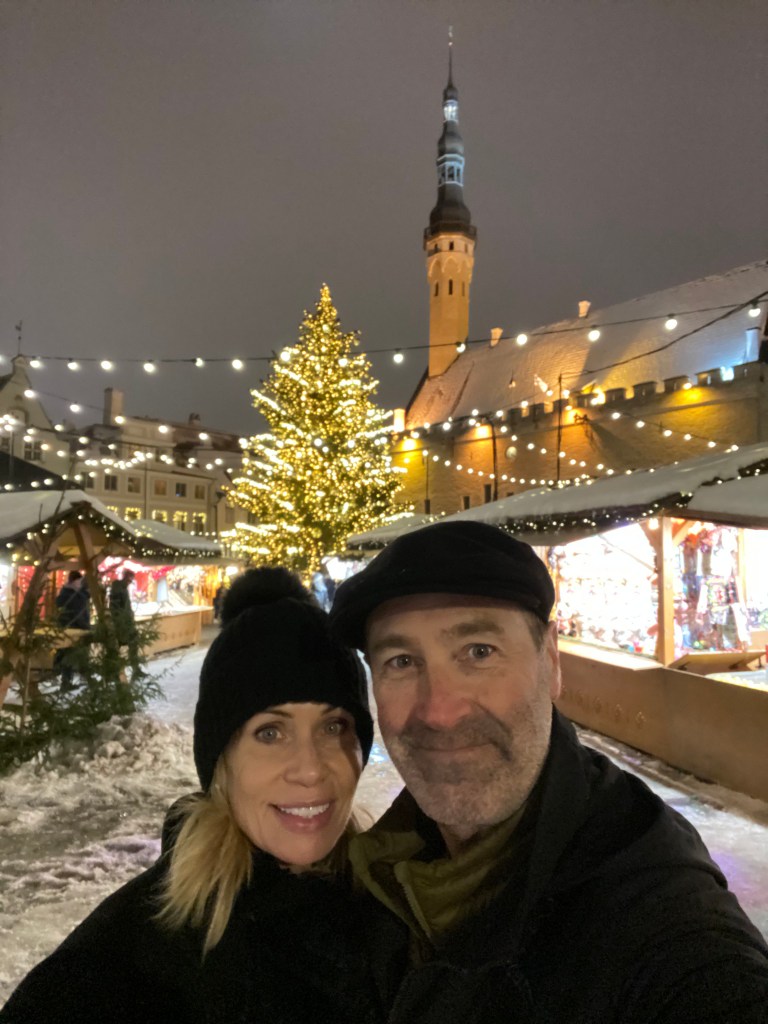
Tallinn’s main square and Christmas Market on our first evening – perfect!

But the next day (and throughout our stay), the snow on many of the streets and squares turned a little slushy.

Definitely more of a winter, Christmas atmosphere than Alexandria, but still. . .

Tallin’s settlement dates back thousands of years but the first fortress appeared around 1050 AD, demonstrating the importance of the town to the north Estonia region.

As a trading town on the Baltic coast, the town (then known as Reval) became a member of the Hanseatic League in 1285. We previously visited the Hanseatic towns of Lübeck and Hamburg in Germany and Bergen, Norway. (Riga, Latvia, another Hanseatic town, would be our next stop on this trip. Apparently, Berlin, Cologne, and Krakow also were Hanseatic towns due to the river system, but we have decided to ignore this because they’re not on the Baltic coast.)

Snow still covered some streets – very cool medieval town.

Tallinn Old Town is one of the best-preserved medieval cities in Europe and is listed as a UNESCO World Heritage Site.

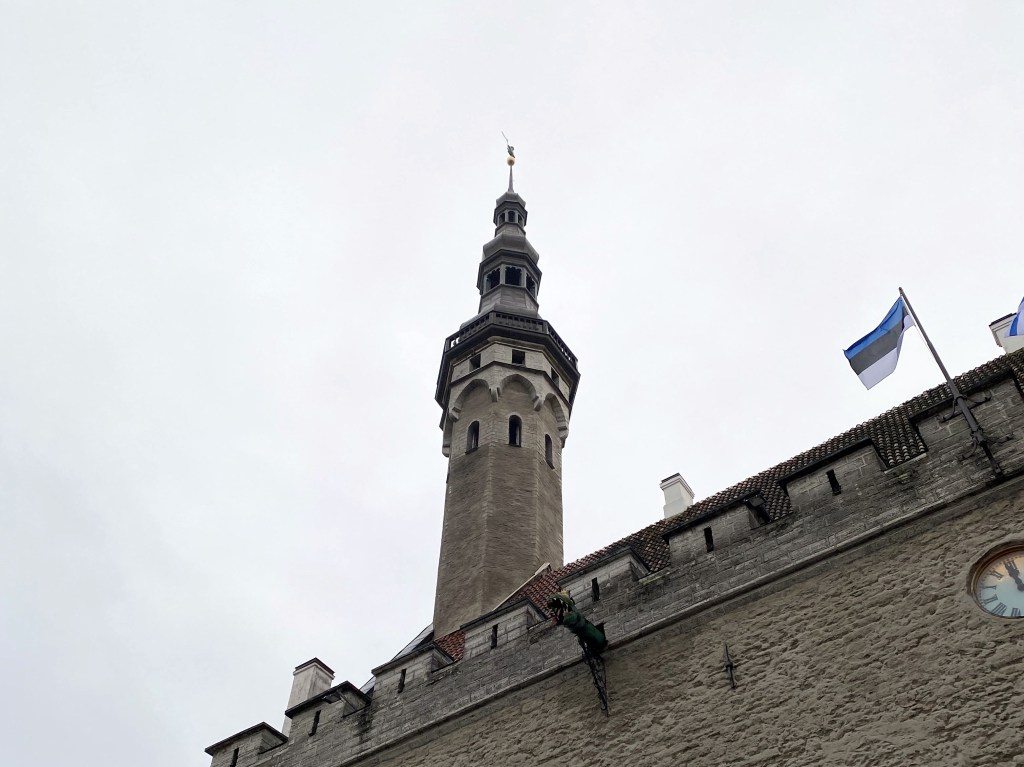
The spire of Tallinn’s Town Hall:

The town hall was first mentioned in 1322,

but the structure actually dates back to the 1200s.

It’s the oldest surviving town hall in Europe.

At the top of the spire stands Old Thomas, first placed there in 1530.

The figure memorializes a peasant who became famous for winning a crossbow competition held by the Baltic German Elite.

The tower – and Old Thomas – was damaged in 1944 during a bomb attack during the war. A new Old Thomas went up with the repaired tower in 1952, but it was weathering too much, and the Estonians put another one up there in 1996. The 1952 Old Thomas hangs out in the Tallinn City Museum. Nice codpiece.

Viru Gate – one of the original eight gates in Tallinn’s city walls.

The first wall around Tallinn was ordered to be constructed by Queen Margaret of Denmark in 1265 (Denmark controlled northern Estonia from the early 13th century until 1346, when the Danish king sold it to the Teutonic Knights).

Fully taking shape during the next three centuries, Tallinn’s city wall was one of the strongest defense systems in Northern Europe at the time.

Plus, there are chunks that are still intact and walkable (that’s Tower behind Monks in the background)

Not a lot of snow, but Tallinn proved to be pretty atmospherically wintery, nonetheless:

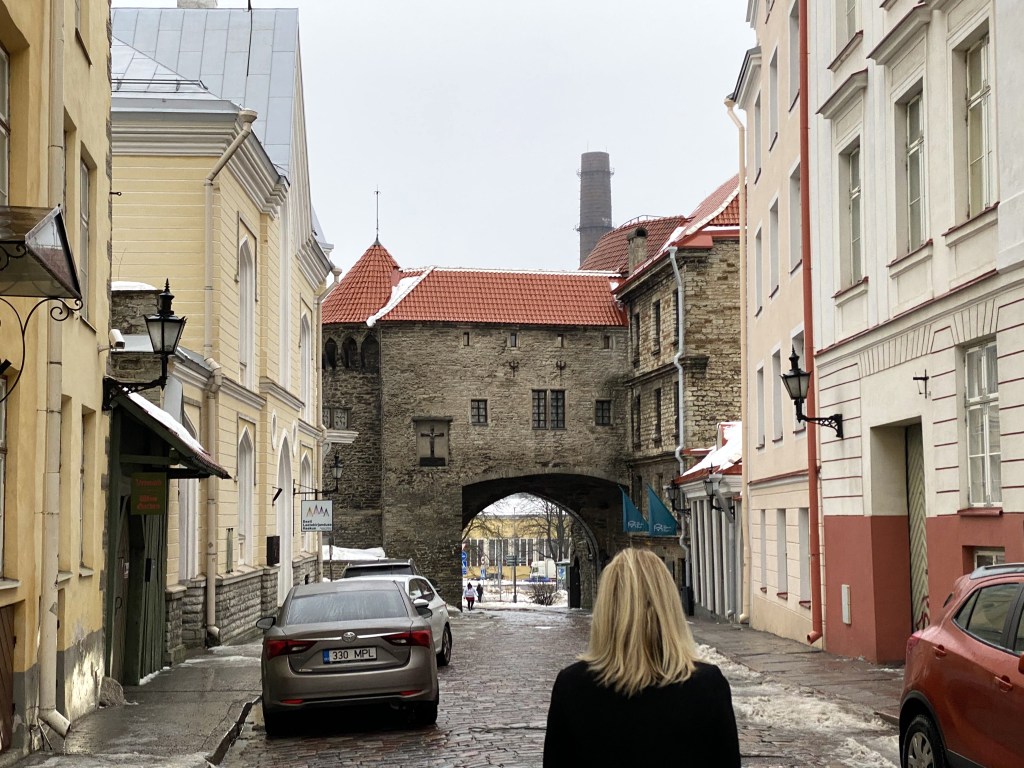
Located across town, we found Tallinn’s Great Coastal Gate, first mentioned in 1359:

The Great Coastal Gate was the most important gate when Tallinn was a Hanseatic town because it protected the main route for traffic between the port and the market square.

Above the gate stands an impressive dolomite carving bearing Tallinn’s coat of arms (from 1529):

Protecting the Great Coastal Gate? FAT MARGARET! Dating from the early 16th century, Fat Margaret not only served as a fortification against invaders of the town’s port but also a military monstrosity to impress visitors arriving by sea.

Michelin 2* dining experience at 180 Degrees:

Pretty good perch at the Chef’s Table

where we could watch all the cooking and prep work for multiple courses.

Heading up the next morning to Toompea, Tallinn’s central hill district, which is home to. . .

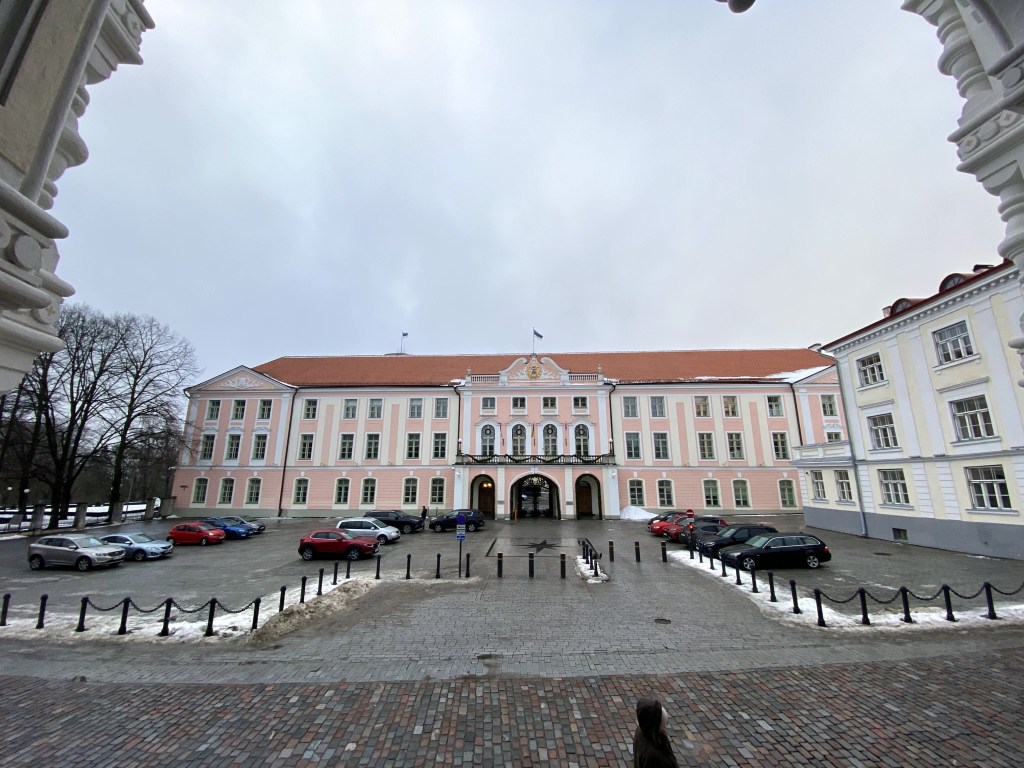
Estonia’s Parliament, the Riigikogu:

And also the Orthodox Alexander Nevsky Cathedral, built in the late 19th century:

Crests for local noble families along one wall:

Because the church was built when Estonia was part of the former Russian Empire, and because it represents Russian Orthodoxy, and because the Estonians are outraged by Russia’s aggression against Ukraine, there’s a movement in Tallinn to raze it and replace it with a park.

Back through the walls:

To yet another stretch of Tallinn’s extant city wall. Here, we have Kiek in de Kok (“Peek into the Kitchen”) on the left, an artillery tower so named because the garrison could see into the kitchens of the nearby houses; and Maiden’s Tower on the right.

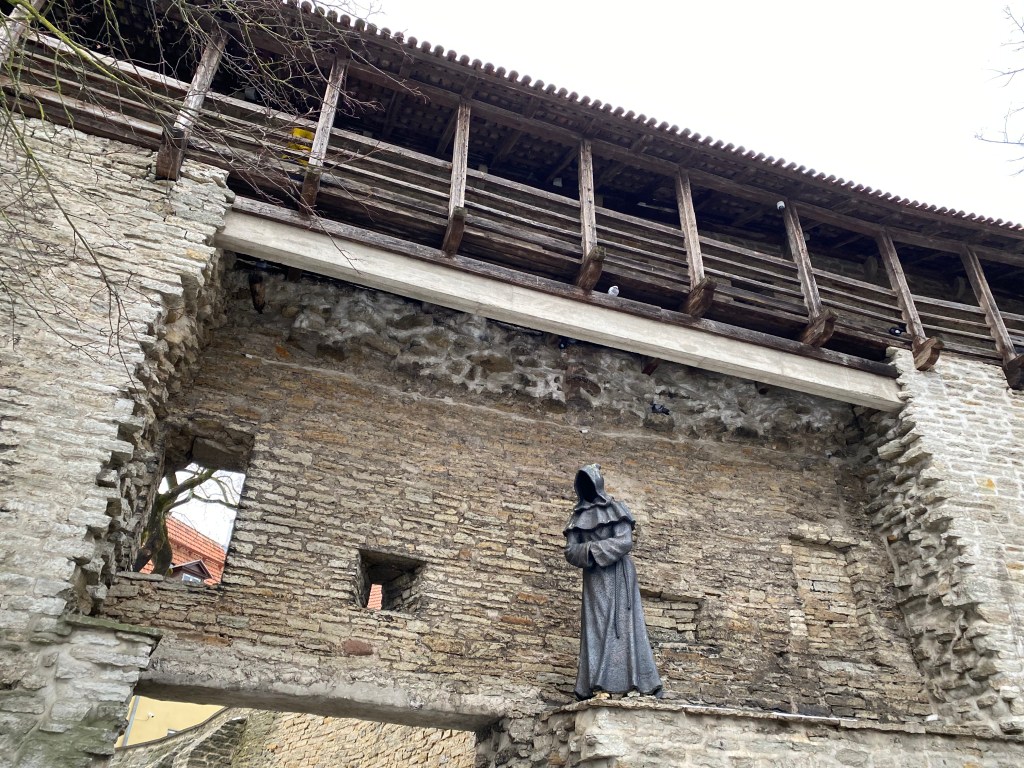
And a creepy, faceless monk statue perched on one segment of the wall. This is one of three faceless monks in this area; this one is “Observing Monk.”

More city wall-and-towers action:

Loewenschede Tower:

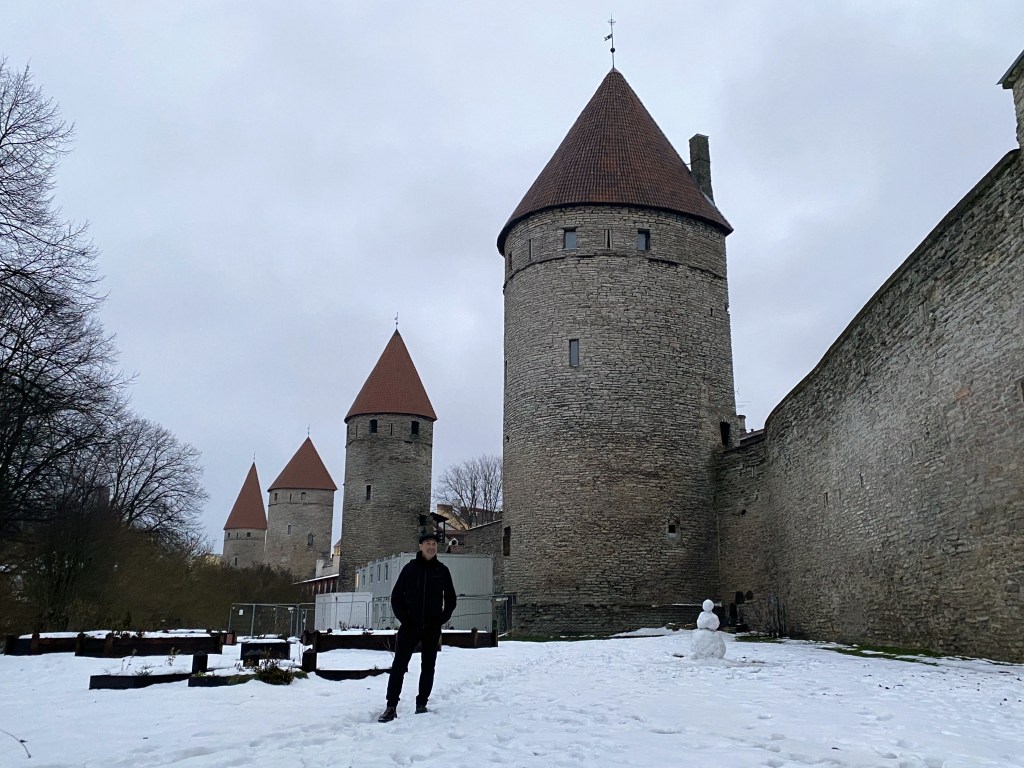
Enough with the tower names; here’s a buttload of towers. Definitely a cool, preserved medieval town.

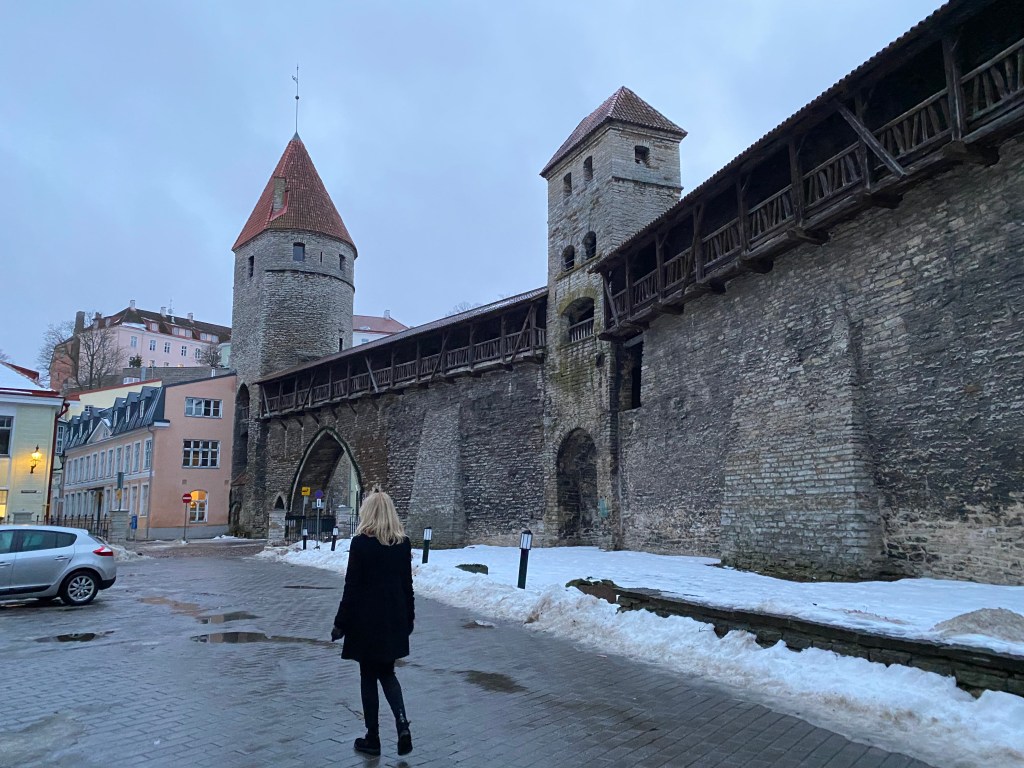
Heading to dinner one night; one cannot escape the walls, man.

Rataskaevu Street, where the novels featuring Melchior, the 15th-century Tallinn apothecary / amateur sleuth are set (or at least where his apothecary is located). The first book – pretty good! The second – should have been tossed down that well.

Featured in the Apothecary Melchior novels are Tallinn’s medieval guilds. The Great Guild hall, dating from the very early 15th century is right off the main square. It was used as the headquarters of various merchant and artisan guilds until as recent as 1920.

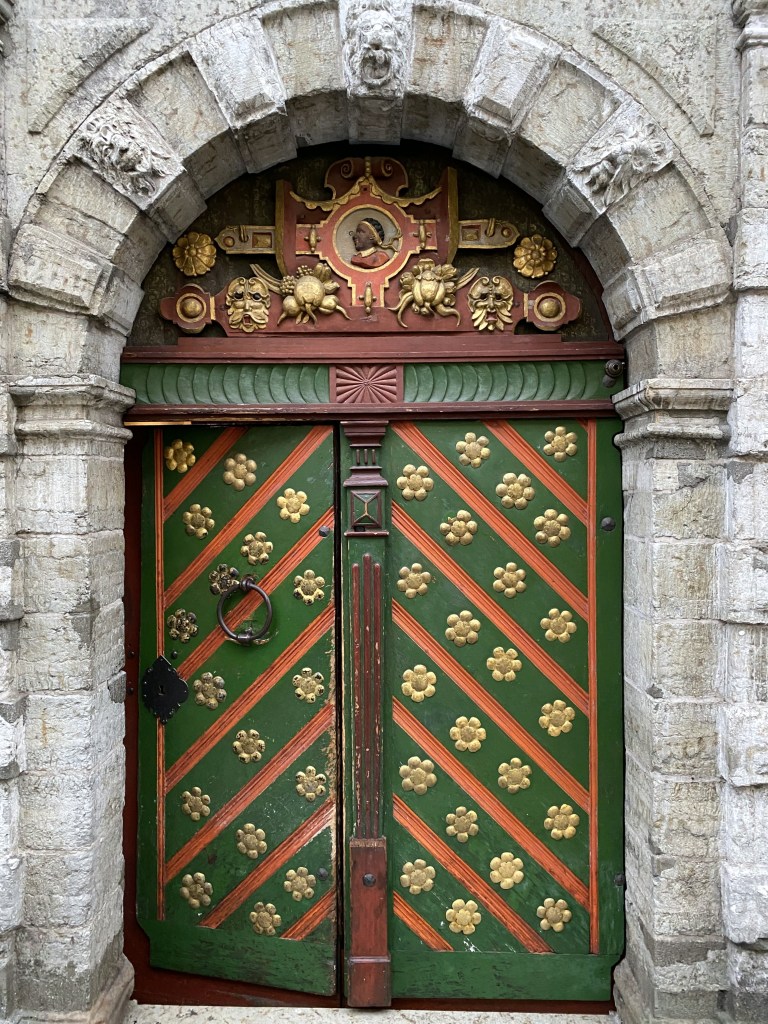
Aaand, the House of the Brotherhood of Black Heads. Also featured in the Melchior novels.

Described as a social club for single merchants and other tradesmen in the Melchior books, it “was a professional association of ship owners, merchants, and foreigners dating from the 14th century.“

“The House of the Blackheads was visited by several Russian Emperors including Peter I, Paul I and Alexander I who also became honorable members the Brotherhood.“

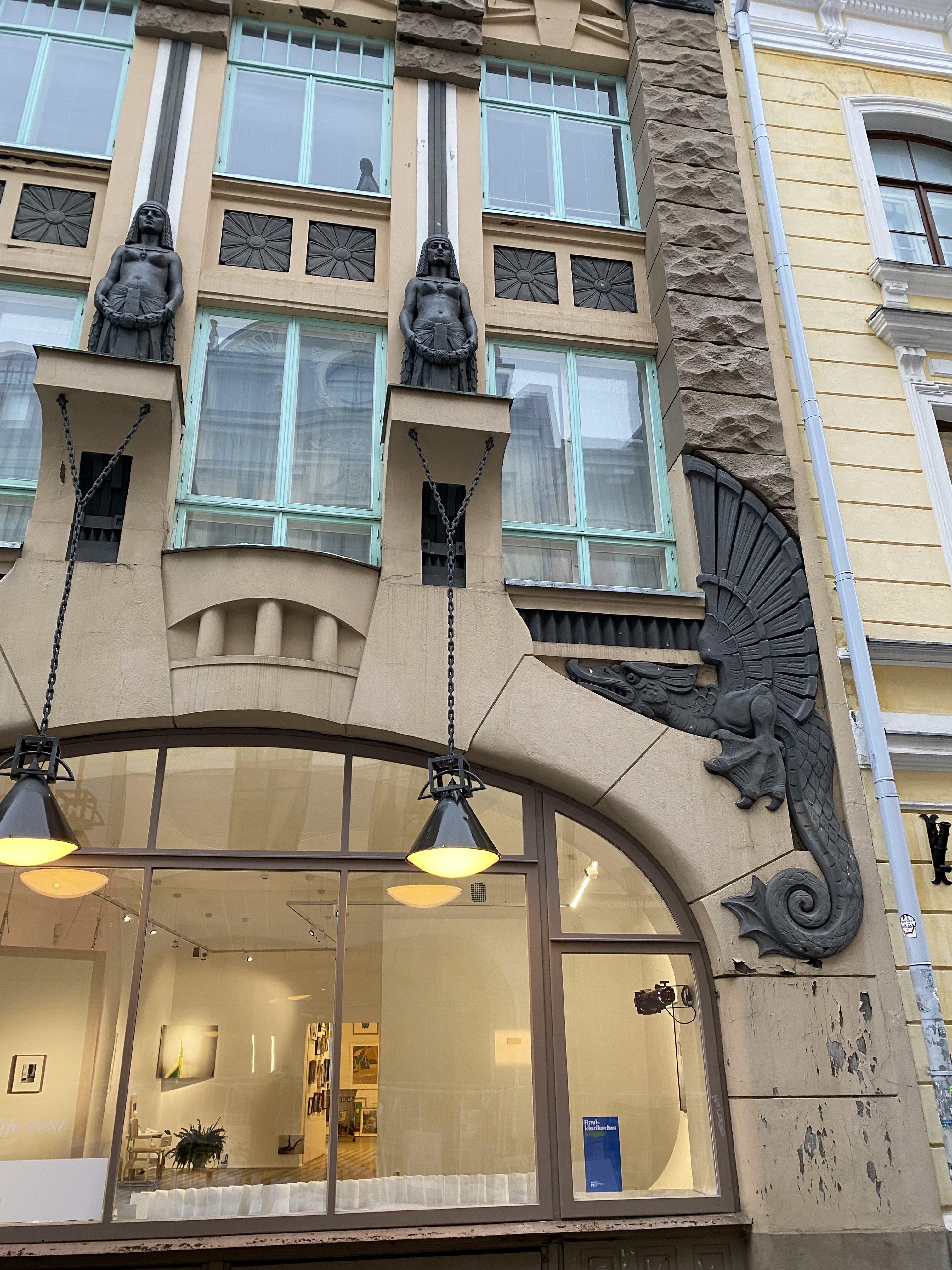
Just some Art Nouveau architecture down the street, which was pretty cool. (But NOTHING like we’d see later in Riga.)

Toompea at night.

Tallinn’s Victory Column on Freedom Square, commemorating the Estonian War of Independence at the end of WW I.

More winter scenes from Toompea’s stretch of wall.

Next stop: Riga!

Categories: Estonia, Europe | Tags: , , , | Leave a comment

Christmas 2022 – Baltics and Back to the Netherlands: Riga

From Tallinn, Estonia, we headed slightly south to the capital of Latvia: Riga.

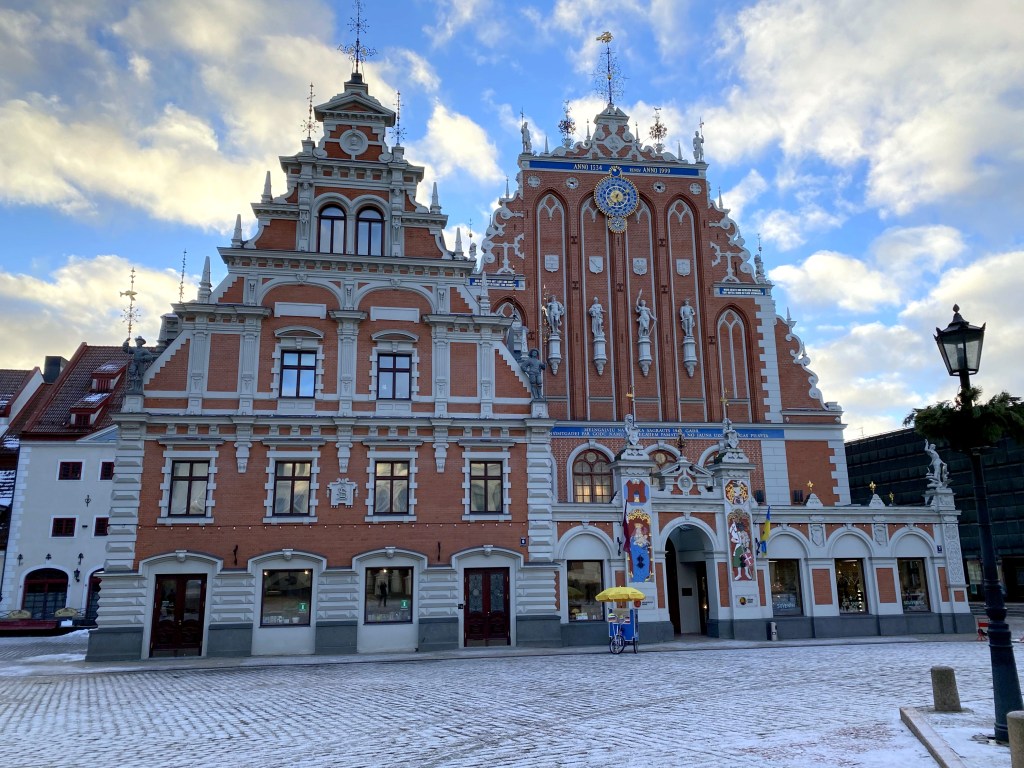
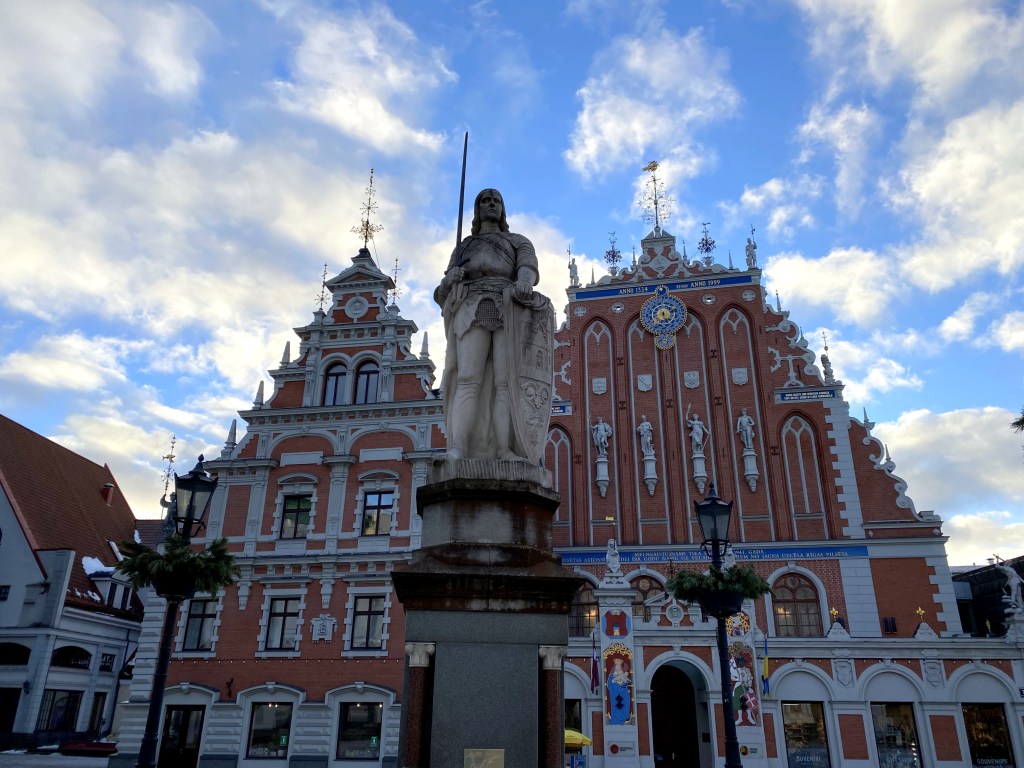
Although not a walled, medieval, historically preserved town like Tallinn, Riga nonetheless offered its own flavor of charm and architectural notability. Case in point, Riga’s own House of the Blackheads. As with Tallinn’s House of the Blackheads, Riga’s building housed the Brotherhood of Blackheads, a guild for unmarried merchants, shipowners, and foreigners in Riga.

Unlike Tallinn’s modest townhouse (albeit with a very cool door and lunette), Riga’s House of the Blackheads is huge and ornate. The original building erected in 1334 was the largest public building in Riga at the time.

Unfortunately that building, updated over the centuries, was bombed out of existence in 1941 during a battle between Germany and the Soviets. The Soviet government razed what was left in 1948, but it was rebuilt in the late 1990s based on extensive archeological studies.

Right around the corner from the Blackheads lies Riga’s capitol building. Very unassuming, we thought.
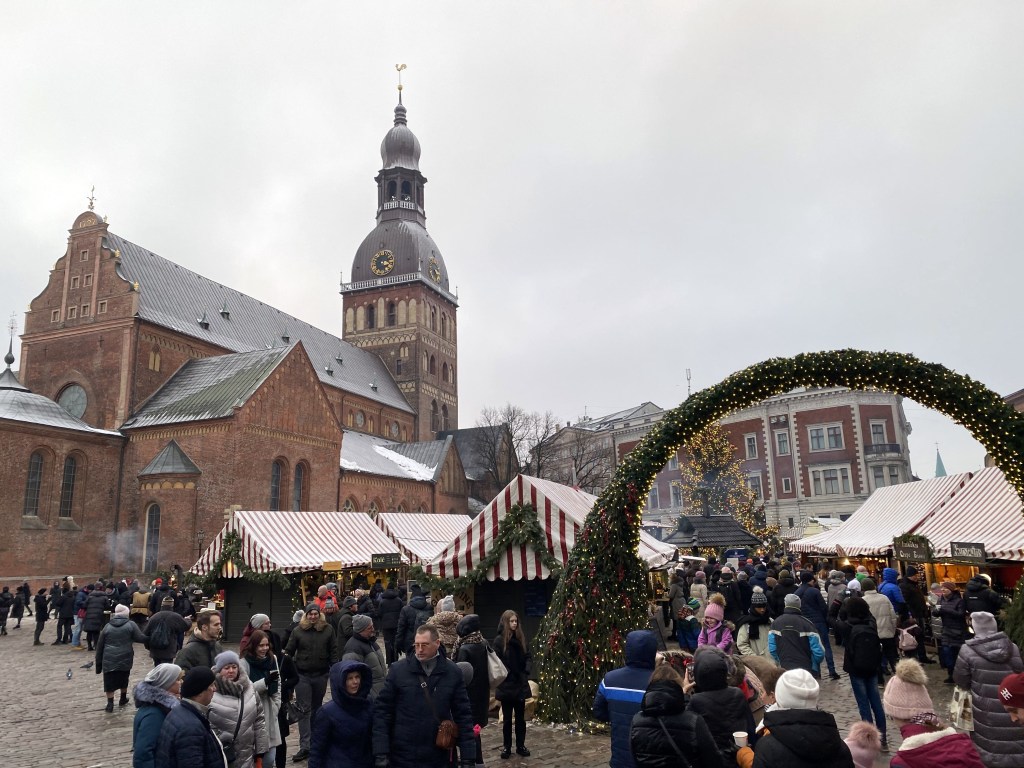
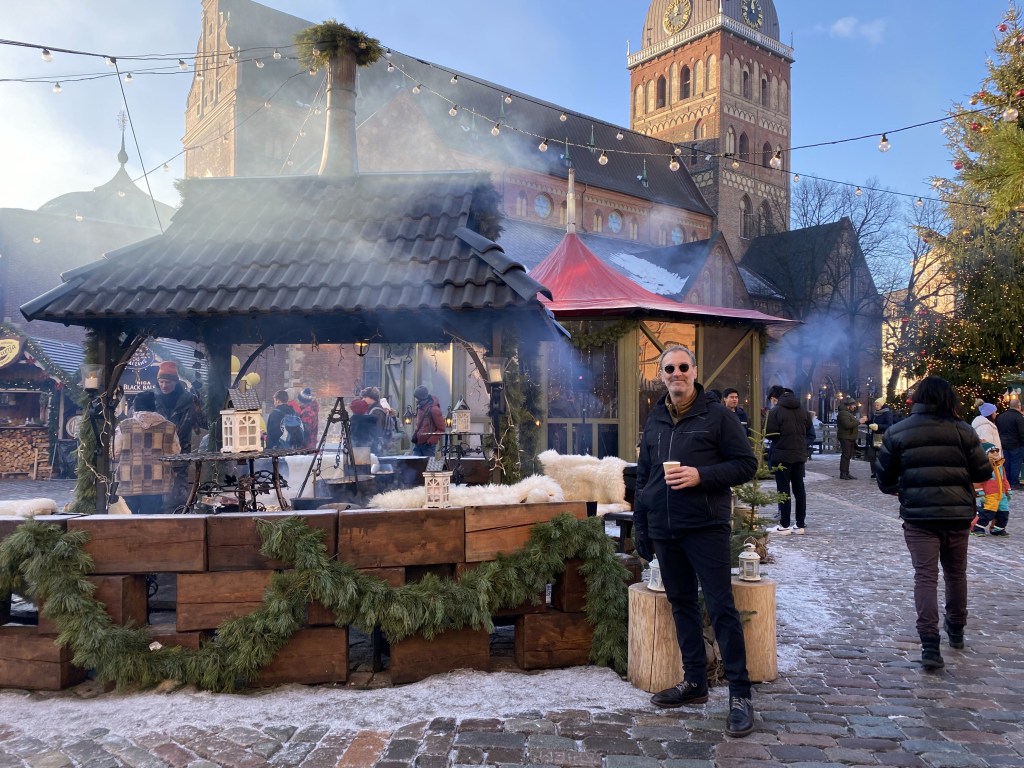
Riga’s Christmas market in the shadow of the Dome Cathedral was pretty great.

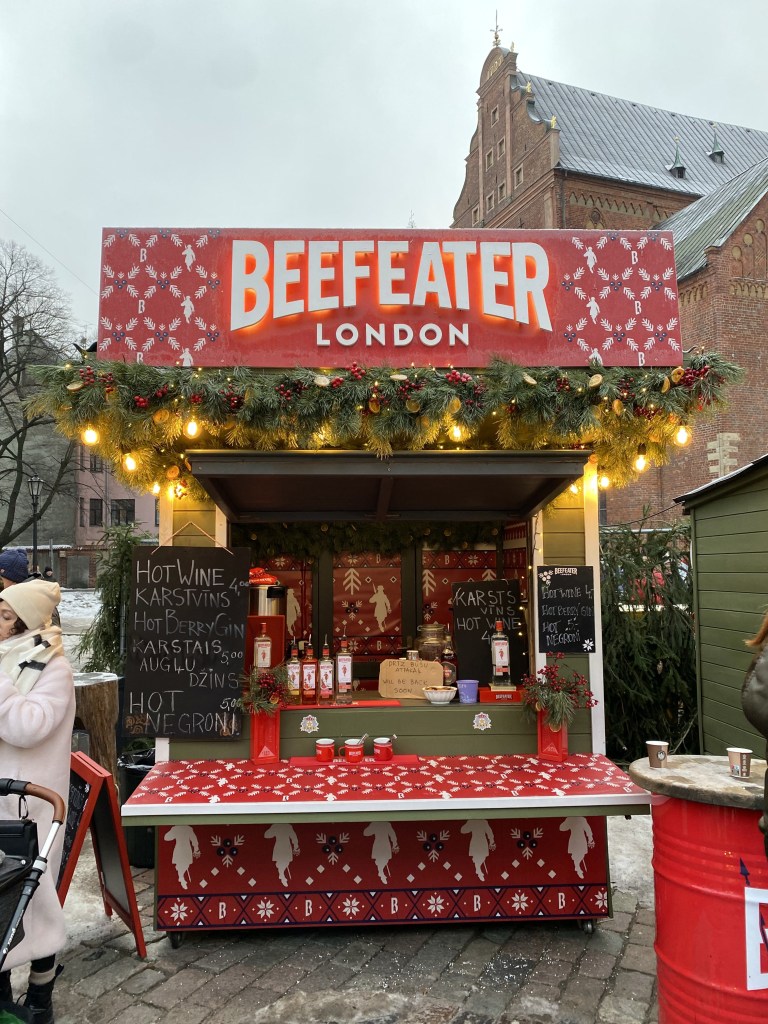
But some stalls were actually branded, which we’d never seen before, and gave areas of the Christmas market a commercial taint that we didn’t welcome:

Nonetheless, the overt booziness of the place was pretty cool – not just glühwein, but all sorts of booze, including – weirdly for both time and place – gin stalls.

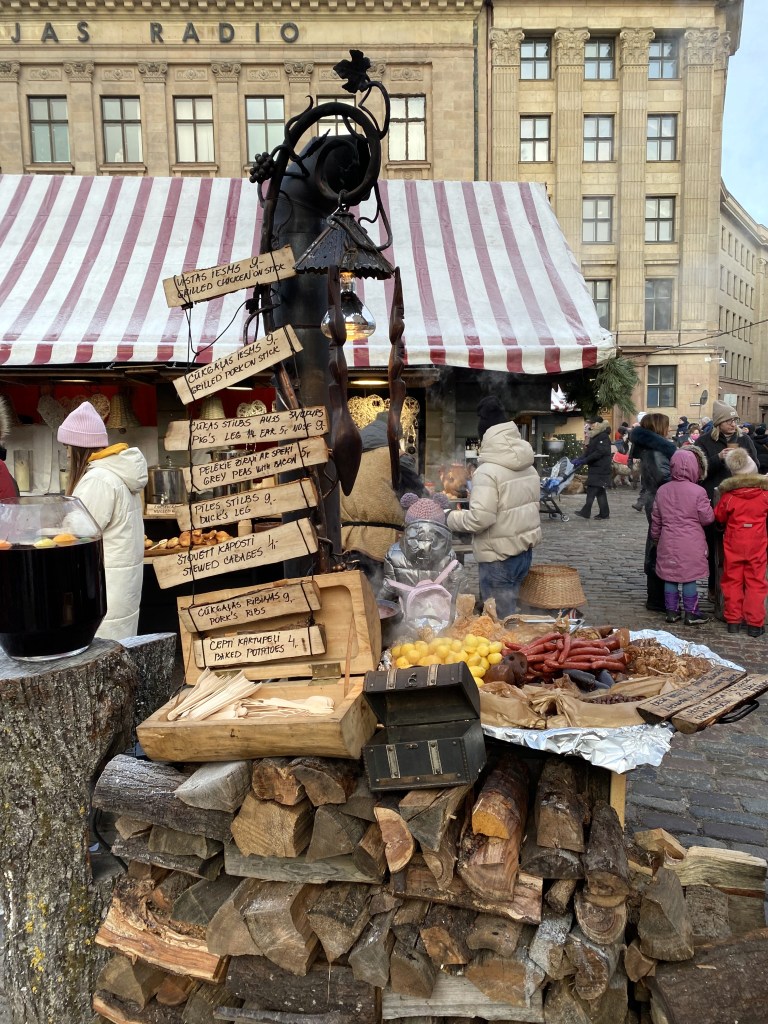
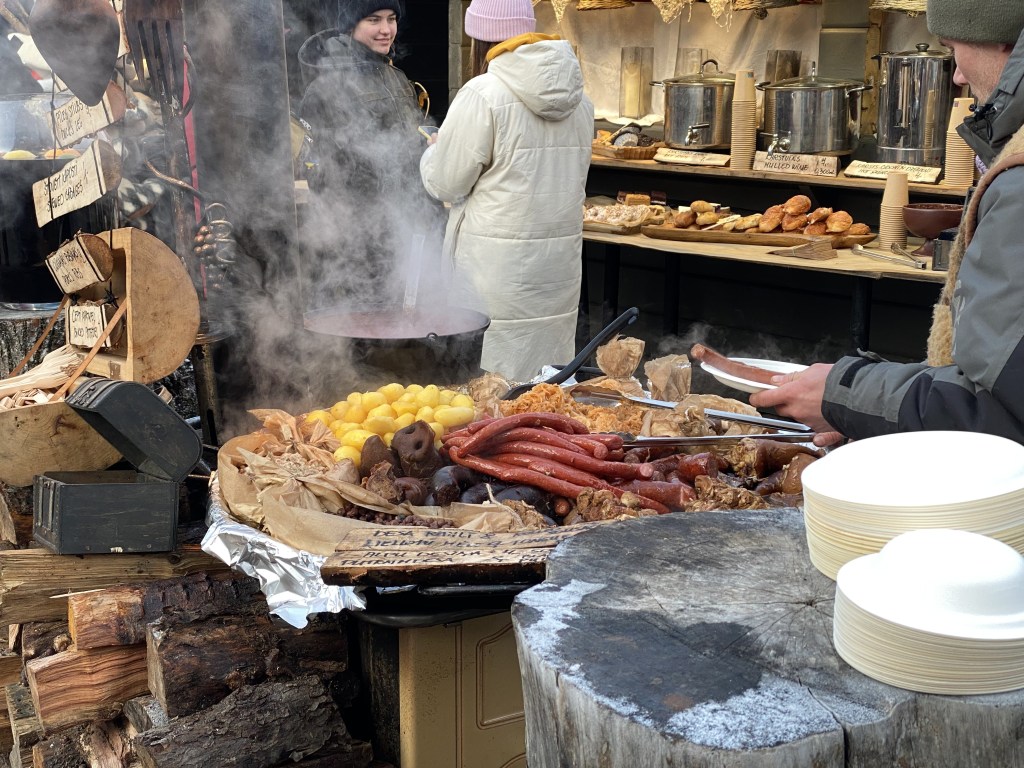
Lots of food. . .

which had a distinct eastern Europe flair – check out the pig snout:

Or maybe it’s an entire pig submerged down there? Who knows.

Pigs a poppin’ in this place:

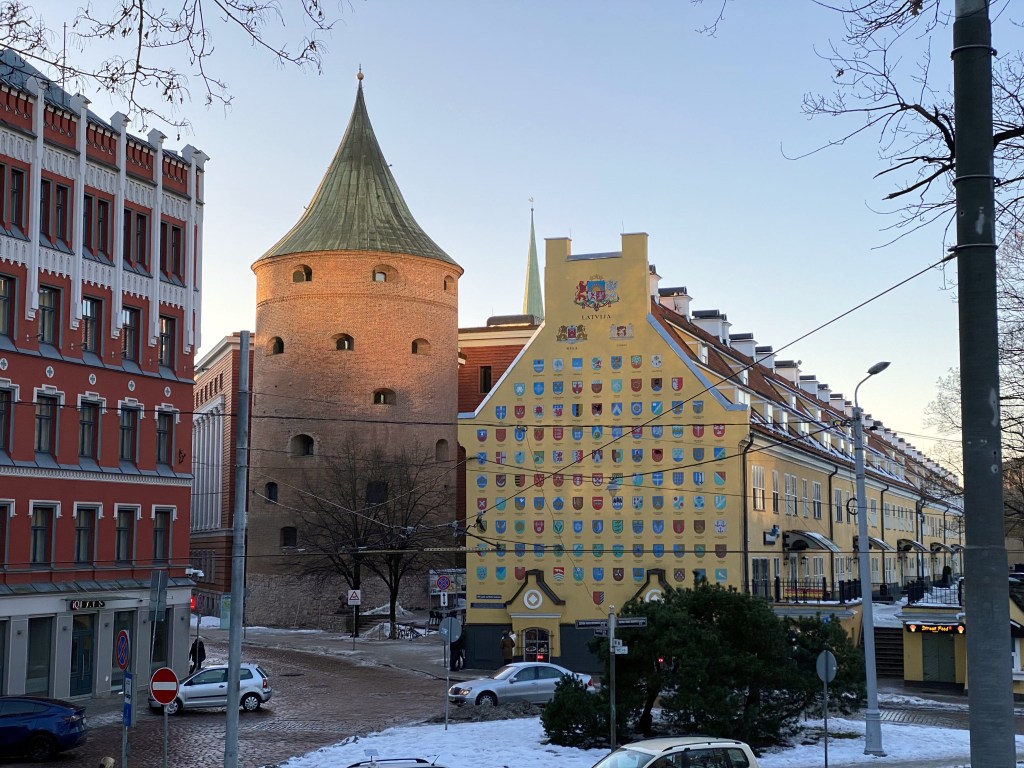
Riga’s Powder Tower, originally built in 1330 as part of the defensive wall system, that one was destroyed during an attack by the Swedes on the Polish-Lithuanian Commonwealth in 1621. (Livonia [which encompasses parts of multiple modern Baltic nations including Latvia] was a fiefdom at the time).

The current iteration dates from 1650.

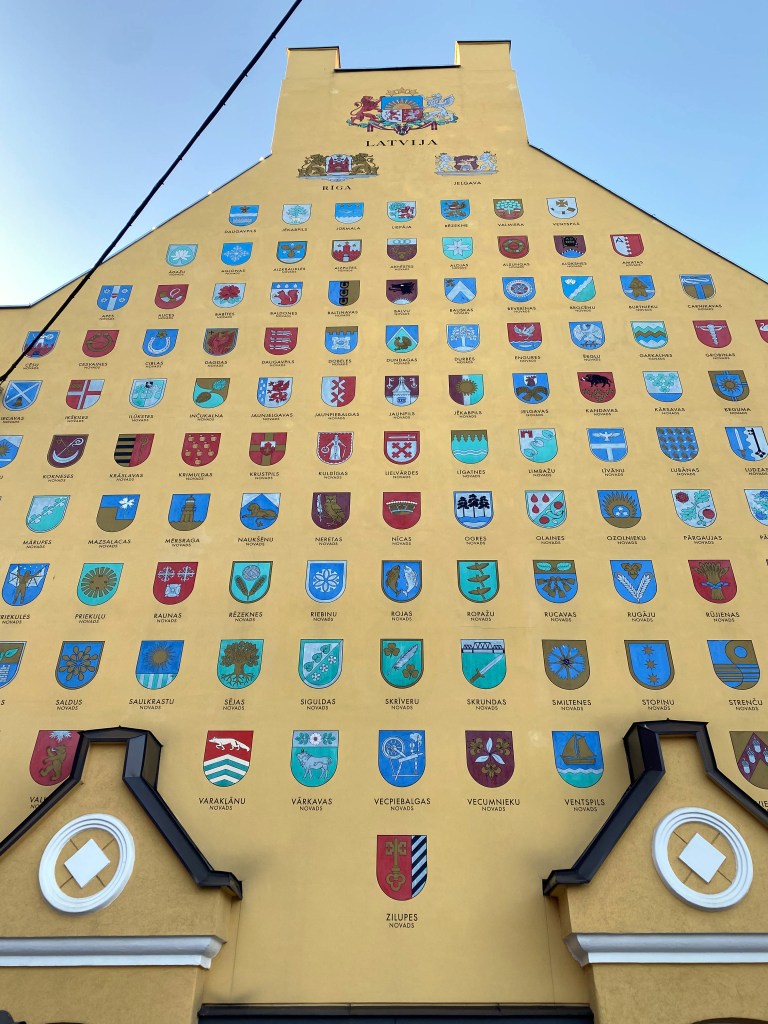
Next door lies Jacob’s Barracks, built in the 18th century to house the garrison, the structure continued to be used until 1997 by various militaries as the area’s geopolitics evolved over time. The length of the barracks are now home to bars and restaurants, but the end, with its depiction of the coats of arms of Latvian towns and municipalities, was the most intriguing to us.

Portions of the old city wall running along the barracks:

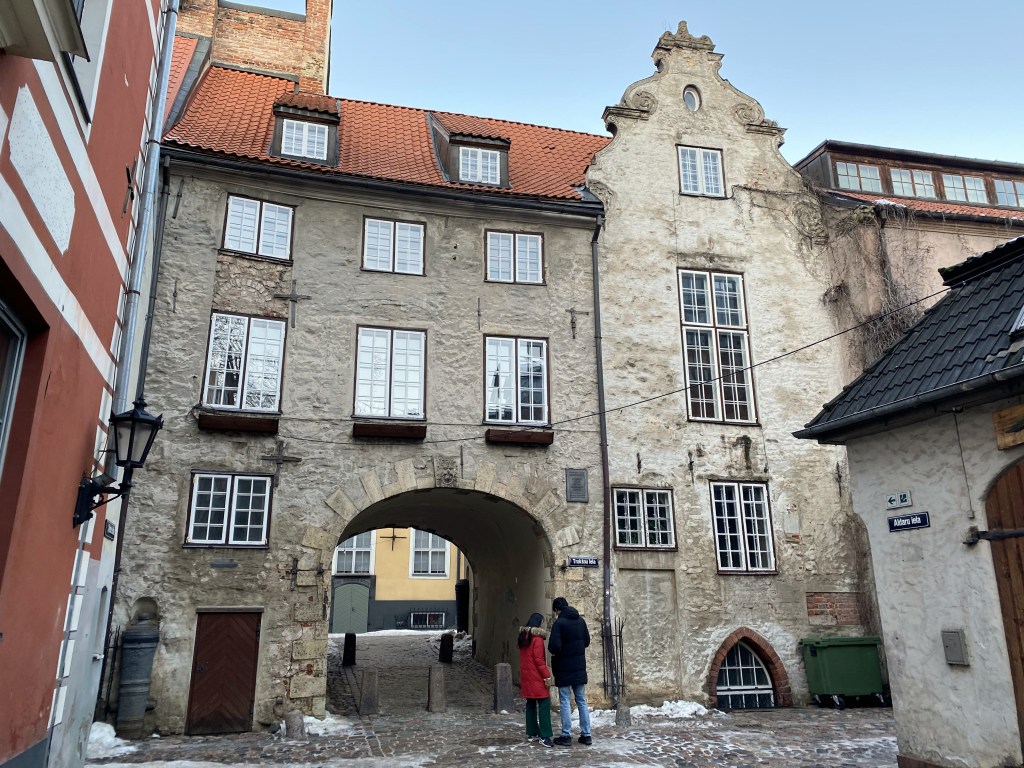
The Swedish Gate – the only portal in the medieval city walls to still exist. Beyond lies Trokšņu iela (Noisy Street) which ironically is one of the quietest and most charming street in Riga now. I’m sure we walked through here and down this apparently amazing street, but we have no visible evidence of this. ¯\_(ツ)_/¯

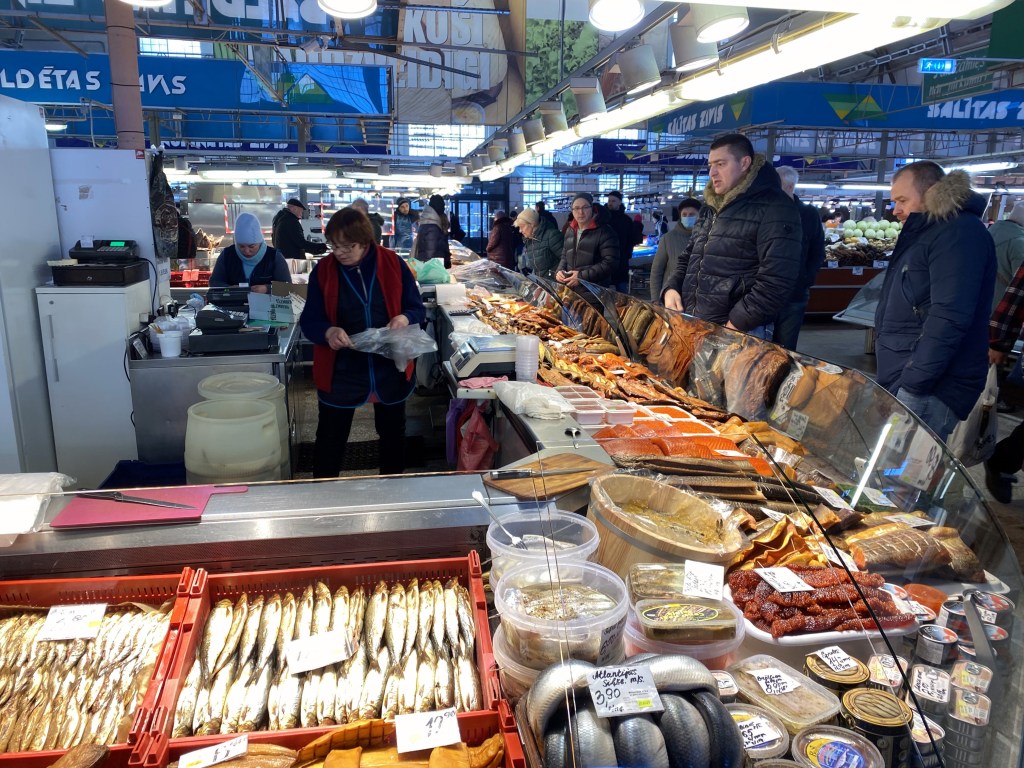
Instead, here’s some pics of Riga’s mammoth Central Market.

Absolutely any variety of food one could desire is available here.

The Riga Central Market (there’s a bird’s eye view later in the post) is composed of multiple, massive, hanger-like structures and is not only the largest shopping destinations in Latvia, but one of the largest markets in Europe.

The aforementioned bird’s eye view would come courtesy of St. Peter’s Church steeple.

Built in chunks over centuries, the first St. Peters was constructed as early as 1209; then a few decades later, in the middle of the 13th century; then the early 15th century; then at the end of the 17th century. Pretty plain brick church though, much like the Scandinavian Gothic brick churches encountered in Denmark.

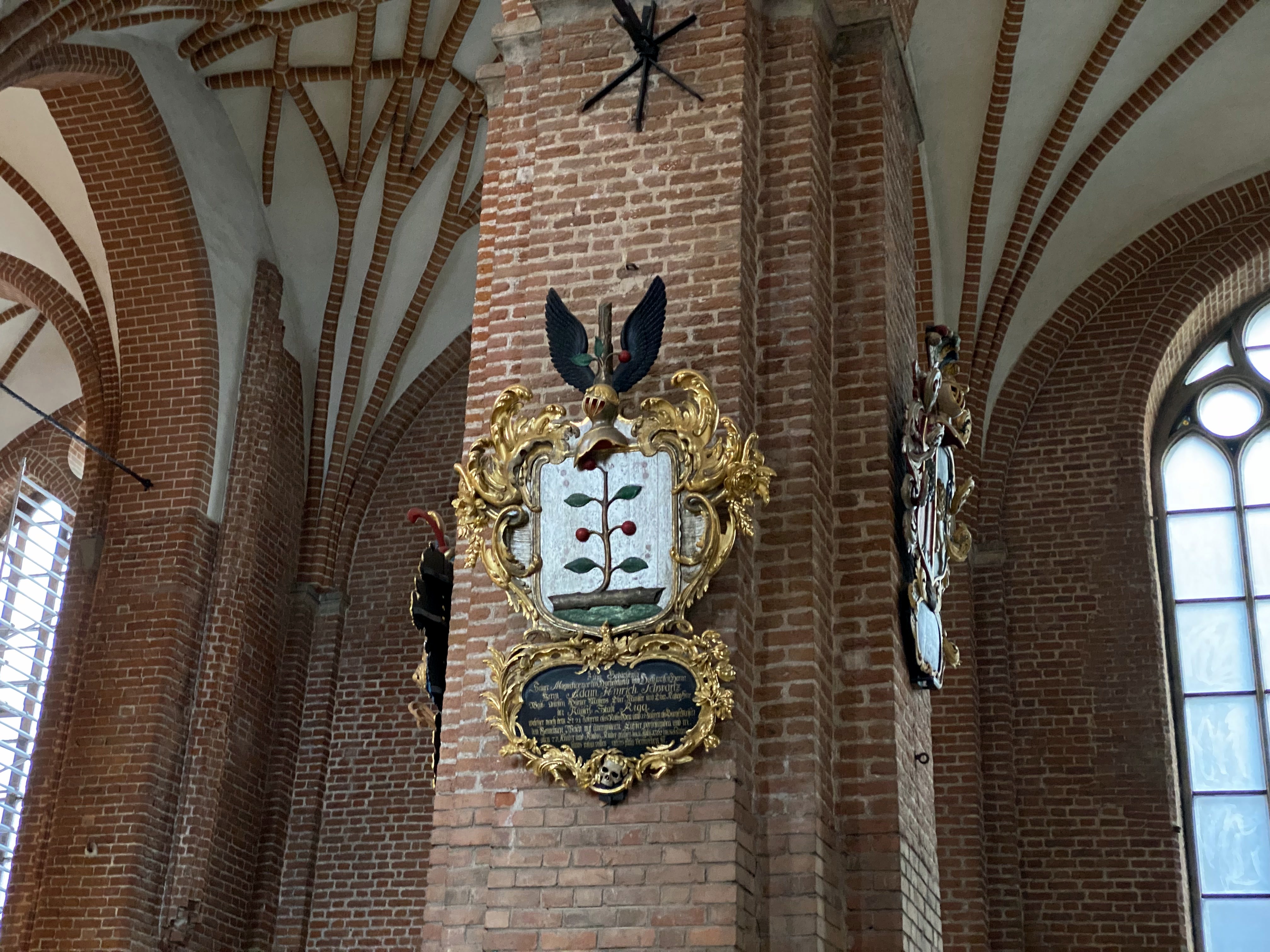
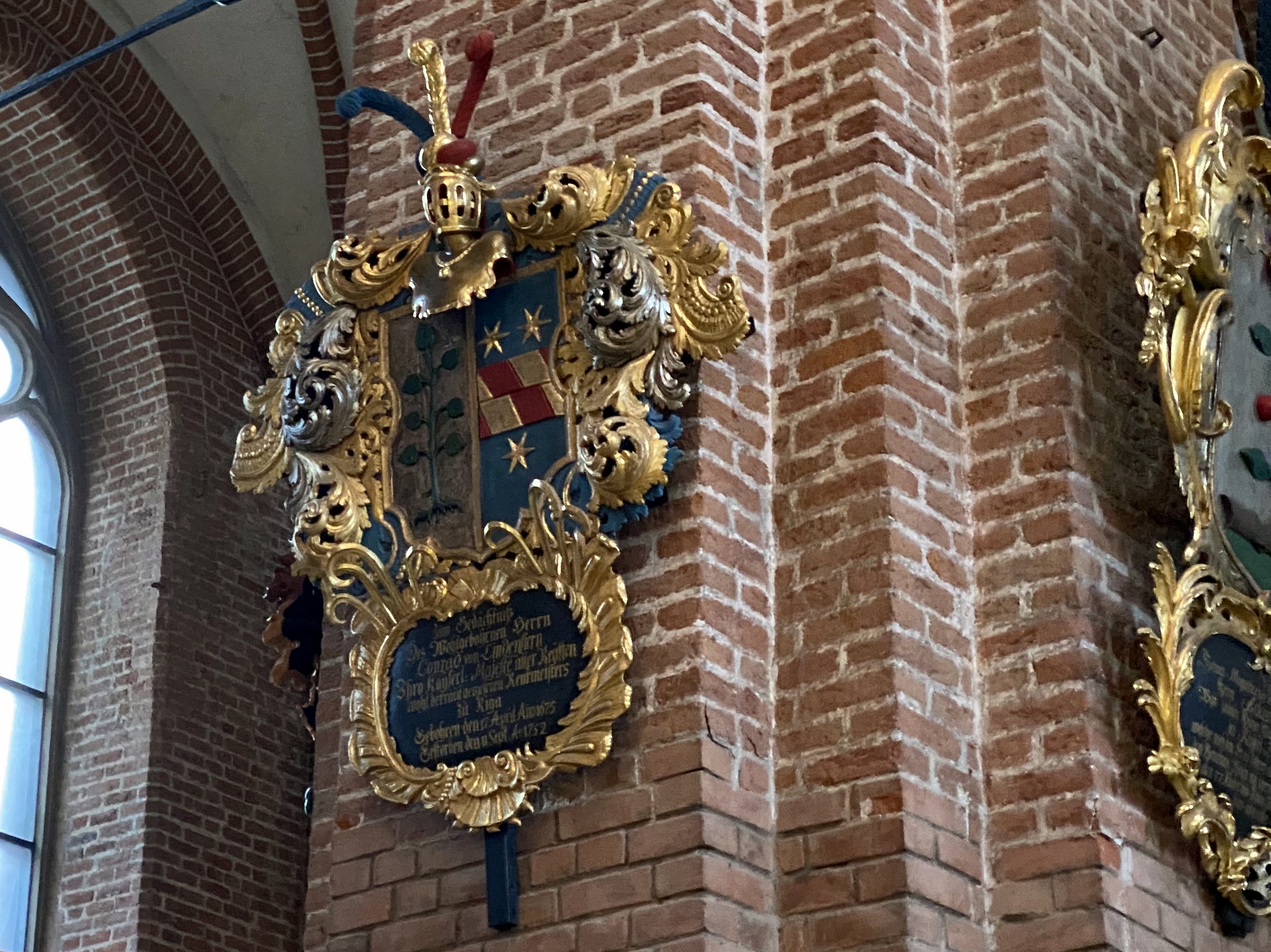
As with Tallinn’s cathedral, portions of the interior are adorned with local noble family coats of arms (one of which looks dangerously close to the esteemed crest of the Connells):

Something in the crypt we think? Dunno – pretty cool though.

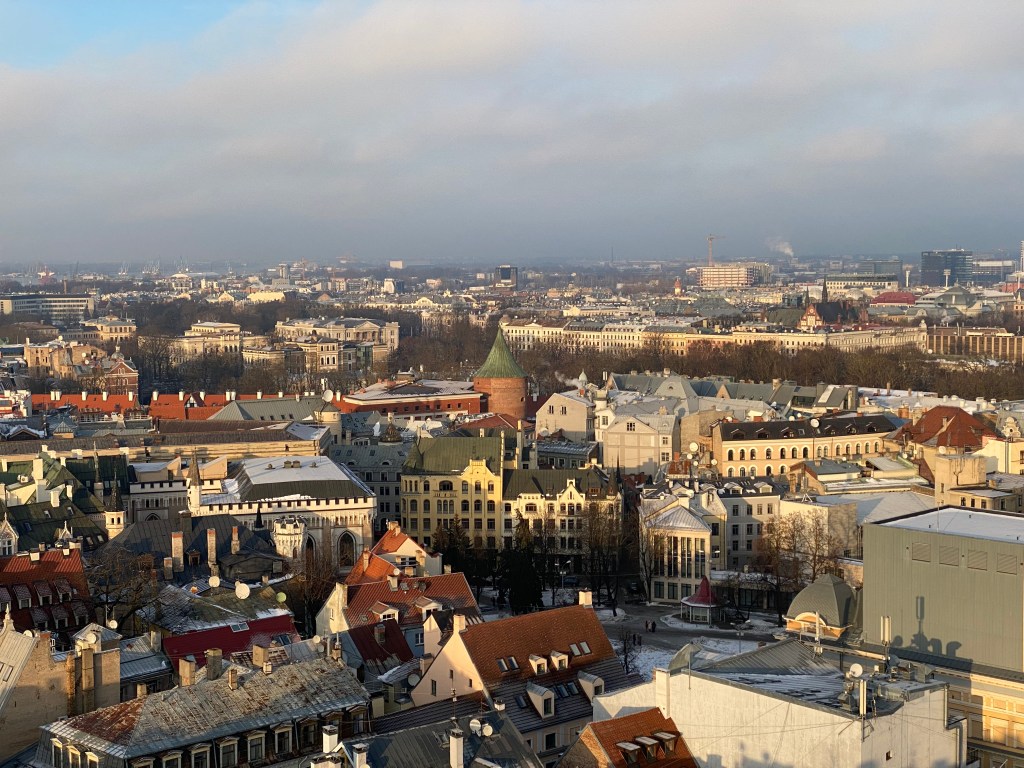
Views from St. Peter’s steeple observation deck – pretty awesome perspective on the town.

Renaissance facades in front of the Dome Cathedral:

Another, higher view of the Powder Tower:

Riga’s Central Market hangers:

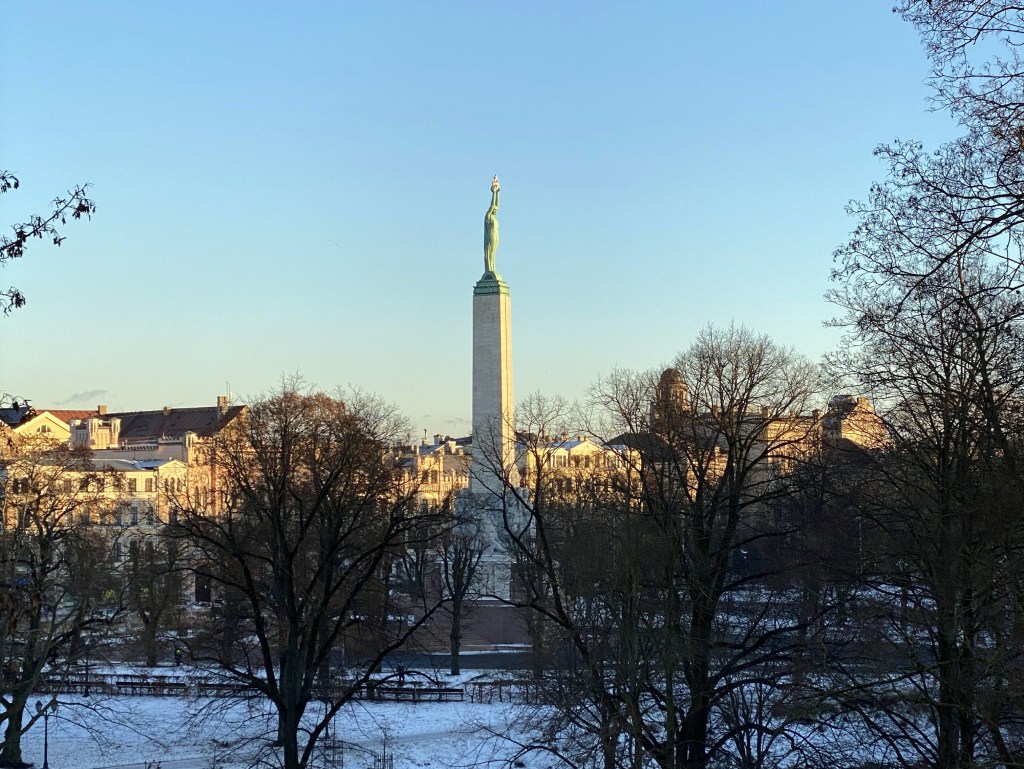
Down the street lies Riga’s Freedom Monument. A large statue of Peter the Great astride a horse once occupied this plaza, but it disappeared during WWI and the Latvians weren’t eager to replace it. Instead, the Freedom Monument was erected in its place in 1935.

Flowers are allegedly placed at the foot of the monument each day (we didn’t see any) as an act of defiance – such a gesture was punishable by deportation to Siberia during the Soviet era.

Dinner at 3 Pavāru Restorāns – definitely the dining highlight of our stay.

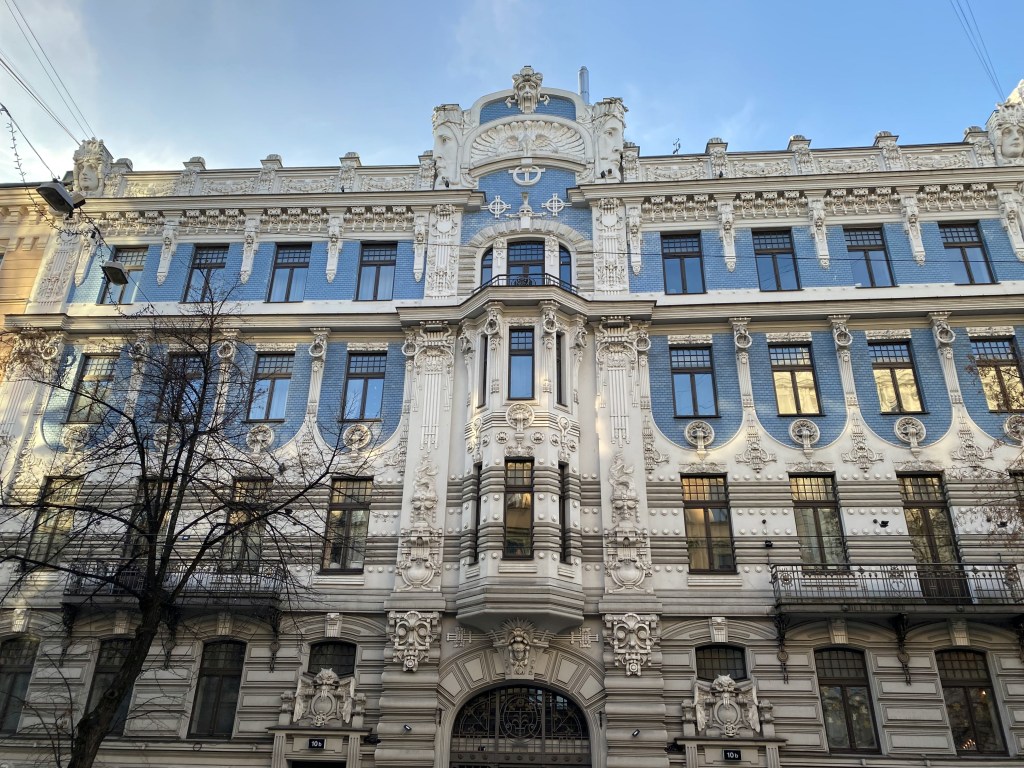
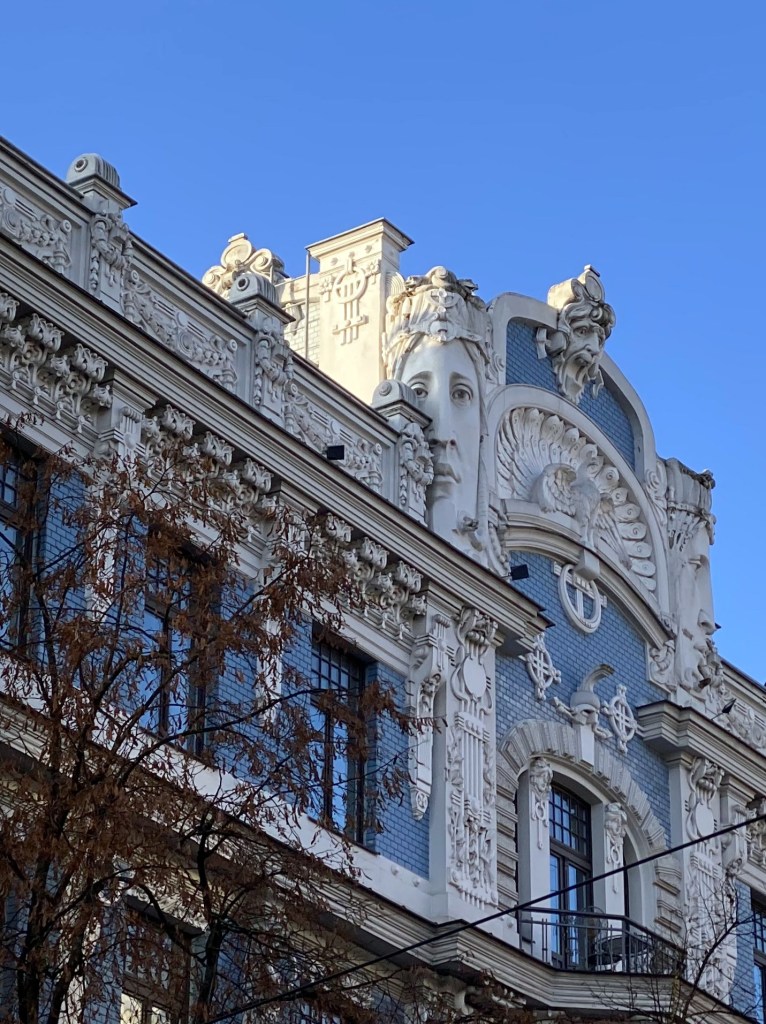
Riga’s Art Nouveau district on our Christmas Day walk. Riga’s period of peak prosperity happened to coincide with the Art Nouveau arts and architecture movement between 1890 and the outbreak of WWI. Although not at all unique to Riga, the town benefited from not being bombed into oblivion during WWII, resulting in a concentration of buildings in this style not seen anywhere else in Europe.

Perhaps the coolest: No. 10b, with a peacock (the symbol of art nouveau) flanked by big-ass faces.

Perfect winter weather in Riga for a Christmas visit.

On to our final stop of the trip: Amsterdam.

Categories: Europe, Latvia | Tags: , , , , , | Leave a comment

Protected: Christmas 2022 – Baltics and Back to the Netherlands: Amsterdam Again

This content is password-protected. To view it, please enter the password below.

Categories: Europe, Netherlands | Enter your password to view comments.

Turkey and Back to Greece: Trip Overview

After three true road trips abroad all in the last 12 months (Languedoc/Provence/San Sebastian, Tuscany, and The Cotswolds/Wales), we pivoted to slightly more typical travel logistics over this past Labor Day and headed to a couple of locations in Turkey, and then back to Greece to explore another of the Cyclades islands there.

We flew into Istanbul, and spent 3 days there, then flew south to the town of Göreme, in Turkey’s Cappadocia region, and finally from there (through an overnight in Athens), to the Greek island of Paros.

After landing in Istanbul, we headed immediately to the venerable Hagia Sofia, built by the Byzantine emperor Justinian in the 6th century:

Hagia Sophia began as a grand church, replacing a previous model constructed in the 4th century. Then as a mosque after the Ottoman conquest in the 15th century, then a museum under Atatürk in the early 20th century, then BACK to a mosque in 2020 as Turkey has begun deviating from its secular modern roots to an increasingly Islamic society. With the latest change back to a mosque, we weren’t able to go to the second level to see the Viking runes graffiti left by members of the Varangian Guard sometime between the 10th and 11th centuries. Serious bummer, man. But on the bright side the place is freaking HUGE both inside and out, and the bolt-ons by different sultans over the centuries, including massive buttresses to prevent a repeat of collapses during earthquakes were clearly apparent.

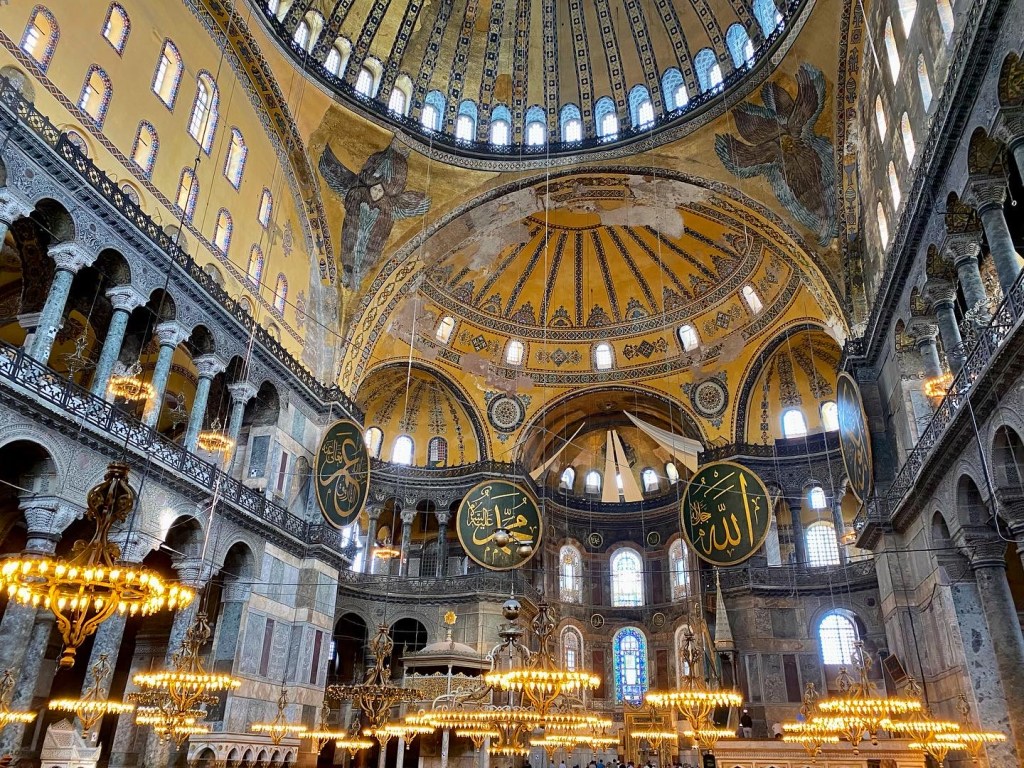
Hagia Sofia interior:

Just across a plaza from Hagia Sofia lies the Blue Mosque, an Ottoman-era imperial mosque constructed between 1609 and 1616 during the rule of Ahmed I. Sporting five main domes and eight secondary domes, it’s the only mosque in Istanbul with six minarets.

The subterranean basilica cistern in the heart of Istanbul’s old town:

Built in the 530s by Justinian as a major municipal water supply for Constantinople, this multi-acre complex used to be filled up to 7 meters deep with fresh water supplied by the city’s aqueduct. Pillars and other materials from across the empire, including two Gorgon heads, were looted from pagan temples and repurposed to construct the enormous cistern. Abandoned and forgotten in the subsequent centuries. Rediscovered only in the 18th century, the place is architecturally, functionally, and atmospherically astounding. Plus, good to get underground and out of the heat!
Topkapi Palace, seat of power for the Ottoman Empire between the 15th and 18th centuries:

A little Turkish music our last night in Istanbul in an entirely different cistern across town, converted to a restaurant:

The absolute highlight of the trip was Cappadocia, in the middle of Turkey. We based ourselves in the town of Göreme and then drove all over the place to check out sights in the region’s lunar landscape of eroded volcanic tuff.

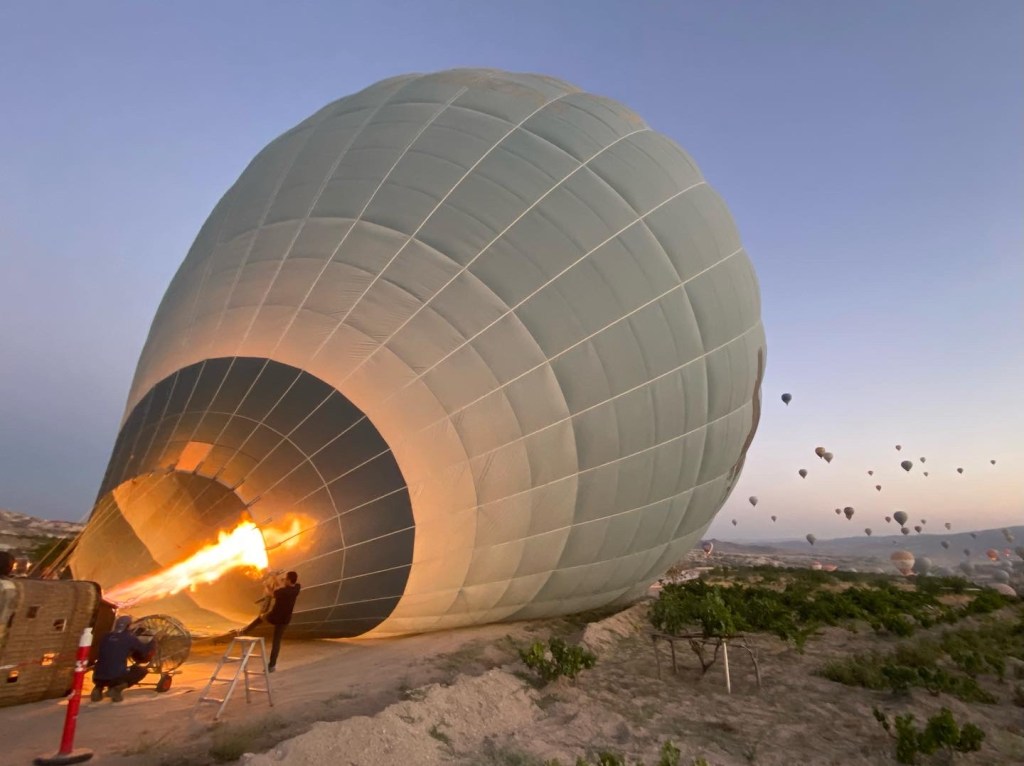
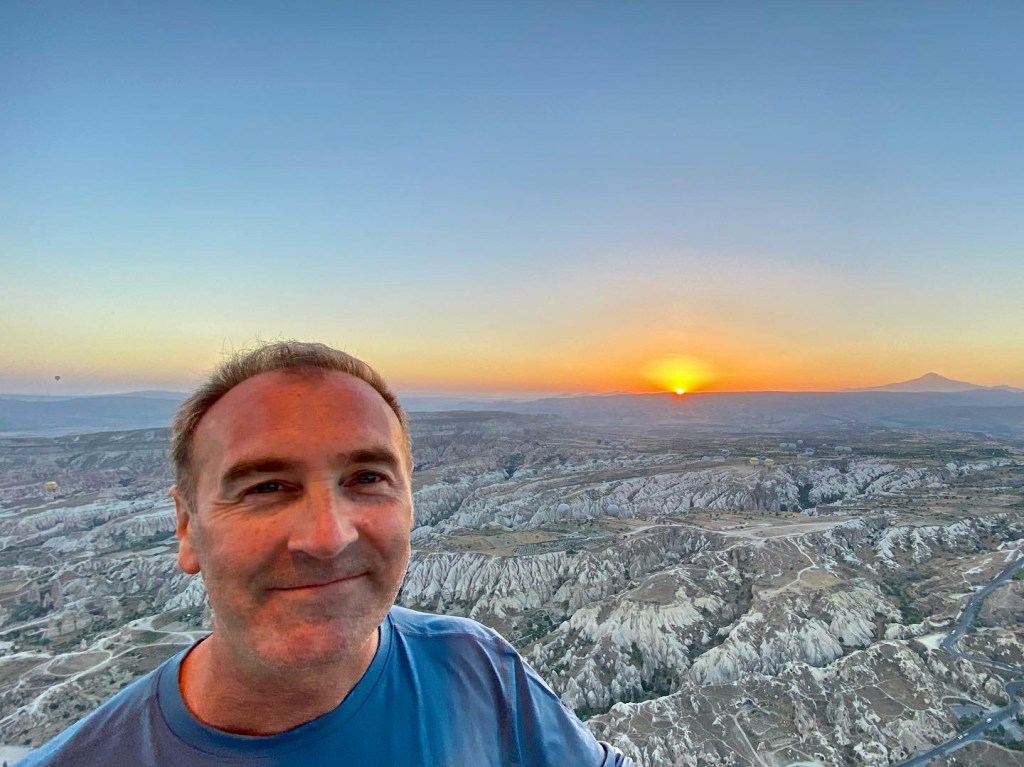
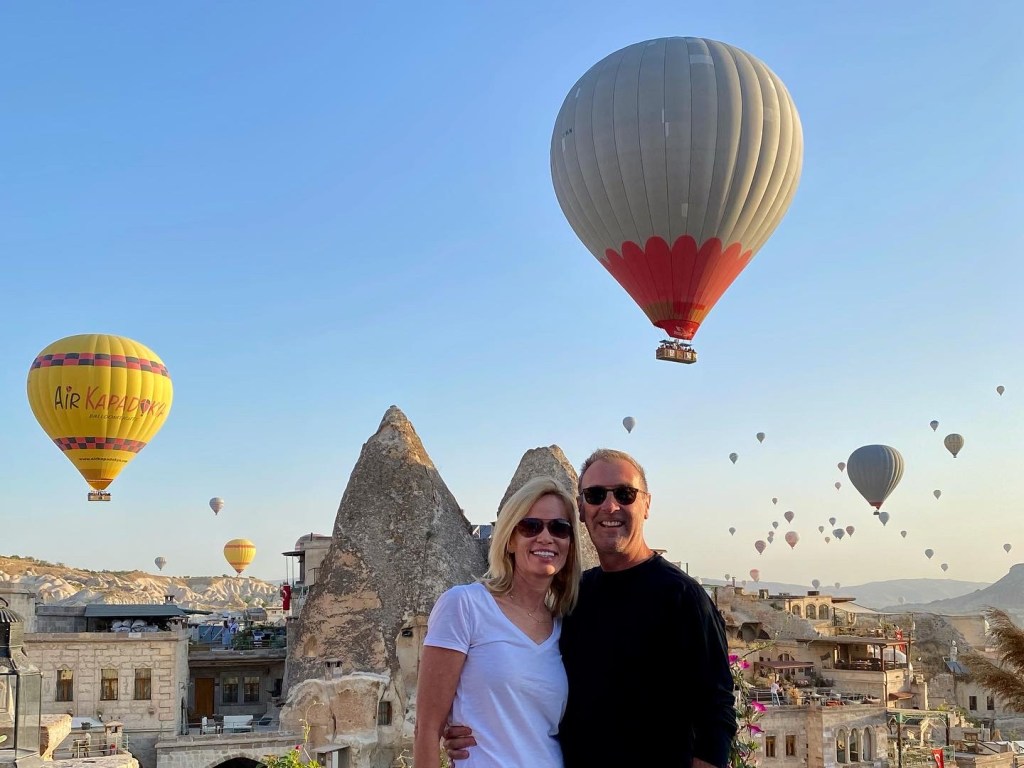
A dawn balloon ride on our first morning:

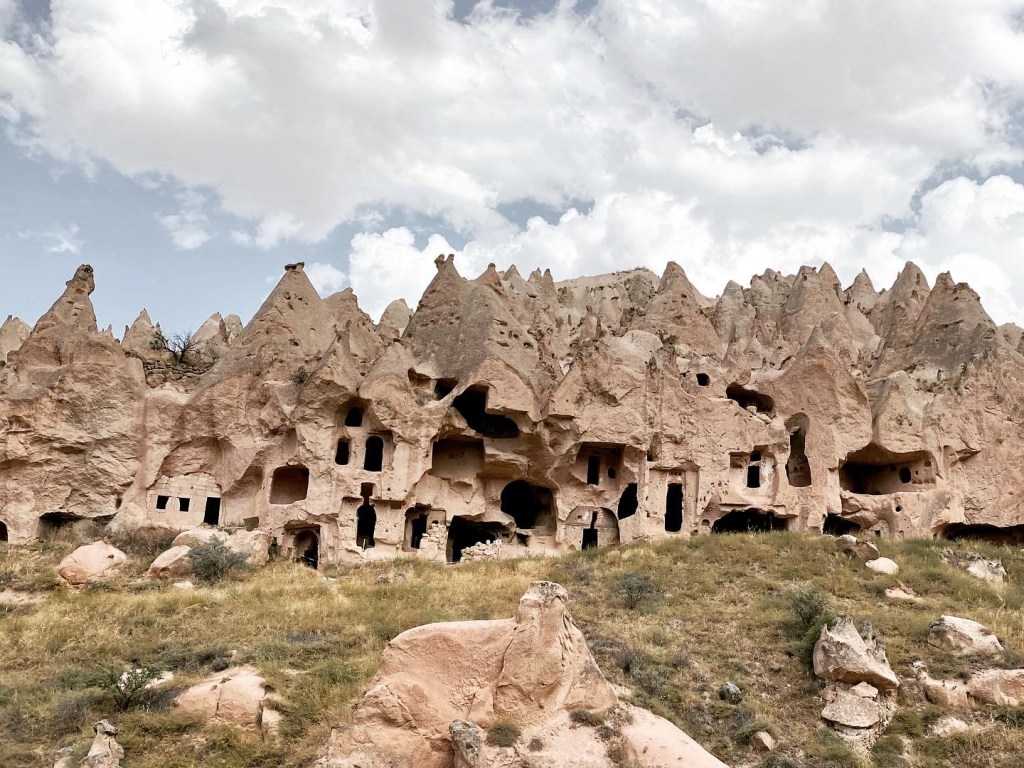
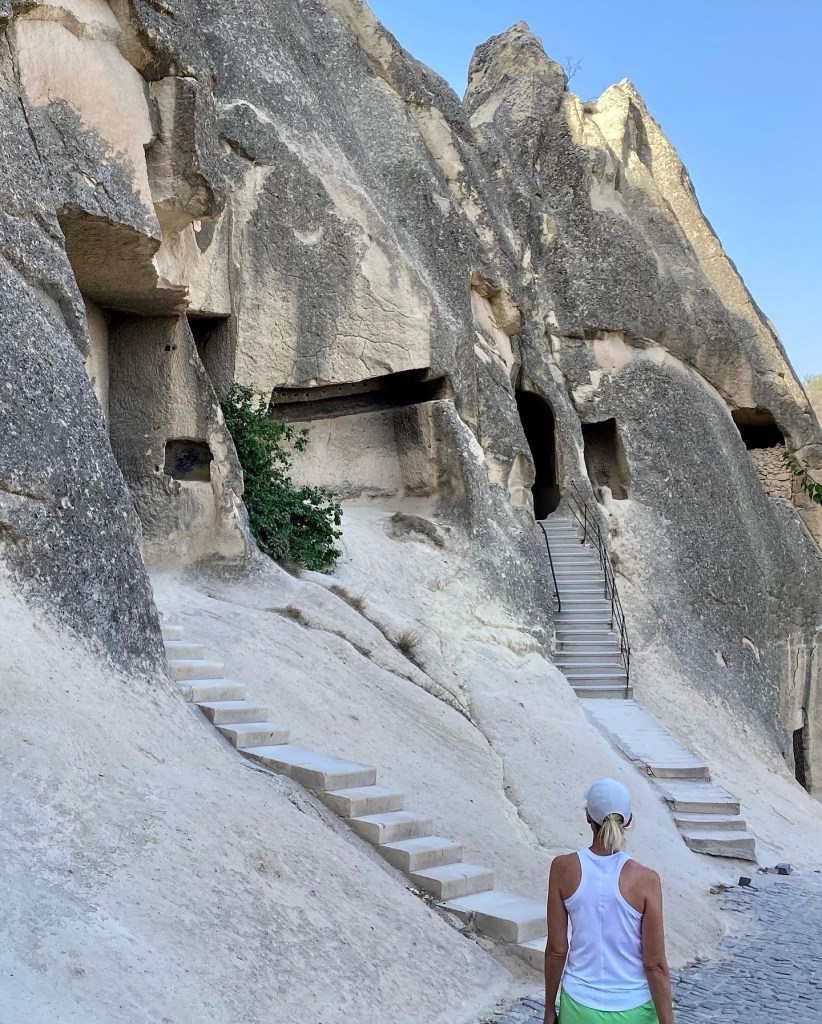
Really cool stuff all over the region, including two monastery cave complexes right down the road from Göreme. The first was a Byzantine monastic community in the Zelve valley, which thrived between the 9th to 13th centuries. The valley’s troglodyte houses were occupied until 1952, when villagers were relocated due to safety concerns.

We found the complex nearest to Göreme to be even more compelling, though. Founded in the 4th century on the instruction of Saint Basil of Caesarea, this complex of monasteries, nunneries, churches, and chapels existed for a thousand years.

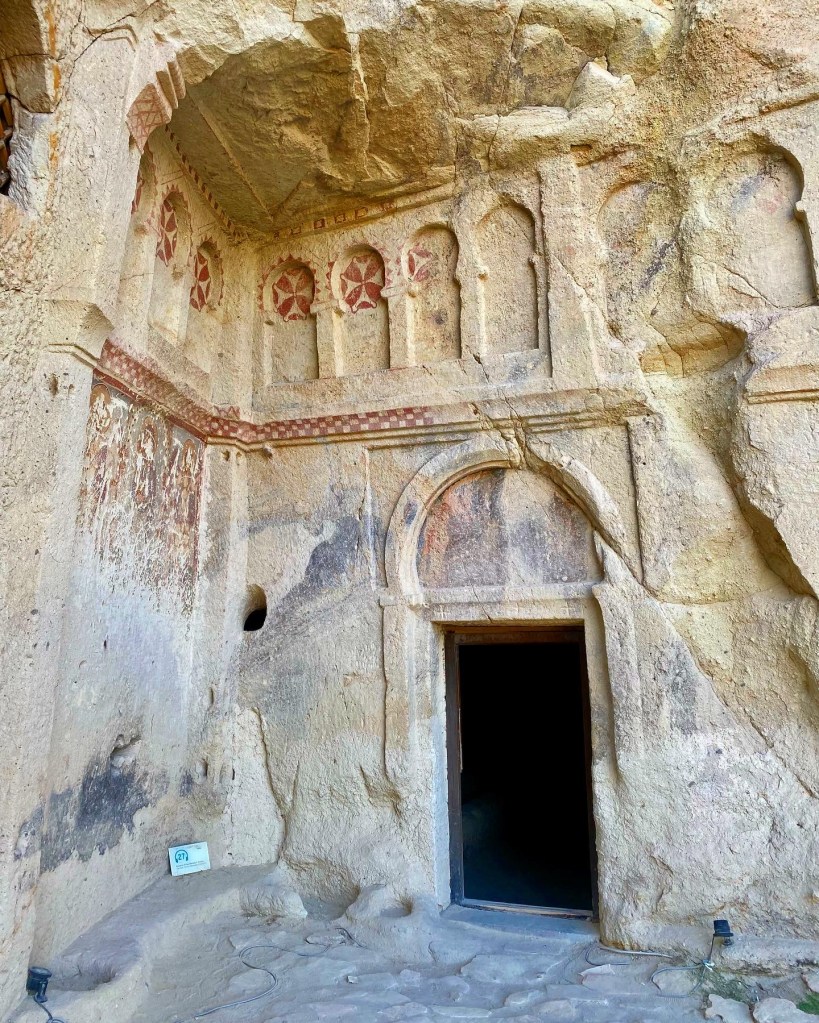
The abundance of cave churches in the complex intrigued us the most:

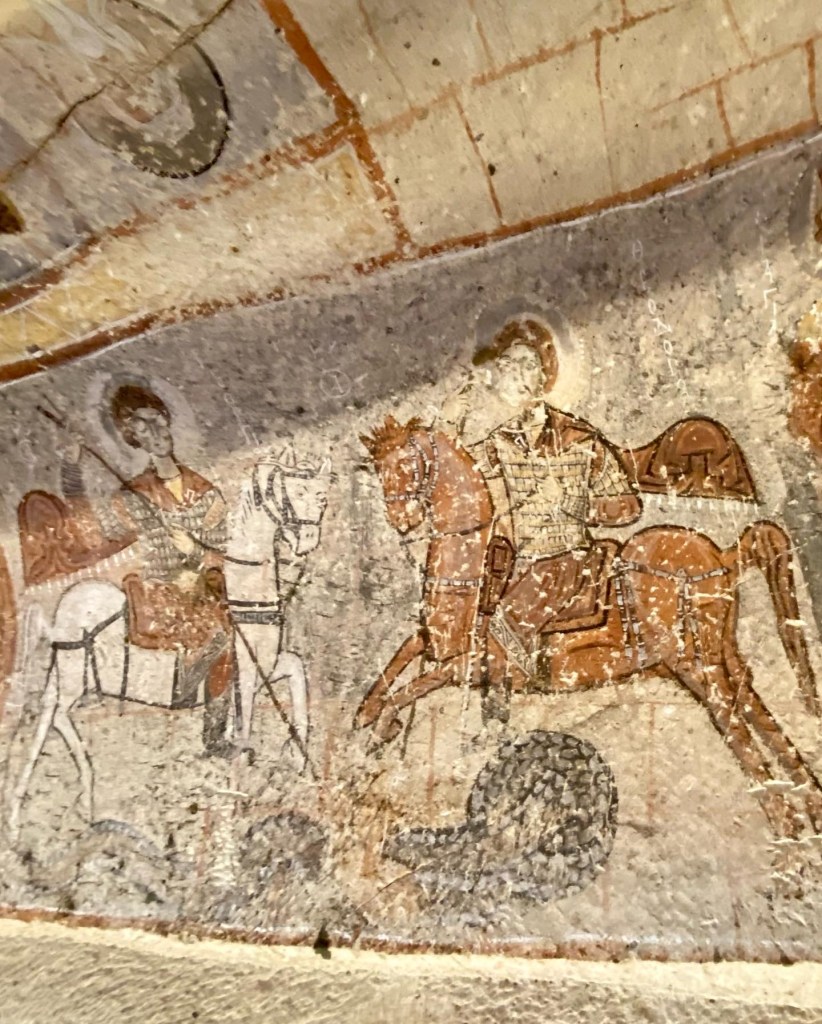
Two distinct styles of decoration are immediately evident in the cave churches: “During the iconoclastic period (725–842) the decoration of the many sanctuaries in the region was held to a minimum, usually symbols such as the depiction of the Christian cross.”

After this period, new churches were dug into the rocks, and they were richly decorated with colourful frescoes.” Super cool to actually walk into a space and see untouched art from the 8th century just sitting there in the open.

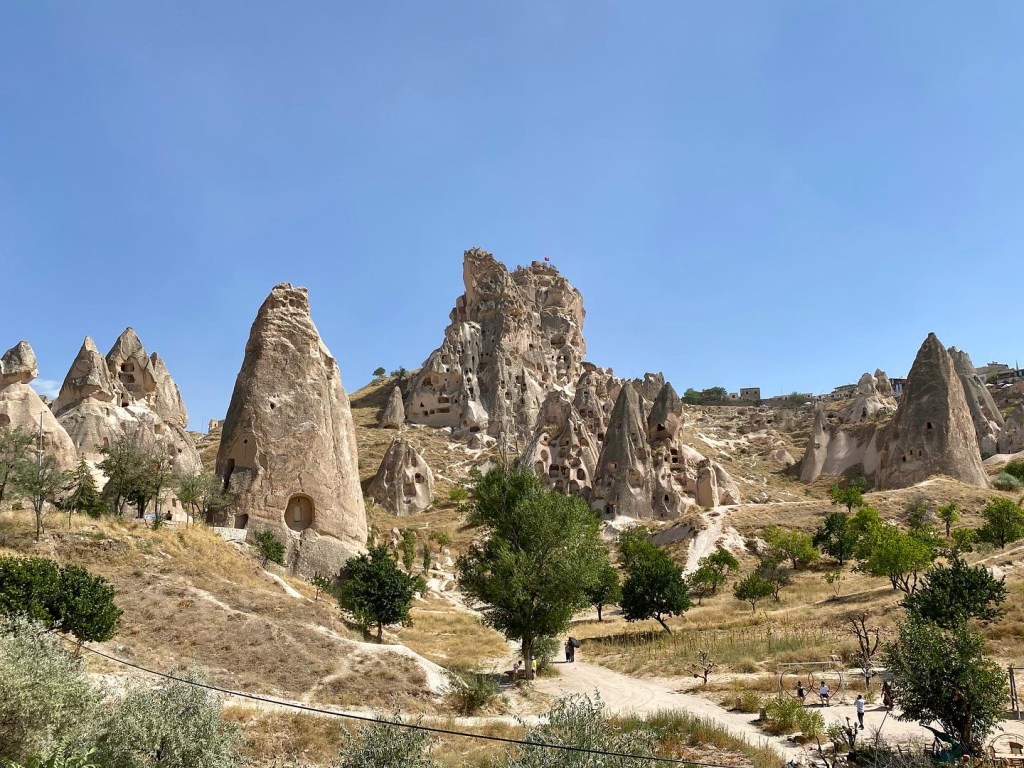
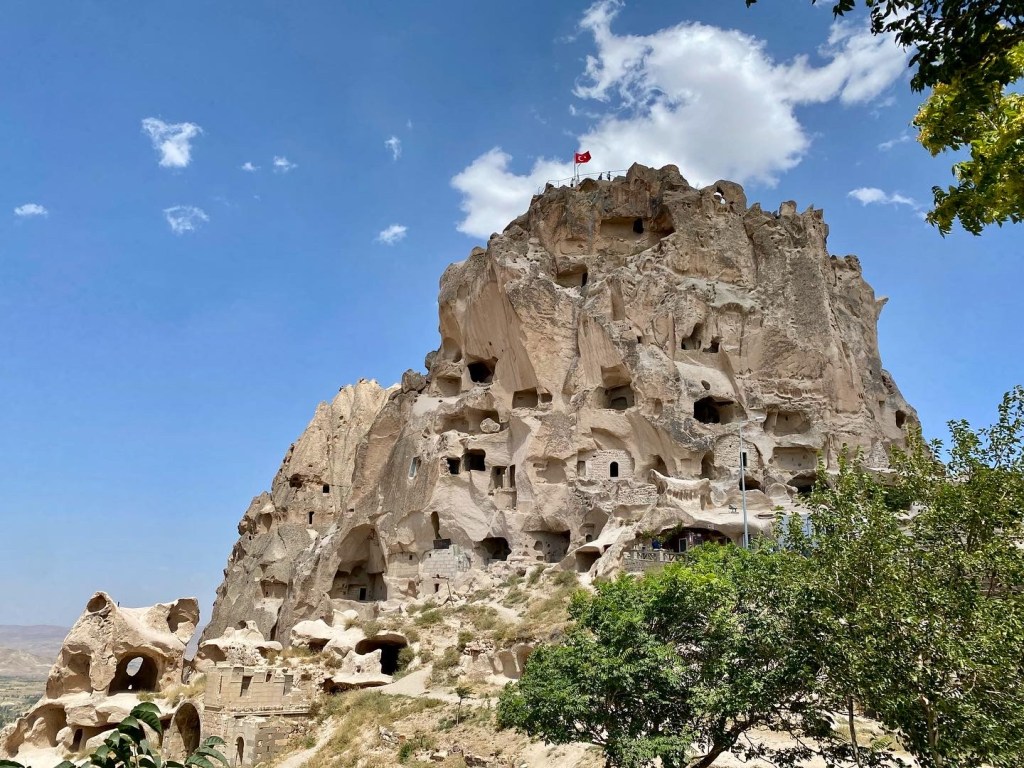
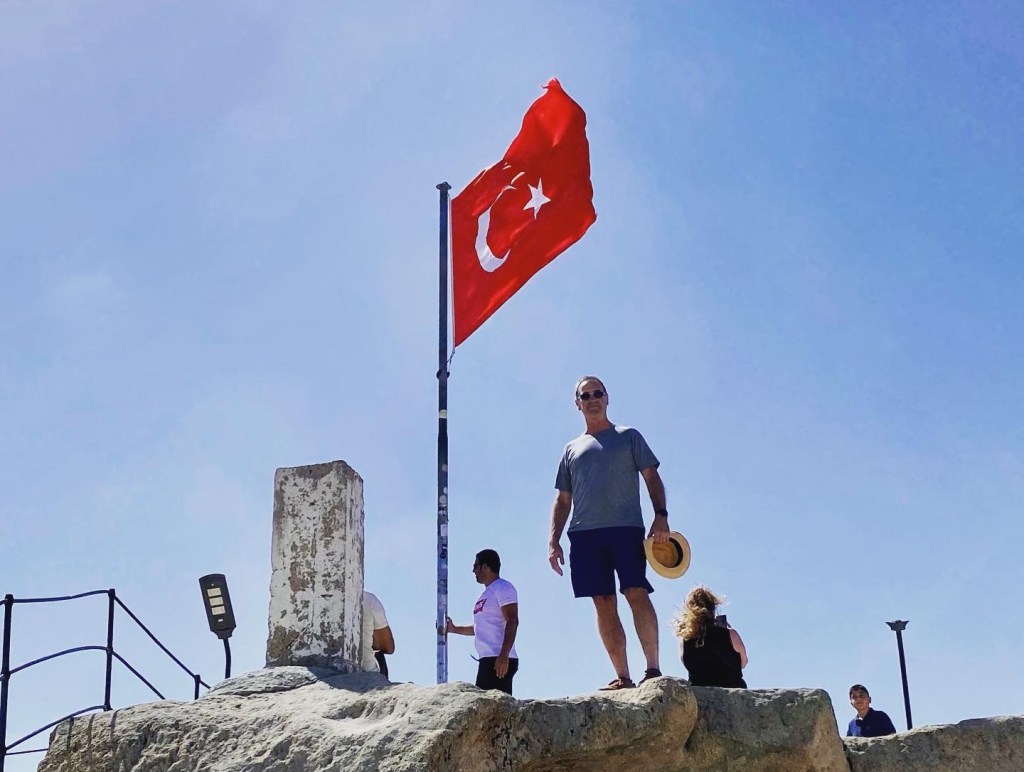
The mountain castle of Uçhisar, dominating the skyline north of Göreme in Cappadocia.

Originally occupied by the Hittites, the structure was once home to 1000 people throughout its labyrinth of cave warrens and later served as cloisters during the Byzantine era.

Descending into the ancient multi-level underground city of Derinkuyu, which is large enough to have sheltered as many as 20,000 people together with their livestock and food stores. The city began in the 8th to 7th centuries BC, and continually expanded. Fully formed between 780–1180 AD, Derinkuyu was occupied for protection from Muslim Arabs during the Arab–Byzantine wars.

Capadoccia’s characteristic fairy chimneys:

A little balloon action from outside the basket this time at sunrise in town.

Even our pool was Capadoccia cool:

Last evening in Göreme:

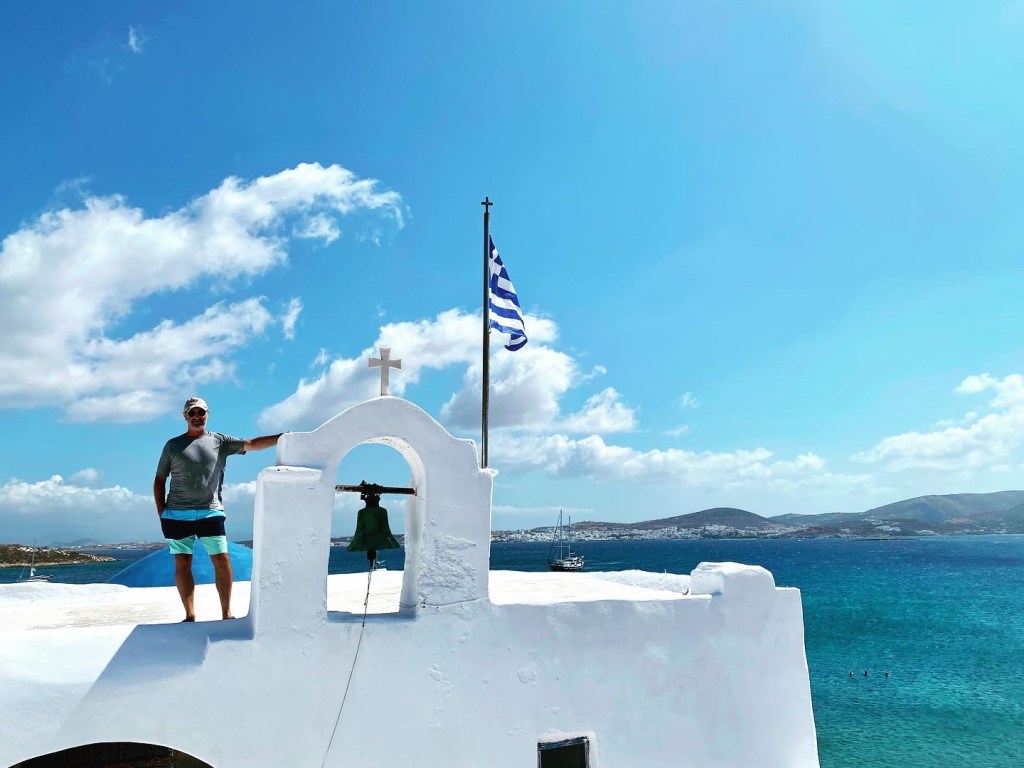
From Cappadocia in Turkey, we headed to the island of Paros, in Greece’s Cyclades archipelago. We previously visited two nearby Cyclades islands – Santorini and Mykonos. We thoroughly enjoyed both, but wanted an island with a slower pace this time. Paros delivered.

Our base camp of Naousa in Paros – a really compelling combo of working fishing port and the island’s densest cluster of restaurants. As far was we could discern, every one of them had octopus on the menu.

The Monastery of St. John’s of Deti:

Paros’ main port town of Parikia:

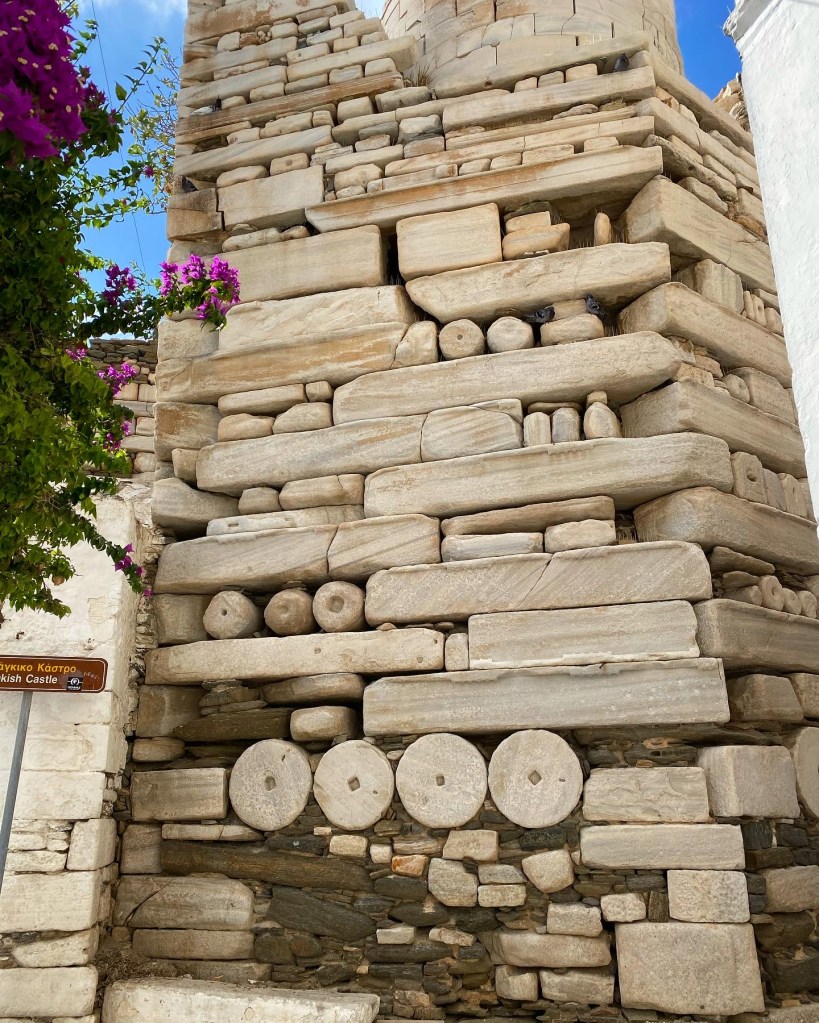
At the top of the town, a 13th-century Frankish Crusader castle established as part of the short-lived Duchy of the Aegean Sea and built from materials taken from ancient sites that existed nearby, including the temple of goddess Athena, the protector of the ancient town of Paros:

At the outskirts of town lay the Ekatontapyliani church complex dating from the 6th century:

A short ferry ride delivered us to Paros’ Mini Me neighbor: the island of Antiparos:

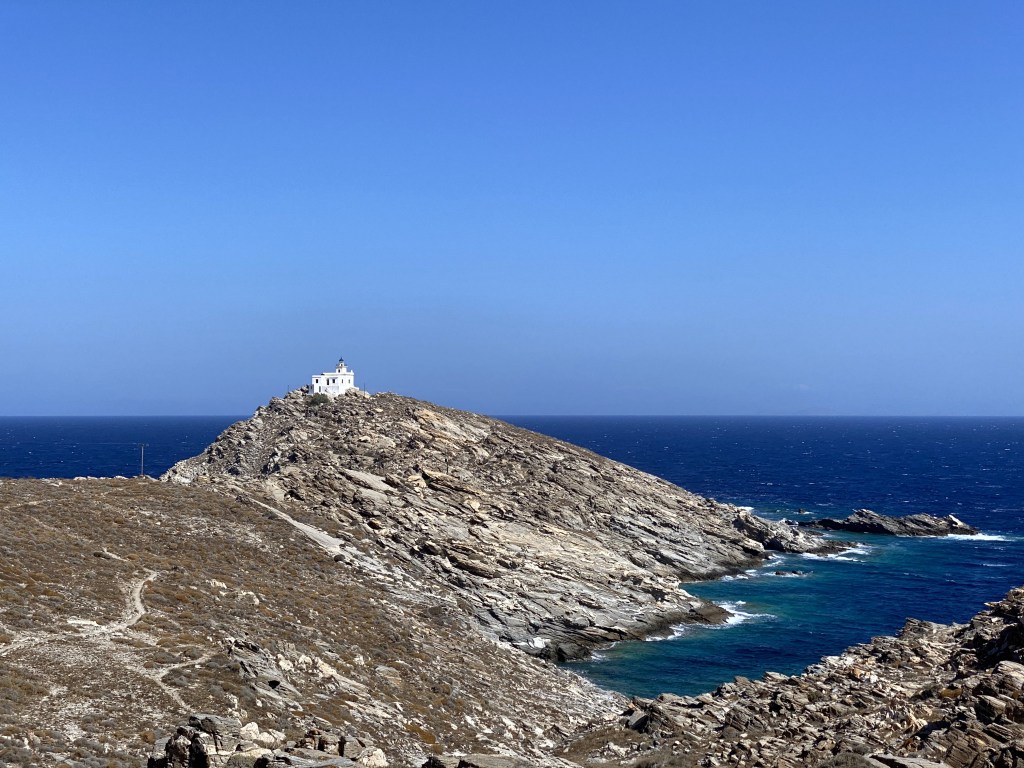
Morning hike to the Akrotiri Korakas lighthouse at the northwestern tip of Paros:

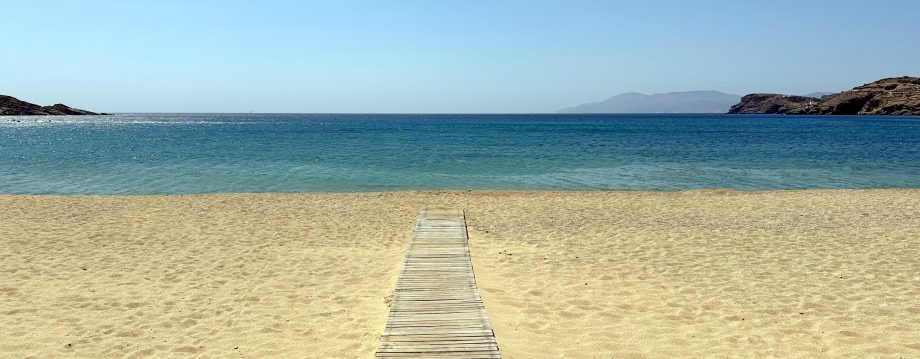
We found ourselves hanging out on multiple days at the low-key Ampelas Beach on the east side of the island, across from Naxos:

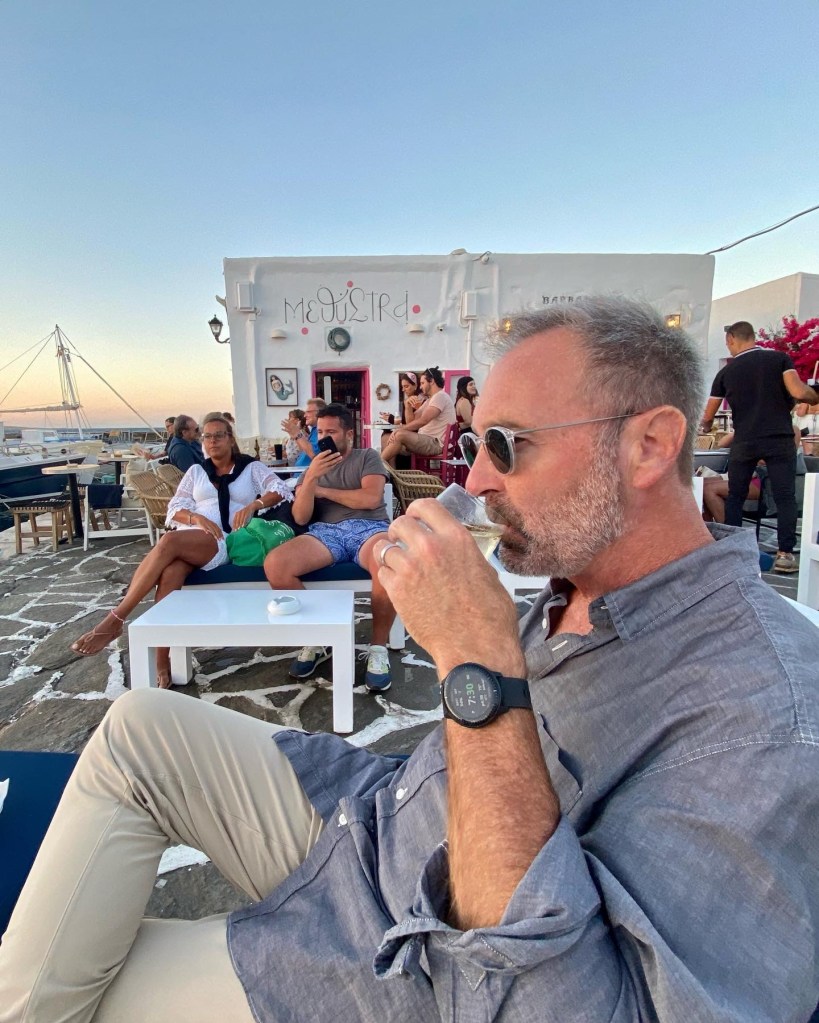
After seven sunset cocktails and evenings in Naousa, we’ll definitely be back here.

Last night in Paros. . .

Categories: Greece, Istanbul, Cappadocia, and Paros, Turkey | Tags: , , , , , , , | 1 Comment

Turkey and Back to Greece: Istanbul Part 1 – Two Mosques and a Hippodrome

We’re finally getting around to posting pics from a trip in September 2022 to Turkey and back to Greece. We posted an overview of the trip shortly after our return, but never found time to post the details of each destination. The next series of posts will address this omission.

The trip, as originally planned, entailed the following itinerary:

  • 3 days in Istanbul, Turkey
  • 3 days in Cappadocia, Turkey
  • 1 night in Athens en route to Greece islands
  • 7 days on the Greek island of Paros
  • 4 days on the Greek island of Milos
  • 2 days on the Greek island of Folegandros
  • 7 days on the Greek island of Naxos

This plan assumed that the second WolfeStreetTraveler would be retiring in August 2022, and that this month-long trip would be our first extended foray abroad post retirement of both members of the consortium. This was not to be.

Work priorities related to supercomputing support to NOAA’s National Weather Service and some critical contract win priorites at EPA postponed the retirement plans for another 9 months. So, we lopped all the Greek islands other than Paros off the itinerary to reduce the travel time to just 2 weeks (during which work still needed to be addressed seven time zones away, which was typical of our travels), and cancelled our hotels, ferries, and AirB&Bs for the second half of the trip.

Despite the truncated itinerary, the trip was incredible, especially in Cappadocia and Paros (but for entirely different reasons).

But first, we hit Istanbul, the subject of They Might Be Giants’ most notable song.
Upon our arrival in the Sultanahmet District of Istanbul, the historic core of the city, we made a beeline to Hagia Sophia, the city’s famous church-cum-mosque.
Constructed at the direction of Byzantine emperor Justinian in the first half of the 6th century, Hagia Sophia began as a grand church, replacing a previous model constructed in the 4th century. It was the largest Christian cathedral in the world for a thousand years (until construction of Seville’s cathedral), but not always as an Eastern Orthodox one. The western Christian crusaders converted Hagia Sophia to a Catholic cathedral in 1204 during the Fourth Crusade; the Byzantines converted it back to an Eastern Orthodox cathedral more than a half century later, in 1261.

However, the most significant change to Hagia Sophia role occurred in 1543, when the Ottomans finally overran Constantinople, which by that time was the last remaining (and heavily fortified) kernel of the once-vast Byzantine Empire.

As part of Atatürk’s secularization of the new Republic of Turkey, Hagia Sophia was converted to a museum in the 1930s. This became Turkey’s number one tourist destination all the way through 2019.

Then, in pandering to Turkey’s religious right Recep Tayyip Erdoğan turned Hagia Sophia BACK into a mosque in 2020. We could still visit it when in Istanbul, but would not have access to the entire structure like we would have just a few years before.

A fountain for ritual ablutions on the way to the entrance.

The place is freaking HUGE both inside and out, and the bolt-ons by different sultans over the centuries,

including massive buttresses to prevent a repeat of collapses during earthquakes.

We were able to go inside,

but, since it was now a mosque, we weren’t able to go to the second level to see the Viking runes graffiti left by members of the Varangian Guard sometime between the 10th and 11th centuries. Serious bummer, man.

One of the changes made to the Christian cathedral during its conversion to a mosque in the 16th century was the removal or whitewashing of Christian biblical mosaics on the walls. Another, much later change, was the installation of eight huge medallions between 1847 and 1849 under Sultan Abdülmecid I and display the names of Allah and Muhammad, the first four caliphs Abu Bakr, Umar, Uthman and Ali, and Muhammad’s grandchildren Hassan and Hussein.

A few pre-mosque mosaics were unintentionally preserved by the whitewashing, which was then removed centuries later. One of these was “Emperor Leo VI Paying Homage to Christ as Pantocrator” over the entrance door.

Just some alcove off to the side – cool vaulting though.

The grounds of Hagia Sophia play host to tombs of five Ottoman sultans and their families. Each looks pretty modest from the outside.

But some – this is the tomb of Sultan Murat III built in 1595 – are pretty grand inside. And hold lots of sarcophagi – 54 in this one.

There’s also the tomb of Princes – four princes and the daughter of Sultan Murat III.

This one was much more low key inside.

Hagia Sophia lit up at night:

Particularly good view from a rooftop bar we patronized:

Also at night – the vendors come out!

Hagia Sophia lies at one end of Byzantium’s / Contantinople’s / Istanbul’s famed hippodrome. We were very familiar with the hippodrome and the role it played during the Byzantine empire due to the History of Byzantium podcast. So, our expectations for seeing the actual, ancient racetrack and stadium were high.

These expectations were not met.

The hippodrome no longer exists. The structure already had fallen into ruin by the Fourth Crusade in the early 13th century, and the Venetians finished the job by looting most of the remaining decorative elements. Then, after the Ottomans conquered the city in 1453, the remaining structure became a convenient pre-cut stone quarry for the sultan.

Luckily, though, the footprint of the hippodrome was never built over, so you can at least appreciate the size of the race track when visiting Istanbul. Plus, there are a few ancient – and one modern – monuments.

The first is the Obelisk of Thutmose III.

Roman / Byzantine (it’s kind of a transition time period) Emperor Theodosius the Great brought the obelisk from Egypt – where it had been part of the Temple of Karnak in Luxor – to Constantinople in 390. The original obelisk was considerably taller, inasmuch as what’s left is just the top third.

But what’s left is pretty cool. The monument was created in 1490 BC, so the granite obelisk is 3500 years old. The marble pedestal is a different story.

The bas-reliefs only date to the monument’s re-erection in Constantinople’s hippodrome by Theodosius, and show the emperor in various scenes, including the emperor and his court, here on the north face. Below is a relief showing the transport of the obelisk.

The bronze Serpent Column is next as we stroll the length of the hippodrome footprint, from one massive mosque to the next. The column is actually the base of a trio of snakes that formed a tripod on top to hold a golden bowl. Like the Obelisk of Theodosius, this was another goody from afar dragged to Constantinople – it originally was cast by Greeks to celebrate their victory over the Persians during the Persian Wars of the 5th century BC.

Beyond the Serpent Column, at the opposite end of the hippodrome from Obelisk of Thutmose III lies another obelisk, this one more modern (kind of). Erected in the 10th century by (now thoroughly) Byzantine Emperor Constantine Porphyrogenitus, the obelisk originally was clad in gilded bronze, but the freaking Venetians stole all of that, too, when they looted Constantinople during the Fourth Crusade. Now, only the stone core remains.

The most modern monument serves as our last encounter on the hippodrome before hitting the other mosque: The German Fountain.

The German government constructed the fountain in 1900 in neo Byzantine style to celebrate Kaiser Wilhelm II’s visit to Istanbul in 1898.

And now, the Blue Mosque.

Situated at the opposite end of the hippodrome from Hagia Sophia, the Blue Mosque was constructed during the first half of the 17th century.

It’s official name is the Sultan Ahmed Mosque. The blue moniker comes from the Iznik tiles lining the inside that allegedly are predominantly blue.

We say allegedly, because this was the interior during our visit – another major sight on our travels frustratingly clad in scaffolding.
You could peer through the renovation obstructions to view some of the interior, but not much.
Maybe these are the blue tiles? Who knows?

Pretty cool lit up at night, though.

Another rooftop bar – this time for lunch – and another good view of a giant mosque.

Next up: water storage?

Categories: Istanbul, Cappadocia, and Paros, Turkey | Tags: , , , , , , | Leave a comment

Turkey and Back to Greece: Istanbul Part 2 – Cisterns and Stuff

By far, the absolute coolest component of our time in Istanbul was our visit to the Basilica Cistern beneath the city.

The moniker comes from its location beneath a Roman-era basilica constructed in the 4th century but that no longer exists. (It’s also known by its Turkish name Yerebatan Sarayı (“Sunken Palace”), which is way more descriptive and evocative.)

An hour-or-so-long line snaked around the corner from the entrance to the cistern when we wandered by, so we hired a guide on the spot – not for his guidance, per se (we had plenty of written guidance with us, and typically prefer this approach) – but because we could skip the entire line if we hired a guide. Done and done.

One of hundreds of ancient cisterns build beneath Constantinople, but by far the largest, the great water storage cavern originally was built by Emperor Constantine in the 4th century.

But the colonnaded space we got to experience resulted from an Emperor Justinian infrastructure improvement project after the Nika riots devastated the city in the 6th century. (The no-longer-in-existence hippodrome played a major role in this conflict, which destroyed half the city.)

The great cistern supplied water to major buildings of the city, including the palace, but was forgotten by city administrators after the Ottoman conquest and was lost to memory to all but some locals living above it.

The cistern was rediscovered in 1565 when a Dutch traveler who was researching Byzantium ruins in Istanbul observed locals in the area fetching water by lowering buckets into a dark space below their basement floors.

More recently, James Bond navigated the cistern in From Russia with Love (although the MI6 Istanbul Station Chief mis-attributes its creation to Constantine, rather than Justinian):

Although most of the 336 marble columns are pretty standard supports with Ionic and Corinthian (and a few Doric) capitals – cannibalized from Roman temples across the empire for use here, the bases of two columns are quite strikingly different.

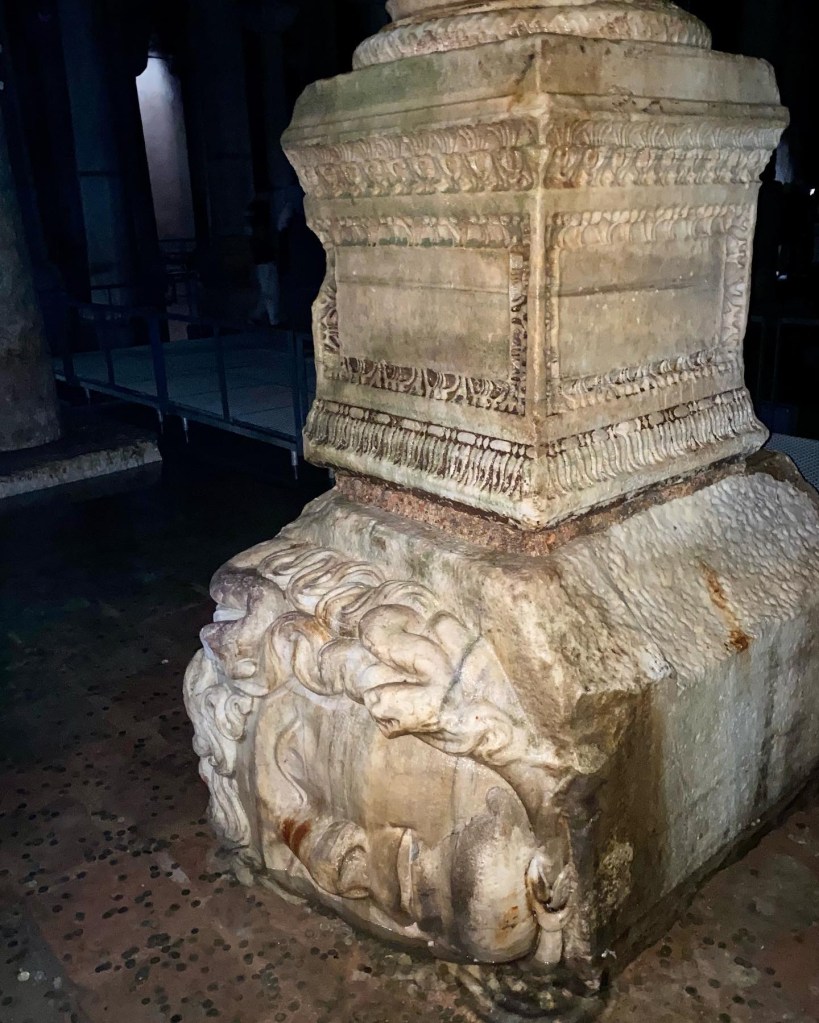
They’re heads of a Gorgon – more specifically, Medusa. The origins are unknown, but the thinking is that they were repurposed from a late Roman temple that was regarded as pagan and simply used as a quarry, and the heads were used along with the columns.

Pagan or not, the Orthodox Christians still took the risk of the Gorgon’s gaze seriously and installed one on its side and the other upside down to neutralize their power. “A similar Gorgon head, now at the Istanbul Archaeological Museums, was found at the Forum of Constantine, which suggests the two Gorgon heads of the Basilica Cistern might also originally decorated the Forum of Constantine.” (From here.)

And one column is carved with raised pictures of a Hen’s Eyes, or Peacock Eyes, tear drops, which apparently was a style similar to the columns on a 4th-century Triumphal Arch of Theodosius (one of the Byzantine emperors referenced with the hippodrome).

Evening boat ride up (down?) the Bosporus:

Categories: Istanbul, Cappadocia, and Paros, Turkey | Tags: , , , , , , , , , | Leave a comment

Turkey and Back to Greece: Istanbul Part 3 – Topkapi Palace and Surrounds

Our final morning, we made a beeline to Topkapi Palace, hidden first behind an impressive set of exterior walls, through which one passes through the Imperial Gate:

And then another set of more modest interior ones, entered through the Gate of Salutation:

The grounds offered a cool oasis to the stone-clad urban environment outside the walls.

The Library of Sultan Ahmmed III, a prime example of 18th-century Ottoman architecture.

The 15th-century Audience Hall

A fragment of Piri Reis’ intriguing and controversial 1513 map, which includes remarkably accurate depictions of the Caribbean and South American coast, despite the map’s creation just 3 decades after Columbus discovered America.

A view of the Golden Horn from the Iftar Pavilion:

The Yerevan Kiosk – a pavilion fronted by a fountain meant for religious retreat.

The Baghdad Kiosk built circa 1638 to commemorate the Baghdad Campaign of Murad IV.

Its interior is meant to depict an ideal Ottoman room.

Which apparently required a huge couch.

And some attendance, natch.

The palace’s Imperial Council Hall, with the Tower of Justice atop. Originally built in the late 15th century and restored in the 17th after a harem fire, the Imperial Council, led by the Grand Vizier, met here.

The palace kitchens – the largest in the Ottoman Empire, with a capability to feed 4000 people.

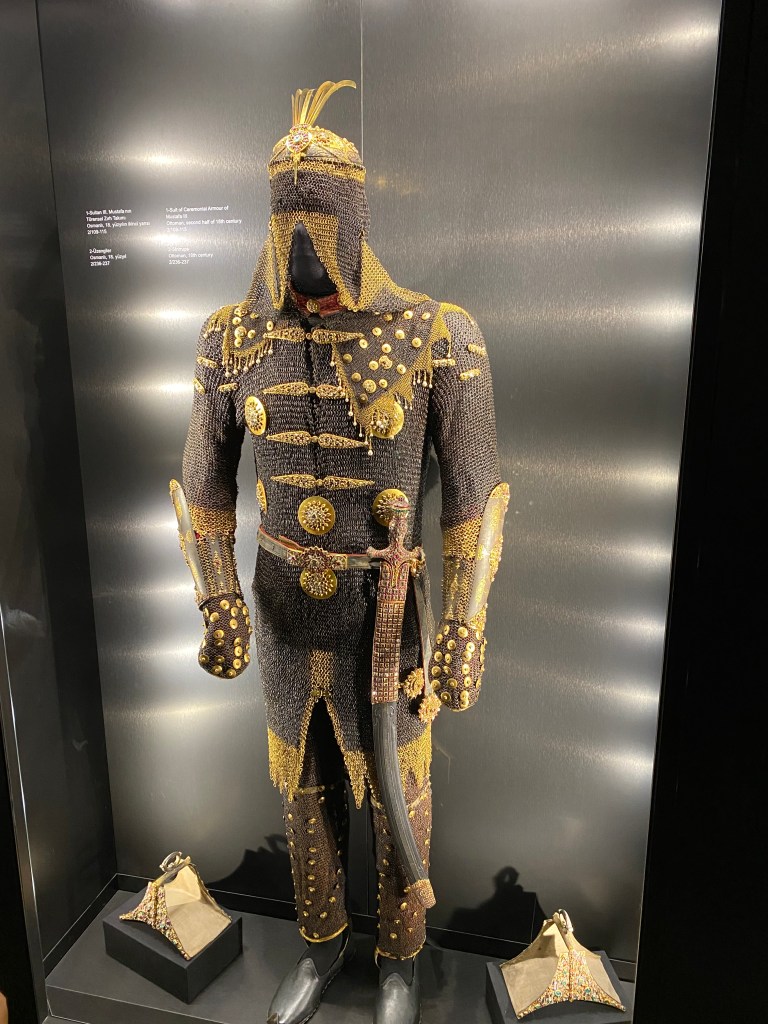
The palace museum, home to some pretty cool examples of Islamic arms and armor from the Ottoman period.

And, on the way out, but still on the grounds, the forlorn husk of Hagia Irene, Istanbul’s second largest church after Hagia Sophia. The Romans constructed a temple on this spot in the 4th century, but this wooden structure was superseded by a stone structure before this, too, was replaced by a much larger Byzantine basilica in the mid 500s after its predecessor was destroyed during the Nika riots of Justianian’s reign. (Hagia Sophia suffered a similar fate and Justinian had this rebuilt in grander fashion at the same time.)

Unlike the typical Ottoman habit of turning churches into mosques, Hagia Irene was converted to a gun depot.

The cross mosaic in what may be an apse(?) – It was really hard to tell, and Byzantine churches had different layouts than Latin Christian churches, with their nave, transept, apse structure that wasn’t apparent here – was created during the reign of Leo III the Isaurian in the first half of the 8th century (we add this detail only so was can say “Leo the Isaurian” which has a vaguely Ghostbusters’ Gozer the Gozerian vibe to it).

At the Istanbul Archeological Museum just a hundred yards downhill from Topkapi Palace an impressive (like 12 feet?) statue of the Egyptian god Bes, found on Cyprus where he was popular with the Phoenician colonizers.

Statue of Emperor Hadrian found on Crete, and shown squishing his conquered foe.

Reconstruction of the stratified layers of sequential building and destruction of Troy, located elsewhere in Turkey, but highlighted through a pretty impressive wing in the museum.

Some cool ancient Greek sarcophagi.

Even cooler Greco-Persian Sarcophagus of Sidamara – at 32 tons, the heaviest sarcaphogas ever found – from Anatolia.

After dinner drinks and snacks in ANOTHER cistern, this one converted into a really cool restaurant.

Which featured live music – great end to our stay in Istanbul.

Next up: the cavernous (literally) cornucopia of Cappadocia!

Categories: Istanbul, Cappadocia, and Paros, Turkey | Tags: , , , , , , , | Leave a comment

Turkey and Back to Greece: Cappadocia Part 1 – Göreme

(Just continuing to post on backlogged trips – this one from September 2022.)

From Istanbul, we flew to Kayseri in Cappadocia, rented a car, and drove to Göreme, our base town to explore the area for the next 3 days. Göreme lies at the heart of a network of valleys in a landscape of tuff – volcanic ash that has piled up over millennia. Over time, the elements eroded this soft deposit of rock to create not only valleys, but “fairy chimneys” where denser rock withstood erosion and led to natural obelisks set amidst a sandy and desolate landscape.

Until maybe the 3rd century; maybe earlier – hard to tell. But then, Christianity hit the area in the 4th or 5th centuries and cave churches, monasteries, and houses carved into the tuff flourished.

Leading, inexorably, to the creation of Göreme.

View from our cave hotel:

Time of day simply enhanced the optics of the town:

A view of Göreme from up the road near a little field trip to Uçhisar:

A minaret features prominently in town:

It was hot. There was a pool.

Maybe the coolest pool we’ve experienced?

A little wagon ride down into the valley below Göreme for a farm breakfast.

Another nearby valley on the way. Although some of the holes in the fairy chimneys are homes, most are little caves carved out to allow pigeons to roost. And then collect the shit for fertilizer. Which is pretty effective and brilliant, frankly.

Our ride. And Uçhisar in the distance.

The carved steps to doom.

Or breakfast. Whichever.

A brief tutorial on the arid garden supplying the farm.

And the farm itself, deep within the valley.

Breakfast underway.

We totally did not take pictures of the spread – which we very much should have, because it was pretty awesome. But we were so hungry we forewent all of that and just gorged. Sorry.

But here’s a carved and quite refined cave home within the tuff:

Farm infrastructure, also carved into the soft rock:

Uçhisar in the distance on the way back. (We’ll have full coverage of that outrageous outcrop in a future post – trust us.)

The terrace of our cave hotel, which is the most popular perch to perceive. . .

This! Every morning! Scores (hundreds?) of balloons taking advantage of the dawn thermals over the valley.

We’ll get to experience it ourselves the next day. But that’s a different post.

Final night in Göreme (but definitely not in Cappadocia – freakin’ awesome place with lots to show).

Categories: Istanbul, Cappadocia, and Paros, Turkey | Leave a comment

Blog at WordPress.com.